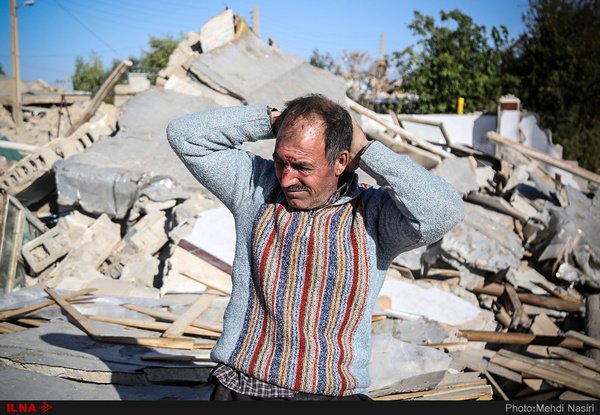
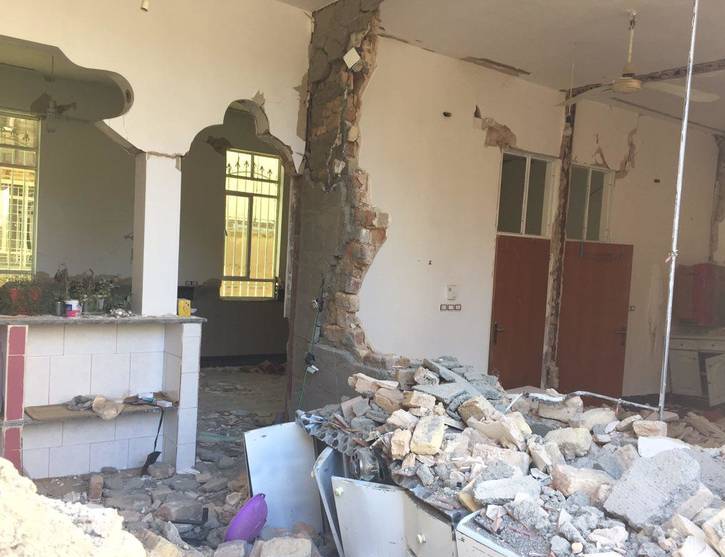
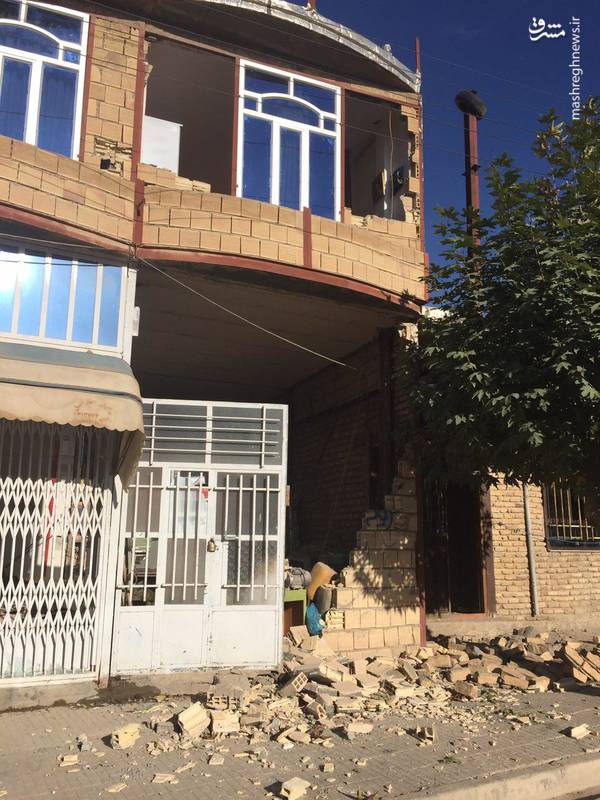
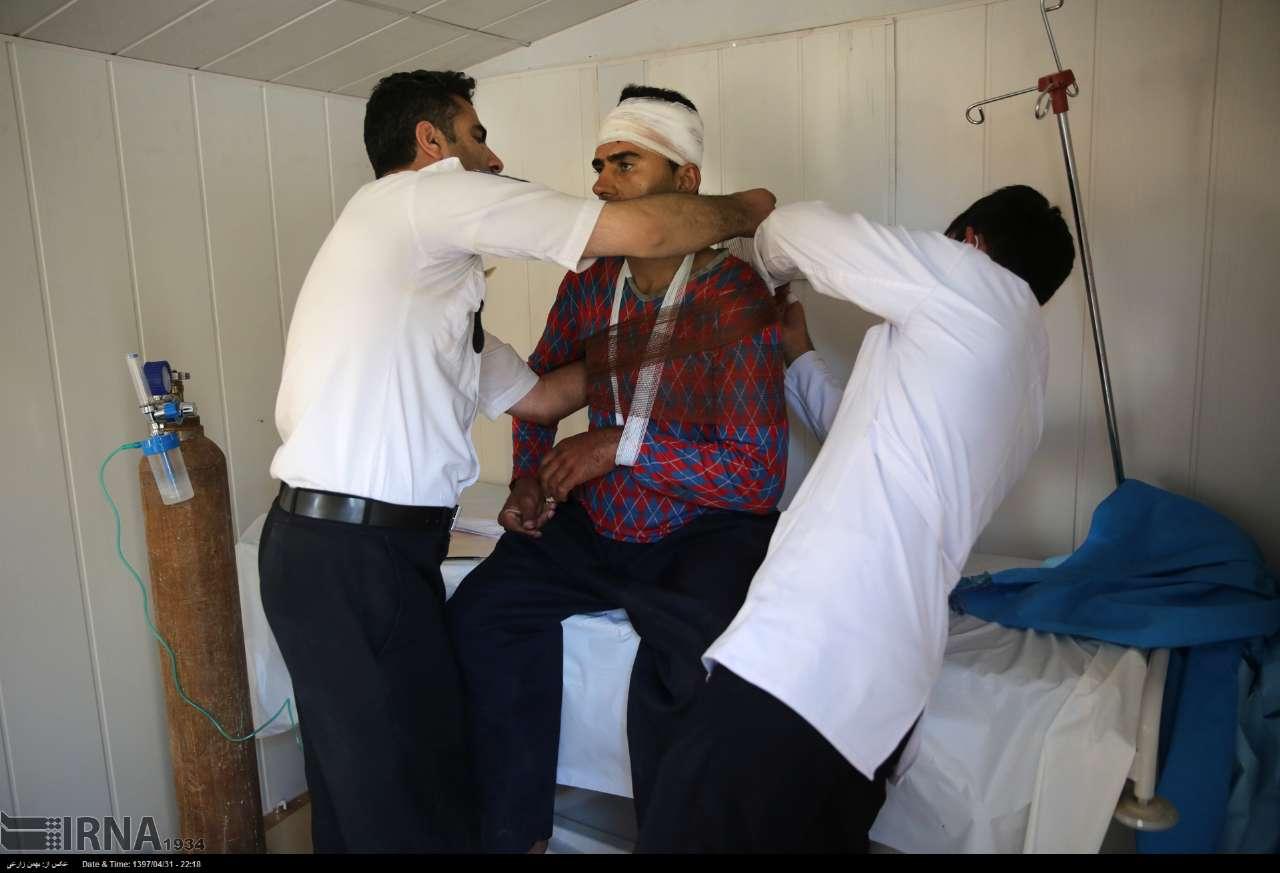
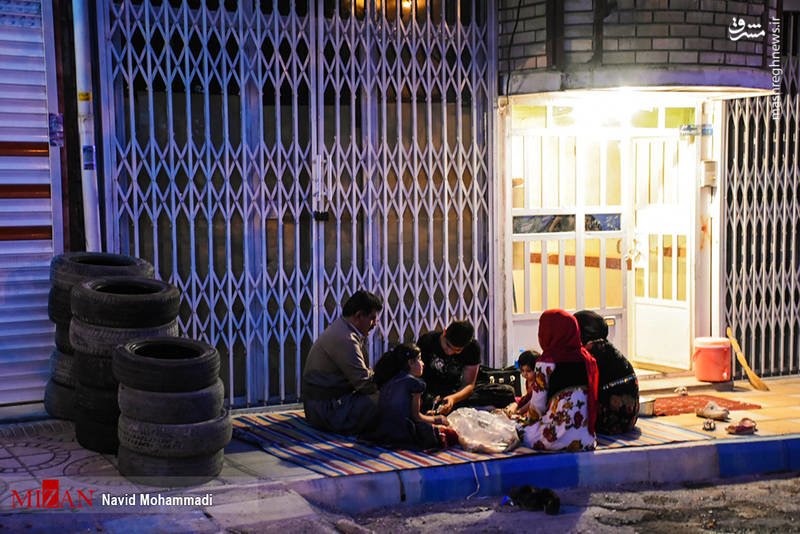
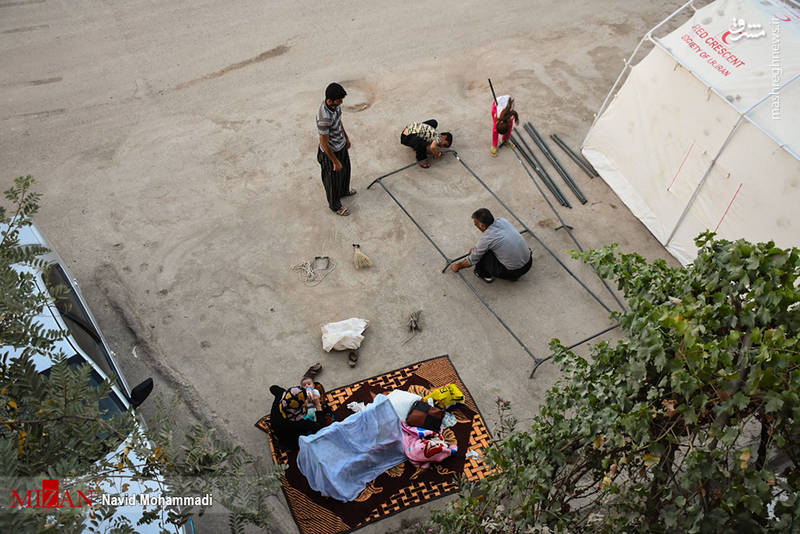
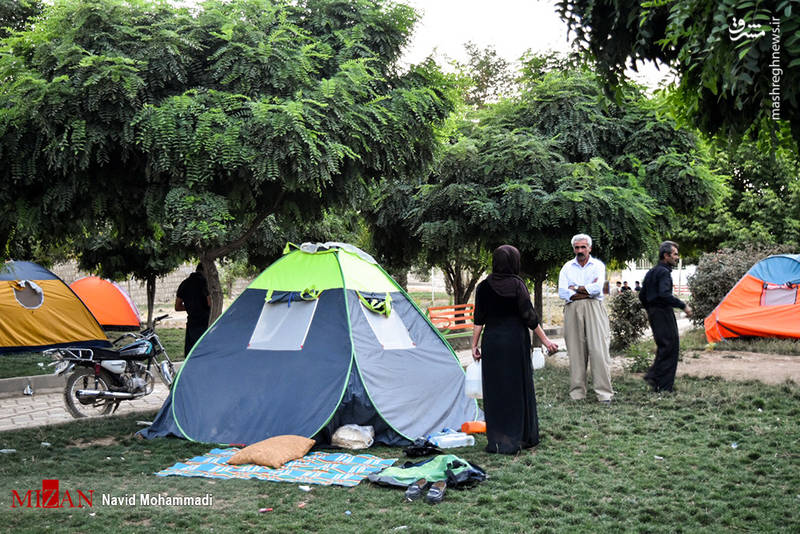
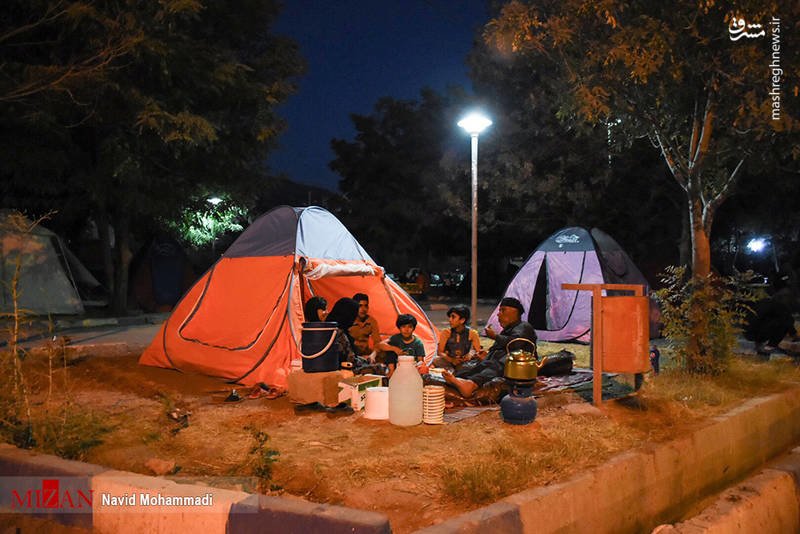
Kermanshah Province officials say the magnitude-5.9 earthquake in the western region injured 248 people and destroyed many houses, but left no one dead.
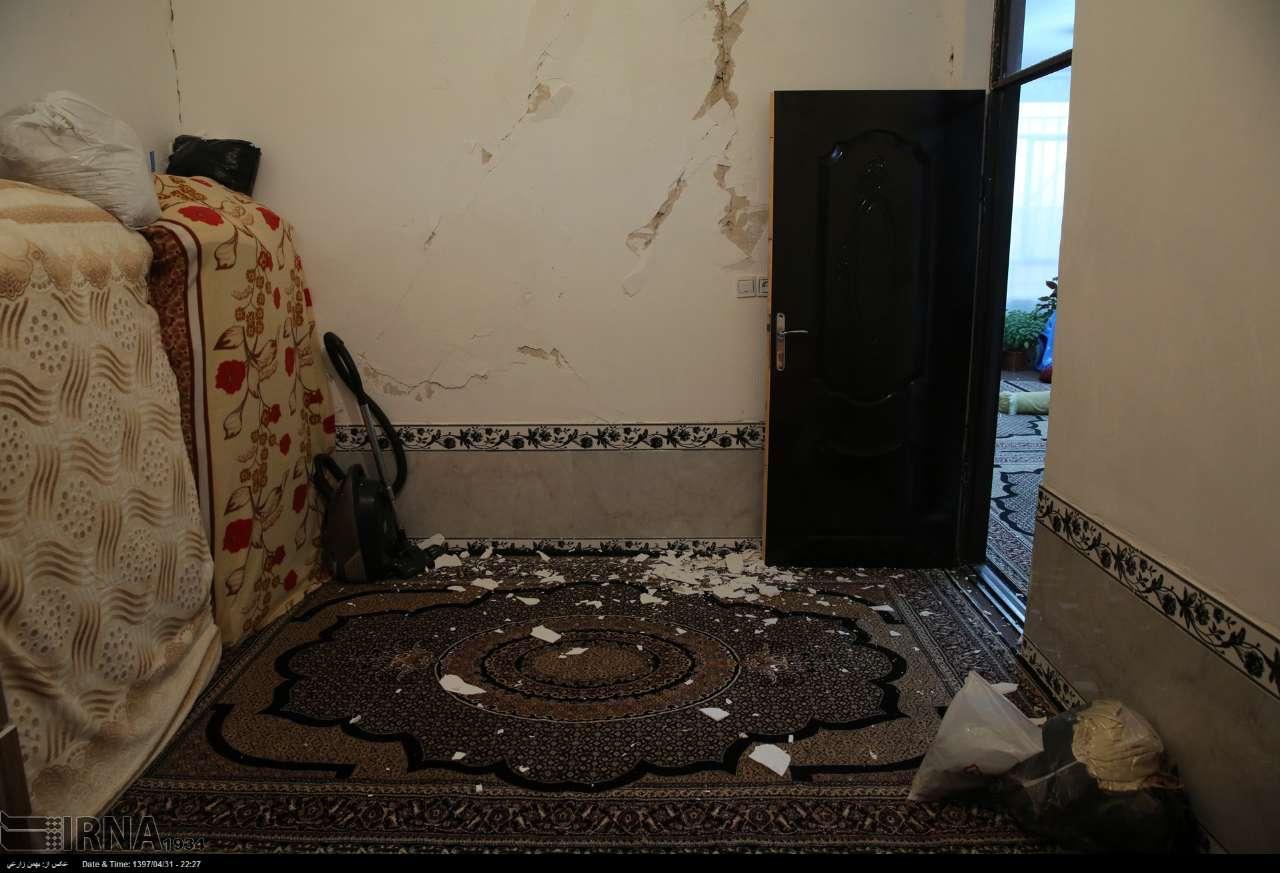
More than 700 houses have been damaged in rural and urban areas of the province, according to official reports.
Director General of Crisis Management Department of Kermanshah province, Reza Mahmoudian, said 21 people are hospitalised in the city of Kermanshah.
According to a report by ILNA, he went on to say that 15 people have been discharged and 6 are being treated.
“So far, 101 rural houses and one urban house have been destroyed. 250 rural houses and 600 urban ones have also been damaged in Dalaho, Salas Babajani, Javanrud, Eslamabad Gharb and Kuzaran regions,” he added.
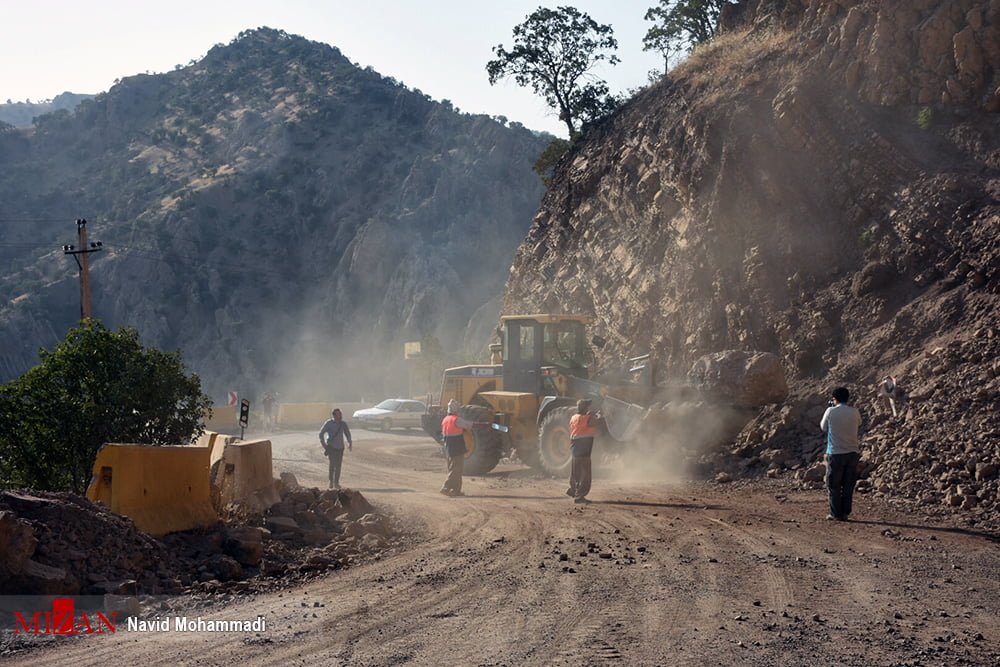
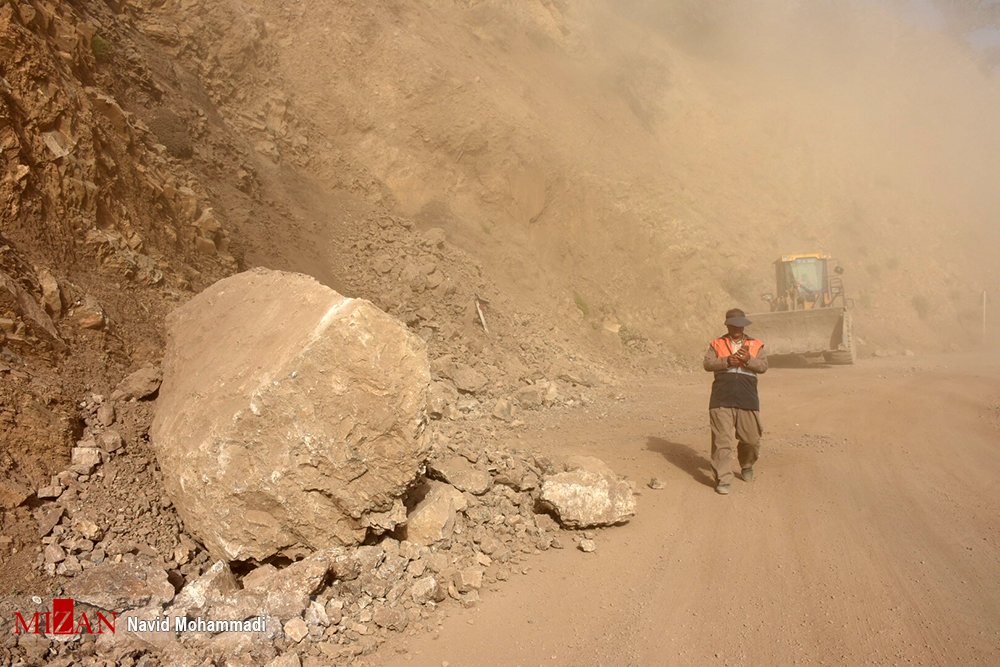
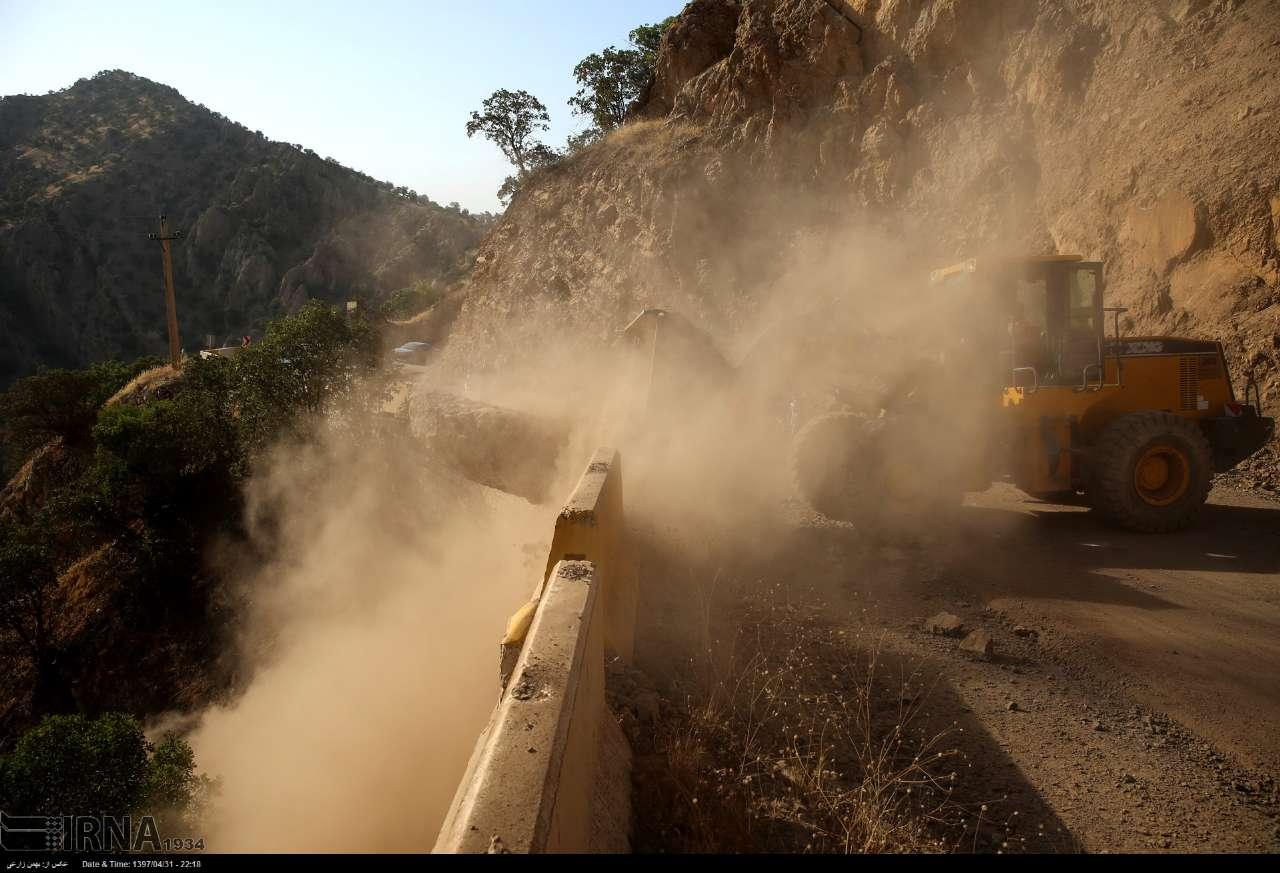
Mahmoudian also mentioned that the Javanrud-Salas road, blocked by the earthquake, was reopened and water and electricity problems of 15 villages in this province, which were cut off by the quake, were resolved within the first few hours after the incident.
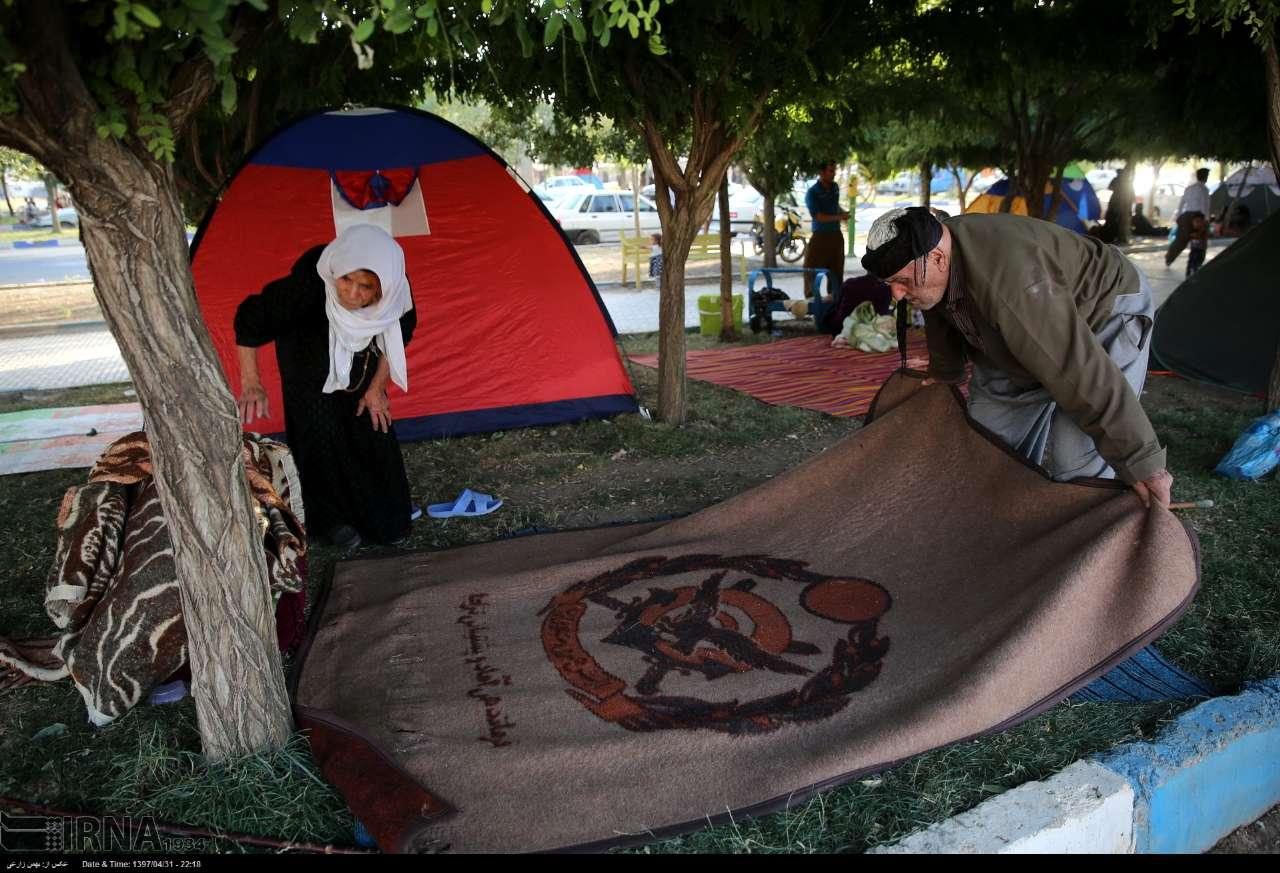
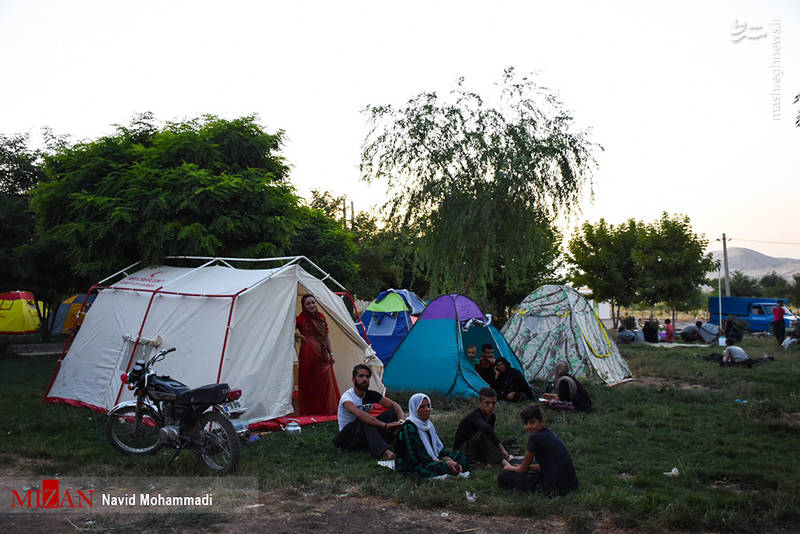
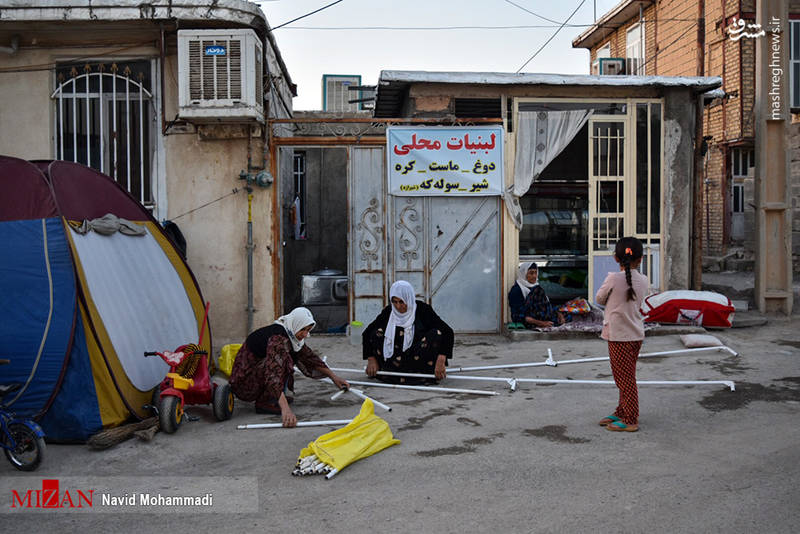
“Relief forces also distributed tents and food items among people.”
He further stated that as of yesterday, 15 aftershocks of more than 3 on the Richter scale have occurred in the area, and we have seen more than 70 aftershocks which were measuring less than 3 on Richter scale.
A few hours later, another 5.8-magnitude earthquake also jolted the south-eastern province of Kerman, which caused material damage and left some 79 people injured.
According to the Seismological Centre of the Institute of Geophysics of Tehran University, the tremor struck at around 01:09 a.m. local time on Monday and its epicentre was placed about 19 kilometres of the village of Sirch at the depth of 10 kilometres.
Mohammad Hossein Yazdanpanah, an official with the county of Shahdad in Kerman Province, said the earthquake had left no casualties, adding that rescue teams have been sent to help.
However, Seyed Mohammad Saberi, the head of the province’s medical emergency centre, later said that 79 people have been taken to hospitals in Kerman following the strong quake.
Earlier in November, a magnitude-7.3 earthquake struck Kermanshah province, killing more than 600 and injuring more than 9,000.
Sarpol-e Zahab in Kermanshah province suffered half of the temblor’s casualties.
Iran, which sits on several geological fault lines, is prone to earthquakes and suffers a quake per day on average.




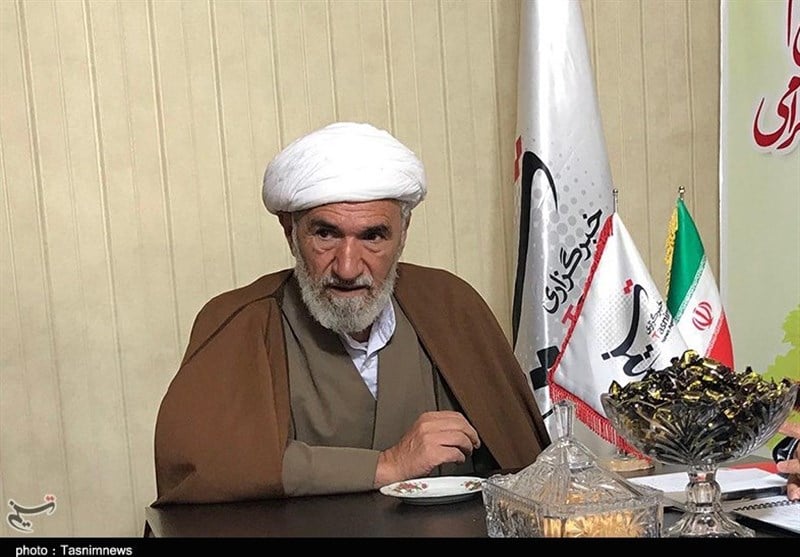
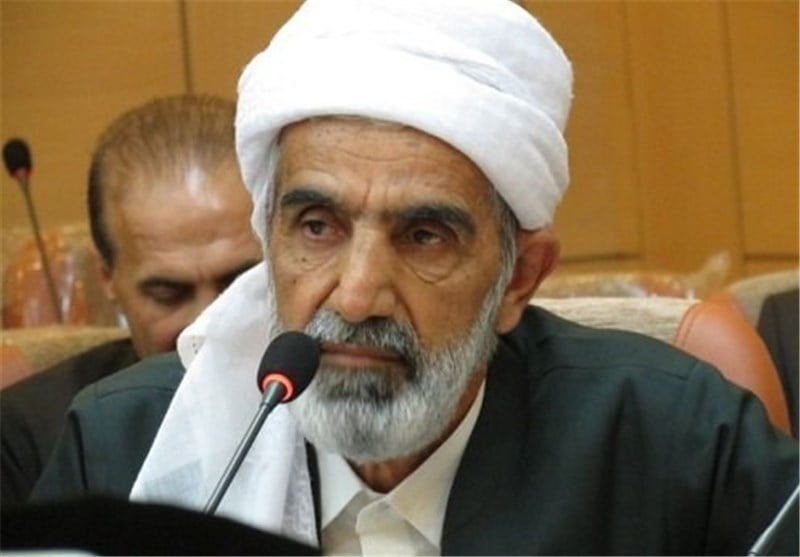 Mamosta Faeq Rostami, the representative of Kurdistan Province in the Assembly of Experts, said such terrorist attacks are against the teachings of Islam.
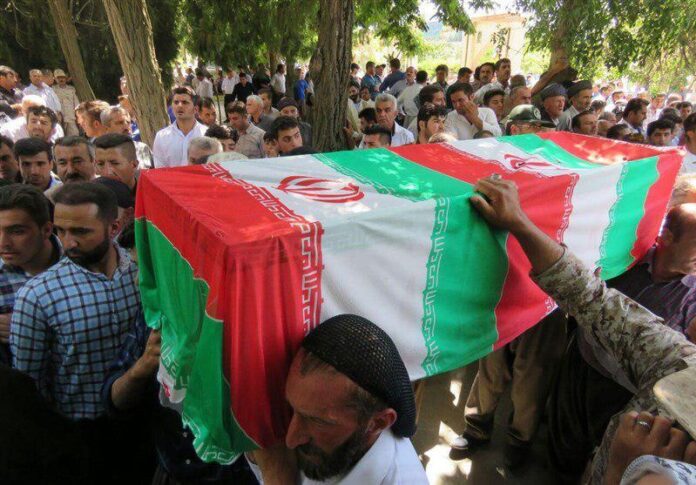
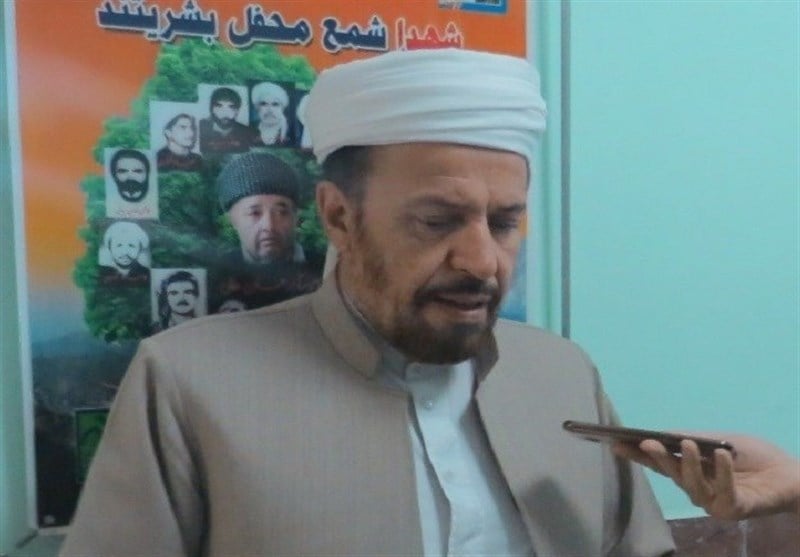
 Mamosta Mohammad Amin Rasti, the Friday Prayer Leader of Sanandaj, said the heart-breaking massacre puts on display the misery of anti-revolution elements and foreign-backed mercenaries.
 Mamosta Marouf Khaledi, the Friday Prayer Leader of Divandarreh, said the IRGC forces lost their lives to defend the security, honour and pride of the Iranian nation.



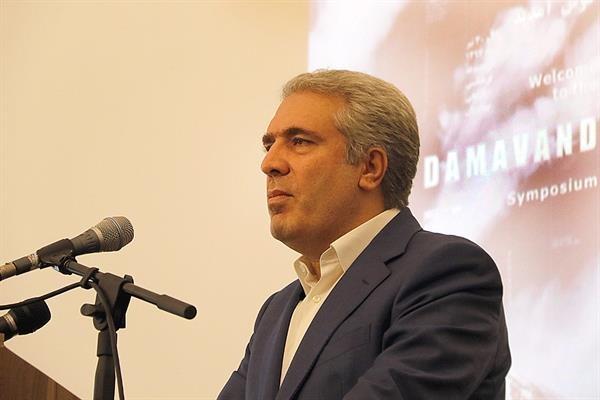 According to Miras-e Arya, Moonesan told the symposium, “I am very pleased to attend this summit on the occasion of the anniversary of the first ascent of a European to the peak of Mount Damavand; a ceremony to commemorate an Austrian climber, scientist and researcher who has managed to climb Damavand.”
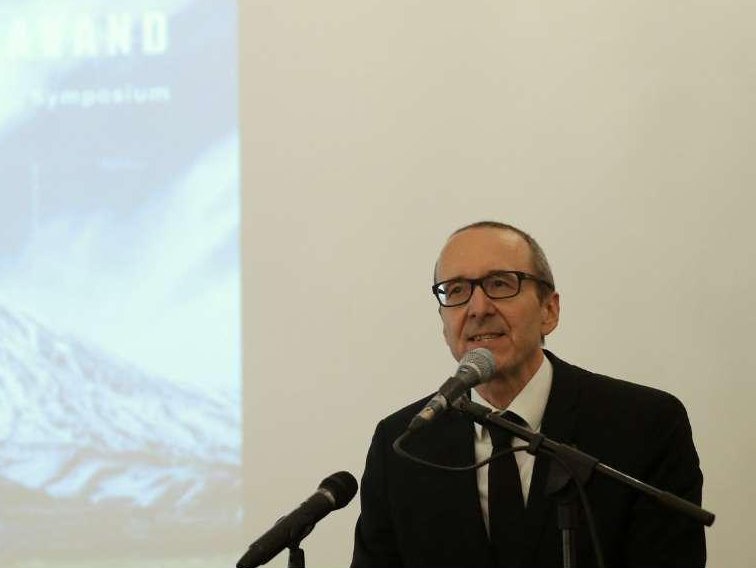 Austrian ambassador to Iran, Stefan Schulz, also hailed the holding of such a symposium in Iran, expressing his satisfaction with the ceremony and appreciated the efforts by the ICHTO for hosting the event.