Monday, December 29, 2025
Home Blog Page 3438

Austria Interested in Learning How to Build Iranian Mud Building: Envoy

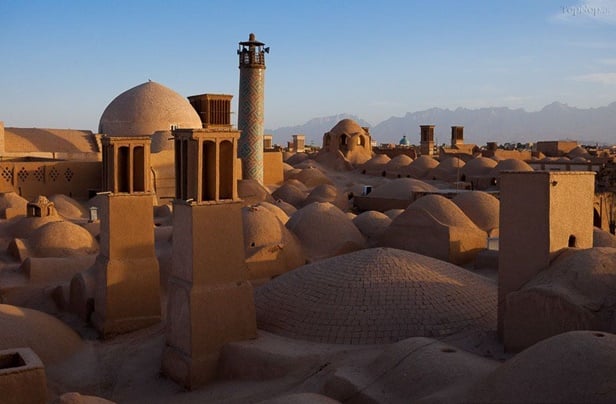
Speaking about the transfer of knowledge from Vienna to Iran and vice versa, the ambassador said that “mud buildings are very popular in Austria. These well-known structures, such as wind-catchers, are attractive to our citizens in Austria. In fact, the lifestyle today has led people to live in more relaxed buildings.”

“Before the opening of this exhibition, we had a trip to Yazd, and we were accompanied by the adviser of the Urban Design and Architecture Department of Yazd. As a result, the city’s officials announced their readiness to participate in the event. On this basis, it is also decided to hold joint workshops in Austria and Iran to exchange art and knowledge, especially in the field of building mud structures.”

The Austrian ambassador further mentioned that the buildings of Yazd are registered on the UNESCO list adding that negotiations have been held to transfer knowledge of constructing these structures, but the exact timing is not clear yet.

In this regard, he said, a representative from the University of Vienna is to hold consultations with a representative from the University of Yazd to discuss how the job will be carried out.

“At the moment, some people in Vienna and Austria are interested in healthy homes that are built with healthy materials such as wood, straw and even mud, so such measures can be used as a business,” added the Austrian official.

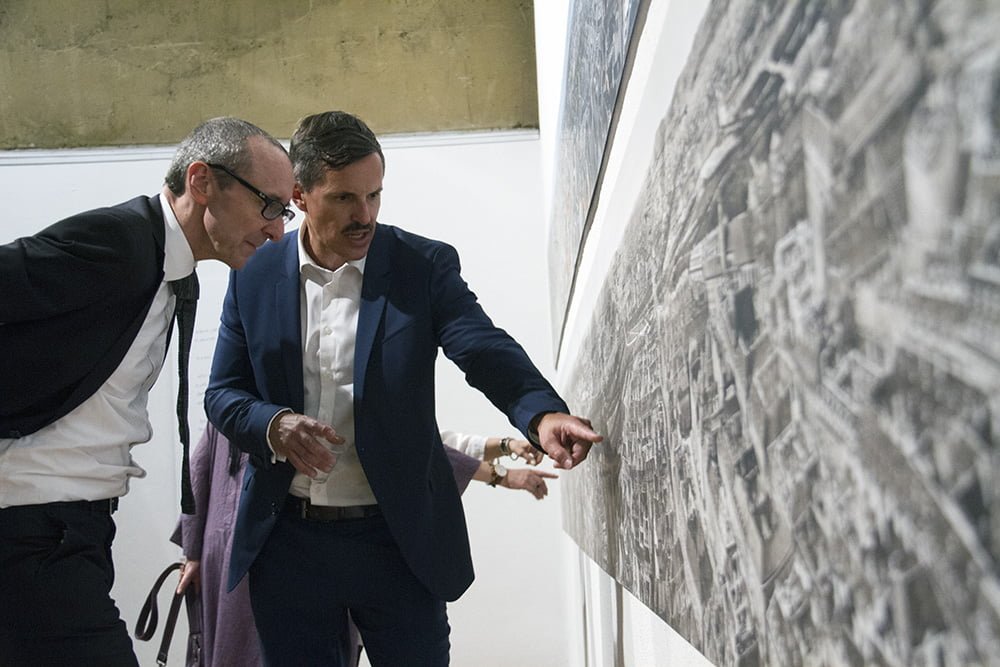
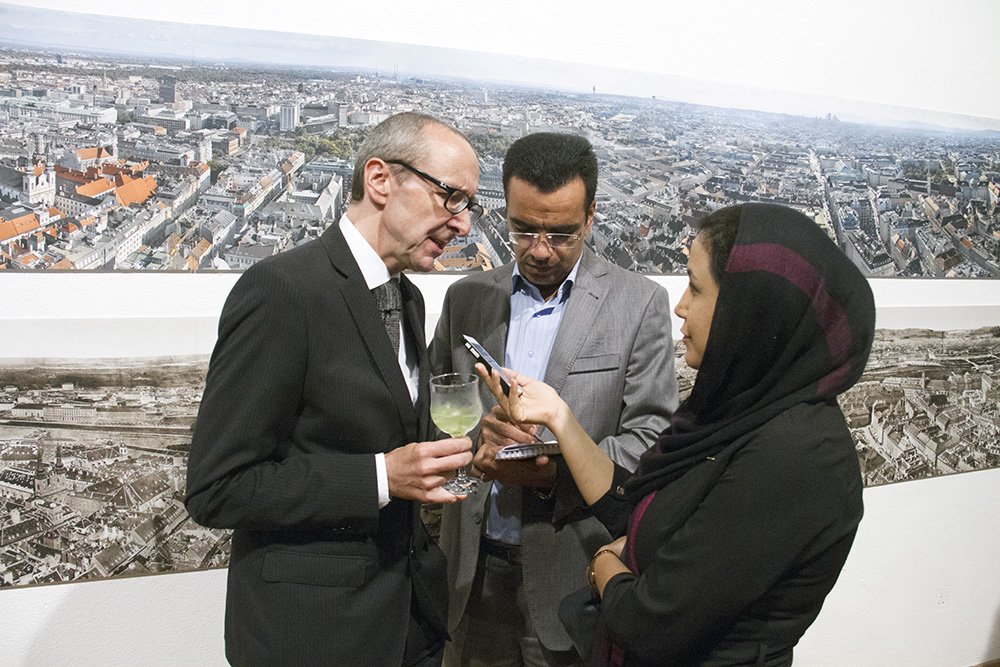
He made the comments during a ceremony to mark the 60th anniversary of the establishment of the Austrian Cultural Centre in Tehran and the 100th death anniversary of the prominent Austrian architect Otto Wagner. This ceremony was recently held at the Niavaran Cultural Centre in Tehran.

Otto Wagner (1841-1918) is one of the prominent European architects of the 19th century and early 20th century. His designs today are among the most important examples of architecture in the period of architectural transformation from historicism to modernism.

On the occasion of the 100th anniversary of the death of Otto Wagner, part of the great exhibition held by the Vienna Museum to commemorate him is put on show in Tehran.

Schulz said on the sidelines of the opening of the exhibition “Otto Wagner; the Endless City”, that art is an important factor in introducing Iran to the world.

“Iran and Austria have a long history of relations that is very significant and different from Iran’s ties with many other European countries,” said Schulz.

“The history of relations between Iran and Austria dates back to many years ago. The first official communications of these two countries were recorded 700 years ago, and the first partnership between Iran and the Austrian government goes back to 500 years ago at the time of Shah Ismail Safavid.”

The Austrian ambassador said, “Otto Wagner; the Endless City”, is a step towards showing significance of the relations between Tehran and Vienna.

“This exhibition is the first step in explaining the importance of our relationships. As you know, Wagner is an artist beyond an architect who has a comprehensive look at life and urban life,” noted Schulz.

He spoke about the influence of Wagner in Iran, saying that two of Wagner’s students came to Tehran many years ago and played a significant role in the design and architecture of modern state-owned buildings in the country. “As you know, part of the ideas of these people were crystallised in the urban and social development.”

“Otto Wagner; the Endless City” will run through August 28 at Niavaran Cultural Centre.
Jury Amazed by Iranian Kid’s Performance at National Music Festival

Parsa, a very talented instrumentalist from the city of Karaj, was the youngest participant who took the stage at the 12th National Youth Music Festival, which is underway in Tehran.

Parsa’s mastery in playing tonbak, an Iranian percussion instrument, attracted the attention of all jury members. They took photos with him and one of the masters hugged him after listening to his performance.

The 12th National Youth Music Festival will be underway until September 8 in two sections at Niavaran Cultural Centre and Rudaki Hall.

What follows is a video of Parsa’s joint performance with renowned Iranian singer and instrumentalist Ali Zand-e Vakil:

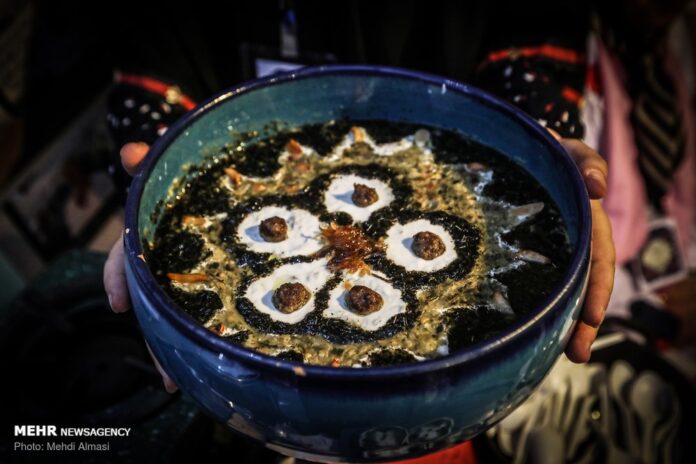
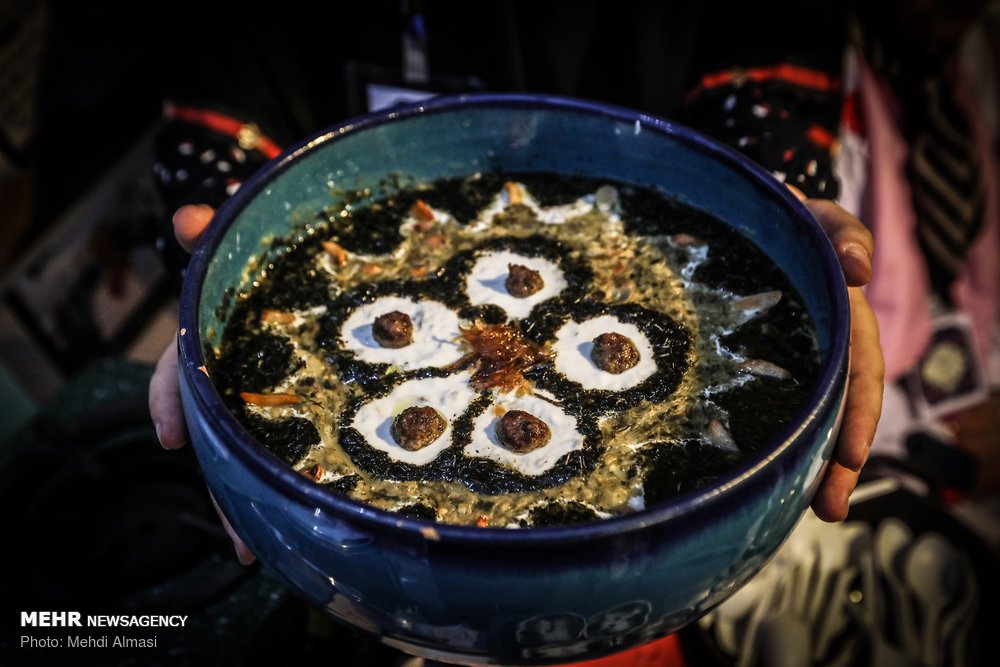
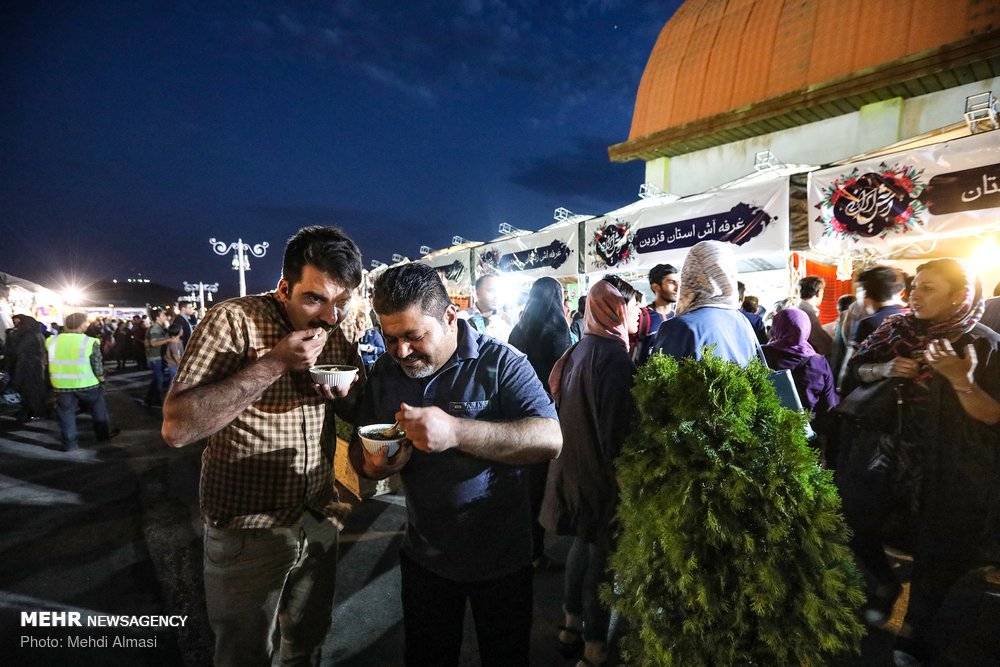
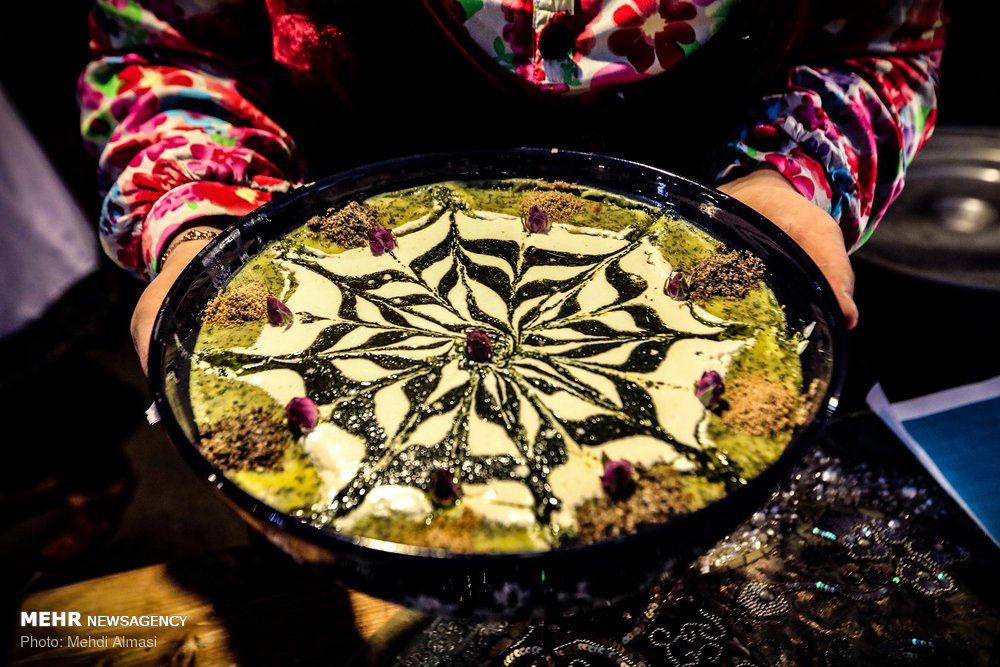
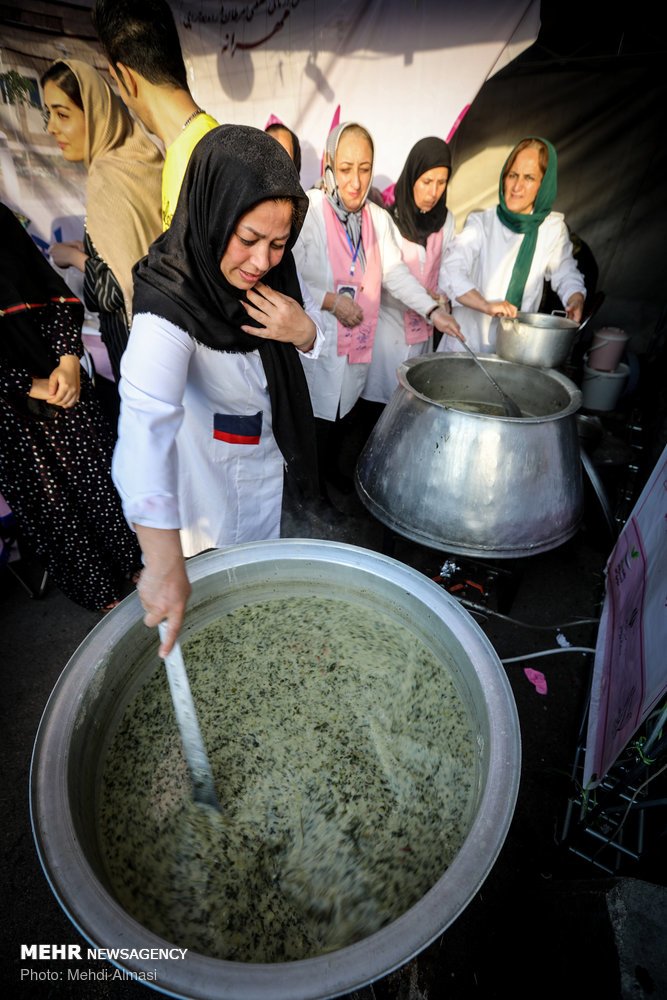
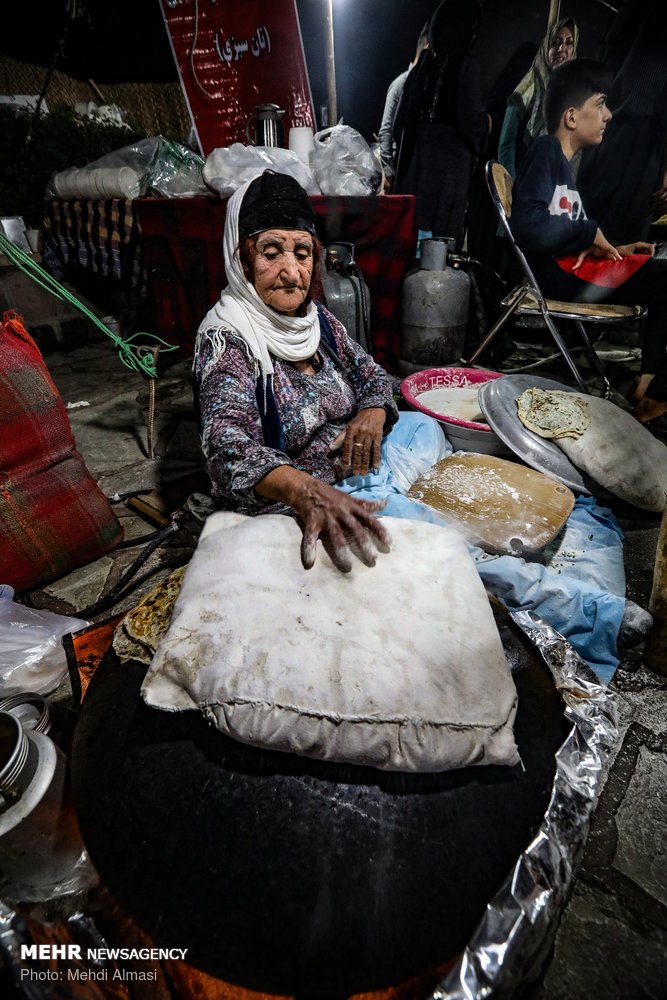
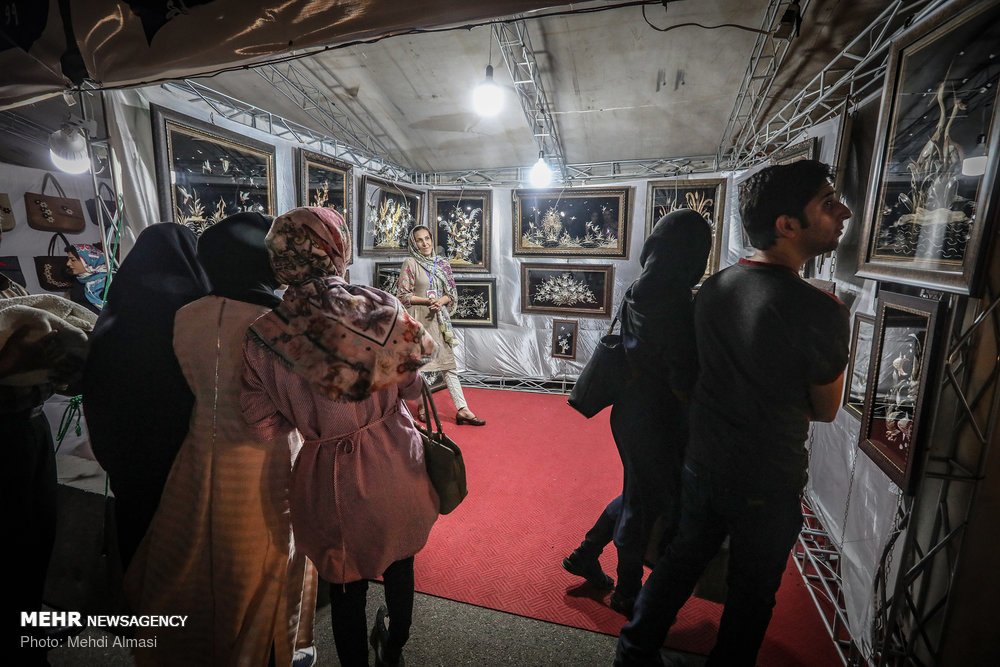
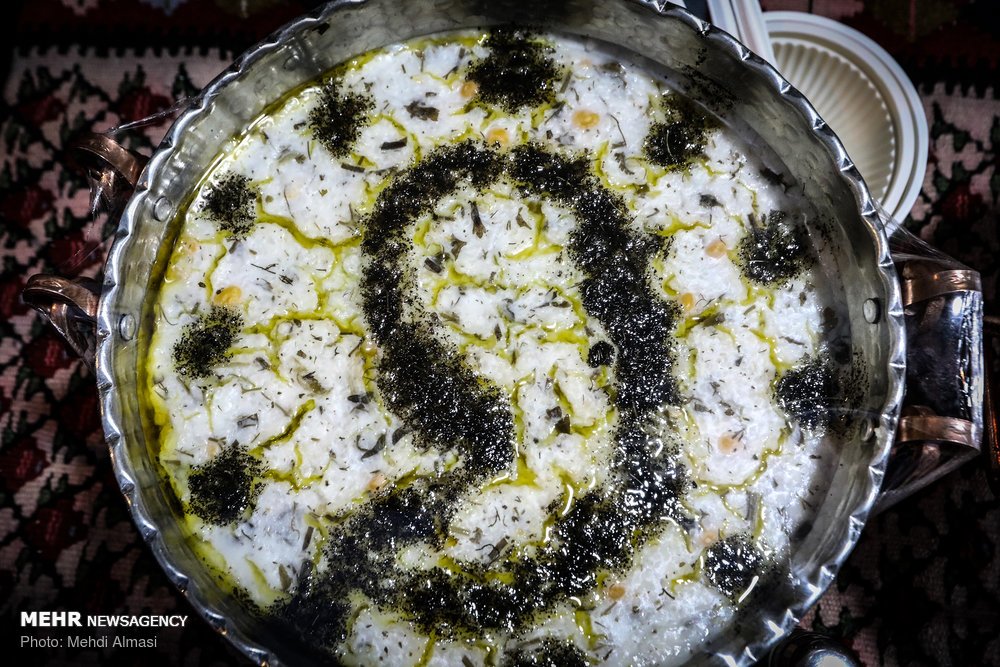
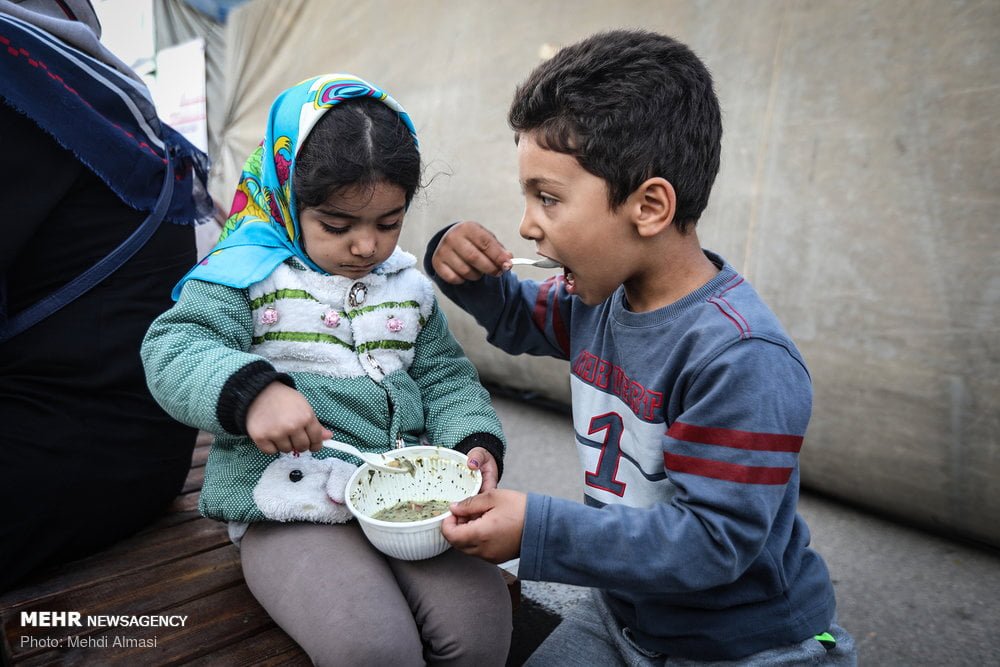
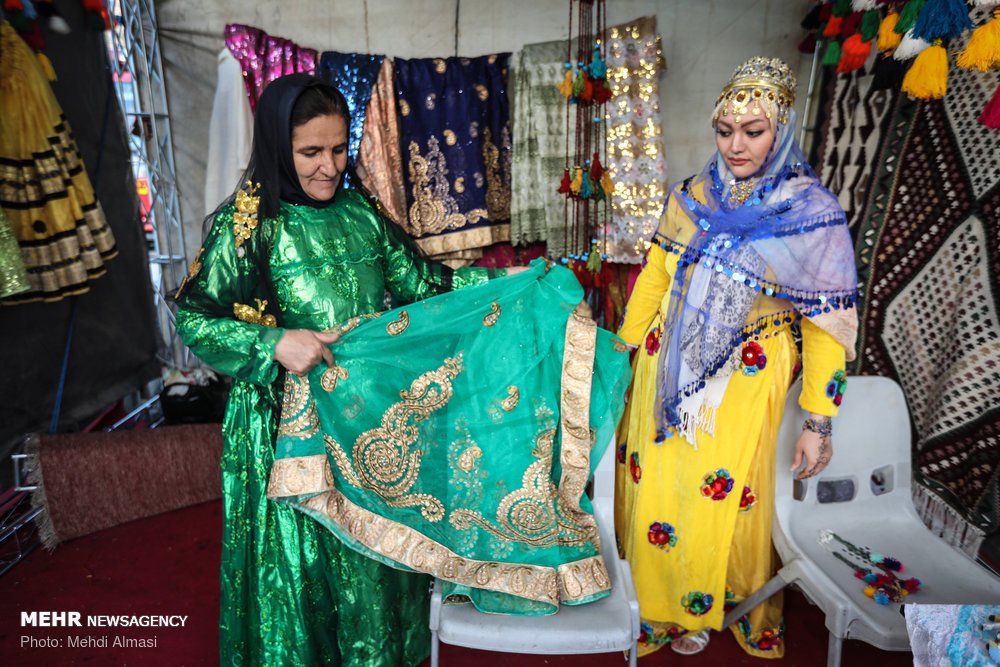
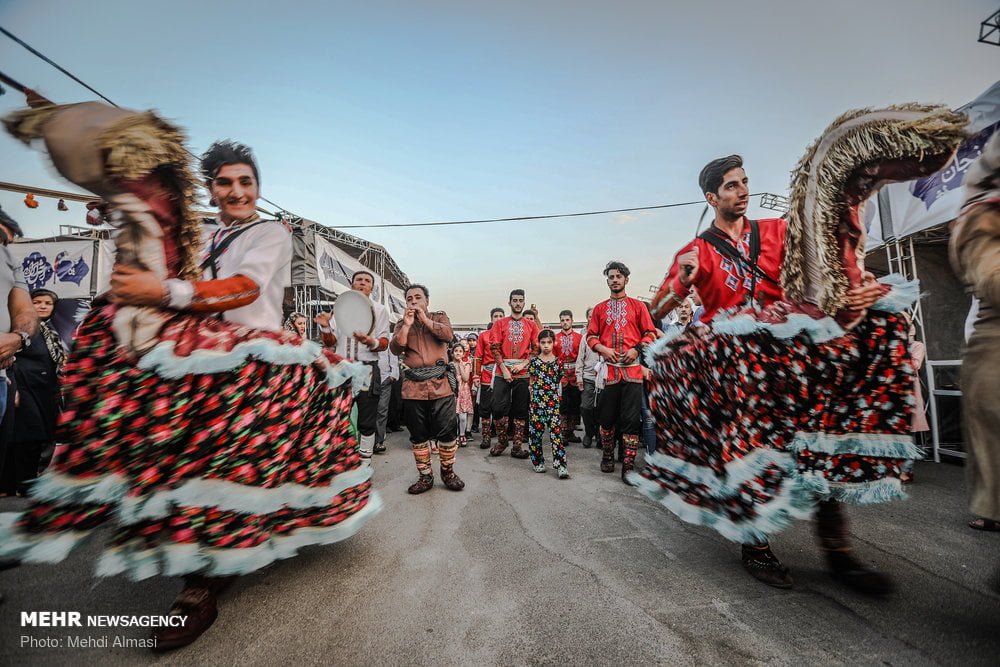
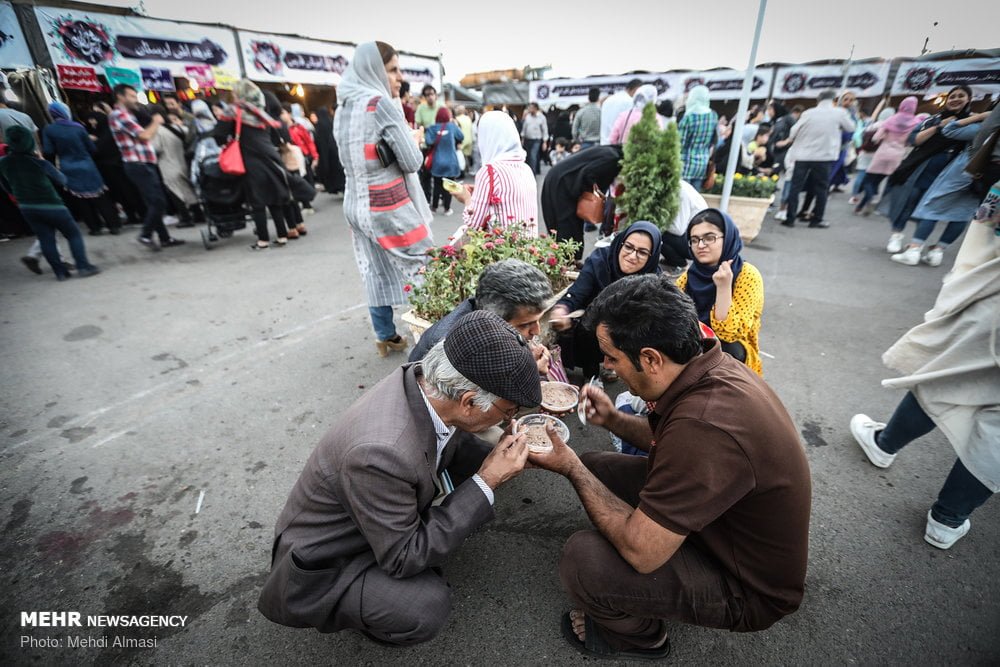
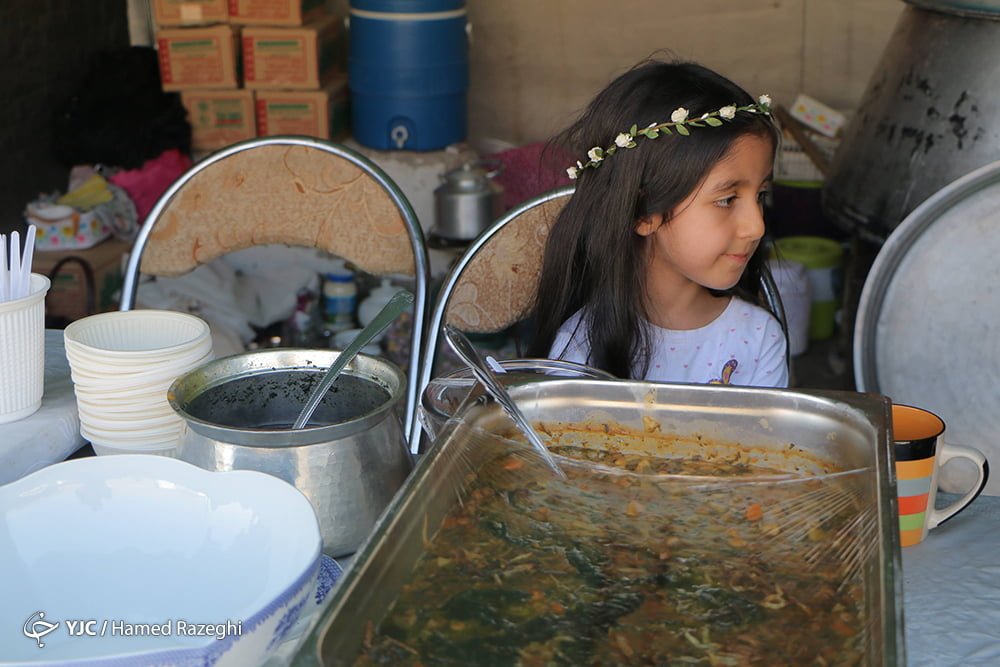
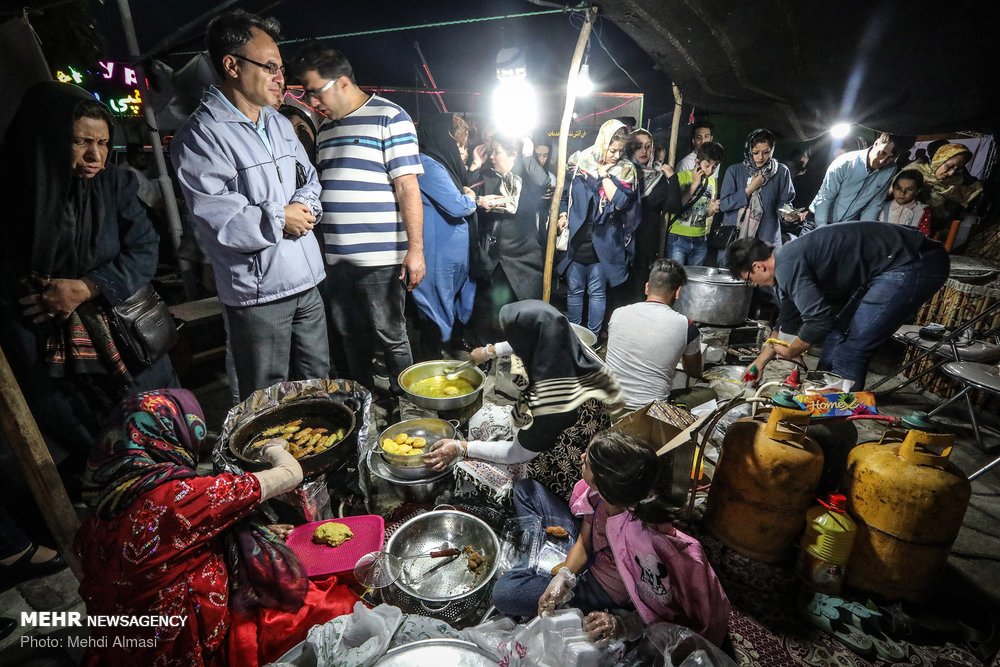
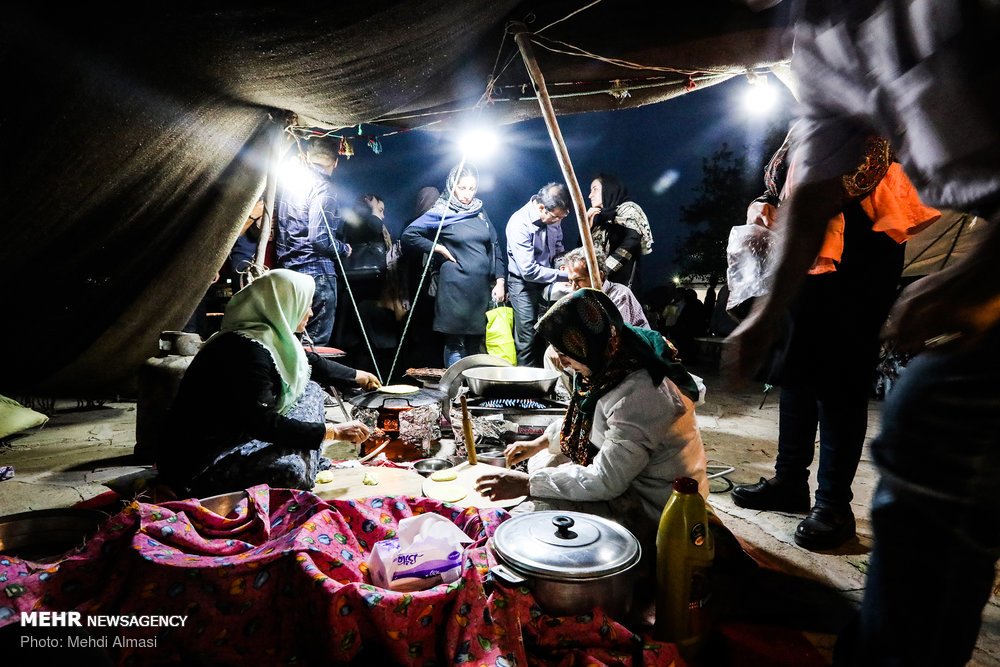
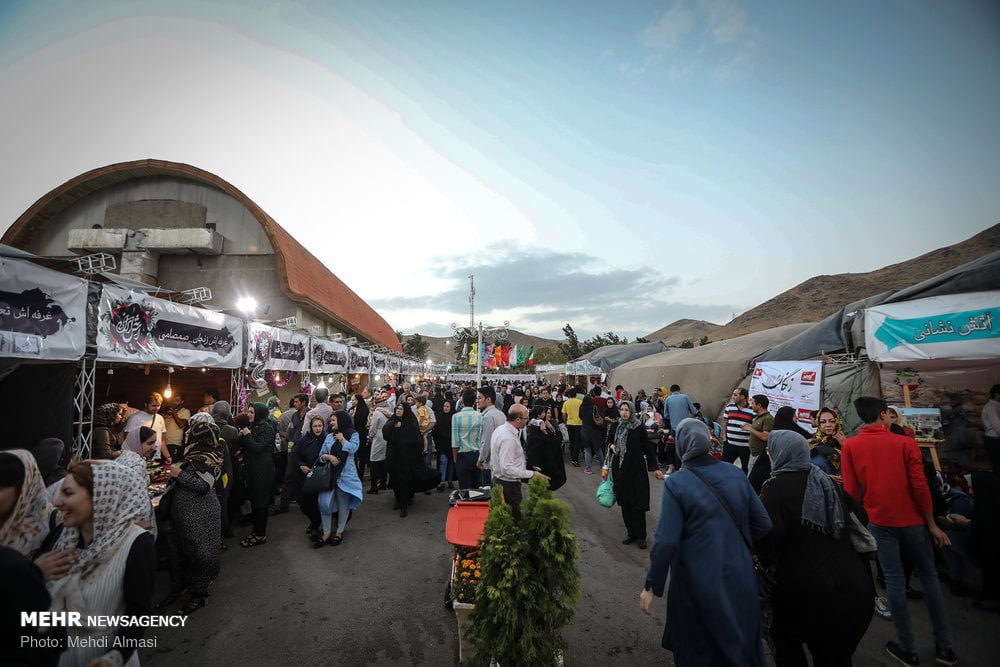
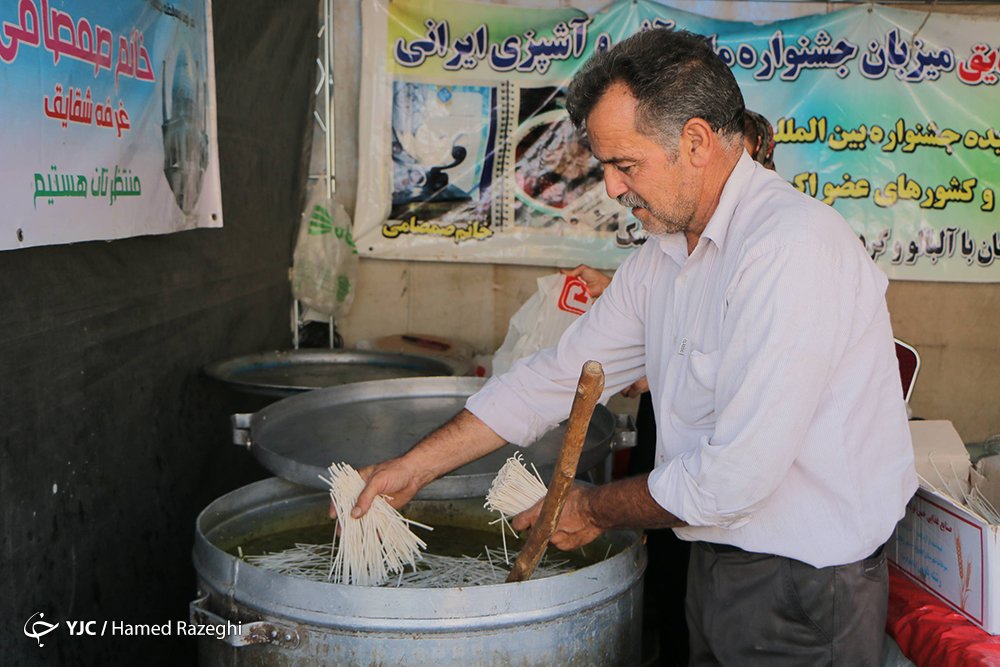
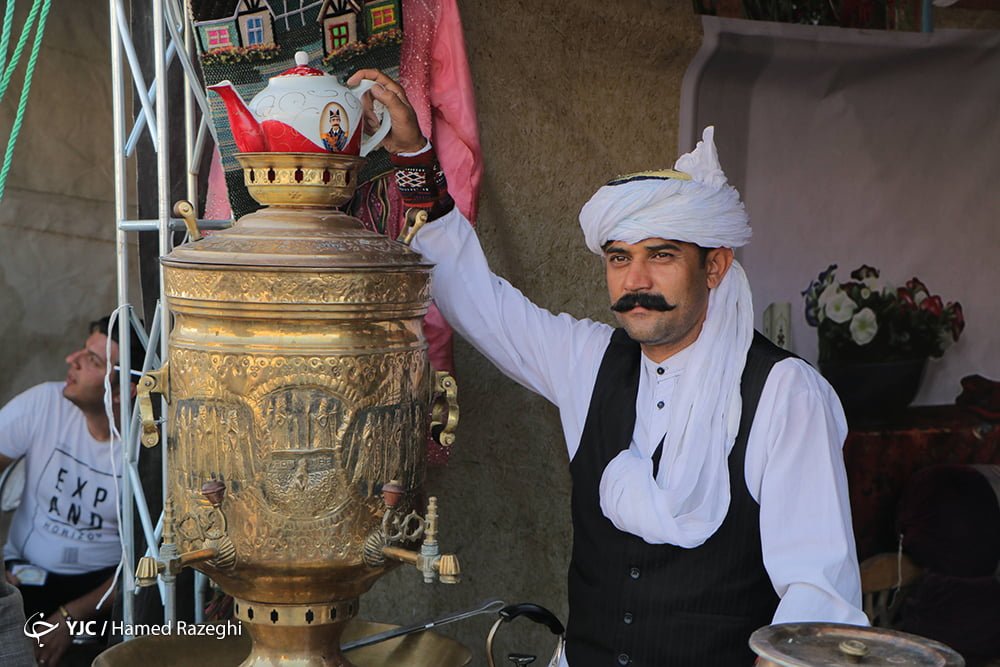
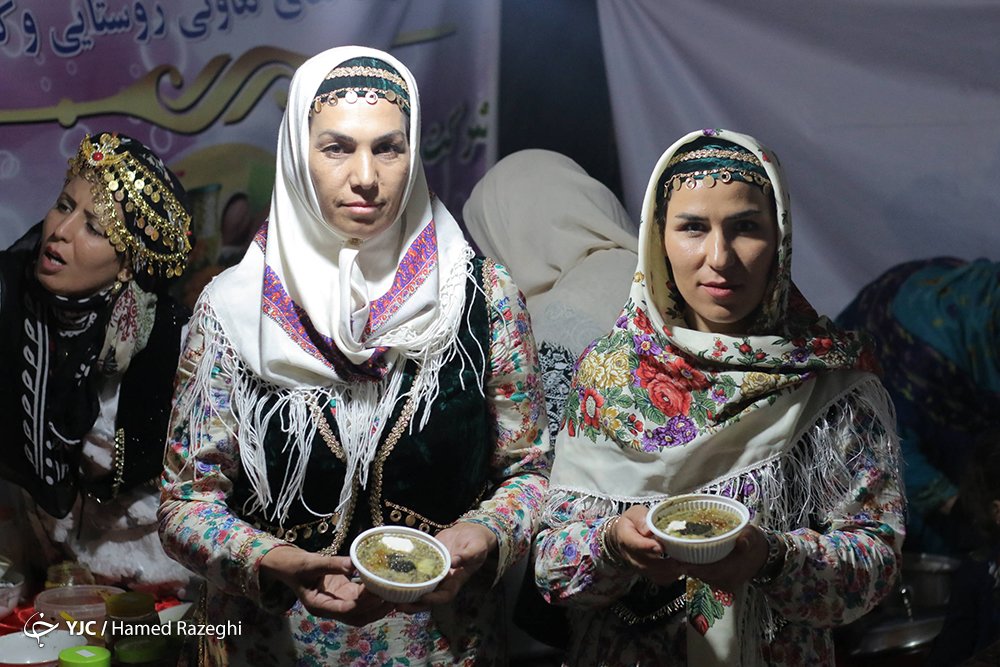
Colourful Persian Broths Showcased in National Festival

45 types of broths and soups were cooked every day during the festival, said Yahya Rahmati, the Director General of the Cultural Heritage, Handicraft and Tourism Department of Zanjan.

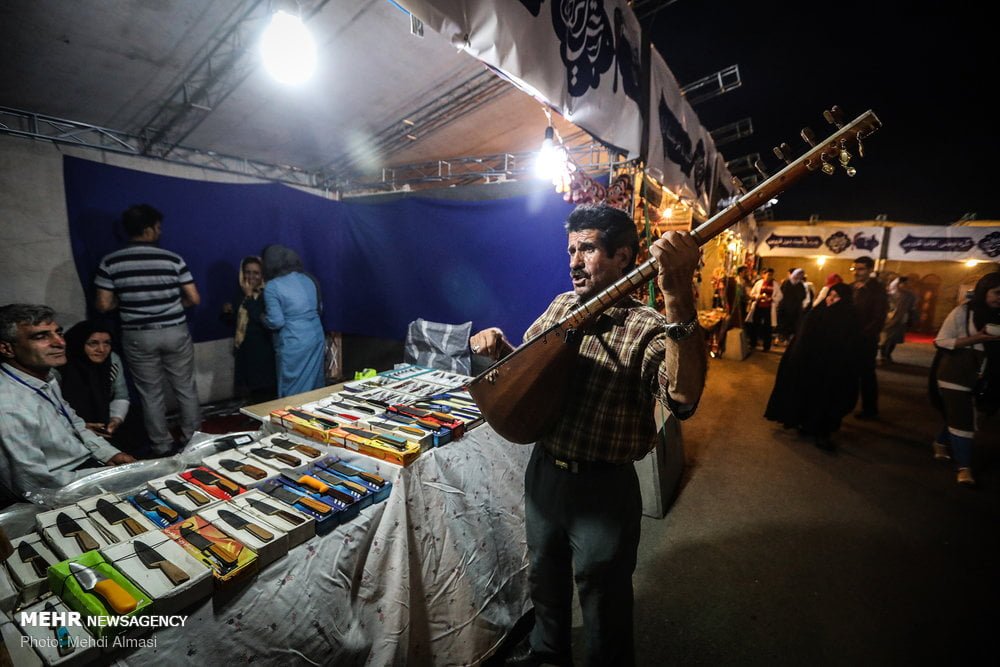
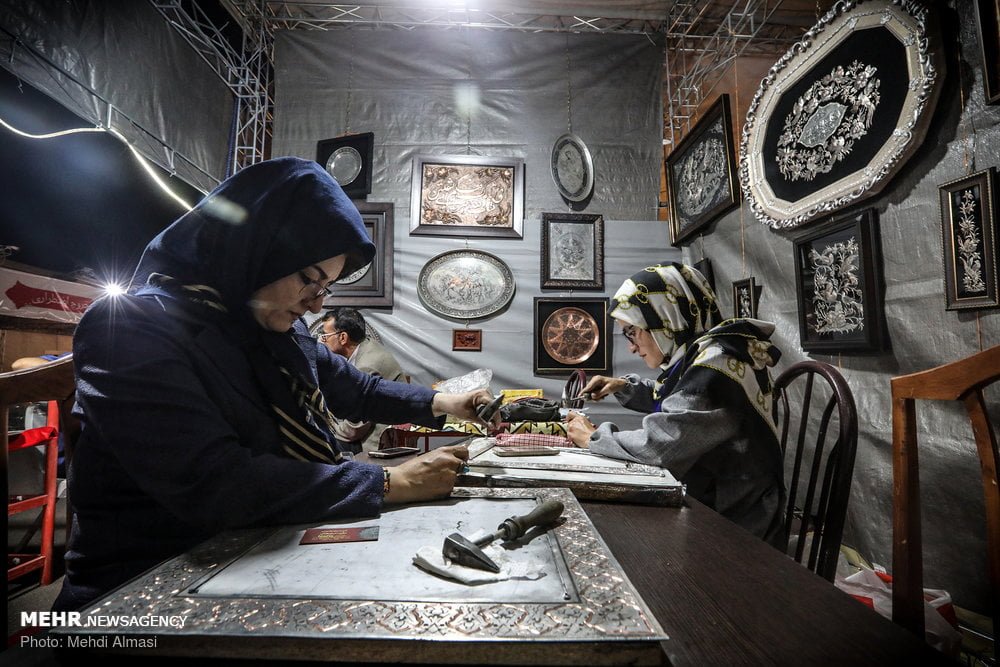
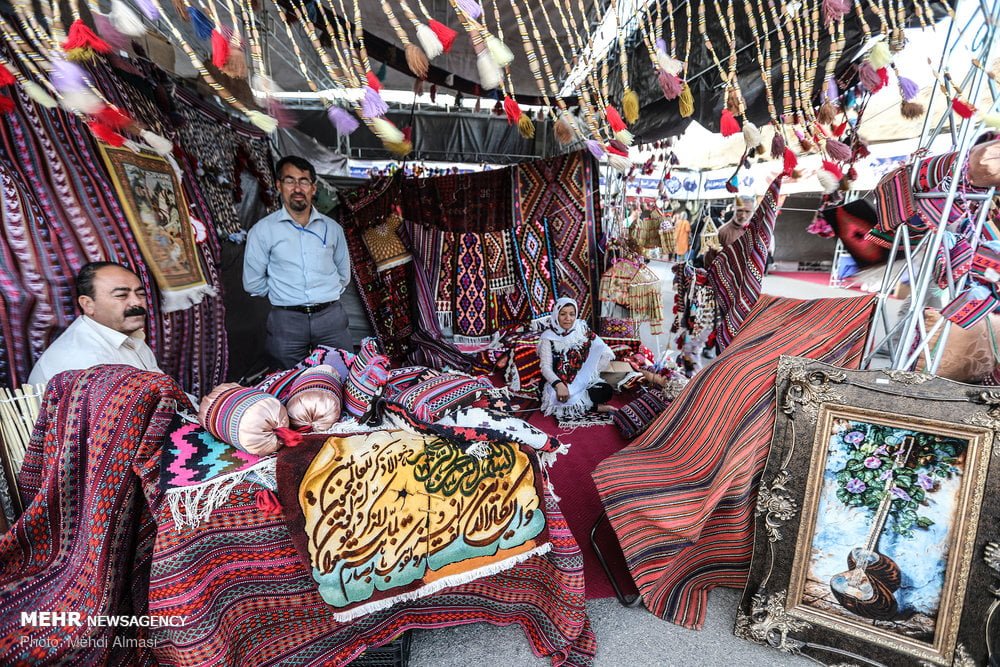
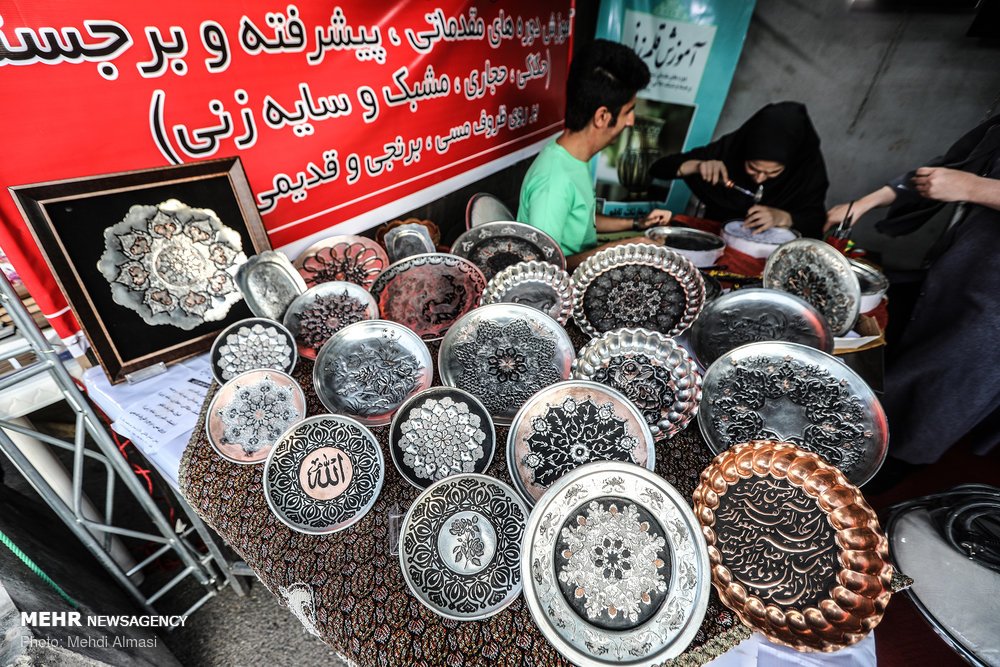
On the sidelines of the festival, he noted, a large handicrafts exhibition was opened, during which the artworks of 31 provinces were presented.

Rahmati went on to say that the broth festival is now the largest food festival in the Middle East.

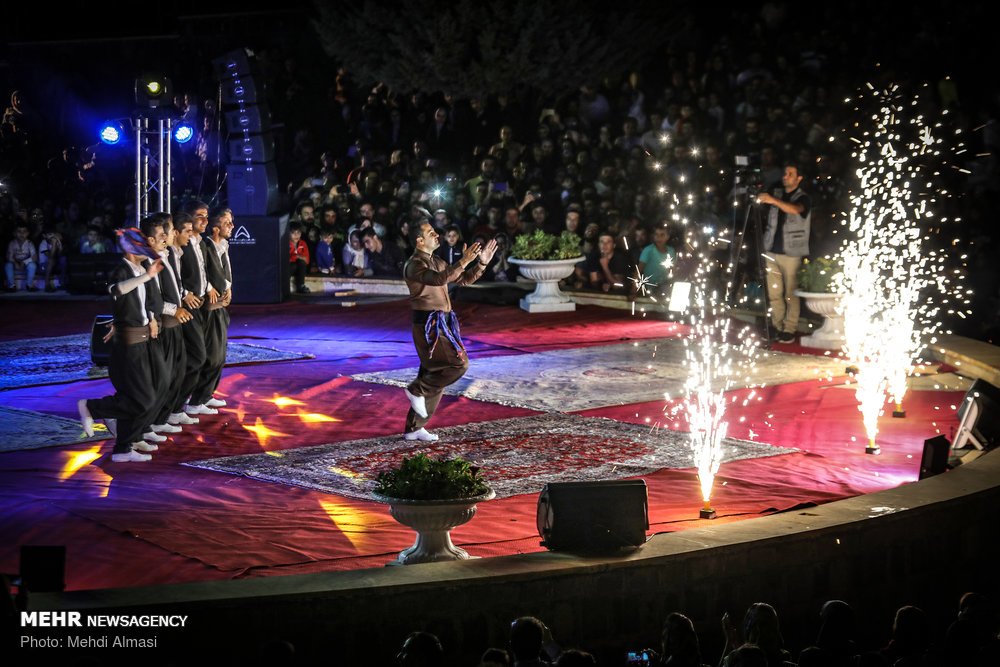
What follows are photos of the festival retrieved from various sources:

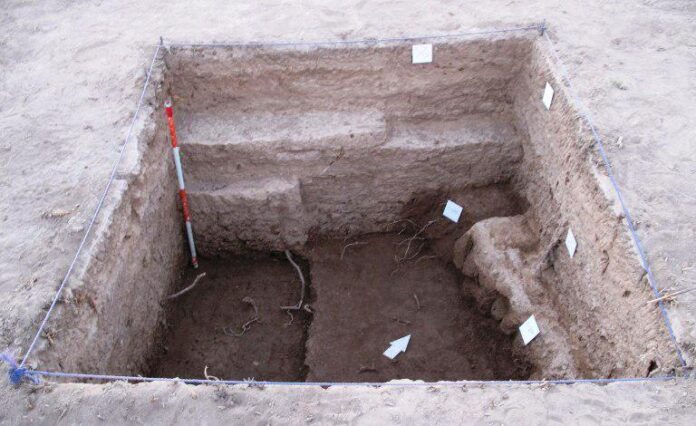
Ancient Pottery Kiln Found in Southern Tehran

The kiln has been found in Bahram hill in Moqim Abad of Shahr-e Rey, an ancient city south of the Iranian capital.

Bahram Mousavinia, the head of the archaeological team, said they have also found remnants of a luxury residence in the area, which is believed to be built during the Sassanid era (224-651 CE).

Mousavinia expressed hope searching the perimeter of the hill would help demonstrate the role and importance of Shahr-e Rey in pre-Islamic era and afterwards, IRNA reported.

“Excavating the place is expected to give us important information about the pottery industry in early Islamic times in Shahr-e Rey,” he said.

According to Iran’s Cultural Heritage and Tourism Organization, Shahr-e Rey is estimated to be built more than 8,000 years ago and it houses several monuments dating back to the fourth and fifth millenniums BCE.

In the early Islamic era, it was once a seat for the caliphs of Umayyad dynasty.

Iran FM Congratulates World Muslims on Eid al-Adha

“In trying times – and as some may try to divide us – the Muslim world comes together to celebrate Eid-al-Adha,” Zarif said in a Tuesday post in his Twitter account.

He also wished his “fellow Muslims everywhere a very Happy Eid.”

Eid al-Adha or the Feast of the Sacrifice is the second of two Islamic holidays celebrated worldwide each year (the other being Eid al-Fitr), and considered the holier of the two.

It honours the willingness of Prophet Abraham to sacrifice his son as an act of obedience to God’s command. Before Abraham could sacrifice his son, God provided a ram to sacrifice instead.

In commemoration of this, an animal is sacrificed and divided into three parts: one third of the share is given to the poor and needy; another third is given to relatives, friends and neighbours; and the remaining third is retained by the family.

In the Islamic lunar calendar, Eid al-Adha falls on the 10th day of Dhu al-Hijjah. In the international (Gregorian) calendar, the dates vary from year to year drifting approximately 11 days earlier each year.

“Iran Spending Much Less than Other States on Defence Capabilities”

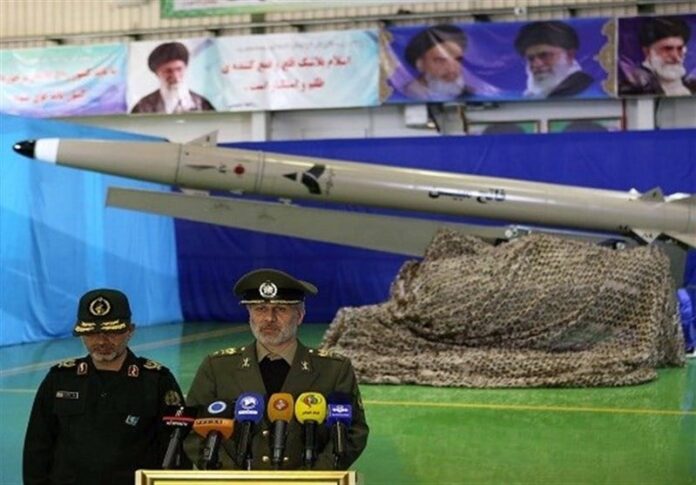
“Today, we can provide what we need to defend our country, of course, without getting into an arms race,” Brigadier General Hatami said during a ceremony held in Tehran ahead of the National Day of Defense Industry, which will be marked on August 22.

“We are moving towards the use of modern technologies and defense diplomacy,” he said, adding, “We tried to strengthen our defense sector within the framework of our needs and priorities.”

“Of course, we are doing this at the lowest cost,” the defense minister said, adding that Iran’s expenditure on defense sector is even less than that of smaller countries.

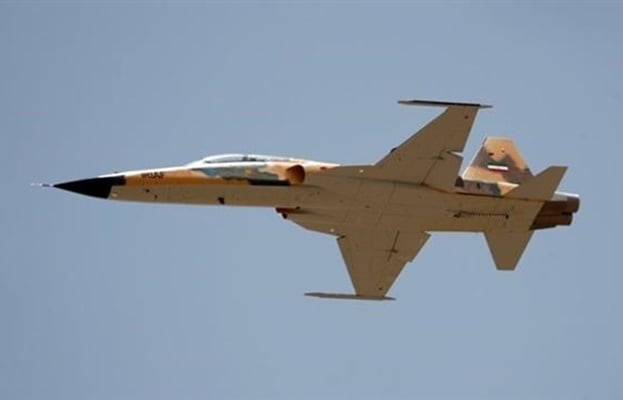
During the Tuesday ceremony, the country’s first state-of-the-art fighter jet designed and manufactured by domestic military experts was unveiled.

The homegrown aircraft dubbed “Kowsar” has been manufactured following extensive research and efforts by the Iranian Defense Ministry’s experts.

It enjoys capabilities such as a highly integrated architecture and a fire control system using the fourth generation of the digital data networks.

The aircraft is capable of carrying various weapons and is used for short aerial support missions.

Iranian military experts and technicians have in recent years made great headways in manufacturing a broad range of indigenous equipment, making the armed forces self-sufficient in the arms sphere.
Iranian officials have repeatedly underscored that the country will not hesitate to strengthen its military capabilities, including its missile power, which are entirely meant for defense, and that Iran’s defense capabilities will be never subject to negotiations.

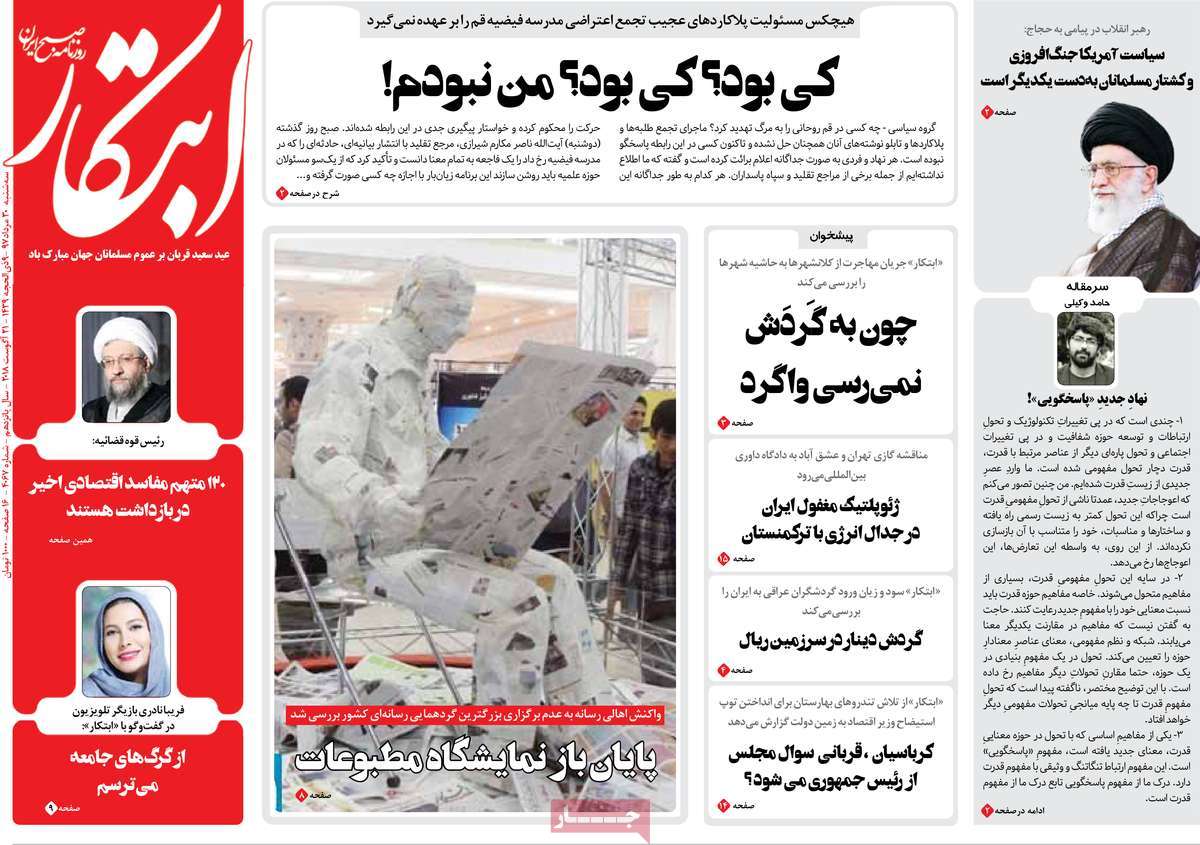
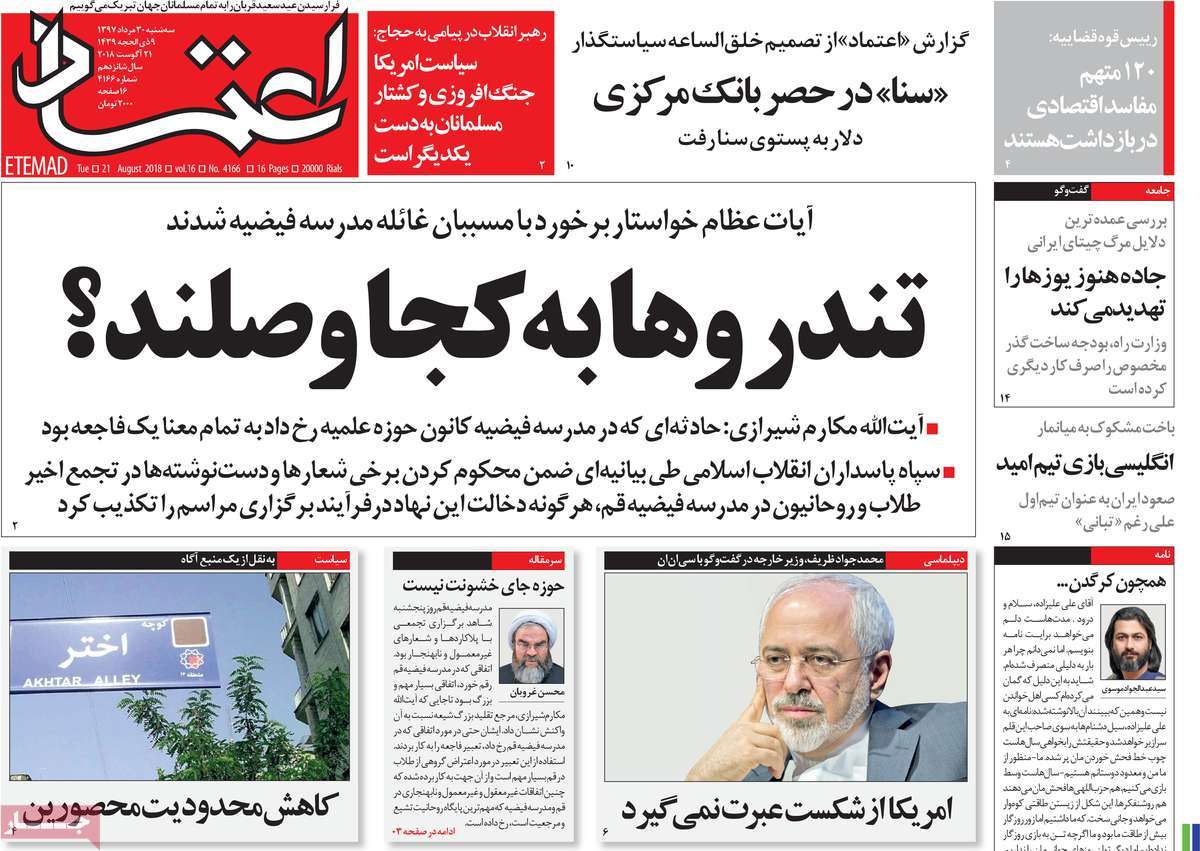
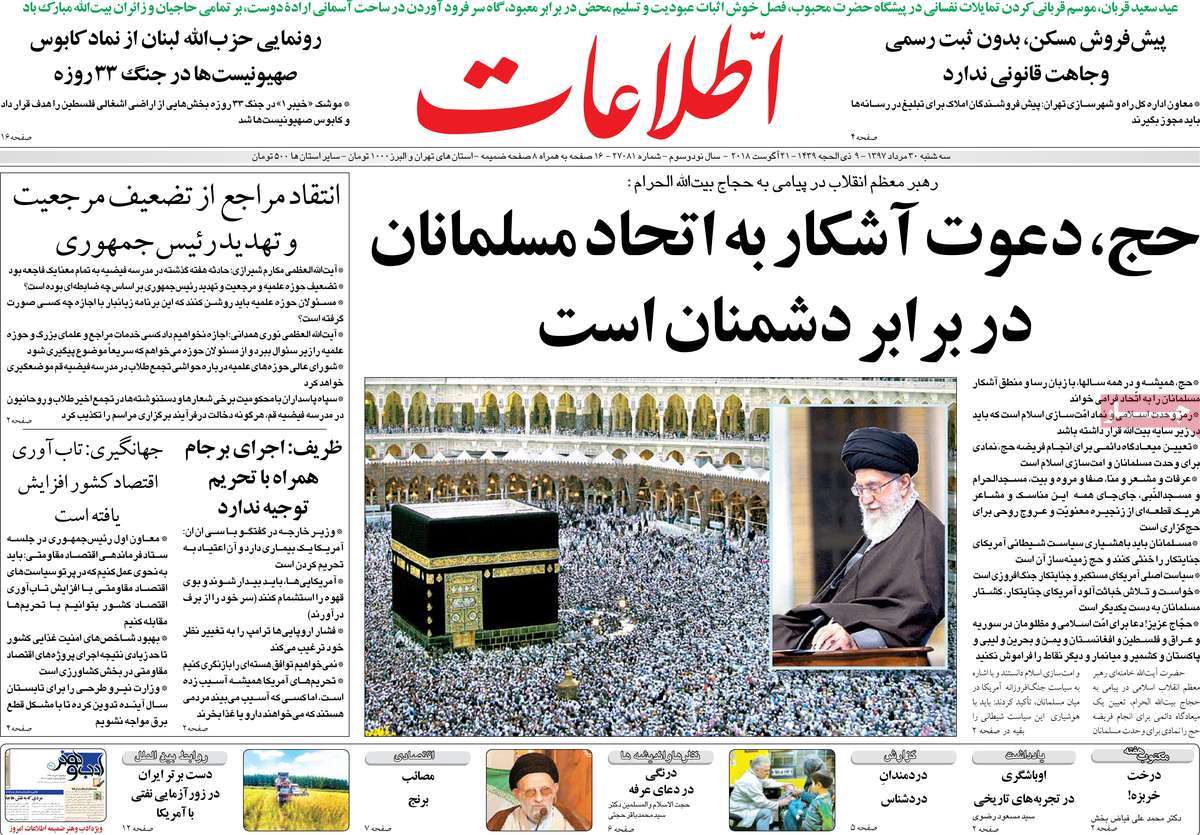
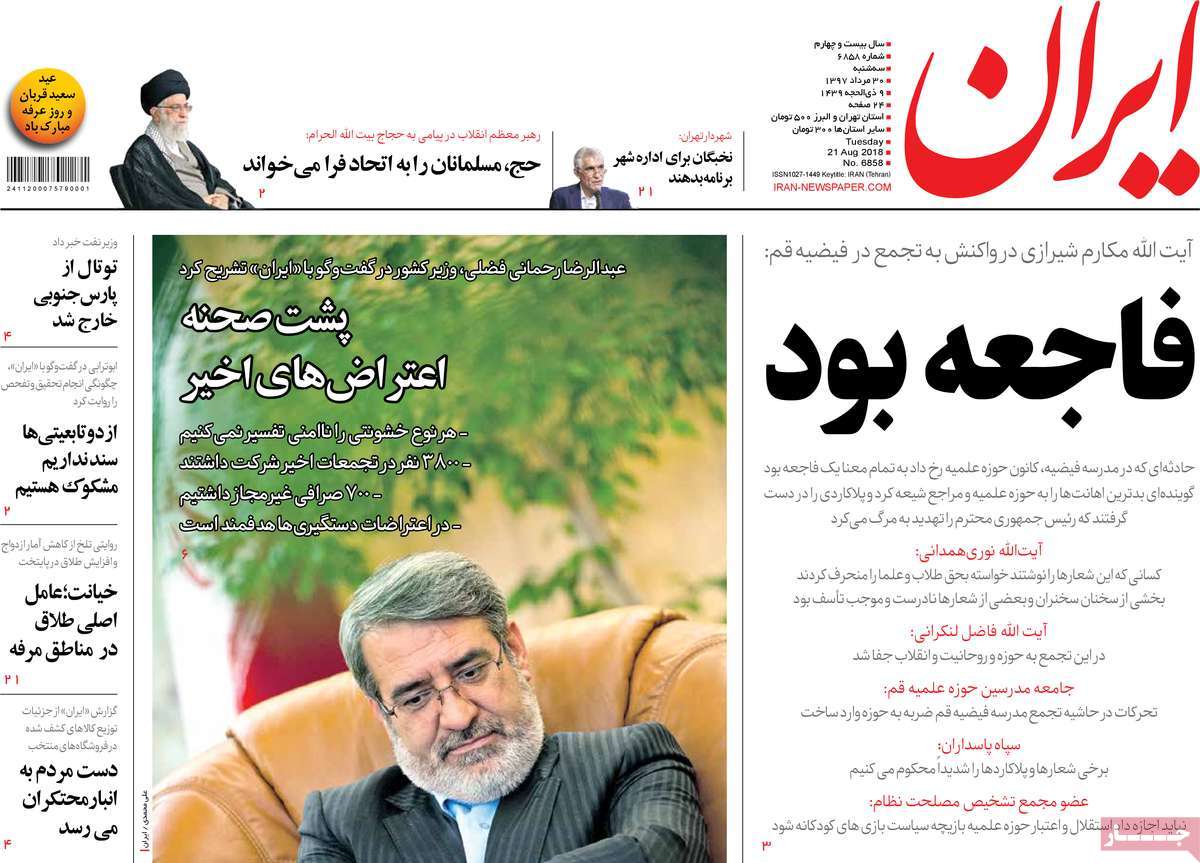
A Look at Iranian Newspaper Front Pages on August 21

A Look at Iranian Newspaper Front Pages on November 19

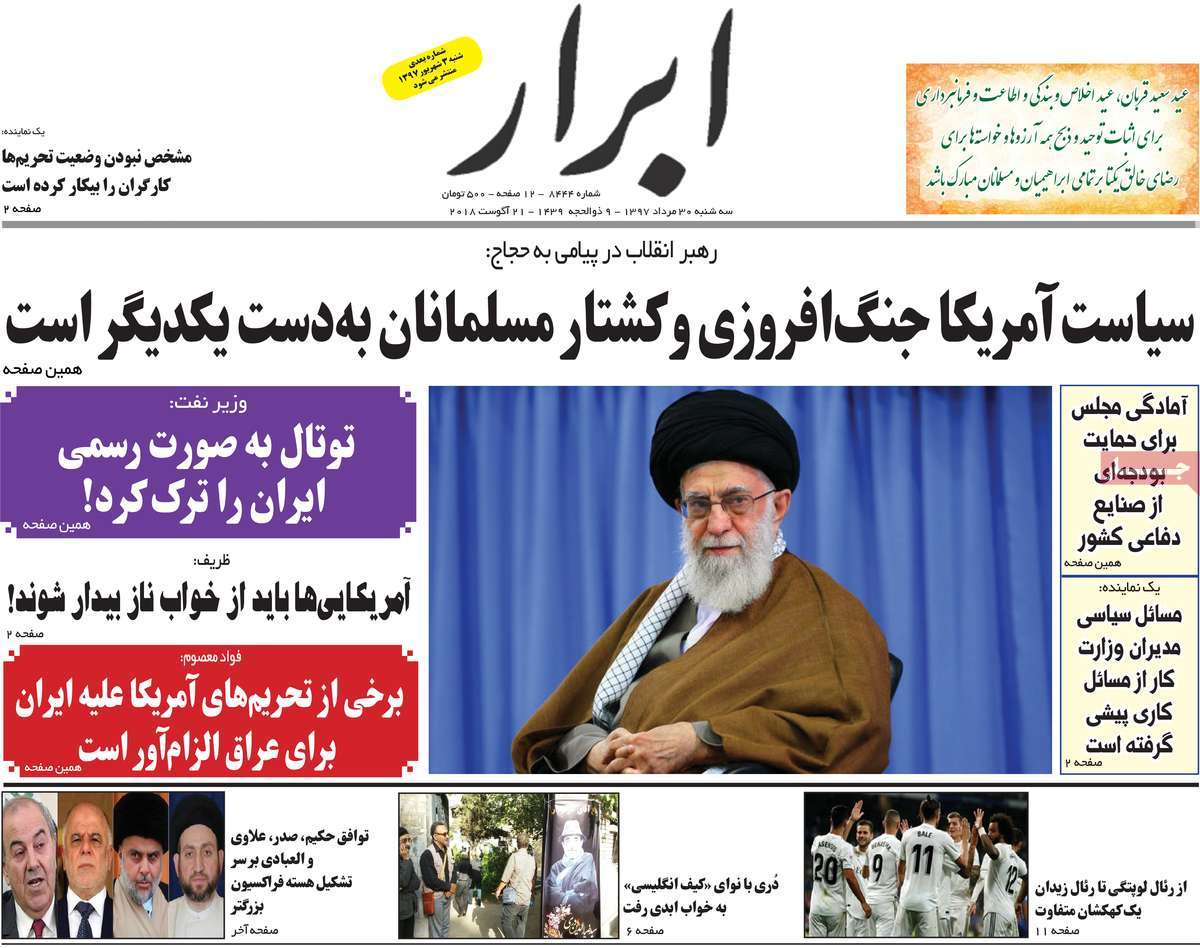
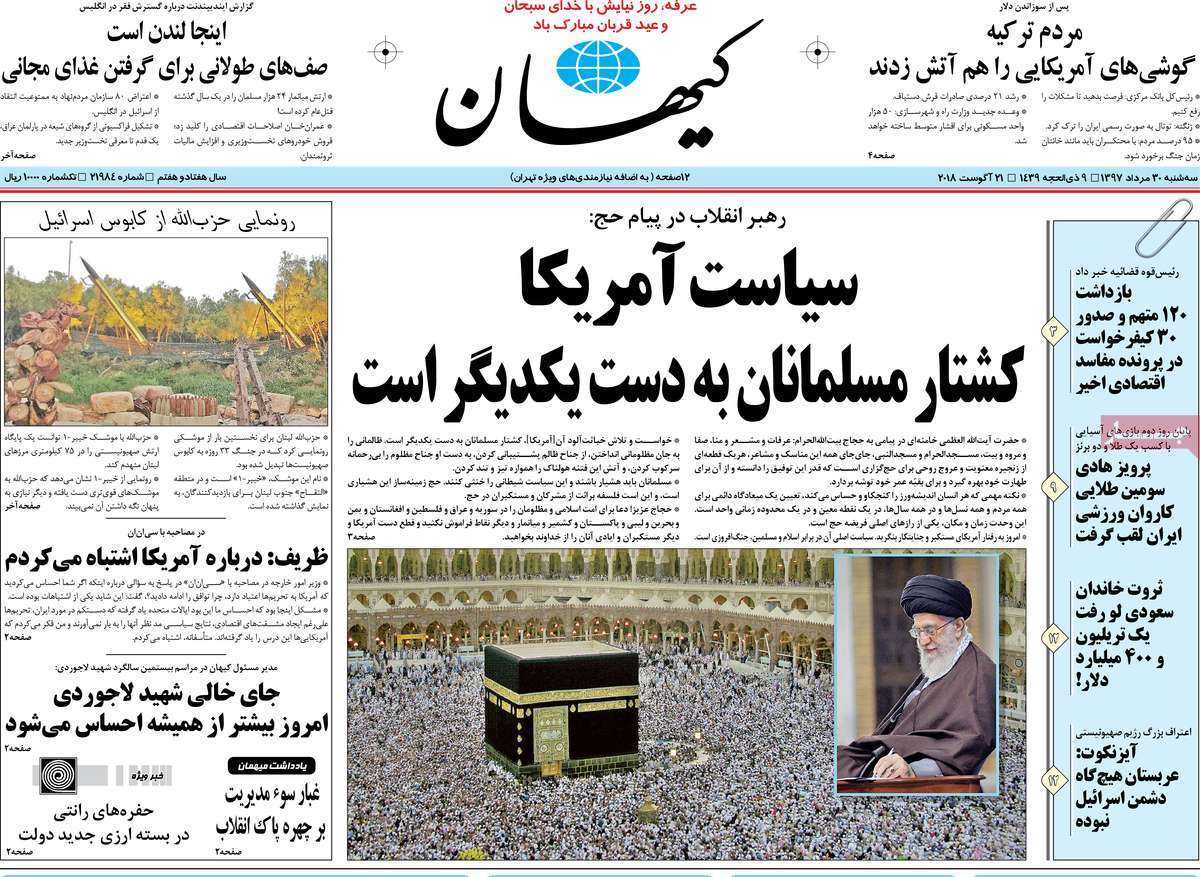
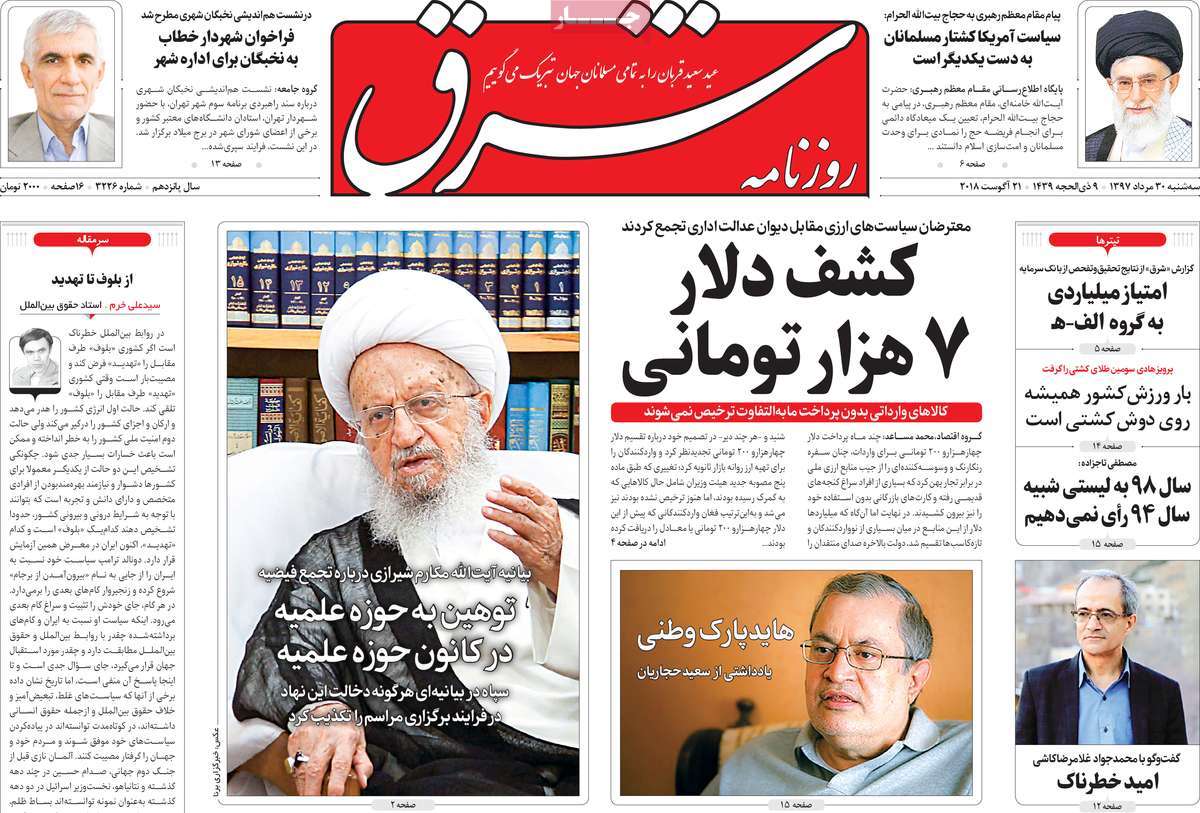
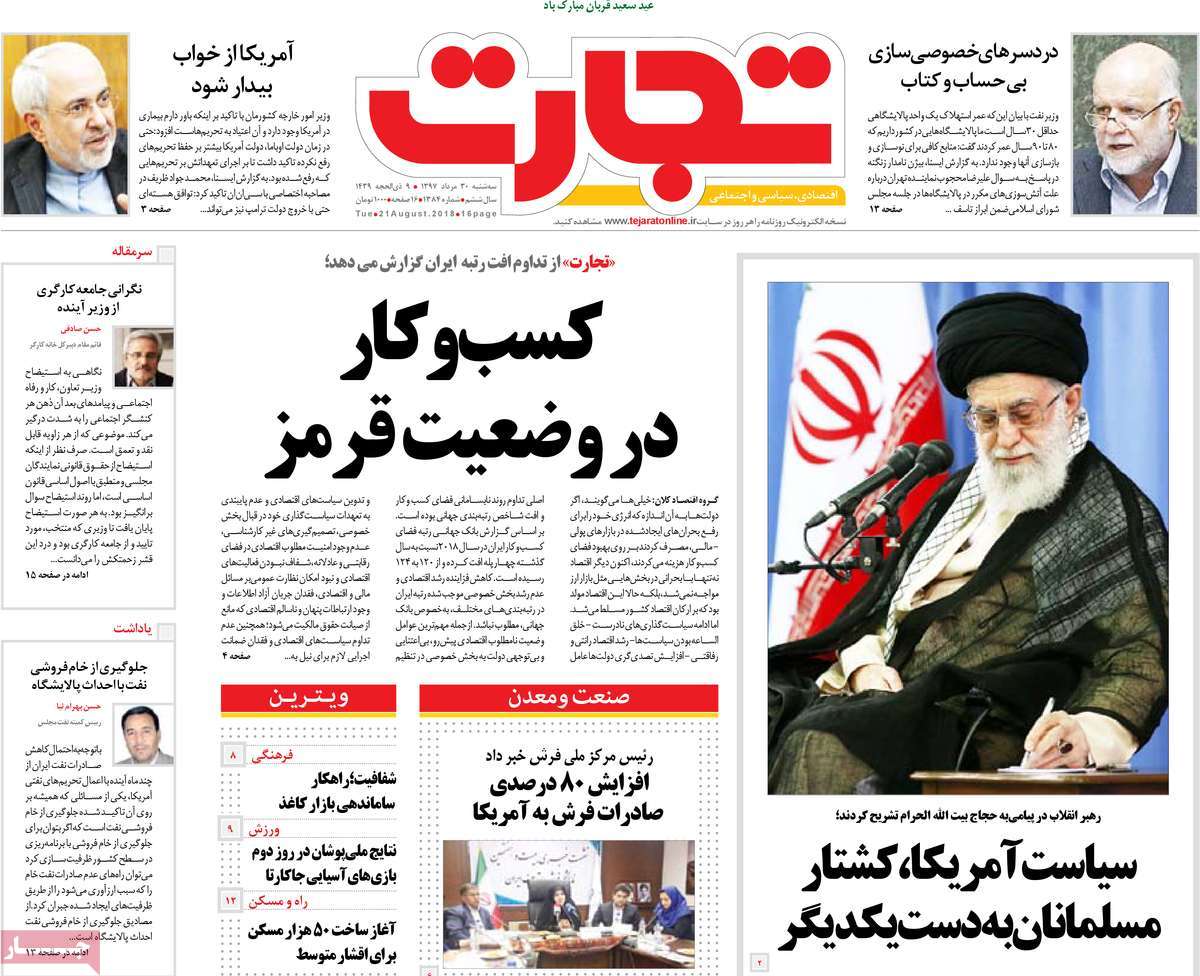
Almost all papers today covered a letter by the Leader of Iran’s Islamic Revolution Ayatollah Seyyed Ali Khamenei to this year’s Hajj pilgrims, in which the Leader called on all Muslims to unite against the enemies of Islam, particularly the US which wants to pit Muslims against each other.

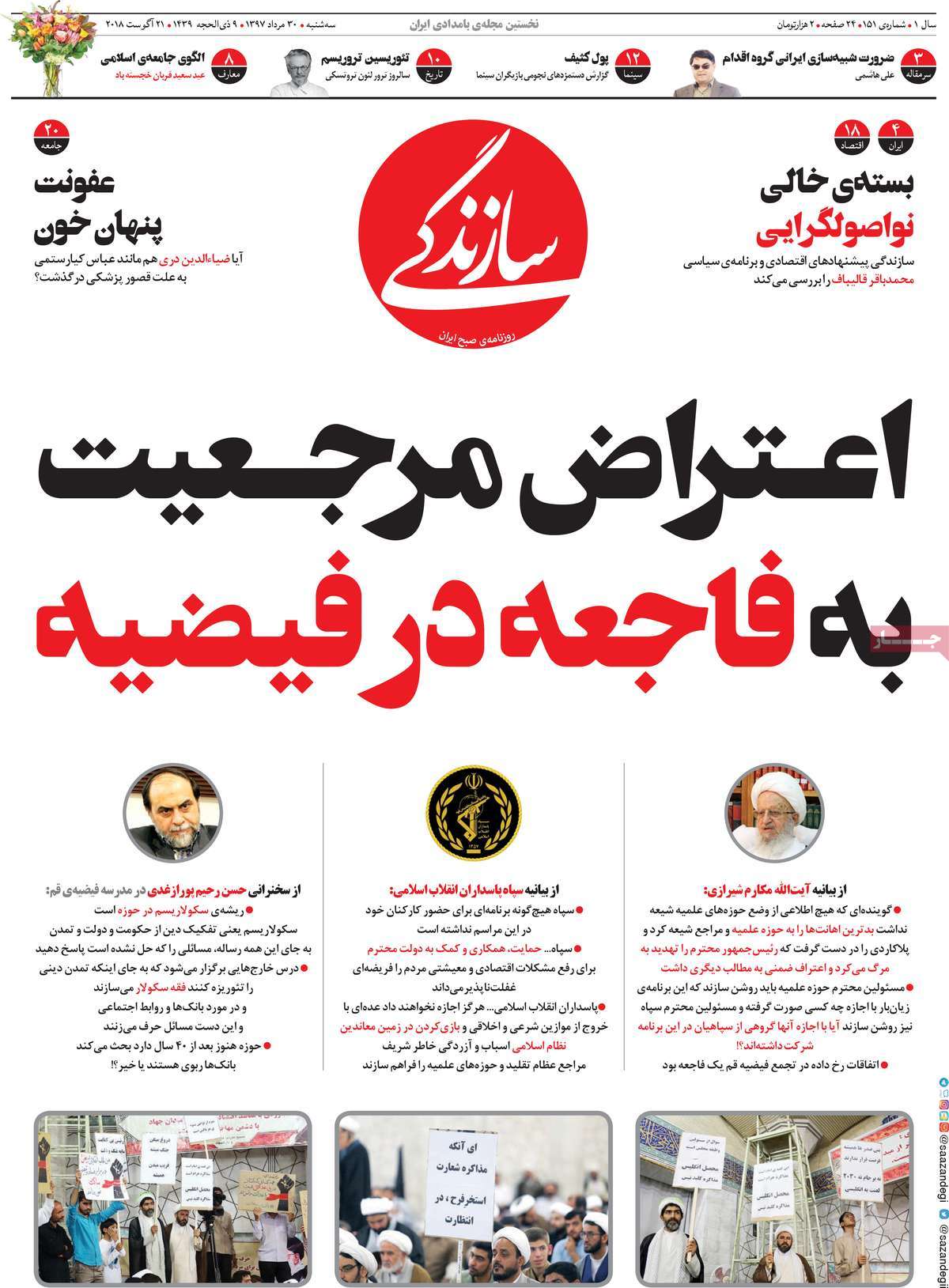
Also a top story was a recent controversial anti-government protest gathering held in the holy city of Qom, during which threatening placards were held. In one of those controversial placards, it was written that Rouhani would ultimately die just like former president Akbar Hashemi Rafsanjani in a swimming pool if he insists on negotiating with the US.

The gathering and the placards were widely condemned by top religious authorities in Qom, who even criticized the IRGC for letting its commanders attend and address the protest gathering.

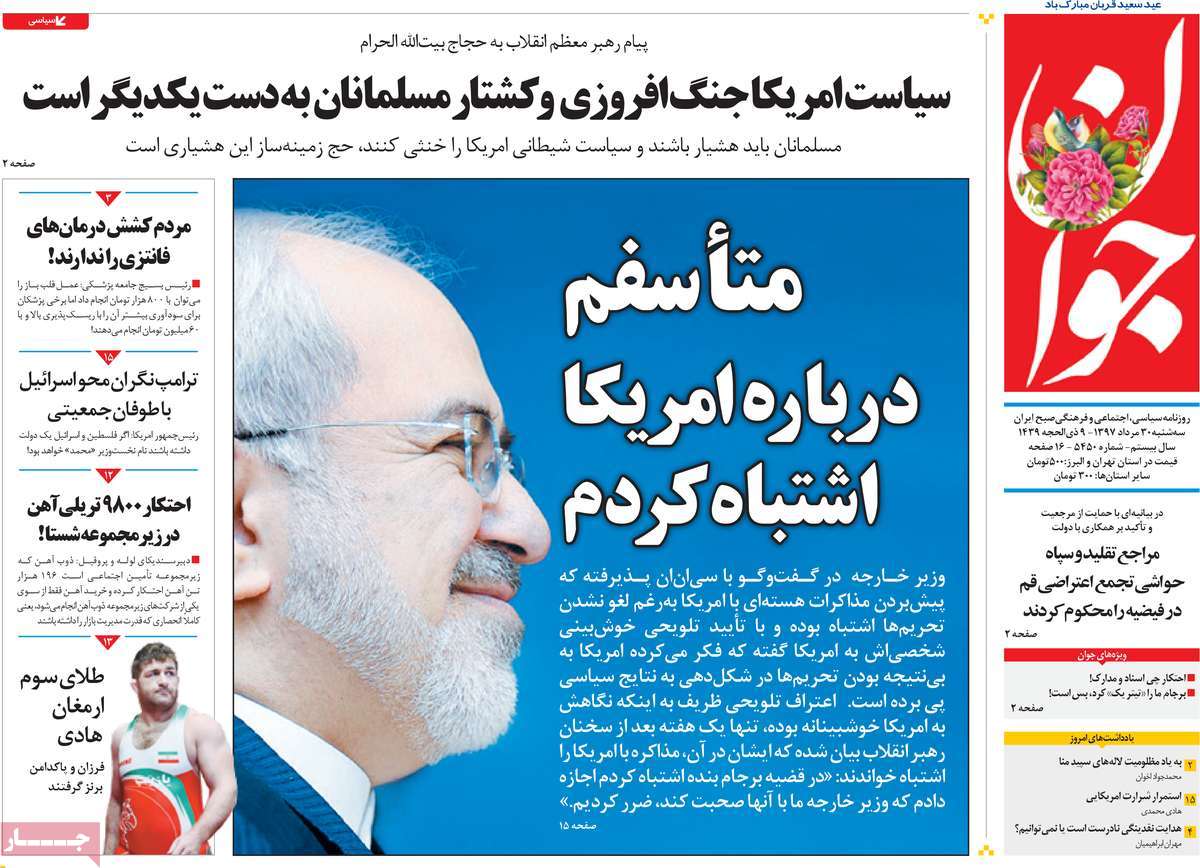
Remarks made by Iranian Foreign Minister Mohammad Javad Zarif in a recent interview with CNN also received great coverage.
The above issues, as well as many more, are highlighted in the following headlines and top stories:


Abrar:

1- Oil Minister: Total Officially Left Iran!

2- Zarif: Americans Must Wake Up and Smell the Coffee

3- Iraqi President: Some US Sanctions on Iran Binding for Iraq

A Look at Iranian Newspaper Front Pages on August 21


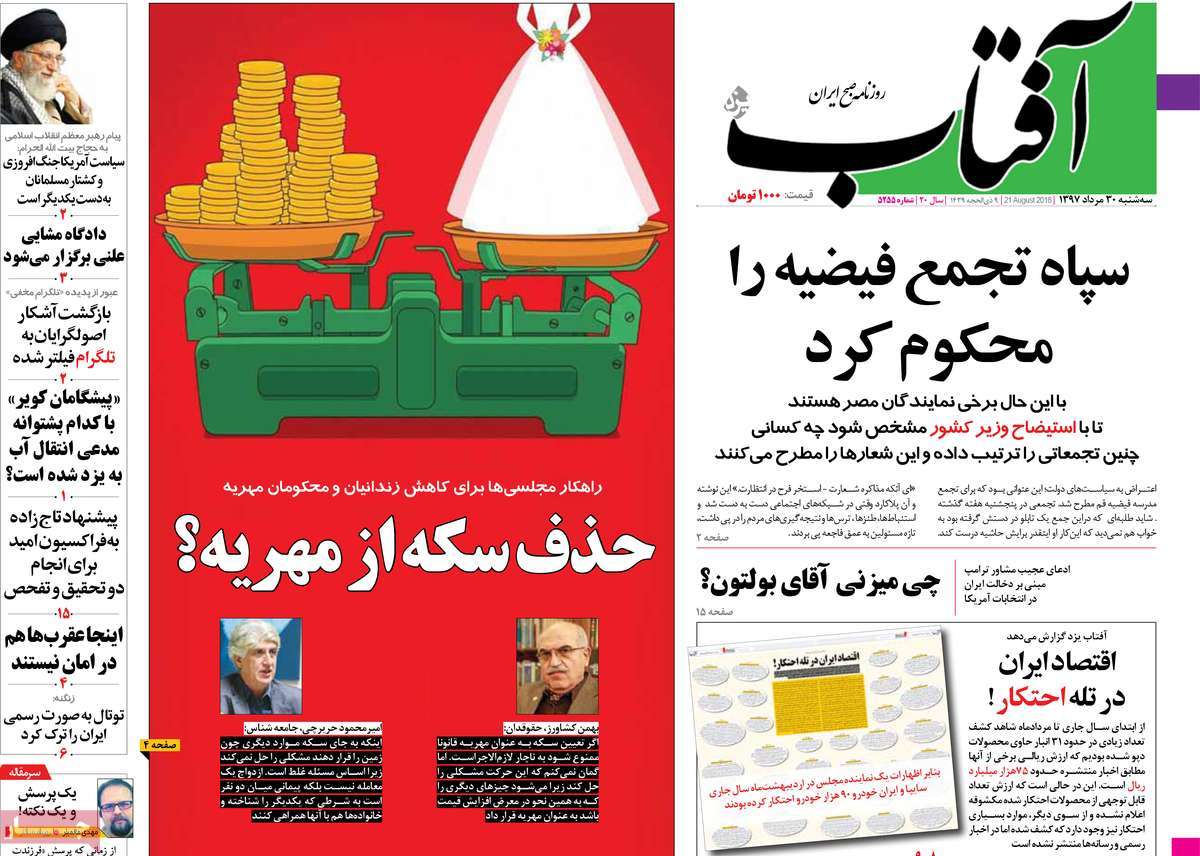
Aftab-e Yazd:

1- IRGC Condemns Anti-Government Gathering in Qom

2- MPs Working on Plan to Reduce Number of Husbands Jailed for Failure to Pay Mahr

A Look at Iranian Newspaper Front Pages on August 21


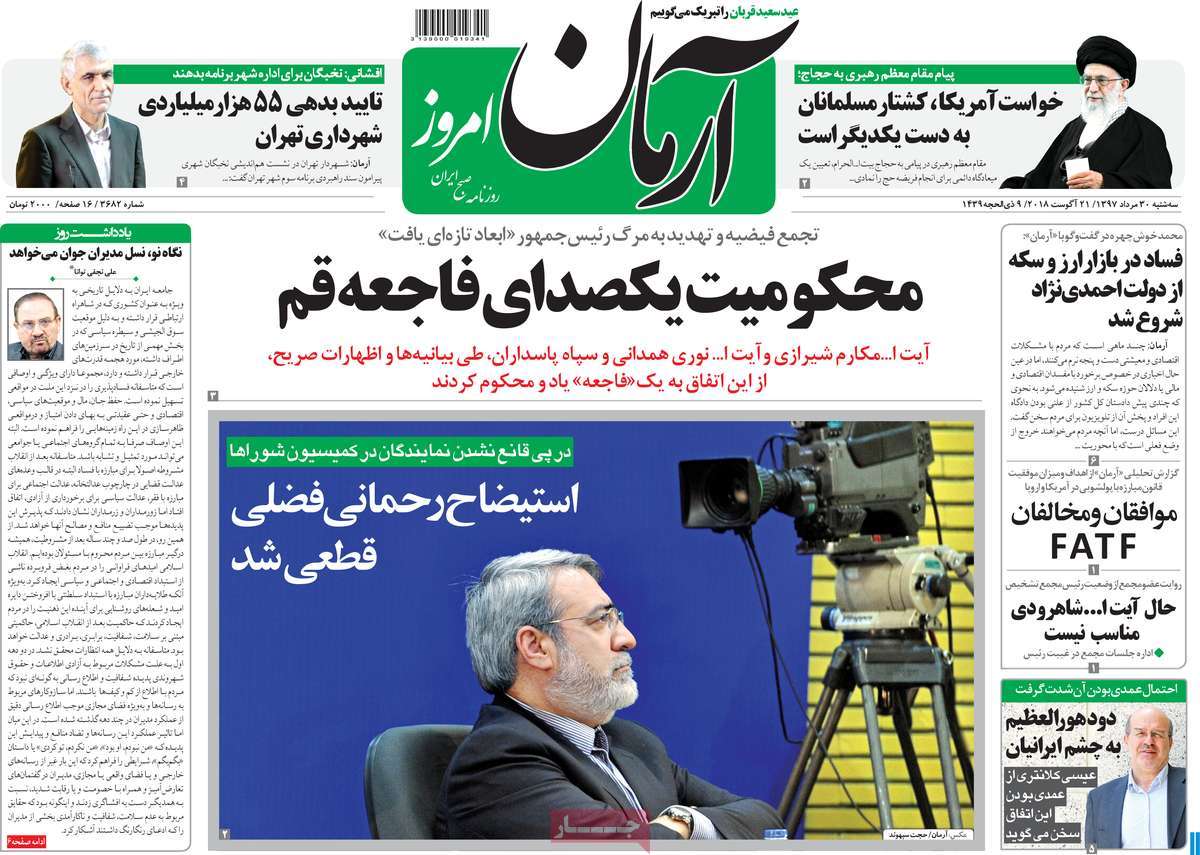
Arman-e Emrooz:

1- Unanimous Condemnation of Qom Disaster

  • New Aspects of Qom Gathering Where Rouhani Was Threatened to Death

2- Analyst: Corruption in Forex, Gold Coin Markets Started in Ahmadinejad’s Tenure

A Look at Iranian Newspaper Front Pages on August 21


Ebtekar:

1- No One Claims Responsibility for Strange Placards Held in Qom Protest Gathering

2- Iran Leader to Hajj Pilgrims: US Policy Is Warmongering, Having Muslims Kill Each Other

A Look at Iranian Newspaper Front Pages on August 21


Etemad:

1- Where Are Hardliners Linked to?

  • Top Clerics Call for Prosecution of Those behind Qom Gathering

2- Zarif: US Not Learning Lesson from Its Failures

3- Judiciary Chief: 120 People Detained for Economic Corruption

A Look at Iranian Newspaper Front Pages on August 21


Ettela’at:

1- Iran Leader: Hajj Calls on All Muslims to Unite against Enemies

2- Zarif: Implementation of JCPOA Meaningless If Sanctions Not Lifted

A Look at Iranian Newspaper Front Pages on August 21


Iran:

1- Betrayal, Main Reason for Divorce in Wealthy Regions

  • A Sad Account of Decreased Number of Marriage, Increased Divorce Rates in Tehran

A Look at Iranian Newspaper Front Pages on August 21


Javan:

1- Zarif: I’m Sorry, I Was Wrong about US

2- Trump Worried about Elimination of Israel through Demographic Changes

  • If Israel, Palestine Have One Government, Next Israeli PM Would Be ‘Muhammad’!

A Look at Iranian Newspaper Front Pages on August 21


Kayhan:

1- Turkish People Set Fire on US-Made Cell Phones

2- Here’s London’s Long Queues for Receiving Free Food

  • Independent’s Report on Poverty in UK

A Look at Iranian Newspaper Front Pages on August 21


Sazandegi:

1- Top Clerics Protest at Disaster in Qom’s Feyziyeh School

  • Ayatollah Makarem Shirazi: What Happened in Protest Gathering Was a Disaster
  • IRGC: We Feel Duty-Bound to Help Respected Gov’t Resolve Economic Woes

A Look at Iranian Newspaper Front Pages on August 21


Shahrvand:

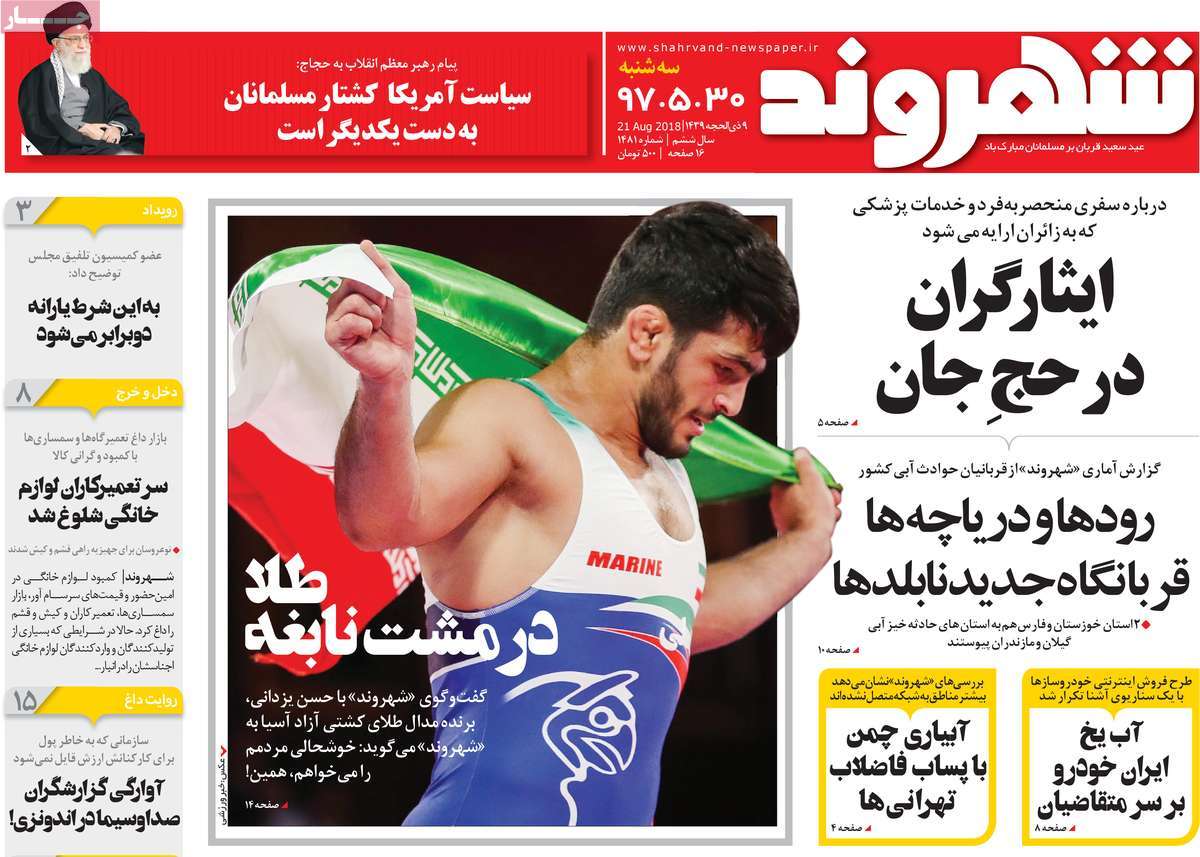
1- Iranian Genius Wrestler Yazdani Once Again Wins Gold Medal

A Look at Iranian Newspaper Front Pages on August 21


Shargh:

1- Mayor Calls on Elites to Help Run the City

2- Ayatollah Makarem Shirazi: Protest Gathering in Qom Was Insult to Seminary

3- IRGC Denies Any Involvement in Organizing Qom Gathering

A Look at Iranian Newspaper Front Pages on August 21


Tejarat:

1- 80% Increase in Iran’s Carpet Exports to US

A Look at Iranian Newspaper Front Pages on August 21

Iran’s Defence Might Aimed at Maintaining Regional Peace: Rouhani

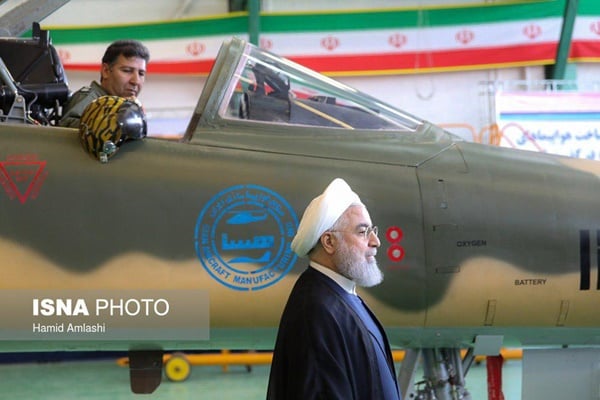
Iranian President Hassan Rouhani standing by Kowsar fighter jet, the first fighter aircraft produced by Iranian engineers, August 21, 2018

Speaking in Tehran on Tuesday on the occasion of National Day of Defence Industries, President Rouhani said Iran’s history demonstrates Iranian people form a peace-loving nation that lends a helping hand to others when necessary.

Iran could have followed opportunist policies regarding its northern neighbours following the breakup of the Soviet Union, he noted.

“If we were aggressors, we could have seized the chance when the Soviet Union collapsed and their borders became unstable. But we didn’t do that and instead, we offered help to the newly-created countries,” he said.

“We were among the first countries which recognized our [northern] neighbours, so we are the nation of compromise and interaction. We are the nation of cooperation and assisting others,” his official website quoted him as saying.

Pointing to Iran’s role in the anti-terror fight in the region, Rouhani said the country paid a heavy cost for rooting out terrorists in the region, even though it was not directly threatened by terrorists operating in Iraq and Syria.

Rouhani made the remarks in a ceremony during which the country’s first homegrown fighter jet, named Kowsar, was unveiled.

Iran’s Defence Might Aimed at Maintaining Regional Peace: Rouhani

Iranphobic Propaganda

Rouhani said Iran’s adversaries have for years been spreading Iranophobic propaganda that Tehran’s military power and its missiles are a threat to the region’s calm and tranquility.

The president said this is while Iran uses its military might to deter enemies from attacking the country and to promote peace in the region.

“Our readiness is not for war, our readiness is for creating and protecting sustainable peace,” he said.

The president said Iran’s negligence in boosting military deterrence is equal to showing a green light for aggression to its adversaries.


US Highly Unreliable

The president said Iran’s circumstances necessitate increased efforts for strengthening its military power.

Rouhani said US President Donald Trump has put the US at loggerhead with not only Iran, but even its allies such as the EU and Canada.

“In this sensitive juncture, our defence power is of utmost importance … as we have enemies who do not respect any principle,” he said.

The president said the US is waging a full-scale economic war against the Islamic Republic, and the only reason why it is not attacking Iran is the high costs associated with such an invasion.

“This is not about the US being concerned about people’s lives; it’s about Iran’s power. [The US] is aware of the results and costs of this [invasion],” he said.

Iran’s Defence Might Aimed at Maintaining Regional Peace: Rouhani
Iran Unveils Its First Homegrown Fighter Jet

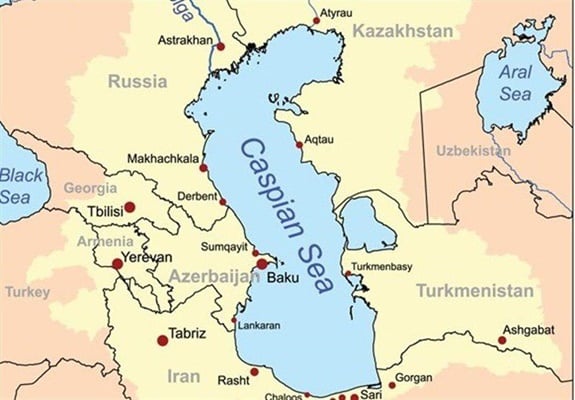
Gov’t Gives Guarantee Iran’s Share of Caspian Sea Not Reduced

What follows are seven questions and answers released by the foreign ministry in order to clear up the ambiguities regarding the Convention:

1- What is the significance of signing the Convention on the legal status of the Caspian Sea in general?

Negotiations on this convention were in progress since one and a half years ago, and we needed to develop a new convention for the Caspian Sea Legal Regime. There were some issues on which the littoral states of the Caspian Sea could not reach an agreement over the past 21 years; however, two years ago, the foreign ministers of the five littoral states decided to separate the resolved issues from unresolved ones. So, the legislators of the countries examined issues that were agreed upon, and the Convention on the legal status of the Caspian Sea was signed on this basis.

For all member states, the Convention on the legal status of the Caspian Sea is a great achievement. We believe the northern region of Iran should be stable and secure. Therefore, the signing of the convention is a very important matter. The most significant achievement of this convention is that we designated the Caspian Sea as a “lake” and adopted it unanimously. One of the consequences of considering it a “Sea” was that non-littoral states could have a right to be present there. However, under the convention, they do not have such a right. We used other lakes in the world as a model for drafting the convention, but these models could not be implemented unless the five countries agreed on them. The convention is also based on the topographies of the Caspian Sea.

2- Were the recent talks in Kazakhstan about each country’s share of the Caspian Sea?

As previously stated, we did not discuss such an issue. It should be emphasised that the negotiations on the Convention, which was signed last Sunday in Kazakhstan, did not address the shares of countries from the seabed and sub-seabed. Of course, talks are underway in this regard, and countries have not yet reached a final agreement on the issue.

3- Over the past few days, rumours have been heard in the social media about the events at the Aktau Summit, as well as disputes over the shares of countries. What do you think about this?

It must be asserted that the signing of the convention is an auspicious event and [public debate regarding the convention] shows public opinion is sensitive to territorial issues, and that the foreign ministry is also in need of public support. We always knew that geopolitical issues would involve public opinion. Looking into the dimensions of the Caspian Sea Legal Regime is a matter of time, and for this reason, after every single summit held in the past years, we have published the documents and declarations. We guarantee that there was not even the slightest retreat or restriction on Iran’s share. The only thing that happened was that we removed two conventions from the Convention on the legal status of the Caspian Sea, and after 21 years, implemented the rest of the issues which were positive and enforceable, and the presidents of the five Caspian Sea countries signed them. Just general principles are stated in this Convention and other controversial details have been postponed to be approved in future agreements. Of course, other issues in all aquatic areas, such as water surface, the seabed and sub-seabed, will be examined separately. The Convention grants jurisdiction over 15 miles of territorial waters to each country, but the baseline and form of the 15 miles depends on the five-party agreement that will be drafted in the future. At the same time, to determine the baseline of Iran, it has been emphasised that the inappropriate geographic form of the Iranian coast, which is naturally so, should be taken into consideration in determining the borders. Also, the study of energy resources in the Caspian region, which we call them the seabed or sub-seabed of these regions, will be the subject of the future talks, given the economic and legal requirements.

4- Does the determination of 15 miles of territorial waters affect the countries’ shares?

Determining the baselines of the Caspian Sea must definitely be five-sided. However, this is usually done unilaterally in the discussion of the rights of the seas. There is also an exception to the Convention that the states whose coasts are inappropriate in form must not sustain losses. This article has been added to the Convention at Iran’s insistence.

5- What happens if there would be no agreement in the future regarding the seabed or sub-seabed? What would happen to other agreements already reached?

If the baselines and the way they are marked are not specified, then the parts of the convention which were agreed upon and signed by the five states will be inevitably suspended. According to the existing legislation, Iran will protect its proclaimed 20% share until the baselines are specified. During this period, Iran will not allow any country to explore and exploit energy resources [in this area]. In this 20-percent region, we do not have ownership rights, but just governing rights.

6- In accordance with the treaties concluded in 1921 and 1940, which institution or organisation is considered as the dispute settlement body? How did you match the negative implications of the two treaties with the Convention?

We passed this issue first to bilateral and multilateral negotiations. All specialised issues will be examined and resolved separately, and there is no problem regarding this. We did our best to include all the positive points of the 1921 and 1940 treaties in this Convention. It should be noted that on the basis of the two above-mentioned treaties, Russia was allowed to interfere in Iran if it is threatened. Of course, during the Pahlavi era, despite the fact that the treaties had been signed, Iran objected to this paragraph in a formal letter, and a letter of protest was sent again after the Islamic Revolution. Neither in these two treaties, nor in any other document between Iran and the former Soviet Union or Iran and Russia, have we not discussed the percentage of shares and division of the Caspian Sea. All the speculations raised in some media are misconceptions about these treaties. We emphasise that there was no limitation of the borders in these two treaties. In these treaties, there was no implicit or explicit talk of percentages.

7- How is the Convention going to be ratified in the Islamic Republic of Iran and other littoral states of the Caspian Sea?

In the Islamic Republic of Iran, since the beginning of talks on the Caspian Sea, this matter was followed up by the Supreme National Security Council, and the negotiating teams proceeded on this basis and obtained the necessary permissions. In addition, the signed convention, like all agreements, must be approved by the parliaments of the five countries and will be followed by legal procedures.

Iran Unveils Its First Homegrown Fighter Jet

Iran Unveils Its First Homegrown Fighter Jet

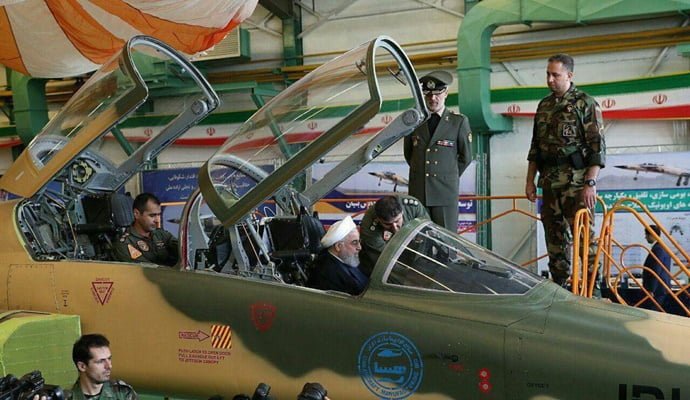
The aircraft conducted its first public display flight during Tuesday’s ceremony in the presence of President Hassan Rouhani, Defense Minister Brigadier General Amir Hatami and other senior military officials.

President Rouhani sat in the cockpit to order the flight.

Tasnim news agency reported that the fourth-generation Iranian fighter jet is equipped with “advanced avionics and fire control systems” and can be used for short aerial support missions.

It also uses digital military data networks, multi-purpose digital monitors, ballistic calculation computers and smart mobile mapping systems.

The jet has an advanced radar system, enabling it to detect enemy targets. It is also equipped with a head-up display or HUD, which promotes precision targeting.

The plane can be manufactured in both single- and double-cockpit types, the latter of which can be used for advanced pilot training missions in addition to its combat capability, according to Fars news agency.

The new defense achievement was unveiled on the eve of Iran’s National Defense Industry Day.

Over the past years, Iran has made major breakthroughs in its defense sector and attained self-sufficiency in producing military equipment and hardware despite sanctions and economic pressures on the country.

The Islamic Republic maintains that its military power is solely for defensive purposes and does not pose any threat to other nations.