Thursday, January 1, 2026
Home Blog Page 3438

Iran to Export Stem Cell Products to Oman, Qatar, Syria

Iranian firms have plans for exporting stem cell-based products to Syria, Oman and Qatar, said Dr Soleimani, the CEO of a knowledge-based firm called SinaCell.

According to Soleimani, the knowledge-based companies’ products have competitive advantage in the global market, as their price is quite cheaper than their US and European counterparts.

Bone marrow, umbilical cord, amniotic membrane, foreskin and adipose tissue are used make these products.

The companies’ activities are carried out in the two fields of stem cell therapy and tissue engineering. In the field of stem cell therapy, the mesenchymal stem cells are extracted from the umbilical cord and this product has therapeutic benefits for MS (Multiple Sclerosis) and ALS (Amyotrophic lateral sclerosis) patients. Both diseases result from problems in the body’s nervous systems.

For a more detailed review of Iran’s achievments in various fields of science and technology, check the book “Science and Technology in Iran: A Brief Review”, released by the Science and Technology Department of the Iranian President’s Office.
Among the stem cell-based companies, one can refer to the wound dressing Amniosin and Cell-Amniosin, which are produced from amniotic membrane.

Cell-Amniosin wound dressings are used for incurable wounds caused by severe burns, diabetic foot ulcer, bedsore and venous ulcer. This product helps to heal these wounds faster.

Amniosin wound dressing is acellular (without cell) amniotic membrane that is useable for treatment of ocular diseases such as chemical burns and pterygium.

In the field of tissue engineering, there are also two other products, one of which is Sinaderm.

Iran to Export Stem Cell Products to Oman, Qatar, SyriaAccording to Soleimani, Sinaderm is a wound dressing for curing very deep wounds that are not treated without skin graft. The product is composed of two components, a biodegradable substrate and stem cells extracted form baby foreskin.

A product is also being developed for treatment of cartilage defects. This product contains two components, a biodegradable hydrogel and mesenchymal stem cells.

The high-tech product will be used to help treat people who are suffering from osteoarthritis or have lost their cartilage in trauma.

Animal tests have been conducted on the high-tech product and further studies are being conducted on its effect on human.

Iran’s Kish Island Joins World Tourism Organisation

Deputy Director of the Kish Free Zone Organisation, Alireza Qaedian, said this is the first time that an Iranian commercial-industrial free zone is joining the World Tourism Organisation.

“During the 109th meeting of the Executive Council of the World Tourism Organisation held in Bahrain on Wednesday, the participants unanimously decided to accept the Kish Free Zone Organisation as its new member,” he was quoted as saying in a report by ISNA.
Kish Island is one of the most attractive tourism sites in the Persian Gulf in southern Iran, and a pioneer in tourism industry in the country. It is also among the top tourist destinations for planning and investment.

It is part of the Bandar Lengeh County in Hormozgan Province of Iran. Owing to its free trade zone status, the island is touted as a paradise for tourists, with numerous malls, shopping centres, tourist attractions, beaches, and resort hotels as well as a wonderful climate.

With about 26,000 residents, the island attracts nearly 1 million visitors each year.

EU, E3 Condemn New US Sanctions on Iran

The condemnation was expressed in a joint statement by EU Foreign Policy Chief Federica Mogherini and Foreign Ministers Jean-Yves Le Drian (France), Heiko Maas (Germany), and Jeremy Hunt (the UK), and Finance Ministers Bruno Le Maire (France), Olaf Scholz (Germany) and Philip Hammond (the UK).

What follows is the full text of the statement:

“We deeply regret the further re-imposition of sanctions by the United States, due to the latter’s withdrawal from the Joint Comprehensive Plan of Action (JCPOA).

The JCPOA is a key element of the global nuclear non-proliferation architecture and of multilateral diplomacy, endorsed unanimously by the UN Security Council through Resolution 2231. It is crucial for the security of Europe, the region, and the entire world.

The JCPOA is working and delivering on its goal. The International Atomic Energy Agency (IAEA) has confirmed in twelve consecutive reports that Iran is abiding by its commitments under the Agreement.

We expect Iran to continue implementing all its nuclear commitments in full, as set out by the JCPOA.

The JCPOA also provides for the lifting of international sanctions in order to have a positive impact on trade and economic relations with Iran, but most importantly on the lives of the Iranian people.

It is our aim to protect European economic operators engaged in legitimate business with Iran, in accordance with EU law and with UN Security Council resolution 2231.

As parties to the JCPOA, we have committed to work on, inter alia, the preservation and maintenance of effective financial channels with Iran, and the continuation of Iran’s export of oil and gas. On these, as on other topics, our work continues, including with Russia and China as participants to the JCPOA and with third countries interested in supporting the JCPOA. These efforts have been intensified in recent weeks, particularly those underpinning the European initiative to establish a Special Purpose Vehicle on which we are proceeding with work to set up. This will enable continued sanctions lifting to reach Iran and allow for European exporters and importers to pursue legitimate trade.

Further work must be done to assist and reassure economic operators pursuing legitimate business under EU law. Our Finance Ministers will further pursue this at their next meeting. Our collective resolve to complete this work is unwavering.

We remain committed to implementing the JCPOA as a matter of respecting international agreements and of our shared international security, and expect Iran to play a constructive role in this regard.”

Iran FM Holds Phone Talks with 4 Top European Diplomats

During his Friday night conversations with Mogherini as well as Heiko Maas of Germany, Margot Wallstrom of Sweden, and Denmark’s Anders Samuelsen, the top Iranian diplomat discussed with them Washington’s re-imposition of sanctions against Iran and Europe’s efforts to counter such US moves.

Mogherini and the three European foreign ministers once again reiterated their commitment to the Iran nuclear deal, to making efforts to maintain channels for financial transactions with Iran, and to maintaining Iran’s oil and gas exports.

They also underlined the importance of European finance ministers’ obligation to enforce a special financial mechanism, announcing the mechanism will be officially registered and put into effect in the coming days.


Iran Ready to Work with Denmark in Probe into Assassination Plot

In the phone conversation between Zarif and his Danish counterpart, the two sides exchanged views on a recent anti-Iran claim by the Danish police with regards to a terrorist operation in Denmark.

Zarif rejected the baseless allegation, and touched upon attempts by the Israeli regime to deal a blow to relations between Iran and European countries and scuttle Europe’s initiative to preserve the Iran nuclear deal.

Zarif also said Tehran stands ready to work with Danish security authorities to shed light on the conspiracy and reveal the reality.

Meanwhile, Zarif reminded his opposite number of the Danish government’s responsibility to hunt for and apprehend members of the terrorist group who confessed to being involved in a recent terror attack in the Iranian city of Ahvaz.

Zarif also dismissed as unacceptable the Danish government’s support for the terrorists despite the fact that they have openly claimed responsibility for the Ahvaz incident.

The Danish foreign minister, in turn, once again reiterated his country’s backing for the JCPOA and support for Europe’s financial mechanism to continue economic cooperation with Iran.

Iran Starts Mass Production of Kowsar Interceptor Jet

Defense Minister Brigadier-General Amir Hatami presided over a ceremony to inaugurate the production line of the Kowsar fighter jet at Iran Aircraft Manufacturing Industrial Company in Isfahan Province on Saturday.

“Soon the needed number of this plane will be produced and put at the service of the Air Force,” he said.

The aircraft, which has been designed to provide logistical support for ground operations, boasts advanced maneuvering capability and can be fitted with various projectiles.

It enjoys integrated design, an avionic and fire control system linked with digital military data network, a ballistic calculations computer system, head-up display (HUD), which focuses visual data in front of the pilot’s sight, a multi-purpose radar, and an independent radio navigation system.

According to the Defense Ministry’s Public Relations Department, the production of each Kowsar jet would save the country around $16.5 million.

General Hatami described the project as “the height of the proficiency of Iran’s stalwart sons” in face of sanctions imposed by the enemy.

The development has satisfied one of the most vital needs of the country’s military aviation industry, he added, calling it “the very symbol of fighting the [global] arrogance and standing against the excessive demands of the imperial system, which is being led by the Great Satan, the United States.”

“Today, we declare proudly that we spare no effort in obtaining peaceful defensive technologies to defend our national security, the values of the Islamic Revolution, and the boundaries of our country,” Hatami noted.

“The enemies’ psychological warfare, propagandist blackmail, and economic sanctions” had no effect on the lively trend of advancing the country’s deterrent capabilities, the defense chief concluded.

Remains of 2,700-Year-Old City Discovered in Iran

The city was discovered near the historical Rivi hill, which is located 3 kilometres west of Ashkhaneh in North Khorasan.

This historical site was registered in 1967 as a national heritage site, and the first phase of archaeological explorations was started in 2012.

A cemetery and works from the Bronze Age to more contemporary eras as well as the remains of a city of the Median and Achaemenid period have also been found at this site.

Iranian officials announced in November 2018 that the historical site will be open to tourists as of the New Persian Year (mid-March 2019).

What follows are the photos of excavation process retrieved from IRNA:

Red Tea Harvest Starts in Southern Iran

Hibiscus tea, also called “red tea” because of its red colour, can grow in tropical and subtropical regions. By cultivating this plant, water consumption can be decreased by 70 percent.

The plant grows up to three metres in height, and its first fruit is harvested three weeks after flowering. The only usable product of this plant is its flower sepals. In other words, sour tea is harvested after the flower falls, of course before getting dried.

This plant is prepared in the form of tea and is rich in iron, copper, citric acid and anthocyanin, which lower blood pressure, cholesterol, and eliminate liver and bile dysfunctions.

The harvest of this tea starts late October and continues until mid-November.

The following photos retrieved from IRNA show the harvest of red tea in Alwa region of Karun County, south of Iran:

Iran Condemns ISIS Attack on Egypt’s Christians

The remains of a car, reportedly used by the gunmen who attacked a bus carrying Coptic Christians, on the side of a road in Egypt's southern Minya province. / Photo by Getty Images

In his statement, Qassemi also sympathized with the survivors and families of the victims of the ‘despicable’ incident.

ISIS terrorists ambushed three buses carrying Christian pilgrims on their way to a remote desert monastery south of the Egyptian capital of Cairo, killing seven and wounding 19, according to the Coptic Orthodox Church and the Interior Ministry.

The victims had left St Samuel the Confessor monastery in Minya shortly before the attack on Friday.

All but one of those killed were members of the same family, according to a list of the victims’ names released by the church.

The local ISIS affiliate which spearheads militants fighting security forces in the Sinai Peninsula claimed responsibility for the attack, according to the extremist group’s Amaq news agency.

Though its claim could be not immediately verified, extremists have previously targeted Christians on the same road south of Cairo.

“Terrorists opened fire on a tour bus from Sohag province, heading back from the… monastery,” said Anba Makarious, the Archbishop of Minya.

The buses were travelling as part of a convoy when they came under attack.

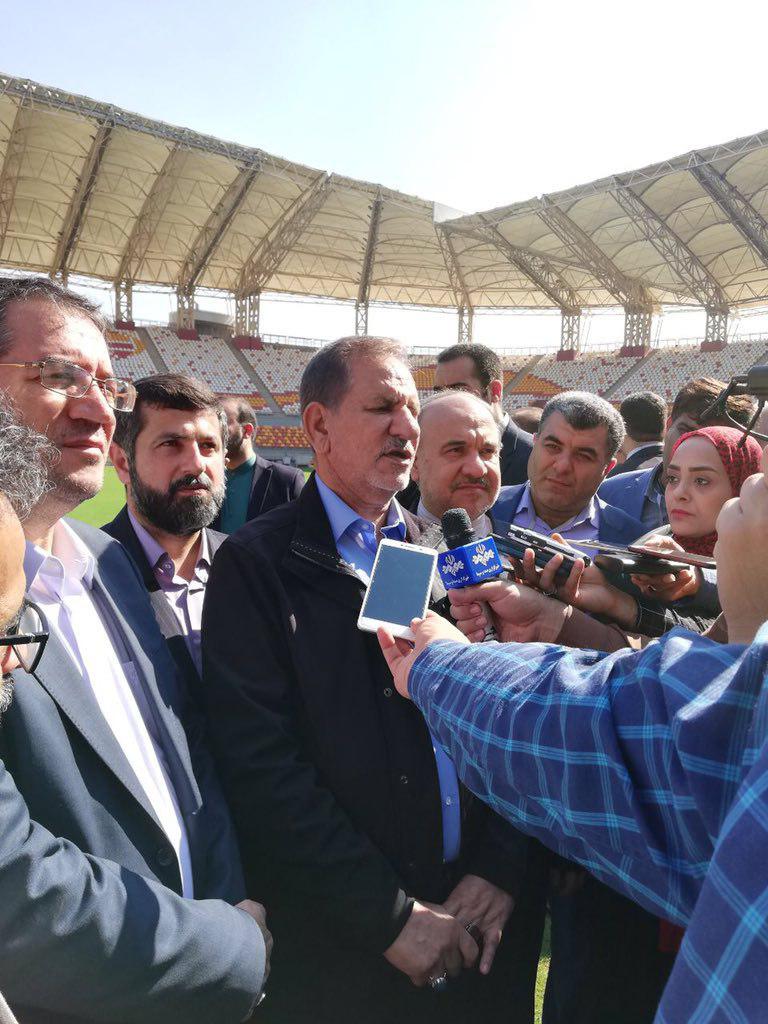
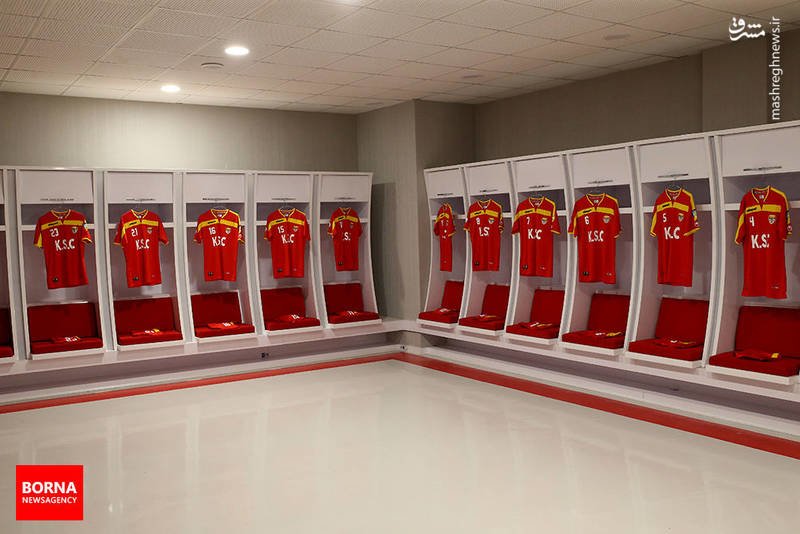
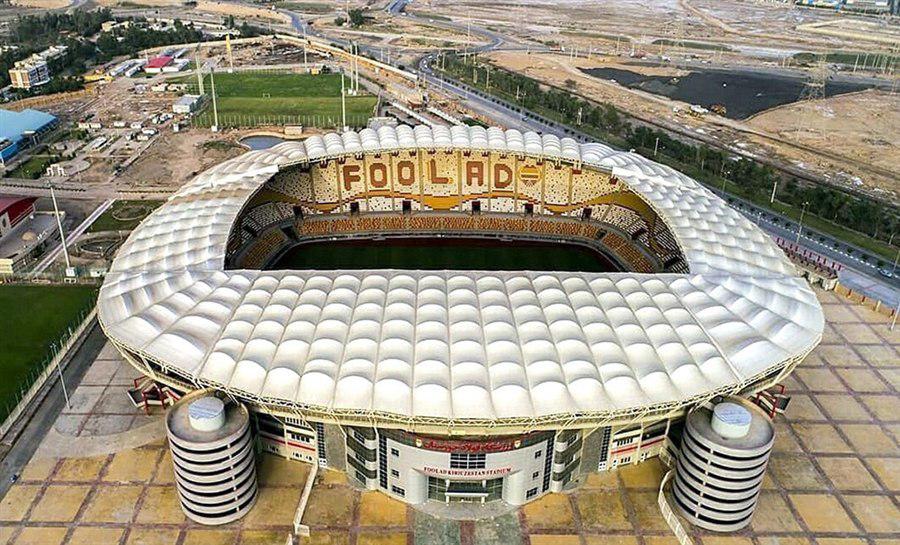
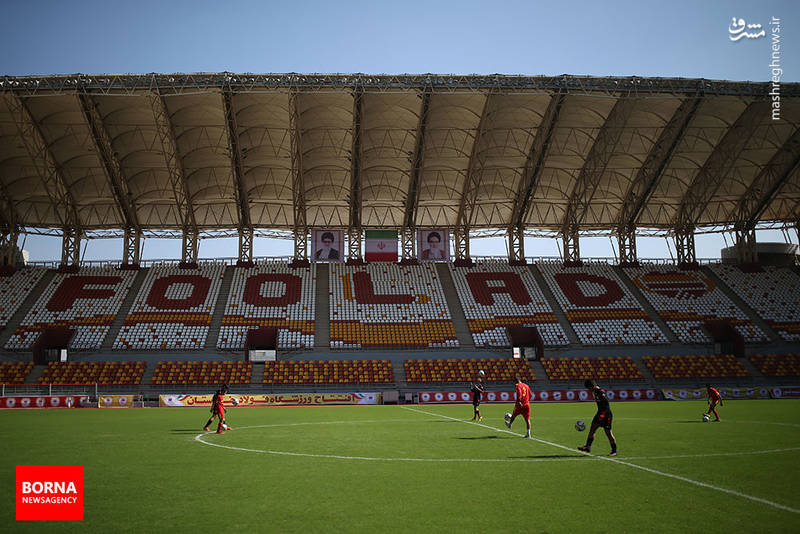
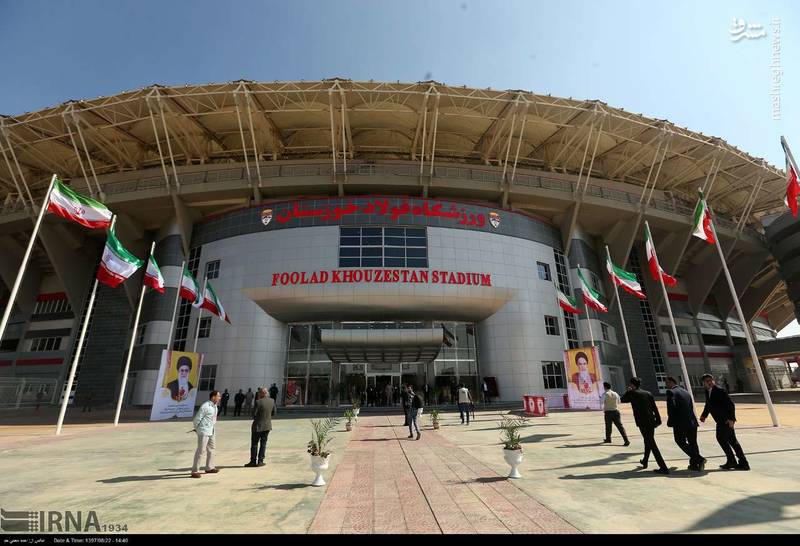
Iranian Schools Urged to Broadcast ACL Final Match for Students

The Ministry made the decision in reaction to numerous calls by schoolchildren across the country to shut down the schools on Saturday morning. In a directive, the Ministry said since it’s not possible to close the schools on November 3, all schools are asked to broadcast live the final match of the AFC Champions League for their students.

The majority of calls by students were made through comments on the Instagram account of Iran’s Education Minister Mohammad Bat’haei. In reaction, he said in a post that there would be no closure of schools on Saturday at all.

But he later ordered his chief of staff to issue the directive urging all schools to broadcast live the match.

With the issuance of Shapour Mohammadzadeh’s “urgent” directive, it seems the Iranian students are assured that they can watch the match without any problem even at schools.

The problem, however, is that most Iranian schools suffer from technical shortage to broadcast the match. Some schools have thus explicitly rejected the directive, saying they won’t do so.

In one part of the directive, Mohammadzadeh underlined the need for broadcasting the match to prevent the schools from being closed. Now, his phrase has led many students to this conclusion that the final match would be broadcast only during break times.

The directive came in response to numerous campaigns launched on social media by students calling for closure of schools on Saturday. However, many students still remain doubtful about the possibility of broadcasting live the match particularly because such a move requires the approval of the school deans.

Meanwhile, an image of a letter has gone viral on social media showing a school has decided to take its students to a recreational camp to let them watch the final match there.

The Iranian Education Ministry’s decision has been widely hailed by experts who believe watching the important football match at school can give students good lessons, including the need for showing flexibility and knowing priorities.

It is also said that students would be able to release their emotions by watching the match together. Psychologically speaking, trapped emotions can lead to violence and aggressiveness among kids and young adults. The ministry’s decision can now create a strong bond between students and their schools.

Kashima Antlers came back from two goals down to salvage a 3-3 draw with Suwon Samsung Bluewings of South Korea in the second leg of the semi-final, and progressing final with a 6-5 aggregate win.

Persepolis also booked a place in the final match after a 1-1 draw against Al Sadd of Qatar, 2-1 on aggregate.

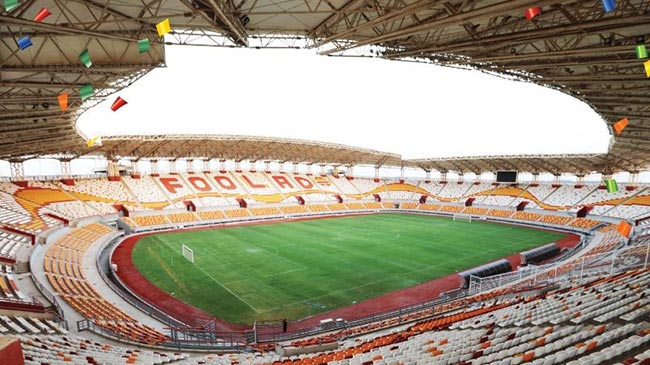
Kashima will host Persepolis on November 3 and will travel to Azadi Stadium in Tehran on November 10.

US to Exempt Eight Countries from Iran Oil Sanctions: Report

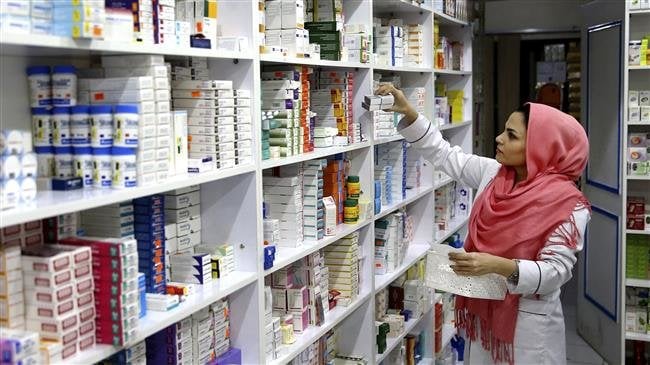
Iran’s Oil Revenues Increase by 49% despite US Bans

While the Trump administration’s goal remains to choke off revenue to Iran’s economy, waivers are being granted in exchange for continued import cuts so as not to drive up oil prices, said the official, who asked not to be identified before Secretary of State Michael Pompeo announces the number of exemptions later on Friday.

China — the leading importer of Iranian oil — is still in discussions with the US on terms, but is among the eight, according to two people familiar with the discussions who also asked not to be identified. The other four countries that will get waivers weren’t identified, Bloomberg reported.

The administration must maintain a delicate balancing act with the waivers: ensuring the oil market has sufficient supply and avoiding a politically damaging spike in fuel prices, while also ensuring that Iran’s government doesn’t collect enough revenue that the US sanctions become irrelevant.

Global benchmark Brent crude has fallen about 15 percent from over $85 a barrel last month on increasing speculation that at least some nations will get waivers, as well as signs that other OPEC members will pump more to offset any supply gap. Oil futures were at $73.04 a barrel at 7:12 a.m. in London on Friday.

Previously, Pompeo has said “it is our expectation that the purchases of Iranian crude oil will go to zero from every country or sanctions will be imposed,” but also acknowledged that waivers were being negotiated with nations that say crude from Iran are critical to their energy industry.

The waivers are only temporary, and the US will expect countries that get them to keep cutting Iranian imports in the months ahead, according to the US administration official, who declined to give details on the volume of oil the nations will be allowed to buy under the exemptions.