Friday, January 2, 2026
Home Blog Page 3419

IMO Sides with Iran on US Bans in another Legal Victory for Tehran

Iran had filed a lawsuit against the US on November 8, which the IMO took up at its 121st meeting in London.

In its complaint, Tehran argued that US sanctions on its shipping sector violated the Convention on the International Maritime Organization, which urges member states to avoid discriminatory measures against shipping activities of other countries.

Iran had asked the IMO to order its members not to behave in a way that would deprive one member state of its legal rights, Mohammad Rastad, the head of the Ports and Maritime Organization of Iran, told reporters on Thursday following the IMO meeting.

Fortunately, Iran’s complaint was legally and logically convincing and was supported by influential member states, he said, adding that IMO members finally sided with Iran on the case and urged the organization to recognize the Islamic Republic’s right in this regard.

The IMO “strongly urged the US and other member states to refrain from taking any measure that might endanger international maritime safety and security and the freedom of navigation,” Iranian Ambassador to London Hamid Baeidinejad tweeted.

As a specialized agency of the United Nations, the IMO which has 174 member states is tasked with regulating international shipping.

The organization works to promote “safe, secure, environmentally sound, efficient and sustainable shipping through cooperation,” as its mission statement reads.

It also addresses safety issues, environmental concerns, legal matters, technical cooperation among member states, maritime security and the efficiency of shipping.

Iran to Europe: You Can’t Swim without Getting Wet

Mohammad Javad Zarif

Zarif made the remarks in his address to the Mediterranean Dialogues Conference (MED) in the Italian capital of Rome.

“We negotiated with the US along with other countries, and reached a good conclusion. Now Europe and others should make investments and pay costs for their efforts and global security. You can’t swim without getting wet,” Zarif said.

“Iran has survived for 7,000 years, not just 40 years, and will do so in the future. The history of Iranian and Italian empires is longer than the lifespan of certain countries, and that’s why we don’t give in to coercion, because we know no power is eternal.”
He also lashed out Western states for asking Tehran to change its regional policies, and said, “Why should Iran change its regional policies? Was it Iran that supported Saddam? Was it Iran that backed the ISIS, Taliban, and Nusra Front? Did we create the 9/11? Did we impose a blockade on Qatar? Are we bombing the people of Yemen? Did we imprison the prime minister of another state in our country? Was it Iran that adopted wrong policies? They are the ones who should change their regional policies and behaviours.”
“Everyone knows me as a man of interaction and dialogue; but when it comes to choosing between Iran’s independence and interaction with the world, I’d definitely choose my country’s independence,” he added.

“Diplomacy is not a game, and we’re always ready for serious action.”

Iran Strongly Rejects US Chemical Warfare Accusations

Iran’s Envoy Elected Vice-Chair of OPCW Executive Council

“During the Fourth Review Conference of the Chemical Weapons Convention (CWC) in The Hague on Thursday, the US mission to the Organisation for the Prohibition of Chemical Weapons (OPCW) once again levelled groundless accusations against the Islamic Republic, which we strongly reject,” Qassemi said in a statement.

“Based on the Conferenceprocedure, the Iranian mission to the OPCW will give an appropriate response to these baseless accusations at the end of the general discussions,” he noted.

“The crystal-clear point here is that the US is the only OPCW member state with chemical weapons arsenals, which has so far failed to fulfil its commitment to destroy them,” Qassemi said.

“At the same time, the US sides with the Zionist regime’s chemical weapons program and level such wrong and false accusations against Iran,” he went on to say.

Qassemi said the US raises such allegations out of its hostility towards the Iranian nation, and aims to deviate the world’s public opinion from its violation of commitments and continued support for the Israeli chemical arsenals and terrorist groups.

The United States accused Iran on Thursday of failing to declare what it called “a toxic arms program” to the OPCW in breach of international agreements.

US envoy Kenneth Ward told the OPCW conference that Tehran was also seeking deadly nerve agents for “offensive purposes”.

Ward claimed Iran had failed to declare the transfer of chemical-filled shells sent to Libya in the 1980s despite an appeal by the OPCW to identify their origin. They were found after the death of Libyan leader Muammar Gaddafi in 2011.

“They were clearly of Iranian origin as evidenced by the Farsi writing on the boxes containing the artillery shells,” he claimed.

Iran had also failed to declare a “chemical weapons filling capability” despite the discovery of toxic shells and bombs in Libya and also in Iraq, he said, adding that finally, Iran had failed to declare riot control agents despite having marketed them at defence expos.

Iranian Clubs Learn Rivals in 2019 AFC Champions League

The challenge for the group stage of the 2019 AFC Champions League was finalized following the competition’s official draw in Kuala Lumpur, Malaysia.

The Islamic Republic of Iran’s Persepolis, who lost 2-0 to Kashima Antlers on aggregate in this year’s final, will begin its campaign in the West Zone’s Group D where it has Qatar’s Al Saad SC, Saudi Arabia’s Al Ahli Saudi FC and the Play-off 1 (UAE/UZB/IRQ) winners for company.

Esteghlal will face Saudi Arabia’s Al Hilal, the 2017 runner-up and two-time winner, Al Duhail SC of Qatar and the UAE’s Al Ain in Group C.

As for Iran’s two other teams, Saipa will meet Minerva Punjab from India and Zob Ahan face winner of Al-Wehdat of Jordan and Kuwait’s Al-Kuwait respectively in the qualifying play-offs.

Traveler Safety in Iran Matches Europe: Report

The 2019 Travel Risk Map prepared, launched by global risk experts International SOS in collaboration with Control Risks, shows the danger level in each country and territory based on the current threat posed to travelers by political violence (including terrorism, insurgency, politically motivated unrest and war), social unrest (including sectarian, communal and ethnic violence) and violent and petty crime.

Factors such as the robustness of the transport infrastructure, the state of industrial relations, the effectiveness of the security and emergency services and the country’s susceptibility to natural disasters are also taken into consideration, according to a report by The Independent.

The map lists five categories of risk: insignificant, low, medium, high and extreme.

Iran is among the world’s top potential tourist destinations with a variety of ancient sites, including 17 places listed by the UNESCO.

Iranian officials have said they wanted to annually attract 20 million tourists by 2025 in order to generate $30 billion of revenues as the country seeks to wean itself off the oil money.

Official figures earlier released showed that over six million tourists had traveled to Iran over a period of six months starting March 2018. This was higher than the same period last year by above 50 percent.

The World Travel and Tourism Council (WTTC) recently said tourism contributed a total of $30.7 billion to Iran’s gross domestic product (GDP) in 2017. The WTTC added that Iran’s global ranking in terms of contribution of tourism revenues to the economy stood at 35 out of 185 countries.

Apart from Iran, the only other countries in the region with the least security risks have been identified as Bahrain, Kuwait and Qatar. Other “low risk” regional countries are Jordan, Oman, Qatar, the UAE, Georgia, Azerbaijan, Armenia and Uzbekistan

The security for travelers in Turkmenistan and Saudi Arabia has been described as “average”. However, other countries in the region including Pakistan, Iraq and Afghanistan have been described as “dangerous”.

“Extreme” risk countries are almost exclusively in Africa and the Middle East, including Syria, Yemen, Libya, South Sudan and Somalia.

Very few countries manage to make it into the “insignificant” bracket; in Europe, only Luxembourg, Denmark, Slovenia, Switzerland, Norway, Finland, Iceland and Greenland are put in this category, The Independentadded in its report. Canada, the US, Australia and New Zealand are all low risk too.

Although some 47 percent think risks have increased over the past year, this represents a 16 percent decrease from 2017, when 63 percent said risk had increased.

The administration of US President Donald Trump launched the second wave of sanctions against Iran from November 5 in which a universal ban on the country’s oil exports is a primary objective.

US officials have already said the sanctions would be meant to bring down Iran’s oil exports – the country’s main source of revenue – to zero among other restrictions. However, Iranian officials have repeatedly rejected the feasibility of this, stressing that international consumers cannot afford to lose Iranian supplies.

Iranian, Italian FMs Hold Talks in Rome

In the meeting, the two sides pointed to historic, broad and growing ties between the two countries, stressing their political will to develop and deepen ties in various political, economic, cultural and international fields.

Zarif and Milanesi also discussed the latest developments concerning the Iran nuclear deal and the special European mechanism to protect the accord following the US’ unilateral and illegal withdrawal.

“The US has violated not only the JCPOA, but also the UN Security Council Resolution 2231, and now is urging others to breach it and threatens to punish the countries that respect it,” Zarif said in the meeting.

The Italian foreign minister, in turn, said the JCPOA helps promote international peace and security, stressing that Rome will make all-out efforts to help protect it along with other EU countries.

The two sides also discussed efforts to promote economic and cultural cooperation, particularly in the fields of tourism and science, among others.

Regional issues, particularly the latest developments in Syria, the disastrous situation of Yemen, and the development of Libya were among other topics discussed in the meeting.

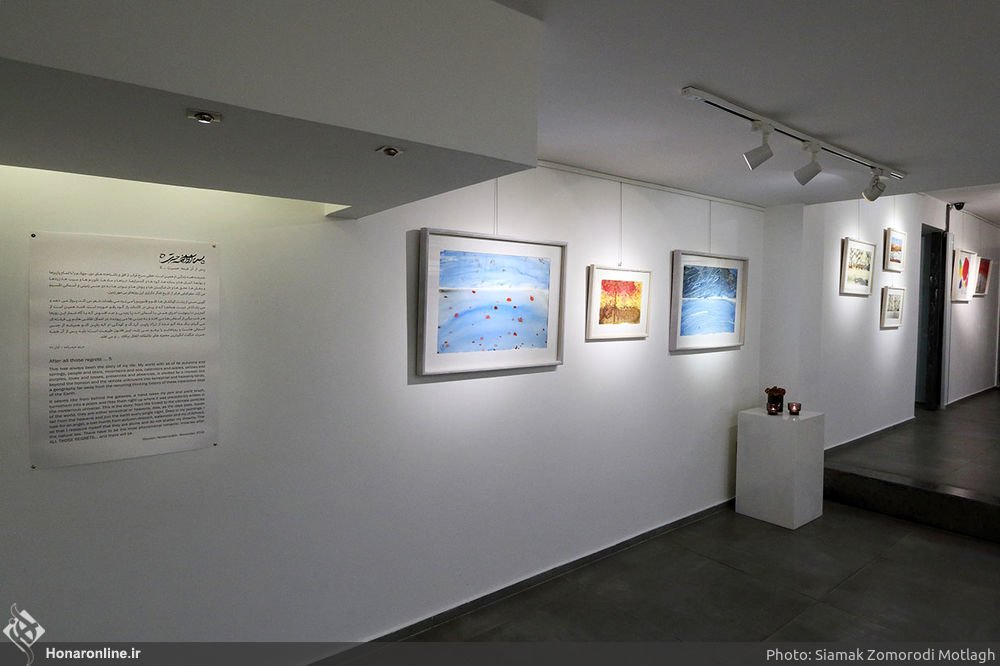
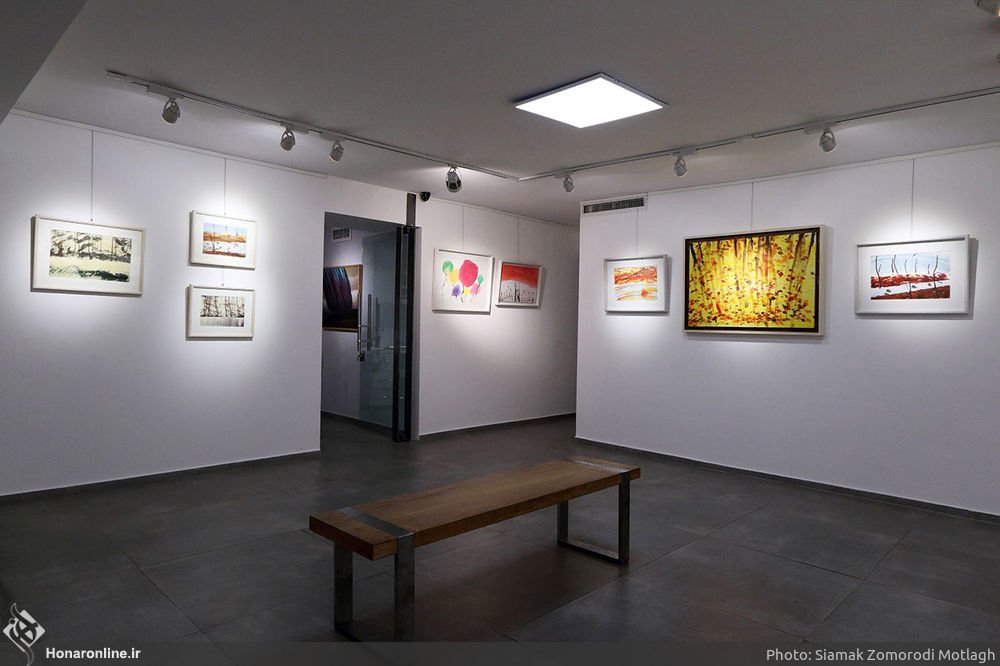
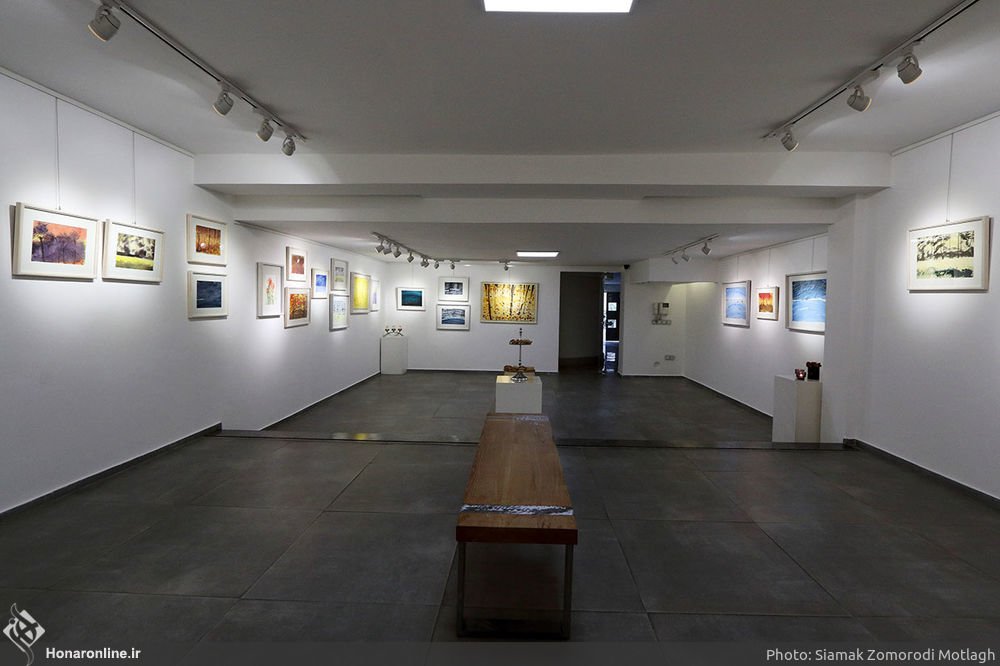
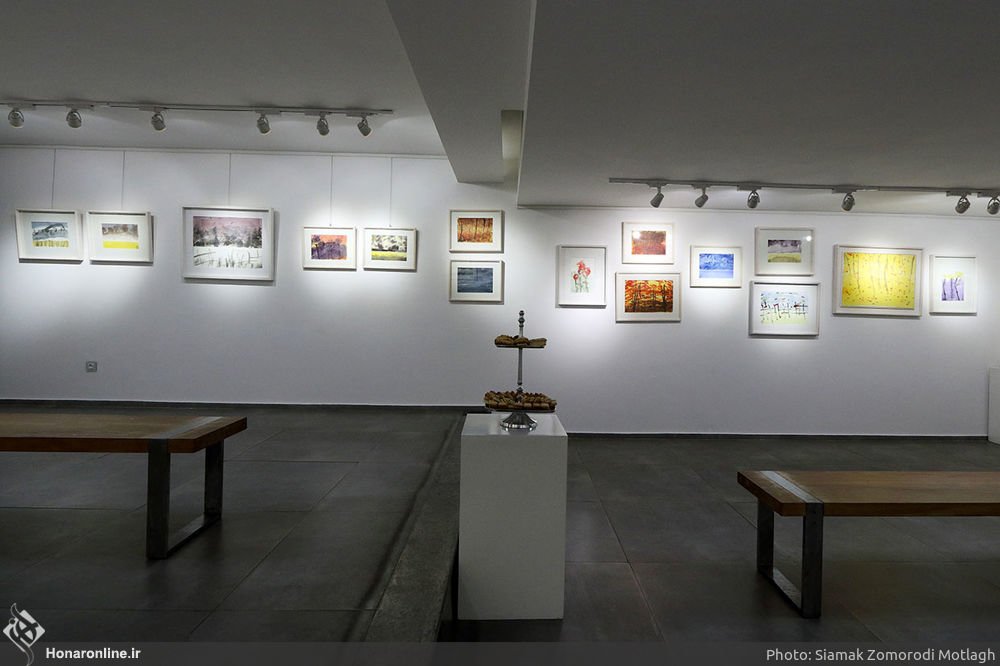
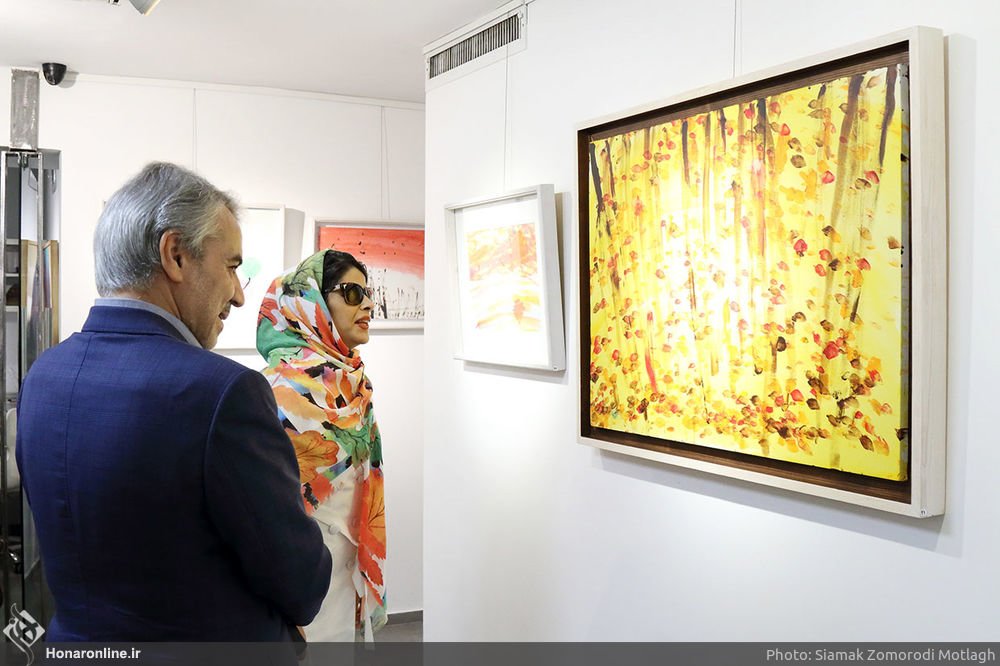
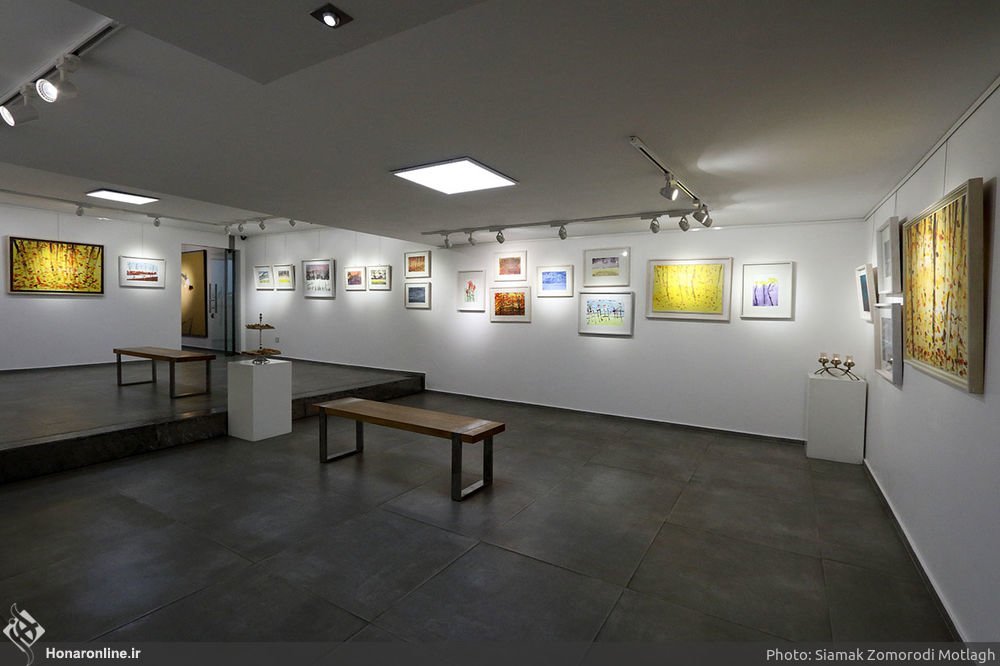
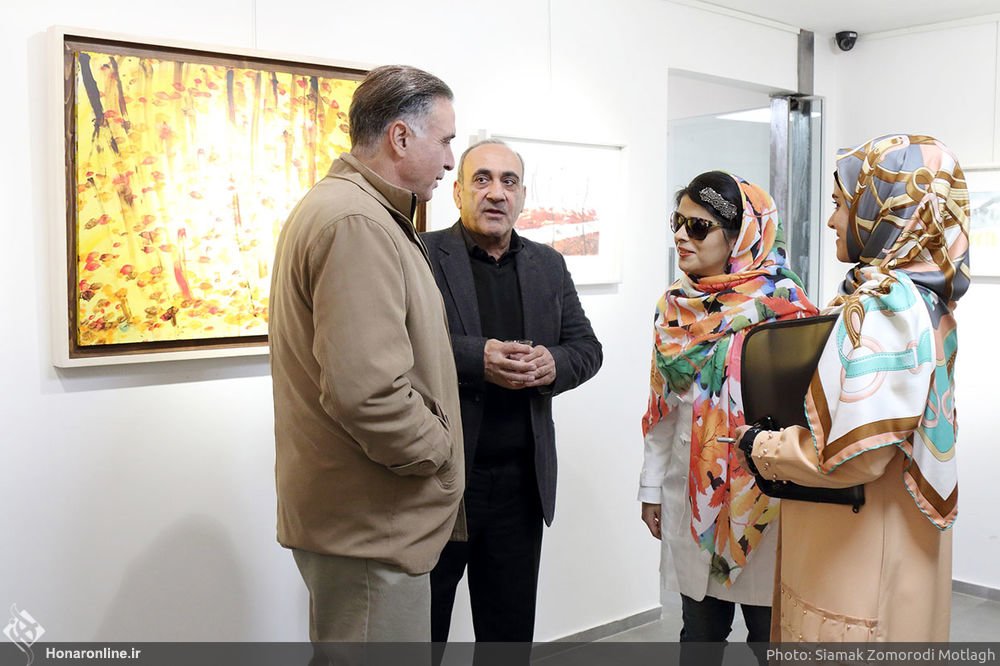
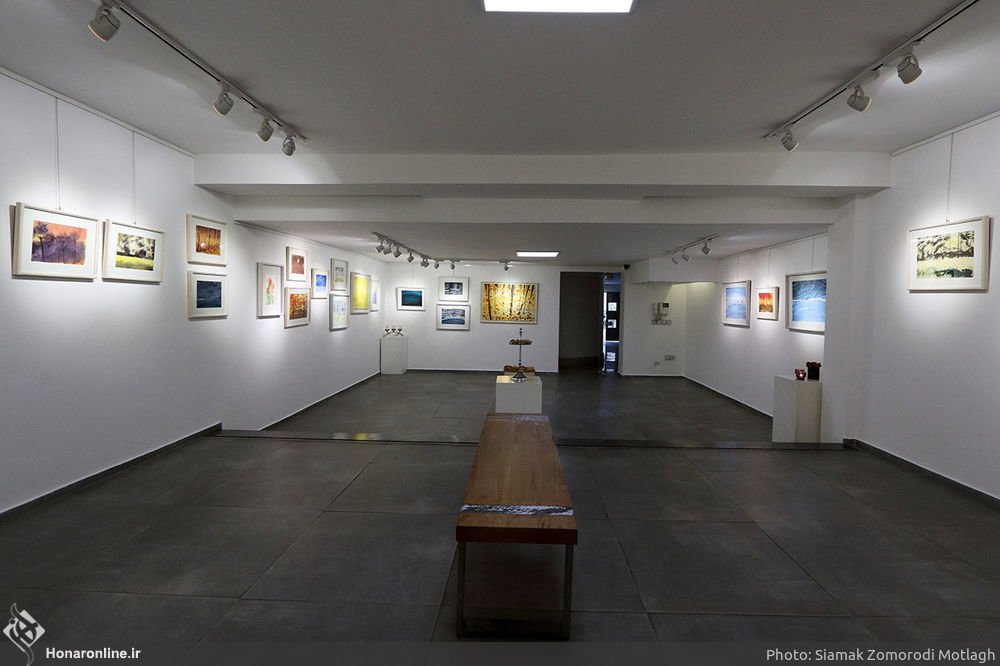
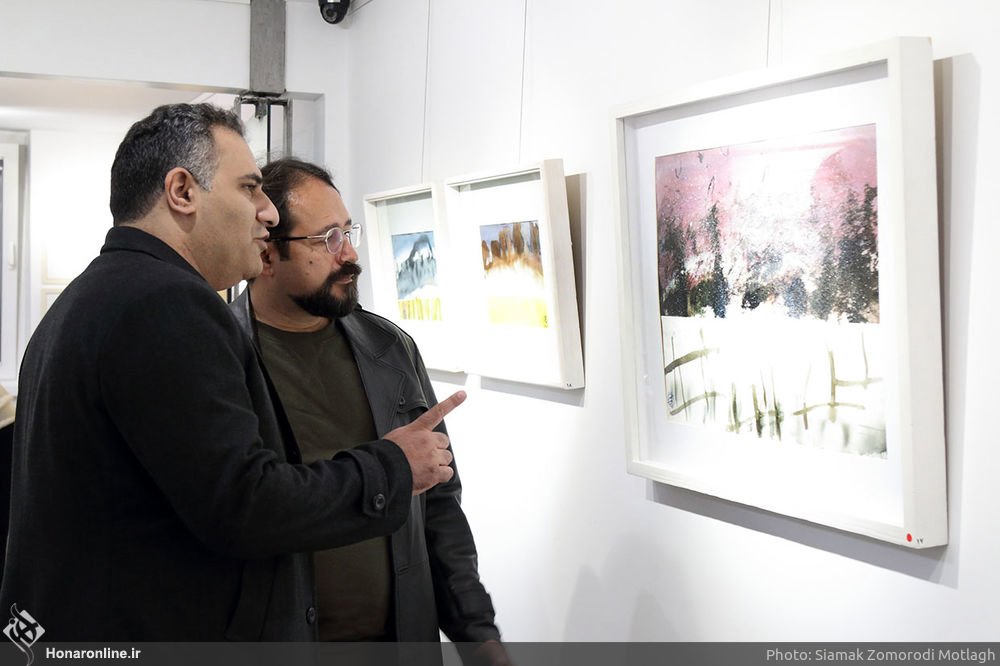
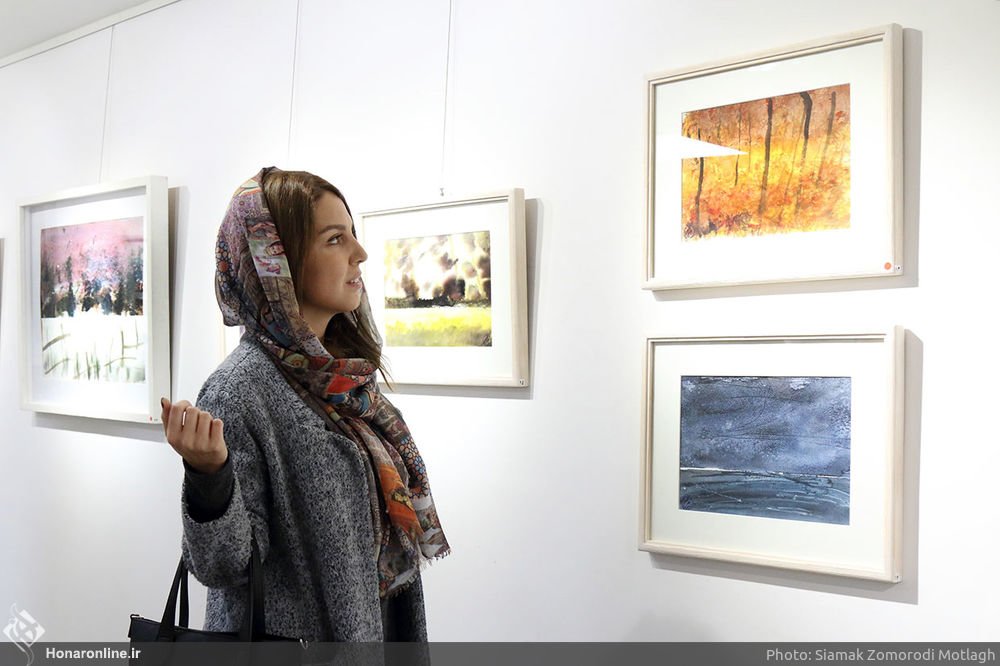
Black on Dark: An Exhibit of Iranian Calligraphy Art

Aghighi is very famous in Muslim countries and is an exception among female artists. She is not only known well-known in Iran as an iconic figure in the field of Islamic calligraphy, but has an international reputation.

Her works are kept in museums such as the British Museum, Qatar’s Museum of Islamic Art, the National Museum of Malaysia, and important private collections in Europe and Asia.

The “Black on Dark” exhibition is a combination of large-scale letters. These letters are densely packed and so interwoven that form a black surface.

In her works, the form prevails over the content, and this is rare in the cultural history of Iran, because content has always been preferred to the form in the country.

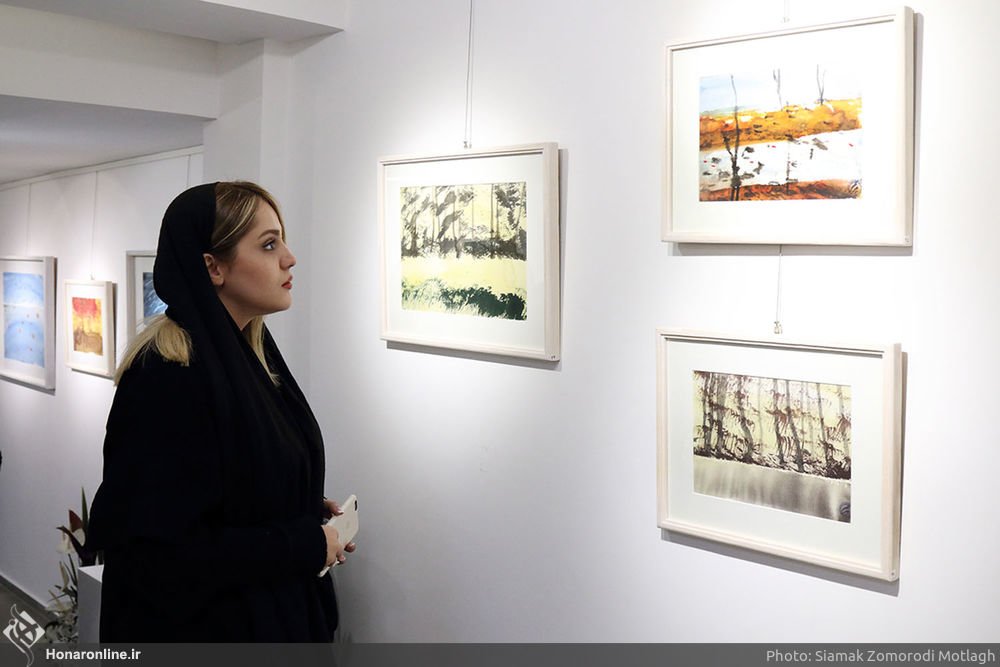
This exhibition runs through November 26 at Tehran’s Homa Gallery.

What follows are photos of the event retrieved from Honar Online:


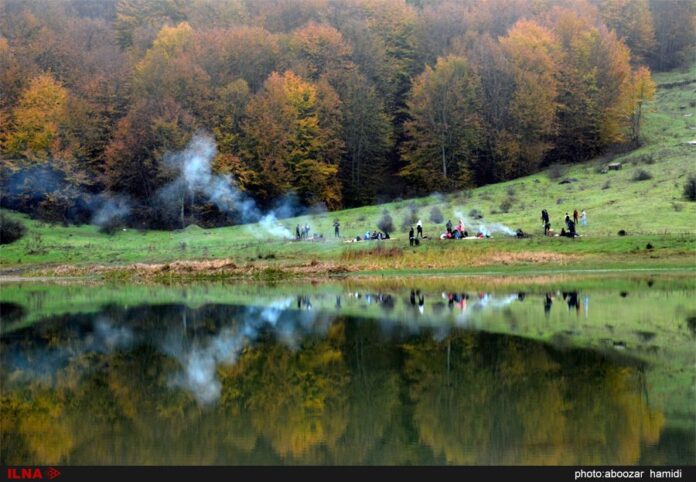
Local Games Festival Held in Iran’s North Khorasan Province

200 participants competed in the festival which included events such as tug of war, foosball, arm wrestling, seven stones, etc..

Following you can find photos of the competition retrieved from IRNA:

A Look at Iranian Newspaper Front Pages on November 22

A Look at Iranian Newspaper Front Pages on November 19

Almost all papers today highlighted President Hassan Rouhani’s support for Foreign Minister Mohammad Javad Zarif over his controversial remarks about ‘rampant’ money laundering in Iran, which were going to lead to his impeachment.

Also a top story was the pressures on Interior Minister Abdolreza Rahmani Fazli to reject the qualification of Pirouz Hanachi, the reformist figure elected as new mayor of Tehran. Hanachi must be approved by Rahmani Fazli in order to be able to start his work. Vice-Speaker of Parliament Ali Motahari warned on Wednesday that the interior minister could be impeached if he gives in to pressures.

The above issues, as well as many more, are highlighted in the following headlines and top stories:


Abrar:

1- Iran Has Remained in JCPOA upon Europe’s Insistence: Foreign Ministry

A Look at Iranian Newspaper Front Pages on November 22


Aftab-e Yazd:

1- An Entire Iran behind Zarif

* Rouhani, Many Officials, Reformists Throw Their Weight behind FM Zarif

2- If a Journalist in Saudi Arabia Writes about Khashoggi, He’d Be Killed

A Look at Iranian Newspaper Front Pages on November 22


Arman-e Emrooz:

1- Will Profiteers Return with Re-Imposition of Sanctions?

2- Rouhani’s All-Out Support for Zarif

A Look at Iranian Newspaper Front Pages on November 22


Ebtekar:

1- World’s Cold Look at Yemeni Children

A Look at Iranian Newspaper Front Pages on November 22


Etemad:

1- New Mayor of Tehran under Pressure to Resign

* Vice-Speaker to Interior Minister: Don’t Give in to Pressures; Approve Hanachi

2- Rouhani: Entire World Gripped with Money Laundering

3- White House Turned into Public Relations Firm for Saudi Arabia

A Look at Iranian Newspaper Front Pages on November 22


Ettela’at:

1- Rouhani: We Should Close Doors to Money Laundering, Corruption

2- Senior Commander of Yemeni Mercenaries Killed in Ansarullah Attack

3- Iranian Sunnis in Kurdistan Celebrate Prophet Muhammad’s Birthday Anniversary

A Look at Iranian Newspaper Front Pages on November 22


Farhikhtegan:

1- Consensus in Criticizing Zarif’s Goof on Money Laundering

* Even Rouhani Advised Zarif Not to Politicize Fight against Money Laundering

2- Government Lacks Transparency

3- Iranian Universities’ Dependence on Government 2.5 Times Higher than Global Average

A Look at Iranian Newspaper Front Pages on November 22


Iran:

1- Taboo of Sex Education for Children to Be Broken

A Look at Iranian Newspaper Front Pages on November 22


Javan:

1- Zarif’s Goof Whitewashed by Rouhani

2- Trump on Bin Salman’s Murder of Khashoggi: It Is What It Is!

A Look at Iranian Newspaper Front Pages on November 22


Kayhan:

1- Haft-Tappeh Crisis Result of Making Economy Dependent on JCPOA, FATF

(Haft-Tappeh is a privatized factory whose workers have gone on strike, demanding their overdue wages, and calling on government to retake the factory)

2- Zarif Has Received Judiciary’s Letter on Money Laundering

* 10-Day Ultimatum for Providing Evidence

3- Trump: Iran Is a Terrorist Nation! We Need Bin Salman’s Petrodollars

4- 14m Poor, 1.5 Million in Absolute Misery: UN’s Description of UK Today

5- Mr Hunt! Your Crimes Have Led to Current Misery of Innocent Yemeni Children

A Look at Iranian Newspaper Front Pages on November 22


Resalat:

1- Retired Officials Refusing to Leave Office despite New Law

2- Ayatollah Makarem Shirazi Calls for Unity among Sunnis, Shiites

A Look at Iranian Newspaper Front Pages on November 22


Sazandegi:

1- Zarif’s Comments on Money Laundering Totally Correct: Rouhani

2- New US Envoy to Saudi John Abizaid Believed to Be Second Lawrence of Arabia

A Look at Iranian Newspaper Front Pages on November 22


Shargh:

1- Apple of the Cabinet’s Eye: Rouhani Strongly Supports Zarif

* Why Should We Fight over Crystal-Clear Issues?

2- Interior Minister to Be Impeached If He Refuses to Approve New Mayor of Tehran

A Look at Iranian Newspaper Front Pages on November 22


Vatan-e Emrooz:

1- Animal Farm: Trump Once Again Calls Iran a Terrorist Nation

2- Silent Scandal in Norway

* Shocking Report of Organized Sexual Abuse in Norway Child Rights Body

A Look at Iranian Newspaper Front Pages on November 22

Europe’s Iran Payment Mechanism Faces ‘Unforeseen Difficulties’

De Riviere, who is in Tehran for a fresh round of political talks between Iran and France, made the remarks in a meeting with Iranian Deputy Foreign Minister for Political Affairs Seyyed Abbas Araqchi on Wednesday.

The French diplomat said the establishment of SPV is in its final stages, but unforeseen difficulties have arisen in the course of creating the mechanism.

However, the E3 countries – France, Germany, and the UK – are taking measures to overcome the difficulties and start the implementation of the SPV as soon as possible, he added.

During the meeting, the two sides conferred on the latest situation of the Iran nuclear deal and the commitment of Paris and other European parties to normalizing economic relations with Iran and offsetting the negative impacts of the US’ illegal sanctions.

They also talked about ways to expand bilateral relations and expressed their views on a number of security, regional, and international issues.

The two sides also reviewed the latest developments in other economic and business fields, and weighed in on measures being taken to minimize the impact of US sanctions.

The talks between Iran and the European side come as the US special envoy for Iran threatened last week European banks and firms with fresh sanctions in case of engaging in the SPV.

The SPV is an alternative payment mechanism that can help companies trade with Iran without facing US penalties.

Despite Washington’s withdrawal from the Iran nuclear deal in May and the re-imposition of its sanctions on Tehran in November, the three big European Union powers and the EU as a whole have reaffirmed their commitment to the JCPOA, as have Russia and China.

Iran has not left the landmark nuclear deal yet, but stressed that the remaining signatories to the agreement have to work to offset the negative impacts of the US pullout for Iran if they wanted Tehran to remain in it.

Iran and the European side have been discussing ways to conduct non-dollar trade in order to offset the US sanctions.