Thursday, December 25, 2025
Home Blog Page 3412

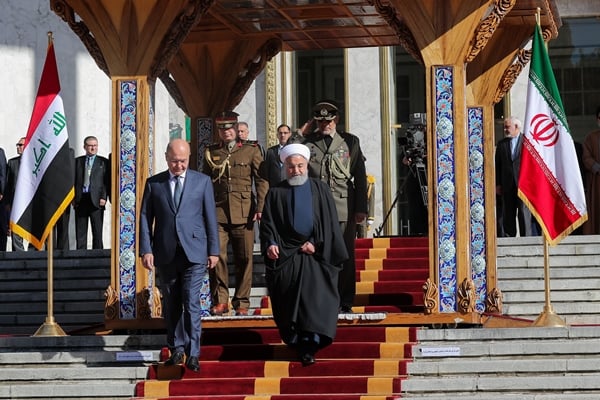
Iraqi President in Tehran to Hold Talks with Iranian Officials

Iranian President Hassan Rouhani officially welcomed his Iraqi counterpart in Tehran’s Saadabad Palace.

Salih is accompanied by several high-ranking officials. He is going to meet with Rouhani and other top officials to discuss regional and bilateral issues.

The two sides are also expected to sign memorandums of understanding in different fields.

Salih is in the middle of a regional tour. Before his trip to the Islamic Republic, he visited Jordan, Kuwait, and the United Arab Emirates. He is slated to visit Saudi Arabia as well.

Iran and Iraq are close regional allies and have extensive trade ties. Iraq is Iran’s second-largest market after China, and buys everything from food and machinery to electricity and natural gas.

On 2 October 2018, Salih was elected as 8th President of Iraq. He received 219 votes and defeated Fuad Hussein who secured 22 votes.

He is the former prime minister of the Kurdistan Regional Government of Iraqi Kurdistan and a former deputy prime minister of the Iraqi federal government.

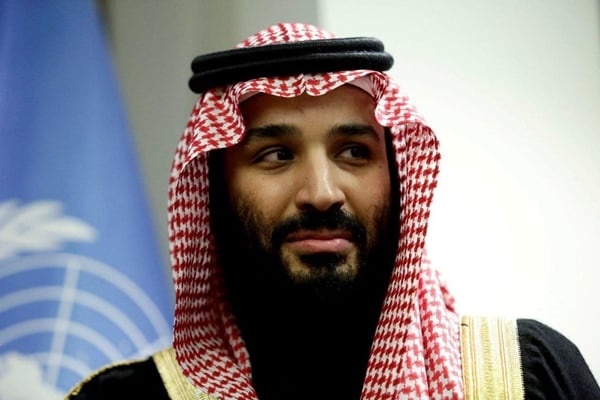
‘CIA Concludes Bin Salman Ordered Killing of Khashoggi’

A report by The Washington Post quoted people familiar with the case as saying that the CIA’s assessment, in which officials have said they have high confidence, is the most definitive to date linking Mohammed to the operation and complicates the Trump administration’s efforts to preserve its relationship with a close ally.

A team of 15 Saudi agents flew to Istanbul on government aircraft in October and killed Khashoggi inside the Saudi consulate, where he had come to pick up documents that he needed for his planned marriage to a Turkish woman.

In reaching its conclusions, the CIA examined multiple sources of intelligence, including a phone call that the prince’s brother Khalid bin Salman, the Saudi ambassador to the United States, had with Khashoggi, according to the people familiar with the matter who spoke on the condition of anonymity to discuss the intelligence.

Khalid told Khashoggi, a contributing columnist to The Washington Post, that he should go to the Saudi consulate in Istanbul to retrieve the documents and gave him assurances that it would be safe to do so.

It is not clear if Khalid knew that Khashoggi would be killed, but he made the call at his brother’s direction, according to the people familiar with the call, which was intercepted by US intelligence.

The CIA’s conclusion about Mohammed’s role was also based on the agency’s assessment of the prince as the country’s de facto ruler who oversees even minor affairs in the kingdom. “The accepted position is that there is no way this happened without him being aware or involved,” said a US official familiar with the CIA’s conclusions.

Over the past several weeks, the Saudis have offered multiple, contradictory explanations for what happened at the consulate. This week, the Saudi public prosecutor blamed the operation on a rogue band of operatives who were sent to Istanbul to return Khashoggi to Saudi Arabia, in an operation that veered off course when the journalist “was forcibly restrained and injected with a large amount of a drug resulting in an overdose that led to his death,” according to a report by the prosecutor.

The prosecutor announced charges against 11 alleged participants and said he would seek the death penalty against five of them.

The assassination of Khashoggi, a prominent critic of Mohammed’s policies, has sparked a foreign policy crisis for the White House and raised questions about the administration’s reliance on Saudi Arabia as a key ally in the Middle East.

Among the intelligence assembled by the CIA is an audio recording from a listening device that the Turks placed inside the Saudi consulate, according to the people familiar with the matter. The Turks gave the CIA a copy of that audio, and the agency’s director, Gina Haspel, has listened to it.

Iran Rejects UN Rights Resolution as ‘Politically-Motivated’

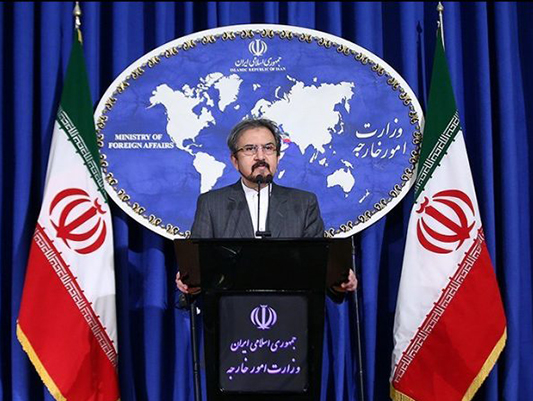
Bahram Qassemi

The resolution was adopted during the 73rd session of the Third Committee of the General Assembly with the support of governments which are themselves among the biggest violators of human rights in their own countries and in other states, Qassemi said in a Friday statement, condemning these countries for backing the resolution.

“The resolution has been drafted and adopted without considering the facts on the ground in Iran, and based on a selective, biased, and discriminatory approach and with political intentions,” he said, saying that Tehran rejects the resolution.

“Iran strongly condemns the instrumental use of human rights, human rights resolutions, and international mechanisms by certain Western countries, the occupying and infanticidal Zionist regime [of Israel], and some reactionary regional regimes,” Qassemi said, adding that these countries use human rights as a tool to achieve their extremism and inauspicious goals.

Tehran also condemns these countries’ anarchist policies and their support for separatist terrorists, he went on to say.

Iran believes such a trend would undermine the international community’s trust in international mechanisms and their efficacy, he added.

Qassemi said in contrast with such measures, the country lends credit to the UN Human Rights Council’s Universal Periodic Review (UPR), which would assess all countries without discrimination.

“Iran’s constructive and active participation in the UPR process reflects the Islamic Republic’s seriousness in enhancing human rights and acting on its international commitments in the area through constructive cooperation and dialogue-based mechanisms,” he added.

The resolution was approved Thursday in a 85-30, with 68 abstentions. This means the resolution will most probably be approved by the 193-member world body when it comes up for voting next month.

Speaking ahead of voting on the Canadian draft resolution, Iran’s deputy ambassador to the UN Es’haq Al-e Habib said the countries sponsoring the measure have done everything in their power to “suppress or derail” Iranian people’s “century-long struggle… for the causes of human rights and democracy.”

“Orchestrating a military coup in 1953 against a democratically-elected government, unconditionally supporting a despotic ruler for the following two and half decades, supporting a war of aggression against Iranians during the 1980s, providing chemical weapons and reconnaissance to [former Iraqi dictator] Saddam to target Iranians, shutting down an Iranian passenger flight murdering all of its 290 passengers, colluding with renowned terrorist cults, and waging a full-fledged economic war against Iranians in defiance of Security Council resolution 2231 and the mandatory ruling of the International Court of Justice are only a few examples to recall,” he said.

Iran Bans Advertisement of Harmful Products

Last weekend, Iranian Minister of Health and Medical Education Seyyed Hassan Qazizadeh Hashemi sent letters to Minister of Culture and Islamic Guidance Seyyed Abbas Salehi and the chief of state broadcaster IRIB Abdolali Ali-Asgari to inform them of the ban on advertising the harmful products in all media.

An official with Iran’s Food and Drug Organisation announced that the list of harmful products has been reviewed and prioritised following a series of meetings with the health authorities, as well as the representatives of National Standard Organization.

According to the Food and Drug Organisation, these products have been classified into three groups:

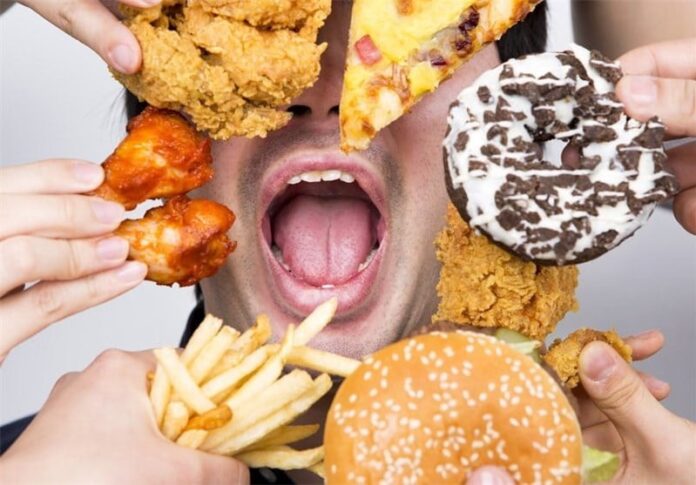
Sausages, ham, all types of sandwiches and pizza, ready-to-eat frozen pizzas, Olivier salad, samosas, falafel, processed cheese, all kinds of carbonated or non-carbonated beverages, energy drinks, flavoured malt drinks, carbonated fruit drinks, cooking oils, frying oils, margarine or vegetable butter, potato chips, fried corns and beans (snacks), cocoa products, fatty desserts, and makeup products for skin and hair (lipstick, mascara, foundations, pancakes, eyeliners, lip-liners, hair dye, and sun tan lotions) are all in the Group 1 due to the existence of heavy metals and the frequency of consumption.

All types of cream cheeses, syrups and non-alcoholic drinks, high-fat sauces (mayonnaise and salad dressings) with a fat content of over 30%, sweets made from flour, toffees, candies, various anti-cellulite products and topical slimming products are in the second group of the banned products.

Group three includes semi-prepared kebab, hamburgers, edible icy products, instant drinks powder, Minerin crème, tattoo and skin design products, hair straighteners, and hair regenerators.

Iran Raps UN Rights Resolution as “Political Charade”

The resolution adopted by the UN General Assembly’s Human Rights Committee was approved Thursday in a 85-30, with 68 abstentions. This means the resolution will most probably be approved by the 193-member world body when it comes up for voting next month.

Speaking ahead of voting on the Canadian draft resolution, Iran’s deputy ambassador to the UN Es’haq Al-e Habib said the countries sponsoring the measure have done everything in their power to “suppress or derail” Iranian people’s “century-long struggle… for the causes of human rights and democracy.”

“Orchestrating a military coup in 1953 against a democratically-elected government, unconditionally supporting a despotic ruler for the following two and half decades, supporting a war of aggression against Iranians during the 1980s, providing chemical weapons and reconnaissance to [former Iraqi dictator] Saddam to target Iranians, shutting down an Iranian passenger flight murdering all of its 290 passengers, colluding with renowned terrorist cults, and waging a full-fledged economic war against Iranians in defiance of Security Council resolution 2231 and the mandatory ruling of the International Court of Justice are only a few examples to recall,” he said.

“In fact, not a single day has passed since 1953 in which the same forces have not harmed and tortured Iranians,” Al-e Habib added.

The Iranian diplomat then proceeded to describe as “the greatest enemies” of human rights and democracy “those who conveniently abuse them against the nations and governments they dislike.”

Blasting the US and the West for imposing unilateral sanctions against Iran, Al-e Habib said such “sanctions of mass destruction” had killed more people around the world than all of the weapons of mass destruction “put together throughout history.”

“Weaponizing food and medicine against civilians has no other designation but crime against humanity,” he said. “Apparently, for self-proclaimed champions of human rights to reach their politicaltives even a whole nation can be murdeyred.

tives even a whole nation can be murdeyred.“

Iran Says Has Changed Oil Exports Pattern to Counter US Bans

Photo by Raheb Homavandi, Reuters

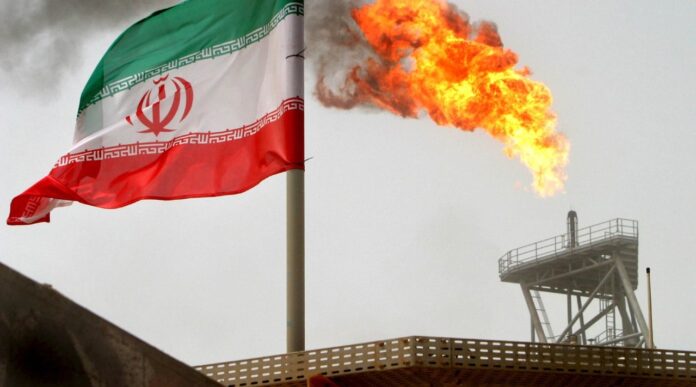
Chairman of the Iranian Parliament’s Economic Commission Mohammad-Reza Pour-Ebrahimi said Thursday “the pattern of Iran’s oil exports has undergone changes” by implementing a mechanism to offer crude oil in the Energy Bourse as a countermeasure against the latest US sanctions.

“Over the past 20 days, about one million barrels of our crude oil have been sold to private sector,” he noted, describing the mechanism as a significant initiative.

https://ifpnews.com/exclusive/iran-starts-direct-sale-of-crude-oil-through-energy-bourse/

He further noted that today the negative impact of US sanctions on Iran’s economy is just 20 percent and with appropriate plans, the Islamic Republic can cope with the situation and control the impacts.

“This time, the US has failed to gain a global consensus on imposing sanctions on the Islamic Republic,” he said.

He said the number of foreign investors willing to purchase Iran’s crude oil has increased over the past weeks despite the US bans.

Pour-Ebrahimi said the parliament’s Economic Commission has already established a sub-committee on sanctions, adding the Islamic Republic has great experiences in bypassing sanctions.

Today no international body has imposed sanctions on Iran, and the US has become isolated over its decision to put sanction on the Islamic Republic, he noted.

The Iranian lawmaker then referred to the Europeans’ plan to establish a financial mechanism to keep their trade ties with Iran in defiance of the US sanctions and said “though we can’t rely on the Europeans, they have already expressed their explicit objection to the US.”

He further described the US sanctions against Iran as hostile and added Iran’s oil exports have always been targeted by the enemies because the exports play a decisive role in Iran’s economy.

“Before the Islamic Revolution, about 70 percent of the government’s budget was provided by oil exports but today the figure has reduced to 30 percent,” he said.

Pour-Ebrahimi then referred to the joint oil reserves between Iran and some Arab states and said “if Iran doesn’t extract oil, the other sides will do so without any hesitation.”

He referred to the growing price of oil in the world and said under previous sanctions against Iran, the oil price reduced dramatically hampering the country’s economy, but this time the prices are high, giving some immunity to the Islamic Republic.

Outrageous Cosmetic Surgeries Becoming All the Rage in Iran

Each year, many people go for beauty surgeries in Iran. Based on the figures released by the Iranian Medical Society, cosmetic surgeries in the country have been on the rise since 2005, and the age of those undergoing such operations has dropped to 15.

But the surgeries are getting more and more outrageous every day.

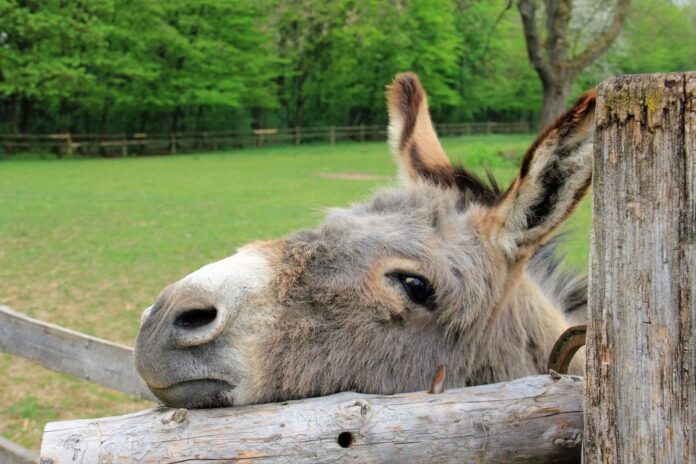
Director of the Iranian Association of Plastic and Cosmetic Surgeons Mahmoud Abbasi says “implanting false irises and crystals into the eye, changing the colour of the eye permanently and outrageous surgeries such as the ‘cat’s eye,’ ‘donkey ear’ and the like are not legal.”

“Those who perform the so-called “donkey ear” and “cat’s eye” operations do not hold specialized academic degrees,” he added.

He has criticized the misleading advertisements designed to lure people into undergoing cosmetic surgeries.

“Unfortunately, some of these surgeries cause side effects which are not curable,” said Abbasi.

“In all such medical operations, it is the surgeon who bears the responsibility, and the patient’s consent before the operation does not revoke that responsibility,” he added.  

That means the physician is responsible for the operation one way or another, though it is necessary that lawmakers openly illegalize such surgeries and that stricter regulations be put in place with regards to such operations.

Some experts believe the reasons behind people showing an interest in unusual cosmetic surgeries is cultural backwardness. They believe obsessive people tend to go for such surgeries.
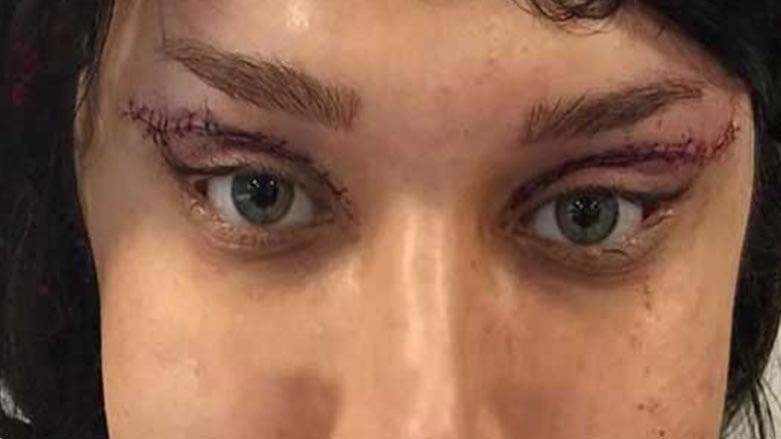
Outrageous Cosmetic Surgeries Becoming All the Rage in IranCat’s Eye, Donkey Ear Surgeons, Applicants Could Face Jail Term

A top parliamentarian has also confirmed news released by the Iranian Medical-Legal Association that emerging surgery types such as changing the colour of the eye and shape of ears are not considered legal and are subject to prosecution under the Islamic Penal Code.

“Basically, making changes to the shape of the body of the human as created [by God] is rejected in different religions; likewise, Sunnis and Christians regard such action as religiously forbidden and believe the creation by God should not be changed. It is stated in all religions that conducting such operations is forbidden,” said Hassan Norouzi, the spokesman for the Iranian Parliament’s Judicial and Legal Commission.

He also touched upon the penalty that such unconventional surgeries could carry under the Islamic Penal Code, and said conducting such operations will hurt public decency.

“The punishment for these individuals is determined based on the Islamic Penal Code which stipulates that ‘whoever openly pretends to be doing a forbidden action in public places which does not carry a penalty by nature, but hurts public decency, shall be served with a prison term of between 10 days to two months, or 74 strikes of lashes’,” he said.

Obsessive individuals who decide to make changes to their appearance by undergoing an unconventional surgery must refer to a competent court, which, in this case, is a family court, and hand over a petition, and undergo the operation by the court’s permission.

The lawmaker elaborated on what hurting public decency means as a result of unconventional surgeries.

“An individual may change his/her gender. i.e. a man may become a woman or vice versa, which definitely requires permission. Or a person may change his/her appearance to look like a dog or cat or monster, which are examples of hurting public decency and which carry a penalty of 10 months to two years behind bars or up to 74 strikes of lashes,” he said.

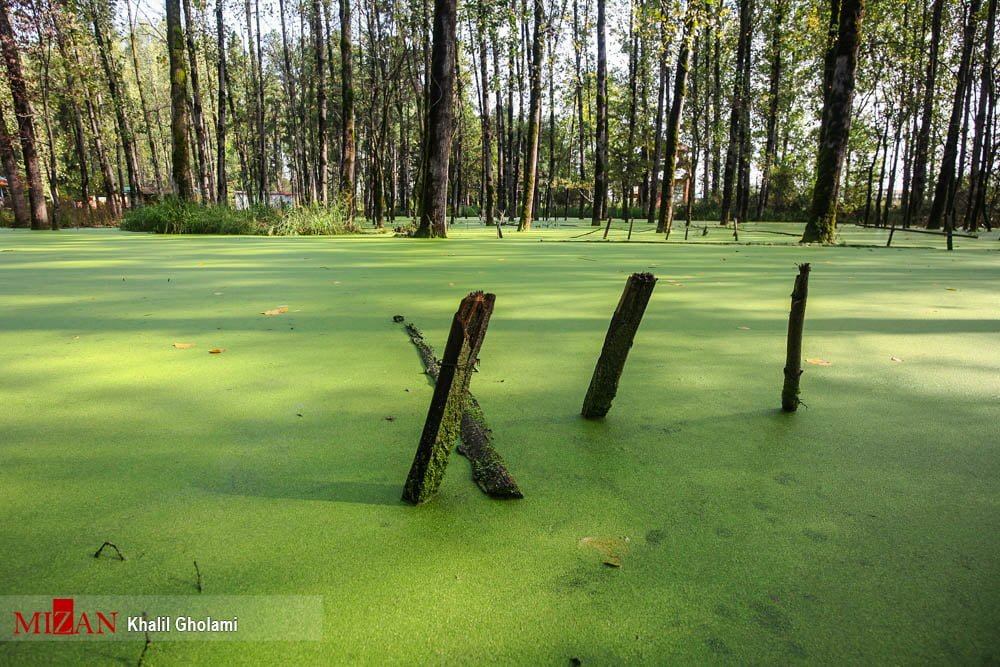
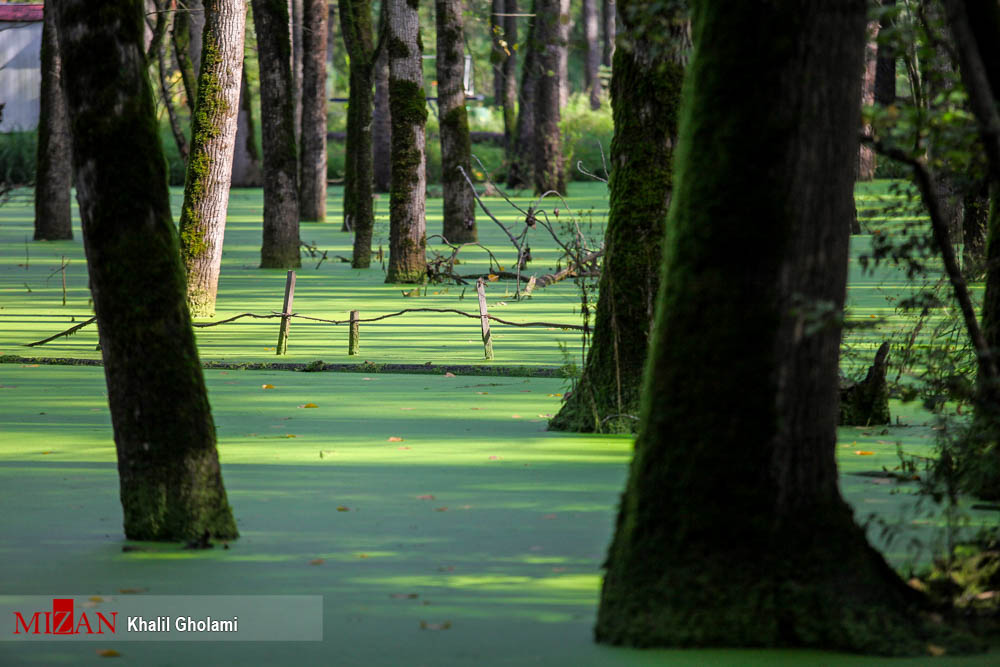
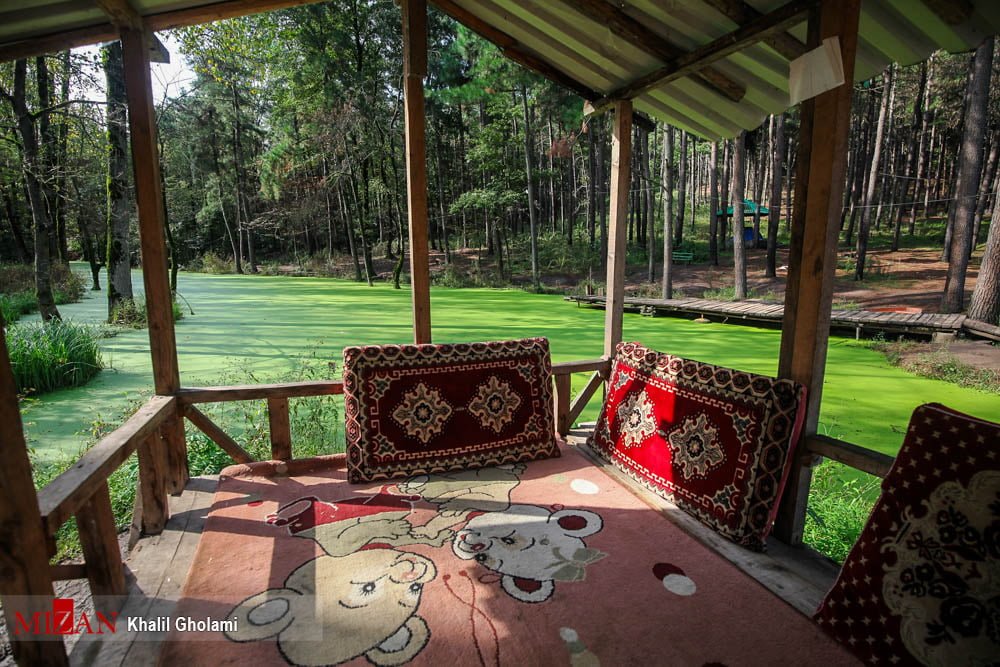
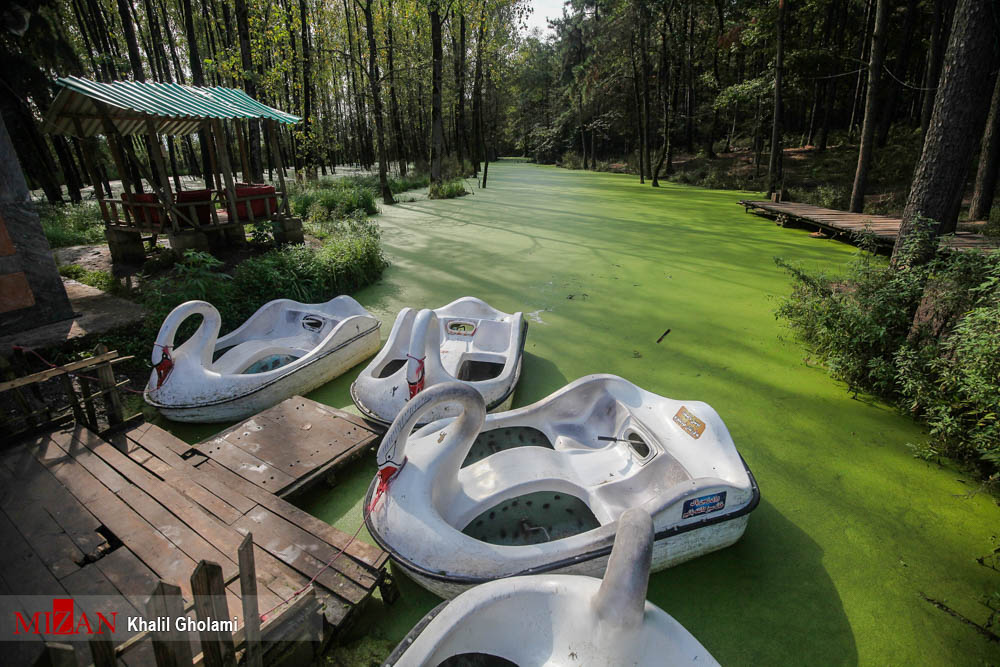
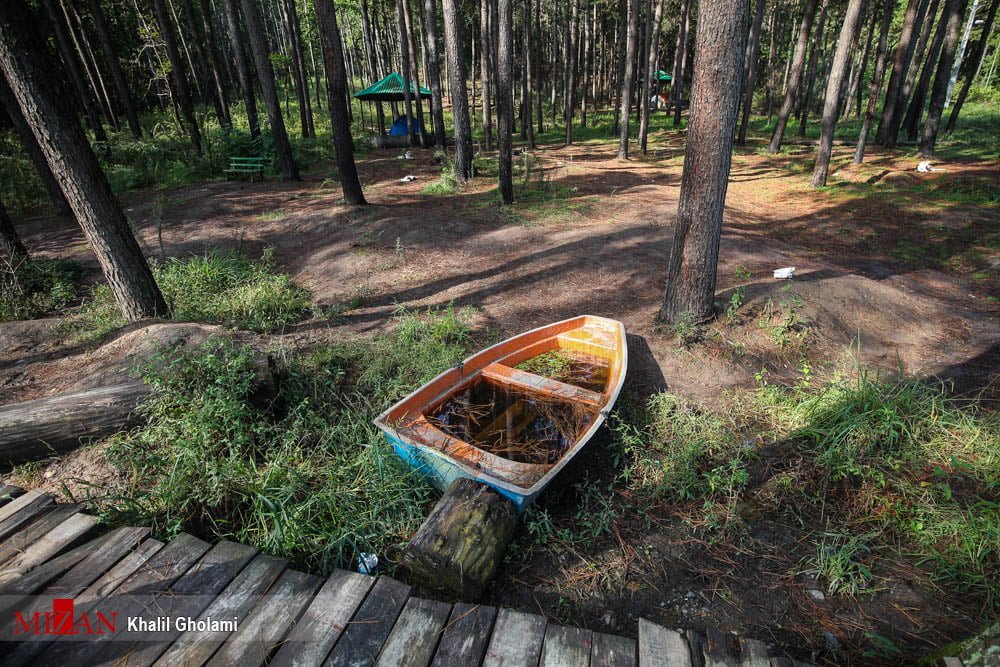
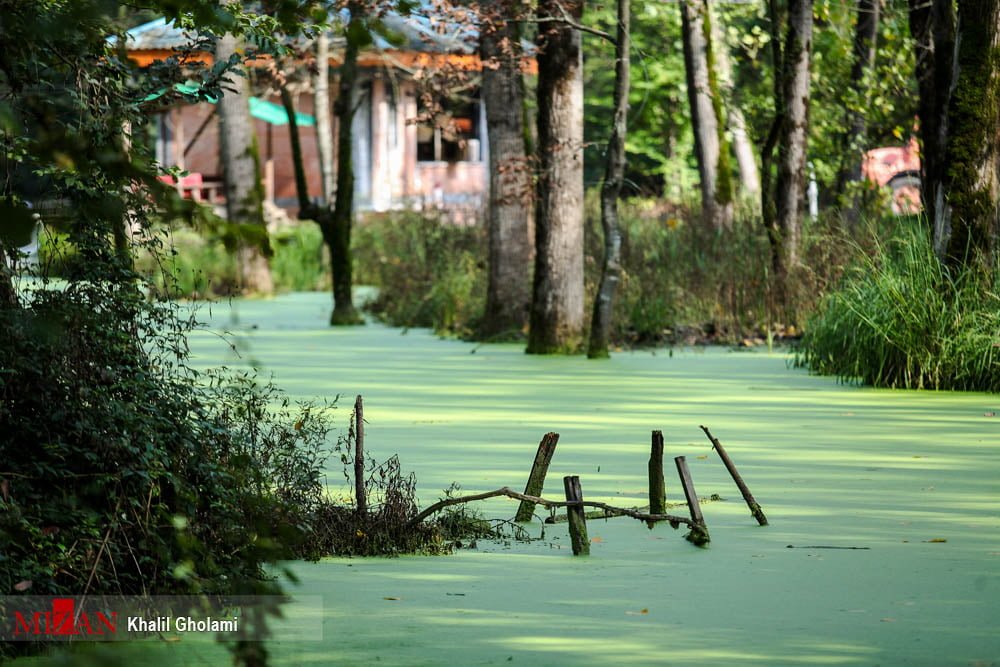
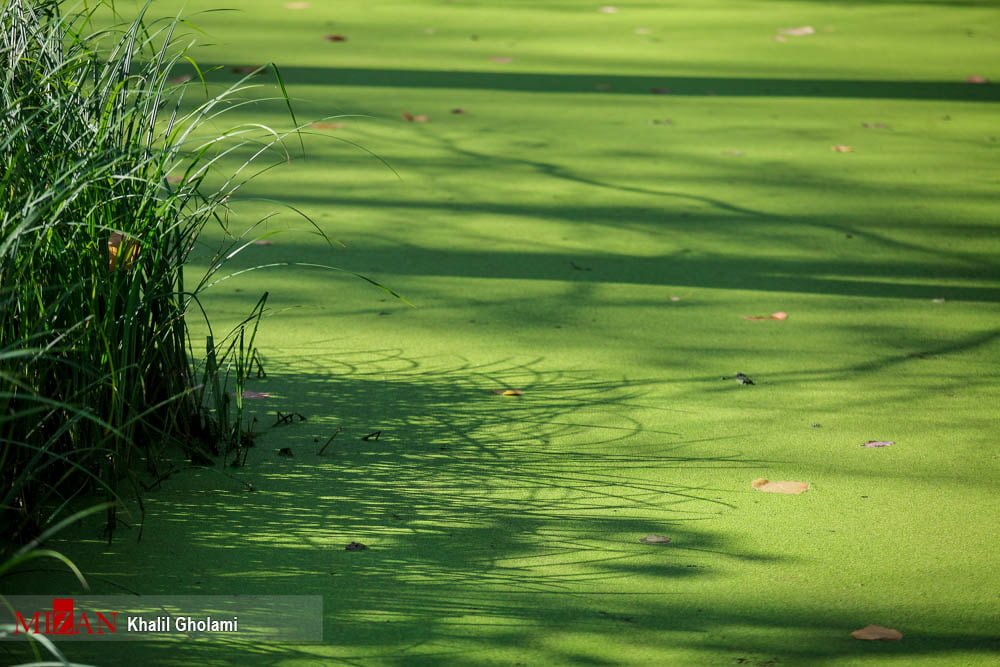
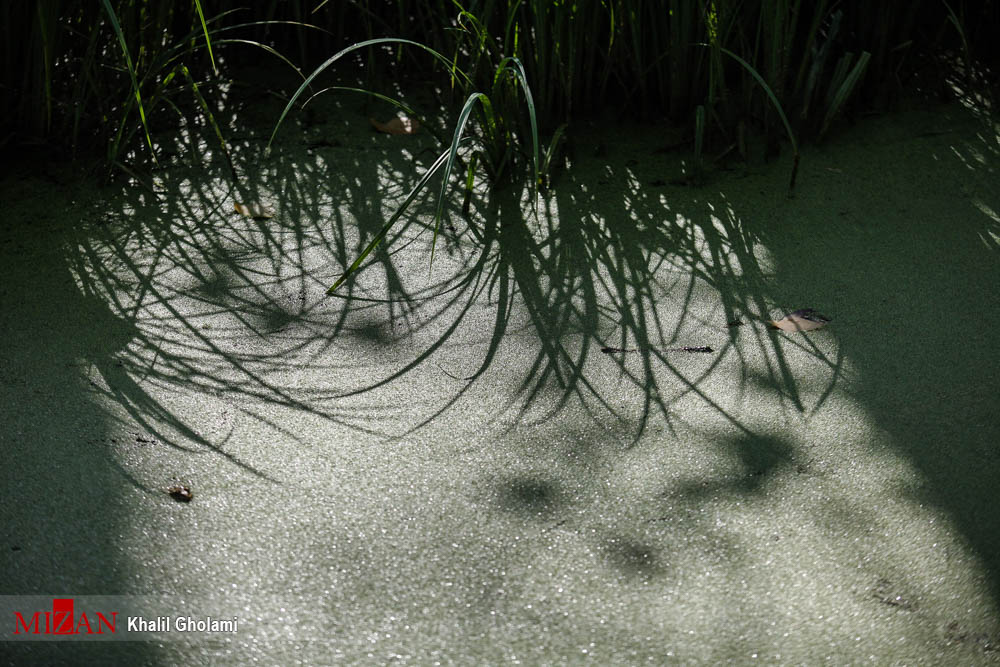
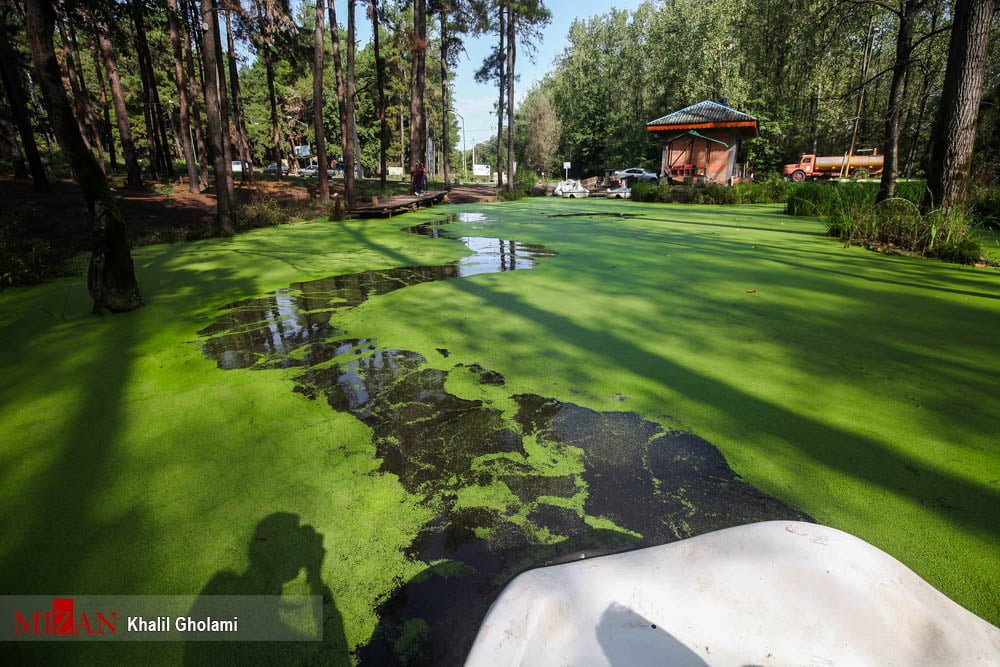
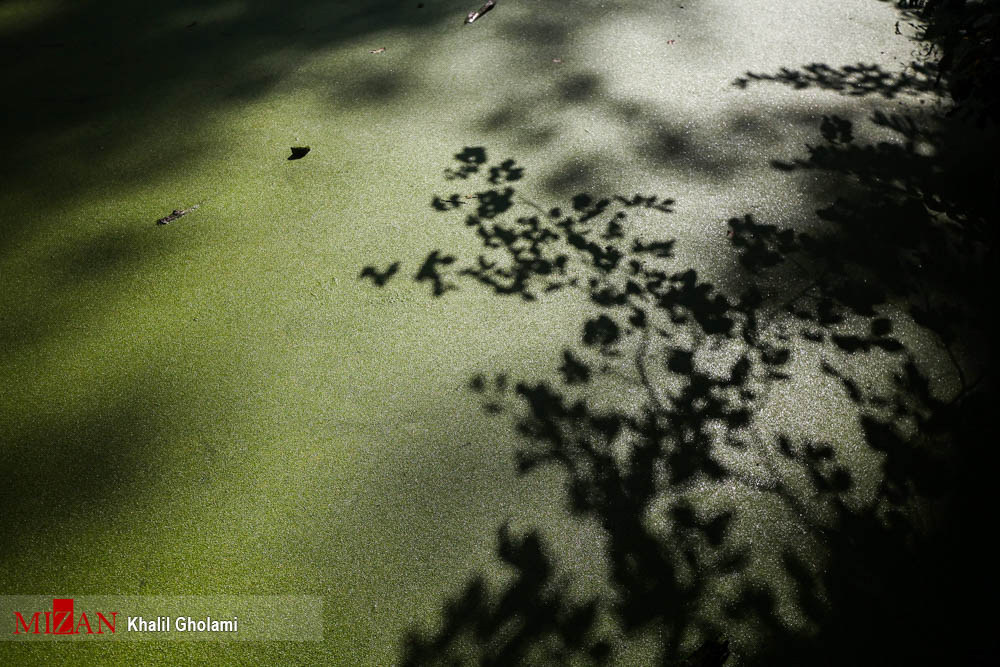
Iran’s Beauties in Photos: Saravan Swamp, Forest Park

The forest park, which lies at the western side of Rasht-Tehran freeway, is among the world’s unique forest parks in terms of hosting rare plant species.

The park is 6,700 km in length and about 2 km in width. Seventeen kilometres away from the northern city of Rasht, it stands about 50 to 250 metres above the sea level.

Due to the presence of rare plant species as well as its genetic reserves and splendid perspectives, the park enjoys a higher significance compared with other forest parks in Gilan province and is deemed as one of the major tourist attractions of the province.

The vegetation of the park is divided into two natural and planted sections. The natural section includes oak, hornbeam and fig trees along with alder, and the planted part is home to various types of pine and golden cedar.

Among other attractions of Saravan Forest Park one can refer to its rural heritage museum, which is the first of its kind in the region. With an architecture dating back to one hundred years ago, the museum reconstructs an ancient lifestyle in the region.

Below, you can see a collection of photos of the beautiful swamp and forest park of Saravan retrieved from Mizan News Agency:

Gold, Forex Rates Decrease in Iran despite US Sanctions

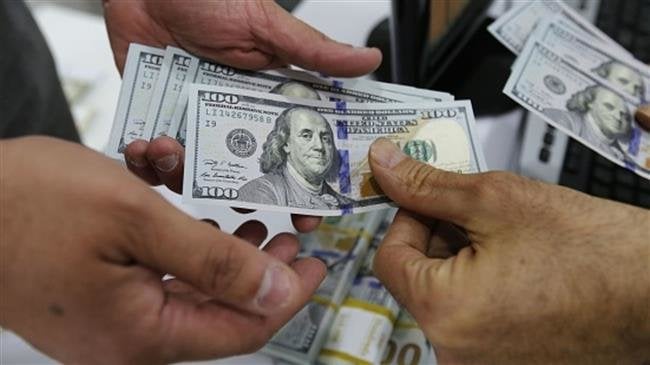
The prices of the US dollar against the Iranian Rial saw a decline of around 10 percent from the closing hours of trading on Saturday until Wednesday – the end of trading in the week.

The hard currency was traded at Rials 144,000 on Saturday, but withdrew to as low as Rials 130,000 on Wednesday, according figures provided by bonbast.com – a key platform that provides the average market figures.

The drop in the price of gold has been wider. The price of the precious metal saw a slide of at least 13 percent over the same period.

Each Emami gold coin – which has a purity rate of 90 percent and weighs 8.13 grams –

was traded at Rials 40 million at the end of trading of Wednesday, marking a decline of above 11 percent compared to Saturday when it was traded at Rials 45 million.

Also, the price of each gram of gold declined from Rials 0.68 million on Saturday to Rials 0.65 million on Wednesday, down around four percent.

The administration of US President Donald Trump launched the second wave of sanctions against Iran from November 5 in which a universal ban on the country’s oil exports is a primary objective.

US officials have already said the sanctions would be meant to bring down Iran’s oil exports to zero. However, Iranian officials have repeatedly rejected the feasibility of this, stressing that international consumers cannot afford to lose Iranian supplies.

Iran has even devised an initiative to sell its oil to individual buyers in face of US sanctions that ban states from purchasing the country’s crucial fuel.

The initiative enables Tehran to put its oil barrels up for the grabs through its Energy Bourse. So far, two rounds of auctions have been held during which a collective of at least 1.4 million barrels of oil have been sold to international clients.

On Wednesday, Iran’s President Hassan Rouhani said the “oppressive” US sanctions would only harm the Iranian people, giving assurances that the country will prevail over the restrictive measures and will continue to sell its oil.

“The Americans thought they could completely cut Iran’s oil exports, but they realized themselves in the days [ahead of the reimposition of the sanctions] that this is neither practical nor possible,” he told a cabinet meeting in Tehran on Wednesday, referring to the waivers the US has granted to major buyers of Iranian crude after the sanctions against Tehran snapped back into place on November 5.

Rouhani further emphasized that the US sanctions will fail to affect Iran’s oil sales, saying, “We have so many ways of selling oil, and that will render their sanctions ineffective.”

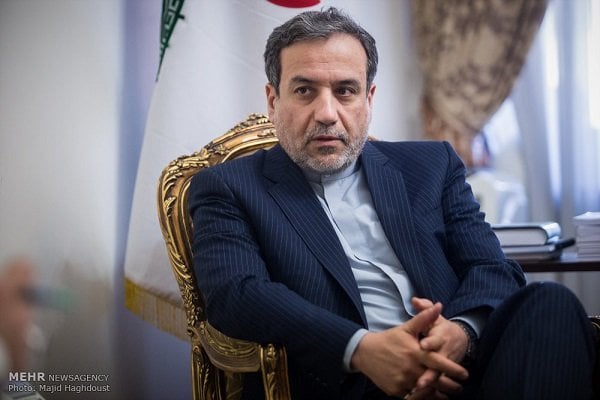
Iranian Diplomat in Italy to Pursue Efforts to Save Iran Deal

Araqchi told reporters on Thursday that “Tehran has fulfiled its obligations regarding the JCPOA, and reciprocally expects the European Union to fulfil its economic obligations on the basis of political commitments.”

The United States has violated the UN Security Council Resolution 2231, he said, adding that Washington has not only withdrawn from the nuclear agreement, but also encouraged other countries to violate this resolution.

“The JCPOA is a security and non-proliferation agreement, and the withdrawal of the United States from the deal has challenged the security of Europe, the region, and the international relations.”

Araqchi stressed that so far, the EU measures have not led to operational solutions.

The Iranian diplomat is scheduled to meet with several Italian officials and Vatican’s foreign minister during his one-day trip to Italy.

The EU proposed the mechanism to help protect the economic benefits for Iran from the 2015 nuclear agreement that the members of the Security Council plus Germany sealed with the country.

The SPV is a kind of clearing house that could be used to help match Iranian oil and gas exports against purchases of EU goods in an effective barter arrangement circumventing US sanctions, based on global use of the dollar for oil sales, Reuters wrote in its report.

It aims to dodge the global reach of the US financial system by using an EU intermediary to handle trade with Iran. It could ensure, for example, that Iranian oil bought by Europeans could be paid for with EU goods and services of the same value.

The administration of US President Donald Trump launched the second wave of sanctions against Iran from November 5 in which a universal ban on the country’s oil exports is a primary objective.

US officials have already said the sanctions would be meant to bring down Iran’s oil exports to zero. However, Iranian officials have repeatedly rejected the feasibility of this, stressing that international consumers cannot afford to lose Iranian supplies.