Friday, December 26, 2025
Home Blog Page 3399

Iran’s Red Crescent Opens Company in Switzerland for Medicine Imports

Deputy Head of the Society for International Affairs Davoud Baqeri said through this new company the process of importing medicines to Iran would be facilitated.

The new US sanctions on Iran are having a chilling effect on foreign companies that help supply medicine and other medical products to the country.

While the US says it has not sanctioned the export of food and medicine to Iran, the ban on the banking sector is actually preventing Iran’s access to these vital resources and has put in danger the lives of many patients who are in urgent need of medicine and medical equipment

The Iranian Red Crescent official further referred to the Society’s international status and relations with other countries, stating that the Islamic Republic is a member of the governing body of the International Committee of Red Cross (ICRC) which has 20 member states that approve and monitor the laws.

“In fact, from each region five countries have been selected and Iran has been elected to the committee’s governing body for four years due to its special capabilities,” he said.

He went on to say that humanitarian activities and joint cooperation with Japan, China and South Korea are taking place, and the necessary measures have been taken in the area of knowledge transfer and transfer of experiences.

“We also have good contacts with Canada and Germany in training of cadaver dogs, and there has been a lot of cooperation in emergency care.”

Court in Hamburg Rules in Favour of Bank Melli Iran

The German telecoms company abruptly cut off phone and internet services for Bank Melli Iran and two other Iranian banks earlier this month for what it called doubts about their future solvency in the wake of the US sanctions on Iranian financial institutions.

In a preliminary injunction, the Hamburg district court ordered Deutsche Telekom to reactivate the services for Bank Melli, arguing that the justification was not sufficient for a termination without notice, especially as the bank has so far fulfilled its obligations and has sufficient resources, Der Spiegel reported Friday.

A court spokesman later confirmed the Spiegel report, telling the Deutsche Presse-Agentur (DPA) that the injunction had originally been issued on Tuesday.

Deutsche Telekom’s move to discontinue its services for Bank Melli came after the bank even offered to pay the bills for one year in advance.

Both Der Spiegel and the DPA questioned the company’s account, writing that the move to disconnect the banks was apparently based on concerns that its T-Mobile subsidiary could be penalized in the US for violating Washington’s sanctions against Iran.

Helmut Gottlieb, the director of the Hamburg-based Bank Melli, said it’s interesting that a state-owned company like Telekom is giving in to US President Donald Trump’s pressures, especially when neither the German government nor the European Union has issued its own sanctions against Iran.

In addition to Bank Melli, around three dozen companies with roots in Iran are said to be affected by Telekom’s move, including Bank Sepah in Frankfurt and the European-Iranian Trade Bank in Hamburg. Both of them, however, obtained injunctions against the termination of their telecom connections this week.

In an editorial published last Friday, German business newspaper Handelsblatt criticized the Deutsche Telekom’s move as “cynical.” It also accused the German government and central bank of “doing nothing” to ensure that Bank Melli can make legal payments to German institutions.

“Where is the help for German companies? Where is the defense of Germany’s sovereignty?” the German publication asked.

The Trump administration launched the second wave of sanctions against Iran on November 5, targeting Iran’s oil sales, its wider energy industry, shipping, banking, insurance and so on.

Meanwhile, the European Union is trying to create a mechanism to maintain banking channels with Iran in the face of US sanctions.

Diplomats already announced that the main EU powers – Germany, France and Britain – were trying to push ahead a plan to create a Special Purpose Vehicle (SPV) through which banking transactions with Iran could be carried out.

Kurds in Iran Hold ‘Bride of the Rain’ Festival

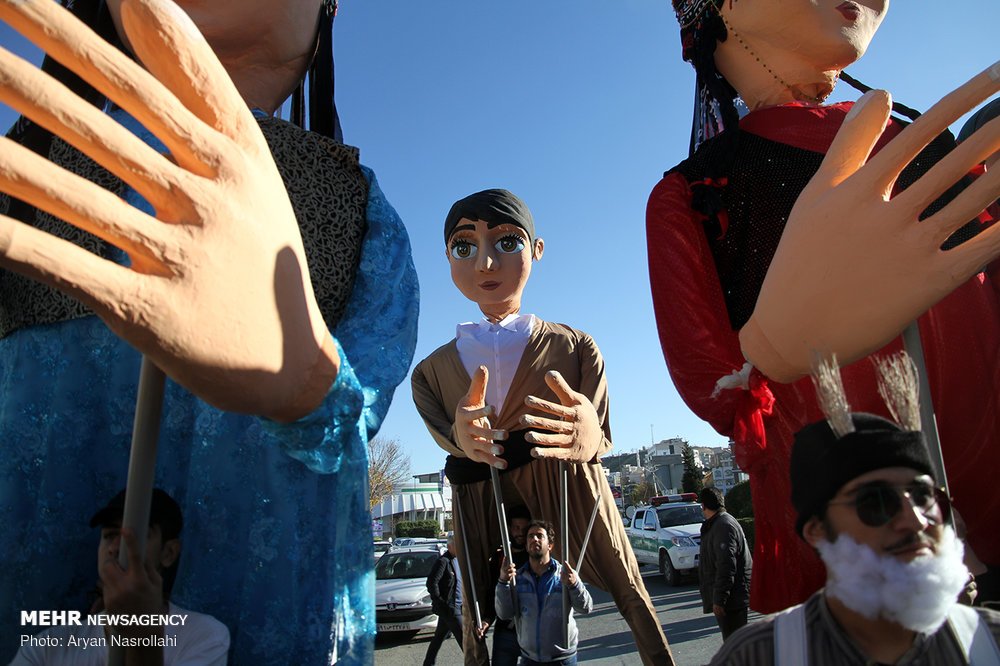
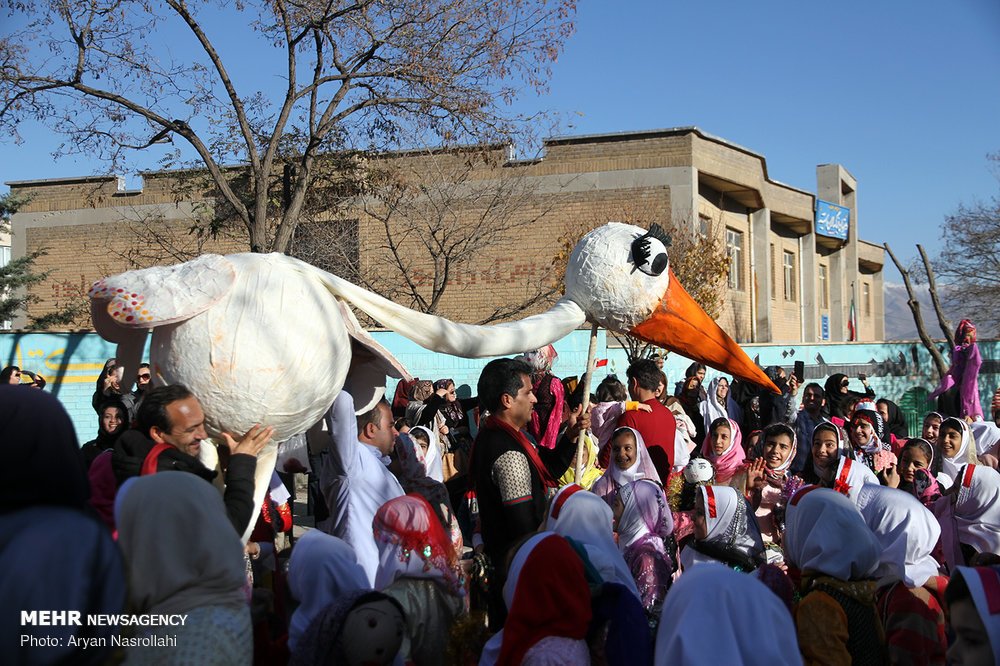
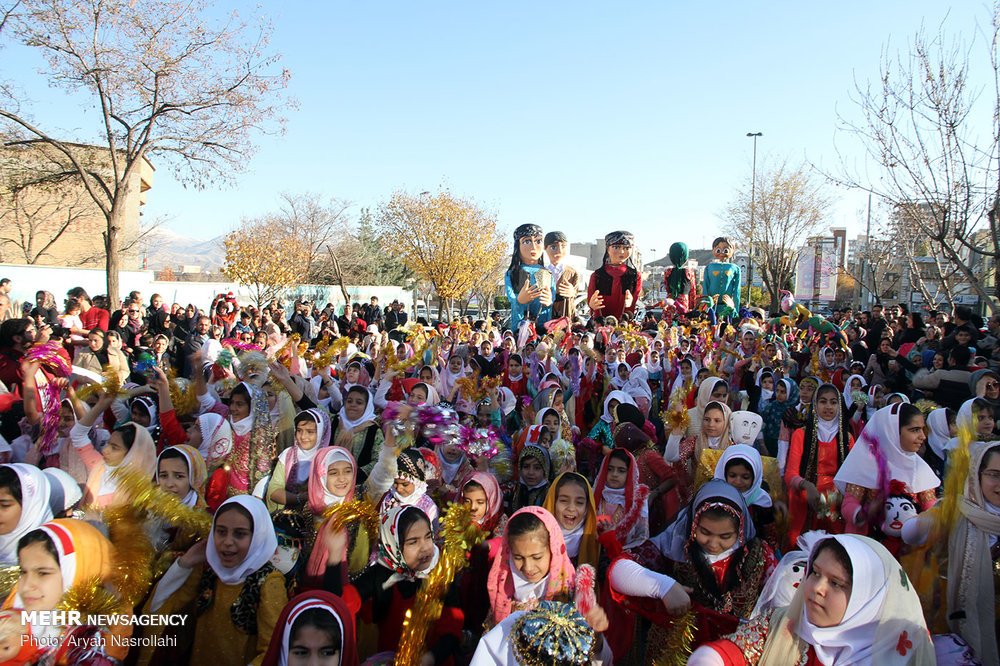
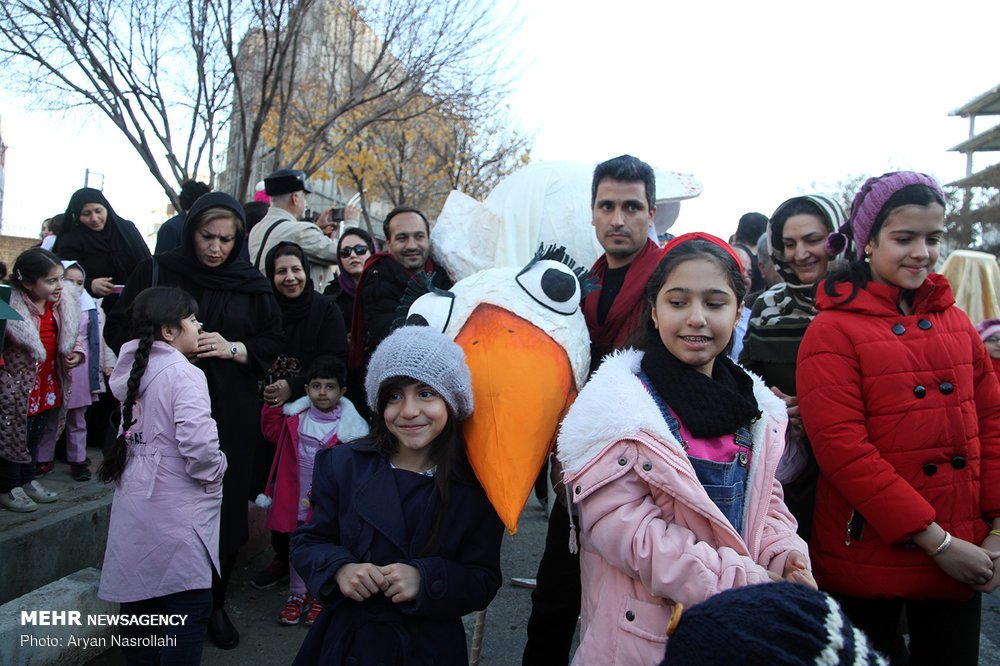
The Bride of the Rain, which is still held in some villages of Kurdistan province, is a ritual in which children sing a special song to pray for the rain.

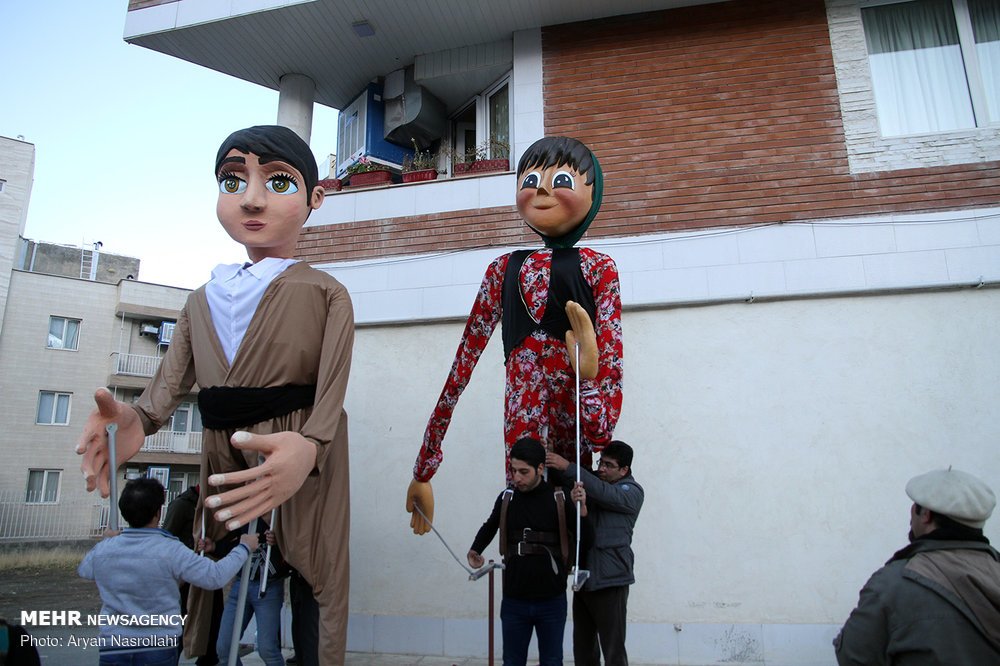
Locally called “Bouke Baraneh”, the ritual was held a couple of days ago in the city of Sanandaj as a festival attended by various Kurdish groups.

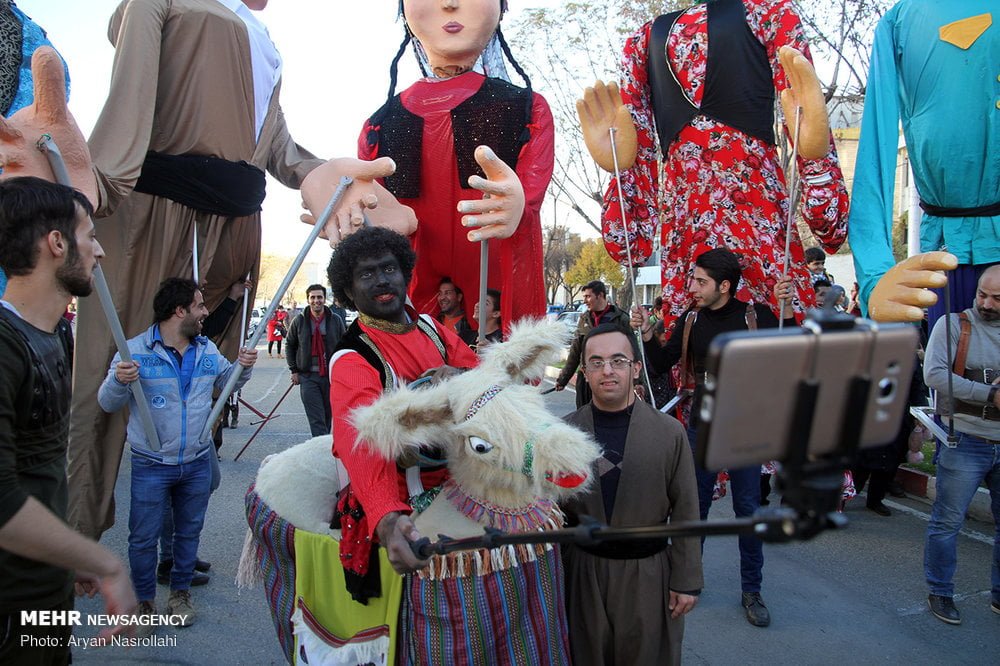
“The festival was attended by local groups from Kurdistan, Kermanshah, Ilam, Qom, Lorestan, Markazi and Hamadan provinces,” said the director general of Kurdistan’s Institute for the Intellectual Development of Children and Young Adults.

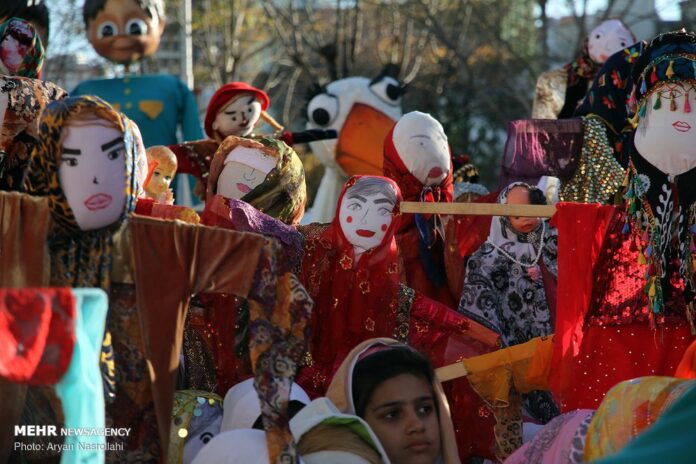
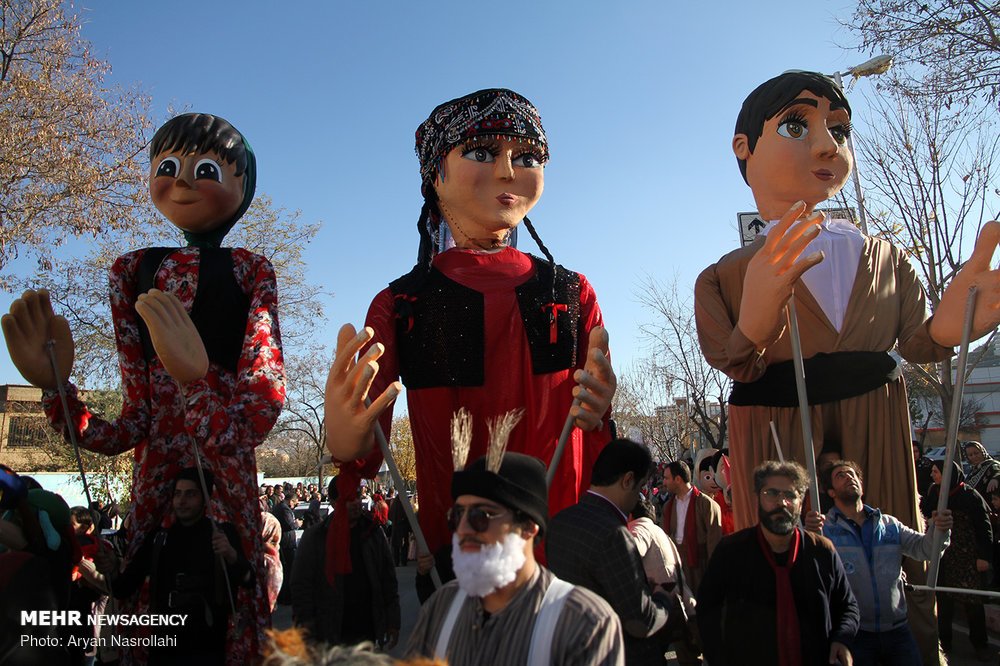
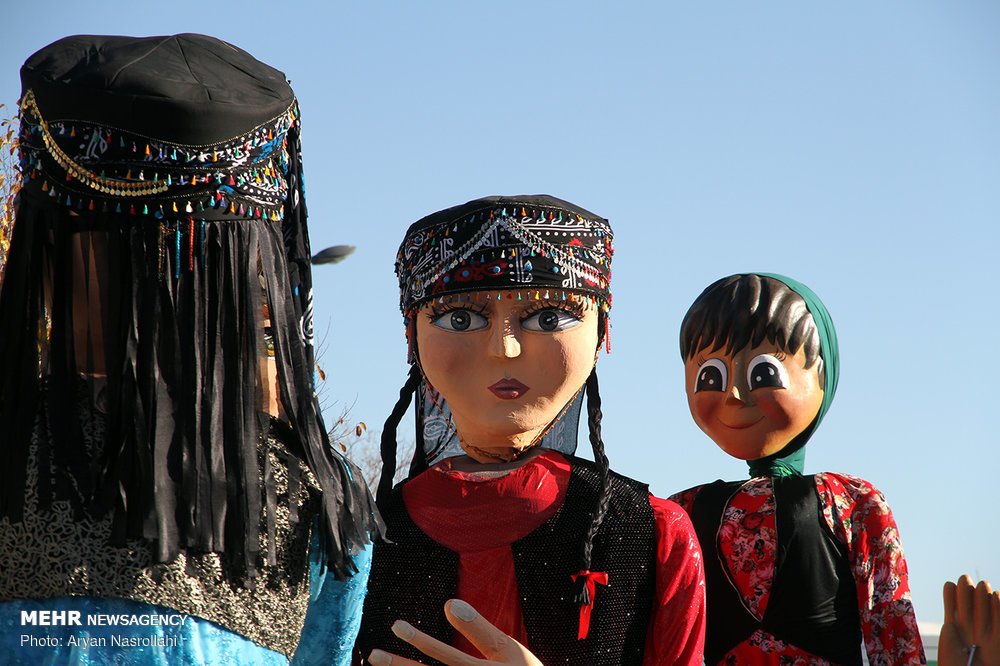
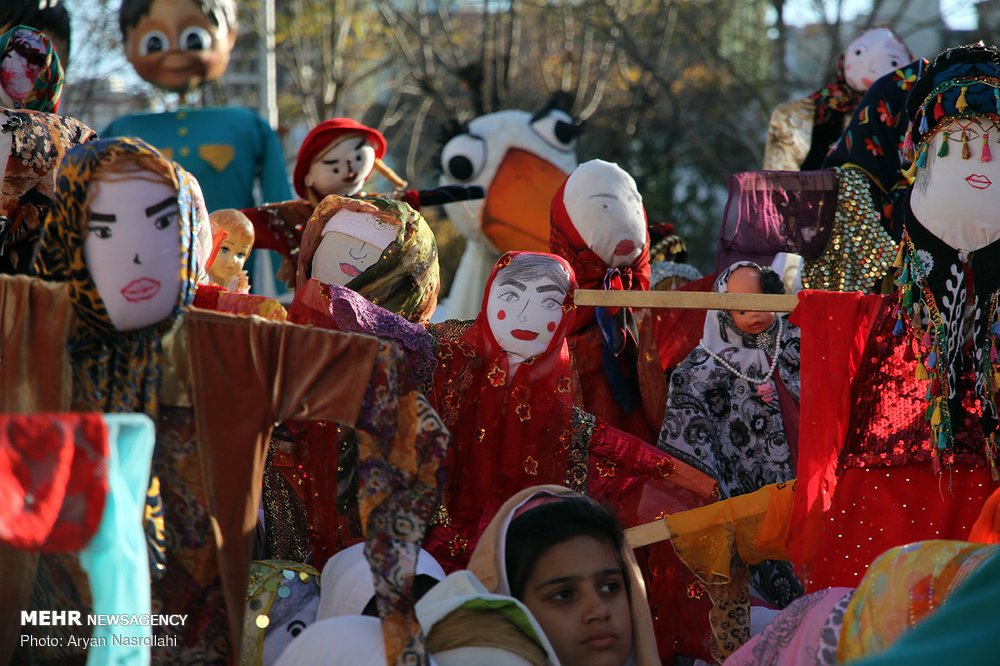
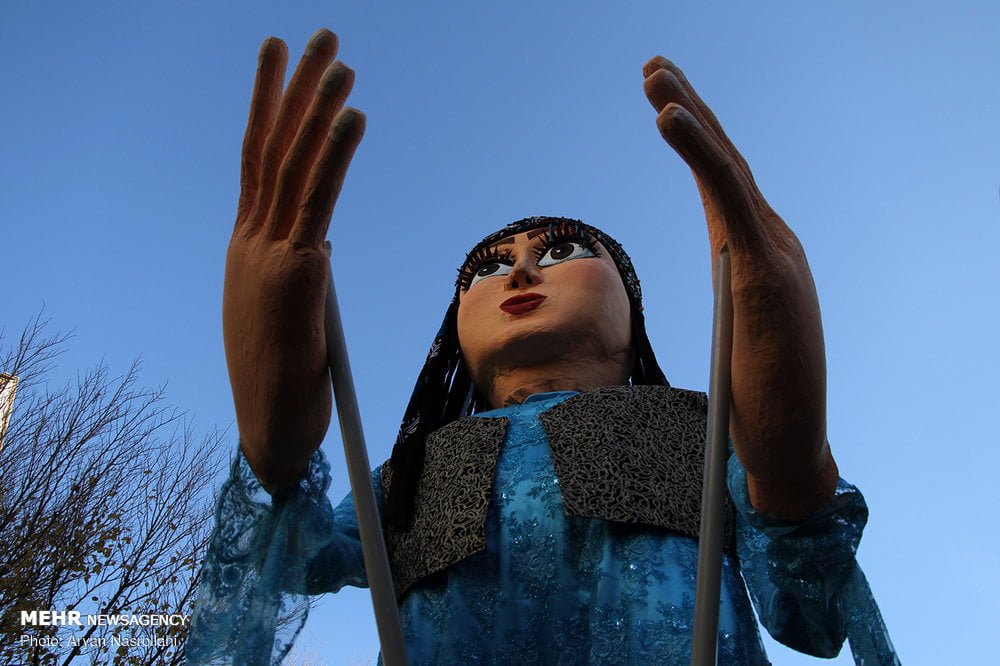
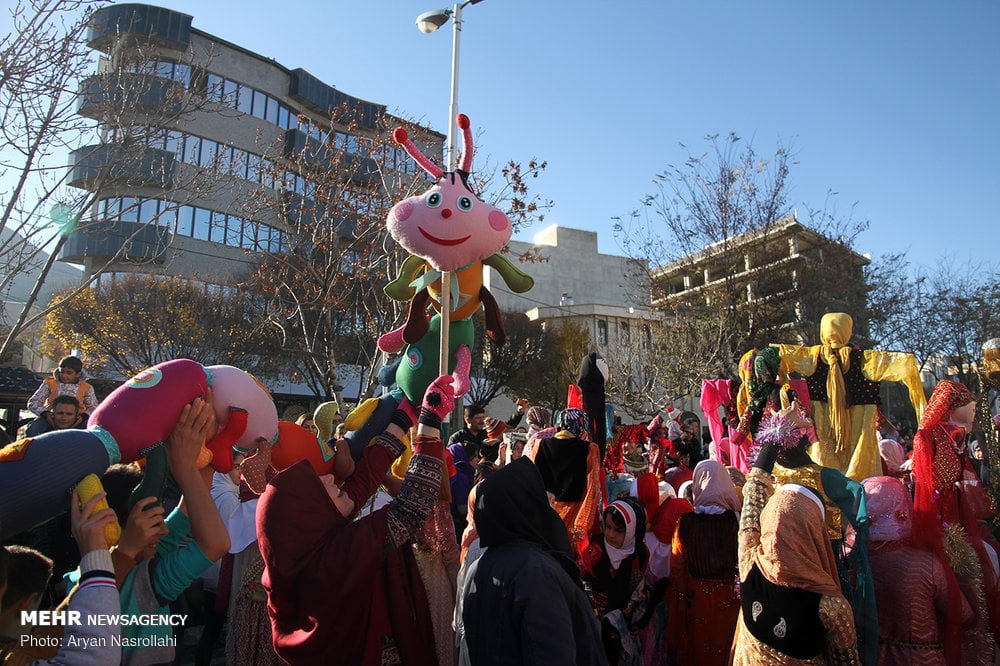
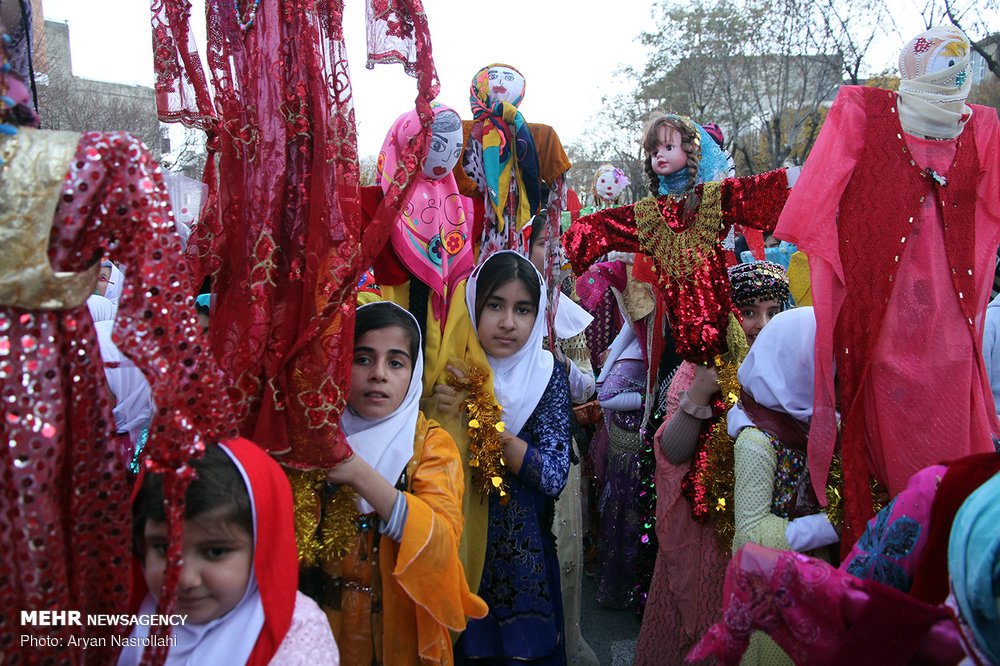
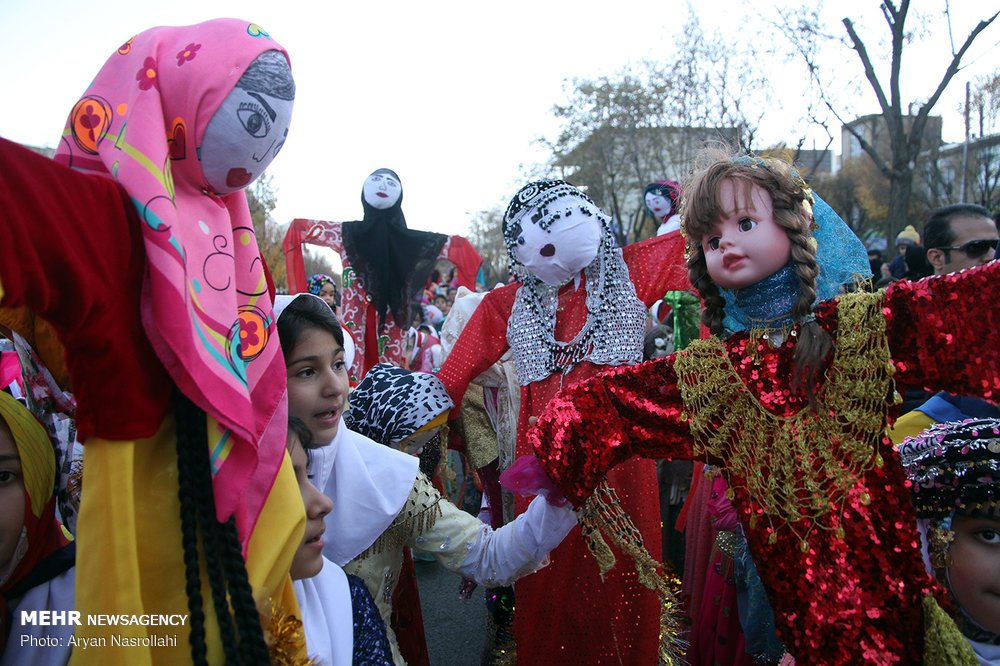
He also said the participating groups brought with them over 500 small and large-sized dolls to perform rituals and do the traditional plays.

The ritual was registered as a world heritage by the United Nations Educational, Scientific and Cultural Organization (UNESCO) in 2014. It is still held in some areas during the time of drought or shortage of rain.

The ancient ritual in the Kurdish-populated areas is conducted based on a traditional mechanism and is aimed at warding off drought. A doll symbolizing the bride is used by the people as a medium to hold talks with God and raise the public morale during drought. The doll is made in the form of a cross. The ceremony is always attended by children particularly the girls.

As the name of the ritual reveals, the doll (locally called Bouke) provides a chance to bring together the children. The doll is usually made by a mother or grandmother.

The Bouke (the god of waters) is made of a large piece of wood covered by colorful cloths symbolizing beauty and purity.

Children particularly the girls begin to walk through alleys of their villages in 15 to 20-member groups behind the Bouke. Entering each home, they sing a special song saying “the bride needs water. She wants it for watering cereals. She wants egg. She wants the hairpins of eligible girls.”

Then one of the family members, particularly a mother or grandmother, begins to distribute some gifts including eggs, money or walnuts among the children. She also drops some water on the Bouke and attaches some hairpins to her cloths. Then the children of the home join the groups to visit other homes of the village.

The caravan of Bouke then pays a visit to the mosque or one of the religious sites of the village or goes to the cemetery in which some great religious figures are buried and collectively begin to pray for rain. Then they share the gifts among themselves and put the Bouke near a river or fountain.

The first festival of Bouke Baran was held on November 28 and 29 in Sanandaj with the goal of restoring traditional and ancient rituals and promoting them for the new generations.

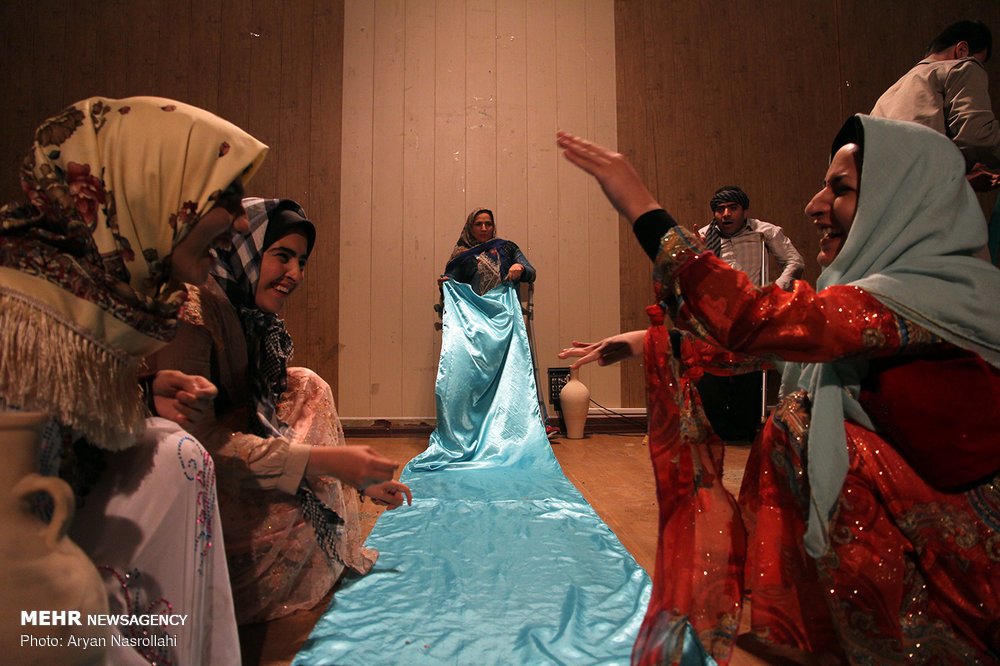
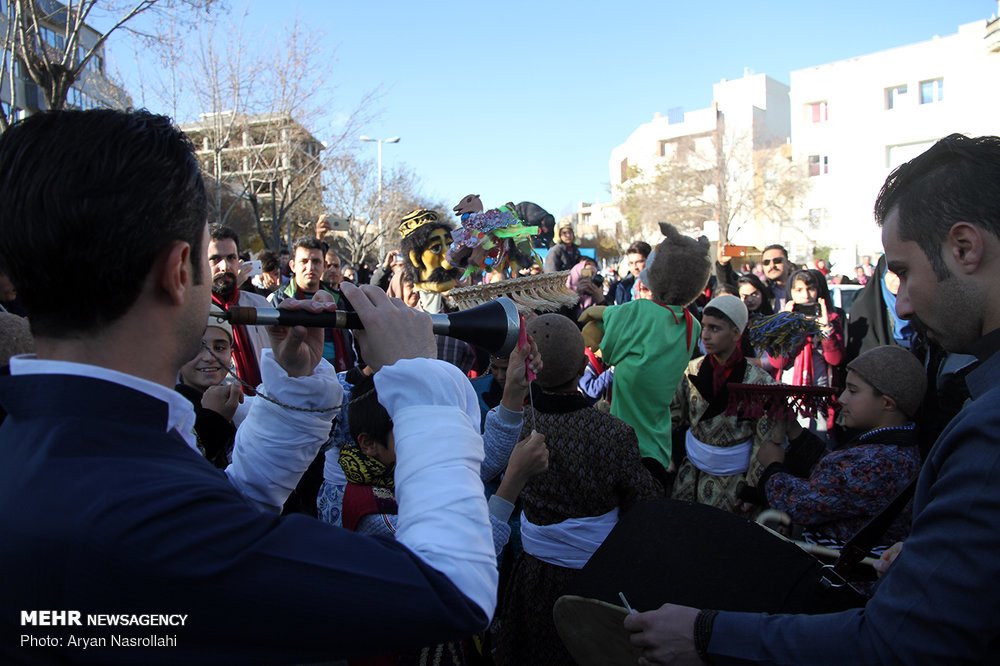
Below you can see photos of the festival taken from Mehr News Agency:

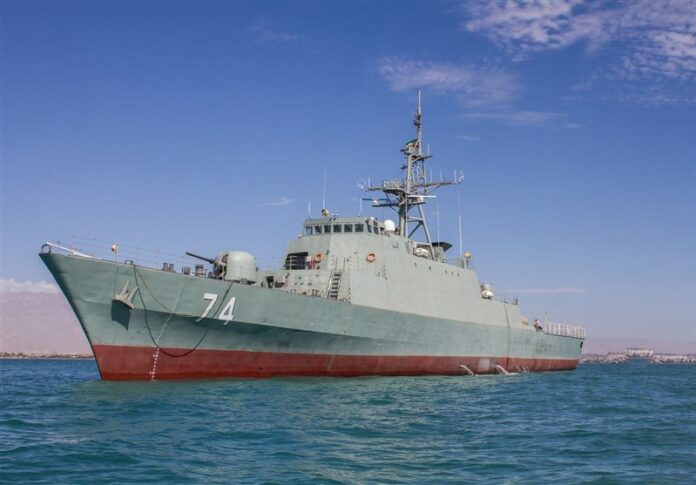
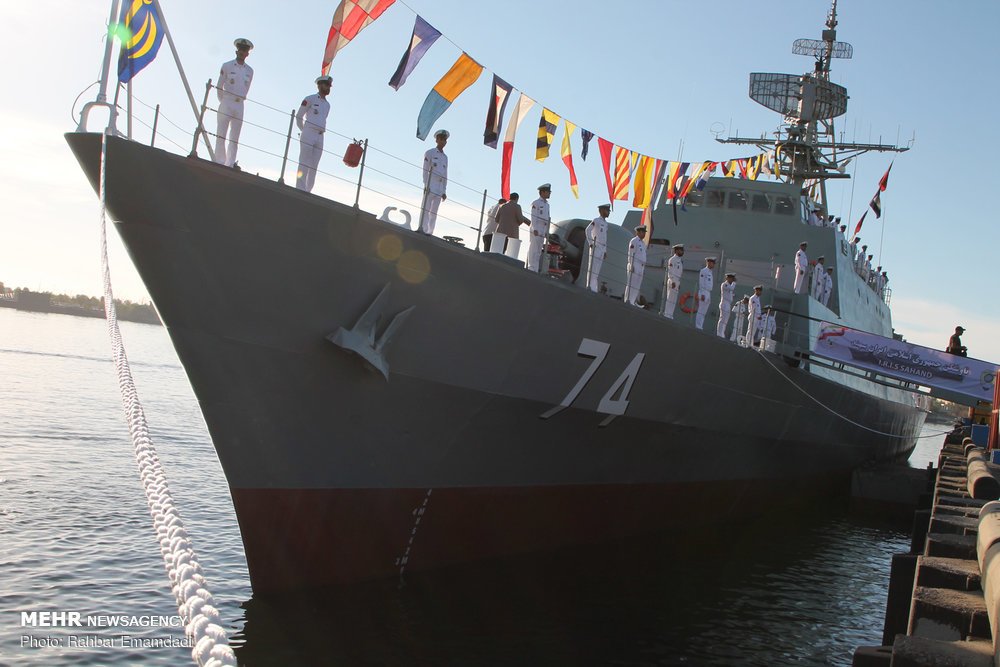
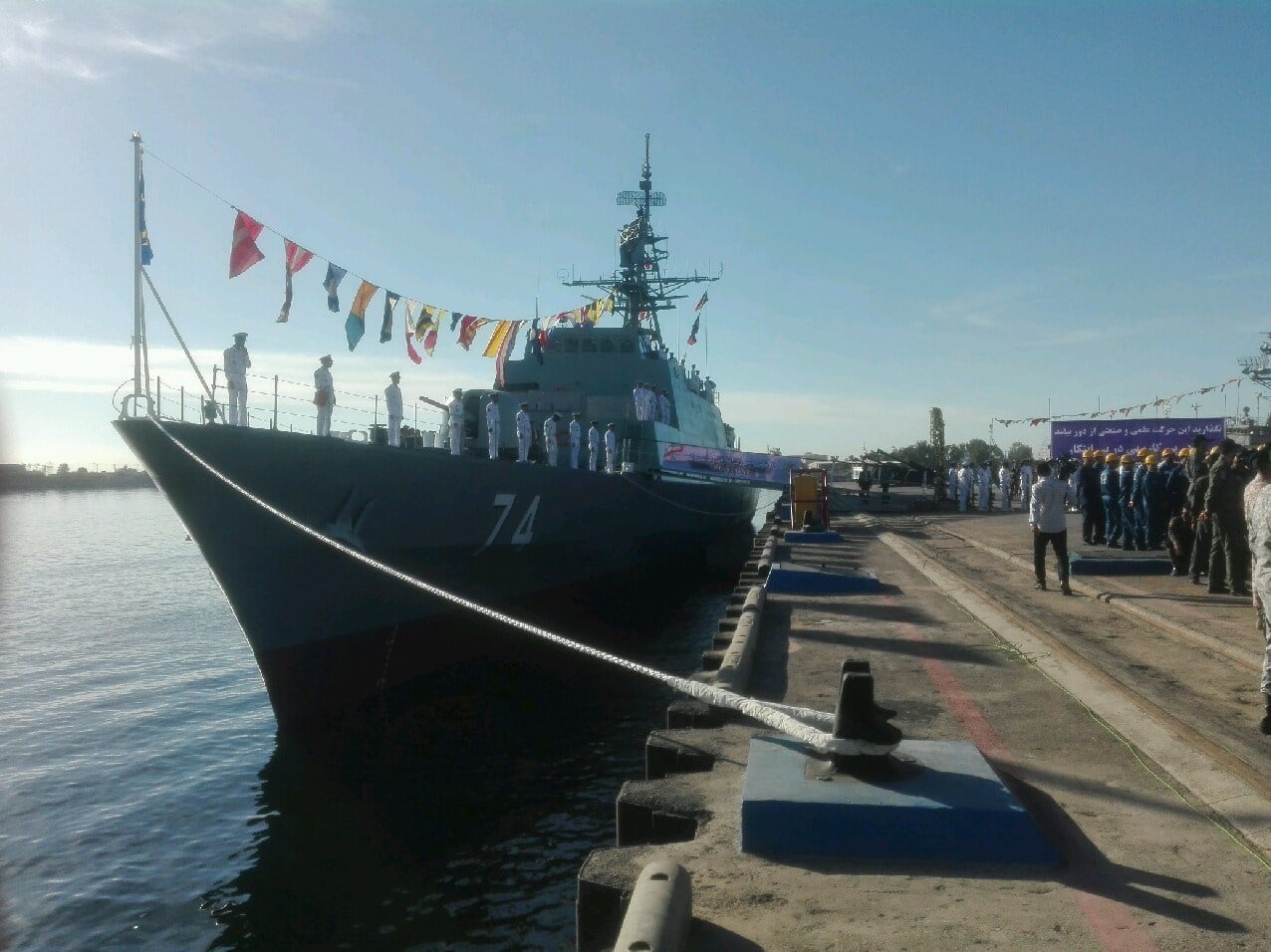
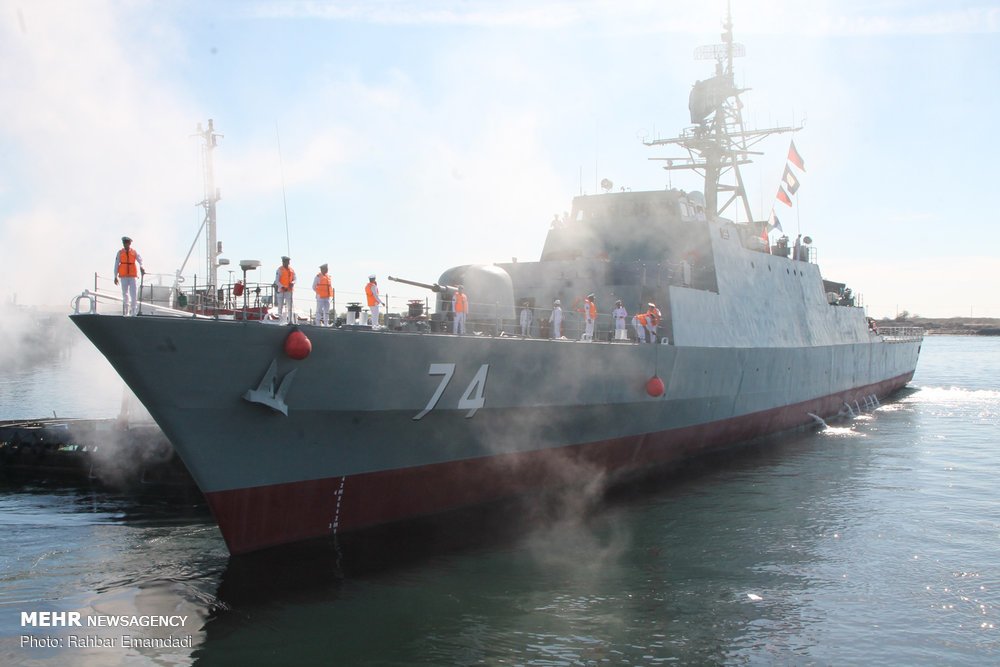
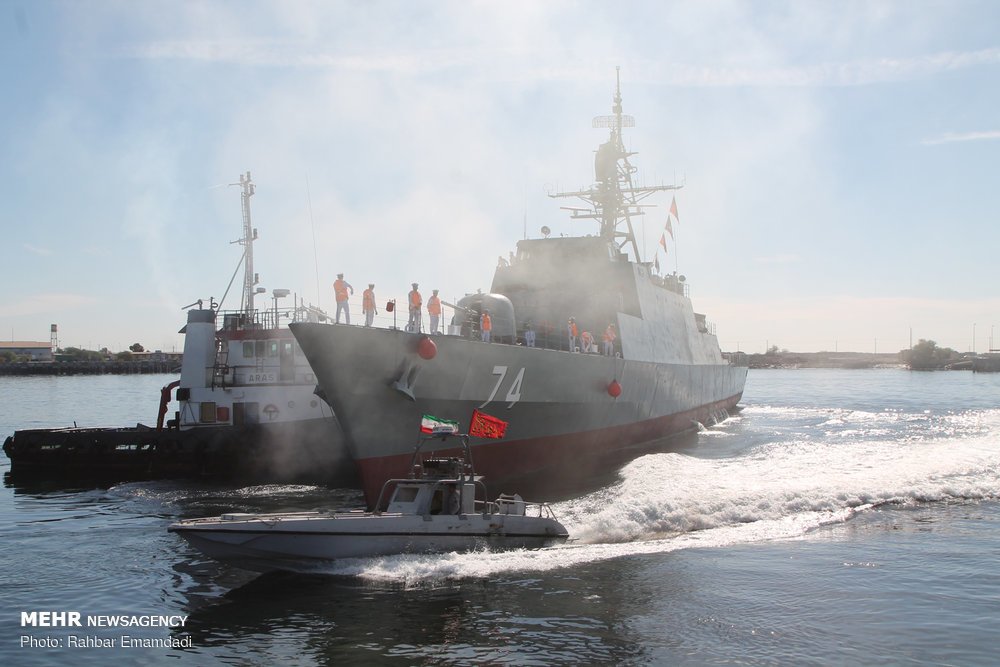
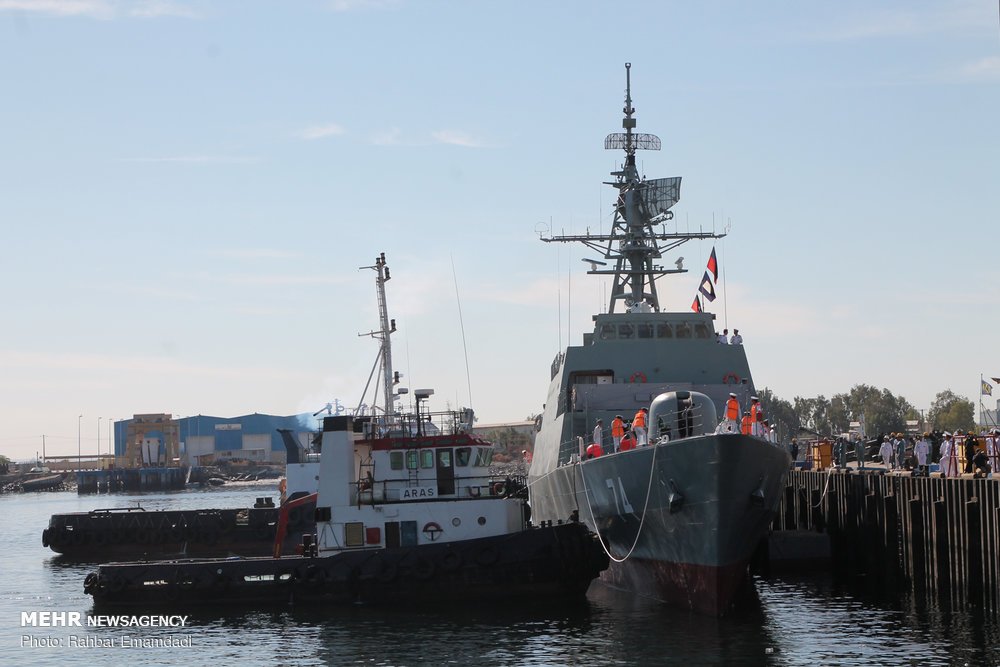
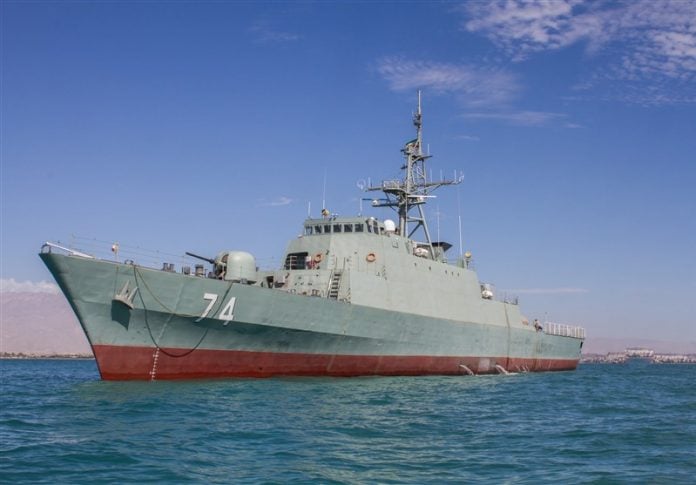
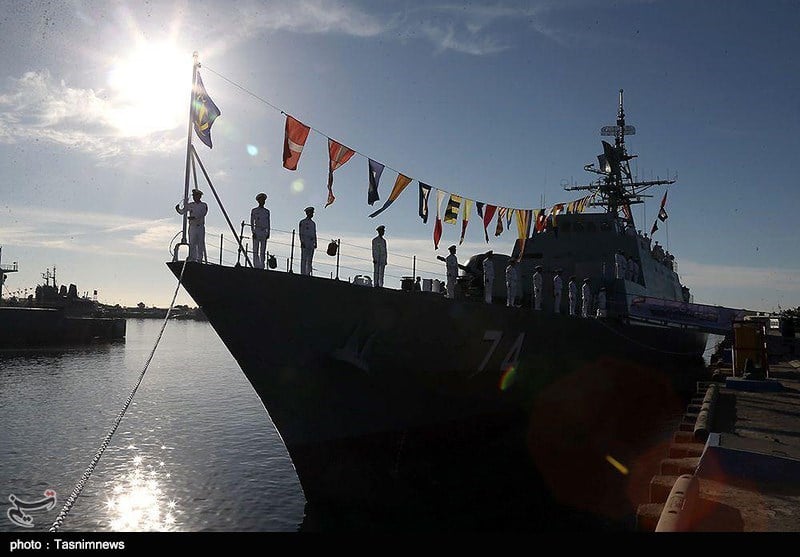
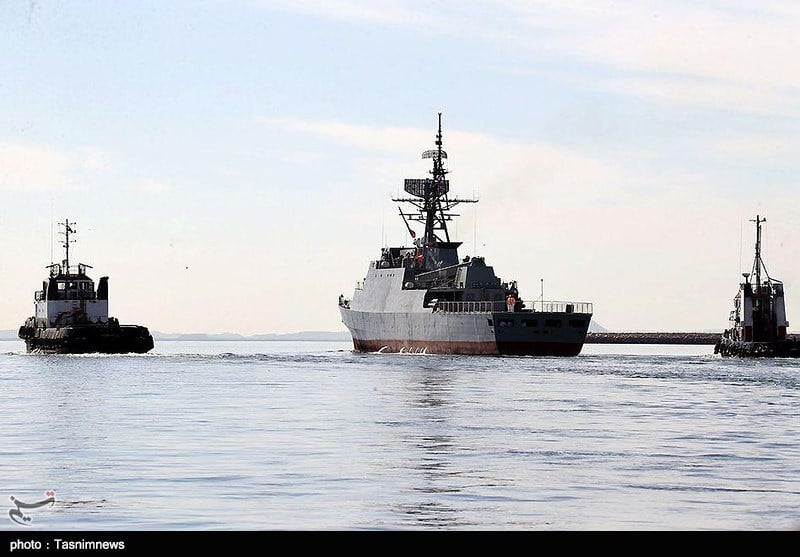
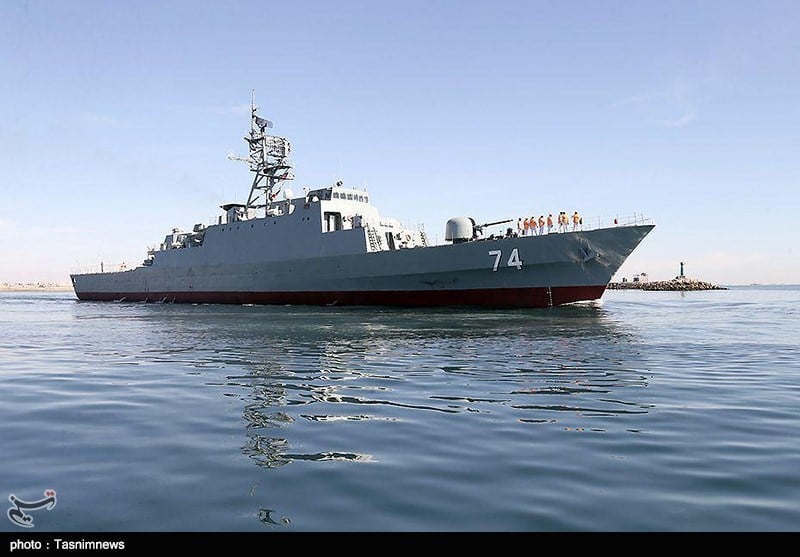
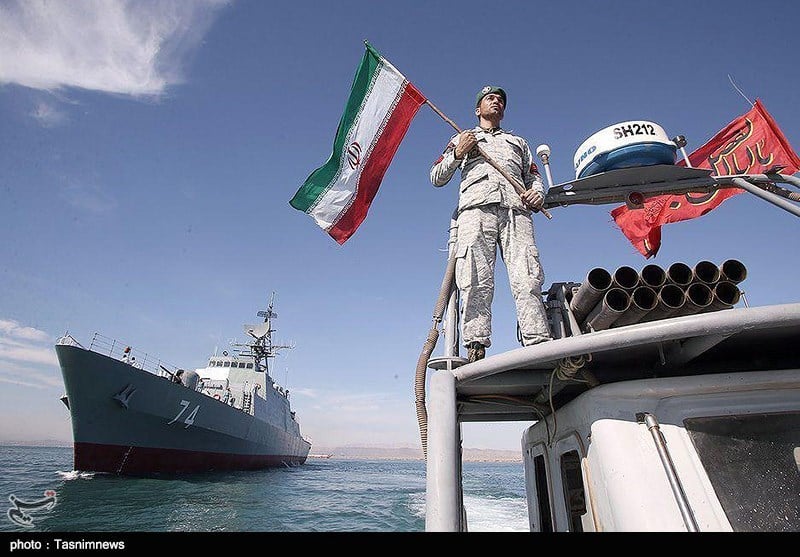
Iran Unveils Mideast’s Most Advanced Destroyer

The warship joined the Iranian Naval Fleet in a ceremony attended by military top brass and naval troops of the Army on Saturday, December 1.

The homegrown destroyer has battle, defence and operational capabilities twice as good as those of the other Iranian-made Jamaran destroyer developed before.

Sahand has been designed and developed by experts at the Iranian Navy.

The radar-evading destroyer is equipped with modernized torpedoes, anti-aircraft batteries, anti-vessel cannons, surface-to-surface and surface-to-air missiles and a precision- defence system. Sahand’s operational range has increased, and it enjoys high maneuverability.

The destroyer is capable of plying across remote oceans and rough waters for 150 days nonstop backed by frigates.


A Look at Iranian Newspaper Front Pages on December 1

A Look at Iranian Newspaper Front Pages on November 19

Several papers today covered the G20 Summit in Argentina, where Saudi Crown Prince Mohammed bin Salman was isolated more than ever over his role in the murder of journalist Jamal Khashoggi.

Also a top story was the Syrian air defence’s success in intercepting Israeli missiles during a recent aggression on southern Damascus. Iranian media hailed the Syrian army for doing it even without the Russian missile defence system S-300.

Remarks by Iranian Deputy Foreign Minister Abbas Araqchi about the Europeans’ failure to implement the Special Purpose Vehicle (SPV), a payment mechanism aimed at facilitating trade with Tehran in the face of US sanctions, also received great coverage.

The above issues, as well as many more, are highlighted in the following headlines and top stories:


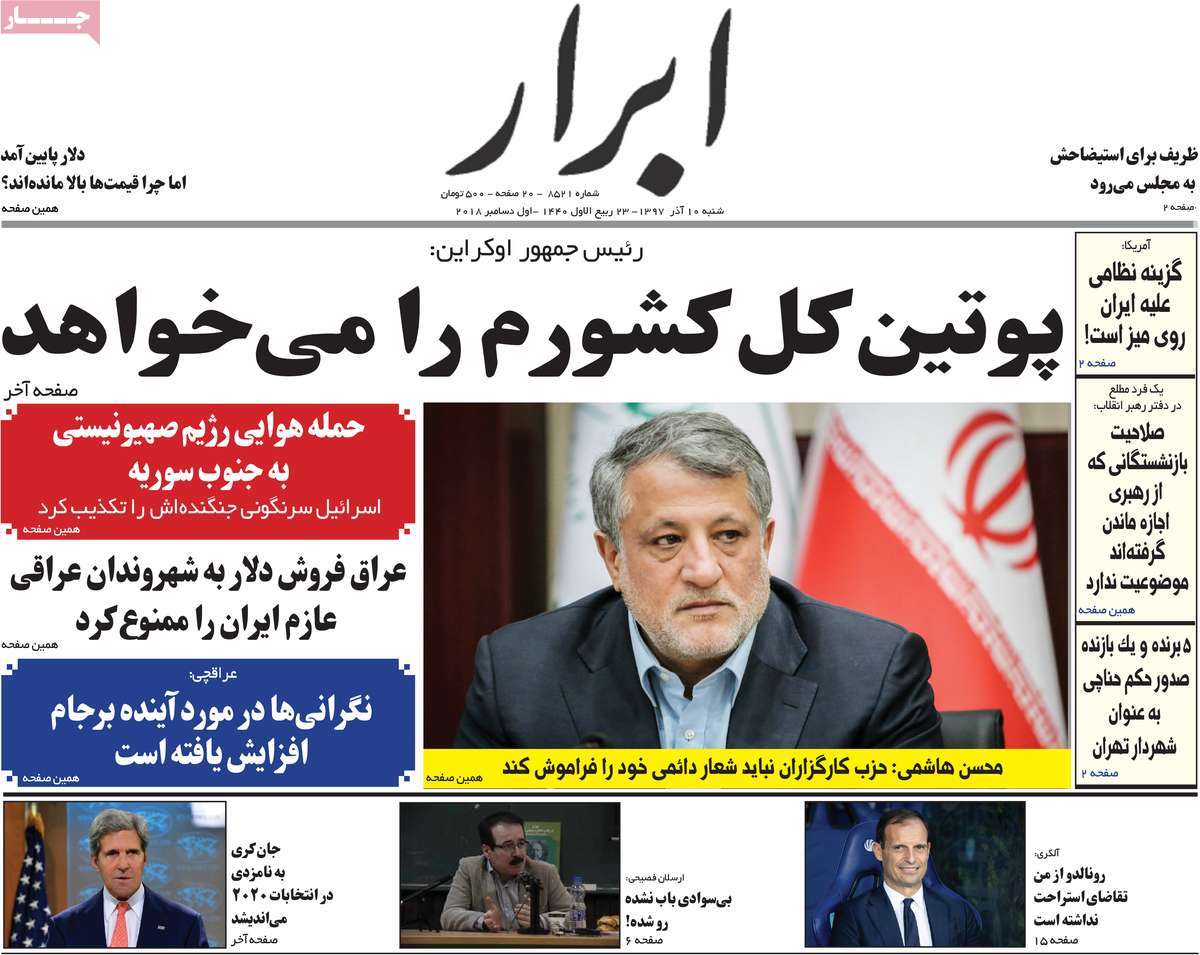
Abrar:

1- Putin Wants My Entire Country: Ukraine President

2- Military Option against Iran on the Table: US

3- Israeli Airstrike on Southern Syria; Reports of Shooting Down Warplane Dismissed
A Look at Iranian Newspaper Front Pages on December 1


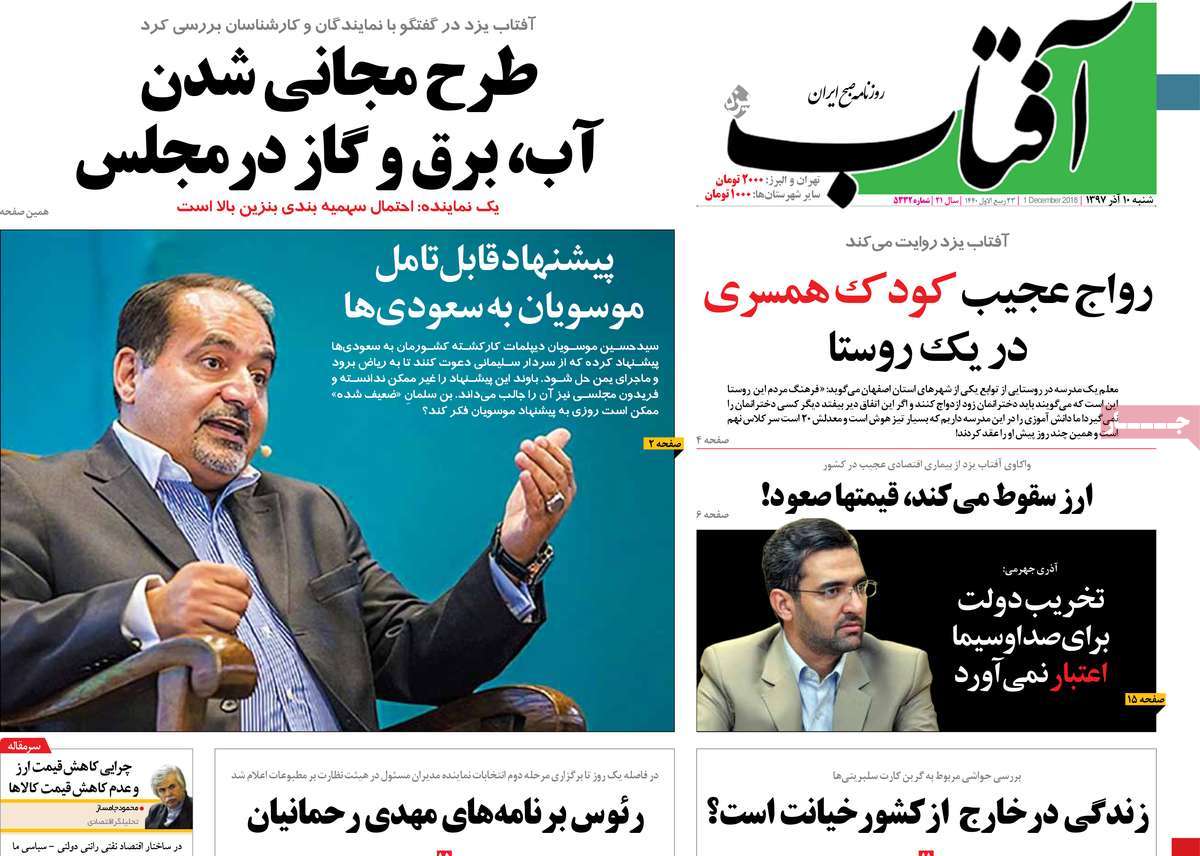
Aftab-e Yazd:

1- Former Iranian Diplomat Advises Saudis to Invite Gen. Soleimani to Riyadh to Solve Yemen Crisis

* Mousavian: It’s Not Unlikely

2- Iranian Minister Slams State TV for Portraying Negative Image of Gov’t

3- Price of Consumer Goods Not Decreasing despite Dollar Rate Decrease
A Look at Iranian Newspaper Front Pages on December 1


Ebtekar:

1- G20’s Prescription for Trade War

2- I’ll Take the HIV Test as Well
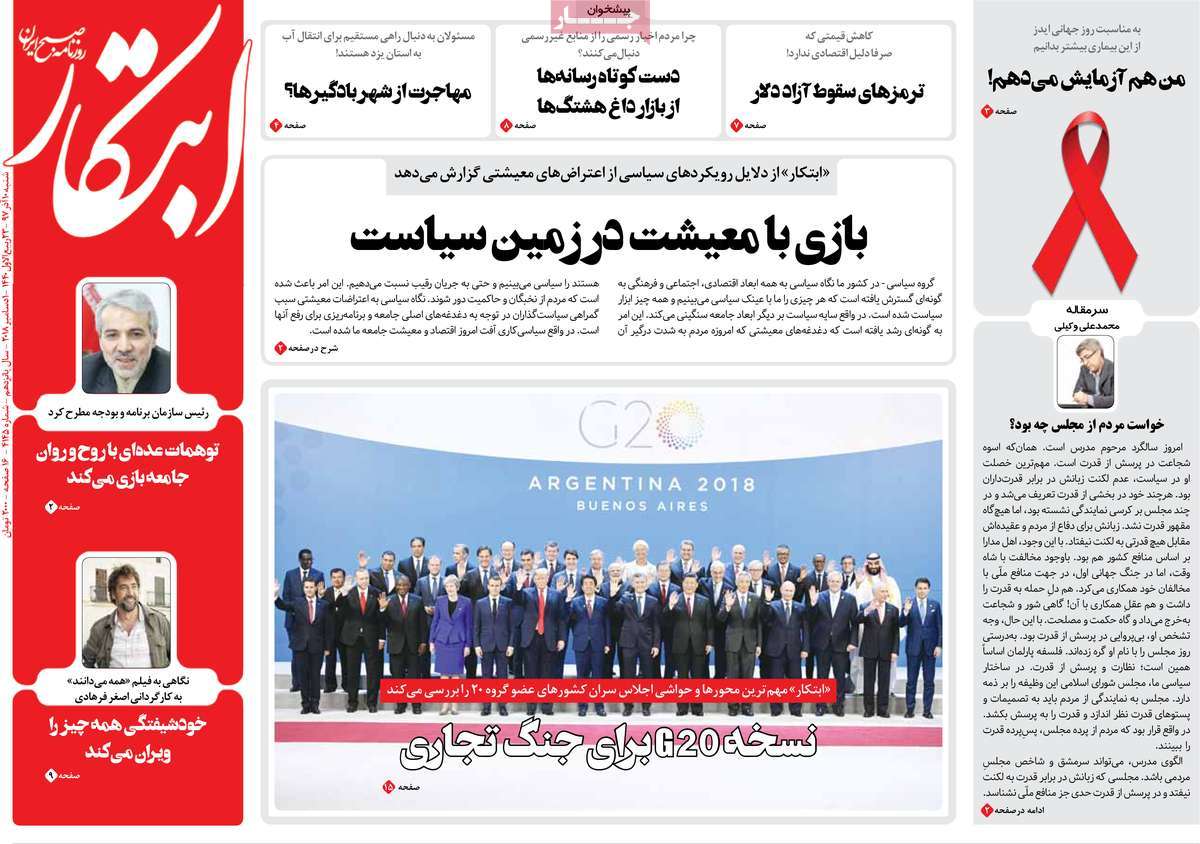
A Look at Iranian Newspaper Front Pages on December 1


Etemad:

1- Conservative Lawmakers Renounce Hardliners’ Attempt to Impeach Zarif

2- Tehran Mayor’s Support for Environment Not Populism

3- HIV and National Strategic Plan [Editorial by Welfare Minister]

A Look at Iranian Newspaper Front Pages on December 1


Ettela’at:

1- ICT Minister: Smart Phone Prices to Decrease Soon

2- Ayatollah Sistani Urges Respect for Iraq’s National Sovereignty

3- Larijani: Convergence of Asian Countries to Resolve Regional Crises
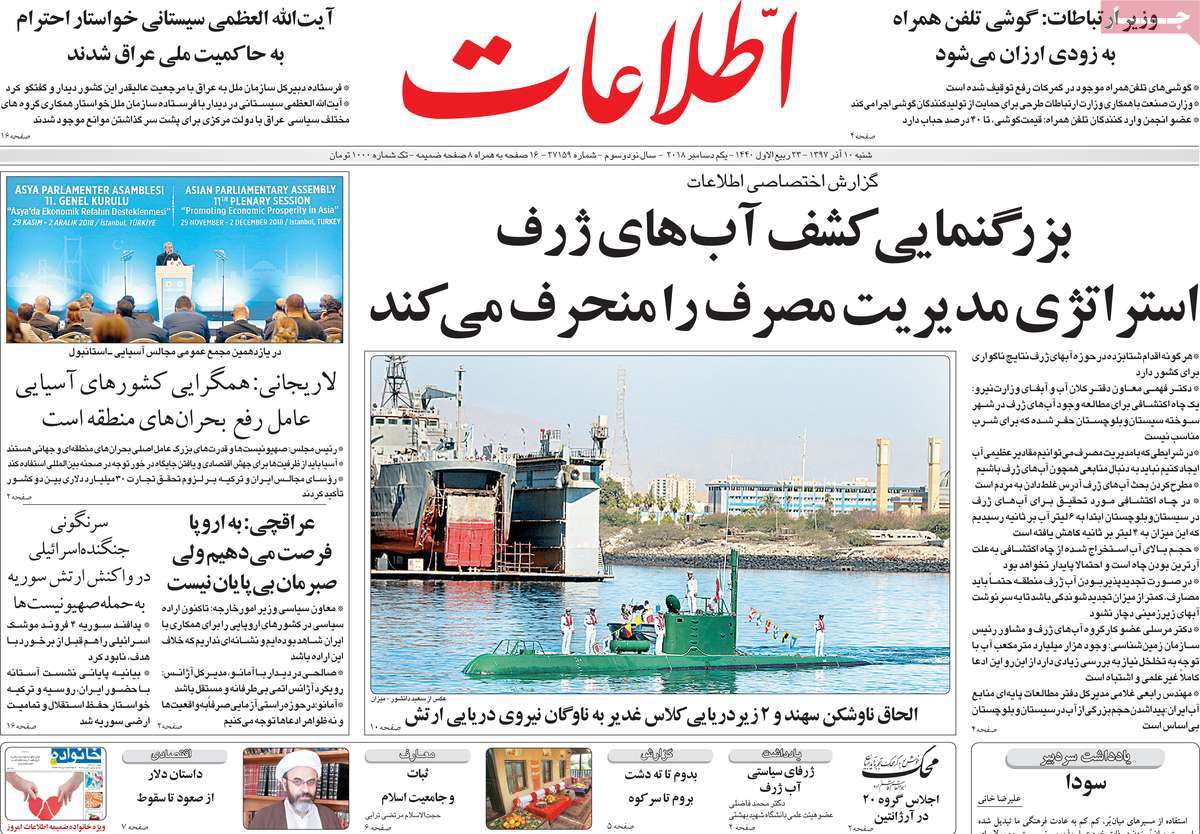
A Look at Iranian Newspaper Front Pages on December 1


Farhikhtegan:

1- France 45 – 0 Iran

* While Total, Peugeot Left Iran, We Continue Importing Unnecessary Items from France

* Items Include Cat & Dog Foods, Sanitary Napkin, Lighter

* Iran’s Imports from France 45 Times Higher Than Exports
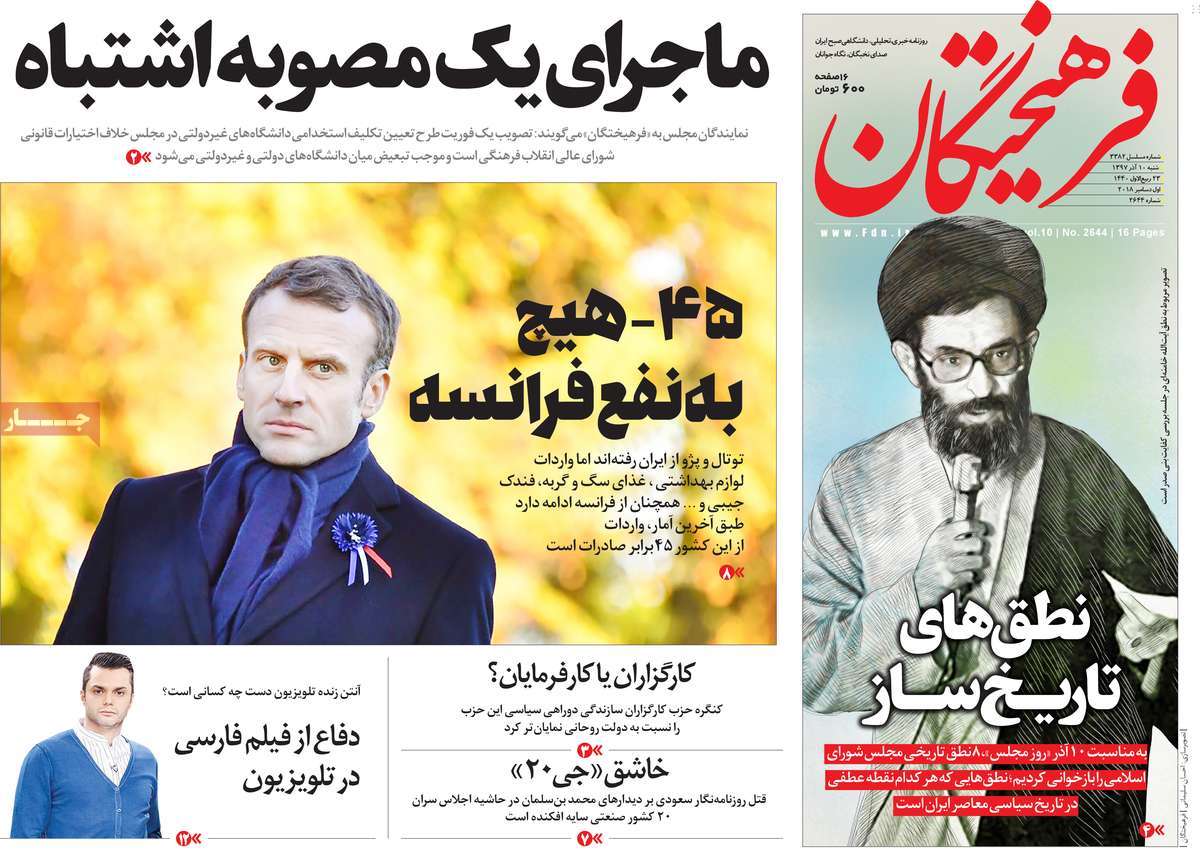
A Look at Iranian Newspaper Front Pages on December 1


Ghanoon:

1- Iran Leader’s Military Advisor Goes to Qom, Briefs Top Clerics

2- Macron Harshly Warns Saudi Murderer
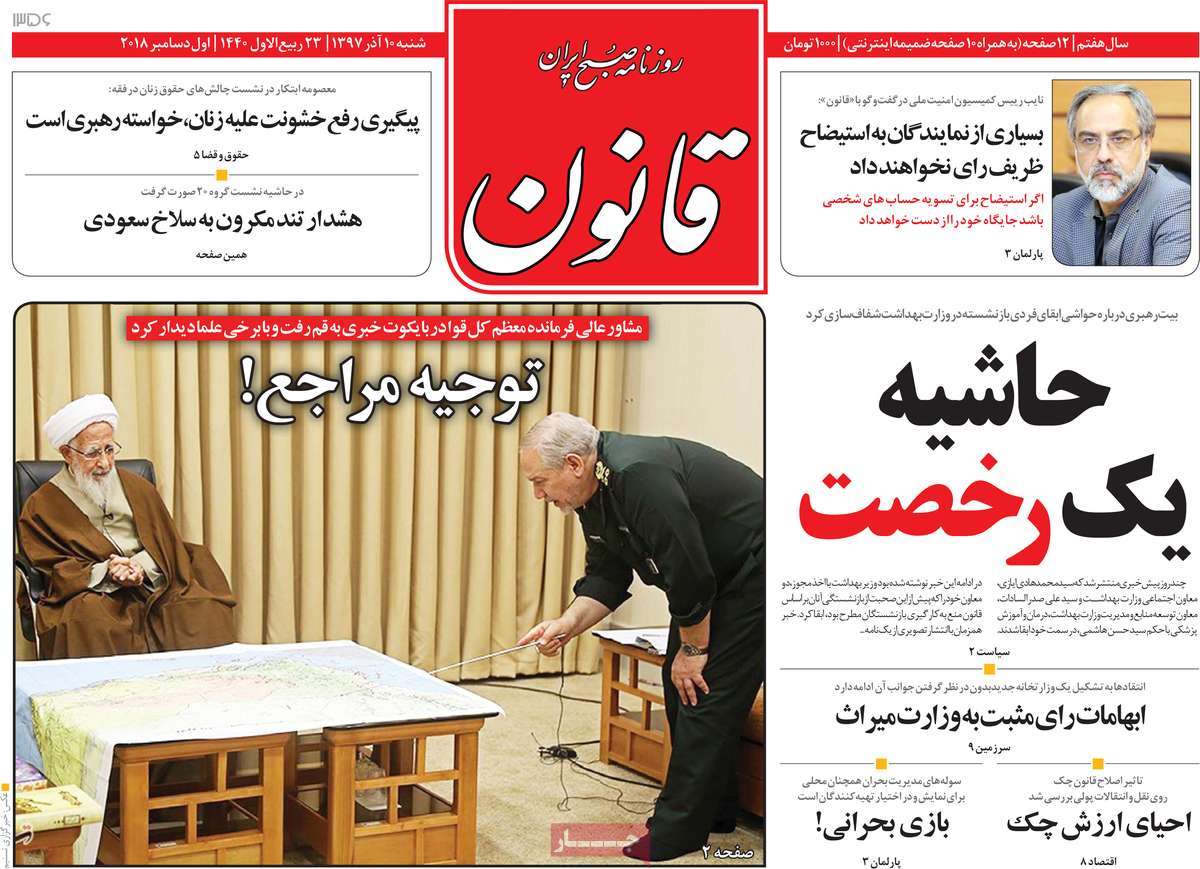
A Look at Iranian Newspaper Front Pages on December 1


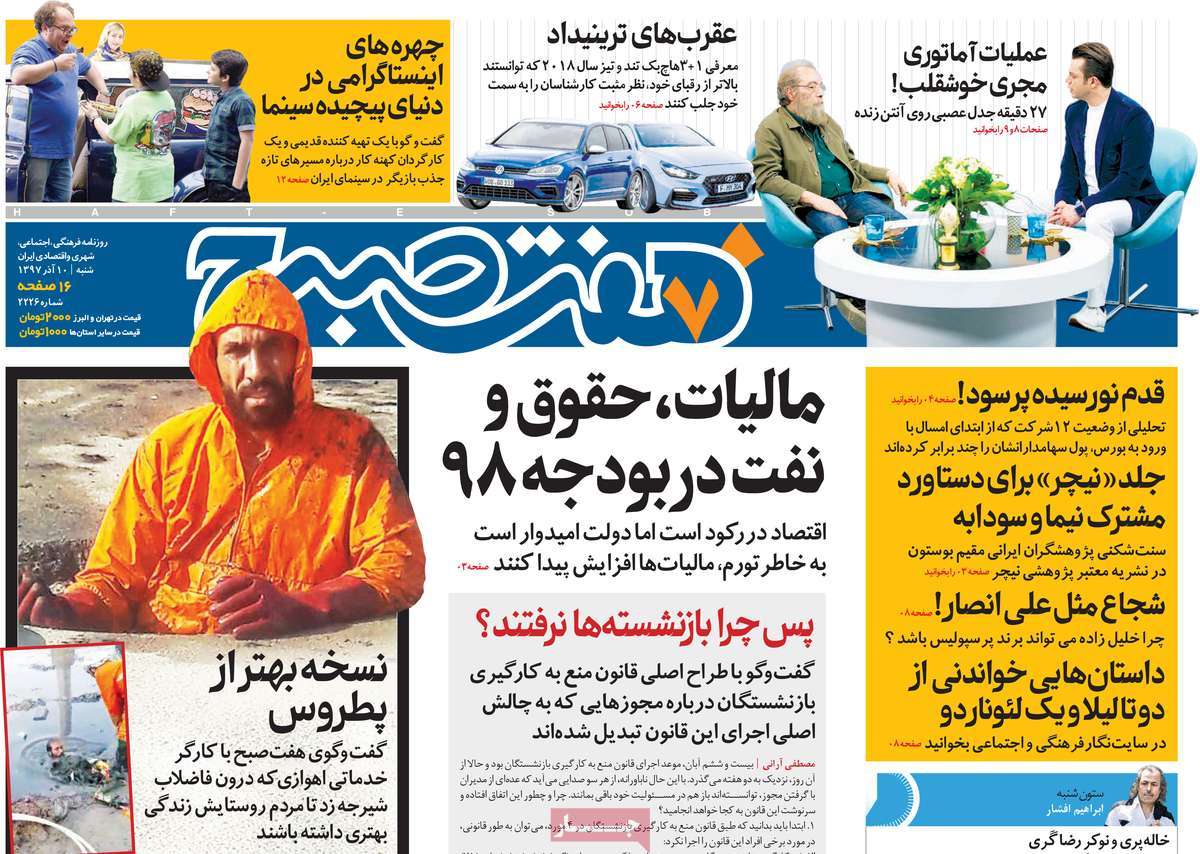
Haft-e Sobh:

1- Iran Finds New Hero Better than “Little Hero of Haarlem”

2- Nature Journal’s Front Page Dedicated to Joint Achievement of Two Iranians
A Look at Iranian Newspaper Front Pages on December 1


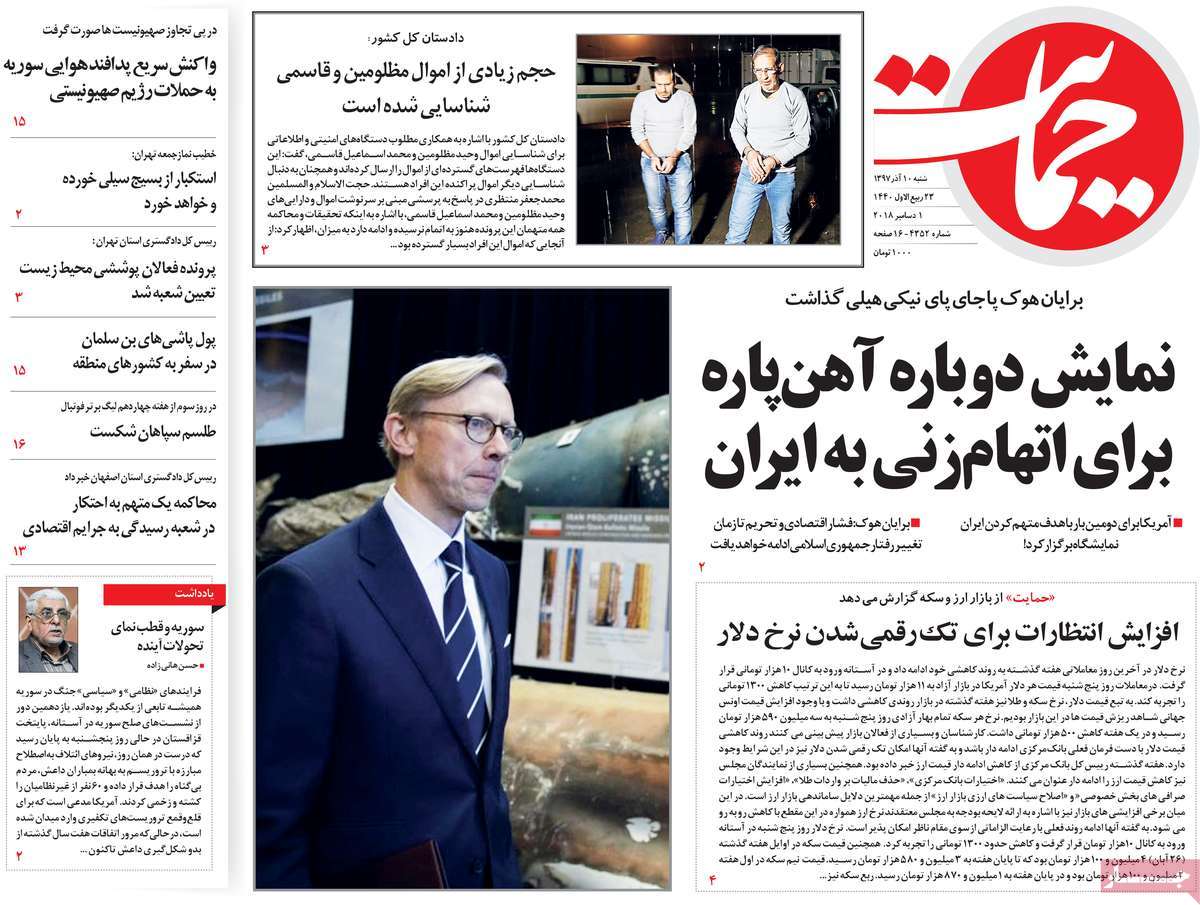
Hemayat:

1- US Once Again Displays Wreckage to Level Accusations against Iran

* Hook Replaces Haley

2- US Dollar Rate Expected to Decrease to Less than IRR 100,000

3- Syrian Air Defence’s Swift Reaction to Israeli Attacks
A Look at Iranian Newspaper Front Pages on December 1


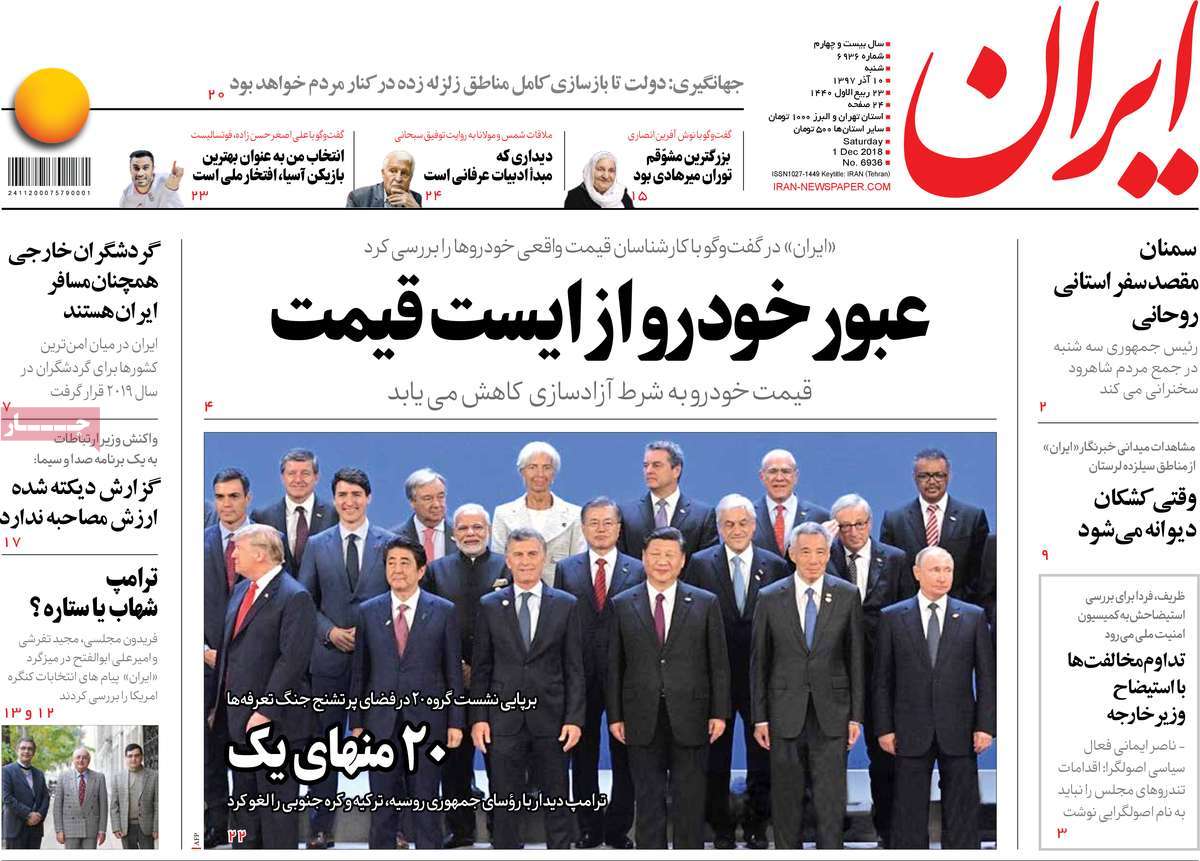
Iran:

1- G20 Minus One: Trump Cancels Meetings with Putin, Erdogan

* G20 Summit Full of Tension Caused by Tariffs War

2- Iran among Safest Destinations for Tourists in 2019

* Foreign Tourists Still Visiting Iran
A Look at Iranian Newspaper Front Pages on December 1


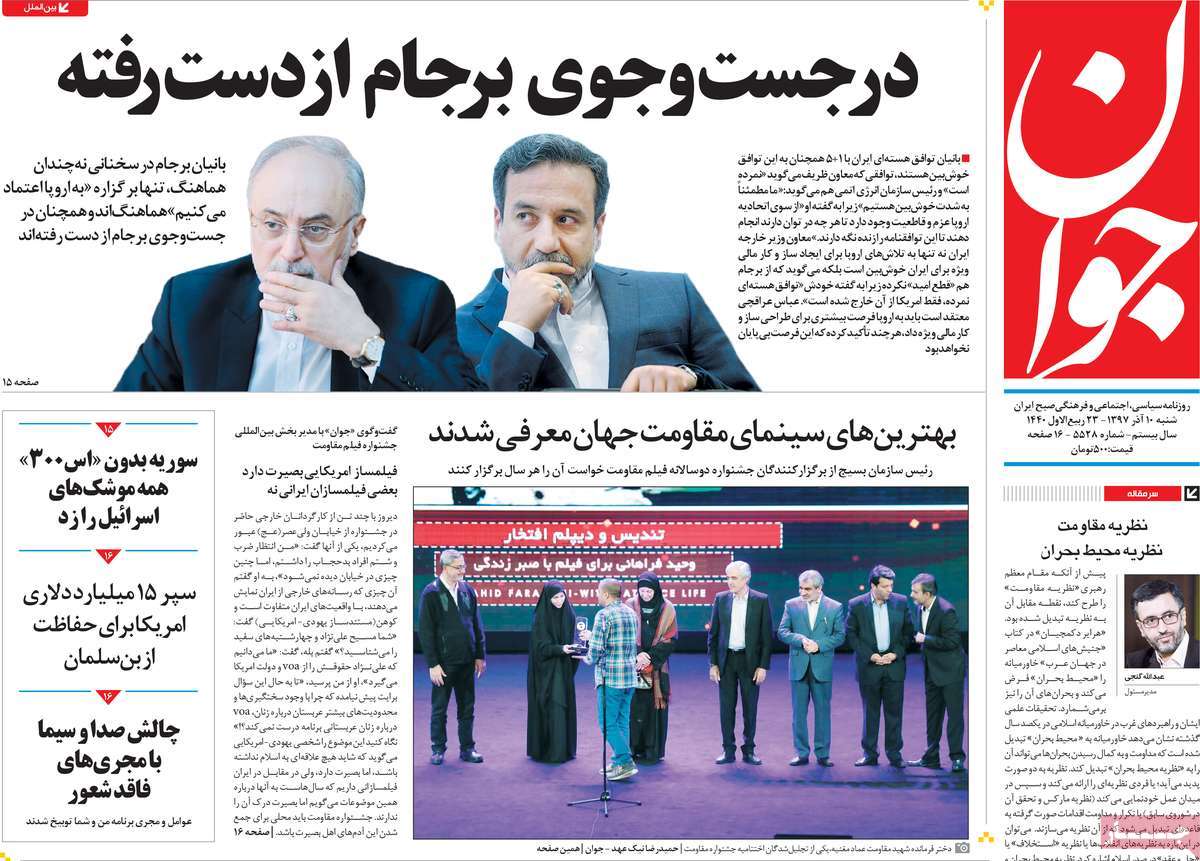
Javan:

1- Looking for the Lost JCPOA

2- Int’l Resistance Film Festival Wraps Up in Tehran

3- Syria Intercepts All Israeli Missiles without S-300

4- US’ $15bn Shield to Protect Bin Salman
A Look at Iranian Newspaper Front Pages on December 1


Kayhan:

1- Europe Comes Up with New Trick to Deceive Iran

* SPV without Oil!

2- House Price at Highest Level in 10 Years

3- Bin Salman Arrives in Argentina with Armoured Vehicle, 400 Guards
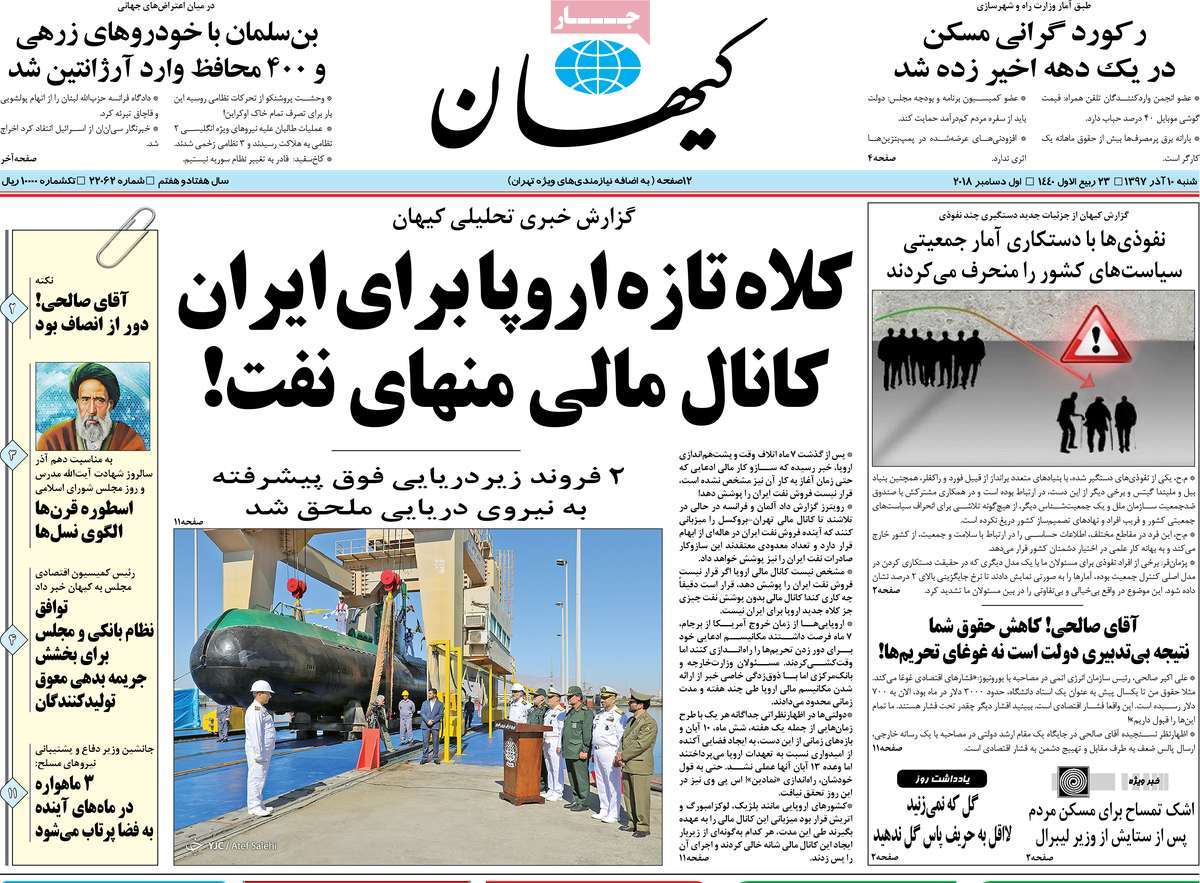
A Look at Iranian Newspaper Front Pages on December 1


Khorasan:

1- Zionists Shocked as Syria Shows Off Its Power without S-300

2- Most Hated One in Buenos Aires
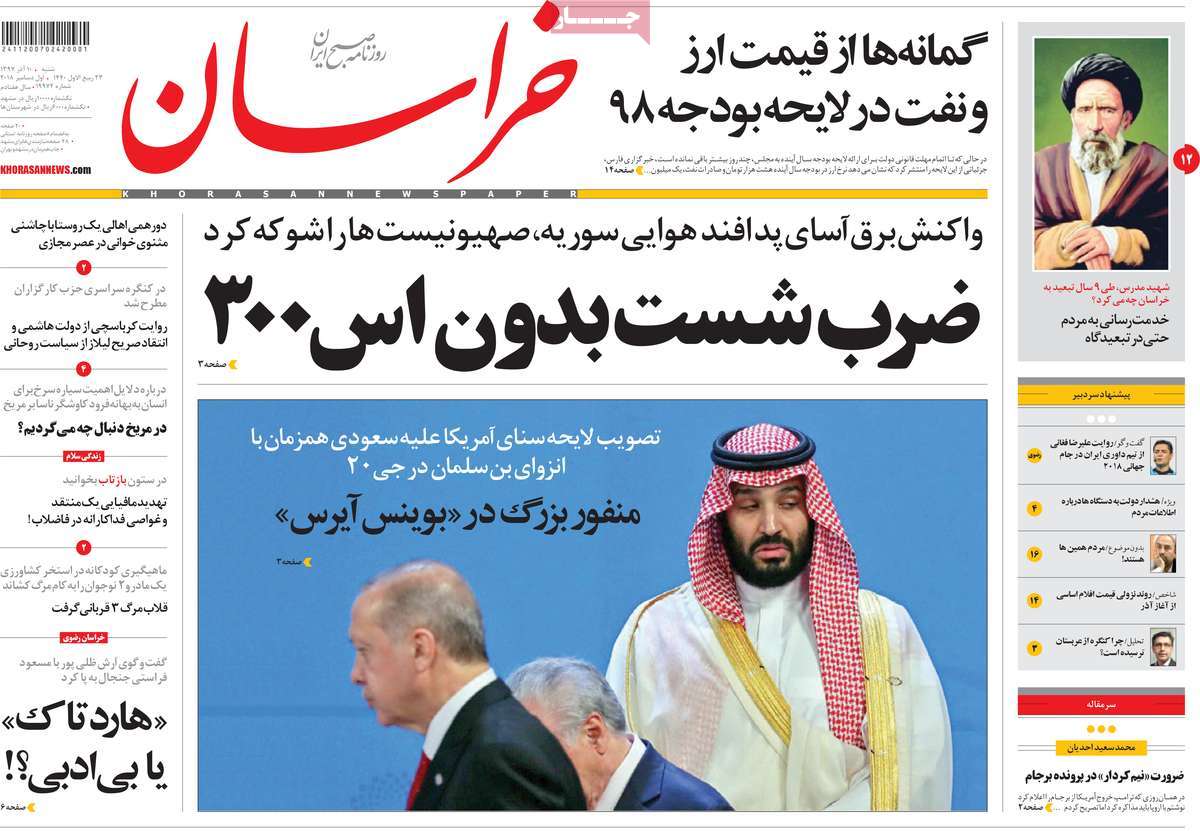
A Look at Iranian Newspaper Front Pages on December 1


Shargh:

1- Former Diplomat Says Bin Salman, Gen. Soleimani Must Resolve Yemen Crisis Together

2- Europe Coming Up with New Ideas to Maintain Business with Iran: Araqchi
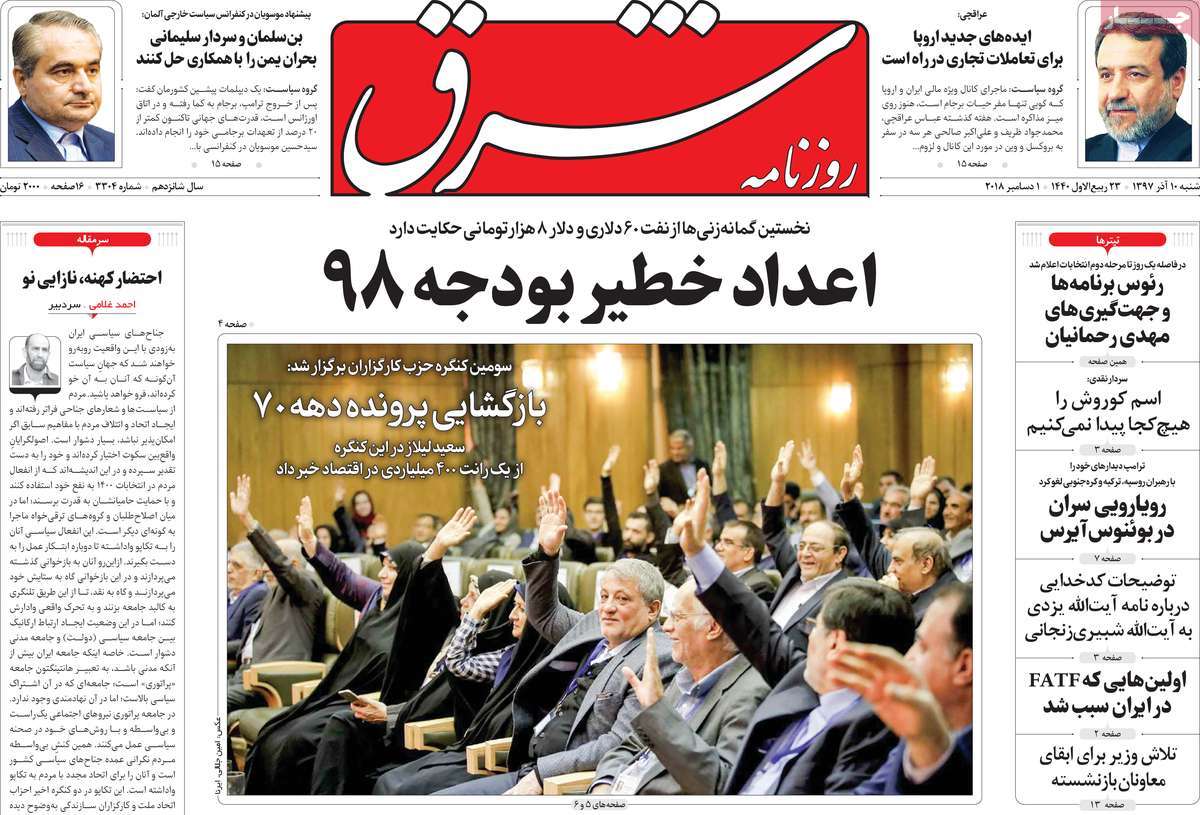
A Look at Iranian Newspaper Front Pages on December 1


Vatan-e Emrooz:

1- We Should Give Time to Europeans: Araqchi

2- Against Tehran: On Anniversary of Iran’s Occupation

3- Lord of the Saws Isolated in Argentina
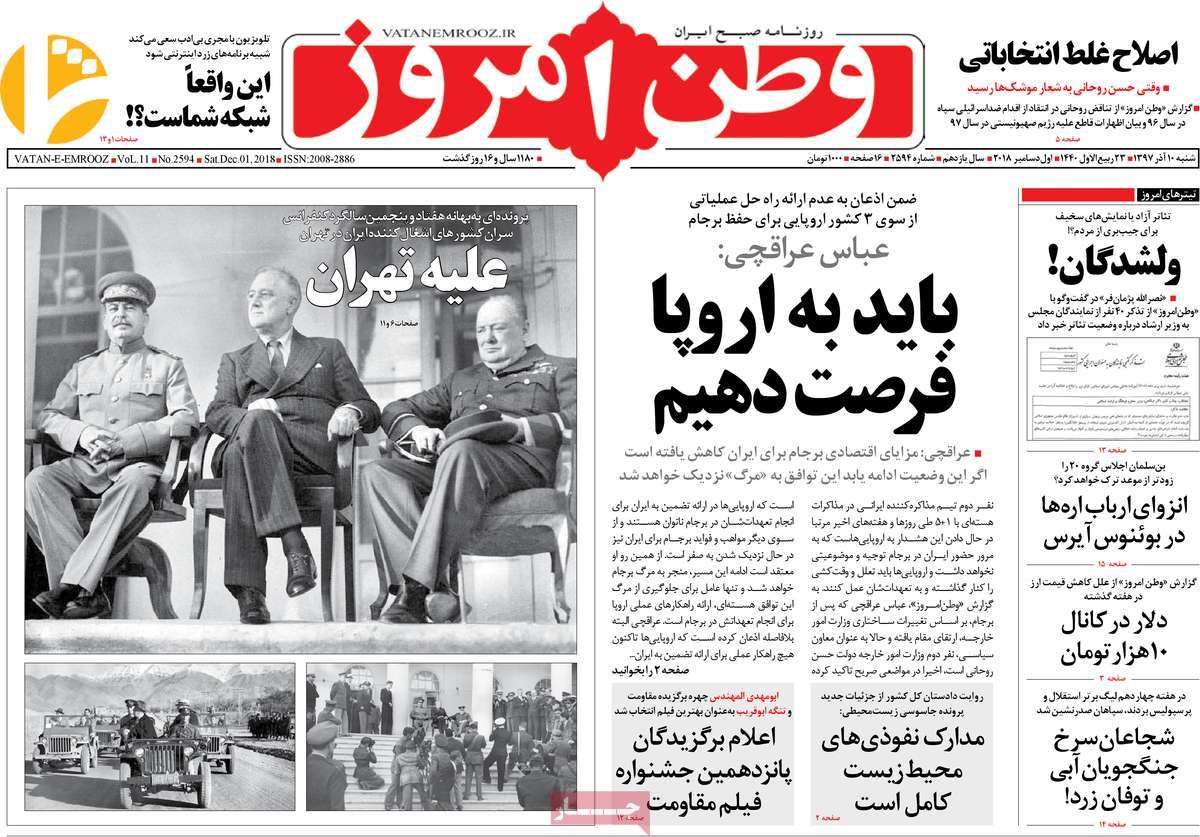
A Look at Iranian Newspaper Front Pages on December 1

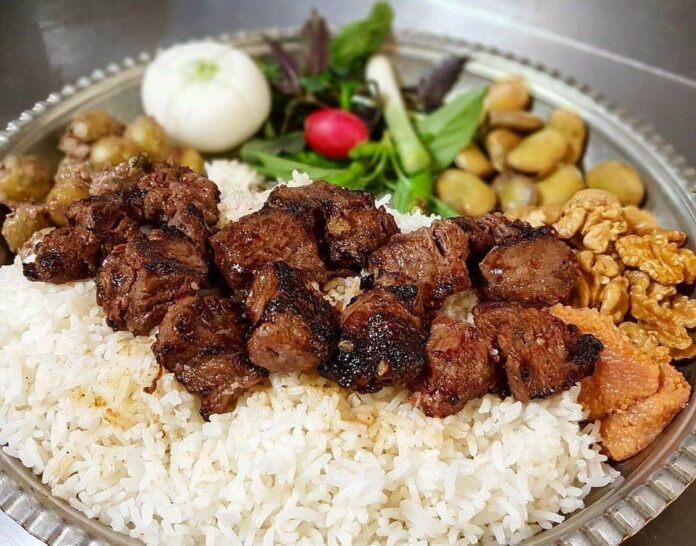
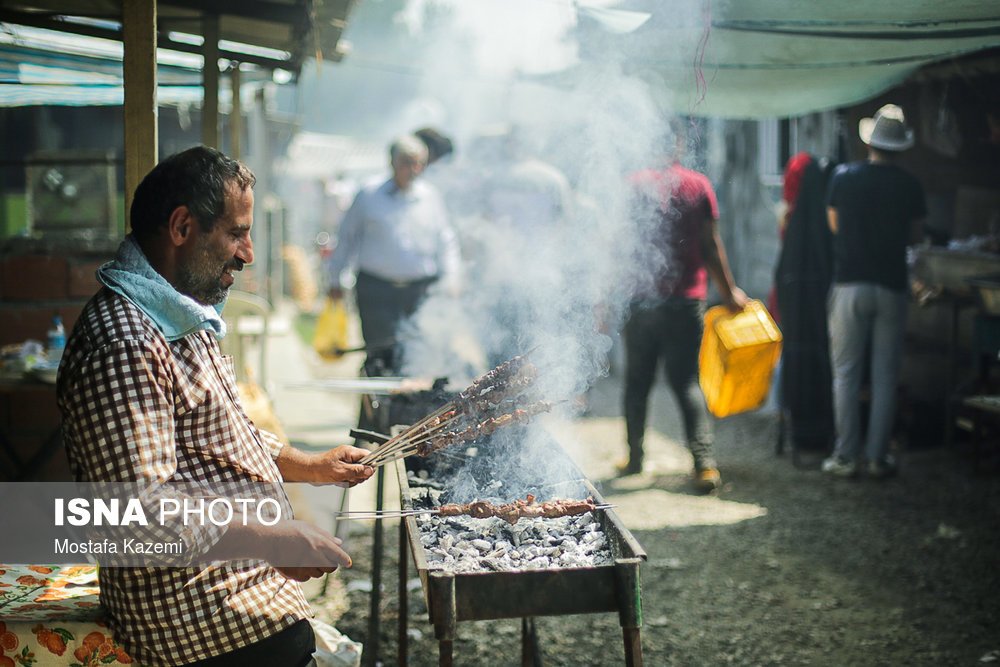
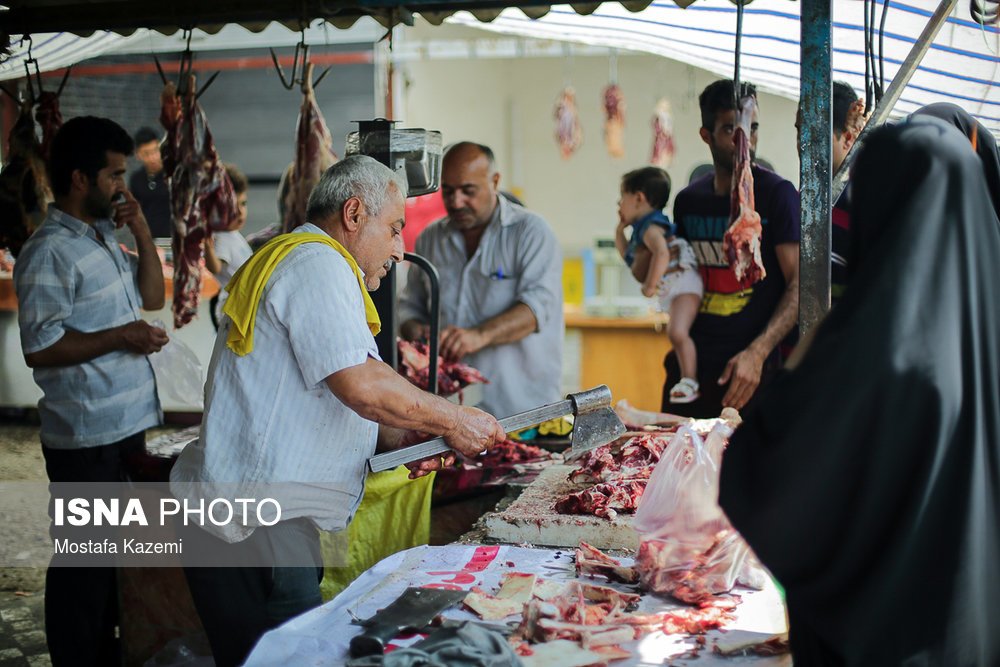
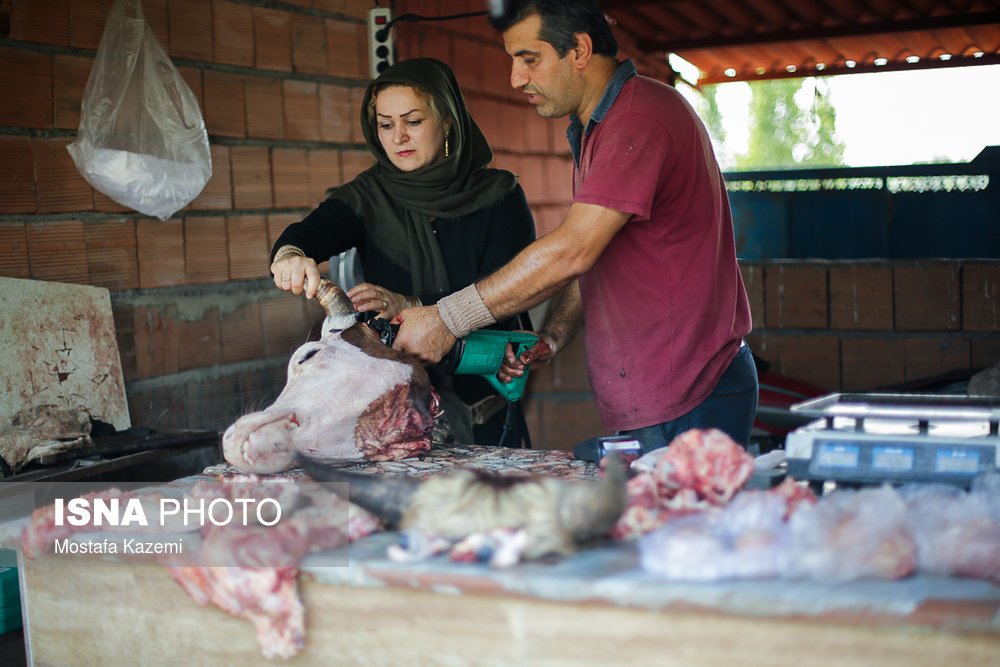
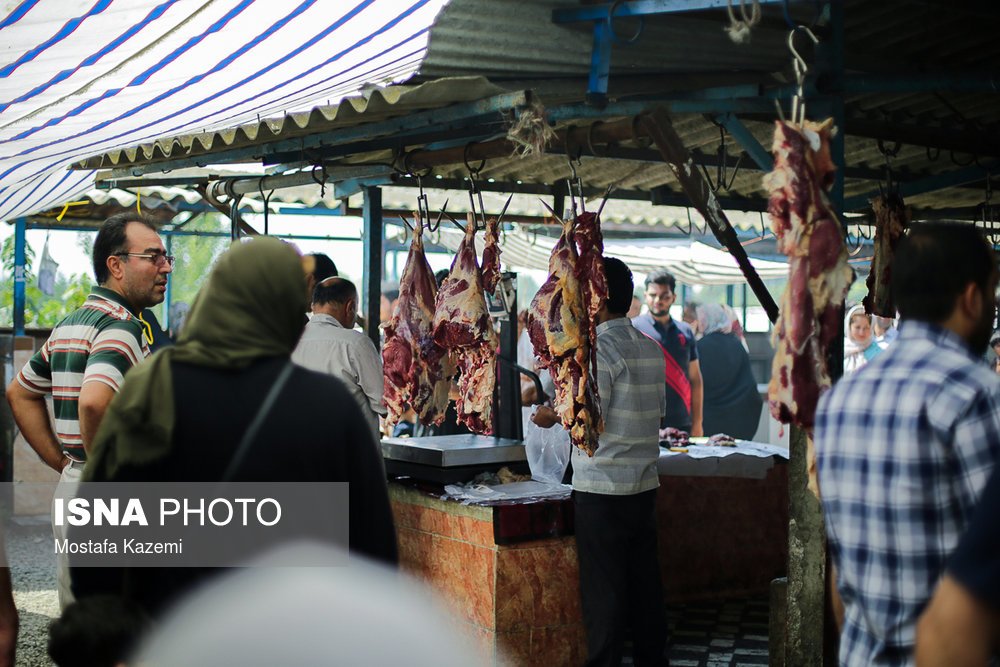
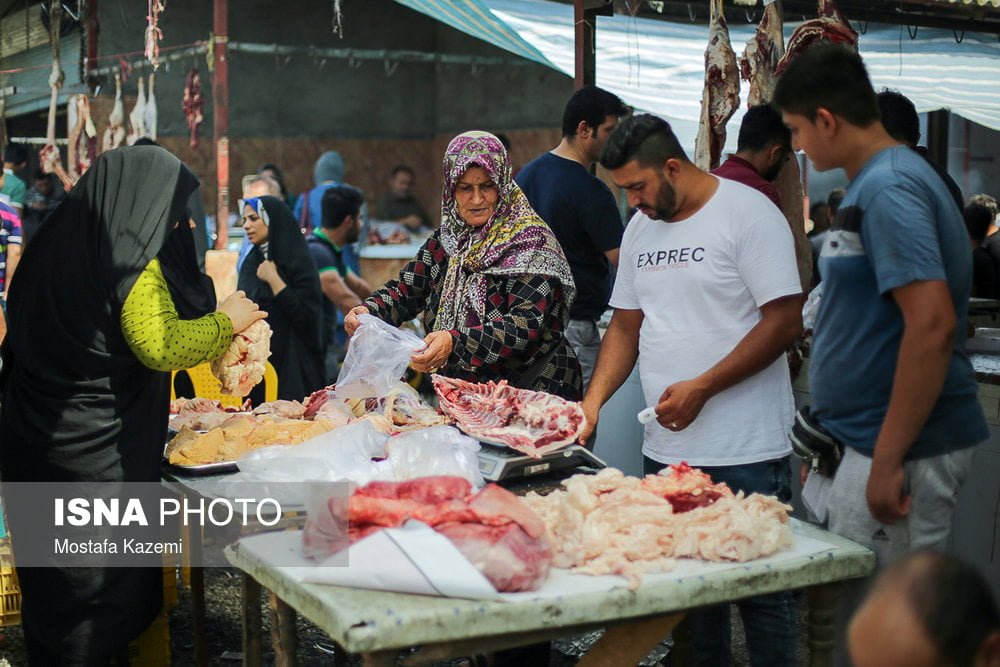
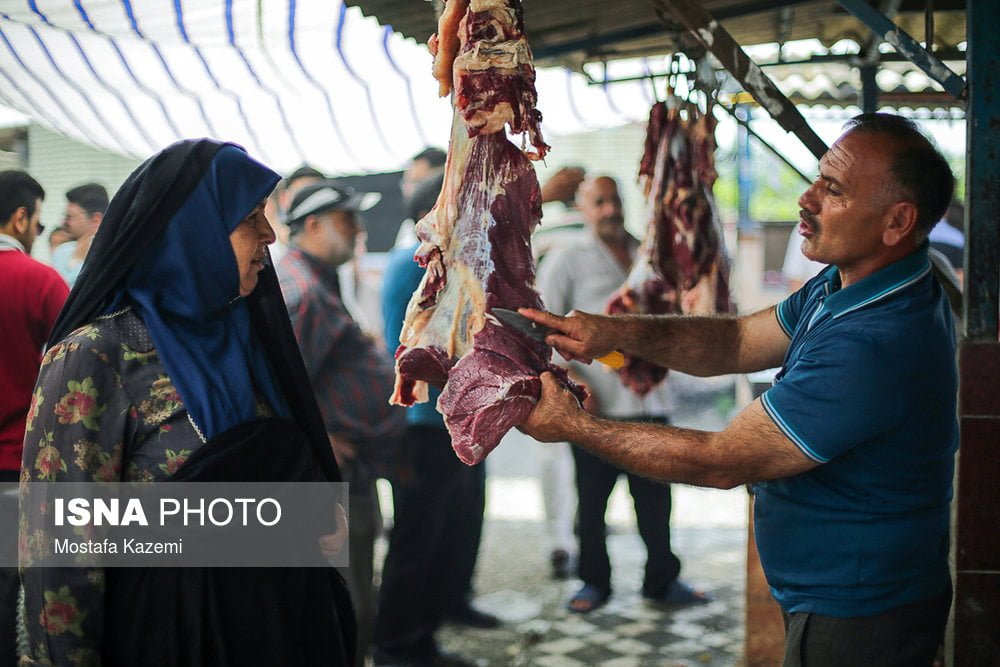
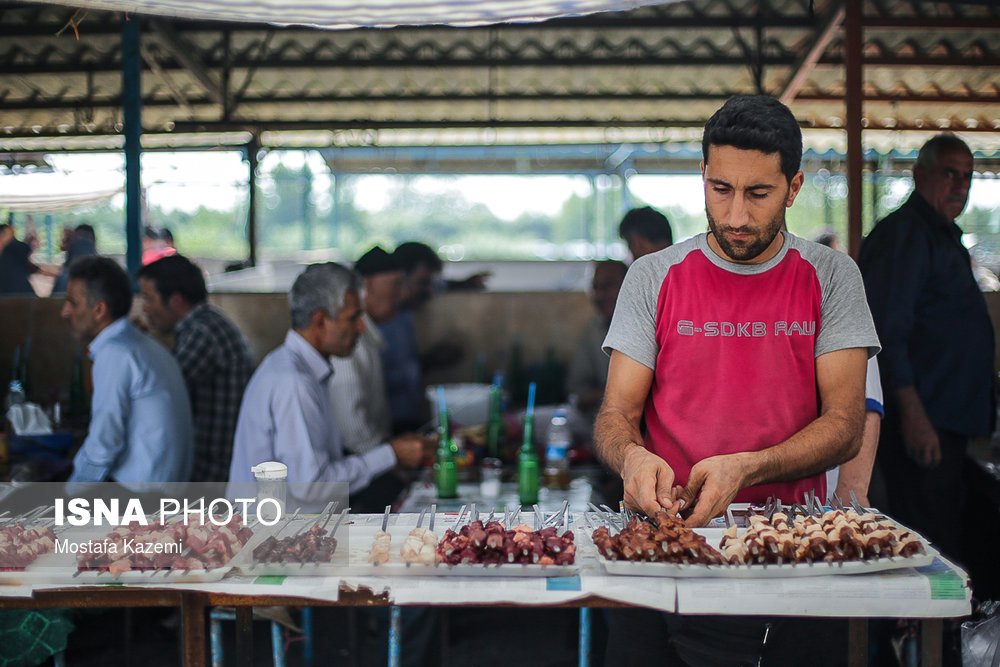
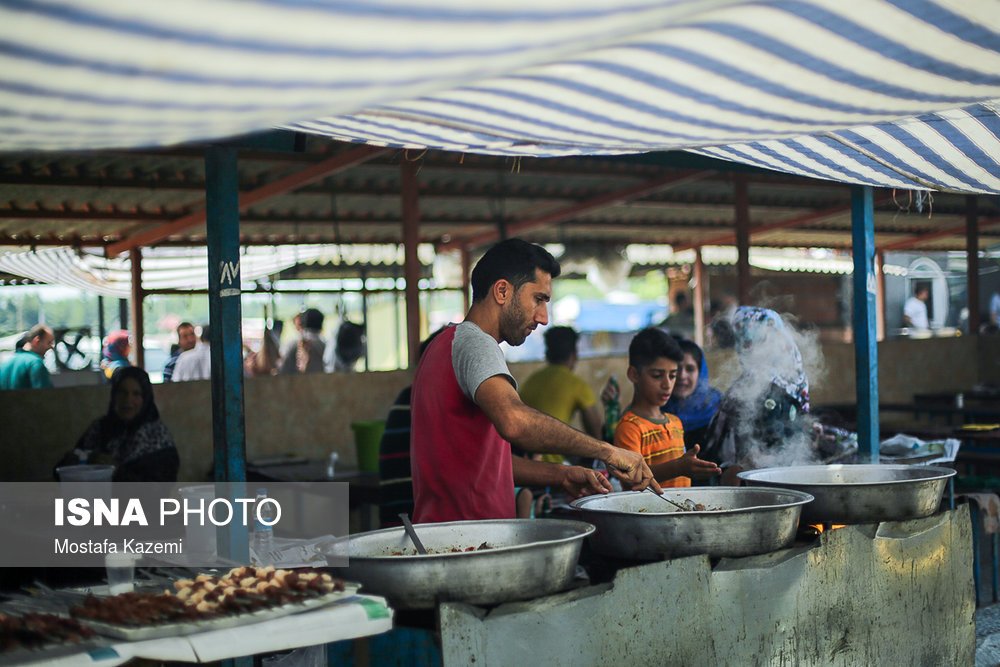
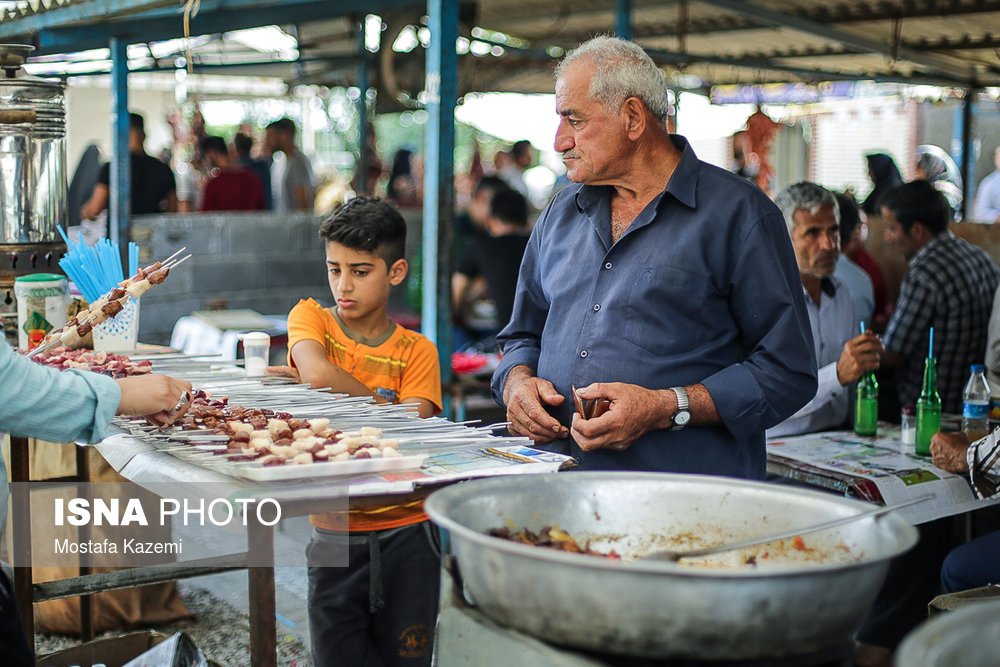
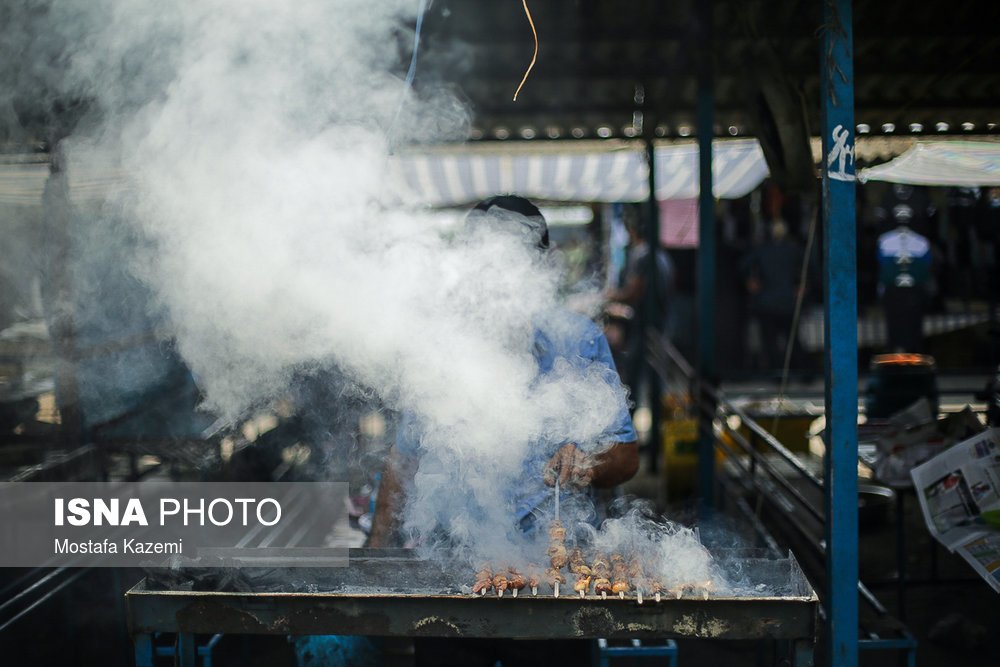
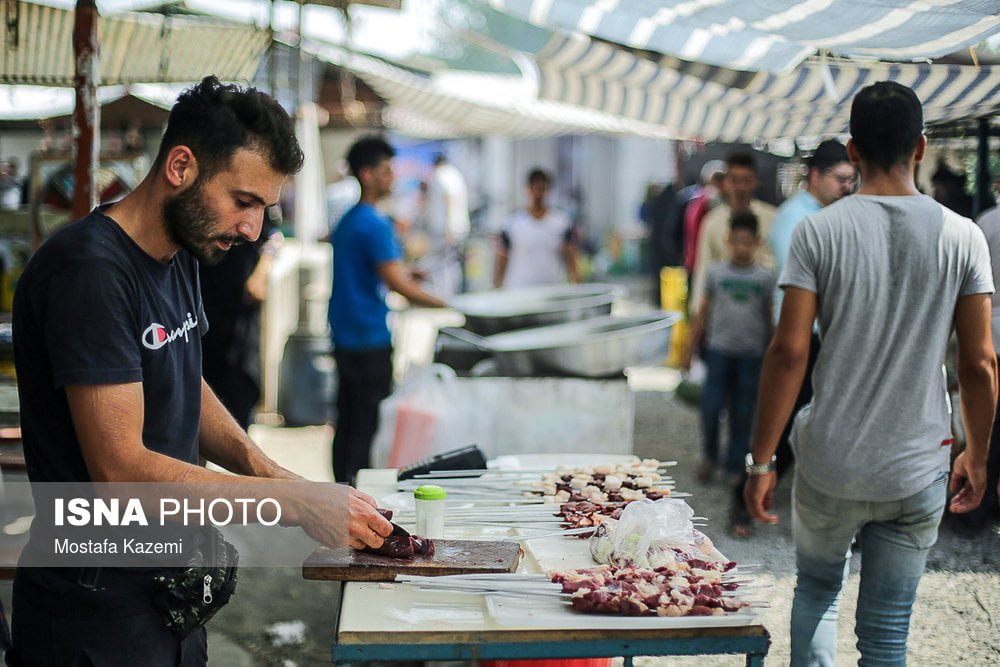
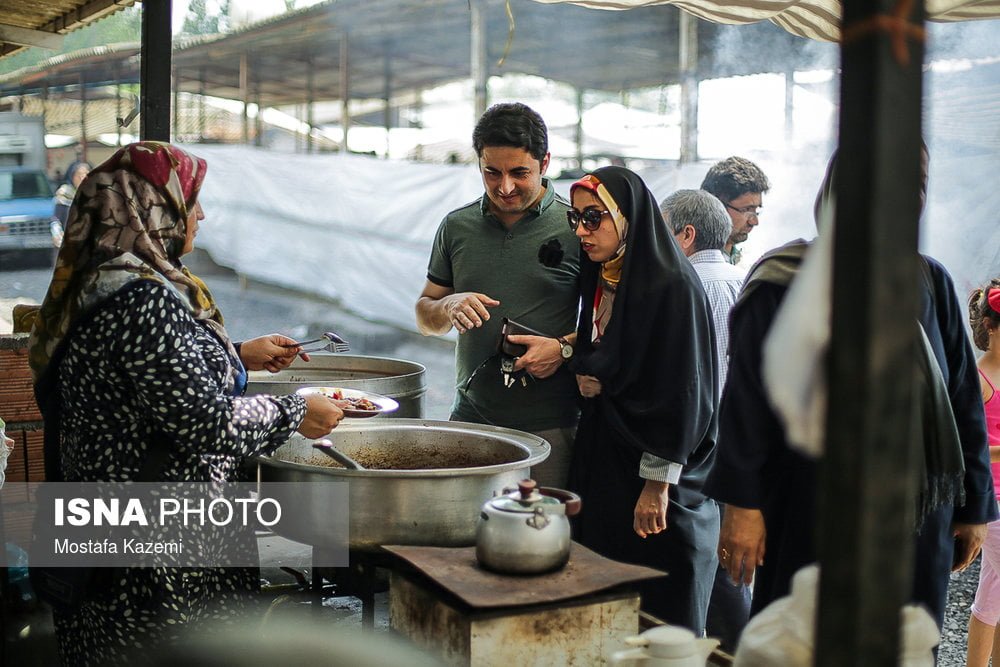
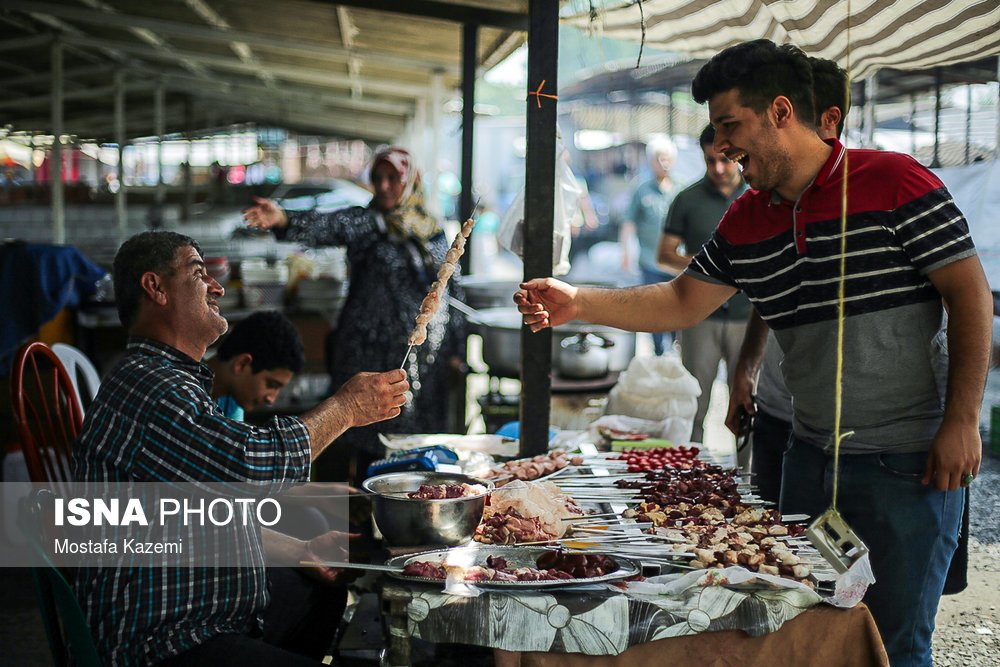
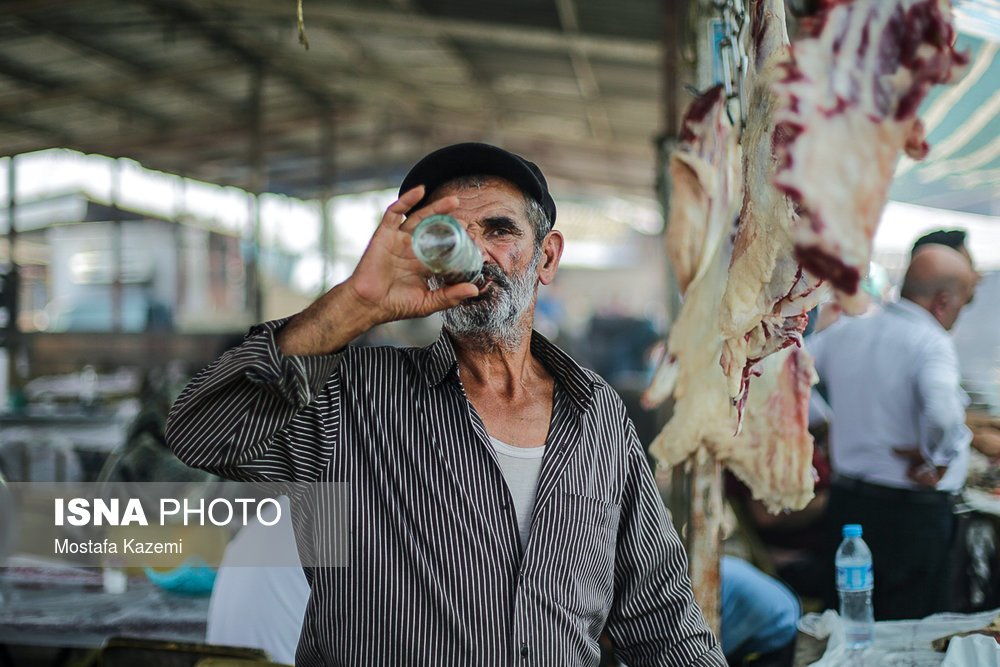
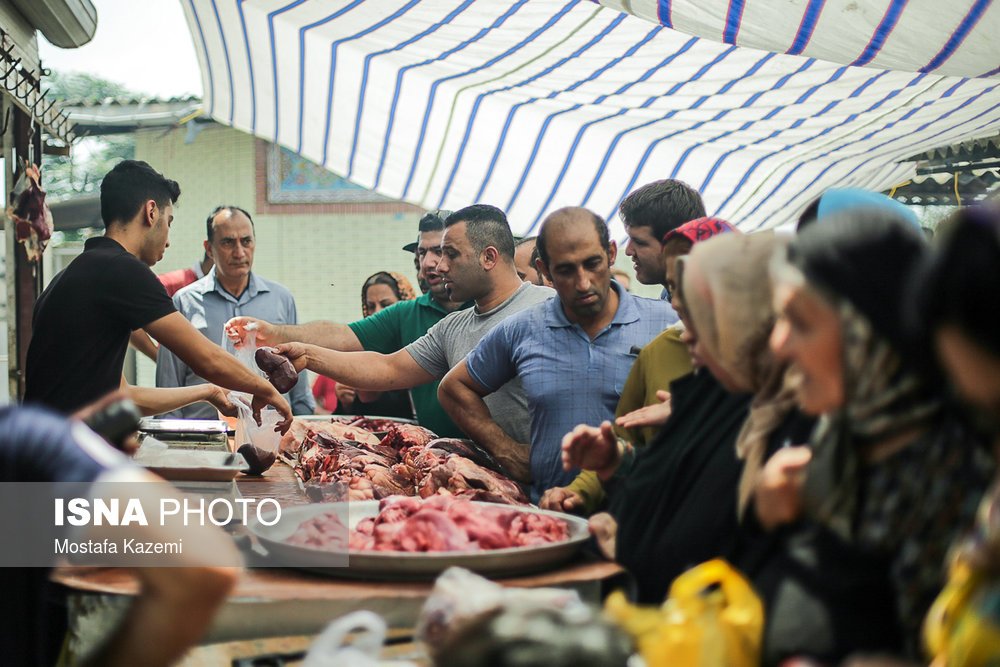
Meat Market of Juybar, Best Place to Eat Fresh Kebab

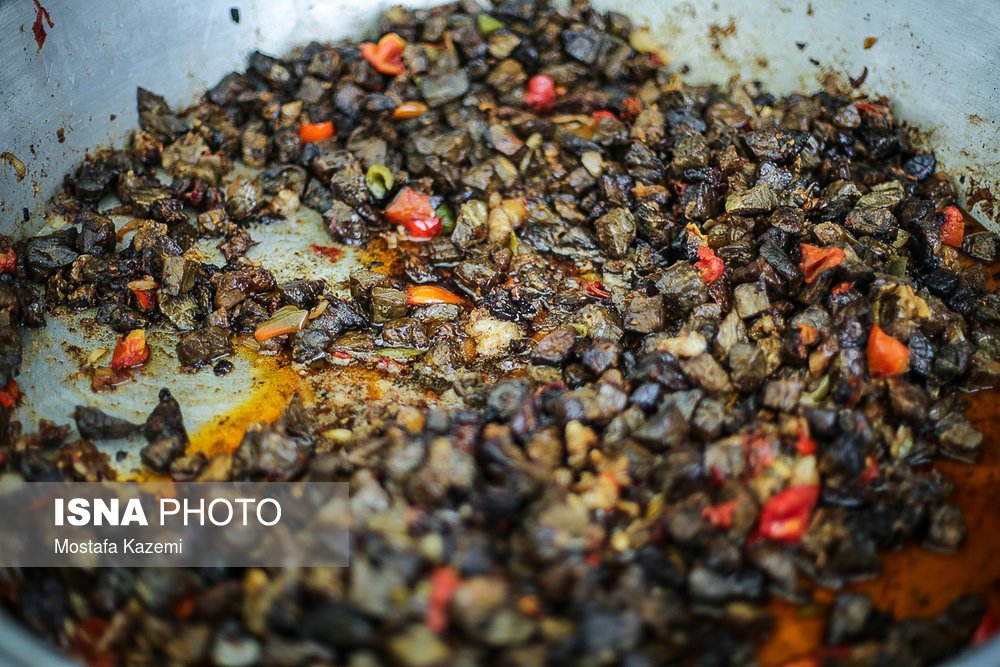
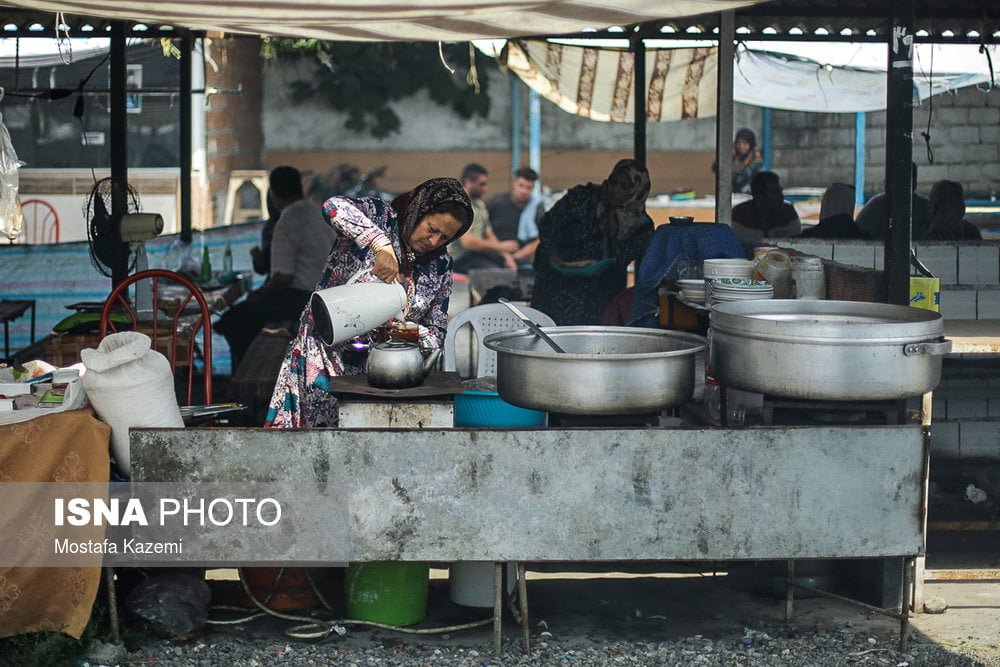
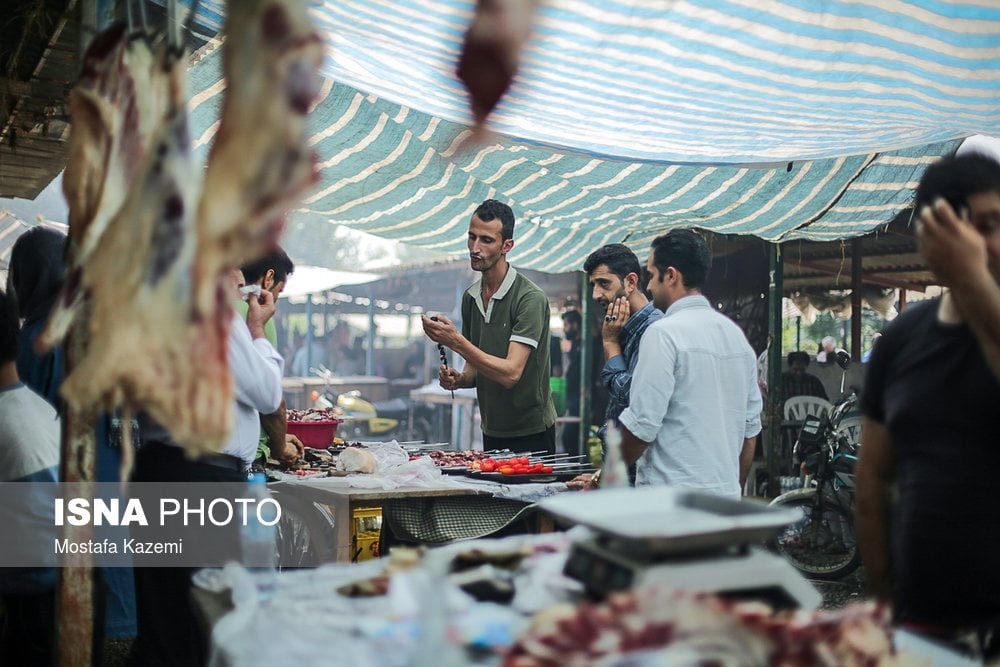
Various types of meat, sheep’s head and trotters, tripe, liver and haggis are among the main products sold at the must-see meat market, which is open to visitors on Fridays.

The main feature of Juybar’s Friday market is that is it located in the heart of the city’s main market.

Juybar is known as the cradle of Iran’s wrestling, and most people and booth owners in the market believe the credit must be given to the meat market, as healthy meat and good nutrition are among the main reasons for the growing number of wrestling champions hailing from the city.

Based on a traditional belief, local farmers around Juybar usually invite their friends and families to Kebab as a sign of blessing after harvesting their crops.
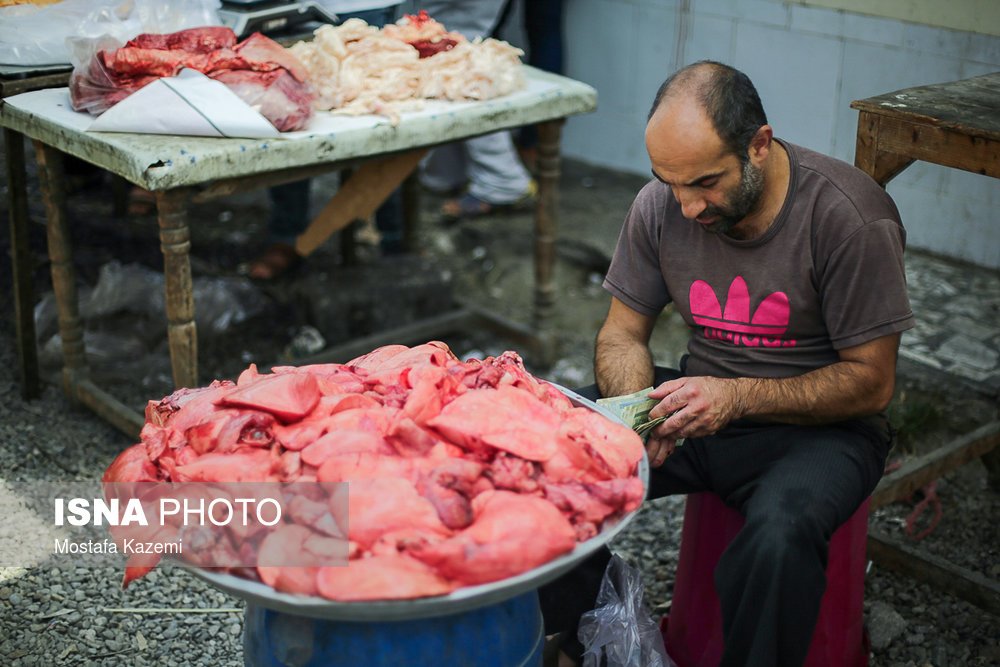
The meat market dates back to over one hundred years ago.

What follows are ISNA’s photos of the market:

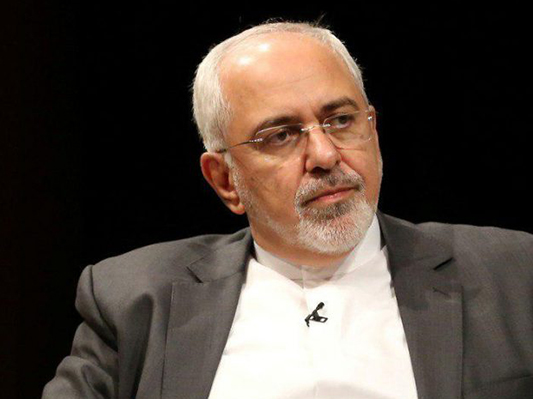
Iran’s 4-Point Plan Only Viable Option to Solve Yemen Crisis: Zarif

In April 2015, the Iranian foreign minister submitted a four-point peace plan for Yemen to the United Nations in an attempt to end the bloodshed in the Arab country.

The peace plan highlighted the need for an immediate ceasefire, dispatch of humanitarian assistance, establishment of intra-Yemeni dialogue, formation of broad-based government, according to Zarif.

“I said this on the crisis in Yemen in April 2015. Today, after untold human suffering & war crimes by the Saudi coalition & its US accomplices, & efforts to whitewash their crimes with absurd allegations against Iran, our four-point plan still remains the only viable option,” the Iranian top diplomat said in a Friday tweet.

Saudi Arabia and a number of its regional allies launched a devastating military campaign against Yemen in March 2015, with the aim of bringing the government of former Yemeni president Abd Rabbuh Mansur Hadi back to power and crushing the country’s Houthi Ansarullah movement.

According to a new report by the Armed Conflict Location and Event Data Project (ACLED), a nonprofit conflict-research organization, the Saudi-led war has so far claimed the lives of around 56,000 Yemenis.

The Saudi-led war has also taken a heavy toll on the country’s infrastructure, destroying hospitals, schools, and factories. The UN has already said that a record 22.2 million Yemenis are in dire need of food, including 8.4 million threatened by severe hunger. According to the world body, Yemen is suffering from the most severe famine in more than 100 years.

During a press briefing in the Yemeni capital Sana’a on Thursday, UN Under-Secretary General for Humanitarian Affairs and Emergency Relief Coordinator Mark Lowcock appealed for a halt to fighting in Yemen.

The UN official said the fighting has once again highlighted the ongoing humanitarian tragedy in the war-ravaged Arab country and said, “I’d like to see a cessation of hostilities, especially around the key infrastructure, especially around Hudaydah.”

Iran to Boost Traffic Safety by Making Roads Musical

Traffic-related casualties in Semnan reached a record high back in 2016, when 4,395 injuries and 257 deaths were reported, all caused by car incidents in the provincial roads. The figures increased to 5,295 and 303 in 2017, respectively.  

Semnan officials have decided to tackle the issue and increase traffic safety by creating “musical roads”, which when driven over cause a tactile vibration and audible rumbling transmitted through the wheels into the car body in the form of a musical tune.

To do that, the officials have set up a special working group including physicists, musicians and mechanical engineers.

Similar projects have already been launched in at least eight countries including the US, Japan, China, Denmark, South Korea, San Marino and Ukraine.

In Iran, the project is now being implemented in 300 metres of the desert roads of Semnan as a pilot one. Once fully implemented, the project could reduce the number of car incidents in the provincial roads by 70 percent.

In line the pilot project, the working group has created 2,000 groves along 300 metres of the road. As the vehicles passes over the groves, an audible rumbling begins to transmit through their vehicle turning into a musical tune to their ears.

The mechanism is aimed at preventing the drivers from falling asleep. The musical tune changes according to the depth of and the distance between two grooves as well as the thickness and material of the asphalt used in the roads and the raised pavement markers created along them.

People driving along Semnan provincial roads usually fall asleep and have their cars overturned due to the desert climate of the region.  

If a car drives at over 90 km/h, the volume of the musical tune played for them would get louder. If the speed is lower, the sound would remain relatively mild.

The project will cost millions of dollars but as provincial officials say allocating the money to such projects is necessary given the hefty money that insurance companies pay to the families of the car incidents’ victims.

Ali Dairini, the deputy head of Semnan Justice Department for Social Affairs and Crime Prevention, has hailed the idea, saying that protecting the lives of people is among the main responsibilities of every government in the world. He said the government should adopt pre-emptive measures to protect the lives of Iranian people, as prevention is better than cure.

The first musical road was created in October 1995 in Denmark by Steen Krarup Jensen and Jakob Freud-Magnus. Known as Asphaltophone, the road is made from a series of raised pavement markers, similar to Botts’ dots, spaced out at intermittent intervals – watermark – so that as a vehicle drives over the markers, the vibrations caused by the wheels can be heard inside the car.

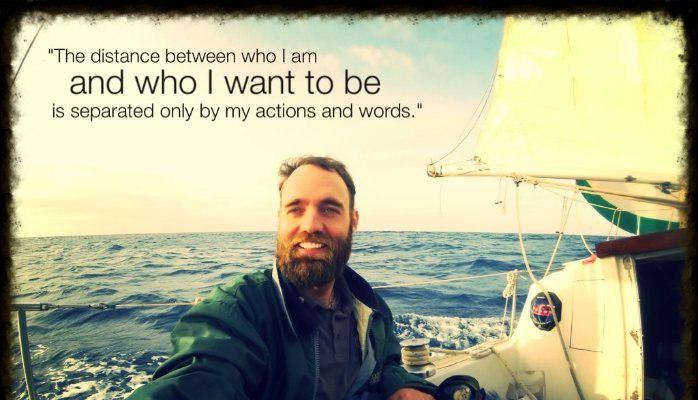
Danish Man Travelling Whole World without Flying

Some may think the world is not safe and secure enough, but Thor Pederson has proved that it might be a much better place than they think. He has already travelled to 159 countries using cars, trains, boats, and ships, and without taking any flight.

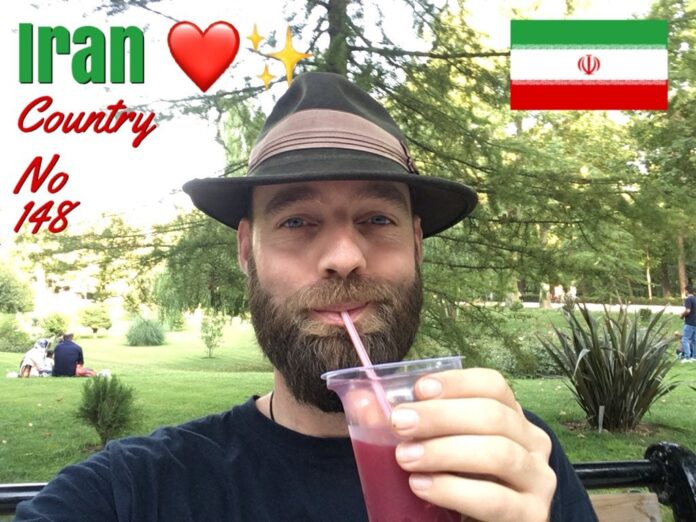
In an interview with the Persian-language Ghanoon daily, he has talked about his goals, memories and experiences. He has also talked about his trip to Iran, as the 148th destination of the 203 states he plans to visit by early 2020.

Following you can find excerpts from the interview selected by IFP:

Danish Man Travelling Whole World without FlyingQ: How did you come up with the idea of travelling this way?
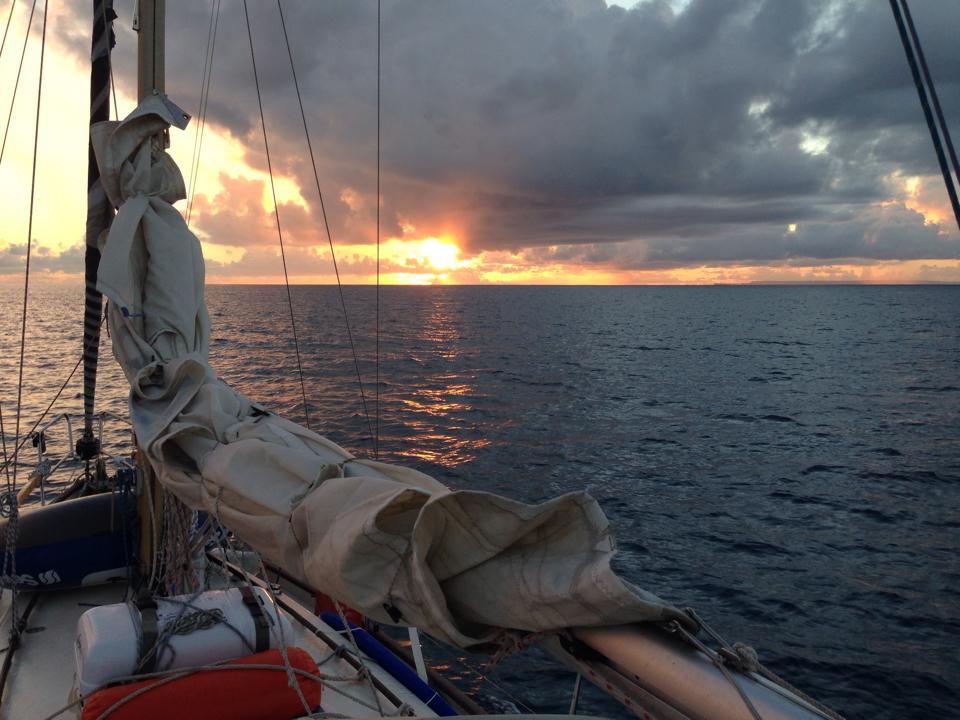
A: My project started in 2013. I read an article. In that piece, it was said no one had travelled the whole world without flying. I’m always interested in great adventures. I have always wanted to be the first to travel to the North Pole and the South and around the planet, reach the moon, walk on it or climb Mount Everest. Therefore, I thought it is the time to do a historic and very important job in my life and be the first person to travel without a plane.

Q: What is your purpose of making these trips? What do you do in the new countries you travel to?

A: My main goal is to reach most countries in the world on an uninterrupted and non-flying trip. I do my best to promote positive thinking in each country in the face of many negative stories we often hear in the news. As a goodwill ambassador for the Danish Red Cross, I have met many officials of the Red Cross and Red Crescent societies. I try to promote the need for uniting all members of the societies. I’m going to depict a world in which a stranger, who at first glance is considered an unknown person, can be the same friend we have never seen before.

Danish Man Travelling Whole World without FlyingQ: You have travelled to nearly 200 countries. Each of them is full of memories for you. Tell us one of the sweetest ones.
A: Let me tell you the story of Maria. She was a woman I met in Poland. Once, it was snowing heavily everywhere in Poland. She invited me to her home. She prepared a meal for me and gave me a bed, without knowing who I was. The next morning, she took me to a passenger terminal and wished me a safe trip. She taught me that a stranger, who at first glance is seen as an unknown person, can be the same friend we have never seen before. The second story is about my wife, to whom I proposed at the peak of a Kenyan mountain, which is the second highest mount in the world.

Q: What did you do in your trips to promote the culture of peace and tranquillity?

A: In all my trips, I share all the stories; the stories of kindness, culture, history, food, development, technology, incidents, and many other features of a country. I’m a living example of showing that the world is not a cruel, dark, and dangerous place. Certainly, living in this world may be painful to some people who believe the world is not safe and secure enough. However, over the past five years, I’ve travelled to 159 countries using public transportation, and did it on a shoestring. This proves that the world is better than what most people think; otherwise making all these trips could not be possible. I have not been killed, tortured, or plundered, and I have travelled more than 200,000 kilometres through land and sea. My story is a tough one; I have never quitted and I’ve always found a solution to my problems.

Danish Man Travelling Whole World without Flying
Torbjørn C. Pedersen’s photo of Iran taken from a ferry on a border river between Iran and Iraq / Photo by Pedersen’s website www.onceuponasaga.dk

Q: How did you come to Iran and how many days did you stay?

A: I came to Iran from Kuwait on a boat and then I went to Dubai with a boat again from Bandar Abbas. I stayed in Iran for about 14 days.

Q: Which cities did you visit in Iran?

A: I had been to Iran once before. I’ve visited Tabriz, Qom, Shiraz, Isfahan, Kerman, Khorramshahr, Ahvaz, Tehran and Bandar Abbas.

Danish Man Travelling Whole World without Flying
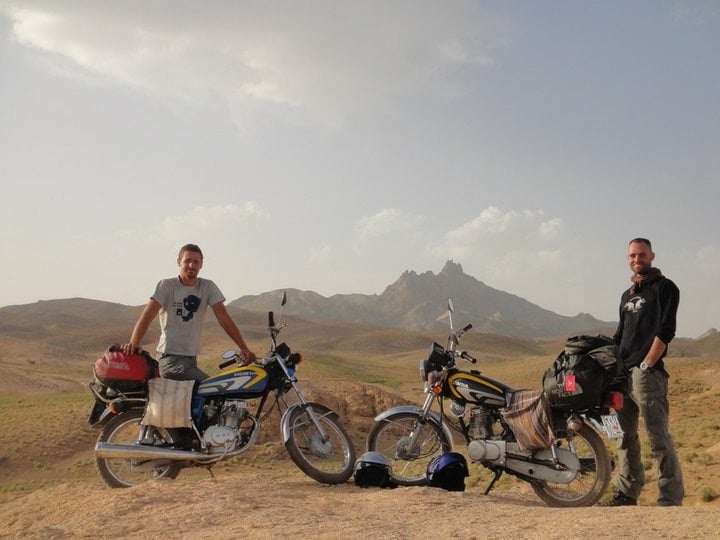
Torbjørn C. Pedersen and his friend Cam during their visit to Iran in 2010 / Photo by Pedersen’s website www.onceuponasaga.dk

Q: You have visited Iran twice. If you have an opportunity, would you travel to Iran again?

A: Sure. Iran is an original and rich country with good cities, delicious foods, ancient history, beautiful landscapes and many other things to discover. If I’m lucky, I will travel to Iran again as a tourist.

Danish Man Travelling Whole World without Flying
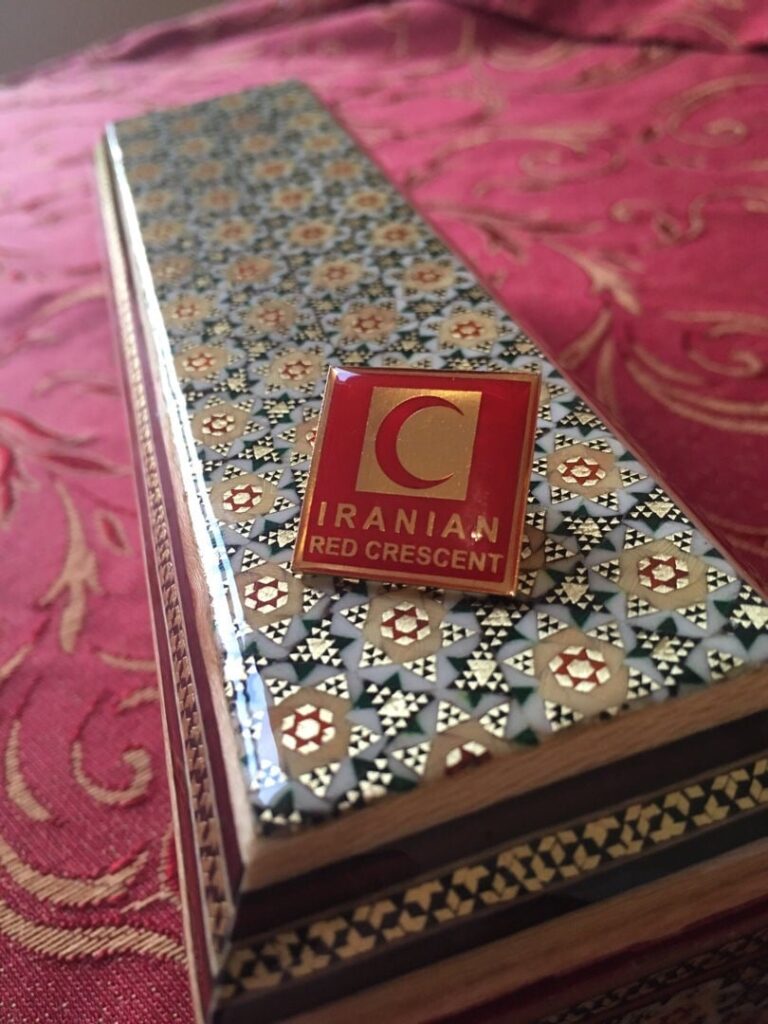
Part of Torbjørn C. Pedersen’s Red Cross, Red Crescent collection / Photo by Pedersen’s website www.onceuponasaga.dk

Q: You visited the Red Crescent Society of Iran. How do you assess the Iranian Red Crescent Society in comparison to those of other countries?

A: The Iranian Red Crescent Society is very strong and influential. It is quite organised and has unique facilities, such as helicopters, factories and newspapers. The Iranian Red Crescent has a long history and is of great significance due to its good international relations. The Society really impressed me. Honestly, I feel very close to the Iranian youths.

Q: For how long are you going to continue your trips?

A: As long as I can travel to my last destination in my project, which I expect to take pace by January 22, 2020. The last destination is the Maldives.

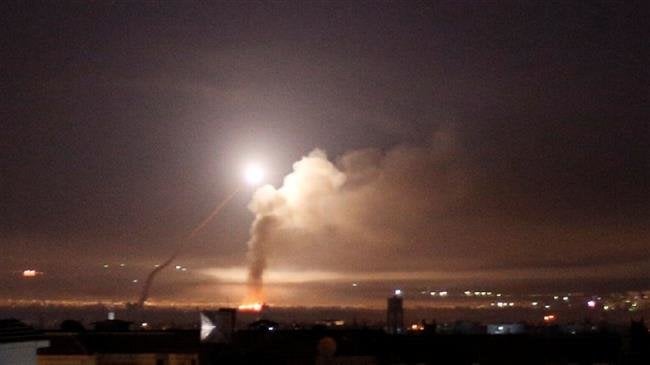
Syria Air Defence Downs Hostile Targets after Israeli Aggression

A military source did not specify the targets but dismissed earlier reports that an Israeli war plane had been downed.

Syrian air defenses responded to the attack aimed at the town of Kiswah, south of the capital Damascus Thursday night, destroying at least five missiles.

They “were able to foil its goals despite the intensity of the aggression,” state media said.

Israeli media claimed that Iranian military advisers as well as fighters from Lebanese resistance movement Hezbollah were the main target in the attack.

Israel claims that Iran’s presence in Syria as part of an advisory mission requested by Damascus poses a threat to the regime’s security. Using this pretext, Tel Aviv has struck alleged positions of Iranian and Iran-backed forces across Syria over the course of the seven-year conflict.

The attacks are usually viewed as attempts to prop up terrorist groups that have been suffering defeats at the hands of Syrian government forces.

Israel and the US have even put pressure on Russia, another close ally of Syrian President Bashar al-Assad in the war against terrorist groups, to force Iran out of Syria.

In October, Moscow equipped Damascus with the advanced S-300 surface-to-air missiles, days after Israeli fighter jets attacking Syrian targets used a Russian surveillance plane flying nearby as a shield and misled the Syrian air defenses to shoot it down.

Since then Israel has been very careful with its operation over Syria.

It is not yet clear whether the S-300s were among the air defense systems used in the Thursday night counterattacks.