Friday, December 26, 2025
Home Blog Page 3396

Three Sentenced to Death for Economic Corruption: Iran’s Judiciary

Iranian Judiciary spokesman, Gholam-Hossein Mohseni-Ejei, told reporters on Sunday that the death sentences were given by special tribunals set up in Tehran, which have so far handed down various sentences to 35 economic offenders.

He added that out of 35 convicts, three were sentenced to death for “spreading corruption on earth,” noting that the sentences would have to be upheld by Iran’s Supreme Court before being carried out.

Mohseni-Ejei said 32 other defendants were given various jail terms up to 20 years for economic corruption.

Earlier this month, Leader of the Islamic Revolution Ayatollah Seyyed Ali Khamenei said enemies of Iran have unleashed an all-out economic and media war against Iran with the aim of creating “despair” and “pessimism” among people.

“Today, the Islamic establishment is faced with an all-out economic war, which is being led from a war room with full precision and hard work,” said the Leader.

The convicts sentenced in the latest round of trials for economic corruption were accused of hoarding public commodities in order to cause panic in the society, causing disturbance in the country’s foreign exchange market with the ensuing devaluation of Iran’s national currency, and helping the enemy in its all-out economic war against the Islamic Republic.

Earlier in August, Iran’s Judiciary Chief Ayatollah Sadeq Amoli Larijani wrote a letter to Ayatollah Khamenei, calling for permission to set up the tribunals in the face of the current special economic conditions which he described as “an economic war.”

Ayatollah Amoli Larijani proposed in his letter that new tribunals be set up for two years and directed to hand down maximum sentences to those “disrupting and corrupting the economy.”

“Given the current special economic conditions that are considered a kind of economic war and, unfortunately, some of those disrupting and corrupting the economy also provide for the enemy’s goals and commit crimes that require urgent and rapid action, if you see fit, please allow the head of the judiciary to act within the framework of the penal code … on those disrupting the economic system,” he wrote.

The letter requested that the trials be held in open court, but that any suspension or mitigation in the sentences of the convicts be prohibited.

It also demanded that all court rulings except the death penalty be final, with death sentences subject to appeal at the Supreme Court within a maximum 10 days.

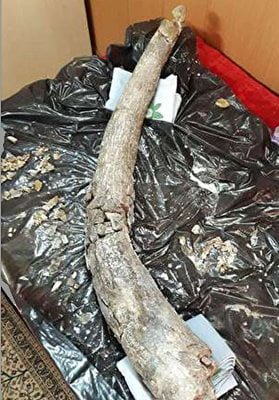
Remnants of 20-Million-Year-Old Elephant Tusks Unearthed in Iran

Mohammad Khodaparast said the remnants date back to the Miocene, the first geological epoch of the Neogene period, from about 23.03 to 5.333 million years ago.

Remnants of 20-Million-Year-Old Elephant Tusks Unearthed in IranThe two fossil pieces were discovered in the site of the Ardabil-Mianeh railroad project, passing through Kowsar town.
The fossils include two one-metre elephant tusks which most likely belong to the Proboscidea from the Miocene with an about 20-million-year history.

According to Khodaparast, the fossil pieces were unearthed during a three-day excavation operation and transferred to the natural history museum of Ardabil province for additional studies.

He also underlined that over the past two years, a number of other fossil pieces have been discovered in the same site and officially registered. They included a number of fossil teeth, jawbone and foot bone remained from various species.

Kowsar is about 80 km southwest of Ardabil.

Iranians Rushing to Deliver Babies on Luxury Dates!

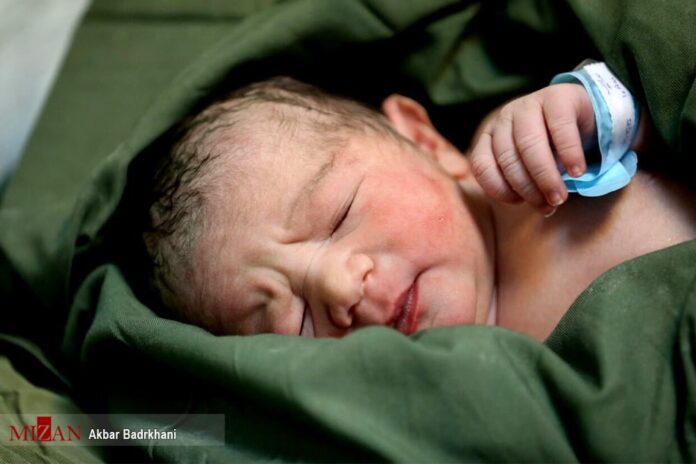
The date 7/7/1397 was one of the busiest days for delivery at hospitals as were similar dates like 6/6/96 (August 28, 2017) and 5/5/95 (July 26, 2016).

Unfortunately, choosing “luxury” dates for the delivery of infants has become all the rage among parents, who use it to show off. Parents compromise their infants’ health for the sake of a chic and prestigious date, so much so that Alireza Raeisi, Iran’s deputy health minister, reacted to the issue and termed it a disaster.

“Unfortunately, a problem we are witnessing in some ostensibly modern societies is that individuals are willing to change the date of their infants’ birth and, for instance, deliver their babies on their date of marriage or another certain date,” said the official.

“So, for example, if their baby is due on 20/7/1397 (October 12, 2018), they plan to have the baby delivered by caesarean on 7/7/97 (September 29, 2018), to make the date of birth an interesting one, but this is a disaster, and it is really worrying to deal with the health of infants and the country’s future generation like this,” he said.

“Bear in mind that tampering with delivery dates will increase the number of infants being hospitalized at the ICU and even the infant mortality rate, and families should be discouraged from doing this,” he said.

He noted that one of the problems is the high rate of caesarean deliveries.

“Although the rate of C-section deliveries has dropped by 7 to 8 percent given the measures adopted, we still have not reached the ideal point in this regard. One should know that natural delivery results in the secretion of special hormones that improve the amount, quality and continuity of breastfeeding,” he said.

Early or late delivery is one of the important factors that can threaten the health of the mother and the newborn baby.

Meanwhile, Azamossadat Mousavi, the head of the Iranian Gynaecologists Association, has also weighed in on pregnant ladies storming some hospitals to have early deliveries on 7/7/1397.

“Unfortunately, in the past two years there has been a cultural change in the country whereby parents want their babies born on special days. We have witnessed this trend in the past as well, and tried to raise mothers’ cultural awareness and asked gynaecologists not to be pressurized by families into helping with early deliveries,” she said.

This comes as other dates such as 8/8/98 or 9/9/99 are ahead, and definitely we will be witnessing a huge rush to have marriages as well as premature or late deliveries on certain dates.

Iran Dismisses “Worthless” Claims by UAE, Bahrain FMs

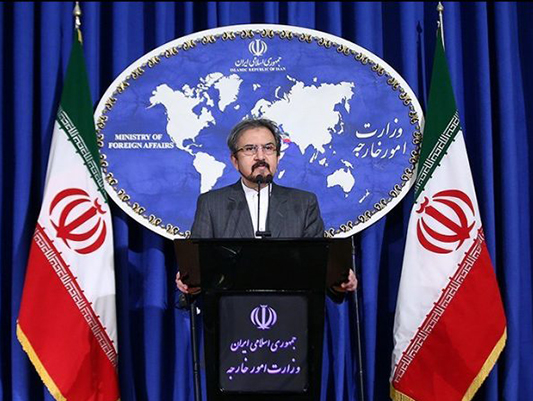
Bahram Qassemi

In a statement on Sunday night, Qassemi reffered to the worn-out claims made by the Emirati and Bahraini foreign ministers, saying the Islamic Republic of Iran has always followed the policy of showing respect for its neigbours.

He said that mutual respect and good neighbourliness are among the main priorities of Iran’s foreign policy, and meddling in the internal affairs of other countries has never been pursued by the Islamic Republic.

“The alignment of the foreign ministers of Bahrain, the UAE and Saudi Arabia with the Zionist regime’s anti-Iran and warmongering policies and attitudes only legitimises the Israelis’ crimes and the regime’s creation of rifts,” Qassemi noted, adding that Abu Dhabi and Manama are destroying their own legitimacy.

He further noted that the wrong approach will make it more difficult for Muslim countries in the region to build mutual trust among themselves.

The foreign ministry spokesman finally advised the UAE and Bahraini authorities to stop blindly following dictated policies that are against the interests of the regional countries and the Muslim world.

“Instead of making baseless allegations against the Islamic Republic of Iran on a daily basis, they had better think about Iran’s initiatives and ideas to provide security, stability and regional cooperation and reduce tensions and misunderstandings in the region,” he concluded.

The UAE Minister of Foreign Affairs on Friday claimed that Iran supplies arms to rebels in Yemen and tries to undermine the UN mediation. Sheikh Abdullah bin Zayed told the UN General Assembly that an “increasingly dangerous” situation had developed through the unprecedented level of Iranian “aggression” in the region.

A day later, Bahraini Foreign Minister Sheikh Khalid bin Ahmed bin Mohammed Al Khalifa also alleged at the UNGA that “Iran is threatening security in the straits of Hormuz and Bab el-Mandeb,” adding that Iran supports Yemen’s Houthis in threatening neighbouring countries.

He further alleged that Iran is adopting a policy of sabotage and supporting terrorism in the region and that achieving lasting security requires a strategic alliance between the countries of the region.

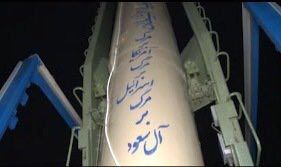
Iran Hits Terrorists’ Positions in Syria to Retaliate against Ahvaz Attack

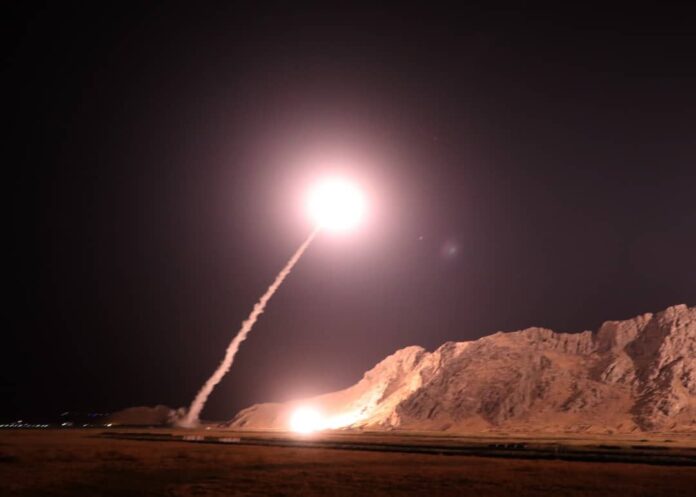
The IRGC struck the terrorist ringleaders’ base to Bukamal region east of the Euphrates in Syria with several ground-to-ground ballistic missiles.

Iran Hits Terrorists’ Positions in Syria to Retaliate against Ahvaz AttackPreliminary reports suggest a large number of Takfiri terrorists and elements behind the Ahvaz terror attack were killed or wounded in the missile strike.
The IRGC has reportedly used Qiam and Zulfaqar missiles to hit the terrorists’ positions. A photo of the missiles shows it was written on them: Death to America, Death to Israel, and Death to Al Saud; the three regimes Iran blames for the Ahvaz attack.

A statement by IRGC says 6 medium range missiles were fired in Operation Blow of Muharram, attacking terrorists from a 570km distance.

The Qiam missile used in the attack has a range of 800km.
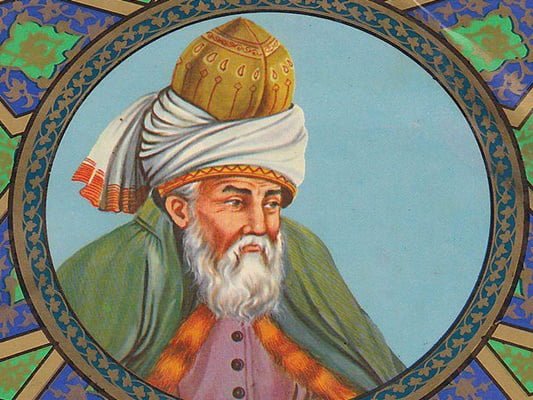
“Rumi Integral Part of Iran’s Rich History, Culture, Literature”

In a Sunday message to commemorate the national Rumi day, the Iranian foreign ministry said “Rumi’s divine language is a universal language associated with divine nature and breathes life into it.”

“Maybe this very universality of Rumi’s language has prompted some to associate their names with Rumi’s and leave no stone unturned to take possession of this master of mystic poetry and make imaginary and illusory and untrue statements to create the impression that Rumi had deviated from the Persian literature and culture,” the message said, alluding to efforts by Turkish officials to call Rumi a Turkish poet.

“The reality is that Rumi has written poems only in Persian,” the Iranian foreign ministry said.

“In our estimation, Rumi is an integral part of the lofty history, culture and literature of Iran and the whole cultural world, which has long been associated with the Iranians’ behaviour and language.”

“Still, we believe that Rumi’s poetry can link nations and bring about further convergence among people who are attached to this renowned Iranian poet,” it added.

It also noted that “in a world devoid of mysticism, love and spirituality, understanding Rumi’s message can solve many of the problems of the human community.”

The message referred to Rumi as the “connecting point between poetry, mysticism and philosophy in the Persian literature.”

“He was a rare genius of history who learned mysticism with great master Shams, and created everlasting works of mysticism and the school of love in the Persian language, so much so that his magnum opus, Masnavi, was called The Quran in the Persian language,” it added.

“Today, September 30, is the day when this prominent Iranian poet is commemorated. On this occasion, we congratulate all intellectuals, culture-loving Iranians, all Persian-speaking people and all those who love the Persian language and those who regard Rumi’s poetry as an integral part of their identity,” it added.

The message came after Turkish President Recep Tayyip Erdogan, in his address to the UN General Assembly earlier this week, referred to Rumi as a Turkish poet, which is a distortion of history, as the renowned Persian poet is just buried in Konya, the modern-day Turkey, and all his poems are in Persian.

“Rumi Integral Part of Iran’s Rich History, Culture, Literature”

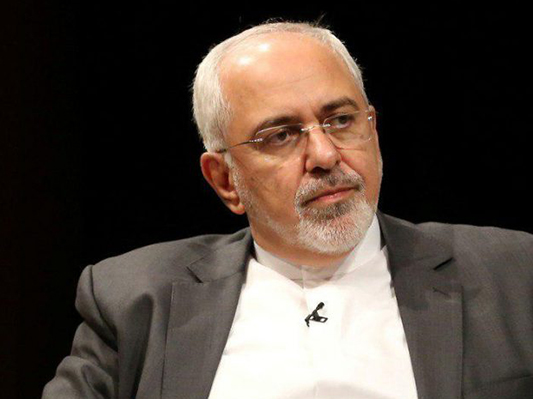
Iran, EU on Verge of Oil Deal in Defiance of US Bans: Zarif

Zarif made the remarks in an interview with reporters in New York on Saturday. New York Times says the Iranian top diplomat sounded far more optimistic than he had in recent months that he could peel away America’s traditional allies to break Trump’s effort to cut off Iran’s revenues.

If the arrangement comes to fruition, it would constitute the most open break between US President Donald Trump and European allies that objected vociferously to his decision to pull out of the 2015 nuclear deal.

At the core of the agreement that Iran and Europe are trying to forge is a mechanism for paying for Iran’s oil in barter and local currencies, rather than in American dollars. The idea is to route around the United States and prevent it from blocking financial transfers — and perhaps from identifying those involved in the transactions.

“This is for us to sell our oil and get the proceeds,” Zarif said, noting that under the United Nations resolutions passed once the 2015 agreement was reached, countries have the legal right to trade with Iran.

Zarif further dismissed Trump’s escalating verbal attacks on Iran’s missile sales and its support of Hezbollah, Hamas and the Syrian government of Bashar al-Assad. He laughed when asked whether the United States could bring down the current Iranian government with mounting financial pressure.

Nor did Zarif expect the United States to attack key Iranian facilities, he said.

“If the US believed it would have succeeded in such an attack, it would have done so already,” he said.

Asked about his recent conversations with Kerry, whom Trump and his Secretary of State Mike Pompeo have accused of undermining American foreign policy, Zarif said the messages were simple.

“What he has done is encourage us to stay in the deal,” he said. As for the threats by Trump to investigate Kerry, he said, “I didn’t realize you still had witch hunts going on in the United States” — a nod to one of Trump’s favourite phrases about the Russia investigation.

On the subject of claims by Israeli Prime Minister Benjamin Netanyahu that Iran had hidden nuclear-related components in a warehouse in Tehran, Zarif said he believed that it was a cleaning facility for Persian rugs. But he would not commit to letting inspectors from the International Atomic Energy Agency visit.

Most Popular Side Businesses Run by Iranian Celebrities

In the past, it was not customary for “celebrities” to do any jobs other than what they were known for, let alone a job almost or completely unrelated to their main profession.

Whether under the pretext of economic activity or for the sake of personal interest, celebrities nowadays have second jobs in various economic fields.

The Shahrvand newspaper has, in an article, taken a look at the second jobs of prominent figures in the domains of sports and the silver screen.

Acting and being seen on the screen in cinemas or on TV is among the wishes that most of us have had during our lives. Nevertheless, it seems that acting cannot be regarded as a job any longer because many of those whose dream of becoming an actor or actress has come true have opted for a second job to meet ends meet.

Most Popular Side Businesses Run by Iranian Celebrities
Amirhossein Rostami

Amirhossein Rostami, a TV and cinema comedian, works as the commercial manager of a private company and, at the same time, is the youngest member of the Iran-UAE Chamber of Commerce.

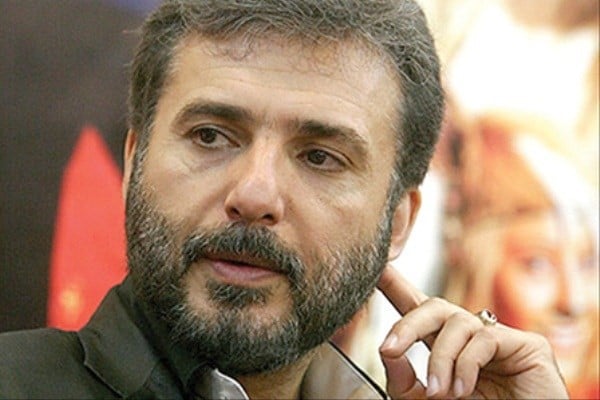
Javad Hashemi, known by most people as the good man of television, has been teaching at a cultural centre in Tehran for years.

Omid Rouhani, another star of stage and screen in Iran, takes on the same roles that he plays in real life as well. His second job is practicing medicine.

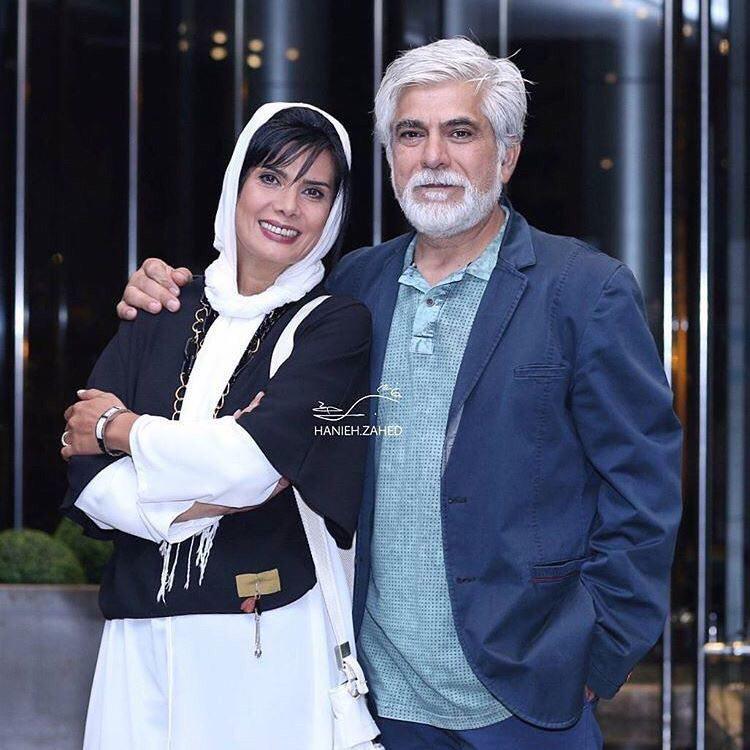
Hossein Pakdel was a popular figure in the 1980s. He used to be a TV host, and is also involved in writing plays and directing films. He and his wife have a “book café” in a garden in the city of Karaj to the west of the capital, Tehran.

Most Popular Side Businesses Run by Iranian CelebritiesIf you drive along the Hemmat Highway and the Sattari Junction in Tehran, you see murals which are the handiwork of Laleh Eskandari. In fact, the actress’ second job is to do photography, tilework and painting.

Most Popular Side Businesses Run by Iranian CelebritiesNegar Javaherian is among the actresses assuming sensitive roles in films. She used to work as a journalist, and has chosen translation as her second job. She has translated several plays.

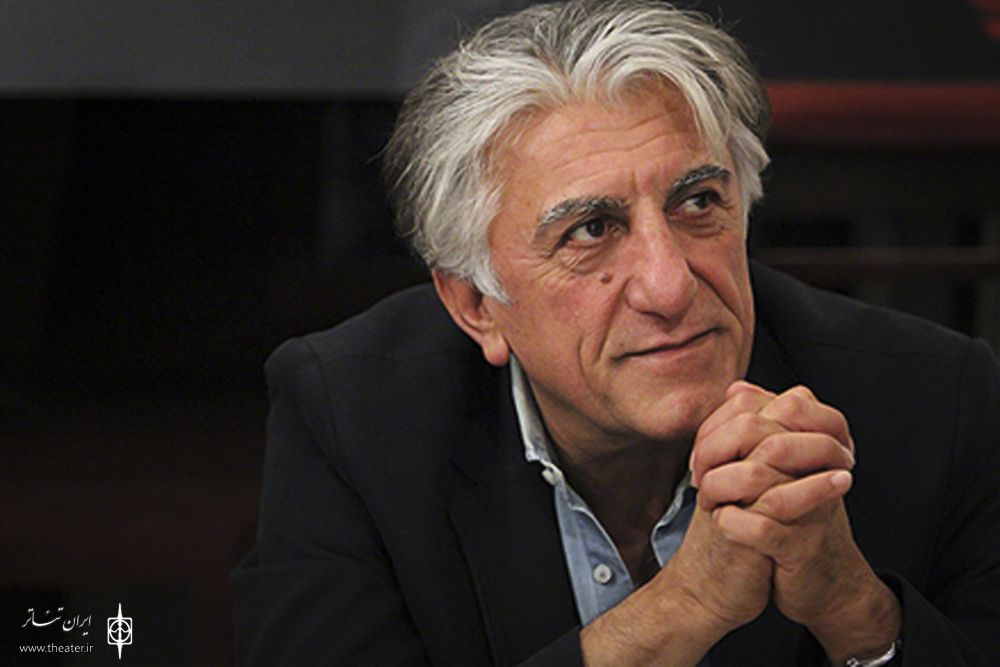
Most Popular Side Businesses Run by Iranian CelebritiesReza Kianian, the Robert Deniro of Iran, is interested in writing, photography and sculpturing. He entered cinema in 1989 and has won several awards. He is an author as well.


Most Popular Side Businesses Run by Iranian Celebrities

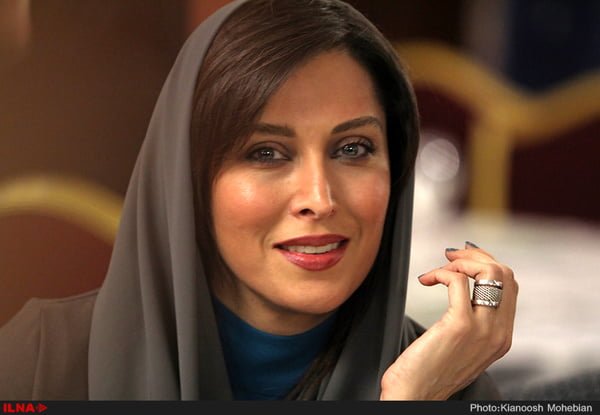
Another popular cinema star is Mahtab Karamati, who is the UNICEF’s goodwill ambassador to Iran and designs clothes as well. He is a famous clothes designer and the owner of one of Iran’s well-known brands.

Most Popular Side Businesses Run by Iranian Celebrities
Mohammad-Reza Golzar

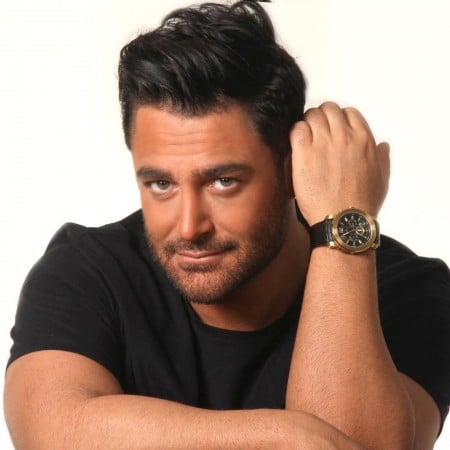
Mohammad-Reza Golzar, the coloured-eyed Iranian superstar, has tried different jobs. Working as a ski instructor and conducting a music group as well as running a men’s beauty salon are part of the careers he has experienced. He also does modelling and produces clothes.

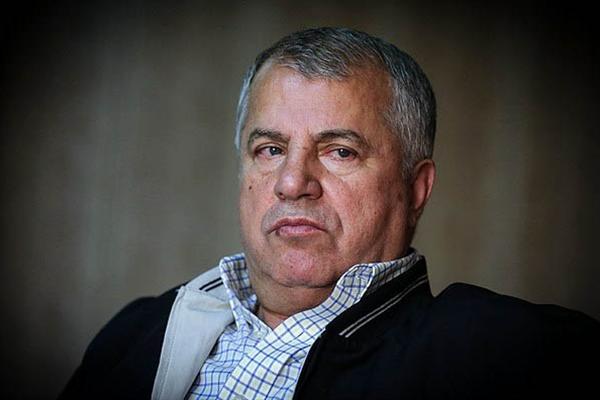
Veteran sportsman Ali Parvin was a football player in the 1970s. He has always arranged all his appointments and meetings in his car showroom.


Most Popular Side Businesses Run by Iranian Celebrities
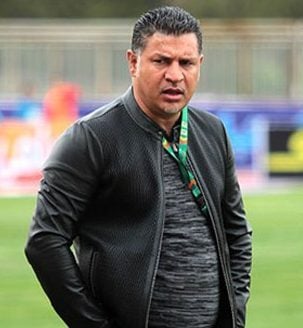
Ali Daei

Ali Daei was also among the first footballers in recent decades to get involved in trade. Everybody knows his sports outfit shop at Monirieh square in Tehran. Of course, this was not his only business. Among the jobs of the world’s top scorer are trading in Mercedes Benz and BMW cars, producing sports garments, running shops in different parts of Tehran, etc.

Karim Bagheri, a contemporary of Ali Daei, also entered the world of trade. As he was in love with yellow-coloured Swedish Volvo vehicles, he imported lorries and exported sultanas. He has also entered the carpet trade thanks to his father-in-law.

Hadi Saei, a former Iranian taekwondo champion, was a member of the City Council. However, he never accepted that position as a profession, and, hence, opened a horse-riding school in Karaj.

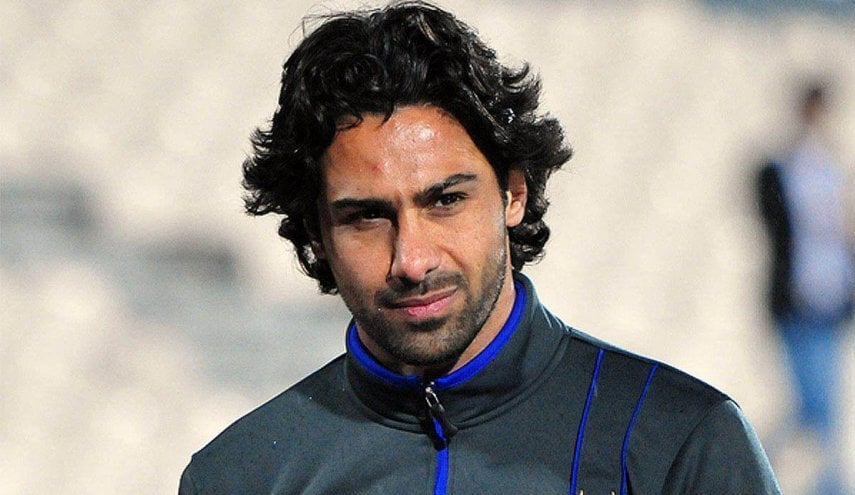
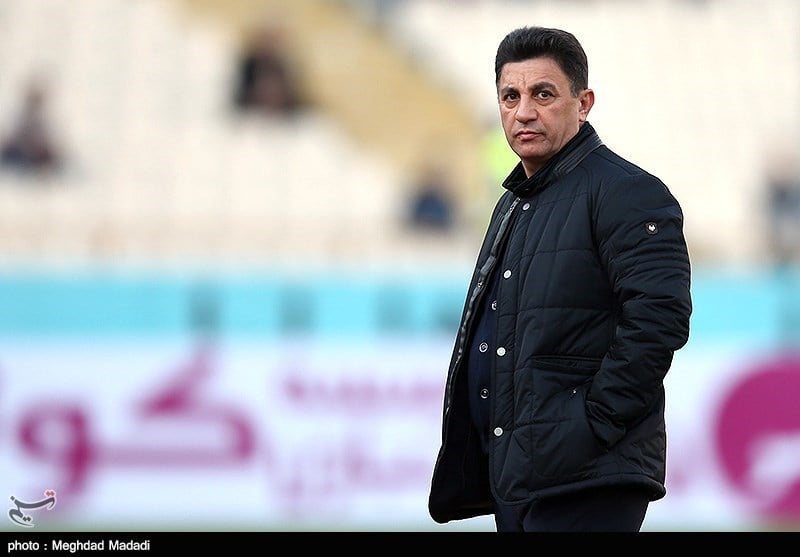
Reza Enayati, a forward of the Tehran powerhouse Esteghlal, Farhad Majidi, a former Esteghlal player, and Amir Ghalenoui, the manager of several football teams in the Persian Gulf Pro League, are among eminent Iranian footballers who are engaged in land development.

Most Popular Side Businesses Run by Iranian Celebrities
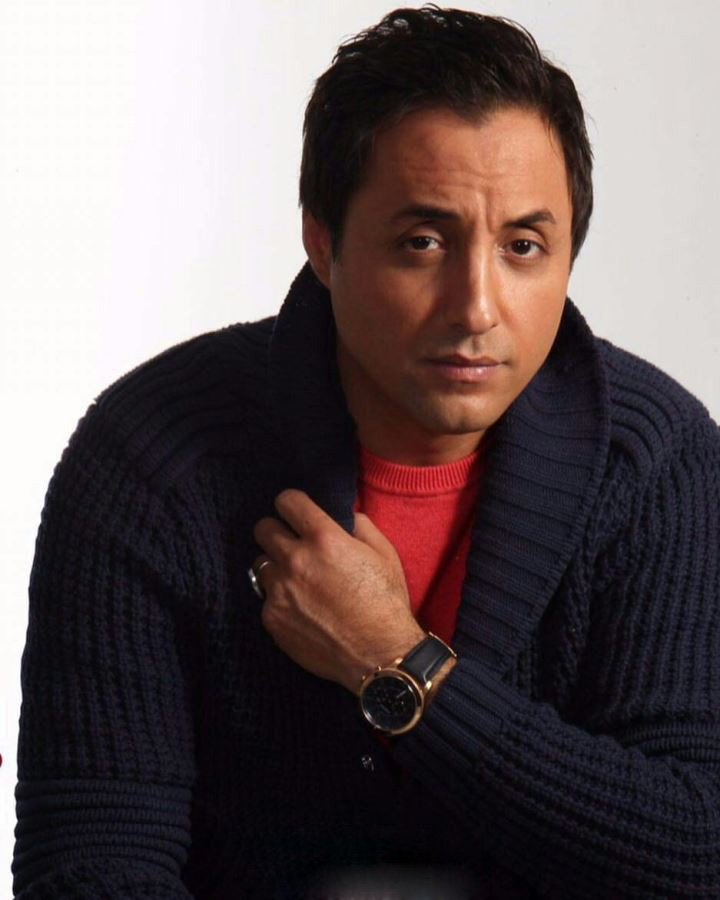
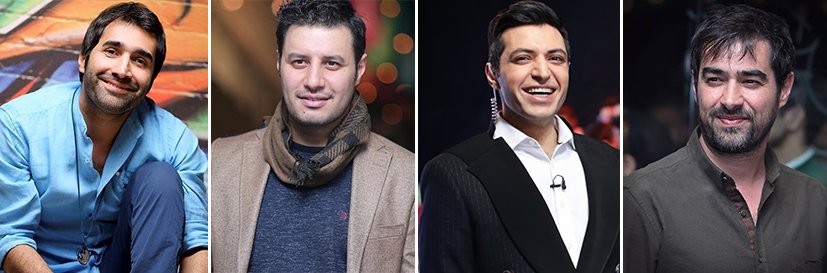
Hadi Kazemi, Javad Ezzati, Ashkan Khatibi, Shahab Hosseini

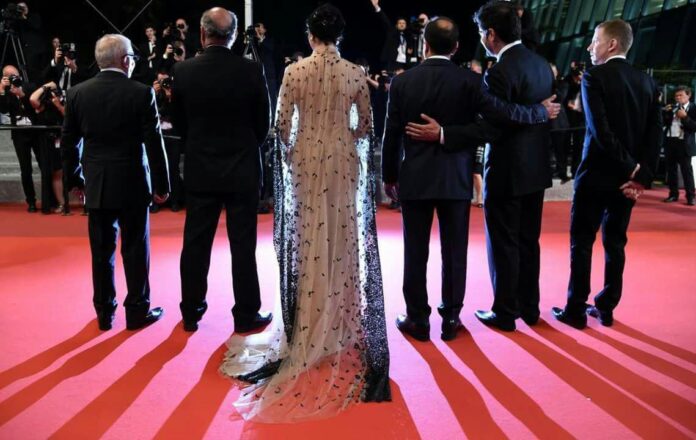
Among well-known TV and cinema actors, Ashkan Khatibi was the first one to get engaged in running restaurants. After him, many artists opted for getting involved in restaurant management. The most famous Iranian artists running restaurants are Hadi Kazemi who won fame for his comedic roles, Javad Ezzati, another player of comedies and drama films, Sam Derakhshani, and Shahab Hosseini, an acclaimed actor at the Berlin international festival.

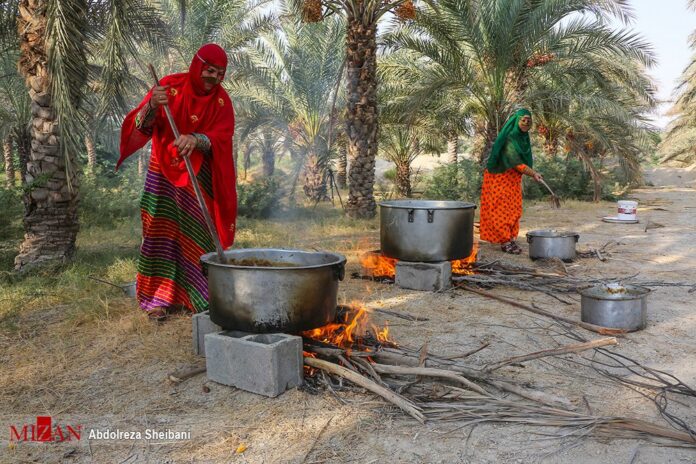
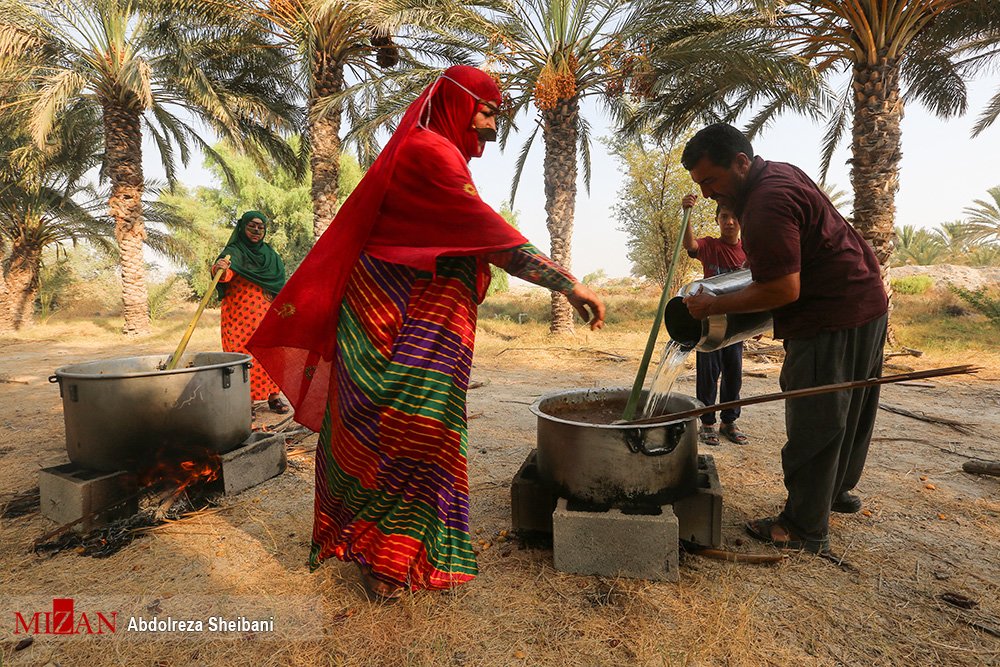
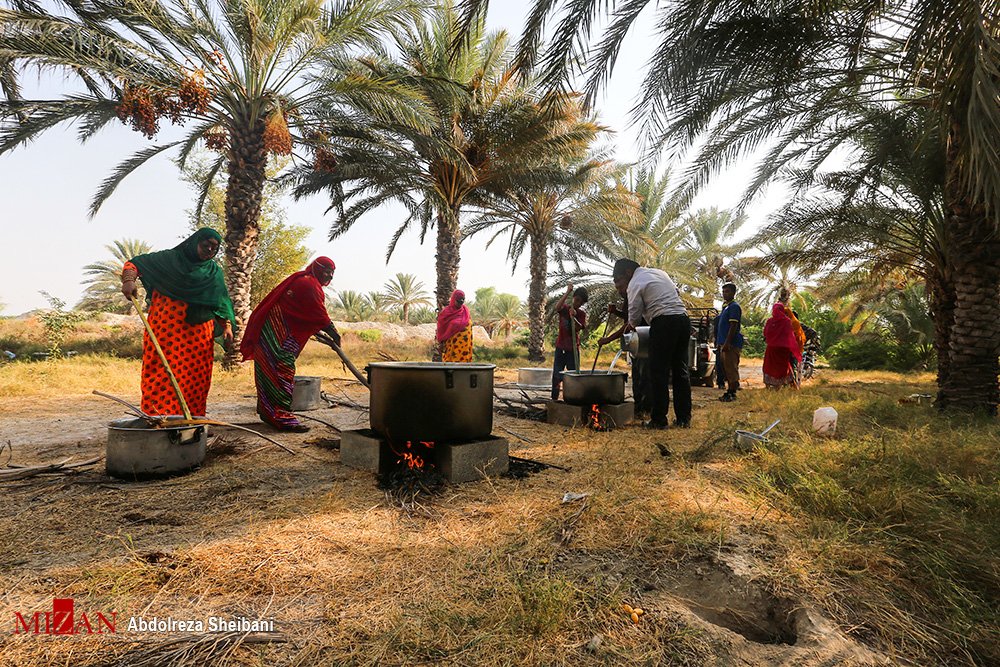
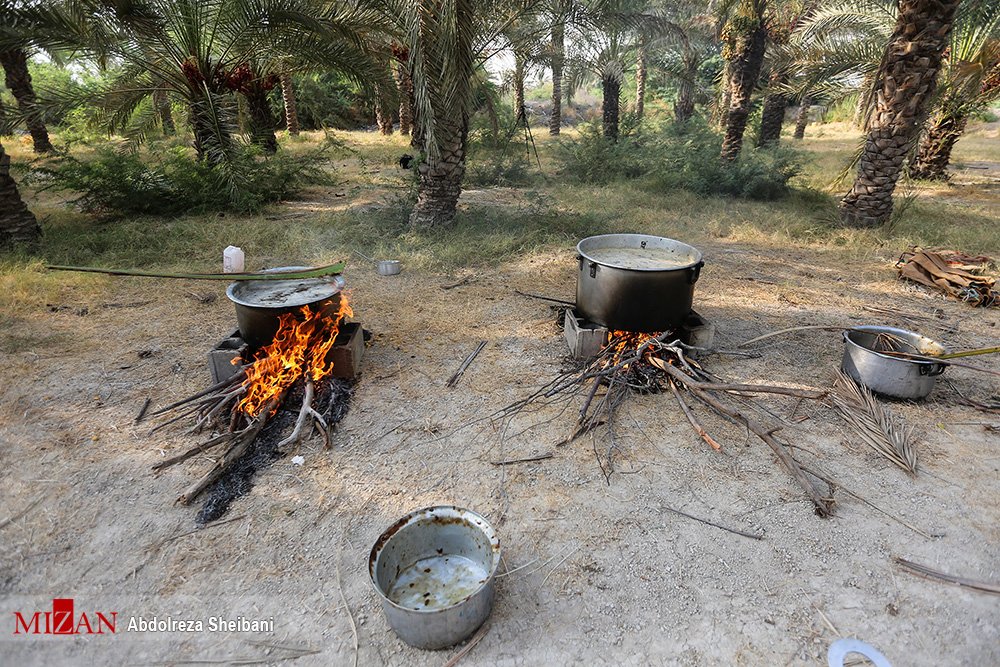
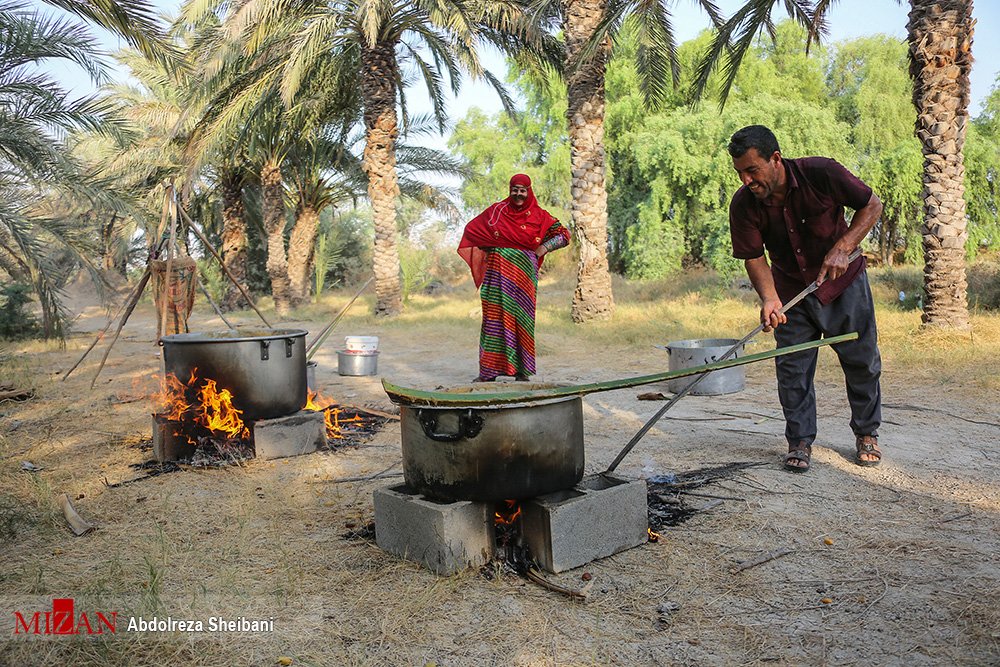
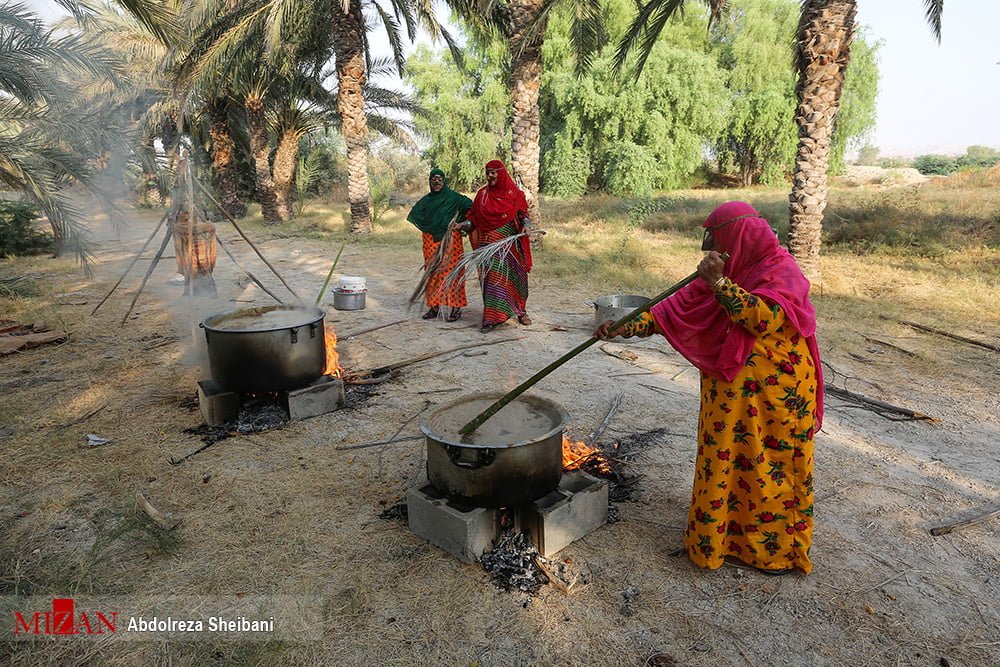
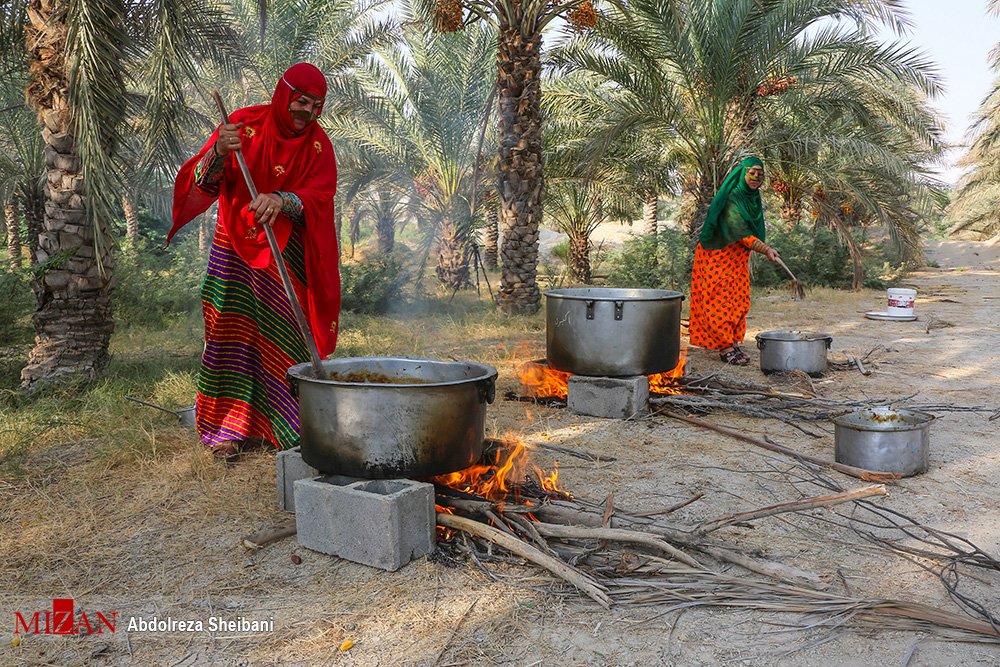
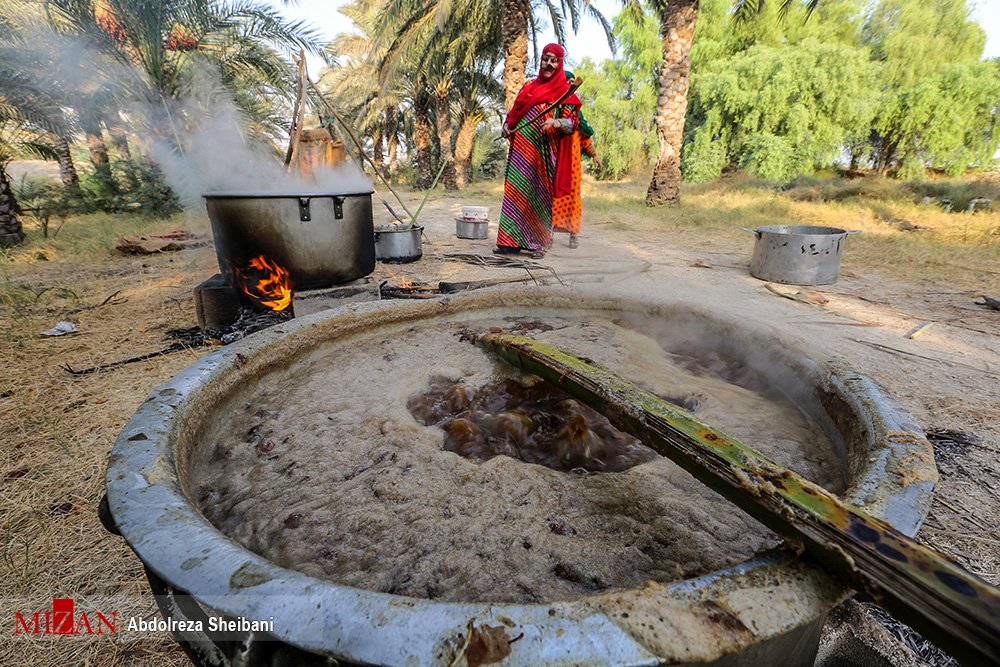
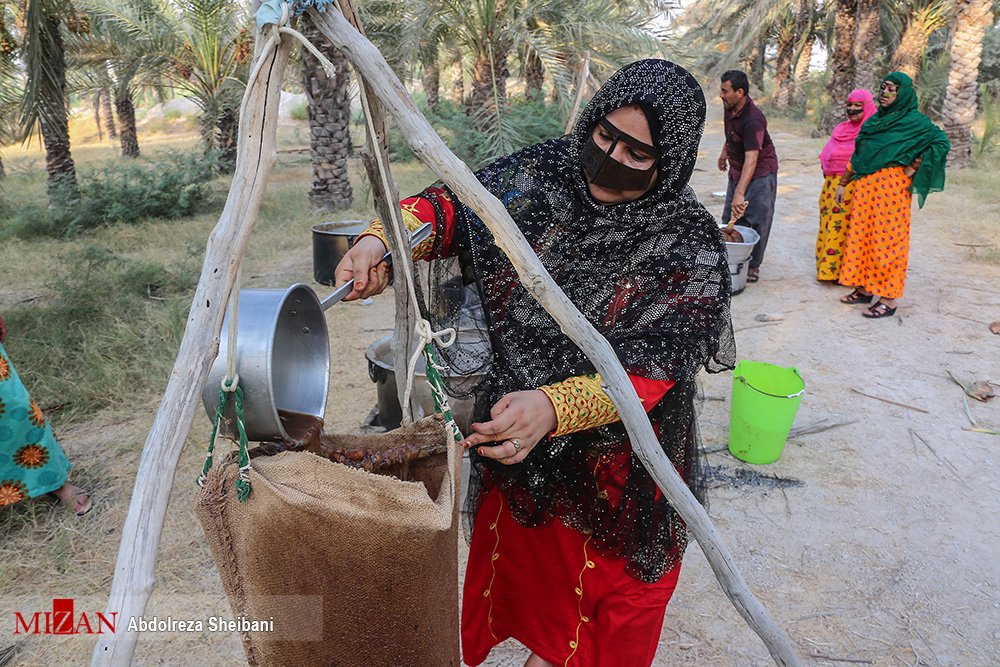
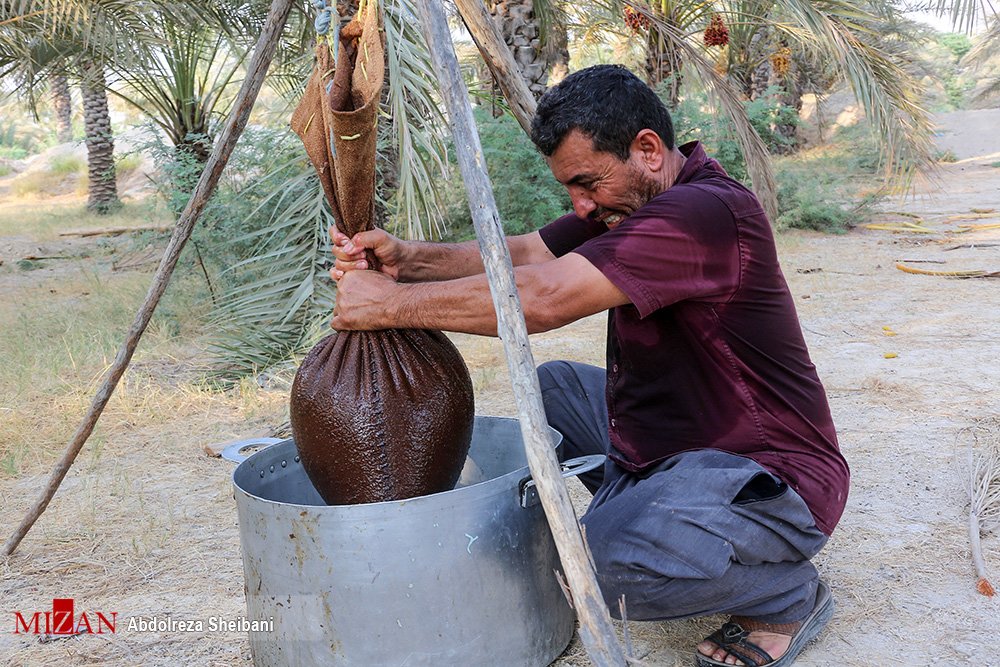
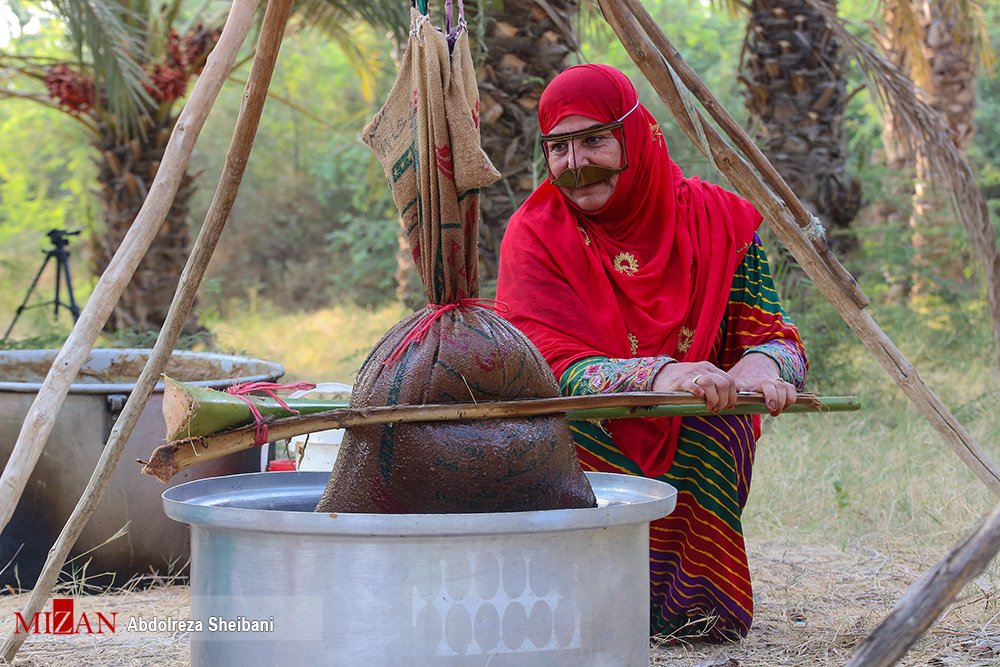
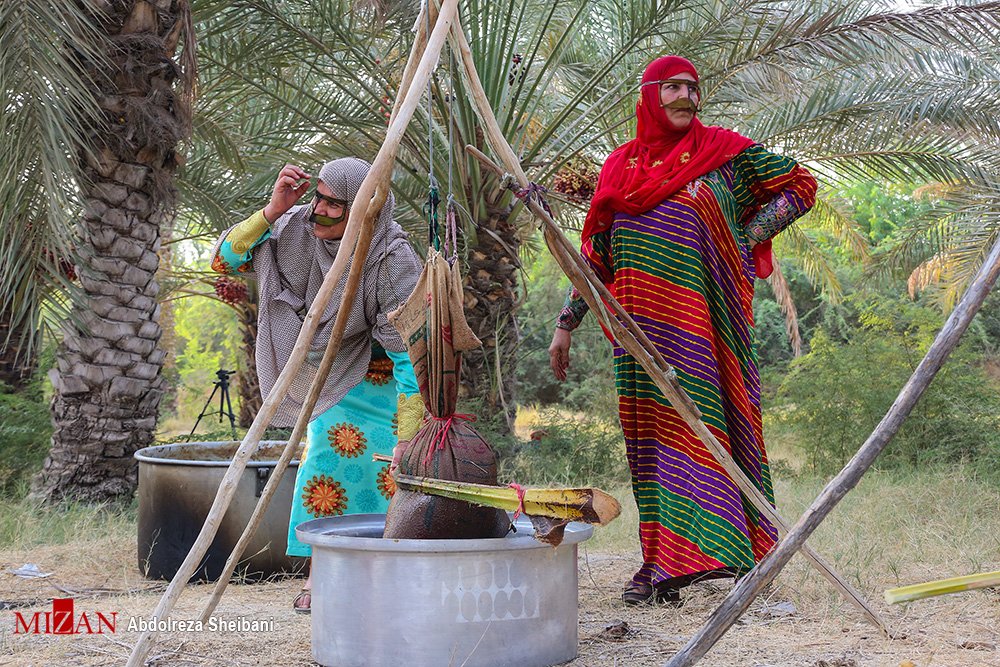
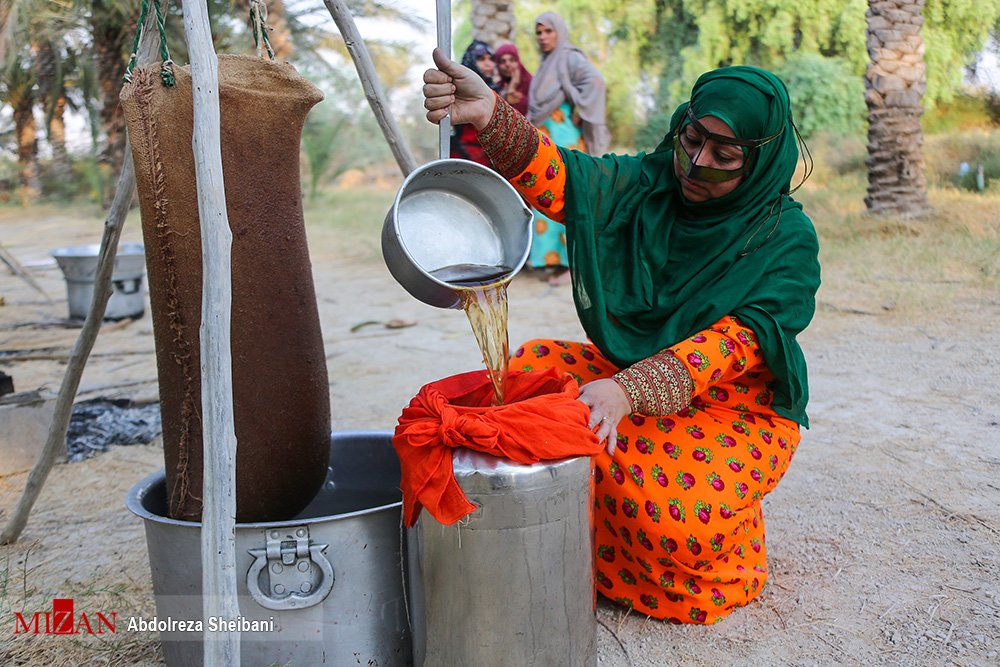
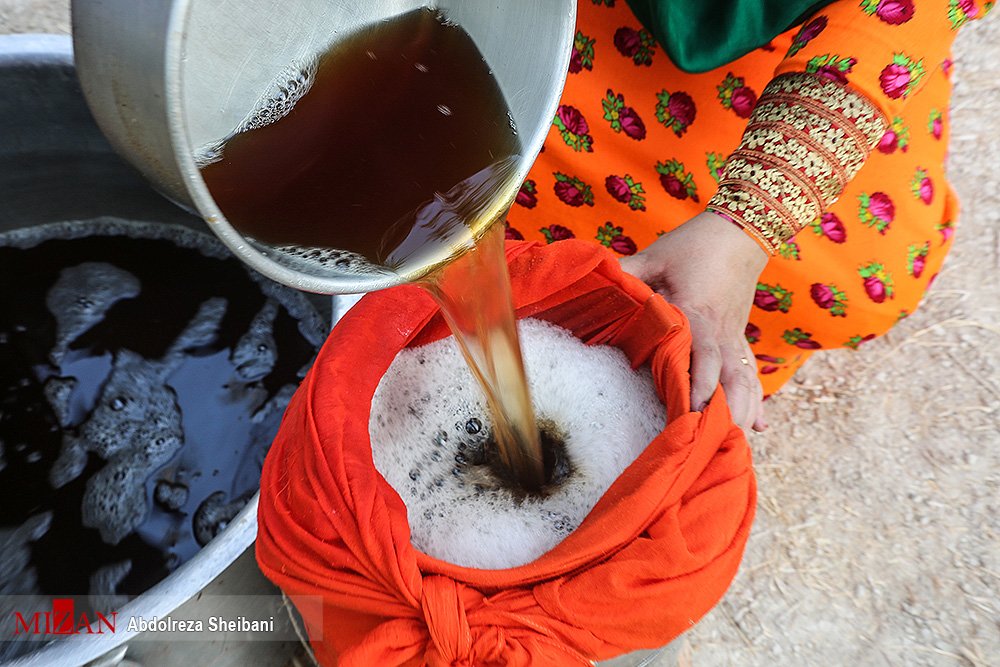
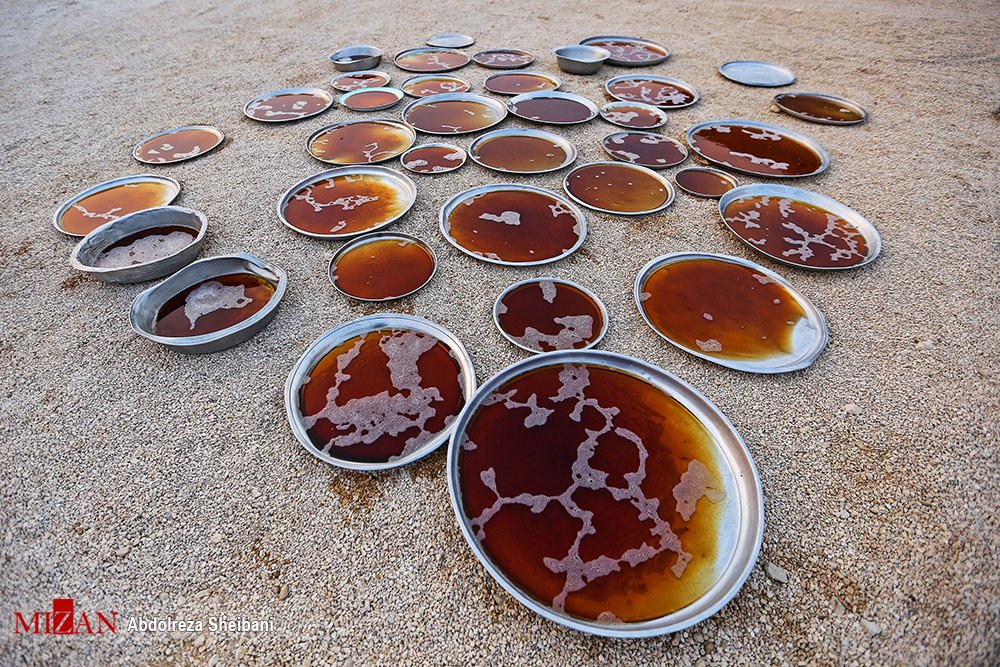
Preparing Doushab; Old Tradition among Iran’s Date Farmers

To prepare Doushab, farmers first pour the dates into the water and boil them. Then, they put the product in special bags to remove the diluted syrup.

In the end, they pour the diluted syrup in trays and put them in the sun for a few days to get hard.

Here are photos of the process retrieved from Mizan Online:

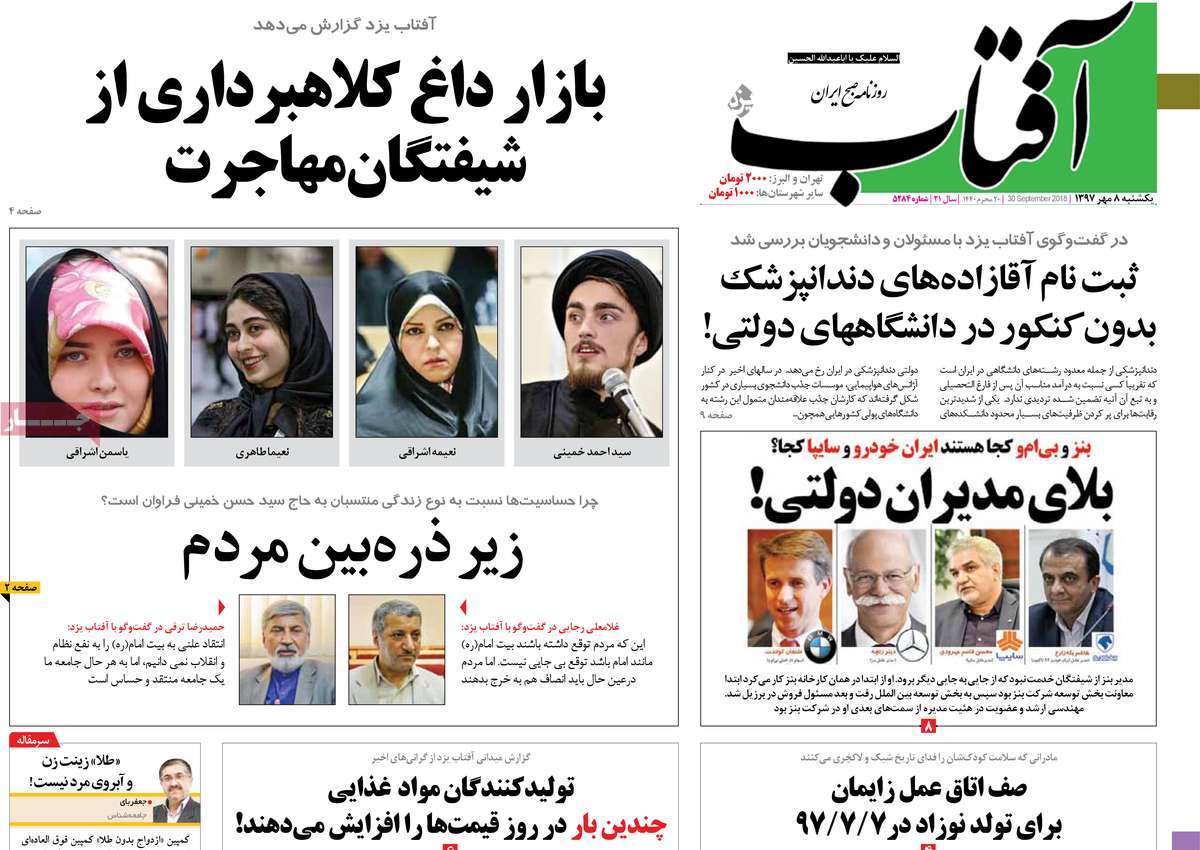
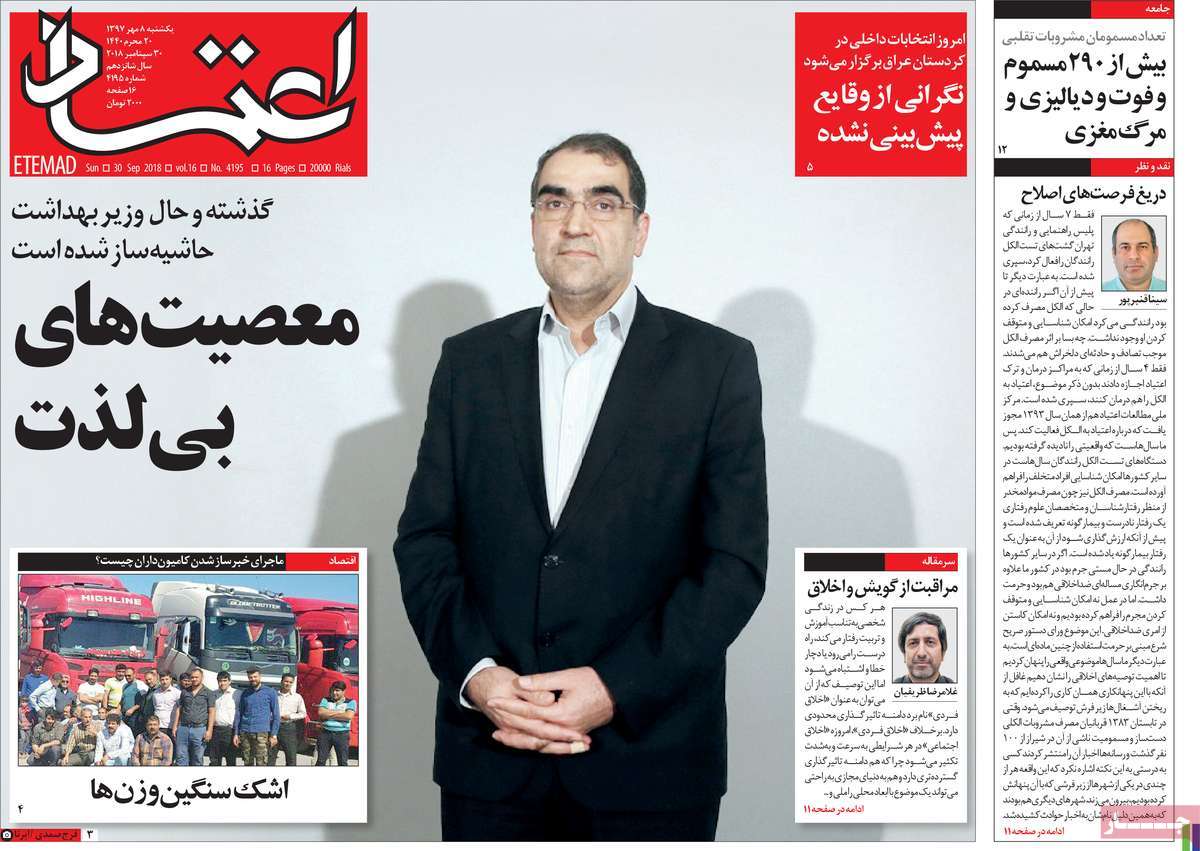
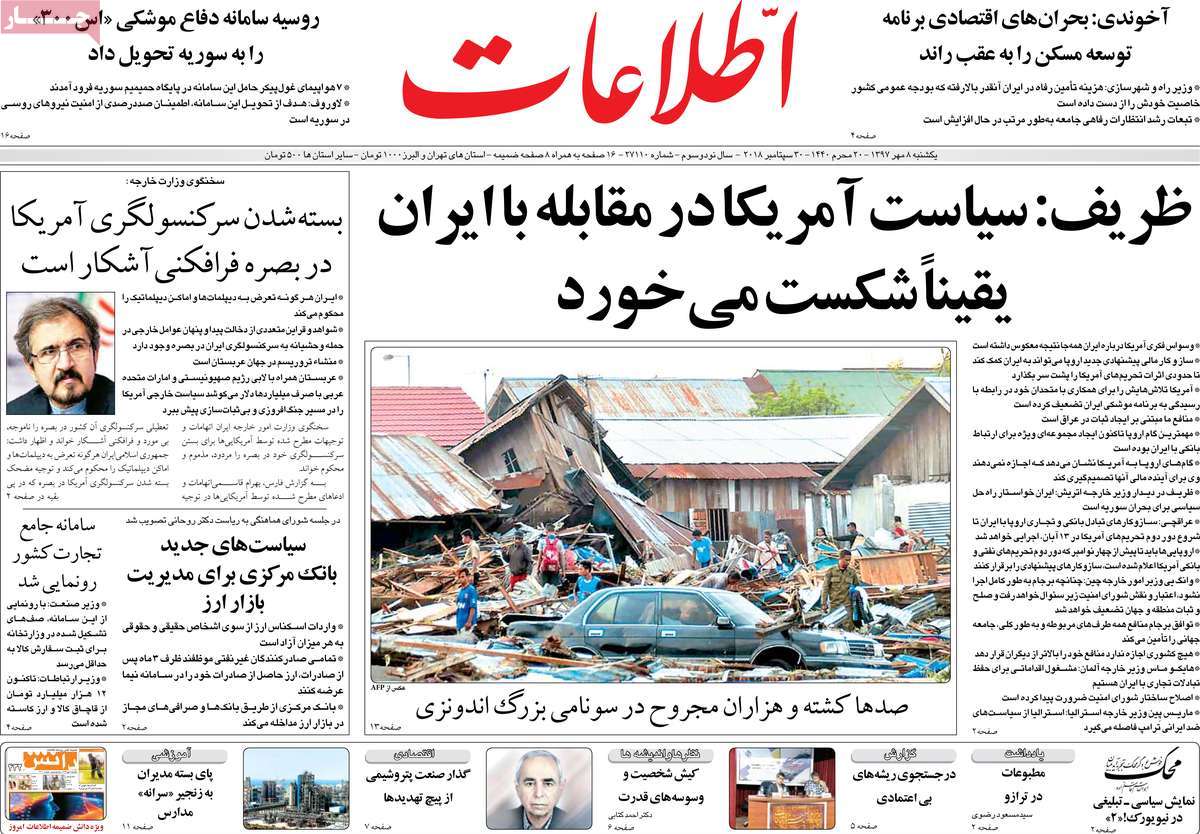
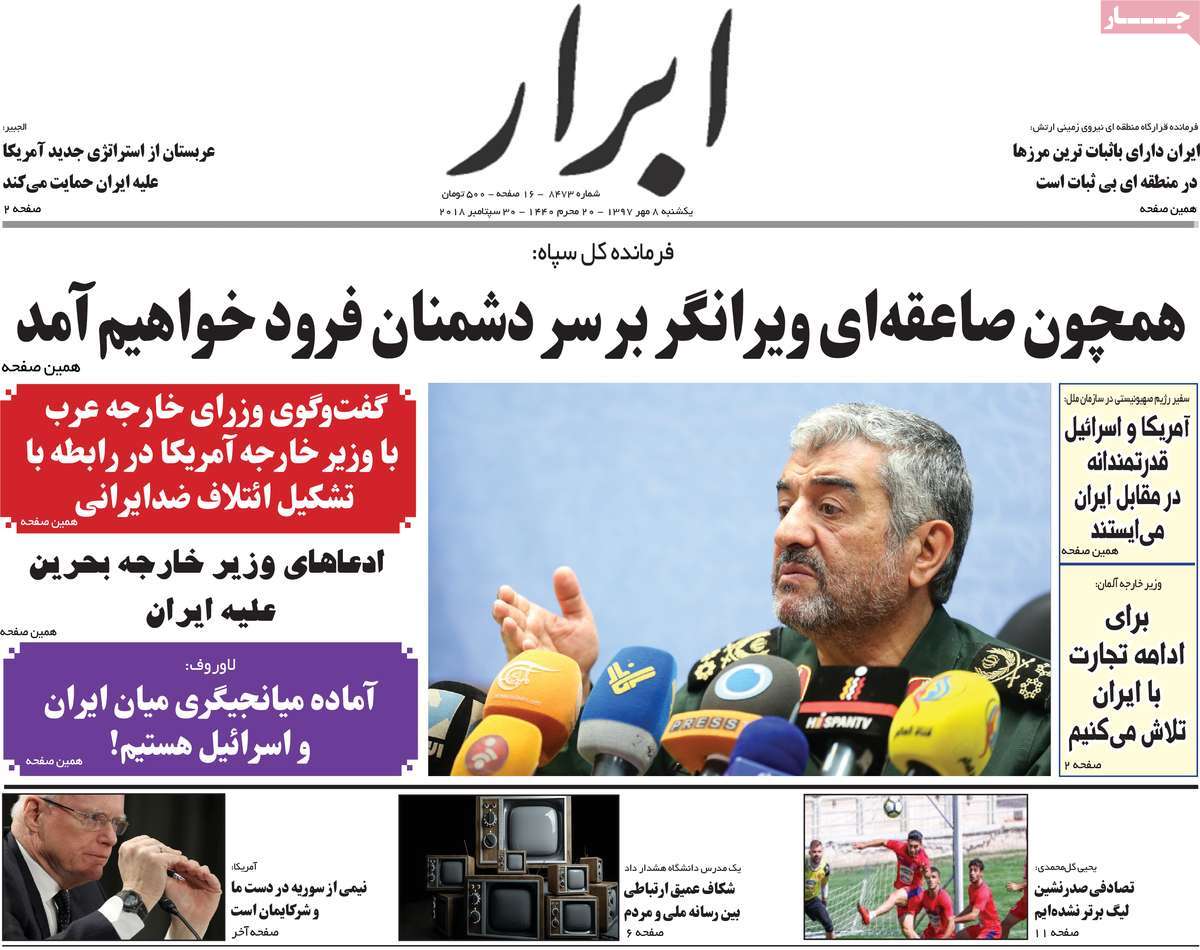
A Look at Iranian Newspaper Front Pages on September 30

A Look at Iranian Newspaper Front Pages on November 19

Newspapers today covered the latest speeches and meetings at and on the sidelines of the UN General Assembly, which is underway in New York.

Several papers highlighted the justifications provided by the US for closing its consulate in the Iraqi city of Basra, and Iran’s rejection of the accusations raised as a pretext by Washington.

The above issues, as well as many more, are highlighted in the following headlines and top stories:


Abrar:

1- Arab FMs Meet US Secretary of State to Form Anti-Iran Coalition

2- Lavrov: We’re Ready to Mediate between Iran, Israel!

A Look at Iranian Newspaper Front Pages on September 30


Aftab-e Yazd:

1- Those Who Long to Immigrate Being Blackmailed in Iran

2- Pregnant Women Queuing Up to Deliver Their Babies on 7/7/97

A Look at Iranian Newspaper Front Pages on September 30


Etemad:

1- People in Iraqi Kurdistan Go to Ballot Boxes; Worried about Unpredicted Events

2- Over 290 People Killed, Brain Dead, Poisoned by Drinking Dodgy Booze

A Look at Iranian Newspaper Front Pages on September 30


Ettela’at:

1- Zarif: US Policy on Iran Will Definitely Fail

2- Russia Delivers S-300 Missile Defence System to Syria

3- Iran Rejects US Justifications for Closing Its Consulate in Basra

A Look at Iranian Newspaper Front Pages on September 30


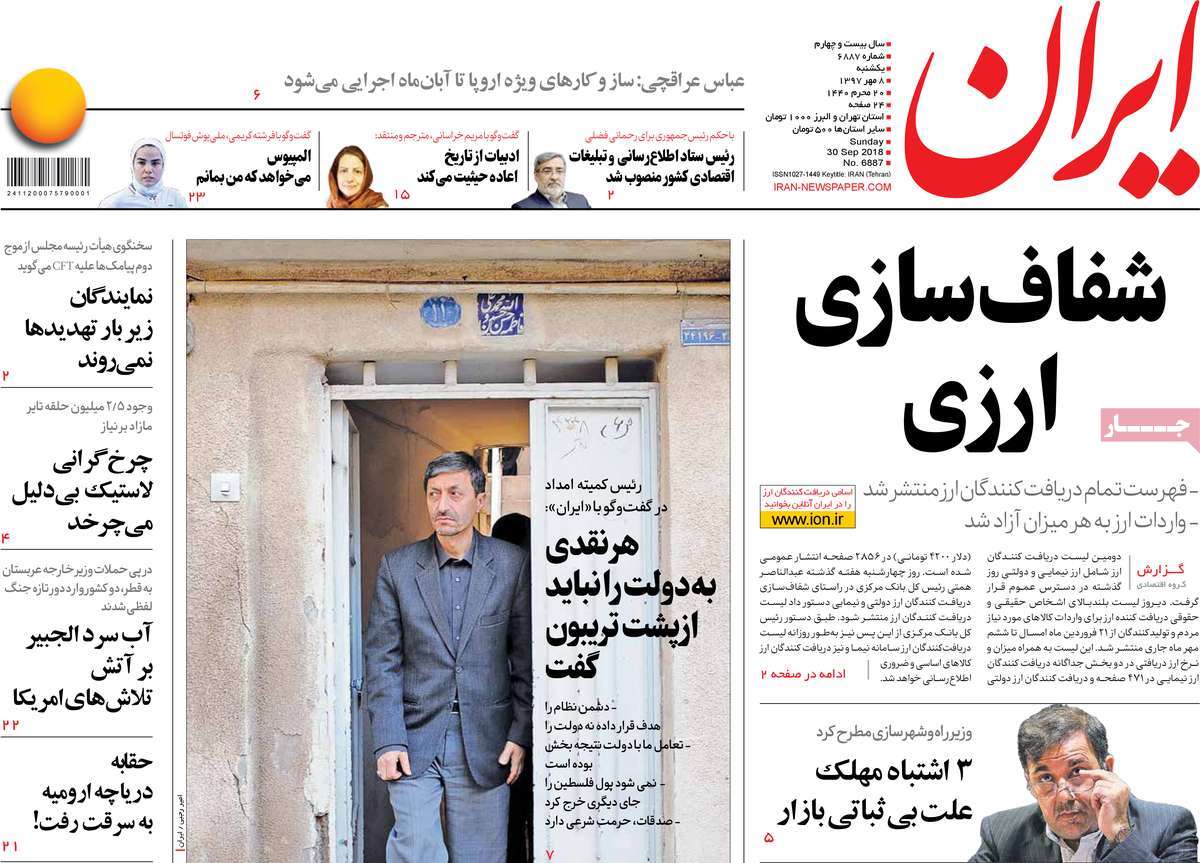
Iran:

1- Saudi FM Jubeir Verbally Attacks Qatar, Neutralizes US Efforts

2- Araqchi: EU’s Special Mechanisms to Keep Trade with Iran to Be Implemented by NovemberA Look at Iranian Newspaper Front Pages on September 30


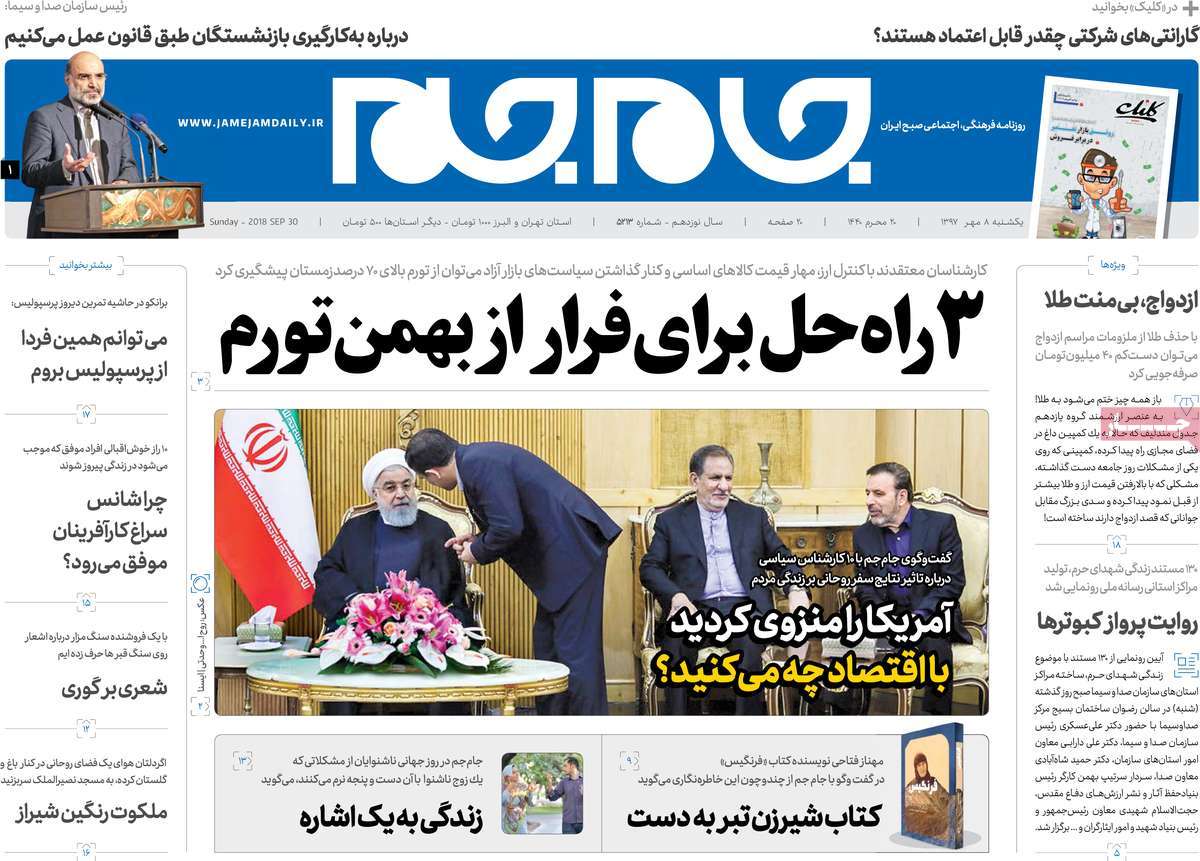
Jame Jam:

1- You Isolated the US, Now What Will You Do with Economy?

  • Political Experts Discuss Results of Rouhani’s New York Visit on People’s Lives

A Look at Iranian Newspaper Front Pages on September 30


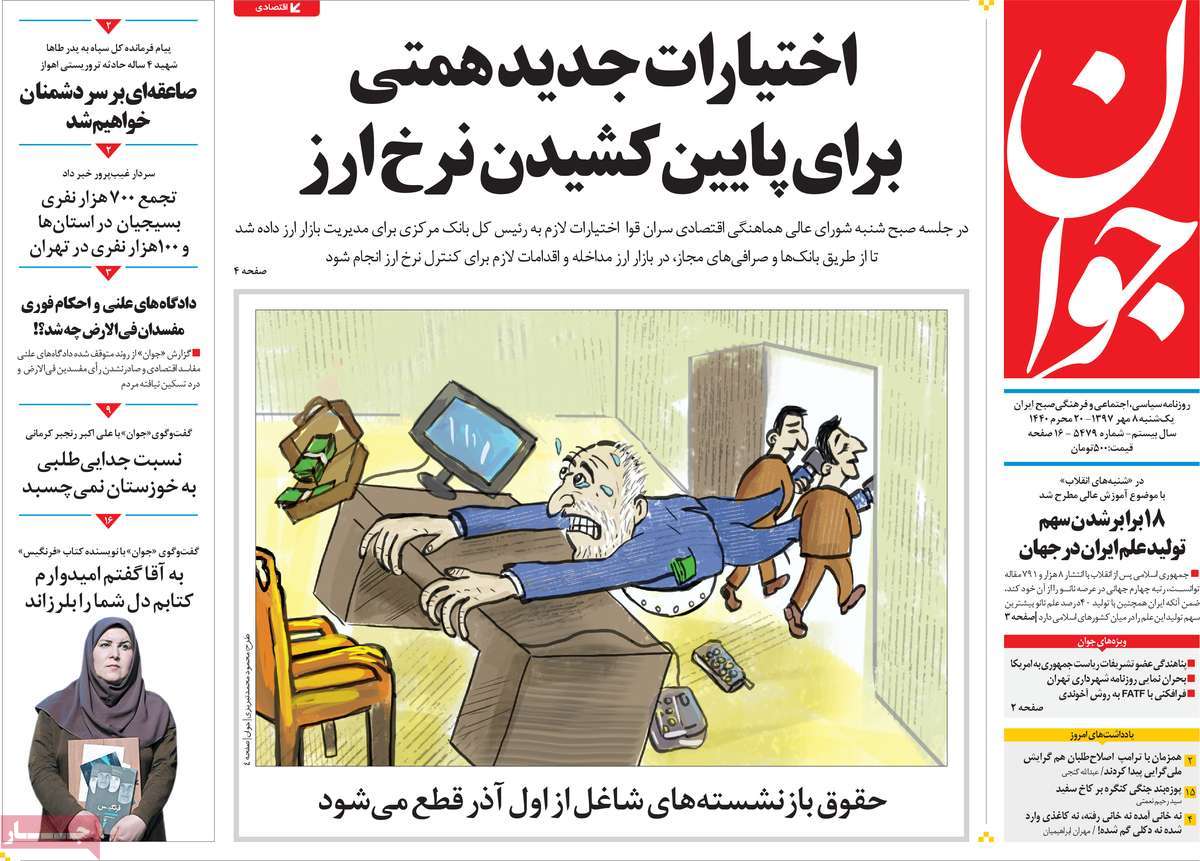
Javan:

1- Iran’s Global Share of Knowledge Production Increases by 18 Times

2- IRGC Chief: Iran to Give Crushing Response to Enemies

A Look at Iranian Newspaper Front Pages on September 30


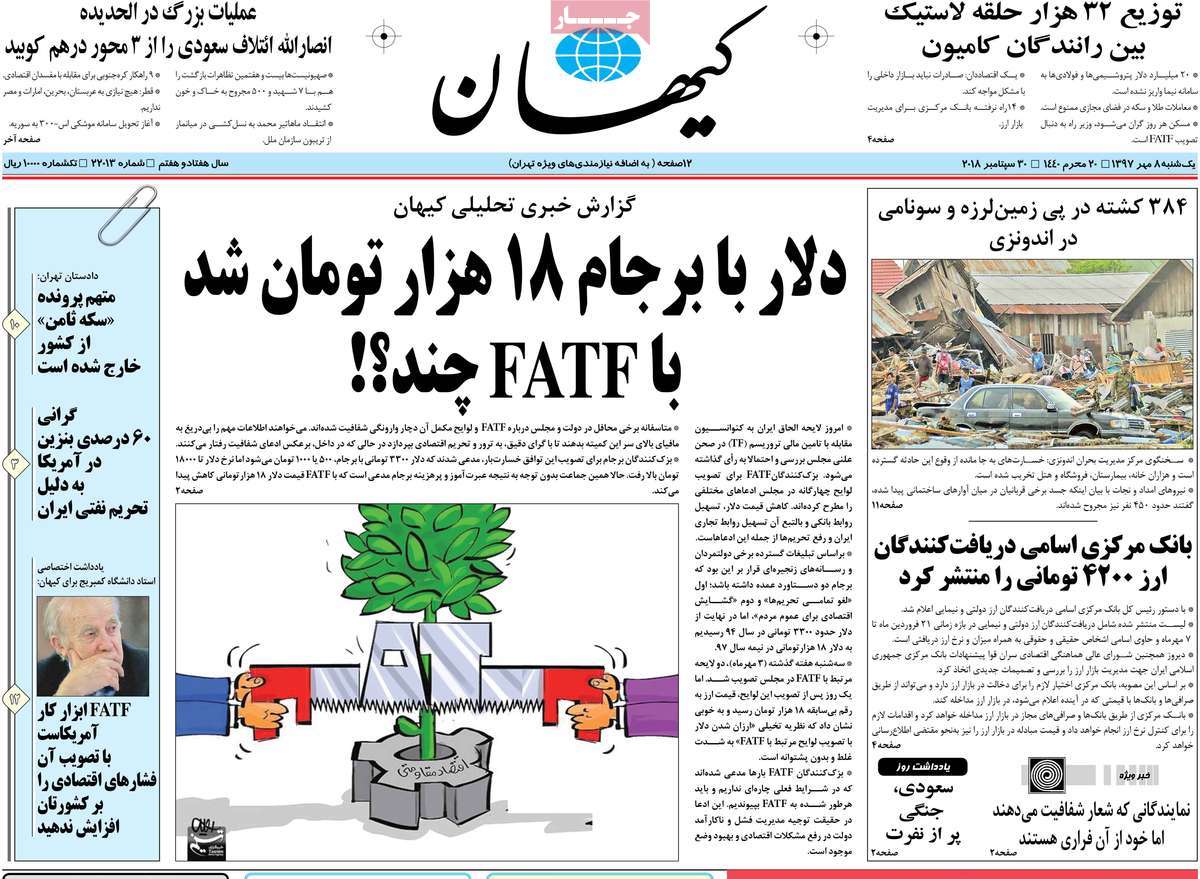
Kayhan:

1- With JCPOA, Dollar Rate Stands at IRR 180,000; How Much with FATF?

2- Cambridge Professor: FATF an Instrument of US

  • Don’t Increase Economic Pressure on Your Country by Approving It

3- 60% Increase in Gas Prices in US over Iran Oil Sanctions

A Look at Iranian Newspaper Front Pages on September 30


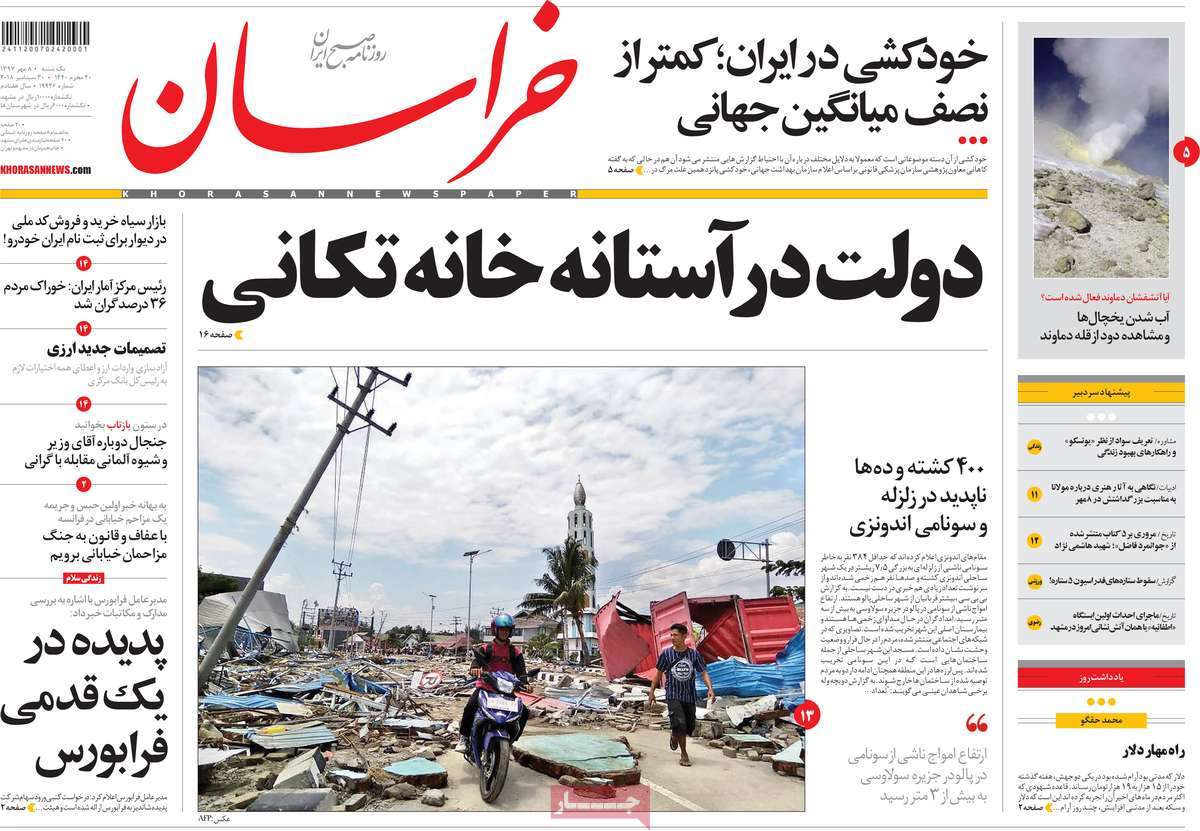
Khorasan:

1- Government on Verge of Reshuffle

2- Suicide in Iran, Half of the World Average

A Look at Iranian Newspaper Front Pages on September 30


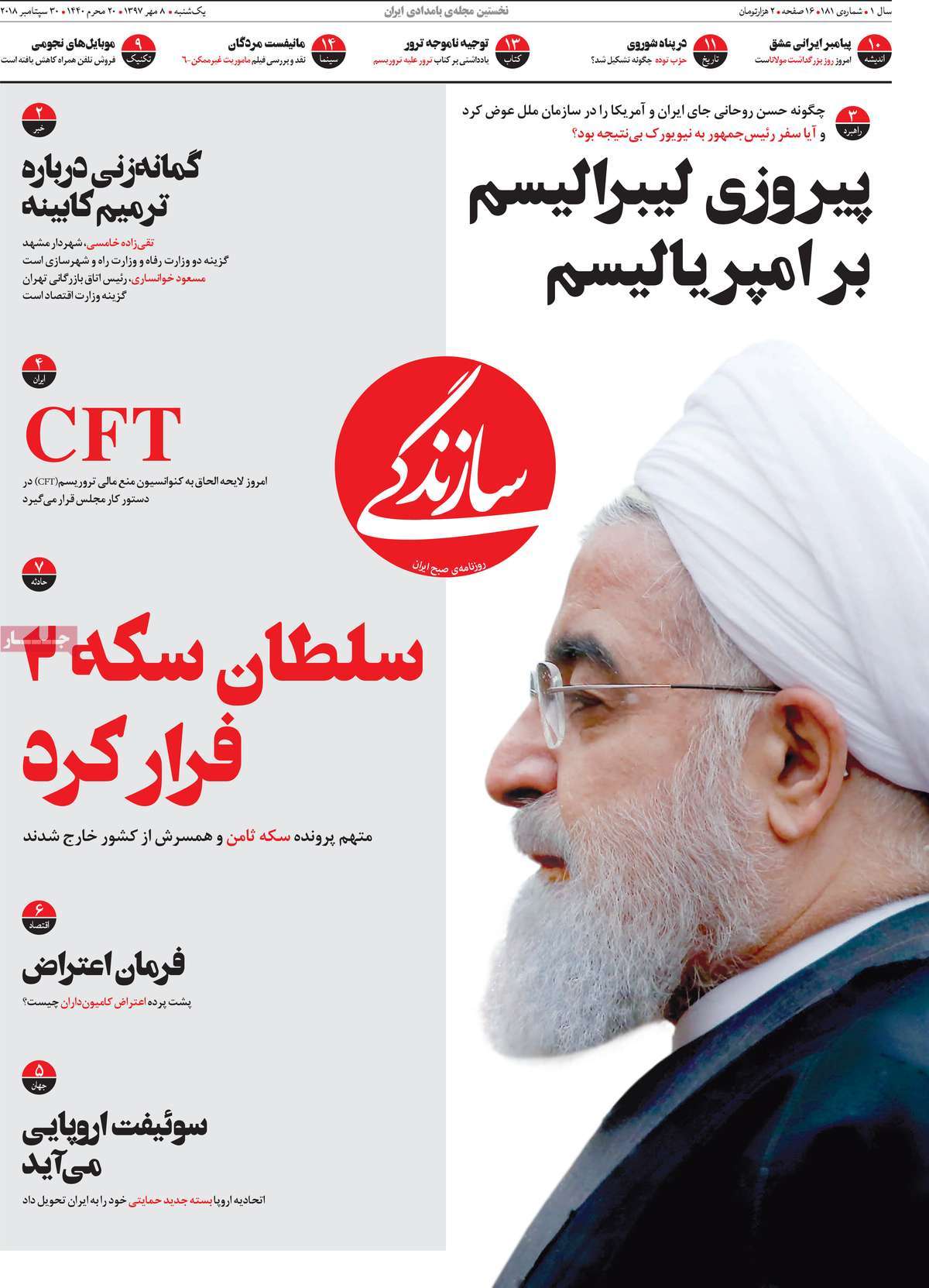
Sazandegi:

1- Victory of Liberalism over Imperialism: How Rouhani Changes Iran, US Places at UN

2- Iran Parliament to Discuss Bill on Accession to CFT Convention

A Look at Iranian Newspaper Front Pages on September 30


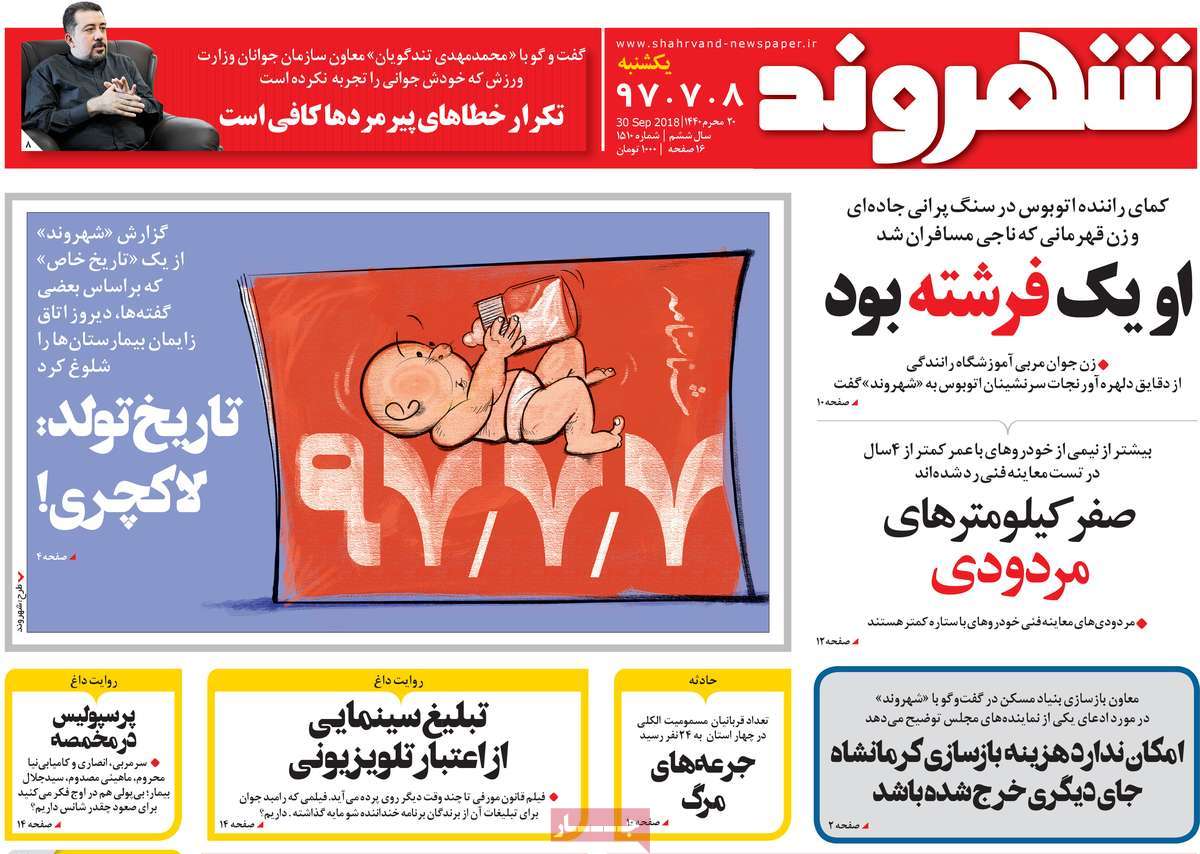
Shahrvand:

1- Luxurious Birth Date: A Report on ‘Special Date’ Which Made C-Sections Crowded

A Look at Iranian Newspaper Front Pages on September 30


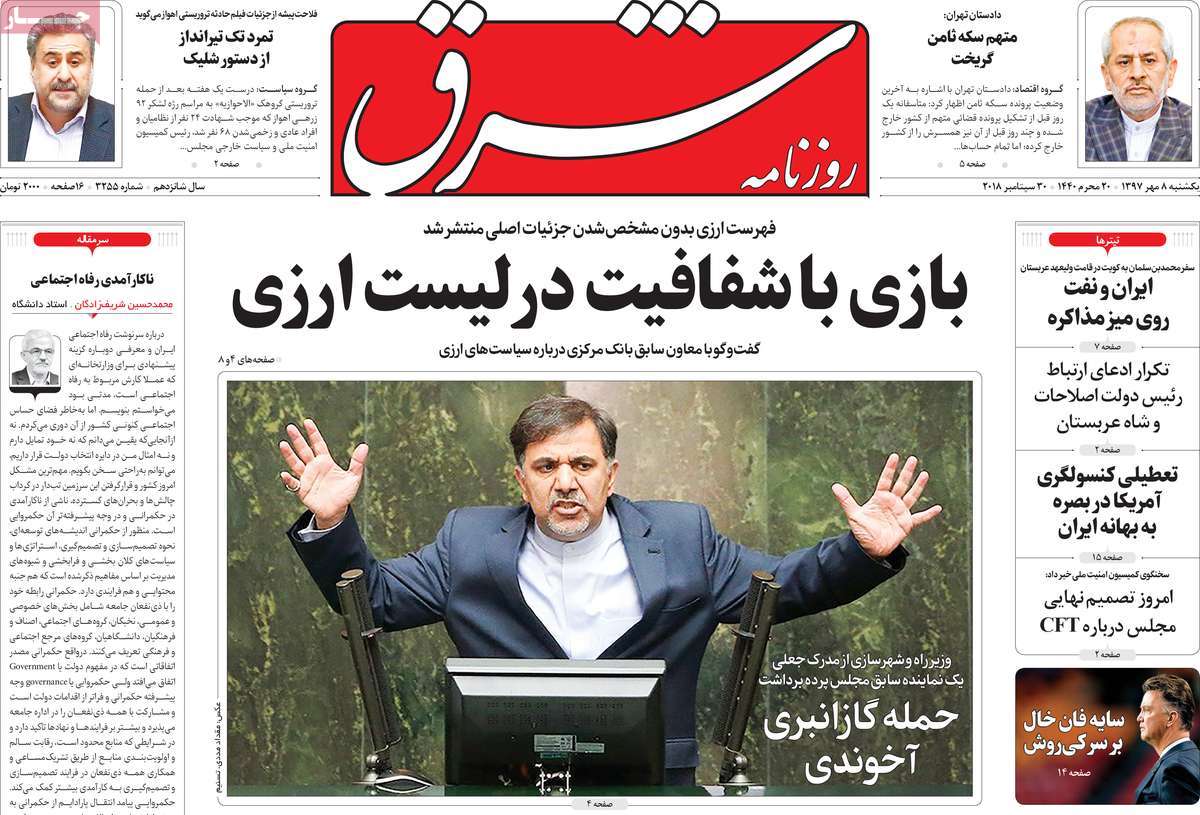
Shargh:

1- Issues of Iran, Oil on Negotiating Table in Bin Salman’s Visit to Kuwait

2- US Cites Iran as Pretext for Shutting Down Its Basra Consulate

3- Conservatives Once Again Claim Ex-President Khatami Had Links with Saudi King

A Look at Iranian Newspaper Front Pages on September 30


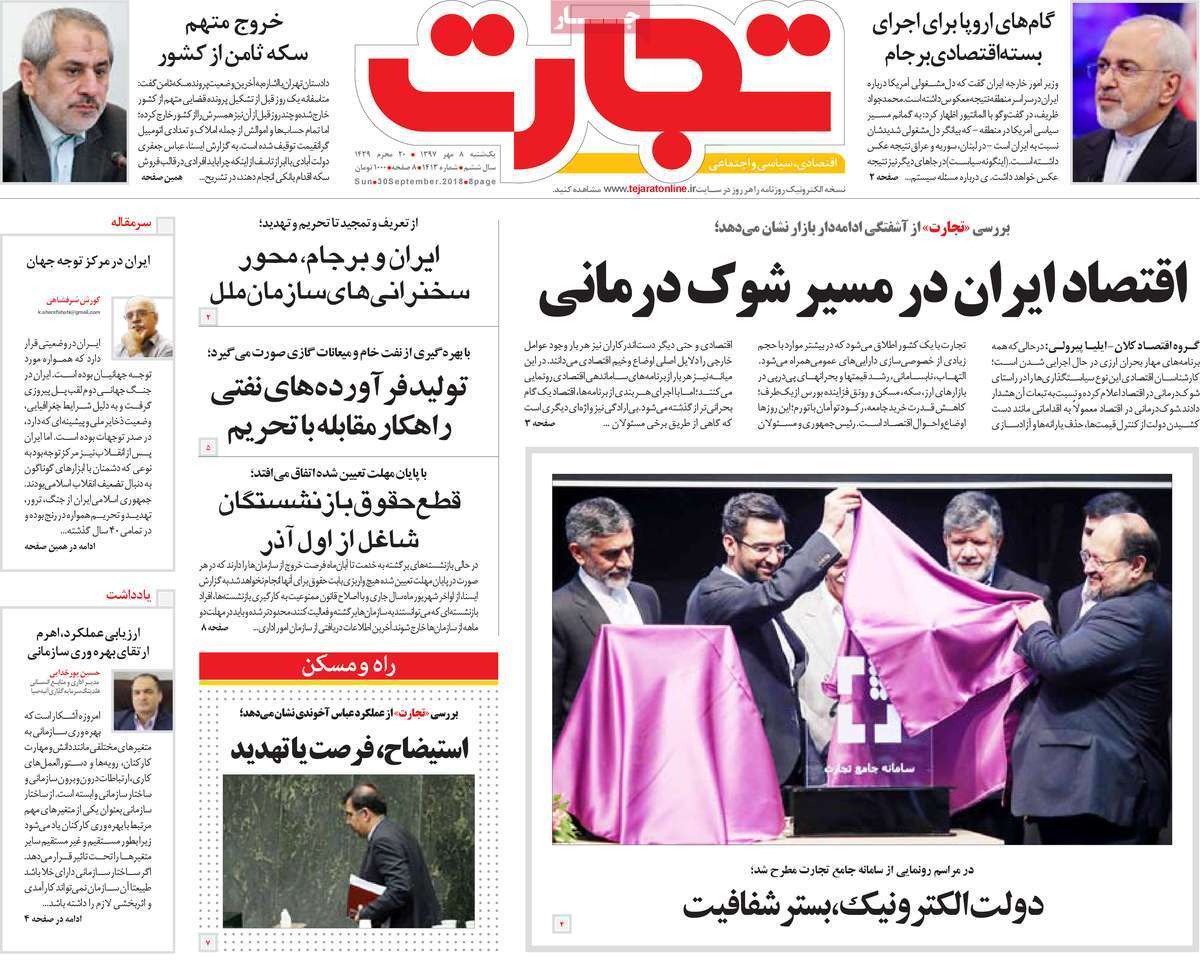
Tejarat:

1- Producing Oil Products Best Way to Counter Sanctions

2- Continued Chaos in Market: Iranian Economy on Path of Shock-Therapy

3- Iran at Centre of Global Attention [Editorial]

A Look at Iranian Newspaper Front Pages on September 30


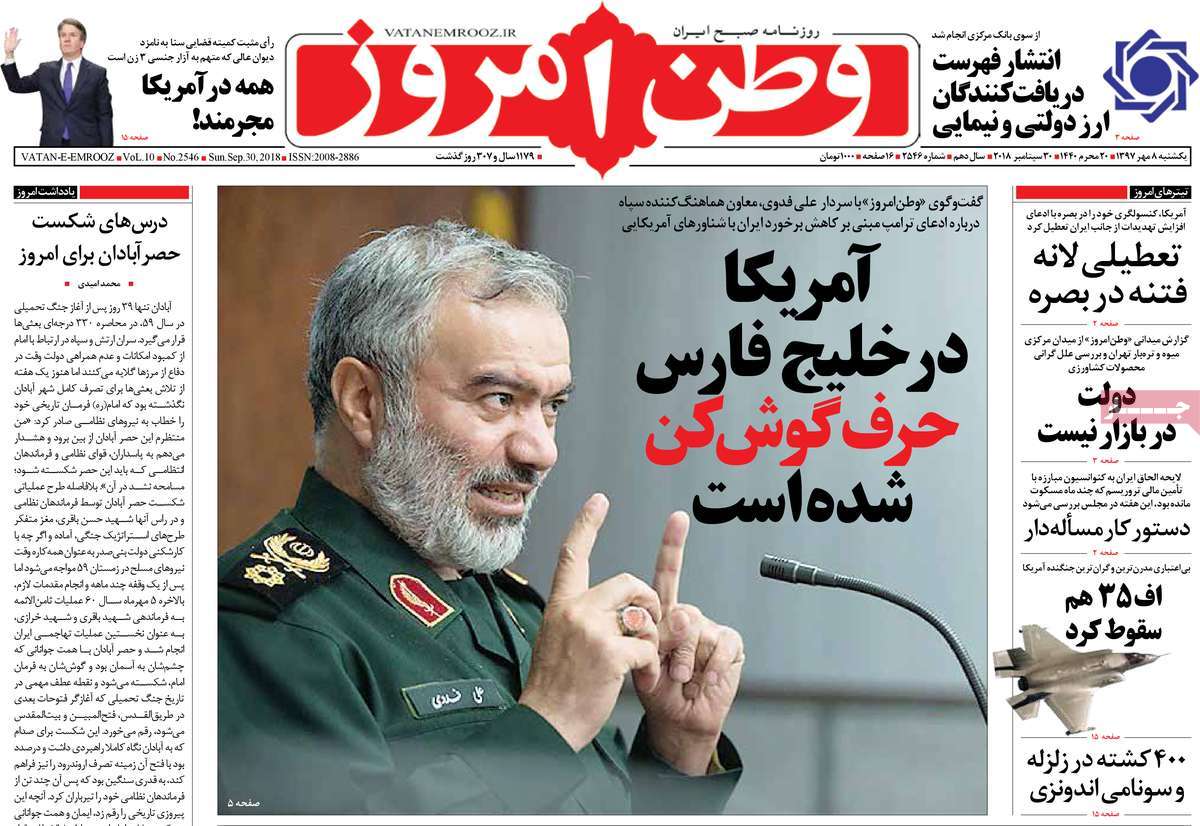
Vatan-e Emrooz:

1- IRGC Navy General on Decreased Iran-US Encounters: US Has Come to Its Senses, Behaved Itself

2- 400 Killed in Indonesia Quake, Tsunami

A Look at Iranian Newspaper Front Pages on September 30