Saturday, April 11, 2026
Home Blog Page 3394

UK Has No Option But to Repay Iran’s Longstanding Debt

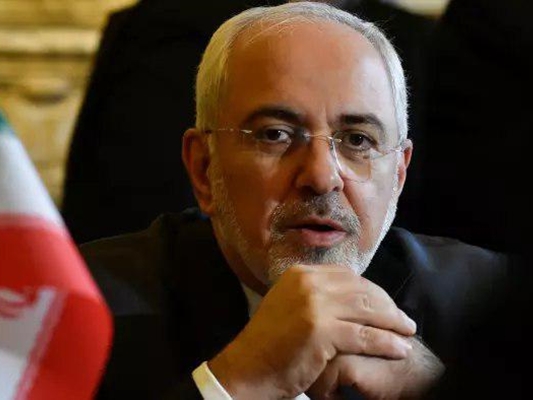
“The English government has for 40 years dragged its feet over resolving the debt to the Iranian people. The case is going through the legal process and we have achieved good results,” Mohammad Javad Zarif said.

Speaking to Hamshahri daily in an interview published on Monday, Zarif said the English government can no longer delay the settlement and it has no option but to pay their debt to the Iranian people.

The £450m debt by the UK is related to 1974 and 1976 arms deal, under which Iran’s shah bought hundreds of Chieftain tanks and other military vehicles from a British state-run firm.

Britain received an advance payment from Iran and delivered some tanks in the next few years, but it stopped adhering to its commitments after the Islamic Revolution of 1979 that brought down the US-backed monarch.

After the revolution, the British firm even sold a part of Iran’s order to the Iraqi dictator Saddam Hussein.

Afterwards, Iran lodged a complaint to the International Court of Arbitration in the Hague, who found the British side guilty for failing to fulfil its commitments 2001.

Too Soon to Predict Changes in Saudi Policy

Asked about his view on the replacement of Saudi Foreign Minister Adel al-Jubeir, Zarif said it too soon for a predication on whether the change would affect misguided policies of Saudi Arabia in the region.

“Time is not ripe for such a prediction. There are signals against [change in Saudi policy]. We should wait to see,” he said.

Zarif said Iran is ready to welcome such a change in the Saudi policy, as it’s never late for the country to correct mistakes.

“It would be to the benefit of Saudi Arabia, the region and the world if there are changes in Saudi Arabia’s foreign policy and the country’s policy is shaped based on realities,” he said.

Last week, Saudi Arabia’s King Salman replaced al-Jubier with former finance minister Ibrahim al-Assaf in a royal decree.

Ayatollah Amoli Larijani Appointed Head of Iran’s Expediency Council

In a decree on Sunday, the Leader said he has appointed Ayatollah Amoli Larijani as the head of the Expediency Council given the leading role of the body in running the Islamic establishment’s affairs and following the passing away of its former head, Ayatollah Seyyed Mahmoud Hashemi Shahroudi, earlier this week.

Ayatollah Khamenei expressed hope that the Expediency Council’s responsibilities would be firmly handled under Ayatollah Amoli Larijani’s supervision.

The Leader also urged Ayatollah Amoli Larijani to fully focus on his important duties and get established in his new position as soon as possible.
Ayatollah Hashemi Shahroudi passed away on Monday at the age of 70 after months of suffering acute ill health.
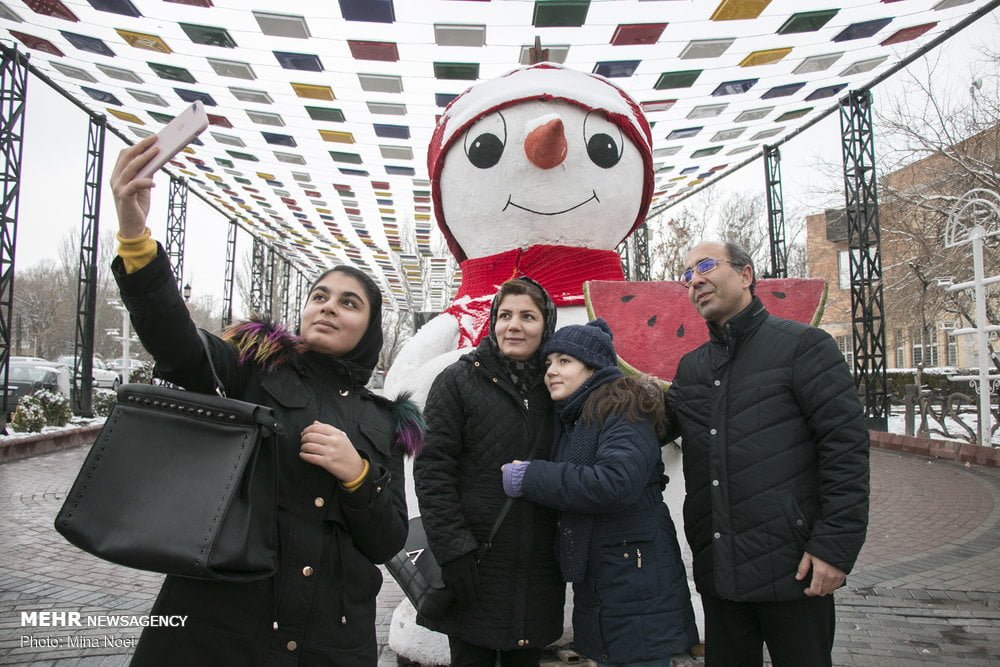
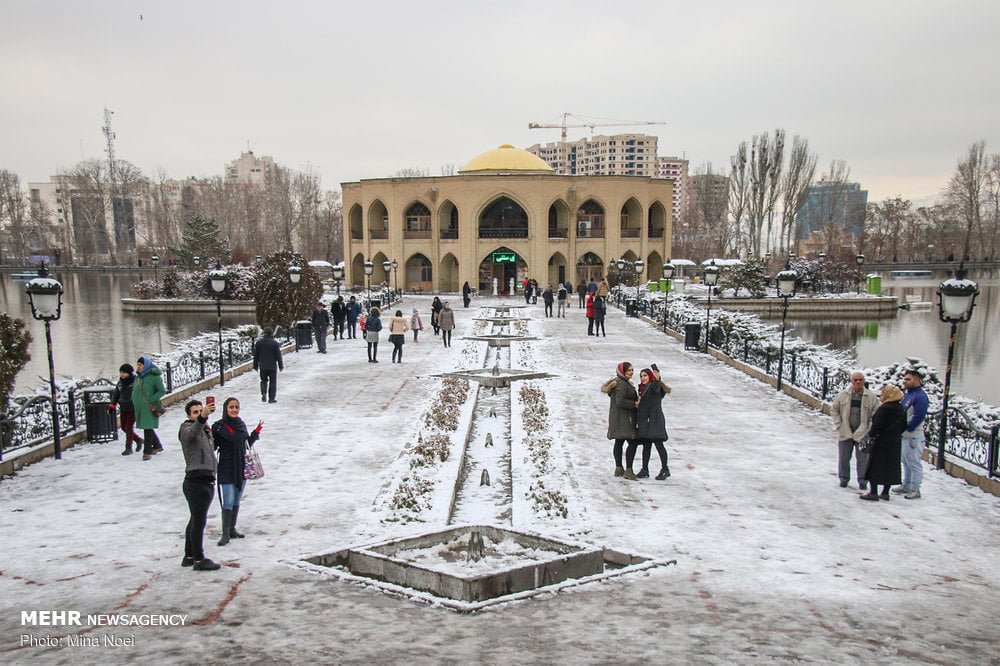
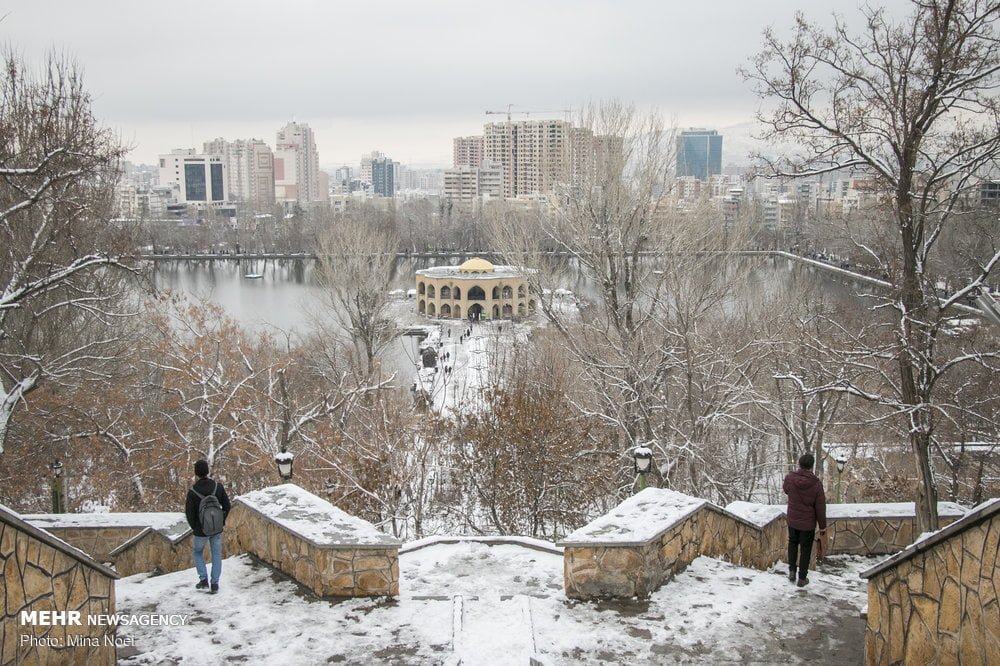
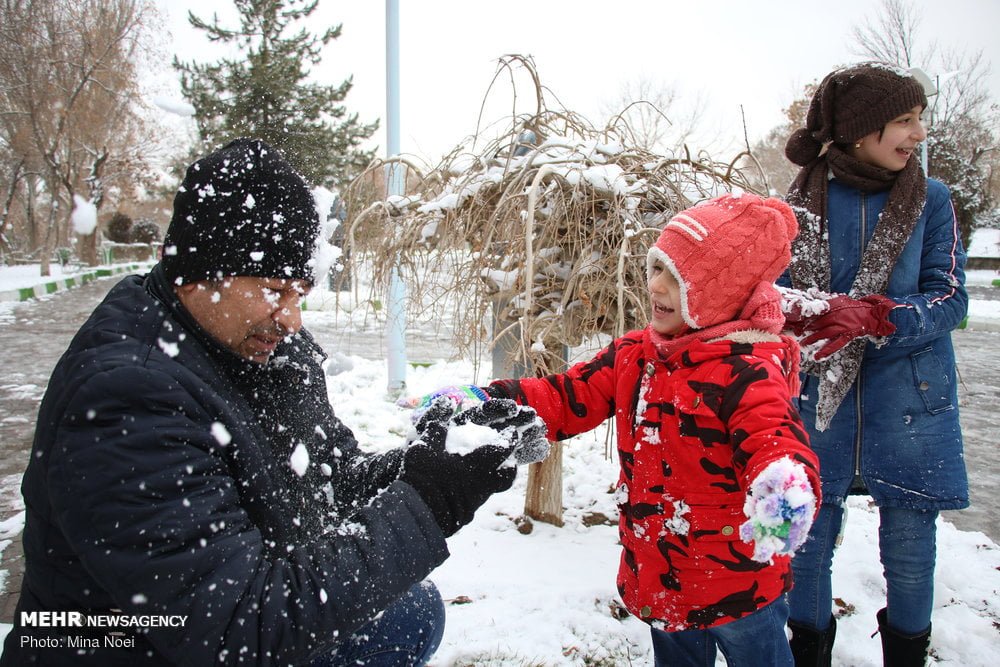
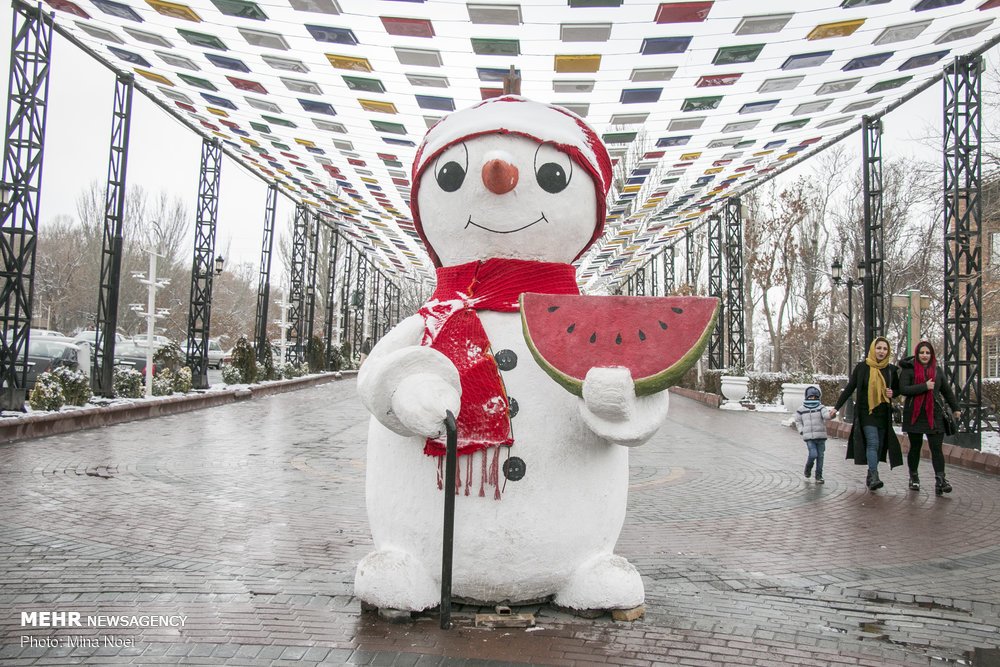
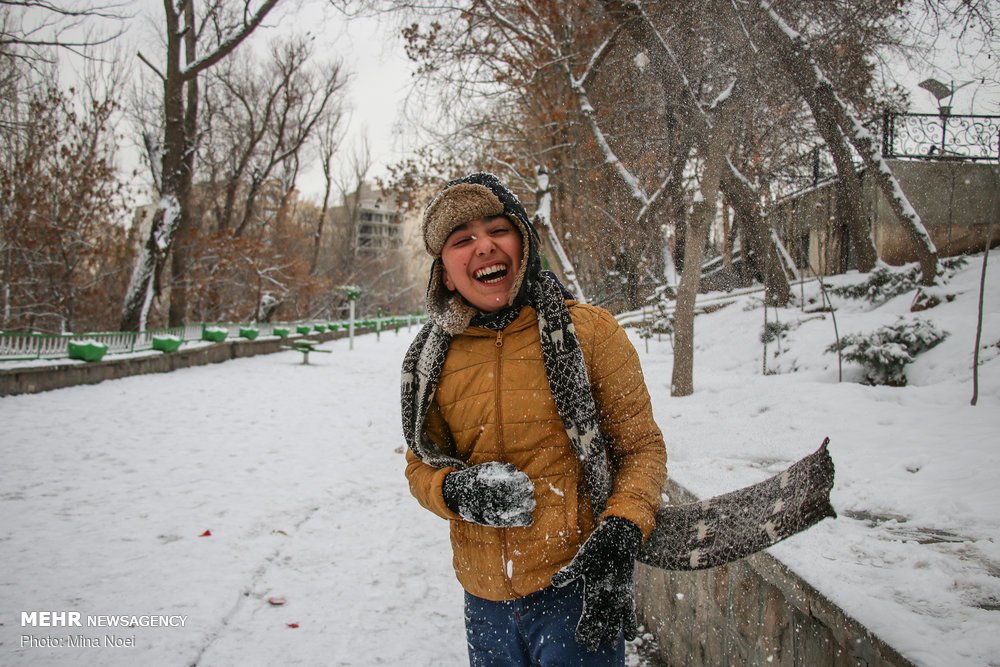
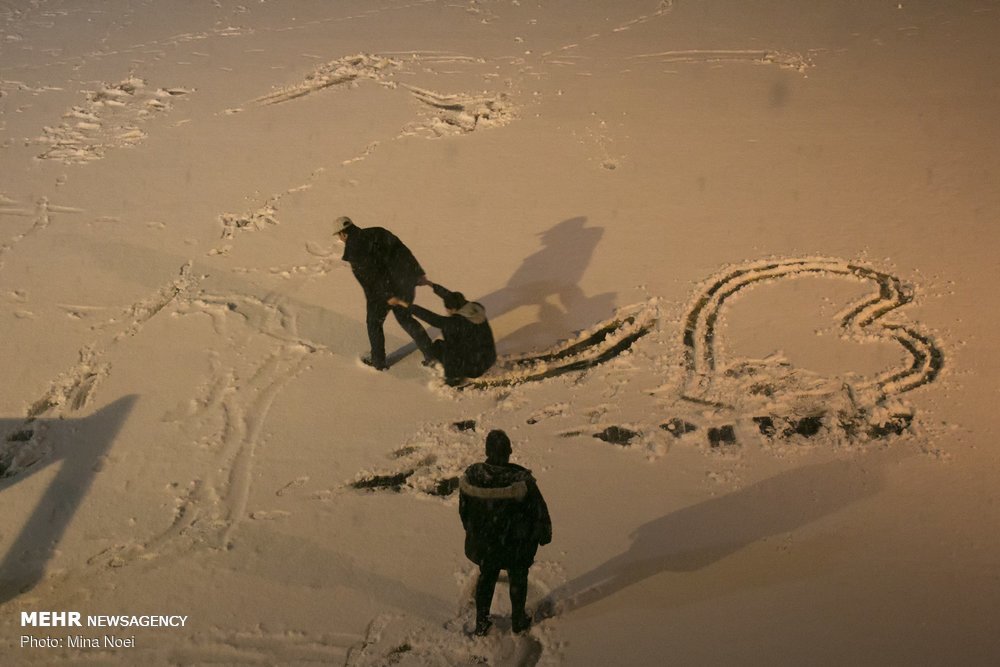
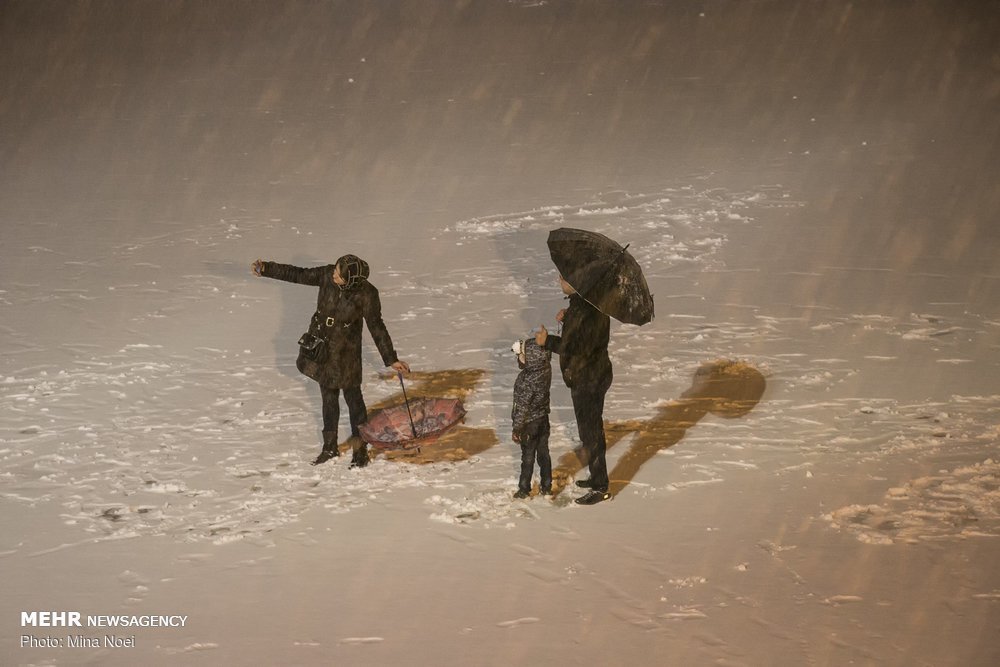
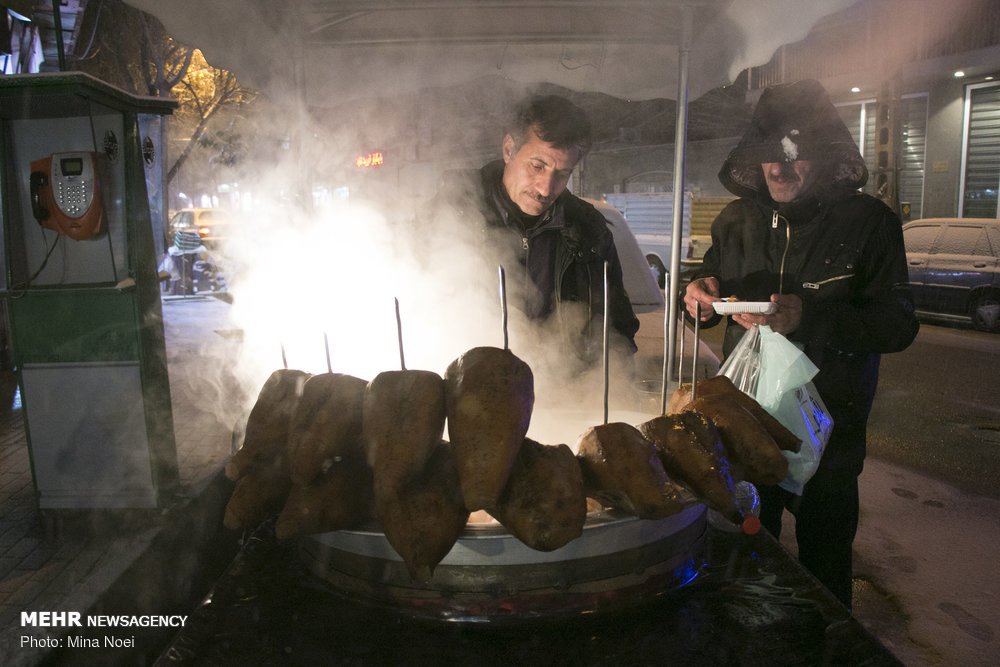
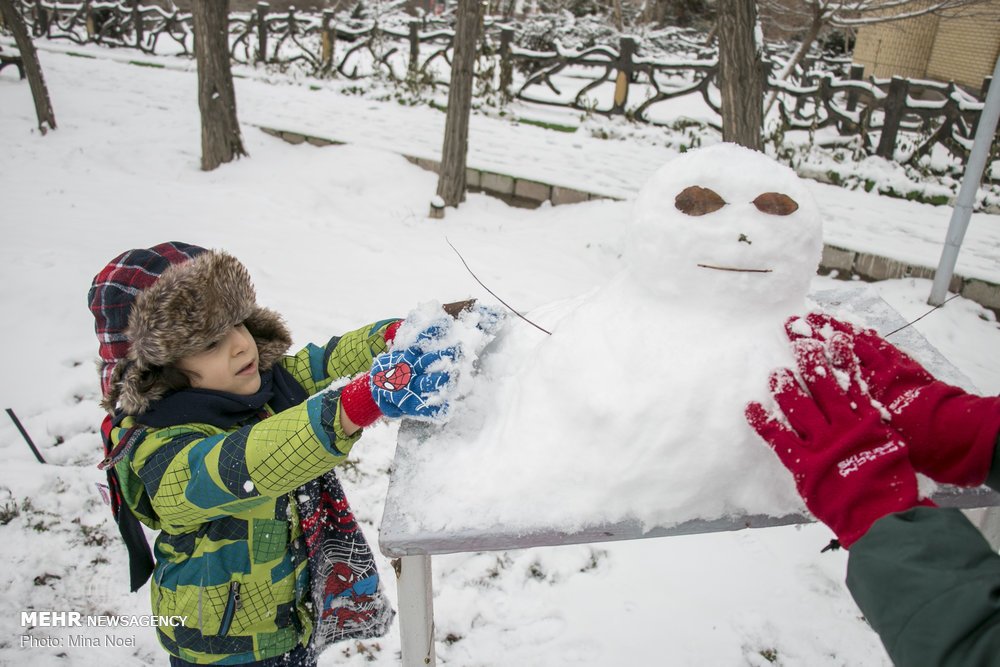
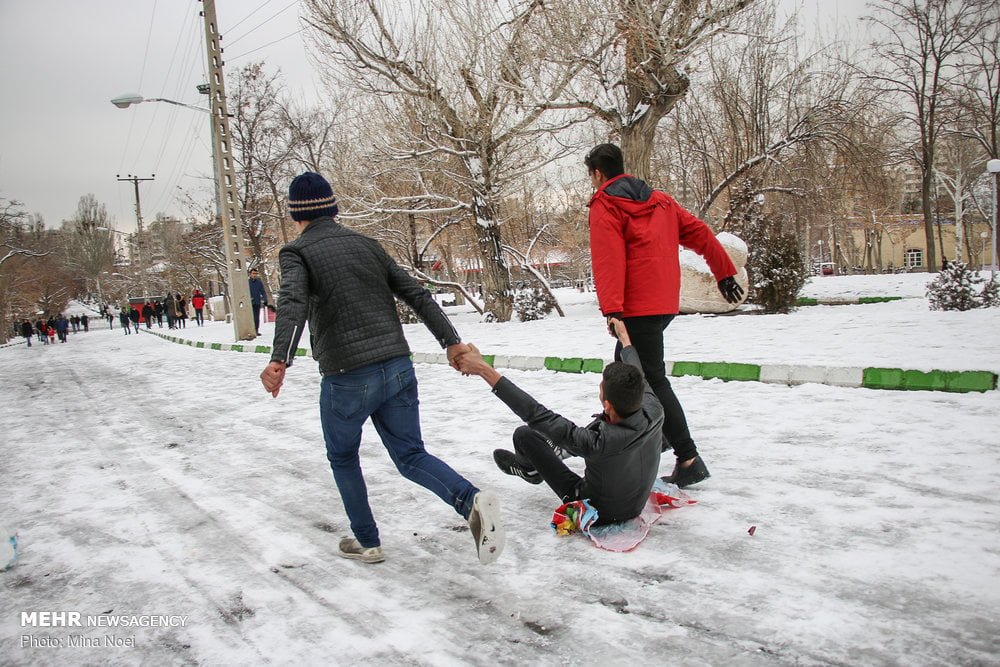
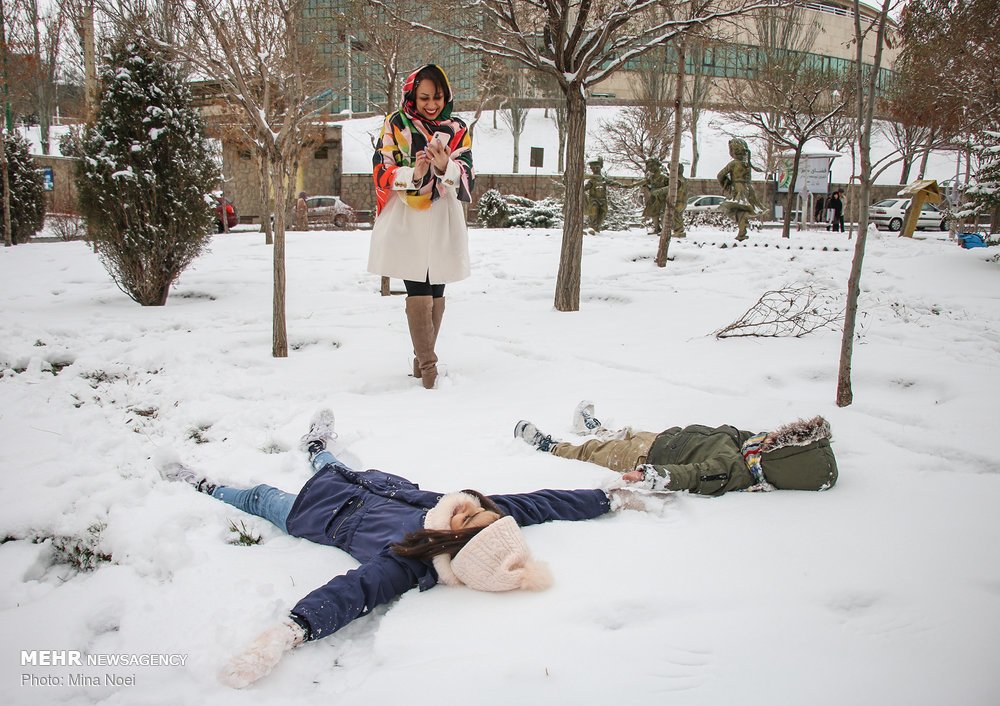
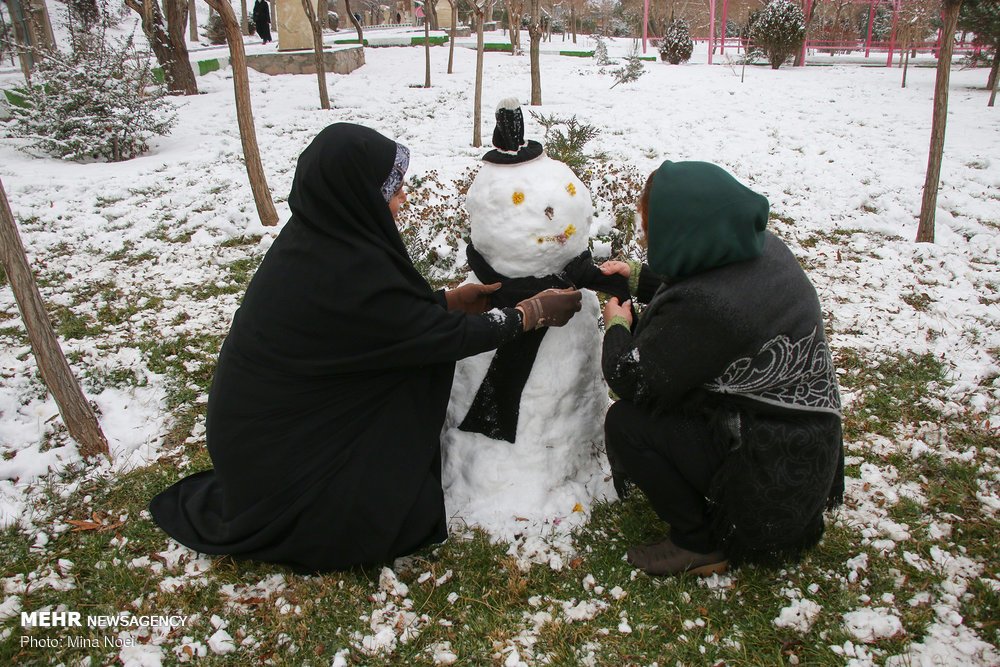
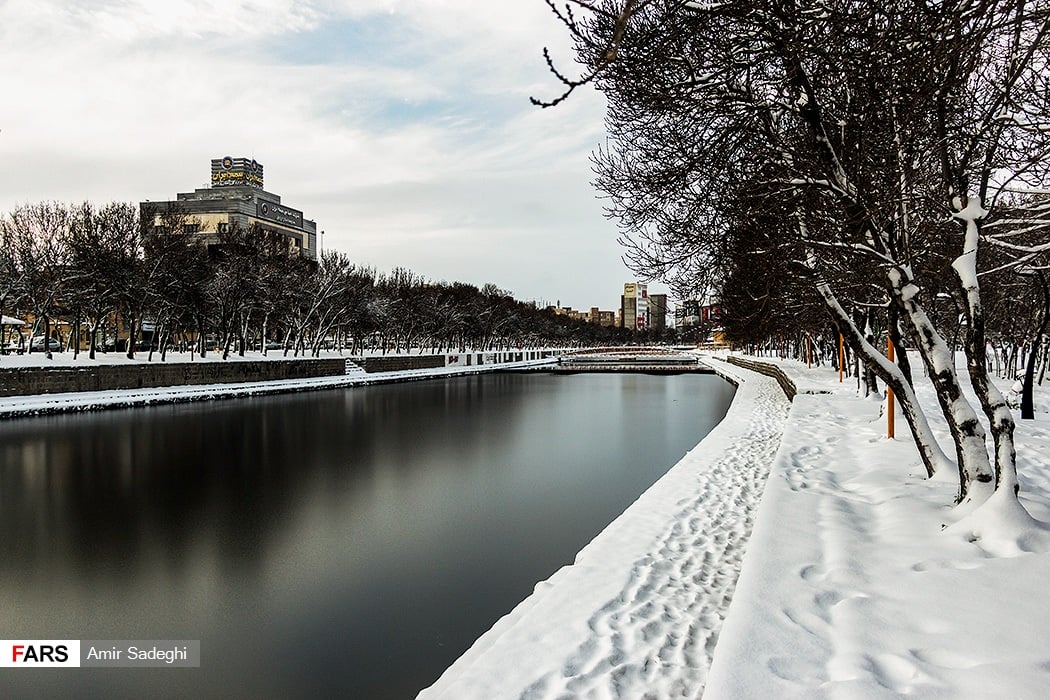
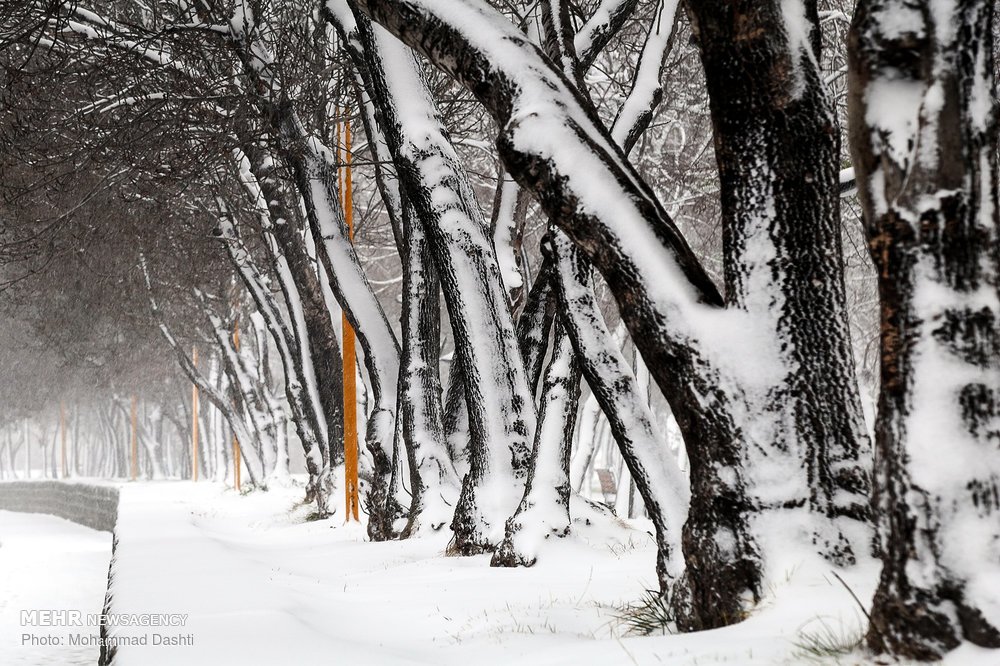
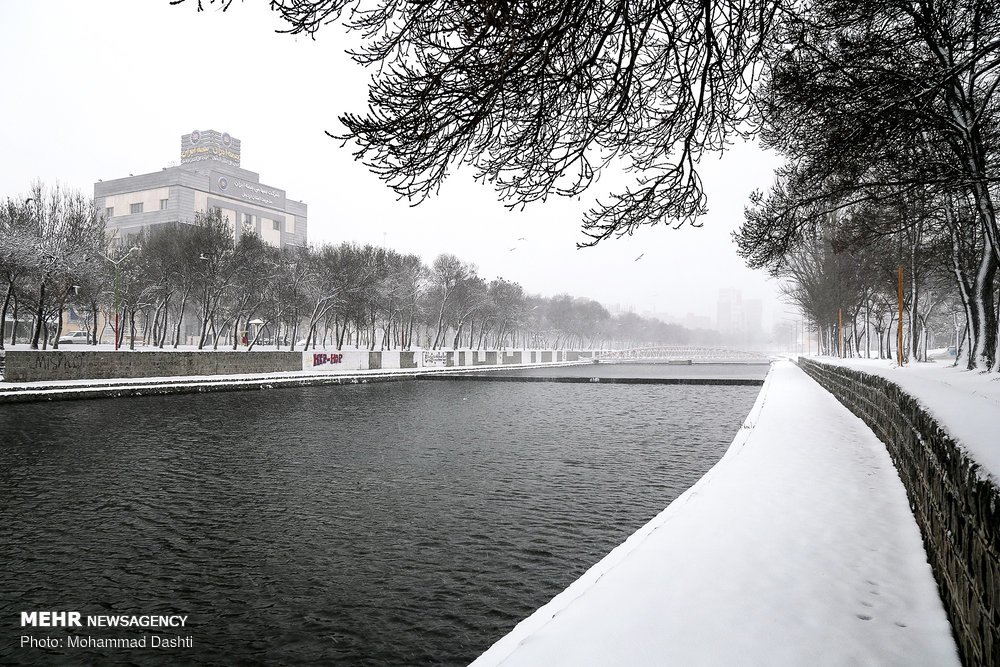
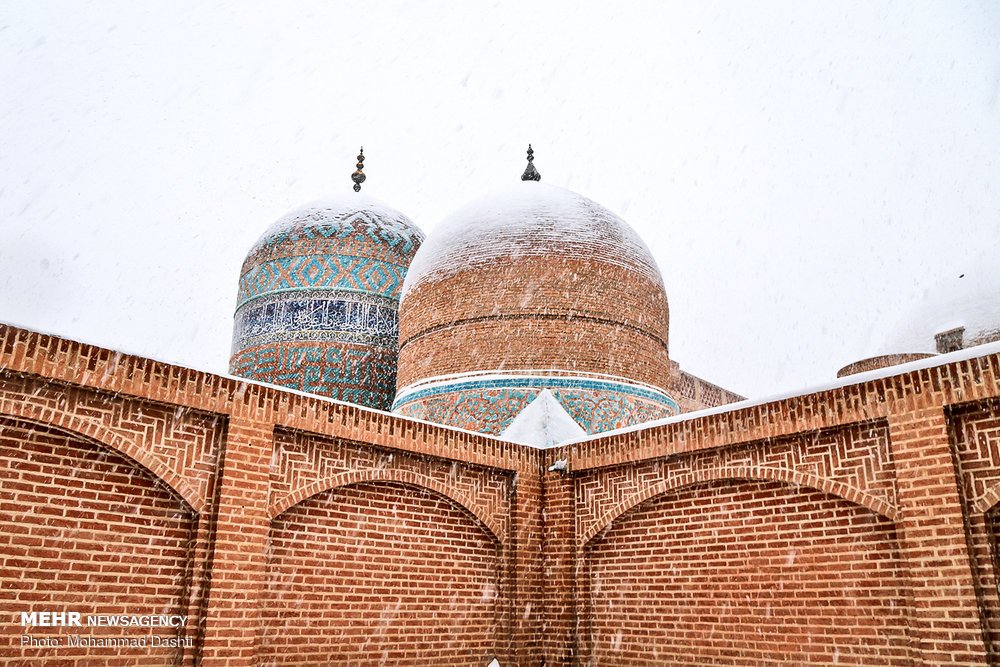
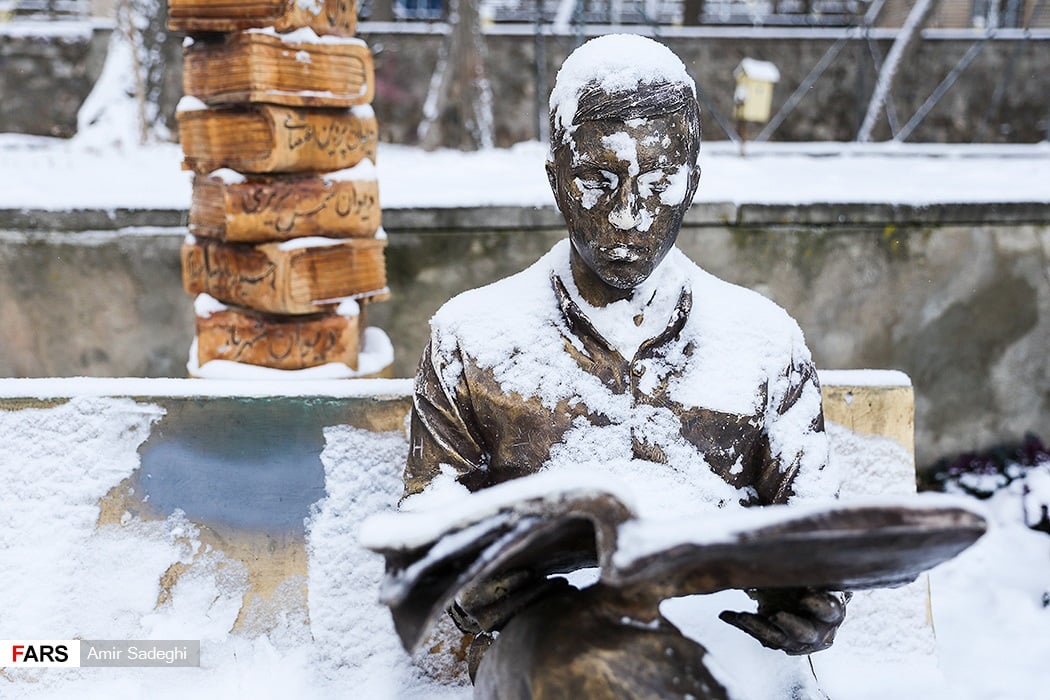
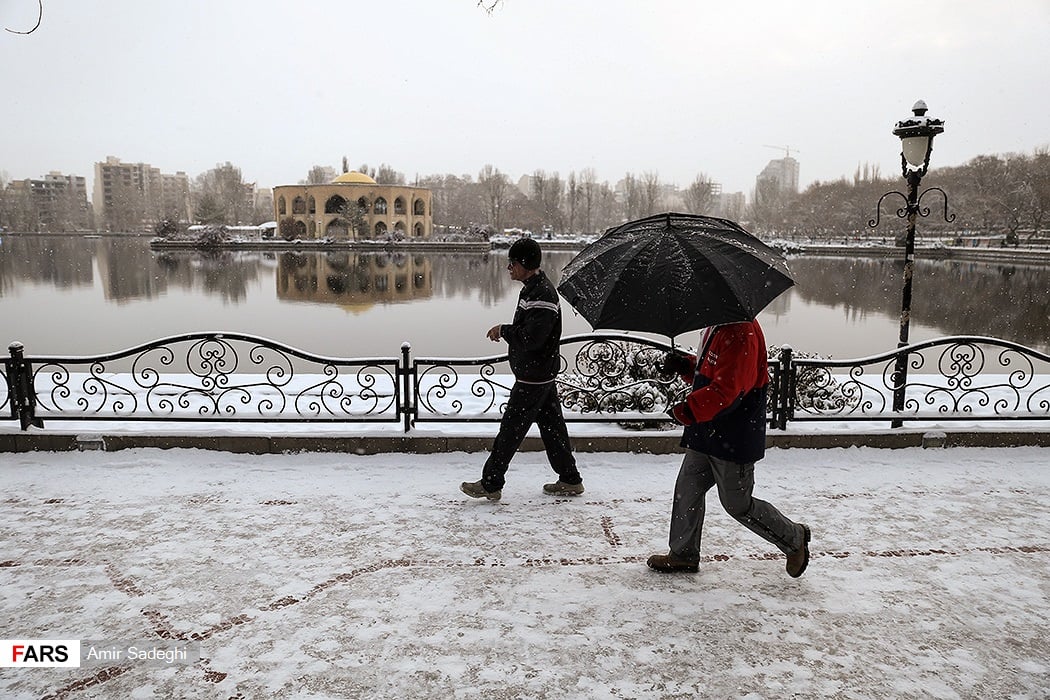
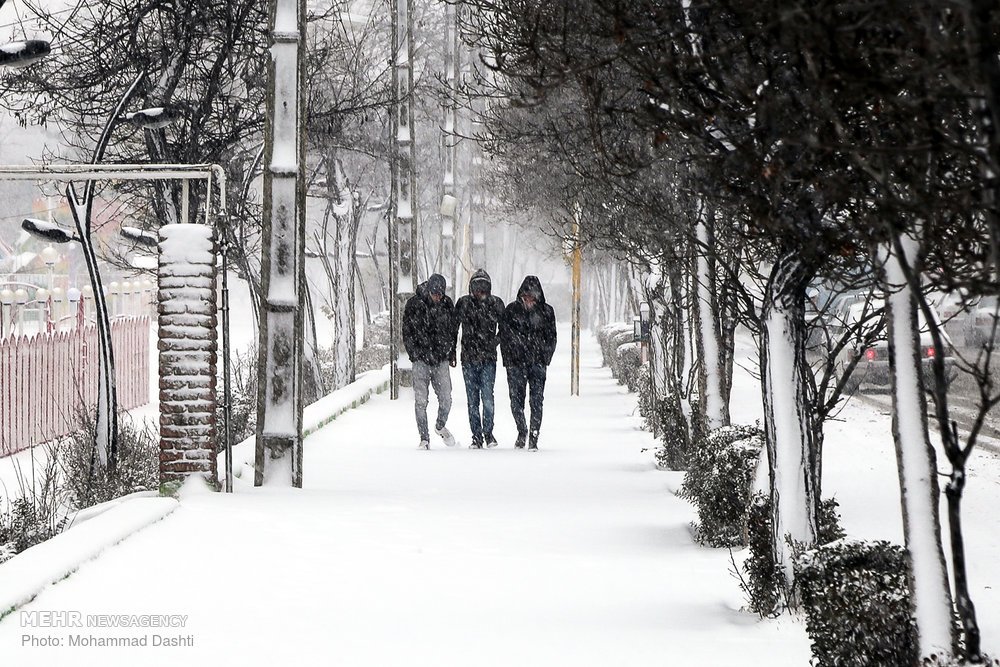
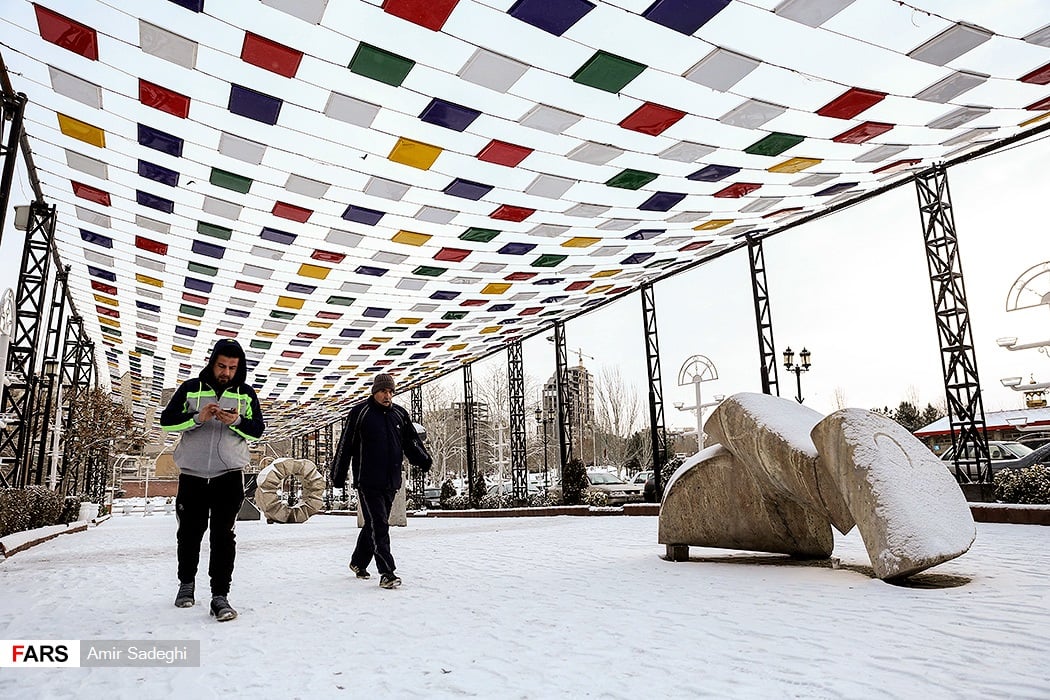
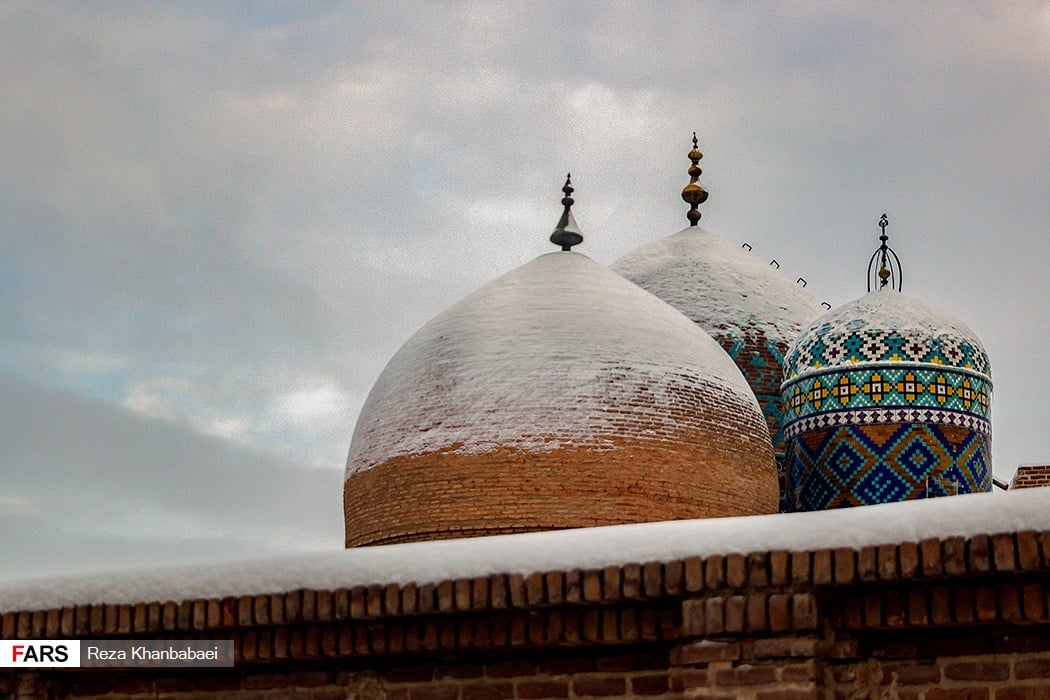
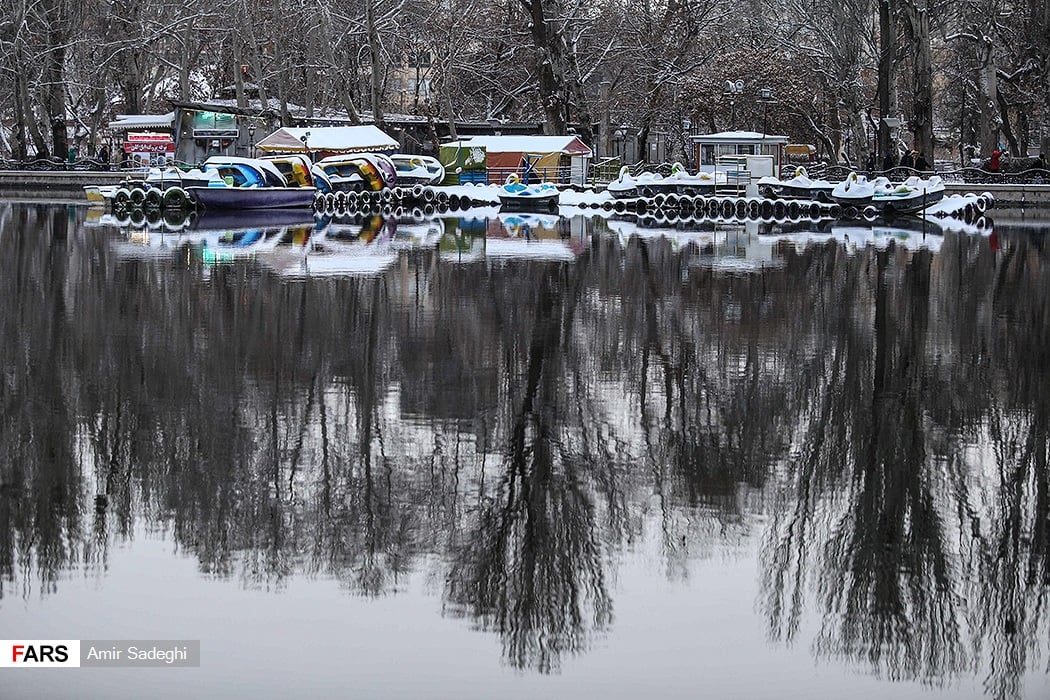
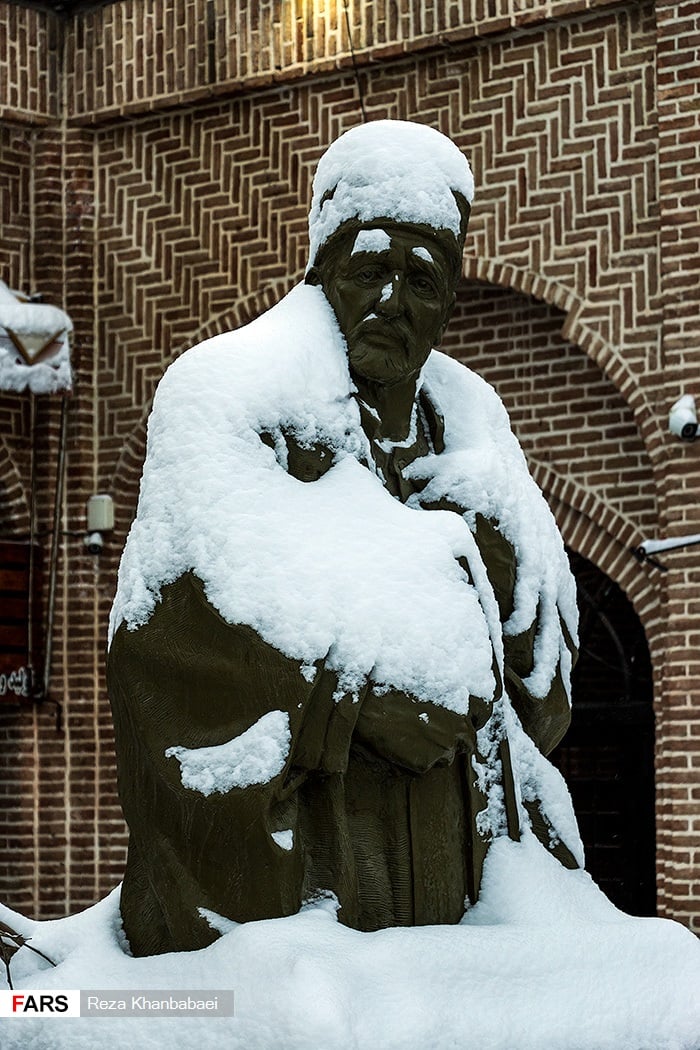
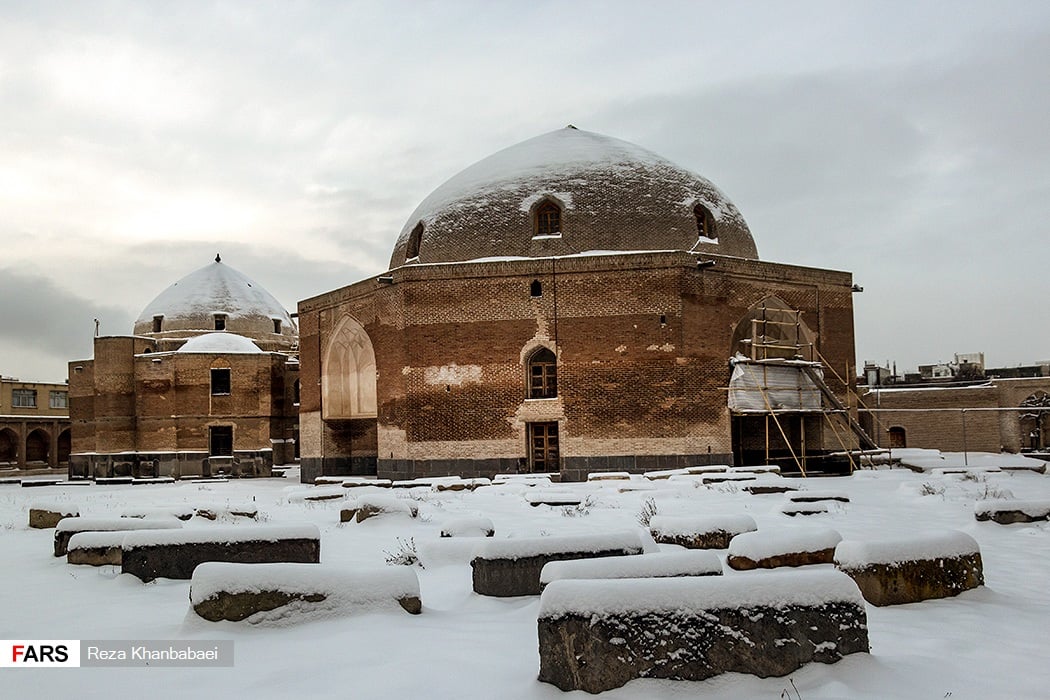
Tabriz, Ardabil: Beautiful Winter Destinations for Tourists

The region is the coldest part of the country, making it a hot destination for winter tourists.

Ardabil and Tabriz, capitals of Ardabil and East Azarbaijan provinces, are among major cities in the region gripped by freezing weather.

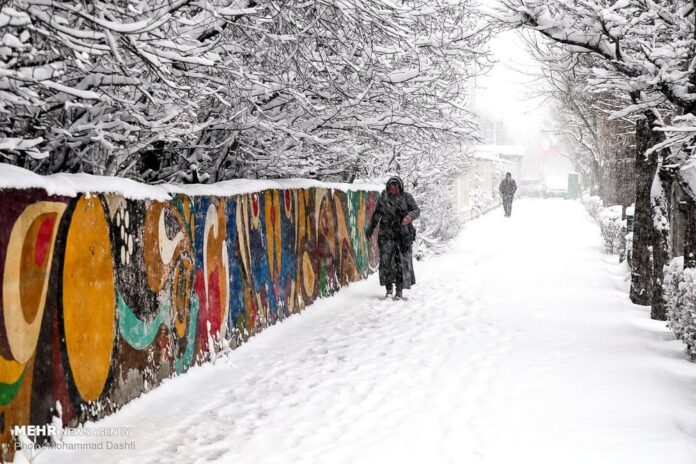
The following are photos of the two cities blanketed with snow, published by various Iranian outlets:

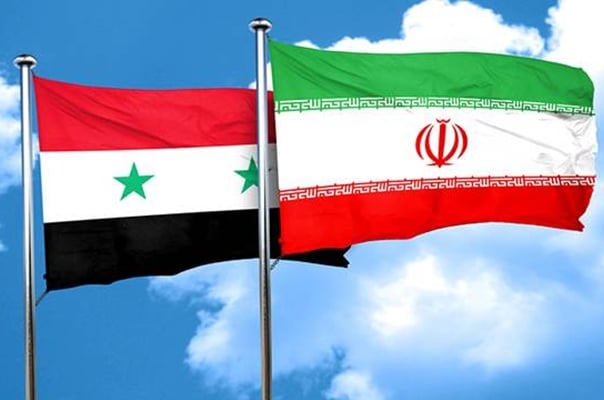
‘Iran, Syria’s Top Priority in Reconstruction Projects’

Iran Says Strongly Supports Syria in Fight against Terrorism

Adnan Mahmoud said his country has prioritized the Iranian government and economic players to take part in economic projects in Syria to contribute to the country’s reconstruction.

“There is an ideal opportunity for economic players and businessmen to make investment in Syria,” he was quoted by Tasnim News Agency as saying at a joint meeting of Iranian and Syrian economic players.

He said all doors are open to Iranian companies, and state loans will be offered to Iranian firms to run projects in different production and agricultural domains.

Also present at the meeting was Iranian Ambassador to Syria Javad Torkabadi, who welcomed the top Syrian diplomat’s comments.

“I am confident that Syrian people and statesmen will welcome Iranian economic players,” said the Iranian ambassador.

“The Iranian embassy in Syria is also always open to our country’s economic players,” he added.

Iran and Syria signed a memorandum of understanding on economic cooperation on December 30, 2018. Economic players of both countries regard transportation and the transfer of money as the major impediments to mutual cooperation.

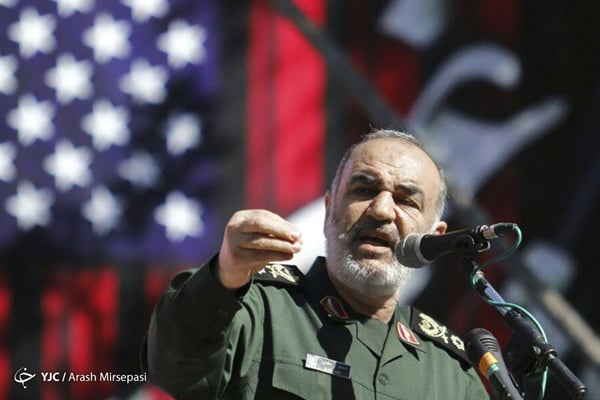
Iran to Defeat US Sanctions Like US-Backed 2009 Sedition: IRGC

Brigadier General Hossein Salami made the statement in a ceremony in Tehran on Sunday, which marked the anniversary of the pro-government rallies in 2009 that put an end to months of political turmoil and street protests over allegations of electoral fraud in presidential votes earlier that year.

General Salam said the 2009 unrest was designed to make Iranians disappointed with the 1979 revolution, and thus was more dangerous than the 1980s Iran-Iraq war.

However, the IRGC commander said, the Iranian people managed to overcome the big challenge, frustrating world powers with their biggest attempt to retake their control over Iran.

“[In 2009], the satanic coalition was determined to topple the system. But the Iranian nation buried the dream of the coalition comprising world powers, reactionary [regimes] in the region and their domestic allies,” he said.

Following the 2009 unrest, General Salami said, the US turned to sanctions to stop Iran, imposing harsh punitive measures under the pretext of nuclear allegations.

However, the IRGC commander said, the Iranian people would foil the new US plot as well, dismissing deceptive calls by the US for negotiations.

“The Iranian nation knows that negotiation means accepting the views of the enemies, so they won’t favour that,” he said.

“The Revolution kept progressing after the [2009] sedition. Although the sedition led to the imposition of sanctions, the Iranian nation will win this battle too,” he said.

The US has reimposed anti-Iran sanctions suspended under the nuclear deal in recent months, and it is working to push the world to cut trade with Iran and stop purchasing the country’s oil.

The US, which pulled out of the nuclear deal in May, has provided Iran with a list of 12 demands that must be capitulated for the sanctions to be removed.

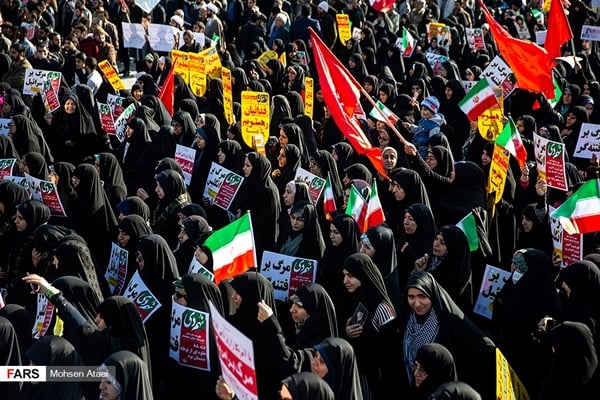
Iranians Commemorate 2009 Rallies Ending Election Controversies

On Sunday, People in various Iranian cities attended rallies to mark what described as “Dey 9” epic, which refers to mass rallies held on the ninth day of the Persian calendar month of Dey.

The 2009 election saw the re-election of Mahmoud Ahmadinejad by an 11-million lead over his nearest rivals.

The poll was followed by sporadic street protests in Tehran, after those defeated in the poll, including some reformists, made allegations of widespread fraud in the vote.

The Dey 9 rallies came several days after a group of protesters allegedly insulted Ashura, the martyrdom anniversary of Imam Hussein, the third Shiite Imam.

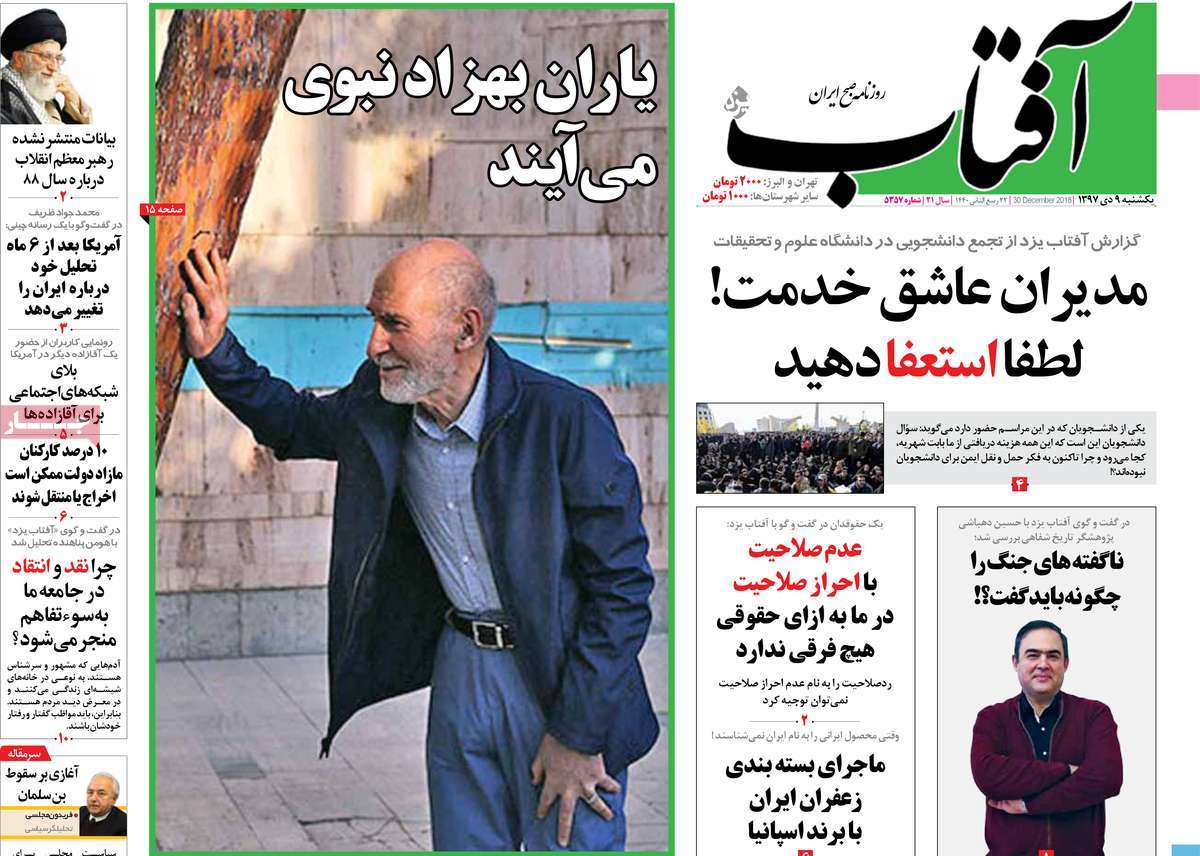
A Look at Iranian Newspaper Front Pages on December 30

A Look at Iranian Newspaper Front Pages on November 19

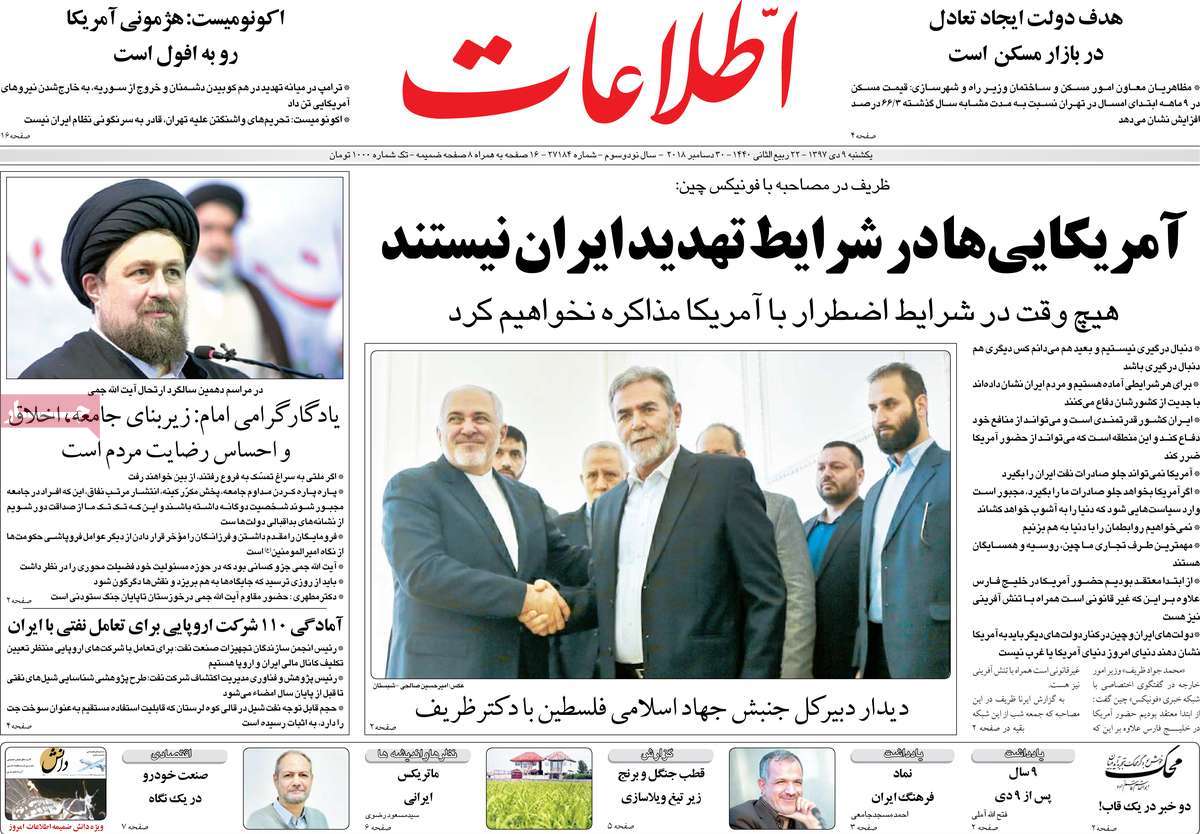
The top story in most papers today was a controversial interview by Iran’s Foreign Minister Mohammad Javad Zarif, in which he said the US’ presence is the source of tensions in region and the country would drag the world into chaos if it tries to carry out its threat of preventing Iran’s oil exports.

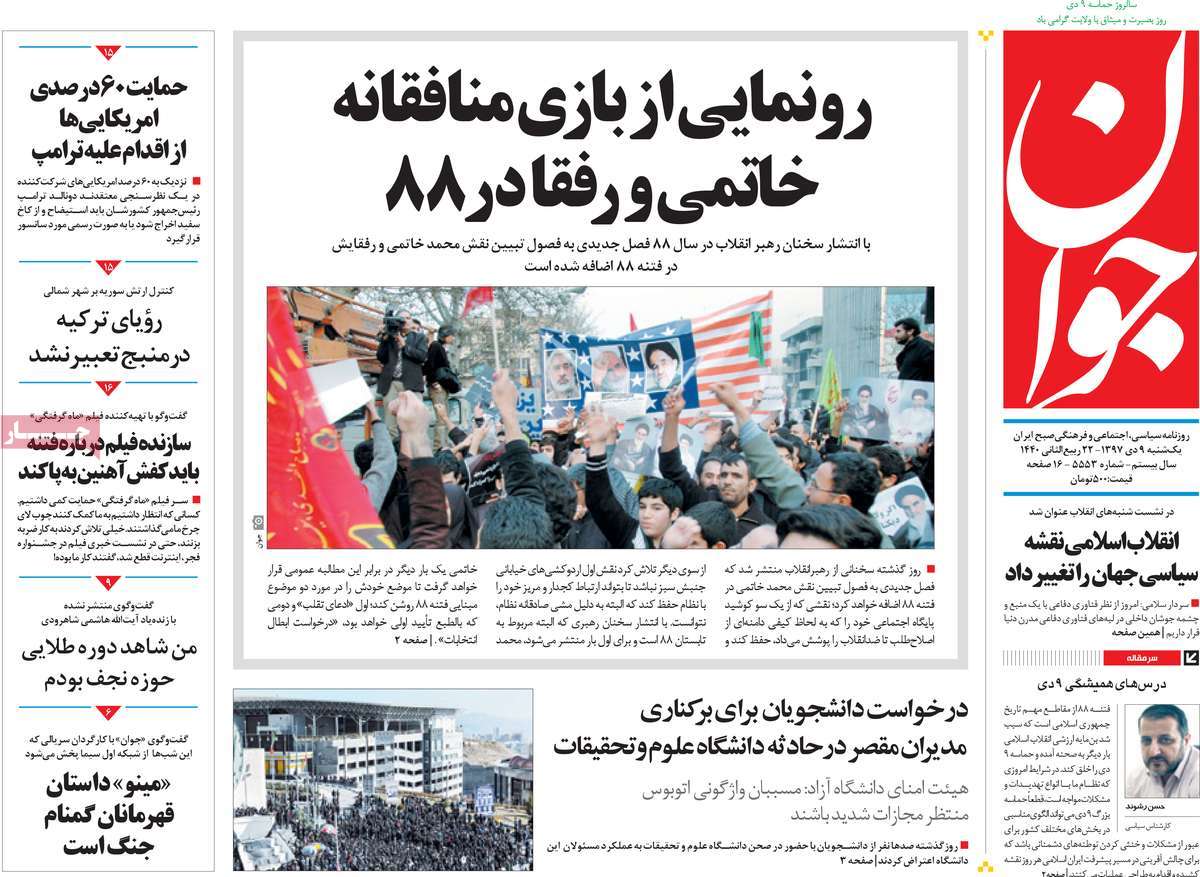
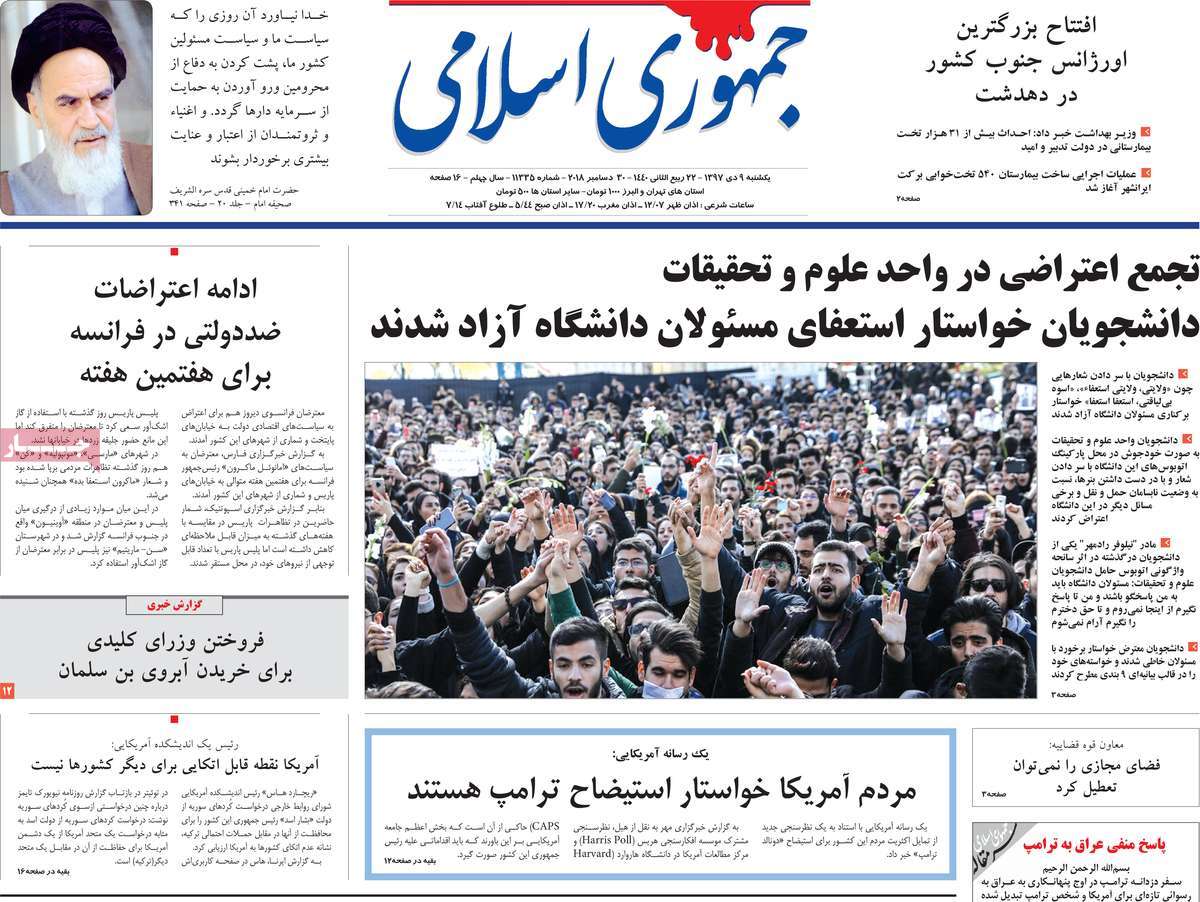
A protest gathering demanding the resignation of top Azad University officials over a deadly bus crash was another hot topic in Iranian newspapers.

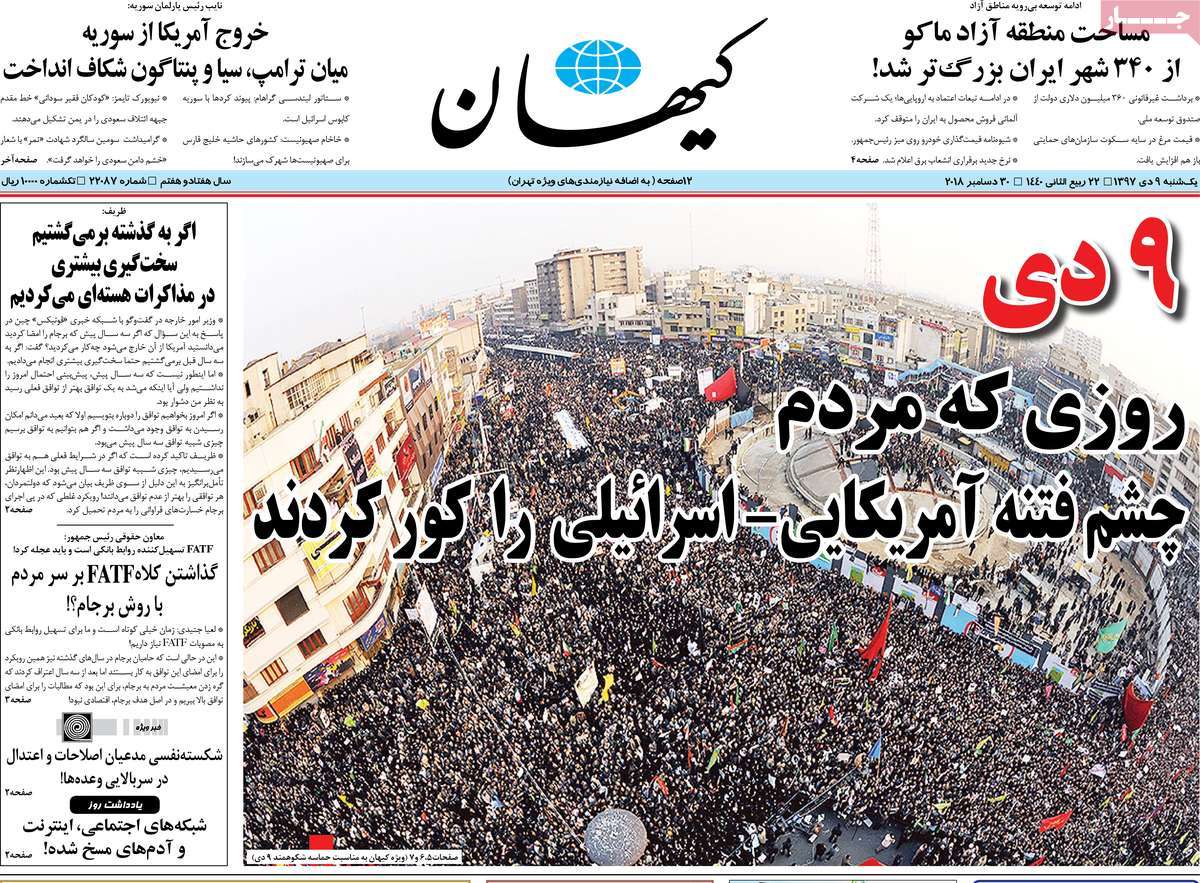
Several papers also covered the anniversary of Dey 9 demonstrations, the mass rallies held on the tenth month of the Persian calendar year in 2009, which ended street protests over allegations of electoral fraud in presidential elections earlier that year.

The above issues, as well as many more, are highlighted in the following headlines and top stories:


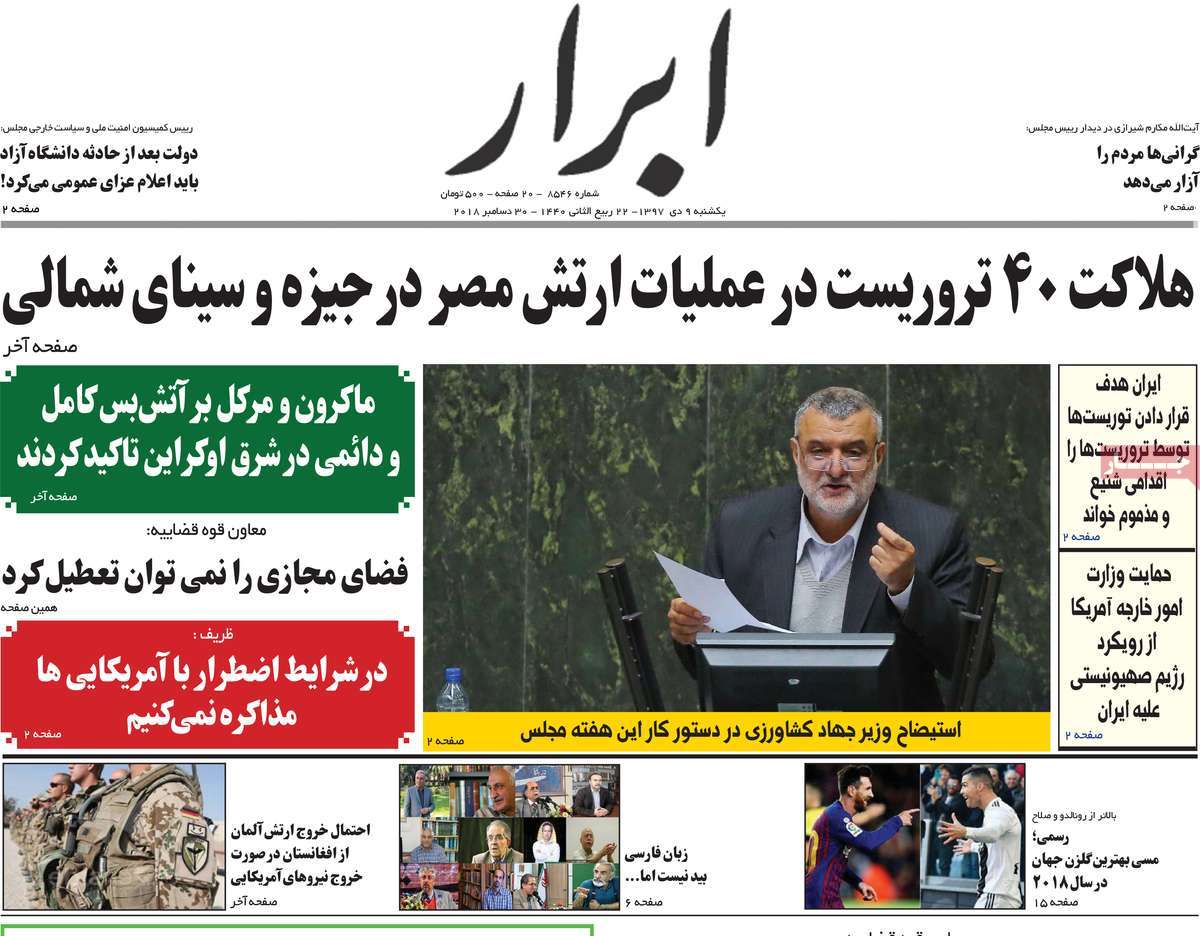
Abrar:

1- 40 Terrorists Eliminated in Egypt Army Operation in Giza, Northern Sinai

2- US State Department Supports Zionist Regime’s Stance against Iran

3- Zarif: We Won’t Negotiate with Americans in Emergency Cases

A Look at Iranian Newspaper Front Pages on December 30


Aftab-e Yazd:

1- Zarif Told Chinese Media: US Changes Its Analysis of Iran Six Months Later

2- Iranian Saffron Sold by Spanish Brands: When Iranian Product Not Known as Iranian!

A Look at Iranian Newspaper Front Pages on December 30


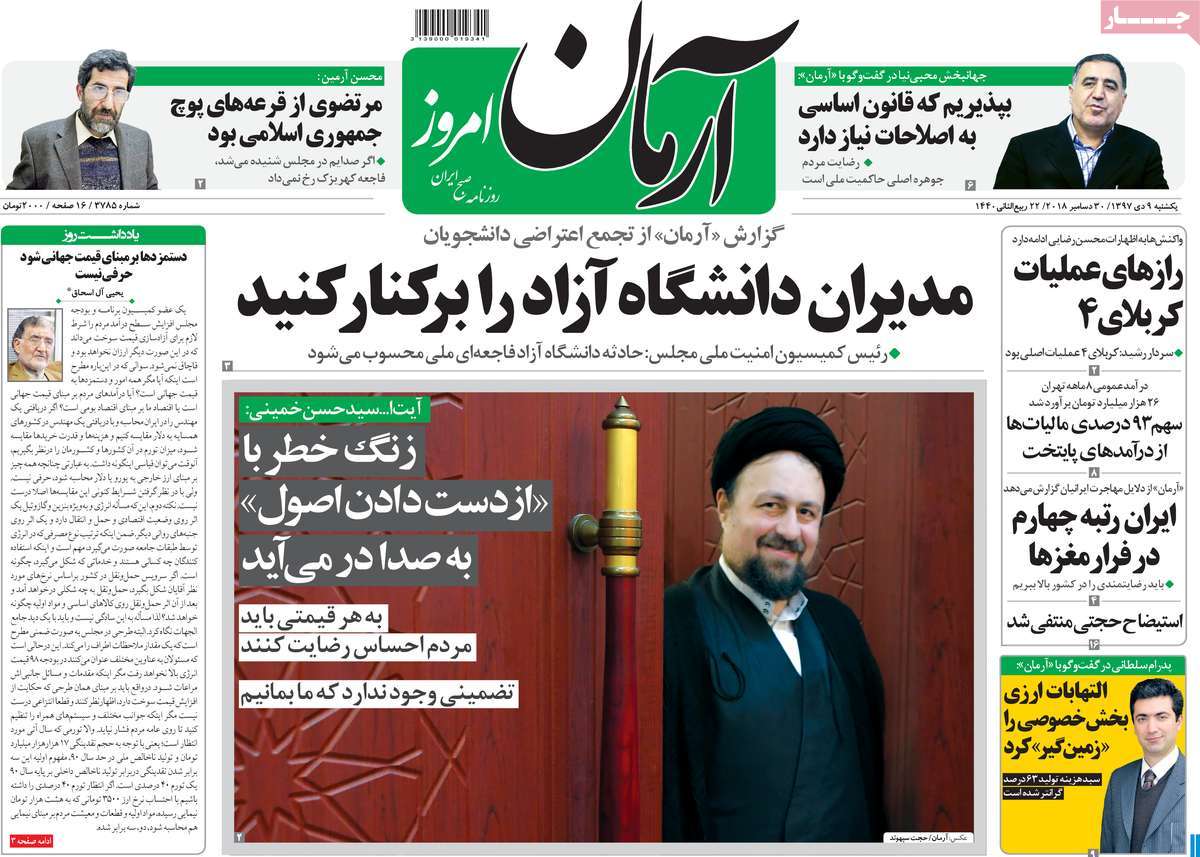
Arman-e Emrooz:

1- Iran Fourth in Global Brain Drain Ranking

A Look at Iranian Newspaper Front Pages on December 30


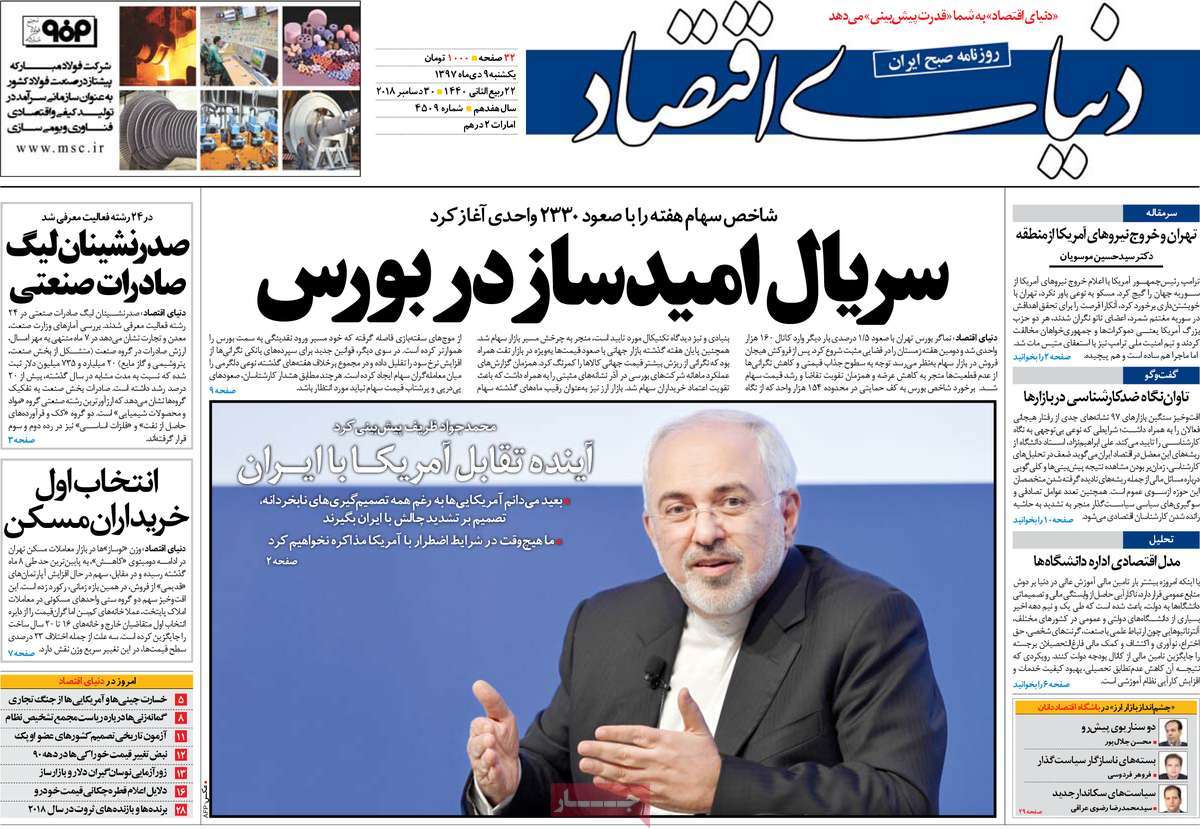
Donyay-e Eghtesad:

1- Zarif: Americans Unlikely to Decide to Escalate Tensions with Iran

A Look at Iranian Newspaper Front Pages on December 30


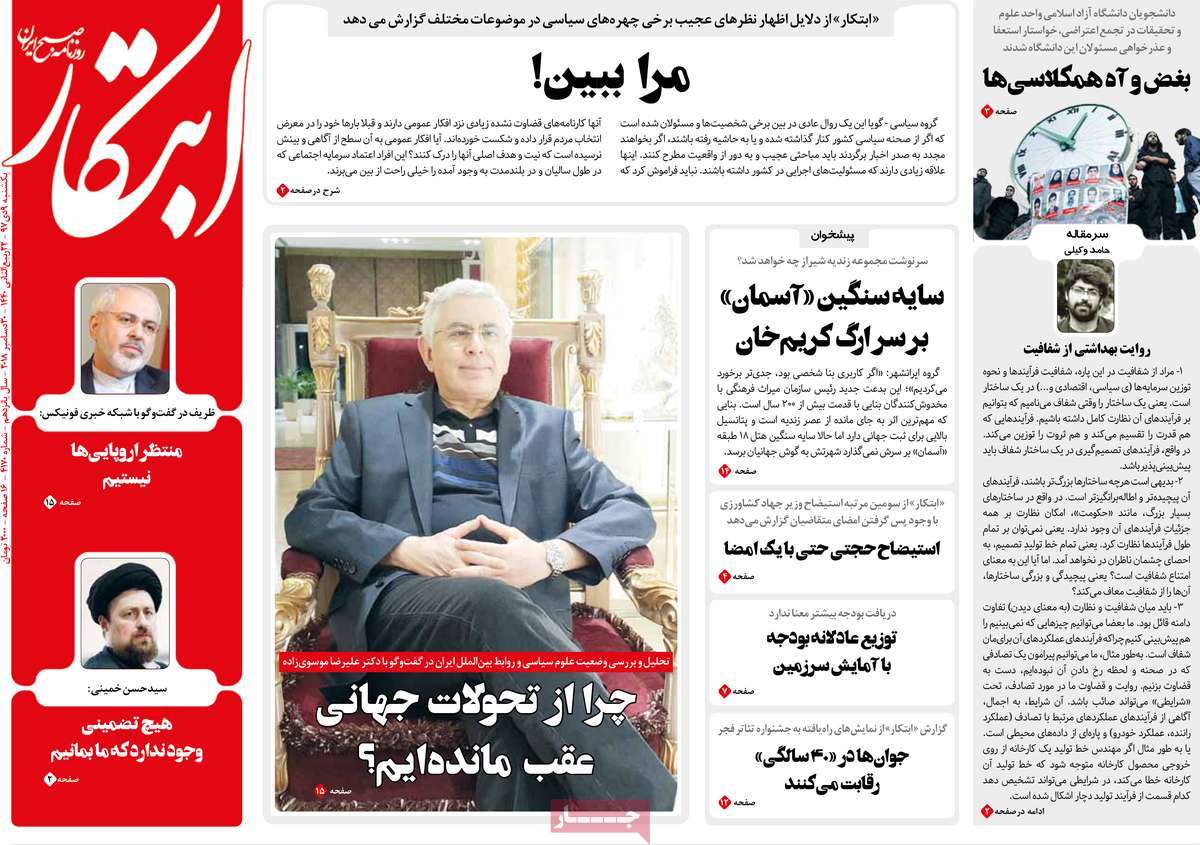
Ebtekar:

1- Zarif Tells Phoenix: We’re Not Waiting for Europeans

A Look at Iranian Newspaper Front Pages on December 30


Ettela’at:

1- FM: Americans in No Position to Threaten Iran

2- Zarif Meets Palestinian Islamic Jihad Secretary-General

3- Economist: US Hegemony in Decline

A Look at Iranian Newspaper Front Pages on December 30


Javan:

1- Sixty Percent of Americans Support Moves against Trump

2- Turkish Dream Didn’t Come True in Manbij, Syrian Army Controlling Northern City

A Look at Iranian Newspaper Front Pages on December 30


Jomhouri Eslami:

1- Islamic Azad University Students Demand Resignation of IAU Officials [Over Deadly Bus Crash]

2- Anti-Government Protests Continue in France for Seventh Week

3- Saudi Arabia Sacks Key Ministers to Restore Credit of bin Salman

A Look at Iranian Newspaper Front Pages on December 30


Kayhan:

1- 9 Dey; The Day When People Blinded Eyes of [2009] Israeli-American Sedition

2- Zarif: If We Go Back to [Beginning of Talks], We Would Take Harder Line in Nuclear Negotiations

3- Syrian Parliament’s Deputy Speaker: US Withdrawal from Syria Divided Trump, CIA and Pentagon

A Look at Iranian Newspaper Front Pages on December 30


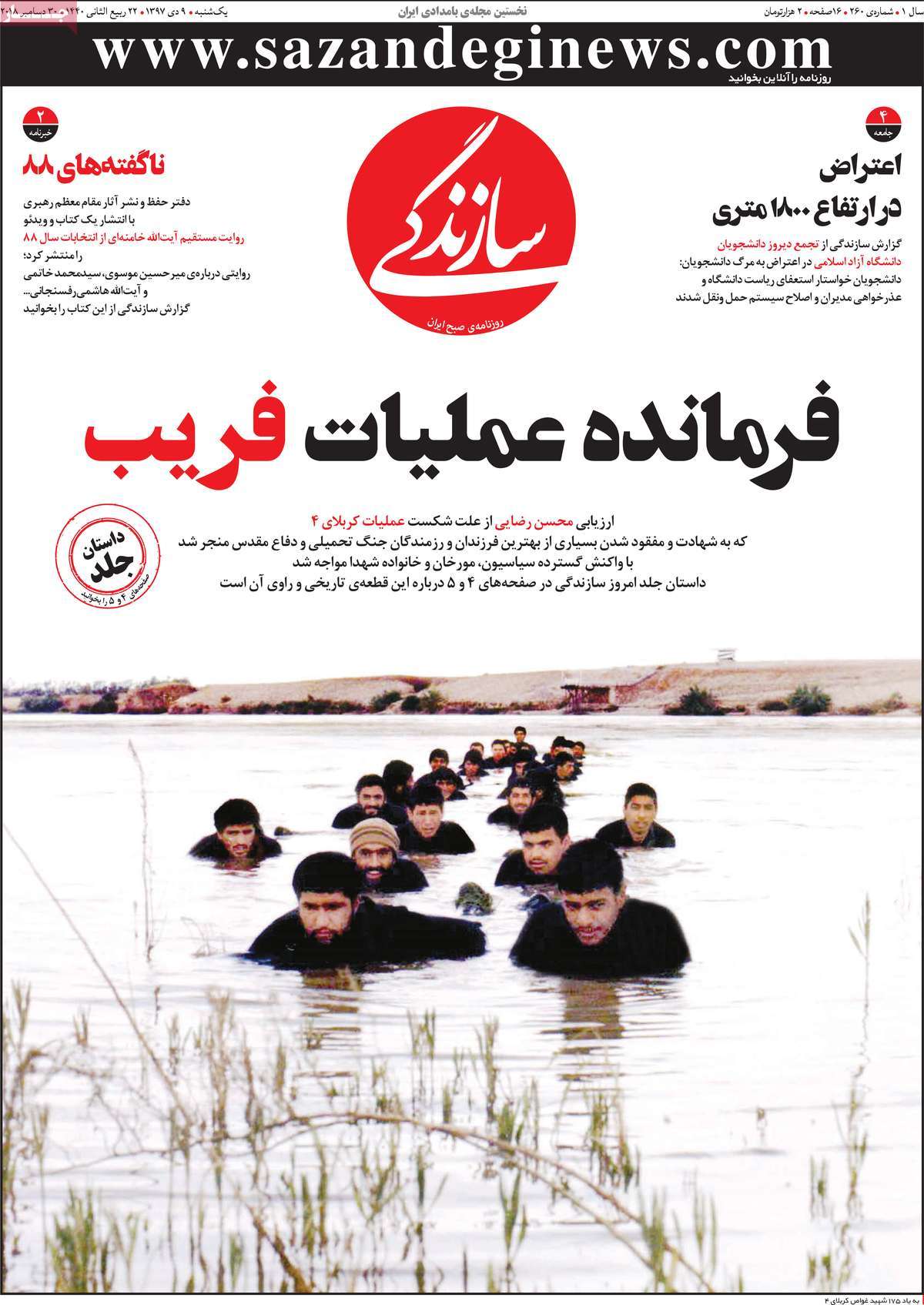
Sazandegi:

1- Commander of the ‘Deceptive Operation’ [controversy over Karbala 4]

  • Then War Commander Gen. Mohsen Rezaei’s analysis of reason for failure of Operation Karbala 4 [where hundreds of Iranian forces were killed by Iraqi forces in 1980s] sparks widespread reactions among politicians, historians and families of martyrs

A Look at Iranian Newspaper Front Pages on December 30


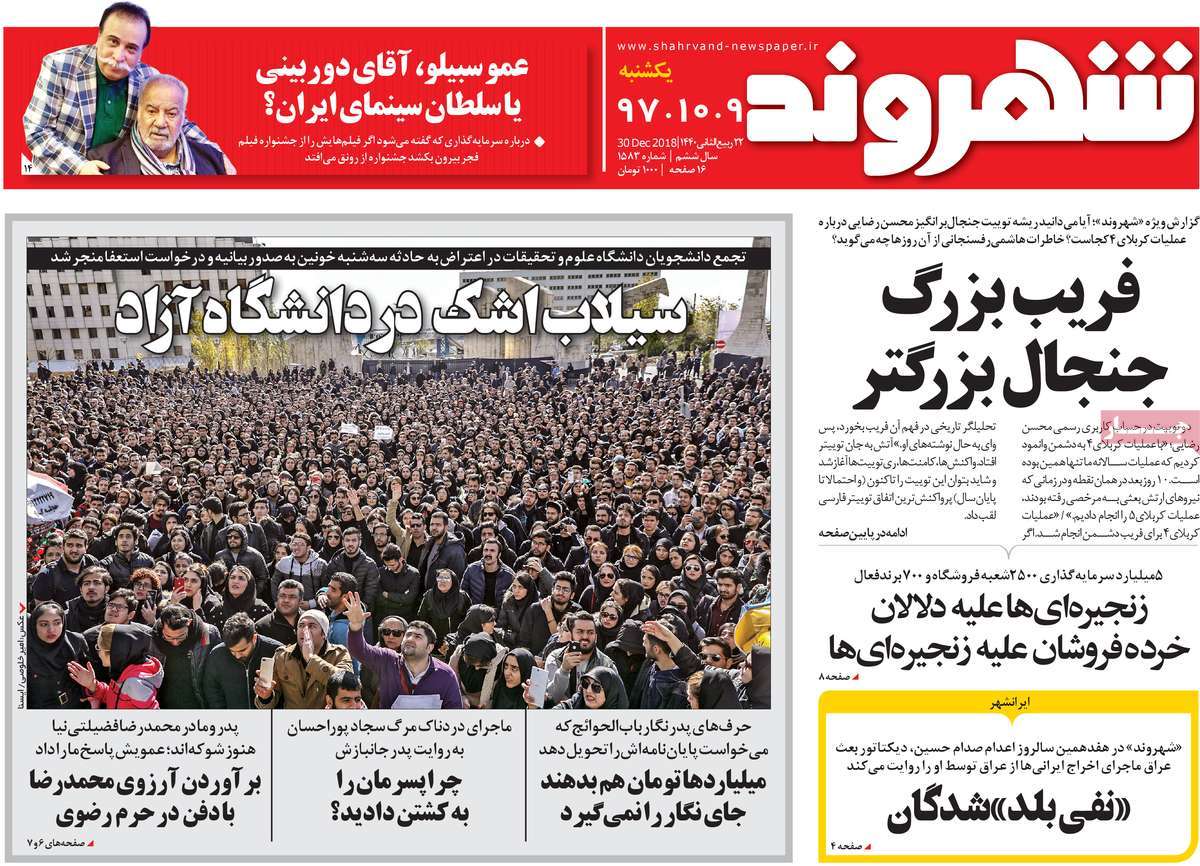
Shahrvand:

1- Tears Flood IAU: Student Gathering Protesting Deadly [Bus] Incident Leads to Statement and Resignation Request

A Look at Iranian Newspaper Front Pages on December 30


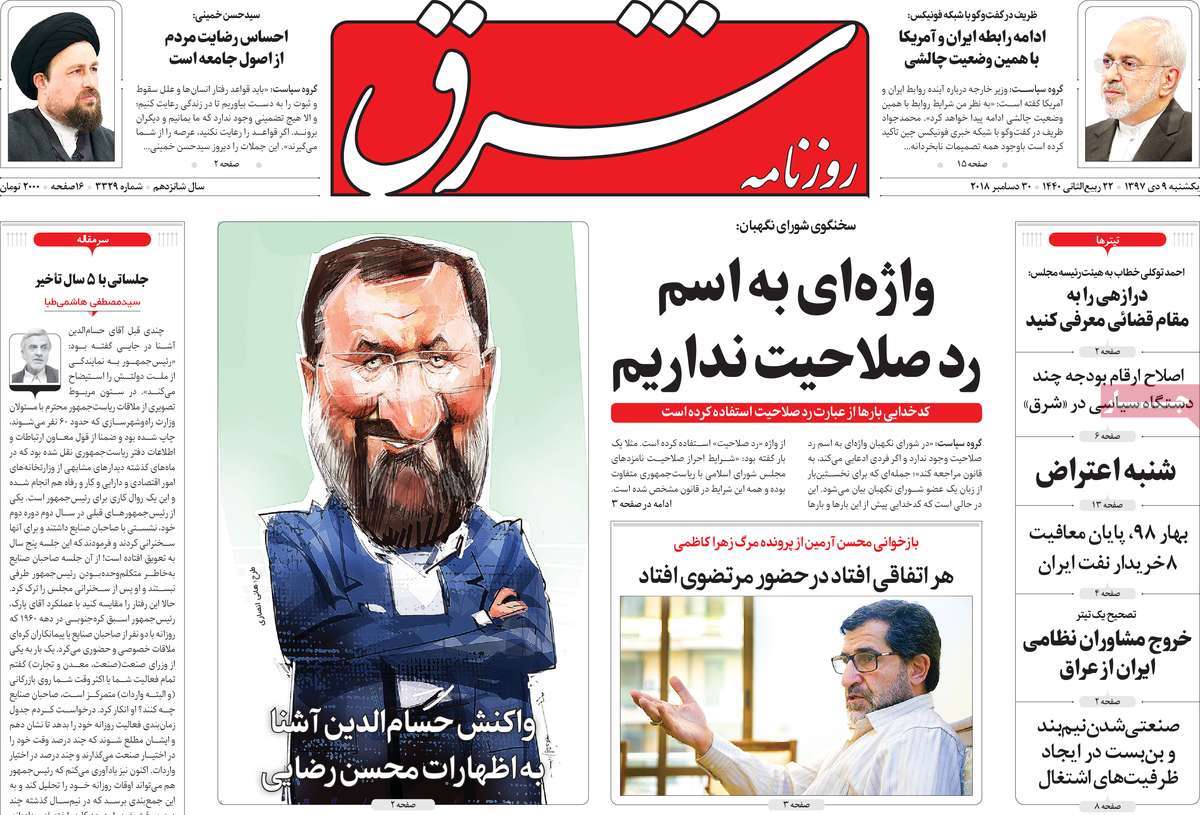
Shargh:

1- Zarif Tells Phoenix: Iran-US Relations to Remain Challenging

A Look at Iranian Newspaper Front Pages on December 30


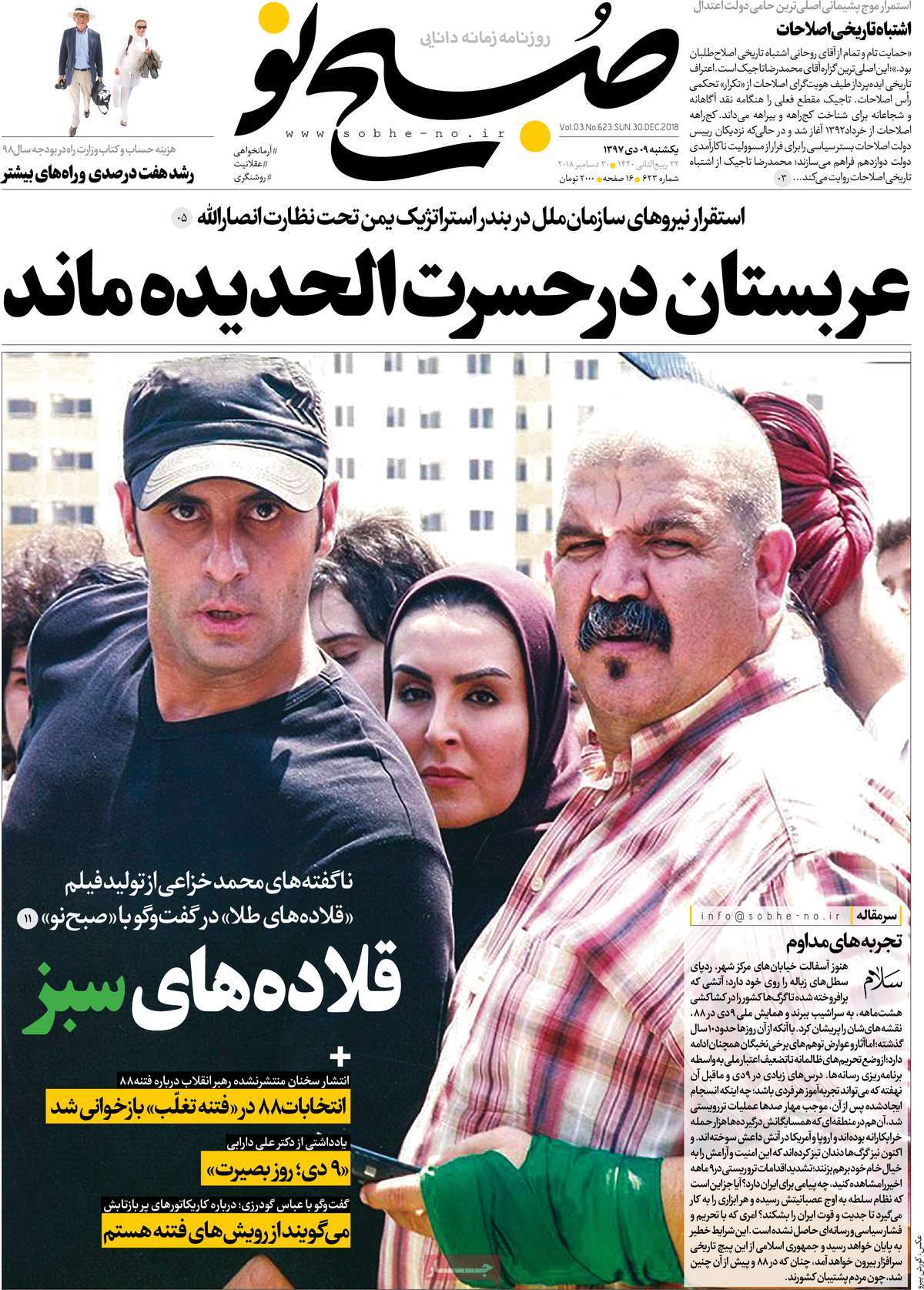
Sobh-e Nou:

1- Saudi Arabia Unable to Take Hudaydah

A Look at Iranian Newspaper Front Pages on December 30

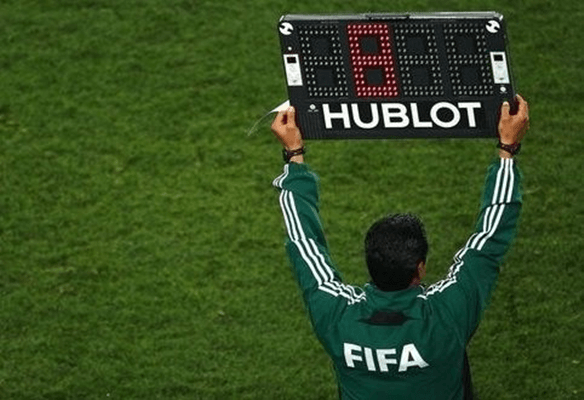
FIFA Surprised By Iranian Inventor’s VAR

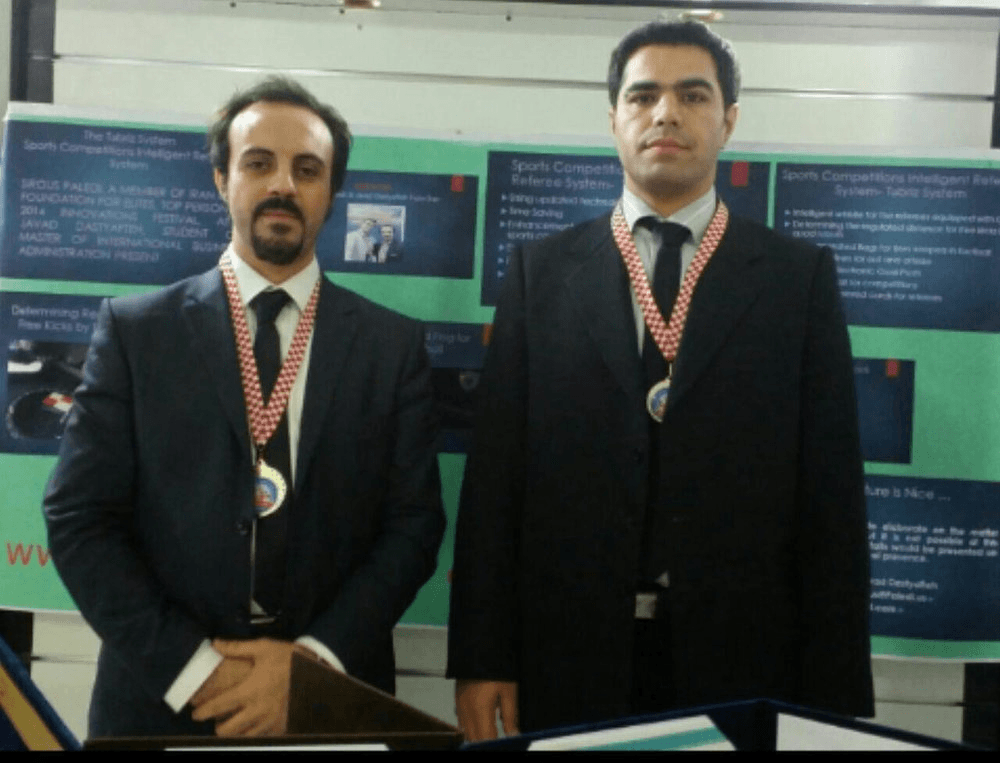
The system was successfully tested on Friday in Yadegar-e Emam Stadium in the north-western city of Tabriz, supervised by the representatives of Football Federation Islamic Republic of Iran.

The system, named Paldi, is an advanced version of VAR invented by Sirous Paldi, a report by Khabaronline said.

The invention has been awarded some global medals in 2016 and 2017. The system could accurately spot the areas in which fouls have happened by laser.

VAR is a football assistant referee that allows for reviewing the decisions made by the head referee with the help of the recorded video footage and a headset for communication.

FIFA Surprised By Iranian Inventor’s VAR

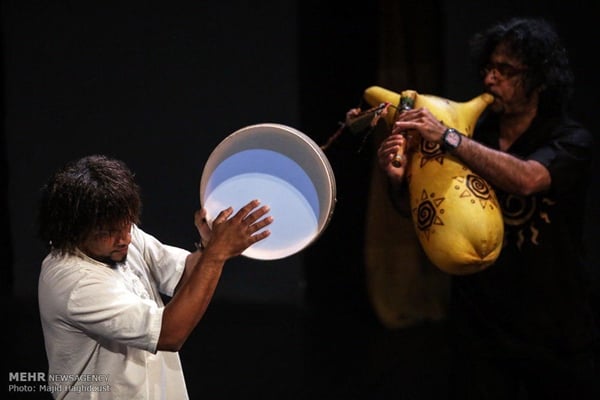
Iranian Music Rich in Attractions, Secrets: Chinese Researcher

Lian music group

As the first Chinese researcher working on Iranian music, Zhao Zhuchan says she decided to study Iranian music to deal with a lack of understanding of the music among Chinese musicians.

“I decided to help Chinese musicians get familiar with Iranian music. To [get a deep understanding], I didn’t limit my studies to the European and American resources,” she was quoted as saying in an interview with IRNA.

Zhuchan said most of the literature on Iranian music have been created by researchers from other countries, adding that she has fell in love with the wonderful world of Iranian music.

“I’ve conducted extensive research on the Iranian music and realized that Iranian musicians have full command over their works,” she noted.

Elsewhere, the Chinese researcher said she began to know Iran through Beijing Book Fair, in which Iranian publishers attended as special guests.

Iranian Music Rich in Attractions, Secrets: Chinese Researcher
zhao zhuoqun

“In this fair, I got to know Lian music group. The type of music and their songs appealed to me and I decided to travel to Iran to get a deeper understanding of Iranian music,” he said.

She underlined that during her latest visit to Iran last year, she got in touch with the Iranian people and their music.

“During my stay in Iran, I found Iranians very kind, hospitable and peace-lover. I also saw Iran a secure country, [unlike] the western media who has been seeking to tarnish its image in the world,” she said.

Zhuchan recalled one of her memories during her visit to the southern city of Bushehr, saying that “the warm welcome I received from the ordinary people in Bushehr as well as my observations from across the country has convinced me to miss no opportunity to promote Iran in the world and invite all culture-lovers in the world to visit Iran closely and get more familiar with the hospitality of the Iranian nation.”

Zhuchan’s findings on Iran’s music and other cultural aspects have been published in an academic journal in China. This is the first academic research on Iranian music published in a prestigious journal.

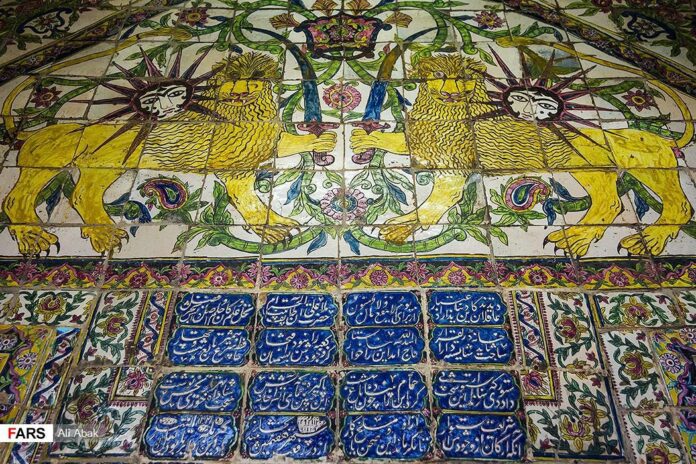
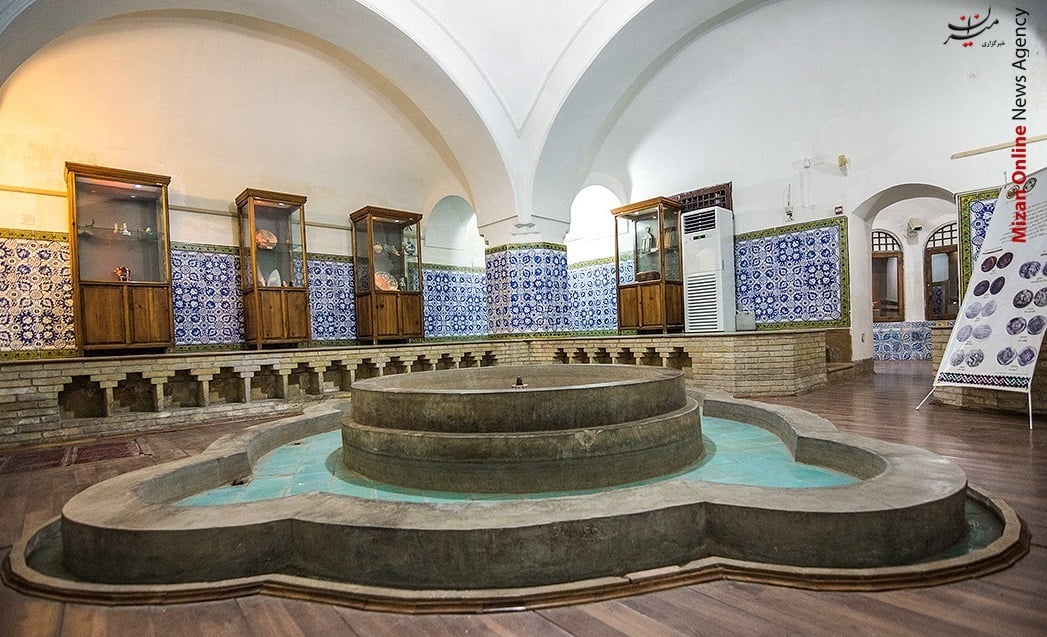
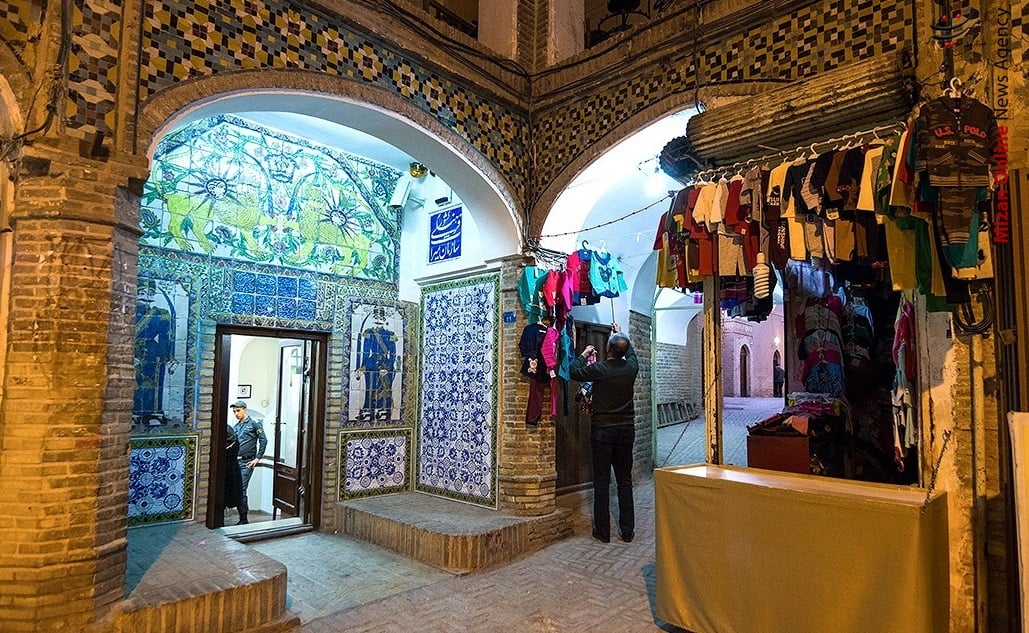
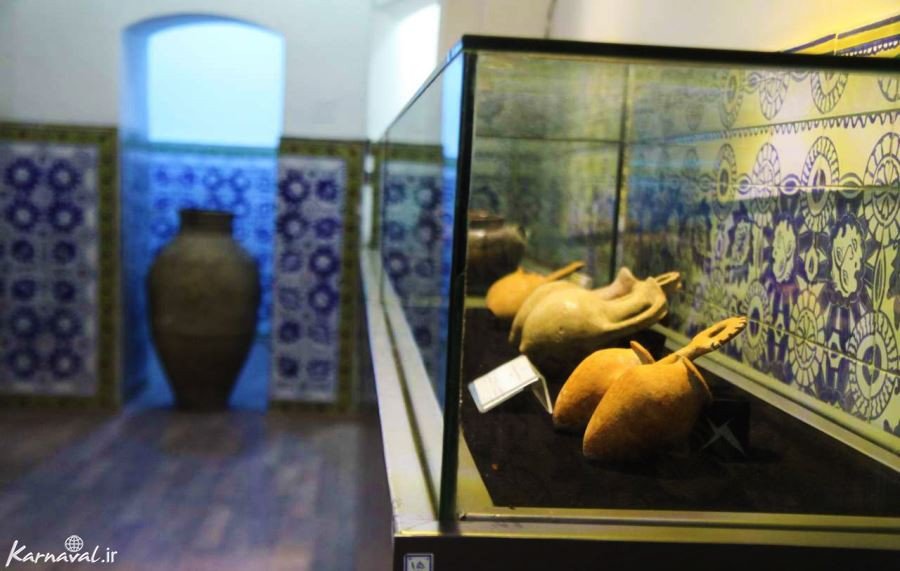
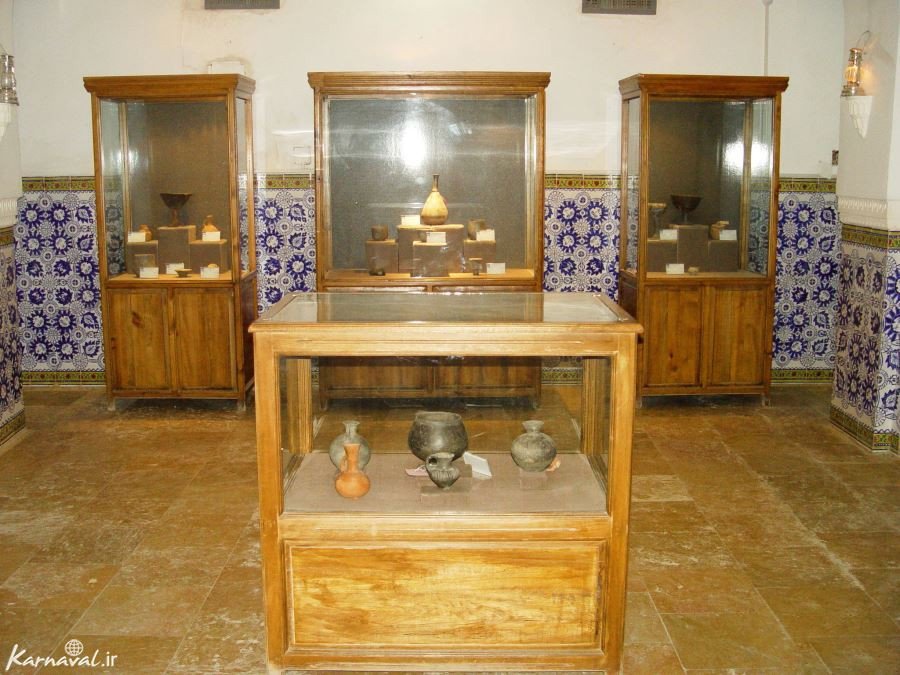
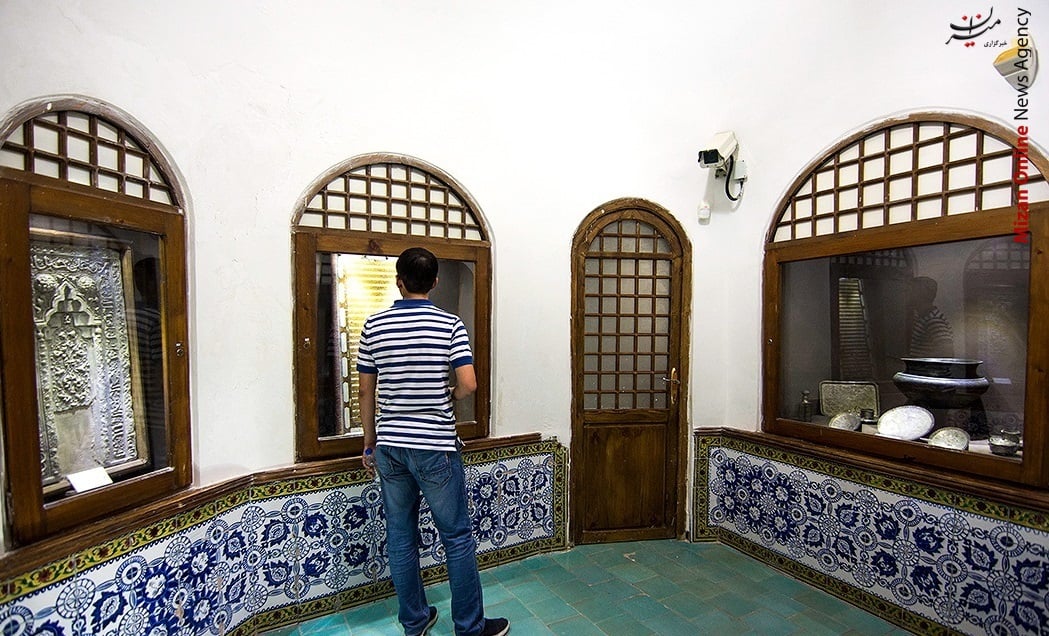
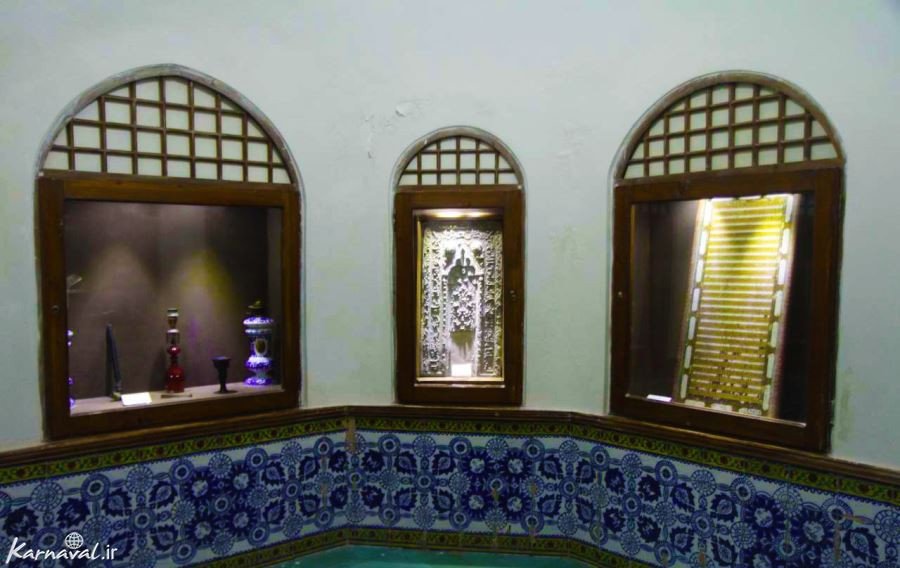
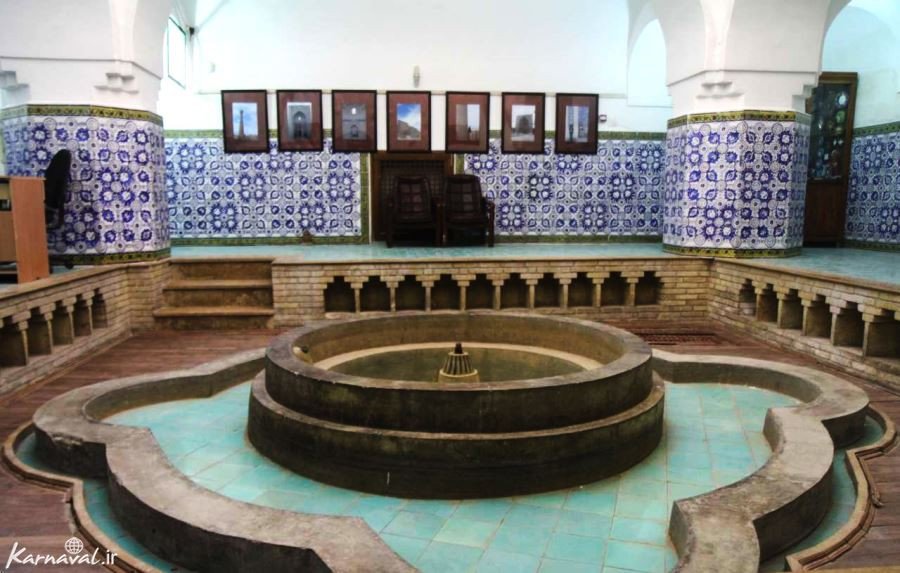
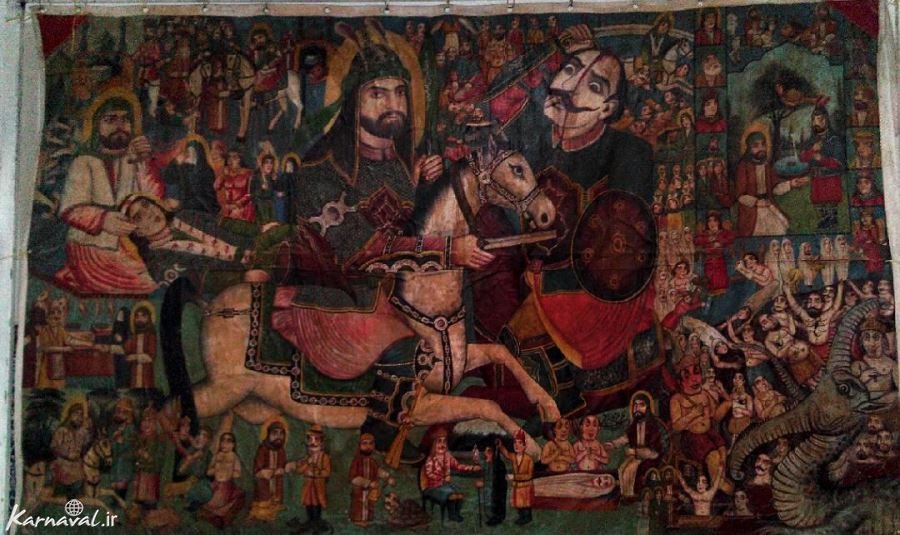
Iran’s Beauties in Photos: Pahneh Bath Museum in Semnan

Dating back to 600 years ago, the bath has been built on a 1000 square meters area. Today, the bath has turned into an ethnography museum.

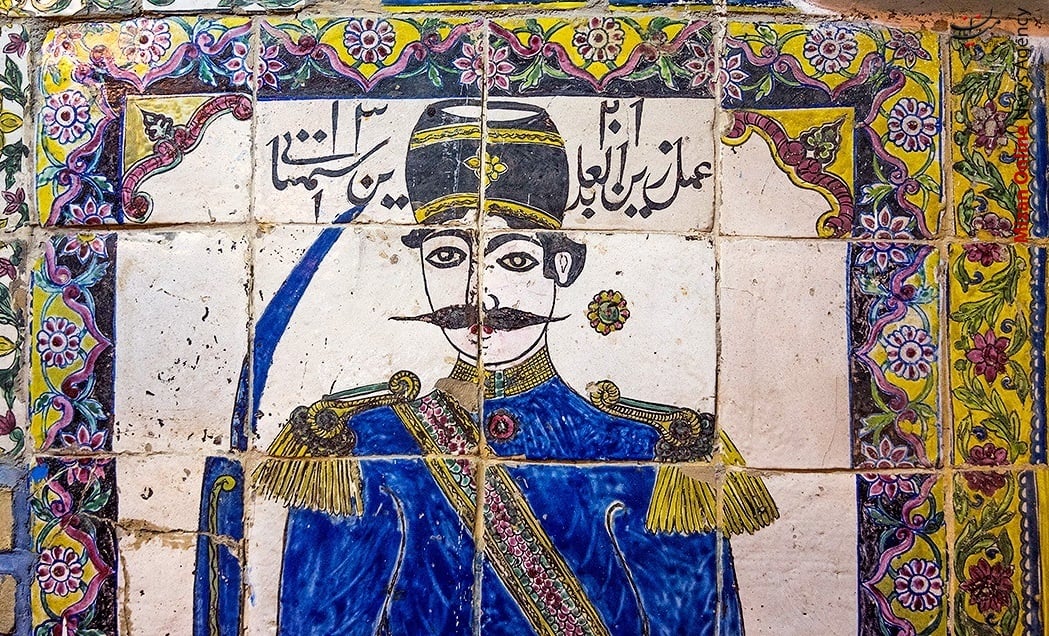
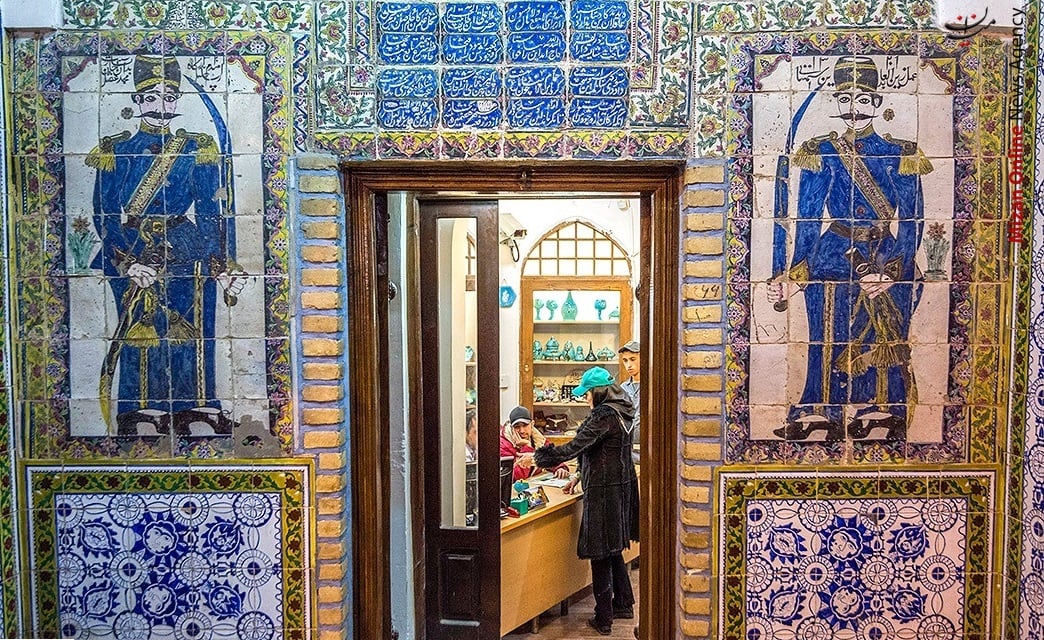
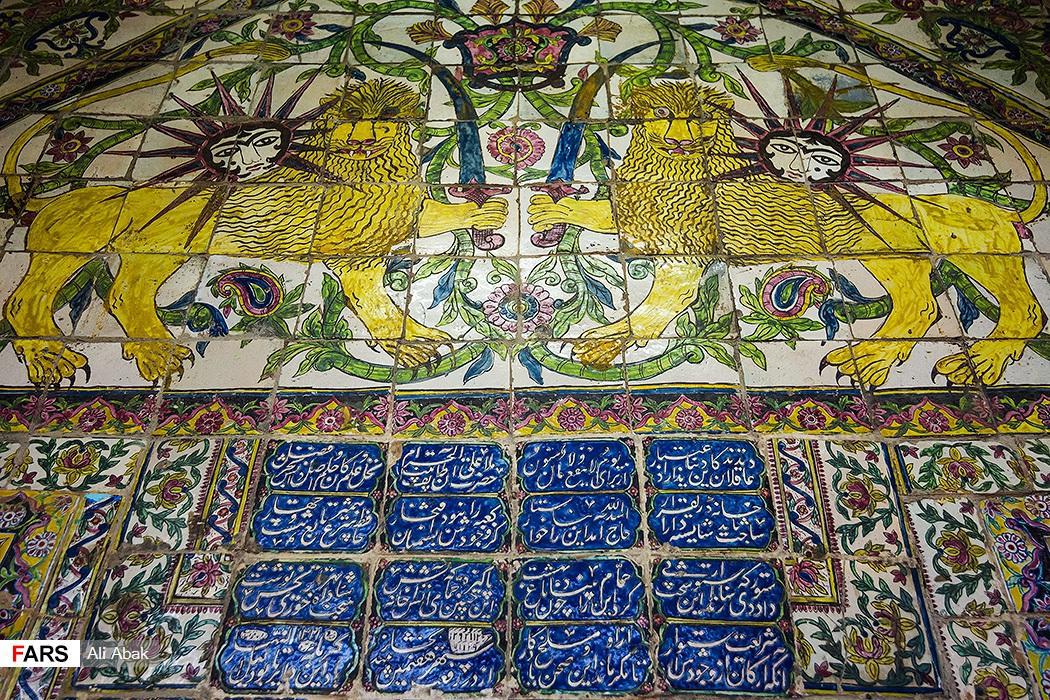
Pahneh Bath enjoys some unique tiling. Its entrance is decorated with a stone inscription made up of 8 ultramarine tiles with a Persian calligraphy of poem by Iran’s legendary poet, Hafiz.

The ancient bath includes various sections including the entrance (an area for waiting to enter the bath), the locker room and cold and hot bathtubs. Like any other bath, Pahneh Bath has two separate entrances for men and women.

Some scholars including Mohammad Hassan Khan Sani’oddoleh, a leading historian from the Qajar era, believe the inscription above the entrance of the bath has been made during the Teymourian era. The bath was active in the Safavid era. According to studies, even some Qajari kings have used the bath. Notably, Mozaffar ad-Din Shah Qajar has issued an official order to repair the bath.

Over the past century, the bath has been repaired and reconstructed several times. It was registered as Iran’s national heritage in 1976.

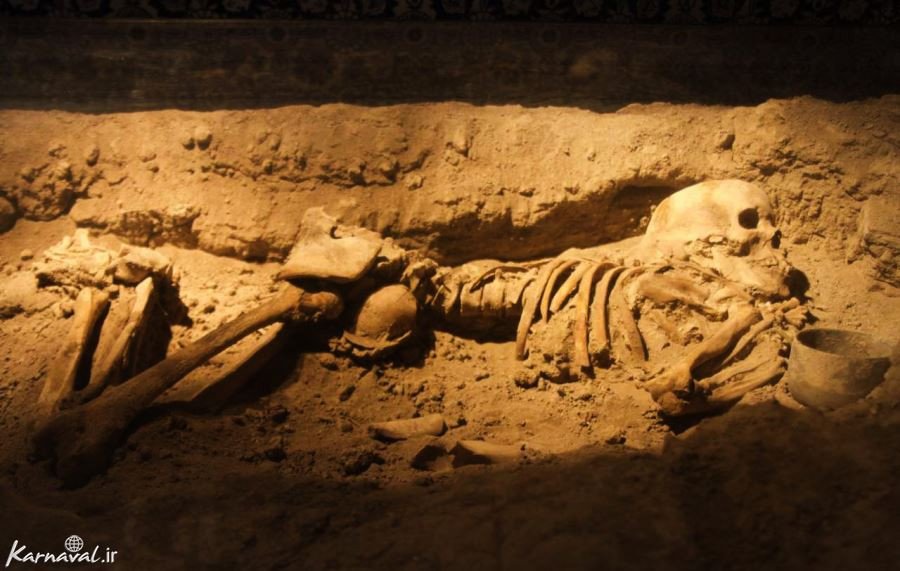
The bath was turned into an ethnography museum after major reconstruction efforts from 1986 to 1994.

Below, you can watch a series of photos of the historical site published by Fars News Agency: