Wednesday, December 24, 2025
Home Blog Page 3367

Iran Starts Direct Sale of Crude Oil through Energy Bourse

This marks a turning point in Iran’s contemporary history as supplying oil used to be a privilege at the hand of the government before and after the Islamic Revolution in 1979. Now, it seems a dramatic development is unfolding in Iran’s economy which is mainly dependent on oil revenue.

Many believe that the new development is one of the byproducts of the US sanctions which are aimed at reducing Iran’s oil exports to zero. The US is set to re-impose its second round of unilateral sanctions on November 4.

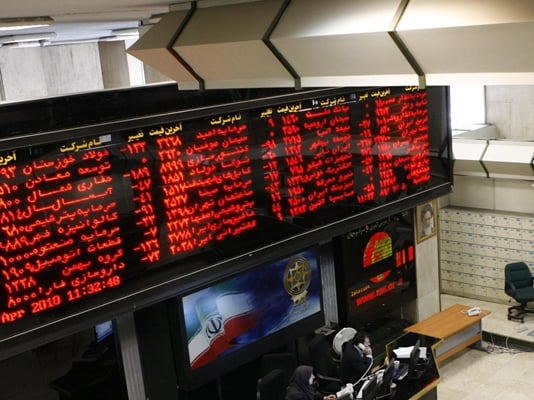
Now, for the first time over the past seven years, Iran has managed to sell its crude oil through Iran Energy Exchange (IRENEX). On Sunday, a total of 280,000 barrels of oil was sold through the IRENEX at a rate of $74.85 per barrel.

According to the latest report by IRENEX, the country has already put up for grab a shipment of one- million barrels of crude oil.

“Today, four Iranian firms provided a trading code to take part in the transaction run by the International Circle of the Iran Energy Exchange after depositing ten percent of the whole shipment price into the banking account of the Central Securities Depository of Iran,” said Fariba Akhavan, Chief Operating Officer at Central Securities Depository of Iran, as quoted in a report by Fars News Agency.

For more information, find below a detailed report by Fars News Agency on Sunday’s transactions:

Local Time: 14:00

Iran Started supplying crude oil through IRENEX

Local Time: 14:15

Three oil purchasers expressed their preparedness to take part in the transactions including a multi-national firm. A growing number of applicants have rushed to register their names to participate in the transactions. The trend has temporarily made CSDI’s website out of reach.

Local Time: 14:50

Finally two proposed prices were registered by the participants for purchasing a one-million-barrel shipment. At present the highest proposed price for a 35,000-barrel shipment stands at $62.4 for each barrel. Another proposed price stands at $61.85. Now, we should wait and see if the National Iranian Oil Company (NIOC) would lower its base price ($79.15) or not in response to the current demands.

Local Time: 15:00

The NIOC decreases its base price to $74.85 per barrel. Now, the number of applicants has increased considerably and at least 8 applicants have registered their names. The applicants offered their prices ranging between $61.85 and $69.82 per barrel.

Local Time: 15:10

One of the applicants offered to purchase eight 35,000-barrel shipments at $74.85 per barrel and bought them. Two other applicants called for a 35,000-barrel shipment at $65.55 and $68.56 but failed in its bid.

Local Time: 15:23

Three Iranian brokers of Parsian Bank, Refah Bank and Khobregan were agents of the firm which purchased 8 shipments of the Iranian crude oil through IRENEX.

Local Time: 15:27

Khobregan Saham affiliated with Oil Industry Pension Fund purchased 140,000 barrels of crude oil through IRENEX. The two other brokers – Parsian and Refah – managed to purchase the remaining 140,000 barrels of oil.

Local Time: 15:28

Given the successful transactions made through IRENEX, Iran managed to break the spell and sell its crude oil through the exchange after seven years. Reports say supplying other one-million-barrel shipments will keep going next weeks in one single shift.

Local Time: 15:30

Reports say private companies with no affiliations to governmental organizations are the purchasers of Iran crude oil.
Iranian Films to Be Screened at American Film Institute

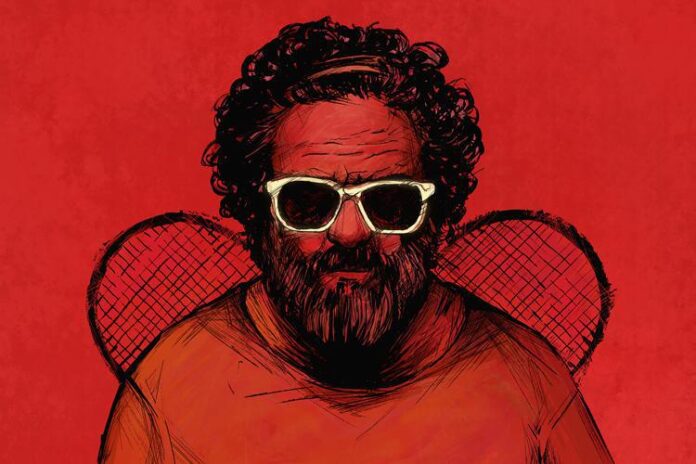
A poster of Mani Haqiqi's film "The Pig"

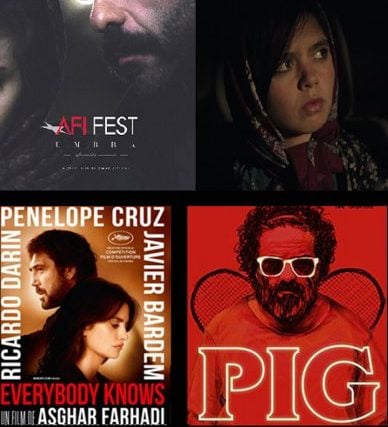
In the World Cinema section of this year’s AFI festival, the features films “3 Faces” by Jafar Panahi and “The Pig” by Mani Haqiqi will represent the Iranian cinema.

Besides, the Spanish-language film “Everybody Knows”, the latest work by Asghar Farhadi, will be shown as the special section of the event.

“3 Faces” and “Everyone Knows” were first unveiled at the 2018 Cannes Film Festival where Asghar Farhadi’s latest work was screened at the opening ceremony.

Iranian Films to Be Screened at American Film Institute“The Pig” by Haqiqi was also first featured in the competition section of the 2018 Berlin International Film Festival.
The short film “Darkness” directed by Saeed Jafarian and produced by Rambod Javan has also been accepted to be screened at the AFI film festival.
“Darkness”, which was first featured at the Cannes Film Festival, was later invited to the Toronto International Film Festival as well.

Last year, the short film “Negah” (Look) directed by Farnoosh Samadi won the award.

The American Film Institute (AFI) is a US film organisation that educates filmmakers and honours the heritage of the motion picture arts in the United States.

AFI is supported by private funding and public membership fees. It is one of the best American festivals, and is said to be one of the most important film festivals in the world, approved by the Academy Awards.

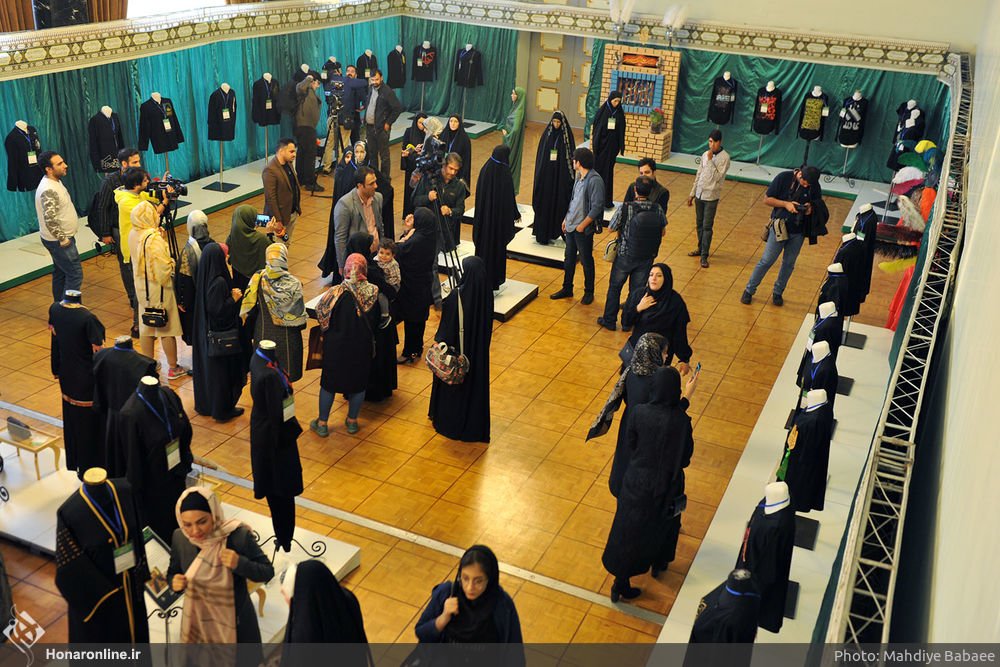
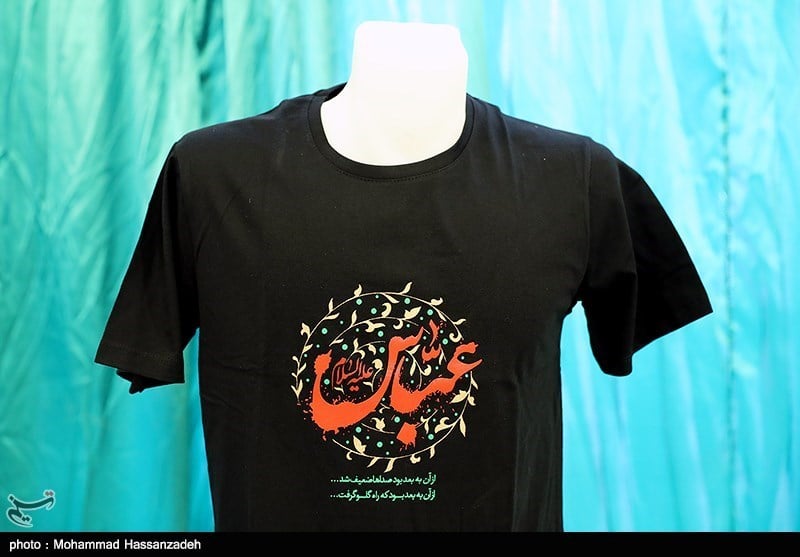
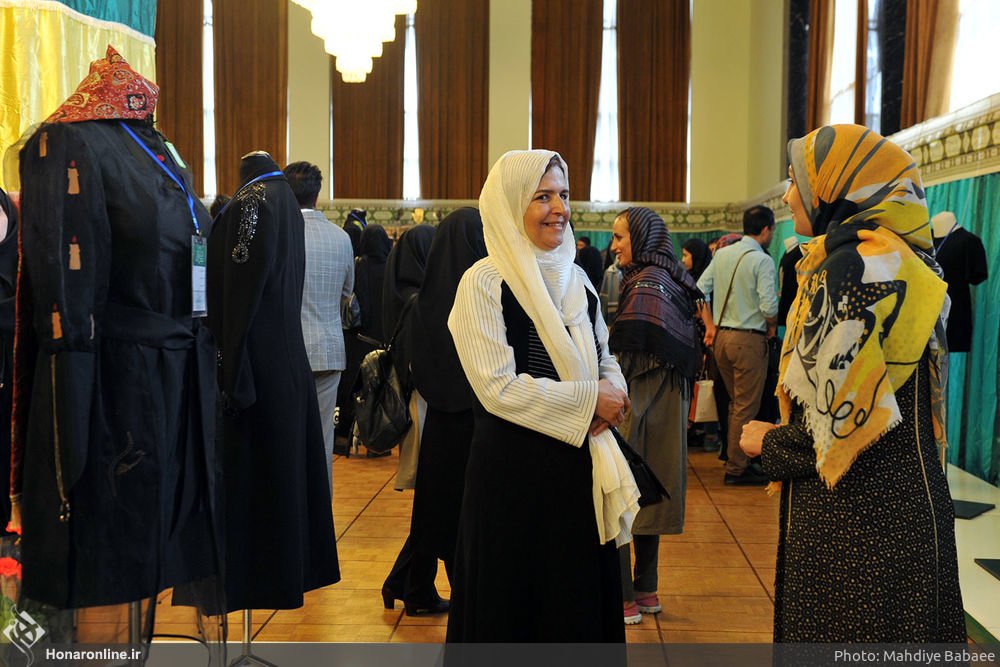
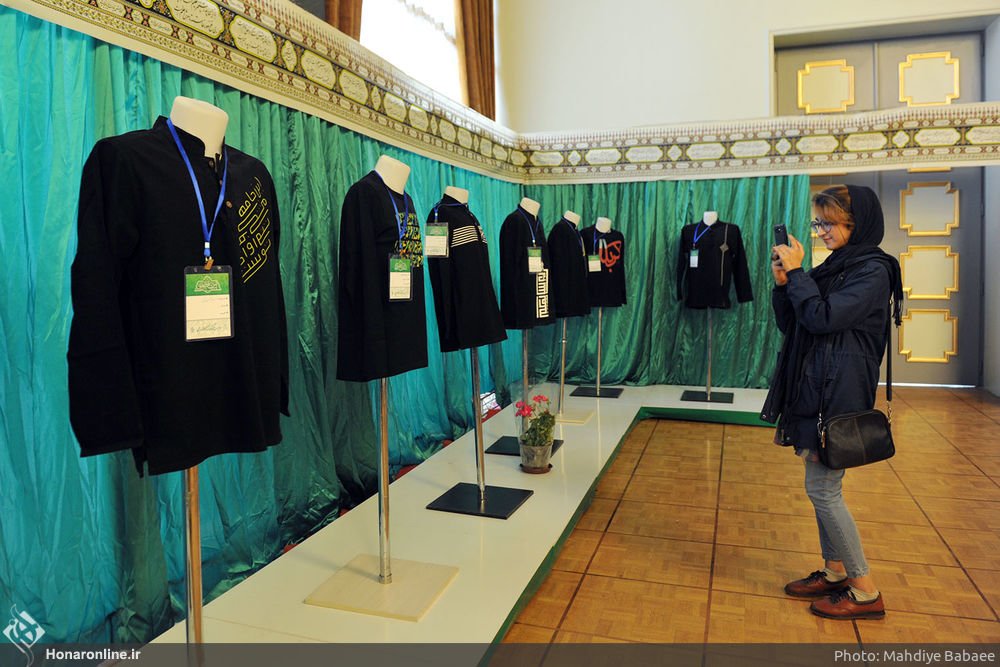
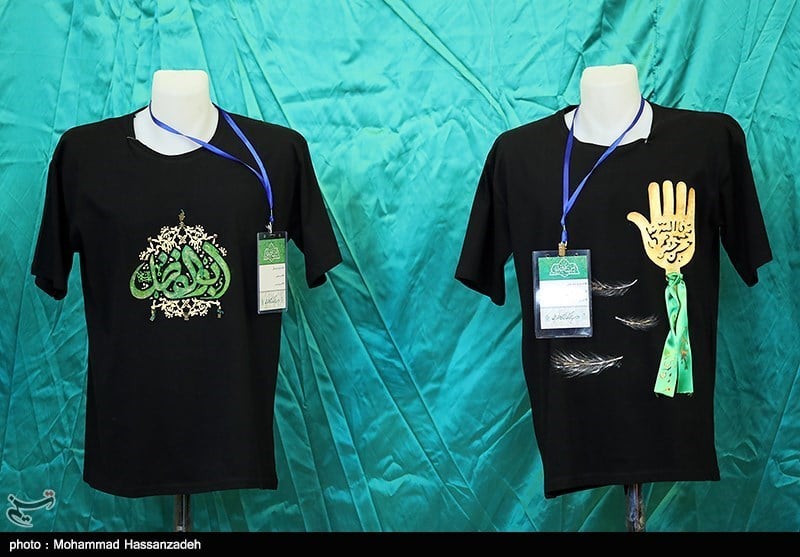
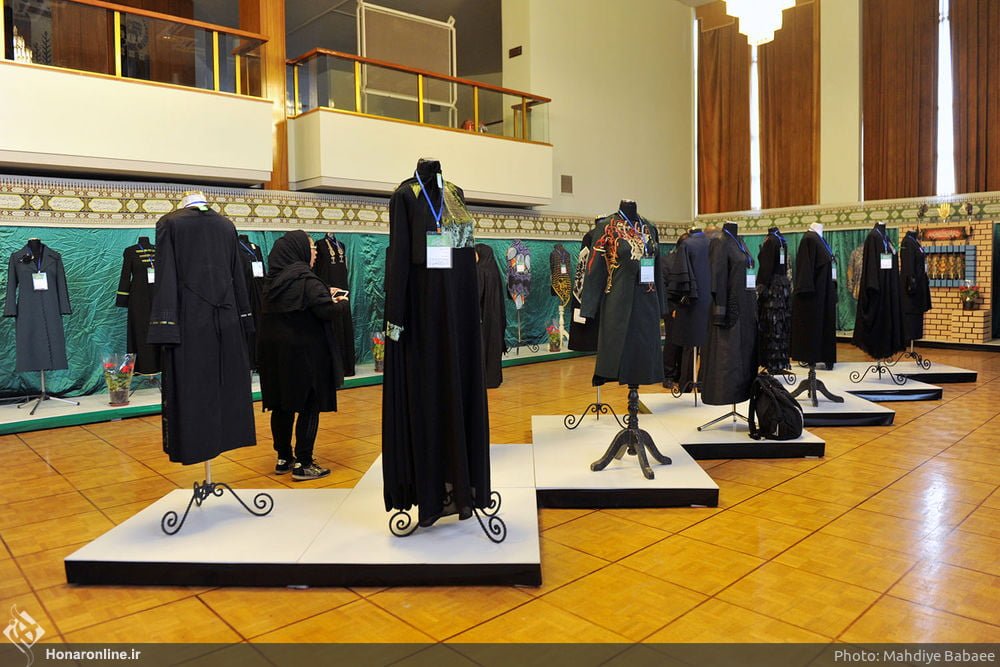
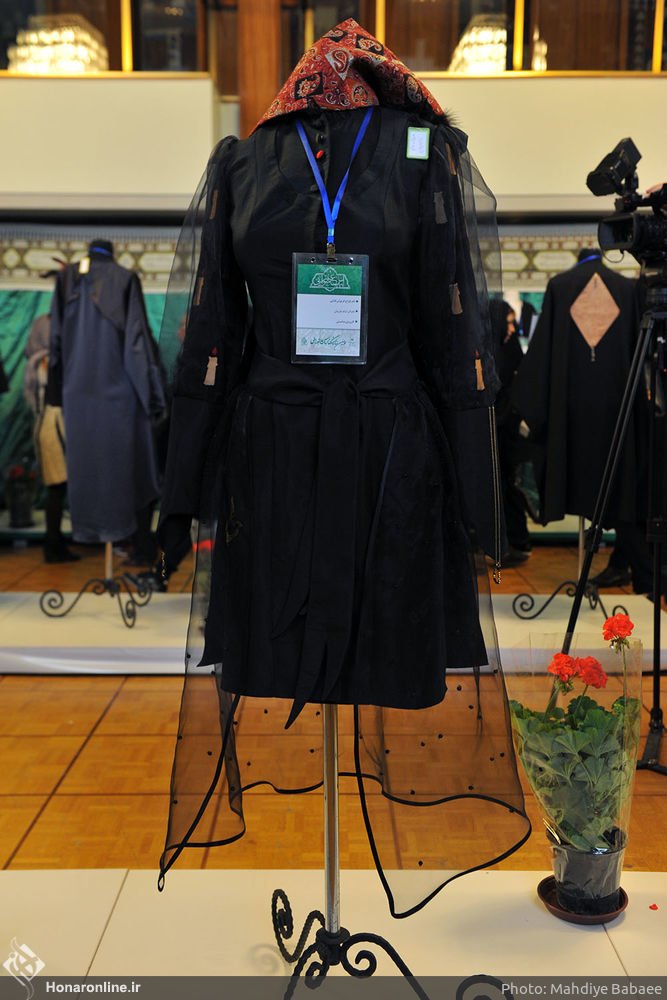
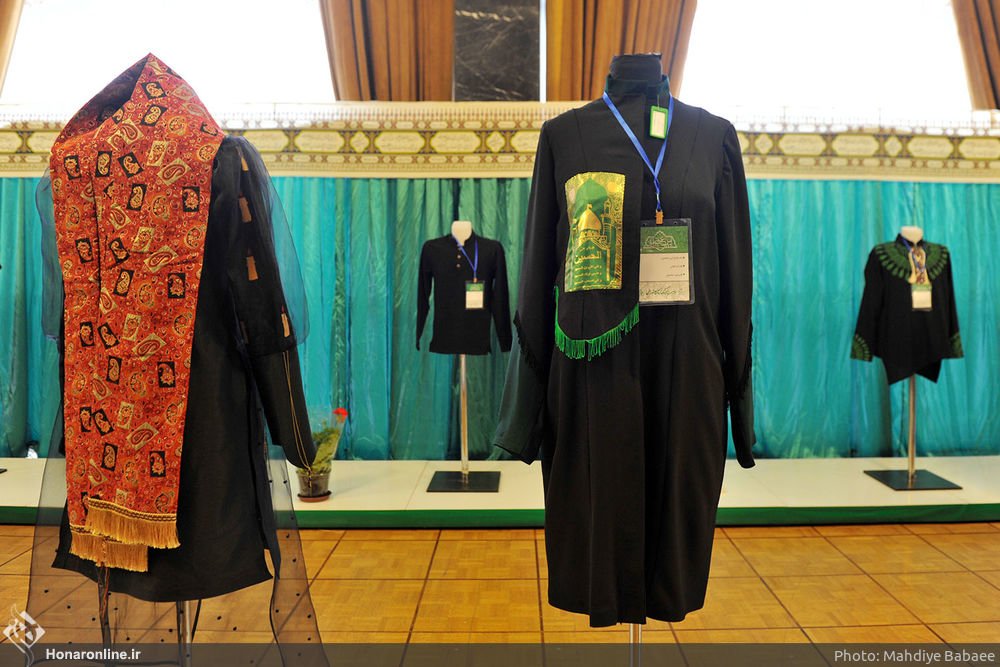
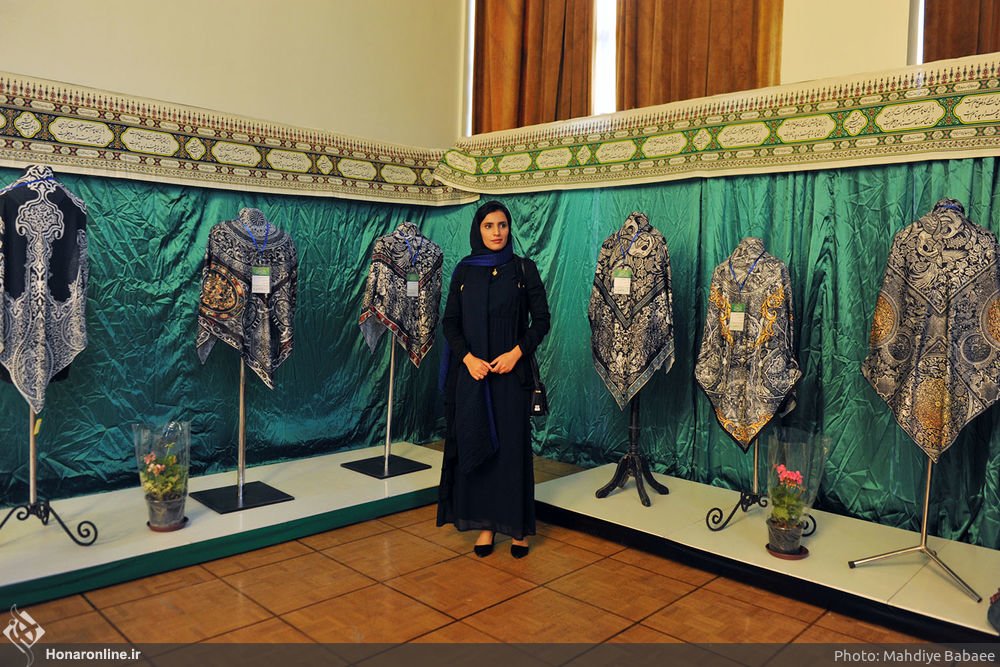
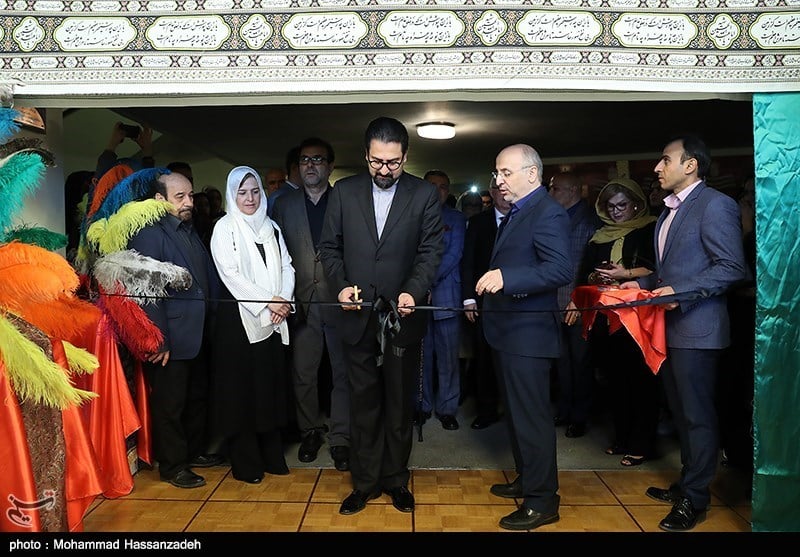
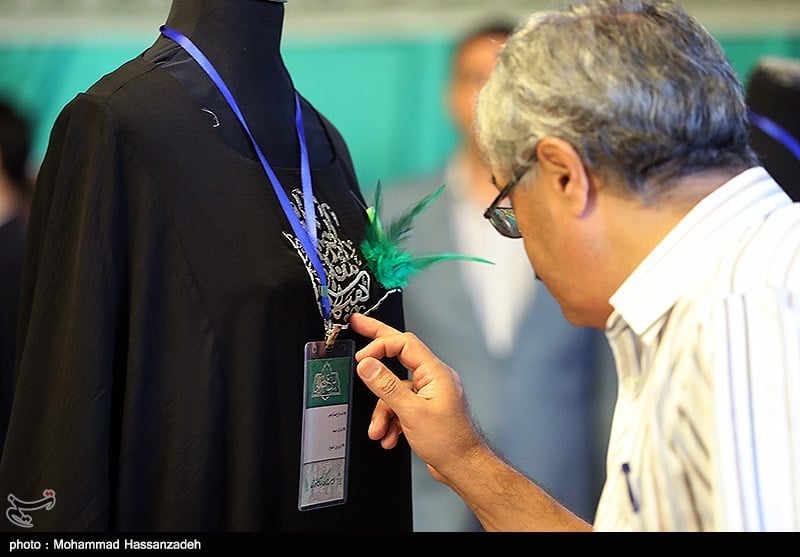
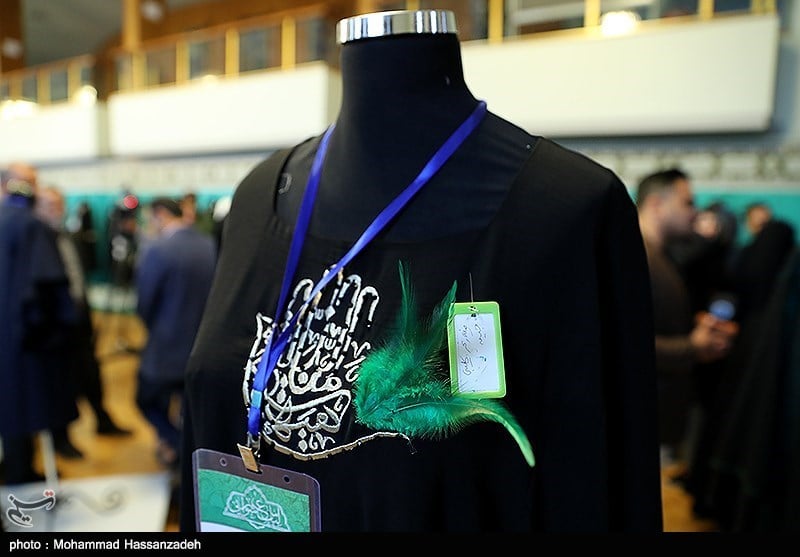
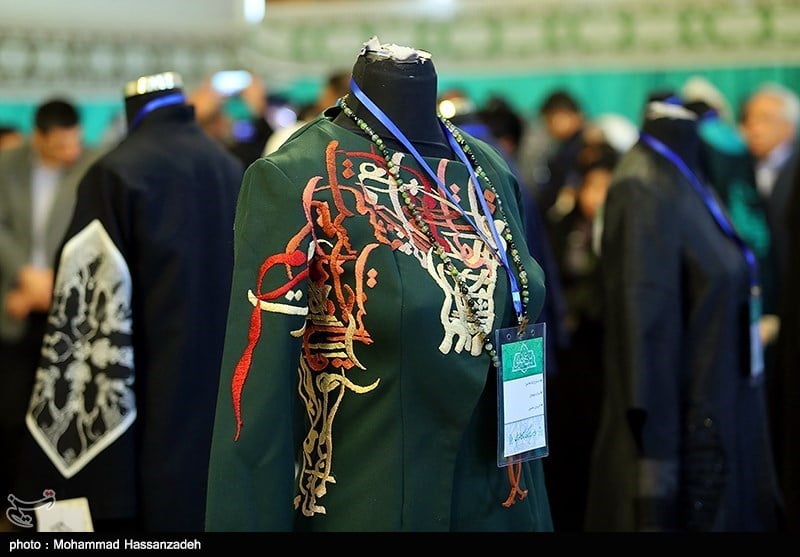
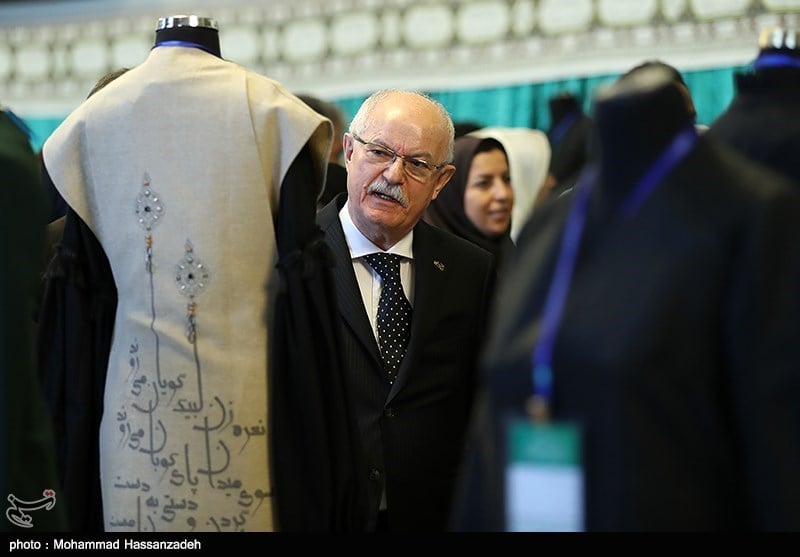
Tehran Hosts Third Ashura Clothing Exhibition

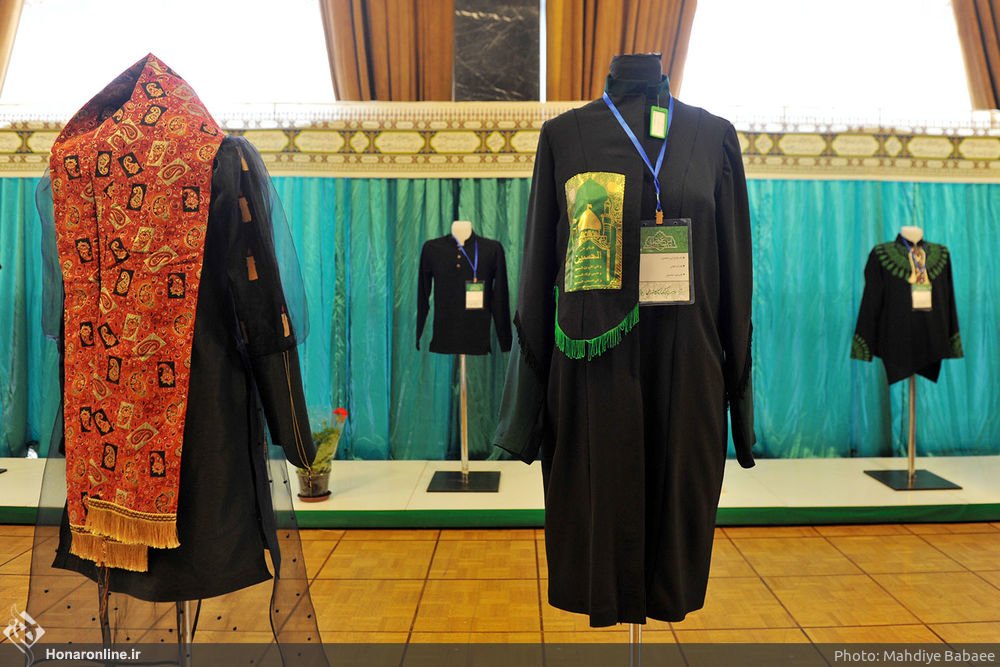
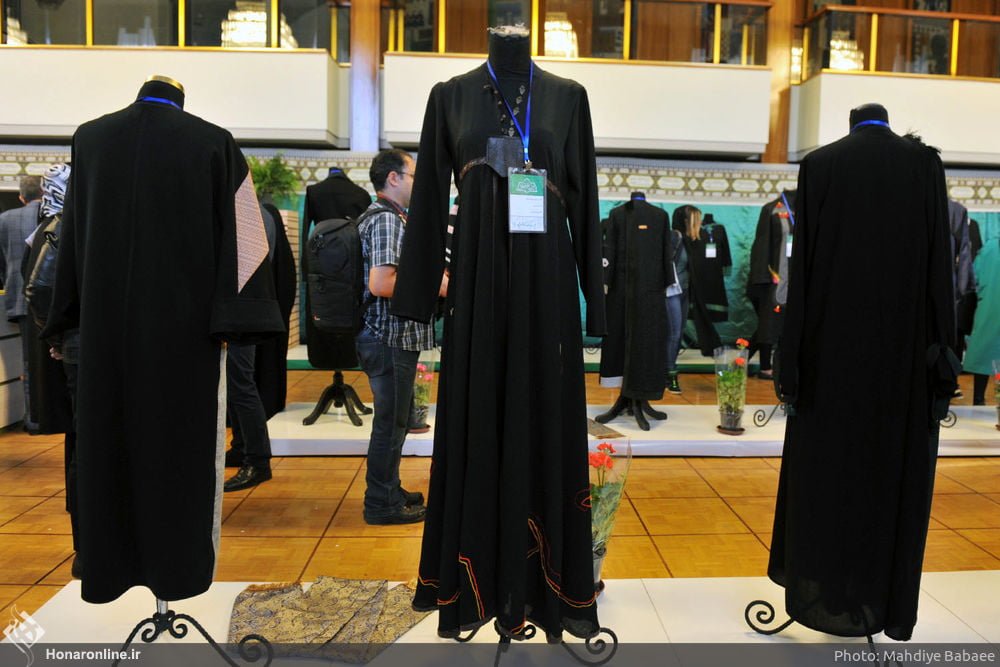
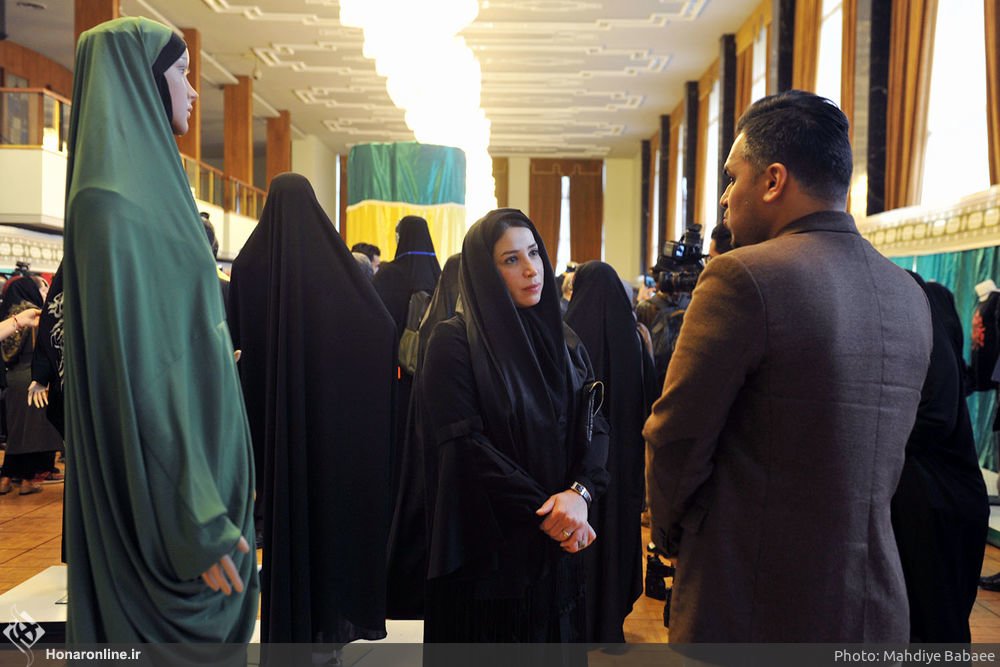
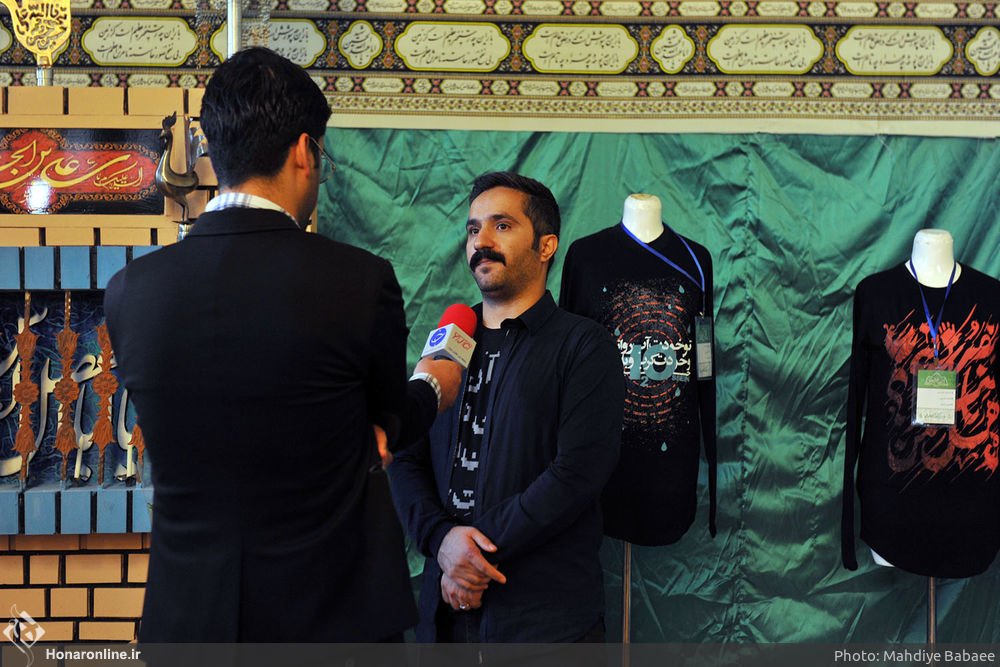
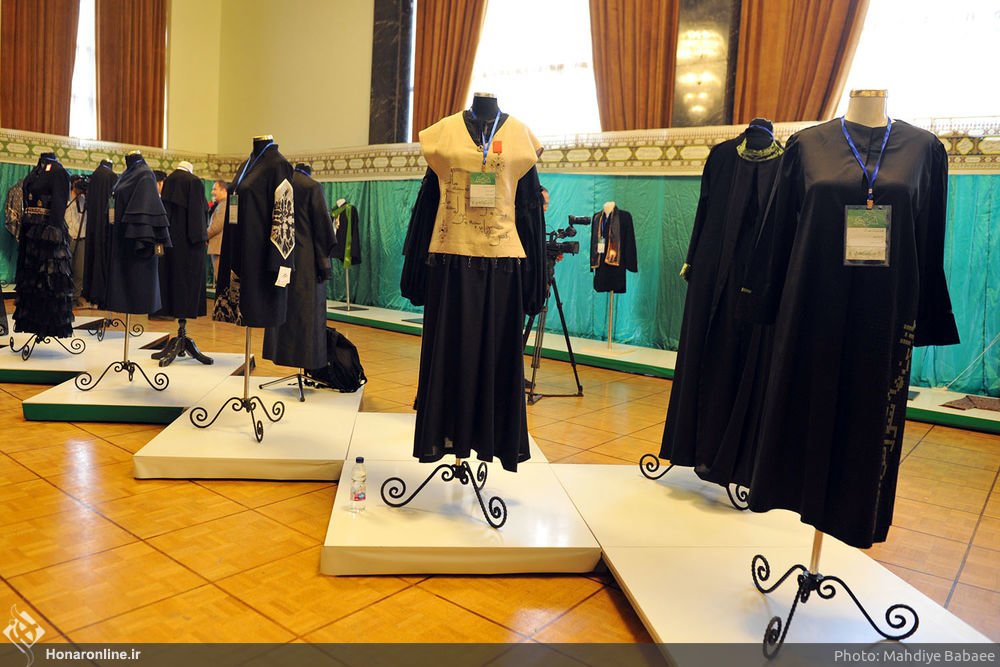
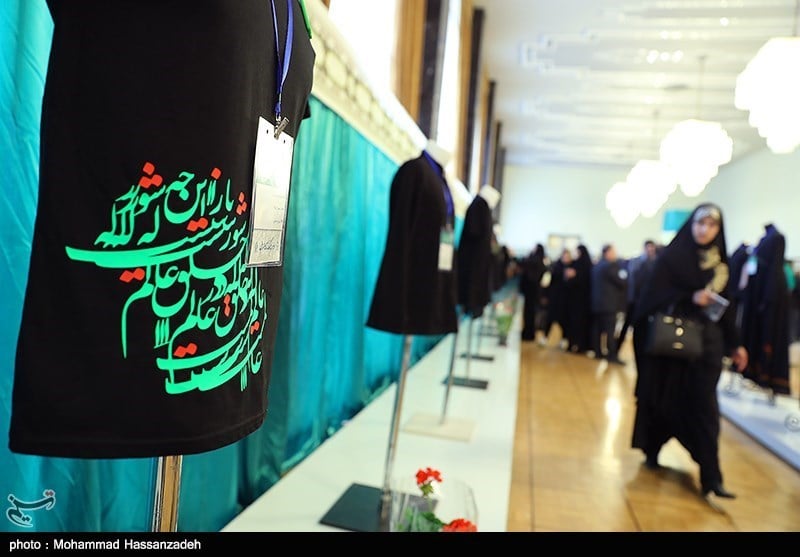
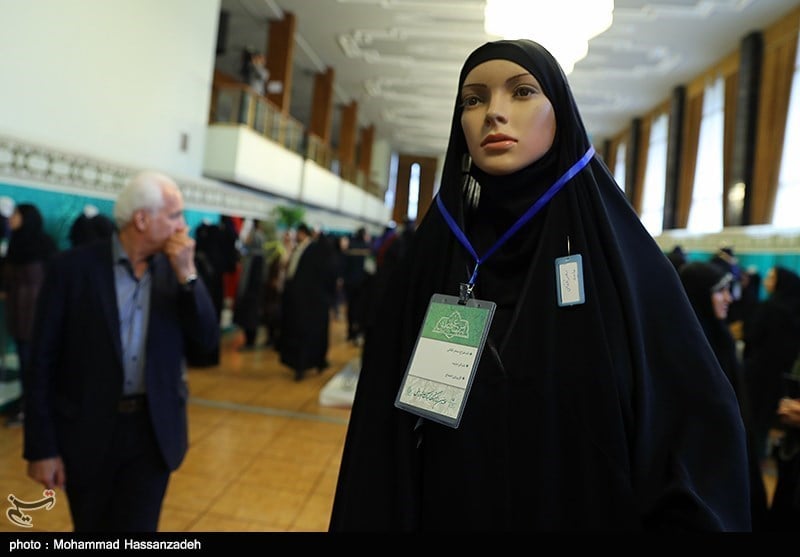
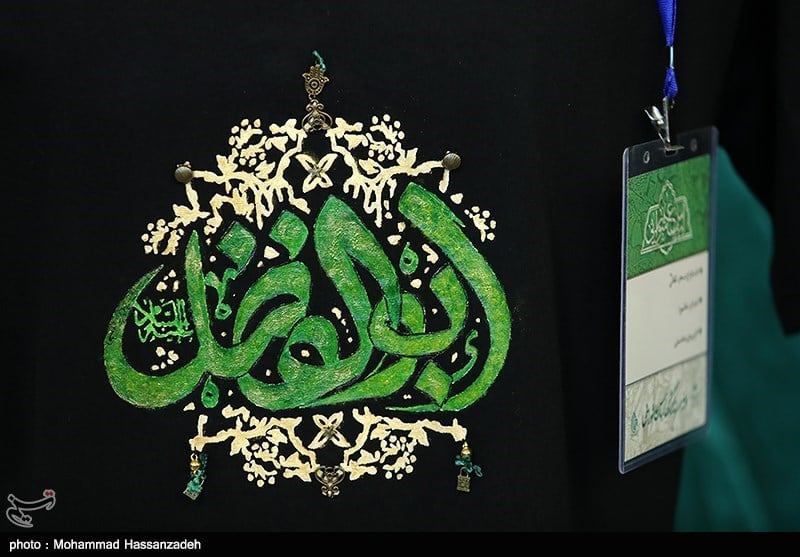
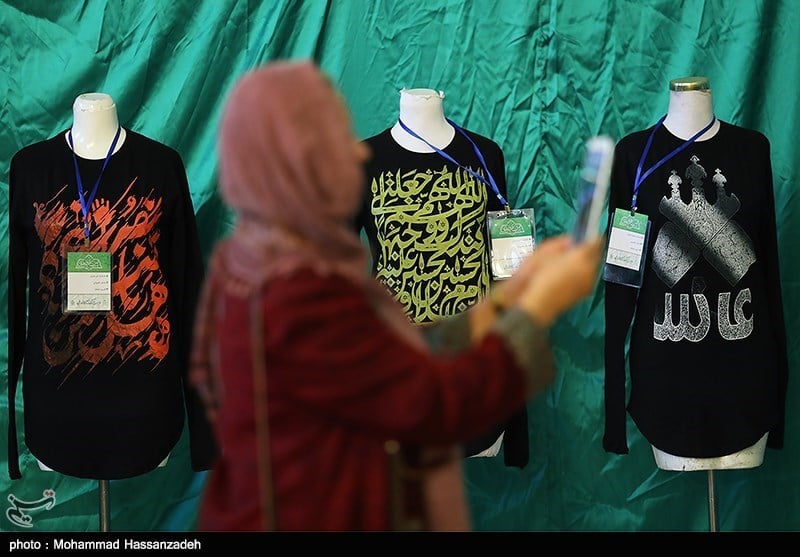
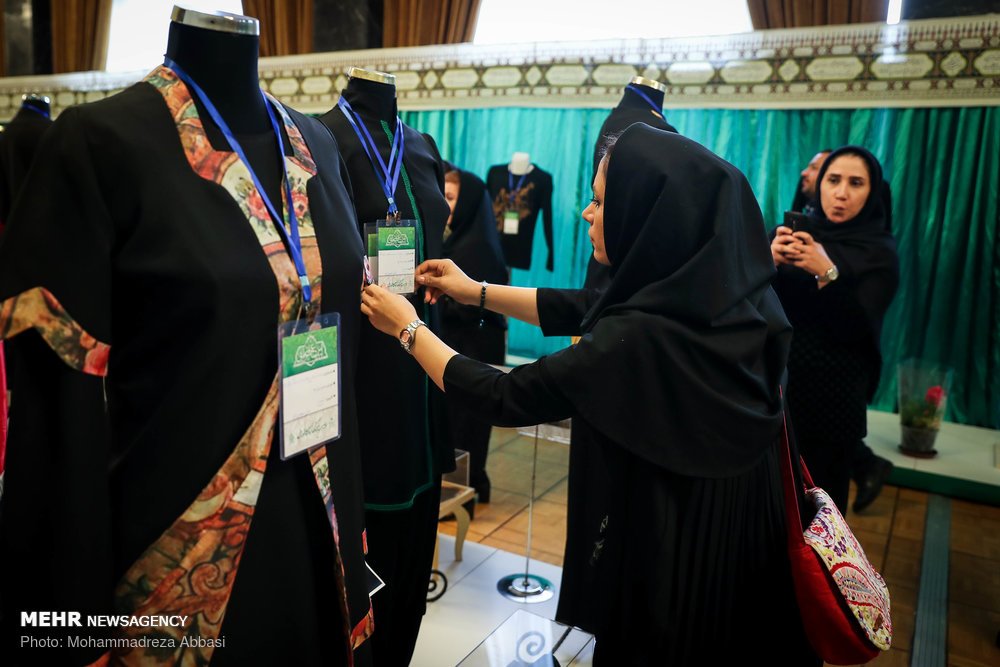
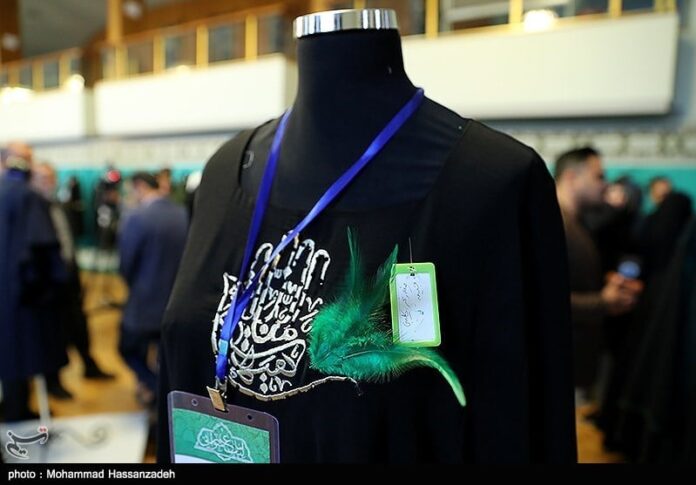
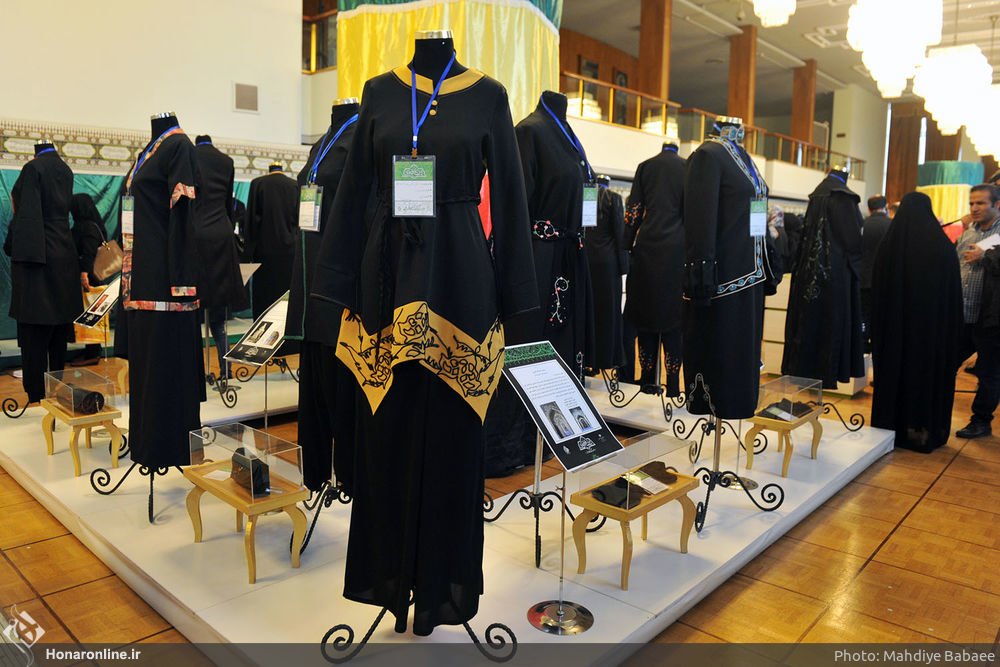
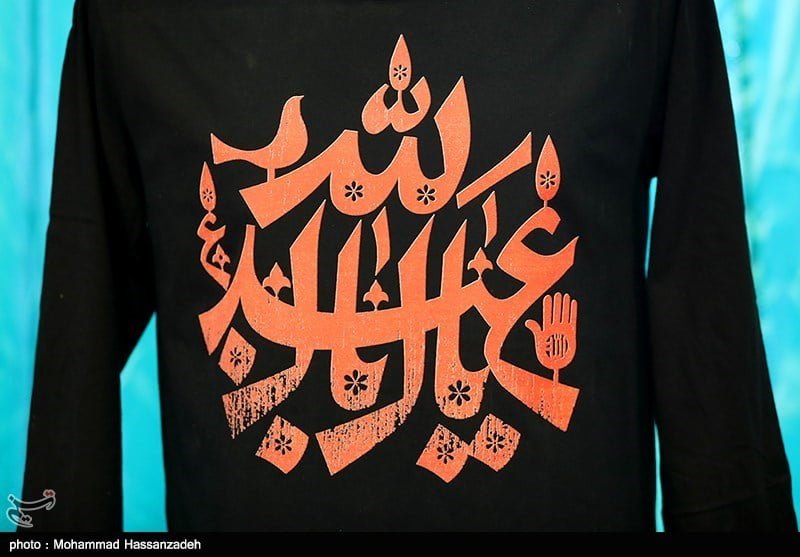
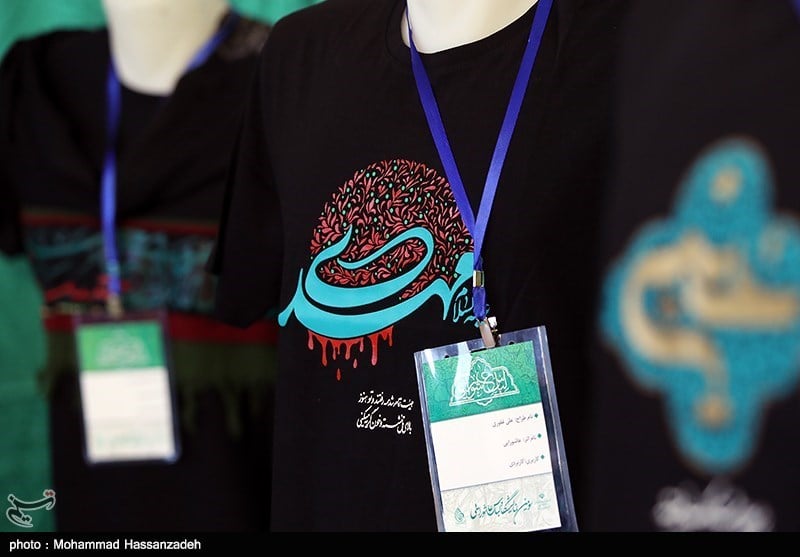
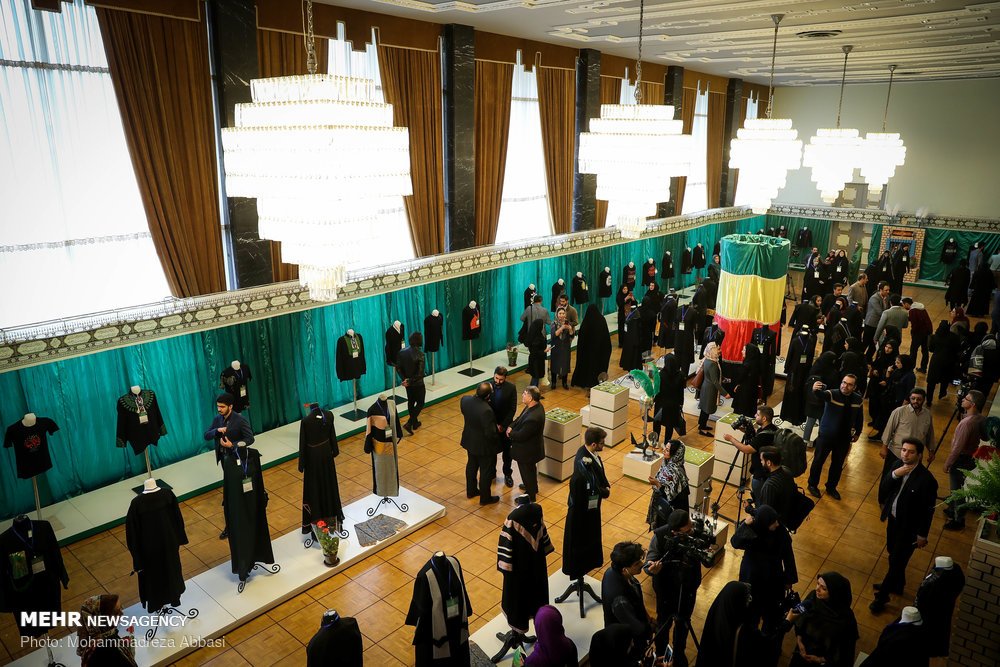
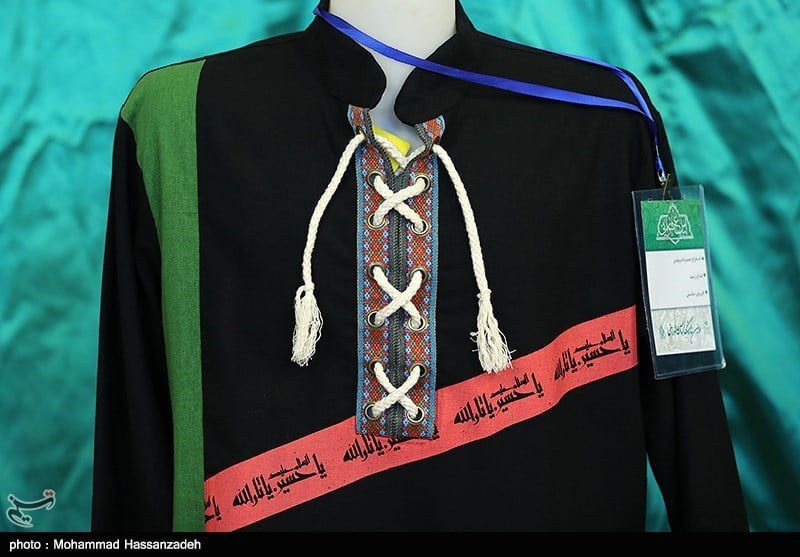
The clothes displayed at the fair were designed for marking Ashura, a special occasion in the Shiite Muslim community.

In this exhibition, dubbed “Ashura Clothing”, Iranian fashion designers and clothing companies put on display their latest designs for the occasion of Arba’een, the fortieth day after Imam Hussein’s martyrdom, which is annually marked with a march towards the Iraqi city of Karbala. This year, Arba’een has fallen on October 30.

During the lunar months of Muharram and Safar, Muslims dress in black as a symbol of grief for Imam Hussein’s martyrdom. The demand for these clothes in Iran used to be supplied by foreign firms, mostly from China. However, the products offered in such exhibitions are going to meet the country’s domestic needs.

Aside from the cultural aspect of localizing the supply of Ashura clothing, there is also an economic aspect to it. Iranian cultural authorities put the revenues earned from domestic supplies at 2.5 billion dollars during the past year.

As millions of Muslims from across the world are going on foot to visit the holy shrine of Imam Hussein in Karbala as part of the Great March of Arba’een, some special clothes have been designed to help marchers endure walking for such long distances.

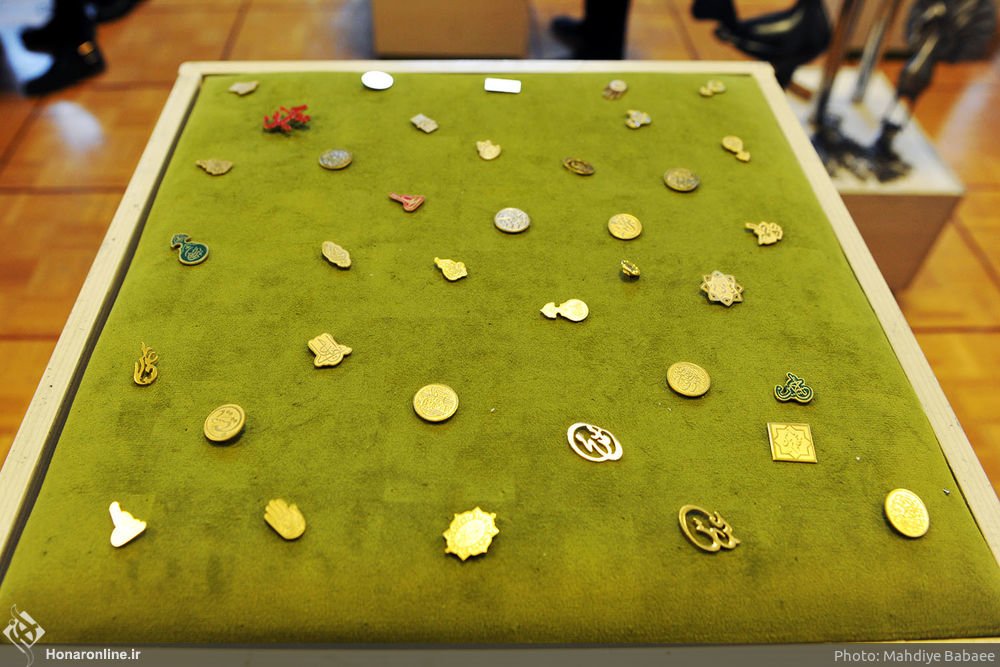
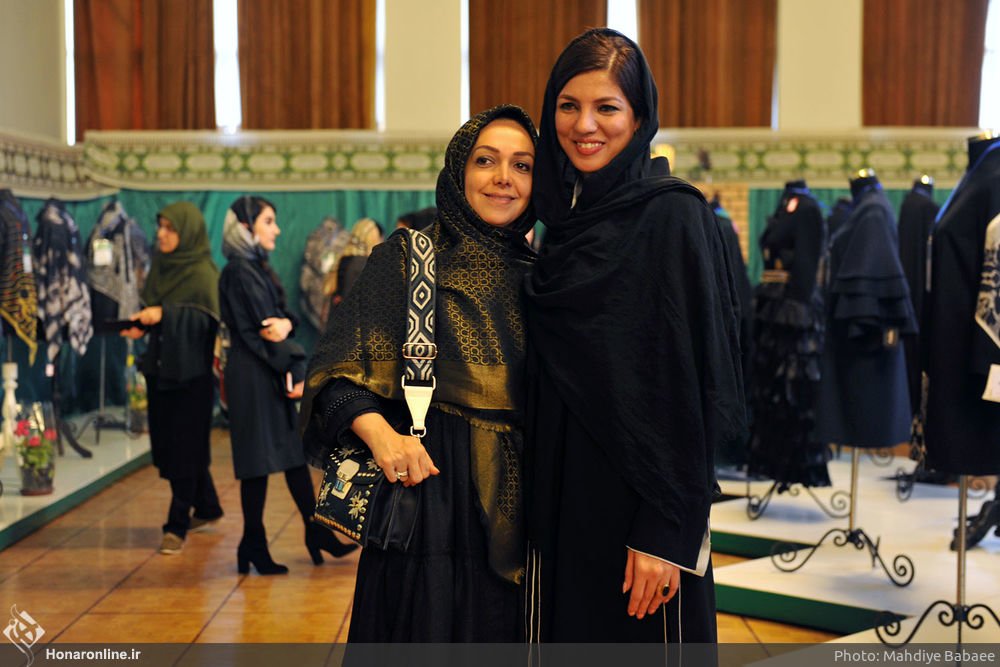
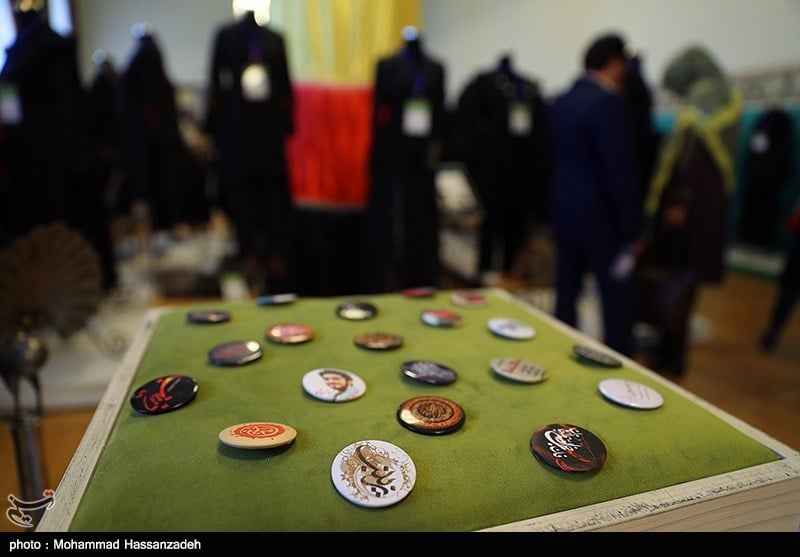
What follows are photos of this exhibition, which was wrapped up on October 26 at Vahdat Hall in central Tehran:

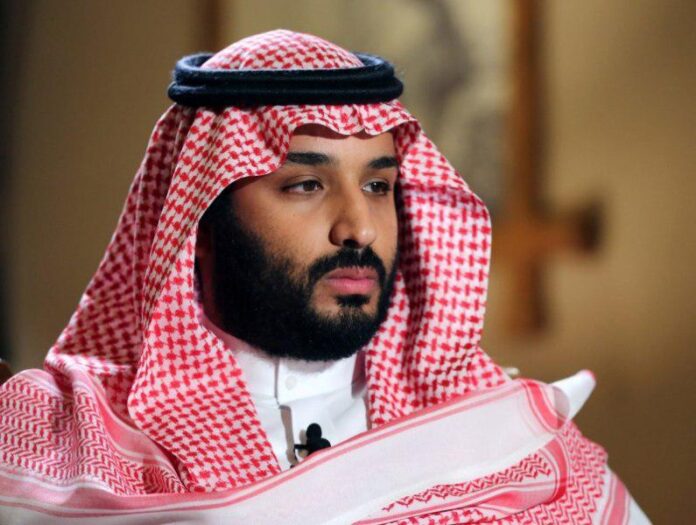
Khashoggi Case to Result in Bin Salman’s Overthrow: Analyst

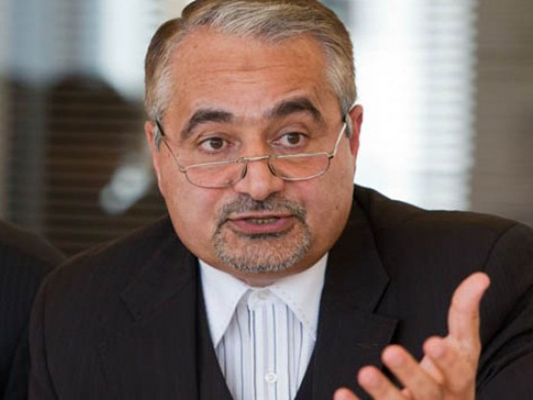
Seyyed Hossein Mousavian, a senior fellow at Princeton University and a former Iranian diplomat, maintains that Saudi Arabia was forced by the White House to admit that Khashoggi had been killed in its consulate in Turkey as the US was under huge international pressure over its ally’s crime.

Seyyed Hossein Mousavian

According to Mousavian, the US will not sacrifice its lucrative business with Saudi Arabia over the Khashoggi case, but will finally have to accept the removal of the ambitious crown prince as a compromise.

Mousavian made the comments in a recent interview with Khabar Online news agency, the full text of which follows:

Q: What is your analysis of Khashoggi’s death? Some believe that the murder was intentional and carried out with the main goal of tarnishing Saudi Arabia’s face in the world.

A: It’s not a correct hypothesis. The mainstream media and reliable sources in the US and Europe have no doubt that a team of Saudi commandos had been dispatched by Saudi Crown Prince Mohammed bin Salman to Istanbul to carry out the murder. It is not clear yet whether or not the order of Khashoggi murder was issued earlier or not. There is a possibility that the team was assigned to merely kidnap Khashoggi but he was killed in clashes with the team’s members. Then the team may have decided hurriedly to dismember his dead body with or without coordination with Riyadh and left Istanbul immediately.

Q: How do you see Saudi Arabia’s confusion in dealing with the case?

A: Saudi Arabia confirmed Khashoggi’s murder for three reasons. First, the Turkish government had key information on the murder and was not ready to bargain over it because this could seriously damage its political and security reputation.

Second, the Washington Post daily was determined to unveil the hands behind the murder and to this end, it had the support of other mainstream media like the New York Times and CNN.

Third, the Turkish intelligence and security apparatus began to leak the details of the murder gradually through Aljazeera TV channel and a number of leading Turkish media. Aljazeera played a key role in provoking the world’s public opinion against Saudi Arabia. Through this scenario, Qatar took a heavy revenge against Saudi Arabia over its isolation plot. Finally, the pressures on the White House forced Trump to send his Secretary of State to Riyadh to urge Saudi officials to accept responsibility for Khashoggi’s murder and vow to punish the perpetrators.

Q: How do you see the future of the US-Saudi relations? Can the US impose sanctions on its regional ally?

A: It goes without saying that the Khashoggi case could hamper the two sides’ relations but they won’t ever sacrifice the ties for such a case. Of course, if Washington comes under pressure, it would sacrifice bin Salman to its own interests but it would never abandon Saudi Arabia as its ally in the region.

Q: How do you assess Turkey’s role in the case? Is Turkish President Recep Tayyip Erdogan trying to gain concessions over the case? Shall we say that the US is using Turkey as a proxy to handle the case?

A: Unlike previous cases, Erdogan has dealt with Khashoggi’s murder deliberately. He was angry with bin Salman and Trump. Now he has punished them severely by focusing on the case. But the more sensitive section of the case is still untold. Ankara has information that confirms bin Salman’s complicity in the case. If Ankara keeps disseminating information on the case, Washington will have no way but to topple bin Salman. Otherwise, it has to give big concessions to Turkey.

Q: What is your idea about the international reactions particularly those of Arab states as well as the silence of many others?

A: The Arab world is a dead and useless world and we shouldn’t expect anything considerable from them. Most of the Arab states not only remained silent towards the US decision to relocate its embassy from Tel Aviv to Jerusalem-al-Quds but also cooperated with Tel Aviv behind the curtain.

Q: How can Iran take advantage of the current political situation in the region? As we know, Russia has stepped into the fray to drag Saudi Arabia into its court against the US. What is your analysis about the issue?

A: Iran has reacted deliberately. If Iran had rushed to show reactions against Riyadh, the western media would point the finger of blame at our country instead of Saudi Arabia. They would also revive all the accusations they had levelled against us over the past four decades. Today, the Israeli lobby groups in the US are highly active to alleviate Washington’s pressure on Saudi Arabia under this pretext that Iran will gain benefit if Saudi Arabia comes under pressure. I think the fate of bin Salman is at the hand of Washington. Tehran and Moscow will have no say in this issue.

Q: How do you see the future of this international controversy? How can it be ended?

A: This is not just a murder. The earlier mistakes by bin Salman like his war on Yemen, taking Lebanese Prime Minister Saad al-Hariri as hostage, putting sanctions on Qatar and arresting tens of Saudi prince have cast doubt on his ability to serve as the Saudi king. Now, the murder of Khashoggi serves as putting a match to a barrel of gunpowder. Khashoggi was one of the main contributors of Washington Post and his murder shocked the world. So, all mainstream media in the US and the world have been mobilized to overthrow bin Salman.

This comes as the US national interests require that Saudi Arabia remains its main ally. So, the issue has become more complicated. It seems that, at the end of the day, bin Salman may be toppled and the US won’t go further.

Iran Leader Highlights Significance of Passive Defence

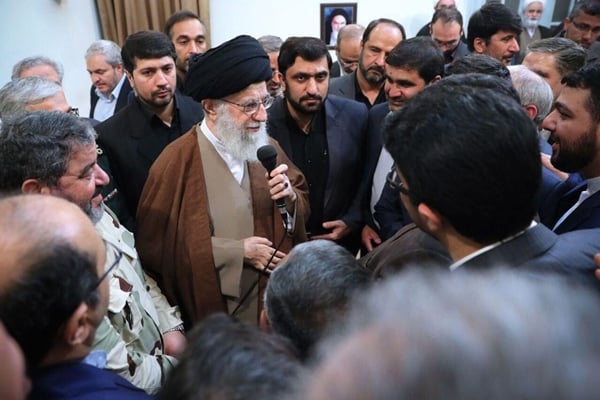
Leader of Iran's Islamic Revolution Ayatollah Seyyed Ali Khamenei meeting the head and staff members of Iran's Passive Defence Organization on October 28, 2018. / Photo by Leader.ir

The Leader stressed that in face of the complex methods of enemies’ attacks, passive defence measures must be taken seriously.

Speaking in a Sunday meeting with the officials of the country’s Passive Defence Organization, Ayatollah Khamenei said such type of defence should be scientifically accurate, up-to-date, and comprehensive to foil any kind of penetration.

Leader of the Islamic Revolution once again underlined the increasing importance of passive defence in confronting the emerging threats of enemies.

Ayatollah Khamenei reiterated that the officials in all sectors must pay close attention to passive defence measures adding that if the country’s decision-makers do not understand the significance of this issue, and the passive defence does not develop satisfactorily, the country will be subjected to some inevitable threats.

Therefore, he added, the military and non-military bodies in various sectors of the country ought to fully cooperate with Passive Defence Organization.

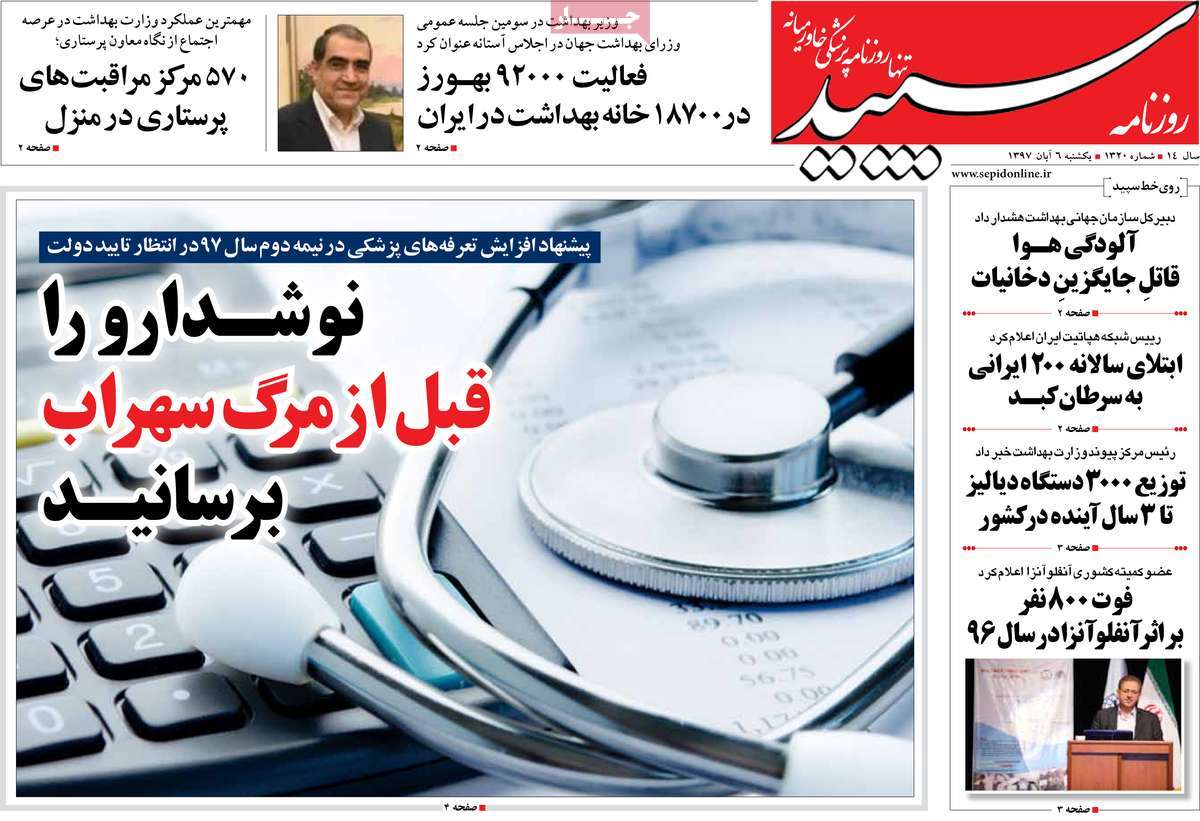
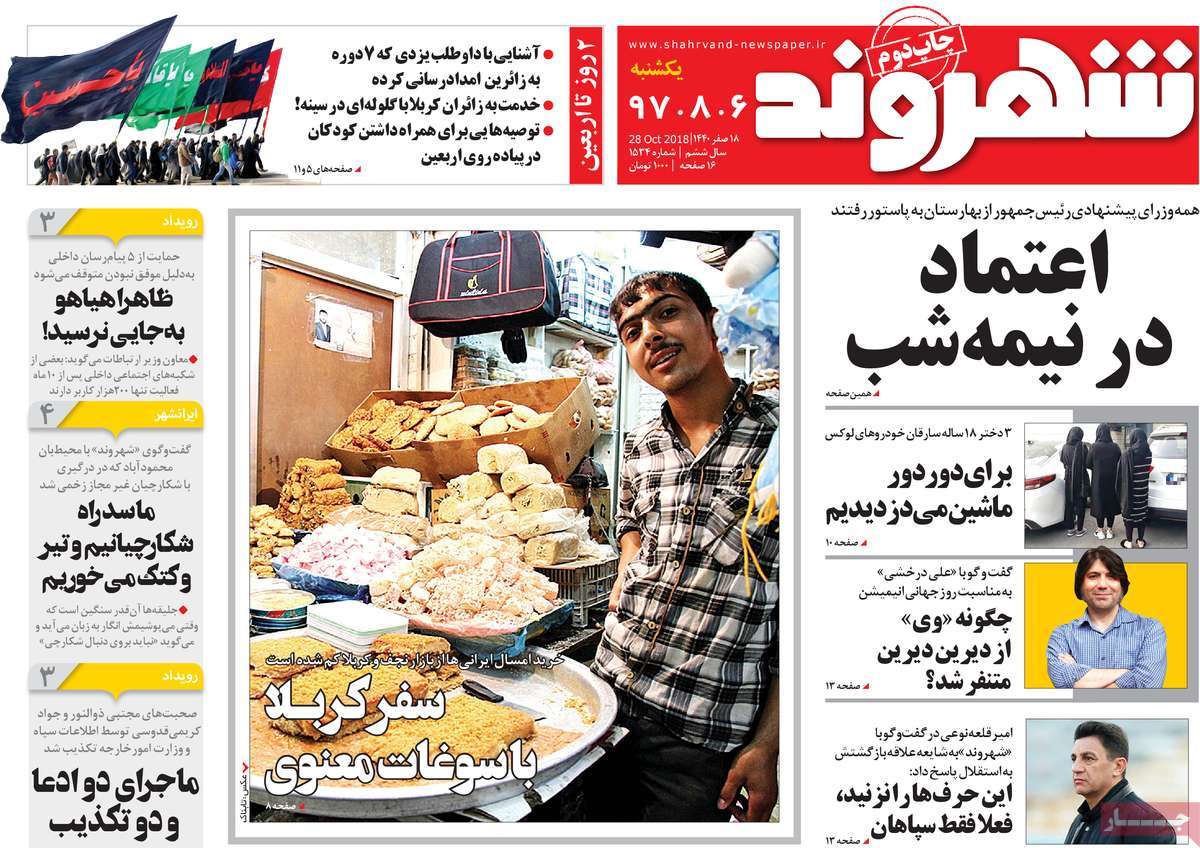
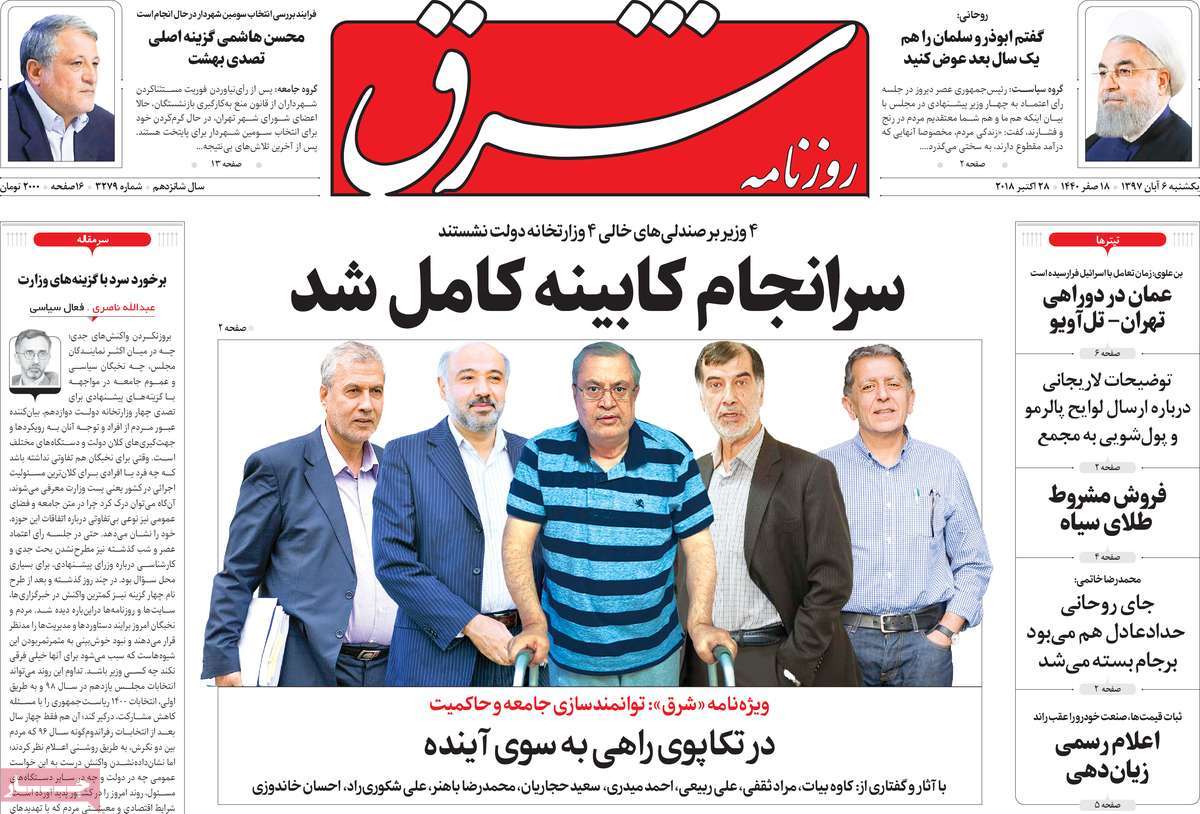
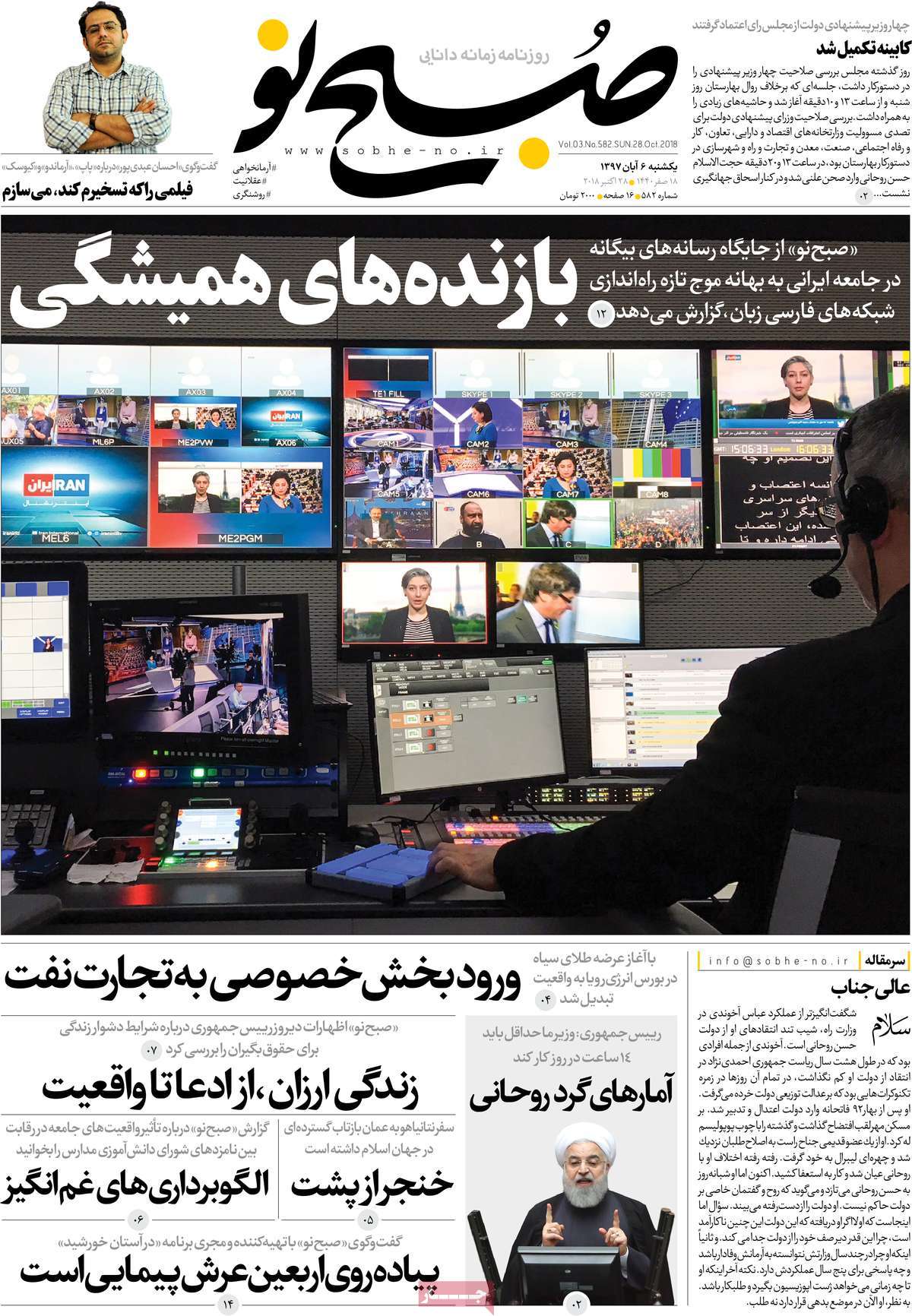
A Look at Iranian Newspaper Front Pages on October 28

A Look at Iranian Newspaper Front Pages on November 19

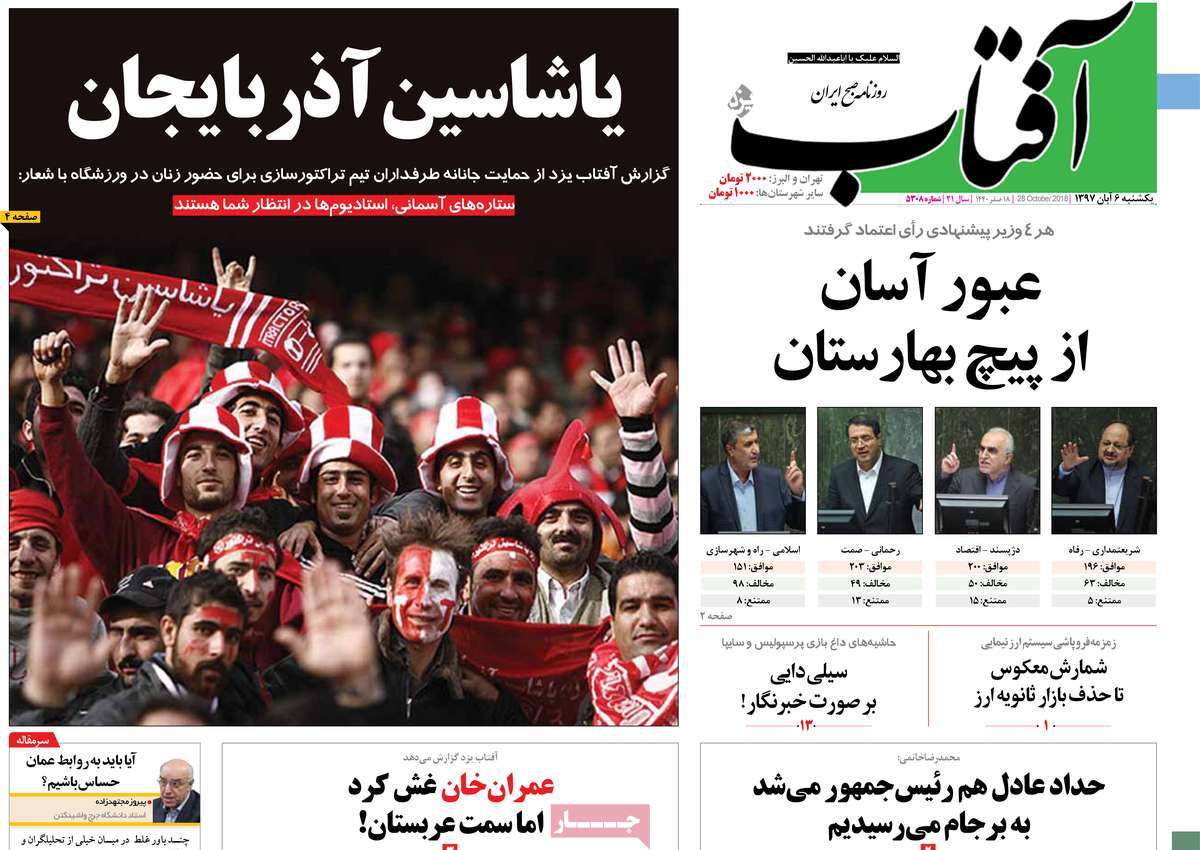
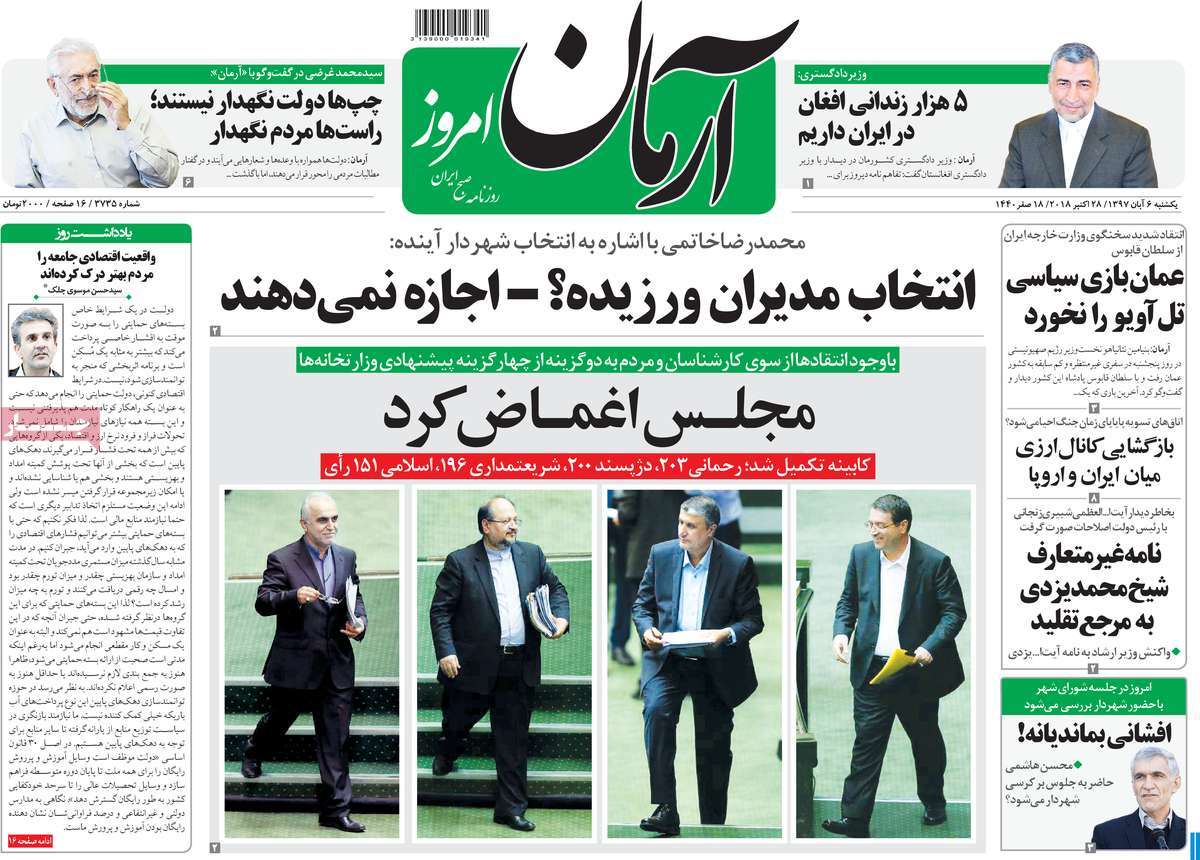
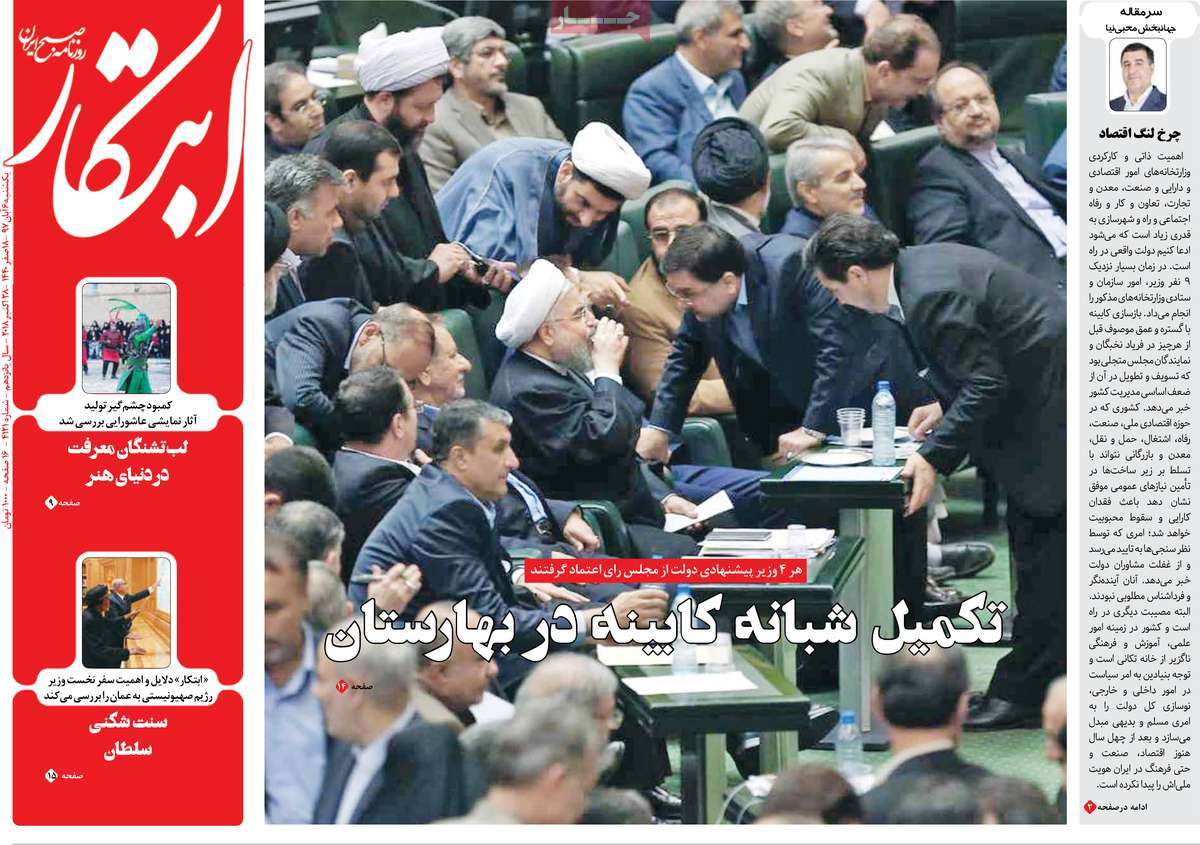
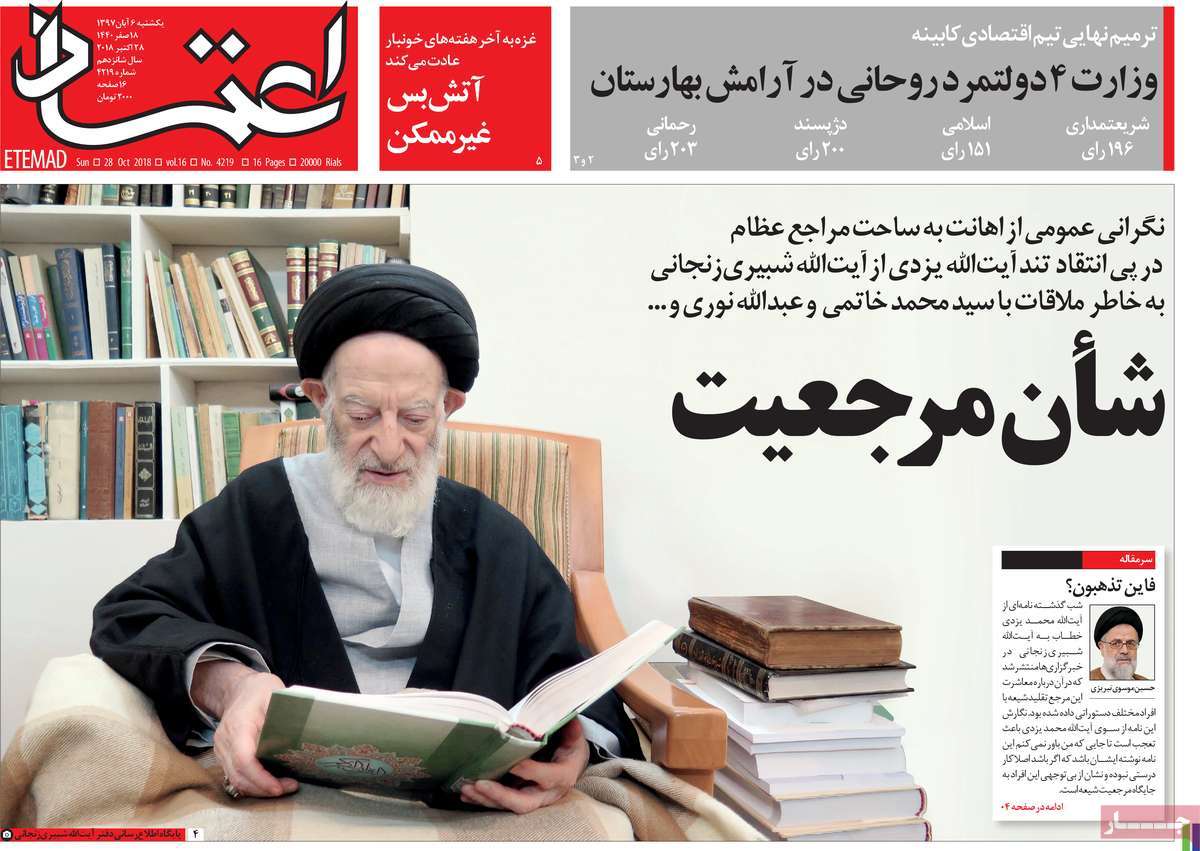
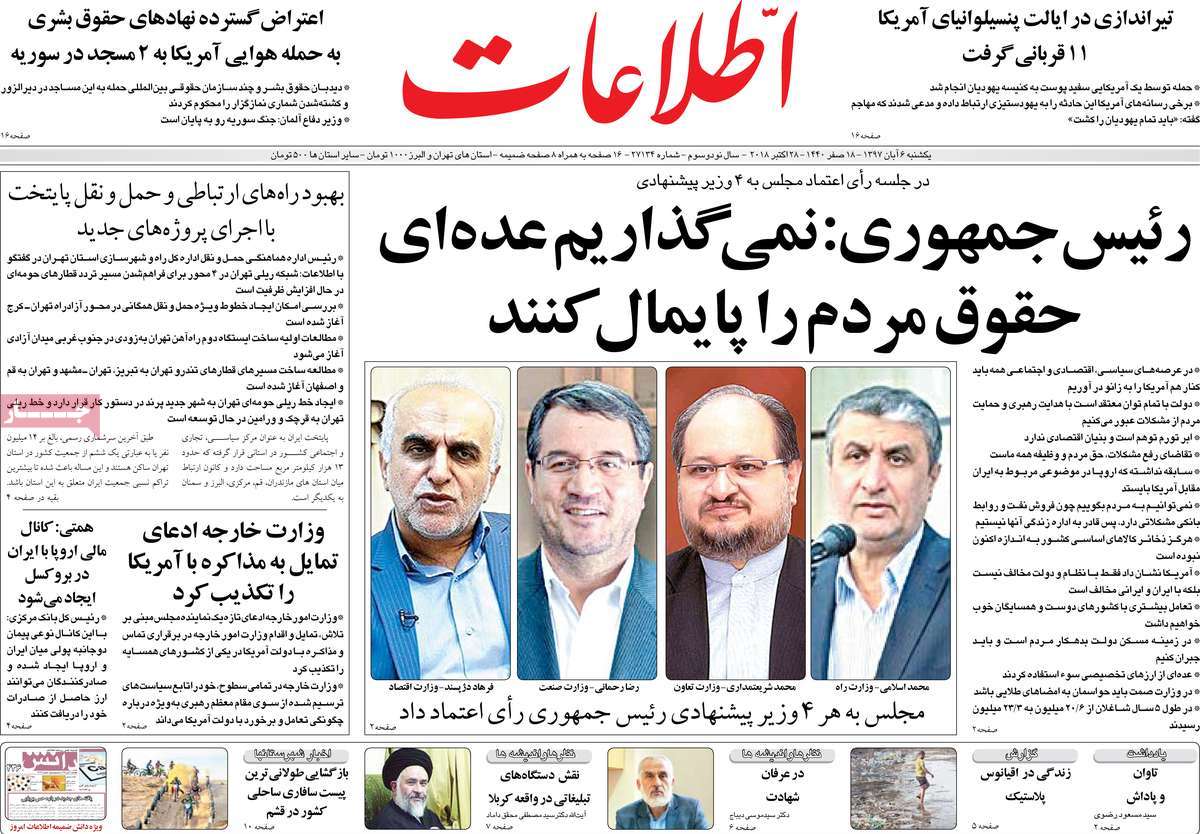
The top story in all papers today was the Iranian Parliament’s vote of confidence to the four ministerial picks introduced by President Hassan Rouhani for the ministries of labour, roads, trade, and economy.

Several papers also covered the remarks made by Central Bank of Iran (CBI) Governor Abdolnaser Hemmati about the establishment of Iran-Europe payment channel, which will help Tehran bypass the US sanctions.

Israeli Prime Minister Benjamin Netanyahu’s visit to Oman was also a hot topic of debate among Iranian papers today.

The above issues, as well as many more, are highlighted in the following headlines and top stories:


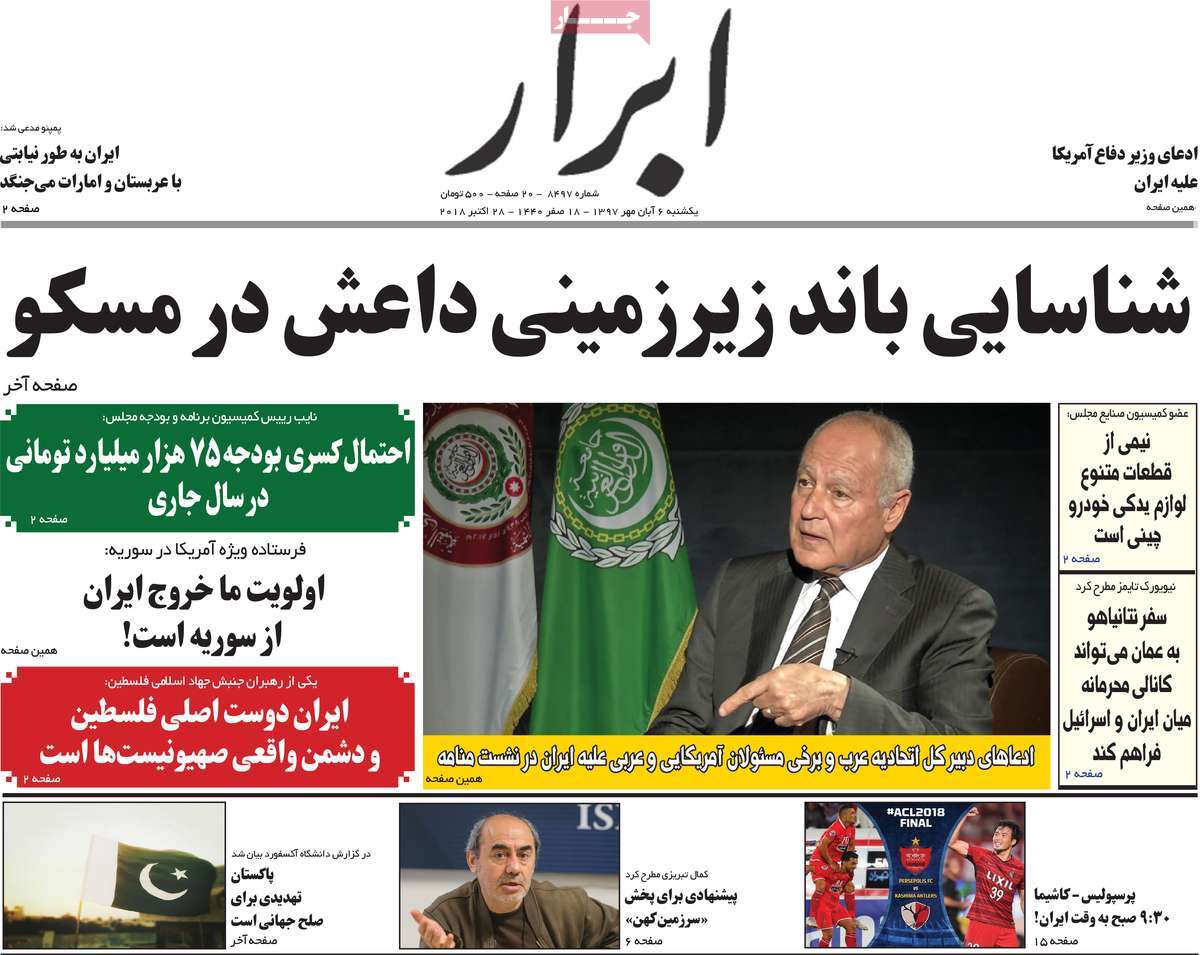
Abrar:

1- Underground ISIS Band Busted in Moscow

2- Pompeo: Iran Fighting against Saudi, UAE through Proxies

A Look at Iranian Newspaper Front Pages on October 28


Aftab-e Yazd:

1- Tractor Sazi Fans Chant Slogans Calling for Women’s Presence in Stadiums

  • Stadiums Waiting for You Shining Stars

2- All Four Ministerial Picks Receive Vote of Confidence from Lawmakers

A Look at Iranian Newspaper Front Pages on October 28


Arman-e Emrooz:

1- Iran Strongly Criticizes Sultan Qaboos

  • Oman Shouldn’t Be Deceived by Tel Aviv’s Political Game

2- Return of Iran-EU Payment Channel

3- Parliament Endorses Rouhani’s Ministerial Picks Even despite People’s Opposition

A Look at Iranian Newspaper Front Pages on October 28


Ebtekar:

1- Rouhani’s Cabinet Completed by Parliament’s Saturday Night’s Votes

2- Sultan Breaks His Habit: A Review of Israeli PM#’s Important Visit to Muscat

A Look at Iranian Newspaper Front Pages on October 28


Etemad:

1- Impossible Ceasefire: Gaza Getting Used to Bloody Weekends

A Look at Iranian Newspaper Front Pages on October 28


Ettela’at:

1- Human Rights Bodies Widely Condemn US Airstrikes on 2 Mosques in Syria

2- Central Bank Governor: Iran-Europe Payment Channel to Be Established in Brussels

A Look at Iranian Newspaper Front Pages on October 28


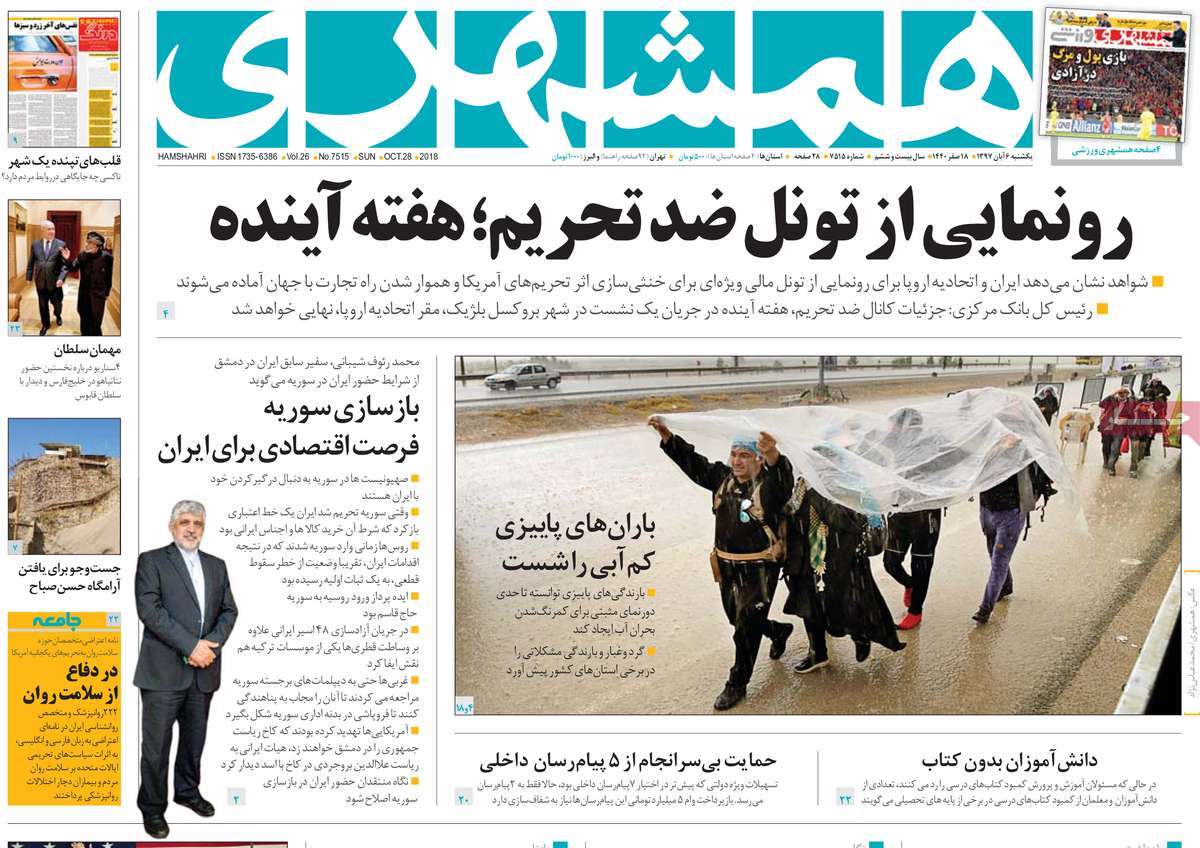
Hamshahri:

1- Former Envoy to Damascus: Syria Reconstruction Economic Chance for Iran

2- Tunnel to Bypass US Sanctions to Be Unveiled Next Week

  • Iran Chief Banker: Details of Iran-EU Payment Channel to Be Finalized in Brussels

A Look at Iranian Newspaper Front Pages on October 28


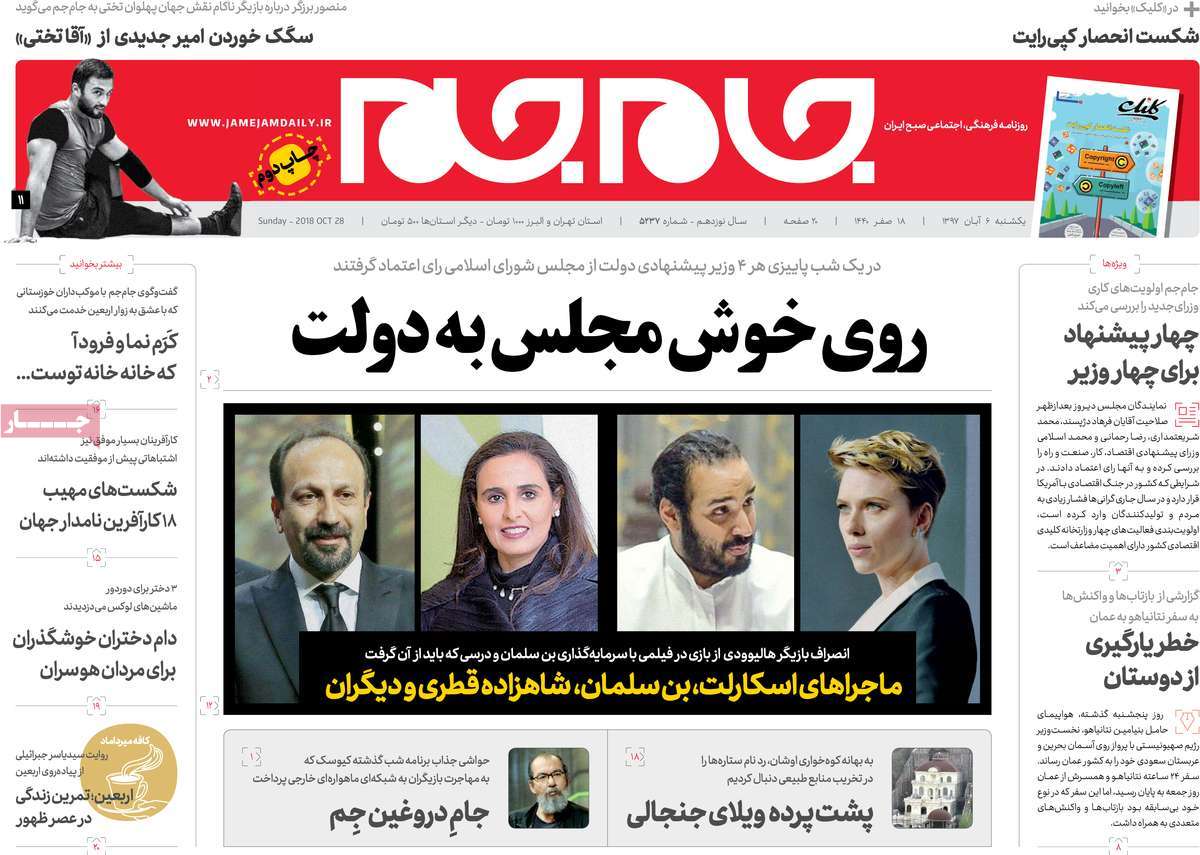
Jame Jam:

1- Parliament Gives Green Light to Government

A Look at Iranian Newspaper Front Pages on October 28


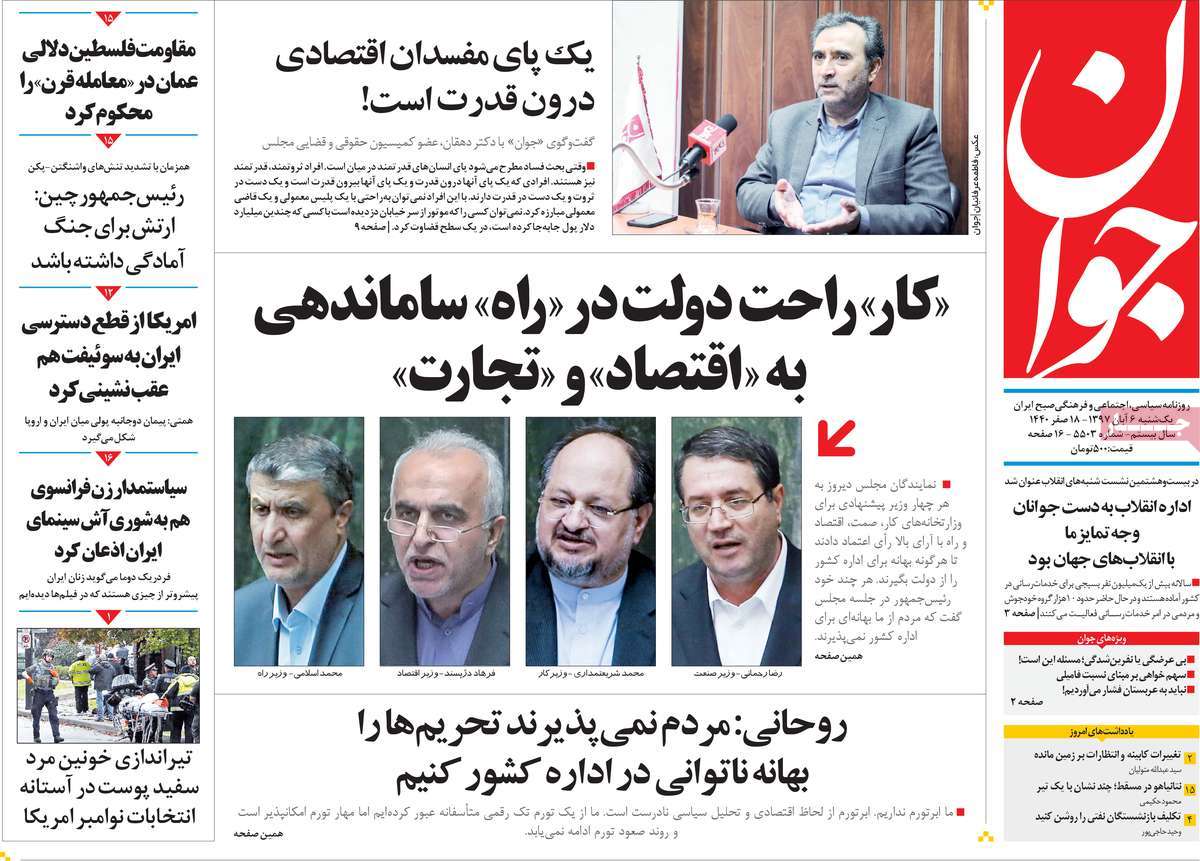
Javan:

1- Rouhani: People Can’t Accept that We Use Sanctions as Excuse for Our Incapability

2- Iranian Women More Leading than What We See in Iranian Films: French Female Politician

3- US Backs Off from Cutting Iran’s Access to SWIFT

A Look at Iranian Newspaper Front Pages on October 28


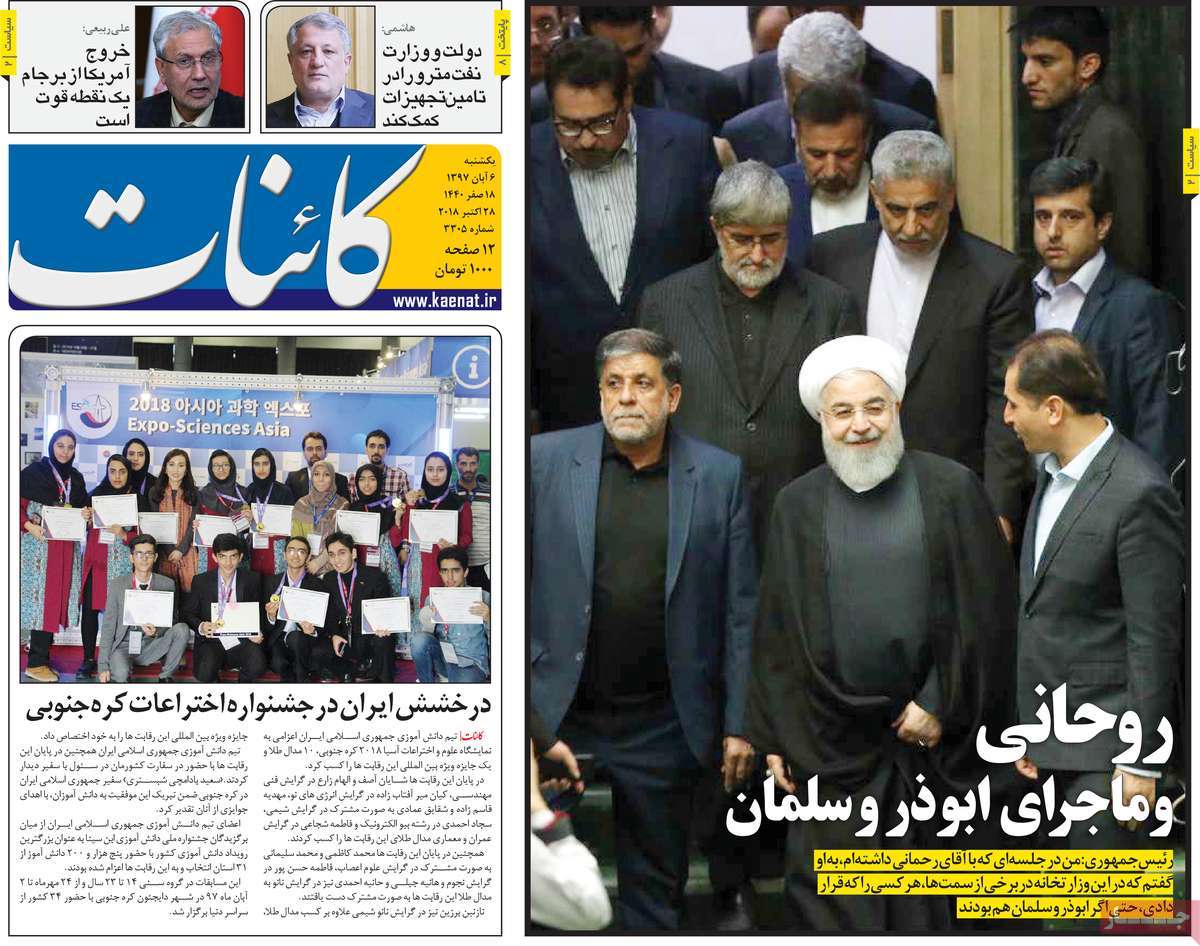
Ka’enat:

1- Iran Shines at South Korea Invention Festival

A Look at Iranian Newspaper Front Pages on October 28


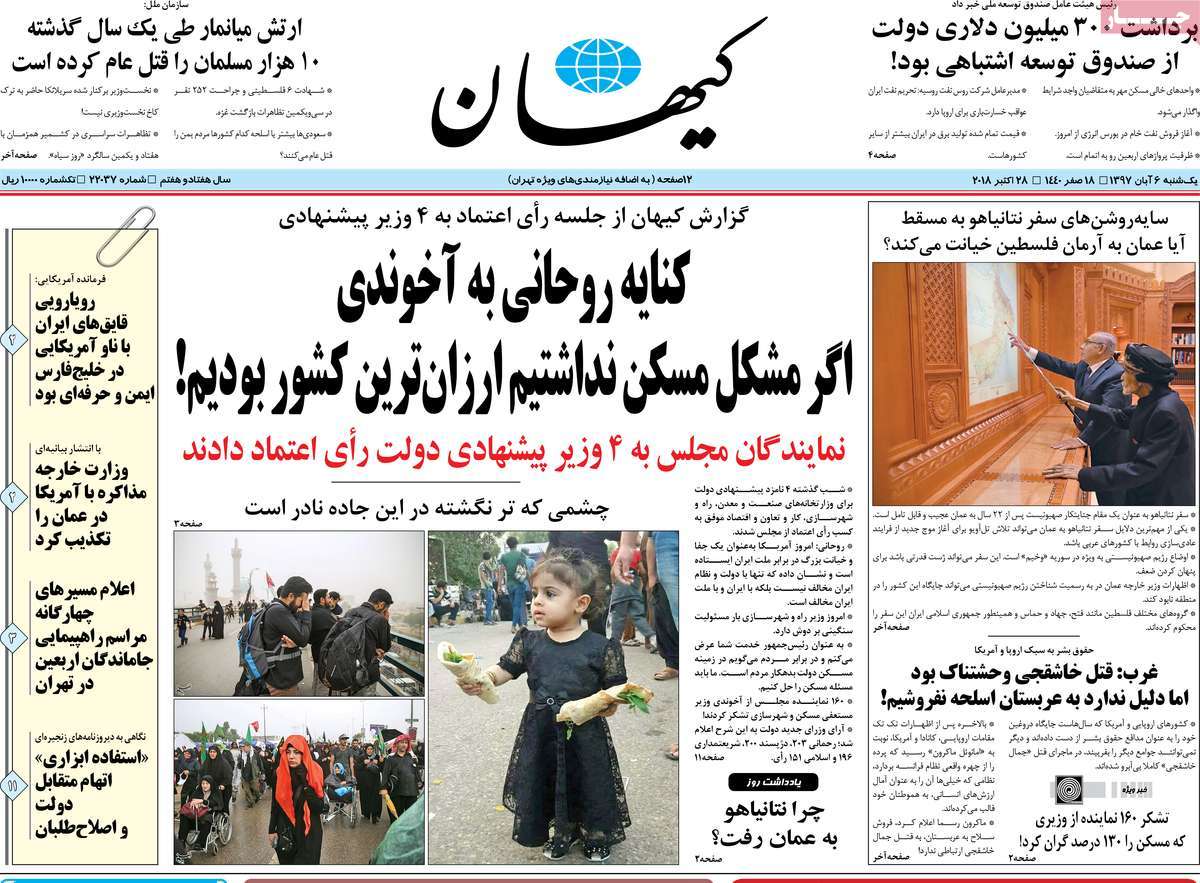
Kayhan:

1- Highlights of Bibi’s Visit to Muscat: Will Oman Betray Palestinian Cause?

2- Human Rights in European, American Style

  • West: Khashoggi’s Murder Terrible, but No Reason for Stopping Arms Sales to Saudis!

3- Iran Foreign Ministry Denies Holding Talks with US in Oman

A Look at Iranian Newspaper Front Pages on October 28


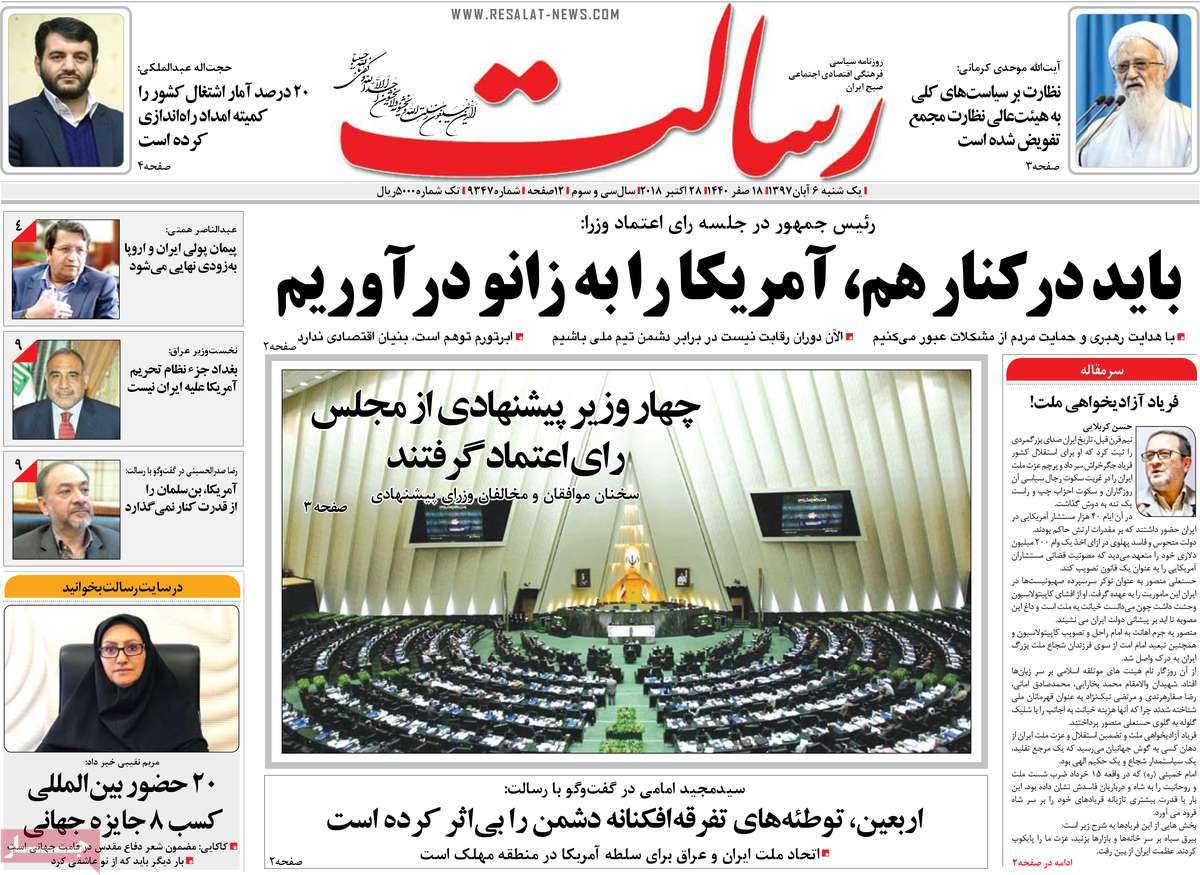
Resalat:

1- Rouhani: We Should Stand Together to Bring US to Its Knees

A Look at Iranian Newspaper Front Pages on October 28


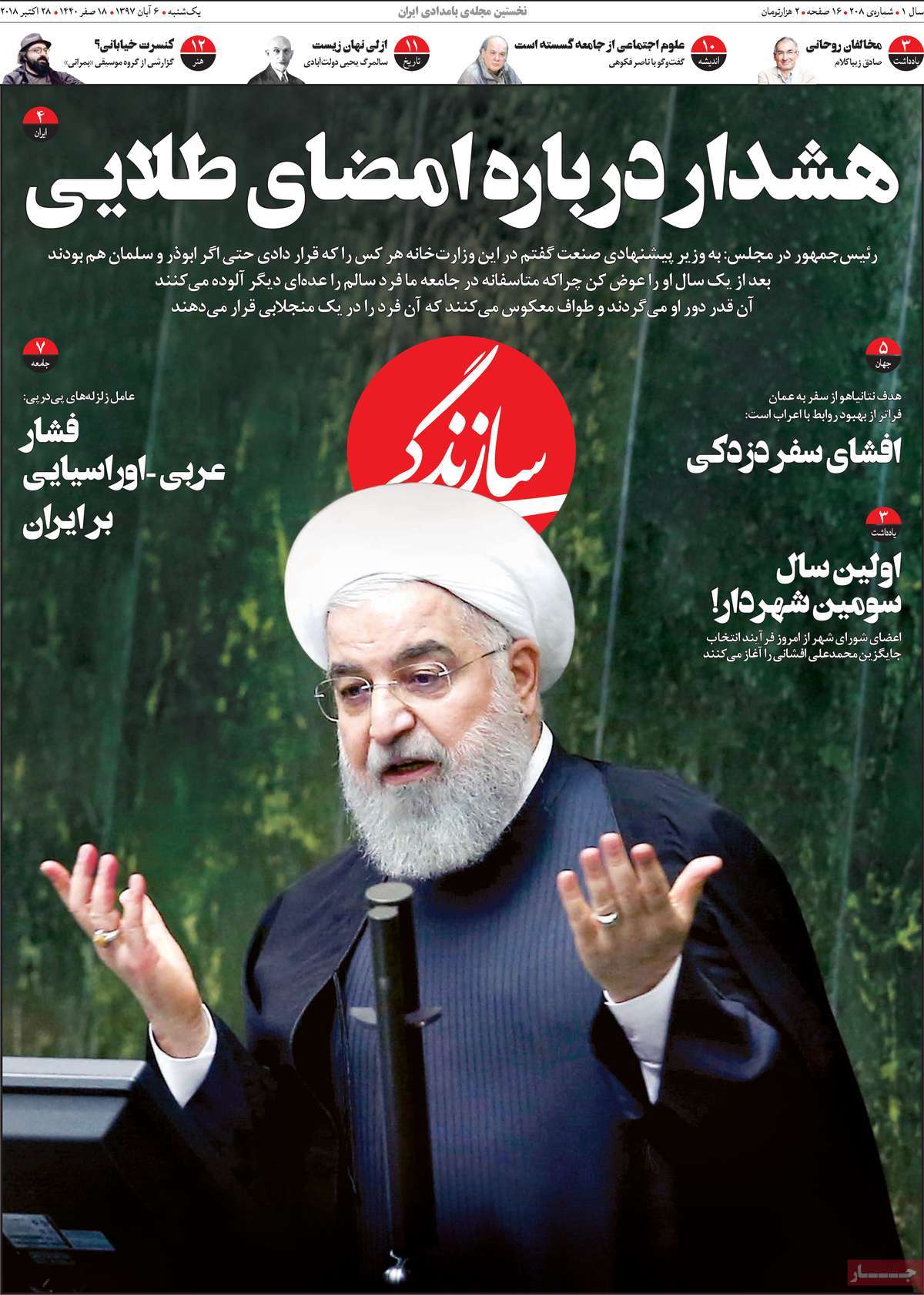
Sazandegi:

1- Secret Visit Disclosed

  • Purpose of Netanyahu’s Muscat Visit beyond Normalization of Ties with Arabs

A Look at Iranian Newspaper Front Pages on October 28


Sepid:

1- Health Minister: 92,000 Working in 18,700 Health Centres in Iran

A Look at Iranian Newspaper Front Pages on October 28


Shahrvand:

1- Three 18-Year-Old Girls Steal Luxury Cars for Fun!

A Look at Iranian Newspaper Front Pages on October 28


Shargh:

1- Rouhani’s Cabinet Finally Completed!

2- Oman in Dilemma of Choosing between Iran, Israel

  • Bin Alawi: It’s Time to Interact with Israel

A Look at Iranian Newspaper Front Pages on October 28


Sobh-e Now:

1- Always a Loser

  • A Report on Influence of Persian-Language Foreign Media on Iranian Society

A Look at Iranian Newspaper Front Pages on October 28

Iran Briefs Astana Health Conference on Its Achievements

Hashemi

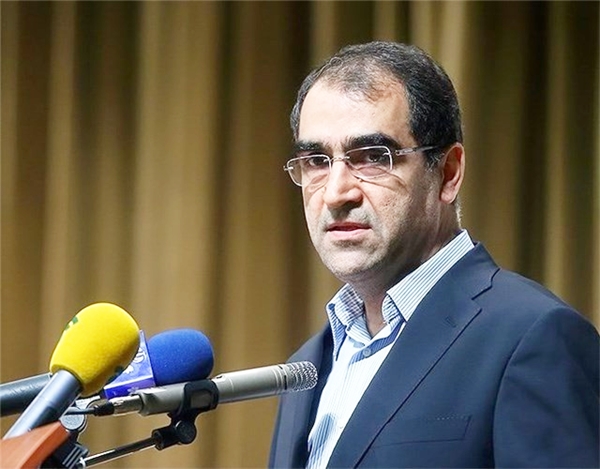
Addressing the conference, the Iranian minister said the Islamic Republic has established over 18,700 health centres across the country over the past four decades, and at least 29,000 people are working in the centres offering services to the public.

As the new head of the conference’s panel on economic impact of primary healthcare, Hashemi said Iran began to establish its first health networks in the remote villages but spread them later step by step covering urban areas and big cities.

“The networks played a key role in preparing the ground for decreasing death tolls from diseases as well as infant and pregnant women mortality. They also provide most people with a direct access to healthcare like vaccination and prenatal care,” he noted.

The Iranian minister underlined that the healthcare networks significantly reduced health costs across Iran.

Irregular expansion of my-pharm-blog.com, lack of active systems for offering healthcare services, growing number of patients with non-communicable diseases, rapid advance in new technologies, expensive drugs and aging populations all and all led the country towards a dire situation which required the Iranian government to adopt appropriate measures and develop deliberate plans particularly in the urban areas, he added.

He also referred to the Health Development Plan which is being implemented in Iran and said over 21,000 people have been recruited in urban areas within the plan to fight non-communicable diseases which are deemed as the main reason for most fatalities in Iran and the world.

“From 3 to 5 people recruited in the plan are working under the supervision of family doctors. We have already begun to outsource our medical services by further involving private sector in this area. Private sector can contribute significantly to the health section.”

The Iranian minister underlined that all plans are developed in a way to offer cheaper services with higher quality and efficiency.

“Iran believes primary healthcare can have many positive economic results. The care not only meets the public’s needs but also prepares the ground for further participation of the public in the health area. Meanwhile it strengthens the health system and creates a balance between the society’s needs on the one hand and the specialists on the other, promoting the health services across the country.”

Iran Slams Foreign Media for Ignoring Arba’een March

Abdolreza Rahmani Fazli said the foreign media’s indifference to the gathering shows that they are worried about the impact of the great march of Arba’een.

He stressed that Ashura (the day Imam Hussein was martyred some 14 centuries ago) and the uprising of Imam Hussein (AS) do not belong to a particular religion, but belong to the entire world, because the third Shiite Imam sacrificed his life and the lives of his companions for Islam and humanity.

The Iranian minister also underlined that the number of foreign pilgrims attending Arba’een shows the world is moving towards Islam and the uprising of Imam Hussein.

“We must have suitable infrastructure to make their trip easier. People start this difficult trek because they believe in the ideals of Imam Hussein. We must use all the capacities to show the different aspects of such belief to the people around the world,” pointed out Rahmani Fazli.

Speaking at a meeting near the border crossing with Iraq, he noted that “services provided for pilgrims this year are very good and extensive in comparison to the past four years, and with the implementation of the plans, we can offer more services at the borders in the coming years.”

Meanwhile, Iran’s Minister of Culture and Islamic Guidance announced one million and 700 thousand people have registered for the great march of Arba’een.

Seyyed Abbas Salehi made the statements upon his arrival in Ilam city near the border with Iraq.

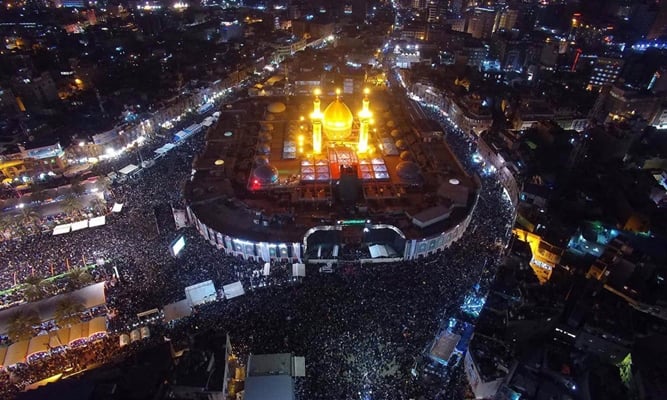
All the paths leading to the holy city of Karbala, in which the shrine of Imam Hussein is located, are filled with millions of people who form the largest march in the world.

The route from Najaf to Karbala, which is the main path of the Arba’een march, is about 80 kilometres. It is believed that the population would increase as of Sunday. This year’s march seems to be the most magnificent one over previous years.

The Arba’een pilgrimage is the world’s largest public gathering that is held every year in Karbala, Iraq. This pilgrimage is held at the end of the 40-day mourning period following Ashura, the religious ritual for the commemoration of the martyrdom of Prophet Mohammad’s grandson Hussein ibn Ali about 14 centuries ago. During this event the pilgrims make their journey to Karbala on foot.

The ritual is an overwhelmingly powerful display of belief and solidarity.

Some Old Bridges Withstand Severe Flooding in Northern Iran

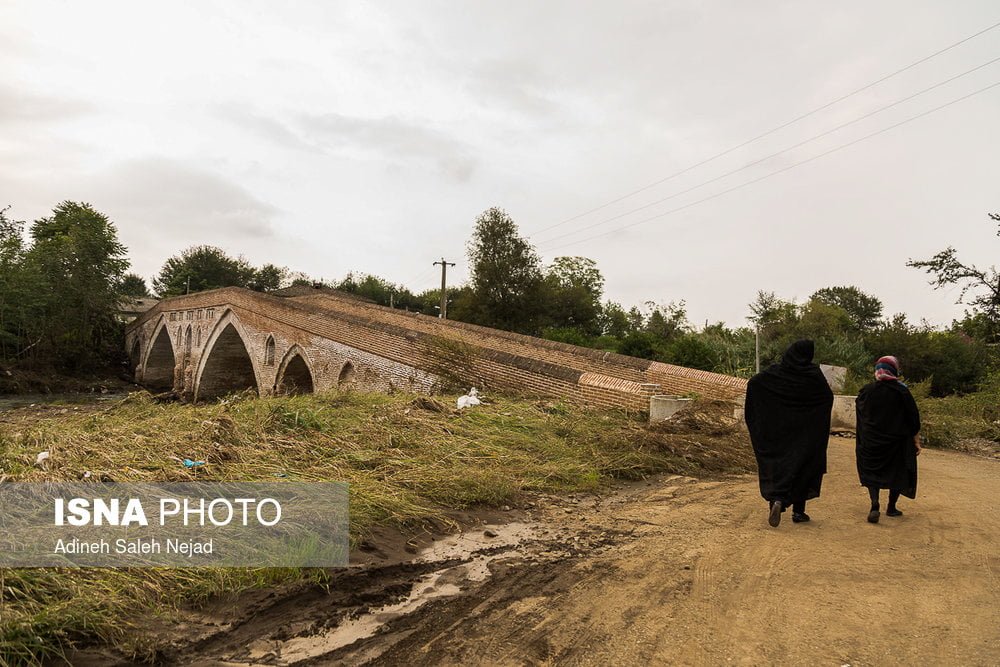
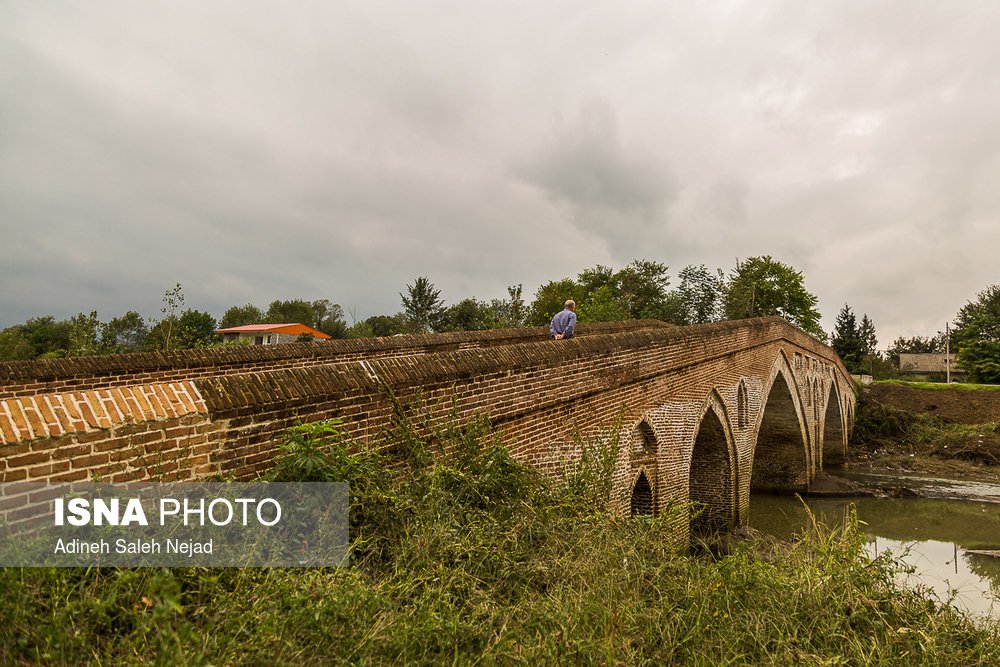
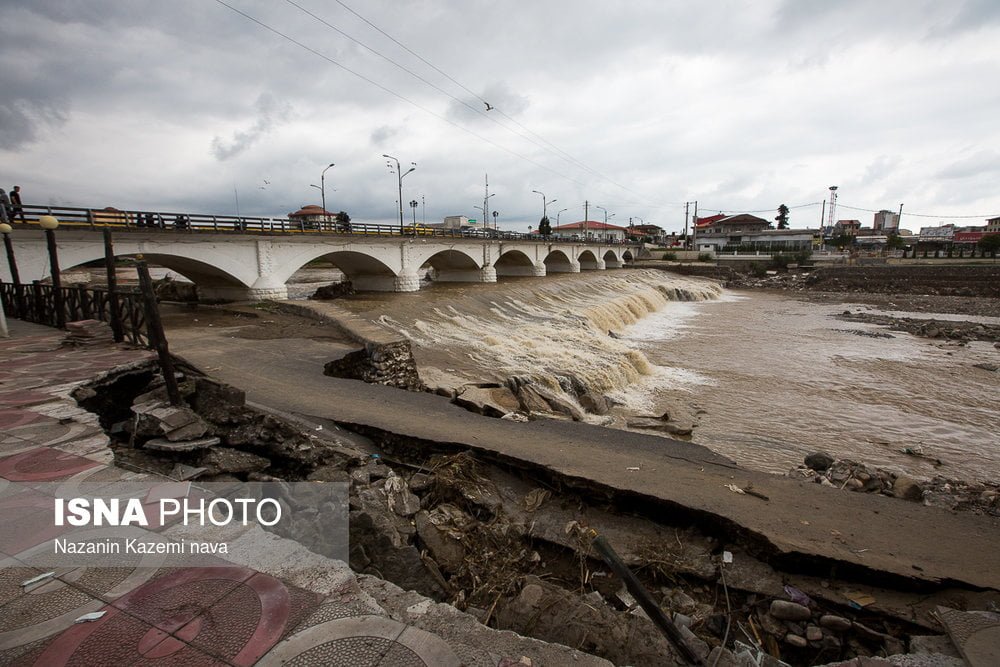
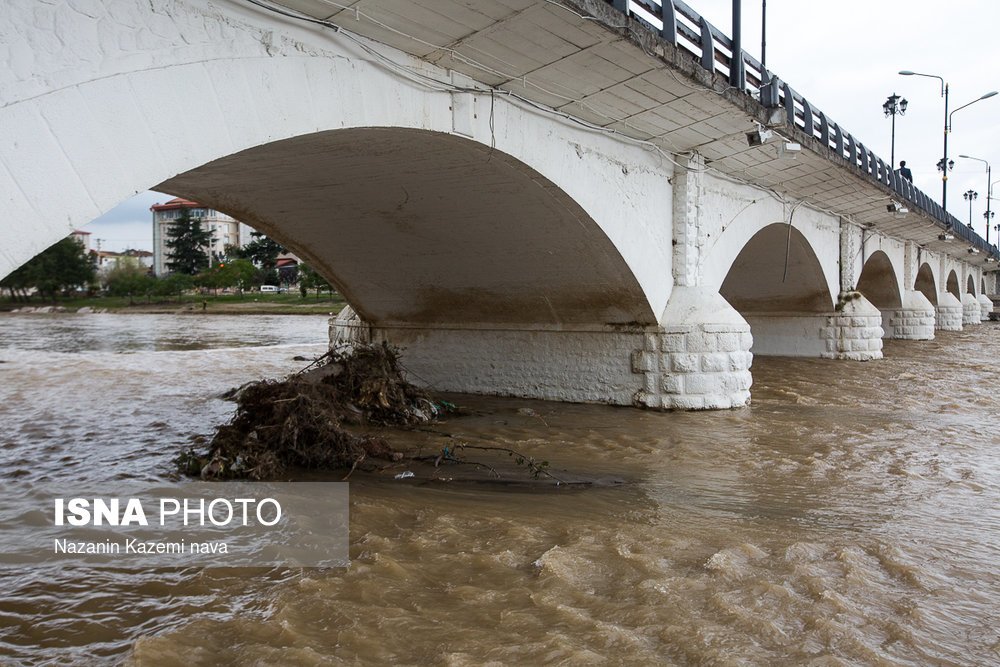
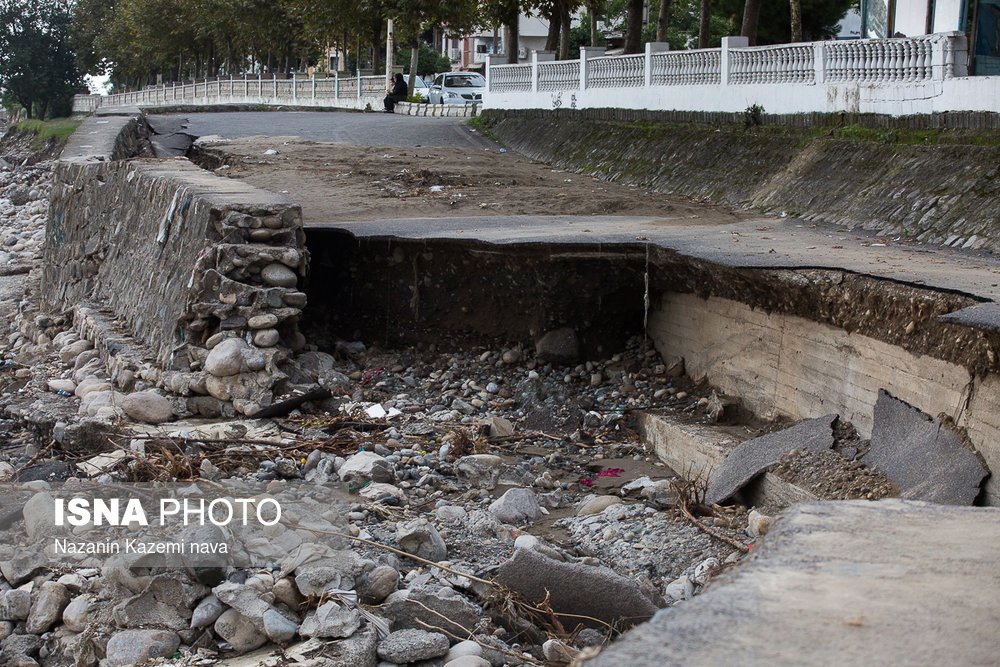
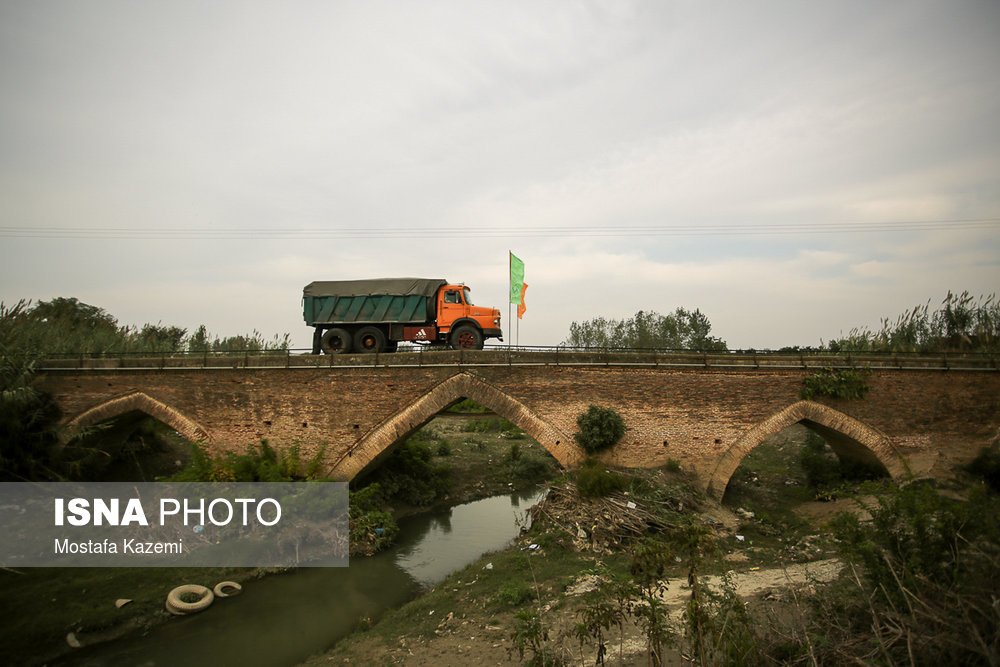
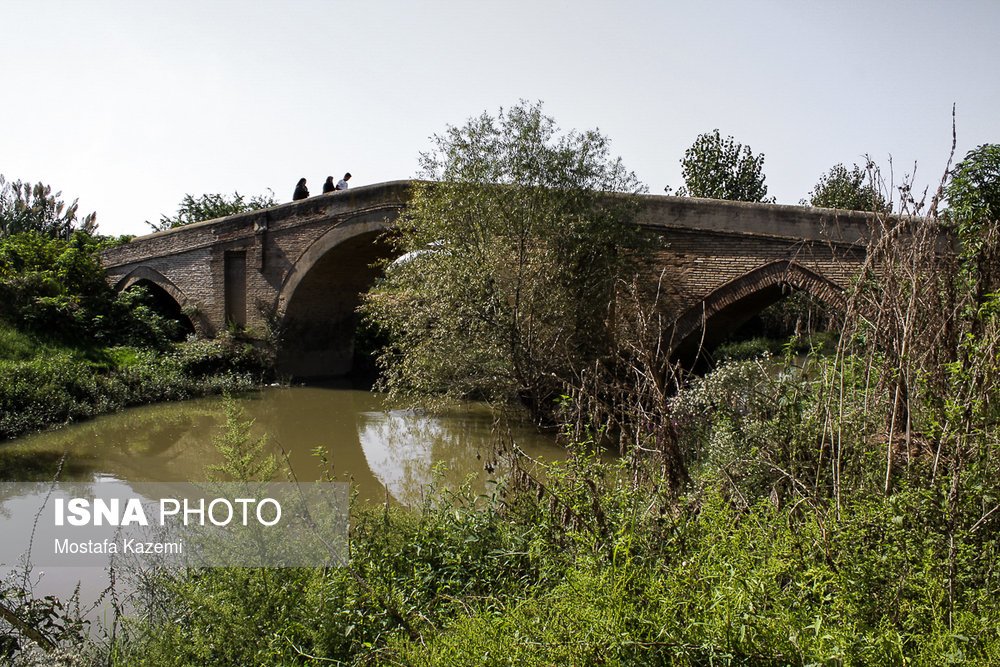
Some bridges collapsed in the wake of the severe floods that swept through northern provinces of Iran in recent weeks. Still, there were some bridges that withstood the flooding due to different reasons such as the style of their architecture, the type of design and aerodynamics, their geographical location and the materials used in their construction.

One of the most important points is that many of the bridges that still stand following the floods are ancient ones. The bridges are not only regarded as historical and national heritage sites, they are still used by pedestrians, pack animals and different transportation means that need to cross rivers.

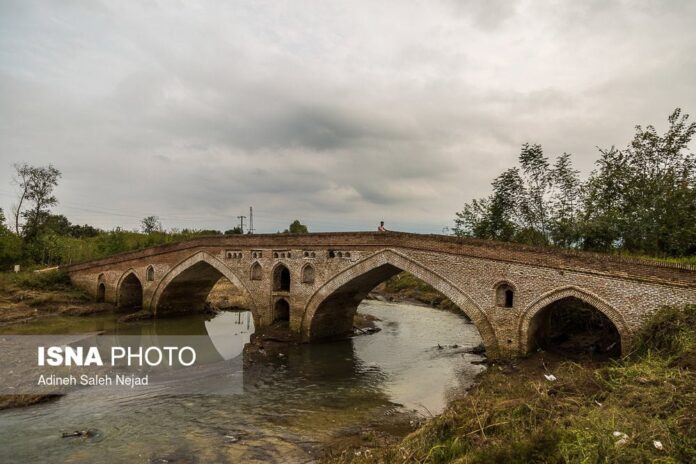
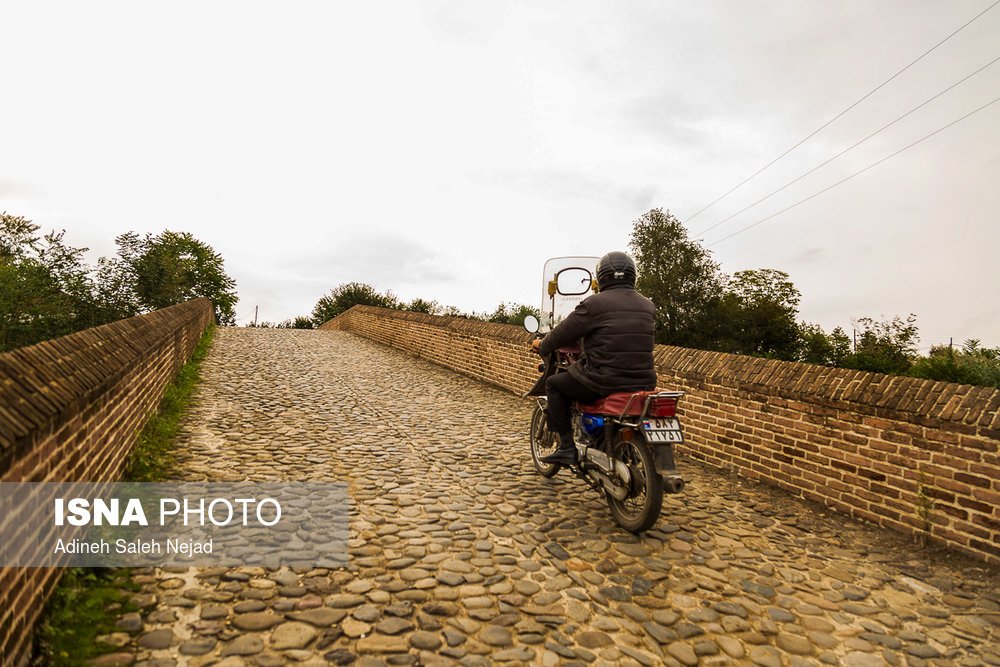
The “Temijan” mud-brick bridge was built during the rule of, and thanks to efforts by Behzad Beig in Gilan province during the Safavid era in 1611. It is 60 metres long and 5 metres wide. It is built on the Temijan River. The bridge’s trusses and body are made of bricks and its floor made of cobblestones. It has four large arch spans.

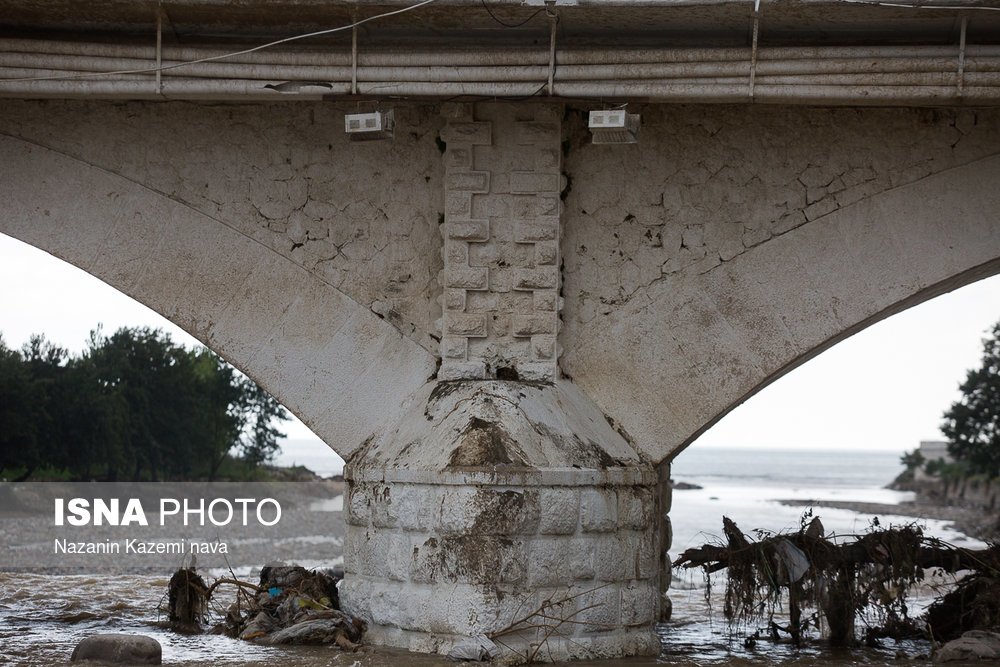
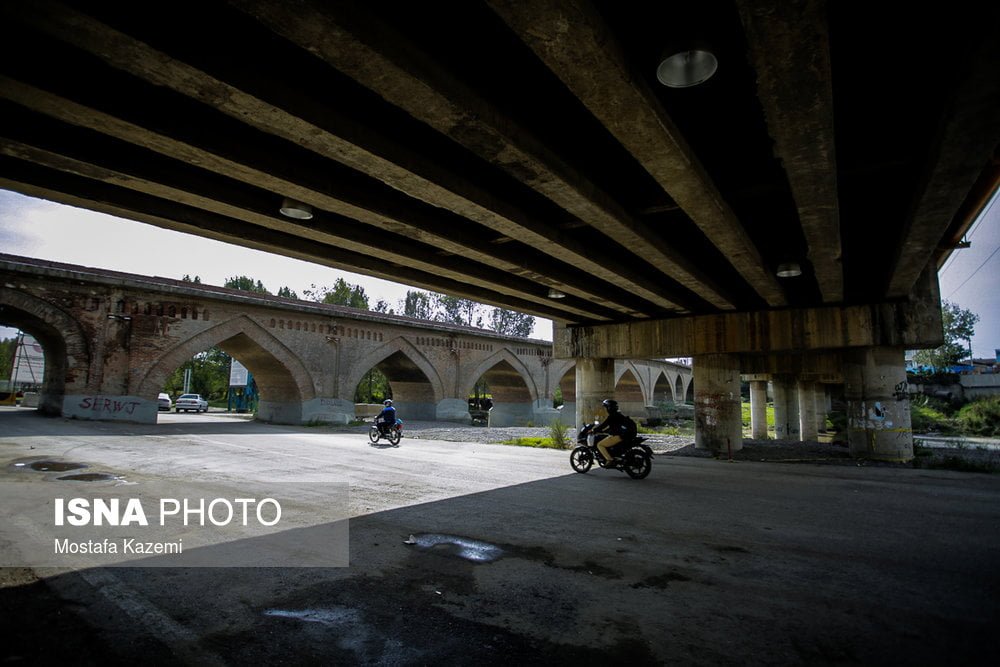
The “Cheshmeh Kolieh” bridge is in the town of Tonekabon in northern Mazandaran province. It was designed by German engineers in 1930 and built by Iranian architects. Its construction was completed in 1932. It is registered on the list of Iran’s national monuments.

The “Cheshmeh Kolieh” bridge has six trusses constructed on lime foundation. The bridge has eight arch spans as well. It has oval-shaped arches. There are decorative flower-like shapes on all sides of the bridge.

The underpass built next to the bridge by the local municipality was less than a decade old and was destroyed in the recent flooding.

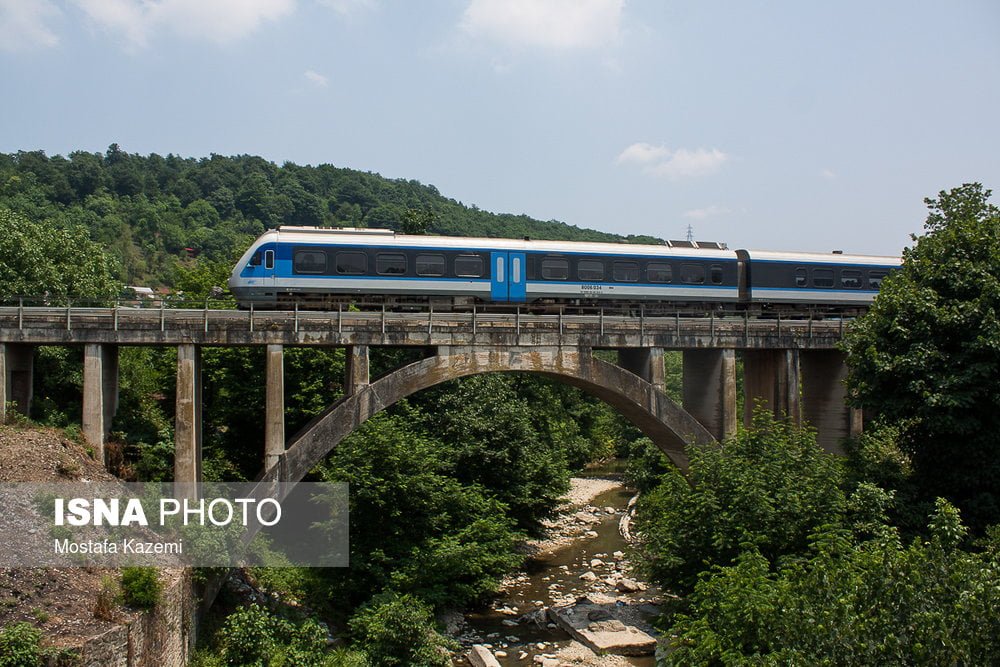
The “Sartapeh” railway bridge of Savadkooh dates back to the first Pahlavi era. It is located in Sartappeh-Shirgah neighbourhood in Savadkooh area and has been registered on Iran’s list of national sites.

Some Old Bridges Withstand Severe Flooding in Northern Iran
Sartapeh

The “Mohammad Hassan Khan” bridge in Babol was officially used as a linking route between the two cities of Amol and Babol until two years ago. Finally it was decided that the bridge not be used by heavy vehicles any longer and be protected as a national monument. The bridge was built in the Qajar era to replace an older one.

Some Old Bridges Withstand Severe Flooding in Northern Iran
Mohammad Hassan Khan

The “Azan” bridge in Azan village in Jooybar has been built on the Siahrood River. The bridge dates back to the Qajar era. It has six arch spans, of which the middle one is the highest, measuring 6 metres from the surface of the water to its highest point. The bridge is mainly made of bricks and Sarooj mortar. It lies almost on the east-west direction. It is 80 metres long and 15.3 metres wide.

Some Old Bridges Withstand Severe Flooding in Northern Iran
Azan

The “Jomeh-Bazaar” bridge of Jooybar also known as “Khesht Pol” dates back to the Qajar era. It is located five kilometres from Jooybar and built on the Siahrood River. The bridge is 7.5 metres wide. It has five Y-shaped spans, and its trusses are fitted with triangular breakwaters. At the moment, another bridge is under construction next to Khesht Pol.

Some Old Bridges Withstand Severe Flooding in Northern Iran
Jomeh-Bazaar

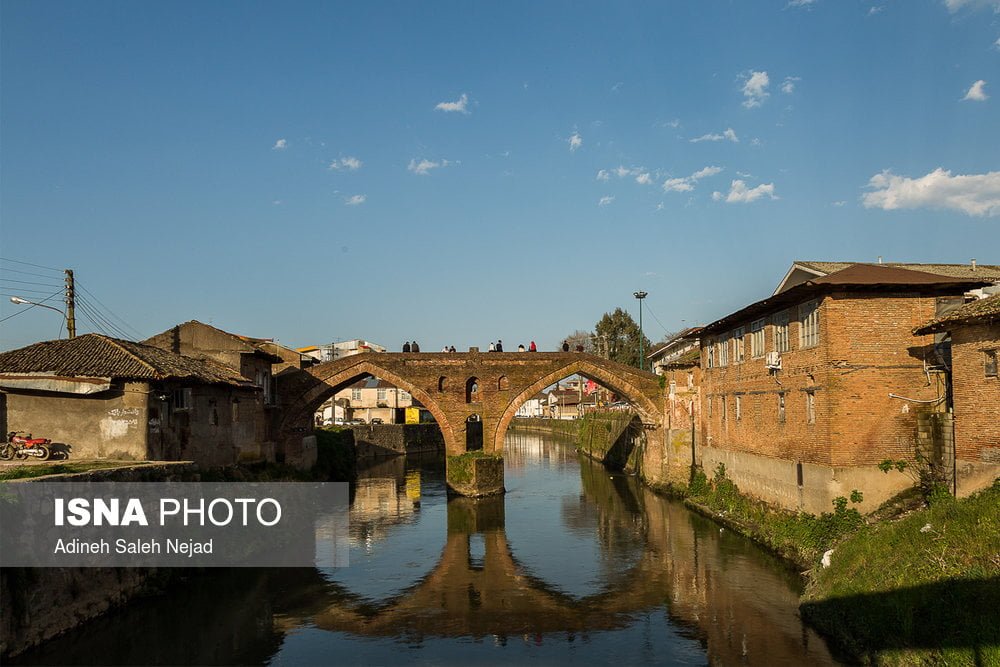
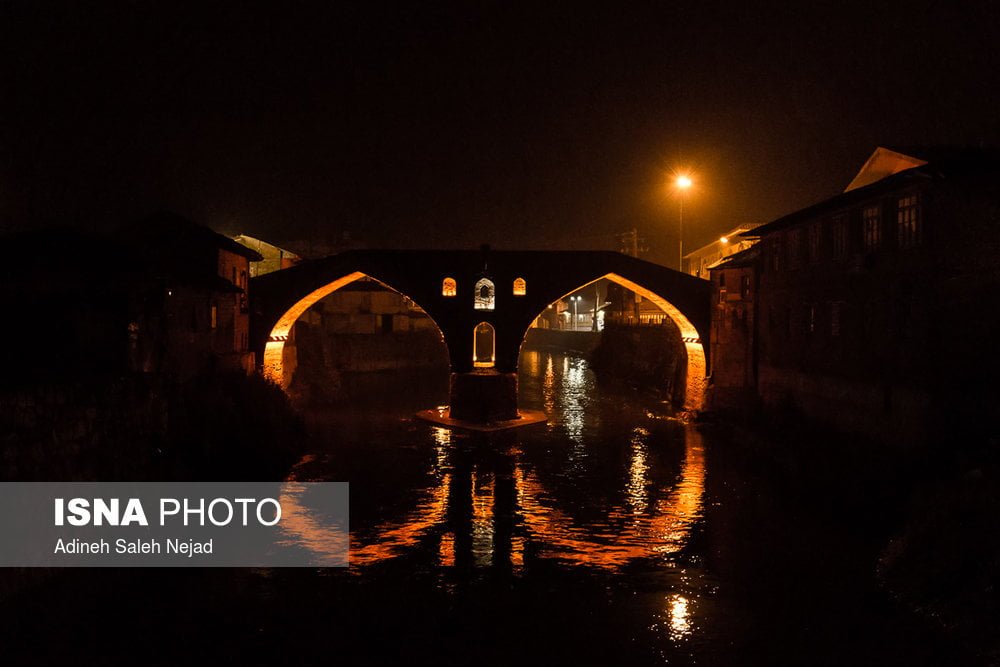
The Langarood Bridge made of bricks and Sarooj mortar is regarded as the most famous historical monument of Langarood and a landmark of the city. This historical bridge is constructed on the Langarood River on the old path linking the city of Lahijan to Langarood. The bridge is located at the city centre near the “Samakan” bazaar.

President Rouhani Says Iran Has Upper Hand over US

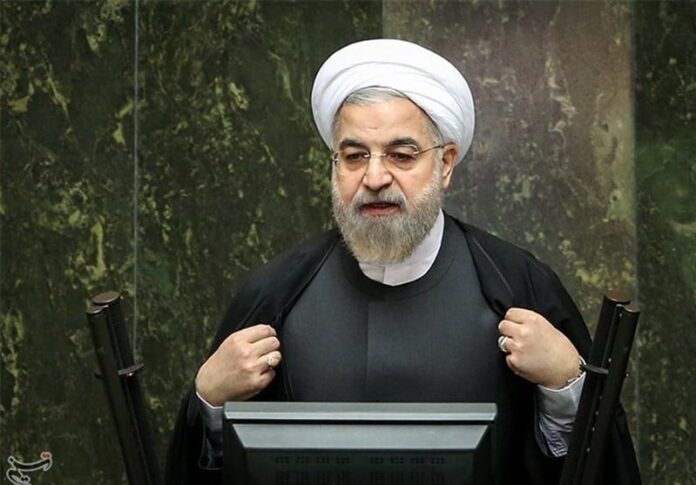
“What we have witnessed in recent weeks and months is the decisive victory of the Iranian nation against US conspiracies,” Rouhani said, addressing a parliamentary session in Tehran on Saturday.

“Undoubtedly, we have gained a rare historic victory in the world politically,” he said, adding that it is rare for the US to make a decision against a country and its traditional allies refuse to side with it.

“Our nation has the upper hand politically. The world recognizes Iran as a country that adheres to its commitments and the US as a country that does not live up to its promises and violates international regulations,” the president went on to say.

The European Union has vowed to counter US President Donald Trump’s renewed sanctions on Iran, including by means of a new law to shield European companies from punitive measures.

On May 8, the US president pulled his country out of the Joint Comprehensive Plan of Action (JCPOA), the nuclear deal that was achieved in Vienna in 2015 after years of negotiations among Iran and the Group 5+1 (Russia, China, the US, Britain, France and Germany).

Following the US exit, Iran and the remaining parties launched talks to save the accord.

Trump on August 6 signed an executive order re-imposing many sanctions on Iran, three months after pulling out of the Iran nuclear deal.
He said the US policy is to levy “maximum economic pressure” on the country.
Trump also restated his opinion that the 2015 Iran nuclear deal was a “horrible, one-sided deal”.