Friday, April 10, 2026
Home Blog Page 3337

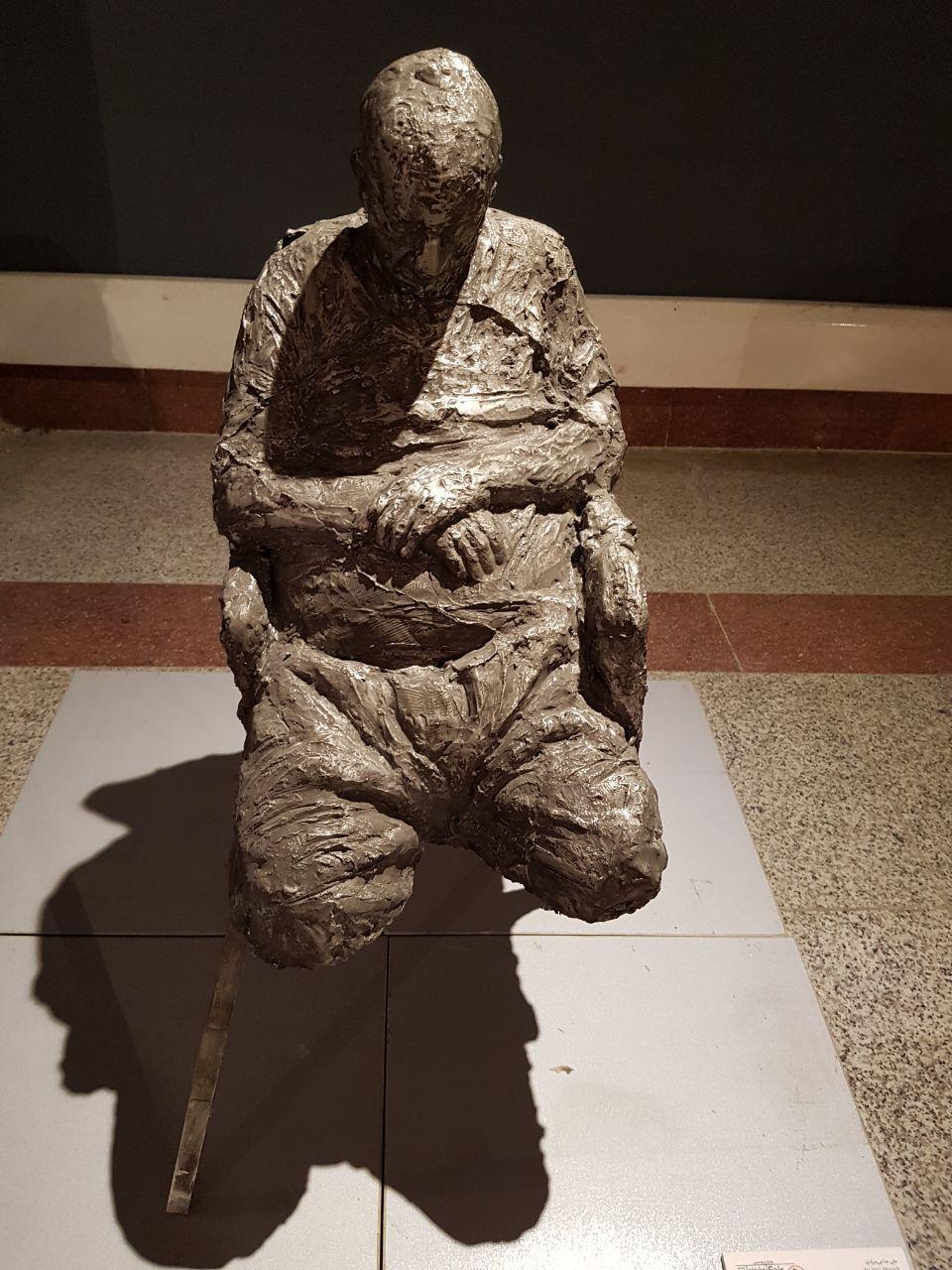
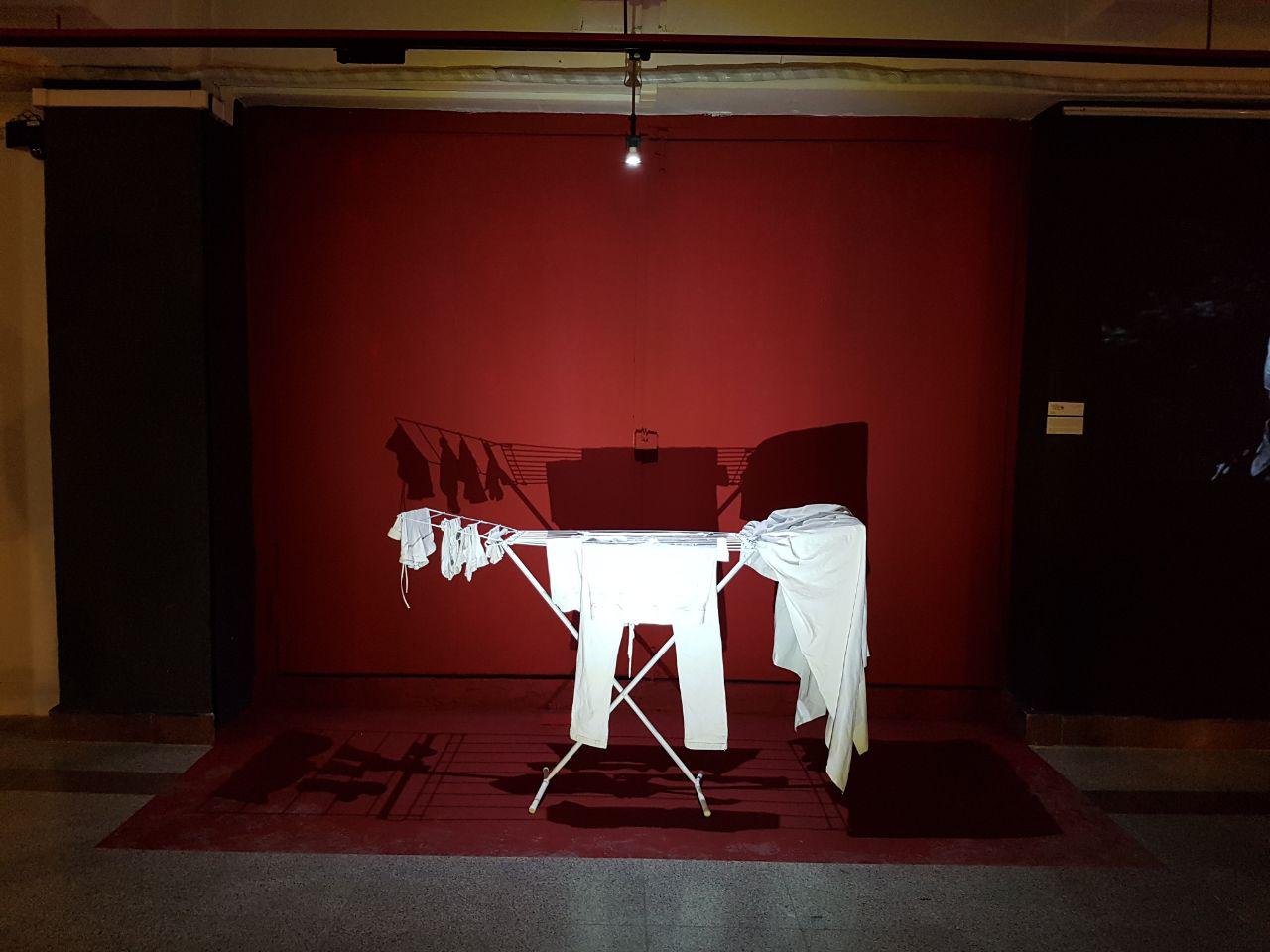
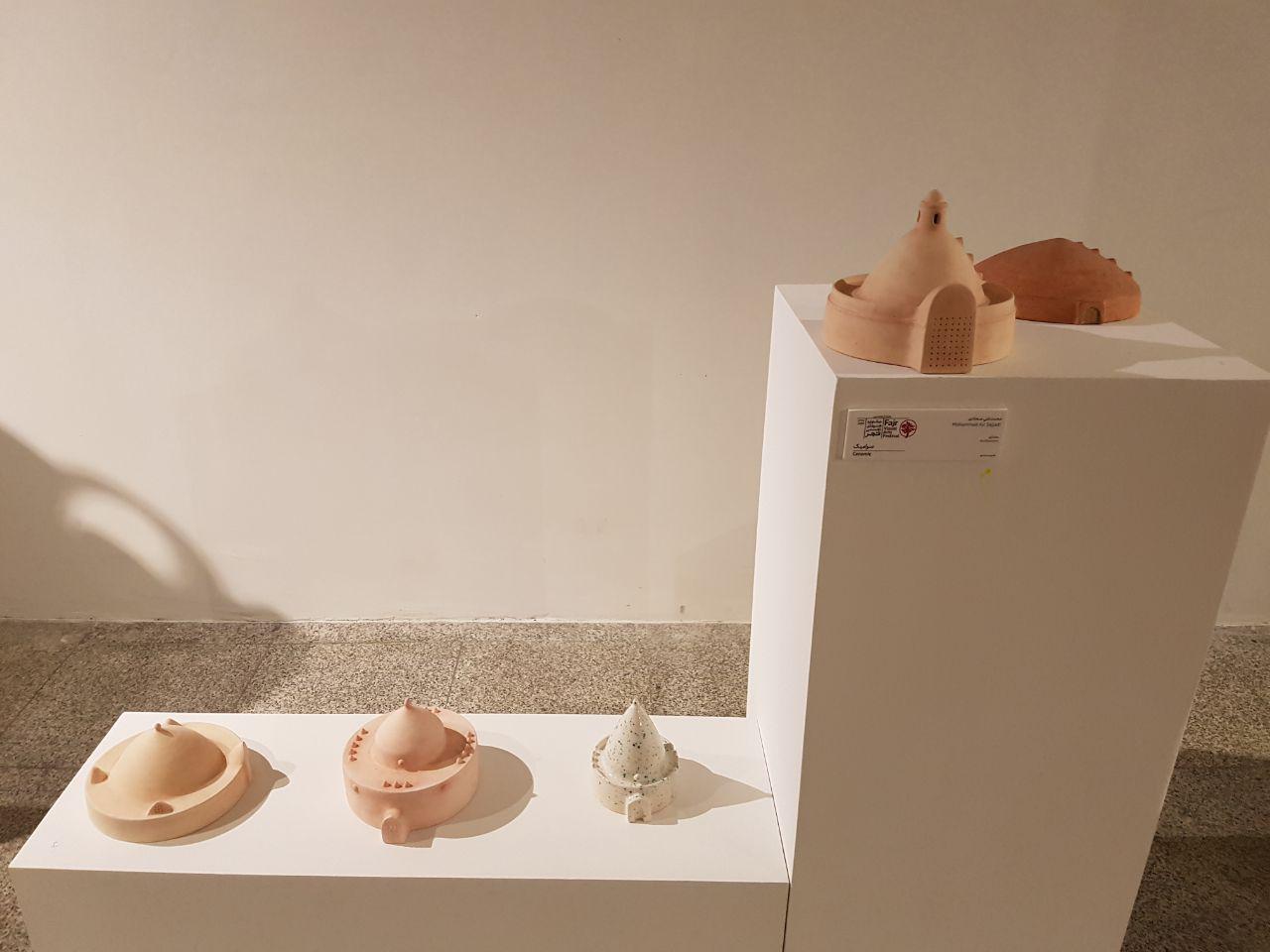
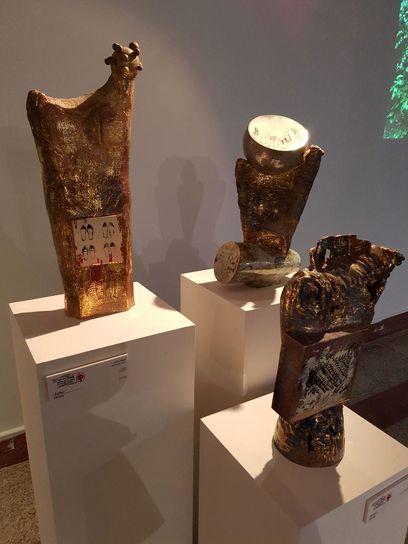
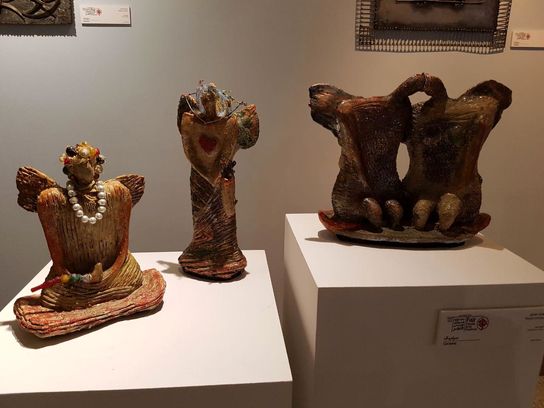
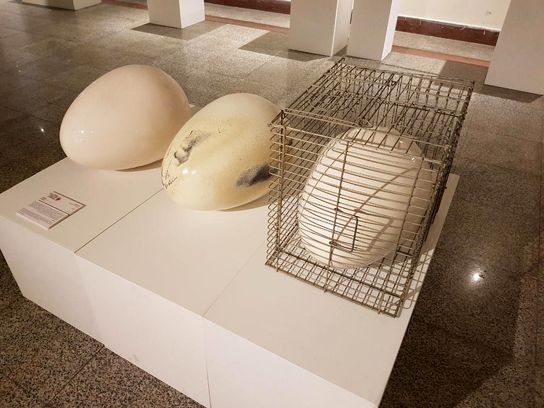
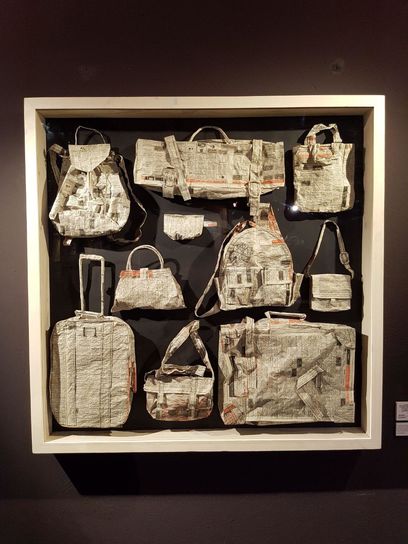
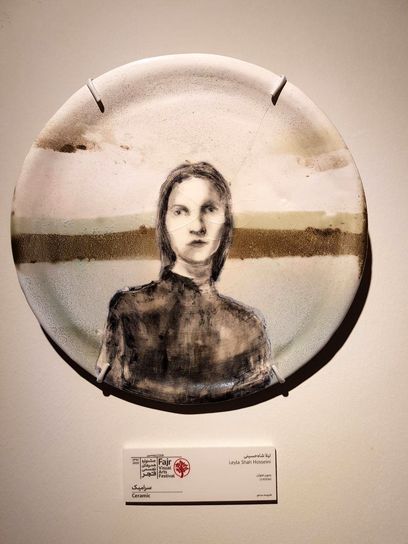
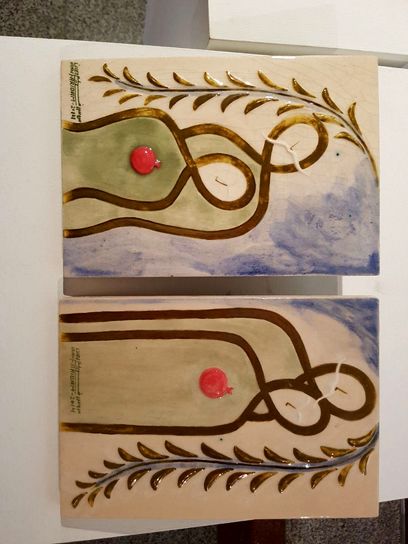
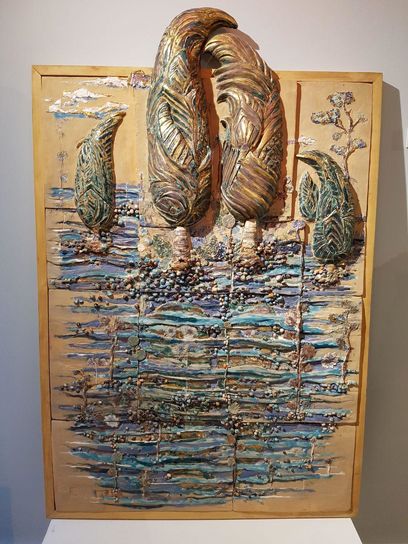
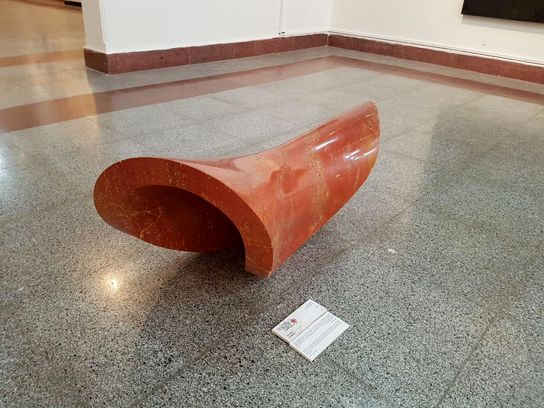
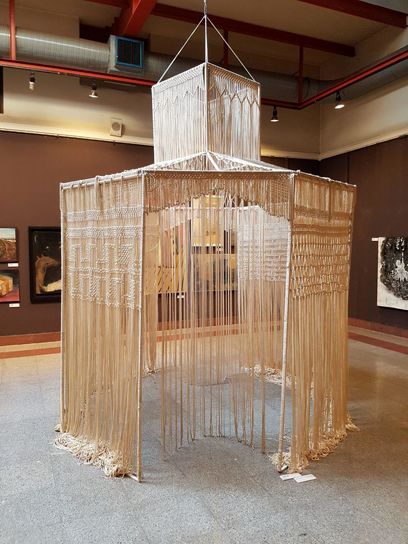
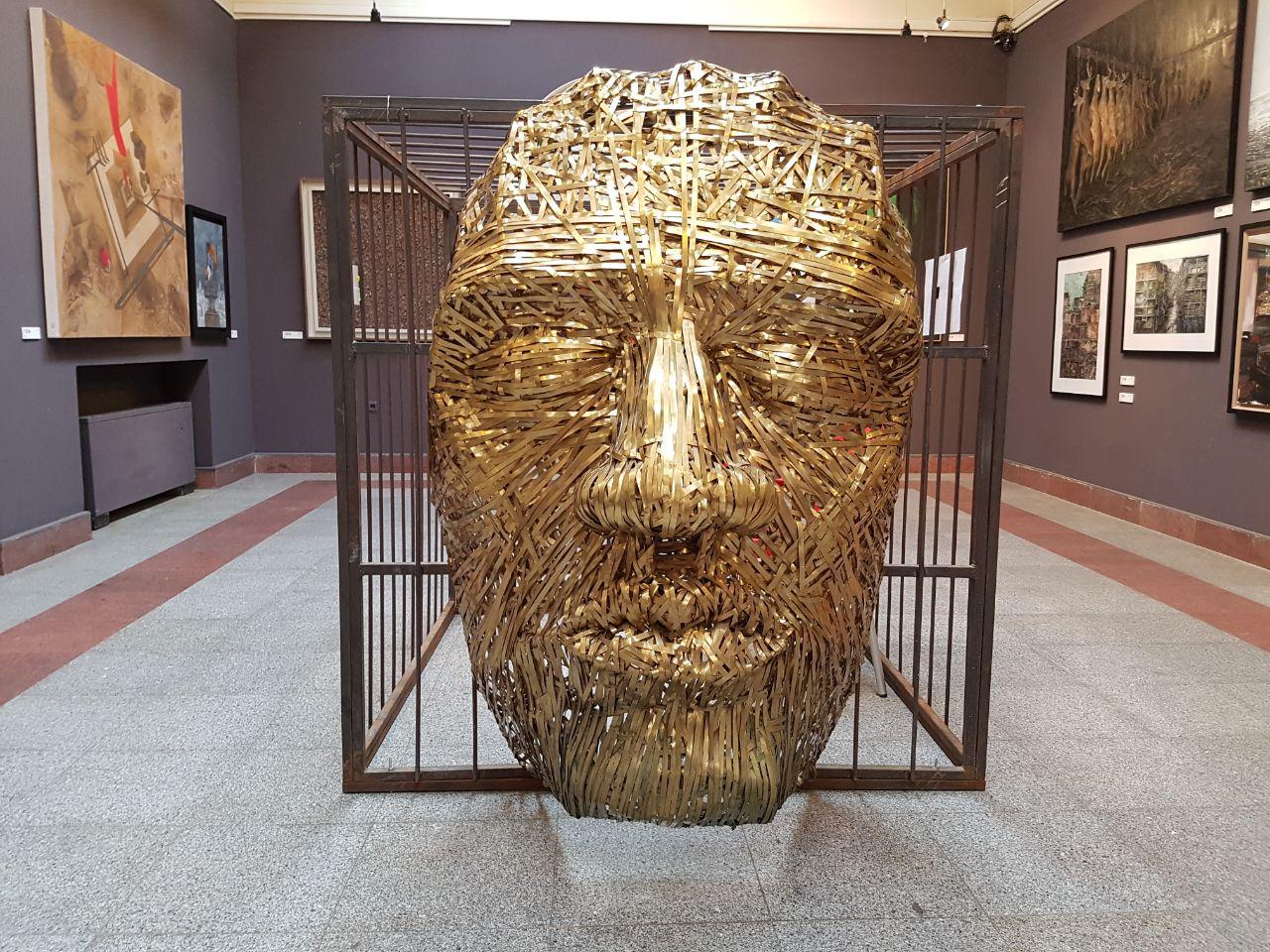
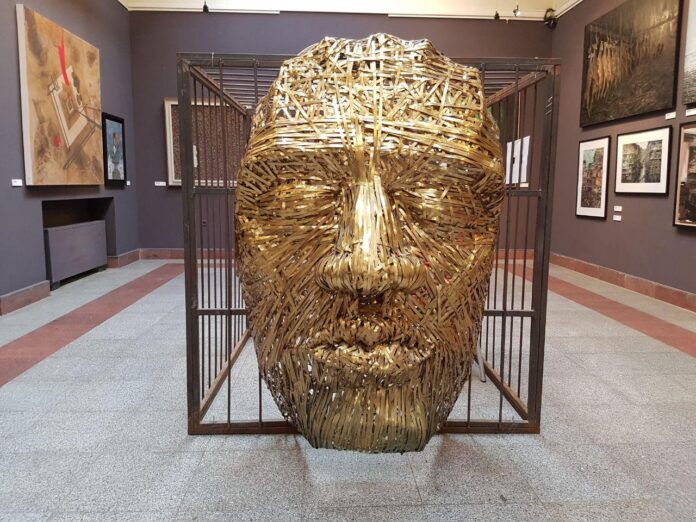
Fajr Festival Showcases Conceptual Ceramic Art

The works of art are put on show at the statue and ceramics section of the Fajr Visual Arts Festival.

Some 69 statues by 56 artists as well as works by ceramicists ate on show at the event.

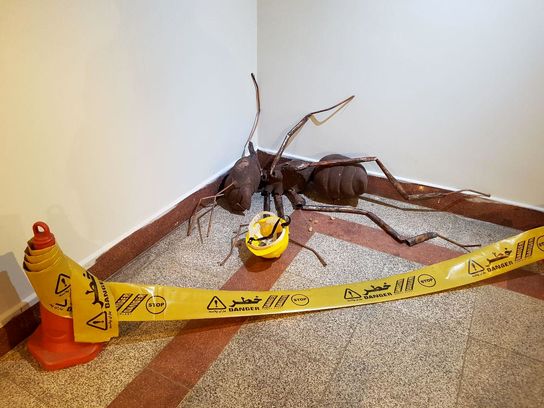
The participating artists have displayed a whole range of works with different approaches and materials.

Some of the items on show have an ironic look at other arts such as the installation art and the conceptual art.

The following are pictures of the event courtesy of Honar Online:

No Food Problem in Iran despite US Sanctions: Official

Abdolmahdi Bakhshandeh said Sunday that the enemies thought by imposing sanctions on Iran, the country would face famine within three months, but the prediction was false, and the Islamic Republic easily crossed the barriers.

“At the moment 83% of the energy and calories needed for the country is provided domestically and less than 15% of agricultural products and food stuff are imported.”

Bakhshandeh noted that Iran is among the countries with high food security and that the agriculture ministry has achieved good results in its economic projects over the past years.

He said the annual production capacity of agricultural crops has reached 122 million tonnes and that in turn has increased productivity.

Iran Bars MPs from Running for More than 3 Consecutive Terms

23 Iranian Lawmakers Test Positive for Coronavirus

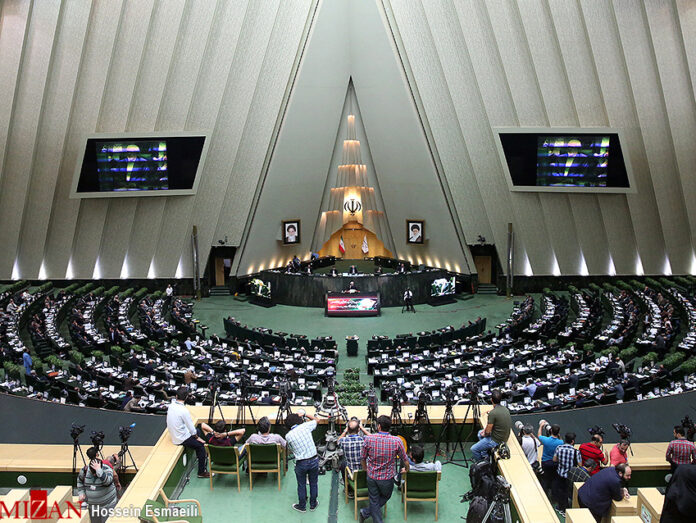
The lawmakers passed the bill during an open session on Sunday. “No lawmaker is allowed anymore to run for parliament after serving three consecutive terms,” a report by ICANA said.

The bill has already sparked criticisms inside the parliament.

The opponents maintain that this is the people who should decide who can run for parliament and represent them. A lawmaker said the bill is against Iran’s Constitution and added there is no restriction for running for parliament in the Constitution.

On the other hand, the proponents argue that the bill will pave the way for the entry of young and up-to-date experts to the parliament.

According to the proponents, if people insist on their election of an MP as their representative in the parliament for a fourth term, the MP can run again after a four-year hiatus.

Some political figures in Iran like Rasoul Montajabnia view the bill as suspicious saying it has been approved with a certain political goal. They believe the bill seeks to expel influential figures from the legislature.

To be signed into law, the bill should be confirmed by the Guardian Council.

If confirmed, at least 34 incumbent lawmakers would be banned from running again in the next year general elections.

Parliament Speaker Ali Larijani, Vice-Speakers Ali Motahari and Masoud Pezeshkian, and senior lawmakers Alaeddin Boroujerdi, Nader Qazipour and Javad Karimi Ghoddousi are among the MPs who cannot run for parliament in the next elections.

A Look at Iranian Newspaper Front Pages on March 4

A Look at Iranian Newspaper Front Pages on November 19

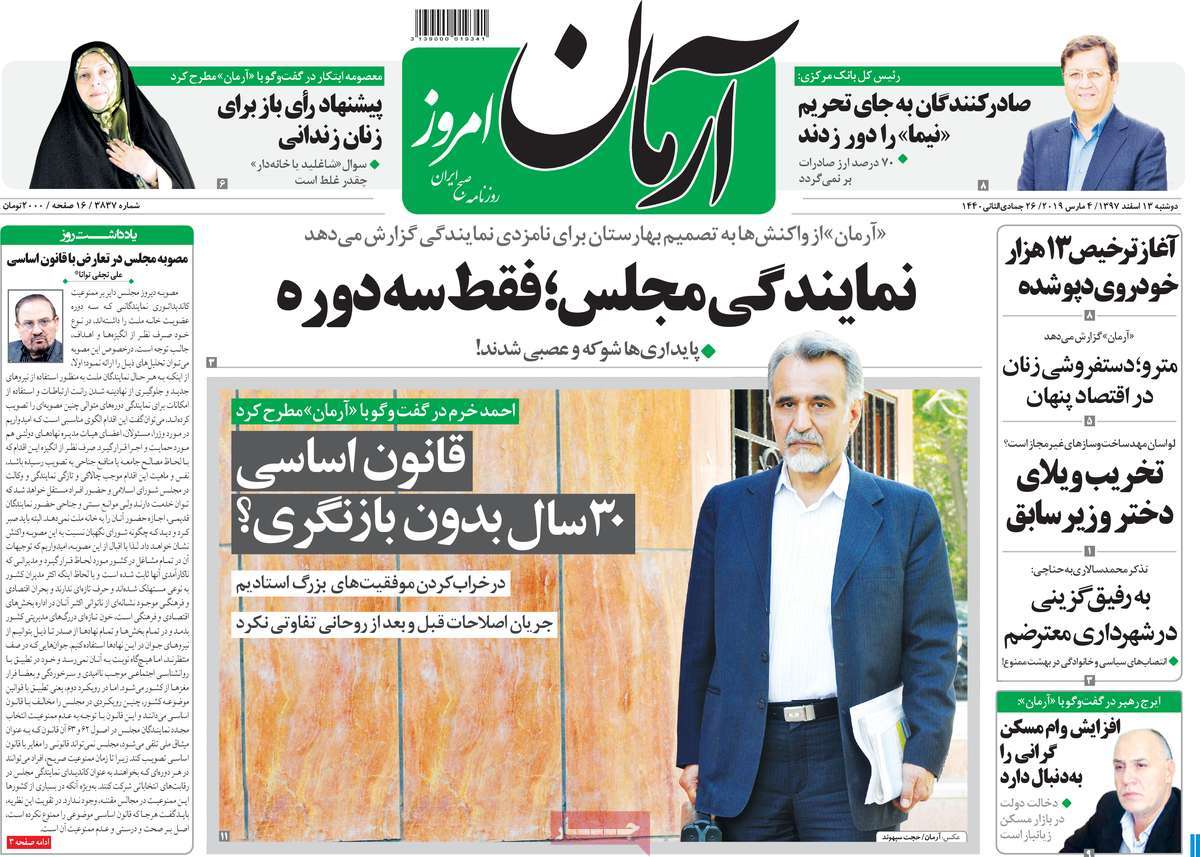
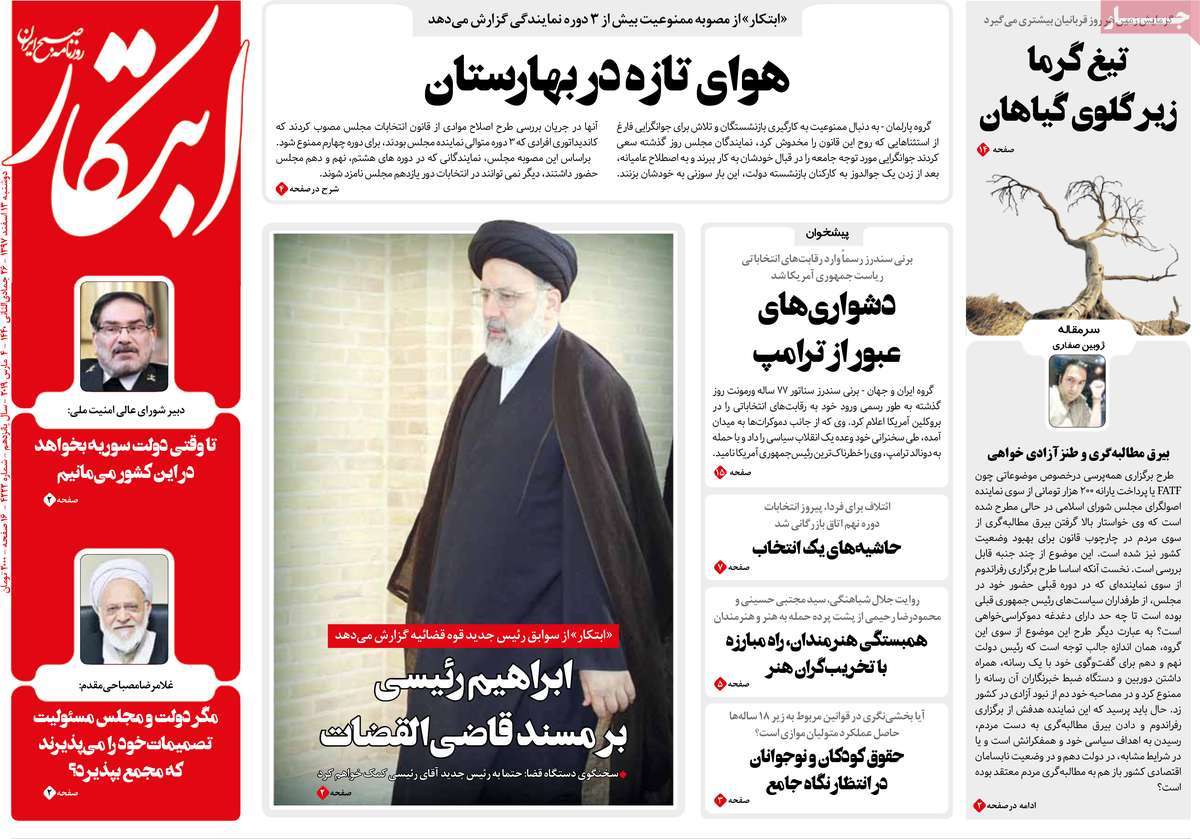
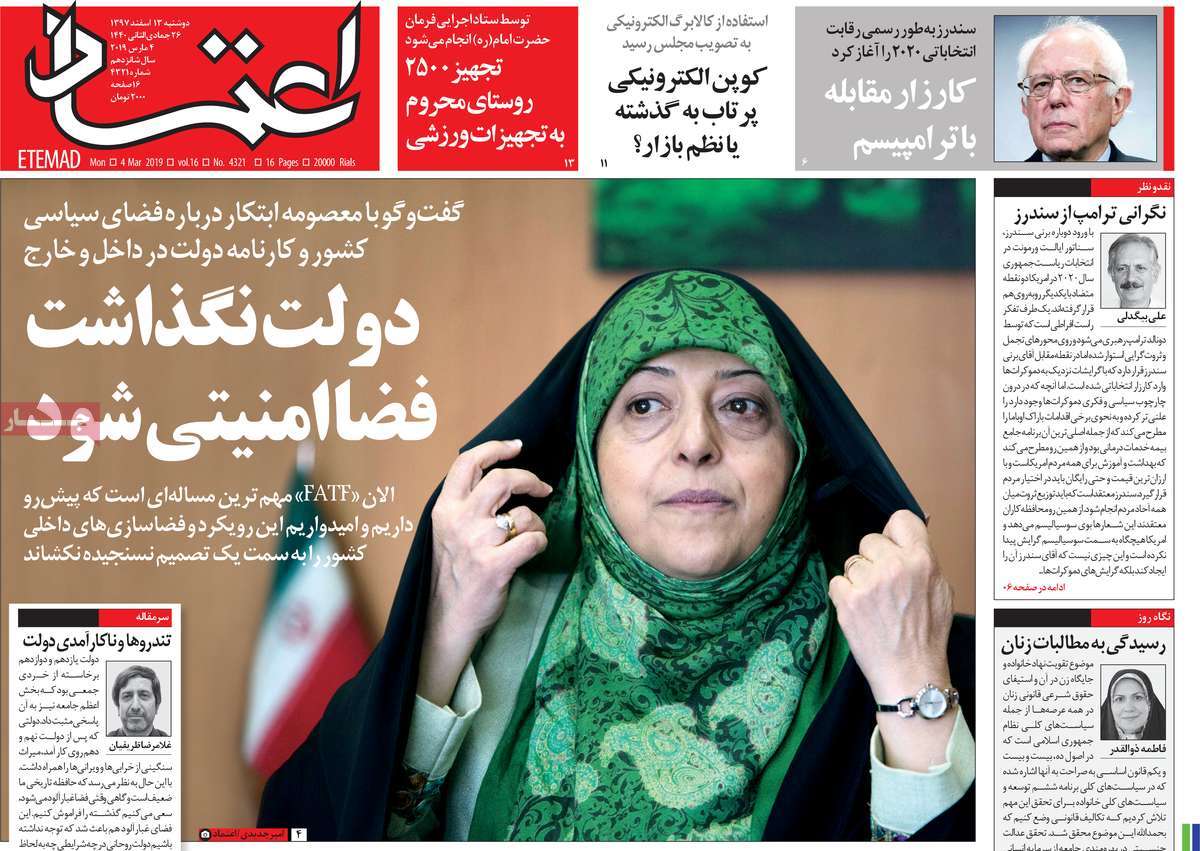
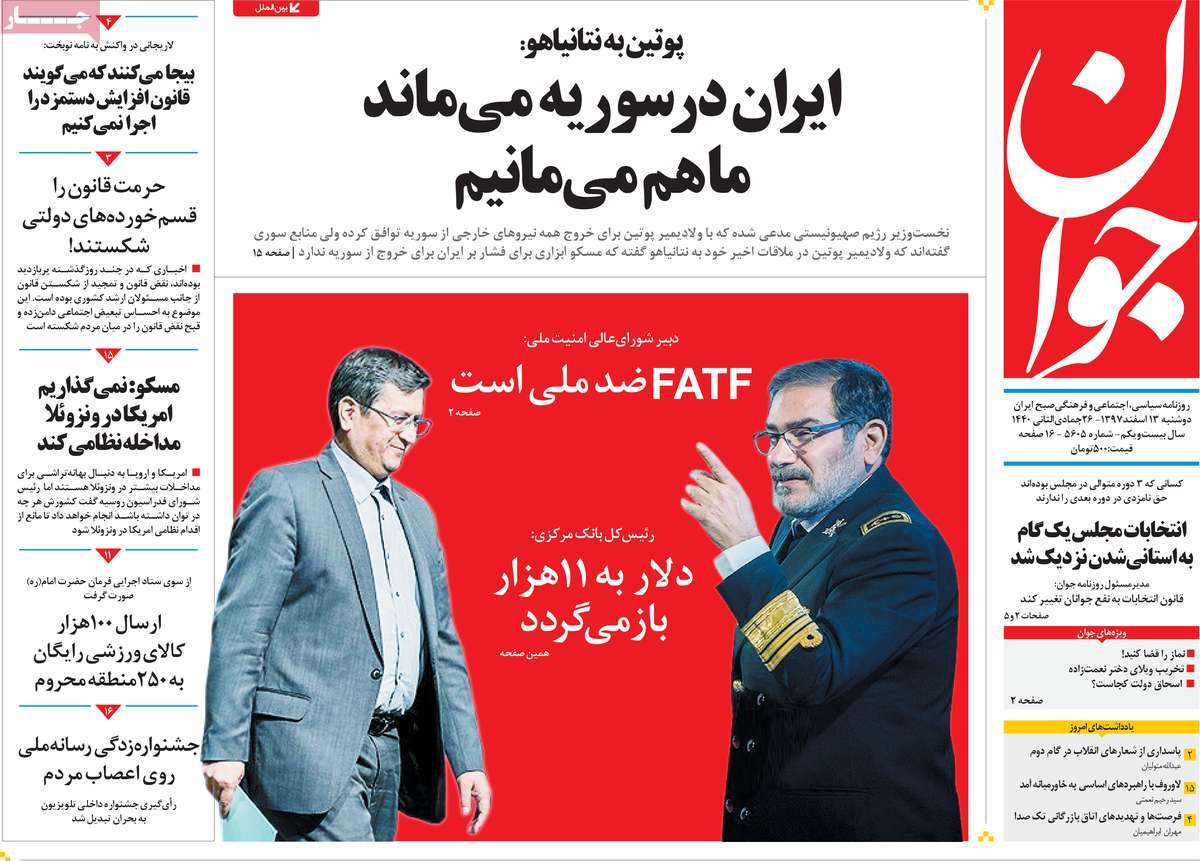
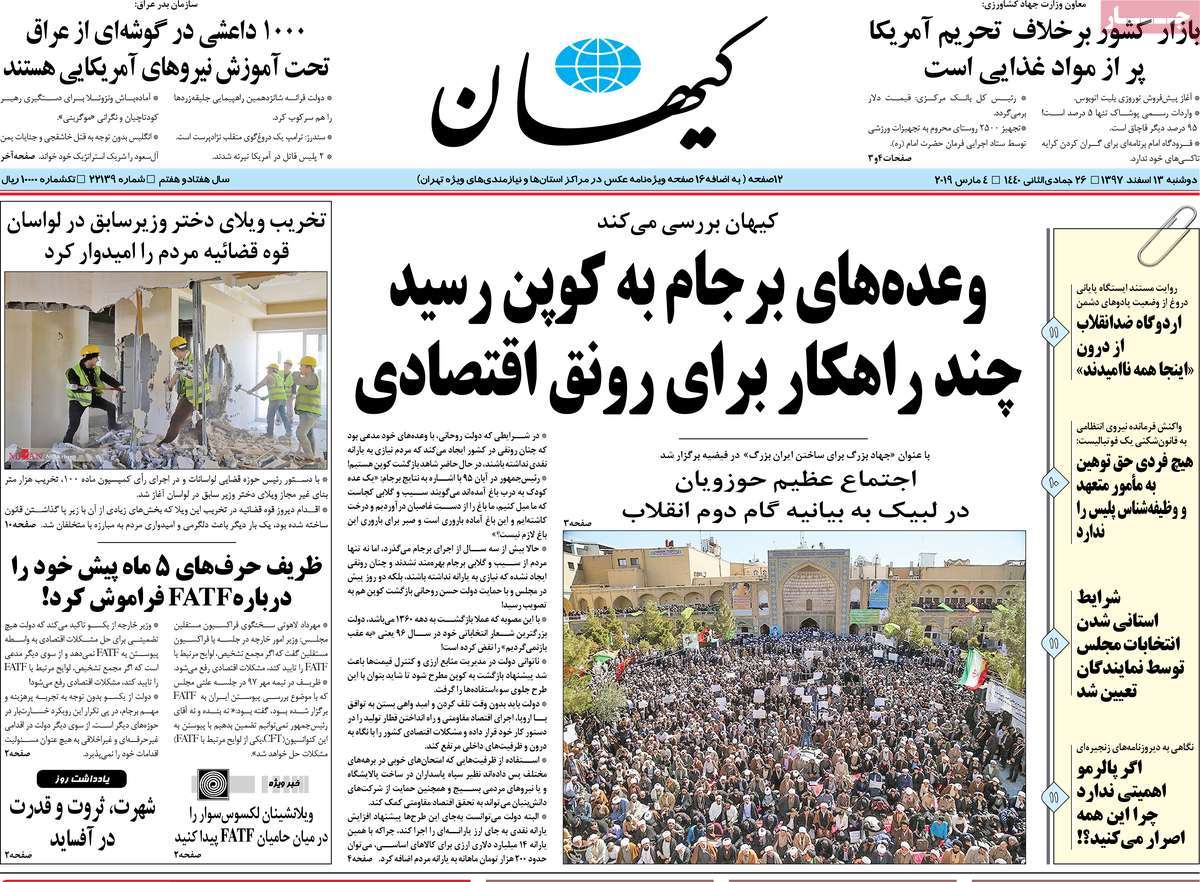
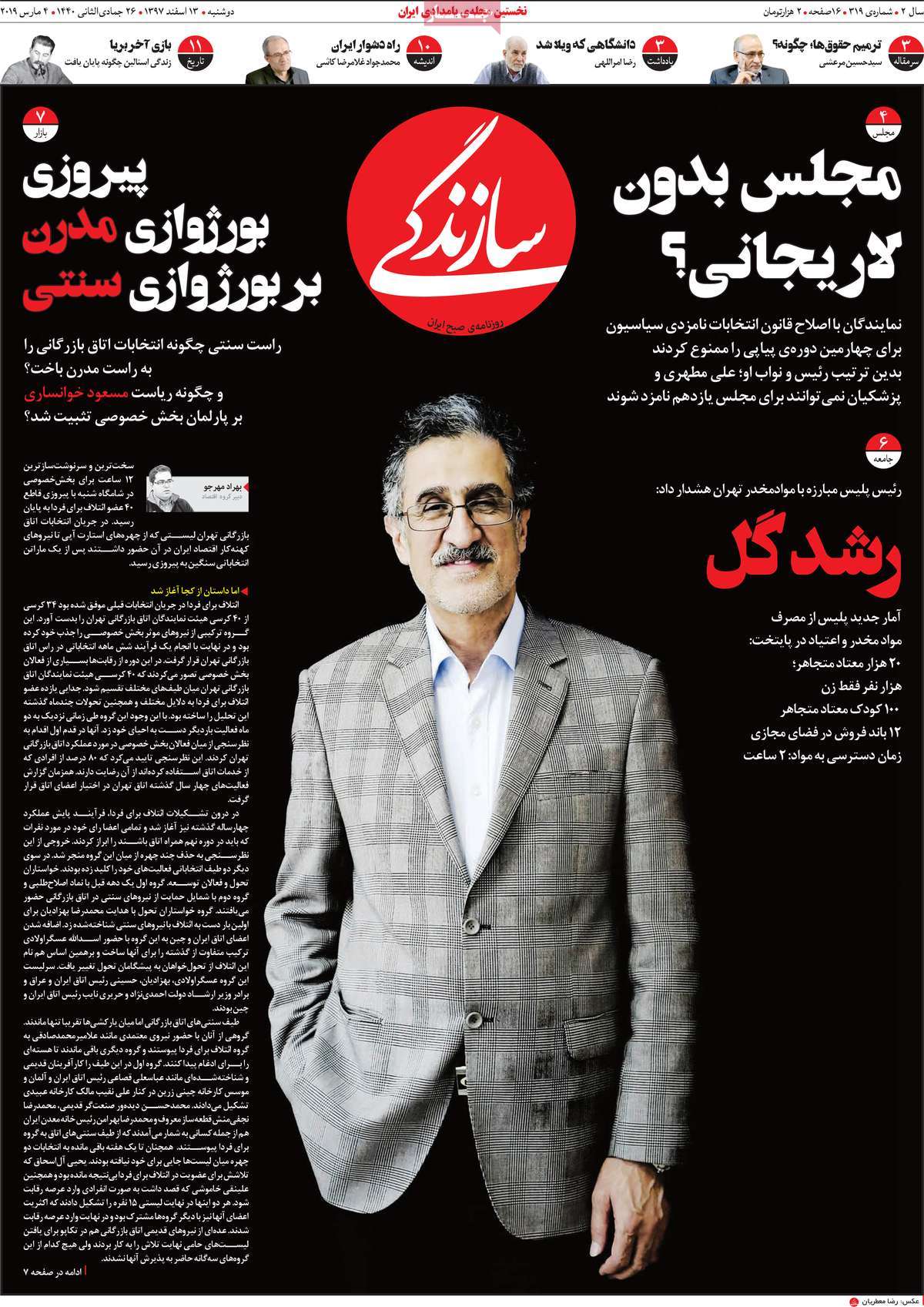
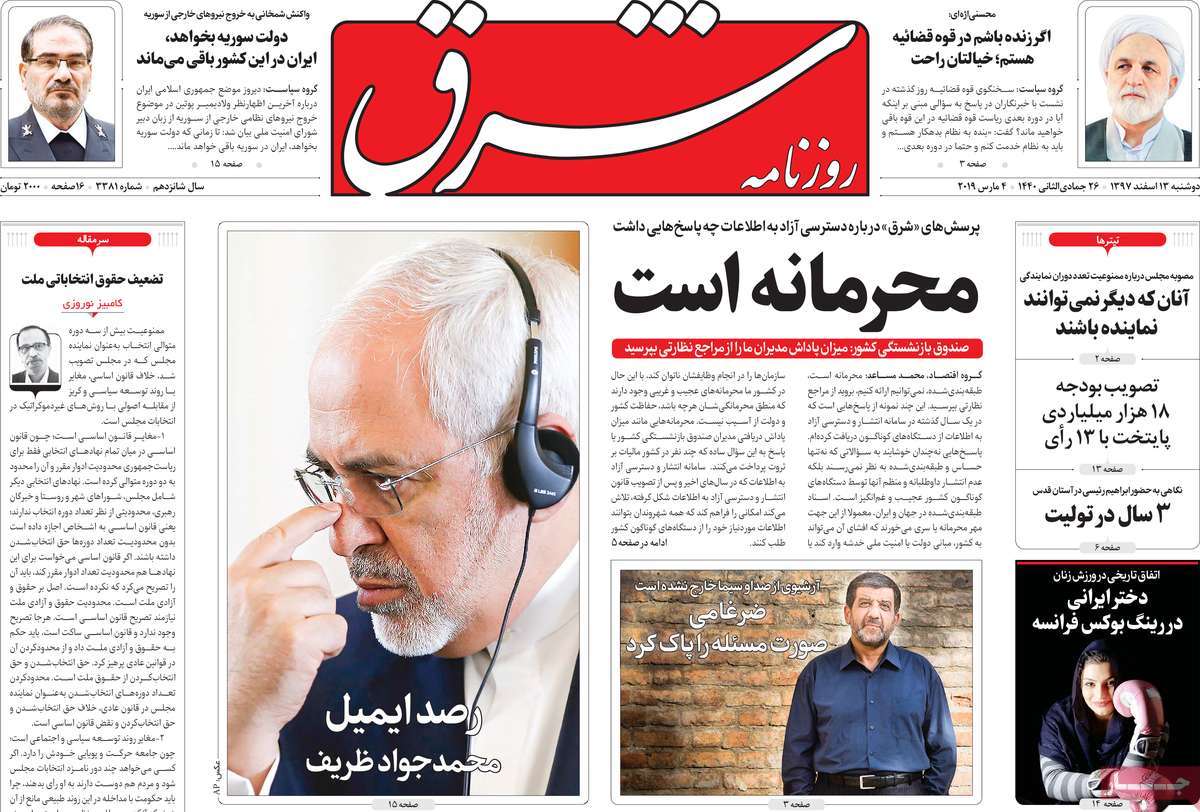
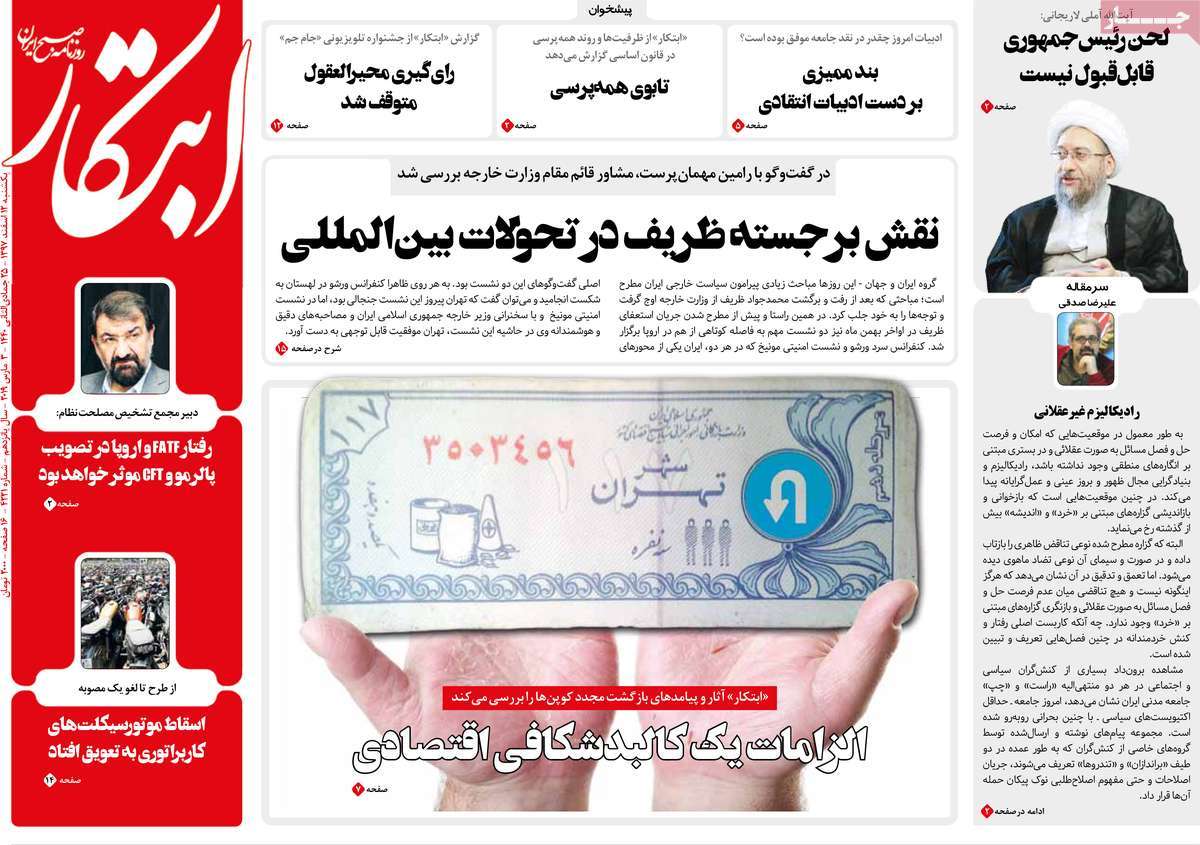
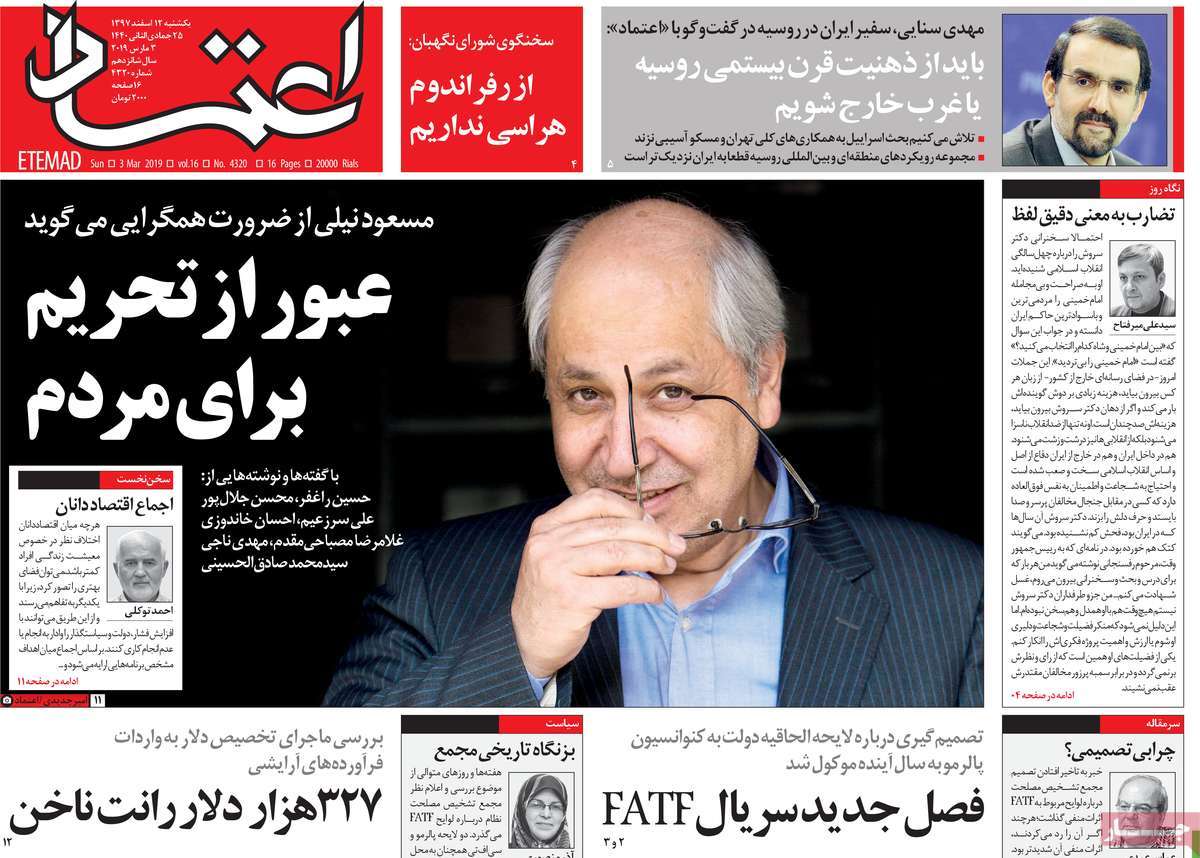
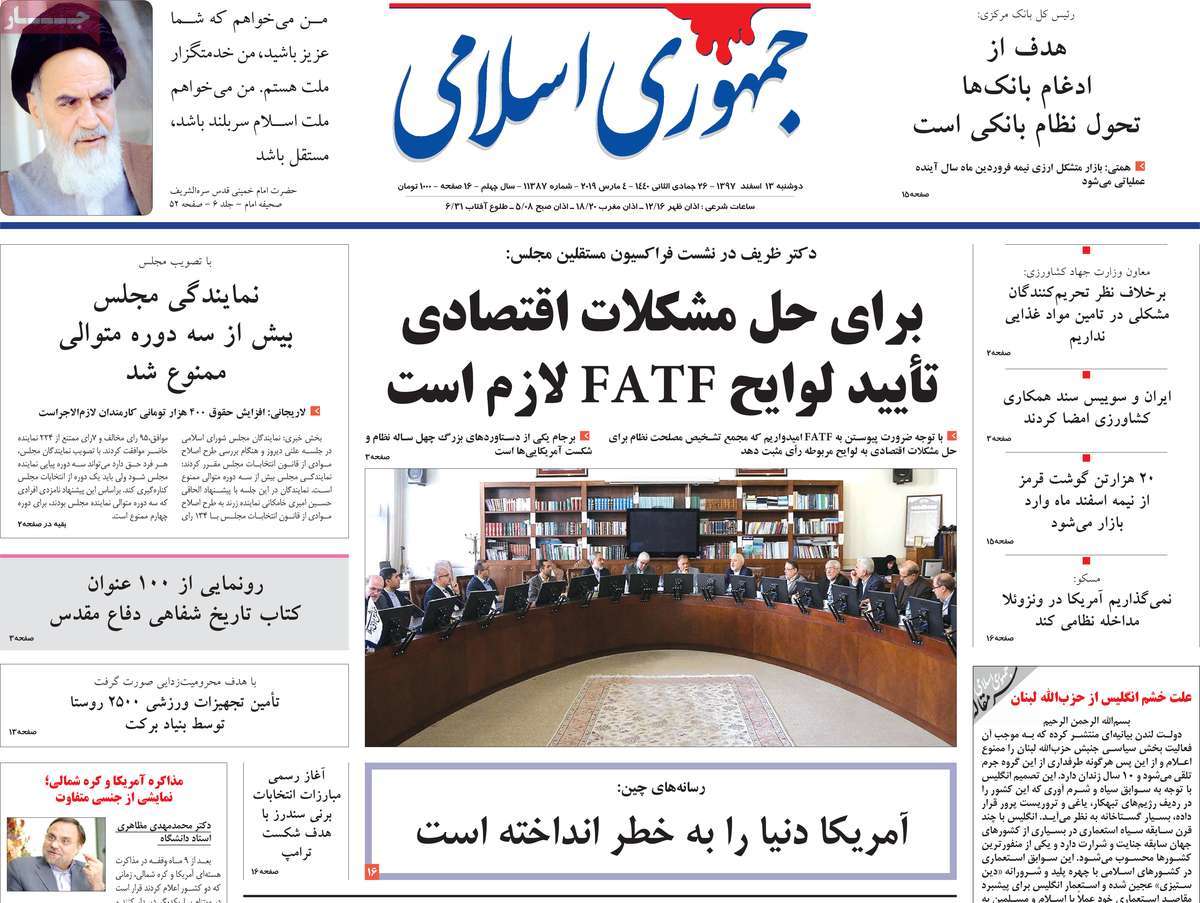
The top story in all papers today was the Iranian Parliament’s decision to ban lawmakers from running in elections after serving three consecutive terms in office. Many papers discussed the pros and cons of the decision, and argued for or against it.

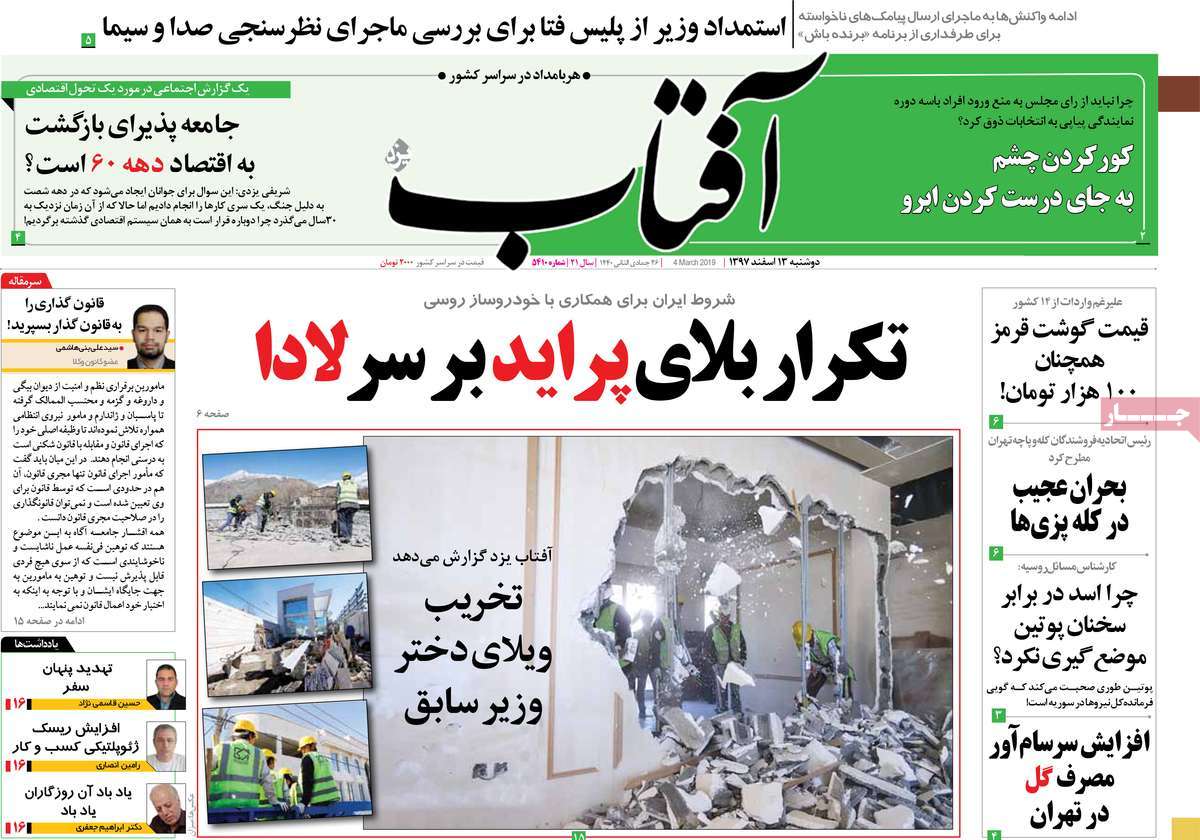
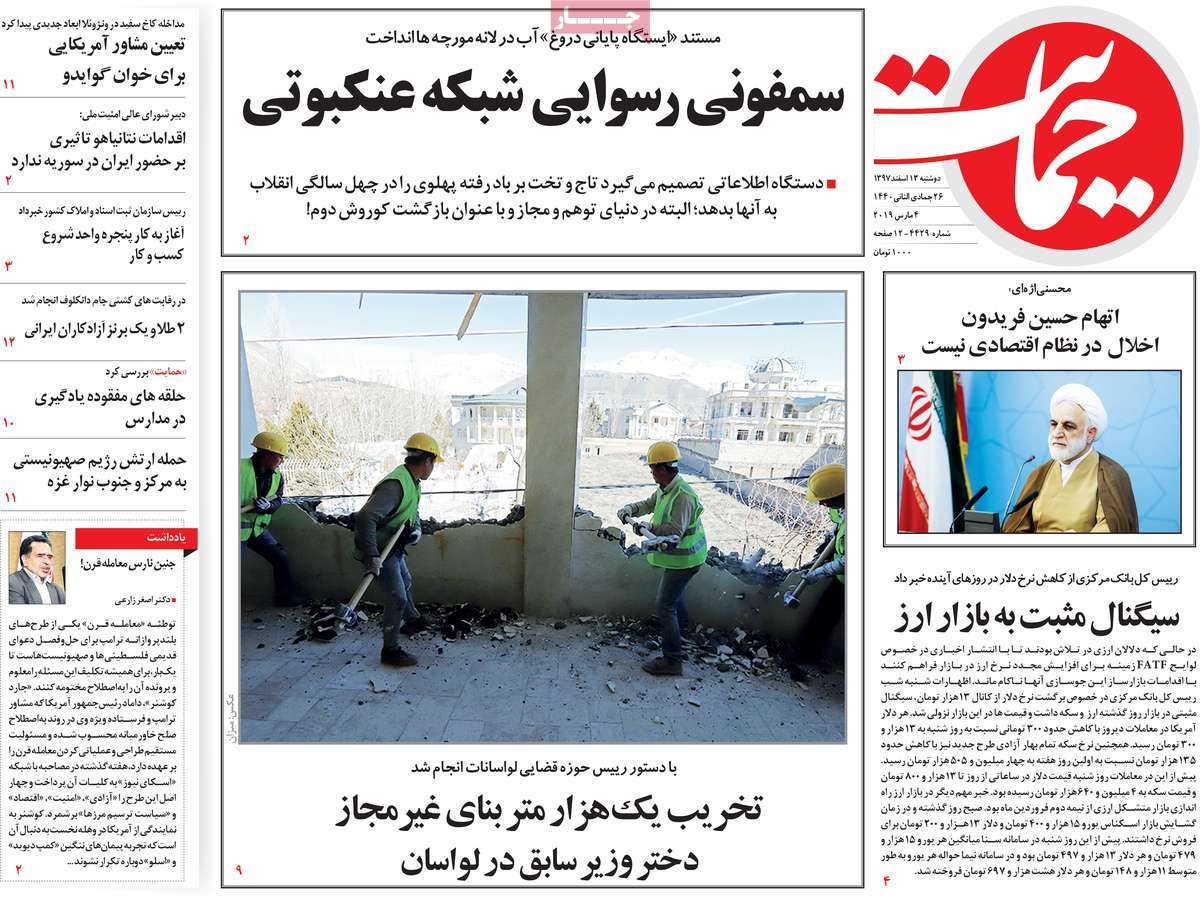
The demolition of an illegally-built mansion belonging to the daughter of former trade minister, Mohammad-Reza Nematzadeh, in northern Tehran also received great coverage.

The above issues, as well as many more, are highlighted in the following headlines and top stories:


Aftab-e Yazd:

1- Iran’s Conditions for Cooperating with Russian Carmaker AvtoVAZ

2- Why We Shouldn’t Be Overexcited by Parliament’s Revision of Its Election Law

3- Illegally-Built Mansion of Ex-Minister’s Daughter Demolished

A Look at Iranian Newspaper Front Pages on March 4


Arman-e Emrooz:

1- Iran’s Constitution Still Not Amended after 30 Years

2- Working in Parliament Only for Three Terms

3- Parliament’s Revision of Election Law against Iran’s Constitution

A Look at Iranian Newspaper Front Pages on March 4


Ebtekar:

1- Fresh Air in Parliament

2- Ebrahim Raisi to Start His Work as Judiciary Chief Friday

3- Difficulties of Overcoming Trump for Sanders

A Look at Iranian Newspaper Front Pages on March 4


Etemad:

1- Sanders Starts Campaign against Trumpism

2- 2,500 Deprived Villages Equipped with Sports Facilities

A Look at Iranian Newspaper Front Pages on March 4


Hemayat:

1- American Advisors Selected for Venezuela Opposition Leader

2- Israeli Army Attacks Central, Southern Gaza

3- 1,000 Metres of Illegal Construction Belonging to Ex-Minister’s Daughter Demolished

A Look at Iranian Newspaper Front Pages on March 4


Javan:

1- FATF against National Interests: Shamkhani

2- Iran to Remain in Syria, We’ll Stay Too: Putin to Bibi

A Look at Iranian Newspaper Front Pages on March 4


Jomhouri Eslami:

1- Ratifying FATF Bills Necessary for Resolving Economic Woes: Zarif

2- US Has Endangered World: Chinese Media

3- Iran, Switzerland Sign Document on Agriculture Cooperation

A Look at Iranian Newspaper Front Pages on March 4


Kayhan:

1- From JCPOA Promises to Return to Rationing

2- 1,000 ISIS Members Being Trained by American Forces in Iraq: Badr

3- Zarif Forgets What He Said about FATF 5 Months Ago

A Look at Iranian Newspaper Front Pages on March 4


Sazandegi:

1- Majlis without Larijani? Parliament Election Law Revised

* Lawmakers Can’t Run for over 3 Consecutive Terms

A Look at Iranian Newspaper Front Pages on March 4


Shargh:

1- Monitoring FM Zarif’s Email

2- Iranian Girl in French Boxing Ring

3- Those Who Can’t Be a Lawmaker Anymore

4- Weakening People’s Election Rights [Editorial]

5- Iran to Remain in Syria If Its Gov’t Wants So: Shamkhani

A Look at Iranian Newspaper Front Pages on March 4

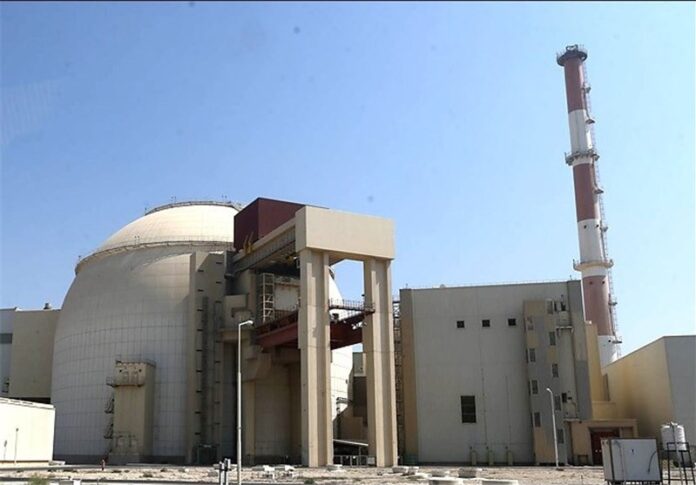
Iran’s Bushehr Nuclear Power Plant Shut Down for Overhaul

Iran’s Bushehr Nuclear Power Plant Reconnected to National Grid

In comments on Sunday, Hossein Ghaffari, an official at the Bushehr nuclear plant, said the power plant has been shut down for an overhaul operation after generating electricity for 298 days.

He said the plant will resume supplying electricity to the national grid in late April or early May.

The official noted that a third of the plant’s fuel packs will be replaced during the outage period and the periodic repair and maintenance operations and safety measures will be carried out.

Ghaffari announced in January that the Bushehr nuclear power plant had supplied around 5.5 billion kilowatt-hours (kWh) of electricity to the national grid over the previous eight months.

He said the plant generated a record amount of 7.4 billion kWh of electricity in the previous Iranian year (March 2017-March 2018), more than 90 percent of which was supplied to the national grid.

In September 2013, Iran took temporary control of its Bushehr nuclear power plant.

Russia has agreed to provide the power plant’s fuel for 10 years, with the supply deal committing Tehran to returning the spent fuel.

The Bushehr Nuclear Power Plant became officially operational and was connected to Iran’s national grid in September 2011.

Iran Still Ready to Help Resolve Nagorno-Karabakh Dispute

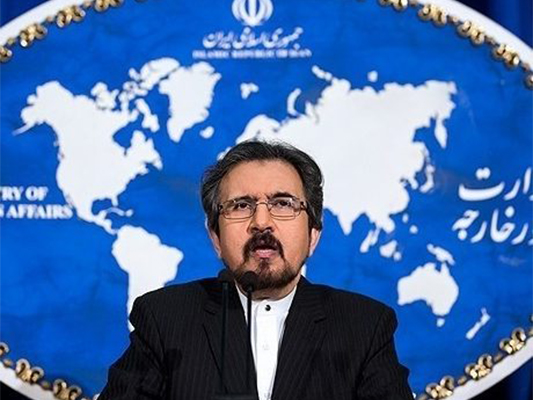
Bahram Qassemi made the comment in response to a question by the Organization of Asia-Pacific News Agencies (OANA) regarding the recent trip to Tehran by the Armenian prime minister.

“As I have repeated time and again, the Islamic Republic of Iran has a clear, transparent and clear-cut stance towards all its neighbours,” said the spokesman.

“The top priority of Iran’s foreign policy is its neighbours. We are keen on having strong ties with our neighbours based on mutual respect and non-interference in [each other’s] domestic affairs and at the same time seeking to further expand our relations,” Qassemi noted.

“In our estimation, Iran’s relations with any of the neighbouring countries will, undoubtedly, not be against the interests of a third country, be it one of the neighbours or another country in the world,” he added.

He then touched upon relations between the former Soviet Union’s breakaway republics with Iran.

“Following the collapse of the Soviet Union and the independence of republics in Central Asia and the Caucasus, balanced relations have been in place between Iran and Armenia in compliance with all principles governing relations between neighbours and [in compliance with] neighbourhood rights,” Qassemi said.

He said the Armenian premier’s trip to Iran is also evaluated within the framework of these relations and the Islamic Republic of Iran’s foreign policy vis-à-vis all its northern neighbouring countries.

“Relations between Iran and the Azerbaijan Republic, as two neighbouring countries with common traditions, customs, culture and religion, have always been growing after the independence period, with a look to further development and deepening of ties on all fronts as stressed by officials of both countries ,” he said.

“Taking a look at the number of delegations exchanged between the two sides at different levels, especially in recent years, and particularly meetings between the foreign ministers and presidents and the agreements reached bears testimony to this reality and shows the depth of relations between Iran and Azerbaijan,” said the spokesman.

“Iran believes the stability, security and economic development of the Azerbaijan Republic, Armenia and other neighbouring countries amount to the all-out development of this sensitive region in the world. Indubitably, we want all tensions, indignation, insecurity and instability in relations between our neighbours to be removed,” said Qassemi.

He then referred to Tehran’s policy vis-à-vis the conflict in Nagorno-Karabakh.

“The Islamic Republic of Iran’s policy towards the Karabakh dispute remains a clear and transparent one, and has not changed. We believe this issue, which can be a cause for concern for countries around us, should be settled based on international regulations and through dialogue,” said the spokesman.

“It is important for the Islamic Republic of Iran that its relations with Armenia and the Azerbaijan Republic are not affected by the Karabakh dispute; so, Iran will continue to pursue its fundamental and logical policy on this issue, and we strongly hope that this conflict is peacefully settled as soon as possible on the back of peaceful efforts by authorities of these two countries using dialogue and negotiations and all diplomatic tools and channels,” he said.

Qassemi once again announced Tehran’s preparedness to help resolve the conflict.

“As it has tried in the past to settle this lingering issue between the two countries, the Islamic Republic of Iran stands ready to make every effort in that regard,” he noted.

“We take pride in that followers of all divine faiths, including the Armenian community, have, over the past centuries, lived side by side in Iran as a country which has an ancient culture and civilization, and have enjoyed the necessary facilities and opportunities to practice their own religious rites and rituals.”

“Today, thanks to the Constitution of the Islamic Republic of Iran, representatives from the Armenian, Zoroastrian and Jewish communities are present at the Iranian parliament,” he said.

“The presence of the Armenian prime minister at the Ararat sports club in Tehran and his meeting with members of the Armenian community does not seem an illogical action per se, but, undoubtedly, hanging a few banners bearing statements in the Armenian language about the Karabakh dispute at the location of the Ararat cultural and sports complex is an arbitrary and unacceptable move and is not approved of by the Islamic Republic of Iran,” he said.

Anti-Terror Fight Begins with Uprooting Wahhabi Ideology: Iran

“Real fight against these moves must start from thoughts and ideologies, which are guided by a network and funded by reactionary states,” Iranian Deputy Foreign Minister for Legal and International Affairs Gholam-Hossein Dehqani said.

He made the remarks in a speech read out at the second edition of the International Event on Women, Sustainability, Peace, and Security held in Tehran earlier this week. His speech was read out to the international event by Forouzandeh Vadiati, the Foreign Ministry’s Director-General for Women and Human Rights Affairs.

Dehqani underlined the need for eradication of the “ideology that oppresses women, uses assets for financing terror and slaughtering journalists.

The Iranian official was referring to the brutal murder of Saudi journalist Jamal Khashoggi on October 2, 2018, in the Saudi consulate in the Turkish city of Istanbul, where he was killed by a group of murderers allegedly hired by Saudi Crown Prince Mohammed bin Salman to eliminate the dissident.

Dehqani further noted that the intervention of hegemonic powers in the region has resulted in the spread of such violent ideologies as Wahhabism, which are used as a war tactic.

“After any foreign invasion, a power vacuum is created in the country, which prepares grounds for the rise of extremism and violence against women,” he noted, referring to numerous cases of such ideologies targeting women and children during the past century.

Dehqani said the hegemonic powers provoke regional governments with the aim of gaining further profit in their arms business.

“For the profit they gain, they never think of the deadly consequences, sexual violence against girls, deprivation from education, destruction of infrastructures, and forced immigration,” he noted.

He also noted that the current US government has imposed cruel sanctions on the Islamic Republic of Iran over false pretexts because it can’t invade or milk the country, as it does with Saudi Arabia.

The US government does not respect the rulings of the International Court of Justice (ICJ) or the numerous reports by the International Atomic Energy Agency (IAEA) that confirm Iran’s compliance with the 2015 nuclear deal, from which the US has unilaterally withdrawn, he said.

It also does not pay any heed to the world’s respect for multilateralism and the Europeans’ right to free trade, Dehqani noted.

The Iranian official further pointed that sanctions, foreign invasion, and rise of extremism have challenged all aspects of women’s lives.

H said women can be best supporters of peace and security, and play a significant role in sustainable development.

He praised Iranian women’s unique role in maintaining sustainable peace, particularly during the 1980 war imposed on Iran by the Iraqi dictator Saddam Hussein; in controlling natural disasters; and now in the economic war.

“Despite all the ups and downs, women in Iran have flourished and shown their capabilities through education and empowerment,” he said, adding that Iran’s achievements in the field of family and women come as the country has been under various foreign interventions, from war to sanctions.

Iran Builds Weapon to Counter US’ Anti-Drone Laser System

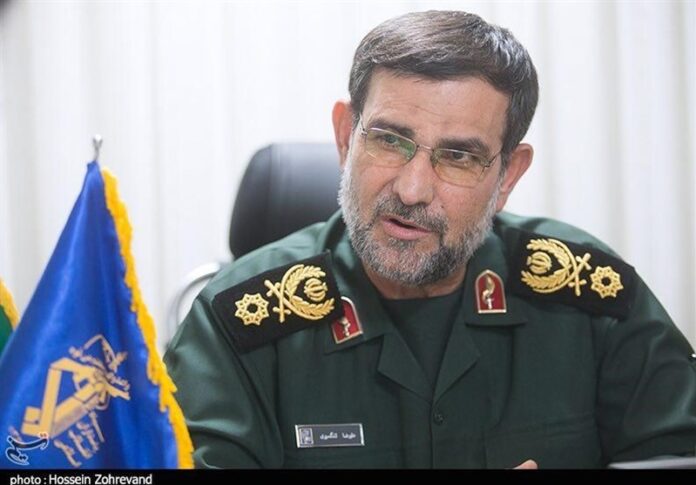
In an interview with Tasnim, Rear Admiral Tangsiri said the IRGC Navy has worked on a weapon to counter the US anti-drone laser weapon, adding, “The necessary weapon to counter that (American laser weapon) is now available.”

He said the IRGC Navy has also worked on plans to counteract the anti-drone systems.

The commander further unveiled plans to furnish the IRGC Navy with new submarines, saying the force is looking for midget submarines that would be more advanced than the Qadir submarines, something like Fateh or Persian Gulf, which are being manufactured by the Defense Ministry.


He added that the IRGC Navy’s submarines should be equipped with torpedoes and subsurface-to-surface cruise missiles.

As regards the IRGC Navy’s development plans, the general said its industrial centers are manufacturing patrol and missile-launching vessels, as well as heavy military ships.

The IRGC Navy is going to build a 65-meter-long watercraft equipped with missiles and torpedoes and capable of carrying helicopter, he went on to say.

Rear Admiral Tangsiri also stated that the IRGC Navy may receive anti-ship ballistic missiles, like the Persian Gulf missile, from the IRGC Air Force, and has also plans to use a more advanced version of those missiles.

In comments in January, the commander had announced that the IRGC Navy has begun developing submarines, saying new achievements in this field will be unveiled in coming war games.

“(Presence in) the subsurface sphere is one of our needs which we must pursue,” Tangsiri had noted, saying the IRGC Navy is upgrading its unmanned aerial vehicles to enable them to carry loads and furnish them with weapons with pin-point accuracy.

In remarks in November 2018, Leader of the Islamic Revolution Ayatollah Seyed Ali Khamenei urged the Iranian Armed Forces to boost their military capabilities and preparedness in such a way that the enemies would not ever dare think of threaten the country.

Pointing to the plots that the enemies and rivals have hatched against the Islamic Republic, Ayatollah Khamenei emphasized the necessity to step up extraordinary efforts in all areas, as in the Navy, to thwart the hostile plots and compensate for the shortcomings.

Iran Says US’ Regional Allies Must Expect Popular Uprisings

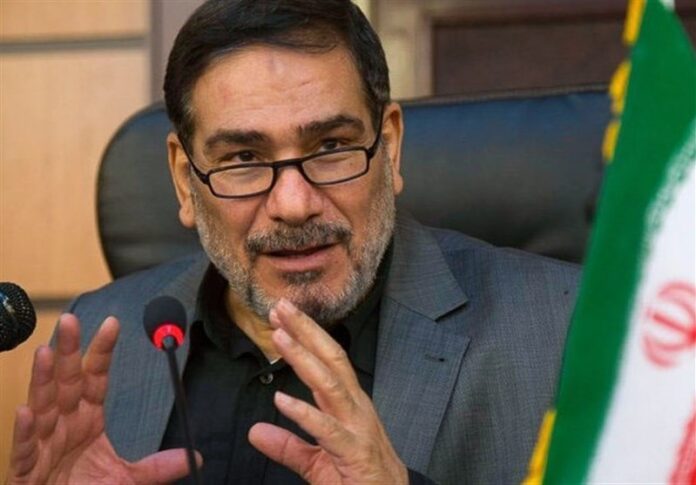
Addressing a conference in Tehran on Sunday, Shamkhani said US President Donald Trump’s failures to create an anti-Iran coalition as well as the rise in internal disputes among regional Arab countries and the failure of the Warsaw conference to create an alliance against Iran outside the United Nations and dozens of other similar issues indicate that nothing other than failure awaits the United States and its allies.

“Our prediction about US allies in the region is that if their policy to take refuge in the enemies of Islam continues, they will face the uprisings of their humiliated citizens,” he said.
“For forty years, the flags of American and Western domination in the region have been taken down thanks to the Islamic Revolution and to this day, the battle between these two fronts has continued with the increasing success of the Resistance Movement,” he went on to say.
Last month, the United States organized an anti-Iran summit in the polish capital of Warsaw in a bid to heap pressure on the Islamic Republic globally but failed to garner support for its anti-Iran agenda.

In relevant remarks in December 2018, Leader of the Islamic Revolution Ayatollah Seyed Ali Khamenei dismissed comments by US officials that the Islamic Republic would not see its 40th anniversary, saying the Iranian nation will celebrate the 40th anniversary of the victory of the Revolution this year more magnificently than before.

Pointing to the uncovered plots that Americans have hatched over the past two years to harm Iran, such as imposing sanctions and assisting Iran’s foes, the Leader also noted that the US objective was to create bipolarity and division in Iran through sanctions and anti-security measures.

The Iranian nation toppled the US-backed Pahlavi regime on February 11, 1979, ending the 2,500 years of monarchy in the country.

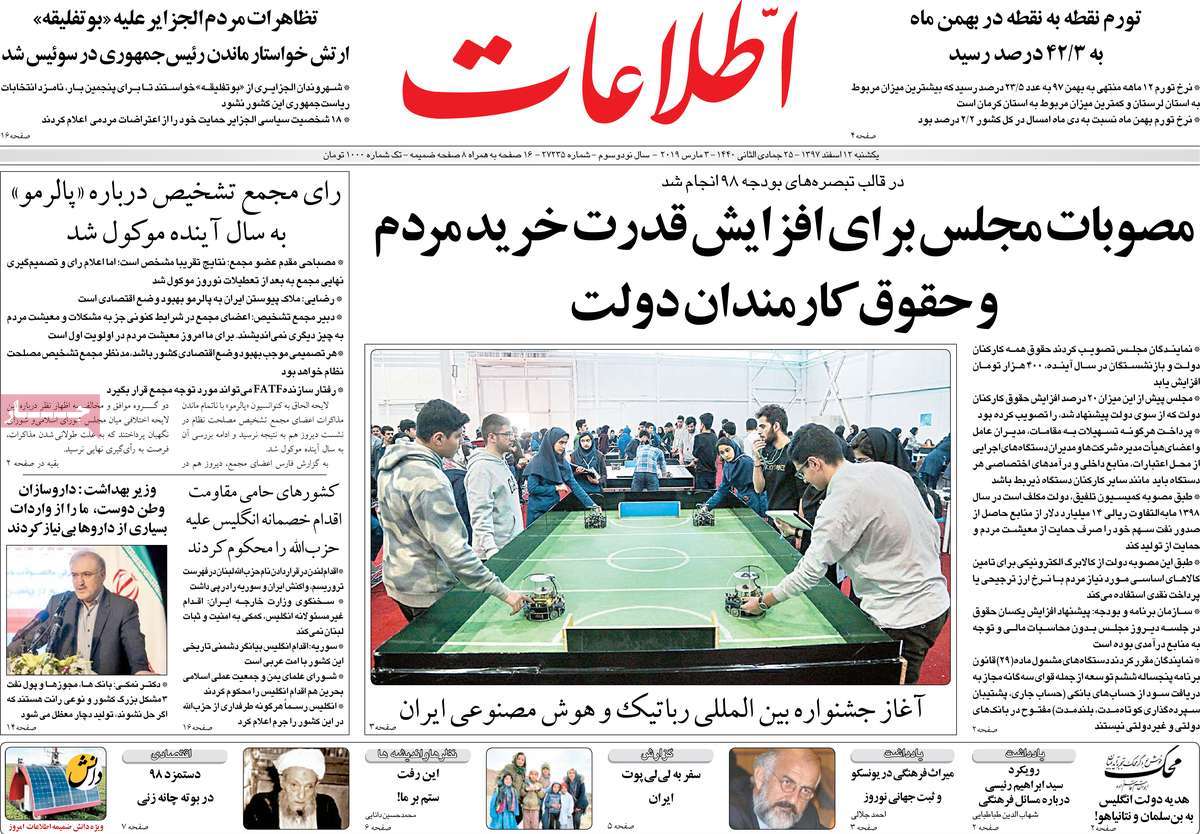
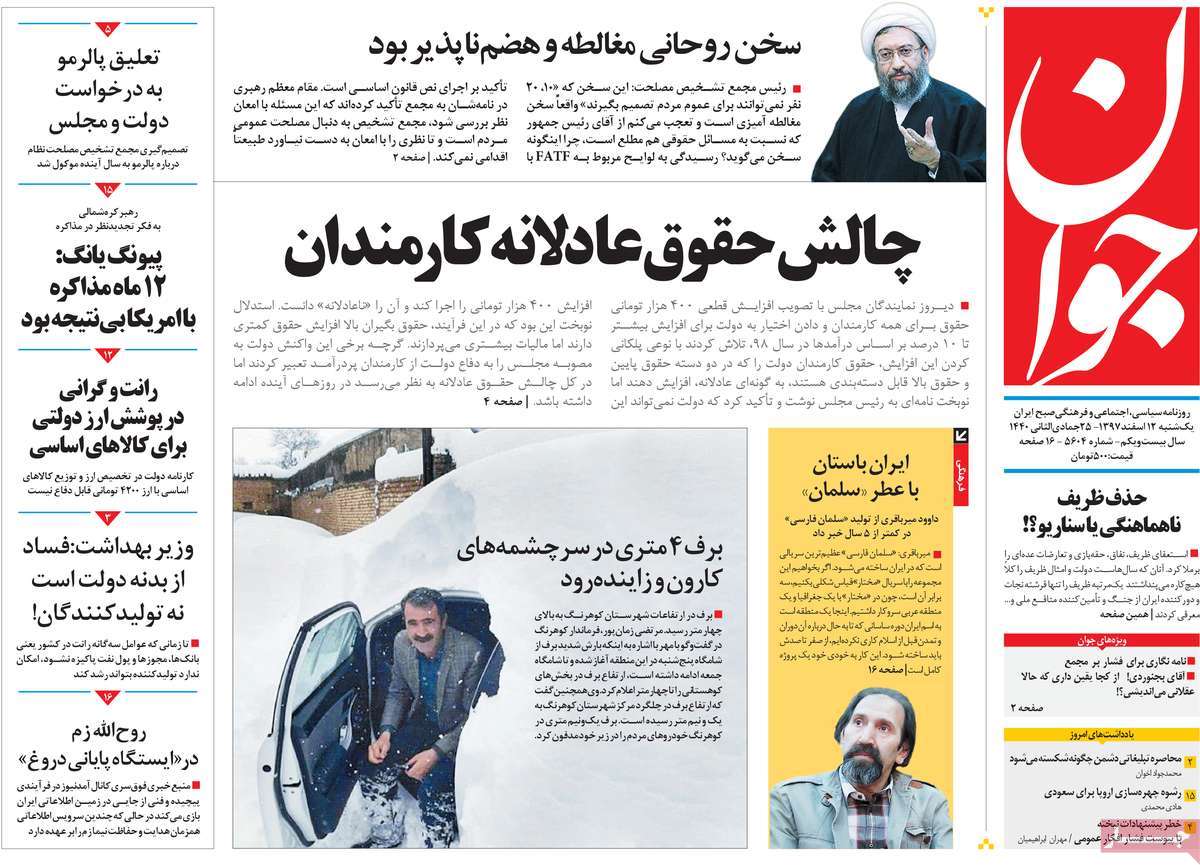
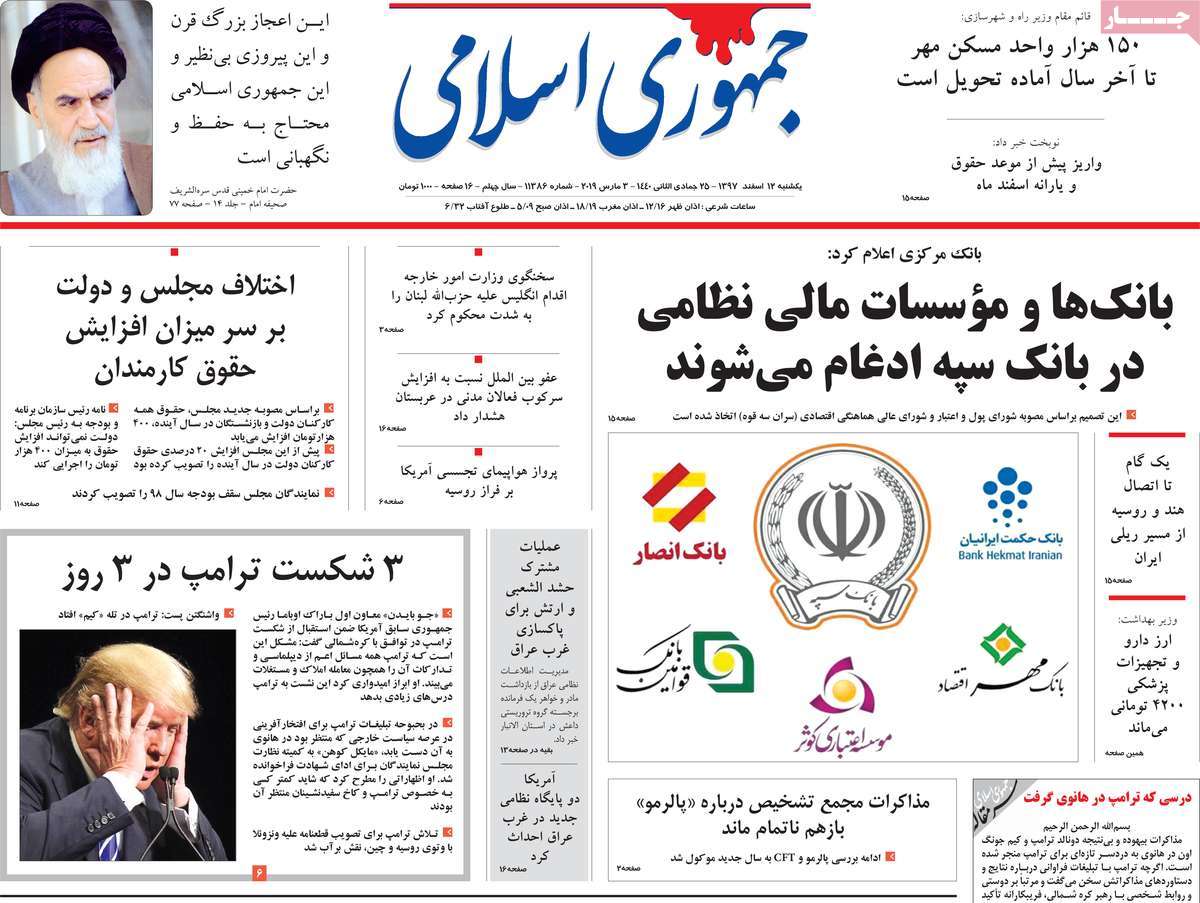
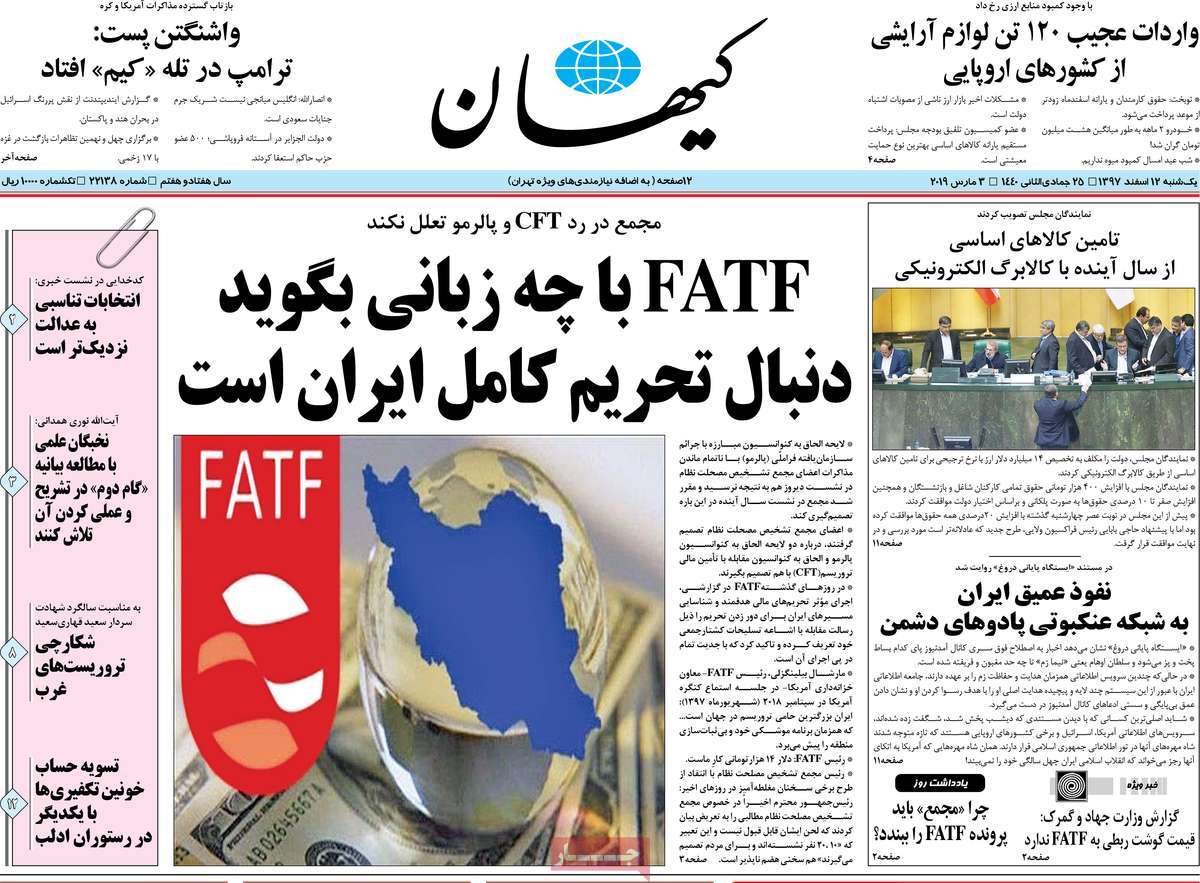
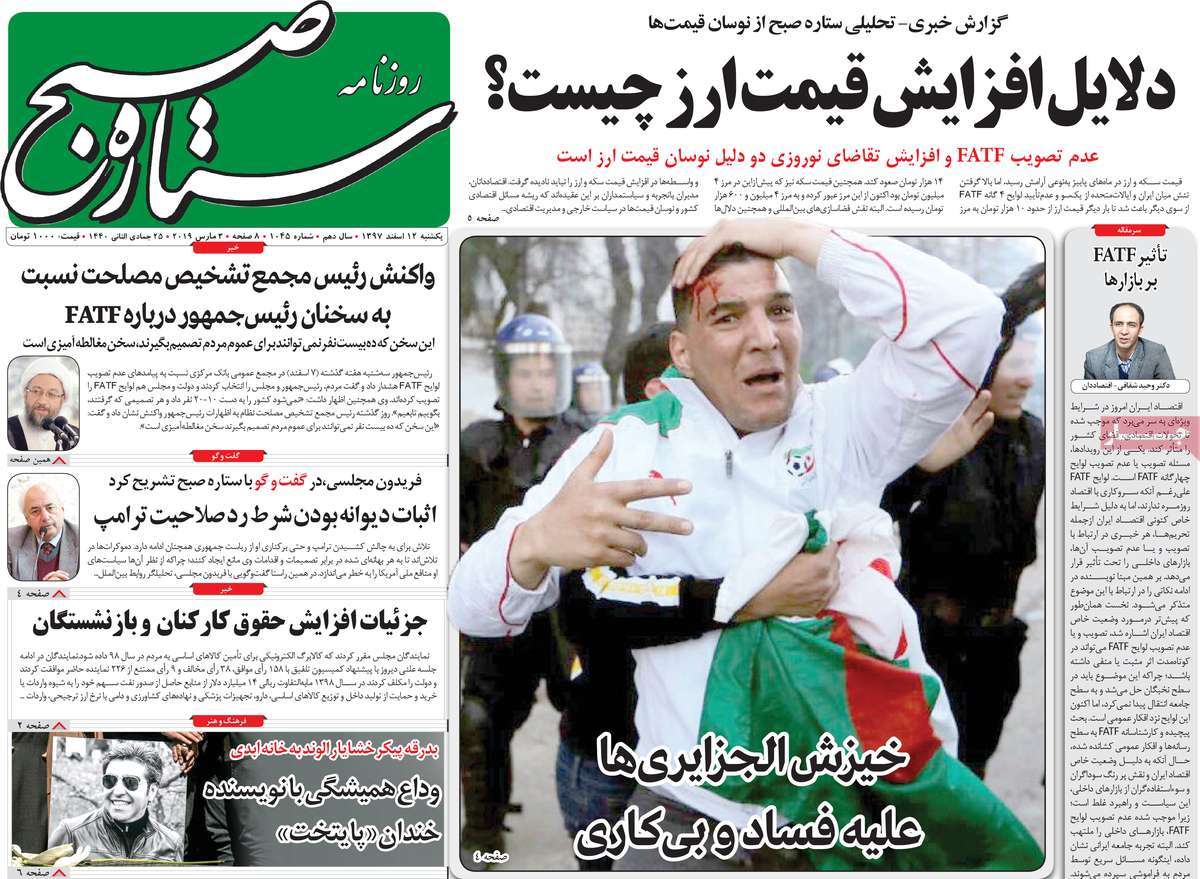
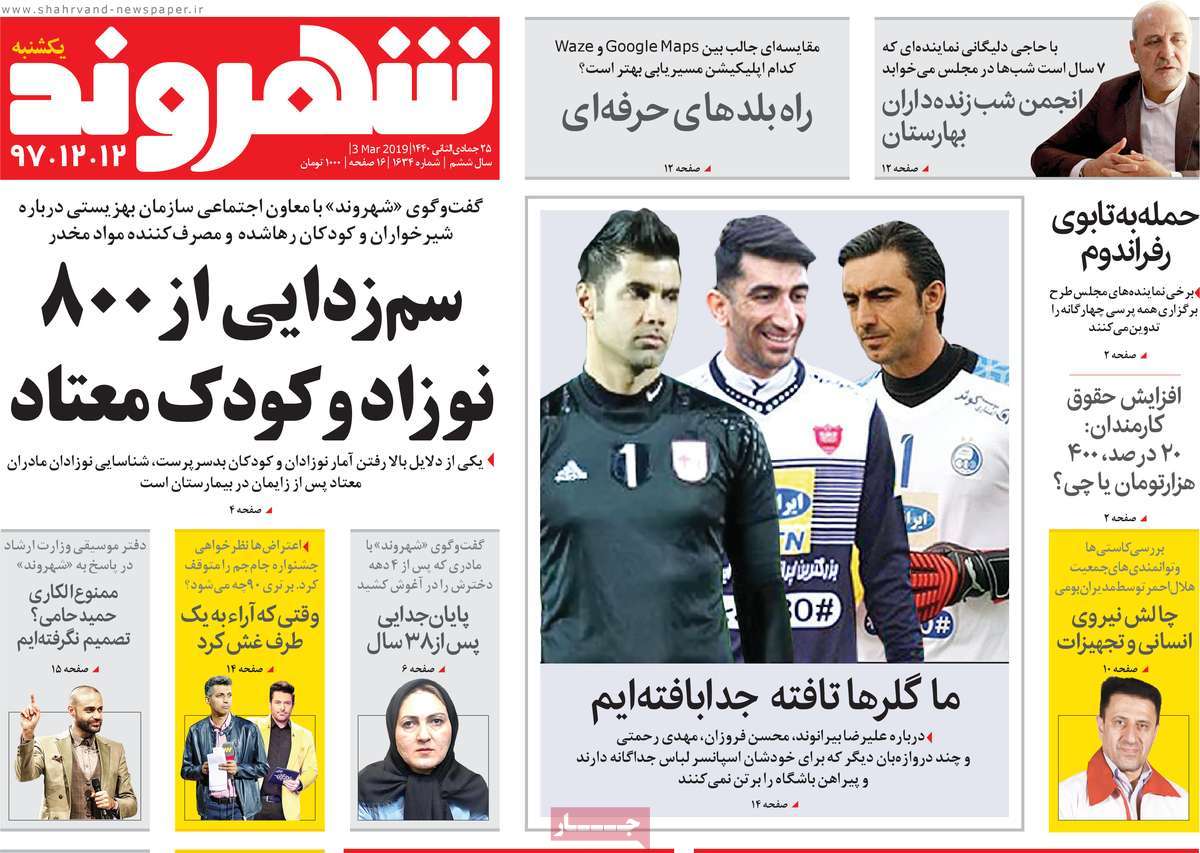
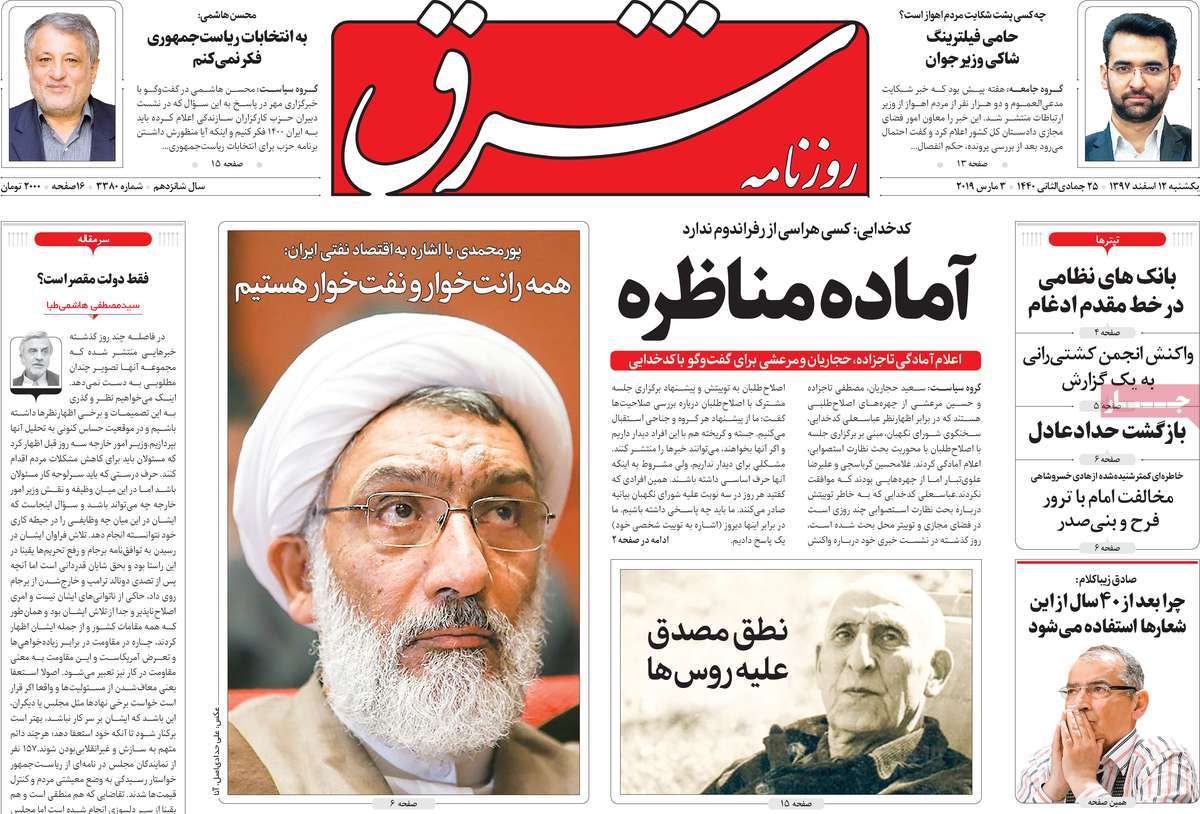
A Look at Iranian Newspaper Front Pages on March 3

A Look at Iranian Newspaper Front Pages on November 19

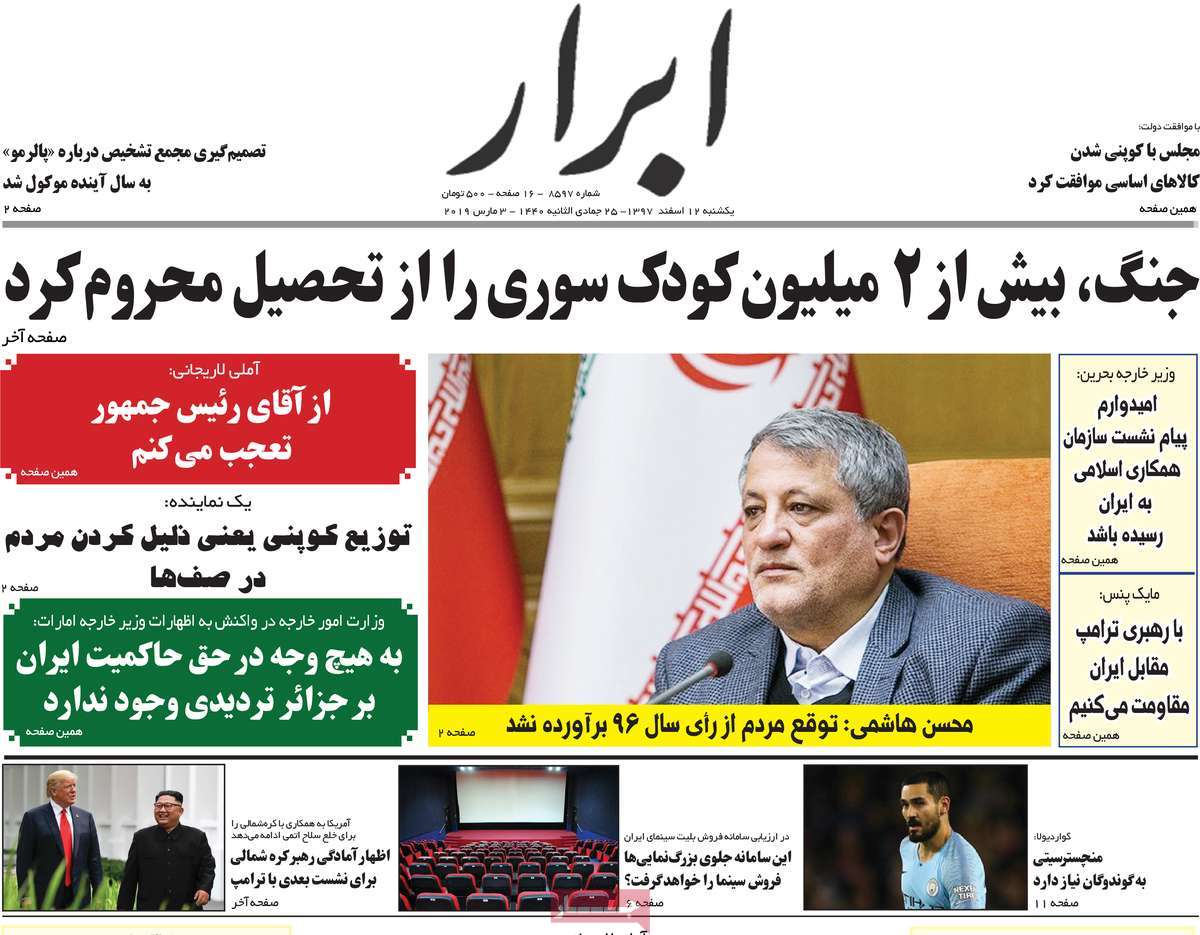
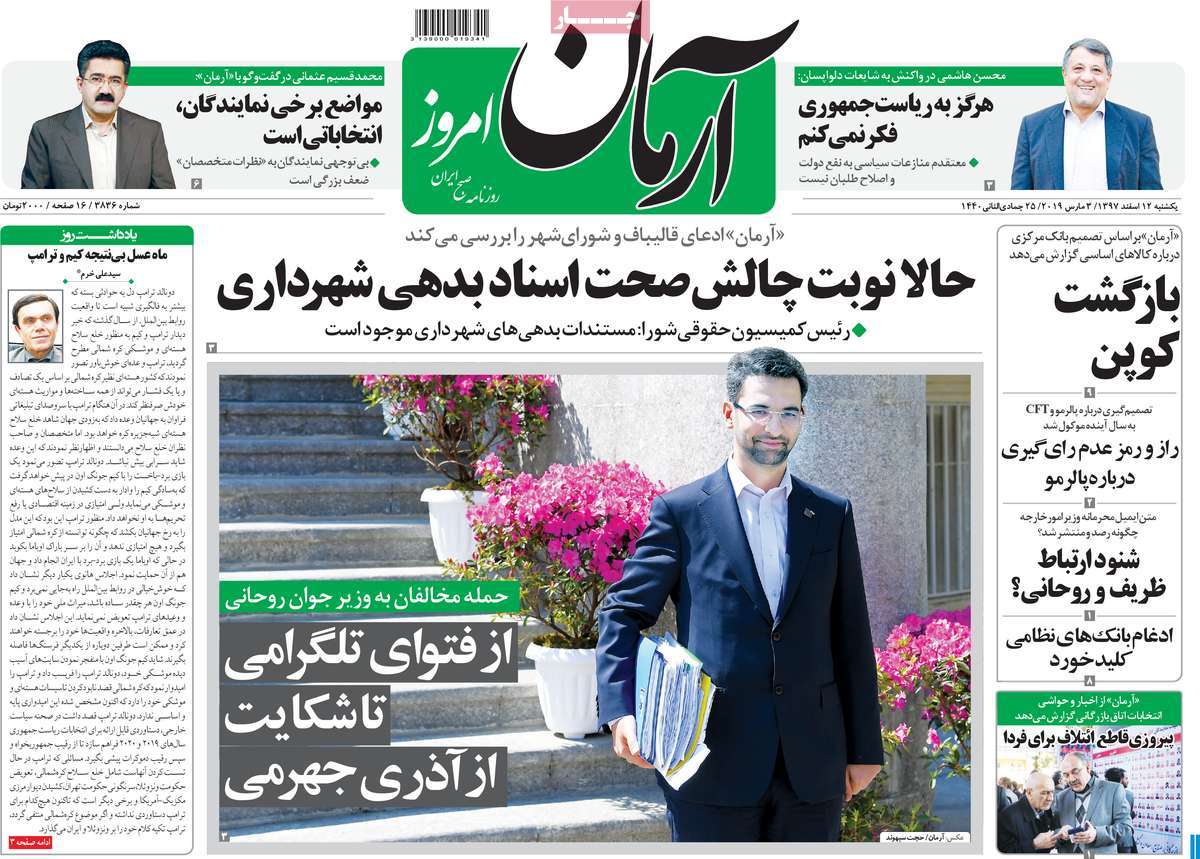
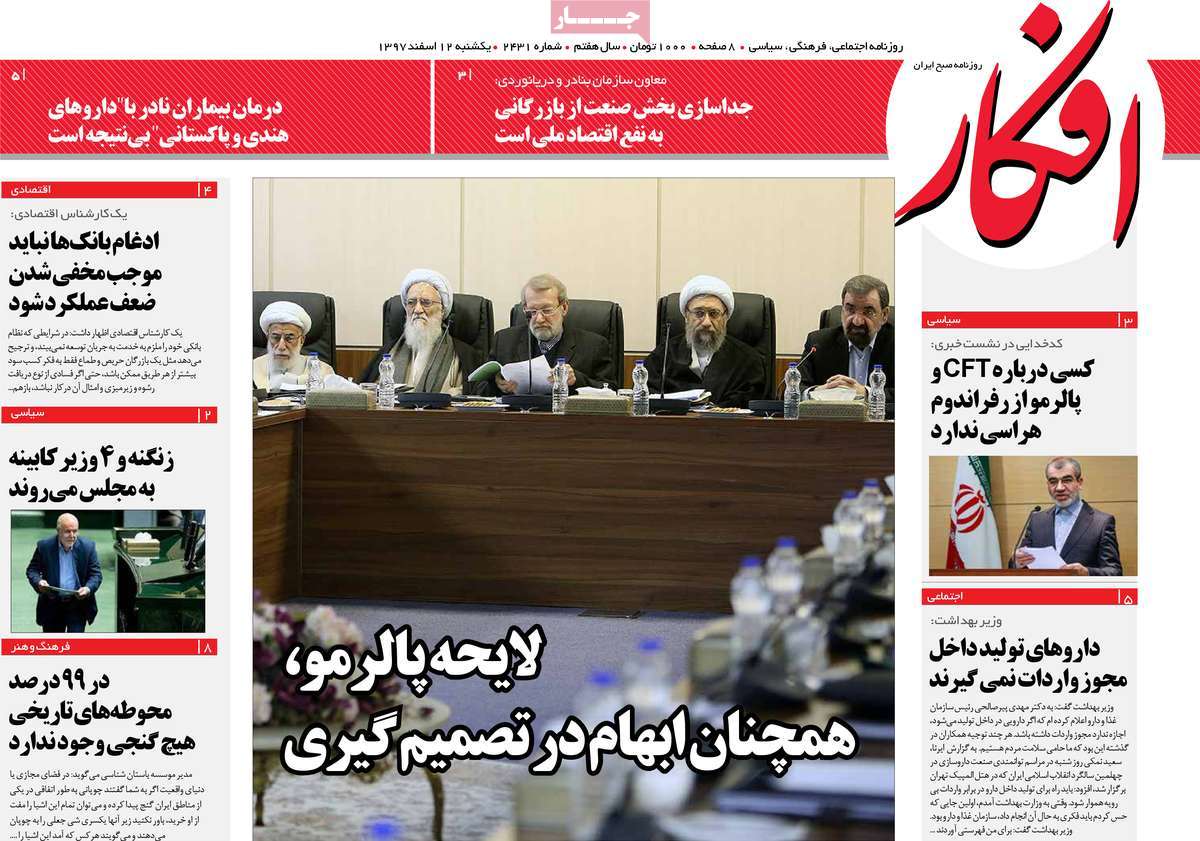
Iranian papers today widely covered the Expediency Council’s failure to make up its mind on ratification of Iran’s accession to the Palermo Convention and the Combating of Financing Terrorism (CFT).

The Parliament’s decision to restore the rationing system for distributing certain basic commodities among the people also received great coverage.

The above issues, as well as many more, are highlighted in the following headlines and top stories:


Abrar:

1- War Deprives over 2m Syrian Kids of Education

2- Mike Pence: We’ll Counter Iran under Trump’s Leadership

3- Parliament Agrees to Rationing of Basic Commodities

A Look at Iranian Newspaper Front Pages on March 3


Afkar:

1- Palermo Bill Still in Limbo

2- Health Minister: Import of Pharmaceuticals with Iranian Counterpart Banned

A Look at Iranian Newspaper Front Pages on March 3


Arman-e Emrooz:

1- Return of Rationing Coupons

2- Fruitless Honeymoon of Kim, Trump [Editorial]

3- Decision on Palermo Convention to Be Made Next Year

A Look at Iranian Newspaper Front Pages on March 3


Ebtekar:

1- Behaviour of FATF, Europe Effective on Palermo Approval

2- Zarif’s Significant Role in International Developments

A Look at Iranian Newspaper Front Pages on March 3


Etemad:

1- Bypassing Sanctions for People: Why Iran Needs Convergence

2- Guardian Council: We’re Not Afraid of Referendum on FATF

3- Iran Envoy to Russia: We Should Abandon 20th-Century Mentality of Either Russia or West

A Look at Iranian Newspaper Front Pages on March 3


Ettela’at:

1- Health Minister: Iranian Medicine Companies Have Made Us Self-Sufficient on Many Drugs

2- Algerian People Protest against Bouteflika: Army Wants President to Remain in Switzerland

A Look at Iranian Newspaper Front Pages on March 3


Javan:

1- Palermo Bill Put on Hold at Request of Gov’t, Parliament

2- Pyongyang: 12 Months of Talks with Americans Futile

A Look at Iranian Newspaper Front Pages on March 3


Jomhouri Eslami:

1- Banks, Credit Institutions Affiliated with Military Forces to Be Merged into Sepah Bank

2- Expediency Council’s Talks over Palermo Once Again Left Unfinished

3- 3 Failures of Trump in 3 Days

A Look at Iranian Newspaper Front Pages on March 3


Kayhan:

1- How Should FATF Tell Iran It Seeks to Impose All-Out Bans on Iran?

2- 120 Tonnes of Cosmetics Imported to Iran from European States!

3- Washington Post: Trump in Kim’s Trap

A Look at Iranian Newspaper Front Pages on March 3


Setareh Sobh:

1- Trump to Be Disqualified from Running for President If He’s Proved to Be Insane

2- Algerian Rise against Corruption, Unemployment

A Look at Iranian Newspaper Front Pages on March 3


Shahrvand:

1- Detoxification of 800 Addicted Infants, Kids

2- Attack on Taboo of Referendum: Lawmakers Working on Referendum over Four Issues

A Look at Iranian Newspaper Front Pages on March 3


Shargh:

1- Military Banks to Be Merged

2- Is the Government the Only One to Blame? [Editorial]

A Look at Iranian Newspaper Front Pages on March 3