Sunday, December 21, 2025
Home Blog Page 3327

Yellow Vest Protests Force Macron to Suspend Fuel Tax Hikes

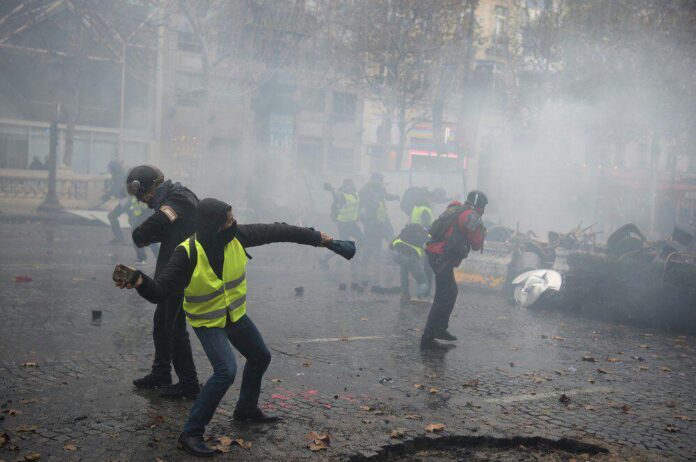
French protesters clashing with the riot police in Paris on Nov. 24, 2018 during the so-called "Yellow Vest" demonstrations held against the French president's economic policies and the fuel price hikes / Photo by IRIB Correspondent in Paris

French Prime Minister Edouard Philippe will announce the suspension today, according to a government source, after escalating violence and public outrage against the French president’s economic reforms caused the government to lose control over the citizens.

The violent protests posed the most formidable challenge yet to Macron’s presidency. According to French finance minister, three weeks of “yellow vest” protests strongly influenced the country’s economy, with trade in retailers, hotel chains, high-street stores, and restaurants significantly falling as a result of the unrest.

Bruno Le Maire said Monday the impact was severe and ongoing.

During Saturday’s disturbances in Paris, tourists were left shocked, with some saying they would cut short their visit.

The movement began on November 17 as a social-media-planned protest against fuel-tax rises but has since morphed into an uprising against the policies of President Emmanuel Macron.

The protests have taken on a name of its own: the “yellow vest” protests, a reference to the vests worn by people active in the transportation industry.

Three people have been killed in the protests since demonstrations started more than two weeks ago, police said.

French ambulance drivers on Monday joined the nationwide protests. They blamed the 40-year-old President Macron, whom they see as detached from the everyday struggles of ordinary people, for their woes.

Riot police, however, used tear gas to disperse the drivers demonstrating against a new medical transport finance reform in Paris.

Protesting ambulance workers demand the suspension of the new medical transport finance reform, which they say undercuts smaller ambulance companies.

At least 100 ambulance workers used their vehicles to block a bridge leading to the National Assembly, with paramedics screeching sirens and blocking access to the square from Rue de Rivoli.

Visually Challenged Artist Creates Fascinating Paintings

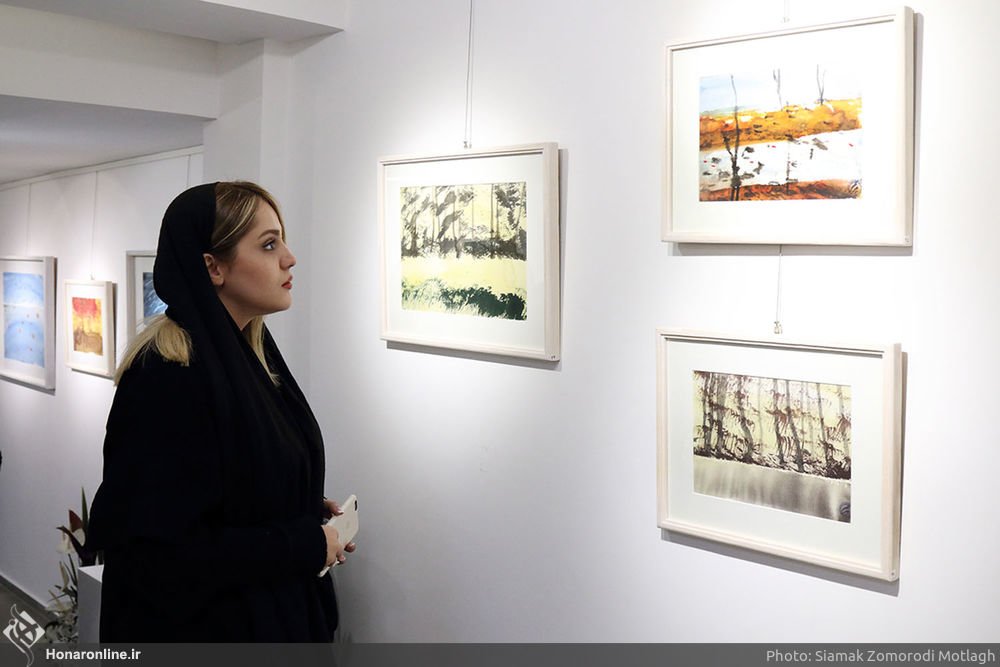
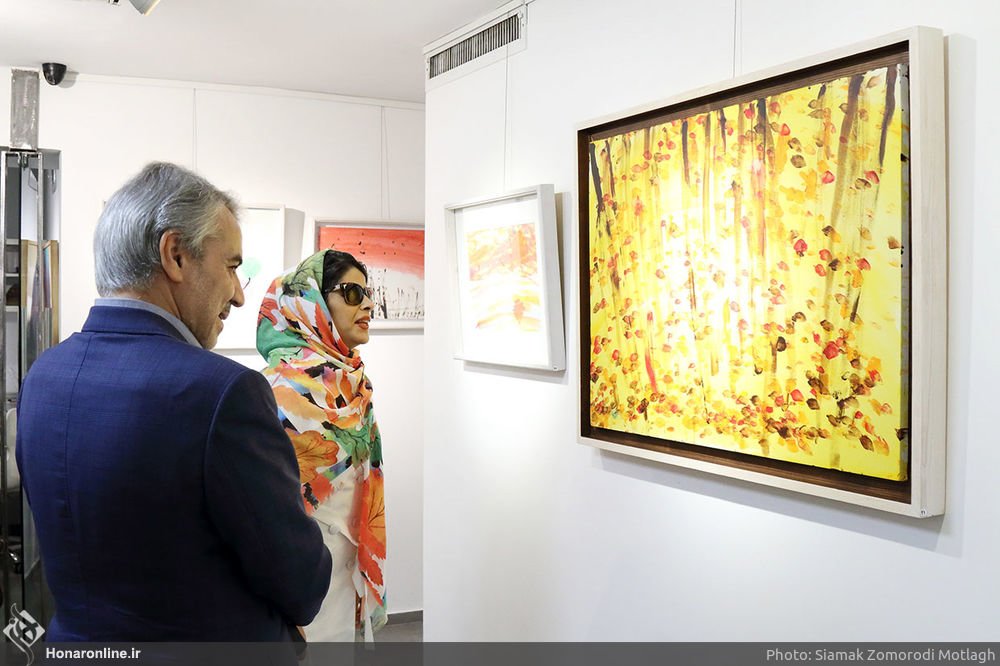
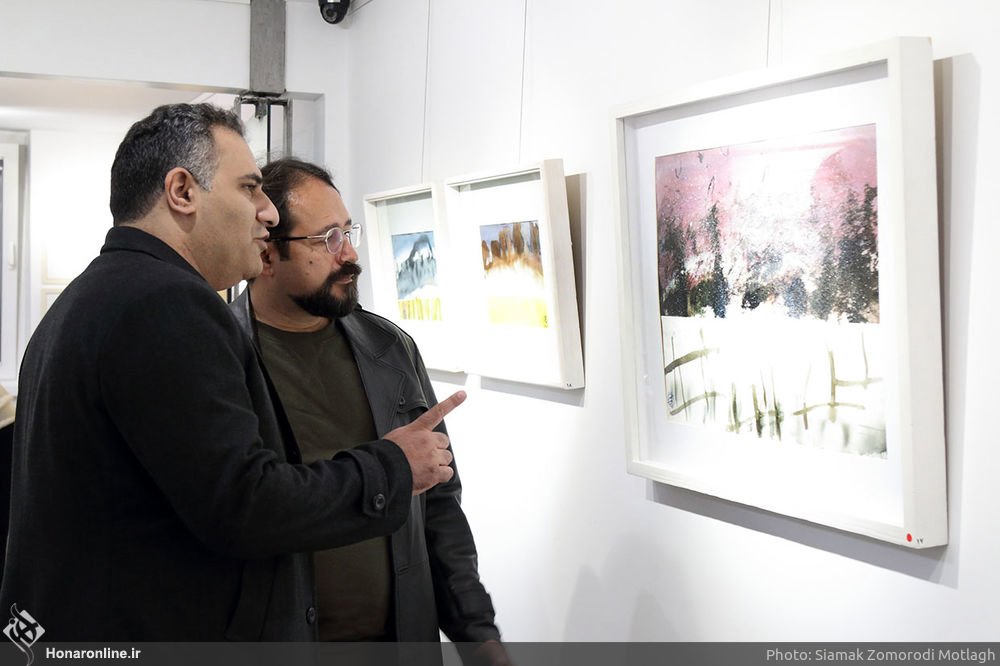
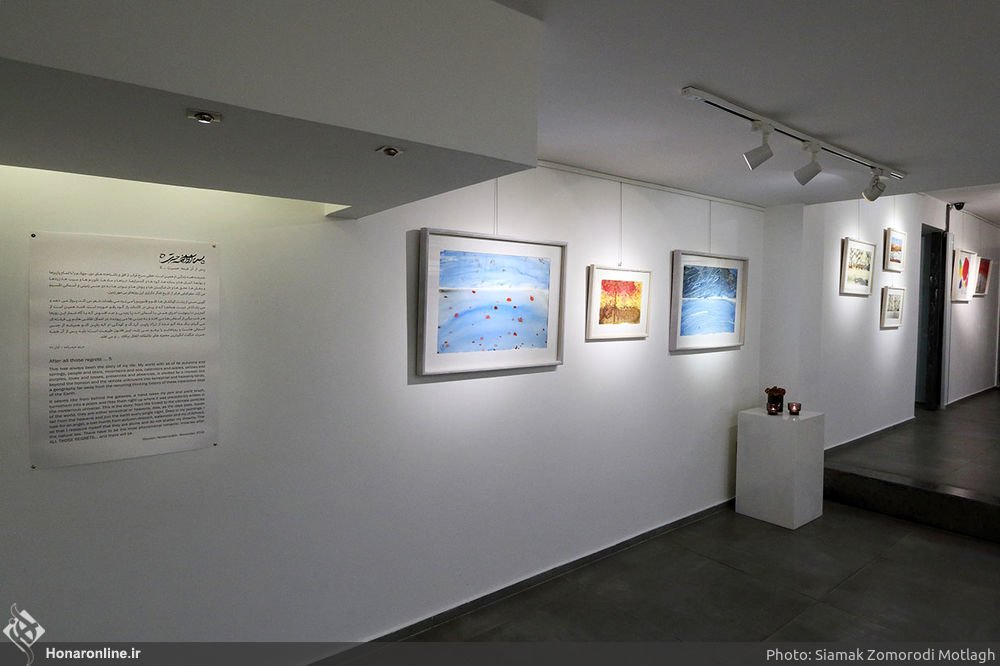
Visually challenged poet and artist Maryam Heidarzadeh along with Vice-President Mohammad-Baqer Nobakht visit an exhibition of her paintings in Tehran. / Photo by Honar Online
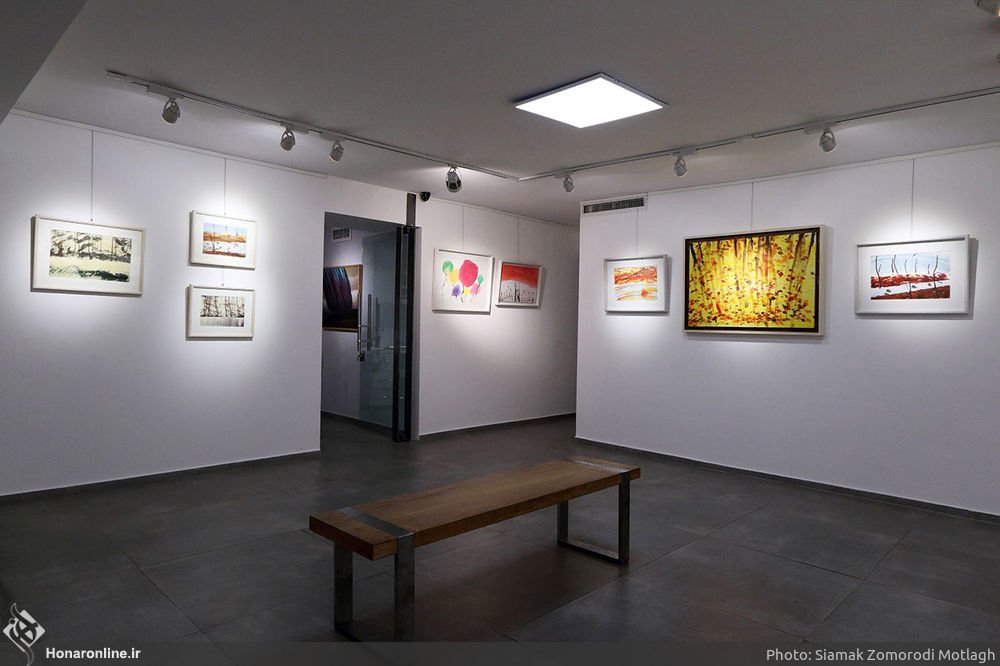
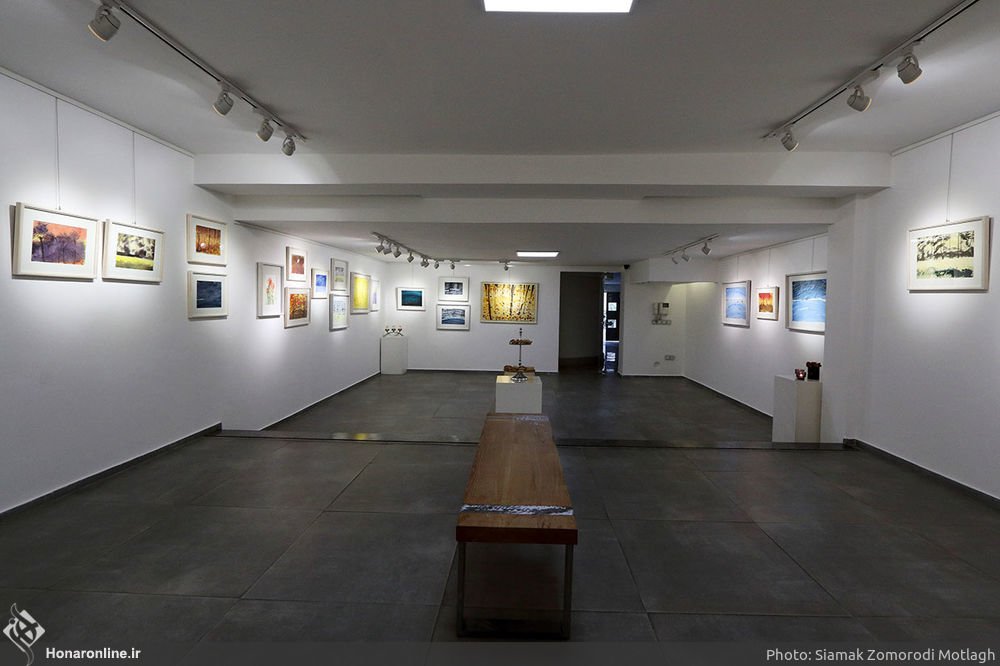
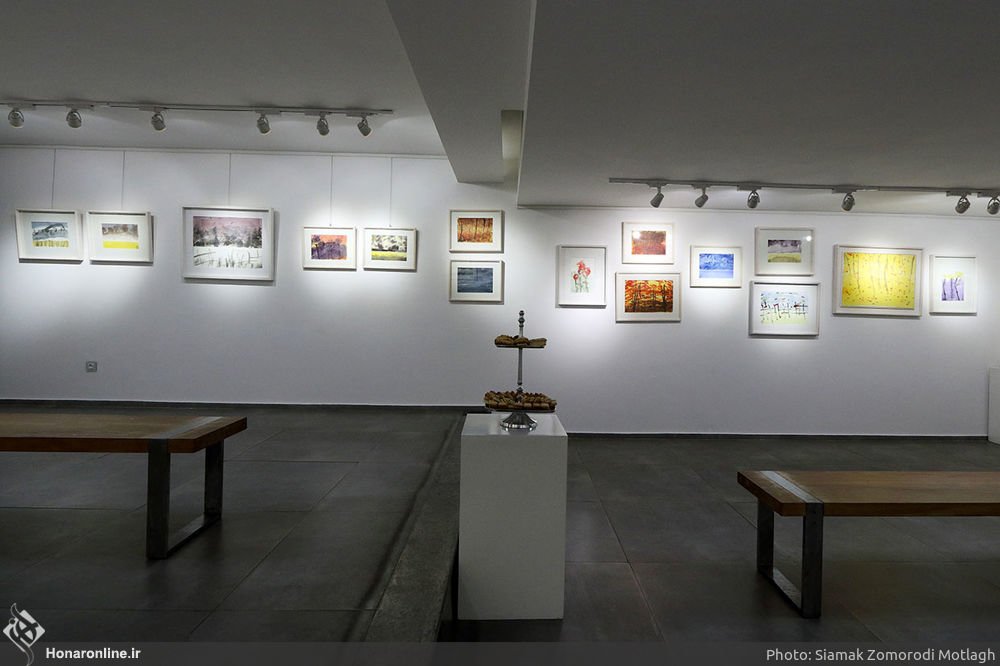
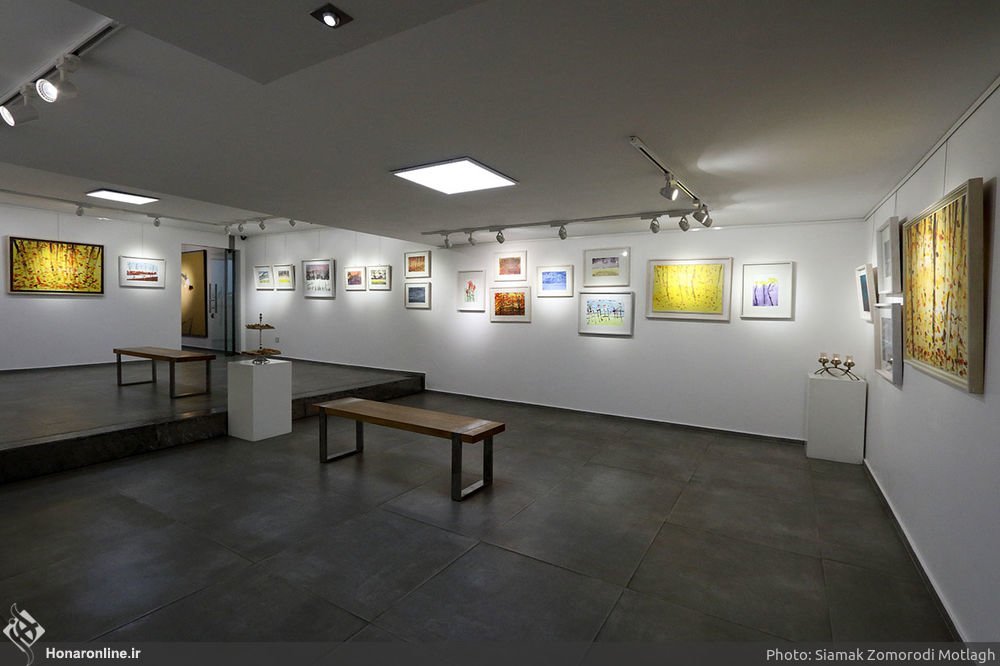
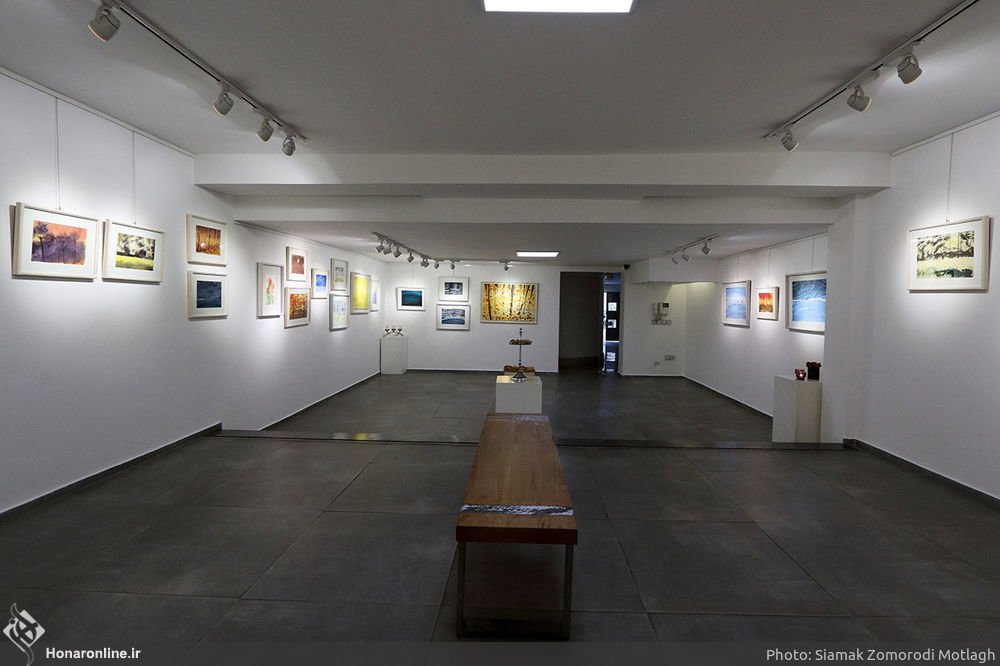
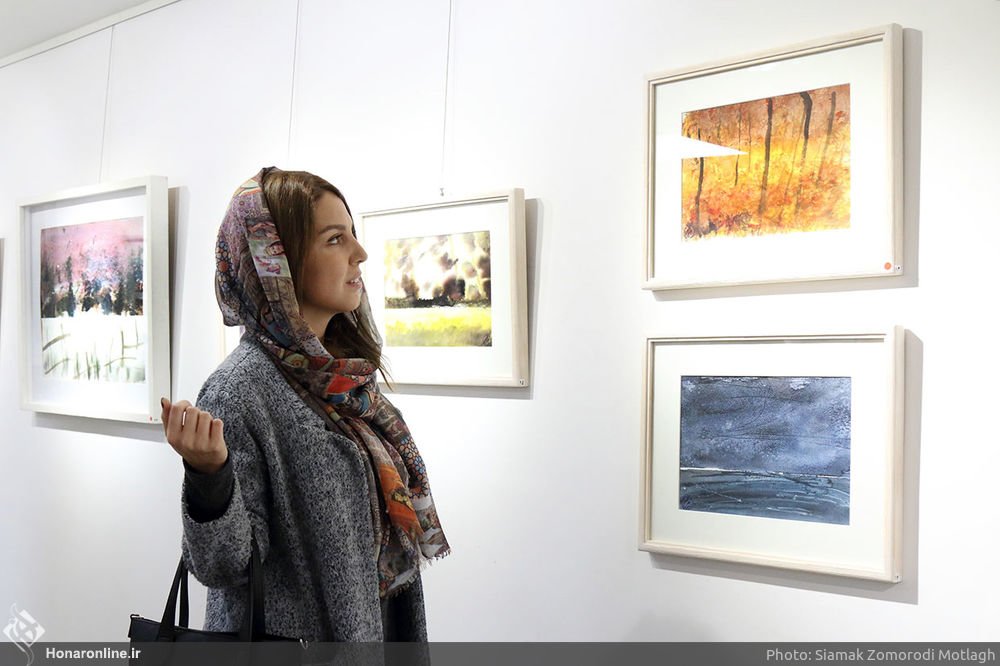
Maryam Heydarzadeh, a well-known Iranian lyricist, has displayed 30 of her acrylic works of art with the theme of “nature,” especially autumn, at an exhibit called “After All Those Yearnings.”

The works on show have diverse features, but they are all brimming with a simple and straightforward view toward nature. The paintings are the handiwork of a woman poet who has vague memories of scenic nature.

She lost her eyesight when she was only three and a half years old.

Her works of art do not contain any portraits. The presence of humans as well as animals is ambiguous as well. From the perspective of this artist, nature contains plants as if seen from behind a foggy glass. So, the paintings do not contain a high contrast.

Heidarzadeh’s paintings are on display at Mozhdeh Art Gallery in northwest Tehran, and will be open to visitors until December 7, 2018.

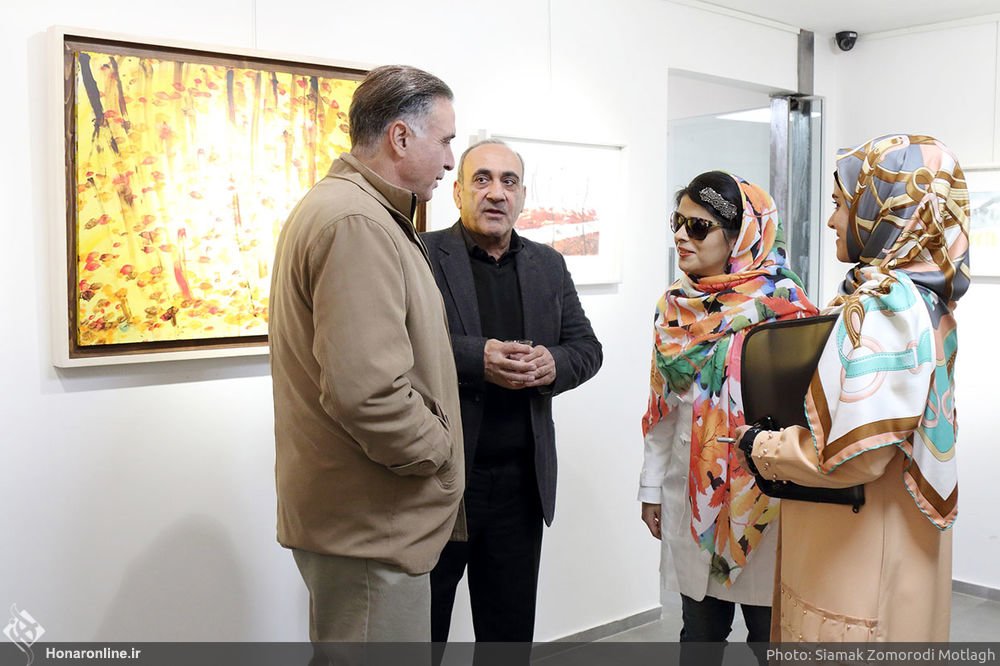
What follows are Honar Online’s photos of her works at the gallery:

Sanctions Hampering Medicine Trade despite US Claims: Iran

Hassan Qazizadeh Hashemi made the comment at a ceremony to unveil several knowledge-based products.

“US officials have announced that they have imposed no sanctions [on Iran] when it comes to medicines, but in the past month, no [Iranian] pharmaceutical company has been able to have financial transactions with other countries,” said the minister.

He said the US secretary of state and president are seeking to deceive public opinion.

“No human being welcomes sanctions and war, except [those with] sick mentalities, which have, unfortunately, gathered in one place today,” he said.

“I have said time and again that in the 21st century, speaking of slapping sanctions on a country with at least 15 neighbours is just a joke,” said the minister.

“If we want to counter sanctions, we should grasp the opportunity of sanctions, and this chance creates an obligation for all of us, so that those who are consumers must welcome and support locally produced goods, and they should rest assured that we will not allow a product that does not measure up to required standards to hit the market,” he said.

The minister underlined the necessity of countering sanctions.

“Like in the past, we will stand up to sanctions, and it has become clear that there are no signs of Iranian people succumbing to pressures by major powers, especially the US,” said the minister.

“The way to counter excessive demands and threats is to make efforts and tread the path of science as well as respecting science and scientists and human experience,” he said.

The health minister noted that using and supporting domestically produced commodities can pave the way for countering sanctions.

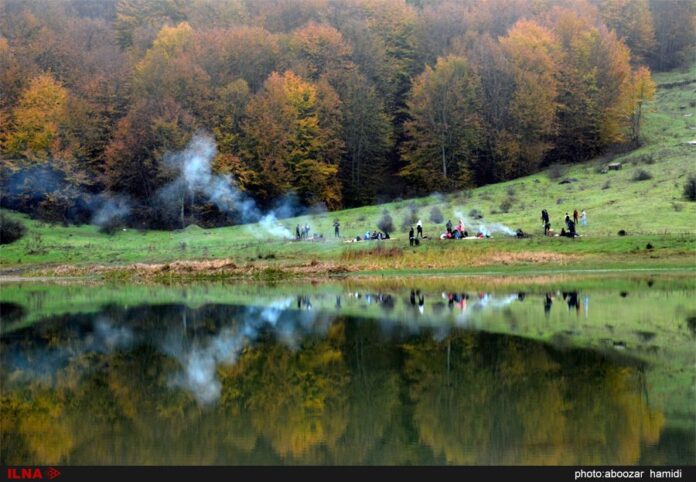
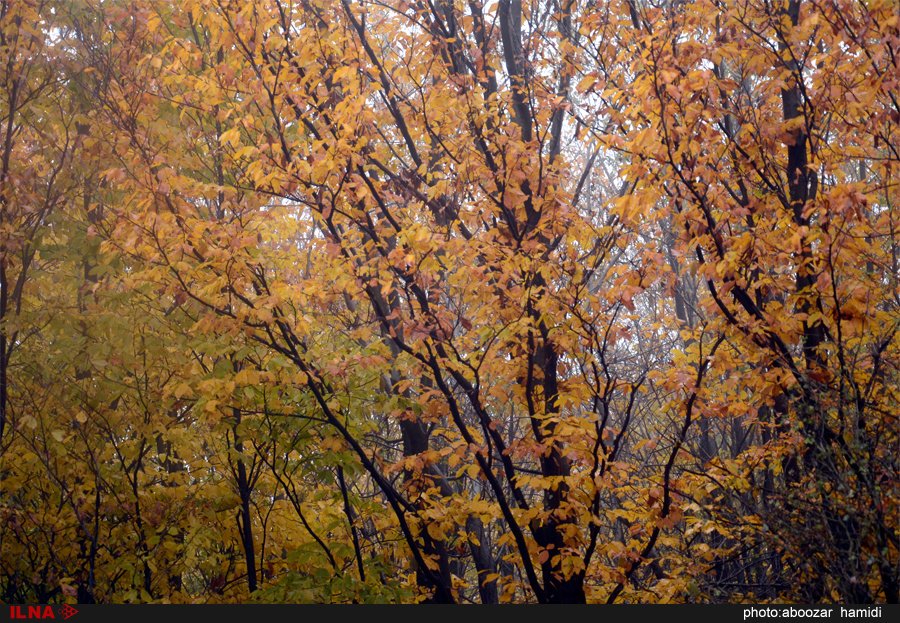
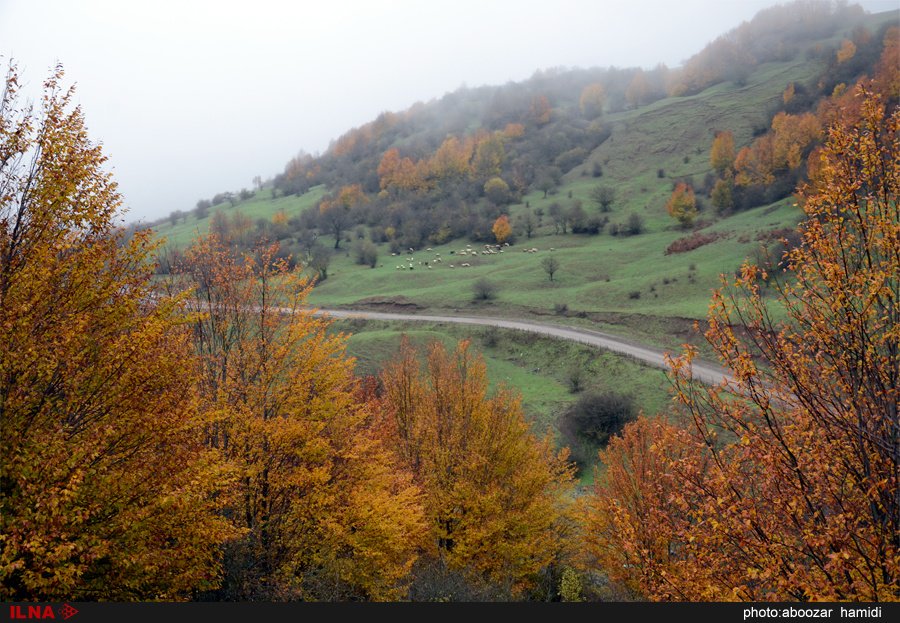
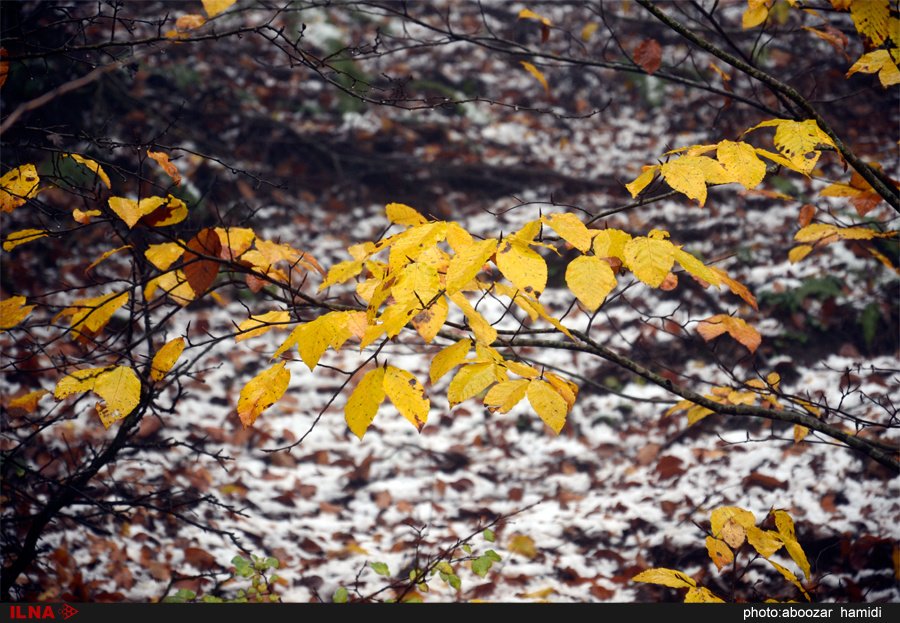
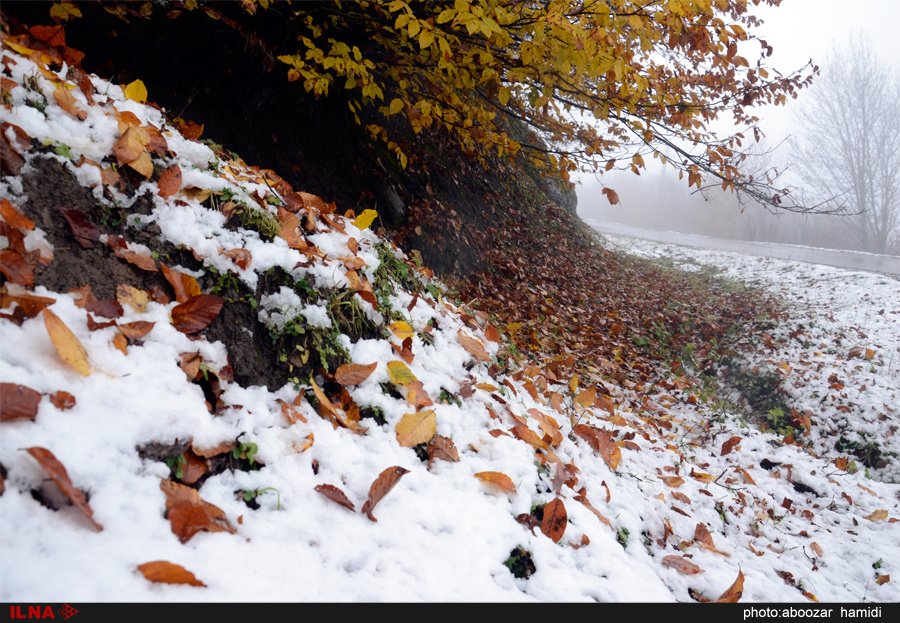
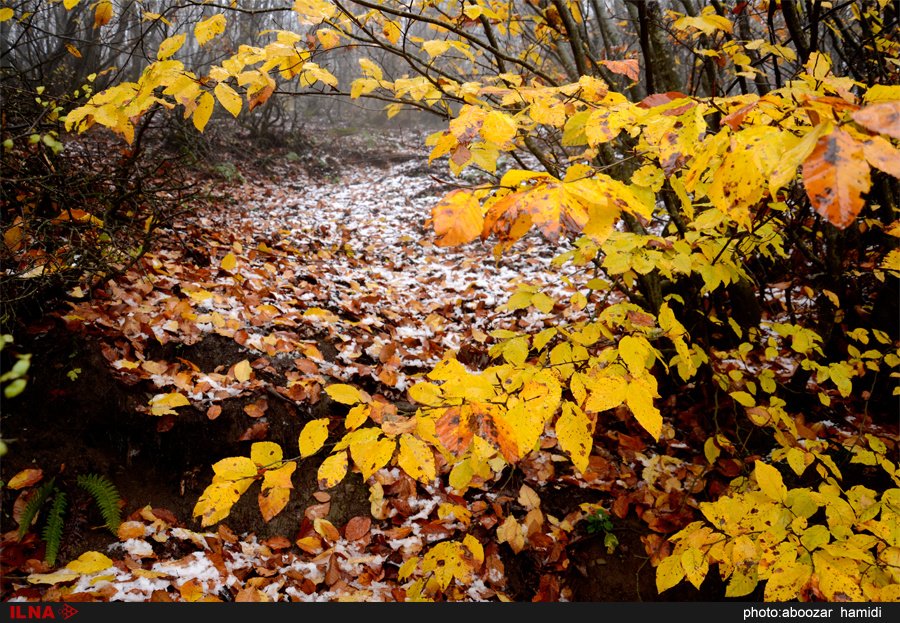
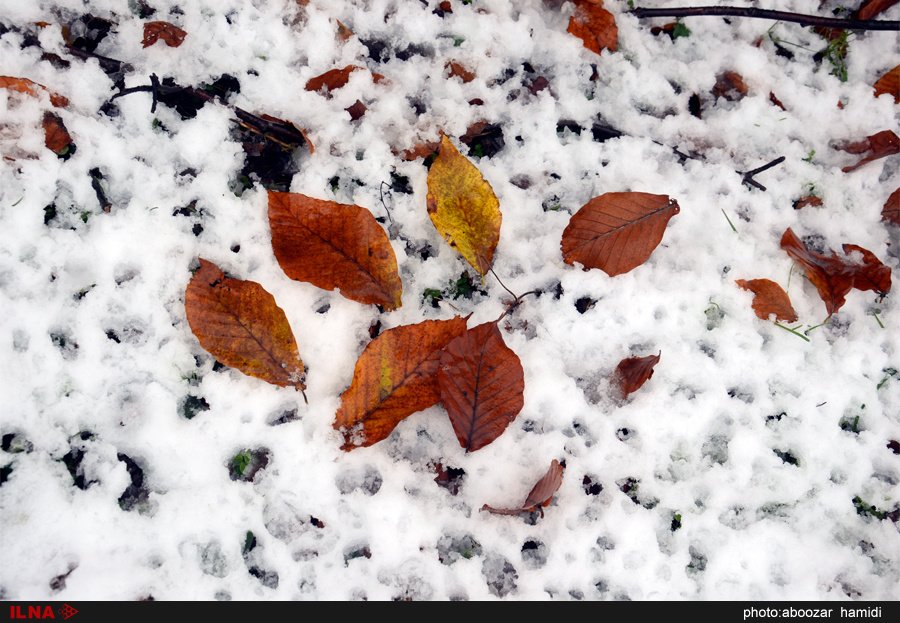
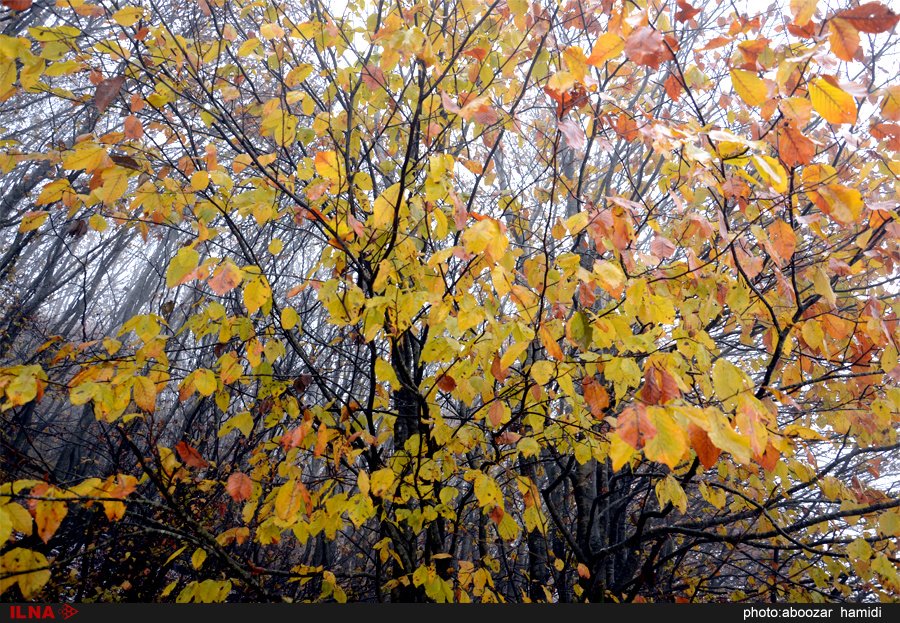
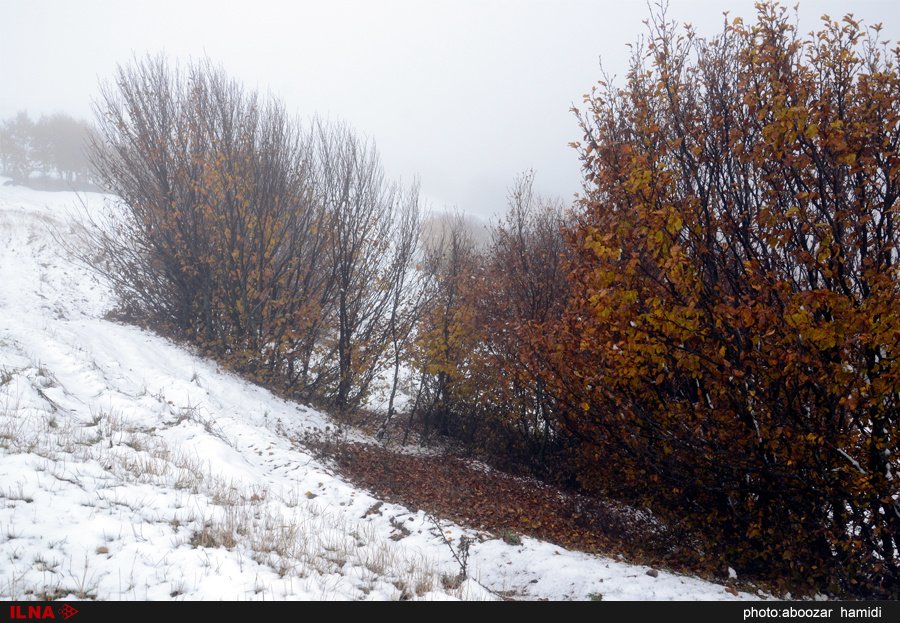
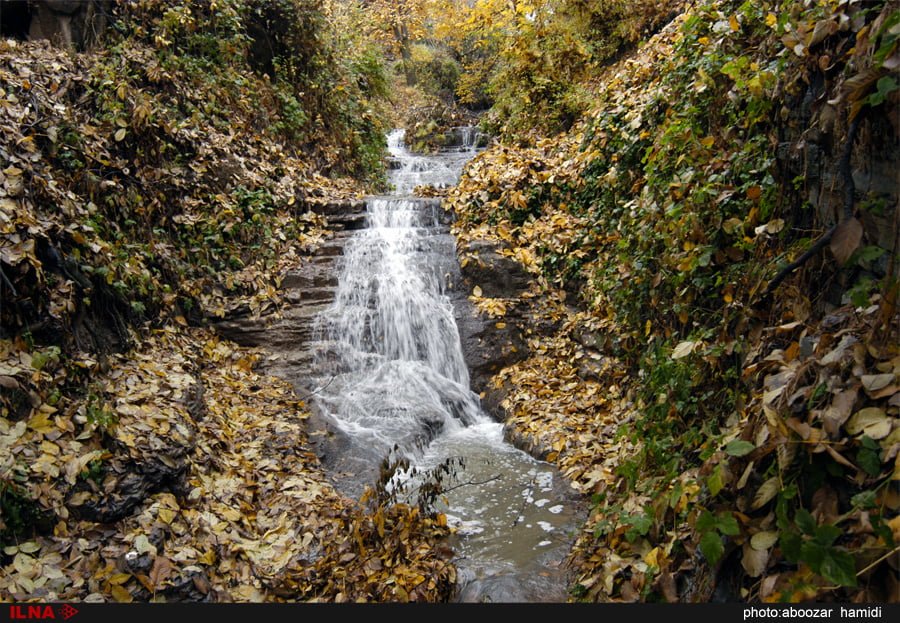
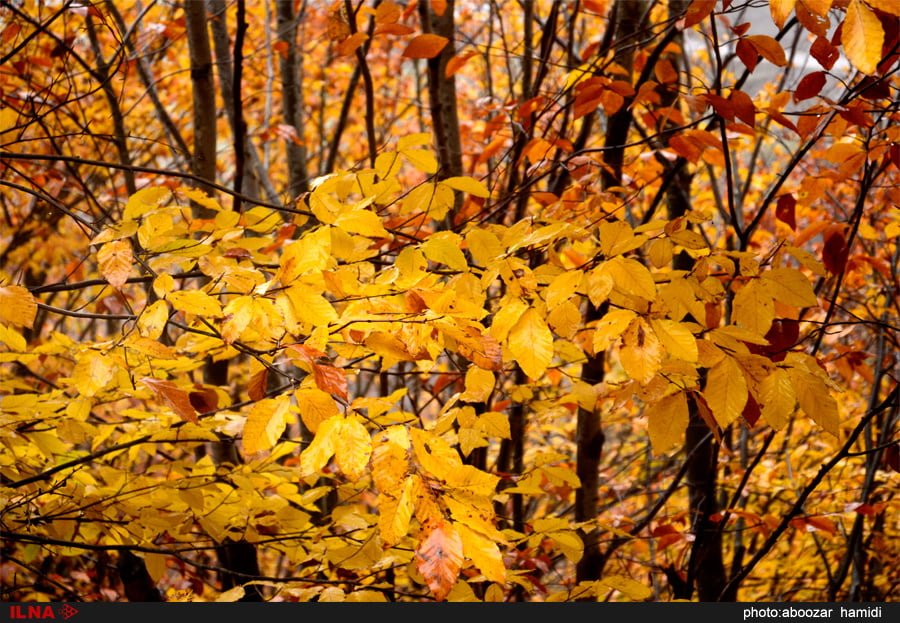
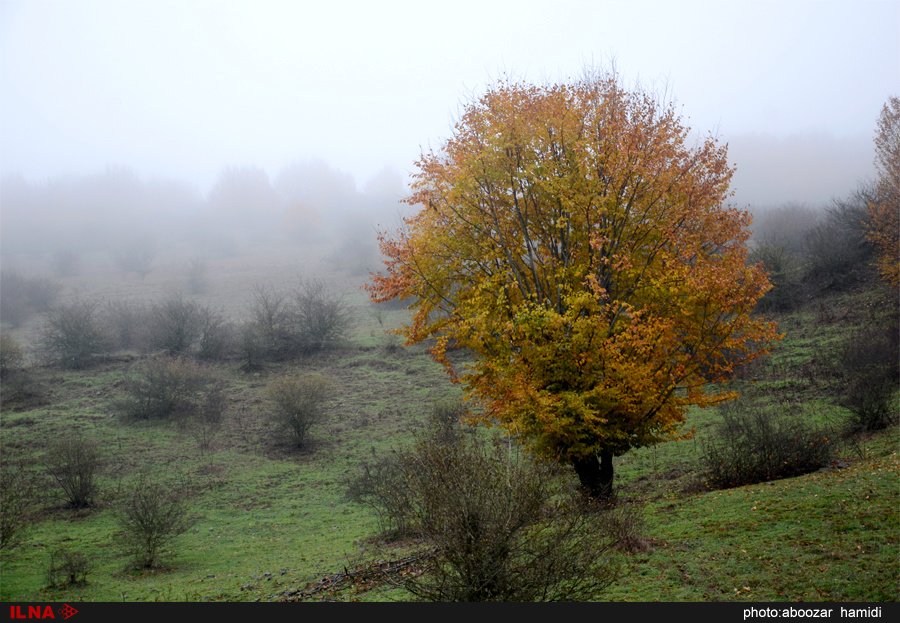
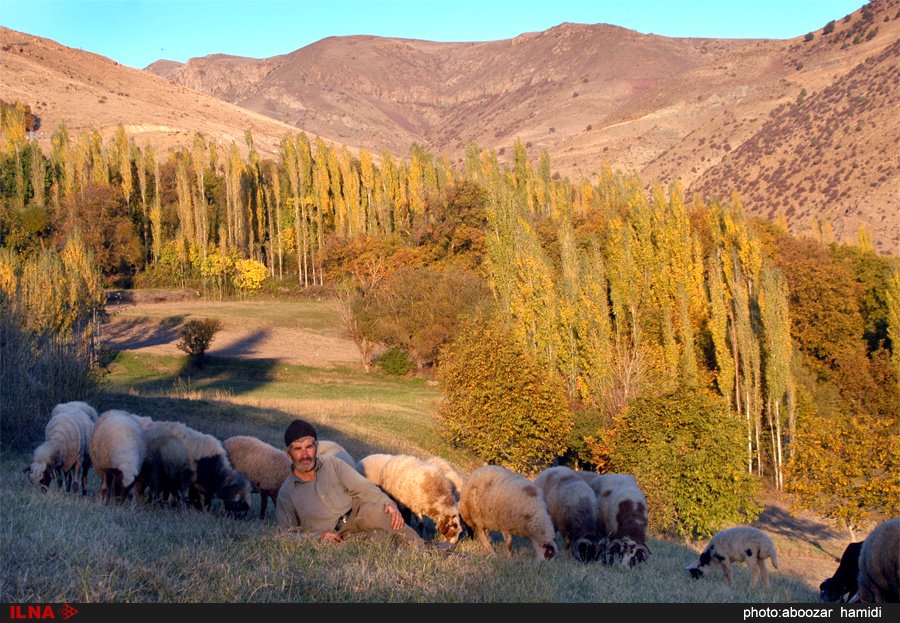
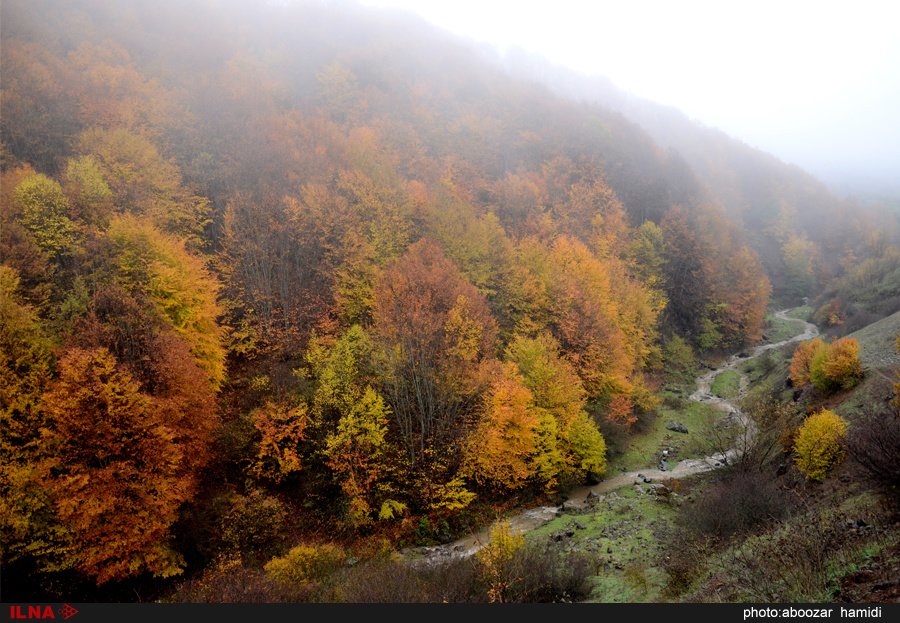
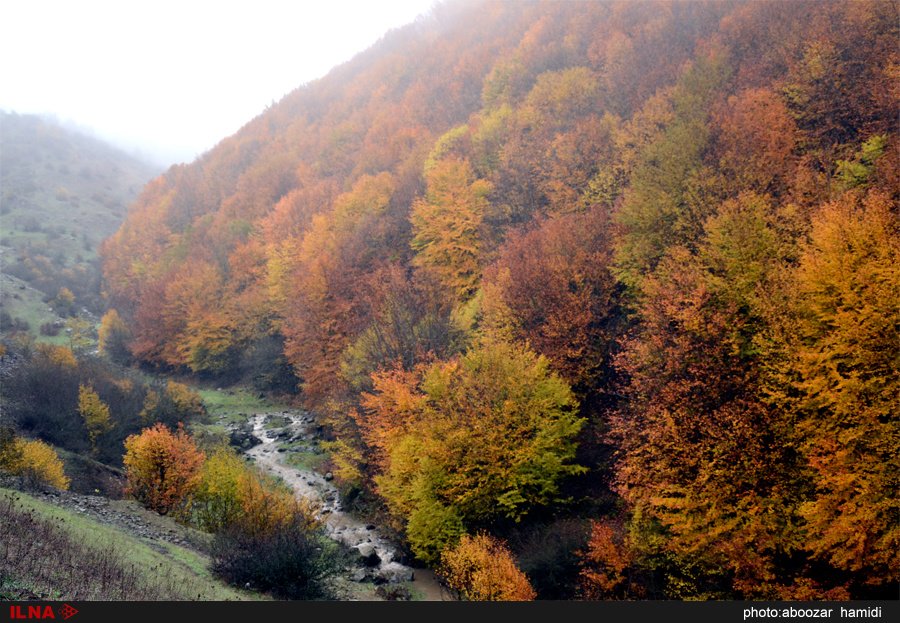
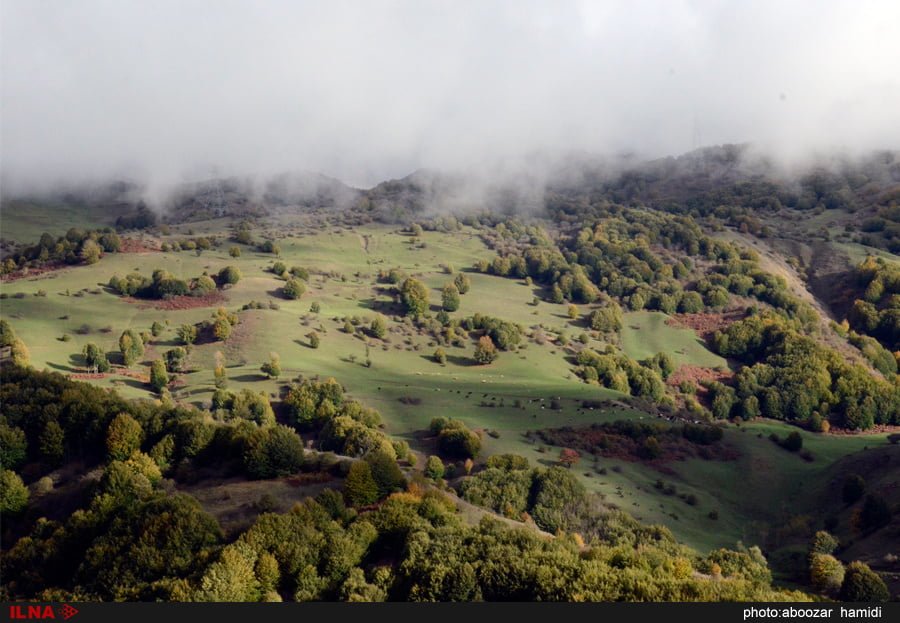
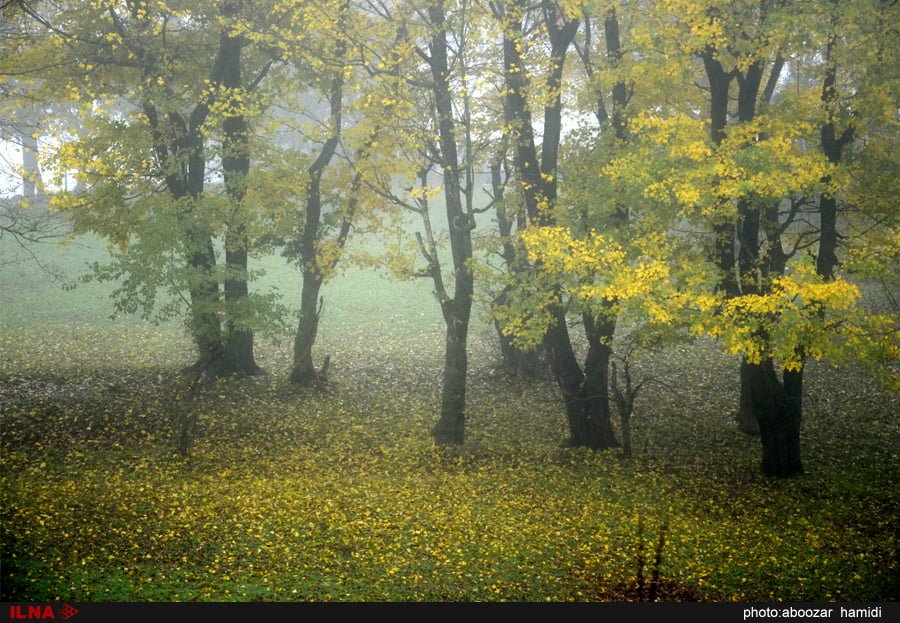
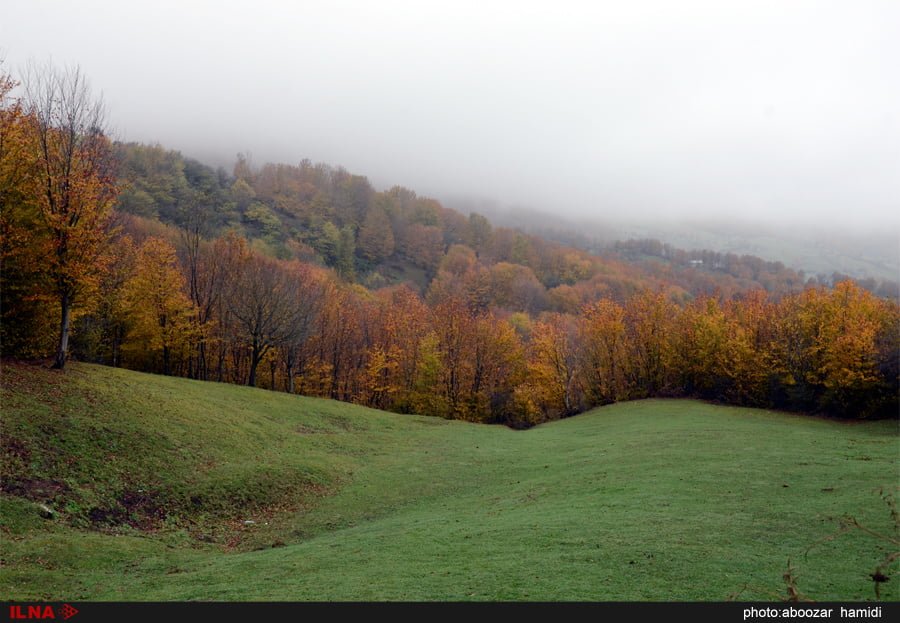
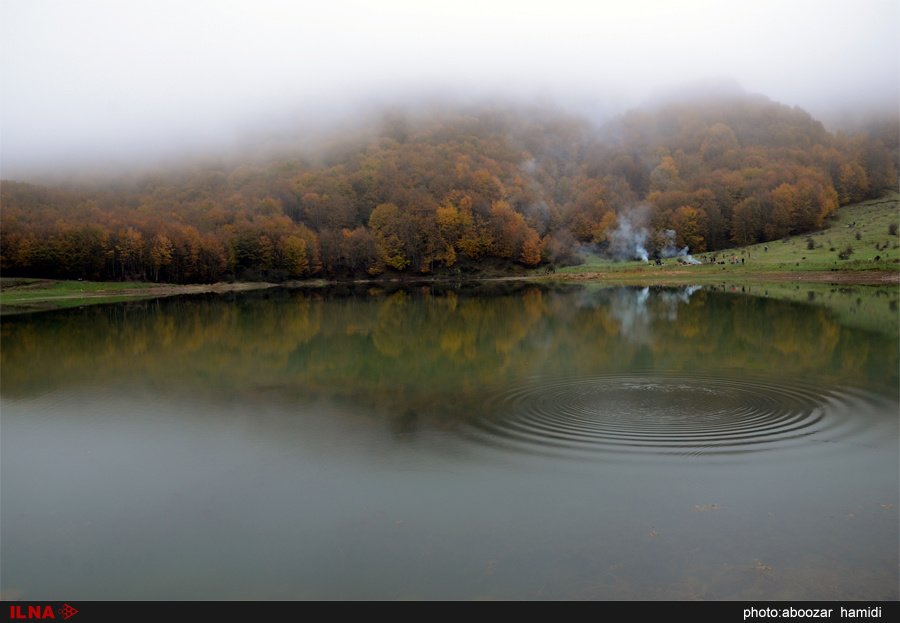
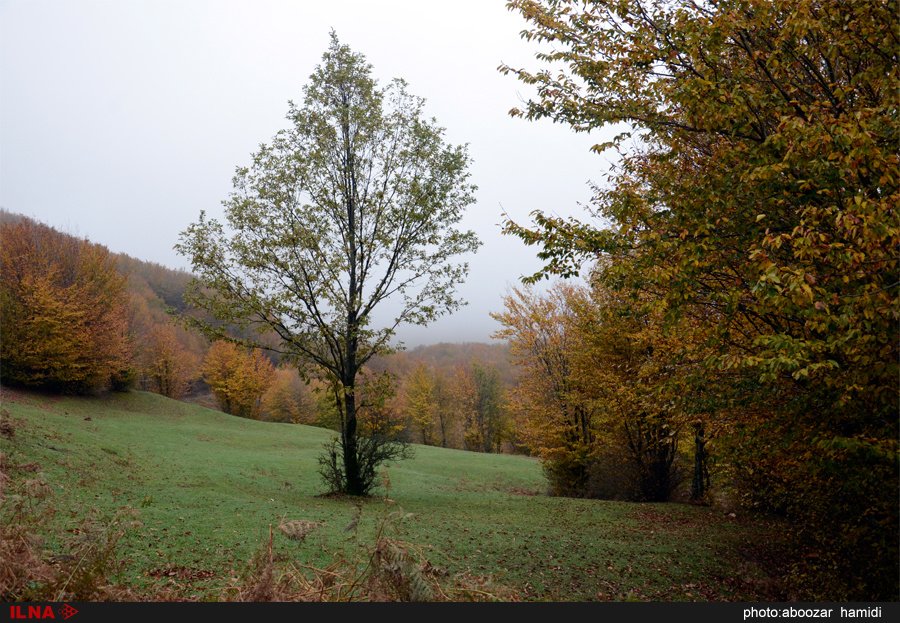
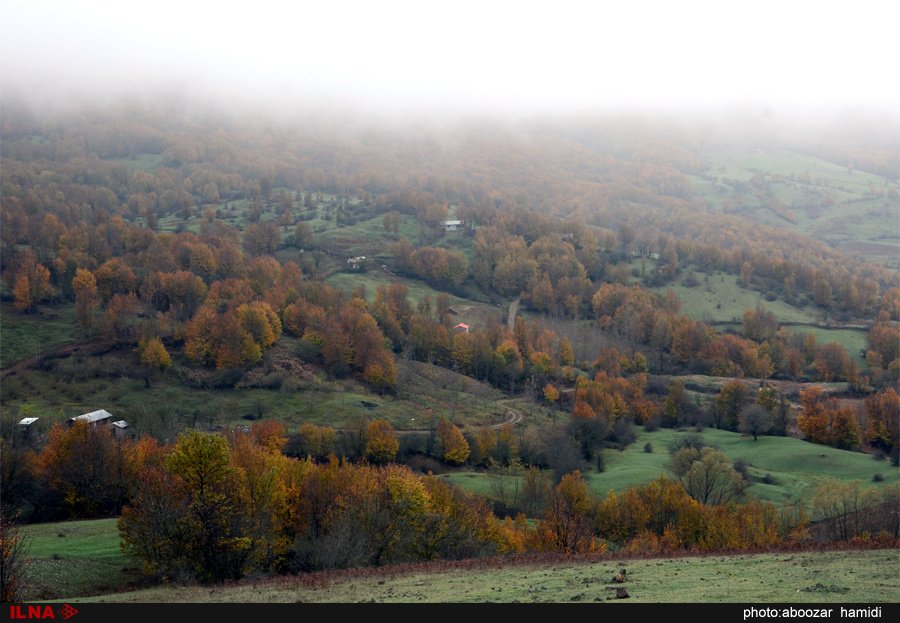
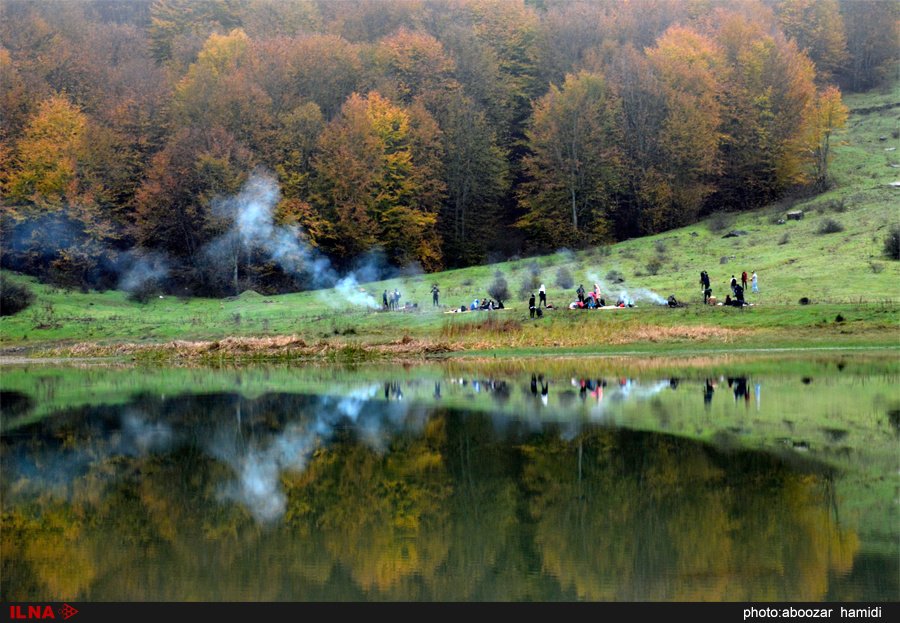
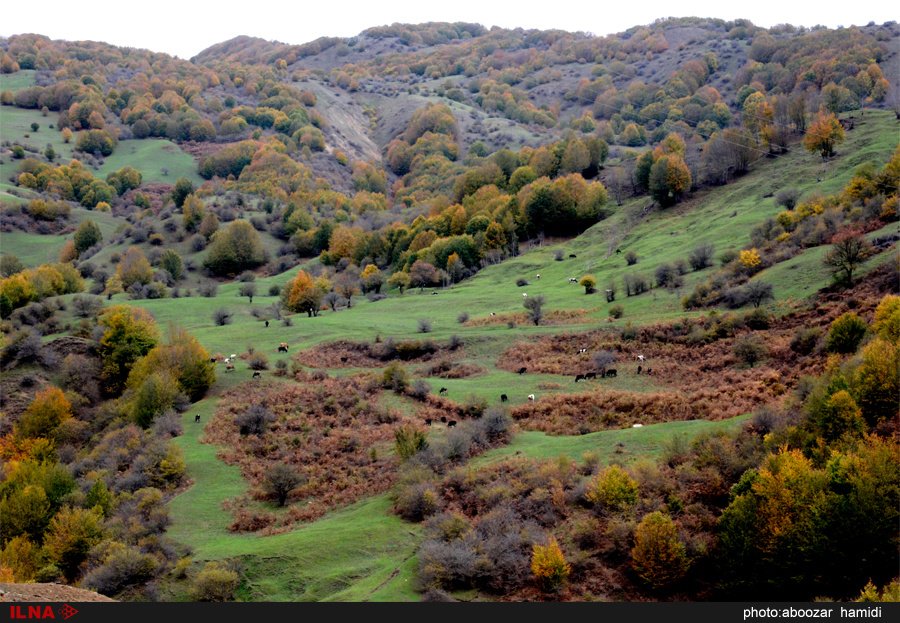
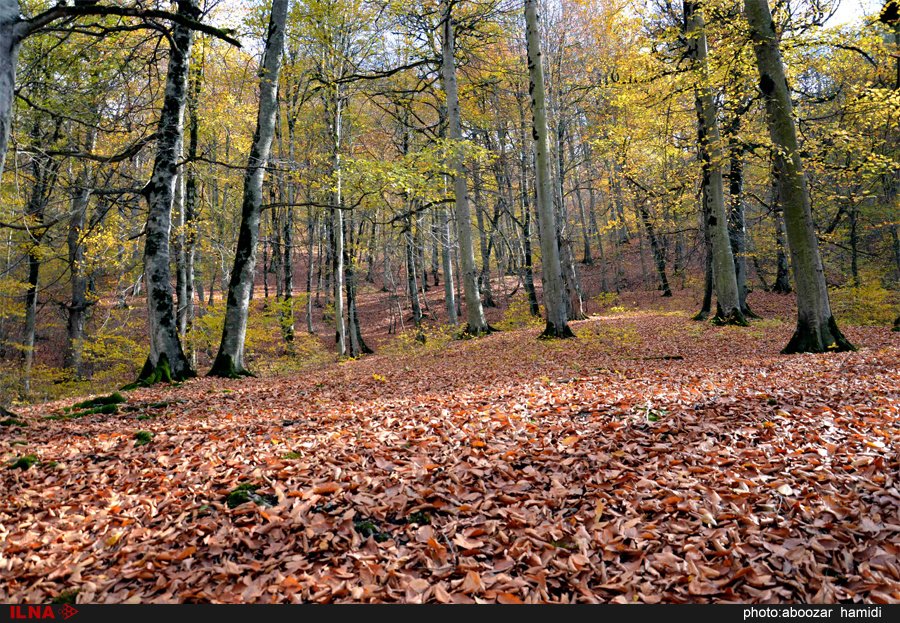
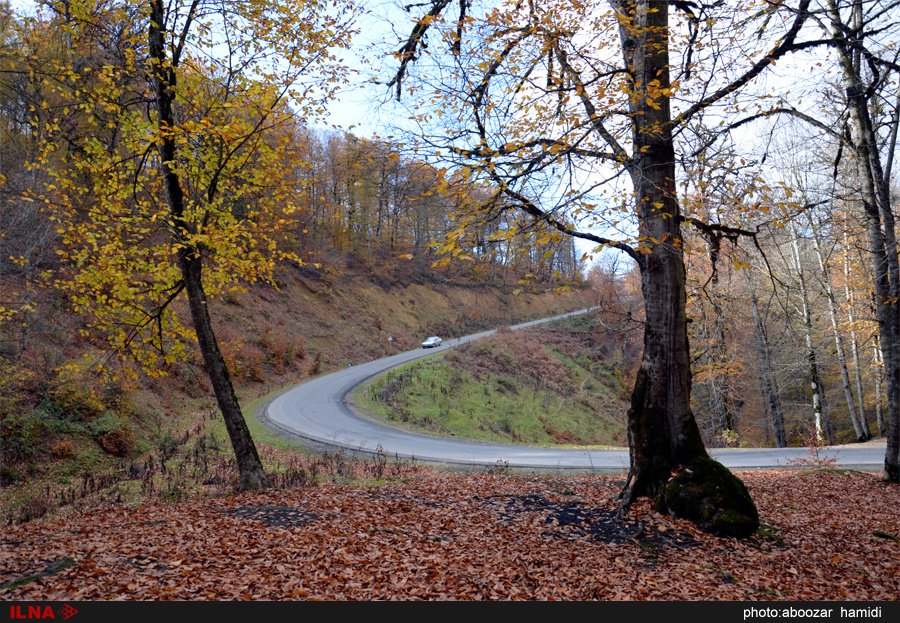
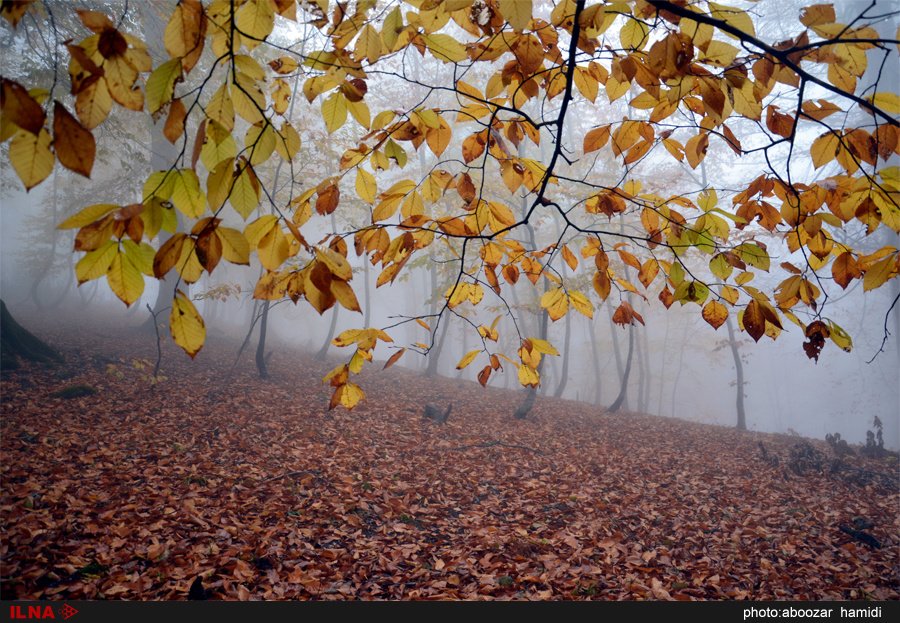
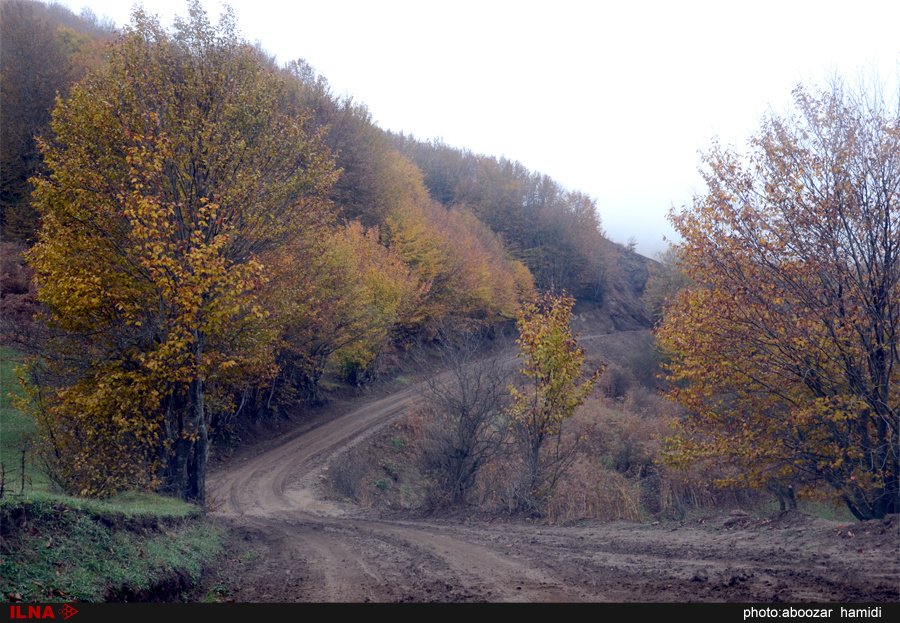
Alluring Beauty of Autumn in Iran’s Rudbar

Rudbar means the land of rivers, and the name refers to the plenty of rivers flowing in the region.

The city is also widely known for its rich olive gardens and high-quality olive. It’s interesting to know that it is sometimes known as the Olive Rudbar to distinguish it from Alamut Rudbar in Qazvin province.

Rubar, located along Tehran-Rasht highway, is about 268 kilometres away from Tehran and 60 kilometres away from Rasht.

The following photos from ILNA depict the beauty of Rudbar in autumn:

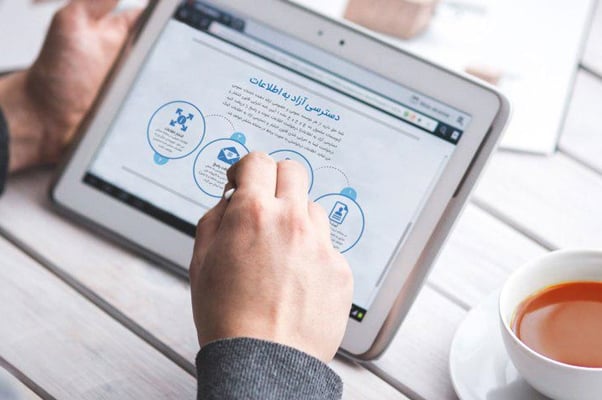
‘Freedom of Information Key to Fight against Corruption in Iran’

“Money laundering, rent-seeking, administrative corruption, economic corruption, bribery, lack of supervision, etc. all have a common remedy: Accurate implementation of the Law on Free Dissemination of and Access to Information,” Hossein Entezami, a deputy minister of culture, said in a tweet on Sunday.

“The result of [implementing] the law is transparency, justice, and equality,” he added.

In an effort to increase transparency and promote Freedom of Information in the Islamic Republic, the Iranian government officially launched a portal in July 2017 that provides people with free access to the information of state institutions.

The law on dissemination of and free access to information was announced in 2009, and its executive directives were drawn up five years later in 2014.

Organizations and institutions are obliged to provide the information that people need in maximum 10 days via the system.

Entezami, who is also the secretary of the Commission for Publishing and Providing Free Access to Information, was recently re-elected for the eighth time by Iranian press managers as their representative at the High Press Supervision Board, which oversees the Iranian press and news agencies.

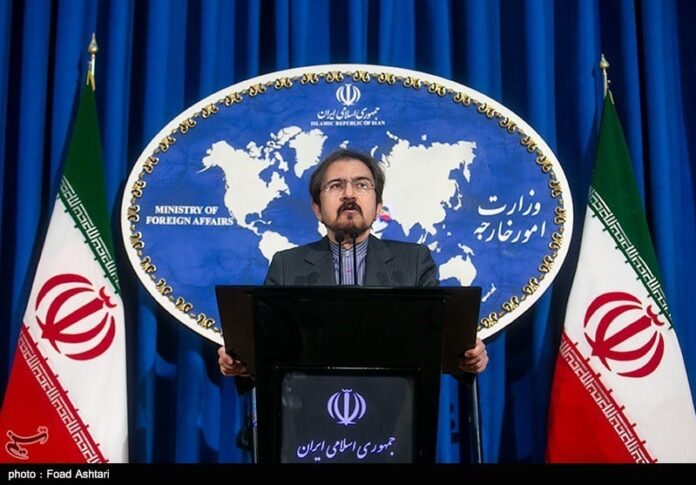
Iran Calls on Paris to Show Restraint in Handling Protests

Bahram Qassemi

Asked in his weekly press conference in Tehran on Monday about Iran’s reaction to recent violent protests in France, Qassemi said, “The French government cannot continue violence against its people.”

“Our recommendation to the French government and police is to show restraint,” he said, adding, “It should also be said to the people on the streets that ultimately, the conditions may become more complicated by hostile and violent acts.”

The spokesman further expressed hope that the problem would be resolved by the French government’s wise and positive measures.

A third weekend of nationwide protests by the “Yellow Vests” protest movement, largely made up of working-class people angry about a planned increase in fuel taxes and their dwindling purchasing power, left burned cars and smashed store windows in several of the wealthiest neighborhoods of Paris.

The movement is named for the high-visibility safety vests that motorists are supposed to wear when they have roadside breakdowns.

Broken glass and empty tear gas canisters fired by the police littered the city, where hundreds of vandals joined the ranks of the protesters. One person died in the unrest this weekend outside Paris, bringing to three the number of casualties on the margins of the demonstrations over the last three weekends of protests.

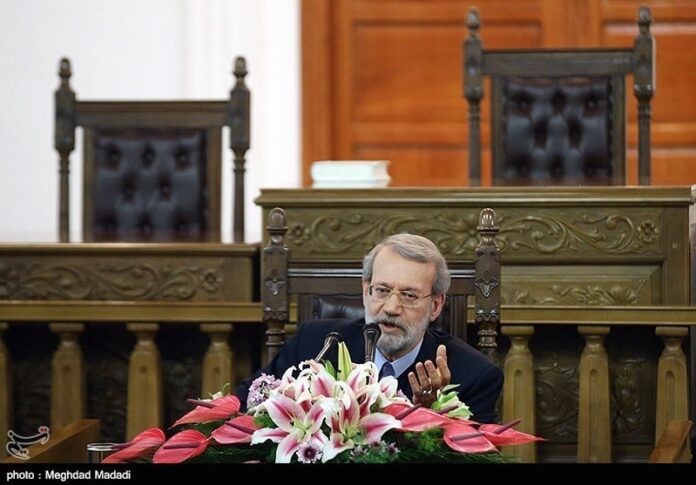
US’ Call for Talks Not Sincere: Iranian Speaker

Asked about the US president’s expression of readiness for talks with Iran without preconditions, Larijani said at a press conference in Tehran on Monday that Donald Trump makes paradoxical comments about Iran.

The US president has insulted the Iranian nation and made inglorious remarks about Iran, Larijani deplored, adding that Trump has at the same time voiced readiness for negotiations with Tehran.

“Haven’t we already negotiated? When a country breaches an international agreement (the JCPOA)… how would it demand negotiations?” the Iranian speaker said, describing the US call for talks as a tactic that lacks genuineness.

Asked about Iran’s stance on fresh talks with the US, Larijani said the situation is not currently prepared for negotiations, adding that the US seeks to entertain the world but Iran is not seeking “masquerade diplomacy.”

If the US is really after negotiations, it should make up for what it has violated by withdrawing from the JCPOA and show goodwill, the Iranian speaker underlined.

As regards Europe’s commitment to the nuclear deal and whether or not Iran would remain in the JCPOA, Larijani said, “The Europeans were insisting that Iran should not withdraw from the deal and made commitments, but did not honor their commitments.”

He said Iranian diplomats are still negotiating with Europe on the fate of the JCPOA.

On May 8, Trump pulled his country out of the JCPOA, which was achieved in 2015 after years of negotiations among Iran and the Group 5+1 (Russia, China, the US, Britain, France and Germany).

Following the US exit, Iran and the remaining parties launched talks to save the accord.

In comments in August, Leader of the Islamic Revolution Ayatollah Seyed Ali Khamenei roundly dismissed the idea of negotiations with the US, saying dialogue with a bullying regime that uses talks as a tool for pursuing its hostile policies is forbidden and would be detrimental to Iran.

‘Birth of Infants with Down Syndrome Almost Stopped in Iran’

“Over the past few years, only one baby was born with Down syndrome in 700 to 1,000 births in Iran,” Mahmoud Tavallaei said, noting that the syndrome has been completely controlled in the country.

He described it as a great success, and said it has been achieved by promoting public awareness, pre-natal diagnostic tests, and the use of scientific accomplishments.

Down syndrome affects the child’s learning abilities in addition to causing problems for growth, he noted.

“The probability of this syndrome in boys is greater than in girls. The most important factor is the age of mothers. It means the older the mother is, the greater is the risk.”

The International Day of Persons with Disabilities is annually observed on December 3. It is an international observance promoted by the UN since 1992. It aims to promote an understanding of disability issues and mobilise support for the dignity, rights and well-being of persons with disabilities.

Building on many decades of UN’s work in the field of disability, the Convention on the Rights of Persons with Disabilities, adopted in 2006, has further advanced the rights and well-being of persons with disabilities.

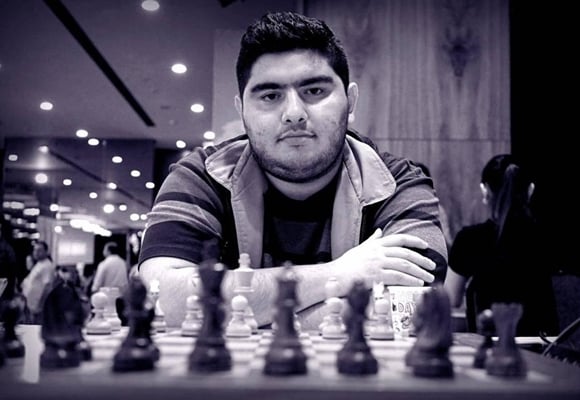
‘Iranian Kasparov’ Making History in Junior Chess Contests

The world-class chess genius knows well how to move his pieces in a few seconds to checkmate his opponent. Parham’s ingenuity and regular practice have won him the first place in the world in his age group.

He gained fame in the World Junior Chess Championship with nine wins, one draw and one defeat. The success was praised by many world champions such as Garry Kasparov.

In an interview with Shahrvand daily, Maghsoodloo has explained how he achieved so much success. Following you can find the text of his interview:

Q: How old were you when you started to play chess?

A: I was about 9 when I first played chess with my dad at home. I liked this game, and at the same time I enrolled in chess classes. After about three months, I won first place in our city championships and then I won the title at provincial tournament to reach national competitions.

Q: What was the first international event that you participated in?

A: It was a tournament in Slovenia. At that time, I was 11.

Q: The number of tournaments you attended is far more than your age. Therefore, you’ve spent most of your time and your life on chess. Despite all these tournaments, how did you go to school?

A: As I was participating in several tournaments during a year, my teacher was coming to our home to teach privately. In this way, I could catch up.

Q: How many hours a day do you spend on chess?

A: Depending on the situation, sometimes I may play chess for about 15 hours a day. The minimum that I need to spend on chess is 8 hours a day.

Q: They call you “Master Bishop”?

A: Honestly, I do not know where this nickname came from, and I don’t like it at all. In fact, my favourite piece is the knight. Because in the first international tournament I took part, a foreigner told me that whenever you want win, you have to keep one of your knights. This made me feel very positive about this chess piece. It’s really an important piece, and we can often checkmate the opponent using a knight at the very last moments of the game.

Q: Do you have any offers from foreign clubs?

A: Yes, I have played in the Turkish league, and now I have an offer from the French league. I also had an offer from the German league, but the payment was very low, so I did not sign a contract. I myself like to play in professional leagues like the Bundesliga (Germany), but the offers are not good enough.

Q: – What is your highest rating in international competitions?

A: My best rating in an official tournament was 2,859. Kasparov’s rating is 2852, and mine is higher than him. However still there is a long way ahead to reach him at the adult level. I’m sure that one day I will grab the title, and instead of giving me the titles of others, they must only call me Parham Maghsoodloo.

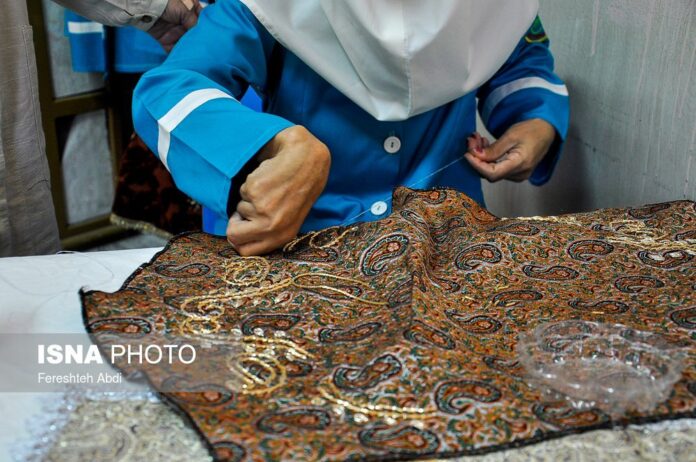
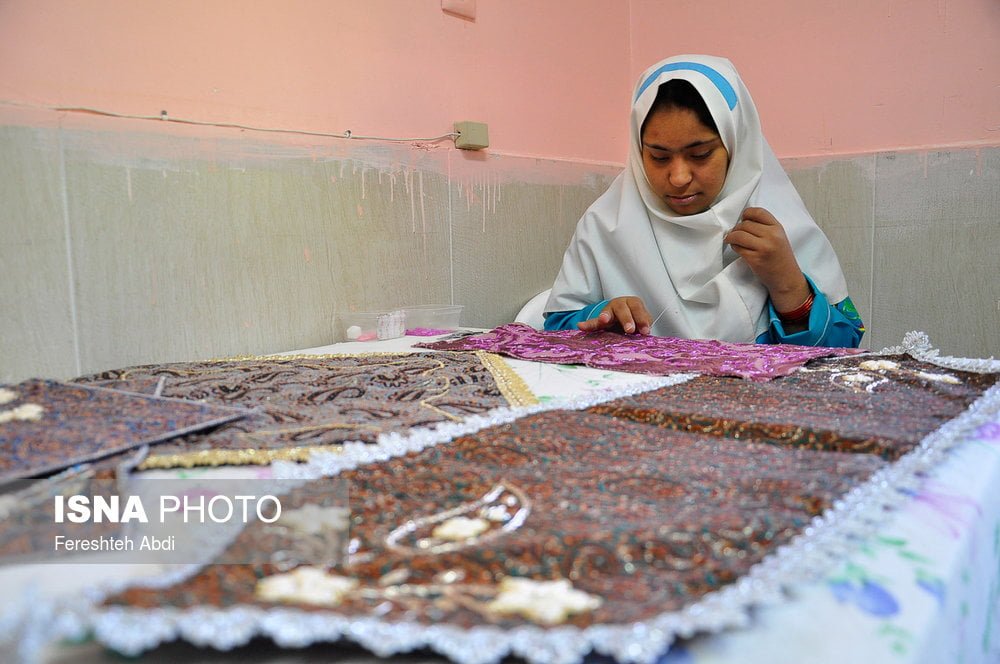
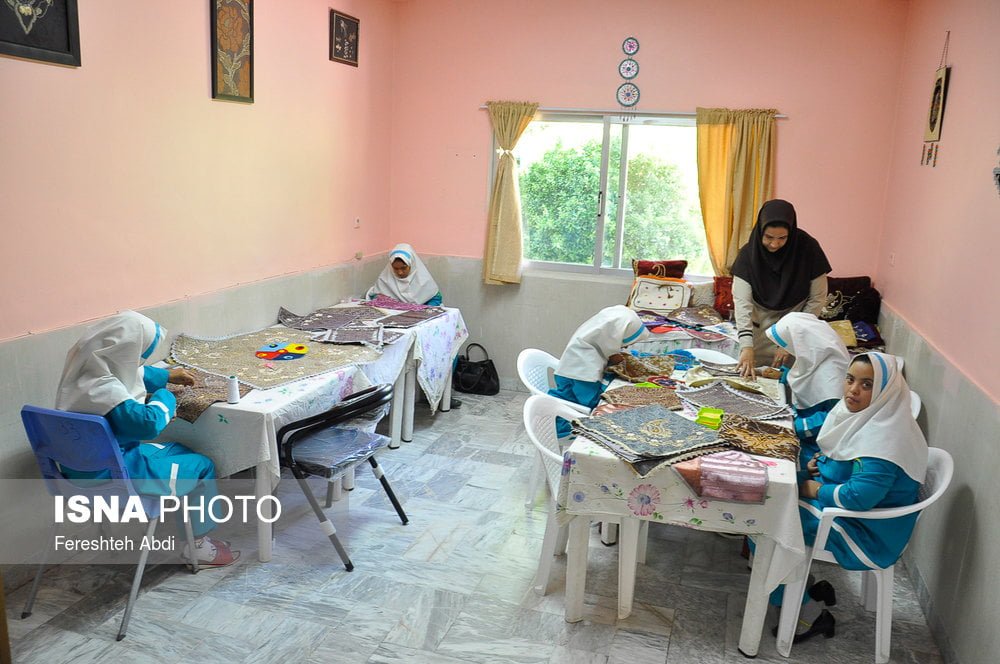
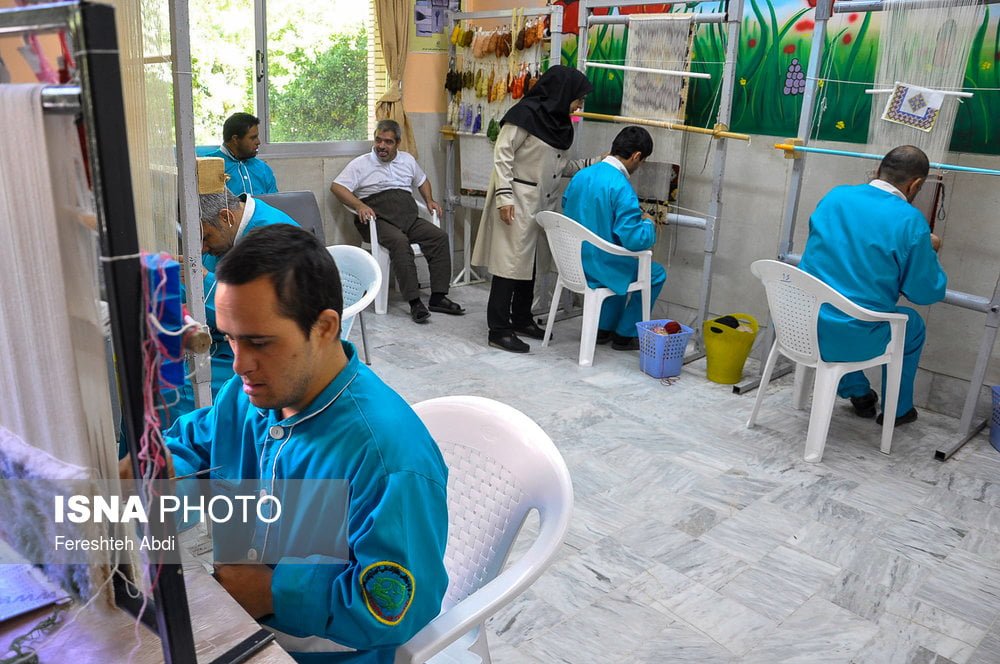
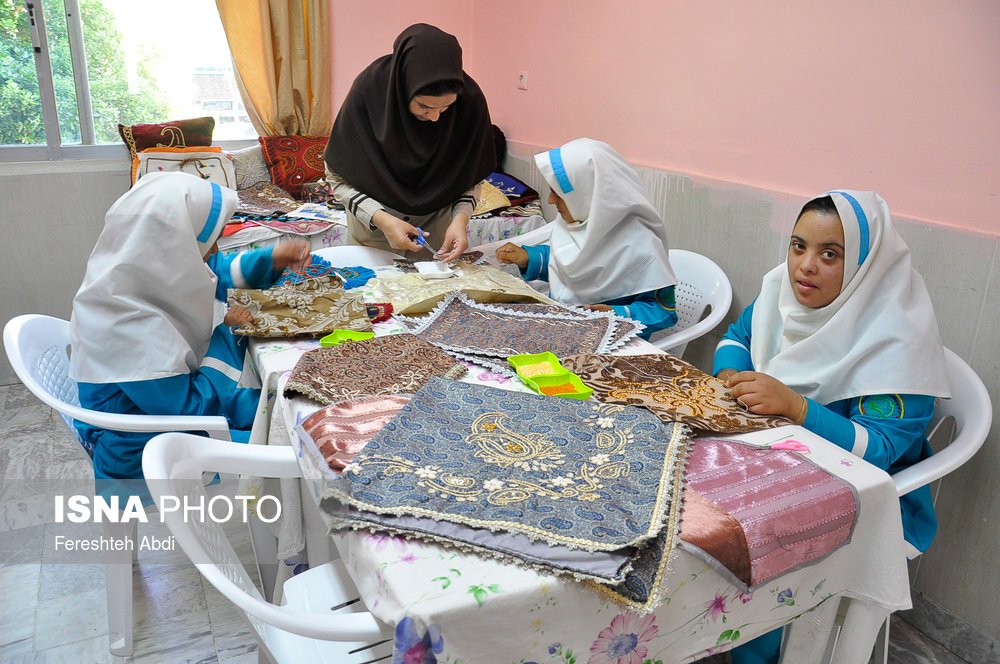
Disabled Iranians Making Handicrafts to Make Ends Meet

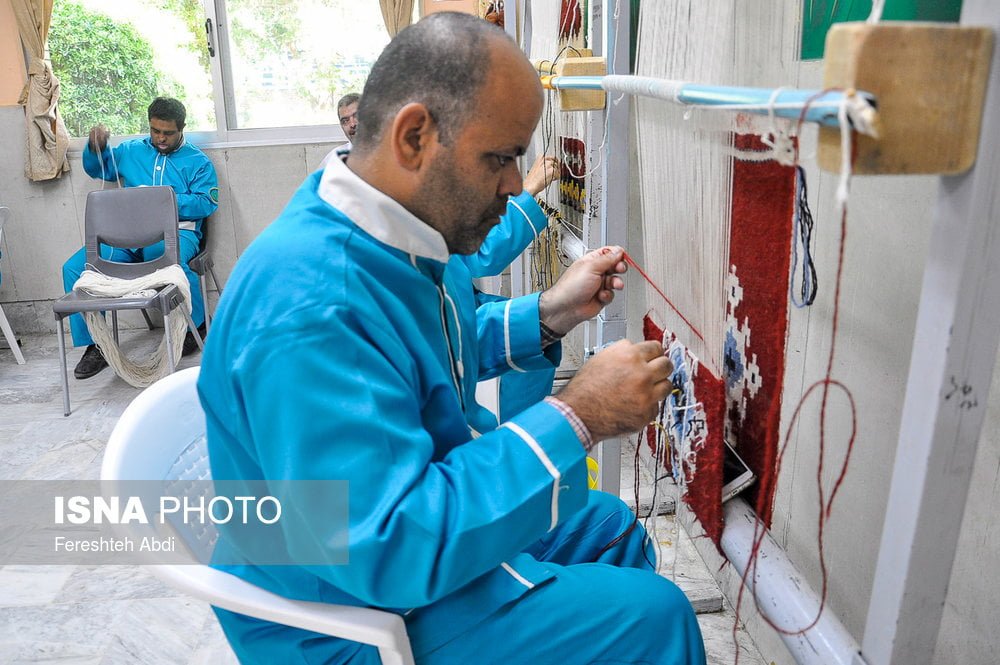
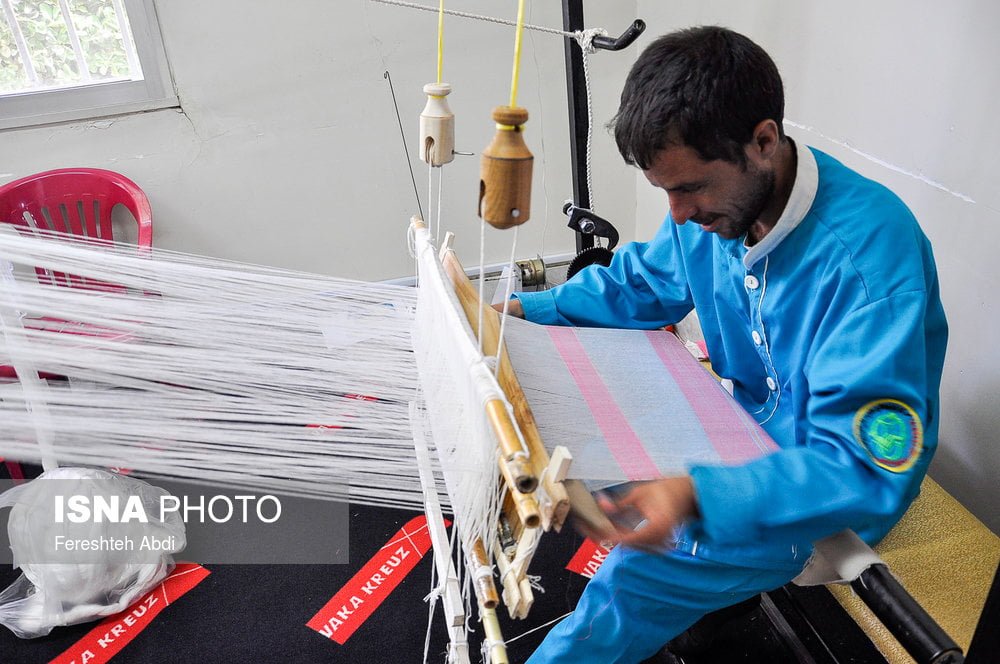
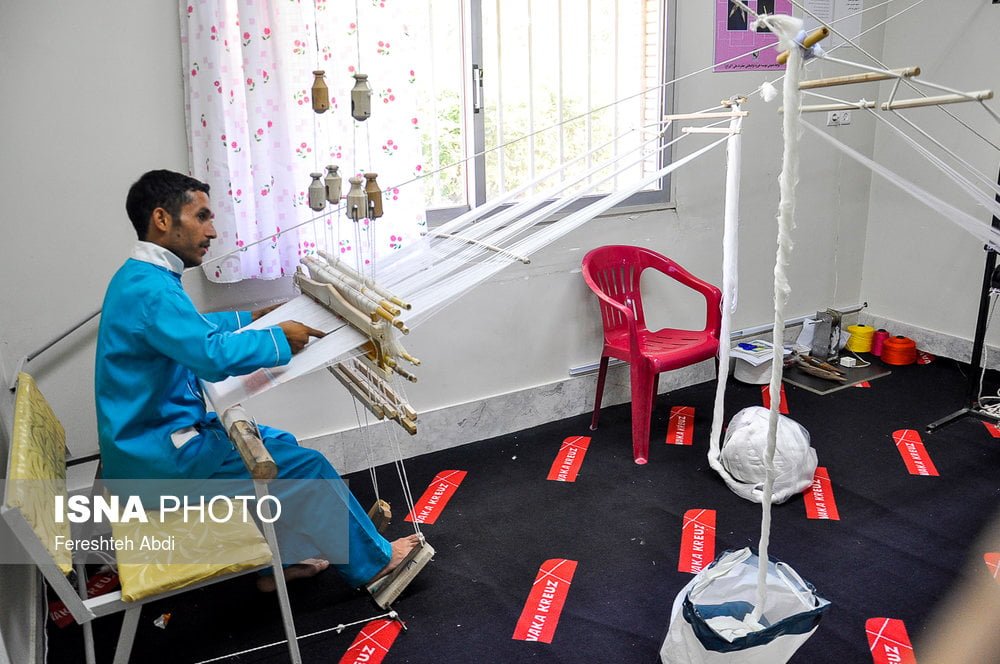
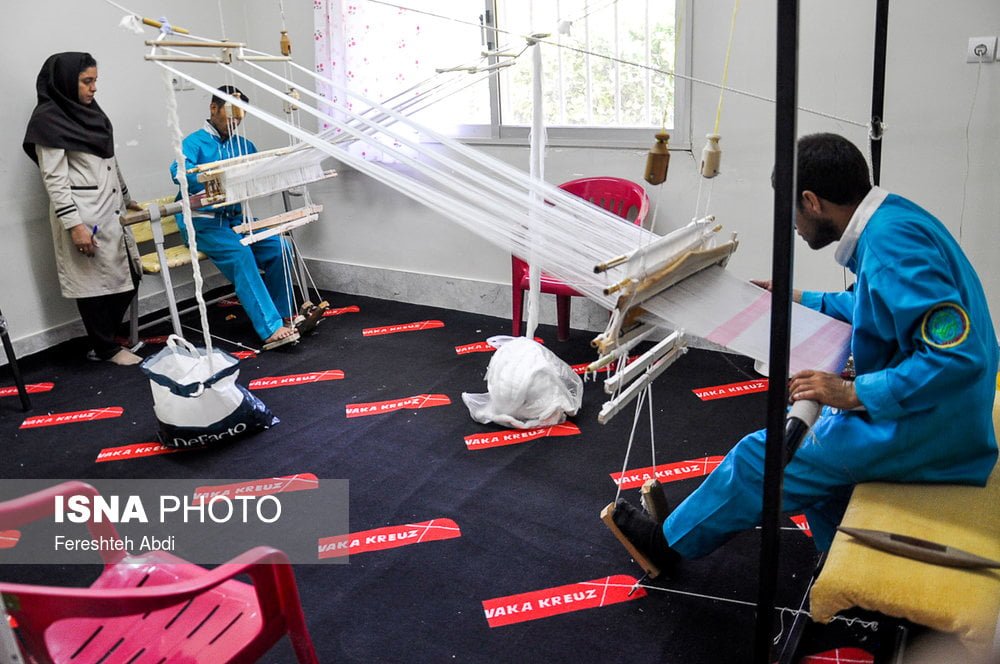
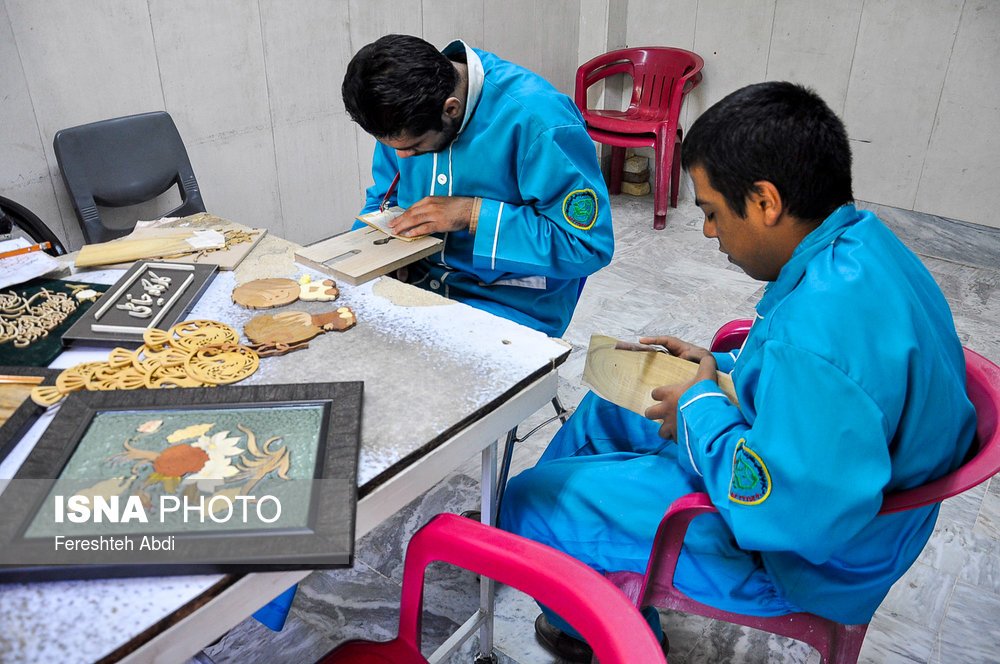
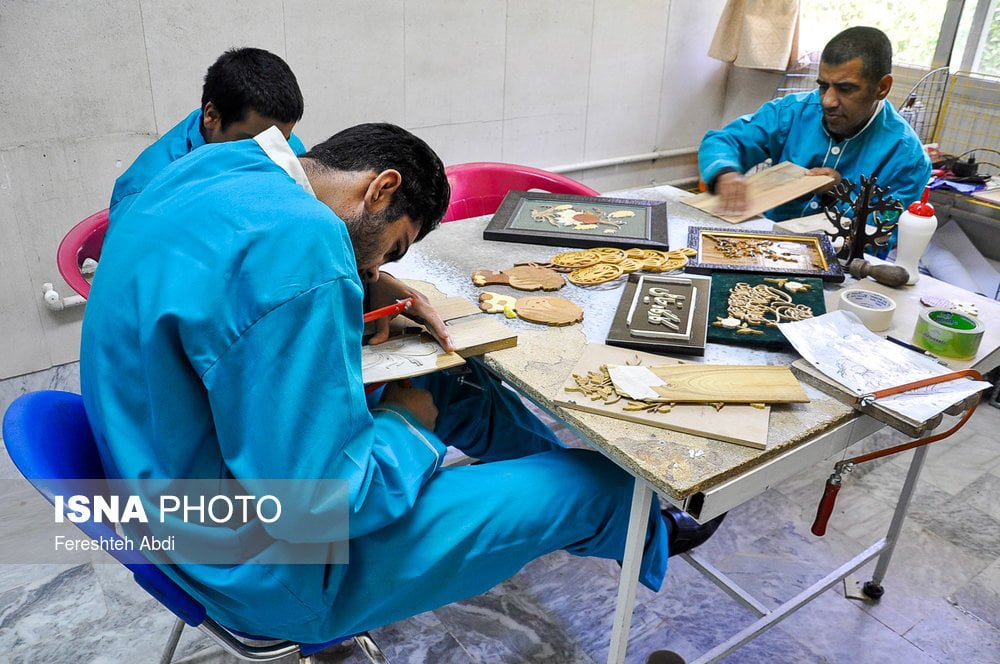
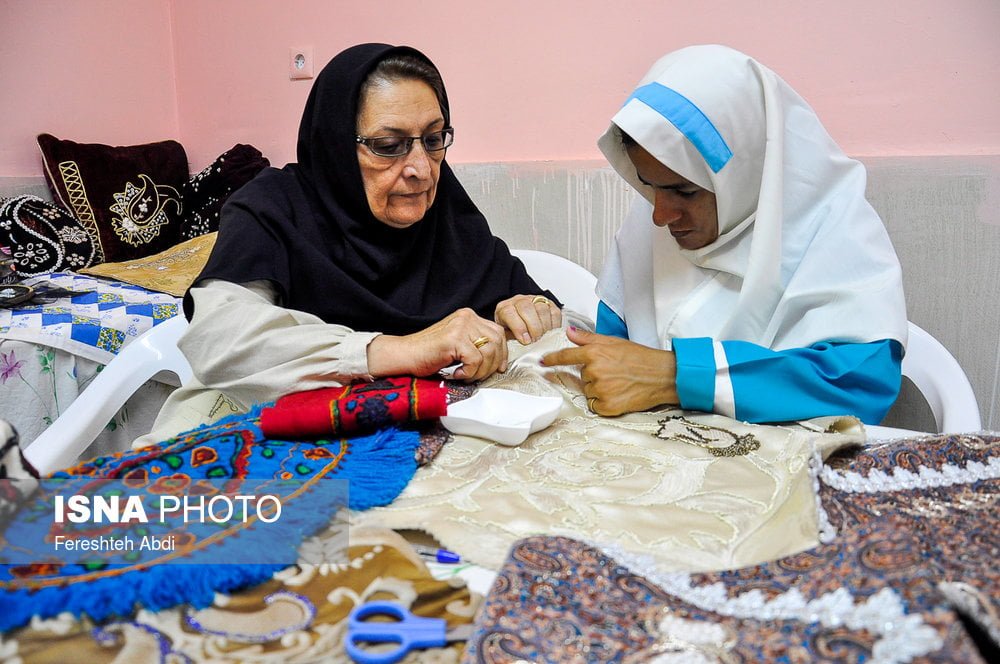
The charity’s move is aimed at empowering the disabled, which is what they need to increase their self-confidence and get more engaged in the society. Moreover, creating and selling pieces of art by the disabled raises their morale on the one hand and creates more jobs in these areas on the other hand.

There are many disabled people who have not yet managed to achieve the goals set by the United Nations. But there are also many others who have closed their eyes to the restrictions imposed on them by the society and gone beyond the UN-set goals for the disabled.

The UN declared December 3 as the International Day of Disabled Persons in 1992. The annual observance of the day aims to promote an understanding of disability issues and mobilize support for the dignity, rights and well-being of persons with disabilities.

It also seeks to increase awareness of gains to be derived from the integration of persons with disabilities in every aspect of political, social, economic and cultural life.

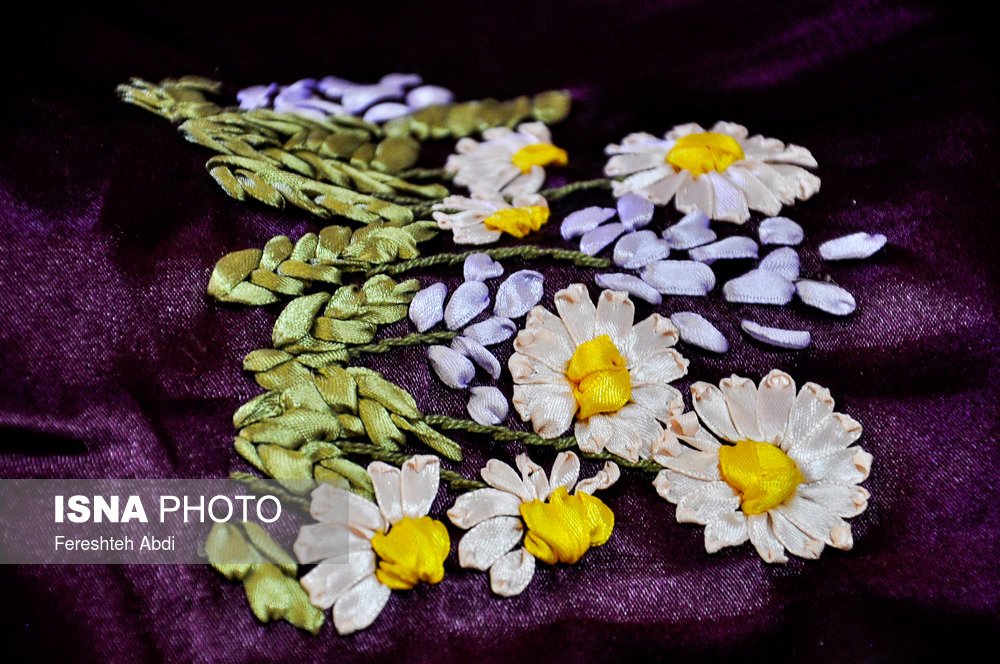
Below you can see ISNA’s photos of the Iranian disabled artists making a living by making various handicrafts, under the coverage of Ali Akbar Charity in Brijand: