Sunday, December 21, 2025
Home Blog Page 3326

ICA Says Resolved to Facilitate Iran’s Trade Ties with World

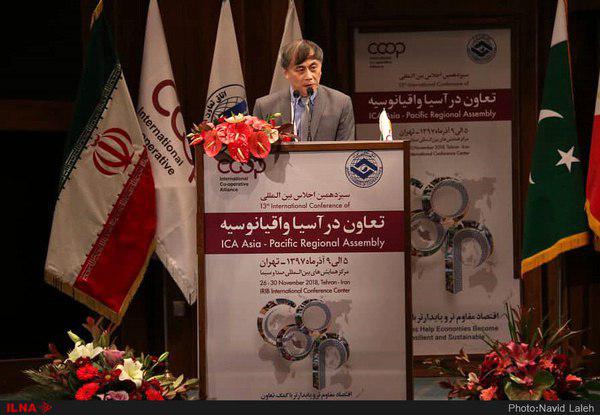
Li Chunsheng, the chairman of the Asia-Pacific region of International Co-operative Alliance (ICA), addresses the 13th ICA Asia-Pacific Regional Assembly in Tehran in late November 2018. / Photo by ILNA

“At present, we are exploring ways to expand mutual trade, commercial and agricultural relations with Iran,” Li Chunsheng said in an interview with ILNA.

According to Chunsheng, the ICA Asia-Pacific is seeking to stand by Iran during the unilateral sanctions imposed by its enemies.

“We will withhold no efforts to help Iran keep its trade ties with the outside world amid the sanctions,” he vowed.

Back in November, the US re-imposed the “toughest” sanctions ever against Iran with the goal of curtailing the Islamic Republic’s oil exports and putting extra pressure on the country’s economy.

The sanctions came after Washington unilaterally withdrew from the Iran nuclear deal, a multinational accord achieved after marathon talks between Iran and world powers in 2015.

Chunsheng further noted that Iran is a strong country in the Asia and Pacific region and plays a key role in relations between the two continents.

“If Iran keeps moving ahead with the same strength, it can also play a leading role in the expansion of cooperation between ICA members and other states in the world,” he added.

He went on to say that the cooperation could be established through workshops in Iran. “It’s a good starting point. We can expand our mechanisms through joint projects and efforts.”

The Chinese official then referred to the mutual cooperation between Iran and China and said the two states can exchange experiences and establish good mutual relations through expansion of their cooperation.

He also expressed hope that the Islamic Republic and the ICA Asia-Pacific could raise the level of their cooperation by holding constructive meetings.
‘Iran Has No Plan to Have Missiles Capable of Carrying Nuclear Warheads’

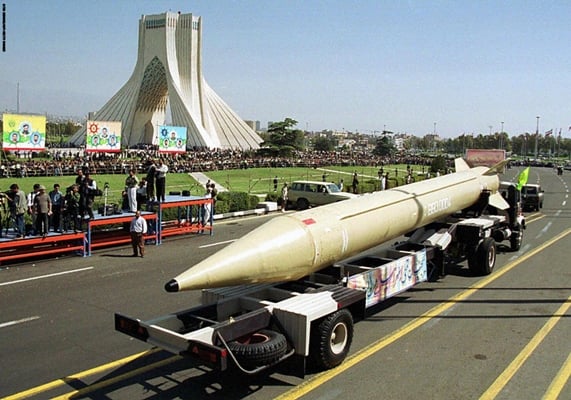
In a Tuesday statement, Qassemi said there is no need to repeat that Iran’s missile program is totally deterrent in nature and is part of the country’s unstoppable defence programs.

He made the remarks in reaction to comments made by the officials of certain Western countries as well as a request by the UK and France for a meeting of the UN Security Council to discuss the Islamic Republic’s missile program.

Iran definitely does not base its defence programs on the groundless, unfounded, and purposeful concerns of certain countries that are far from the region, Qassemi added.

“We deeply believe the expression of such concerns is not based on logical grounds, and is, more than anything, an offspring of Iranophobic policies and approaches pursued by certain countries and regimes in the world,” he noted.

“We don’t see our missile defence program in violation of any UN Security Council resolution, and those who claim otherwise are either unfamiliar with the UN Security Council Resolution 2231, or just seek to create sensitivity and tension against Iran without paying any attention to the Resolution’s articles,” Qassemi added.

In both cases, he said, the Islamic Republic condemns such an approach and considers it unconstructive and inefficient.

Qassemi addressed all the countries that have closed their eyes to the realities and the transparent and stabilizing policies of Iran by raising these wild assumptions and groundless excuses, and urged them not to sacrifice regional and international peace, stability, and security for the goals of others who think Iran’s constructive relations with regional and world countries are against their unilateralist policies and excessive demands.

The spokesman also called on European countries to behave in a more intelligent way than before.

In Iran’s transparent missile and defence policies, he said, there is no design and plan for having missiles capable of carrying nuclear warheads, and there won’t be any in the future.

He also slammed Western countries for adopting double-standard policies, and said it is a source of regret that they take such belligerent stances against Iran’s peaceful defence program while they have remained silent towards some of their allies which have for years spent tens of billions of dollars to buy military equipment and launch round-the-clock attacks on another country; lay siege on millions of women, children, and innocent people suffering from drought and disease; and totally destroy their infrastructures.

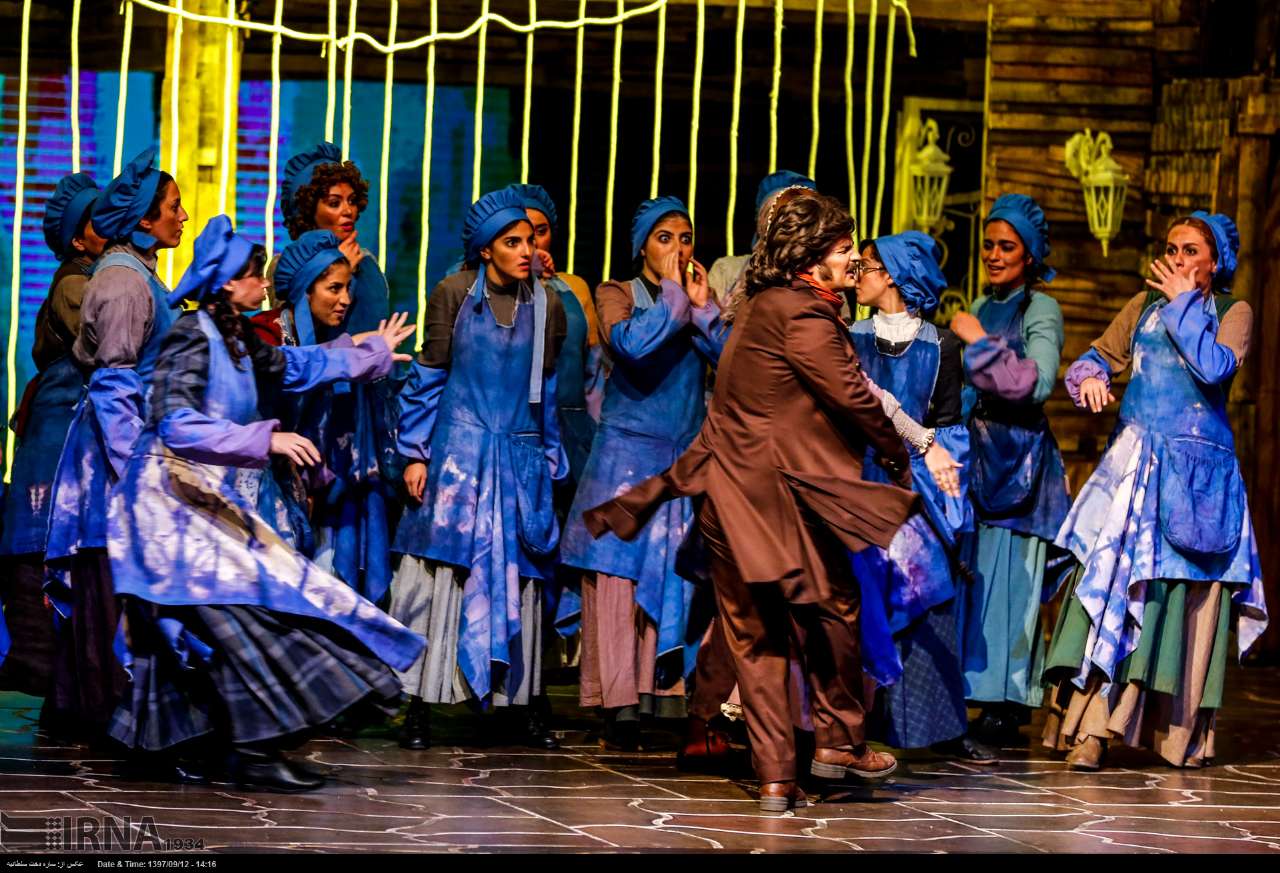
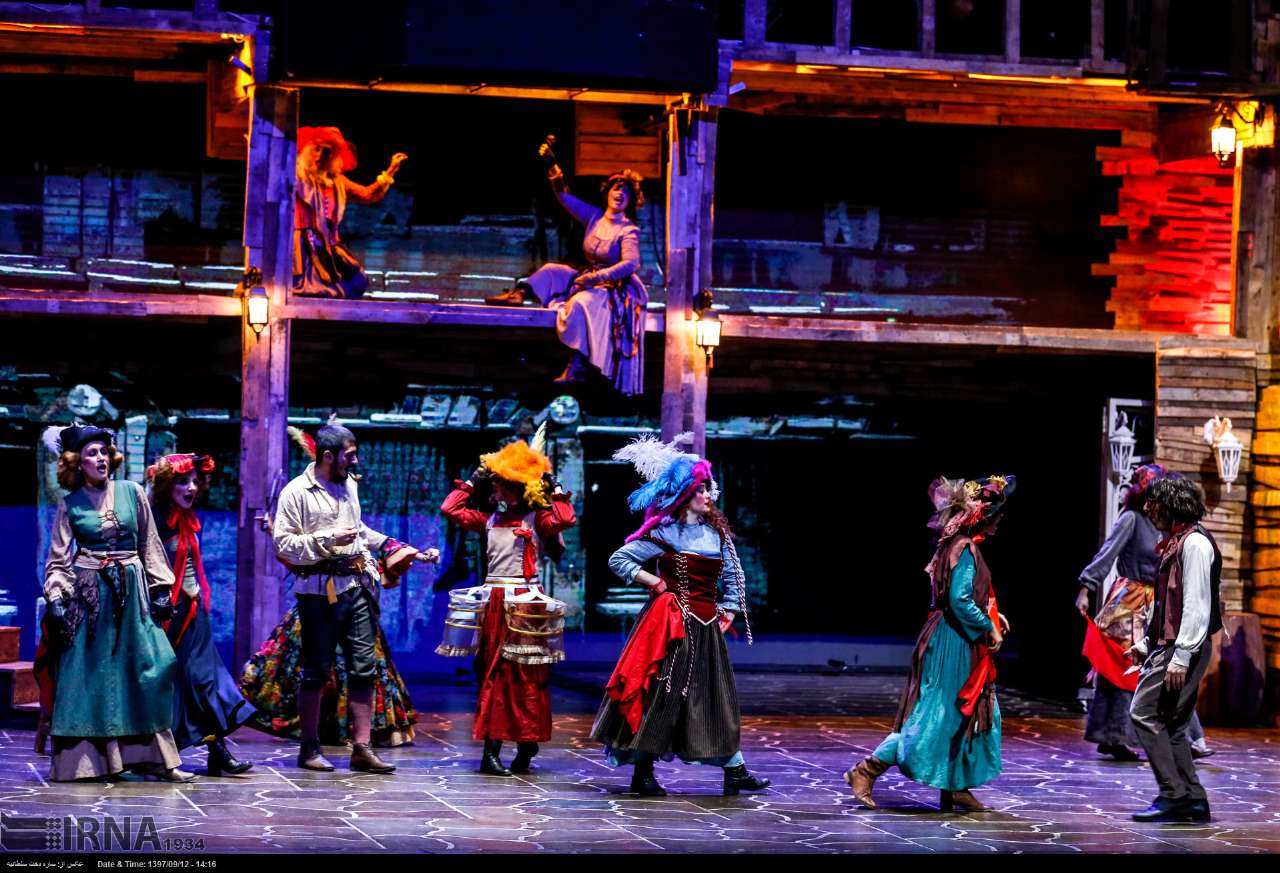
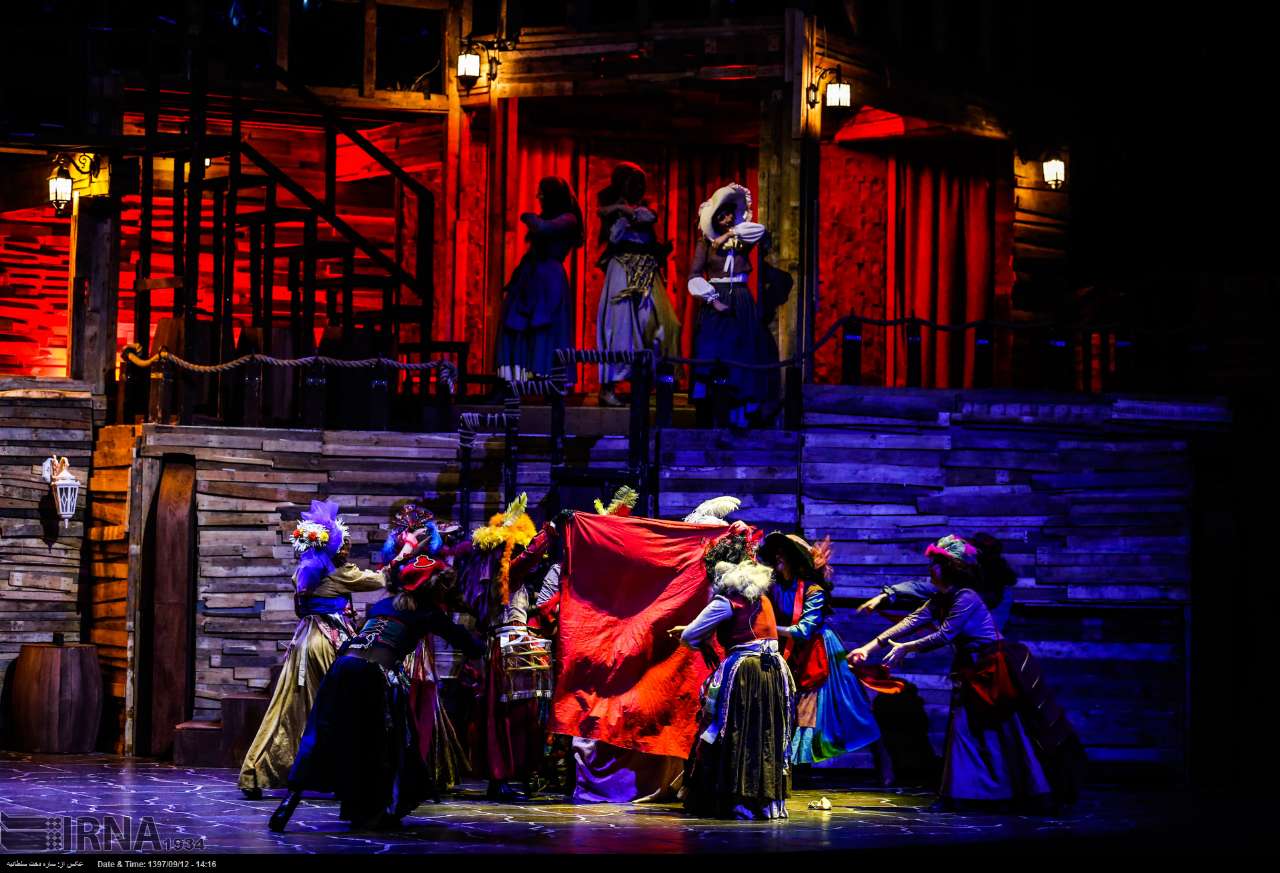
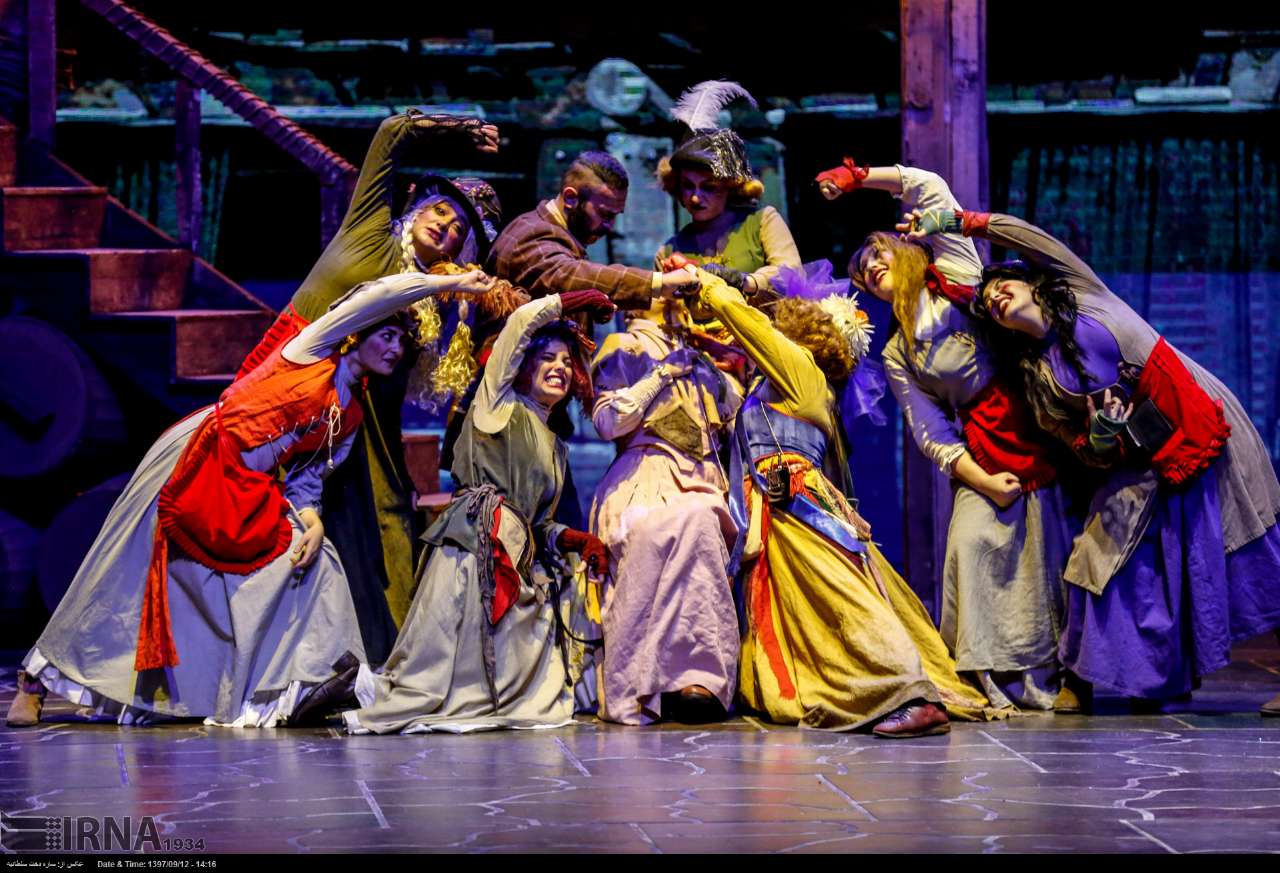
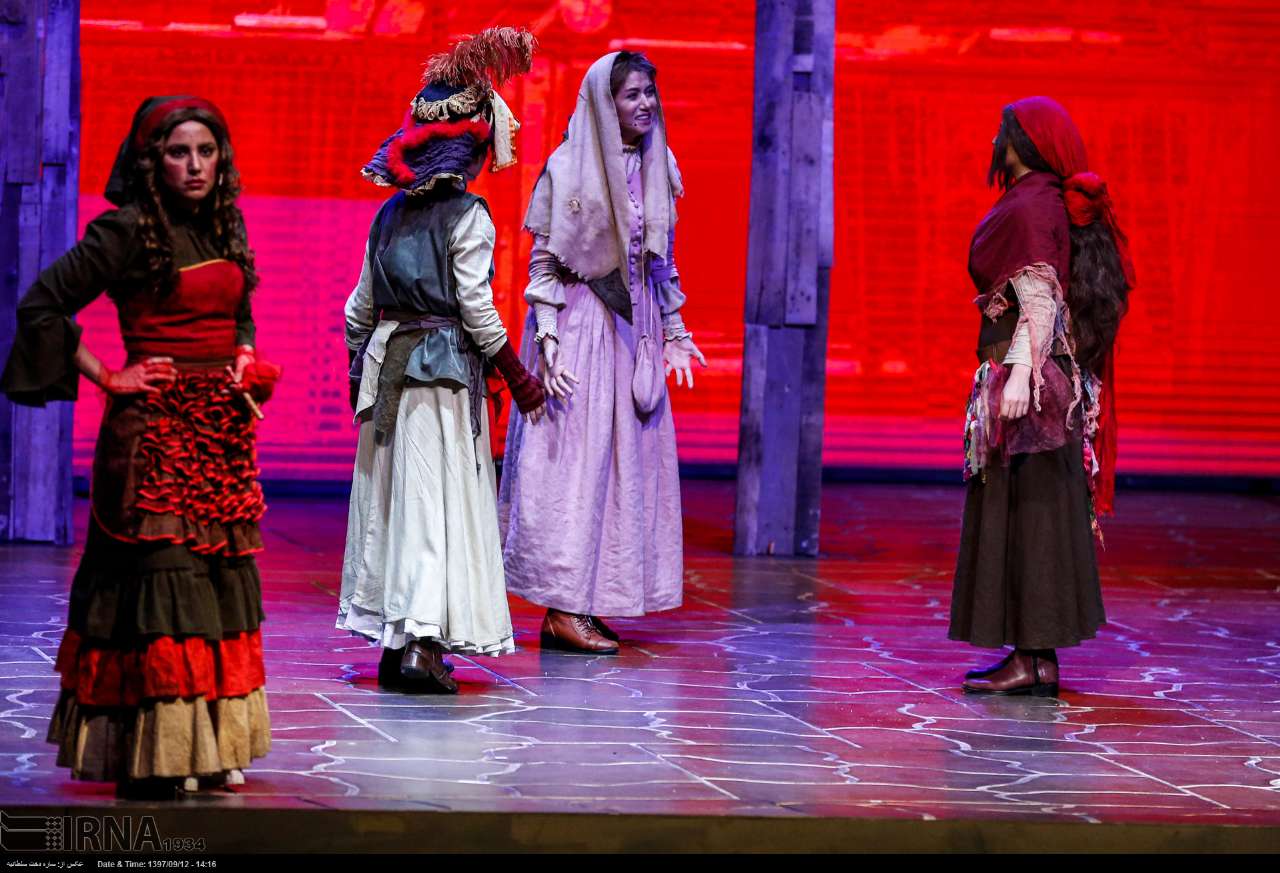
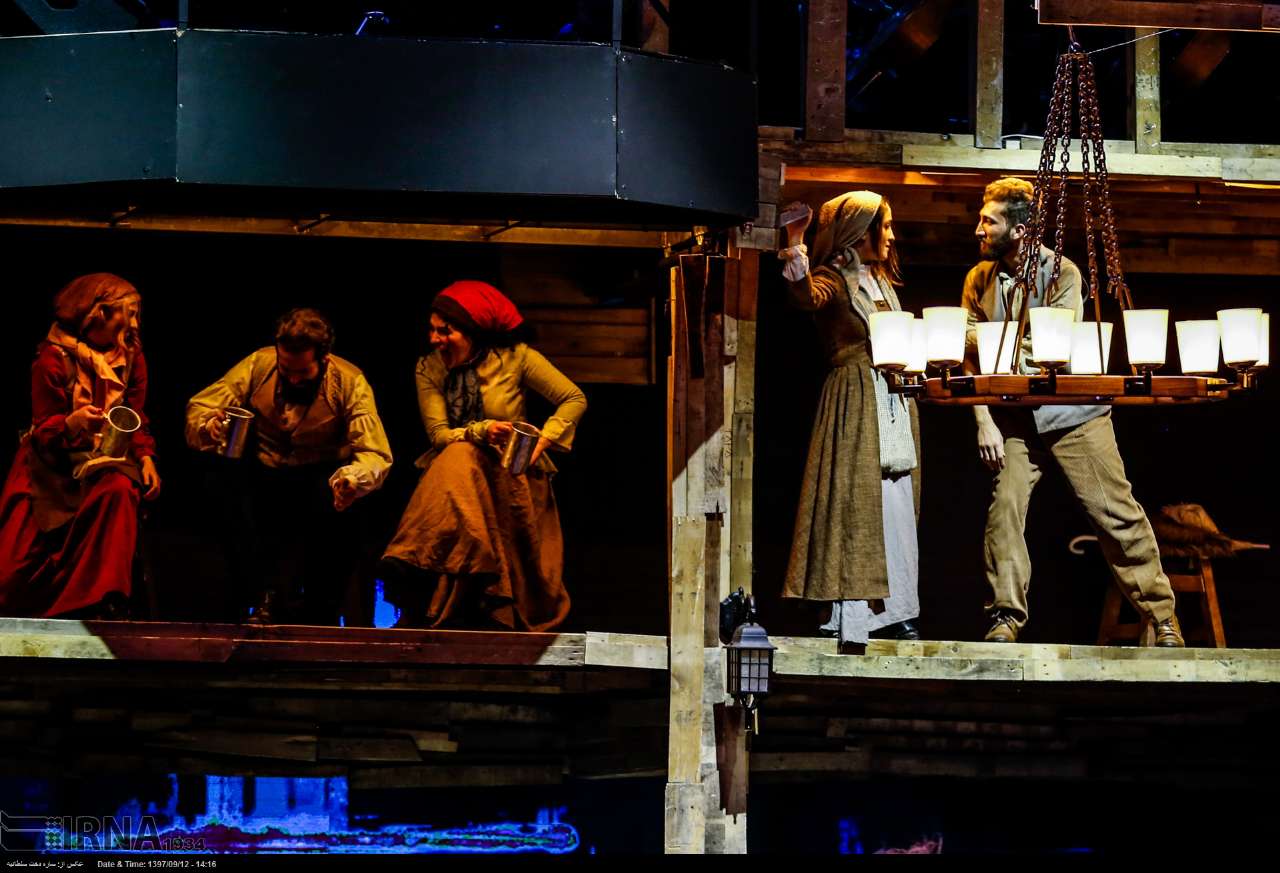
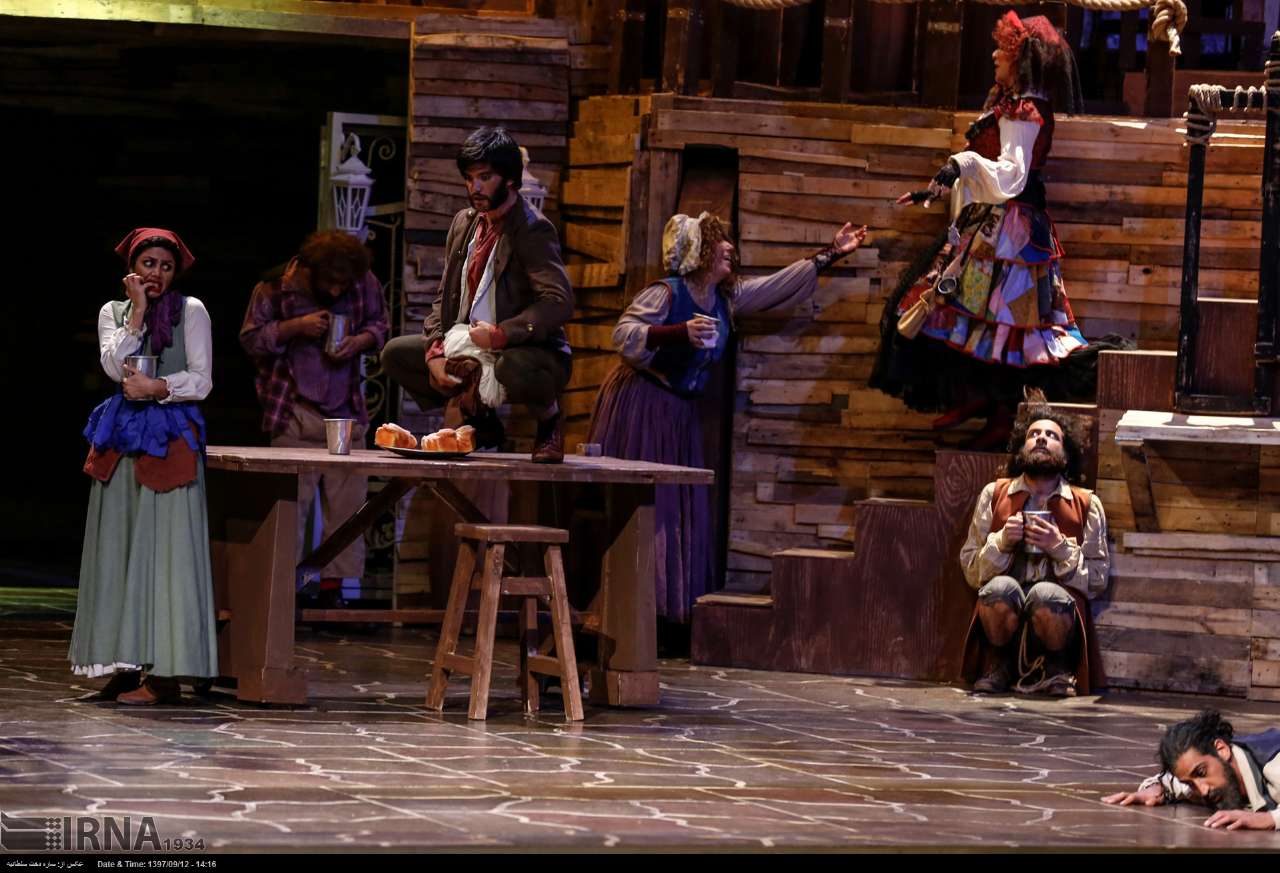
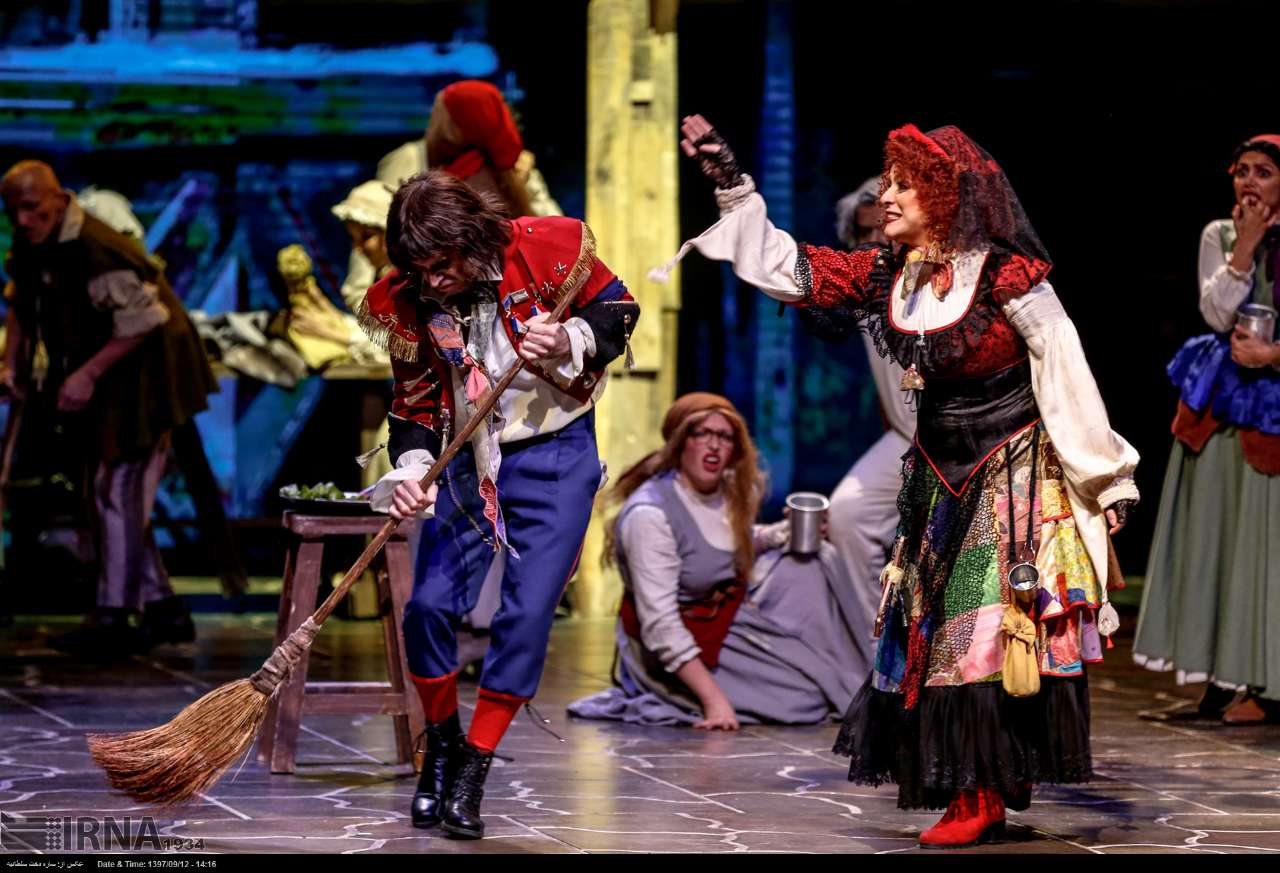
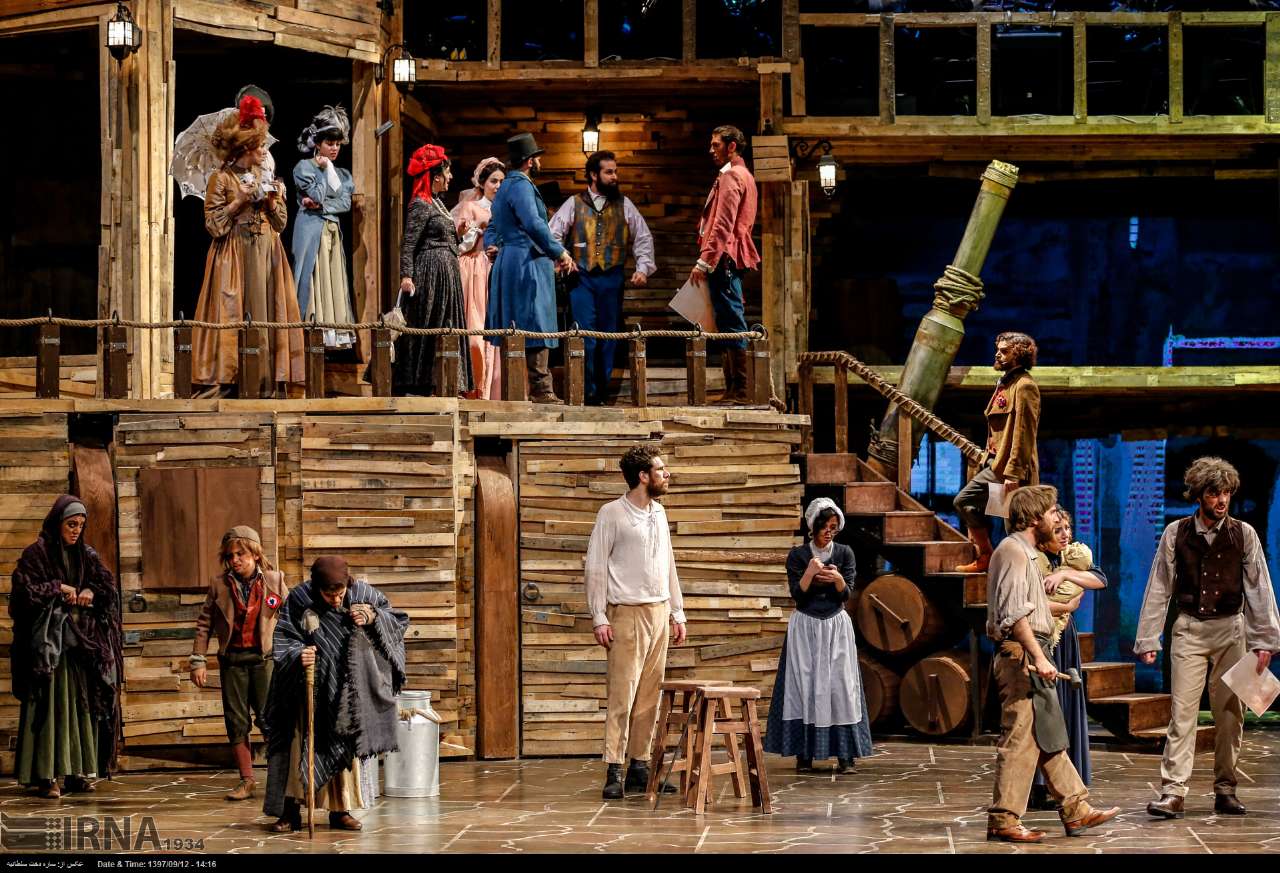
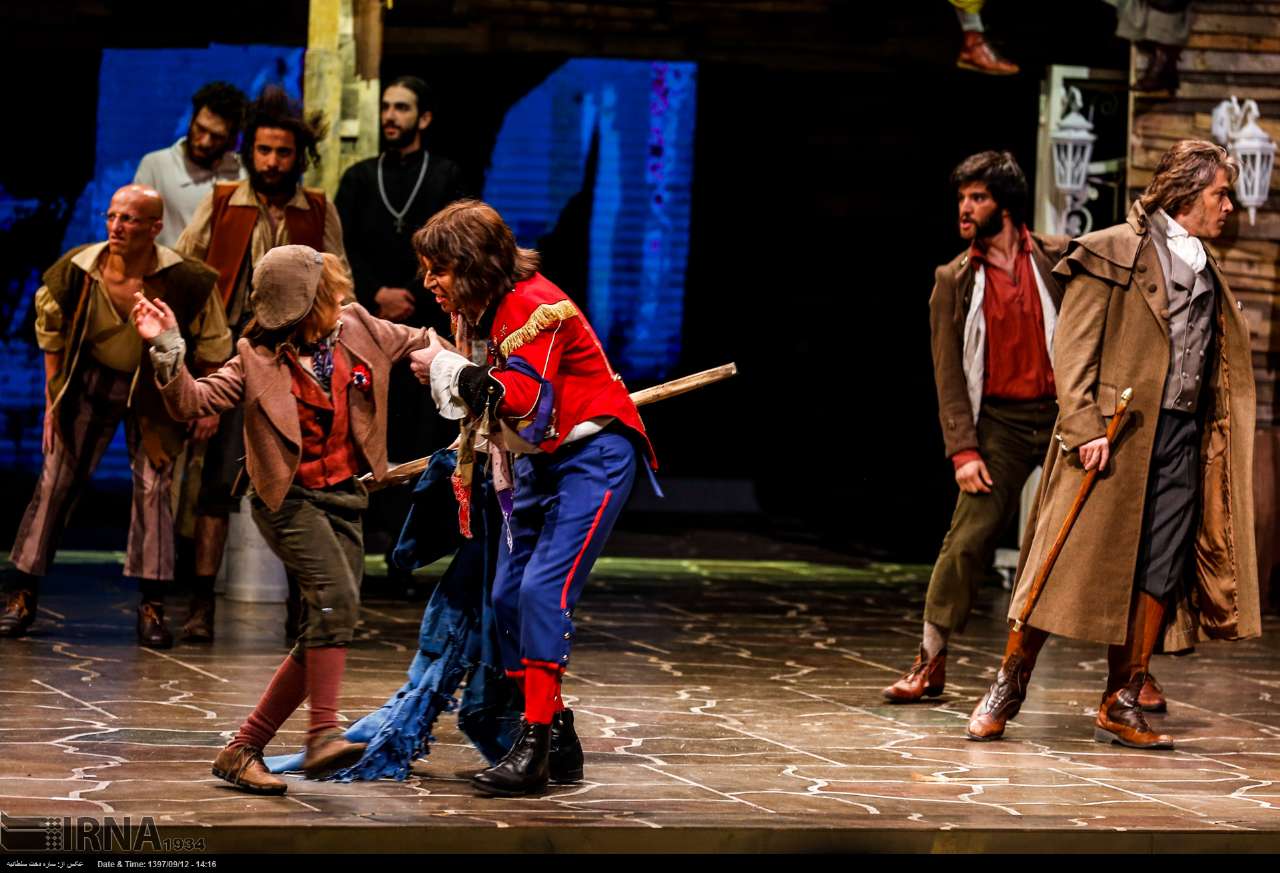
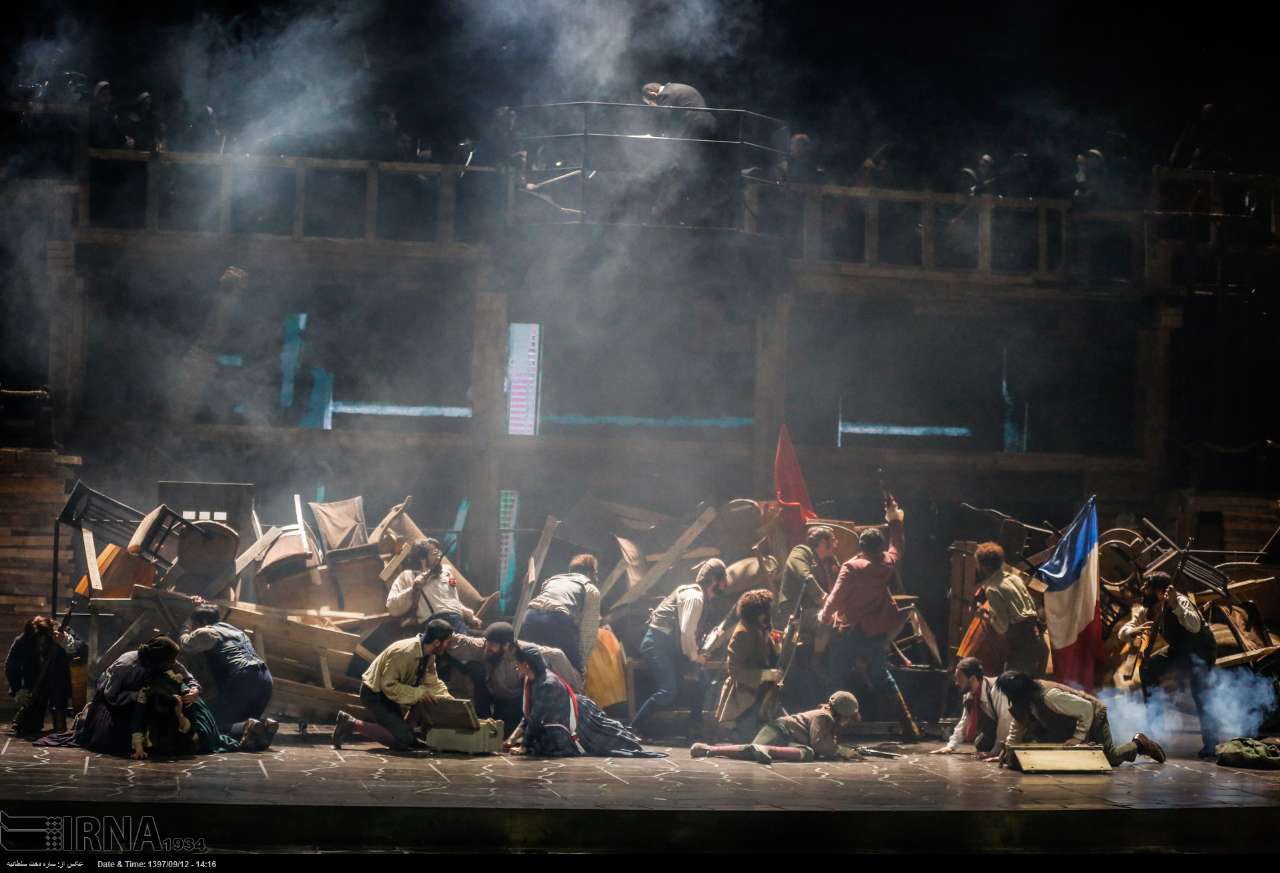
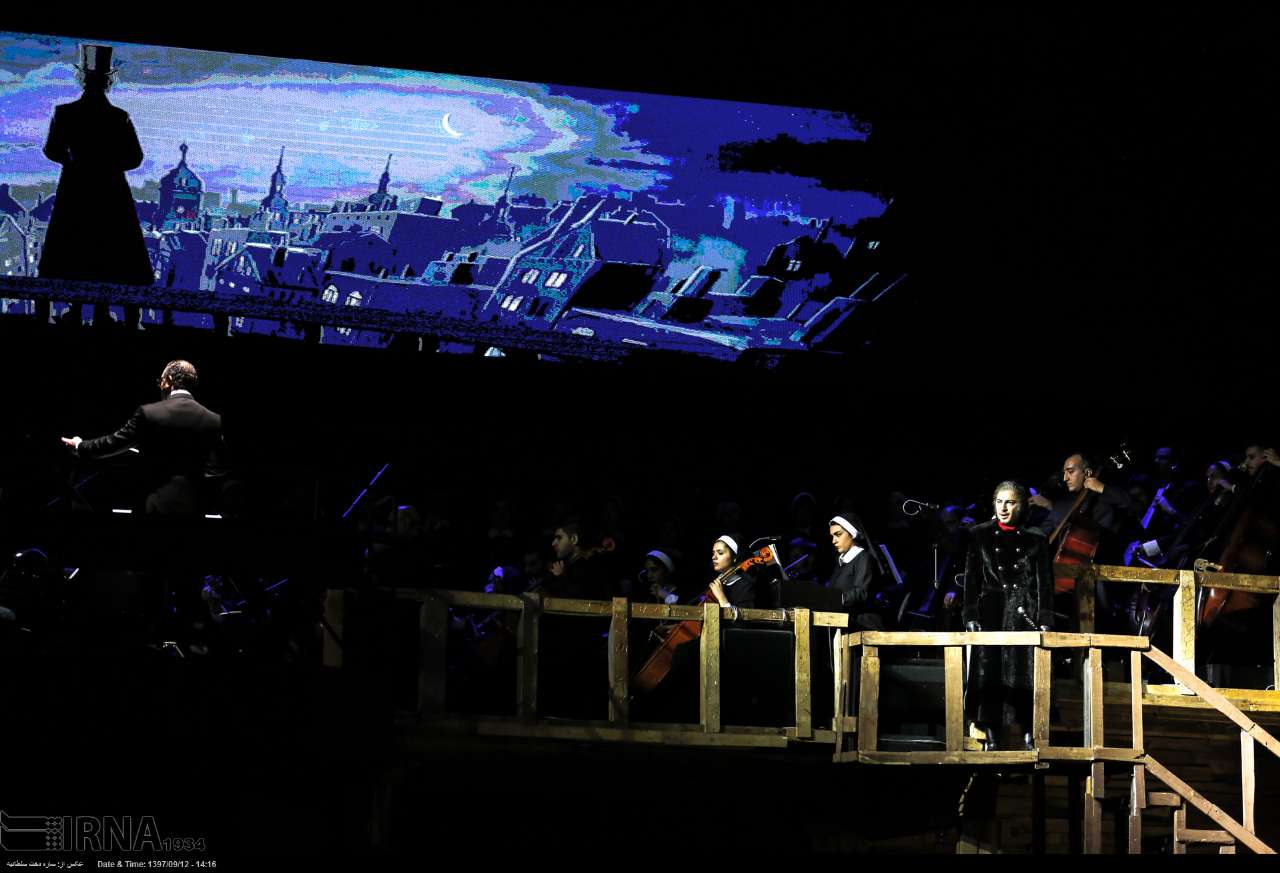
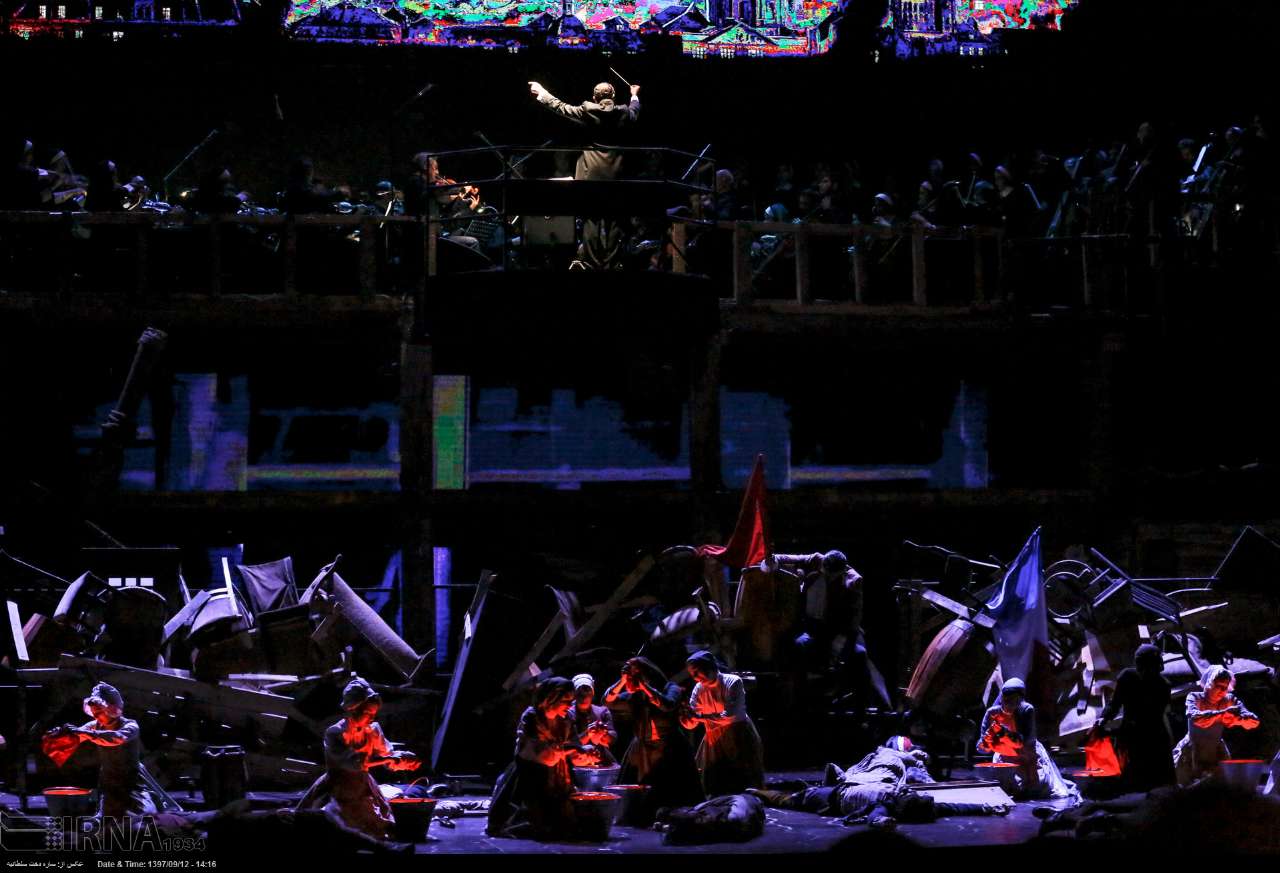
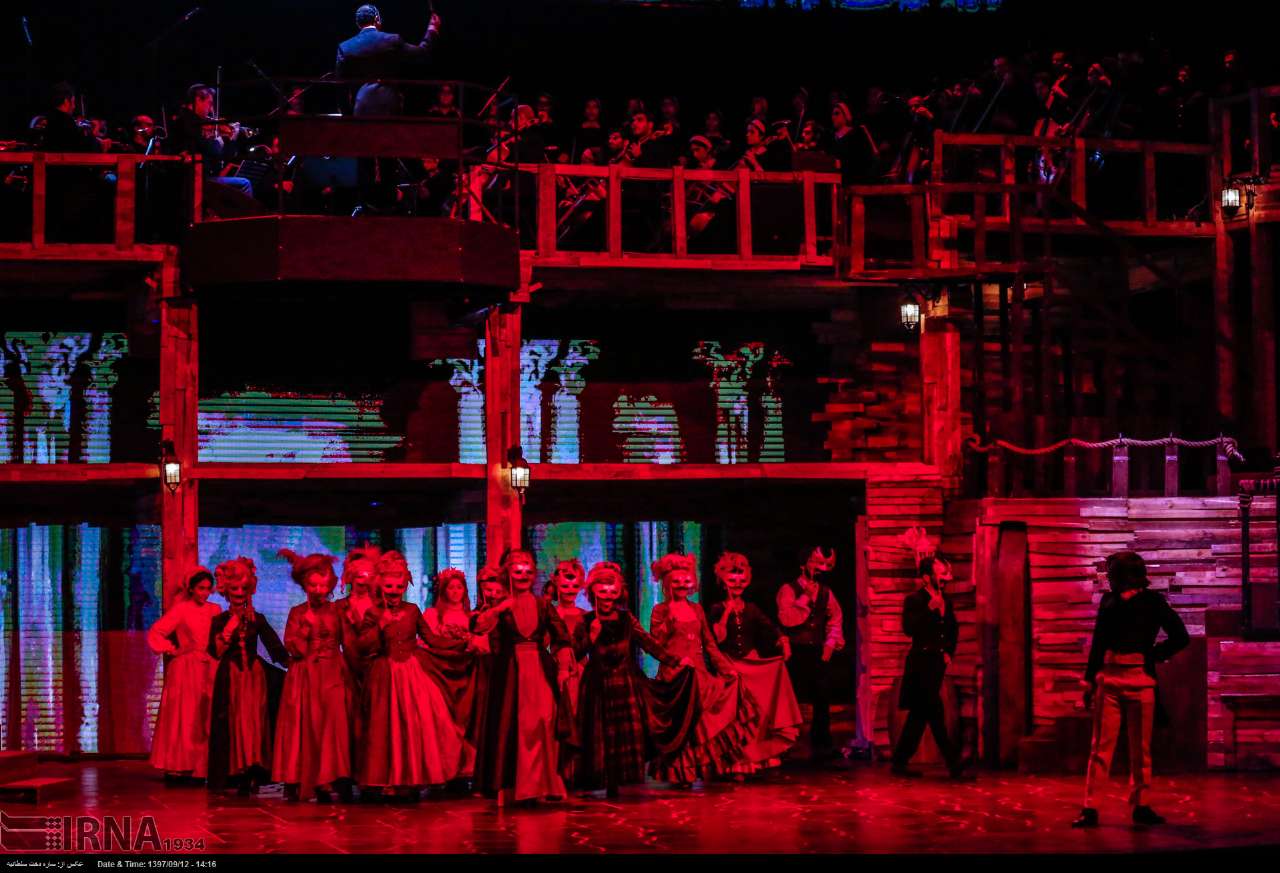
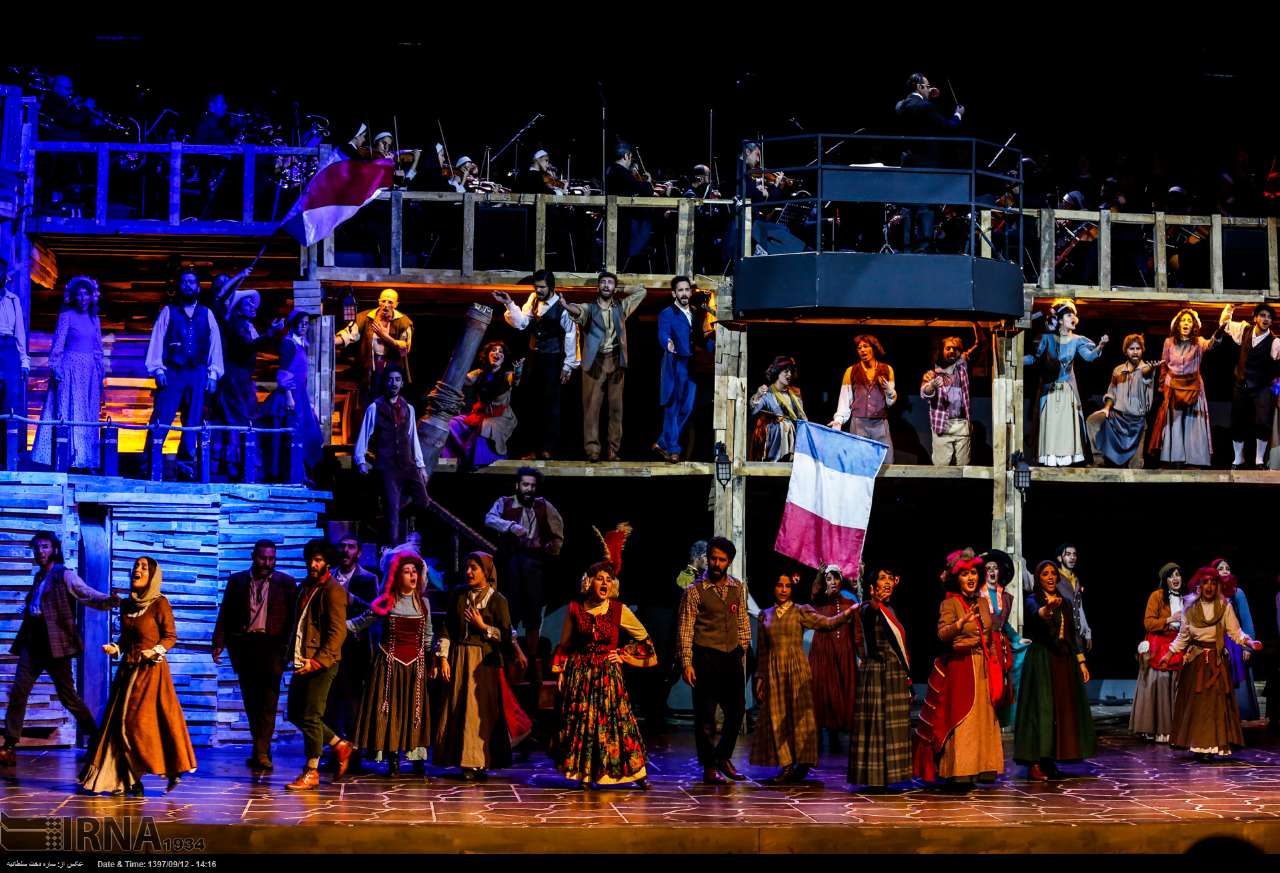
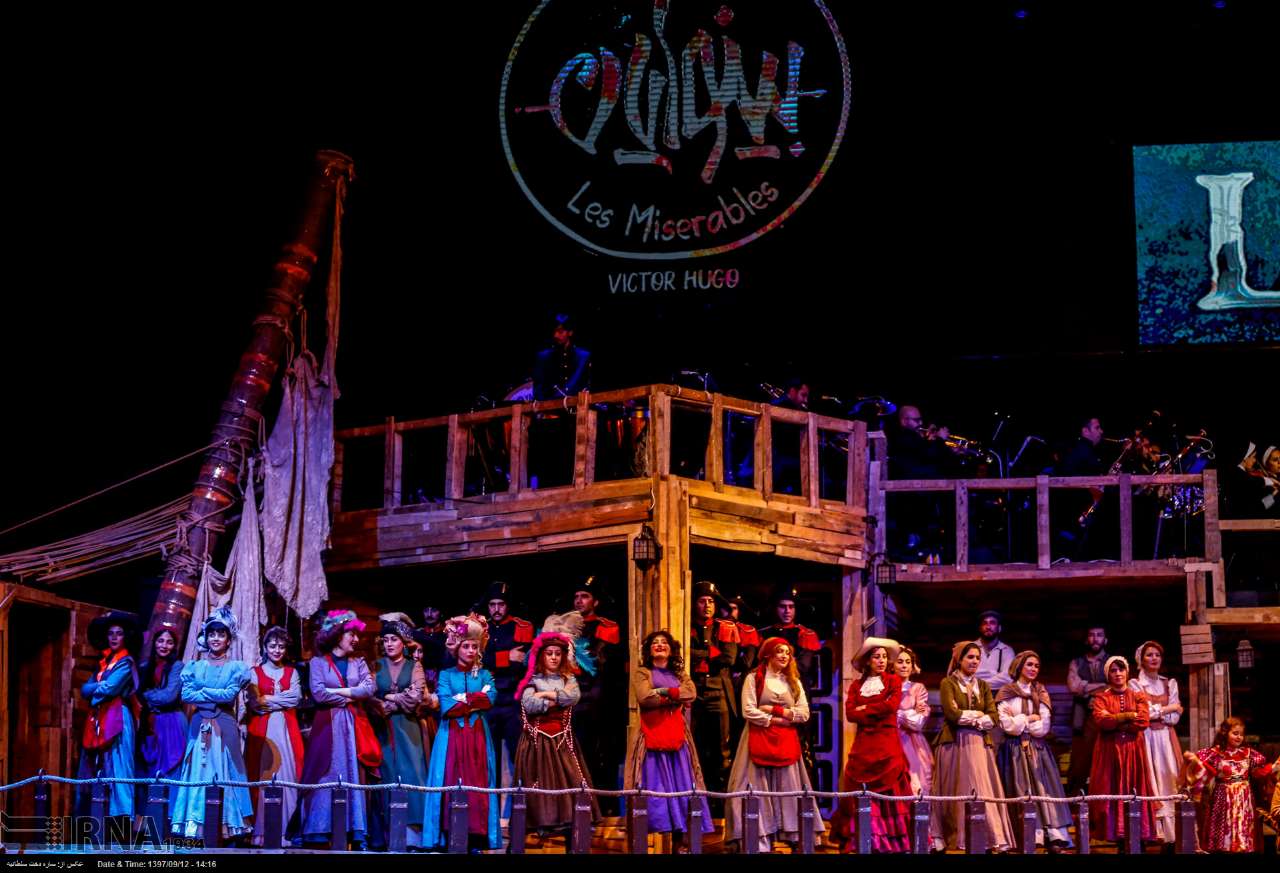
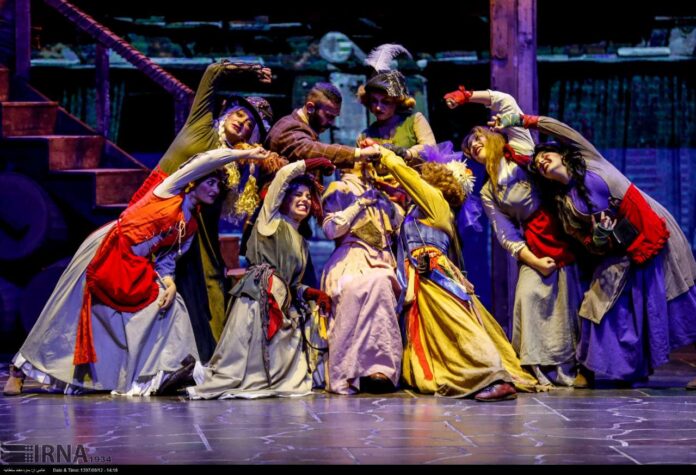
Victor Hugo’s ‘Les Miserables’ on Stage in Tehran

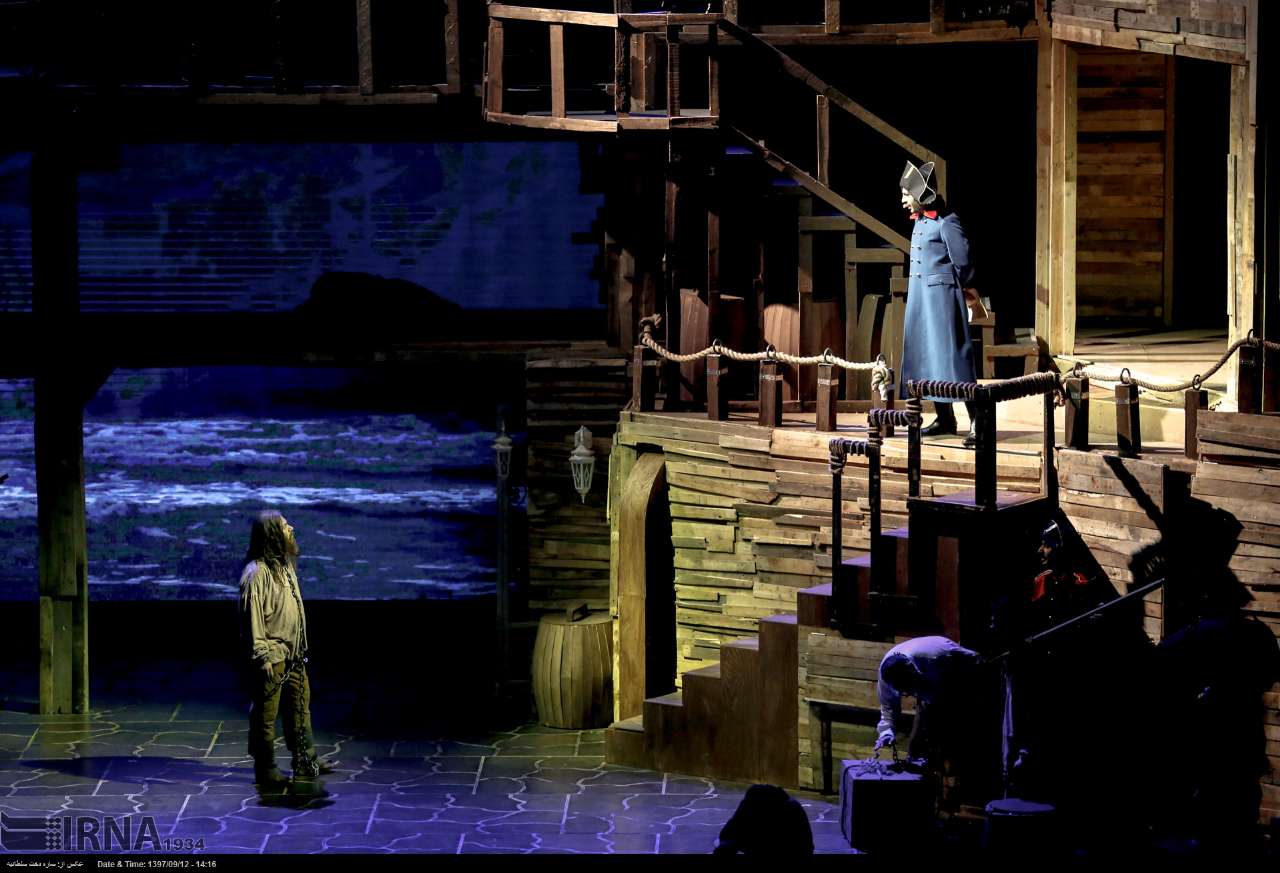
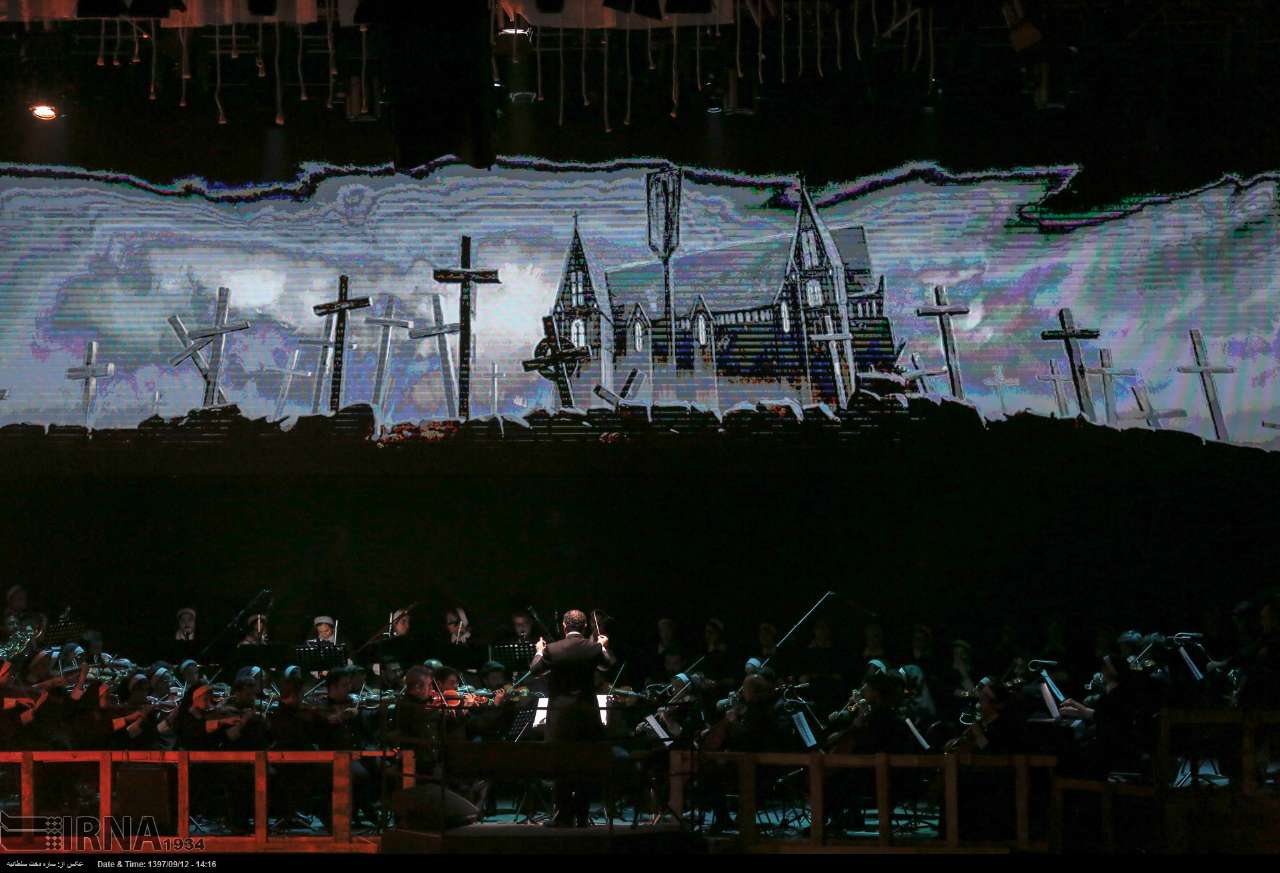
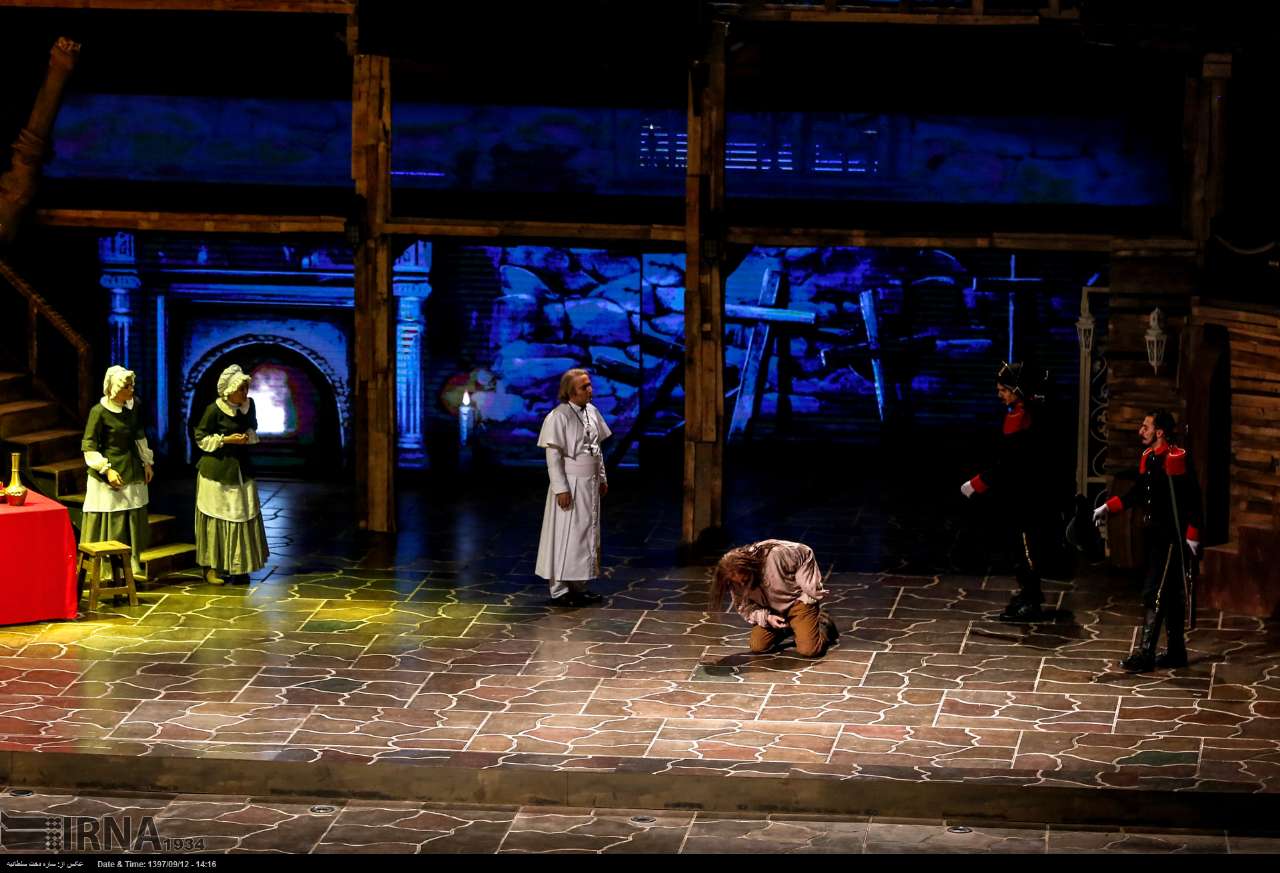
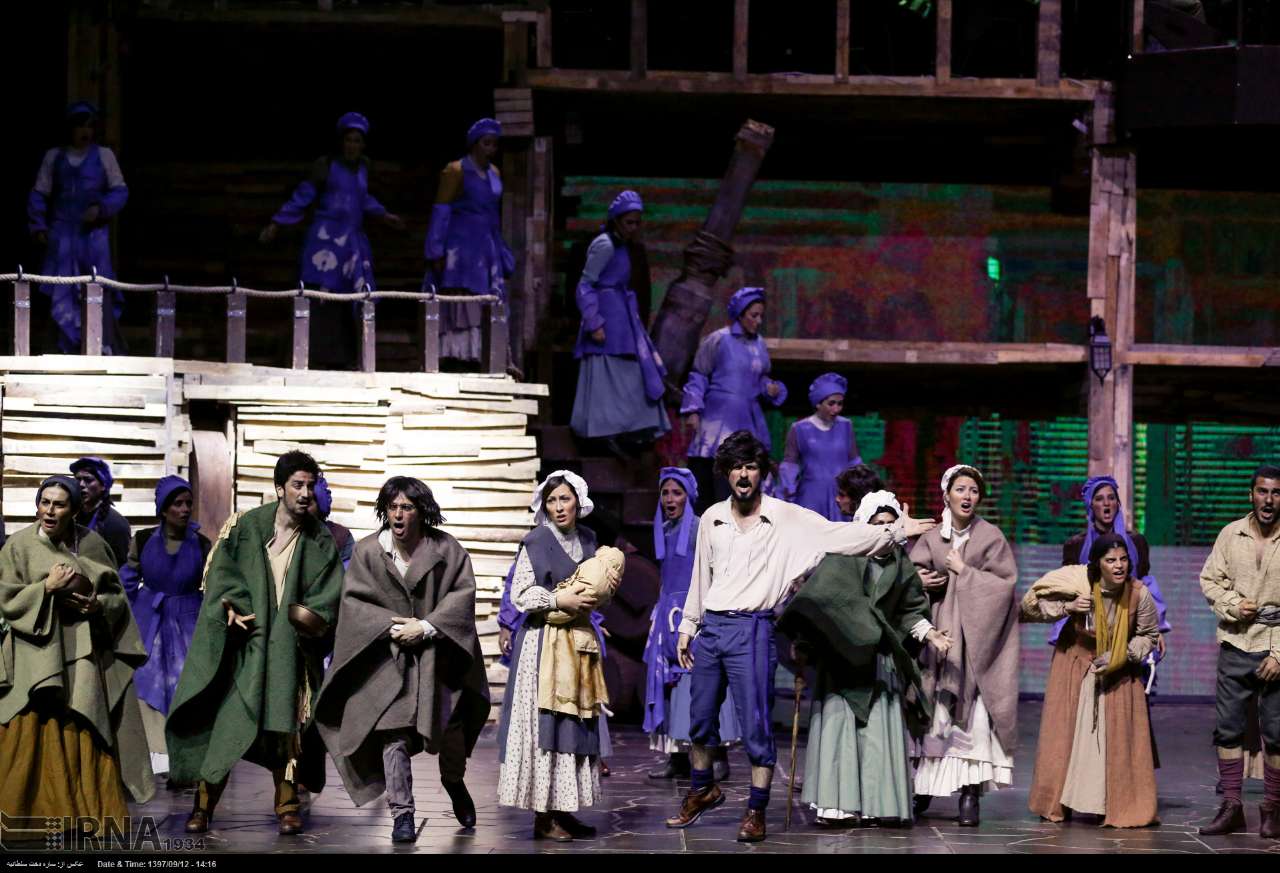
Over 300 cinema superstars, actors, singers and musicians have appeared in the blockbusting play.

The new adaptation of Les Misérables is the most expensive show in the history of Iran’s theatre and is the first one going on stage in the Espinas Palace Hotel, whose auditorium has a capacity of 2,500 people.

Parsa Piroozfar, Navid Mohammadzadeh, Sahar Dolatshahi, Saber Abar, Ashkan Khatibi, Parinaz Izadyar, and Hootan Shakiba are among the most famous actors playing in the show.

Last year, Parsaei staged a musical adaptation of Charles Dickens’ famous novel “Oliver Twist”. With “Les Misérables”, he has once again broken the ticket price record in Iran.

The musical will be on stage until late January 2019.

Here are photos of the show retrieved from IRNA:

Iran Urged to Waive Requirement for Film-Making Licence

cinema

The cinematographers put forward their demand in a letter addressed to the president, the minister of culture, and the head of the nation’s Cinema Organization.

In the letter, the film-makers criticized what they called biased and personal judgment by officials tasked with issuing permits for movies.

“We, the undersigned, demand an end to the narrow-minded and reactionary look by relevant authorities at film-makers, and hence, we [who are] at the lowest level, call for the licence for making feature films to become optional,” part of the letter reads.

They called for the revocation of an act which obliges cinematographers to receive licences for making movies.

Iran has been lauded as one of the best exporters of cinema in the past two decades. Some critics now rank Iran as the world’s most important national cinema, artistically, with a significance that invites comparison to Italian neorealism and similar movements in past decades.

A range of international film festivals have honored Iranian cinema in the last twenty years. World-renowned Austrian filmmaker Michael Haneke and German filmmaker Werner Herzog, along with many film critics from around the world, have praised Iranian cinema as one of the world’s most important artistic cinemas.

Although the Iranian film industry is flourishing, its filmmakers have operated under strict rules. Some Iranian films that have been internationally acclaimed are banned in Iran itself.

The application of the strict rules is often inconsistent. Several films have been refused to be released inside Iran, but have been given export permits to enter international film festivals.

By the way, the rules have not kept Iranian film-makers from turning the country’s cinema into one of the world’s most respected ones winning dozens of international prizes each year.

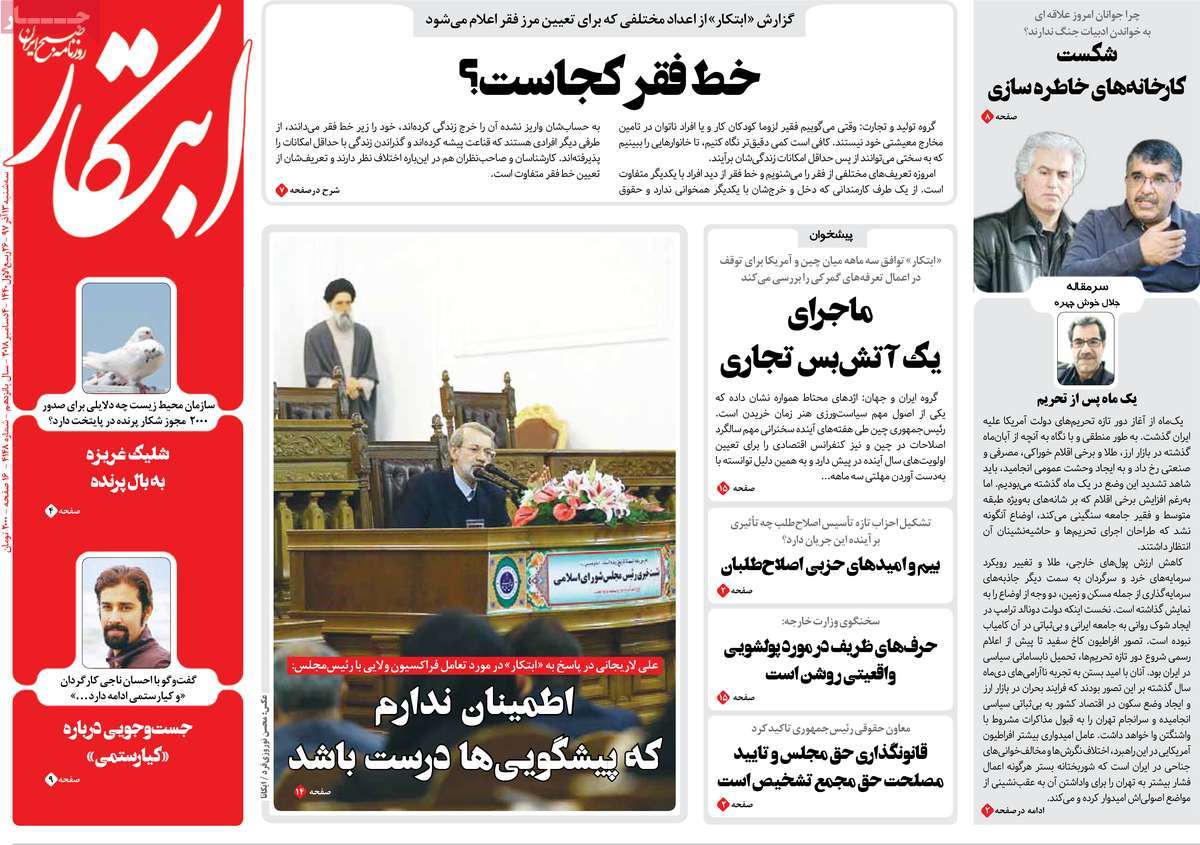
A Look at Iranian Newspaper Front Pages on December 4

A Look at Iranian Newspaper Front Pages on November 19

Several papers today covered Qatar’s surprising announcement that it will leave the Organization of Petroleum Exporting Countries (OPEC) as of 2019.

Reactions to Iranian Foreign Minister Mohammad Javad Zarif’s comments about “rampant” money laundering in Iran also remained a top story even several weeks after he made the remarks.

The Central Bank of Iran’s measures to control the foreign currency market, and the recent decrease in US dollar rates as a result of chief banker Abdolnasser Hemmati’s measures also received great coverage, particularly by conservative media.

The above issues, as well as many more, are highlighted in the following headlines and top stories:


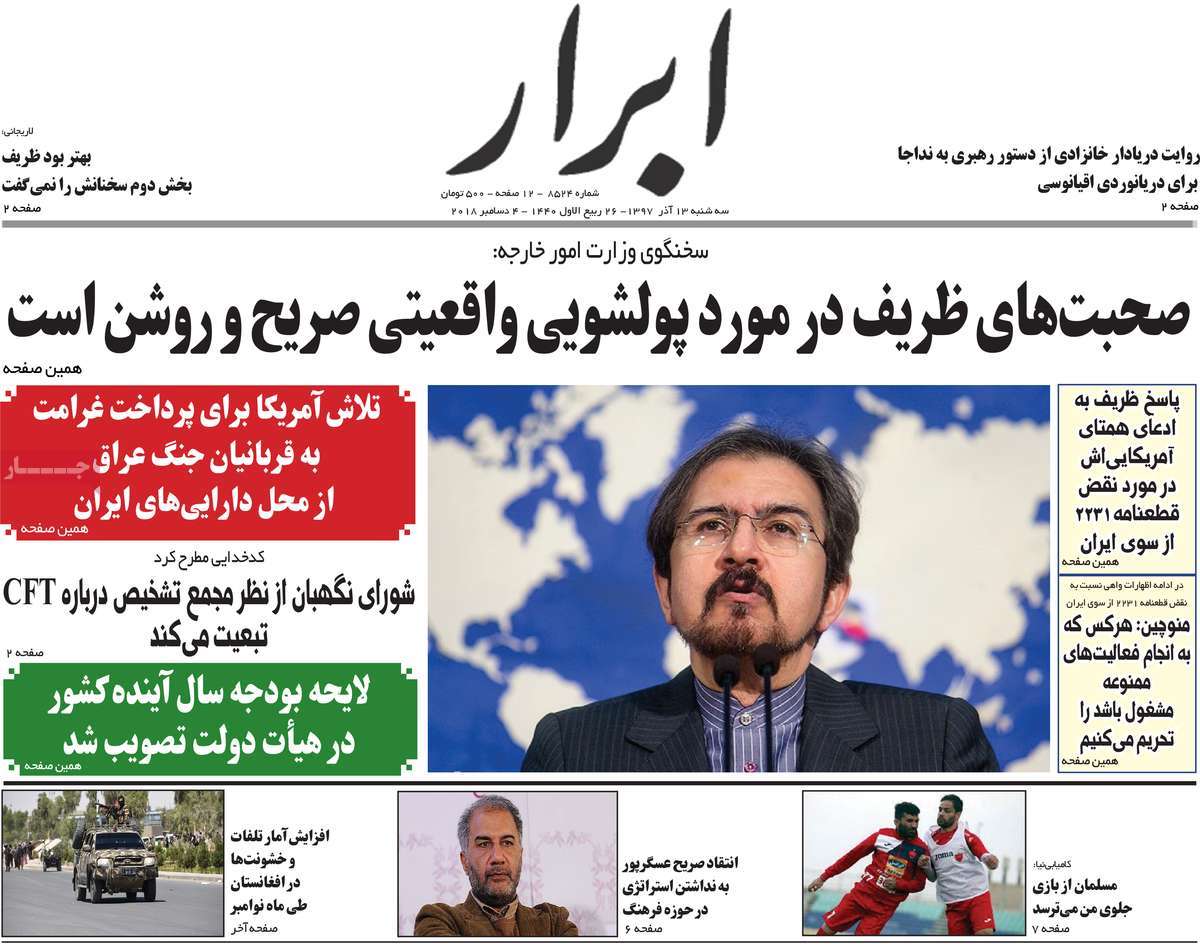
Abrar:

1- US Trying to Use Iran’s Assets to Pay Compensation to Iraq War Victims

2- Guardian Council to Obey Expediency Council’s Vote on CFT: Spokesman

A Look at Iranian Newspaper Front Pages on December 4


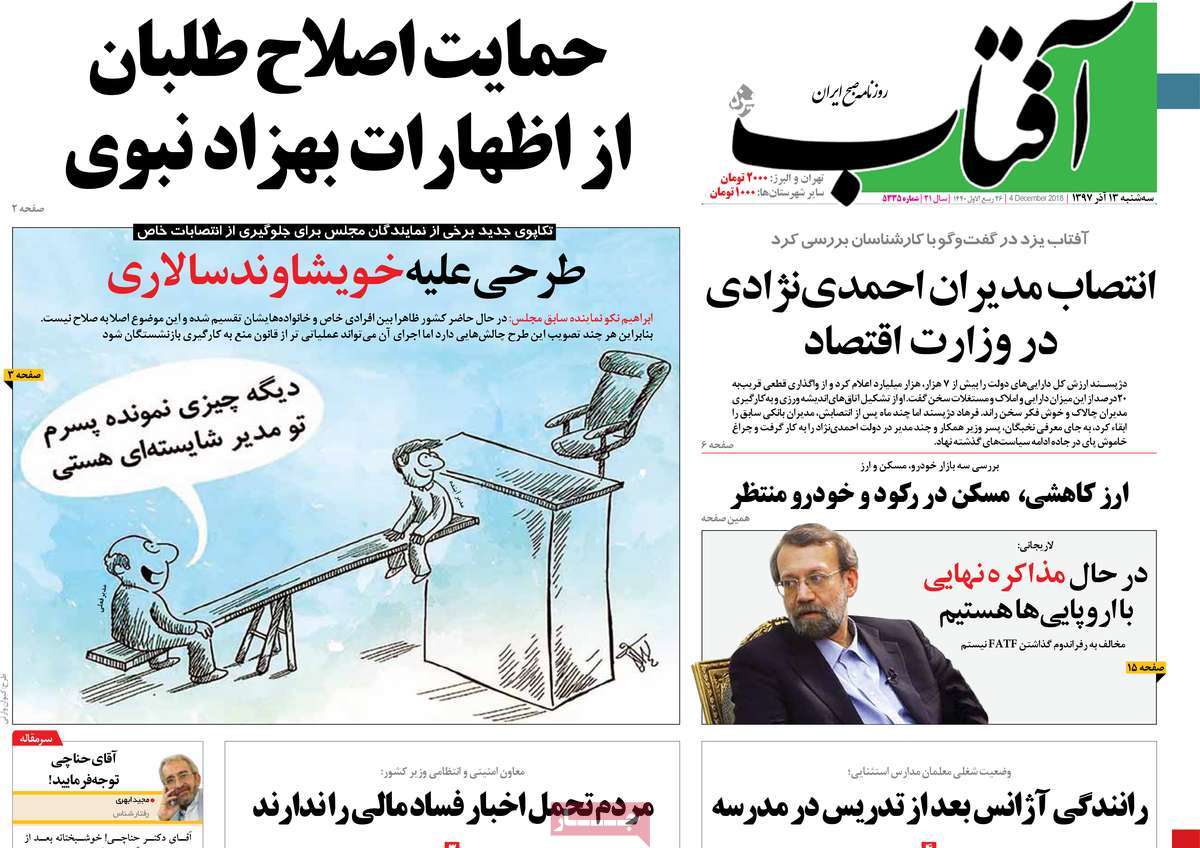
Aftab-e Yazd:

1- Parliamentary Motion against Nepotism: Lawmakers Trying to Prevent

2- Larijani: We’re in Final Talks with Europeans

A Look at Iranian Newspaper Front Pages on December 4


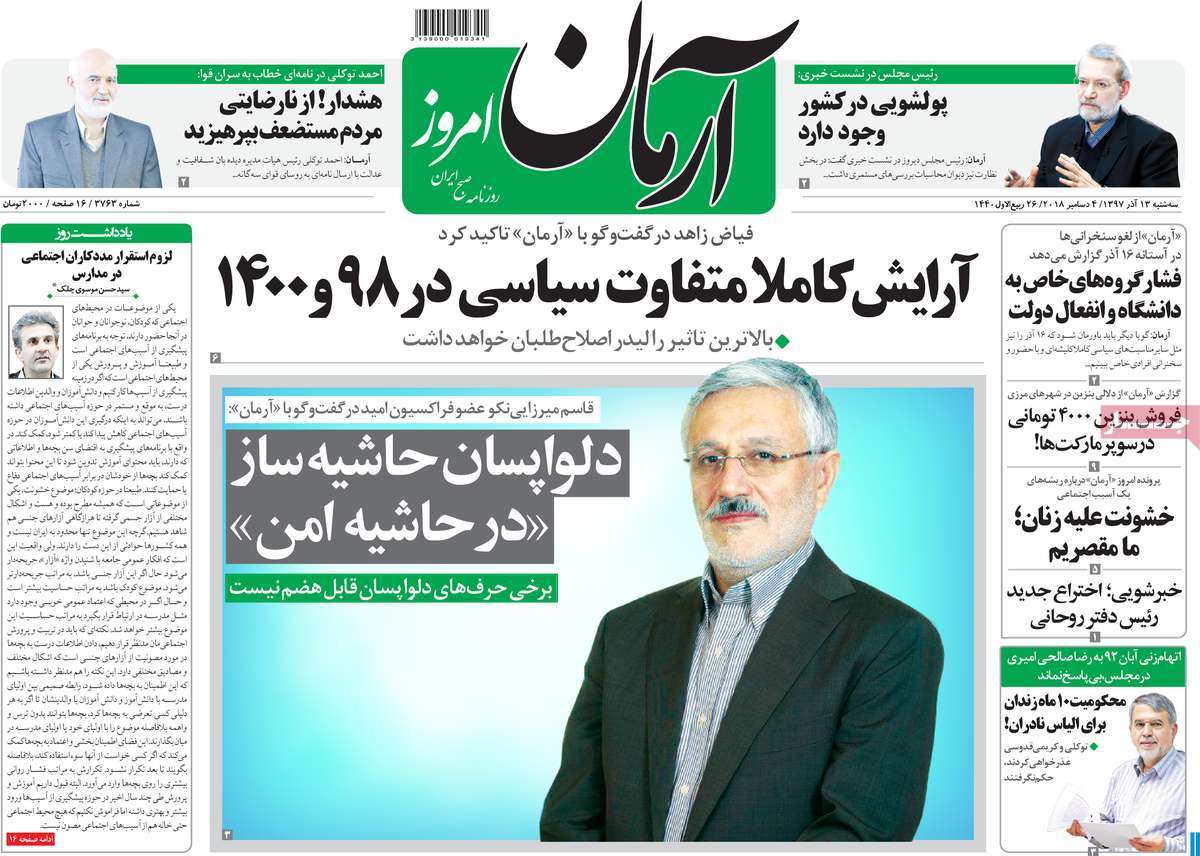
Arman-e Emrooz:

1- Parliament Speaker: We Have Money Laundering in Iran

A Look at Iranian Newspaper Front Pages on December 4


Ebtekar:

1- Zarif’s Comments about Money Laundering Clear Fact: Spokesman

A Look at Iranian Newspaper Front Pages on December 4


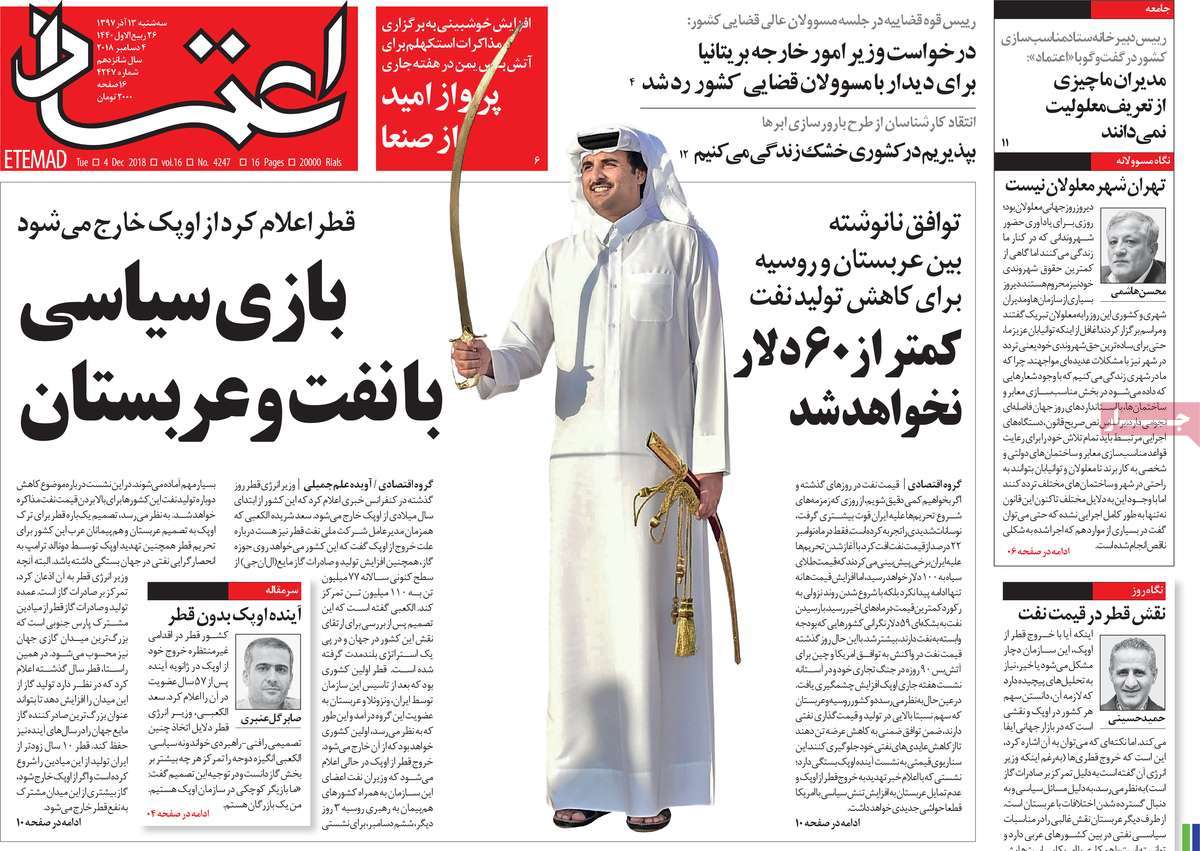
Etemad:

1- Political Game with Oil, Saudi Arabia: Qatar Says to Leave OPEC

2- Future of OPEC without Qatar [Editorial]

3- Unwritten Agreement between Saudi, Russia to Decrease Oil Price

4- Iran Rejects UK Foreign Secretary’s Request for Meeting with Judiciary Officials

A Look at Iranian Newspaper Front Pages on December 4


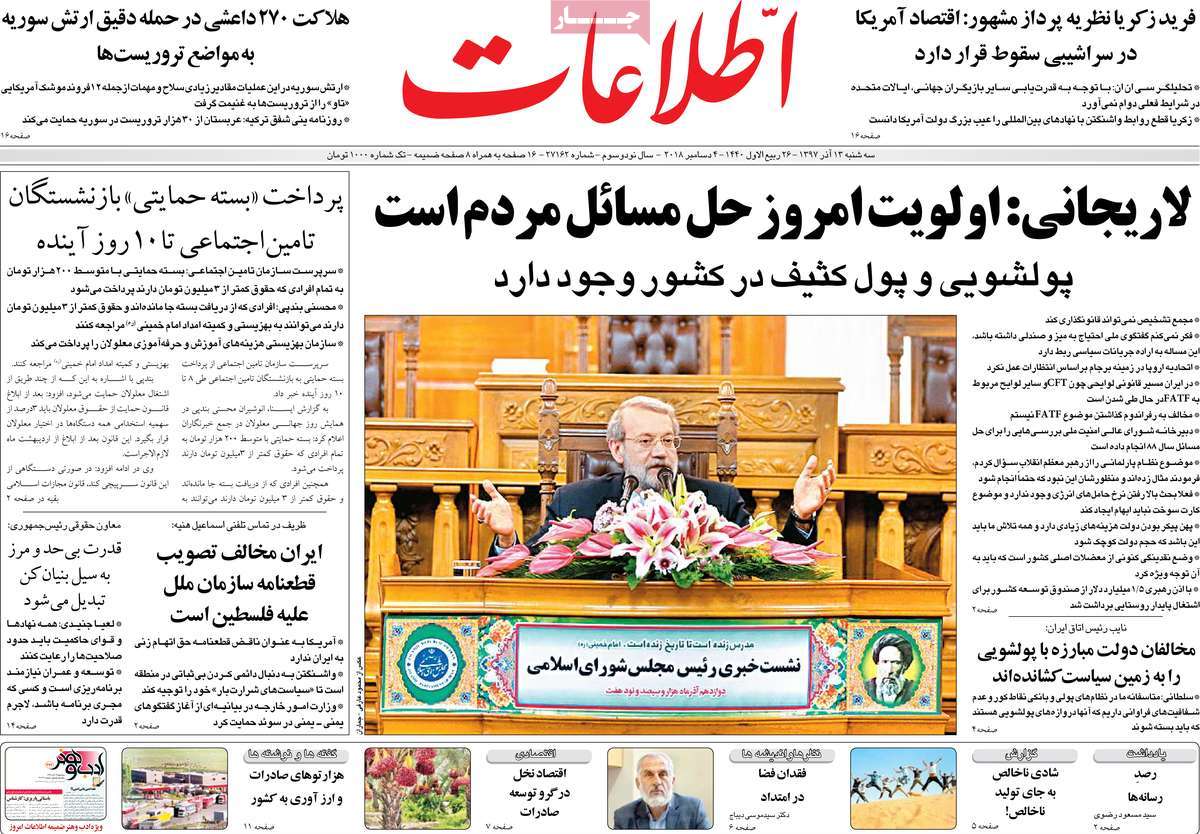
Ettela’at:

1- Larijani: Today’s Priority Is to Resolve People’s Problems

2- Fareed Zakaria: US Economy in Decline

3- 270 ISIS Members Killed in Syrian Army’s Accurate Attack on Terrorists’ Positions

A Look at Iranian Newspaper Front Pages on December 4


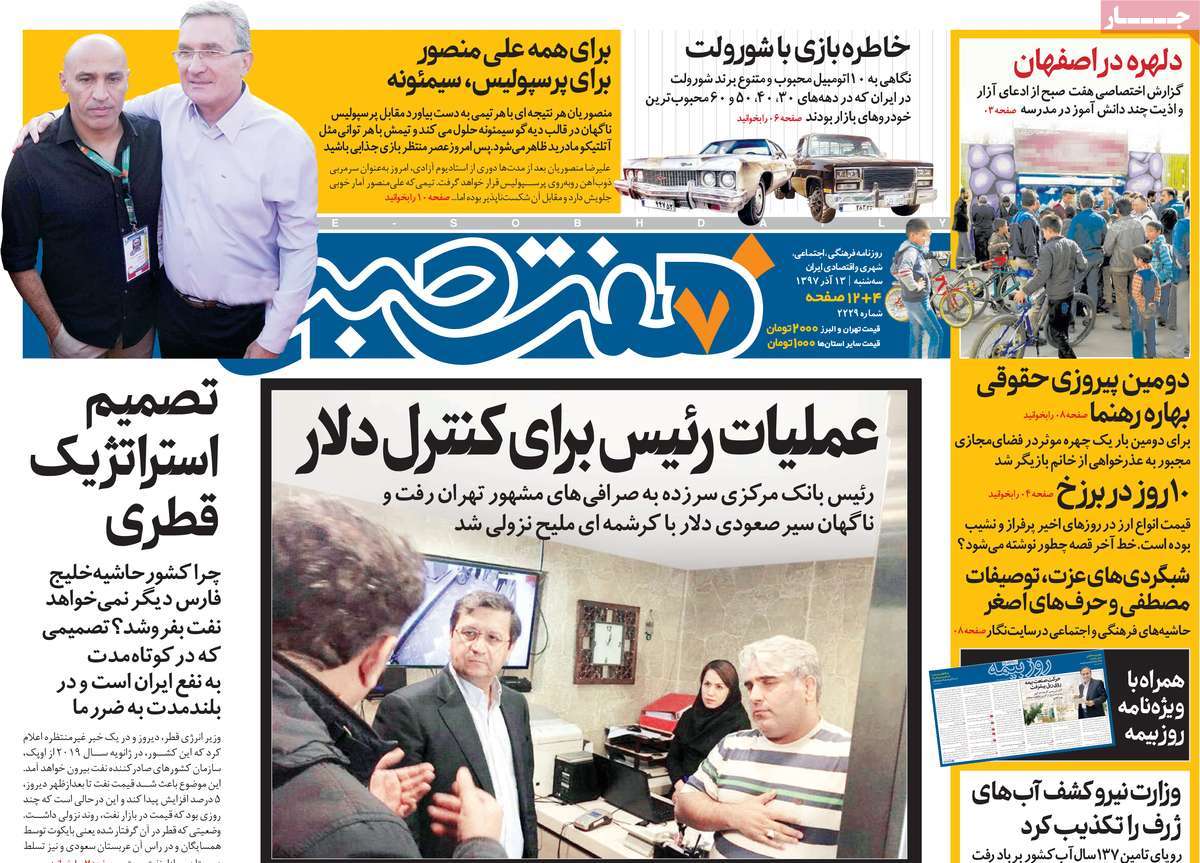
Haft-e Sobh:

1- Chief Banker’s Plan to Control Dollar Rate

  • Central Bank Governor Pays Unannounced Visit to Forex Offices in Tehran
  • Dollar Rates Going Down

2- Qatar’s Strategic Decision

  • Why Doha Doesn’t Want to Sell Oil Anymore

A Look at Iranian Newspaper Front Pages on December 4


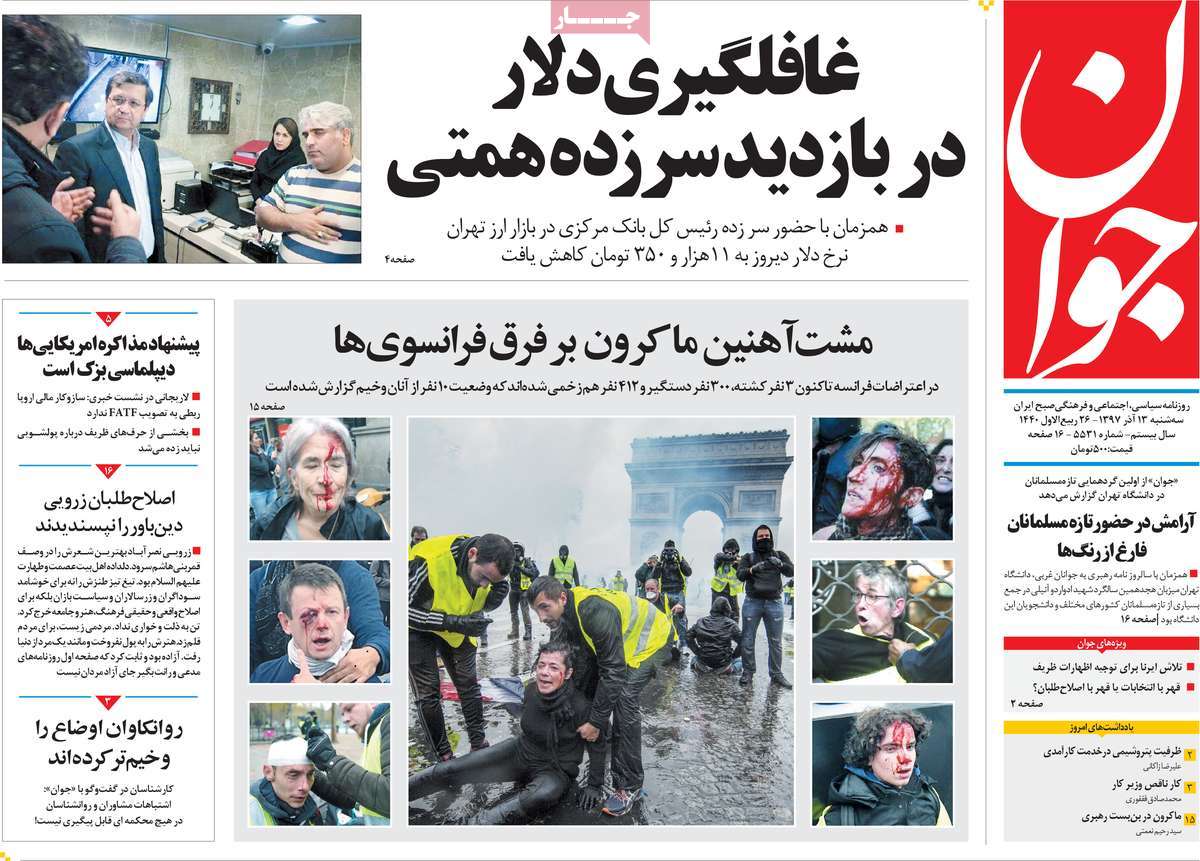
Javan:

1- US Dollar Surprised after Chief Banker’s Unannounced Visit

  • Dollar Rate Down to IRR 113,500

2- Macron’s Iron Fist Hits French Protesters

3- First Gathering of Newly-Converted Muslims in Tehran University

A Look at Iranian Newspaper Front Pages on December 4


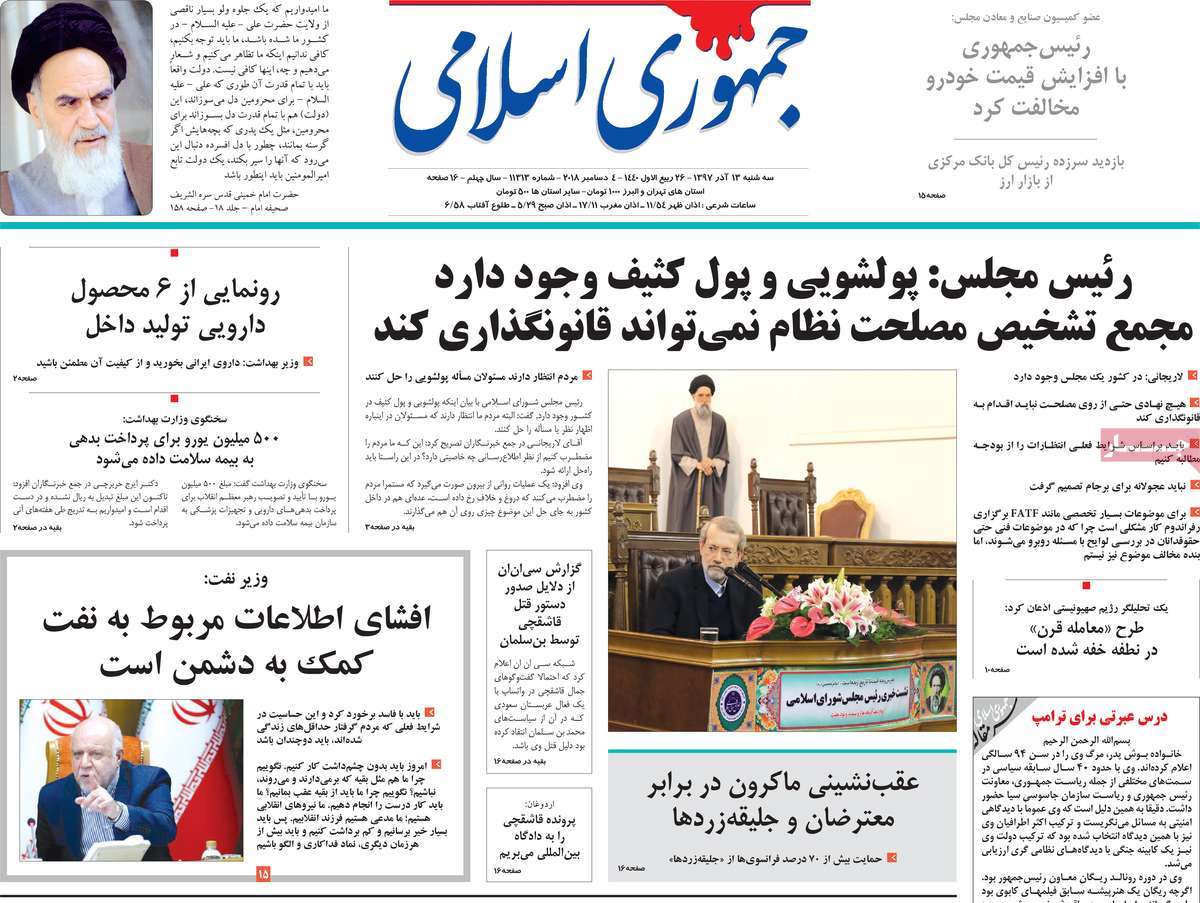
Jomhouri Eslami:

1- Rouhani Opposed to Increase in Car Prices

2- Iran Unveils Six Homegrown Pharmaceutical Products

3- Health Minister: Take Iranian Medicine and Be Sure about Its Quality

4- Oil Minister: Disclosing Oil Information Means Assisting Enemies

A Look at Iranian Newspaper Front Pages on December 4


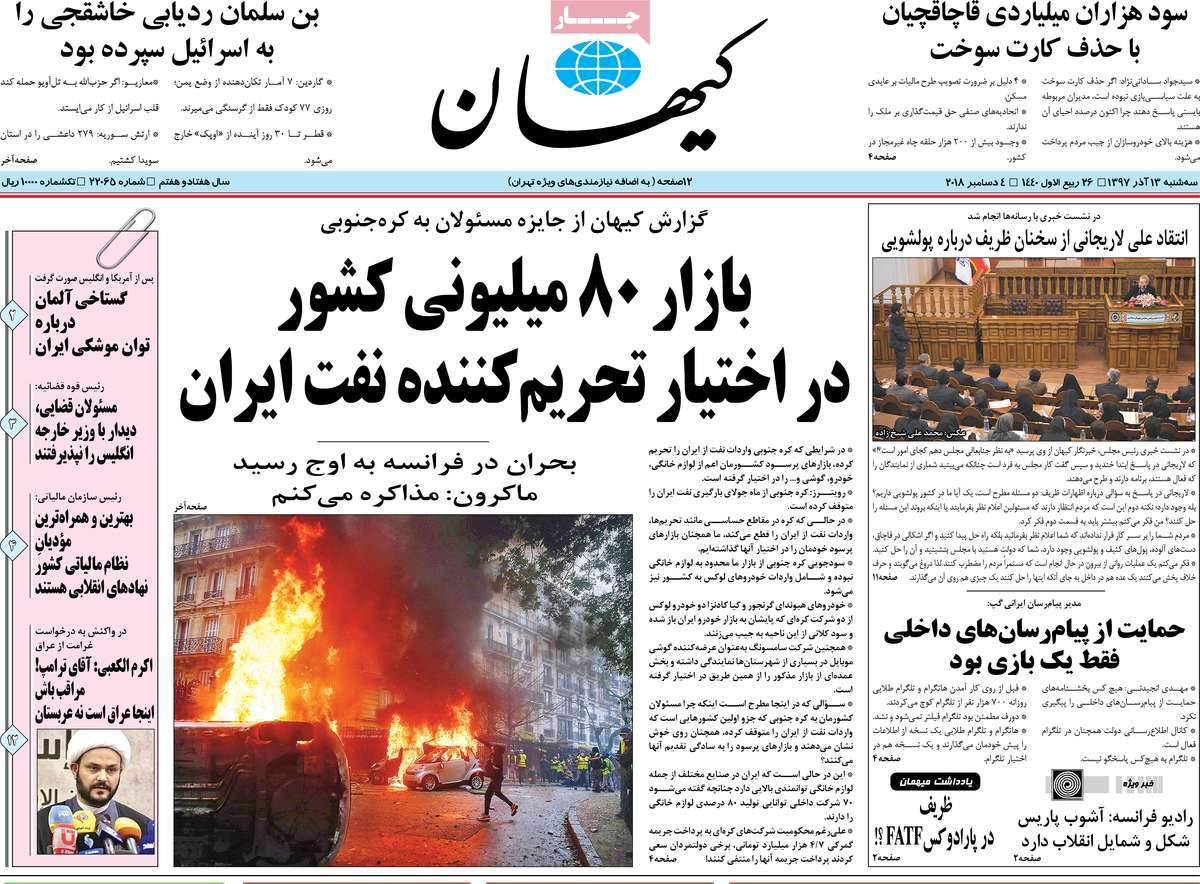
Kayhan:

1- Iran’s 80-Million Market Rewarded to South Korea Which Sanctioned Iran

2- Bin Salman Had Tasked Israel with Tracking Khashoggi

3- Germany Joins US, UK in Making Rude Remarks about Iran’s Missile Power

4- Larijani Slams Zarif’s Comments about Money Laundering

5- Crisis Peaks in France: Macron Says Ready for Talks

A Look at Iranian Newspaper Front Pages on December 4


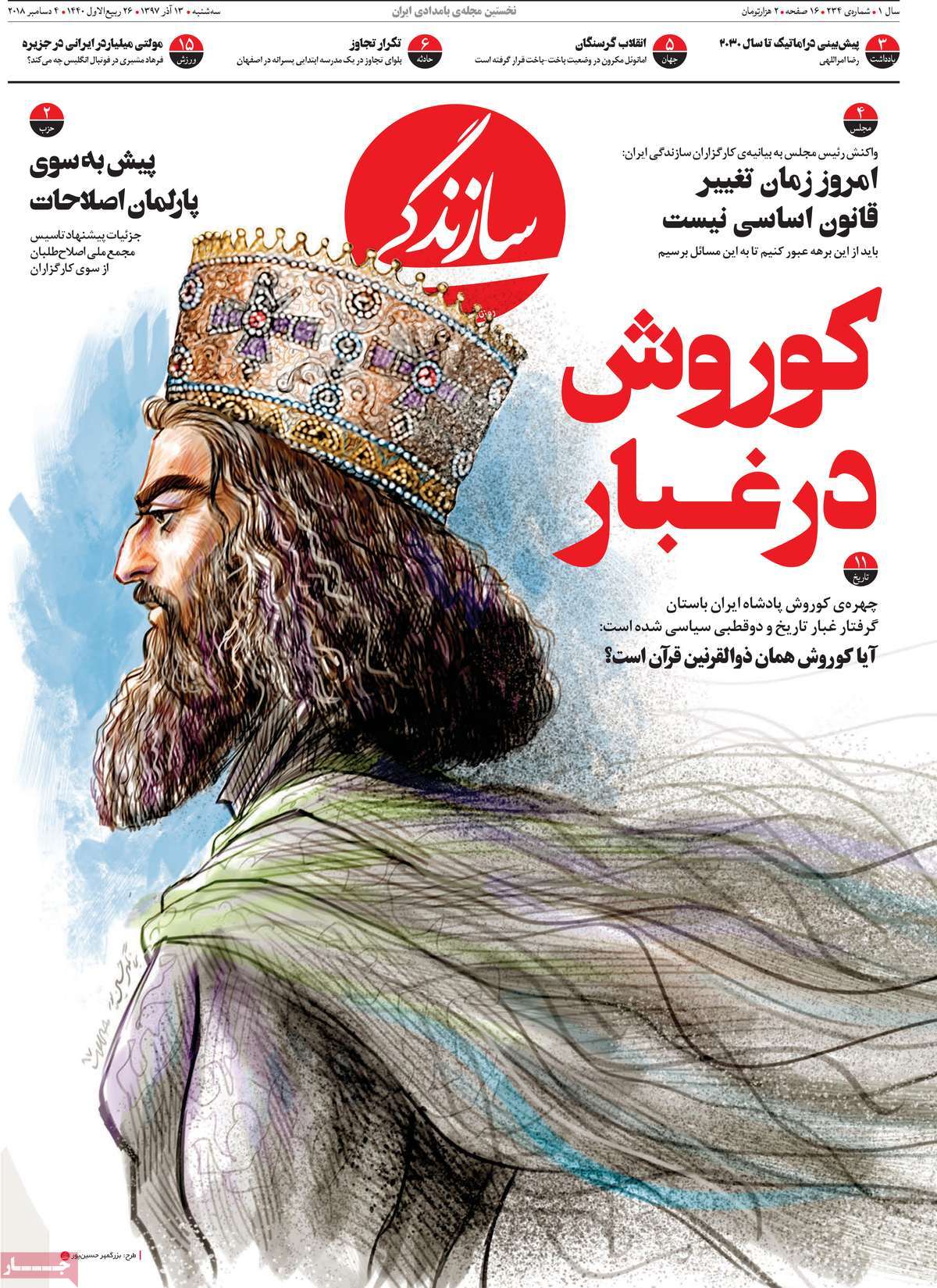
Sazandegi:

1- Cyrus in the Dust

  • Cyrus the Great Used by Factions for Political Intentions
  • Is Cyrus the Same Dhul-Qarnayn Mentioned in Holy Quran?

A Look at Iranian Newspaper Front Pages on December 4


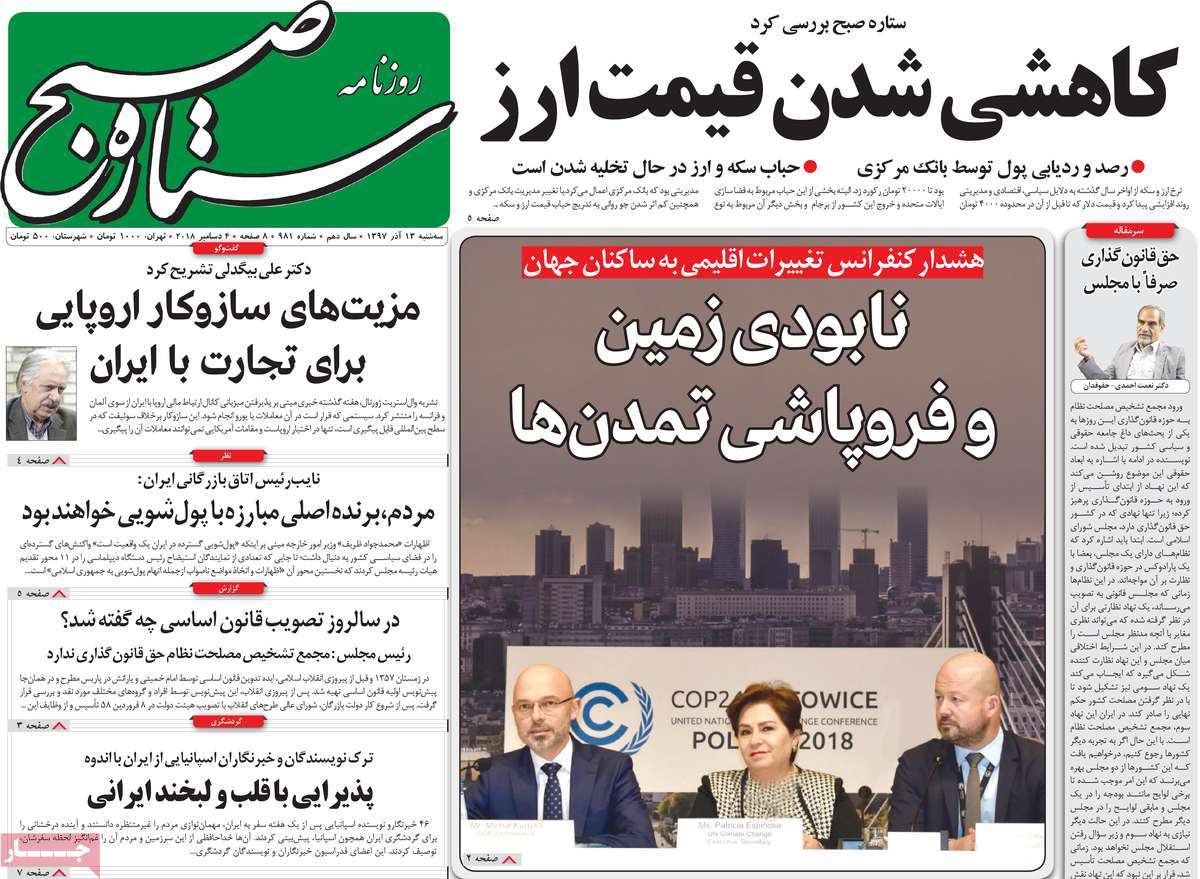
Setareh Sobh:

1- Climate Change Conference Warns People of the World

  • Earth to Be Destroyed, Civilizations to Collapse

2- Spanish Authors, Journalists Sad to Leave Iran after Being Warmly Received

A Look at Iranian Newspaper Front Pages on December 4


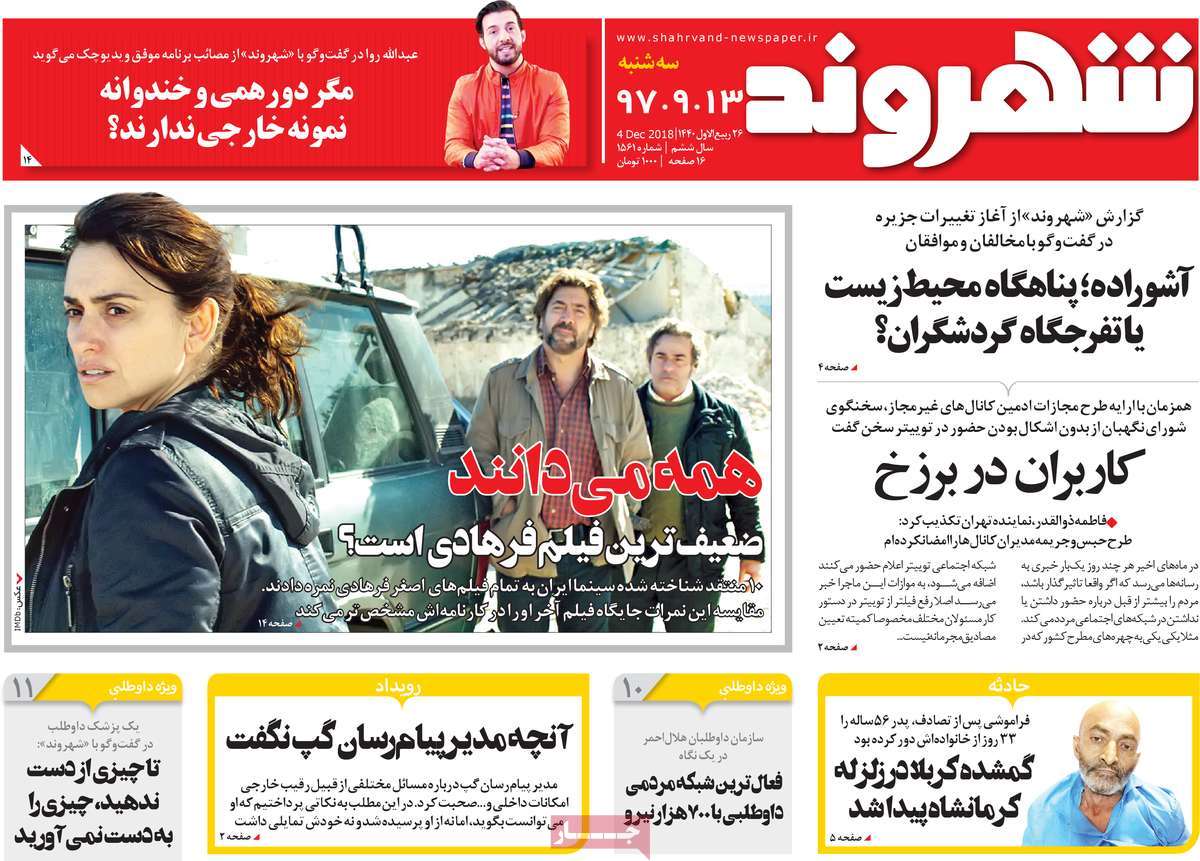
Shahrvand:

1- Is Everybody Knows Weakest Film of Farhadi? 10 Iranian Critics Rate Farhadi’s Film

A Look at Iranian Newspaper Front Pages on December 4


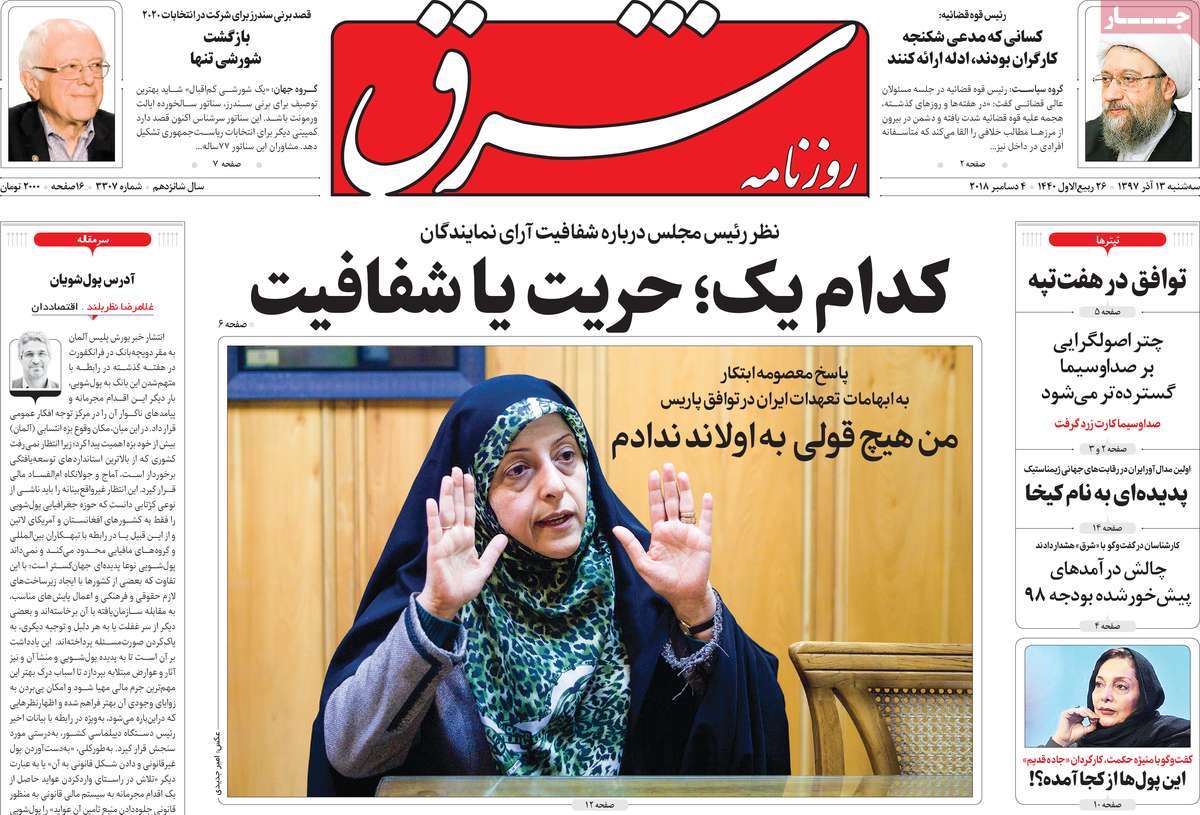
Shargh:

1- VP Ebtekar Denies She Gave Hollande Promise on Climate Agreement

2- Return of Lone Rebel: Sanders to Run for President in 2020

3- Address of Money Launderers [Editorial]

A Look at Iranian Newspaper Front Pages on December 4

Iran Urges UK to Settle Its Outstanding Debts

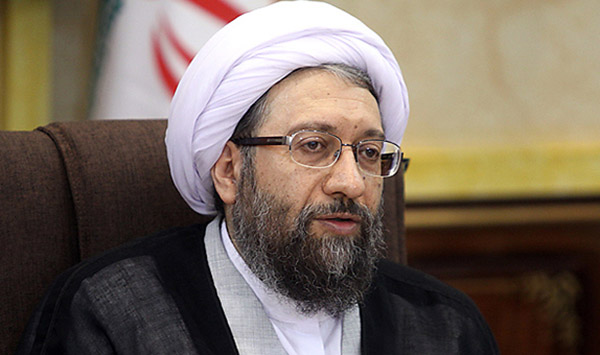
Amoli Larijani

Ayatollah Sadeq Amoli Larijani said Western governments and their media outlets try to link such issues with financial matters between countries.

“Countries’ debts to Iran have nothing to do with judicial issues, and the [Iranian] judicial system simply deals with elements of infiltration regardless of their nationality and within the framework of the law,” he said.

Ayatollah Amoli Larijani was referring to a £400-million debt related to an arms deal signed during the 1970s.

Iran has demanded that Britain return the money which the former Shah of Iran paid in 1979 for 1,750 Chieftain tanks and other vehicles, almost none of which was eventually delivered.

Elsewhere in his remarks, the Judiciary chief referred to the case of Nazanin Zaghari-Ratcliffe, an Iranian-British woman jailed in Iran for espionage, and urged foreign officials to set aside arrogance in this regard.

“Some time ago, the British Foreign Secretary [Jeremy Hunt] had, in an arrogant tone, warned the government of the Islamic Republic of Iran not to imprison dual-national individuals,” said the Judiciary chief.

“Authorities such as the UK foreign secretary should know that they are not in a position to warn the branches of the Islamic Establishment over how to fulfill their responsibilities,” he said.

Larijani then made it clear that having dual nationality is not an offence in Iran, and that individuals are not imprisoned and prosecuted simply because of having dual nationality.

“The persons in question have acted against [national] security in our country, or have committed acts of espionage, and their prosecution is because of having committed such crimes and has nothing to do with their dual nationality,” he noted.

“The West should also know that its investment to infiltrate [into the country] is to no avail, and the Judiciary will not back down from its position in the face of such pressures and baseless remarks,” the Judiciary chief noted.

British media earlier reported that the UK government was trying to transfer the £400 million debt to Iran in order to secure the release of Zaghari-Ratcliffe. However, Iran has categorically denied the allegation, saying the two issues have nothing to do with each other.

Iran Develops Water-Repellent Nano-Paint

Iran to Hold Festival on Paint, Resin Industry

The nano-paint needs to be applied on surfaces only once, making a second coating redundant.

The penetration of water into construction materials results in cracks on the surface, causes paint coatings and plaster to come off and also causes fungi. Among the common problems in industries are the erosion of metal and steel surfaces, especially in coastal areas, the reduced resistance of concrete constructions materials, as well as the high cost of the maintenance of equipment.

Using nanotechnology, graduates of chemical engineering from the Sharif University of Technology have achieved an operational solution to such problems and managed to produce ultra-water-repellent paint using nano-materials.

The ultra-water-repellent paint is made up of organic-mineral materials.

For a brief review of Iran’s achievements in various fields of science and technology, check the book “Science and Technology in Iran: A Brief Review

The product has numerous features: it is water-repellent, sticks well to the surface, is applied in very little amounts, has high mechanical and chemical resistance, is resistant to different types of mineral and plant oils, is highly resistant to ultraviolet radiation, barely turns pale, is more affordable compared to similar foreign paint, and lasts long.

The product comes in the transparent form as well as in different colours and can be used to paint all surfaces (plaster, concrete, cement and brick), the interior and exterior of buildings, tiles and ceramic (inside buildings, hospitals, rest rooms, public places, wood, MDF, tables and chairs).

No Oil to Be Exported from Persian Gulf If Iran Banned: Rouhani

rouhani

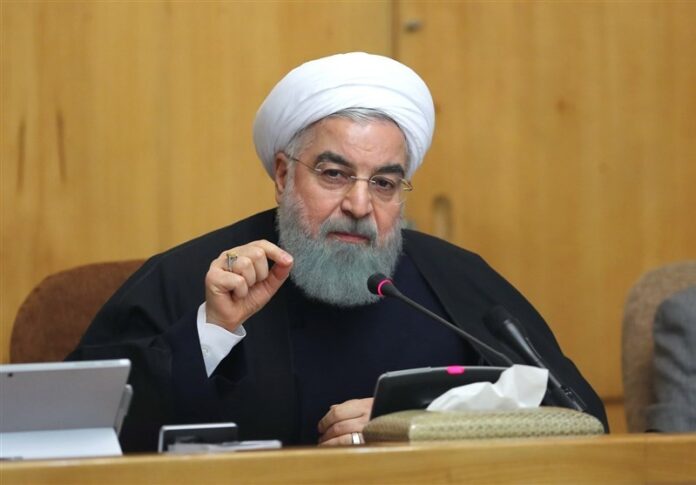
“The US should know that we have sold our oil and we will keep selling it and they cannot stop our oil exports,” Rouhani said in a Tuesday address to a huge crowd of people in the city of Shahrud in Semnan province.

Rouhani’s remarks came shortly after Iranian First Vice-President Es’haq Jahangiri announced the share of oil revenues would not be more than 25% in the budget proposed by the government for the next fiscal year.

While US President Donald Trump had initially vowed to cut Iran’s oil exports down to zero by November, it later agreed to allow eight countries – almost all major imports of Iran’s oil – to continue purchasing the country’s crude oil.

In his Tuesday remarks, the Iranian president further stated that Washington is seeking to promote Iranophobia in the region and across the world, but it cannot cut off Iran’s ties with its neighbours.

Iran is not and will not be an enemy to any of its neighbours, Rouhani said, adding that Washington will not be able to cause rifts between Iran, its neighbours and Muslim countries.

He stressed that the world powers do not support Washington’s unilateralist policies against Iran.

“Today, for the first time after 40 years, we have achieved unprecedented victories against the oppressive and cruel regime of the United States,” added Rouhani, highlighting the victories achieved by Iranian diplomats against the US in international arenas

He highlighted that the US was looking for staging a coup Iran, but failed.

“The US was after the separation of Khuzestan province, but did not succeed. It wanted to break up Iran’s power through sanctions, but was not successful either. Do you know why the Americans are angry with the great nation of Iran? Because the powerful Islamic Republic has never bowed to the US and Zionists and will never do so.”

Two Iranian Women to Judge European Futsal Games

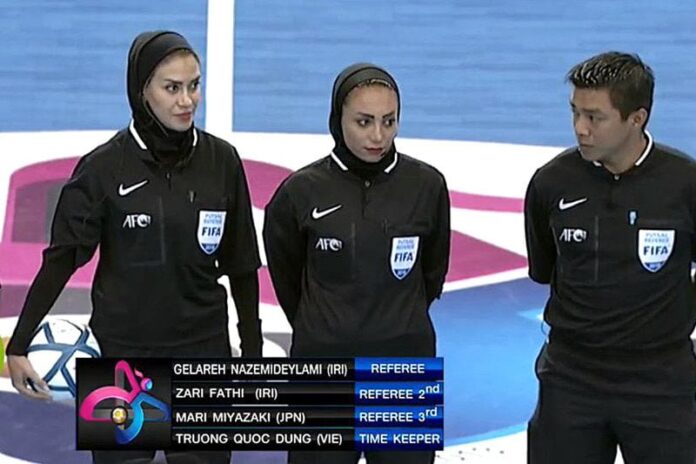
Gelareh Nazemi and Zari Fathi are gaining to judge the European Women’s Futsal Cup to be hosted by Portugal, February 15-17, 2019, IRNA reported.

Nazemi, who has started futsal refereeing since the Iranian year 1380 (beginning March 21, 2001), has been selected twice as the best referee for women’s futsal in Iran.

Nazemi has been the referee for the World Student Futsal Final Games in Germany and she has refereed women’s futsal games between Japan and Portugal at the 2018 Youth Olympic Games in Argentina.

Fathi, the other appointed referee, has officiated the Asian Women’s Futsal Championship and the World’s Students Futsal Games.

“I am very happy that a new event has happened for Iran’s women’s futsal refereeing,” Fathi said expressing hope to be a competent representative for the Iranian women’s futsal refereeing community.

Iran Blames Saudi, Russia for Qatar’s Bid to Leave OPEC

“This is very regrettable and we understand their frustration,” Iran’s OPEC governor, Hossein Kazempour Ardebili, referring to Doha’s announcement on Monday.

He said the decision reflect a growing anger by producers against what he described as the unilateral approach adopted by the Joint Ministerial Monitoring Committee (JMMC) – which is led by OPEC heavyweight Saudi Arabia and global major producer Russia – to decide over production cuts.

“There are many other OPEC members frustrated that the JMMC is deciding on production unilaterally and without the required prior consensus of OPEC,” Kazempour Ardebili told Reuters.

Qatar in a surprise announcement on Monday said it would leave OPEC next month in a move that appears to have been meant to take a swipe at the group’s de factor leader Saudi Arabia.

Saad al-Kaabi, Qatar’s energy minister, told reporters in a news conference that Doha had informed OPEC about its decision on Monday morning.

Iran Blames Saudi, Russia for Qatar's Bid to Leave OPEC

Oil prices have fallen from a four-year high above $86 a barrel in early October on concerns over excess supply. OPEC and its allies, which have had a supply pact since 2017, meet in Vienna on Thursday and Friday to discuss supply cuts.

“Since May, they have inflicted a $30 loss on all members,” Kazempour said in reference to the JMMC, “flooded the market and created a huge glut, which is building stocks.

“With this behavior, for small producers there is no merit to stay in OPEC.”

Iran believes that any supply reduction should come from those who pumped more – Saudi Arabia and Russia have provided the largest increases – rather than all 25 OPEC and non-OPEC countries involved in the current accord.

“Now they are asking others to share in the cut. Whoever increased, they should cut,” Kazempour further told Reuters. “The pilot and co-pilot crashed the plane and all 25 passengers are now in critical condition.

“With this record of failure, I doubt that the declaration of cooperation will be extended.”

Russia and Saudi Arabia, by contrast, want to renew and institutionalize the cooperation deal.