Sunday, December 21, 2025
Home Blog Page 3320

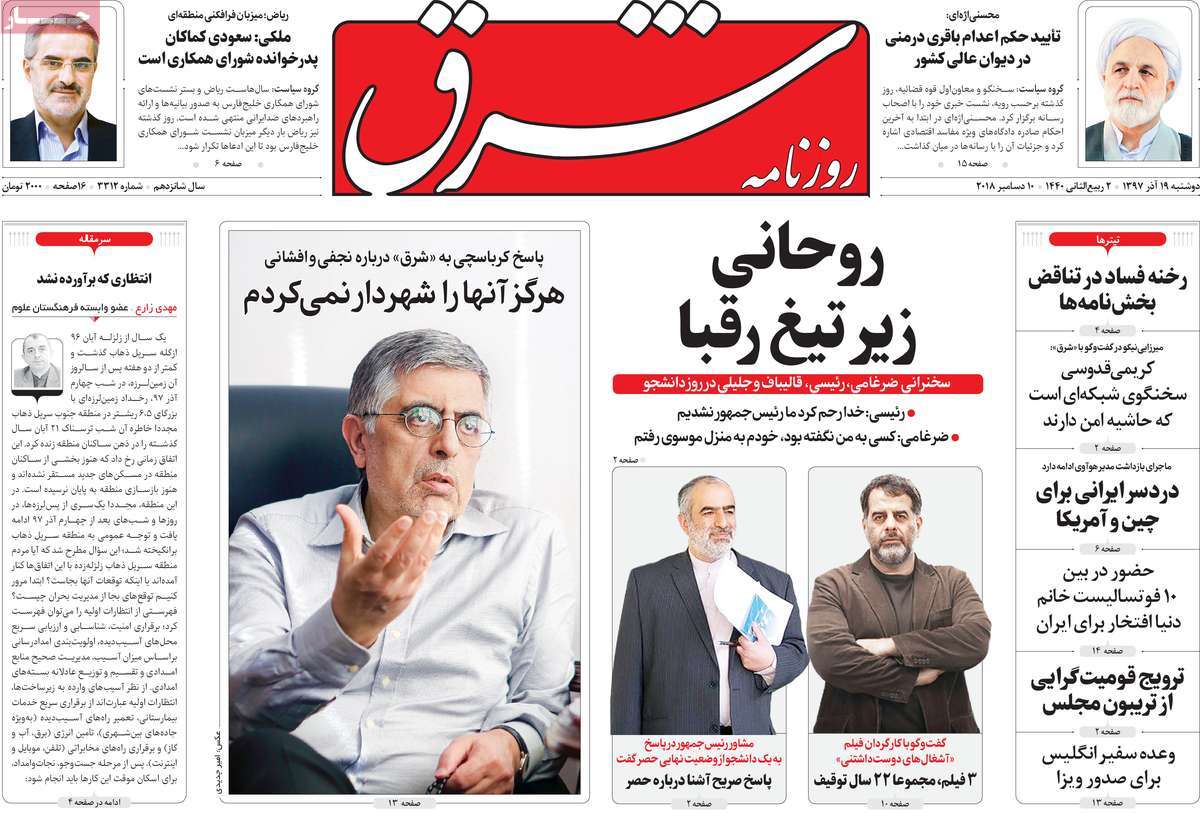
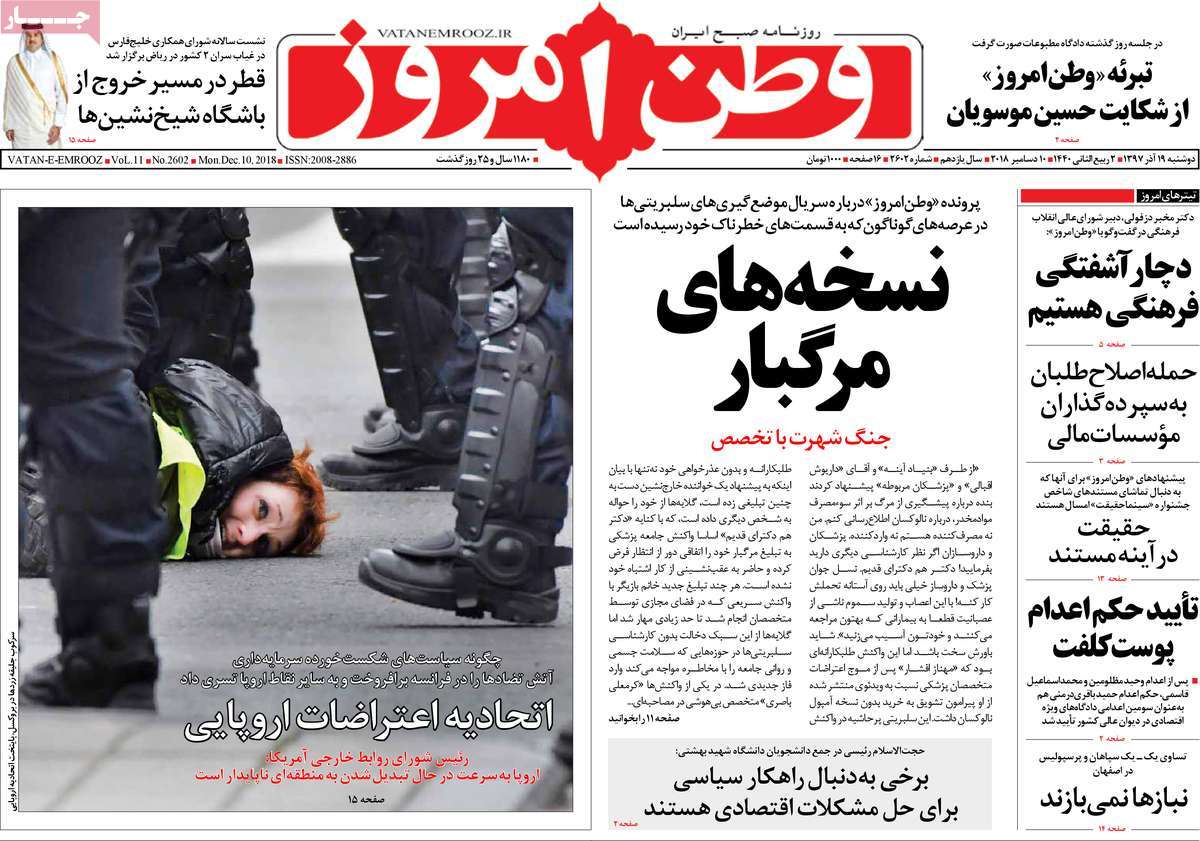
A Look at Iranian Newspaper Front Pages on December 11

A Look at Iranian Newspaper Front Pages on November 19

The top story in Iranian papers today was the remarks made by Iranian President Hassan Rouhani about the heavy costs of Iran’s failure to adopt the standards set by global anti-money laundering body, Financial Action Task Force (FATF).

The remarks were widely criticized by conservative media, which argued the previous deal, JCPOA, did not lead to what Rouhani had promised, and his new promises – that FATF will make people’s lives less costly – won’t be realized either.

The ongoing protests in France also remained a top story, with conservative media blasting the Iranian Foreign Ministry for keeping silent over the violence.

The above issues, as well as many more, are highlighted in the following headlines and top stories:


Aftab-e Yazd:

1- Lawmaker’s Strange Proposal: We Should Import Used Cars from Afghanistan!

2- Rouhani: Those Who Chant the Slogans Must Pay the Prices Themselves!

* President Lashes Out at Critics of FATF Adoption
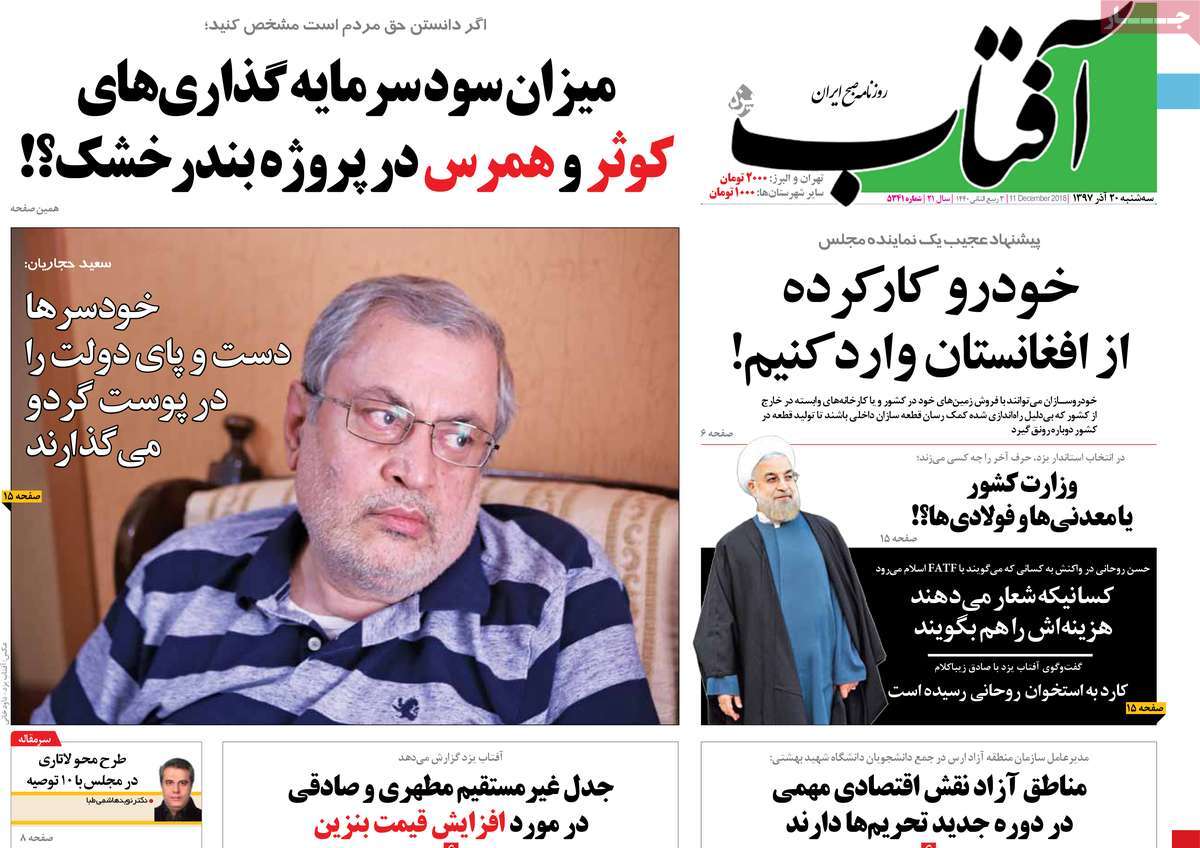
A Look at Iranian Newspaper Front Pages on December 11


Arman-e Emrooz:

1- Increased Rivalry among Iranian Banks

2- Political Future of Iran Belongs to Moderates: Conservative Cleric

3- Don’t Travel to Georgia, Iran Warns Citizens
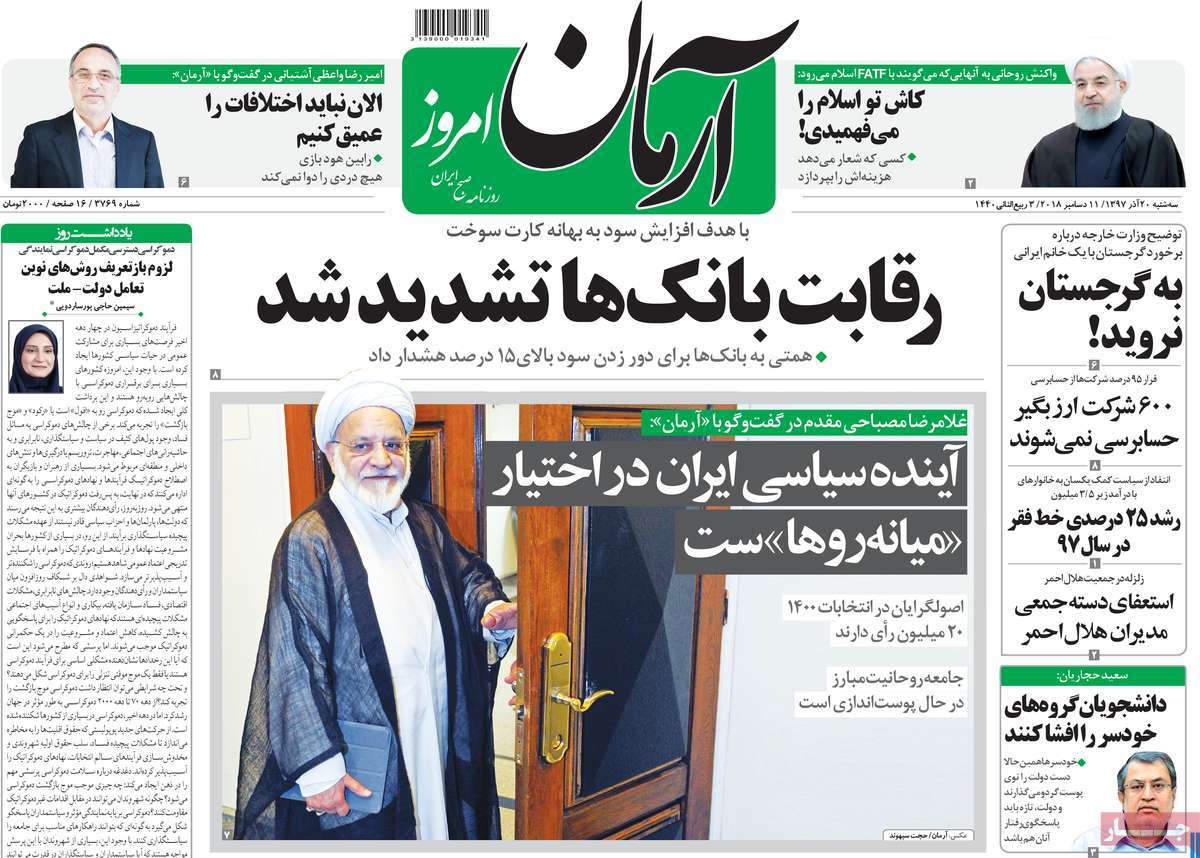
A Look at Iranian Newspaper Front Pages on December 11


Ebtekar:

1- I Wish You Could Understand True Islam: Rouhani to Critics of FATF Who Call It Un-Islamic

2- Government Resolved to Settle Pensioners: Official
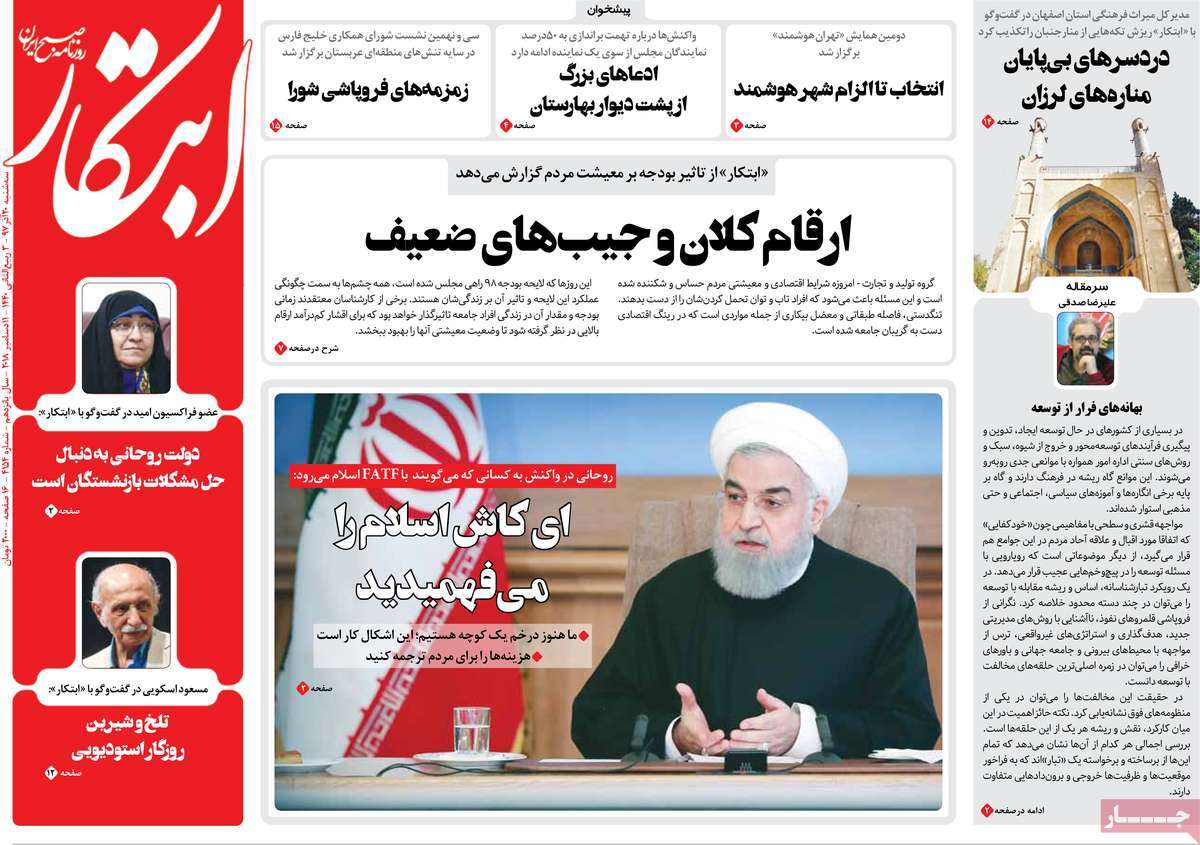
A Look at Iranian Newspaper Front Pages on December 11


Ettela’at:

1- Europe’s Iran Trade Mechanism (SPV) to Be Implemented Soon

2- GCC Summit Ends with No Clear Result
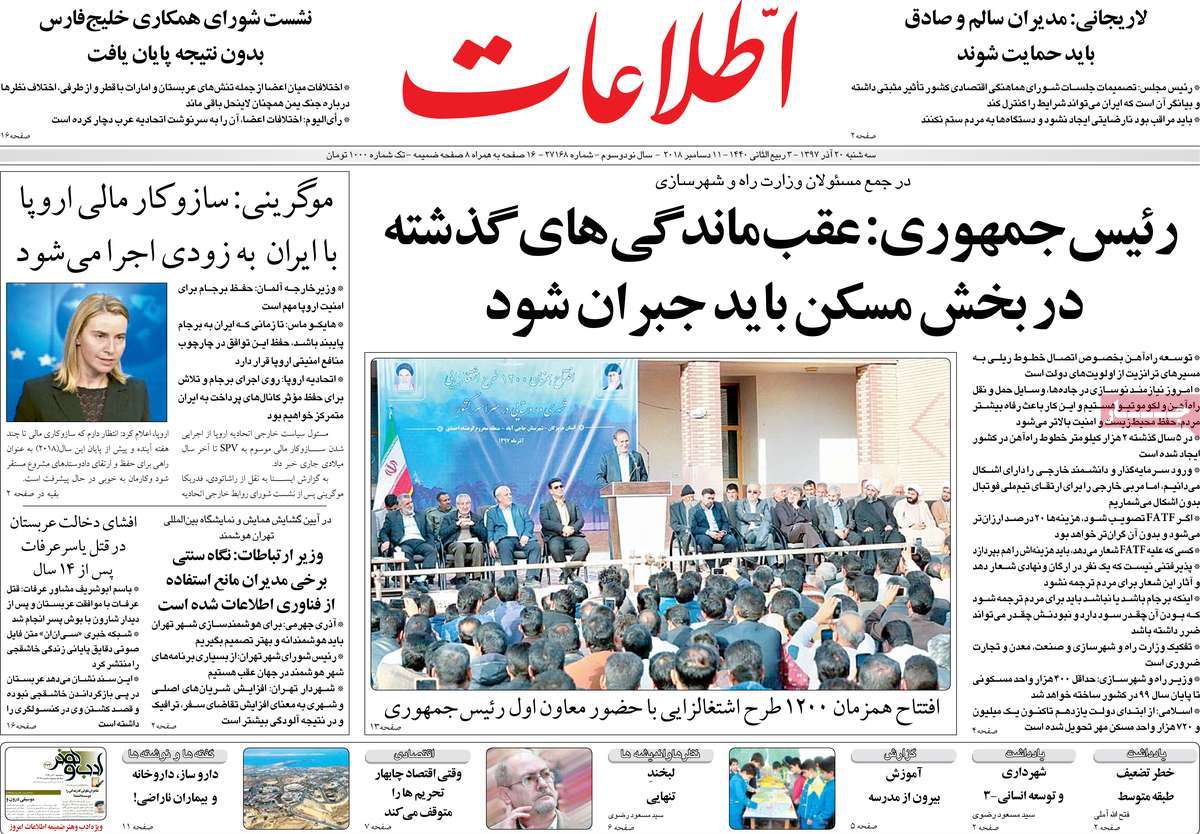
A Look at Iranian Newspaper Front Pages on December 11


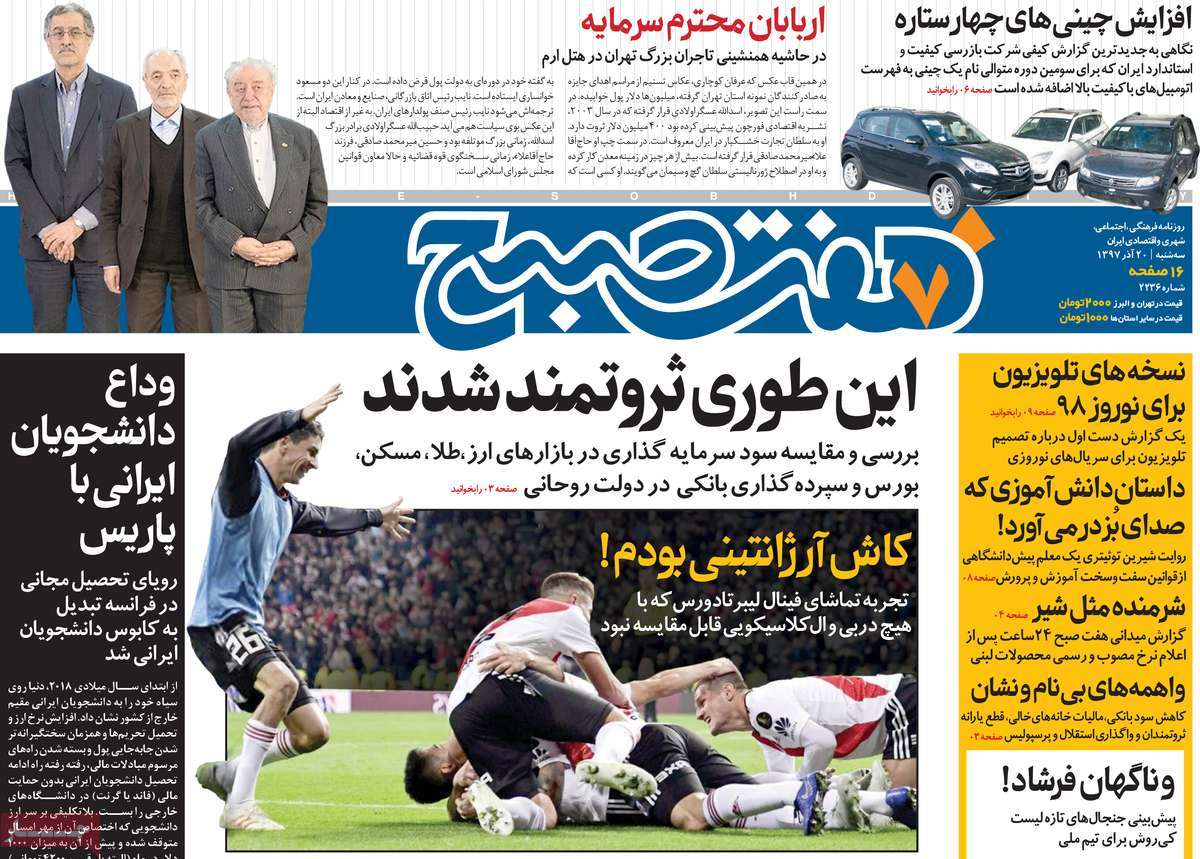
Haft-e Sobh:

1- I Wish I was from Argentina!

* Fantastic Experience of Watching Copa Libertadores Final

2- Iranian Students Bid Farewell to Education in France

* Dream of Free Education in France Turns into Dream for Iranians
A Look at Iranian Newspaper Front Pages on December 11


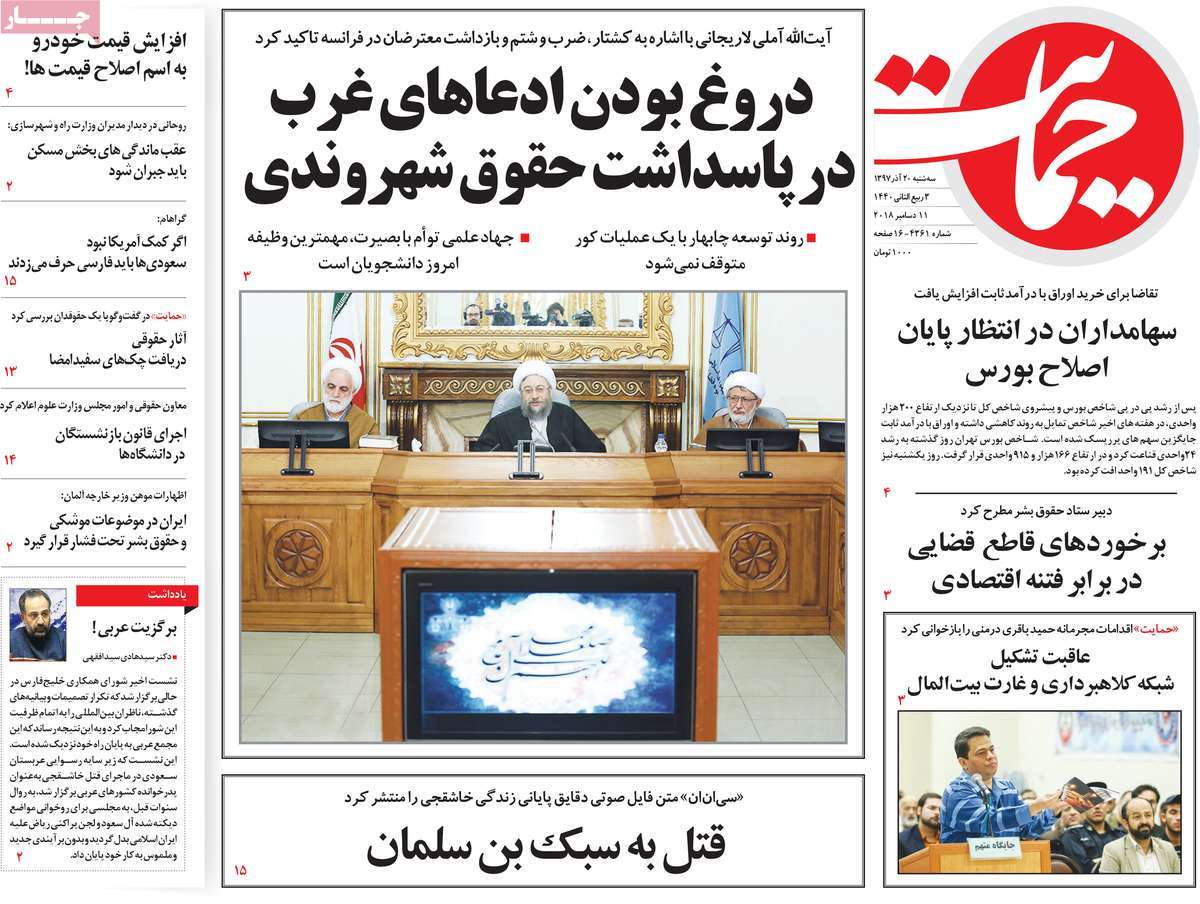
Hemayat:

1- Murder in Bin Salman’s Style

2- West’s Claims of Protecting Citizens’ Rights Are Sheer Lie: Iran Judiciary Chief
A Look at Iranian Newspaper Front Pages on December 11


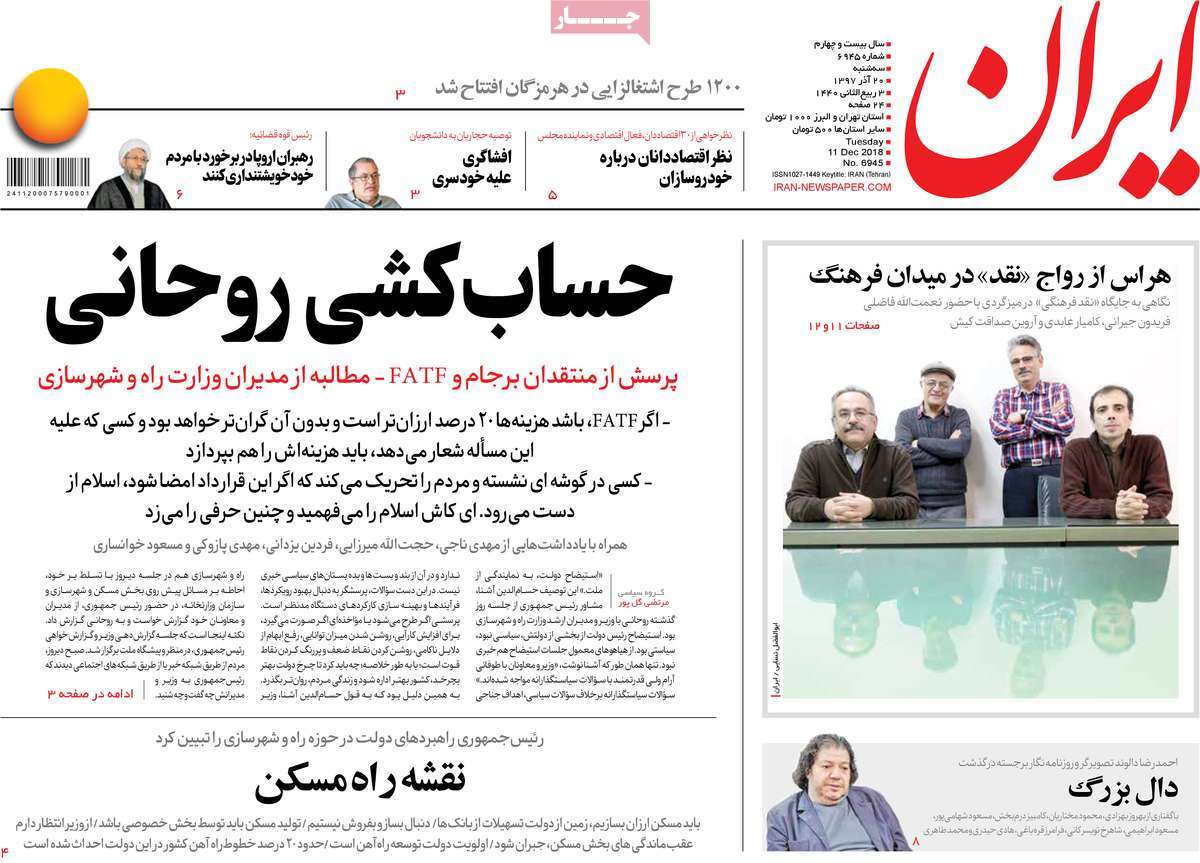
Iran:

1- Rouhani Criticizes Opponents of JCPOA, FATF

2- The Great Dal: Prominent Journalist Dalvand Dies

3- Iran’s Judiciary Chief Urges European Leaders to Show Self-Restraint in Dealing with Their Peoples
A Look at Iranian Newspaper Front Pages on December 11


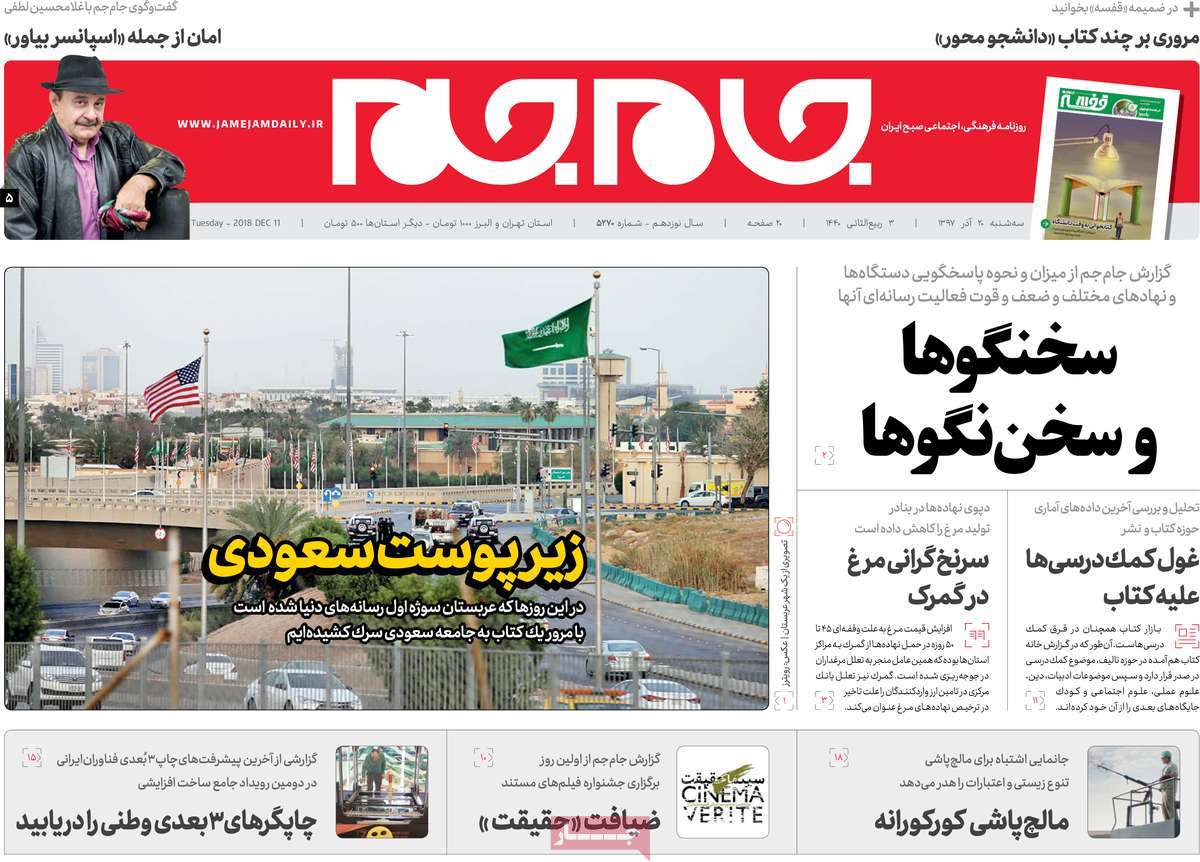
Jame Jam:

1- Under the Saudi Skin

* A Glance at Saudi Arabia’s Society

2- Latest Achievements of Iranian Scientists in Producing 3D Printers
A Look at Iranian Newspaper Front Pages on December 11


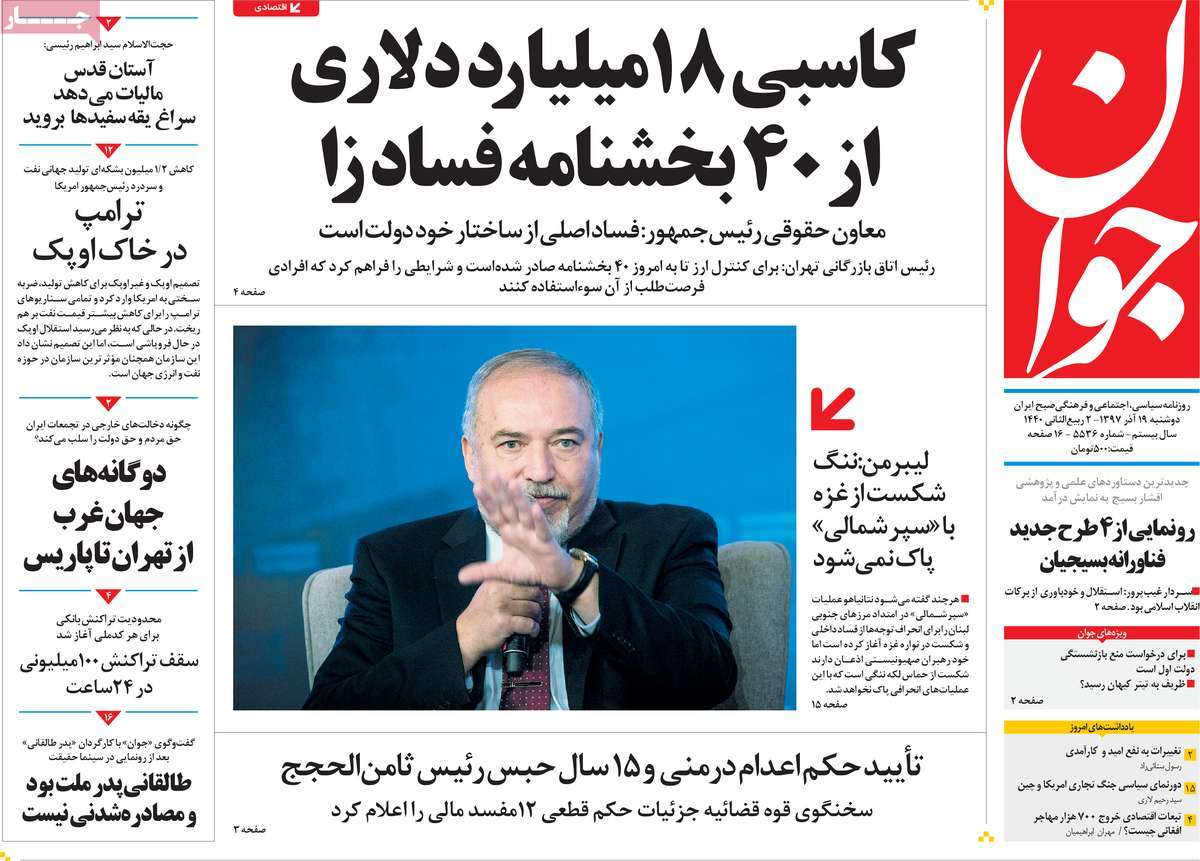
Javan:

1- Rouhani Says FATF Will Decrease Prices by 20%, While JCPOA Increased Them by 200%

2- Iran’s Foreign Ministry Avoids Condemning Violence in France

3- Telegram Was Originally Blocked with Rouhani’s Order for First Time
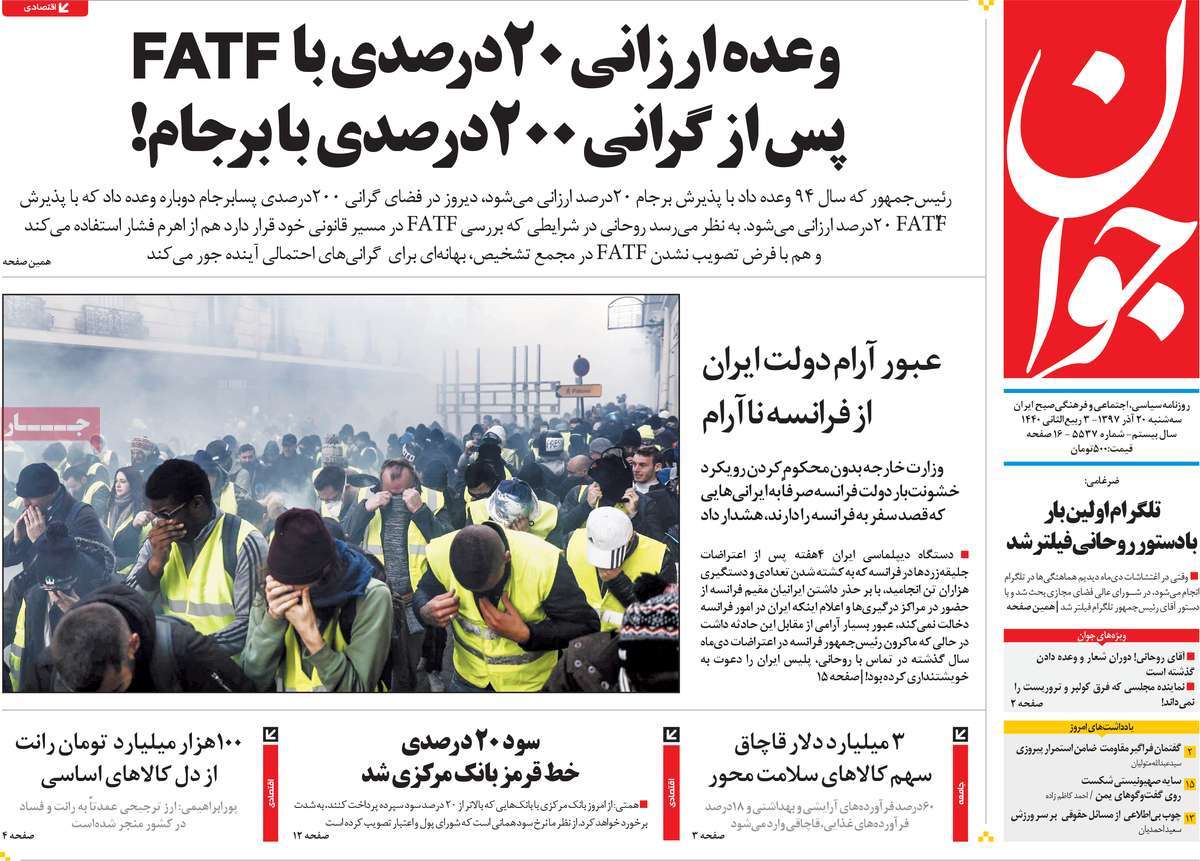
A Look at Iranian Newspaper Front Pages on December 11


Jomhouri Eslami:

1- If You’re against JCPOA and FATF, at Least Tell People How Much Will It Cost for Them: Rouhani

2- Iran, China Resume Banking Ties

3- Saudis Would Be Speaking Persian If It Wasn’t for US: Graham
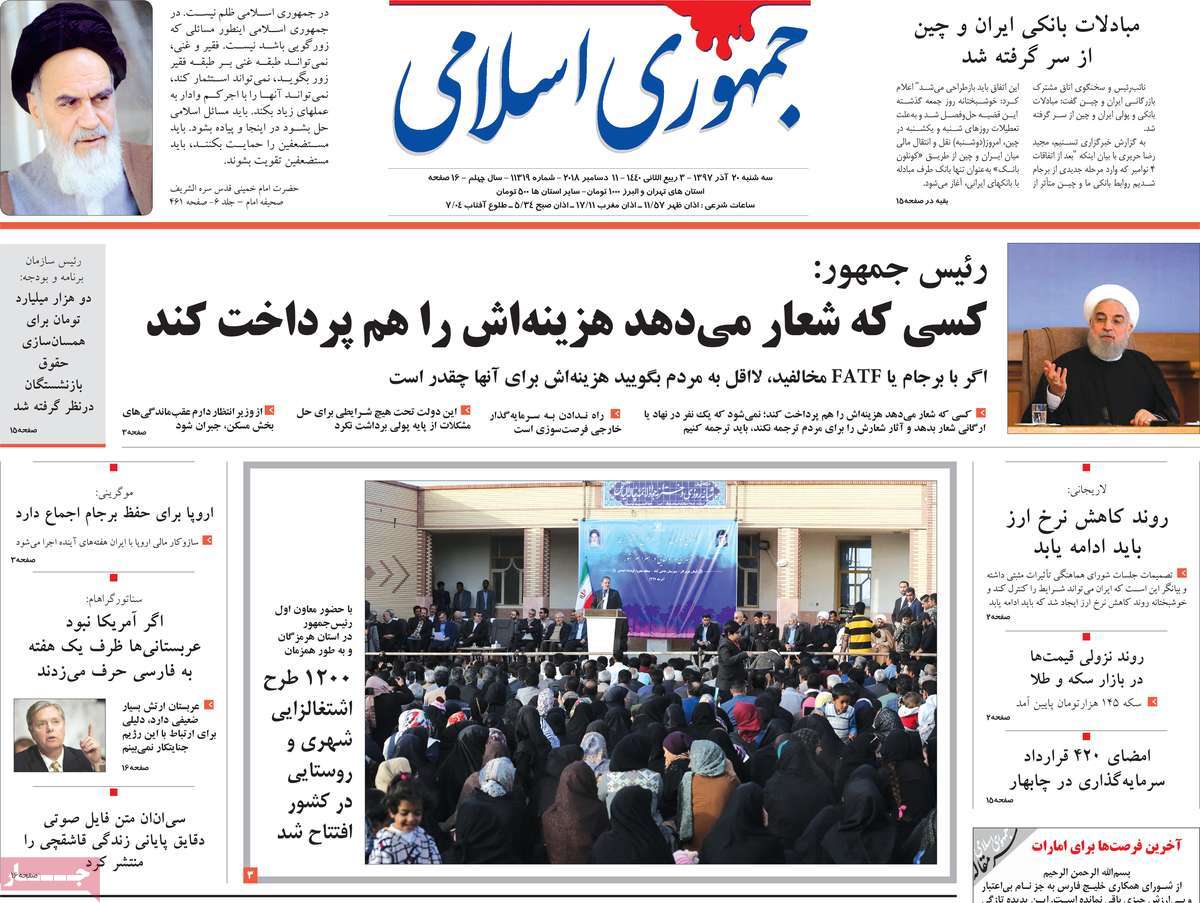
A Look at Iranian Newspaper Front Pages on December 11


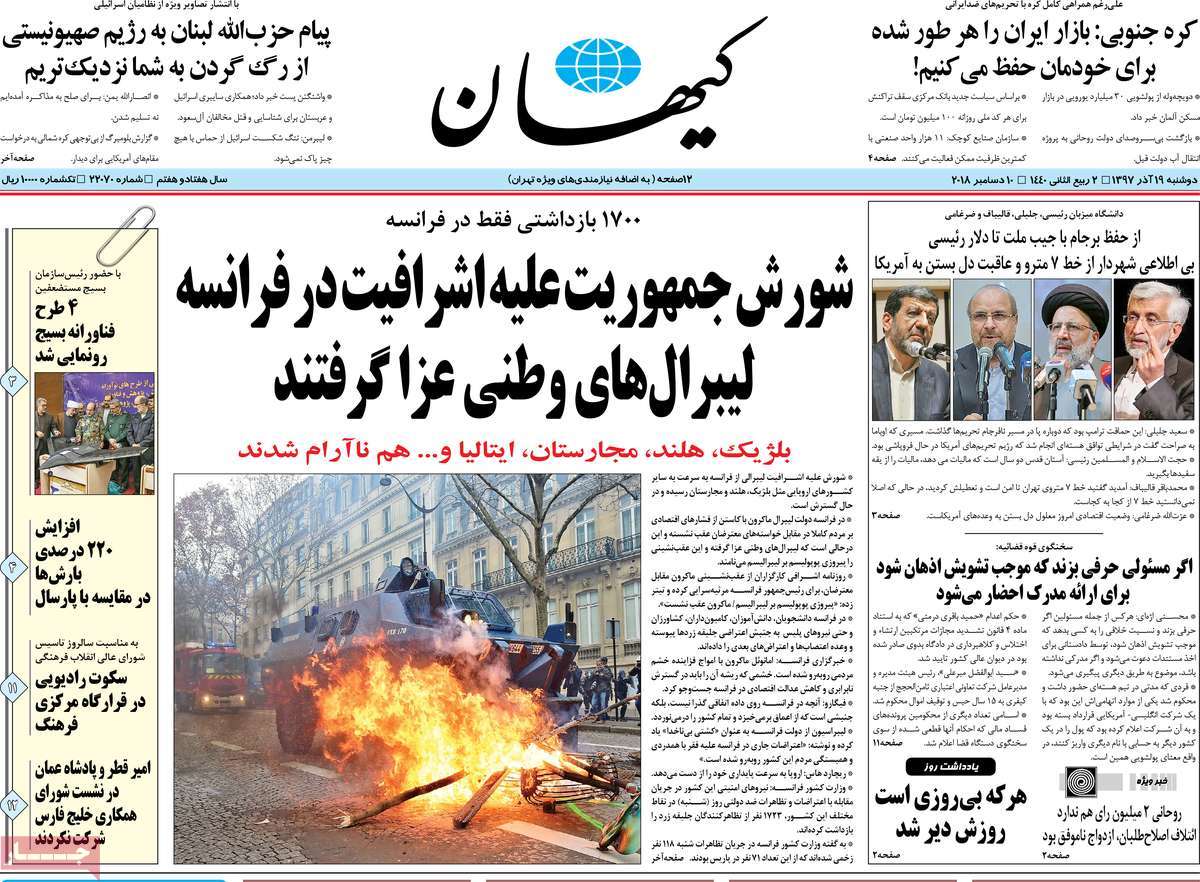
Kayhan:

1- People’s Reaction to Rouhani’s Claim of Cheaper Life after JCPOA: Mr President Is Joking!

2- Bin Salman Biggest War Criminal in Modern World
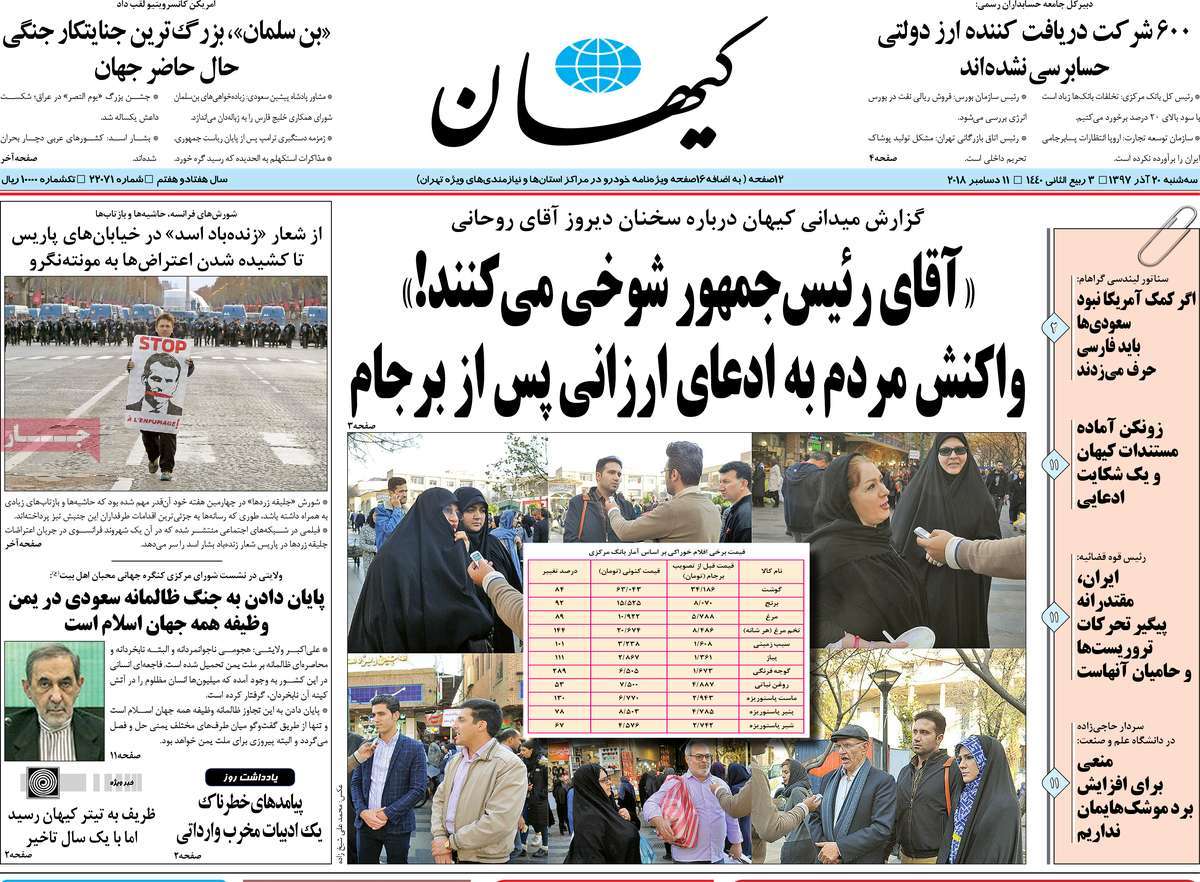
A Look at Iranian Newspaper Front Pages on December 11


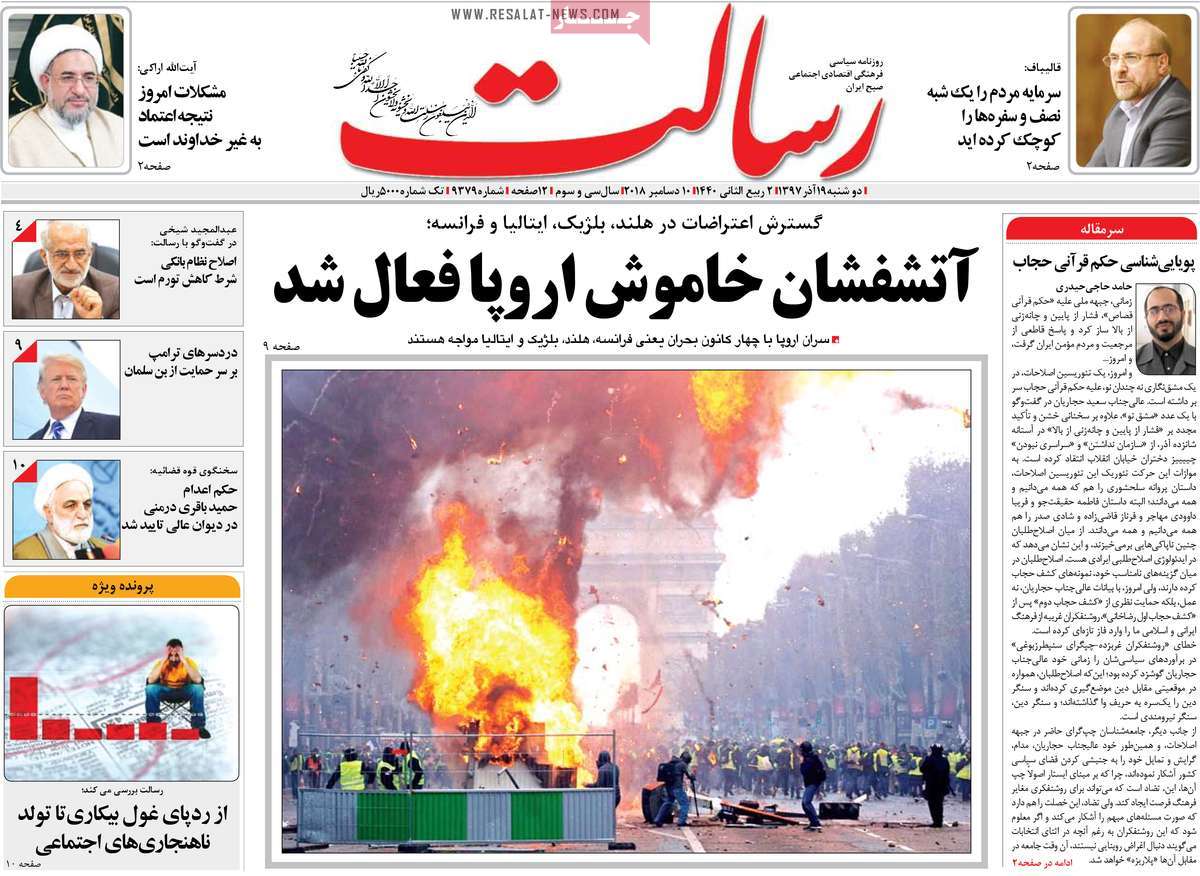
Resalat:

1- 50,000 Jobs Created with Every $1 Billion of Exports: Minister

2- No Critic Says Islam Threatened with FATF: MP to Rouhani
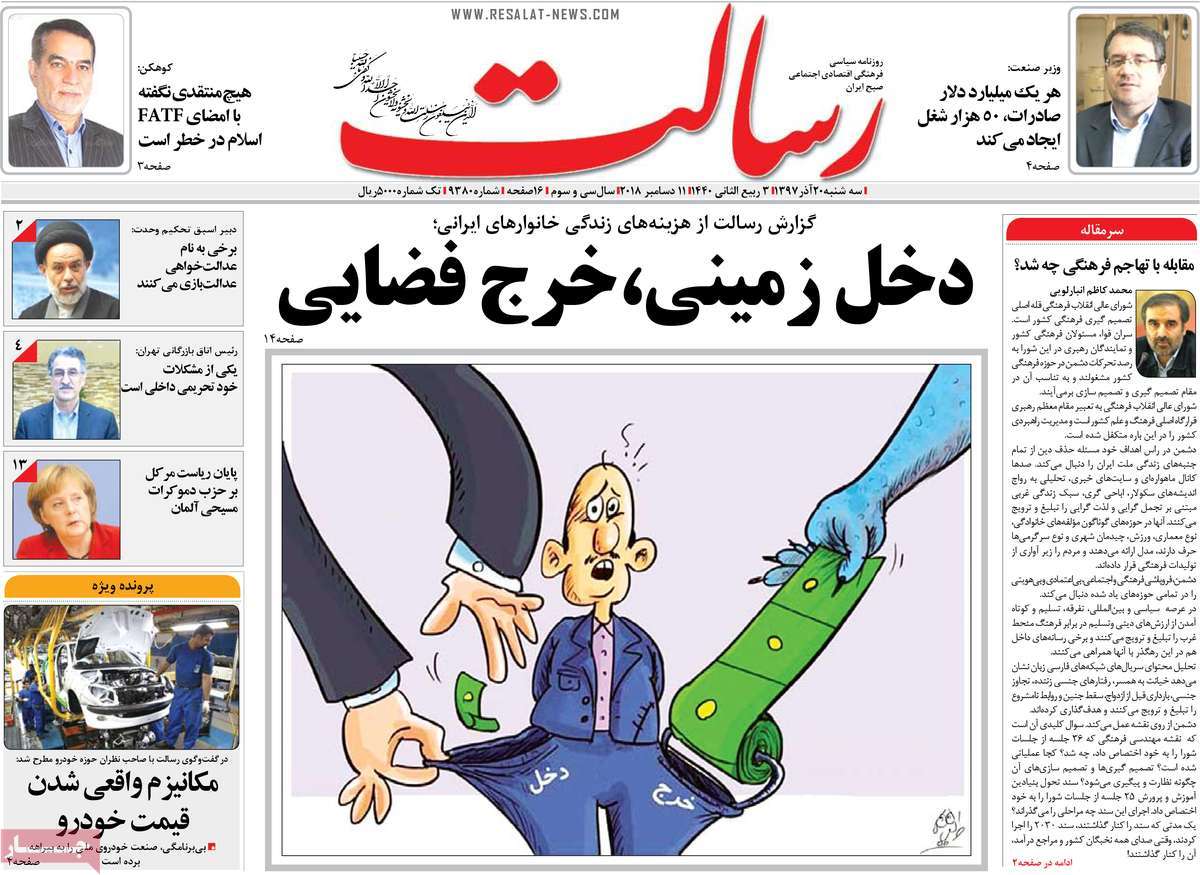
A Look at Iranian Newspaper Front Pages on December 11


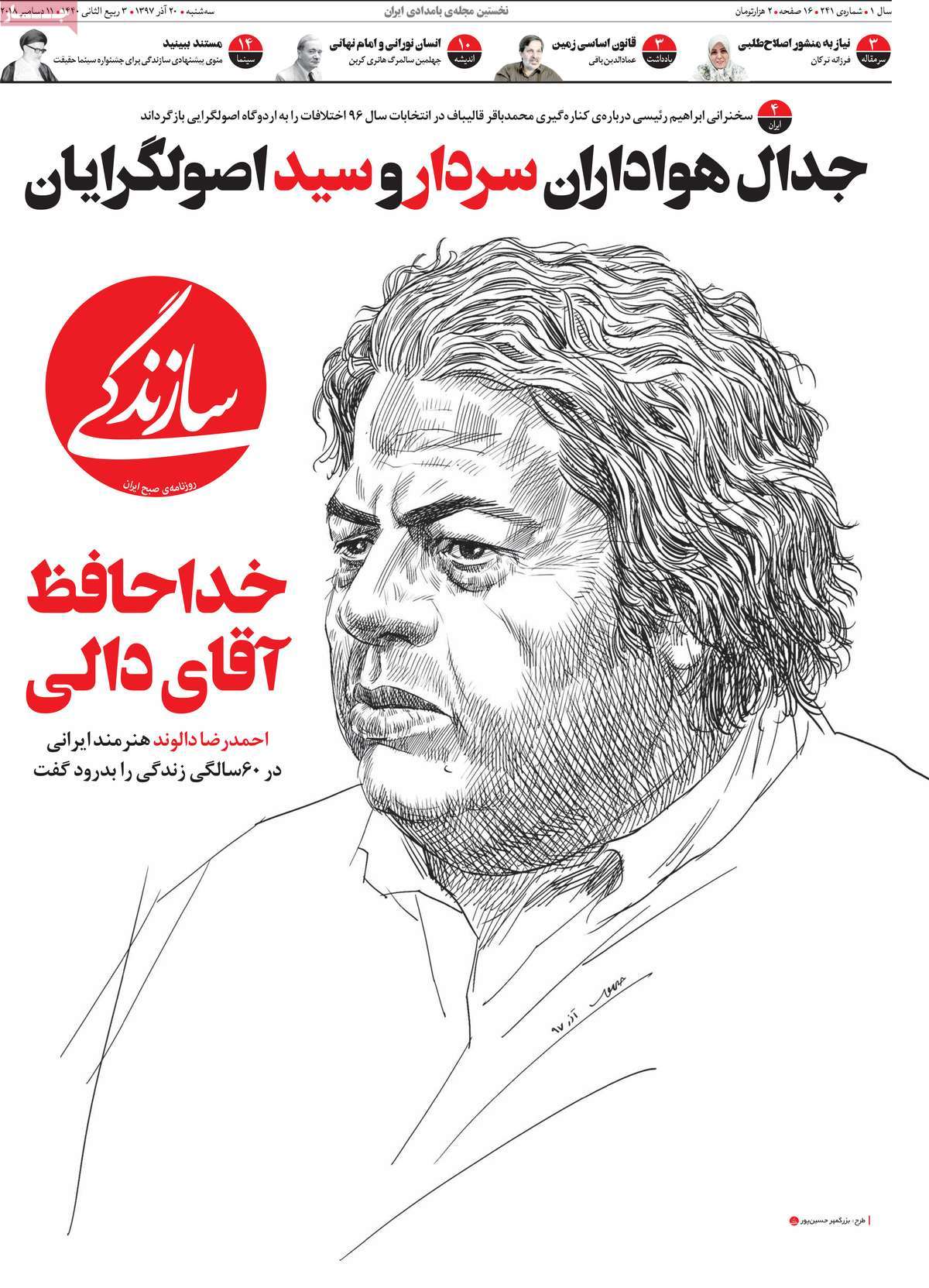
Sazandegi:

1- Goodbye Mr Dali

* Iranian Graphic Designer Ahmadreza Dalvand Dies at 60
A Look at Iranian Newspaper Front Pages on December 11


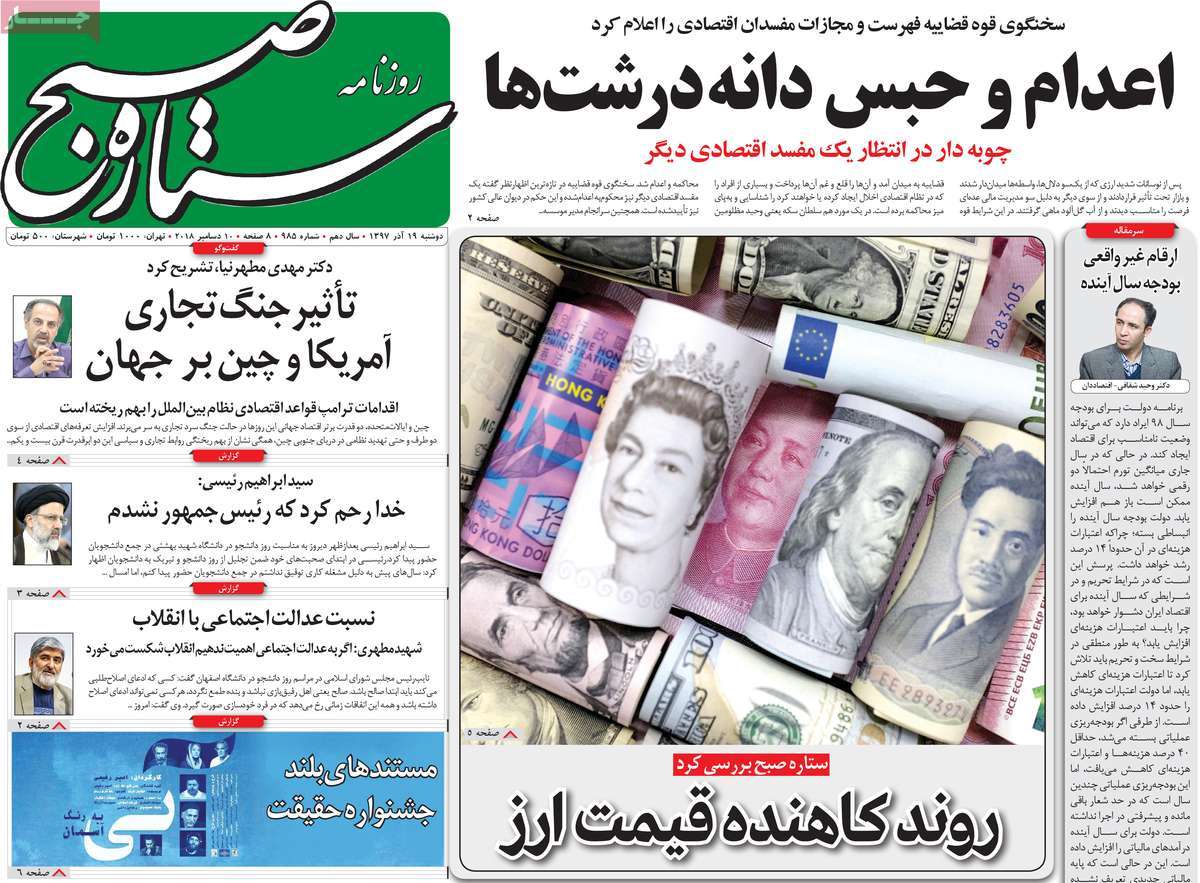
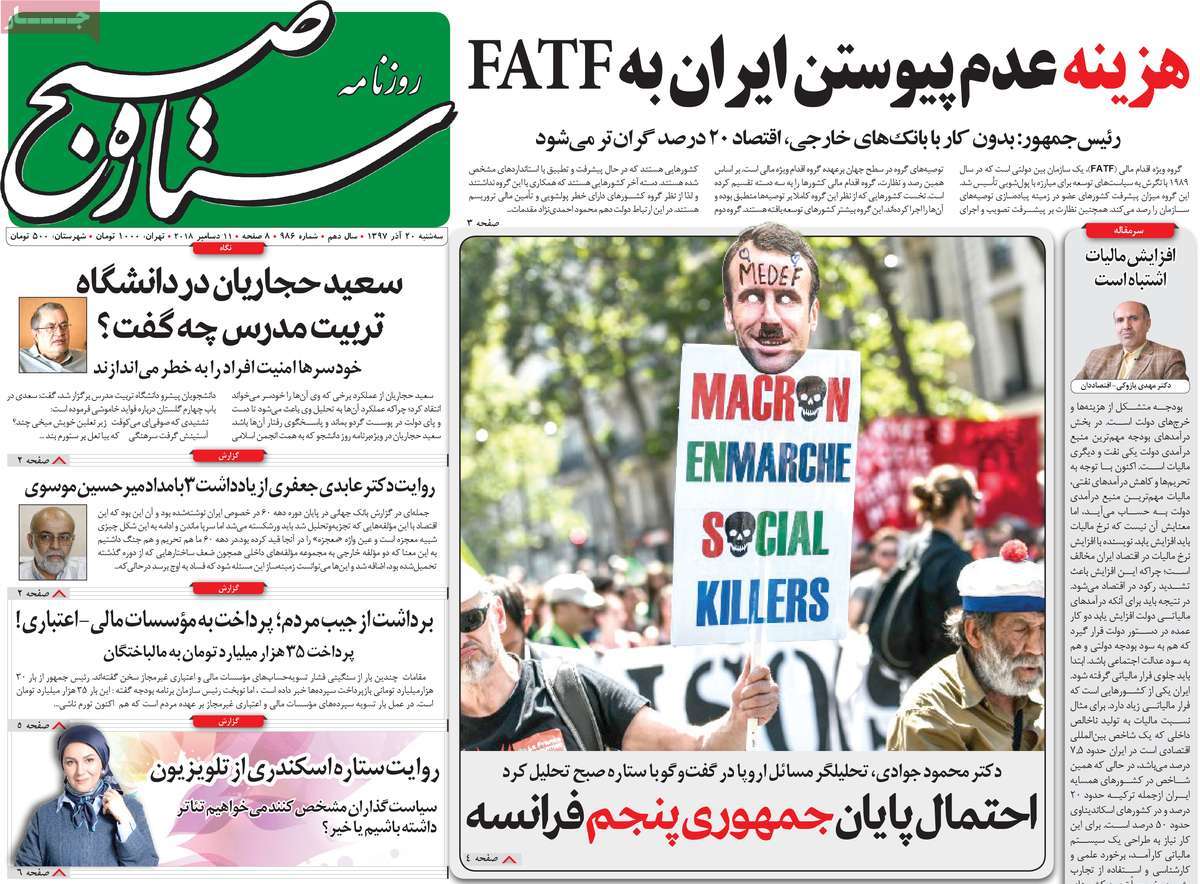
Setareh Sobh:

1- Cost of Iran’s Failure to Join FATF

2- Fifth Republic of France on Verge of Collapse: Analyst
A Look at Iranian Newspaper Front Pages on December 11


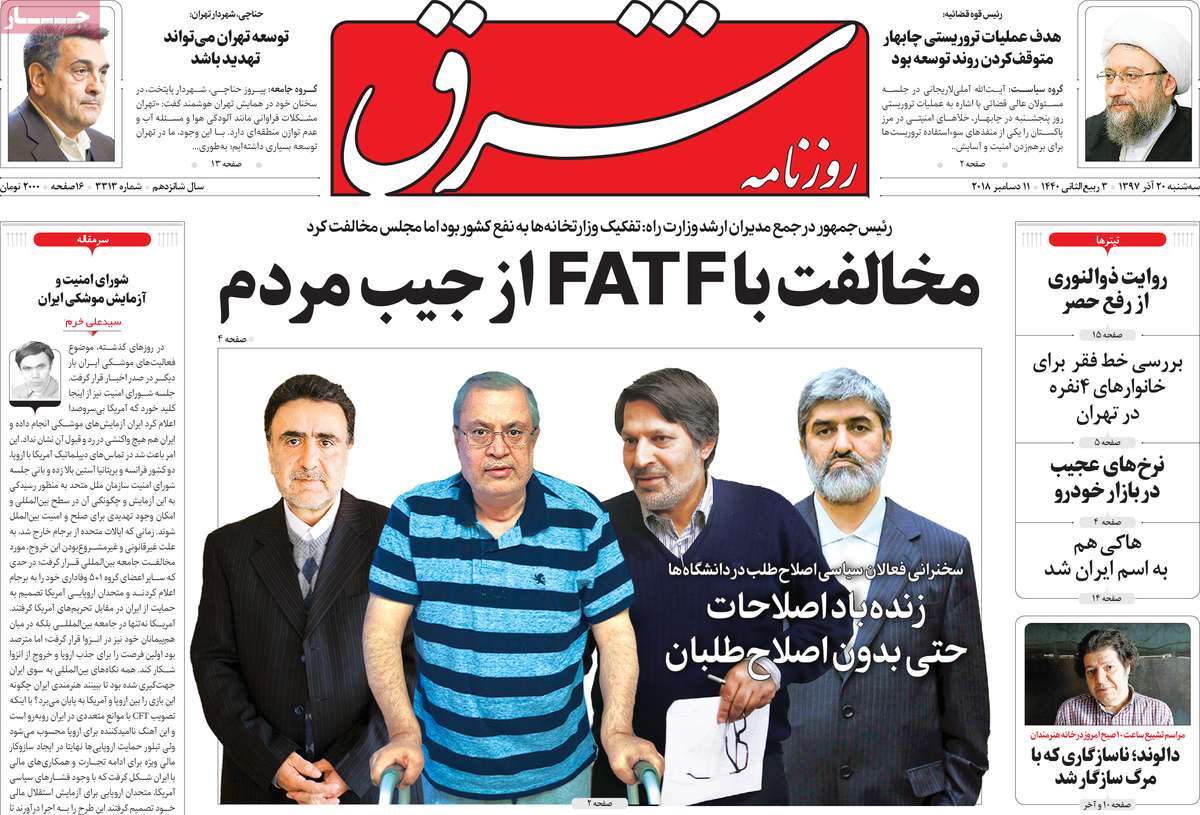
Shargh:

1- Rouhani Slams Opposition to FATF at People’s Expense

2- Long Live Reformism, Even without Reformists

3- Development of Tehran Can Be a Threat: Mayor

4- Chabahar Terror Attack Aimed at Halting Its Progress: Top Judge

5- UN Security Council and Iran’s Missile Test [Editorial]
A Look at Iranian Newspaper Front Pages on December 11


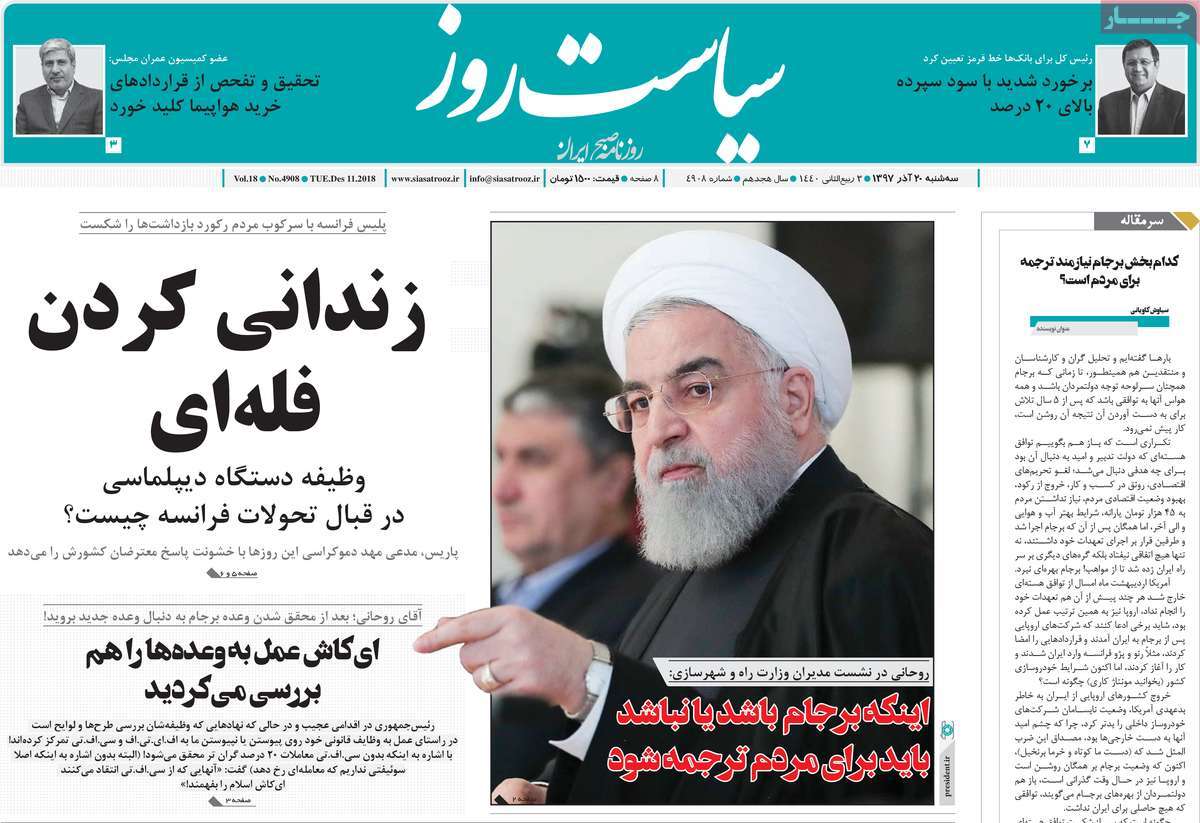
Siasat-e Rooz:

1- Why Iran’s Foreign Ministry Keeps Silent as France Arresting Protesters en Masse?
A Look at Iranian Newspaper Front Pages on December 11


Sobh-e Now:

1- Movement of Poor People in Europe

2- Lower Cost of Living with FATF: Will Rouhani Pay Price for His Slogans?

3- Iran’s Role in Iraq’s Celebration of Mosul Liberation Victory

4- Reality of Europe [Editorial]
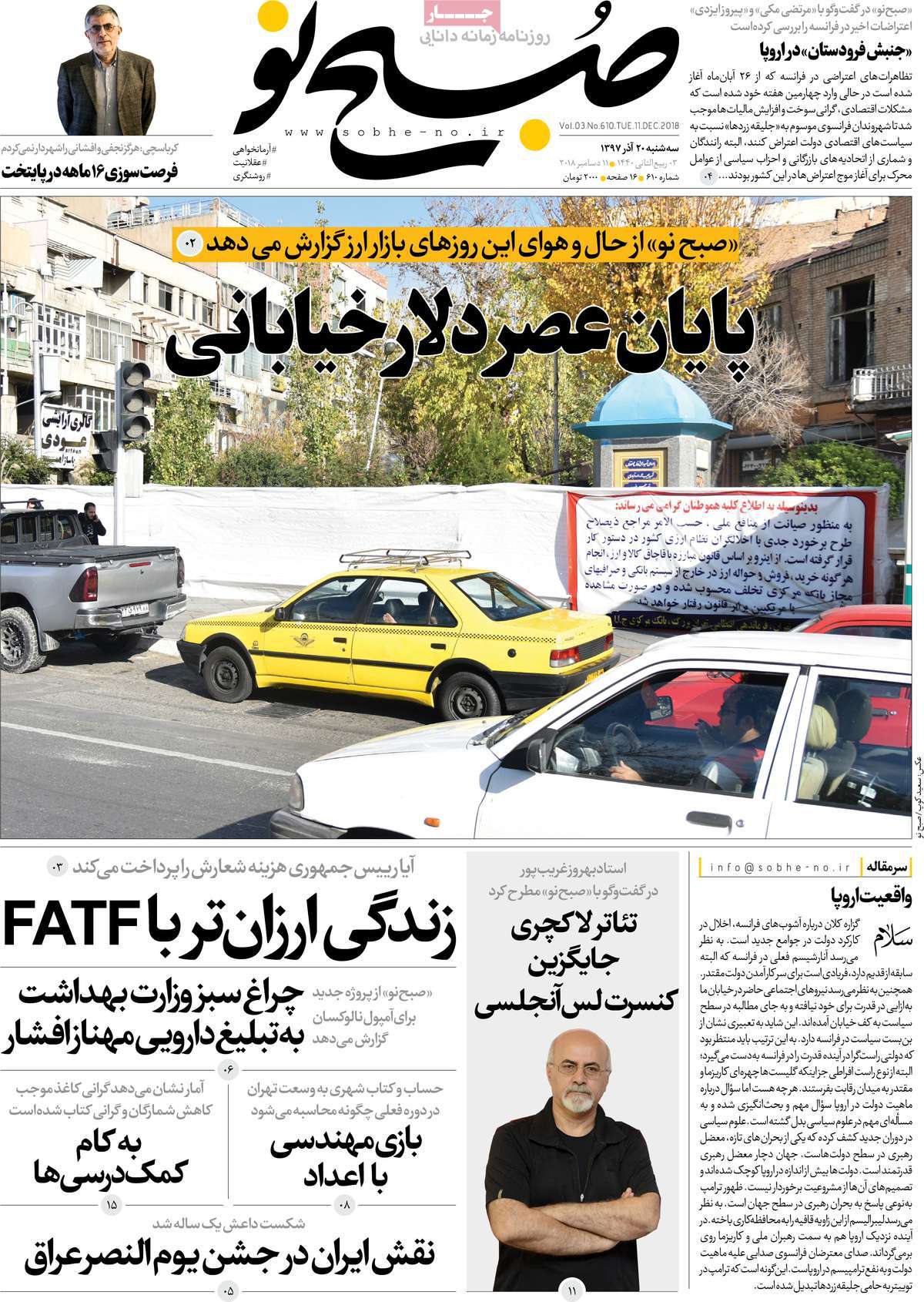
A Look at Iranian Newspaper Front Pages on December 11

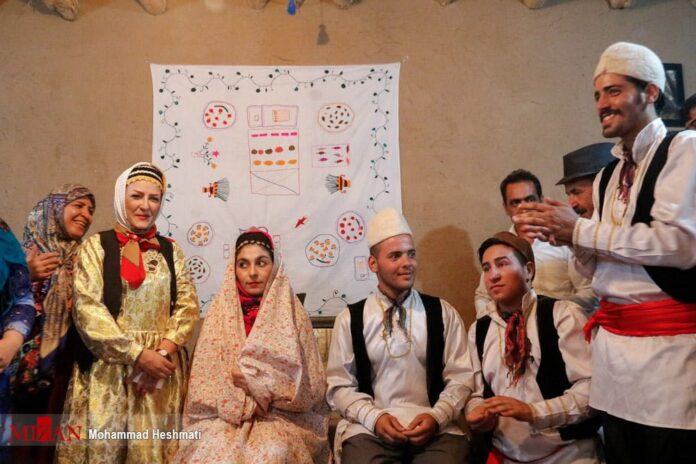
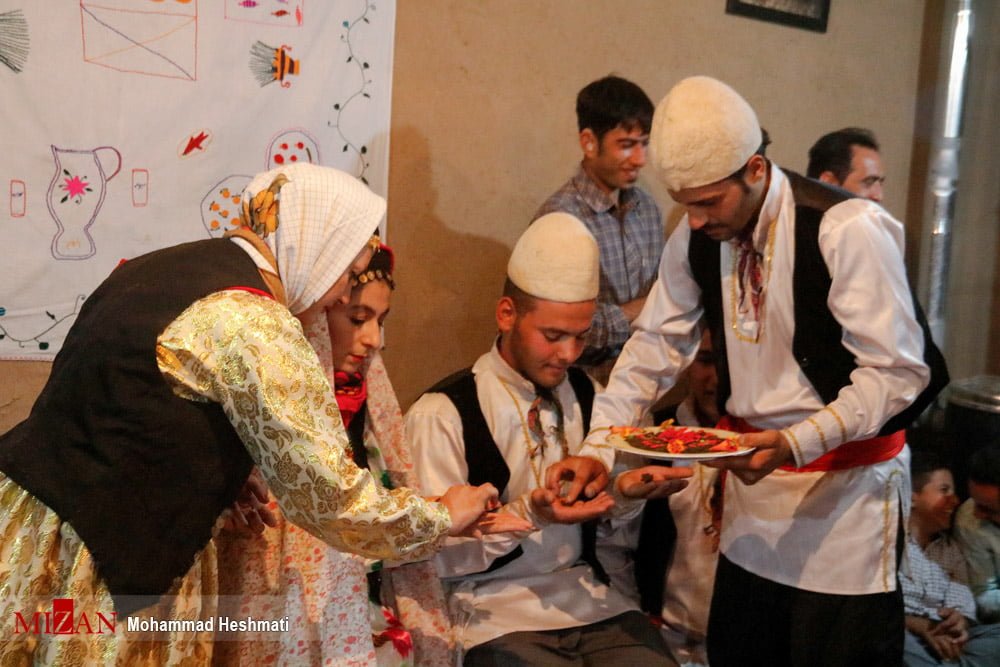
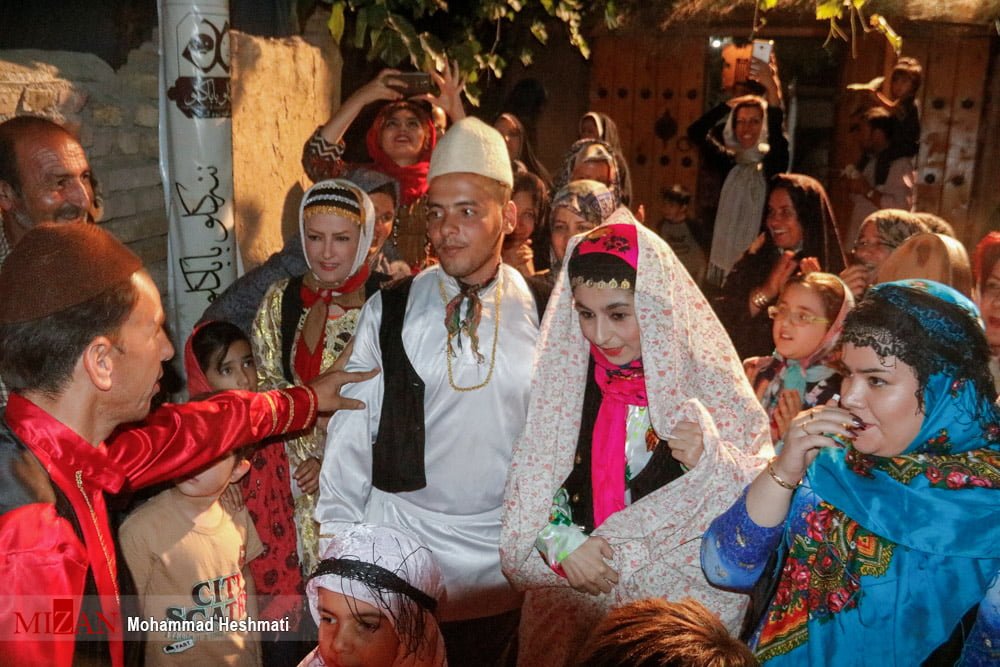
Old Rituals Inseparable Part of Wedding Ceremonies in Kalat

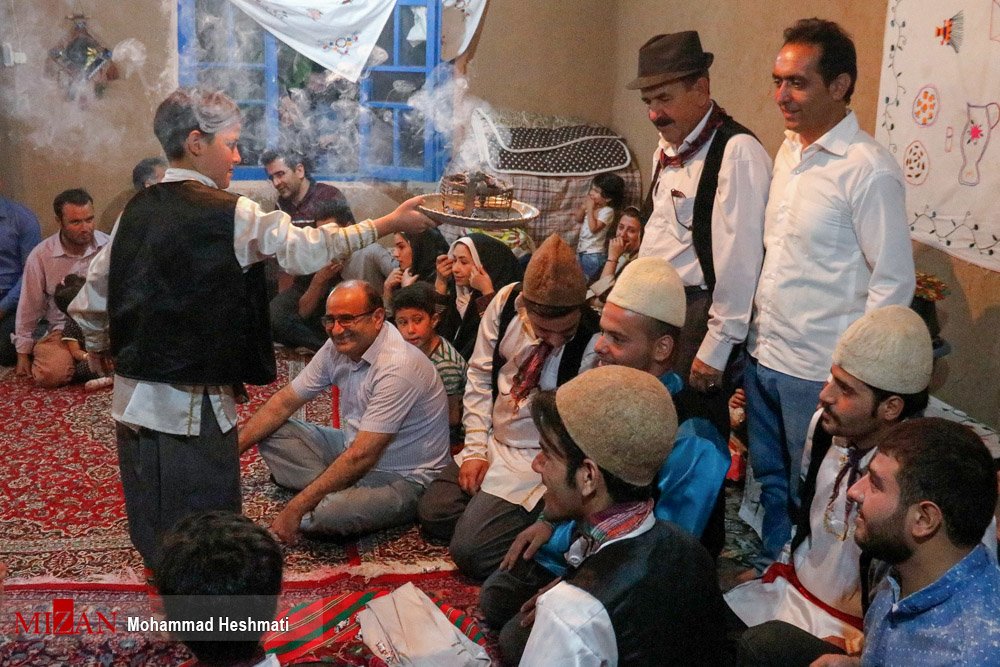
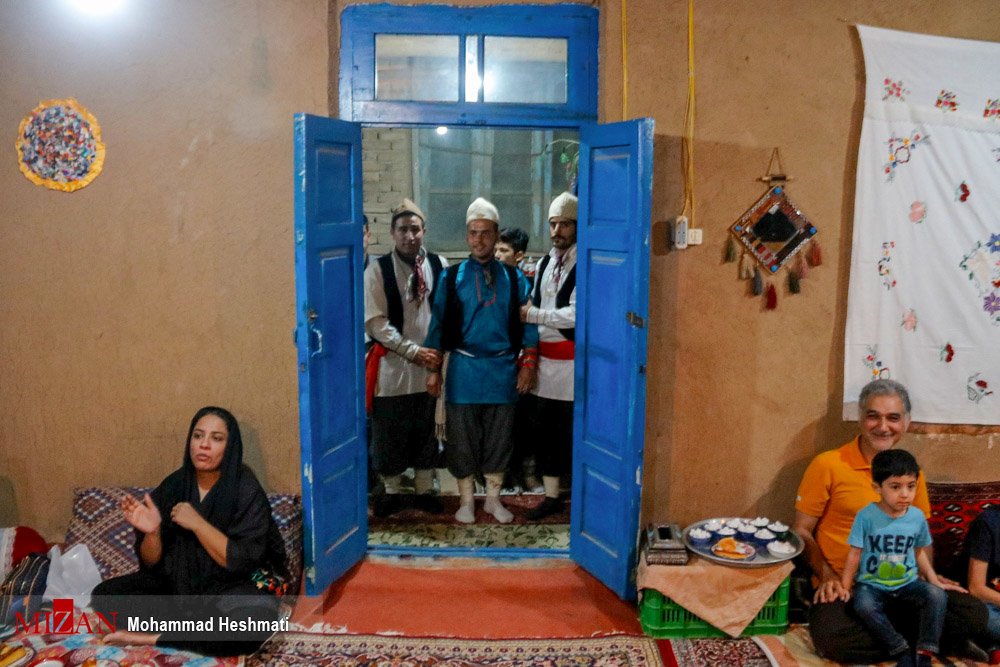
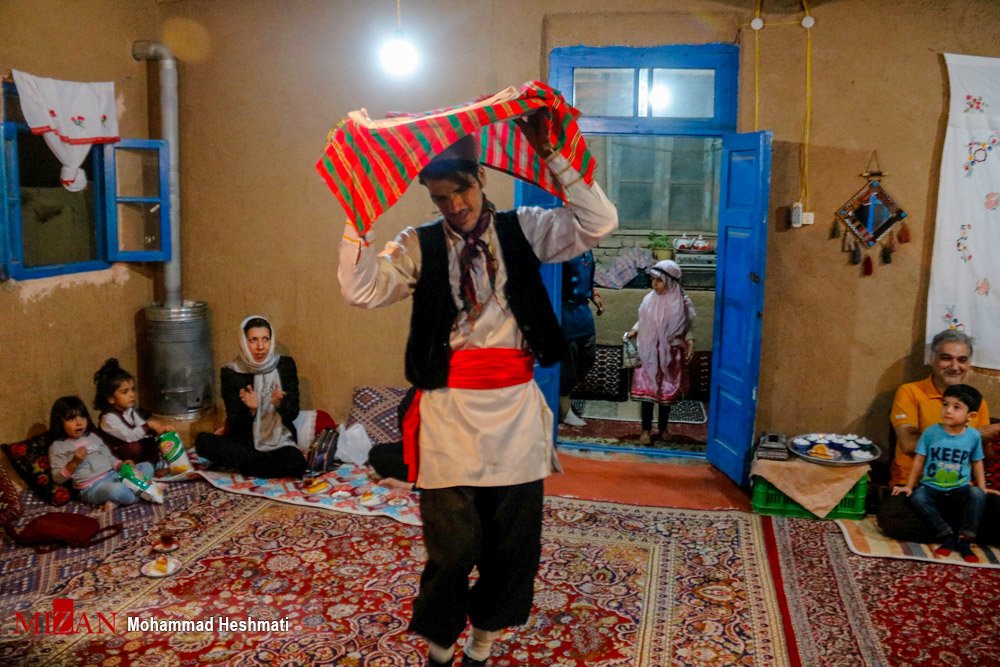
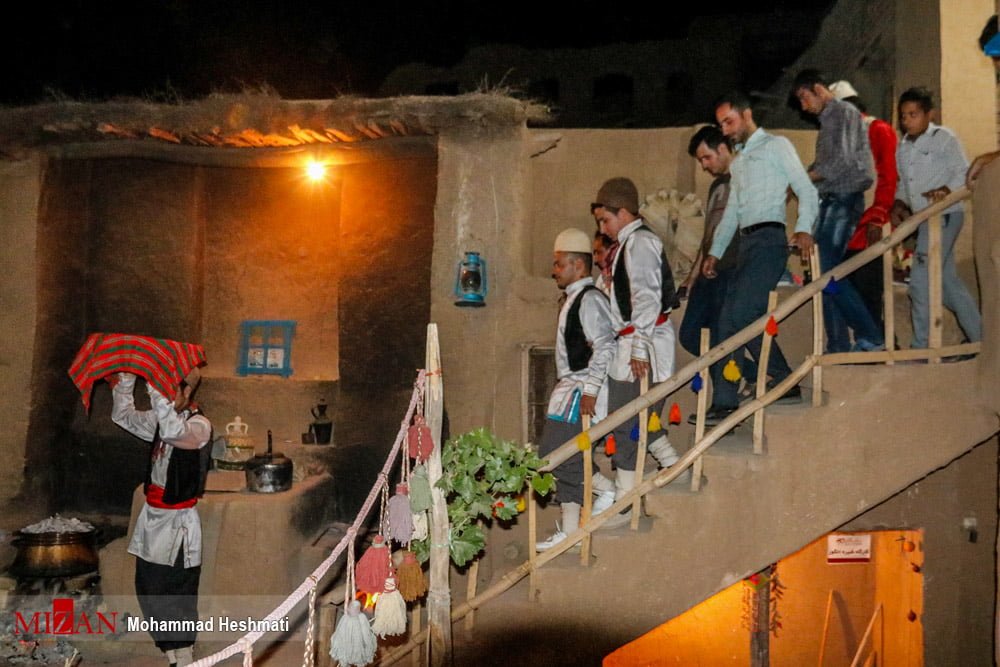
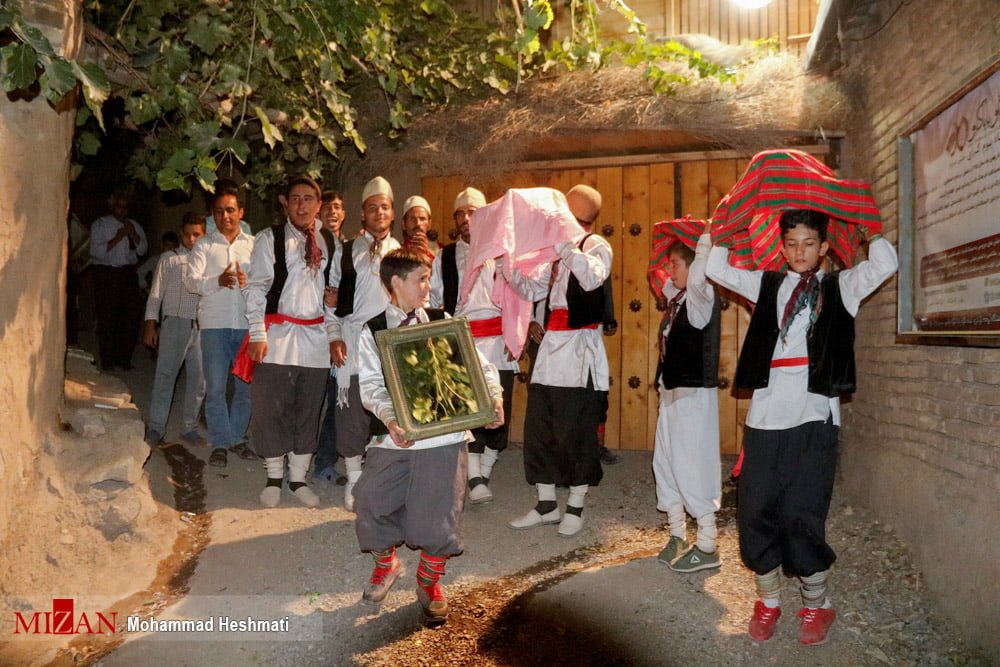
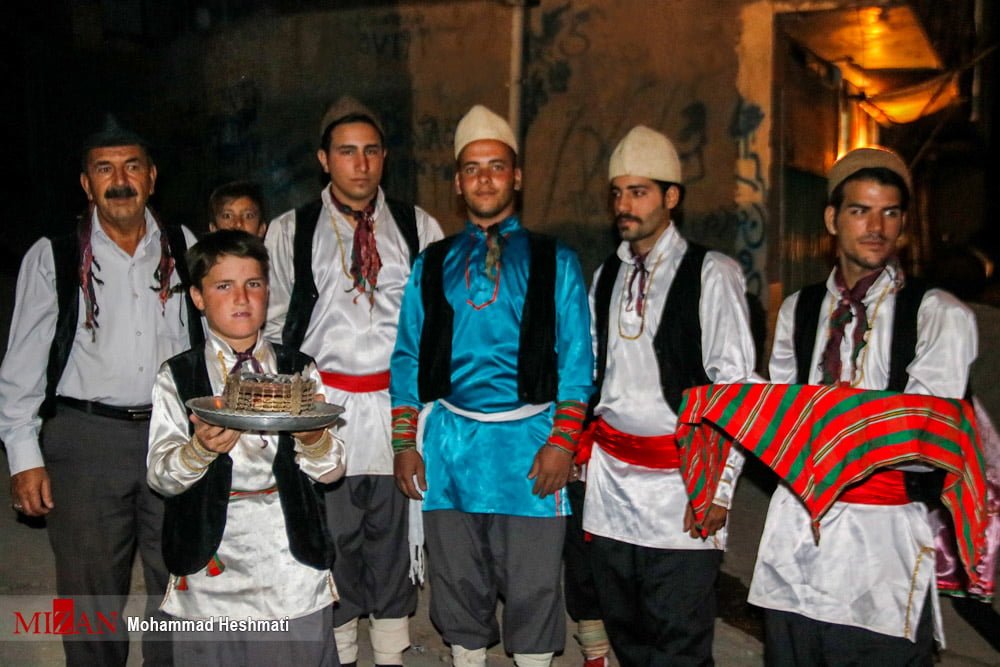
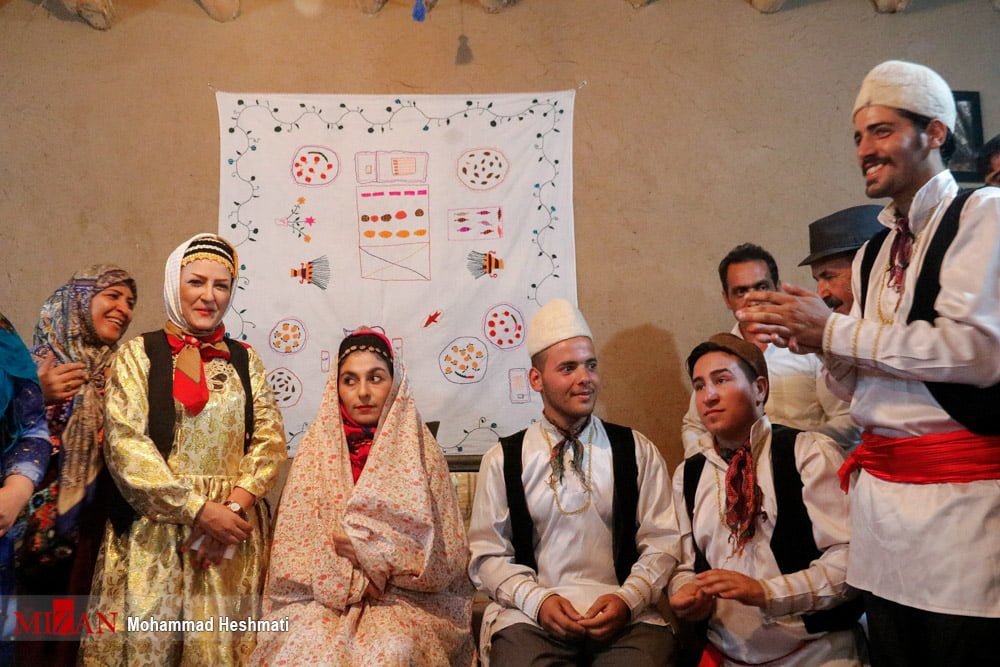
Kalat, a county near the city of Sabzevar, has its old history and customs, including special traditions for weddings.

Wedding ceremonies in Kalat traditionally take three days; however, today some of the old customs are no longer performed.

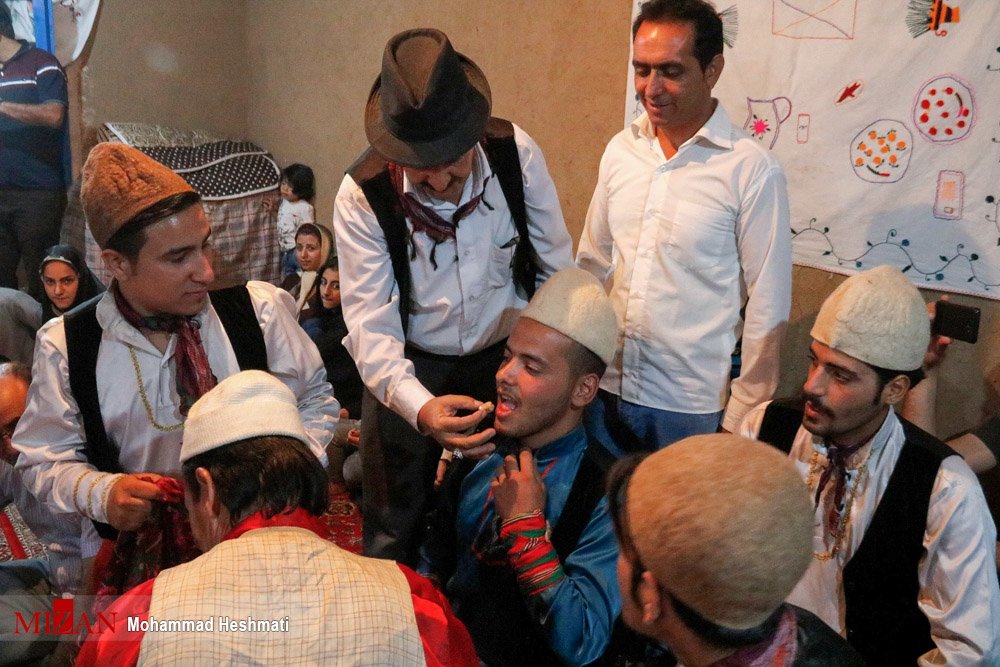
The first night of the wedding ceremony is called “consultations night” in which the bridegroom’s relatives come together to assign works.

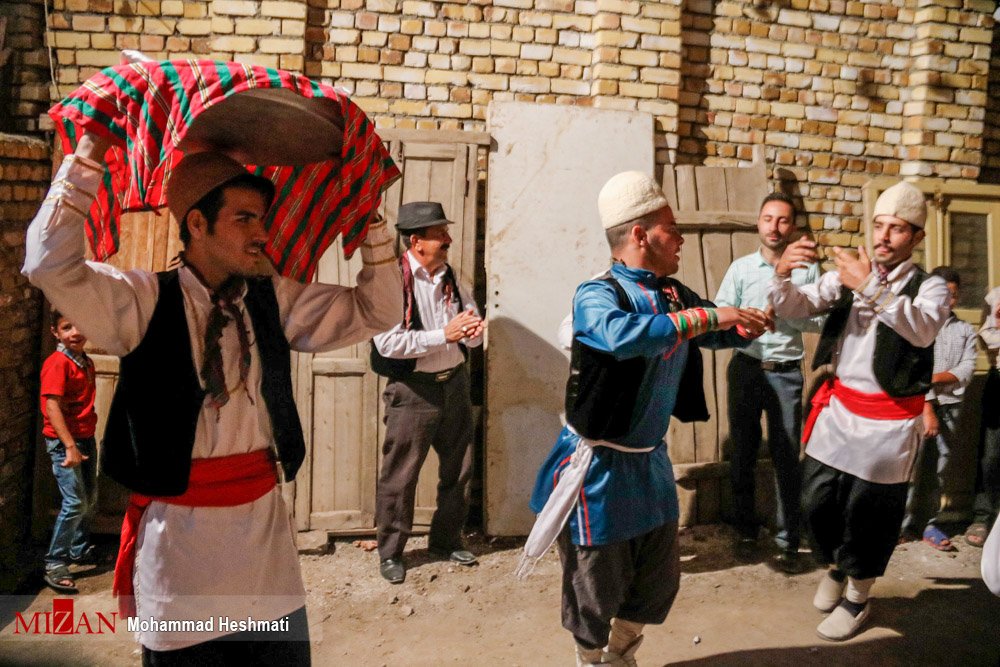
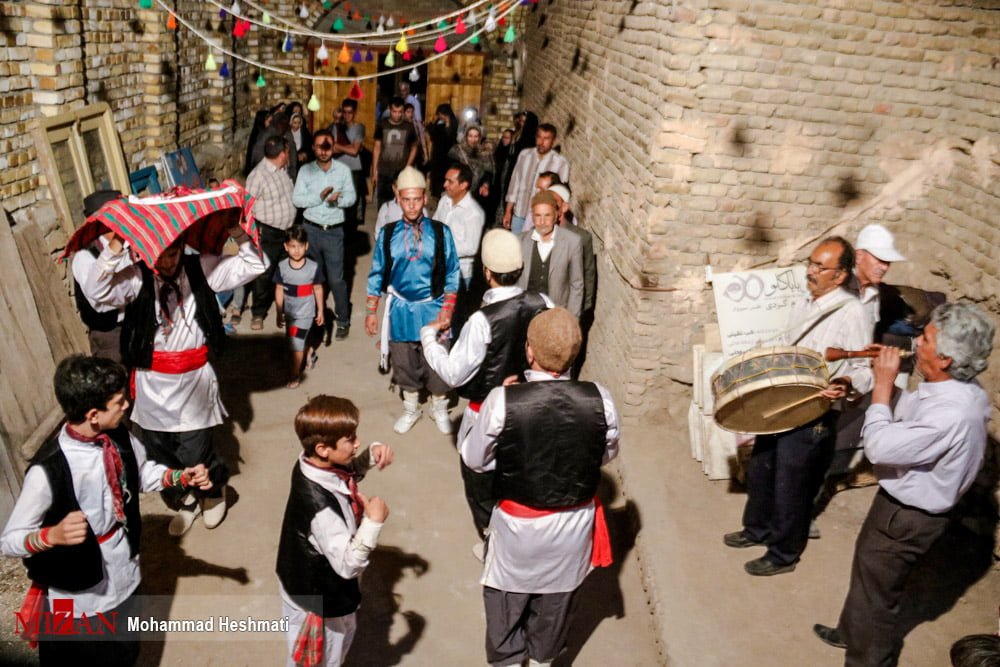
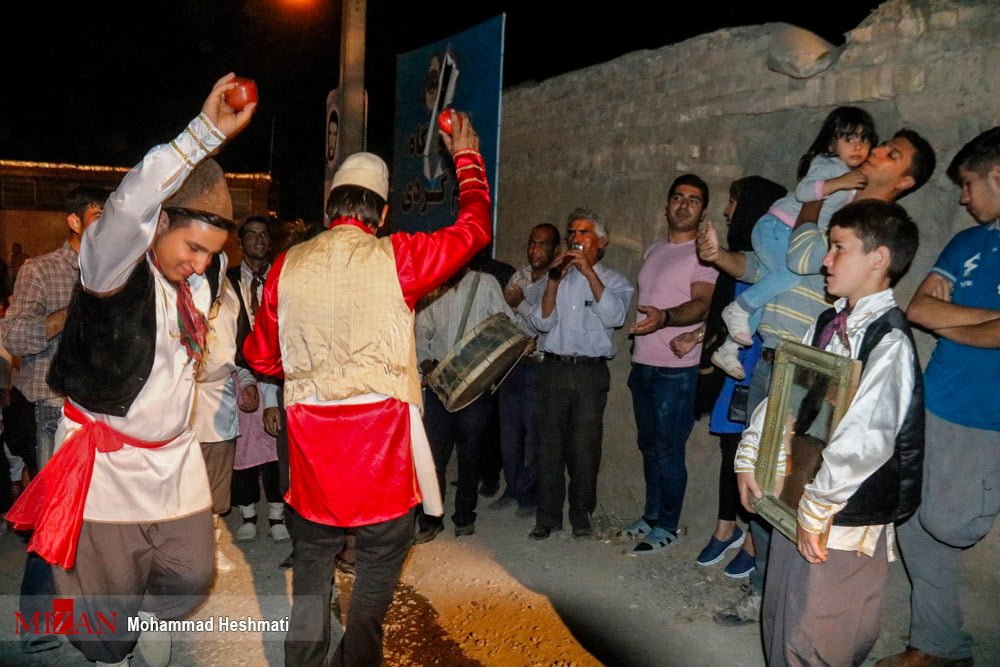
The second night is the hana-bandan, where local musicians perform music and dance, and bring henna to the bride’s house. The bride and groom’s best men dye their hands with henna.

The wedding ceremony is held on the third day. The bride rides a mare while a four or five-year-old boy walks before them. This is to wish their first child would be a boy.

The bride stands near the groom’s house, and the bridegroom, who rides on his own horse throws a pomegranate, or dances with a pomegranate in his hand and then gives it to the bride.

What follows are photos of the ceremony retrieved from Mizan Online:

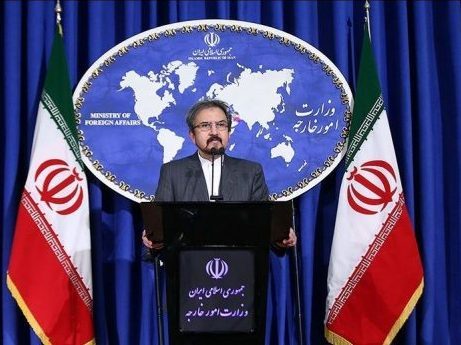
Iran Rejects GCC’s Claims, Raps Its Unconstructive Approach

Bahram Qassemi

“Unfortunately, the Persian Gulf Cooperation Council seems to be influenced by the wrong and destructive policies and behaviours of some of its member states. The council has turned into a platform for expressing positions that are in line with the past miscalculations and wrong policies,” the Ministry’s Spokesman Bahram Qassemi said in a statement on Monday.

The Persian Gulf Cooperation Council can resolve misunderstandings and internal and external disputes by taking a logical approach independent of its capacity, noted Qassemi.

“However, it not only has not taken such an approach, but also shamefully praises the divisive policies of some transnational countries,” he noted.

“In practice, the Persian Gulf Cooperation Council has turned into a front for proclaiming the policies of a few of its members, and takes stances at the expense and in the name of all members, which do not help regional peace and stability in any way,” he added.

Iran believes that the positions expressed in the final communiqué of the Riyadh summit do not necessarily reflect the stance of all its members, he said.

Qassemi said Saudi Arabia’s failure to achieve its goals at the summit can be seen in the contradiction between the text of the Council’s final communiqué and the practical approach of some of its members towards Iran.

“Some members of the Persian Gulf Cooperation Council have always had a clear understanding of the realities of the region, the requirements of good neighbourliness, and Iran’s policy towards its neighbours. These members have always been pioneers in clearing up misunderstandings.”

Qassemi further lauded the mostly benevolent stances held by the Emir of Kuwait in recent years, including at the recent Riyadh Summit, saying that his approach has been aimed at resolving and reducing disputes through inter-regional mechanisms.

If all GCC leaders practically adopt such an approach instead of the recent baseless statements by the secretariat of the Council, it would be less costly for the peoples of the region, and could make it easier to achieve peace and stability, he added.

Qassemi also referred to the issue of the three Iranian islands in the Persian Gulf, saying that the repetition of groundless claims about the trio islands of Iran will not change the historical and geographical realities of the region.

“The three islands are and will remain inseparable parts of the Iranian territory,” he emphasized.

The 39th session of the GCC summit was held recently in Riyadh. At the end of the summit, the Council issued a final communiqué called ‘Riyadh Declaration’, which included seven points including matters related to the Persian Gulf countries, the region and the world.

The summit came to an end without any major breakthroughs to resolve diplomatic crisis that continues to grip the region.

In his opening remarks, Saudi King Salman accused Iran of “continuing to interfere in the affairs of the countries in the region.”

He stressed the importance of the council and the need to “defend, in collaboration with partners, security and stability in the [Persian] Gulf”.
Saudi Arabia, Kuwait, Bahrain, Qatar, Oman, and the UAE gather every year to discuss cooperation and regional affairs.

Louvre Museum Urges Rediscovery of Qajar Art

The Louvre Museum in Lens recently hosted an exhibition of Qajar art, which attracted over 450,000 visitors. The ‘Empire of Roses’ exhibition started on March 28 and was open to the public for three months.

The exhibition, organized by the Louvre Museum’s Department of Islamic Art, allowed those interested in Persian art to take a close look at a collection of unknown Iranian pieces of art.

Lintz, the director of the Islamic Art department, believes the warm reception of enthusiastic visitors in France indicated the need for conducting new research to rediscover the artworks of Qajar era.

The warm public reception has triggered Louvre officials to plan a similar exhibition of Qajar arts in Paris, the French art specialist said in an exclusive interview with IRNA.

“The Qajar art is not highly known for most French people. That’s why we have decided to put on display a collection of Qajar art pieces kept in the stores of Paris without any written record,” she noted.

She said Qajar art pieces enjoy a unique feature that distinguishes them from others, and people will realize their artistic aspects more in the future.

Lintz also said she is attracted to the similarities between the European art and that of the Qajar era due to her expertise in the 19th century arts.

The exhibition was held in line with a cooperation agreement signed earlier between Louvre Museum and Iran’s Cultural Heritage, Handicrafts and Tourism Organization (ICHTO) during the Iranian President’s visit to France in January 2016.

19 unique art pieces from Golestan Palace including eight oil paintings, a gallery of photos taken by Naser al-Din Shah Qajar who ruled Iran from September 1848 to May 1896, a copper crown owned by Agha Mohammad Khan Qajar (the founder of the Qajar dynasty of Iran, ruling from 1794 to 1797), two historic Qurans with calligraphy, and six scrapbooks by Naser al-Din Shah, Mirza Baba and Mohammad Baqer, Asadollah Shirazi, Esmail Jalayer and Ja’far Khan.

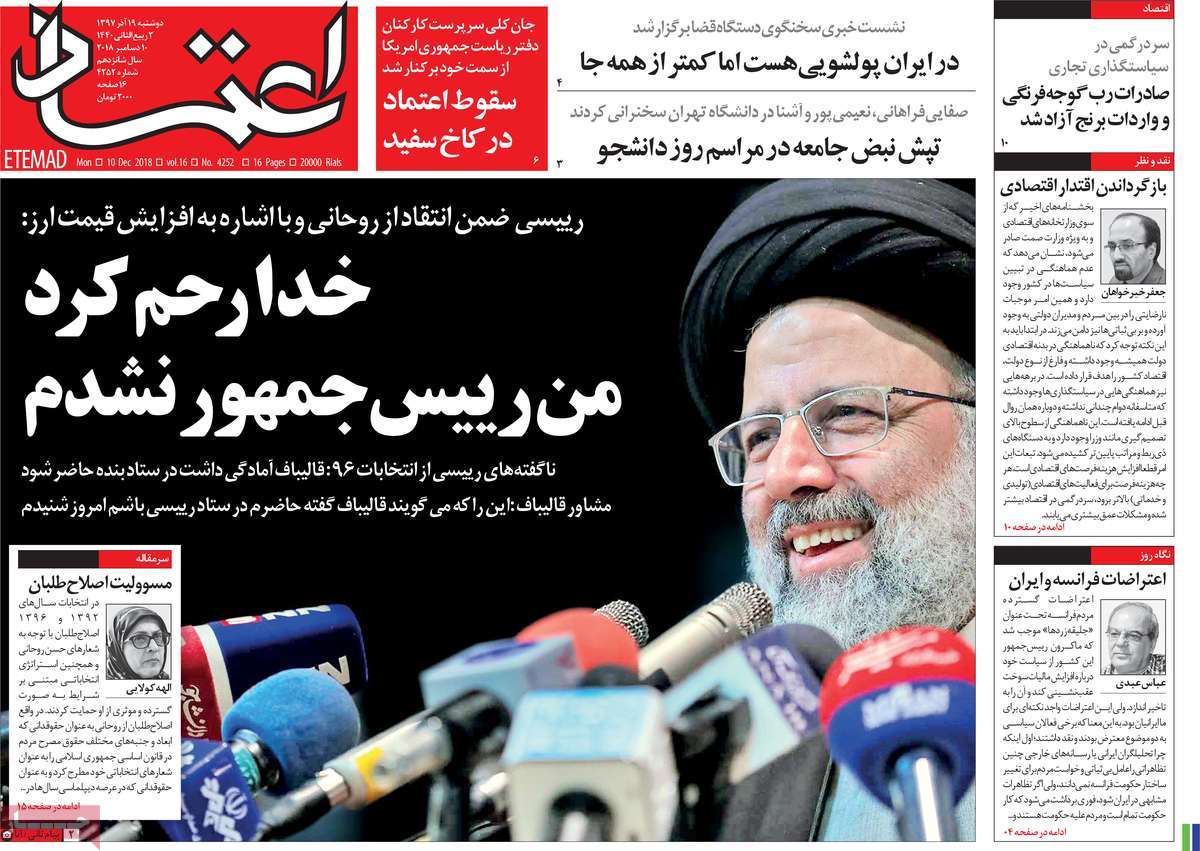
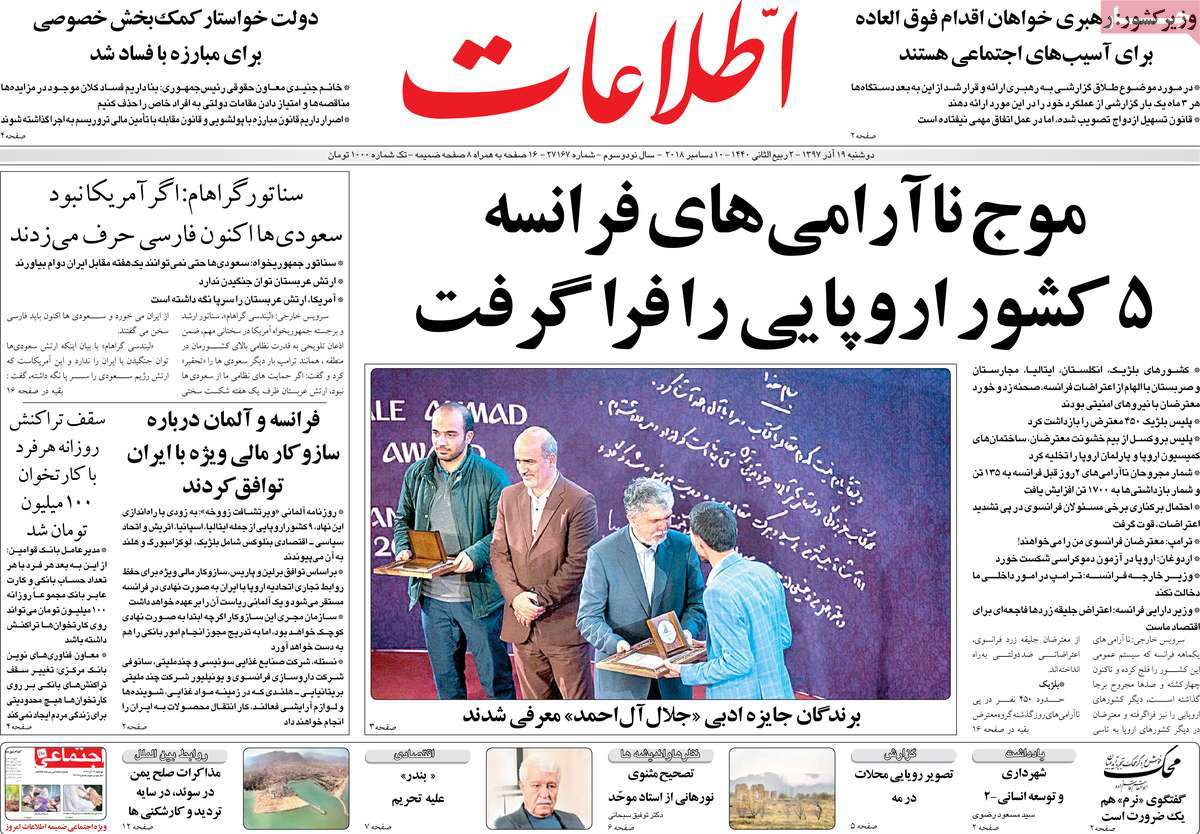
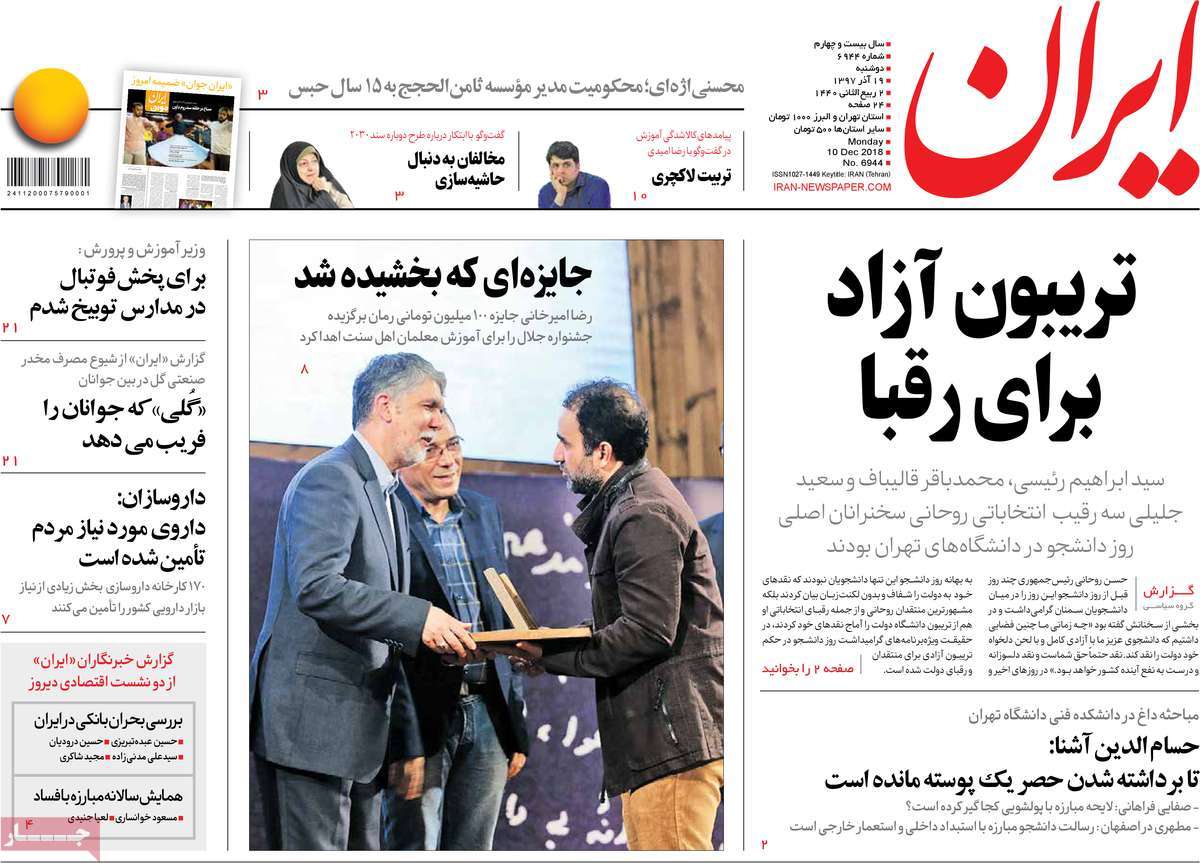
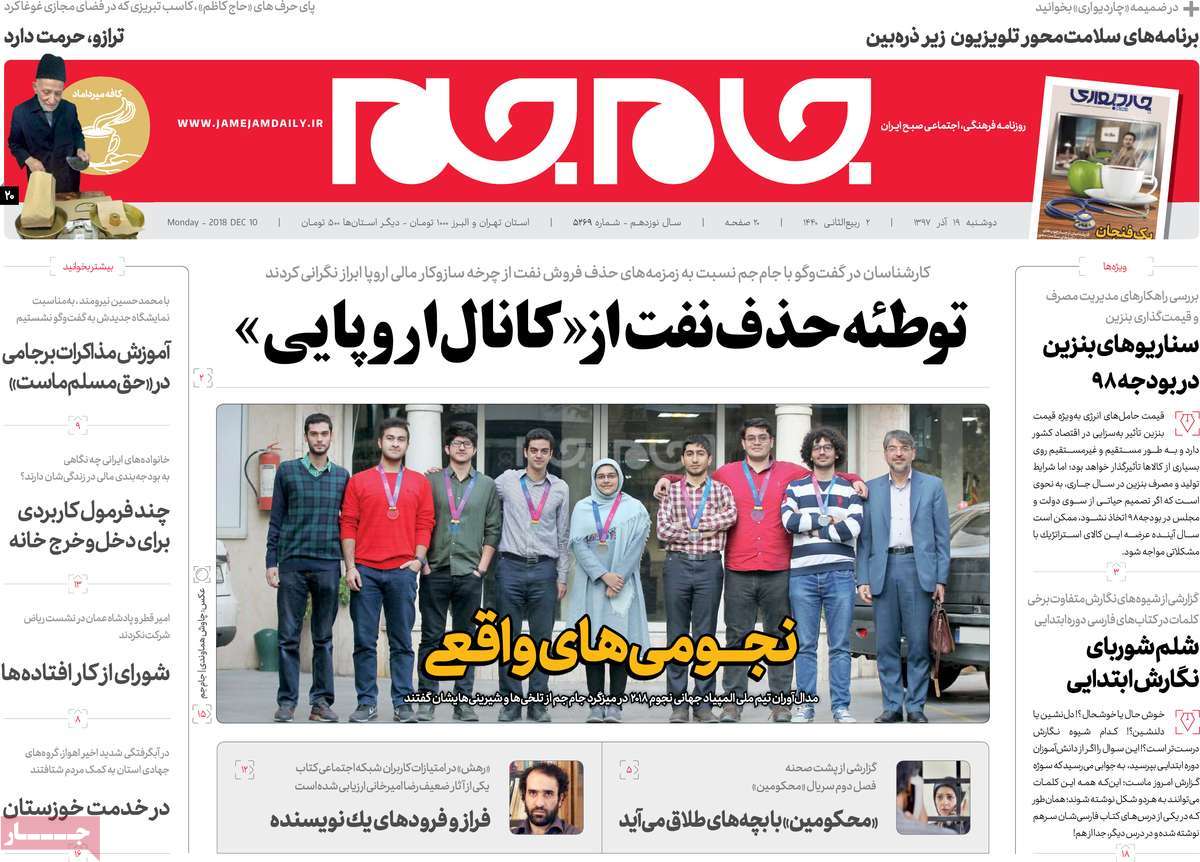
A Look at Iranian Newspaper Front Pages on December 10

A Look at Iranian Newspaper Front Pages on November 19

The top story in all papers today was the fresh round of Yellow Vest protests in France and other European countries, which took thousands of protesters to the streets for the fourth consecutive week.

Several papers also covered the remarks by conservative politician Ebrahim Raisi in criticism of the government of his former rival Hassan Rouhani.

The recent deal on output cut clinched by members of Organization of the Petroleum Exporting Countries (OPEC) was also described as a heavy blow to the US administration, which was pressurizing the OPEC to avoid cutting its oil output to keep the prices down.

The above issues, as well as many more, are highlighted in the following headlines and top stories:


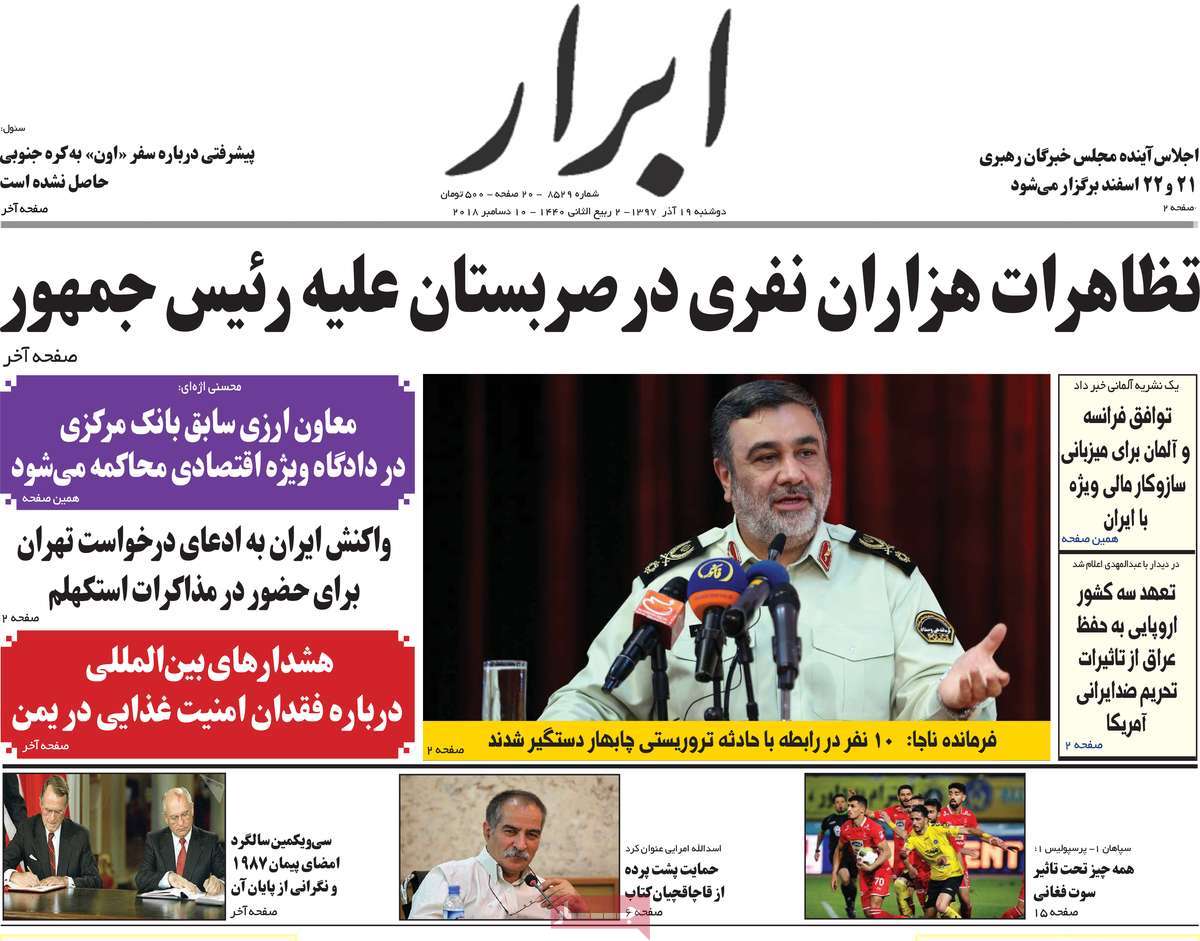
Abrar:

1- Police Chief: 10 Arrested in Connection with Chabahar Terror Attack

2- Int’l Warning over Lack of Food Security in Yemen

A Look at Iranian Newspaper Front Pages on December 10


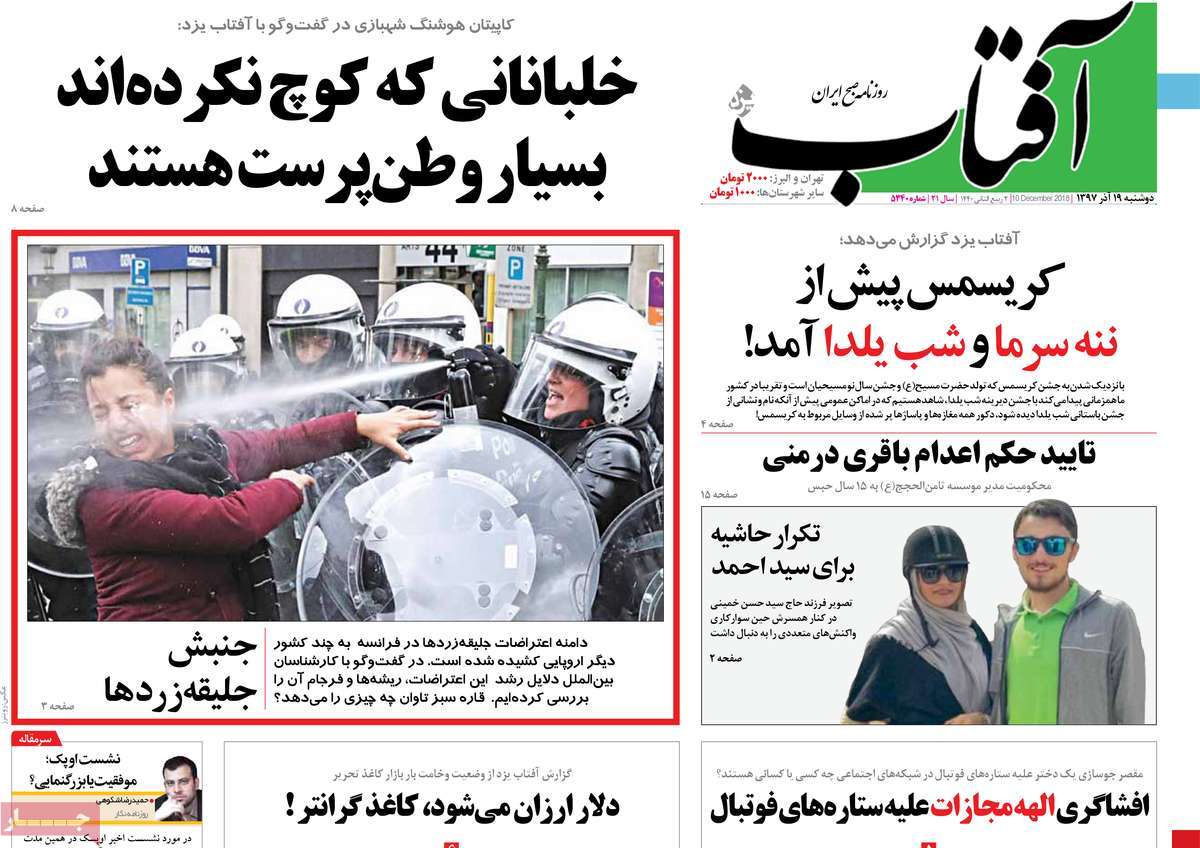
Aftab-e Yazd:

1- Christmas Arrives in Iran before Traditional Yalda Night!

  • Stores in Iran Full of Christmas Decorations, but No Sign of Yalda Yet

2- Yellow Vests Movement: France Protests Dragged into Other European Countries

A Look at Iranian Newspaper Front Pages on December 10


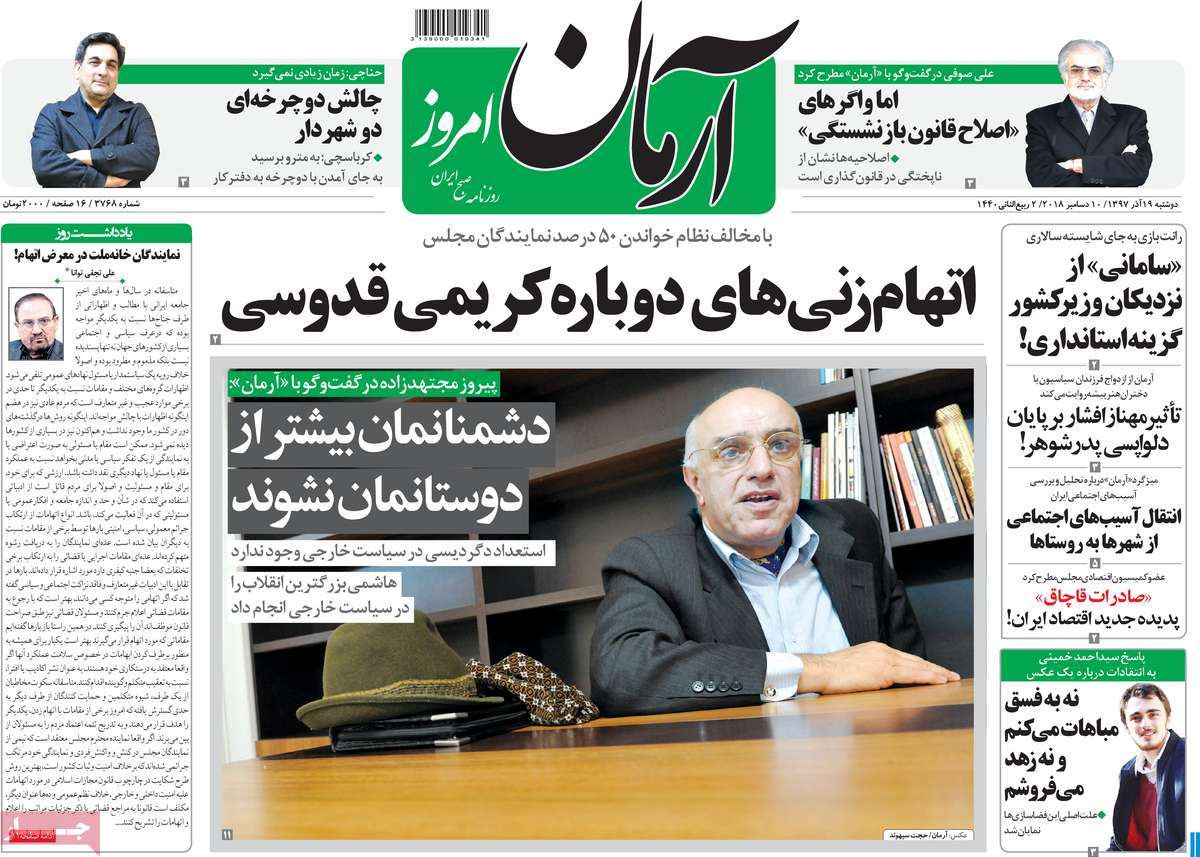
Arman-e Emrooz:

1- Bicycle Challenge between Two Mayors

  • Tehran’s Ex-Mayor: New Mayor Should Deal with More Important Affairs
  • Hanachi: Riding Bicycle to Work Doesn’t Take Much Time

A Look at Iranian Newspaper Front Pages on December 10


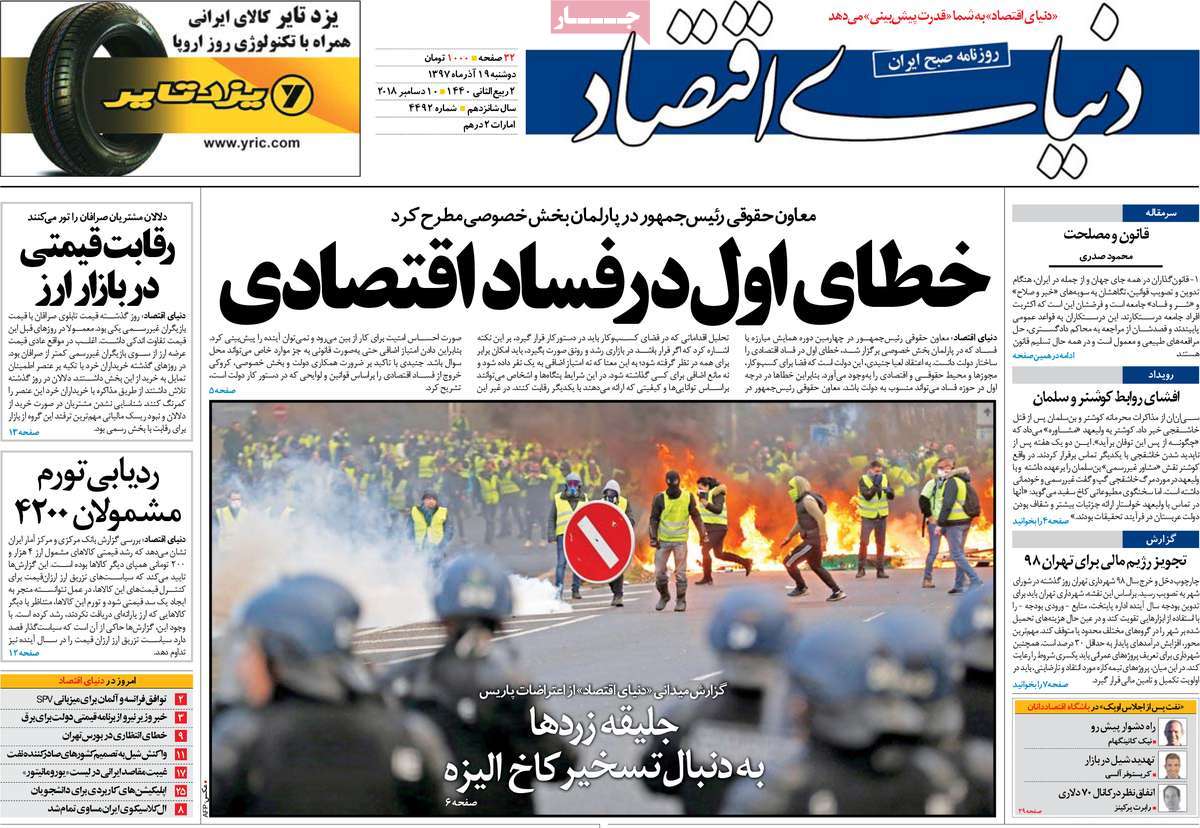
Donya-ye Eqtesad:

1- Yellow Vests Seeking to Conqur Élysée Palace

A Look at Iranian Newspaper Front Pages on December 10


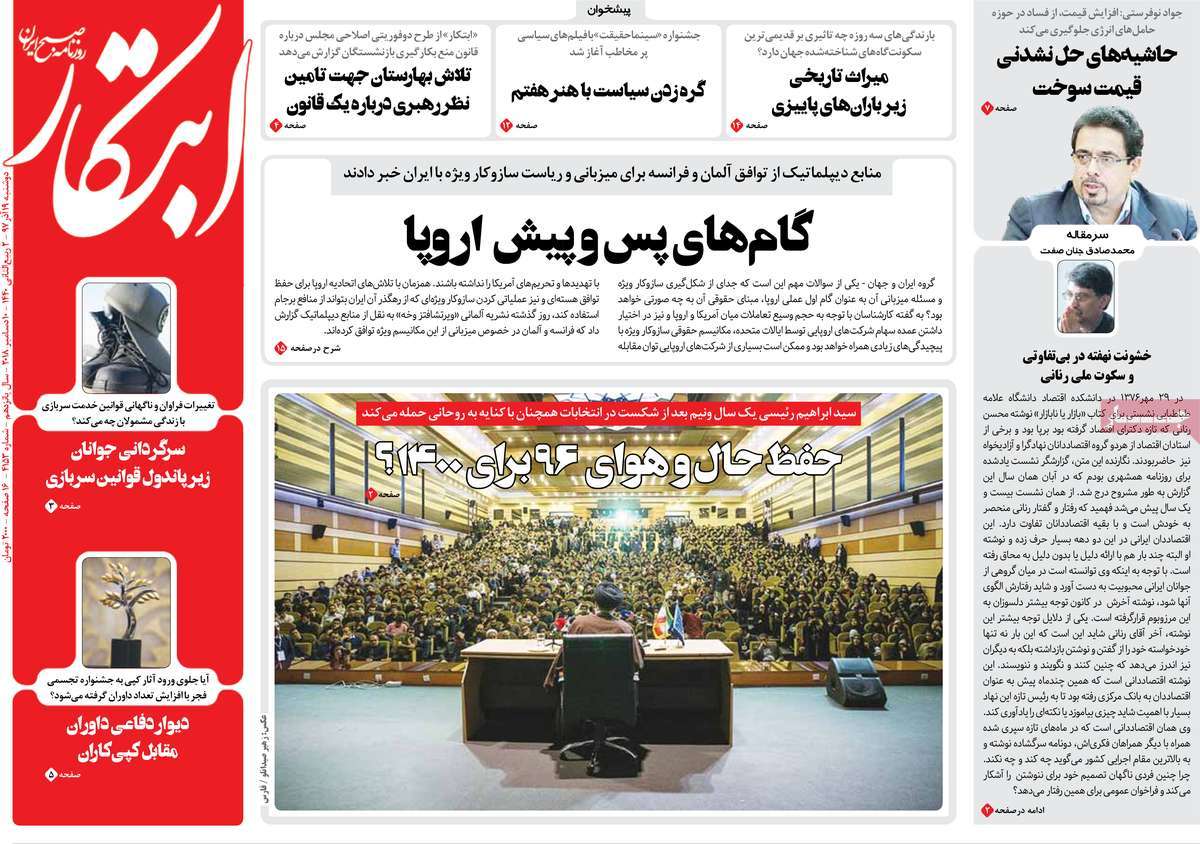
Ebtekar:

1- Germany, France Agree to Host, Chair Iran Trade Channel: Diplomatic Sources

A Look at Iranian Newspaper Front Pages on December 10


Etemad:

1- Rouhani’s Rival Raisi Criticizes His Government’s Performance

2- There Is Money Laundering in Iran, but Less than Anywhere Else: Judiciary

3- Decline of Trust in White House: John Kelly Dismissed

A Look at Iranian Newspaper Front Pages on December 10


Ettela’at:

1- Five European Countries Gripped by Wave of France Unrest

2- Senator Graham: Saudis Would Be Speaking Persian Now If It Wasn’t for US

3- France, Germany Agree on Iran Special Trade Channel

A Look at Iranian Newspaper Front Pages on December 10


Iran:

1- Free Tribune for Rivals

  • Rouhani’s Three Rivals Raisi, Qalibaf, Jalili Deliver Speeches at University of Tehran

2- Best-Selling Author Gifts His Considerable Award to Sunni Teachers in Deprived Province

A Look at Iranian Newspaper Front Pages on December 10


Jame Jam:

1- Plot of Removing Oil Sales from “European Channel”

  • Experts Concerned over Rumours of Removing Oil Sales from Europe’s SPV

A Look at Iranian Newspaper Front Pages on December 10


Javan:

1- Trump Defeated by OPEC

  • US President’s Headache after OPEC’s Deal to Cut Output by 1.2m Barrels

2- Western World’s Double Standards: From Tehran to Paris

  • How Foreign Interference in Iran Gatherings Violates Rights of People, Gov’t?

A Look at Iranian Newspaper Front Pages on December 10


Kayhan:

1- Riot of Republicanism against Aristocracy in France: Iranian Liberals Mourning

2- S. Korea: We’ll Keep Iran’s Market for Ourselves in Any Way Possible!

A Look at Iranian Newspaper Front Pages on December 10


Resalat:

1- Europe’s Dormant Volcano Erupts

  • Increased Protests in Netherlands, Belgium, Italy, France

A Look at Iranian Newspaper Front Pages on December 10


Setareh Sobh:

1- Execution and Removing Highest-Ranking Convicts

  • Another Man to Be Executed for Economic Corruption

2- Foreign Currency Rates Decreasing

A Look at Iranian Newspaper Front Pages on December 10


Shargh:

1- Iranian Trouble for China, US: Complicated Story of Huawei CFO’s Arrest

2- British Ambassador Vows to Ease Visa Issuance for Iranians

3- Lawmaker Promotes Sectarianism at Parliament

A Look at Iranian Newspaper Front Pages on December 10


Vatan-e Emrooz:

1- Union of European Protests

2- Qatar on Verge of Leaving Club of Sheikhdoms: GCC Summit Held without Two Leaders

A Look at Iranian Newspaper Front Pages on December 10

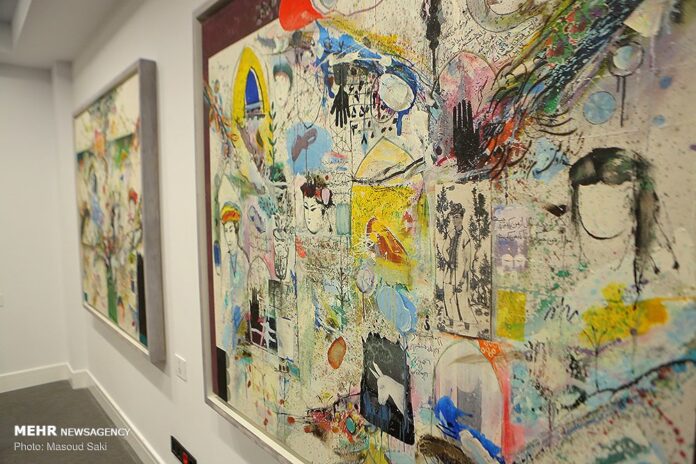
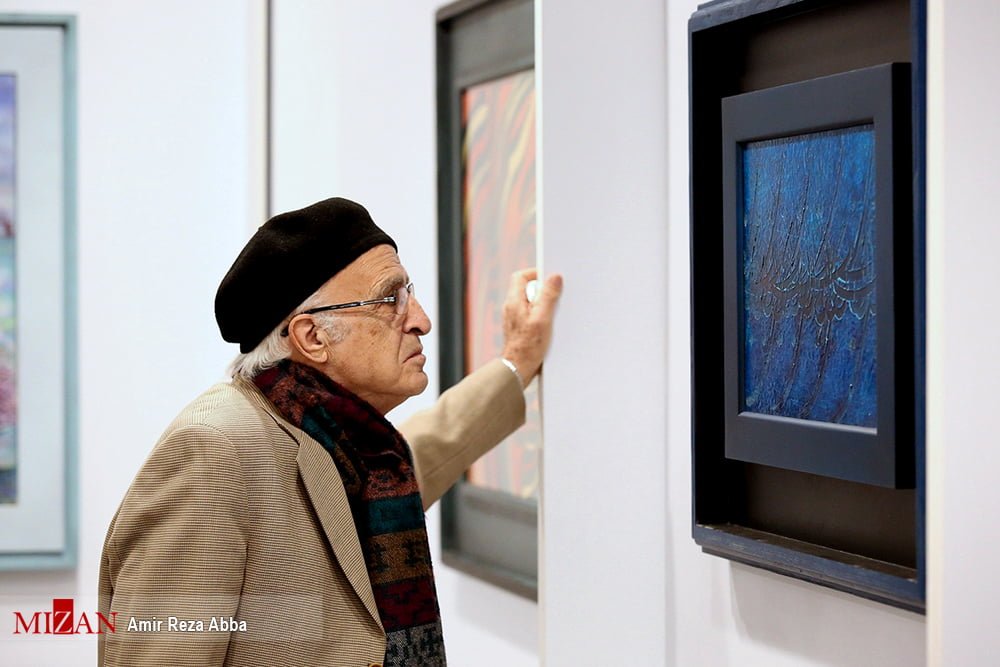
Collection of Works by Contemporary Artists on Display in Tehran

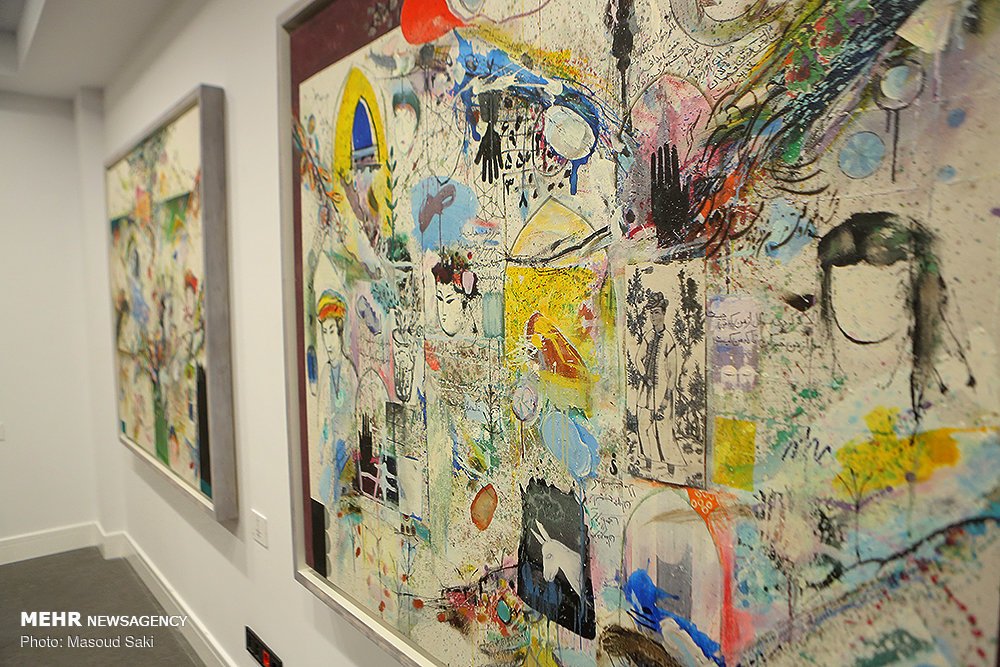
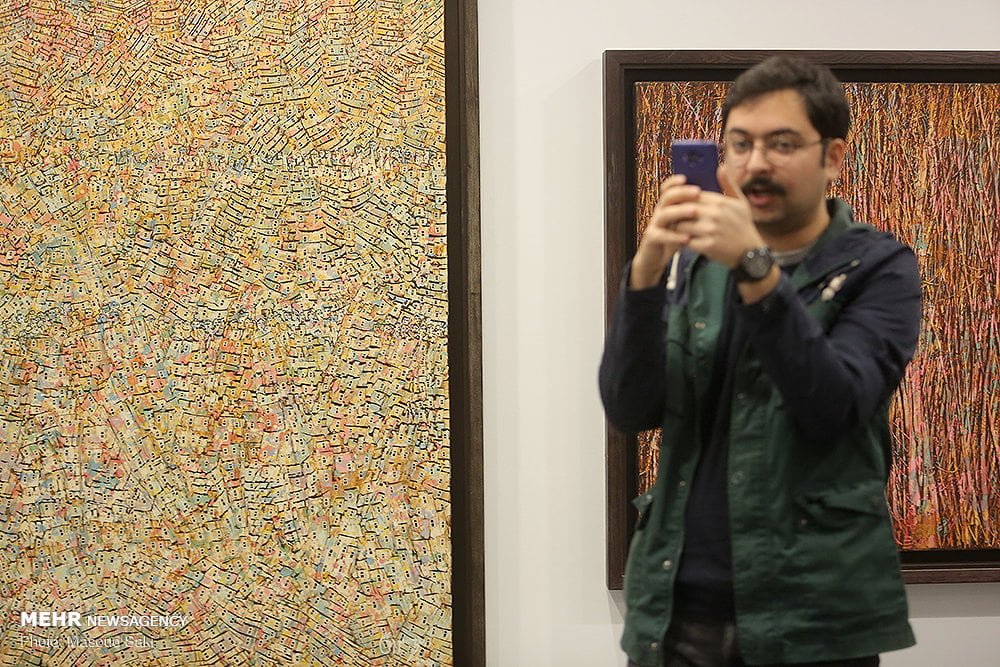
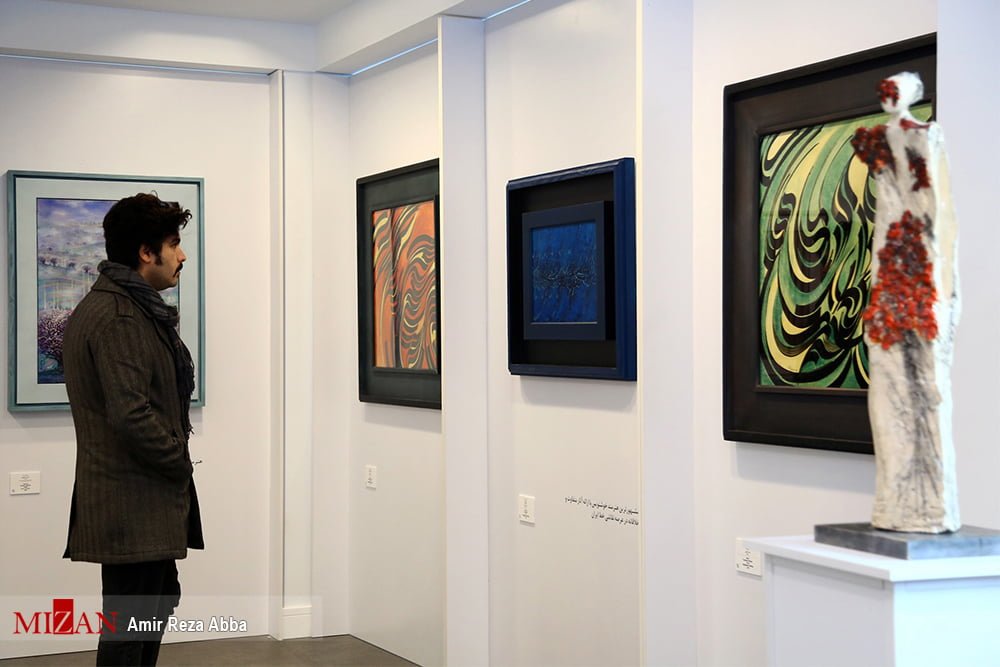
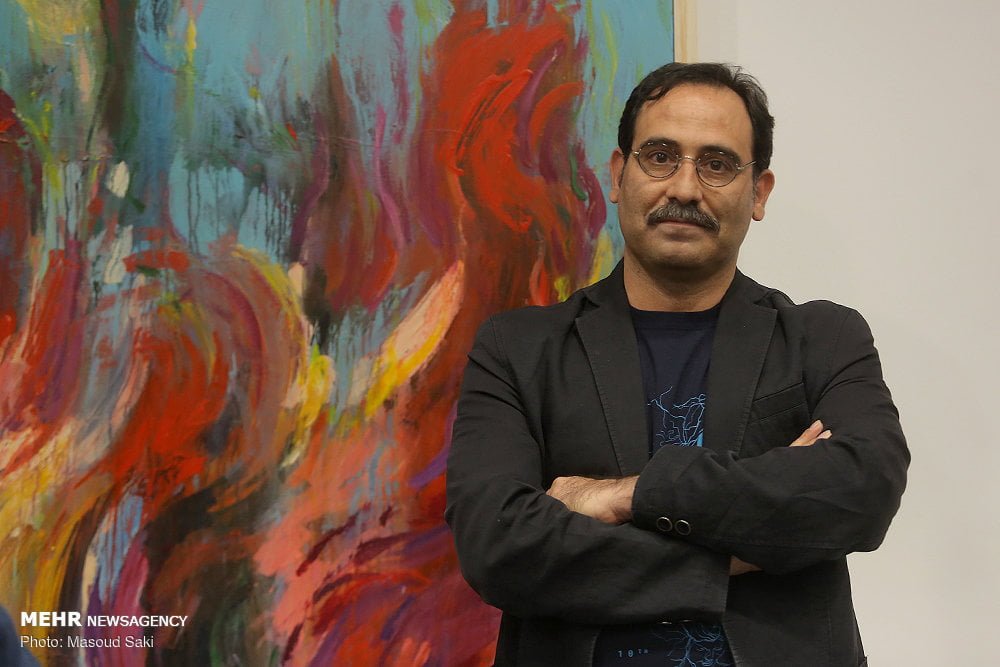
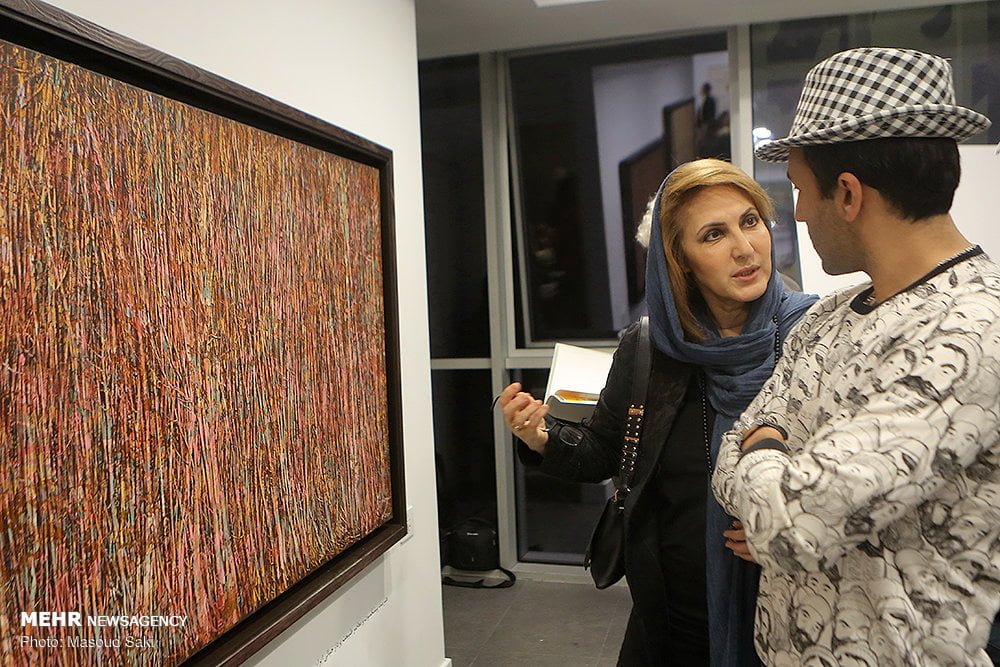
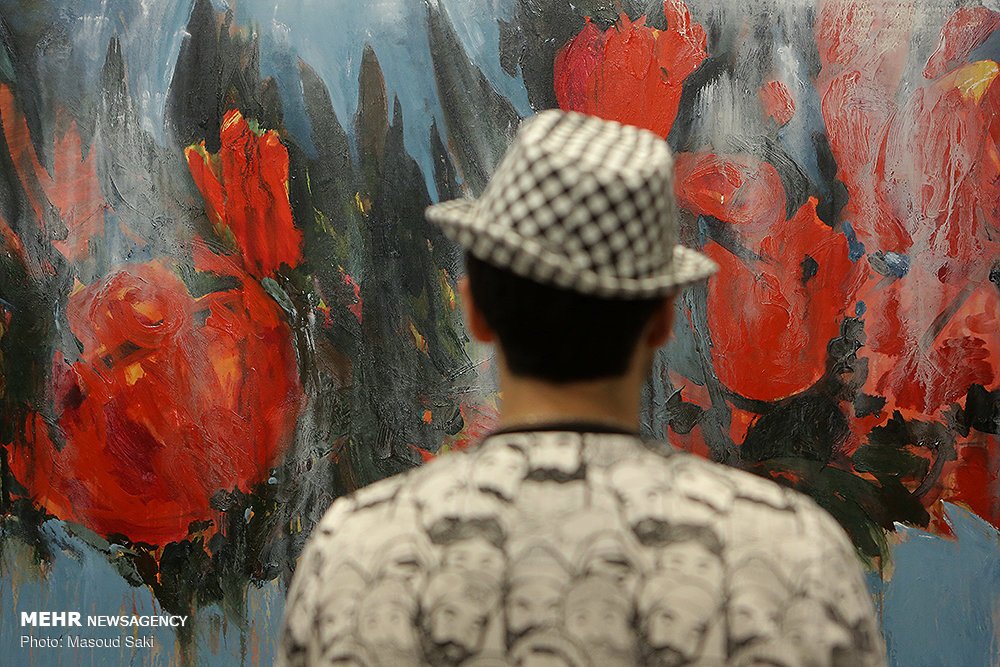
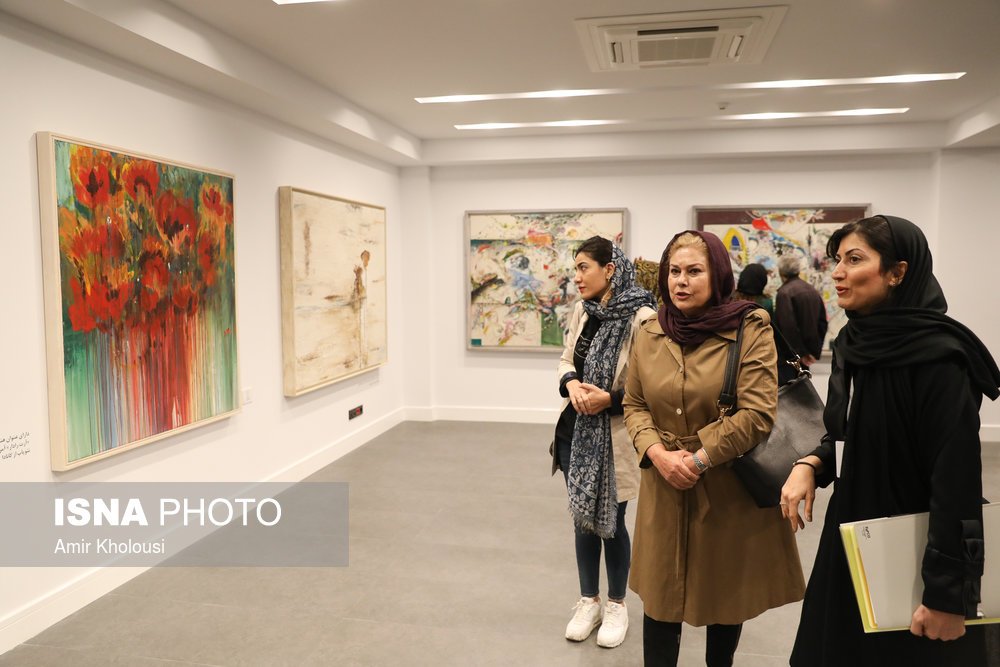
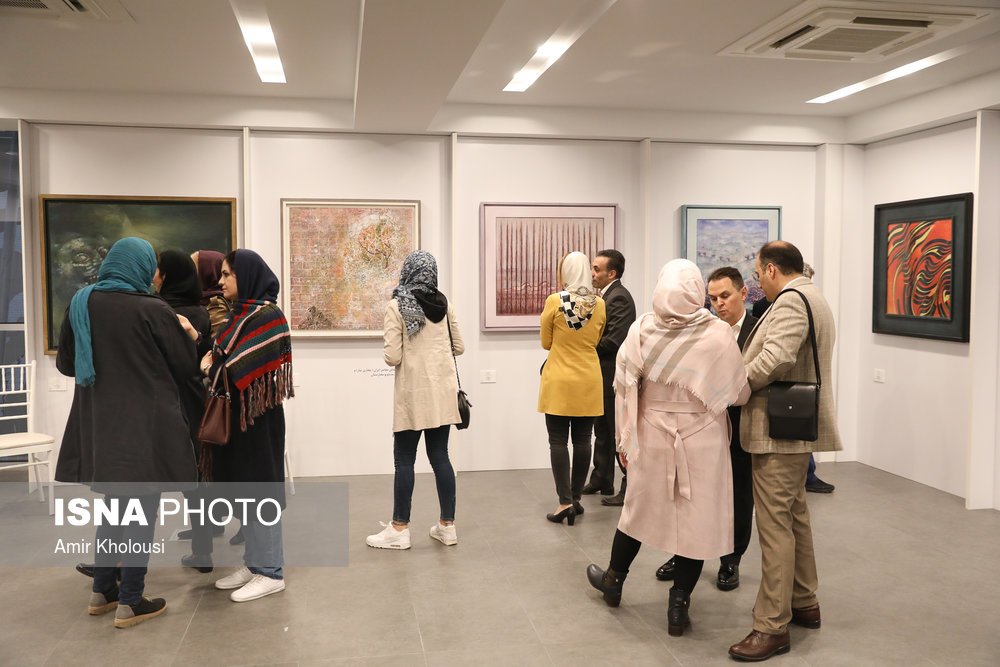
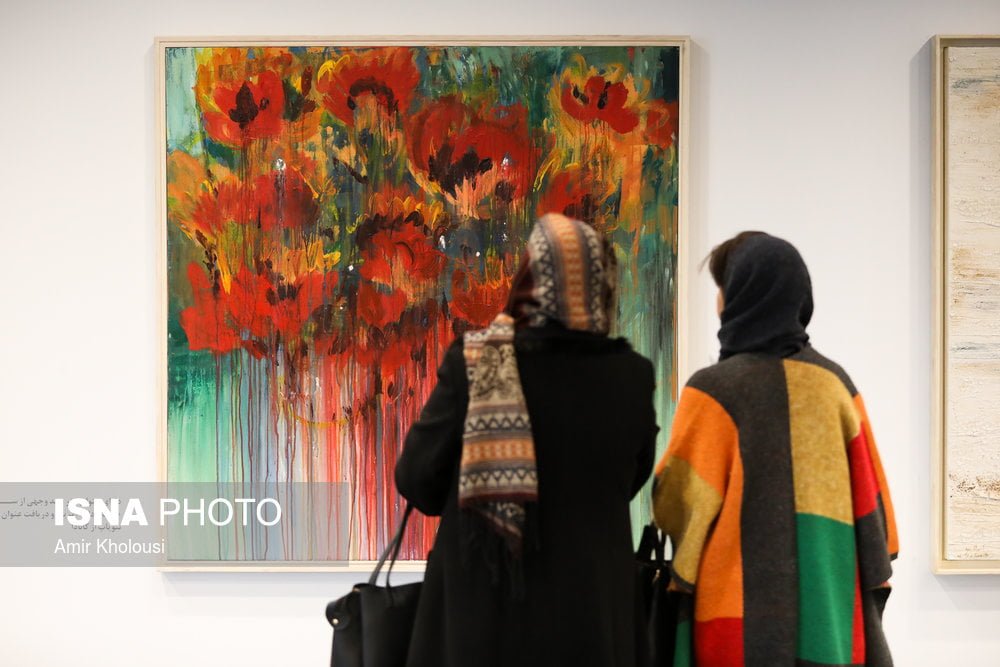
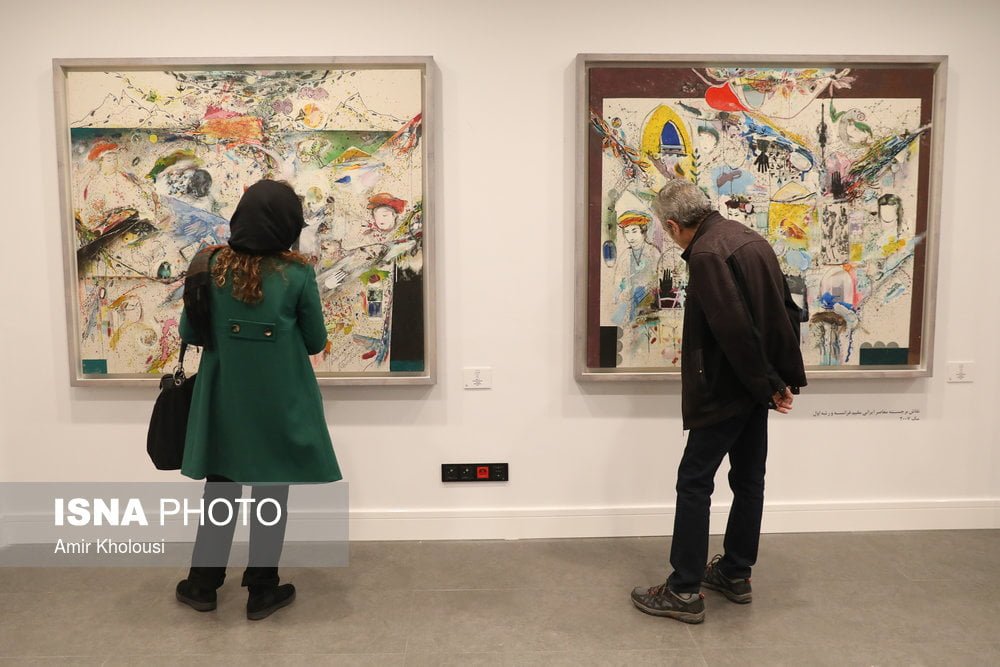
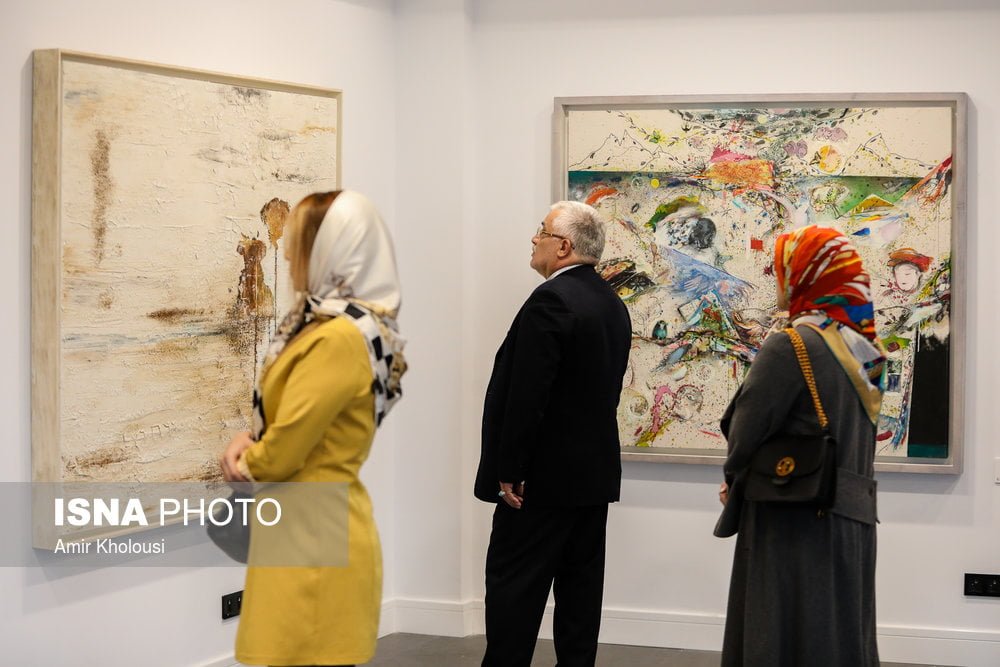
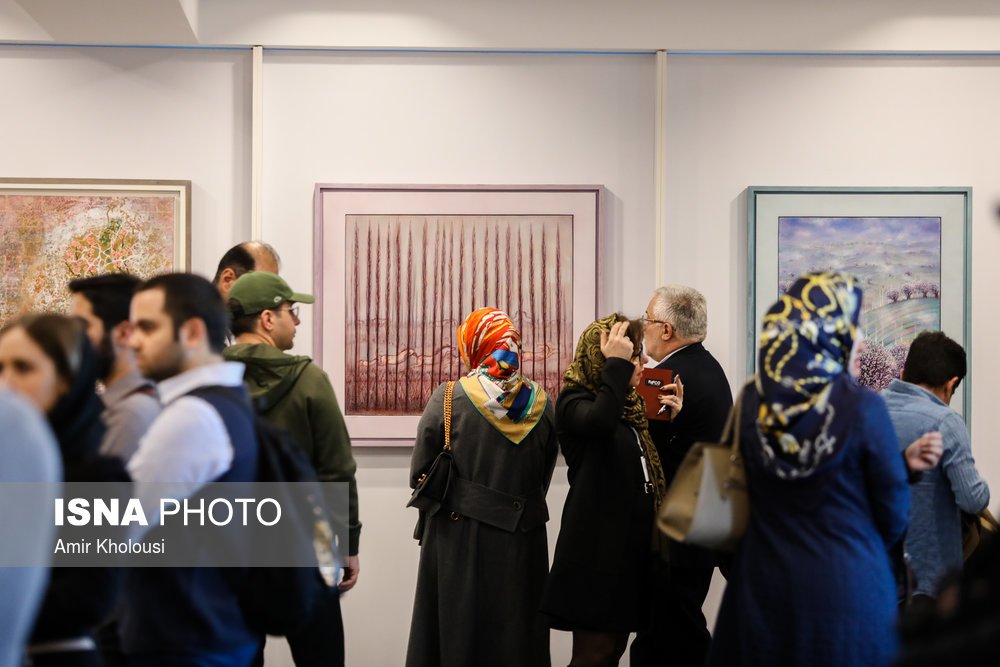
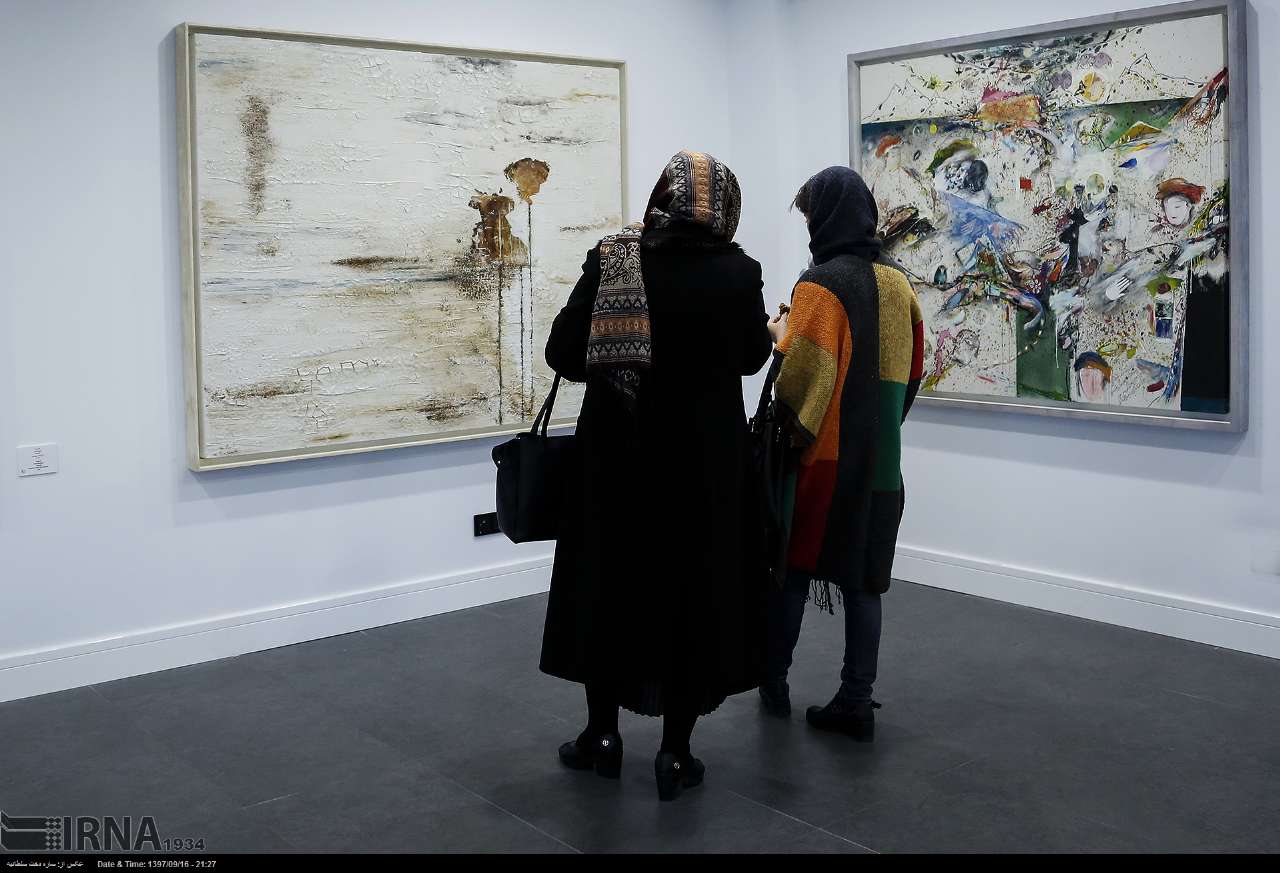
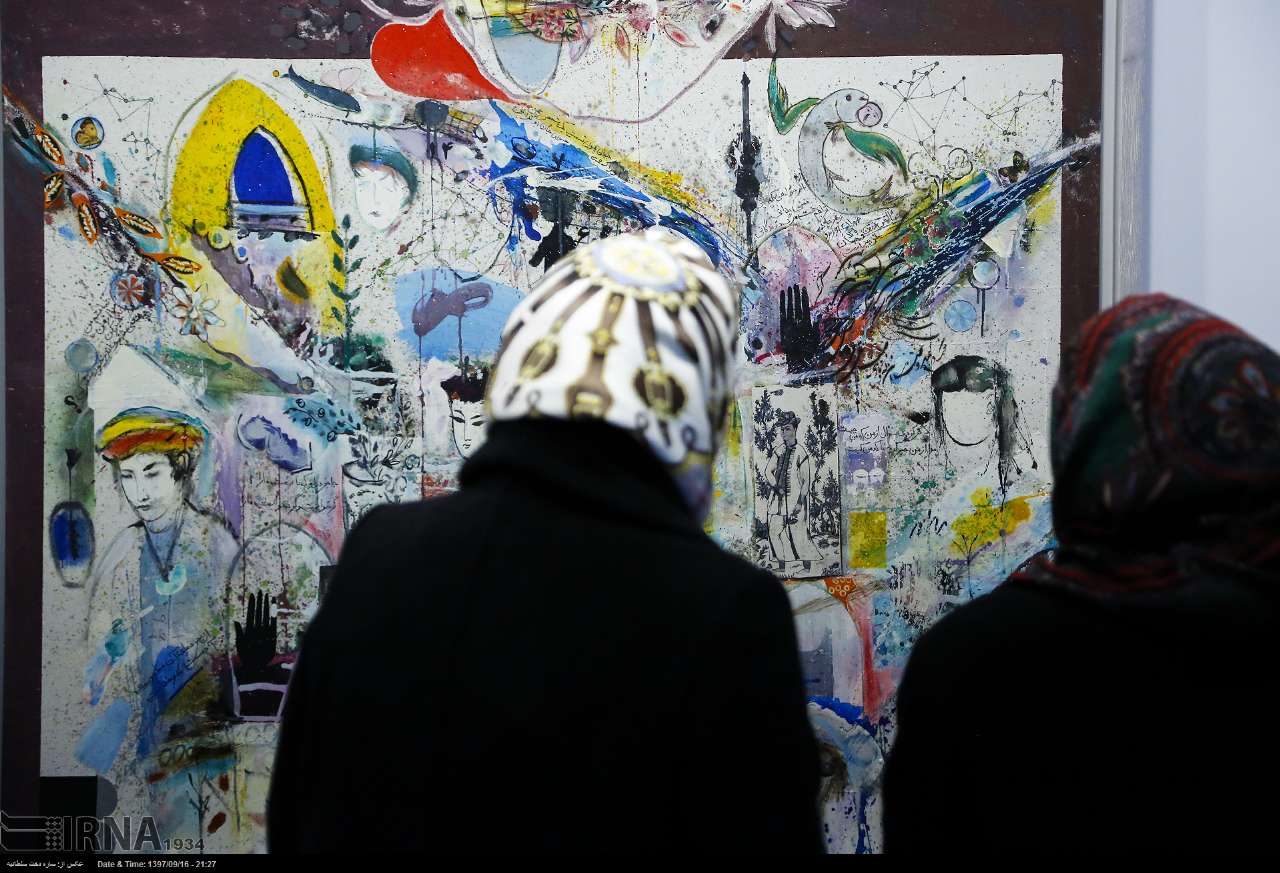
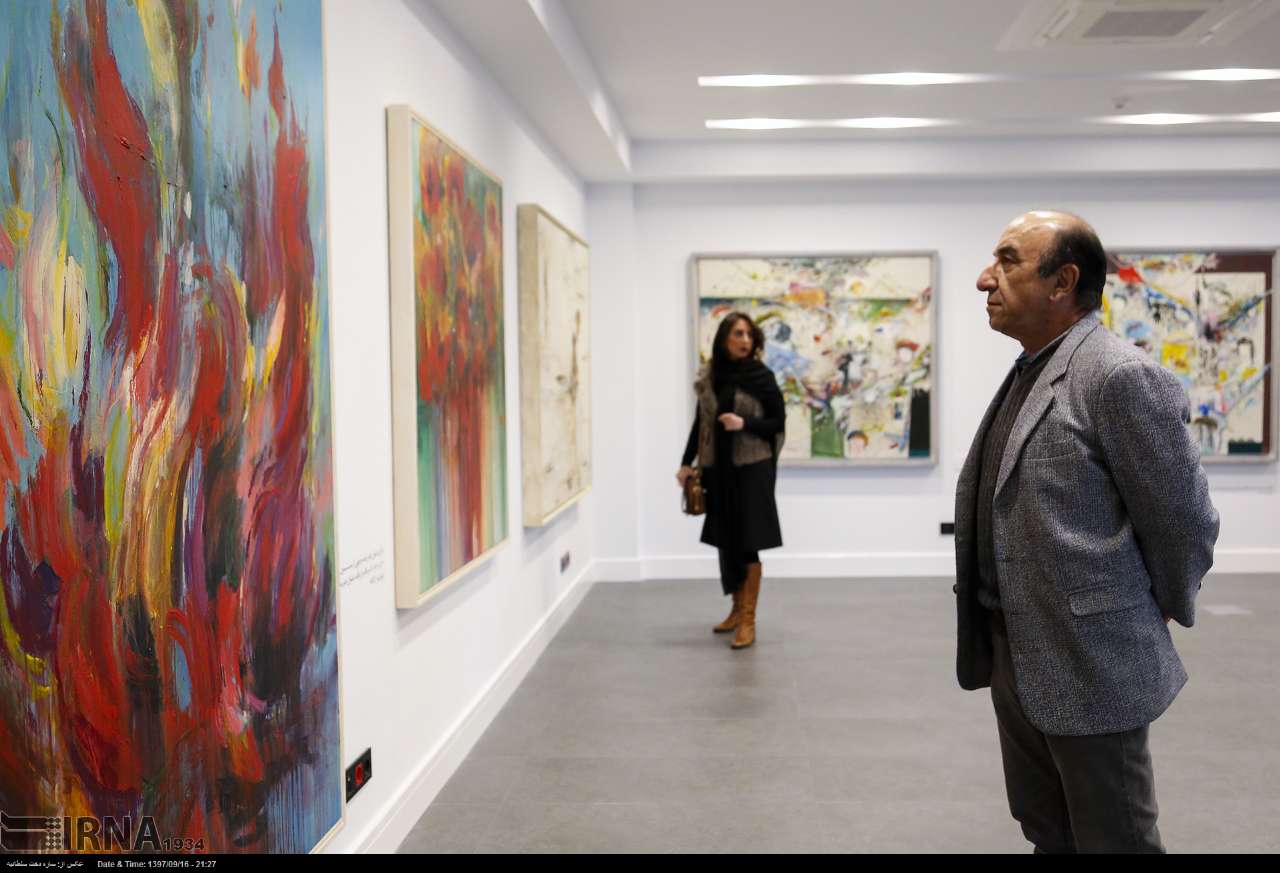
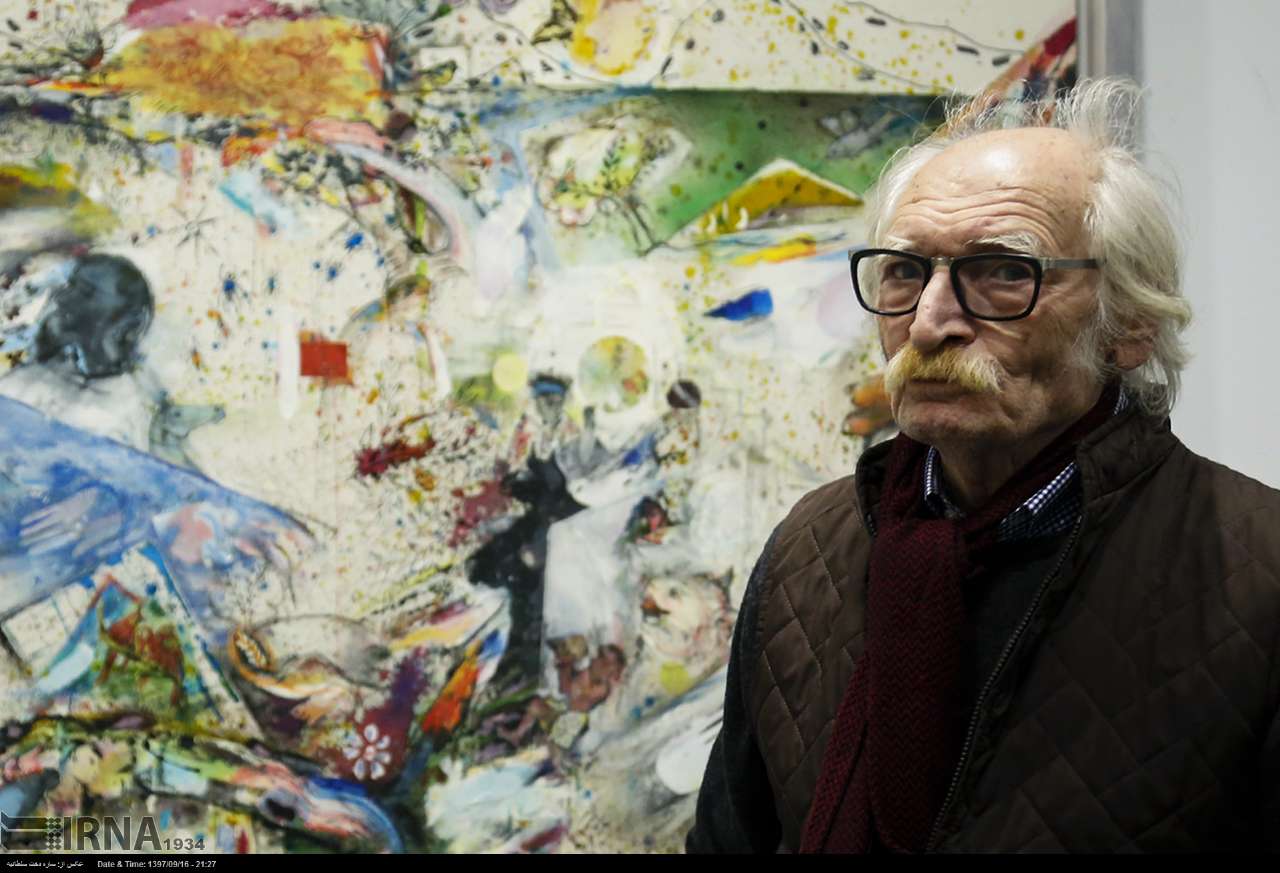
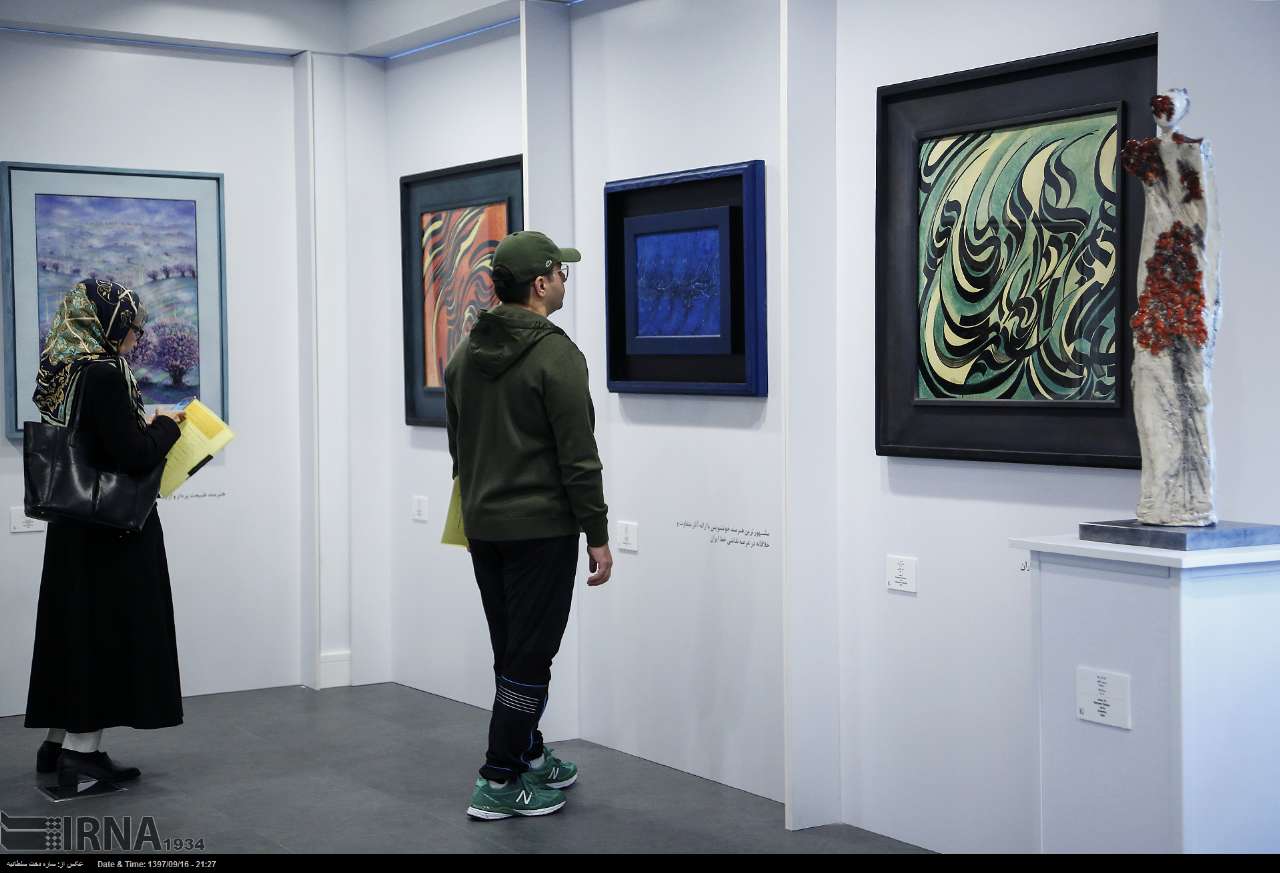
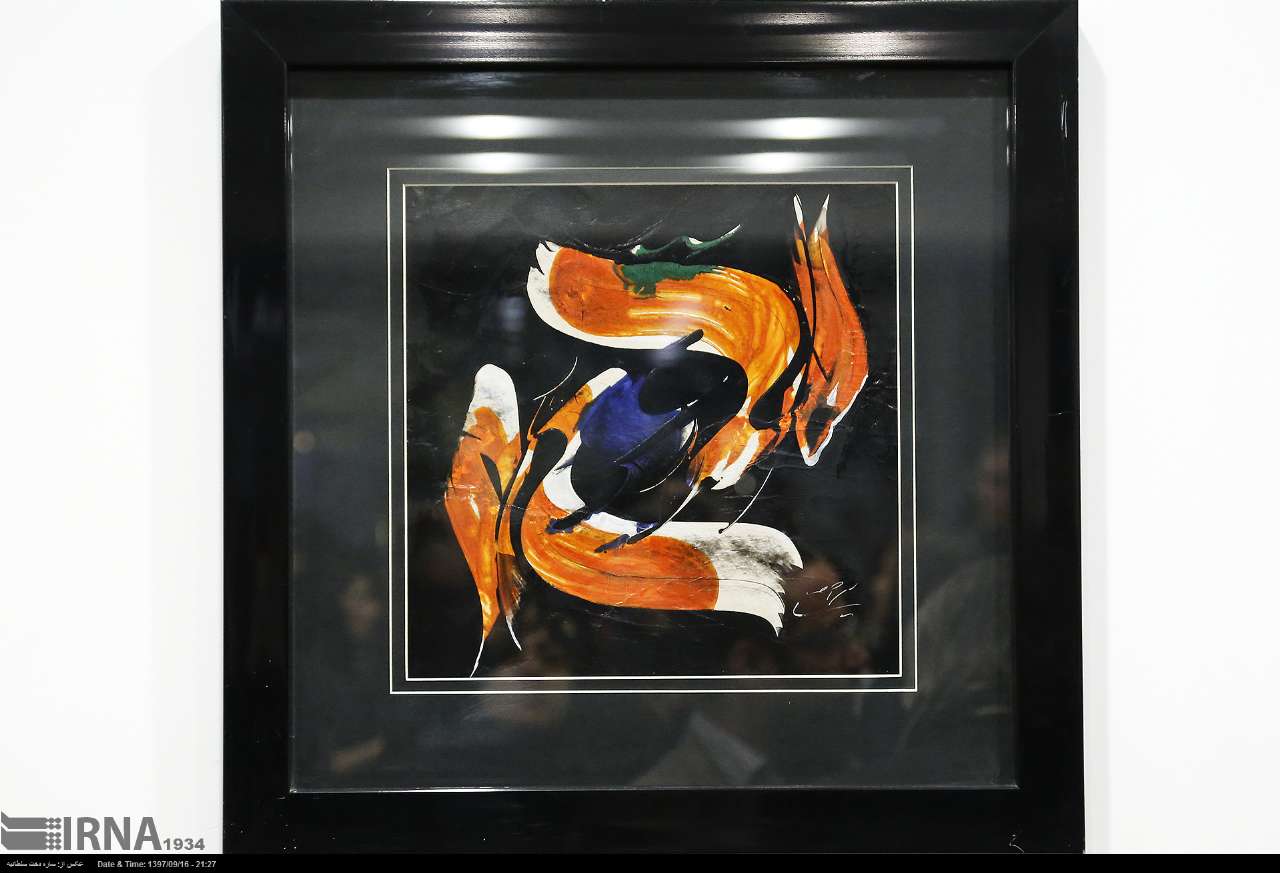
Focused on the concept of Iranian and Islamic art, the “Quest for Self” exhibition is being held at the newly-opened Kolah-Douzan Gallery, north of Tehran.

Exquisite works by Mohammad Ehsai, Nasrollah Afjei, Hojat Amani, Yaqub Emdadian, Mahdi Hosseini, Maryam Salour, Davood Ghanbari, Hossein Mahjoubi, Manouchehr Niazi and Gizella varga Sinai have been put on display at the exhibition.

The exhibition, which will be open to visitors until December 14, also displays artworks by three late artists – Reza Mafi, Faramarz Pilaram, and Sadeq Tabrizi.

What follows are photos of the exhibition retrieved from ISNA, Mehr, IRNA, and Mizan news agencies:

Dialogue, Respect Key to Making Strong Region: Iran FM

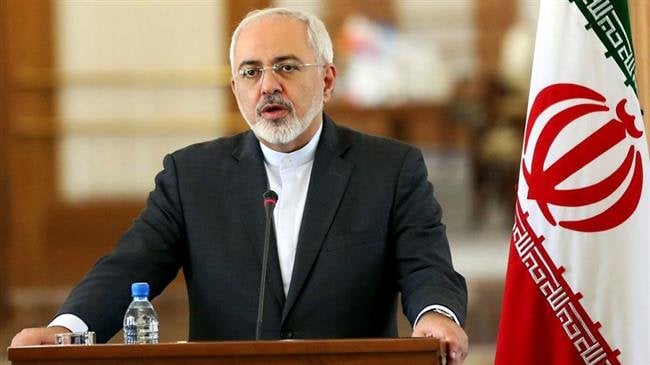
“What we need is a stronger region rather than strongmen. For this we need dialogue,” and “respect for international law,” Zarif said in a tweet posted on his official Twitter page on Sunday.

The top Iranian diplomat also mentioned “inclusion, security networking, economic cooperation, and more people-to-people contact,” as other factors, which can help regional states achieve the goal of having a stronger region.

The Iranian foreign minister also took to task the “strongmen,” who have risen to power in Middle Eastern countries, for the destructive role they have played in the region, noting, “Our region has had far too many strongmen who have only caused war & misery.” He, however, made no direct reference to any specific regional politician.

In another part of his tweet, Zarif brought up some key points included in Iranian President Hassan Rouhani’s statement before the regional parliament speakers’ conference in Tehran on the requisites for the realization of a stronger region.

Addressing the Tehran conference on Saturday, President Rouhani said that deepening of multilateral and bilateral bonds and the pursuit of multilateralism in diplomatic and economic relations were key factors for achieving this goal.

The adoption of security networking with the participation of all neighboring countries and displaying mutual respect for national sovereignty were other factors mentioned by Iran’s chief executive, who also called for strengthening comprehensive defense capabilities and reduction of militarism at the regional level.

In an address to the closing ceremony of the conference, Iran’s Parliament Speaker Ali Larijani said the United States sought to engage Asian countries in wars and acts of terror with the purpose of exhausting their resources and hindering their progress.

He added that the US had created terrorist groups in Asia, because the region enjoyed great economic and energy potential, noting that for this reason, Asian countries have been engaged in wars over the past three decades and now most of terrorist groups are in Asia.

Iran on Saturday hosted the second Speakers’ Conference in the capital Tehran, which focused on the challenge of terrorism and inter-regional connectivity. The event was attended by parliament speakers from Afghanistan, China, Iran, Pakistan, Russia and Turkey.

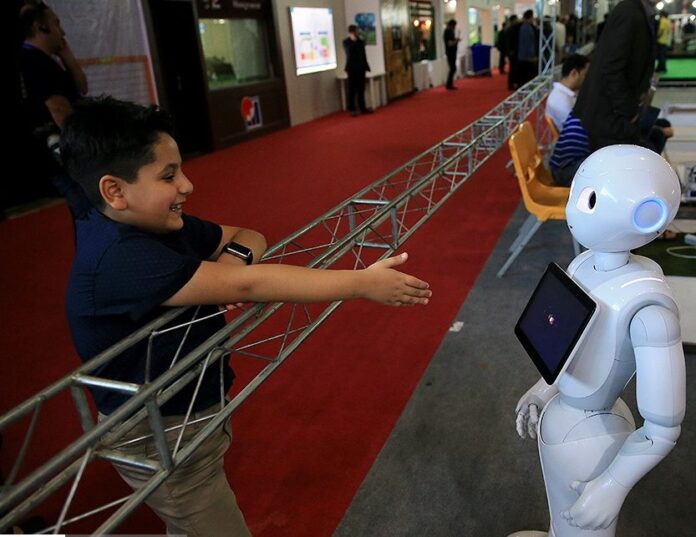
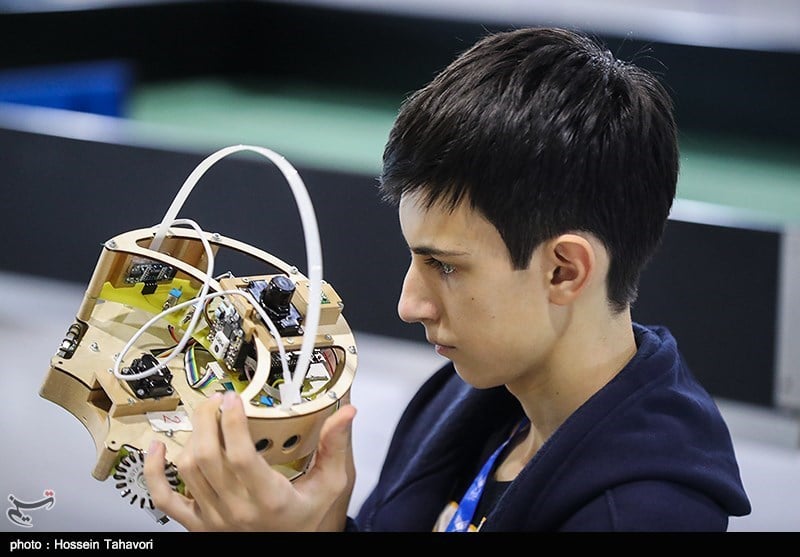
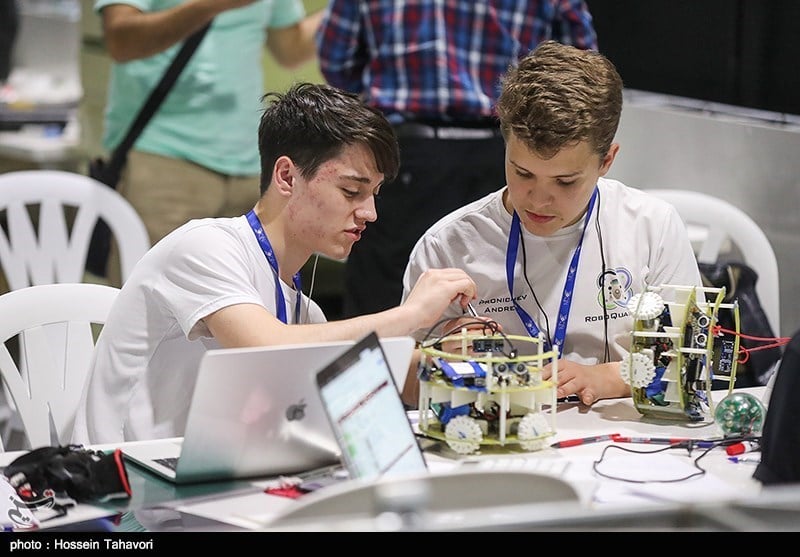
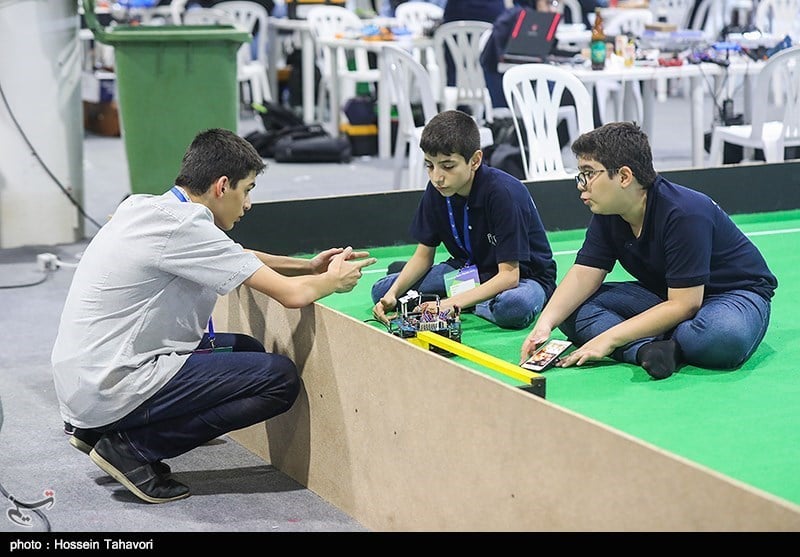
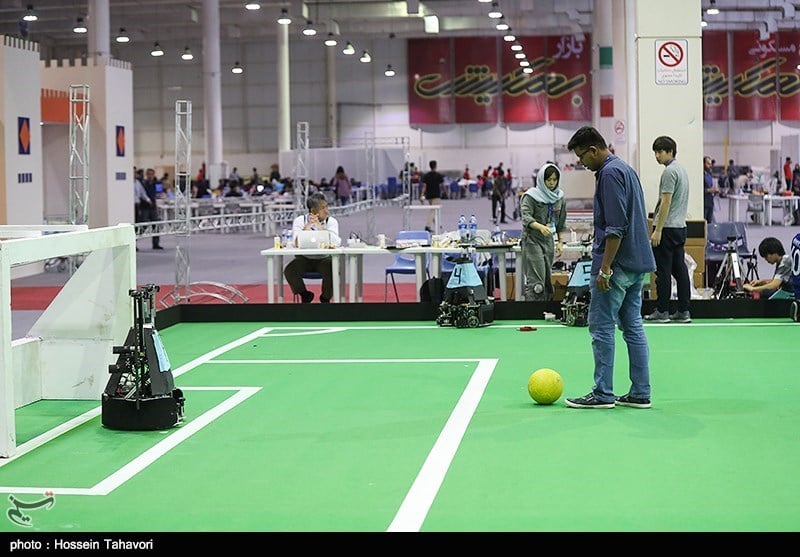
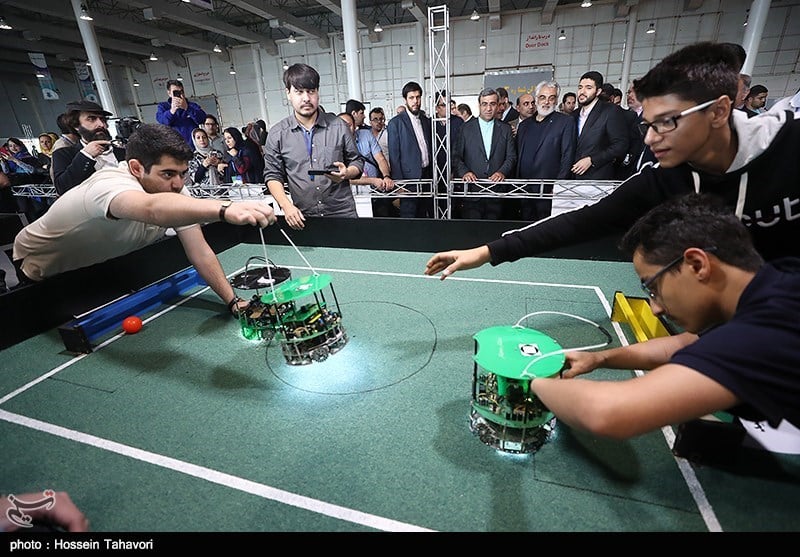
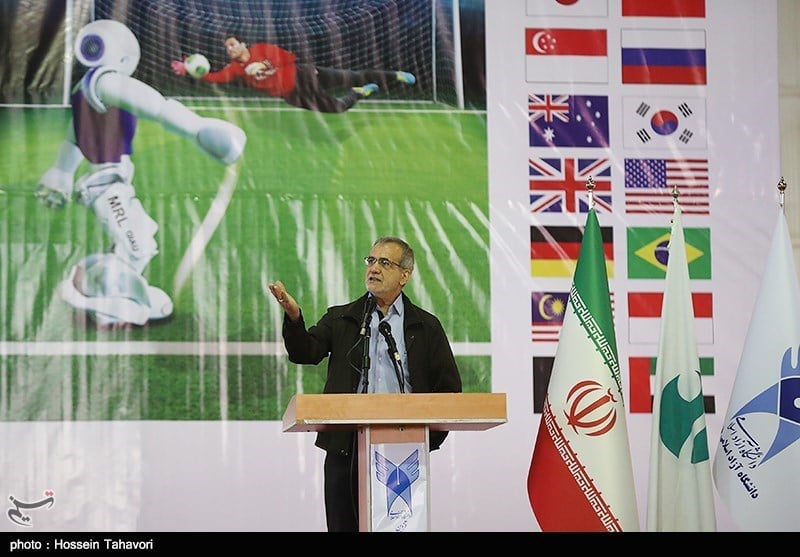
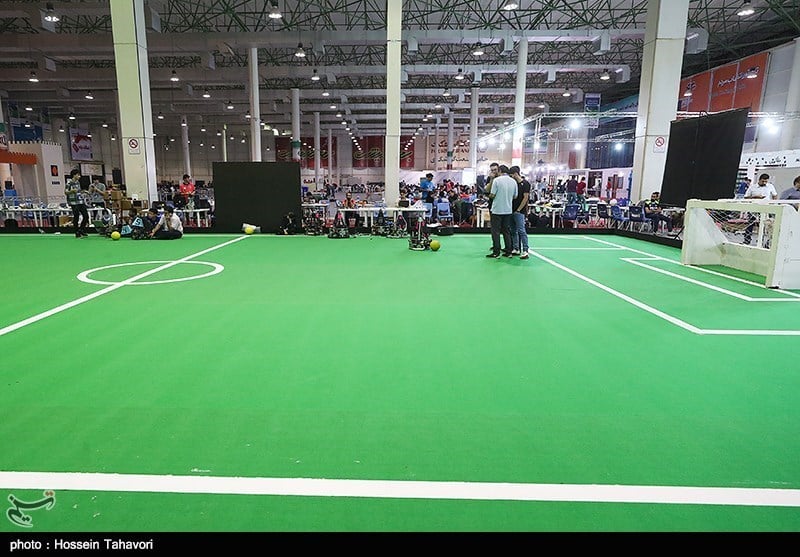
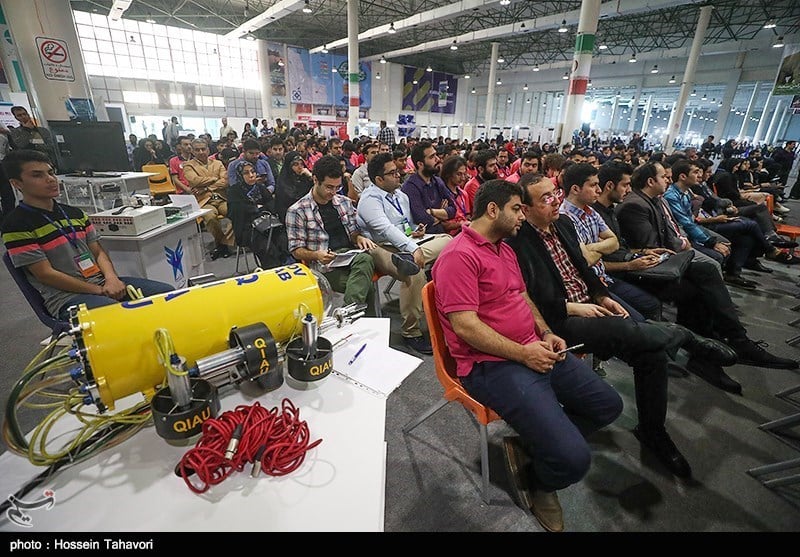
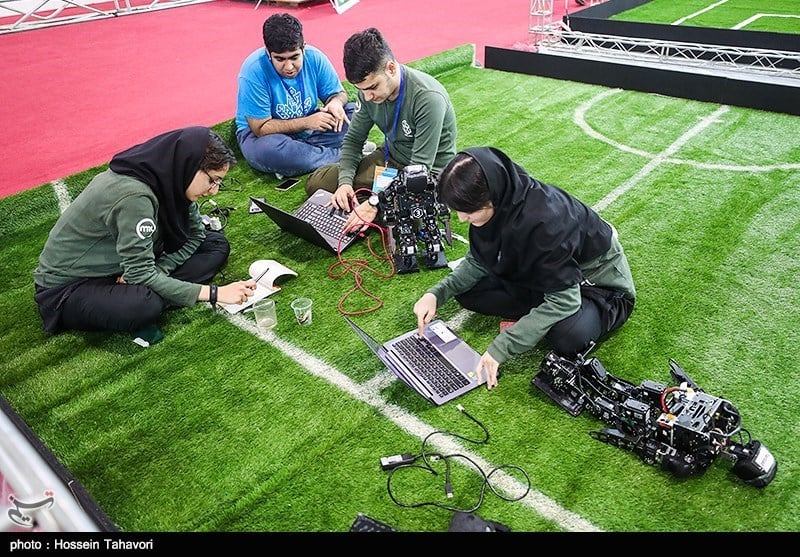
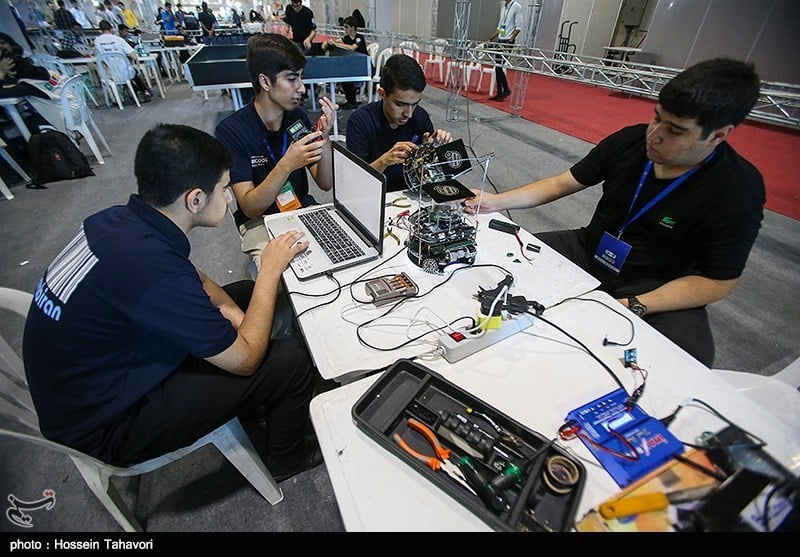
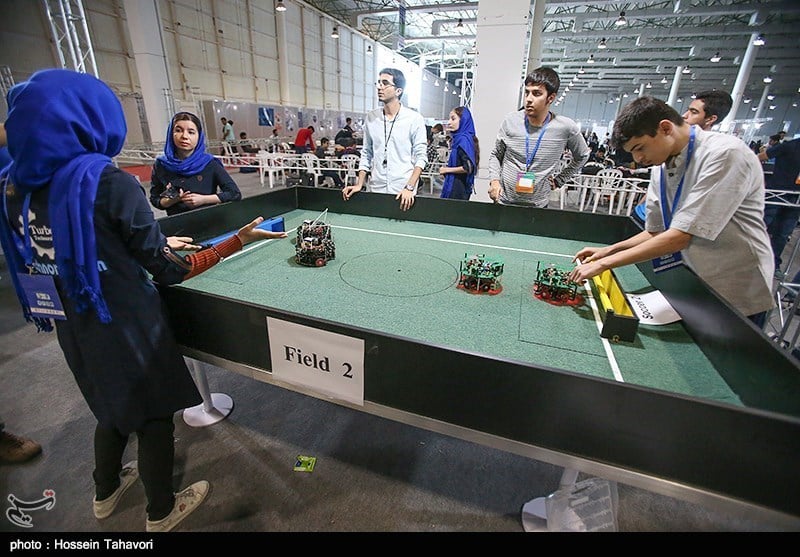
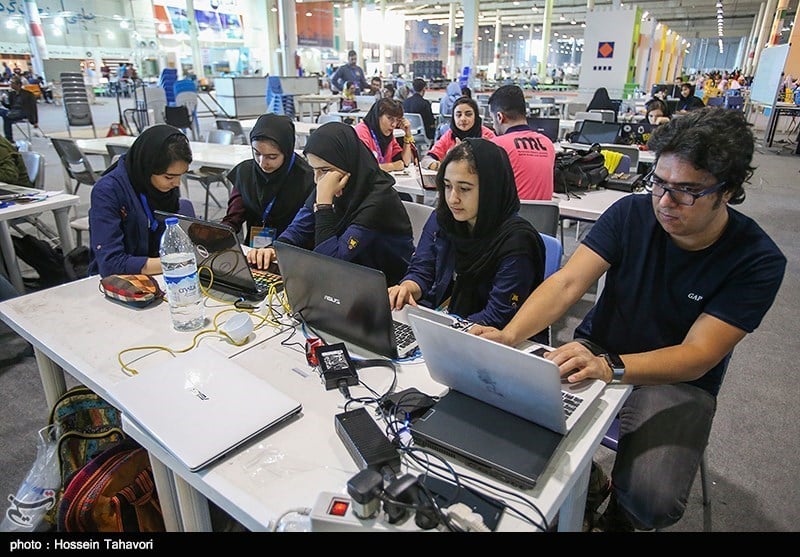
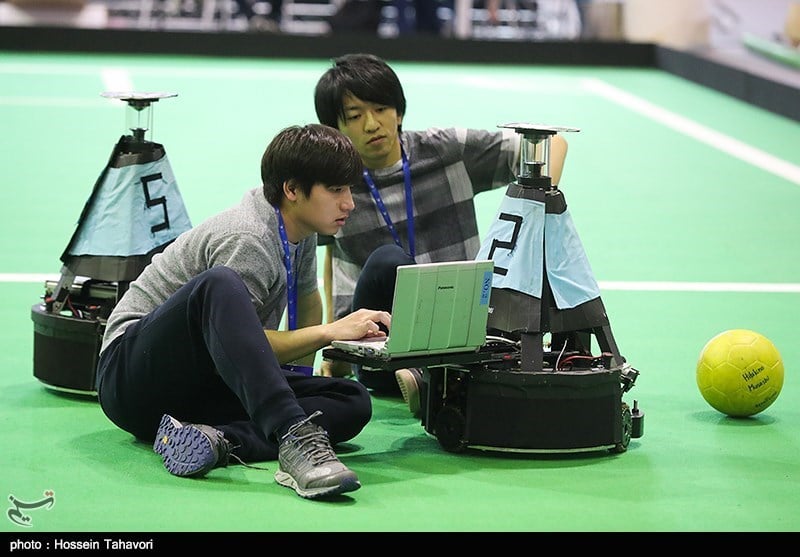
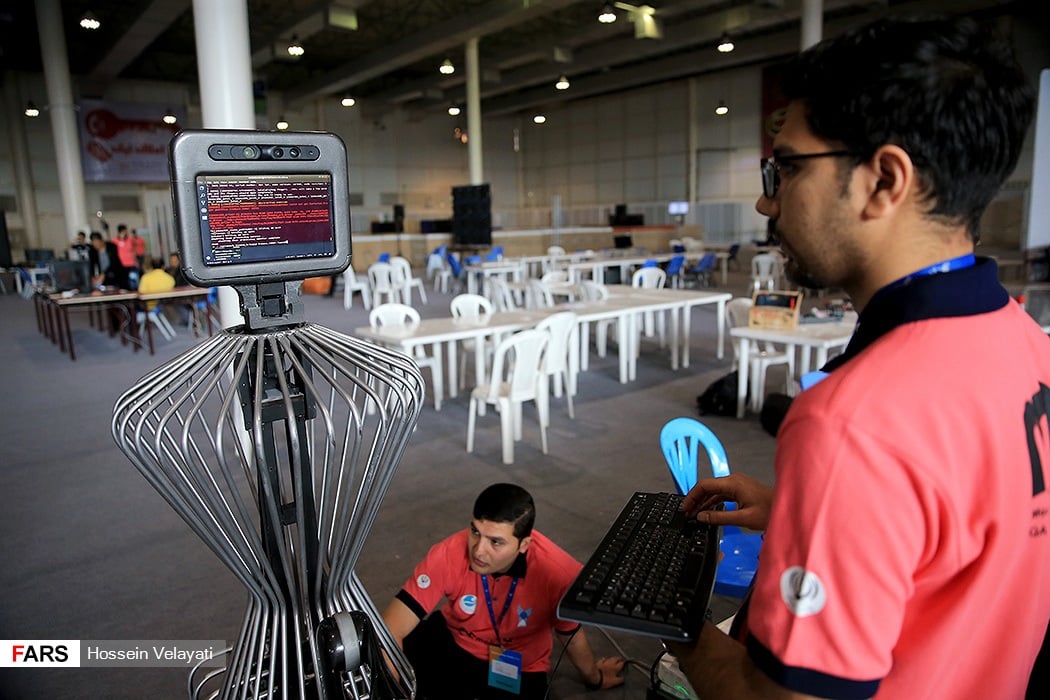
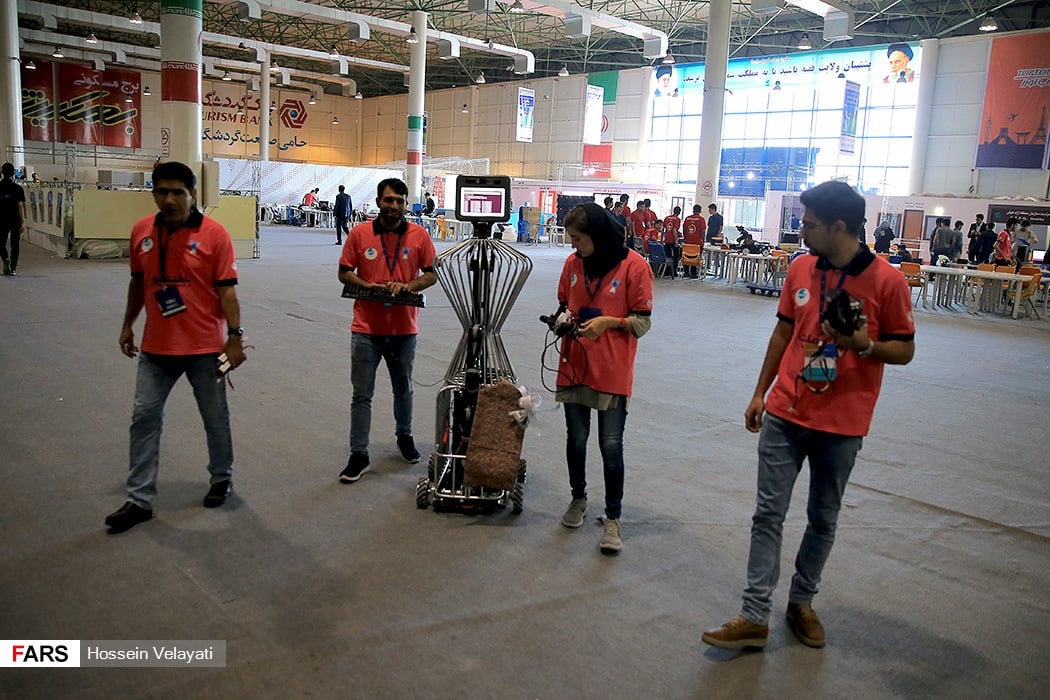
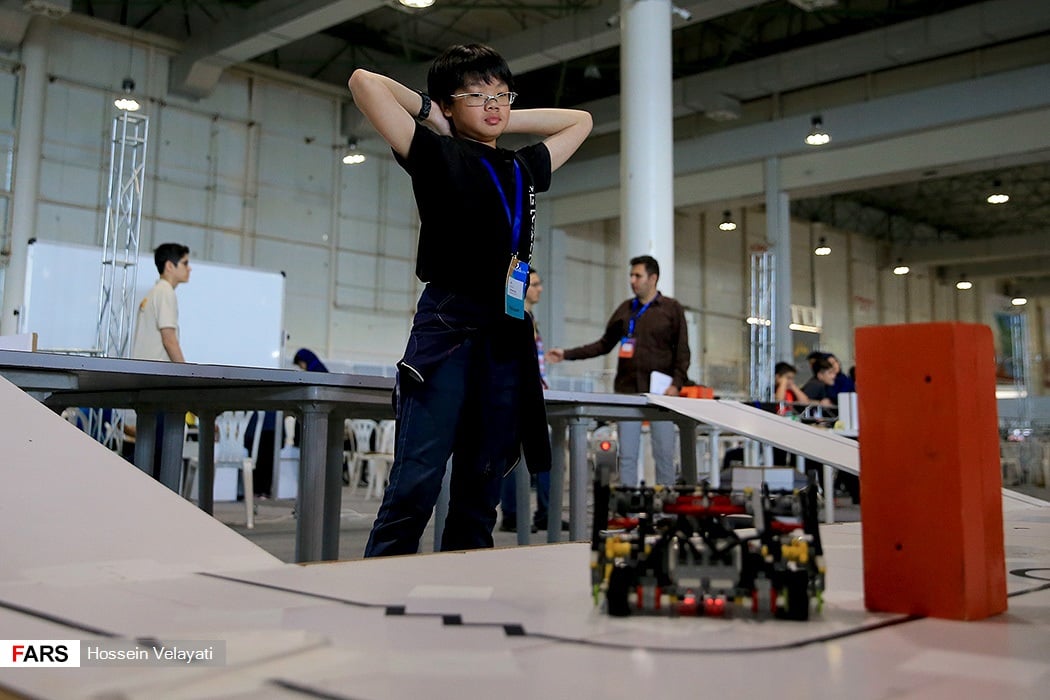
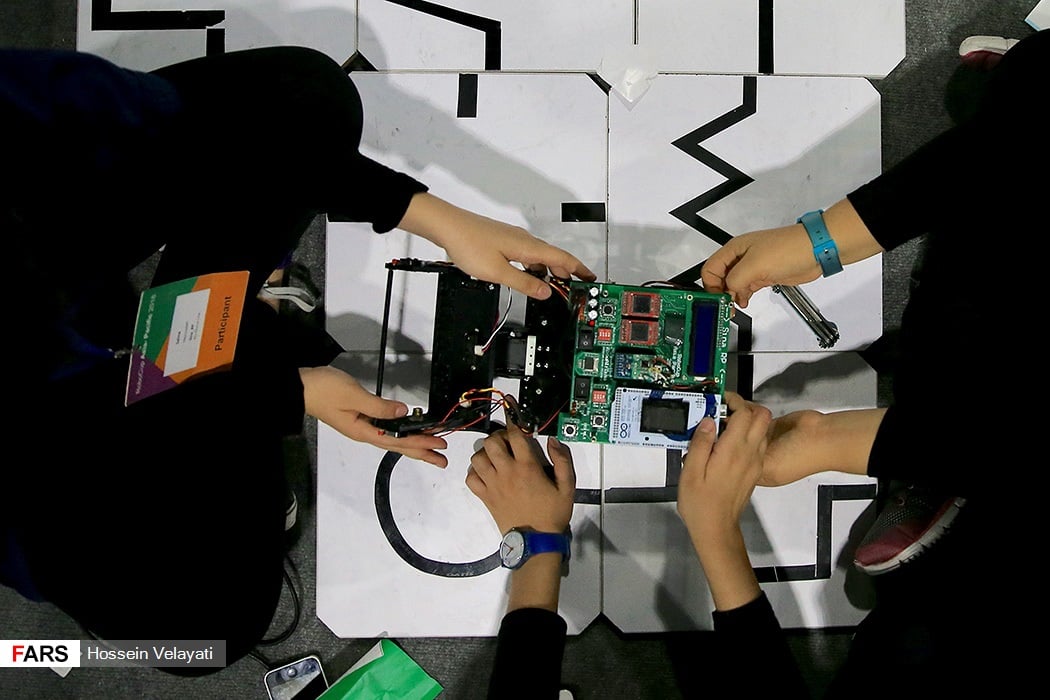
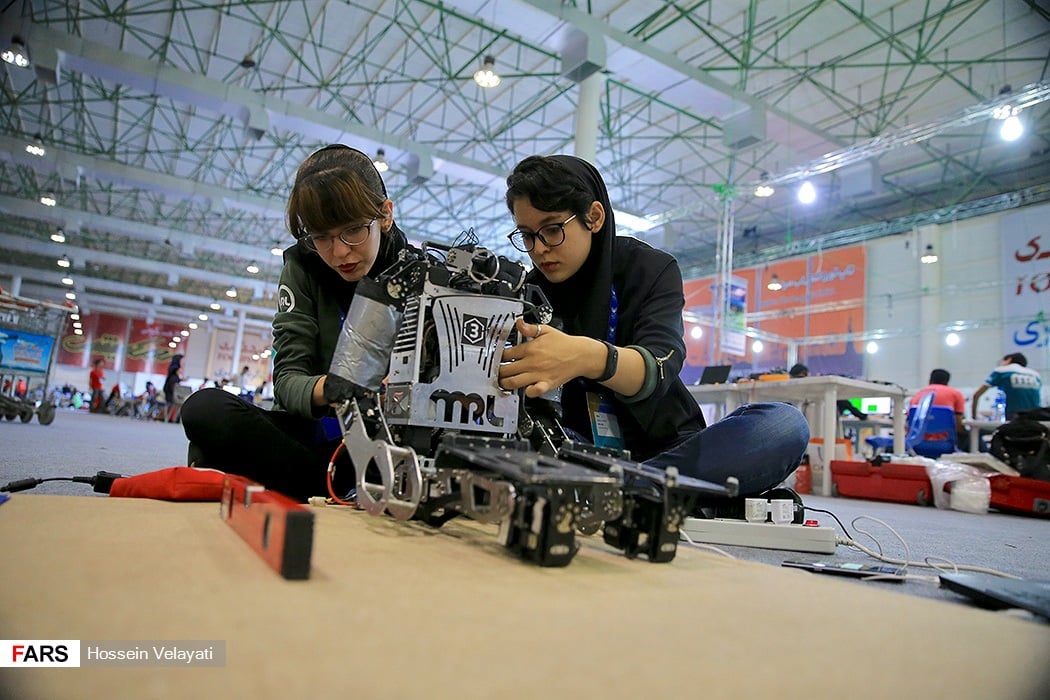
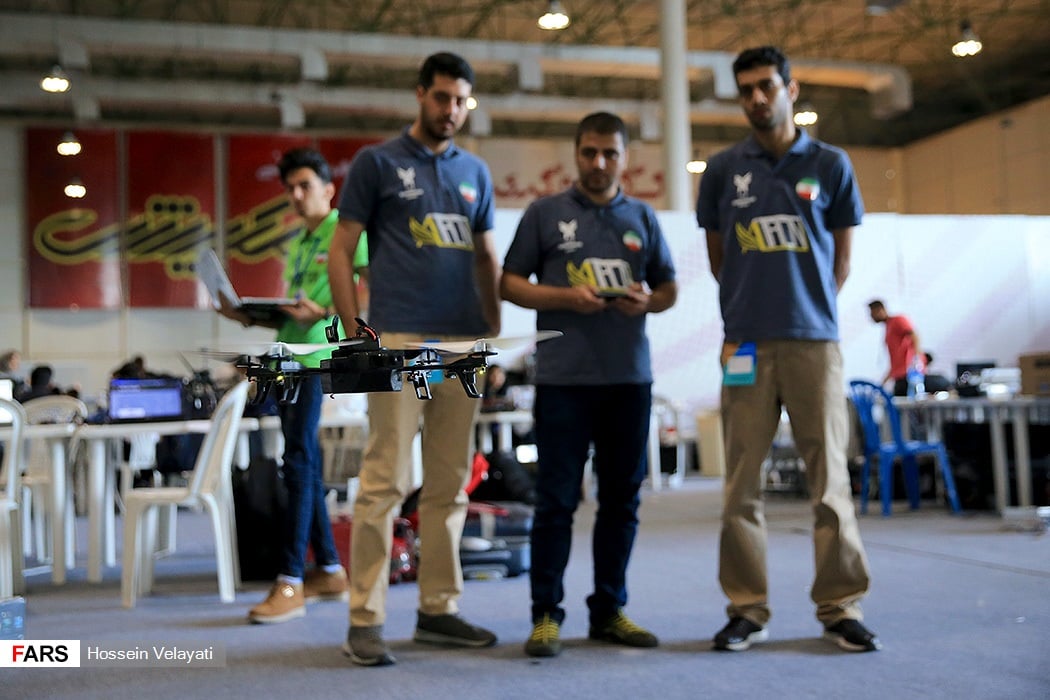
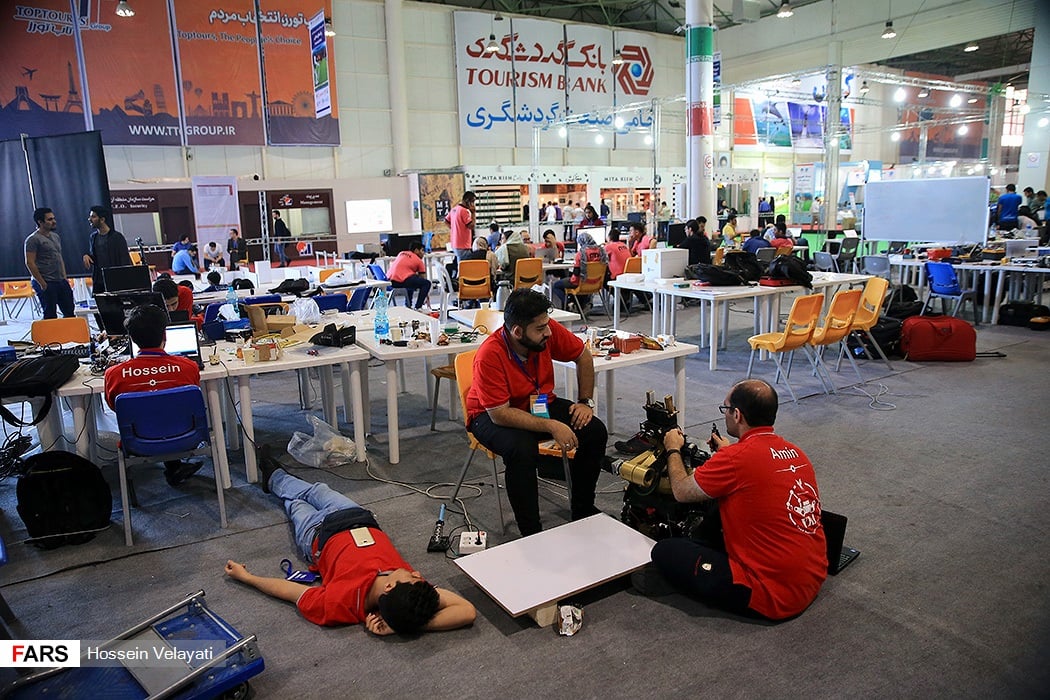
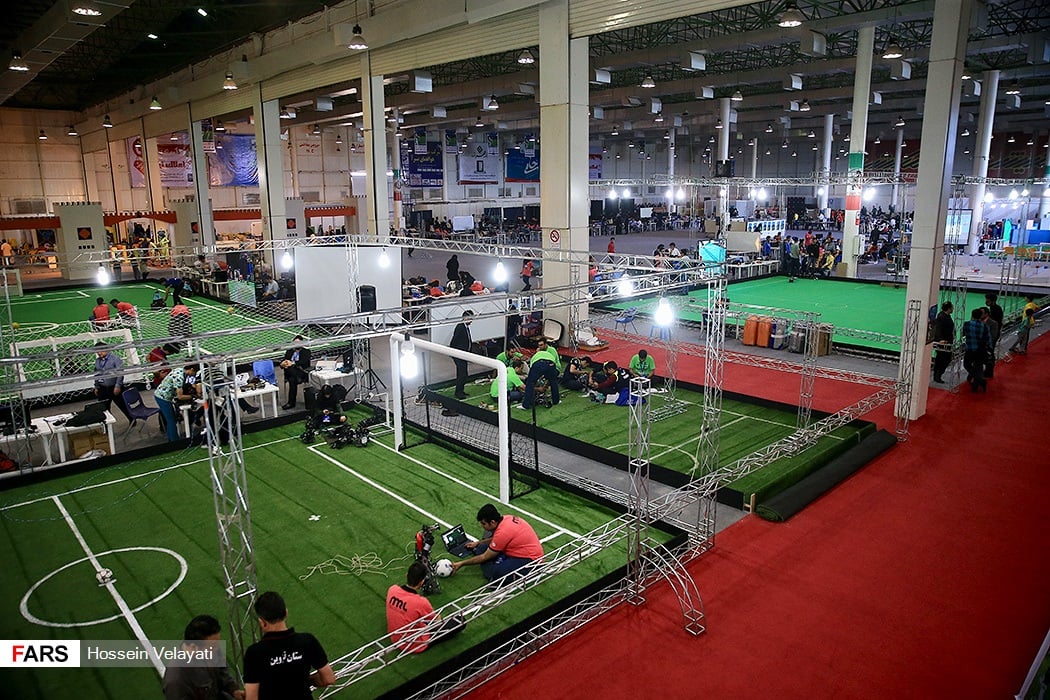
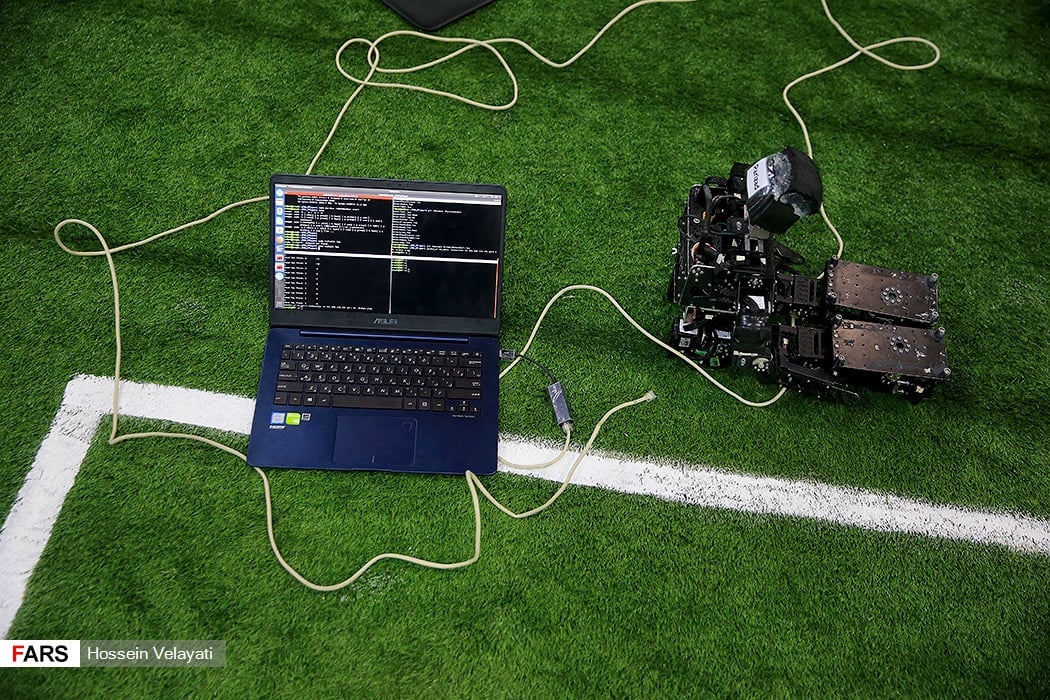
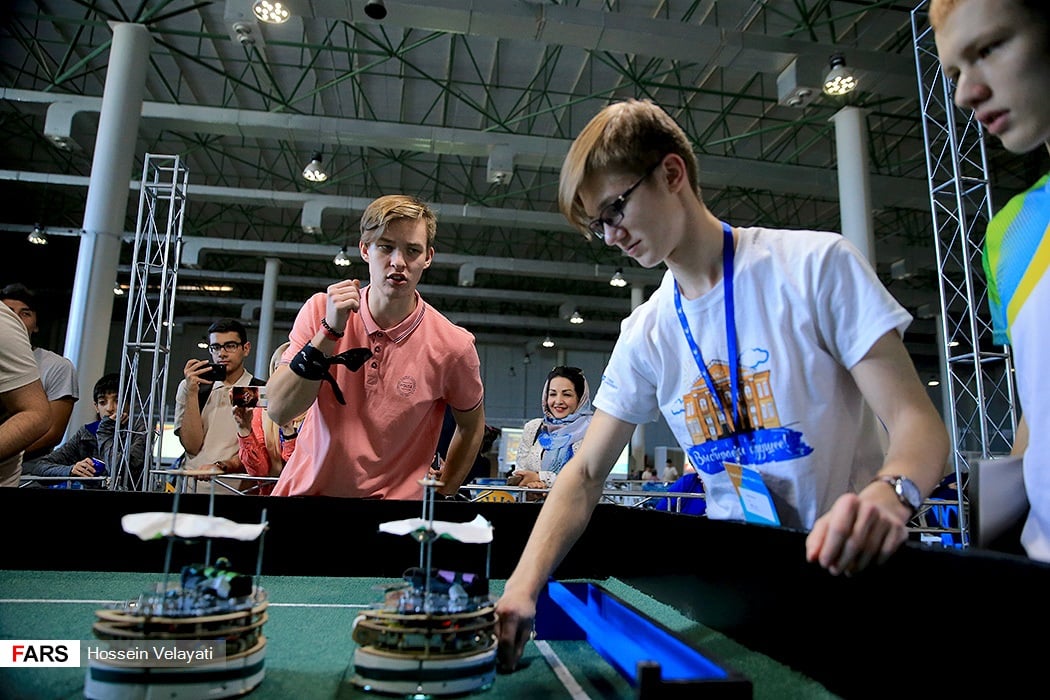
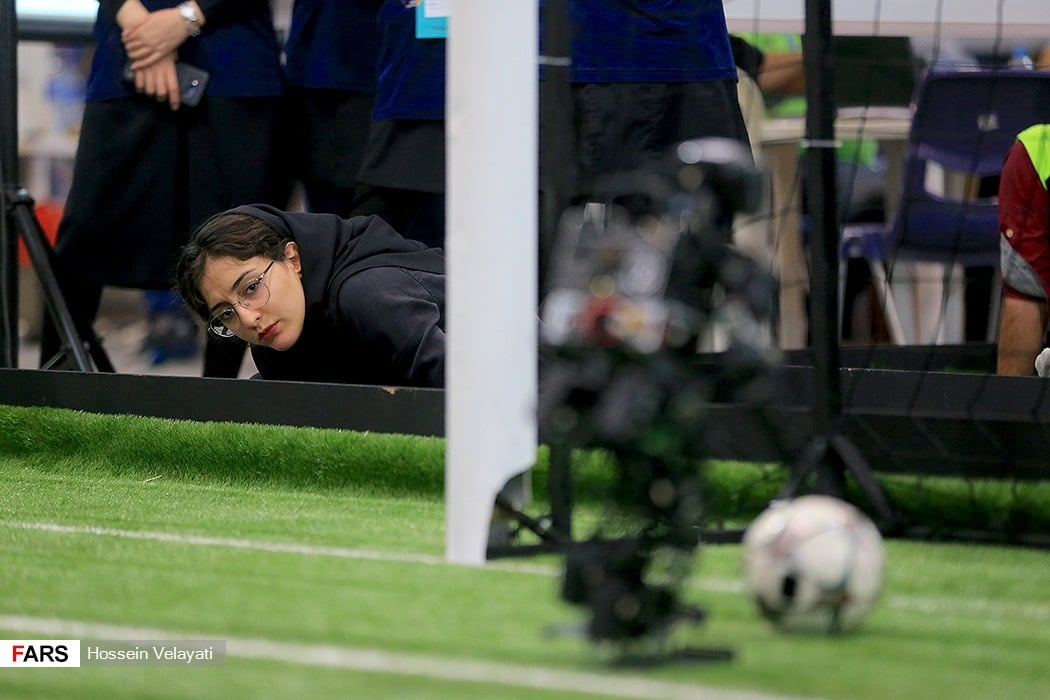
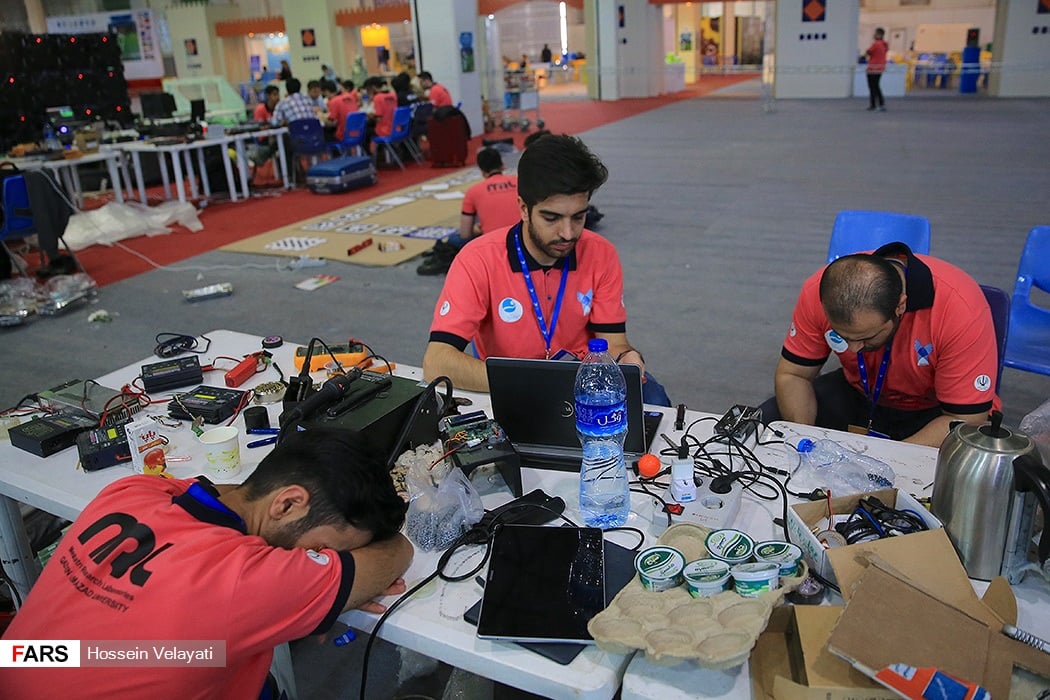
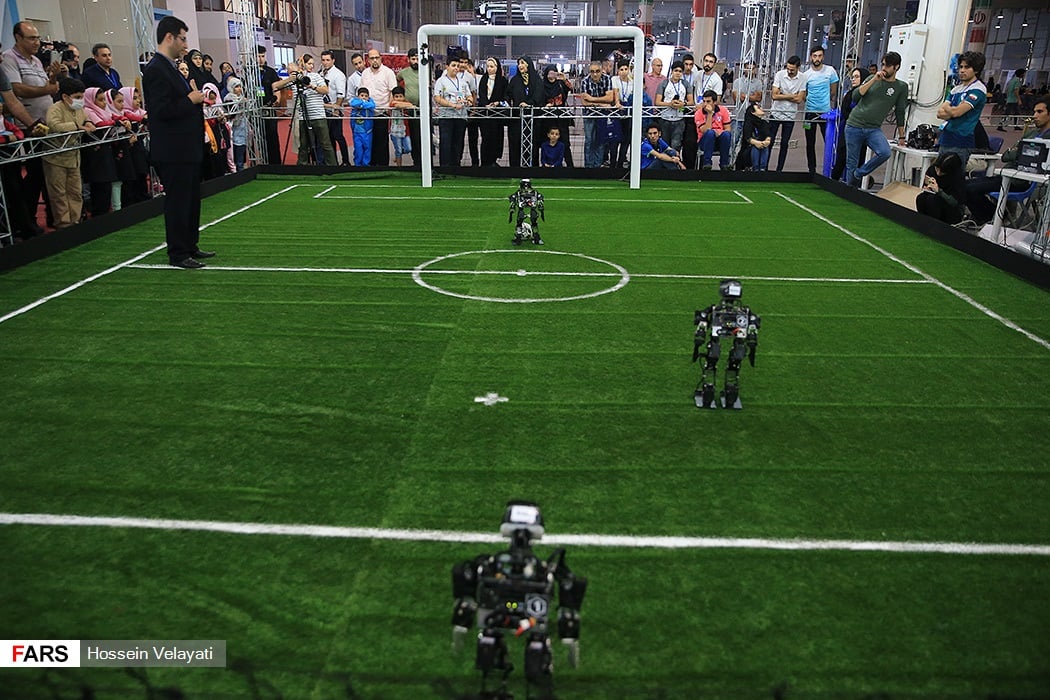
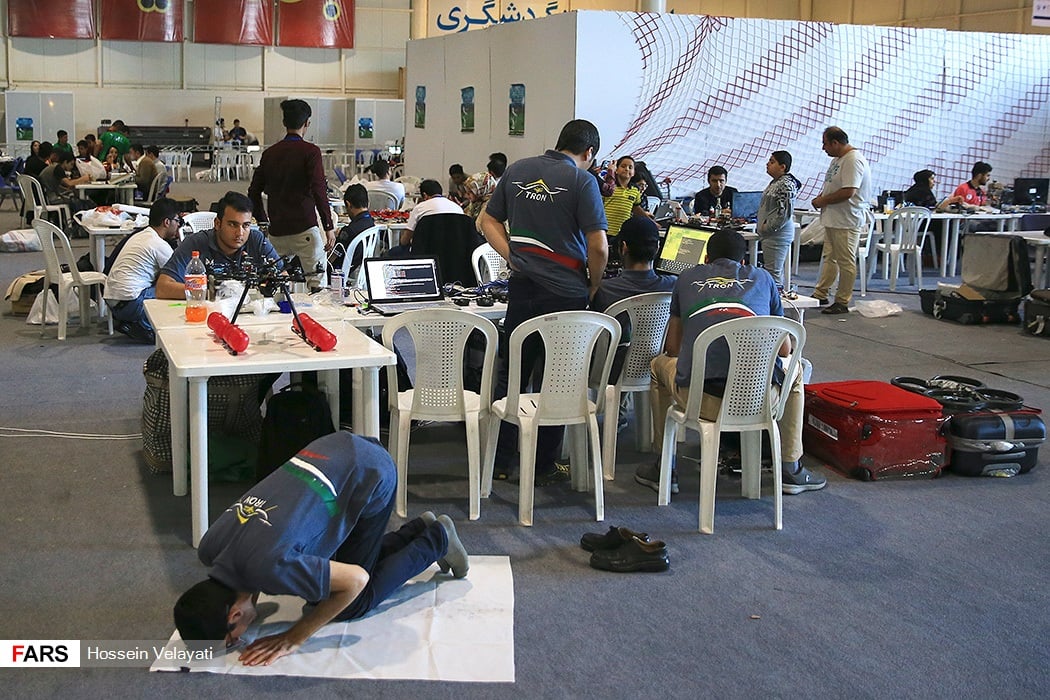
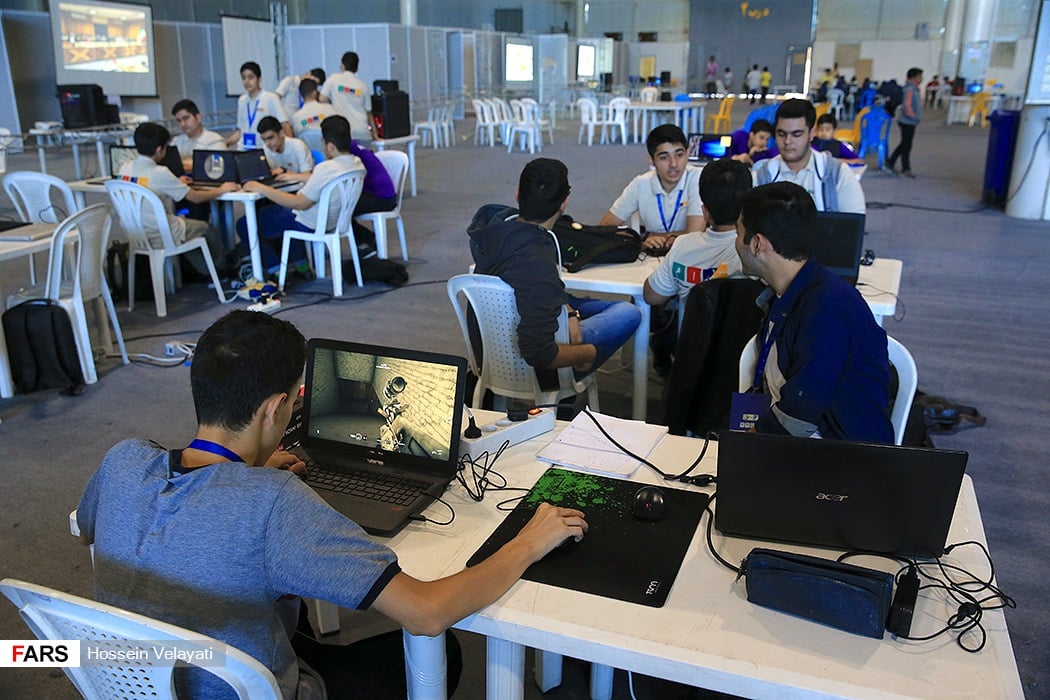
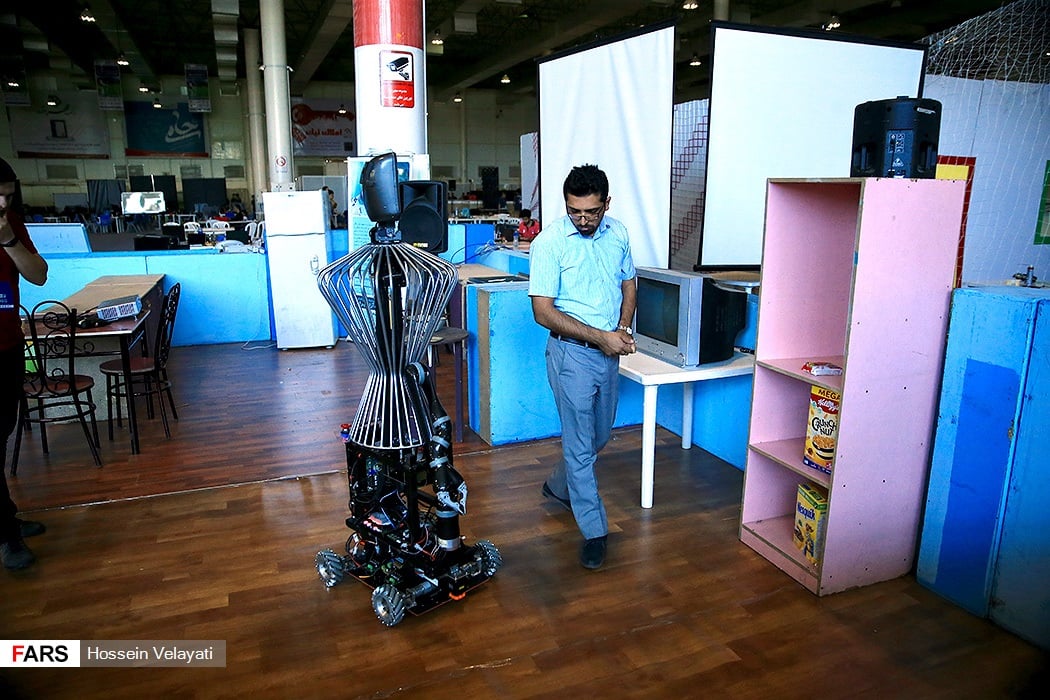
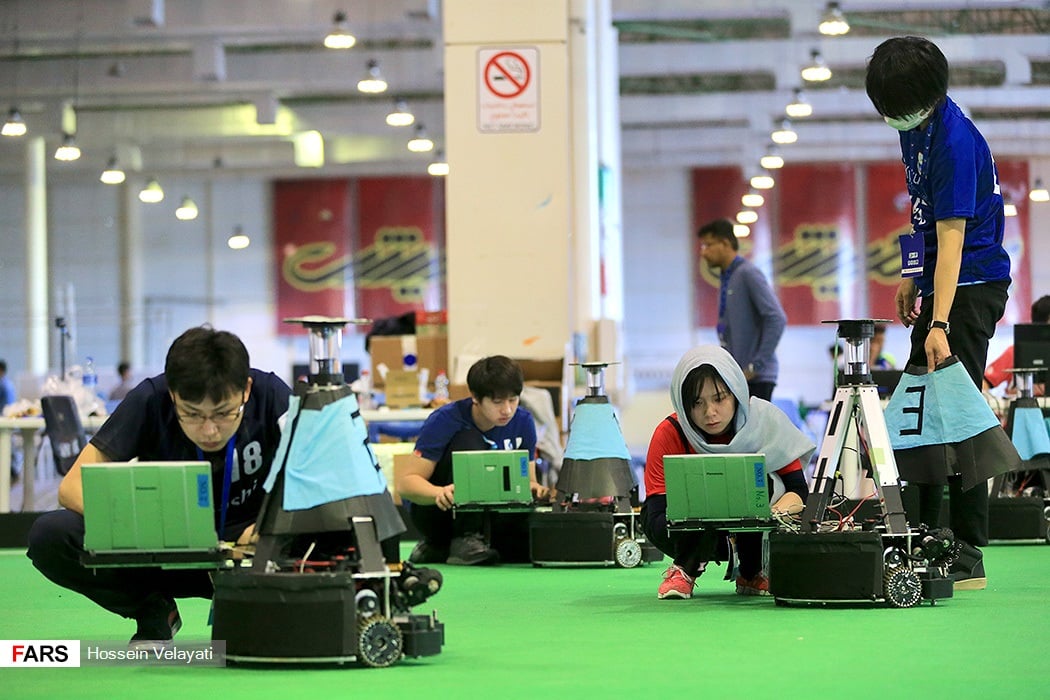
Iran’s Kish Island Hosts RoboCup Asia-Pacific 2018

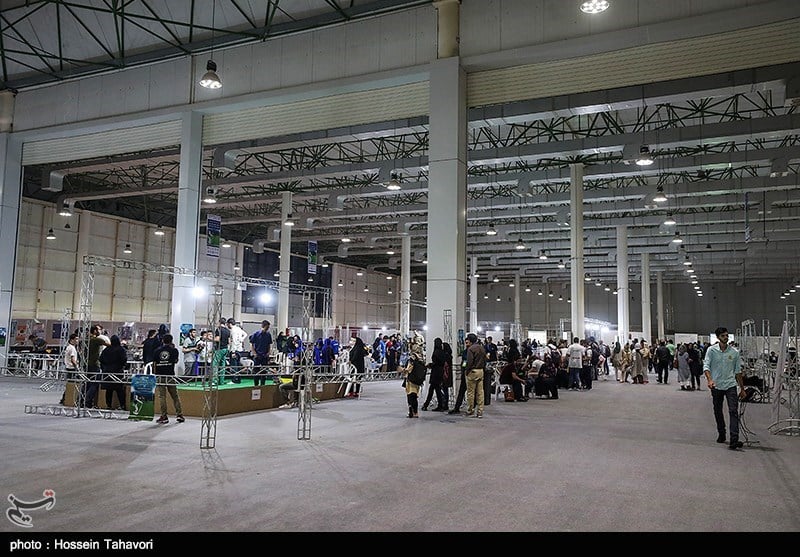
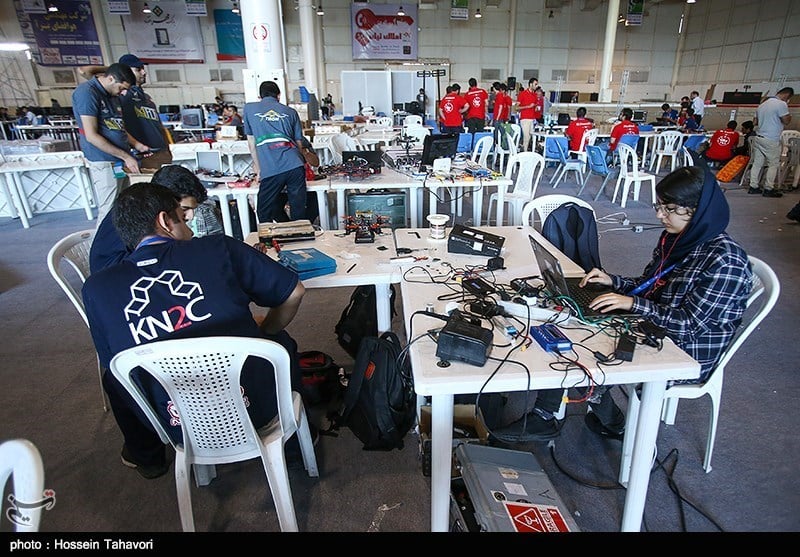
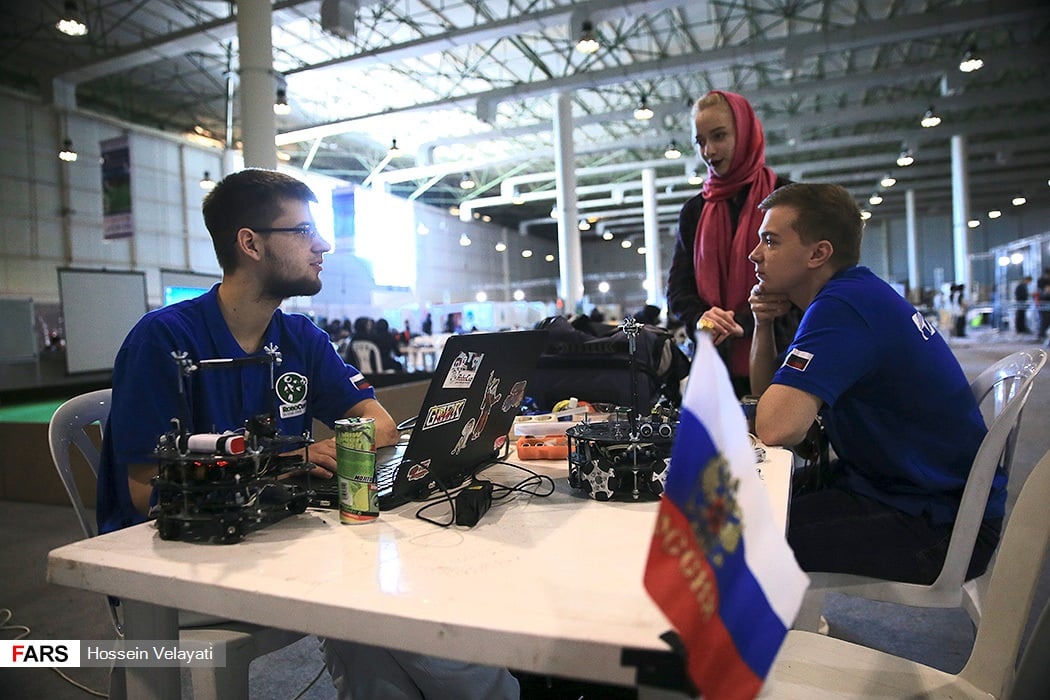
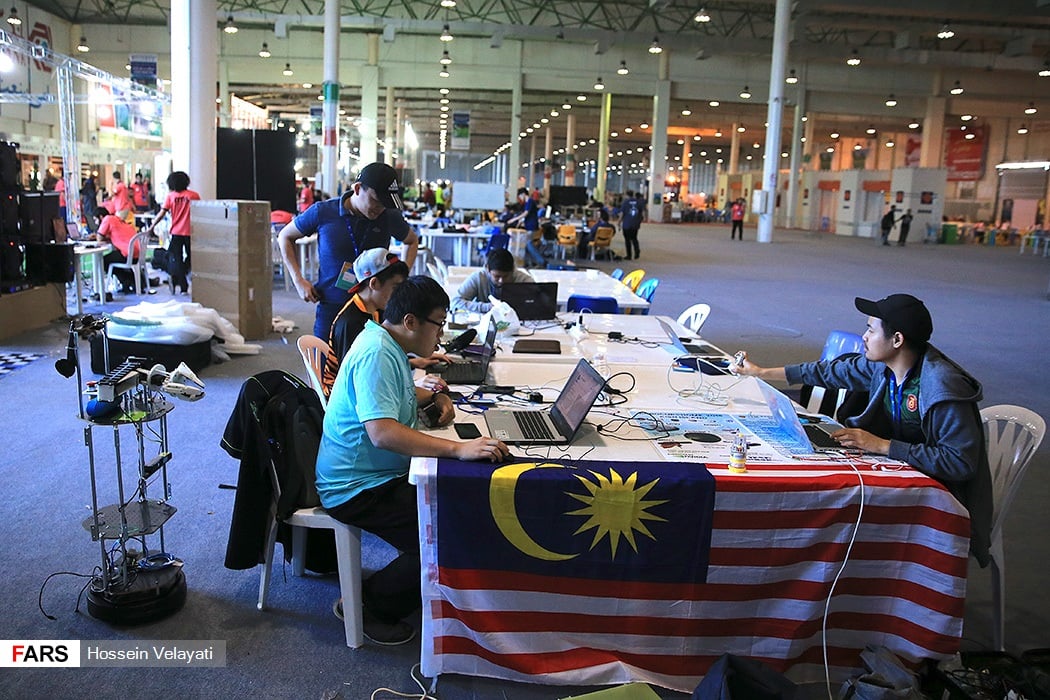
The tournament was held in two sections of real-life robots and student robots. 2,200 people from 15 countries participated in this tournament.

This round of games was attended by Iran, Russia, Australia, Japan, China, South Korea, Singapore, Malaysia, Indonesia, Thailand, Turkey, Afghanistan and the United Arab Emirates.

Virtual robots also participated in the event this year.

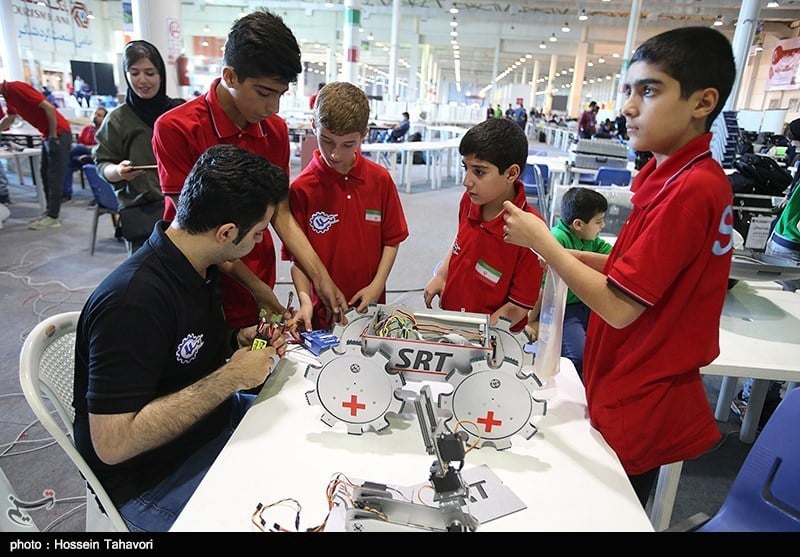
Seyyed Mohammad Mousavian, a member of Ahwaz Student Robotics Team, says “the virtual robot presented at the exhibition is a rescue robot for natural disasters. It can save the people stranded under the rubble.”

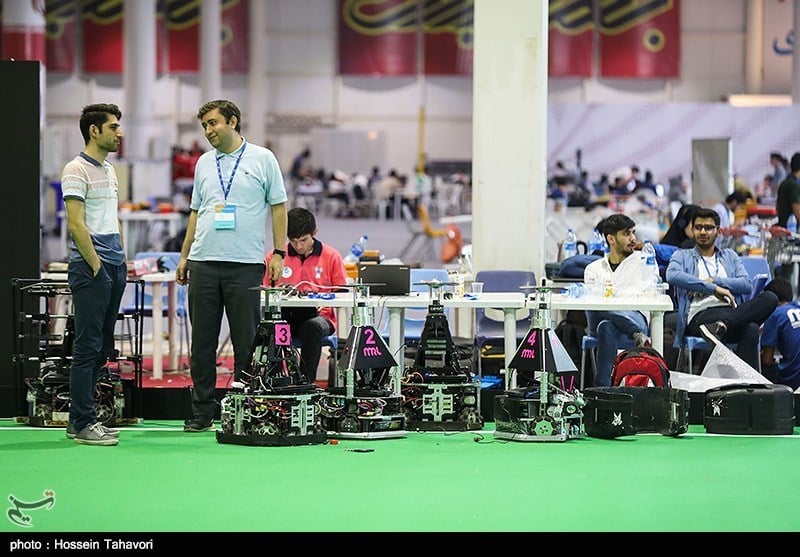
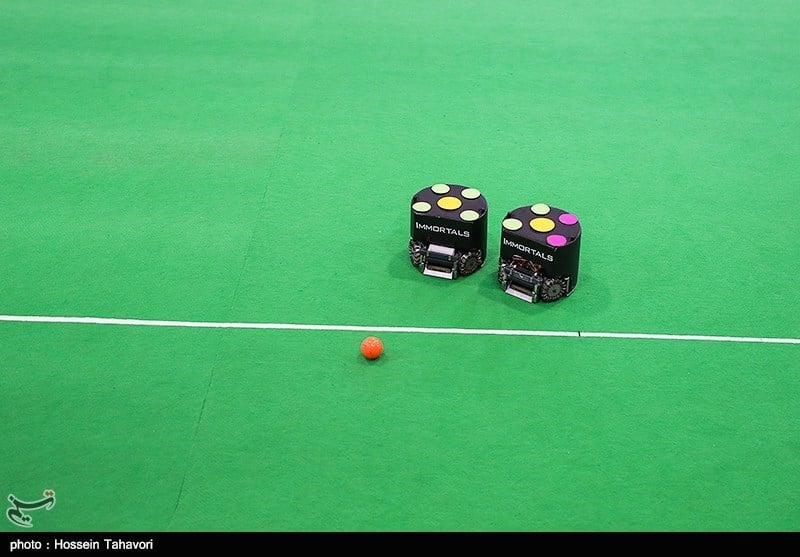
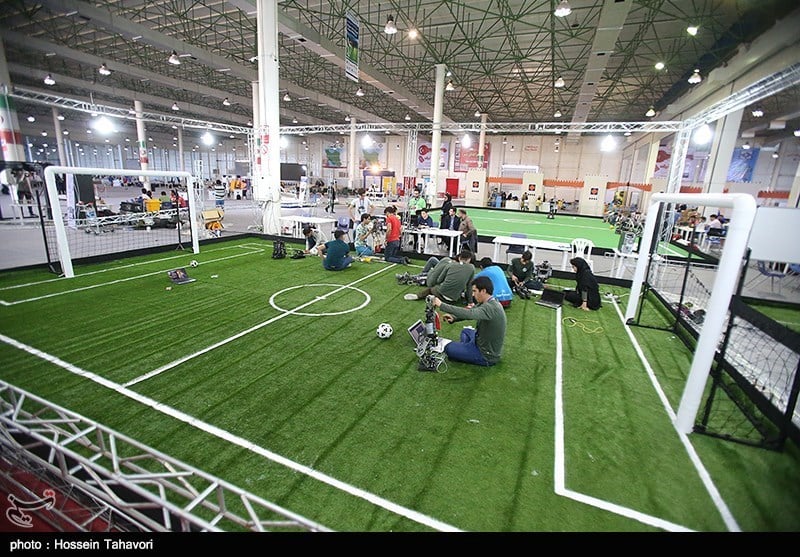
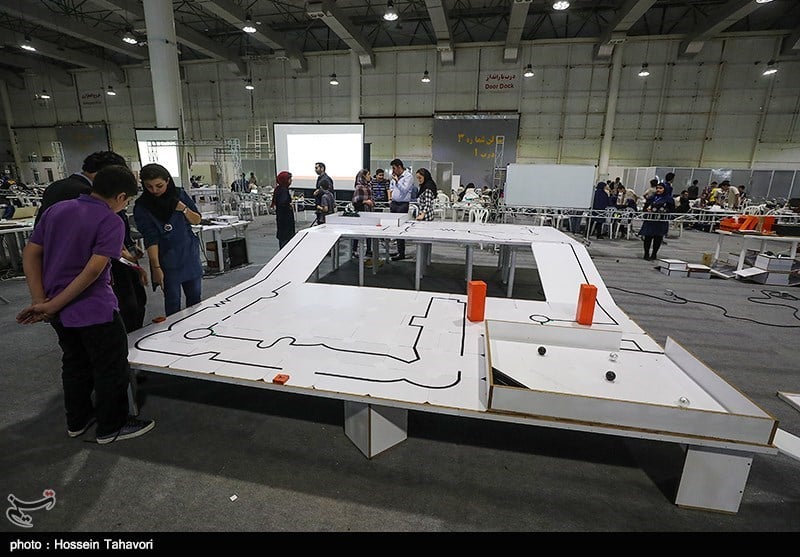
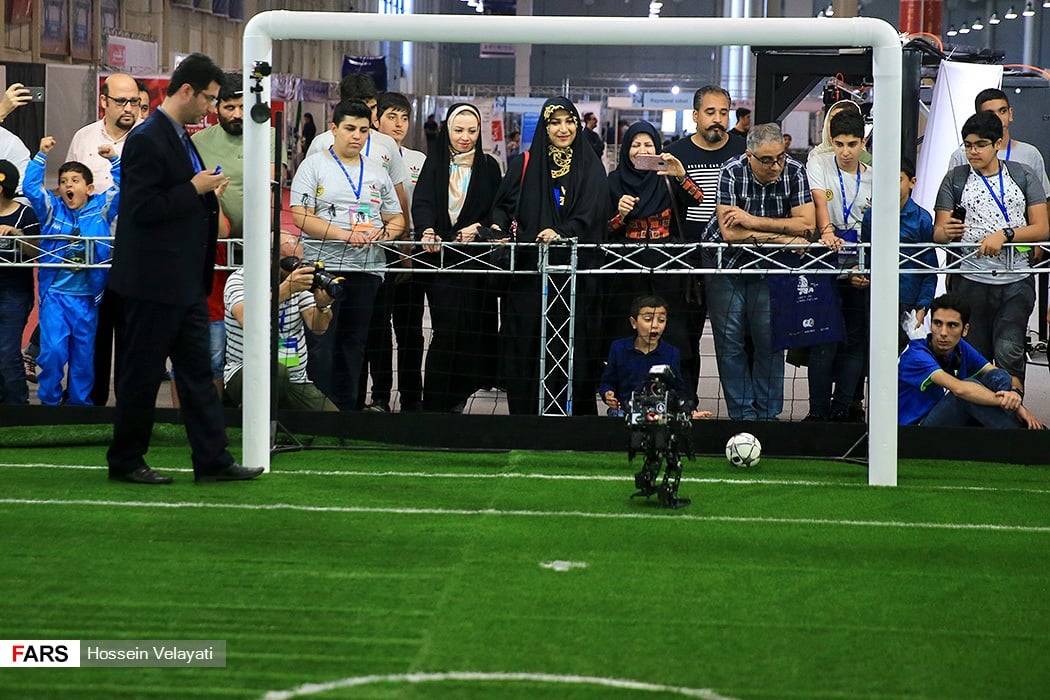
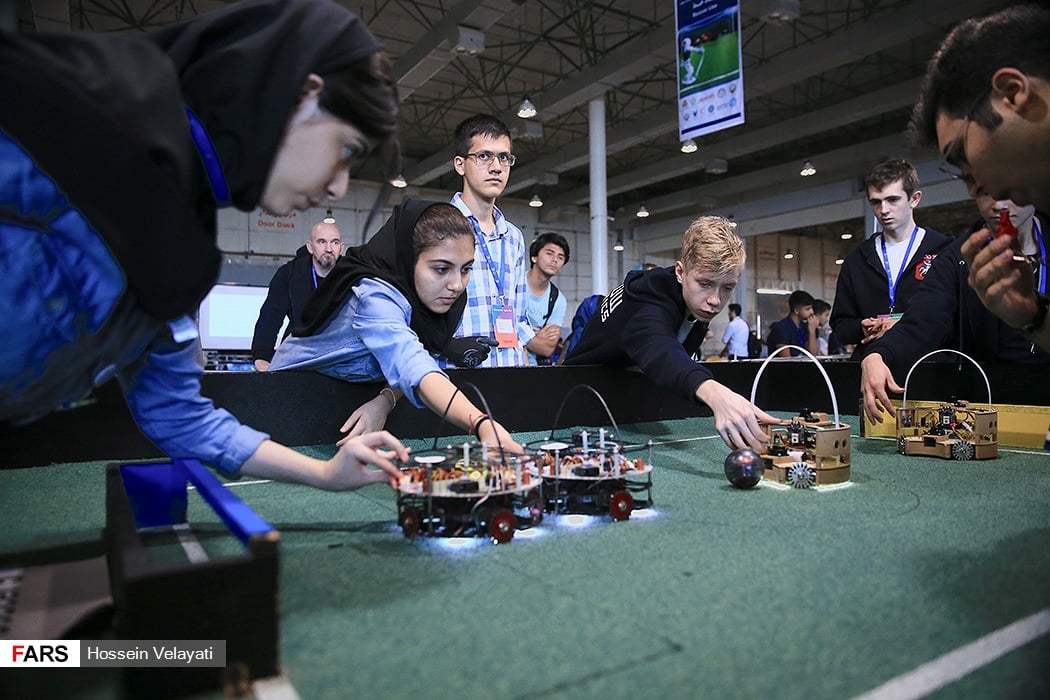
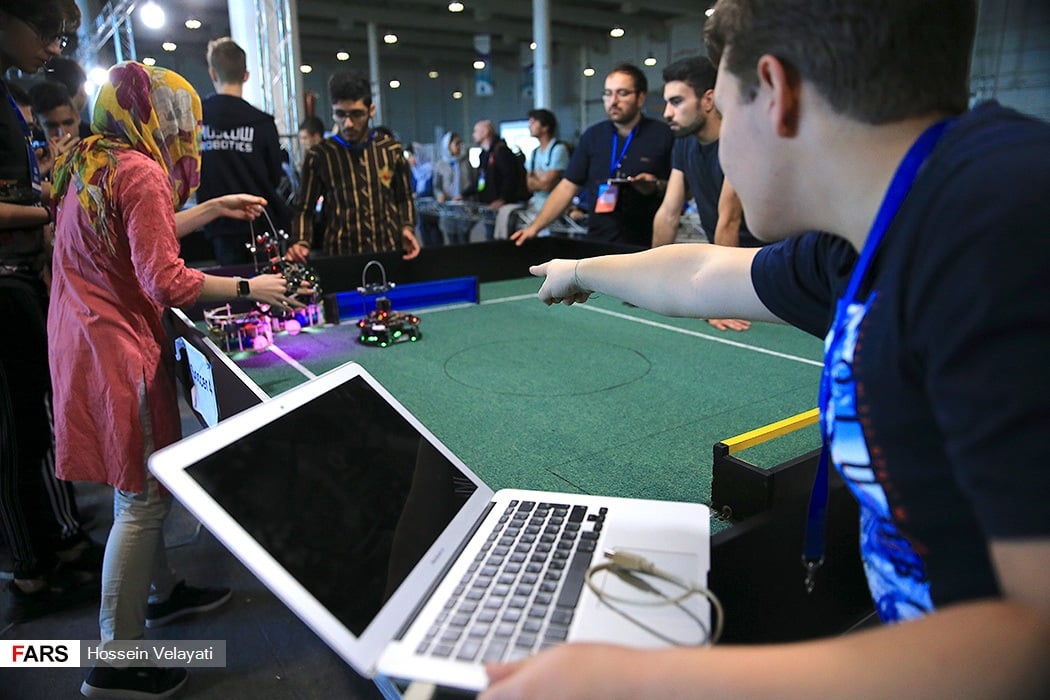
A large number of robots participating in this tournament were football players. Javad Rahnamaie from the University of Isfahan says the reason is that the International Federation of Robotics plans to hold a football match between humans and robots in 2050.

“To this end, teams are working hard to upgrade their robot football players,” he added.

Singapore and Germany competed with five Iranian teams in the field of industrial robots in this round.

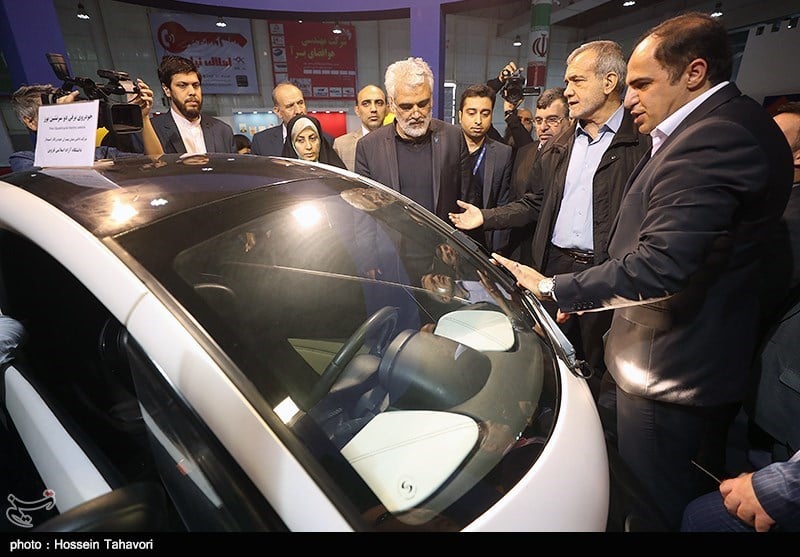
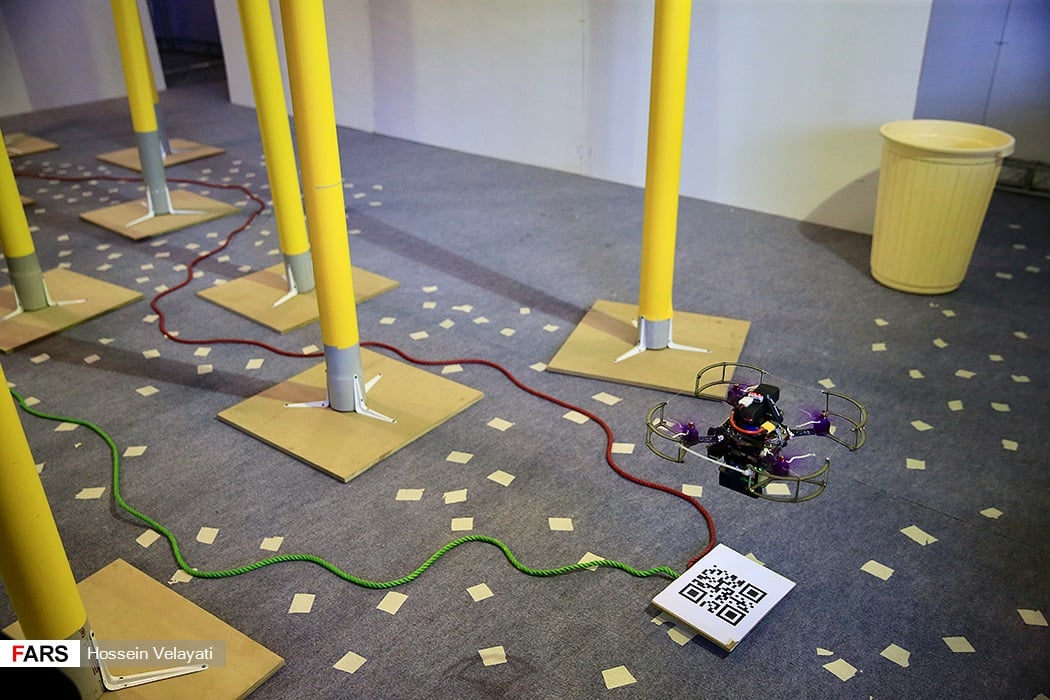
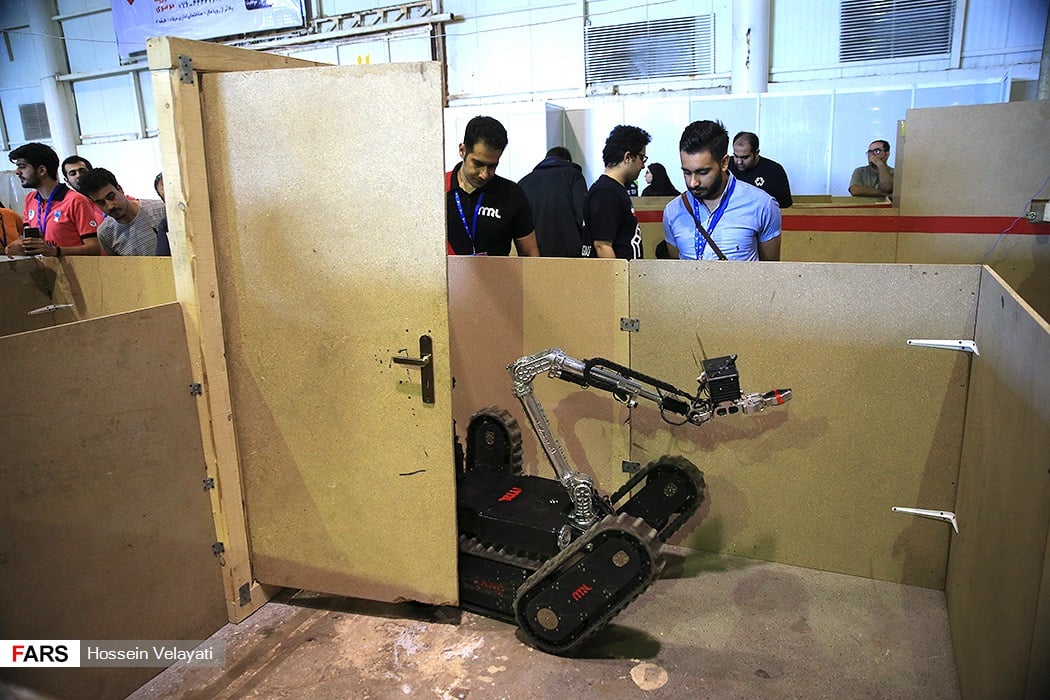
Firefighter robots, rescue workers, submarines, as well as freight and shipment robots were among the robots presented at Kish Robotics Fair.

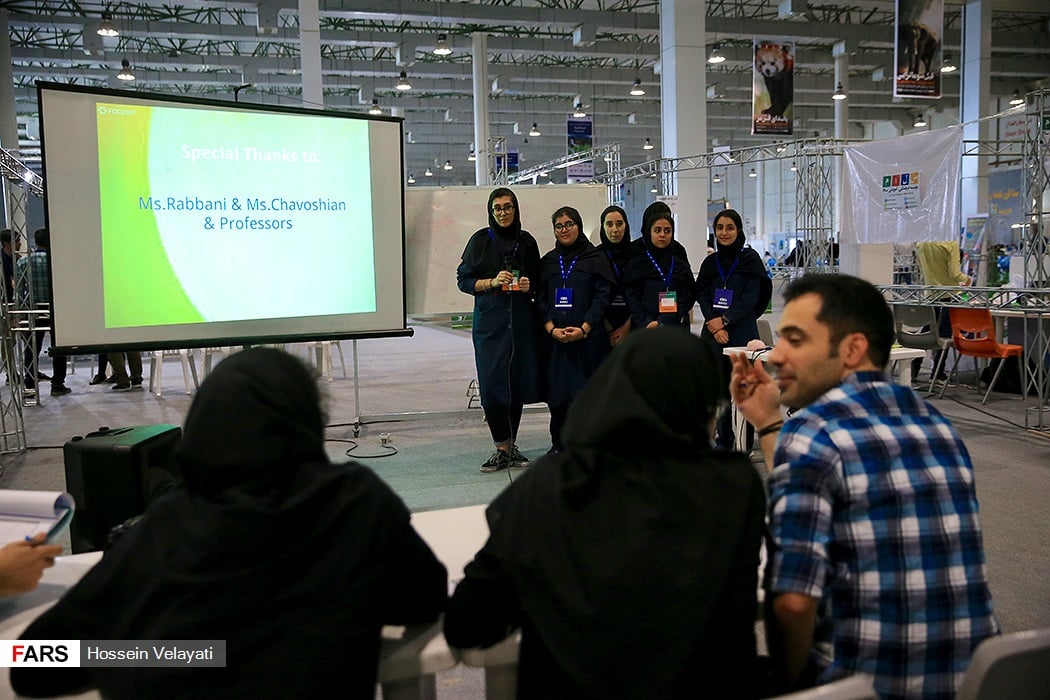
What follows are photos of the event retrieved from Tasnim and Fars news agencies:

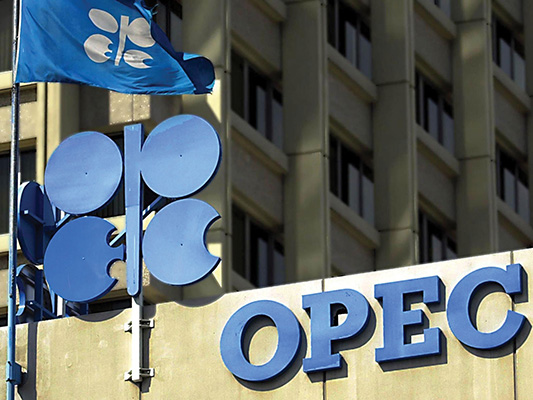
Iran Says OPEC Agreement Deals Further Blow to US

OPEC Fund Earmarks $500,000 to Help Iran Fight COVID-19

In an address to a cabinet session on Sunday, Rouhani said the US once failed to press ahead with its meddlesome policies in the world after leading oil exporters reached consensus on creating a new balance in oil supply in the world.

“Despite its efforts, the US once again failed to press ahead with its meddlesome policies due to the resistance of the OPEC member states and their allies as well as the leading role played by Iranian Oil Minister Bijan Zanganeh to make coordination among them, ” he added.

He made the remarks after Zanganeh briefed the cabinet ministers on the latest decision made during Friday meeting of the OPEC in Vienna.

OPEC finally managed to break an impasse over production cuts and agreed on a larger-than-expected cut with allies after two days of hard negotiations.

Despite the US pressures, the member states and their allies reached consensus on removing 1.2 million barrels a day from the market, with OPEC itself shouldering 800,000 barrels of the burden.

Iran emerged as a winner from the contentious talks, saying it’s secured an exemption from cuts as it suffers the effects of US sanctions.

Iran to Hold Handicrafts Exhibition in Iraq

The exhibition, to be attended by artists from various provinces is aimed at promoting Iranian arts and crafts in Iraq’s northern city of Soleymaniyeh.

The exhibition, organized by the Cultural Heritage, Handicrafts and Tourism Department of Iran’s Kurdistan province, will be held from December 26 to January 5, according to a report by Mehr News Agency.

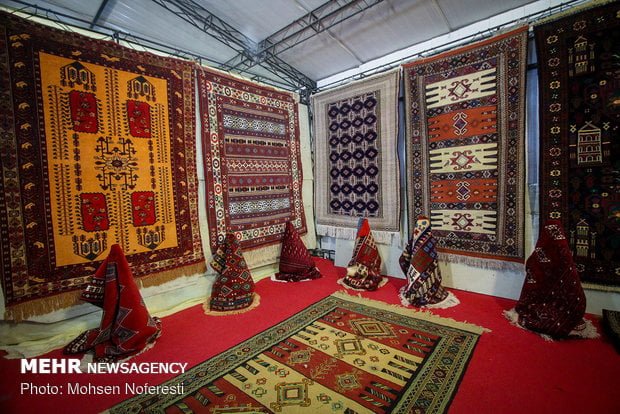
The exhibition is expected to put on display various Iranian handicrafts like carpet, rug, chess, pottery, local cloth, silversmith, traditional jewelry, knife and souvenirs from Yazd, Isfahan, Hamadan, Oroumiyeh, Shiraz, Kermanshah, Qom, Khorasan, Tabriz and many other cities and provinces.

Iran has already held several exhibitions in Iraq as part of plans to expand mutual ties in economic and trade.  The two sides agreed in February to set up a permanent exhibition in Iraq showcasing Iranian products.