Saturday, December 20, 2025
Home Blog Page 3314

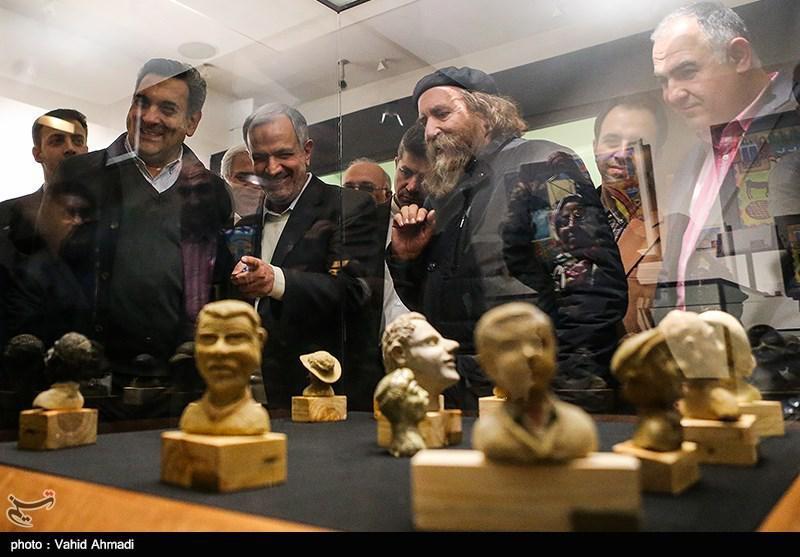
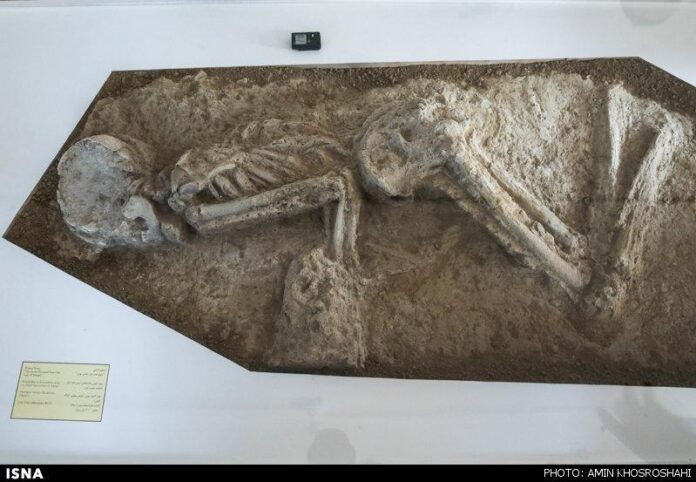
Archaeological Museum of Tehran Opens to Public

Speaking on the sidelines of the opening ceremony, Tehran’s mayor Pirouz Hanachi said that more than 200 objects belonging to the city of Tehran are exhibited in this museum.

The objects discovered in Tehran are not ordinary ones and should be put on show for the public in order to inform them about the city and its features, he added.

Archaeological Museum of Tehran Opens to Public

“Tehran is an ancient and historical city whose artifacts date back to the reign of Shah Tahmasp in 16th century,” he added.

“Items found in Tehran show that the city dates back to more than 8,000 years ago proving that the Iranian capital is a historical city,” said Hanachi.

Iranian Rial Regains Lost Value as Forex Market Returns to Stability

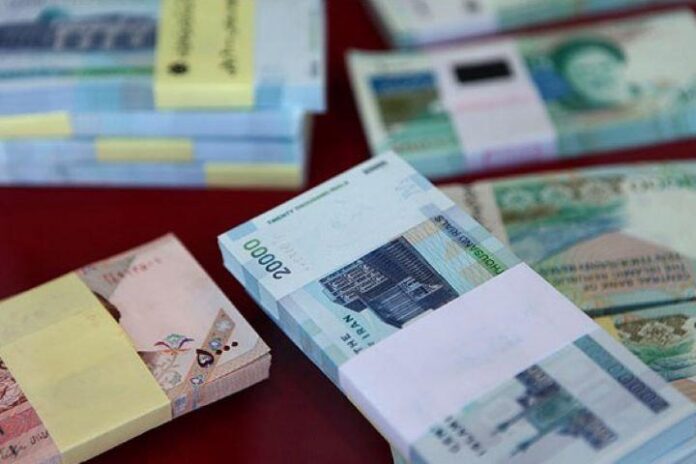
The Iranian currency has been strengthened sharply in recent days, with US dollar being traded around 101,500 rials in governmental exchange offices in Tehran on Saturday, media reports said.

The rial’s recovery is considered remarkable, compared with record lows around 190,000 against the US dollar in late September.

Iran’s national currency had dropped past 100,000 for the first time in late July as Iranians braced for the return of the first batch of economic US sanctions, and rial’s fall continued in the coming months.

Some believed a wave of panic buying of dollar triggered over fears of the repeat of the historic decline of the national currency amid the tightening of anti-Iran sanctions in 2011 led rial to slide to record lows.

Some others thought the dramatic decline results from adversarial plots to sabotage the Iranian economy.

Anyway, the dramatic decline in the value of rial sharply increased the prices of imported consumer goods and depressed some markets in recent months.

However, the trend was reversed early November, when the second batch of US sanctions came back but left no tangible impact on Iranian economy.

This is while the US, which pulled out of the 2015 nuclear deal in May, had vowed to exert “maximum pressure” on Iran’s economy to force negotiations on tougher limits on its nuclear and missile activities.


Central Bank’s Role

The rial’s rise is good news for a government which is struggling to prevent US sanctions on Iran’s oil, banking and other industries from pushing the economy into recession.

The hike comes in the wake of the introduction of new currency policies by the Central Bank of Iran.

Early August, Abdolnasser Hemmati, the newly-appointed governor of the Central Bank of Iran (CBI), unveiled a package of measures to rein in the recent turbulence in foreign currency market in Iran.

According to the new policy, hard currency was made available at a subsidized rate of 42,000 against the US dollar for purchases of basic and essential goods and medicine.

Moreover, a secondary currency market was launched to give importers of non-essential goods access to hard currency brought home by the nation’s exporters at floating rates.

According to the package, the ordinary people in need of foreign currency for travelling abroad or other usages could purchase foreign currencies from exchange offices at a price close to the secondary market rates.

That reversed a decision in April to ban trading currency outside the official rate of 42,000 rials to the dollar.

Other Factors at Play

Some observers have attributed the recovery to limitations on banking transactions and purchases of dollars as well as a ban on send-outs by unlicensed exchange shops.

Analysts believe positive news regarding Iran’s oil sale, particularly the exemption of main buyers of Iran’s oil, has also accelerated the downfall of US dollar.

This is while following the US withdrawal from the nuclear deal, White House officials were vowing they will reduce “Iran’s oil exports to zero.”

President Hassan Rouhani said in a statement on Tuesday export of Iranian oil has improved since early November.

Separately, the European Union’s foreign policy chief said on Monday a promised financial mechanism to facilitate non-dollar trade with Iran could be in place by the yearend.

The European Union has agreed to create the so-called Special Purpose Vehicle as parts of efforts to compensate for the US withdrawal and convince Iran the economic benefits from the nuclear deal will be preserved.

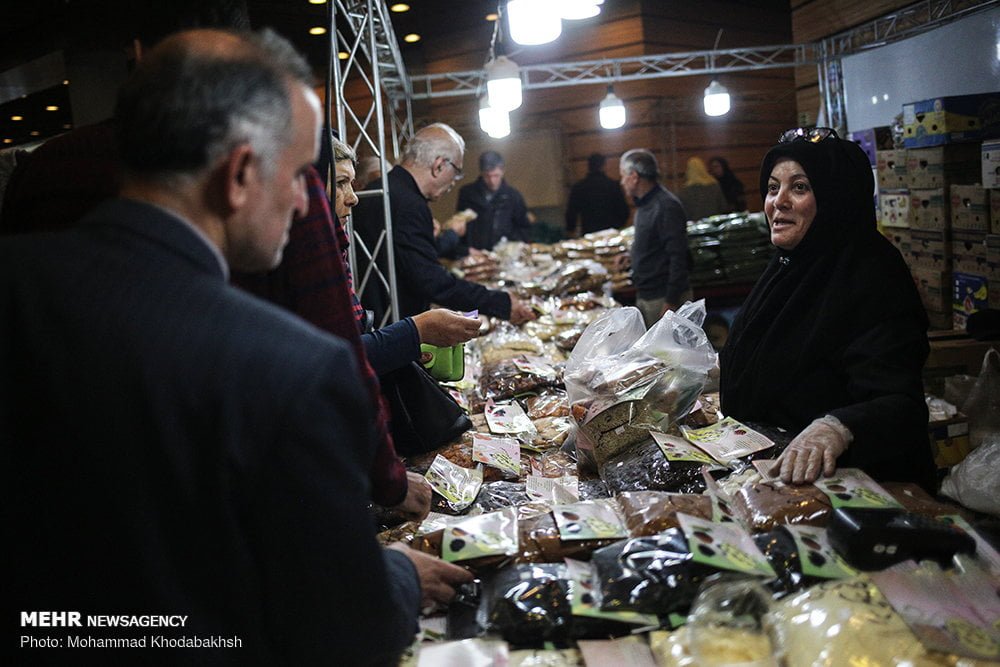
Tehran Hosting Organic Food Fair ahead of Yalda Night

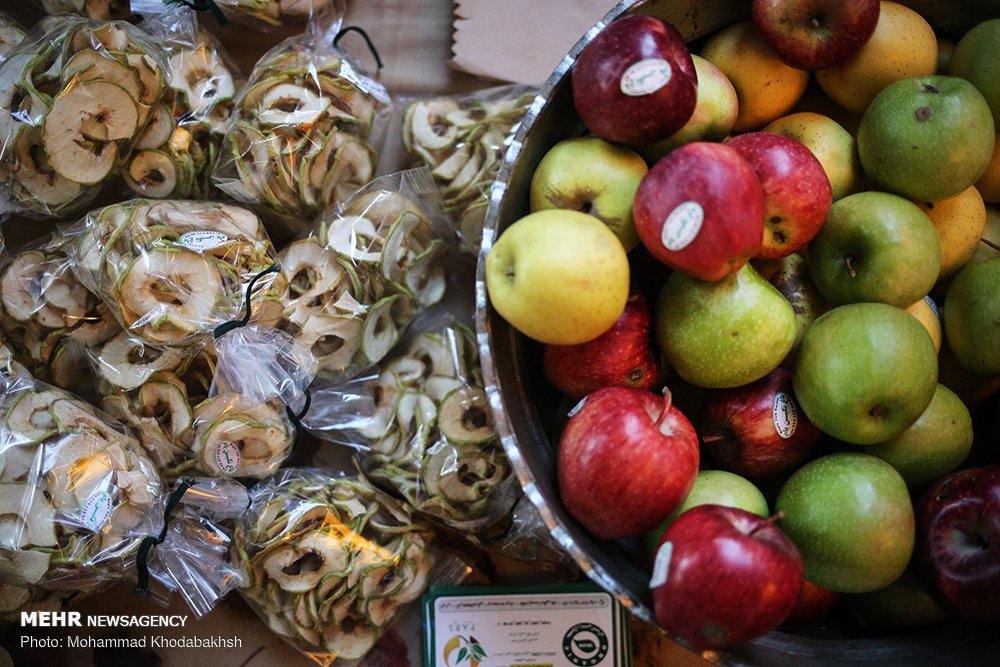
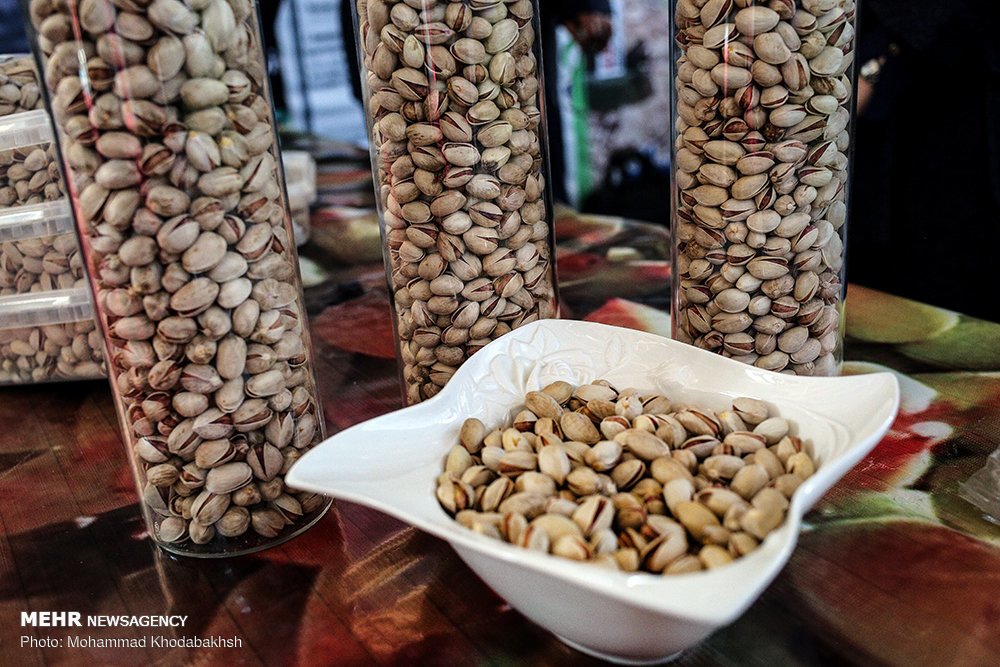
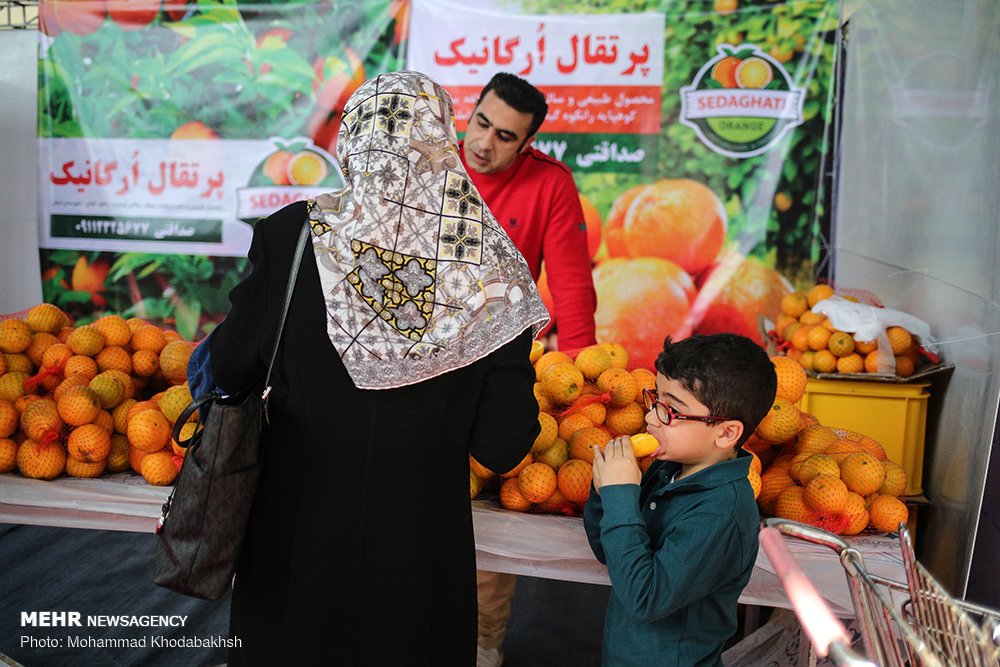
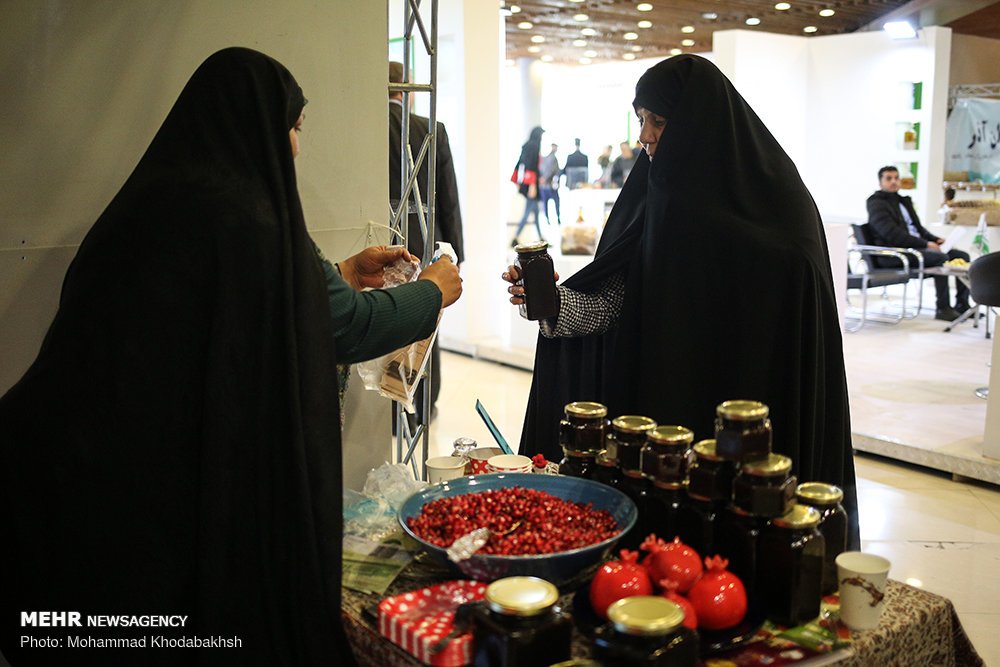
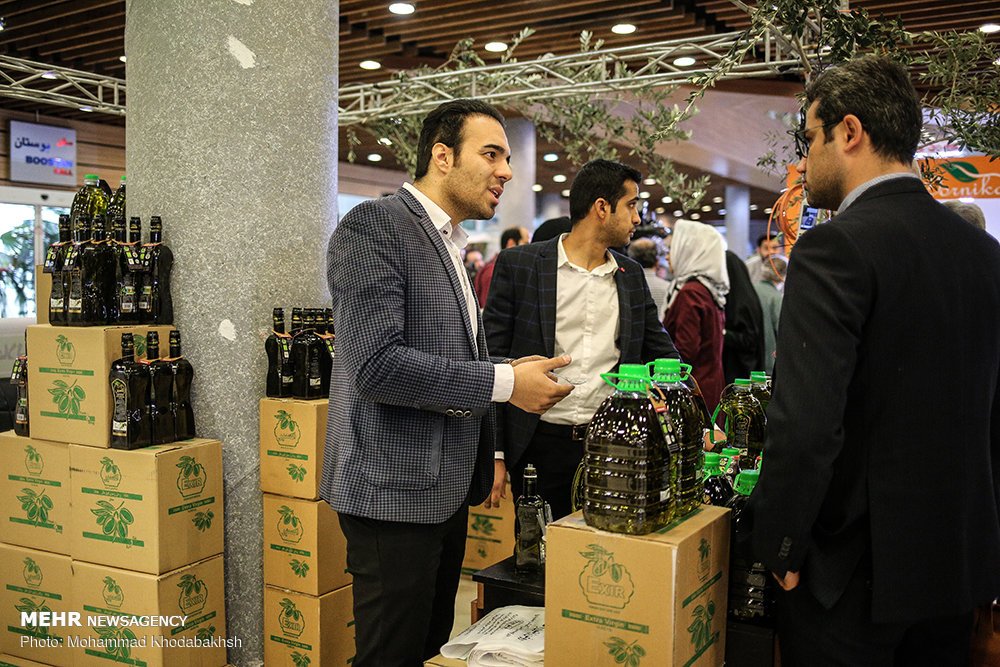
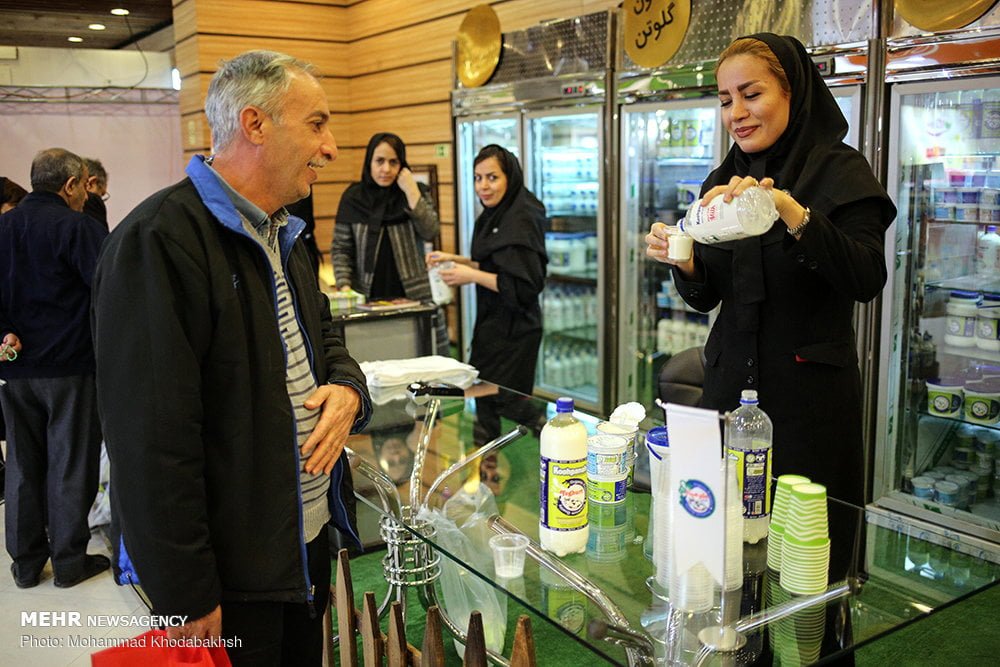
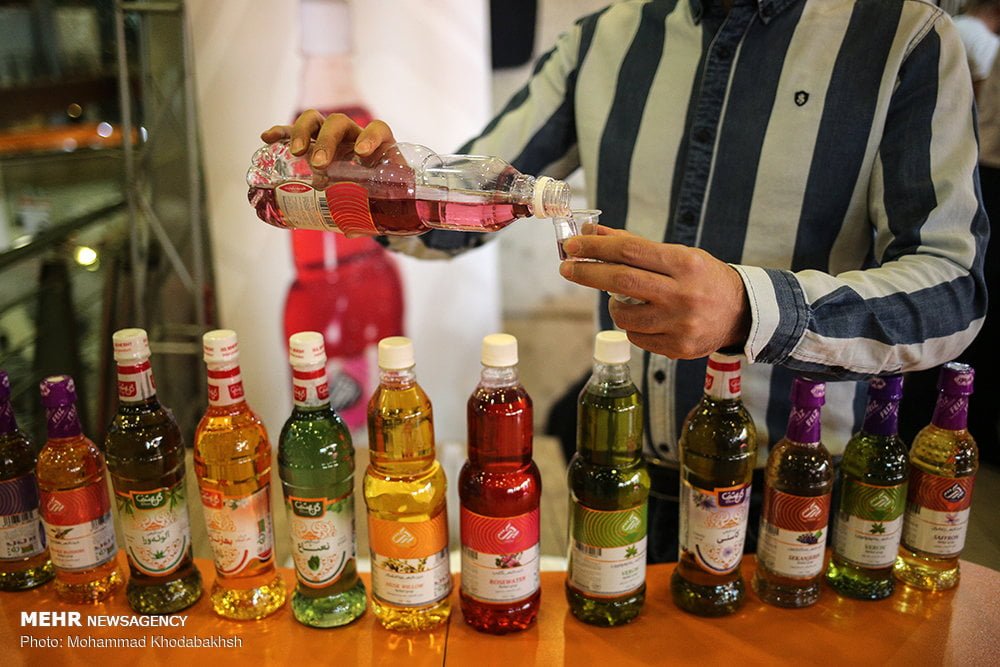
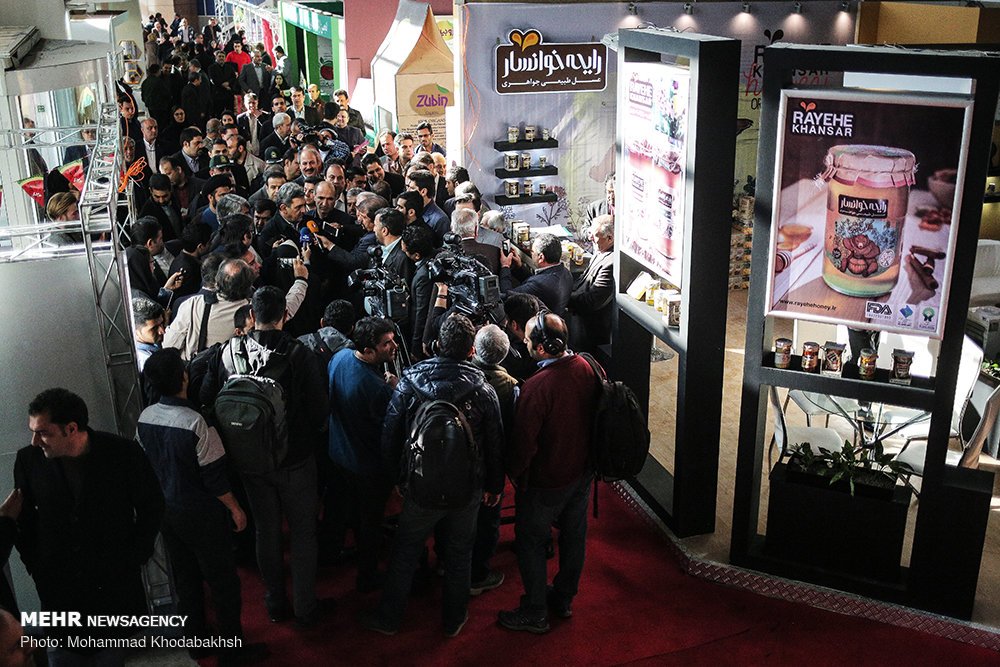
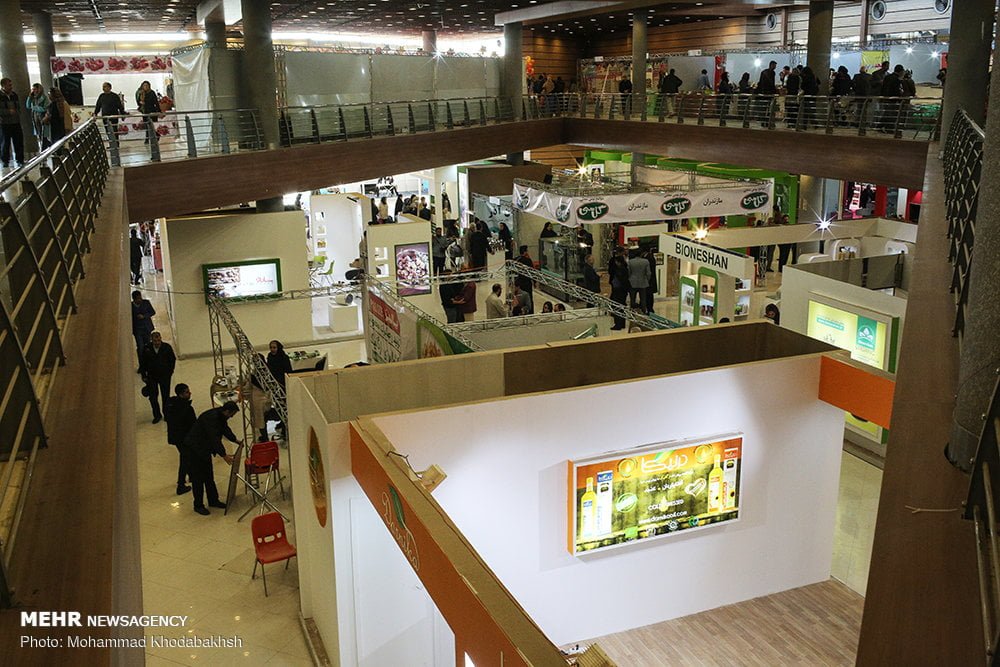
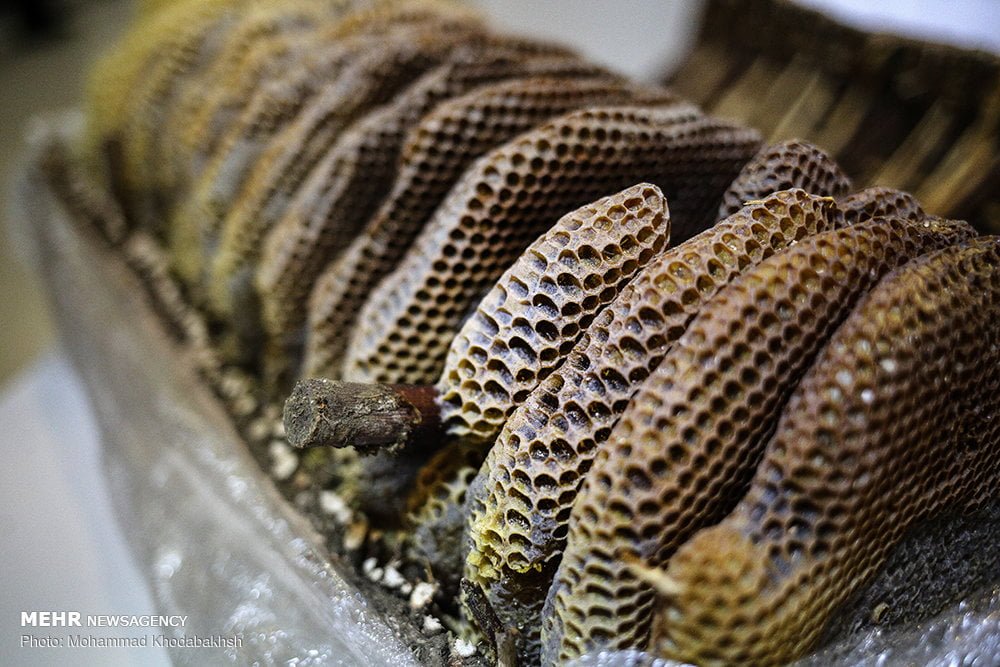
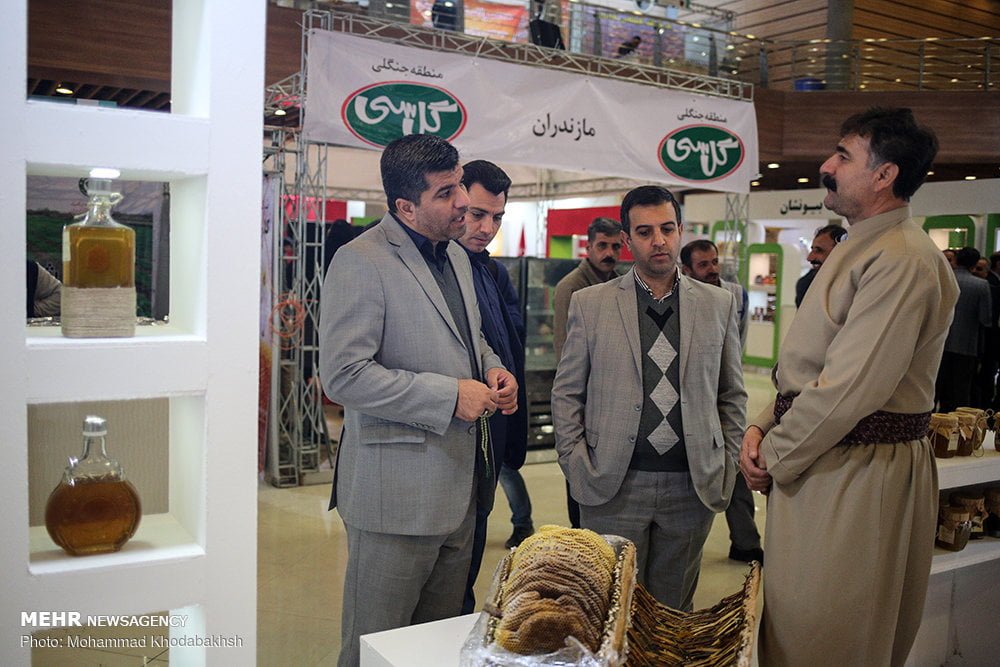
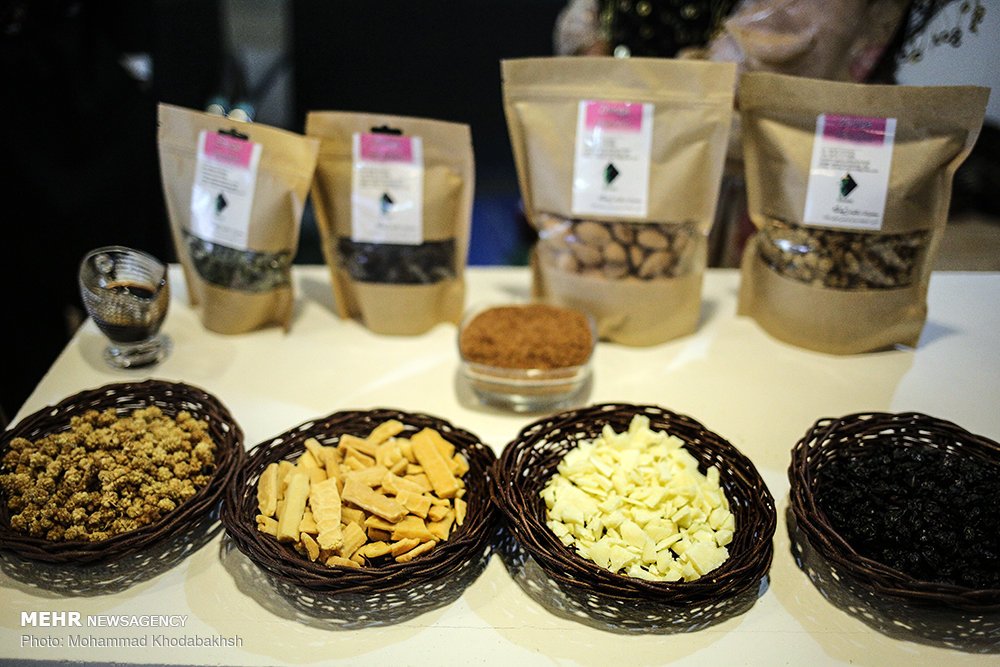
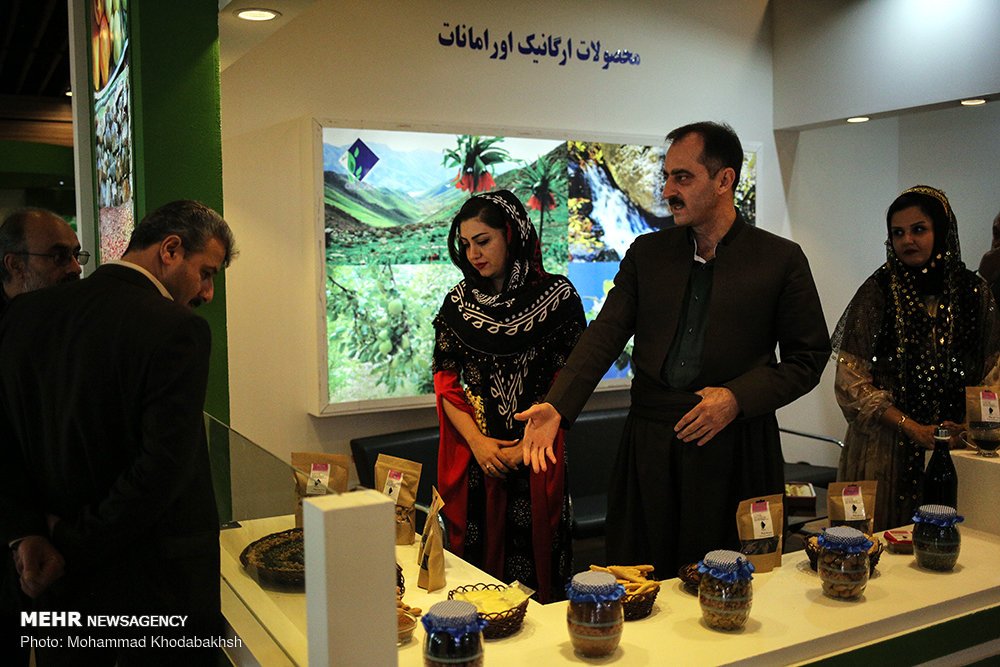
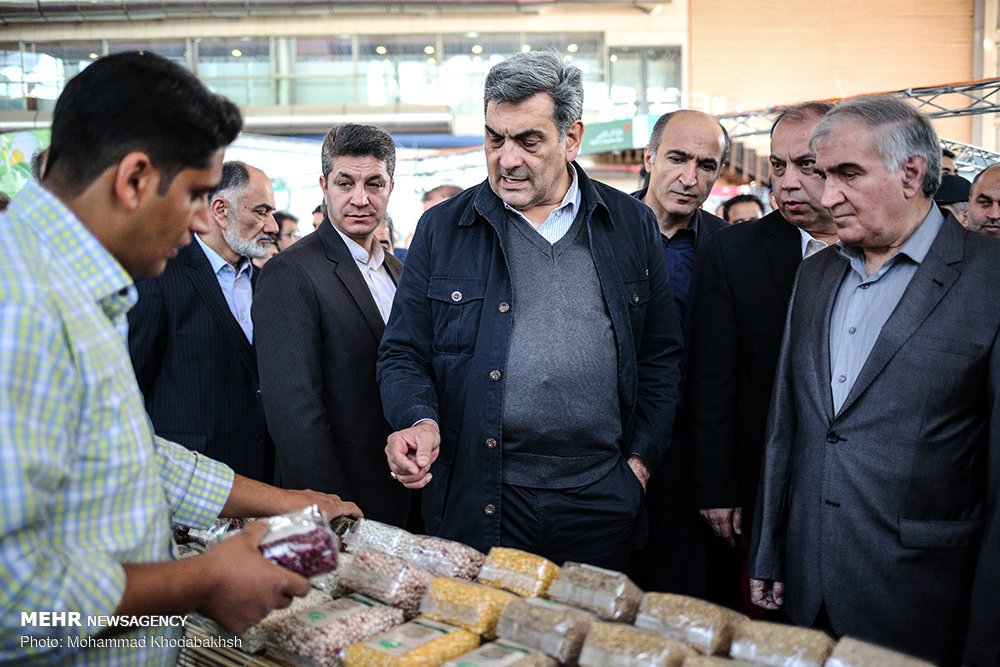
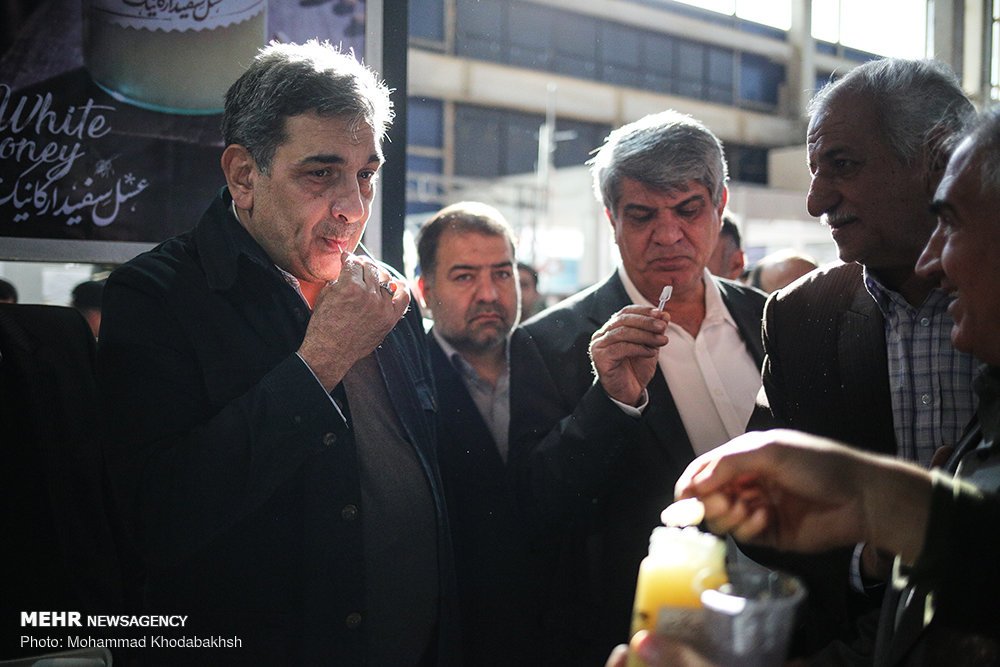
Every year, a few days before Yalda, Iranians hit the market to buy nuts, fruits and other edible products.  This year, on the occasion of the Persian festival, an exhibition of organic products is being held in Tehran.

Yalda Night or Shab-e Chelleh is the Iranian festival of winter solstice celebrated on the longest and darkest night of the year. It is the night between the last day of the ninth month (Azar) and the first day of the tenth month (Dey) of the Iranian calendar.

Yalda is one of the ancient festivities celebrated by Iranians, Afghans, Tajiks and Uzbeks. During the night, friends and family gather together to eat, drink and read poetry until well after midnight.

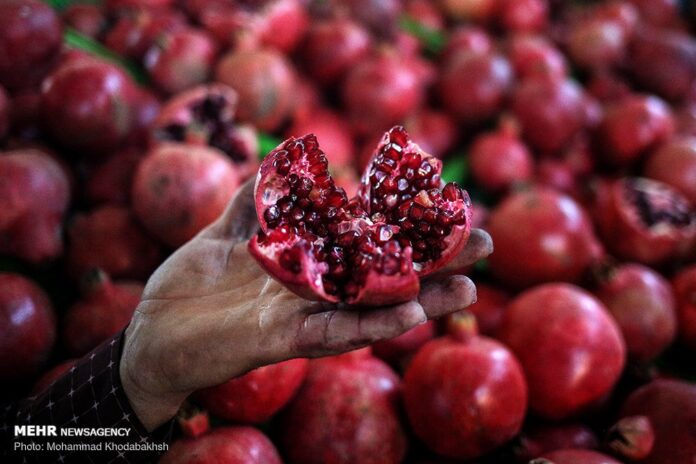
On this night, it is customary to sit at a tablecloth which is decorated with nuts, pomegranate, and watermelon. The poems of renowned Persian poet Hafez, which can be found in the bookcases of most Iranian families, are read or recited at this ceremony. Poets also recite their own poems for others.

Yalda night was officially added to Iran’s List of National Heritage in a special ceremony in 2008.

The exhibition of organic food products with 110 stands and three halls will run for one week until December 21.

What follows are photos of the exhibition retrieved from Mehr News Agency:


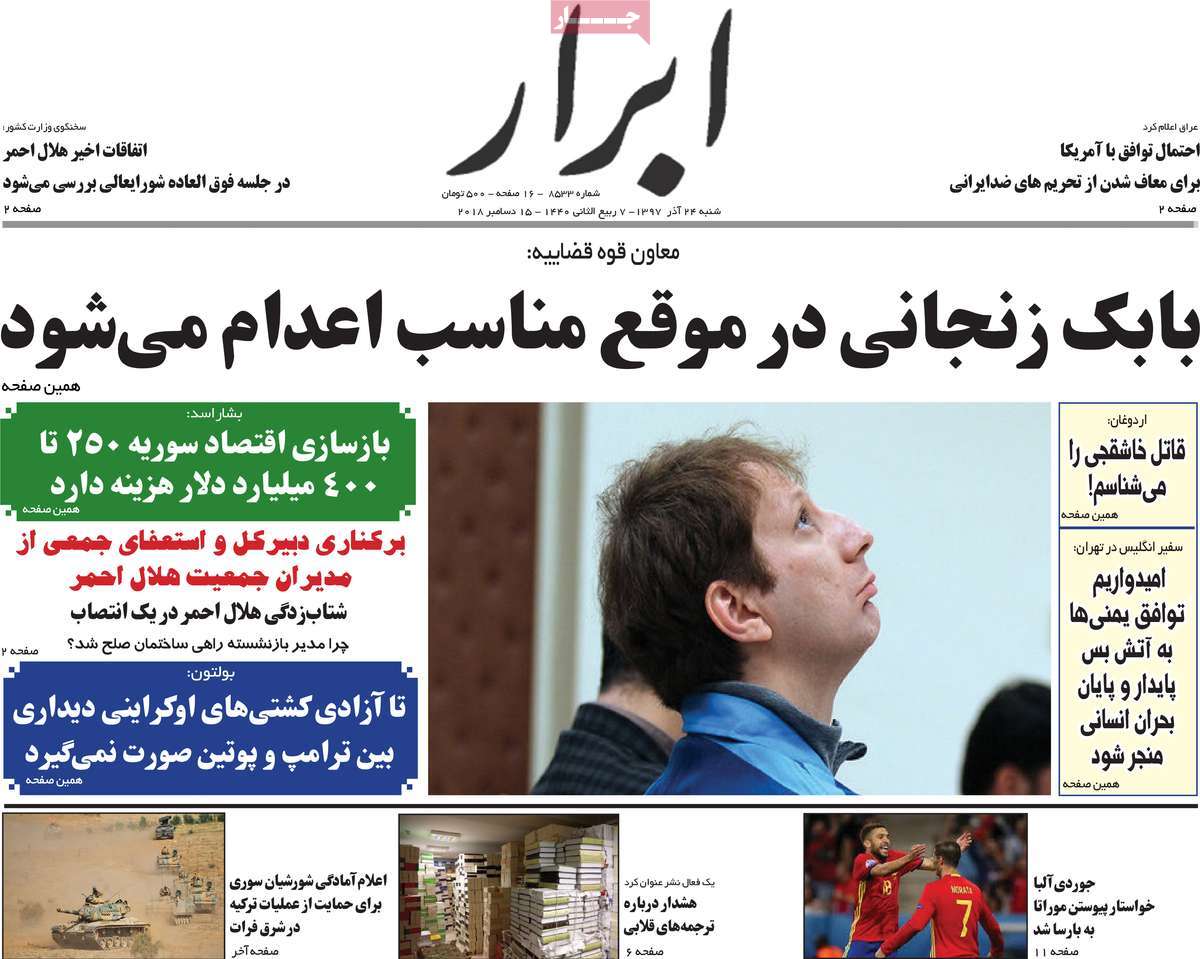
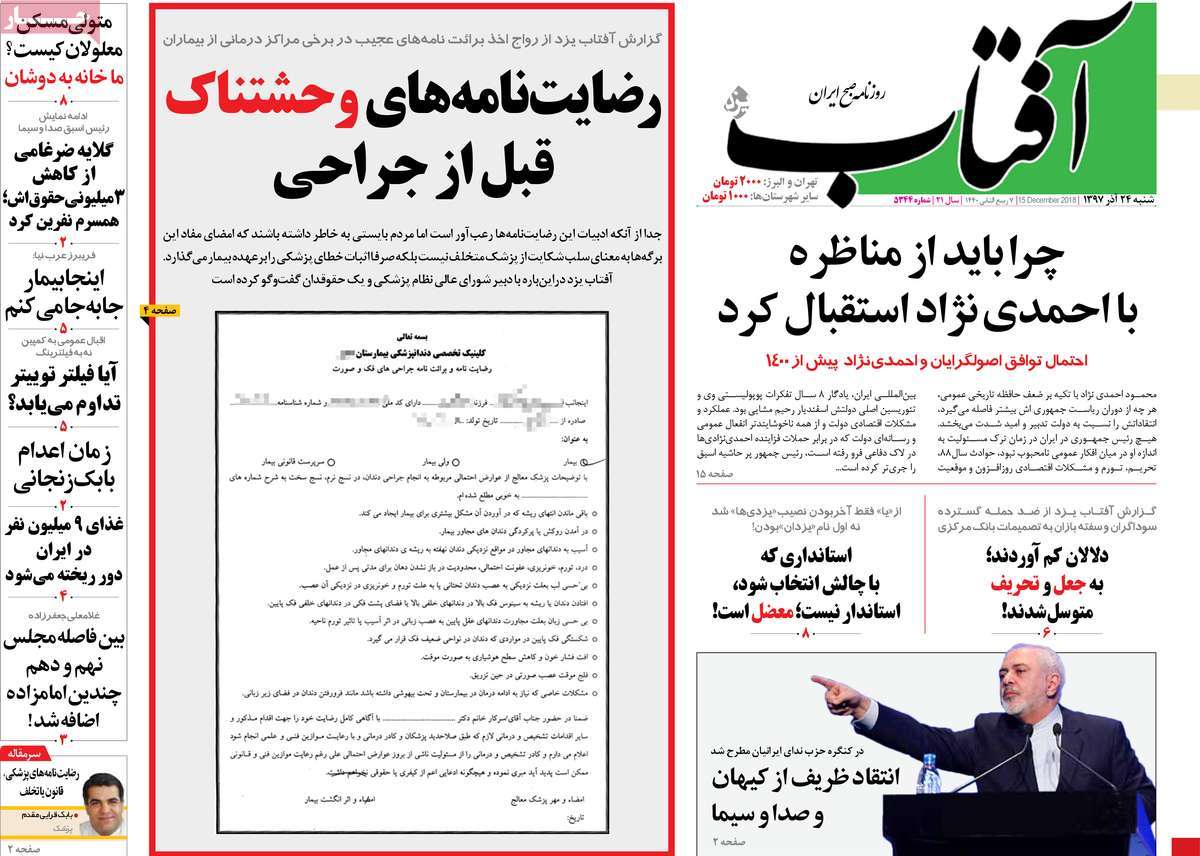
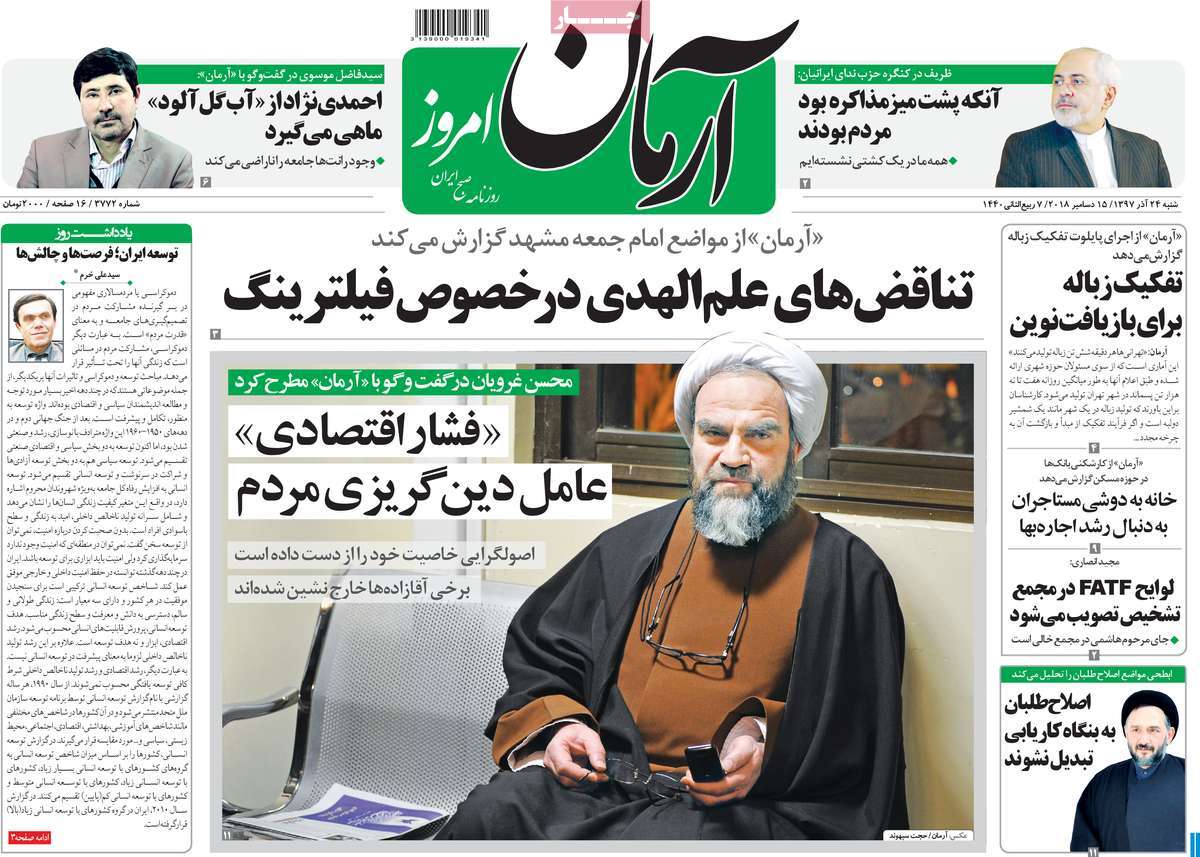
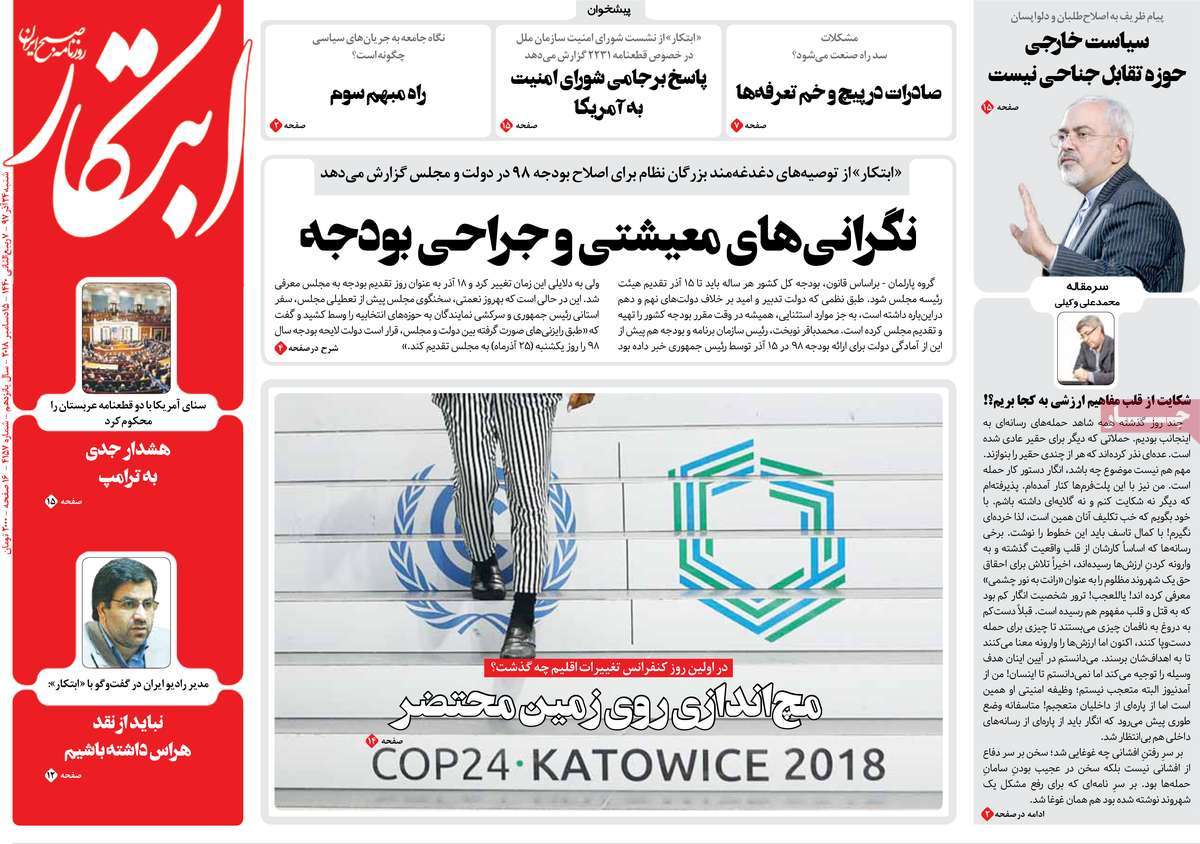
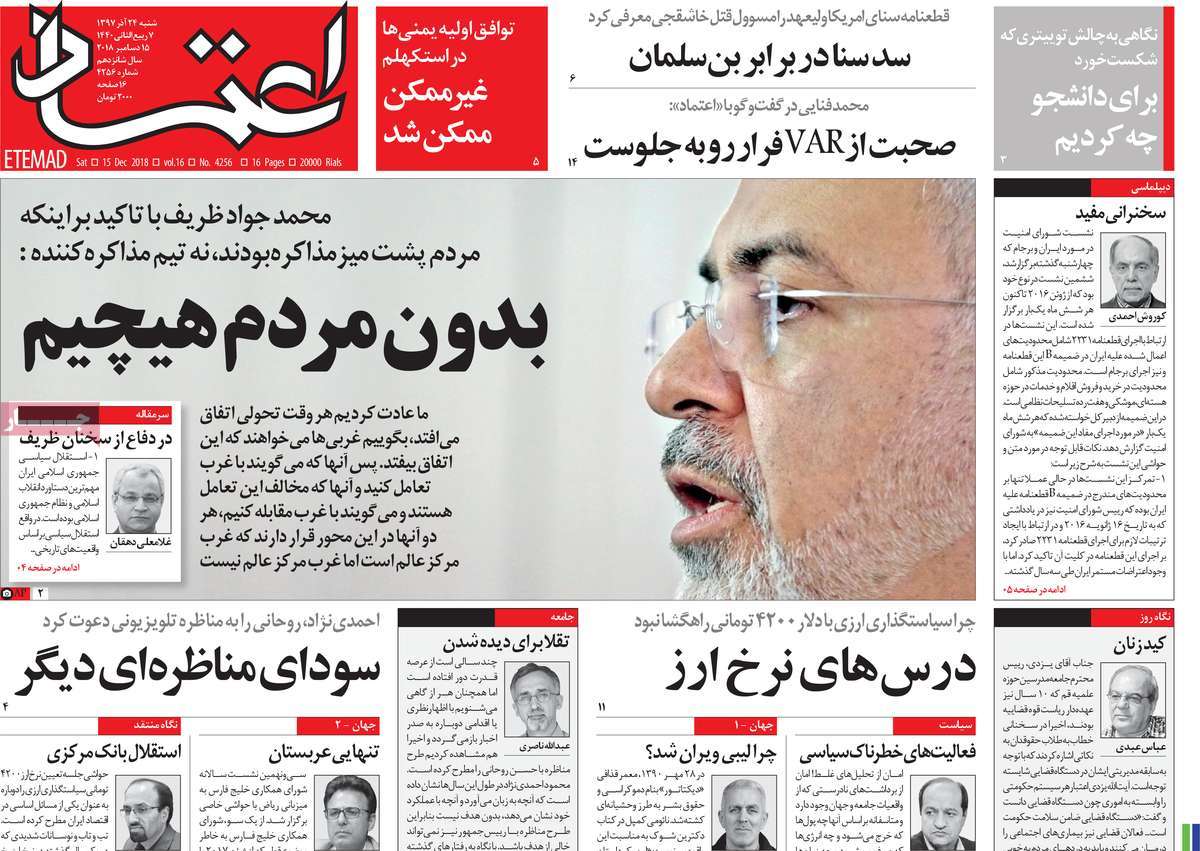
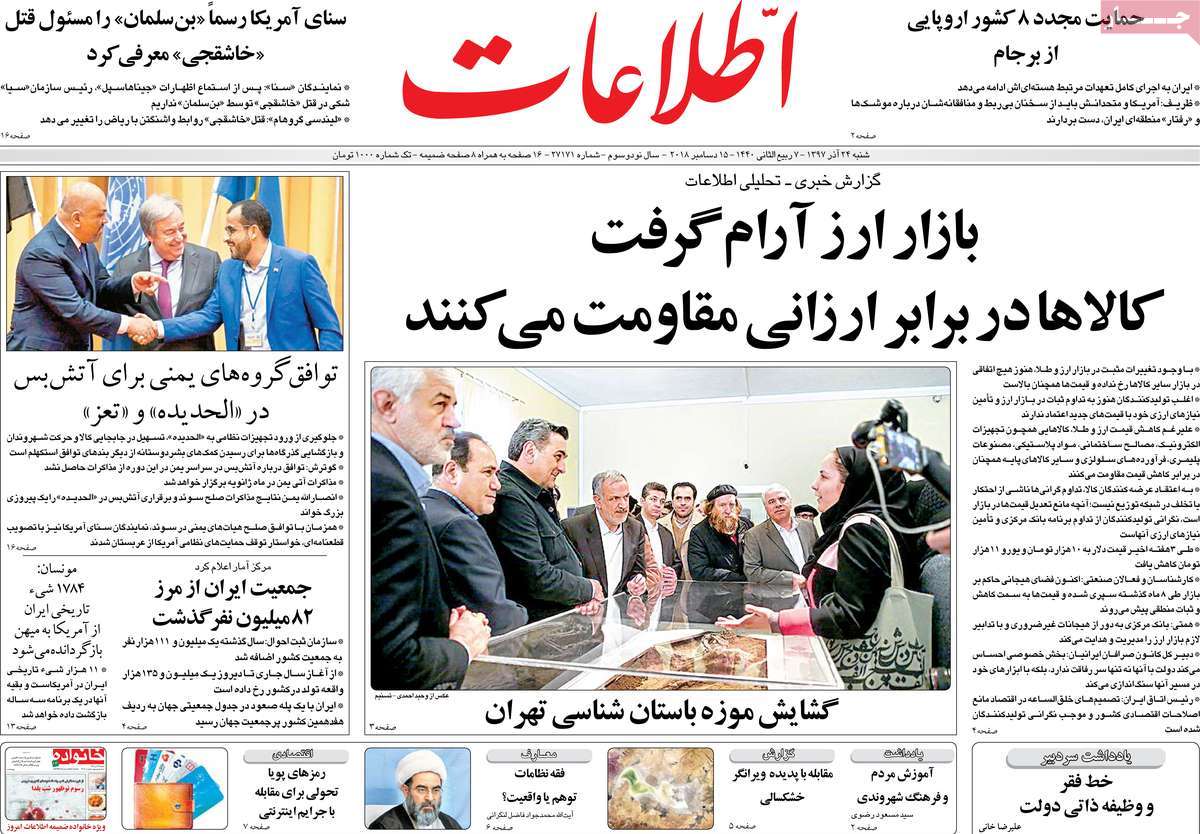
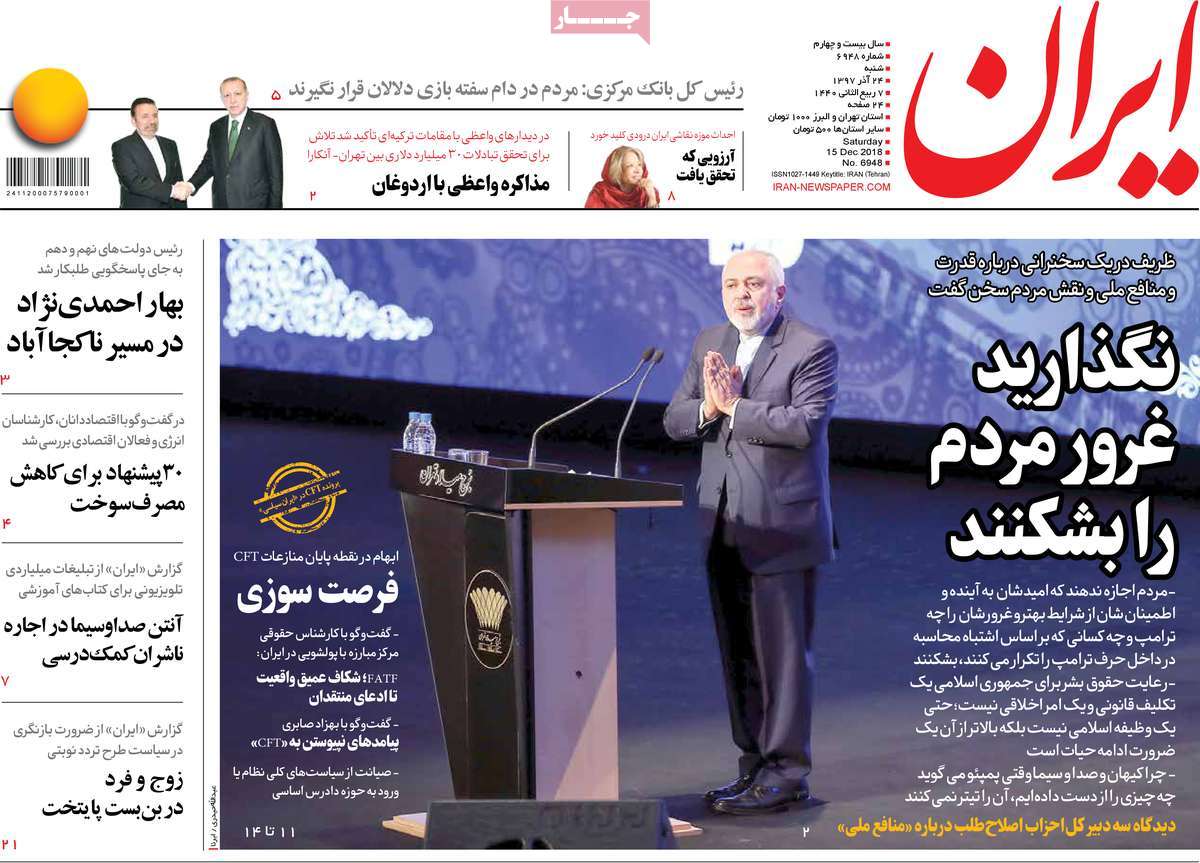
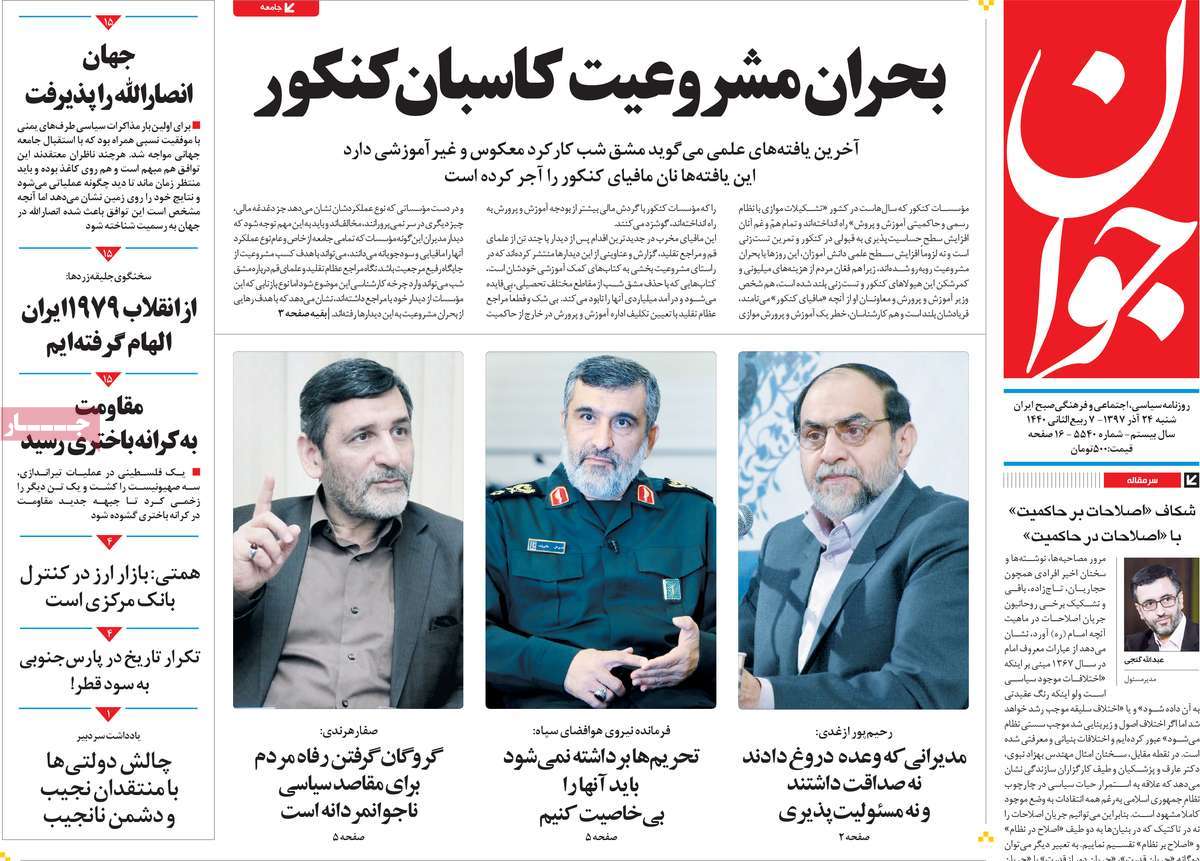
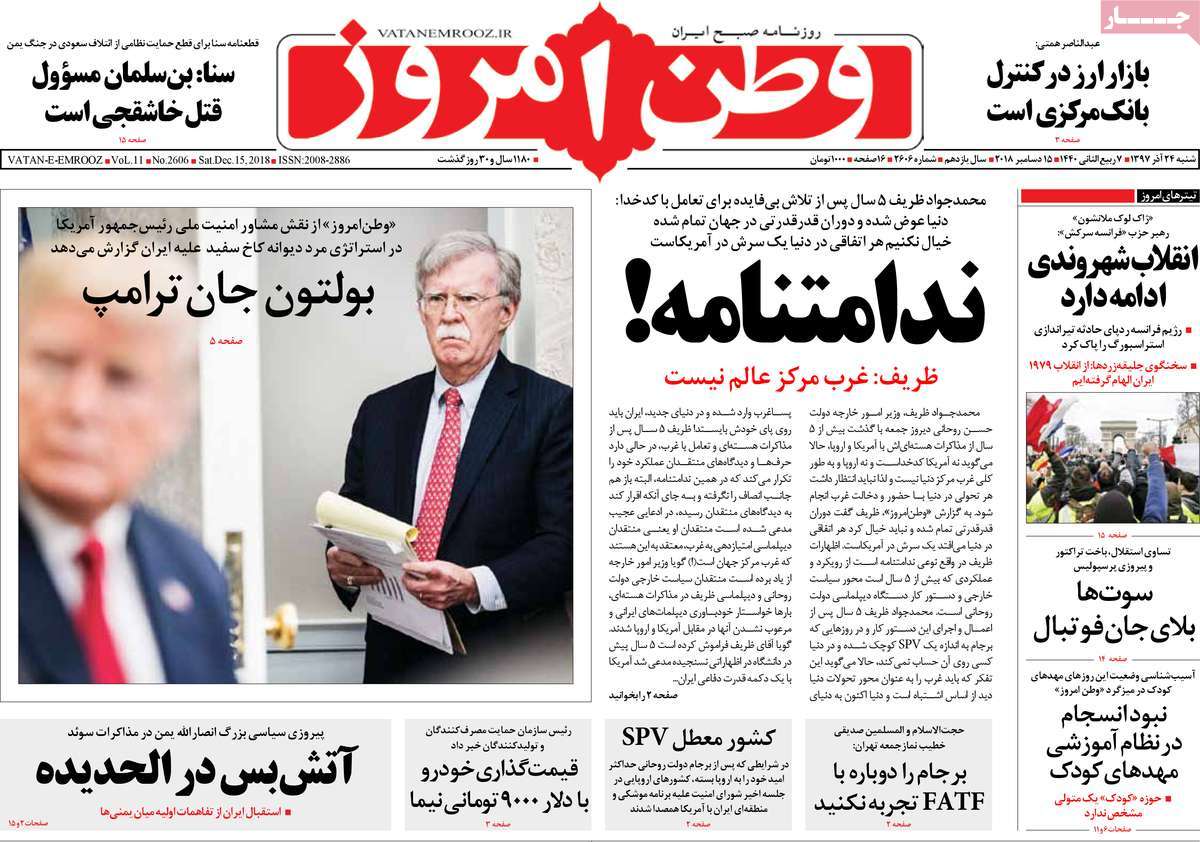
A Look at Iranian Newspaper Front Pages on December 15

A Look at Iranian Newspaper Front Pages on November 19

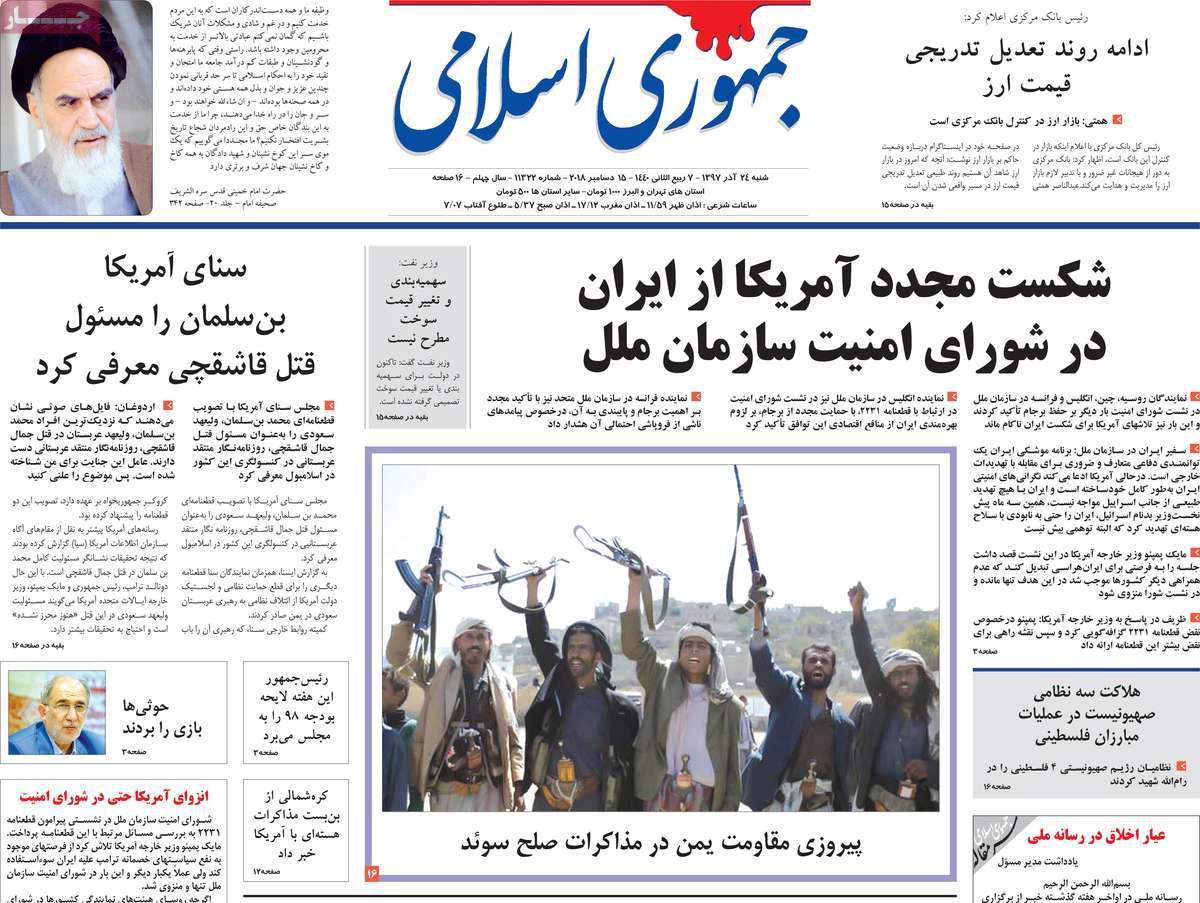
The top story in all papers today was a ceasefire agreement reached between Yemeni warring sides after several days of talks in Sweden.

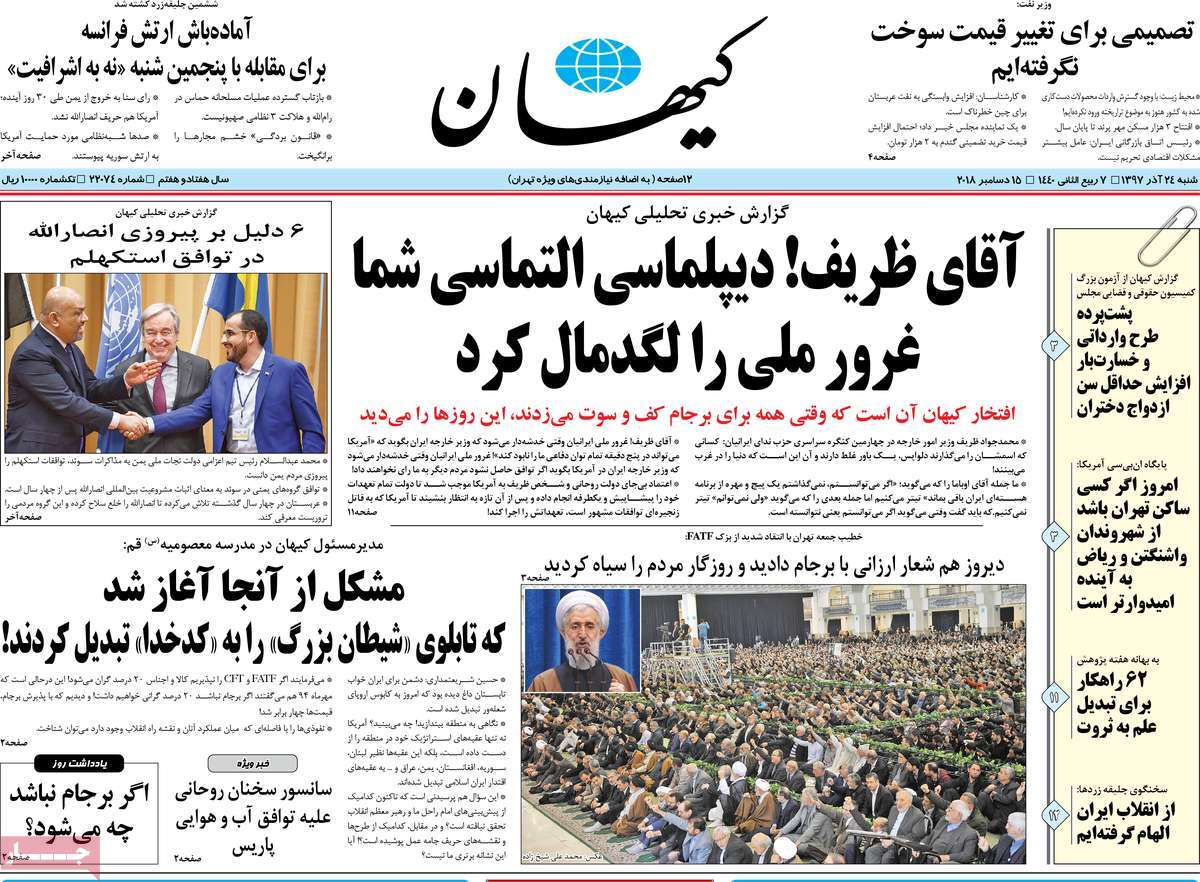
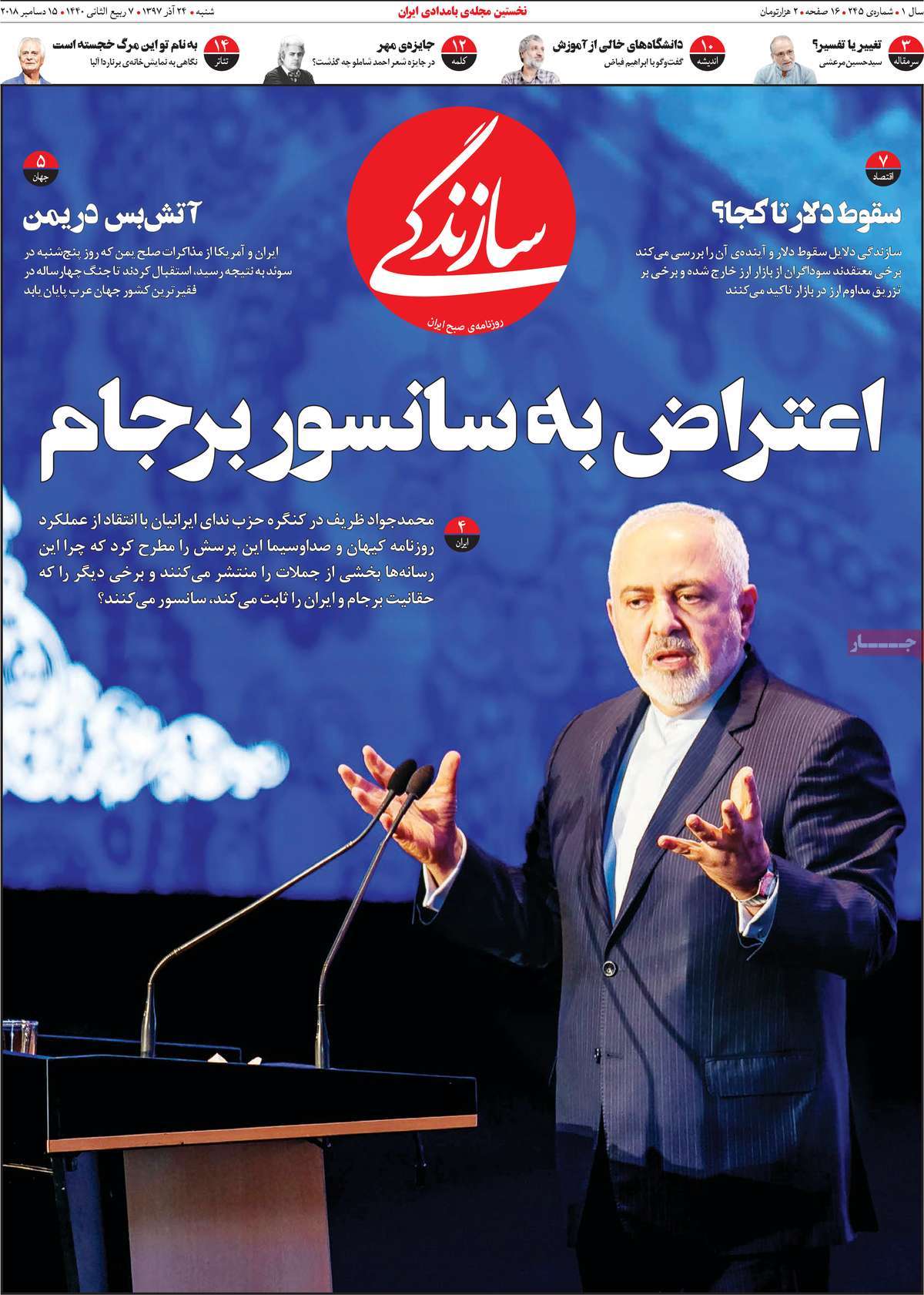
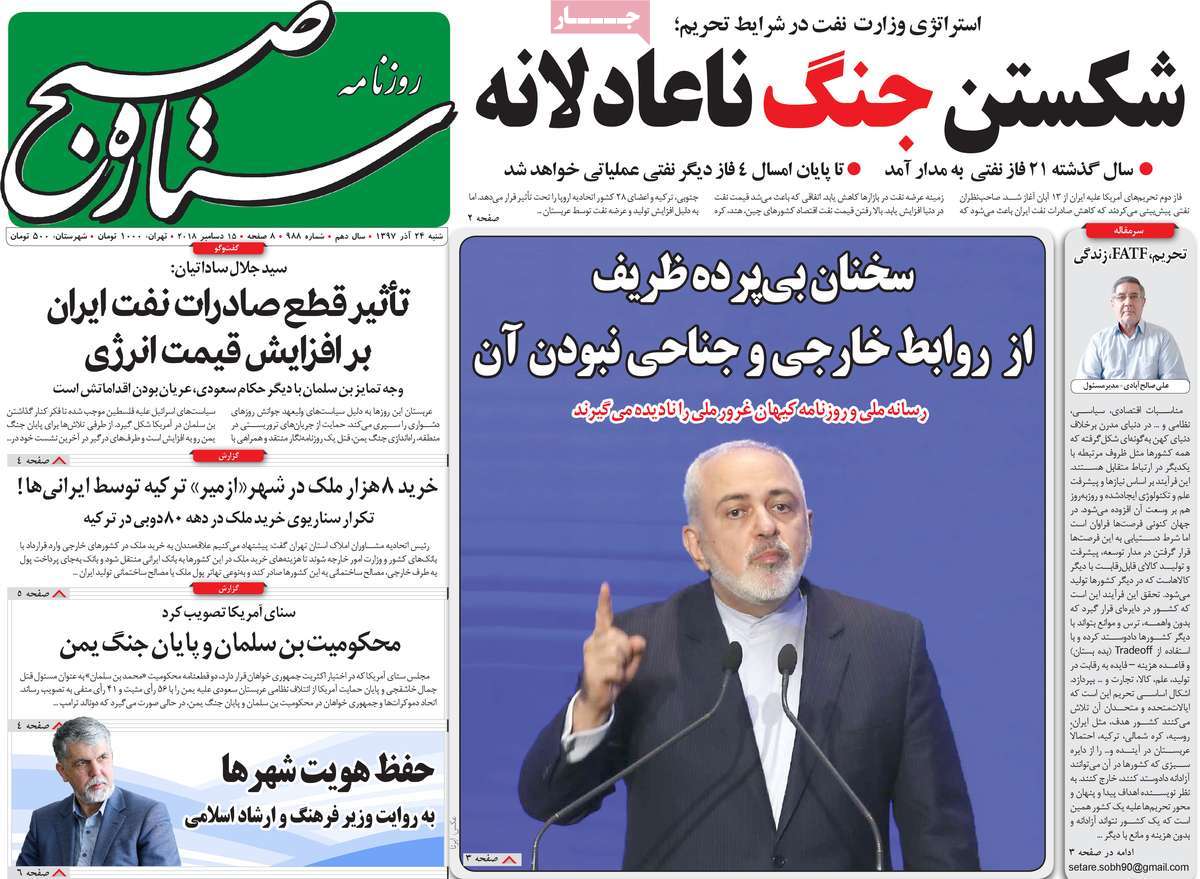
Several papers also covered the remarks made by Iranian Foreign Minister Mohammad Javad Zarif, in which he criticized the state TV and certain conservative papers for censoring the good aspects of the Iran nuclear deal.

The US Senate’s unanimous vote to stop Washington’s support for the Saudi war in Yemen and to blame Saudi Crown Prince Mohammed bin Salman for the assassination of dissident journalist Jamal Khashoggi also received great coverage.

The above issues, as well as many more, are highlighted in the following headlines and top stories:


Abrar:

1- Iraq: We May Reach Agreement with US to Be Exempted from Iran Bans

2- Judiciary Chief: Zanjani to Be Executed in Due Time

A Look at Iranian Newspaper Front Pages on December 15


Aftab-e Yazd:

1- Forex Brokers Trying to Distort, Tell Lies to Prevent Decrease of Rates

  • Central Bank’s Measures Working

A Look at Iranian Newspaper Front Pages on December 15


Arman-e Emrooz:

1- Reformist Cleric: Economic Pressure Makes People Frustrated with Religion

A Look at Iranian Newspaper Front Pages on December 15


Ebtekar:

1- Zarif’s Message to Reformists, Hardliners: Foreign Policy No Place for Political Fights

2- US Senate Condemns Saudi Arabia with Two Resolutions: Serious Warning to Trump

A Look at Iranian Newspaper Front Pages on December 15


Etemad:

1- Zarif: We’re Nothing without People’s Backing

2- US Senate’s Resolution Blames Saudi Crown Prince for Khashoggi’s Murder

A Look at Iranian Newspaper Front Pages on December 15


Ettela’at:

1- Forex Market Calms Down: Prices of Consumer Goods Still High

2- Eight European Countries Once Again Express Support for JCPOA

3- Yemeni Groups Agree to Ceasefire in Hudaydah, Taiz

4- Iran’s Population Exceeds 82 Million

A Look at Iranian Newspaper Front Pages on December 15


Iran:

1- Zarif: Don’t Destroy People’s Sense of Honour

A Look at Iranian Newspaper Front Pages on December 15


Javan:

1- IRGC Aerospace Commander: Sanctions Won’t Be Lifted, We Should Neutralize Them

2- Chief Banker: Central Bank Has Control over Forex Market

3- Yellow Vest Protester: We’re Inspired by Iran’s 1979 Revolution

A Look at Iranian Newspaper Front Pages on December 15


Jomhouri Eslami:

1- US Once Again Defeated by Iran at UN Security Council

2- Forex Rates Continue to Decline

3- Yemeni Resistance Winner of Sweden Peace Talks

A Look at Iranian Newspaper Front Pages on December 15


Kayhan:

1- Mr Zarif! Your Diplomacy Has Destroyed People’s Sense of National Honour

  • Kayhan Proud It Predicted Current Days When Everyone Clapped for JCPOA

2- French Army on Standby for Countering Fifth Saturday of ‘No to Aristocracy’ Protests

A Look at Iranian Newspaper Front Pages on December 15


Sazandegi:

1- How Much Dollar Rates Are Going to Decrease?

2- Zarif Strongly Criticizes Kayhan, State TV for Censoring JCPOA Achievements

A Look at Iranian Newspaper Front Pages on December 15


Setareh Sobh:

1- Zarif Talks of Need for Keeping Foreign Policy Away from Political Fights

2- Oil Ministry’s Strategy under Sanctions: Fighting Unfair War

3- Bin Salman Condemned by US Senate

A Look at Iranian Newspaper Front Pages on December 15


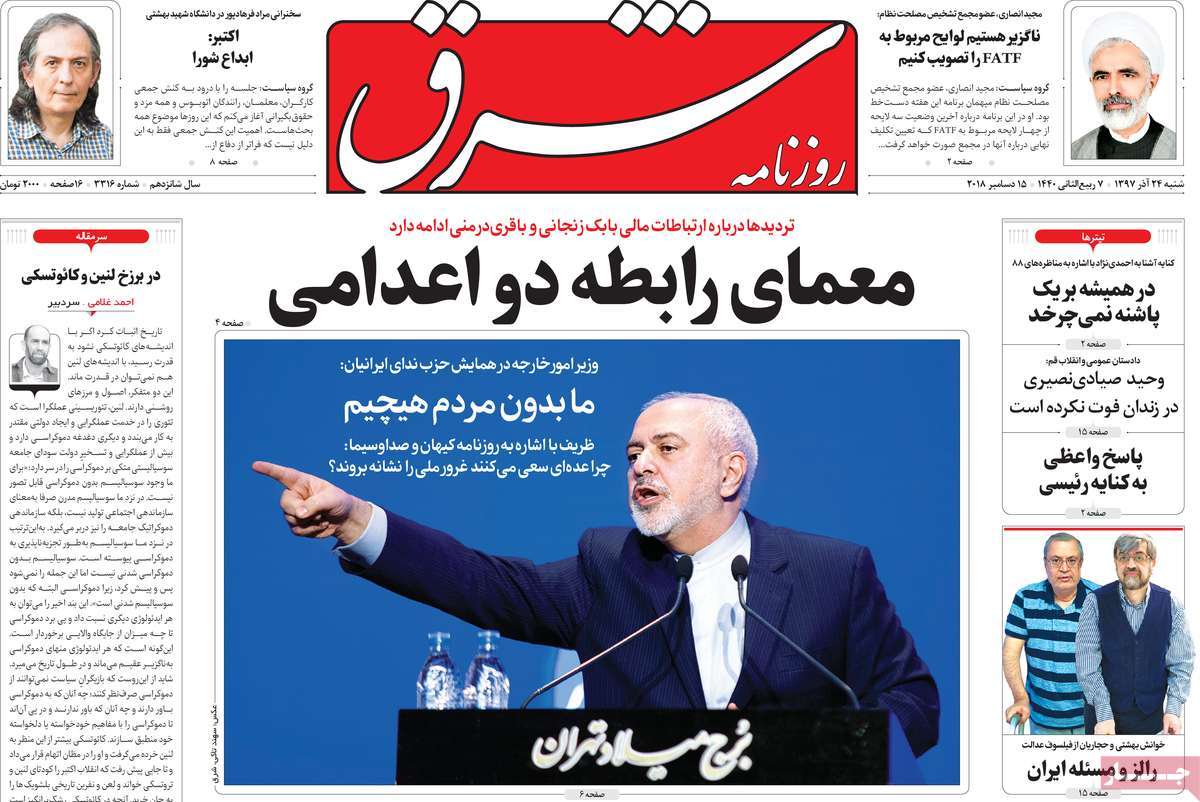
Shargh:

1- We Have to Ratify FATF Bills: Reformist Member of Expediency Council

A Look at Iranian Newspaper Front Pages on December 15


Vatan-e Emrooz:

1- Letter of Repentance: Zarif Admits West Not Centre of World

2- Ceasefire in Hudaydah

A Look at Iranian Newspaper Front Pages on December 15

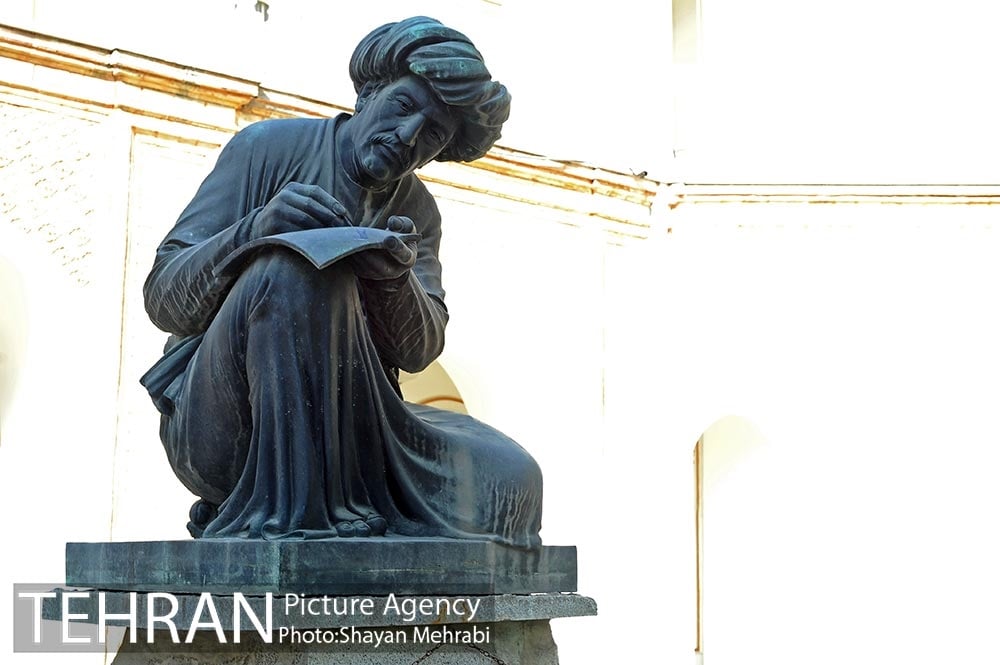
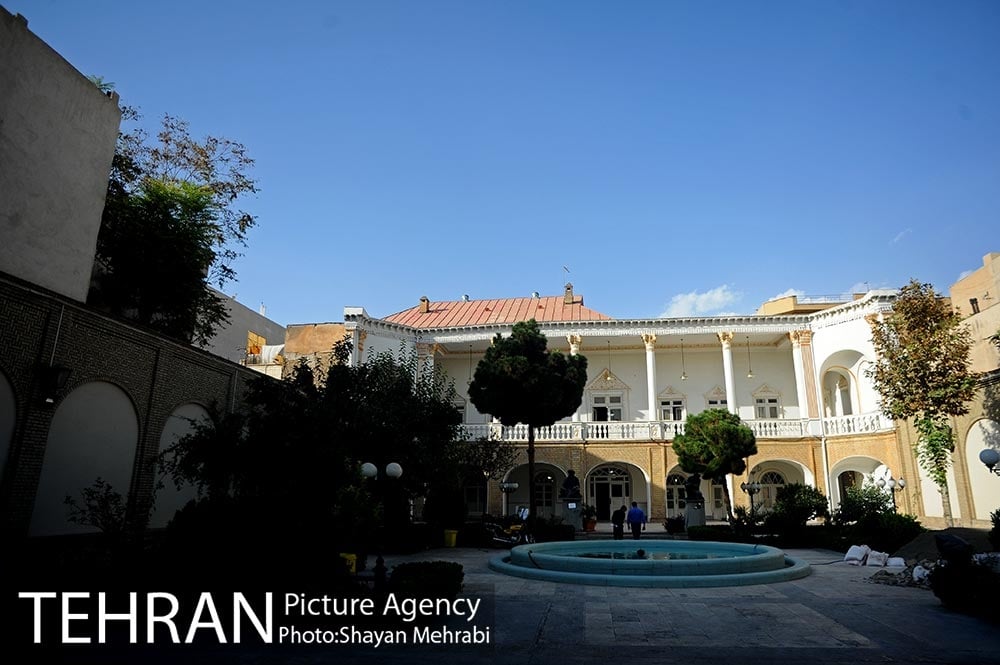
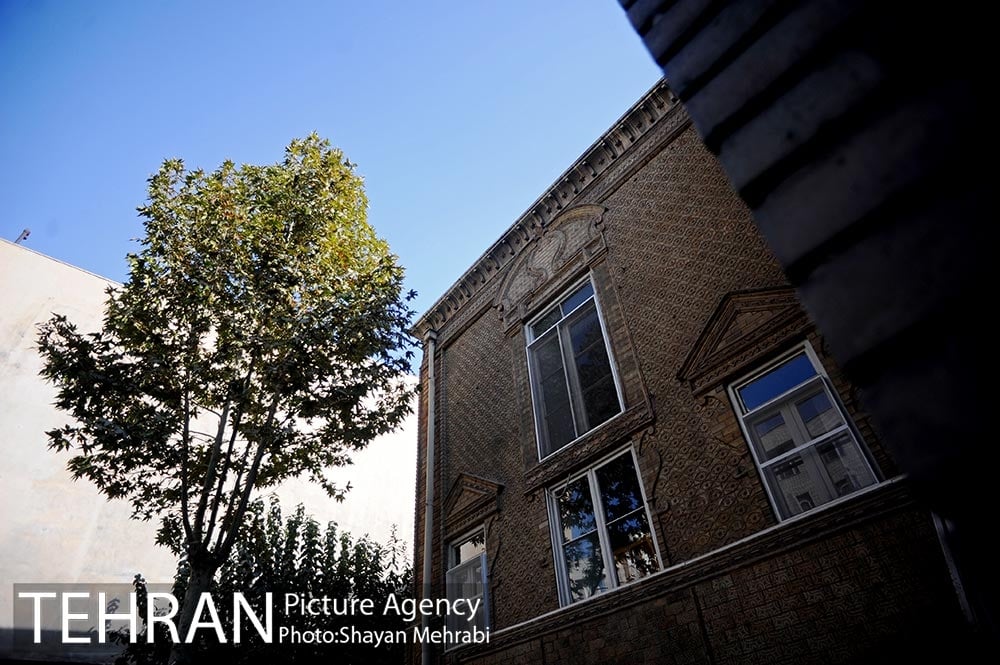
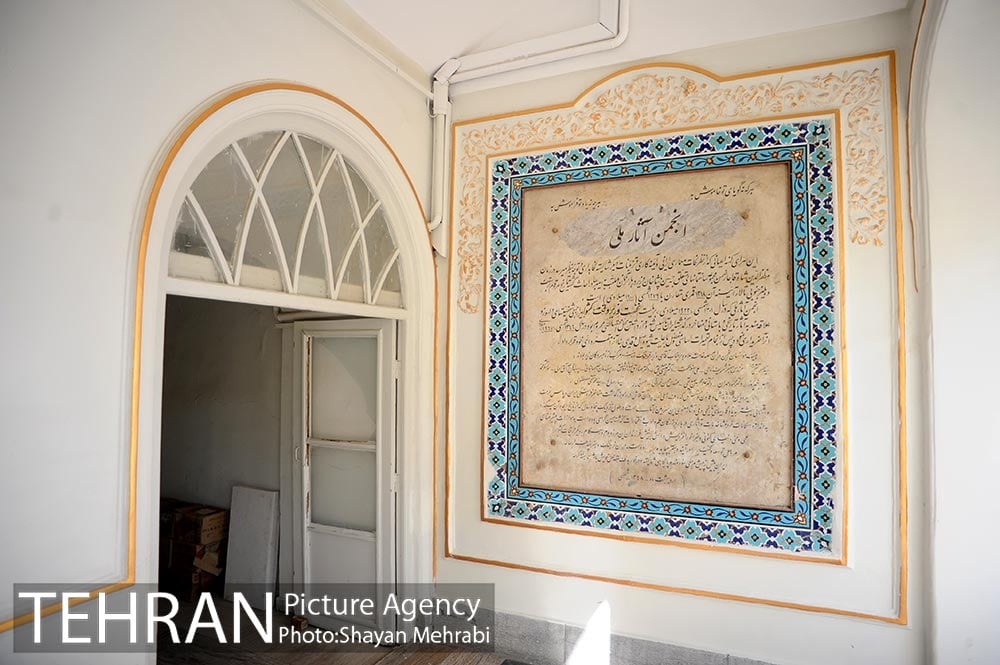
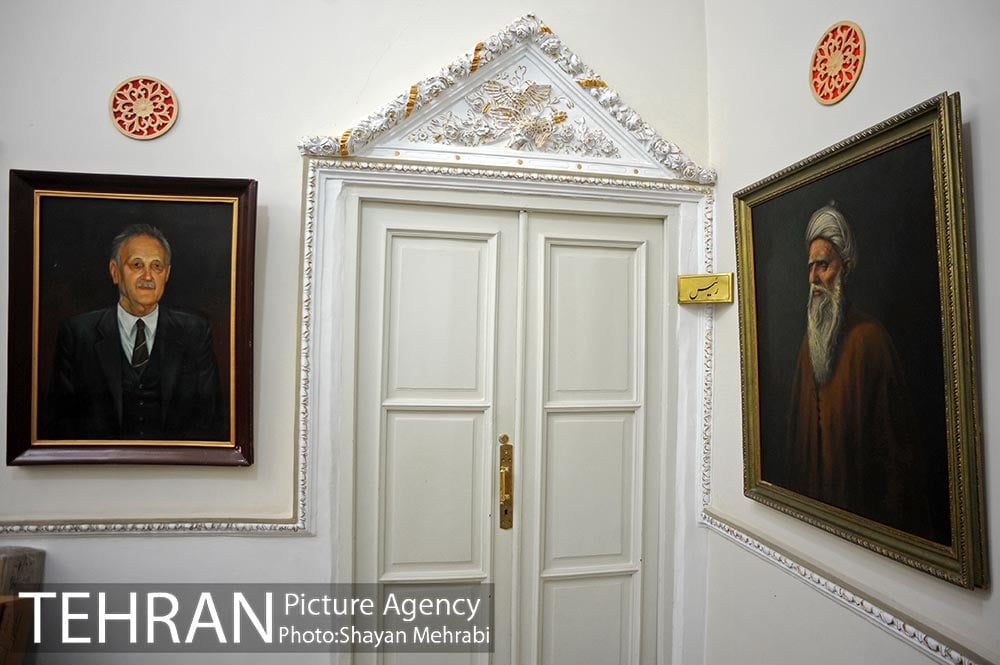
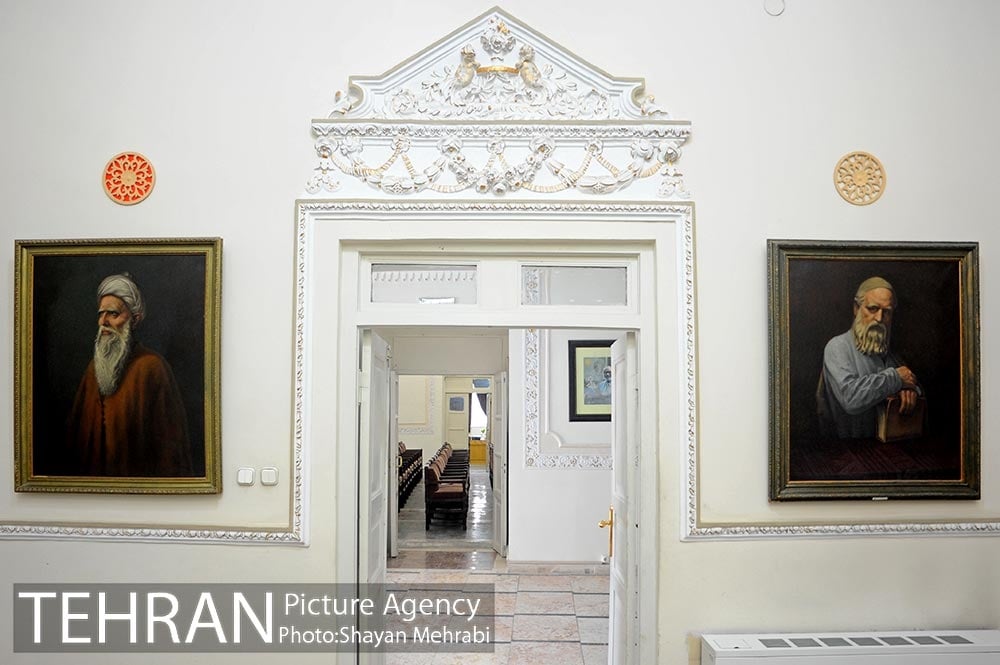
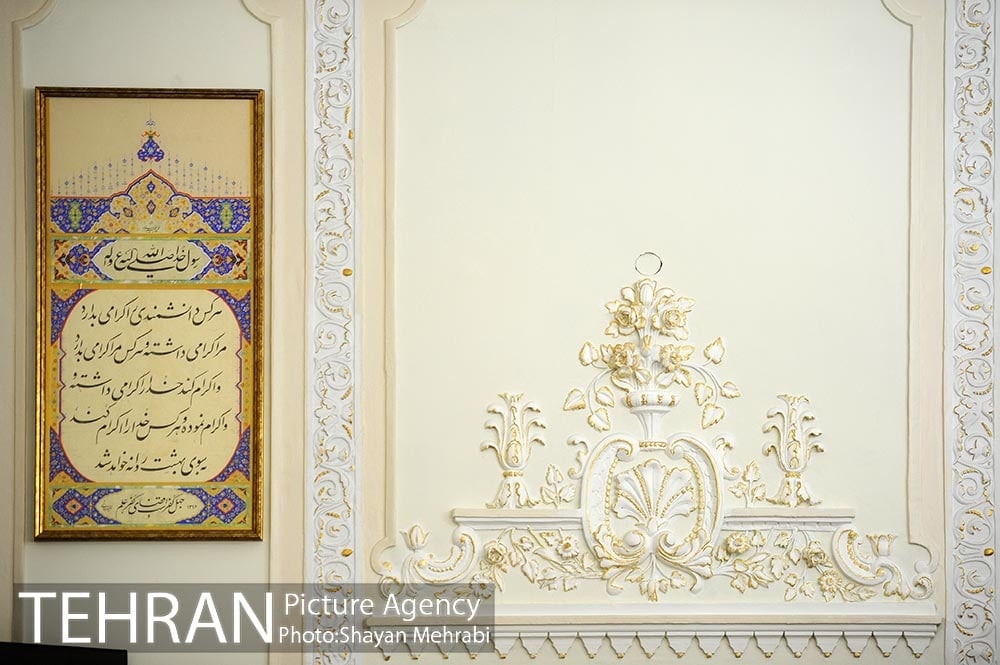
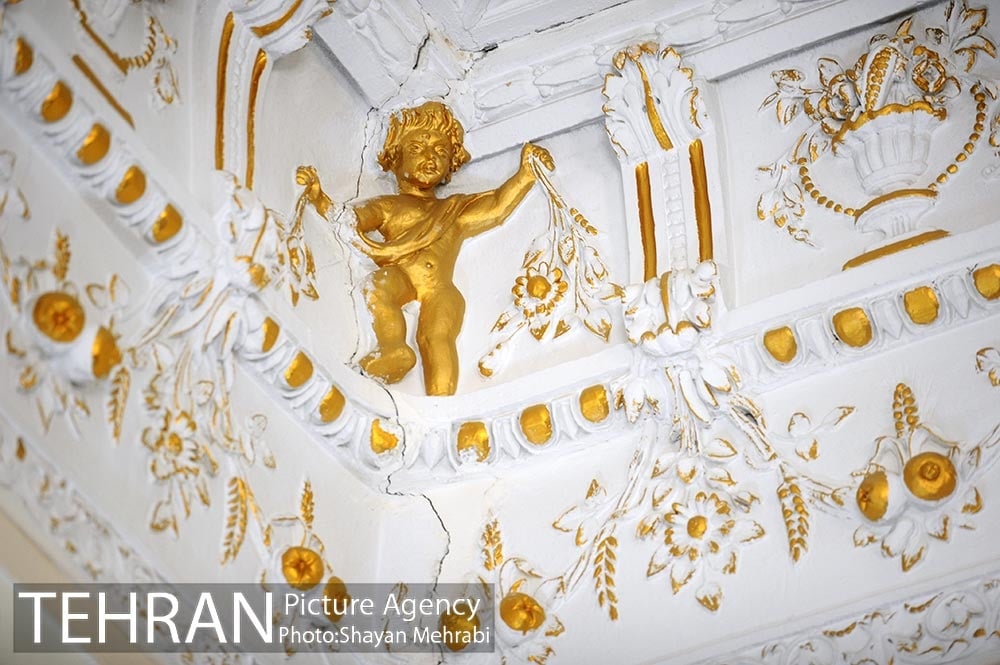
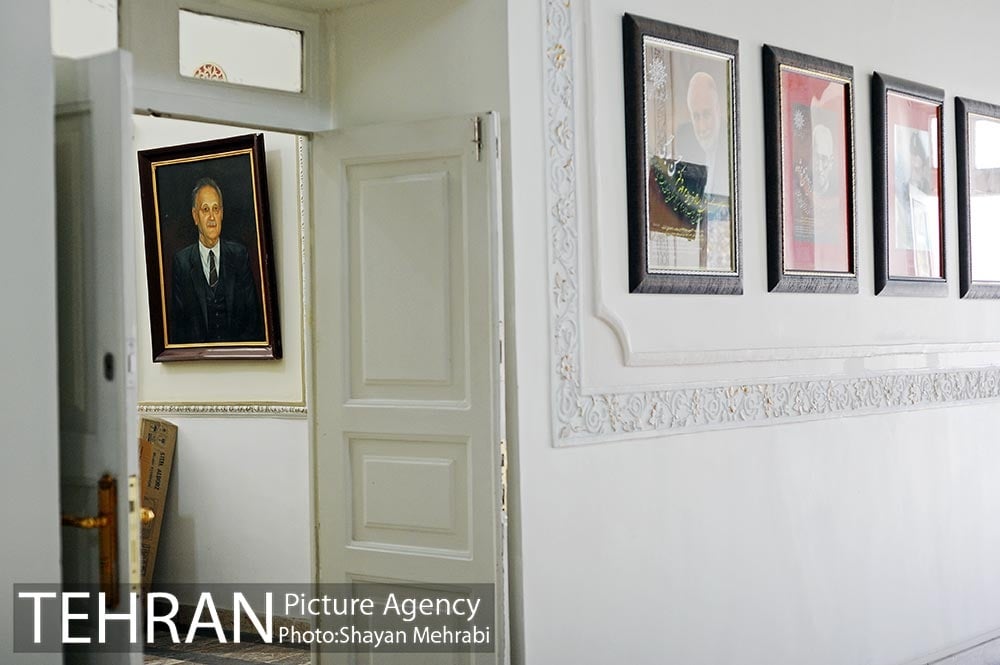
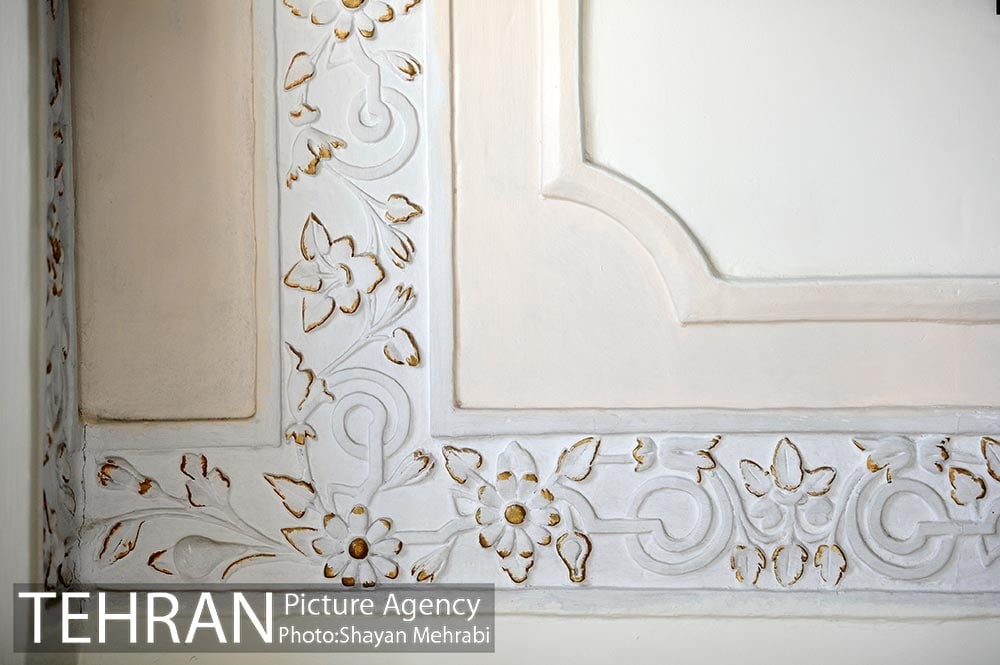
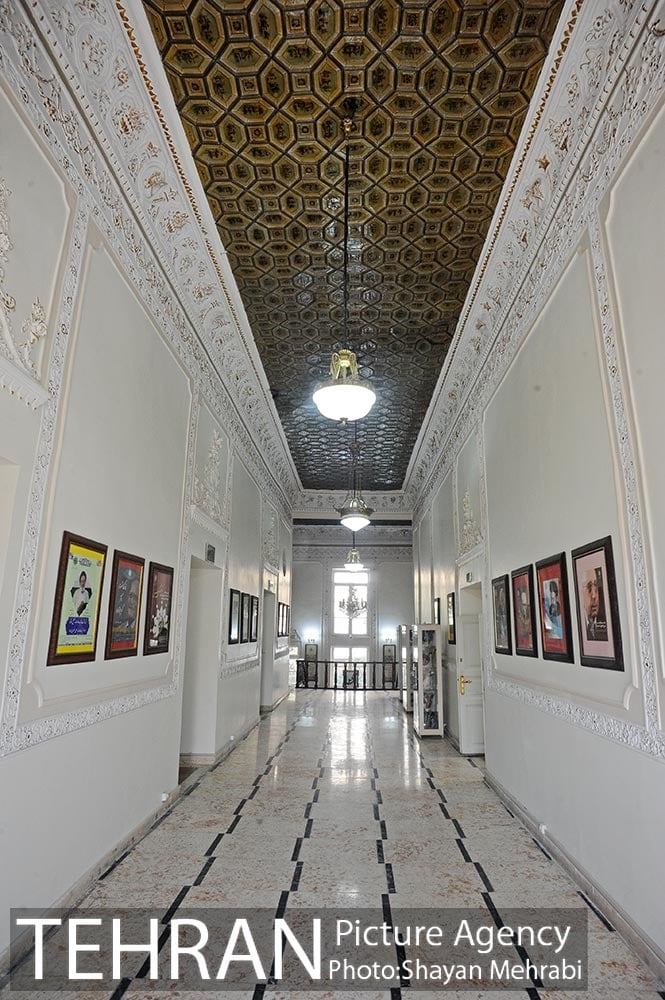
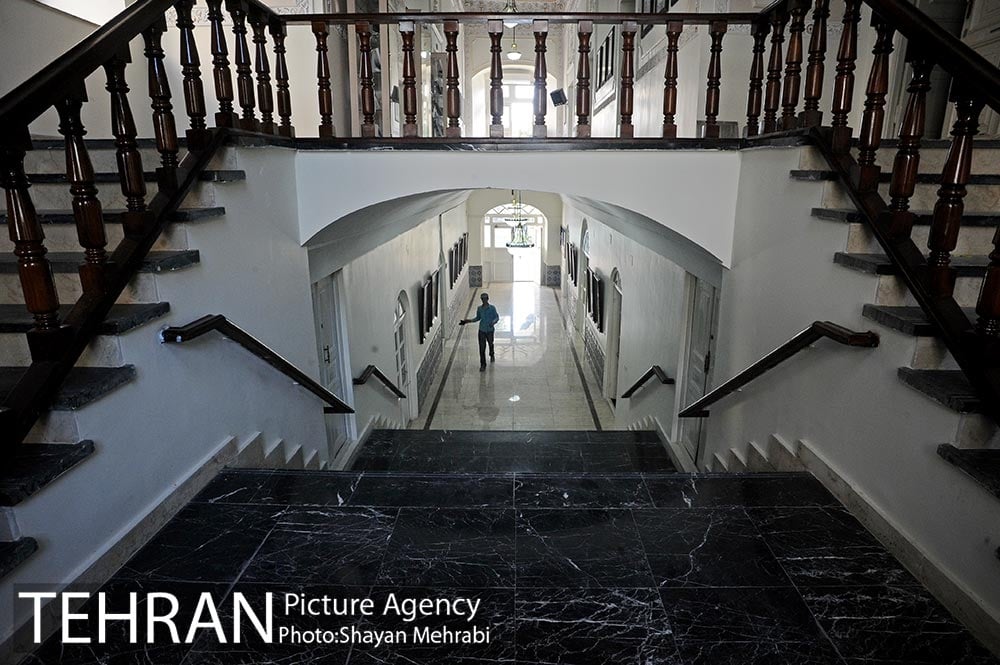
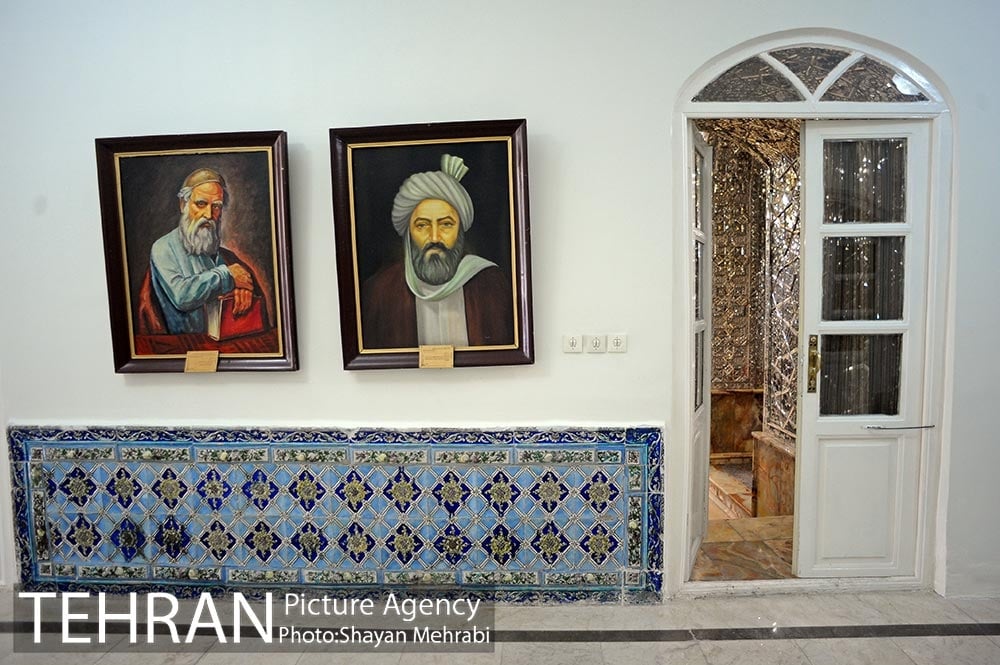
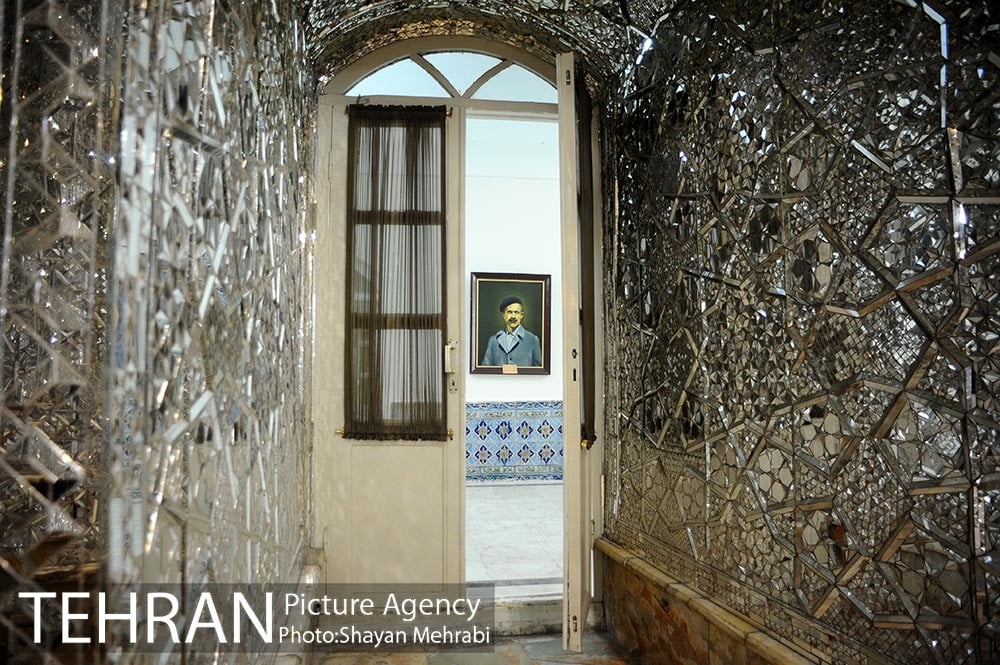
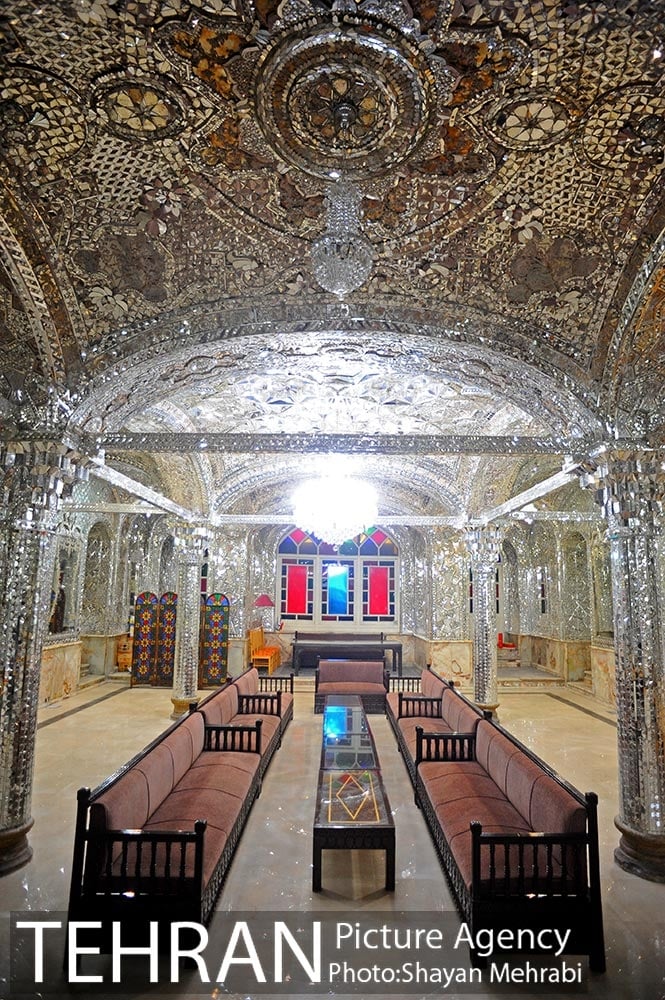
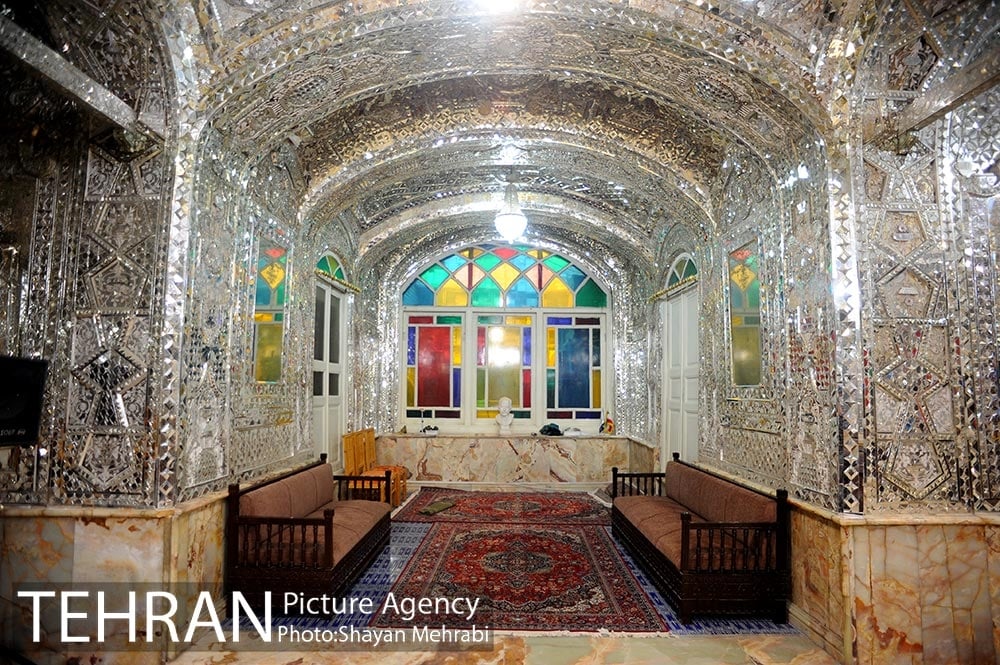
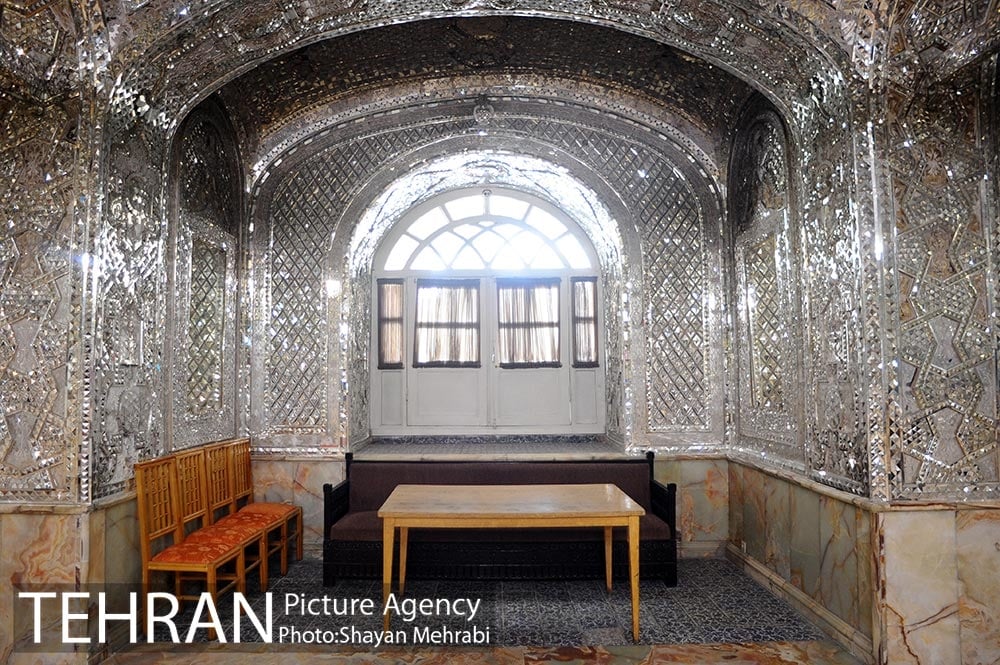
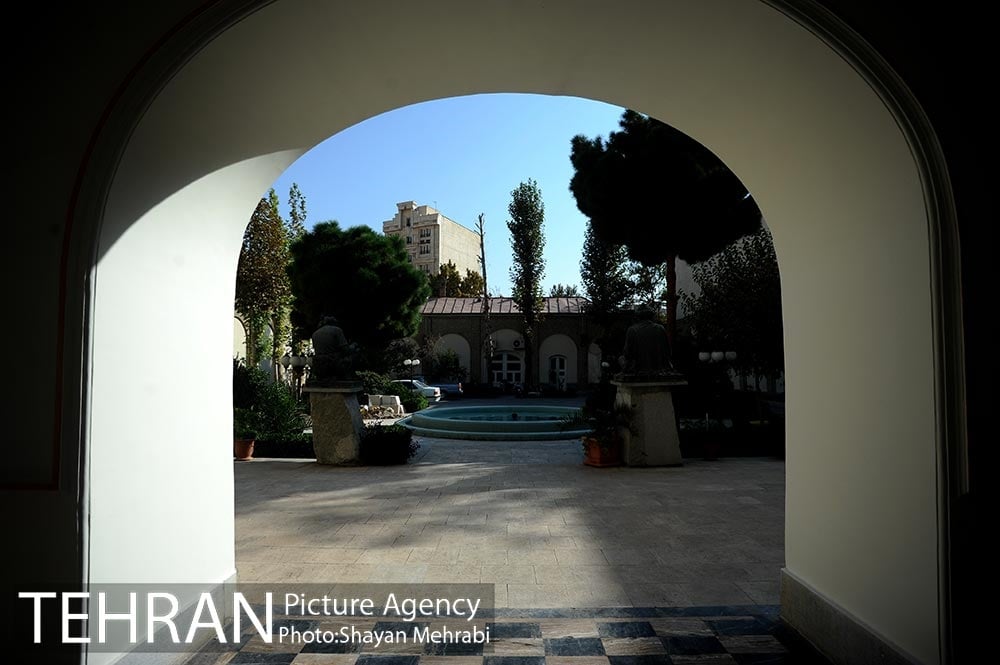
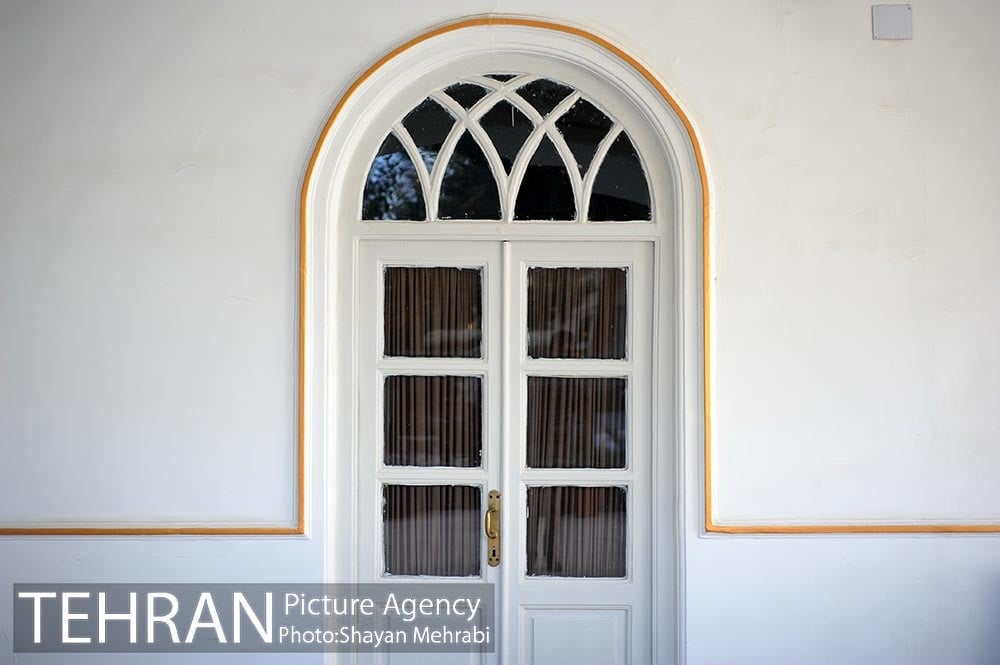
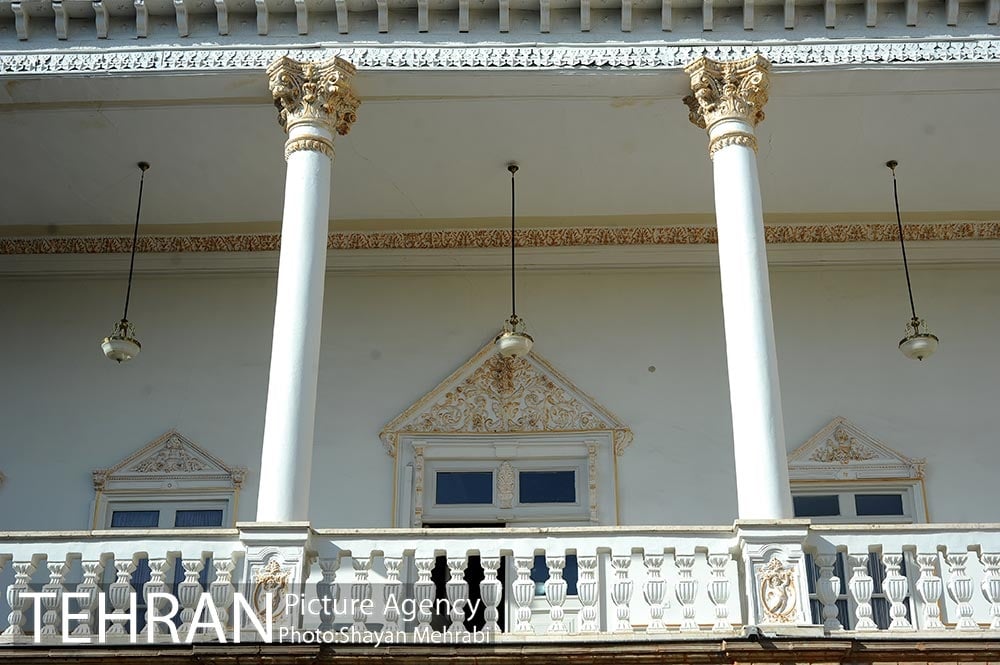
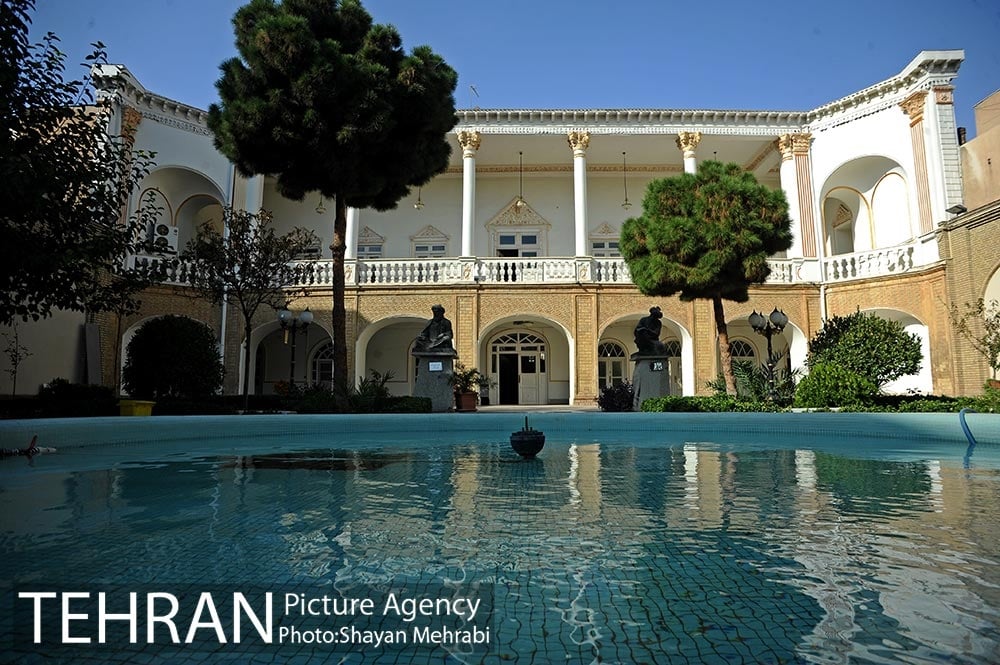
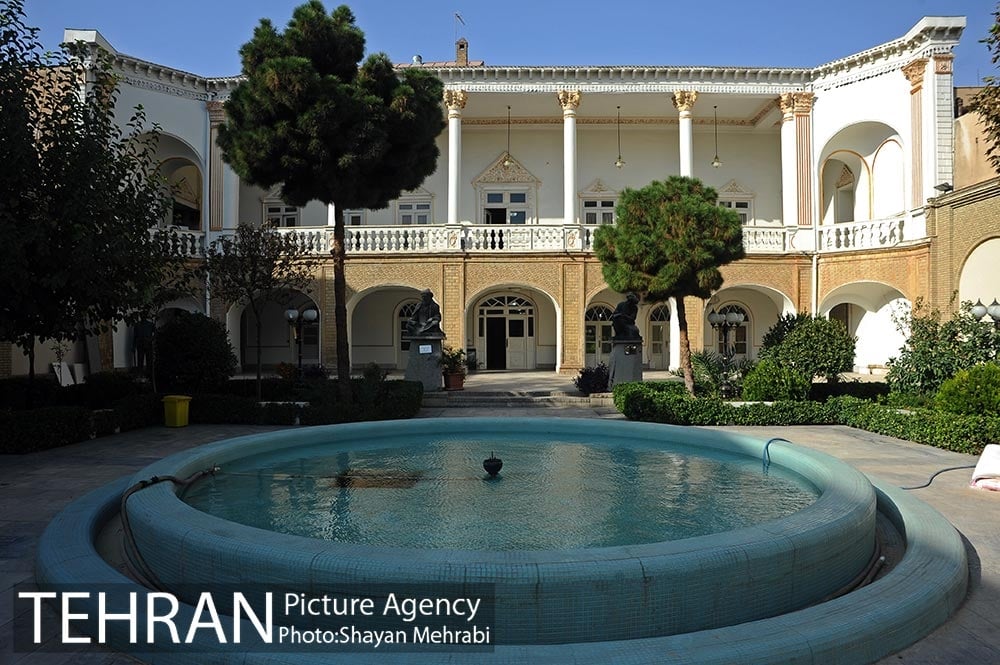
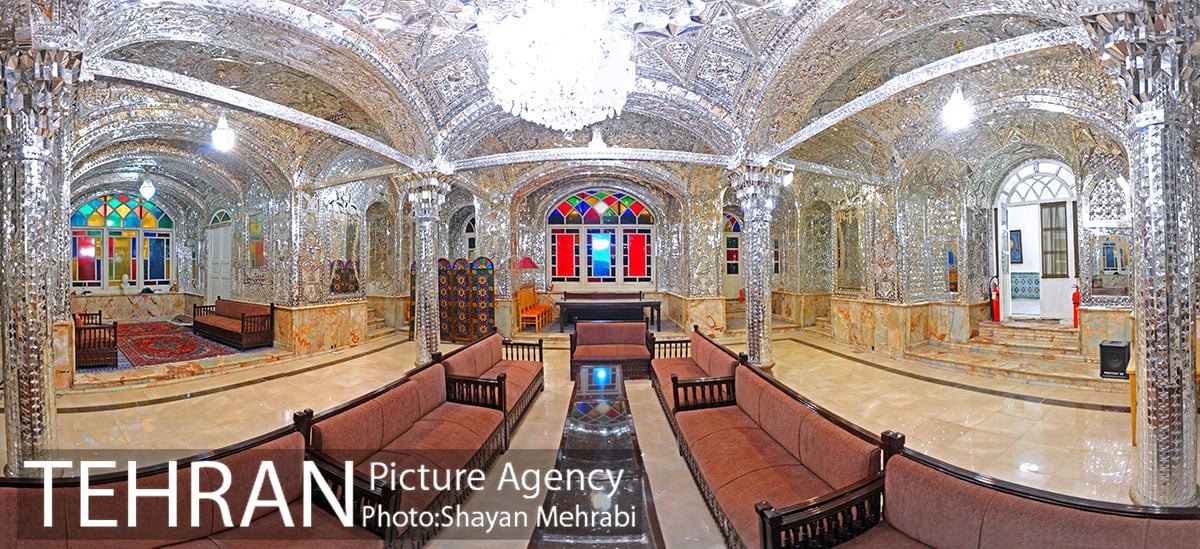
House of Amir Bahador; 200-Year-Old Site in Downtown Tehran

The house originally belonged to Hossein Pashazadeh, known as Amir Bahadar, who was the war minister of Mozaffar ad-Din Shah Qajar.

With an area of 3,000 square metres, the building has been introduced by the municipality as one of the major tourist hubs of the capital.

In 1967, the house of Amir Bahador was purchased by the Ministry of Culture for the Society for the National Heritage of Iran and was then renovated.
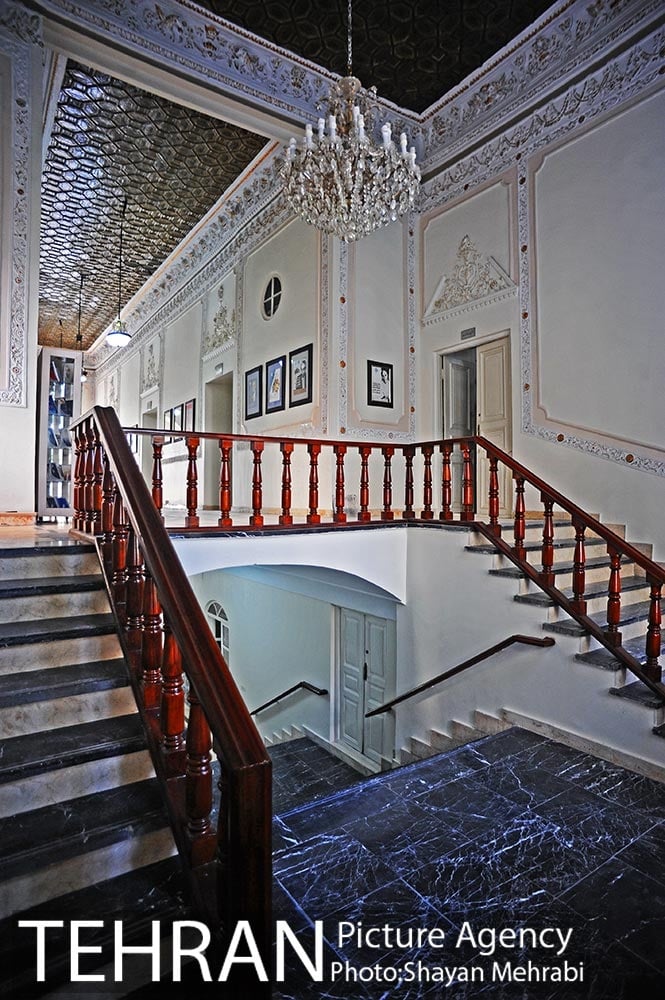
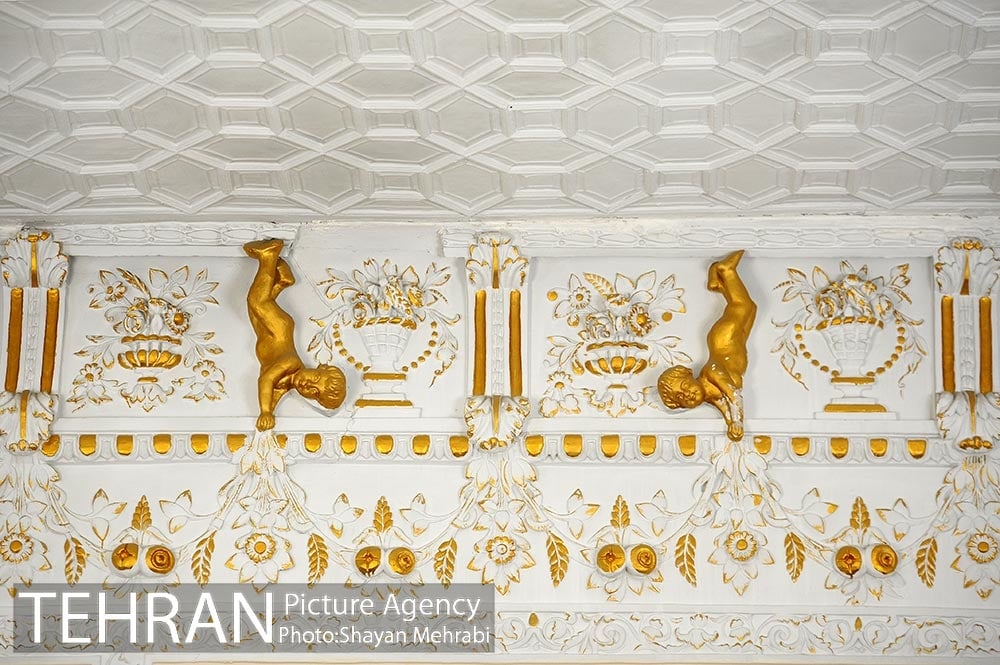
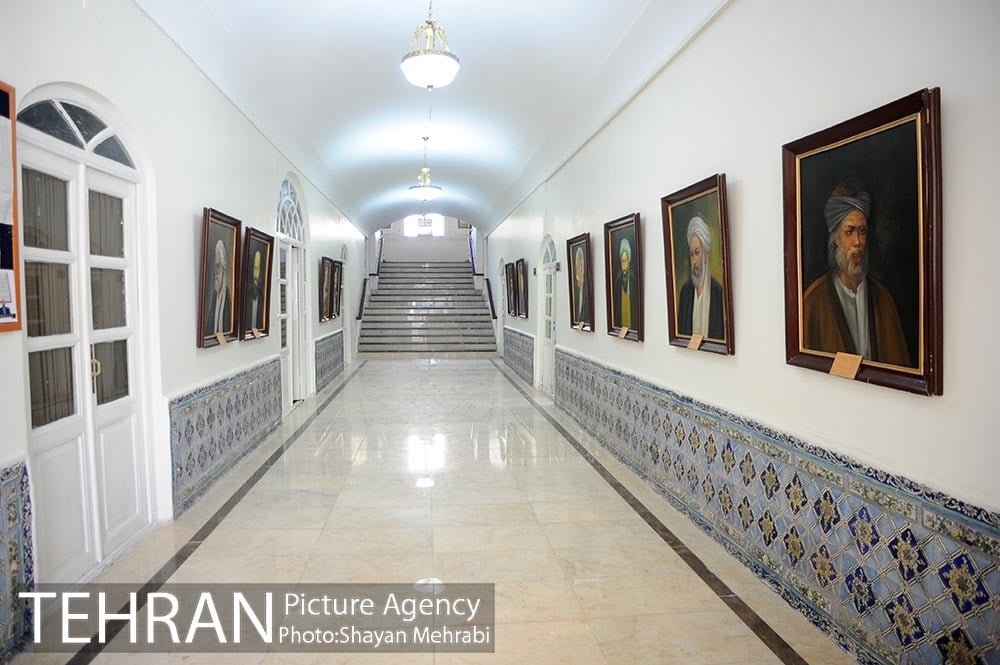
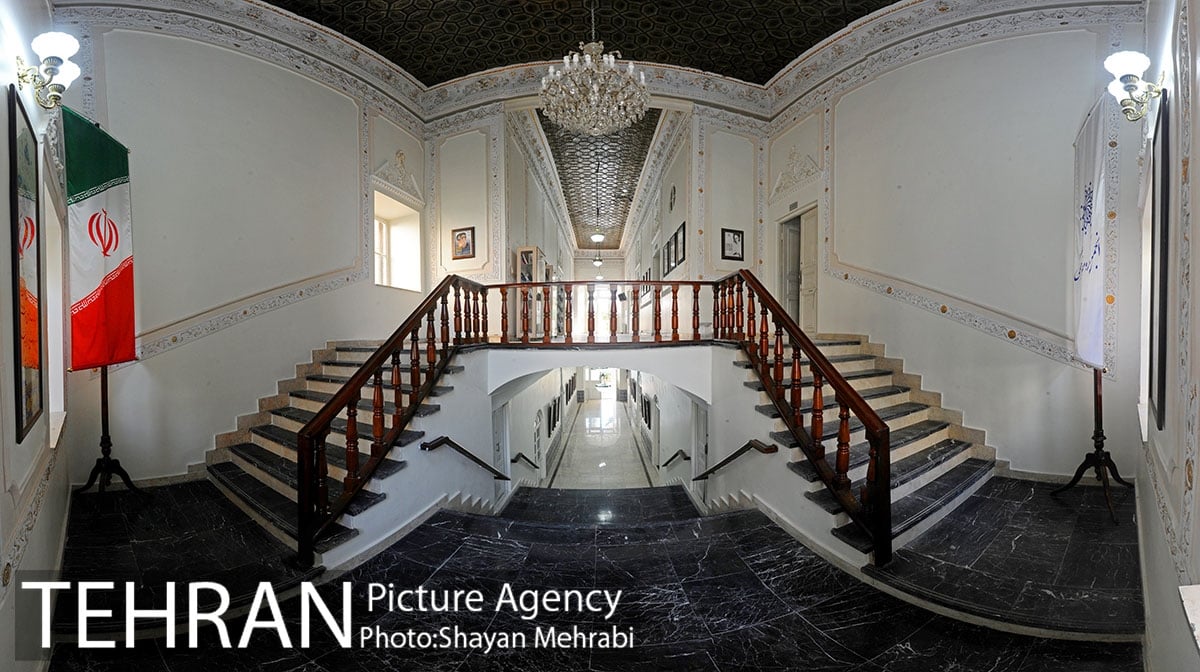
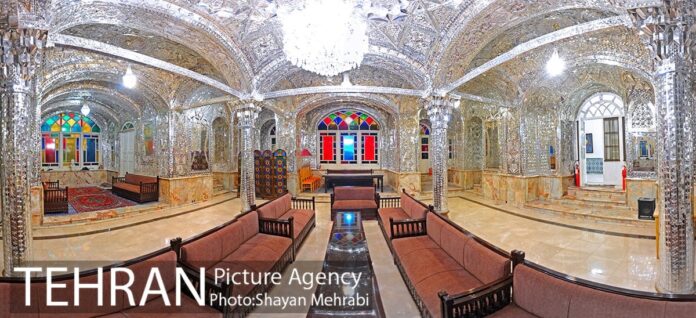
The house has a large hall and a mirrored basement, a large upper hall, a tiled decorated area and a number of rooms for holding meetings and lectures as well as other rooms with various functions.

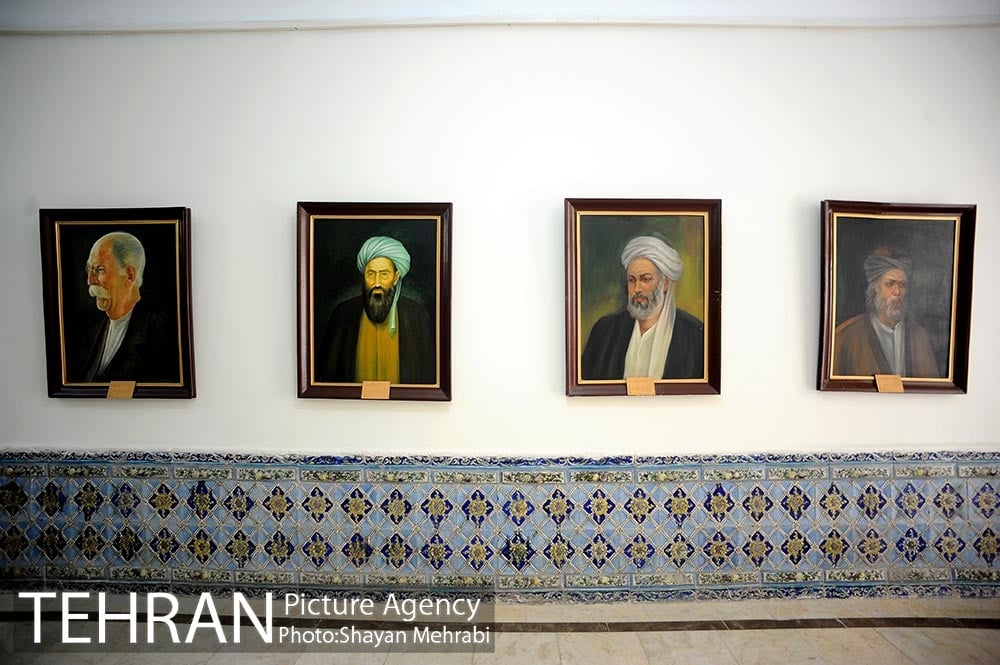
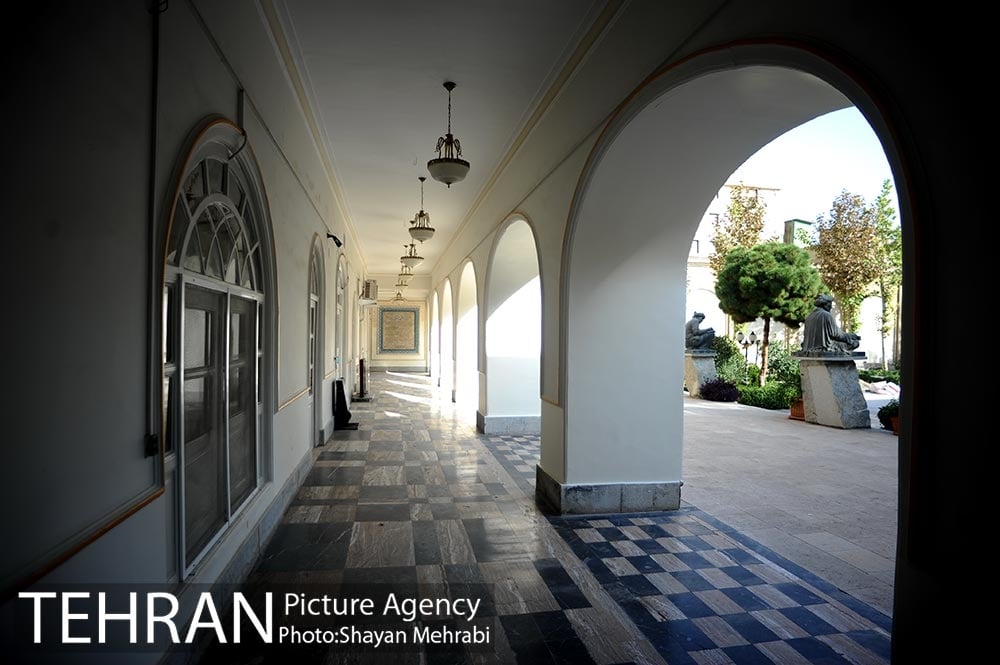
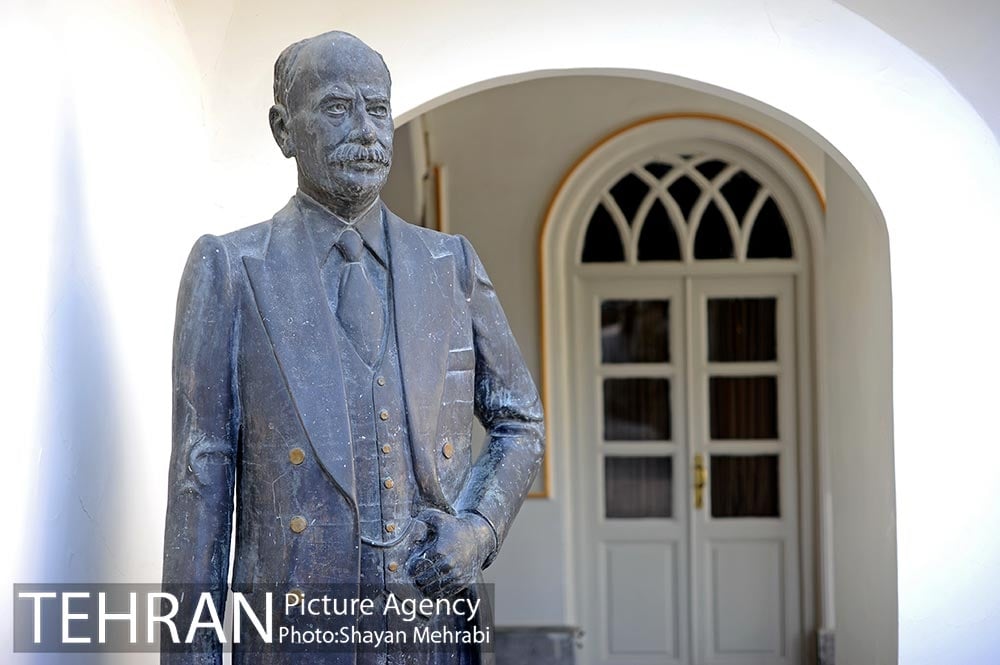
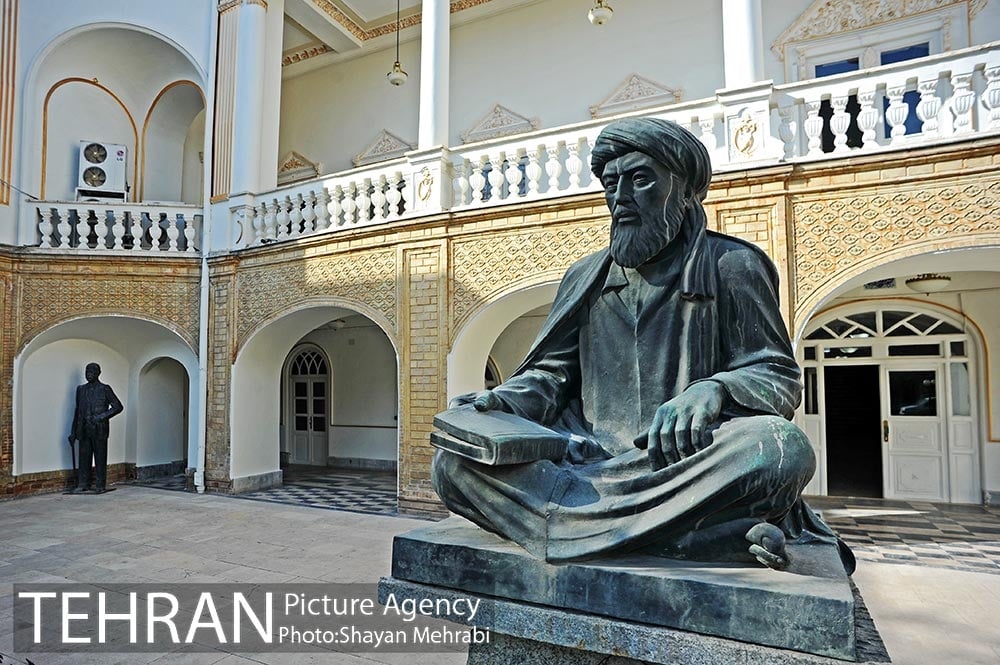
There are bronze statues inside the courtyard. One of them is that of Kamal ud-Din Behzad, the Iranian painter during the late Timurid and early Safavid periods, and the second is Kamal Khujandi, the Sufi and poet of the 14th century, which was built by Mohammad Ali Madadi in 1979.
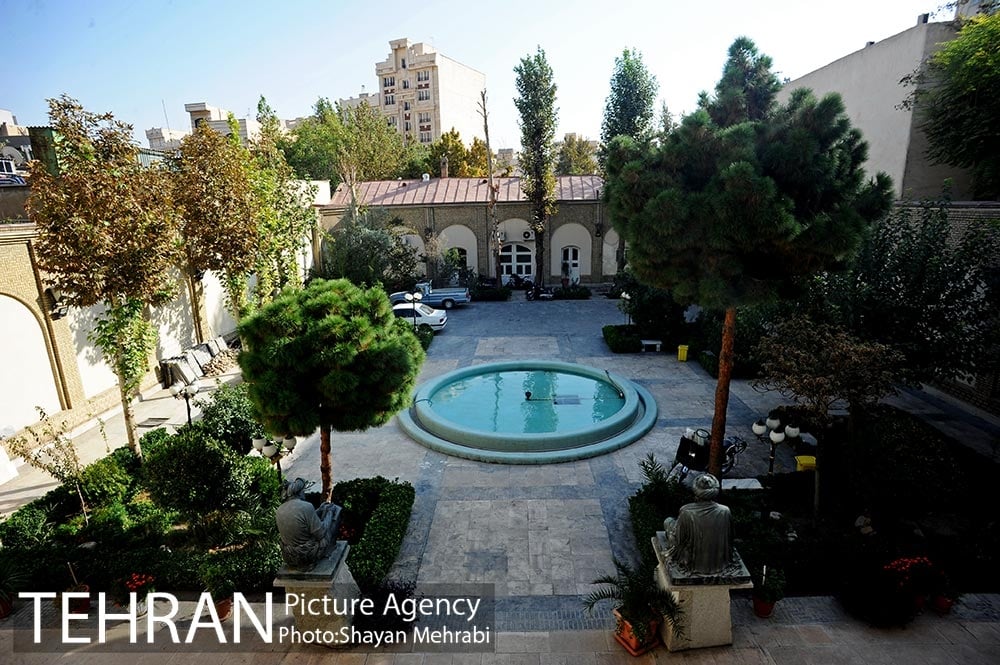
The third statue at the end of the yard is that of Allameh Ali Akbar Dehkhoda, the prominent Iranian linguist, scholar, politician and poet, which is designed by a French sculptor.

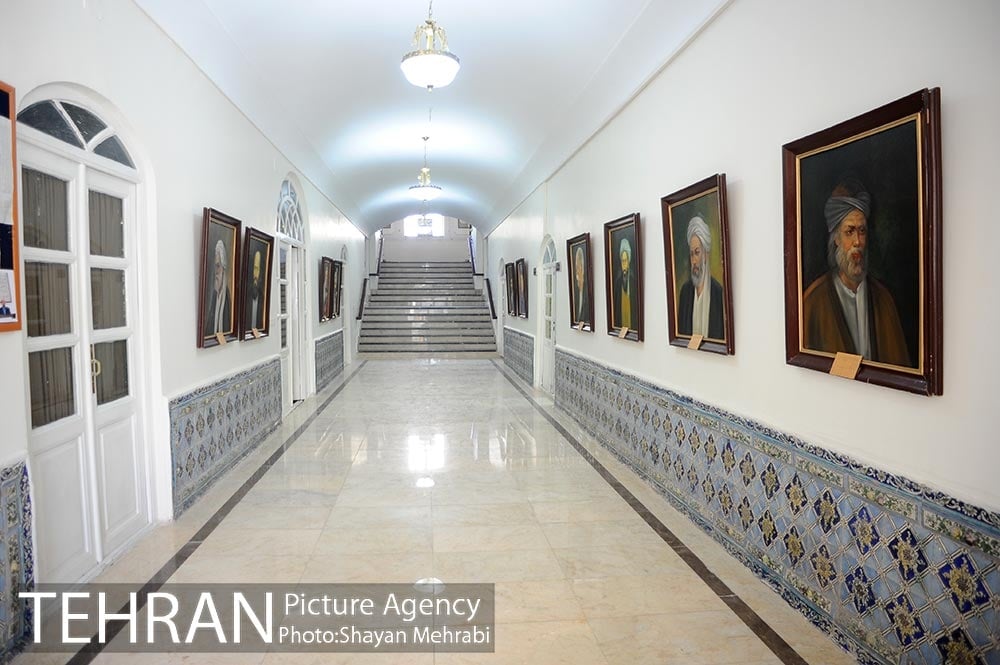
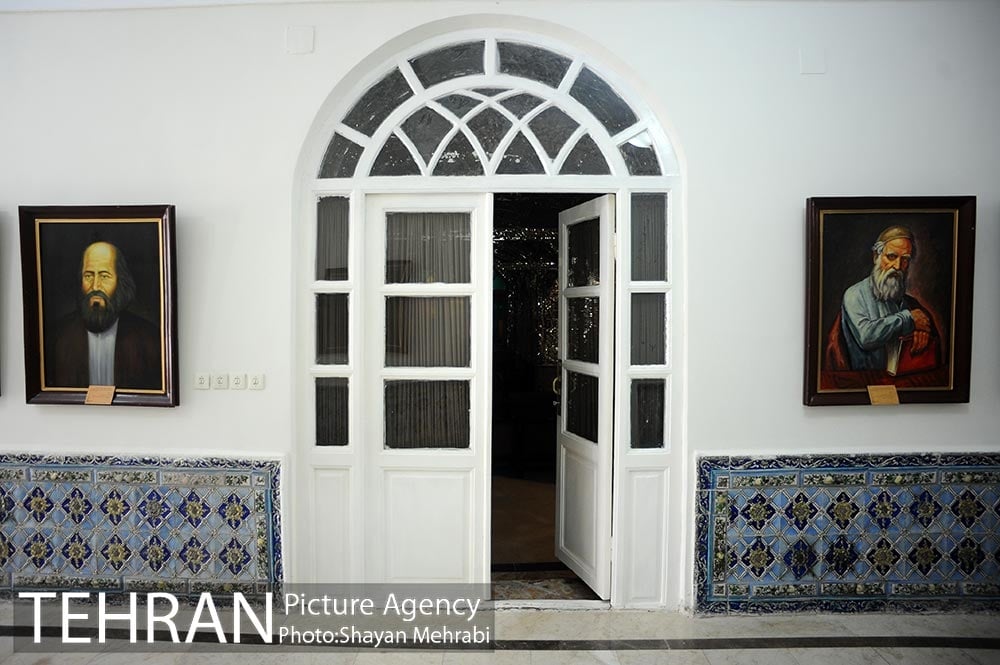
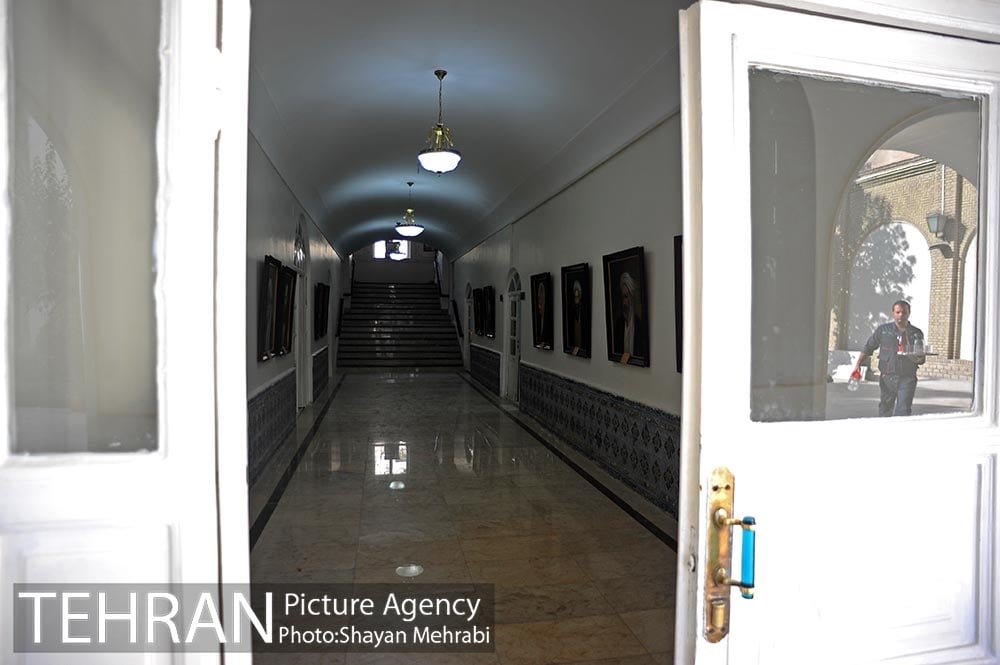
On the wall of the corridors of the building, there are pictures, manuscripts, and handwritten documents of Iranian scholars. There are also pictures of Pahlavi kings, poets and cultural figures drawn by leading Iranian painters.

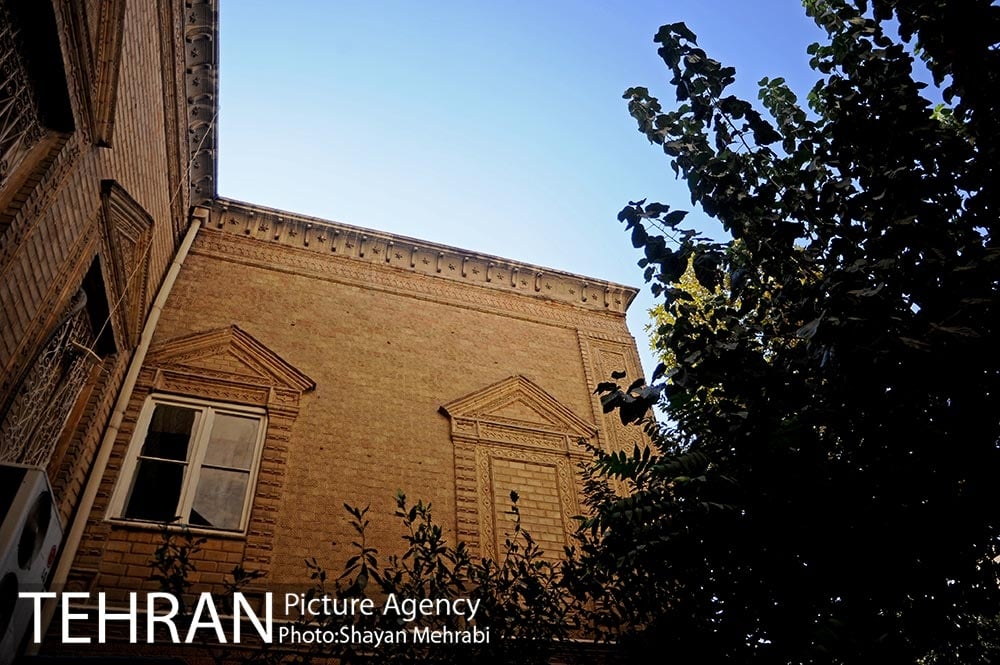
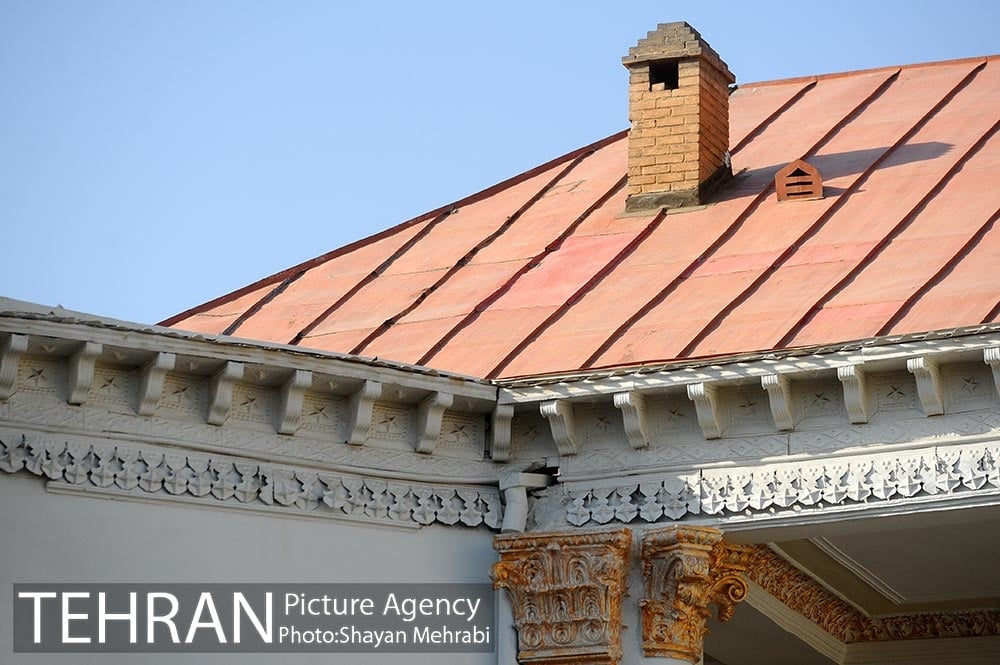
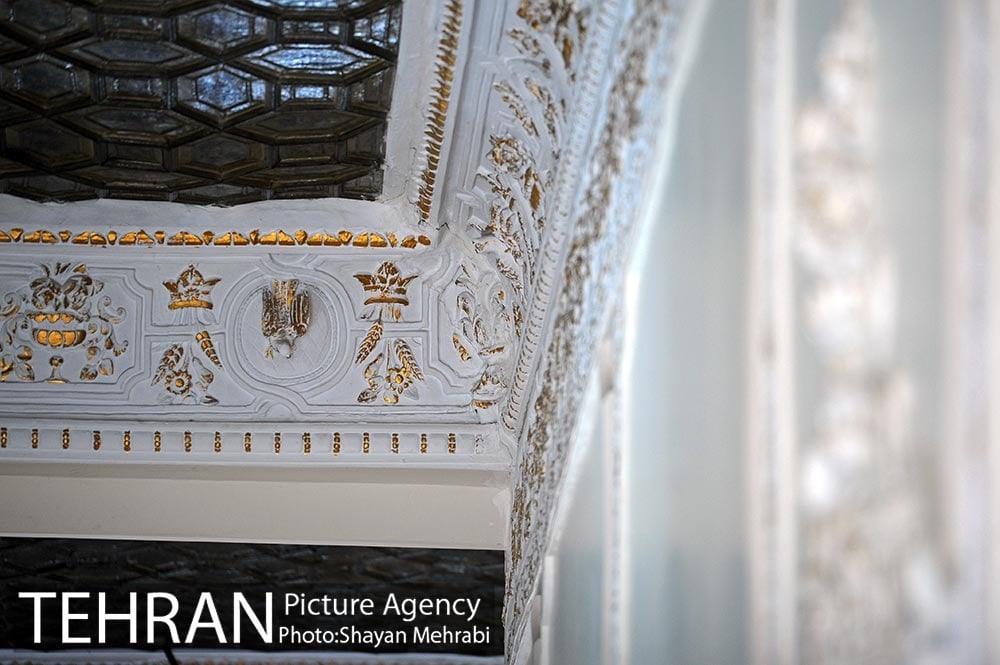
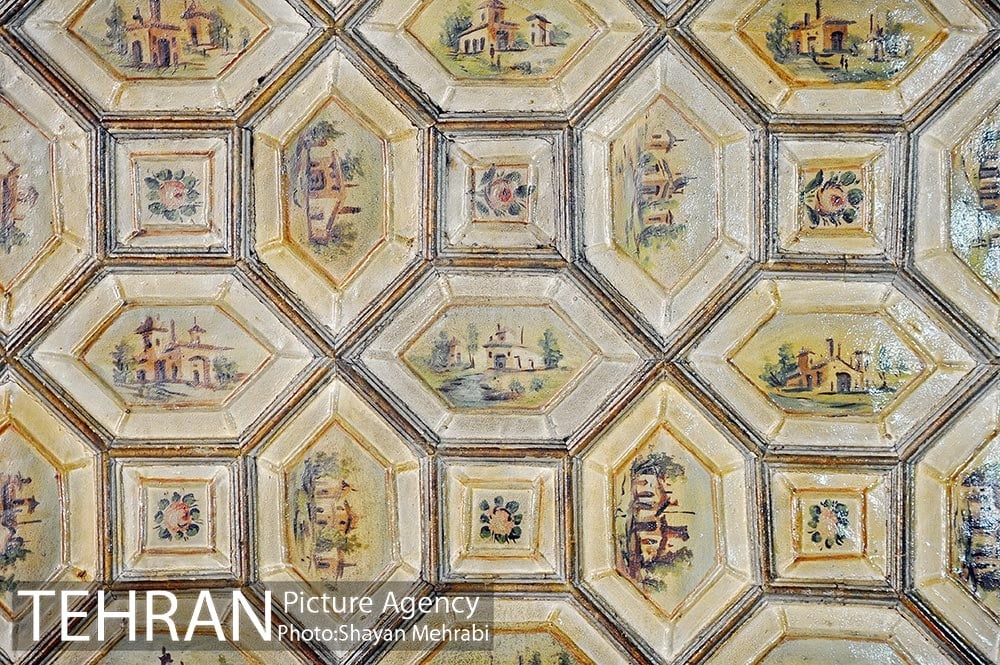
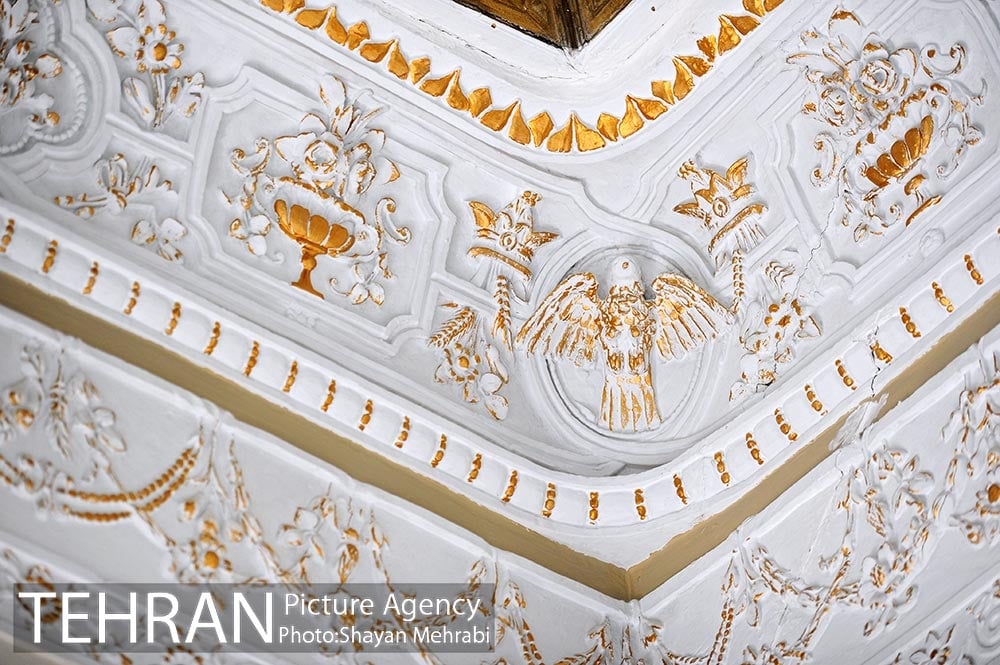
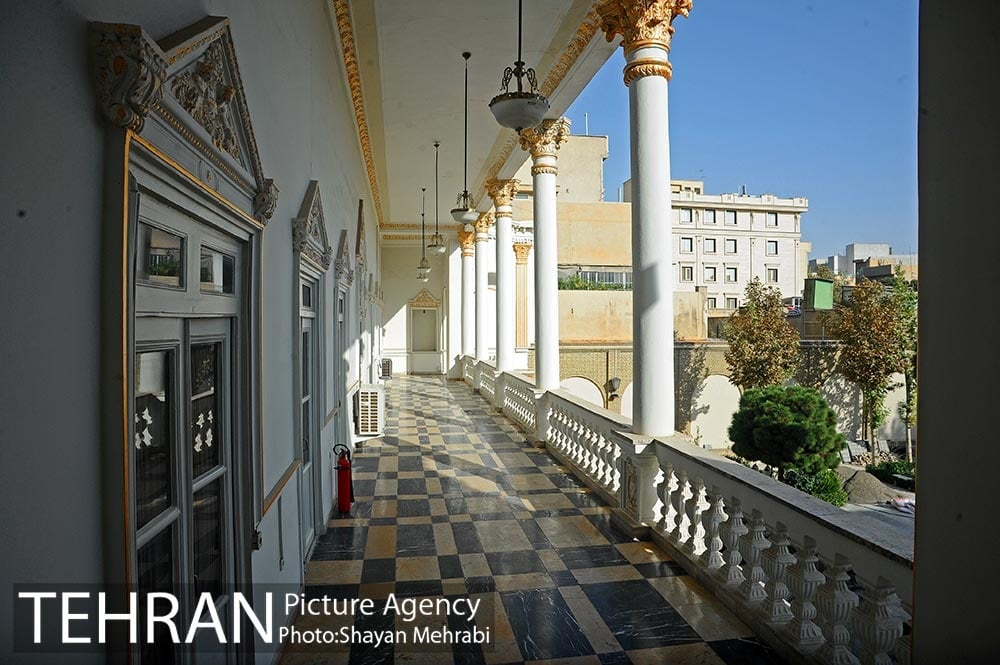
What follows are photos of the house retrieved from Tehran Picture Agency:

Iran, Qatar Express Support for Yemen Peace Talks

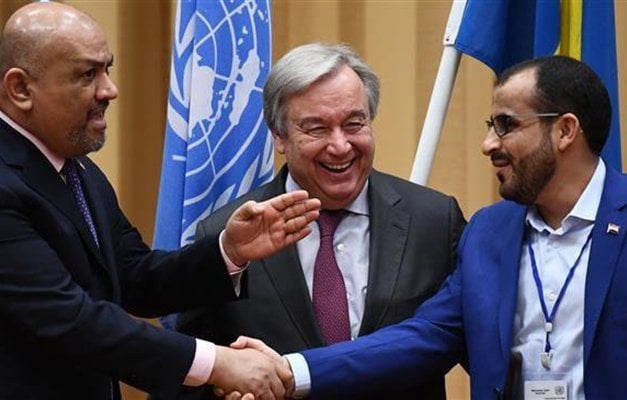
Foreign minister of Yemen's former government, Khaled al-Yamani (L), and Houthi negotiator Mohammed Abdulsalam shake hands under the eyes of United Nations Secretary General Antonio Guterres during peace consultations at Johannesberg Castle in Rimbo, north of Stockholm, Sweden, on December 13, 2018. / Photo by AFP

The two officials met in the Qatari capital of Doha on Saturday on the sidelines of the

After several days of UN-brokered talks in Sweden, the Houthi delegation and Saudi-backed former government agreed that the UN would play a “leading role” in Hudaydah, which is currently controlled by the Houthis.

They also agreed to reopen the airport in the capital Sana’a, which was shuttered last year after numerous attacks by Saudi Arabia.

The Riyadh-backed side, which represented former Yemeni president Abd Rabbuh Mansour Hadi in the Stockholm talks, were forced to sit for talks with the Houthi Ansarullah movement after their massive operation to seize the port city of Hudaydah failed.

Saudi Arabia and the United Arab Emirates had deployed about 10,000 troops to Yemen’s west coast after repeated campaigns to seize Hudaydah were thwarted by the Houthis and their allies.

Ansarullah calls the truce deal a defeat for the Saudis as it stops the aggression, allows existing local protectors who thwarted the Saudi offensive to be in charge of the city, and allows the Yemeni nation to regain their access to food, medicine, and other basic supplies.

Around 14 million people have been pushed to the brink of starvation since the Saudi war began in 2015, according to the UN.

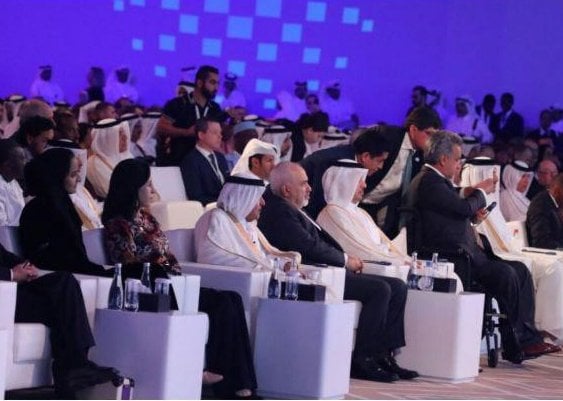
Zarif Attends Doha Forum 2018 in Qatar

Iranian Foreign Minister Mohammad Javad Zarif attends Doha Forum 2018 in the Qatari capital on Dec. 15, 2018 / Photo by the Iranian Foreign Ministry

Zarif on Saturday attended the annual conference which is focused on security, peace and mediation, economic development and trends and transitions.

The conference will last until Sunday, under the theme “Shaping Policy in an Interconnected World”.

A number of dignitaries from across the world are attending the forum, including UN Secretary General Antonio Guterres.

Yellow Vests Inspired by Iran’s 1979 Revolution: French Protester

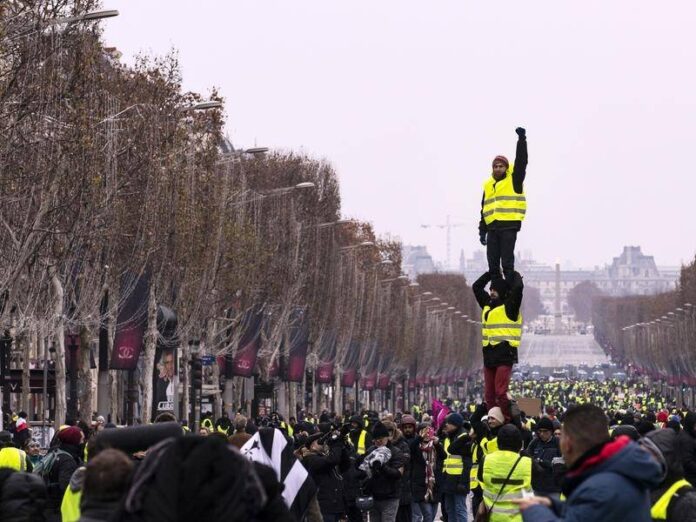
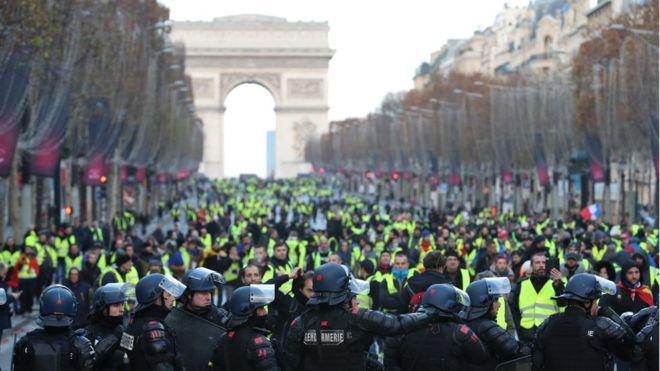
Yellow Vest protesters climb on each others' shoulders on the Champs Elysees in Paris.

France has been the scene of protests and clashes between police and demonstrators who are protesting a rise in fuel taxes as well as economic inequality in the country. Scenes of police beating the so-called “yellow vest” protesters on the one hand, and the looting of shops and setting them on fire on the other, has changed the image of France as a free country.

Yellow Vests Inspired by Iran’s 1979 Revolution: French Protester
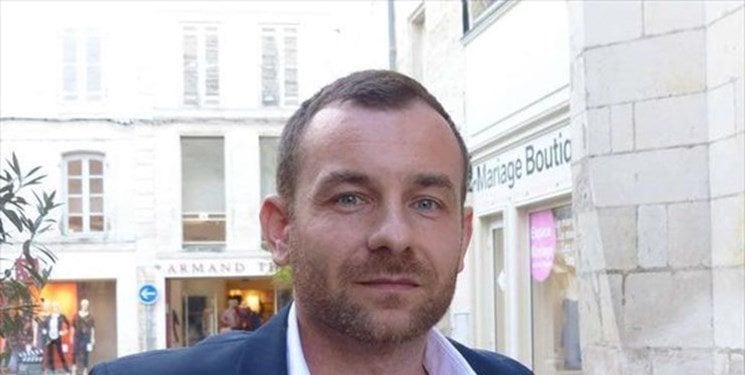
Alexandre Beauvais-Chiva, one of the so-called Yellow vest protesters in France, says the protests are partly inspired by Iran’s 1979 Revolution / Photo by his Facebook

Some experts regard the yellow vest movement as a revolt staged by the middle-class citizens that will eventually lead to a change in the country’s political landscape. Some others are of the conviction that the protesters are only rioters seeking adventurism.

What is going on in France today is an issue which has drawn the attention of experts on European issues. There are also a lot of media speculations on how the protests were provoked and how they will play out in the future.

Alexandre Beauvais-Chiva, one of the protesters, has expressed his views on the protests in an interview with the Islamic Azad News Agency (ANA). The highlights of the interview follow.

As the first question, I should ask what you call yourself: a protester or rioter?

In response to your question, I should say we are protesters who are only asking for our legitimate rights. Under the French Constitution, it is completely free and considered as part of people’s rights to hold demonstrations and protests. And we, too, are exercising this legal right and are pressing ahead with our protest legally and peacefully.

But the pictures we saw today of French streets show something else. Shops have been looted, cars have been burned, and there is no sign of peaceful protests.

No! I should say that 99% of yellow vest protesters would like to express their protests in a completely peaceful manner and they refrain from any violence. What media show is related to only one percent of the protesters whose behaviour we do not approve of. Yellow vest protesters demand peace. We will move forward using a completely peaceful approach and will put forward out demands.

What goal are your pursuing by staging the protests? What do you specifically want from the French government?

The first thing that I should say loud and clear is that yellow vest protesters have two general demands: 1. Respect for people and 2. Listening to protesters. It is right that we began our protests by objecting to an increase in taxes on fuel, which heavily affected the lives of middle-class citizens, but now we are no longer protesting against the tax hikes. We are objecting to the concentration of power in one post and position, and that this power is not divided and distributed.

French President Emmanuel Macron announced pledges last month to help improve the economic situation of middle-class citizens. Will you stop your protests if those privileges are offered?

I should say what distinguishes Macron from his predecessors is that he never listens to anybody. Former French presidents always talked to citizens and representatives of different syndicates and received their reports. However, Macron has not listened to any critic over the past 18 months. Yellow vest protesters are not against the government; rather, they only seek their legitimate demands. We are trying to strike a balance in power. The fundamental principles of the French Constitution are equality and freedom. In the past, a worker was able to reach higher levels by trying hard, but that is not the case today. As for freedom, I should say the images you see of the police crackdown on protesters completely show a lack of freedom of speech. In France, only one group of people has freedom and most other people are deprived of this natural and human right. Brotherhood has melted away in recent months, too. The high number of the wounded and prisoners is a testament to that. At the moment, we do not receive proper services in France despite paying high taxes, and this problem is much more serious in small towns than in cities like Paris and Marseille.

In his 13-minute speech, Macron did not talk about the protests by yellow vest demonstrators and only gave some promises. This shows he hasn’t understood the nature of this popular protest movement and has not heard people’s voice. We will continue our protests until they listen to us and meet our demands. We should be respected. We want peace and will continue our peaceful protests. I should say that we have also been inspired by the 1979 Islamic Revolution of Iran, which was against tyranny and was aimed at reaching democracy.

Yellow Vests Inspired by Iran’s 1979 Revolution: French Protester
Anti-government protests in France are continuing for a fifth weekend. Thousands of “yellow vest” demonstrators gathered in Paris on Saturday morning, and were met by a bolstered police force that had closed off much of the city. / Photo by Getty

Iran, Azerbaijan to Expand Intelligence Relations

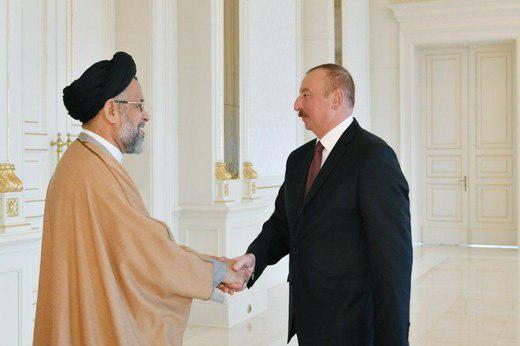
In a Friday meeting with Intelligence Minister Seyyed Mahmoud Alavi, Azerbaijani President Ilham Aliev stressed that the ties between the Republic of Azerbaijan and Iran are developing successfully.

Referring to his numerous trips to the Islamic Republic of Iran, he added that the high-level visits of the Iranian president and authorities to Azerbaijan have played a significant role in strengthening the mutual relations.

The Azeri president also talked about the historic commonalities of the two countries and added that the ties between the two friendly states have expanded.

Agreements signed between Baku and Tehran are being implemented successfully, noted Aliev.

He also gave assurances that the visit of Iranian Intelligence minister to the Republic of Azerbaijan helps in development of bilateral ties, especially in the field of intelligence sharing.

Erdogan Calls for Promotion of Trade with Iran

Erdogan Calls for Promotion of Trade with Iran
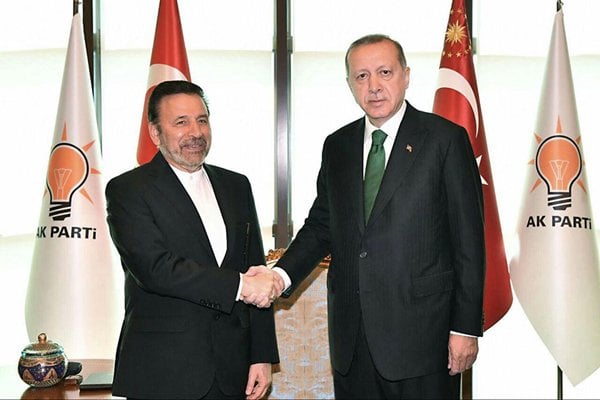
Iranian President’s Chief of Staff Mahmoud Vaezi meets with Turkish President Recep Tayyip Erdogan in Ankara on Dec. 14, 2018

He made the remarks in a Friday meeting with Iranian President’s Chief of Staff Mahmoud Vaezi in Ankara.

Erdogan expressed his satisfaction with the efforts of the two countries to implement the joint agreements and programs in various sectors.

He further called the upcoming visit of his Iranian counterpart Hassan Rouhani to Turkey and the fifth meeting of the Strategic Council of Iran and Turkey Cooperation as an opportunity to develop and strengthen mutual ties.

The Turkish president stressed the need for efforts to strengthen cooperation and support for the two countries’ businessmen, adding that the development of relations with Iran is of strategic importance to Turkey.

Vaezi, for his part, stressed that there are no restrictions on the expansion of relations in various sectors, especially trade and economic relations with Turkey.

He noted that the Islamic Republic of Iran is ready to develop all-out relations and cooperation with Turkey as a neighbouring and friendly country.

“The friendship and consensus of the Iranian and Turkish presidents on various bilateral, regional and international issues is an important element in expanding the ties and cooperation between the two countries.”

Heading a high-ranking entourage, Vaezi arrived in Ankara on Thursday to hold talks with senior Turkish officials.