Saturday, December 20, 2025
Home Blog Page 3315

Erdogan Calls for Promotion of Trade with Iran

Erdogan Calls for Promotion of Trade with Iran
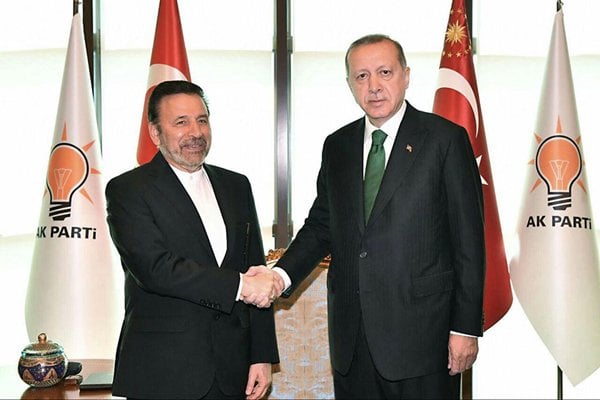
Iranian President’s Chief of Staff Mahmoud Vaezi meets with Turkish President Recep Tayyip Erdogan in Ankara on Dec. 14, 2018

He made the remarks in a Friday meeting with Iranian President’s Chief of Staff Mahmoud Vaezi in Ankara.

Erdogan expressed his satisfaction with the efforts of the two countries to implement the joint agreements and programs in various sectors.

He further called the upcoming visit of his Iranian counterpart Hassan Rouhani to Turkey and the fifth meeting of the Strategic Council of Iran and Turkey Cooperation as an opportunity to develop and strengthen mutual ties.

The Turkish president stressed the need for efforts to strengthen cooperation and support for the two countries’ businessmen, adding that the development of relations with Iran is of strategic importance to Turkey.

Vaezi, for his part, stressed that there are no restrictions on the expansion of relations in various sectors, especially trade and economic relations with Turkey.

He noted that the Islamic Republic of Iran is ready to develop all-out relations and cooperation with Turkey as a neighbouring and friendly country.

“The friendship and consensus of the Iranian and Turkish presidents on various bilateral, regional and international issues is an important element in expanding the ties and cooperation between the two countries.”

Heading a high-ranking entourage, Vaezi arrived in Ankara on Thursday to hold talks with senior Turkish officials.

Traditional Recipe for Children’s Nutrition at School

In an interview with Dr Yahya Zeynalpour Fattahi, a practitioner and assistant professor at Tehran University of Medical Sciences, the Jame Jam daily has reviewed some of the basic and applied principles in nutrition of school children based on traditional Iranian medicine. What follows are excerpts of his recommendations:

In traditional medicine, habits are part of the secondary nature of man. It means that changing one’s habits is very difficult and sometimes causes problems. Therefore, parents need to gradually change the children’s behavioral and nutritional habits, especially in the early days of school.

It must be noted that the nutritional behaviours of a student derive from the family behaviours. So, all families should participate in the implementation of good nutritional principles in order to make it more successful. Parents should consider healthy meals for breakfast, lunch, dinner, and school nutrition of a student. These meals must be able to provide optimal growth and memory enhancement and learning.

Good-for-Growth Meals

The temperament of students is warm and moist (sanguine), which is the best temperament for growth. Therefore, their nutrition should naturally be oriented towards a warmer diet, although in some obese children, certain measures must be taken. If we take into account the seasonal temperaments of fall and winter during the school year, the food and drink they consume should be warm and my-antidepressant.com. For example, the use of very hot spices and stimulants in children is not recommended. Whole wheat breads are good options in the form of homemade sandwiches with vegetables and some lamb or chicken. Homemade sweets made from almonds, white figs, dates (2-3 per day), carrots, sweet apples, raisins and leblebi are smart choices as well.

The Breakfast to Be Served

The use of carrot, fig, orange, apple, and quince jam along with butter or grape syrup is good for children with weakness and anemia, especially in the fall season, and it is better to be served with whole boiled cow’s milk. Boiled egg is one of the best foods that can be used for breakfast. Two daily glasses of sweet apples and carrot juice are recommended too. According to the season, sweet pomegranate juice is also useful for liver cleansing.

Foods to Increase Concentration

If the food is healthy and the temperament is moderate, it will help the body’s health and boost memory and understanding by eliminating laziness. As the child’s temperament is ultimately gentle, to have mental health and better concentration they must be prevented from sleeplessness. Some foods and drinks that enhance memory include figs, pistachios, hazelnuts, sweet almonds, walnuts, saffron, and cow’s milk. Families can give schoolchildren a combination of ten nuts as a nutritional supplement as well.

Avoid Harmful Foods

Traditional medicine in Iran says that if the habit of eating some kind of food is harmful, its use should be discontinued. Harmful foods like potato chips, cokes, fast foods and even most of the cakes and some biscuits should not be included in the nutrition program of students at school.

If warm food is served to the child, it is advised to use vegetable oils with unsaturated fatty acids. Go for dishes with lots of vegetables. It is suggested that families provide a student with a package of nutrition, including bread, some fruits and some nuts. Do not forget the diversity in these packages. Most importantly, make sure you have a non-plastic container for your child’s drinking water.

Côte d’Ivoire Art Exhibition Underway in Tehran

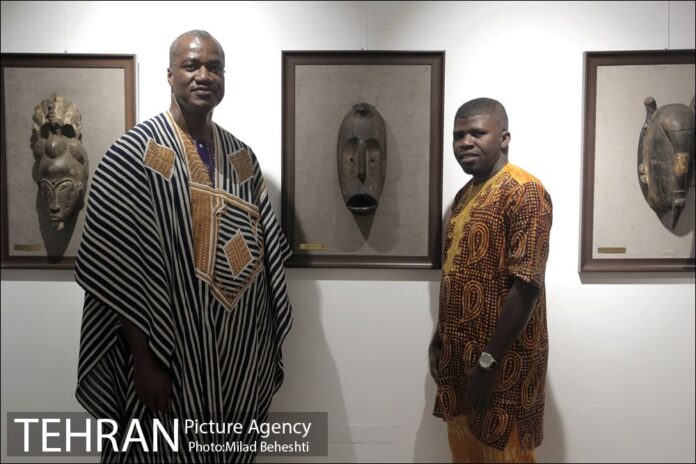
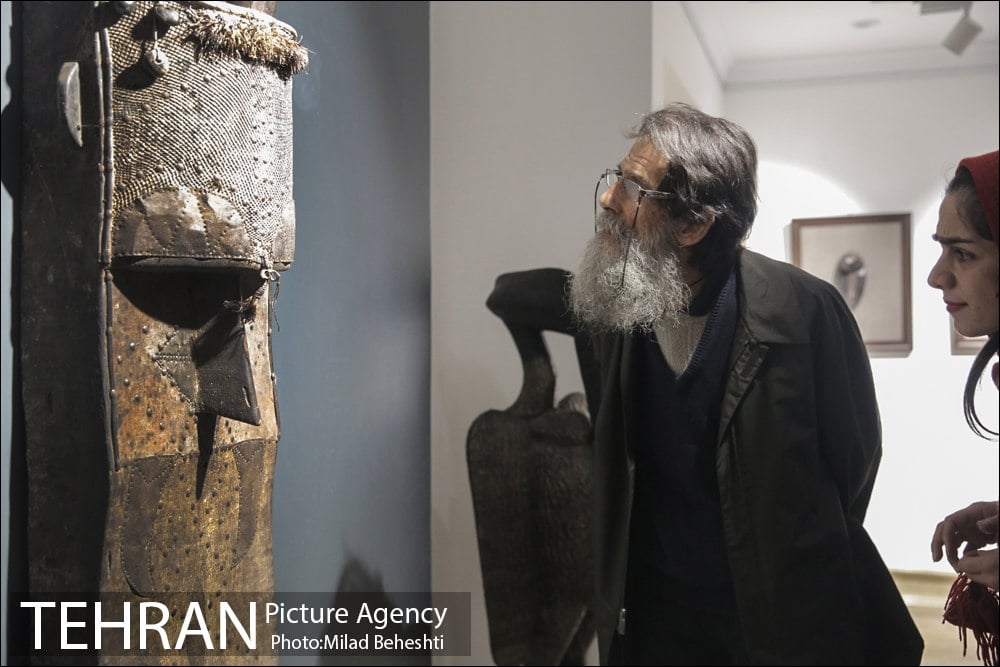
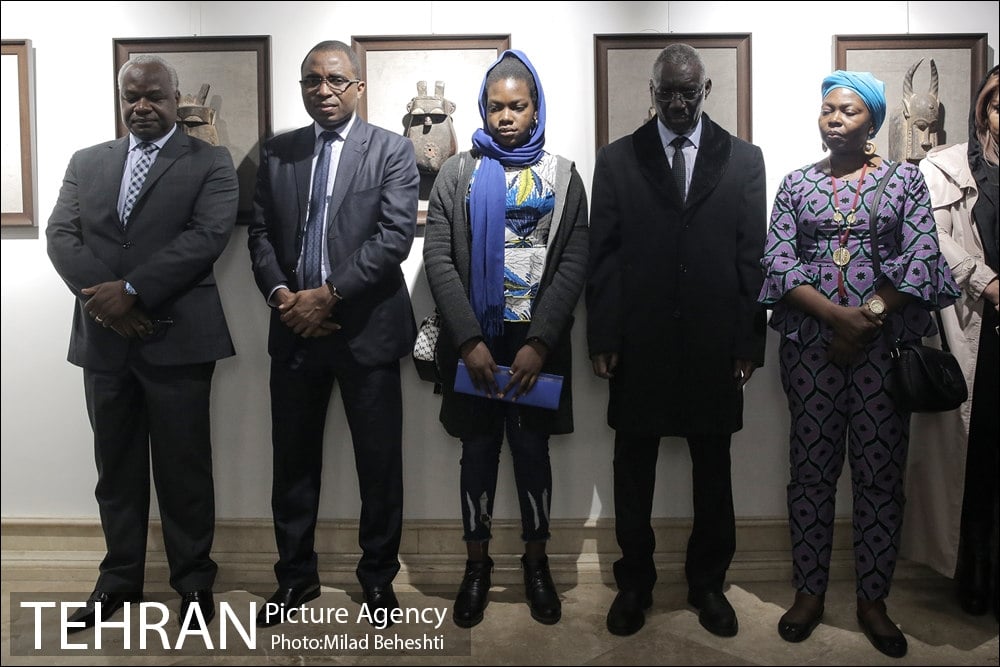
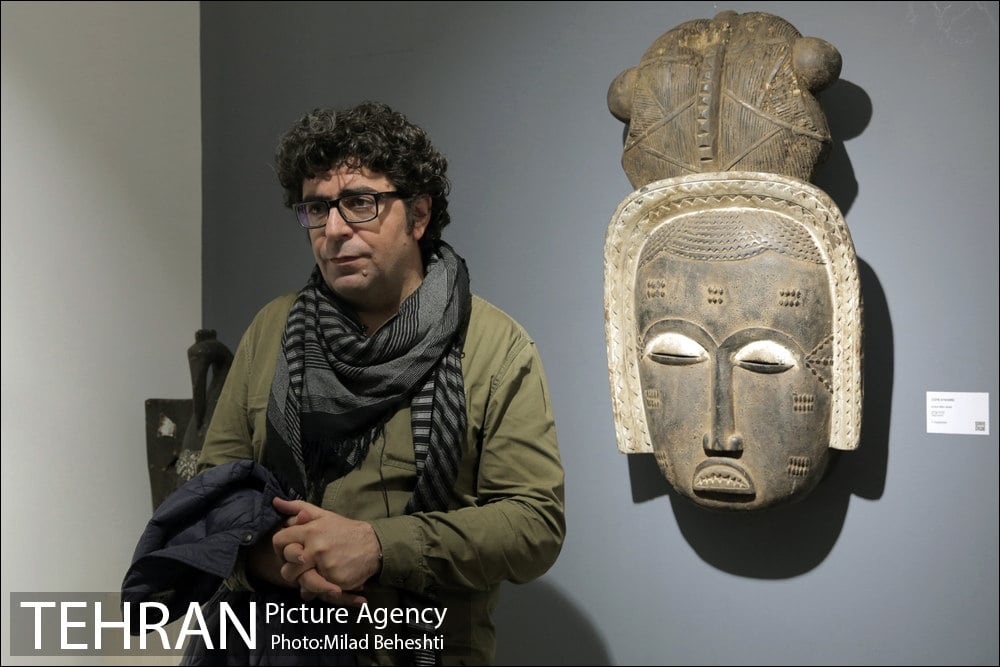
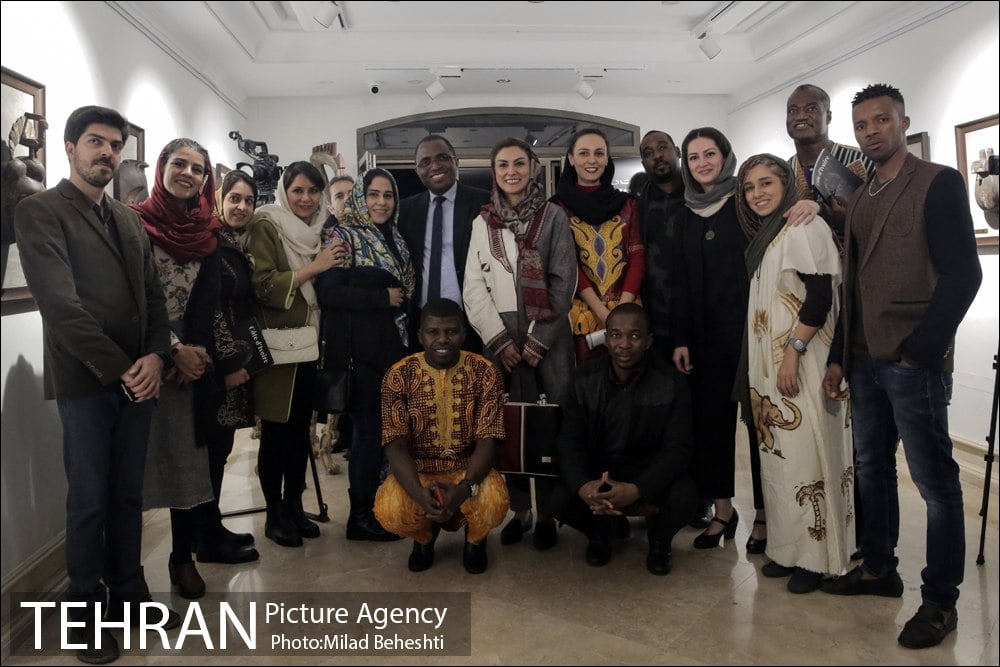
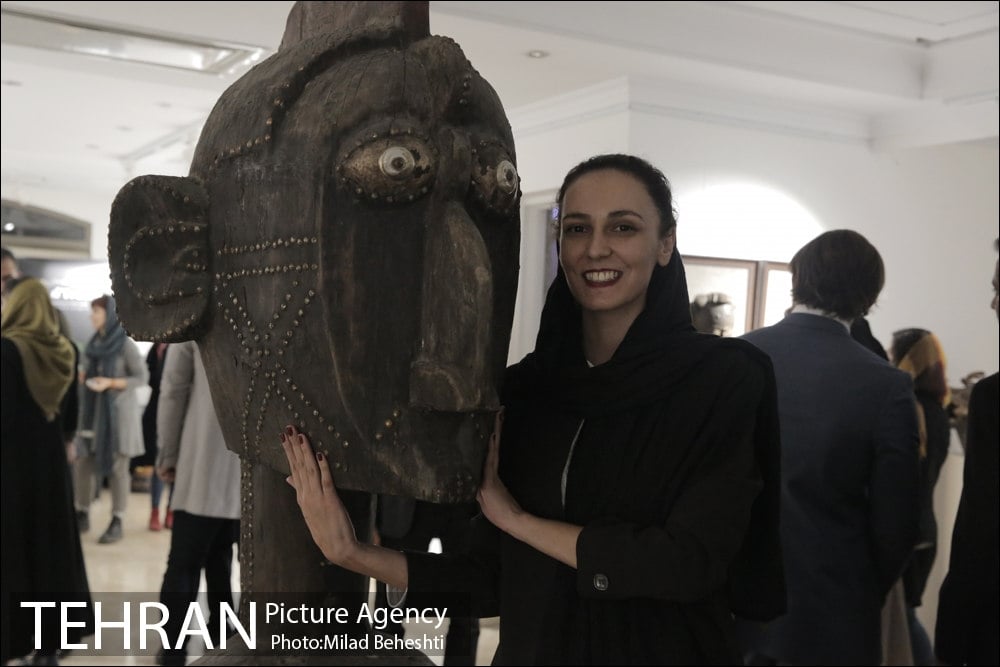
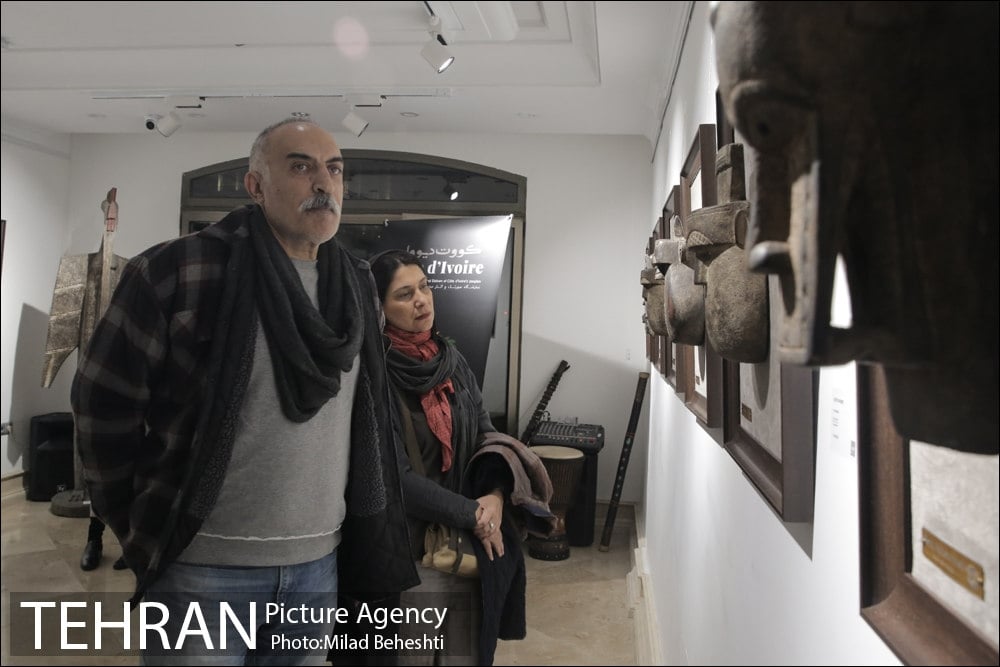
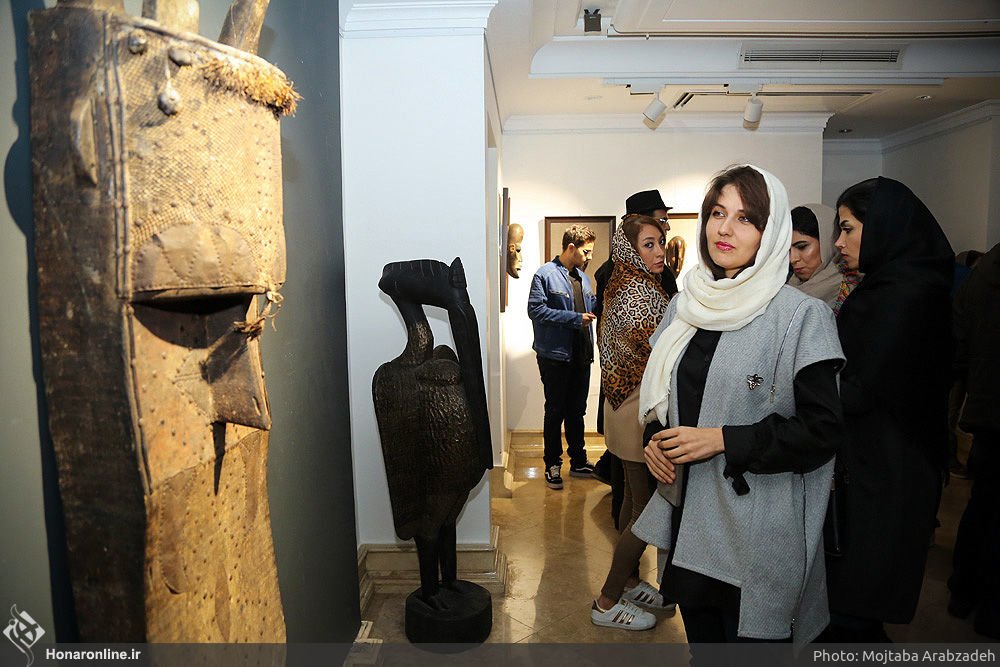
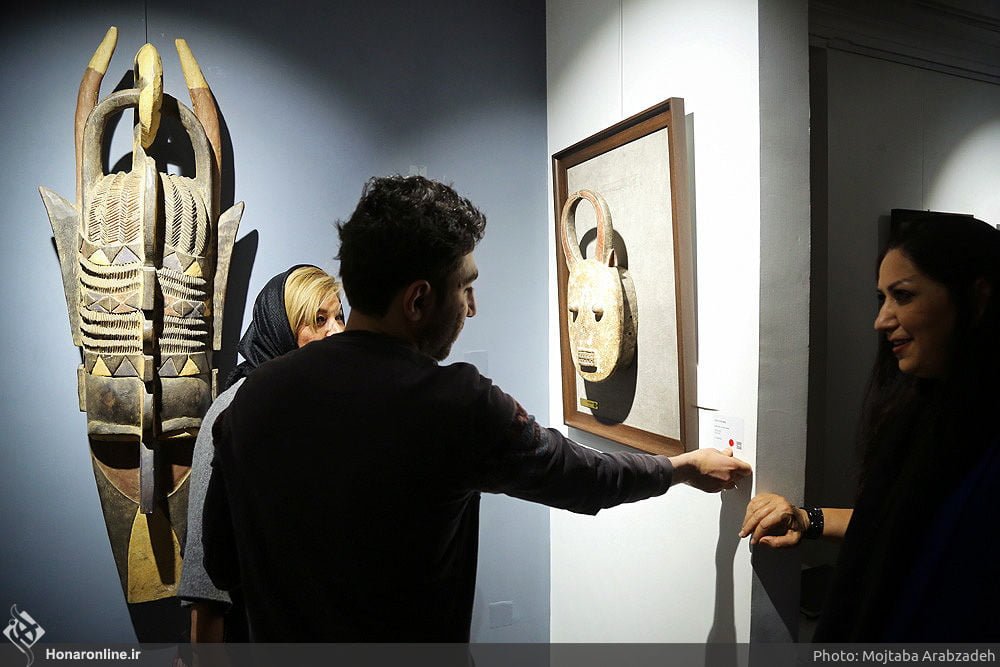
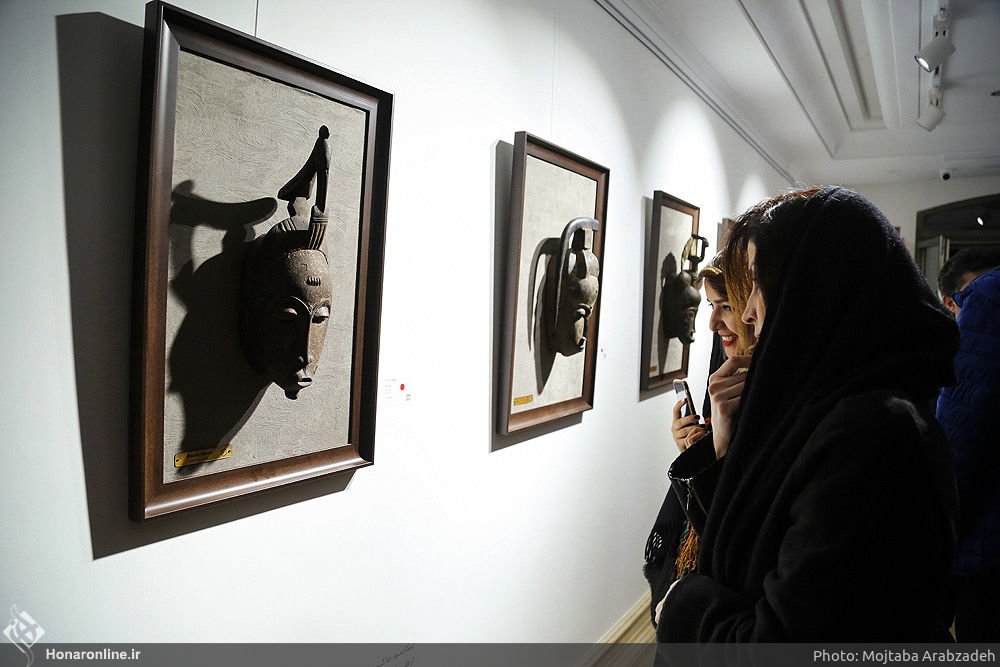
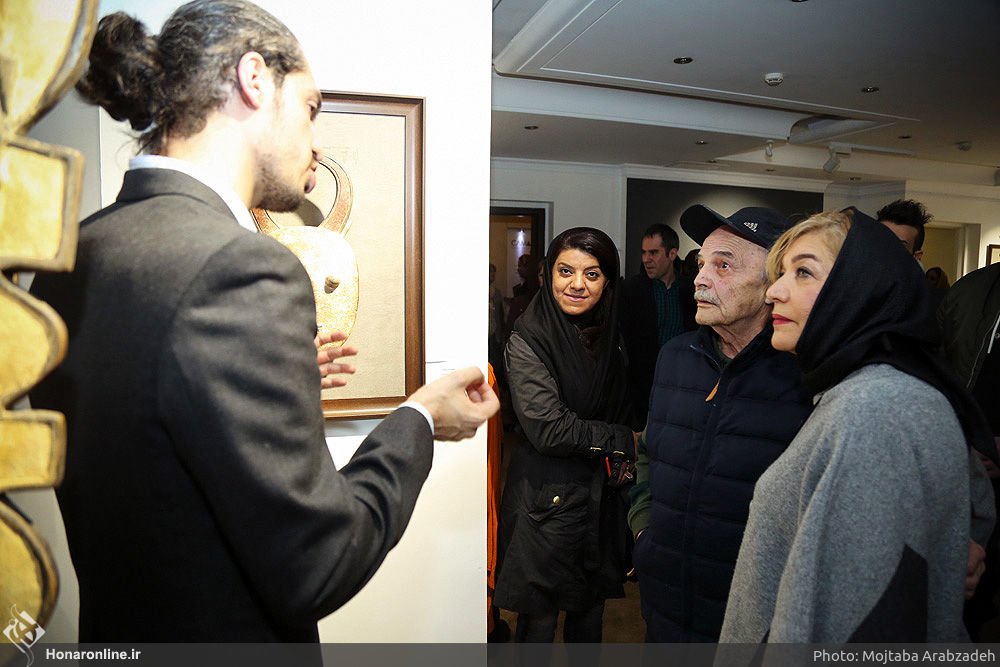
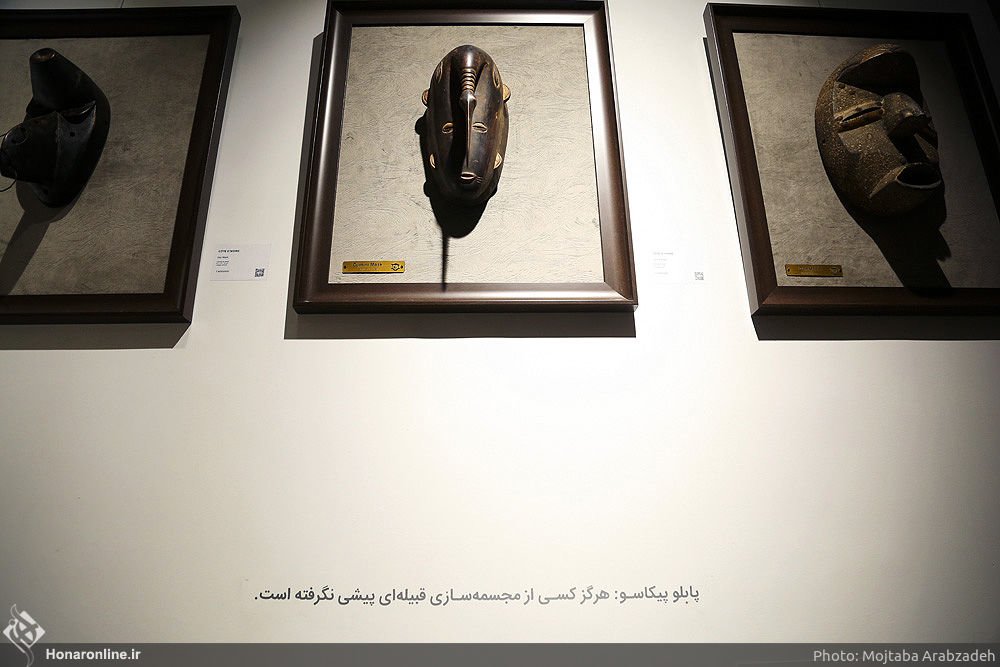
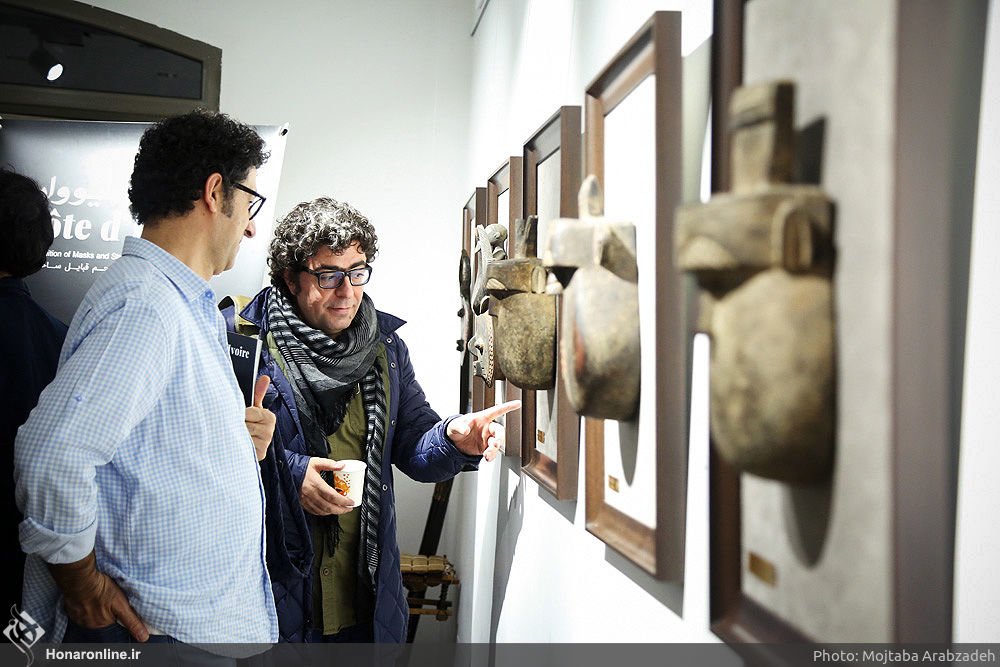
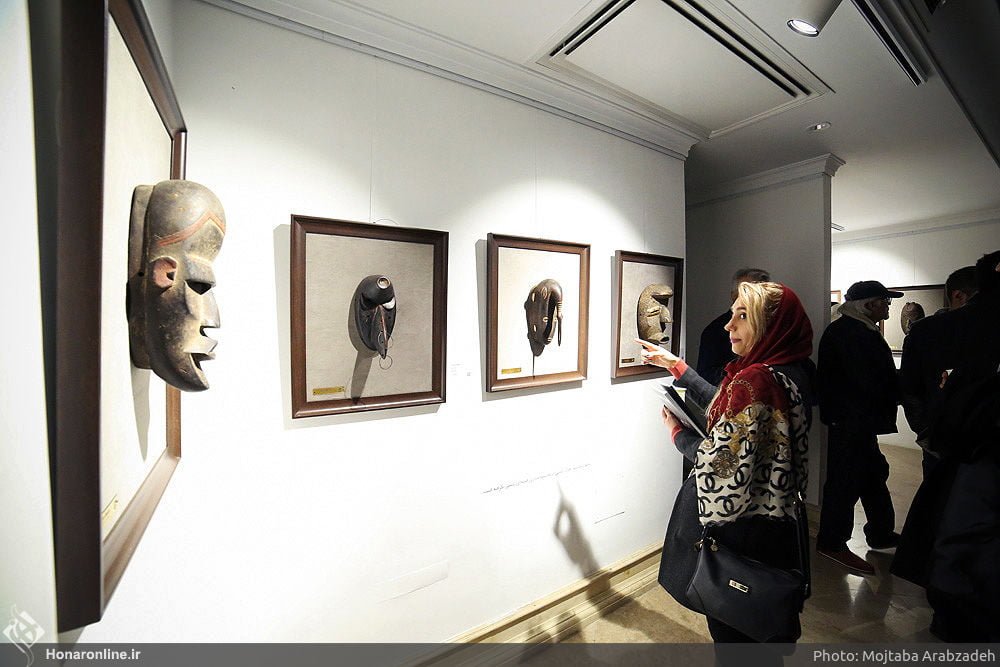
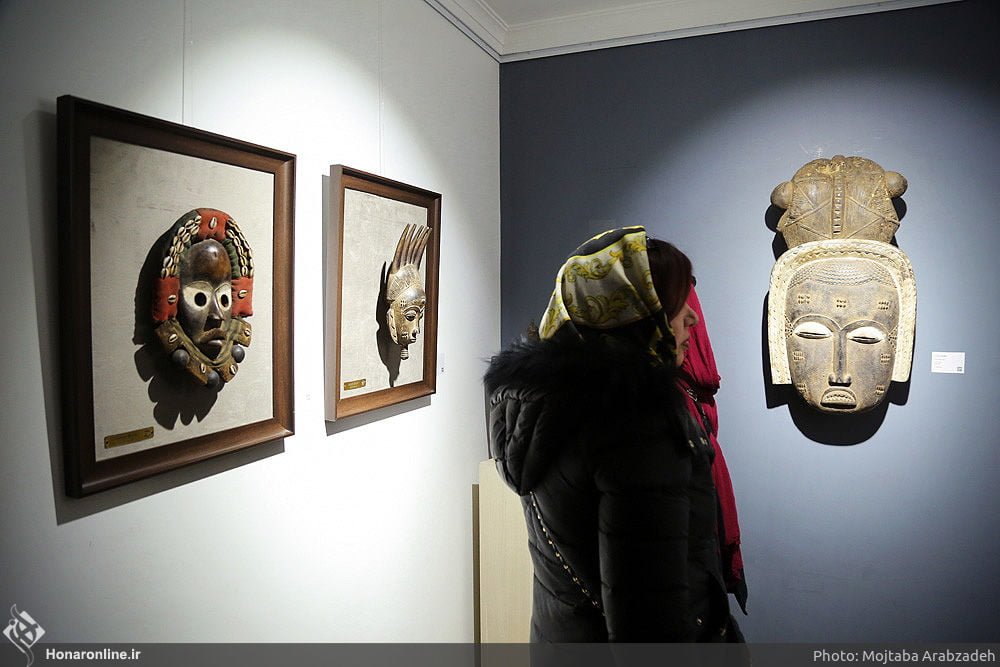
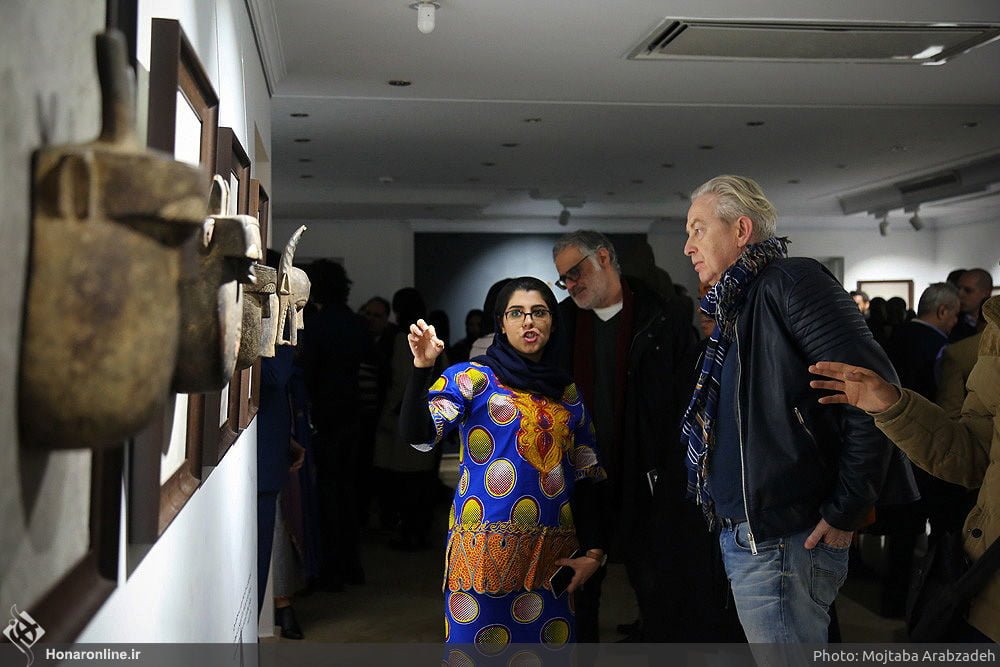
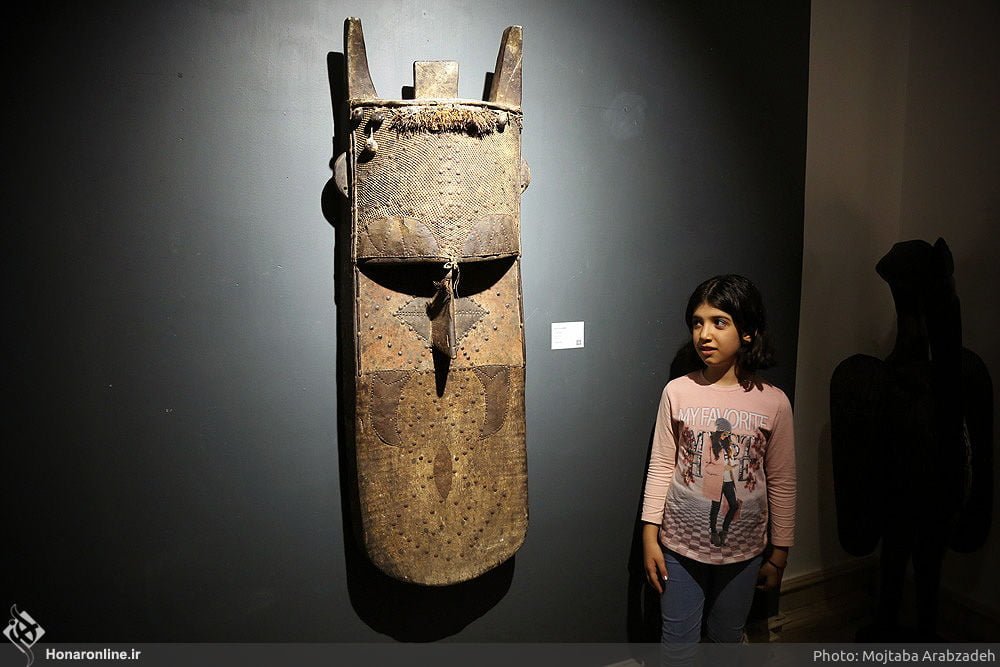
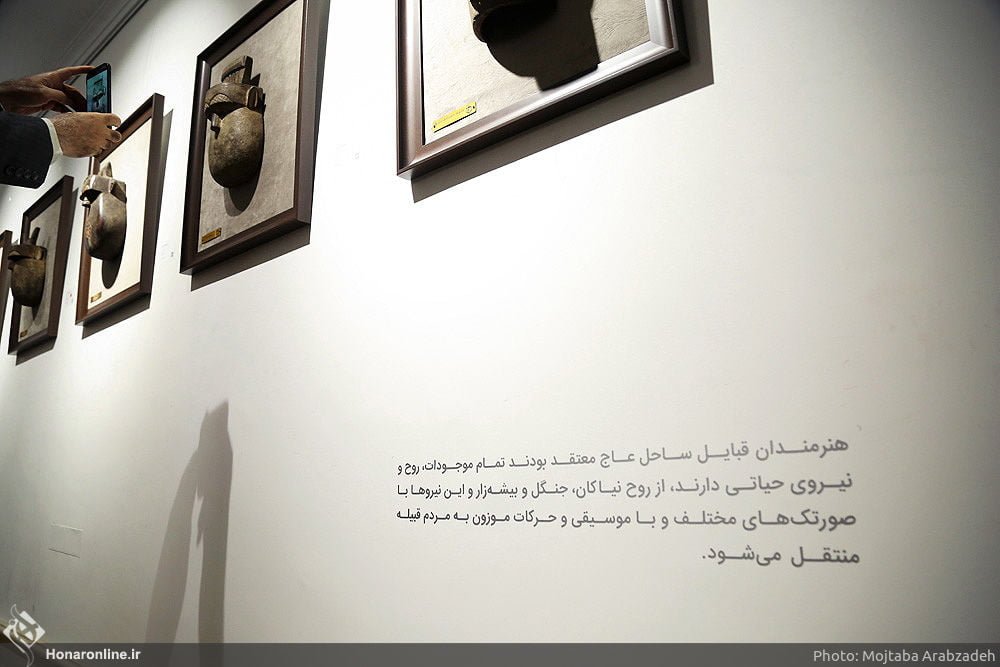
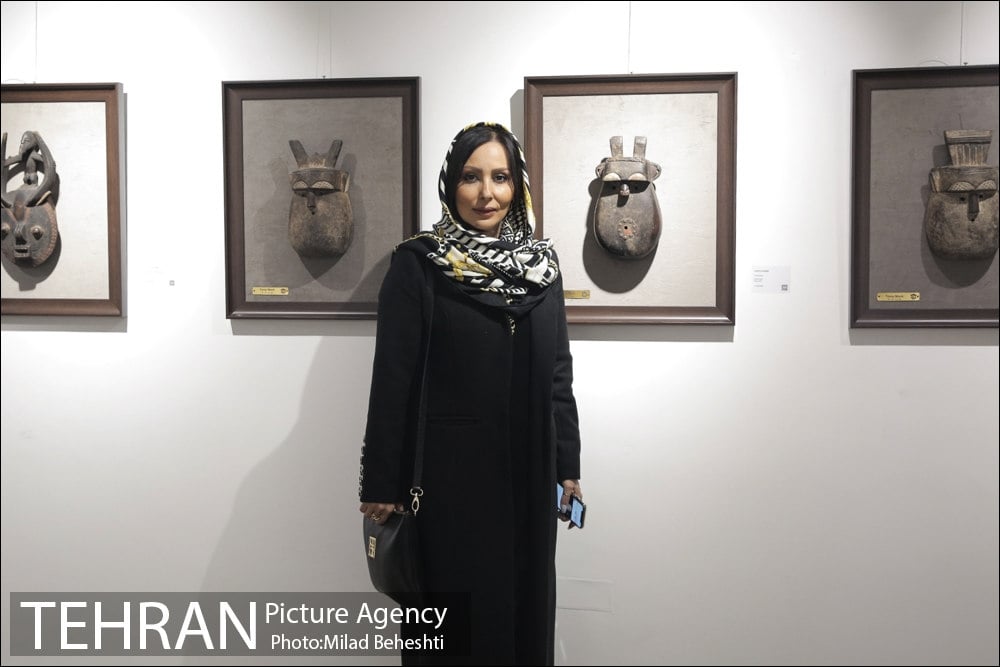
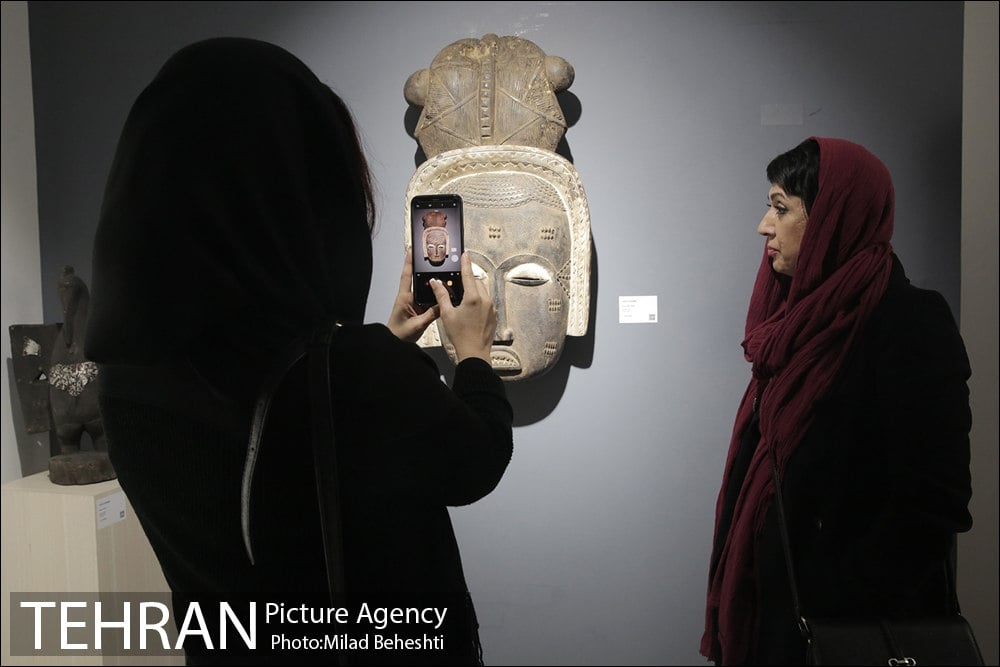
The exhibition called “Côte d’Ivoire” has been organised by the Cultural Department of Ivory Coast’s embassy in Iran, and features 30 masks and 20 statues from different tribes of the African country.

The tribal or ethnographic art of Africa has had a great impact on contemporary art in the world, and great artists like Pablo Picasso and Amedeo Modigliani have been inspired by African tribal art.

The “Côte d’Ivoire” exhibition is underway at Cama Gallery in Tehran and will be open to visitors until December 17.

What follows are photos of the exhibition retrieved from Honar Online and Tehran Picture Agency:

‘Honorary Citizenship of Shiraz More Valuable than Legion of Honour’

Alizadeh, who had turned down France’s most prestigious award “Legion of Honour” years ago, said he couldn’t hide his tears after receiving the honourary citizenship of the city of Shiraz in southern Iran.

“I feel being born once again. I’m brimmed with tear. I’m proud that the historical city of Shiraz has such a music-loving mayor,” he said after receiving the honourary citizenship given by the Shiraz mayor at the closing ceremony of Fars Music Festival in Shiraz.

“This moment reminded me of the day I was awarded the France’s Chevalier of Legion of Honour. While turning down the honour, I knew that greater honours were waiting for me and today, I achieved one of them. Today, I became a citizen of Shiraz and I am proud of that,” he said.

The Iranian composer said that he began his career as a musician in Shiraz. “Tonight, I was born again. I’m happy that the citizens of Shiraz have accepted me with open arms as a Shirazi.”

Before awarding Alizadeh, Shiraz Mayor Heydar Eskandarpour said that the cognoscenti and hospitable citizens of Shiraz reward maestro Alizadeh with the honourary citizenship of their city as a gratitude to his relentless efforts in promoting Iranian music, achieving international honours, ethical and human attitudes and finally his enthusiasm for Shiraz.

He described Alizadeh as a great artist with a comprehensive understanding of the Iranian culture, literature and music.

“The maestro has preferred the love of his people to international awards saying his love for the great nation of Iran is his highest honour in the world,” he noted.

Alizadeh is a world-renowned musician, composer, researcher, teacher, and Tar and Setar instrumentalist and improviser.

On his reason for turning down France’s Chevalier of Legion of Honour, Alizadeh wrote an open letter saying he didn’t need any decoration. He also thanked the Iranian people and said, “The art-loving people and my dear compatriots have bestowed upon me the highest honour many times.”

Married Girls Not Expelled from Day Schools in Iran Anymore

A photo of Iranian actress Taraneh Alidousti from the film "I'm Taraneh, 15", in which she played the role of a high school student who turns into a single mother.

Although the marriage of high school girls or boys now seems funny or impossible to many families, there are still people in Iran who get married at such an early age.

According to official school rules in Iran, married students can study at day schools, but some schools expel their married students, especially girls, in some cases.

Since the 1990s, married students, especially girls, have been barred from studying at schools on the pretext that they give their classmates early school-age awareness of marital matters. Although no gender has been mentioned in the rule, this has only been applied to married girls.

First of all, school managers should look at the possibility of studying for these people in other schools, and if possible, they should be directed to adult schools.

The first married girls’ school was launched in 2010 with a capacity of 160 students in Kashmar County of Khorasan Razavi province. It was followed by another school for the education of married girls. But in some regions this was not possible.

On the other hand, many government officials had opposed the expulsion of married students. What’s really happening is that these students are usually victims of personal attitudes of managers and education officials.

For this reason, they are forced to study in an adult school which causes many psychological damages to them. Or they are forced to lie and keep their marriage a secret so that they can continue their studies next to their friends.

However, according to the Schools Administration Act, married students can now continue their studies under some conditions. They can study at day schools like other students, but they must refrain from sharing marital matters with other students.

An official with the ministry of education recently said “married girls can continue to attend day schools, but they should avoid changing their appearance or talking about marital issues with other students.

Otherwise, these students must continue their studies at an adult school or enroll in the same school, but only take the final examinations. There is also the possibility of studying at distance learning centres.”

Iran Welcomes Preliminary Deals between Yemeni Sides

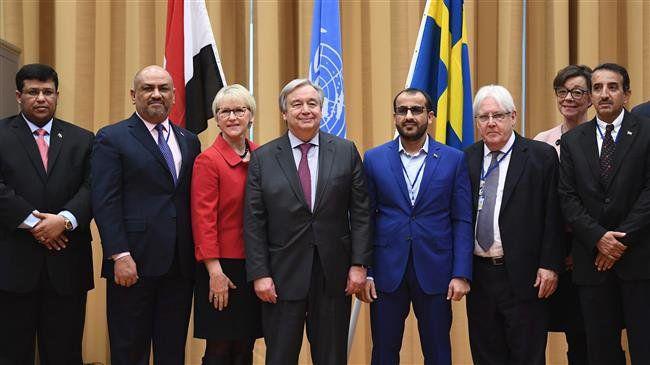
UN Secretary General Antonio Guterres stands by representatives of Yemen's warring parties after a preliminary deal was reached in Sweden on Dec. 13, 2018. (Photo by AFP)

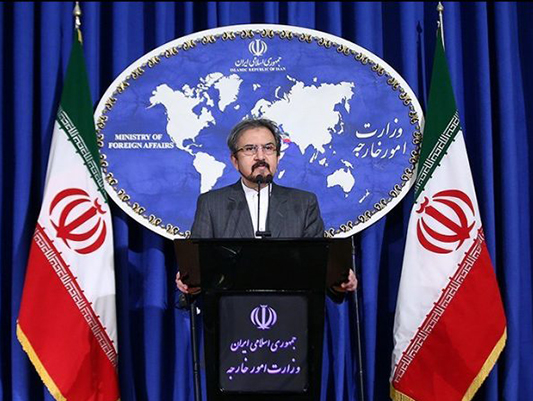
The Ministry’s Spokesman Bahram Qassemi described as positive and promising the confidence-building measures and preliminary agreements to continue the negotiations.

In his Thursday night statement, he called the agreement reached on the Yemeni port city of Hudaydah very important, and praised the Yemeni parties for understanding the catastrophic situation which the impoverished country is going through.

“The agreement shows that the Yemeni groups participating in the talks have carefully and correctly understood the catastrophic situation of the innocent people of Yemen resulting from escalating conflict in Hudaydah, and have preferred the continued dispatch of humanitarian aid to their own interests,” he noted.

The spokesman also expressed hope that the port city of Hudaydah and other Yemeni ports and airports, including Sana’a airport, would be prepared as soon as possible to receive humanitarian aid.

He also raised hope that such civil activities can alleviate the suffering of the Yemeni people.

“We hope the agreements would be implemented within the framework of the specified timeframe and provide the necessary ground for the next round of talks in the near future to reach a final deal.”

Qassemi said that Iran, within the framework of its responsible approach towards regional crises, played a constructive role in facilitating the Yemeni-Yemeni talks in Sweden.

“Tehran, in line with the four-point plan presented by the country’s foreign minister for Yemen, still believes that the final solution to the Yemen crisis is to stop the war and bloodshed, and to continue the Yemeni-Yemeni talks,” he added.

United Nations Secretary-General Antonio Guterres said on Thursday that warring sides in Yemen will be withdrawn from Hudaydah and that control will pass to local forces, with the UN playing a leading role at the port.

He told reporters after peace talks in Sweden that there has not been agreement on a ceasefire in the rest of Yemen beyond Hudaydah, but described the negotiations as a positive first step.

Meanwhile, the delegation representing the former Yemeni government in the talks described the withdrawal deal hypothetical. However, the Ansarullah movement along with the former government’s delegation voiced support for the UN-brokered truce.

‘Israel’s Bad Dreams about Iran Will Never Come True’

Bahram Qassemi

Qassemi made the comments in reaction to the latest rants by Israeli Prime Minister Benjamin Netanyahu who said he does not rule out the possibility of taking military action inside the Iranian territories.

“Although the corrupt and aggressive Zionist regime, which is a symbol of delusions, grudge and hatred, will never ever dare to take such a step, the uttering of such outrageous and shameful words out of ignorance or delusion by the prime minister of an aggressive regime, knowingly or unknowingly, amounts to threatening a big and historical country with military action,” Qassemi said.

Such a threat “will be certainly followed up on in legal and international forums and institutions,” he warned.

Qassemi further noted that the formation of the Zionist regime was originally based on invading and threatening regional states.

While the Zionist regime has in the past decades been the main disturber of stability and security and the root cause of various conflicts, wars, and slaughters of human beings from different ethnic groups, nationalities, and religions, it is now expressing false concerns about stability in the region in a ridiculous way and with no shame, he added.

Referring to the defeats sustained by Israel at the hands of resistance groups in the region, Qassemi warned that in case of any warmongering measure by Israel, Iran’s high military and defensive capabilities will make these short-sighted and malicious warmongers regret such “sick and melancholic” remarks.

Relying on its original history and culture and following its historical experiences, the powerful and honourable Iran and its wise people will foil the inauspicious plots hatched by the ill-wishers against this dynamic nation and territory, with a resolute determination to fight against terrorism, reinforce peace, stability, and security in the region, and promote development and welfare, he added.

“Our red line is our survival,” Netanyahu was quoted by AFP as saying at a meeting with foreign media where he was asked what his “red line” was for attacking Iranian territory, instead of Iran’s allies in Syria and Lebanon.

Netanyahu’s latest threats against Iran came weeks after the regime unleashed a wave of deadly attacks against Gaza, which prompted a firm response from the resistance fighters there, triggering a political crisis inside the premier’s cabinet.

That crisis saw the Israeli minister of military affairs resign and forced Netanyahu to take over the post himself to prevent early elections in Israel.

Analysts say Netanyahu’s stepped-up belligerent rhetoric is meant to divert attention from the corruption scandals he is grappling with.

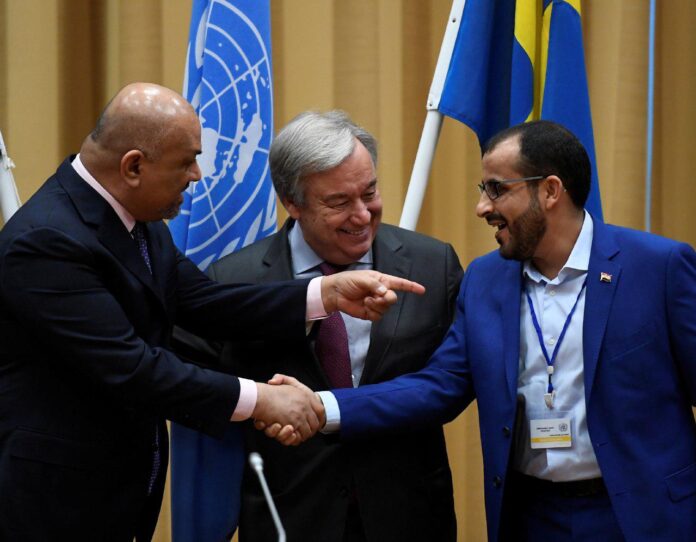
Yemeni Sides Reach Truce Deal, Exchange Historic Handshake

UN Secretary General Antonio Guterres told reporters on Thursday that the two sides had agreed to a governorate-wide ceasefire as well as an agreement to ease the situation in the flashpoint city of Taiz.

“The war in Yemen has gone on for four years. Four devastating years of suffering for the Yemeni people,” Guterres said.

“Thank you for coming here to discuss a better future for Yemen. And what you achieved is an important step.

“You have reached an agreement on Hudaydah port and city, which will see a neutral redeployment of forces from the port and the city and the establishment of a governorate wide ceasefire,” he said.

Restrictions by a Saudi-UAE coalition, which controls Yemen’s waters, on goods entering the port have exacerbated Yemen’s humanitarian crisis, with some 22 million people currently needing assistance.

“The UN will play a role in the port. And this will facilitate the humanitarian flow of good to the civilian population and it will improve the living conditions for millions of Yemenis,” Guterres said, Al Jazeera reported.

Representatives from the Yemeni government and Houthi Ansarullah Movement had been holding closed-door discussions with the UN special envoy for Yemen, Martin Griffiths, since last Thursday aimed at discussing ways to end the fighting that has killed more than 60,000 people.

The talks in the Swedish town of Rimbo, some 60km north of the capital Stockholm, were not intended to reach a political solution to the conflict but instead introduce a set of confidence-building measures that could pave the way for more comprehensive peace talks.

Earlier this week, the opposing sides agreed one such measure with more than 16,000 prisoners expected to be released early next year.

After months of secret negotiations the two sides submitted separate lists to the UN for prisoner releases, with the Yemeni government submitting the names of some 8,576 detainees including teachers, children, tribal figures, women and Imams; while the Houthis submitted the names of some 7,487 people.

Guterres told reporters that the two parties also reached a “mutual understanding” to ease the situation in the city of Taiz.

“This will lead to the opening of humanitarian corridors and the facilitation of goods,” he said.

11,000 Ancient Objects to Be Returned to Iran from US

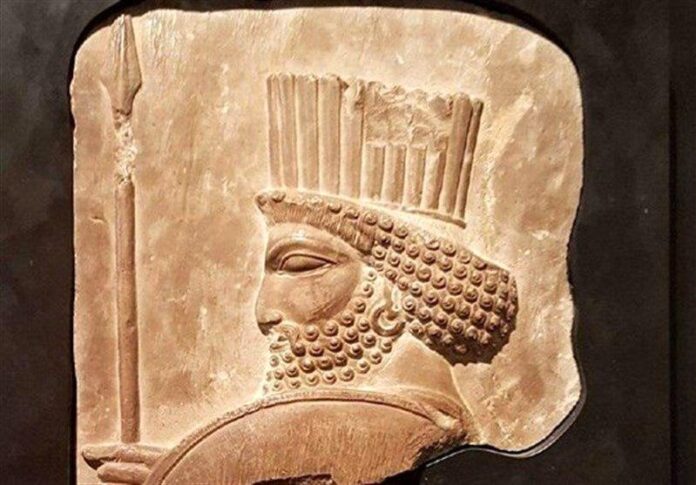
Mounesan announced on Thursday that “the 11,000 objects, including a part of Persepolis fortification, will soon be returned to Iran.”

Speaking on the sidelines of the opening ceremony of a tourism exhibition in Shiraz, he added that these objects had been taken out of the country about 80 years ago for research, but had not been returned so far.

1,784 packs will be sent to Iran in the first stage based on an arrangement made with the Oriental Institute of the University of Chicago, to which Iran had loaned the ancient relics in 1937, he added.

Mounesan said that the objects have recently received the Office of Foreign Assets Control’s licence, stressing the packaging work is almost over, but there are problems in the insurance process.

“They say due to sanctions they cannot send the packs to Tehran at the moment. We have told them that they should be delivered in Tehran, otherwise we have to get the objects in The Hague. Soon, it will be determined that where the delivery shall be made, but they say it will take time to pack because of the large number of objects.”

The US Supreme Court in February ruled that Americans injured in a 1997 suicide bombing in Jerusalem al-Quds cannot seize ancient Persian artifacts from the Chicago museum to satisfy a $71.5 million court judgment against Iran, which they had accused of complicity in the attack.

The justices, in an 8-0 ruling, recently upheld a lower court’s decision in favour of Iran that had prevented the plaintiffs from collecting on the judgment, which Tehran has not paid, by obtaining antiquities held at the University of Chicago’s Oriental Institute.

The important Persian cultural artifacts include clay tablets boasting some of the oldest writing in the world.

Iran Blasts Pakistan for Dragging Feet on Gas Pipeline

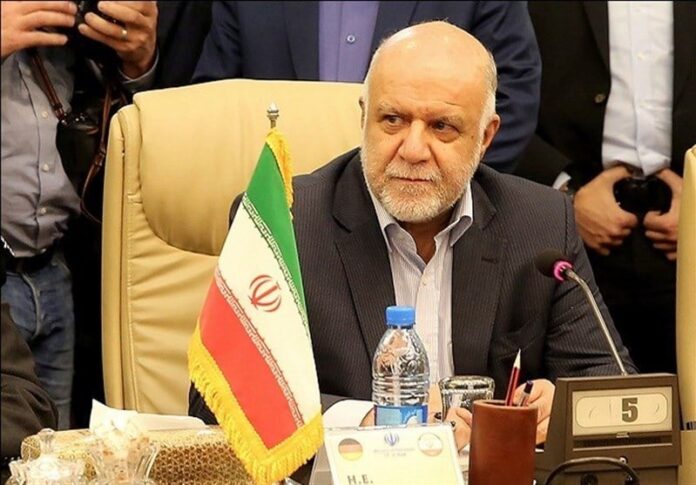
Speaking at a televised talk show on Wednesday, Zanganeh said Pakistan has failed to construct even a single kilometer of the gas pipeline that it has committed to finish under a deal with Iran.

“Pakistan is under pressure from the US, Saudi Arabia and (the United Arab) Emirates,” he said, adding that Pakistanis have not taken any practical measure to construct the long-awaited pipeline despite the Iranian Oil Ministry’s insistence.

“Not even a single kilometer of the pipeline has been constructed on Pakistani soil,” the minister said.

Iran-Pakistan gas pipeline, which stretches for 900 kilometers only in Iran, has been designed to help populous Pakistan overcome its growing energy needs.

Iran has already completed the construction of the Iranian section of the pipeline, while Pakistan has fallen short of constructing its 700-kilometer share.