Friday, December 19, 2025
Home Blog Page 3306

Rampant Corruption to Annihilate Israeli Regime: Iran

Rampant Corruption to Annihilate Israeli Regime: Iran

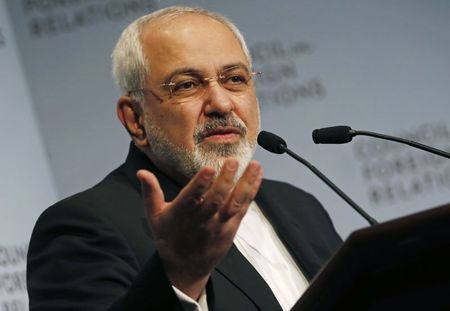
He made the comments in a meeting with senior Hamas leader Mahmoud al-Zahar in Tehran on Sunday.

Shamkhani also noted that the most important priority of the Muslim world is to support the Palestinian cause and liberating the holy city of Quds.

“Any act that leads to a deviation in the course of the struggle against the Zionist regime as the main threat to the Muslim world is considered an act of betrayal to the Muslim world,” maintained the Iranian top official.

Shamkhani hailed the efforts of the resistance fighters and the resistance of the people of Gaza and the West Bank against the Zionist regime.

He also congratulated the resistance forces on their victory in the recent five-day war saying that it was the result of their commitment to the Palestinian cause and making sacrifice against the excessive demands of the Zionist regime.

“Today, supporters of Palestine around the world believe that the only way to defend the people’s rights is to rely on domestic will and Islamic resistance,” he said.

Shamkhani criticised the United Nations for its failure in fulfiling its obligations to rebuild the Gaza Strip and providing basic services to the inhabitants of the besieged enclave, stressing that Iran’s support for the oppressed Palestinian people will continue.

For his part, former Palestinian foreign minister Mahmoud al-Zahar appreciated the support of Iranian leader, government and people saying “we consider the Zionist regime as an occupying, illegitimate regime that is falling down. We reject any action that would lead to the legitimisation of this regime.”

The Islamic awakening is on the rise and undoubtedly Palestinians will be victorious, he emphasized, adding that the positions of the Islamic Republic of Iran have always been effective.

He also denounced the domination of divisive policies in the Muslim world, which reduced the sensitivity to the rights of the oppressed Palestinian people, saying that some Arab countries are struggling to defeat the resistance front through cooperation with the enemies of the Muslim world and confronting with the Islamic Republic, which is a guarantor of stability and peace in the region.
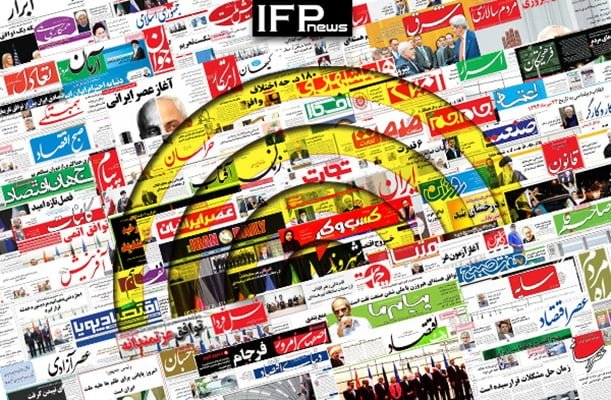
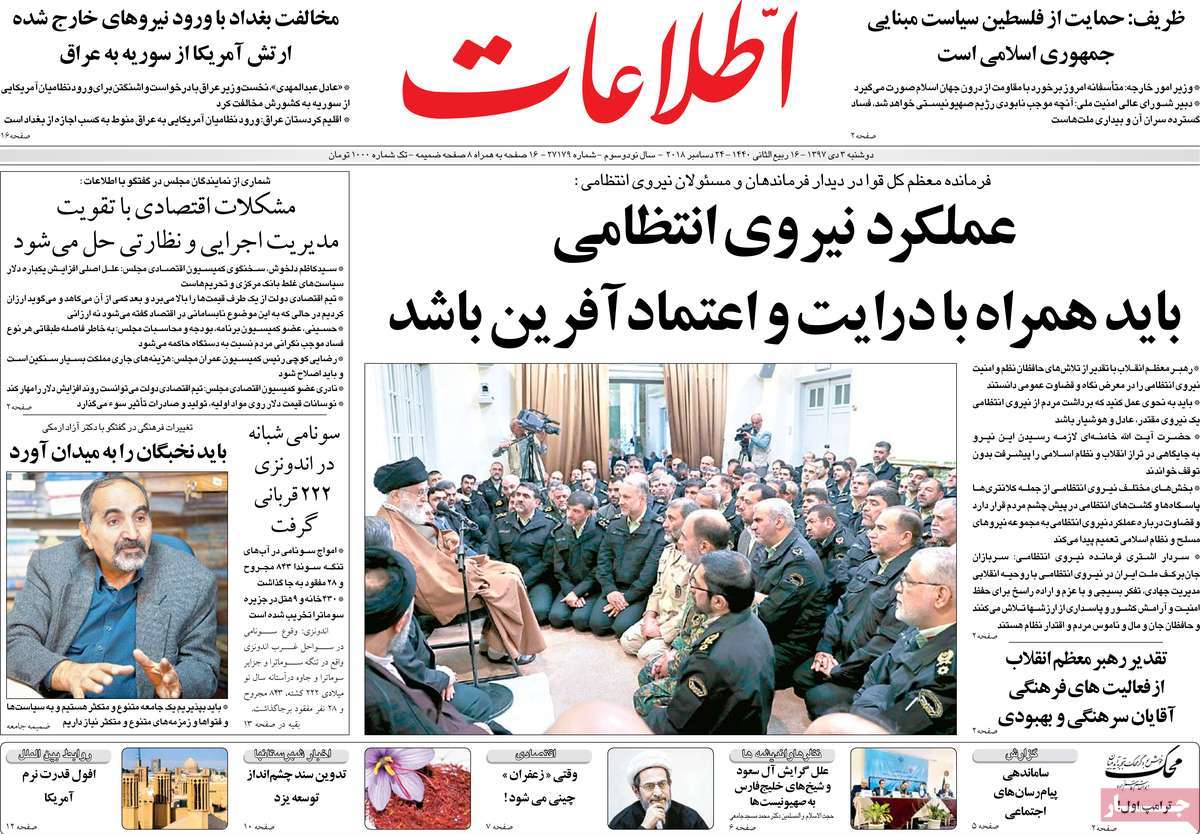
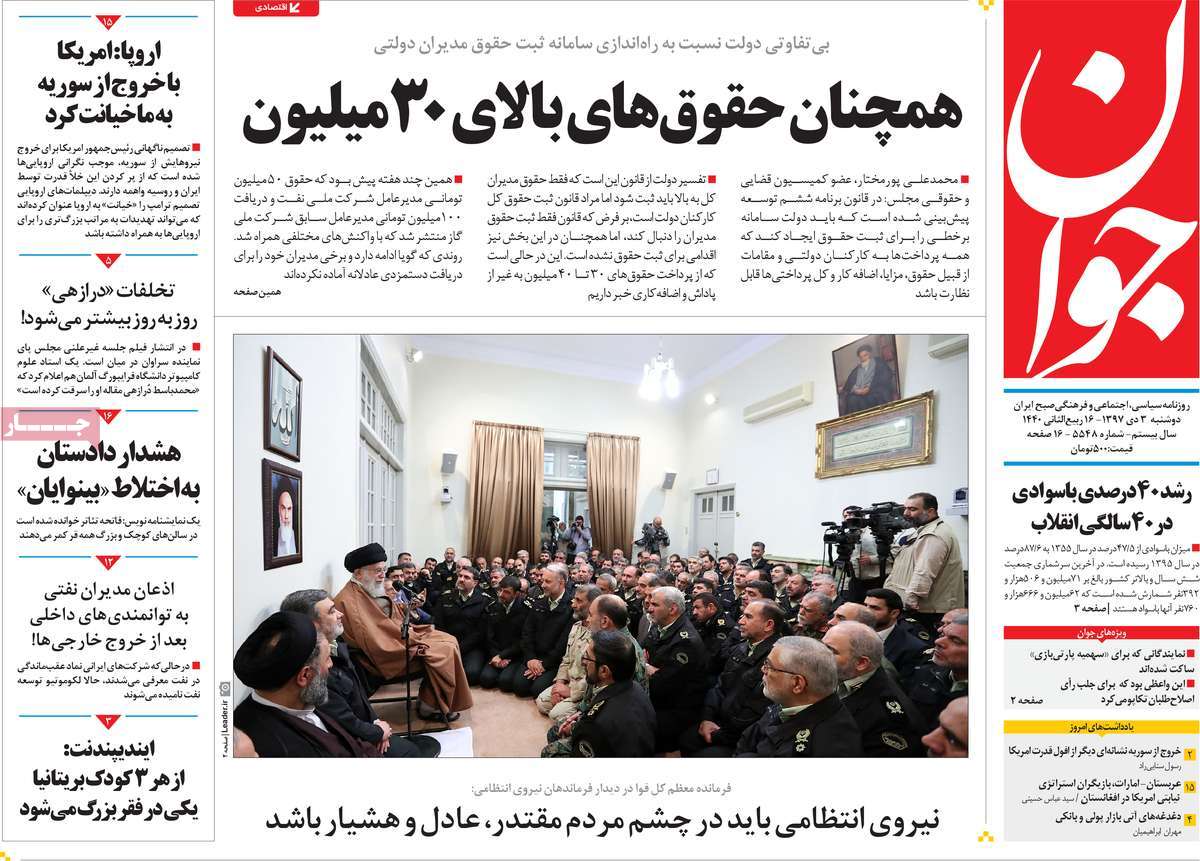
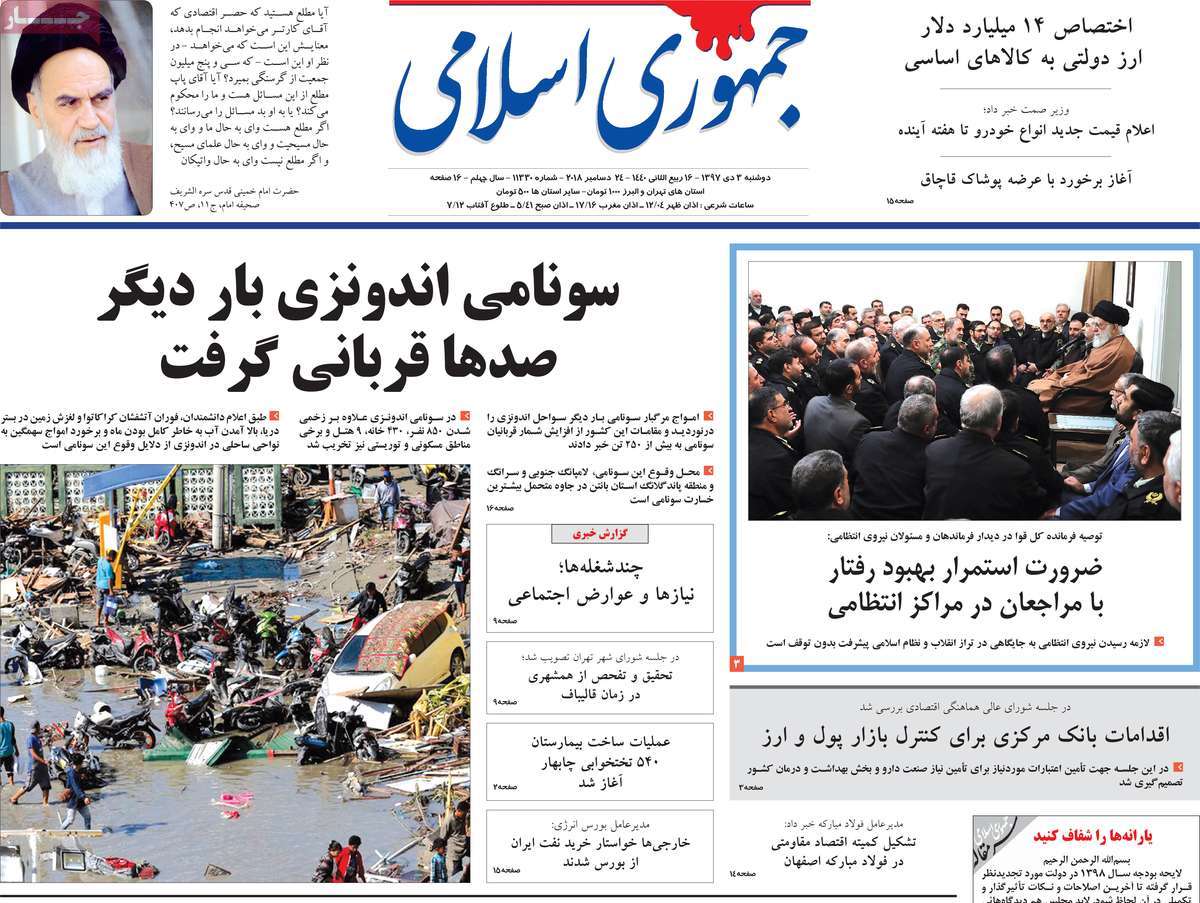
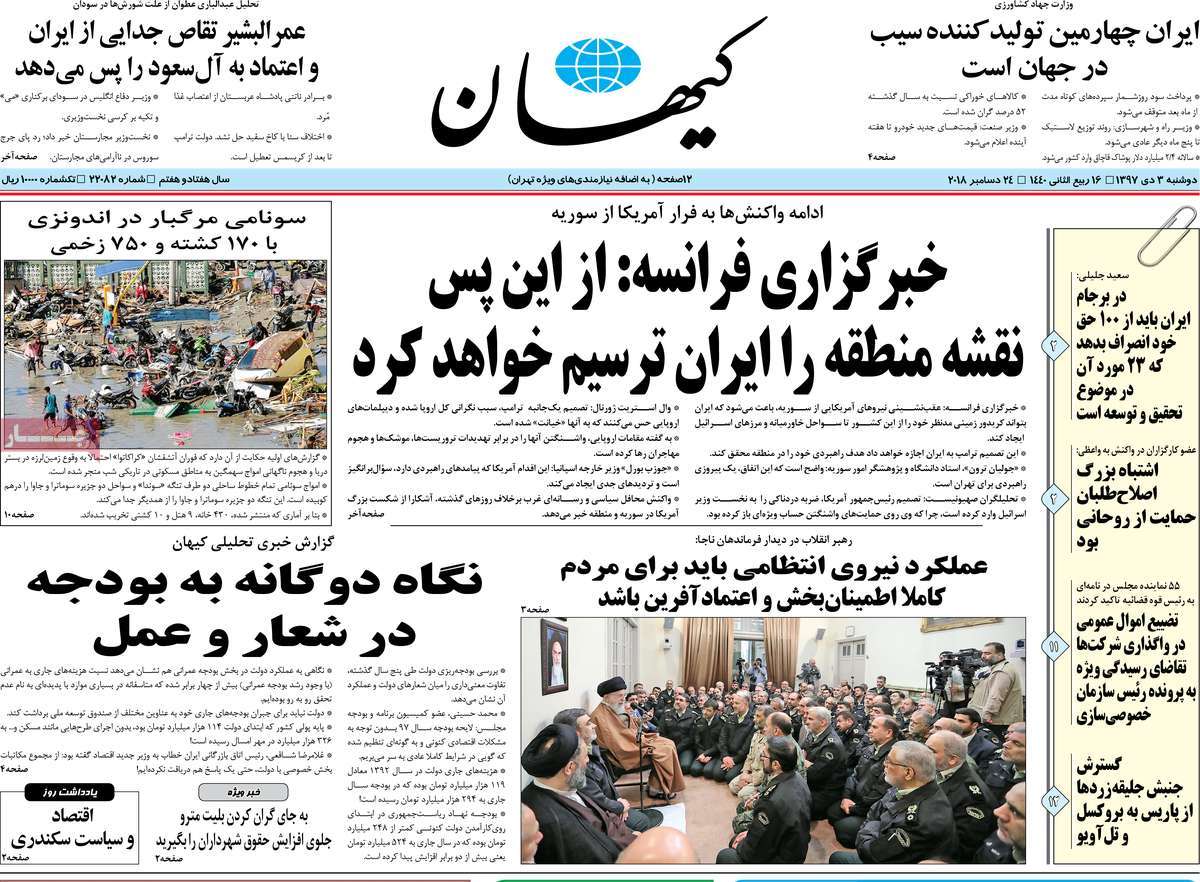
A Look at Iranian Newspaper Front Pages on December 24

A Look at Iranian Newspaper Front Pages on November 19

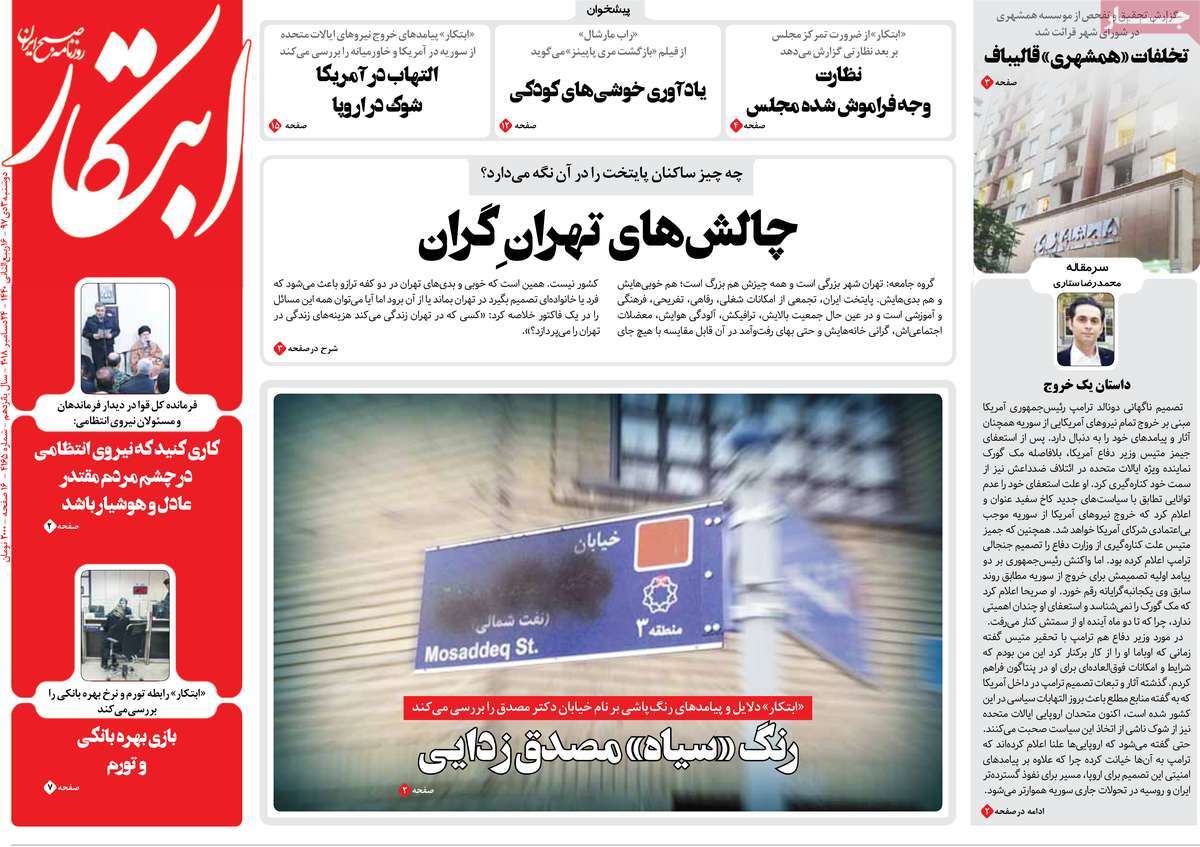
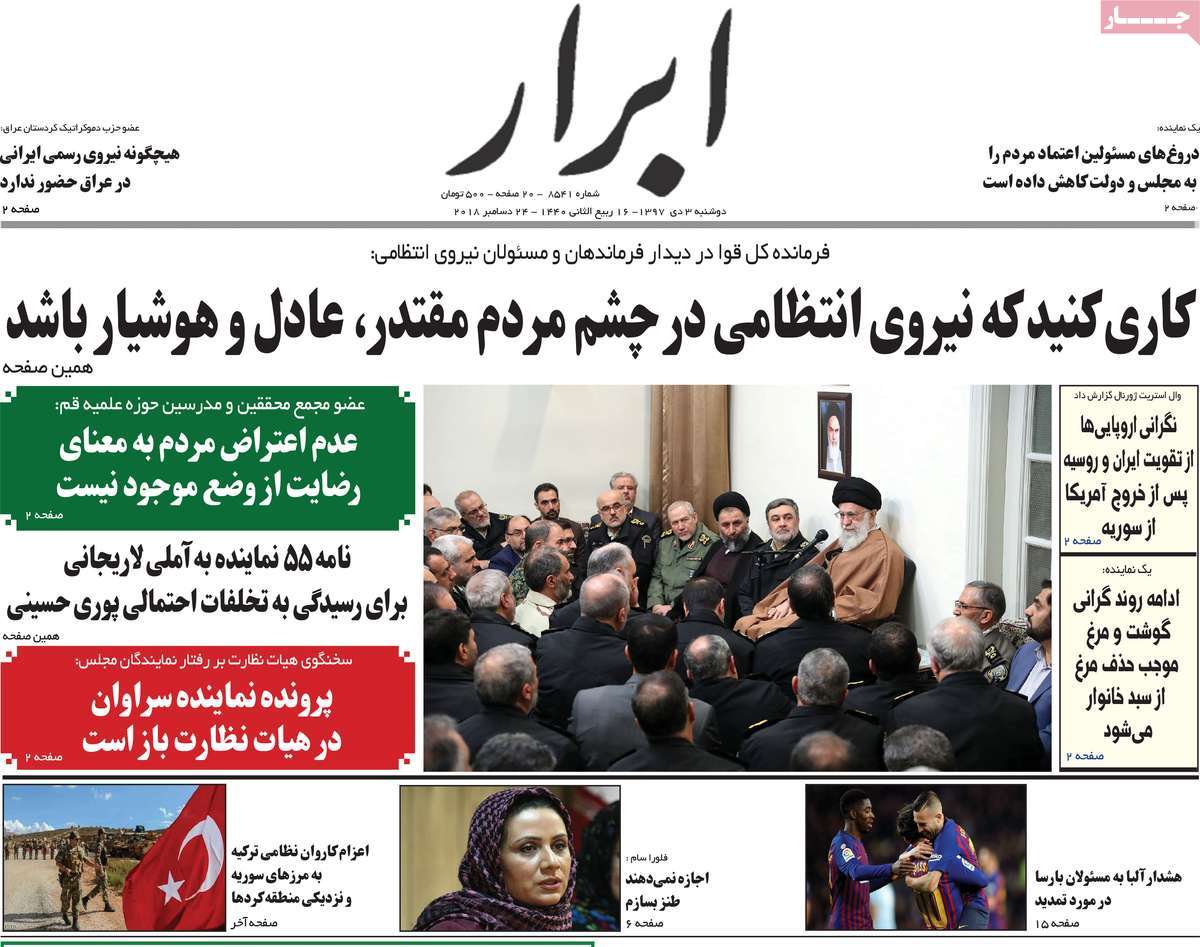
Abrar:

1- Europeans Worried about Promotion of Iran-Russia Ties after US Withdrawal

2- Iraqi Kurdistan Official: No Official Iranian Force in Iraq

A Look at Iranian Newspaper Front Pages on December 24


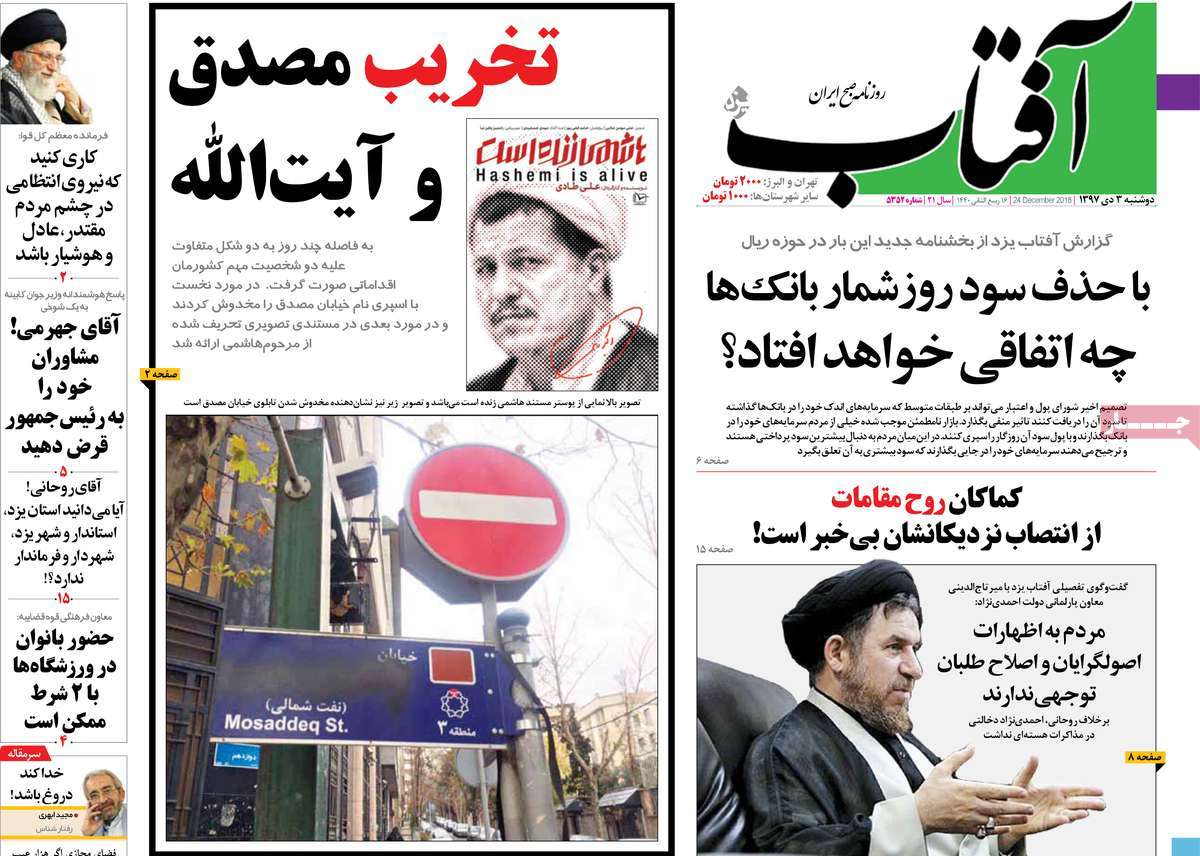
Aftab-e Yazd:

1- Deputy Judiciary Chief: Women Can Be Allowed to Go to Stadiums on Two Conditions

A Look at Iranian Newspaper Front Pages on December 24


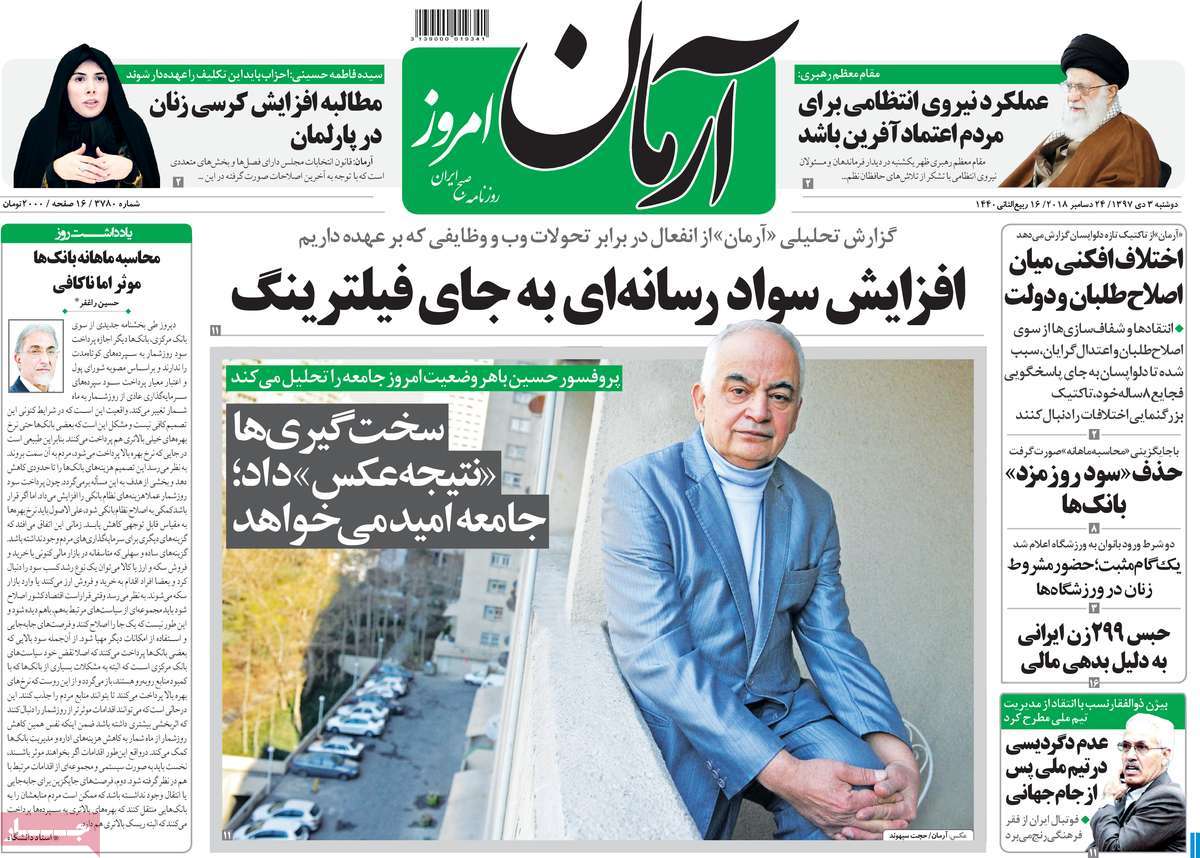
Arman-e Emrooz:

1- One Positive Step: Women’s Conditional Presence in Stadiums

A Look at Iranian Newspaper Front Pages on December 24


Ebtekar:

1- Challenges of Expensive Tehran

2- Tension in US, Shock in Europe: Results of US’ Withdrawal from Syria

A Look at Iranian Newspaper Front Pages on December 24


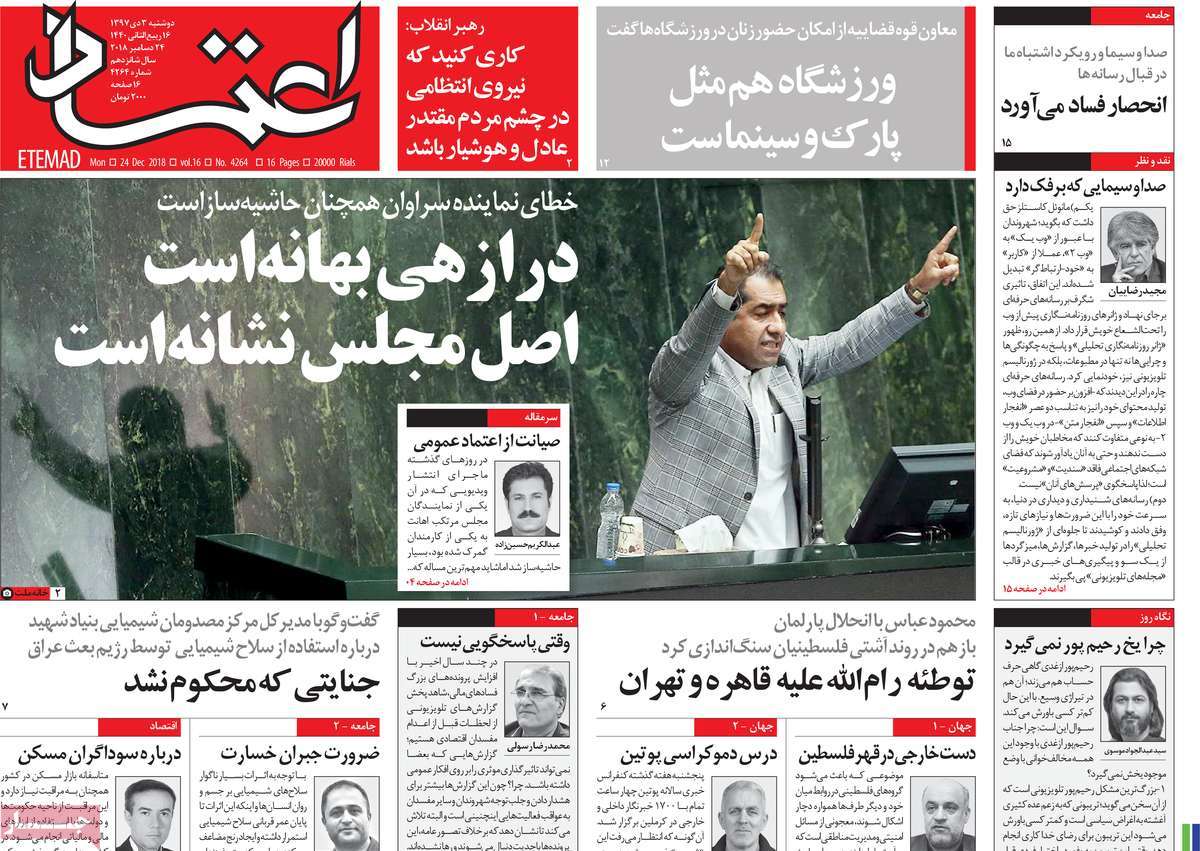
Etemad:

1- Deputy Judiciary Chief: Stadiums Just Like Parks, Cinemas

2- Ramallah’s Plot against Cairo, Tehran

  • Abbas Once Again Disrupts Palestinian Reconciliation by Dissolving Parliament

A Look at Iranian Newspaper Front Pages on December 24


Ettela’at:

1- Zarif: Supporting Palestine Iran’s Principled Policy

2- Baghdad Opposed to Deployment in Iraq of US Forces Withdrawn from Syria

3- Tsunami in Indonesia Kills 222

A Look at Iranian Newspaper Front Pages on December 24


Javan:

1- Europe: US Betrayed Us by Withdrawing from Syria

A Look at Iranian Newspaper Front Pages on December 24


Jomhouri Eslami:

1- Indonesia Tsunami Leaves Hundreds of People Dead

A Look at Iranian Newspaper Front Pages on December 24


Kayhan:

1- AFP: From Now on, Iran Will Draw Region’s Map

2- Agriculture Ministry: Iran Fourth Producer of Apple in World

3- Atwan on Cause of Riots in Sudan: Omar al-Bashir Paying Price of Trusting Saudi

A Look at Iranian Newspaper Front Pages on December 24


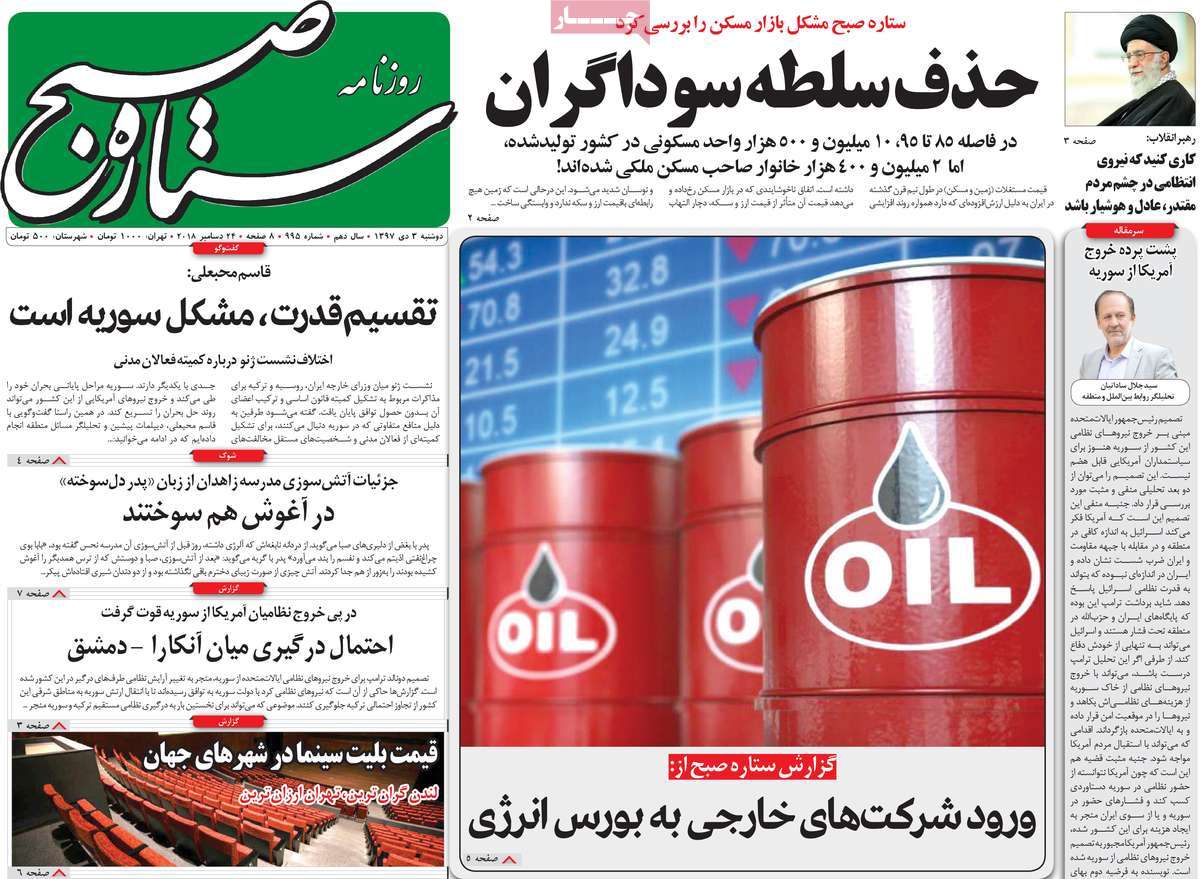
Setareh Sobh:

1- Foreign Companies Engaging in Iran’s Energy Bourse

2- Ankara, Damascus May Clash with Each Other after US Withdrawal

3- Analyst: Syria’s Problem Is Division of Power

A Look at Iranian Newspaper Front Pages on December 24


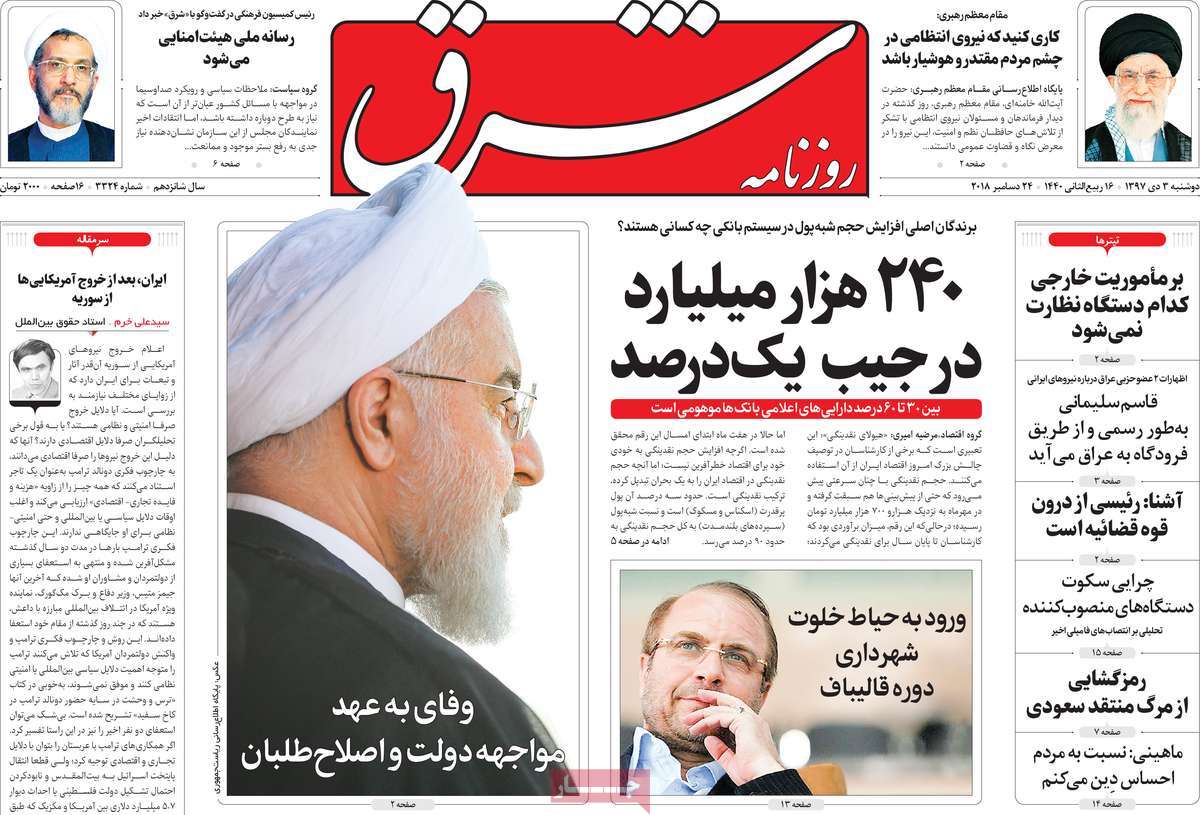
Shargh:

1- Iran’s State TV to Be Run by Board of Trustees

2- Gen. Soleimani Officially Visits Iraq through Airport: Two Iraqi Officials

A Look at Iranian Newspaper Front Pages on December 24


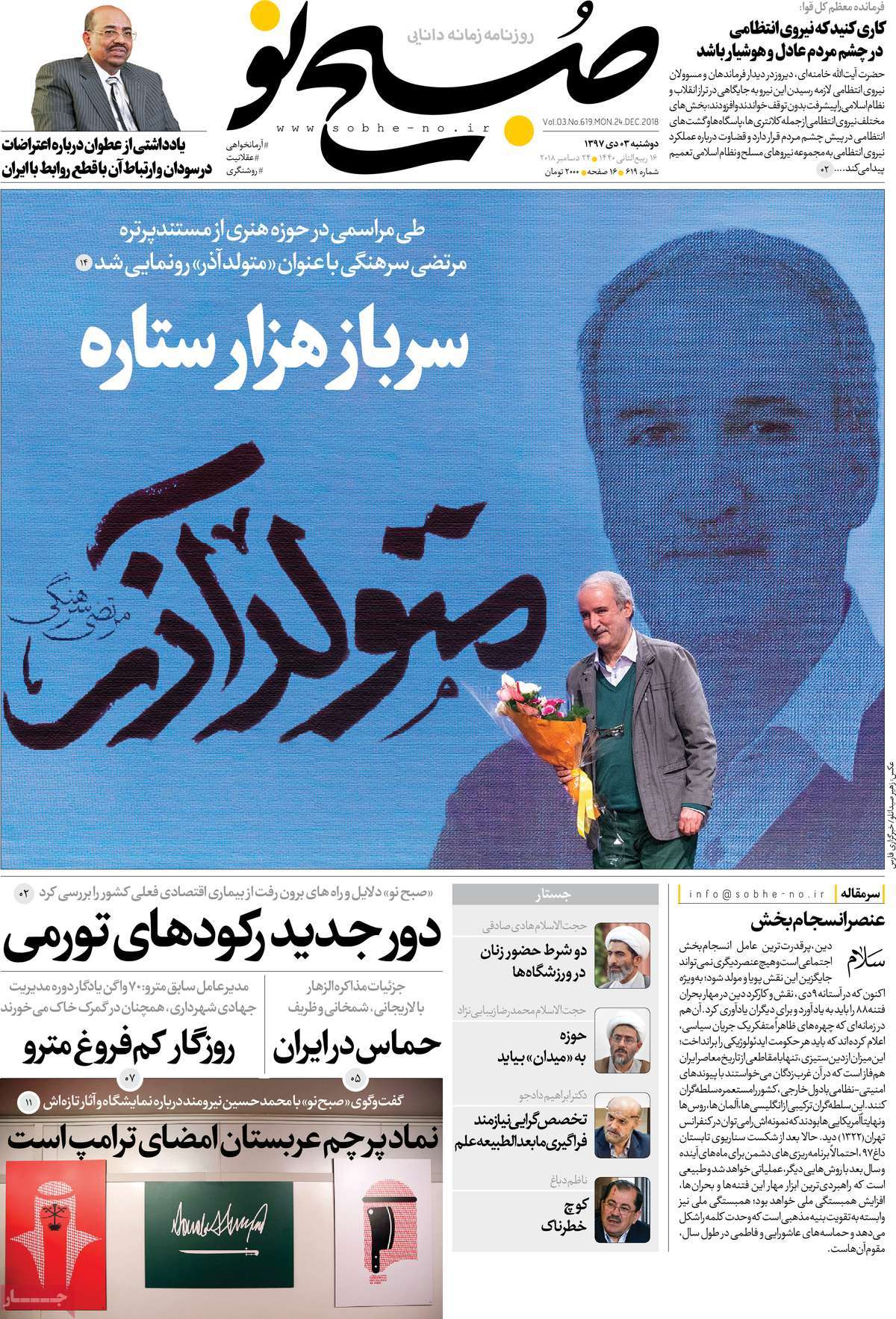
Sobh-e Now:

1- Iran Leader: People Should Know Police as “Fair”, “Vigilant” Force

A Look at Iranian Newspaper Front Pages on December 24


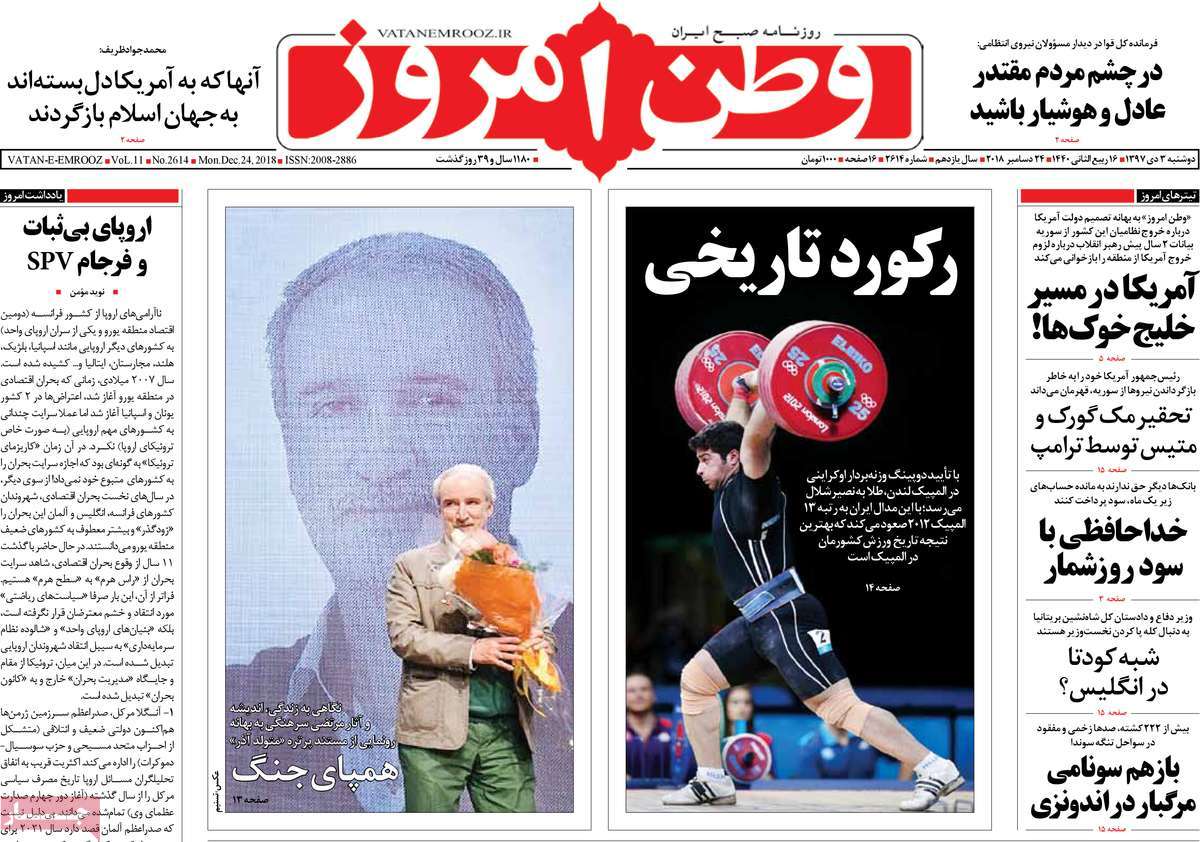
Vatan-e Emrooz:

1- Zarif Urges Those Who Have Pinned Hopes on US to Return to Muslim World

2- US in Bay of Pigs: A Review of Iran Leader’s Remarks Two Years Ago about US Withdrawal

A Look at Iranian Newspaper Front Pages on December 24

House in Tehran; Historical Hostel for Tourists

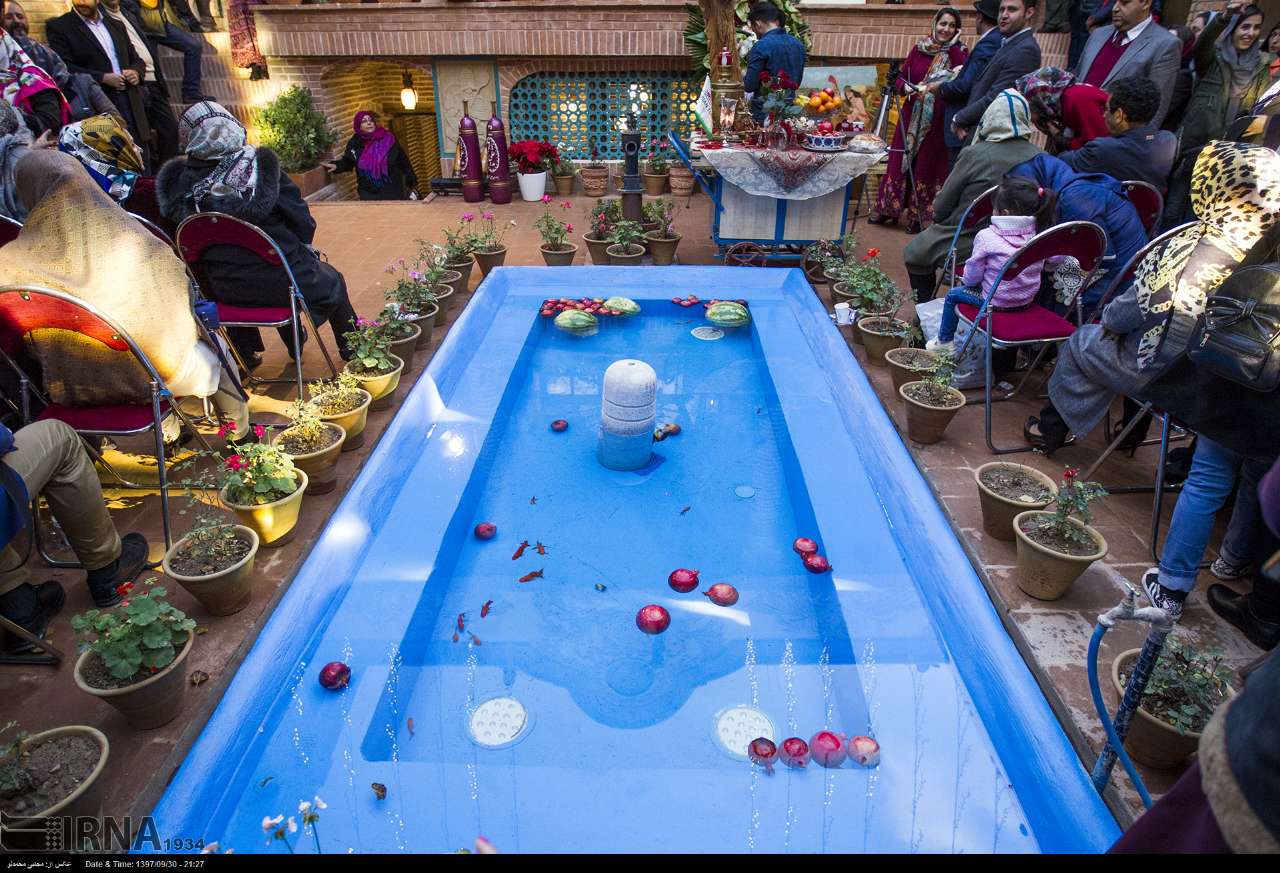
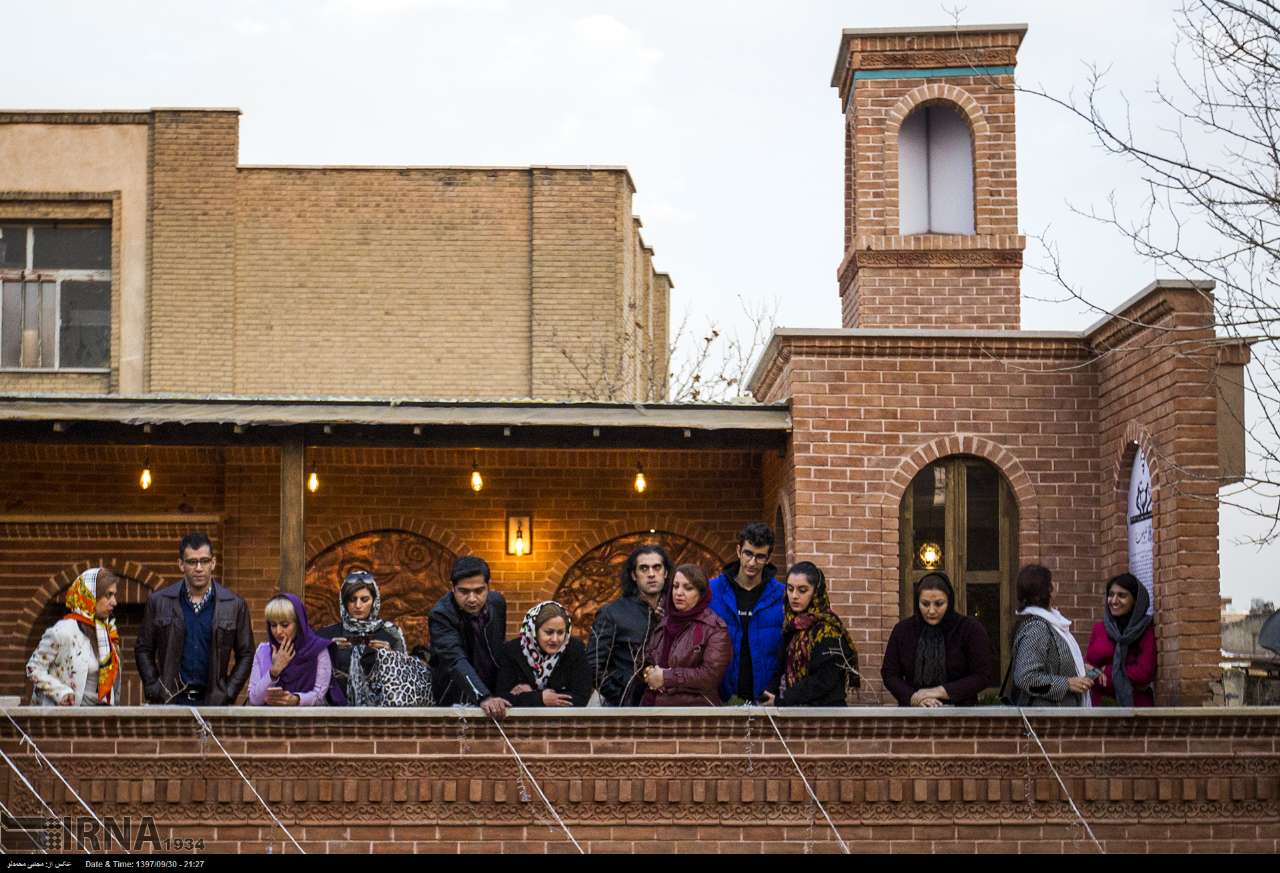
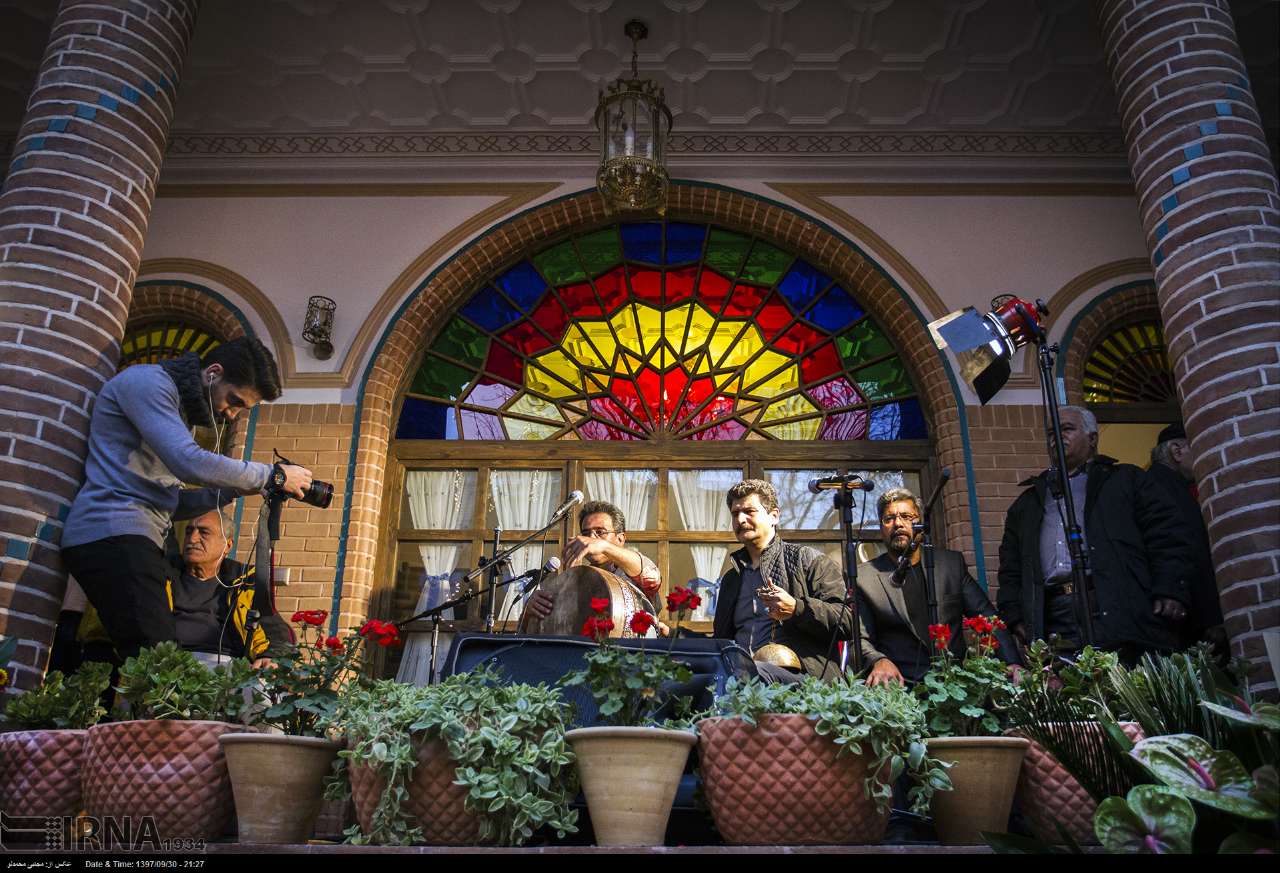
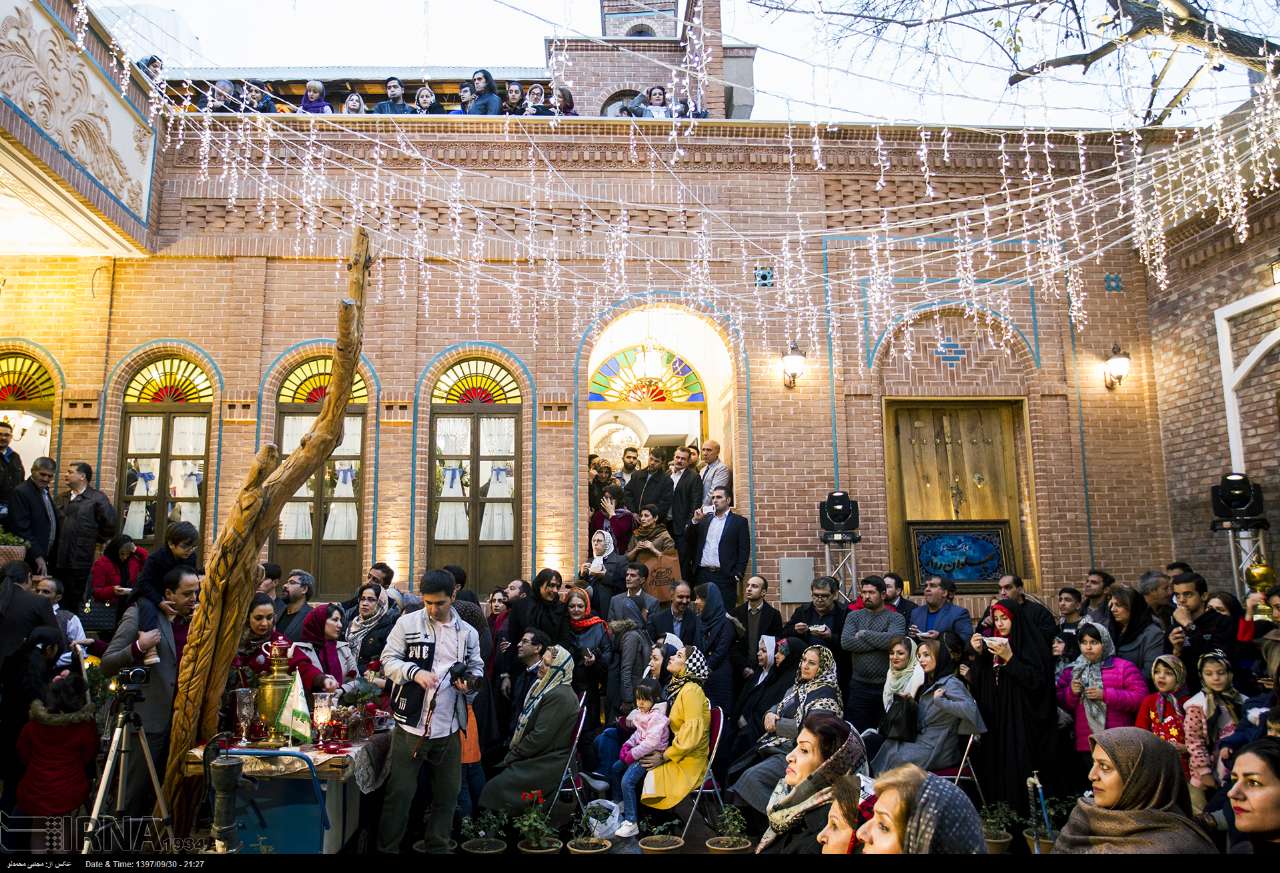
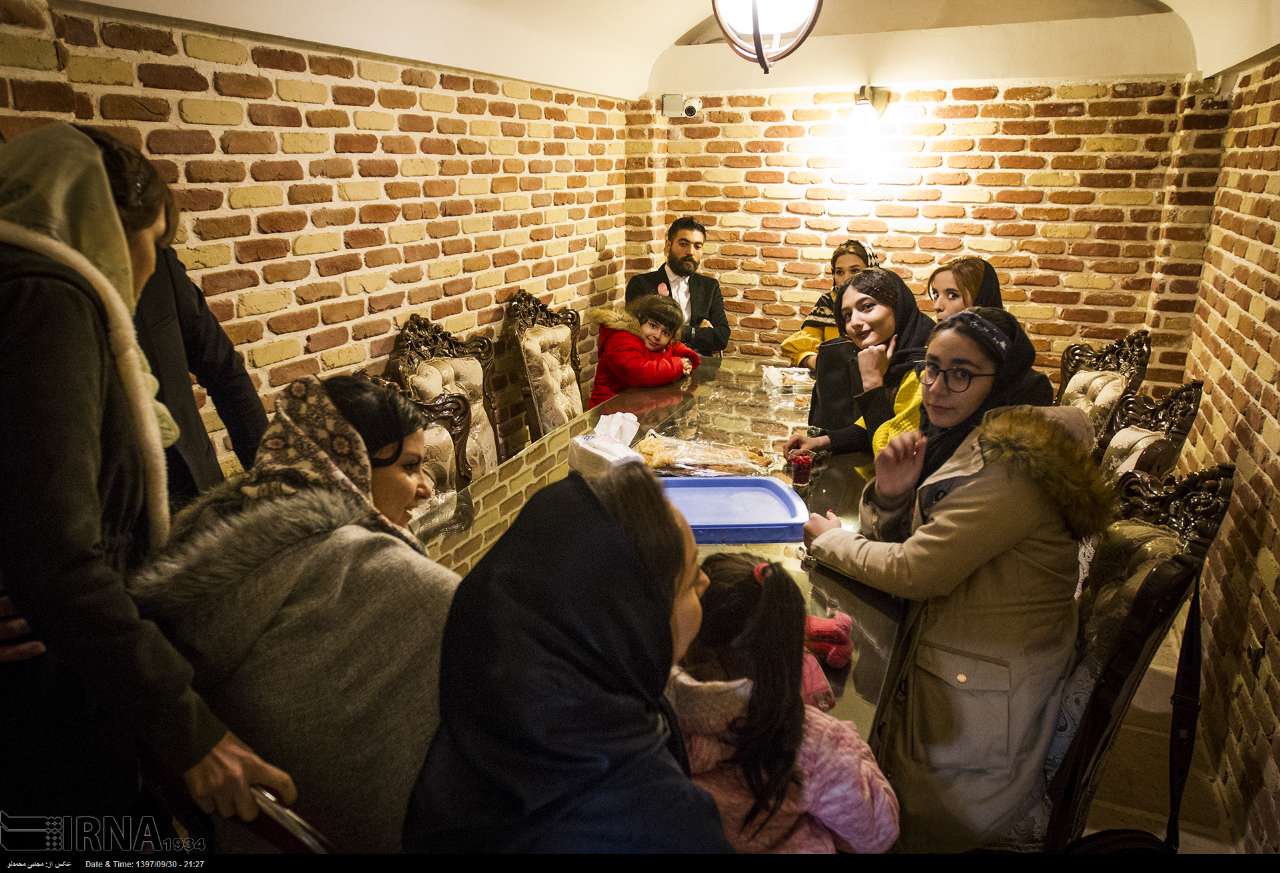
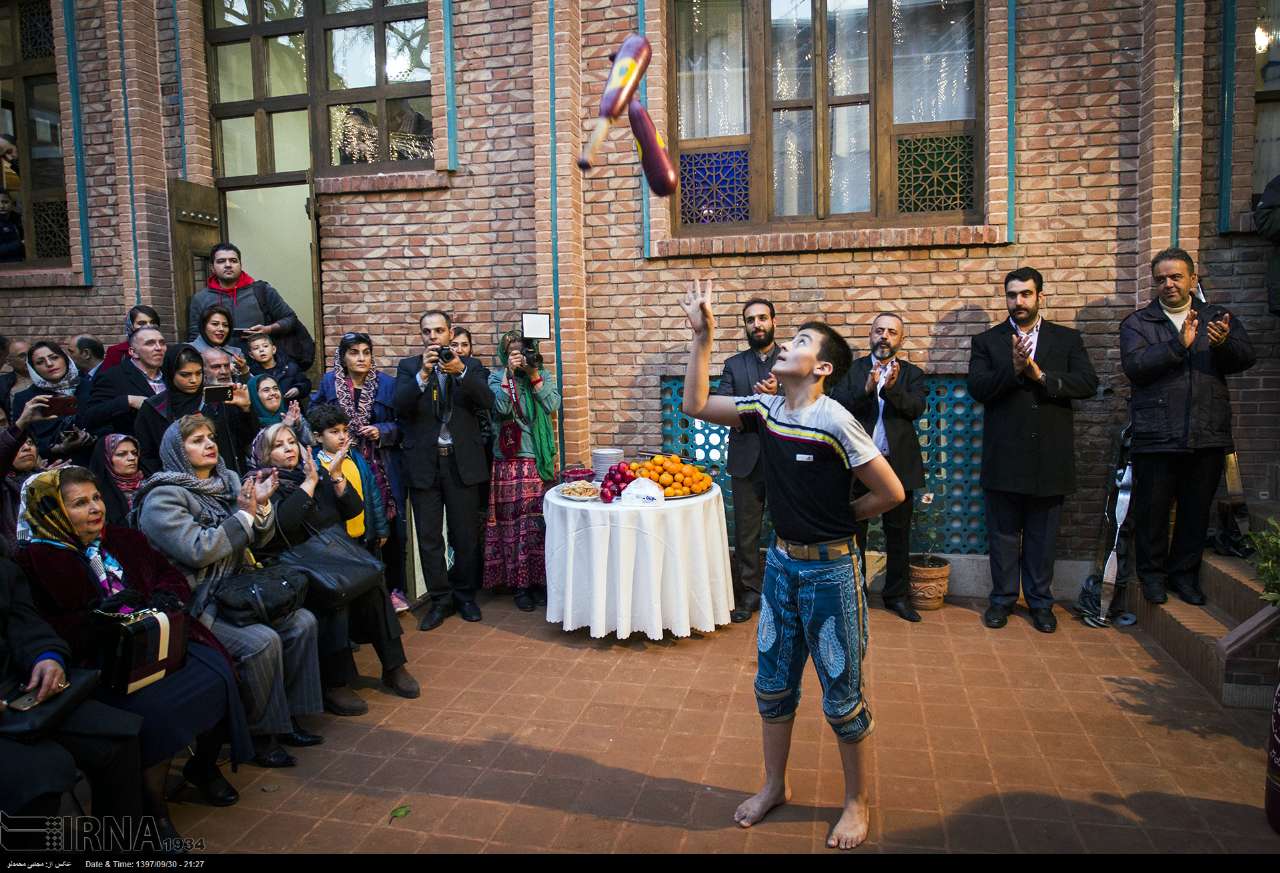
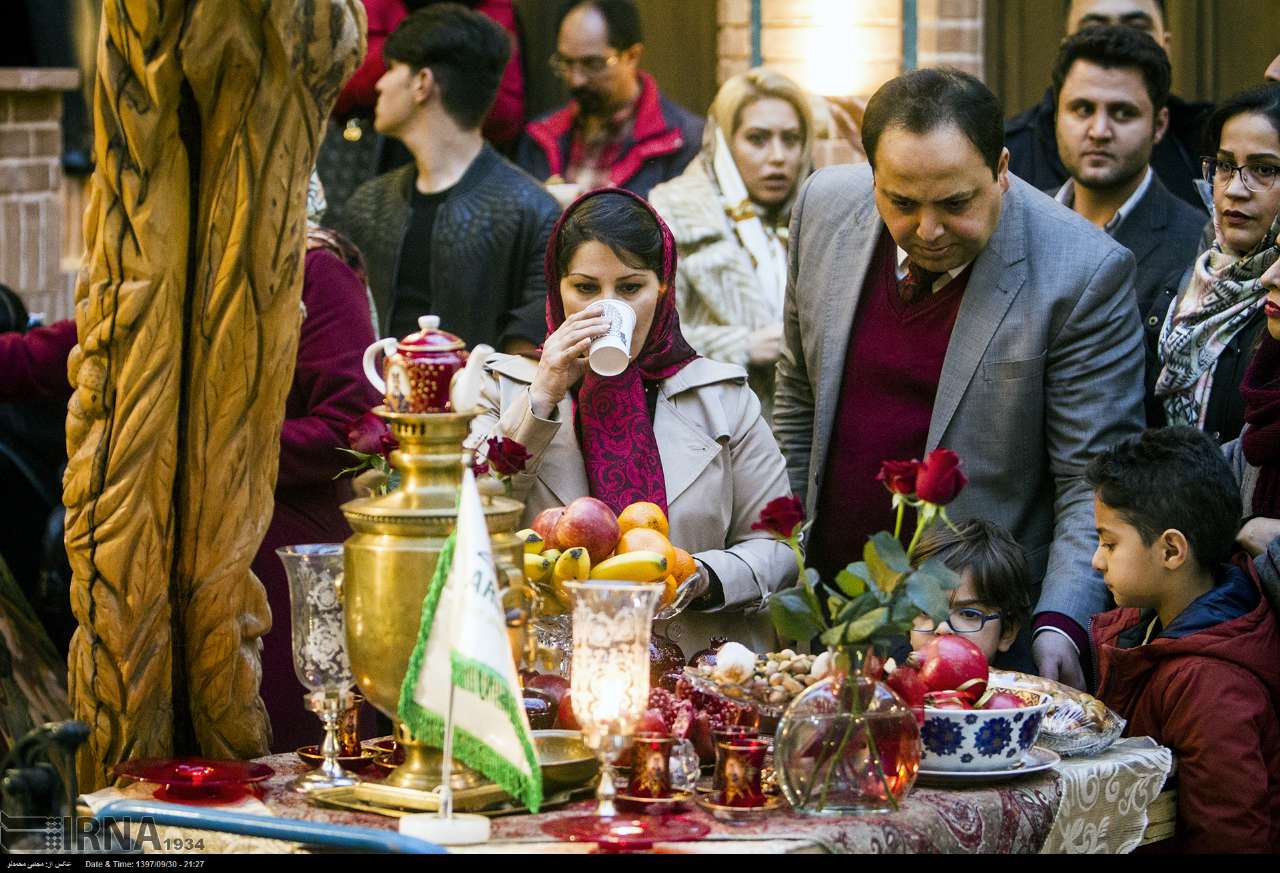
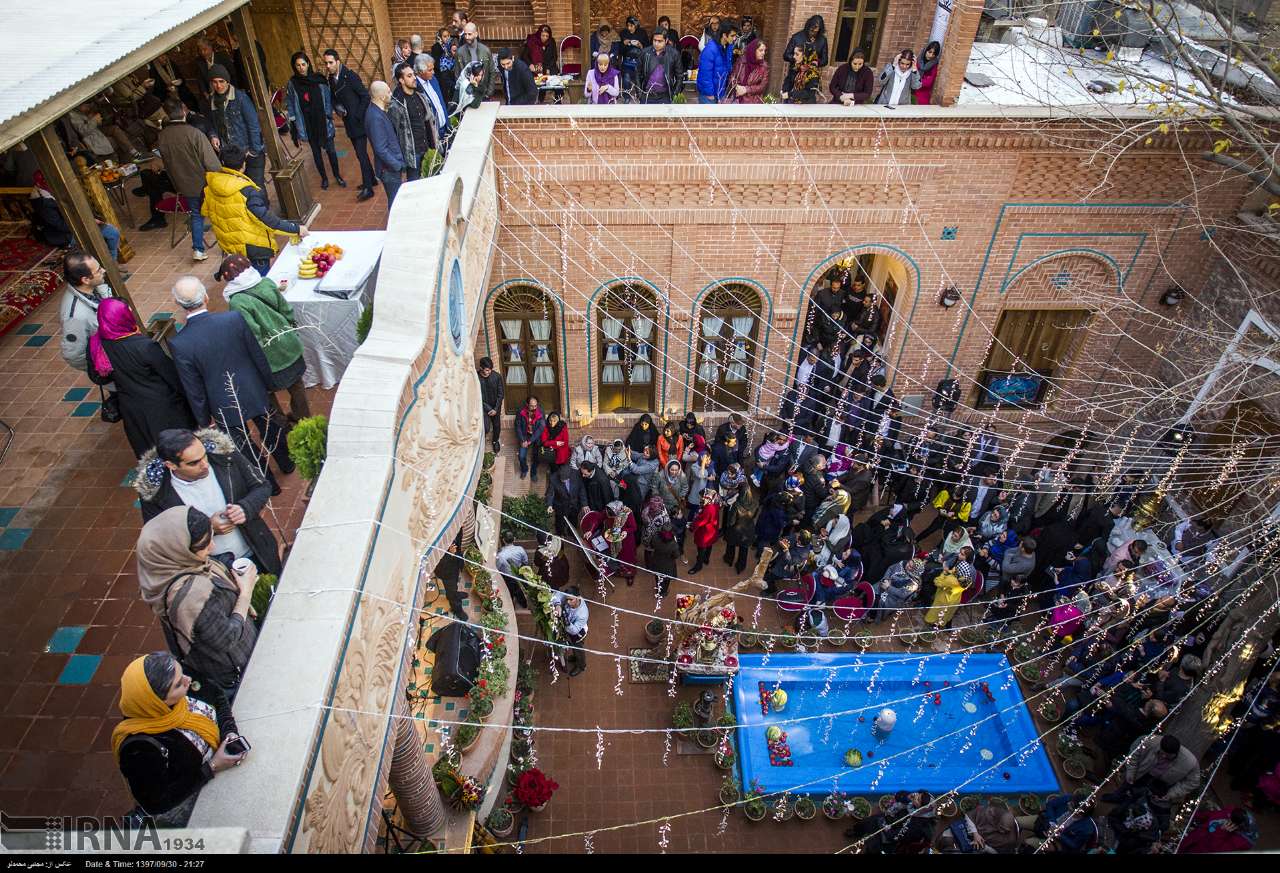
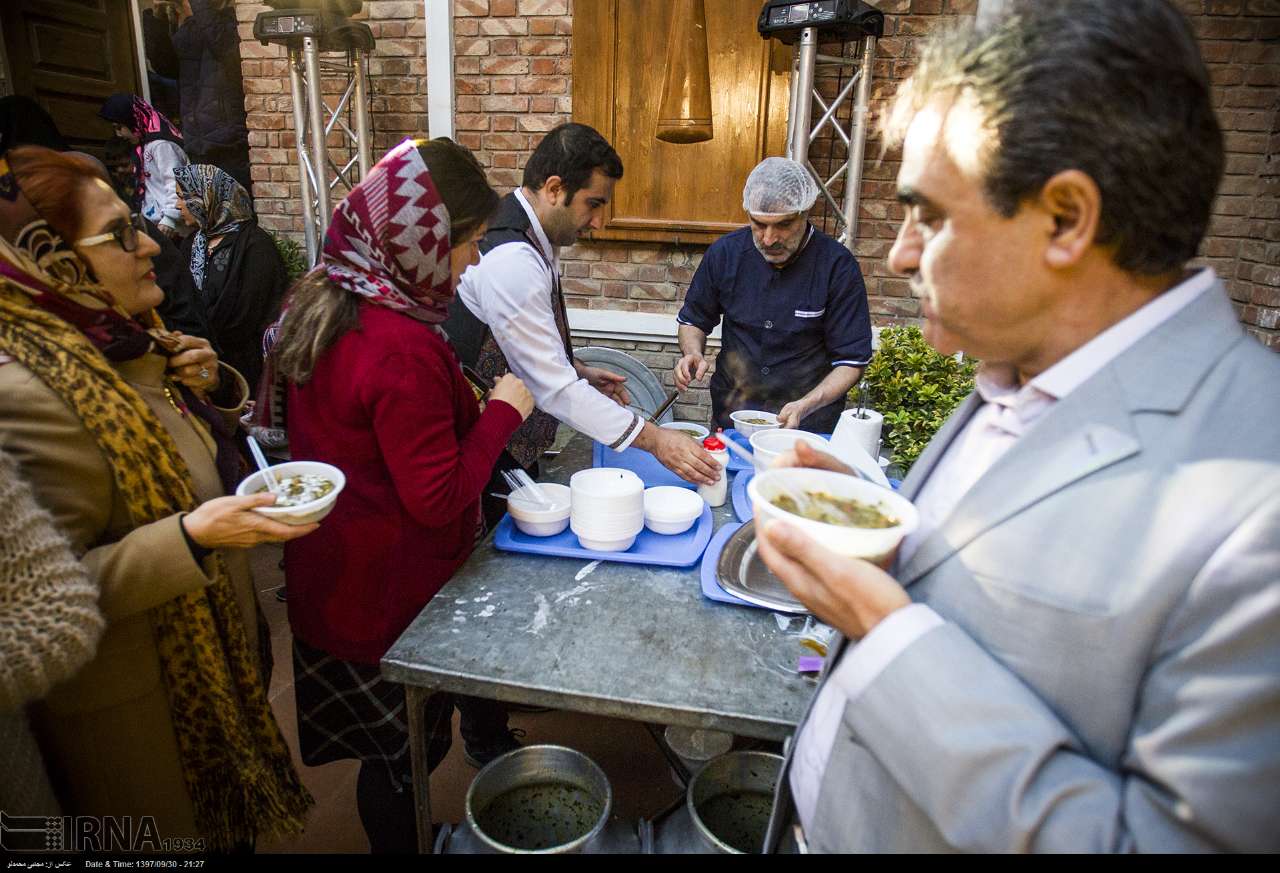
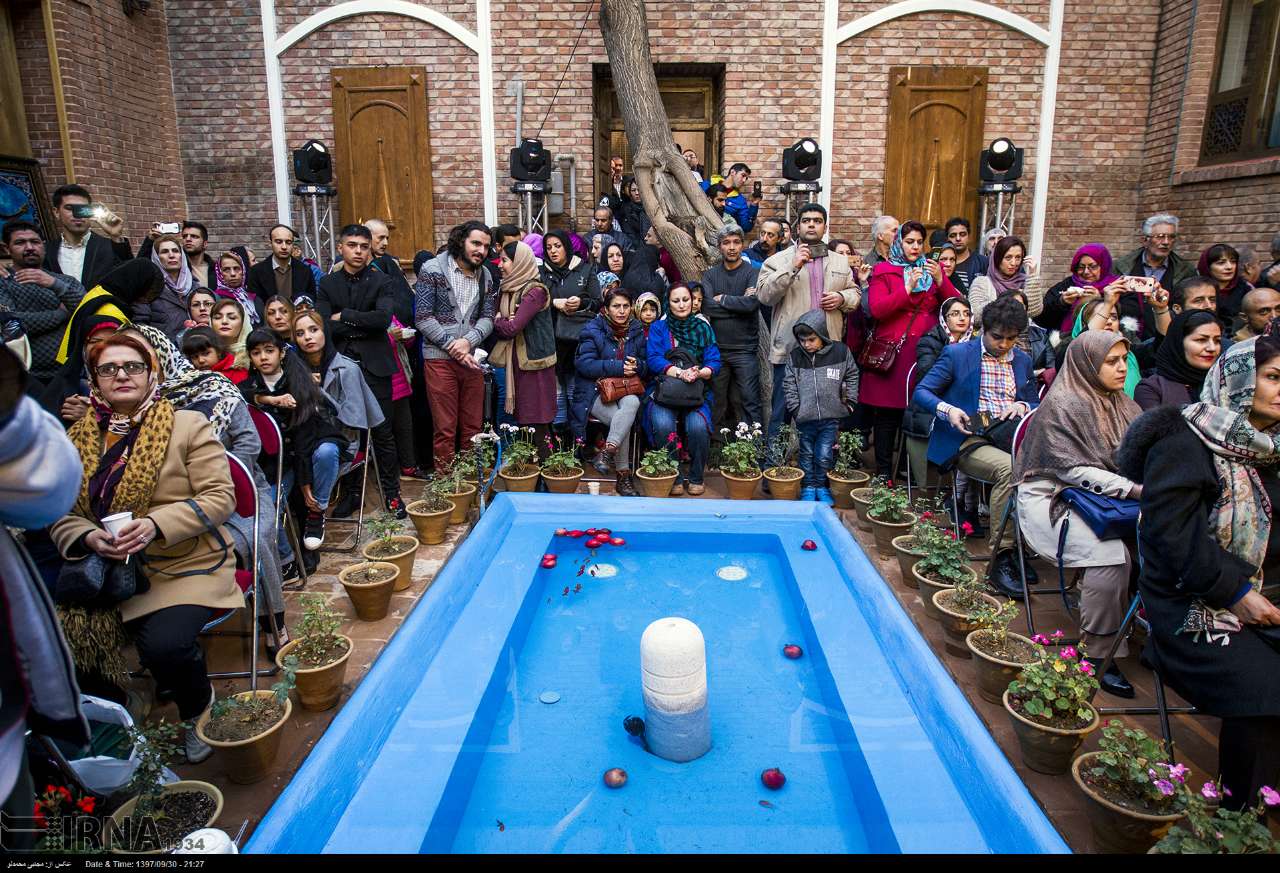
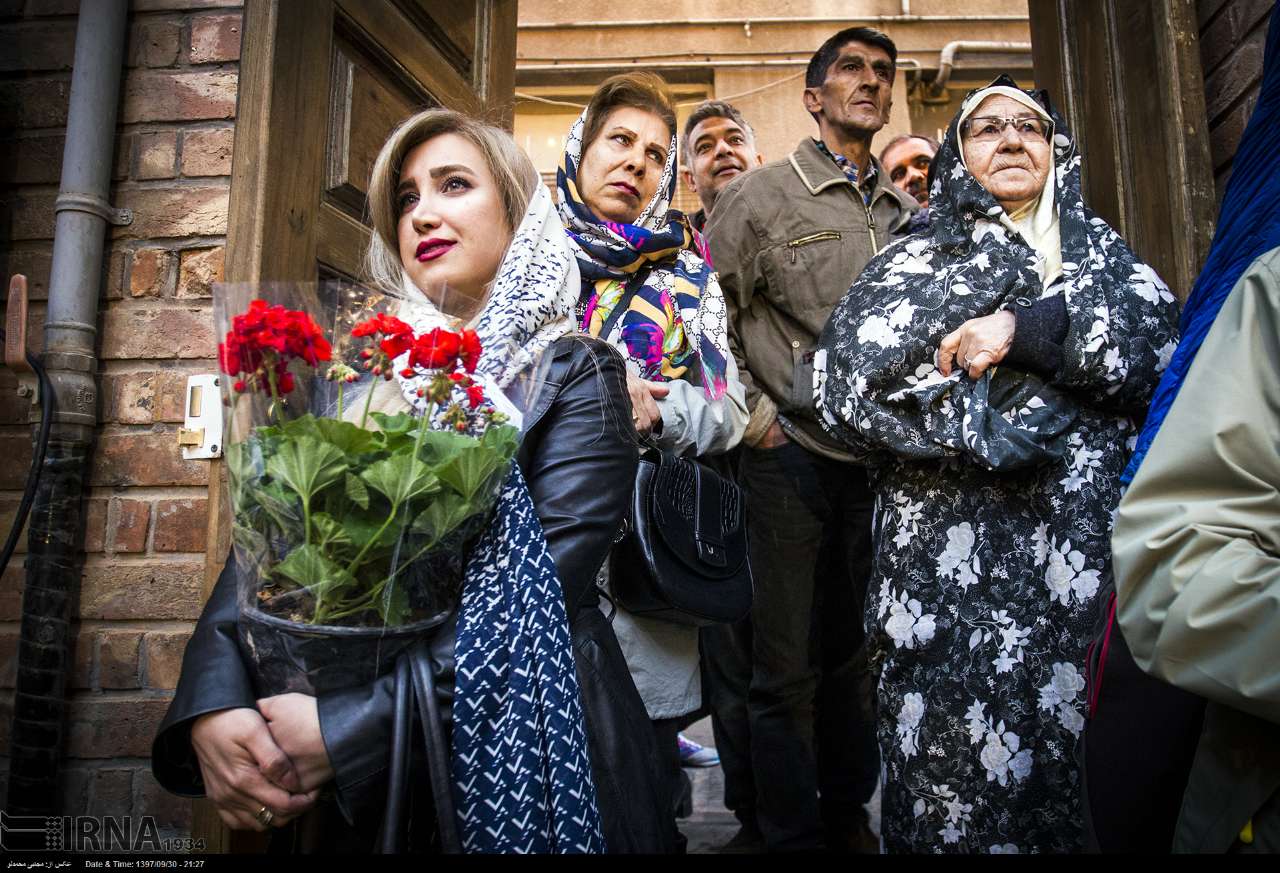
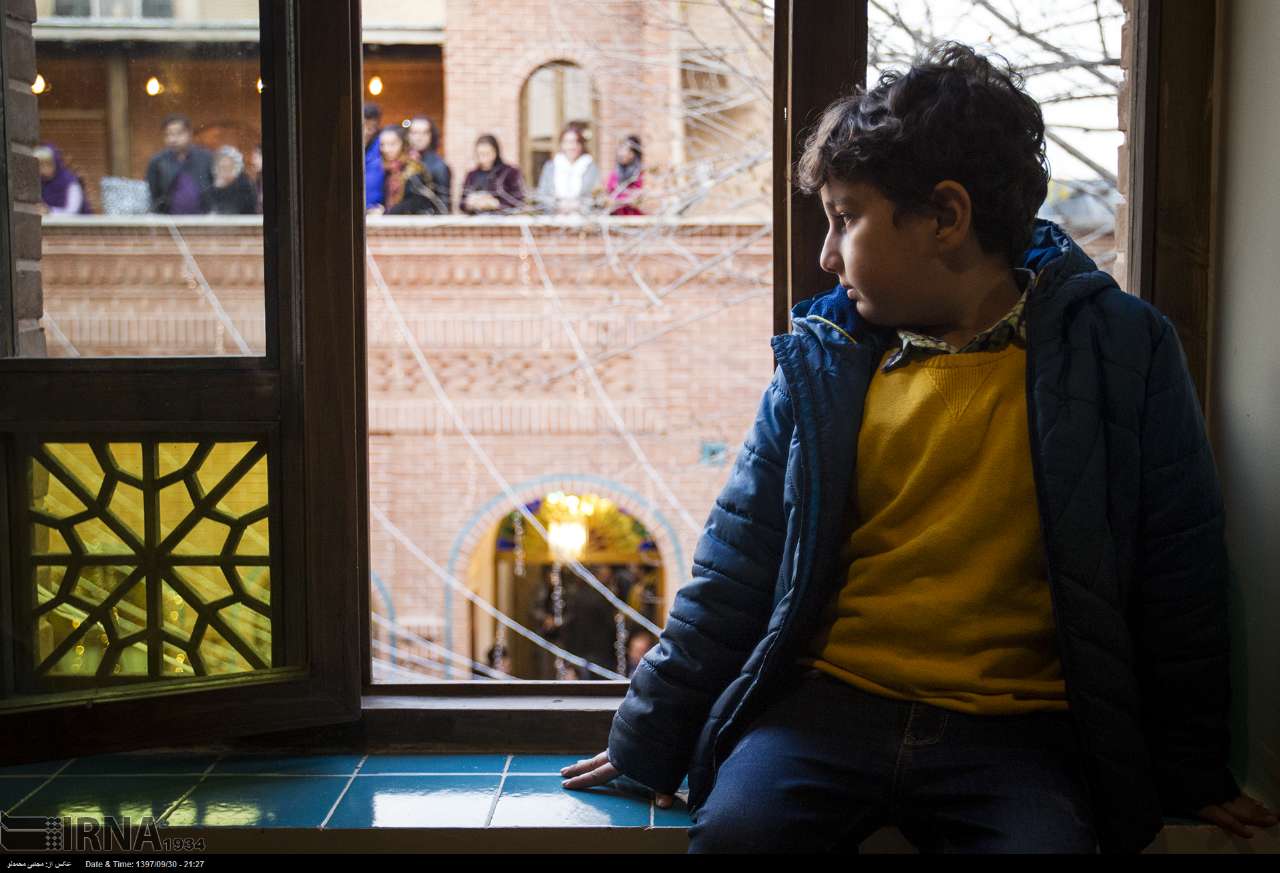
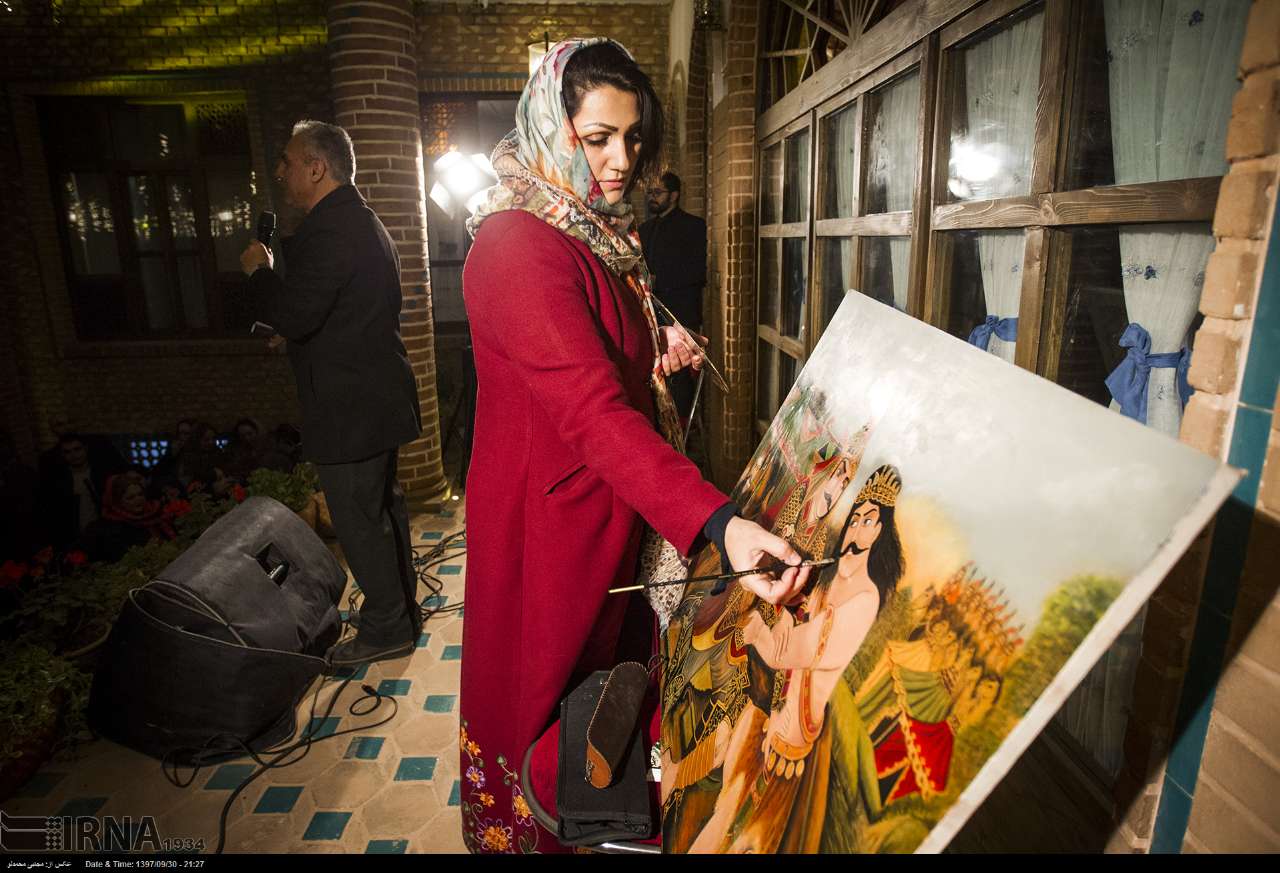
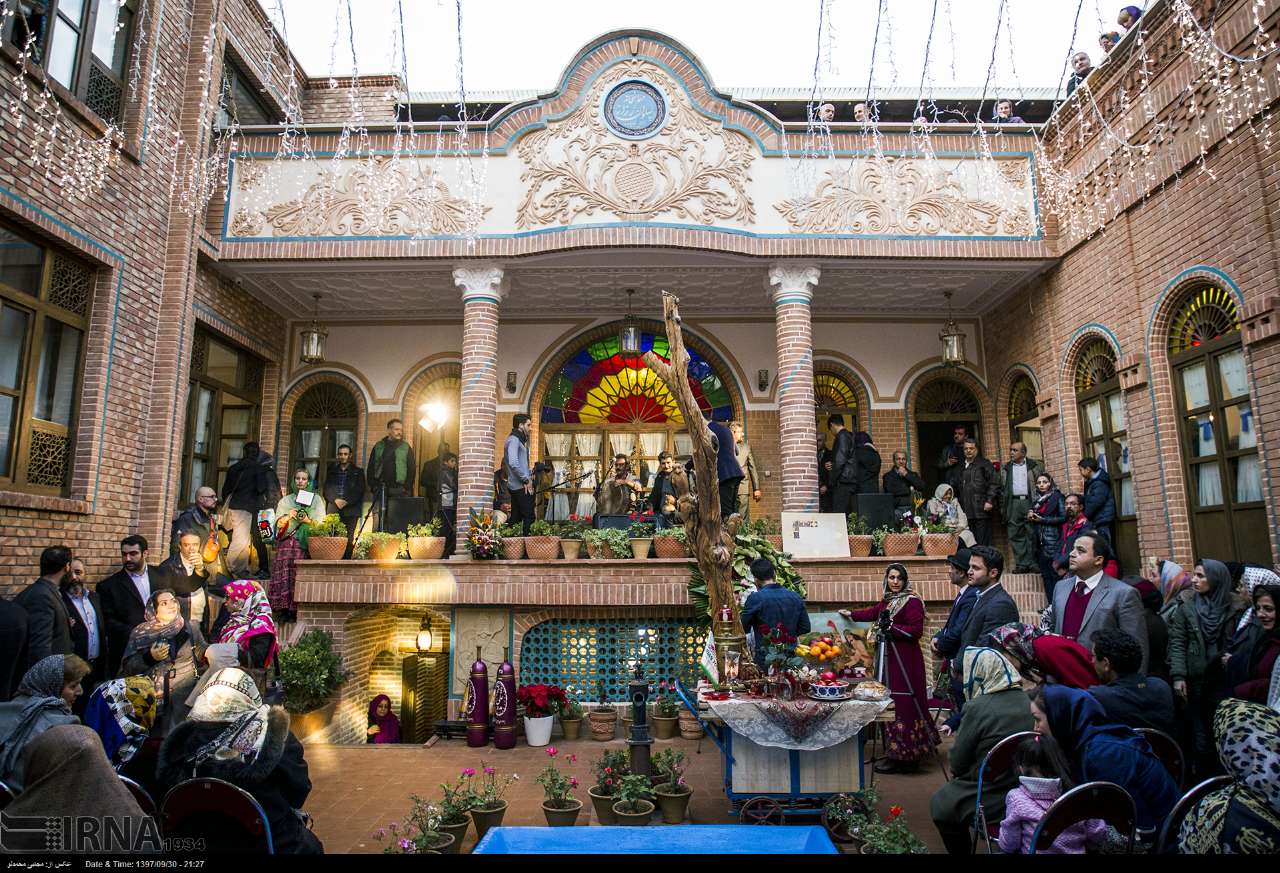
Capable of accommodating 44 people, the new hostel was inaugurated in Tehran’s historical quarter on Yalda Night, which was marked last Friday.

The building enjoys an ancient architecture and is scheduled to function as a historical hostel to host foreign visitors as of January 1, 2019.

The building is one of the invaluable houses located in Tehran’s Pamenar neighbourhood. It was converted into a hostel for foreign tourists after years by Ali Jafarnejad, an investor who is active in the field of tourism.

Historical Hostel in TehranTalking to reporters, he elaborated on his motivation for turning the building into an accommodation.

“I had been interested since 15 years ago to set up a hostel in Iran,” he said. “Because in the early years when I travelled abroad I would stay in hostels and they were inexpensive.”

“I was keen to establish such an accommodation in Tehran. So, I searched among old neighborhood in Tehran until I came across this house. The building was less damaged [than other old buildings] because it was still inhabited by people,” he noted.

“The house had been restored with the permission of the cultural heritage [organization], and it is around 50 percent different from what it originally looked before,” said Jafarinejad. According to him, the building is going to only host foreign tourists


Building History

House in Tehran; Historical Hostel for Tourists
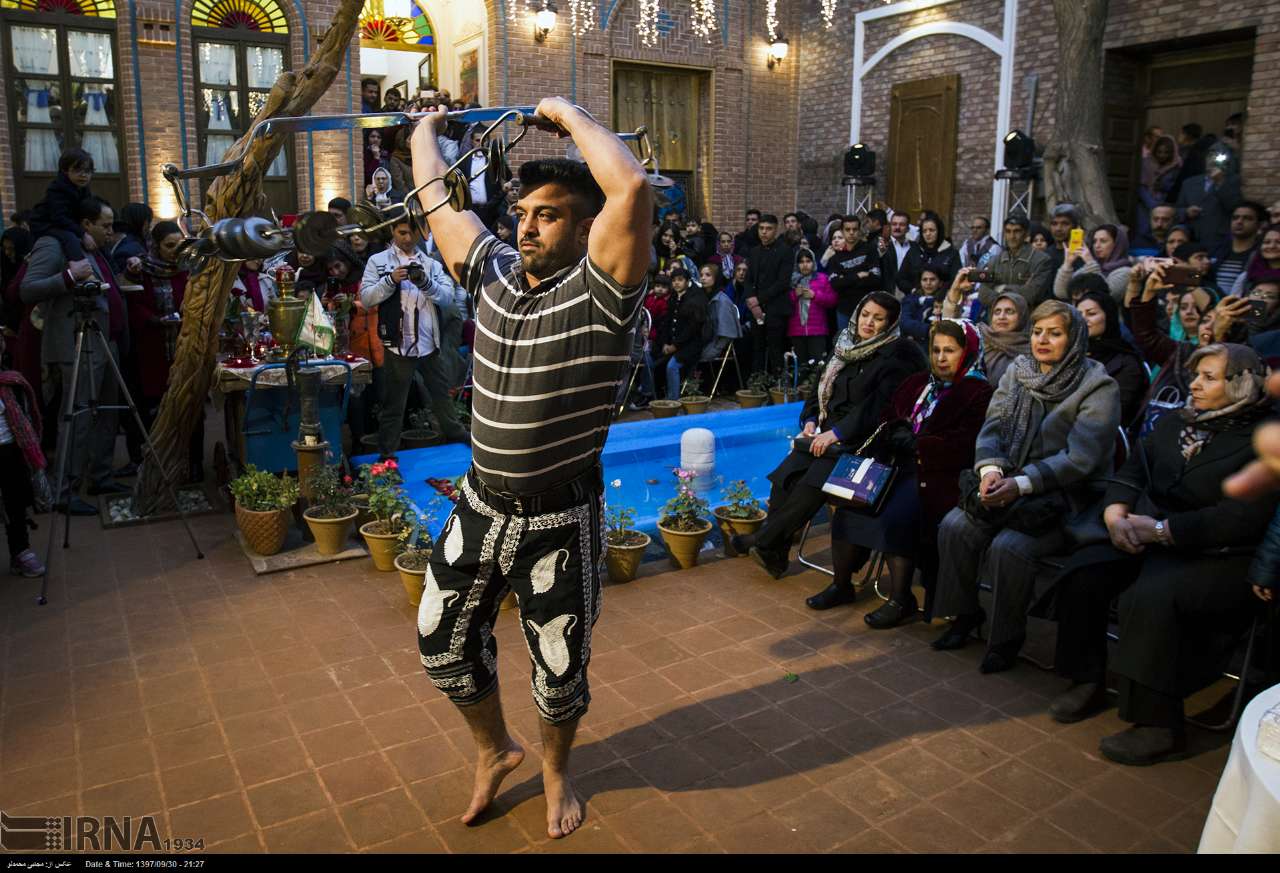
Pahlevan Razzaz

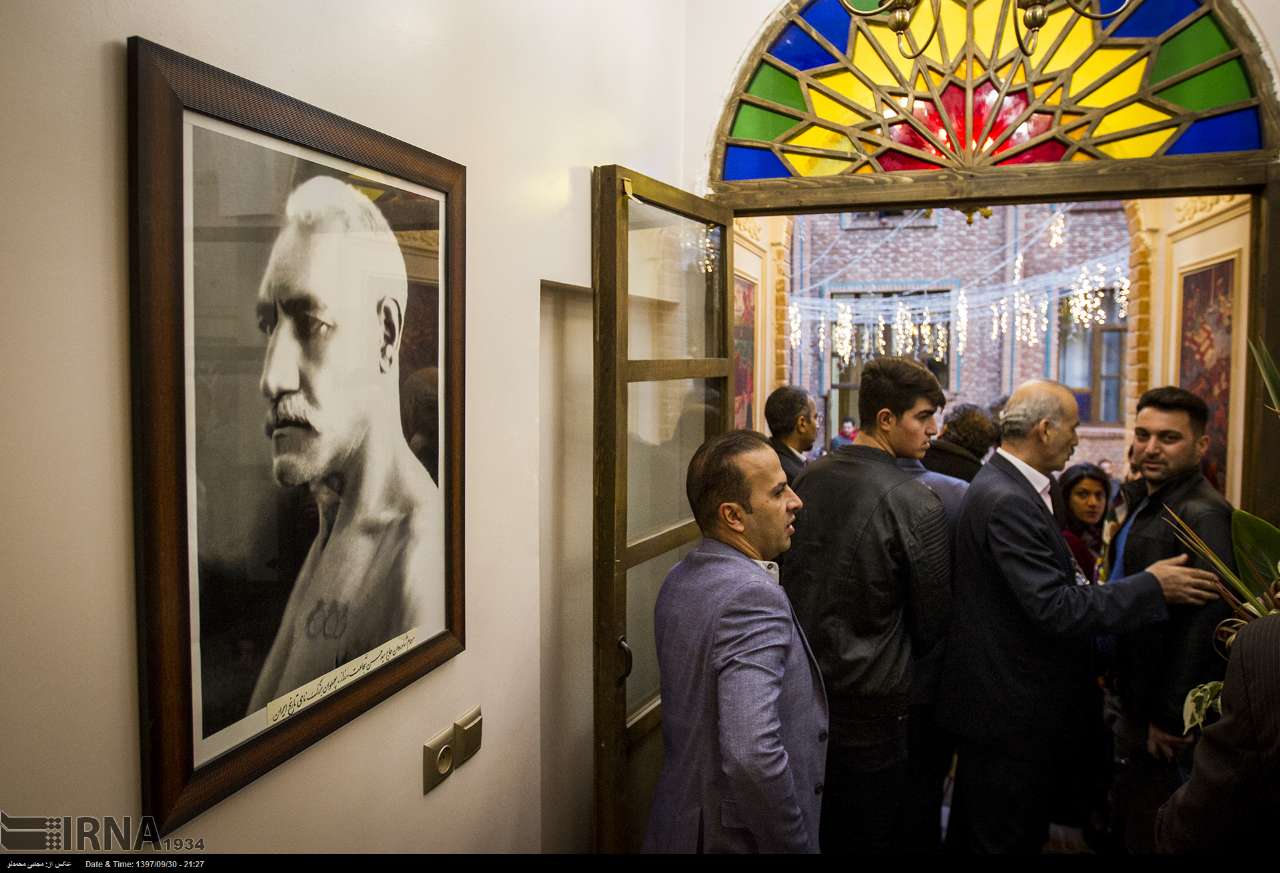
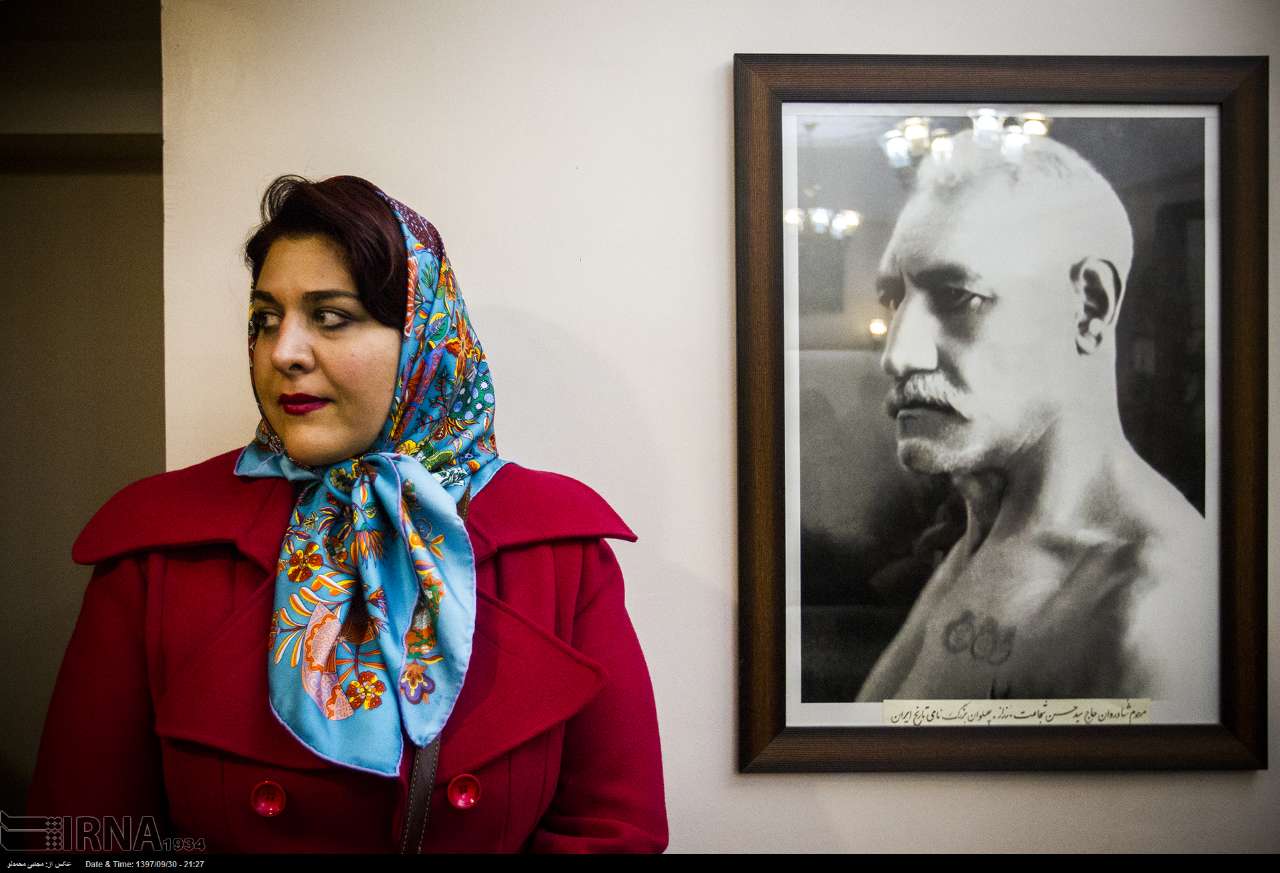
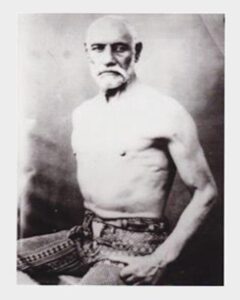
When Jafarnejad began to work on this house he did not know what its history was. After talking to locals, he found out that the building used to be the house of Hassan Shoja’at known as Hassan Razzaz (1878-1941), a renowned athlete and Bastani practitioner during the Qajar and Pahlavi eras.

He was known as the hero of bravery, very popular among other athletes and the No. 1 Pahlevan (Bastani practitioner) of Tehran at the time.

Pahlevan Razzaz was an advocate of constitutionalism, so he was behind bars for some time. His house was one of the luxurious mansions at the time and included different rooms. It is not clear when it was built, but the Shoja’at family’s ownership of the house began in 1891.

So, Jafarnejad is using Pahlevani symbols while decorating the building to turn it into a hostel.

What follows are IRNA’s photos of the building:

Iran, Turkey Discuss Ways to Revive Ancient Silk Road 

Silk Road

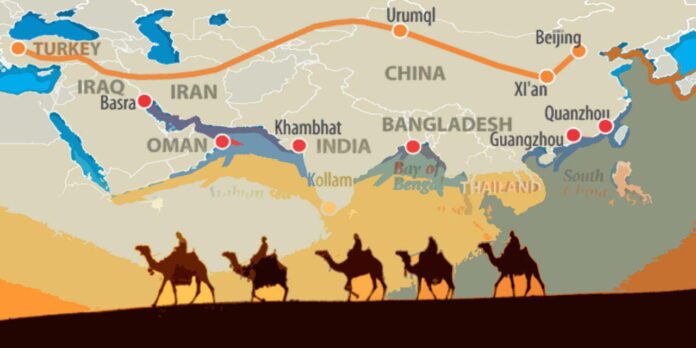
In a meeting in Ankara, Eslami and his Turkish counterpart discussed ways to expand transport ties between the two sides, particularly by connecting their rail networks, making operational the North-South corridor, and reviving the ancient Silk Road through Iran.

The two officials underlined the unique geographical location of Iran and Turkey in the region which provides them with a good opportunity to play a key role in the regional transport.

The two officials also called for immediate and cheap connection of Eastern Asia to the Central Europe saying the connection is possible only through the two strong countries of Iran and Turkey.

They also agreed to hold an extraordinary meeting of Iran-Turkey Joint Committee on Transport to facilitate trade ties between the two sides.

The two ministers then urged an immediate removal of the current obstacles in the way of transit cooperation in the international corridors and development of transport infrastructures between Iran and Turkey.

The meeting was during the recent visit of Iranian President Hassan Rouhani and his entourage to the Turkish capital.

Blood Donation Cuts Odds of Contracting Diseases

There are many people who donate blood out of altruism. Blood donation not only gives new life to another person, but has advantages for the blood donor as well.

Individuals aged 18-60 can donate blood, and those donating blood regularly can continue to do so until they are 65 years old. People with no health problems can donate blood every eight weeks, i.e. the times one donates blood should be at least eight weeks apart. Men can donate blood four times a year, and women three times.

Before donating blood, the donor receives medical examination, which provides information on the donor’s general health situation and the levels of red cells, platelets and plasma in the blood. Blood donation is a free-of-charge method and random test to find out whether or not the donor has certain diseases such as hepatitis and sexually transmitted diseases, especially AIDS. Undoubtedly, one would not gain such information about his health without paying its cost.

Donating blood regularly helps re-produce blood regularly, hence preventing certain diseases. Every time an individual donates blood, they lose around 250 milligrammes of iron. Therefore, those suffering from anemia should avoid donating blood. However, those with high iron levels in their blood can control these unusual iron levels and prevent heart diseases and different types of cancer such as leukemia.

Blood Donation Cuts Odds of Contracting DiseasesThe blood samples donated are taken to plasma and blood banks using state-of-the-art equipment, and stored for times of need.

Donating blood will cut the odds of contracting diabetes type II associated with a sedentary life. A lack of physical activity increases cells’ resistance to insulin.

Donating blood regularly reduces the risk of contracting cardiovascular diseases, heart attacks and cancer.

For a brief review of Iran’s achievements in various fields of science and technology, check the book “Science and Technology in Iran: A Brief Review

Researchers have observed that blood donation reduces the risk of a heart attack by reducing iron levels in the blood. High iron levels in the blood increase blood density and raise the odds of heart attacks.

According to researchers, getting blood from the body will cause the body to increase the production of blood cells. Moreover, blood donation decreases high iron levels that cause heart problems and some kinds of cancer, thus preventing such diseases.

Researchers have studied the relation between blood donation and cancer, and come to the conclusion that a regular blood donor is less prone to contracting lung, colon, stomach, liver, and larynx cancers. Of course, researchers believe more studies need to be done, and care should be taken in every field.

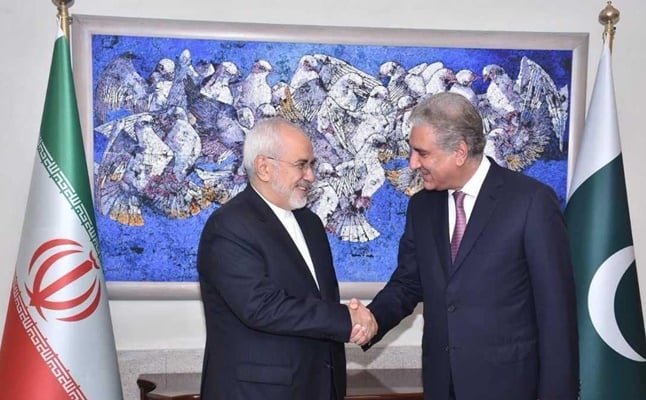
Pakistani FM to Visit Iran Monday

The ministry’s spokesperson Bahram Qassemi said Sunday that the Pakistani official will hold talks with his Iranian counterpart Mohammad Javad Zarif.

“The two sides will discuss the latest developments in bilateral relations and the most important regional and international issues,” added Qassemi.

A statement issued by Pakistan’s Foreign Office said on Sunday that Qureshi will visit Iran, Afghanistan, China and Russia from December 24 to 26.

He told media that his trip is aimed at strengthening ties with these four countries.

Qureshi’s trip to Iran comes after Zarif visited Islamabad in October.

In recent months, Pakistan-based terrorists have carried out attacks on the Iranian soil killing a number of border guards. In their latest attack, terrorists kidnapped 12 Iranian border guards and released 5 of them later on.

Netanyahu, Erdogan Exchange Heated Barbs

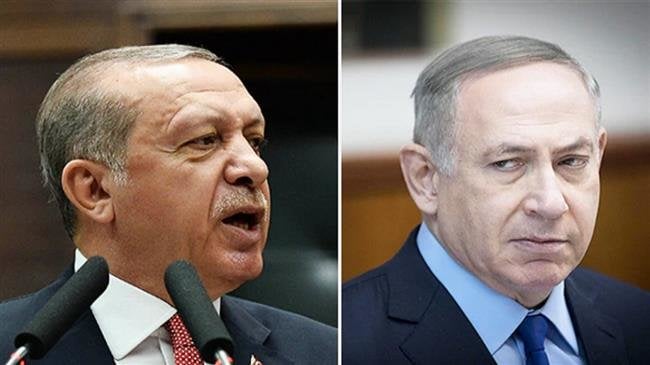
Israeli Prime Minister Benjamin Netanyahu on Saturday hit out at President Recep Tayyip Erdogan who told young Turks, “Do not kick the enemy you have brought down to the ground. You are not a Jew in Israel.”

Netanyahu said Erdogan was “the occupier of northern Cyprus, whose army massacres women and children in Kurdish villages, inside and outside Turkey” in a tweet late on Saturday.

Reacting to the Israeli rhetoric in a Tweet on Sunday, Turkish Foreign Minister Mevlut Cavusoglu called Netanyahu “a cold-blooded killer of modern times.”

Erdogan’s spokesman and chief adviser Ibrahim Kalin also shot back in comments earlier.

Netanyahu, the spokesman said, “should end the lawless occupation of Palestinian lands and the brutal oppression of Palestinian people” instead of “begging President Erdogan not to speak out the truth.”

“Bashing Erdogan or using Kurds as a political chip will not save him from his domestic troubles,” Kalin added.

Earlier this month, Erdogan likened Israeli atrocities against Palestinians to those perpetrated against Jews in the Nazi Germany.

He said Palestinians were being subjected to “pressures, violence and intimidation policies no less grave than the oppression done to the Jews during the Second World War.”

Turkey broke its diplomatic ties with Israel after an incident in May, 2010, during which Israeli commandos attacked a Turkish-flagged ship near the Gaza Strip, killing nine Turkish citizens.

The two sides exchanged ambassadors in 2016, but Ankara ordered the Israeli envoy to leave in May again over the Israeli military’s killing of Palestinian protesters in the Gaza Strip.

Iran Never Sought to Wipe Out Any Country: Zarif

“We have never sought wiping out any country, while Saudis have sought hurting Iran. But they have proven unsuccessful and hence accuse Iran of expansionism,” the top Iranian diplomat said in an interview with the French magazine Le Point published in French on Thursday.

The Islamic Republic of Iran has always been seeking cooperation with all Persian Gulf countries, while Saudi Arabia has been seeking to engage in clashes with Iran in the Middle East, he said.

Riyadh’s regional policies designed to weaken Iran have brought unwanted results, Zarif said, pointing to the Saudi government’s failures in Lebanon, Iraq, Syria, Yemen, Qatar and Afghanistan.

Saudi Main Problem of Middle East

“The problem of our region is Saudi Arabia. This country tries to enlist the support of the US, France and Britain to wipe out Iran from the region or at least push our country to the sidelines,” he said.

Zarif said Iran would rush to Saudi Arabia’s support in case of an attack, just like the way it backed Qatar during the Persian Gulf crisis and assisted Kuwait when it was attacked by Iraq in early 1990s.

The Iranian foreign minister said the increasing influence of Iran results from Tehran’s honest policies and mistakes by its rivals.

Iran No Threat to Region

Asked to explain about allegations that Iran seeks to dominate the region, Zarif said Iran’s military expenditure is much less than countries like Saudi Arabia or the United Arab Emirates.

Last year, the military expenditure of Saudi Arabia was $69 billion and that of the UAE was $22 billion, while Iran’s military budget was less than $16 billion, he said.

We Don’t Seek Wiping Out Israel

On accusations that Iran seeks to destroy Israel, Zarif said Iran has never said it will wipe Israel off the map.

“When did we announce we will destroy Israel? Just show us one body [Iranian official] who has said this. No one said this,” he said.

Asked about the 2007 remarks by former Iranian president Mahmoud Ahmadinejad that Israel will be wiped off the map, Zarif said Ahmadinejad has just repeated the words of Imam Khomeini, the late founder of the Islamic Revolution.

The top Iranian diplomat said Imam Khomeini had said Israeli’s brutal policies will lead to its destruction, not that Iran will destroy Israel.

This is while the Israeli premier Benjamin Netanyahu threatened Israel would destroy Iran during his visit to Dimona nuclear plant late August this year, Zarif said.

Cord Blood Banking May Save You from Future Diseases

Though it’s not yet common to use stem cells in treating diseases, the cells have already been used in treating type 1 diabetes, cardiovascular disorders, systemic Lupus Erythematosus and neurologic diseases like brain stroke, Parkinson, Alzheimer’s, different types of anemia, immunodeficiency and liver diseases and so on.

Scientists have conducted numerous studies on stem cells to draw on their achievements to find a way to extract the cells from body. To this end, they explored various resources including bone marrow and umbilical cord.

The cord is full of stem cells. Once considered a biological waste product, umbilical cord blood (UCB) has emerged as a viable source of haematopoietic stem cells for transplantation.
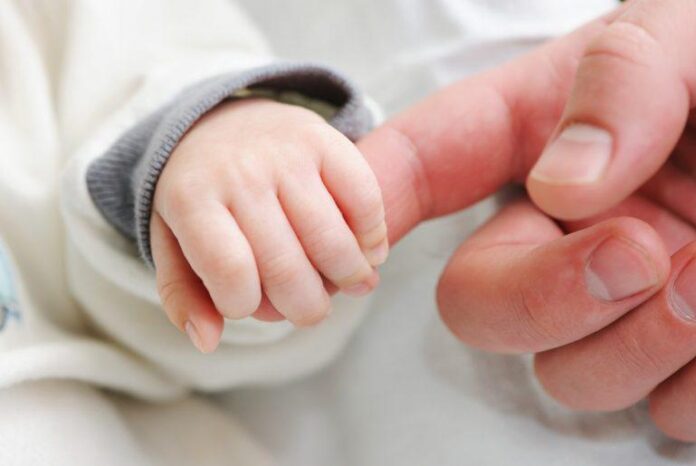
Despite the fact that the cells have the capacity to be used in treatment of tens of diseases, they are not yet mainly used in treating diseases connected with blood disorders like blood cancer, congenital anemia, thalassemia and Human Immunodeficiency Virus (HIV).

Cord Blood Banking May Save You from Future DiseasesUse of umbilical cord blood for transplant is possible only if the blood donator and receiver enjoy the same genetic features. The umbilical cord blood of the first newborn babies has a 50-percent chance of success in transplants but the chance of their brothers or sisters’ blood falls to 25 percent.

To go ahead with a transplant, we need an average 20 to 30 million cells of umbilical cord blood. For example, with 400 million cells of cord blood, we can carry out transplant for a 20-kilogram person. With one billion cells, we can carry out the operation for a person with an average weight of 30 to 40 kilograms.

For a brief review of Iran’s achievements in various fields of science and technology, check the book “Science and Technology in Iran: A Brief Review

We have only 5 to 10 minutes to access the cord blood; otherwise the blood will clot and we have no way but to throw away the extracted stem cells. The blood can be collected after full separation of the umbilical cord, and sampling process will inflict no harm on the mother or the fetus.

According to global standards, the blood of umbilical cord could be preserved for 20 years in a blood bank equipped with the latest technologies. This comes as it is possible to preserve the blood by 30 to 35 years. Storing umbilical cord should be carried out in less than 24 hours.

Stem cells taken from umbilical cord are stronger and enjoy a longer life-time. Meanwhile, repeated proliferation can’t shorten their lifetime. By replacing the blood in those hurt parts of body, we can contribute to their improvements.

The technology, which is currently used worldwide for blood banking, has been acquired and is being used in Iran by the knowledge-based company Danesh Pajoohesh Fajr.

Dental Implant Vital Surgery for Oral Health

Implants replace one or more and sometimes all decayed teeth. The replacement should be carried out in several stages so that the implanted teeth could fit together smoothly.

Implants are similar to natural teeth in terms of size and colour and give their owners a sense of having natural teeth in their mouth. The owners also get rid of malnutrition which they usually suffer from because of being incapable of chewing food due to their decayed teeth.

Implants can replace temporarily or permanently for all decayed teeth. The latter refers to a collection of implants with each one having a separate name and function.
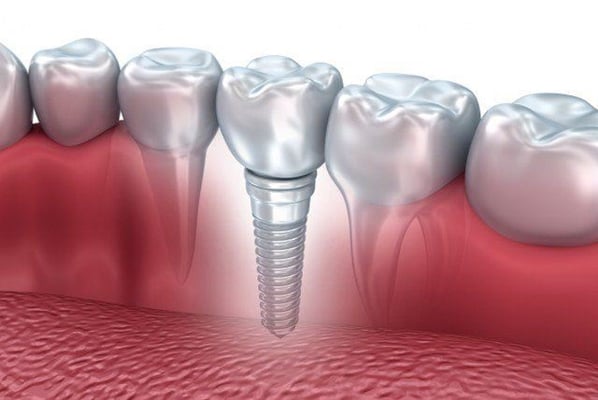
Dental Implant Vital Surgery for Oral HealthAmong the main advantages of implants, one can refer to the preservation of the remaining bone which holds a tooth and preventing other teeth from further decadence.

Implant surgery is carried out in four stages through local anesthesia, possibly with the dentist from https://smileworks.us. The time between the first and last surgeries takes about nine months but it may get longer or shorter given a patient’s physical condition and strength of the jawbone as well as their potential to recover wounds.

For a brief review of Iran’s achievements in various fields of science and technology, check the book “Science and Technology in Iran: A Brief Review

Implant also has some painful consequences. Being aware of them could play a key role in decreasing the sufferings. The consequences emerge usually about three weeks to six months after the surgery. Among the main consequences, one can refer to the possible removal or loosening of the implant coverage.

One can cope with the consequences through understanding and getting more familiar with the advantages and disadvantages of the surgery. Over the past years, a huge progress has been made in this area by hard-working researchers and scientists who are working on modern methods for conducting the surgery.