Monday, December 29, 2025
Home Blog Page 3299

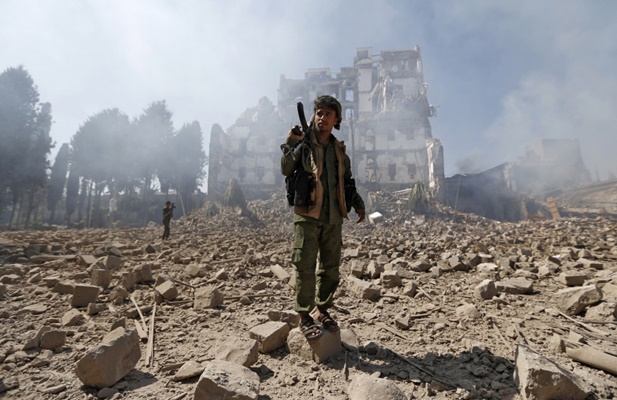
Iran Urges End of Bloodshed on 4th Anniversary of Yemen War

In a statement on Monday, the Iranian foreign ministry emphasised that after four years of bellicosity and futile war against the Yemeni people, officials and international organisations have admitted that over 24 million Yemenis need help and more than 15 million suffer from malnutrition at the beginning of the fifth year of the war.

“Millions of children are starving not because of crises and natural disasters, but for four years of war and its continuation amid the silence and indifference of the international community,” reads the statement.

It also states that the Islamic Republic of Iran, in line with its principled policy of finding a political solution to the Yemeni crisis and within the framework of the four-point plan that was presented by Iran’s foreign minister at the start of military aggression against Yemen, expressed its full support for a ceasefire and the removal of the cruel economic and humanitarian siege on Yemen.

“The Islamic Republic also calls for a political consensus between all Yemeni political parties that can meet the expectations of the people of the country. Tehran further calls on the international community to support efforts to reduce the suffering of the Yemeni people, especially children and women.”

“Throwing its weight again behind the Stockholm deal, the Islamic Republic of Iran’s foreign ministry calls on the countries that play a key role in Yemen’s crisis to make the necessary arrangements for full implementation of the agreements, hoping that the full implementation of the Stockholm agreements would serve as a first step towards the final resolution of the Yemeni crisis,” reads the statement.

On March 26, 2015, Saudi Arabia and some of its Arab allies started carrying out deadly airstrikes against the Houthi Ansarullah movement in an attempt to restore power to fugitive former president Abdrabbuh Mansour Hadi, an ally of Riyadh.

Official figures show that four years of Saudi war on Yemen have also shattered over half of the country’s healthcare sector; a move that led to high mortality rate, especially for those who have not been able to travel abroad for medical treatment.

Four years on, the Saudis and their allies in the war and their foreign mercenaries have become bogged down.

Houthis and their allies say they will remain steadfast in their resolve to fight off the enemy until the liberation of Yemen from the occupiers.
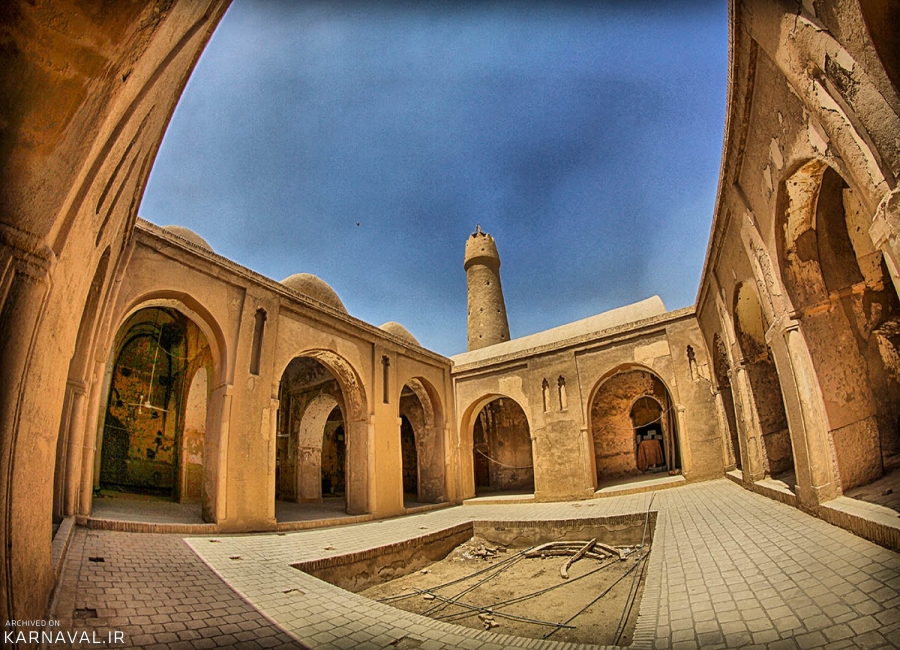
Historical Village of Fahraj: A Gem in Heart of Iran Deserts

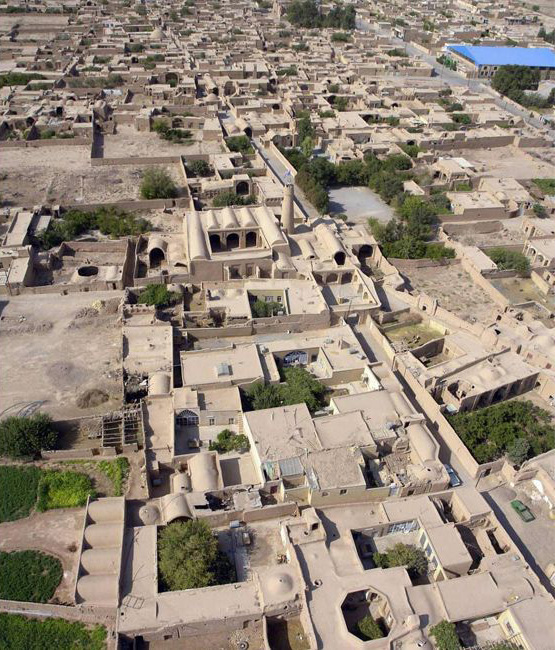
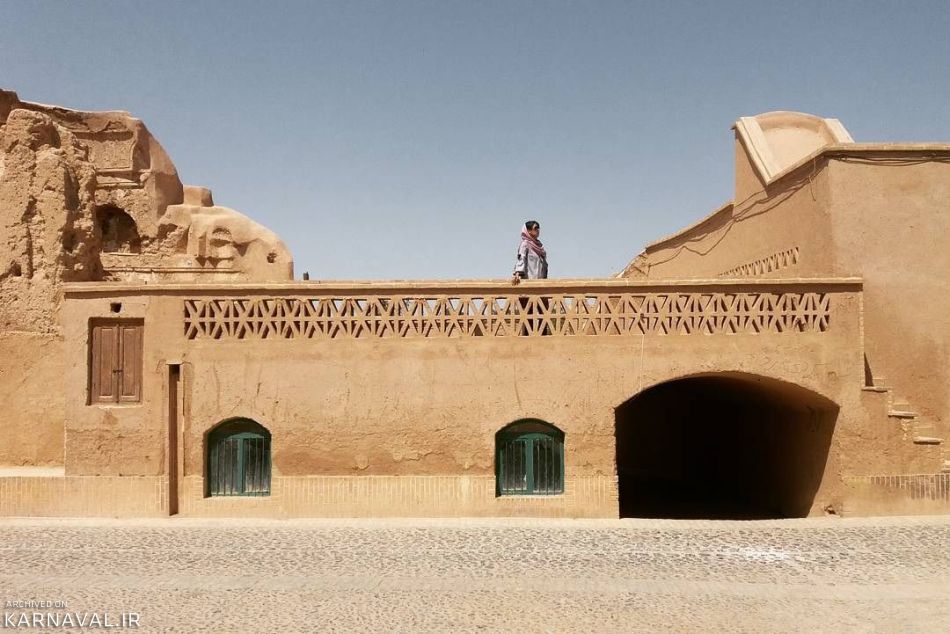
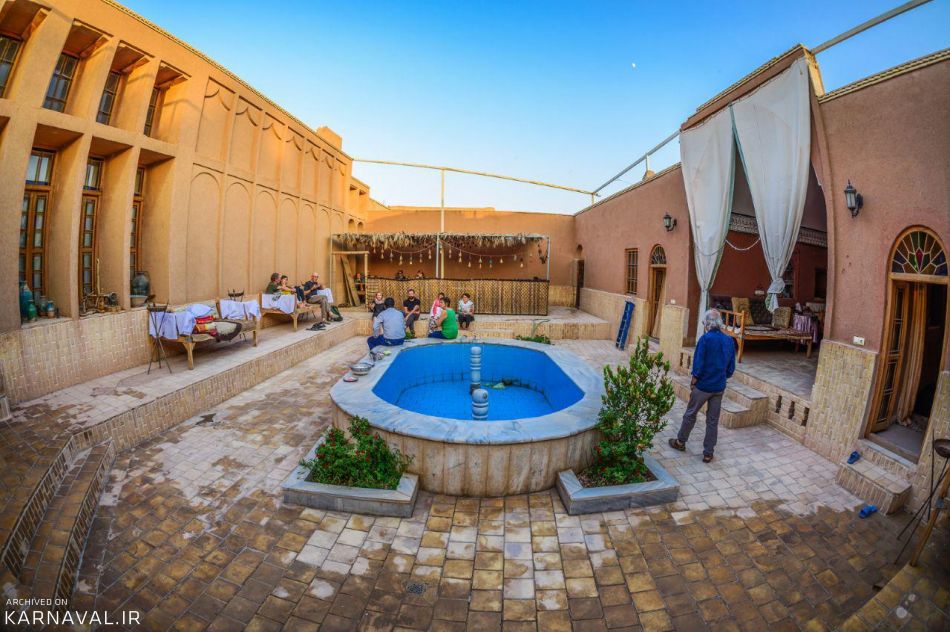
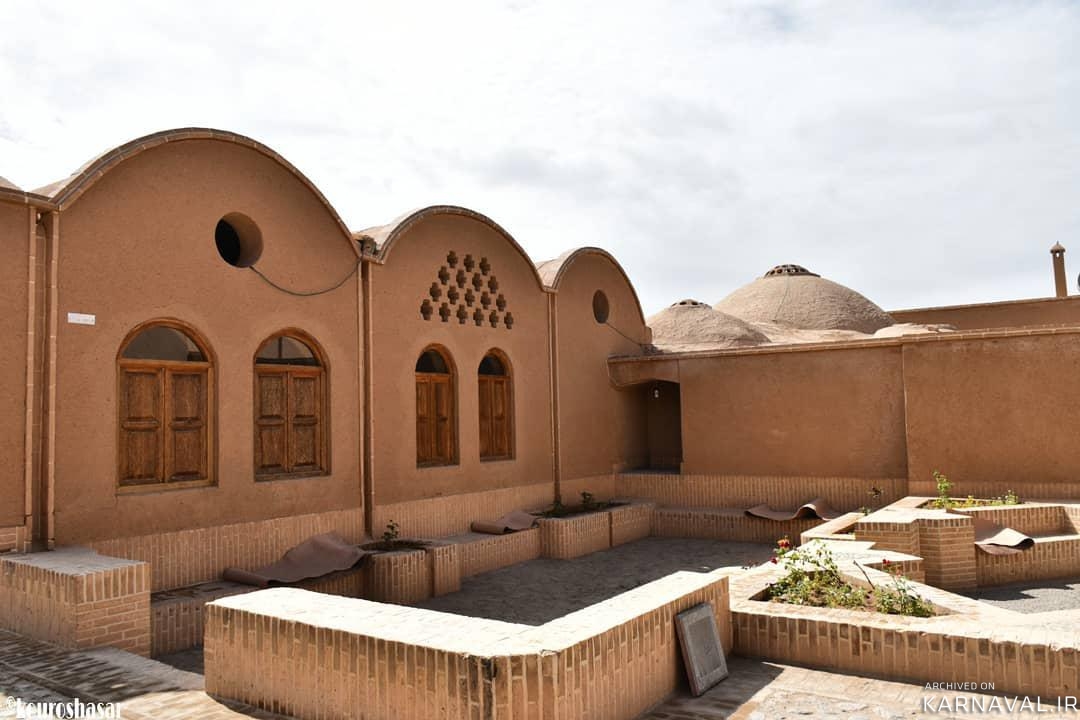
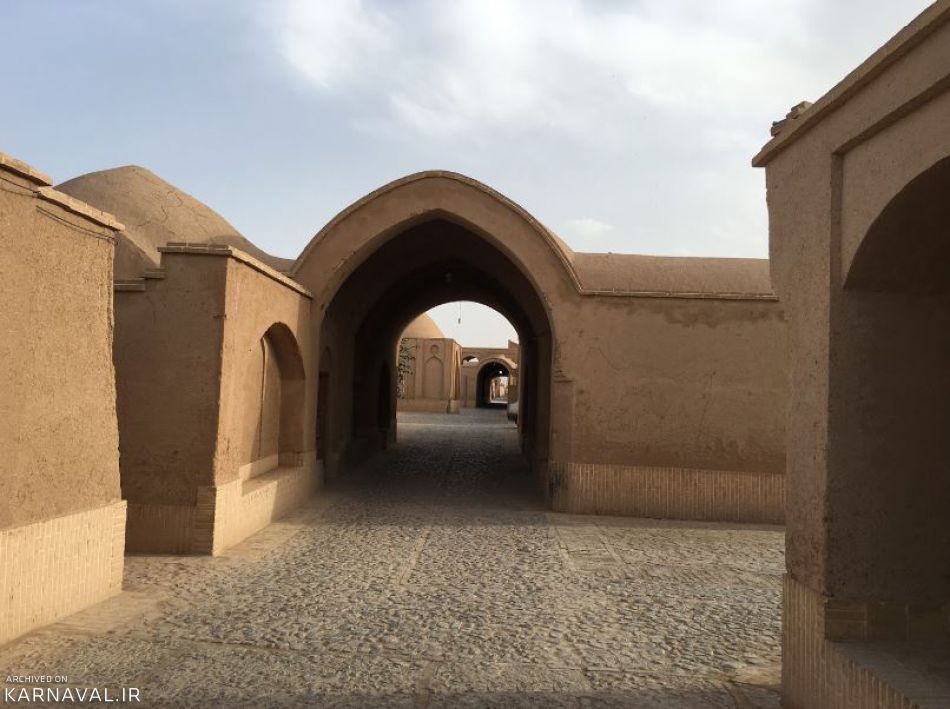
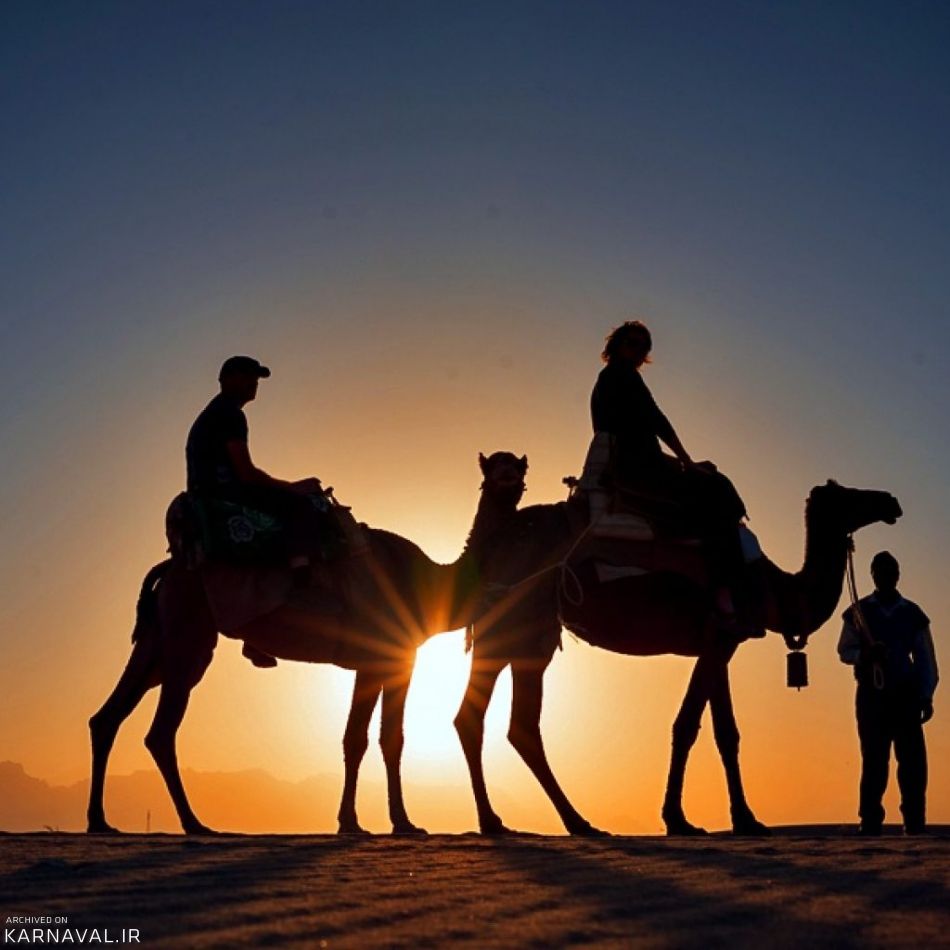
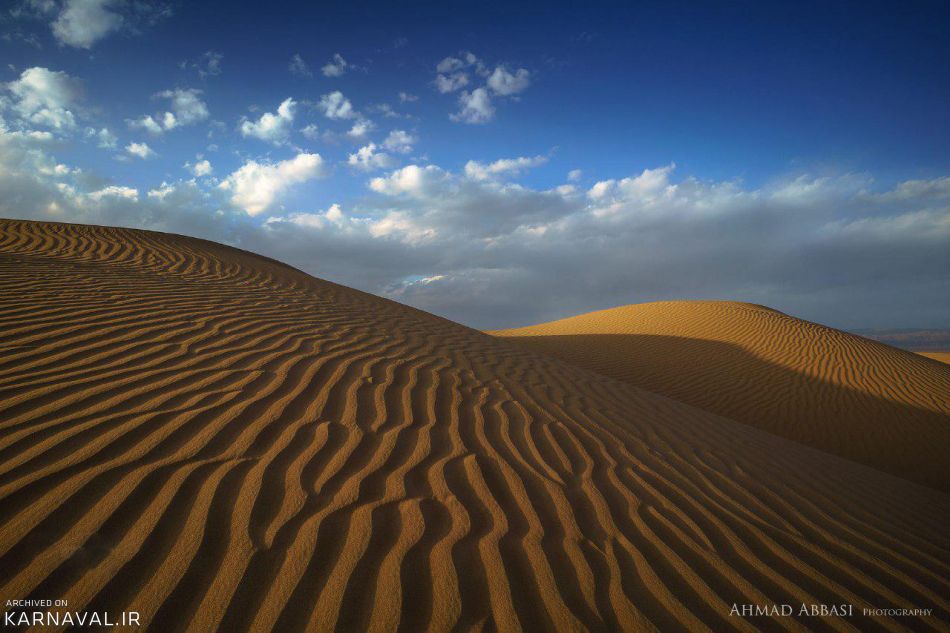
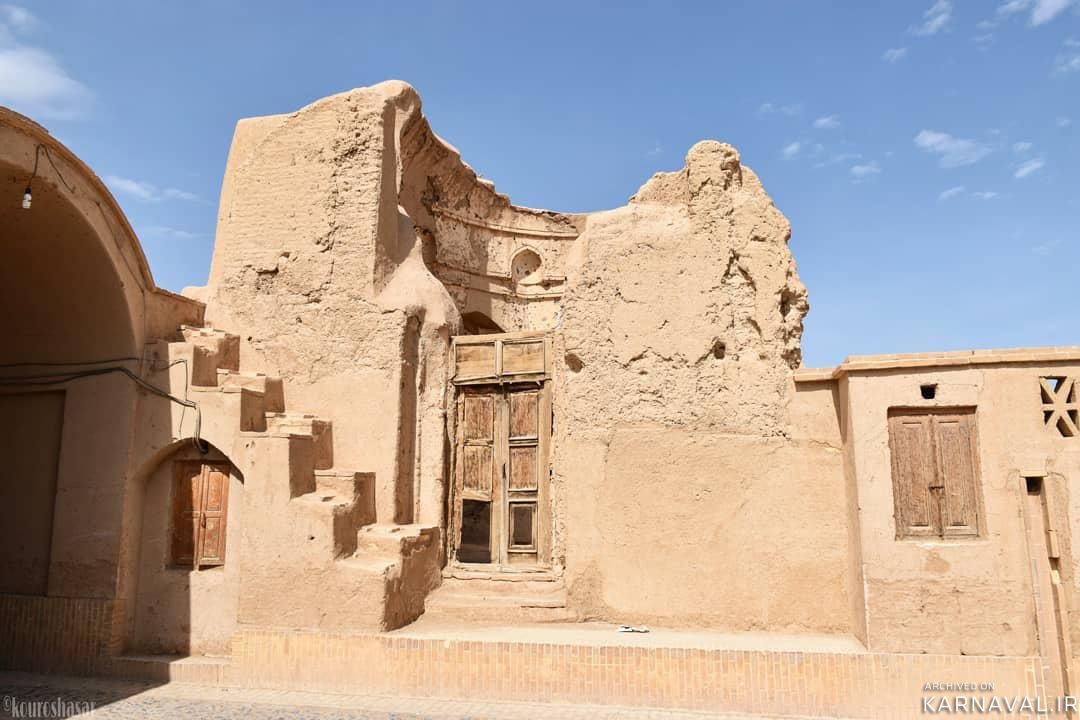
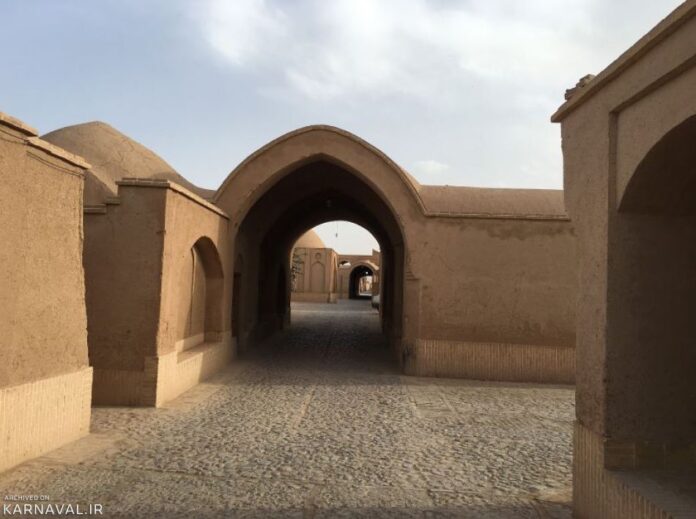
Houses in this village are built with clay, mud, bricks and iron. In Fahraj, you will find a variety of historical, cultural, and natural attractions. The desert camp of this village provides tourists with hours of exciting time.

The mosque of this village is located in the centre of it and the old residential area is formed in linear style around it.

Historical Village of Fahraj: A Gem in Heart of Iran Deserts
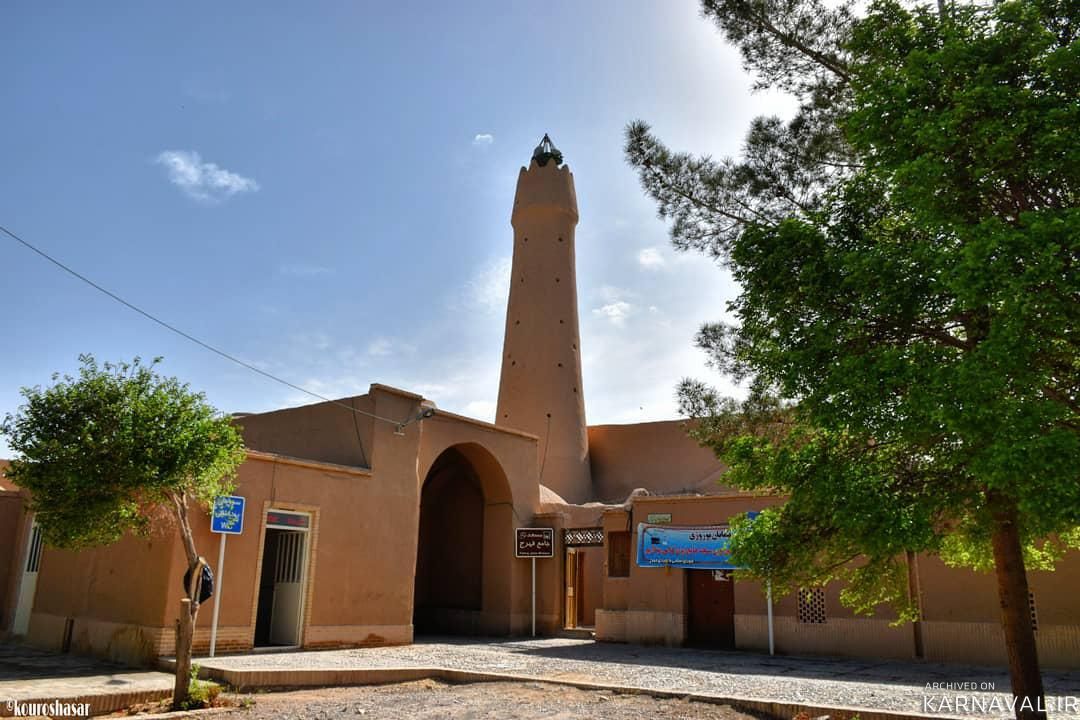
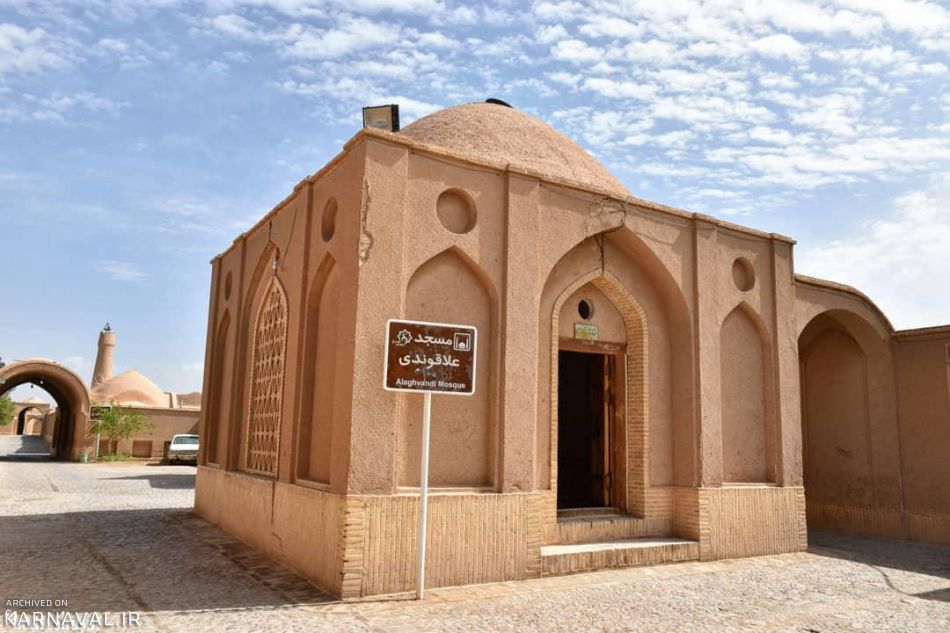
Fahraj Mosque in central Iran

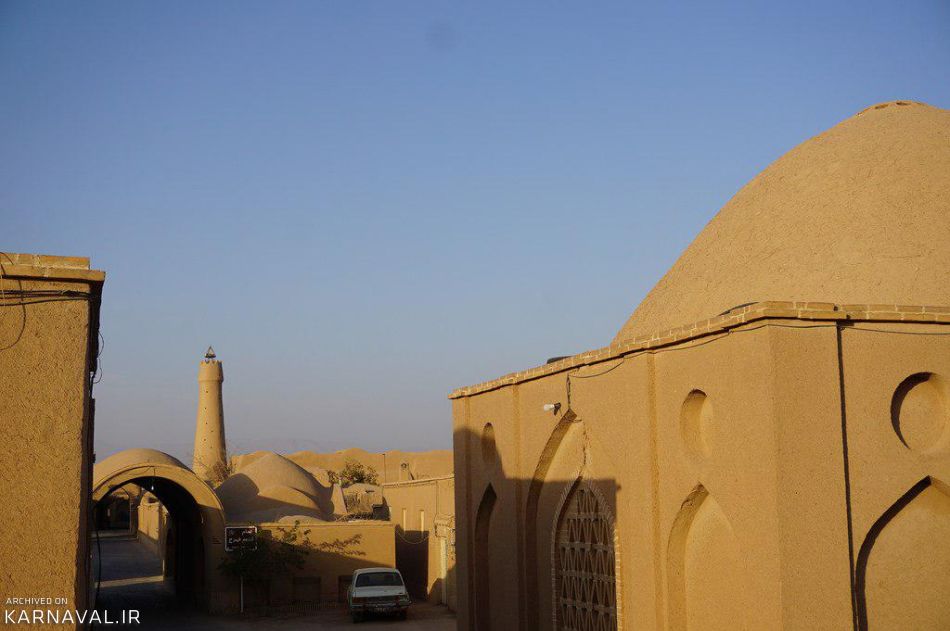
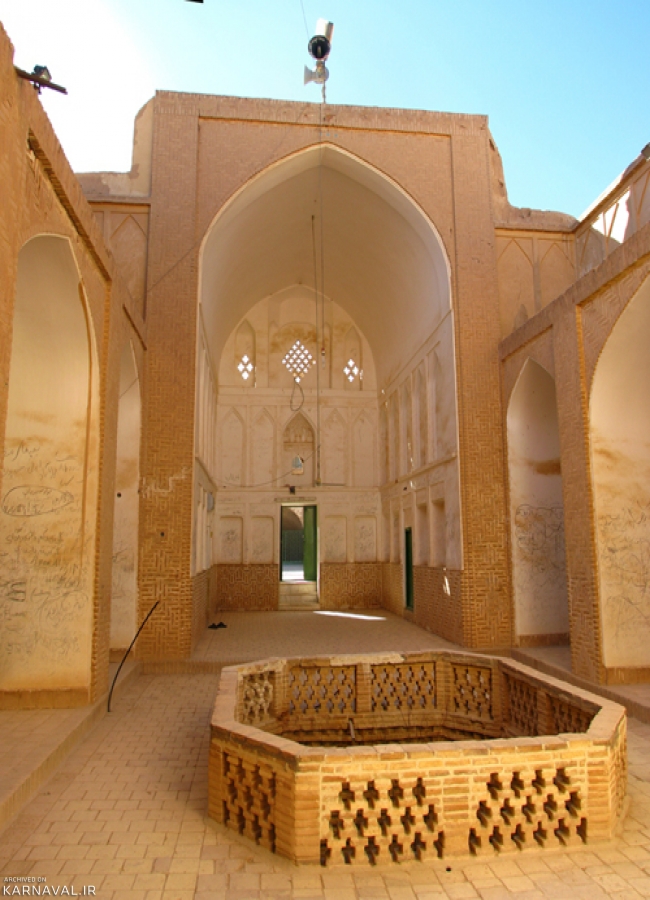
The most striking attraction of this village is its mosque which is one of the oldest and first mosques in Iran after the advent of Islam. The mosque dates back to the first half of the first century AH.

The mosque is the only one in the Muslim world whose structure has not changed from the beginning. Prayers are still said at this ancient religious place.

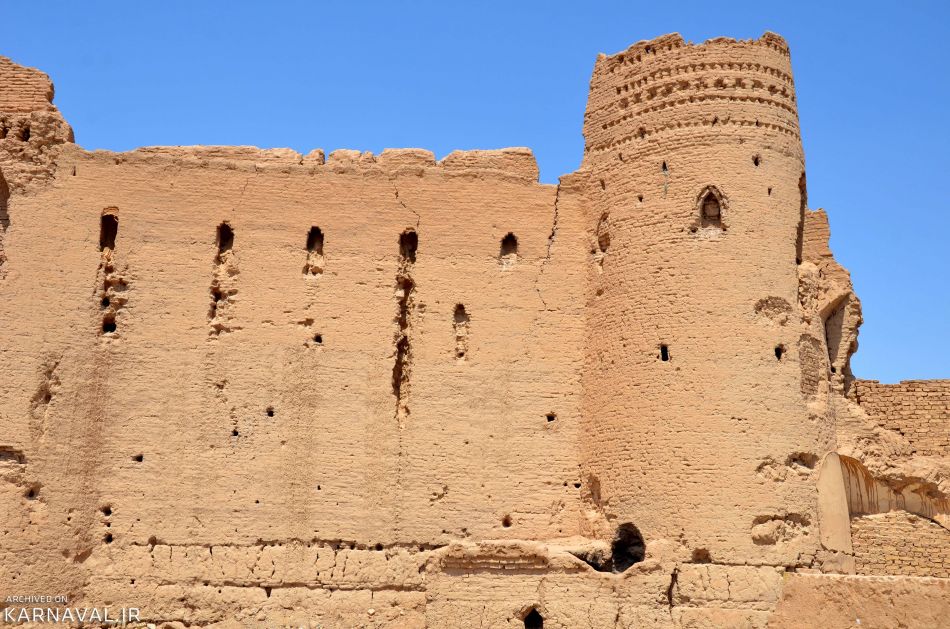
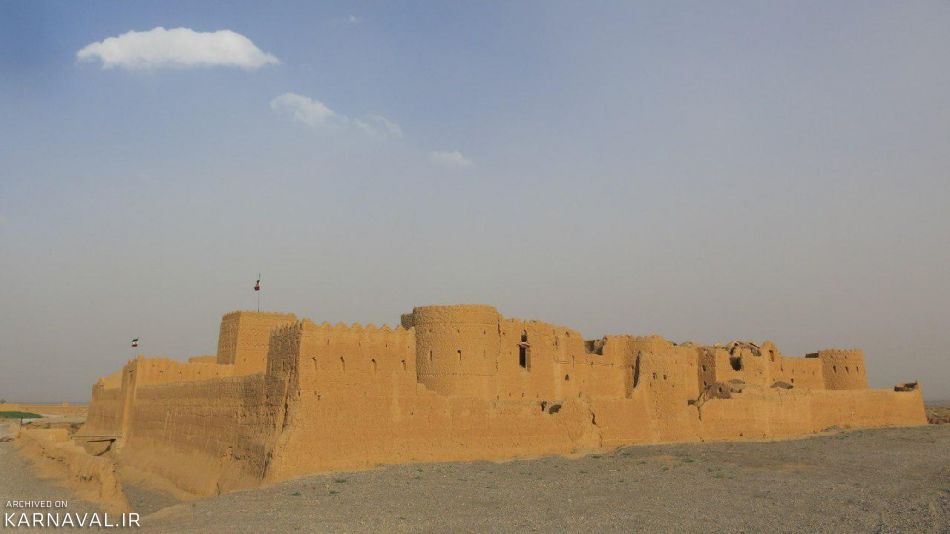
Fahraj also has a historical castle, whose facade and decorations date back to the 10th and 11th centuries AH, but there are signs of early days of Islam at the works and designs.

The castle has a four-sided plan, and the remains of four curved towers are seen in four corners. These towers have two floors and have special places to guard the castle.
Another historical attraction is Fahraj’s Hosseinieh water reservoir, which belongs to the Safavid and Afsharid eras. The original structure of this reservoir is ascribed to the pre-Islamic era, as it is believed the surrounding areas of the site were to hold water sanctuary celebrations.

Historical Village of Fahraj: A Gem in Heart of Iran DesertsOne of the other attractions of Fahraj is the Well of Forty Girls. These forty girls feared that they would be captured by the enemy’s armies; therefore, when they saw the enemy, they jumped one after the other into this well to escape the disgrace.

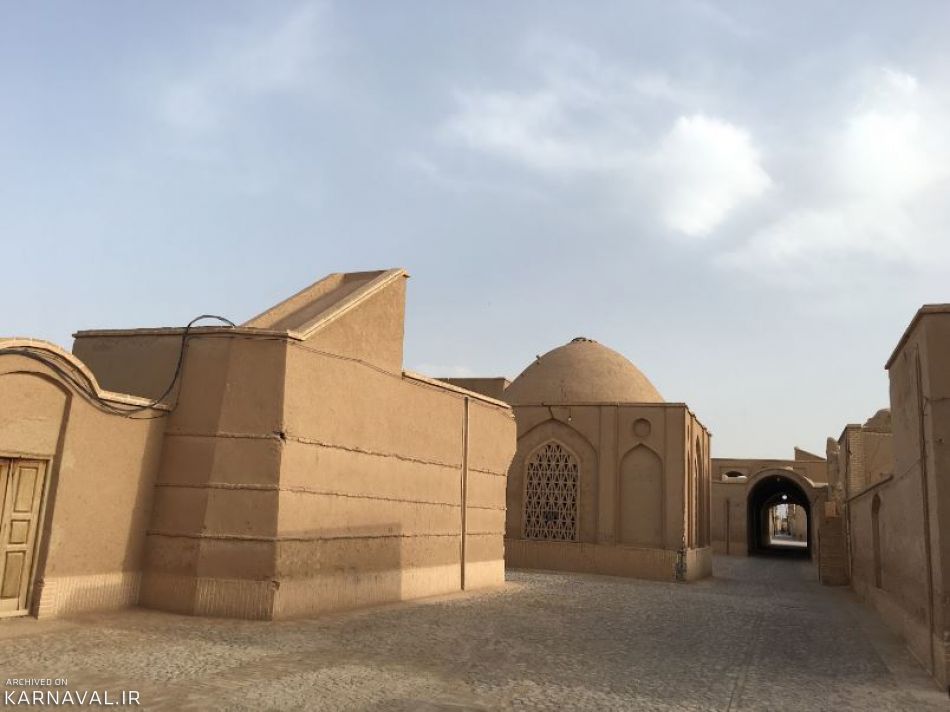
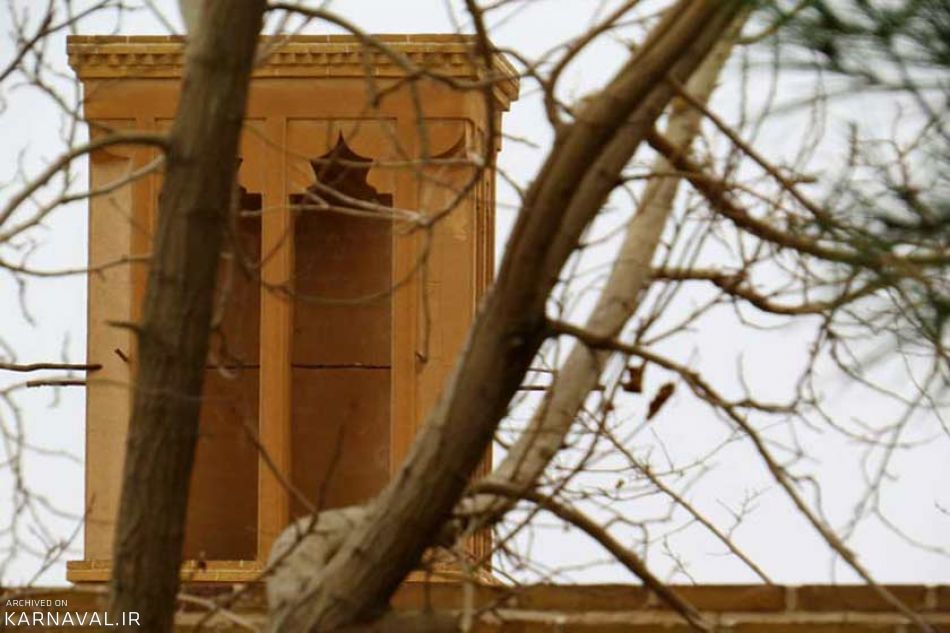
Like many other places in Yazd, Fahraj is full of sabats and wind-catchers. Sabats are roofed alleys that provide shade making the sightseeing of the residents and tourists easier despite the burning heat.
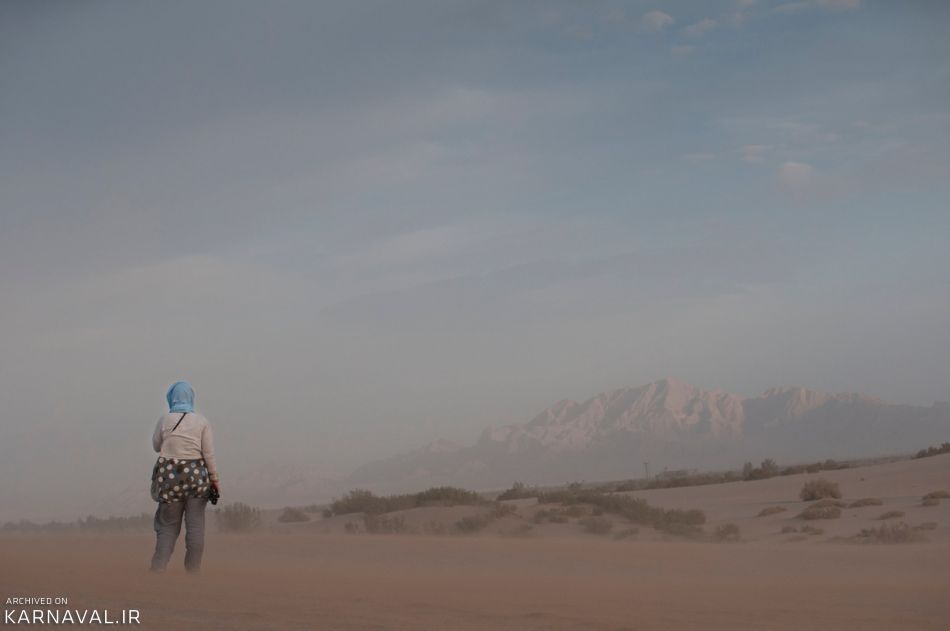
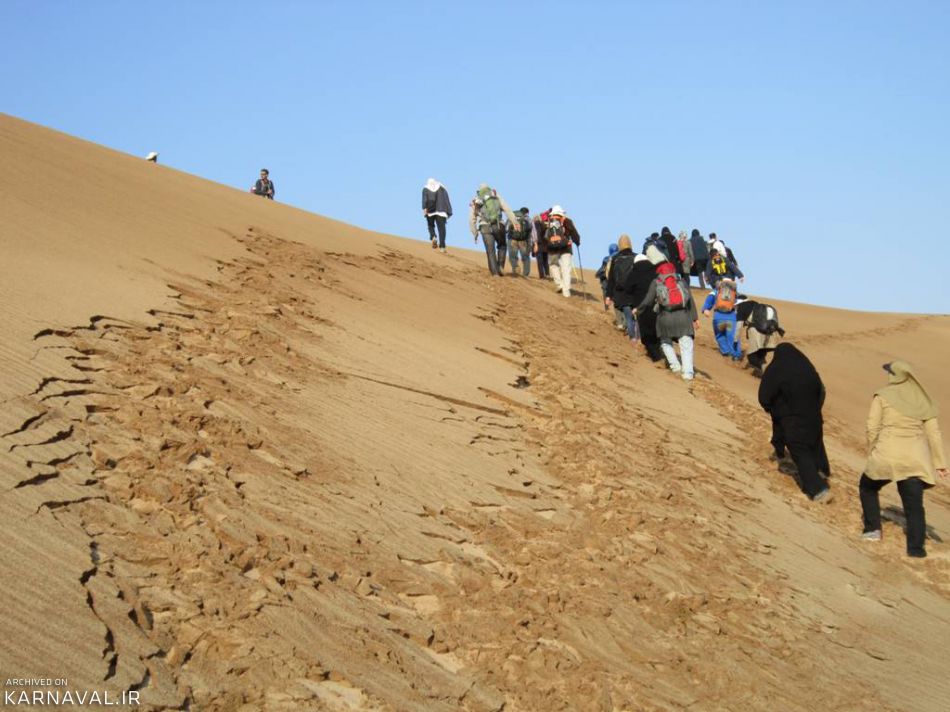
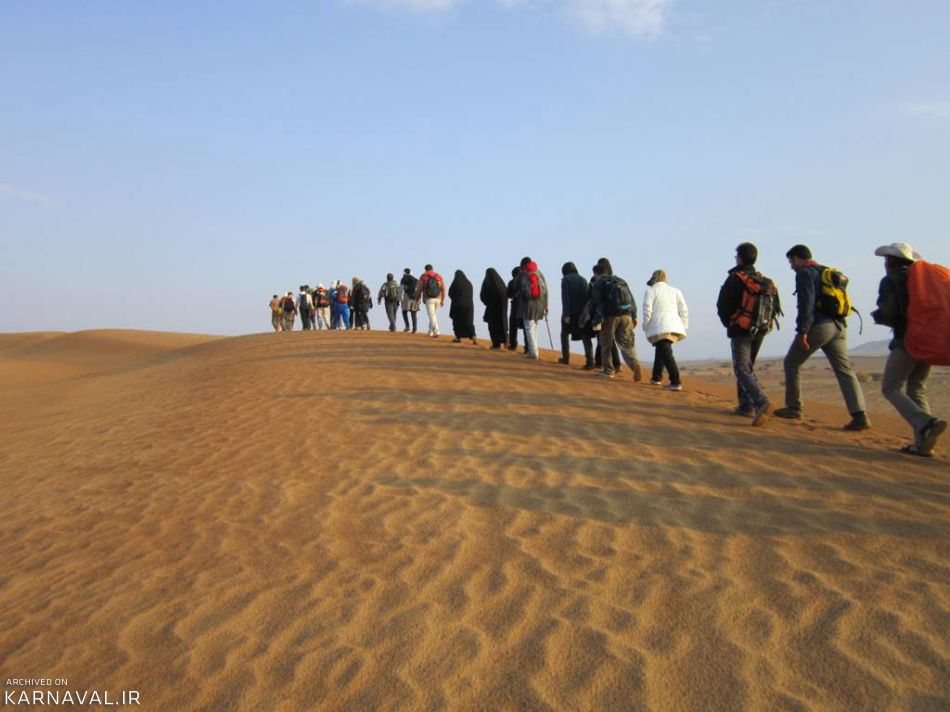
Excursion in the desert, taking photographs, watching the sky at night, buying souvenirs such as carpets, and eating local foods are among the other fascinations.
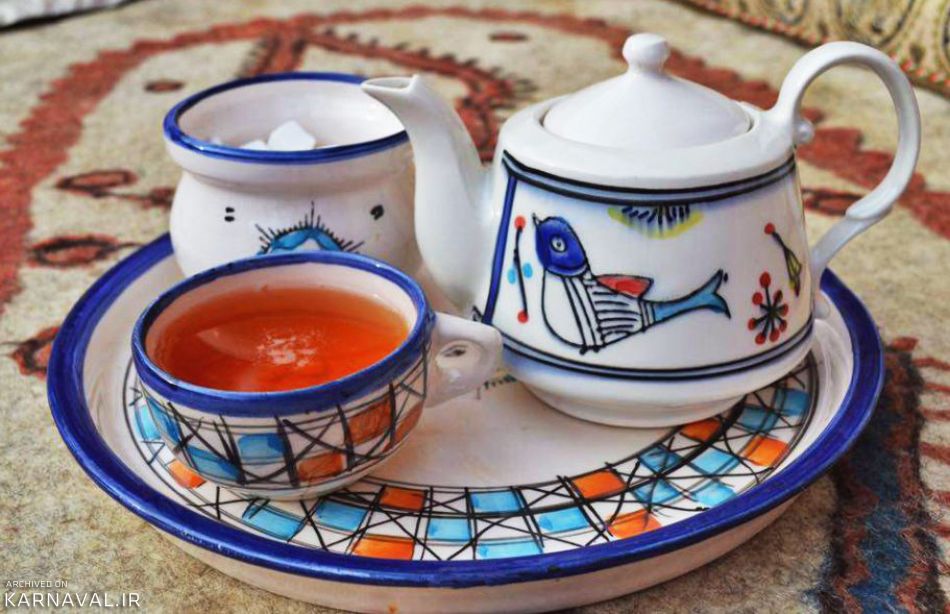
Along these, you can also enjoy hot and cold drinks from natural herbal plants.
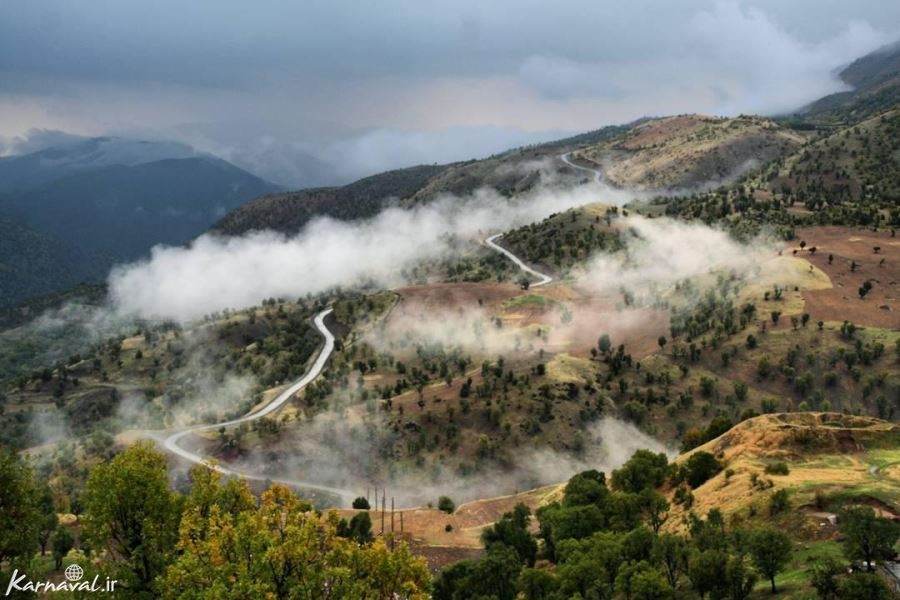
Fahraj has a semi-arid climate. The area is very hot in summer, but it has a pleasant climate during the cold seasons. The best time to travel to Fahraj is late winter and early spring.

What follows are photos of this ancient village retrieved from various sources:

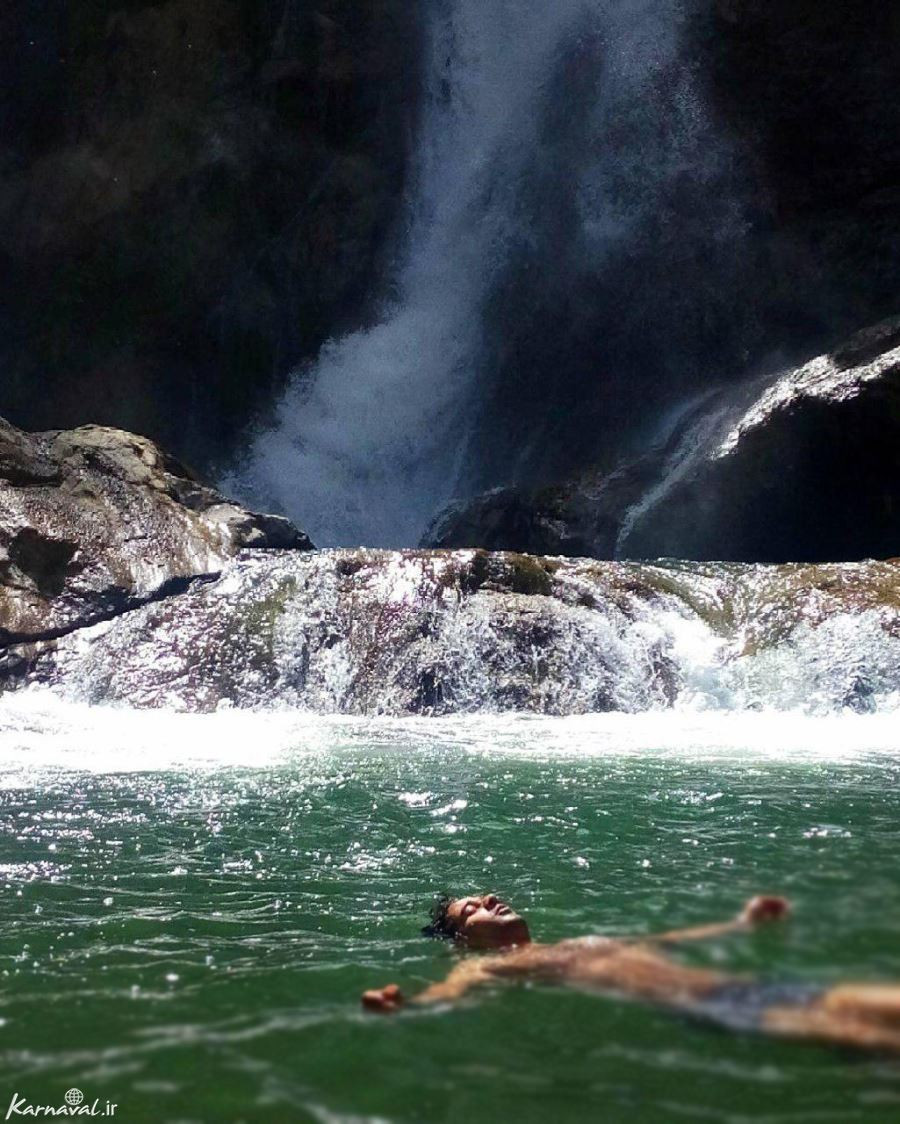
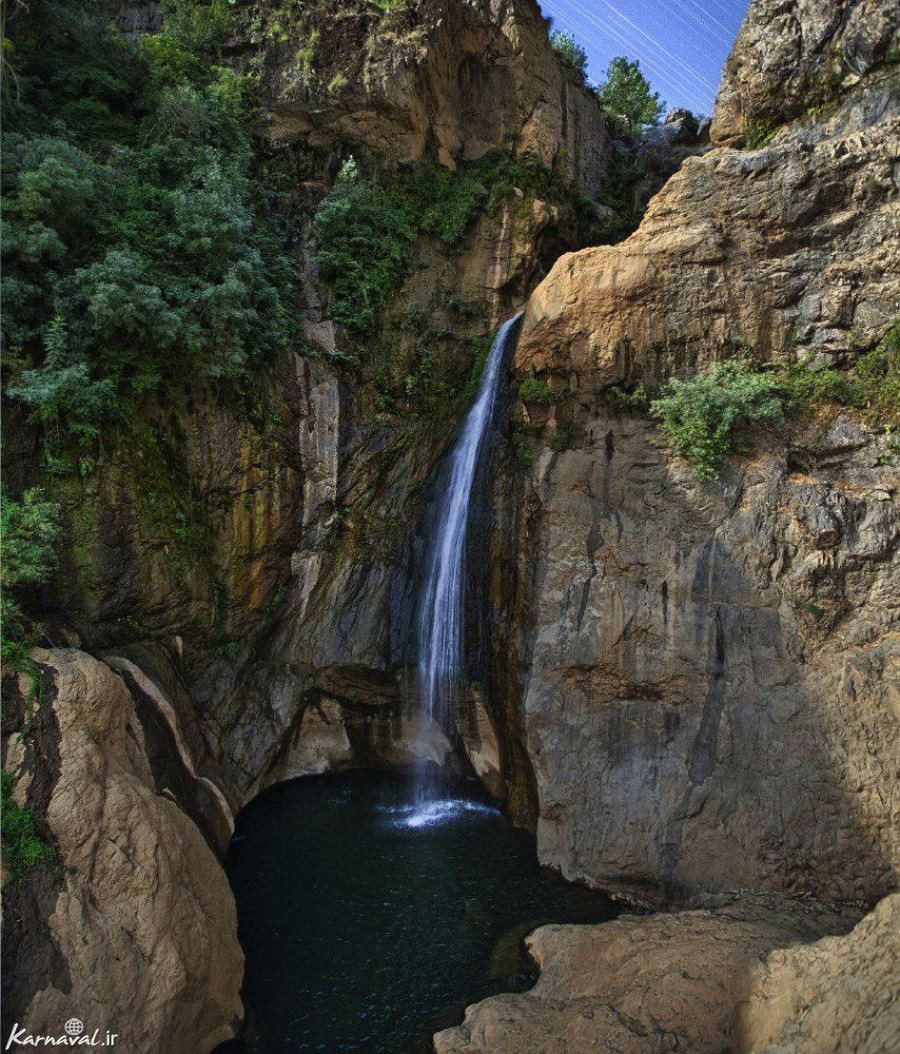
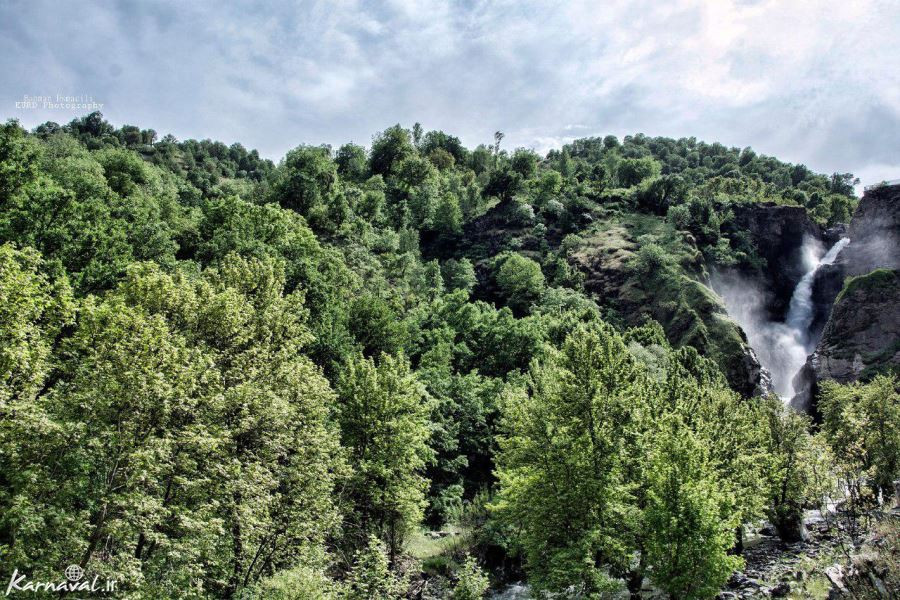
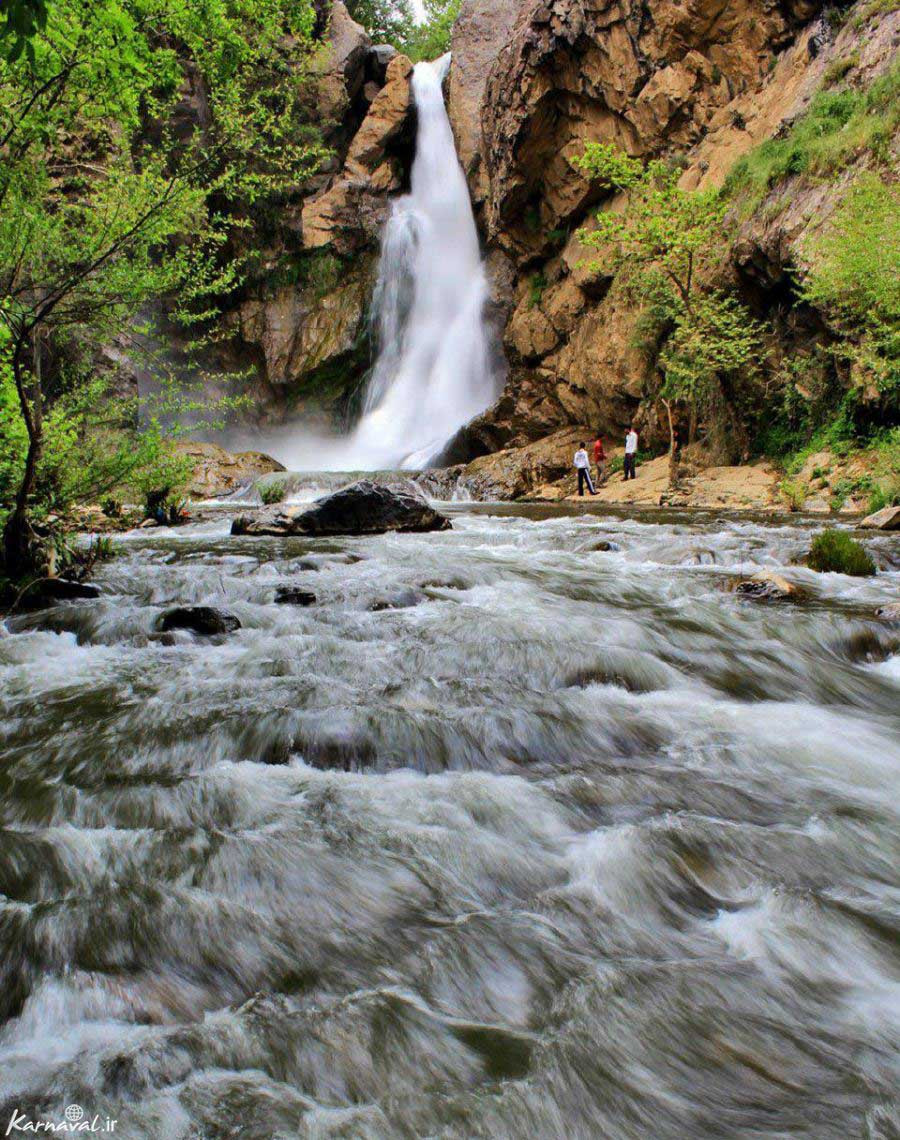
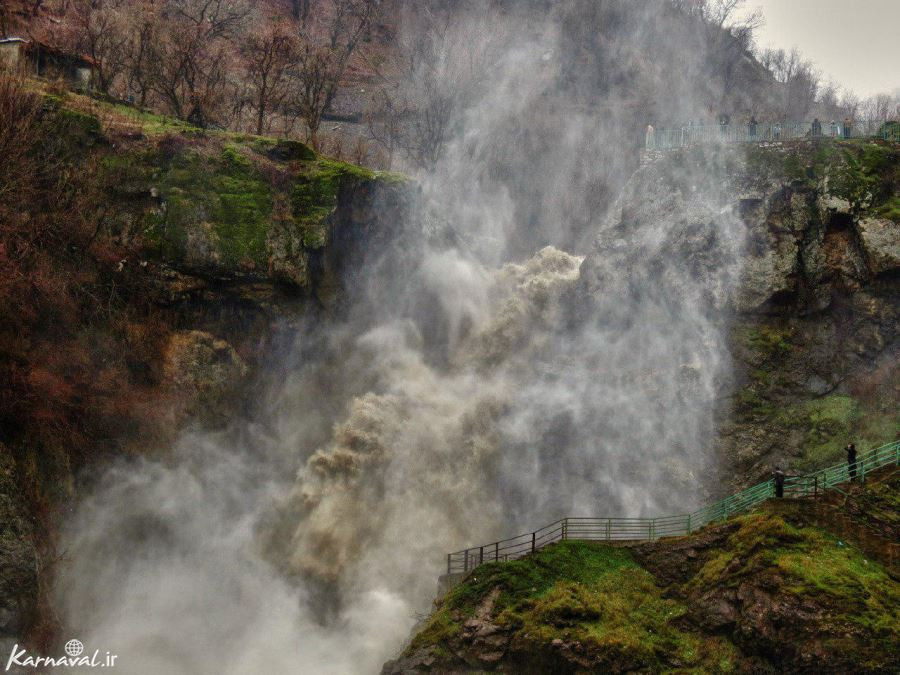
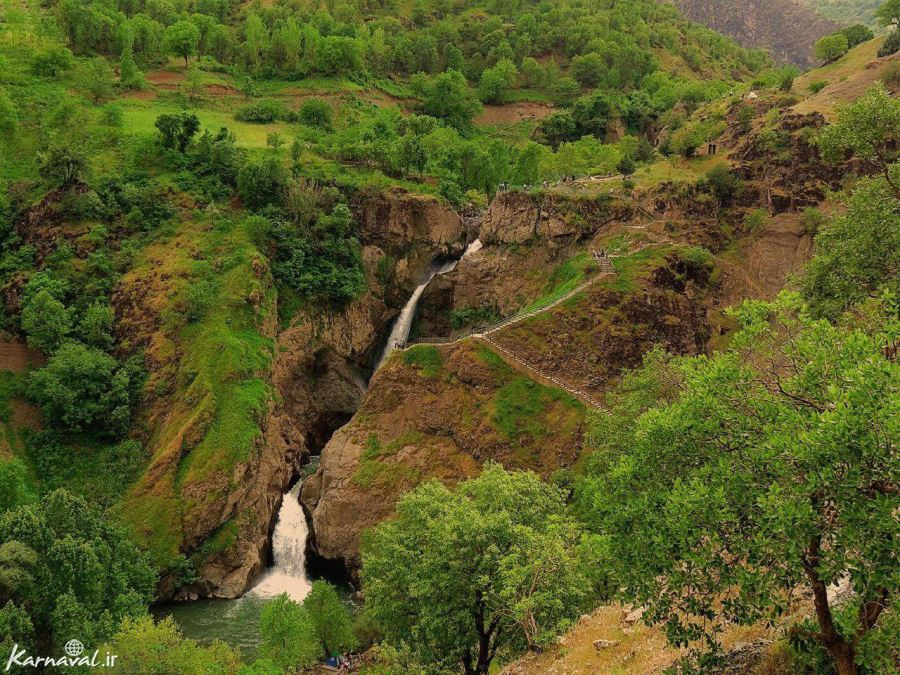
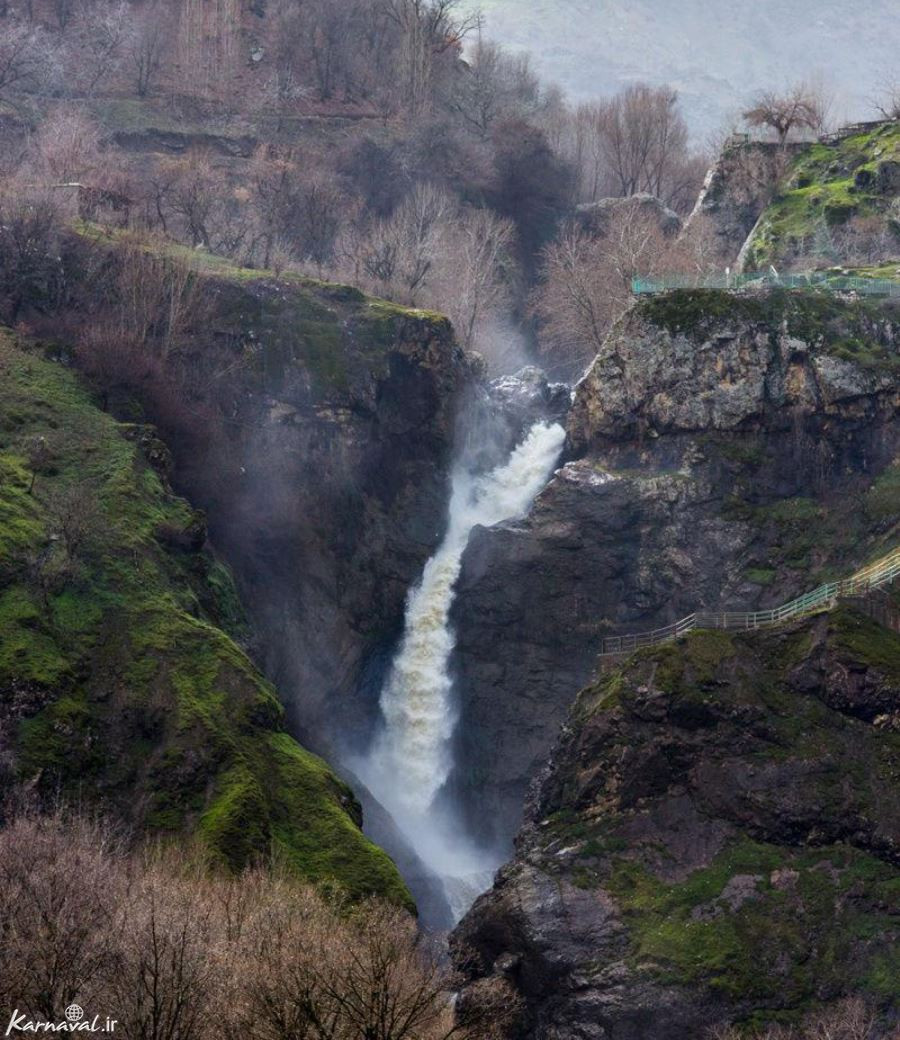
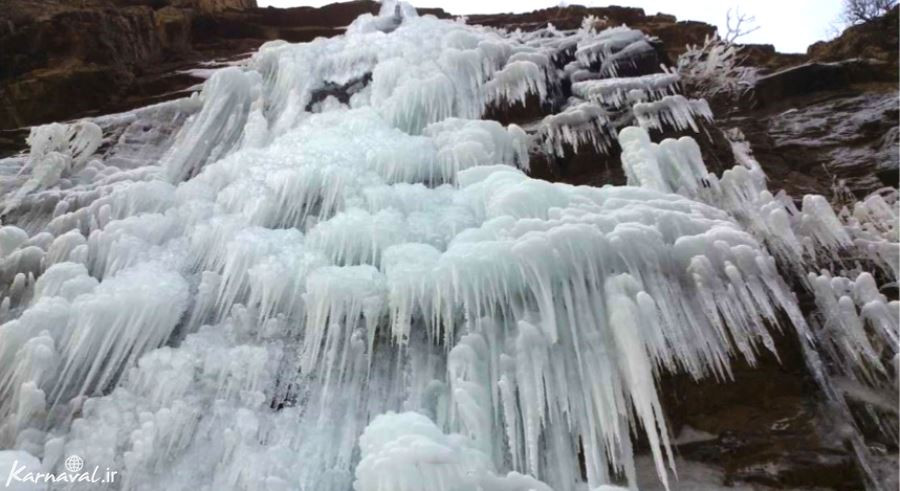
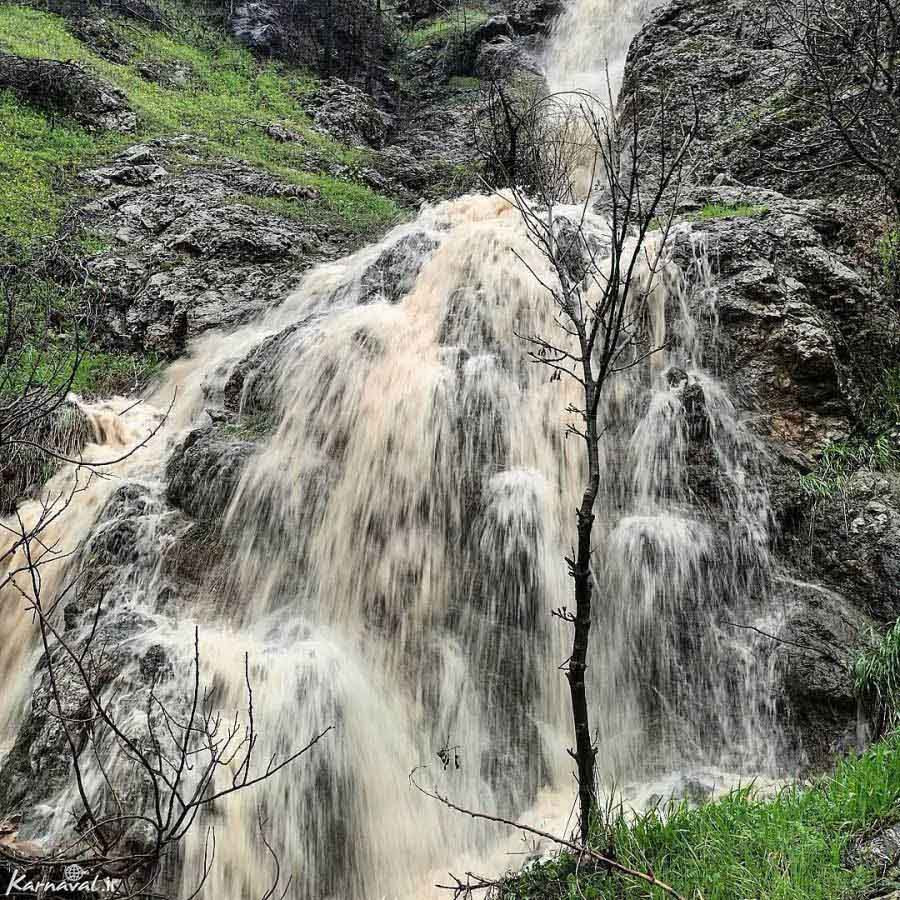
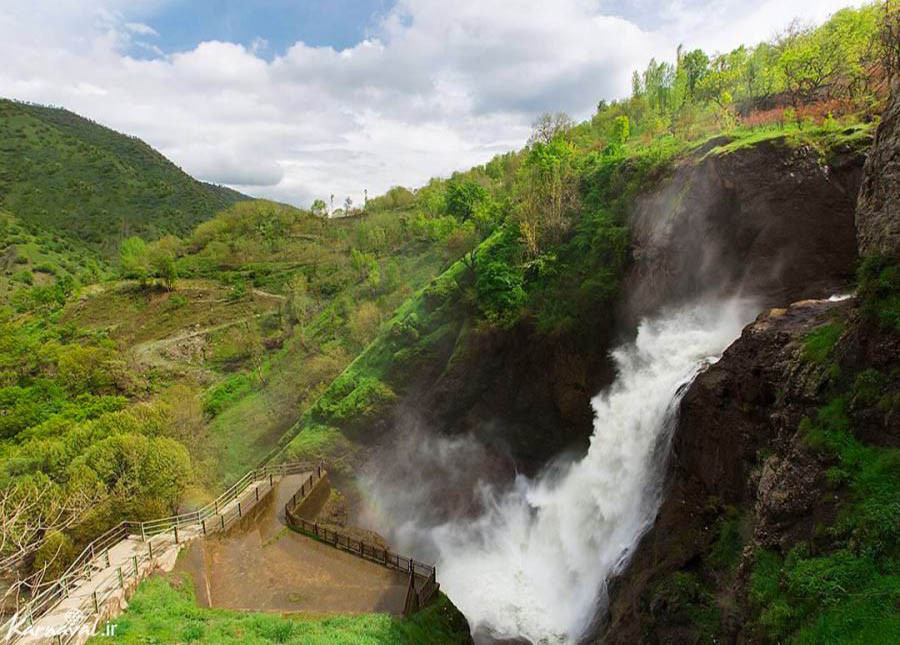
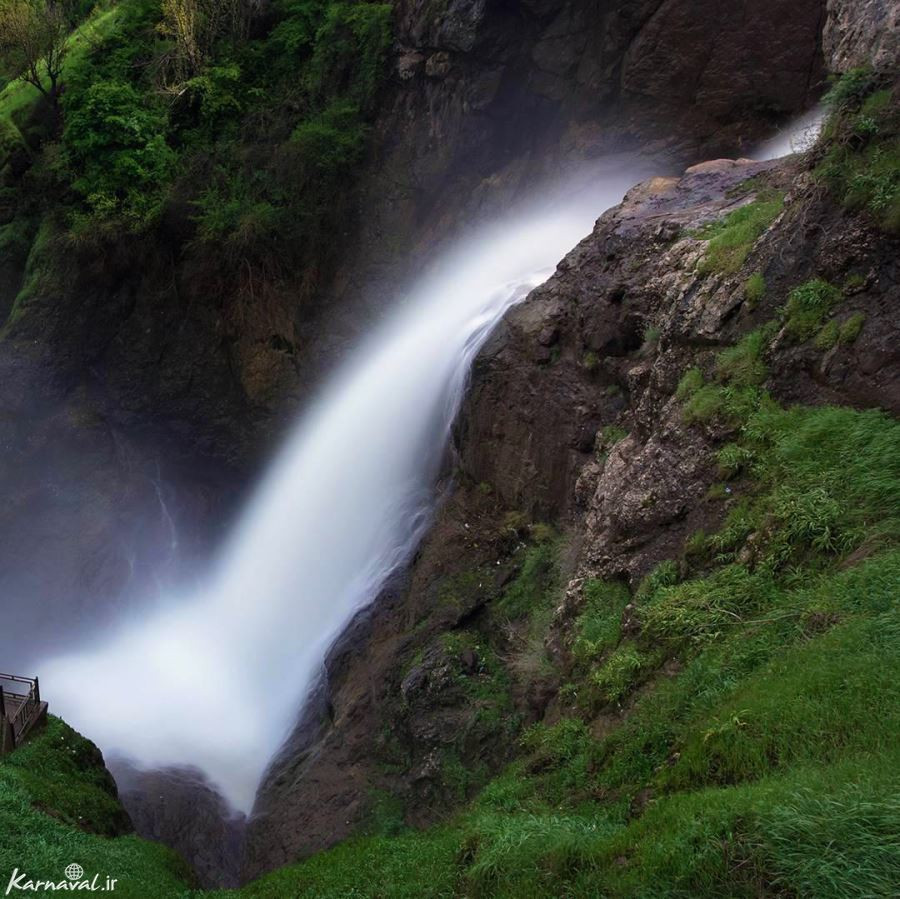
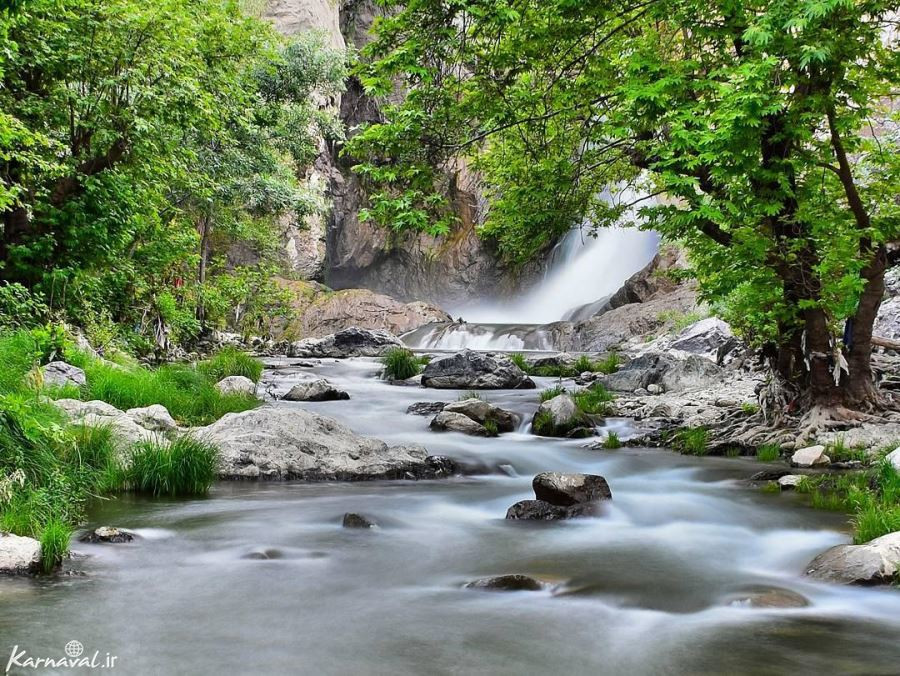
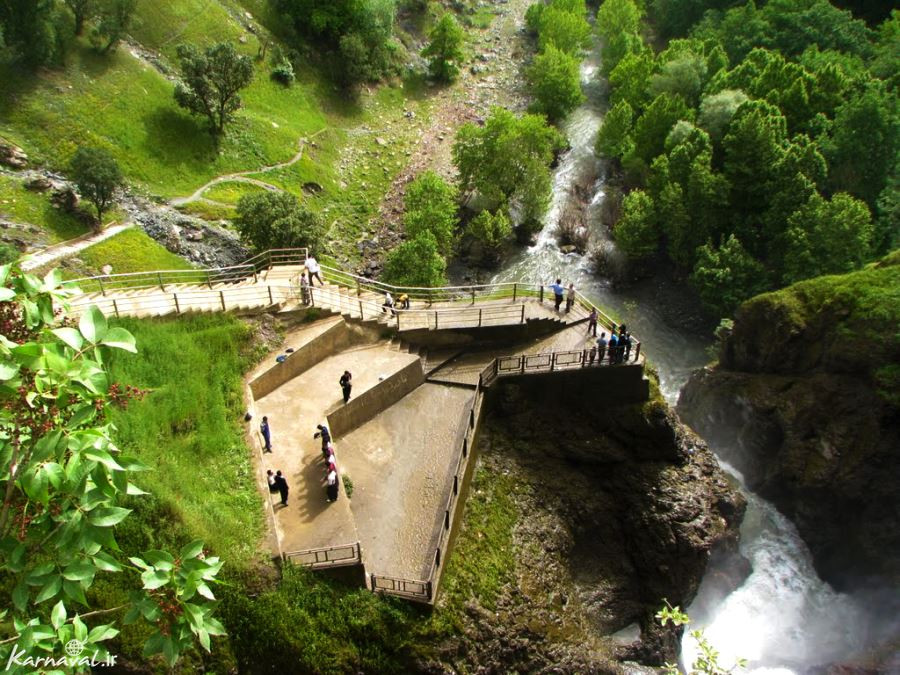
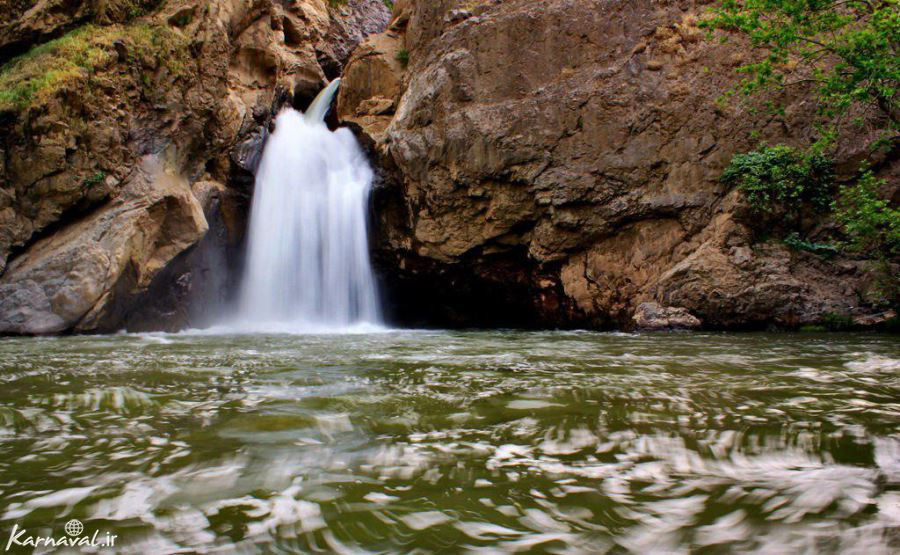
Iran’s Beauties in Photos: Shalmash Cascades

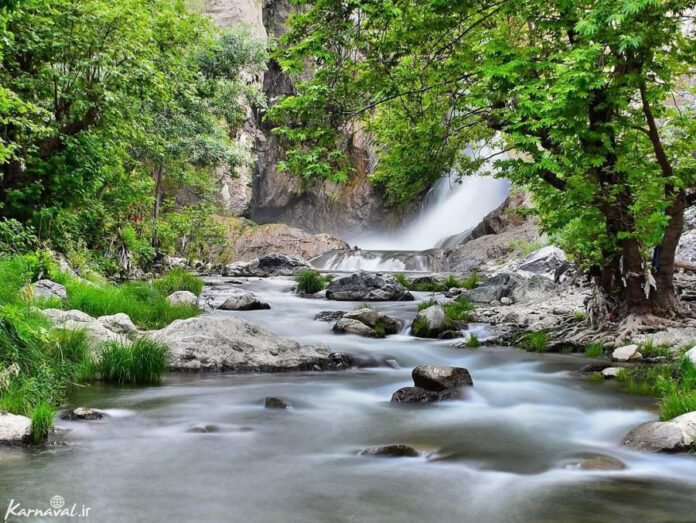
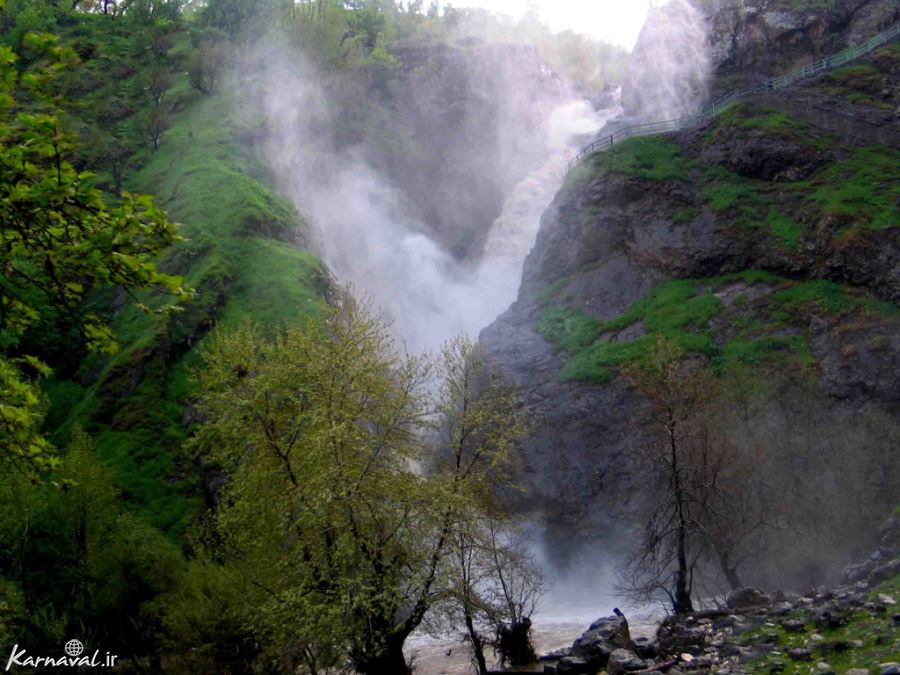
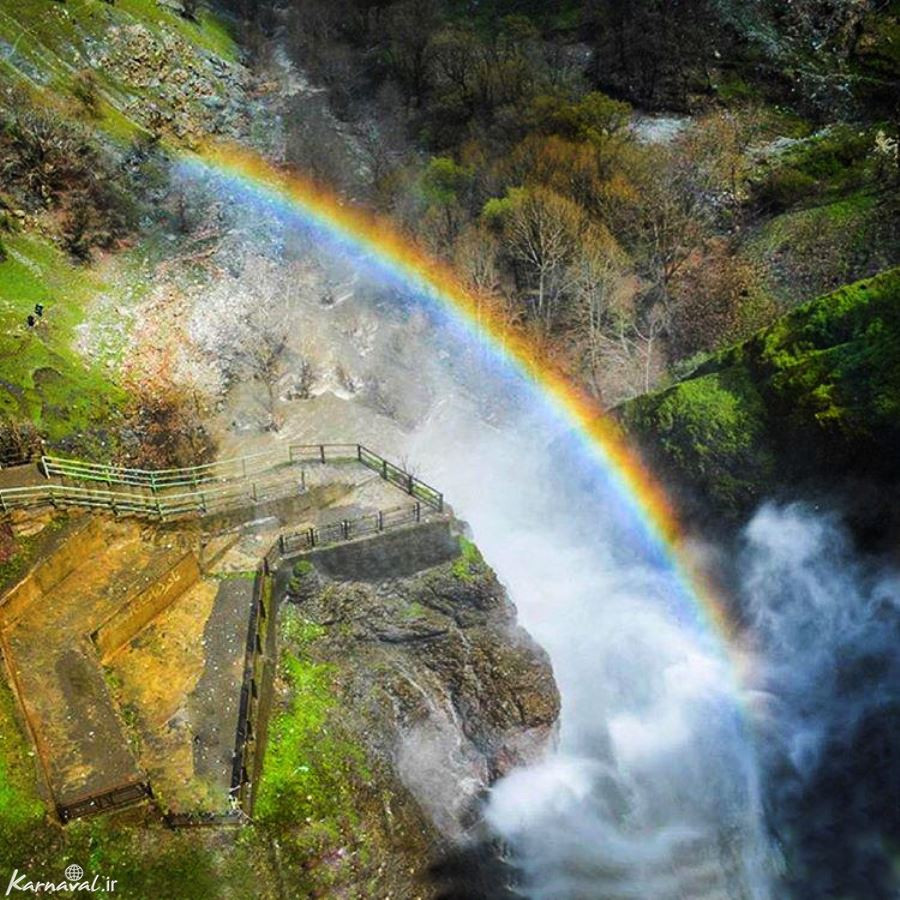
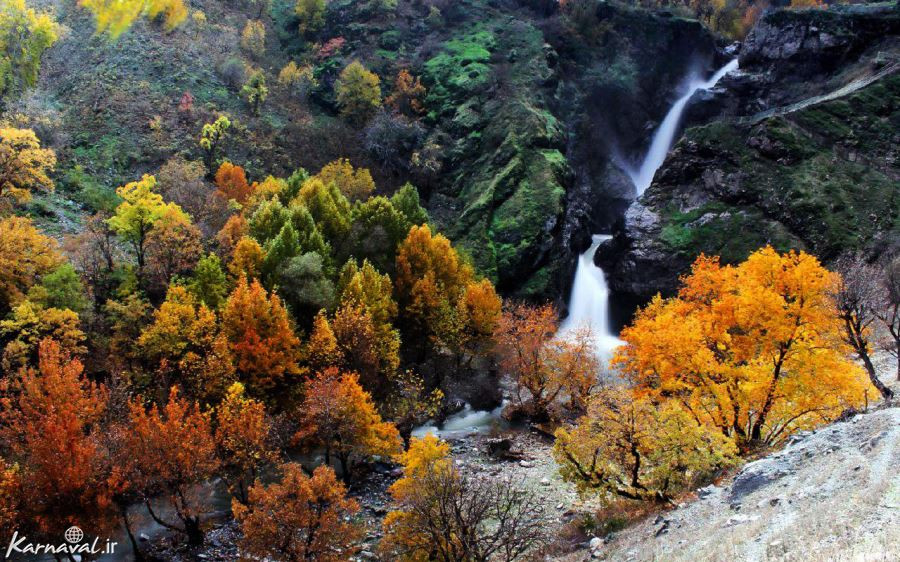
At first glance, it appears to be a single waterfall, but there are two other waterfalls hidden within it, making it beautiful and amazing.

Shalmash waterfall is one of the most important cascades in West Azarbaijan province and in the Kurdish city of Sardasht.

It is located next to forests near Sardasht and is considered the small branch of the Little Zab River.

In the Kurdish language, Shalmash means a large rock and it is called Shalmash due to the height and rocky mountains from which the cascade flows.

This waterfall, located 241 kilometres from Urmia, has beautiful and unique landscapes, and is one of the most beautiful natural attractions in West Azarbaijan province.

These three cascades are arranged one after the other. To see the next two cascades, visitors must move a rather large distance and enter a deep valley.

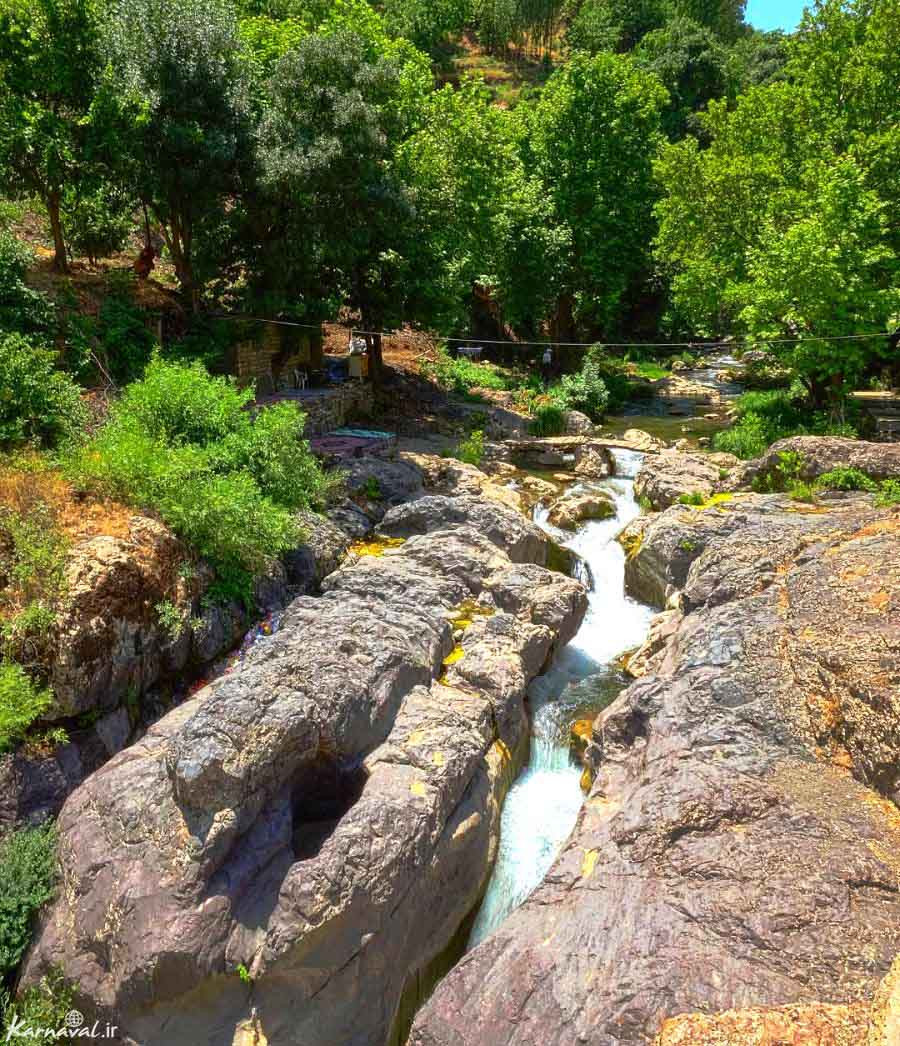
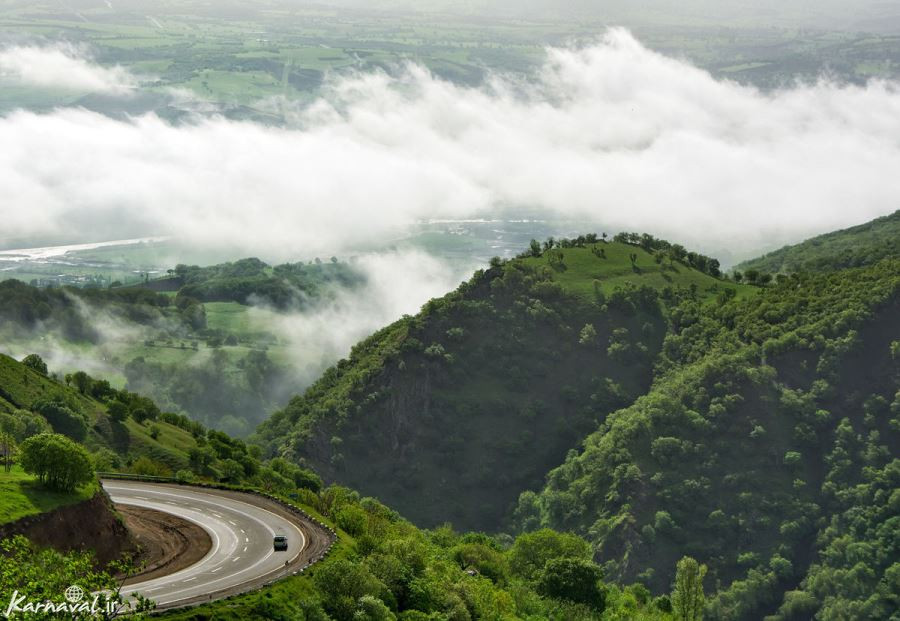
The region is home to oak, plane, pomegranate and walnut trees and is a good regional destination for tourists.

During the spring, this waterfall is filled with endless streams. The weather is cold until May, but it can be a good time to travel to the area from early May to mid-fall.

Below you can see photos of Shalmash waterfall retrieved from Karnaval.ir:

Iran Rejects Pompeo’s ‘Provocative’ Comments in Lebanon

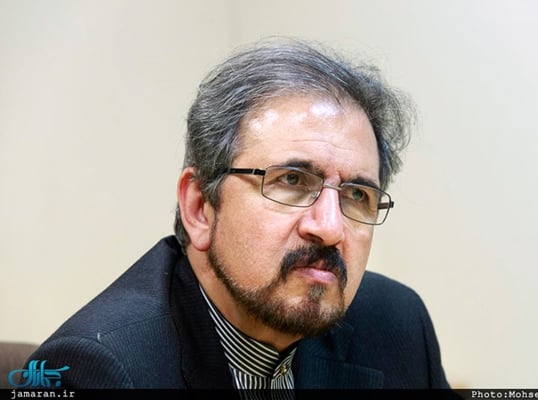
“The provocative, meddlesome, and undiplomatic remarks made by the US Secretary of State in Beirut once again revealed Washington’s patronizing attitude and behaviour towards other free and independent countries and freedom-seeking nations of the world,” Qassemi said in a statement on Sunday.

“Such stances and comments, on the one hand, stem from the failure of Washington’s destructive policies and excessive demands in the region, and on the other hand indicate the dissatisfaction and excessive outrage of the irrational rulers of the country over the popular solidarity and unity in Lebanon and the restoration of calm and stability in the Arab state, especially after the formation of its government,” Qassemi noted.

The Iranian spokesman pointed to Pompeo’s comments against the Lebanese resistance movement Hezbollah, and lashed out at him for making such “rude and unwise” remarks and raising “baseless, false, hackneyed, and futile” claims and accusations against a major political and legal part of Lebanon while he was visiting the Arab country.

Qassemi said Hezbollah enjoys the popular backing of a lion’s share of the Lebanese nation, and accounts for a major part of the pillars of the country’s government and parliament.

He further referred to Washington’s long-lasting policy of intimidating regional governments, and said, “Now that it has failed to realize its ominous goals in the sensitive region of the Middle East, the US is resorting to the worn-out, hackneyed, and outdated trick of intimidating and threatening others in a bid to impose its hegemonic policies and behaviour.”

In order to do that, he said, Washington not only creates sedition in ties between other countries, but also levels groundless accusations against others.
Qassemi pointed to the US government’s decision to relocate its embassy in Israel to the Holy Quds and recognize the fake Zionist regime’s sovereignty over the Golan Heights, which is a blatant violation of the internationally accepted norms, laws, and regulations, and said Pompeo has been sent to the region in line with the same decisions.

“These indicate that the US government, accompanied by a few of the regional countries, intends to implement new plots and provide as much support as possible for the usurpers of the Holy Quds while ignoring the violated rights of the Palestinian people through the so-called ‘Deal of the Century’,” he added.

“Given the necessity of maintaining stability and calm in the region, the Islamic Republic of Iran underlines the [need for] reinforcement of convergence and cooperation among regional countries in fight against the Zionist regime’s expansionism and aggressions and in campaign against terrorist groups,” Qassemi said.

“While respecting the government and nation of Lebanon and the independent will of the country, Iran stresses that it will tap into all its capacities in order to promote internal solidarity and unity in Lebanon, and to reinforce bilateral ties with the country in issues that are in the interest of the Iranian and Lebanese people,” he added.

Qassemi said Tehran “totally understands the US’ outrage over the praiseworthy performance and role of the resistance forces, the Hezbollah, and the wise people of the region, and all those who foiled the US’ new colonialist and ominous plots in the region.”

During his visit to Beirut, Pompeo urged Lebanon to pick a side, and especially expressed concern over the role of Hezbollah, a movement that is targeted by US sanctions but holds three cabinet posts in Lebanon.

“Lebanon and the Lebanese people face a choice: bravely move forward as an independent and proud nation or allow the dark ambitions of Iran and Hezbollah to dictate your future,” he said during a joint news conference with his Lebanese counterpart.

“The US will continue to use all peaceful means, everything at our disposal to choke off the financing, the smuggling the criminal network and the misuse of government positions and influence,” by Hezbollah, he said.

“We will not hesitate to call out those who actively and passively support those activities.”

His Lebanese counterpart, however, rejected Pompeo’s comments, and said “Hezbollah is a Lebanese party, not a terrorist group, and it enjoys a wide popular base.”

In an earlier meeting with Lebanese President Michel Aoun, Pompeo conveyed his worry over Hezbollah.

He stressed “the US government’s strong concerns over the role of Hezbollah and Iran in Lebanon and the region and the risks this poses to Lebanon’s security, stability, and prosperity,” US deputy spokesman Robert Palladino said.

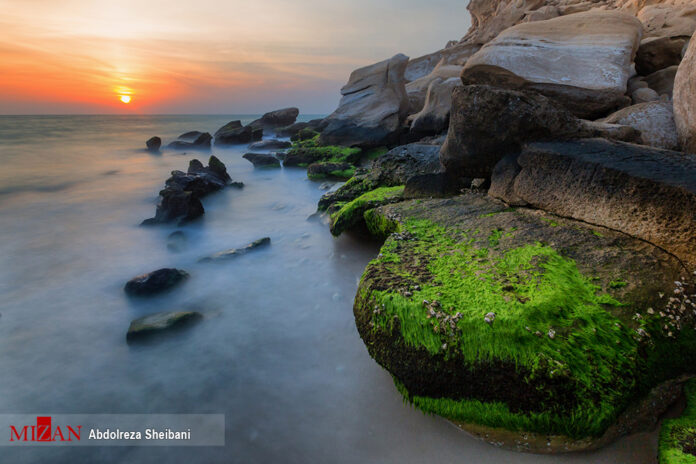
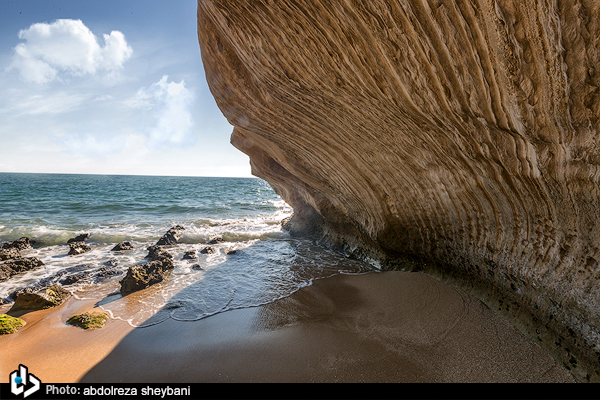
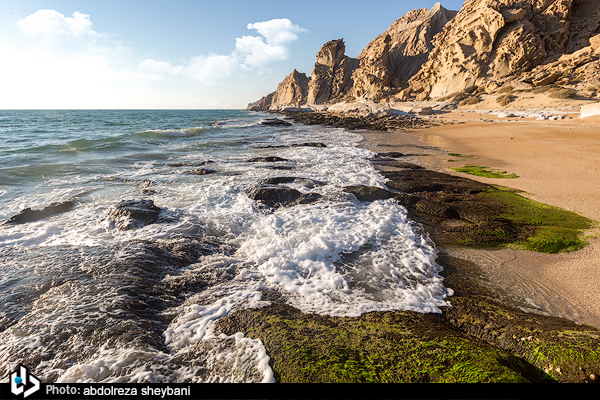
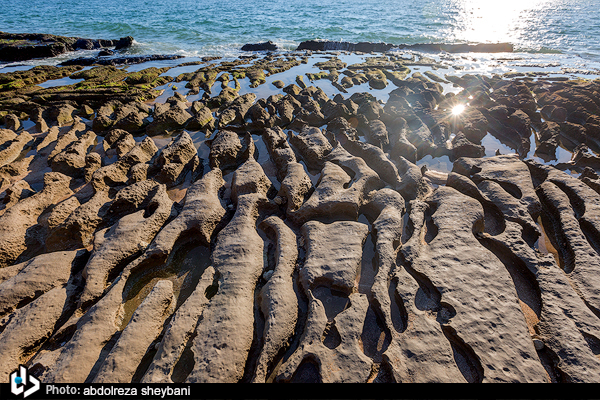
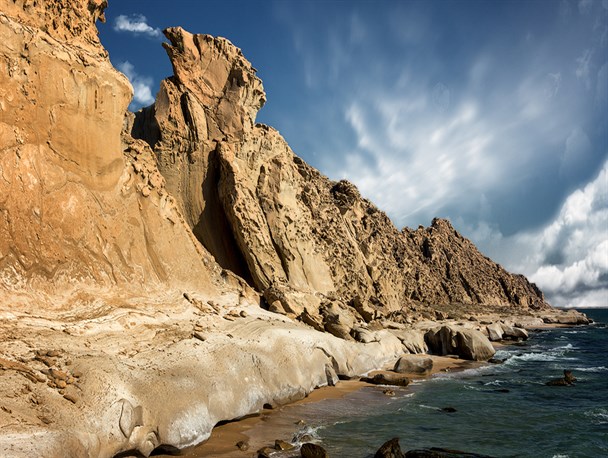
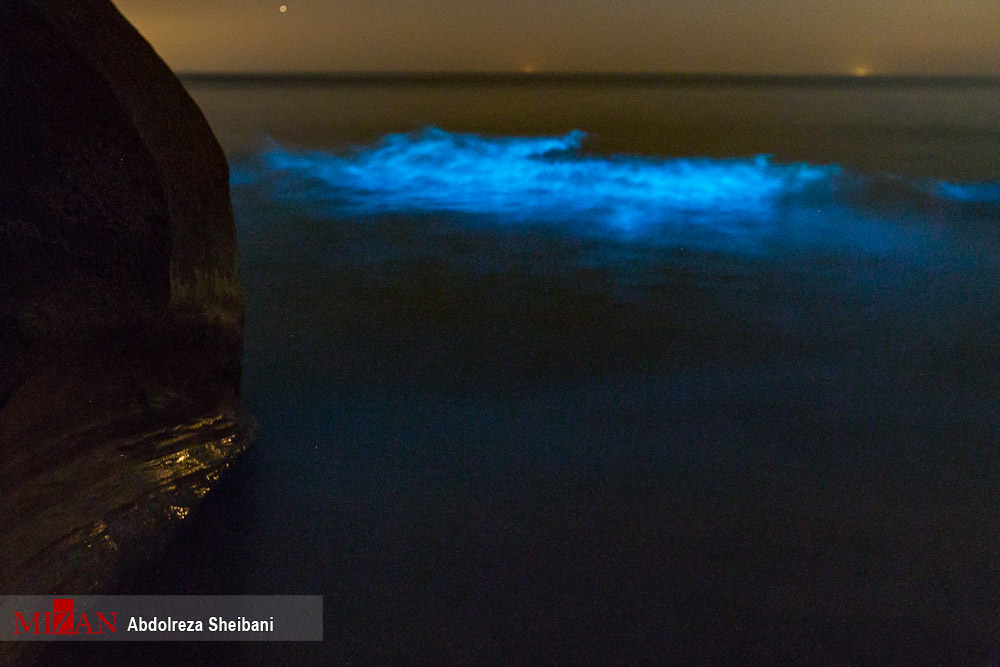
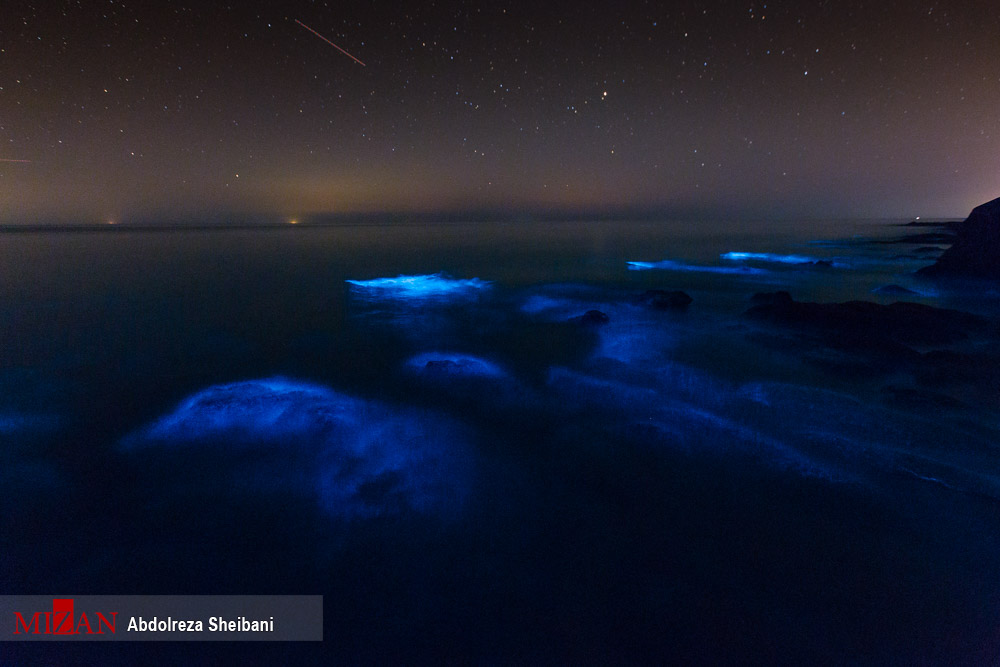
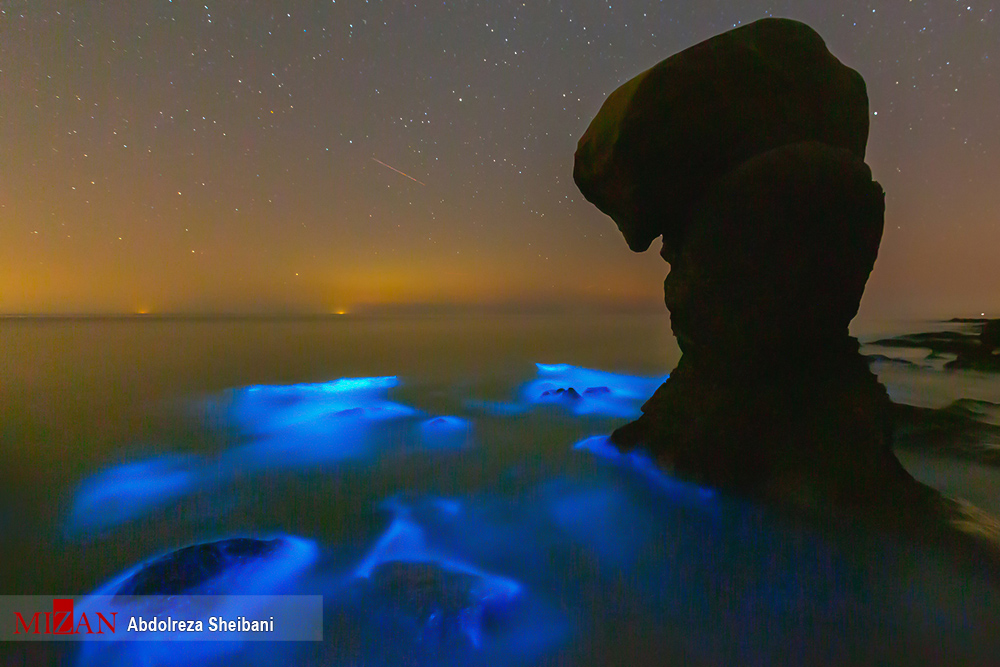
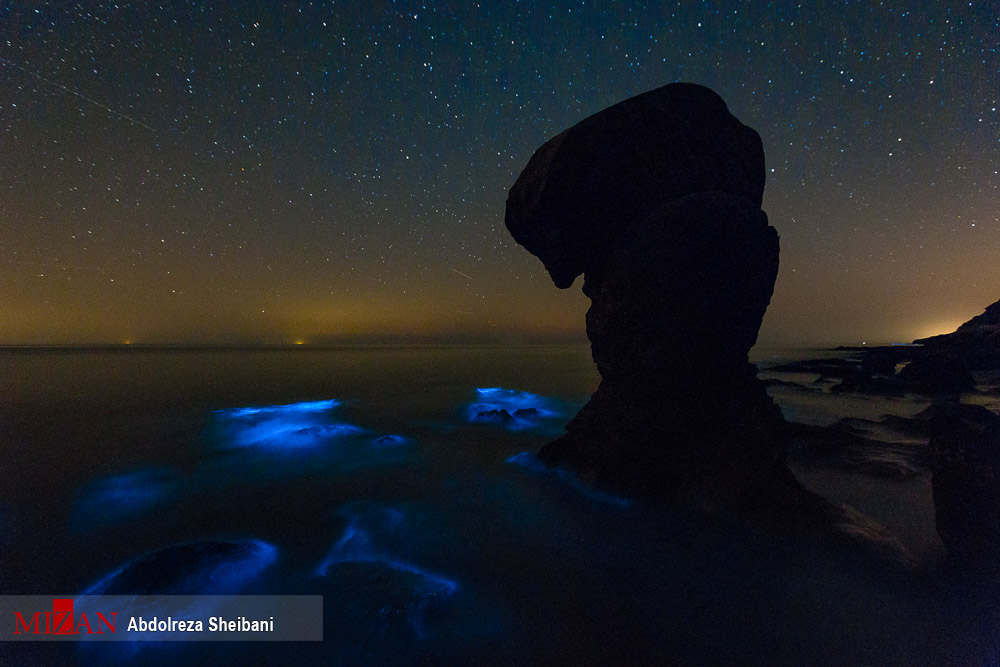
Beauty of Persian Gulf More Tangible at Parsian Coast

Beauty of Persian Gulf More Tangible at Parsian Coast

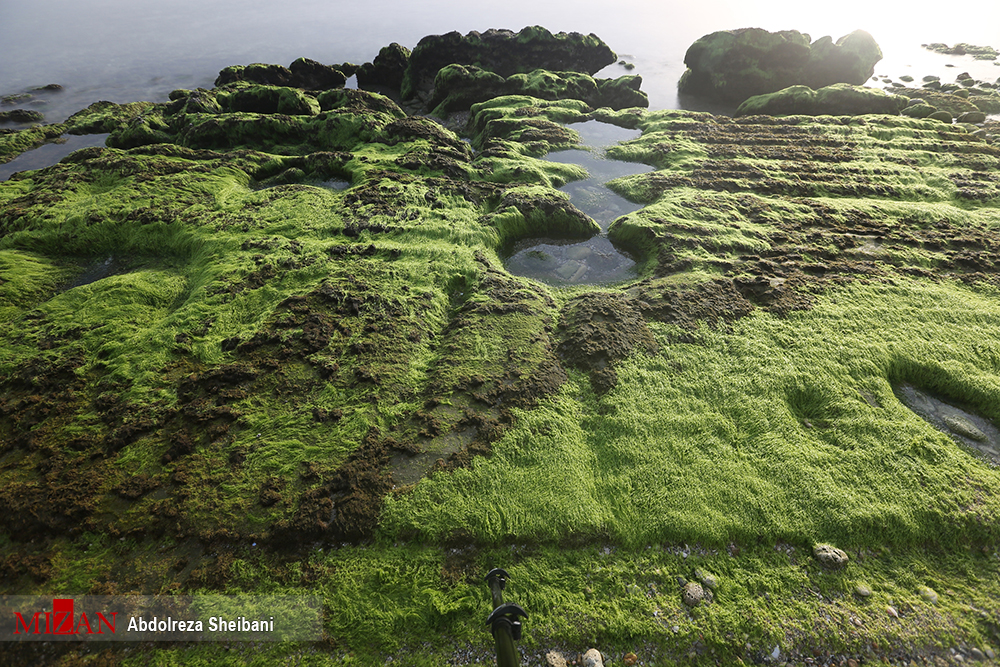
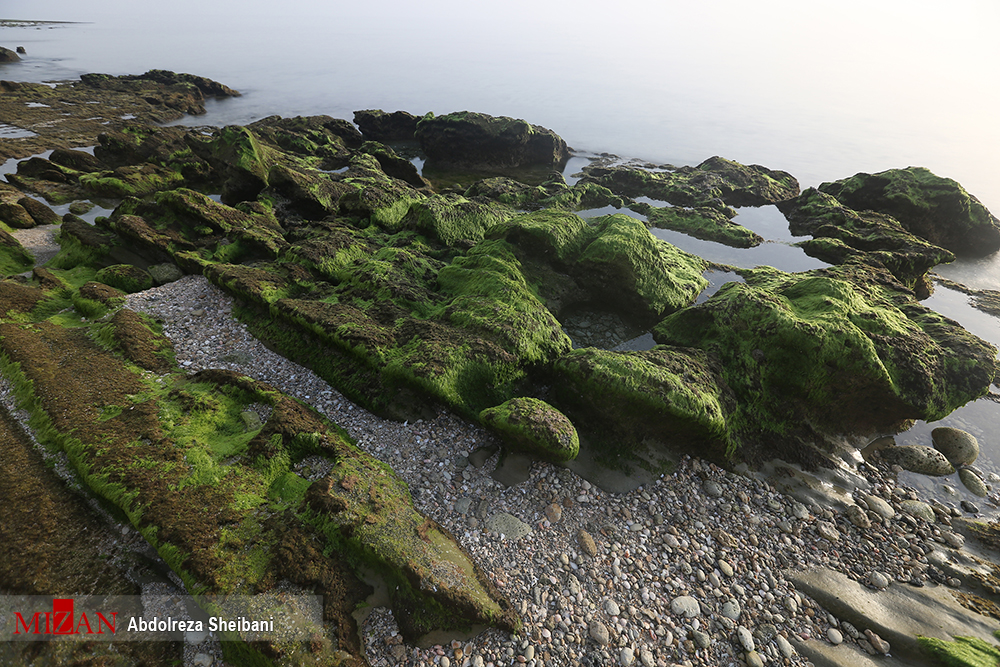
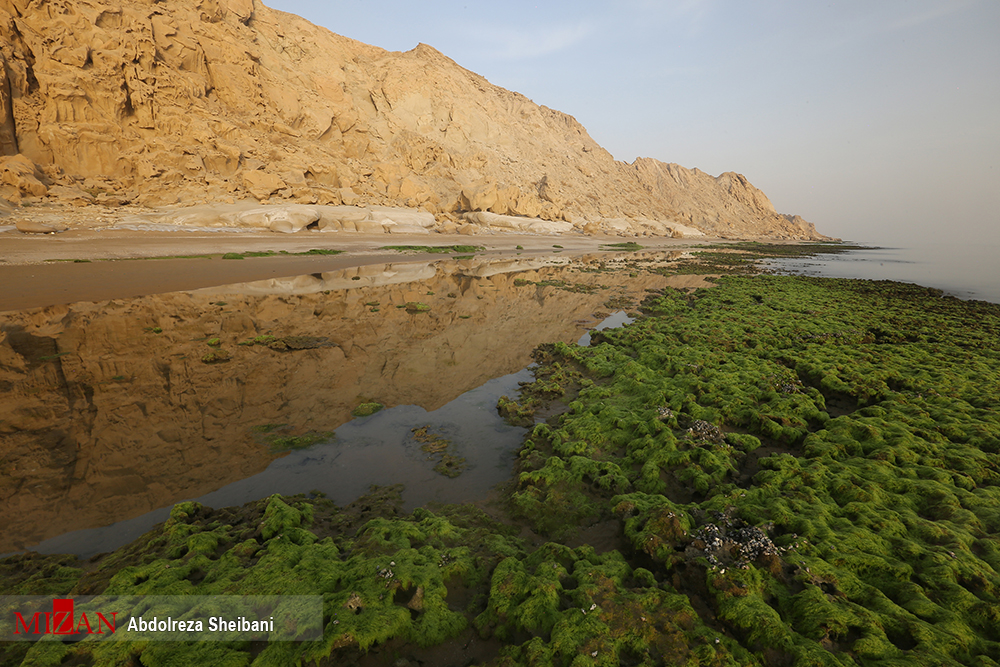
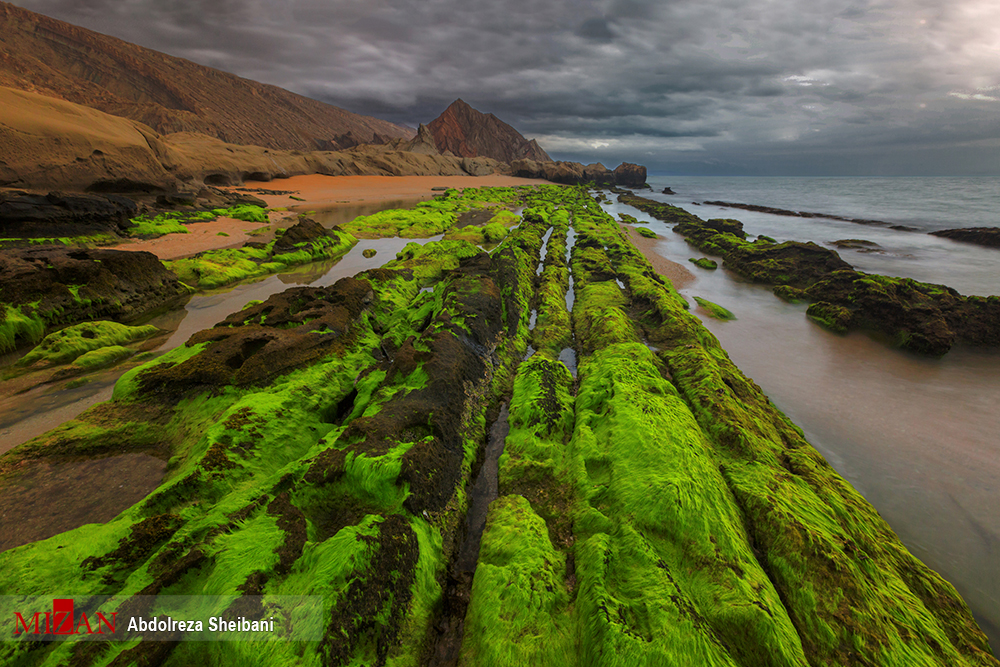
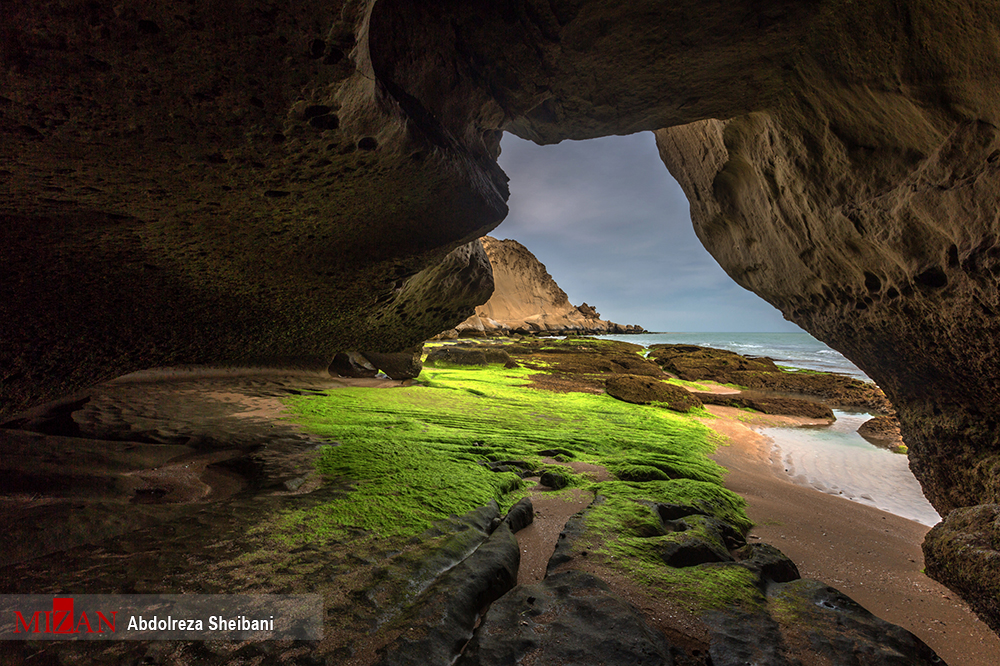
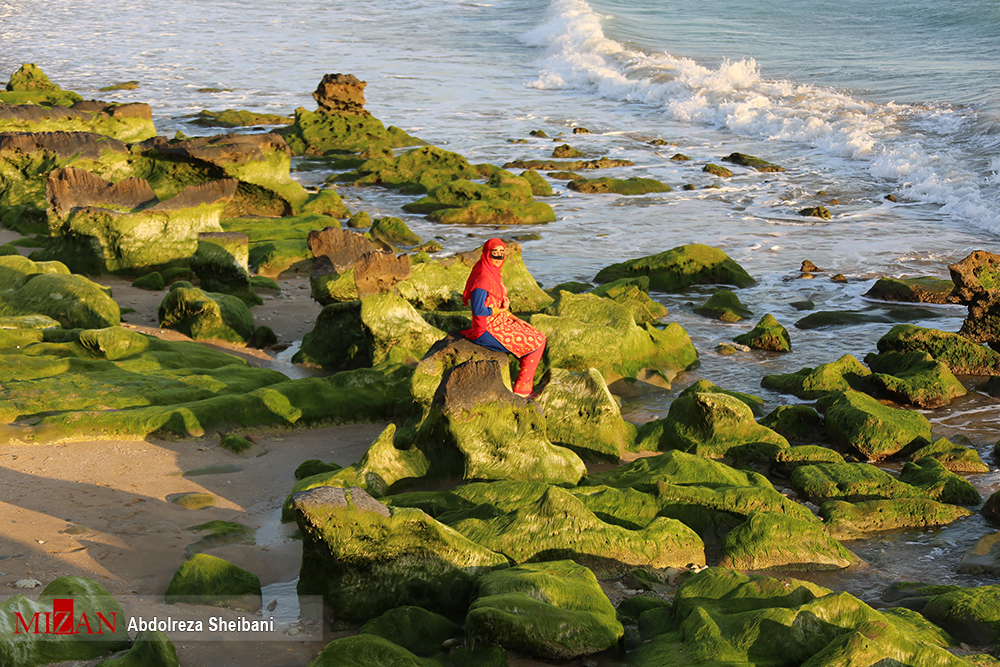
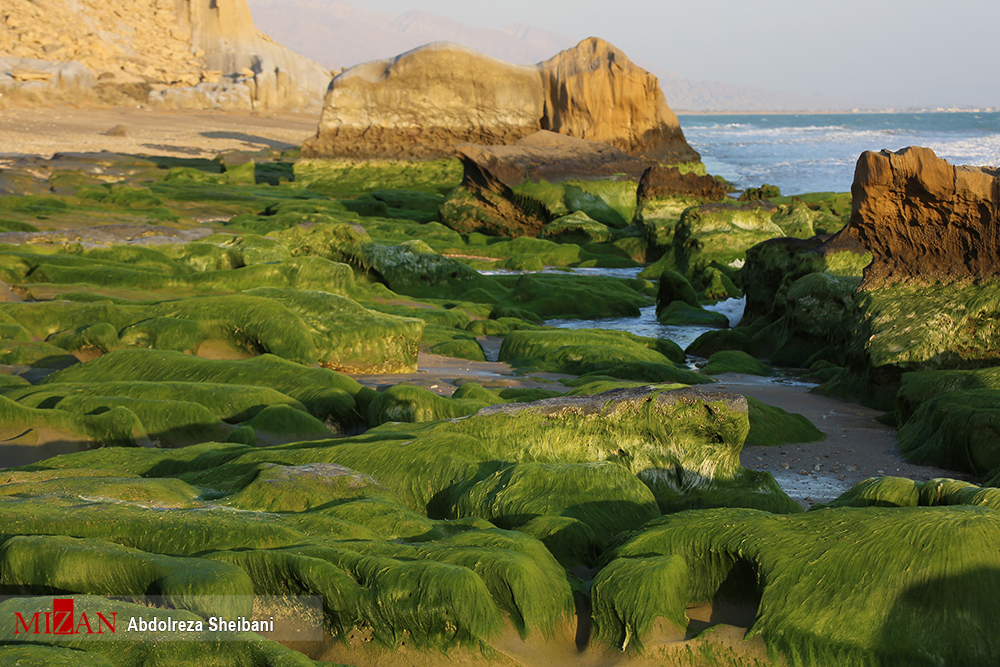
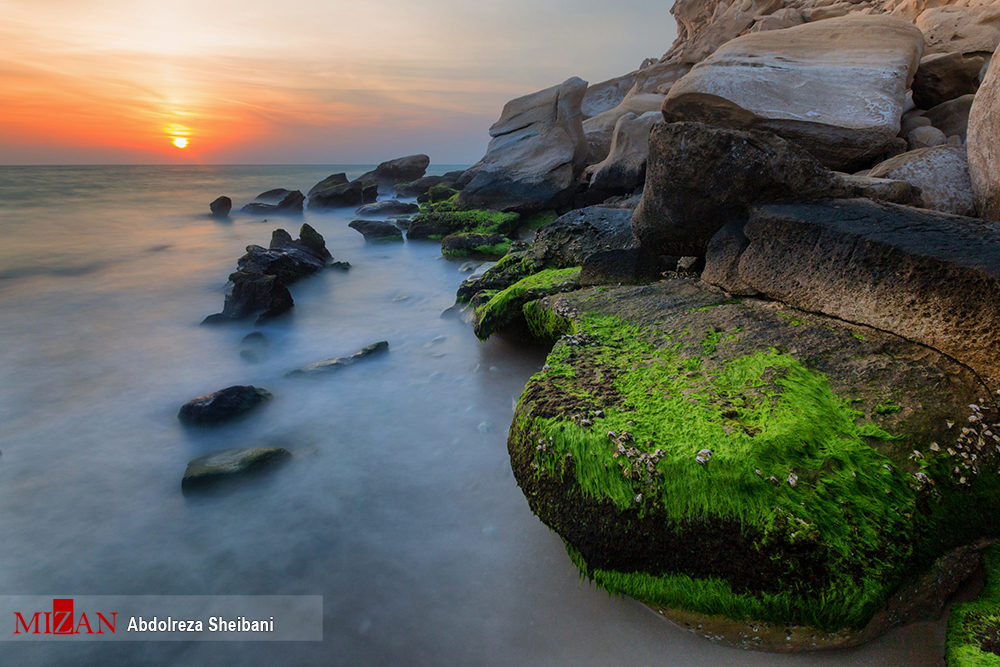
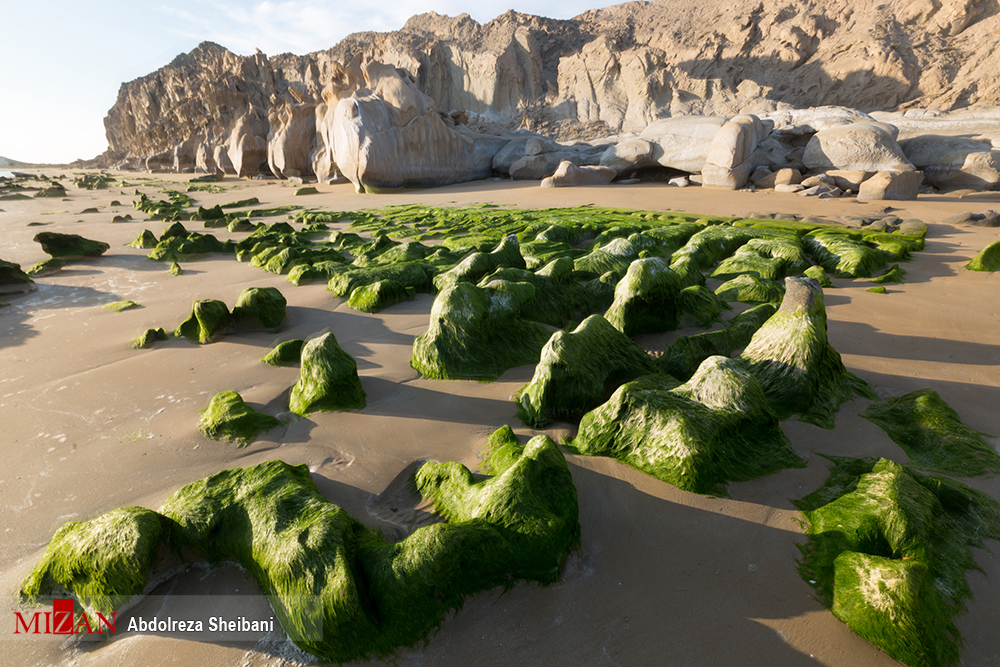
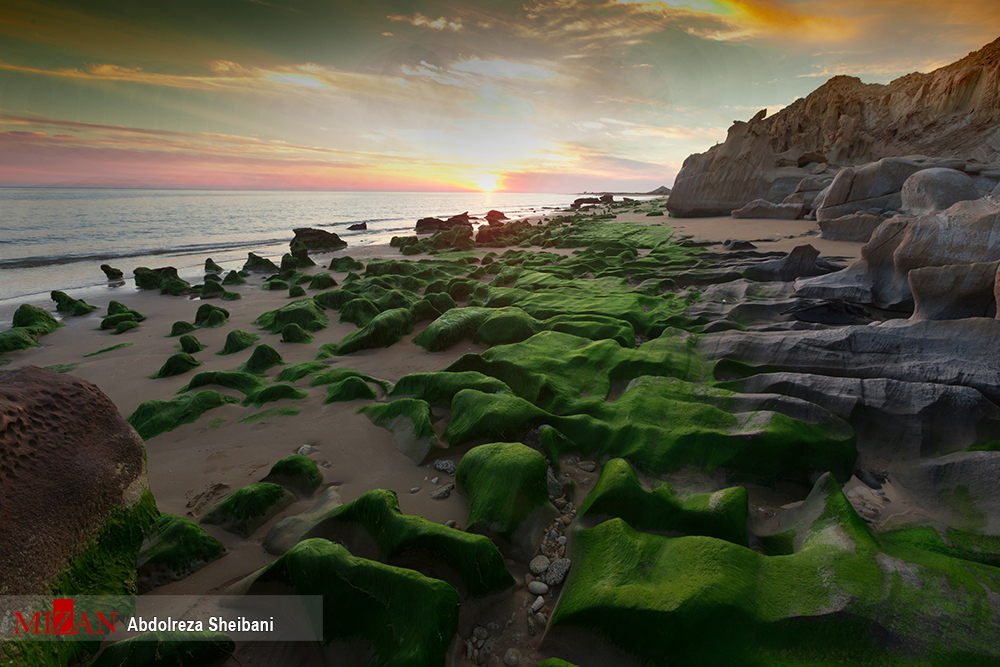
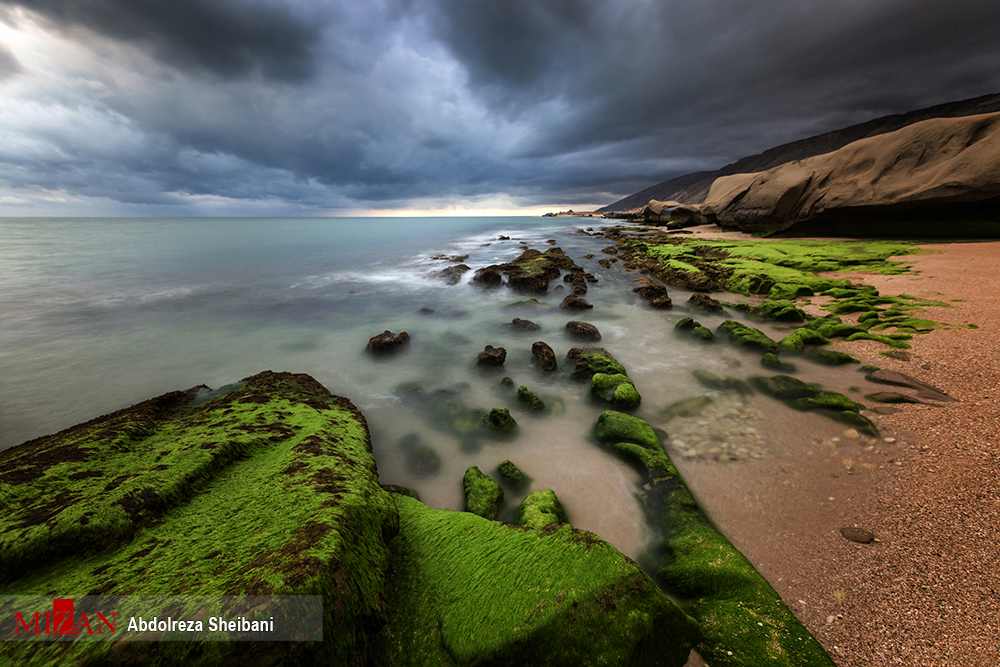
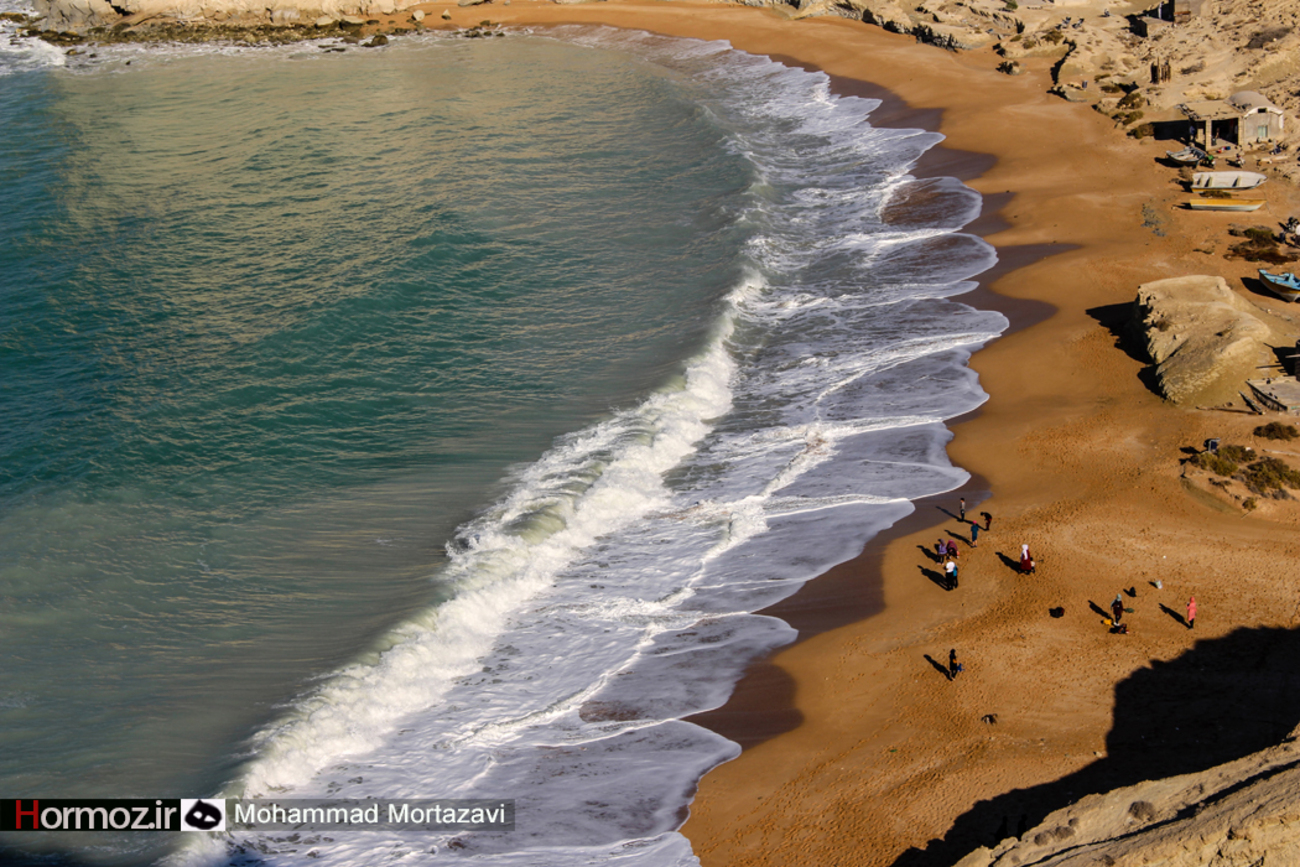
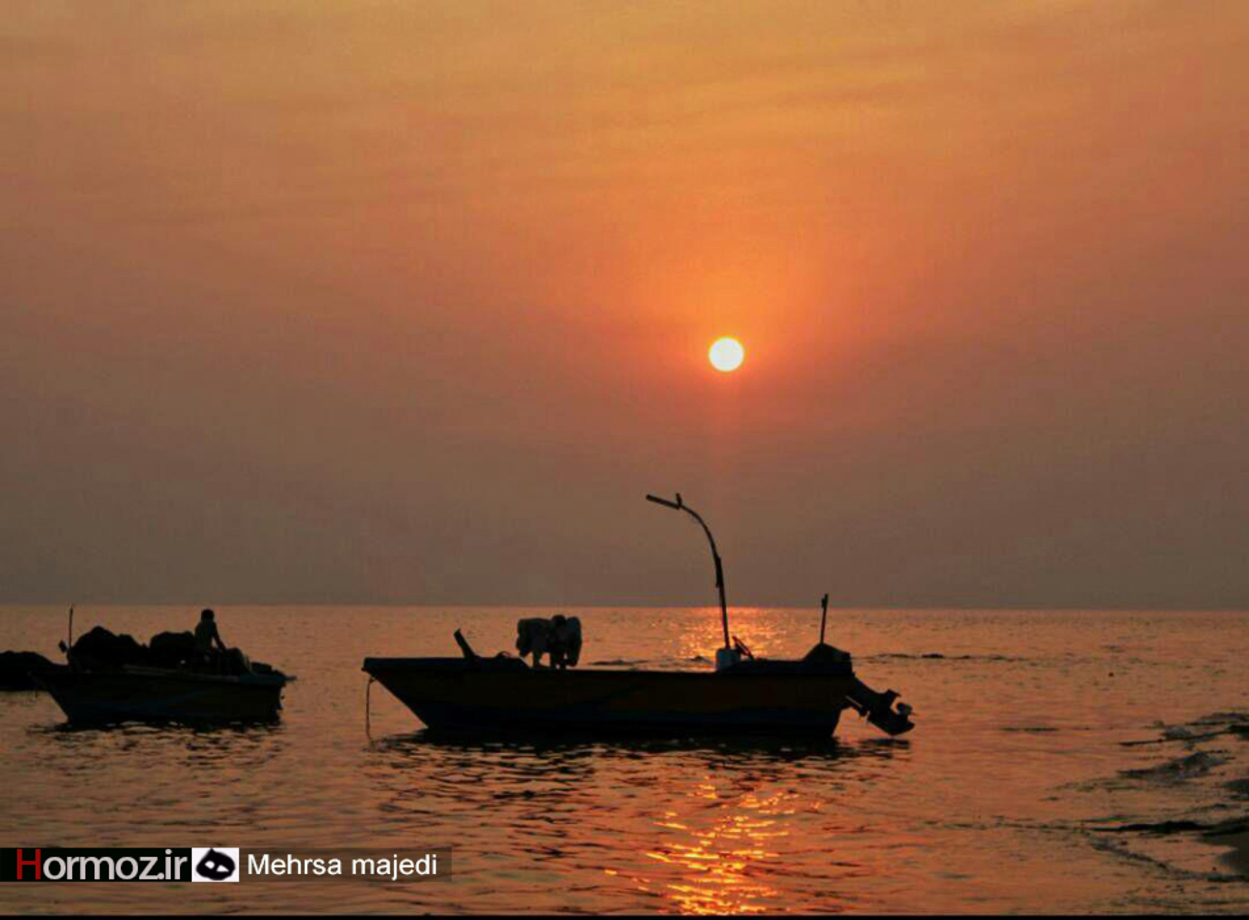
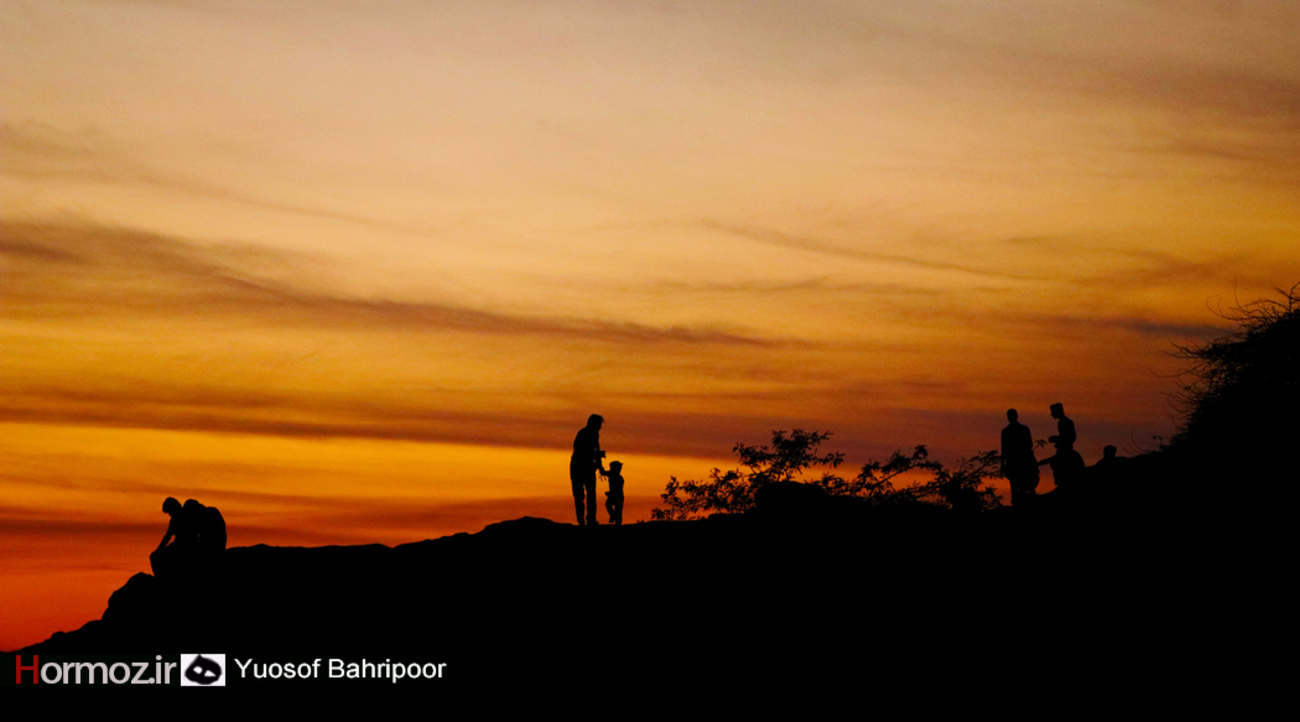
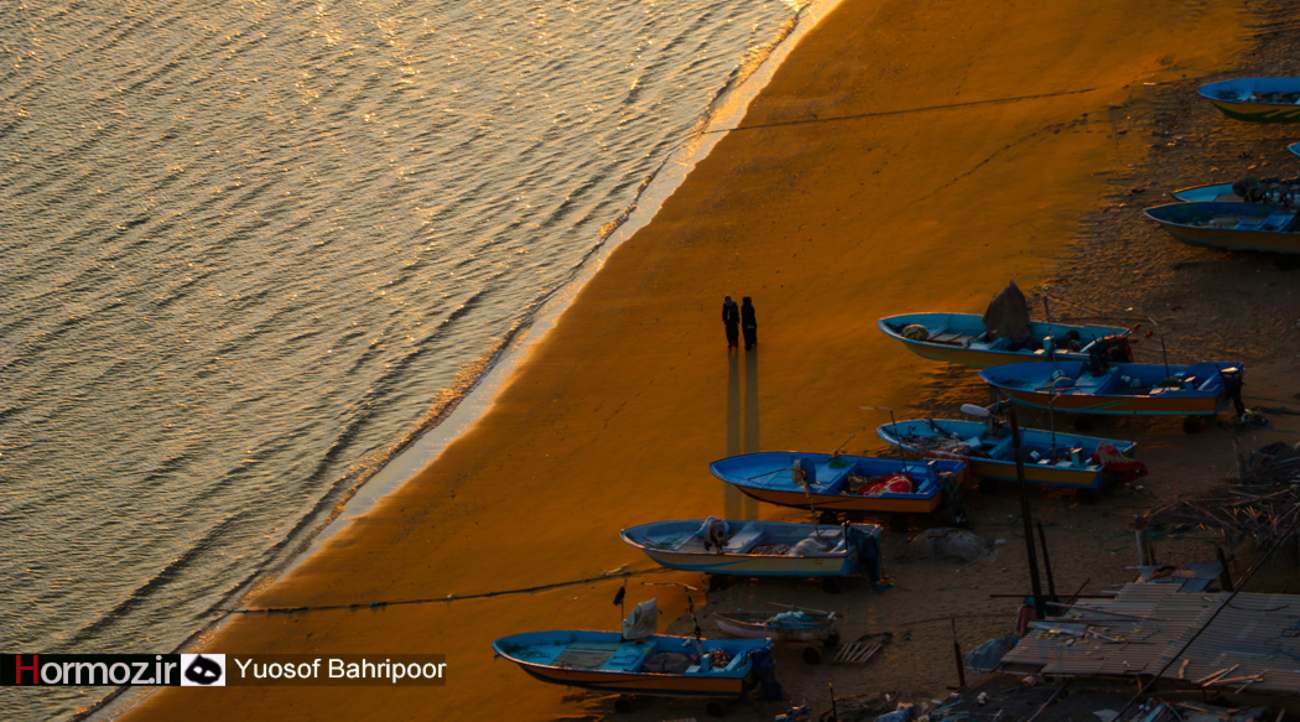
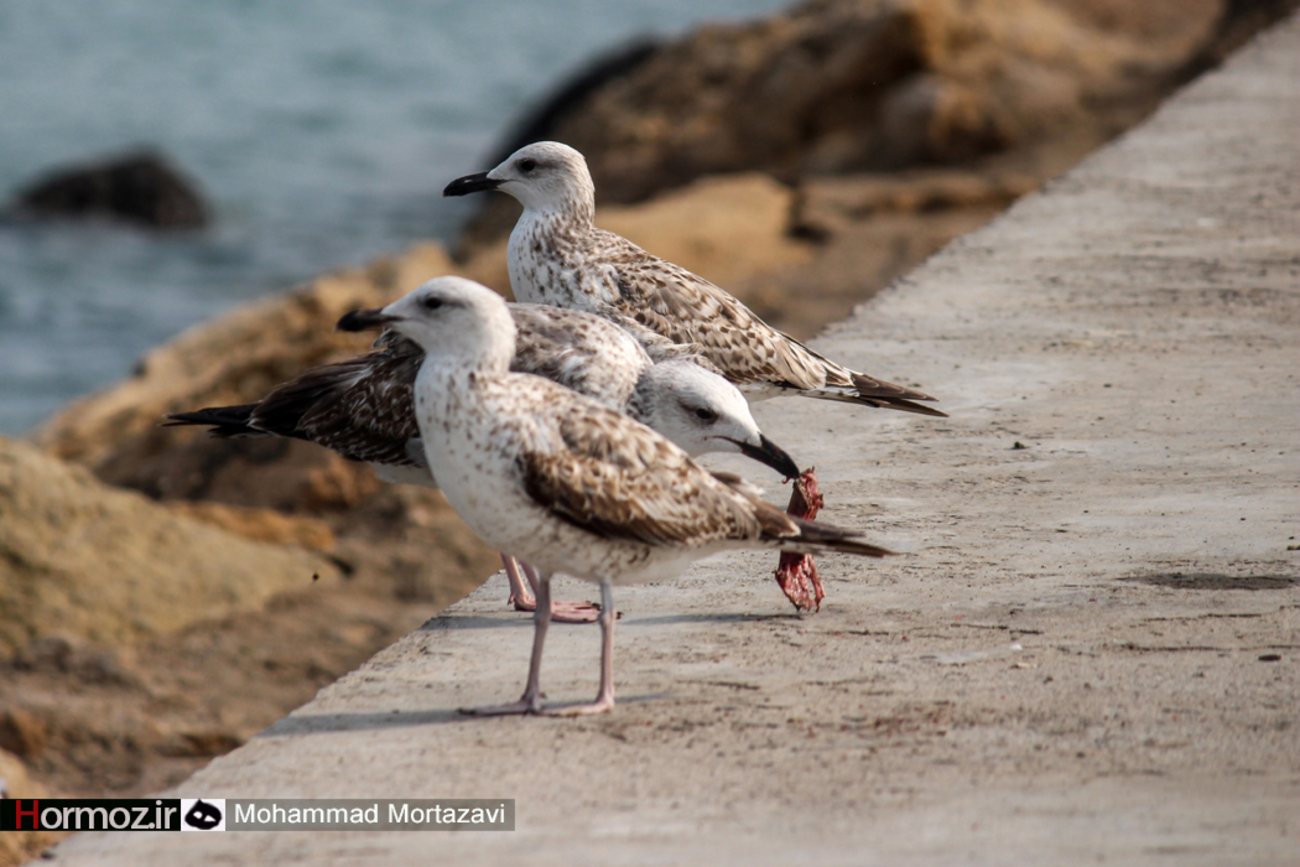
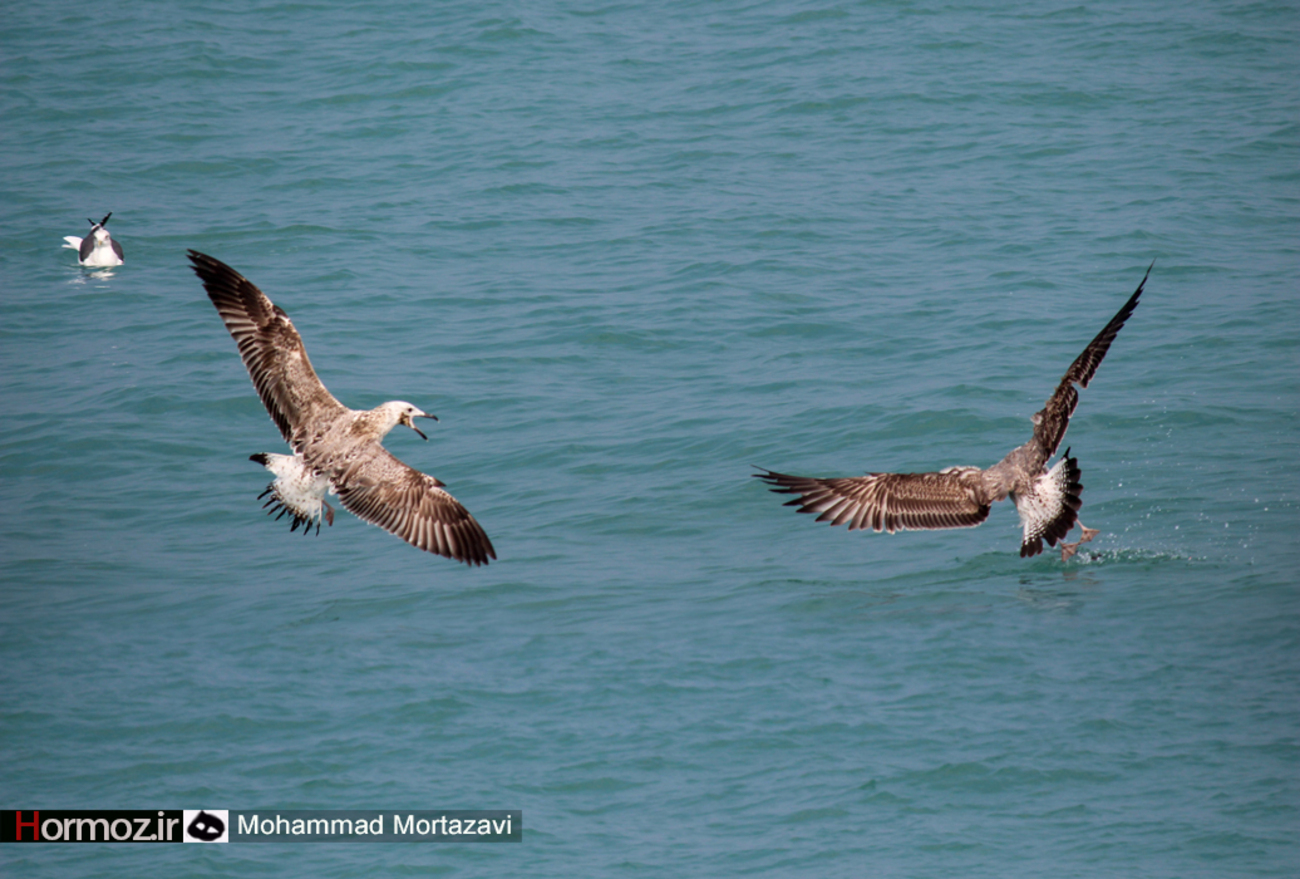
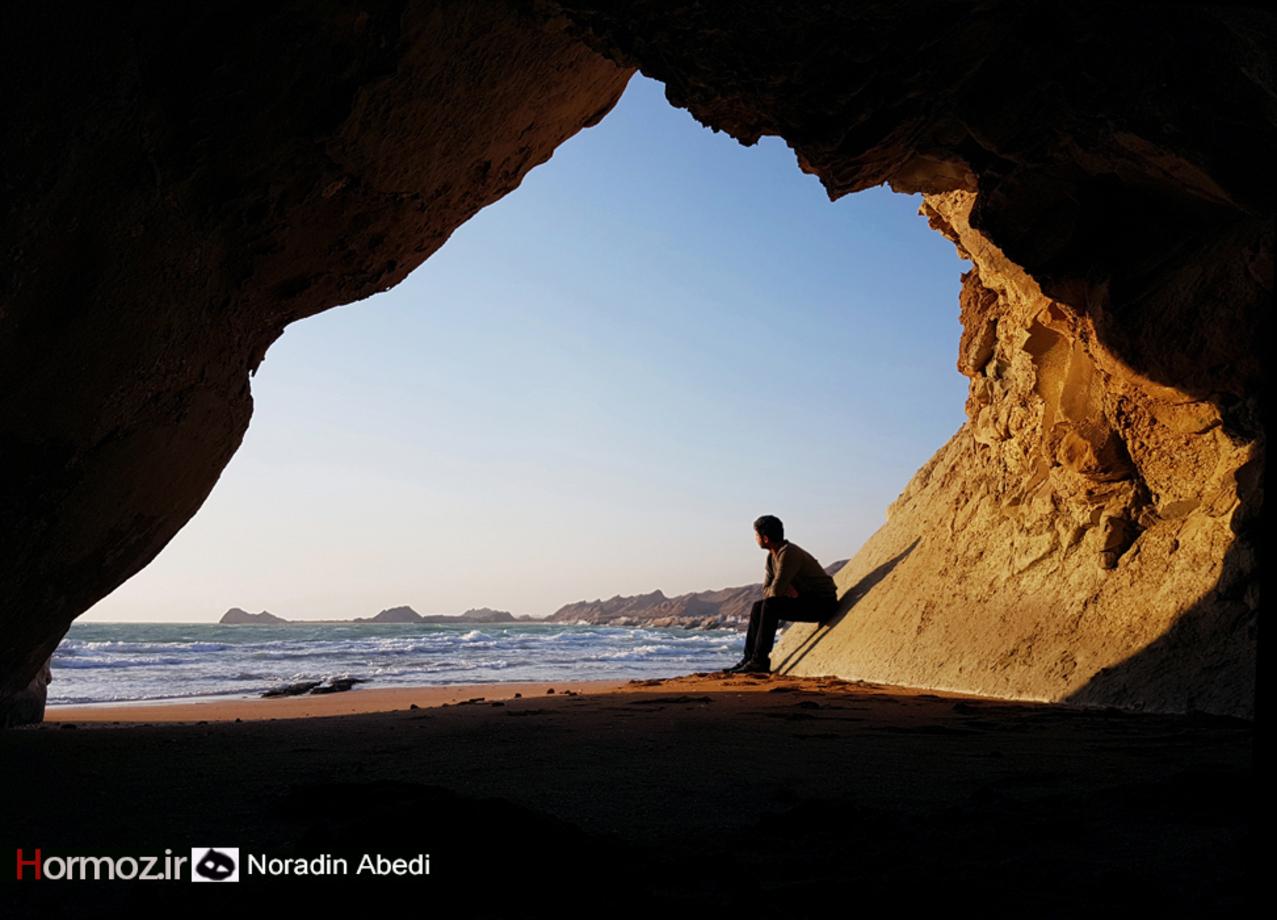
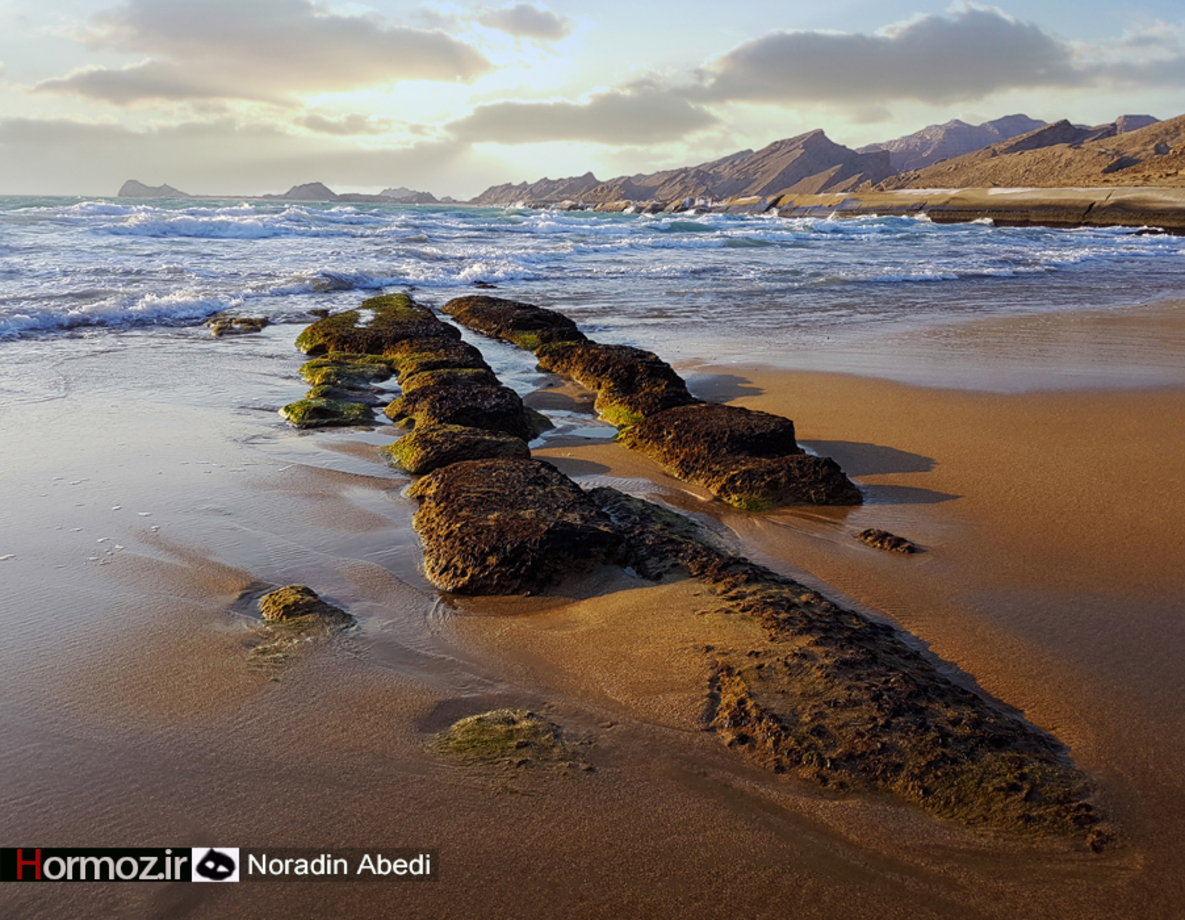
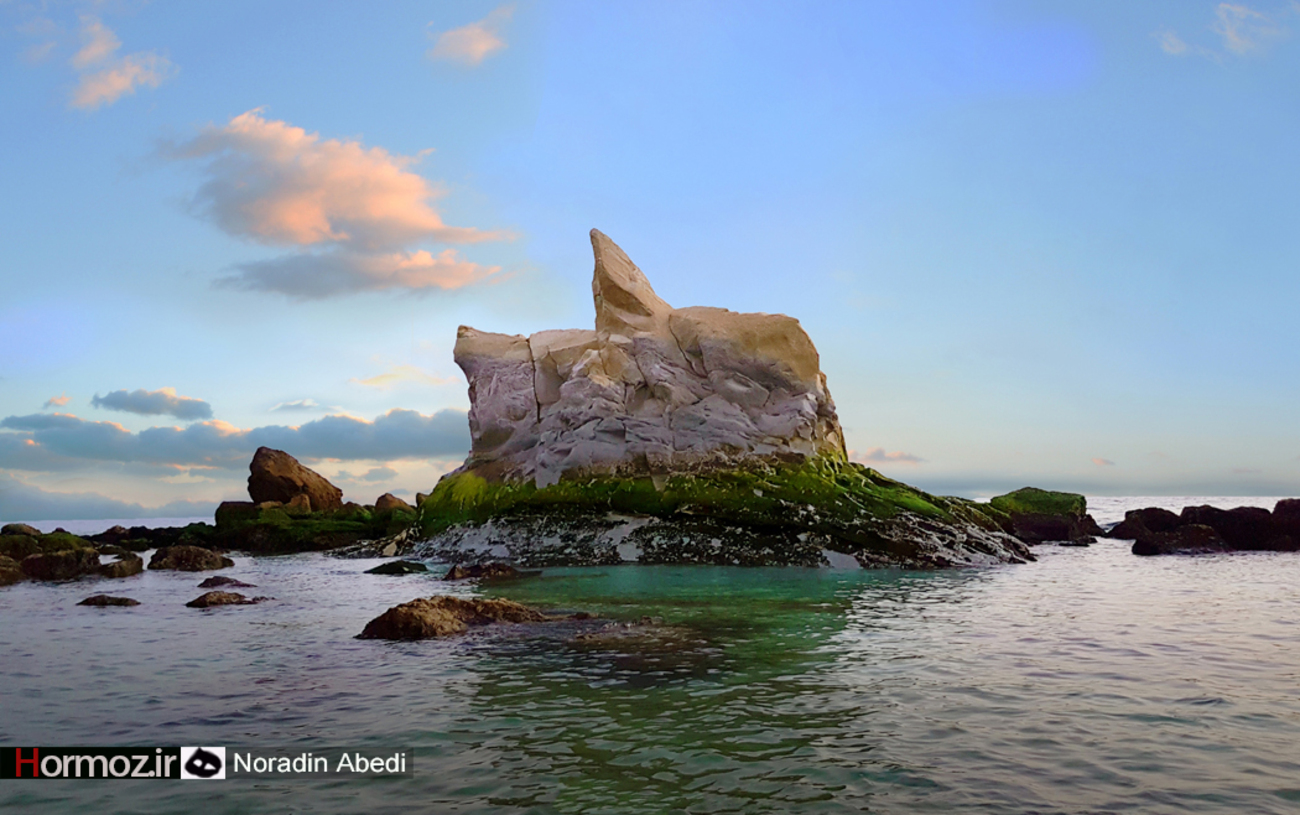
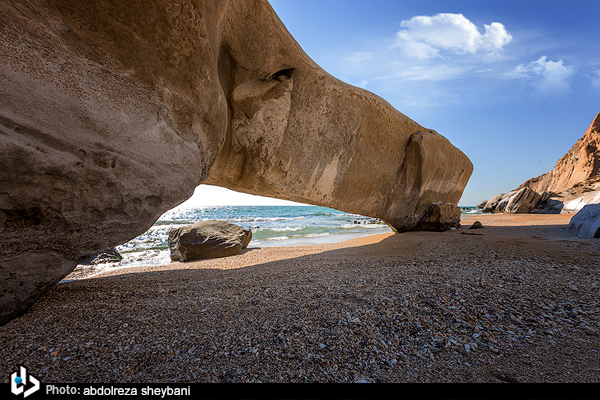
Parsian coast in the southern province of Hormozgan enjoys one of the most beautiful scenes along the Persian Gulf. The beach is totally intact and lives its original life along the Gulf.

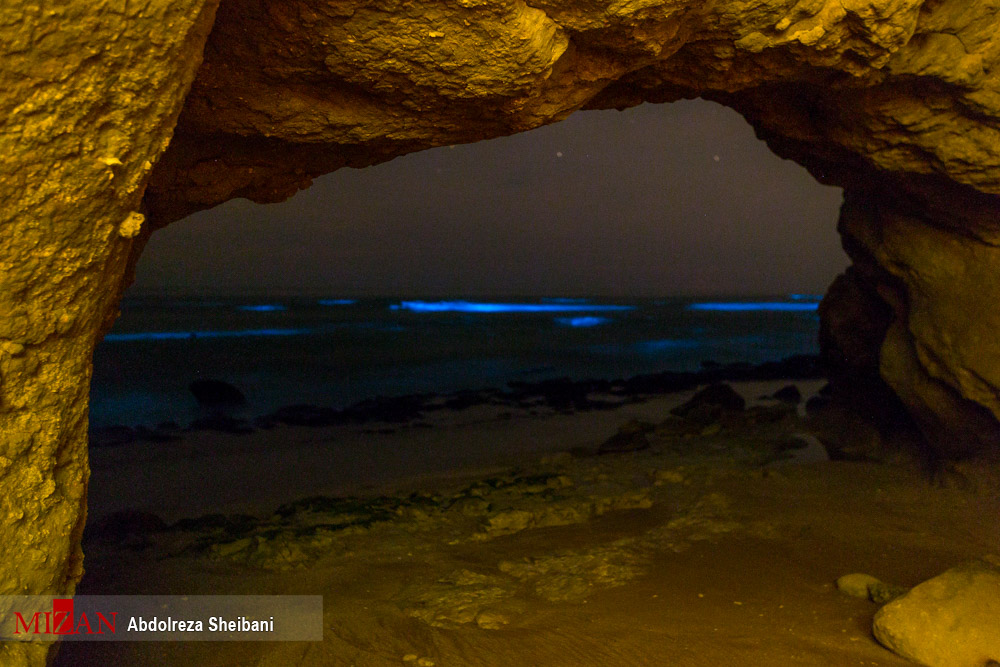
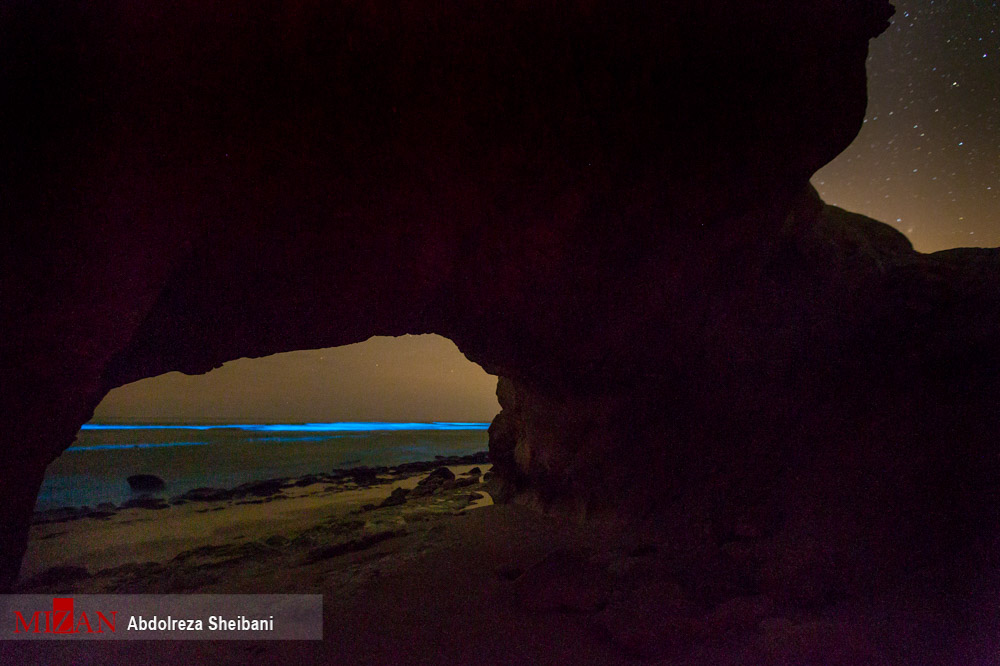
Parsian is among the areas which under the light of the Planktons turn into an amazing scene during the mentioned period of time each year. Planktons are some microscopic creatures living under the seas or oceans. They are highly important for the survival of the fish and corals. They emit beautiful lights during nights.

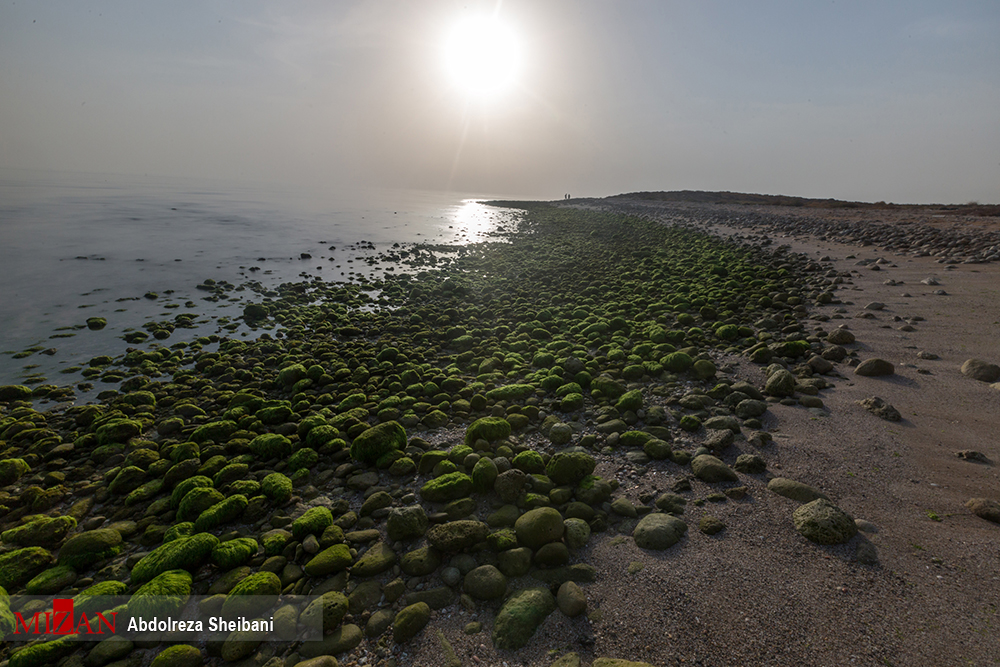
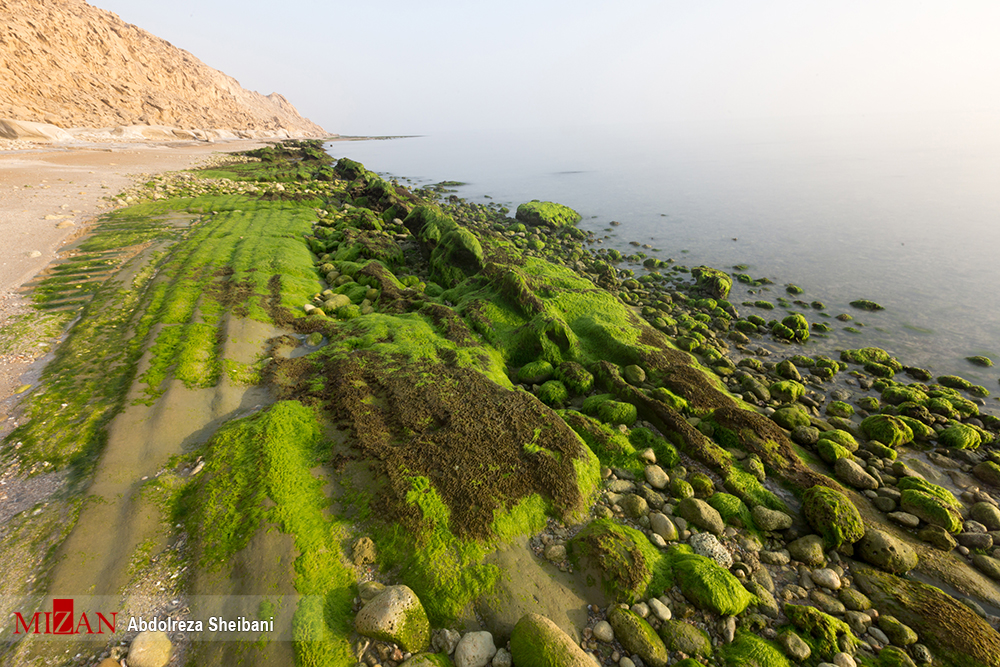
The short distance between the high mountains of Zagros and the shining sandy shores of the Persian Gulf is naturally decorated with green plants, smooth plains, sandy hills and high peaks.

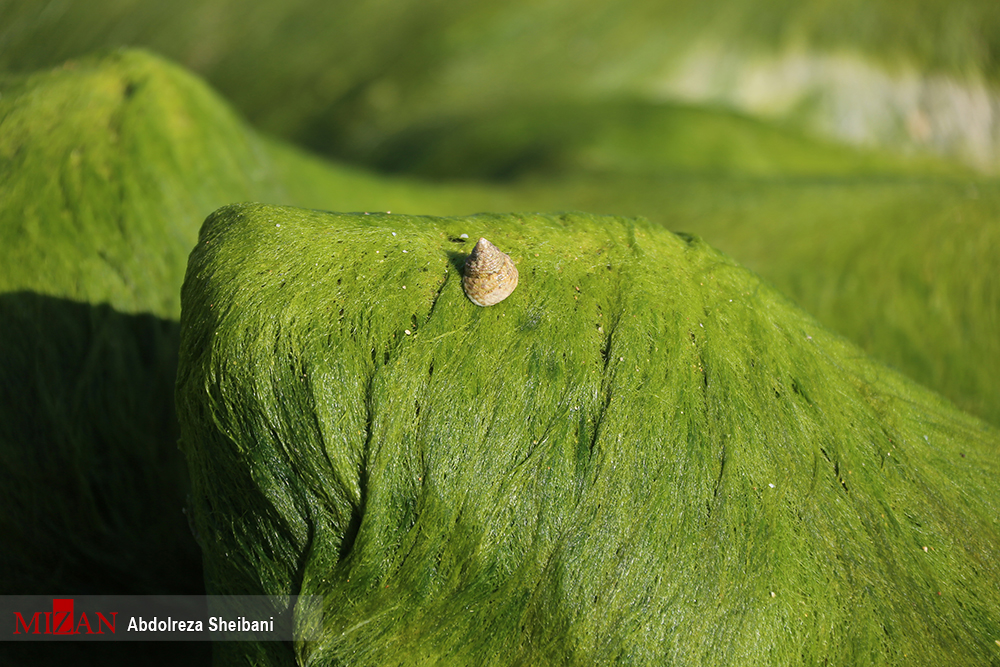
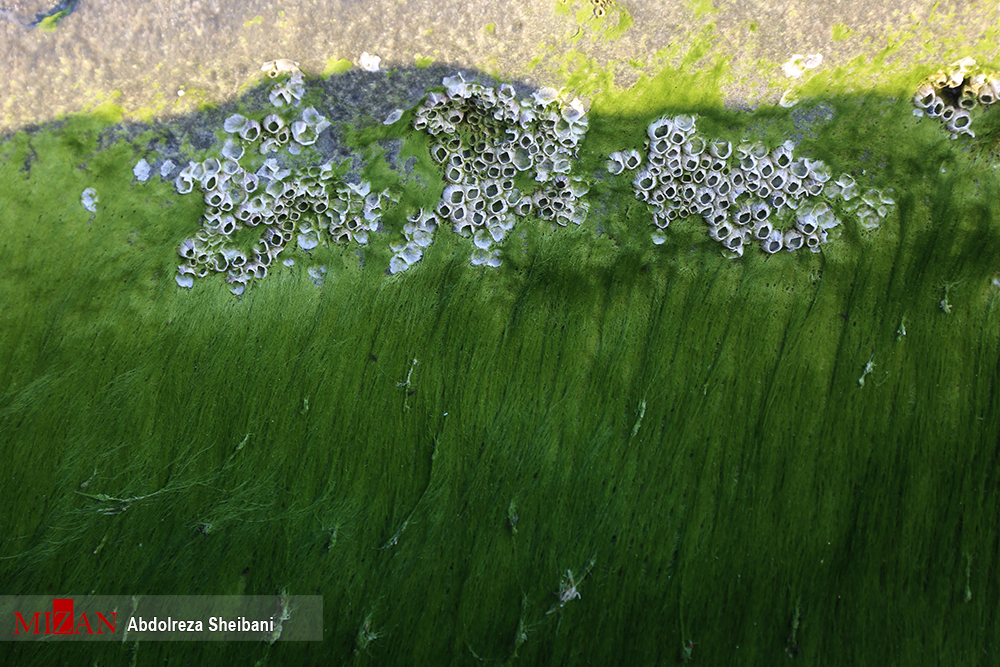
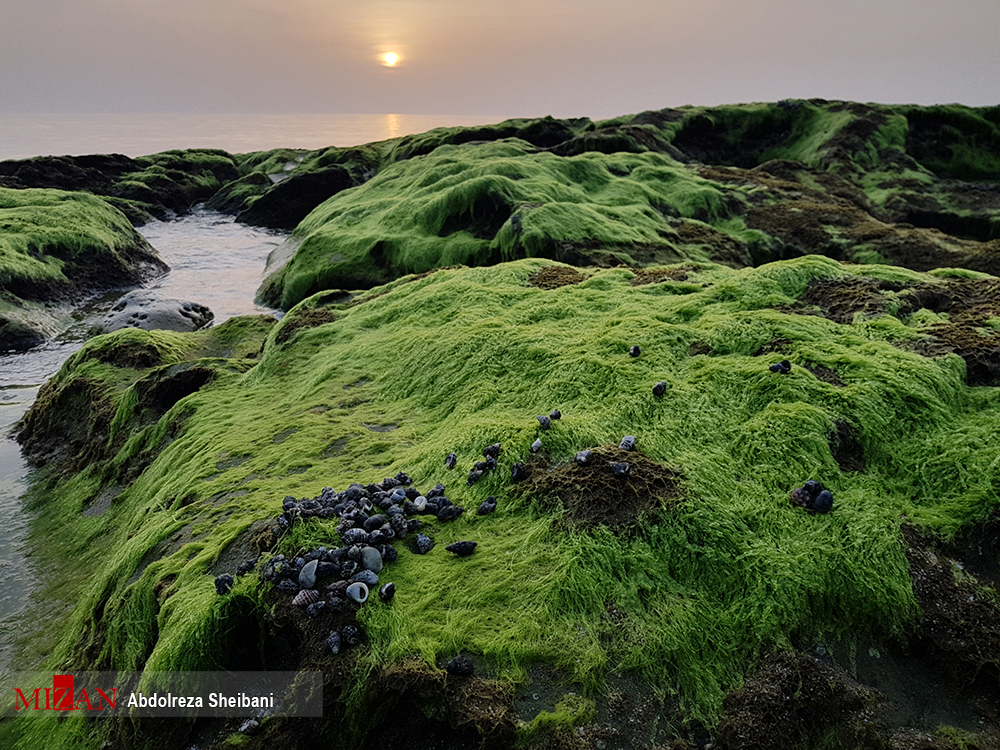
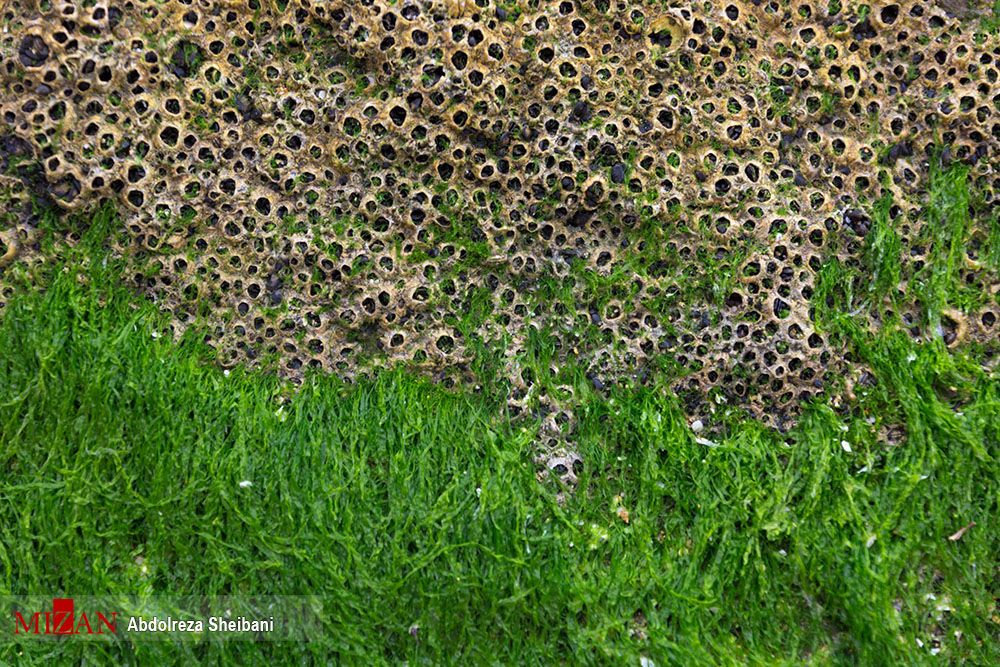
The green plants hide themselves under the water and then come out; attracting the attentions of tourists for hours with the ebb and flow of the water along the Persian Gulf.

The green plants remain there till mid-April and then gradually begin to die and disappear.

The beauty of the splendid and amazing nature of the area significantly increases during the early days of the new Persian Year with green gardens, farming lands, and plains as well as fountains, wandering hunters and signs of the traditional lifestyles of its residents.

Below you can see photos of the beautiful coast of Parsian:

Iran Raps UN for Extending Human Rights Rapporteur’s Mandate

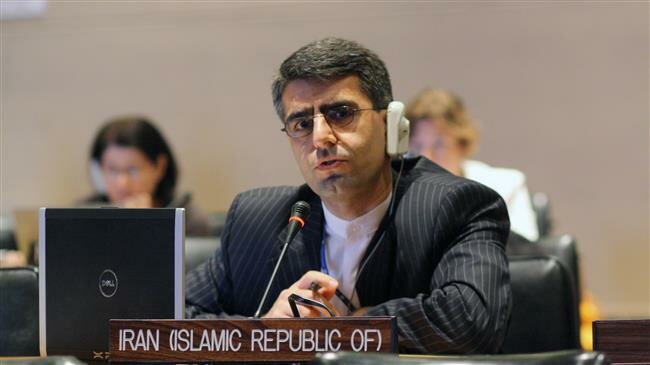
“The appointment of a special rapporteur on Iran is an unjust and unwarranted scheme initiated by certain states in pursuit of their politically-biased attitude against our nation,” Esmaeil Baghaei Hamaneh, the permanent representative of Iran to the United Nations Office in Geneva, said on Friday.

“It is no accident that those who have a long record of violating human rights and humanitarian law, including by wreaking havoc across our region by flooding it with weapons and by actively supporting terrorism and violent extremism, are among the main backers of this scheme,” he added.

During its 40th regular session of the United Nations Human Rights Council on Friday, the body’s members decided to extend the mandate of the special rapporteur for a further period of one year in a Sweden-drafted resolution on the situation of human rights in Iran, adopted by a vote of 22 in favor, seven against and 18 abstentions.

In a speech to the meeting, the Swedish representative Veronika Bard claimed that extending the mandate was aimed at improving the human rights situation in Iran amid concerns in this regard.

On July 6, 2018, Javaid Rehman was appointed as the third special rapporteur on the situation of human rights in the Islamic Republic of Iran since re-establishment of the mandate.

The Iranian diplomat further warned of the adverse consequences of the draft resolution L.15 and its ensuing mandate, saying they “could only contribute to bizarre clichés against Iran.”

“Rest assured such insincere moves could barely contribute to the promotion and protection of human rights,” Baghaei Hamaneh added.

He said it is disappointing that Sweden and a few other countries fixate on their “unconstructive and counterproductive” approach against Iran.

The Iranian diplomat emphasized that human rights cries of the draft resolution’s sponsors lack credit, good faith and moral ground as they remain indifferent to “systematic atrocities perpetrated by their allies in our region on a daily basis.”

They keep silent about “inhumane and unlawful” sanctions imposed by the United States, which is a violator of human rights on a large scale, he said.

“[The issue of] human rights is a common cause. The abuse of the human rights mechanisms against Iran compromises the sense of solidarity as an integral part of this lofty cause,” Baghaei Hamaneh said.

However, he emphasized that Iranian officials would not be distracted from serving the nation through such “adversarial maneuvers.”

He said Iran has a resolve to maintain its “constant progress in protection and promotion of human rights” and would also continue its engagement with the Office of the UN High Commissioner for Human Rights and other competent UN human rights mechanisms as well as with responsible states that value interaction and dialog.

He urges Sweden to “discontinue its harmful and extremely counterproductive pathway” and calls upon the Human Rights Council members to say No to this draft resolution.

Freed Border Guards Receive Hero’s Welcome in Tehran

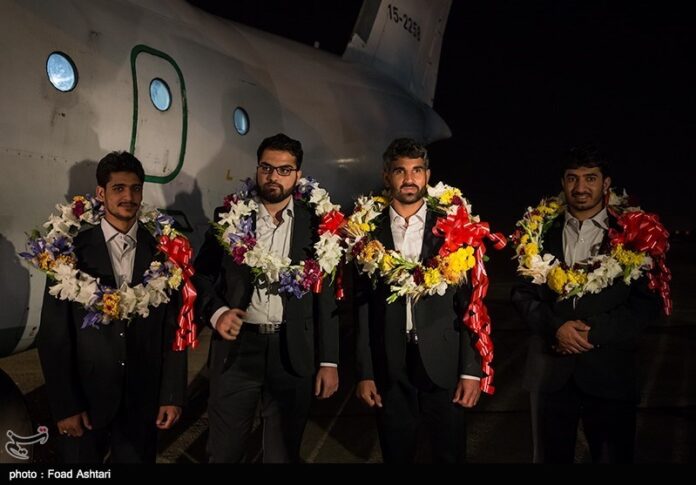
The four border guards arrived in Iran on Friday night and were warmly welcomed by a number of senior military officials, including Commander of the Islamic Revolution Guards Corps (IRGC) Ground Force Brigadier General Mohammad Pakpour.

Earlier on Thursday, the IRGC Spokesman had said that the force would deploy a plane to Pakistan on to repatriate the border guards.

On October 15, the so-called Jaish-ul-Adl terrorist group infiltrated the country from the Pakistani side of the border and took hostage 12 border guards, local Basij forces, and the Islamic Revolution Guards Corps (IRGC) members.
The IRGC Ground Force’s Quds Base said on that day that the local Basij forces and the border regiment forces stationed at the border post in Mirjaveh region in Iran’s southeastern province of Sistan and Balouchestan had been abducted after “acts of treason and collusion” involving an element or elements of the anti-Revolution groups who had infiltrated the country.

On November 22, the IRGC said five of the abductees returned home after consultations and interaction with Pakistan.

Iranian military forces along the southeastern border areas are frequently attacked by terrorist groups coming from Afghanistan and Pakistan.

Tehran has frequently asked the two neighbors to step up security at the common border to prevent terrorist attacks on Iranian forces.

Iran Increases IQ of 70 Million Children Using Iodized Salt

Dr. Fereydoun Azizi, the Chairperson of the Research Institute for Endocrine Sciences at Shahid Beheshti University of Medical Sciences, says the Islamic Republic began to add iodine to salt in 1989, and since then, the IQ of 70 million children has been boosted.
IQ is a total score derived from several standardized tests designed to assess human intelligence.

According to Azizi, estimates show the program has also managed to prevent the emergence of 30 million cases of goitre and about 15 million goitre surgeries so far.

Speaking to IRNA, he said if families use sea salt instead of iodized salt, they will likely suffer from the symptoms of iodine shortage which could lead to goitre and hamper their physical and mental growths.


6% of Iranian Students Suffering from Goitre

Azizi also said the number of Iranian school students suffering from goitre has decreased from 68 percent in 1987 to only 6 percent in the current year.

A goitre, or goitre, is a swelling in the neck resulting from an enlarged thyroid gland. It is associated with a thyroid that is not functioning properly. The thyroid gland, or simply the thyroid, is an endocrine gland in the neck producing two main hormones triiodothyronine (T3) and thyroxine (T4).

The hormones created by thyroid circulate in the body along with the blood and plays some key roles in controlling metabolism. Worldwide, over 90% of goitre cases are caused by iodine deficiency. The term is from the Latin gutteria.

Most goitres are of a benign nature. Some of the symptoms of the disease are as follows: swollen throat, sore throat, swallowing problem, cough, fatigue, breathing disorder, irregular heartbeat, Attention deficit hyperactivity disorder (ADHD), excessive sweating, heat sensitivity, hair loss, cold intolerance, constipation, temper change and weight gain.

Azizi cited goiter as one of the main diseases caused by iodine shortage and added since 1989, the government has begun to massively distribute iodized salt among people, decreasing the number of goiter cases significantly.

He went on to say that in addition to goiter, iodine shortage can also hamper the physical and mental progress of a person creating some neurotic problems for them.


Need for Iodine Doubles during Pregnancy

Elsewhere in his remarks, Dr. Azizi referred to the growing need for iodine during pregnancy and said the need doubles during the period; therefore, he said, pregnant women should take this issue seriously.

“We are trying to meet the needs through some comprehensive plans including Idophilic across the country,” he said.

He said today most provinces across Iran enjoy high capacities for diagnosing guitre and concluded, unlike in the past, patients suffering from the disease don’t need to travel to big cities like Tehran, Shiraz and Isfahan for treatment any more.

All Forces Mobilized as Floods Wreak Havoc on Northern Iran

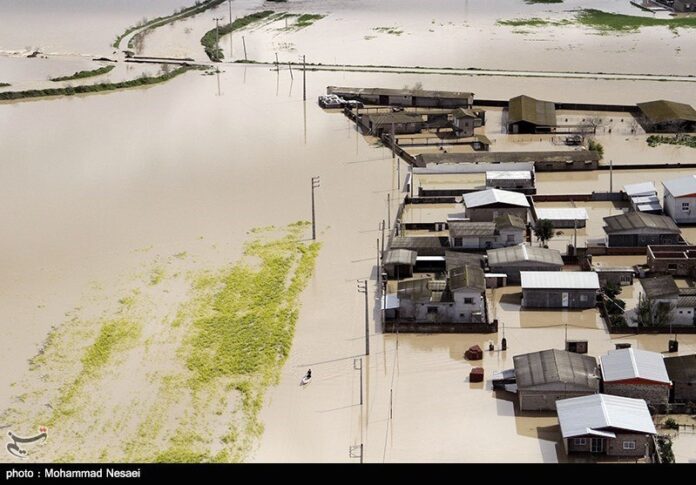
At least five people, including two children, have been killed in the floods during the past few days.

“Unfortunately, two children have lost their lives since floods hit Golestan [province]. As weather conditions improve, work will be expedited to dispatch aid to the flood-stricken areas in the province,” said a deputy provincial governor.

According to the Red Crescent Society, at least 6200 flood-stricken residents have been housed in emergency shelters so far. Water was emptied out of around 9,000 inundated houses, and 280 vehicles were pulled out of water as well. Five-thousand blankets and carpets have also been distributed among locals.

This comes as First Vice President Es’haqJahangiri accompanied by a number of ministers traveled to the flood-affected areas on Saturday to get a first-hand account of the situation there.

During his visit, Jahangiri fired Manaf Hashemi, the governor-general of Golestan province, who was out of the country when the floods hit, and has not yet shown up. Ali Gharavi, the deputy of Hashemi, was appointed as acting governor-general.

Parliament Speaker Ali Larijani also travelled to flood-stricken areas to see for himself the situation on the ground.

Iranian Armed Forces, including the Islamic Revolution Guards Corps (IRGC), the army, the police, and the Basij voluntary forces, have also mobilized all their resources to send relief aid to flood-stricken areas.

Neighbouring provinces have mobilized their resources, too, to speed up relief efforts.

In the meantime, Leader of the Islamic Revolution Ayatollah Seyyed Ali Khamenei, in a message on Saturday night, expressed deep sorrow over the tragedy, urging people and public institutions to send aid to the affected areas.

The Leader also instructed Major General Mohammad Baqeri, the chairman of the General Staff of the Iranian Armed Forces, to mobilize more resources to expedite relief operations in flood-hit areas.  

Following the Leader’s order, the top general instructed all armed forces to mobilize their resources and send as much aid and assistance as they can to help flood victims. He also dispatched his deputy Major General Ataollah Salehi to the flood-stricken areas heading a team of military top brass in order to ensure coordination among various military and state authorities during relief work.

The reservoirs behind Golestan 2 and Boustan dams in northern Iran overflew a few days ago, causing a local river to burst its banks and deluge all nearby towns and villages.

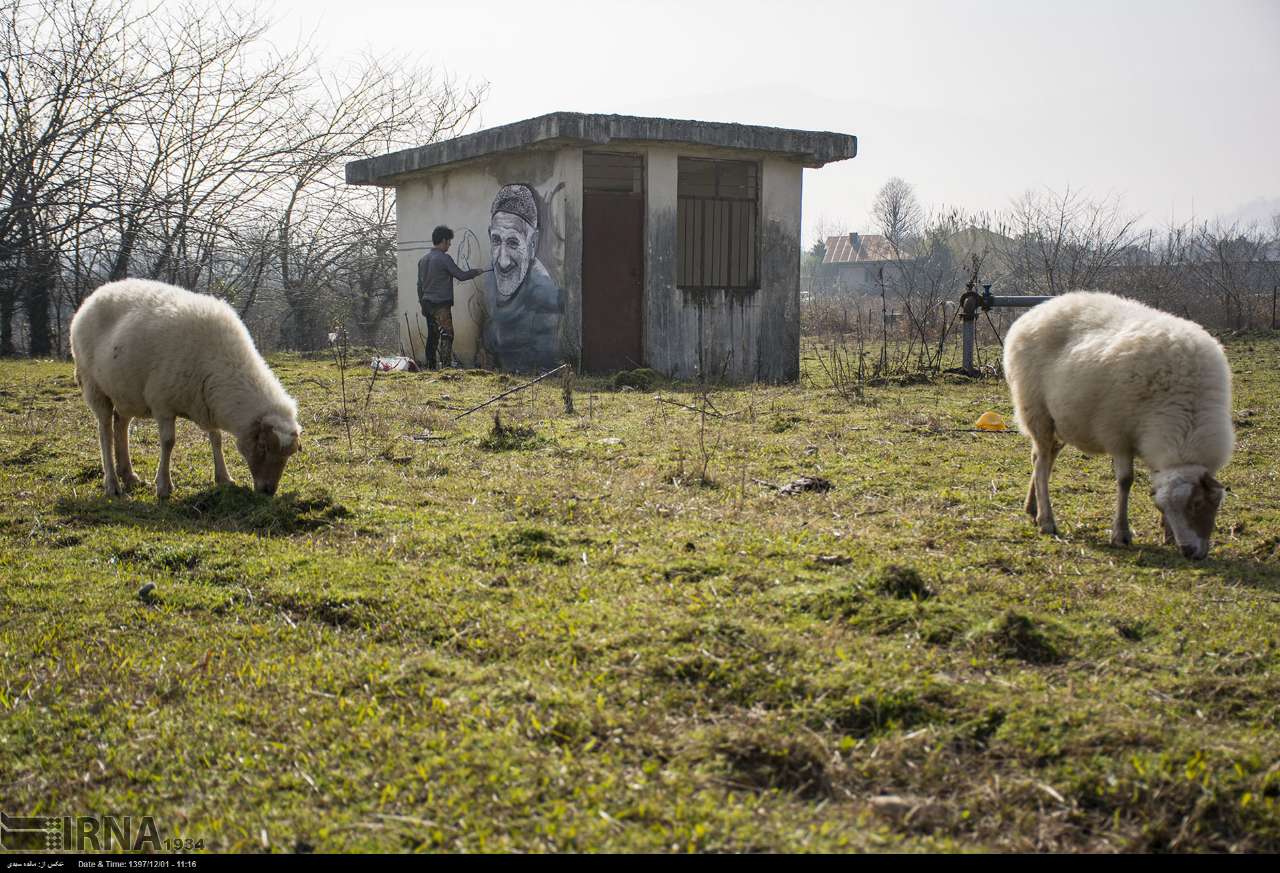
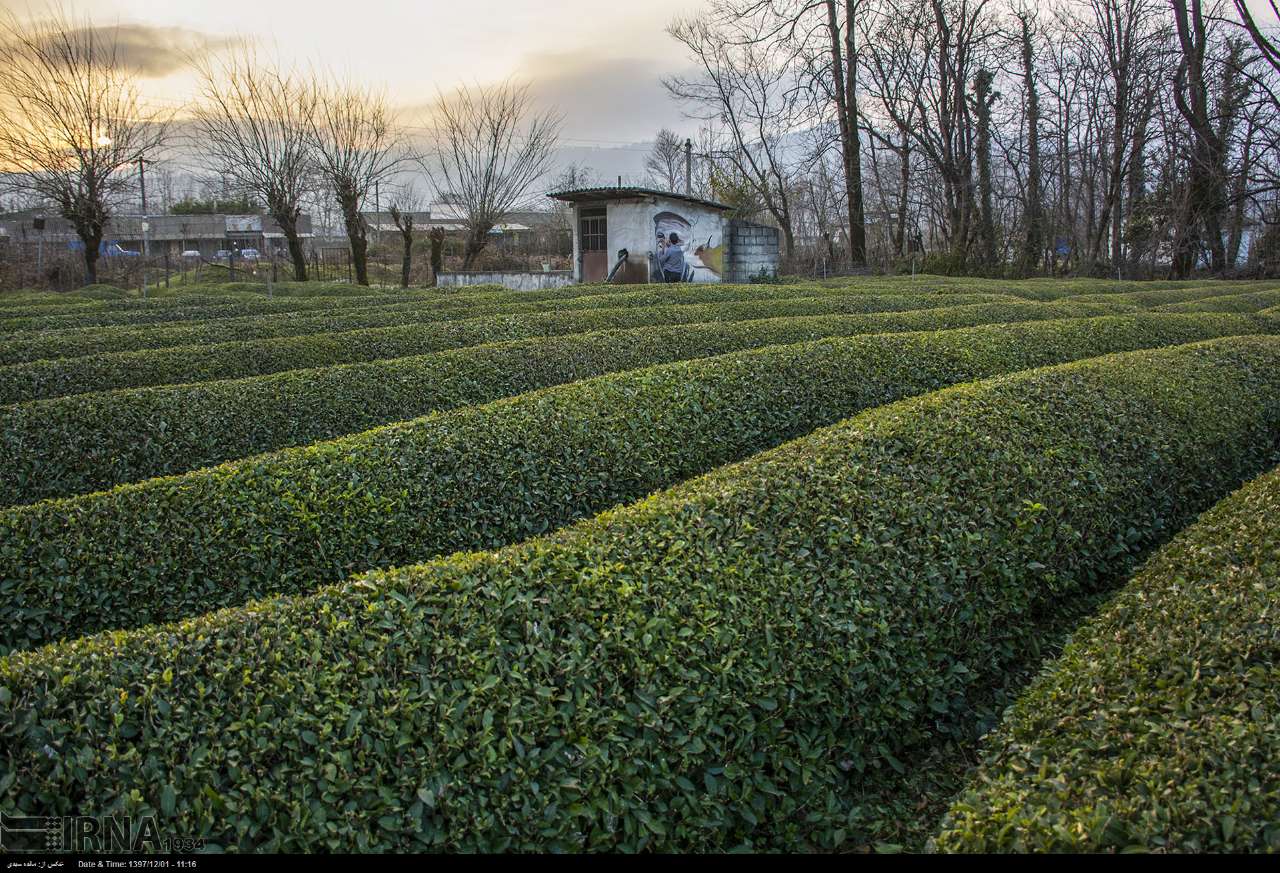
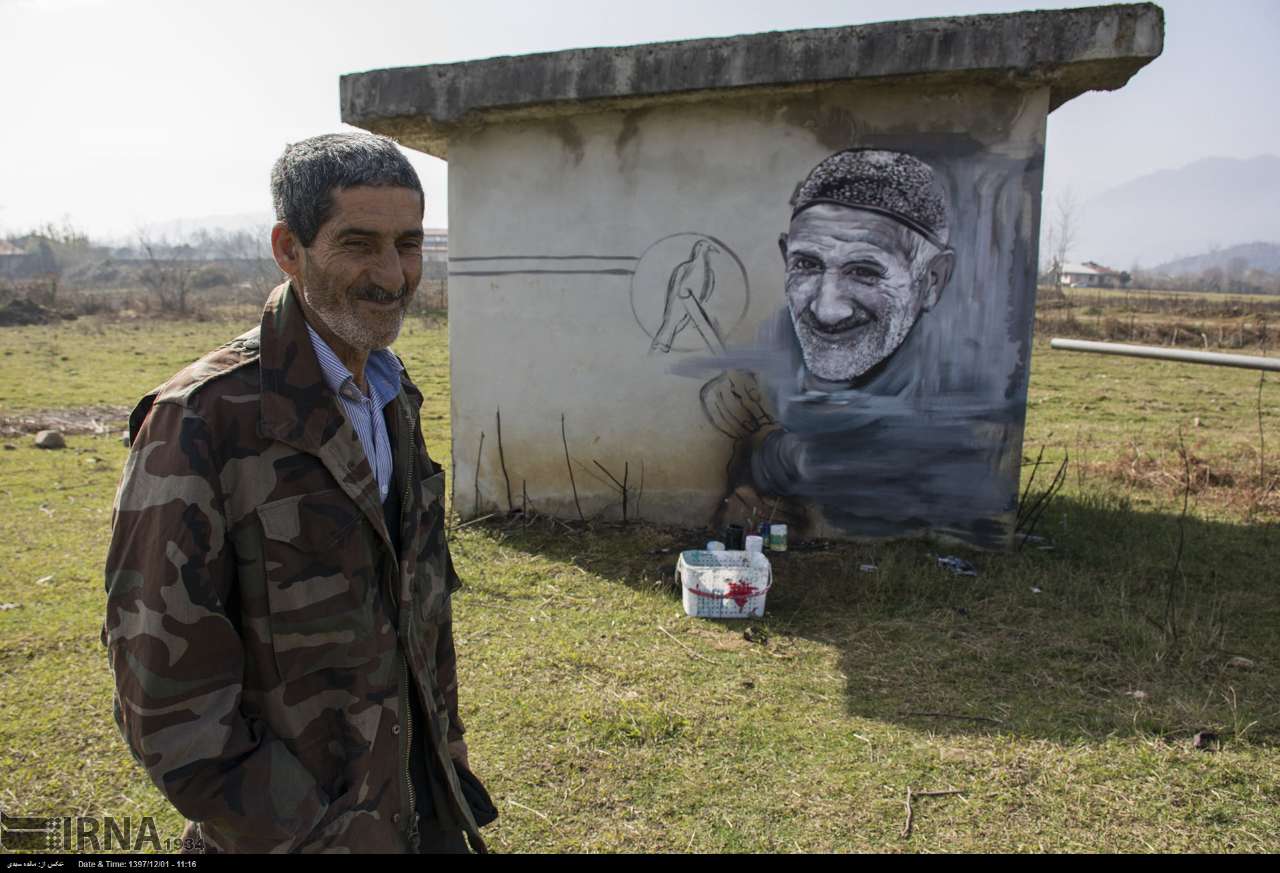
Oldsters Thrilled to See Their Portraits Painted on Village’s Walls

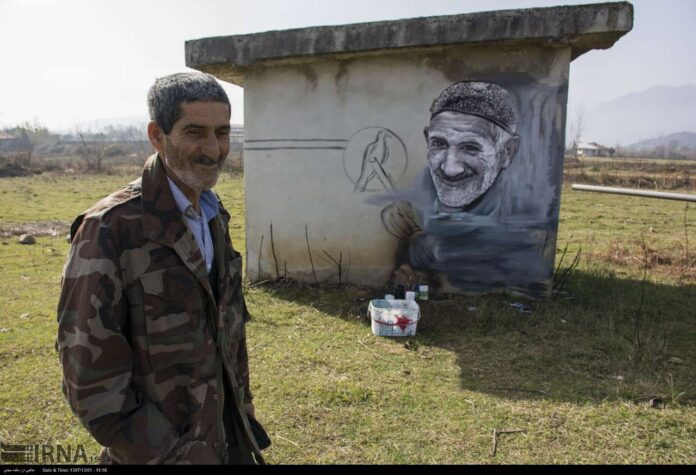
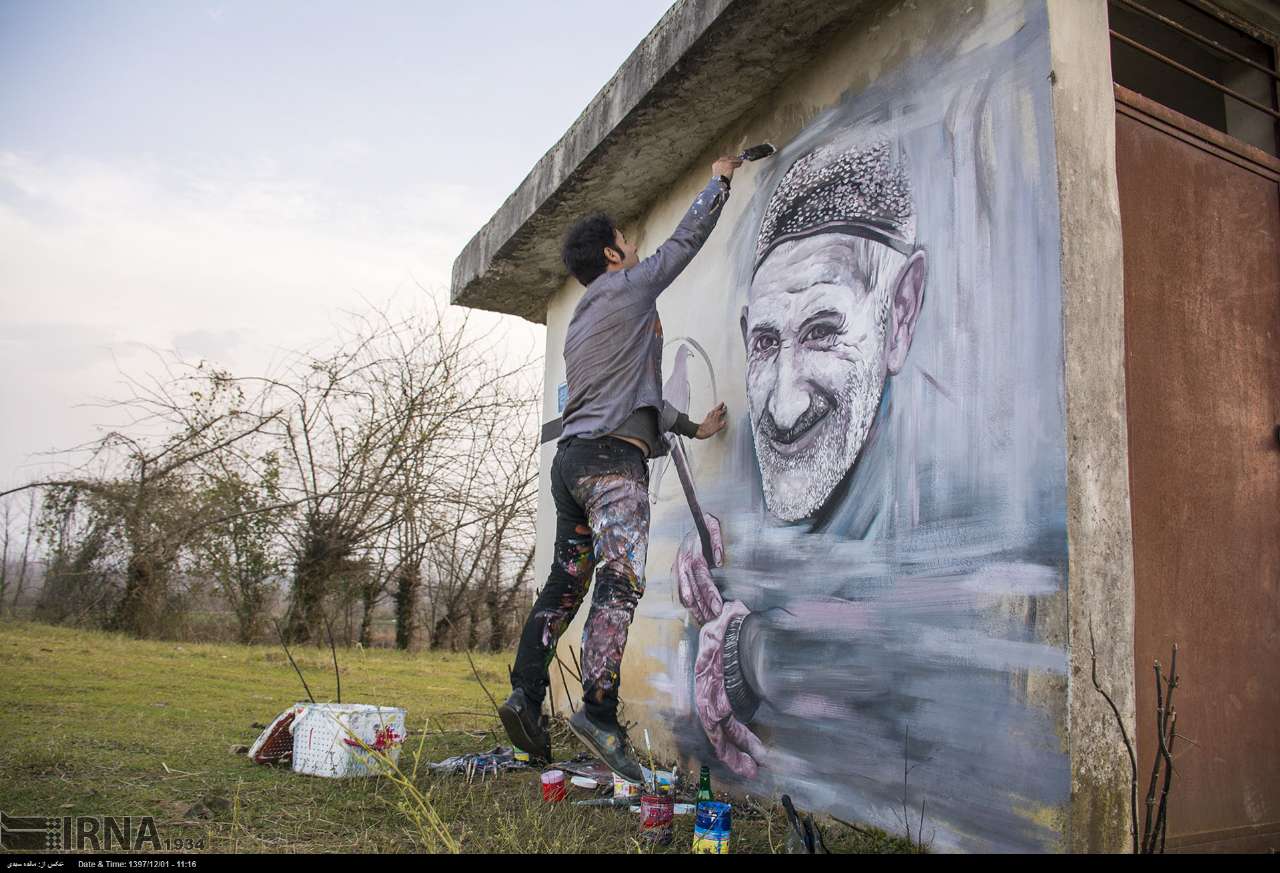
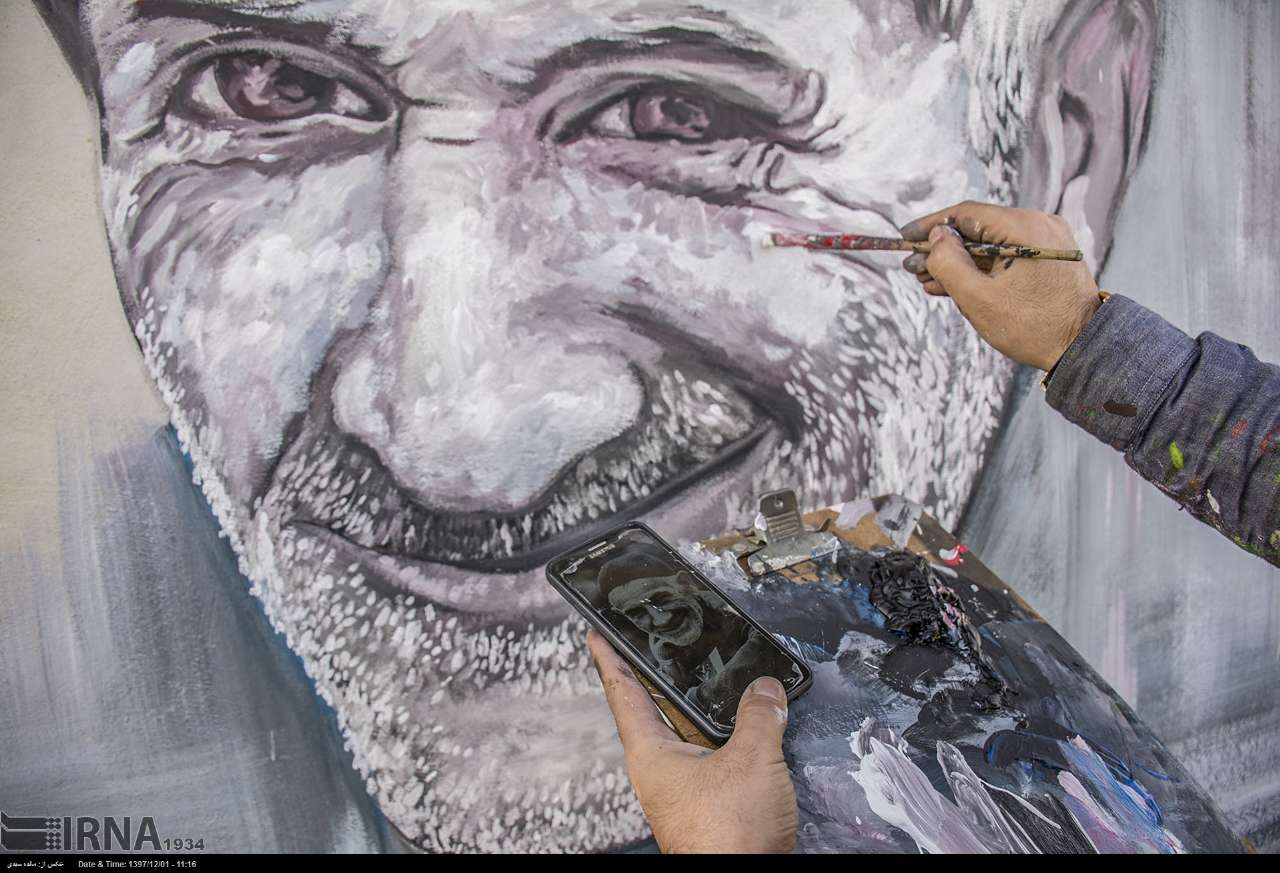
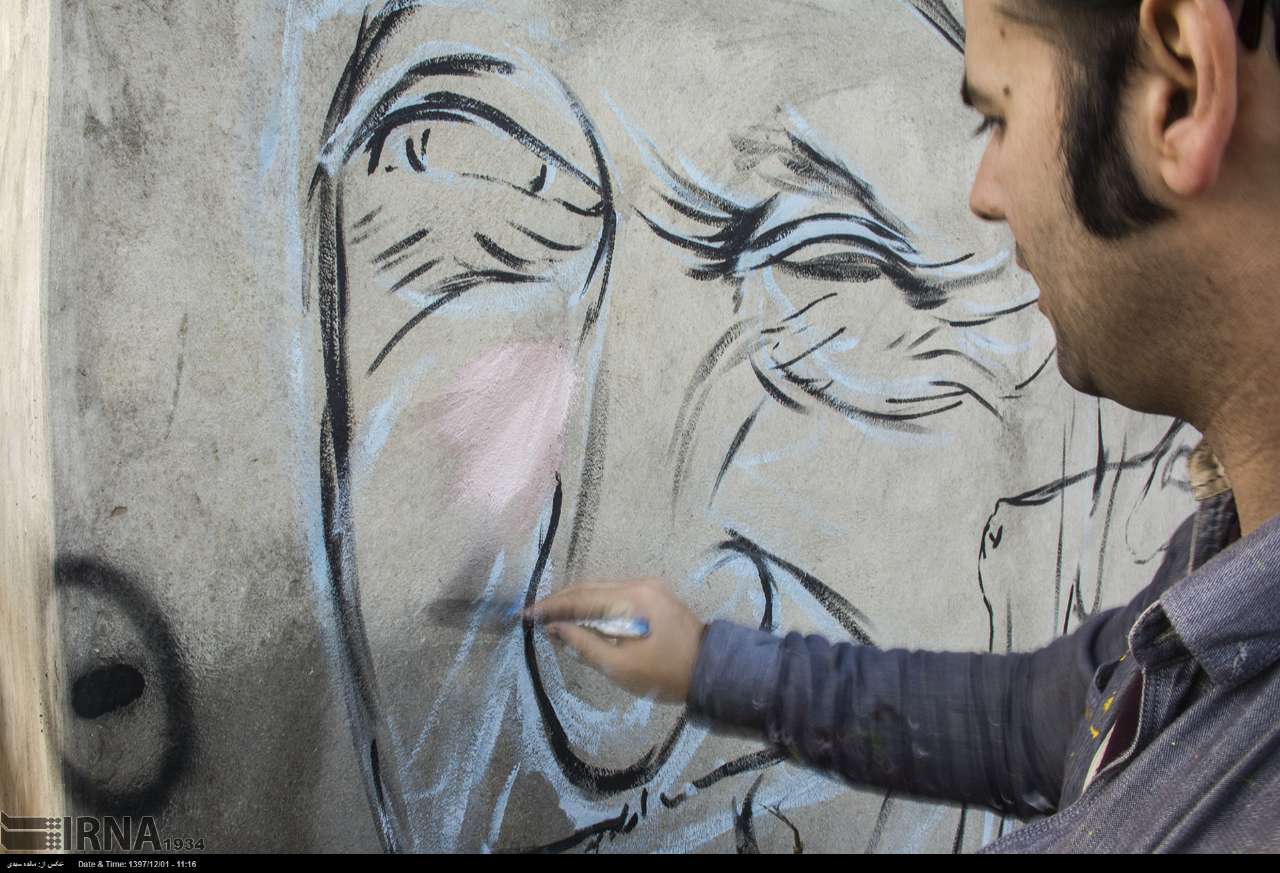
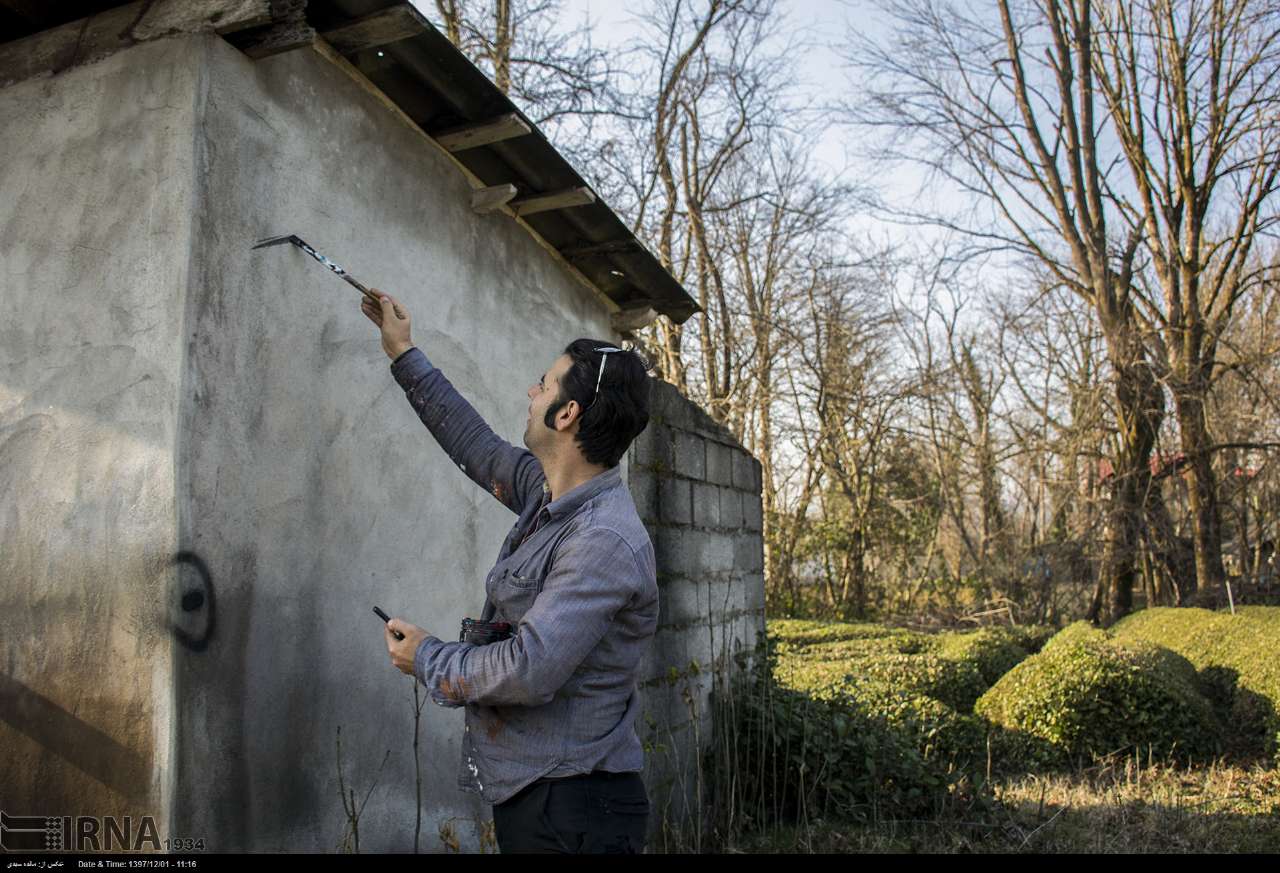
Sina Ramezani Moqaddam, together with the natives of villages in Gilan province, in particular those near Fouman and the surrounding towns, is drawing portraits of the old men and women of the same villages on the walls of the houses.

In this way, he says, the memory of their faces would be reflected on the walls for at least a few months.

Since childhood, Sina used to go with his father to visit the countryside. He was in close contact with the villagers which is why most of his urban works have a rural atmosphere.

He is planning to continue to paint on the walls in other villages of Iran in accordance with the customs of each village.

What follows are photos of some of his works retrieved from IRNA: