Friday, December 19, 2025
Home Blog Page 3291

Iran Judiciary Investigating Activist’s Torture Claims

“Upon the order of the head of the Judiciary, a special expert delegation was formed by Iran’s attorney-general [Mohammad Jafar Montazeri] to investigate rumours and claims about the torture of a detained worker of Neyshekar-e Haft Tapeh firm,” said Ali Akbar Bakhtiari, the head of attorney-general’s office, Mizan News Agency reported.

He was referring to Ismael Bakhshi, a former worker of a local sugar factory in Khuzestan, who had been detained on November 20 reportedly for his role in weeks-long protests over unpaid salaries at the factory.

Bakhshi, charged with disruption of public order and plotting against Iran security, was released on bail on December 12.

Nearly a month later, Bakhshi claimed in an Instagram post published last week that he was tortured to death during his stay in prison.

The protests at the Haft Tapeh factory, which has over 4,000 workers, were ended in December after the workers received their wages.

Anti-Iran Plot?

The development came after Judiciary Chief Ayatollah Sadeq Amoli Larijani ordered immediate investigations into the claim on Monday.

However, Ayatollah Larijani said even if the allegations are proven, violations by an interrogator should not be blamed on the whole security forces.

The broad coverage of the claims by anti-Iran media suggests the case could be the latest in a string of plots hatched to tarnish the image of Iran, he said in a meeting with senior judicial officials.

Meanwhile, Hessamoddin Ashna, an advisor to the Iranian president, said Hassan Rouhani has ordered that the case be examined quickly.

A parliament committee has also been authorized to investigate Bakhshi’s claims after lawmakers requested a probe.

‘Europe Backtracks on Promise to Launch Mesbah Satellite’

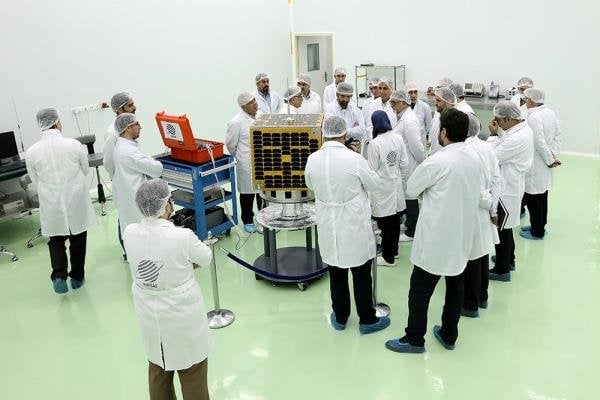
Azari Jahromi underlined that the Islamic Republic will no longer wait for others to launch two other newly produced Payam (Message) satellite by Amir Kabir University and “Dousti” (Friendship) satellite by Sharif University.

“Those people claiming that Iran should not develop its peaceful space industry make nonsense remarks,” he was quoted as saying in a report by Mehr News Agency.

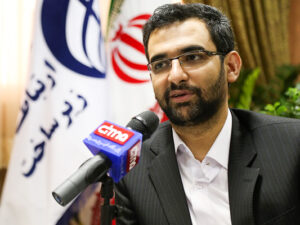
Mohammad Javad Azari Jahromi

The Iranian minister then underlined that despite the peaceful nature of Iranian satellites like Mesbah, Payam and Dousti and their contributions to the international efforts to promote humans’ life quality, evidence show that the international community has fallen shy of establishing an appropriate cooperation with the Islamic Republic in space science area.

“We have jointly produced Mesbah satellite with a number of foreign countries, but the satellite has not been launched since 2001. The satellite is now ranked outdated because of the backtrack by the states on their promise to launch it,” he noted.

According to the Iranian minister, back in 2009, Iran reached an agreement with some foreign countries to put together a new satellite, but the states backtracked on their promises later and did not establish cooperation with Iran.

“So, we decided to do it ourselves and through hard efforts by the skillful Iranian space scientists, we managed to make the satellite with an accuracy about 25 times higher than was envisaged earlier. We also made it operational.”

Azari Jahromi said Iran sees no reason to wait for other states to launch Mesbah, Dousti and Payam satellites.

“We are going to put Dousti satellite in an orbit 250 kilometers above the earth by Safir satellite carrier which was tested last decade. Meanwhile, if the top defense leadership of the country decide to launch Payam satellite, we are ready to use Simorgh satellite carrier which has been tested earlier.”

He underlined that the Islamic Republic will allocate the required budget for designing and producing further satellites. “We will have no serious problem in this area given the recent increase in the industry’s budget in the annual budget for the next year. We maintain that any money spent in the space area will serve as a great investment for the country.”

Iran decided to cancel plans for putting Mesbah communication satellite into orbit two years ago due to high expenses. The satellite was made in collaboration with Italy’s Carlo Gavazzi Space S.P.A in 1998 and was unveiled in 2005.

Mesbah is a low earth orbit telecommunication satellite. The $10 million satellite was developed as a tool for collecting data on ground and water resources and meteorological conditions, and to control power supply systems and pipelines.

Bahrami went on to add, “of course not every satellite needs to get to the launching stage. We have founded a space museum that will be inaugurated this summer. Mesbah satellite will be kept in the museum.”

He also noted that two other satellites are ready for launch, adding that further information will be disclosed next week.

Reports of Iraqi MPs’ Visit to Israel Arouse Controversy

Reports of Iraqi MPs Visit to Israel Arouses Controversy

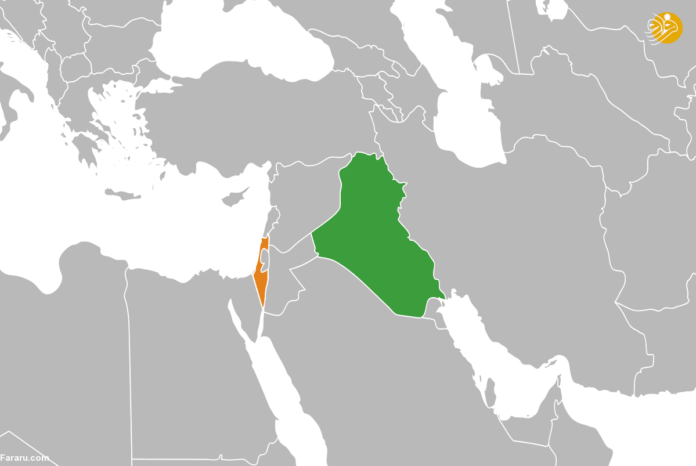
The Iraqis are shocked by this news and are calling for questioning the lawmakers whose names appear on this list. They have also called on the Iraqi government and the ministry of foreign affairs to investigate the case thoroughly.

The Israeli Ministry of Foreign Affairs published the news exactly at a time that Tel Aviv wants compensation for Jews in 7 Arab countries. The compensation would total overall 250 billion dollars with different sums to be paid by various countries including Iraq, Morocco, Syria, Egypt, Yemen, etc. Libya will be reportedly asked to pay 15 billion dollars.

At first, the Iraqi Parliamentary Commission on Foreign Relations announced that it would launch an investigation into the credibility of Israeli sources’ claims regarding the visit of Iraqi delegations to Tel Aviv, where a number of parliamentarians were present.

Iraq’s deputy parliamentary speaker demanded a probe to identify those who crossed a “red line.” First Deputy Speaker of Parliament Hassan Karim al-Kaabi in a statement called for “an investigation… to identify those who went to the occupied territory, particularly if they are lawmakers.”

“To go to the occupied territory is a red line, and an extremely sensitive issue for all Muslims,” the statement said.

Israel’s Foreign Ministry said the 15 Iraqi visitors were “influential Shiite and Sunni personalities in the country,” but did not give names. The ministry said the Iraqi travelers had visited “Israeli officials and universities,” as well as the Holocaust memorial in Jerusalem.

Meanwhile, other Iraqi officials claimed that the visit did not take place at all. The New Arab claimed that an unnamed Iraqi cabinet official had told the newspaper in a phone call yesterday that the claim of a visit was “misleading”. The source added “the information we have asserts that no one has left Iraq to visit the Zionist entity.” He said they were Iraqi citizens living outside of the country who have citizenship of the United States or Europe.

He stressed that none of these officials went to Israel with an Iraqi passport and could not go because on the Iraqi passport has written that “the holder of this passport has no right to travel to the occupied territories.” He said that Iraqis living abroad with foreign passports may have taken part in activities organised in Israel and that the only Iraqi who traveled to Tel Aviv using an Iraqi passport was Nobel laureate Nadia Murad who addressed the Knesset last year and faced widespread criticism from the Iraqi people.

The Iraqi official also underlined that the government is seeking to investigate the activities of companies and institutions in Kurdistan alleged to be in contact with Zionist institutions.

Though the identities of the visitors were not revealed, on Monday Israeli media said that delegates “were not from Iraqi Kurdistan […] but rather from Iraq proper — that is, Baghdad”.


Edy Cohen, an academic at right-wing Israeli think tank the Begin-Sadat Centre, fuelled speculation further by tweeting that the delegation included Iraqi politician Ahmed Al-Jubouri, as well as a number of Iraqi MPs from Kirkuk and Nineveh provinces in northern Iraq including Ahmed Al-Jarba, Abdulrahman Al-Shammari, Khalid Al-Mafraji, Aliaa Nassif and former MP Abdul Rahim Al-Louwaizi.

Cohen argued that Iraqi delegations discussed three issues with Israeli officials: 1. The withdrawal of Iranian forces from Syria in exchange for the cessation of Israeli attacks. 2. The dissolution of the Shiite parties and the normalisation of the ties between Israel and the Arab states of the Persian Gulf as well as Syria, Iraq and Lebanon. However, Cohen did not disclose the third issue and described it as “non-releasable”.

It is expected that within the next hours and days, new aspects of this issue will be published, especially that the Israeli side claimed the last trip of the delegation was made a few weeks ago.

All this comes as Iraqi Foreign Minister Mohamed Ali al-Hakim said his country supports a “two-state solution” to the Palestinian issue.

Nahida al-Daini, a member of the Foreign Relations Committee of the Iraqi parliament, said the parliament has asked al-Hakim to go to parliament and clarify on his statements about the two-state solution.

Al-Daini said the visit of some Iraqi delegates to Israel will be investigated, and if this is proved, the immunity of the lawmakers will be revoked because they have violated one of the principles of the Iraqi constitution.

Iraq and Israel have never had diplomatic relations, and Baghdad has never recognised Israel at any time.

Iraq has been in a formal state of war with Israel throughout the modern history of the state, and its forces participated in the 1967 and 1973 wars against Israel. In 1981, the Israeli air force destroyed the nuclear reactor Iraq’s president Saddam Hussein had been building at Osirak. A decade later, in the first Persian Gulf War, Saddam fired over 40 Scud missiles into Israel.

Now, the question is that is it possible to imagine a connection between this alleged visit with the forthcoming visit by Iran’s foreign minister to Baghdad, especially that the release of this report created a wave of tension in the ruling coalition and the Iraqi parliament.

In the last couple of years, especially after Mohammed bin Salman’s accession to power in Saudi Arabia, who is clearly seeking to normalise Arab-Israeli ties, Israel has been trying to isolate Iran in its strategic policy of supporting Palestine and resistance.

Experts believe the attempt to reveal the ties between a number of Iraqi politicians and officials with Israelis is a piece of the puzzle of legitimising the occupation of Palestinian territory.

US-China Trade War Offers Iran Ample Opportunities to Circumvent US Sanctions

The report, published on Sunday, says Iran could benefit from the trade war at least in four ways.

The US and China have been locked in a trade spat since early 2018, raising import tariffs on each other’s goods.

Iran could compensate the loss in China’s foreign trade caused by the trade war, and in return counter the sanctions US has placed on the country, the report says.

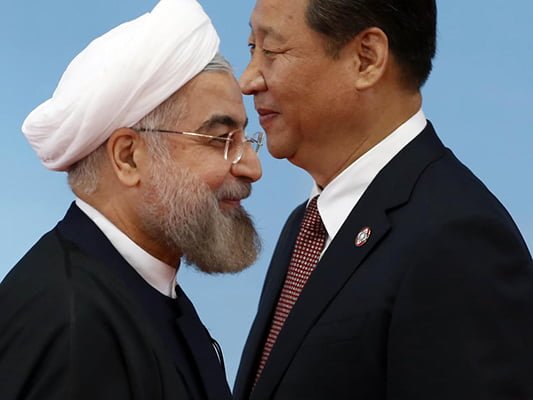
“In the current circumstances, both Iran and China oppose US policies in the trade and economy sectors. This commonality could provide a big chance to advance Iran’s interests amid US-China trade war,” the article reads.

The following are opportunities mentioned in the report:


1.Attracting Chinese Investment to Iran

At a time when the US is working to place maximum economic pressure on Iran, the China-US trade war could provide Iran with big opportunities. Iran could take smart moves to turn the threats against China to opportunities for itself. Iran and China could work to boost economic interests in many fields. Notably, the two countries could make it easier for Chinese companies to enter the Iranian market and make investments in various fields. Even now, Chinese firms have made investments in Iran worth up to $2 billion. This fact shows Beijing could be interested in boosting its presence in the Iranian market.


2.Boosting Oil Sale to China

Growing oil trade between Iran and China was a big concern for the US administration as it was restoring anti-Iran sanctions last year. China’s increased purchase of Iranian oil could be an important step to counter US sanctions. According to latest reports, China’s need to oil will increase in 2019 by 500,000 barrels per day. Iran, as a major supplier of oil to China, could use this chance to boost its export. The Chinese government is wary India could reap great benefits by boosting its purchase of oil from Iran, so they should be motivated to boost their oil trade with Iran.


3.Replacing Dollar with Yuan in Bilateral Trade

One should not forget that China is the biggest buyer of Iran’s oil and the country’s top trade partner. At the same time that China’s need to oil is further increasing, Iran’s oil revenues have decreased significantly and the country faces problems in earning revenues expected under the state budget. The Iranian government can move to replace dollar with Yuan in its oil trade with China, boosting its oil revenues and improving the Iranian economy. Taking into account China’s opposition to anti-Iran US sanctions, getting of dollar in bilateral trade seems to be within reach.


4.Garnering Political Support for Iran

The anti-Iran US sanctions have weakened Iran’s capability to advance political goals in the region and the world. Iran and China share interests in many fields. The US-China trade war could provide Iran with a big opportunity to advance political interests shared with China. Beijing, as a signatory to the 2015 nuclear pact, respect Iran’s rights to nuclear activities. Greater coordination between the two countries would allow Iran to pursue its political goals much stronger.

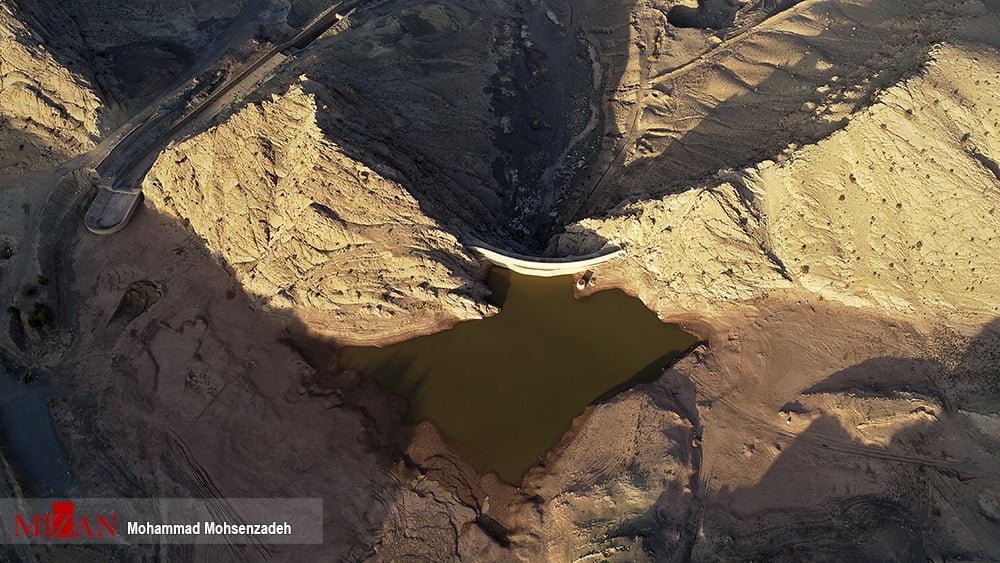
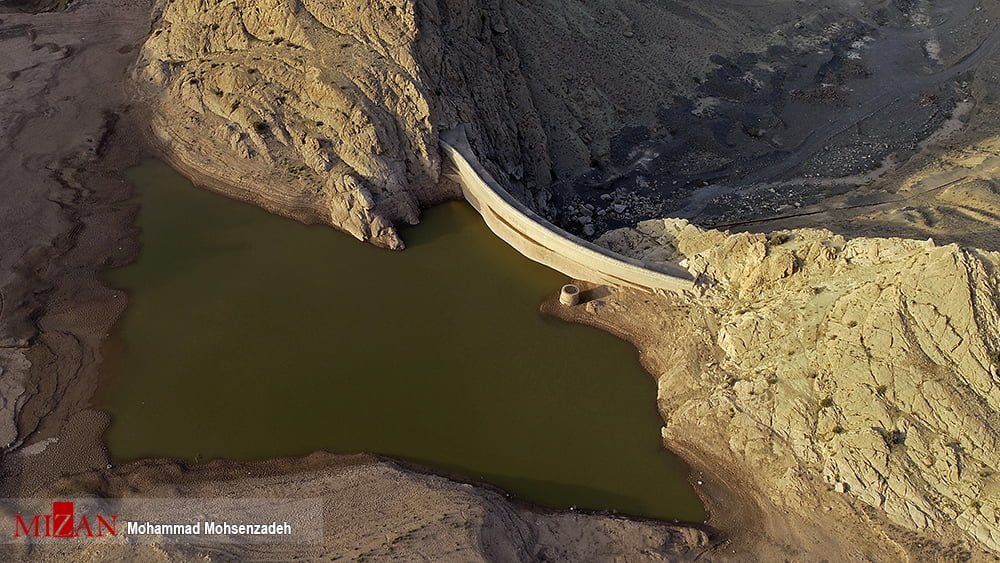
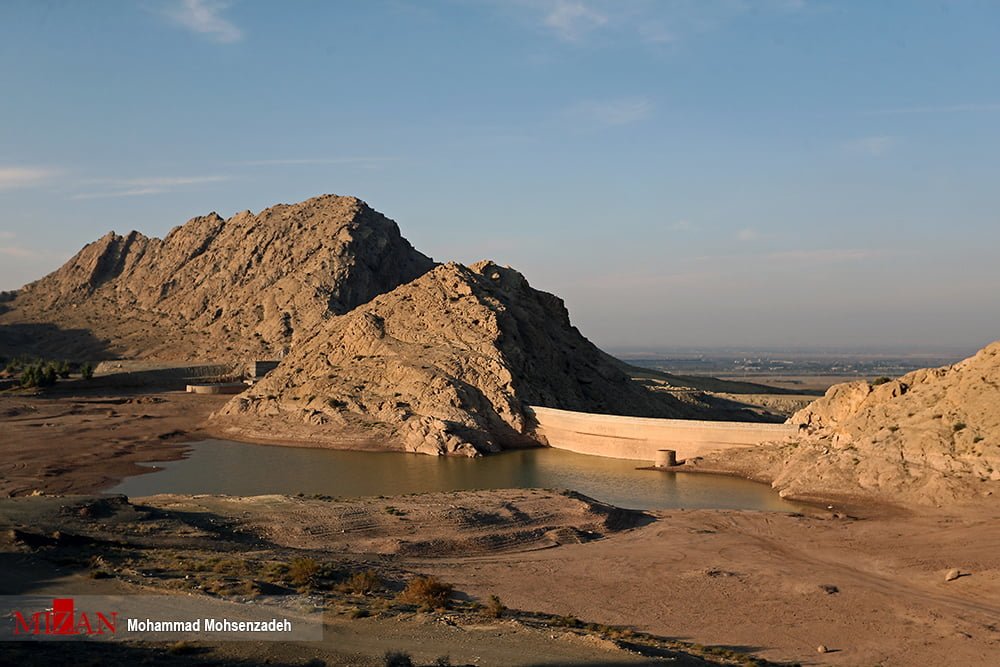
Iran’s Beauties: World’s Oldest Arch Dam

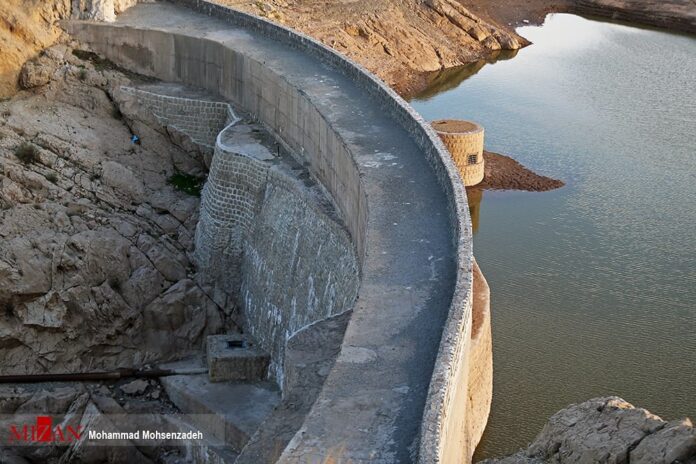
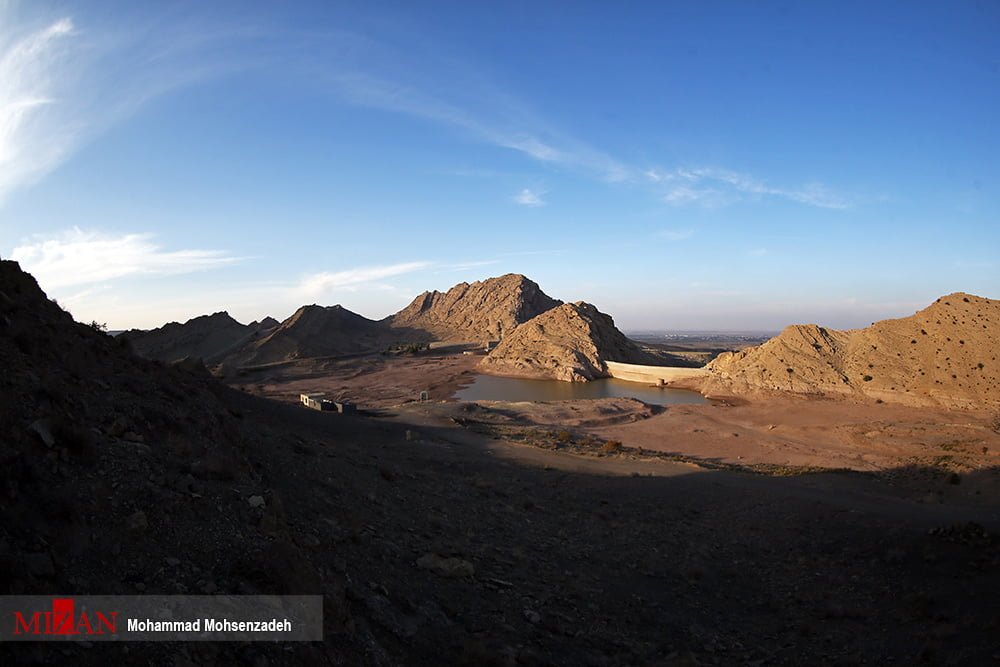
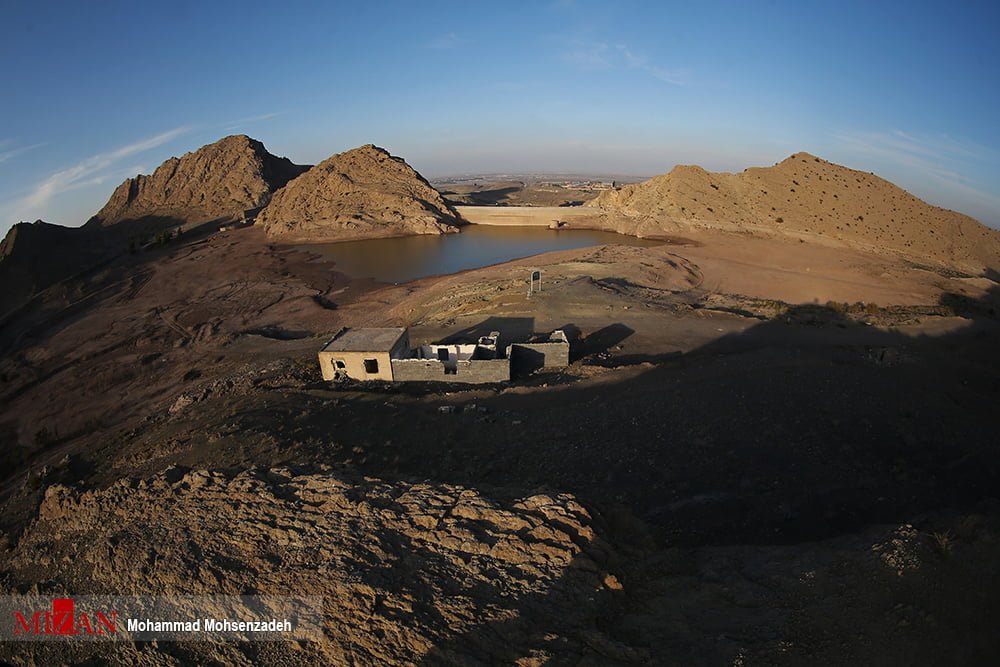
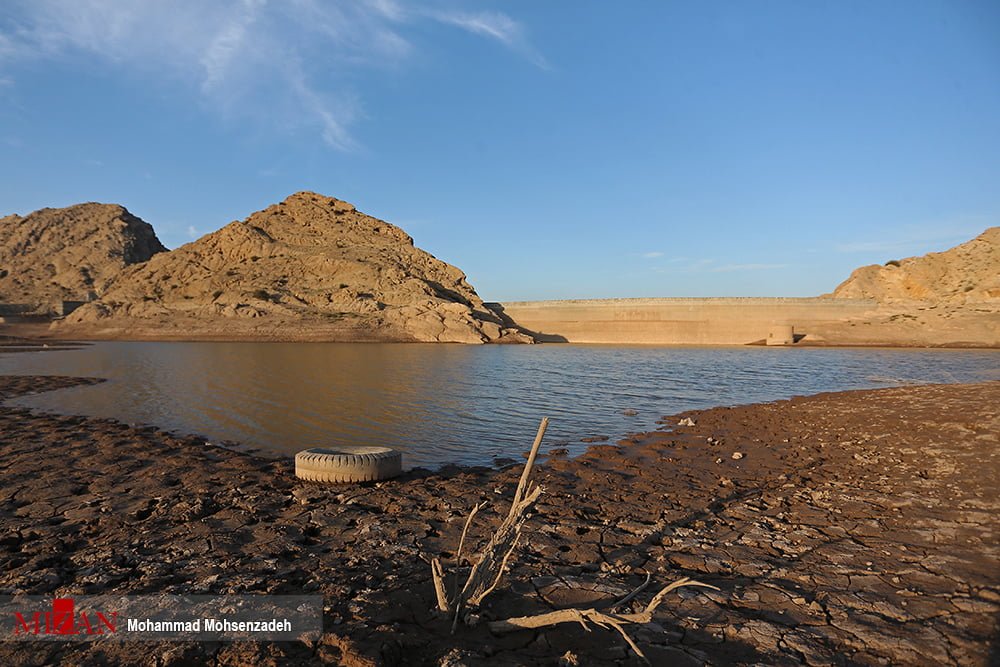
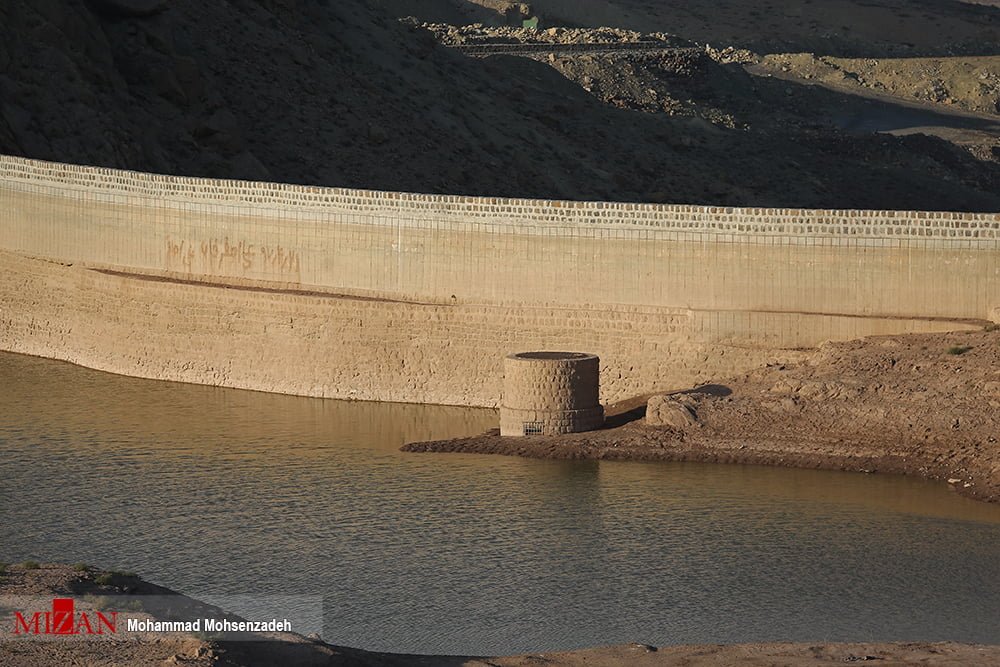
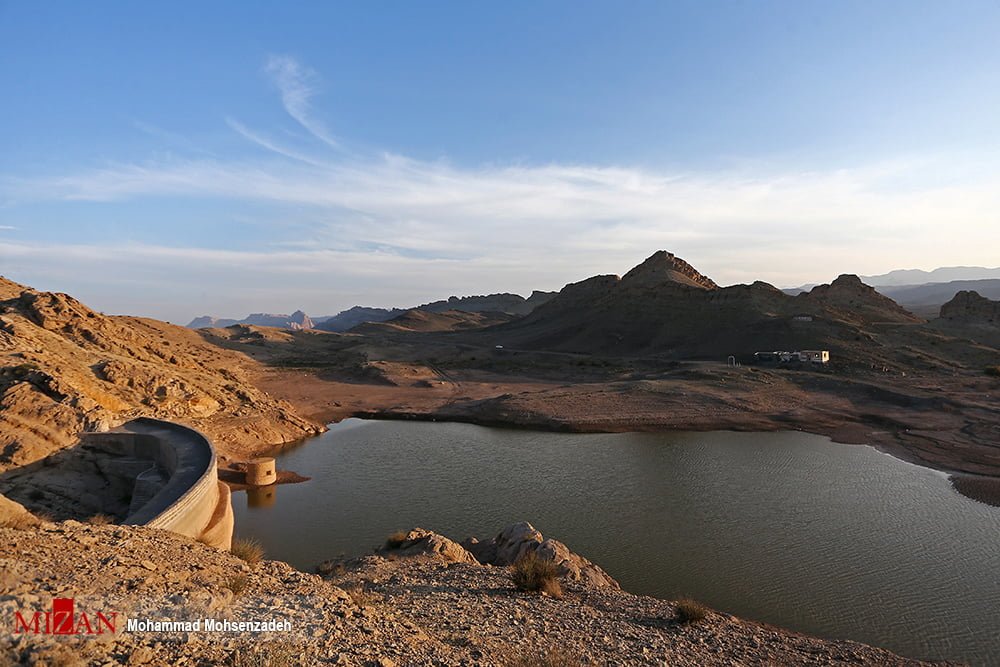
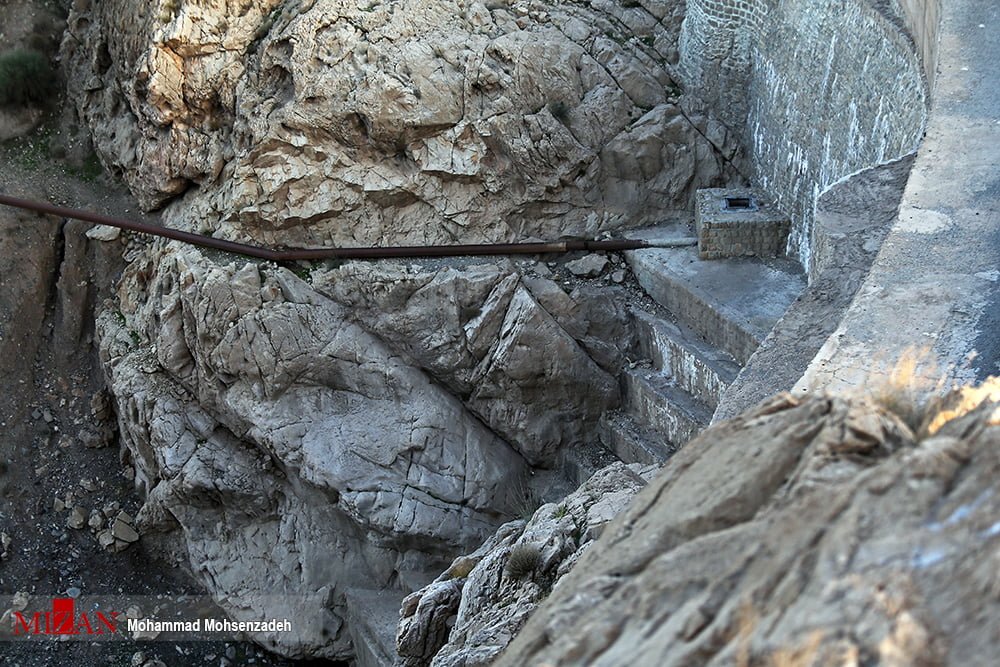
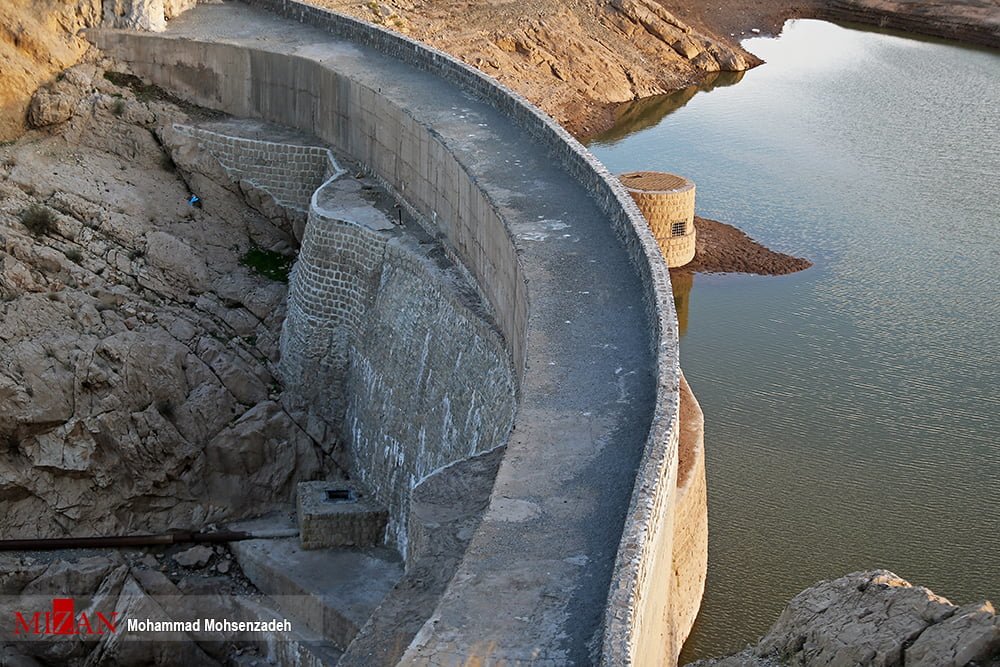
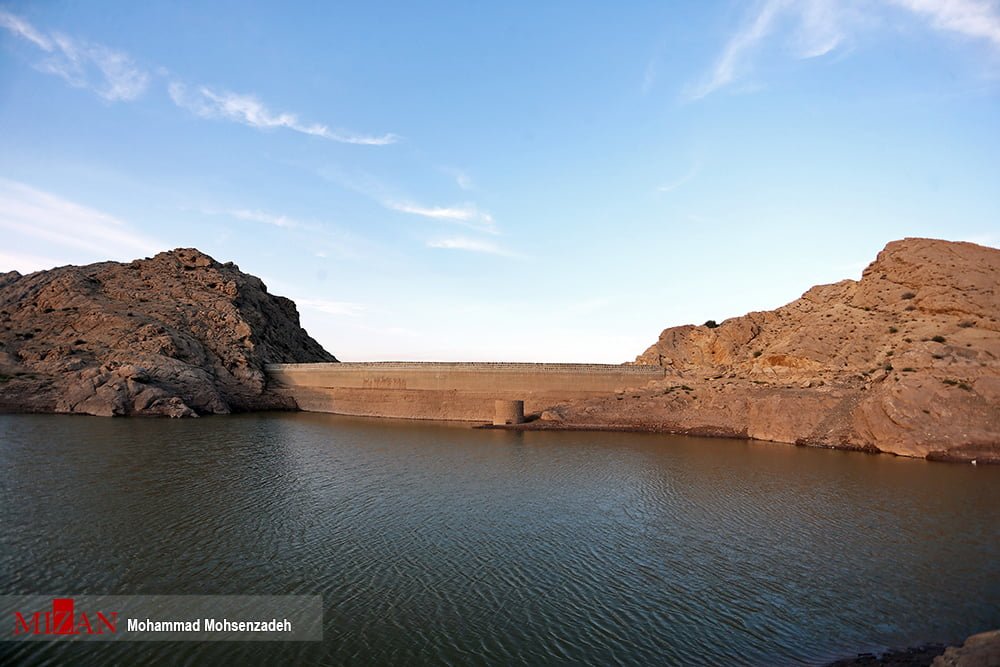
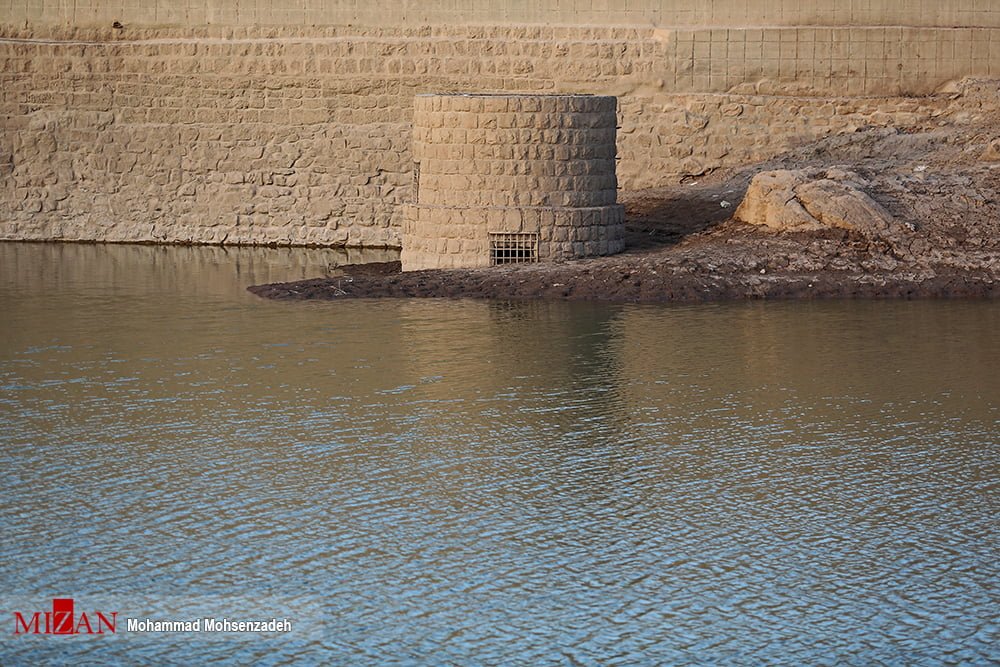
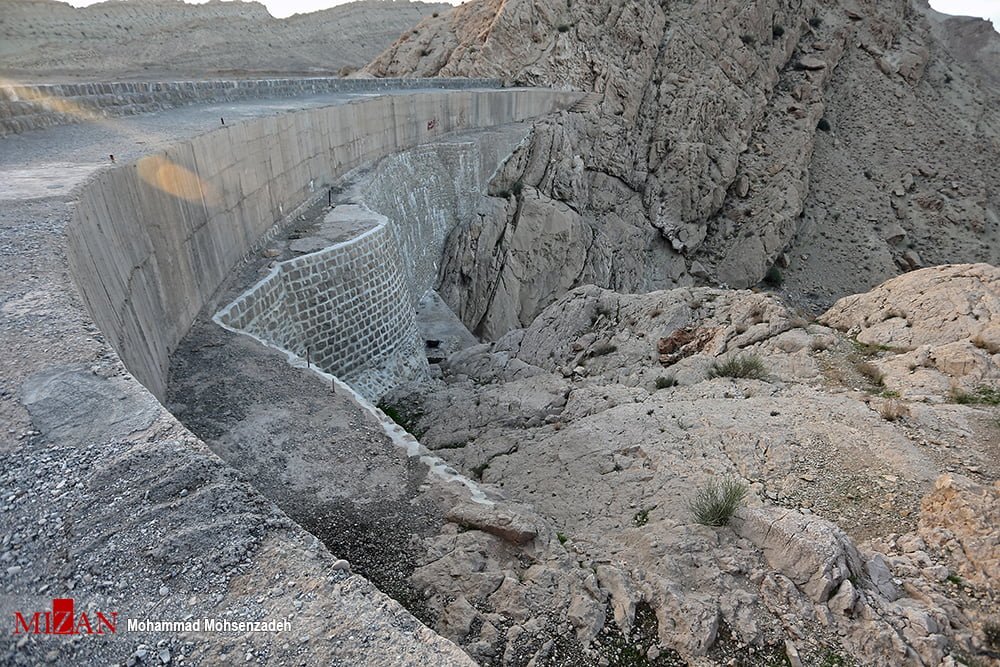
The dam, which is said to have been built around 400 to 700 years ago, is 26m tall and 55m wide.

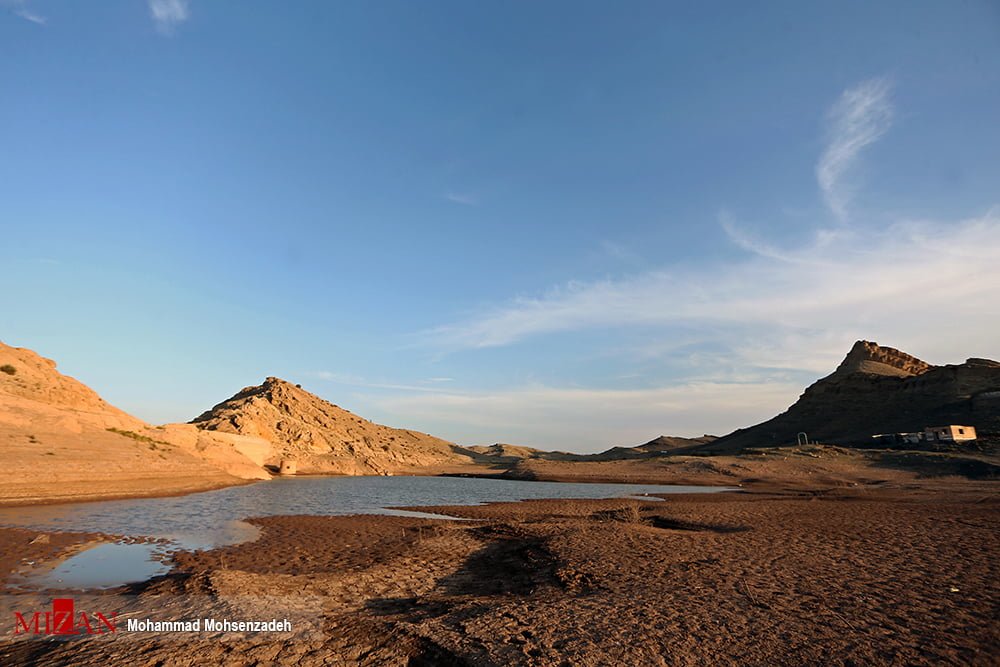
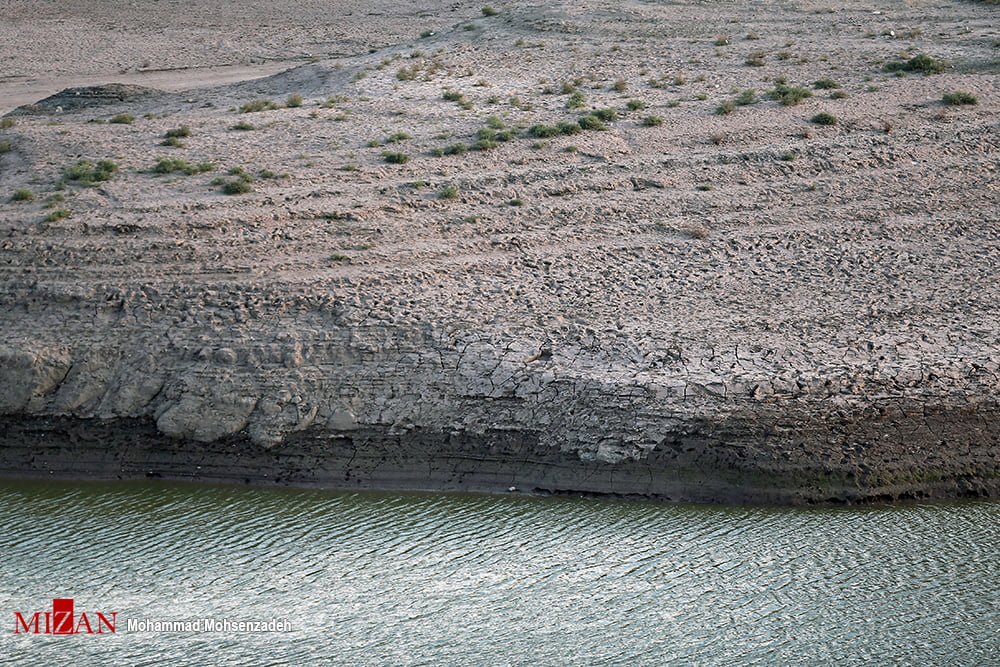
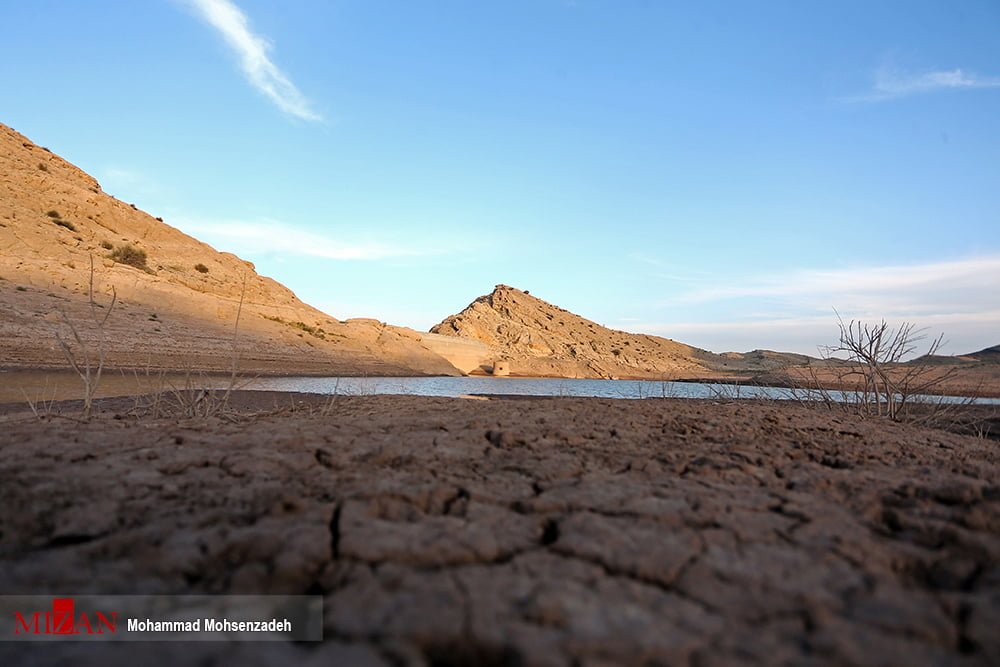
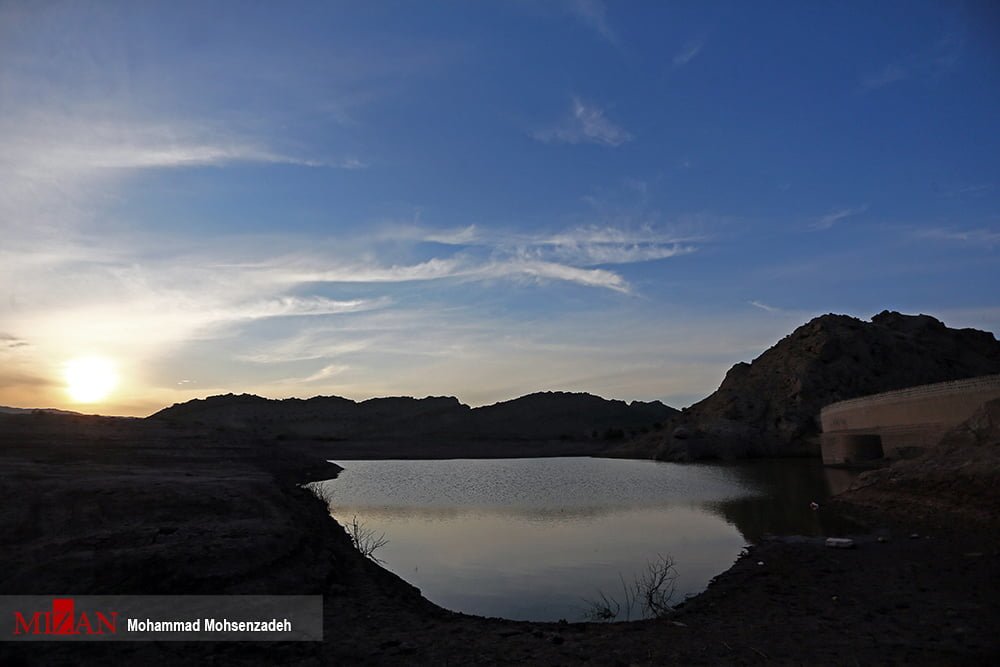
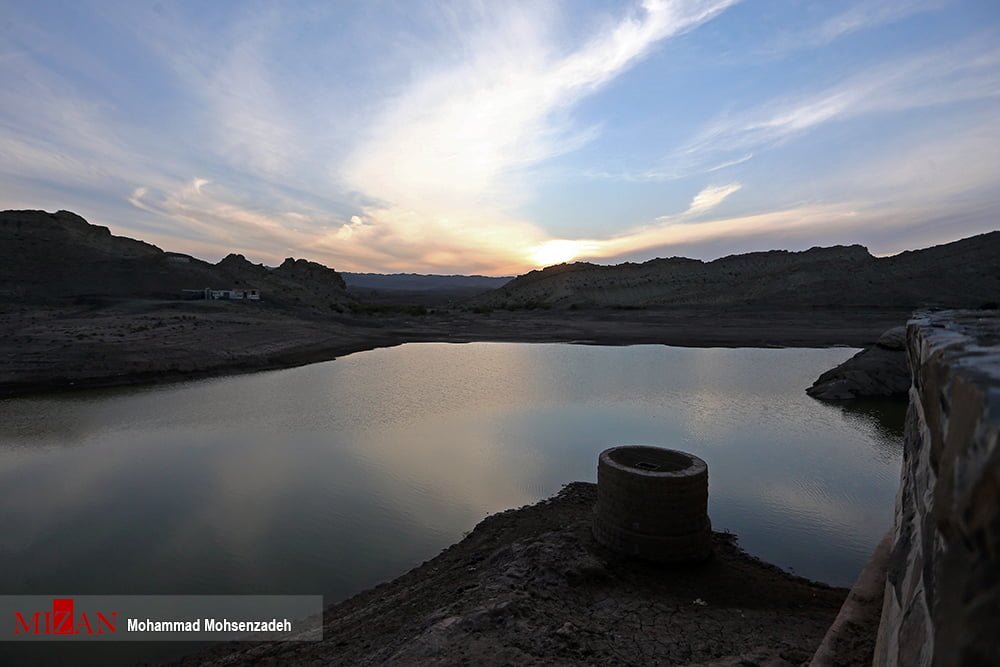
The dam’s water was being used for irrigation till a few years ago, but water shortage problems have led the dam’s reservoir to become useless.

The location of the dam and its curved shape testifies to implausible talent of its engineers.

Here are photos of the dam taken by Mizan News Agency:

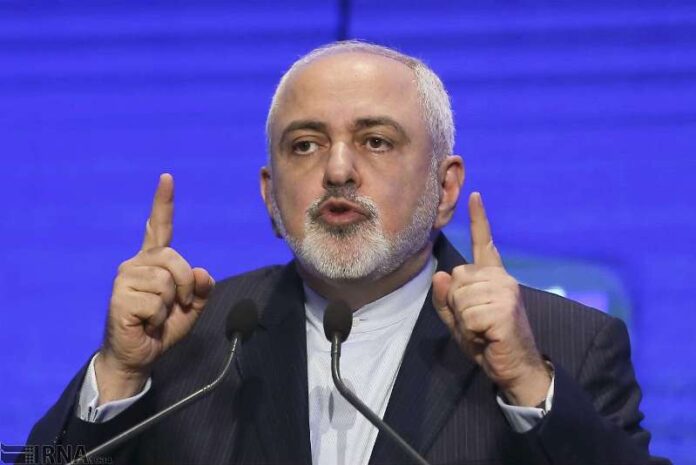
Iran Not to Wait for Europeans: Zarif

Mohammad Javad Zarif, who is on a trip to India, made the comment while talking to reporters following his meeting with Indian Transport Minister Nitin Gadkari.

He said Iran will continue to work with Europe over the financial mechanism between Iran the European countries known as the Special Purpose Vehicle (SPV), but will not wait for the Europeans and will hold consultations with its traditional partners on securing the interests of Iranian people, reported IRNA.

“The Europeans have made efforts, but failed to make progress as much as we expected,” he said.

“We will continue our cooperation through different channels such as India,” the Iranian foreign minister noted.

He said Iran can work with India in a whole range of areas.

“We hope Iran and India will be able to forge closer cooperation in line with the interests of the people of both countries despite US sanctions,” Zarif noted.

He also underlined that Tehran is ready to hold talks with New Delhi on India’s investment in the development of the Chabahar port.

The Indian transport minister also said on the fringes of his meeting with Zarif that the necessary funding is provided for investment in Chabahar.

He also said an Iranian bank has been permitted to open a branch in Mumbai in three months’ time to ease financial transactions between the two countries.

Iranian Official Hopeful Ditching Dollar Boosts Iran-India Trade

Iranian Official Hopeful Ditching Dollar Boosts Iran-India Trade

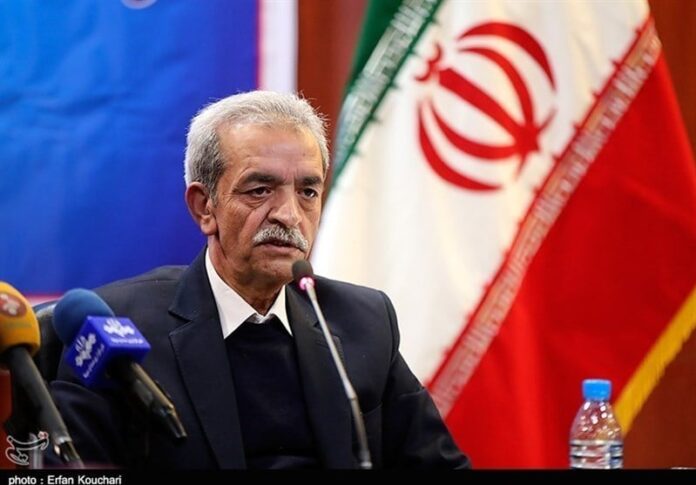
Gholamhossein Shafei, the head of Iran’s Chamber of Commerce, said in a joint Iran-India economic meeting in New Delhi that the creation of the financial mechanism would help solve banking problems Iranian firms are facing.

“I announce the readiness of Iranian economic activists and private sector firms to play their role in realizing goals in bilateral relations and economic cooperation,” Tasnim News Agency quoted him as saying.

“With the determination of the two countries’ officials and the willingness of private sector firms, we will see closer cooperation among the private sector firms and achieve the $30 billion goal in bilateral cooperation,” he said.

In recent months, Iran and India have been mulling over a plan to use rupees in oil trade to bypass US sanctions.

The return of the unilateral US sanctions on Iran, which came following the US withdrawal from the nuclear accord, has made it difficult for countries to conduct trade with Iran in dollar.

Iran’s Knowledge-Based IT Companies Exploring Ground for Cooperation in India

Iran’s Knowledge-Based IT Companies Exploring Ground for Cooperation in India

Ruhollah Estiri, the director general for business expansion office of the Vice Presidency for Science and Technology, told Mehr News Agency on Tuesday that the representatives are visiting India as part of a politico-economic delegation headed by Iran’s Foreign Minister Mohammad Javad Zarif.

Iranian knowledge-based firms are capable of cooperating with Indian firms in carrying out IT projects under freelancing contracts, he said.

For a brief review of Iran’s achievements in various fields of science and technology, check the book “Science and Technology in Iran: A Brief Review

“The presence of Iranian firms in India could prepare the ground for cooperation and meeting can lead to new projects,” he said.

Zarif flied to New Delhi on Monday for a three-day visit aimed at promoting bilateral economic relations.

During the visit, Zarif is to hold meetings with Indian officials and participate in a joint economic conference.

‘US Seeking to Establish Taliban’s Islamic State in Afghanistan’

afghanistan

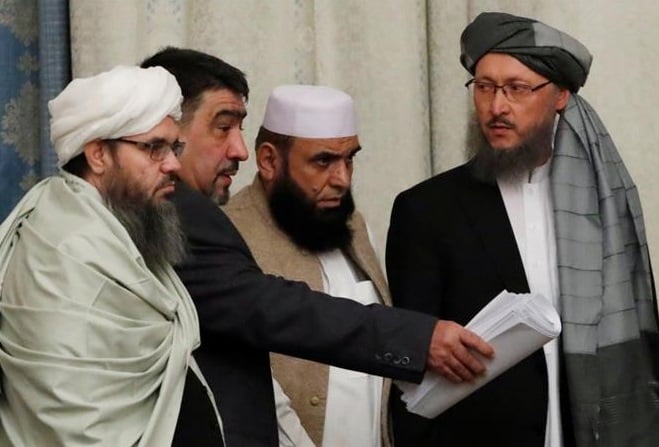
In an interview with Entekhab website, Mohammad Mollazehi said the US special envoy for peace in Afghanistan, Zalmay Khalilzad has begun his talks with the Taliban since taking office with the aim of creating an Islamic caliphate  in Afghanistan by the militant group.

“Iran along with China and Russia, on the other hand, are of the opinion that through negotiations, they can have the Taliban serve as a block against the ISIS progress in the region but the US wants to establish an Islamic caliphate in eastern and southeastern regions of the war-torn Afghanistan,” he was quoted as saying in the interview.

He then added Iran decided to officially announce its ongoing talks with the Taliban after the US pulled Iran out of the current multilateral talks between some regional states and the militant group.

“Iran and the Taliban have been holding talks since long time ago, but had not officially confirmed the talks.  This time, however, the Islamic Republic confirmed reports on the talks because since Zalmay Khalilzad began his talks with the Taliban as the US special envoy for peace in Afghanistan, new developments have been unfolded,” he noted.

According to the analyst, during his talks with the Taliban in Abu Dhabi and Jeddah, the US envoy was trying to convince the Taliban that they can take power not through military campaigns but political process. “That’s why he is pushing the Taliban to hold talks and reach agreement with the Afghan government. He also calls on them to enter into Afghan politics as a political party and take power. This is, according to the US envoy, highly possible because the Taliban now holds 50 percent of Afghan regions.”

Elsewhere in his remarks, Mollazehi added, to his end, US President Donald Trump exerted pressure on Pakistan to take it onboard, and the US envoy arranged several meetings between the Taliban and some regional states including Pakistan in the UAE and Saudi Arabia without Iran’s presence.

“This was the main reason behind the recent visit by Ali Shamkhani, the Secretary of the Supreme National Security Council of Iran to Afghanistan. During the visit, he officially confirmed that Iran is now involved in talks with the Taliban and the Afghan government is privy to the talks. Some days later a Taliban delegation arrived in Tehran for talks with the Political Deputy of Iranian Foreign Minister Abbas Araqchi.

“The confirmation was aimed at sending a clear message to Khalilzad as well as the US allies that you can’t go ahead with any solution regarding the Taliban without Iran’s presence, and Iran takes steps in line with its national interests,” he said.

Mollazehi underlined that Iran had other reasons to publicise its talks with the Taliban. “The ISIS is relocating its forces to Afghanistan after suffering heavy defeats in Iraq and Syria. These forces are deployed to some security regions sensitive for either Iran, Russia or China including Fergana Valley that connects central Asia to Afghanistan or a region near eastern Turkestan which is fighting for independence from China.

“On the other hand, the ISIS has put its focus on western Afghanistan along with Iran border in areas like Helmand province. This has sounded the alarms in Iran,” he said.

The analyst said the US remains passive towards ISIS operations in Afghanistan. “Amid the current situation, it seems Iran, Russia and China have reached consensus on this issue that they are jointly threatened by a common enemy that is ISIS. So, they have decided to use the Taliban as a block against the ISIS because the two groups are at conflicts with each other over the future of Afghanistan.

Elaborating on the possible results of the talks between Iran the Taliban, he said it’s too early to speculate. “For the time being, the Taliban is holding three negotiations with the regional players. The first one led by the US envoy include Saudi Arabia, the UAE, Iraq and Pakistan. Their talks are aimed at handing over the eastern provinces of Afghanistan to the Taliban to establish an Islamic Emirate. On the other side, the Islamic Republic maintains that the US and its allies should not lead the talks with the Taliban but this is the Afghans themselves who should decide about their fate without foreign interference. But there is another player that is Moscow. It has already held some rounds of talks with the Taliban.

The Russian officials are seeking to create a regional consensus on the issue,” he said.

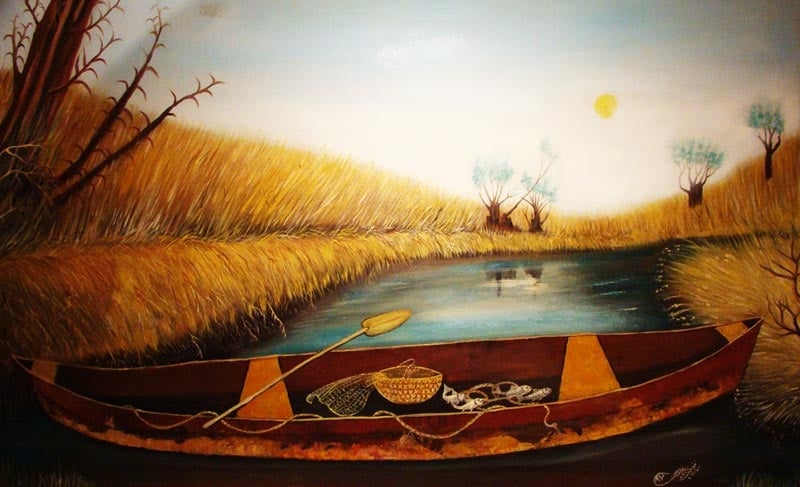
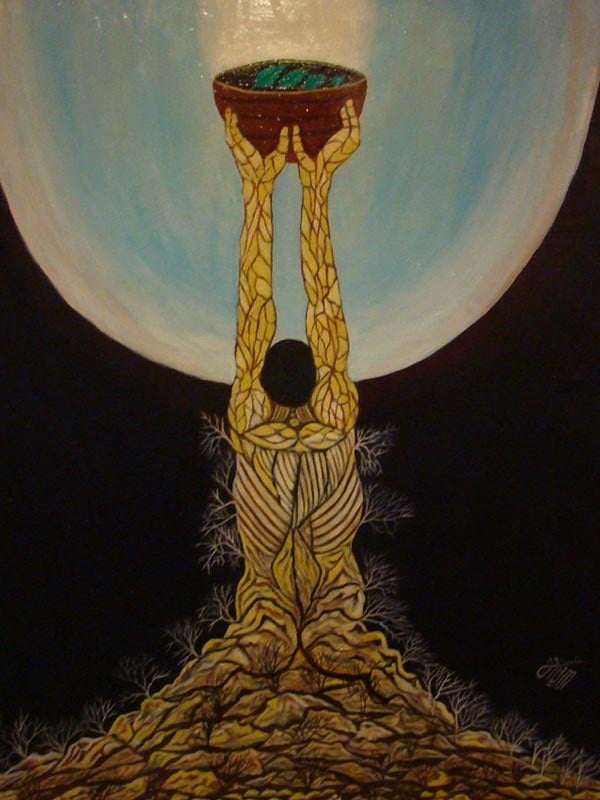
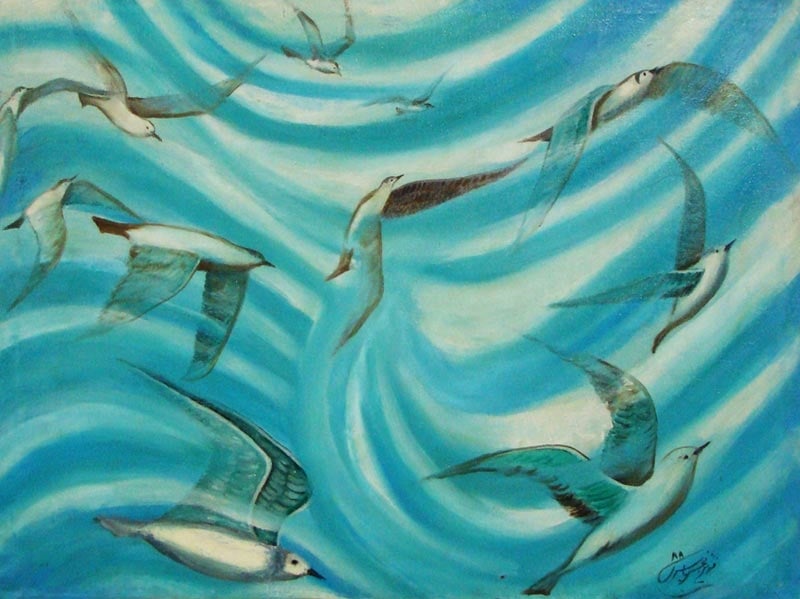
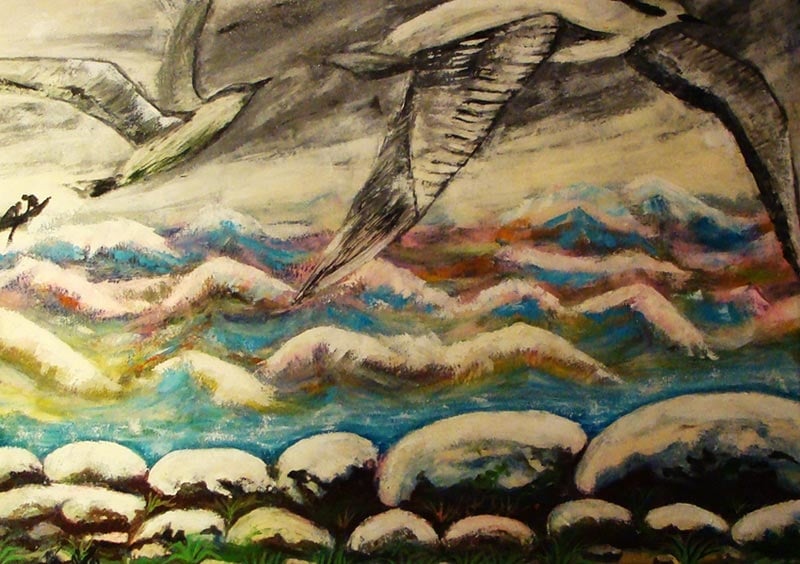
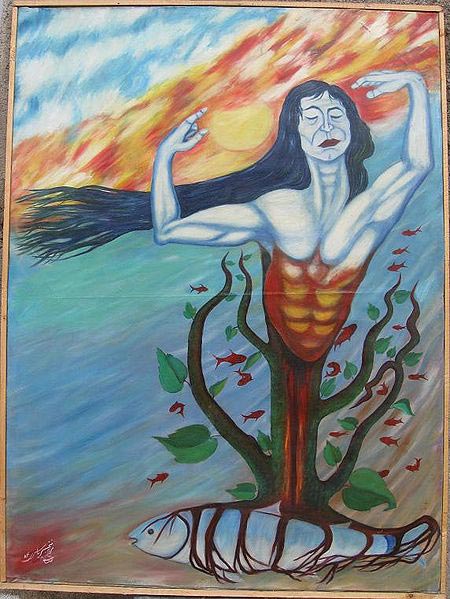
Iranian Painter Creates Works in Iranian-style Expressionism

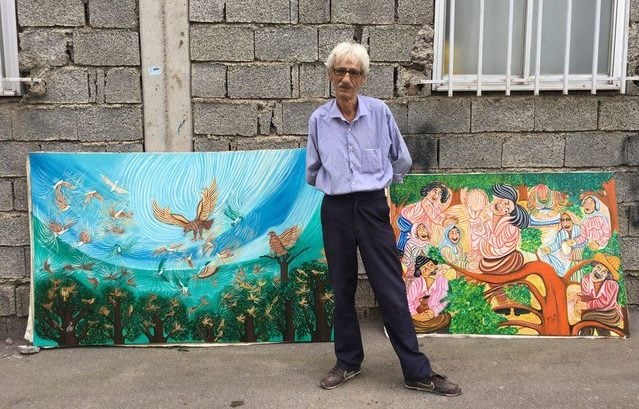
“I am a painter with the spirit of flying birds. I want to create modernism in an Iranian style; Expressionism in an Iranian style,” he says about himself. He is a painter that in his teens was the son of a great and famous landowner. After the land reforms in 1963, his family went broke and he grew up in poverty. For years, he painted and wrote on his own. His latest novel is the story of many people from the north of Iran.

Having concerns of many generations and in the pursuit of happiness, in his paintings, he draws happiness out of people’s hard work.

In the works of Fakhri Yaseri, one can see the everyday life of the people of Gilan. He held his first solo exhibition in 1983. And then he held other exhibitions.

The following is a summary of his interview with ISNA edited by IFP:

Iranian Painter Creates Works in Iranian-style Expressionism

Q: Your childhood was a special one. When did you find yourself interested in art and painting?

A: I was 15. After finishing high school, I went to do my military service. I learned designing under the supervision of a teacher for three months, but then I was sent to Hamedan in west of Iran. Later, I only worked on books and live models. I kept practicing on my own copying from nature. After my service, I was accepted at the Art University in 1977. However, due to financial problems I could not enter university. I brought university to my home instead, and I continued to work on drawing, painting and fiction by reading Iranian and foreign novels. During the days, I was working and in the evenings I was studying and practicing.

Iranian Painter Creates Works in Iranian-style Expressionism

Q: What is your style of painting? How did you come to this style of painting?

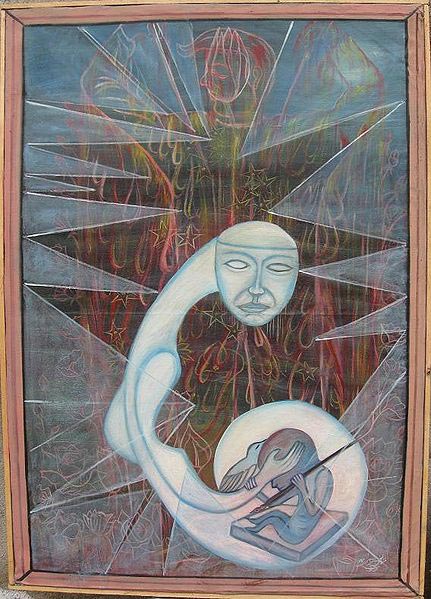
A: For five years, I just copied the great works of realist artists. After that, I painted nature. I worked in the heart of nature and life. At first, I was experiencing different styles and was looking for my personal style. But since late 90s, my painting style has been Expressionism in an Iranian form. My goal is to show the hidden and daily happiness of the Iranian people. I paint the joys in the form of humor, abstraction, and expressionism. According to the professors of Gilan, there are signs of Fauvism in my works, but I keep up with Expressionism in an Iranian style to show the Iranian culture and ordinary people’s lives. I have gone through many hardships in this way. Despite failure in my marital life and financial poverty I never stopped creating literary and artistic works. After about fifty years of continuous and tireless activity, I continue to work like an energetic artist.

Q: Do you paint with your own personal look?

Iranian Painter Creates Works in Iranian-style ExpressionismA: Not at all. I have never worked for myself because the people’s wishes have always been important to me. The painters in Gilan know me as the painter of ugly aspects of life because I paint beautiful things in an ugly way and ugly things in a beautiful form. These things happen automatically in my works. Every now and then I create designs nervously, and scratch lines and colours without any form. Therefore, they sometimes laugh at me, and sometimes they offend me and say I am insane. One of my professors at one of my exhibitions in Marlik Gallery of Rasht told me “You use colours and lines in your paintings in a crazy style.” And another music professor admitted that he feels the colours of music in my works. “You talk about the colours of music,” he said. Another master of mine said “You show modernism in the form of Iranian culture and traditions.” But my only answer was “I am a painter with the spirit of flying birds and I want to create modernism with the style of Iranian painters. Expressionism in an Iranian style!”