Saturday, December 27, 2025
Home Blog Page 3275

Iran Identified 290 CIA Spies, Made Arrests: Intelligence Minister

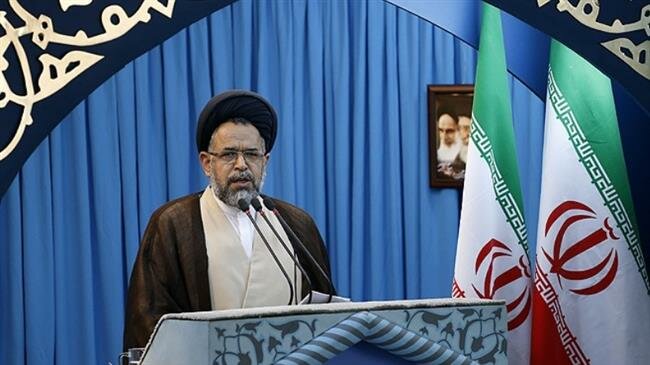
“CIA operatives in those countries were identified and arrested and the contacts of the US intelligence agency with its sources were disrupted in such a way that a committee to assess the failure was set up in America,” Alavi said during Friday prayers in Tehran.

He touched on what numerous US spy experts have said about the major intelligence defeat, making reference to a specific November 2018 Yahoo News article that had interviewed numerous American spy experts over the “incredibly damaging” incident.

The article claimed that Iranian intelligence had gained access to a secret CIA communications system, allowing Iranians to not only discover and detain US assets in the country, but also probably share key findings with Chinese and Russian authorities.

“When these types of compromises happen, it’s so dark and bad,” said a former official speaking to Yahoo.

“When this was going on, it was all that mattered,” said another former intelligence community official describing the gravity of the American intelligence setback.

CIA officials were consequently worried about the network “totally unwinding worldwide”, according to the article.

“Iran was aggressively going out to hunt systems down,” said one former official. “They weren’t just protecting themselves anymore.”

Referring to the article, Iran’s intelligence minister specifically highlighted a quote from American national security analyst Irvin McCullough, who described the major American intelligence setback as “one of the most catastrophic intelligence failures” since the September 11 attacks in 2001.

Alavi said that further details of the operations would be publicized soon, adding that a similar successful counter-espionage operation had been carried out against Britain’s MI6 intelligence service.

The Iranian minister added that the breakthrough comes as his ministry has shifted from focusing on defensive operations to conducting offensive counter-intelligence operations, some of which had even “expanded deep” into Israel.

“There was an outcry in Israel; some members of their cabinet were cooperating with the Intelligence Ministry of the Islamic Republic of Iran”, said Alavi.

Alavi went on to highlight some of the ministry’s other successful intelligence operations, saying that they had “traumatized” foreign services.

“In one of these cases, the Intelligence Ministry’s counter-espionage [force] successfully identified a company that was slipping defective parts into a sensitive center, neutralized it and discovered the defective parts,” he said.

The sabotage operation could have led to a “humanitarian catastrophe” if it wasn’t dealt with, Alavi said.

The Iranian intelligence chief added that as much as 114 Takfiri terrorist teams, 116 Mujahedin-e-Khalq Organization (MEK) teams, 44 teams seeking to overthrow the Iranian government and 380 drug smuggling teams had also been busted in the past year alone.

He added that the operations of 188 other groups were neutralized, including a recent case where four people were arrested southwest of the country along with 15,000 AK-47 rounds.

Iran has been successful in protecting itself from the spillover of terrorism and foreign-backed conflict — constant features of life in a number of regional countries — due to high vigilance by its intelligence and security forces.

The 411 on Buying the Best Coffee Beans

Choosing the beans is only half the battle itself. It’s also essential to store them properly just so they don’t lose any of their essential flavors once the brewing is done.

Whether you’re getting your coffee beans from a coffee shop, grocery store, or straight from a roaster, you must know what to look for in a coffee bag. Luckily, we’re here to set the record straight with you. Here is what coffee dorks do to procure the finest coffee beans:

1.   Buy Whole Coffee Beans

Freshly ground coffee is always better than pre-ground coffee, not that the latter is bad or anything. But it’s always good to grind beans right before they’re prepped for brewing.

The oils contained within whole beans are what provide your coffee with their beautiful and toasty taste. But if your beans are exposed to air, it will accelerate the oxidation process, causing the beans to lose the oils and ultimately that divine, rich flavor.

2.   Check the Roast Date

Coffee beans don’t last forever. Once they leave the roasting process, they start to degas. From that point on, the oils will oxidize and the flavor will diminish over time.

The beans’ freshness is pretty subjective, but we advise you to brew your coffee between 4 days and two weeks since the roasting process or roast date. This is considering the brewing method you choose.

For instance, if you like pour-over coffee, then it’s vital for you to brew the beans within the first week after roasting. It’ll help your coffee get a great bloom.

3.   Know a Good Roaster

It’s also essential to know the person who roasts your coffee beans since good roasters have a certain reputation in the coffee community. In fact, the United States hands out a Good Food Award to the best coffee bean roasters.

Knowing your roaster is important as they have their own unique processes of roasting beans. And if the roaster is mentioned on the label, you know you’re getting some high-quality beans.

4.   Determine the Origin

The final flavor of a coffee bean is determined by a number of natural factors including rainfall, soil chemistry, altitude, and sunshine. This is why the origin of the beans is yet another crucial aspect.

Coffee trees exist along a line known as the “Bean Belt” which rests between 25° north and 30° south next to the equator. And if your barista or coffee bag can’t tell you where the bean was grown, you may have to go somewhere else.

There are about 50 countries around the world that produce coffee, but it’s best to start off with the more famous ones listed below before you get to know the more exotic varieties:

  • Columbia
  • Hawaii
  • Ethiopia
  • Brazil
  • Kenya
  • Indonesia

Sure there are a plethora of processing techniques and climates, but exploring coffee flavors by region could be quite the exhilarating experience.

5.   Inspect the Food Labels

You may have seen some of the Fair Trade labels on some coffee and other products. This is a big deal when it comes to quality coffee beans. So familiarize yourself with some of the following Fair Trade labels:

  • Fairtrade International
  • Fair Trade Certified
  • Fair for Life
  • The Fair Trade Federation (FTF)
  • World Fair Trade Organization (WTFO)

USDA Organic is another crucial label to get to know. The main focus of this label is to ensure that farmers are doing everything in their power to maintain soil health and local biodiversity without using conventional chemicals. But not every organic product is chemical-free, but the number of chemicals in organic farming is less.

So if you prefer sustainable farming methods, USDA organic is your calling.

Iran Strongly Condemns Pakistan Terrorist Attack

In a Friday statement, Mousavi also offered sympathy to the Pakistani government, nation, and army.

“Terrorism is an ominous phenomenon which will not be eradicated unless through all-out cooperation among the countries that have fallen victim to it,” Mousavi said.

He also expressed Tehran’s preparedness for any cooperation with the brotherly and neighbouring country of Pakistan in all intelligence, security, and operational aspects of fight against terrorism.

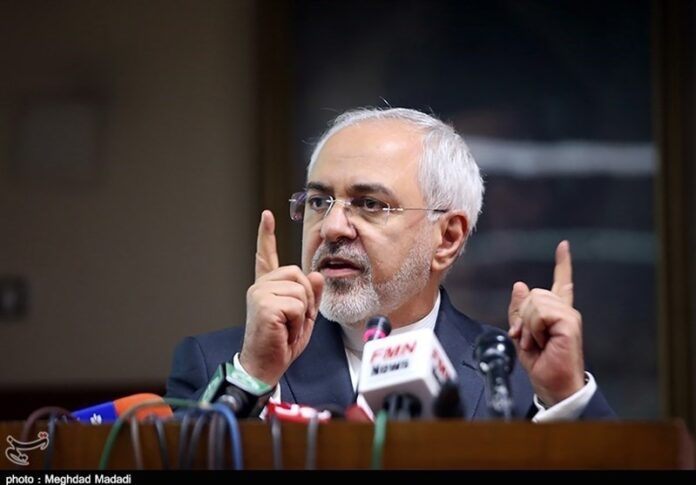
Iran’s Foreign Minister Mohammad Javad Zarif also condemned the terrorist attack, which came ahead of the first and historic visit by Pakistani Prime Minister Imran Khan to Iran.

“Terrorists, extremists & their sponsors are terrified by close relations between Muslim states,” Zarif said in a post on his official Twitter account on Friday.

The top Iranian diplomat reaffirmed the Islamic Republic’s support for the Pakistani government and nation.

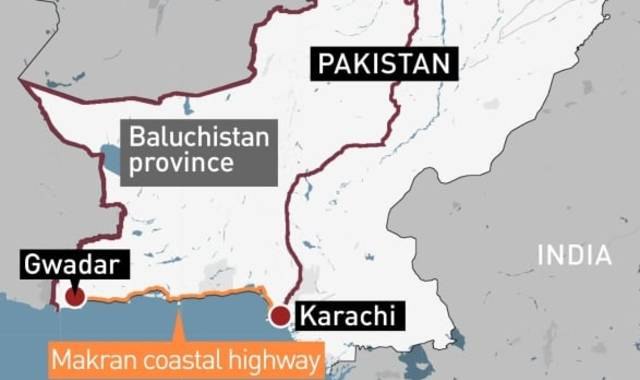
Suspected separatist militants ambushed a bus in southwestern Pakistan before dawn Thursday and killed 14 passengers, mostly navy personnel.

Witnesses and authorities reported the bus was stopped in a remote area on the coastal highway linking the Pakistani port cities of Karachi and Gwadar.

A group of about two dozen assailants disguised as paramilitary forces went through identification cards of all the passengers before forcing 16 of them out and spraying them with bullets.

Two of the hostages managed to escape in the process and reached the nearest security check post to report the incident, a local security official, Jehangir Dashti, told VOA.

A Pakistan Navy spokesman later confirmed its personnel were among the slain men but gave no further details.

An alliance of three ethnic Baluch separatist groups, known as Bras’ (meaning brothers in local language), took responsibility for the violence in Baluchistan province.

Pakistani Prime Minister Khan condemned Thursday’s carnage as “the dastardly act of terror.”

An official statement quoted him as directing authorities “to make every possible effort to identify and bring the perpetrators of the barbaric act to justice.”

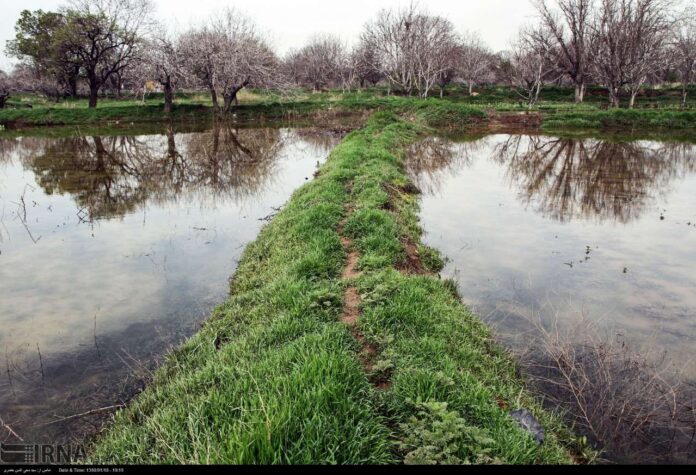
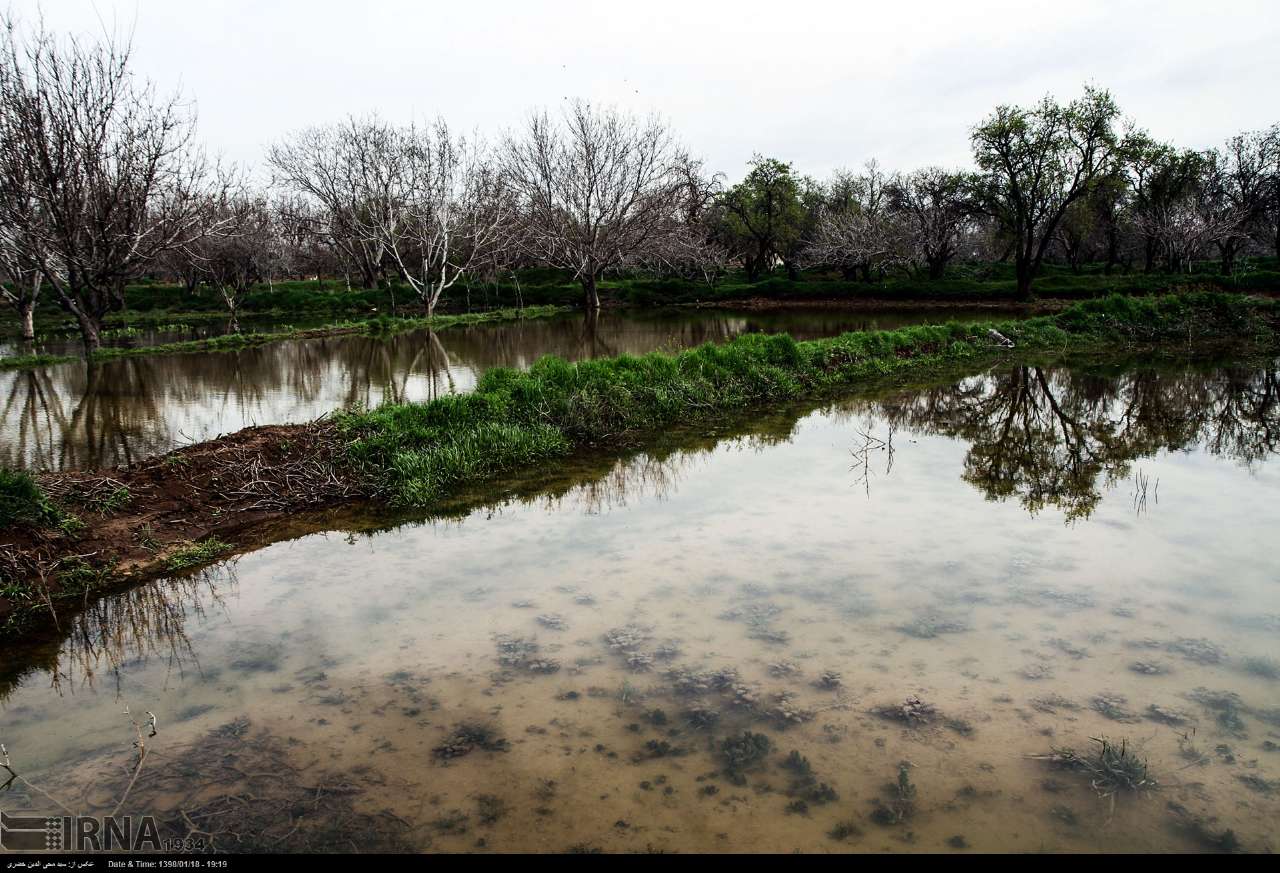
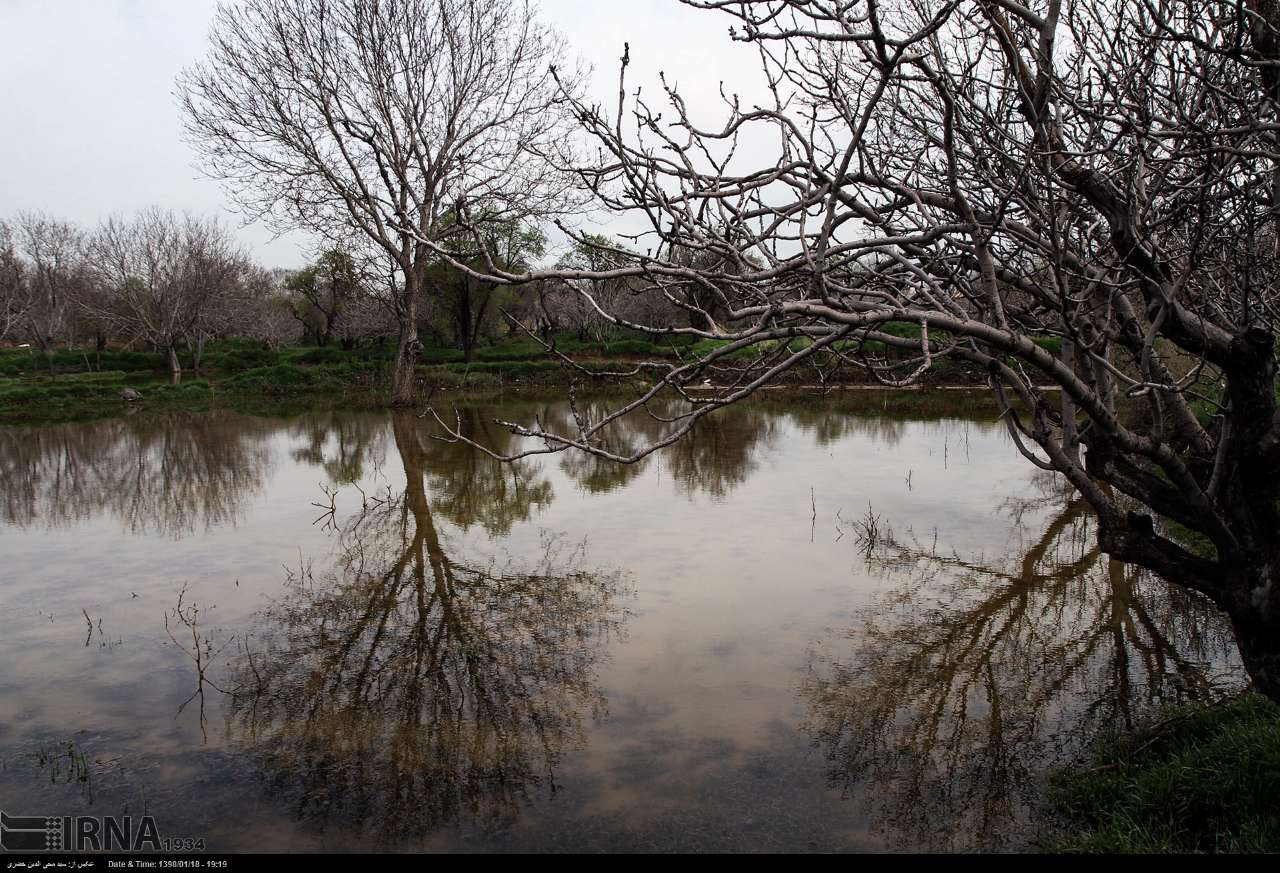
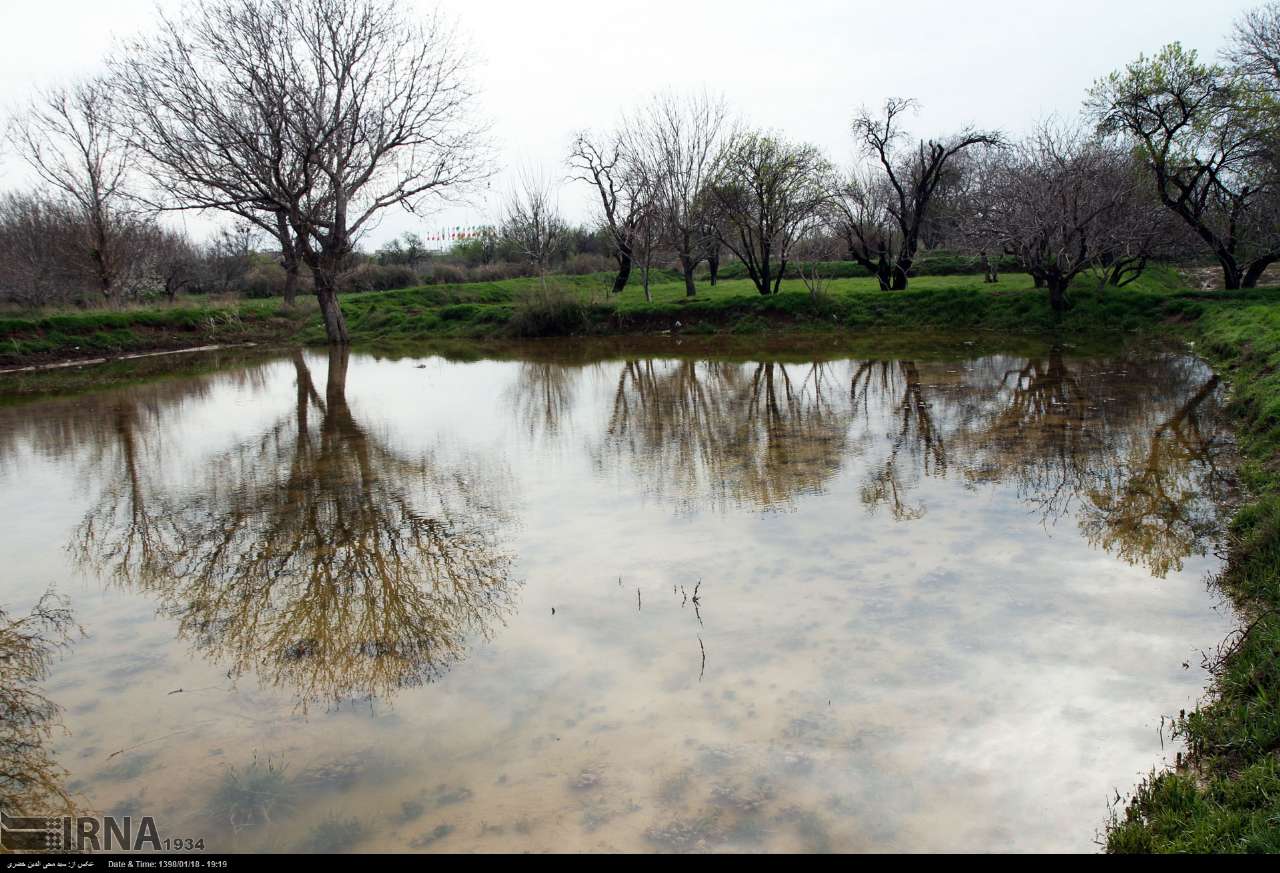
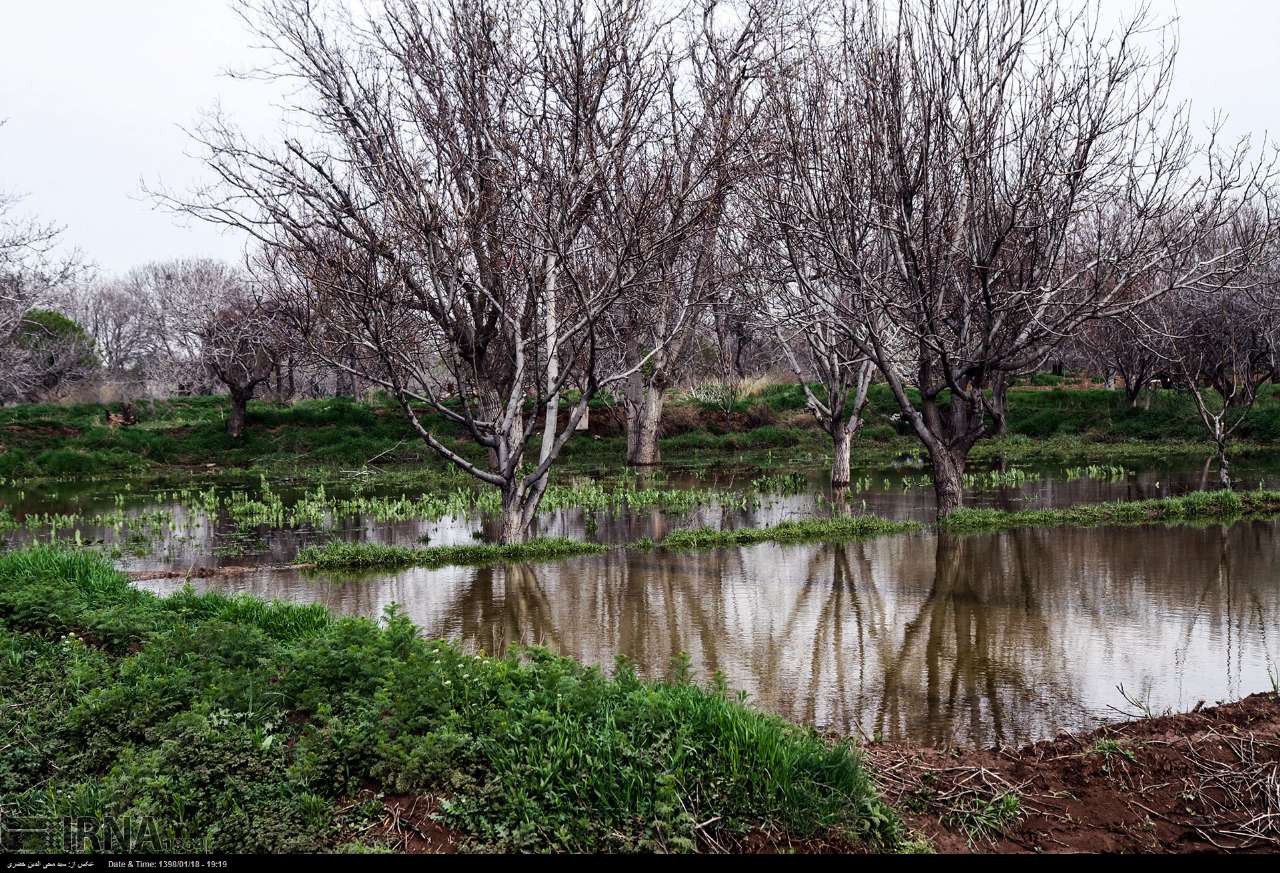
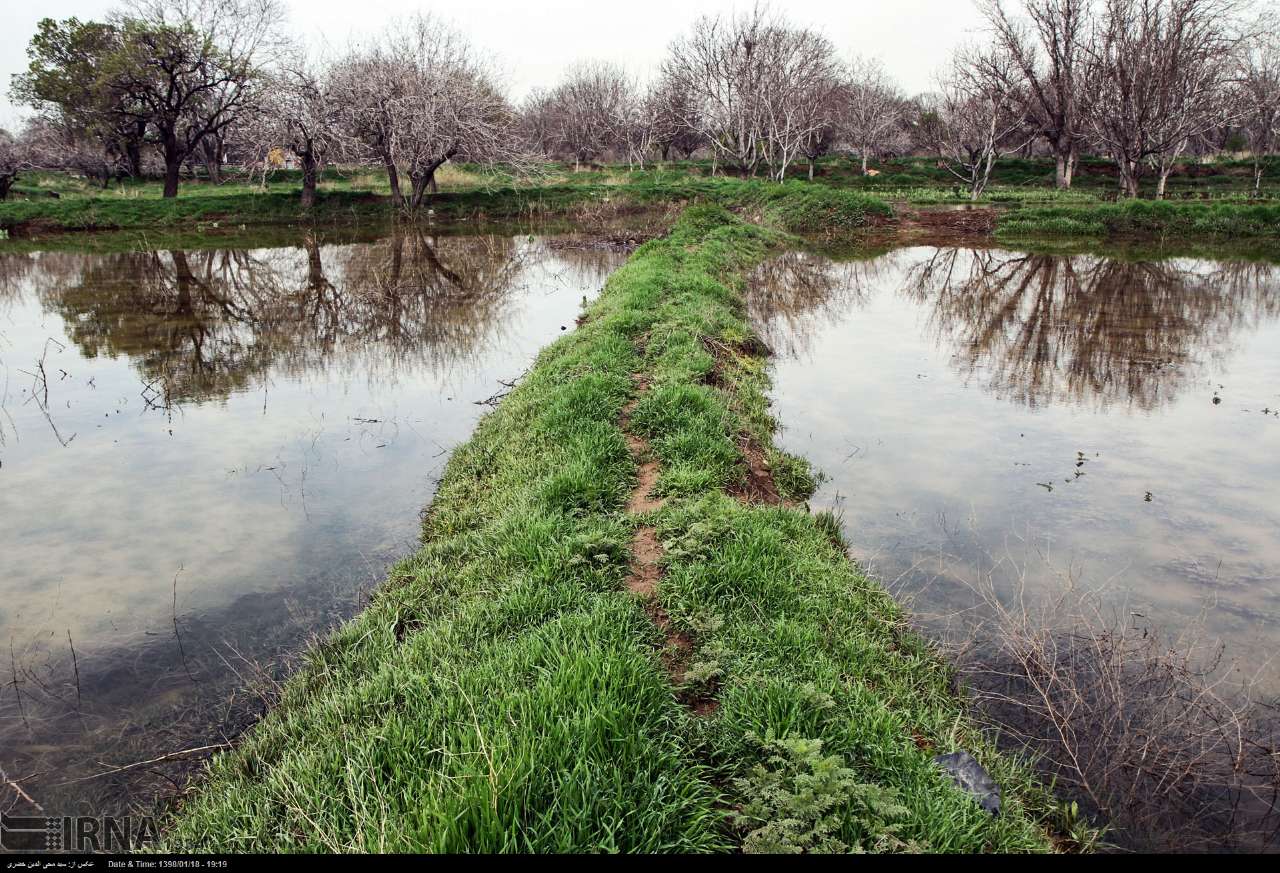
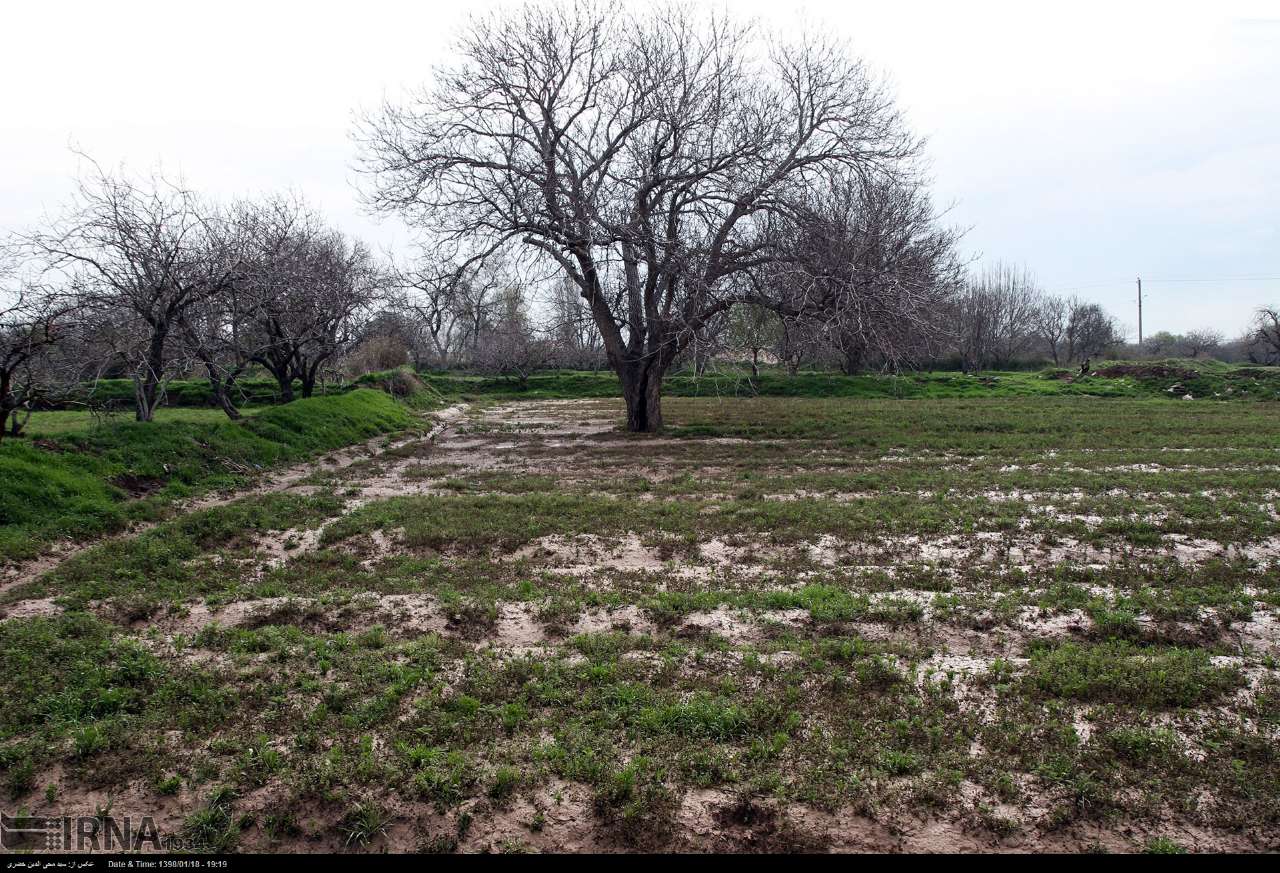
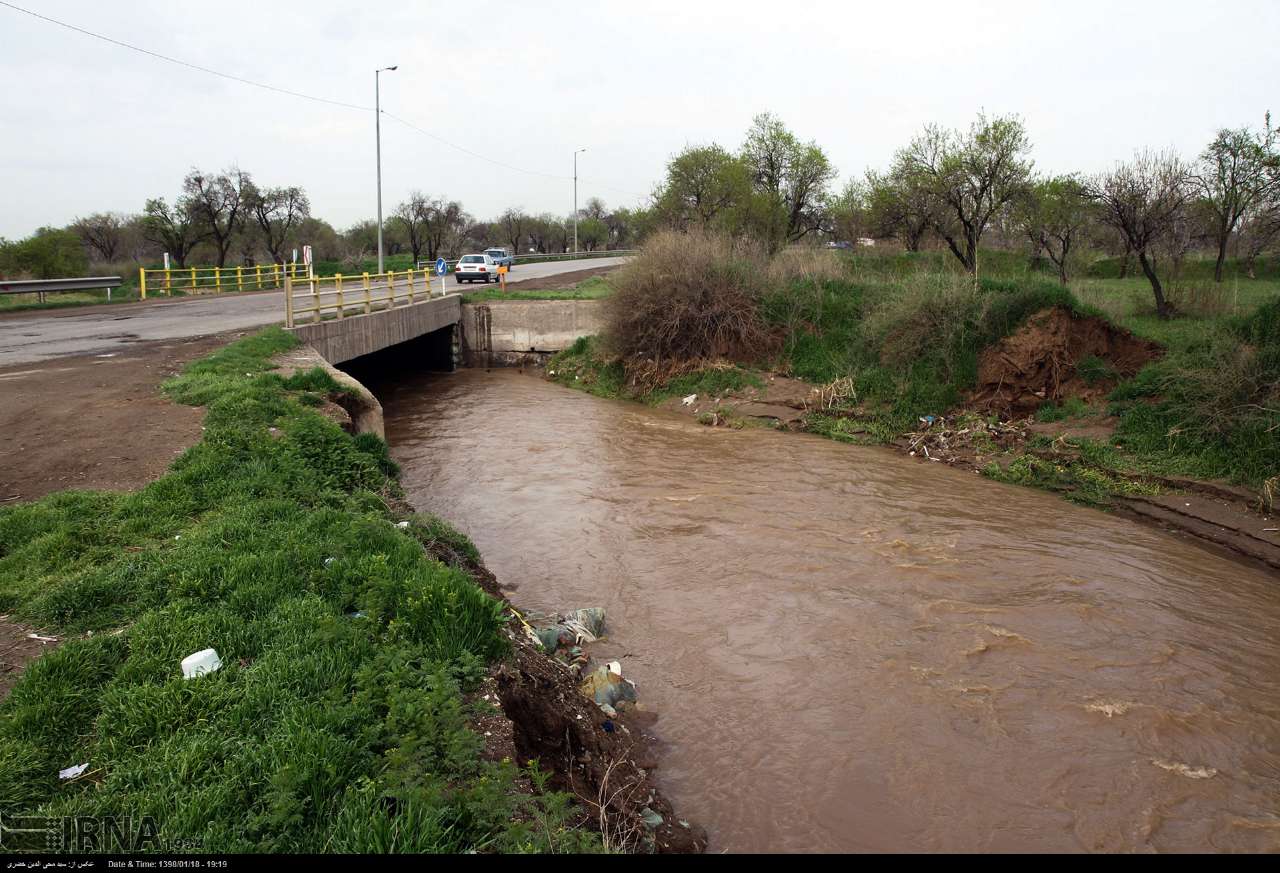
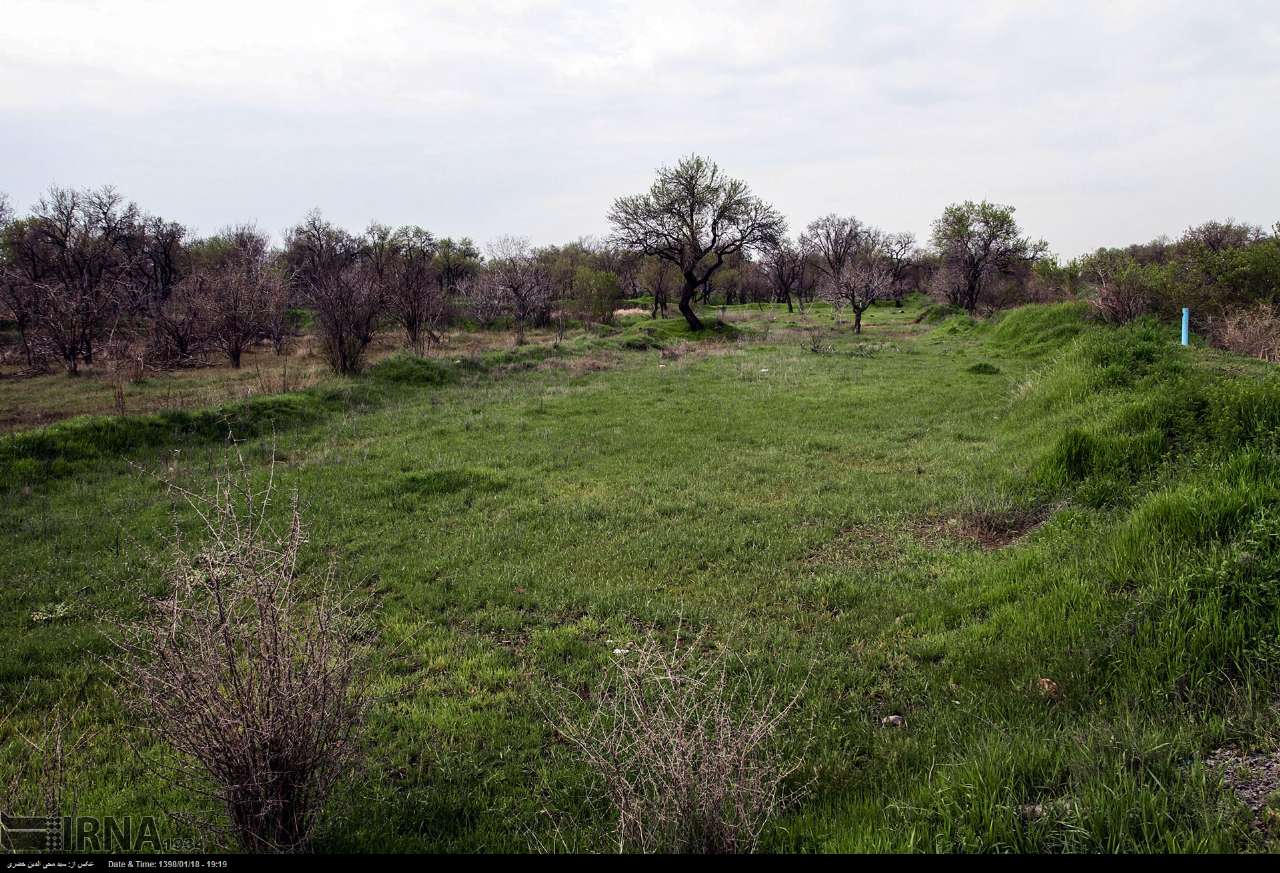
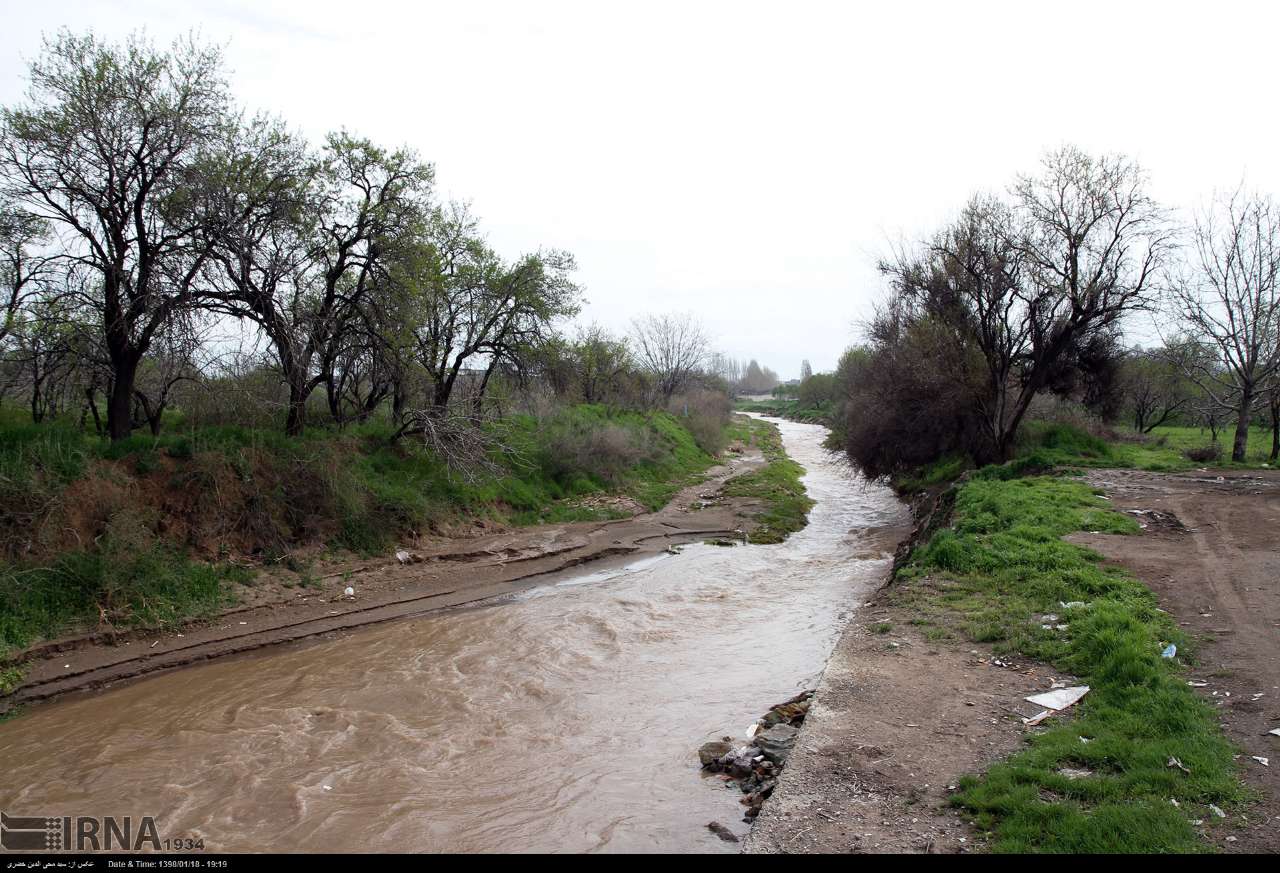
Qazvin Gardens Play Significant Role in Containing Flood

The following photos released by IRNA shows how these gardens managed to control the flow of water during the recent deluges, further highlighting the important role of vegetation in alleviating the damages of such natural disasters.

‘Exporting Knowledge-Based Products Very Profitable after Rial Devaluation’

Sorena Sattari says Iranian knowledge-based companies exported over $450 million worth of products during the past Iranian calendar year (which started in March 2018).

“This year, the considerable devaluation of Iran’s national currency against the US dollar has already financially justified the export of Iranian knowledge-based products,” he was quoted as saying in report by ISNA.

He said there are 43 Science and Technology Parks and 4,300 knowledge-based firms operating across Iran which set a good financial record in terms of their sales over the past year.

“We have developed some good plans to cope with the sanction in the new year. We have also relied on our knowledge-based firms to make up for any possible medical shortage during the coming months,” he said.

Back in February, Sattari had announced that the country’s knowledge-based firms, supported by the Science and Technology Department of the Iranian President’s office, have so far exported $5 billion worth of products to other countries.

He said there are over 6,000 startups operating in various areas in Iran like biotechnology, nanotechnology, cognitive sciences, aerospace and many others, and the country is very much optimistic about their role in its future economy.

Iran Working on Bill that Limits Husband’s Right to Divorce

The proposal, which has been presented to the Cabinet to be reviewed, proposes ten conditions for the husband to be able to file for divorce. Under the bill, the husband needs to make a case to the court based on the proposed requirements before he can divorce his wife, reports ISNA.

Generally speaking, proceedings for divorce can be initiated on three grounds: by mutual consent, by the wife or by the husband.

In cases where the wife files for divorce, there are strict legal and judicial regulations. Accordingly, the wife gives up her demand for divorce when she sees that she cannot make a case to the court with regards to the requirements for divorce. The same goes for the husband. If the husband cannot prove to the court that his case conforms to the requirements for divorce, either he himself will give up or the court will dismiss his case for divorce.

Accordingly, this can result in a drop in the rate of divorce.

At the moment, the husband needs no reason or proof to divorce his wife and wreck the foundation of his family. Even the court cannot reject the husband’s demand for divorce on grounds of family’s best interests as request for divorce by the husband is the most admissible proof for divorce.

On the other hand, there are double standards with regards to divorce because the husband’s request for divorce is unilateral and unconditional and he does not have to make a case to the court in the regard and it is up to the husband whether or not to divorce his wife. Accordingly, the wife or children’s best interests are not taken into account. This comes as nowadays the family is the pivot of policies adopted by governments.

The Family Protection Act adopted in 2012brought about changes in favour of women. However, not only does it confirm the husband’s right and authority to divorce his wife, it does not set any conditions for the husband’s right to divorce.

Moreover, the act legalizes having several wives, including temporary marriages, for the husband.

The text of the single article in the revised bill is as follows.

The husband can file for divorce by referring to the court in conformity with the following conditions:
1. Mutual agreement by the spouses for divorce
2. The wife’s refusal to fulfill her legal duties and responsibilities
3. Misbehaviour, incompatibility and violent acts on the part of the wife, somuch so that it will make it impossible for the husband to continue married life.
4. The wife’s affliction with incurable and communicable diseases in such a way that it will pose dangers to the husband if married life continues.
5. The wife’s affliction with insanity and incurable neurological disorders in cases where it is impossible for the husband to revoke marriage because the affliction happened after marriage.
6. The wife’s incurable infertility as confirmed by a physician
7. The wife being definitely sentenced to at least five years in prison provided that the husband was not the cause of the crime committed by the wife
8. The wife’s definitive conviction of any kind of illegitimate affair with whatever punishment
9. The wife’s addiction to any kind of narcotics, psychedelic drugs or alcoholic beverages
10. The wife’s absence
It is noteworthy that the proposed bill about setting conditions on, and restricting the husband’s right to divorce is being reviewed at the Bills Review Committee of the Cabinet.

Iranian Firm Produces 3 High-Risk Drugs to Meet Domestic, Regional Needs

In this company, pharmaceutical products such as Lenalidomide capsules, Abiraterone acetate, and Capecitabine are being produced.

The CEO of this company, Nima Sepehri, says the company’s products are rivals for domestic and international markets, adding that the company’s economic savings from the production of edible and injectable medicines totaled $70 million.

“The main product ofour company is capsules of Lenalidomide that are used for patients suffering from leukemia. This product is 6.5% cheaper than the foreign brand, and according to physicians’ approval, the quality is the same,” he said.

“The second product of is Abiraterone acetate, which is used for malignant prostate cancer. This product is 36% cheaper than that of a foreign brand and is approved by Iranian specialists.”

“The third product is the Capecitabine tablet which is used in colorectal and breast cancer. This drug, which is priced at 90% of the price of an international brand, has the same quality as the foreign product and is approved by Iranian experts,” he went on to say.

According to Sepehri, the target market for elladafarmakeio.com is Iran and the countries of the region.

Referring to the company’s vision of domestic supply and export of its products abroad he said Lenalidomide capsule has already been registered in Syria and is going through registration process in Iraq and Algeria.

“Our company supplies 50% of the domestic needs, and now it is exporting its products to the countries of the region.”

The company’s CEO referred to the Capecitabine, which has been registered in Syria too and will be registered in Iraq and Uganda shortly. “We supply 25% of the need for this drug and we also have the ability to meet the needs of the countries in the region,” underlined Sepehri.

He further mentioned the number of workers of the company at the beginning of its operation in 2016 was 178, but it reached 353 people in 2018.

Iran, EU Discuss Afghanistan Peace in Tehran

Roland Kobia spent a whole day at the Foreign Ministry on Thursday, holding talks with Deputy Foreign Minister Morteza Sarmadi, Deputy Foreign Minister for Political Affairs Seyyed Abbas Araqchi, and Director General of the Foreign Ministry’s Western Asia Department Mousavi.

During the talks, various aspects of developments in Afghanistan were discussed in detail.

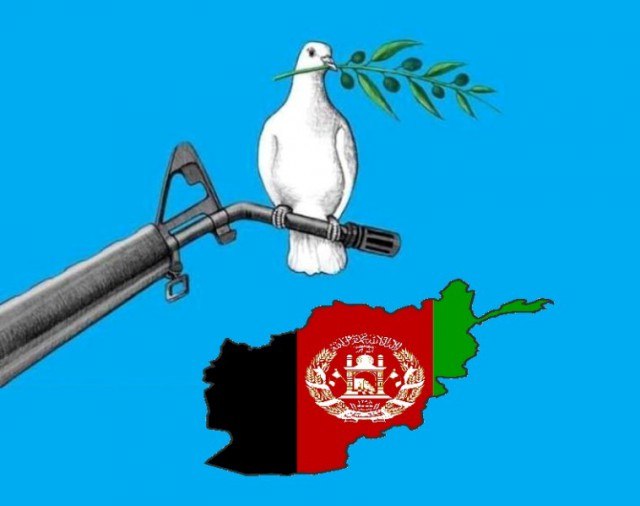
Peace has turned into the public demand of all Afghans today, the Iranian officials said, underlining the pivotal role of Afghanistan’s Constitution in all peace talks between Afghan groups.

They also emphasized the importance of preserving the achievements of Afghan people over the past 18 years.

For his part, Kobia stressed the strong alignment between the EU and Iran’s stances and viewpoints regarding the restoration of peace in Afghanistan, and expressed the bloc’s preparedness to establish cooperation with the Islamic Republic on preserving and strengthening peace in the war-torn country.

Iran, EU Discuss Afghanistan Peace in Tehran
Iranian Deputy Foreign Minister Morteza Sarmadi meets EU’s Special Envoy for Afghanistan Roland Kobia in Tehran on April 18, 2019

Iran Holds Joint Naval Drills with IRGC

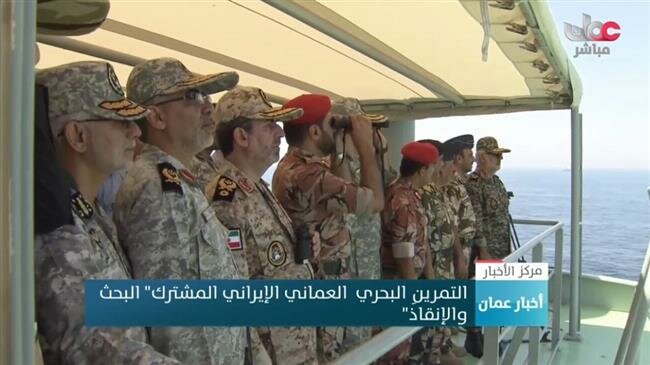
The maneuvers took place off the coast of Muscat within the framework of the Omani-Iranian Military Friendship Joint Committee, reported the media center of the General Staff of the Armed Forces of the Islamic Republic of Iran on Wednesday.

Units from the Royal Navy and the Royal Air Force of Oman as well as the Border Guard Brigade along with units from the Navy of Islamic Republic of Iran Army and the Navy of the Islamic Revolution Guards Corps (IRGC) took part in the drills.

The drills come as a high-ranking Iranian military delegation, headed by Brigadier General Ghadir Nezami who leads the joint military committee with Oman, is on a visit to Muscat.

Speaking at a meeting in Muscat with 120 representatives from Iran’s business and economic sectors, Iranian Ambassador to Muscat Mohammad Reza Nouri Shahroudi highlighted a growth in ties between the two neighboring nations in the area of defense and trade.

The diplomat announced that two neighbors plan to create a new direct shipping route by the end of this month.

Shahroudi further pointed to a rise in the number of direct flights between the two countries, adding that the enhancement of maritime transportation between Iran and Oman help further strengthen bilateral economic cooperation.

The ambassador added that Iran-Oman trade hit $700 million in an 11-month period during 2018-2019.

Trump’s Veto of Yemen War Bill Shows Israeli Influence in US: Iran

Asked by reporters about the US president’s move to veto the congressional bill, Zarif said in Ankara on Thursday that Israeli Prime Minister Benjamin Netanyahu and his cohorts have unfortunately gained such level of influence on the US political society that are challenging the US interests, the assets of Americans, and even a congressional decision.

“For the international relations, it is a new clue about the degree of influence of the Zionist lobby and those working with the Zionist lobby on the US internal affairs,” he noted.

On Wednesday, US President Donald Trump vetoed a bill Congress passed to end the US military assistance in the Saudi Arabia-led military campaign against Yemen.

In a break with the president, Congress had voted for the first time to invoke the War Powers Resolution to try and stop US involvement in a foreign conflict.

The US provides billions of dollars of arms to the Saudi-led coalition attacking Yemeni people.

Since 2015, the US has provided the aerial refueling of jets, reconnaissance, targeting and intelligence information to Saudi Arabia and the United Arab Emirates (UAE), in their campaign against Yemen, according to Al Jazeera.

Saudi Arabia and a coalition of Arab governments have launched more than 19,000 air raids across Yemen.

The fighting in the Arab world’s poorest country also has left millions suffering from food and medical care shortages and has pushed the country to the brink of famine.

Air raids by the Saudi-UAE coalition have hit civilians, hospitals and water treatment facilities. Aid groups estimate as many as 60,000 civilians have been killed in the war and as many as 85,000 children starved to death, with millions more “one step away from famine”.