Wednesday, January 14, 2026
Home Blog Page 3256

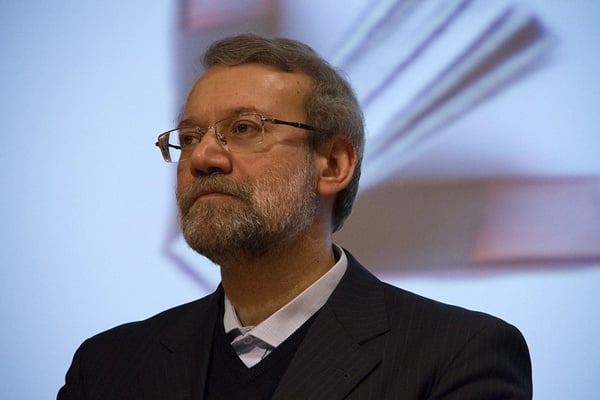
Ali Larijani Re-Elected as Iran’s Parliament Speaker

Larijani

Larijani won 155 votes out of 247 votes cast during Sunday’s parliamentary session, obtaining the speakership of the Iranian parliament.

Iranian lawmakers elected Larijani during an open session as the next parliament speaker for the fourth year of the 10th parliament, ICANA reported.

In a subsequent vote, one of his rivals, Mohammad Reza Aref did not garner more than 105 votes. Mohammad Javad Abtahi, another candidate, gained only 9 votes.

Reformist lawmaker Masoud Pezeshkian was also re-elected as the first vice-speaker of the Parliament, but the second vice-speaker, Ali Motahari, also a reformist, failed to win enough votes, and will be replaced by Abdolreza Mesri, a conservative lawmaker who served as the Labour Minister during President Mahmoud Ahmadinejad’s first term in office (2005-2009).

Ali Larijani is a moderate conservative politician who served as the Secretary of the Supreme National Security Council from 15 August 2005 to 20 October 2007. In his post, he effectively functioned as the top negotiator on issues of national security, including Iran’s nuclear program.

As per an internal guideline of Iran’s parliament, the election of the speaker in the first round is with the absolute majority of the representatives’ votes. If the election does not reach the absolute majority in the first round, the relative majority will be sufficient in the second round.

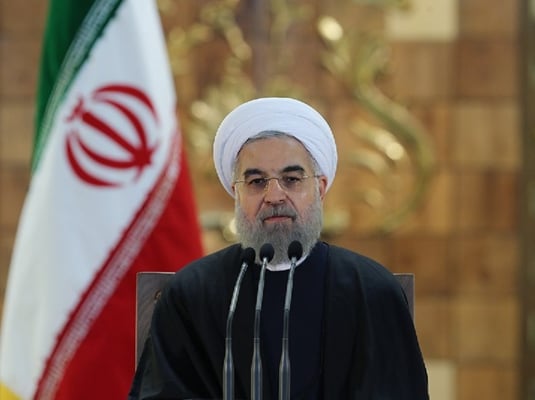
JCPOA Prevents World from Condemning Iran: Rouhani

Rouhani made the comments in a meeting with representative of the country’s media on Saturday evening.

“This is unprecedented in the Iranian history that an Iranian cargo ship is not allowed to berth at a foreign port for 10 days and fail to unload its cargo,” Rouhani noted.

“The US State Department has been in constant contact with that small country, and this has been unprecedented in the past 40 years,” he said.

In response to a question on how long Washington is going to put pressure on Iran, he noted that when the US officials realise the sanction on Iran have not worked properly, they will stop their hostile approach towards Iran.

Rouhani said “the country is paying a lot in the war against America, but we are definitely the winner of this war. For this victory some conditions must be met, and the most important one is the unity of thought and trust in each other.”

Rouhani noted that “the effect of people’s thoughts and judgment about the establishment is very important.”

He underlined that people may be having a hard time, but the important thing is that the enemy knows these people, despite economic problems, do not give up on their support for the establishment, and they trust the officials and rulers.

The United States stirred up tensions with Iran in May 2018 when US President Donald Trump pulled his country out of the nuclear agreement, officially known as the JCPOA, and re-instated cruel sanctions against the Islamic Republic in defiance of worldwide criticisms.

The tensions saw a sharp rise on the first anniversary of the US exit from the deal as Washington moved to beef up the pressure on Tehran by tightening its oil sanctions and building up its military presence in the region.

Washington has since further amplified the pressure on Iran, deploying military reinforcements, including the USS Abraham Lincoln aircraft carrier strike group, a squadron of B-52 bombers, and a battery of patriot missiles, to the Middle East.

Iranian Diplomat Due in Oman, Kuwait, Qatar for Consultations

Reviewing the fast-changing international developments in recent days, especially those in the Persian Gulf, will be high on the agenda of the Iranian diplomat’s talks.

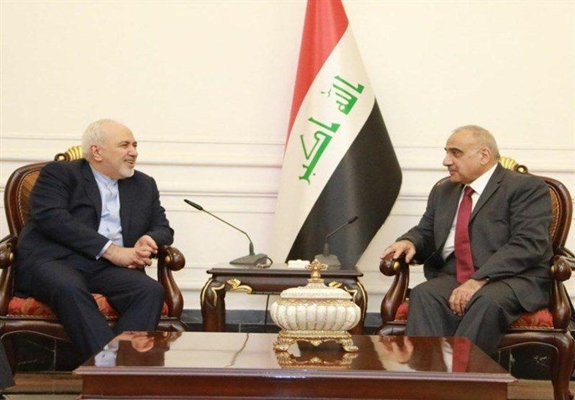
Araqchi’s regional tour will come as Foreign Minister Mohammad Javad Zarif is currently in the Iraqi capital of Baghdad after finishing a tour of several Asian countries, including India, China, and Japan.

While in Baghdad, Zarif will hold negotiations with Iraqi authorities including president, prime minister and parliament speaker of the Arab neighbour.

The visit comes a day after the Pentagon announced 1,500 troops would be sent to the Middle East in what officials described as a “force protection” measure against alleged Iranian threats.

Tensions have escalated since the US sent an aircraft carrier and B-52 bombers to the region in response to intelligence reports suggesting an imminent attack.

Iran has dismissed the alleged intelligence as fake and slammed the deployments as a psychological warfare.

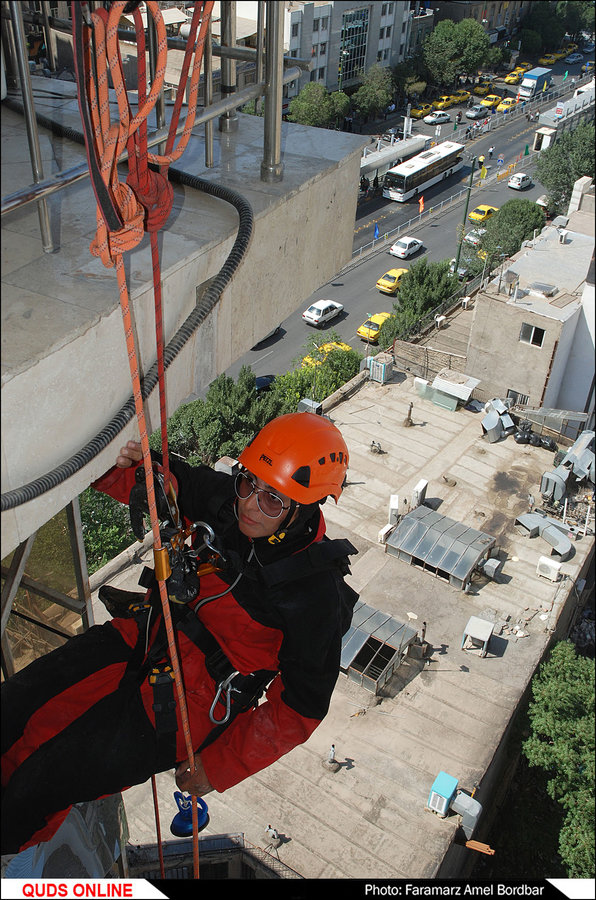
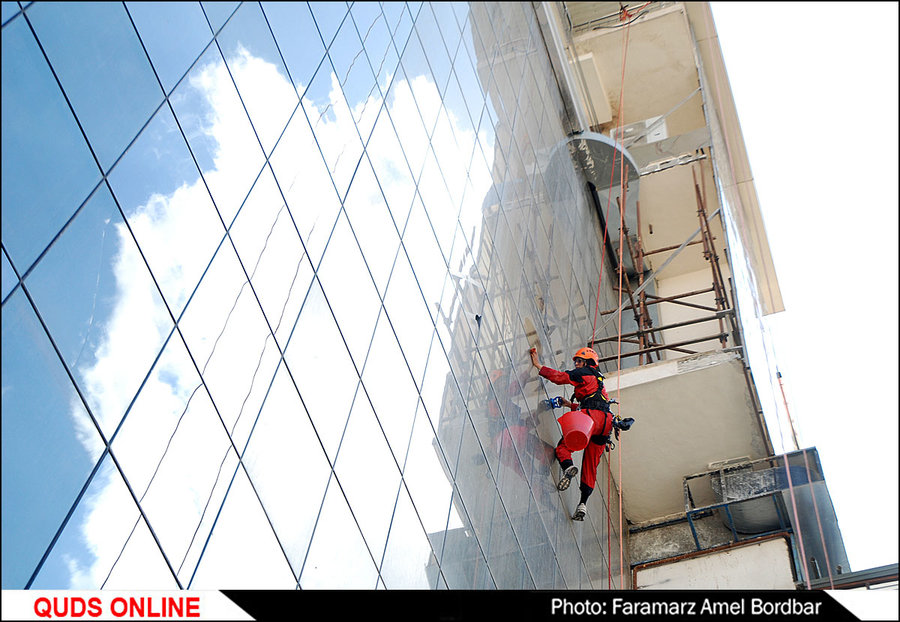
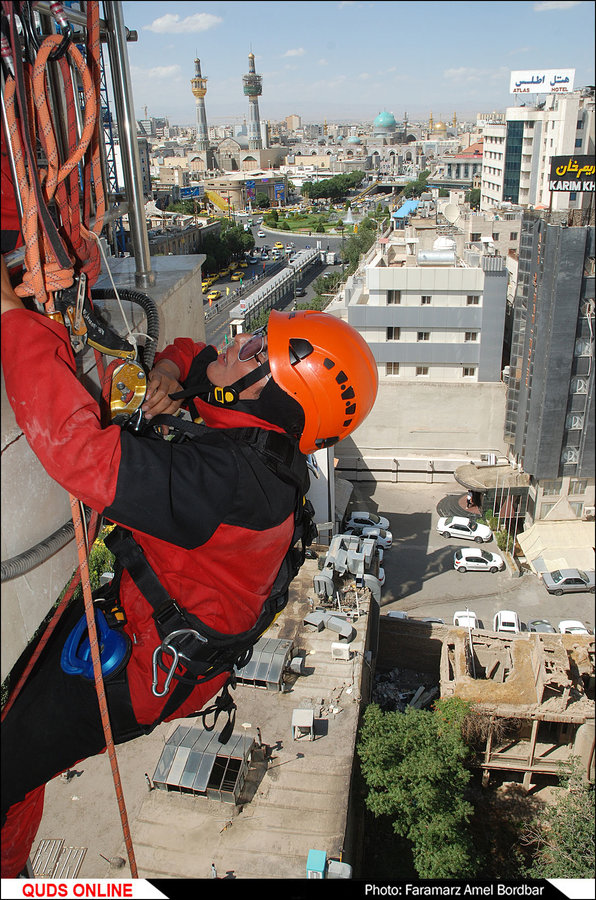
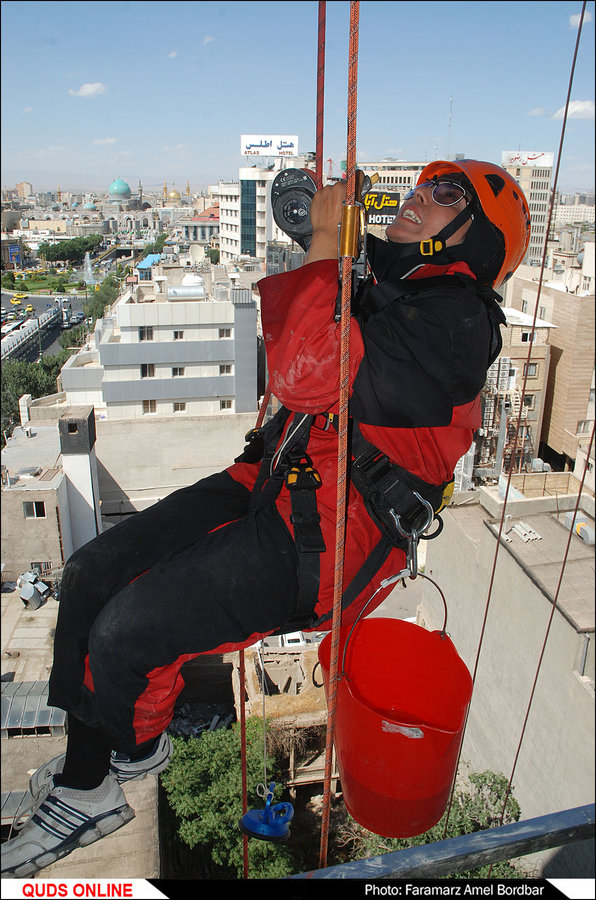
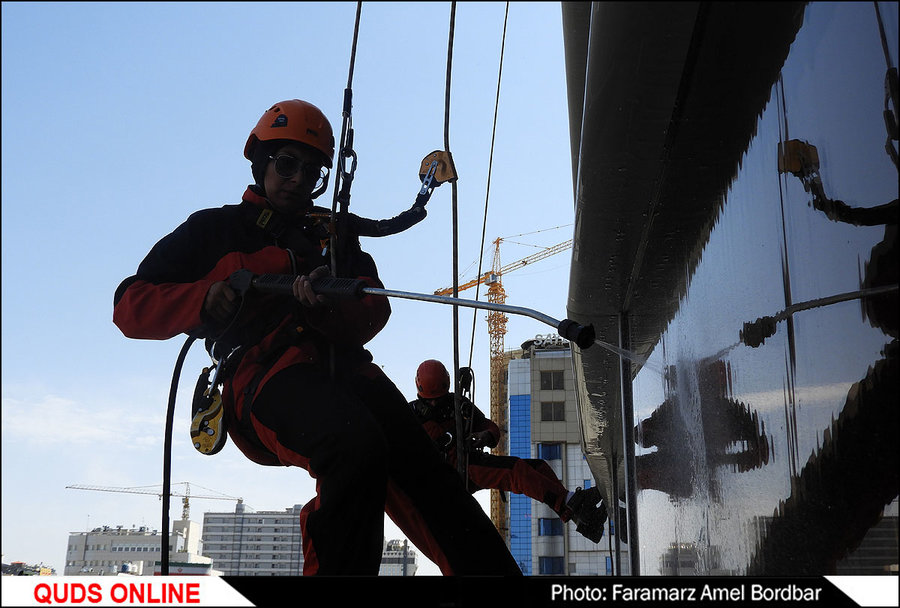
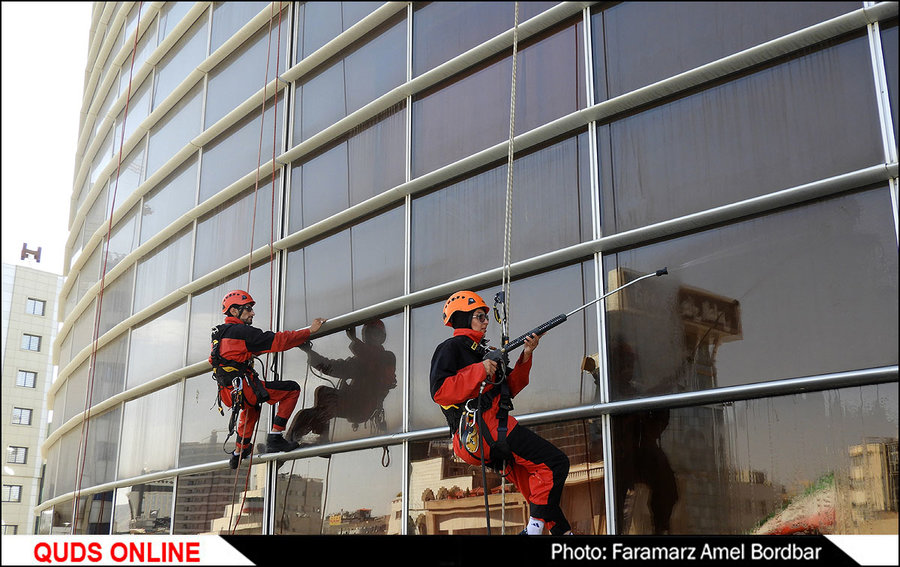
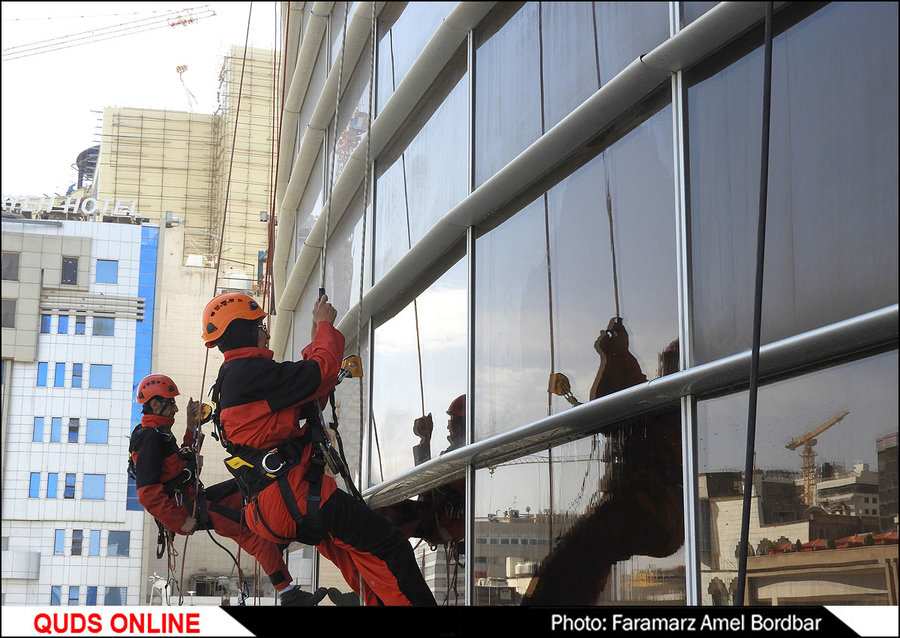
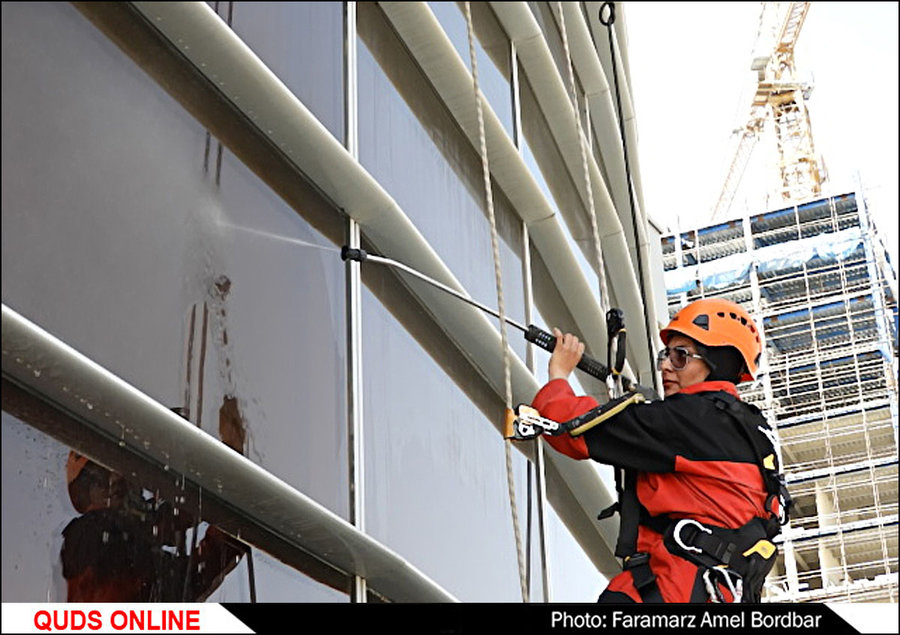
‘Spider Woman’ Says Finds Peace of Mind in Climbing Buildings

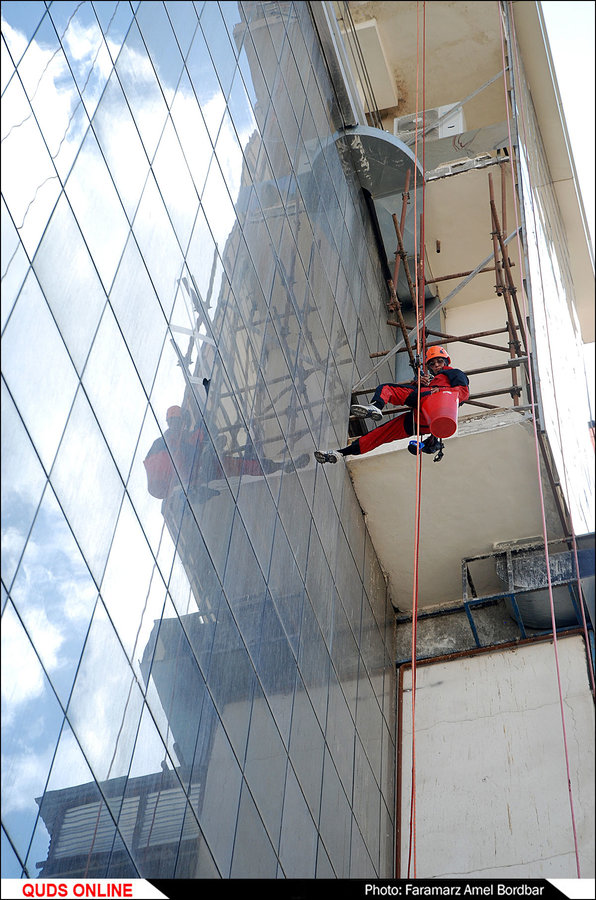
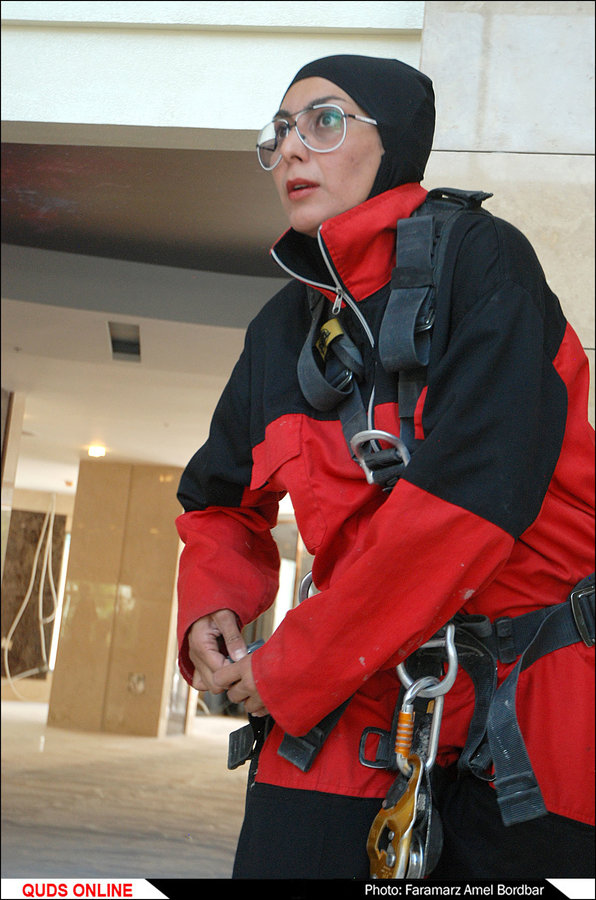
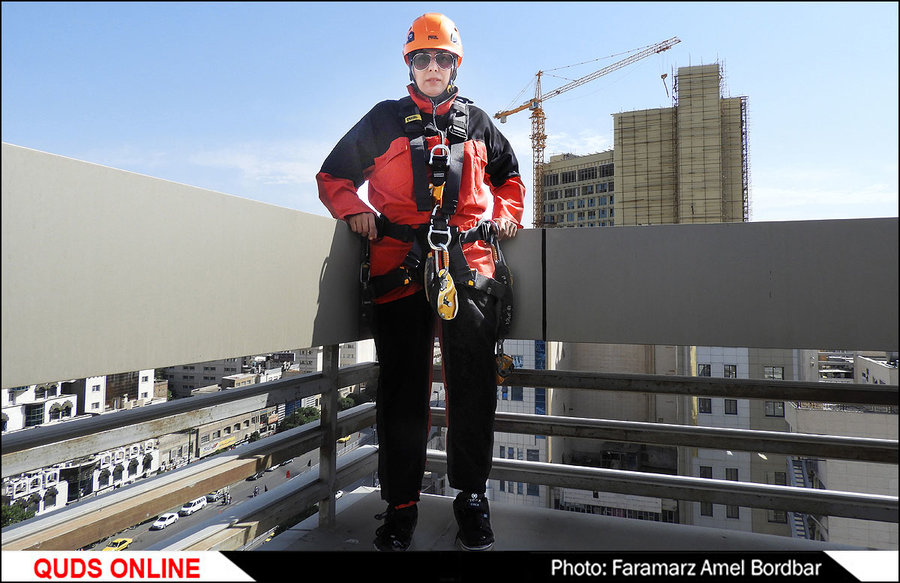
A resident of the city, Farzaneh has gone against tradition and her own family to choose the profession and prove that there is no concrete line between genders when it comes to choosing a job; especially one that is widely viewed as masculine.

She chose the job after what was supposed to be a one-off exciting experience of working at height. The experience was so phenomenal that Farzaneh closed her clothing store in one of Mashhad’s shopping centres and became a height worker. She made the decision despite her family’s objections. Today, she carries out construction projects on Mashhad’s main skyscrapers.

Farzaneh is the only woman in Iran with an international diploma in this field.

“The profession is highly useful in the areas of construction and urban services,” she said.

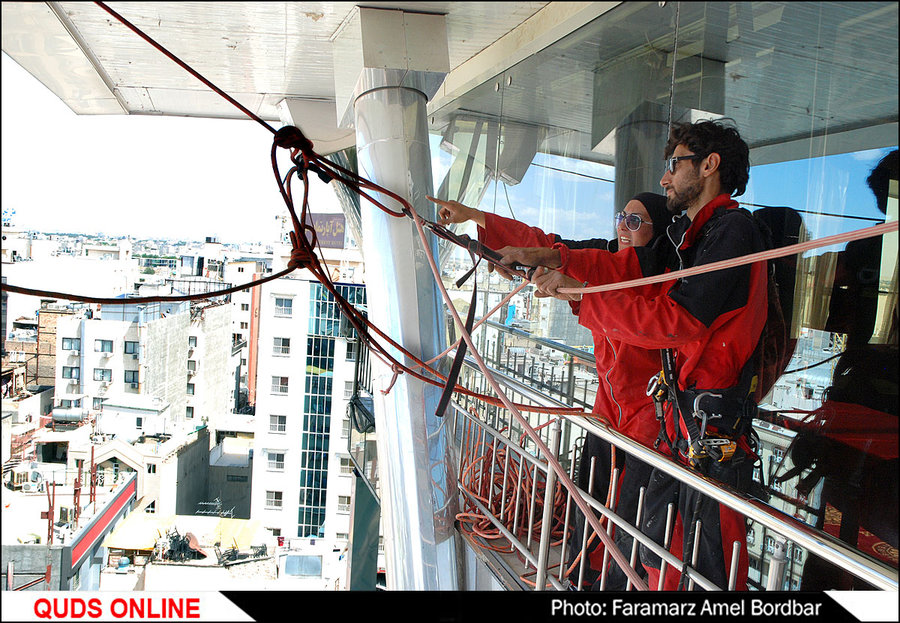
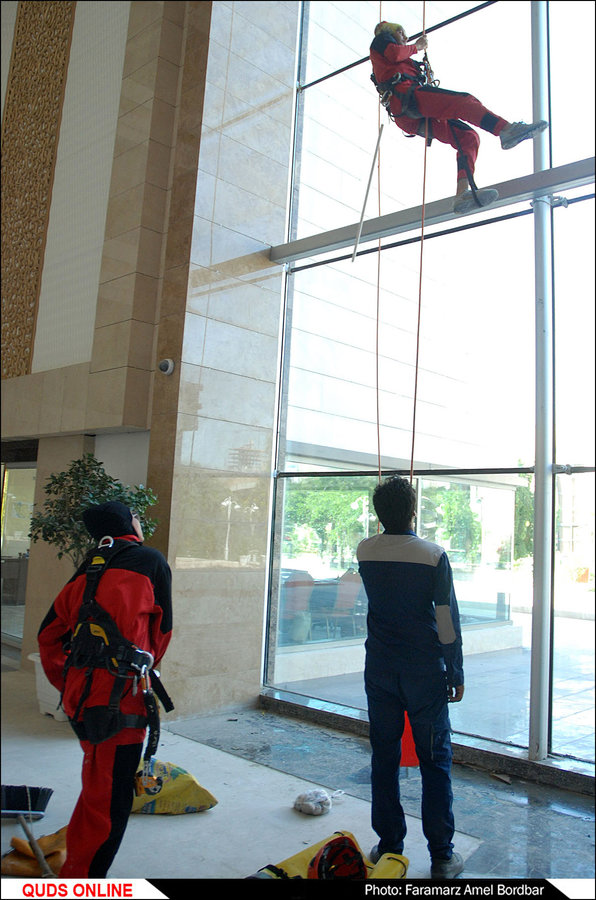
To most people, working at height is restricted to washing the glasses of towers and skyscrapers. But Farzaneh says the profession has way more potential and can help firefighting and rescue operations as well.

“I think even a woman can play a key role in these operations. Parts of our profession deal with facade dowels and sealing. Sometimes, we wash and light the façade. All these operations take place at height,” she said.

In an interview with Shahrvand newspaper, Farzaneh has talked more about her profession. Below you can read an excerpt.

Q: How exciting is working at height that you are willing to put up with all these dangers? Is it for the high income or you are just so interested in what you do?

A: I had good income before choosing this profession. I changed my job because I wanted to do something to pacify my soul. Climbing up a building makes me feel better. While on the ground, I get headache. But when I’m at height, I feel good. I work on average seven to eight hours per day.

Q: How do ordinary people react to your profession?

A: Frankly, in the early days I was afraid of people’s judgments. When I put on my uniform, people used to watch me with surprise. But gradually they became accustomed to the scene and started to send positive energy. Five years on, people are used to seeing a woman who climbs a skyscraper. When I’m hanging from residential towers, the female residents come to the window and take selfies with me. They even bring tea and cookies. We talk when I’m working. Sometimes, people on the ground greet me as a man because they don’t recognize that it is a woman working at height.

Q: How do your entrepreneurs deal with you? Have you ever received any sexist reactions?

A: In the early days of my career, yes. Sometimes they had some sexist views and even made fun of me. But I insisted on my job and fought for it till I managed to prove that the career has nothing to do with the gender. Now, after five years, I launch my projects alone. Believe it or not, the largest projects in this area are carried out by me.

Q: Tell us about the difficulties you face on the job.

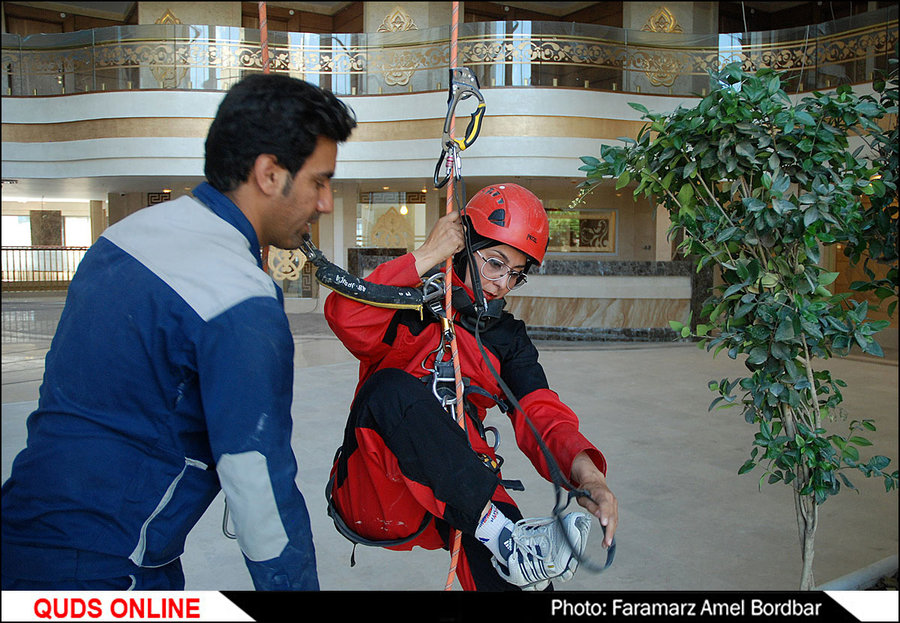
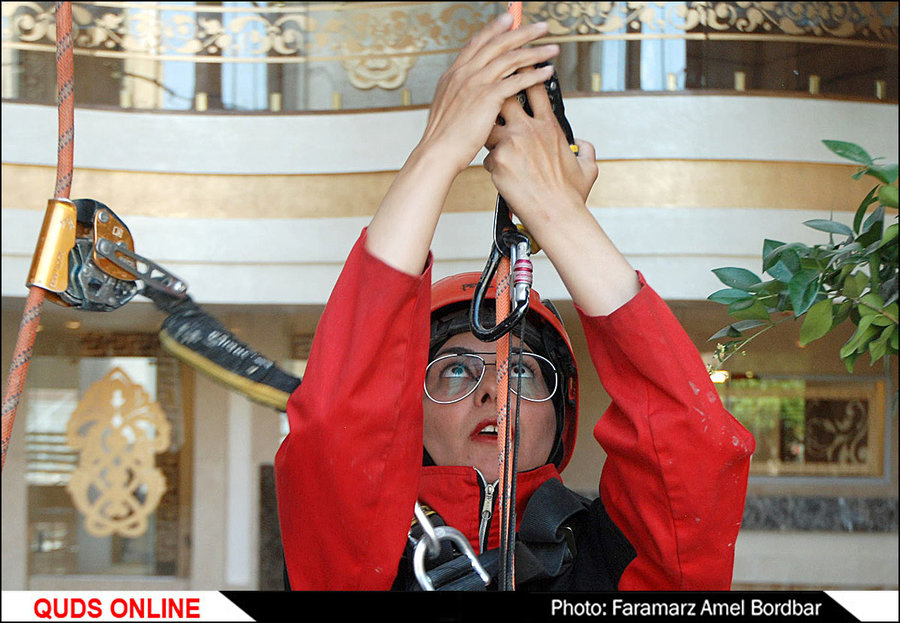
A: The first mistake is your last mistake. But if you check all safety measures, nothing will happen. The climate is also important for us. We can’t climb the skyscrapers in bad weather. But above all, the most difficulty I face in my job is the traditional view of the society who take it as a masculine job.

Q: How did you come up with the traditional view?

A: I’m a woman who is interested in, as some people say, a masculine job. I do my job far better and more accurate compared with others. On the other side, I haven’t lost my femininity. I do my chores at home as a housewife.

Below you can see Quds Online’s photos of Farzaneh at work:

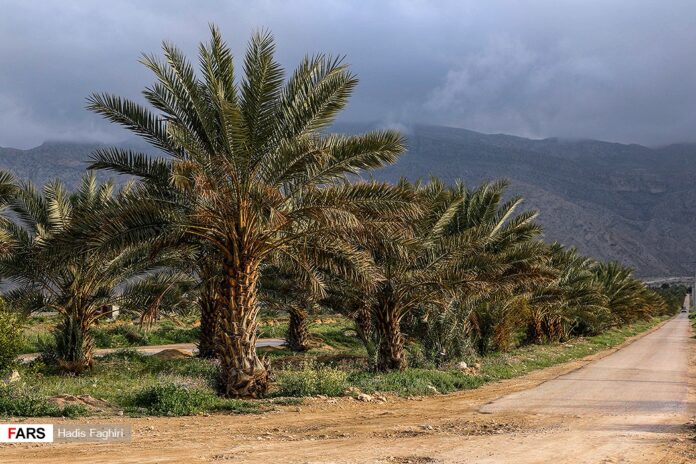
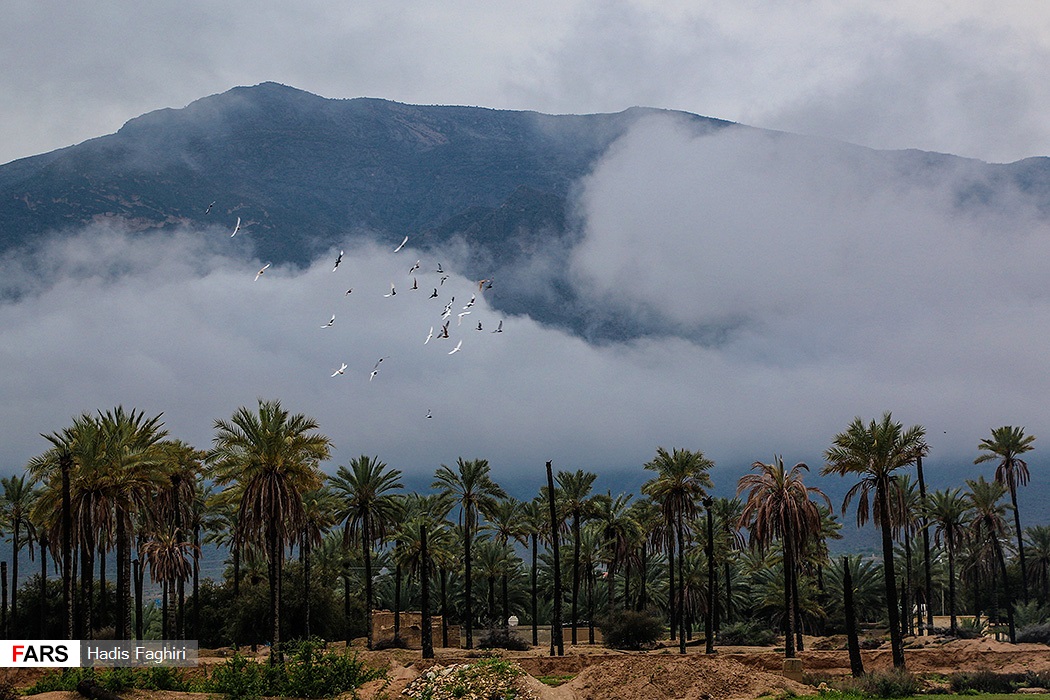
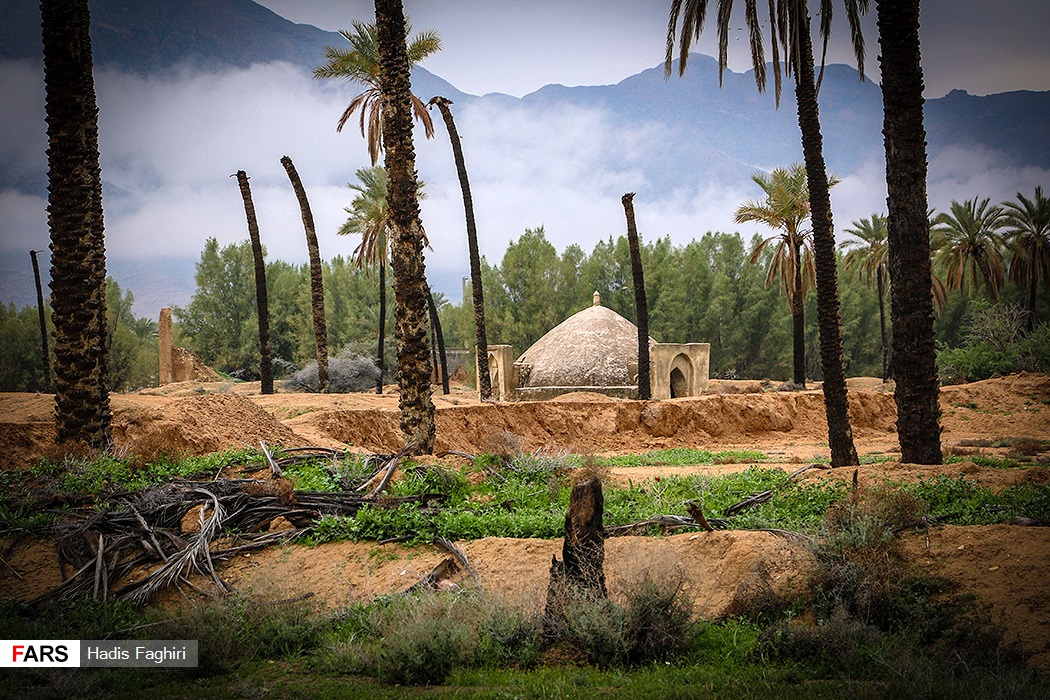
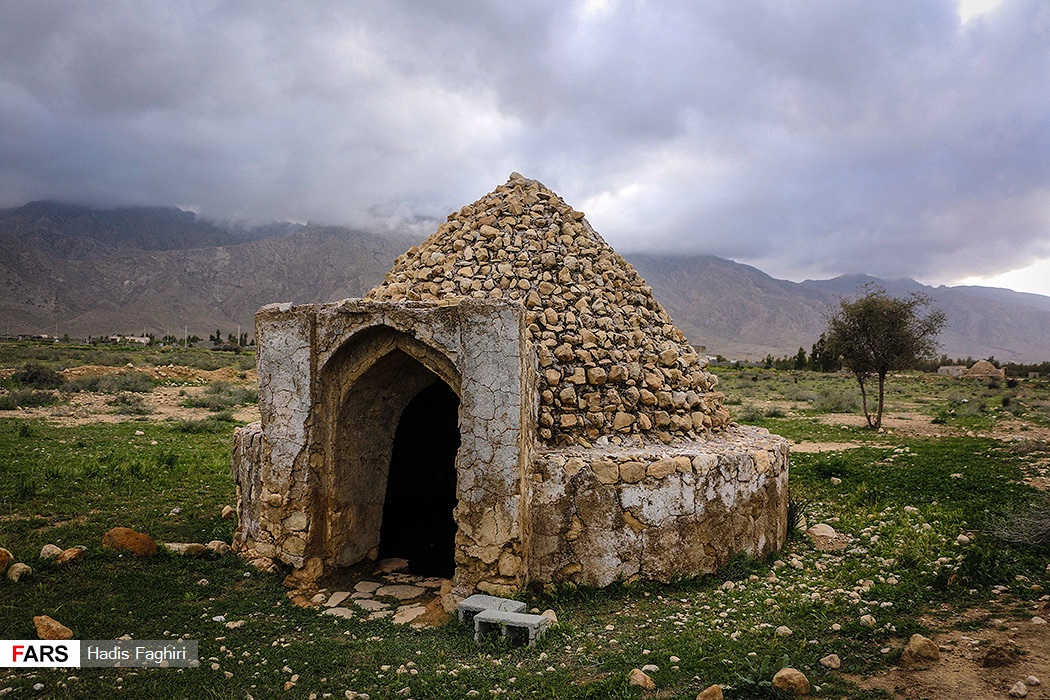
Gerash; A Small Village with Numerous Attractions

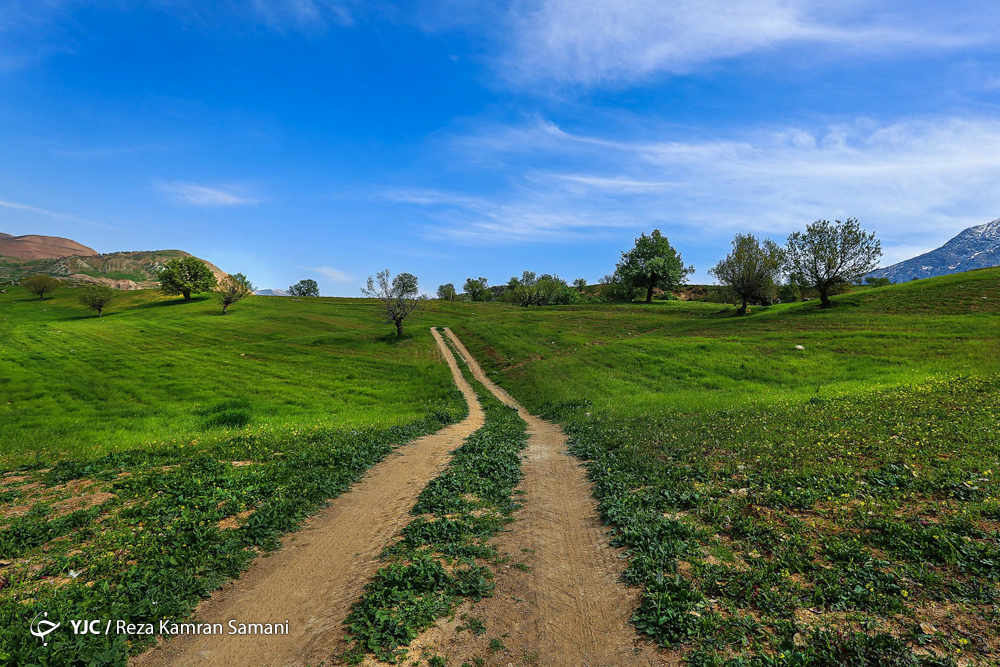
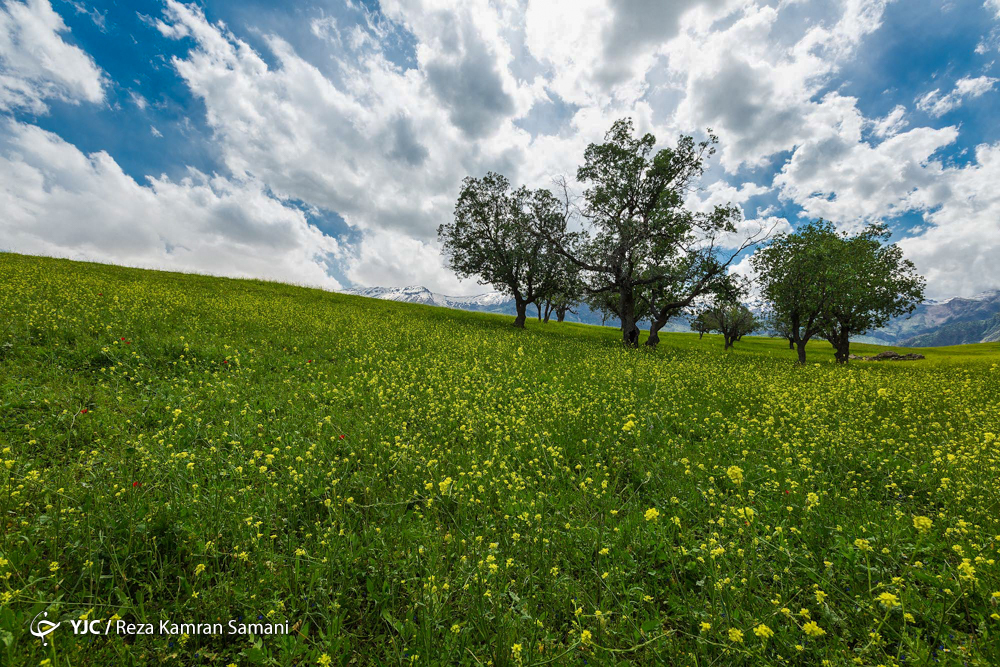
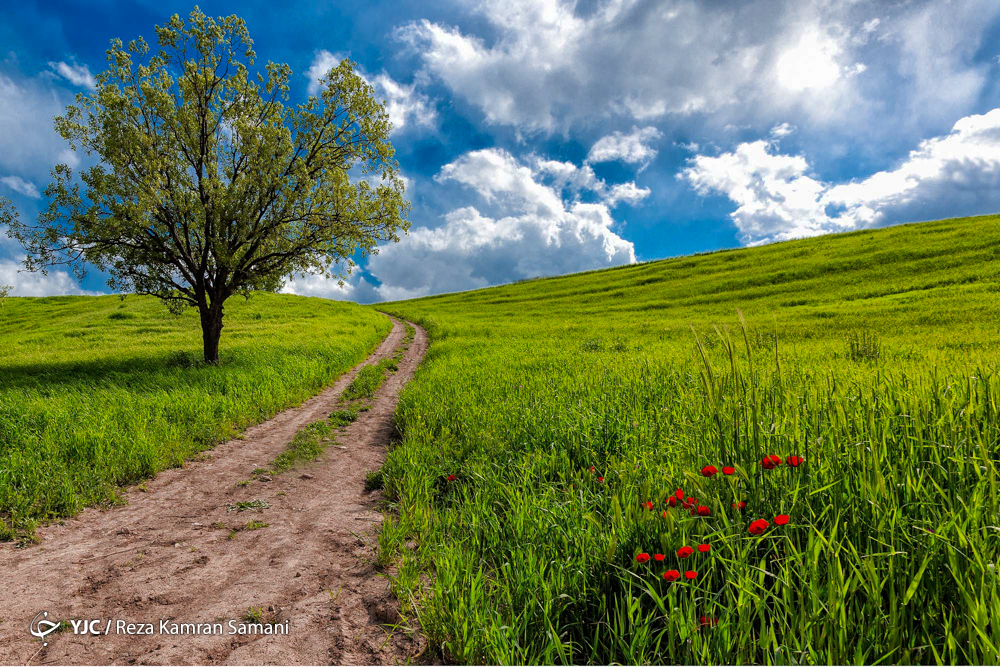
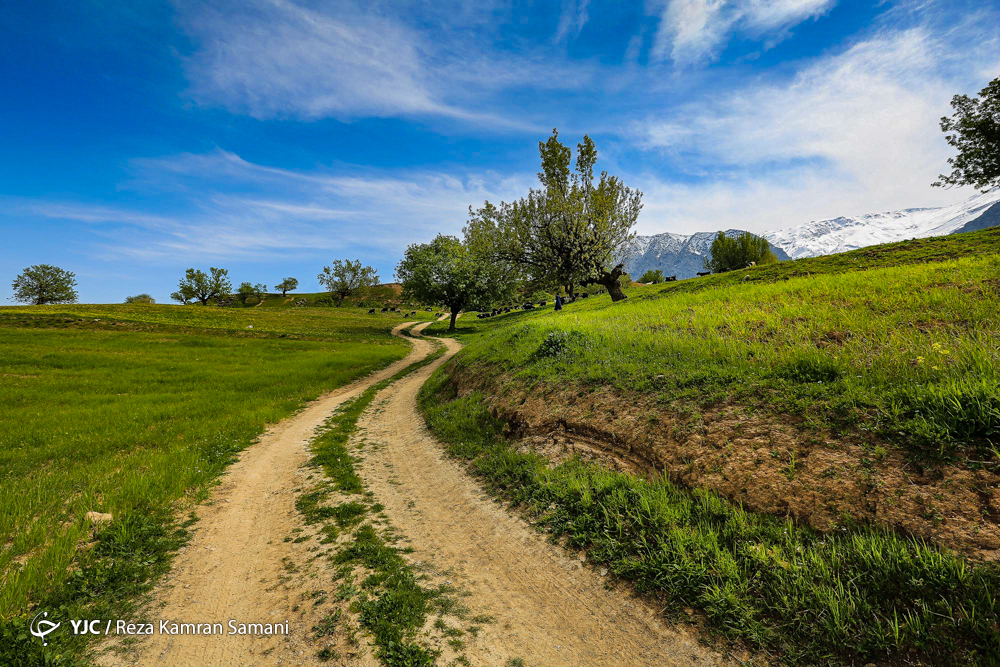
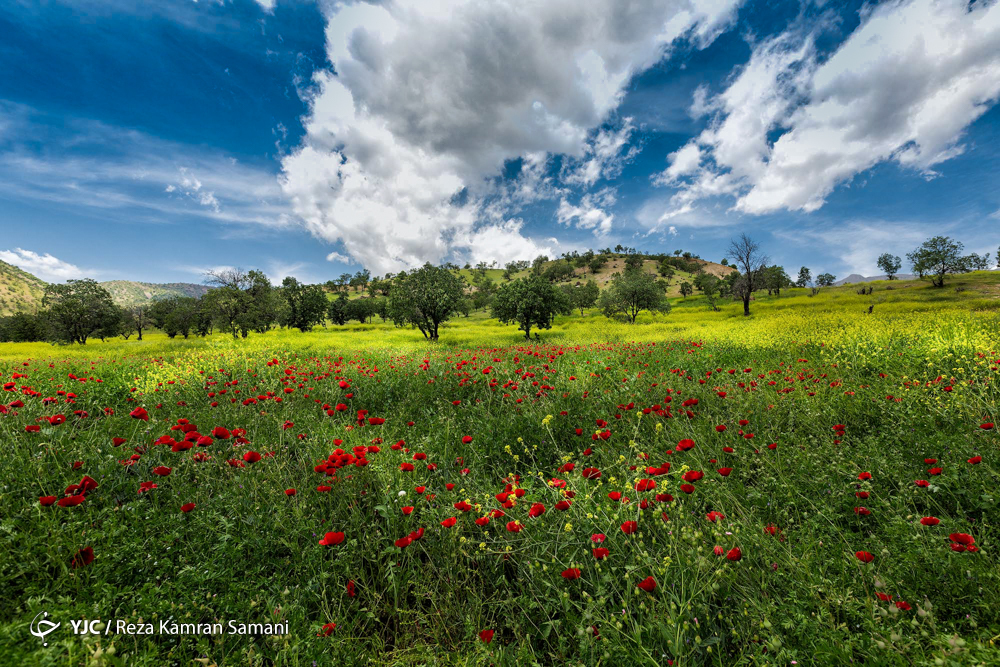
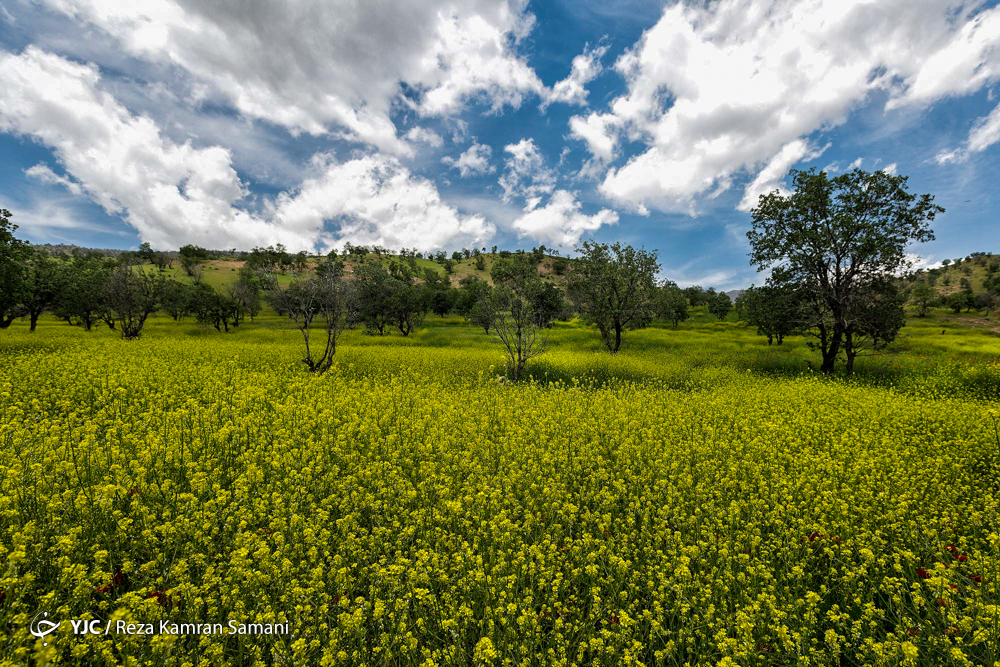
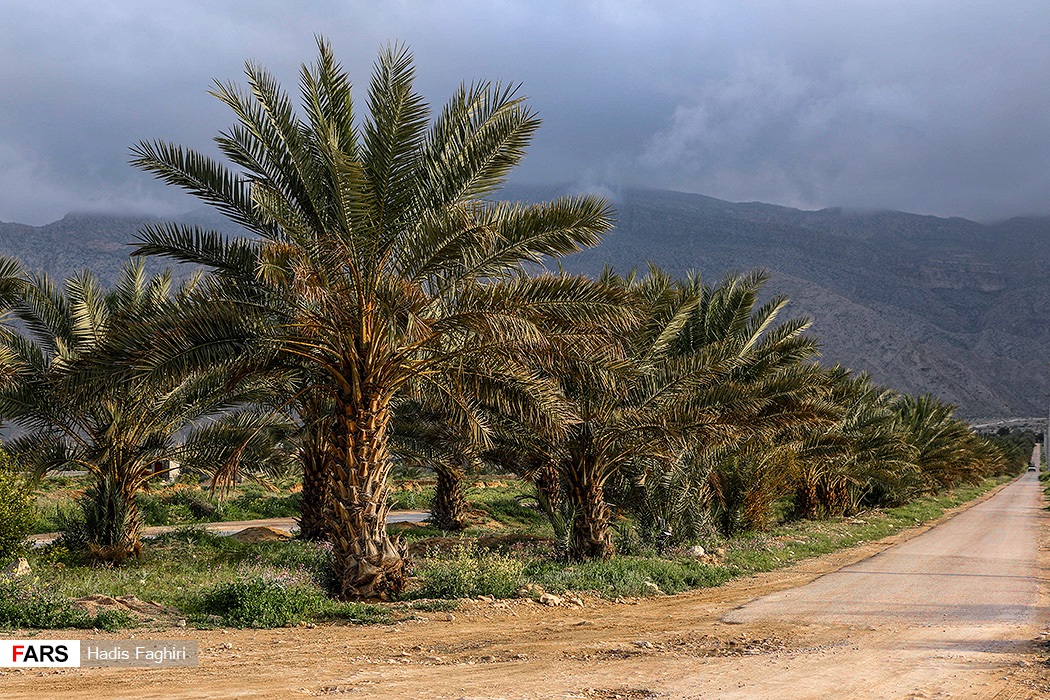
Gerash is located south of Fars province, 260 km south-east of capital Shiraz. It has striking tourist attractions including the Tangab Dam.

This historic dam is situated in the southwest of Tangab Strait near the Black Mountain. It belongs to the Sassanid era, and was reconstructed during the Safavid period. Farmers in the area irrigate their fields with the water of this dam.

Berkeh Gol (flower pond in Persian) is another historic attraction of the village. The water reservoir is among the strangest, most magnificent and largest ones in Iran. It dates back to the Qajar era.

This region has seven water reservoirs that are built in different sizes and at different times over a short period. These reservoirs are located in the Nasag neighbourhood and on the banks of a seasonal river. Together, they are known as Seven Ponds.

Gerash Fortress is also a historic fortress located 1,070 metres above the sea level on a hill named Kalat. The village was expanded around the fortress, which dates back to the Zand dynasty and has been reduced to ruins over the years.

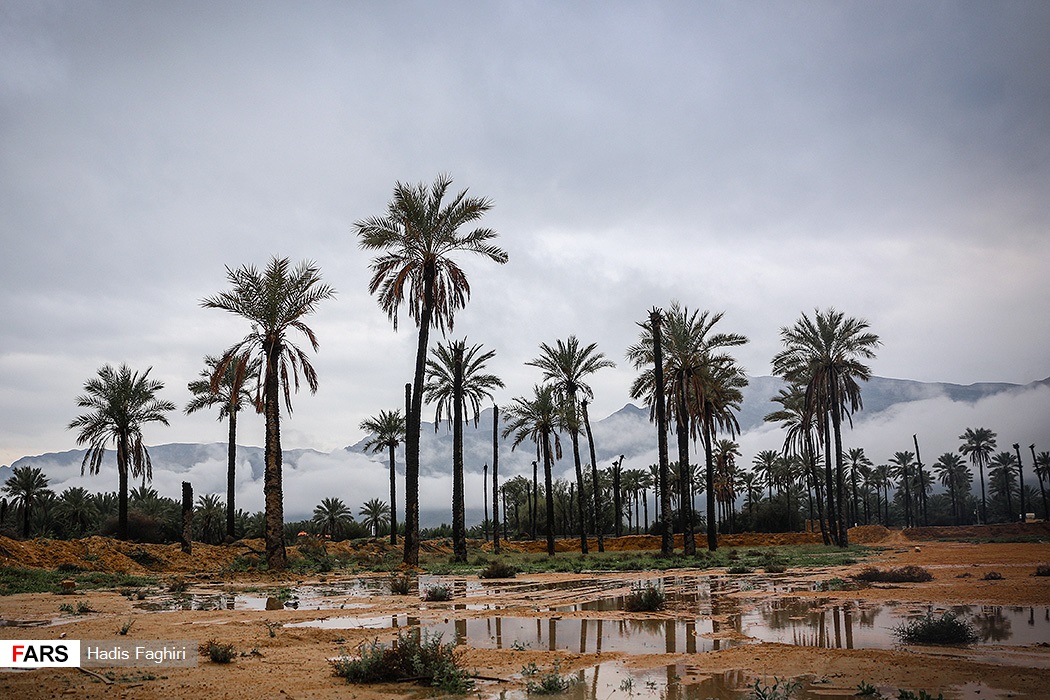
In addition to the historic sites, the beautiful nature of the city is one of the most stunning attractions of Fars province.

What follows are Fars news agency’s photos of the village:
Iran FM Zarif Arrives in Iraq for High-Level Talks

Iran FM Zarif Arrives in Iraq for High-Level Talks

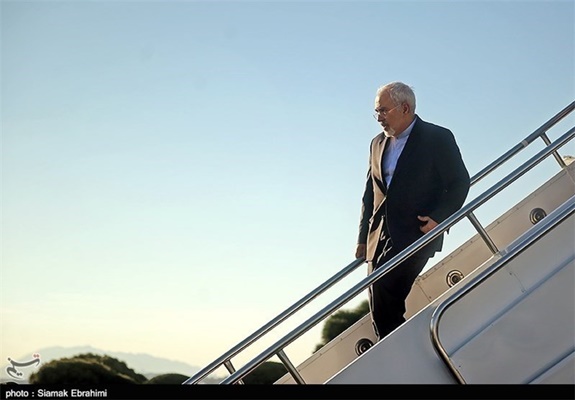
Zarif, who is going to hold negotiations with top Iraqi officials, was welcomed by Iraqi Deputy Foreign Minister Nizar Khairullah upon his arrival.

Zarif is scheduled to meet with his Iraqi counterpart Mohammed Ali al-Hakim, President Barham Saleh, Prime Minister Adil Abdul-Mahdi, and Parliament Speaker Mohammed al-Halbousi.

Reports say on Sunday morning, Zarif will meet several senior politicians before heading to Najaf to meet a number of Iraqi clerics.

The Iranian official will leave Iraq on Monday.

US Warship’s Use of Persian Language Shows Iran’s Authority: IRGC

v

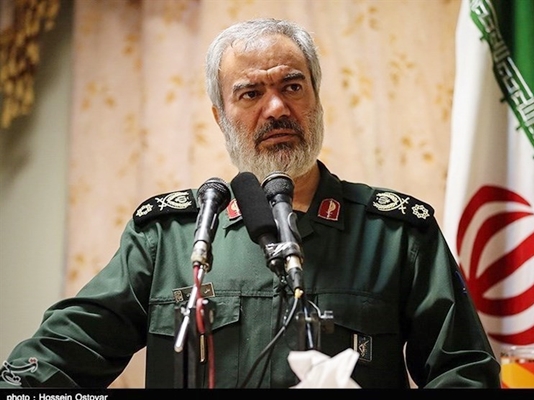
IRGC’s Second in Command Rear Admiral Ali Fadavi said the US warships deployed in the region are not operational and are under the full control of Iran’s Army and the IRGC.

“Today and at present, the smallest number of warships of the US and its allies are based in the Persian Gulf. In the past, more than 300 US battleships and five out of its nine carriers were in the Persian Gulf,” underlined Fadavi.

IRGC’s Second in Command went on to say that since many years ago, Iran has shown so much authority in the region that they have to speak to the Iranian forces stationed in the north of the Strait of Hormuz to let them move in the Persian Gulf and Strait of Hormuz, and they cannot approach the Islamic Republic’s coastal waters.

Tensions have spiked between Tehran and Washington after the US sent more military forces to the Middle East, including an aircraft carrier, B-52 bombers and Patriot missiles, in a move that US officials claim is because of the Islamic Republic’s threats to their troops and interests in the region.

However, Acting US Defence Secretary Patrick Shanahan said Tuesday that Washington has no interest in escalating tensions with Tehran or going to war with the Middle Eastern country.

Iran’s Leader Ayatollah Seyyed Ali Khamenei has also said earlier that Iran does not intend to wage war with the United States, but will continue to resist Washington.

Zarif-Feinstein Meeting Aimed at Warding Off B-Team: Iran

Zarif-Feinstein Meeting Aimed at Warding Off B-Team: Iran

“Dialogue and exchange of views with America’s non-administration political elites, including members of Congress (who are not administration officials), have been taking place for more than two decades with the aim of shedding light and elaborating on the Islamic Republic’s policies,” Mousavi said on Saturday, when asked about Zarif’s meeting with a US Senator.

He said such people are not administration officials, and do not have the authority to negotiate.

“Iranian officials have never held any negotiation with them and will never do so in the future,” he said.

According to the spokesman, the main goal of such meetings – which indeed cost the Iranian foreign minister a lot of time and energy during his tight-scheduled visits – is to prevent certain lobby groups like the B-Team from influencing the US’ political society and public opinion.

“That’s why such meetings usually spark harsh criticisms from the radicals,” he added.

Earlier, the Iranian Mission to the UN in New York confirmed that Iran’s top diplomat met with Senator Feinstein, a democratic senator from California weeks ago.

Feinstein, the former chair and vice chair of the Senate Intelligence Committee is currently the minority as a Democratic member of the Senate.

Iranian Inventors Develop Solar-Powered Loaders

Iranian Inventors Develop Solar-Powered Loaders

Two innovators from the city of Sanandaj in Iran’s Kurdistan province have made loaders the likes of which have not been developed in the world before, they claim.

The two young men, who have no academic education, have patented several inventions so far.

Fars News Agency has conducted an interview with these two young inventors to get more familiar with them.

Excerpts from the interview follow.

Iranian Inventors Develop Solar-Powered LoadersOne of your inventions is the “solar-powered loader” also known as the “Hizi of Kurdistan.” What are the applications of this equipment?

Samadi: My friend Omid Zandi and I managed to design and make the solar-powered hydraulic loader and called it the “Hizi of Kurdistan,” which means the “power of Kurdistan.” It not only makes little noise while in operation, but is powerful and efficient as well.

This equipment had not been made in the world before and is very suitable for narrow alleys and passageways. It can also be used in industrial sites.

How did the idea of developing this machine cross your mind?

Samadi: We have a funfair in Sanandaj most of whose equipment is made in China. First of all, these machines come at a high cost for consumers, and second, they need repair after a certain period of operation. Some spare parts are not available on the market, either. My friend and I saw that we had what it takes to handle the problem, so we designed and made several funfair machines, including the solar-powered loader.

This loader can lift up to 1 tonne of weight. It is also able to apply up to 2 tonnes of force, i.e. it can also be used to lift one tonne of goods and pull or relocate two tonnes of objects.

The loader runs on solar power. It can operate on rechargeable batteries on rainy or sunny days or in indoor places where there is no sunlight.

We spent almost one year to make it.

Iranian Inventors Develop Solar-Powered LoadersBy developing this machine, we first aimed to make equipment to relocate soil in the funfair for children. In fact, the machine would both make children more excited and would help them get more familiar with road-building machines. But while designing the machine, we realized that the equipment can be made in bigger sizes to be used in industrial and agricultural sectors as well. So, we decided to develop the first sample of the machine for industrial use.

We increased the power and volume of the loader to tailor the equipment to industrial needs. We also used a hydraulic mechanism to make it more powerful to move more weights.

Given that the loader is powered by solar energy, it does not produce any pollutants, nor does it make any noise while in operation. So, it can be used on dairy farms, gardens and agricultural fields. It can also be used to remove dirt in narrow alleys.

In addition to the solar loader, we have also developed several other pieces of equipment none of which has ever been produced in foreign countries. Among them are self-charging electric cars used for under-8 children in funfairs, smart cradles, smart brooms for sweepers and several other pieces of equipment. We can produce them if we are sponsored.

Claims to Justify US Military Buildup Dangerous for Int’l Peace: Iran

Claims to Justify US Military Buildup Dangerous for Int’l Peace: Iran

Speaking to IRNA on Saturday, Zarif said the Americans raise such claims to justify their violent policies and create tensions in the Persian Gulf.

“The claim fabricated by the US army was made shortly after Washington’s decision to increase the number of American forces in the region,” he said, apparently referring to the US accusation that Iran’s Islamic Revolution Guards Corps (IRGC) has been behind recent vessel explosions near the Emirati port of Fujairah.

Zarif made the remarks before heading to Tehran after his official visit to Islamabad.

US president Donald Trump has approved plans to deploy 1,500 troops in the Middle East to counter what he calls Iran’s threat. Trump made the comments one day after he said he did not think more forces would be needed in the region.

The Pentagon said only about 900 of the 1,500 troops will be newly deployed. It said the other 600 are already in the region and their deployment will be extended.

Iran says Washington is drifting toward conflict with Tehran on the basis of fake intelligence. Iranian officials have dismissed the US moves as psychological warfare.