Tuesday, December 23, 2025
Home Blog Page 3250

A Look at Iranian Newspaper Front Pages on March 3

A Look at Iranian Newspaper Front Pages on November 19

Iranian papers today widely covered the Expediency Council’s failure to make up its mind on ratification of Iran’s accession to the Palermo Convention and the Combating of Financing Terrorism (CFT).

The Parliament’s decision to restore the rationing system for distributing certain basic commodities among the people also received great coverage.

The above issues, as well as many more, are highlighted in the following headlines and top stories:


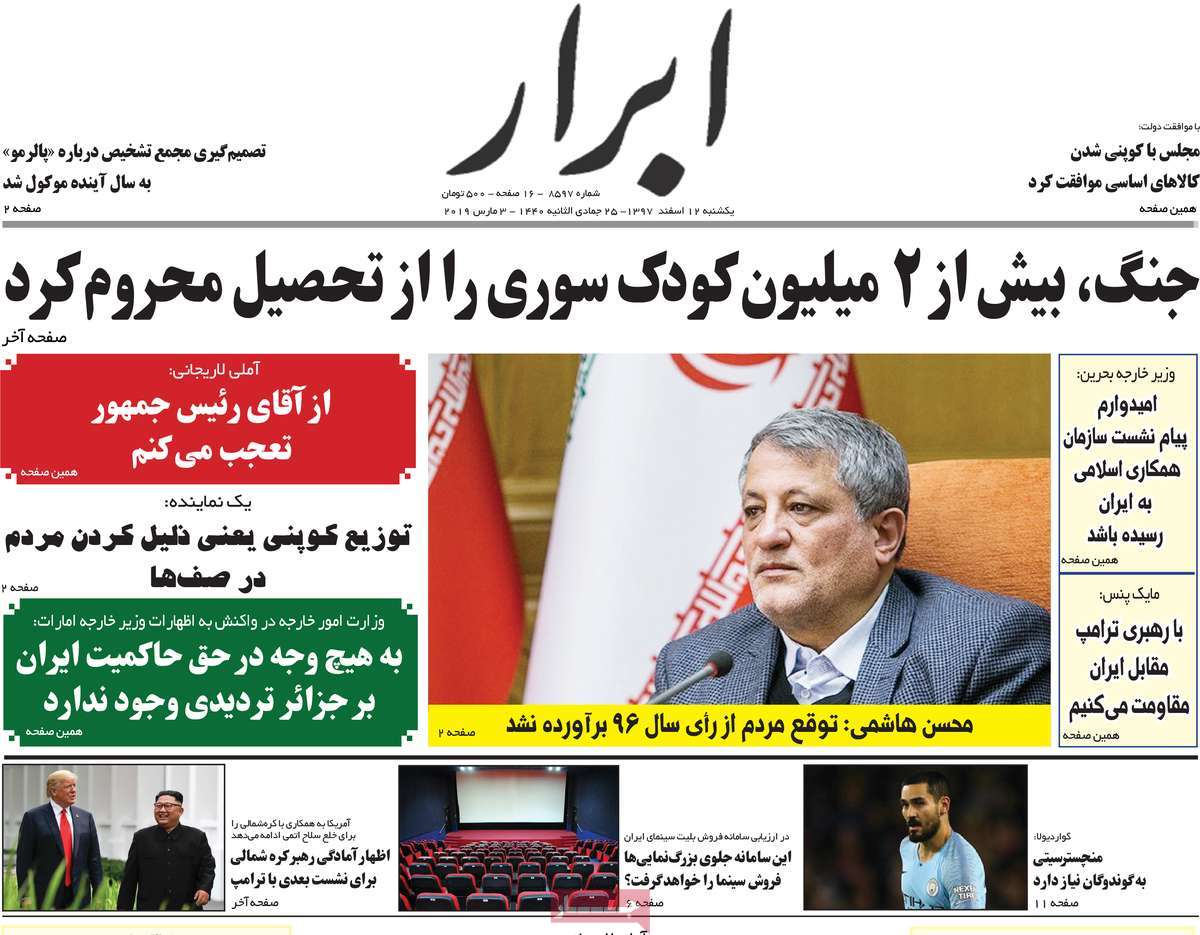
Abrar:

1- War Deprives over 2m Syrian Kids of Education

2- Mike Pence: We’ll Counter Iran under Trump’s Leadership

3- Parliament Agrees to Rationing of Basic Commodities

A Look at Iranian Newspaper Front Pages on March 3


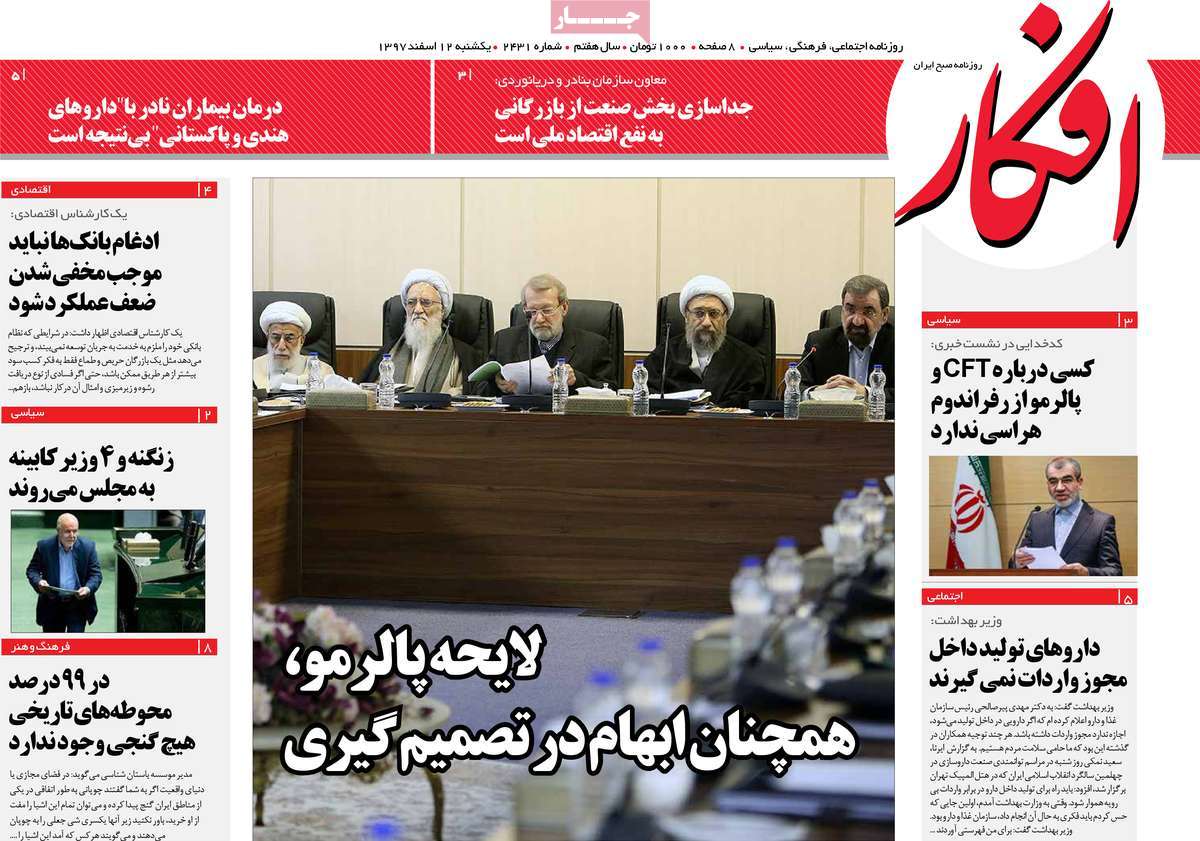
Afkar:

1- Palermo Bill Still in Limbo

2- Health Minister: Import of Pharmaceuticals with Iranian Counterpart Banned

A Look at Iranian Newspaper Front Pages on March 3


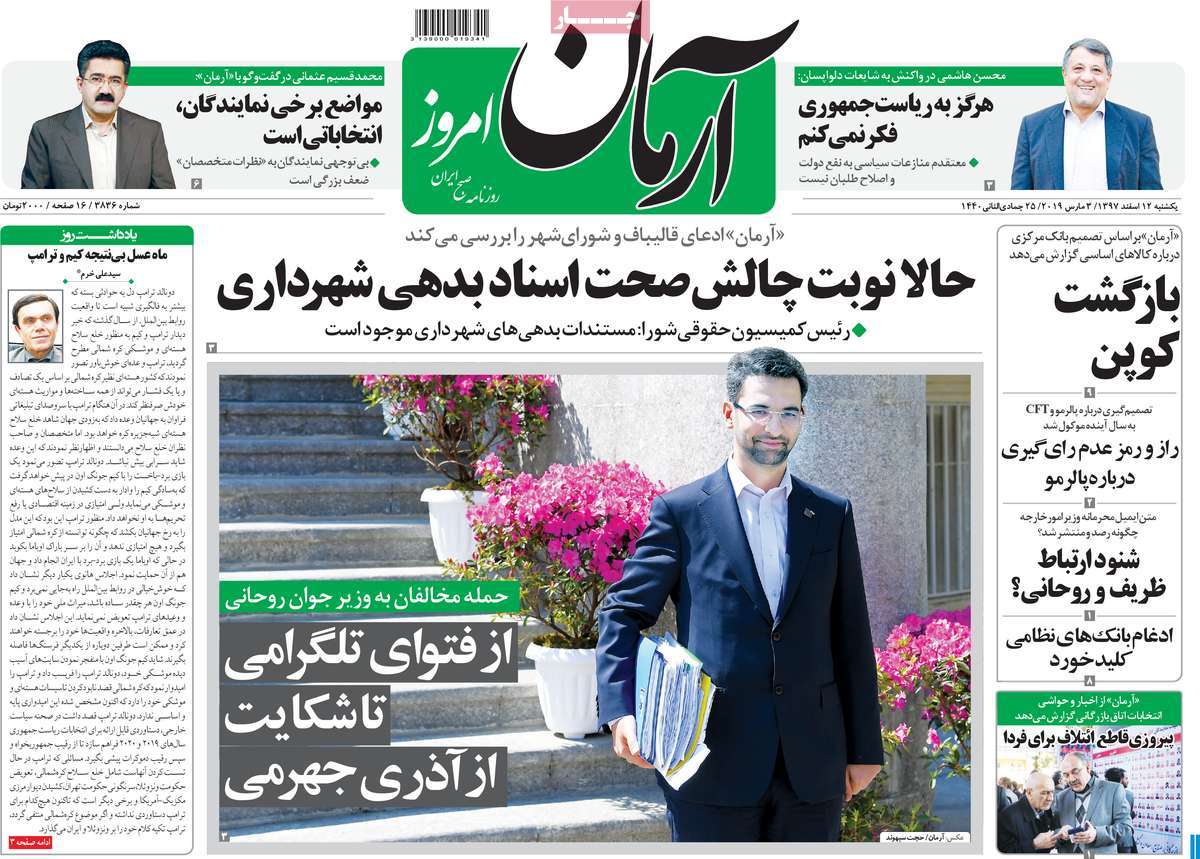
Arman-e Emrooz:

1- Return of Rationing Coupons

2- Fruitless Honeymoon of Kim, Trump [Editorial]

3- Decision on Palermo Convention to Be Made Next Year

A Look at Iranian Newspaper Front Pages on March 3


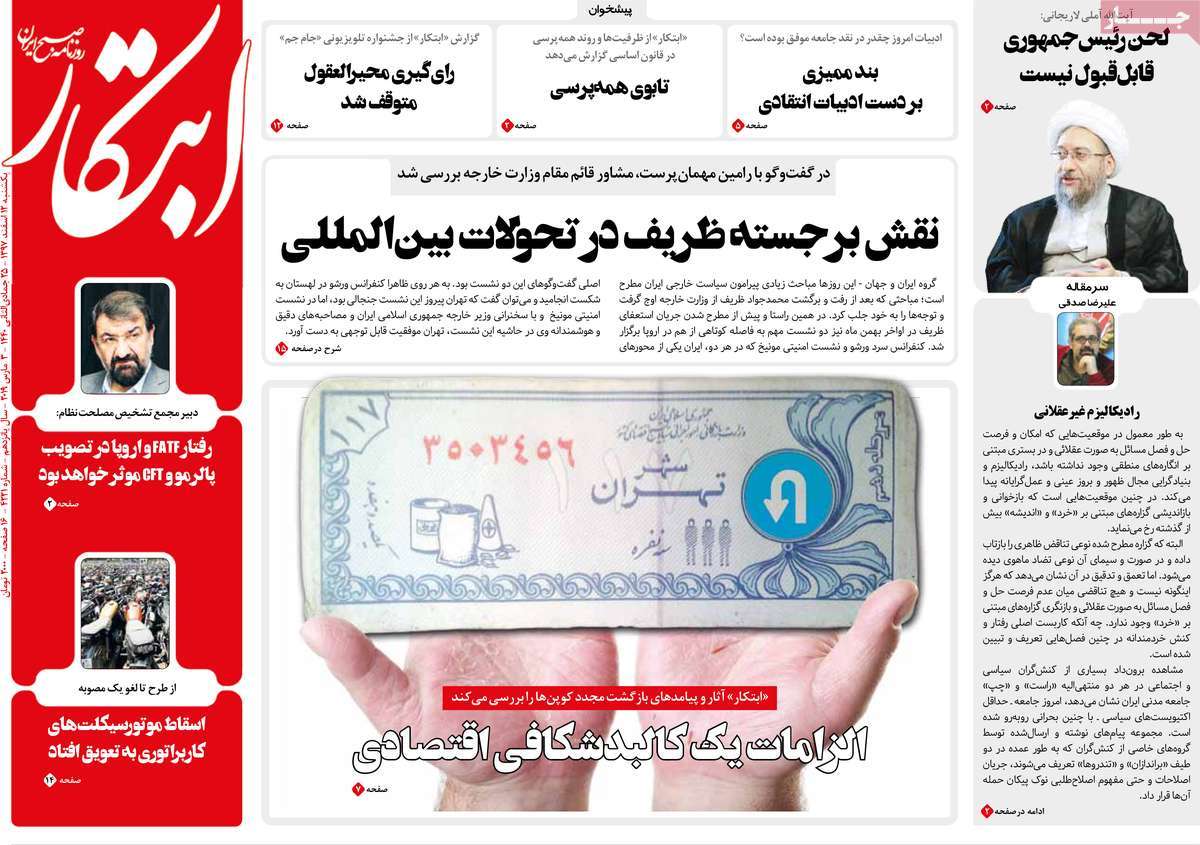
Ebtekar:

1- Behaviour of FATF, Europe Effective on Palermo Approval

2- Zarif’s Significant Role in International Developments

A Look at Iranian Newspaper Front Pages on March 3


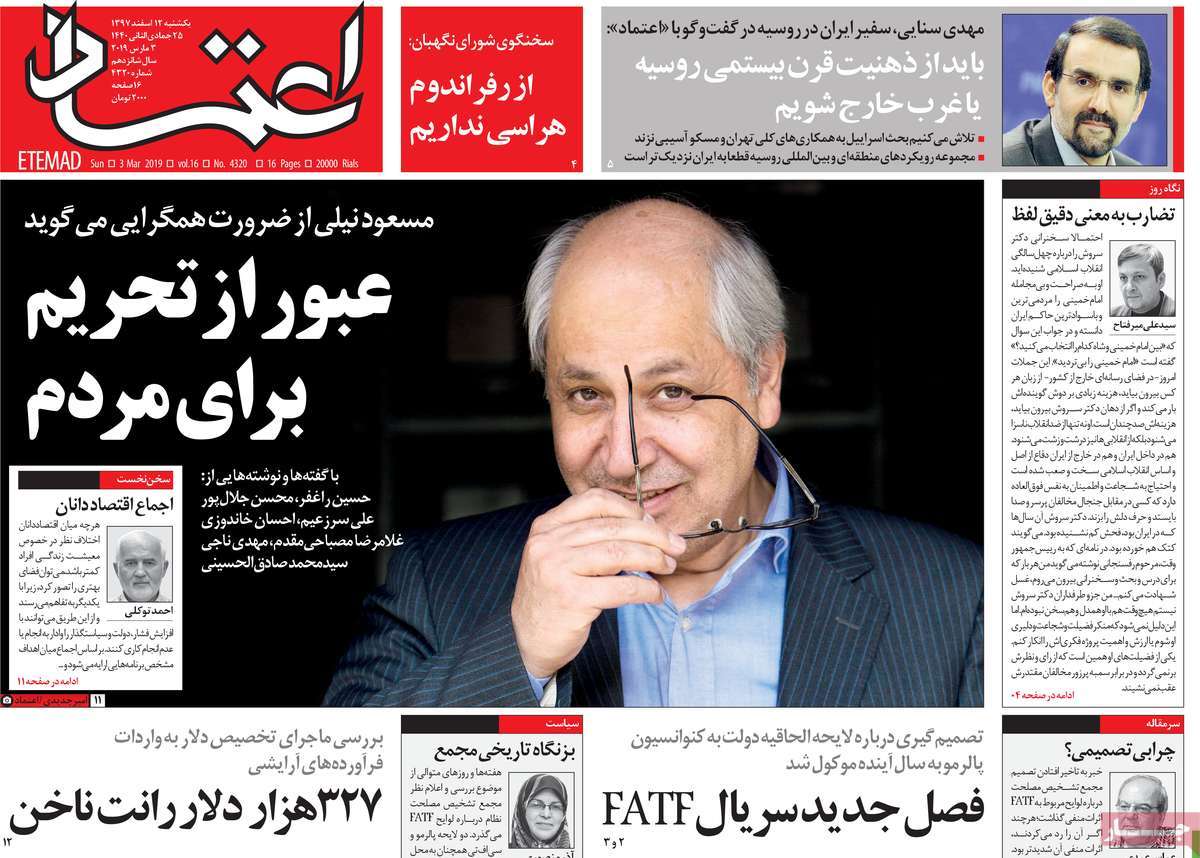
Etemad:

1- Bypassing Sanctions for People: Why Iran Needs Convergence

2- Guardian Council: We’re Not Afraid of Referendum on FATF

3- Iran Envoy to Russia: We Should Abandon 20th-Century Mentality of Either Russia or West

A Look at Iranian Newspaper Front Pages on March 3


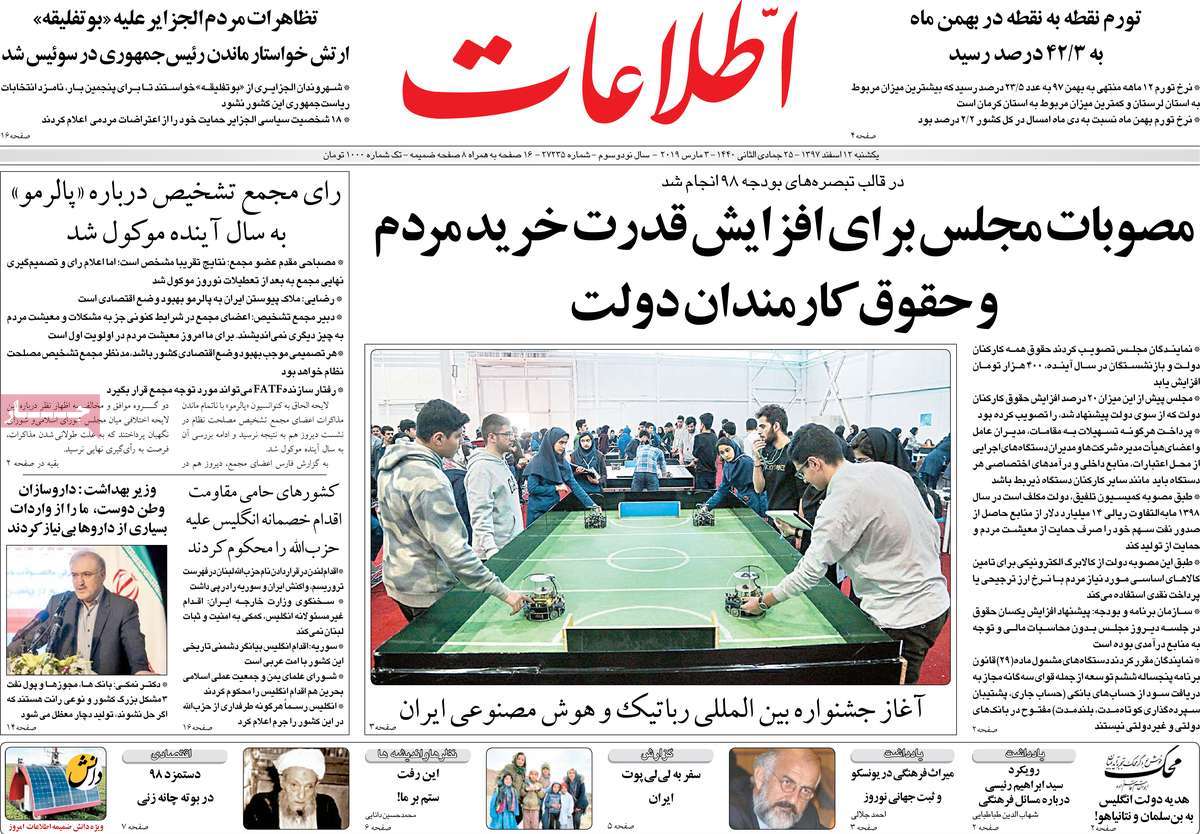
Ettela’at:

1- Health Minister: Iranian Medicine Companies Have Made Us Self-Sufficient on Many Drugs

2- Algerian People Protest against Bouteflika: Army Wants President to Remain in Switzerland

A Look at Iranian Newspaper Front Pages on March 3


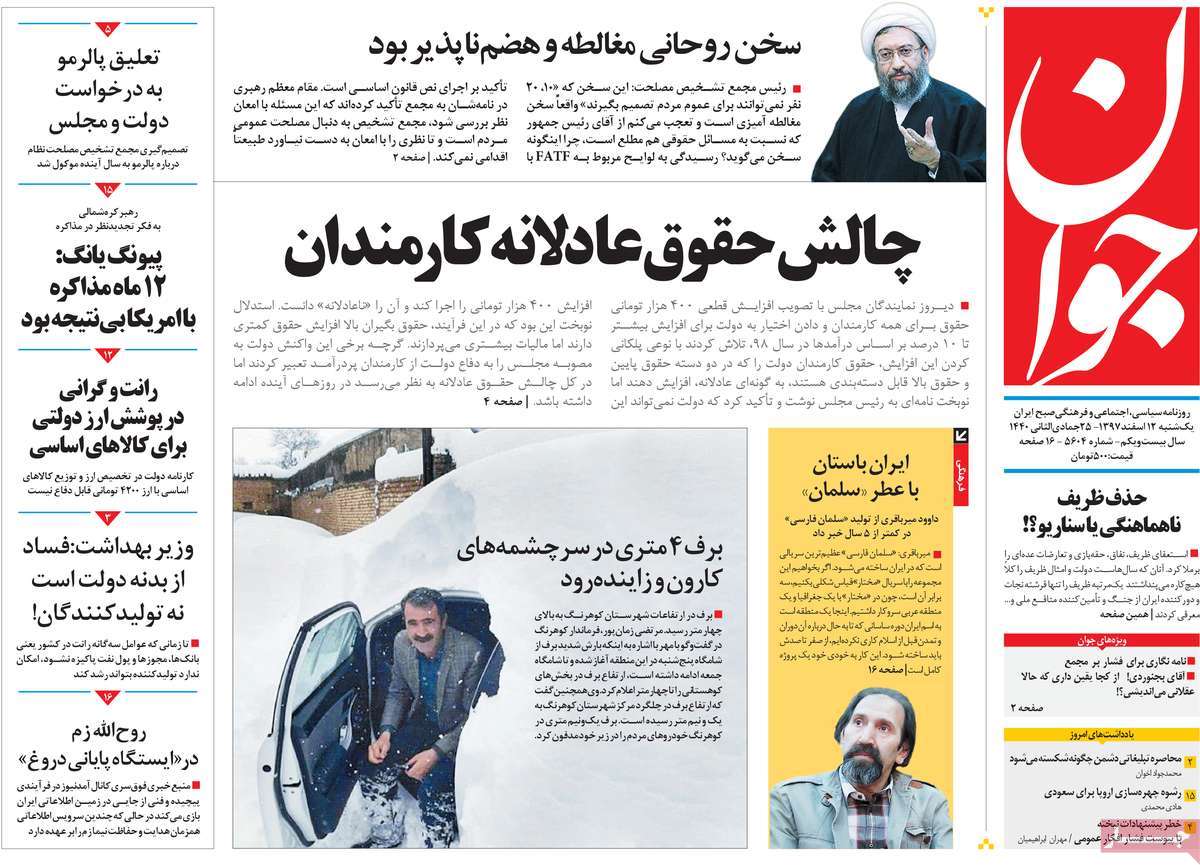
Javan:

1- Palermo Bill Put on Hold at Request of Gov’t, Parliament

2- Pyongyang: 12 Months of Talks with Americans Futile

A Look at Iranian Newspaper Front Pages on March 3


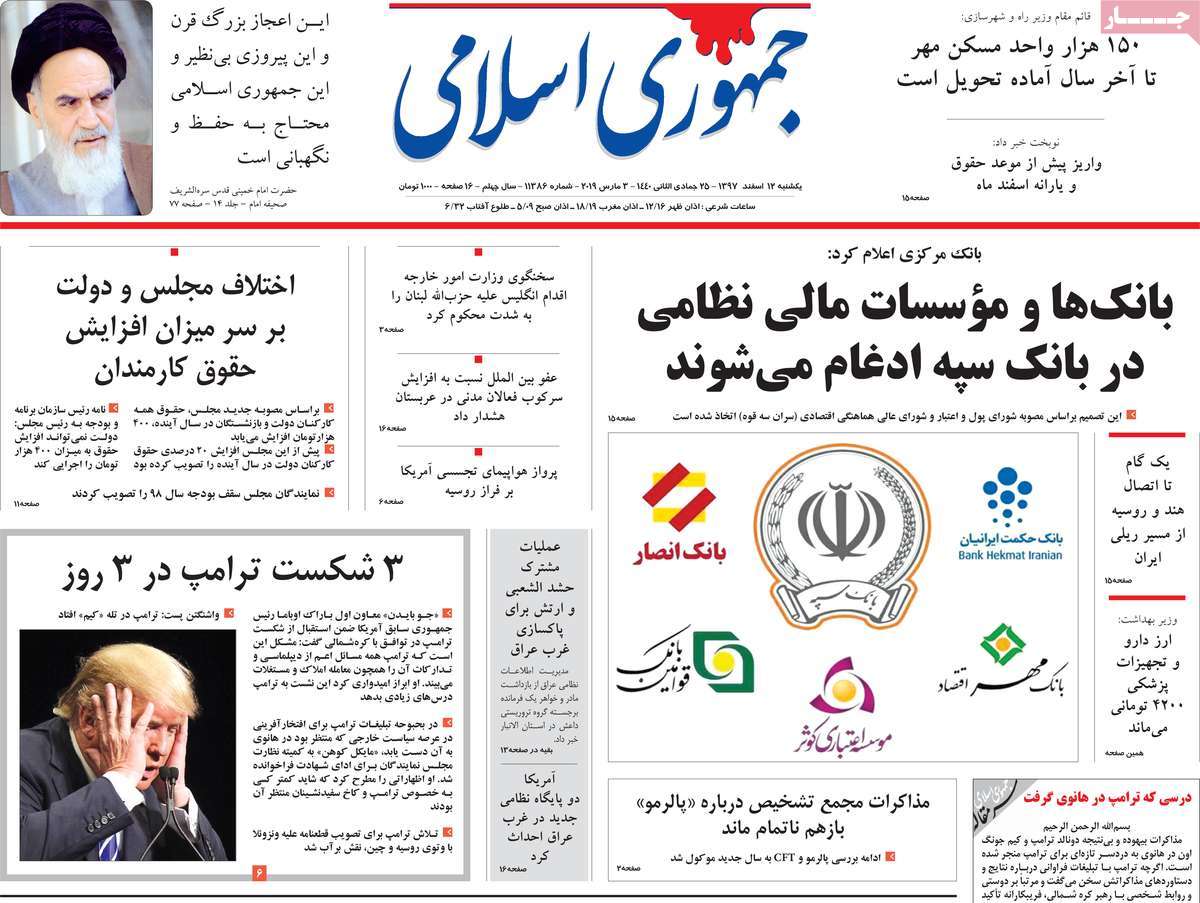
Jomhouri Eslami:

1- Banks, Credit Institutions Affiliated with Military Forces to Be Merged into Sepah Bank

2- Expediency Council’s Talks over Palermo Once Again Left Unfinished

3- 3 Failures of Trump in 3 Days

A Look at Iranian Newspaper Front Pages on March 3


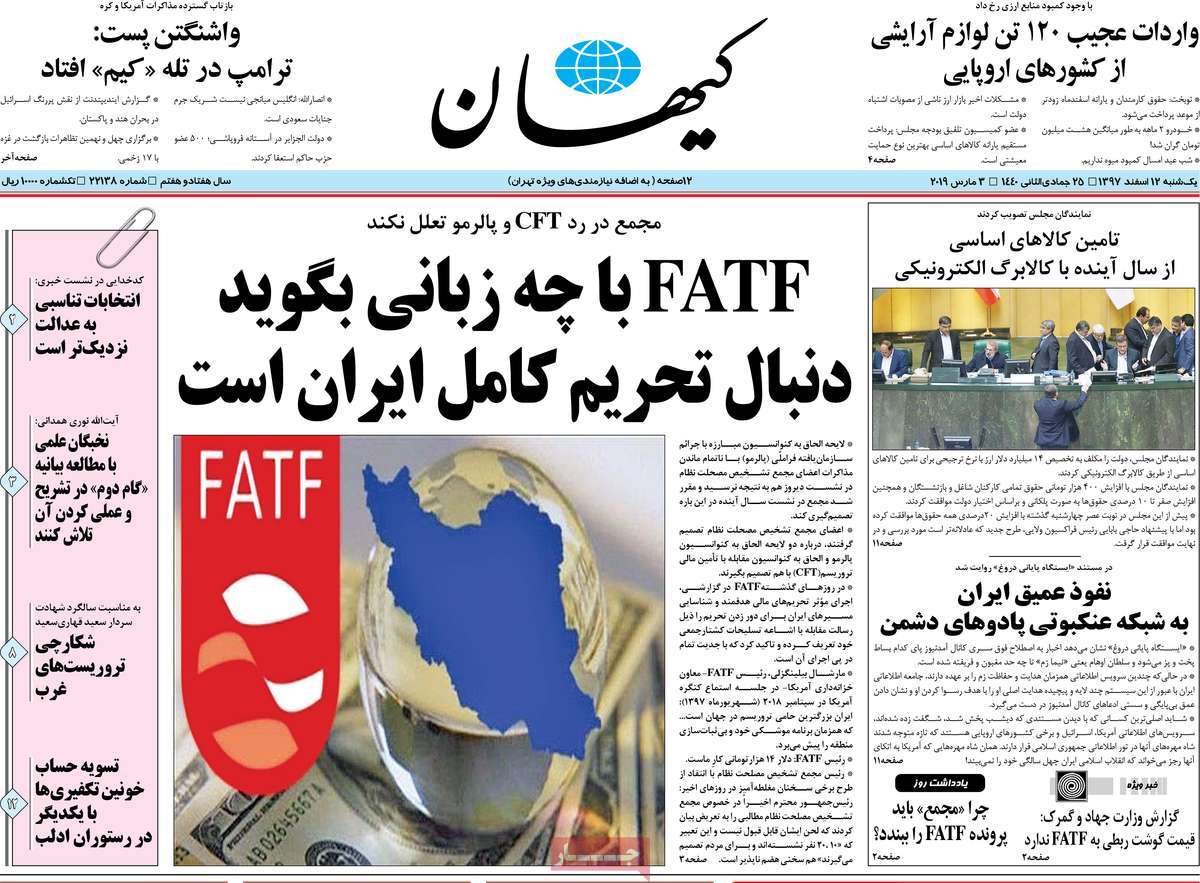
Kayhan:

1- How Should FATF Tell Iran It Seeks to Impose All-Out Bans on Iran?

2- 120 Tonnes of Cosmetics Imported to Iran from European States!

3- Washington Post: Trump in Kim’s Trap

A Look at Iranian Newspaper Front Pages on March 3


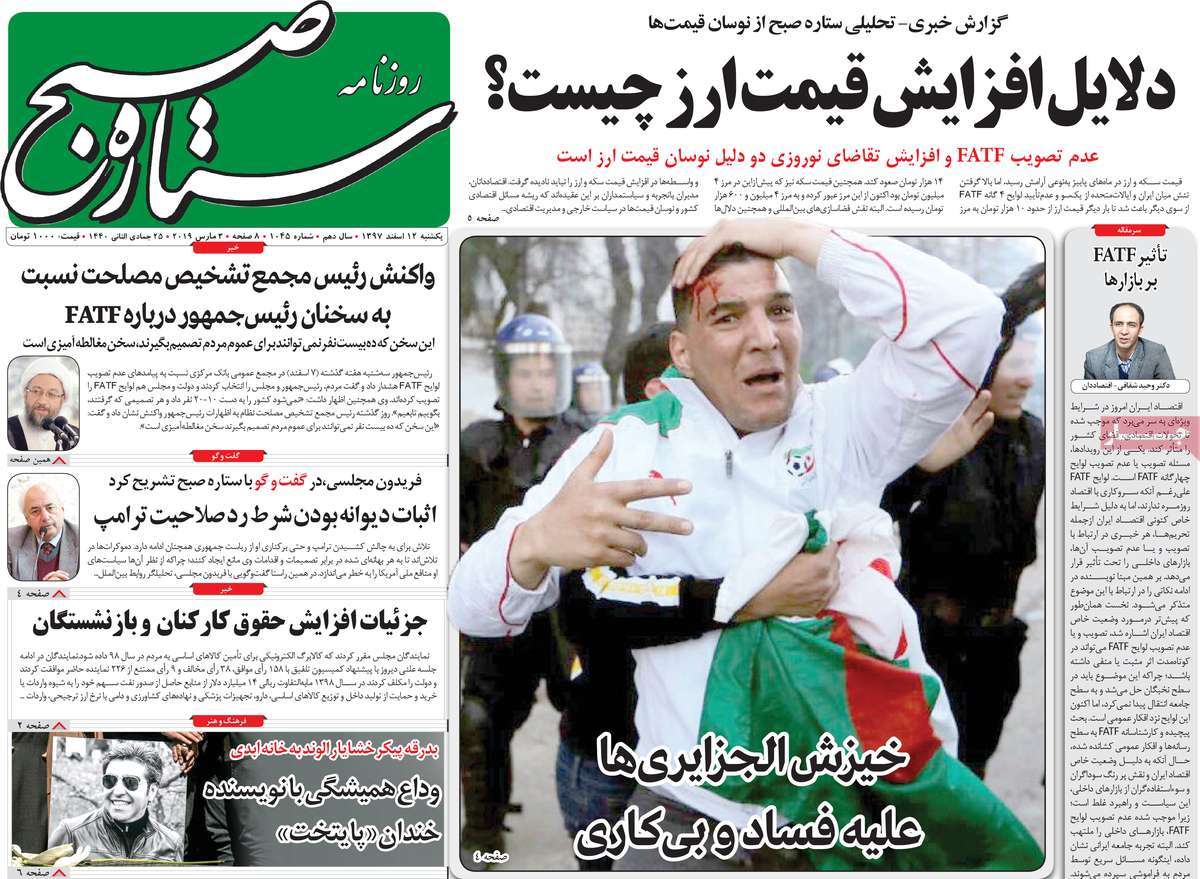
Setareh Sobh:

1- Trump to Be Disqualified from Running for President If He’s Proved to Be Insane

2- Algerian Rise against Corruption, Unemployment

A Look at Iranian Newspaper Front Pages on March 3


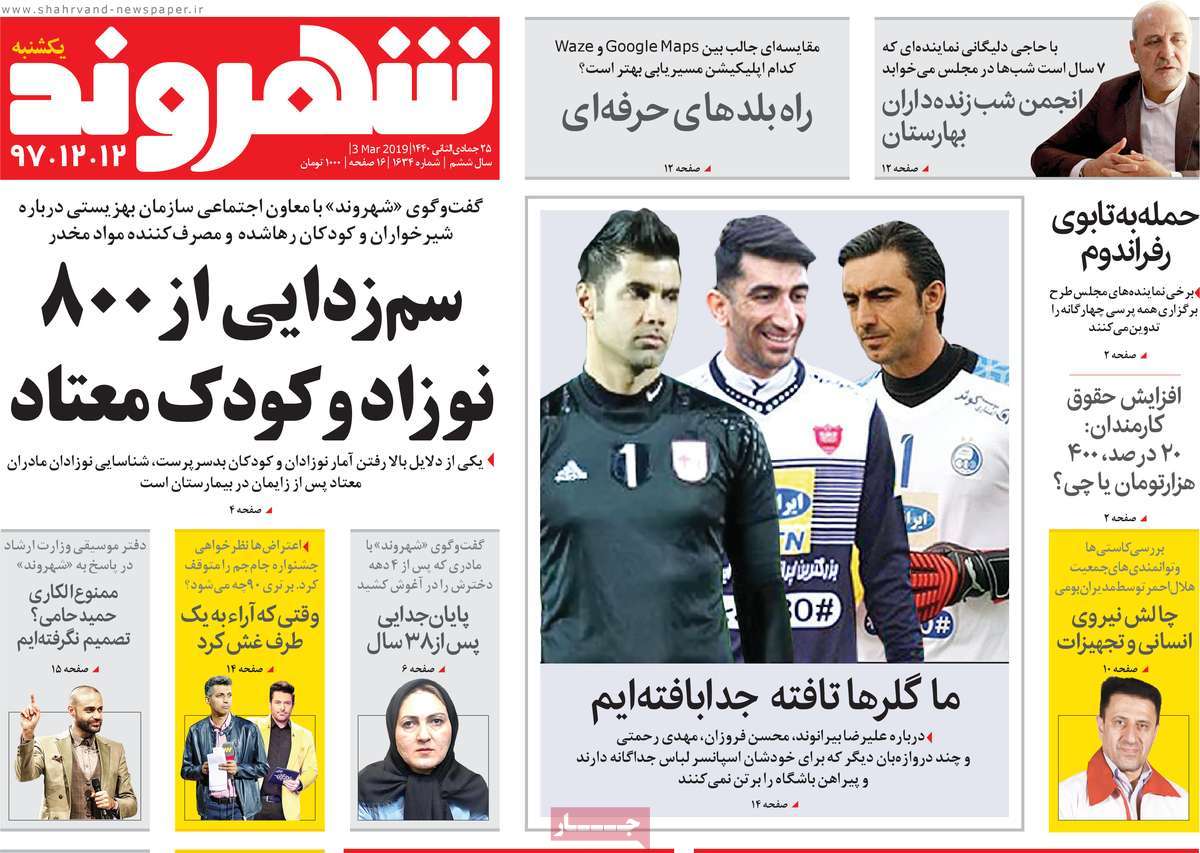
Shahrvand:

1- Detoxification of 800 Addicted Infants, Kids

2- Attack on Taboo of Referendum: Lawmakers Working on Referendum over Four Issues

A Look at Iranian Newspaper Front Pages on March 3


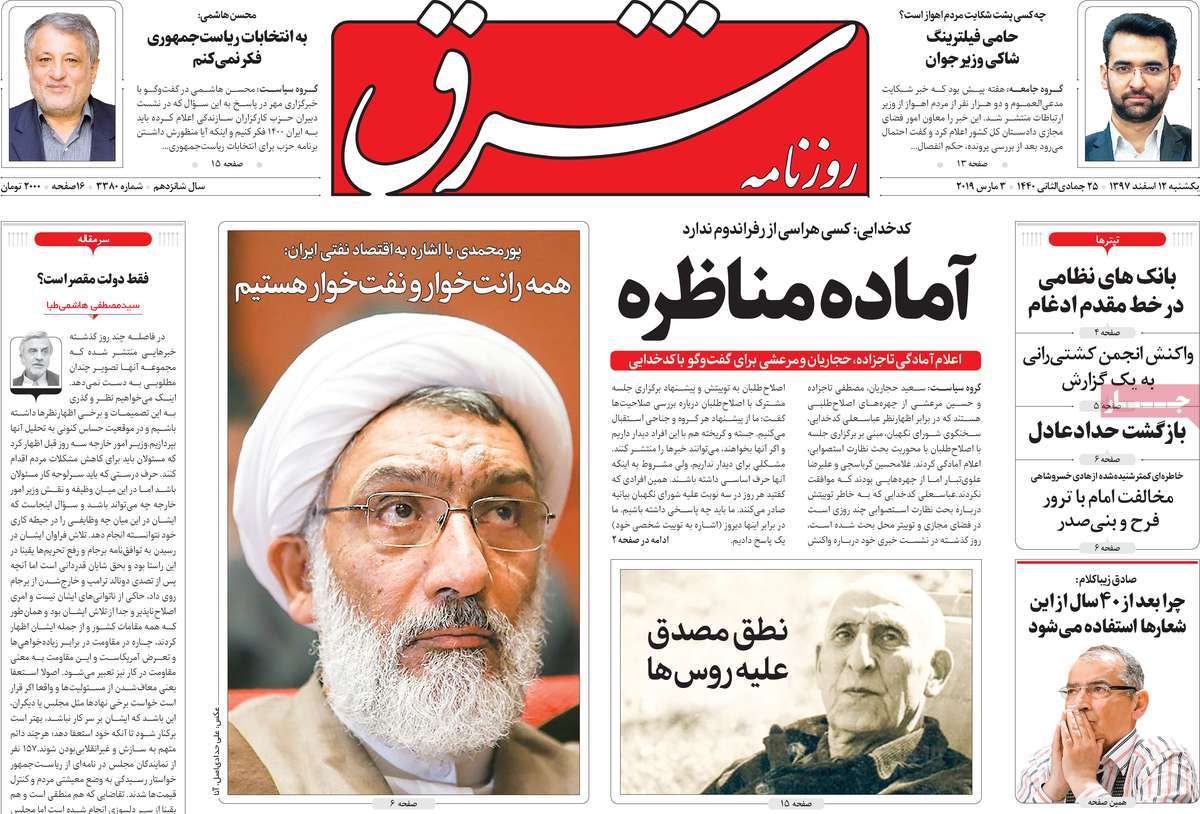
Shargh:

1- Military Banks to Be Merged

2- Is the Government the Only One to Blame? [Editorial]

A Look at Iranian Newspaper Front Pages on March 3

Iran Rejects UK’s Claim BBC Is Independent, Neutral

Iranian ambassador to London Hamid Baeidinejad and the UK ambassador to Tehran Rob Macaire recently engaged in a war of words in Twitter over the claim that BBC is an independent news channel.

Baeidinejad said the Persian service of BBC cannot be an independent news outlet, because it is funded by the UK’s state budget, and thus it operates under the UK government’s supervision.

It also cited the “Fourth Report of Session” by the Foreign Affairs Committee of the UK House of Commons released three years before the establishment of BBC Persian, and said the report strongly advises BBC to form a Persian service to create major political changes in Iran.

In reaction to the comment, the British ambassador to Tehran said, “The BBC is completely editorially independent. That’s why surveys always show it as one of the most trusted news sources, worldwide. BBC Persian, like the rest of the BBC, is funded from the licence fee, not by the government.”

However, Baeidinejad did not accept his British counterpart’s argument, and said considerable budget is allocated “from the government” to the channel. “In addition, when payments are made through licence fees, which is public, supervision should be made on behalf of the payees.”

Author, translator and expert on UK issues Masoud Mirzaee has, in an interview with Iran’s official news agency IRNA, weighed in on the status and situation of the British Broadcasting Company (BBC).

In the interview, Mirzaee said this media outlet has a complicated legal situation.

“The legal and statutory situation of the BBC in the British establishment is a complicated one, which has not only resulted in this media outlet remain under the influence and domination of the government over the roughly past one century, but, most importantly, caused it to be at the service of the country’s ruling elite,” said the expert.

BBC Serving UK’s Ruling Establishment

He said the financing of the BBC has been introduced as the key issue which makes this media outlet independent while it has been historically dependent on the ruling British government.

He said the BBC is funded through selling TV licenses. That means anyone residing in the United Kingdom must buy a TV license in order to be able to watch TV programs through television, computers, laptops, etc. At the moment, the annual subscription fee for TV licenses is ‎£150.5. All revenues from TV license sales go to the BBC.

“BBC World Service, which airs programs in different languages, including Persian, as well as the BBC’s Monitoring Department, received a major part of their funding from the UK’s Foreign Office until 2014, and that is why it is said that the British government’s policies have had more influence on these services than other parts of the BBC,” he said.

He said the British government’s influence on the BBC World Service, especially during the Cold War, was so extensive. Evidence shows numerous committees attended by authorities from the British Foreign Office and security agencies in order to make plans and policies for the broadcasting company

He referred to comments by Iranian Ambassador to London Hamid Baeedinejad, who had called the BBC an “independent” media outlet that was working “under the supervision of the British government.”

Mirzaee said the top Iranian diplomat’s comments are completely true.

“Moreover, the point mentioned by the British ambassador to Tehran that the BBC Persian Service, like other BBC services, is funded by selling licenses and not by the government, at least after 2014, is officially and ostensibly true,” said the expert.

However, he says the issue of bankrolling the activities of this media outlet is a “superstructural” issue and not a fundamental one given the close interdependence between the BBC and the UK’s ruling system.

The expert says the conservative British government decided within the framework of another plan in 2015 to invest £85 million in the BBC World Service to promote the values and interests of Britain as part of London’s strategy to further reinforce the position of the UK as the leading power in the soft war in the world.

“It is within the framework wo such strategies, especially in the international section, that we see the BBC’s full cooperation and solidarity with the British government in issues such the occupation of Palestine, terrorist activities in Syria and Iraq, protests by the people of Bahrain, the war against Yemen, unflinching support for Saudi Arabia and issues related to the Islamic Republic of Iran,” he said.

Irrelevant Analogy between BBC, IRIB

He also touched upon the comparison that the British ambassador had drawn between the BBC and Iran’s state radio and TV, the Islamic Republic of Iran’s Broadcasting (IRIB).

“This is an irrelevant analogy, both in terms of structure, background and establishment, and with regards to the fact that the IRIB has never introduced itself as an institution which is independent from the ruling establishment; however, one of the alleged and much-touted mottos of the BBC has always been that it is an independent not-governmental enterprise. Of course, historical realities as well as the BBC’s own documents some of which have been declassified after many years show the opposite is true,” he said.

BBC Not Accountable to Parliament

This media outlet was established based on a royal charter, and is known as a “public services” organization in Britain’s administrative establishment, so that it can be allegedly recognized as an independent and non-governmental institution. Since its establishment, a group of influential political and economic elite as well as loyal politicians have always been designated as members of its Board of Governors, Board of Trustees and Board of Directors for specific periods of time (the members have changed during different periods) at the suggestion of the government and ruling party and upon royal orders. They are tasked with designating the CEO (the most important executive official) of the BBC and making the policies of the broadcasting company, namely the sources of its finances.

According to Mirzaee, this structural features shows that the BBC is not answerable to Parliament as a democratic institution and only answers to the royal and ruling elite.

BBC Promoting Interests of Economic, Political Elite

This media outlet heavily reflects the beliefs and interests of the ruling elite as well as powerful economic and political figures and strongly sidelines the beliefs and ideas of alternative and opposition groups.

According to BBC author Tom Mills, the media outlet has always served as a yes-man to those in power. This has always been true since 1926 when the broadcasting corporation was established and when workers staged a general strike in solidarity with the government and against protesters. One of the BBC’s main strategies has always been to silence the voices of those who are opposed to the current situation.

Few Experts Believe BBC “Independent”

Mills says most of the BBC’s activities have, from the outset, been under the supervision of security services. Interesting enough, such security supervisions have, in most cases, been conducted at the request of the BBC itself. The screening and confirming the qualifications of the BBC’s personnel, even at the lowest levels, have also been carried out by security services, especially MI5. They did this secretly for 50 years until 1980 when British media disclosed the issue, leaving state officials and the BBC with no choice but to confirm it.

“In addition to Mills, many researchers, even in Britain, have written books and articles about the BBC and brought evidence, rejecting claims made by the media outlet’s executives and government officials that it is independent and not affiliated with the government and ruling elite,” said Mirzaee.

“Today, this issue has turned into an obvious issue and few experts and researchers believe or even speak of the BBC’s independence,” according to Mirzaee.

Common Values and Interests

According to Mirzaee, some experts studying the reasons behind the interdependence between the BBC, the government and ruling elite in Britain speak of the common social backgrounds, values and interests of those who make up the country’s ruling elite.

He said surveys show the ruling elite in the UK are mostly comprised of white people who share a common background. They studied at recognized private schools, graduated from such universities as Oxford, Cambridge and the Russell Group (which represents 24 leading UK universities), and share similar ideologies, cultural values and economic interests.

He said another common practice is the exchange of personnel between the BBC and different British administrations (and, in the past, of course, this occurred mostly between the BBC and the country’s army and security services), which shows the close relationship between the two sides.


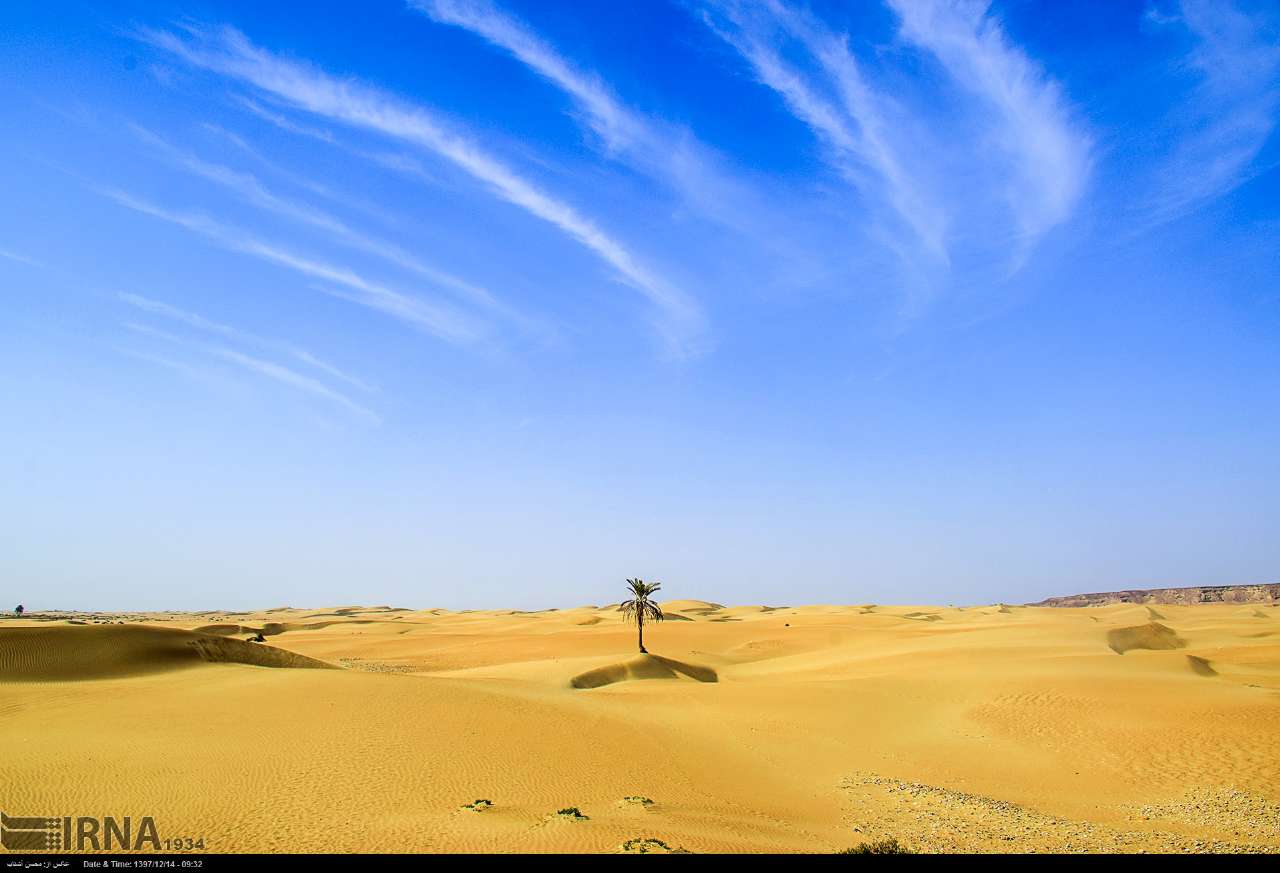
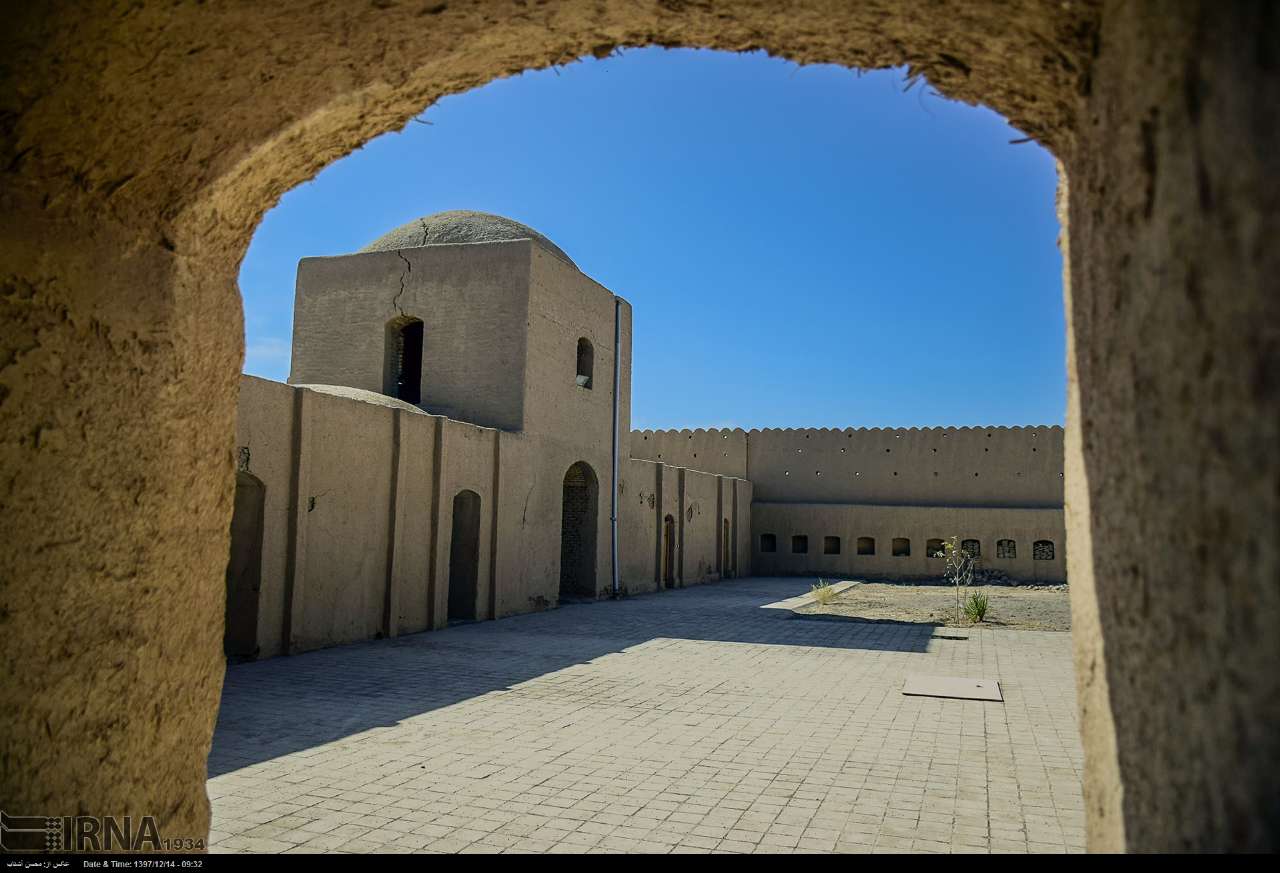
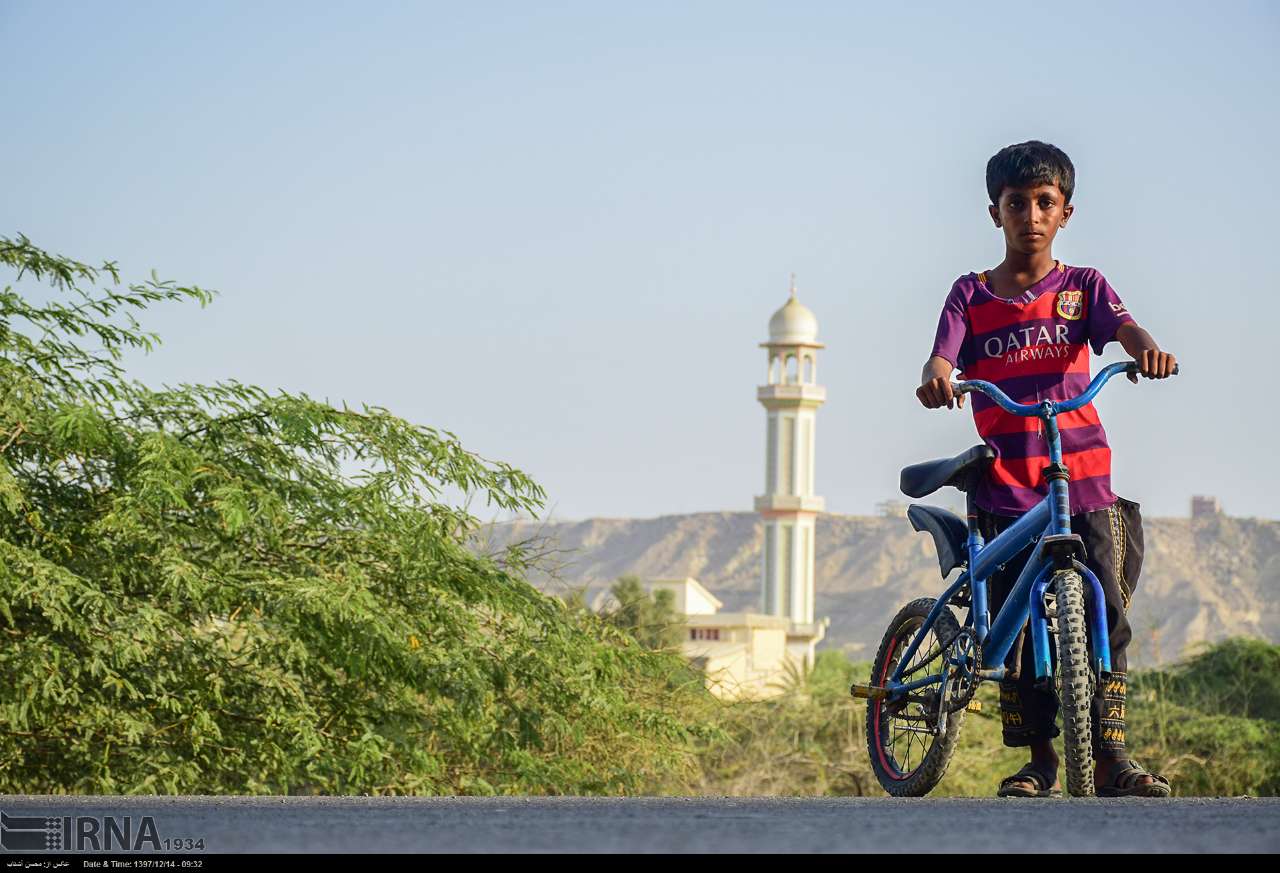
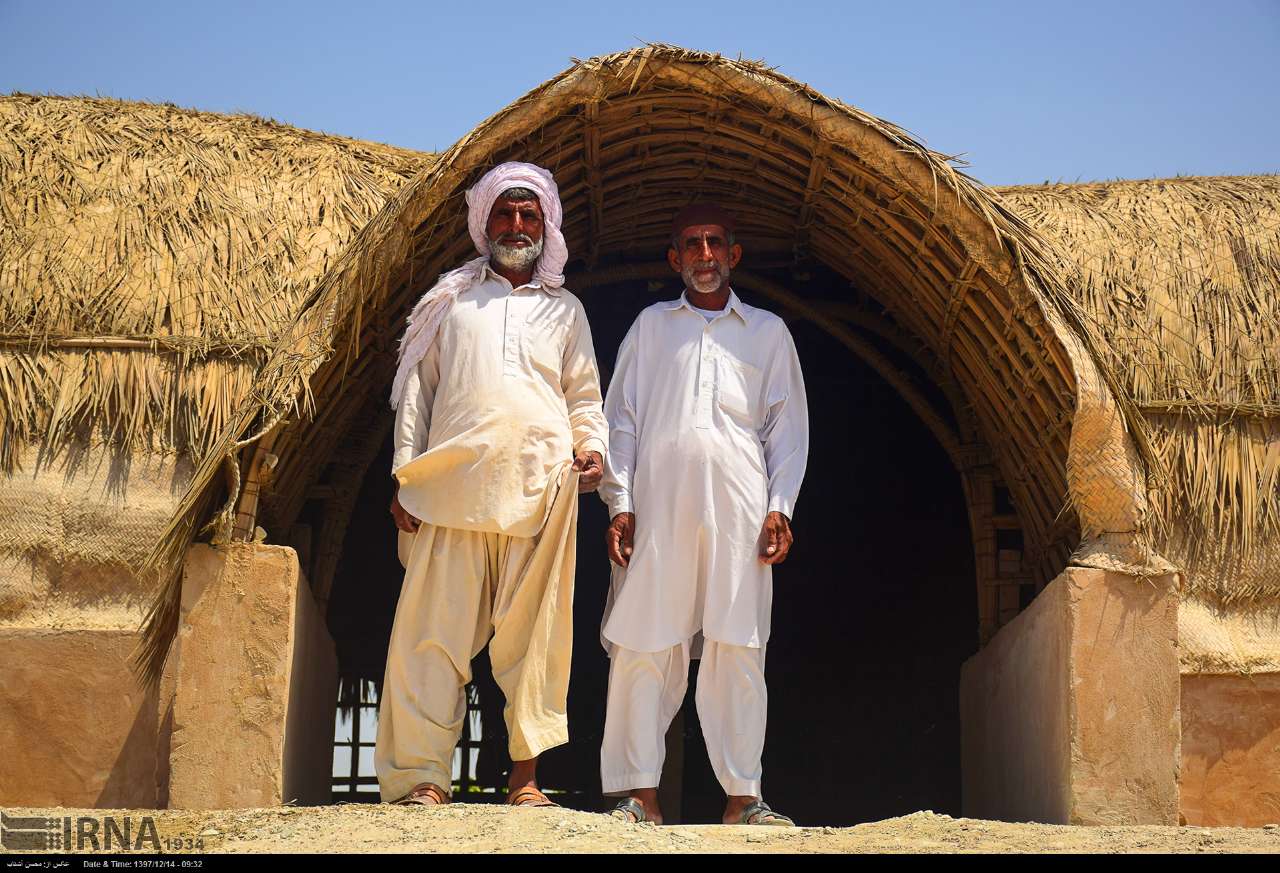
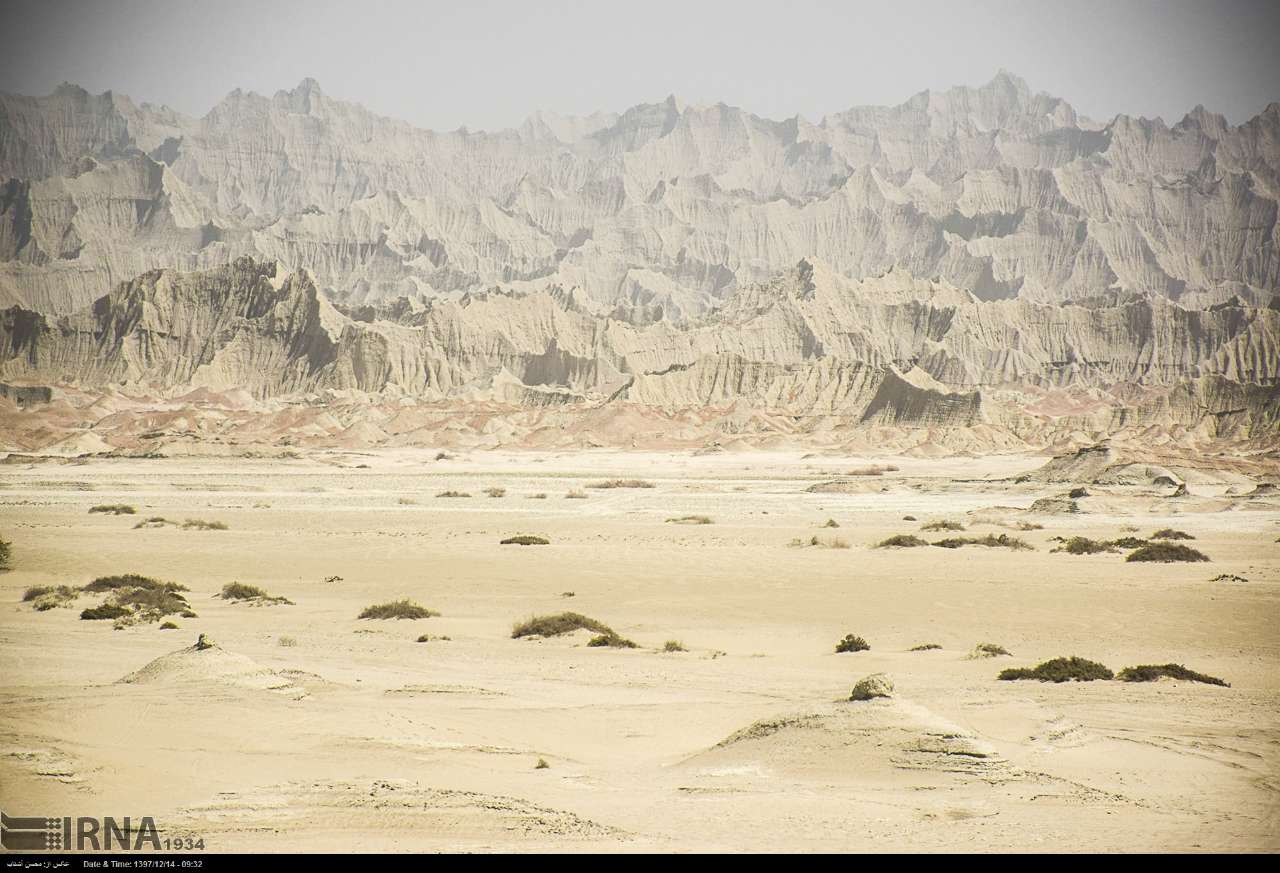
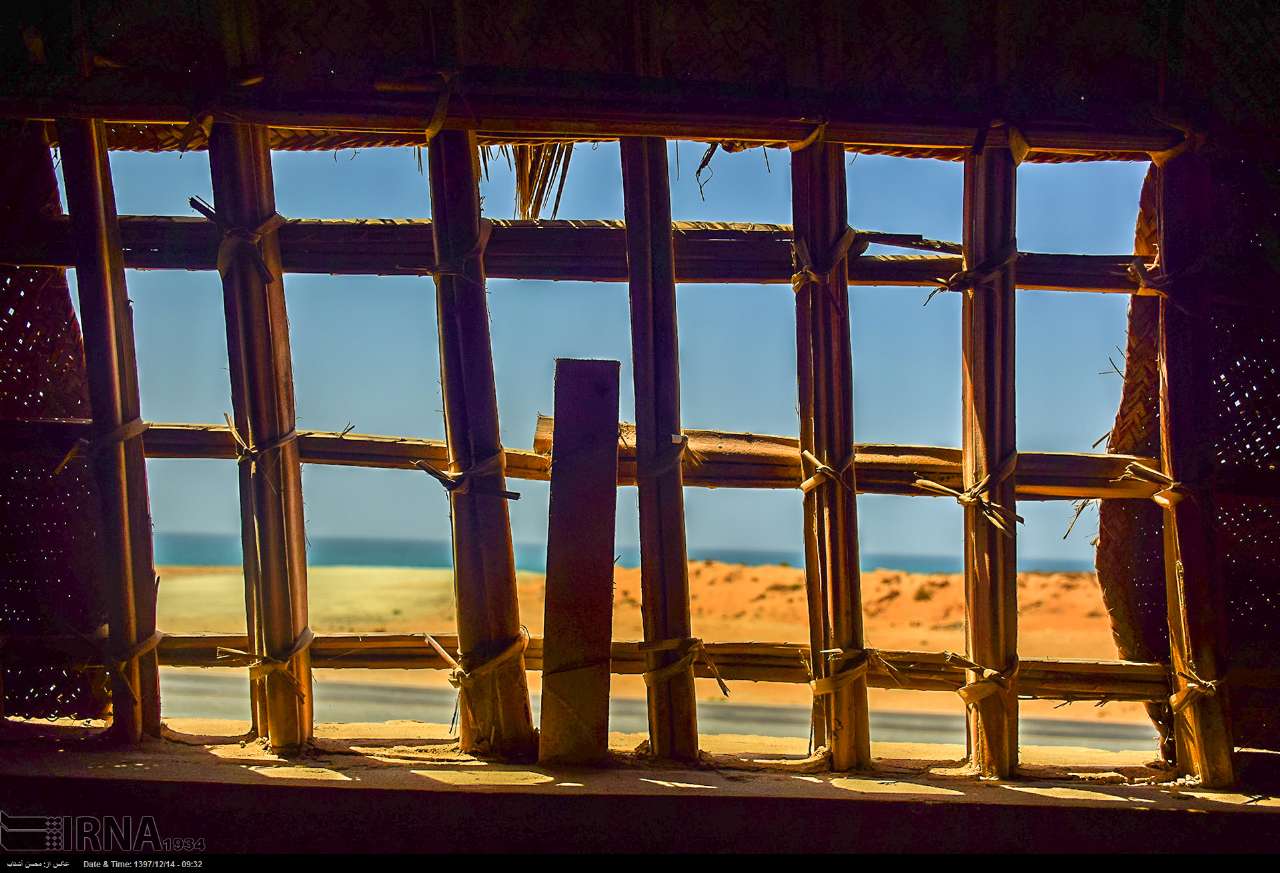
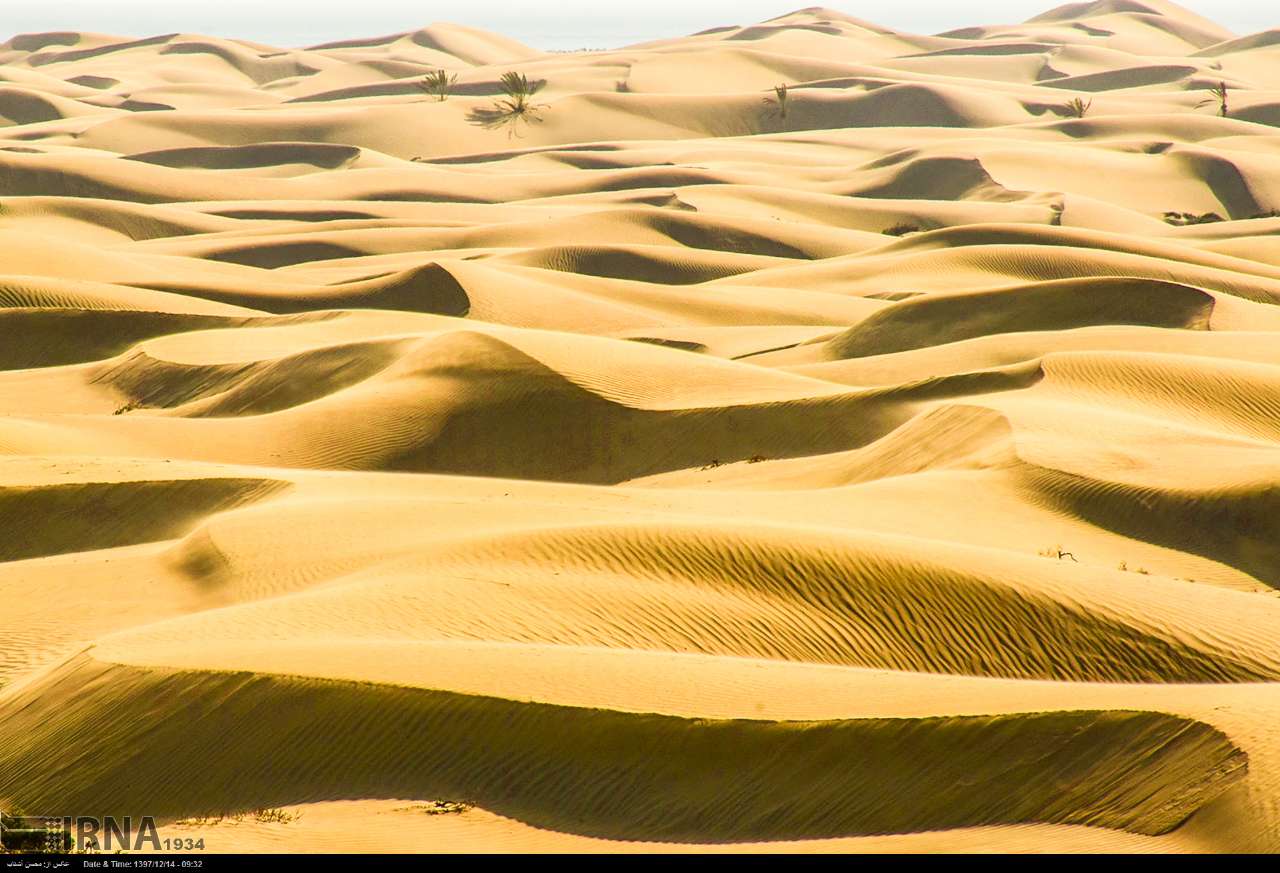
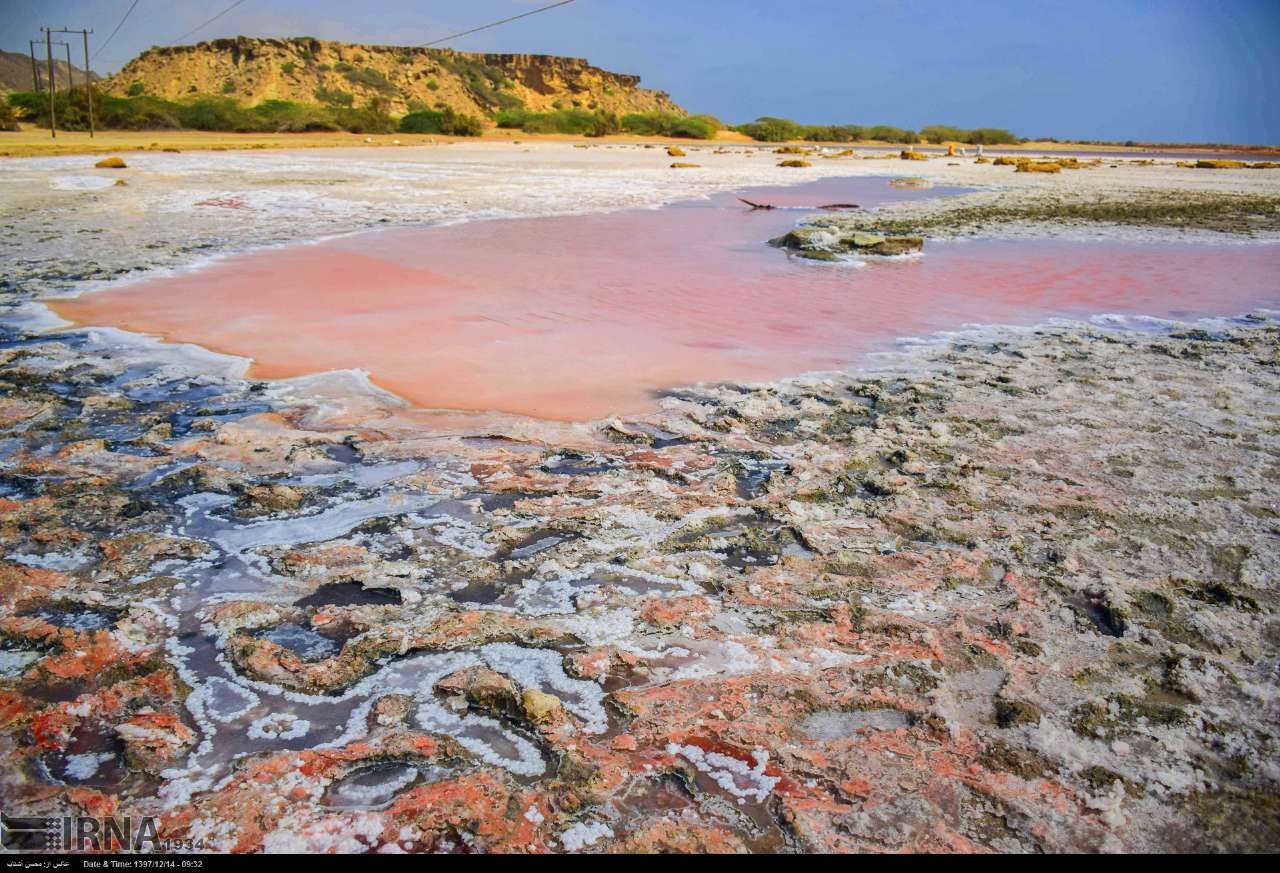
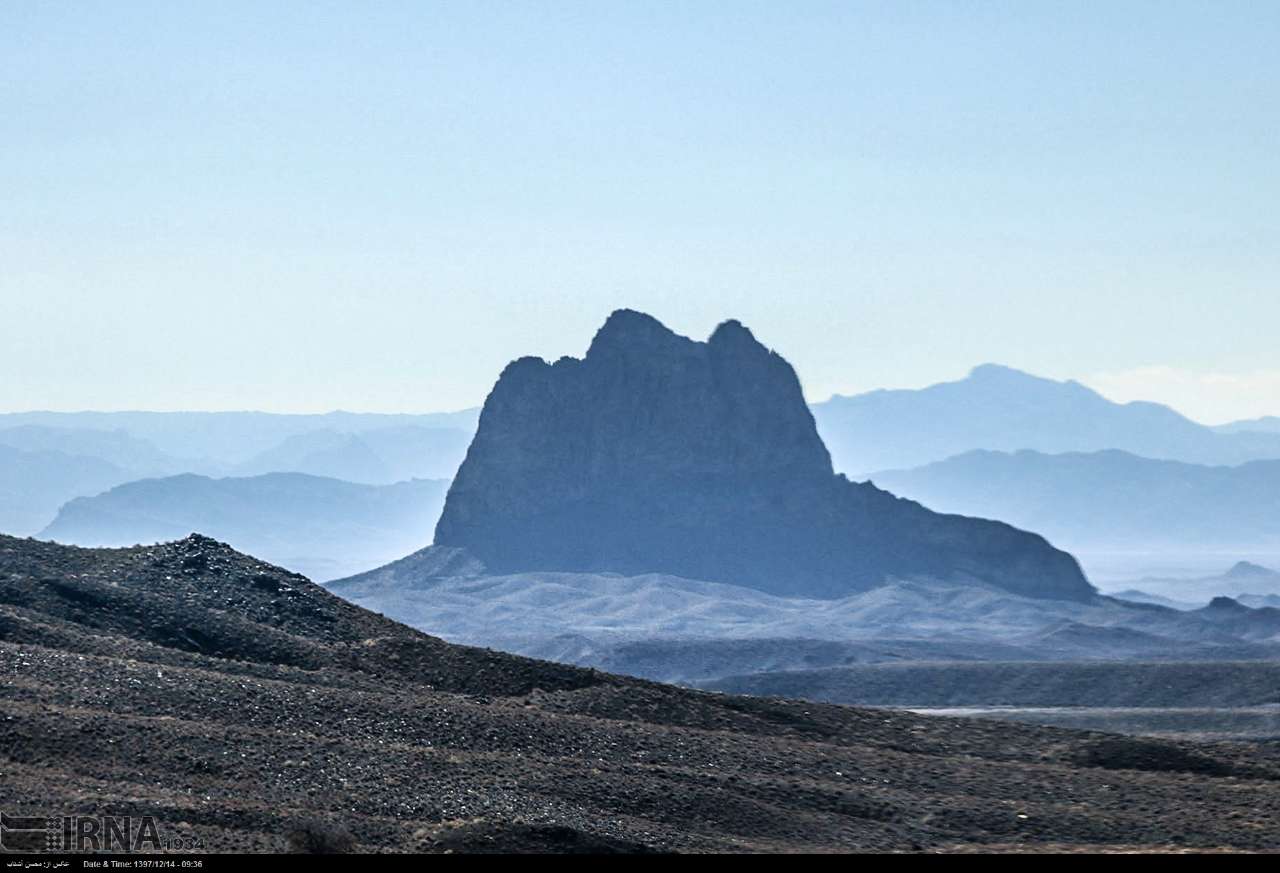
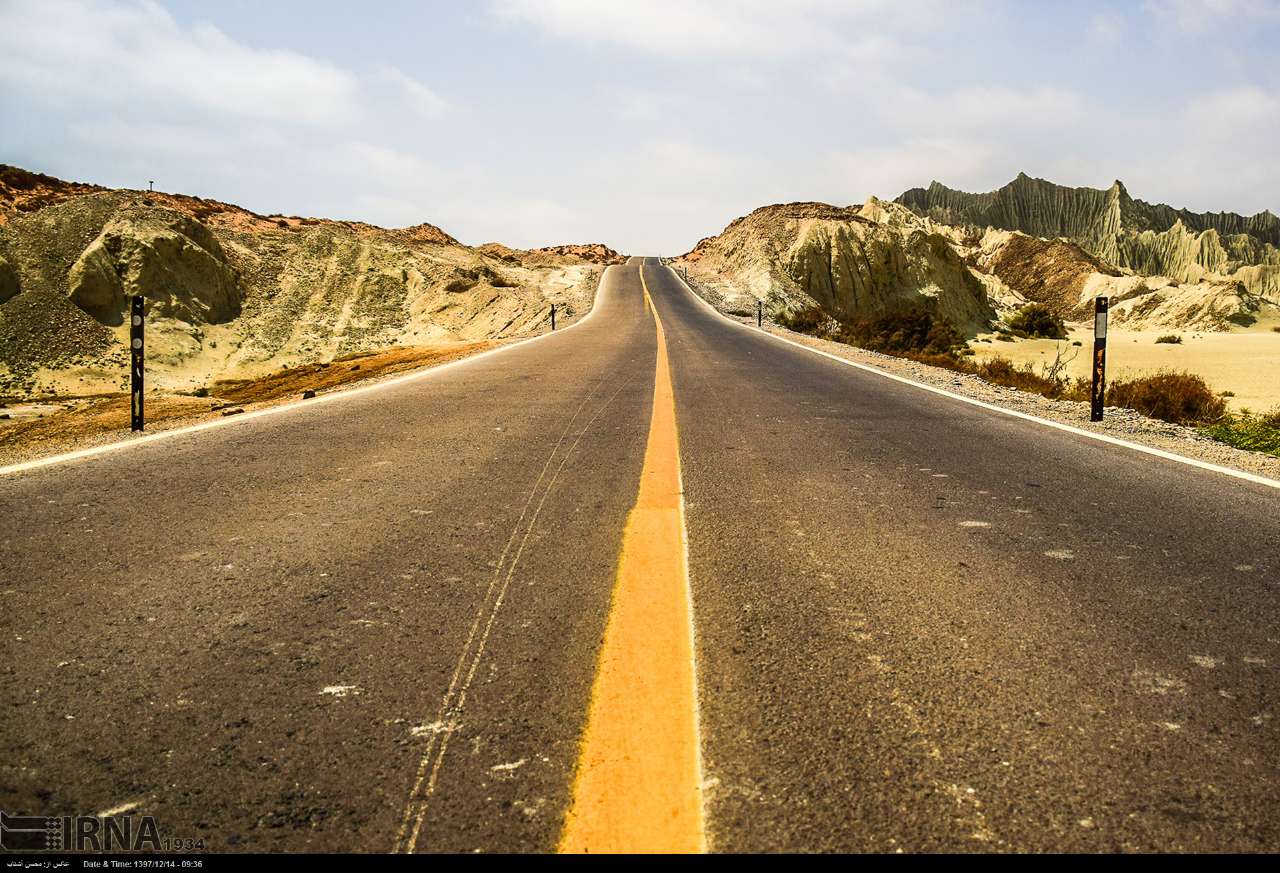
Sistan & Baluchestan; Home to Ancient Culture, Civilisation

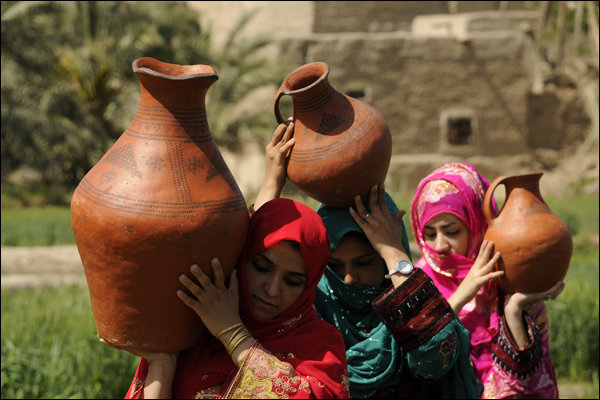
Kalpouregan Pottery

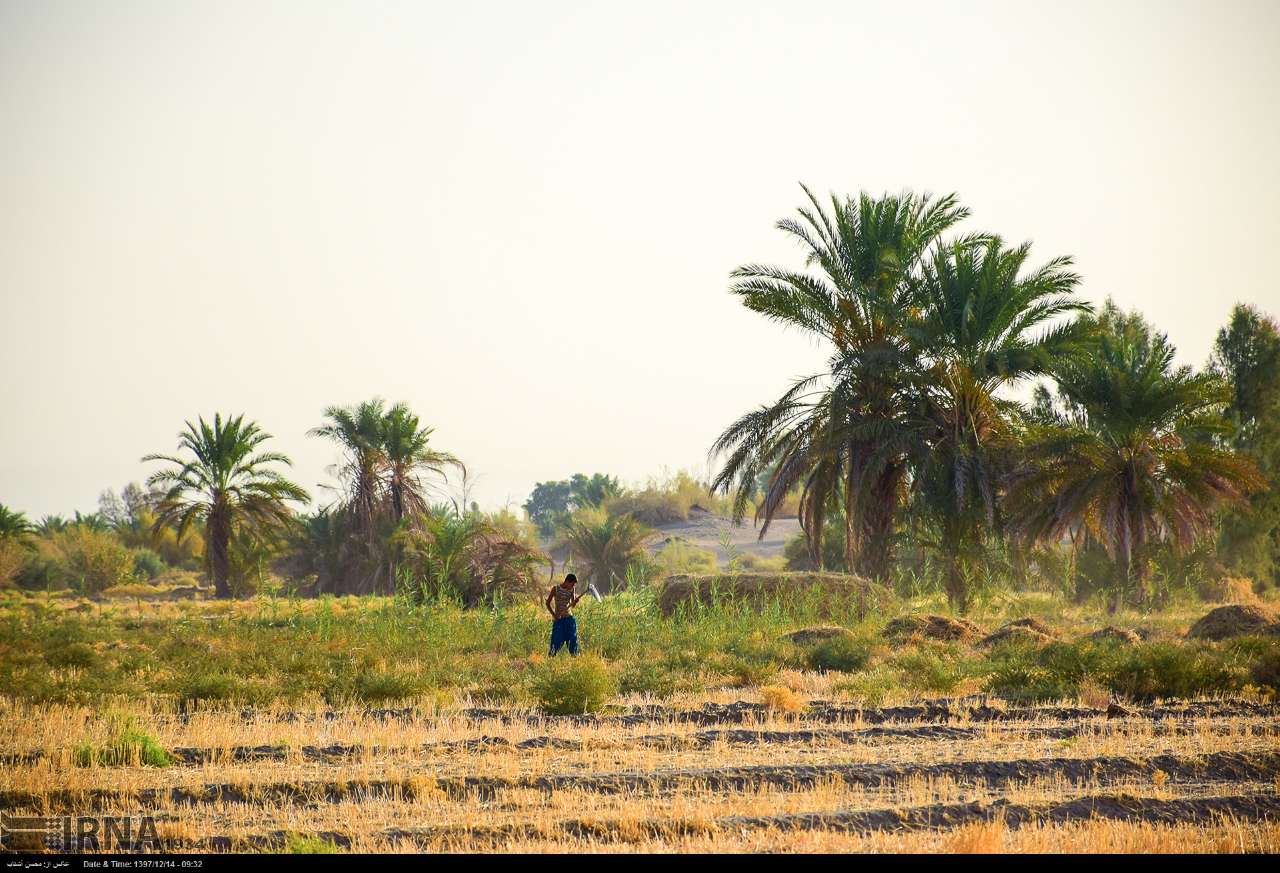
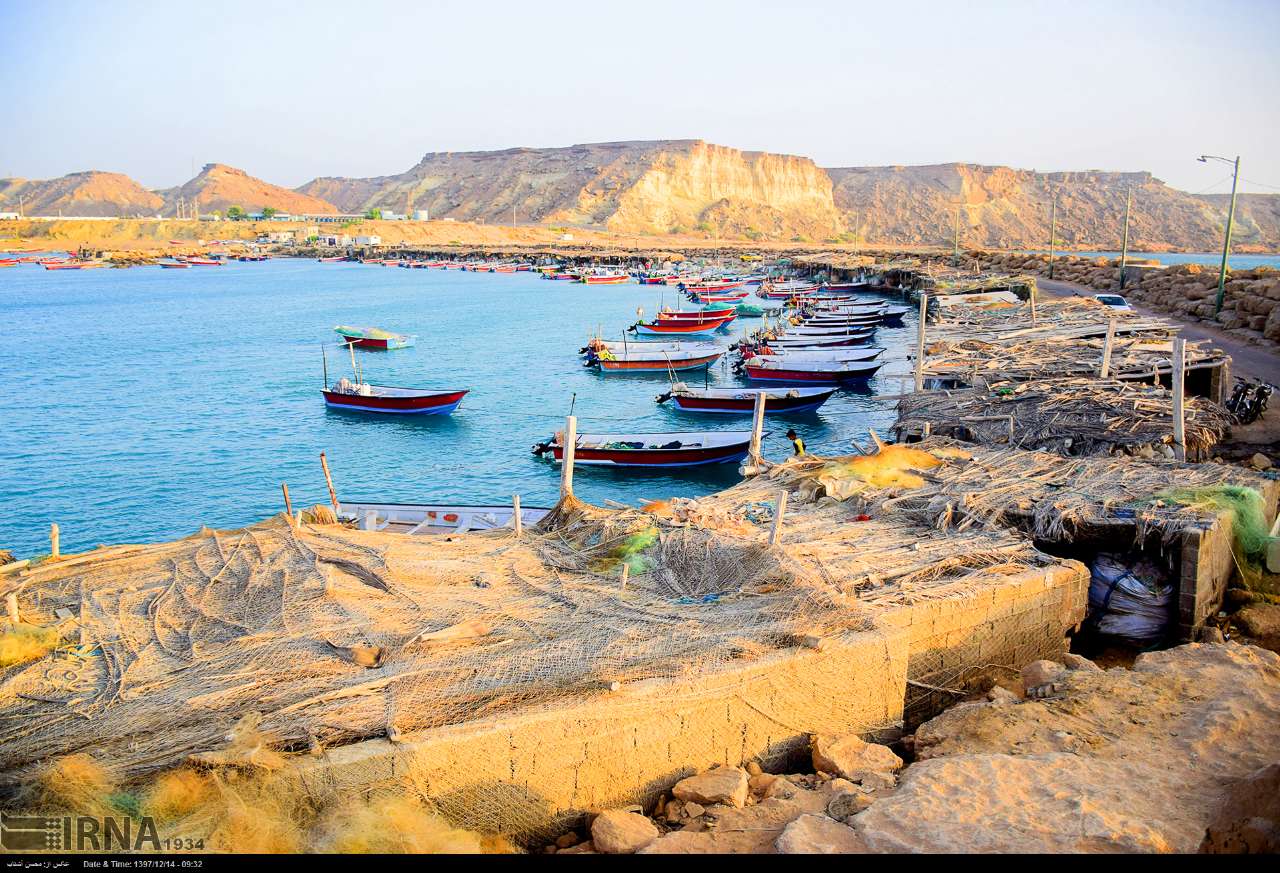
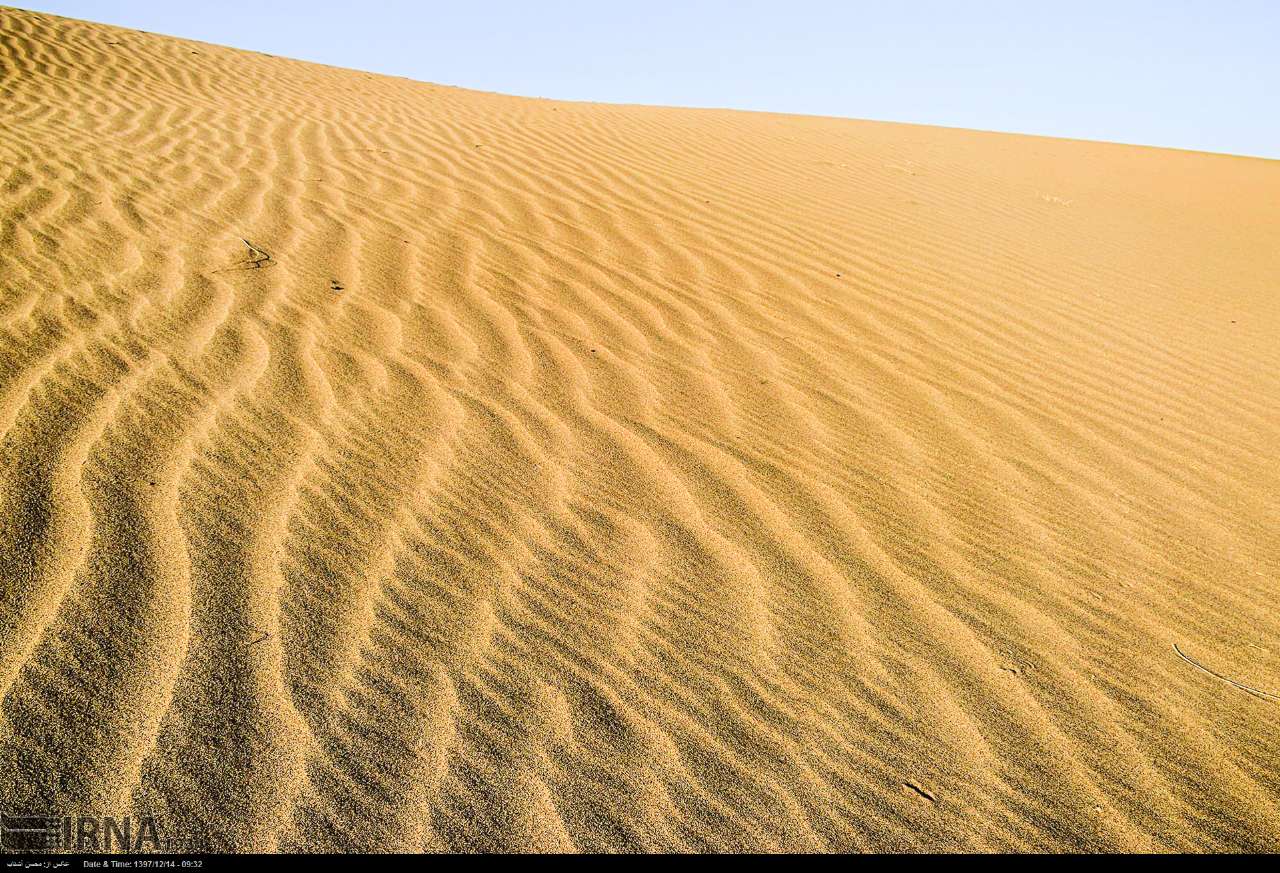
The province is the origin of the first advanced human civilisation and the centre of urban communities.
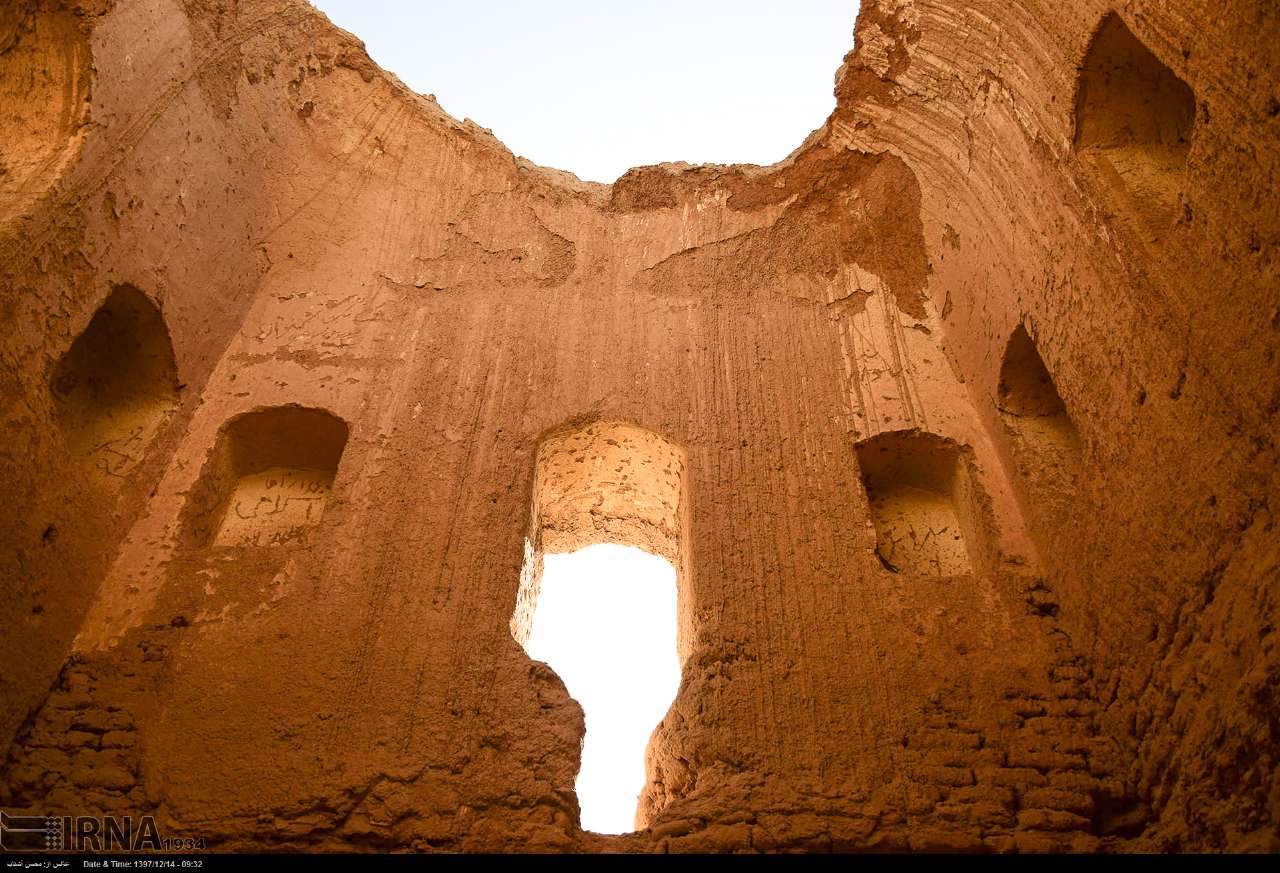
The 5,000-year-old Burnt City, the mythological heroic stories of Rostam in Ferdowsi’s Book of Kings (Shahnameh), the land of windmills, and the slaves’ gate all show the ancient culture and civilization of Sistan and Baluchestan.

The Khajeh Mountain is also a rocky and solid fortress belonging to the Parthian-Sassanid era.

Sistan & Baluchestan; Home to Ancient Culture, Civilisation
UN Rewards Iranian Woman for Creativity in Rural Life

Undoubtedly, the most important and fundamental contributions of the Baluch ethnic group to the province is their language.

Expert say Baluchs consider themselves Iranian.   “Their language also belongs to the Persian language and belongs to the middle Pahlavi era. It is a unique language that has preserved itself as a treasure that is very useful for linguistic studies. The structural features and transformation of this language is very interesting,” says Dr Mahmoud Zand Moqaddam.

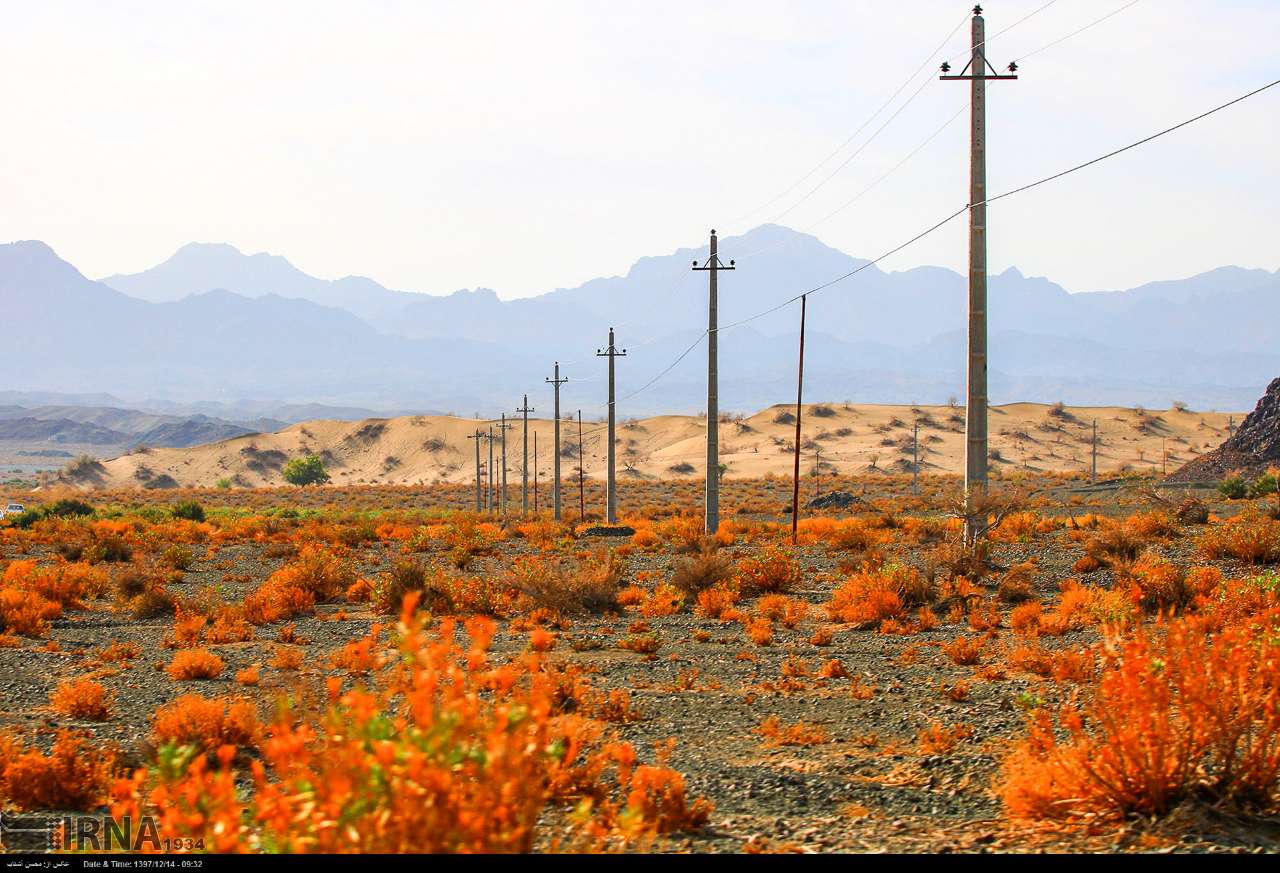
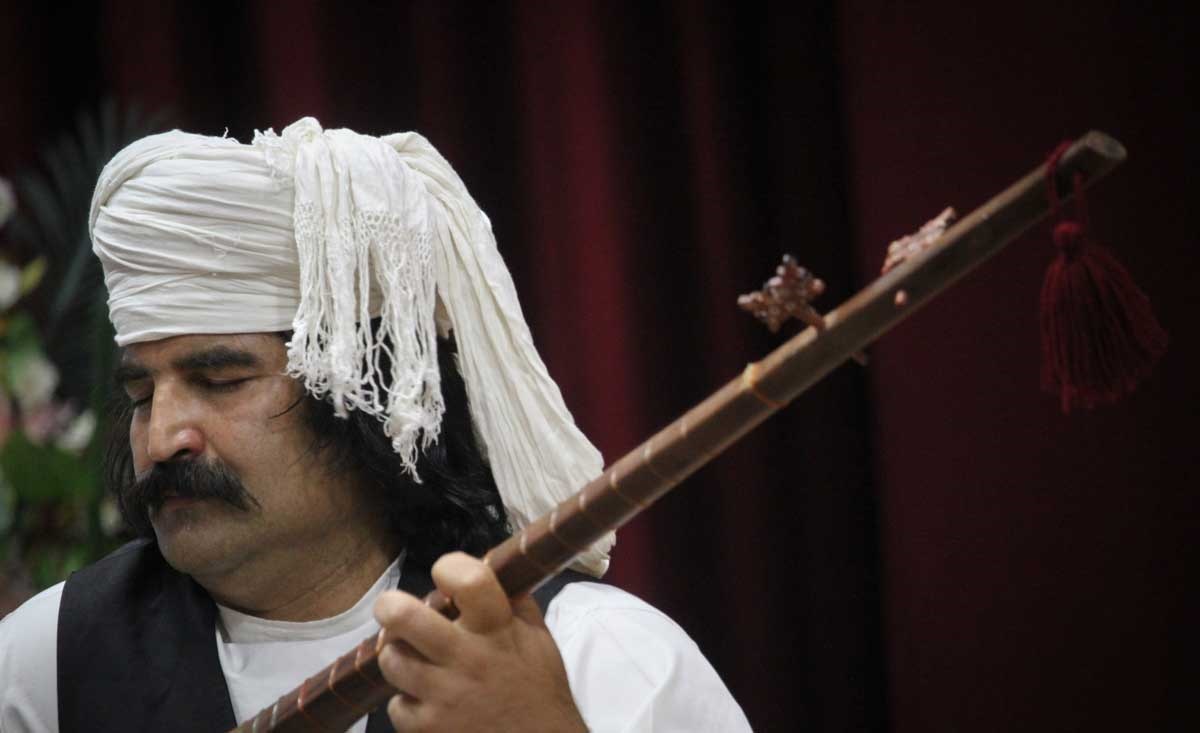
Native music and folk songs of the people of Sistan and Baluchestan have a special elegance, and are a complete diagram of the people’s evolution.

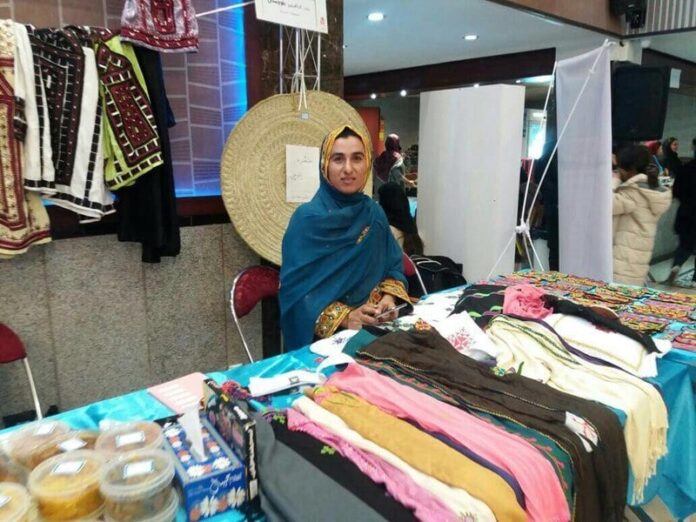
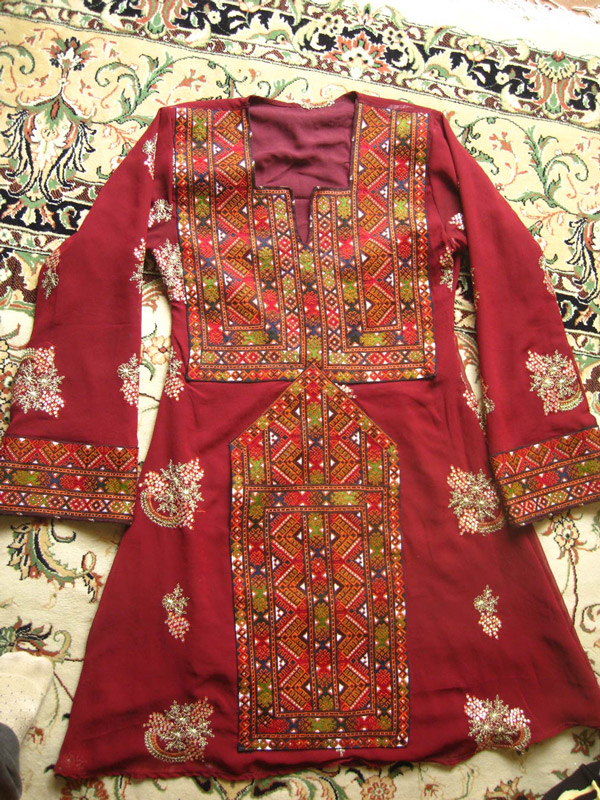
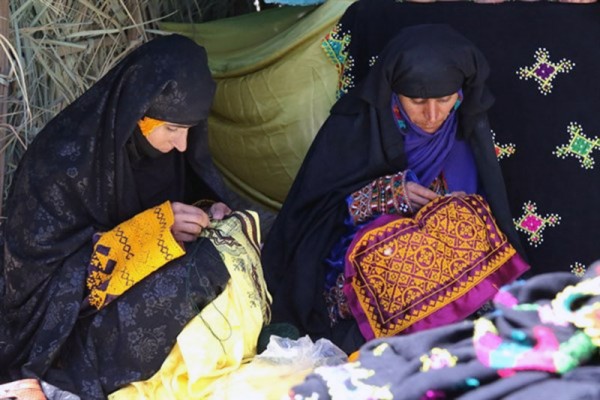
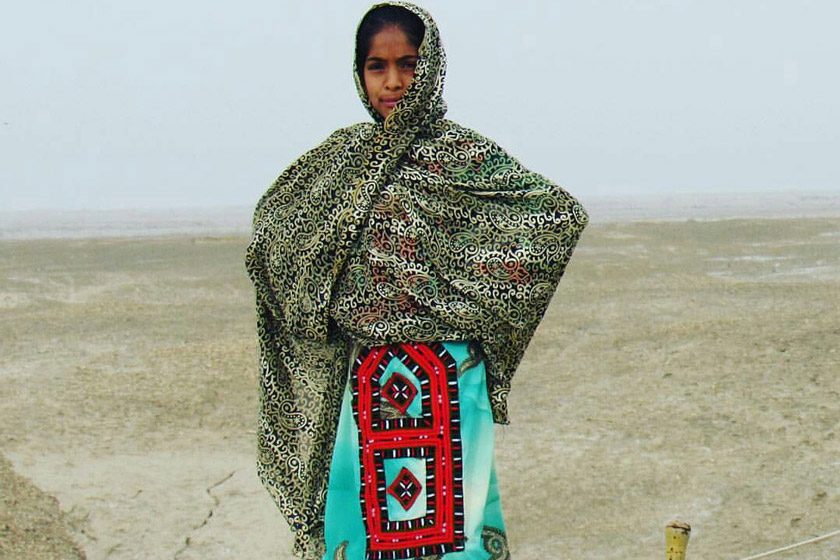
The local Baluch lyrics are often sung during auspicious occasions, which include Sorna, Dhol and Drum. The handicraft and garments of this region are also unique. The most important one is “needlework” or “Baluch Sewing” which is an identity for Baluch women.


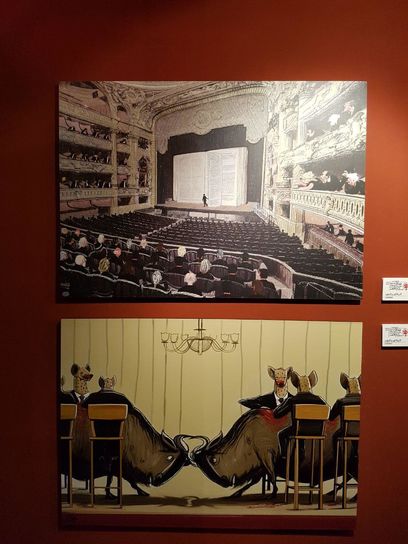
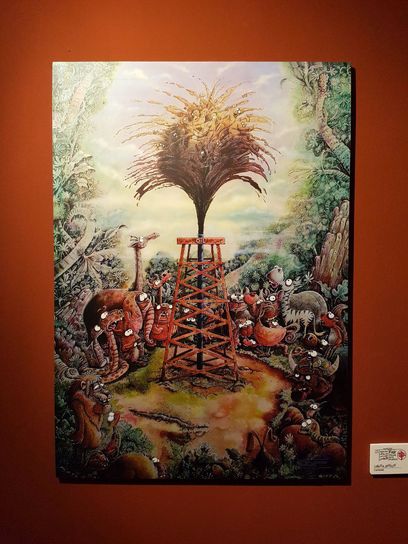
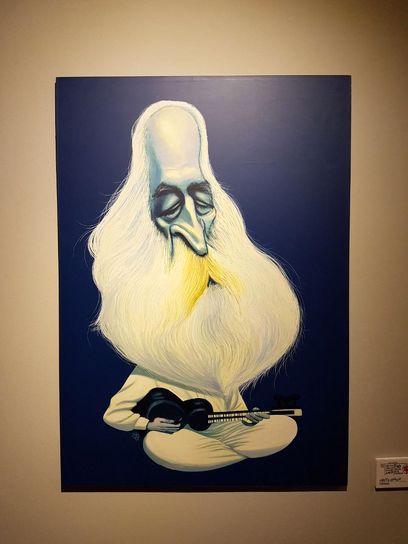
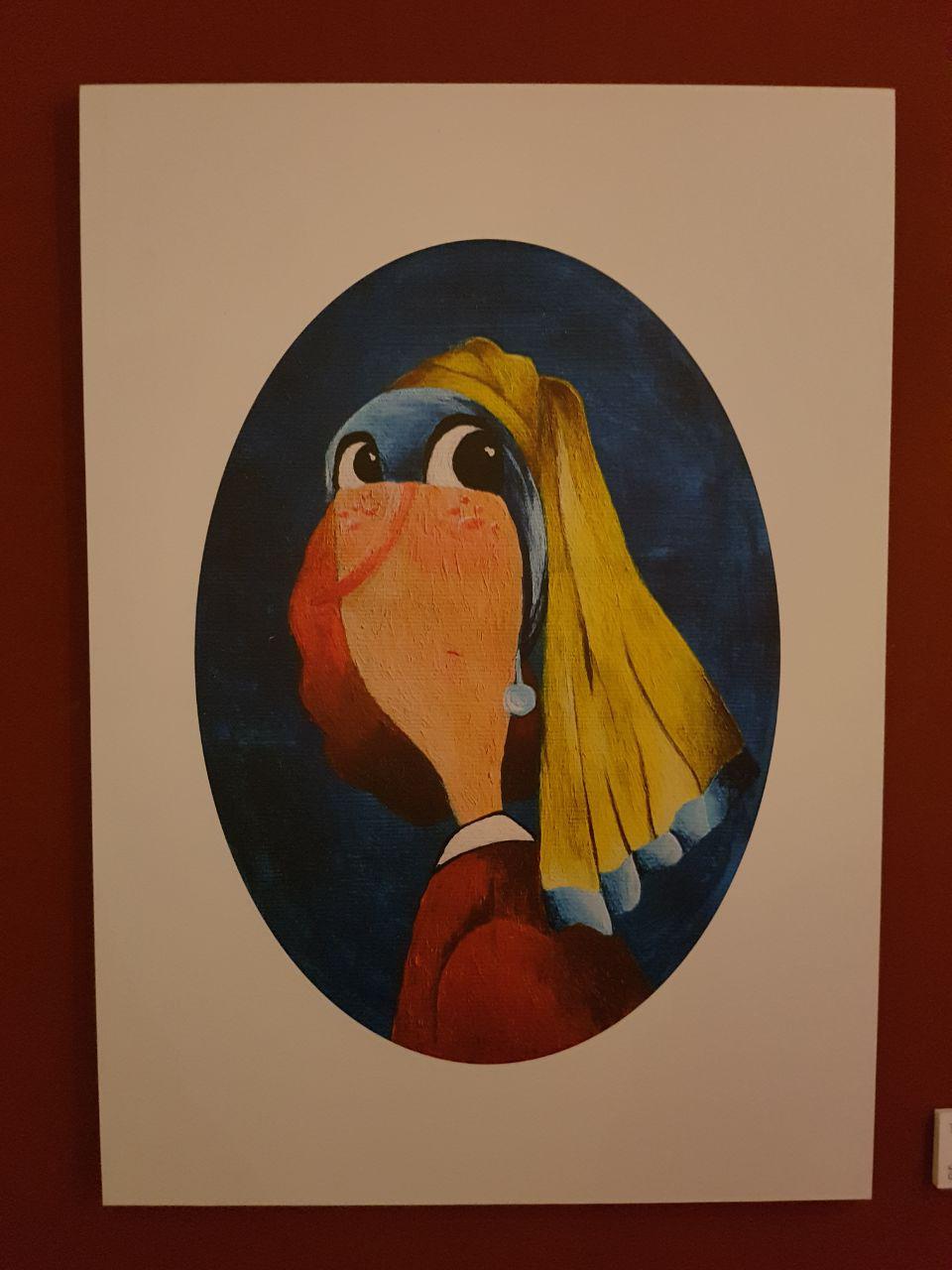
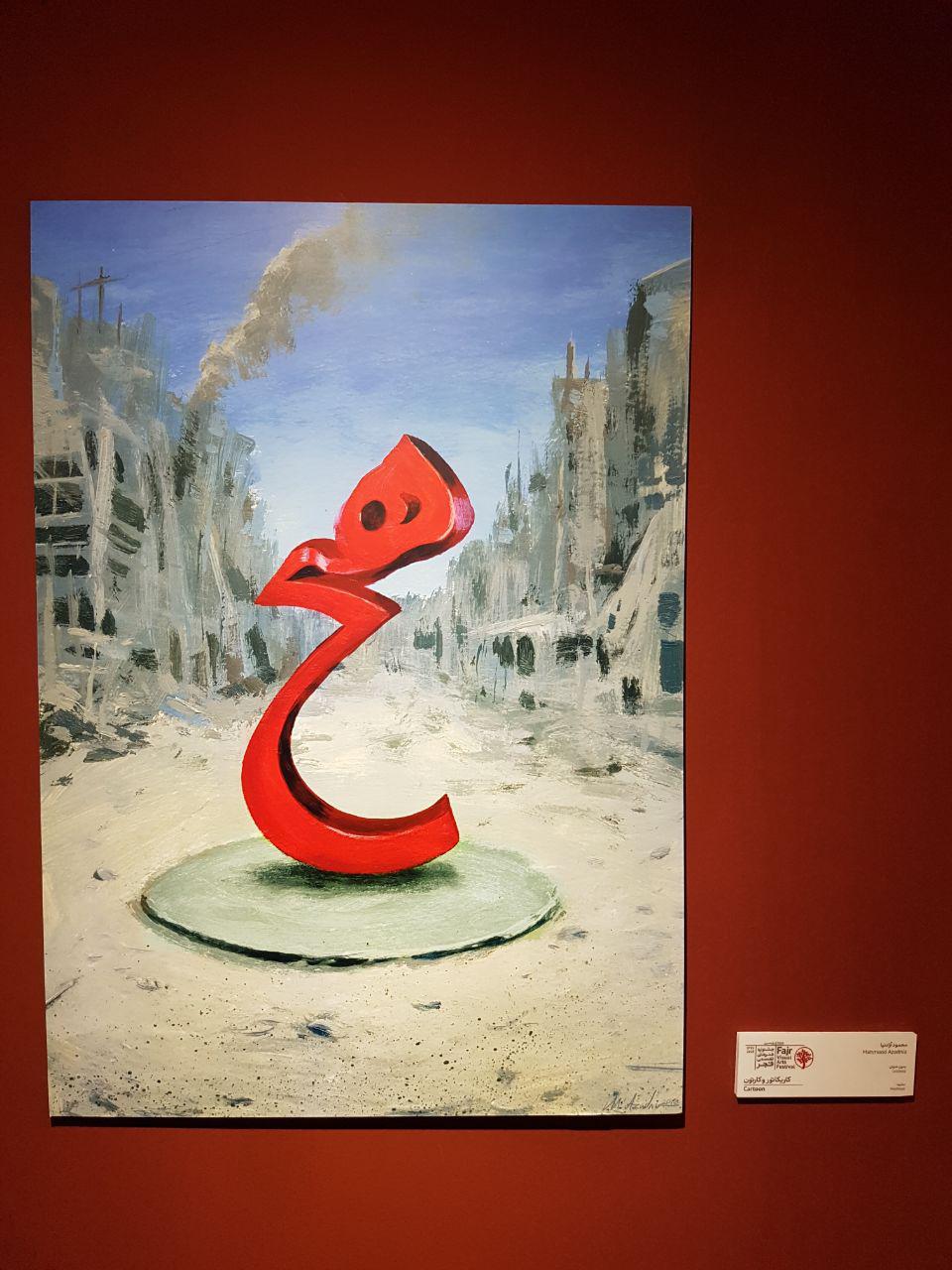
Over 150 Illustrations, Cartoons on Display in Fajr Visual Arts Festival

The pieces displayed in the festival have been created using various techniques.

Pejman Rahimizadeh is the secretary of the illustration section of the Festival. The jury is also composed of Fatemeh Radpour, Kamal Tabatabaee and Alireza Goldouzian.

Below you can see a series of photos of the illustrations and cartoons put on display in the festival.

The photos have been retrieved from Honar Online website.

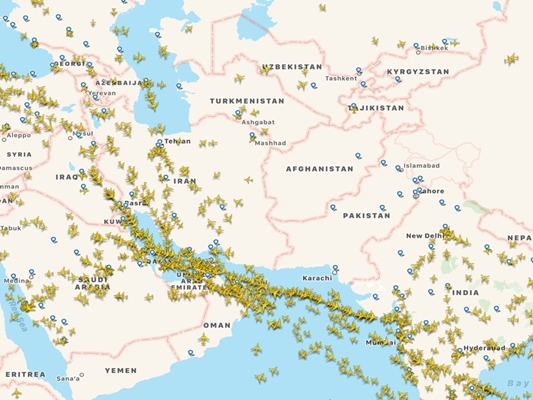
More Planes Flying over Iran Airspace amid Indio-Pak Conflict

Amid growing tensions between the two Asian neighbours and the closure of Pakistani airspace, Iran is witnessing a dramatic growth in the number of planes using its sky.

Following the closures of air corridors between India and Pakistan amid the growing tension between the two states, many airliners from various countries are rerouting their flights and using Iran’s airspace due to its security and safety.

Four Pakistani airports were beginning partial operations on Friday and they will fully resume commercial flights on Monday, the Civil Aviation Authority said, after airports were closed when military tensions with India erupted earlier this week.

Karachi, Islamabad, Peshawar and Quetta airports were resuming some flights on Friday, with the remainder opening next week, a spokeswoman said.

Airspace for all commercial flights would be re-opened on Monday at 1:00 p.m. (0800 GMT), she said.

The airspace closure disrupted not just Pakistan’s air transport but flights worldwide as airlines were forced to cancel or reroute flights to other destinations that pass over Pakistan.

This is not the first time that Iran’s airspace is being used by regional flights. During the unrest in Ukraine and Iraq, foreign airliners changed their routes to pass through Iran’s sky.

Also following the decision by Saudi Arabia and its allies to impose a blockade on Qatar, most of the country’s flights were made through Iran’s airspace.

At present, Iran is one of the main corridors for flights from east to west and north to south. Experts maintain that the government of Iran can take advantage of the new capacity to reduce its reliance on oil revenues.

‘UAE Failed to Abuse Its Privilege of Hosting OIC Meeting’

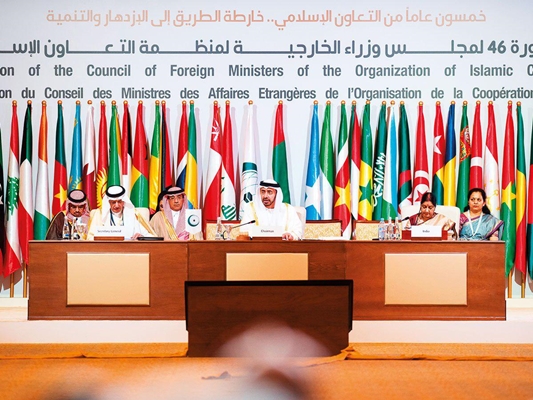
A photo of the final day of the ministerial meeting of the Organization of Islamic Cooperation (OIC) in Abu Dhabi, the UAE, on March 2, 2019.

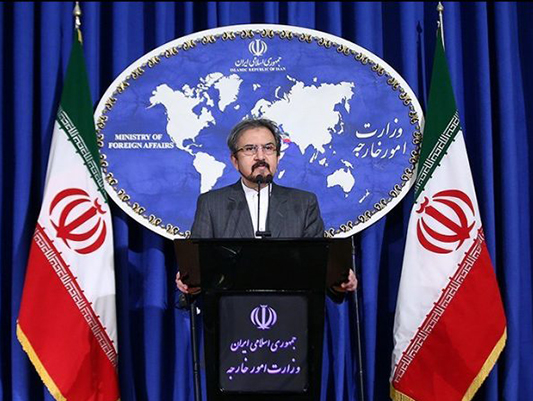
Elaborating on what happened during the final day of the OIC foreign ministers’ meeting in Abu Dhabi, Qassemi said during the day when the documents were set to be discussed and approved as a matter of routine, the UAE Foreign Minister, Sheik Abdullah Bin Zayed Al Nahyan, put forth a text under the title of Abu Dhabi Declaration.

“The foreign minister intended to get the document approved as the final declaration of the meeting without consulting with the participating delegations. However, the way he was running the meeting sparked immediate protest by delegates from Iran and Pakistan,” Qassemi said in a Saturday statement.

The spokesman said despite protests by the delegates of Iran and some other countries, the UAE foreign minister was trying to abuse the privilege of hosting the OIC meeting in violation of all known regulations.

“The foreign minister ignored the protests and began to impose his will on the delegates. He then announced the text as what he called the ‘final declaration of the meeting’,” Qassemi said.

The Iranian delegation made a timely and strong objection and walked out of the meeting in protest at the Emirati diplomat’s move, as the UAE-drafted document included the Arab country’s unfounded claim on the three Iranian Persian Gulf islands of Greater Tunb, Lesser Tunb, and Abu Musa.

“The meeting got tense after the Iranian delegation’s walkout and consequently other delegates began to leave the meeting gradually,” he noted.

Therefore, Qassemi said, the UAE failed to achieve the illegitimate goal it had in mind.

The Iranian delegation, through its protests, dismissed the UAE-drafted final declaration as invalid, he said.

The spokesman noted that all the events were unfolded before the final ceremony, and as a result of that, the closing ceremony was not held in a break from the routine in such international meetings.

“From the Islamic Republic of Iran’s point of view, the declaration drafted by the UAE on the final day of the meeting lacks credibility and is unreliable,” he said.

“As previously noted, in an unconsidered and unprofessional and completely primitive way, the UAE foreign minister intended to impose the unilateral declaration on the delegations but to no avail,” Qassemi said.

The spokesman then underlined that there is no doubt on Iran’s sovereignty over the trio islands and said, “Such unconsidered and fruitless efforts have never had and will never have any effect on Iran’s right over the islands and the Islamic Republic will not sit back an inch from its historical and absolute right.”

In addition to the issue of the Iranian islands, the declaration also raised concerned over that it called Iran’s meddling in internal affairs of the region and called on the Islamic Republic to “reassess its policies”.

Guardian Council Says Not Worried about Plebiscite on FATF Accession

Foreign Ministry Condemns FATF’s Blacklisting of Iran

In reaction to calls by some political figures to hold a referendum on Palermo and CFT conventions, Kadkhodaee said at present the council doesn’t see any justification for holding such a vote.

“Before making any decision, the related bodies should explicitly express their stance towards the bills,” he said Saturday.

The spokesman then referred to the latest remarks by Iranian president who said the Guardian Council is in agreement with the bills. “The Council returned the bills to the parliament after identifying some flaws in them. The Parliament made some changes to the Palermo bill which couldn’t satisfy our demands. On CFT, our required changes have not yet been made.”

He said no one is afraid of a referendum on the bills but as long as legal bodies are busy discussing them, there is no need for such a vote.

His comments about the referendum came after a group of lawmakers said they are working on a motion that, if approved, would put four issues to referendum, one of which is the FATF accession.

Earlier in the day, Iran’s Expediency Council dedicated its session to reviewing the Palermo bill, and whether Iran will join the convention; but the session ended with members of the Council postponing their decision again.

This has put the fate of the bill in limbo until the next Iranian year (starting 21 March), a member of the council said.

“Upon the request of Government and Parliament representatives, the fate of the Palermo bill and CFT will be decided by the Expediency Council, which will be given more time to scrutinize the bills,” member of Expediency Council Seyyed Mostafa Mirsalim said on Saturday.

The two Financial Action Task Force (FATF)-related bills have already been approved by lawmakers in the Iranian Parliament and need to gain the approval of the Expediency Council after they were rejected by the Guardian Council.

The bill on Iran’s accession to the convention against the funding of terrorism (CFT) was rejected by the Guardian Council in early November due to some flaws and ambiguities inherent in the CFT bill, deemed contrary to Iran’s Constitution.

These are part of the bills proposed by the Rouhani administration to get Iran out of the blacklist of the global anti-money laundering body.

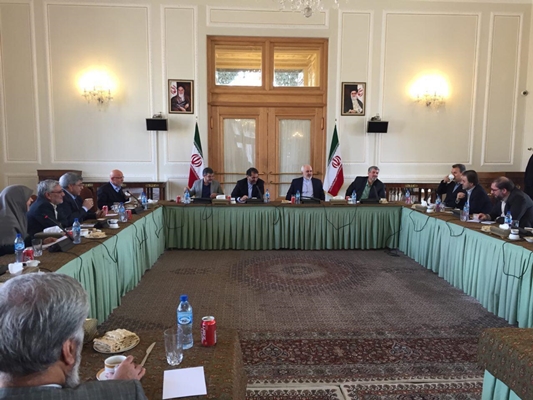
MPs Meet FM Zarif to Hail His Return to Work

During the Saturday meeting, the parliamentarians praised the foreign minister for his services and welcomed his return to work following his Monday resignation.

They also highlighted the significance of the country’s foreign policy and the key role played by the foreign ministry.

In the friendly meeting, Zarif also responded to questions raised by certain lawmakers.

President Hassan Rouhani on Wednesday officially rejected Zarif’s resignation, saying it runs contrary to national interests.

In a letter addressed to Zarif, Rouhani noted that the top diplomat has been standing on the frontline of resistance against the US pressure campaign.

“I consider accepting your resignation against the country’s interests and therefore, refuse to accept,” Rouhani told Zarif, who had unexpectedly announced his resignation via Instagram on Monday night.

Rouhani further highlighted the expressions of happiness by the “sworn enemies” of Iran, such as the Israeli regime, over Zarif’s intention to step down, which he said serve as the “best evidence” of the top diplomat’s success in performing his duties and the “main reason” why he should stay in office.

Iran Reject’s UAE FM’s False Claims at OIC Meeting

Bahram Qassemi

In a Saturday statement, Bahram Qassemi expressed regret over the recent remarks made by Sheikh Abdullah Bin Zayed Al Nahyan, the Minister of Foreign Affairs and International Cooperation of the United Arab Emirates (UAE), at the opening ceremony of the ministerial meeting of the Organization of Islamic Cooperation (OIC).

“The raison d’etre of the establishment and completion of the Organization of Islamic Cooperation was to create unity and convergence among member states,” Qassemi said.

“Cashing in on the meetings of this organization and bringing up divisive and false issues against other member states are inappropriate and against the objectives and philosophy of this organization and will deal serious blows to interaction among members and their trust in one another,” said Qassemi.

“Basically, when member states host meetings and gatherings of the organization, they should take steps towards further strengthening unity and solidarity in the Muslim community, not abuse the opportunity and bring up policies dictated by countries outside the Muslim world,” said the spokesman.

Among the anti-Iran allegations made by the UAE foreign minister was Abu Dhabi’s claim to the three Iranian Persian Gulf islands of Greater and Lesser Tunbs as well as Abu Musa.

In his statement, Qassemi dismissed as false and untrue the allegations made against the Islamic Republic of Iran by the Emirati foreign minister, saying, “Unfortunately, some countries have got used to rehashing such claims in order to cover up the damage caused by their policies to the Muslim world.”

“The Islamic Republic of Iran’s right to sovereignty over the [three] islands is an issue over which there is no doubt, and making such claims will not change or affect the legal status of these islands and the Islamic Republic of Iran’s ownership of them,” Qassemi noted.

He also rejected allegations of Iran’s interference in other countries’ internal affairs.

“Claims that the Islamic Republic of Iran is meddling in other countries’ domestic affairs are unfounded, and I recommend this Emirati official take a look at the situation in Yemen and the humanitarian crisis caused by the military aggression of the UAE and several other countries and get to realize the real meaning of his respective country’s interference in other Islamic countries’ affairs and the destructive human and material consequences of the aggression against Yemen,” he said.

The spokesman concluded by touching upon the presence of the Iranian delegation at the meeting.

“Iran’s deputy foreign minister for legal and international affairs is present at the meeting, heading a political delegation. While actively participating in the conference, he will give the necessary reactions to the mischief and non-constructive actions and behaviour of certain countries as well,” he said.

Last Friday, the UAE foreign minister speaking at the OIC meeting in Abu Dhabi called on Iran “to revisit its policies, stop interfering in other countries’ internal affairs, stop the promotion of chaos and sectarianism, stop supporting groups which trigger such conflicts, and halt financial and arms support for terrorist and paramilitary groups which blatantly breach OIC and UN charters as well as true human values.”

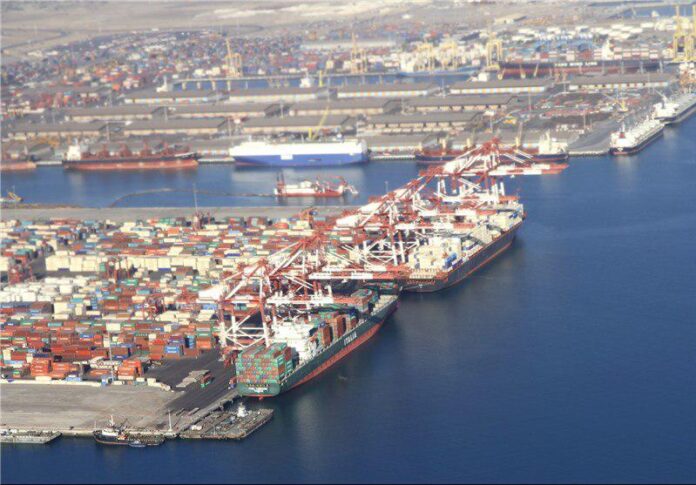
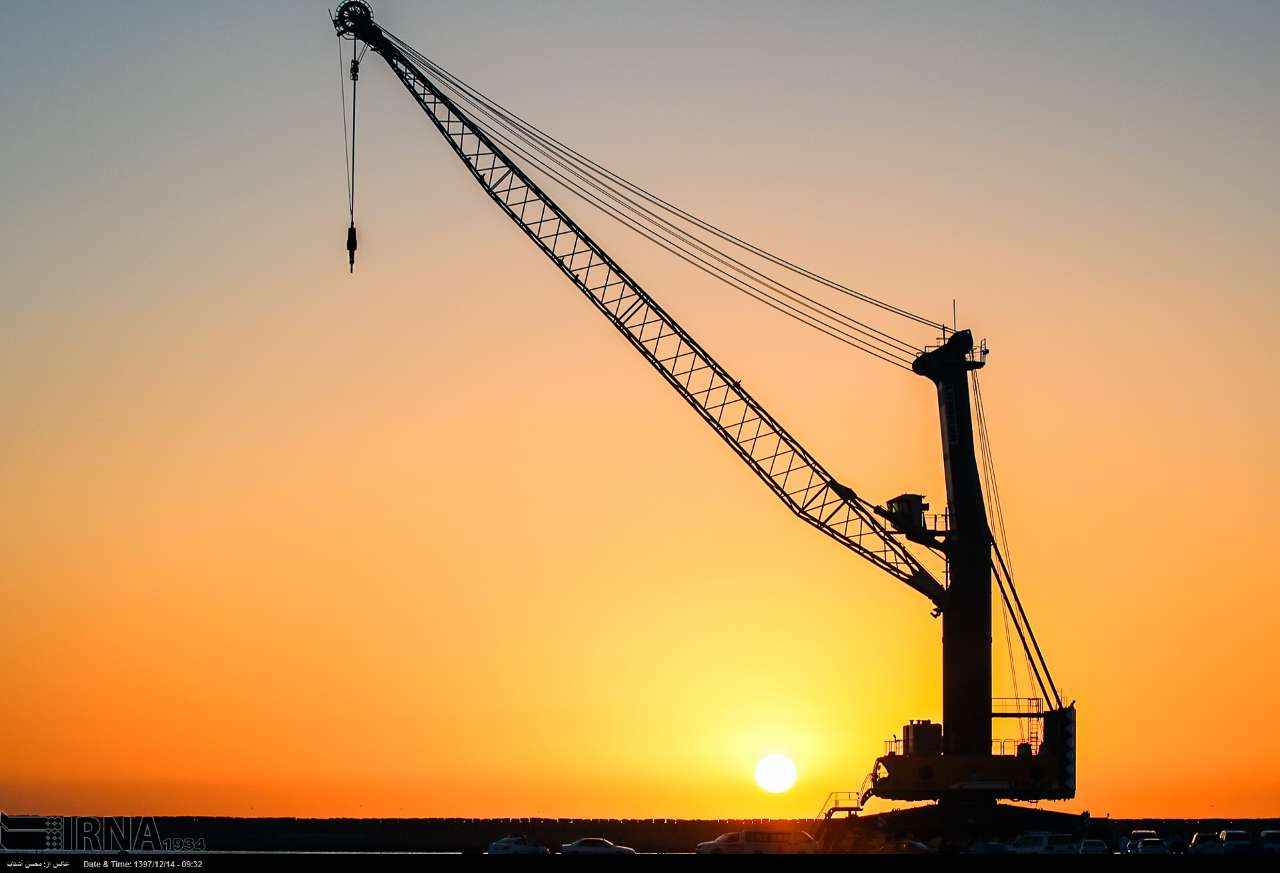
Iran, India, Afghanistan Discuss Investment in Chabahar Port

Iran, India to Sign Preferential Trade Agreement Pact

The event was aimed at increasing the transit of goods, absorbing investment from the private sector, boosting marine cooperation among countries in the region, and encouraging more members to join the Chabahar agreement.

Accordingly, several memoranda of understanding on investment and development were signed between the General Department for Ports and Marine Transportations and Iranian as well as foreign private sectors in the presence of a host of domestic and foreign guests.

In line with holding the conference, deputy transportation ministers of India and Afghanistan as well as Iran’s minister of roads and transportation said the two guest countries’ businessmen and investors warmly welcomed investment in Chabahar port.

Some of the memoranda of understanding signed on the fringes of the event provide for the establishment of Chabahar-Muscat and Chabahar-Karachi shipping lines and the inauguration of an international passenger terminal. The MoUs were inked between the General Department of Ports and Marine Transportation and an Omani company. Iran, Oman, India and Pakistan also signed memoranda of understanding on working together to establish a commercial shipping line for the transit of goods from Chabahar to ports in the United Arab Emirates and Oman as well as an MOU on the establishment and inauguration of a specialized container yard to set up a commercial shipping line.

Afghanistan’s deputy transport minister said at the conference that Iran, India and Afghanistan had undertaken to run projects in Chabahar. The three countries are also conducting surveys to create a competitive market there in order to attract more investors from the private sector.

India’s deputy transport minister also said Iran enjoys rich oil and natural gas reserves, an opportunity that Indians can utilize by investing in Chabahar port.