Monday, April 13, 2026
Home Blog Page 3248

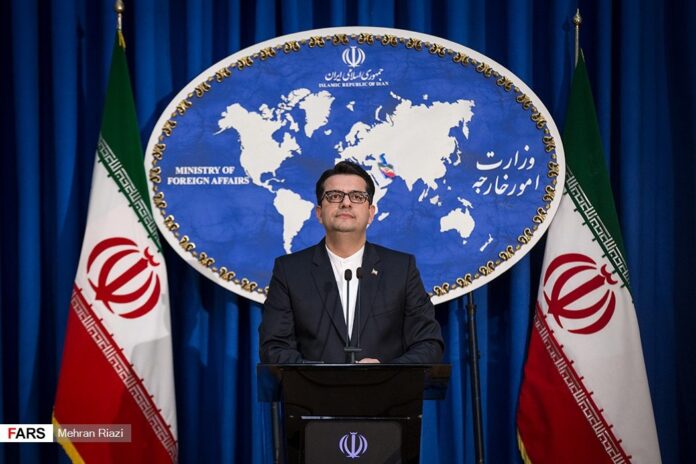
US Not Honest in Call for Talk with ‘No Preconditions’: Iran

“The Islamic Republic of Iran does not act based on rhetorical phrases and expression of hidden intentions in the form of new words, but based on a change in Washington’s general approach and actual behaviour towards the Iranian nation,” Mousavi said on Sunday.

However, he added, Mr Pompeo’s emphasis on the continuation of the US’ campaign of “maximum pressure” on Iran indicates that Washington is adopting the same wrong approach, which needs to be revised.

Mousavi made the remarks after US Secretary of State Mike Pompoo said Washington is willing to speak with Iran “with no preconditions”, apparently taking back the 12 basic requirements he had earlier set forth as a precondition for talks with Tehran.

“We are prepared to engage in a conversation with no preconditions. We are ready to sit down with them,” Pompeo told a joint news conference in Switzerland with Swiss Foreign Minister Ignazio Cassis.

However, he added, “the American effort to fundamentally reverse the malign activity of this Islamic Republic, this revolutionary force, is going to continue.”

Iran has repeatedly said it would not talk to the US while it is under renewed sanctions.

Last year, after the United States pulled out of the historic nuclear agreement, officially known as the Joint Comprehensive Plan of Action (JCPOA) signed between Iran and major powers in 2015, Pompeo laid out 12 tough conditions for any “new deal” with Tehran.

The conditions included withdrawal of Iran’s military advisors from Syria, who have been helping the country’s legitimate government in its fight against terrorist outfits, which have been mostly aided and abetted by the US and its Western and regional allies.

Pompeo’s Saturday remarks about talks with Iran with “no preconditions” US President Donald Trump, who unilaterally pulled the US out of the JCPOA, has tightened sanctions on Tehran, eliminating waivers that had allowed some countries to buy Iranian oil, with the goal of reducing the country’s crude exports to zero.

The US also designated Iran’s IRGC a “terrorist organisation” in April.

Last month, Washington deployed bombers and warships to the Middle East, citing “credible threats” from Iran. It did not offer evidence for the claim and Tehran dismissed the move as “psychological warfare”.

The B-52 bombers arrived at a US airbase in Qatar, US Central Command (CENTCOM) said, while the carrier USS Abraham Lincoln was sent to the Arabian Sea.

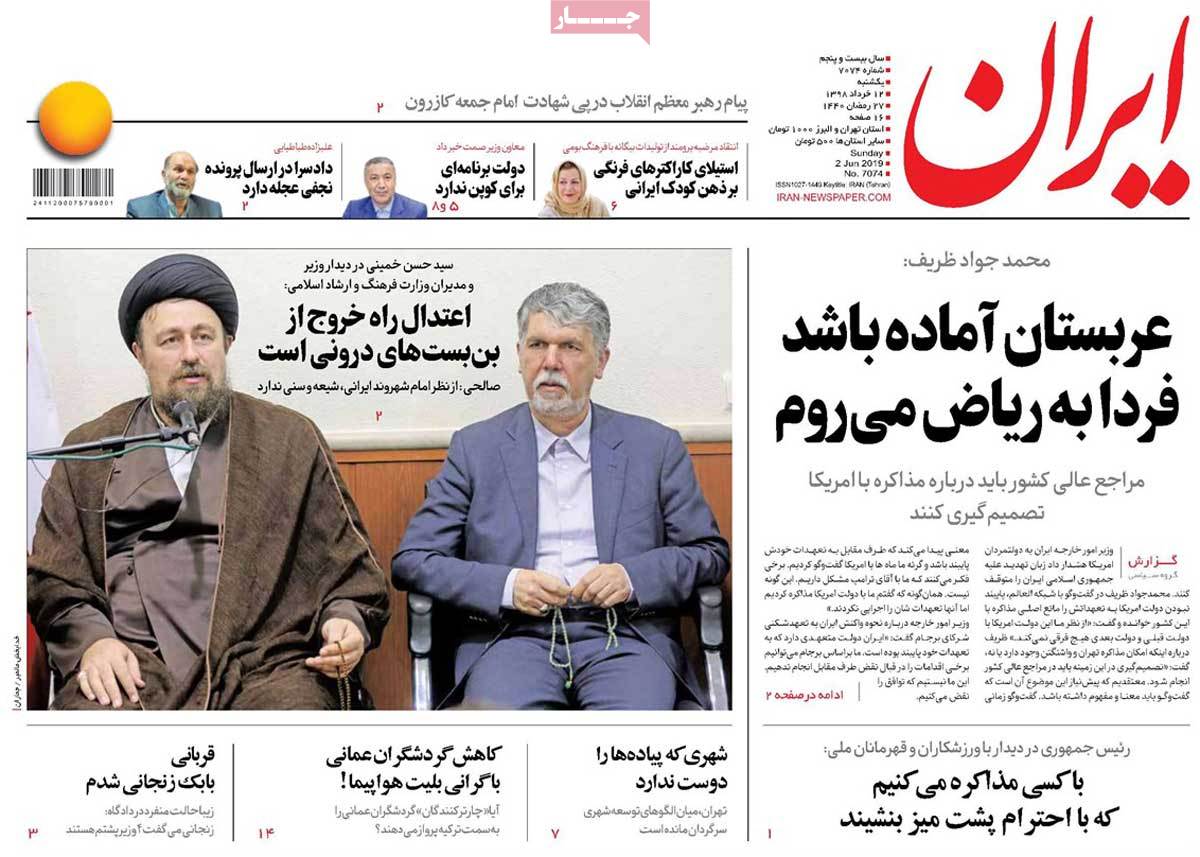
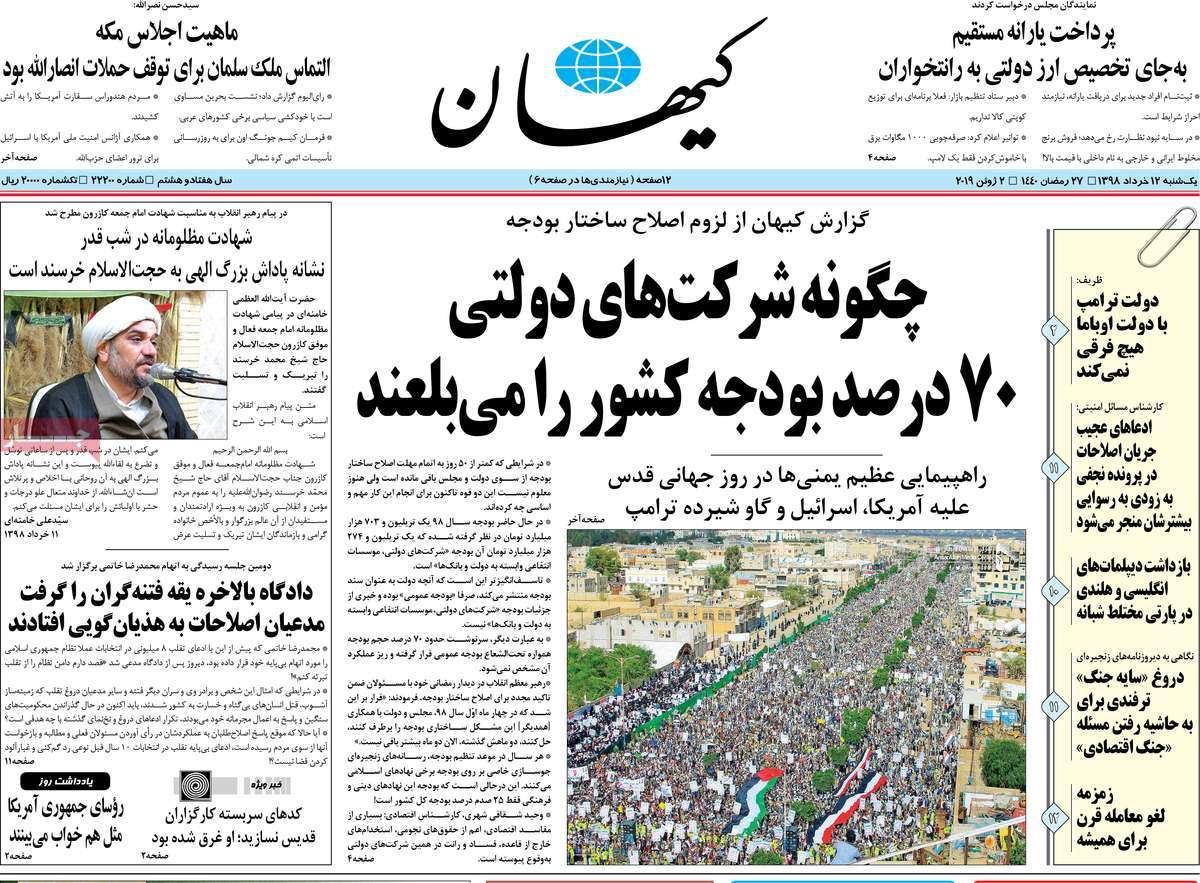
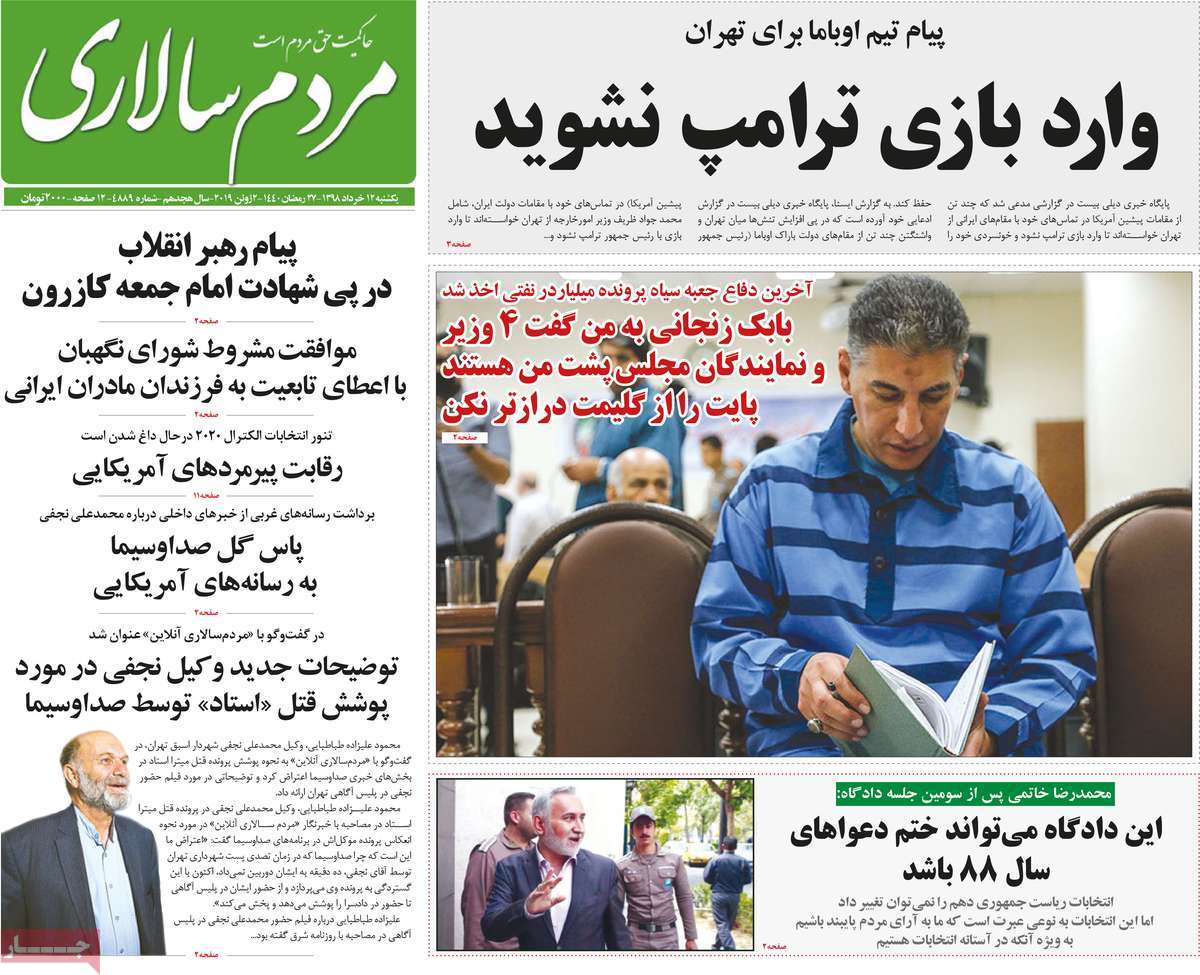
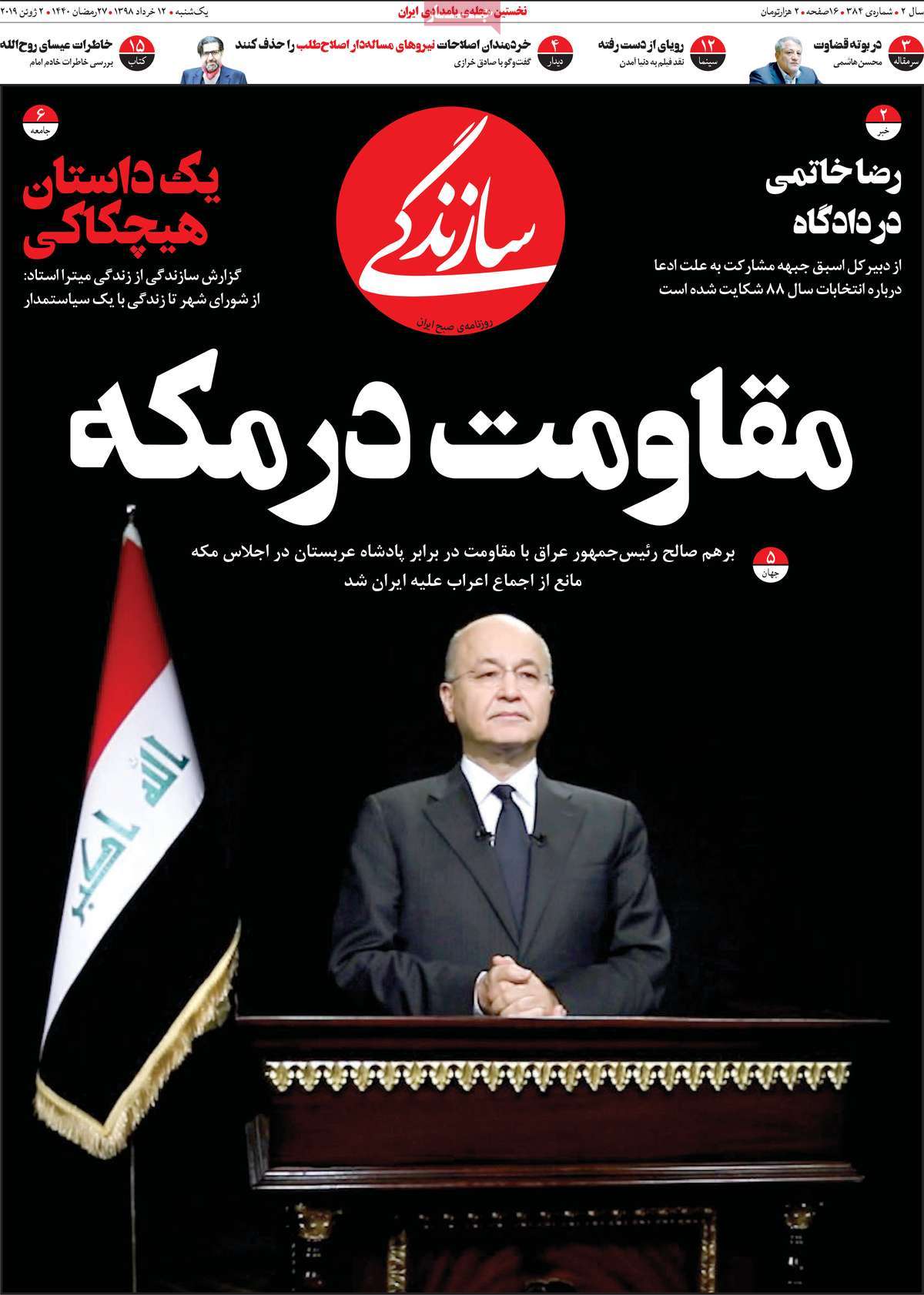
A Look at Iranian Newspaper Front Pages on June 2

A Look at Iranian Newspaper Front Pages on November 19

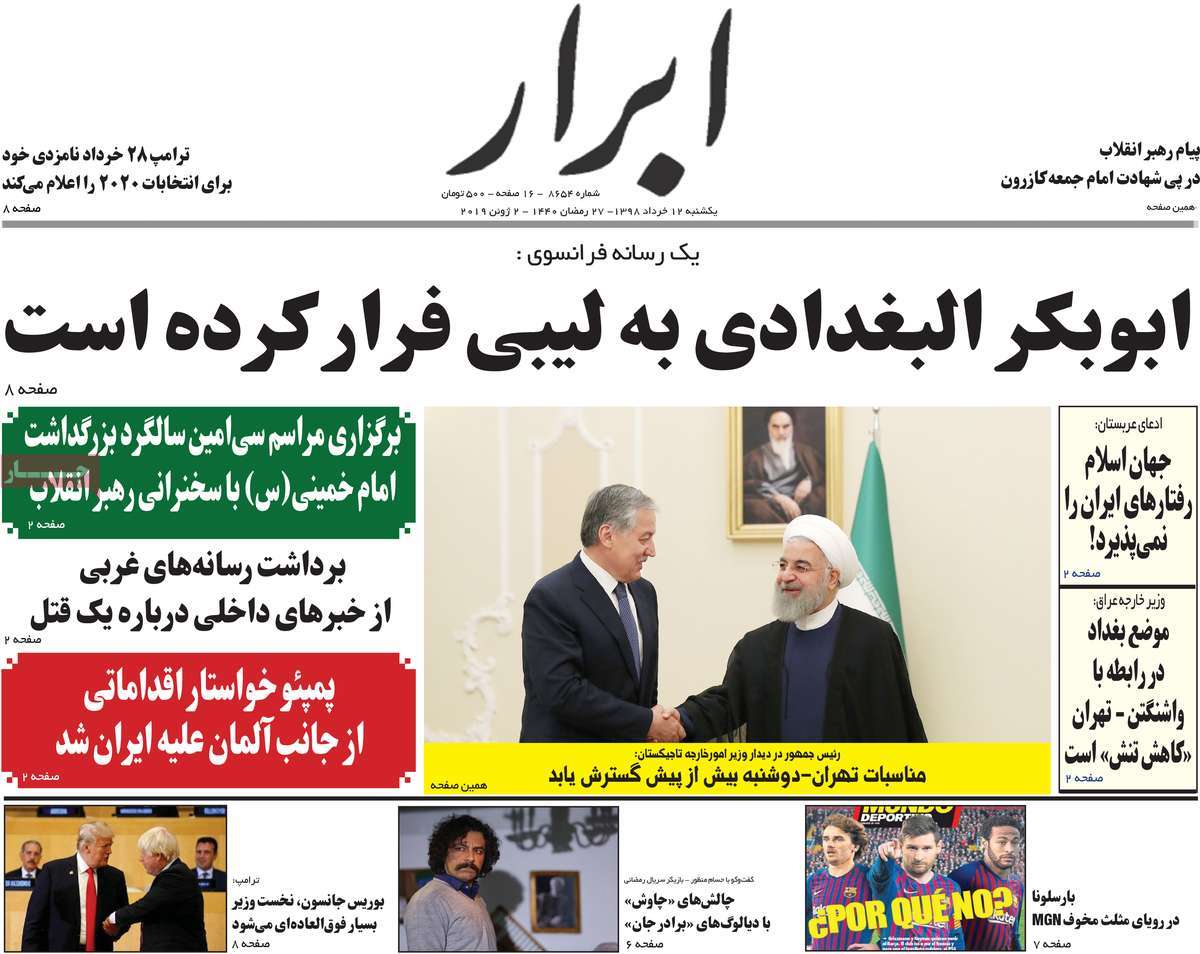
Abrar:
1- Trump to Announce Presidential Bid for 2020
2- French Media: Al-Baghdadi Has Fled to Libya
3- Saudi Arabia Claims Muslim World Doesn’t Accept Iran’s Behaviours
4- Pompeo Calls for Germany’s Action against Iran

A Look at Iranian Newspaper Front Pages on June 2


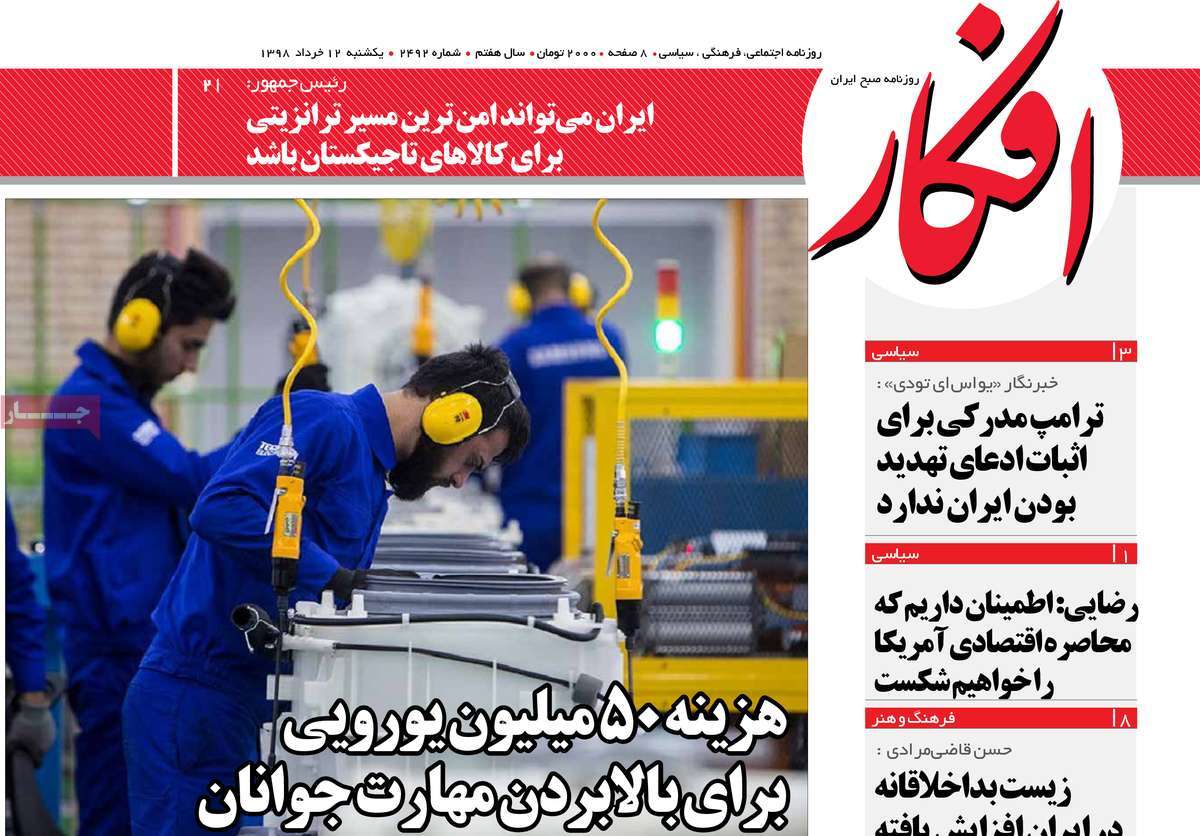
Afkar:
1- USA Today: Trump Has No Evidence to Prove Iran Is Threat
2- Rouhani: Iran Can Be Safest Transit Route for Tajikistan
3- We’re Sure We’ll Break US’ Economic Siege: Iranian General

A Look at Iranian Newspaper Front Pages on June 2


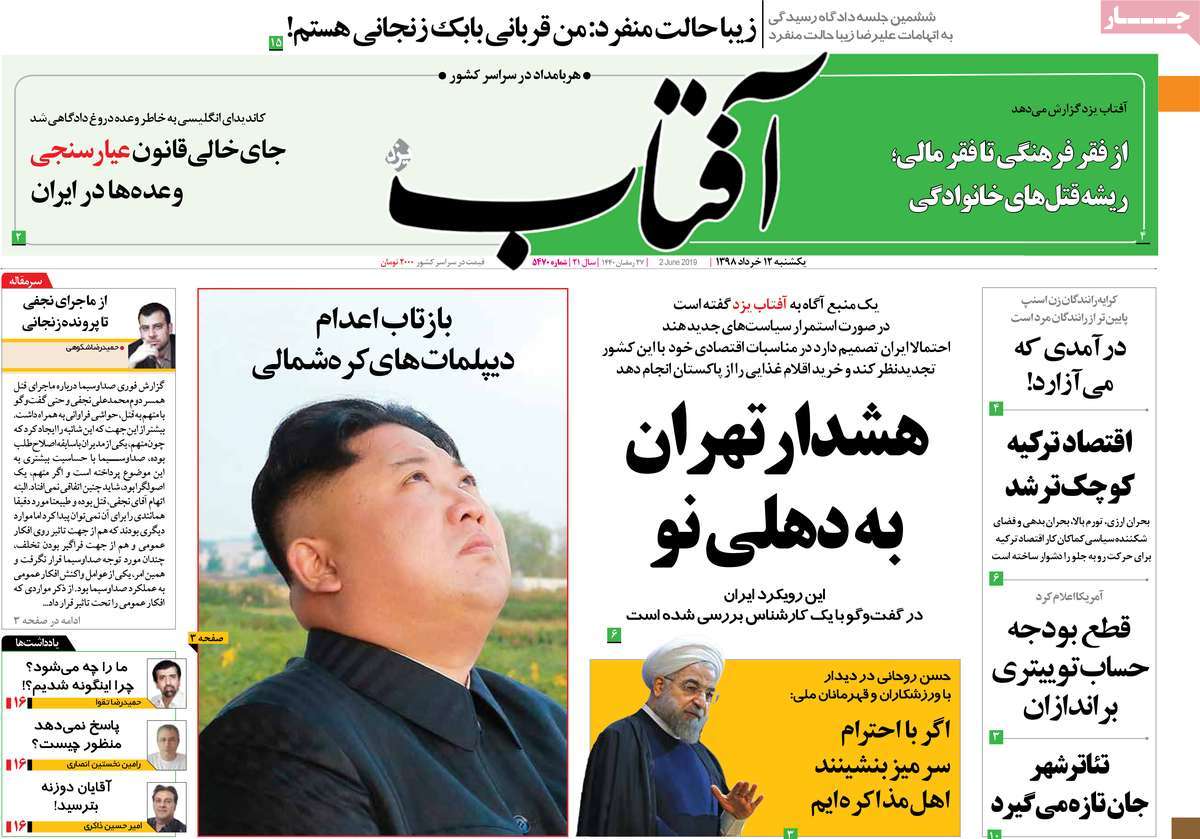
Aftab-e Yazd:
1- Tehran Warns India: Iran May Reconsider Business Ties If Indians Keep New Policies
2- Rouhani: If They Respect Their Partner, We’re Ready to Sit for Talks
3- North Korea’s Execution of Diplomats

A Look at Iranian Newspaper Front Pages on June 2


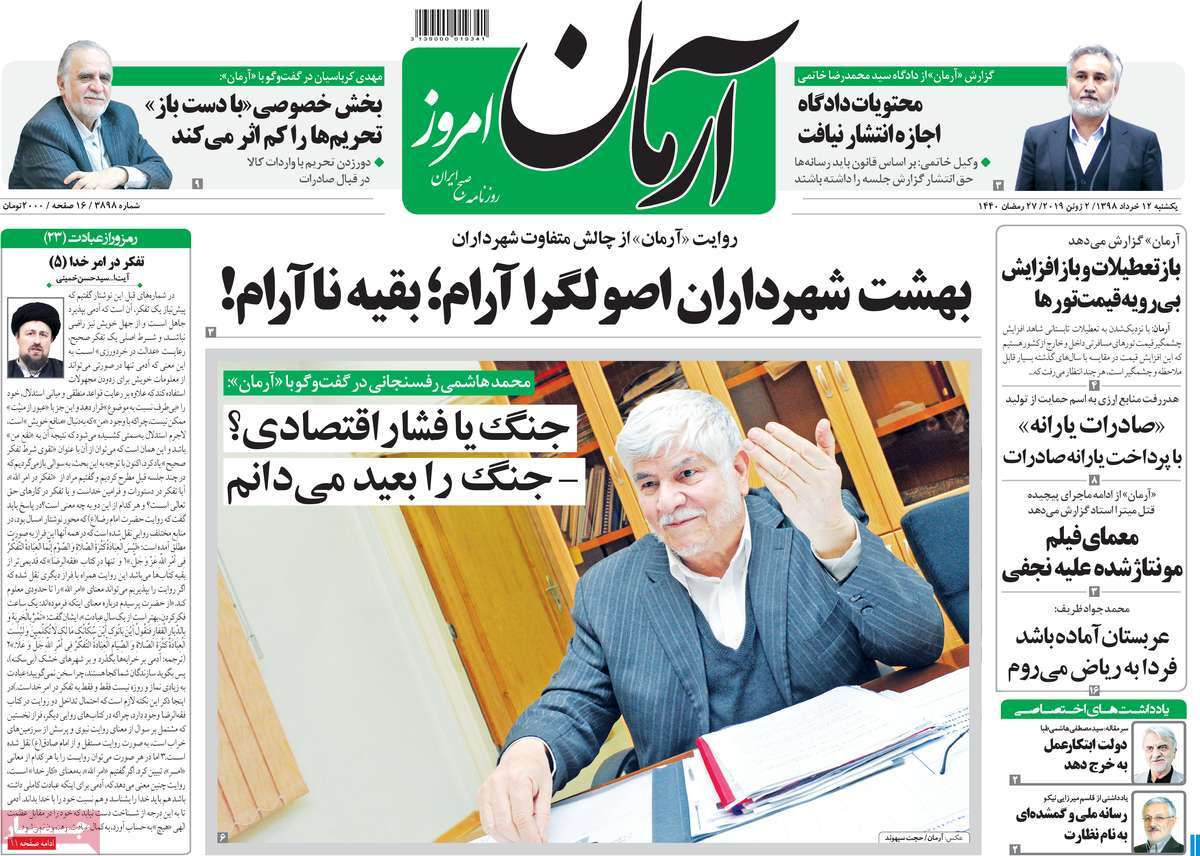
Arman-e Emrooz:
1- Zarif: If Saudi Arabia Is Ready, I’ll Be in Riyadh Tomorrow

A Look at Iranian Newspaper Front Pages on June 2


Asrar:
1- Zarif: Our Arms Open for Persian Gulf States
* US Preventing Entry of Food, Medicine into Iran through Economic War

A Look at Iranian Newspaper Front Pages on June 2


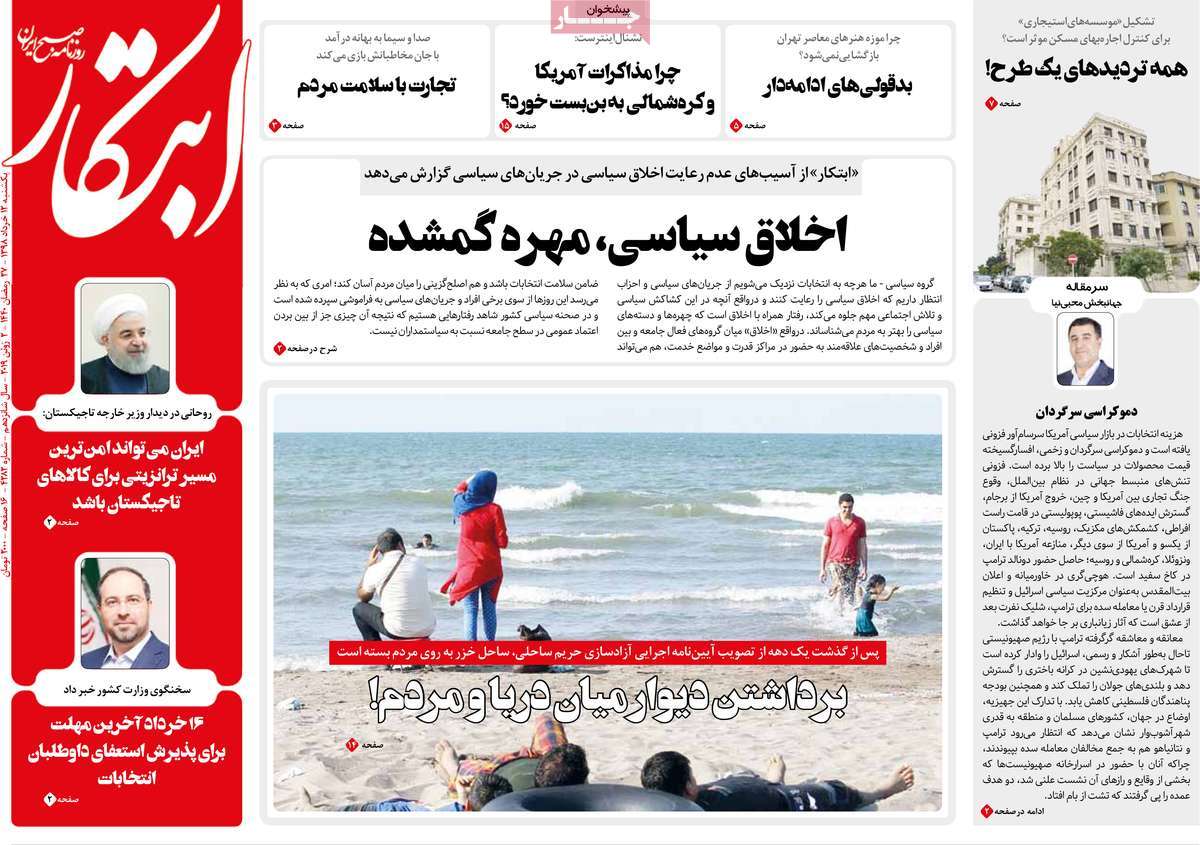
Ebtekar:
1- National Interest Reviews Why US-North Korea Talks Failed

A Look at Iranian Newspaper Front Pages on June 2


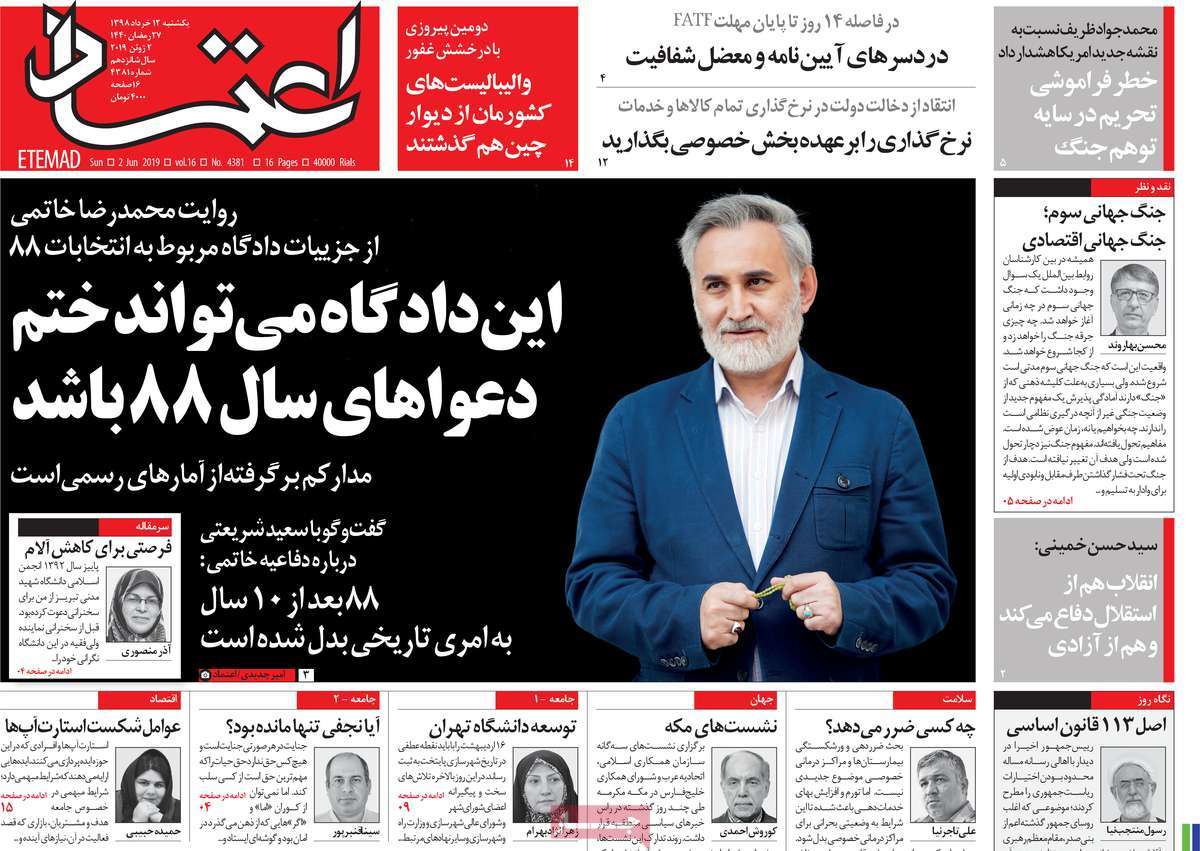
Etemad:
1- Zarif Warns about US’ New Plot
2- Iranian Volleyball Players Cross Wall of China
3- Third World War to Be an Economic One [Editorial]

A Look at Iranian Newspaper Front Pages on June 2


Ettela’at:
1- Nasrallah: Trump Must Know War on Iran Will Engulf Entire Region
2- Independent Muslim States React to Mecca Summit’s Anti-Iran Communique
3- Rouhani: Iran Safest Route for Transit of Goods in Region

A Look at Iranian Newspaper Front Pages on June 2


Iran:
1- Zarif: Top Iranian Officials Must Decide about Talks with US

A Look at Iranian Newspaper Front Pages on June 2


Kayhan:
1- Nasrallah: Essence of Mecca Summit Was King Salman’s Begging for Halt in Ansarullah Attacks
2- Yemenis Hold Massive Rallies on Int’l Quds Day against US, Israel, Trump’s Milky Cow
3- Zarif: Trump’s Administration No Different from Obama’s

A Look at Iranian Newspaper Front Pages on June 2


Mardom Salari:
1- Obama Team’s Message for Iran: Don’t Get Engaged in Trump’s Game
2- Competition between Old Men in America: 2020 Elections Getting Hot

A Look at Iranian Newspaper Front Pages on June 2


Sazandegi:
1- Resistance in Mecca: Iraq President Resists Saudi King, Blocks Arab Consensus against Iran

A Look at Iranian Newspaper Front Pages on June 2


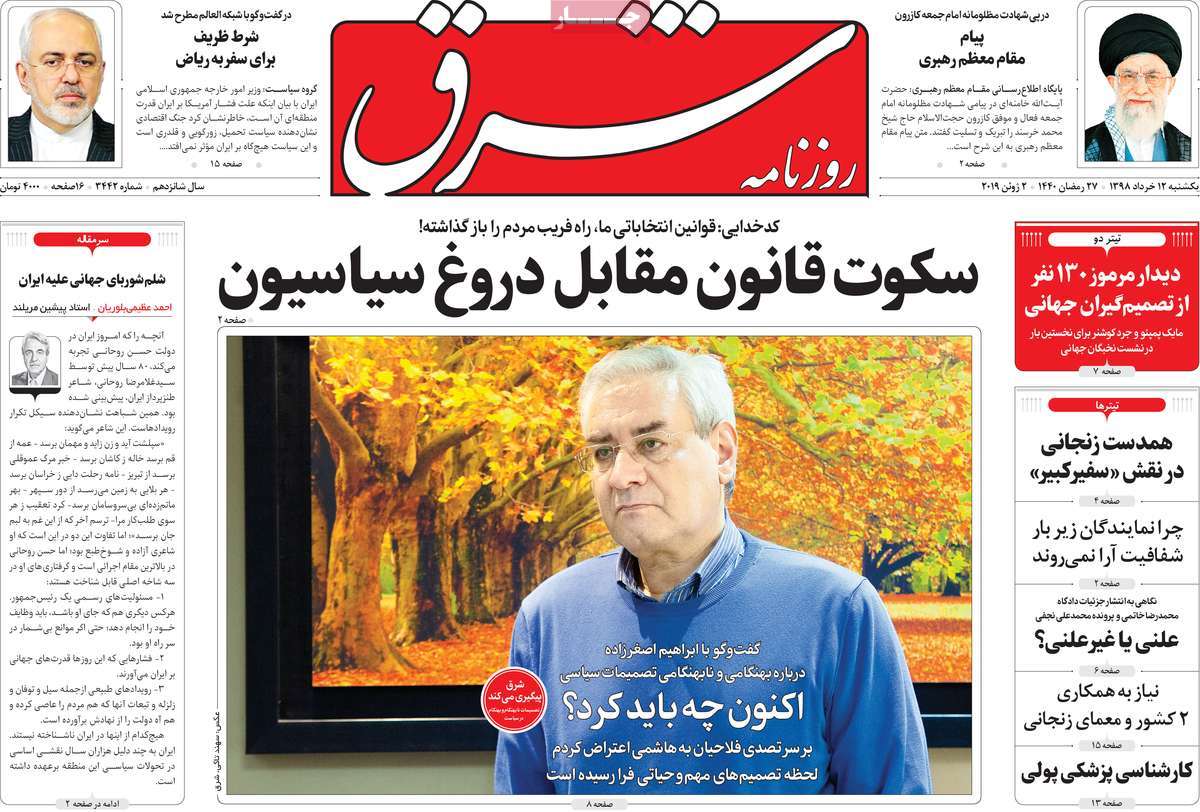
Shargh:
1- Zarif’s Condition for Riyadh Visit
2- 130 World Decision-Makers Convene in Switzerland for Secretive Meeting
* Pompeo, Kushner for First Time Attend Bilderberg Meeting

A Look at Iranian Newspaper Front Pages on June 2

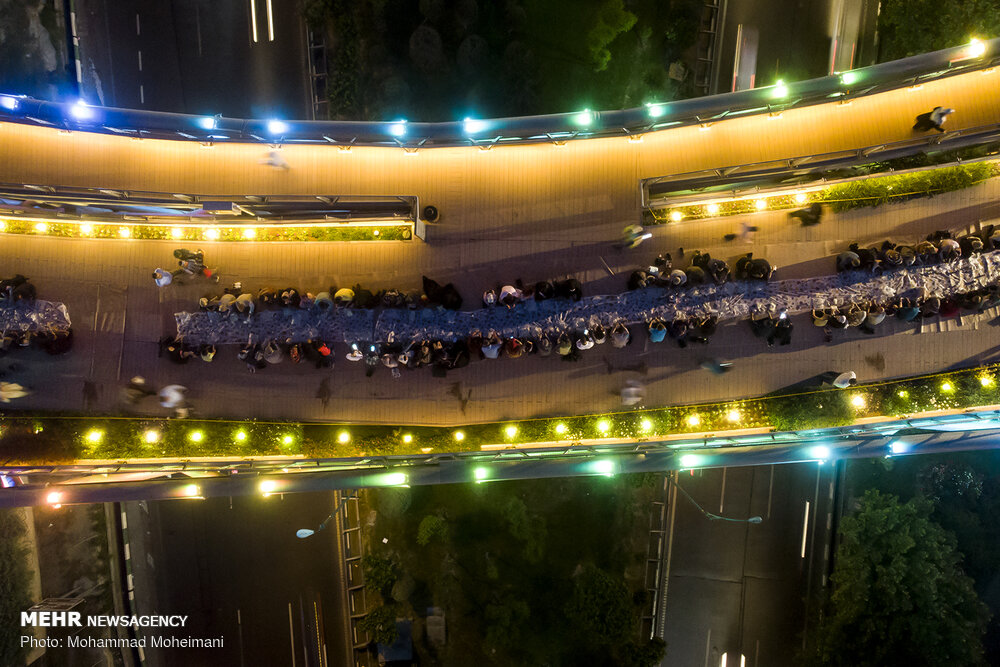
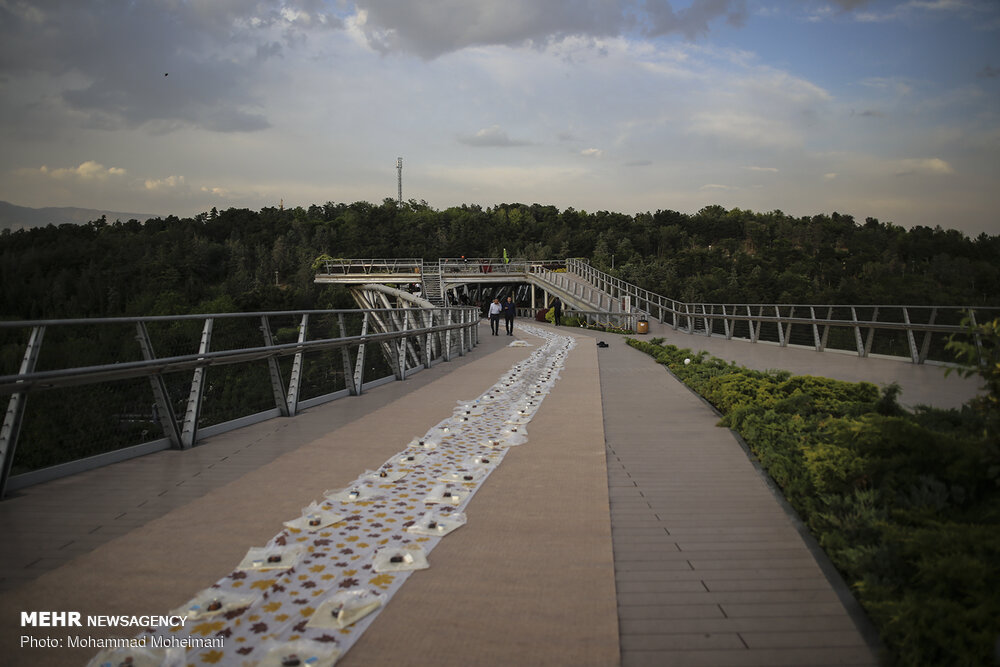
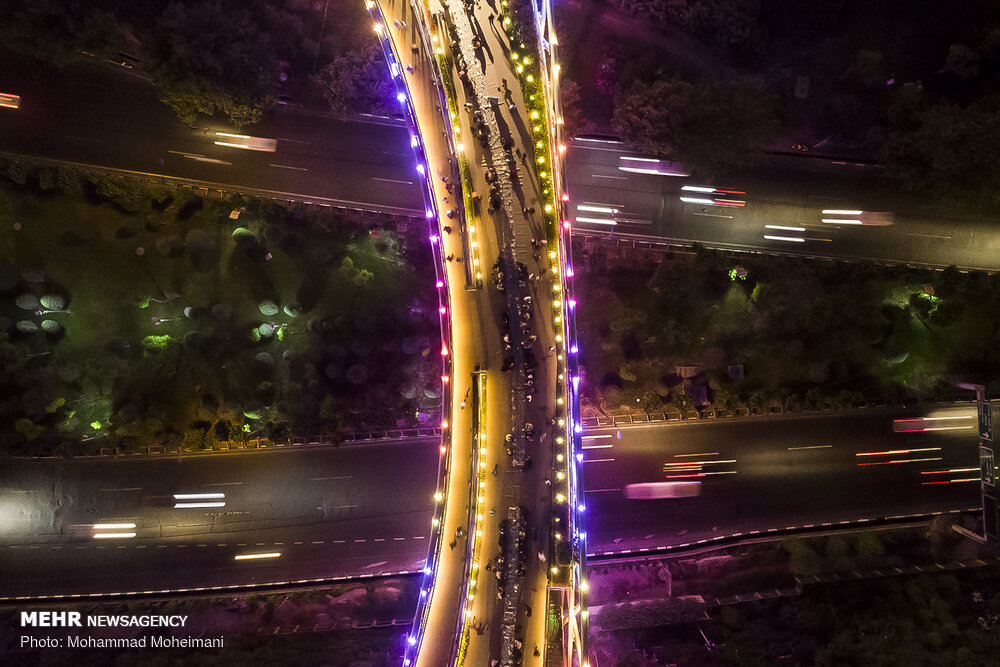
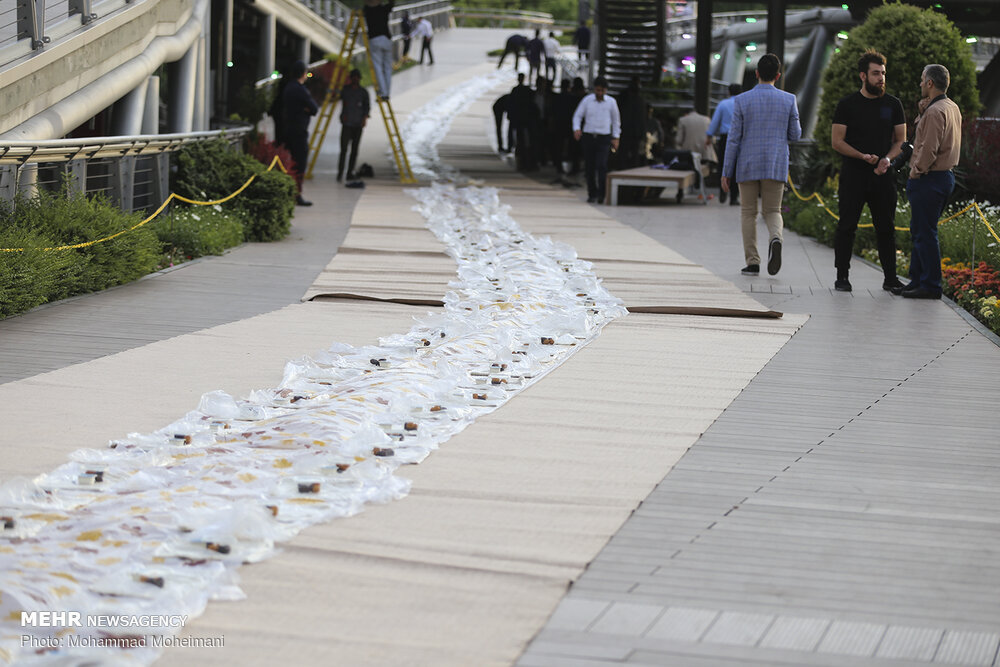
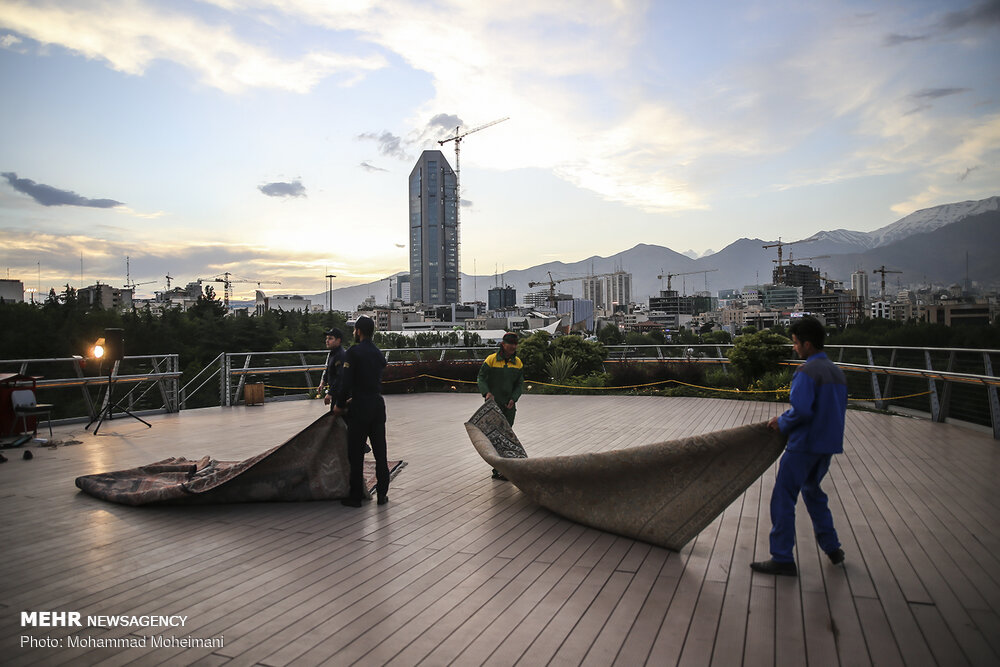
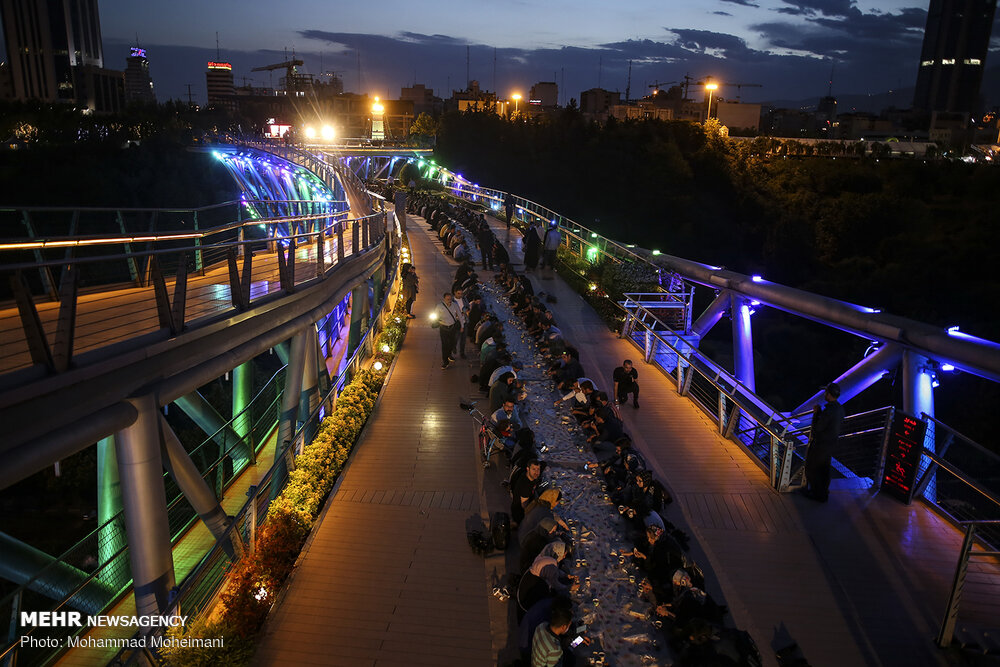
Public Iftar Ceremony in Tehran Tabiat Bridge

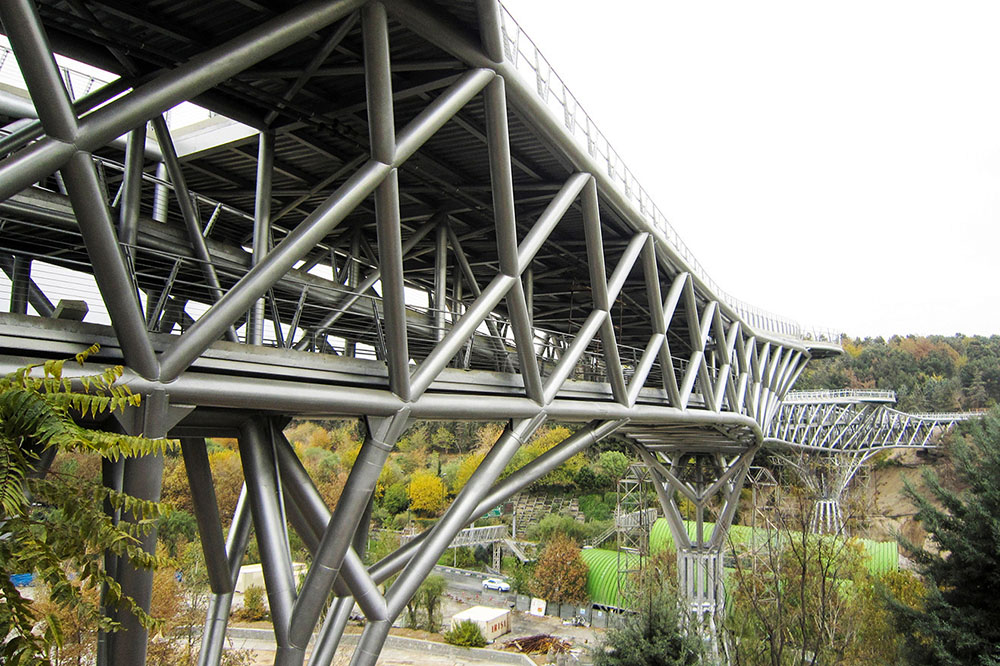
Tabiat Bridge is located in Abbas Abad, a cultural, tourist neighbourhood of Tehran where many Iranian tourists and citizens pass through on a daily basis.

Public Iftar Ceremony in Tehran Tabiat Bridge
Tehran’s Tabiat Bridge Receives Aga Khan Architecture Award

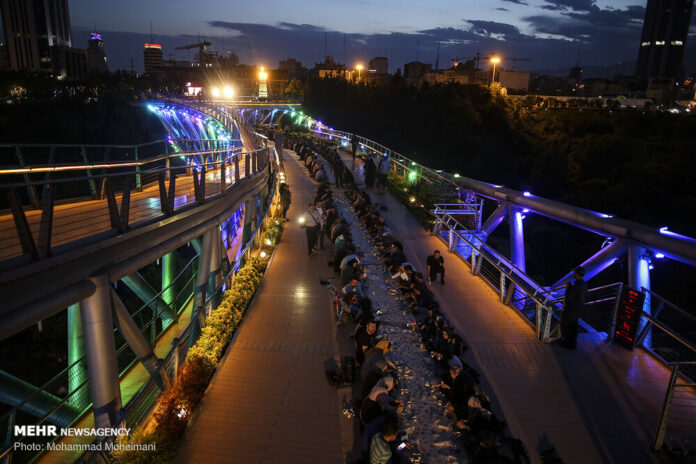
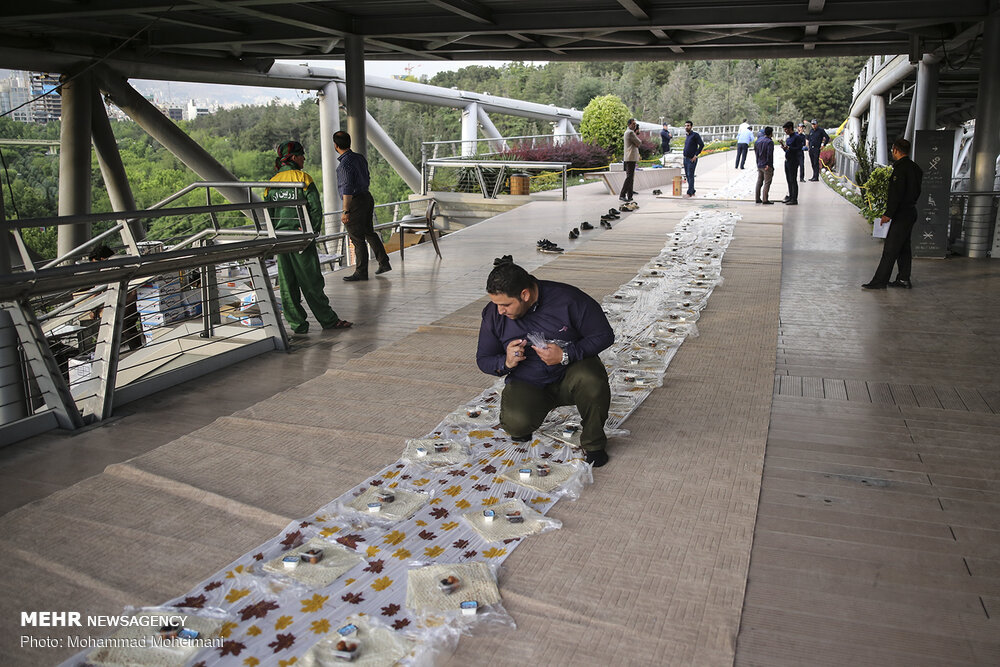
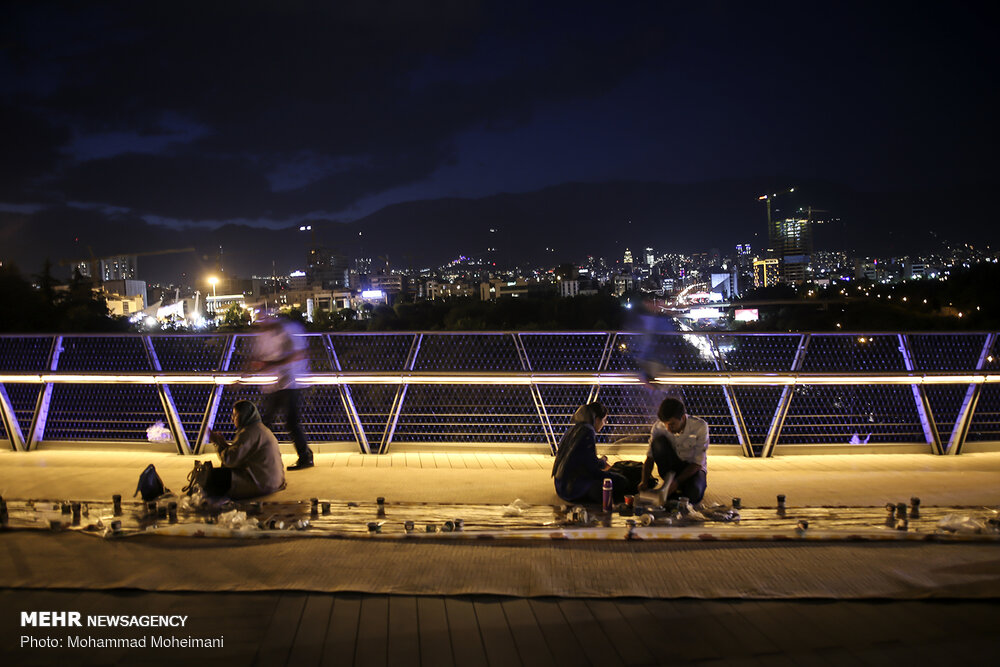
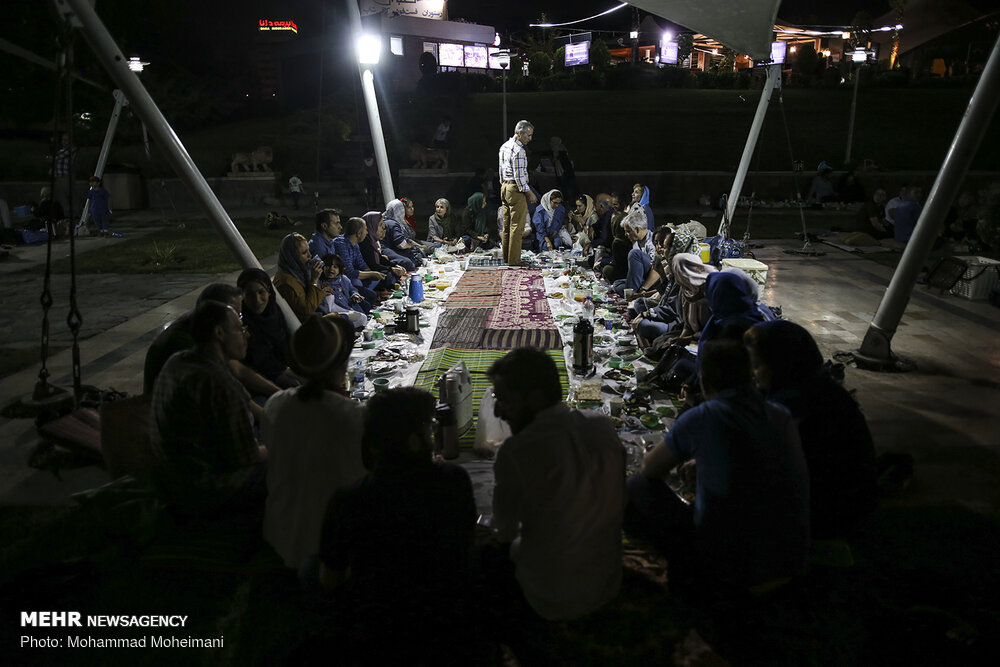
During the Islamic month of Ramadan, fasting Muslims could use the booths running in various parts of the bridge to break their fast in the evening.

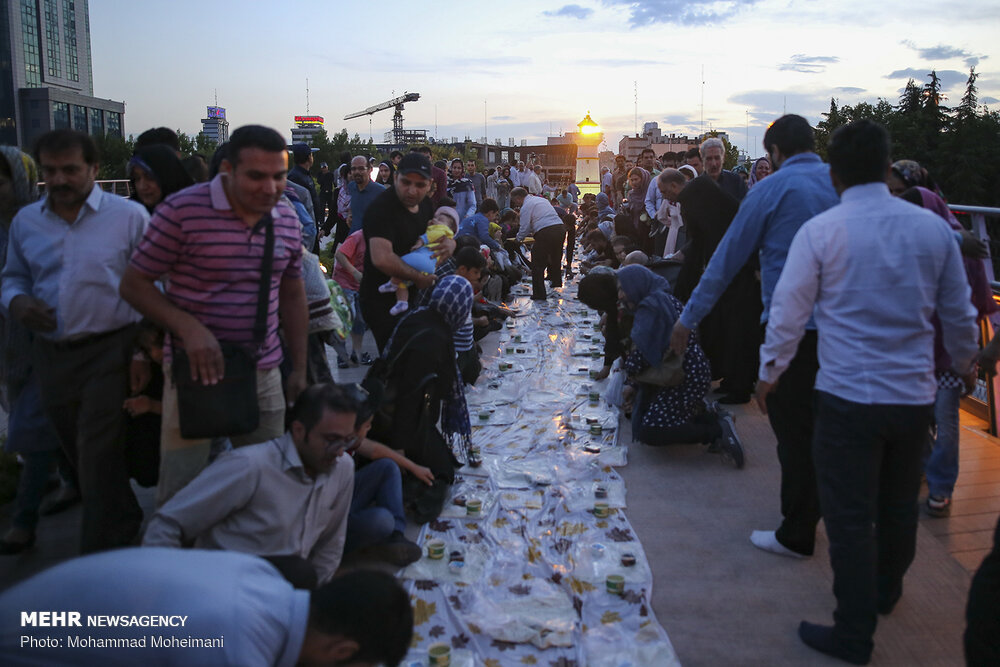
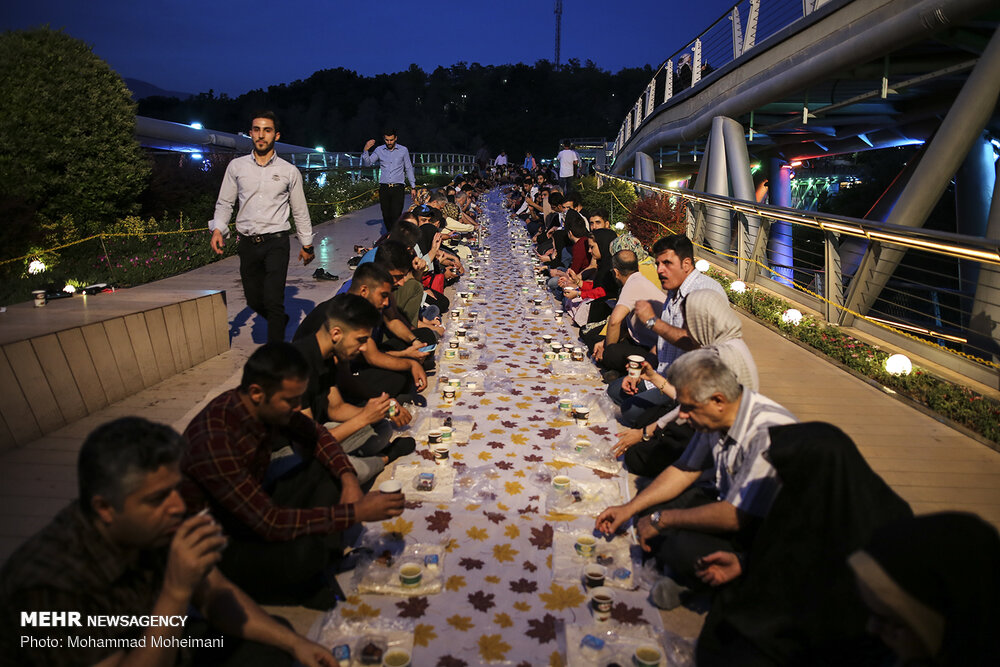
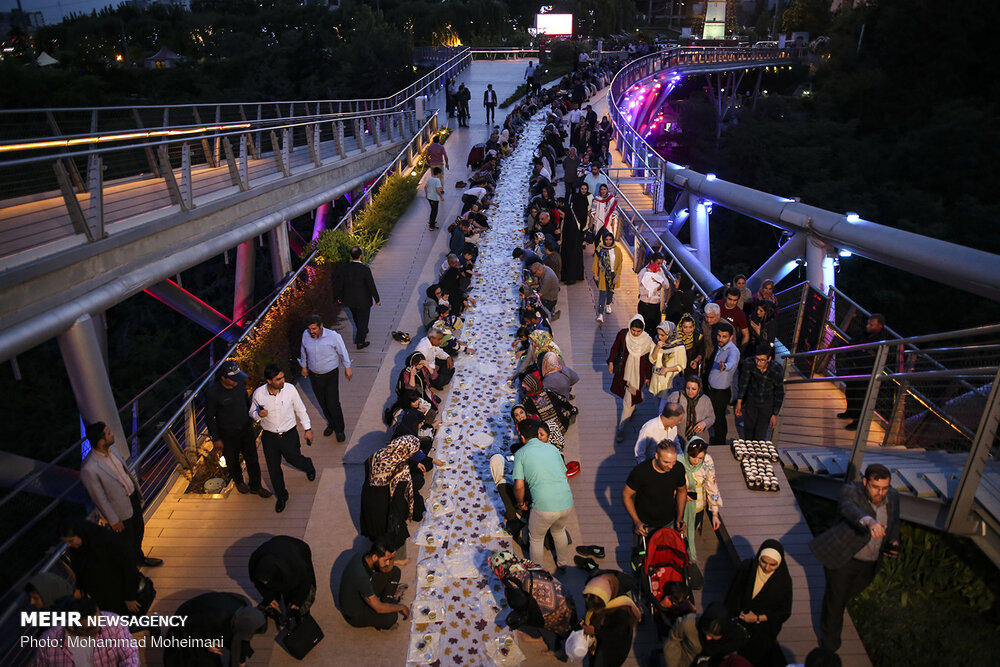
On the 15th day of Ramadan, the bridge hosted a huge public Iftar ceremony on the occasion of birthday of Imam Hassan Mojtaba, the second Shiite imam.


What follows are Mehr New Agency’s photos of this event:

Iran Exporting Nano Towels to Iraq, Azerbaijan, Georgia

In 2018, the anti-bacterial towels of the knowledge-based company have been exported to Georgia, Iraq, and Azerbaijan, while Russia and Turkmenistan are the company’s next export destinations.

According to Fars News Agency, since 2016, the company has begun exporting its nano-based products and is currently focusing on Commonwealth of Independent States.

The CIS is a union of some independent republics of the former Soviet Union, such as Russia, Belarus, Azerbaijan, Tajikistan and Kyrgyzstan, which is a very good market place for anti-bacterial towels.

In 2019, the company expanded its activities and entered into negotiations with countries such as Russia and Turkmenistan to export its products to these countries.

Turkey is also very powerful in the textile industry and is a rival for those active in textile industry, not only in the Middle East but also around the world.

Nevertheless, last year, the Iranian company’s anti-bacterial towels were used in several hotels in Turkey. Although the value of exports was $30,000, it was a big step because the company could export nano towels to the largest textile manufacturer and exporter in the region.

The price of these towels is 20 to 35 percent more than ordinary towels, but their durability is higher and requires less washing. Therefore, it is more cost-effective to use them in the long run. In addition, nano-antibacterial towels do not smell bad and are environment-friendly because of the need for less detergents.

So, in general, the use of these towels is good for hotels and hospitals. They can satisfy customers more and help to improve safety and health of consumers.

Iran Implementing Plan to Promote Refugees’ Health

Iran Implementing Plan to Promote Refugees’ Health

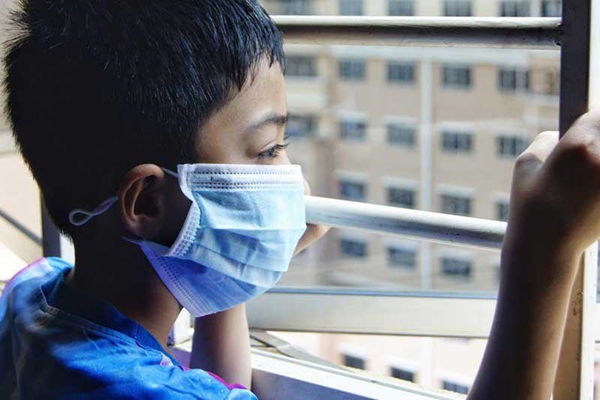
An official with the Health Ministry has told Mehr News Agency that this project, which is going to be carried out to contain tuberculosis, is in line with the Islamic Republic of Iran’s commitments in the health domain.

Mohammad Mahdi Gouya also noted that this project is part of the implementation of a trilateral cooperation with Pakistan and Afghanistan.

“The health ministries of these countries and regional offices of the United Nations, as well as the World Health Organisation and the International Monetary Fund would financially and technically support this initiative to combat tuberculosis, AIDS and Malaria in a three-year process.”

“In the first year, it will be restricted to diagnosis of tuberculosis among foreign nationals and immigrants residing in Khorasan Razavi, Kerman and Yazd provinces and then the treatment of the patients will be started. But in the years to come, with the attraction of domestic and international donations, more and more provinces will be covered (including Sistan and Baluchestan, Qom and Tehran),” underlined Gouya.

He also said that the treatment of patients, who return to their country during the course of treatment, will be followed up and persisted. Therefore, the treatment of this group of patients would not be stopped. If these patients’ treatment course would be stopped, the treatment may fail and it may result in drug resistance and even death.

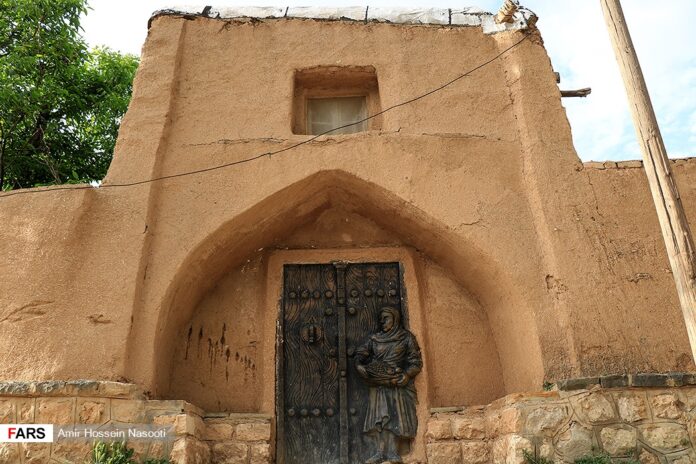
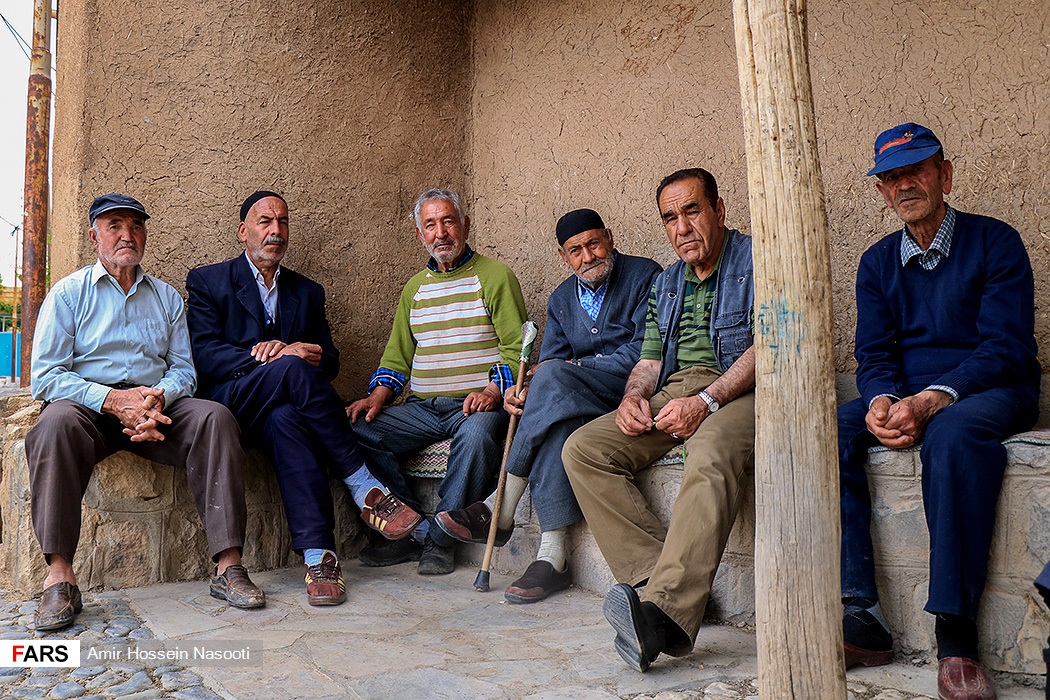
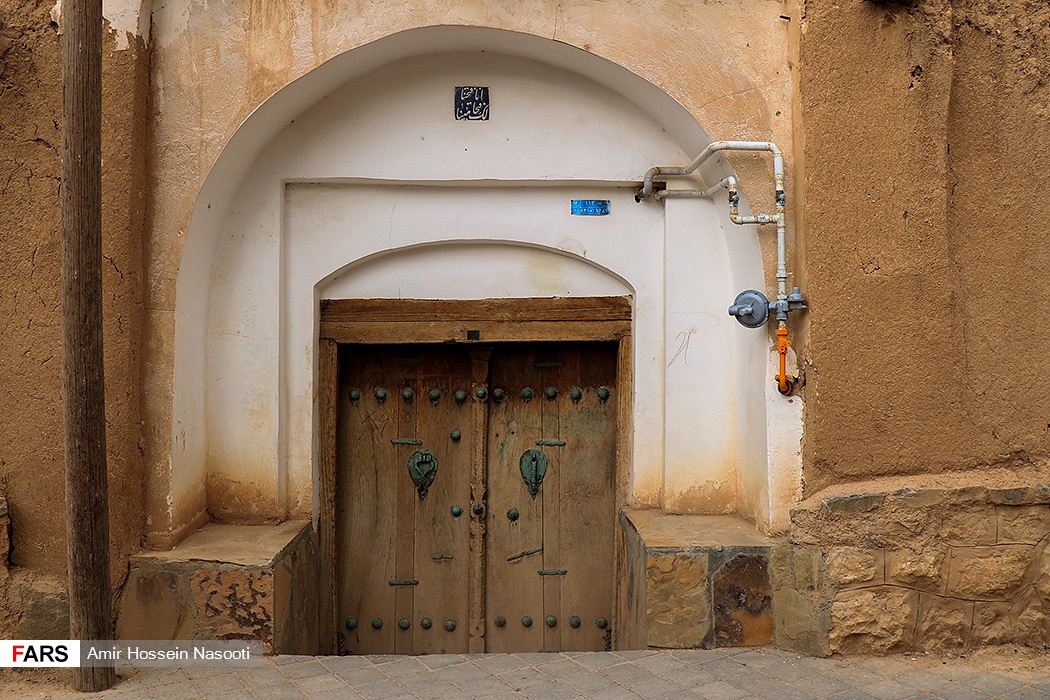
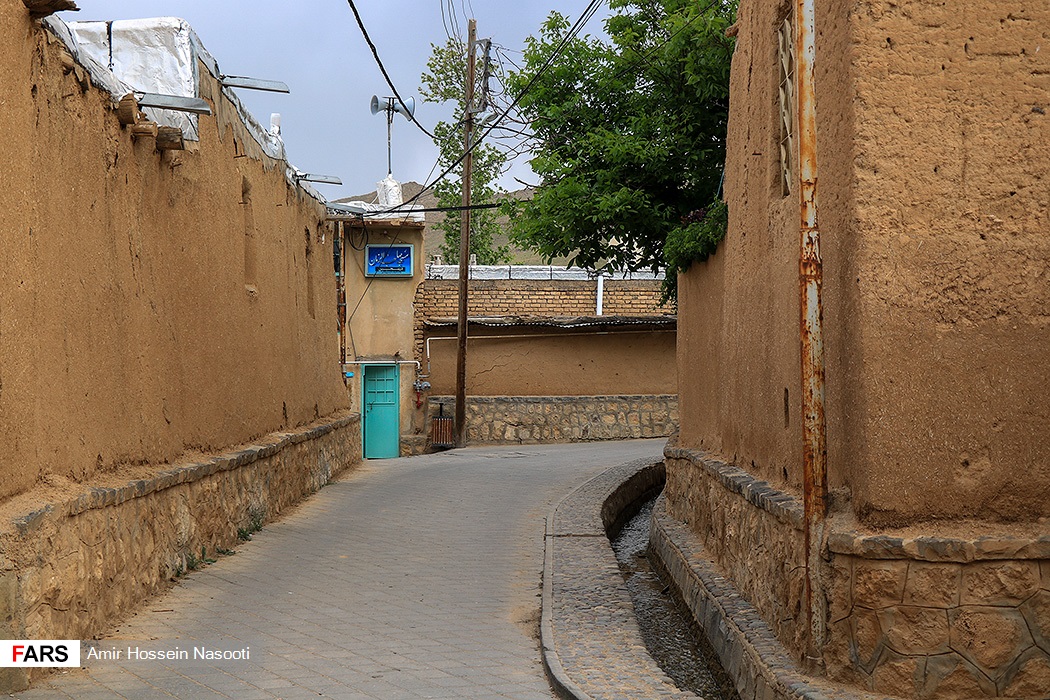
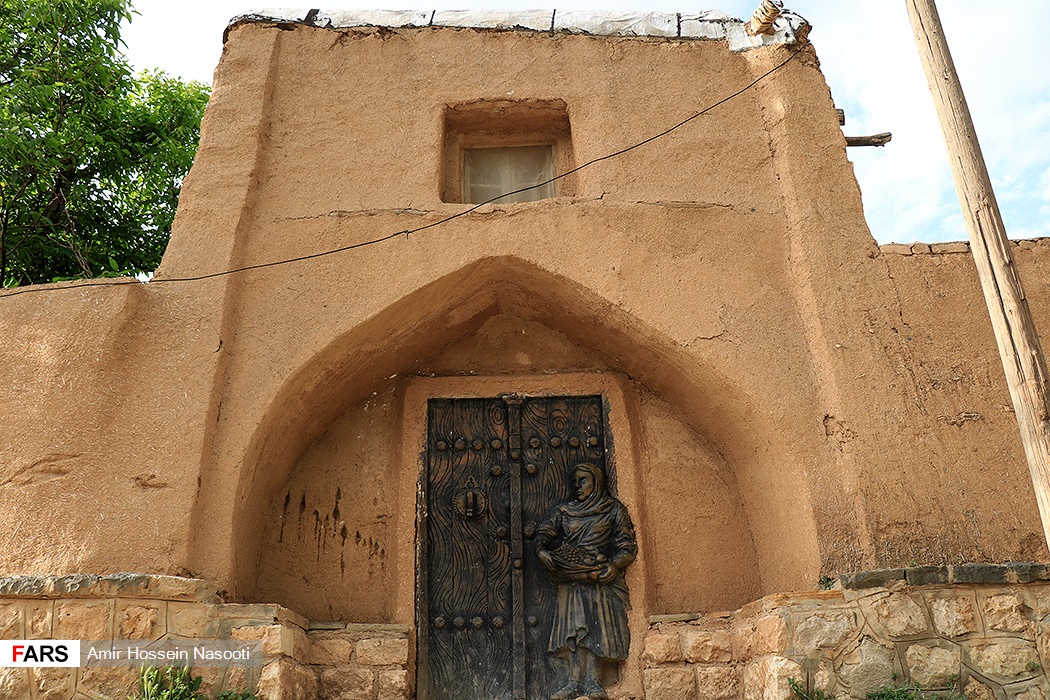
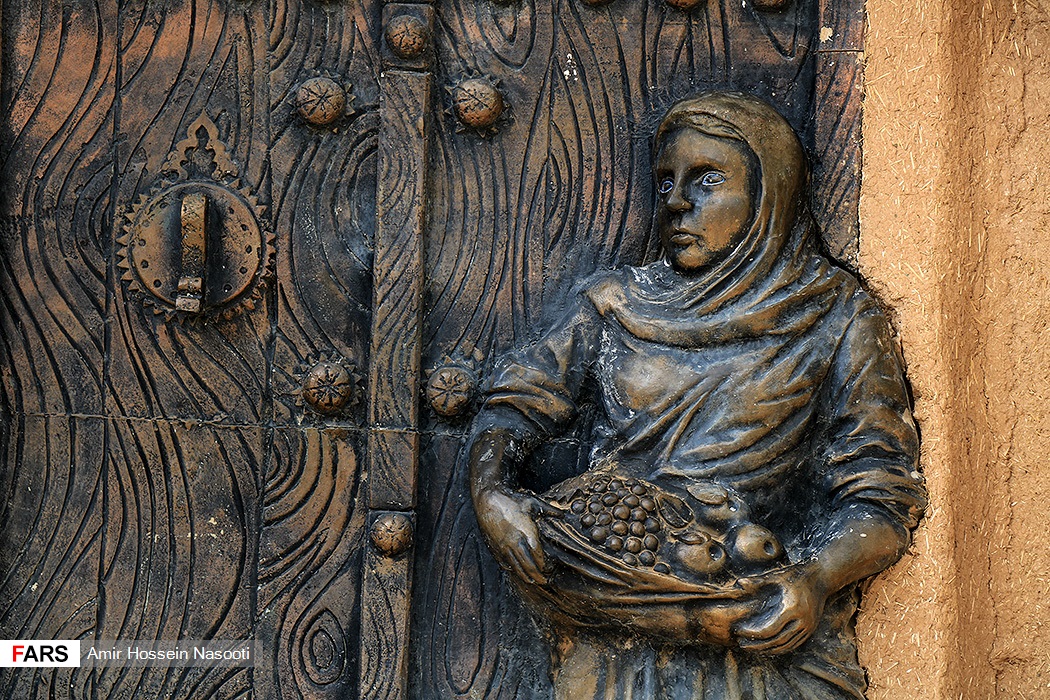
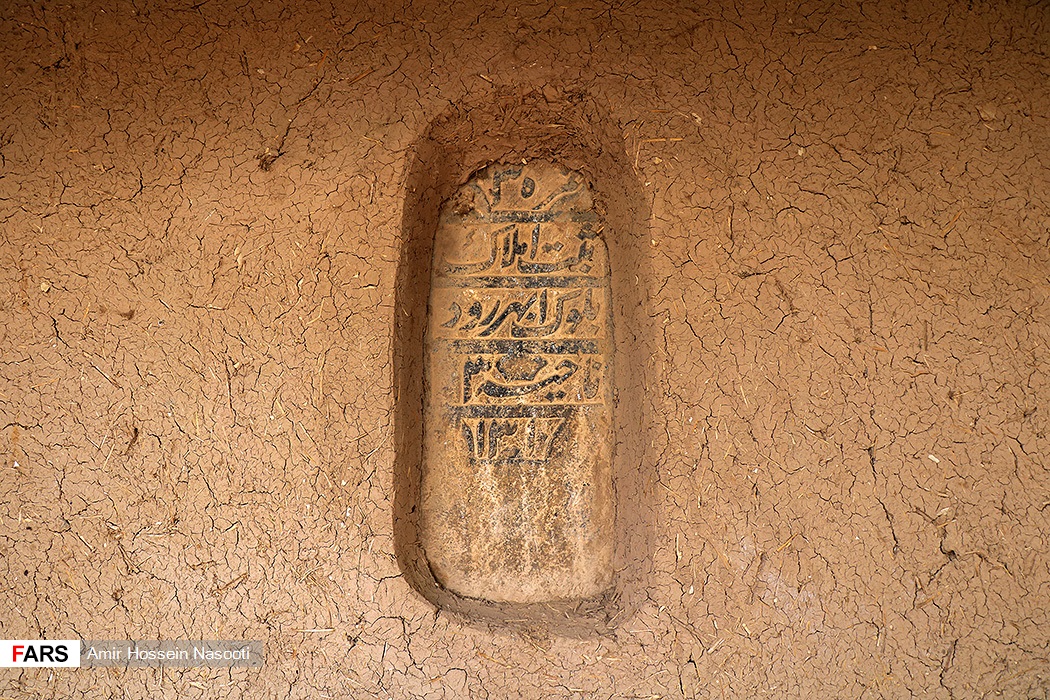
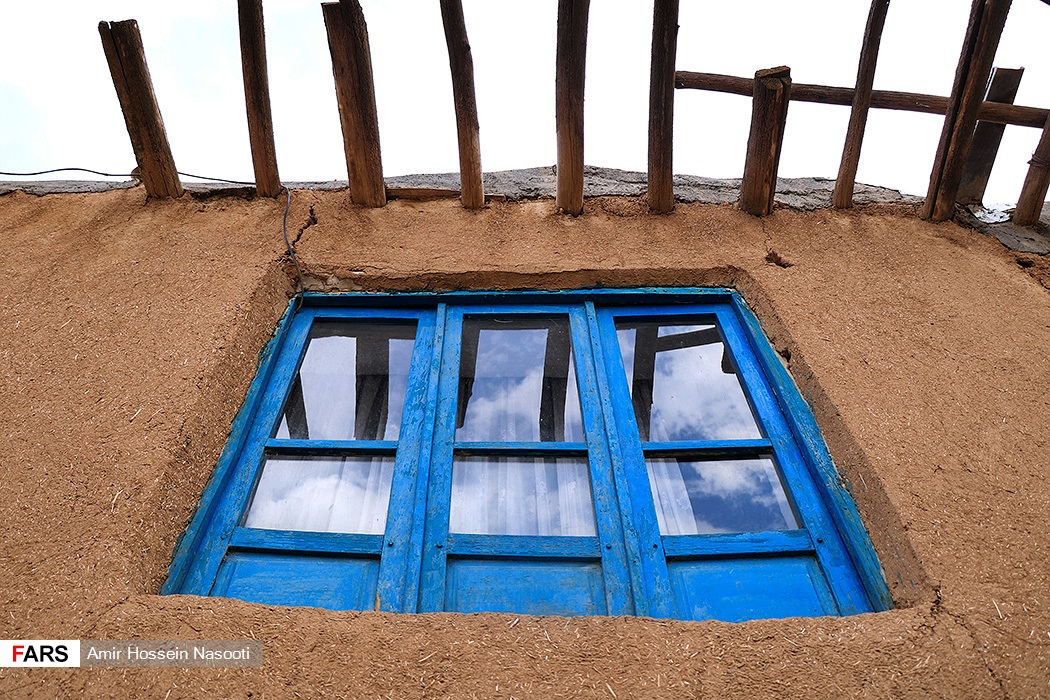
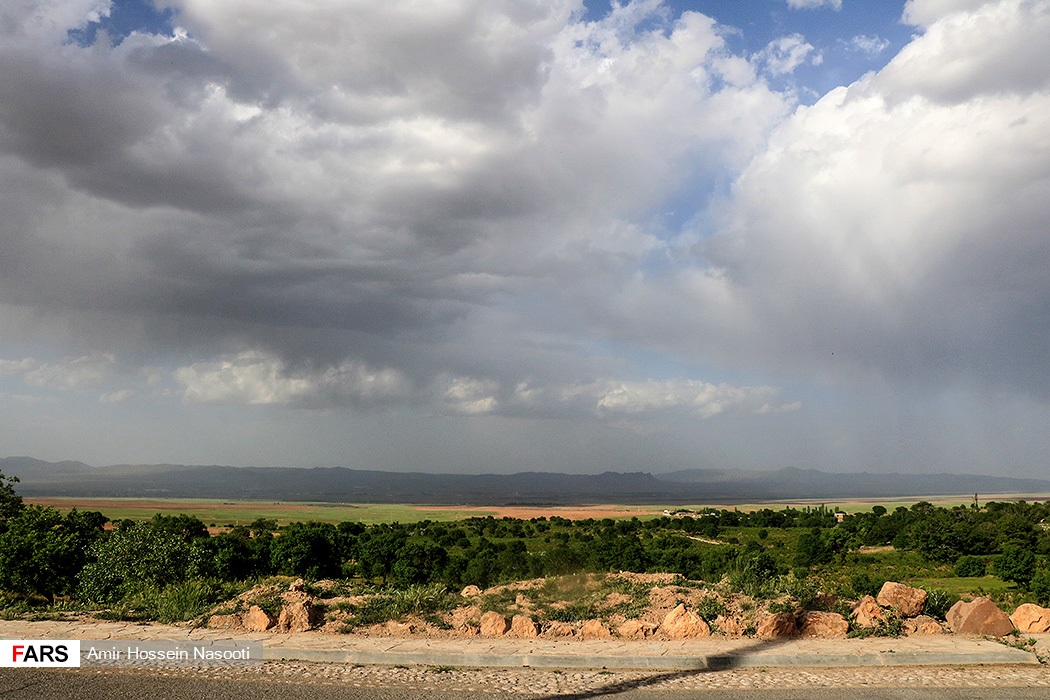
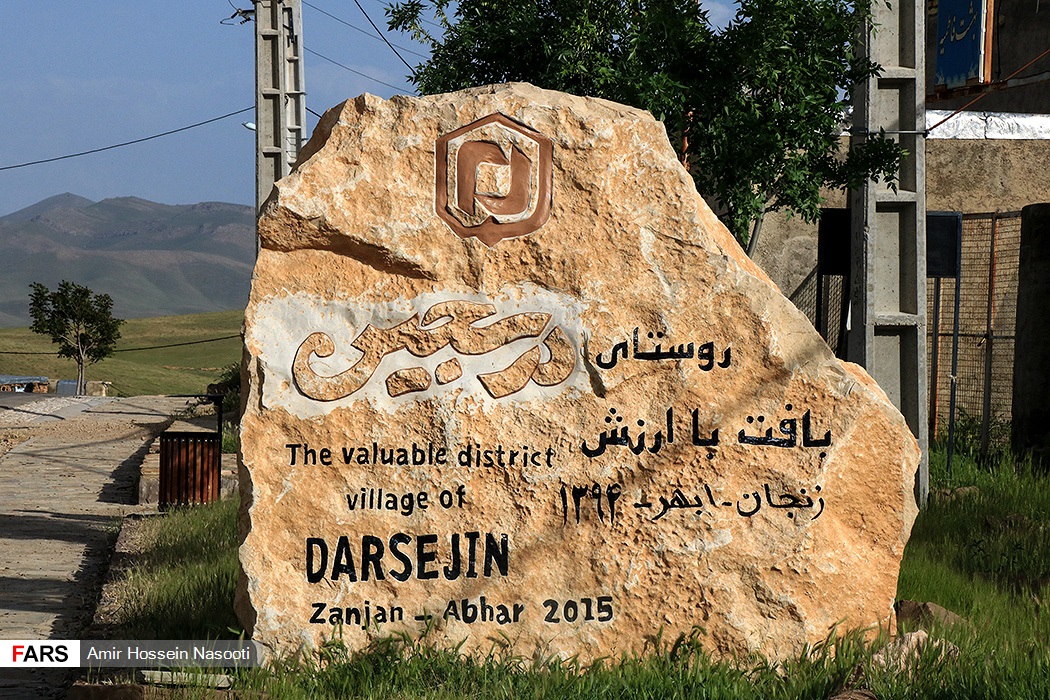
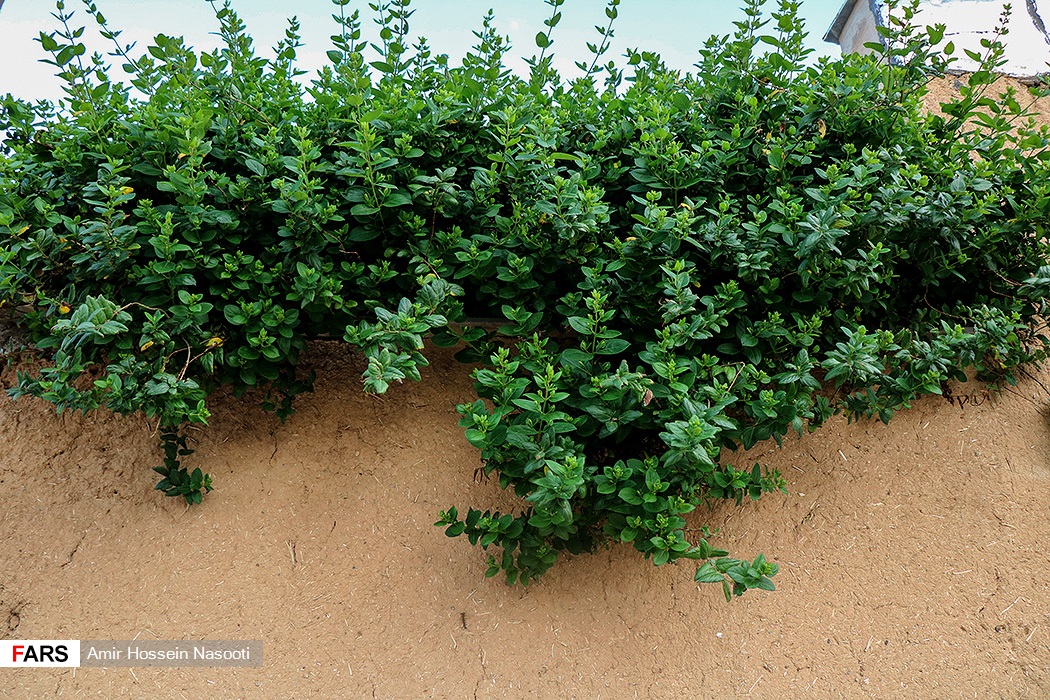
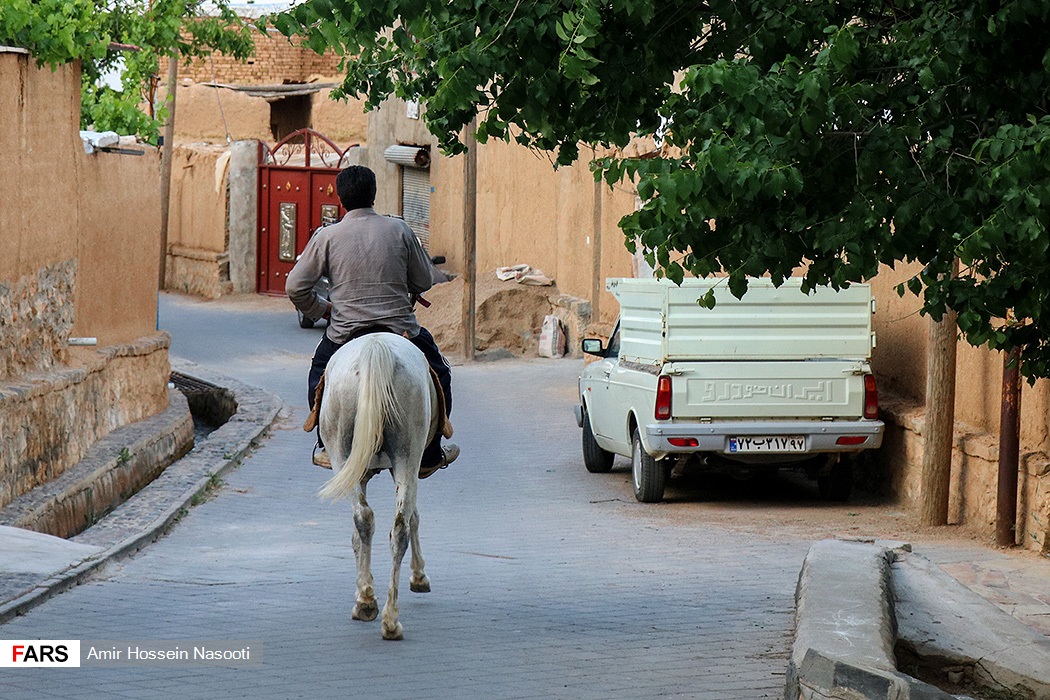
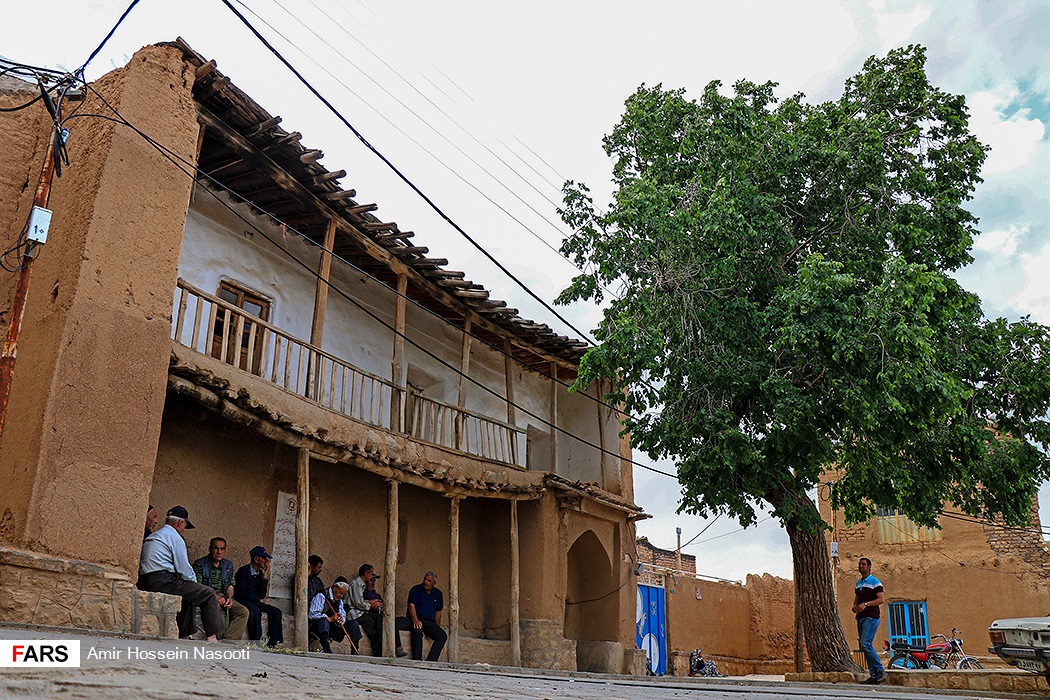
Iran’s Beauties in Photos: Darsajin Historical Village

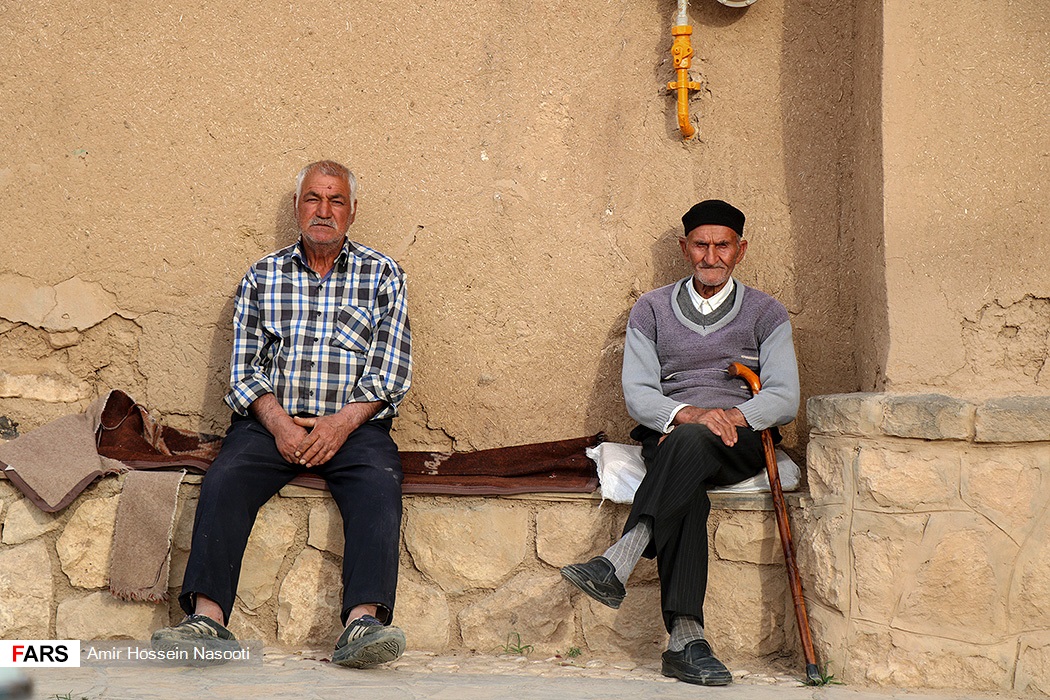
Travellers to the region are provided with amenities and summerhouses. An interesting characteristic of Darsajin villagers is their special Bakhtiari dialect in a region dominated by Azeri speakers.

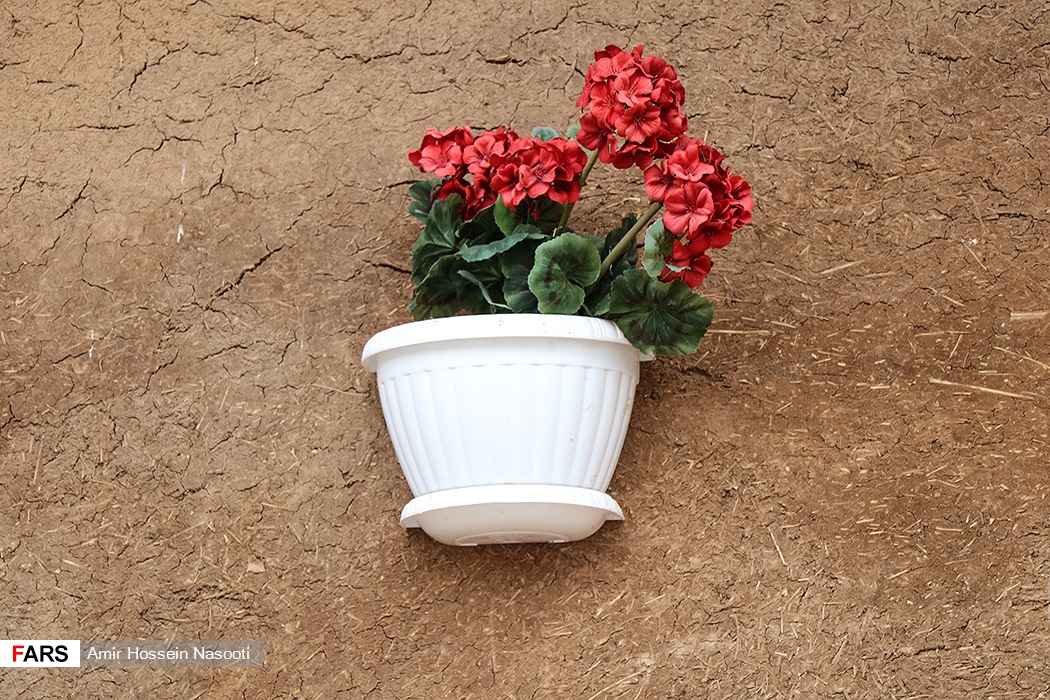
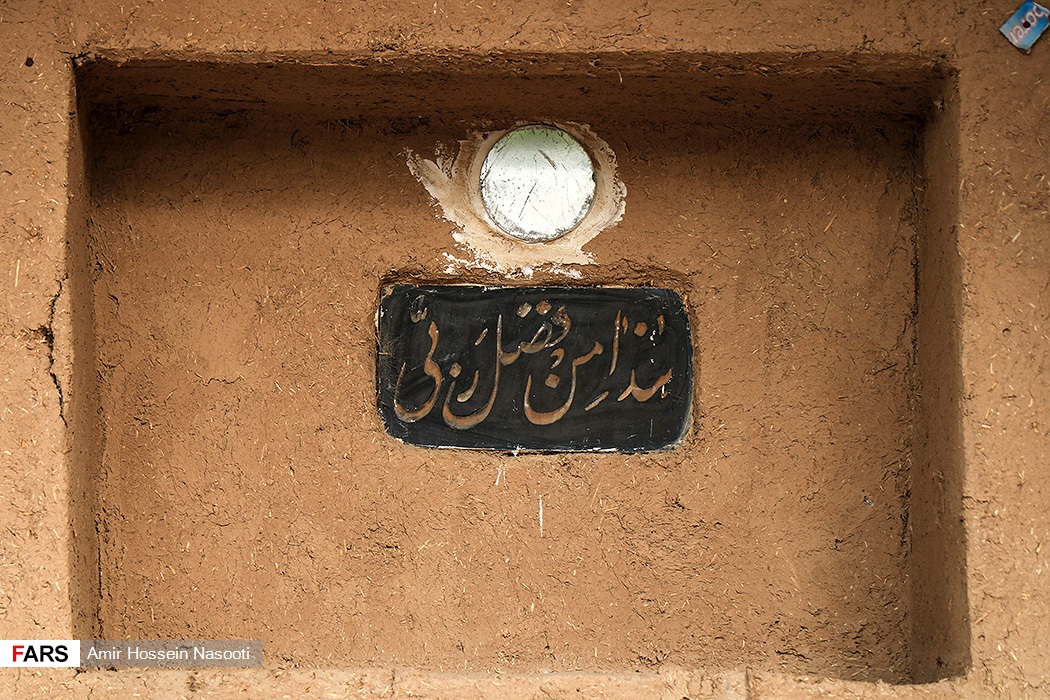
Here you see Fars News Agency’s photos of Darsajin:

‘Saudi Arabia Nervous amid Fast-Paced Developments’

‘Saudi Arabia Nervous amid Fast-Paced Developments’

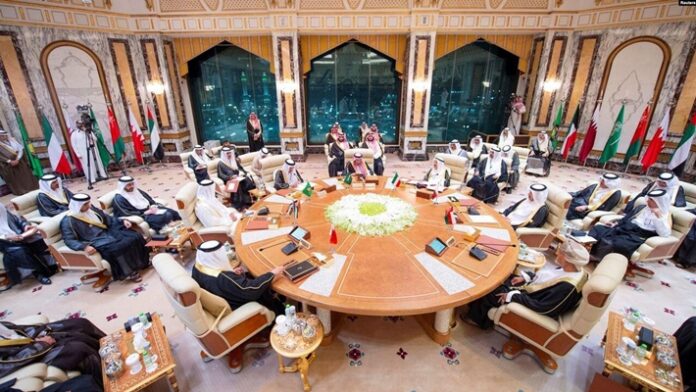
The Saudis, who seem a little anxious amid the recent fast-moving developments, hosted three regional meetings last Thursday and Friday: The Organization of Islamic Cooperation (OIC), the [Persian] Gulf Cooperation Council (GCC) and the Arab League. But that anxiety has been coupled with some questions, including “Why has there been so much haste and back-to-back meetings?” and, “Were those meetings successful, after all?”

Coincidence of Meetings with Developments

The holding of the meetings in Mecca none of which produced full consensus comes as developments are unfolding at a fast pace in the region.

One of the key ongoing developments is the political tension between Iran and the United States, which has worried most of the regional countries as well. These countries fear that the US may be pushed by some rich regional sheikhs into a war with Iran whose dimensions and consequences are not predictable.

The meetings were held on the threshold of International Quds Day. Some experts believe they were aimed at overshadowing the millions-strong worldwide rallies on that day.

At the same time, the meetings are not completely unrelated to the so-called “Deal of the Century” initiative proposed by US President Donald Trump to destroy Palestine completely. The plan initiated by Trump’s son-in-law Jared Kushner in cooperation with Zionists takes on board regional Arab states, especially Saudi Arabia, Bahrain and the United Arab Emirates (UAE).

In keeping with the Deal of the Century, these meetings are associated with an upcoming meeting in Bahrain which is going to discuss the financial dimensions of the Deal of the Century and which has already been boycotted by Palestinian groups and some other countries.

Outcome of Meetings

The Arab League meeting was one of three held in Mecca last Thursday amid profound differences which they tried to keep under wraps. The Iraqi delegation led by President Barham Salih expressed strong opposition to the final statement of the meeting, something that Saudi authorities might have never imagined.

Statements released by the GCC, OIC, and Arab League sparked reaction from many parties, authorities and prominent political groups in the region from West Asia all the way to the African Middle East. Secretary General of the Lebanese Resistance Movement Seyyed Hassan Nasrallah were among those who said Saudi Arabia needs the West, the US and their intelligence services for survival. He also said some Arab regimes have been plotting against the Islamic Republic of Iran since the victory of the 1979 Islamic Revolution in the country.

Mohamed Abdel Salam, the head of the Yemeni delegation and spokesperson for Ansarullah, also weighed in on the meetings held in Mecca. He said the participants swayed by Saudi Arabia issued a unilateral statement which made no mention of Palestine, the most pressing issue of the Muslim world.

The meetings and the statements released in them did not receive a positive feedback in the occupied Palestinian territories which hosted mass anti-Israeli rallies on International Quds Day last Friday.

A pivotal issue associated with the meetings was the differences among participants, especially with Riyadh. One of the videos which went viral on social media shows the Qatari prime minister snubbing the Saudi King. Unlike other participants, Sheikh Abdullah bin Nasser bin Khalifa al-Thani did not go to King Salman to shake hands with him.

Kuwaiti Emir Tamim bin Hamad al-Thani refused to take part in the meetings and, instead, sent Prime Minister Abdullah bin Nasser bin Khalifa Al Thani. Riyadh-Doha relations have been strained since June 5, 2017 following the blockade of Qatar by the Saudis and other GCC members. Maghreb’s king, who has not been in good terms with Riyadh since the murder of Jamal Khashoggi, did not attend the meetings, either, and sent over the country’s prime minister instead.

The Saudis also tried to tried to draw the attention of participants to Iran by taking a swipe and Tehran and bringing up issues such as the suspicious attacks at oil tankers in the UAE.

Naturally, the centrepiece of the talks was the Zionist regime of Israel which is slowly advancing its anti-Islamic objectives amid the recent fuss that the Americans have kicked up in the region against Iran.

Meanwhile, the Al Mayadeen news network criticized Saudi Arabia for holding the three meetings in Mecca. It said Riyadh aimed to garner support by holding the meetings, but to no avail as the deep divisions between the Saudis and their closest allies show the Saudi rule is facing a brick wall. According to the network, Riyadh also accused Iran of working hand in hand with the Yemeni army to target Mecca. They displayed parts of drones that they claimed belonged to Iran and called for all resources to be mobilized against Iran.

According to Al Mayadeen, Riyadh’s attempts to get other Arab countries on board with Saudi Arabia in order to counter Iran failed. Only Sudan’s military ruler General Abdel Fattah Al-Burhan announced he would welcome all actions taken by Persian Gulf countries to ensure their security. However, other Arab, Persian Gulf and Islamic states did not support the option of war against Iran and echoed the Kuwai Emir’s call for talks in order to defuse the war propaganda.

It can be said that the three meetings in Mecca show Saudi Arabia only has the UAE, Sudan’s Military Council, Israel and US hawks by its side. Saudi Arabia’s isolation will become more evident only when US President Donald Trump, fearing the repercussions of a destructive war, retreats from his attempts to fuel tensions with Iran and begins to call on France, Saudi Arabia and the UAE to end the war on Yemen.


* Article by Mohammad-Ali Heidar-Haee – IRNA

Iran’s Power Forced Enemies to Drop Bid for War: Rouhani

US Push to Use Mechanisms in Iran Nuclear Deal Ludicrous: Rouhani

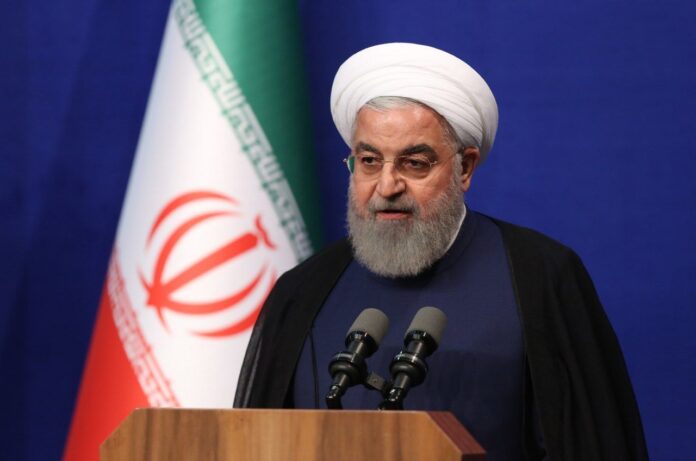
In an address to a group of national athletes on Saturday, Rouhani said the enemies which used to threaten Iran with annihilation a few months ago are now explicitly admitting that they are not after war with Iran.

“Until a few months ago, the Persian Gulf was the scene of enemies’ vessels parade but today, there is no trace of them in the region and they have docked about 300 to 400 miles off the Persian Gulf in the international waters,” he said.

Rouhani underlined that Iran is ready to sit for talks but only with those sides who respect their partner and not those who issue the “order” of negotiation.

The Iranian president then said the enemies began to impose their new sanctions on Iran last year to exert “maximum pressure” on the country with the pipe dream of forcing the Iranians to give in.

“But the Iranians have managed to resist the enemies’ pressures despite their harsh conditions,” he said.

He also noted that Iran has shown throughout the last decades that it never gives in to the aggressive and greedy powers.

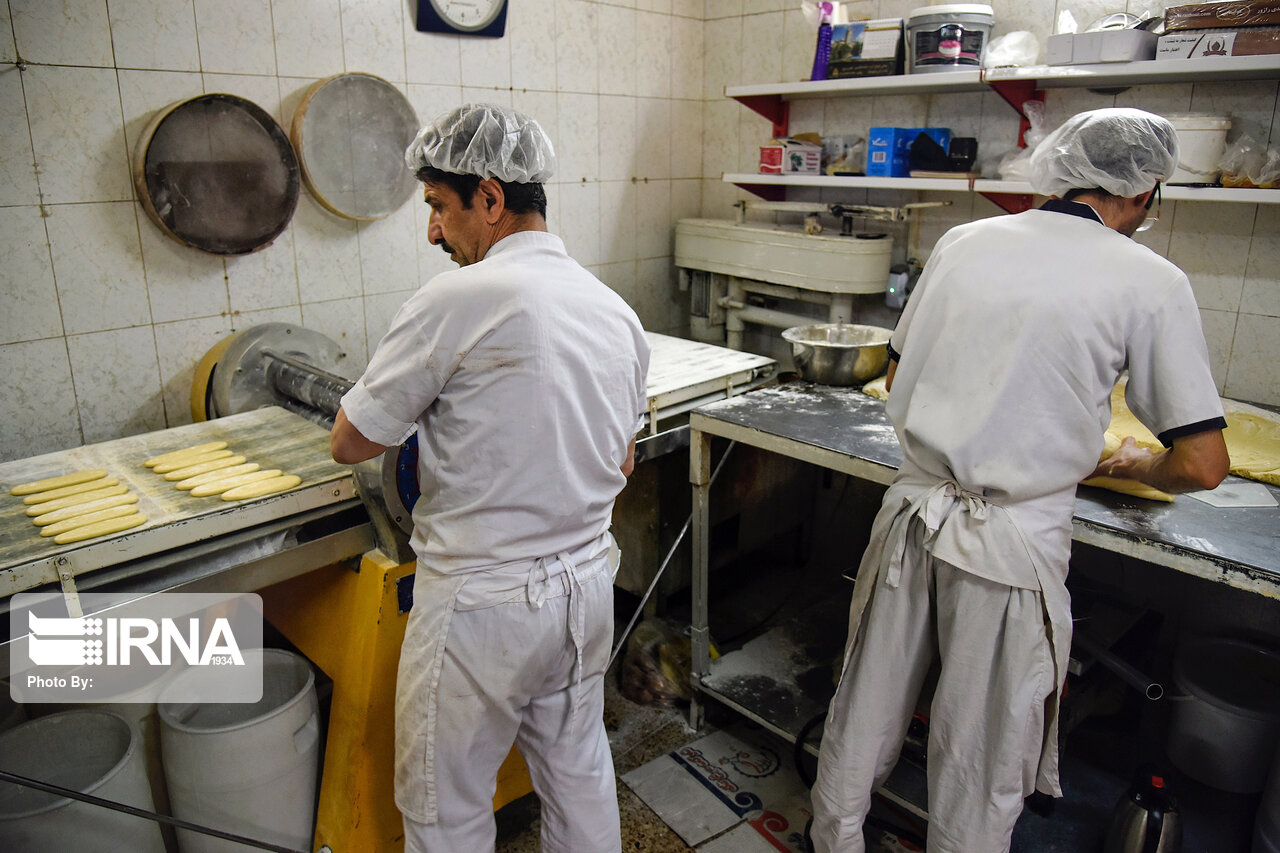
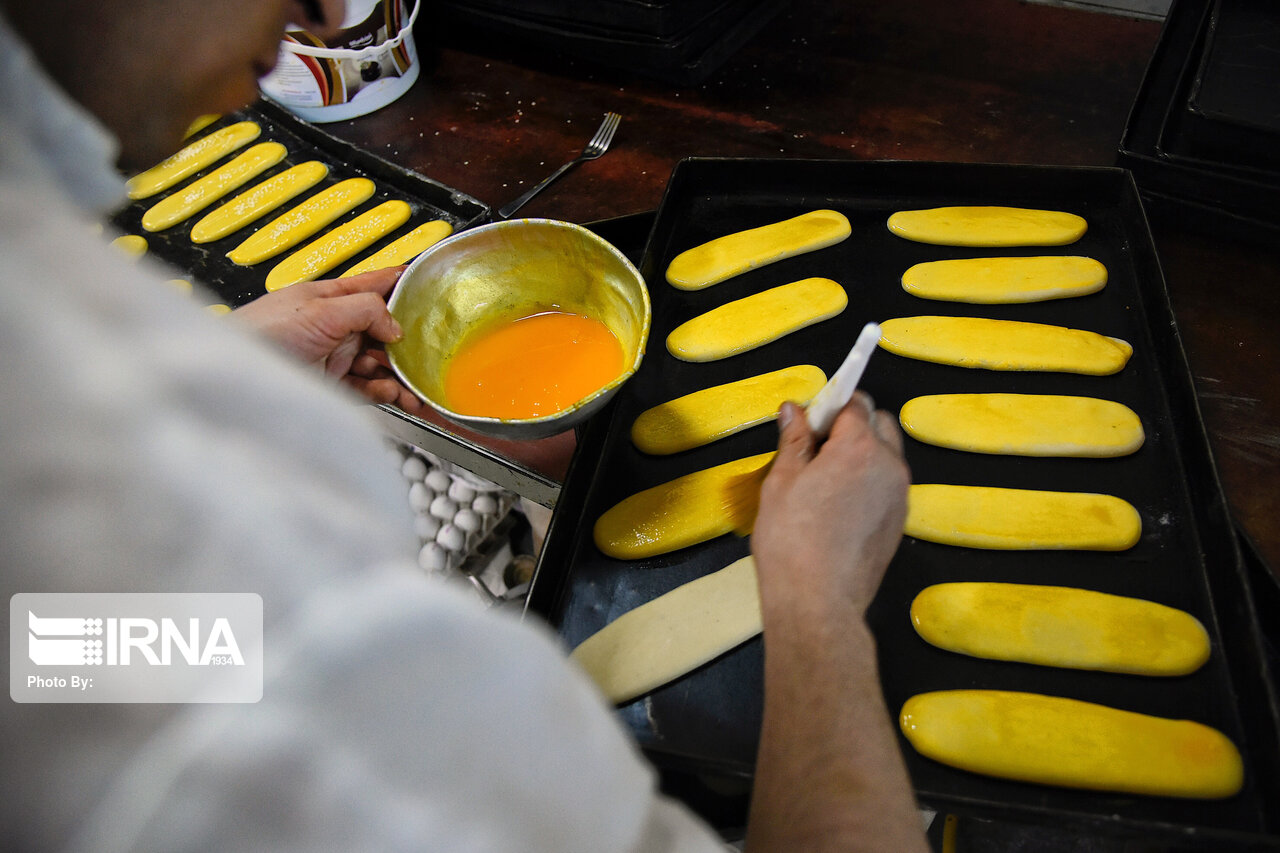
Chai-Churak: Special Bread Zanjanis Bake in Ramadan

Chai-Churak: Special Bread Zanjanis Bake in Ramadan

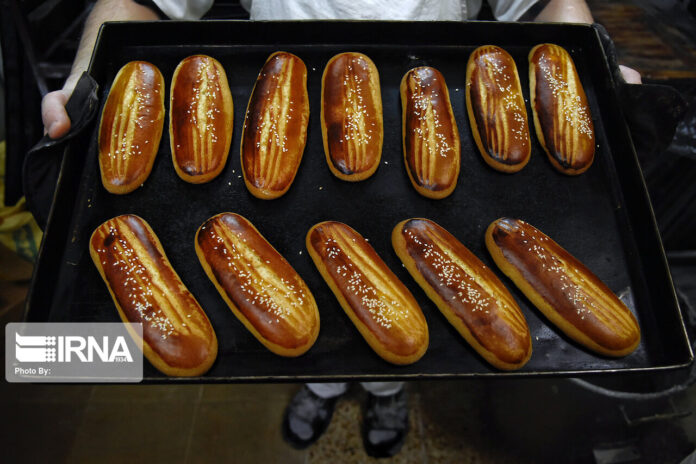
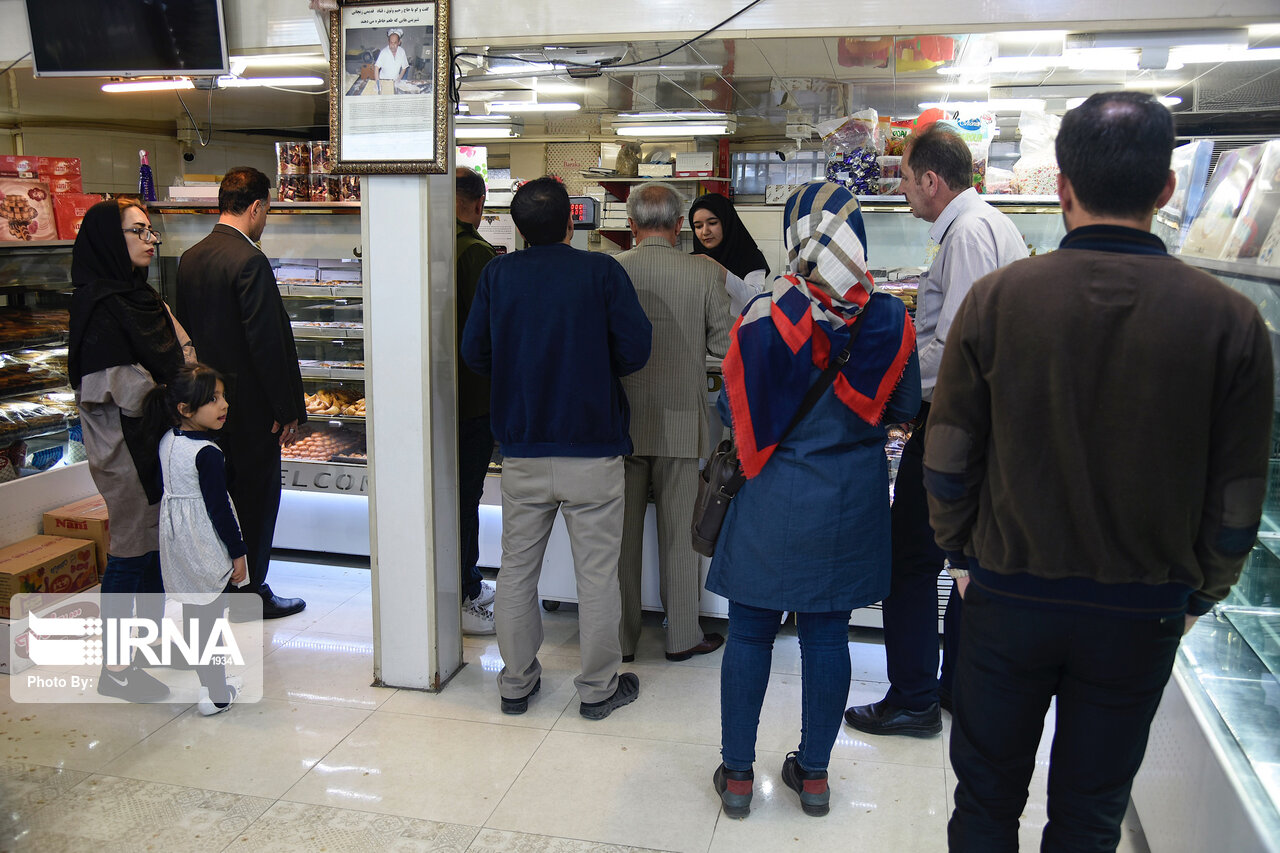
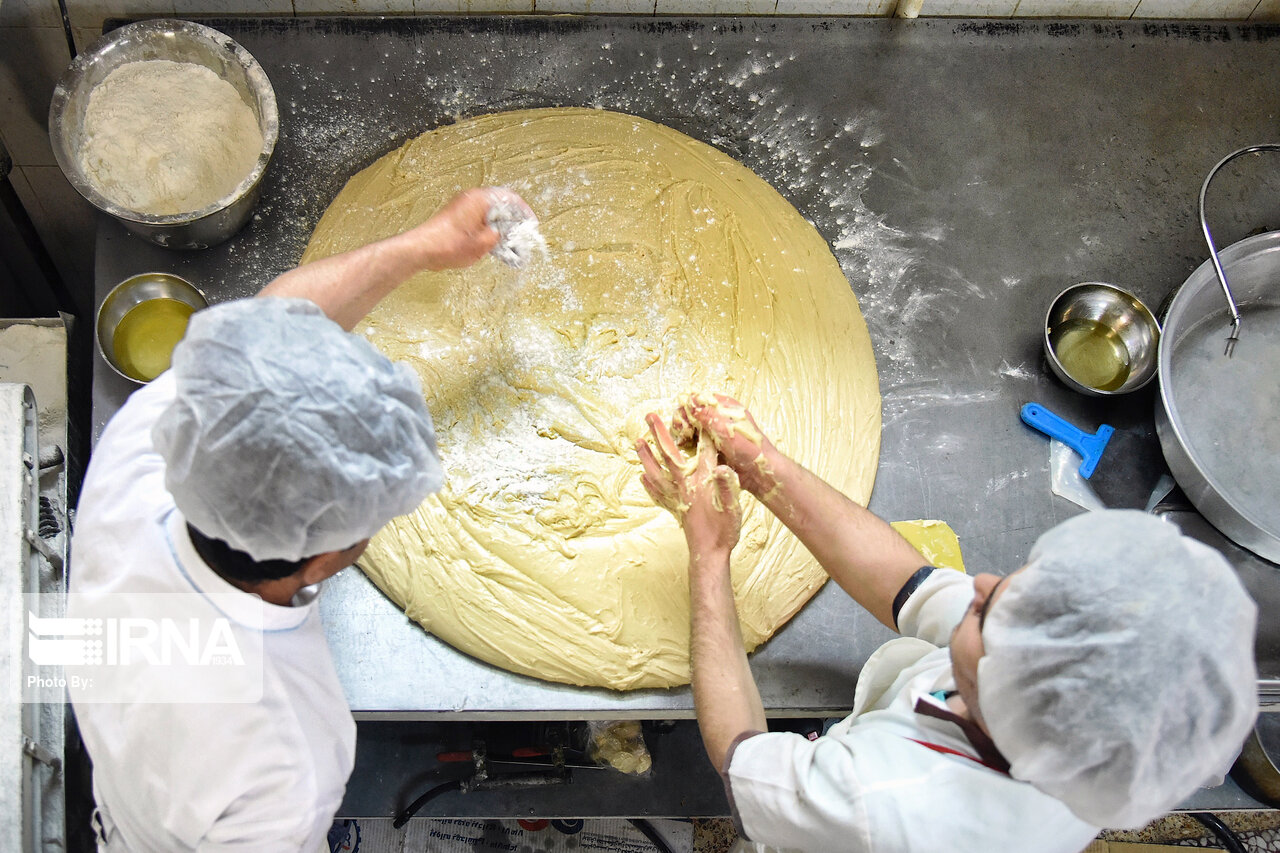
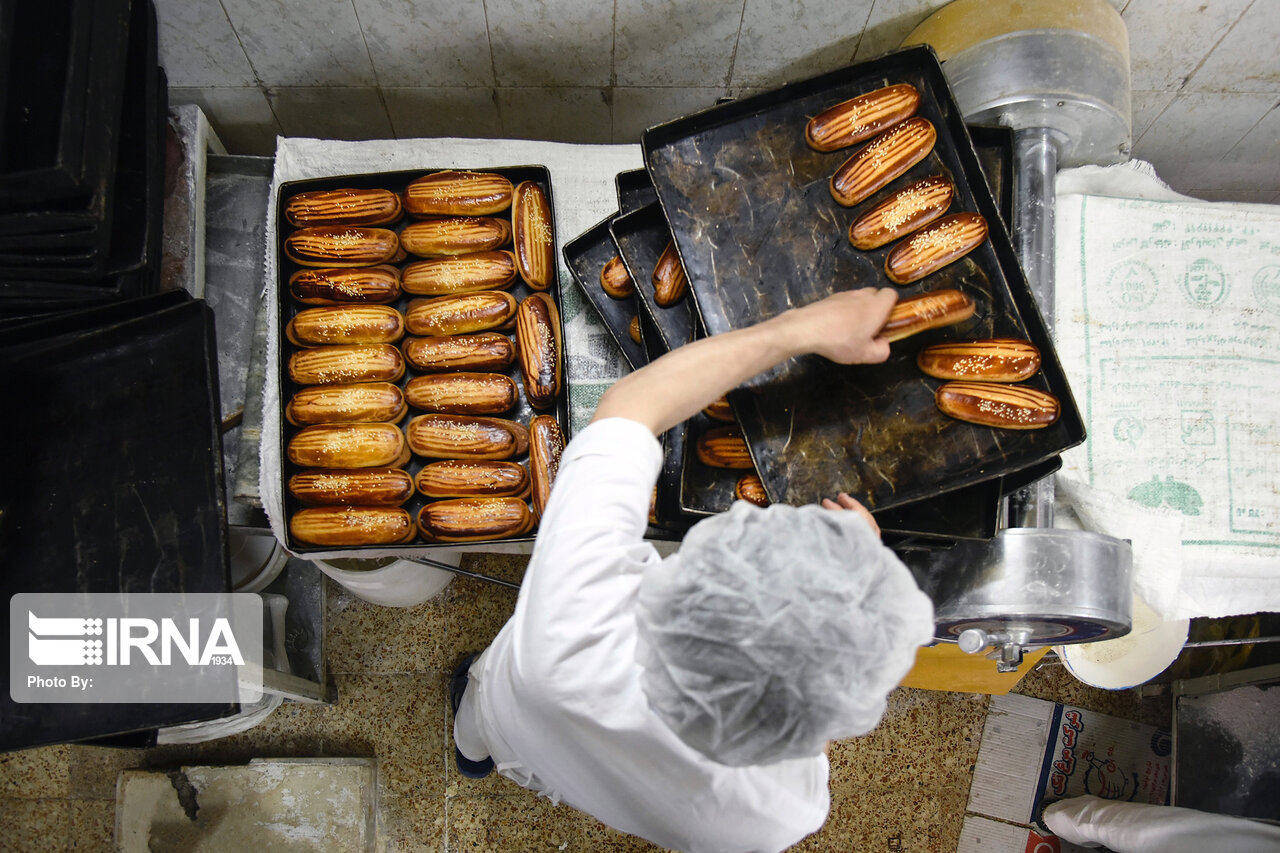
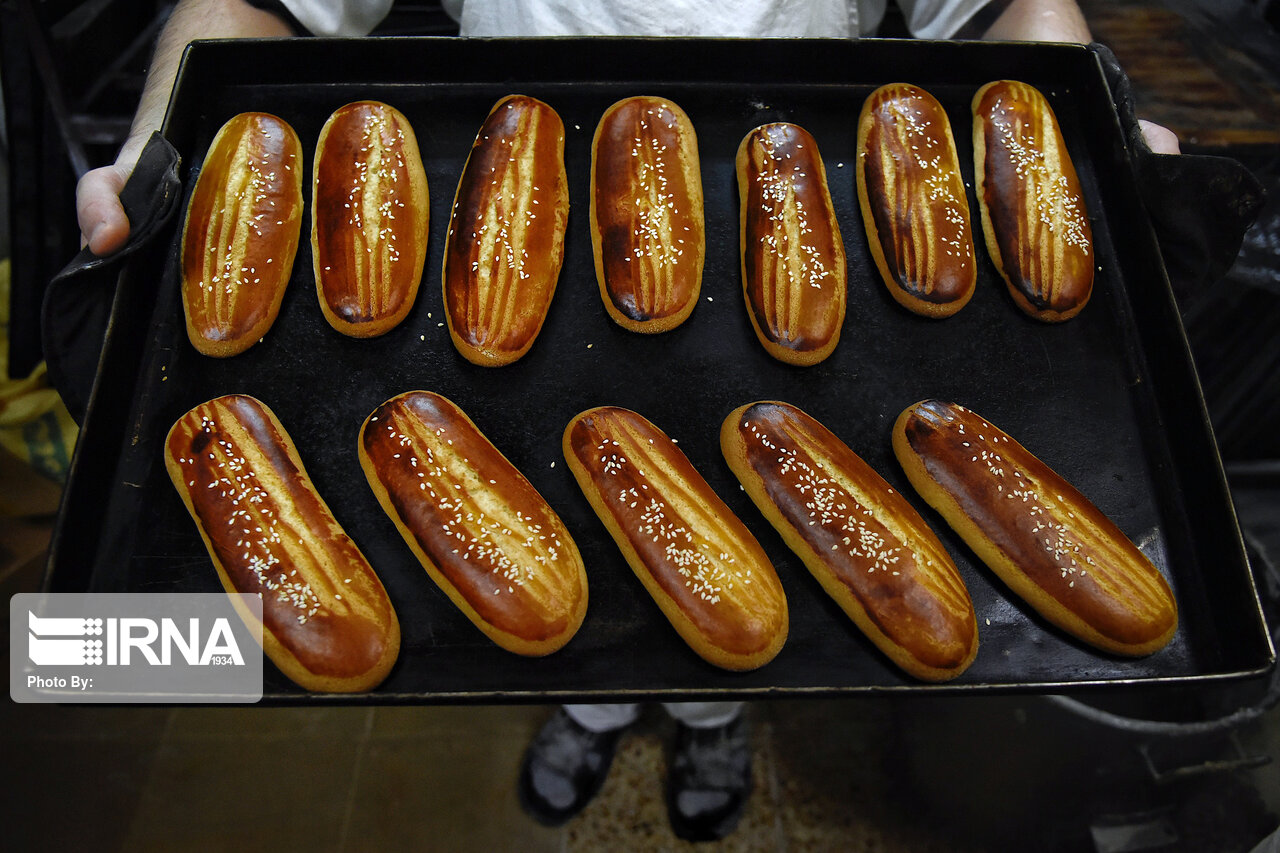
Confectionery stores in Iran’s Zanjan province specially have this bread on offer during the holy Islamic month of Ramadan.

It has a special place in the Iftar meals of the fasting month.

What follows are IRNA’s photos of Chai-churak’s making and serving:

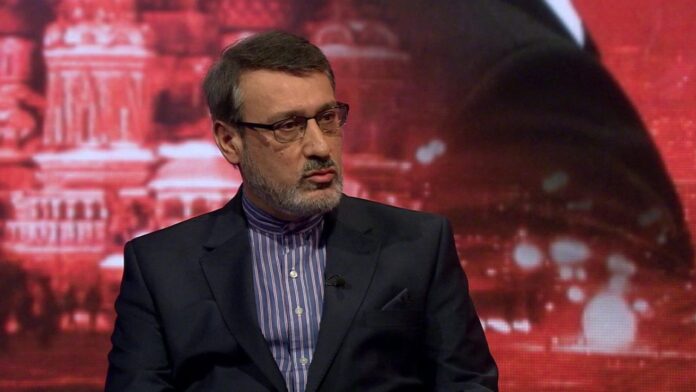
Envoy Reveals US Sponsorship of Anti-Iran Twitter Accounts

Envoy Reveals US Sponsorship of Anti-Iran Twitter Accounts

In a Twitter message on Saturday, Hamid Baeidinejad revealed the US role in hostile cyber activities against Iran.

“Under pressure from public opinion, the US Department of State has cut off financial support for a Twitter account dedicated to the overthrow of Iranian establishment,” the ambassador said.

“This Twitter account frequently hammered the authors who criticize the US sanctions as a violation of human rights. By taking this measure, the US has also disclosed the existence of the project on financing destructive Twitter accounts,” he added.

The revelation came after reports that US President Donald Trump’s administration is funneling public funds to organizations dedicated to regime change in Iran.

Those organizations are said to be using the funds to impugn their ideological adversaries online.

In a thread on her Twitter account, Iranian-American journalist Negar Mortazavi has revealed that a Twitter account dubbed “IranDisinfo” has been using American tax money to attack Iranian-American journalists, analysts, academics, and activists.

The US Department of State has acknowledged the malicious account and has suspended funding for it.