Thursday, December 25, 2025
Home Blog Page 3245

Iran’s Reliance on Oil Revenues Down to 30 Percent: VP

COVID-19 Punishes Those Who Sanctioned Iran’s Oil: First VP

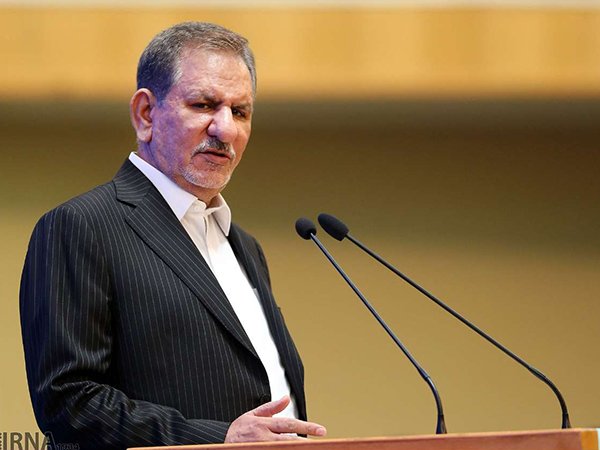
In an address to a meeting of the Iranian High Council of Science, Research and Technology on Tuesday, Es’haq Jahangiri said today Iran’s reliance on oil revenues has reduced to 30 percent while it used to be 80-90 percent in the past.

“This means the more we reduce the costs of our executive bodies, the more we can reduce our reliance on oil revenues and spend more money to make further progress,” he said.

The remarks come as the US has tightened its sanctions on Iran with the alleged aim of bringing Iran’s oil exports to zero. Experts, however, express serious doubts about the issue.

China, as Iran’s largest oil buyer, has defied the US demand so far to bring its imports from Iran to zero step by step.

As experts say, though it may not be difficult to import oil from other countries, the move involves huge financial expenses for such importers as Japan, South Korea, and Turkey.

A Look at Iranian Newspaper Front Pages on May 14

A Look at Iranian Newspaper Front Pages on November 19

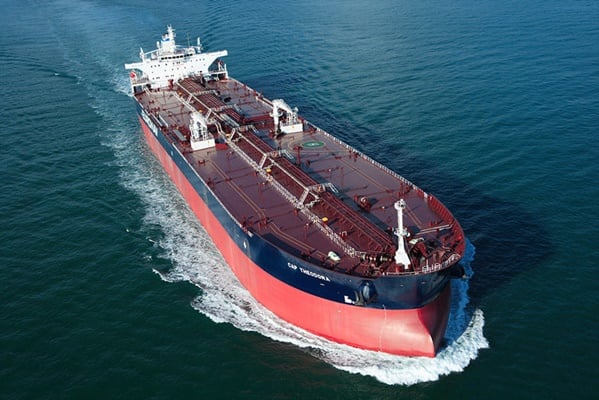
The top story in all papers today was the vessel explosions near the Emirati port city of Fujairah, which caused damages to two Saudi oil tankers, an Emirati bunkering tanker, and another Norwegian vessel in what the UAE called an “act of sabotage”.

Several papers also covered the Monday meeting of EU foreign ministers on the Iran nuclear deal and ways to salvage it.

The above issues, as well as many more, are highlighted in the following headlines and top stories:


Abrar:

1- Dutch FM: JCPOA Must Be Saved, but Iran’s New Conditions Not Rational

2- Barham Salih: Iraq Seeks Balanced Ties with Iran, US


A Look at Iranian Newspaper Front Pages on May 14


Aftab-e Yazd:

1- Secret behind Pompeo’s Presence in Brussel

2- Tourism Official: Tabriz to Be Renovated Just Like Day One


A Look at Iranian Newspaper Front Pages on May 14


Arman-e Emrooz:

1- Mr Rouhani! Why Are You Saying It Now?

* Rouhani Complains about ‘Limited Authority’ of President

2- JCPOA Weakened Netanyahu


A Look at Iranian Newspaper Front Pages on May 14


Ebtekar:

1- Game of Oil Tankers

* Scenarios of Warmongering in Region

2- Judiciary Chief: No Negotiation, No Submission; Only Resistance

3- ICT Minister: Task Force Created to Counter US in Cyberspace


A Look at Iranian Newspaper Front Pages on May 14


Etemad:

1- War of Opium: A Report on Iran’s Costs in Fight against Narcotics

2- Europe’s Test [Editorial]

3- Looking for Saving JCPOA in Brussels

* JCPOA Parties Take Iran’s Warnings Seriously


A Look at Iranian Newspaper Front Pages on May 14


Ettela’at:

1- Mogherini: EU to Support JCPOA

2- Attack on Oil Tankers in Fujairah Globally Condemned

* Iran Calls for Probe


A Look at Iranian Newspaper Front Pages on May 14


Haft-e Sobh:

1- Secrets behind Fujairah Attack

* Reports Say 10 Ships Damaged

* Iran Condemns Attack

2- Iran Has Most Advanced Filtering System in World: Psiphon CEO


A Look at Iranian Newspaper Front Pages on May 14


Jame Jam:

1- Mechanisms to Save JCPOA

* Speculations Say Europeans Trying to Convince Iran to Stay in JCPOA without Paying Any Costs


A Look at Iranian Newspaper Front Pages on May 14


Javan:

1- Tel Aviv’s False Flag Scenario behind Fujairah Sabotage

2- Europe Killing Time by Asking for More Time to Save JCPOA

A Look at Iranian Newspaper Front Pages on May 14


Jomhouri Eslami:

1- Nuclear Chief: Russia Won’t Implement Sanctions against Bushehr II, III Nuclear Plants

2- Russia, China Underline Need for Implementing JCPOA Commitments


A Look at Iranian Newspaper Front Pages on May 14


Kayhan:

1- Fujairah Explosions Frighten Reactionary Sheikhs

2- Zionist Regime’s Unprecedented Confession to Resistance Missiles’ Heavy Damages in Recent War

3- Europe Worried about End of Iran’s Unilateral Concession-Giving


A Look at Iranian Newspaper Front Pages on May 14


Sazandegi:

1- Conspiracy in Fujairah: Iran Condemns Fujairah Operation in UAE

2- Famous Pop Singer Behnam Safavi Dies of Cancer at 36


A Look at Iranian Newspaper Front Pages on May 14


Setareh Sobh:

1- Mogherini: JCPOA Pillar of Regional Security

2- Reactions to Suspicious Blast in UAE

* Iran Calls for Probe into ‘Regrettable, Worrying’ Incidents


A Look at Iranian Newspaper Front Pages on May 14


Shahrvand:

1- Night Life in Tehran: City to Remain Alive until 3 am

2- Iranians Replacing Some Chinese Goods with Turkish Ones after Devaluation of Turkish Lira


A Look at Iranian Newspaper Front Pages on May 14


Shargh:

1- Brussels in Dilemma of Supporting, Violating JCPOA

A Look at Iranian Newspaper Front Pages on May 14

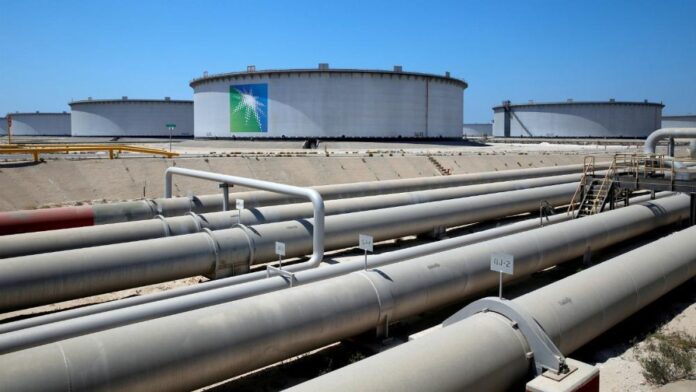
Saudi Pipeline’s Operation Stopped after Yemen Drone Attacks

Saudi Pipeline’s Operation Stopped after Yemen Drone Attacks

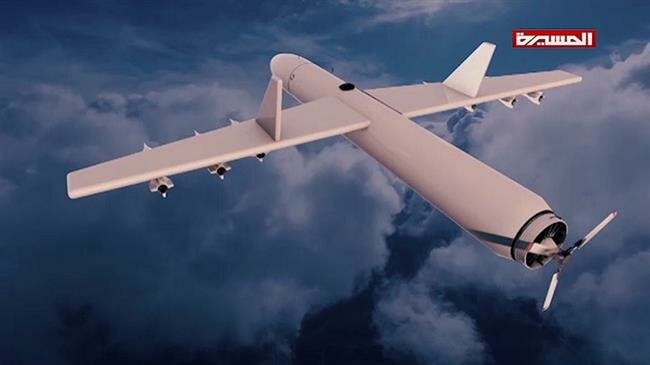
Saudi Energy Minister Khalid al-Falih said two pumping stations on the pipeline from the oil-rich Eastern Province to the Red Sea had been targeted by drones early Tuesday.

“Saudi Aramco took precautionary measures and temporarily stopped operation of the pipeline, as it is evaluating the situation and working on restoring the operations of the affected pump station and the pipeline,” Falih said.

Saudi Arabia’s 12,000km east-west pipeline has a capacity of at least five million barrels per day, carrying crude from Saudi Arabia’s main eastern oil fields to the Red Sea port city of Yanbu in the west.

The Saudi minister also described the attack as a terrorist one and said, “The latest acts of terrorism and sabotage” in the region “not only target the Kingdom but also the security of oil supplies to the world and the global economy.”

Saudi Arabia confirmed earlier Tuesday that two of its pipeline booster stations for Aramco oil company have come under attack. According to Saudi Arabia, the attacks were carried out by explosive-laden drones.

This came after sources close to Ansarullah fighters of Yemeni said seven drones conducted attacks on vital Saudi facilities.

The sources added the attacks were in response to Saudi Arabia’s continued aggression against Yemen and its crippling blockade of the country. According to the sources, the Yemenis stand ready to carry out further strikes if Riyadh’s aggression and blockade continue.

Ancient Homo Sapien Skull Discovered in Iran

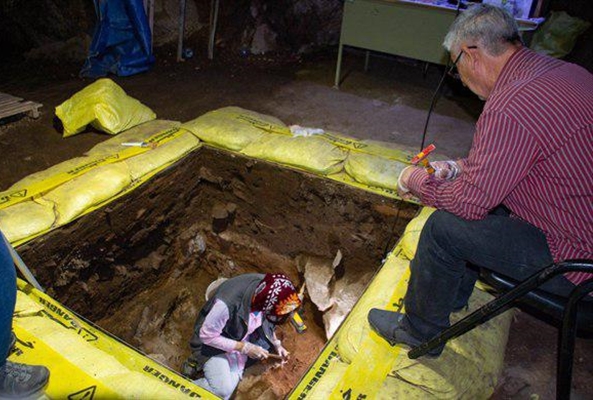
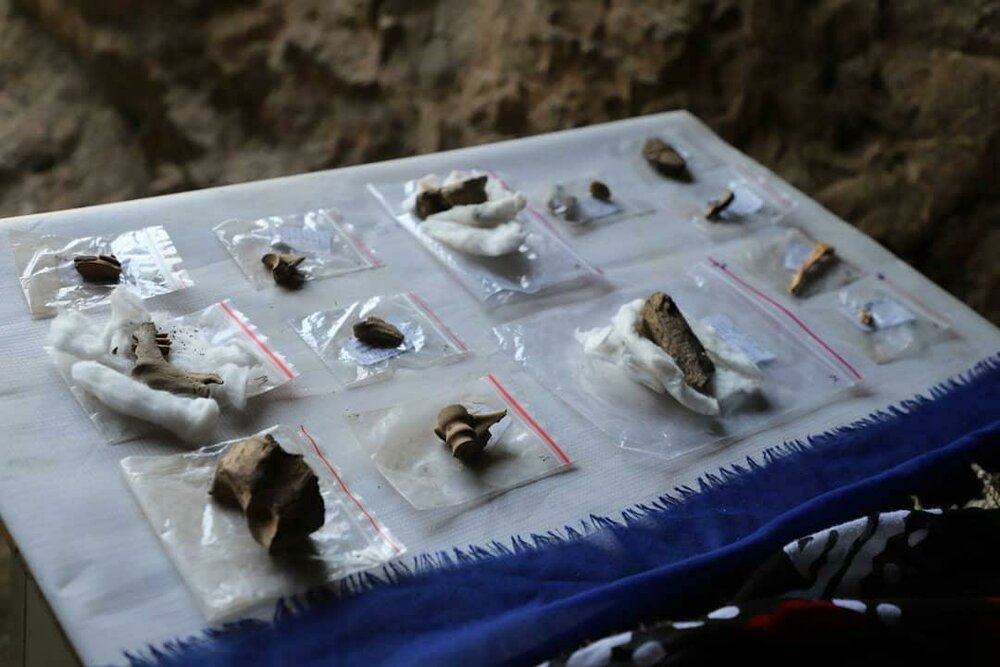
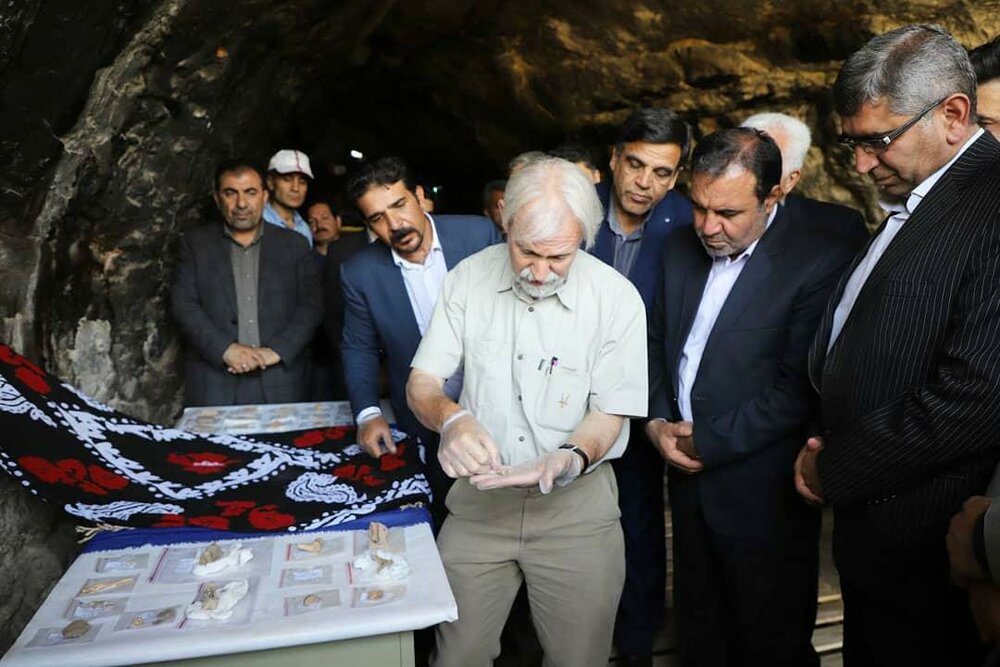
According to an archaeologist, the third phase of archaeological excavations at Koldar cave in the city of Khorramabad in Lorestan province has unearthed part of the skull of a homo sapien, which is regarded as one of the rarest discoveries in West Asia.

“Given the great antiquity of the cultural evidence discovered from the new Paleolithic layers at Koldor cave, which is currently considered Iran’s most ancient new Paleolithic site, the data is seen as one of the rarest discoveries [of its kind] in West Asia,” Behrouz Badgir said.

“It can be part of the missing link in the chain of man’s evolution and the paths through which homo sapiens migrated from the African continent to Asia, southwest Asia, the Eurasia and, and finally Europe, and can be regarded as a significant discovery in Paleolithic studies across the world.”

He said a renowned Dutch paleontologist has conducted preliminary studies on the discovered item to identify the species to which the piece of bone belongs.

He noted more details on the new discovery will be announced after more precise studies are carried out by anatomy, genetics and other experts.

First Joint Habitat of Neanderthals, Homo Sapiens Found in Iran

Isolated Coral Reefs Discovered in Persian Gulf

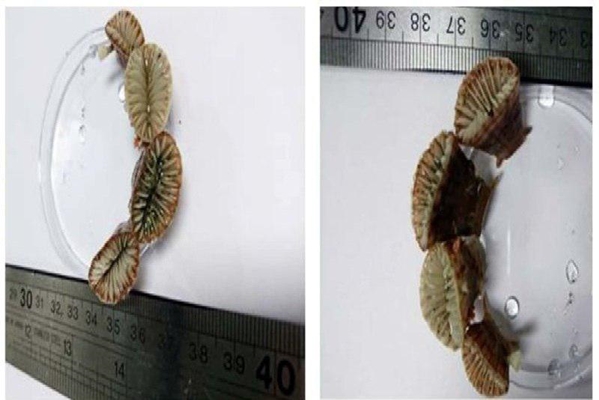
During a sampling conducted in the fifth patrol of the Persian Gulf Explorer at a depth of about 90 metres in the western part of the Strait of Hormuz, a species of isolated corals called Cynarina lacrymalis with densities above 200-300 in every square metres were found in sandy habitats. The existence of this type of corals had not been reported in the Persian Gulf earlier.

The isolated coral species belong to hard corals, which do not form colonies unlike coral reefs. This species is mostly seen in the Indian Ocean region and the western Pacific, at the depth of 400 metres.

The existence of this species has also been reported in the Red Sea, the Gulf of Aden, Indonesia, Japan and eastern Australia, but this is the first report of the presence of this species in the Strait of Hormuz and at high densities.

Based on the classification of the International Union for Conservation of Nature (IUCN), the conservation status of the discovered species is ‘near threatened’.

“Near-threatened species” are at risk, but they require further attention and protection in the future. Therefore, it is imperative to look after them with more attention and check their population annually.

In addition, this type of coral has a high resistance in face of environmental changes, therefore; aquarists are very attentive about them.

Coral reefs are important because of the diversity of animal species living in them. Since many creatures’ lives depend on them in different periods of time, they are the main source of food for fish, shrimp and other important species.

But factors such as acidification, oceans temperature rise, pollution, and water haze lead to the death of coral reefs. This as their safety protects marine ecosystems, and if they are eliminated, many marine species are affected.

Iran Threatens to Quit JCPOA If Nuclear Case Sent to UNSC

Behrouz Kamalvandi, the spokesman of the AEOI, made the remarks in an exclusive interview with Press TV, when asked about Iran’s possible reaction to US’s potential decision to take the Islamic Republic’s nuclear case back to the Security Council.

“The Islamic Republic of Iran will take drastic and major steps to realize the right of the Iranian nation,” he said, adding, “We cannot exclude any measure … We have so far talked about different measures. It could be leaving the [nuclear] deal [and] it could be other actions as to the NPT (the Non-Proliferation Treaty) or any other things…. It is for the senior officials of the country to decide.”

“If they take Iran’s case to the Security Council, they will ruin the deal … and the deal will not be alive anymore,” he said.

US President Donald Trump withdrew Washington in May 2018 from the multilateral nuclear agreement, officially known as the Joint Comprehensive Plan of Action (JCPOA), and decided to re-impose unilateral sanctions against Tehran.

Under the JCPOA, reached in July 2015 between Iran and the P5+1 group of countries, the United States, Britain, France, Russia and China plus Germany, Iran undertook to put limits on its nuclear program in exchange for the removal of nuclear-related sanctions.

On the first anniversary of the US withdrawal from the nuclear deal, Iran announced that it would suspend the implementation of some of its commitments under the deal, announcing that it would stop exporting excess uranium and heavy water, setting a 60-day deadline for the five remaining parties to the deal to take practical measures towards ensuring its interests in the face of the American sanctions.

Iranian Deputy Foreign Minister for Political Affairs Abbas Araqchi also said in an interview on Wednesday that the Islamic Republic has put a “step-by-step” withdrawal from the nuclear deal on the agenda.

“We have not left the JCPOA so far, but we have put such a move on our agenda and that would happen step-by-step,” the senior Iranian diplomat said, adding, “No country can accuse Iran of breaching or leaving the nuclear deal.”

Elsewhere in his interview with Press TV, Kamalvandi said Iran has no intention to stop fulfilling its commitments under the JCPOA, but decided to suspend parts of them for six months.

Tehran’s decision to suspend some of its nuclear deal commitments was meant to give time to Europeans to comply with their obligations and to bring the international agreement back on its right track, he added.

The Iranian official said the main objective of the JCPOA was the removal of sanctions against Iran in a bid to help the country avail itself of the benefits of the deal; however, the restrictive measures are still in place despite Tehran’s full compliance and the goal has not been realized so far.

The Iranian nuclear official also criticized the European signatories to the agreement for failing to implement the Instrument in Support of Trade Exchanges (INSTEX) aimed at circumventing the US sanctions.

“Iran waited for a year to see what Europeans are going to do, they have given promises … they have taken good positions, but their promises about SPV and INSTEX have not been fulfilled,” Kamalvandi said.

Late in January, the three European parties to the 2015 deal issued a joint statement, announcing the launch of a long-awaited direct non-dollar payment mechanism meant to safeguard their trade ties with Tehran in the face of the sanctions.

Germany, France and Britain had registered the mechanism, named INSTEX, which would be based in the French capital, Paris, and managed by a German banking expert.

Head of Iran’s Strategic Council on Foreign Relations Kamal Kharrazi on Saturday censured the European signatories to the landmark nuclear agreement for failing to fulfill their obligations under the deal, urging them to speed up implementing the non-dollar direct payment channel with Tehran.

“The Islamic Republic of Iran negotiated honestly and, as a result, a nuclear accord was reached which has also been endorsed by the UN Security Council [Resolution 2231]. But despite Iran’s fulfillment of its commitments, Europe has only taken a political stance and reneged on its obligations,” the senior Iranian official added.

The AEOI spokesman further said Britain, Germany and France have only been offering nice words and promises with regard to the JCPOA and emphasized that Iran just wants the removal of sanctions in order to be benefited by the deal.

“Europeans must do something to change the [present] course of events,” he added.

He emphasized that Europeans have realized that Washington’s unilateral sanctions against Iran are also detrimental to their interests and would even damage the political and economic stability of the world, arguing that a global front is being formed against the US unilateralism.

EU foreign policy chief Federica Mogherini said earlier on Monday that the European Union fully supports the international nuclear accord with Iran after Tehran decided to scale down its commitments in response to US sanctions.

“We will continue to support it as much as we can with all our instruments and all our political will,” Mogherini said before meeting foreign ministers of Britain, France and Germany in Brussels.

Kamalvandi also stated that Iran would not continue to voluntary implement its commitments unless the Europeans “change the course and do their part.”

“We are waiting for practical steps by Europeans and after 60 days, we will decide whether or not to end other voluntary commitments,” the nuclear official pointed out.

“INSTEX has not worked properly so far … We think they [Europeans] are willing to do something, but are not able to take practical and major steps … we have given them time to deal with this problem and take major steps.”

Kamalvandi criticized the two mechanisms of SPV and INSTEX, which have not proven to be practical and effective so far and said, “We cannot wait anymore; if they really want to do something, they have to do it sooner than later.”

In April, Iranian Foreign Minister Mohammad Javad Zarif once again complained about a delay by European partners in the JCPOA to make operational the direct payment channel with Tehran, saying they now have “no excuse” for further postponement of the project.

The Europeans introduced the INSTEX as “a preliminary measure” – as part of their multiple commitments under the JCPOA – following Washington’s withdrawal from the nuclear accord, Zarif said, stressing that in order to begin honoring their commitments, the Europeans were required to set up the mechanism.

Vital Saudi Oil Facilities Targeted by Yemeni Drones

A Yemeni military source told al-Masirah TV on Tuesday that the extensive military operation was conducted in retaliation for Saudi Arabia’s deadly military aggression and the siege of the impoverished Arabian Peninsula state.

The source did not, however, specify the targets or the time of the strikes.

The official also warned that Yemeni fighters stand ready “to execute more of these significant and tough strikes as long as the siege continues.”

Saudi Arabia and its allies launched the war against Yemen in March 2015 in an attempt to reinstall the Riyadh-allied former regime.

The invaders have, however, failed to achieve their objectives in the face of stiff resistance by Yemeni armed forces, led by the Houthi Ansarullah movement.

The Western-backed aggression, coupled with a naval blockade, has killed tens of thousands of Yemenis, destroyed the country’s infrastructure and led to a humanitarian crisis.

Yemeni fighters regularly target positions inside Saudi Arabia in retaliatory attacks against the protracted offensive on their homeland.

Iran FM Calls UAE Vessel Explosions ‘Suspicious’

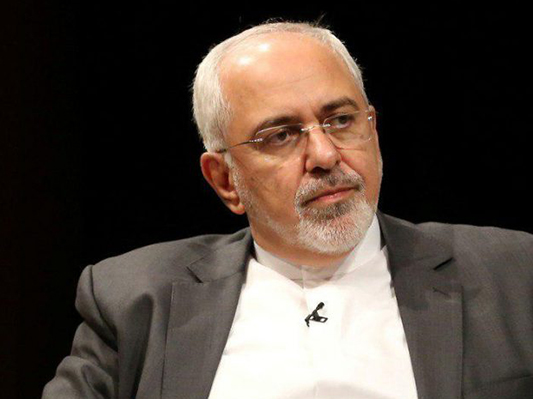
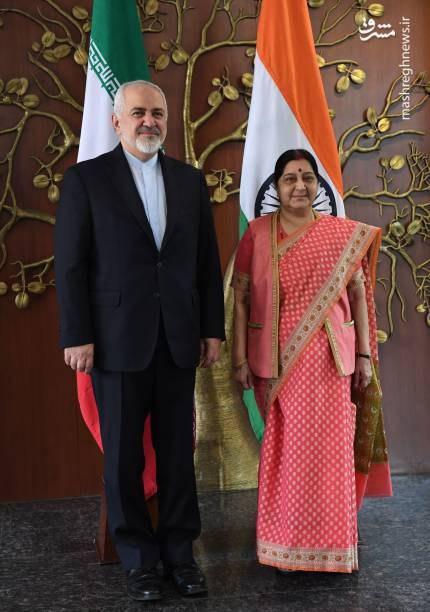
Mohammad Javad Zarif made the comment after meeting his Indian counterpart Sushma Swaraj in New Delhi on Tuesday.

“In the meeting, we discussed the existing concerns over suspicious moves and acts of sabotage in the region, and announced that we had already predicted such actions [would occur] to trigger tension in the region,” said the top Iranian diplomat.

The United Arab Emirates said on Sunday that four commercial vessels were targeted by what it called “sabotage operations” near the territorial waters of the country.

Later on Monday, the Saudi energy ministry said two of the vessels were Saudi oil tankers which have been severely damaged in the incidents.

A UAE foreign ministry statement said the incident took place near Fujairah port, without causing casualties.

The country further announced that it has launched a probe in coordination with international bodies. The statement came hours after Abu Dhabi denied reports of blasts in Fujairah.

Iran, India Discuss JCPOA Developments

Iran FM Calls UAE Vessel Explosions ‘Suspicious’In his Tuesday remarks, Zarif said he has also discussed with his Indian counterpart the latest developments pertaining to the Iran nuclear deal known as the Joint Comprehensive Plan of Action (JCPOA) as well as Tehran’s actions in that regard.

“The Indian foreign minister and other sides also stressed the importance of Iran reaping the benefits of the JCPOA and called for necessary actions to be adopted,” said Zarif.

He said among the topics discussed were regional issues as well as the dangers facing the Middle East as a result of the policies adopted by radicals within the US ruling elite and in the region.

The Iranian foreign minister added Tehran-New Delhi trade and mutual cooperation on energy were also discussed.

Hold onto Your Forex Trading Edge

What alternative did Iranian investors flee to during the oil price crash?

From the very beginning, all traders will have to think about some good trading edge. There will be risk management in it. Then some proper market analysis strategy will have to be in there. From there, we can also think about some good management of the trades because the proper trade setups will be there.

It is simply the combination of stop-loss and take-profit which can help all traders. We need to focus on setting them up for the right performance. The actual risk management will be the right setup of the stop-loss. Based on your assessment of the business, there will have to be some work. So, think about the right way to deal with the business and also try to maintain quality in the executions of the trades. Think in the best way possible with the right trading processes. We are going to try to reduce some of the load on your chest for some good understanding.

Try to understand about losses

The first thing which should be in the currency trading mind is that there will be losses. Most of the executions will bring some negative results from the trades. It is not so good for the traders to manage some proper performance. There will have to be some good thinking of the trading performance though because we have joined the profession for some good income in the first place. It will care for your trading performance because all of the strategies will be on the safe side. Think about the actual stop-loss and take-profit. Both of them will be simple for your trades because there will be a safety concern in your trading mind. It is good for some quality trading performance. Think about it and make some good plans for the losses. Even when there are too many losses, the trading edge needs to save the business.

Learning to trade like a pro trader

Learning the perfect art of trading is a very complex task. You have to use the demo trading account from scratch and focus on the developing process of a perfect trading strategy. Once you start to understand the market nature, you will see a steady profit from this profession. Being a new trader, make sure you use the Saxo online trading account since they always give you access to a robust trading platform. Most importantly, you will be able to trade without facing any technical issues.

Keep the risk management right

There is another thing which can help the traders to maintain the right performance. Well, it is not for making money in the Forex markets. We are talking about keeping the actual trading capital safe in the process. If the traders can think in the most proper way for their trades, there will be some good performance. Most of the time in the business, we will all need to exercise good care for the trades. Remember, we have talked about the risk being all about the stop-loss. So, it has to be managed in the most proper way. We will have to think about the right control of the investment and the lots. If you can handle it with the most proper setup of the leverage system, there can be some good performances. The trades can also bring some good risk to profit margins from good executions.

It is necessary to follow a routine

It will be good to think about some rules in the trading processes. We have already talked about the trading edge in general. It will contain all of the important things needed for the right performance. The traders need to work on the right trading method as well as a proper trading routine.

Iran Denies Claim It’d Stay in JCPOA If Oil Exports Guaranteed

Seyyed Abbas Mousavi on Tuesday dismissed the “fabricated” news that Tehran has conditioned its remaining in the JCPOA on the sale of at least one and a half million barrels of oil per day.

“Iran’s rightful views and demands have been explicitly and clearly expressed in a letter sent by Iranian President Hassan Rouhani on May 8, 2019 to heads of the states which have remained in the JCPOA,” said the spokesman.

“Turning to such fabricated news and partial and inaccurate speculations in the public and media atmosphere is not only not constructive, but can ruin the climate needed for serious diplomacy at this juncture,” he said.

In its report, Reuters had quoted “sources with knowledge of Iran-EU talks” as saying that Iran insists on exporting at least 1.5 million barrels per day (bpd) of oil, triple May’s expected levels under US sanctions, as a condition for staying in the 2015 nuclear deal.

“The figure was communicated in recent meetings between Iranian and Western officials, including Iranian Foreign Minister Mohammad Javad Zarif, but has not been set down in writing,” Reuters quoted four European diplomatic sources as saying.

The United States re-imposed sanctions in November on exports of Iranian oil after US President Donald Trump last spring unilaterally pulled out of the 2015 accord between Iran and six world powers.

In an attempt to reduce Iran’s crude exports to zero, Washington ended at the beginning of May waivers that had allowed the top buyers of Iranian oil to continue their imports for six months.

“The sanctions have already more than halved Iranian oil exports to 1 million bpd or less, from a peak of 2.8 million bpd last year,” the report said.