Monday, April 13, 2026
Home Blog Page 3245

Archaeologists Looking for Lost Greek Temple in Iran’s Nahavand

This lost Greek temple belongs to the age of Seleucids (312 BCE) and the chance to discover it in this region has grown by 90%.

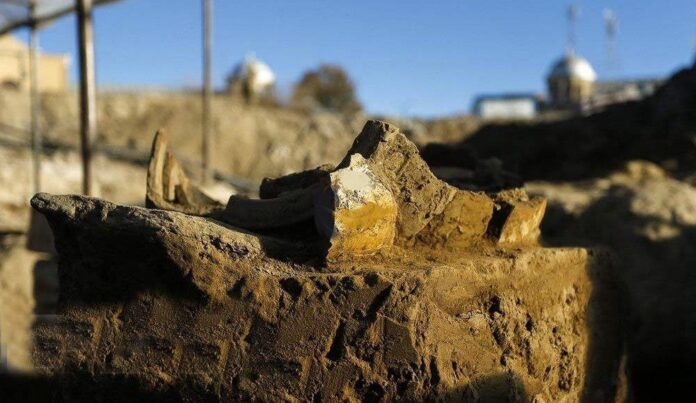
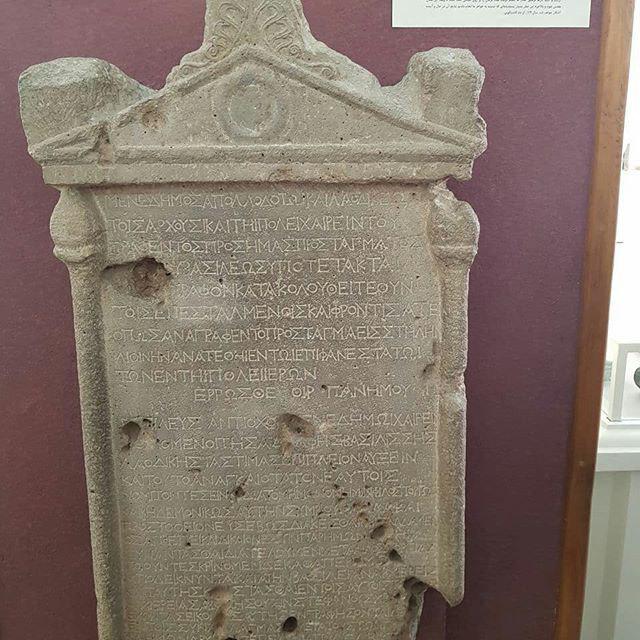
The work to find the temple began when an inscription was found in one of Nahavand’s old neighbourhoods. This inscription on a stone contains the decree of the King Antiochus III the Great to promote his wife, Laodicea, to a Great Nun. He ordered his decree to be inscribed on a stone and be installed in the most important temple of the city.
Archaeologists Looking for Lost Greek Temple in Iran’s Nahavand
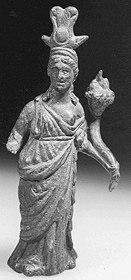
A bronze statue of a Greek goddess accidentally discovered in 1949

The speculations led the authorities to register this historic site in 1948 as a national heritage of Iran in order to preserve it from any possible damage.

“Based on drillings and speculations over the course of the three exploration stages, it was confirmed that the temple of Laodicea exists in the ‘Do Khaharan’ region and the temple will be unearthed in the final exploration phase,” Mehdi Rahbar, the head of the archaeological team, told ISNA.

He argued that a shrine in the area might actually hold the key to the puzzle.

“Given the fact that during the Seleucids era the king’s wives were called ‘Khahar’ (Persian word for sister), we believe that the Do Khaharan (Two sisters) shrine is in fact the temple of Laodicea,” said Rahbar.

Mohsen Janjan, the head of Nahavand’s Cultural Heritage Department, explained that wives of a Greek king ruling in Iran would be given the title “Queen Sister” when they were promoted to a Nun. Later on, during the Islamic era, the site was renamed to “Do Khaharan” or Two Sisters shrine which is now considered a holy place.

Europeans, Greeks Await Discovery of Temple

Rahbar said the excavation work was being pursued very seriously following the discovery of some Greek artifacts. He added that “the drilling operations attracted the attention of many Europeans and Greeks, so much so that a professorfrom the University of Athens expressed willingness to work in this region. But as long as we can do this ourselves, we will not allow experts from other countries to intervene.”

“During the two months of digging in Nahavand, we will try to discover the temple, which is part of the city of Laodicea, and this probability has increased by 90%,” Rahbar added.
Archaeologists Looking for Lost Greek Temple in Iran’s Nahavand
Greek inscription accidentally discovered in Nahavand in 1943

According to the chief of Cultural Heritage, Handicrafts and Tourism Department of Nahavand, “The previous excavations led to the discovery of several columns, and sculptures of the Greek gods, but there were some doubts that the artifacts may have been moved from somewhere else to this place. Therefore, at this stage of exploration, we must find signs like a structure belonging to this place to prove the existence of Laodicea in this region. Nahavand is at least 2,300 years old, and this proves that its history goes back to the Seleucids and Parthian era, and Laodicea’s discovery here proves the city’s ancient history.”

The discovery of this temple, which is the only Greek temple in Iran, is one of the longstanding demands of the people of Nahavand. The city’s people are eager to see the digging job continue until the temple of Laodicea is discovered.

Iran’s Leader Urges Muslims to Unite against Israel

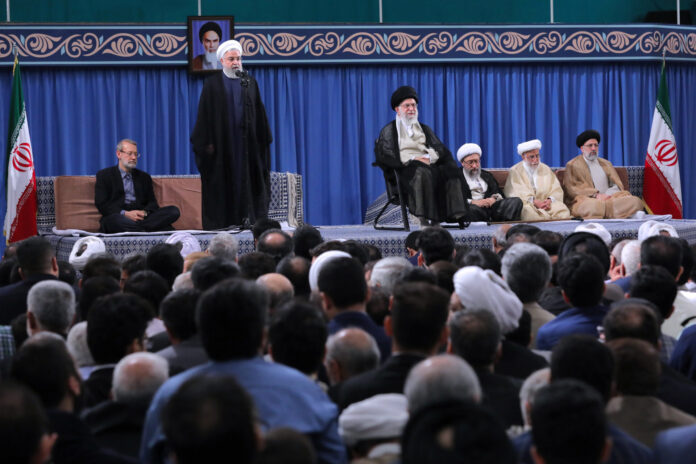
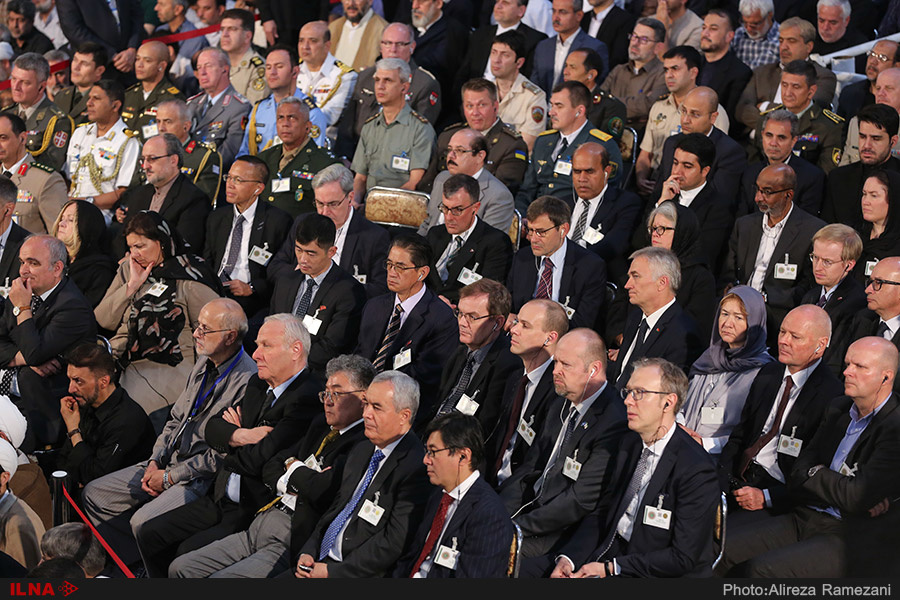
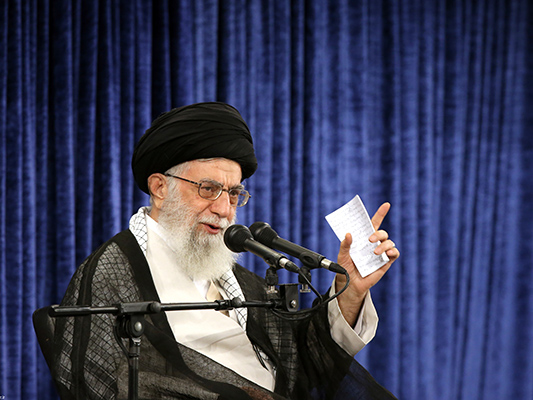
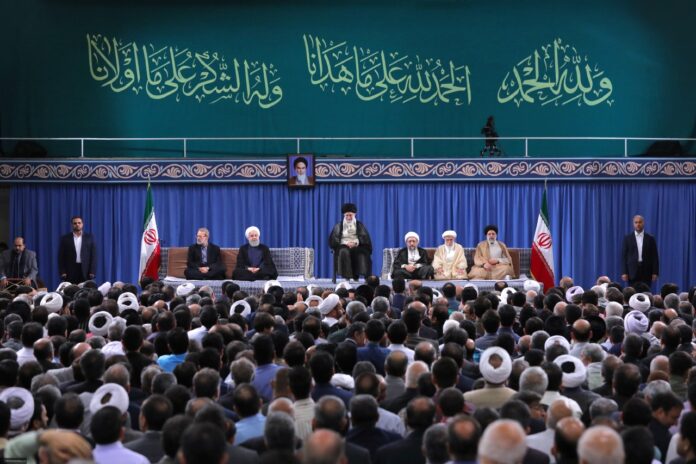
Ayatollah Seyyed Ali Khamenei made the comment in a meeting with a host of Iranian authorities, ambassadors of Muslim countries and people from all walks of life on Wednesday.

The Leader touched upon the enemies’ machinations to pit Muslims against one another and trigger wars among them.

“Instead of confronting each other, Islamic countries should line up against the criminal presence of the usurper enemy (the Israeli regime) in [occupied] Palestine,” Ayatollah Khamenei underlined.

The Leader said some Islamic countries seek to compromise with the Israeli regime and sow discord among Muslims, urging them to “repent of the improper path they have chosen.”

“Why in a country like Libya should two groups stand up to each other and shed the blood of one another, and why should a country which claims to be an advocate of Islam bombard the people and infrastructure of Yemen and act in accordance with the enemy’s will?” Ayatollah Khamenei asked rhetorically.

The Leader said the cause of Palestine is the most pressing issue of the Muslim world.

He blasted some Islamic countries for working in line with the objectives of the US and the Israeli regime.

“From the outset, the Islamic Republic of Iran stressed the need to defend the Palestinian nation and stand up to hegemonic powers and will continue this resistance,” Ayatollah Khamenei said.  

He underlined that the Palestinian nation will emerge victorious, urging Palestinians to push ahead with their all-out struggles against the Tel Aviv regime.

Springer Publishes Iranian Book on Nanotechnology

The book, entitled “Computational Continuum Mechanics of Nanoscopic Structures”, combines fundamental notions and advanced concepts, covering both the theory of nonlocal elasticity and the mechanics of nanoscopic structures and systems.

Varied applications of this theory will attract the attention of a wide variety of researchers. These applications include fullerenes, carbon nanotubes, graphene screens, nanoparticles, nanowires, and also nanoscale structures.

Mainly written for researchers in the fields of physics, biophysics, mechanics, and nanoscience, as well as computational engineers, the book has been published in 12 chapters and 281 pages. It can also be used as a reference for senior undergraduate and graduate students, as well as practicing engineers working in a range of areas, such as computational condensed matter physics, computational materials science, computational nanoscience and nanotechnology, and nanomechanics.

By reporting on recent findings and discussing future challenges, the book seeks to foster the application of nonlocal elasticity based approaches to the emerging fields of nanoscience and nanotechnology. It is a self-contained guide, and covers all relevant background information, the requisite mathematical and computational techniques, theoretical assumptions, physical methods and possible limitations of the nonlocal approach, including some practical applications.

In addition, the book dedicates a whole chapter to exploring challenges, outstanding issues and future perspectives of this theory.

The book has beem co-authored by Esmael Ghavanloo, Faculty Member of Mechanical Engineering at Shiraz University; Hashem Rafii-Tabar, Faculty Member of Medical Engineering and Physics Department of Shahid Beheshti University of Medical Sciences and member of Islamic Republic of Iran Academy of Sciences; and Seyyed Ahmad Fazelzadeh Haghighi, Faculty Member of Mechanics Engineering at the University of Shiraz.

It is now available on Springer Publishing website. Springer is one of the world’s largest publishers with more than 170 years of experience in publishing academic books and research journals.

Enemy Unable to Bring Iranians to Their Knees: President

Hassan Rouhani made the comment at a Wednesday meeting where Leader of the Islamic Revolution Ayatollah Seyyed Ali Khamenei addressed a host of local officials, ambassadors of Muslim countries and people from all walks of life.

He said the enemy has not taken into account Iranians’ patience when hatching plots against the Islamic Republic.

“First, the patience of the Establishment and officials, and second, the patience of the Iranian nation, and that is why they (the enemies) keep making errors in their calculations,” the president said.

He also touched upon the United States’ unilateral and illegal pullout from the Iran nuclear deal known as the Joint Comprehensive Plan of Action (JCPOA).

“They withdrew from an international agreement to make our patience wear thin and make us leave the agreement, so that they would be able to easily slap international sanctions on us without the US having to pay any costs,” he said.

“But the strategic patience of the Establishment and nation thwarted the United States’ sinister plots with regards to its pullout from the JCPOA and made it accept responsibility for its numerous violations and saw Iran emerge victorious in the political and social opinion of the world,” he said.

“Today, after one year of strategic patience, no one can blame us for scaling down our commitments under the JCPOA,” said the president.

He underlined that Iran should use the mechanisms envisaged in the nuclear agreement to deal with offenders.

He also said the enemy has changed its plans and tone with regards to Iran, but “it will have no bearing on our willpower.”

‘Deal of Century’ Will Never Go into Force: Iran’s Leader

Ayatollah Seyyed Ali Khamenei also blasted an upcoming meeting in Bahrain aimed at putting the anti-Palestinian plan into effect.

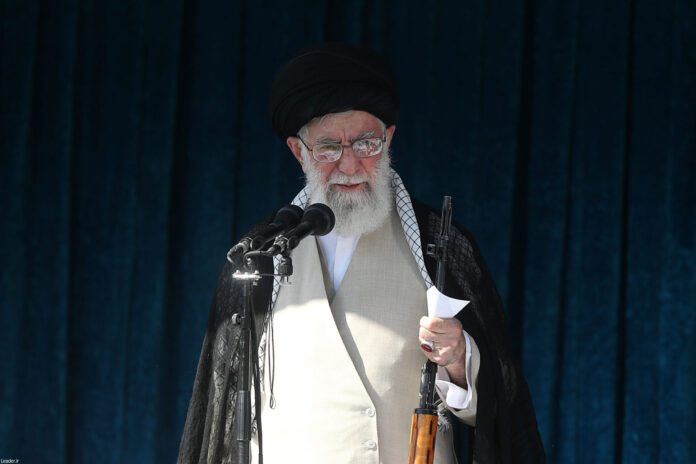
“The meeting which is going to be held in Bahrain belongs to the Americans. However, Bahraini rulers have set the stage for that meeting because of their weakness, their inability, and their grossly anti-democratic and anti-Islamic mentality.” said the Leader in his address to a huge crowd of worshippers at a congregational prayers service marking Eid al-Fitr.

“The conference is aimed at putting into effect the wrong, treacherous sinister plan of the US about Palestine, which is known as ‘Deal of the Century’,” Ayatollah Khamenei said.

Ayatollah Khamenei said Bahraini and Saudi officials are setting foot in a quagmire by supporting the US plan. Iran’s leader also thanked the Arab and Muslims countries as well as Palestinian groups that are supporting Palestinians.

Ayatollah Khamenei reiterated the cause of Palestine is the most pressing issue of the Muslim world.

Iran Hopes Japan PM Helps Calm Mideast Tensions in Tehran Visit

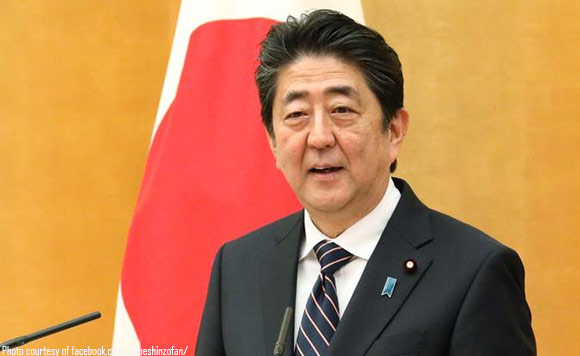
'Iran-Japan Ties Enhanced More Than Ever During Abe’s Tenure'

Araqchi told Japan’s NHK TV channel on Tuesday that Abe might be able to speak sense into American officials and make them understand the dangers of the ongoing situation in the Middle East.

The administration of US President Donald Trump has been ratcheting up tensions by sending military reinforcements to the region to defend its interests against what it calls a “threat” from Iran.

Araqchi welcomed Abe’s visit and said he would be meeting with Leader of the Islamic Revolution Ayatollah Seyyed Ali Khamenei and the country’s senior officials during his stay between July 12 and 14.

Abe will be the first Japanese premier to visit Tehran after the 1979 Islamic Revolution. The last Japanese PM to make the trip was Takeo Fukuda who made a stop at the Iranian capital in 1978.

Abe met the Iranian president on the sidelines of the United Nations General Assembly in New York in 2018.

Earlier this month, he hosted Trump in Tokyo. Iran was one of the main issues the two leaders discussed in their meetings.

Trump said he was open to the idea of having Abe act as a mediator between Washington and Tehran.

Iran President Congratulates Muslims on Eid al-Fitr

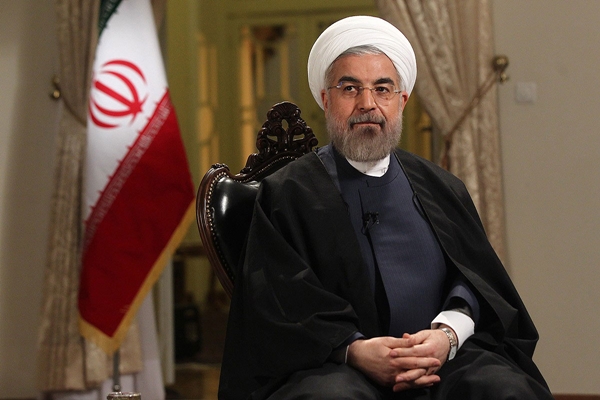
Hassan Rouhani - President of the Islamic Republic of Iran

In his message, Hassan Rouhani said Eid al-Fitr is a celebration of rapport among nations, a manifestation of Muslims’ power and the sustenance of unity within the Islamic community.

“Eid al-Fitr is the end of one month and beginning of another path; it is the end of the month of worshipping, …, patience and asking for divine forgiveness, and the beginning of a path which starts with man’s returning to his divine nature, and [God Almighty’s] mercy and blessings,” said the president in his message.

“This spiritual experience guarantees a hopeful, tireless and pleasant life for any human being,” he said.

The president concluded his message by wishing the Iranian nation dignity an honour in all stages of life.

From Dublin to Tehran: Persian Lioness Joins Male Companion

Born in 2015, Eilda is from a special breed of lions of whom there are only 400 living ones across the world.

“The visit of Eilda to Tehran comes in the wake of an agreement between Tehran and Dublin zoo officials for reproducing the race,” a report by Islamic Republic News Agency said
Iran lost its last Asiatic or Persian lion almost 80 years ago. The lion became extinct in the country due to indiscriminate hunting and habitat loss.

However, the Persian lion Kamran was sent from Britain’s Bristol Zoo to Tehran’s Eram Zoo in order to save the rare cat by reproducing it in the country.

Iranian officials say they are planning new measures for conservation and recovery of Persian lion. Persian lion has now gone extinct in Iran and there are no confirmed modern records of lion presence in the country. Some say the lions that still live in India are the same lions that once were living in Iran.

In the past, Persian Lions were living in south Iran. They were somewhat smaller than their African descendants, with an obvious belly fold, and shorter mane. Current weather and other physical conditions in Iran seem nice to host these lions.

Iran Marks 30th Demise Anniversary of Imam Khomeini

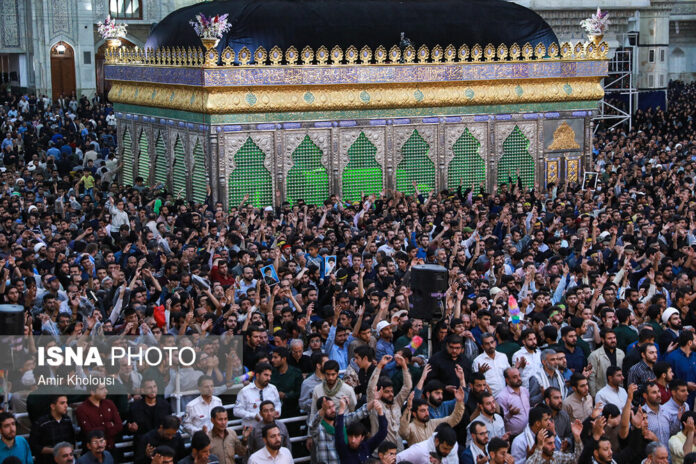
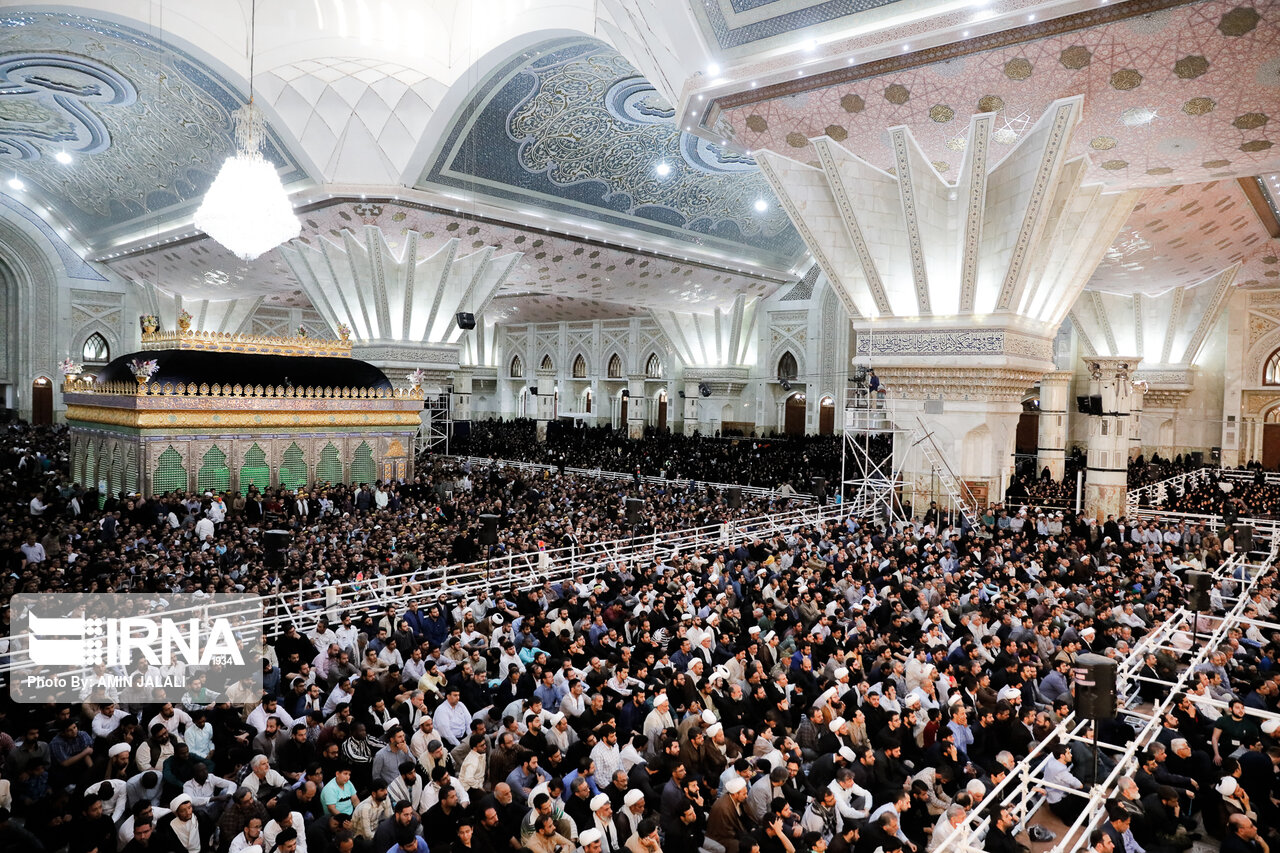
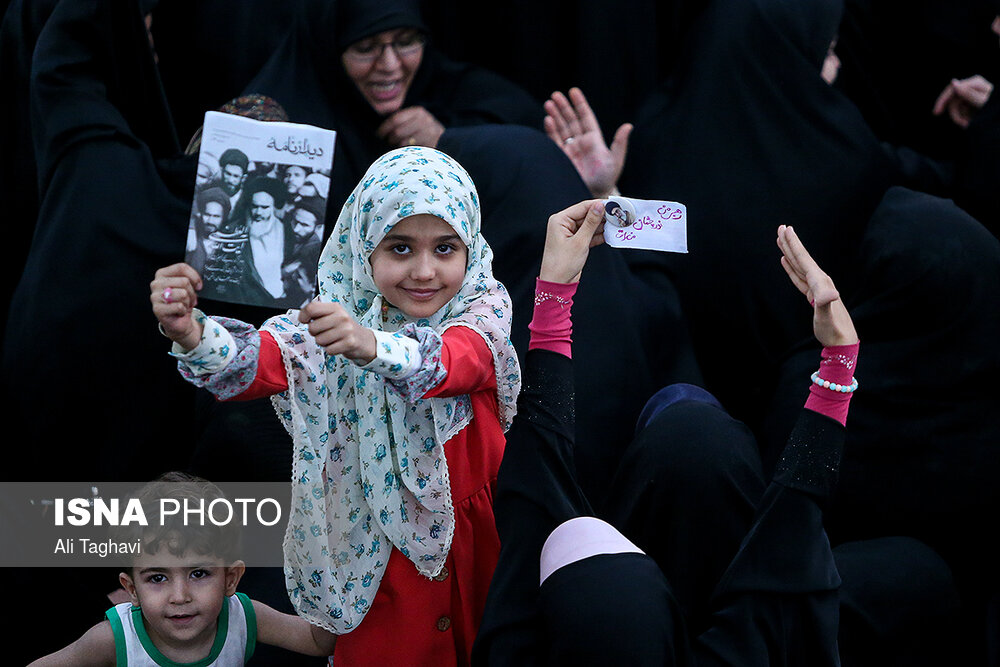
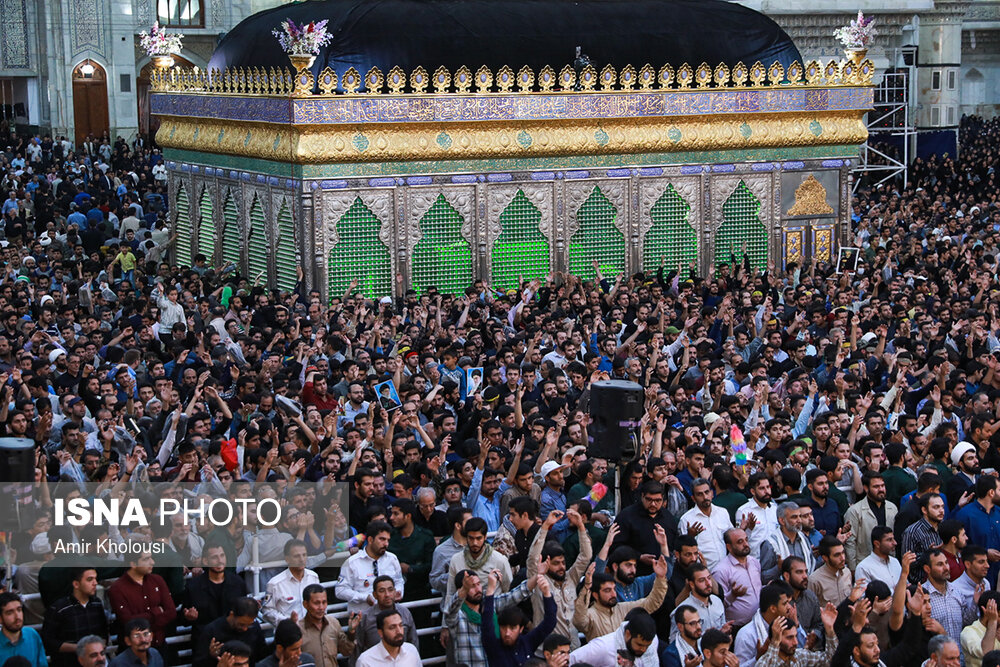
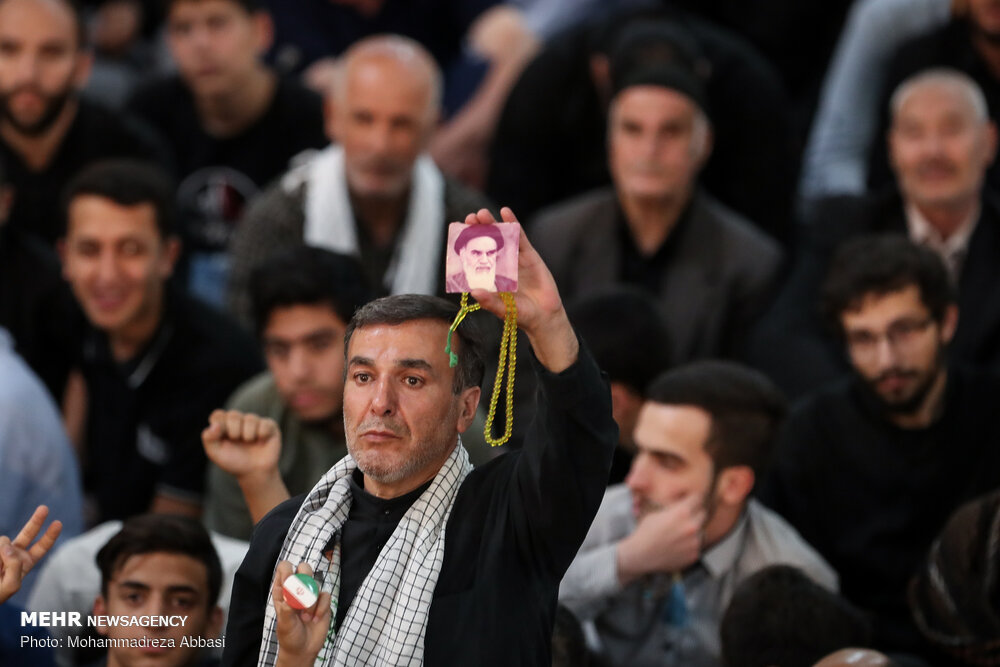
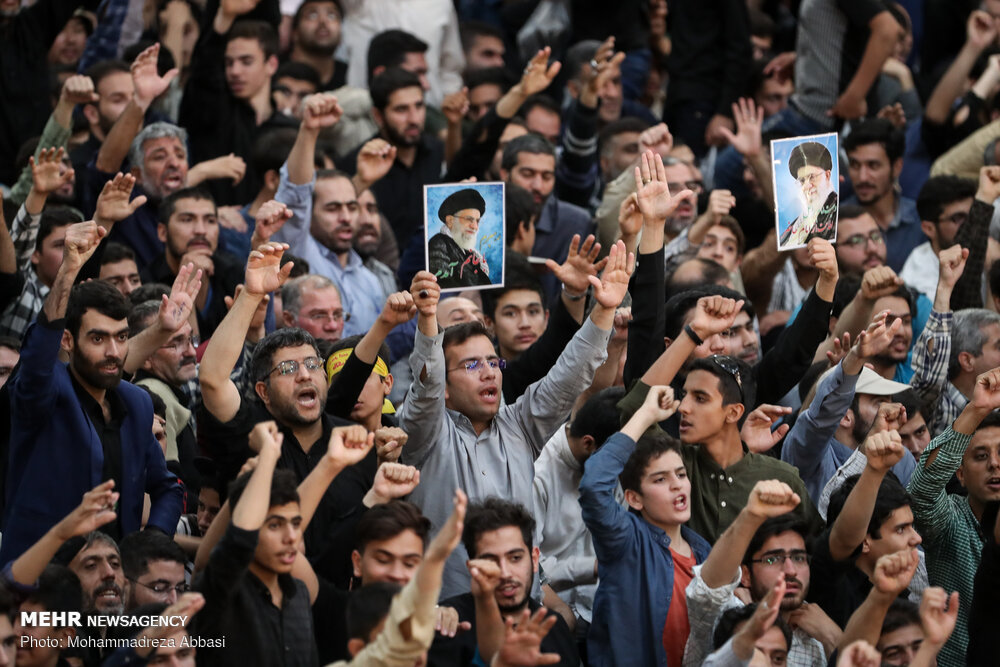
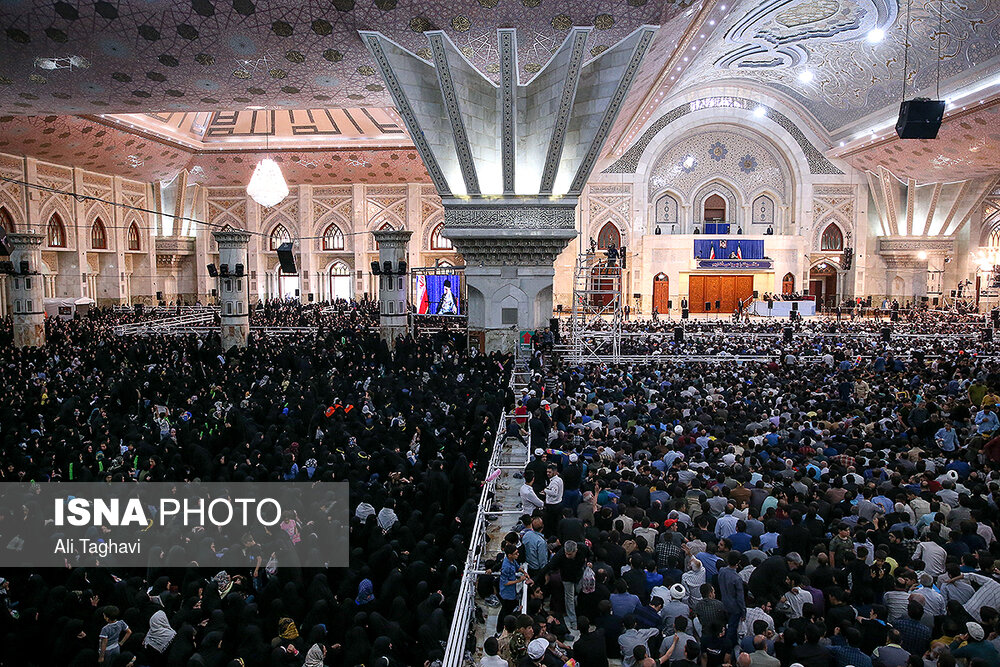
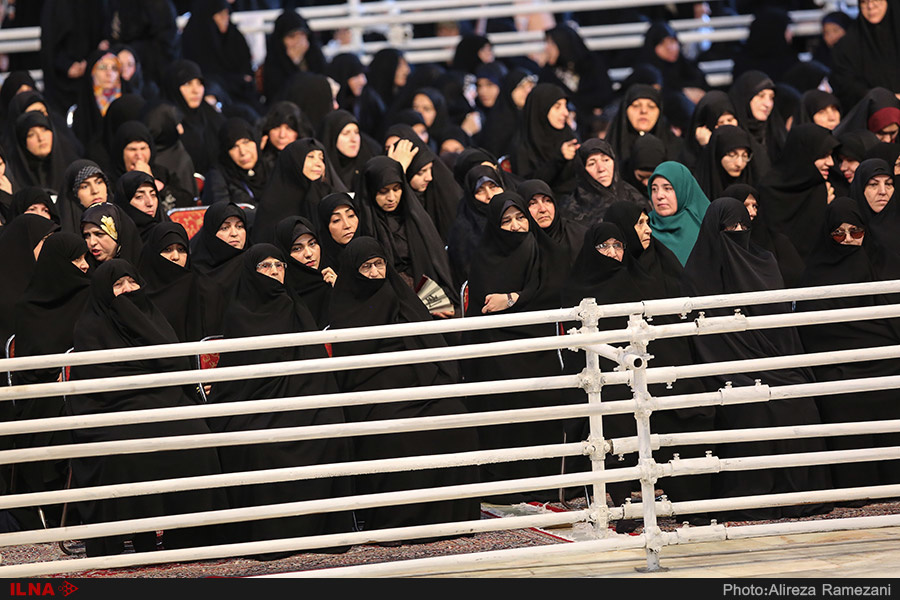
Authorities said over 350,000 devotees of late Grand Ayatollah Rouhollah Khomeini attended the main event at his mausoleum.

Leader of the Islamic Revolution Ayatollah Seyyed Ali Khamenei addressed the event, which began at 17:30 local time.

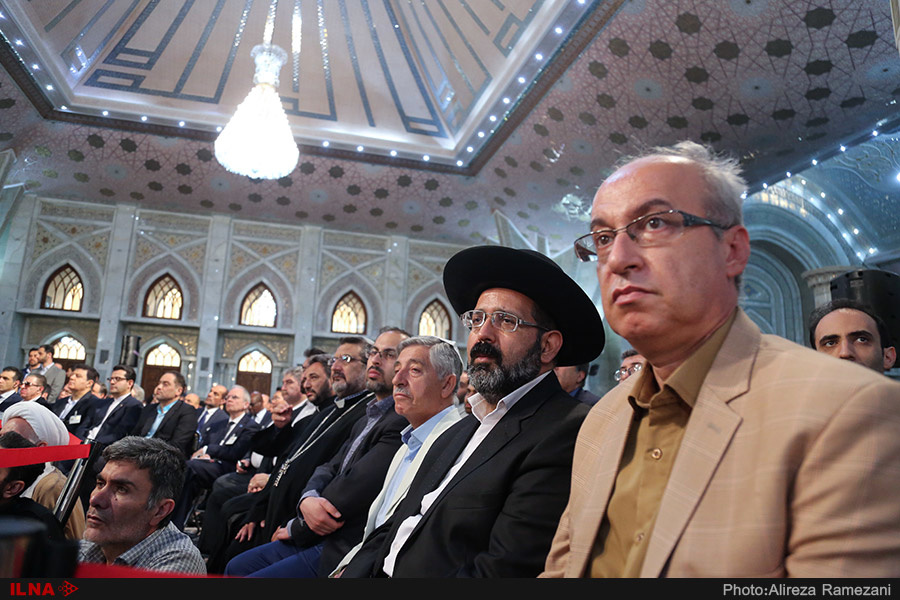
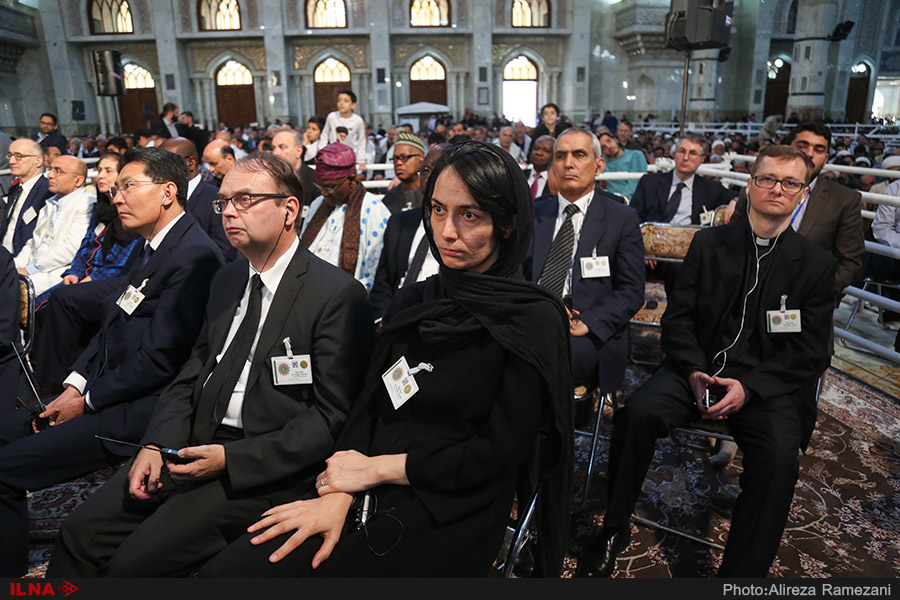
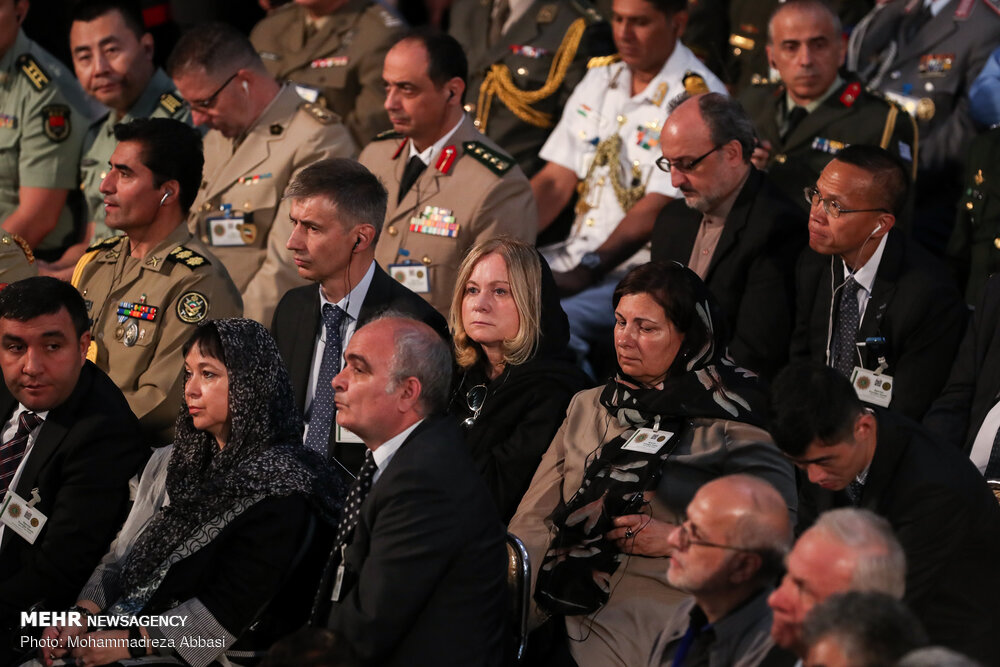
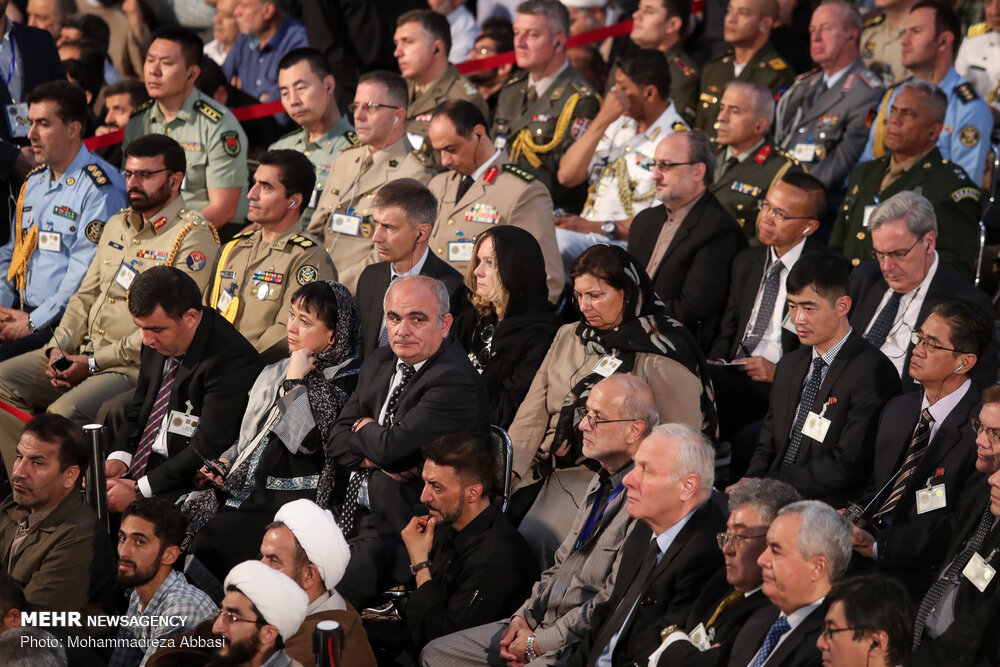
Senior Iranian officials along with foreign guests and ambassadors were also in attendance. Some 50 foreign media correspondents and 300 Iranian reporters were in charge of covering the event.

Countrywide events also commemorated the legacy of the man who founded the Islamic Republic of Iran.

Iranian Jews, Zoroastrians Pay Homage to Imam Khomeini

Earlier in the day, a group of Zoroastrians held a vigil for Imam Khomeini, which was also attended by the representative of the Zoroastrian community in Iran’s parliament Esfandiar Ekhtiari.

Addressing the event, Rashid Khorshidian, head of the Council of Iranian Mobeds (Zoroastrian priests), said Imam always viewed all Iranians as members of a single nation and encouraged solidarity among all ethnic groups.

“Muslims, Zoroastrians, Jews and all Iranians of any ethnic, religious or cultural background are rooted in the country’s soil and make efforts for their country’s prosperity and progress,” said the Zoroastrian priest.

Iranian Jewish communities also marked the occasion by holding separate commemoration ceremonies at a synagogue in Tehran on Saturday as well as Monday evening.

Rabbi Younes Hamami said during the event that Iranian Jews are “indebted” to Imam Khomeini because he “separated Zionism from Judaism” and helped Jews and other Iranian religious minorities live a peaceful life today.

Ayatollah Khomeini spent most of his life fighting the US-backed Pahlavi regime and paved the way for Mohammad Reza Shah’s downfall 1979.

He also led Iran through eight years of war imposed by former Iraqi dictator Saddam Hussein between 1980 and 1988.

He passed away on June 3, 1989 at the age of 87. Over 10 million people attended his funeral.

Ayatollah Khamenei was elected as Imam Khomeini’s successor in a historic vote by the democratically-elected Assembly of Experts on June 4 the same year.

Ayatollah Khamenei Urges Continued Resistance to US

Addressing people at a mourning ceremony marking the anniversary of demise of Imam Khomeini at the mausoleum of late founder of the Islamic Republic in Tehran on Tuesday, Ayatollah Khamenei reiterated the need for resistance to the hostile pressures.

Paying tribute to Imam Khomeini for his moral virtues and for advocating the oppressed, Ayatollah Khamenei said the main characteristic that made him the director of an ideology was his insistence on resistance and refusal to give in to pressures.

None of the enemy’s plots or threats could upset Imam Khomeini’s calculations, the Leader noted, adding that the meaning of resistance is to choose the right path and to hold the belief that obstacles would not dissuade one from going on.

Ayatollah Khamenei then noted that enmities towards the Islamic Republic started as soon as Imam Khomeini established a government in the “heart of Asia” whose foundation was based on the rejection of persecution and opposition to compromise with the oppressors.

Since the beginning of the Islamic Revolution, Imam Khomeini came up with the idea of resistance, which gradually went beyond the Iranian borders, the Leader stated, noting that Iran, however, has not sought to export the idea of resistance.

Ayatollah Khamenei said the ideology of resistance which was spontaneously accepted by the regional nations caused the defeat of the US in Iraq, Lebanon, Syria and Palestine.

The front of resistance has today become a powerful front, the Leader emphasized, citing comments by a famous American analyst who maintains that the US hostility towards Iran is caused by the Islamic Republic’s resistance which has helped the nation overcome the challenges.

The Leader then explained that Imam Khomeini chose the resistance path on logical, scientific and religious grounds.

Enumerating the logics behind resistance, Ayatollah Khamenei said resistance is the natural reaction from a free and dignified nation to bullies.

Resistance also forces the enemy to retreat, the Leader noted, adding that whenever Iranians stood firm and showed resistance, they could make headways.

The third logic behind resistance is that its costs are much lower than surrender, the Leader added, pointing to the policies of the Saudi regime which spends a lot of money and obeys the US demands, but still gets offended and is branded as a cow for milking.

Ayatollah Khamenei also underlined that resistance is totally possible and achievable, contrary to the wrong notion that resistance is useless and that it is impossible to stand against a powerful enemy.

“This is a big mistake that one would think that it is impossible to resist to the bullies,” the Leader stated, noting that a correct understanding of the situation prevents a mistaken calculation.

Ayatollah Khamenei further pointed to the numerous troubles that the US government is grappling with, saying the US power in all arenas is on the decline.

The arrogant power of US and the sedition-creating power of Israel have been dwindling dramatically over the past 40 years, the Leader noted, saying some American analysts believe that the United States has fallen into a “termite-like” decline in the political, economic and social arenas.

One of the clearest signs of the US political decline is the election of Donald Trump as the president, Ayatollah Khamenei noted, saying the fate of more than 300 million American people is in the hands of Trump, whose intellectual and moral balance is under discussion inside the US.

The most brazen case of the US moral decline can be seen in its support for the Israeli regime’s crimes and for a coalition of governments that are killing people in Yemen, the Leader deplored.

The US president whose own country is mired in a litany of problems is sympathizing with Iran and claims to be advocating the prosperity of Iranians, Ayatollah Khamenei added.

The Leader then described the ultimate goal of resistance as reaching the “deterrence point” in the economic, political, social and military spheres.

Deterrent power dissuades the enemy from aggression against Iran in all arenas, the Leader noted, saying Iran has already reached the deterrent point in the military field.

The enemies have focused on Iran’s missile power, because they know that Tehran has gained the deterrent power in this area and seek to deprive the Islamic Republic of such capability, “but they will never be able to do that,” Ayatollah Khamenei underscored.

Iran must counter the enemies bravely not with intimidation, hopefully and not hopelessly, and also wisely, not with excitement, the Leader urged.

Ayatollah Khamenei then decried Trump’s recent assertion that Iran can achieve progress with the current leaders as a gesture of political cleverness, emphasizing that the main condition for progress is that “Americans do not come any close” to Iran.

The superficial political cleverness of the US president does not deceive the Iranian officials and people, the Leader underlined, saying the US has only created wars, exploitation, fratricide and humiliation wherever it has been present in the world.

Ayatollah Khamenei finally advised the Iranian authorities to focus efforts on the settlement of economic problems which affect the livelihood of people.

Stressing the need for plans to boost production, raise the value of national currency, improve the businesses, and cut reliance of the budget on the sale of crude oil, the Leader stressed that governmental interference in the economy must turn into supervision and guidance.