Thursday, December 25, 2025
Home Blog Page 3237

Iran Increases Production of Low Enriched Uranium by Four Times

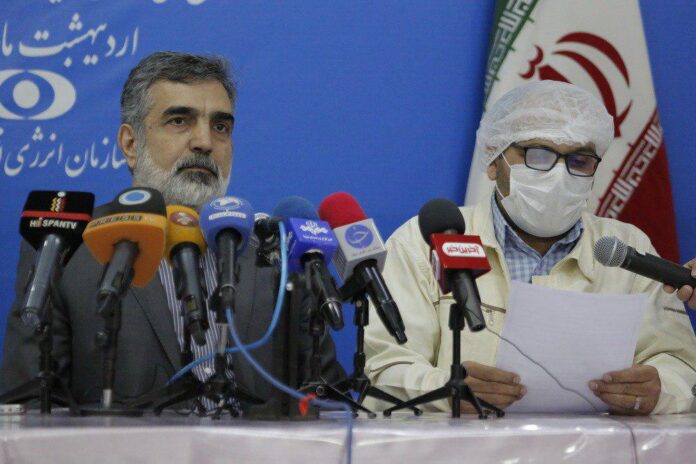
“Iran has increased the capacity for production of low enriched uranium (LEU) in Natanz nuclear facility by four times”, said spokesman of the Atomic Energy Organization of Iran (AEOI), Behrouz Kamalvandi, adding that the International Atomic Energy Agency (IAEA) has been notified of the issue.

The fourfold increase in the capacity to produce LEU was announced today by the Iranian official during a visit by Iranian journalists to the Natanz nuclear facility.

“We will soon be crossing the 300-kg limit in several weeks”, added Kamalvandi without providing further details on the technical measures done to increase the capacity for production of LEU.

Iran made a nuclear announcement recently in reaction to the United States withdrawal from the nuclear deal on 8 May, 2018. The statement of the Supreme National Security Council of Iran said that the country would reduce nuclear commitments under the framework of 2015 nuclear deal, by evading 300-kg limit on the amount of low-enriched uranium, and also 130-tonne limit for storage of heavy water produced at its Arak facility.

On May 8, Iran gave a 60-day ultimatum to the remaining members of the nuclear deal to compensate for the US withdrawal from the Joint Comprehensive Plan of Action (JCPOA), or else Iran would increase the level of enrichment by as much as 20 percent, and modernize the Arak reactor.

Kamalvandi said that “Iran can resume 20 percent enrichment within four days. Whether to conduct the 20-percent enrichment in Natanz or in Fordow is a question that needs to be considered by the Committee to Monitor and Supervise Implementation of the JCPOA at the Iranian Supreme National Security Council.”
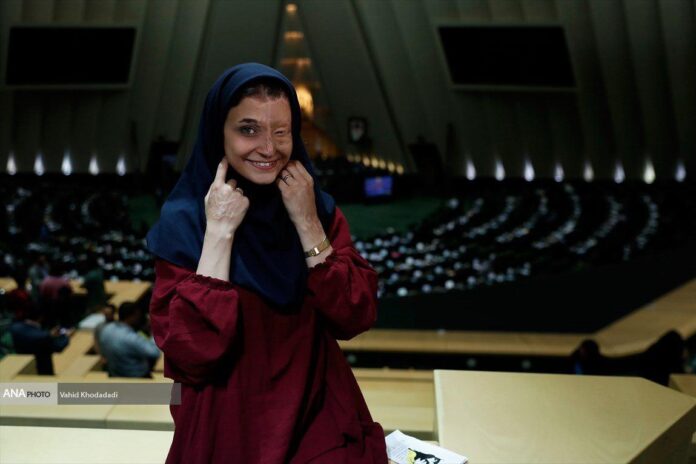
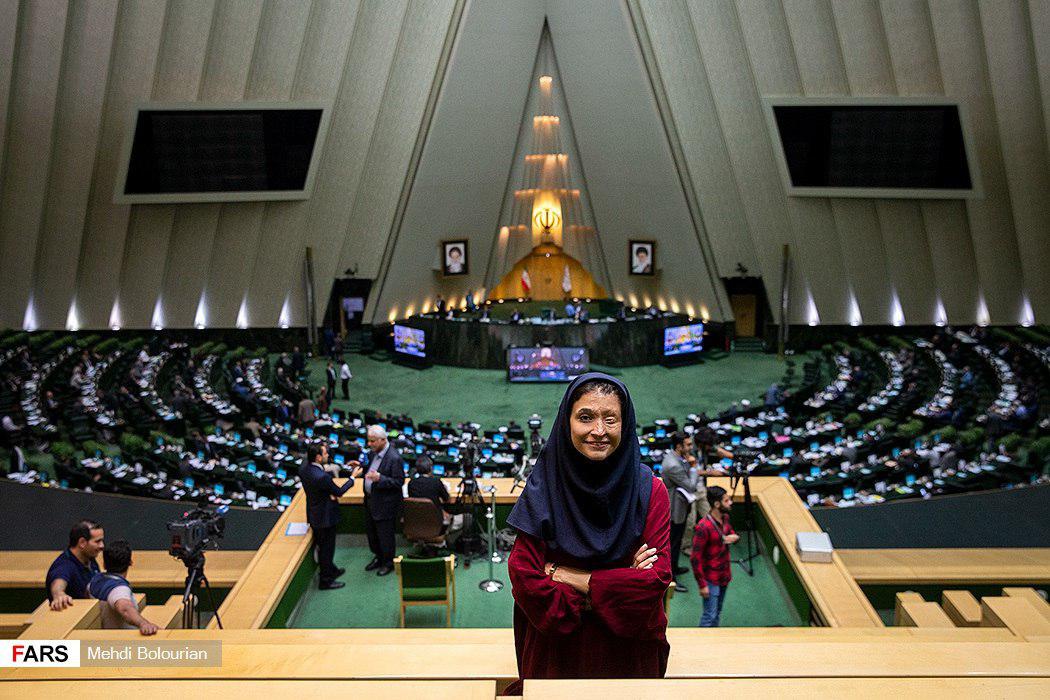
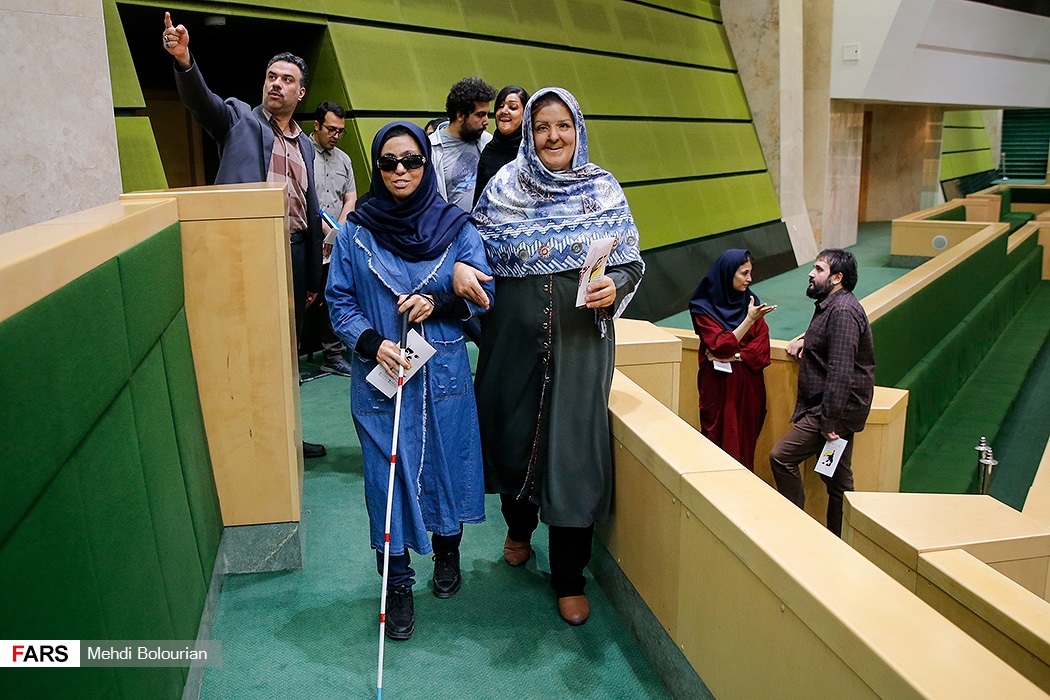
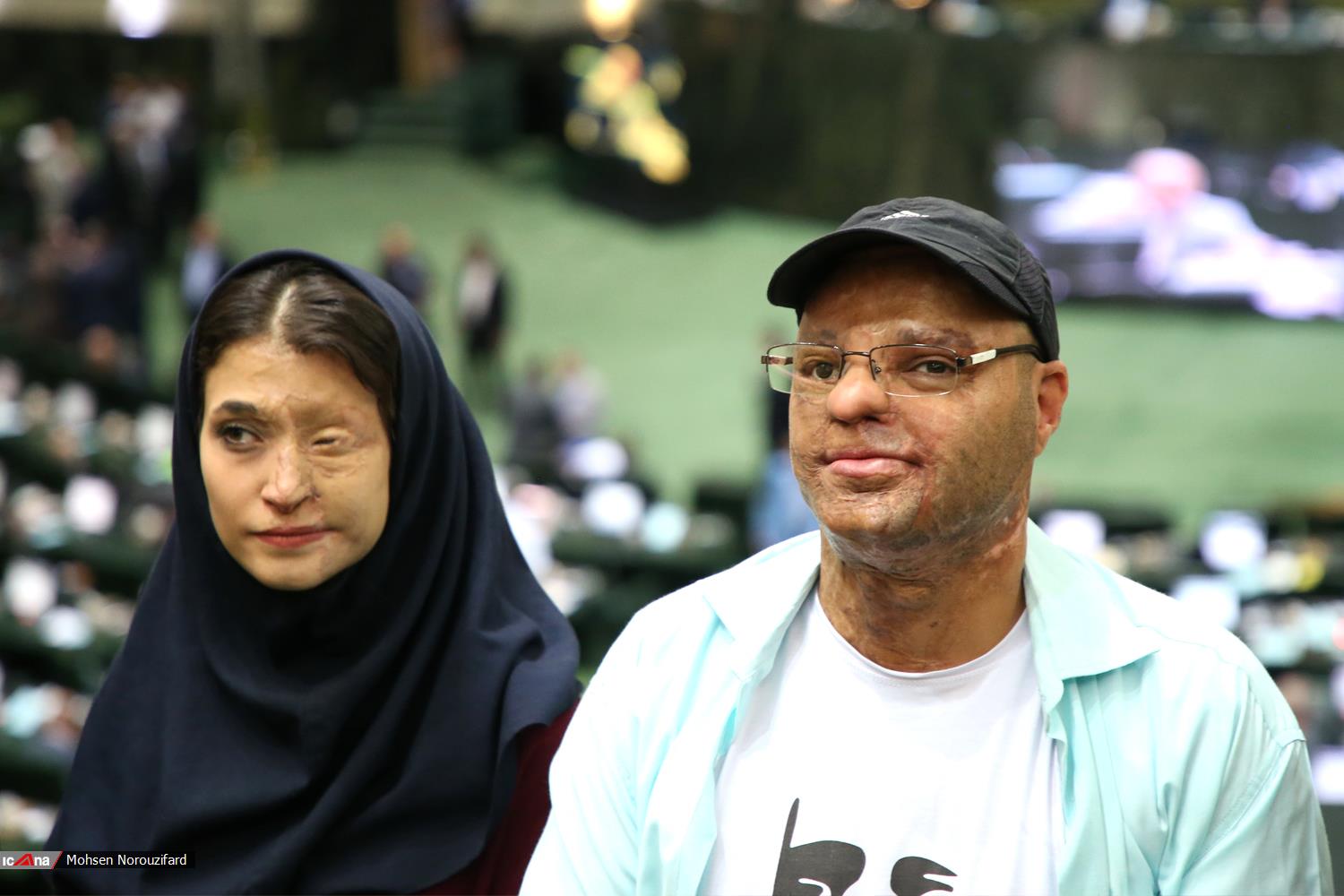
Iranian MPs Vote to Step Up Acid Attack Punishment

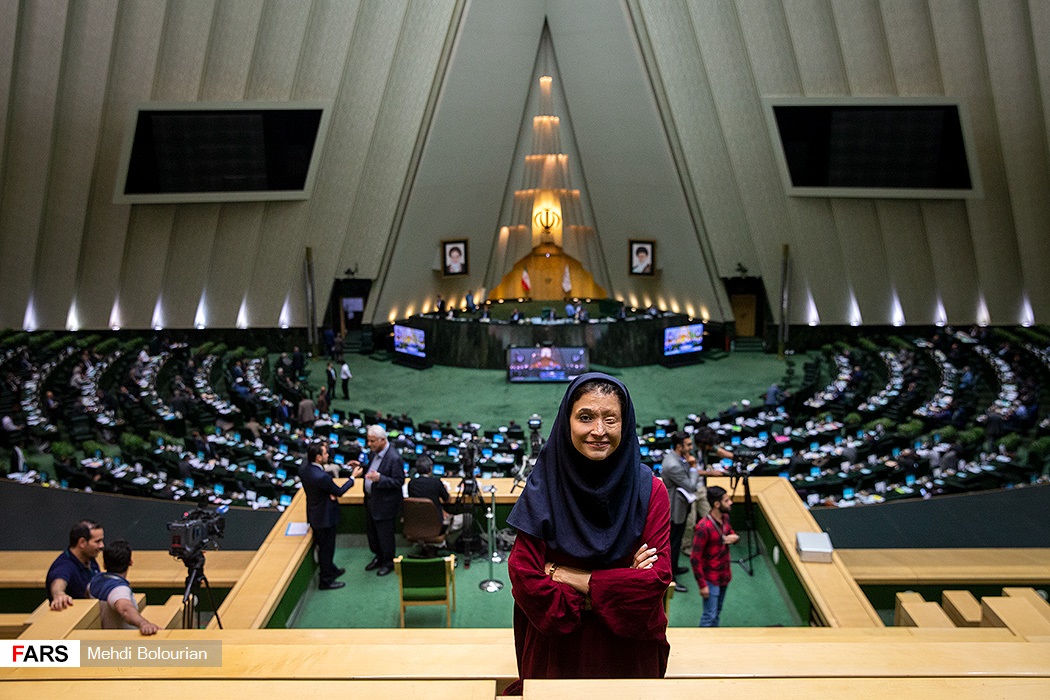
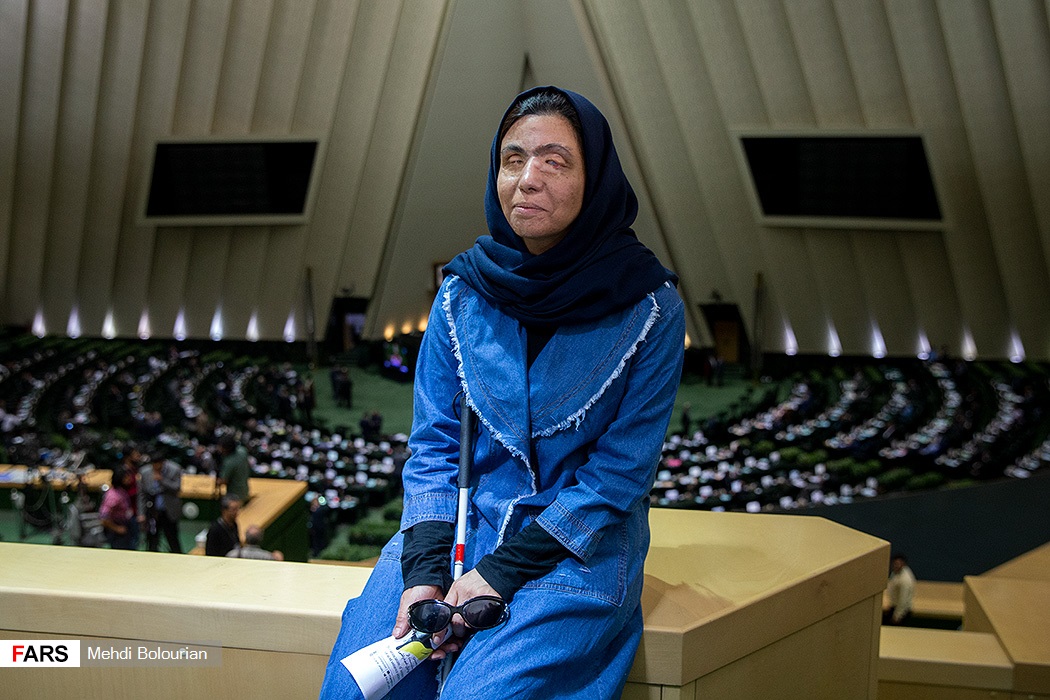
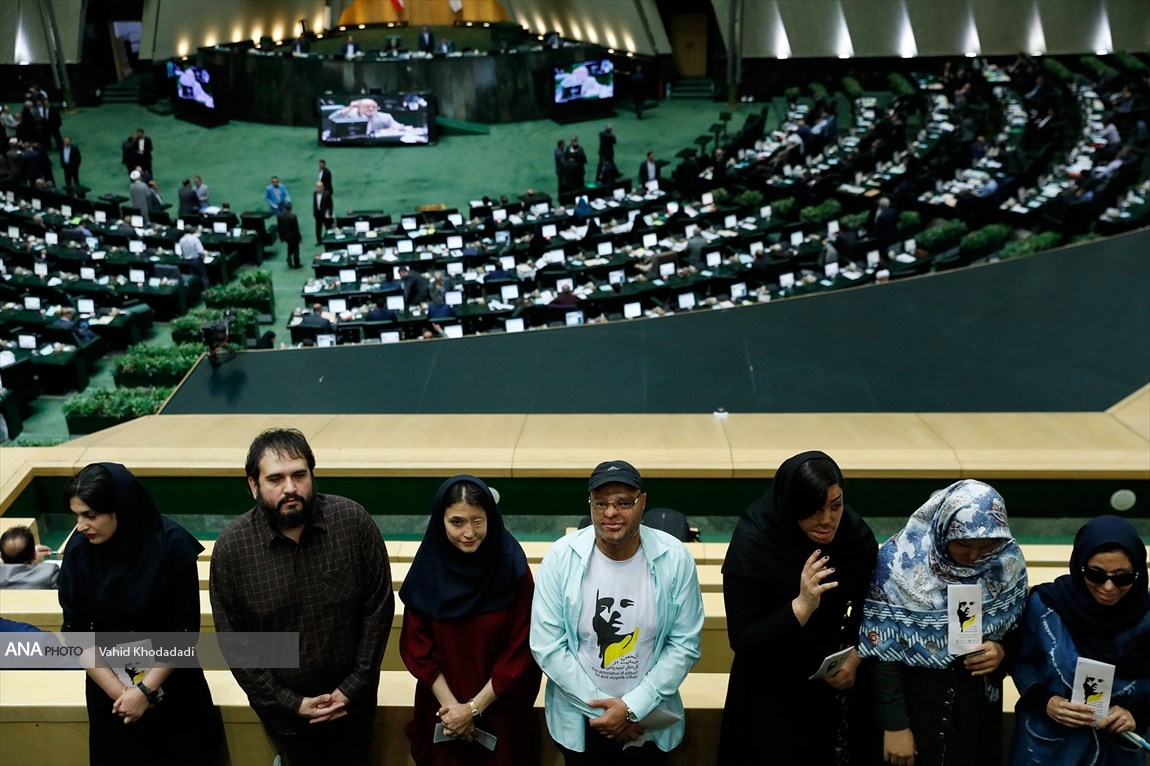
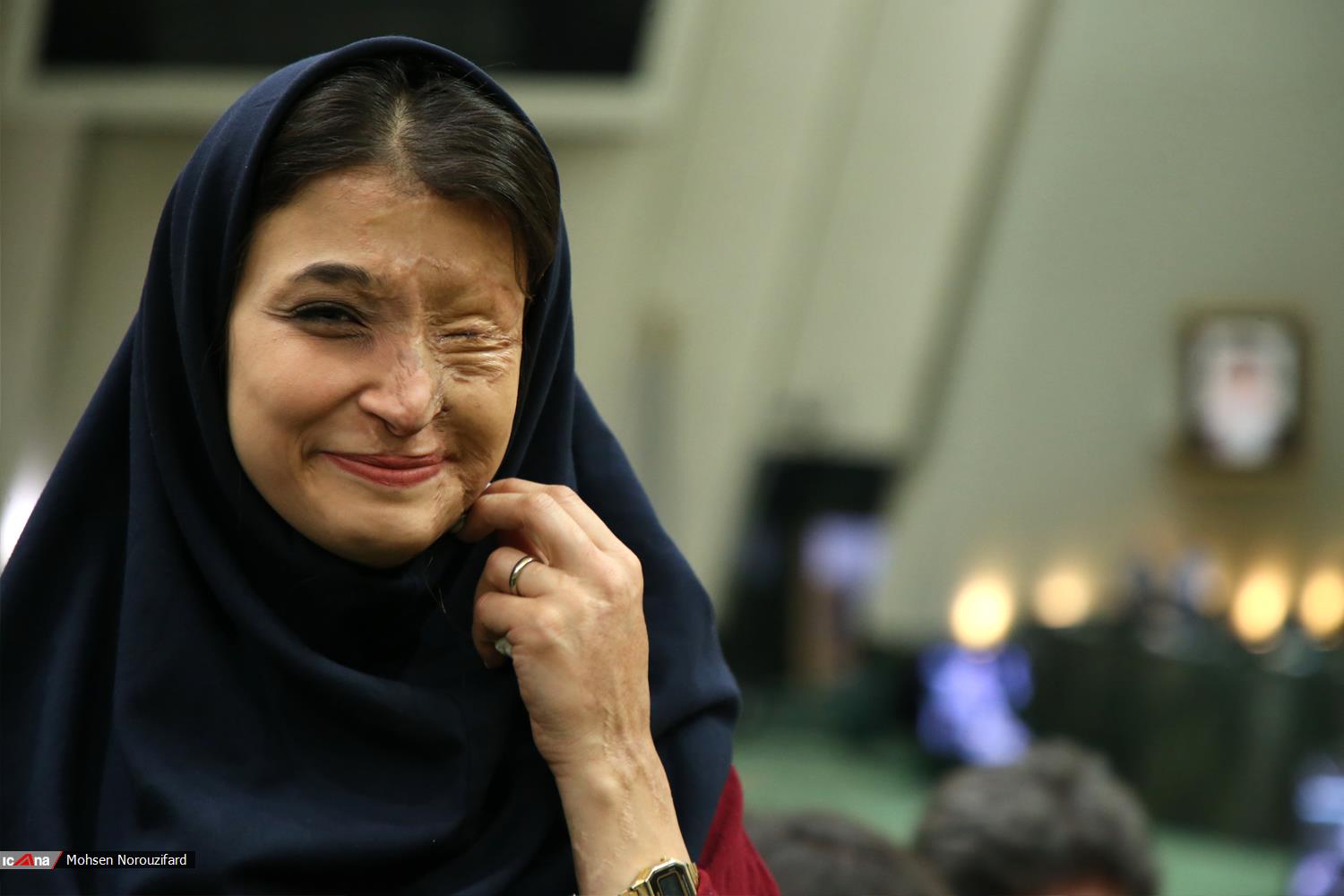
Iranian MPs Vote to Step Up Acid Attack Punishment

The lawmakers voted 147-16 on Monday to almost unanimously approve the bill, marking a momentous day in the history of the Parliament.

The new legislation calls for the “retaliation in kind” of any damage caused to the victims in acid throwing attacks where the perpetrator has carried out the act preplanned and with “malice aforethought.”
When the crime in question is not punishable by eye for eye retaliation and the assailant is forgiven by the survivor, the assailant will still have to pay blood money to the survivor, according to the law.

In case the assailant runs off, the government will pay the blood money and reimburses all the costs once the attacker is in custody.

In addition to the blood money and eye-for-eye retaliation, the assailants will also face up to 25 years in prison.

Iranian MPs Vote to Step Up Acid Attack Punishment“Over the past decades we have been seeing a spike in the number of acid attacks as a means of retaliation and violence in countries like the UK, Afghanistan, Pakistan and Iran,” said lawmaker Hassan Norouzi, who is also the spokesman for the legal and judiciary commission of the parliament.
“These acts have caused irreparable damage and terrorized the society and therefore it is imperative to impose a severe punishment,” he added.

Norouzi said besides social and economic causes, poverty and free access to acid were also among the main reasons behind the increase in such crimes.

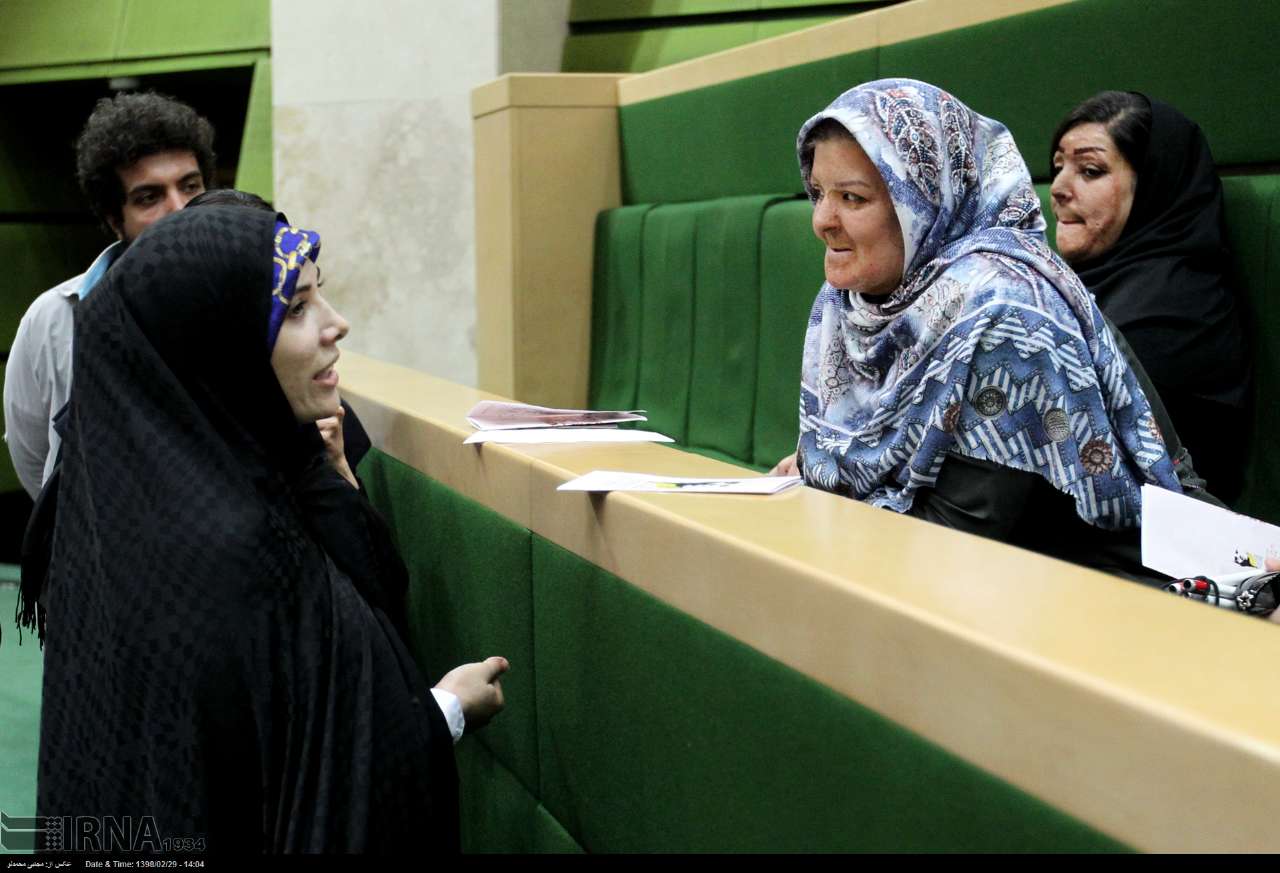
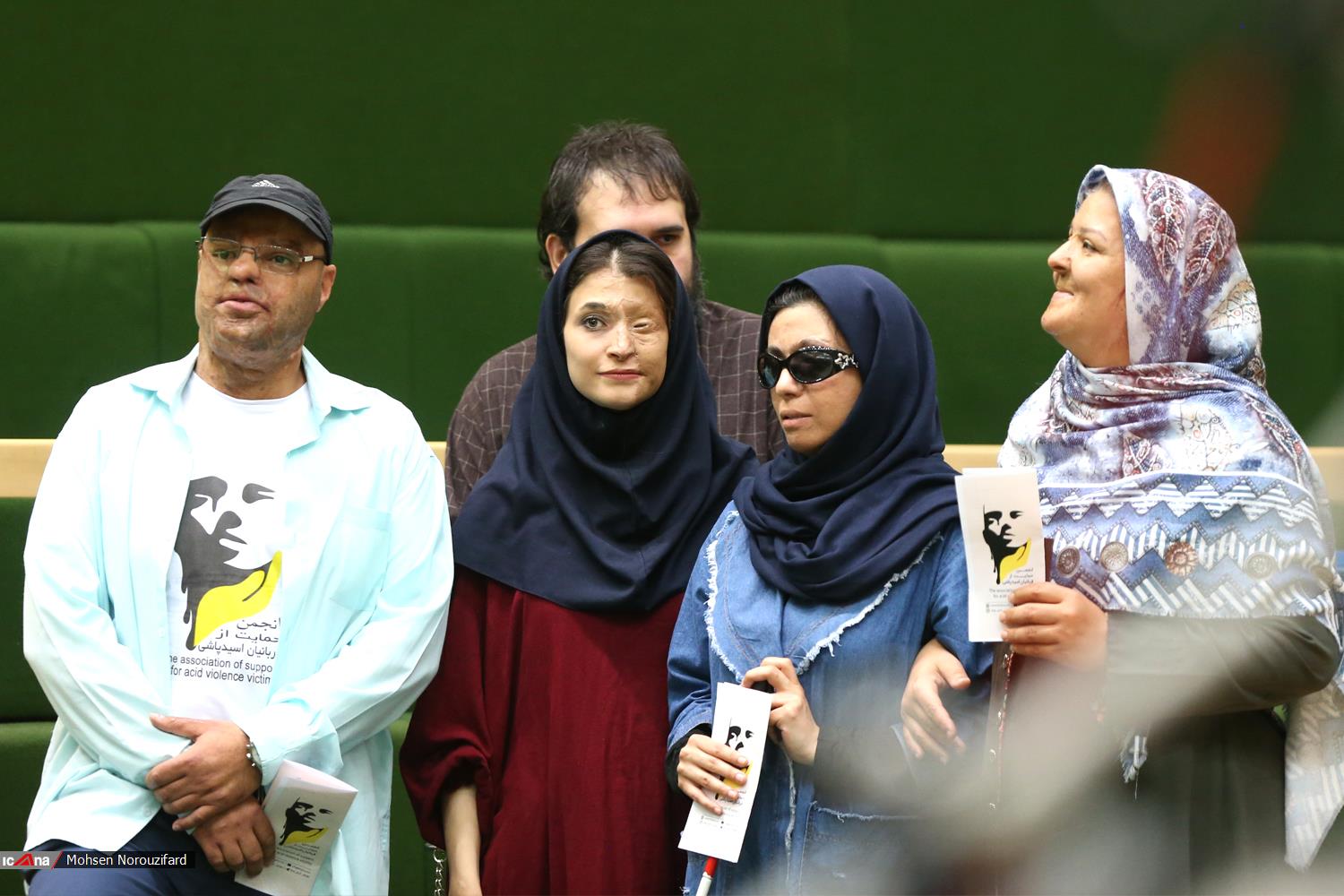
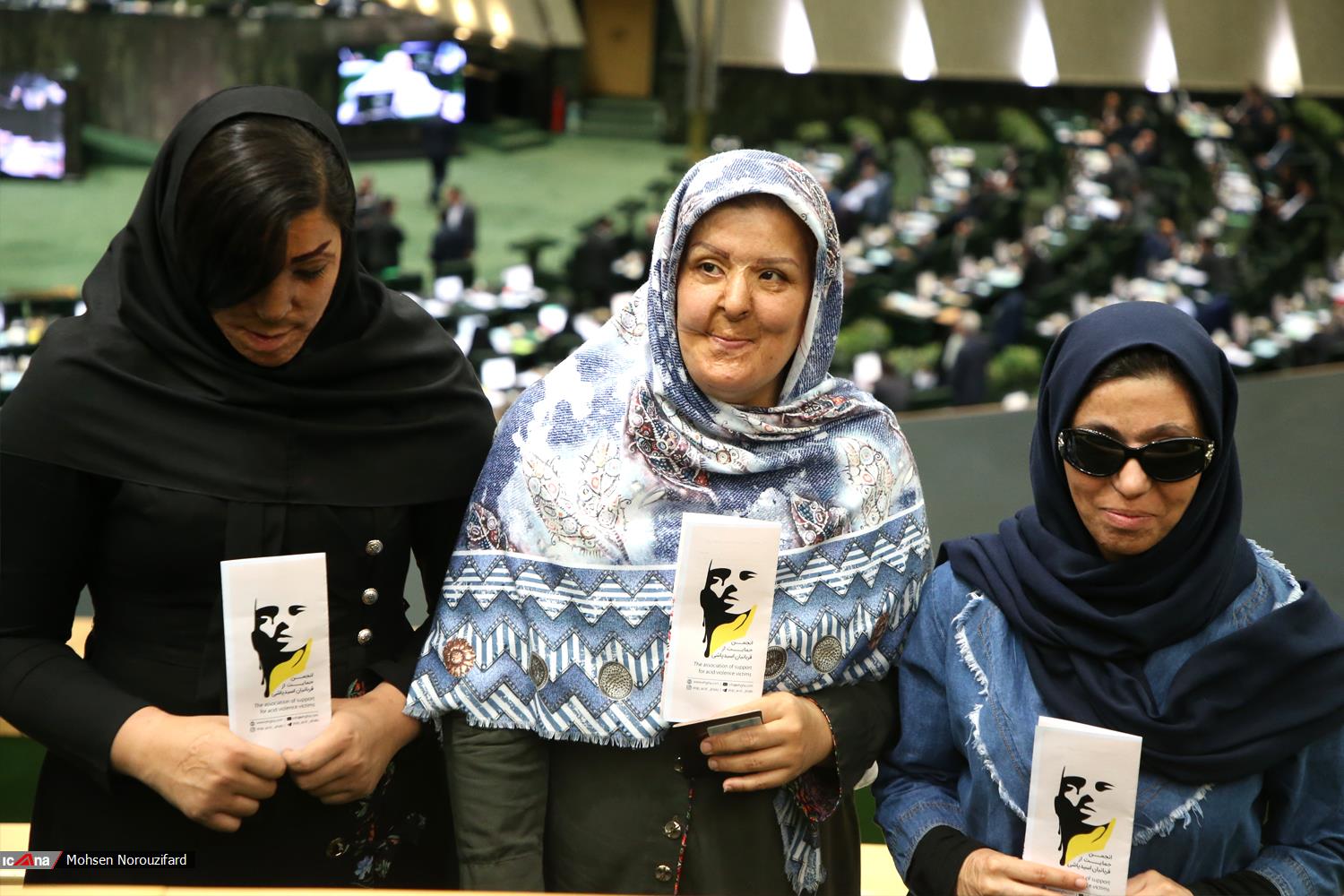
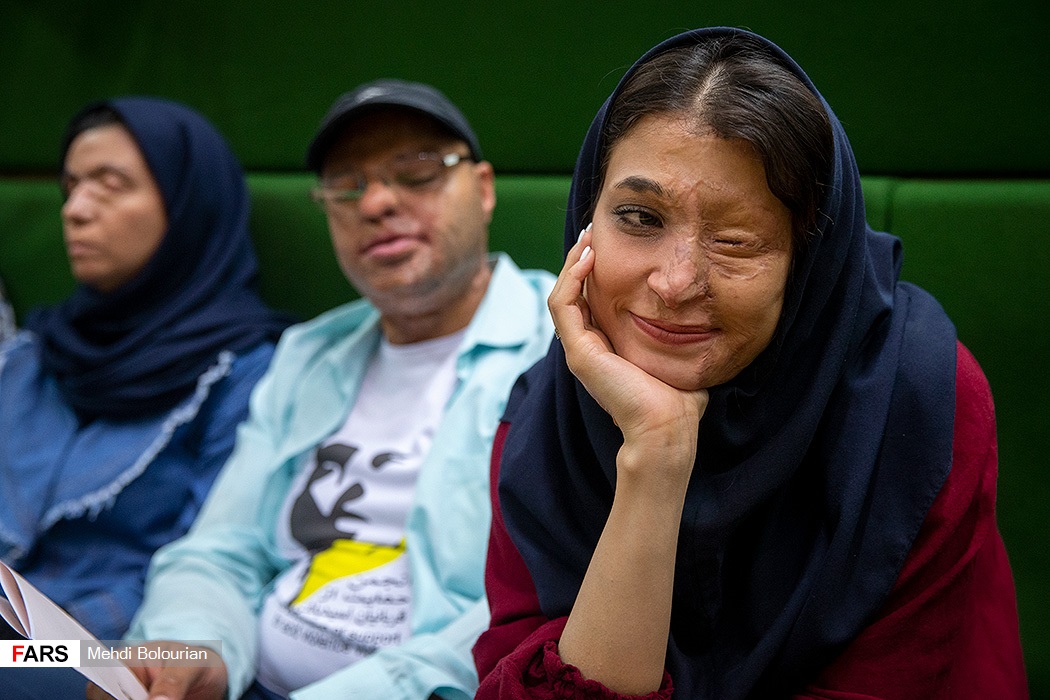
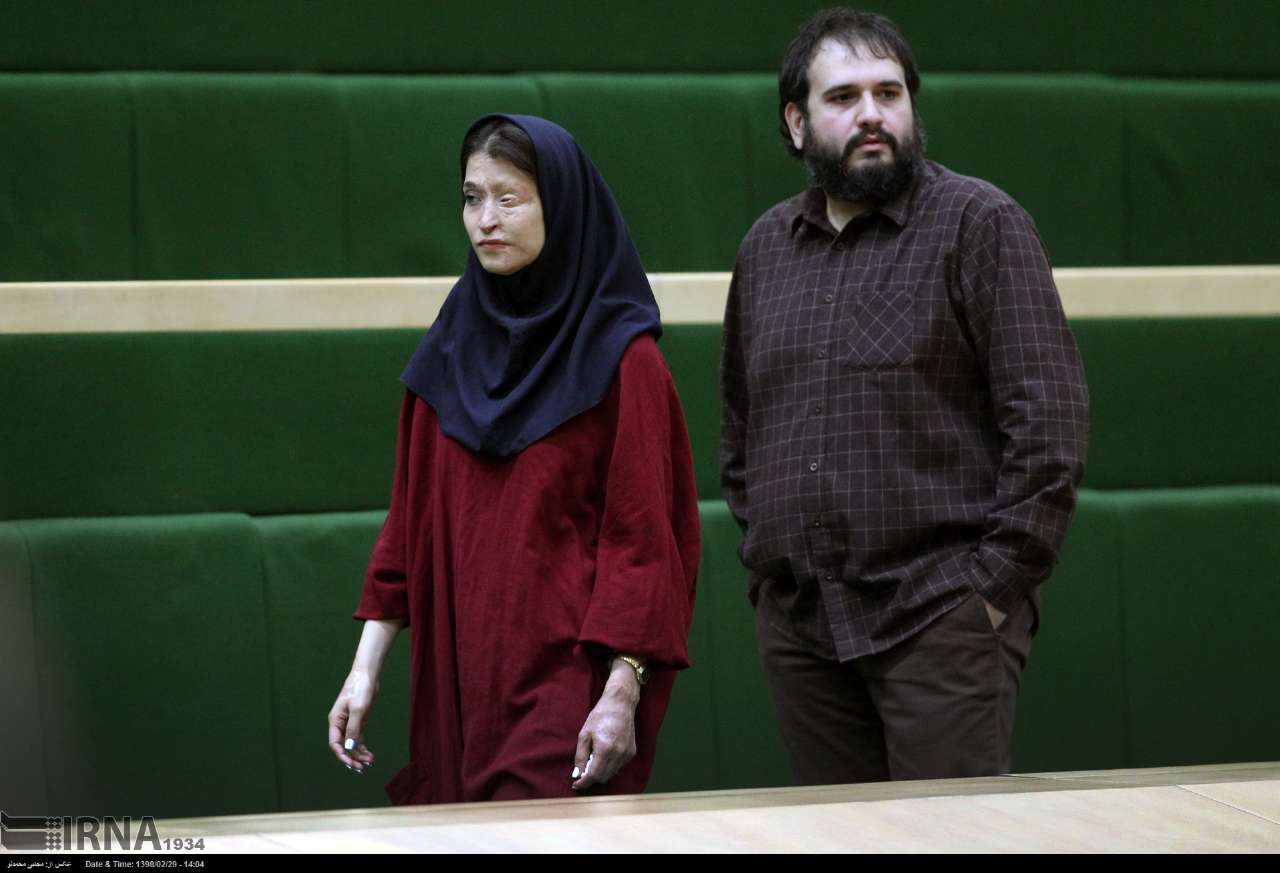
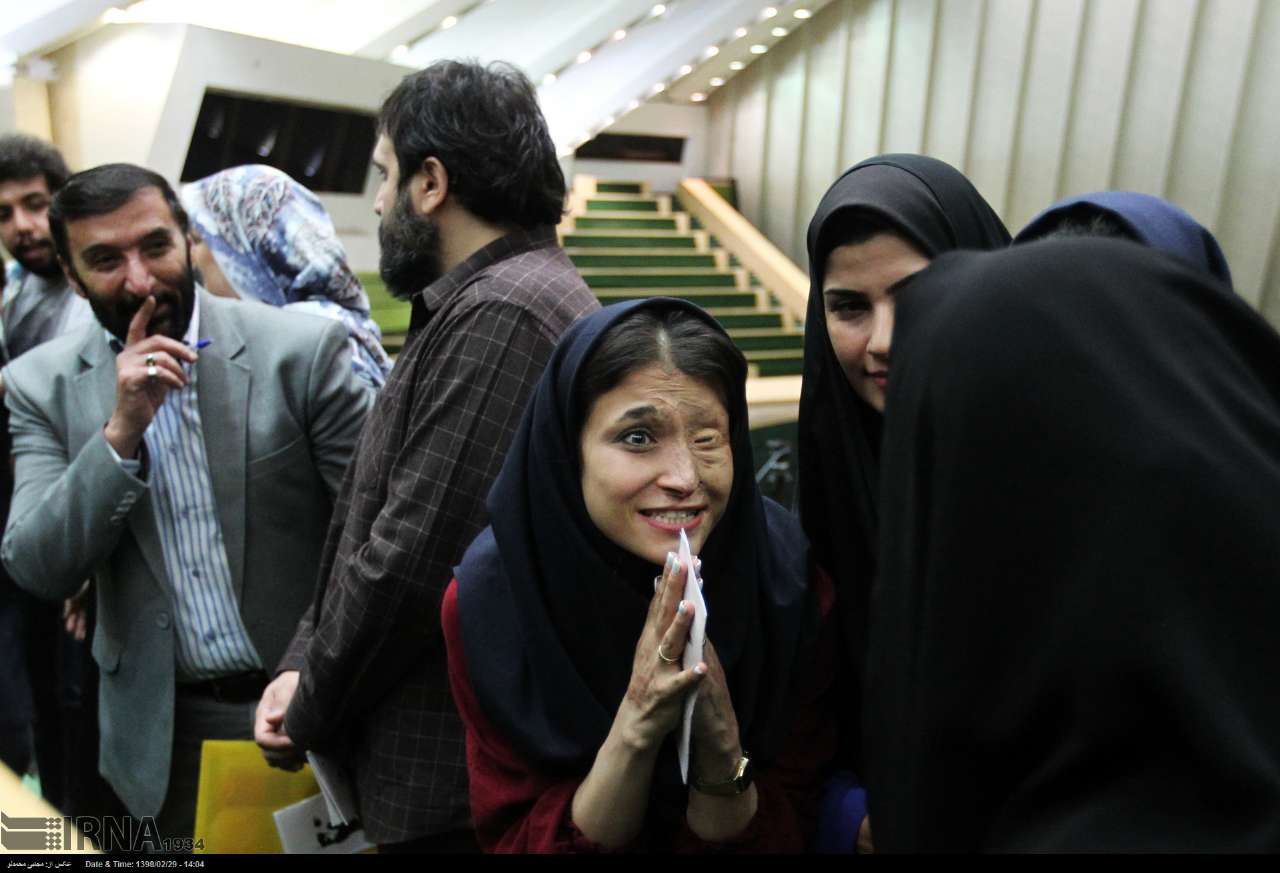
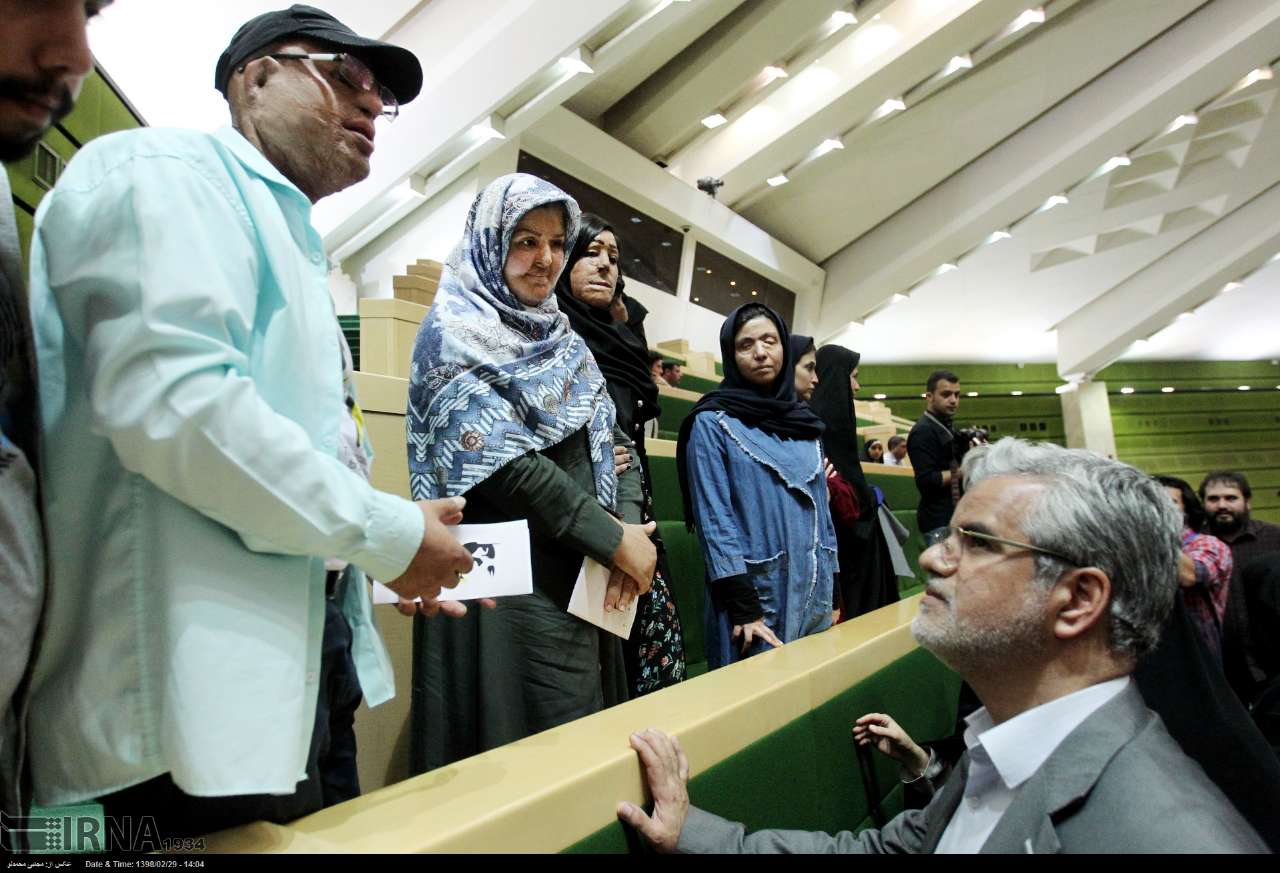
On Sunday, the parliament hosted a number of acid attack survivors, who discussed their issues and expectations from the lawmakers. Most of them argued they do not approve of more severe punishments, but called for stricter rules on the sale of acid.

The new legislation still needs to be ratified by the Guardian Council to be signed into law.

The issue of acid attacks jumped to headlines in Iran four years ago, when a spate of acid throwing attacks on four to ten women in Isfahan caused panic in the otherwise peaceful city.

According to eye witnesses, the male attackers riding on motorbikes threw acid on faces of young women while shouting statements against the targeted women’s allegedly loose clothing.

But authorities denied that the assaults had anything to do with the hijab, and some believe that the attacks were aimed at tarnishing the image of the Islamic Republic.

Acid attacks in Iran are usually linked to personal grudges.

Iranian Villager Establishes Museum of Agriculture

Iranian Villager Establishes Museum of Agriculture

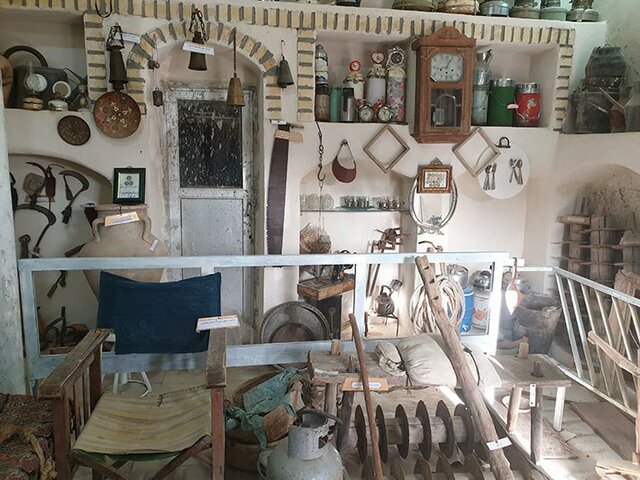
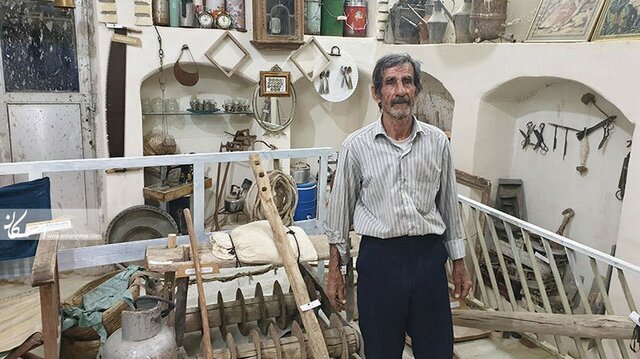
Ebrahim Tajik, 78, from Khaveh village of Varamin County in Tehran Province, has set up the museum in one of the rooms of his home by gathering old family instruments used in agriculture.

Most of the instruments belong to Tajik, his family members or relatives. Even other villagers have become interested in the new initiative. They donate their old instruments or the relevant stuff they have inherited to the museum, a report by ISNA said.

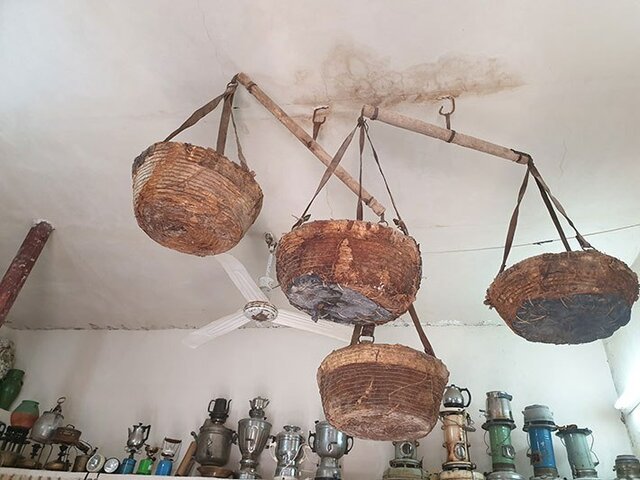
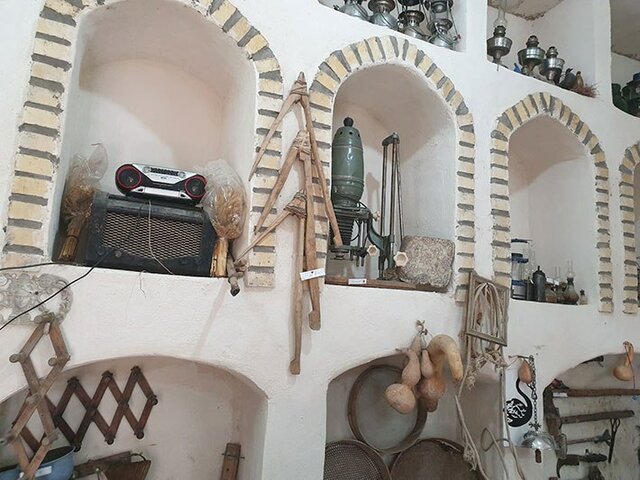
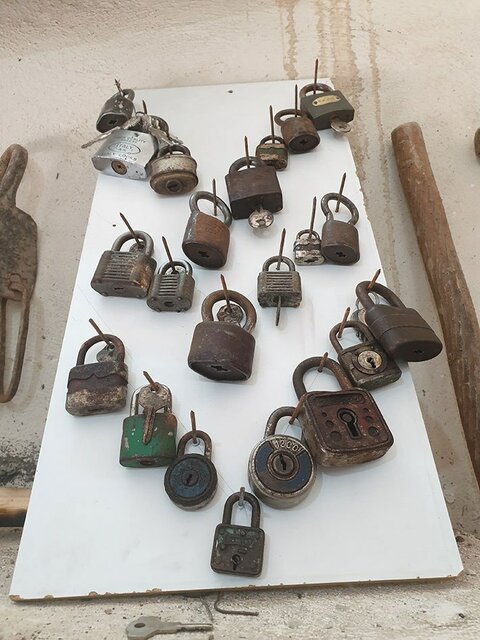
Tajik has brought together various old instruments from light, clock, lock, sickle, and scale to jar and many other things in his museum.

He cites an 80-year-old chair with no bolts in its structure as the most precious item of his museum. Tajik also points to some antique coins and a big jar as other precious items of the home museum. He is also deeply interested in collecting locks.

The museum has its own visitors from villagers to tourists from various parts of the country. The curator of the museum doesn’t believe in making money from it. The museum is open to the public and he himself is the one who explain about the items patiently.

On his main motivation for setting up the museum, he says his main goal is to get the new generations familiar with the ancient customs and lifestyles.

“Now that technology has penetrated into our life, I want to get our children who don’t have any impression of agriculture more familiar with our ancestors and their lifestyles,” he noted.

Sometimes, foreign visitors come to visit his museum. Most of them are surprised by getting familiar with the items held in it.

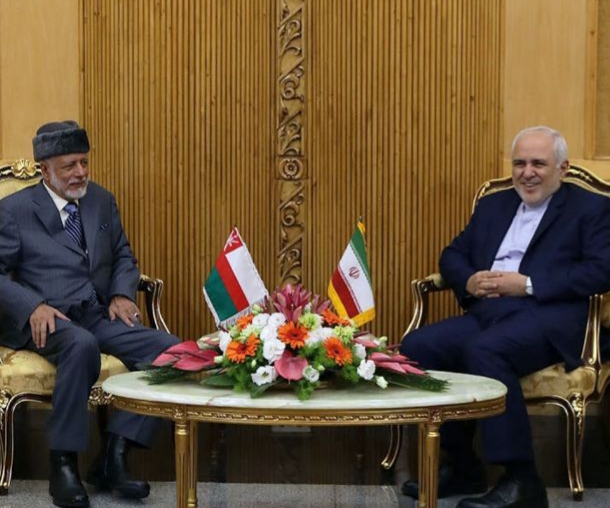
Omani FM in Tehran as Iran-US Tension Escalates

During the visit, the Omani top diplomat held talks with Iranian Foreign Minister Mohammad Javad Zarif on bilateral relations and the most important regional and international issues.

His visit comes a few days after Oman announced it is ready to mediate between Iran and the US to resolve the tensions.

Muscat’s ambassador to Washington said on May 11 that Oman is one of the few countries in the region that has close ties with both Iran and the United States.

“Earlier, we brokered the release of US climbers who were jailed in Iran. Now, we can do this about Iran’s oil sanctions,” said the Omani envoy.

Oman also played a significant role in the initial talks between Iran and the US that led to the nuclear talks and the Joint Comprehensive Plan of Action (JCPOA), the 2015 nuclear deal.

Bin Alawi’s meeting with Zarif also comes ahead of an emergency meeting of Arab countries, led by Saudi Arabia, in Mecca, which is expected to be focused on Iran and its tension with the US.

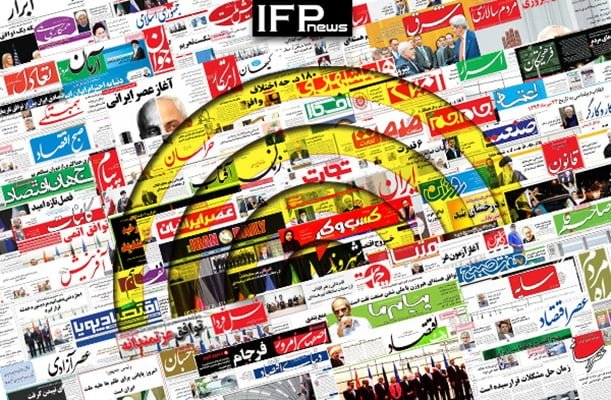
A Look at Iranian Newspaper Front Pages on May 20

A Look at Iranian Newspaper Front Pages on November 19

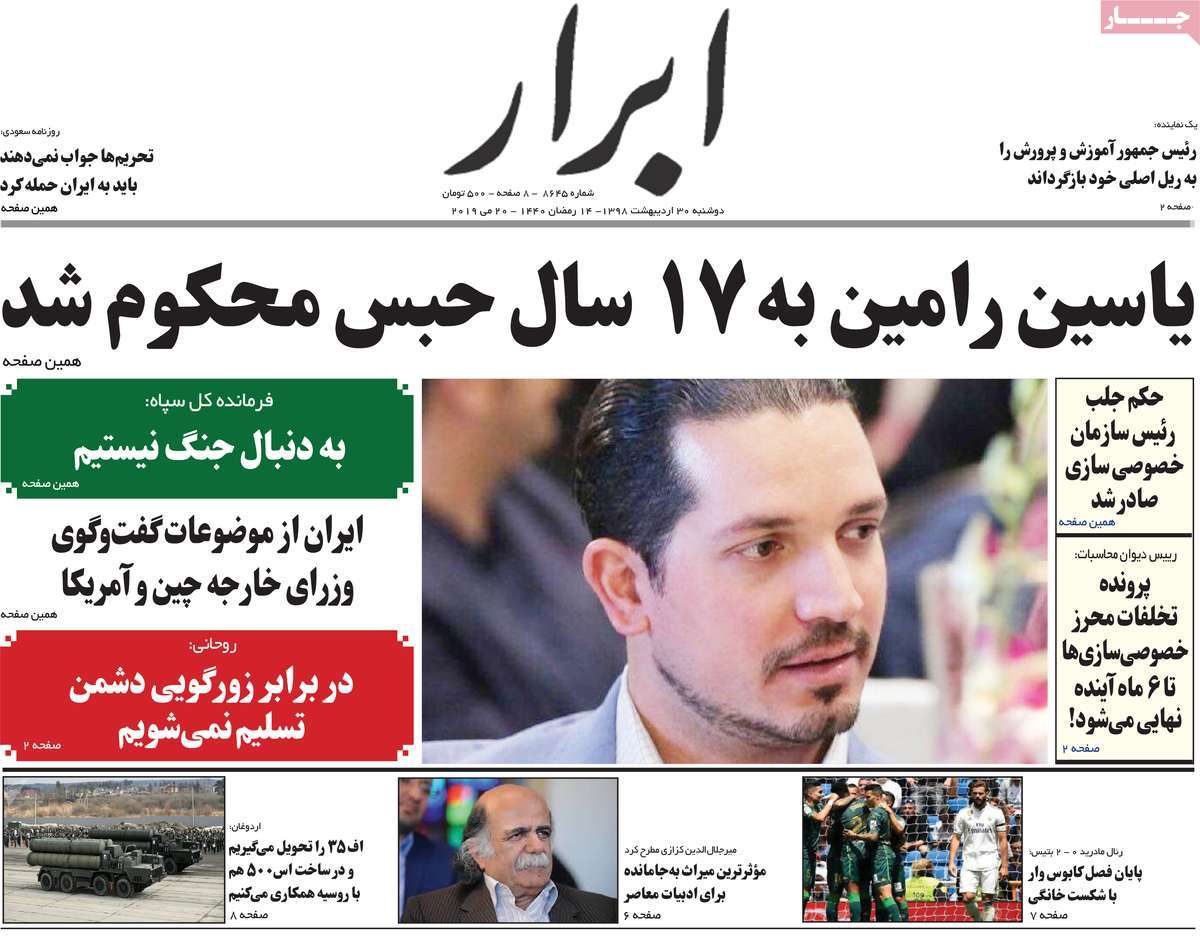
Abrar:
1- Saudi Paper: Sanctions Don’t Work, Iran Must Be Attacked
2- IRGC Chief: We’re Not after War

A Look at Iranian Newspaper Front Pages on May 20


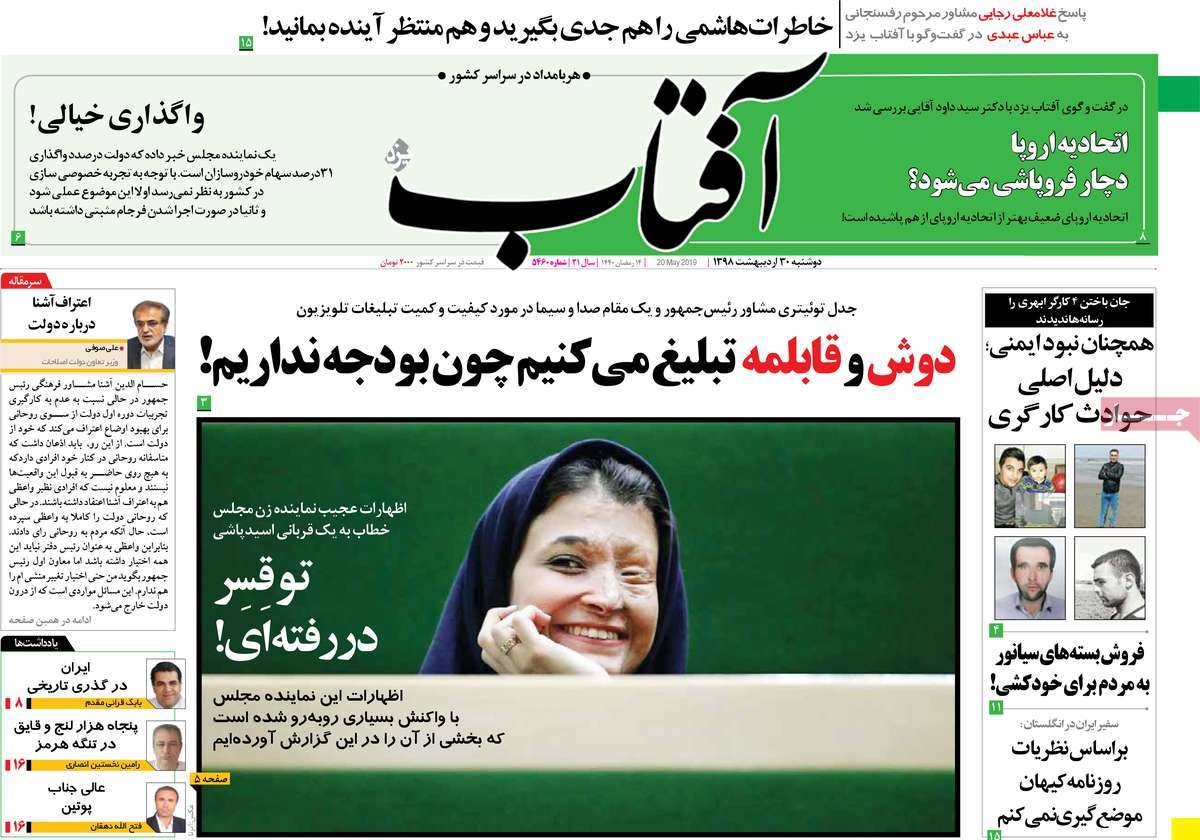
Aftab-e Yazd:
1- Will EU Collapse? Analyst Says Weak EU Better than No EU!

A Look at Iranian Newspaper Front Pages on May 20


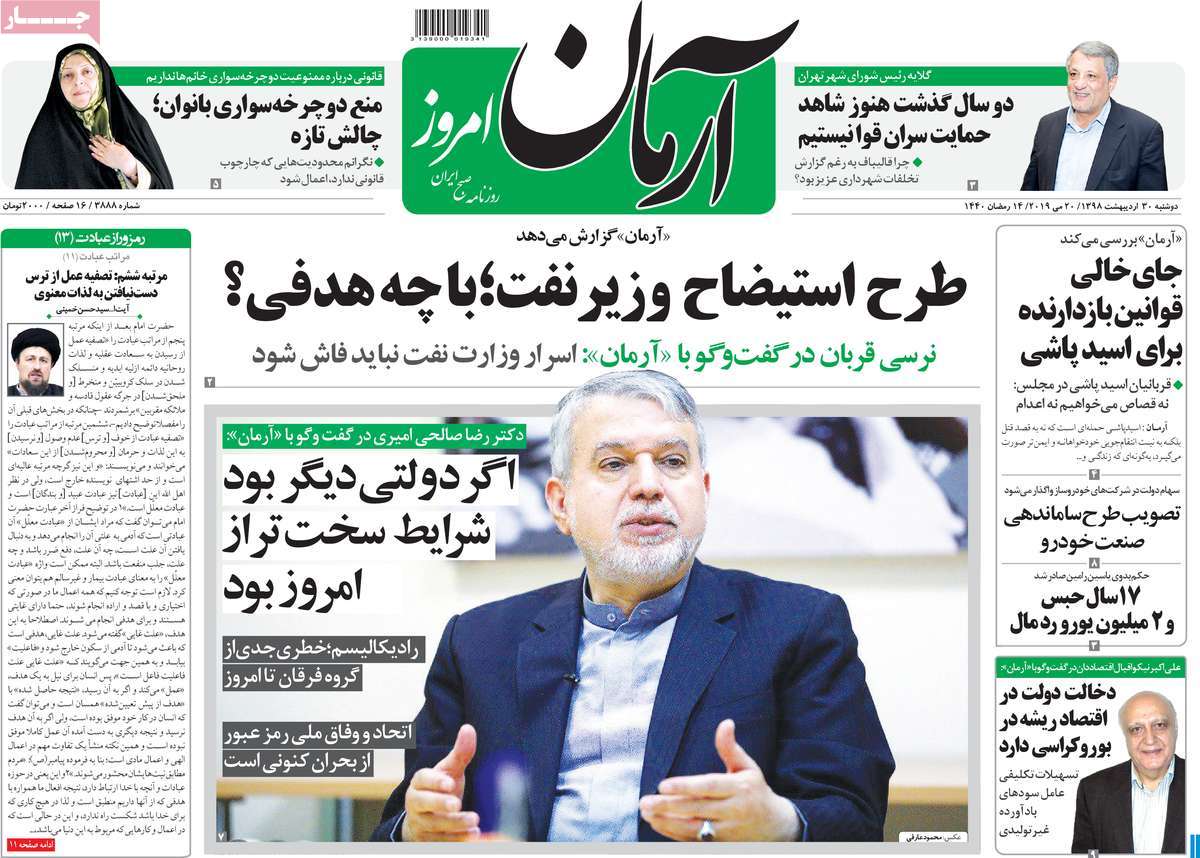
Arman-e Emrooz:
1- Gap of Deterrent Laws against Acid Attack
* Acid Victims in Parliament: We Don’t Want Attackers Be Executed
2- Conditions Could Be More Difficult If Another President Was in Office

A Look at Iranian Newspaper Front Pages on May 20


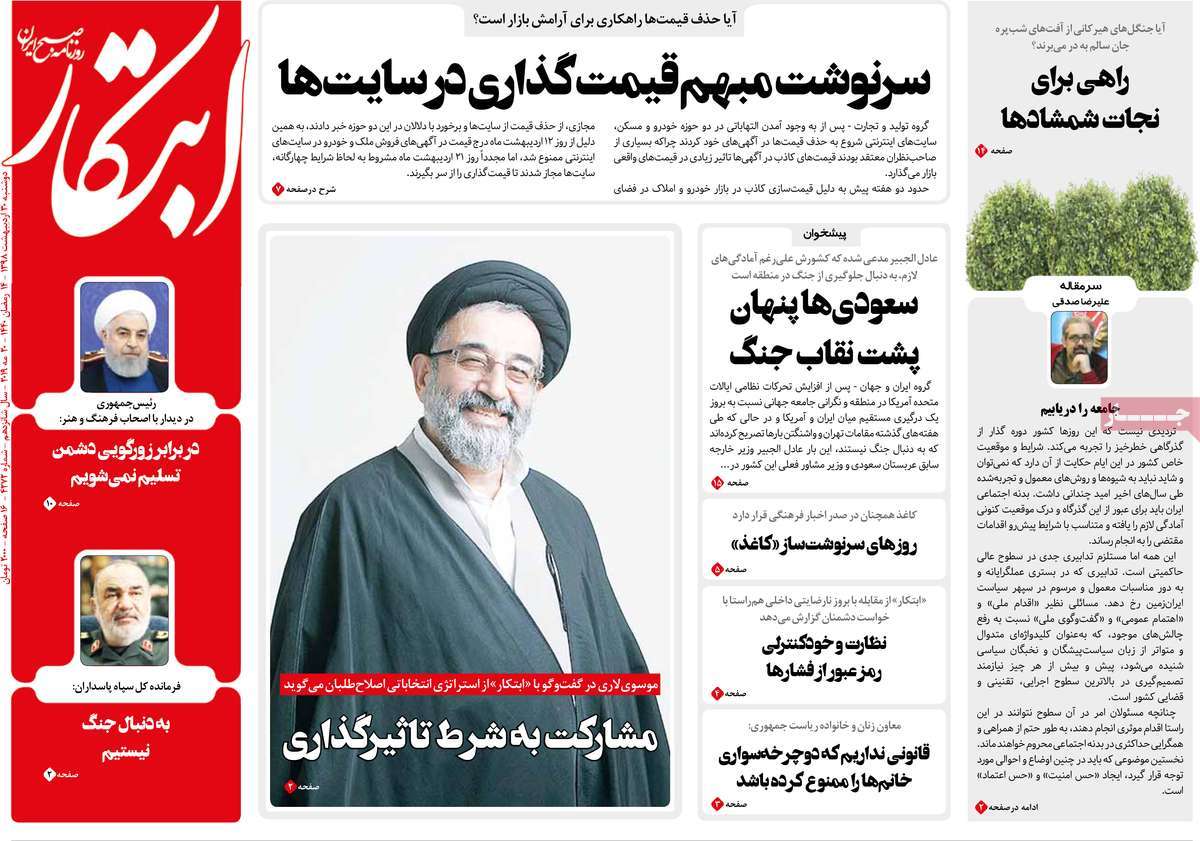
Ebtekar:
1- Rouhani: We Won’t Give in to Enemy’s Bullying
2- Al-Jubeir: Saudi Ready for War, but Trying to Avoid It

A Look at Iranian Newspaper Front Pages on May 20


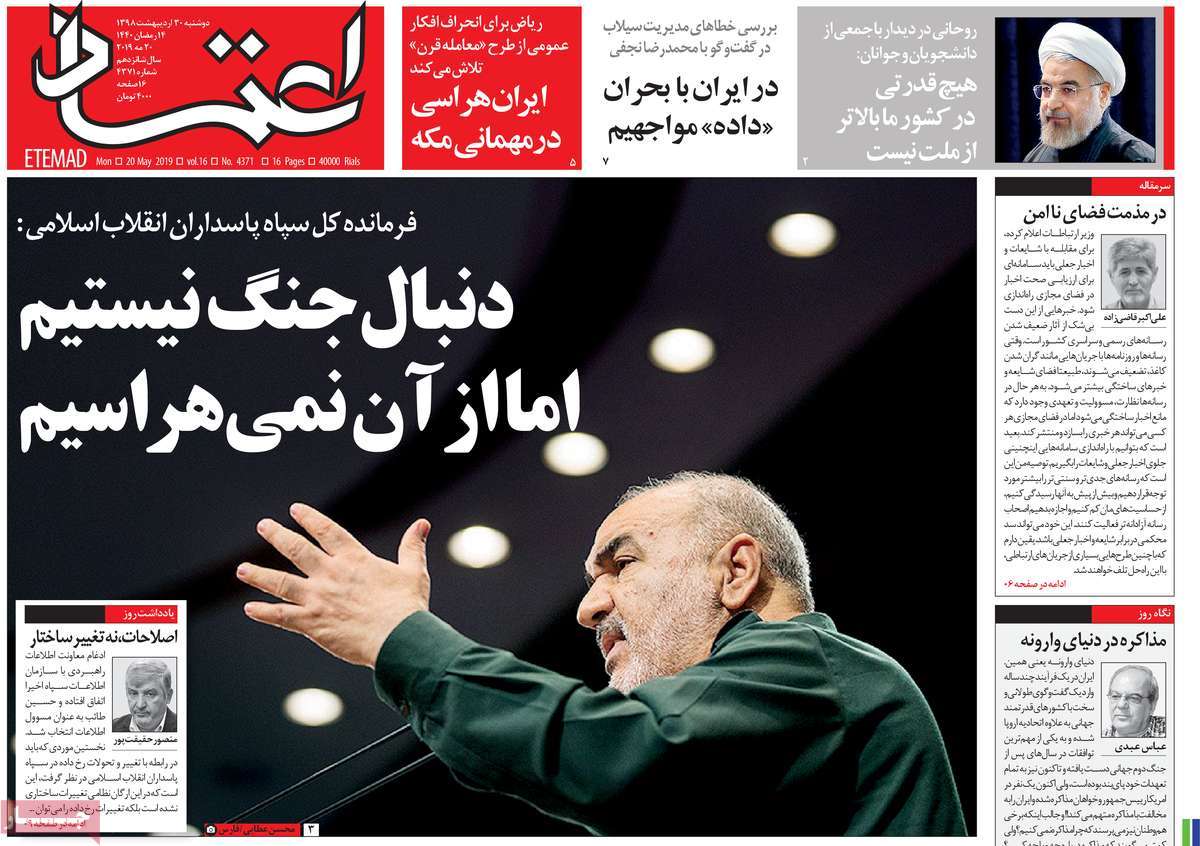
Etemad:
1- IRGC Chief: We’re Not after War, but Not Afraid of It
2- Iranophobia in Mecca Feast: Riyadh Trying to Divert World’s Attention Away from Deal of Century

A Look at Iranian Newspaper Front Pages on May 20


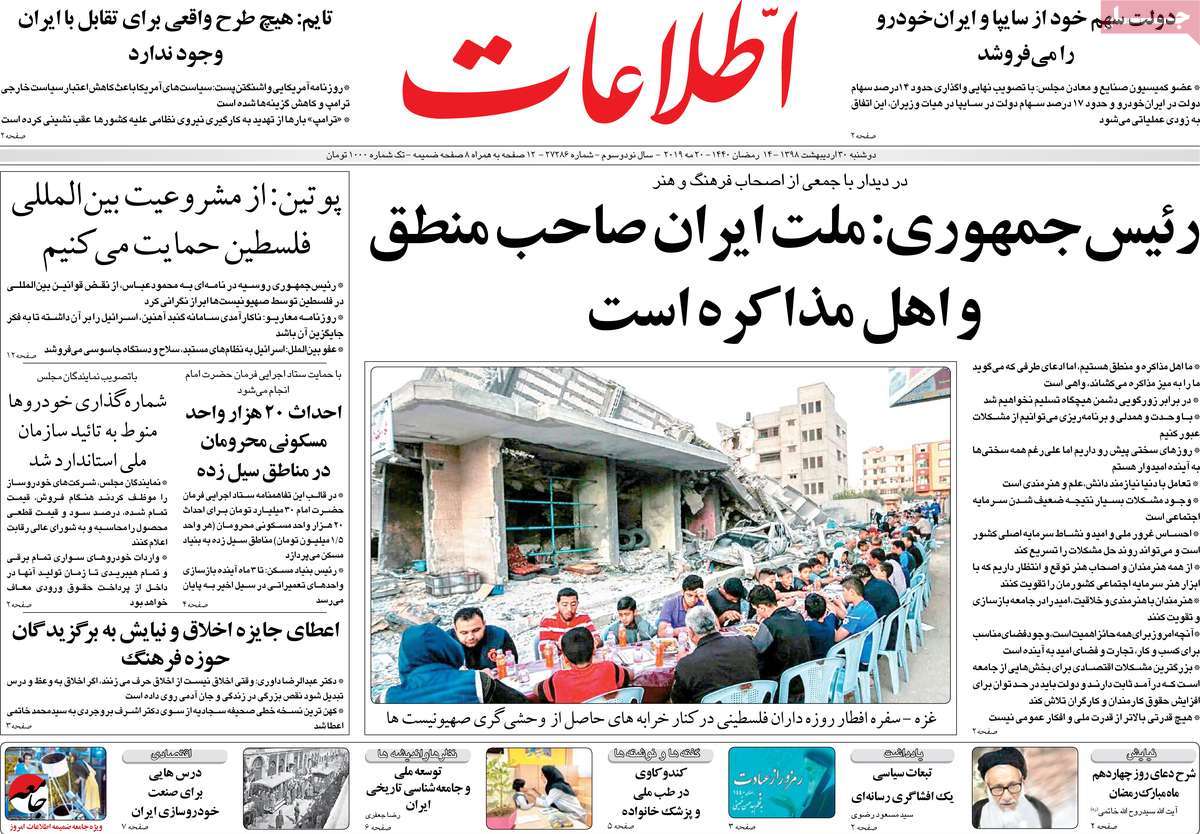
Ettela’at:
1- Rouhani: Iranian Nation Pro Logic, Negotiation
2- Putin: We Support Palestine’s Int’l Legitimacy

A Look at Iranian Newspaper Front Pages on May 20


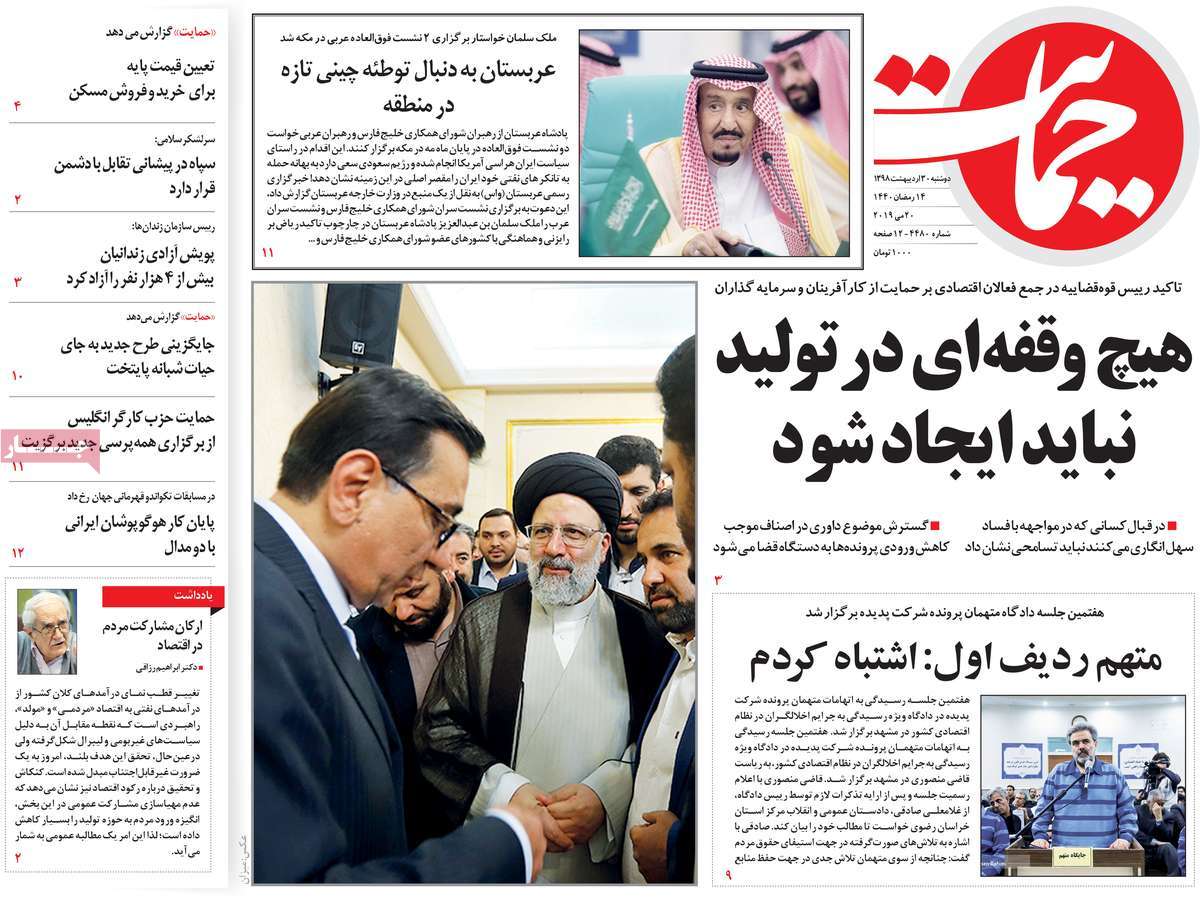
Hemayat:
1- Saudi Arabia after New Plots in Region
* King Salman Calls for Two Emergency Arab Meetings in Mecca
2- Over 4,000 Prisoners Released Thanks to Popular Campaign


A Look at Iranian Newspaper Front Pages on May 20


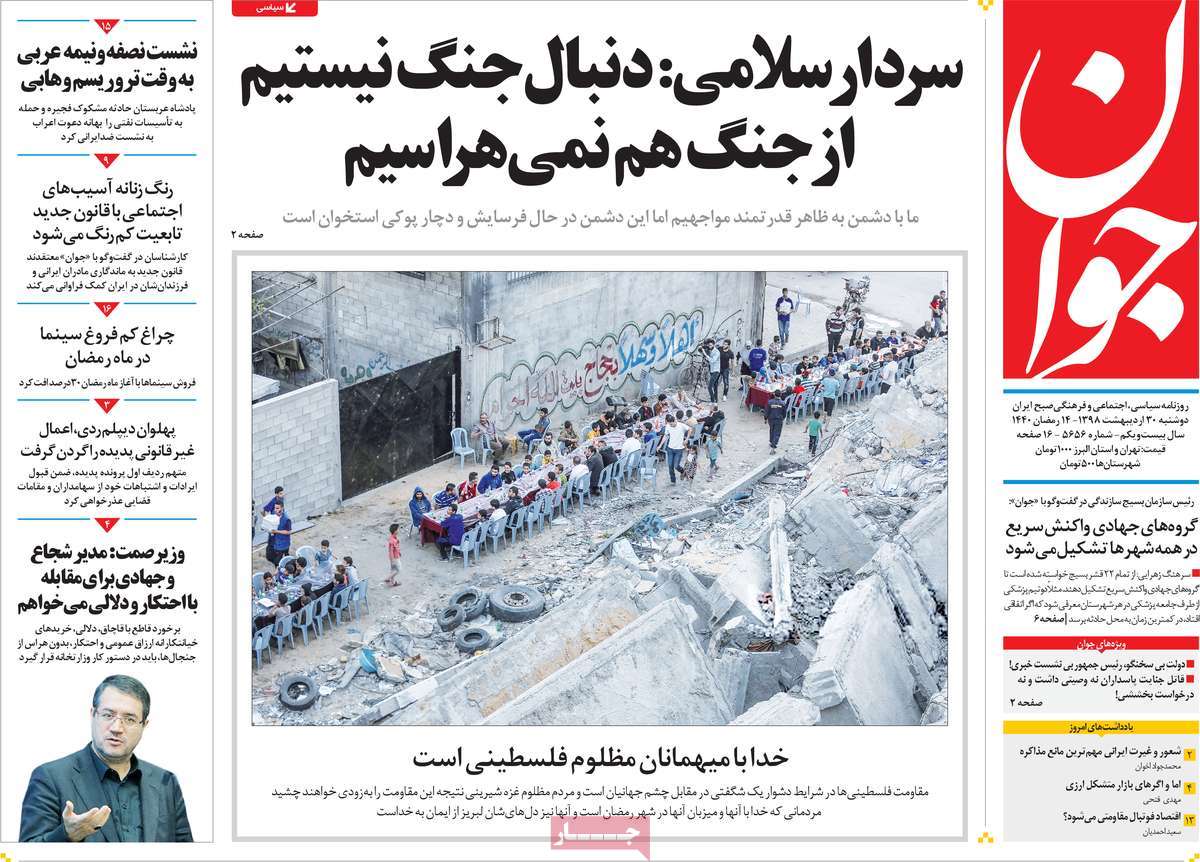
Javan:
1- IRGC Chief: Our Enemy Apparently Powerful, but Weak from Inside

A Look at Iranian Newspaper Front Pages on May 20


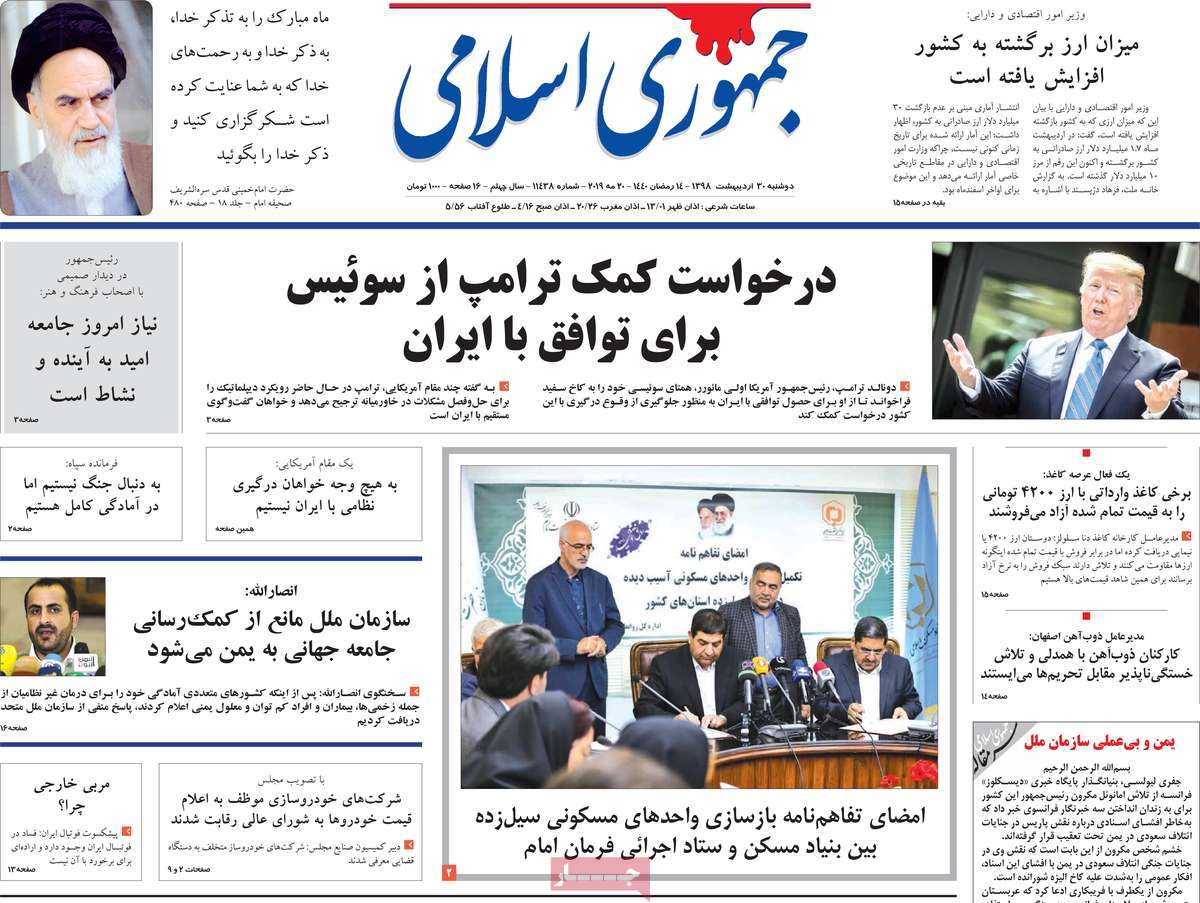
Jomhouri Eslami:
1- Trump Asks for Switzerland’s Help for Deal with Iran
2- American Official: We’re Not at All after Military Confrontation with Iran

A Look at Iranian Newspaper Front Pages on May 20


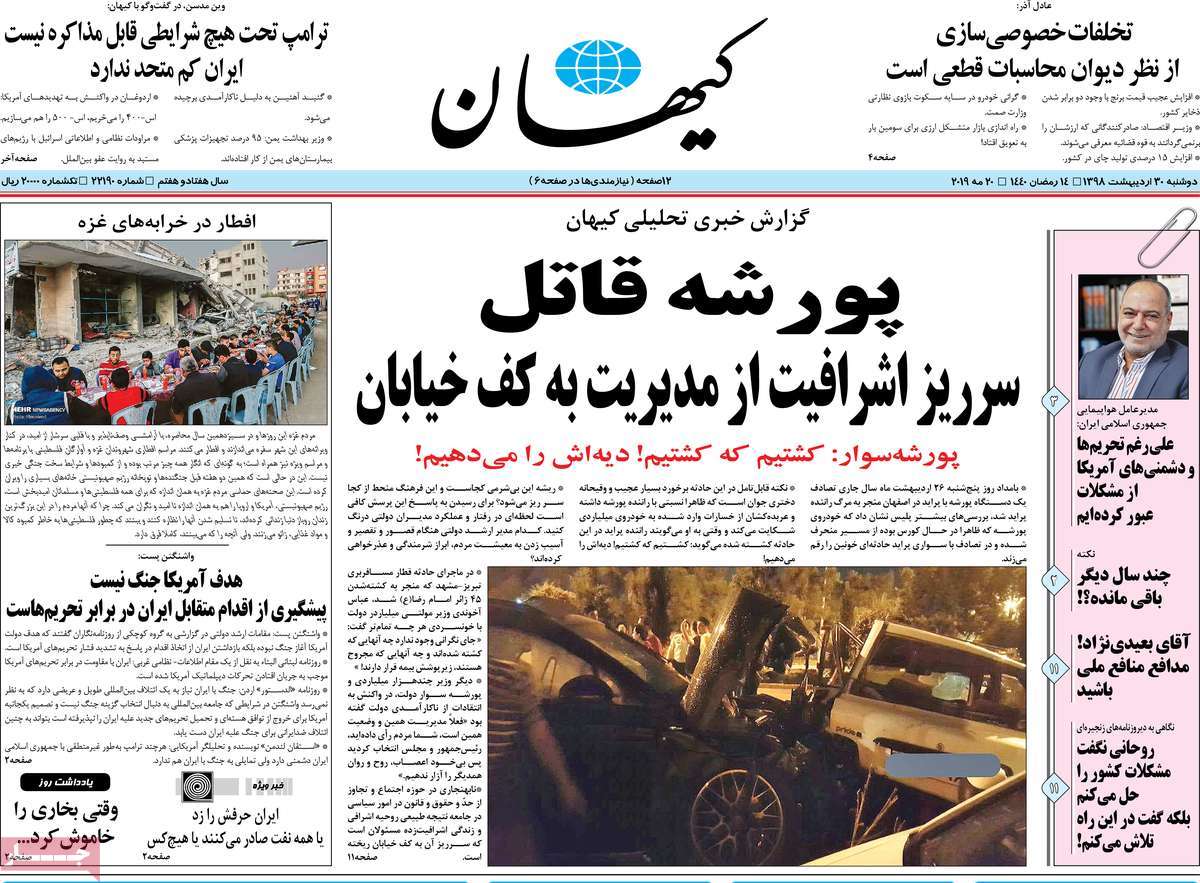
Kayhan:
1- Trump Not Negotiable in Any Way; Iran Has Many Allies
2- Washington Post: US’ Goal Not War with Iran, It Seeks to Prevent Iran’s Reciprocal Action
3- Iran Air: We’ve Overcome Problems Despite US Bans

A Look at Iranian Newspaper Front Pages on May 20


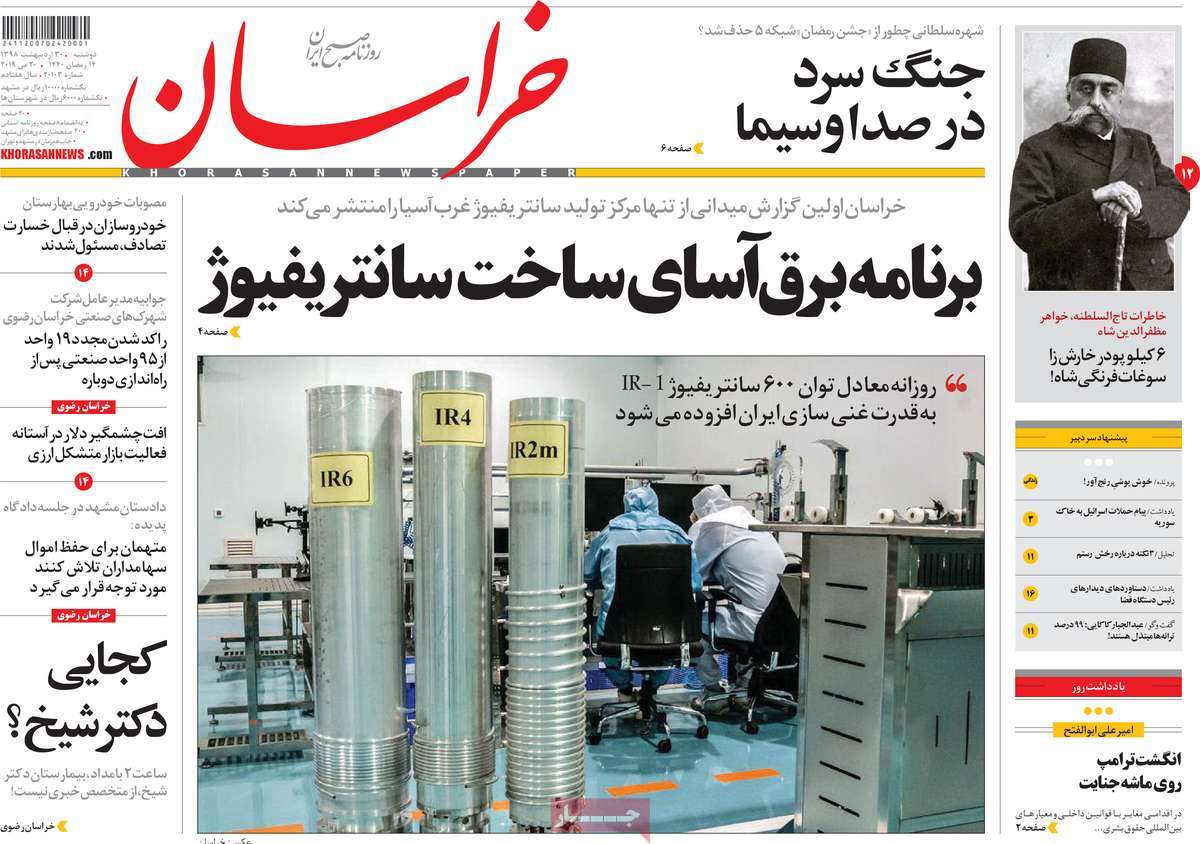
Khorasan:
1- Iran to Increase Its Uranium Enrichment Power

A Look at Iranian Newspaper Front Pages on May 20


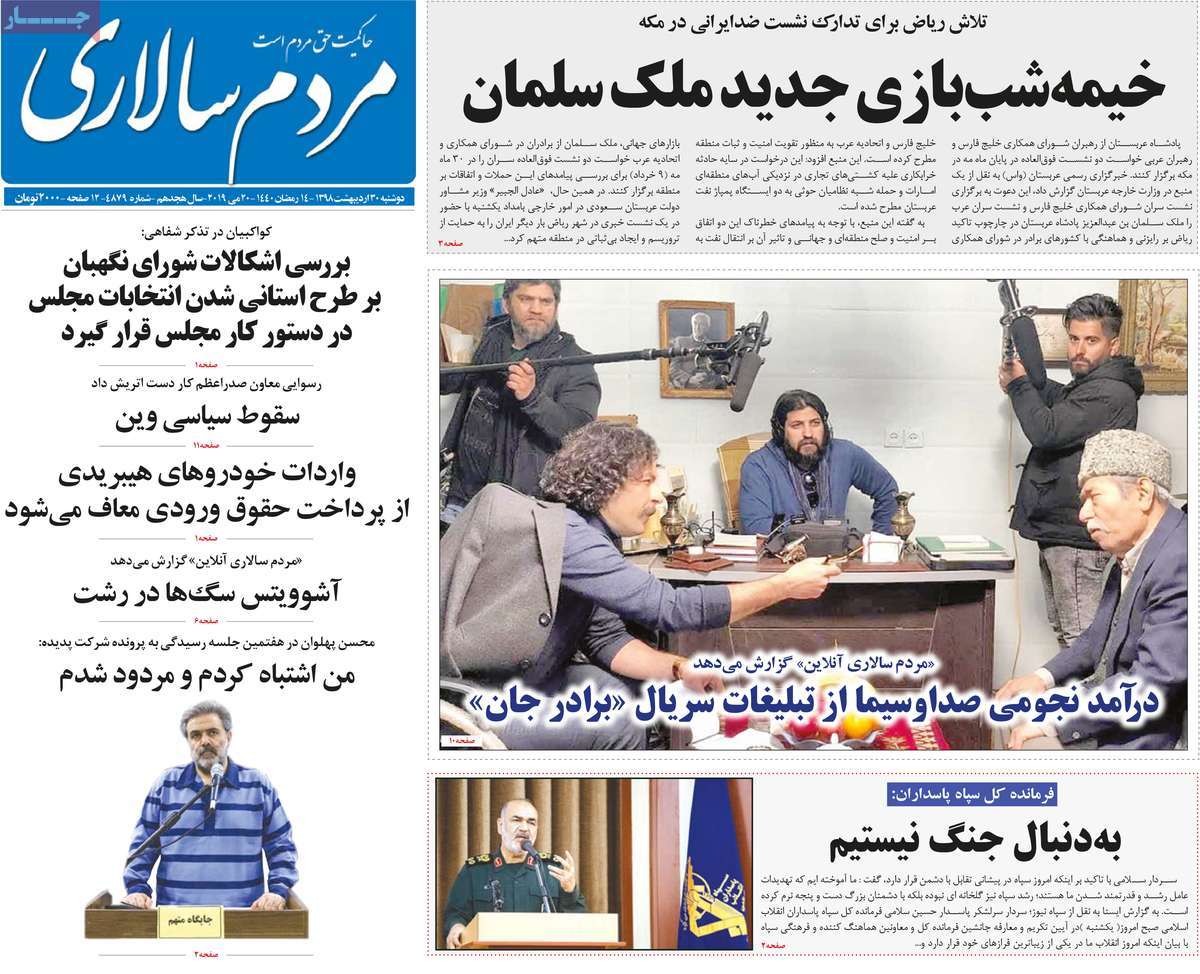
Mardom Salari:
1- King Salman’s New Puppet Show
* Riyadh Trying to Hold Anti-Iran Summit in Mecca

A Look at Iranian Newspaper Front Pages on May 20


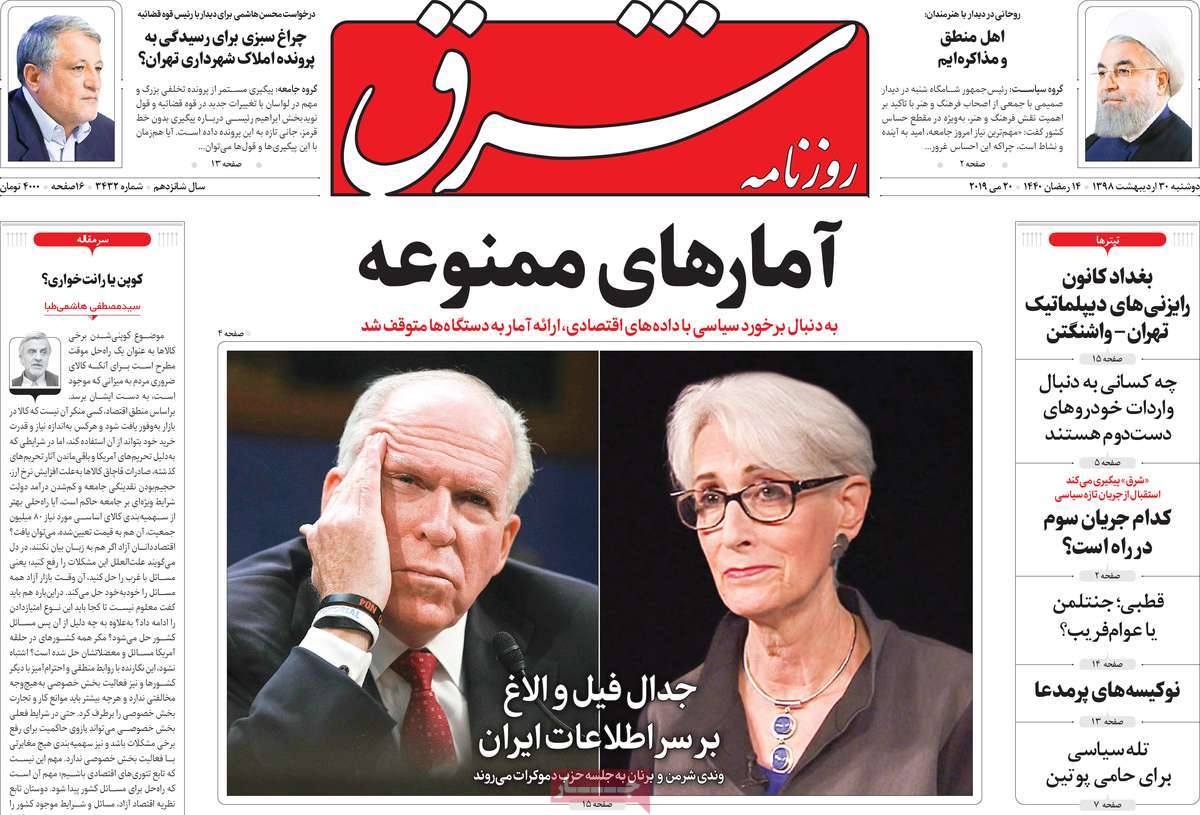
Shargh:
1- Elephant, Donkey Clash over Iran Intelligence
* Sherman, Brennan to Attend Democrats’ Meeting
2- Baghdad Centre of Tehran-Washington Diplomatic Talks

A Look at Iranian Newspaper Front Pages on May 20

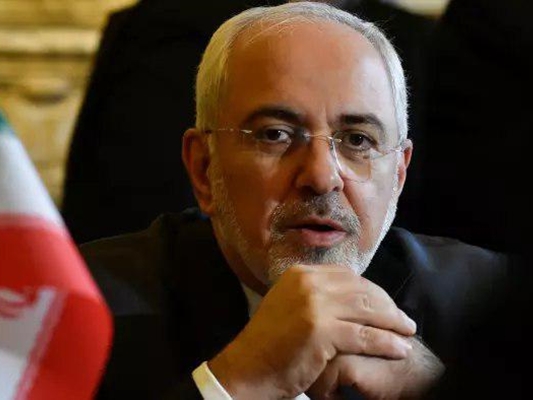
Zarif to Trump: Try Respect, It Works!

Zarif made the remarks on Monday, in reaction to an earlier tweet by Trump who said, “If Iran wants to fight, that will be the official end of Iran. Never threaten the United States again!”

“Goaded by B-Team, Trump hopes to achieve what Alexander, Genghis and other aggressors failed to do,” Zarif said in his tweet.

“Iranians have stood tall for millennia while aggressors all gone. Economic Terrorism and genocidal taunts won’t ‘end Iran’,” he went on to say.

He also warned Trump against threatening Iranian people, and advised him to try respecting the country.

“Never Threaten an Iranian. Try respect, it works!”

The war of words came amid heightened tensions between Iran and the US. The two sides say they are not after a war, but there are concerns that accidental clashes could escalate the tension.

US Says Its Arab Allies Start Patrols in Persian Gulf

US Says Its Arab Allies Start Patrols in Persian Gulf

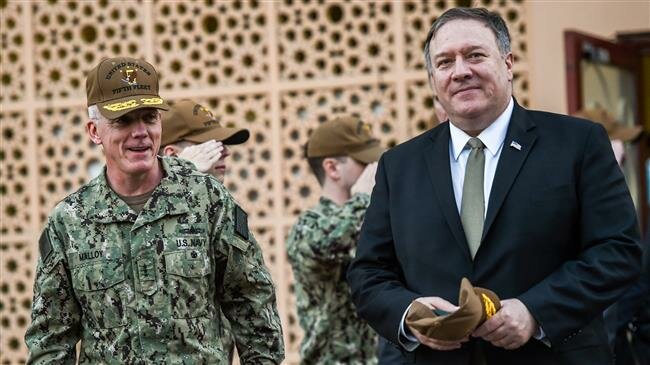
The “enhanced security patrols” began on Saturday, said the Bahrain-based 5th fleet of the US naval forces central command in a statement on Facebook Sunday.

It added that the operations were aimed at “specifically increasing communication and coordination with each other in support of regional naval cooperation and maritime security operations.”

“As agreed to last week in a meeting at US 5th Fleet headquarters in Manama, Bahrain, ships of the GCC – both navies and coast guards – are working in tight coordination with each other and the United States Navy.”

Trump and his hawkish foreign policy advisers such as John Bolton and Secretary of State Mike Pompeo have been stepping up pressure against Iranians in the wake of Trump’s withdrawal from the Iran nuclear deal.

Trump has also tightened economic sanctions against Tehran and blacklisted the Islamic Revolution Guards Corps (IRGC).

In a post earlier in the day, the 5th fleet released the latest updates on the US military presence in the Persian Gulf in the wake of US President Donald Trump’s anti-Iran policies.

“The USS Abraham Lincoln (CVN 72) Carrier Strike Group and the Kearsarge Amphibious Ready Group, with the embarked 22nd Marine Expeditionary Unit, conducted joint operations May 17-18,” read the statement. “The operations highlight the ability of the US Navy to quickly mobilize assets and aggregate different platforms with a variety of operational capabilities.”

Iran has time and again asserted that it is not seeking war but is ready to defend its interests in the region.

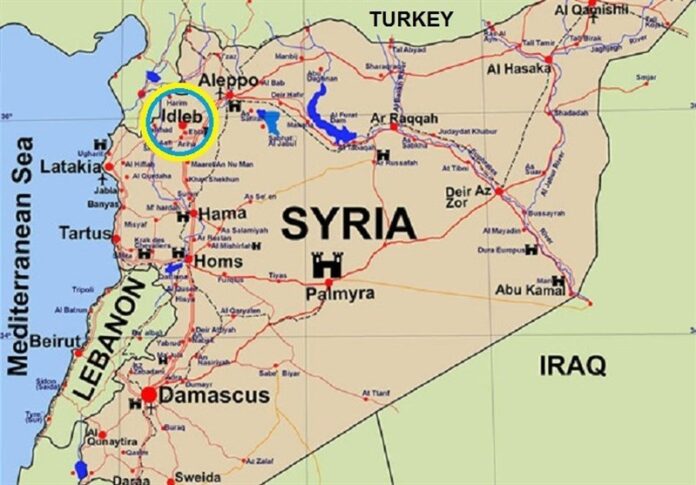
Damascus Announces Unilateral Truce in Idlib: Russia

In a brief statement on Sunday, the Russian Defense Ministry’s Center for Reconciliation of the Warring Sides in Syria said Syrian forces had ceased firing as of midnight, Al Jazeera reported.

It described the move as unilateral but did not give any further details.

Fighting erupted in northwestern Syria last month and shattered a truce negotiated by Russia and Turkey late last year.

Syrian forces intensified their attacks on Idlib late in April after the terrorists operating in the northern city violated the agreement hundreds of times by attempting to target Syrian military posts there.

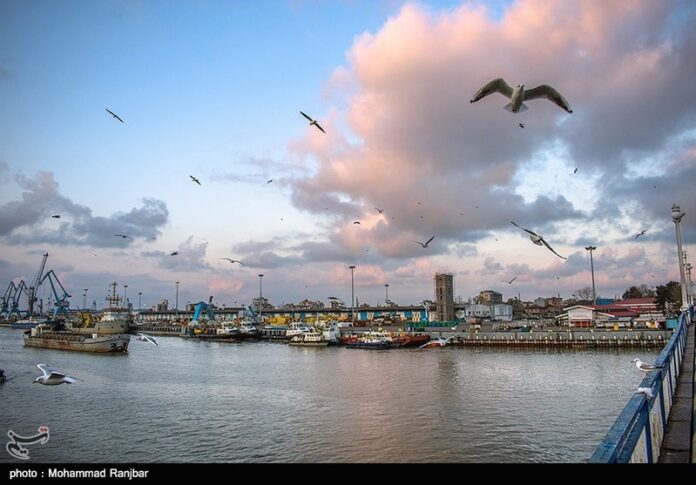
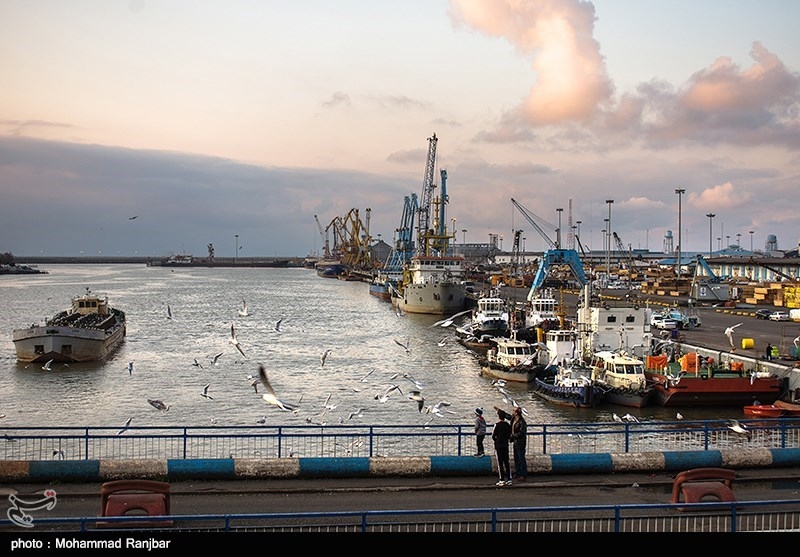
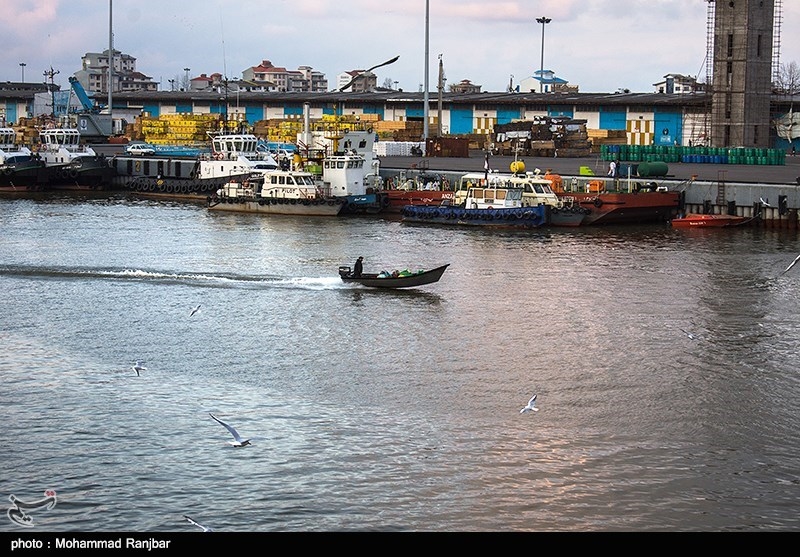
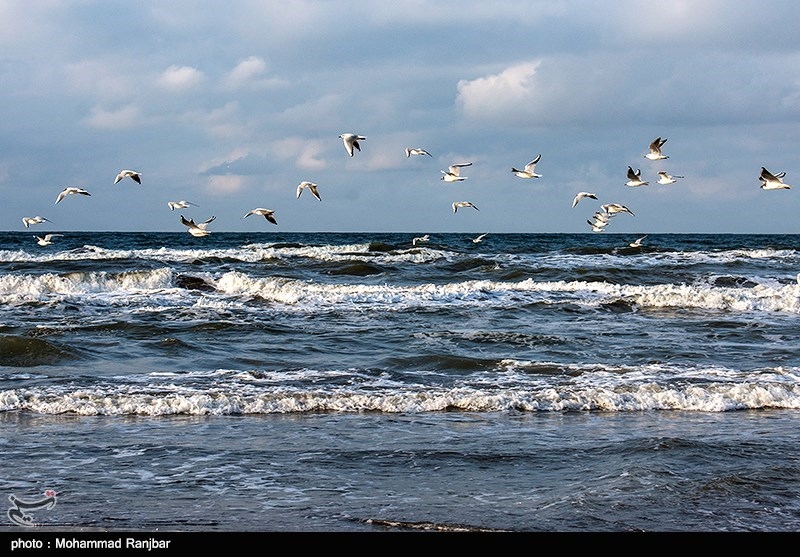
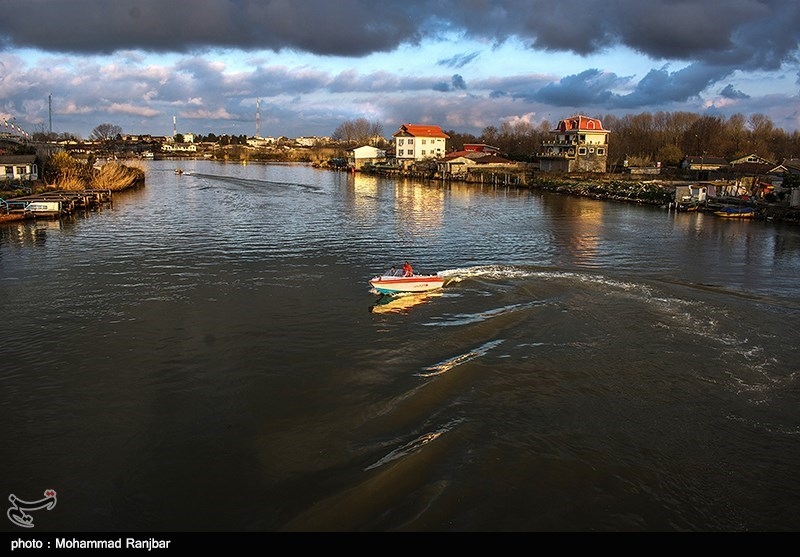
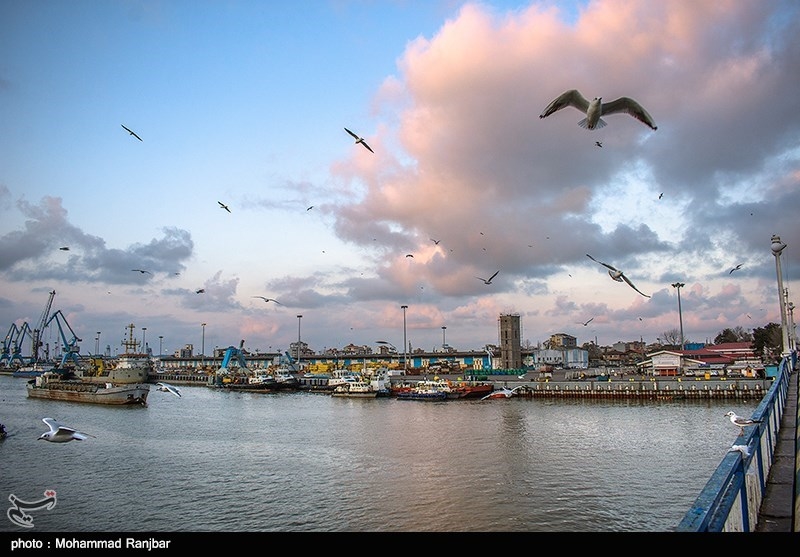
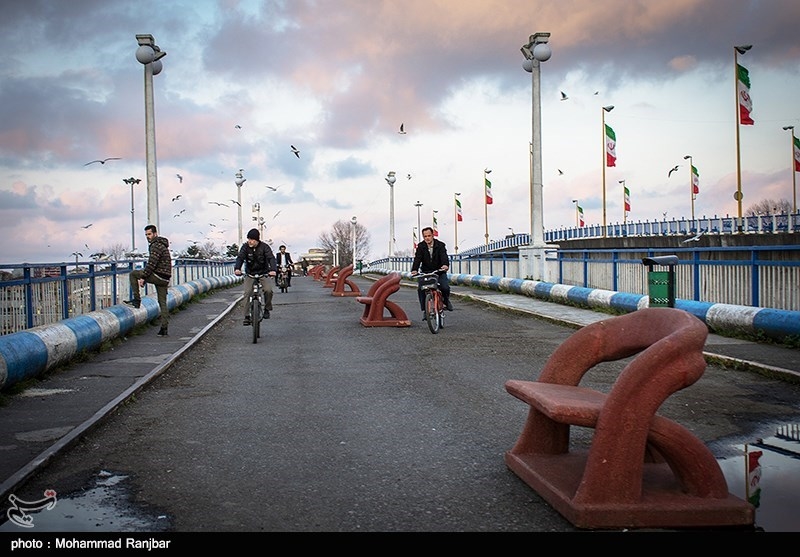
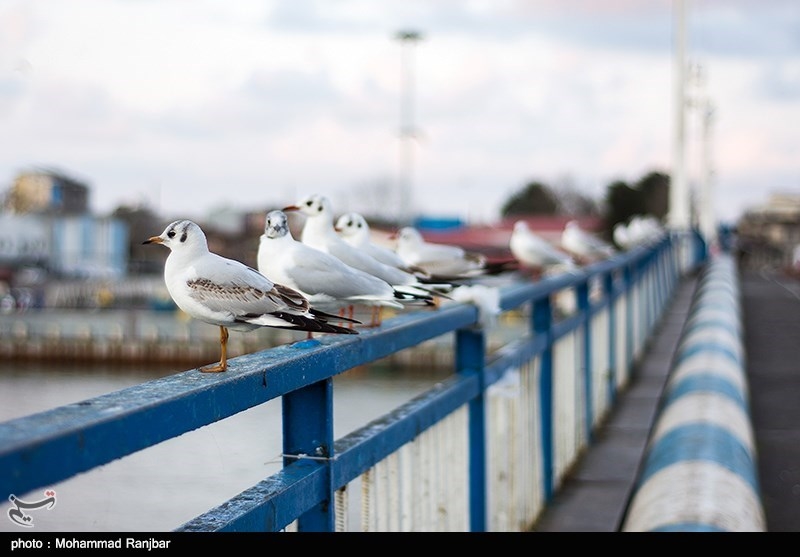
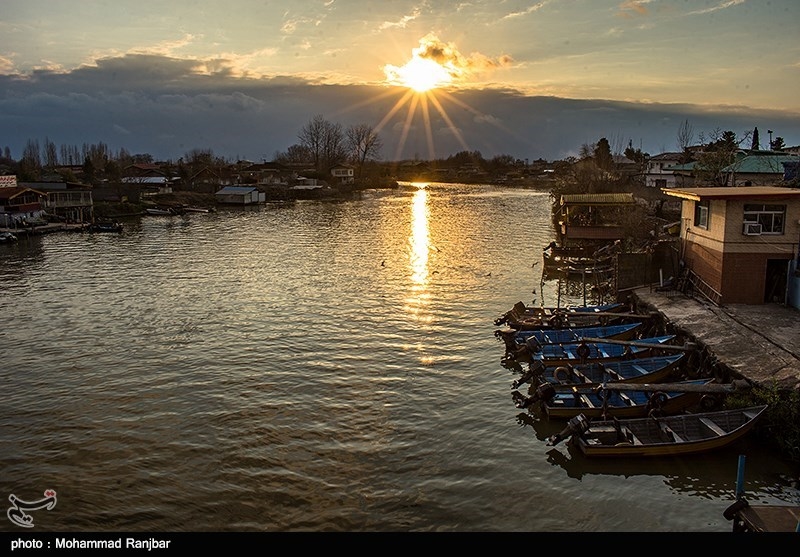
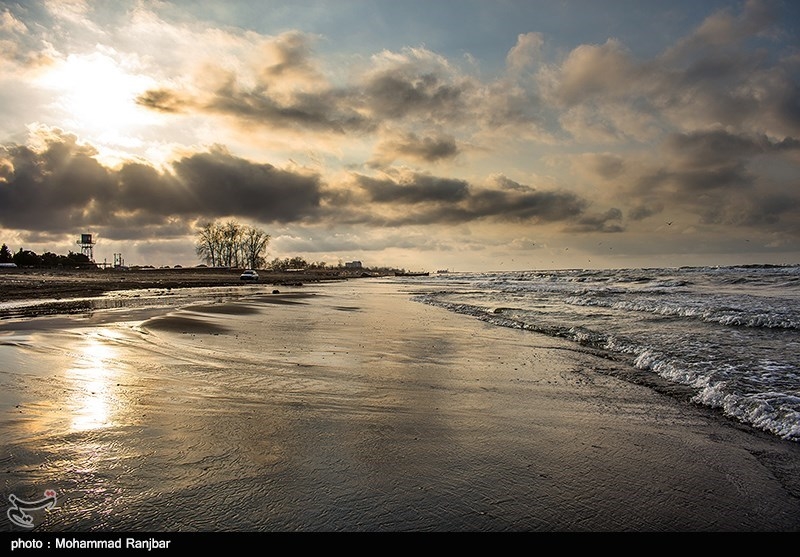
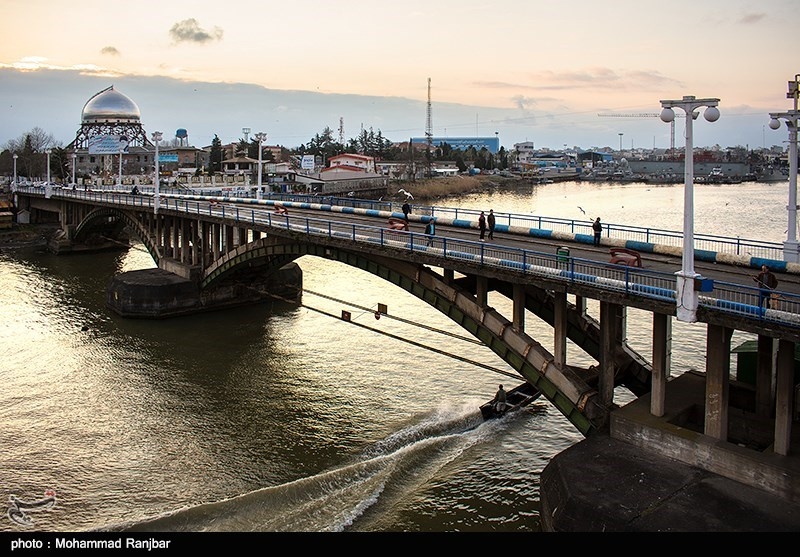
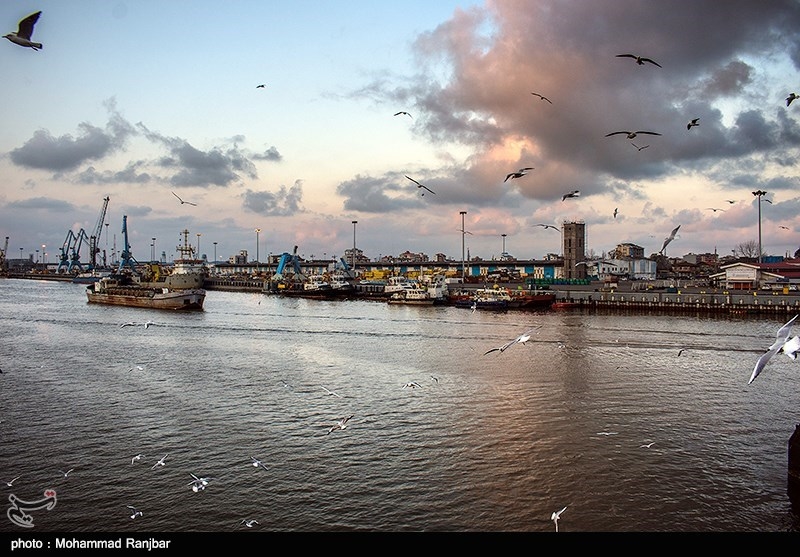
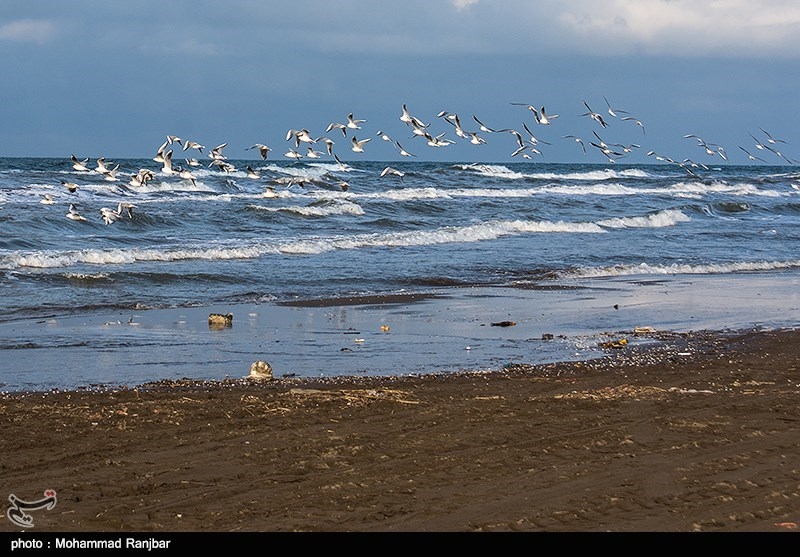
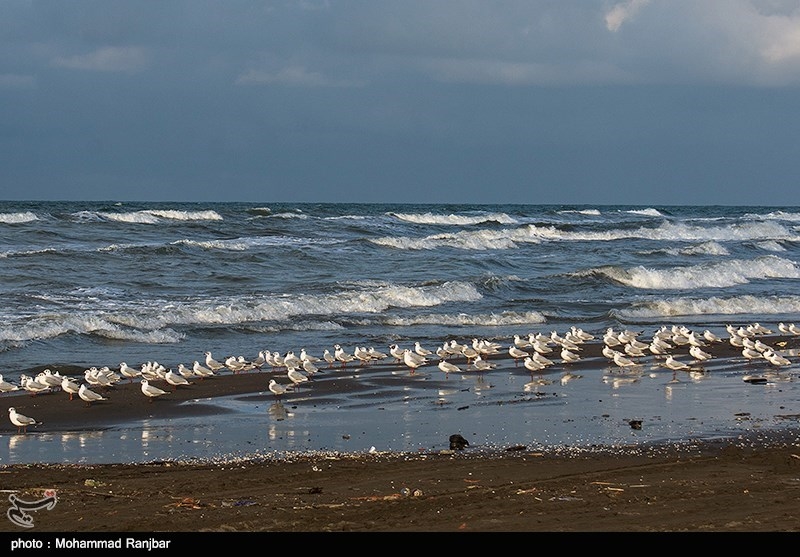
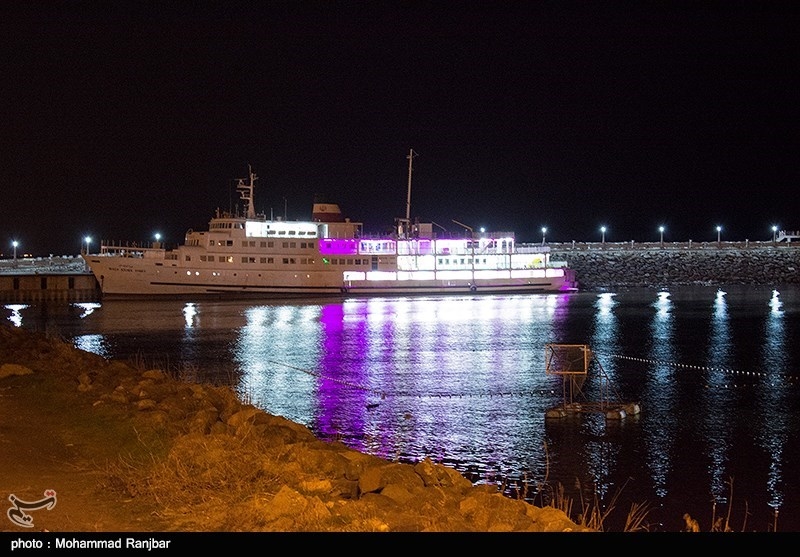
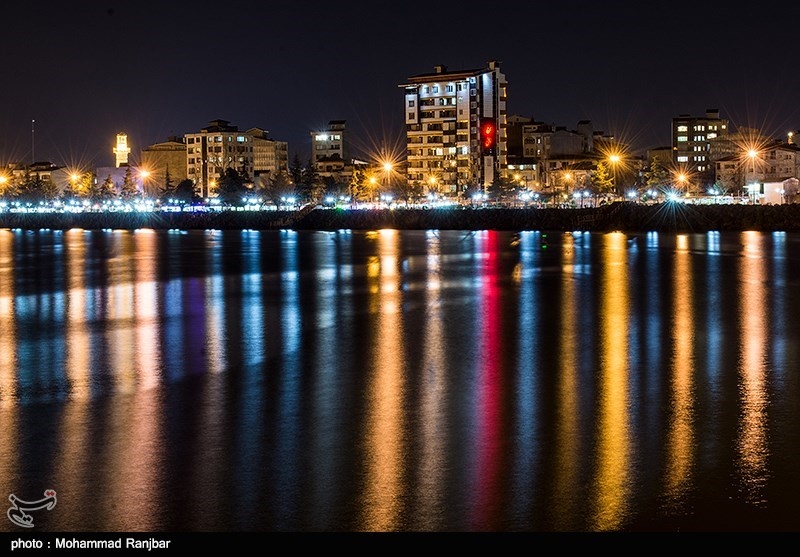
Iran’s Beauties in Photos: Anzali Port

Anzali is humid, and is considered one of the rainiest cities of Iran.

Here you can see Tasnim News Agency’s photos of the beautiful port city:

Iran Strongly Condemns Herat Railway Mine Blast

Iran Strongly Condemns Herat Railway Mine Blast

In a Monday statement, Mousavi expressed sympathy with the families of Iranian and Afghan nationals martyred or wounded in the incident.

A probe was launched into the aspects of the incident, and efforts to help the recovery of the wounded were started immediately after the blast, Mousavi added.

The mine blast in Ghurian in Herat province killed an Iranian national and an Afghan soldier.

A spokesman for the governor of Herat said the Iranian national worked on the railway project, and was attacked when he was heading to Ghurian in a car belonging to Afghan security forces.

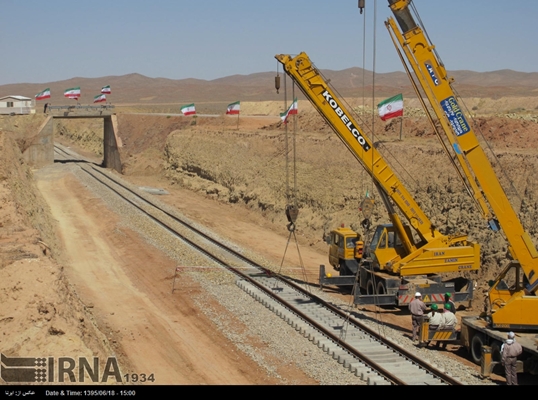
The 139-kilometre-long Khaf-Herat Railway is part of Iran-Afghanistan rail corridor. The project, started in the fiscal year of 2007-2008, connects Iran’s eastern city of Khaf to Afghanistan’s western city of Ghurian.

More than 2.96 trillion rials have gone into its construction so far.

The railway is of great economic and transportation importance and once completed and exploited, Afghanistan could connect through Iran’s railway to southern borders of Iran and Turkey railway network.