Thursday, December 25, 2025
Home Blog Page 3229

City of Zanjan; Birthplace of Filigree Art

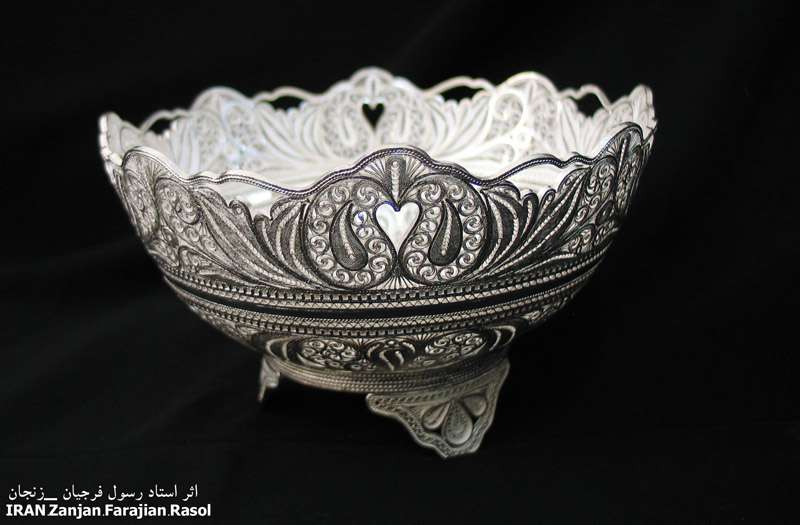
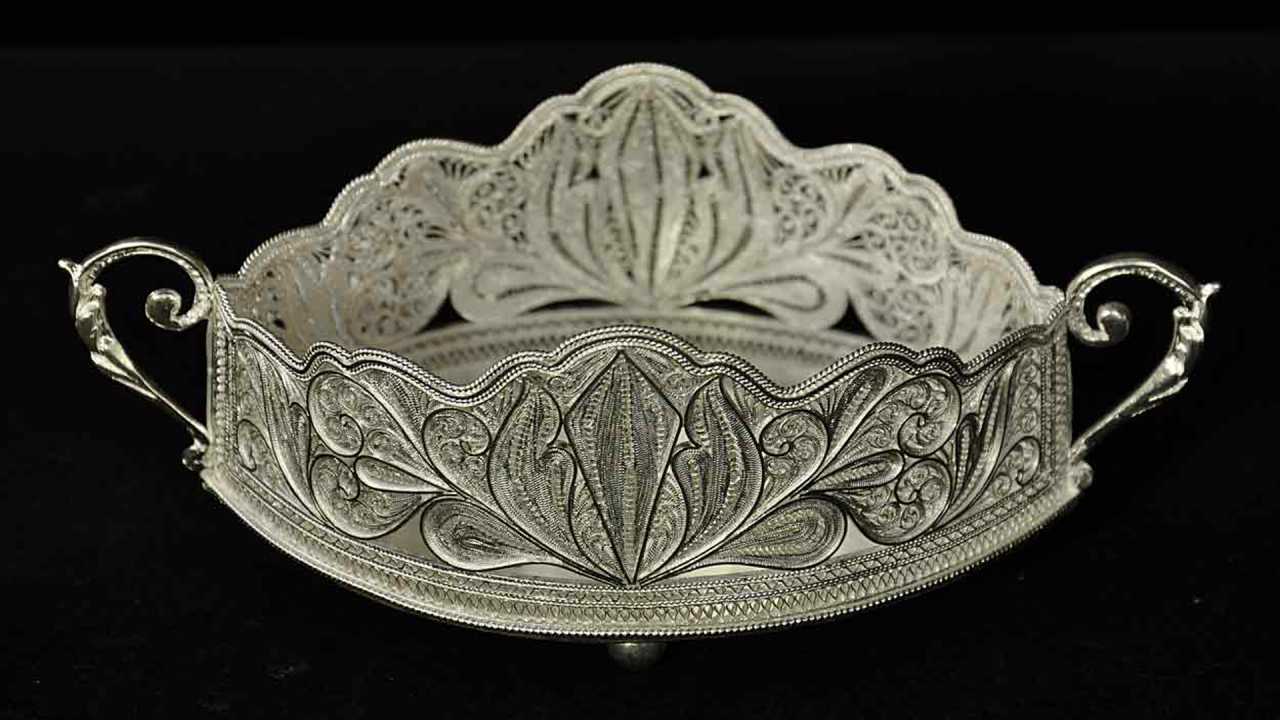
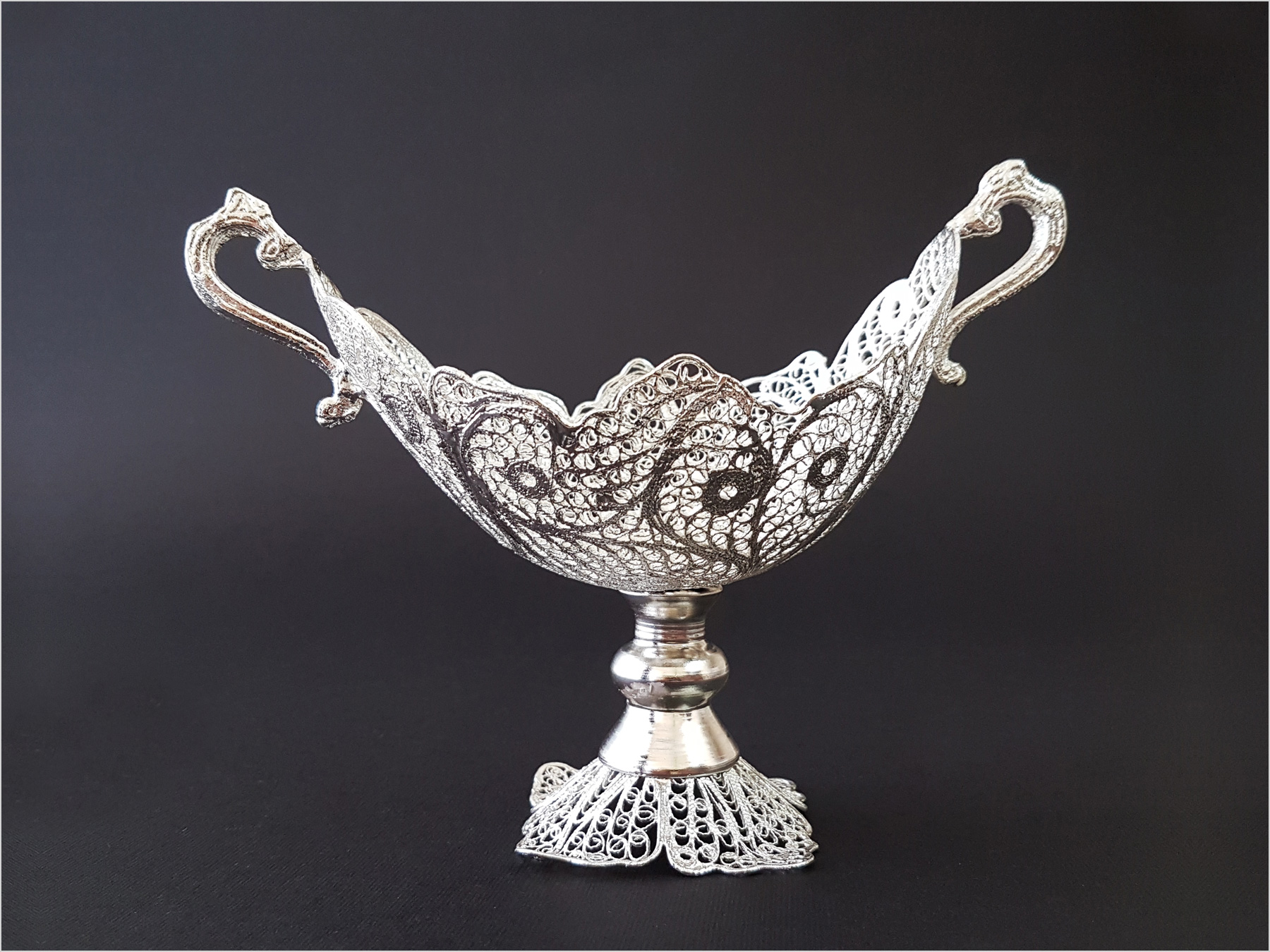
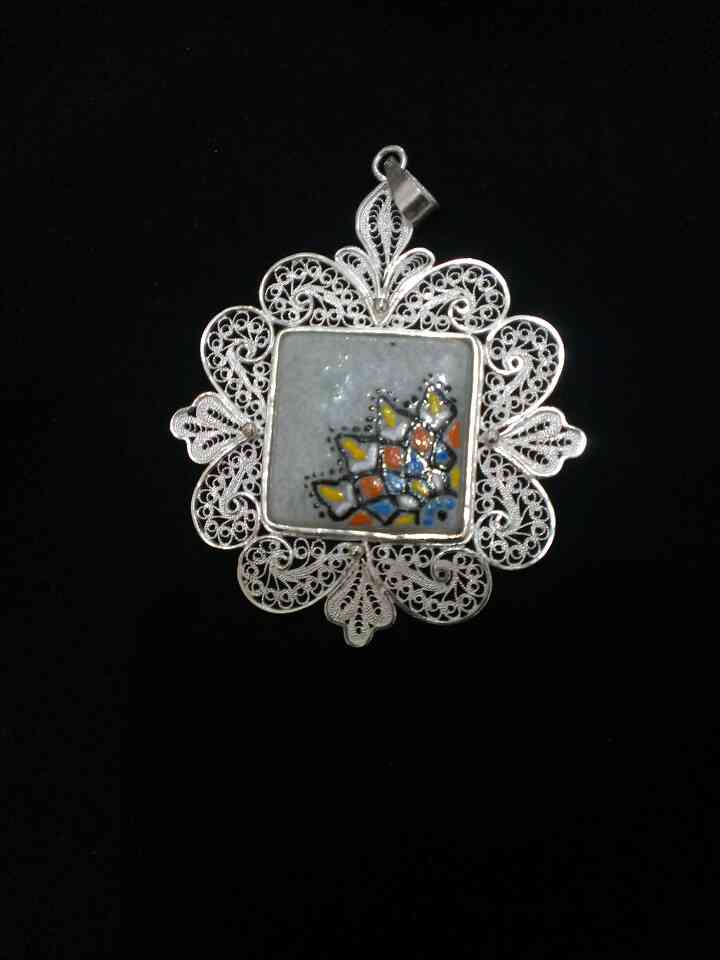
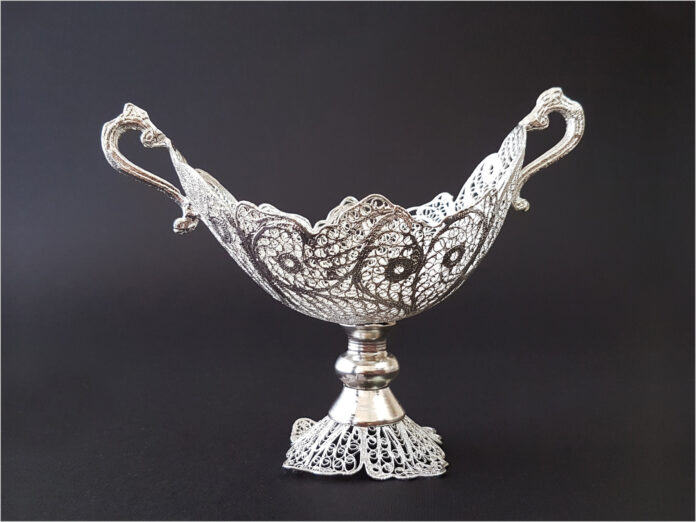
Filigree is a delicate kind of jewelry metalwork, usually of gold and silver, made with tiny beads or twisted threads, or both in combination, soldered together or to the surface of an object of the same metal and arranged in artistic motifs.

Filigree is always considered one of the most original handicrafts in Zanjan province. This art has developed so well in Zanjan that over the past two years, two artists namely Abdulhamid Moharrar and Mohsen Yazdanshenas have won UNESCO titles for their art.

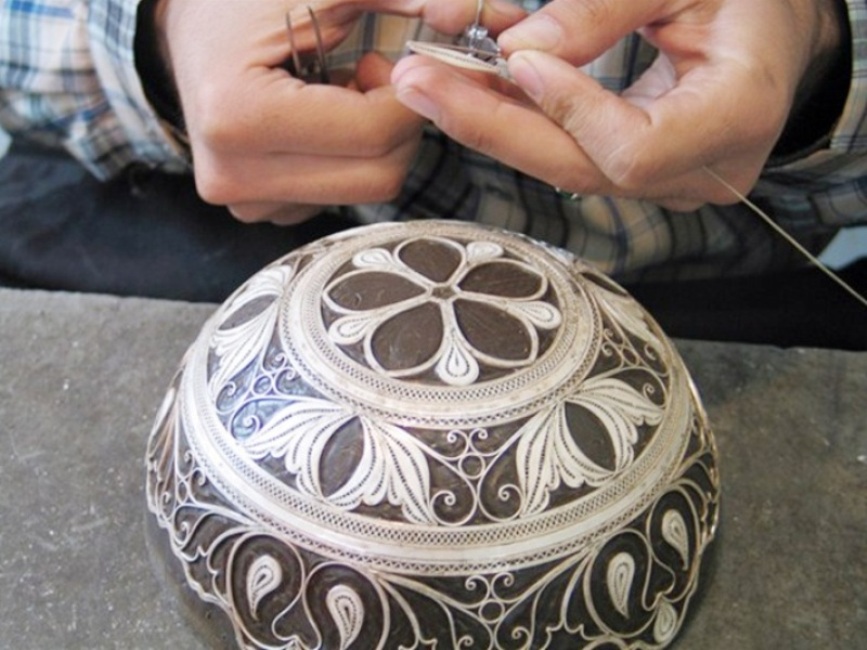
In the filigree industry, the master of the art melts the metal and puts it in a special mold and produces wires of 1 cm in diameter. These wires turn into silver rods with a diameter of one millimetre to be used in filigree.

By inserting these wires in molds that are usually made of boards and waxes and giving them various shapes, silver wires are connected by heat and then different types of dishes are made out of them. Hammering, heating, rolling, and molding are among the tasks performed by a master of the art.

The most important and popular designs in Zanjan are tears and leaves.

Perhaps the boom of this art goes back to the Seljuk era. However, based on the remains left from the Safavid period, the epoch could be considered as the culmination of its flourishing.

These handmade artifacts are so beautiful and elegant that today they adorn the museums, private art collections and homes of people living in different parts of the world.

Today, there are about 30 active workshops in Zanjan. The highest quality filigree is produced in Zanjan and it is safe to say the geographical origin of this art is Zanjan.

So far, Zanjan has managed to receive 18 national prizes, and three international titles. The ancient Hakimian house in Zanjan, which is currently being renovated, is set to become the National House of Filigree.

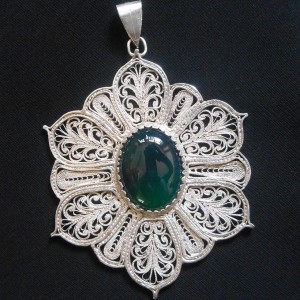
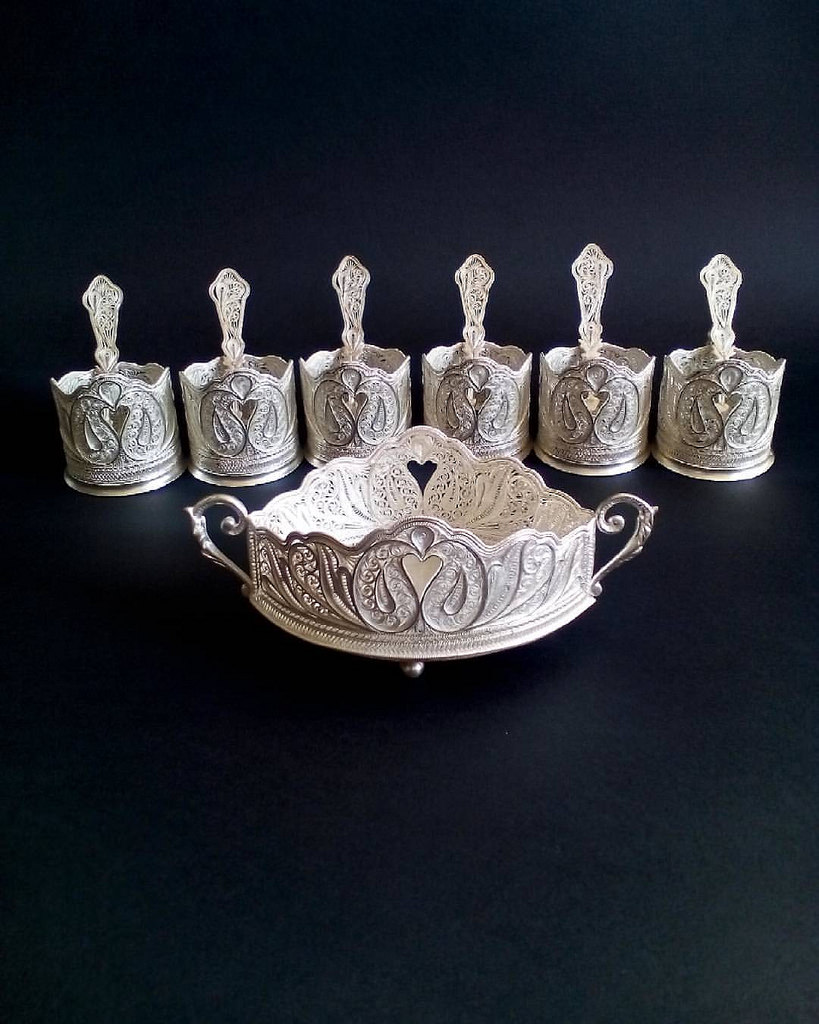
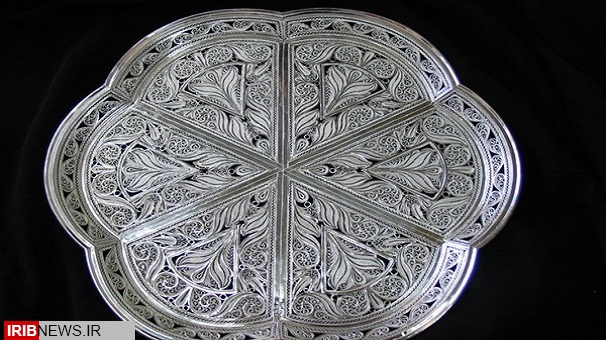
What follows are photos of the art retrieved from various sources:

Two Gaza Protesters Killed by Israeli Fire

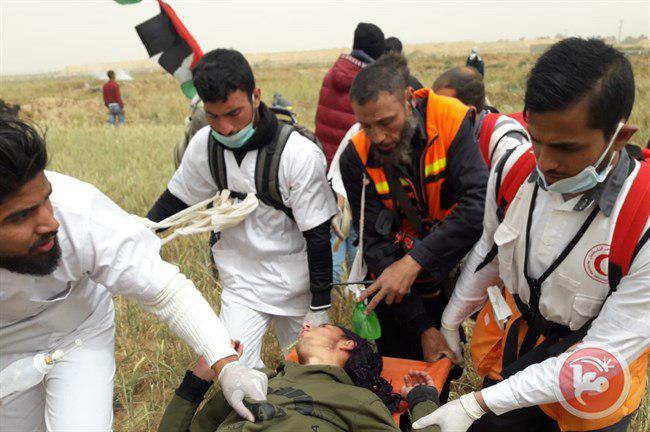
Israeli troops on Saturday morning killed a Palestinian man named Mohammed Saad. The 20-year-old man died after being hit in the head by shrapnel.

The Tel Aviv regime’s forces later killed a 17-year-old teenager by shooting him in eastern Gaza, according to the enclave’s health ministry.

At least 209 others have also sustained injuries as Israeli troops opened fire on demonstrators using live ammunition, and fired tear gases at them, Tasnim reported.

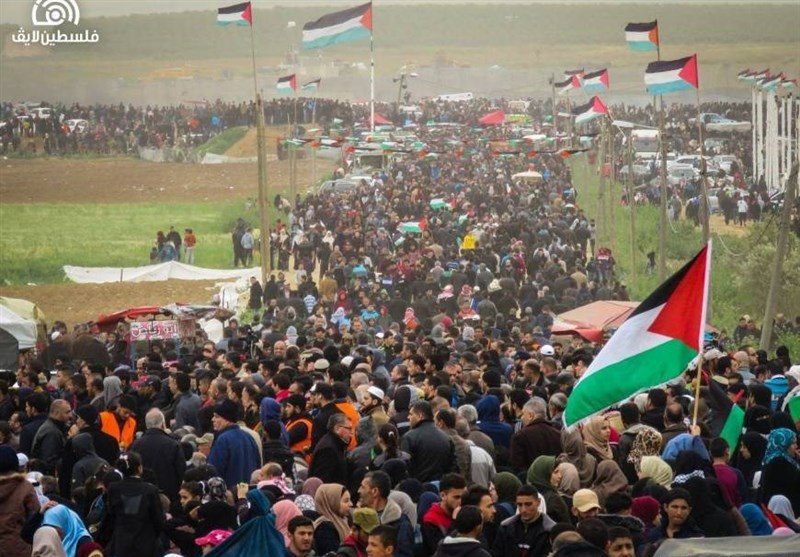
Israeli media reports put the number of “Great March of Return” protesters marching near the so-called buffer zone at 45,000.

Six reporters, including the Al-Aqsa satellite TV’s correspondent Mohammed Bolour, have been wounded when covering the latest developments in Gaza. A rescue worker was also wounded in his head in an attack on east of Khan Yunis.

Two Gaza Protesters Killed by Israeli FireThree of those wounded by the Zionist forces are in critical conditions, according to Shahab news outlet.

The rallies have been held every week since March 30 last year. Palestinians want an end to the Israeli occupation of their lands. They also demand the return of the Palestinian refugees to their homeland.

Israeli troops have killed nearly 260 Palestinians since the beginning of the “Great March of Return” protests, and wounded 26,000 others, according to the Gaza health ministry.

A United Nations fact-finding mission found that Israeli forces committed rights violations during their crackdown against the Palestinian protesters in Gaza that may amount to war crimes.

Iran’s Sistan & Baluchestan; Home to Most Exotic Fruits

Iran's Sistan & Baluchestan; Home to Most Exotic Fruits
Iran’s Sistan & Baluchestan; Home to Most Exotic Fruits

Sistan and Baluchestan is so naturally nice that some resemble it to heaven, saying that God has re-created a corner of the heaven in the province. Meanwhile, its unique, exotic fruits serve a main surprise.

Beside its unlimited natural capacities, the province which is known as the Land of One-Thousand Treasures is highly rich in various terms of agricultural produces.

Suitable Weather Conditions for Exotic Fruits’ Cultivation

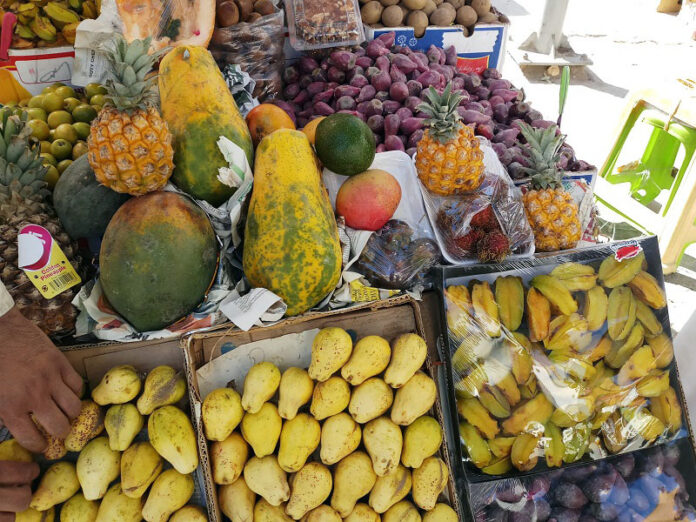
The farmers of Sistan and Baluchestan plant and harvest some special tropical fruits, which are not found in other parts of Iran, thanks to the province’s four-season climate. Most Iranians have not even heard the names of these exotic fruits, let alone tasting them.

The warm, wet and almost tropical climate of Sistan and Baluchestan has turned it into a regional hub for various tropical fruits with tastes.

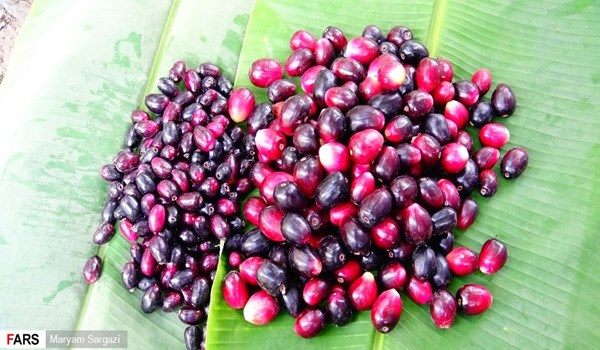
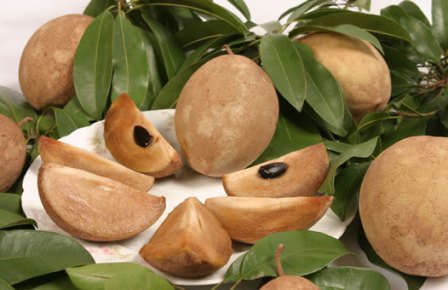
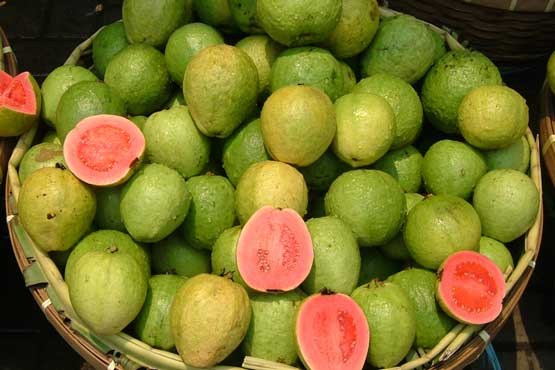
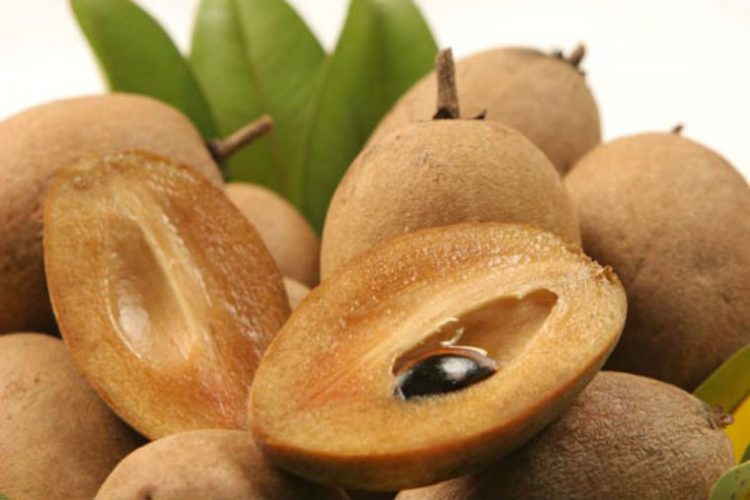
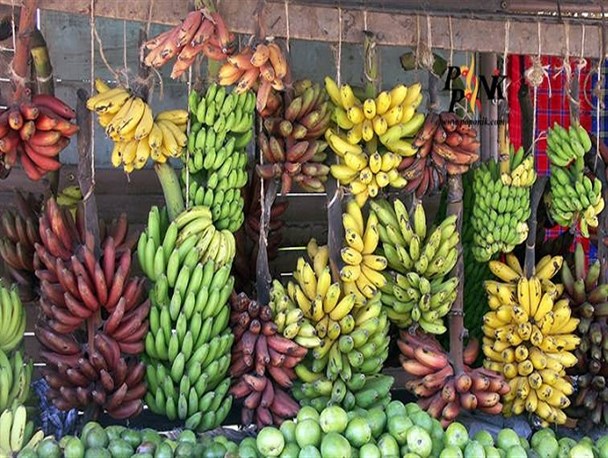
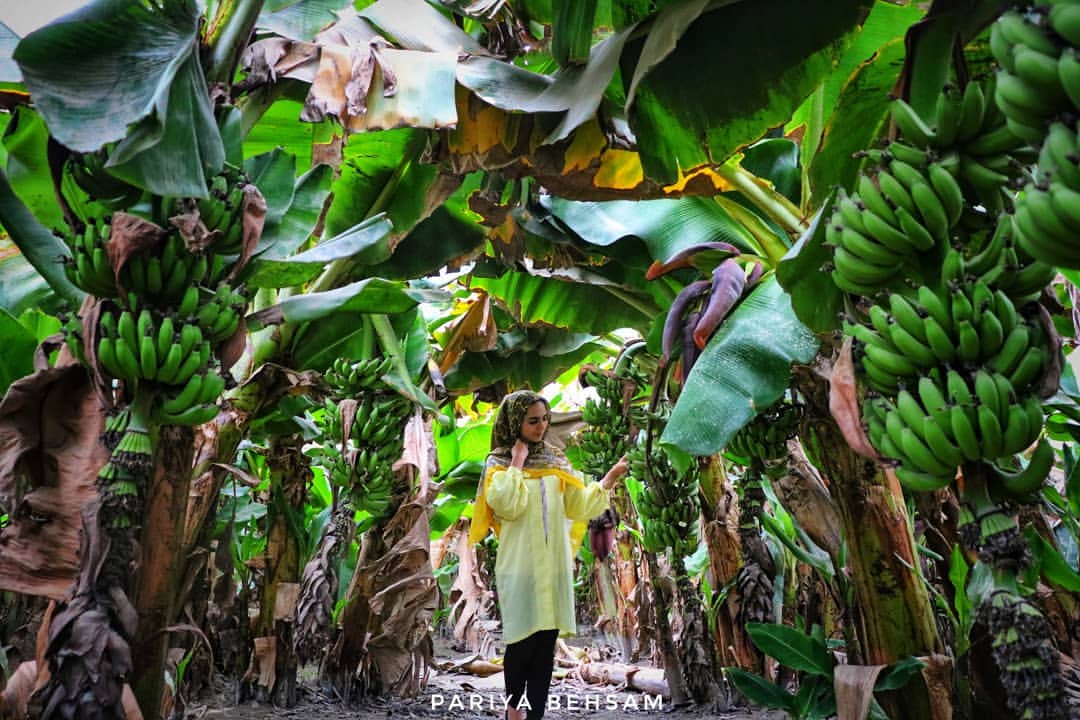
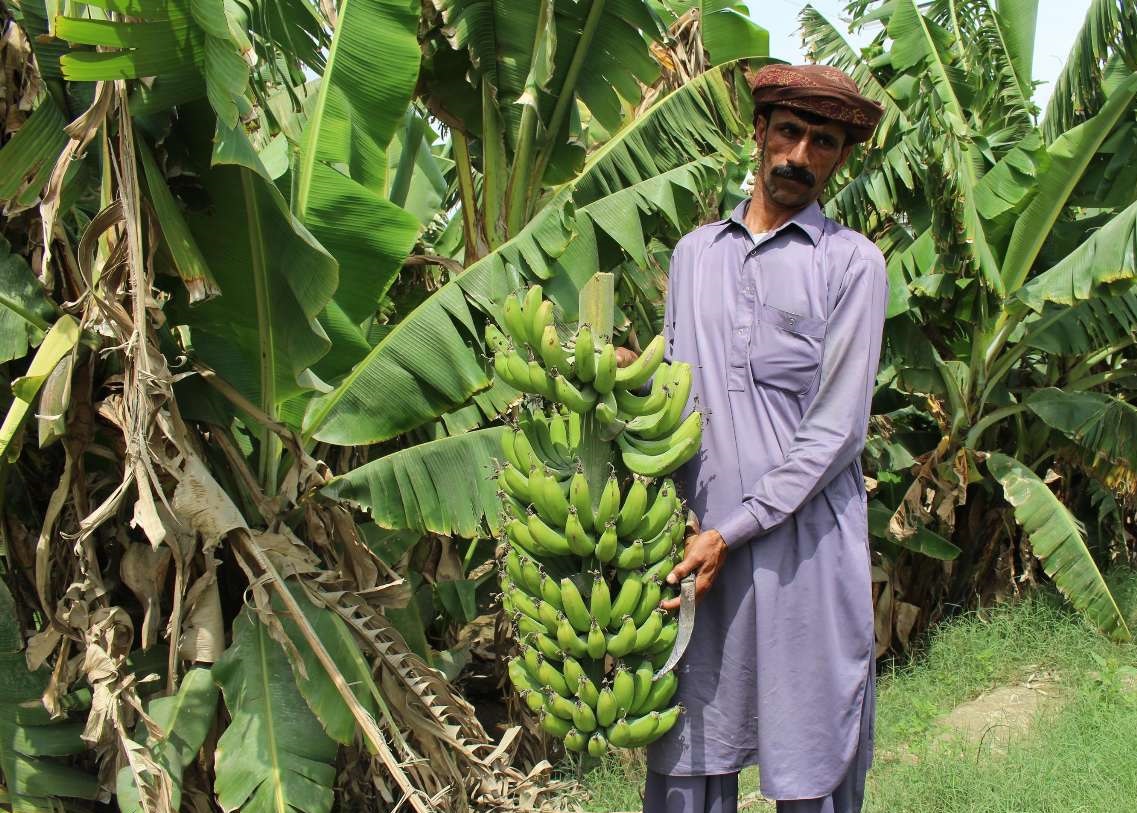
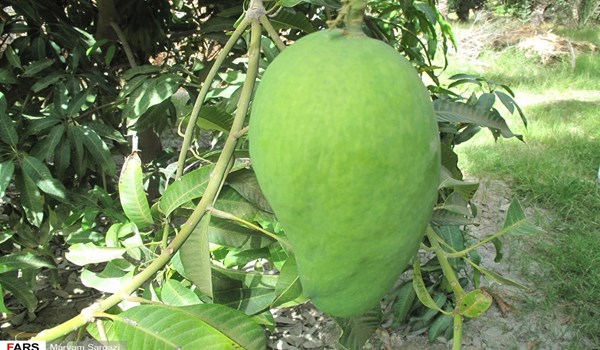
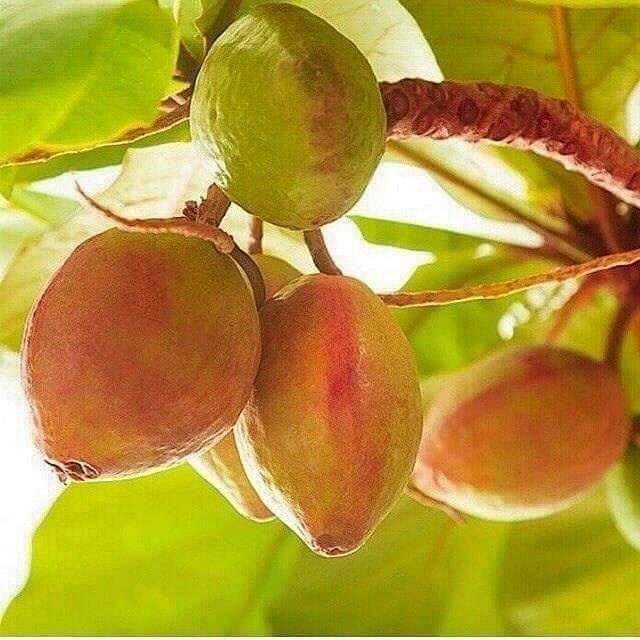
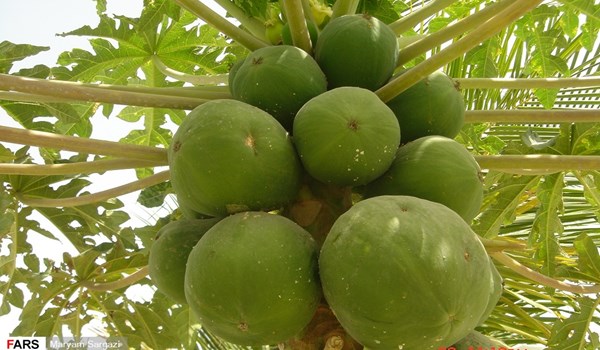
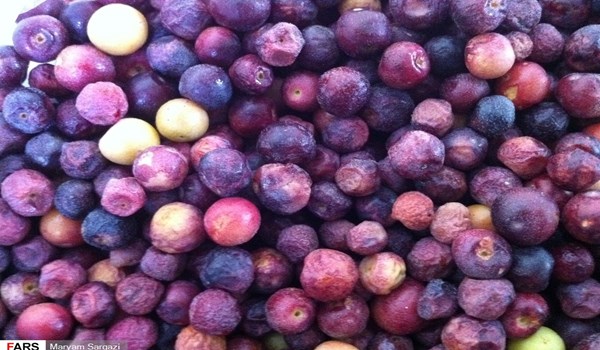
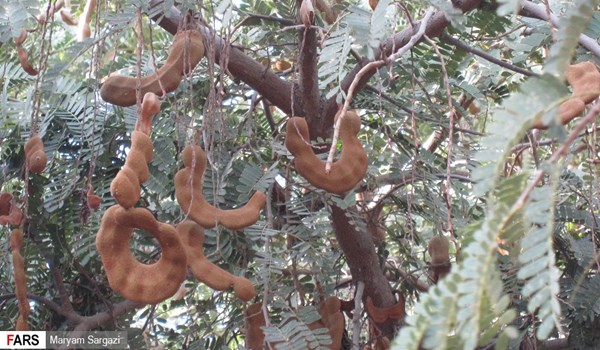
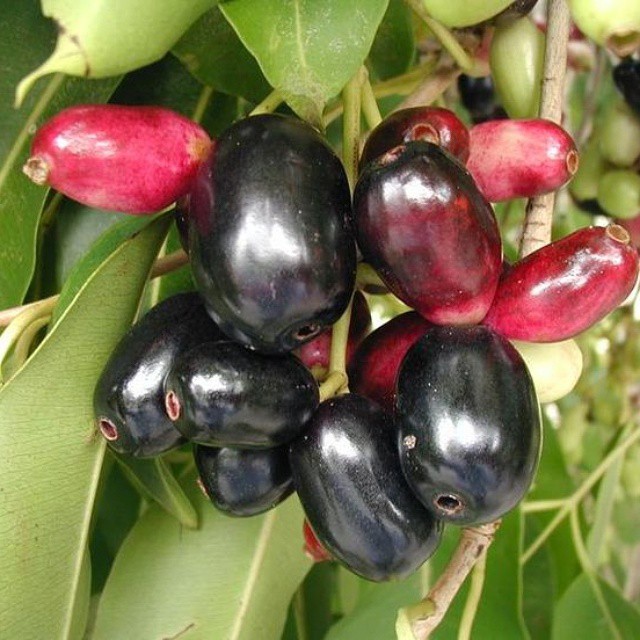
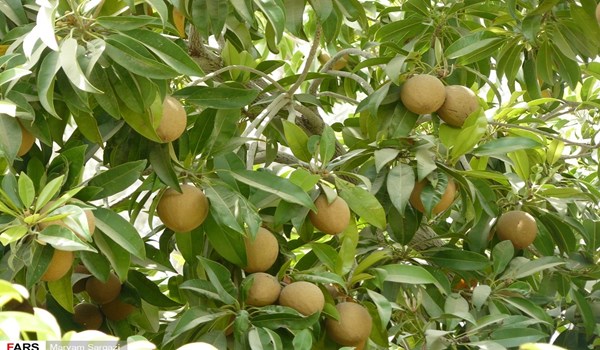
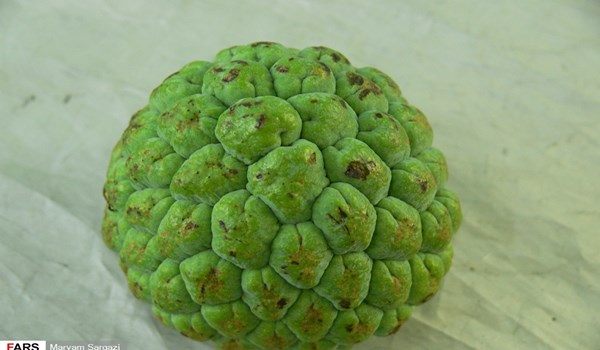
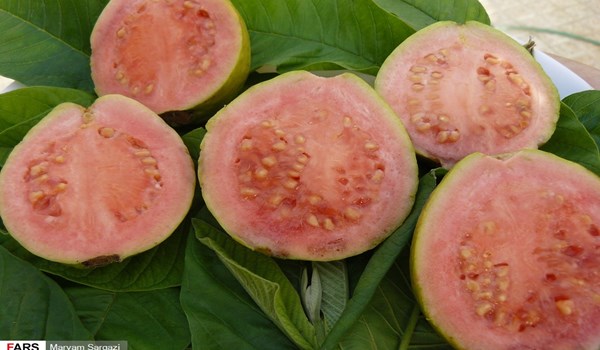
Phalsa, guava, chikoo (sapodilla), sitaphal (sugar-apple), papaya,jambolan (Java plum), tamarind, tropical almond (locally called biddam), jujube, mango, and banana are among the wide range of exotic fruits  planted and harvested only in this south-eastern province.

Fertile Soil

Due to its proximity to the Oman Sea and the Indian Ocean, Sistan and Baluchestan has a highly fertile soil for raising various tropical agricultural produces.

The province’s most fertile regions are located in the south; around cities like Saravan, Mehrestan, Sib Souran, Khash, Chabahar, Konarak, Nikshahr, Qasr-e Qand, Fanouj, Bampour and Sarbaz are among

Each year, 6,400 acres of the southern regions are under cultivation of tropical fruits. Most of the fruits are of special quality in terms of taste and odor. Therefore, they are also highly used in various industries like food and pharmaceutical industries.

Exotic Fruits’ Use in Industries

Among the fruits used in these industries, one can refer to papaya which is used for treating various wounds and cancers. It is also helpful for having a healthy kidney and fine hair. Jambolan is also helpful in regulating heart beats and treating anemia.

Tropical fruits receive a great deal of attention due to their growing conditions and organic features. Chabahar’s banana is of high quality which is unique across the country. It is more delicious compared with imported ones, whose size and colour is always misleading.

For planting the fruits in Sistan and Baluchestan no toxic materials is used. This comes as various toxics at various volumes are used for planting imported fruits.

Iran Warns Arabs about Trump’s Bid to ‘Steal’ Their Lands

“Trump’s lawless announcement on “Occupied Syrian Golan” after last year’s on “Occupied Al-Quds” is a sobering reminder for our Arab and Muslim brethren,” Mohammad Javad Zarif said in a Thursday tweet.

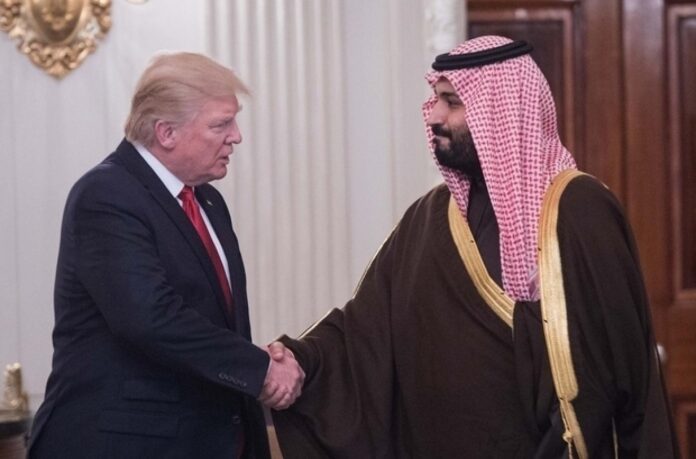
“US & Israel will offer you handshakes, but no matter how much you kowtow, they will still steal your lands. #LetUsUnite,” he added.

The Iranian foreign minister made the remarks in reaction to a Monday decree signed by US President Donald Trump to recognize the Israeli regime’s “sovereignty” over the Syrian territories of Golan.

The US president’s move broke with decades of international consensus over the border area which the Tel Aviv regime seized from Syria in 1967.

The decision was met with negative reactions from the Arab allies of the US, among others. Saudi Arabia, the United Arab Emirates, Bahrain, Qatar and Kuwait all criticized Trump’s move.

“It will have significant negative effects on the peace process in the Middle East and the security and stability of the region,” said a statement on Saudi state news agency SPA.

It described the declaration as a clear violation of the UN Charter and of international law.

Qatar, which has been at loggerheads with other Persian Gulf states over its policies, joined them in rejecting Trump’s move and called on Israel to end its occupation of the Golan Heights and comply with international resolutions.

Arab League chief Ahmed Aboul Gheit had earlier announced that the 22-member organization “fully supports Syria’s right for its occupied territory.”

The Golan Heights are “occupied territory” belonging to Syria under international law and the resolutions of the United Nations and the UN Security Council, he stressed.

Earlier on Tuesday, Iranian President Hassan Rouhani compared the US move with the behavior of “colonial powers” in the past and called for “closer cooperation” among countries in the Middle East to counter the US and Israel.

“The Zionist regime’s excessive demands and Washington’s wrong decisions further necessitate closer cooperation among regional countries,” Rouhani said in a phone conversation with Iraqi Prime Minister Adel Abdul-Mahdi.

“Worrisome remarks about the violation of the Palestinian and Syrian nations’ rights, particularly about the Golan Heights, are very dangerous for regional security,” he added.

Iran Leader Praises ‘Resolve’ of Afghan Forces in Anti-Terror Fight

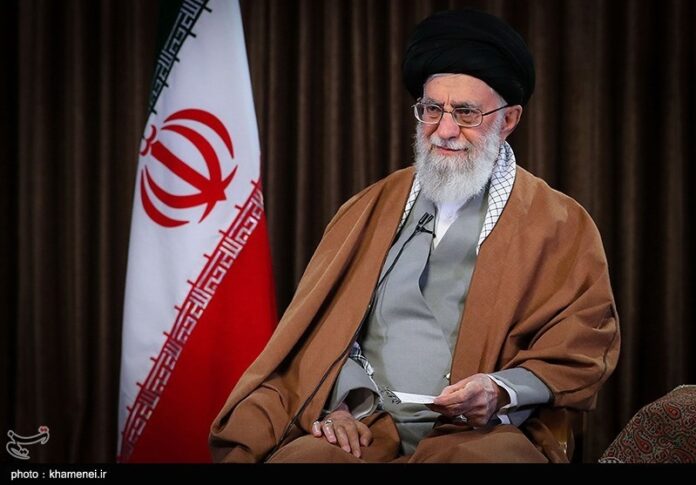
“I have been informed that the Afghans are more unfaltering and resolved in battlefields (against terrorists) compared to others,” the Leader said in a meeting with families of martyrs of the Fatemiyoun corps in the northeastern city of Mashhad on Thursday.

The Leader described the “Afghan brothers” as “steadfast” and “motivated” people.

Referring to the defeats sustained by the US at the hands of resistance groups in the region, Ayatollah Khamenei said, “Today, the US has been defeated in the West Asia region, in Lebanon, Syria and Iraq and the reason behind this defeat is your children”.

Following the fall of Daesh in 2017, commanders and fighters of the Fatemiyoun corps congratulated Ayatollah Khamenei and Commander of the Islamic Revolution Guards Corps Quds Force Major General Qassem Soleimani.

Hailing the victory over Takfiri groups in Syria and the restoration of security to the Arab country, the Afghan fighters vowed to keep backing the axis of resistance until the elimination of international Zionism.

Israeli Snipers Deliberately Maim Palestinians: Report

Thousands of Palestinians have been shot in the legs participating in Great March of Return protests / Photo by Mohammed al-Hajjar, the Middle East Eye

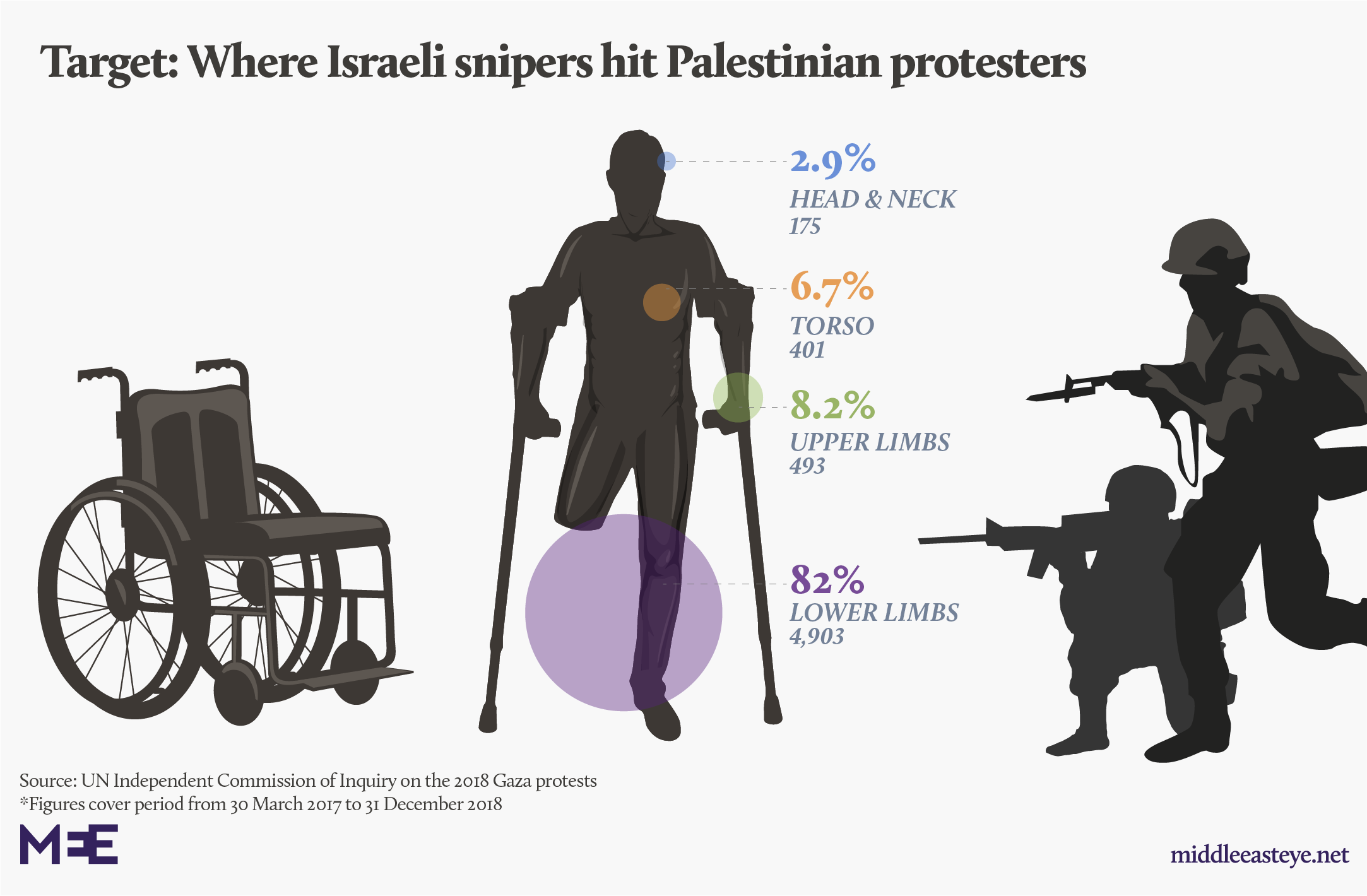
Israeli snipers have intentionally maimed Palestinians protesting in Gaza over the past year, creating a generation of disabled youth and overwhelming the territory’s already crippled medical system, frontline doctors have told the Middle East Eye.

According to a United Nations inquiry released this month, over 80 percent of the 6,106 protesters wounded in the first nine months of the Great March of Return were shot in the lower limbs.

Israeli soldiers intentionally shot civilians and may have committed war crimes in their heavy-handed response to the protests, which have been held regularly across Gaza since 30 March 2018, the report concluded.

Healthcare providers say the pattern of wounds shows that Israeli soldiers are purposefully shooting to maim protesters, most of whom are in their 20s and now require long-term medical care.

“The soldier knows exactly where he’s putting the bullet. This is not random. This is very intimate. This is very planned,” said Ghassan Abu Sitta, professor of surgery at the American University of Beirut (AUB) who treated injured protesters for three weeks at Gaza’s Al-Awda Hospital last May.

“When you have such a huge number of almost identical injuries, where many of the patients were 150 metres away, not in direct contact with the Israeli soldiers, you realise that this is an intentional policy rather than collateral damage,” Abu Sitta told MEE.

Israeli Snipers Deliberately Maim Palestinians: ReportMarie-Elisabeth Ingres, the head of mission for Doctors Without Borders (MSF), agreed: “This is obvious. When you have almost 90 percent of the people injured in the lower limb, it means that there is a policy to target the lower limbs,” she said.

At least 136 of them have had their limbs amputated, according to the latest Gaza Ministry of Health data – 122 of those amputations have been of lower limbs alone.

But the figures don’t give a full picture of the challenges that the wounded protesters, suffering painful injuries, and their families face, as the vast majority live in poverty, said Dr Bassem Naim, who served as Gaza’s Minister of Health from 2006 to 2012.

“To be honest, it is catastrophic. Of those wounded, many of them are handicapped forever,” Naim said. “To bring them from the house to the hospital every two days for rehabilitation or care? It is a very, very huge burden.”

“I live on the ninth floor and, at least every day for twelve to sixteen hours, I don’t have electricity. Can you imagine if you are a young man without a leg?”

Not only have the lives of thousands of protesters and their families been changed, but Gaza’s struggling medical system is also under severe strain as a result of the intensive care required to treat leg wounds.

With mass demonstrations planned this weekend to mark one year since the beginning of the Great March of Return, health professionals fear the system’s breaking point may be just around the corner.

Chickpea Cookie; Favourite Home-Made Sweet for Nowruz

Chickpea Cookie; Favourite Home-Made Sweet for Nowruz

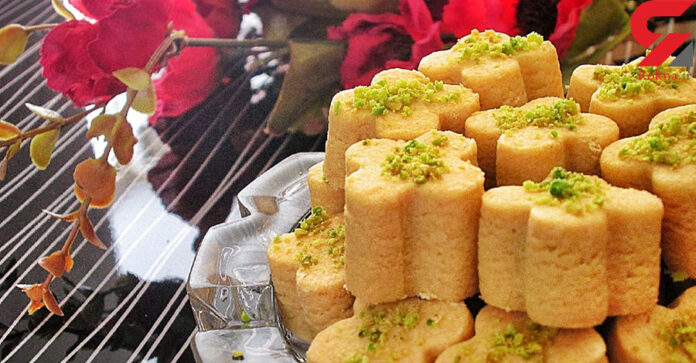
Made of chickpea, the cookie is usually in circle or four-petal flower shapes and garnished by pistachio slices. It is often served during Nowruz.

Ingredients:

500g highly sifted sugar powder

500g sifted powder of chickpea

300g solid oil

Pistachio: As much slices as needed for decoration

Cardamom and Vanilla: As much as needed for decoration

Recipe 

First mix the sugar powder with oil using an electric mixer. Now add cardamom and vanilla. Then it is the chickpea’s turn. Add it gradually. If you feel the dough is relatively drained, simply oil your hand and knead it more. Make sure the amount of oil is enough. If it exceeds the normal level, you can add some further chickpea to make a balance.

Having kneaded the dough, roll it out with a rolling pin on a flat ground. Then, mold the dough into circle or four-petal flower shapes. Now put the molded pieces of chickpea cookie into an oven with a 375 Fahrenheit temperature for about 21 minutes. Then take them out to cool down for 15 minutes. Now, place them neatly into a dish and garnish them with pistachio slices.

Home-Made Nowruz Cookies Most Popular in Tehran

Trump’s Moves in Support of Israel Show Need for Resistance: Iran

Iran Appoints Female Ambassador to Denmark

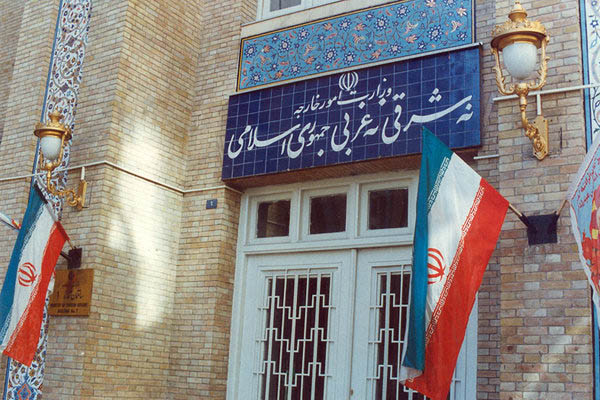
The remarks were made by Iran’s Foreign Ministry in a statement on the occasion of the Land Day of Palestine, in which it censured the crimes Israel commits against Palestinians.

“The acts of the President of the United States over the past year to recognise Jerusalem al-Quds as the capital of the Zionist regime, the relocation of the US embassy to this city, and his latest move to recognise the sovereignty of the fake and illegal Israeli regime over the occupied Golan Heights as well as his attempts to complete his so-called ‘Deal of the Century’ reveal the fact that the resistance of the Palestinians against the Zionist regime is a right move,” the statement said.

Here is the full text of the statement:

In the history and culture of Palestinians’ struggles and resistance, the Land Day is a turning point that has played an important role in keeping alive their resistance against the occupation of the Zionist regime.

Since 1976, when the seeds of resistance were planted for the first time in the occupied territories, much innocent blood of the oppressed people were shed to nourish the solid tree of resistance. As a result, the Land Day is an integral part of the political life and struggles of the oppressed Palestinian people. It has been shaped and has persisted in protest against violence, racial discrimination, confiscation of lands, destruction of villages and displacement of Palestinians.

The acts of the President of the United States over the past year to recognise Jerusalem al-Quds as the capital of the Zionist regime, the relocation of the US embassy to this city, and his latest move to recognise the sovereignty of the fake and illegal Israeli regime over the occupied Golan Heights as well as his attempts to complete his so-called “Deal of the Century” reveal the fact that the resistance of the Palestinians against the Zionist regime is a right move. Therefore, the Land Day is one of its symbols, and the region’s resistance movement needs to keep it alive.

In addition, the US government’s acts in violation of the UN Security Council’s resolutions to support the Zionist regime, which are in contradiction of international laws and principles, have led to the international community’s strong opposition, and have proved that the efforts of some Arab states in the region to normalise ties with this regime are useless.

It also revealed that the overt and covert attempts to establish relations with this regime has no bearing on the rights of the Palestinians and putting an end to the occupation of Arab-Islamic lands; therefore, they should give up such illusions.

In pursuit of defending the Palestinian cause, the Islamic Republic of Iran vehemently condemns the criminal acts of the Zionist regime and the illogical US support of this regime which are completely against the international rules and principles.

The Islamic Republic believes that the establishment of a lasting and just peace in the region would only be possible through continuation of resistance to completely end the occupation. [It will be achieved through] the return of all displaced people to their homeland, the establishment of the future Palestinian state on the basis of a referendum with the participation of all its main inhabitants and finally the formation of a unified Palestinian state with Jerusalem al-Quds as its capital.

On March 30, 1976, Palestinians inside the occupied territories protested against the Israeli announcement of the seizure of 5,189 acres of Palestinian land. The Zionist regime forces violently suppressed the demonstrations, killing 6 youths and injuring and apprehending many more.

Every year, Palestinians all across the world commemorate Land Day with marches and demonstrations. This year’s Land Day coincides with the first anniversary of the Great March of Return protests in Gaza, where Palestinians are demanding their right to return to the land as well as an end to the 12-year siege imposed on Gaza.

The total area of historical Palestine is 27,000 square kilometres, 85% of which is under the Israeli regime’s control. Therefore, only 15% of the ancestral land is available for Palestinians. During 2018, Israel increased its settlement activities by approving the construction of over 9,000 new housing units.

According to a report, over 7,000 trees were uprooted in 2018, with over one million trees destroyed by the Israeli occupation forces between the years 2000 and 2019. Home demolitions, forced displacement of communities and families, as well as the daily incursions into many neighbourhoods across the West Bank are among other Israeli violations against the Palestinian people.

Trump’s Golan Move Aimed at Covering Up Israel Crimes: Iran

Int'l Condemnations Pouring in against France’s Anti-Islam Stance

Ali Akbar Velayati, a senior aide to the Leader of Iran’s Islamic Revolution Ayatollah Seyyed Ali Khamenei, made the remarks in a Thursday meeting with Syrian ambassador to Tehran, which was held at the “urgent” request of the Arab country.

“Such measures [Trump’s move on Golan] are aimed at covering up for the internal and international problems as well as the crimes and issues of the Zionist regime of Israel, but they are doomed to failure,” Velayati noted.

He pointed to the UN Security Council’s unanimous opposition to the US’ move during a Wednesday session held at Syria’s request, saying, “The stance held by the UN Security Council shows the failure and further isolation of the US among the world governments and nations.”

Velayati said Trump’s measures are a continuation of policies adopted by his predecessors, but in a clearer way.

“Trump is in fact meeting the Zionist regime’s demands in the region, which in recent years have been mainly manifested in the form of the so-called Deal of the Century, the relocation of the US embassy to al-Quds, and the recognition of the cruel occupation of Golan Heights by the Zionist regime,” he added.

The Syrian envoy, in turn, pointed to Trump’s move on the Golan Heights and the latest Israeli airstrikes on Syria’s Aleppo, and said, “These measures indicate the aggressive nature of the Americans and a blatant aggression against the sovereignty and territorial integrity of Syria, the regional countries, and the Axis of Resistance.”

Trump signed a decree recognizing Israeli “sovereignty” over the occupied Golan at the start of a meeting with Israeli Prime Minister Benjamin Netanyahu in Washington on Monday.

Since then, the US has become the subject of a new round of furor by world countries over Trump’s controversial decision.

Iran, Turkey, Lebanon, Russia, and the European Union were quick to reject Trump’s move, which is in obvious contravention of international law.

In a declaration issued on Wednesday, EU Foreign Policy Chief Federica Mogherini’s office announced that the bloc “does not recognize Israeli sovereignty over the occupied Golan Heights.”

The Security Council’s Wednesday meeting also turned into another stage for the isolation of the US, as other countries on the council opposed Trump’s move on the occupied Golan Heights.

British UN Ambassador Karen Pierce told the council that the US decision was in contravention of that 1981 resolution, which declared “null and void and without international legal effect” the Israeli annexation of Golan in 1981.

Russia’s Deputy UN Ambassador Vladimir Safronkov said Washington had violated UN resolutions and warned it could fuel instability in the Middle East.

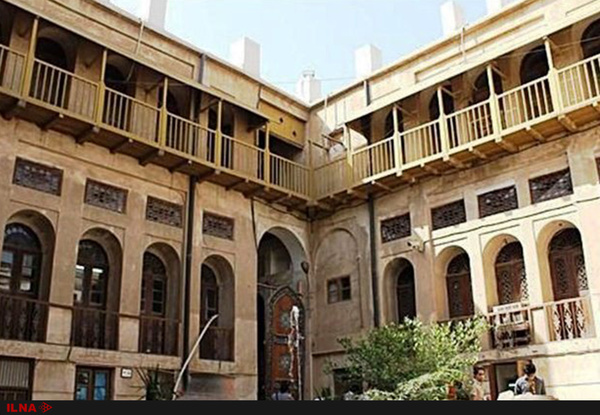
Dehdashti Mansion; Historical Residential Tower in Southern Iran

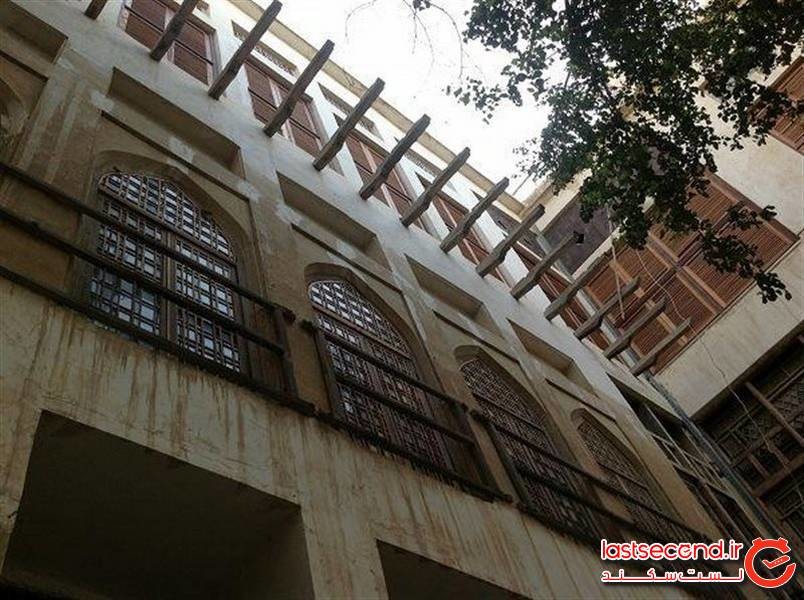
As one of the historical sites of Bushehr dating back to Qajar dynasty, the mansion is among the major tourist attractions of the city. It was built by an oil merchant named Haj Gholam-Hossein Dehdashti in the old neighbourhood of Bushehr.

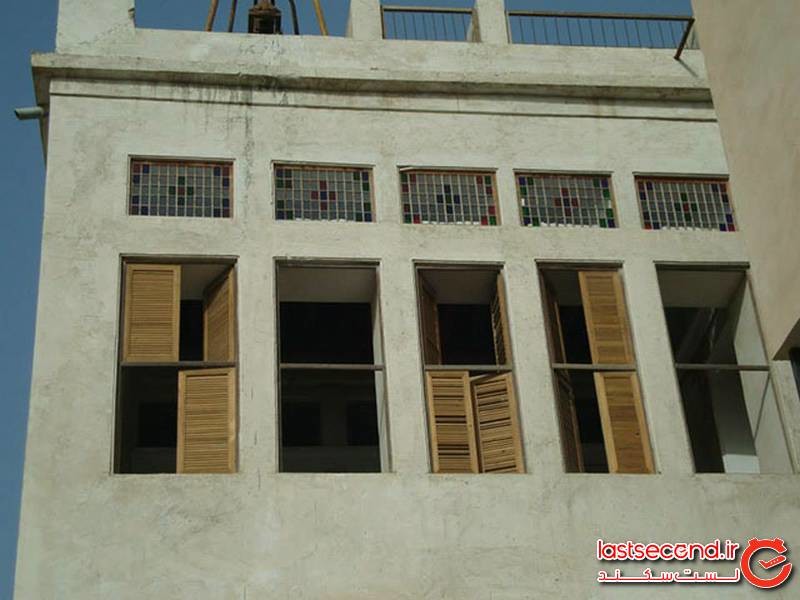
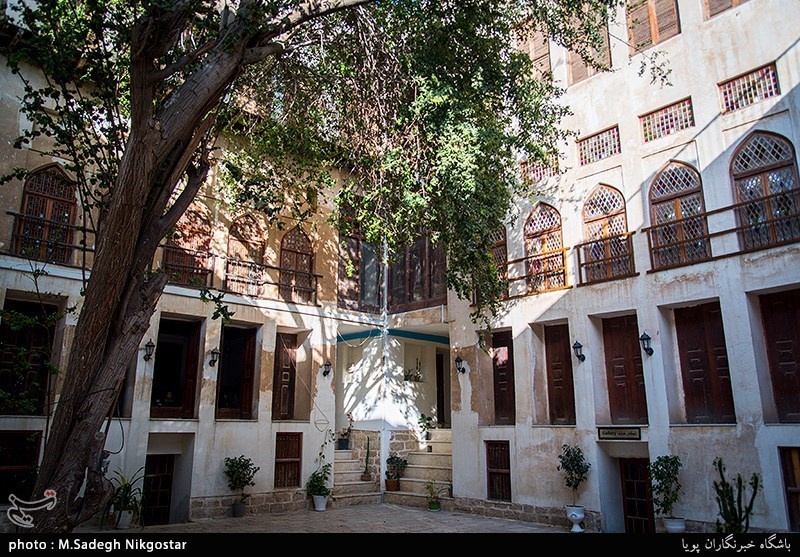
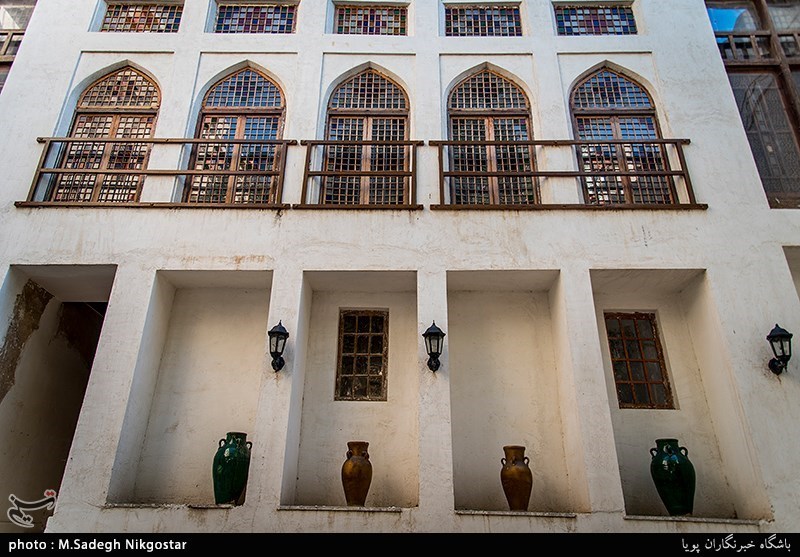
The mansion enjoys an extraordinary architecture. In an era when most buildings in Bushehr’s old neighbourhood had two stories and a few of them three stories, the mansion was built in four stories. This made it seem more like a tower in the city.

Several trade documents were found in the house, some of which date back to 200 years ago.A number of these documents have stamps from the UK, India, Germany as well as Qajar stamps. The documents have been categorized and held by the Cultural Heritage, Handicrafts and Tourism Organization of Iran.

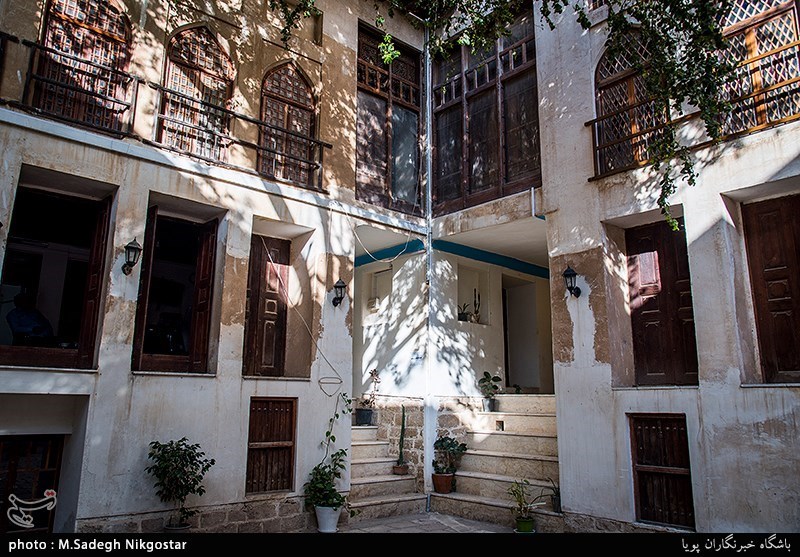
The main materials used in the structure of the mansion include sandalwood, teak, coral, lime and plaster. The ceiling of the historic building is made of sandalwood. Meanwhile, the ceiling of reception room has oil paintings with European themes. The elegant decorations inside the rooms as well as the complicated systems of doors and windows of the building catch the eyes of every visitor.

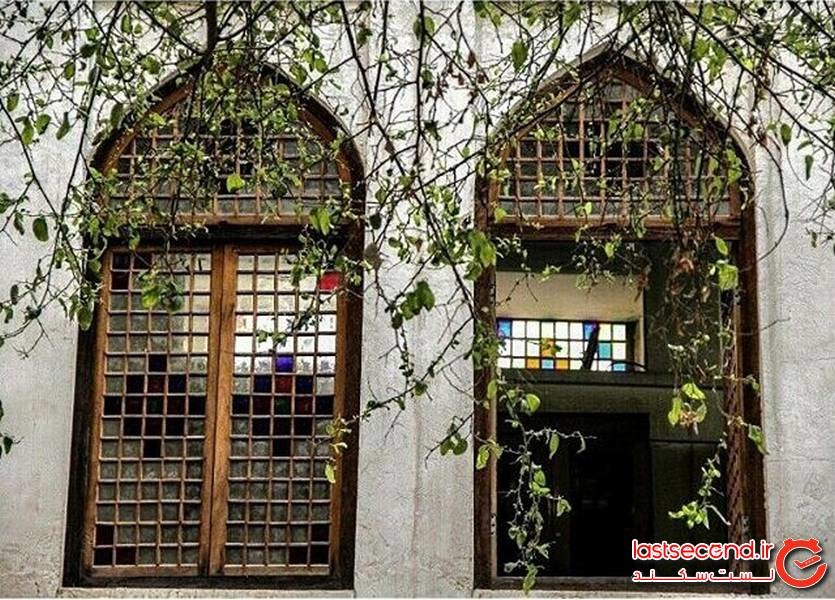
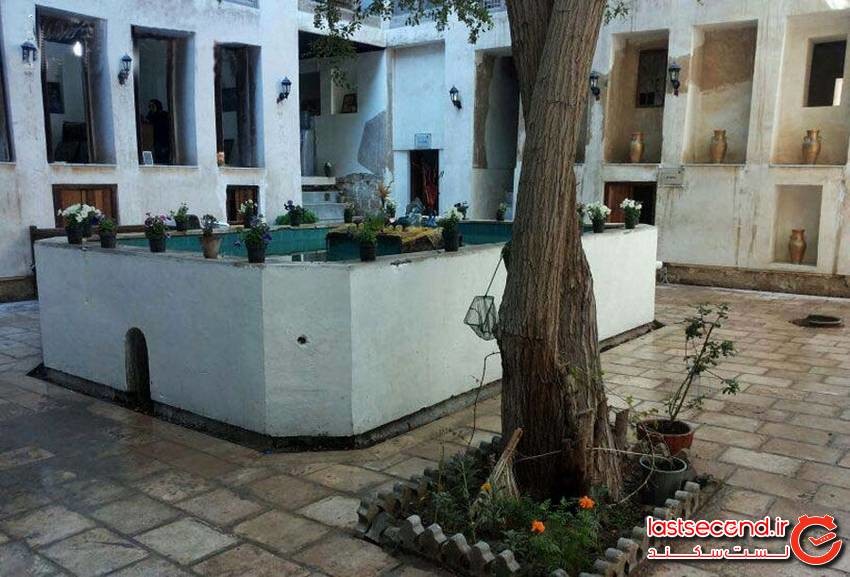
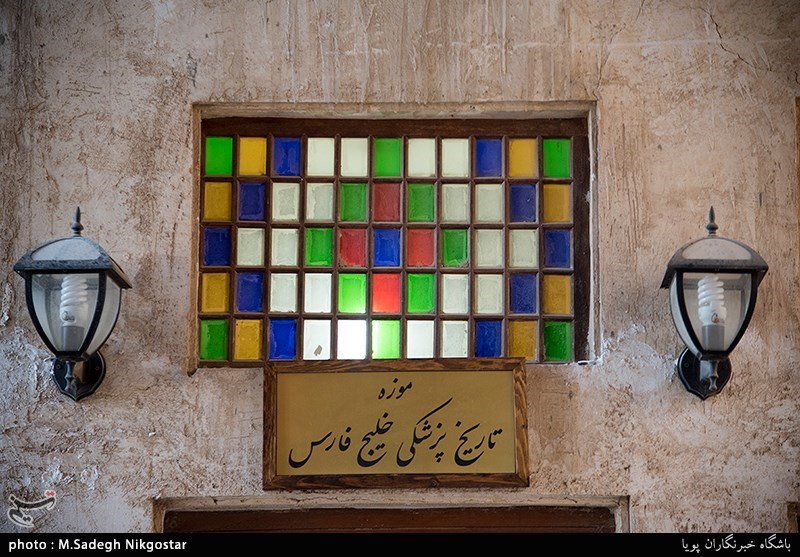
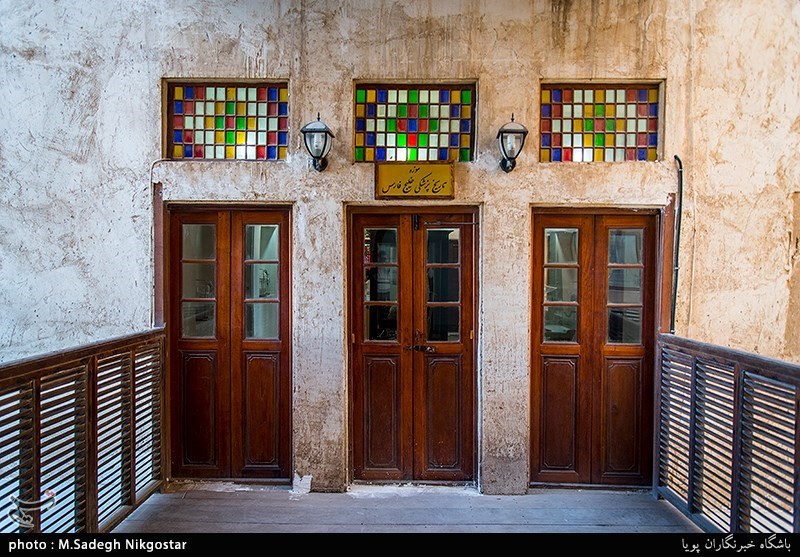
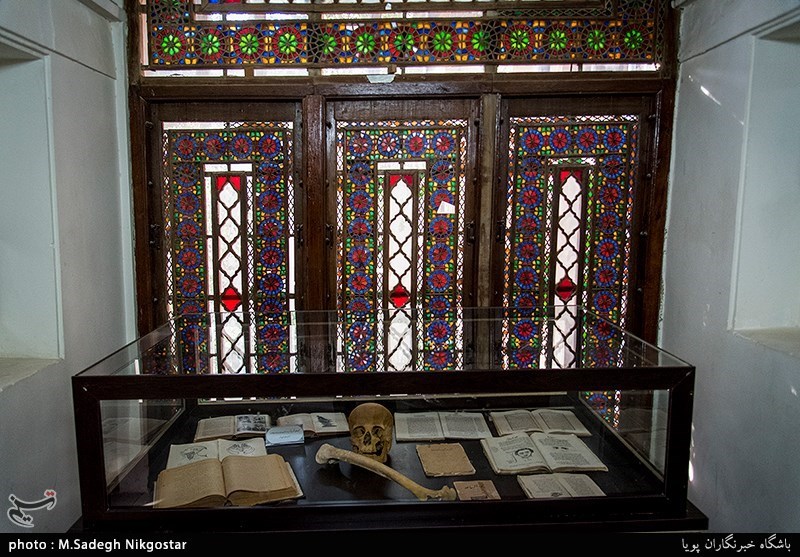
The mansion also has several beautiful sash windows with stained glass and knots. It used to be residential and commercial. Today, however, the building is used as the Architecture Museum of Bushehr, where photos, scale models and picture guides about the architecture of the city as well as information about the old neighbourhood of Bushehr, its historical homes and the traditional material used in their construction are put on display.

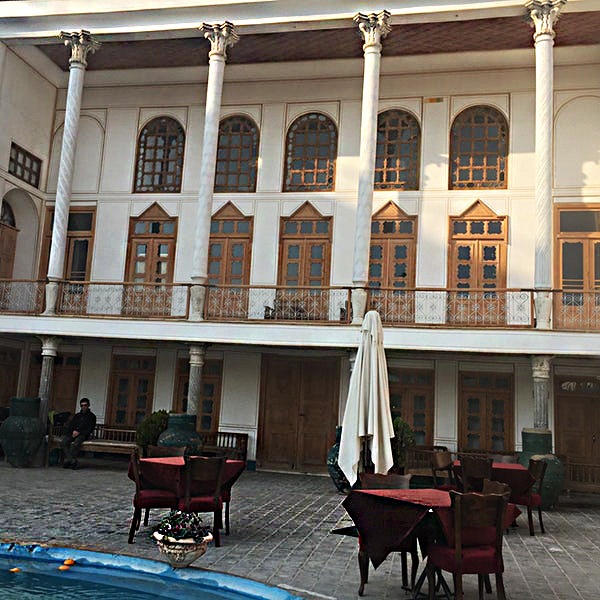
Below, you can see a series of photos of the mansion retrieved from various sources: