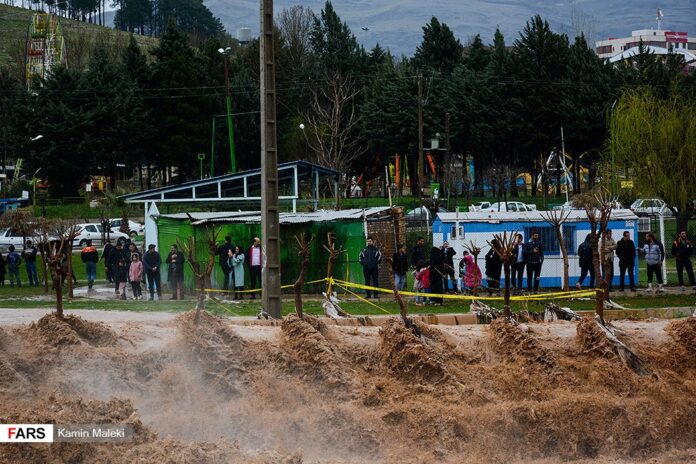
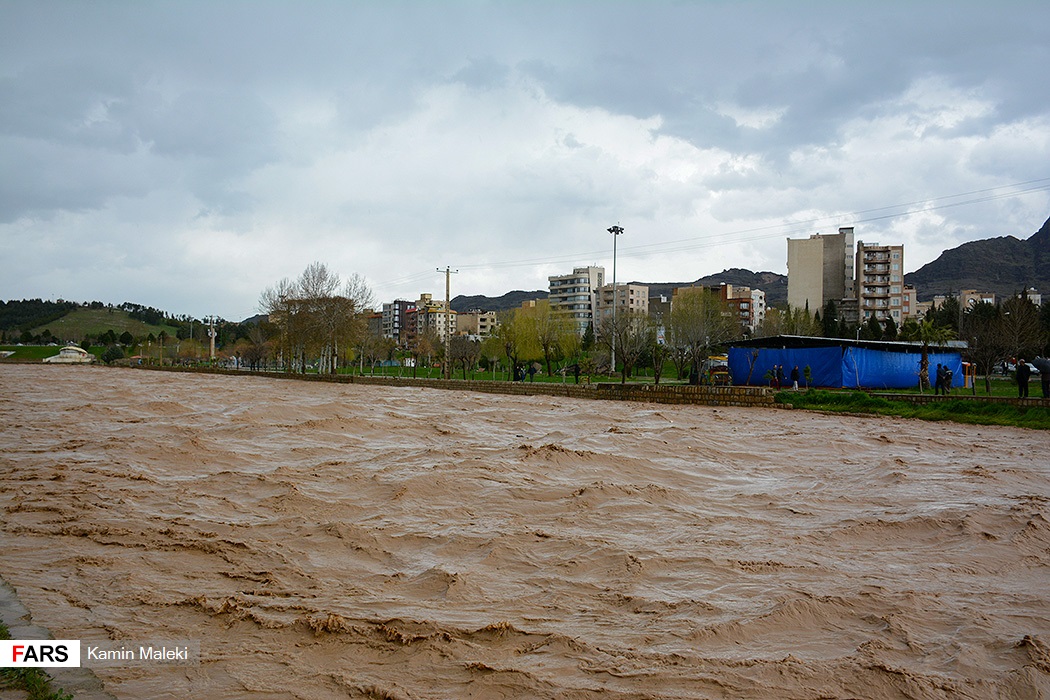
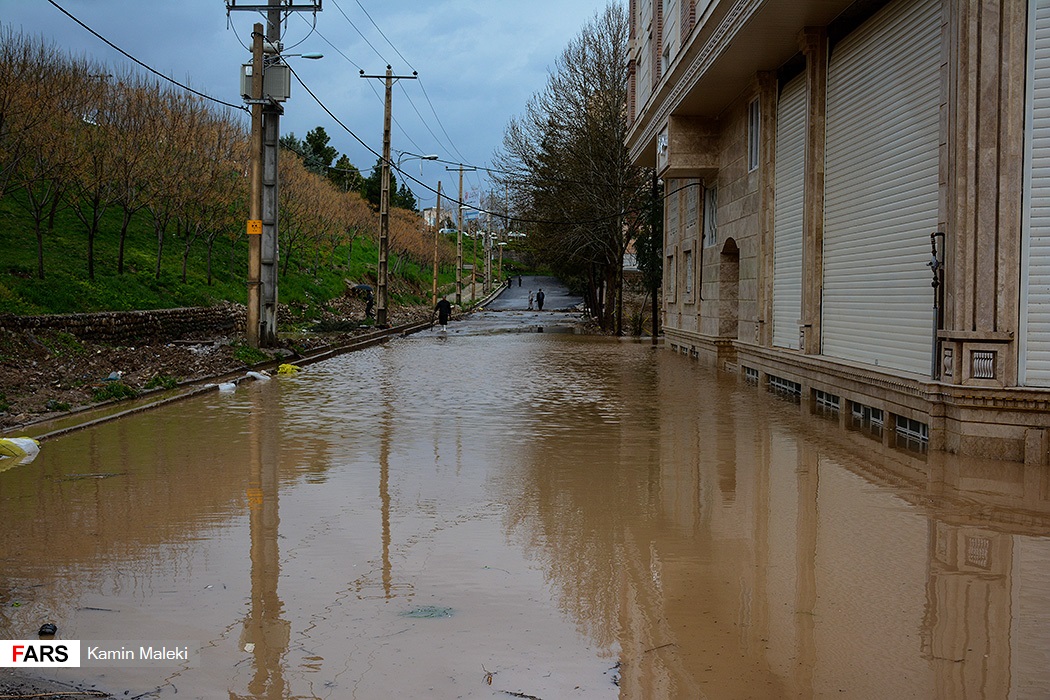
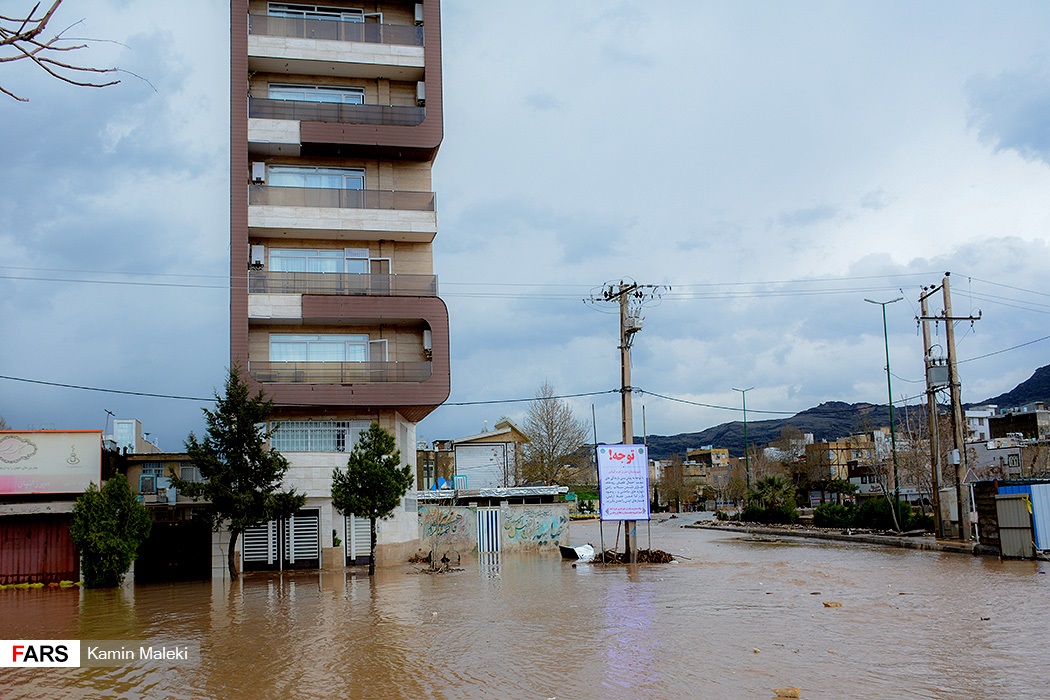
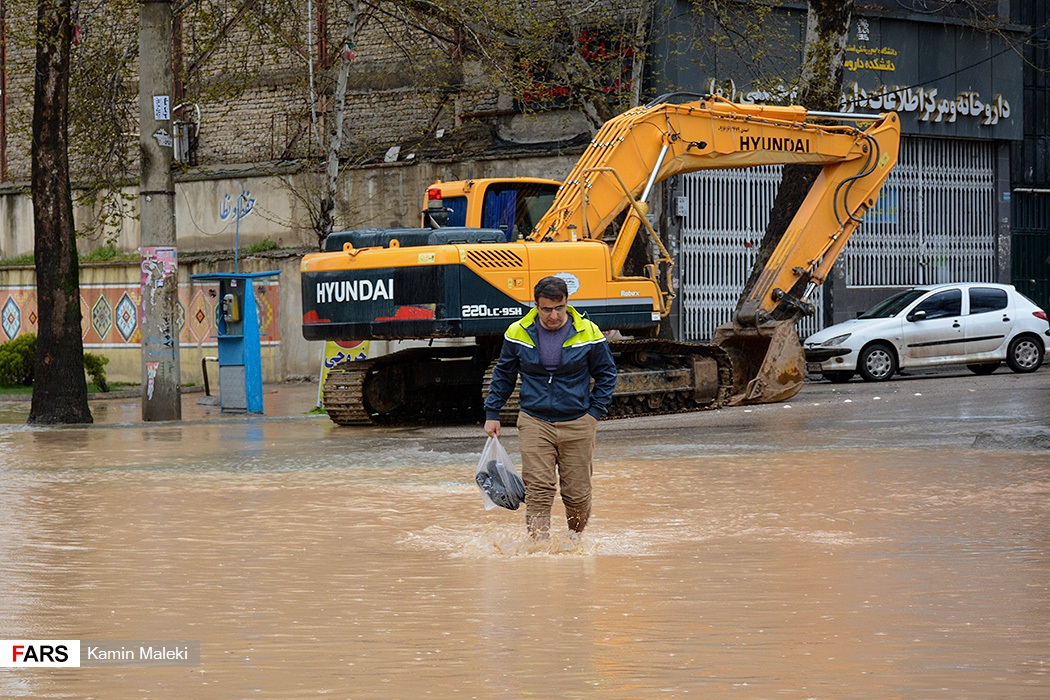
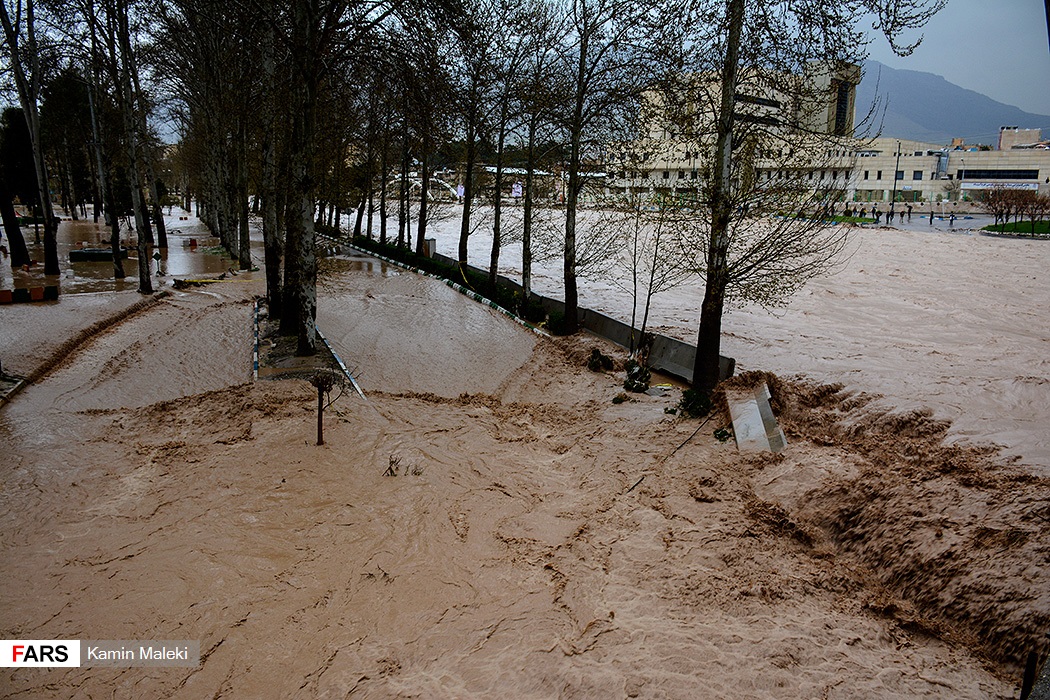
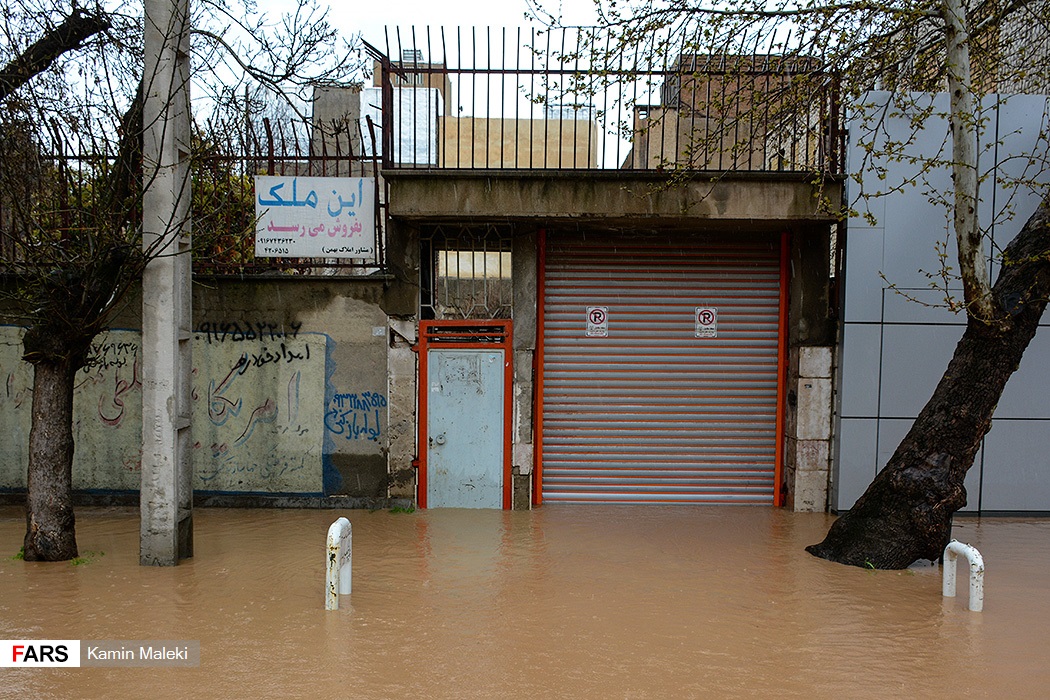
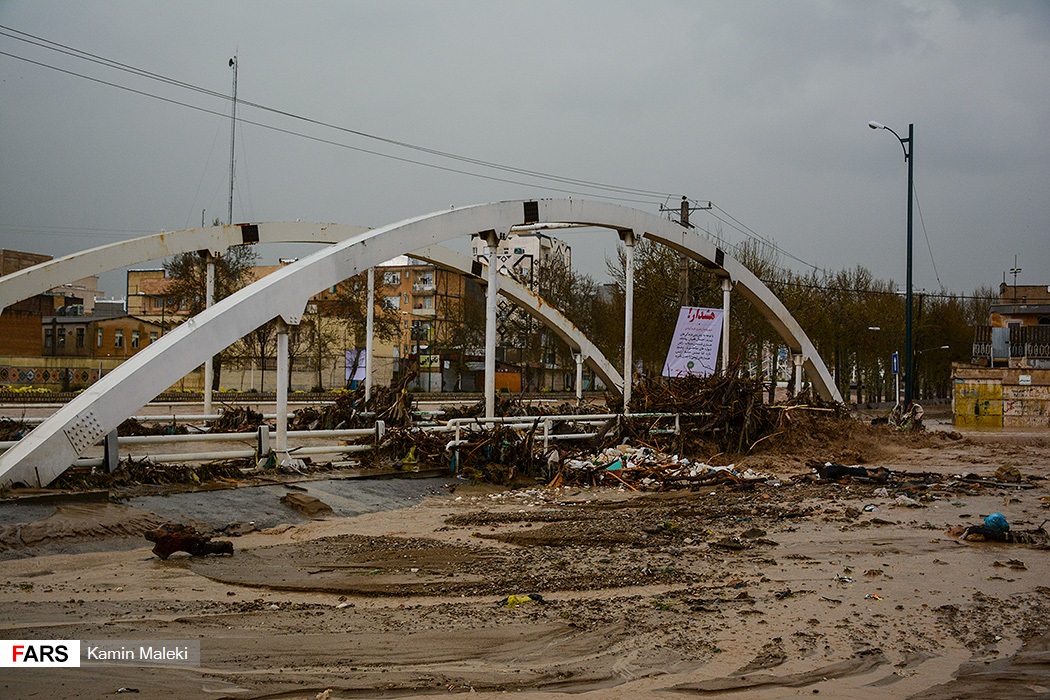
Morteza Salimi said relief operations are seriously underway in 123 cities, villages, tribal areas and mountainous roads across Iran.
“Over the past 48 hours, 23 provinces have been struggling with heavy floods and their disasters,” he said.
The provinces are as follows: East Azarbaijan, West Azarbaijan, Ardabil, Isfahan, Ilam, Bushehr, Tehran, South Khorasan, Khorasan Razavi, North Khorasan, Khuzestan, Zanjan, Semnan, Fars, Qazvin, Kurdistan, Kermanshah, Kohkiloyeh and Boyer Ahmad, Golestan, Lorestan, Mazandaran, Markazi and Hamedan.
According to Salimi, 50,138 people in the affected areas have been sheltered and efforts are underway to provide about 3,015 other people with emergency services over the past two days.
He went on to say that so far 143 residential units have been evacuated from water by 26 mechanical pumps in the flood-hit areas.
Meanwhile, a large number of blankets, cans, mineral water bottles and other necessary items have been gathered and sent to the affected areas.
Iranian emergency officials have issued warnings against camping alongside rivers and streams over possible flash floods.
People have also been called to stay away from dangerous areas as heavy rains continue in northern, western and southwestern parts of the country. In the capital Tehran, 10,000 civil defence forces are on alert as more rain is anticipated. Several Iranian provinces were hit by rare flash floods in the past week. According to Iran’s Red Crescent Society, the disaster has claimed the lives of at least 45 people so far. Aid and relief operations are in full swing in the affected areas.
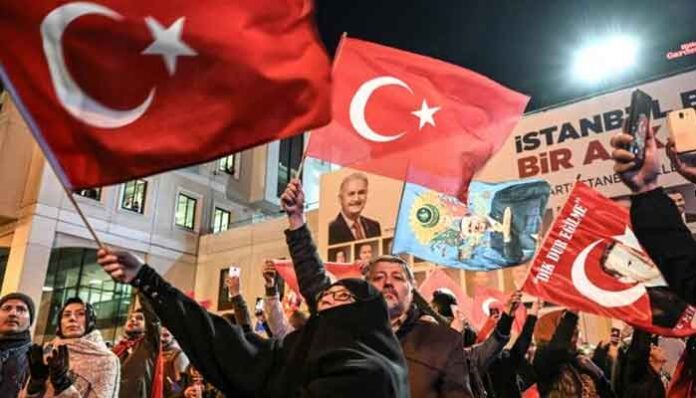
In a Monday statement, Qassemi congratulated the Turkish government, nation and political parties on holding massive local and municipal elections successfully.
“The peaceful holding of the local and municipality elections as well as the massive turnout of Turkish citizens serve as another sign of the rule of democracy in the brotherly and friendly country of Turkey,” he said.
“We wish welfare, prosperity and development for the Turkish government and people in the wake of the results of the elections,” he noted.
It goes without saying that the establishment of democracy in regional states is the only guarantor of independence, security and stability in the whole region, Qassemi added.
Millions of people in Turkey flocked to polling stations on Sunday to vote in local elections, seen as a gauge of support for President Recep Tayyip Erdogan.
Turks voted to elect scores of mayors, municipal councils, and other local officials. Some 57 million people were eligible to vote. President Erdogan and his Justice and Development Party (AKP) have won every election since the party first came to power in 2002.
The latest victory of the ruling party came in April 2017 after the public voted in a referendum in favour of the adoption of a presidential system that expanded Erdogan’s powers.
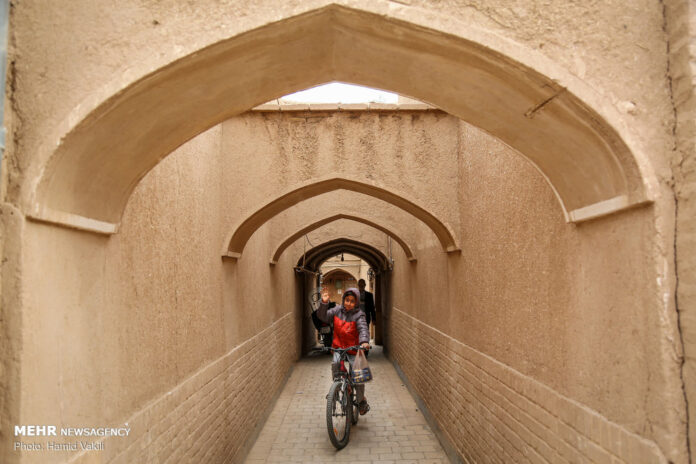
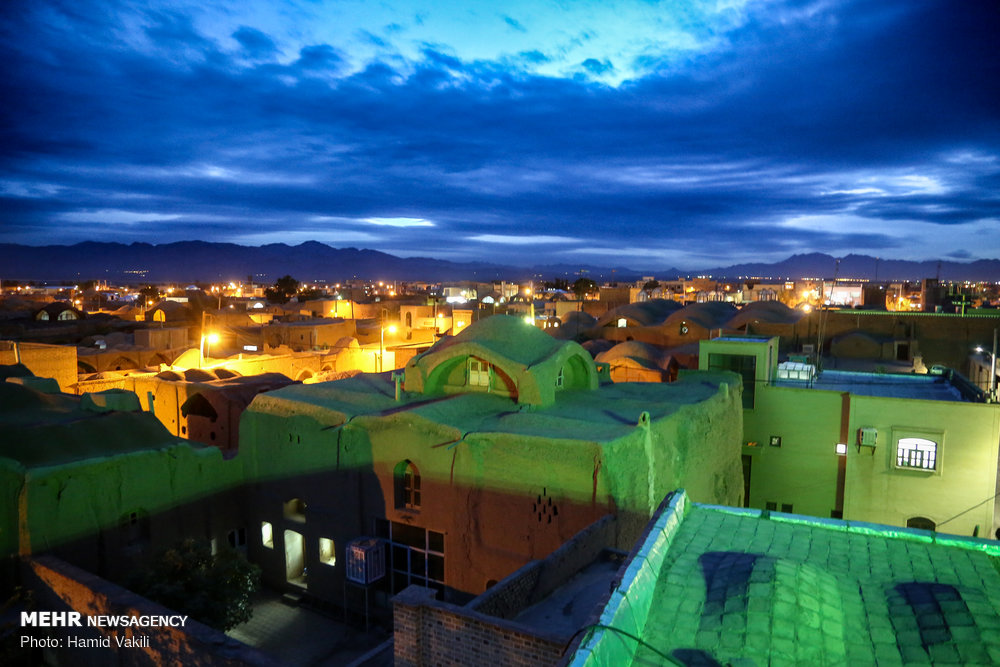
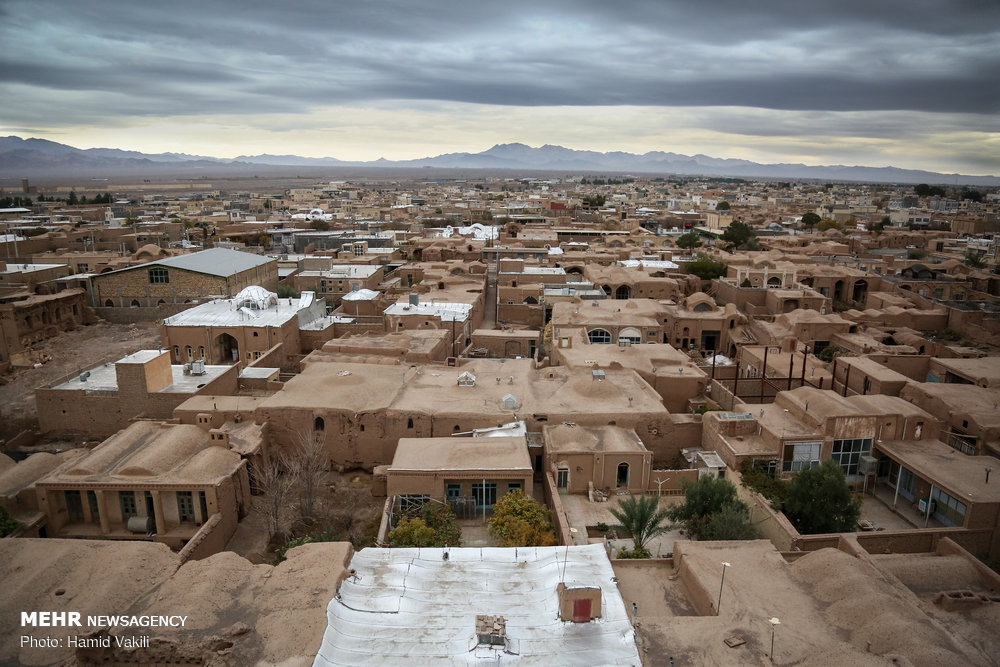
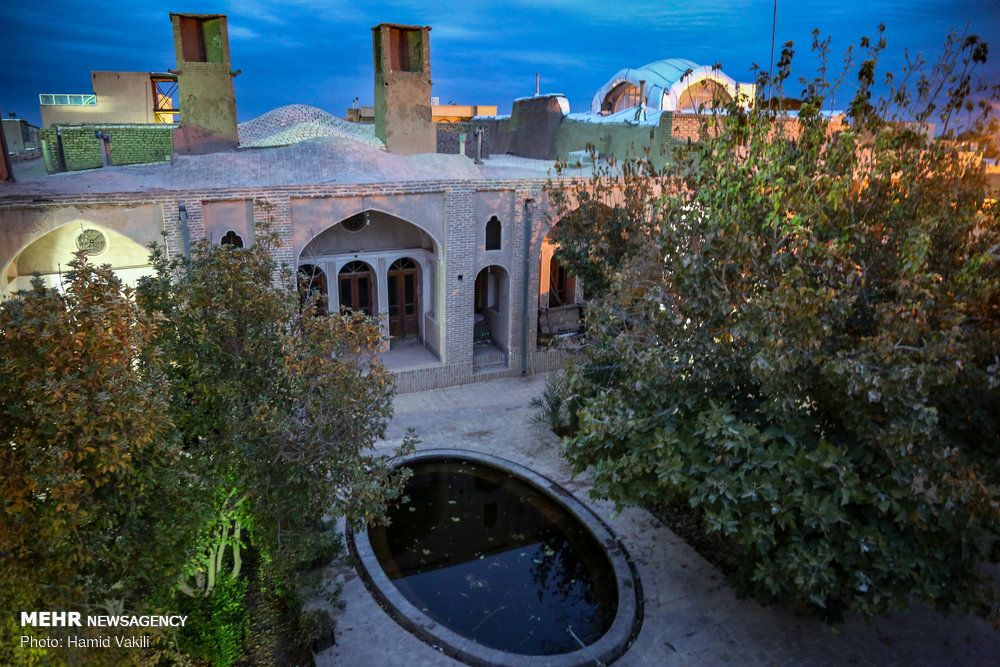
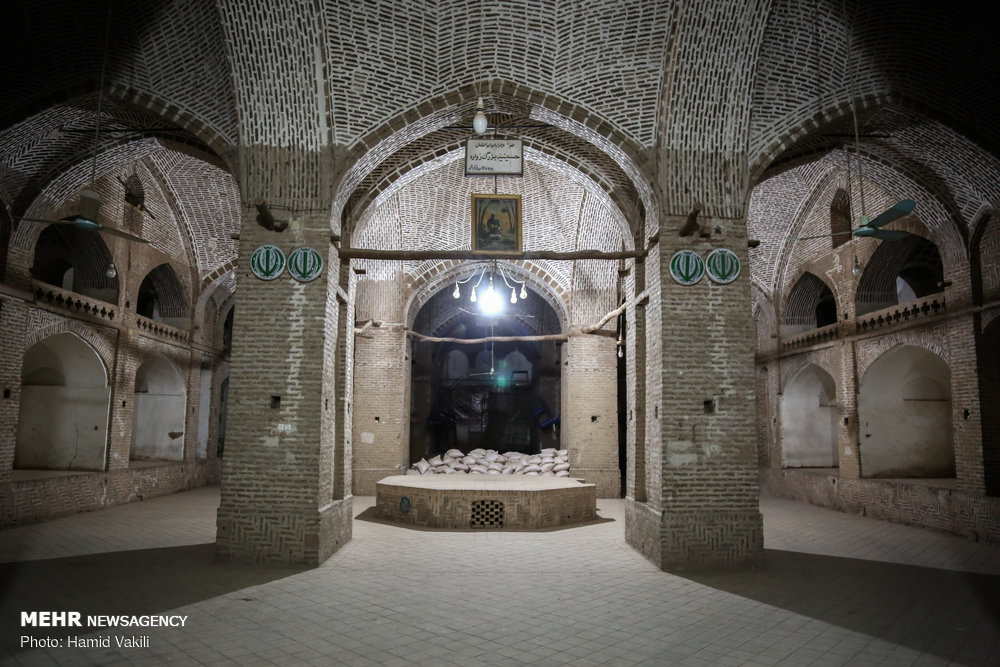
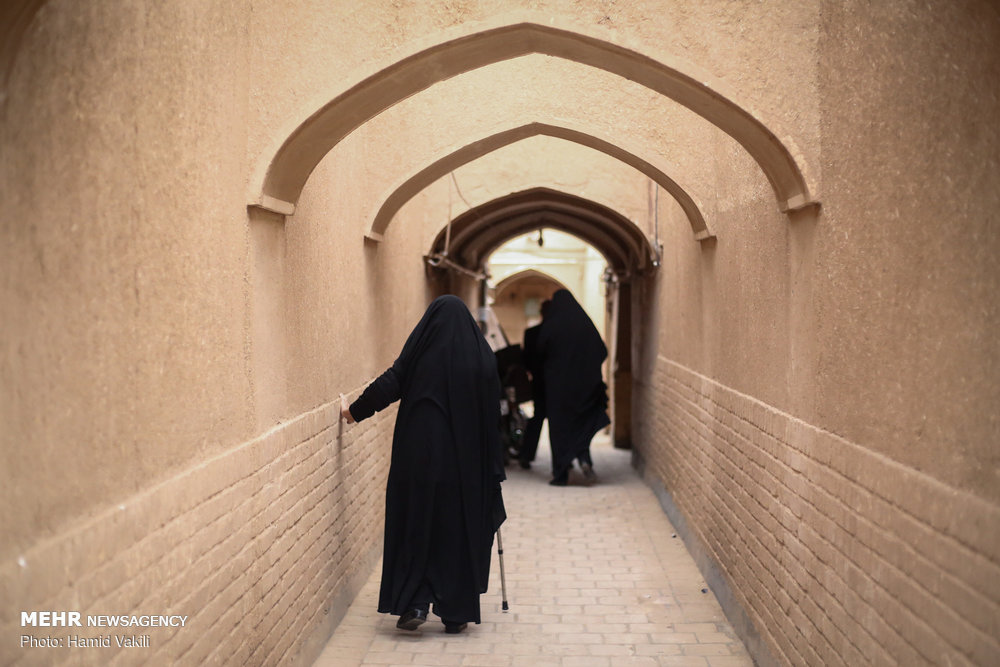
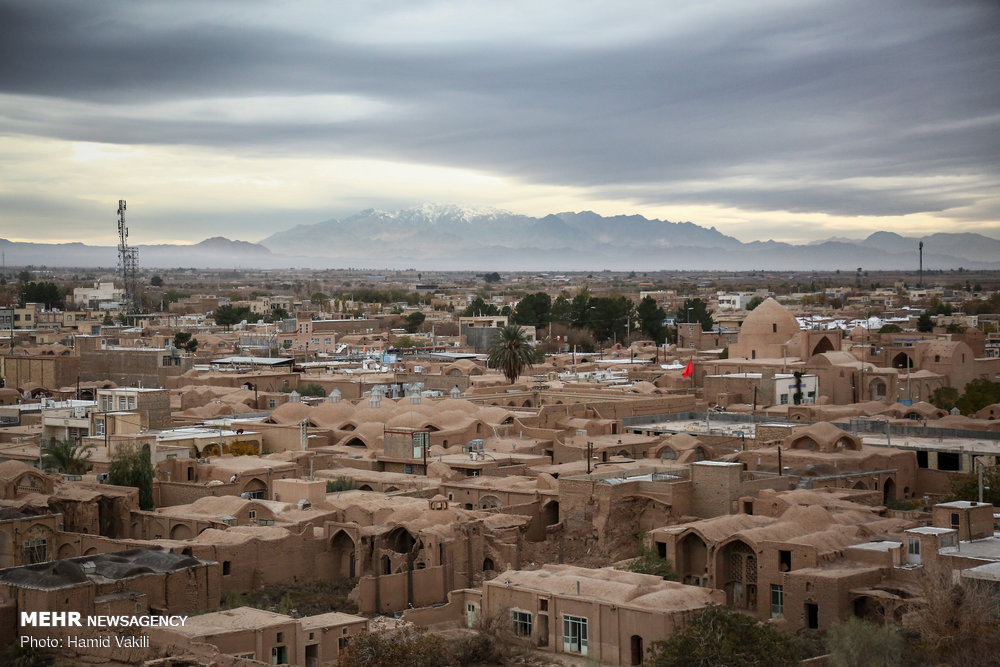
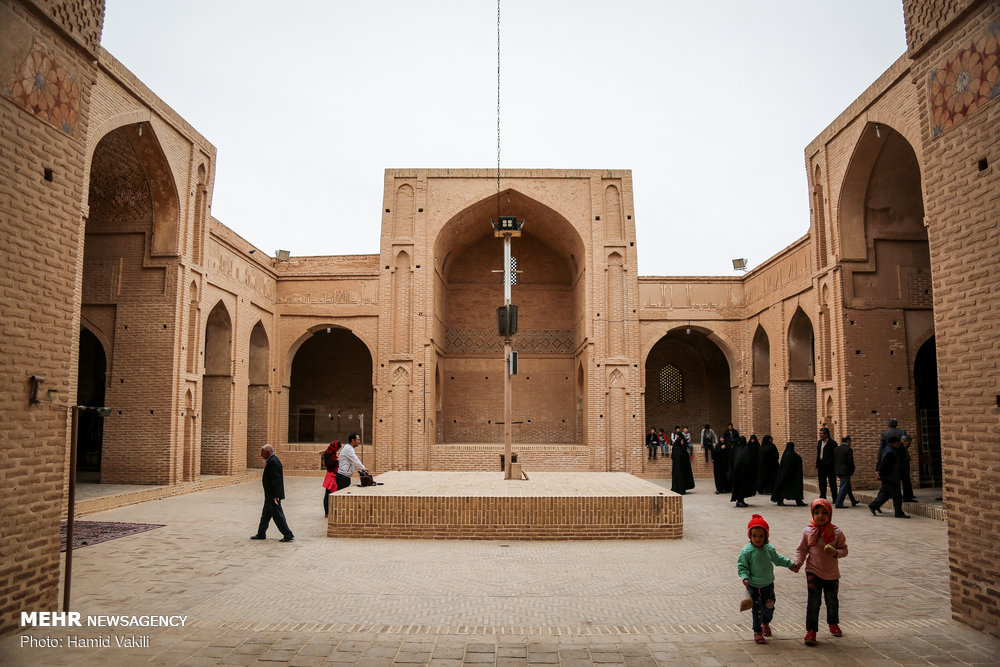
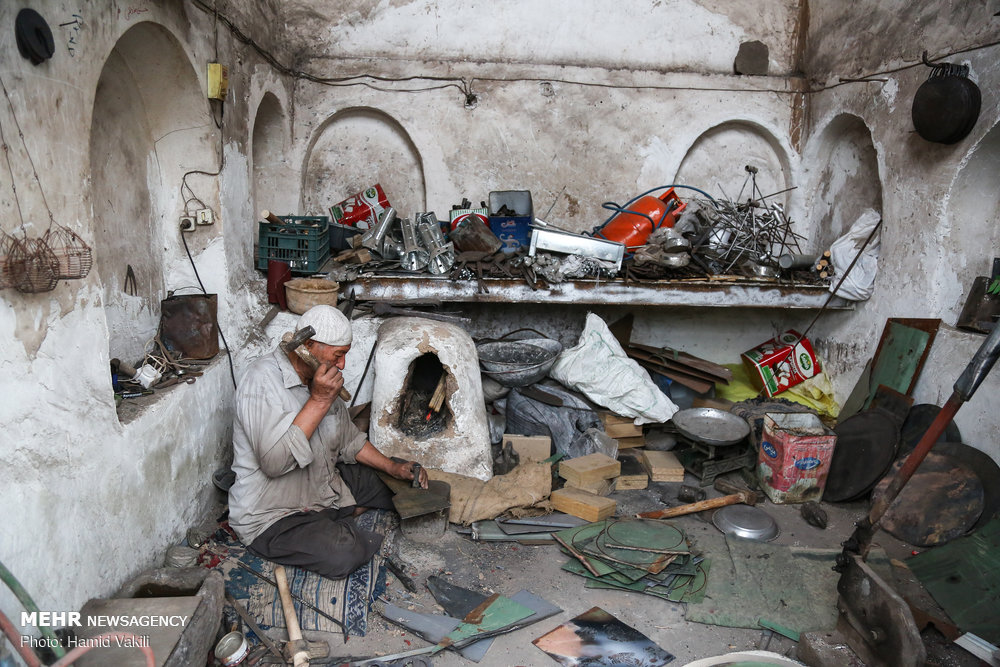
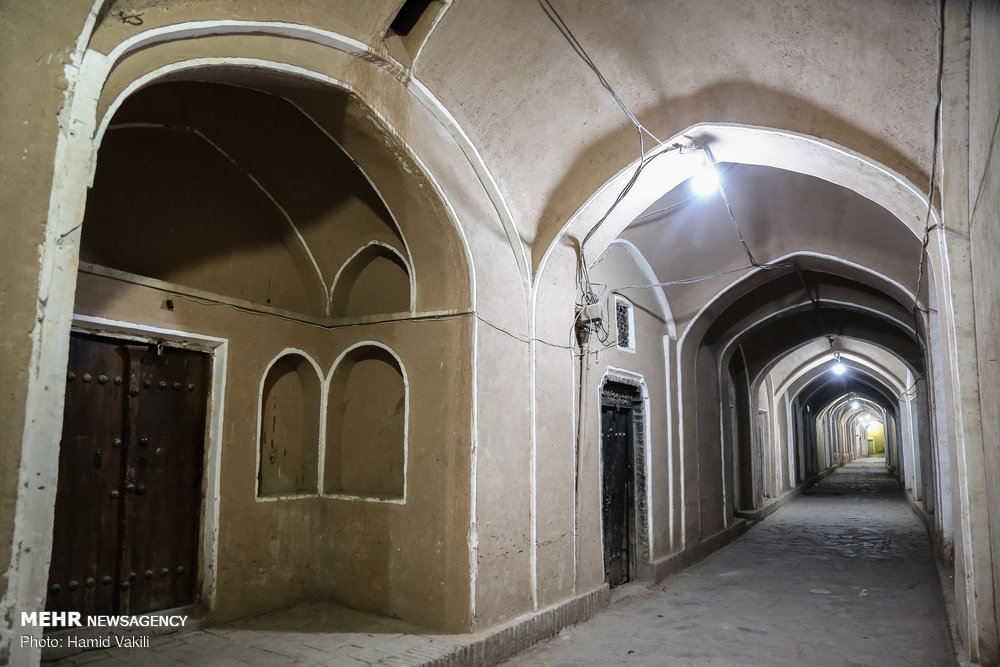
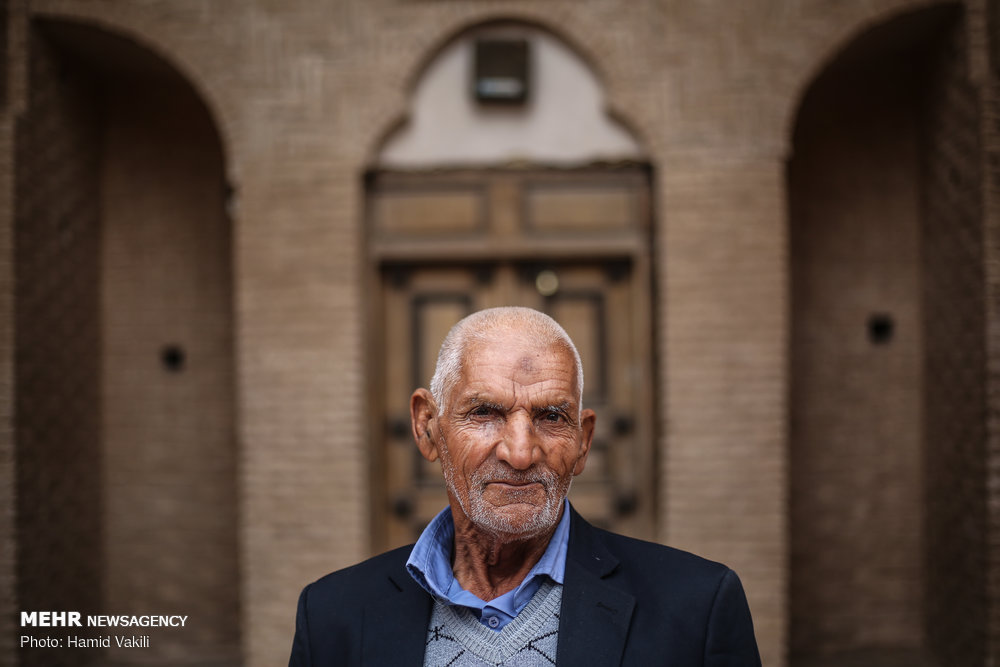
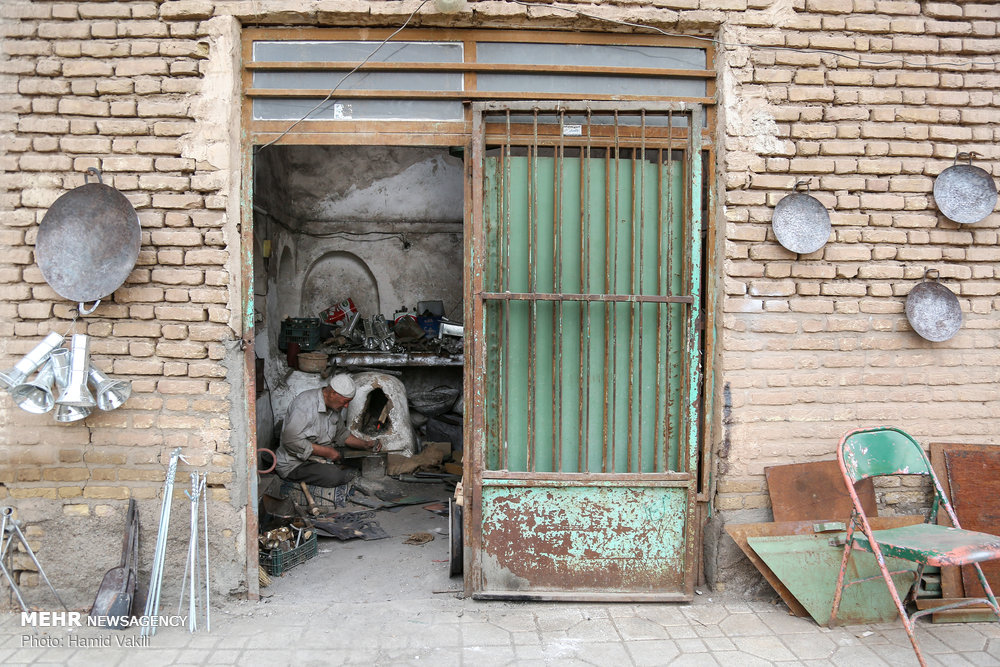
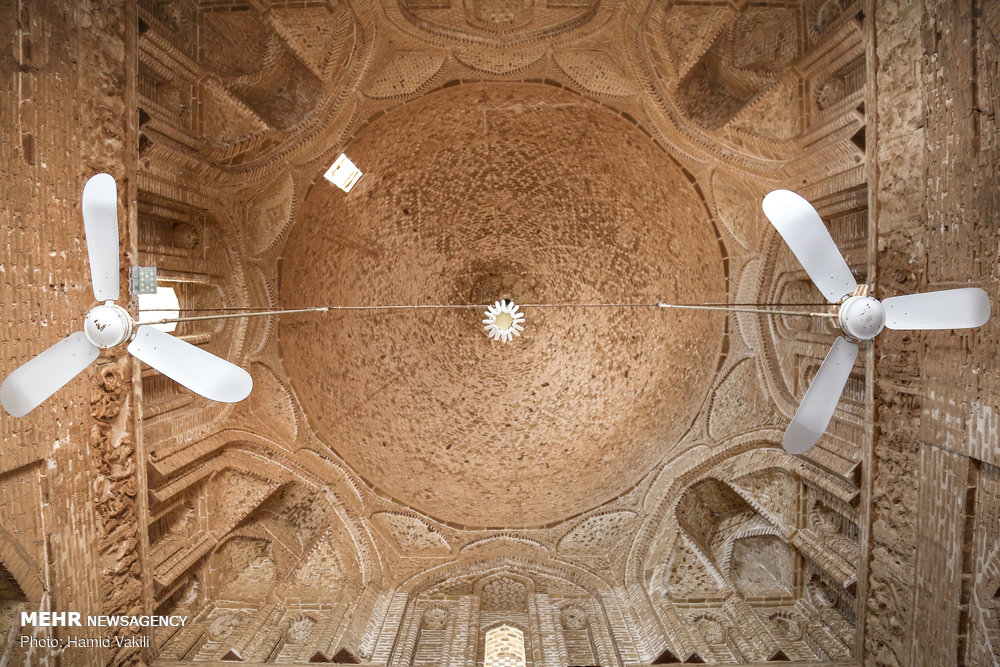
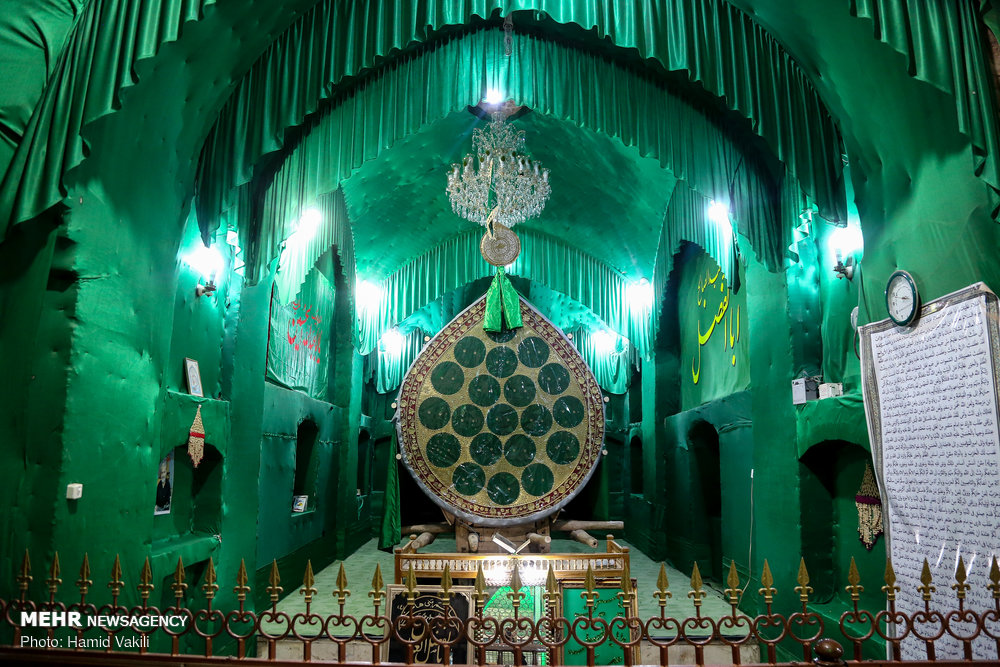
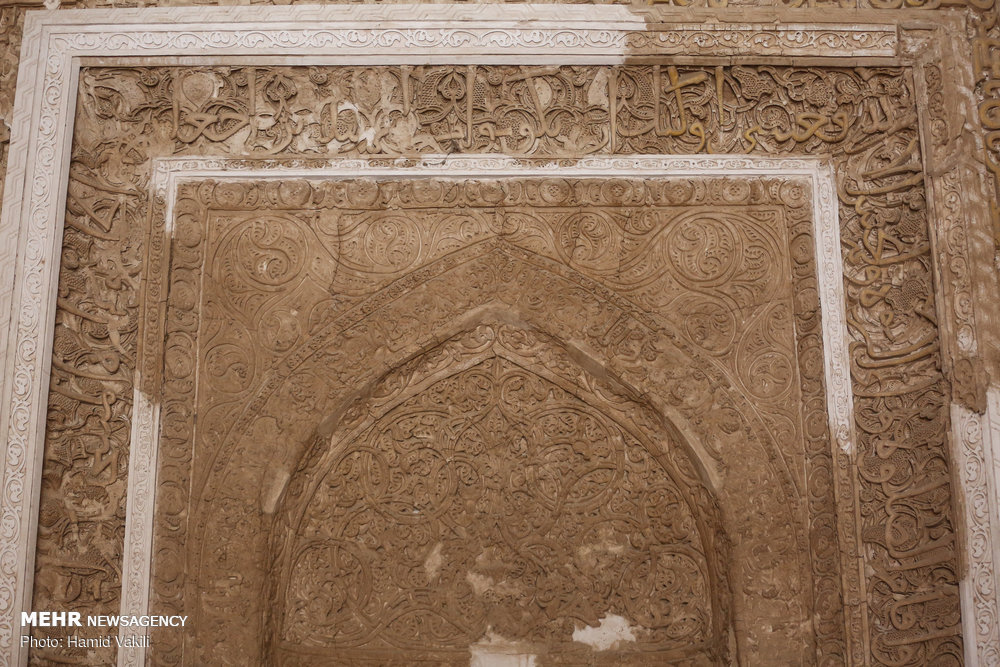
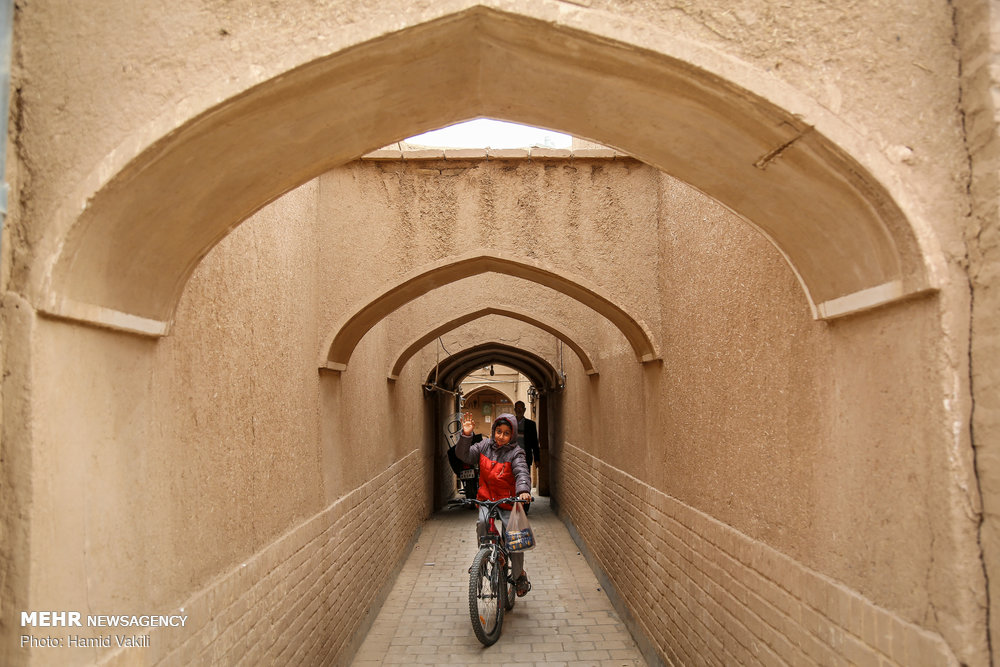
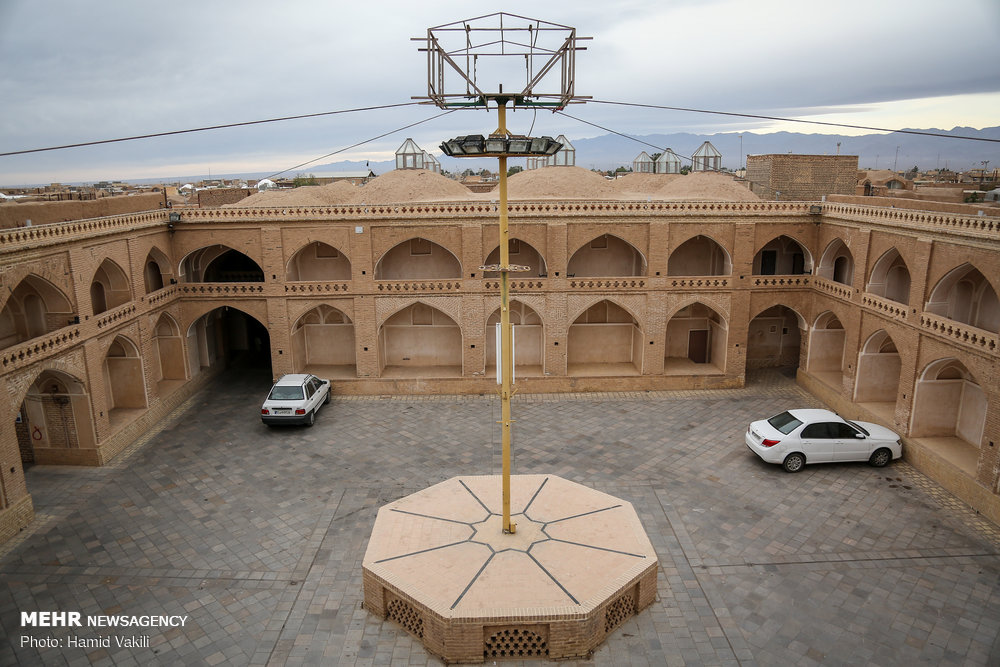
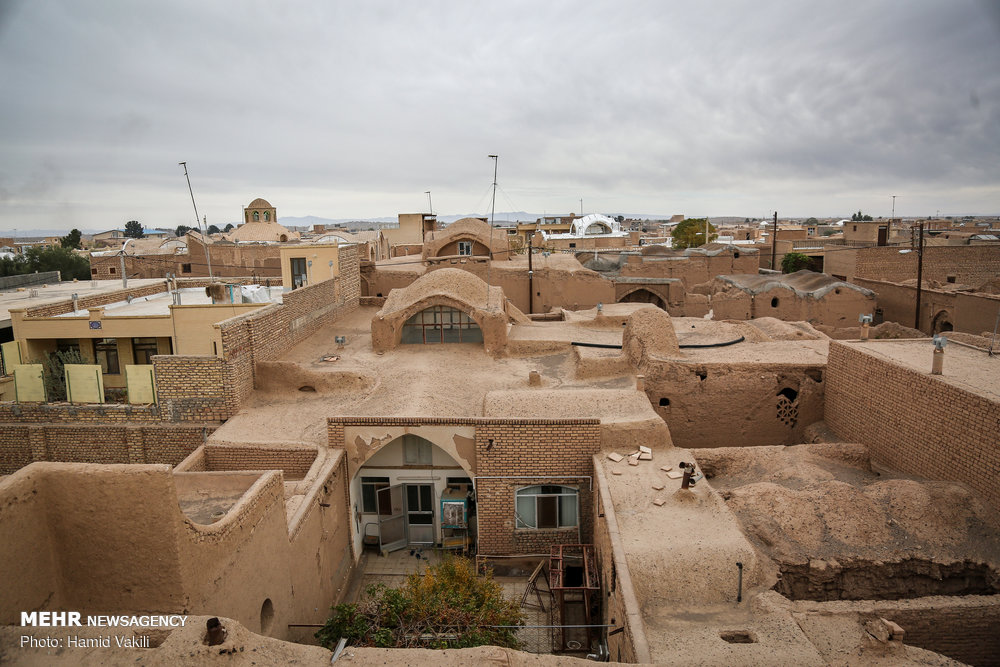
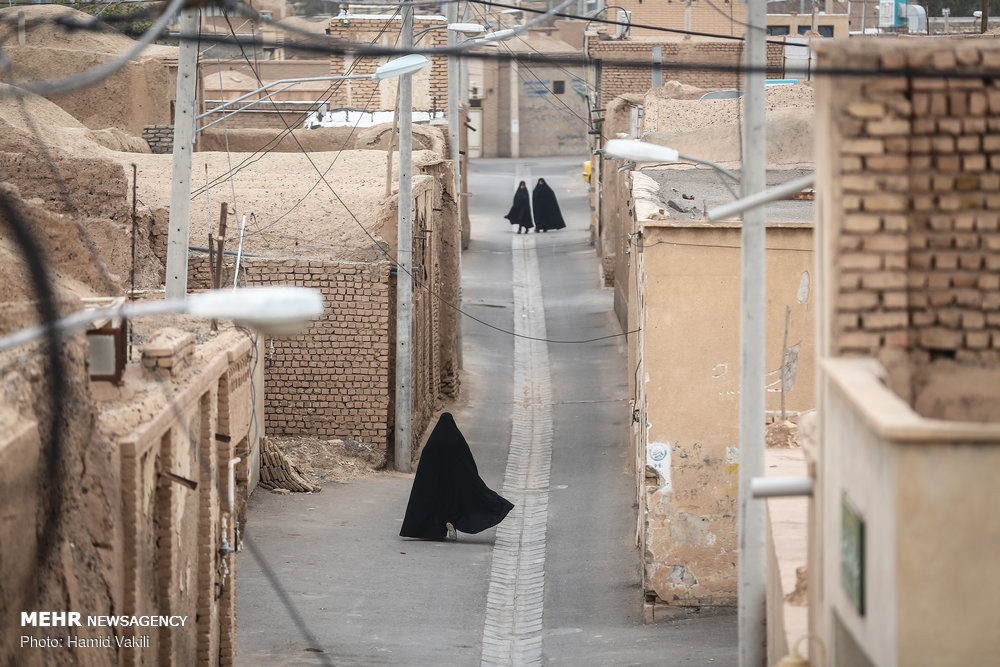
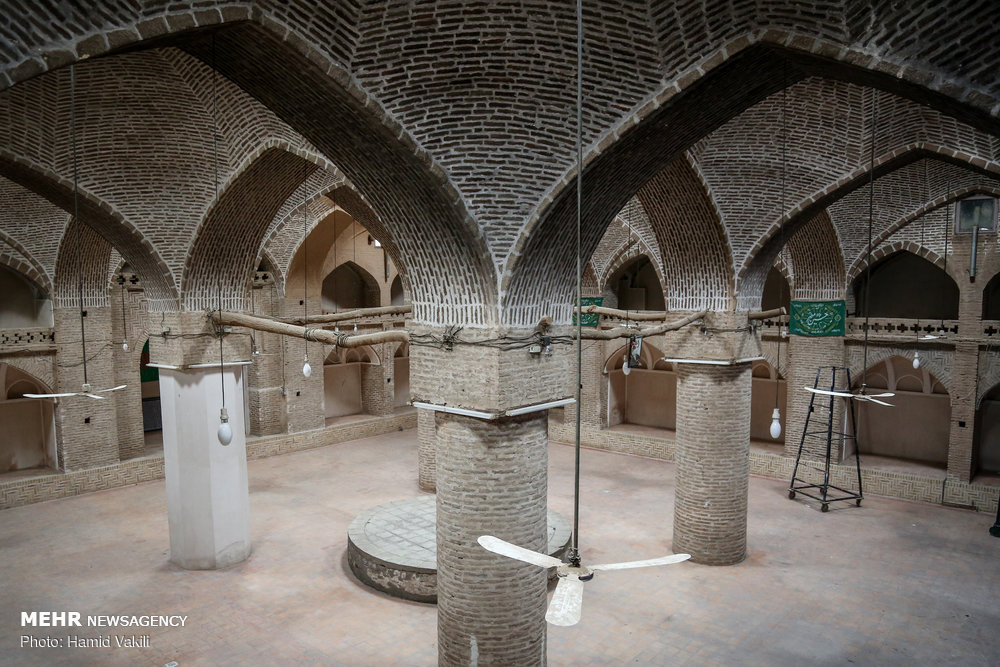
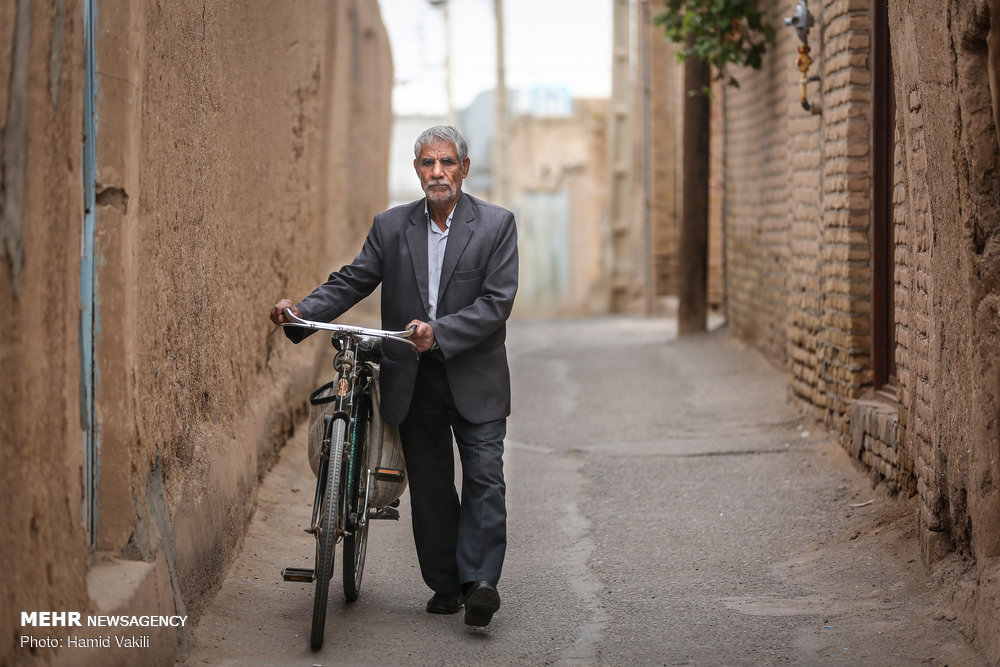
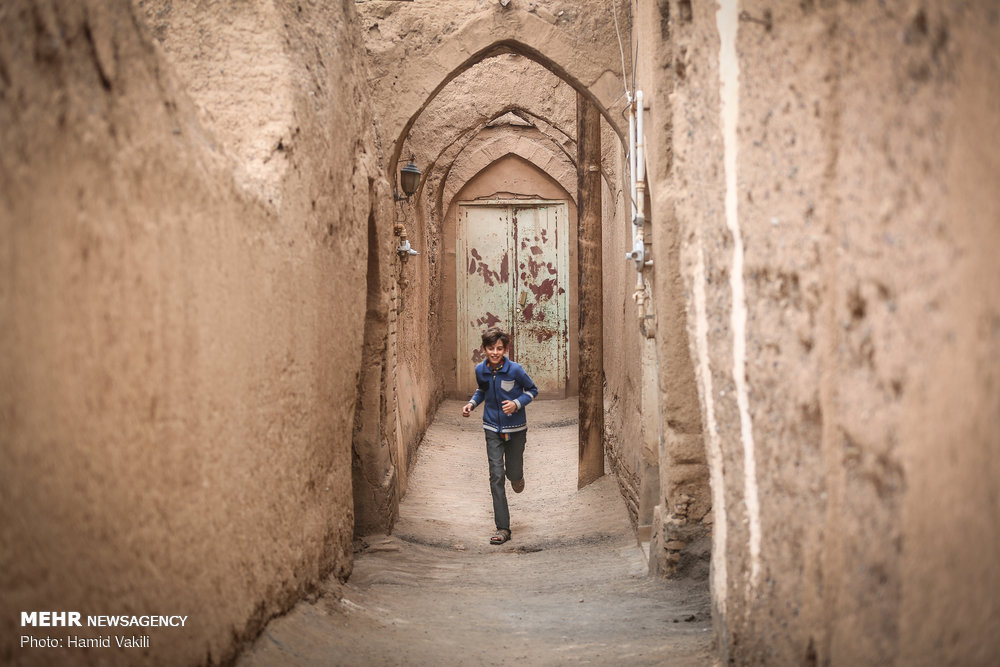
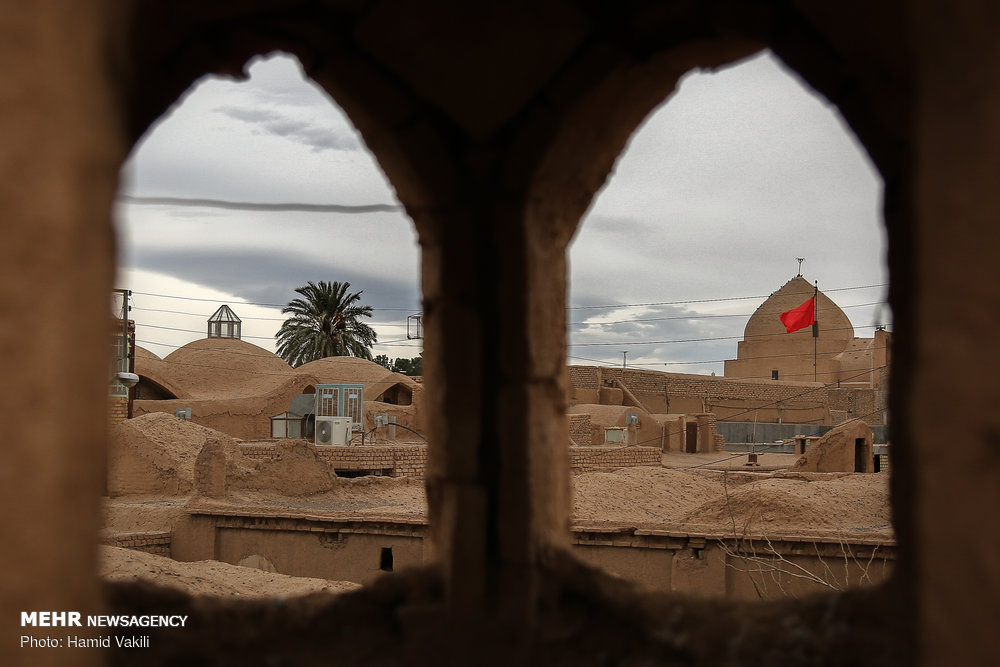
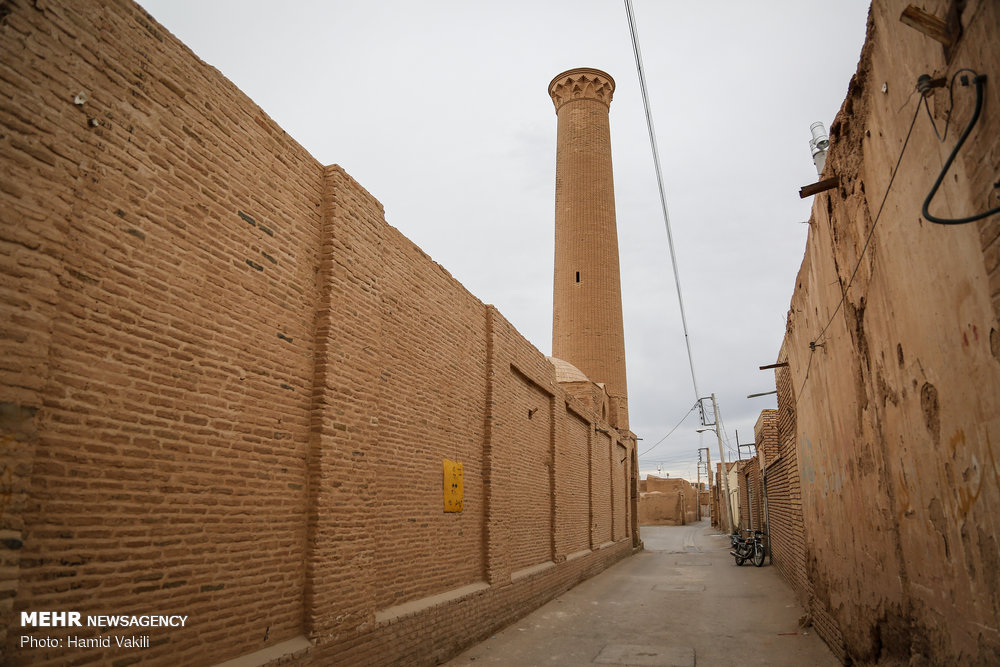
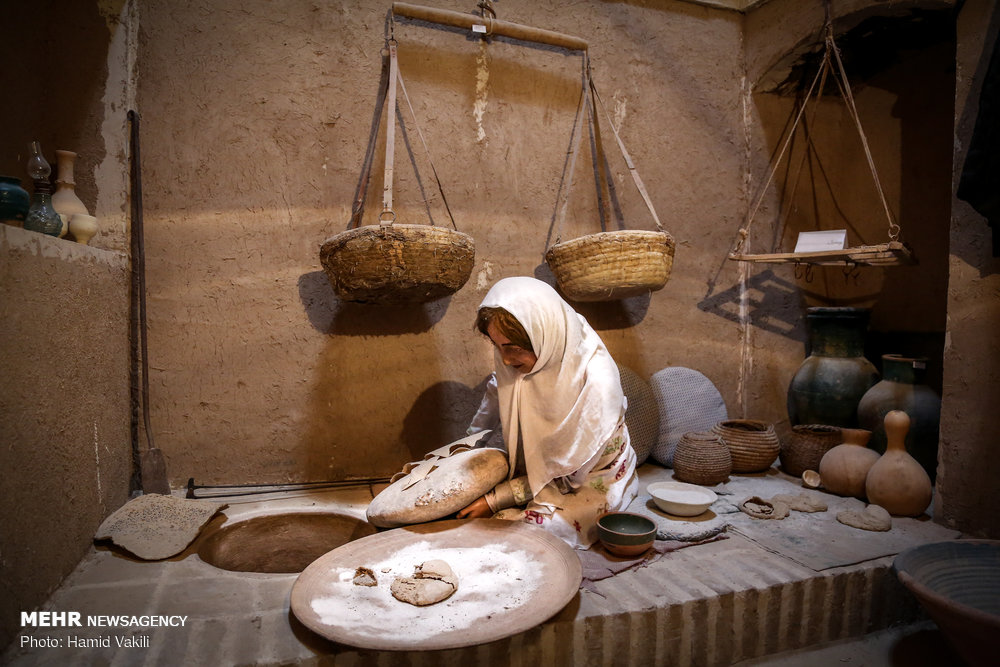
Zavareh, a warm and dry region with desert steppe vegetation, has a muddy structure and has preserved its ancient Persian architecture. In this village, some people still have their original jobs.
It has been named after the brother of Rostam, a mythical figure in renowned Persian poet Ferdowsi’s Shahnameh (Book of Kings). The village used to be called the Madinat-ul-Sadat (City of Prophet Muhammad’s descendants) since the fourth century AH.
During the past centuries, it has been a centre of science, literature and culture, and many historians have been working on Zavareh and its prominent personalities.
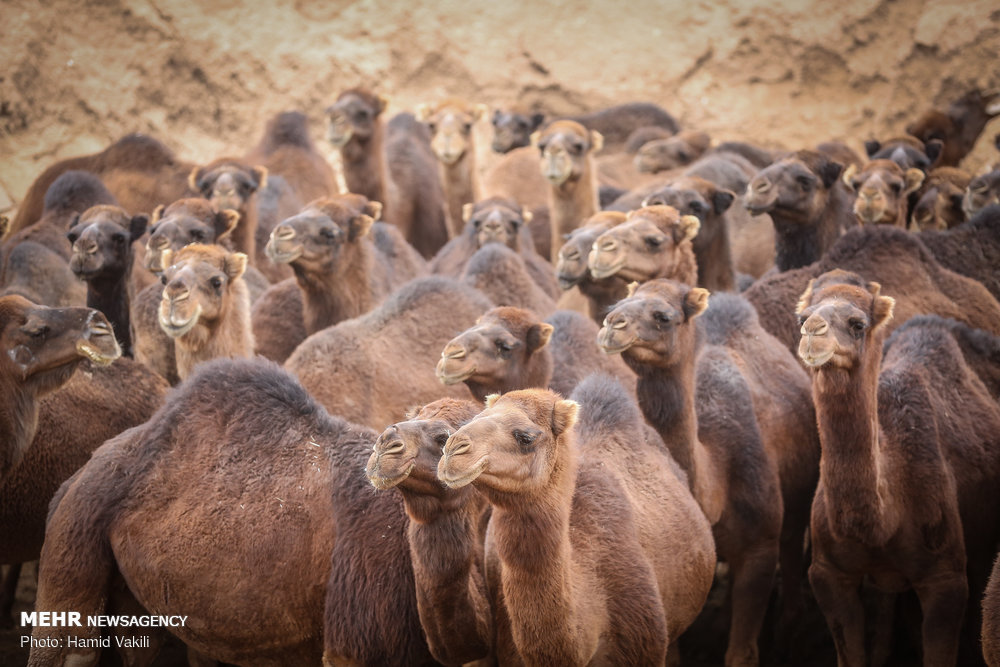
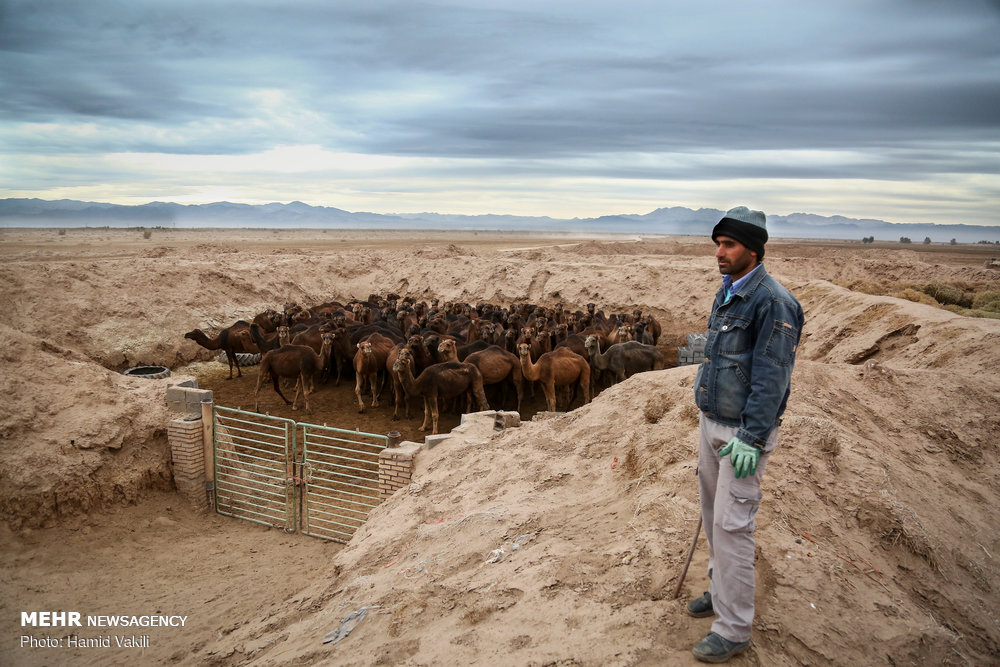
Due to its dry climate and adjacency to the desert of Lut and the central desert of Iran, the village is a suitable place for camel breeding. Camel breeding has a long history in the village of Zavareh.
Following you can find photos of Zavareh retrieved from Mehr News Agency:
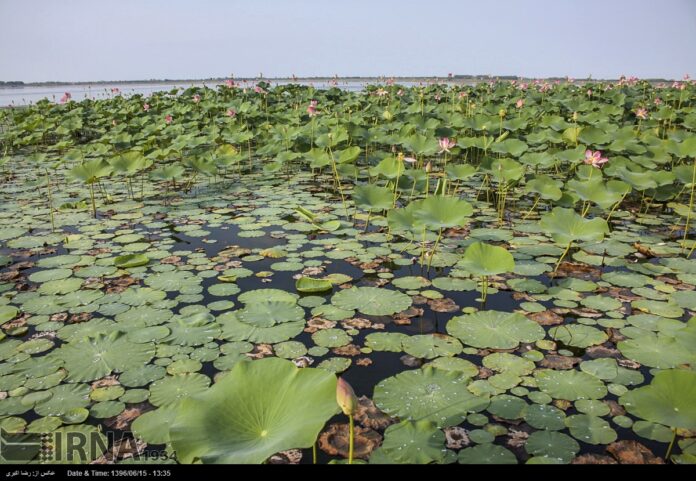
Given a drop in water levels at the lagoon caused by organic and mineral sediments, an agreement has been signed to use nano-materials developed by Iranian researchers to dredge and remove sediments from the body of water.
“Due to the build-up of different sediments at Anzali lagoon over the years, this lagoon is facing numerous environmental challenges today,” said Mehdi Abtahi, the head of the Isfahan Township for Science and Research.
He said the sediments formed by different types of waste have made up a hard layer at the lagoon.
Abtahi noted that a knowledge-based company at the township has developed a method to remove the sediments.
“Accordingly, an agreement was signed between the Department of Environment and the company,” said the official.
“This company has proposed a method to remove sediments from Anzali lagoon using nano-materials,” he added.
Abtahi said the method developed by the Iranian researchers is more cost-efficient than the one offered by a Japanese company which has already conducted studies on the lagoon.
The materials developed by local researchers are able to disintegrate the hard layer of sediments comprised of organic and mineral materials.
A pilot project has been carried out and relevant reports have been presented by pertinent institutions.
Phase one of the plan will be conducted for 10% of the lagoon, and the project will gradually be extended to all parts of it.
Anzali lagoon is one of the most interesting and largest natural habitats for animals in Iran, so much so that each year it hosts large numbers of migratory birds coming from neighbouring countries to the north of Iran.
Currently, the lagoon is facing the problem of growing water contamination as almost all of the waste of homes, factories and industrial workshops located nearby pour into the lake.
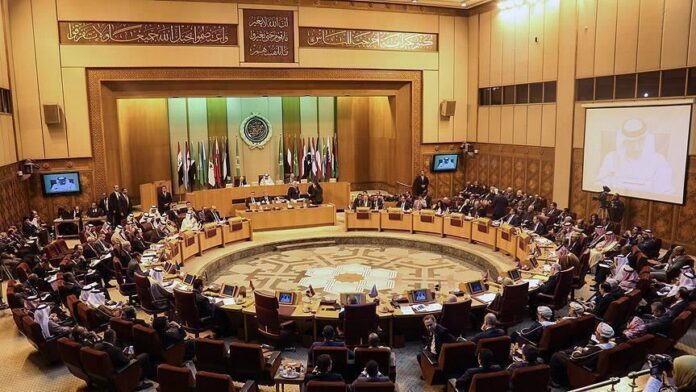
Qassemi made the remarks in reaction to the final statement of the Arab League’s leaders’ summit held in Tunisia.
Qassemi further noted Iran has been closely monitoring all the related developments of the Arab League summit in Tunisia over the past days.
“The Islamic Republic and many of the Arab League members live in a sensitive region of the world and have common borders. Meanwhile, we have close and brotherly relations with most of them and as members of the Islamic Ummah, we have some common concerns and interests. This, in turn, leads us to accurately monitor all discussions and developments of the Arab League,” he said.
The spokesman went on to say that except for some stances adopted by a few of the Arab League members’ leaders during the summit “who unfortunately insisted in vain on their wrong and unconstructive approach by holding animosity towards Iran and levelled some unfounded accusations against us,” the overall atmosphere of the summit was relatively more positive compared with that of the earlier summits.
“This, we maintain, is mainly due to the wise and constructive management of Tunisian officials as the host of the summit,” he noted.
Qassemi hailed the Arab League statement’s support for Syria’s sovereignty over occupied Golan Heights, and described it as a positive and promising but insufficient move in the face of the US president as well as the Zionist regime’s excessive demands.
“We maintain that the Muslim world should continue to prioritize the issue of the illegitimate Israeli regime’s occupation of Arab-Muslim lands and in line with that, prepare the ground for unity among its member states,” he noted.
Qassemi said the Islamic world should not allow malevolent outsiders to shatter its unity and mislead it through plots.
“The Islamic Republic of Iran deeply believes that the regional states are on the same boat with the same fate in the wake of the Zionist regime’s conspiracies and crimes and they need to remain vigilant and keep their unity in the face of the plots,” he concluded.
His remarks come amid an international outcry following US President Donald Trump’s provocative decision to recognize “Israeli sovereignty” over Syria’s Golan Heights earlier this month.
Israel waged a war against Arab territories in 1967 and occupied some two-thirds of Syria’s Golan Heights and annexed the region 14 years later. The international community has never recognized Israel’s sovereignty over the territories.
In his Sunday statement, Qassemi further noted that Iran strongly rejects and condemns wrong and baseless claims on what the statement called Tehran’s interference in the internal affairs of Arab countries as well as claims on the trio Iranian islands.
“We underline that avoiding any interference in the internal affairs of its neighbours is the principal and indisputable policy of the Islamic Republic of Iran,” he added.
Regarding the three Iranian islands, the spokesman stressed that they are inseparable parts of Iran’s territory and sovereignty and added repeating the claims on the islands will have no effect on the legal status of Iran’s ownership of them.
Iran has repeatedly rejected claims by the United Arab Emirates about the three Iranian islands, saying that they are inseparable part of Iran.
Spokesman of the Islamic Revolution Guards Corps (IRGC) Brigadier General Ramezan Sharif said all units of the body have been put on high alert to rush to help any Iranian affected by the floods.
“At the order the top commander of the IRGC, our units are completely prepared to cooperate with the related organizations to cope with the floods,” he said.
The general underlined that the IRGC gives assurance to the Iranian nation that it will stand behind them till the dangers of the floods are completely removed.
President Hassan Rouhani also ordered all state bodies to be prepared for the floods, while continuing relief efforts.
In a phone conversation with Iranian Interior Minister as well as a number of governors in western and southern provinces on Sunday, President Rouhani expressed his gratitude for the serious attempts by all crisis management centres established across Iran as well as other executive bodies including army, the Islamic Revolution Guards Corps (IRGC), police and voluntary forces in managing the floods and their consequences.
During the calls, President Rouhani underlined the need to take full advantage of all available technical and media capacities to cope with the floods.
Meanwhile, top Army official Rear Admiral Habibollah Sayyari said the army has established a coordination centre in the southern city of Ahvaz to cope with the possible floods in the region.
He went on to say that the main priority of establishing the centre is to offer required services to the people.
According to the Iranian commander, the centre, created at the order of the Iranian army’s top commander, is equipped with various technical means to cope with the anticipated floods. He noted that the centre is also completely prepared to establish cooperation with the related bodies involved with operations to manage the situation amid the floods.
Meanwhile, First Vice-President Es’haq Jahangiri praised the joint efforts of Armed Forces and state bodies, saying the military forces showed they stand by the nation in the hardships.
A state of emergency is in place in several Iranian provinces in anticipation of possible flash floods. People are requested to take preemptive measures as heavy rains continue in northern, western and southwestern parts of the country. Residents of 14 villages have evacuated their homes to seek shelter in safe areas. Several Iranian provinces were hit by rare flash floods in the past week. According to Iran’s Red Crescent Society, the disaster has claimed the lives of at least 45 people so far. Aid and relief operations are in full swing in the affected areas.
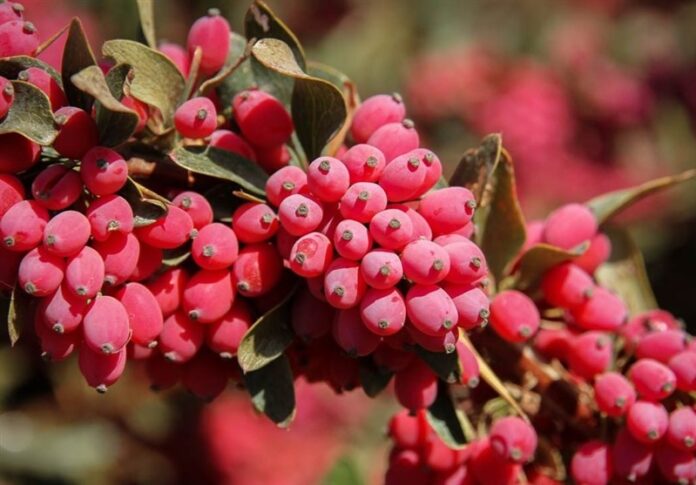
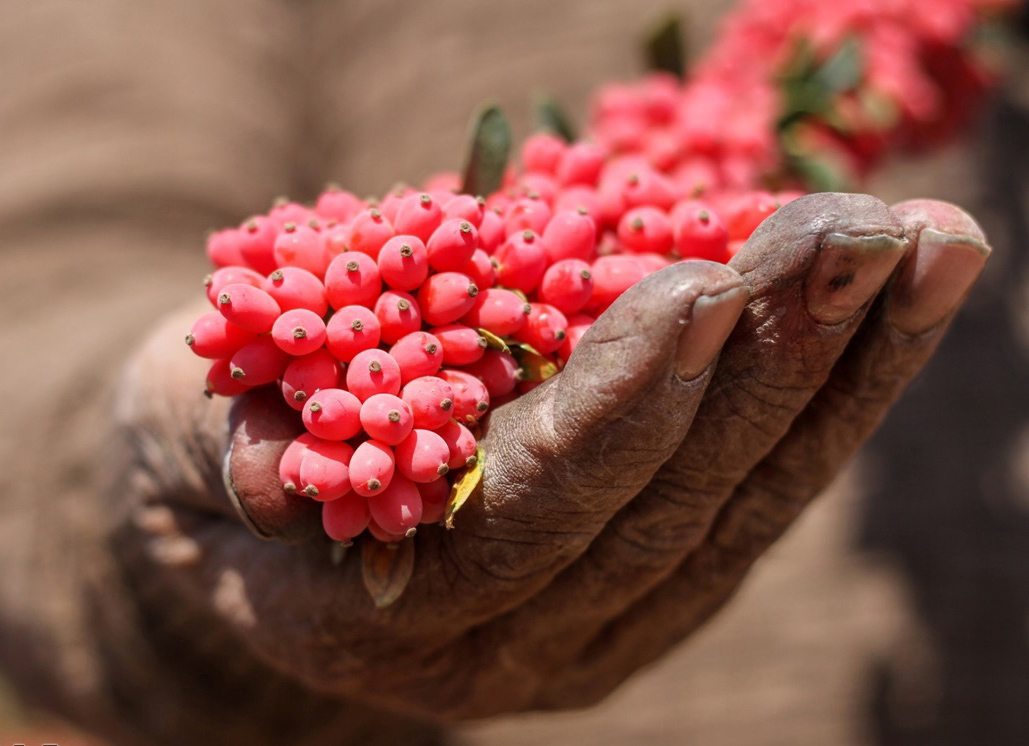
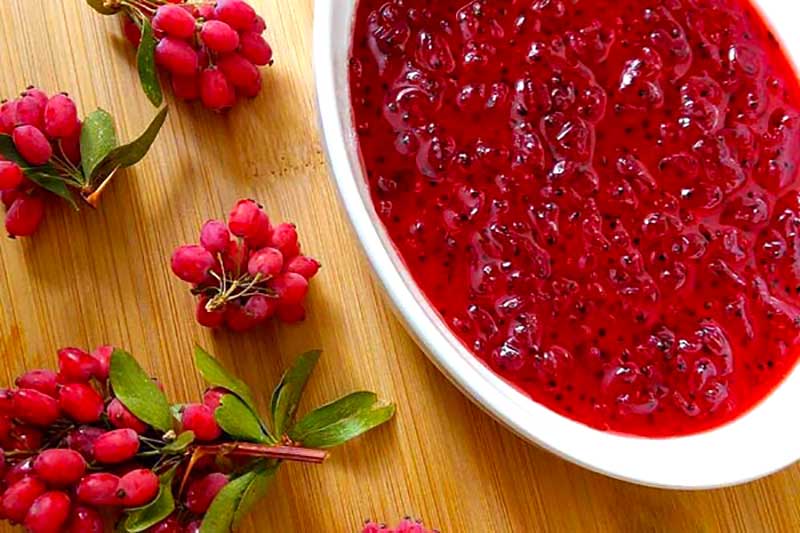
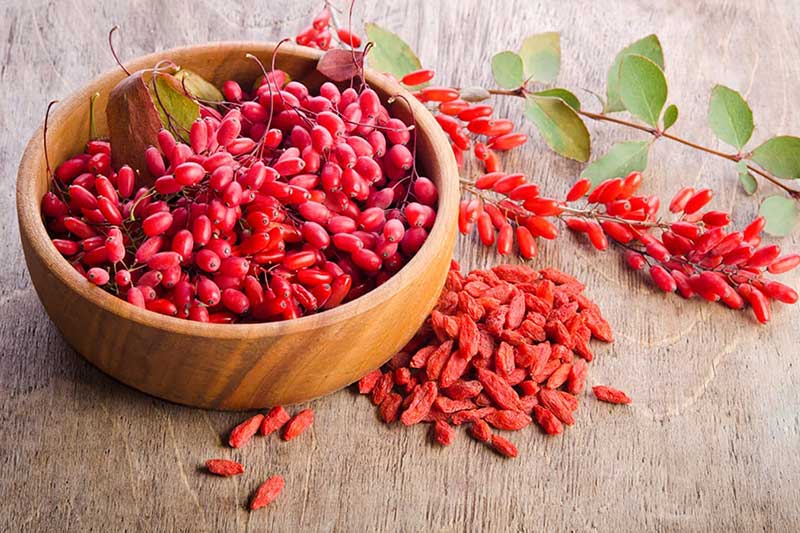
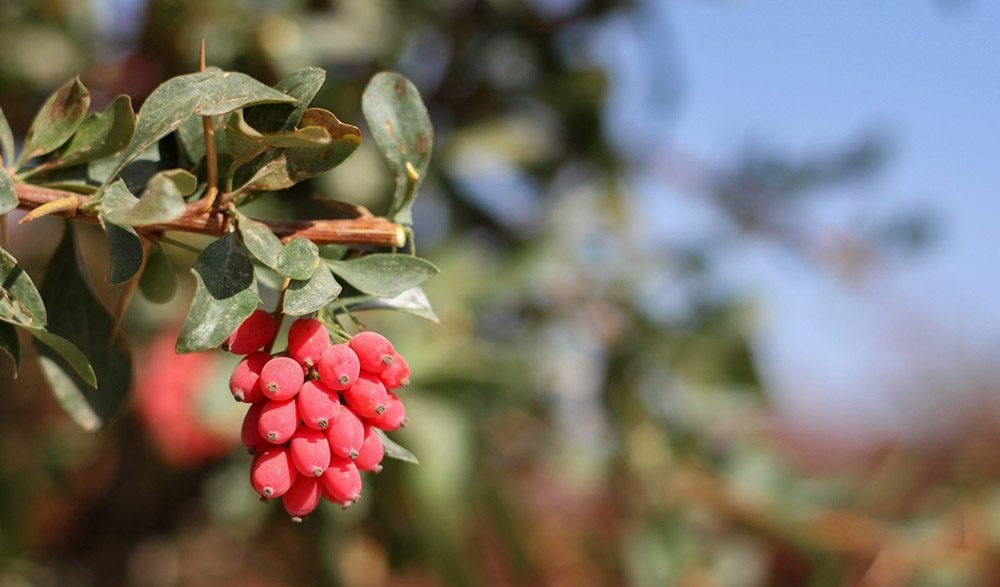
The red Barberry enjoys a high number of therapeutic features including restricting bacteria’s power to stick to human cells and fighting off various infection diseases.
what is barberry plant?
Barberry is used to alleviate a wide range of inflammation and infections. The plant plays a key role in treating urinary tract infection, gastroenteritis, sore throat, decongestant, sinusitis and bronchitis.
Barberry is highly helpful in balancing our blood sugar level. It also contributes to treating high blood pressure, cardiac arrhythmia and other related heart problems.
Among other features of the plant, one can also refer to its contribution to liver and gallbladder cleansing. It helps gallbladder’s operation and serves as a mild laxative regulating the absorption of food.
The helpful plant can be used in a number of ways. Iranians use it in their dishes. They also drink it as barberry juice. Barberry herbal tea is also highly popular among some Iranians.
Below, you can get familiar with the recipe of barberry jam which is both delicious and medically helpful.
Ingredients for Barberry Jam
Fresh barberry: 1 kg
Sugar: 1,200 g
Vanilla: Half a teaspoon
Citric acid: A teaspoon
Lukewarm water: About one litre
Recipe for Barberry Jam
First wash the barberries and then place them in an appropriate dish. Then fill the dish with cold water so that the barberries are fully covered with water. Hold them there for two to three hours so that their dusts are settled completely.
Rinse off and wash them again steadily. Then add 200 grams of sugar to the dish and put the dish for 5 to 6 hours or even one day in the refrigerator so that the barberries become tasty and juicy.
Then grind the remaining sugar and then mix it with one litre of lukewarm water as well as barberry juice. Pour the final solution into an enameled dish and put it in the oven and warm it in moderate heat so that the solution begins to boil. Now, add the citric acid. Pay attention to the degree of the heat because barberries burn easily.
Pour the remaining barberries into the solution. Never mix the jam with a spoon. Every so often mix it by moving the enameled dish. After a while add the vanilla.
Remove the bubbles with a steel spoon. Turn off the oven when the jam begins to get firm. Now, expose the jam to fresh air for a while and then pour it into your appropriate dish and keep in the refrigerator.
Unlike other jams, barberry jam can’t be eaten immediately. You have to keep it in the refrigerator for about two to three days before eating.
Dried Barberry-Iran is the main producer of Red Dried Barberry and it calls “Zereshk” in Persian.
Additional Points of Barberry Jam:
1. If after cooking, barberries keep their shape and are not crushed, your jam will look much better. To make sure barberries keep their shape, it would be better to avoid stirring the mixture too much and let it thicken on low heat.
2. You may not like your jam to taste of vanilla when you eat it. To address this problem, you can avoid vanilla as an ingredient altogether, or replace it with another ingredient such as Cardamom seeds to give the jam a better aroma and taste.
3. To know whether your jam is thick enough, take a spoonful of the jam honey and let it cool. Now test its thickness between two fingers. If the honey stretches between your fingers, it means it is adequately thick.
Frequently Asked Questions:
1. Why sugar crystals form on the jam?
If, during the cooking and preparation process of the jam, there is a misbalance in the level of pH or invert sugar, the product will form sugar crystals some time after cooking. During the cooking process, one should add a table spoonful of vinegar or lemon juice to the jam to avoid invert sugar on sweet fruit jams.
2. Why is the jam dark-colored?
As the jam is prepared from fruit, it will oxidize and change color when exposed to fresh air and the jam will lose some of its nutrients. Therefore, to make sure your jam remains fresh, it would be better to keep it at normal room temperature in a sealed glass container. A temperature of 25 degrees centigrade, away from direct sunlight, would be appropriate for storing jam containers. Keeping the jam refrigerated also helps avoid the dark color. This also helps reduce exposure to light, which darkens the jam over long periods of time.
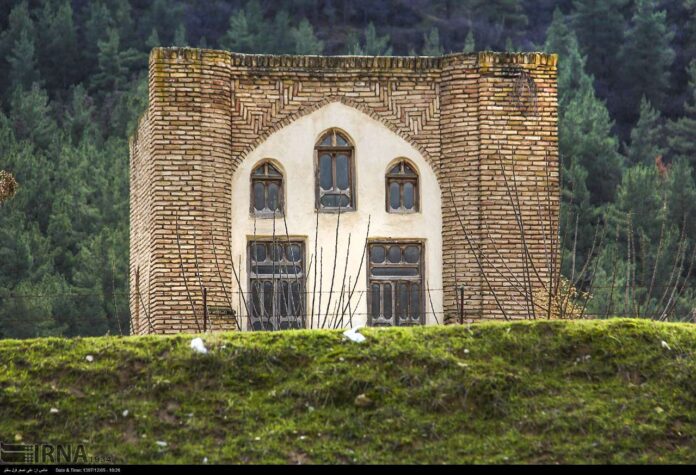
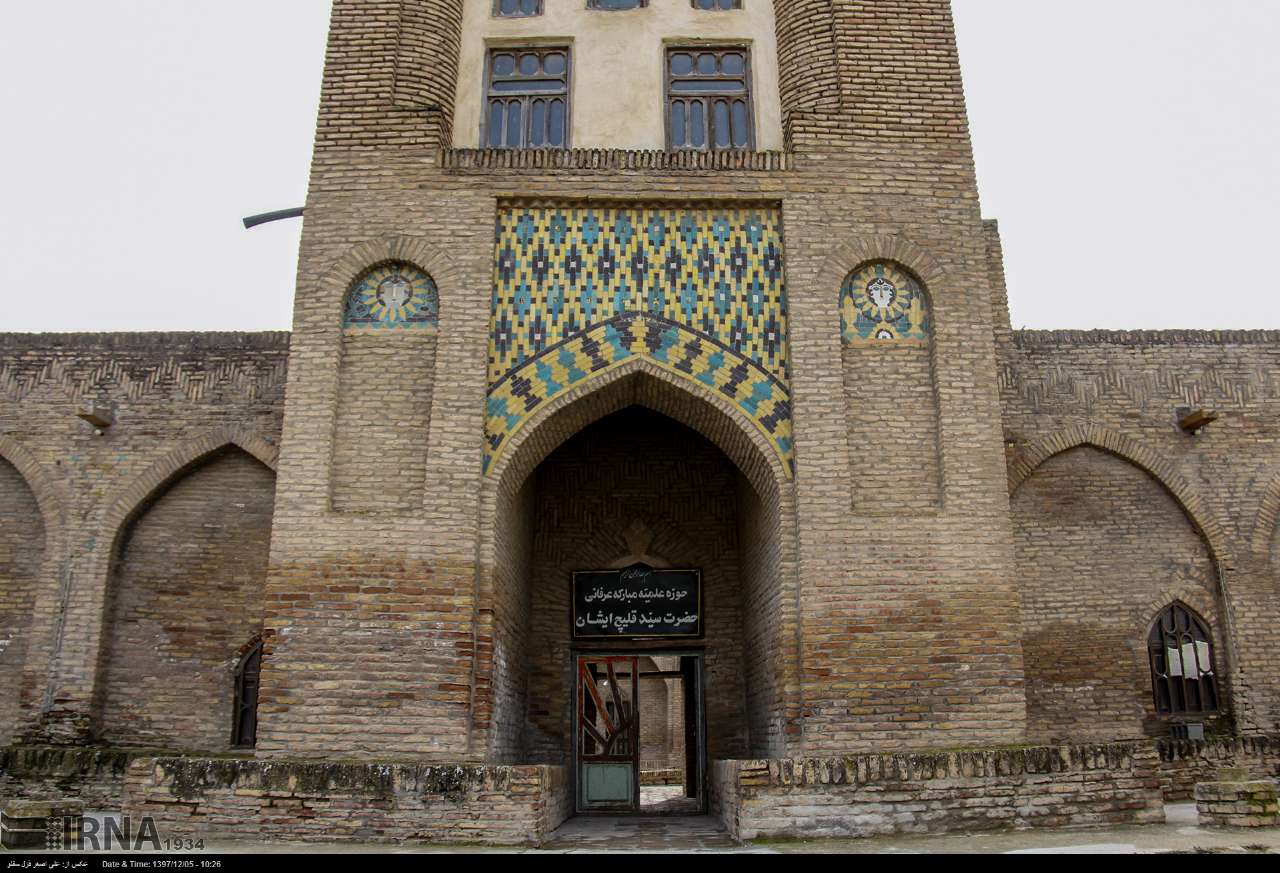
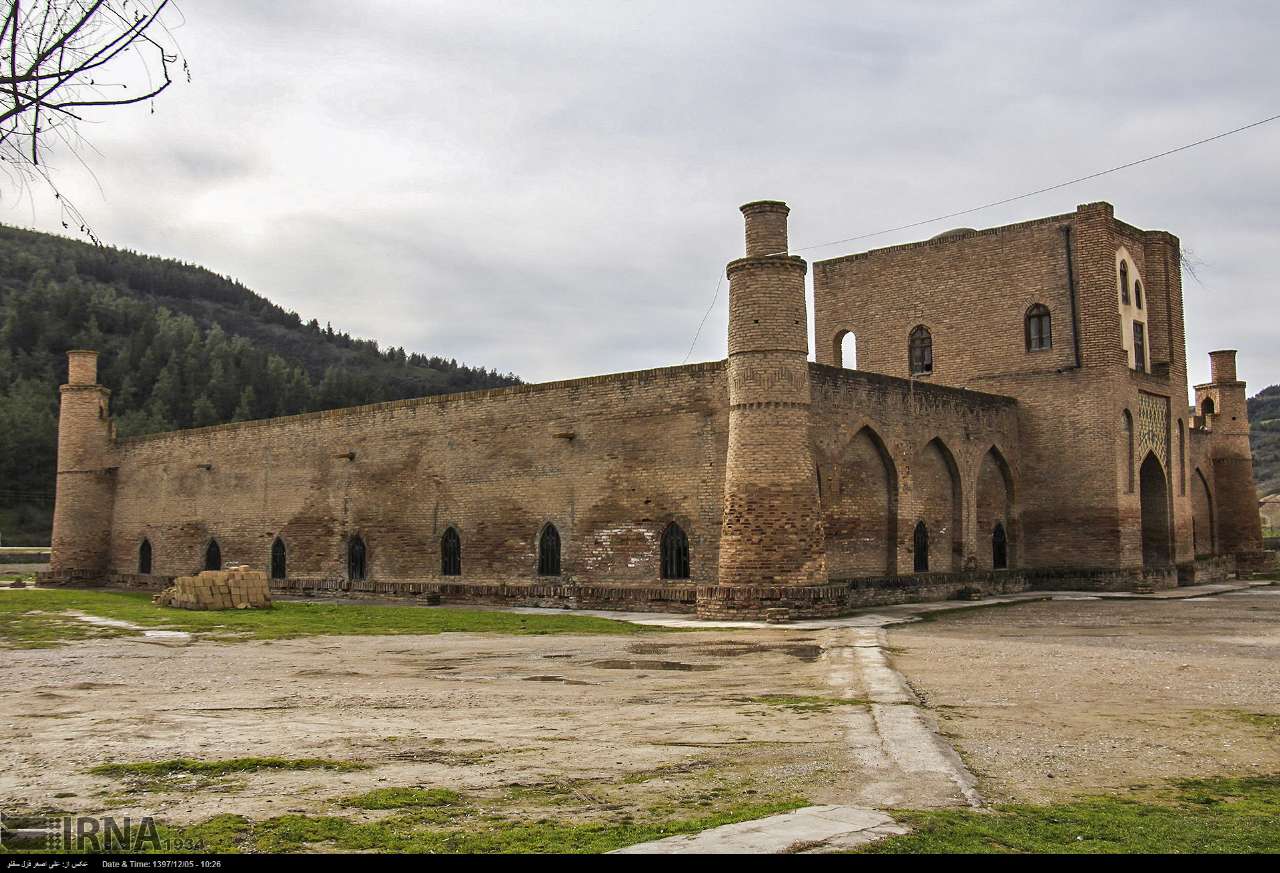
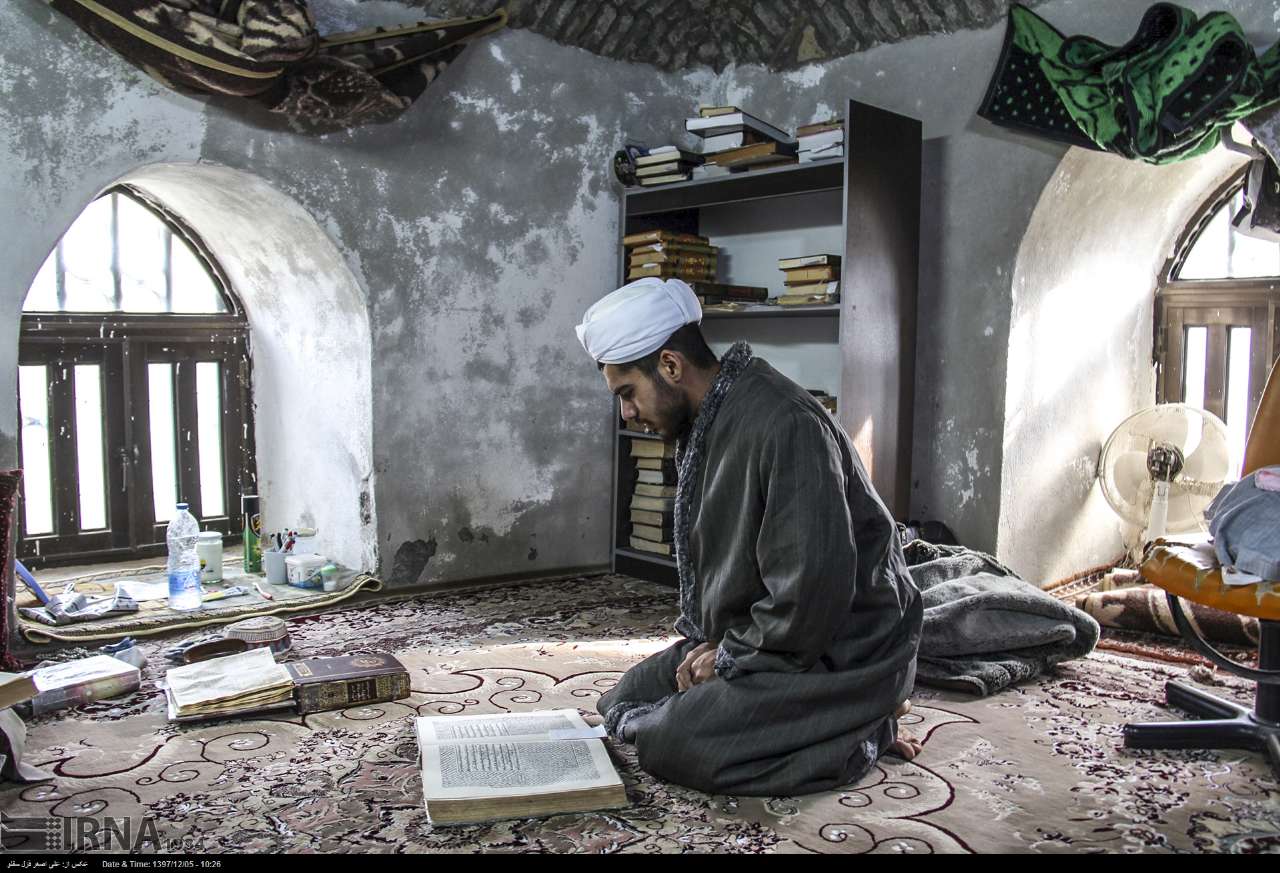
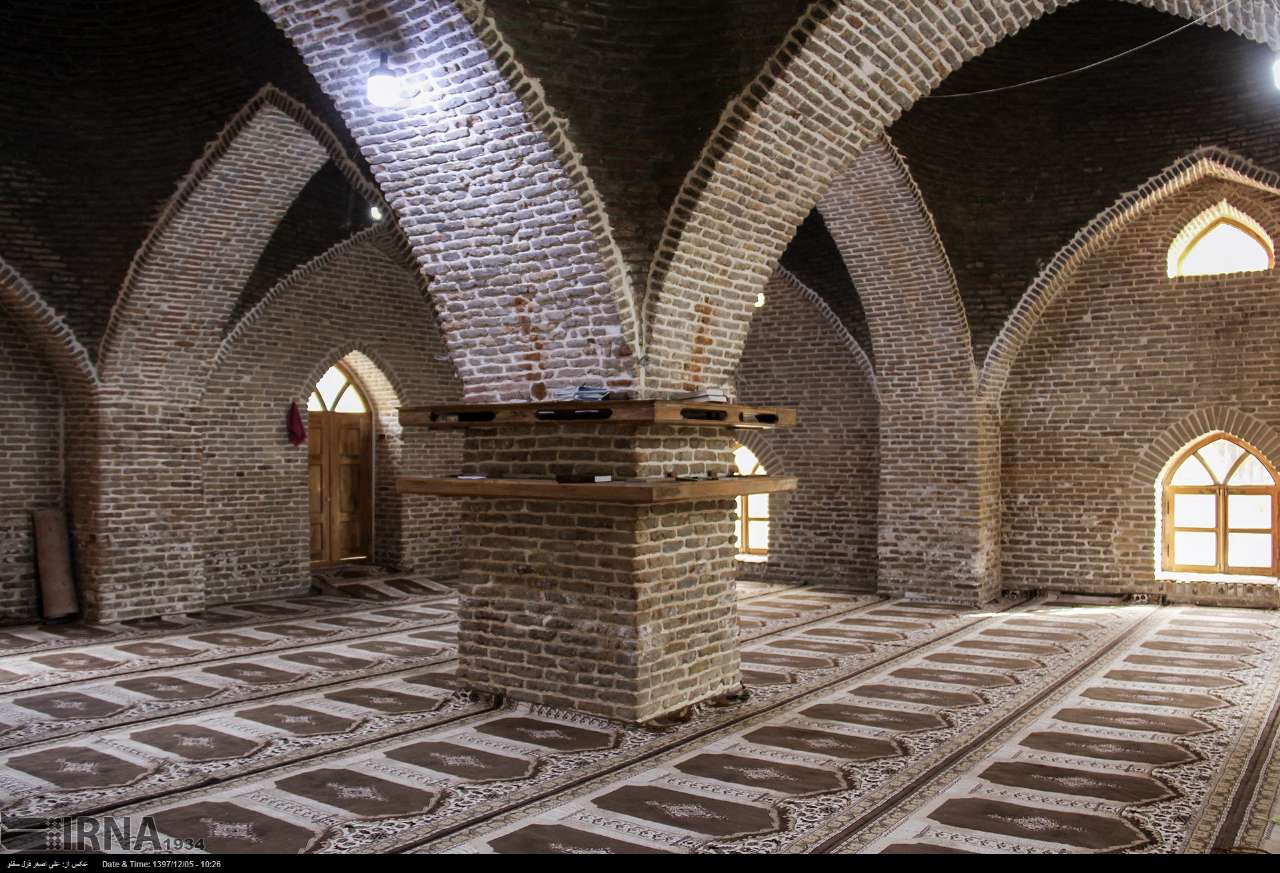
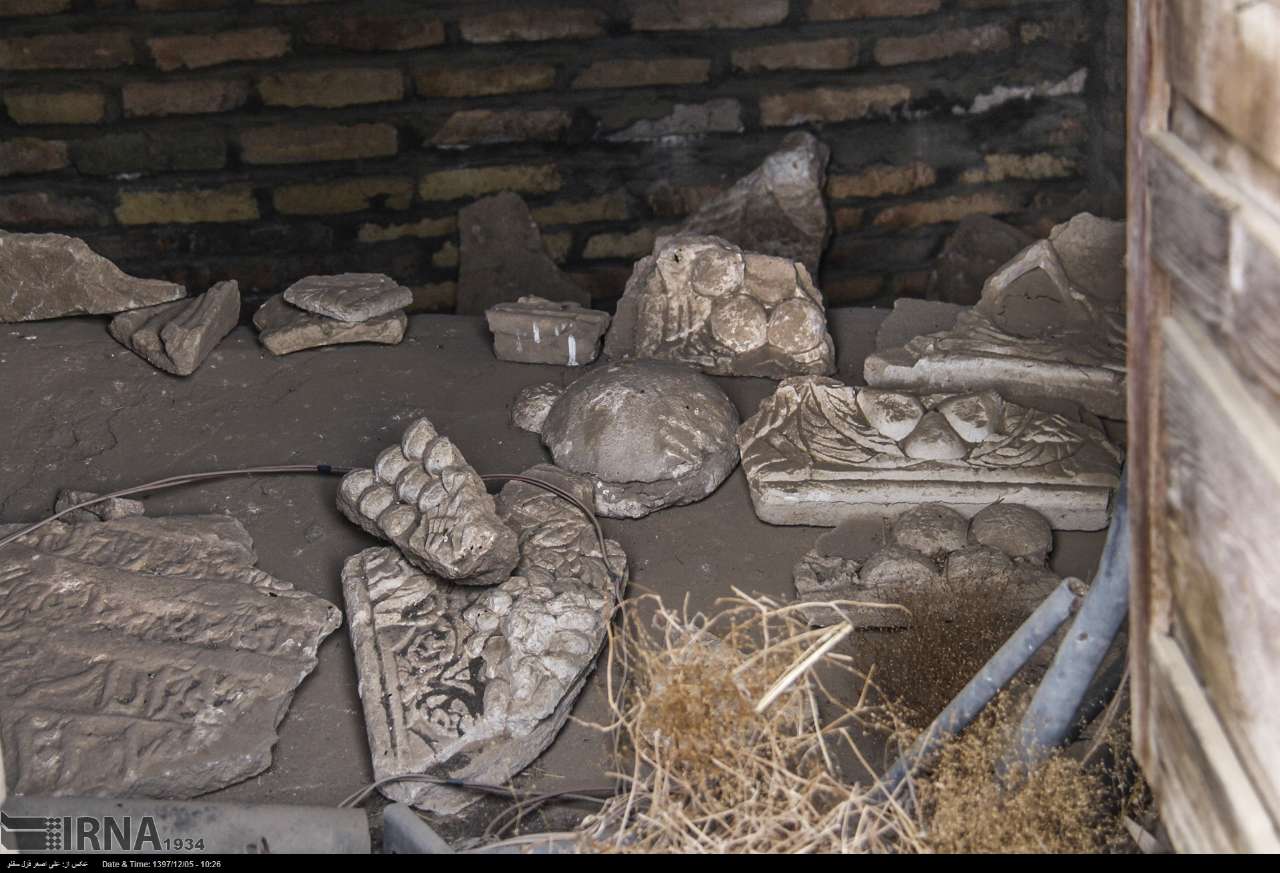
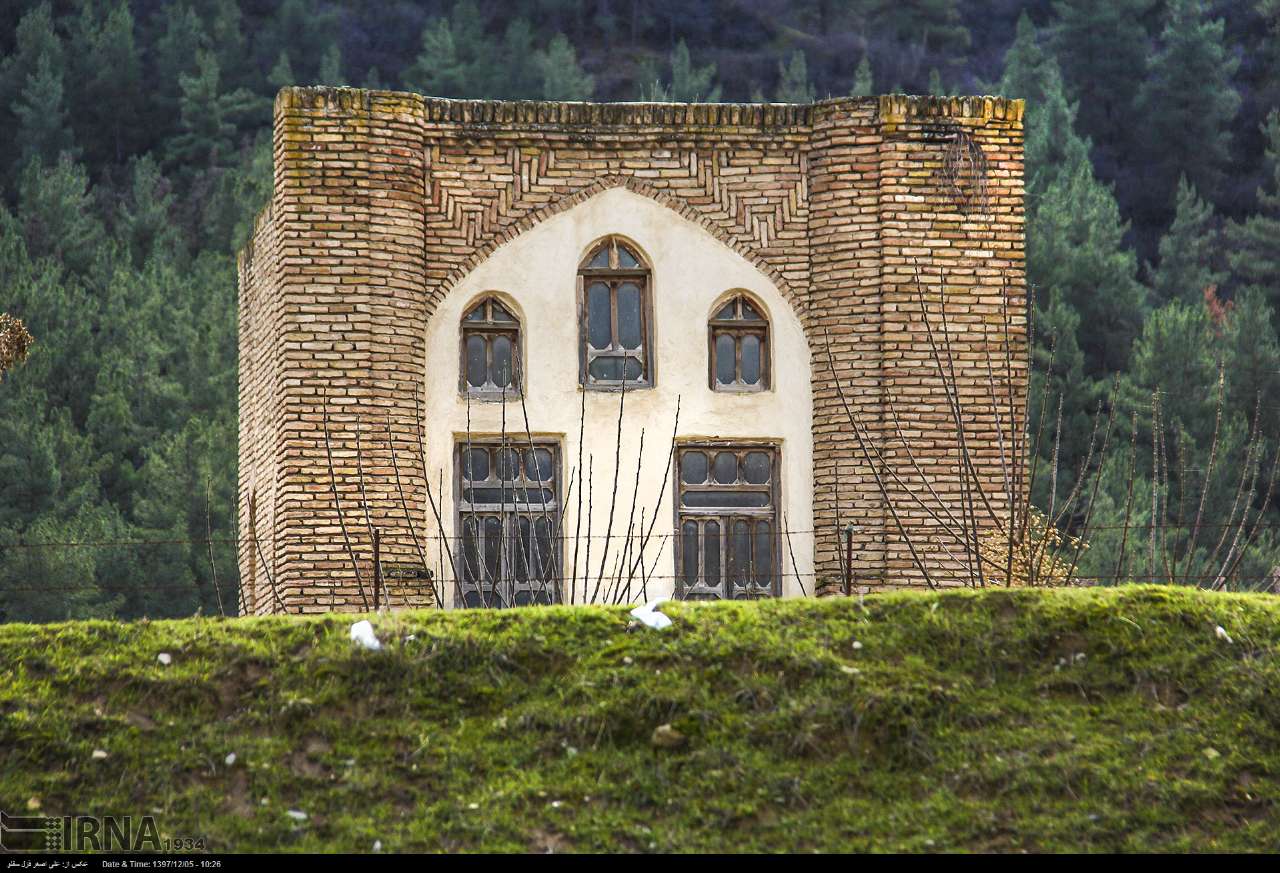
It is a special building in terms of architecture, as it combines the typical features of the monuments of Central Asia with Persian architecture.
Although the mosque is not an ancient structure, the properties of the ancient buildings could be seen in it. Its length is about 17 metres and its width about 13.
The brick building of the mosque, which has no ornaments, is constructed with a square-rectangular plan.
The mosque consists of a porch with an entrance to the southern front and a roof covered by four domes.
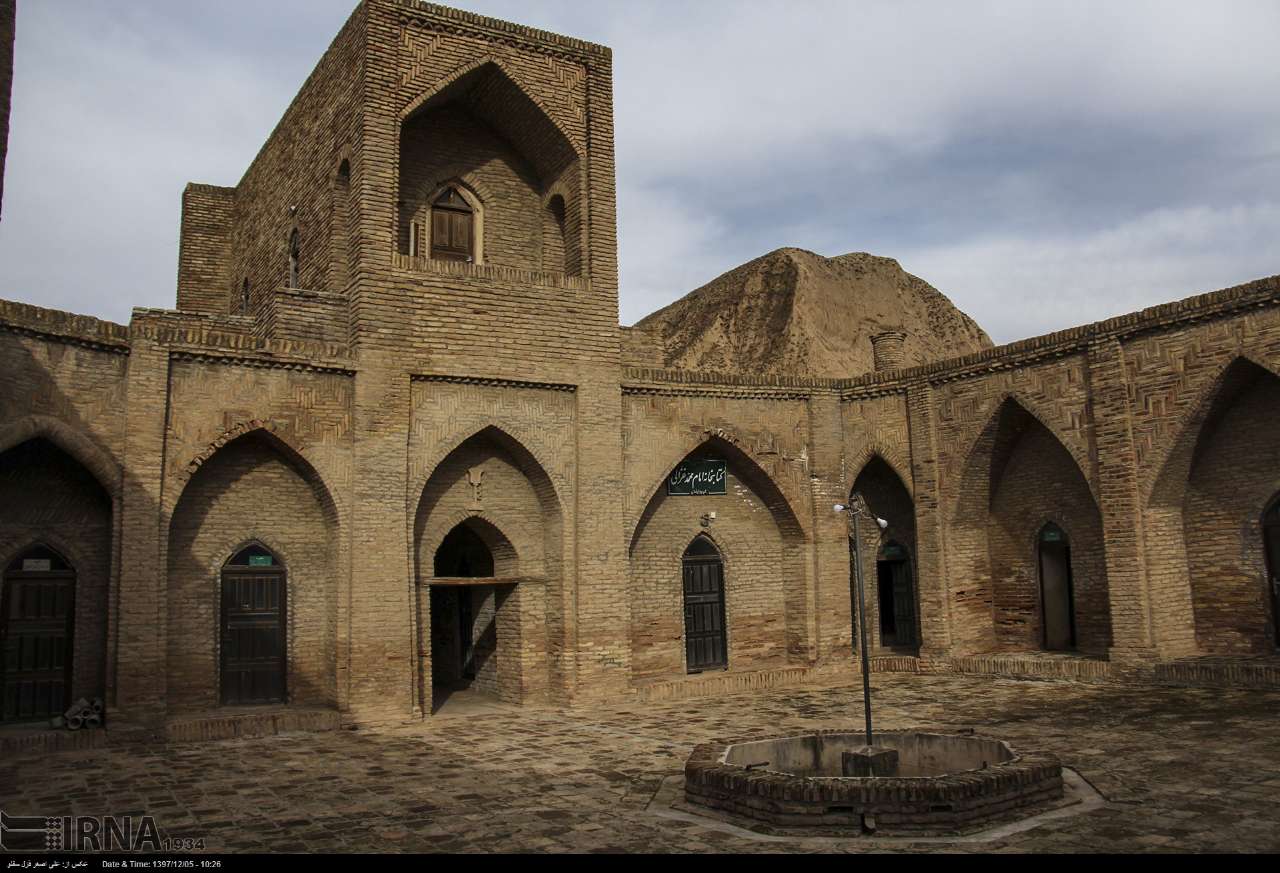
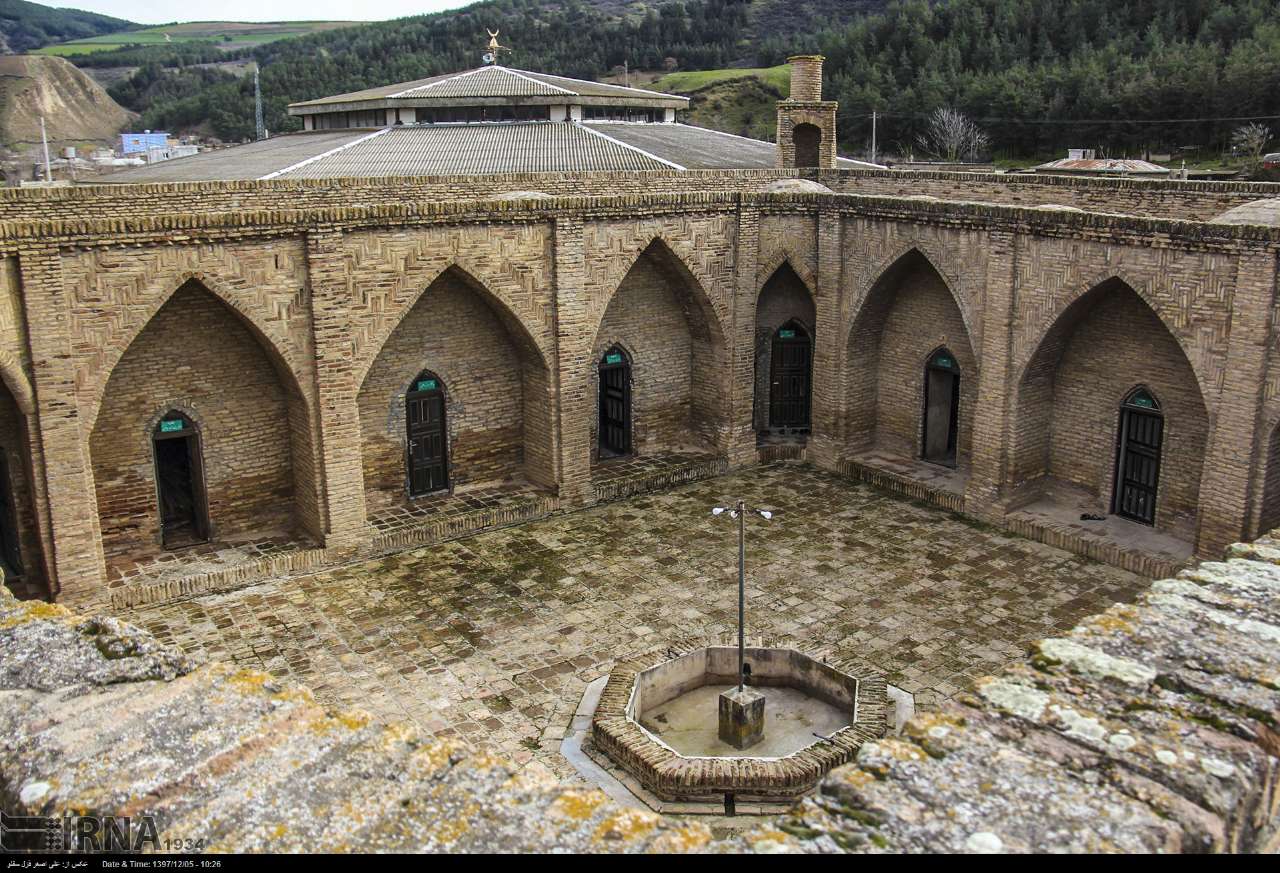
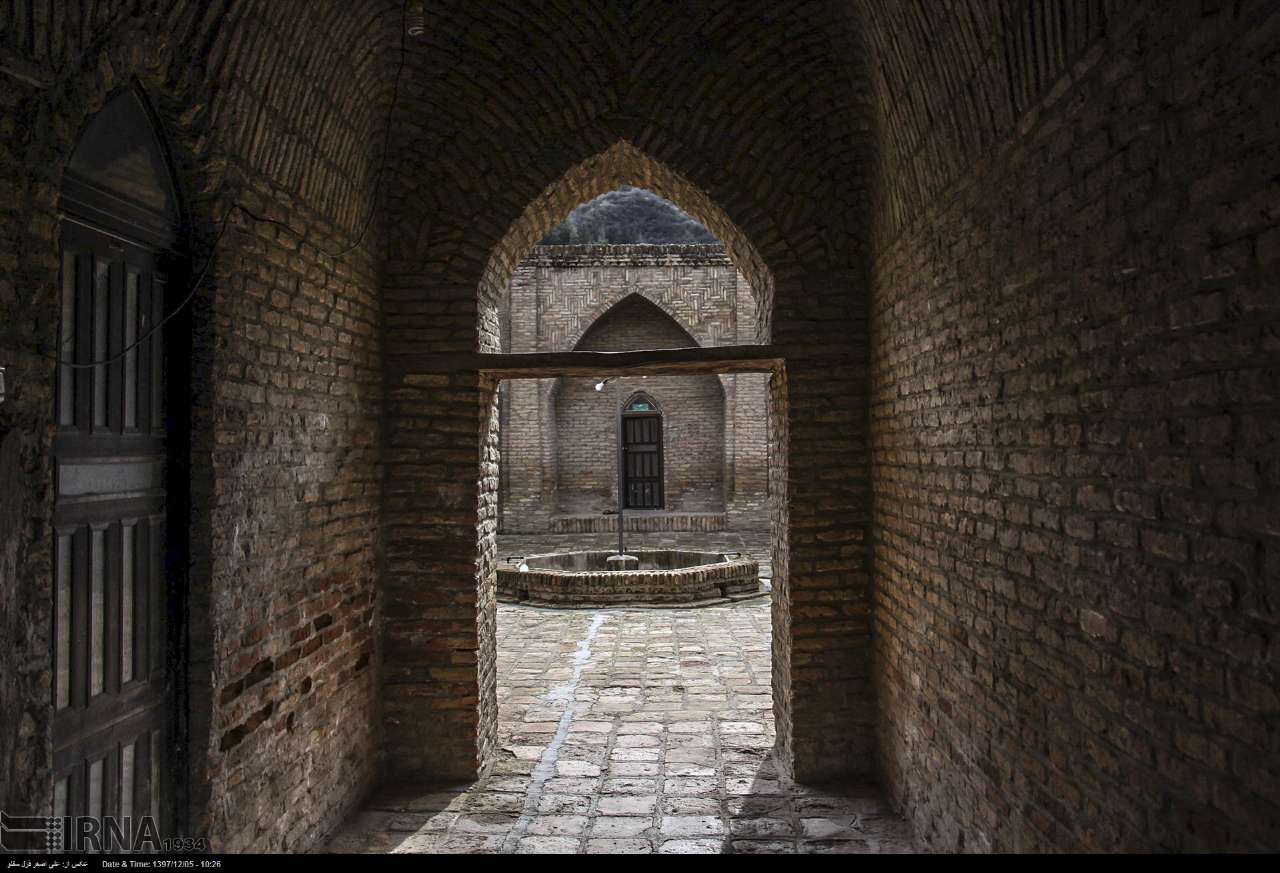
The domes are architecturally asymmetric and arranged in a very precise, orderly style. The school of Karim Ishan, which is located near the mosque and on the southwestern side, is beautifully constructed with a four-sided or square plan.
Two small minarets are erected at the entrance. In addition, four more minarets have been built at the four corners of the school building.
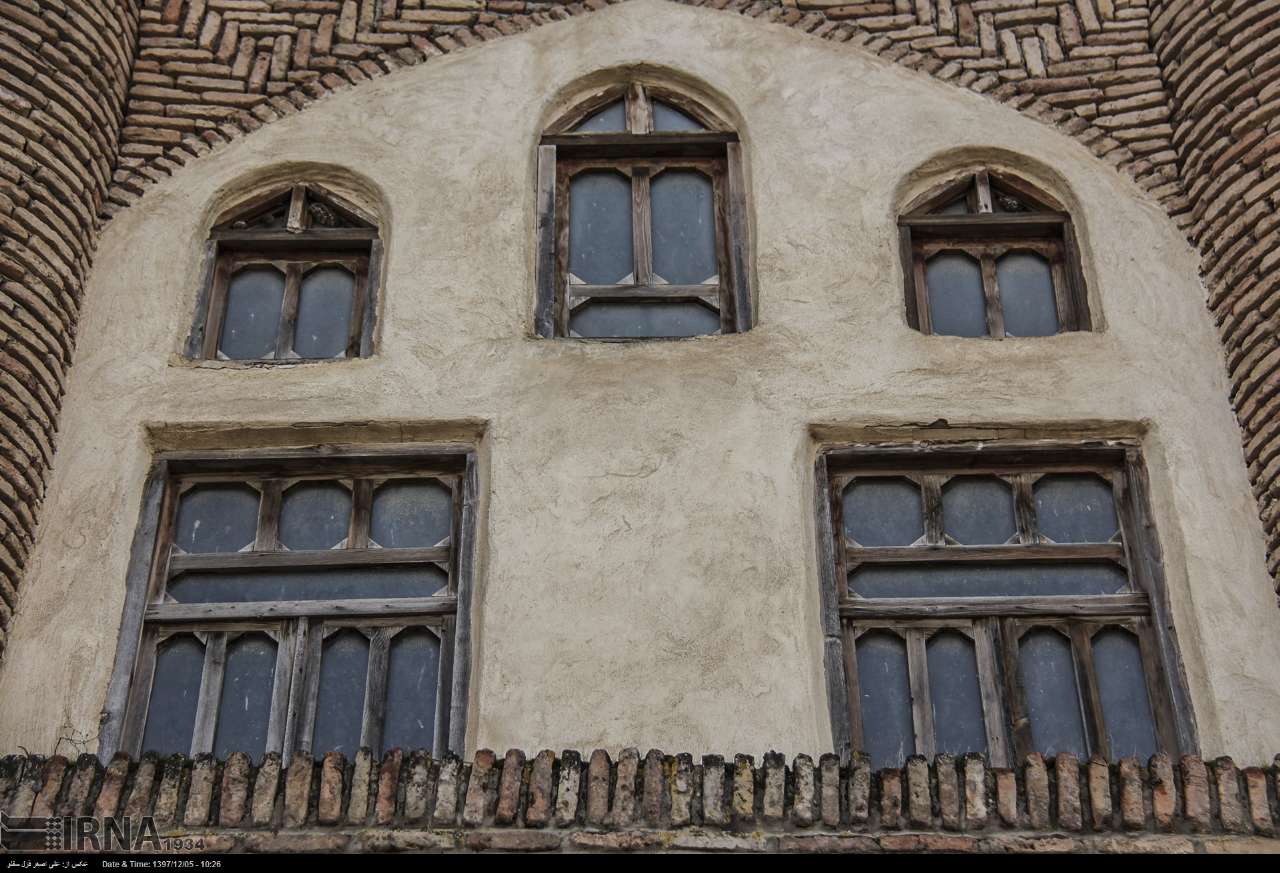
The walls, minarets, arches, roof and the floor of the courtyard are covered by bricks, some of which are 20 x 40 cm. In several places, you can see gypsum windows. The only part of the building in which tiles are used is the exterior of the school which is decorated with geometric shapes.
The buildings of the mosque and school were built in 1328 AH and are registered as a national heritage.
What follow are photos of this structure retrieved from IRNA:
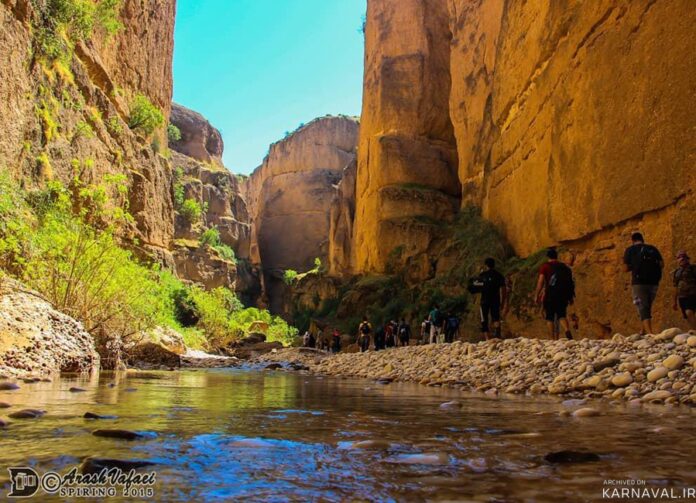
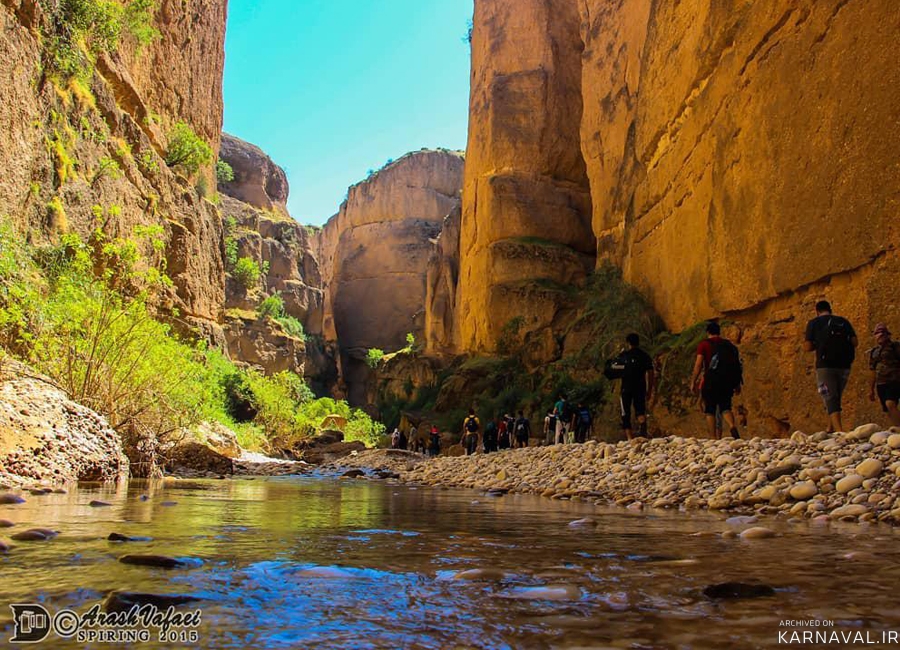
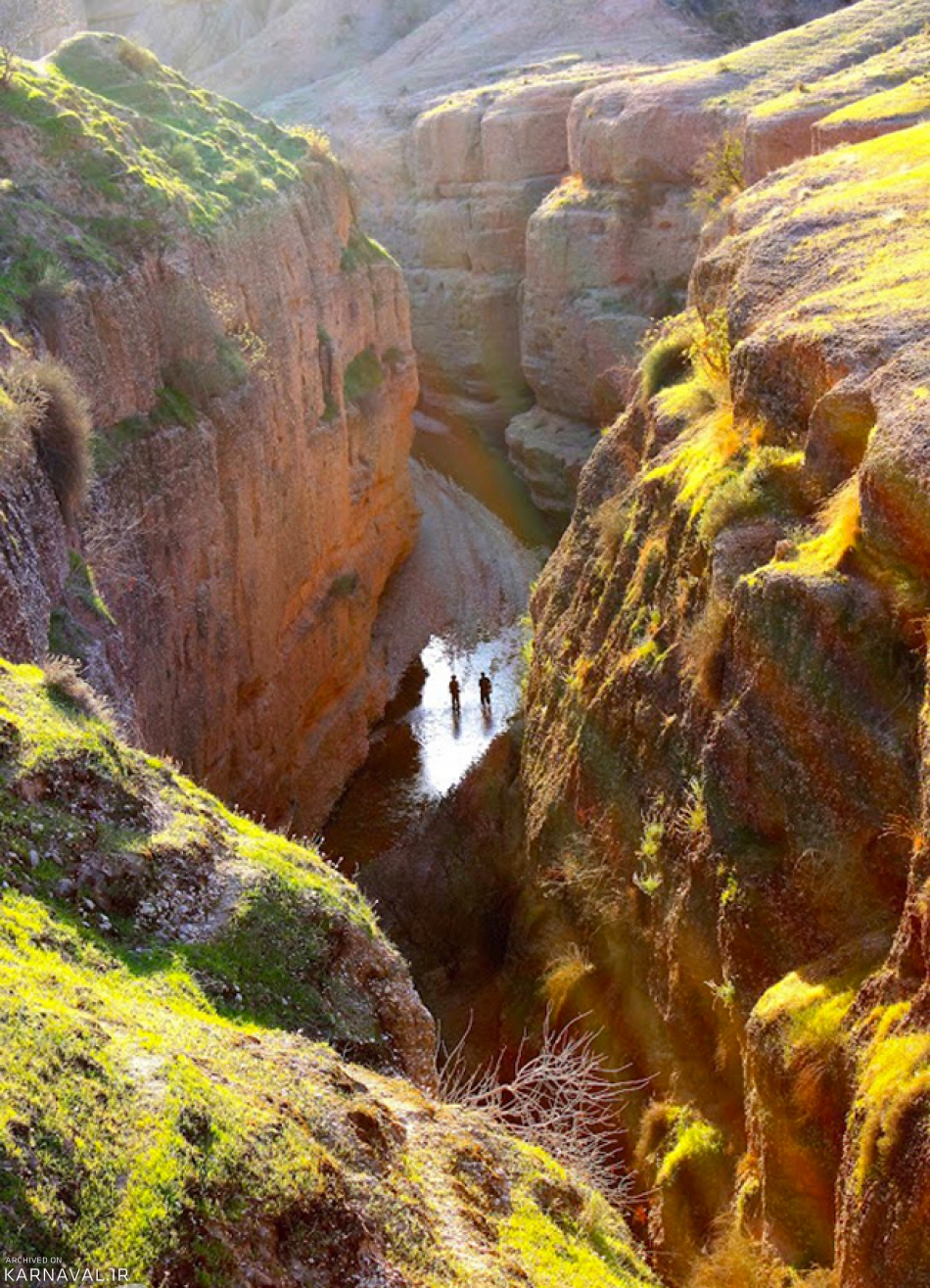
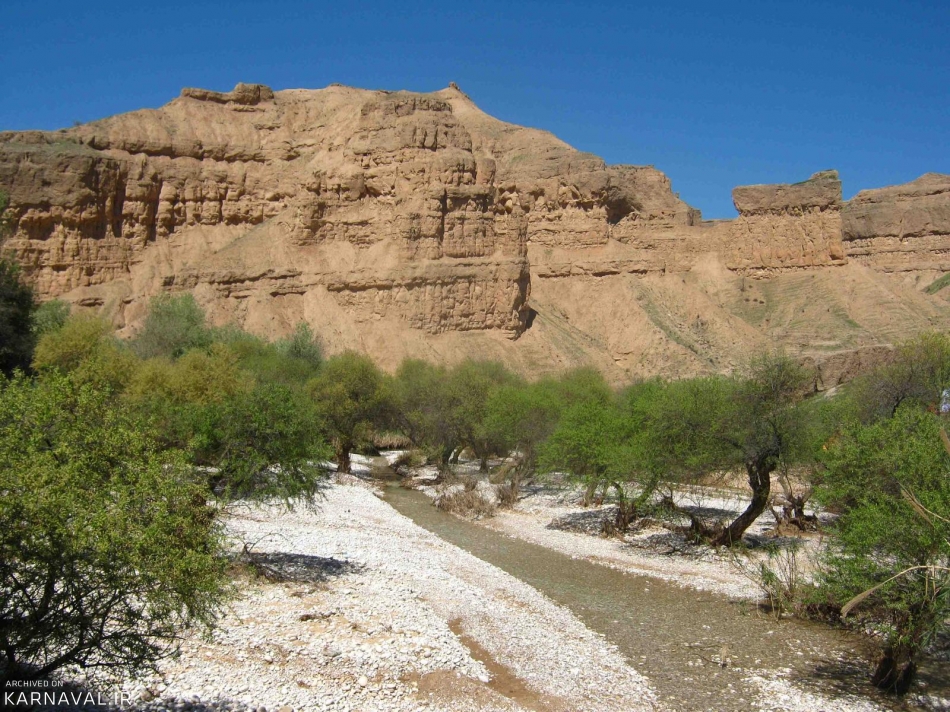
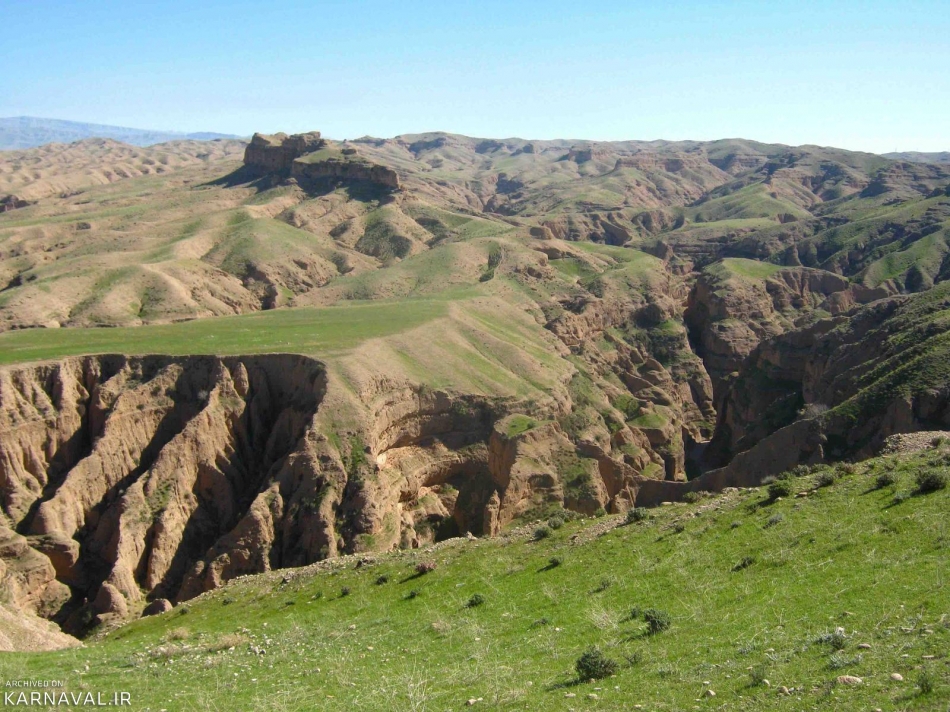
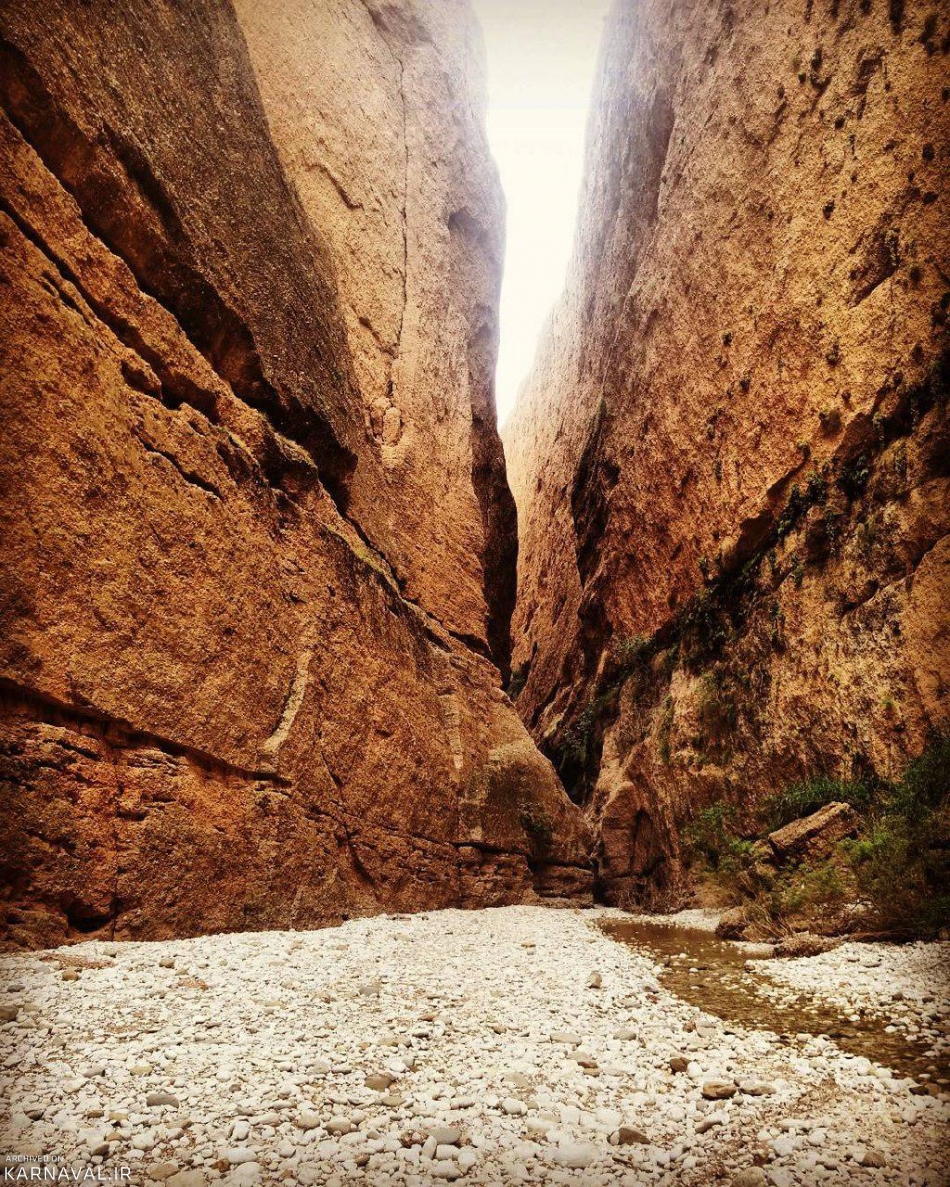
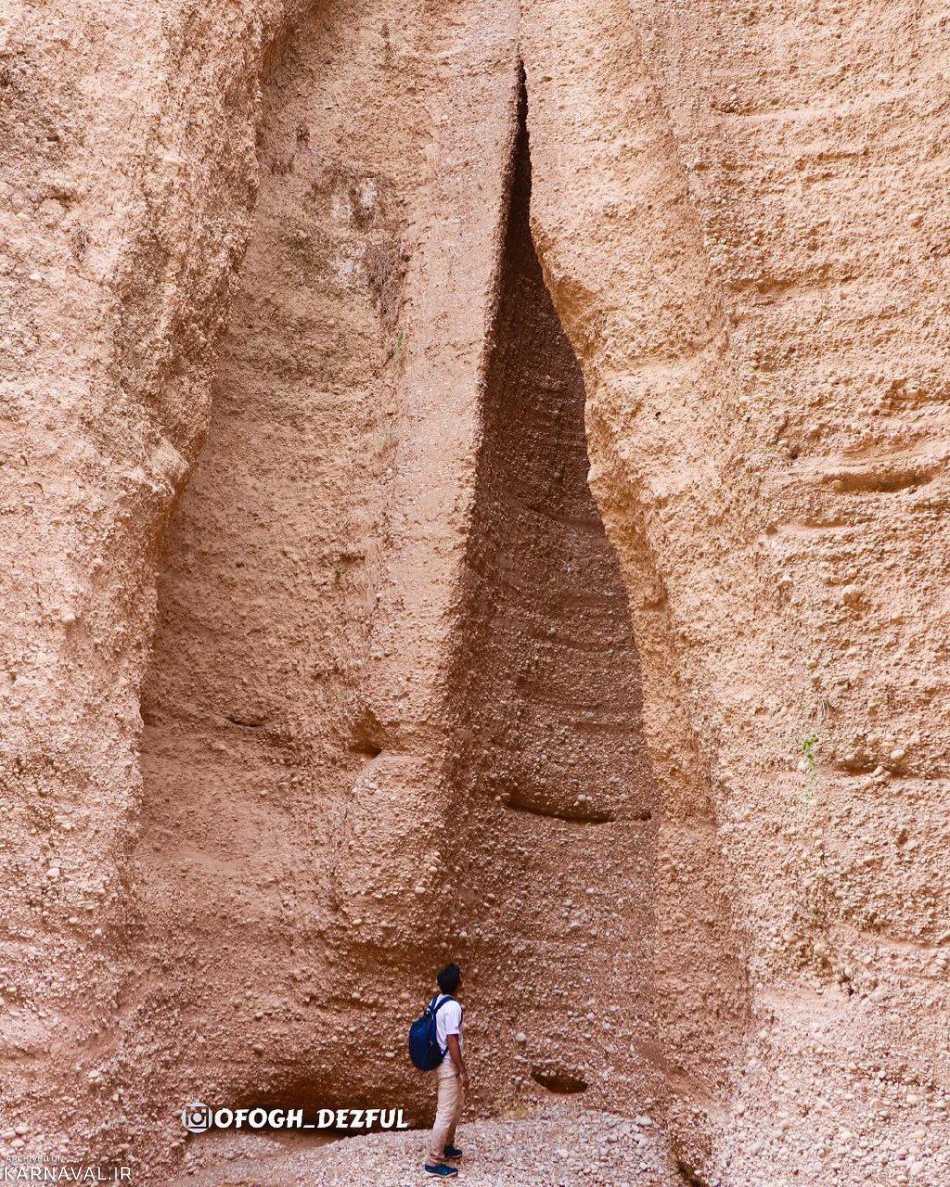
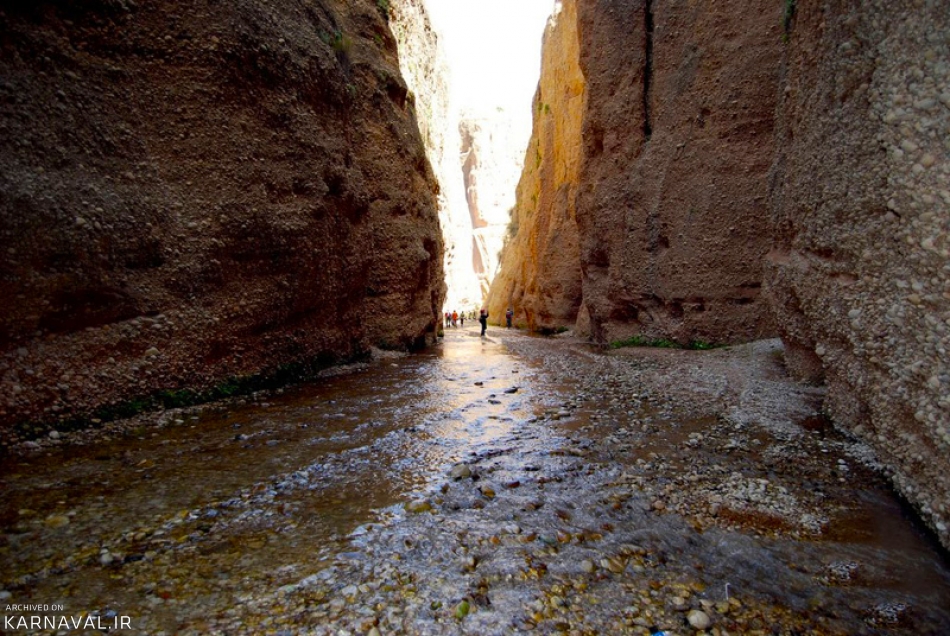
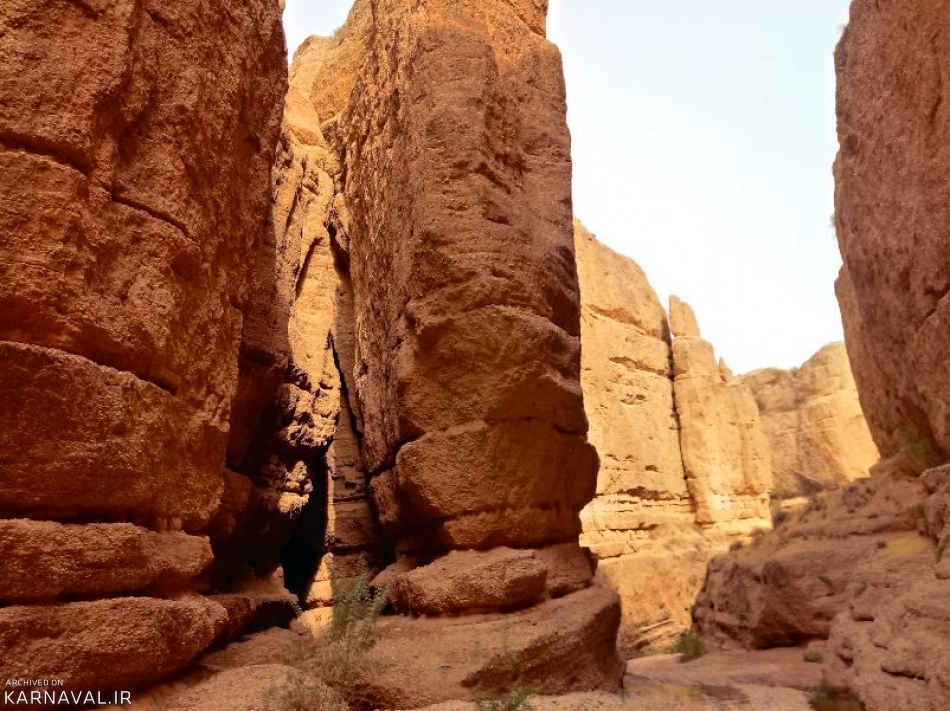
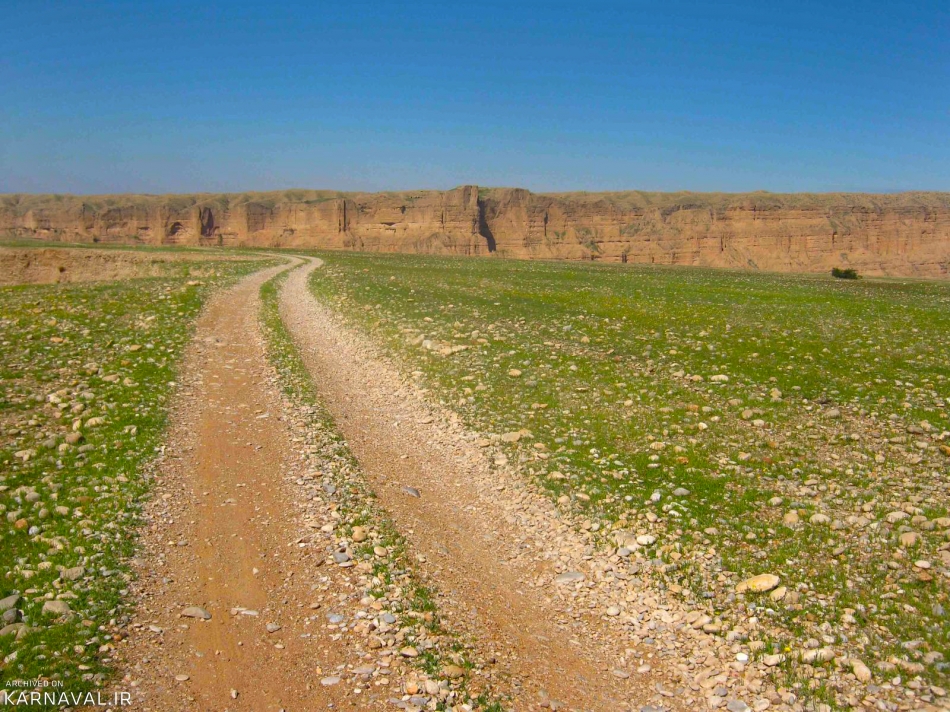
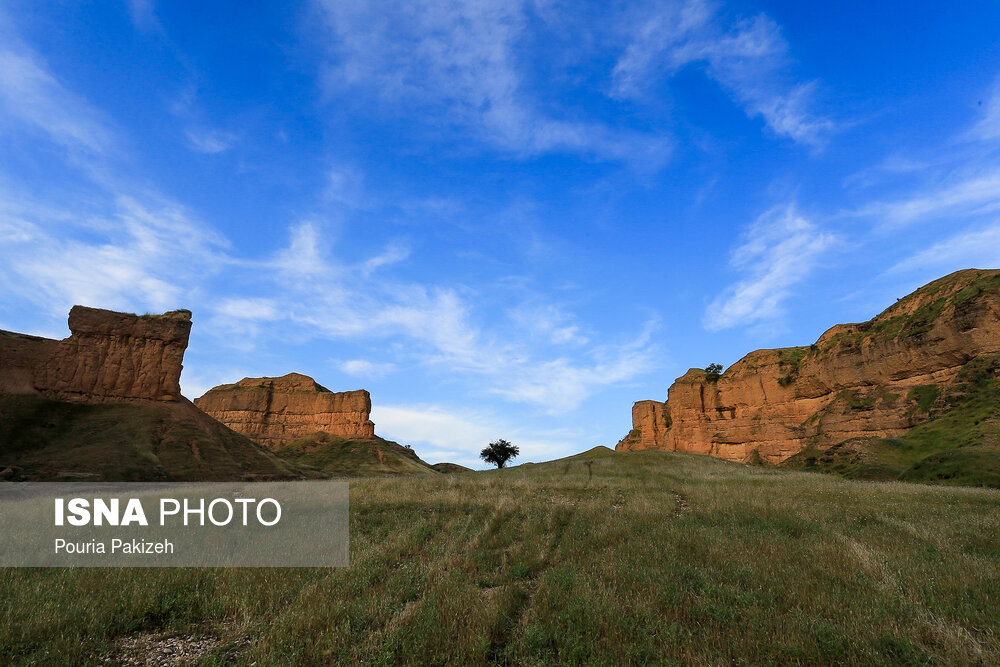
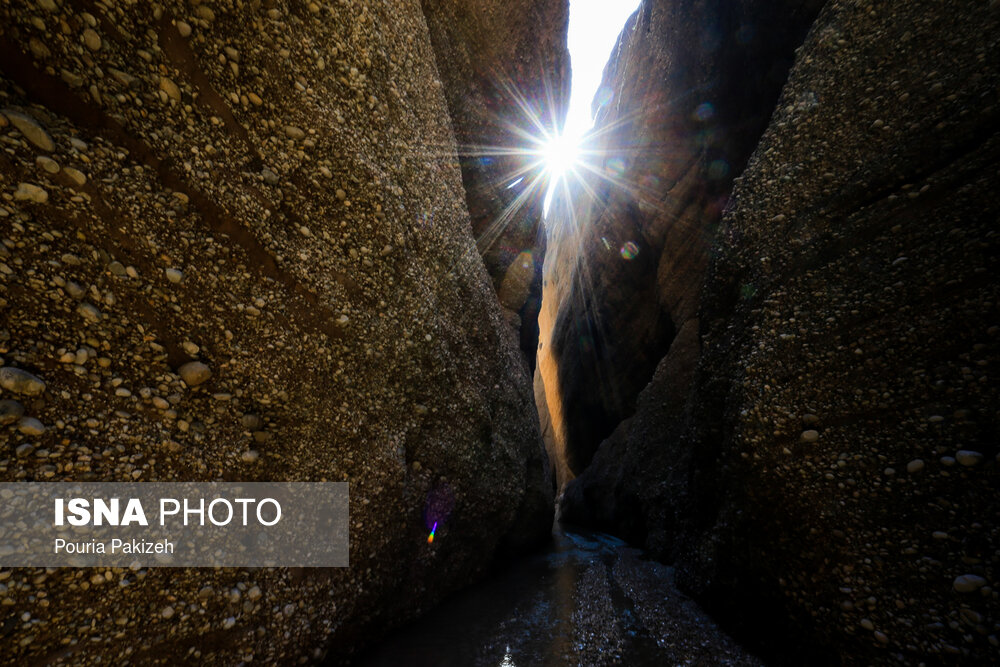
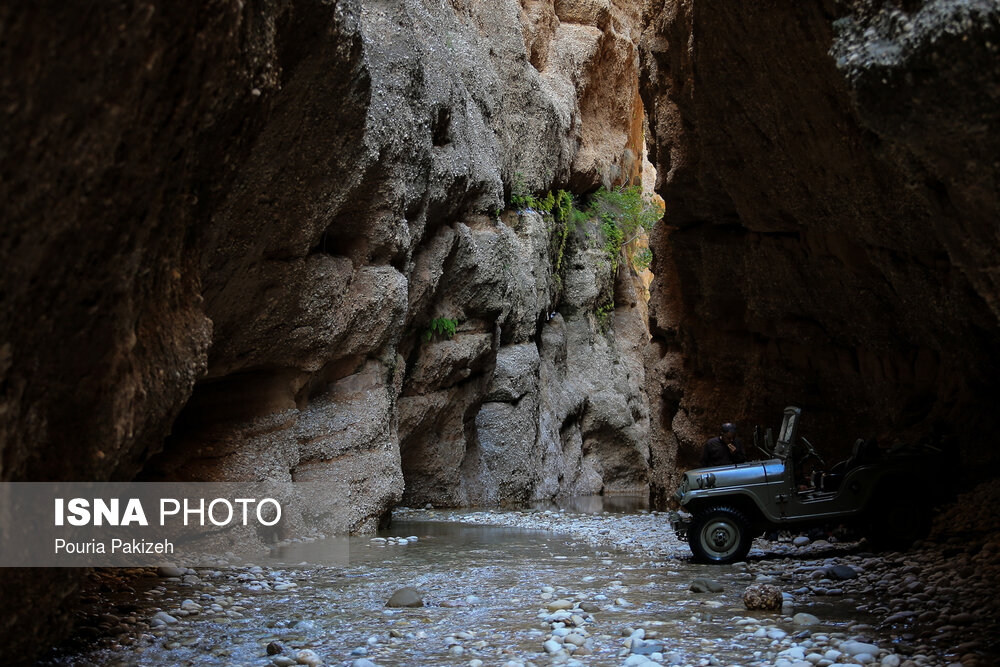
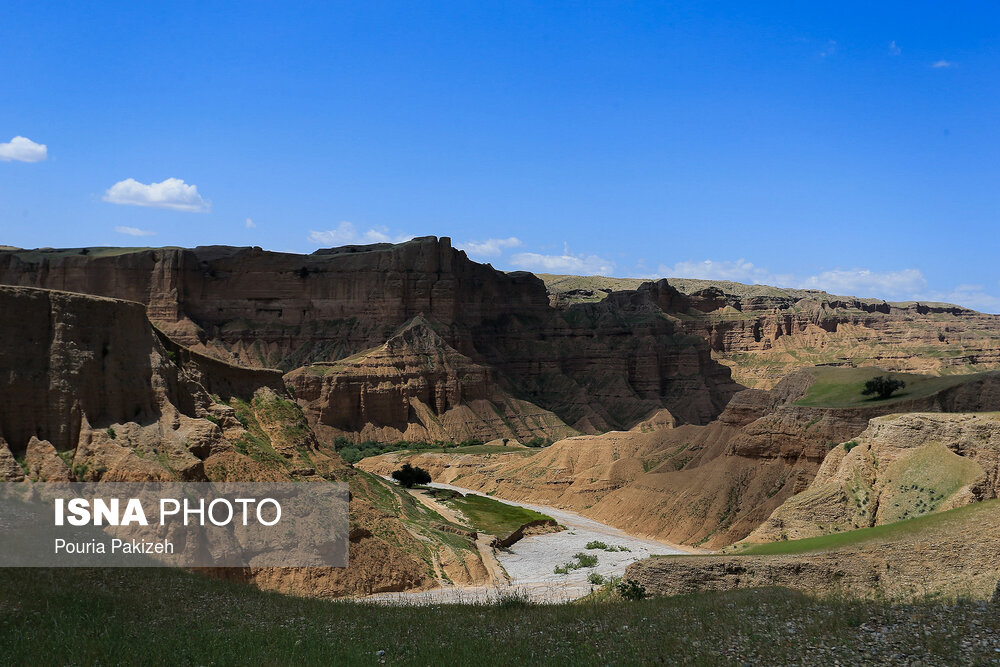
Towbiroun valley has cool and pleasant weather inside it. An interesting point about the valley is that its entrance bears a striking resemblance to that of the city of Petra, one of Jordan’s major tourist attractions.
The valley’s name consists of two parts: Tow and Biroon. In the local vernacular, “Tow” means “fever,” and “Biroon” means “cut, destroy”. So, Towbiroun is a place which brings down fever and removes heat from the body.
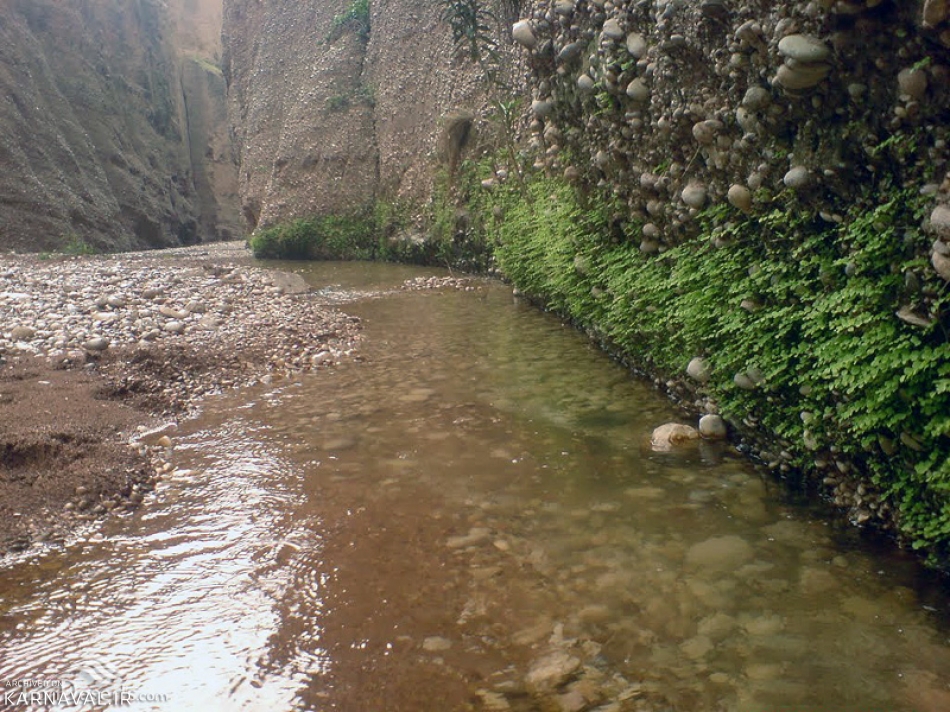
In the past, locals would go to the valley to have their pains relieved. They believed the water in that area had therapeutic effects.
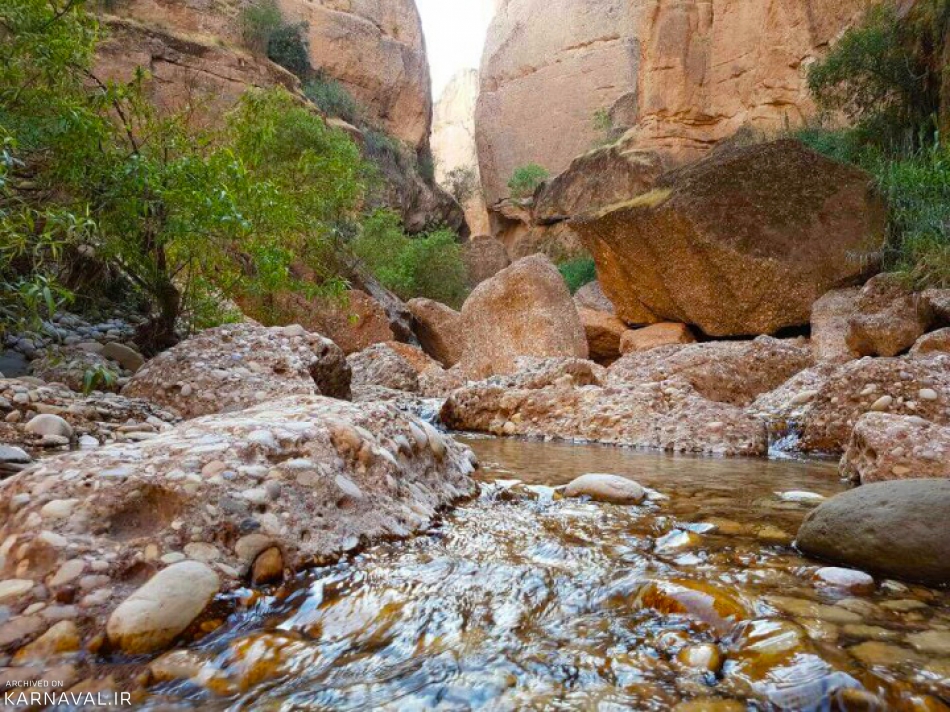
The scenic nature in the area, from fig trees to grapevines to green-coloured mosses, along with the cool weather and exquisite scenery there, has turned that place into a destination for tourists.
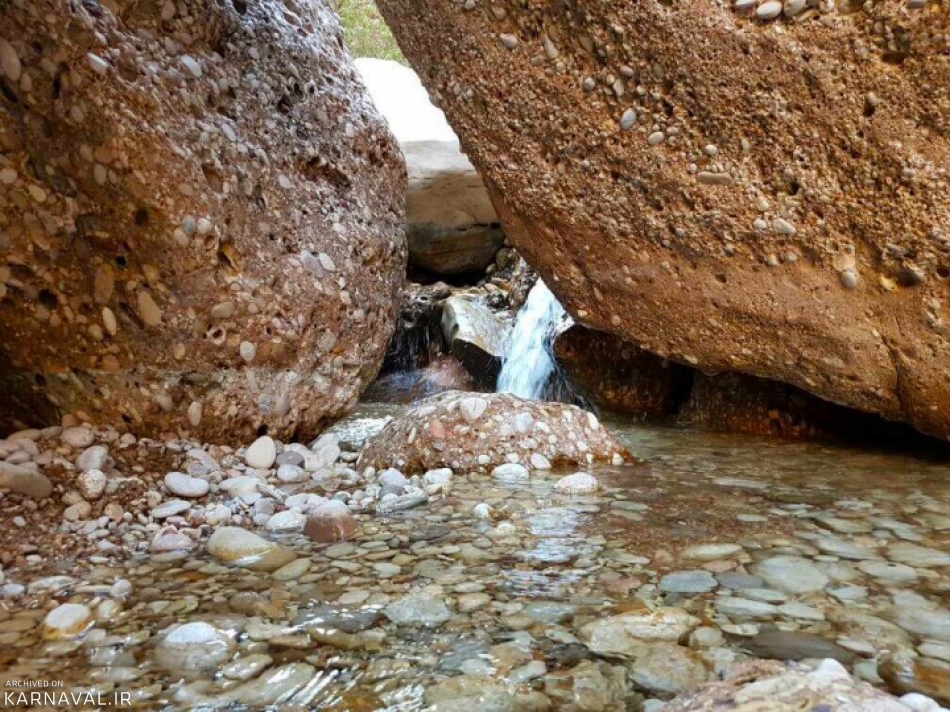
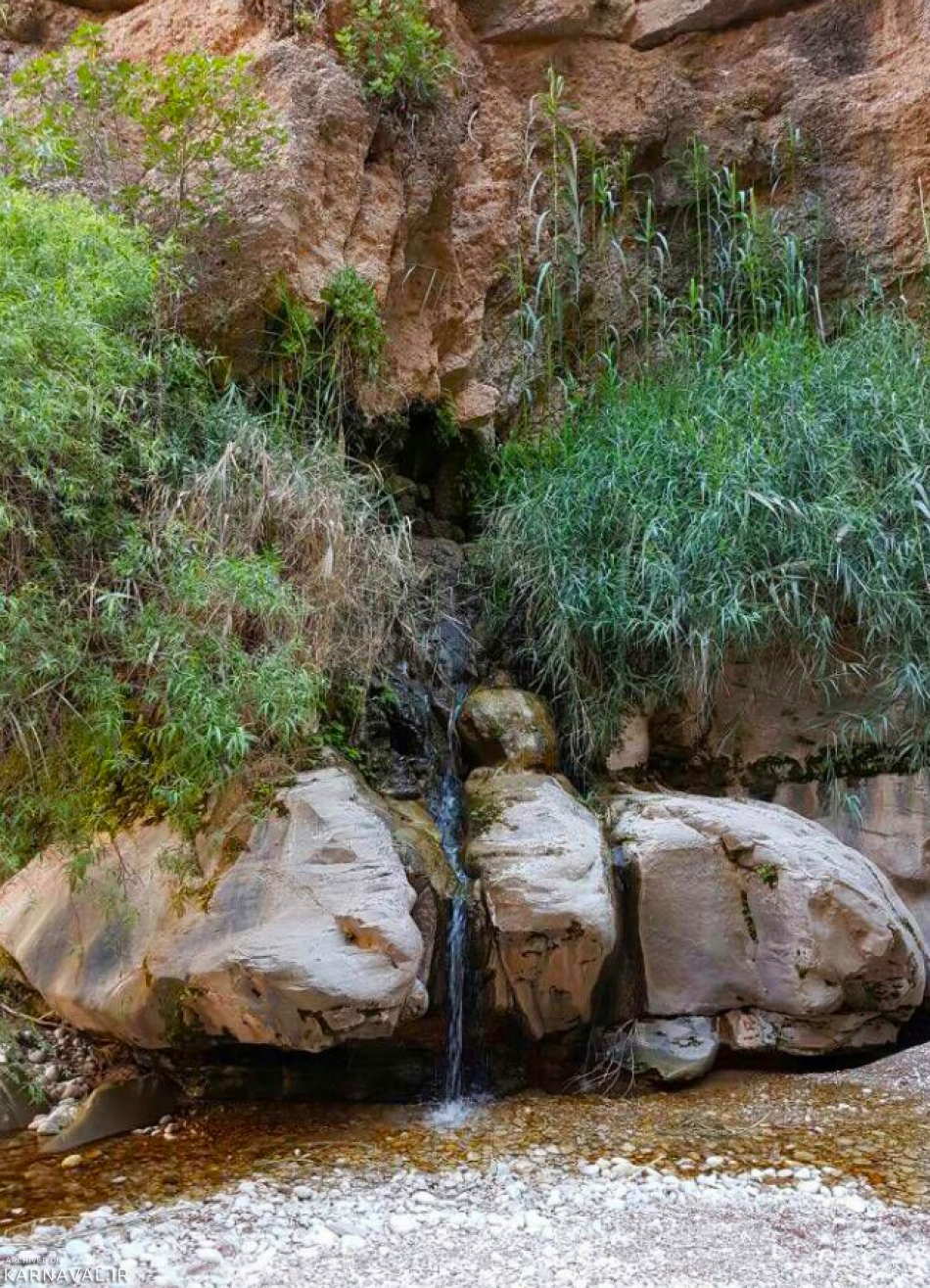
During arid seasons, the valley functions like a drainage canal due to its great depth; and collects water from subterranean water-bearing rock formations. After gathering at its bottom, water begins flowing to turn into two small, beautiful waterfalls there. These special natural conditions keep temperatures as low as 20 to 25 degrees centigrade inside the valley even when it is 40 degrees Celsius outside. This difference in temperature is a real boon to people in the south of Iran.
The best season you may go to the valley are spring and summer; when you can experience a difference of 15 degrees centigrade between the temperature inside and outside the valley.
Different parts of this pristine valley are very similar to each other, so chances are high that you may get lost there. Therefore, you need to visit the place with a guide.
In a Saturday statement, Qassemi sympathized with the government and nation of Afghanistan, particularly those affected by the incident and the families of the victims.
“In the recent floods that hit various regions of Iran and Afghanistan, the governments and nations of the two countries will stand by together, as always, in the ensuing hardships and problems,” he added.
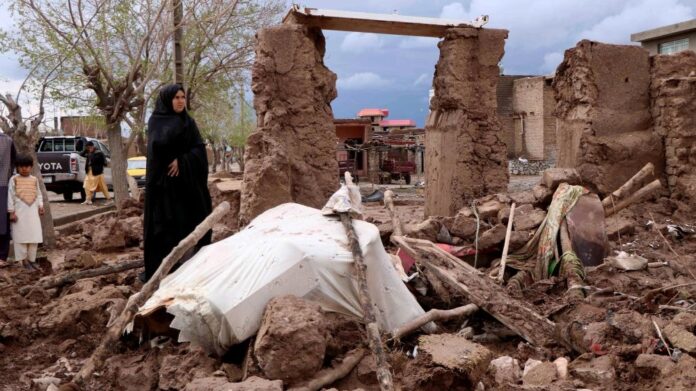
Flash floods in western Afghanistan have killed at least 35 people, destroyed homes and swept through makeshift shelters that housed displaced families, according to a government official.
Flooding caused by heavy rains started spreading on Thursday and left a trail of devastation across seven provinces.
Hashmat Bahaduri, a spokesman for Afghanistan’s National Disaster Management Authority (ANDMA), said the floods killed at least 12 people in Faryab province and 10 others in Herat province.
Eight people were killed in Badghis province and five in Balkh province, Bahaduri told AFP news agency, adding that more than 3,000 houses had been destroyed.