Saturday, April 11, 2026
Home Blog Page 3222

World Must Rap US Violation of Iranian Airspace: Rouhani

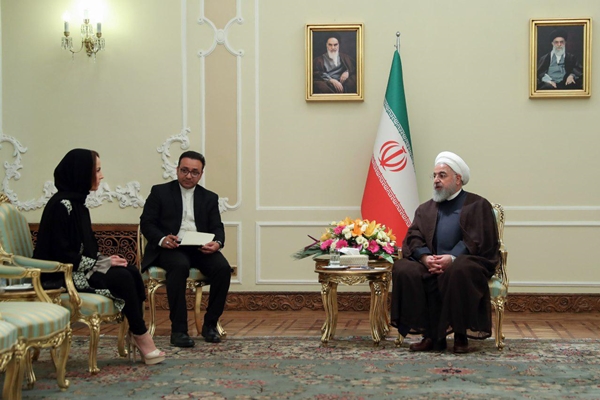
Rouhani made the remarks in a Sunday meeting with President of the Inter-Parliamentary Union Gabriela Cuevas Barron in Tehran.

“The US recently violated Iran’s airspace with their UAVs and Iran’s defence forces downed a drone after it did not pay attention to multiple warnings. This region is a very sensitive and the security of the Persian Gulf and the Sea of Oman are important to many countries, so we expect all international institutions respond appropriately to this aggressive US action.”

He went on to say that during the past 17 years, US interventions in Afghanistan, Iraq, Syria and recently in Yemen have caused many problems, and Tehran believes the security of all regions of the world and the Persian Gulf must be provided by the regional countries.

Rouhani further said unilateralism is the main problem in the world today, and many of the regional and global problems are due to the dictatorship and bullying of some countries, especially the United States.

He noted that this dictatorship is rooted in violating international law and moving towards unilateralism.

Rouhani further noted that the Islamic Republic of Iran’s approach is to reduce tensions, to avoid any conflict between the military forces of the countries, and to develop peace and stability in the region and the world.

The president noted terrorism, unilateralism and environmental problems are among the problems of today’s world, and in order to overcome them, parliamentary and international cooperation must be developed.

Rouhani further stressed the Islamic Republic of Iran has always had good cooperation and close ties with the Inter-Parliamentary Union, saying that “it is very important to examine the important international issues and to hear the views of members of the parliaments of different countries at various meetings of this union to reach a joint conclusion.”

He said in the past year the United States pulled out of the nuclear deal as a multilateral agreement and violated the United Nations Security Council resolution 2231. “Today, we see that the countries which are acting in accordance with UN resolution 2231 are being punished by the United States,” maintained Rouhani.

The Iranian president pointed out that the United States has launched economic terrorism against the Iranian people, and it even has imposed sanctions on pharmaceuticals and food.

For her part, Gabriela Cuevas Barron said the Islamic Republic of Iran has played an important role in the peaceful dialogue and resolution of conflicts and promoting multilateralism in the world.

She said the nuclear deal proved that multilateralism and interaction is very important to achieve peace across the region and the world.

“The JCPOA has a very strong content and today, the whole world knows that dialogue and engagement are crucial to achieve stability and peace,” added IPU president.

“Today, the world must learn from Iran’s successful experience and respect international negotiations and agreements.”

The IPU like Iran believes that unilateralism does not provide any solution to global problems, noted Cuevas Barron.

The IPU president said the JCPOA was a very good example of multilateralism in the international system saying “We hope Europe will comply with its commitments as soon as possible, because we believe people should not pay the price of other’s mistakes.”

‘World’s Parliaments Can Play Key Role in Easing Tensions’

During the Sunday meeting, the two sides underlined their preparedness to expand mutual cooperation and interactions, and the capacities and facilities of national parliaments, particularly those of the IPU, for the reinforcement of collaborations between countries.

They also highlighted the use of parliamentary mechanisms to ease regional tensions and implement plans and initiatives to promote regional cooperation.

Tensions have mounted between Iran and the US as Washington has adopted a policy of “maximum” pressure against Tehran.

The Pentagon said last Monday that the US will send 1,000 additional forces and more military resources to the Middle East to address “threats” in the region.

Such deployments began in May when the US sent an aircraft carrier strike group to the region along with Patriot missile batteries, among other reinforcements, citing alleged Iranian threats.

Shortly before the announcement for deployment of additional troops in the Persian Gulf, the Pentagon released a blurry video that it claimed showed Iranian boats removing a mine from one of two tankers attacked in the Gulf of Oman on June 13.

The US has blamed Iran for the attacks, which hit one Japanese-owned and one Norwegian-owned tanker. The tankers were carrying Japanese-related crude near the strategic Strait of Hormuz.

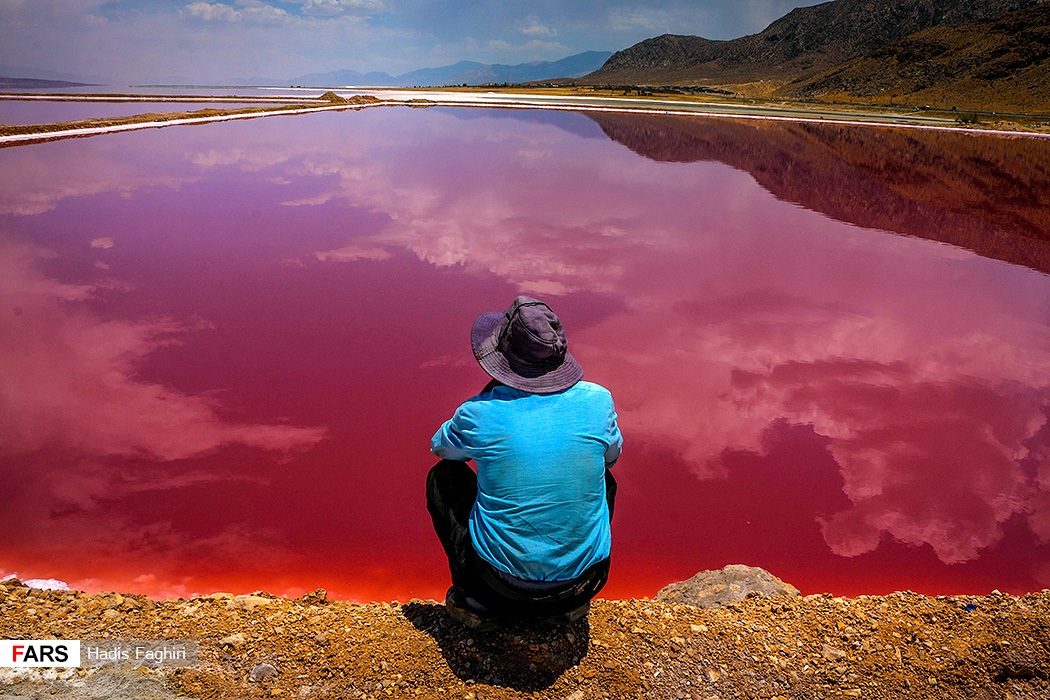
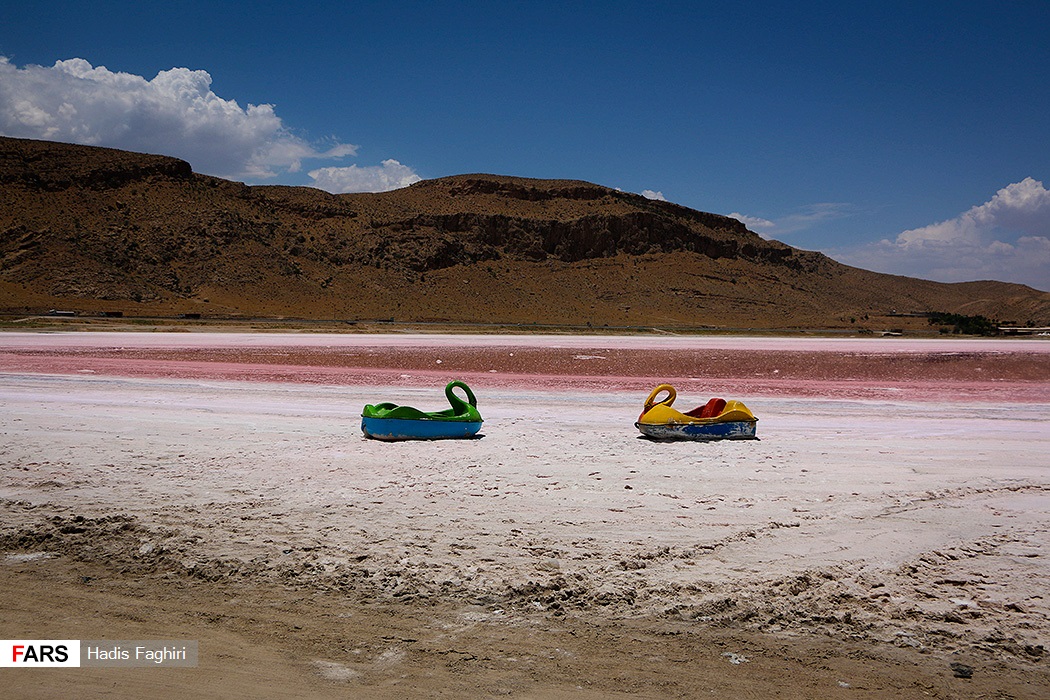
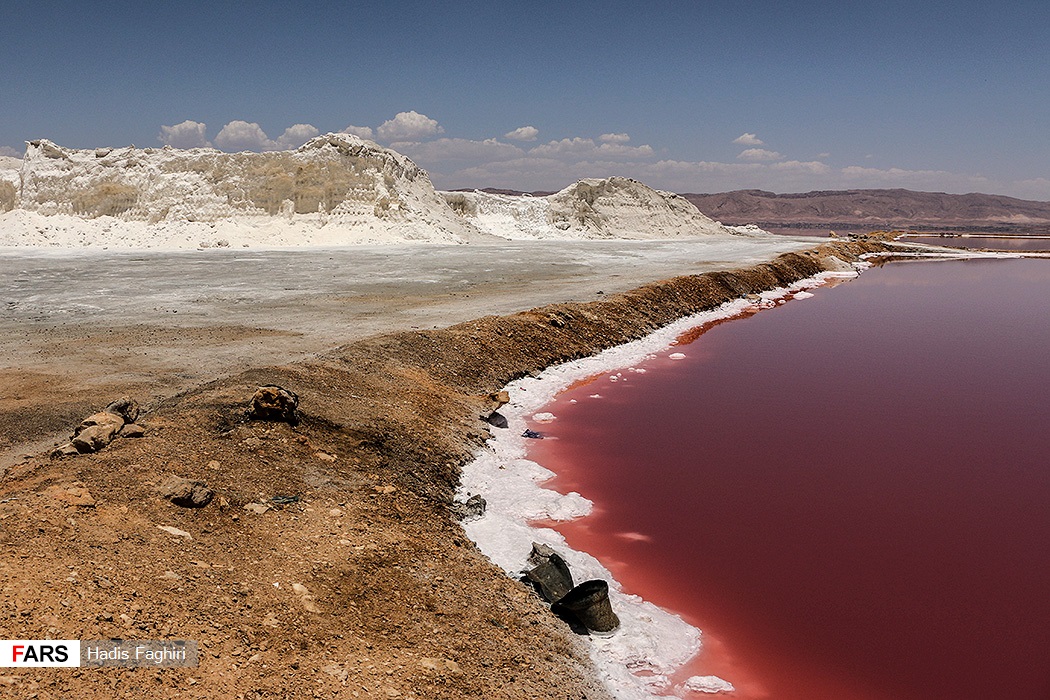
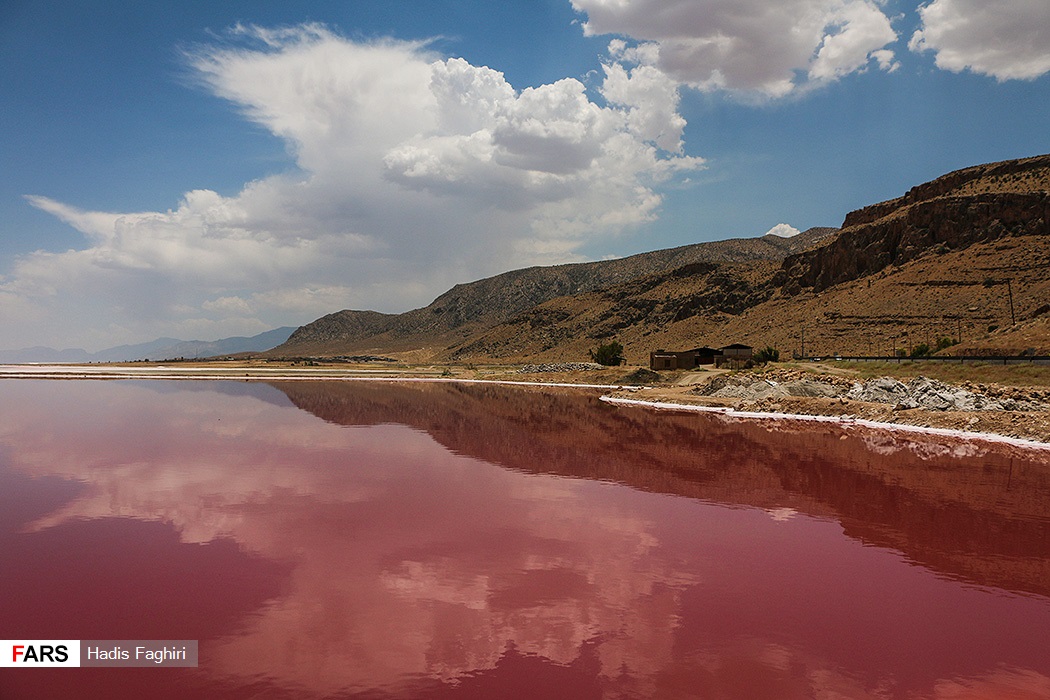
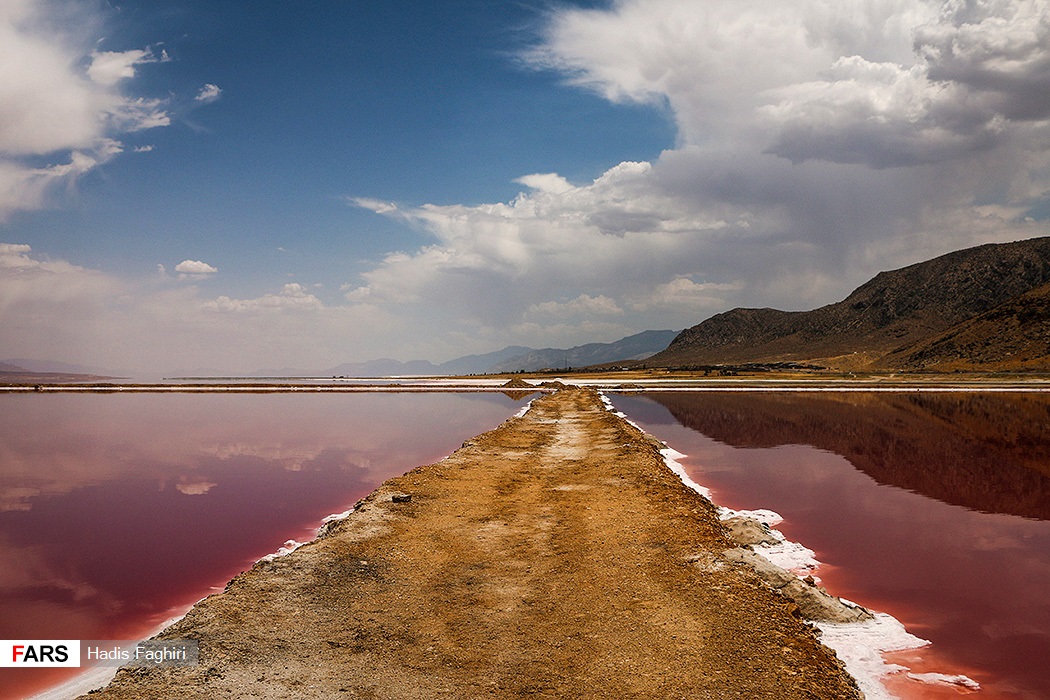
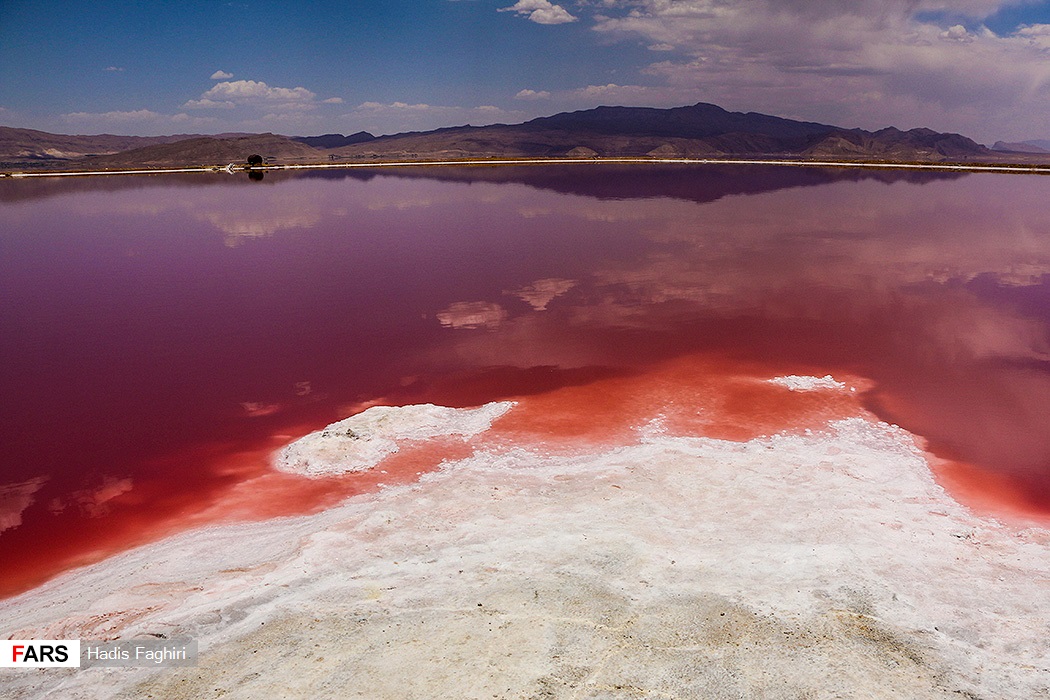
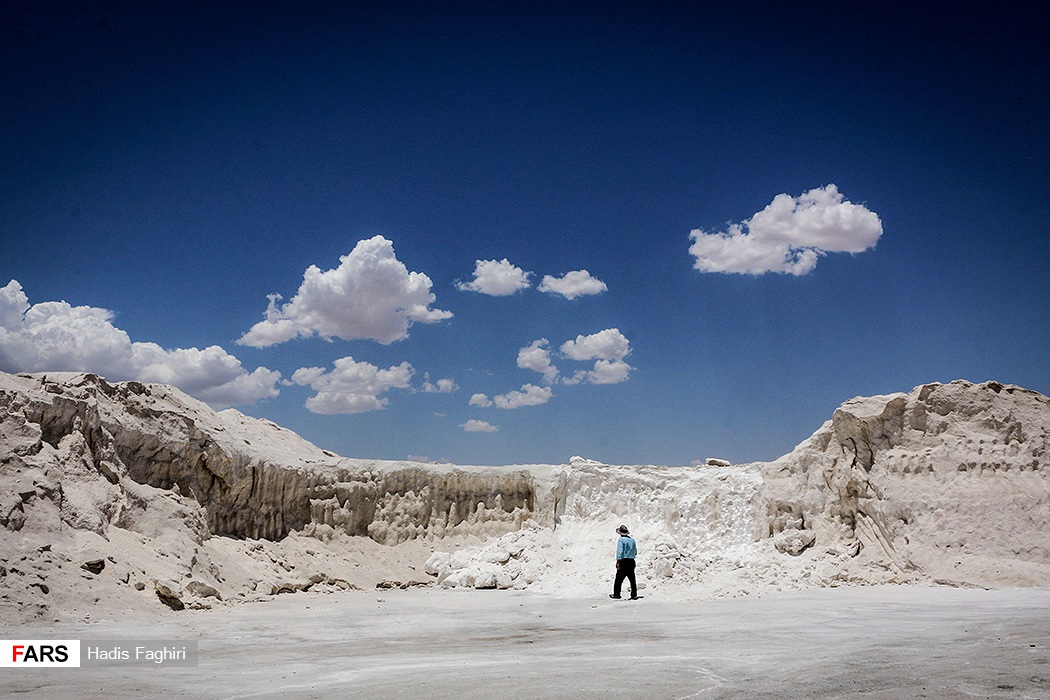
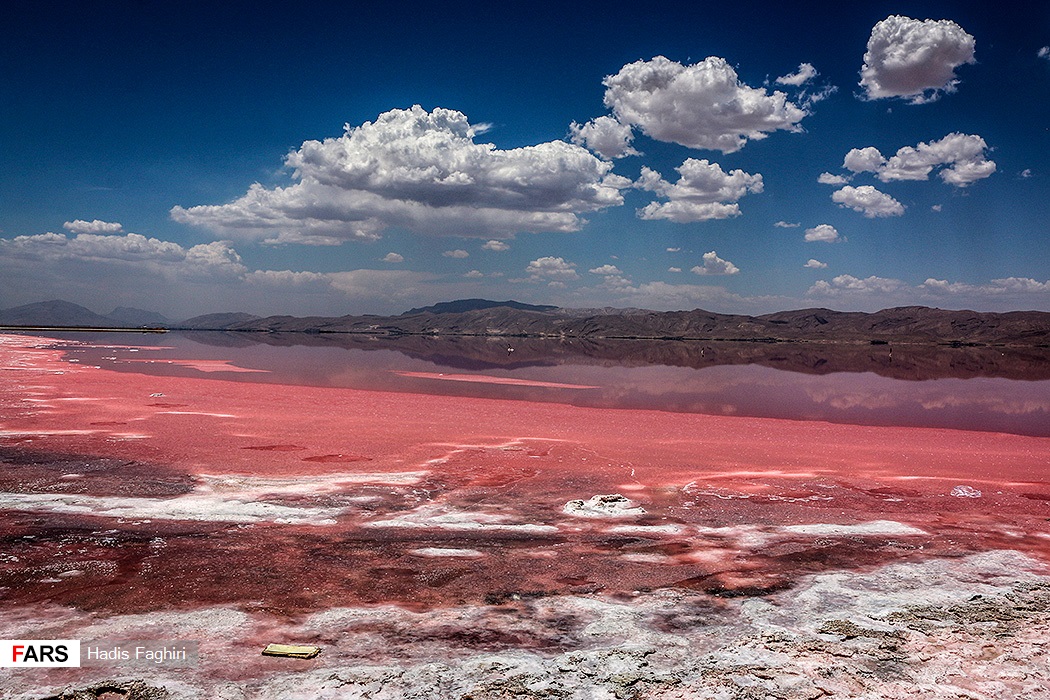
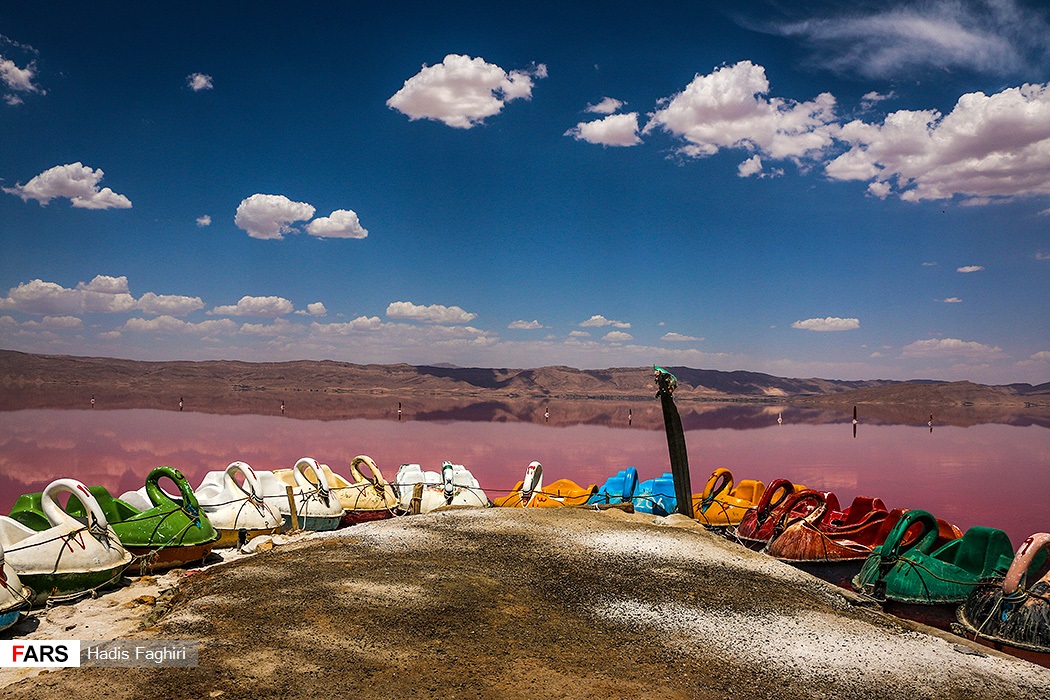
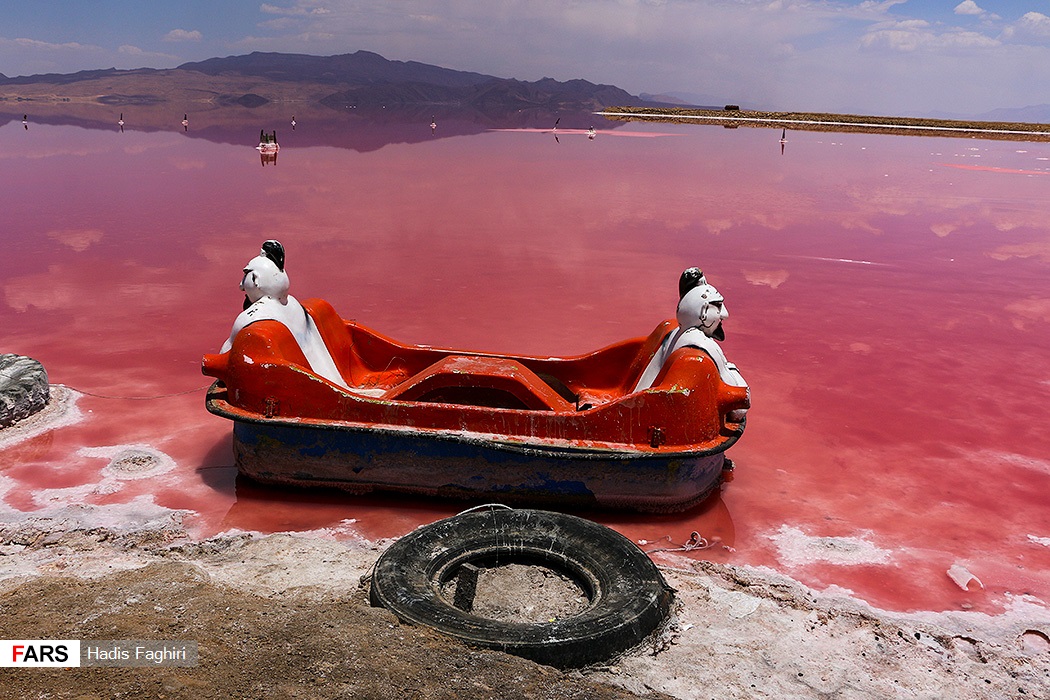
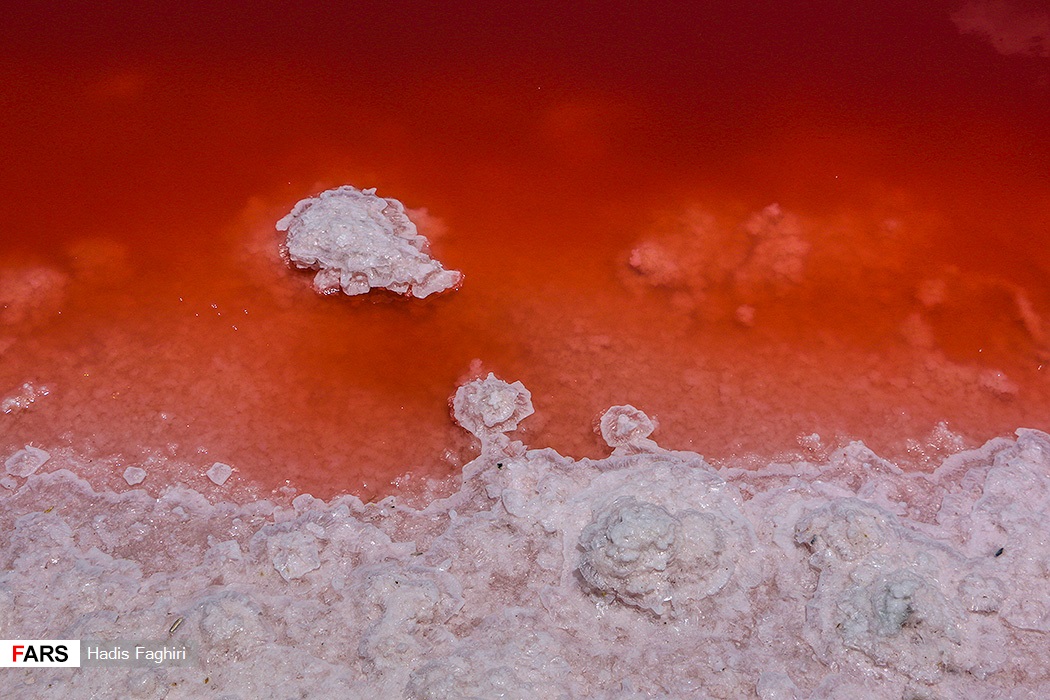
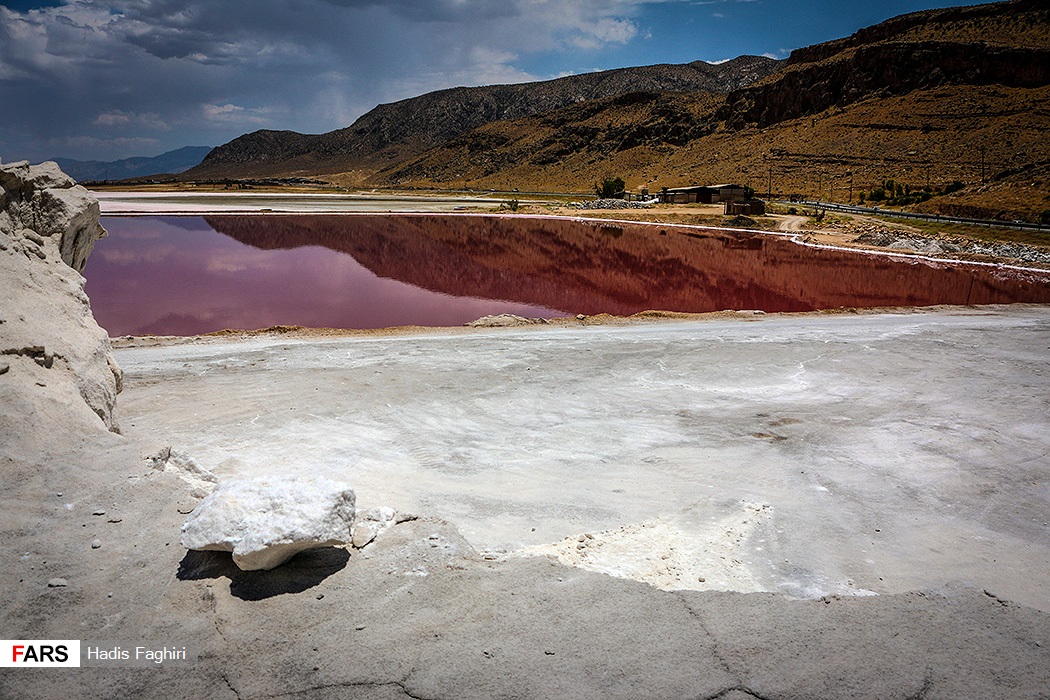
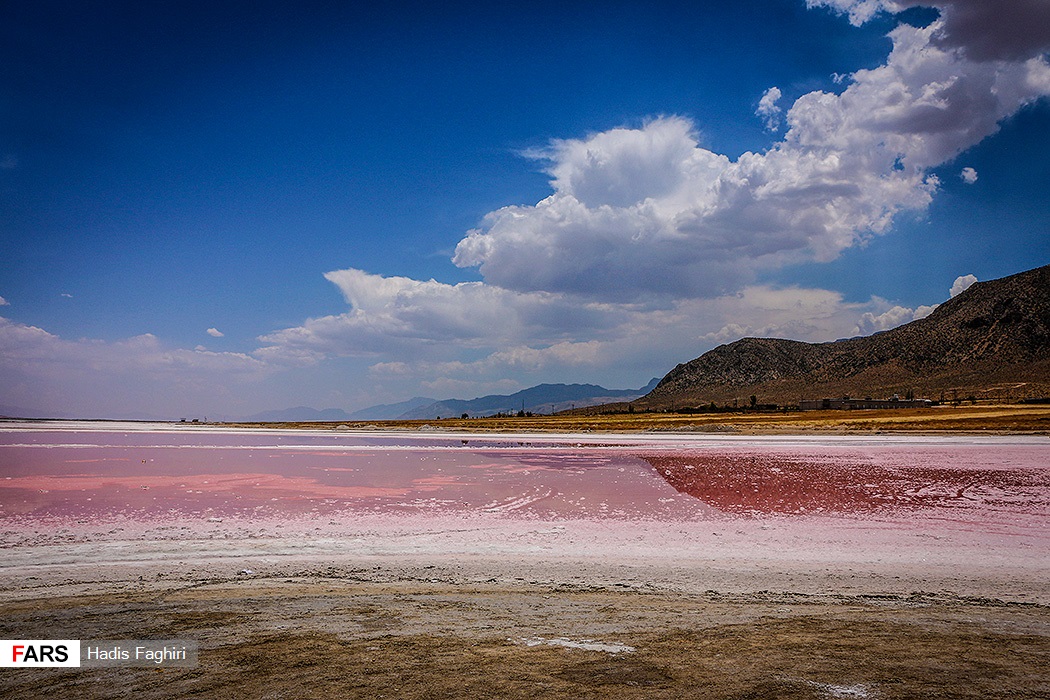
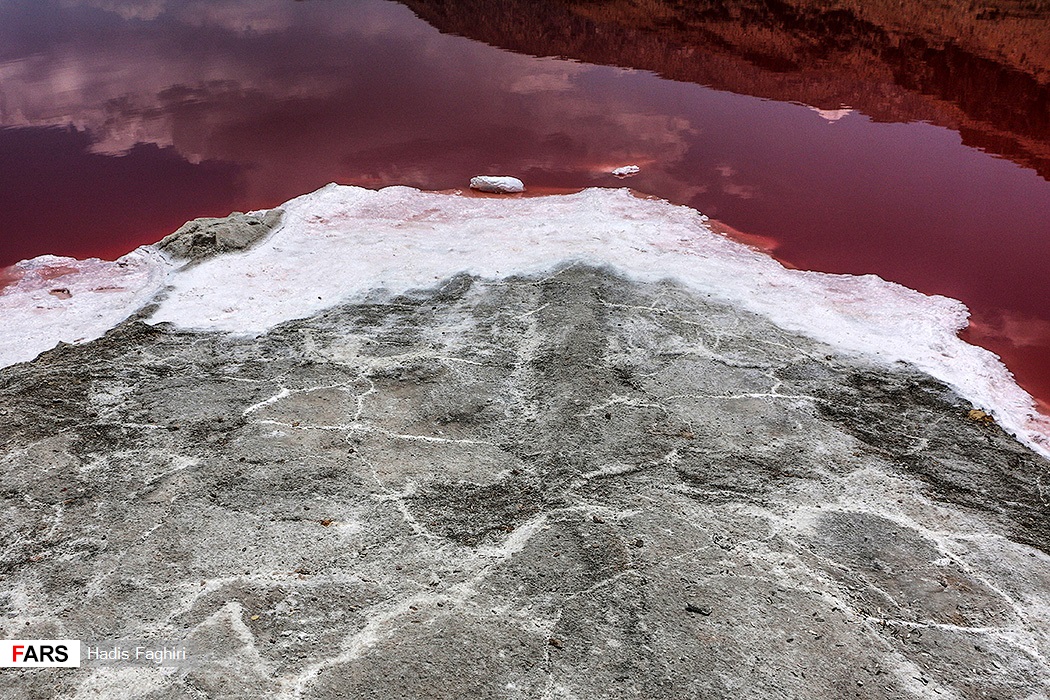
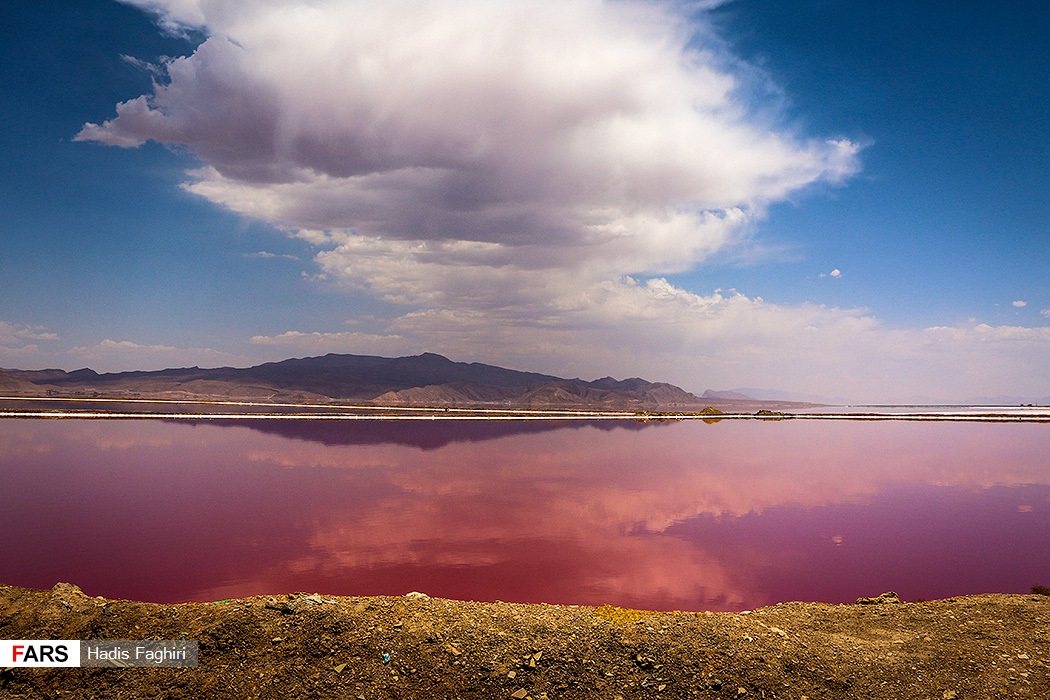
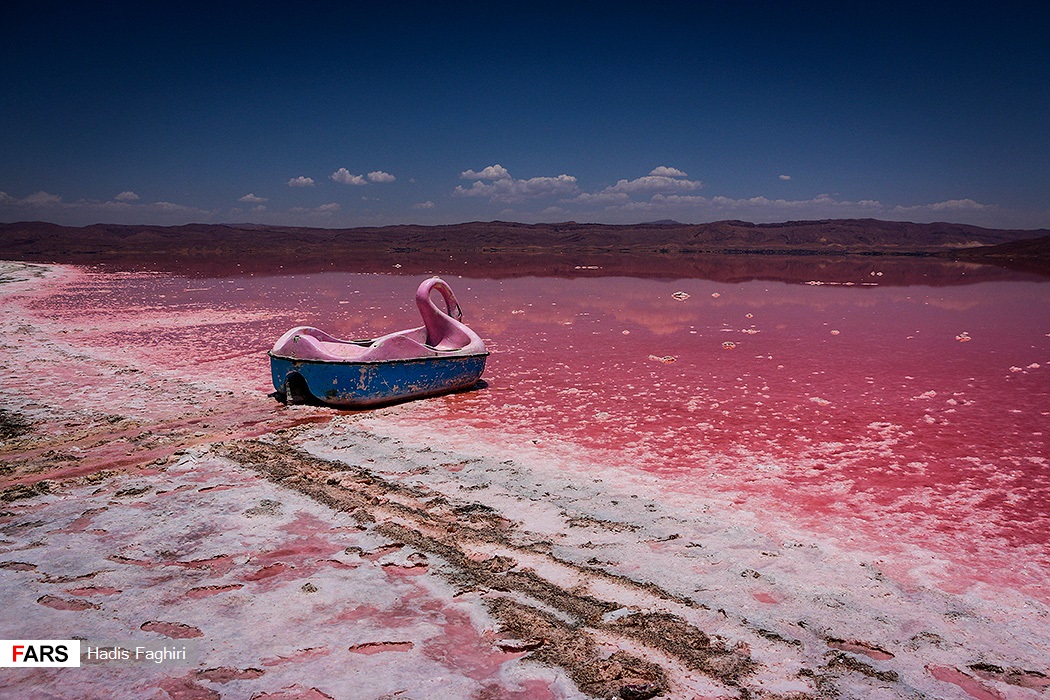
Iran’s Beauties in Photos: Maharloo Lake

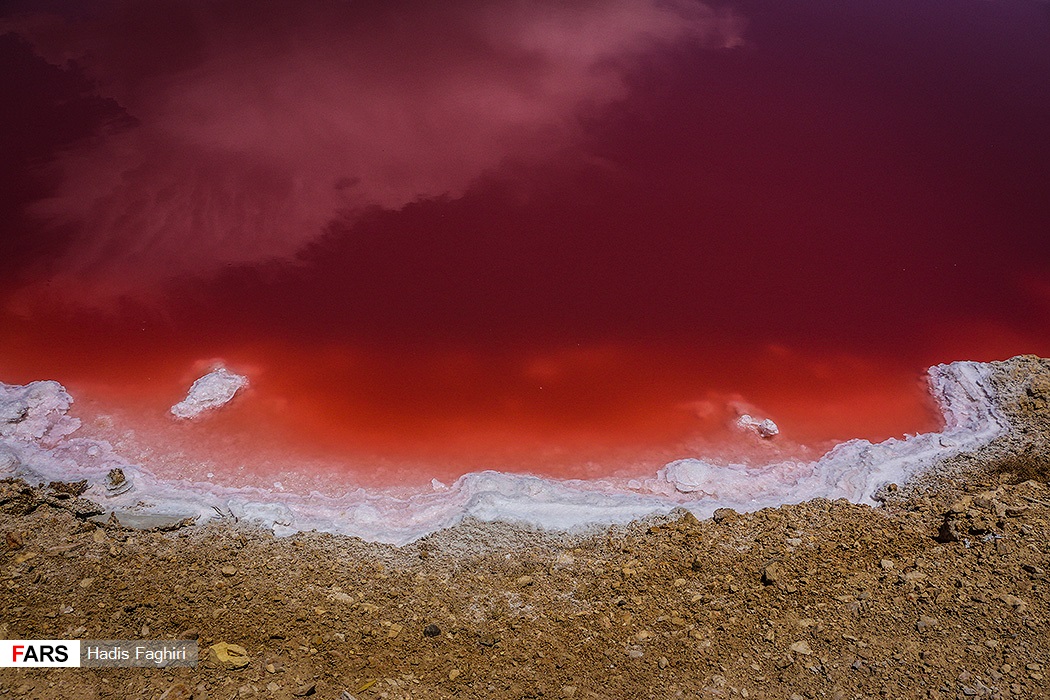
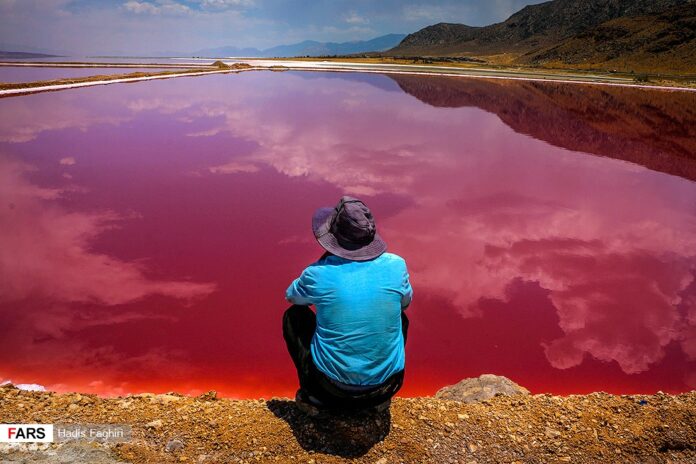
The lake’s water surface has turned red due to the high salinity, halophyte bacteria and salinity resistant algal bloom called red tide.

The red tide phenomenon happens when the algae density of the lake is so high that it stays on the water surface like a layer, preventing air exchange with the water and causing decrease in the oxygen level.

This leads to the production of some type of poison that destroys or restricts the proper conditions for the lake artemia’s life.

What follows are Fars News Agency’s photos of the lake:

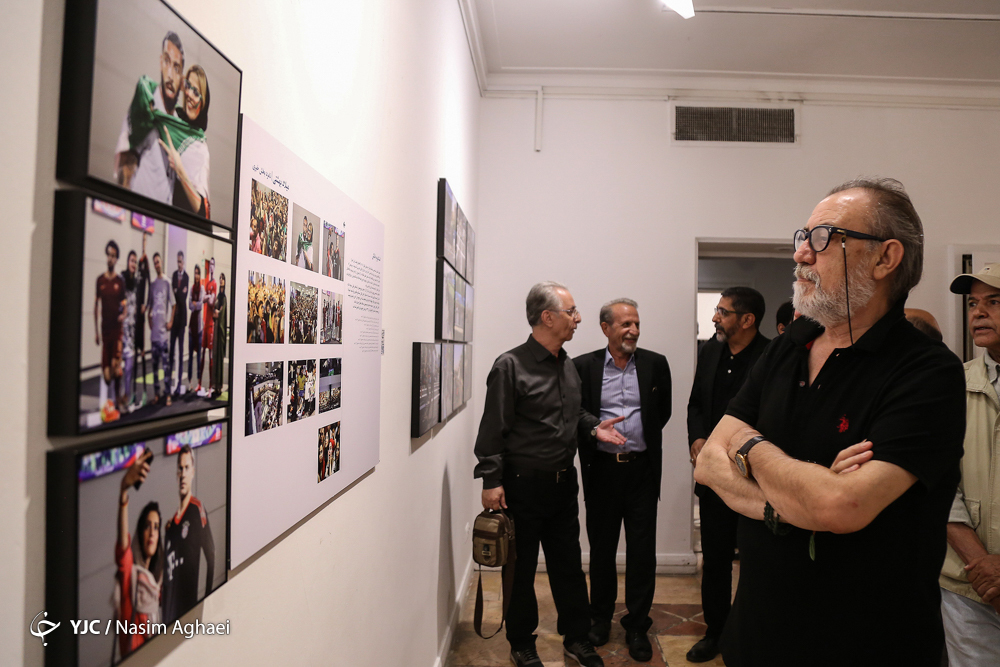
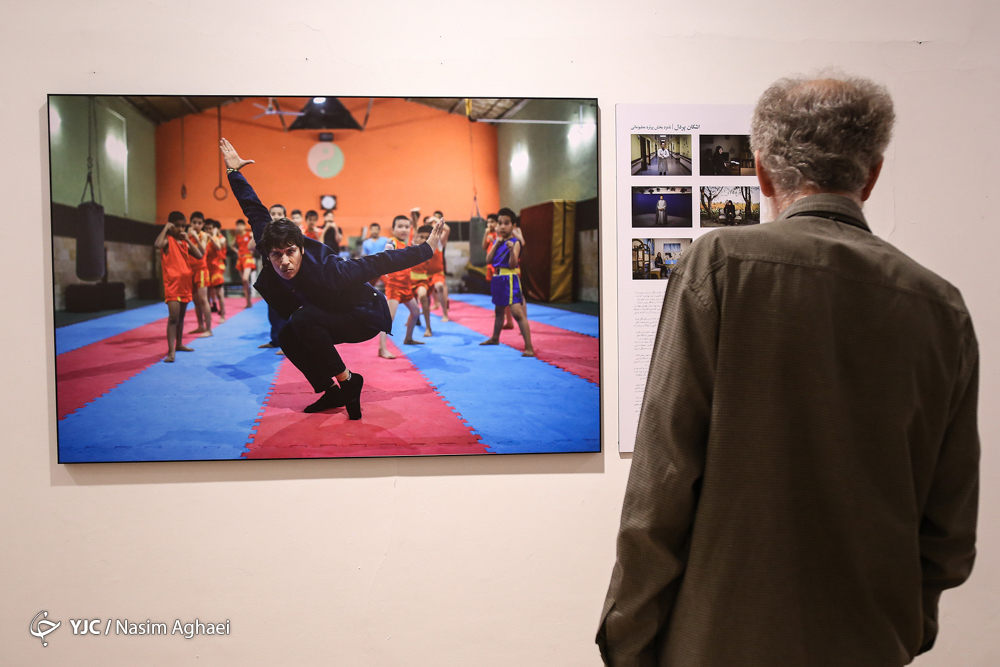
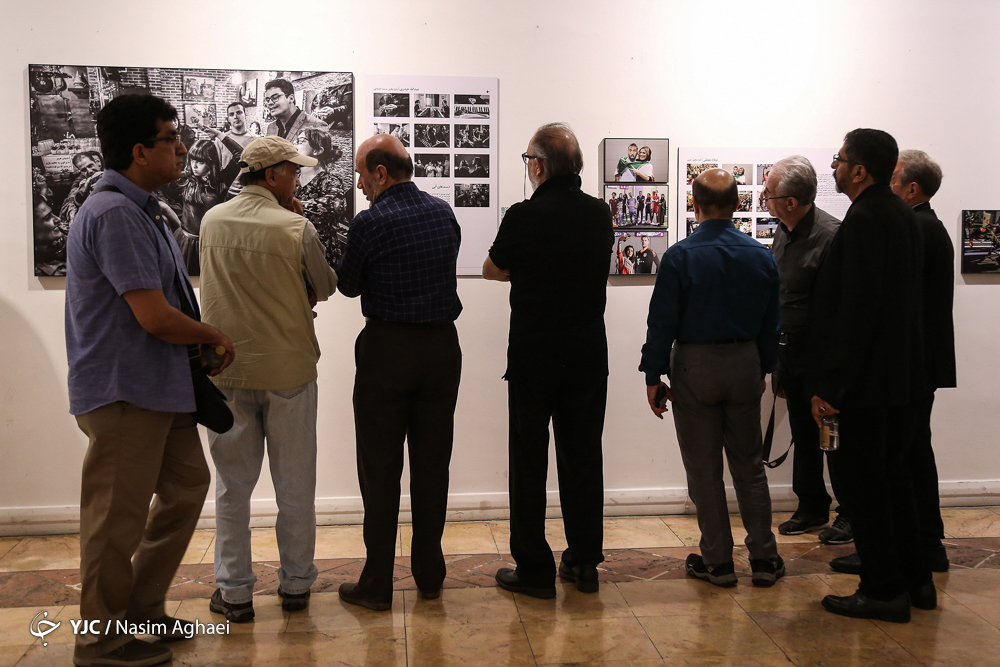
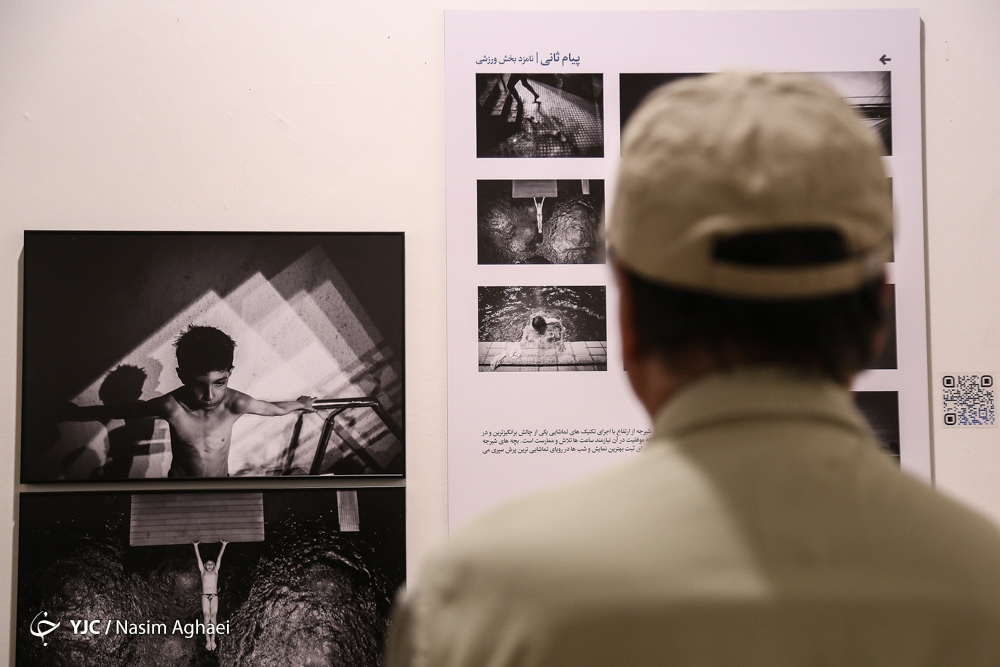
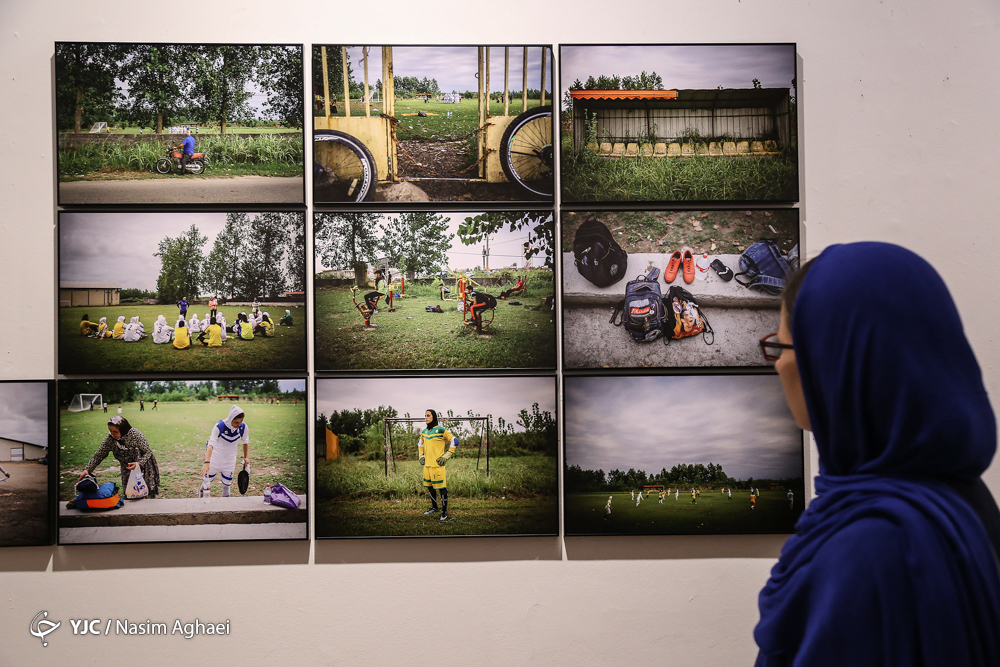
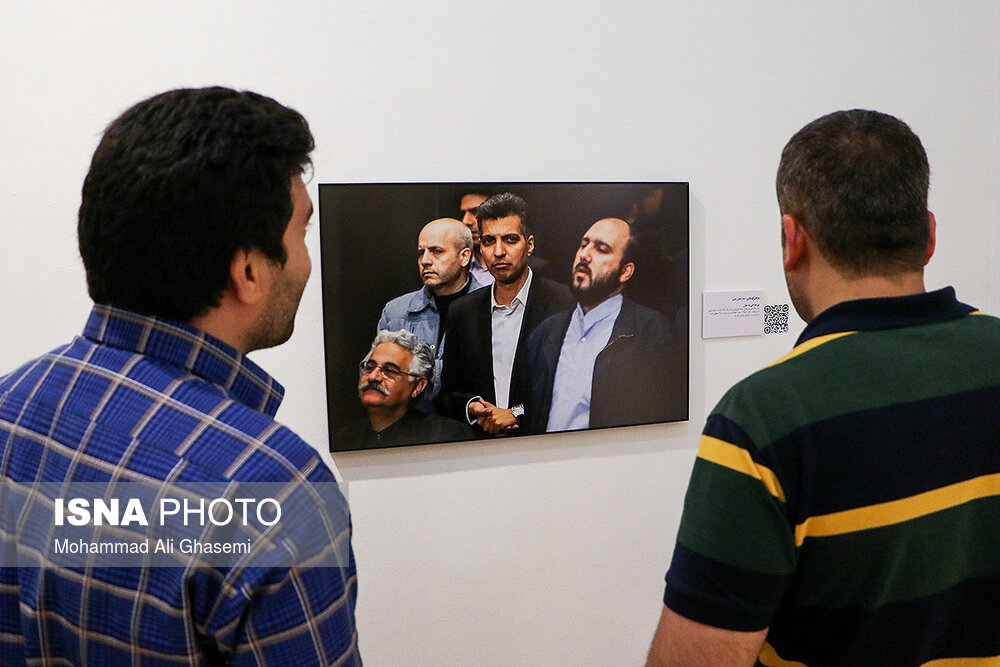
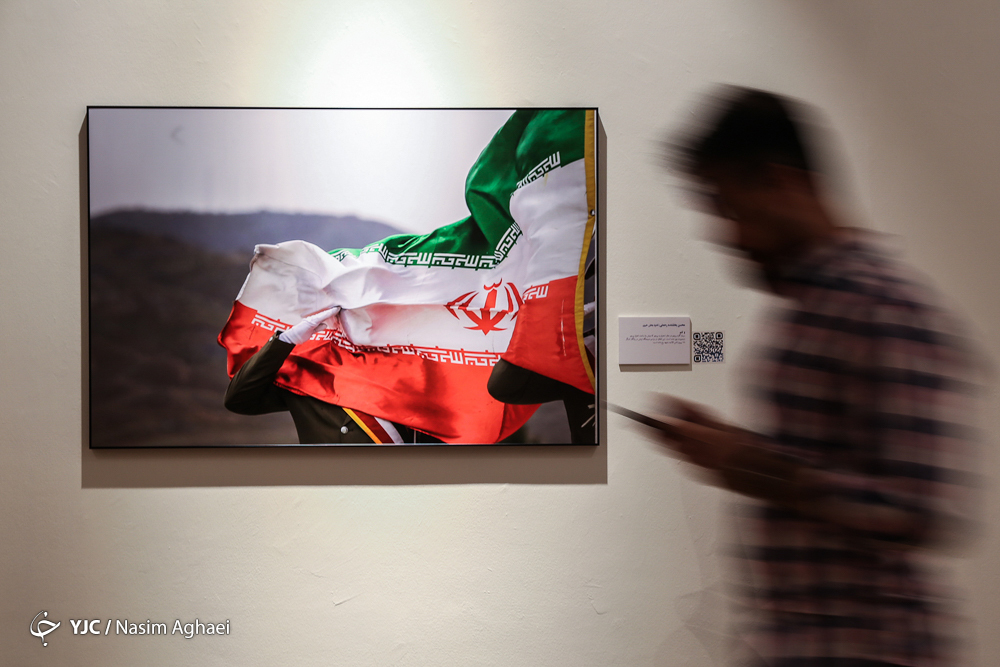
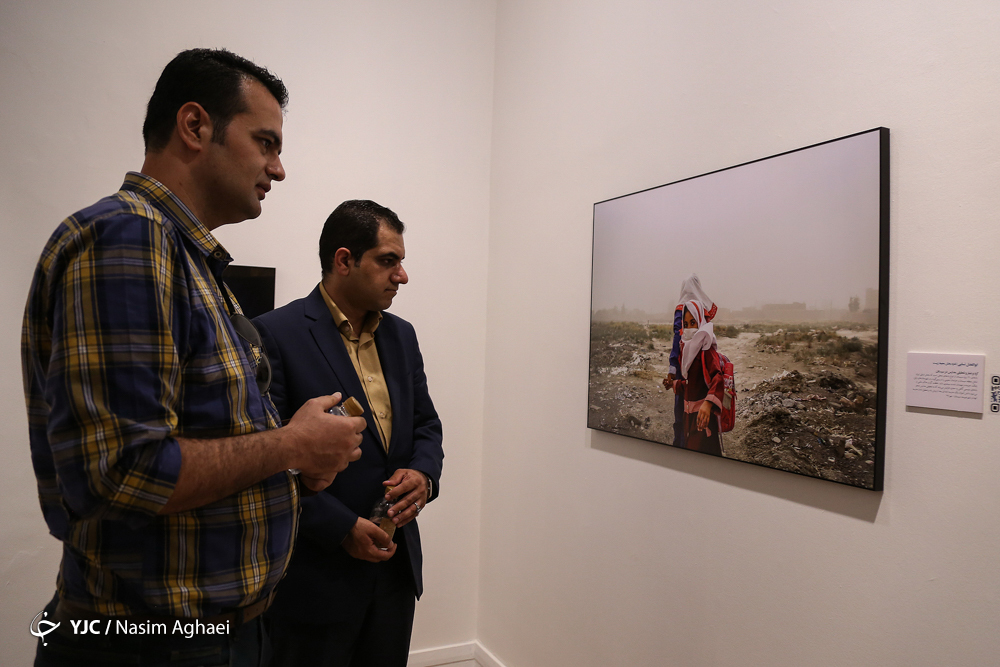
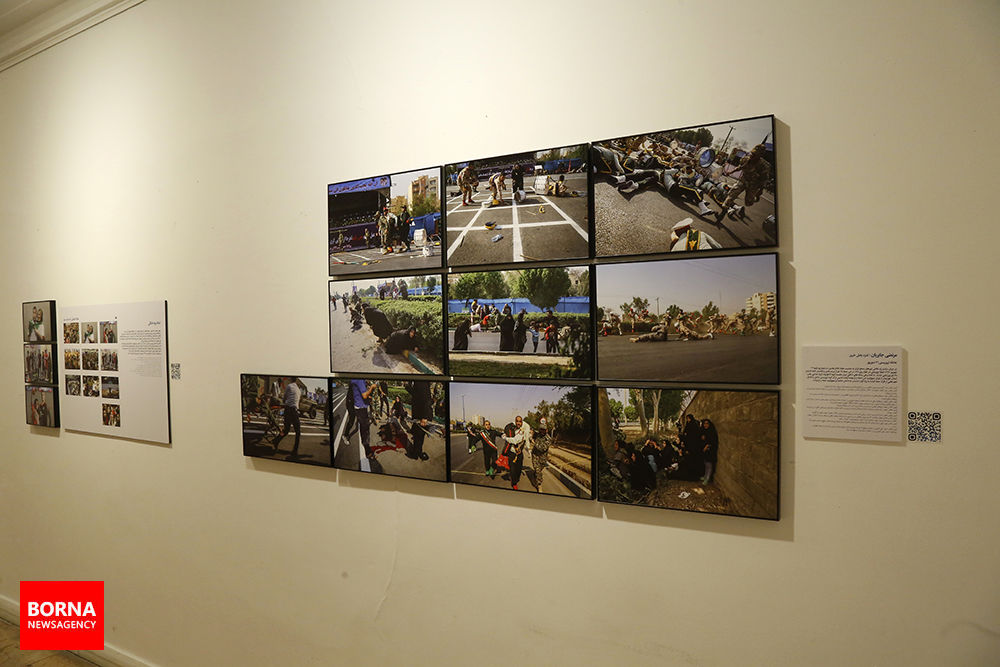
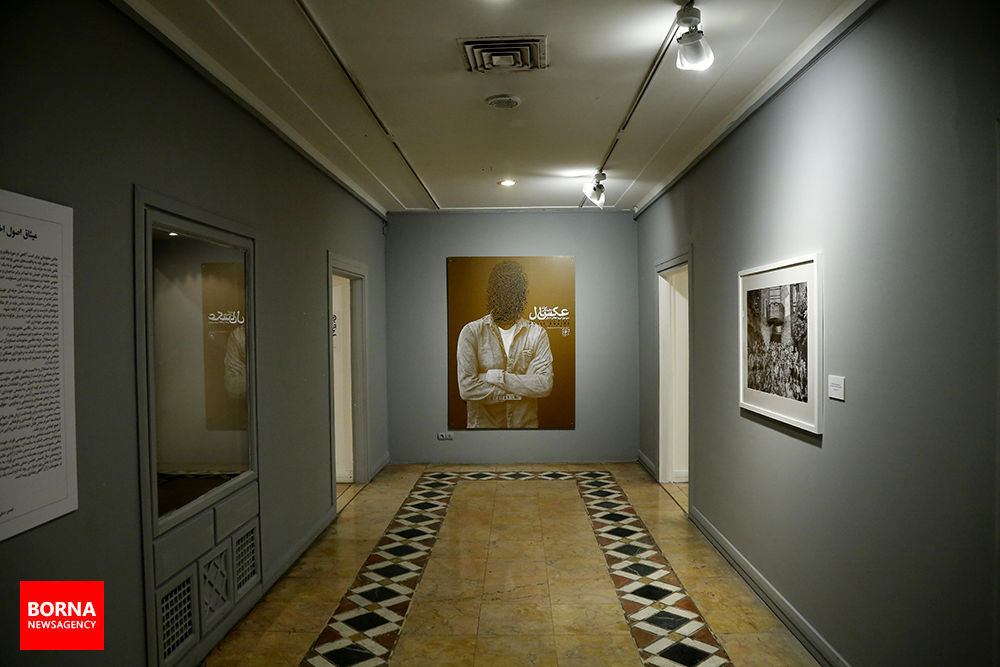
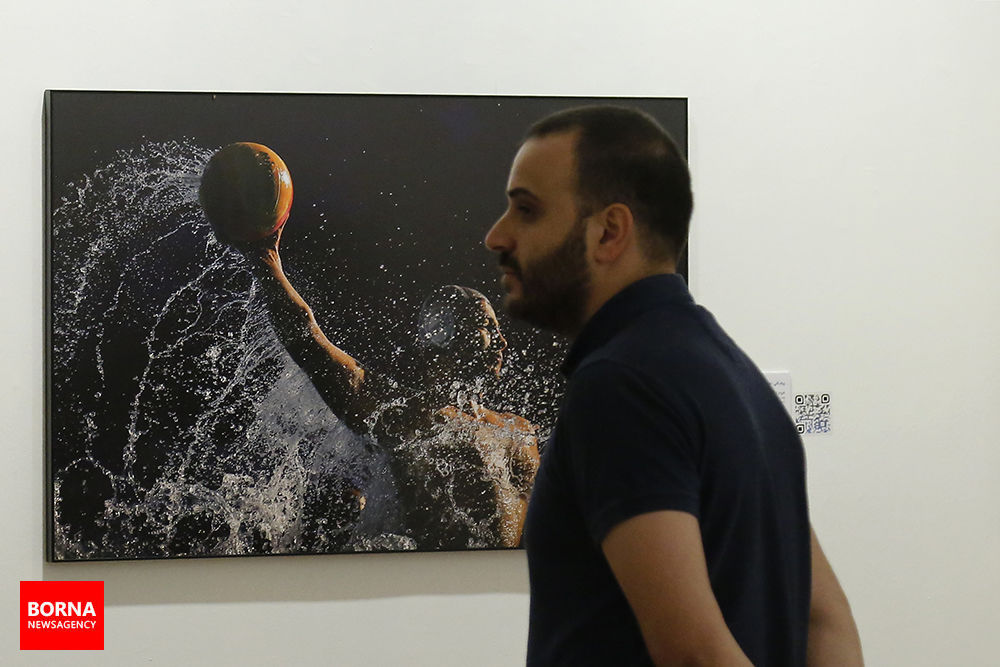
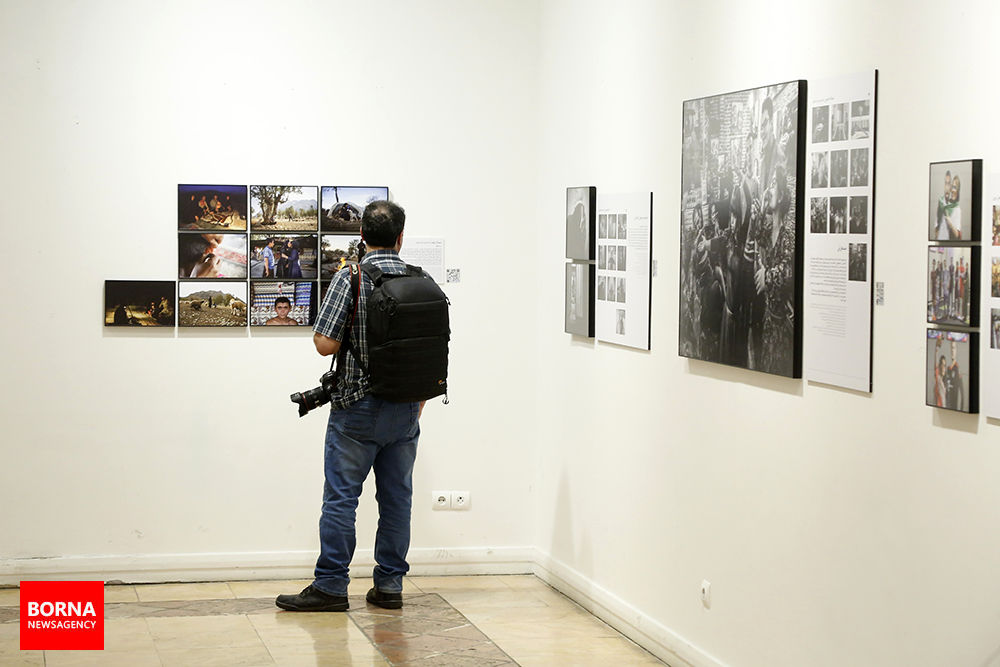
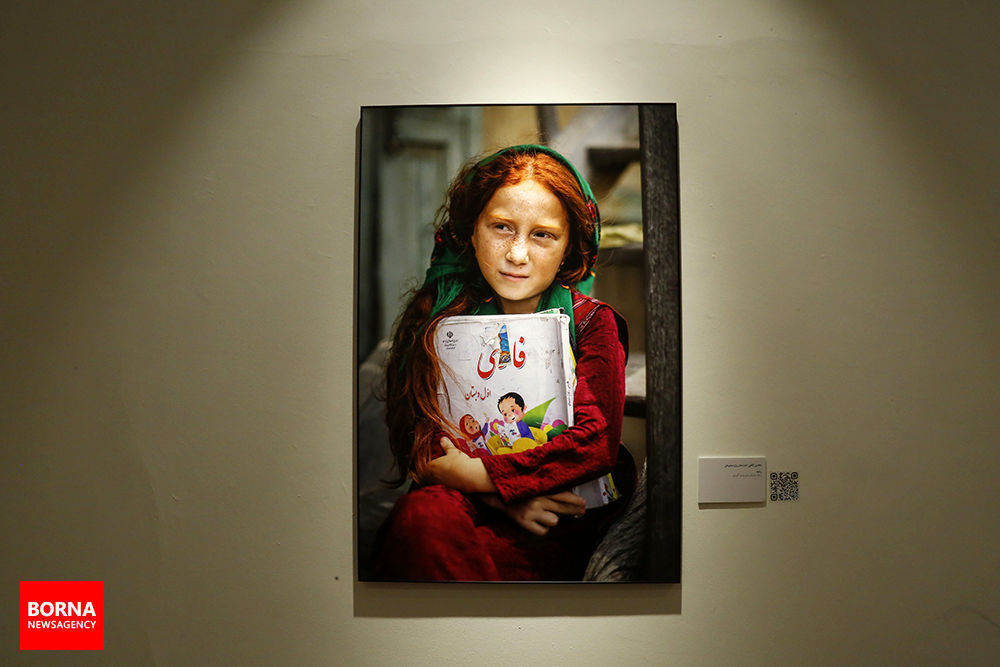
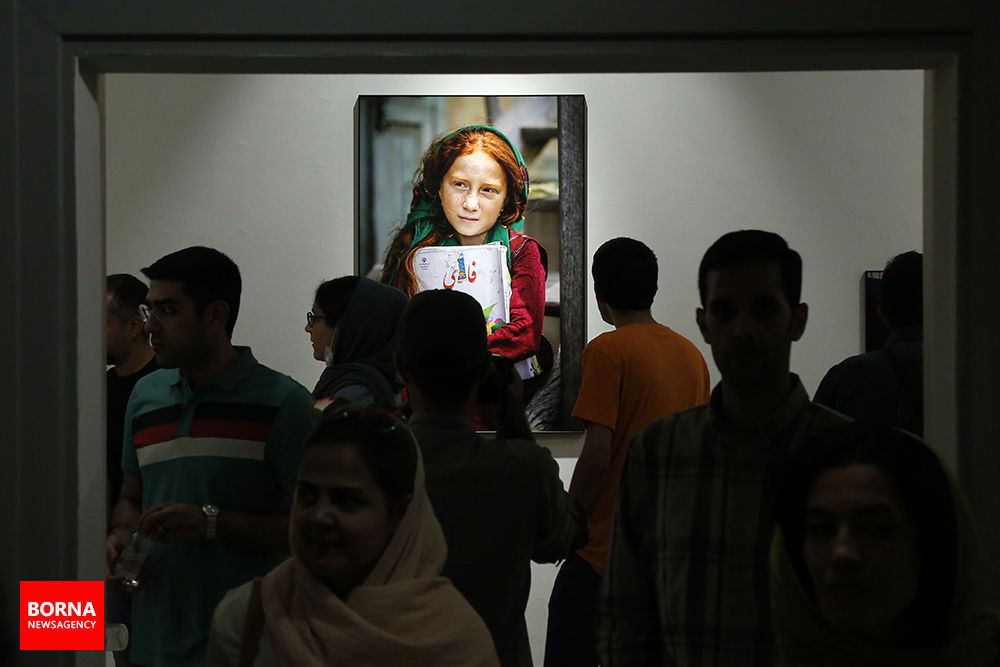
Tehran Hosting 3rd Exhibition of ‘Press Photo of Year’

The exhibition was launched in the presence of veteran press photographers, press photographers and special guests in Master Momayez Gallery at Iranian Artists’ Forum.

The closing ceremony of the exhibition will be held on Wednesday, June 26, at the same venue.

The Association of Photographers of Iran has organised the event to motivate the photographers to promote the level of press photography.

Younes Shokrkhah, Ata Taher Kenareh, Sa’ed Nikzad, Mahdi Qasemi and Saeed Faraji are among the jury members.

Following you can find photos of the events retrieved from different sources:

IRGC General Urges US to ‘Behave Responsibly’ in Region

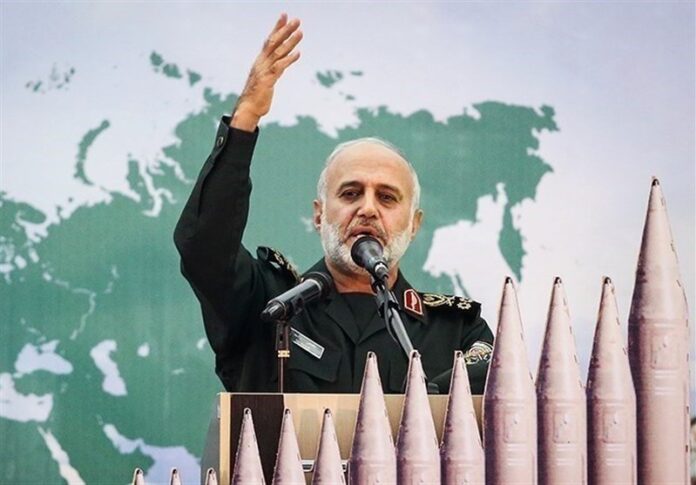
“The Islamic Republic of Iran is in a strategic confrontation with the US-Zionist-Saudi alliance to protect regional… stability and power,” Commander of the Khatam al-Anbia Headquarters Major General Gholam Ali Rashid said, addressing a gathering of the Islamic Revolution Guards Corps (IRGC) commanders on Sunday.

“The US government should act responsibly and protect the lives of American forces by avoiding wrong behaviors in the region,” the commander added.

“In the event of any conflict in the region, its scope and timing could not be managed by any country,” he warned.

“We have not been seeking war but we will powerfully defend the interests of the honorable nation of Iran against any kind of threat and aggression,” Major General Rashid stated.

The remarks came against the backdrop of increased tensions between Iran and the US after the Islamic Republic shot down an advanced US spy drone over its territorial waters.

The IRGC said on Thursday that a US spy drone that violated the Iranian territorial airspace in the early hours of the day was shot down by the IRGC Aerospace Force’s air defense unit near the Kooh-e-Mobarak region in the southern province of Hormozgan.

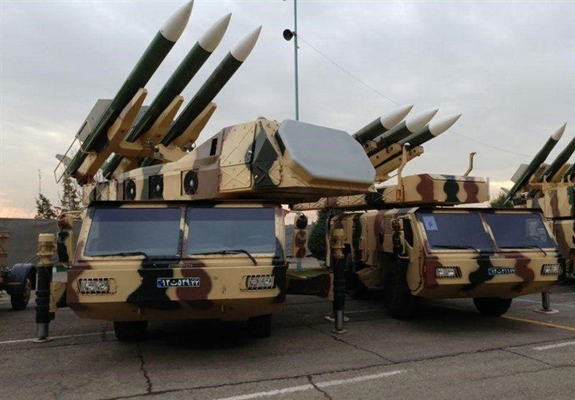
The intruding drone was reportedly shot by Iran’s homegrown air defense missile system “Khordad-3rd”.

In comments made a few hours after the incident, IRGC Commander Major General Hossein Salami said the shooting down of the US aircraft had a straightforward message that any foreign intrusion into Iran’s sovereign territories would draw a crushing response.

“The downing of the US drone had an explicit, decisive and clear message that defenders of the Islamic Iran’s borders will show decisive and knockout reactions to aggression against this territory by any alien,” he said.

“Borders are our redline, and any enemy violating these borders will not go back,” the commander underlined.

He also made it clear that Iran is not seeking war with any country but is fully prepared for any confrontation. “Today’s incident was a clear sign of such a precise message.”

The general also reminded the enemies that the only way for them to remain safe is to respect Iran’s territorial integrity, national security and vital interests.

Iran Says Ready to Fulfil Iraq’s Air Defence Needs

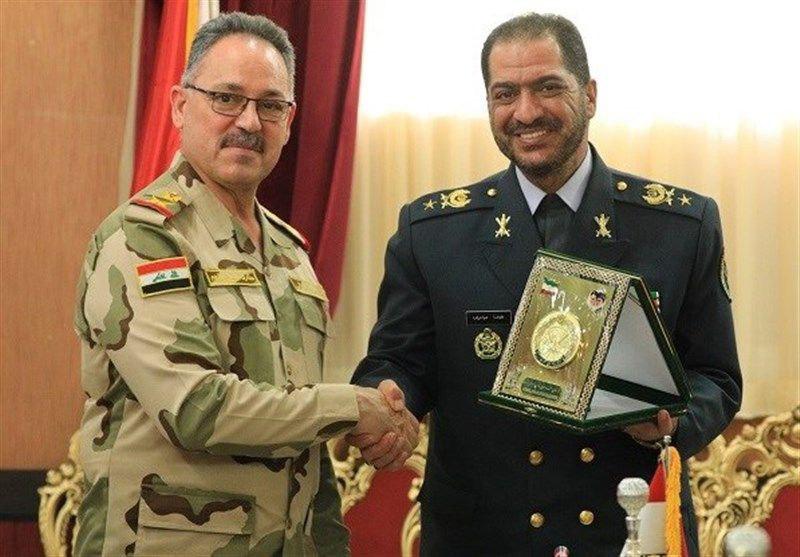
Brigadier General Alireza Sabahifard, the Commander of the Air Defence Force of the Iranian Army, made the remarks in a Sunday meeting with Major General Tariq Abbas Ibrahim Abdul Hussein, the chairman of the Iran-Iraq joint commission, in Tehran.

“The Air Defence Force of the Iranian Army … has managed to produce various air defence systems, including tactical and stationary radars, artillery and missile weapons, signal and data collecting equipment, electronic warfare gear, and drones for missions and applications in diverse frequencies and ranges,” General Sabahifard said.

He pointed to the areas in which the Iranian and Iraqi air defence forces can cooperate, and said, “We are ready to form expert committees to prepare the grounds for expansion of mutual cooperation in all areas.”
The Iranian Air Defence, relying on Iranian expert, is fully prepared to fulfil Iraq’s air defence needs in all areas, including the building and technical support of air defence systems, he added.

Iran Says Ready to Fulfil Iraq’s Air Defence Needs“Iran and Iraq have many common grounds and topics for unity, solidarity, and making efforts to enhance Islamic power in the region,” the Iranian general said.

The Iraqi official, in turn, praised the great capabilities of Iran in designing and building defence systems, expressed Baghdad’s preparedness to work with Iranian air defence experts in manufacturing equipment, training, and technical support in various fields, such as electronic warfare, radars, visual monitoring, command and control, radar-related calculations, and software systems.

The meeting came a few days after Iran managed to shoot down a sophisticated US spy drone, which had violated the Iranian airspace while in maximum stealth mode.

The Iranian air defence managed to down the intrusive UAV using its homegrown “3rd of Khordad” air defence system.

Iran has made major breakthroughs in its defence sector and attained self-sufficiency in producing military equipment and hardware despite facing sanctions and Western economic pressure.

The Islamic Republic says its military power is solely for defensive purposes and does not pose any threat to other countries.

Iran Says FATF Ratification Depends on Trump’s Behaviour

FATF’s Blacklisting of Iran; Threat or Opportunity?

He said these two bills are currently put aside at the council and the members do not see any reason to rush to ratify these two bills, but they would be studied at the ripe time.

In an interview with ILNA, Tavakoli noted that “when we say we do not see any reason to rush, it means that it’s not on the agenda.”
He also warned of the dangers of ratifying these bills saying that the enemy is pushing for their approval, but when they do not comply with their commitments, there is no need to hurry.

In response to a question that public opinion may say the adoption of these bills will help improve livelihoods, Tavakoli underlined there is no trust in the bills because they may make the living conditions of people even more difficult.

“If we would be decisive, the life of people will get better. The government’s recent move against the United States forced them to back off because the government had a tough reaction. Our latest experience shows that a strong response improves the situation. Our experience has shown it since the 1953 coup. If we stand firm, they will back off, otherwise they won’t draw back,” underlined Tavakoli.
The Expediency Council addressed the ratification of the two controversial bills on Iran’s accession to the Paris-based Financial Action Task Force (FATF) last week.

Iran has been requested to ratify the Combating of Financing of Terrorism (CFT) and Palermo conventions as part of the requirements to join the global anti-money laundering watchdog.

The FATF on Friday said Iran had until October to meet international standards against money-laundering and terror financing.

It said that it was for now keeping counter-measures against Iran suspended with the exception for a call to all countries to increase supervisory examination of Iranian banks’ branches and subsidiaries, Reuters reported.

If by October Iran had not met international norms, the FATF said it would require scrutiny of transactions with Iran and tougher external audits of financial firms operating in Iran.

FATF Statement ‘Alarming’

In an interview with IRNA on Sunday, Iranian Vice-President for Legal Affairs Laya Joneydi expressed concern about the FATF’s statement, saying that the announcement of further actions in the future is alarming.

“Unfortunately, we are getting back step by step to the initial point which should not be allowed to. It is expected that the Expediency Council will finalise the studies of the two bills sooner in order to prevent any further action being taken,” she underlined.

Joneydi went on to say that it would have been better if this problem could be solved before we were faced with this issue. In that case our international banking relationships and capacities would have not been damaged further.

The Iranian vice president noted that everyone should note that this is a national interest matter and part of the rights of the people and citizens.

“Facilitating of economic relations and exchanges is the right of the people to be preserved at least to safeguard their livelihoods,” she concluded.

Financial Action Task Force (FATF) introduces itself as an inter-governmental body established in 1989 by the Ministers of its Member jurisdictions.

The objectives of the FATF are to set standards and promote effective implementation of legal, regulatory and operational measures for combating money laundering, terrorist financing and other related threats to the integrity of the international financial system.

The FATF is therefore a “policy-making body” which works to generate the necessary political will to bring about national legislative and regulatory reforms in these areas.

UK’s Hasty Decisions Not to Help Ease Tensions: Iran

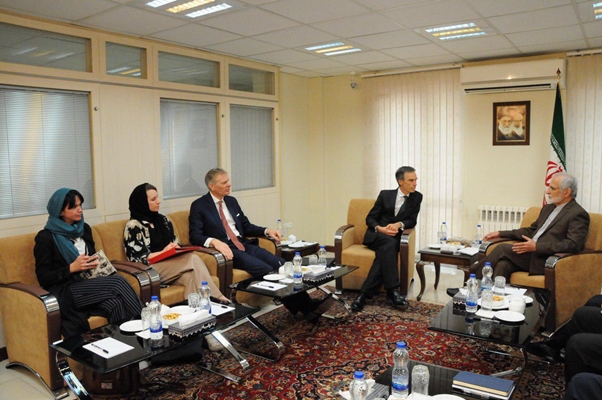
Kharrazi made the remarks in a Sunday meeting with the UK’s Foreign Office Minister Andrew Murrison, who is in Tehran to discuss “urgent de-escalation” of regional tensions during “constructive” and “transparent” talks with top Iranian officials.

By hasty decisions, Kharrazi was referring to the UK Foreign Secretary’s claim that Iran had been behind the recent tanker attacks in the Sea of Oman.

He also pointed to the 60-day deadline Tehran has given the European countries to fulfill their commitments under the Iran nuclear deal, warning that Iran will take “further measures” if Europe fails to take any step.

“They should know that it is very serious,” he warned.

During the talks, the two sides also conferred on bilateral relations between Tehran and London, the Iran nuclear deal, and the latest regional developments.

Earlier, the UK Foreign Office had announced the trip, saying that “the UK has an ongoing diplomatic dialogue with Iran.”

The trip was announced after Donald Trump said the US was “cocked and loaded” to retaliate against Iran for downing an American drone, but canceled the attack 10 minutes before they were to be carried out on Thursday after being told 150 people could die.

President Trump withdrew from a nuclear deal with Iran in 2015 to what he claims restricting Iran’s nuclear activities.

Trump Thanks Iran for Not Downing Manned Aircraft

“There was a plane with 38 people yesterday, did you see that? I think that’s a big story. They had it in their sights and they didn’t shoot it down. I think they were very wise not to do that. And we appreciate that they didn’t do that. I think that was a very wise decision,” Trump told reporters on Saturday.

The Iranian air defence shot down a US MQ-4C drone which had been flying above its territorial waters in the Strait of Hormuz on Thursday in maximum stealth.

Commander of the Islamic Revolution Guards Corps (IRGC) Aerospace Force Brigadier General Amir Ali Hajizadeh said Friday that the Iranian air defence system could have targeted an American P-8 military aircraft that was flying next to the doomed UAV.

In his Saturday remarks, Trump also referred to his administration’s increasing pressure on Tehran, and said it’s “not about oil.”

“The fact is that we’re not going to have Iran have a nuclear weapon. When they agree to that, they’re going to have a wealthy country and I’m going to be their best friend.”

The US president also added that it was important to ‘start over’ on the Islamic Republic, and rephrased his own campaign slogan, saying “let’s make Iran great again.”

He also claimed he would be Iran’s ‘best friend’ and that the Islamic Republic could be a ‘wealthy’ country if it stopped pursuing nuclear weapons despite the fact that Iran’s leadership has repeatedly expressed firm opposition to the development and use of weapons of mass destruction including nuclear weapons.

‘Non-Oil Exports from Iran’s Chabahar Port Doubled’

VP Urges Boost to Iran’s Non-Oil Exports

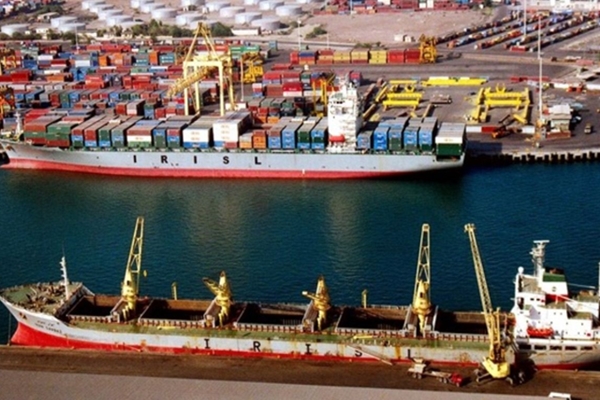
Director General of Ports and Maritime Affairs of Sistan and Baluchestan, Behrouz Aqa’ee, said loading and unloading of goods after the opening of the first phase of Shahid Beheshti port of Chabahar have dramatically increased.

“Loading and unloading of various types of oil and non-oil products in the Chabahar port has grown by 37% since the beginning of this year compared to the same period last year.”

During this period, oil products’ loading and unloading grew 69%, IRNA quoted him as saying.

The number of vessels above 1,000 tonnes has increased by 29% as well, added Aqa’ee.

The Islamic Republic has awarded the development project of its strategic Chabahar port to India, and the South Asian country committed $500 million to build two new berths in this port.

Chabahar Port’s exemption from the new round of the US sanctions on Iran provides the opportunity for benefitting from the potentials and infrastructures of the port, and will definitely boost exports and imports.