Saturday, April 11, 2026
Home Blog Page 3213

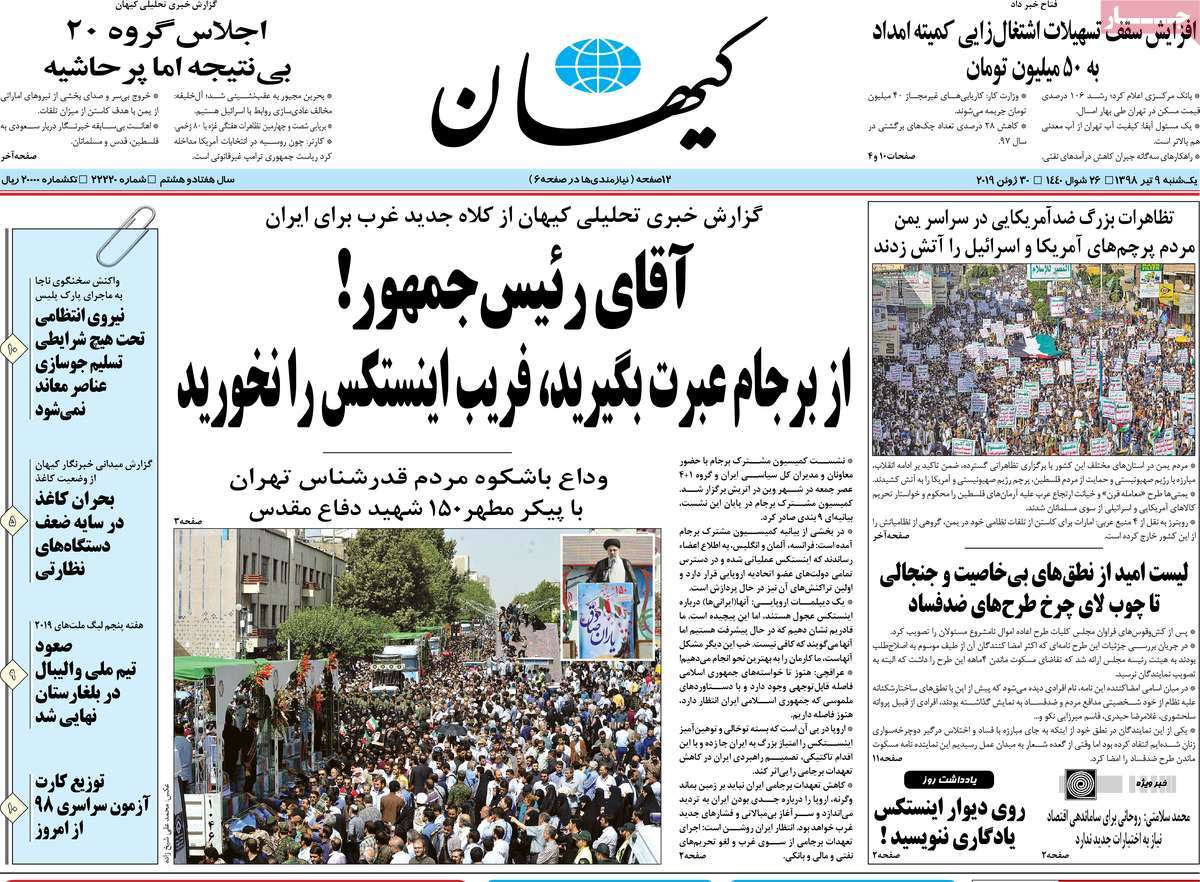
Rouhani Urged to Learn from JCPOA, Not Be Deceived by INSTEX

What follows is a summary of this analytical op-ed:

While the 60-day deadline Iran gave Europeans regarding the nuclear deal is reaching its end, Europeans have put the “void” package of the Instrument in Support of Trade Exchanges (INSTEX) on the agenda again after more than a year of inaction.

It’s now almost four years since the sealing of the nuclear deal and about 14 months since the United States pulled out of this agreement. Europeans, like the United States, have failed to pass this test and senior Iranian government officials, and in particular the president, must have learned from the JCPOA and not be deceived by the hollow and insulting INSTEX package.

The recent meeting of the joint commission of the JCPOA headed by Iran’s Deputy Foreign Minister Seyyed Abbas Araqchi and the Secretary General of the European External Action Service (EEAS), Helga Schmid, was held in the presence the representatives of P4+1 (Germany, France, Russia, China and Britain) on Friday. At the end of the meeting, the Joint Commission issued a nine-part statement at Coburg Hotel in the Austrian capital, Vienna.

Expressing Regret & Review of Commitments!

In the Joint Commission’s statement, it has been stated that given the recent developments and concerns, the parties highlight the importance of full and effective implementation of the deal by all parties. At the same time, members noted that lifting sanctions was an essential part of the deal, and they also reviewed their respective commitments. They looked at the efforts leading to reduction of negative effects of US withdrawal and re-enforcement of sanctions. They furthermore looked into the issues they had repeatedly expressed regret over.

Almost four years after the signing of the agreement and about 14 months after the US pullout, the remaining parties to the deal are now contemplating their obligations, and at the same time in response to the US anti-Iranian measures have just expressed regret!

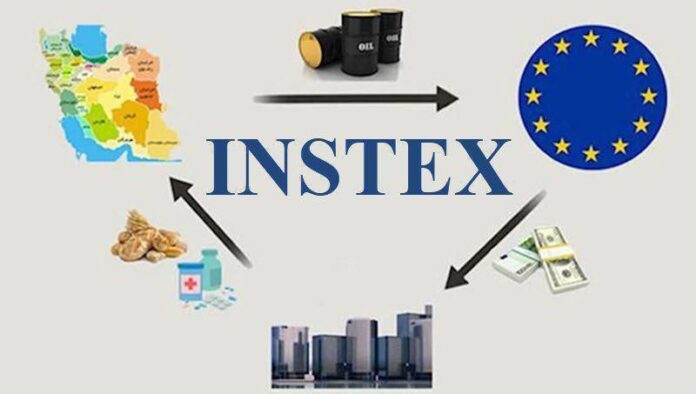
In another part of the statement, France, Germany and the United Kingdom informed the members that the INSTEX has become operational and available to all EU states, and its first transaction is being processed. They said the ongoing complementary cooperation will be accelerated with the establishment of the Iranian counterpart, STFI. They confirmed that some EU member states are joining shareholders of INSTEX, a specific mechanism aimed at facilitating legal trade with Iran. They are also trying to facilitate access to INSTEX for the third-party economic activists.

According to news agencies, Austria, Belgium, Finland, the Netherlands, Slovenia, Spain and Sweden emphasised the need to preserve the JCPOA (let’s say Iran’s unilateral compliance with its commitments). They also called the deal a key tool for the arms control and maintaining stability in the region.

European parties of the JCPOA have reduced their commitment and instead are offering a void package called INSTEX. Meanwhile, the INSTEX has nothing to do with Europe’s commitments and is simply a policy of exchanging oil money with food and medicine! The important point is that this financial channel does not cover US sanctioned items at all. That’s why the US State Department recently issued a statement explicitly declaring that Washington does not expect such channels affect its maximum pressure campaign against Iran.

Foreign Ministry Spokesman Seyyed Abbas Mousavi said “If this is a normal and formal mechanism, we certainly will not accept it and take our second step in a timely manner.”

Iranians Are in Hurry!

While the European member states did not fulfil any of their obligations, a European diplomat in Vienna has insulted Iran in an irresponsible comment.

Asharq Al-Awsat quoted in a report a European diplomat in Vienna saying that “They (Iranians) are in a rush about INSTEX, but that’s complicated. We can show that we are progressing, but they say it is not enough. Well, that’s their problem, we do our job in the best way.”

A brief note by Director General of Chairman’s Office at the Tehran-based Strategic Council on Foreign Relations (SCFR) Abdolreza Faraji-Rad said “It seems what Europe pursues as a special financial mechanism is not a thing to make major changes in trade relations between Iran and Europe, or even in the economic situation of Iran and the Iranian people…. What is being discussed at the European Council is nothing more than creating a financial channel to supply goods such as food and medicine and similar items. The goods the US government claims are not sanctioned and no restriction has been put on them… Such an action would actually mean the implementation of Washington’s directive, namely the full implementation of US sanctions and creation of a channel for goods that are not subject to sanctions as the US claims … In this way, the Europeans imagine that they can hit two birds with one stone. In this way, they protect themselves against the threat of US sanctions, and at the same time imagine that Iran’s demands will be reduced.”

Positive Steps!

“We had a long meeting for more than three hours, it was a positive and constructive meeting and it was a step forward in comparison with our earlier meetings,” said Deputy Foreign Minister Abbas Araqchi after the end of the Joint Commission meeting in Vienna. “Of course, there is still a significant gap to meet the demands of the Islamic Republic and the extensive achievements that the Islamic Republic of Iran expects.

“The most important subject discussed at this meeting was the issue of the INSTEX and the financial channel that the Europeans established. The three European countries set forth extensive and detailed explanations. The INSTEX is now operational and there are two or three issues already being followed up, and the first financial exchange will be carried out through INSTEX in the coming days,” said Araqchi.

The deputy foreign minister said the European countries are planning to provide credit for the INSTEX and now the doors are open to all European countries to do business with Iran.

“Of course, without purchasing oil from Iran, the INSTEX cannot fully meet our expectations,” added Araqchi saying that we expect the European countries to seriously consider the sale of Iranian oil.

“We believe that some positive steps have been taken and they are worth being studied, so I will convey these offers to Tehran,” he said, noting that Tehran’s expectations were not completely fulfiled.

Araqchi called the Europeans’ promise of setting up the INSTEX a positive step, while the Europeans’ duty was not the implementation of the INSTEX. They are obliged to implement their commitments as mentioned in the JCPOA to lift the oil, financial and banking sanctions.

Iran’s announcement of its 60-day deadline on the anniversary of the withdrawal of the United States from the nuclear agreement was a minimal and delayed move, but it pushed Washington and the European parties to the deal for more action. They initially announced they do not recognise Iran’s deadline, but they retreated from their rude stance after seeing Iran’s practical steps in reducing its obligations.

Days passed and the 60-day deadline draws nearer to its end. Senior Iranian government officials stated in separate statements that the second step of reducing the commitments would be carried out on July 16. But the European side, which has repeatedly confirmed its alliance with Washington, instead of fulfiling its JCPOA commitments rushed to a deceptive approach and that was nothing but a void pack called INSTEX.

The European Union was supposed to guarantee the lifting of banking, financial and oil sanctions in line with its commitments mentioned in the deal, but the INSTEX does not meet these obligations at all.

During the past year, Europeans, like the United States, have failed to pass the test and have not fulfiled their obligations at all. Senior Iranian government officials, and in particular the president, must now learn a lesson from the JCPOA and not be deceived by a hollow and insulting package called INSTEX.

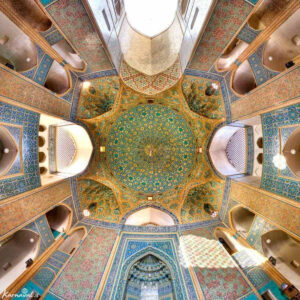
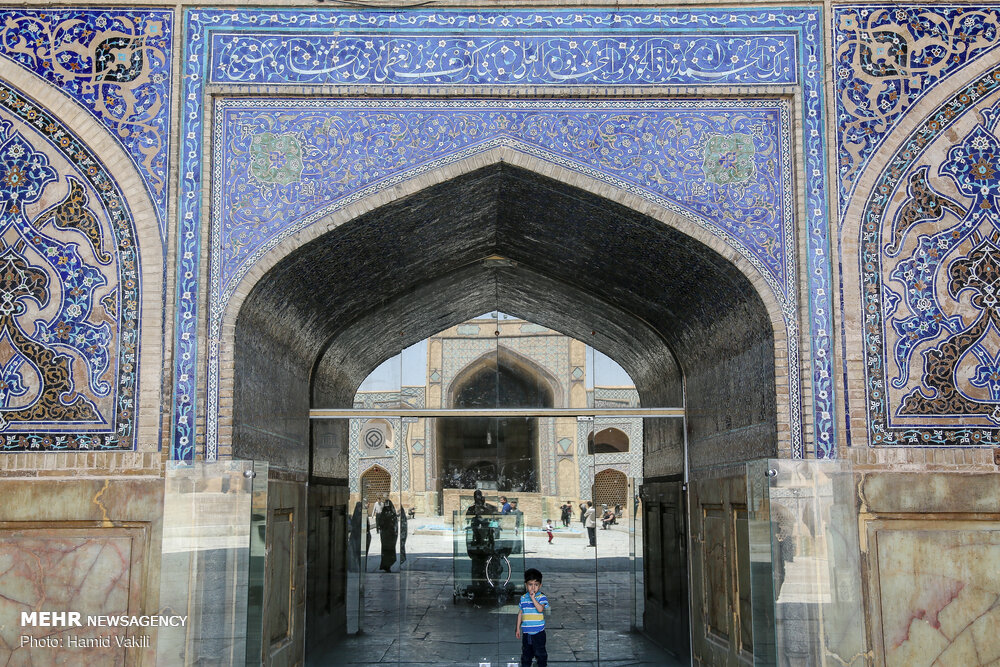
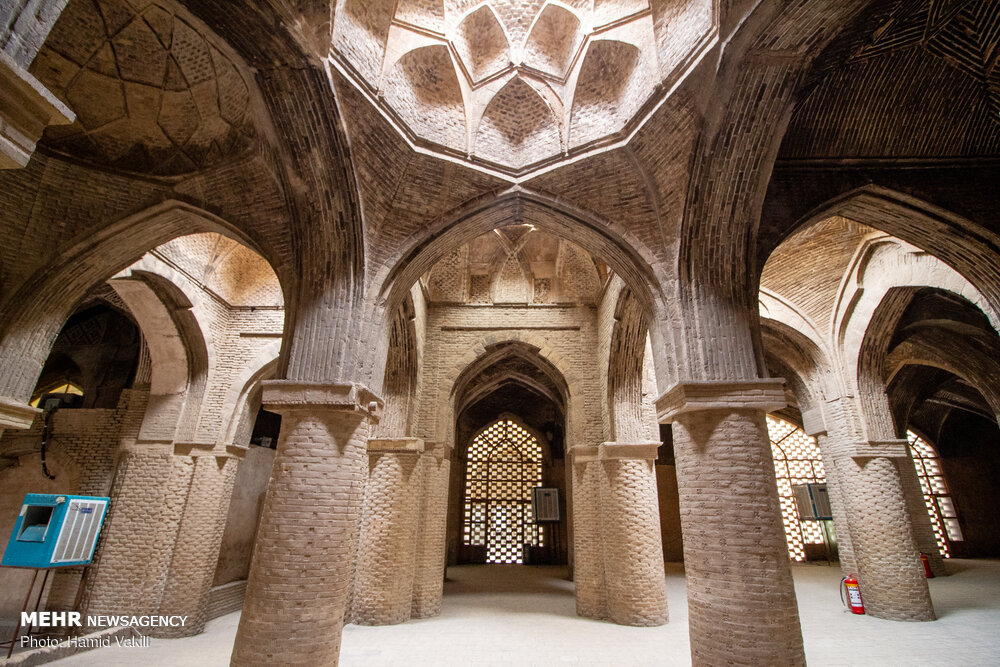
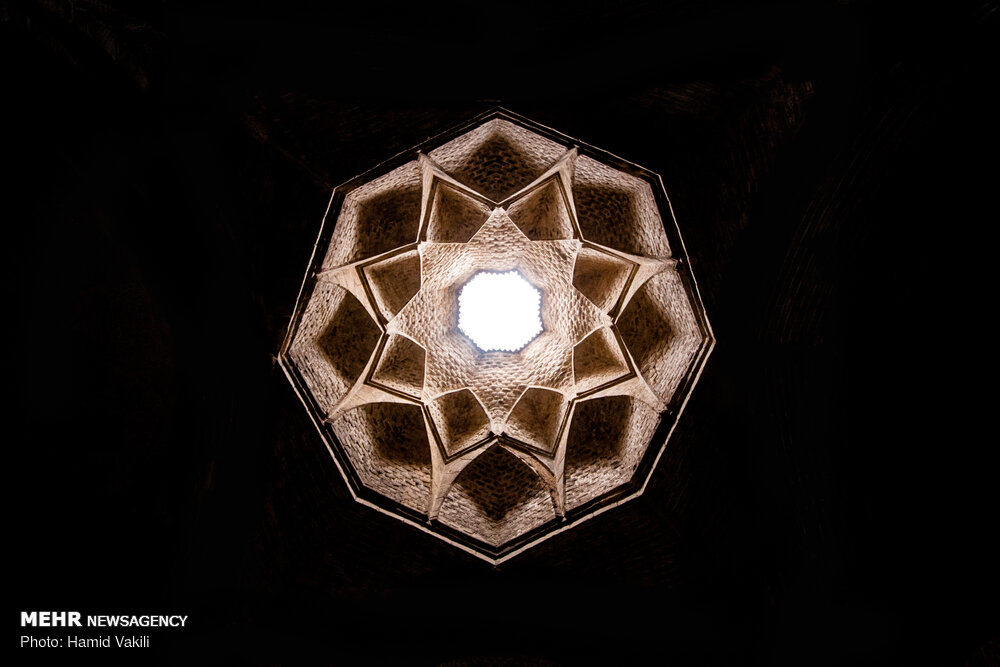
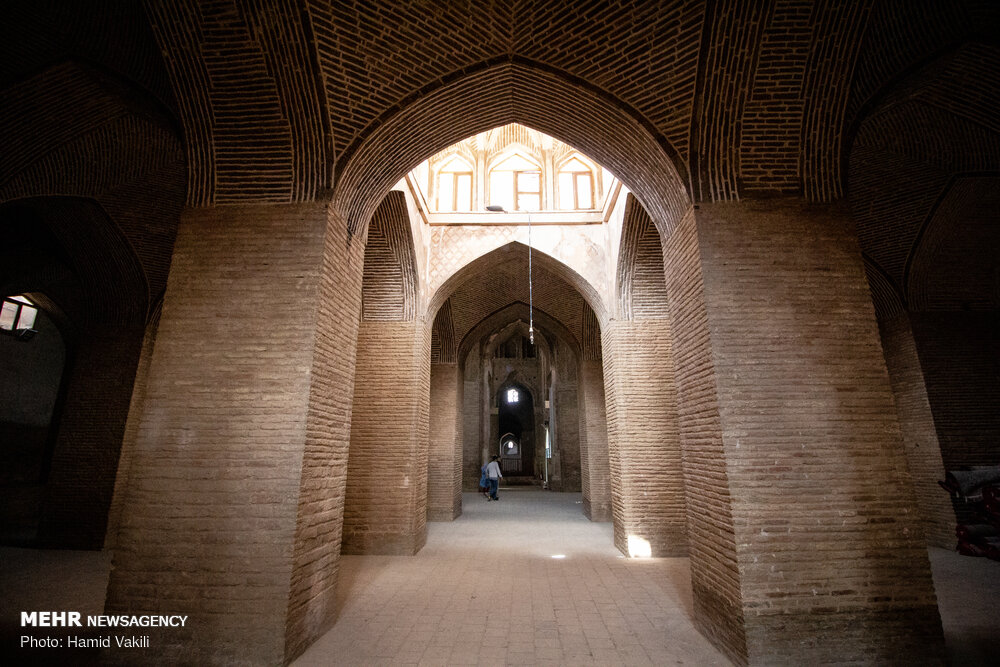
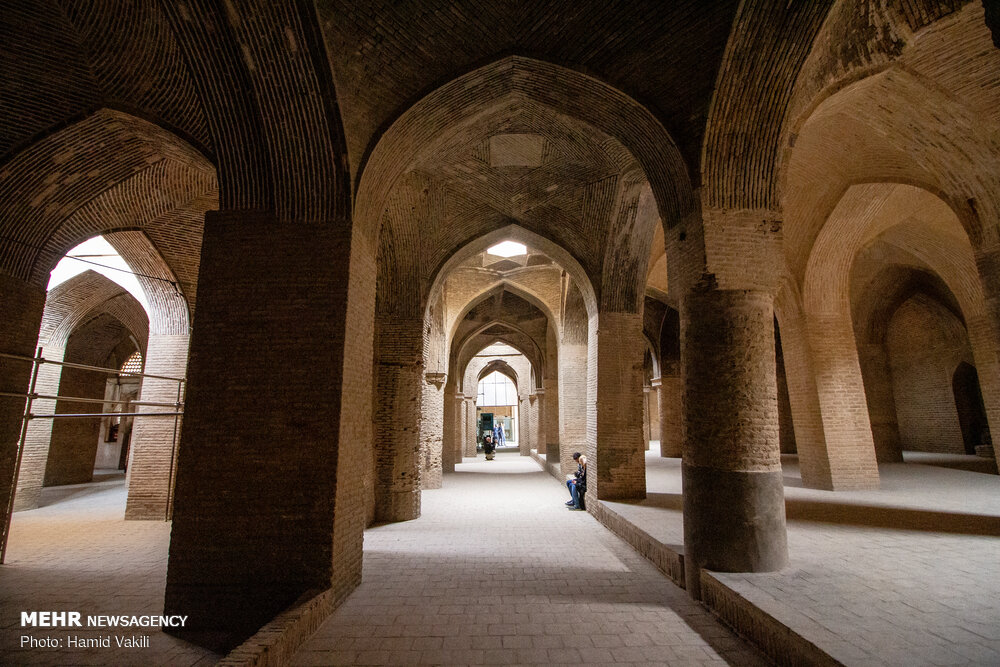
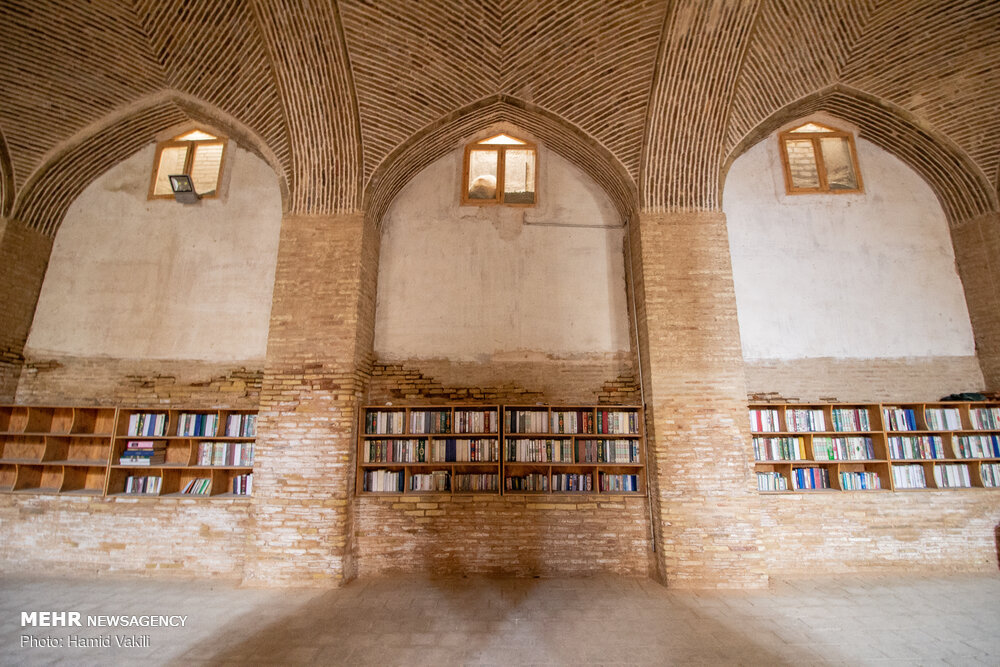
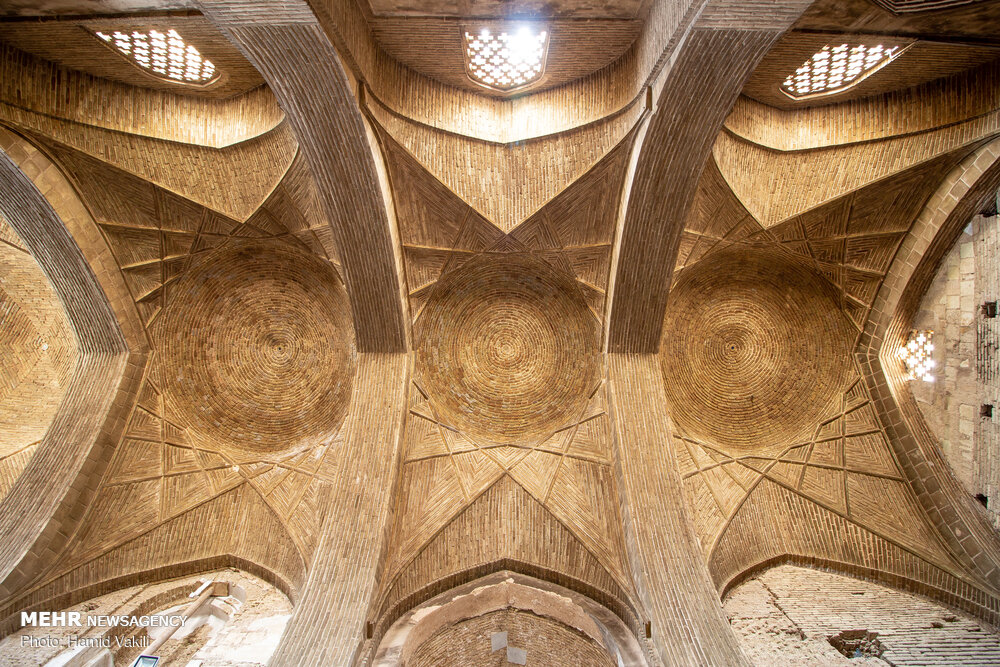
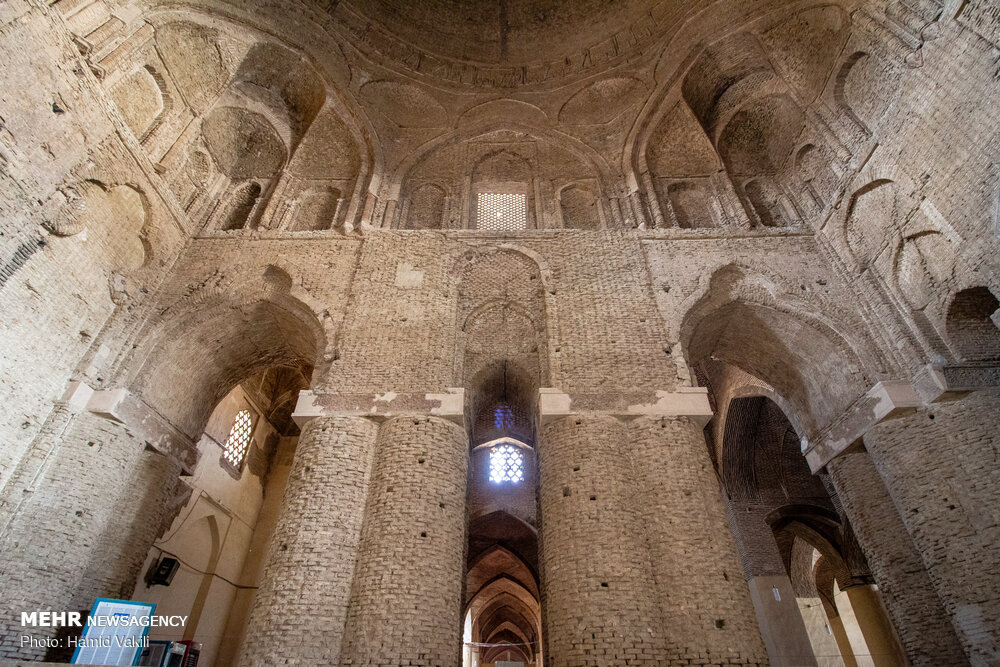
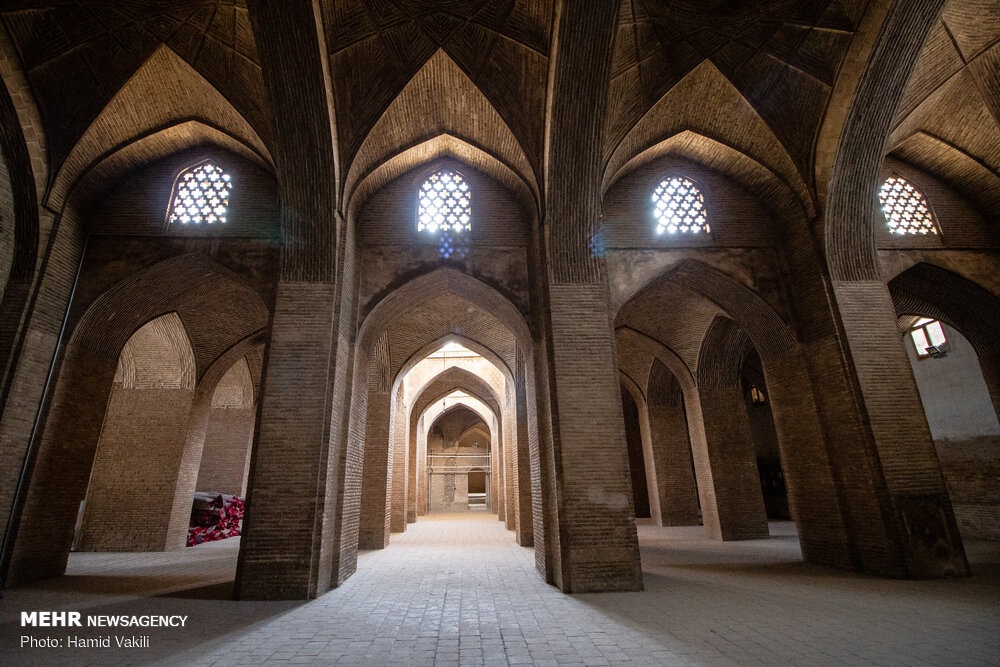
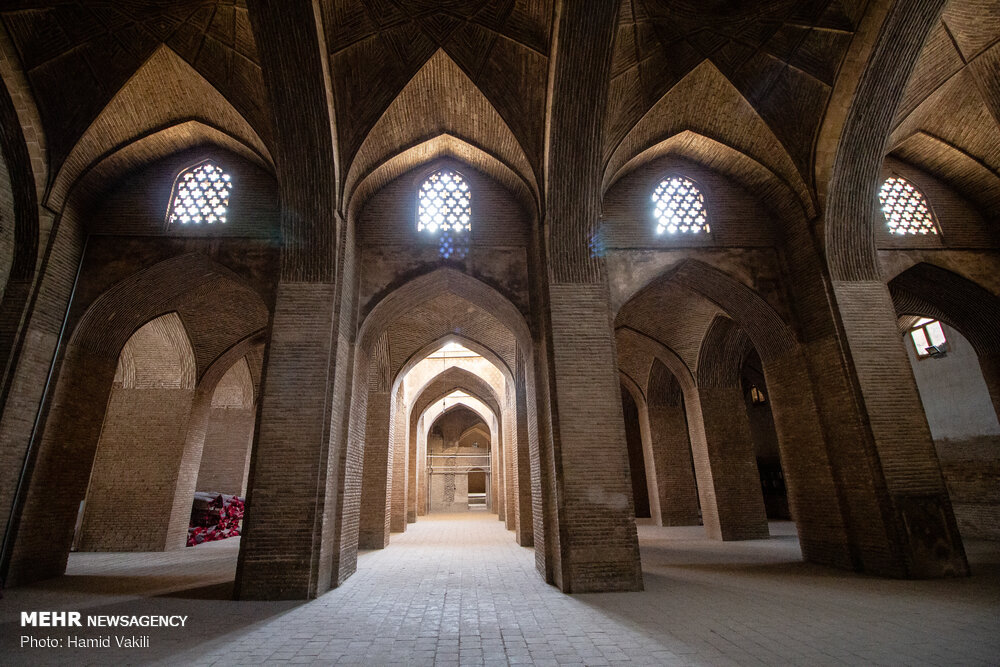
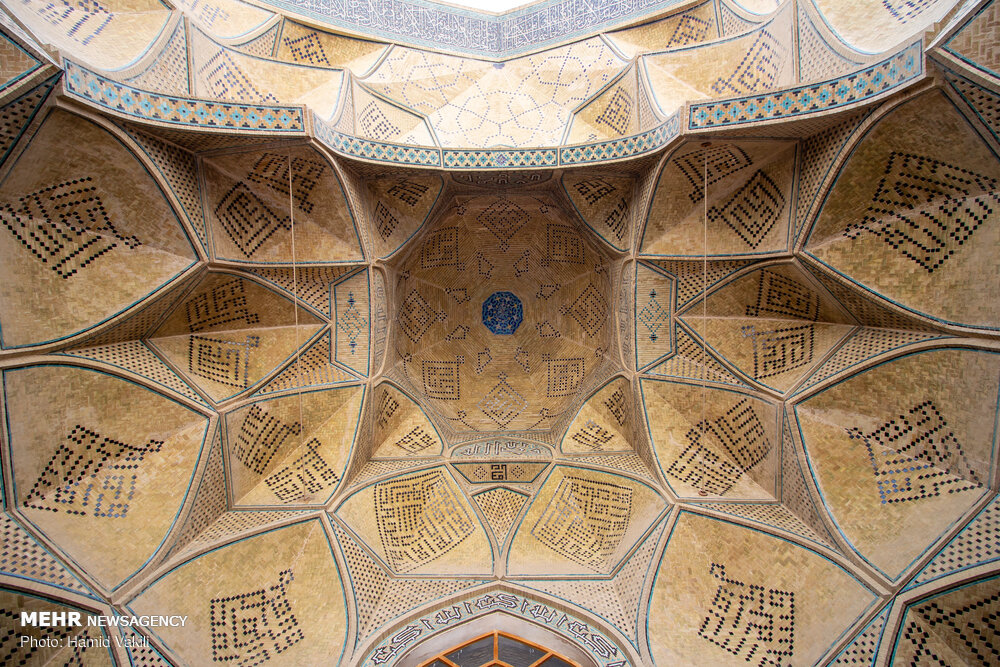
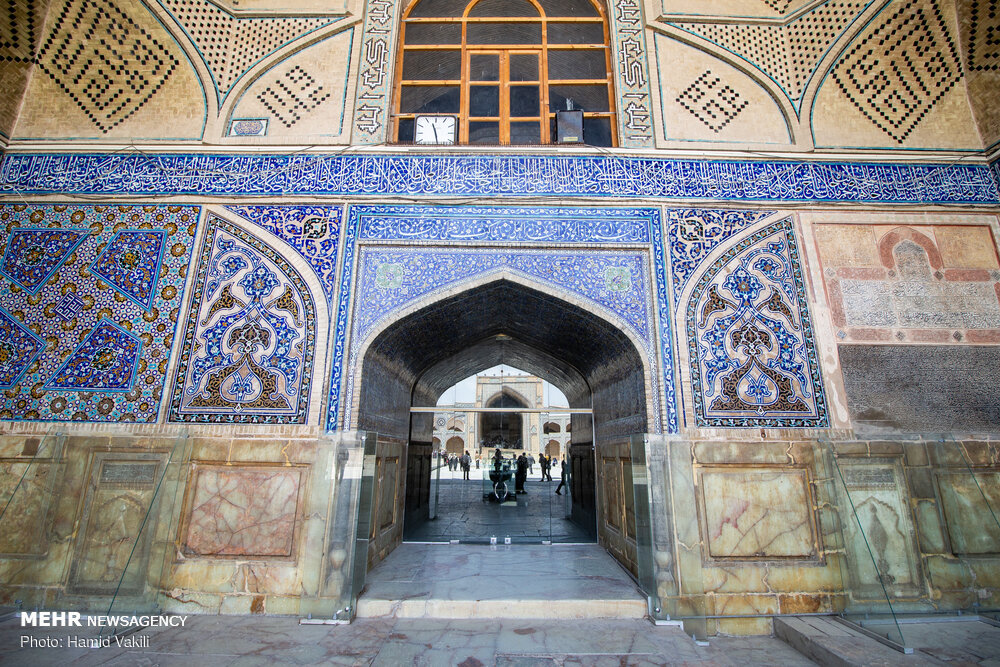
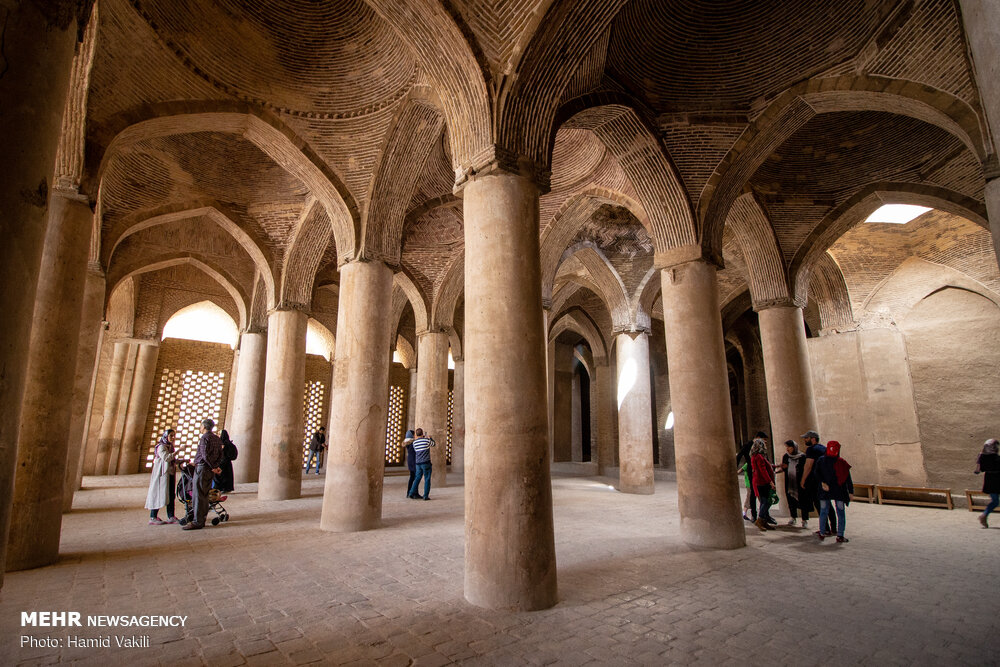
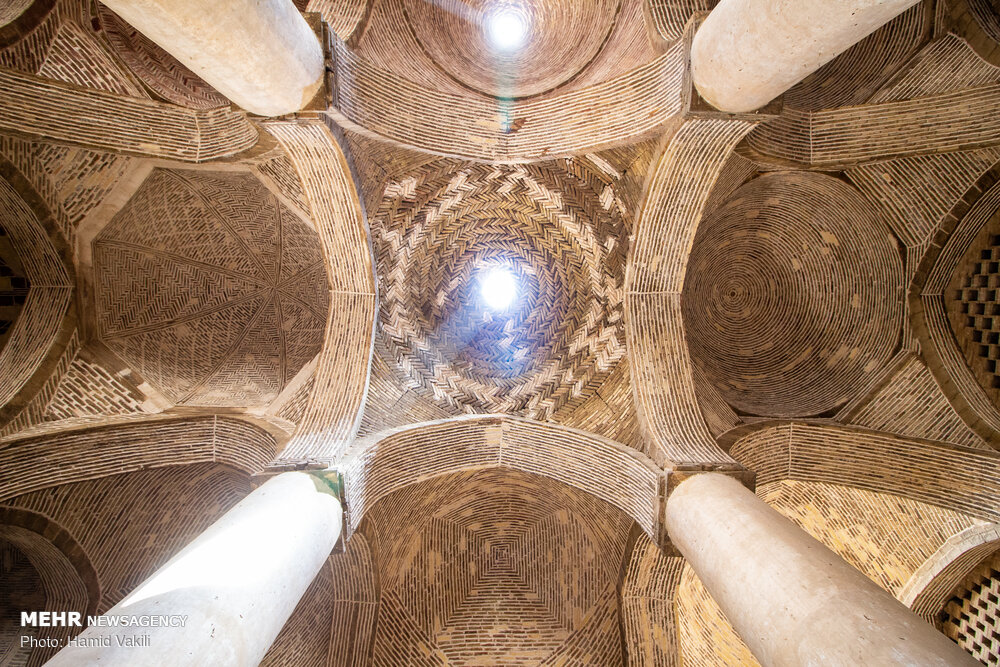
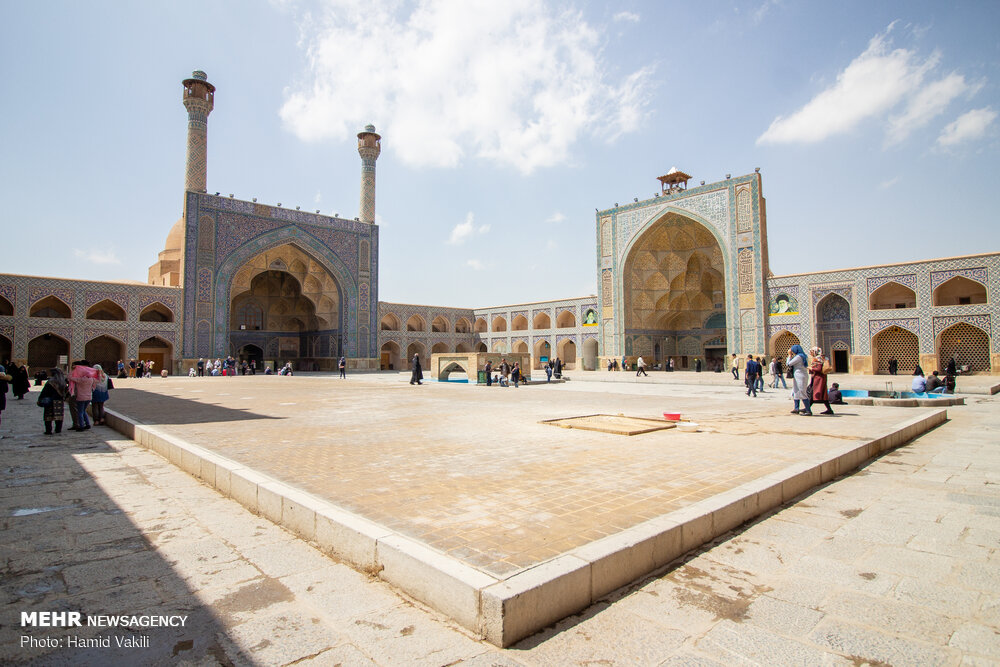
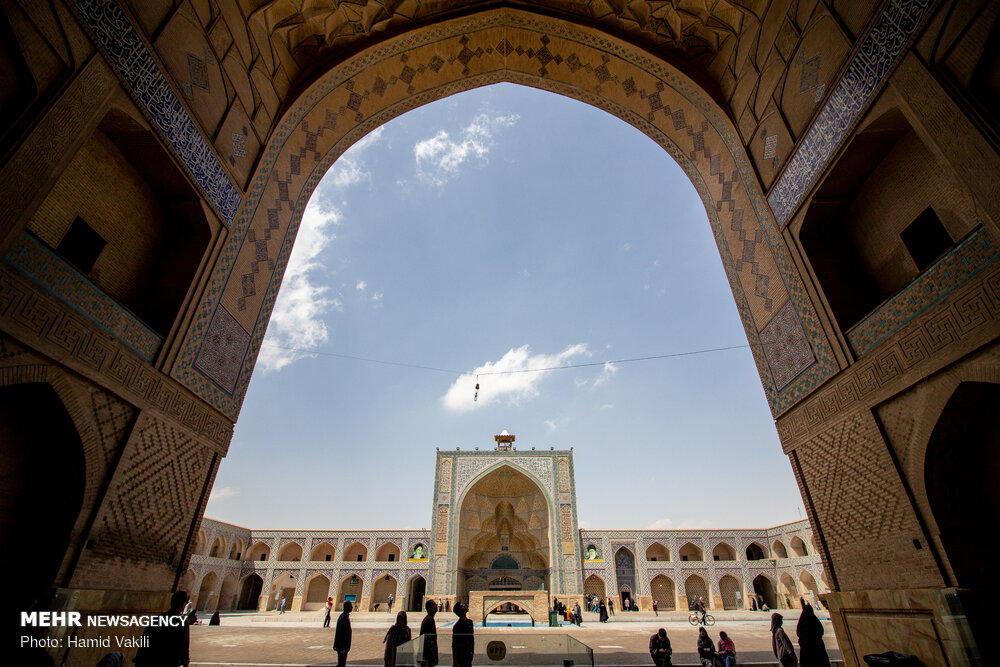
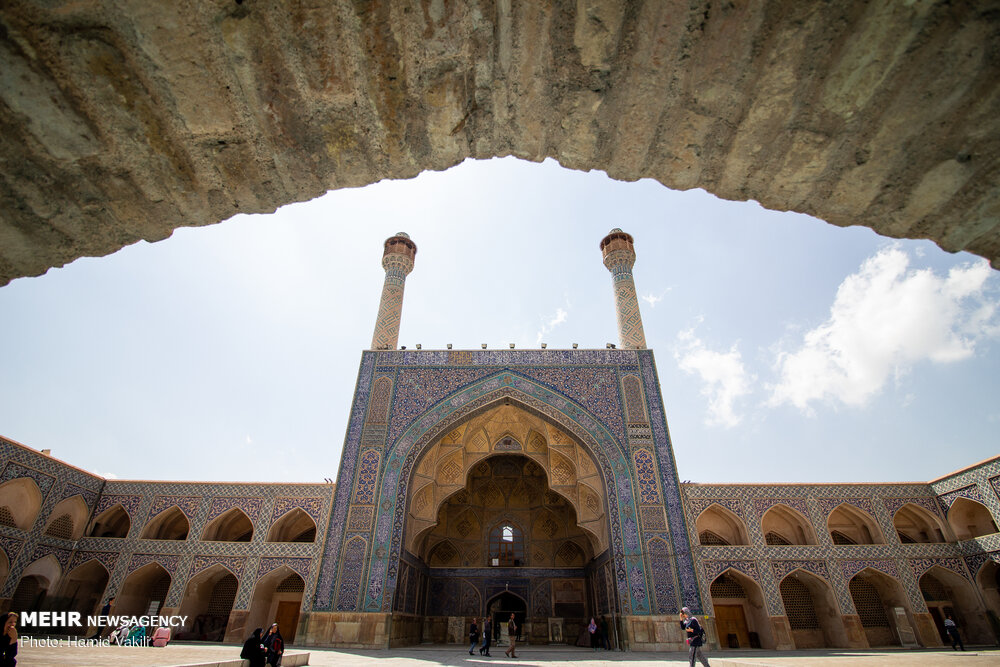
Persian Architecture in Photos: Grand Mosque of Isfahan

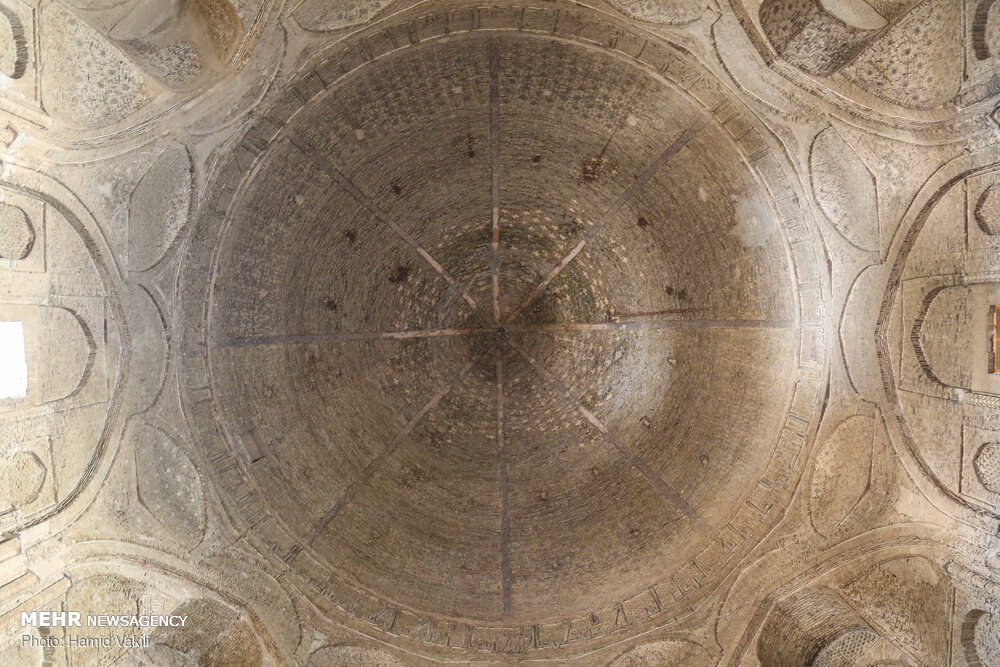
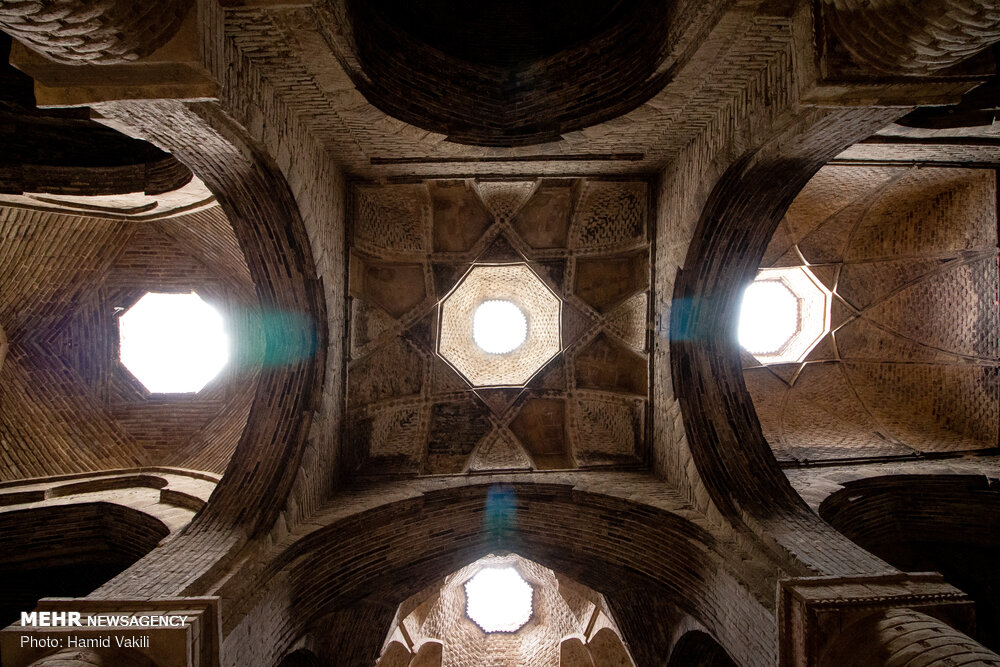
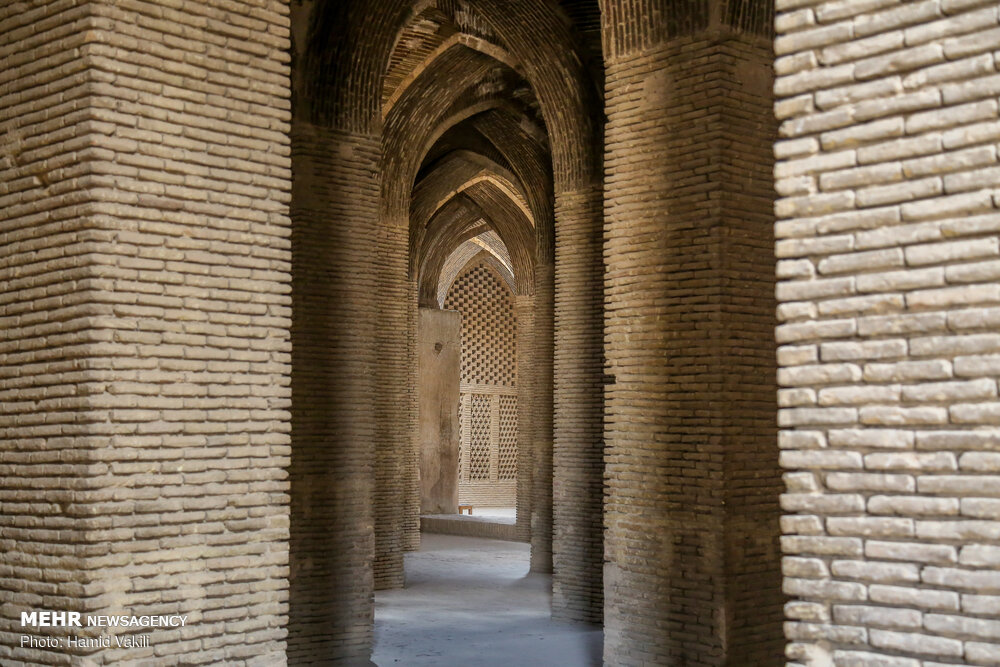
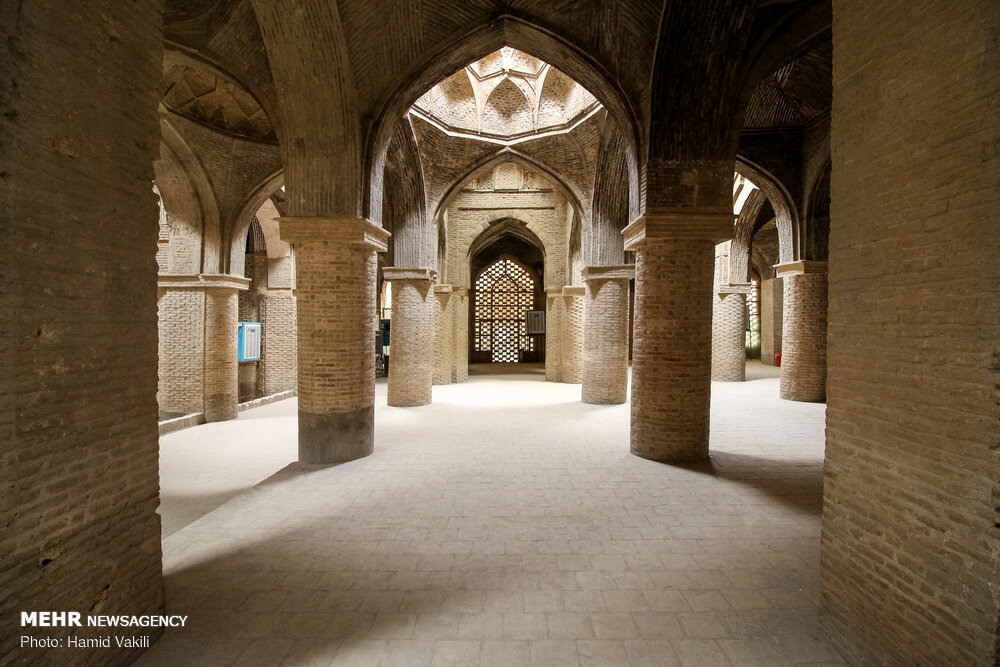
The mosque’s current complex looks like a huge museum because its different parts have been designed and developed in different eras, presenting the evolution of Islamic architecture in Iran- and maybe pre-Islamic architecture.
Archaeological excavations have raised the possibility that the building has been the city’s main religious centre – probably a fire temple – before Islam: the discovery of a plinth with Sassanid era’s decorations in the mosque’s northern part confirms the existence of a pre-Islamic monument.

Persian Architecture in Photos: Grand Mosque of Isfahan
Mosques in Iran; Cultural Havens with Impressive Architecture

There are disagreements over the history of the Jameh Mosque’s developments; however, it seems to have been constructed during the early Hijri centuries in Abbasid period. In the third century AH the mosque’s altar was destroyed in order to correct the direction of qiblah.

The mosque’s current facade was mainly built during the Seljuk period, although the repairs and extensions have been made later, especially in Safavid era.

What follows are Mehr News Agency’s photos of the Jameh Mosque of Isfahan:

Iran Condemns Philippines Terrorist Attack

In a Monday statement, Mousavi offered sympathy to the Filipino nation and government, especially the families of the victims of the ISIS attack.

Three soldiers were killed and 12 wounded in two bomb explosions at the army camp in Indanan town in Sulu province, 1,000km south of Manila, on Friday.

noon attack on a special army counter-terrorism unit at a stronghold of ISIS-linked militants in the Philippines’ restive south.

“It was a bomb and a firefight,” army spokesman Colonel Ramon Zagala told Agence France-Presse (AFP)

The attackers had targeted the temporary headquarters of the 1,500-man First Brigade Combat team in Indanan town on Jolo island.

Twelve soldiers were wounded, said Col Zagala.

The camp was the headquarters of the army’s 1st Brigade Combat Team, which was recently deployed to Sulu to help neutralise the Abu Sayyaf terrorist group, the most violent radical organisation in the southern Philippines.

Iran Hints May Negotiate with Trump If US Returns to JCPOA

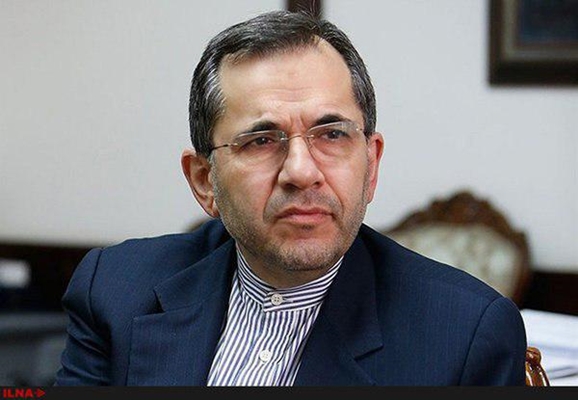
Takht-Ravanchi

For making Iran-US talks possible, “the first thing the US should do is to go back to the negotiating table”, Majid Takht-Ravanchi told Fareed Zakaria’s GPS aired by CNN on Sunday night.

“They left the negotiating table while the other members of the international community were talking to Iran about the nuclear issue. All of a sudden, the US decided to withdraw and the whole problem, the whole mess that we are seeing around ourselves is geared to that decision,” the Iranian envoy added.

“You compare the situation in early 2018 – before US withdrawal from the nuclear deal – to what we have today: it’s a totally different story. So all the things started with that decision. In order to make things going back to normal, that decision has to be reversed,” he noted.

Takht-Ravanchi also ruled out the possibility of talks as long as the US keeps threatening Iran. “Talks and threats are mutually exclusive. We cannot start a dialogue with somebody while he/she is trying to intimidate and frighten you, is trying to impose sanctions on you. Coercion and intimidation do not go well with dialogue.”

Therefore, he added, “as long as threats are there, as long as intimidation and coercion are there, I think we do not consider any offer of a dialogue as a genuine and production one.”

The Iranian envoy made the remarks in reaction to the US administration’s repeated calls for “unconditional” talks with Tehran. The offer of talks, however, has been made at the same time as the US increases its pressures against Iran, threatening the country on a daily basis.

In his CNN interview, Takht-Ravanchi also pointed to the negative impact of the US pressures on the Iranian people, but stressed that the country is still capable of sustaining the pressure.

“We have already faced difficult situation during the Iran-Iraq war – the eight-year war imposed by Iraq on Iran; we managed to survive and we did, and I’m sure that we can. It is true the economic sanctions are putting pressure on the Iranian people, that is a fact. But that does not mean that we can succumb to pressure,” he noted.

Europe must hurry up

Takht-Ravanchi further referred to Europe’s efforts to save the Iran nuclear deal, and said they must hurry up and fulfill their commitments before Iran’s July 8 deadline; otherwise Tehran will implement the “second phase” of scaling down its commitments under the Joint Comprehensive Plan of Action (JCPOA).

Iran notified parties to the JCPOA on May 8 that it will resume its uranium enrichment if they fail to come up with a practical solution to keep it functioning.

Iran has specifically been critical of a financial mechanism launched by Britain, France and Germany to circumvent US sanctions on Iran, saying the initiative, known as Instrument in Support of Trade Exchanges (INSTEX), has failed to defuse US restrictions on trade with Iran.

Under INSTEX, which is exclusive to European businesses, exports to Iran should be compensated by imports from the country. A mirror company in Iran would carry out the same transactions for Iranian companies exporting to and importing from Europe.

However, the mechanism has effectively failed to revive bilateral trade mainly due to a lack of advance funds that could offset the initial exports to Iran.

In his Sunday comments, Takht-Ravanchi said the establishment of the mechanism per se is not sufficient and cannot solve any problem. “They should put money in it.”

Iranian Researchers Develop High-Precision Licence Plate Reader

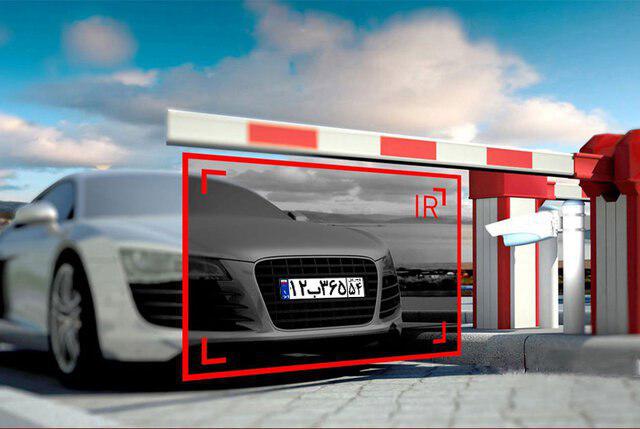
The homegrown license plate recognition system has been developed by the Connect Group of Sharif University of Technology, a team of experts and researchers.

The researchers have used cutting-edge scientific discoveries in computer science, electronics, artificial intelligence, machine learning, and smart traffic control systems to fulfill the country’s industrial and civil demands.

Director of the group, Iman Gholampoor, says the homegrown licence plate reader is based upon a smart recognition system that can analyze the registration plates with maximum accuracy and quality and at the lowest cost.

For a brief review of Iran’s achievements in various fields of science and technology, check the book “Science and Technology in Iran: A Brief Review – 2019

He said a specific version of the system, suitable for the traffic police, can detect and analyze the number plates of law-breaking drivers on the streets or inter-city roads with an accuracy of above 99 percent.

Gholampoor noted that the Iranian product has such great features that it could be sold in the foreign markets with proper sponsorship.

In an interview in July 2018, chief of the Iranian Prevention Police General Mohammad Sharafi had unveiled plans to equip all cruisers with smart licence plate readers that find drivers with unpaid fines, expired licenses, and above all the stolen cars and vehicles on the lookout for crimes.

The Police official had explained that the reader system could analyze more than 30 licence plates simultaneously during day or night at speeds up to 120 kilometers per hour, alerting the client if a plate is suspect.

Investors Can Obtain Residence Permit in Iran

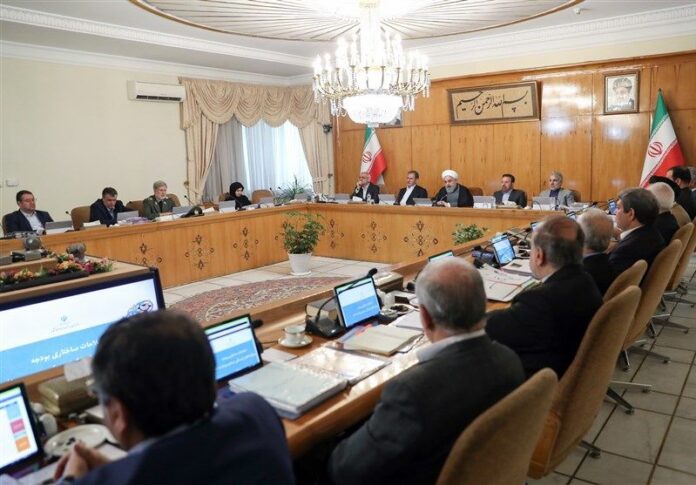
In a meeting on Sunday, President Hassan Rouhani’s cabinet passed the legislation on Iranian residence permit by investment, proposed by the Ministry of Economic Affairs and Finance.

The new initiative for attracting foreign capital will allow the nationals of foreign countries, whose governments have been formally recognized by the Islamic Republic, to obtain five-year residence permits if they have invested at least €250,000.

The applicants for residence permits can make investment in various methods, such as depositing funds in Iranian bank accounts, buying public bonds issued by the government, or investing in the housing sector.

It was also agreed in the cabinet meeting that the foreign investment in the country could be made using US dollar, euro, and the other foreign currencies allowed by the Central Bank of Iran.

In a report in February, Mehr News Agency quoted the head of Organization for Investment, Economic and Technical Assistance of Iran as saying that approximately $3.5 billion in foreign direct investment had been approved in the Iranian year that ended in March 2019.

According to the statistics of the United Nations Conference on Trade and Development (UNCTAD), over $10 billion in foreign investment was approved in Iran from March 2017 to March 2018.

Crypto Mining with Industrial Electricity Is Illegal: Iranian Speaker

Iran Threatens to Reconsider Nuclear Cooperation with IAEA

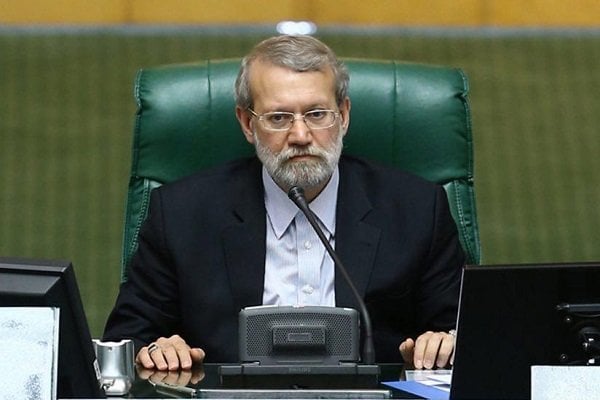
Speaking to reporters on Sunday, Larijani said the bitcoin miners using cheaper electricity for Iranian industries are breaking the law, as the heavy power consumption for producing digital currencies reduces the efficiency of local production.

Stressing the need for serious action against the law-breakers, the Parliament speaker said he will be negotiating with the Energy Ministry officials to address the problems faced by the local manufacturers.

Last week, Iranian authorities seized around 1,000 bitcoin mining machines from two abandoned factories in Yazd.

A spokesman for the Energy Ministry has said cryptocurrency mining operations were destabilizing the power grid and affecting electrical access for households and businesses in Iran.

In comments on June 23, the spokesperson for Tavanir, an Iranian state-run company in charge of power supply and distribution, said the country’s consumption in the previous Iranian month had risen by 7 percent compared to the corresponding period last year, mainly because of the Bitcoin miners’ outsize thirst for electricity.

He also warned that the electricity users producing digital currencies, like Biotcoin, will be detected and their power will be cut off.

Every Bitcoin mining machine that is powered by the same cheap source of electricity available to houses consumes the equivalent of 24 dwellings, the spokesman added, saying the administration has not still set a tariff on the power consumption of digital currency miners.

With electricity so reasonably subsidized that many Iranian occupants buy modern air conditioners with powerful compressors, the number of digital currency miners using power in the residential areas has been growing in recent years.

Bitcoin is a cryptocurrency and a form of electronic cash which many computer geeks believe will form the future of the global economy.

In a report released this month, Iranian economic daily Financial Tribune quoted the deputy energy minister of Iran as saying that electricity bills for digital currency miners should be calculated in accordance to real prices.

Homayoun Haeri has insisted that electricity bills for cryptocurrency mining activities should be priced according to the same rates established for power exports.

The administration reportedly pays nearly $1 billion in subsidies per annum to bridge the gap in real electricity costs and what consumers are billed.

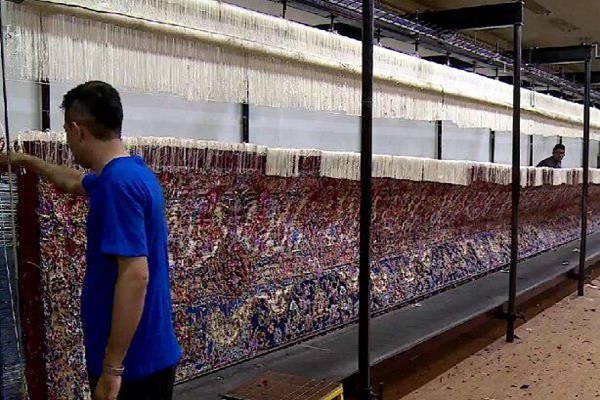
Tabriz Artists Weave World’s first 600sqm Carpet

The director of the project has told reporters that the carpet weighs three tonnes and has 70 colours.

Mansour added that to produce this carpet people have worked in two shifts for six years.

“At present, a 1,000-metre carpet is also being knotted in our workshop for the king of Oman, and four carpets of 2,000 square metres, are being knotted for our foreign customers,” he noted.

Alipour Fard, who is also the Chairman of the Carpet Organisation of the East Azarbaijan province, said one million square metres of carpet are knotted per year in the province.

“Last year we exported carpets worth 100 million dollars to European, Arab countries, Russia and China.”

East Azarbaijan has long been the main hub of carpet knotting in the world and the carpet of Tabriz has a worldwide reputation.

Azarbaijan carpets are a combination of traditional designs and there are some with a low number of colours which are exported to European countries, the official said.

Iranian Professors’ Work among 2018 Most Popular Books

The book “Autonomous Guided Vehicles: Methods and Models for Optimal Path Planning”, authored by Iranian professors Mohammad Saidi-Mehrabad and Hamed Fazlollahtabar have been among the top 25 percent most-downloaded books in 2018.

The book was first published by Springer in 2015.

Saidi-Mehrabad is a faculty member at the University of Science and Technology of Iran, and Fazlollahtabar, a postdoctoral researcher from Sharif University of Technology, works as an assistant professor at University of Damghan.

According to the publisher, the book offers a comprehensive review on methods for path planning optimization in autonomous guided vehicles.

For a brief review of Iran’s achievements in various fields of science and technology, check the book “Science and Technology in Iran: A Brief Review – 2019

It also describes new models for scheduling and routing autonomous guided vehicles, and covers advance industrial applications, especially in the area of manufacturing.

This book provides readers with extensive information on path planning optimization for both single and multiple Autonomous Guided Vehicles (AGVs), and discusses practical issues involved in advanced industrial applications of AGVs.

A Look at Iranian Newspaper Front Pages on June 30

A Look at Iranian Newspaper Front Pages on November 19

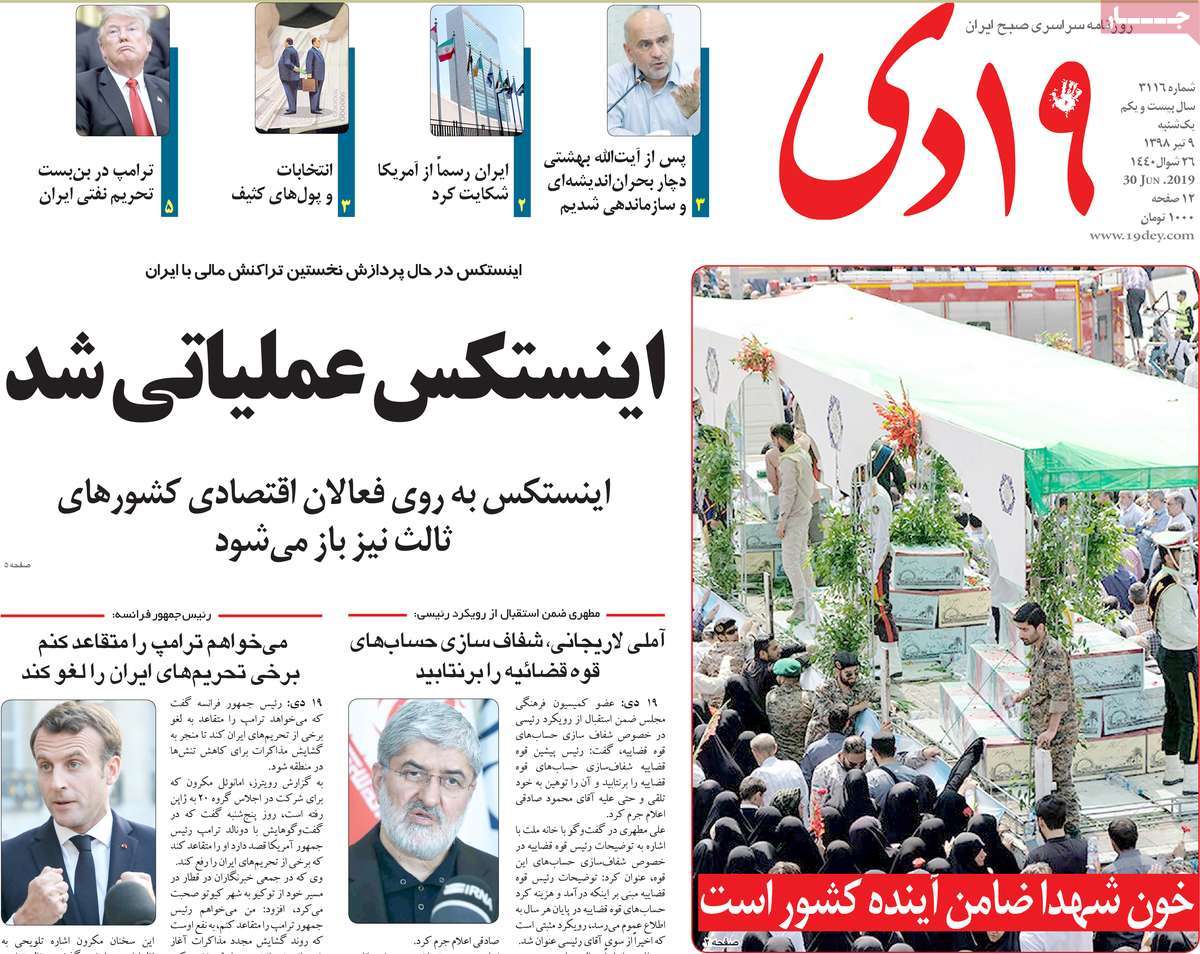
19 Dey:

1- INSTEX Finally Operational

* INSTEX Will Soon Be Opened to Third Countries

2- French President: I Want to Convince Trump to Cancel Some of Iran Sanctions

A Look at Iranian Newspaper Front Pages on June 30


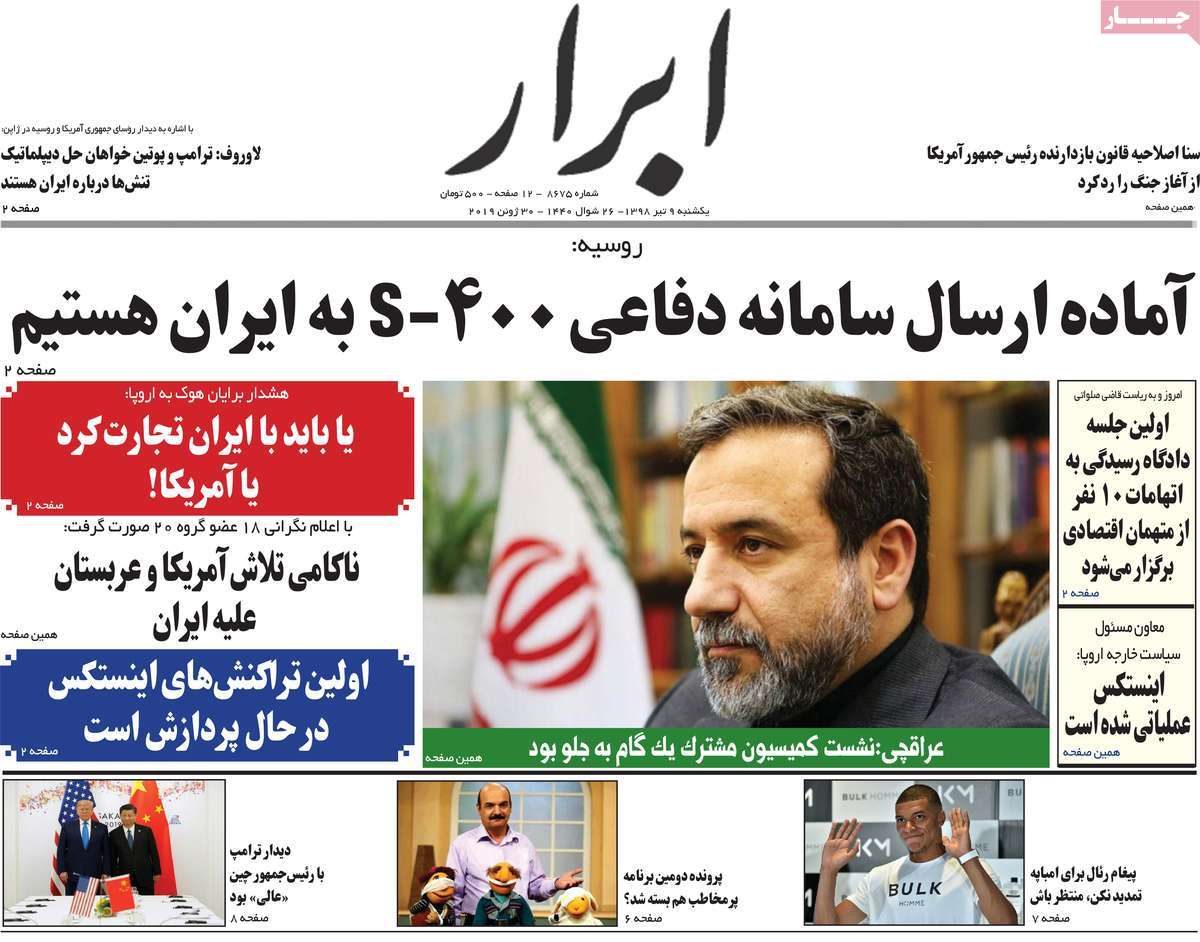
Abrar:

1- Russia: We’re Ready to Give Iran S-400 Missile Defence System

2- Lavrov: Trump, Putin Seek Diplomatic Resolution of Iran Tensions

3- US, Saudi Efforts against Iran Failed

* 18 Member of G20 Express Concern

4- Araqchi: JCPOA Joint Commission’s Meeting One Step Forward

A Look at Iranian Newspaper Front Pages on June 30


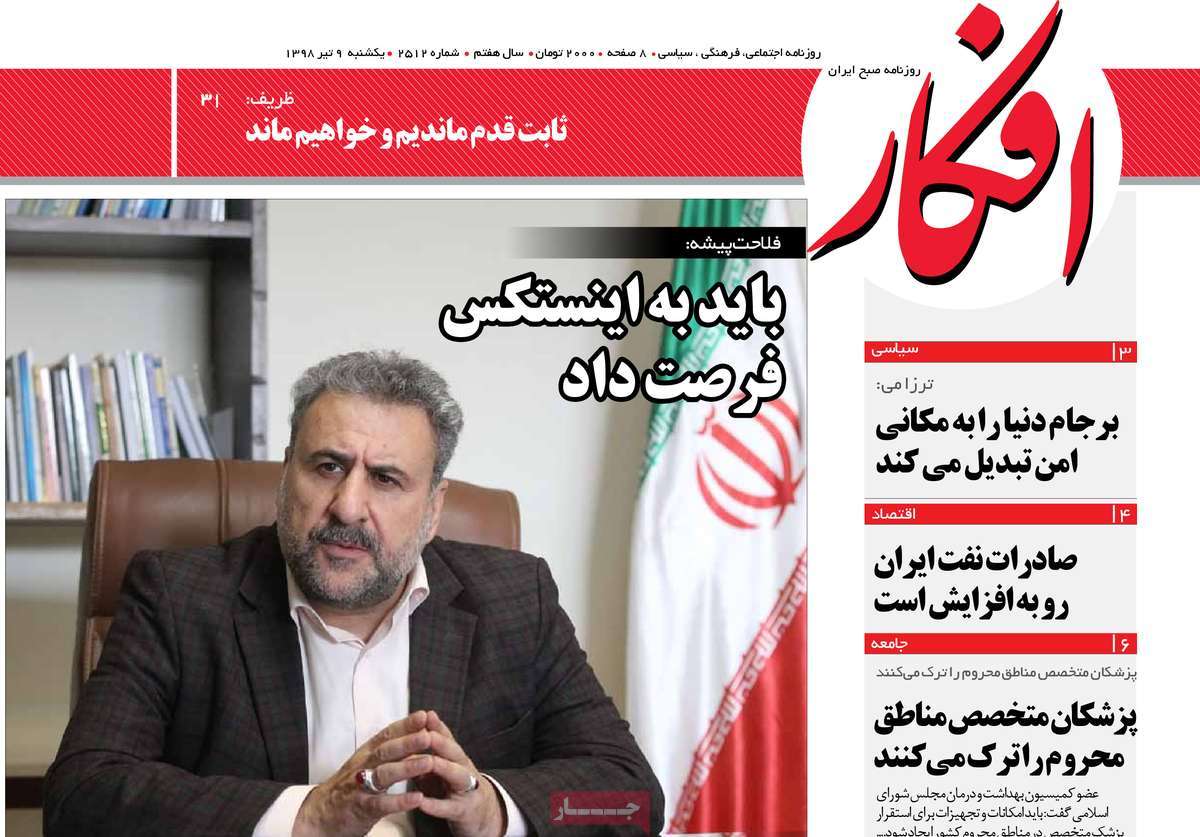
Afkar:

1- May: JCPOA Makes World Safer Place

2- Iran’s Oil Exports Increasing

3- Senior MP: We Should Give INSTEX Time

A Look at Iranian Newspaper Front Pages on June 30


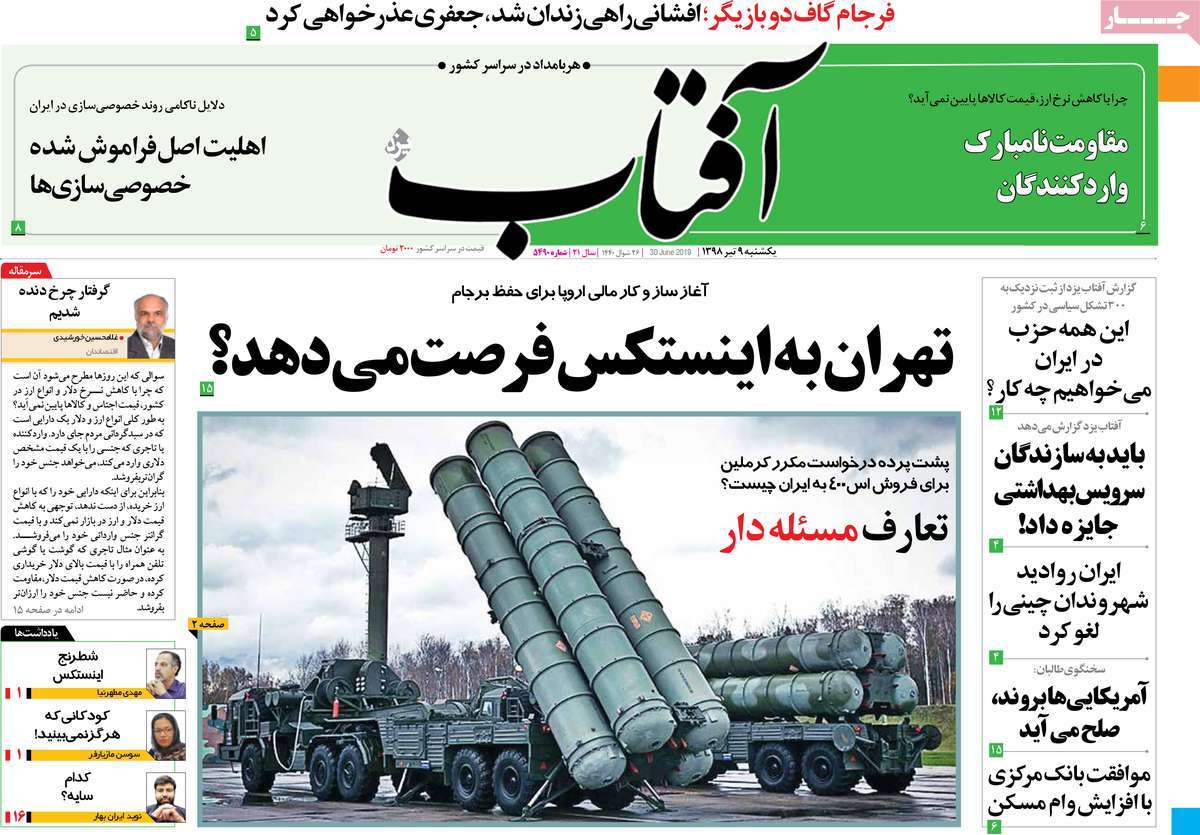
Aftab-e Yazd:

1- Will Tehran Give Time to INSTEX?

* Europe’s Mechanism to Save JCPOA Operational

2- Troublesome Offer: Secrets Behind Kremlin’s Bid to Sell Iran S-400

3- Taliban Spokesman: Peace Will Come If Americans Leave

A Look at Iranian Newspaper Front Pages on June 30


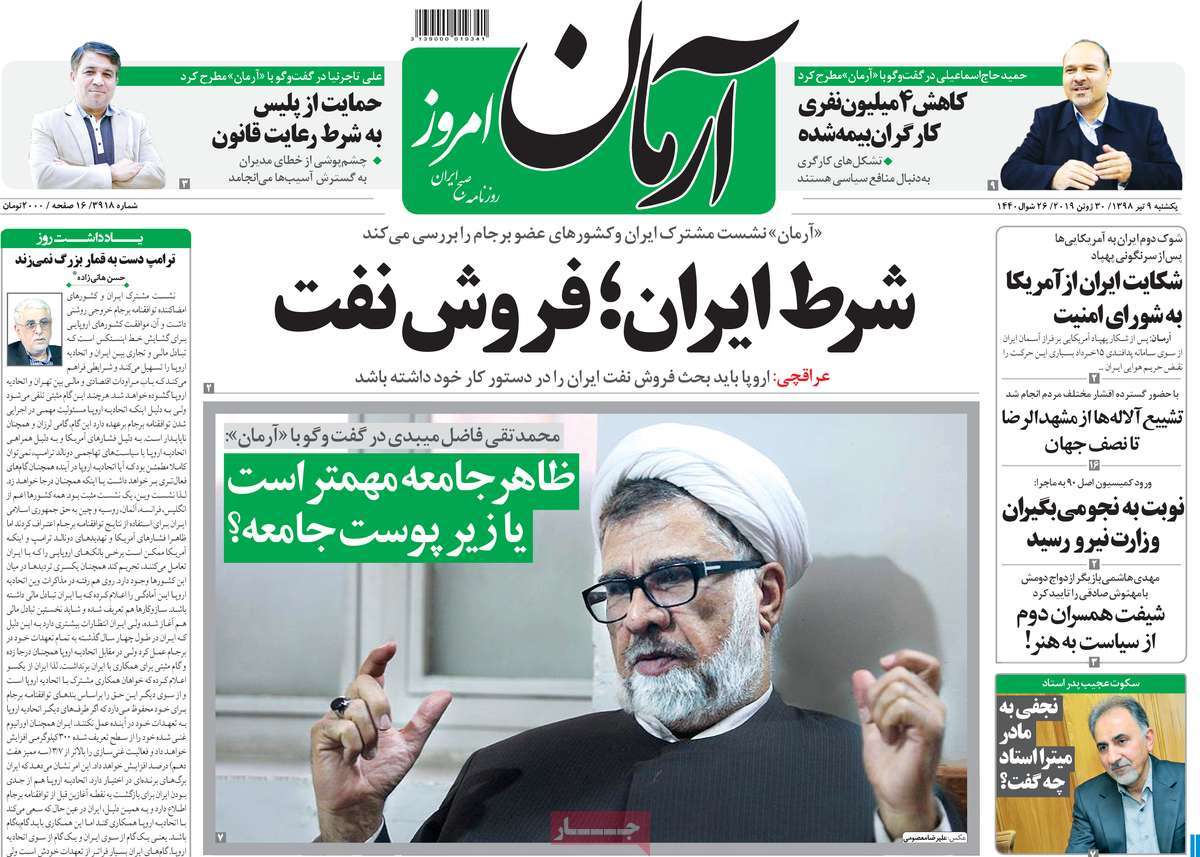
Arman-e Emrooz:

1- Iran’s Condition Is Sale of Its Oil

2- Araqchi: Europe Must Put Iran’s Oil Sales on Its Agenda

3- Iran Files Lawsuit against US at UNSC

* Iran’s Second Shock to Americans after Drone Shoot-Down

A Look at Iranian Newspaper Front Pages on June 30


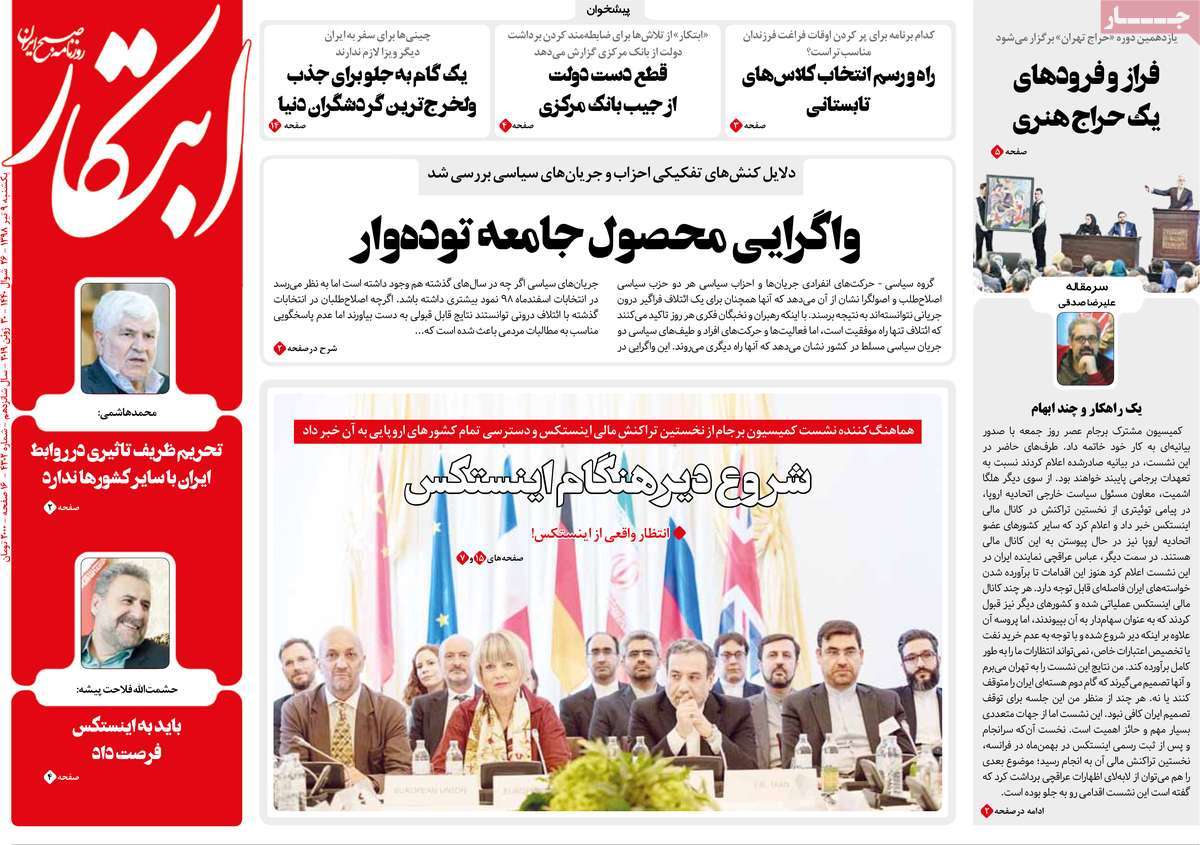
Ebtekar:

1- Late Beginning of INSTEX

2- Ban on Zarif Will Have No Impact on Iran’s Ties with Other Countries

A Look at Iranian Newspaper Front Pages on June 30


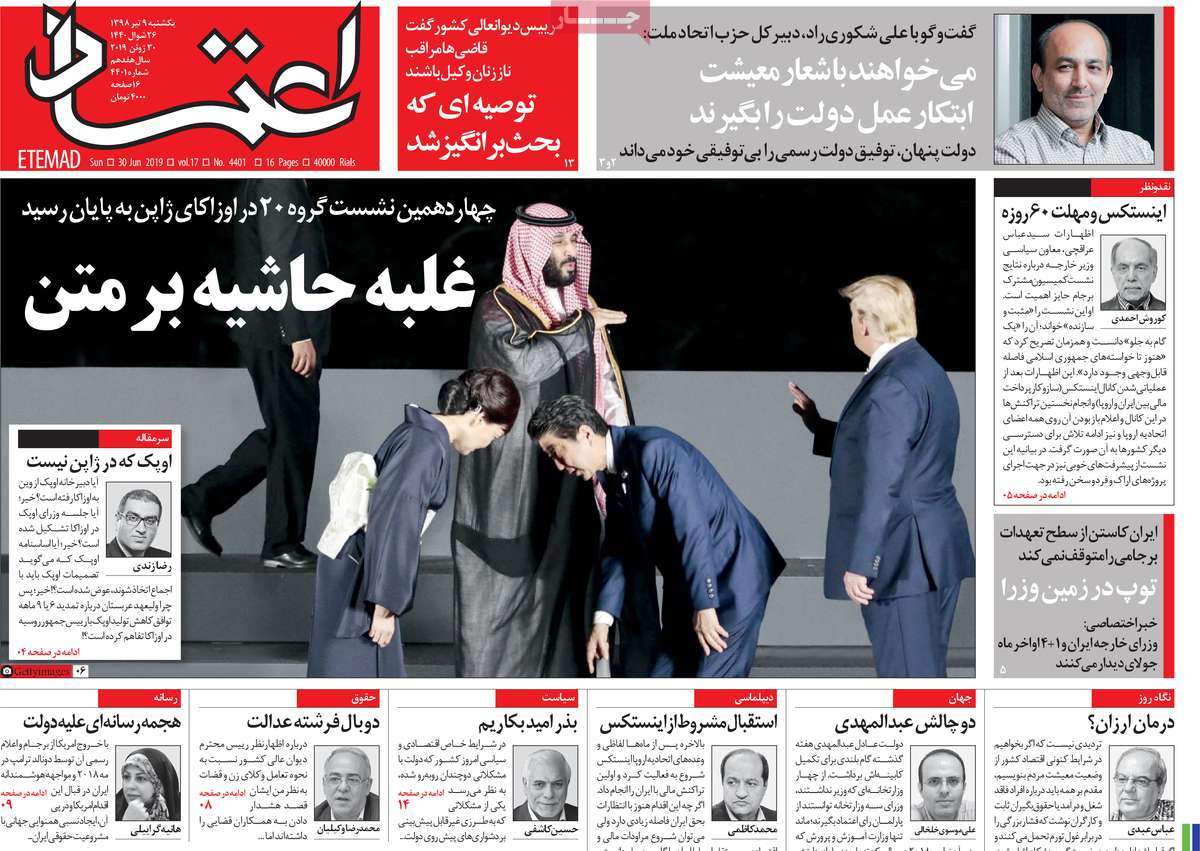
Etemad:

1- 14th Meeting of G20 Wraps Up in Japan

2- Ball in Ministers’ Ground

* FMs of Iran, P4+1 to Meet in Late July

A Look at Iranian Newspaper Front Pages on June 30


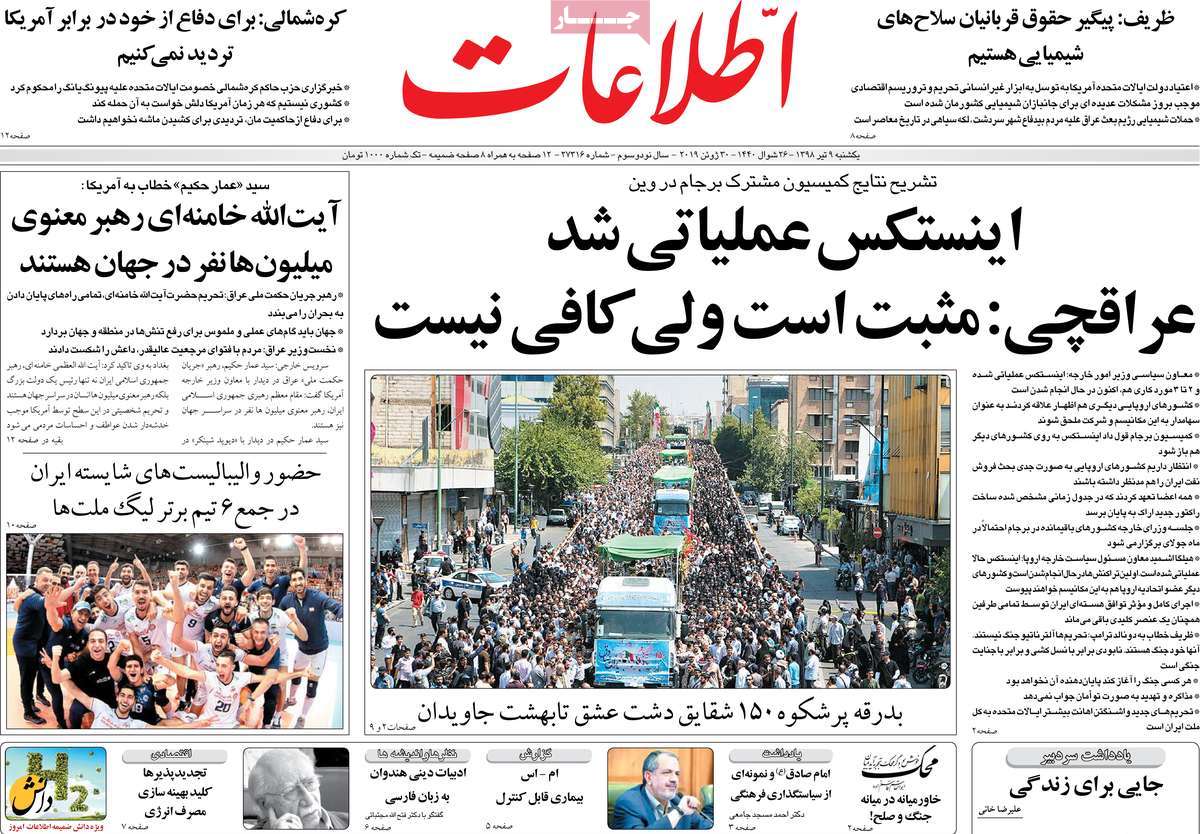
Ettela’at:

1- INSTEX Now Operational

* Araqchi: It’s Positive, but Not Enough

2- Ammar Hakim to US: Ayatollah Khamenei Leader of Millions of People in World

3- Zarif: We’re Pursuing Rights of Victims of Chemical Weapons

A Look at Iranian Newspaper Front Pages on June 30


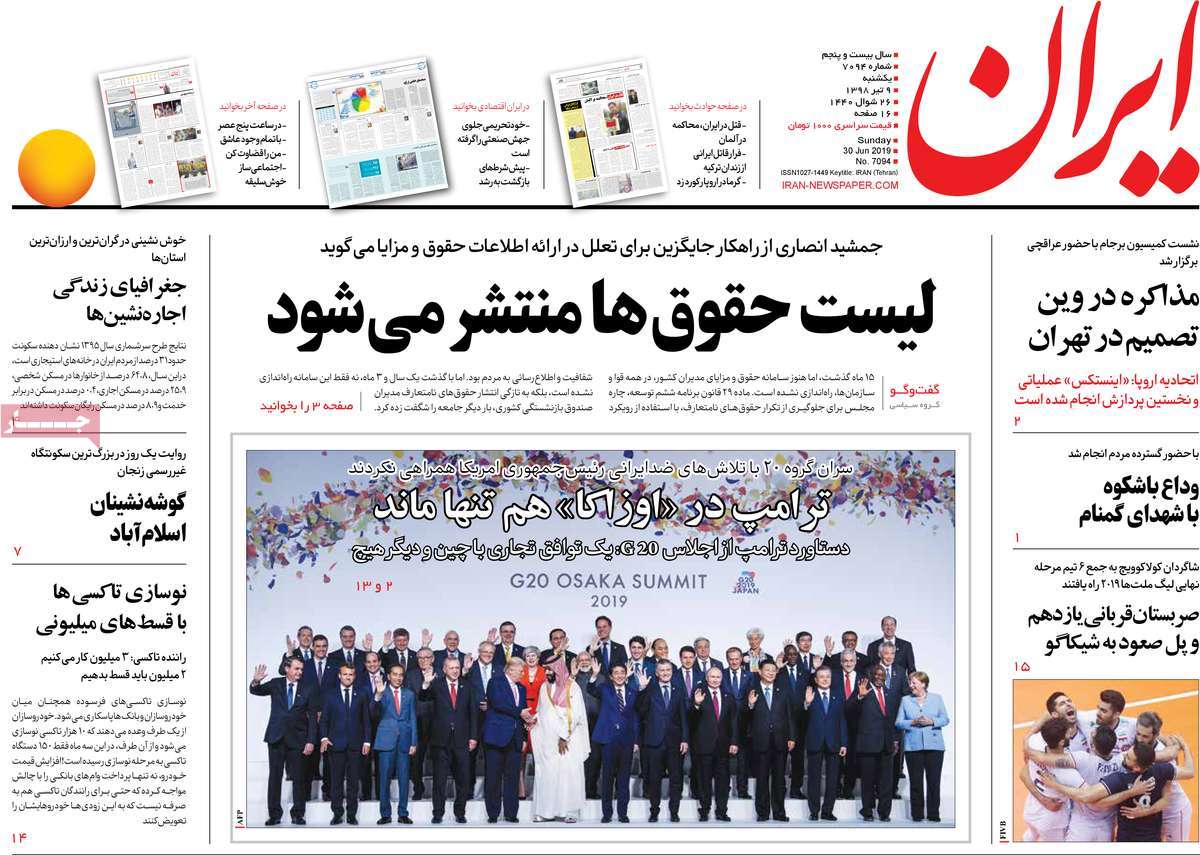
Iran:

1- Trump Isolated Even in Osaka

* Trade Deal with China Only Achievement of Trump from G20 Summit

2- Negotiation in Vienna, Decision in Tehran

* JCPOA Joint Commission Holds Meeting in Vienna

* EU: INSTEX Operational, First Transaction Processed

A Look at Iranian Newspaper Front Pages on June 30


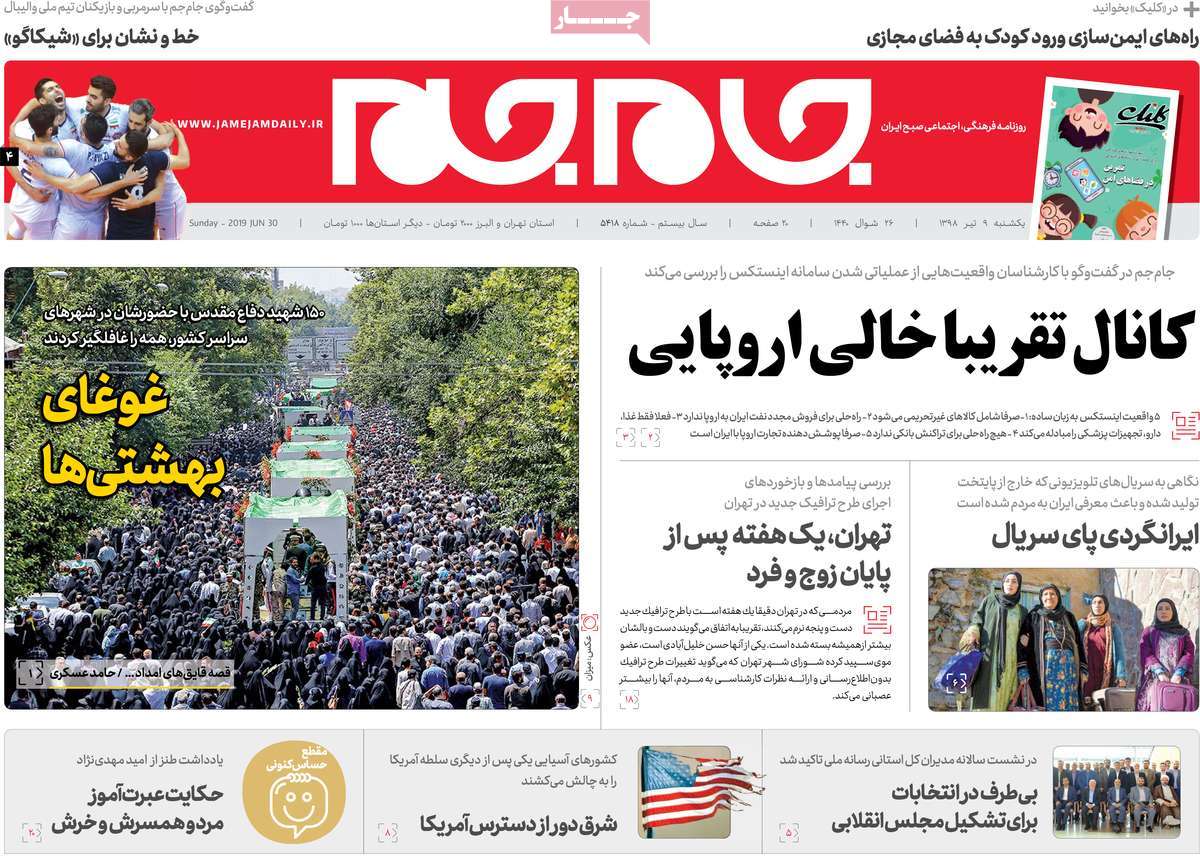
Jame Jam:

1- Bodies of 150 Martyrs from 1980 War Arrive in Iranian Cities, Surprise Everyone

A Look at Iranian Newspaper Front Pages on June 30


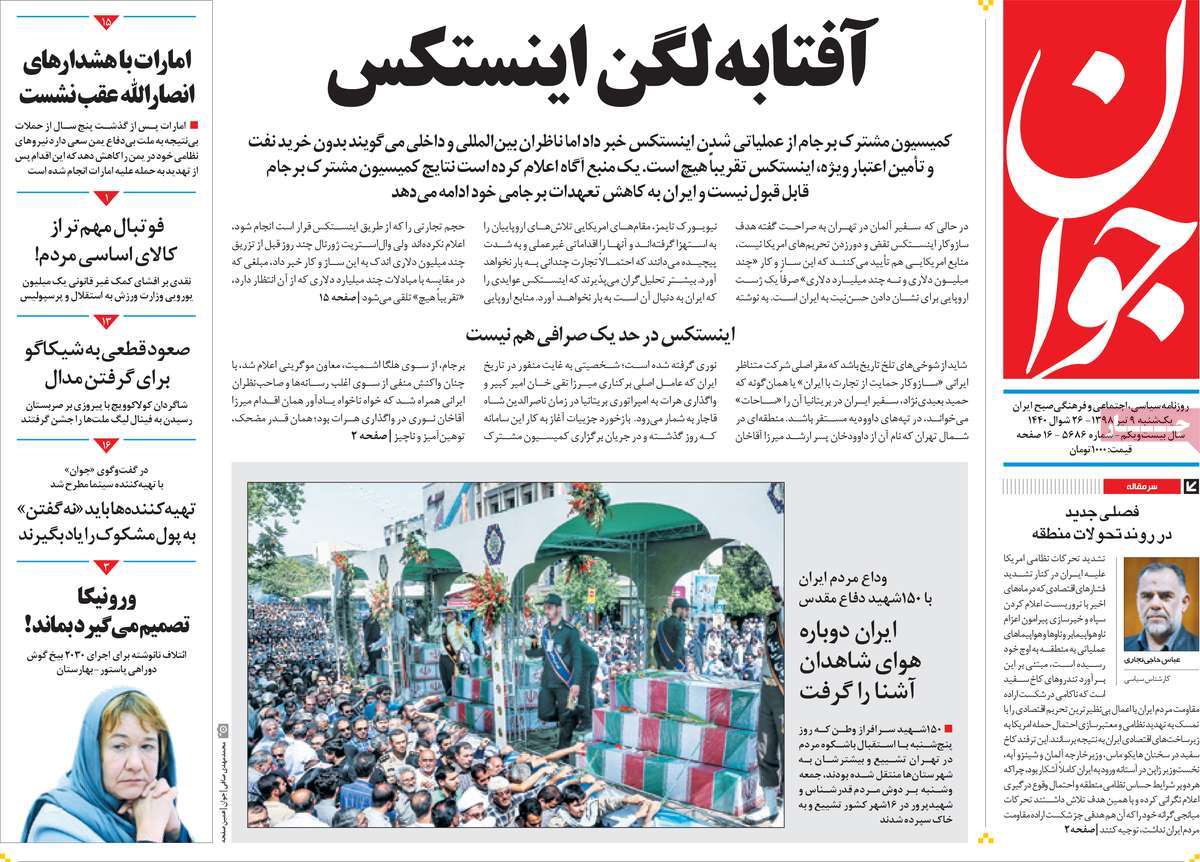
Javan:

1- Wreckage of INSTEX

* INSTEX Has No Validity without Oil Sales, LCs: Observers

2- Informed Source: Results of JCPOA Meeting Not Acceptable

* Iran Will Proceed with Reducing JCPOA Commitments

A Look at Iranian Newspaper Front Pages on June 30


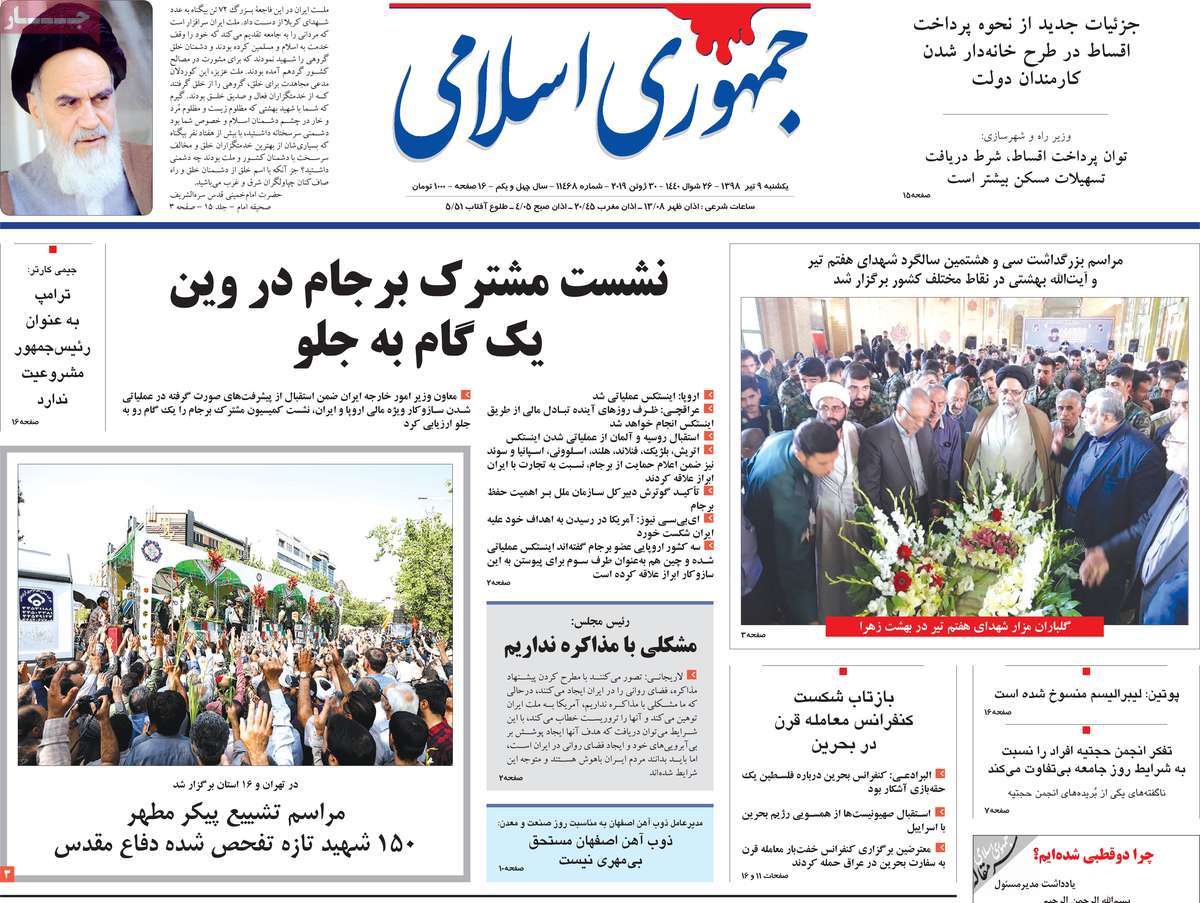
Jomhouri Eslami:

1- JCPOA Joint Commission in Vienna, One Step Ahead

2- Carter: Trump Has No Legitimacy as a President

3- Funerals Held for 150 Martyrs Whose Bodies Were Just Found, Repatriated

A Look at Iranian Newspaper Front Pages on June 30


Kayhan:

1- Mr President! Learn from JCPOA, Don’t Be Deceived by INSTEX

2- G20 Summit Ends with No Result, Lot of Controversy

A Look at Iranian Newspaper Front Pages on June 30


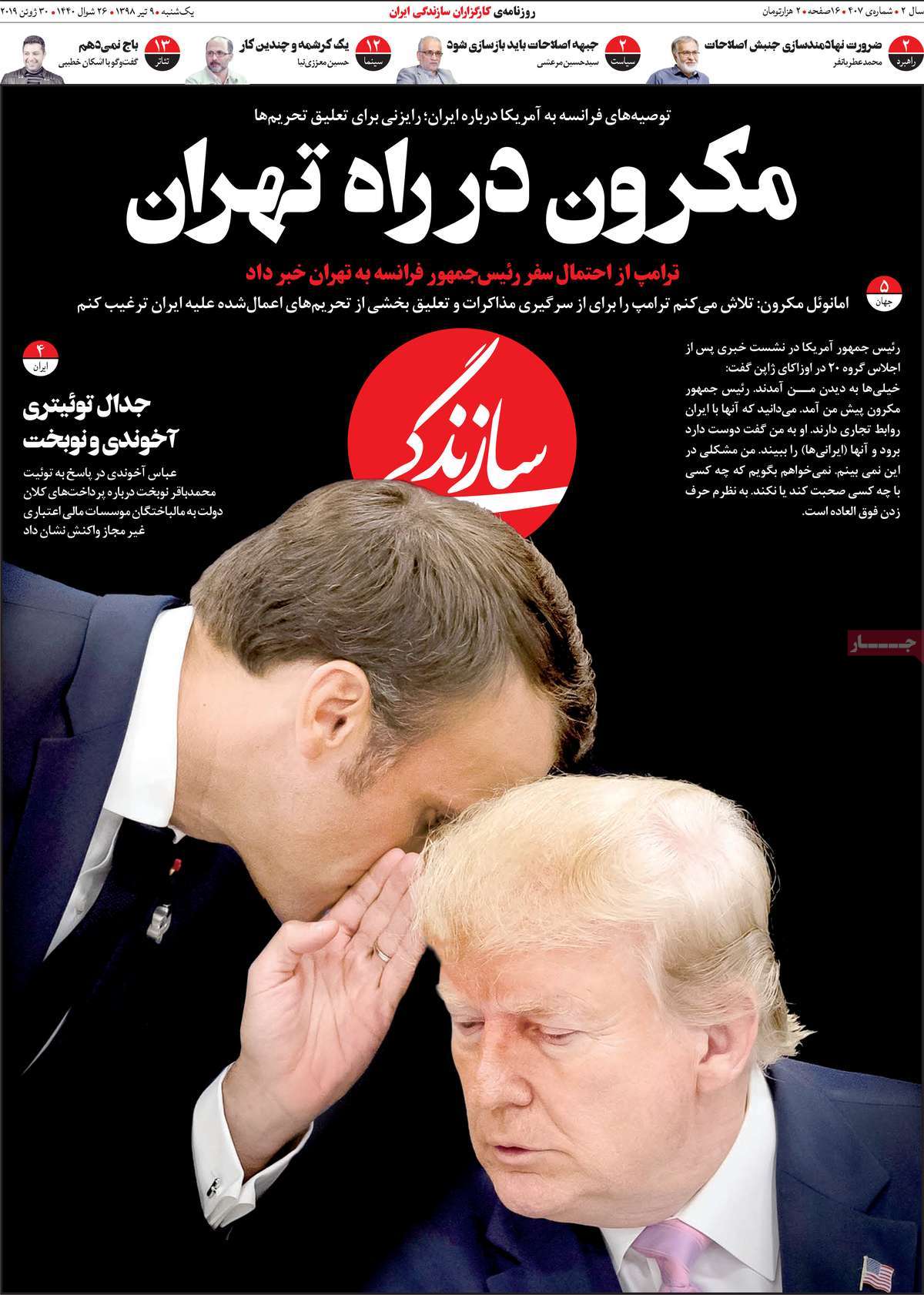
Sazandegi:

1- Macron en Route to Tehran

* Trump Says French President May Visit Tehran

* France’s Advice for US on Iran: Consultations for Sanctions Removal

A Look at Iranian Newspaper Front Pages on June 30


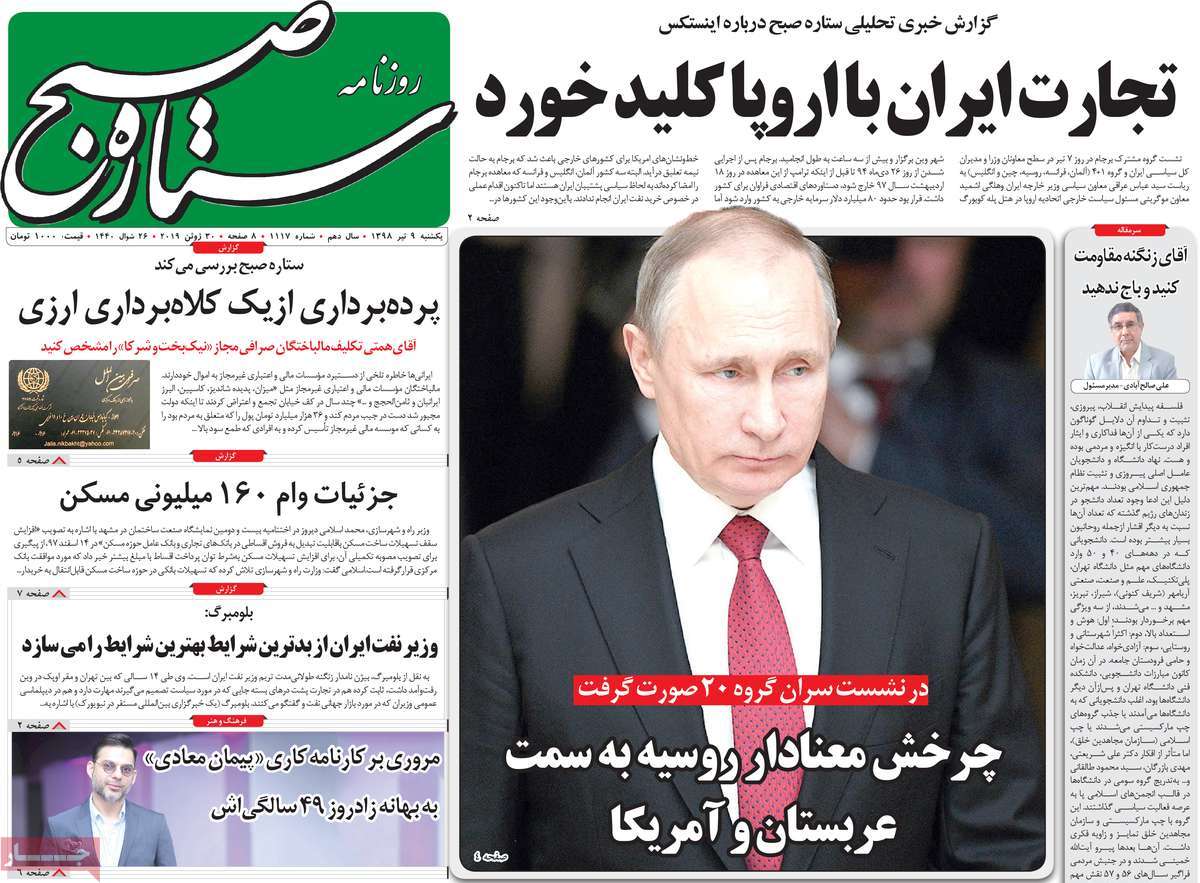
Setareh Sobh:

1- Russia’s Meaningful Turn towards Saudi Arabia, US during G20

2- Bloomberg: Iran’s Oil Minister Turns Worst Conditions into Best Ones

A Look at Iranian Newspaper Front Pages on June 30


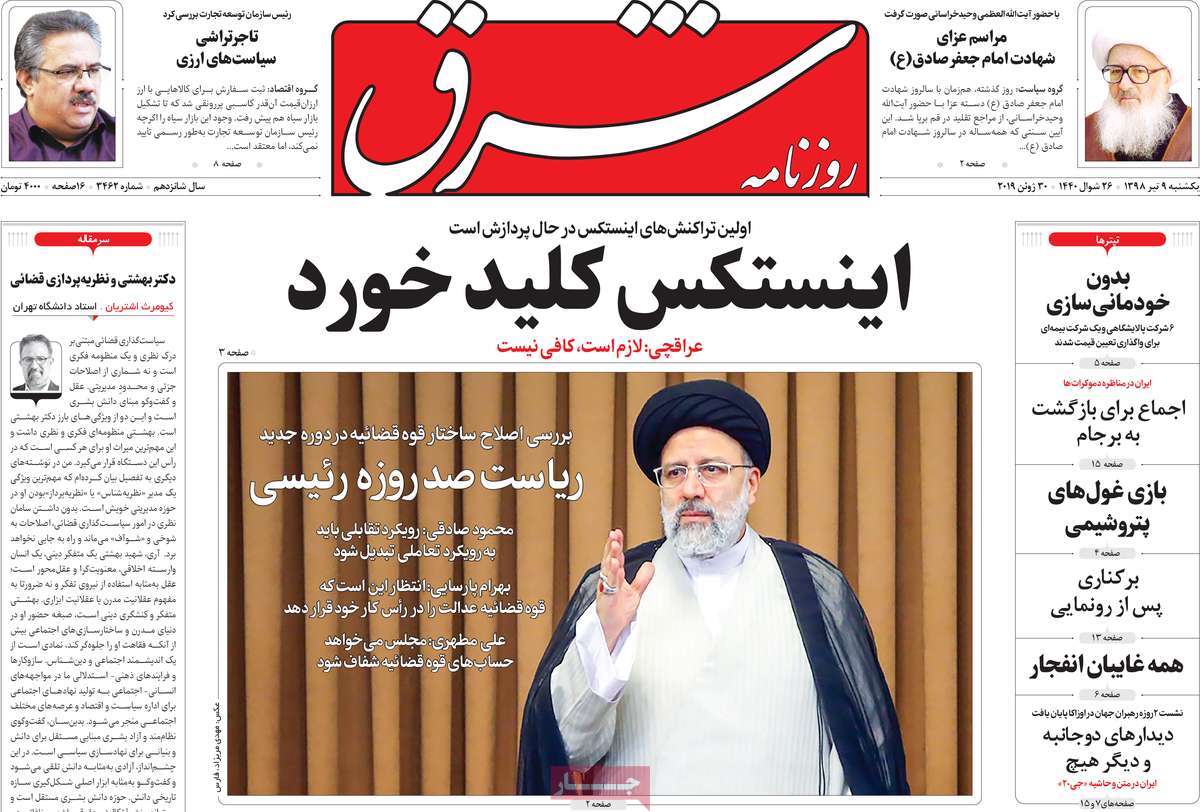
Shargh:

1- INSTEX Implemented: Araqchi Says It’s Necessary but Not Enough

2- Iran in Democrats’ Debate: Consensus on Returning to JCPOA

A Look at Iranian Newspaper Front Pages on June 30


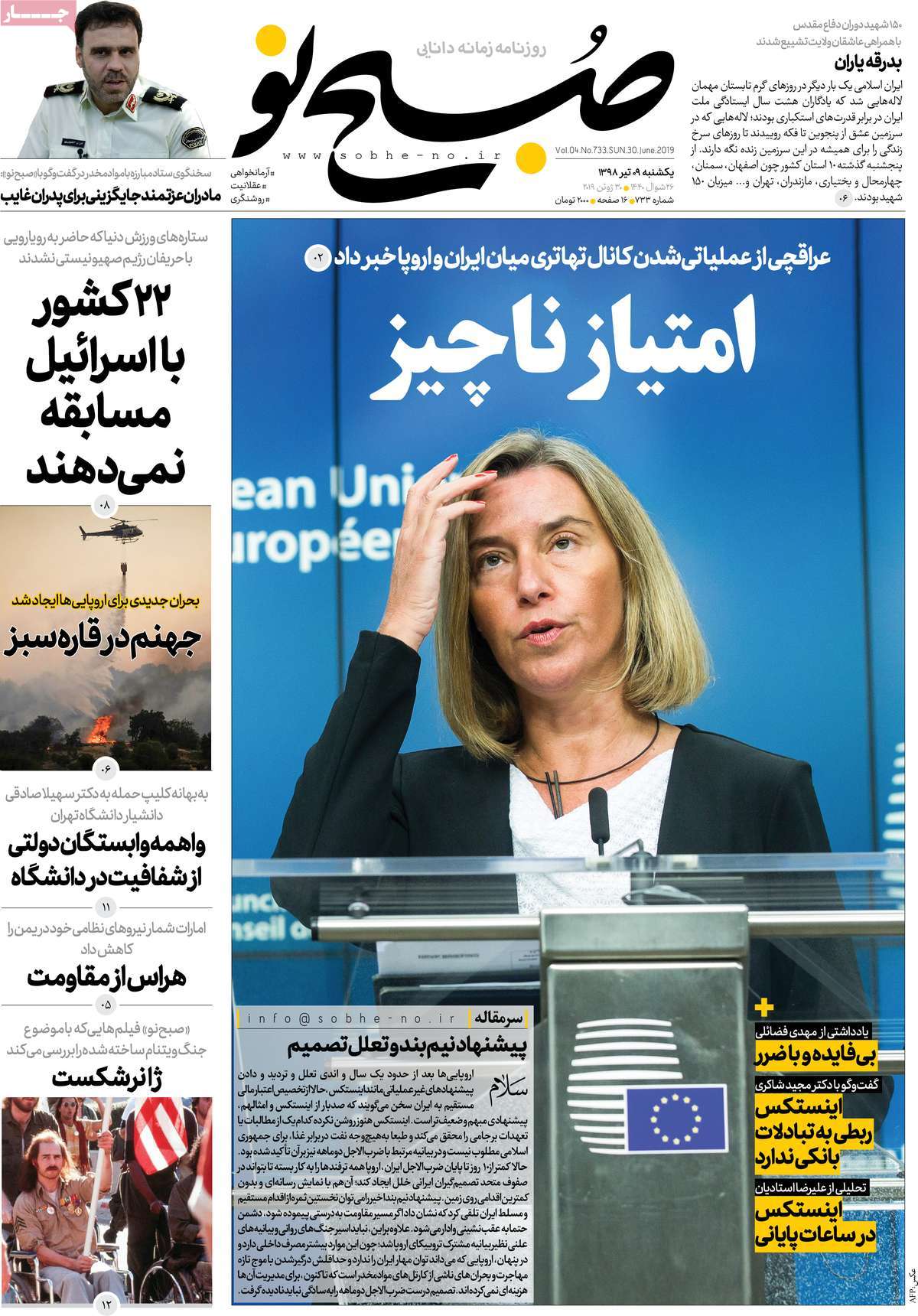
Sobh-e Now:

1- Trivial Concession

* Araqchi Says Iran-EU Barter Channel Operational

A Look at Iranian Newspaper Front Pages on June 30