Friday, January 2, 2026
Home Blog Page 3207

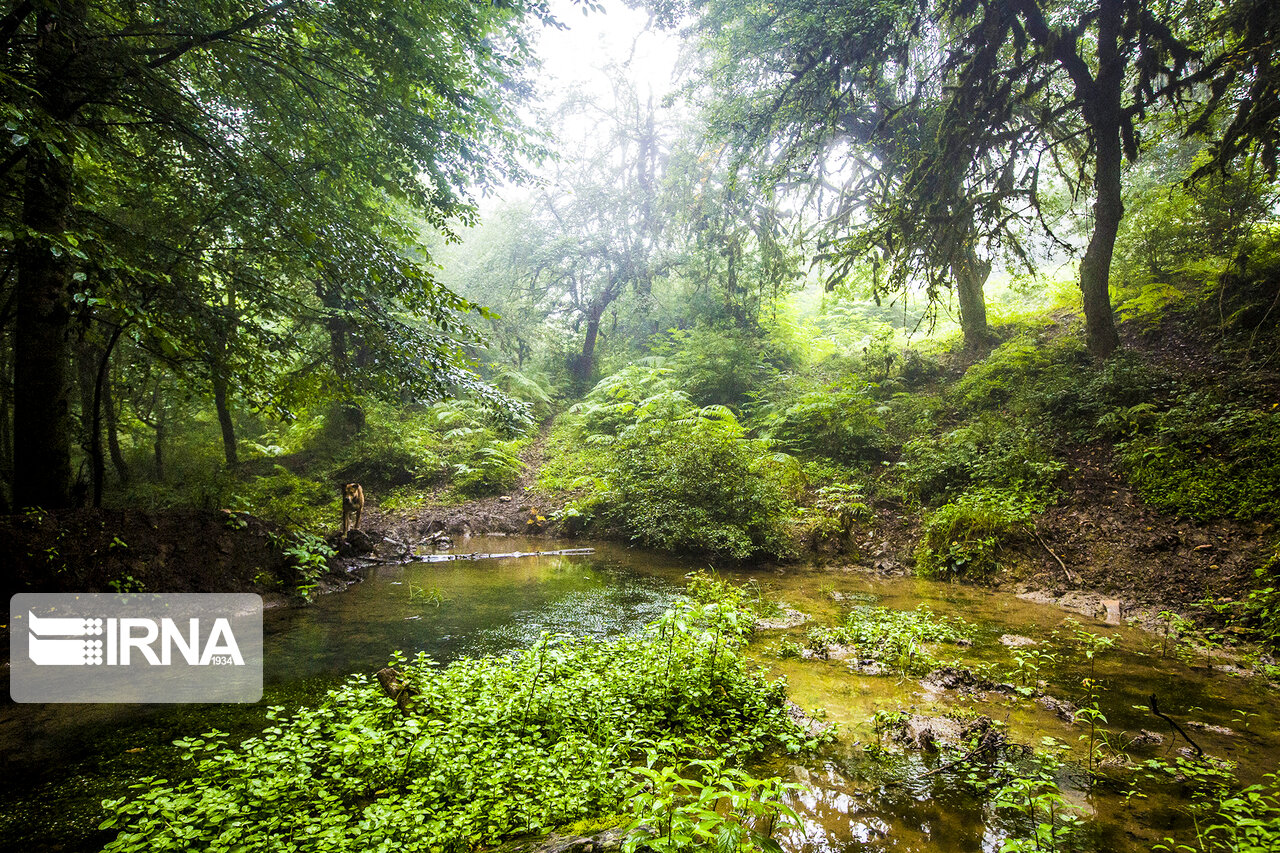
Iran’s Beauties in Photos: Arasbaran Biosphere Reserve

Iran’s Beauties in Photos: Arasbaran Biosphere Reserve

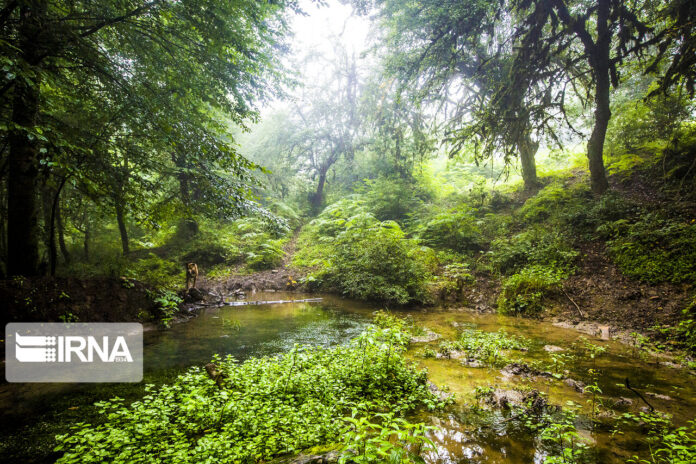
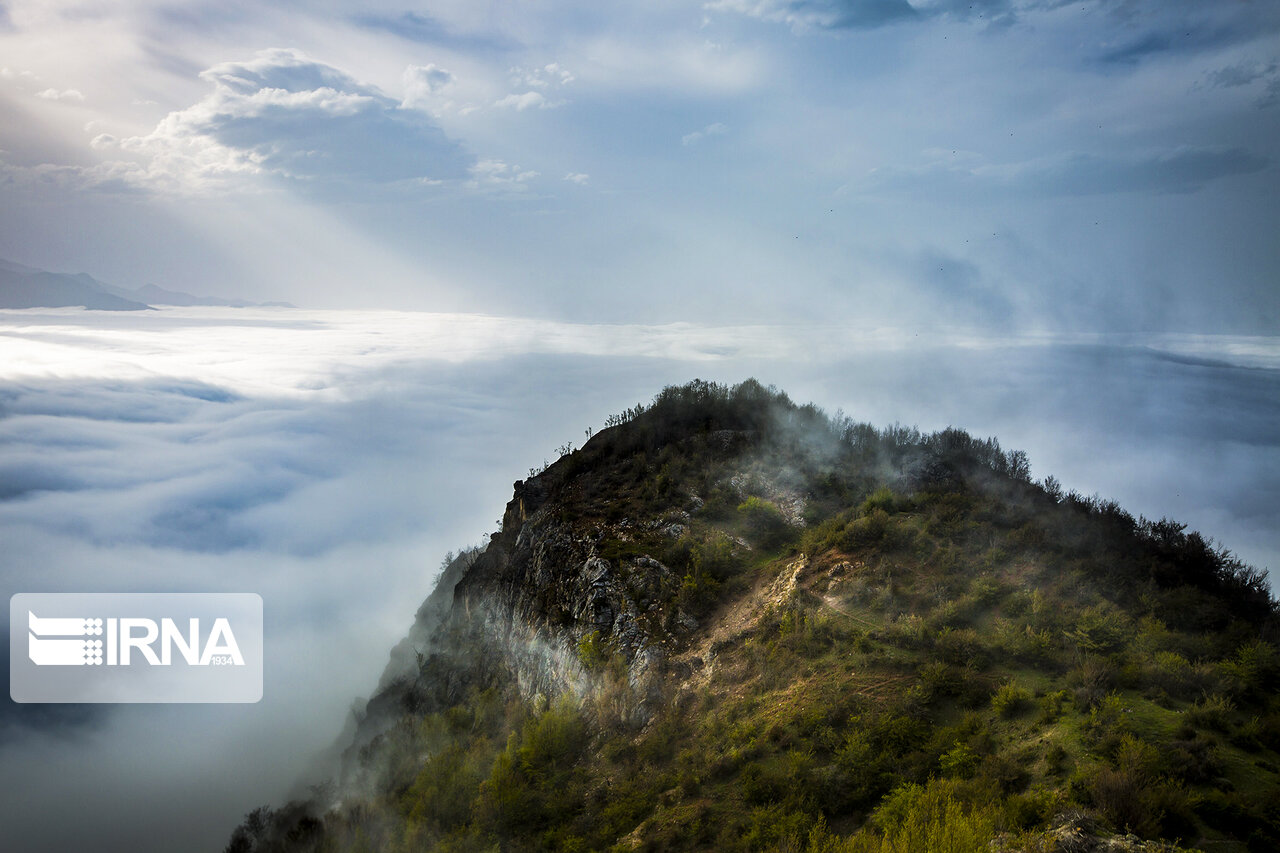
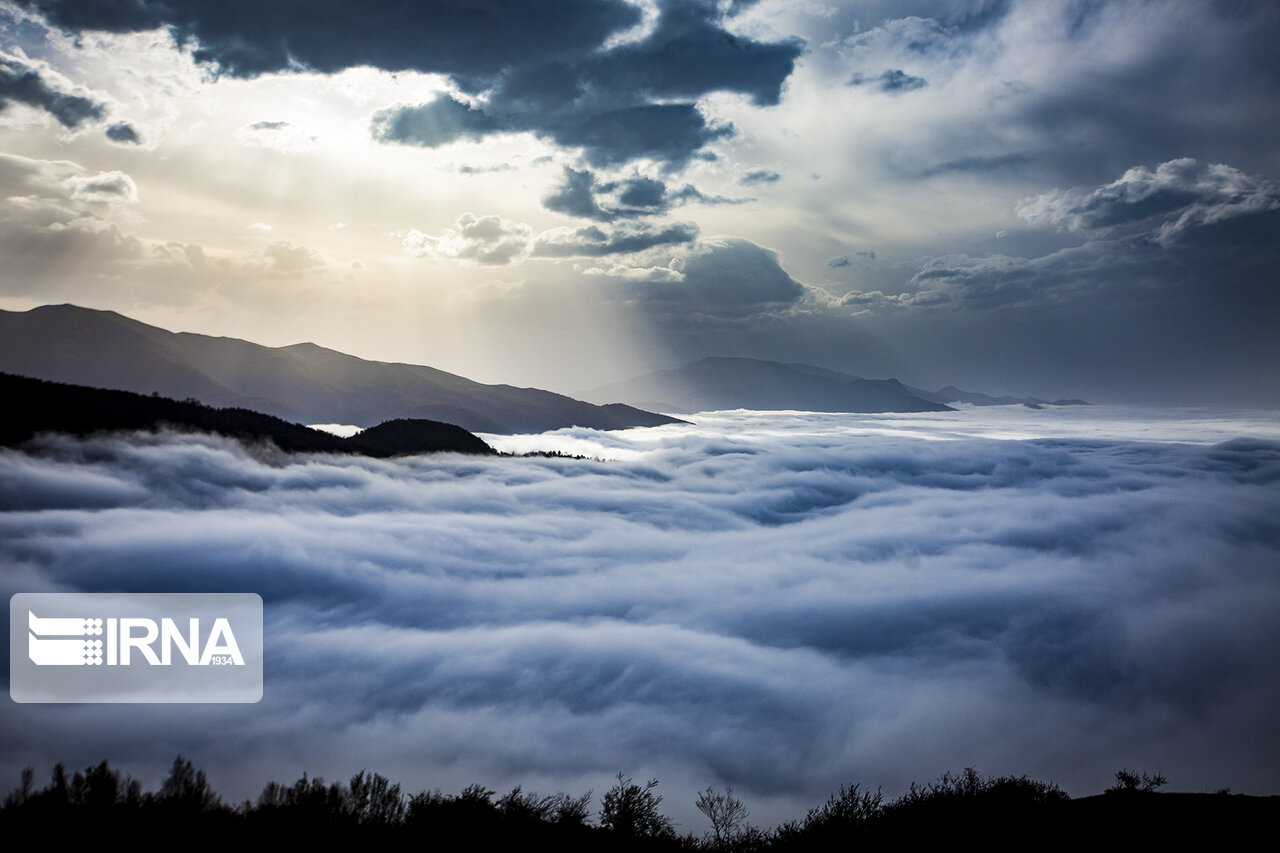
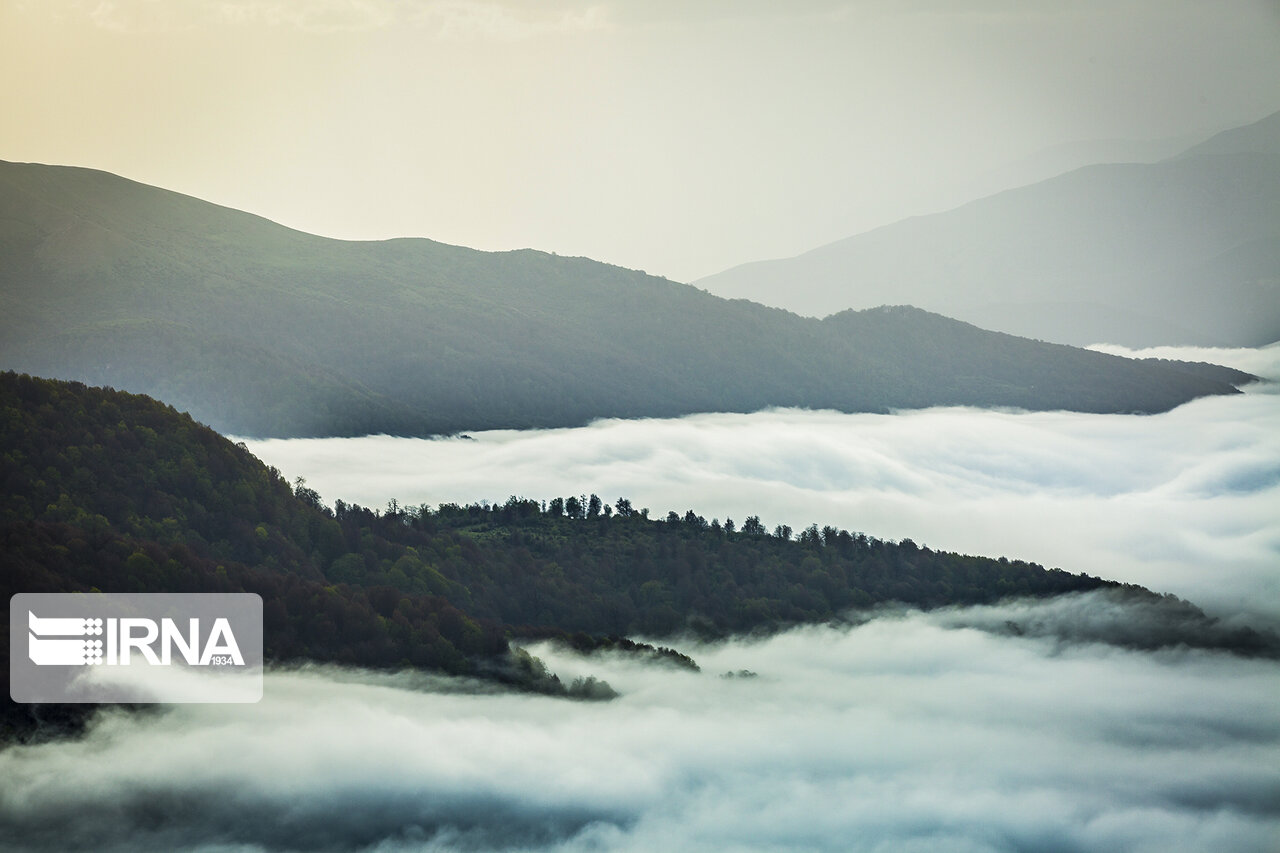
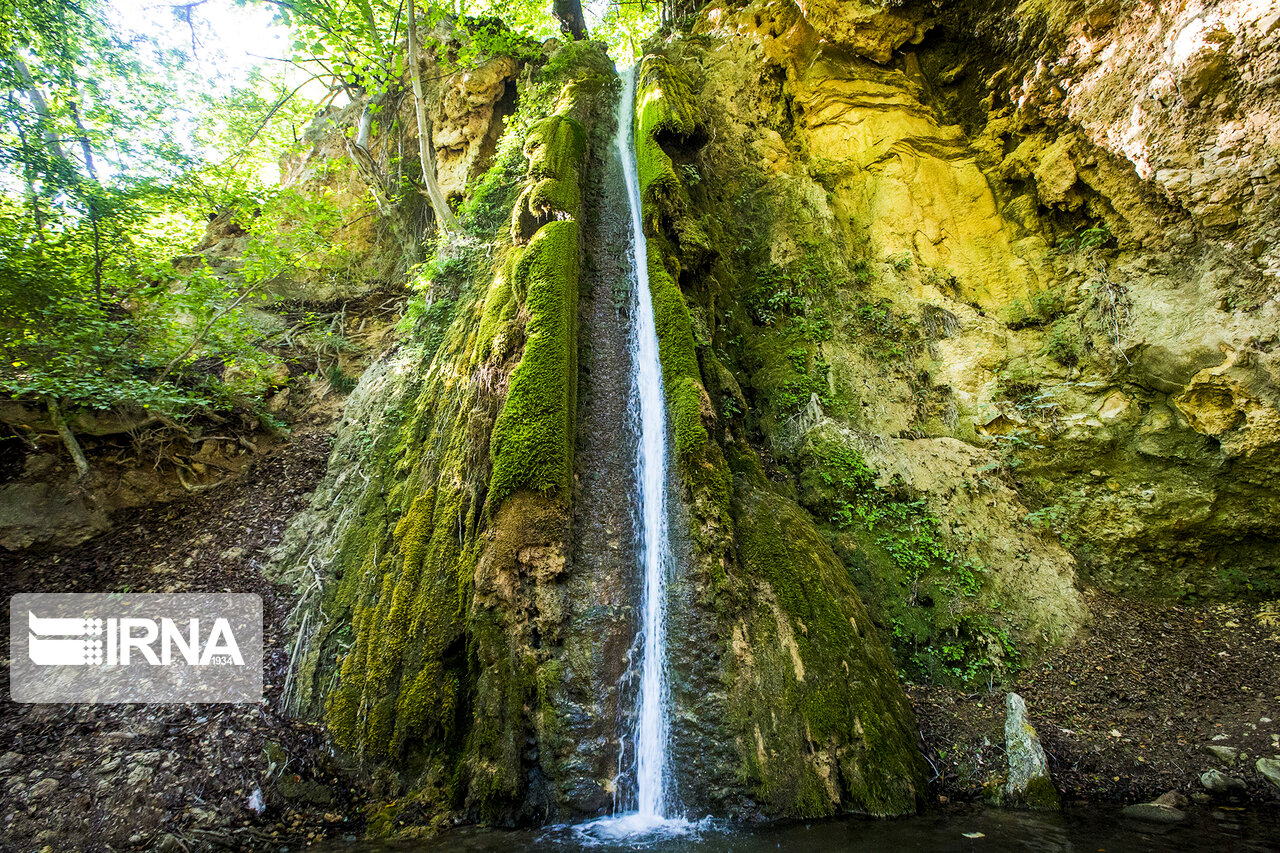
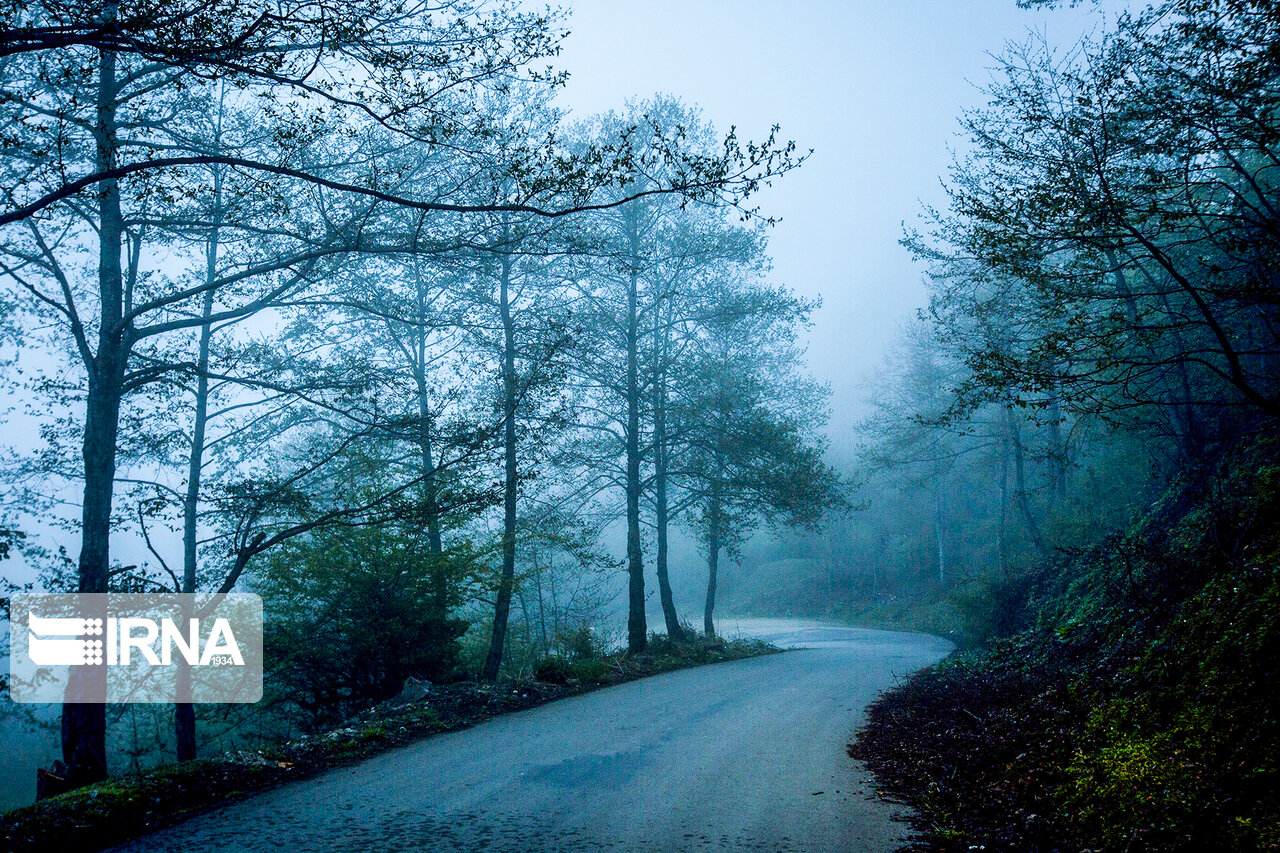
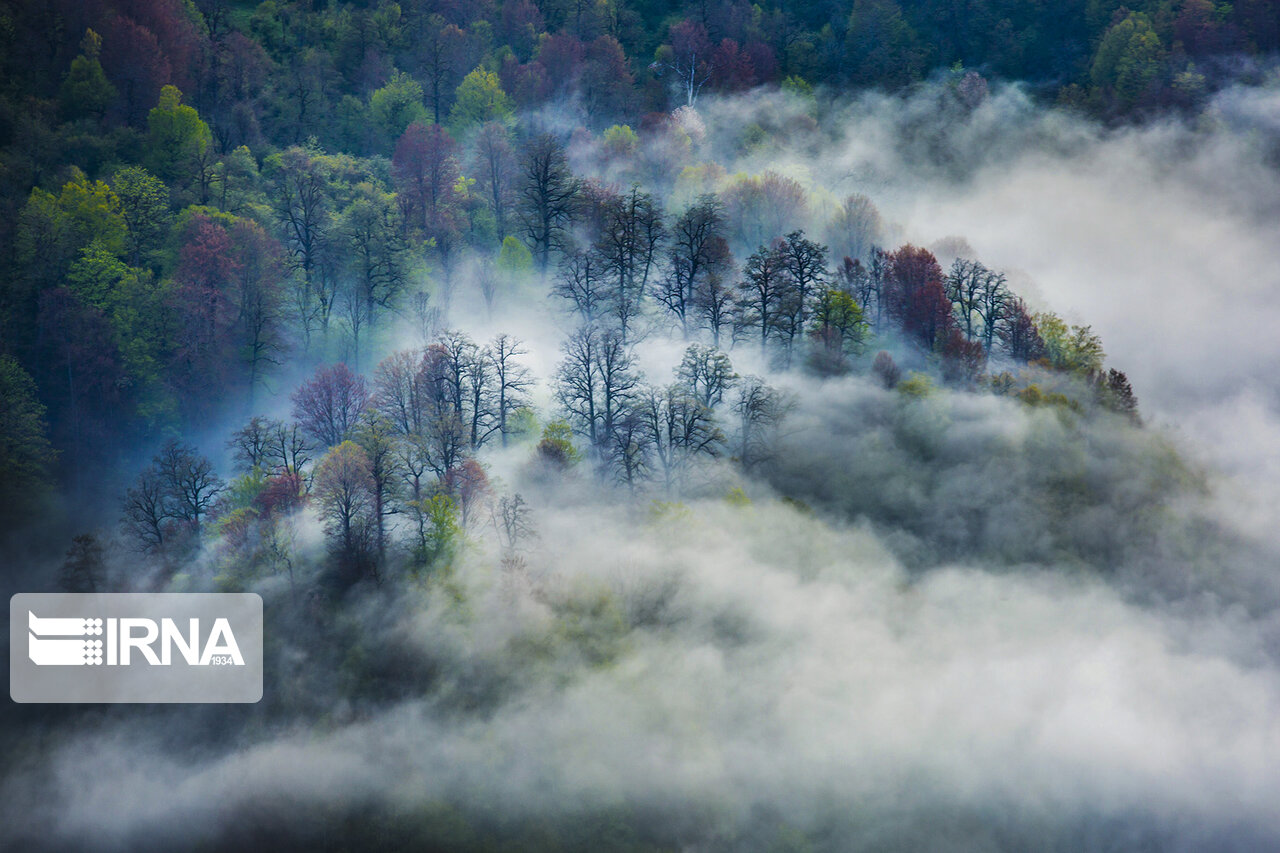
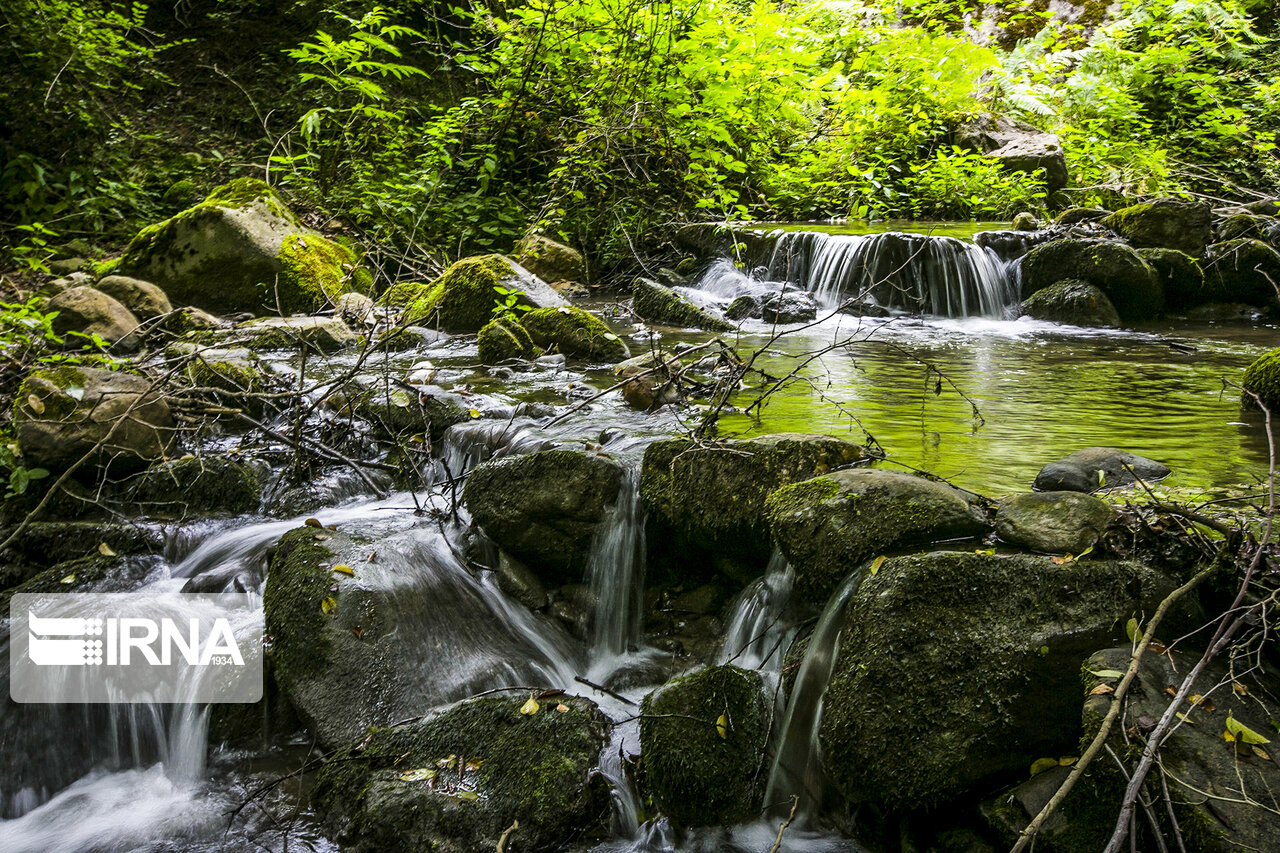
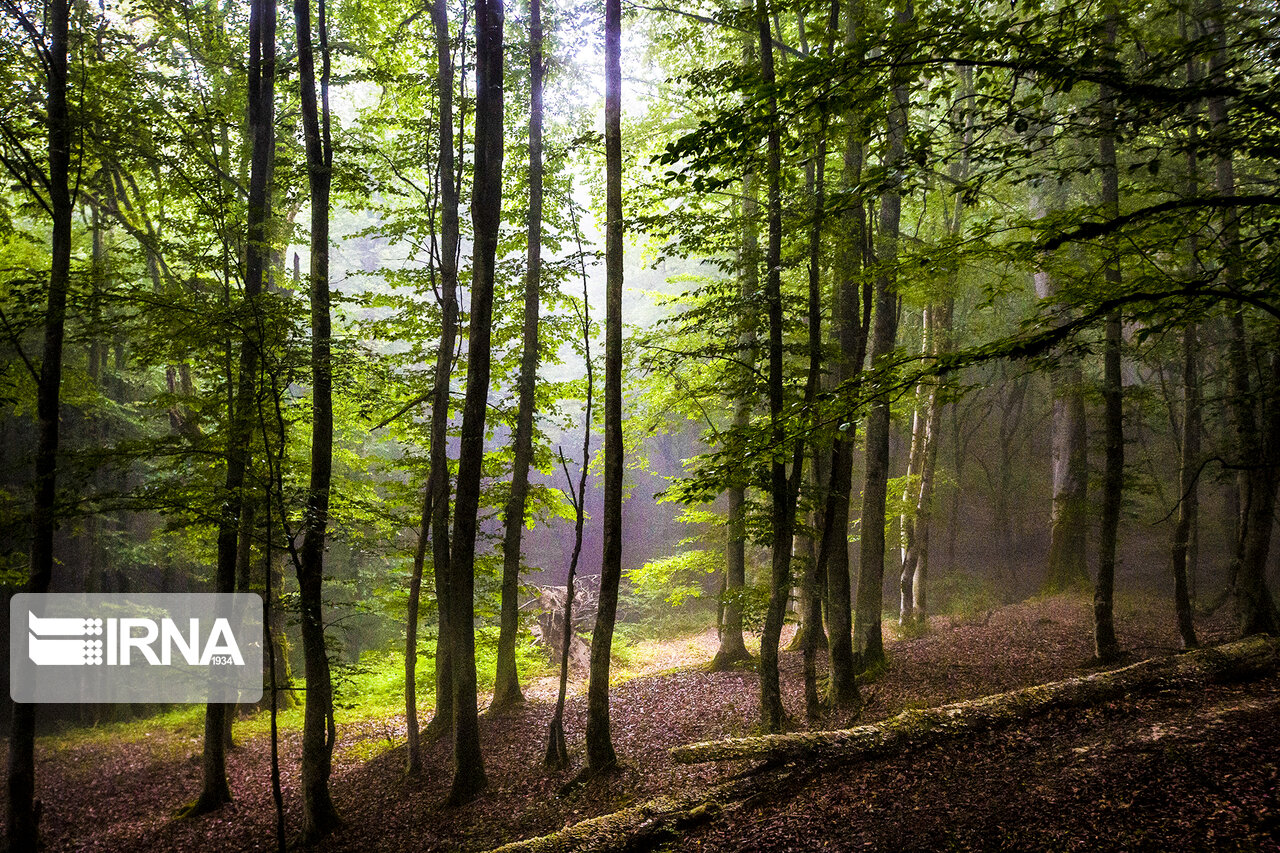
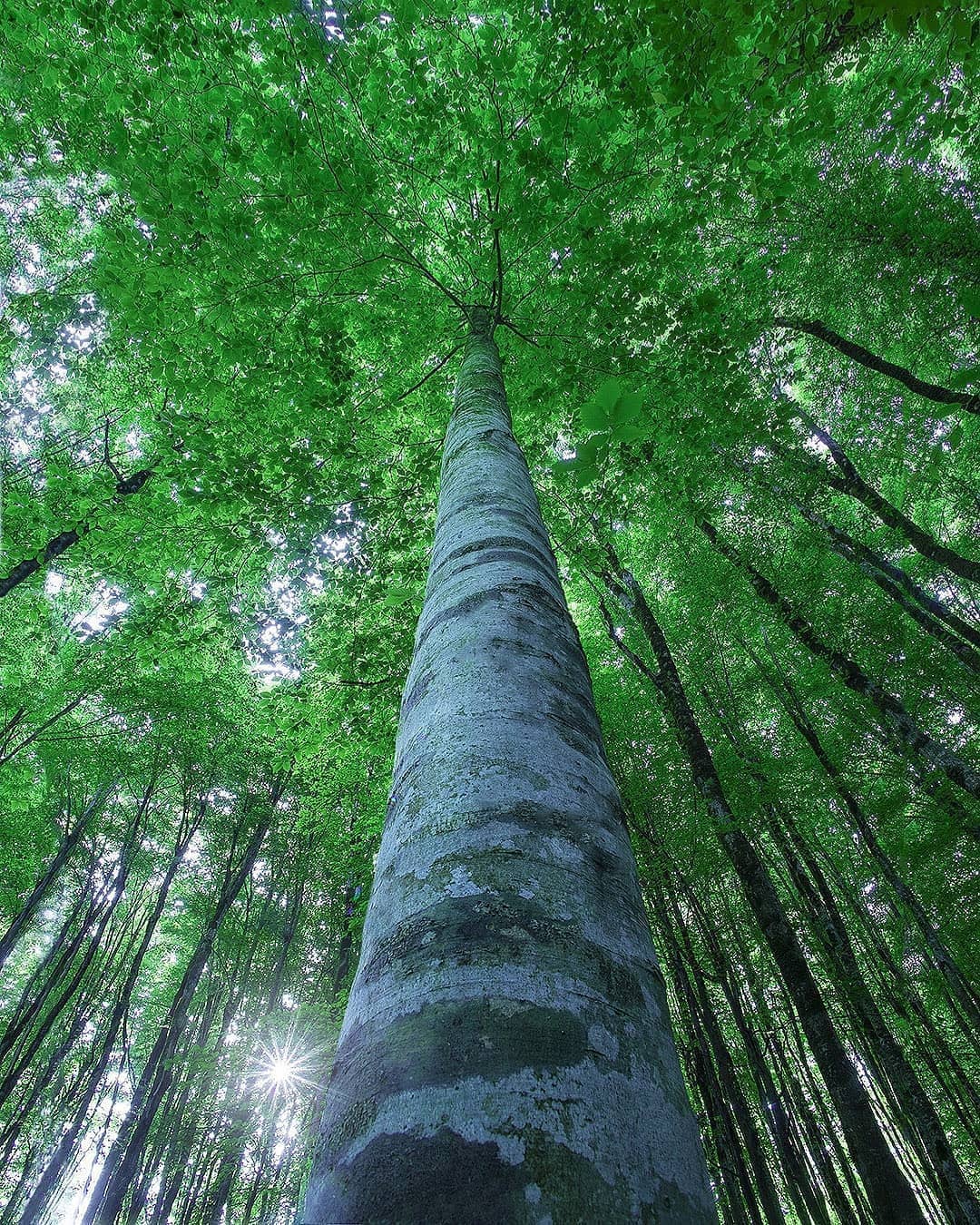
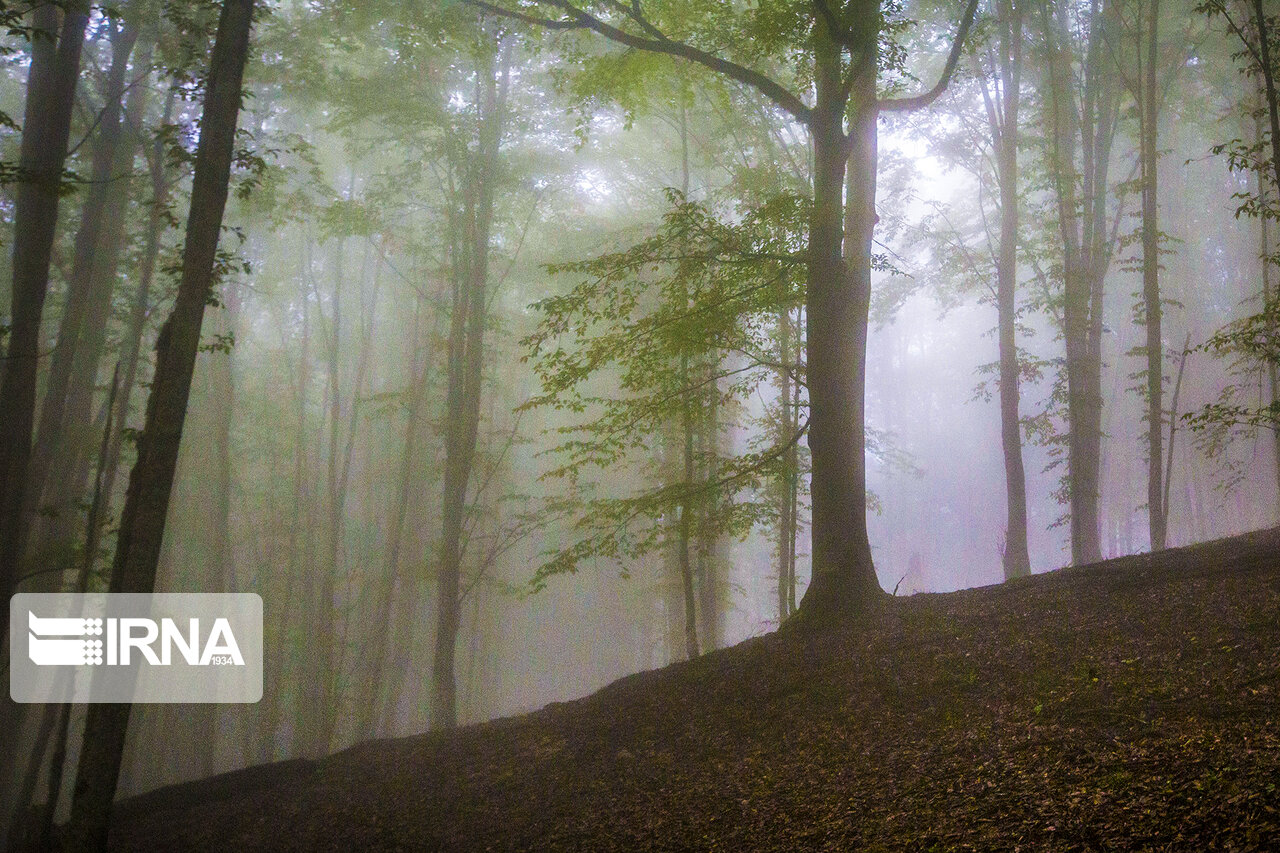
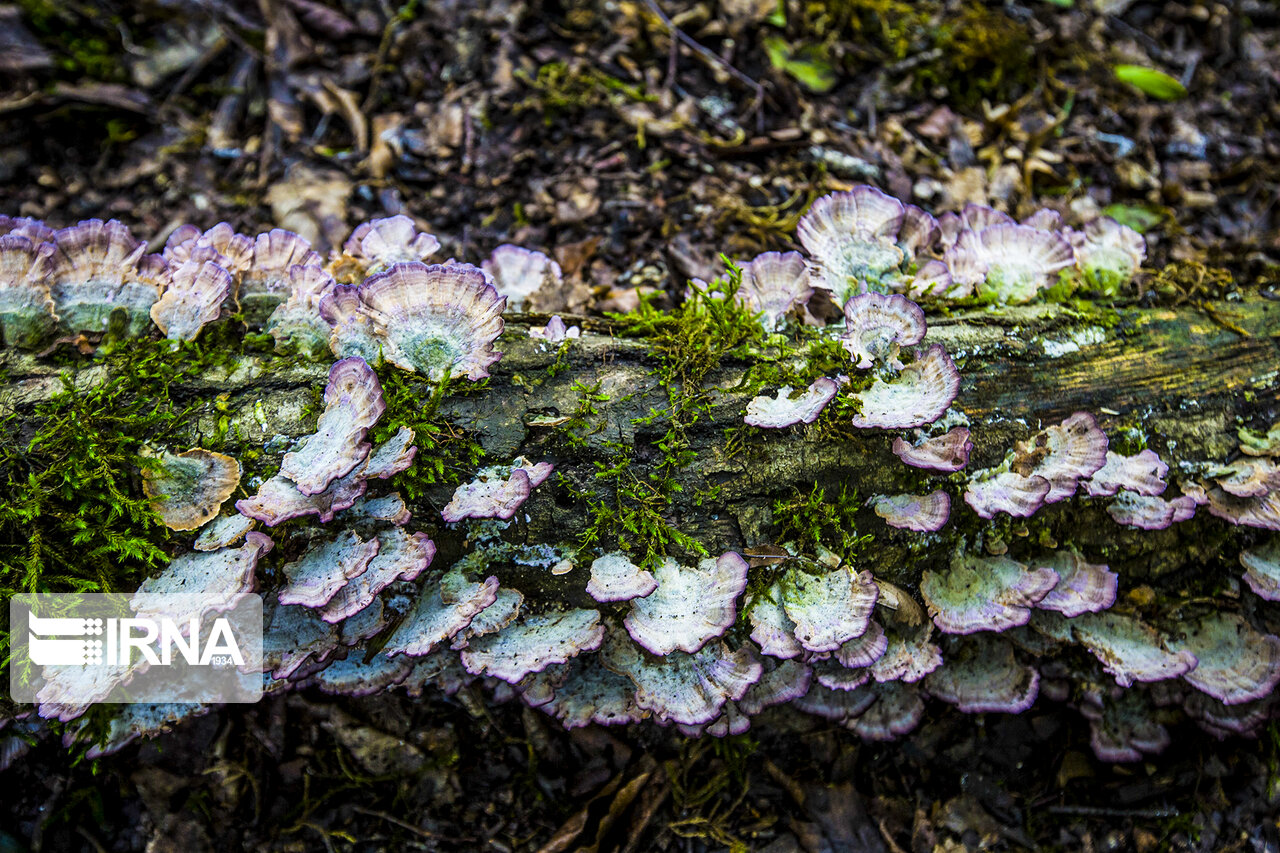
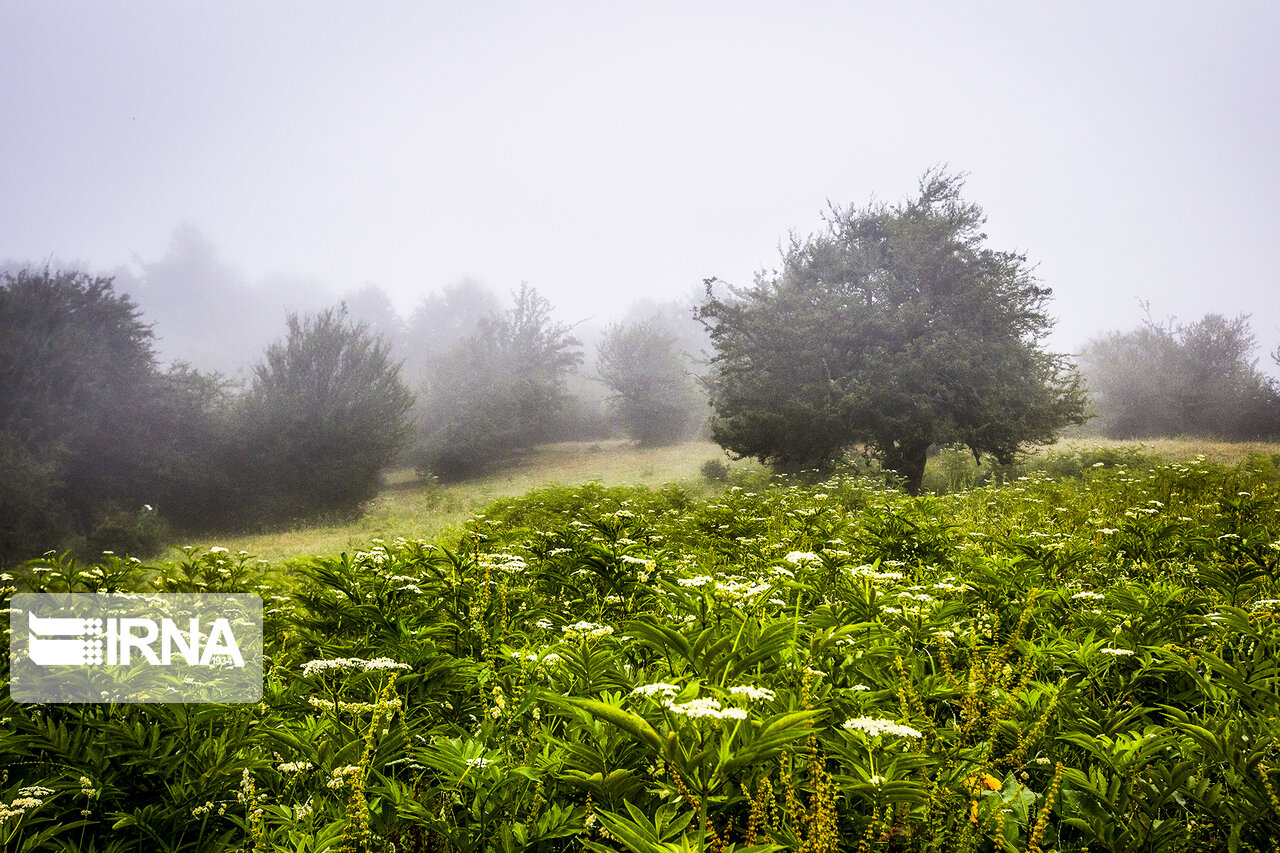
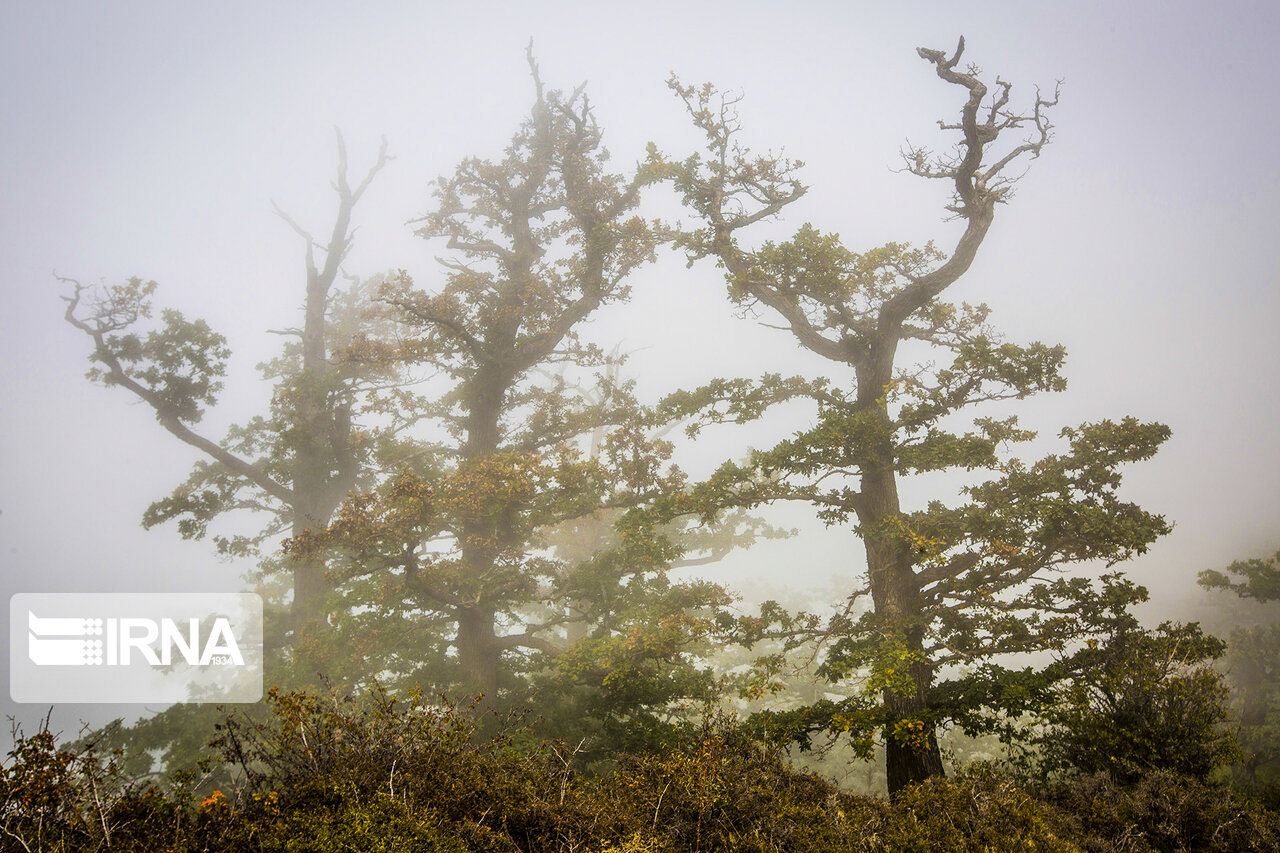
Arasbaran is one of the most prominent regions of Iran in terms of biodiversity. The region is home to more than 13% of Iran’s vegetation; although its extent is less than 5% of the country’s territory.

29% of Iran’s mammals, 44% of birds, 32% of amphibians, 9% of aquatic animals and 20% of reptiles live in Arasbaran.

Iran’s Beauties in Photos: Arasbaran Biosphere Reserve
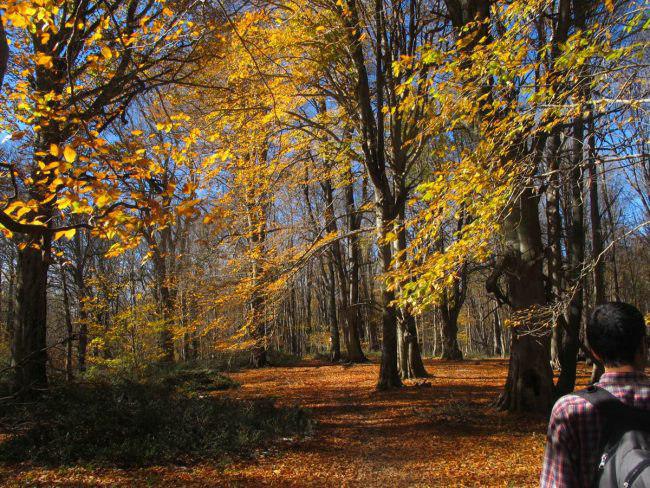
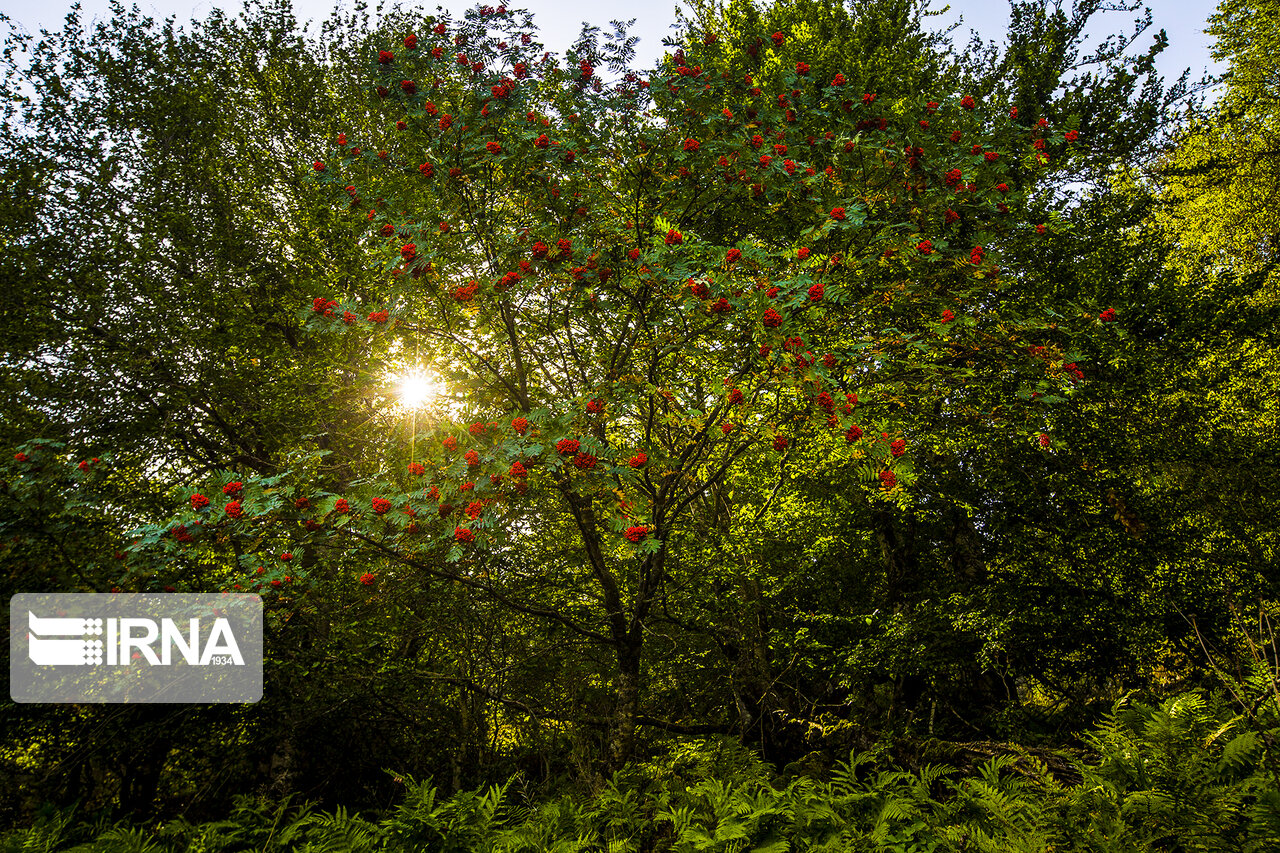
Iran’s Beauties in Photos: Autumn in Arasbaran Forest

The Arasbaran region on a global scale is equal to 34% of the flora of Armenia, 25% of the flora of Azerbaijan Republic, 25% of the French flora, 25% of Georgia’s vegetation, and 17% of the vegetation of Italy.

The region was registered in 1977 as a “Biosphere Reserve” in the UNESCO Man and Planet project (MAP).

Arasbaran is home to approximately 23,500 nomads, who generally live in interurban areas. People in rural areas are busy with farming, animal husbandry, gardening, handicrafts and tourism activities while in urban areas commercial activities are taking place.

The announcement of part of Arasbaran as a biosphere by UNESCO has added to the tourist potentialities of the region.

Here are photos of this region retrieved from IRNA:

Iran to Speed Up Uranium Enrichment as of Thursday

The AEOI spokesman, Behrouz Kamalvandi, said Wednesday that the 10-day deadline Iran had declared last week will end on June 27, and the pace of the country’s uranium enrichment will increase henceforth.

Kamalvandi first made the announcement in a press conference at the site of the Arak nuclear facilities back on June 17.

According to the spokesman, the move is part of Tehran’s decision to reduce some of its commitments under the 2015 nuclear deal with world powers in reaction to the other parties’ failure to live up to their commitments.

The increase in uranium stockpiles is based on the Articles 26 and 36 of the Joint Comprehensive Plan of Action (JCPOA), he said.

He also announced that the country’s heavy-water stockpiles will exceed the 130-tonne limit set by JCPOA within 2.5 months.

He also noted that the decision is reversible in case other parties to the deal implement their commitments.

“Europeans still have time to compensate, but if they want more, it means either they cannot or they do not want to fulfill their commitments,” he noted.

The announcement came almost 40 days after Iran gave the Europeans a 60-day deadline to live up to their commitments under the nuclear accord; otherwise, Iran has vowed to take “further measures” after the two-month period.

Iran will make decision about the level of its uranium enrichment after the 60-day deadline, Kamalvandi said.

We’re waiting for the decision of the country’s top authorities, but for now we are thinking of different scenarios including an enrichment level of 3.68 percent and more, he noted.

The level can be 5 percent for Bushehr nuclear power plant, and 20 percent for Tehran research reactor, he predicted.

“With current facilities, we have a production capacity of 190,000 SWUs. In the 15th year of the JCPOA (11 years later), we will have a capacity of 272,000 SWUs. If we withdraw from the deal, the speed will be much higher.”

Finding Real Heroes in Old War Photos

Finding Real Heroes in Old War Photos

Saeed Sadeqi, the Iranian photographer who closely covered the 8-year war that former Iraqi dictator Saddam Hussein had waged against Iran in the 1980s, has launched a new project to find the fighters in the photos of the battlefield.

Since starting the project six years ago, Sadeqi has found at least 30 veterans of war.

Sadeqi printed copies of hundreds of the photographs shot during his 70-month stay in the battlefield, namely from the occupation of Khorramshahr in southwestern Iran in 1980 to the end of the war in 1988. He has distributed the photos among friends and ordinary people to find the veterans.

He was interested in knowing where the former soldiers are today, whether they are alive or have been martyred or disappeared, and if anybody is still waiting for them. To this end, he set up a Telegram channel named “A Photographer’s Quest”.

What follows is Shahrvand newspaper’s interview with Sadeqi about his career and the project.

Finding Real Heroes in Old War Photos
Photo by Saeed Sadeqi

Q: What did make you search for these people after so many years?

A: When I now look at the hundreds of photos I took during the war, I realize how young the fighters were in the war. It struck me to find them and make a bridge between their past and present to revive the memories of the eight-year war. So, six years ago, we started the project with the help of media and street billboards. I frame the photo of each fighter after finding him, and go to visit him wherever he may be.

Q: Tell us about their reactions to the photos taken during the war?

A: Each one has his own reaction. Some burst out laughing, while some break down and weep. Some of them say the photo has revived joy in their family life. This reminds them that a lot of people had been waiting for them when they were in the battleground. The photos reveal their reality.

Q: How long were you in the battlefield?

A: I arrived in Abadan just two days after the first attack by Iraq under Saddam. I was 24, working as a photographer of a mainstream Iranian newspaper. Abadan was empty. I remember the enemy was launching airstrikes on the city targeting innocent families. Whoever could afford had left the city for Tehran or Shiraz. Tehran’s hotels were packed. I stayed in the war zone for 70 months from Khorramshahr to Kurdistan.

Finding Real Heroes in Old War Photos
Photo by Saeed Sadeqi

Q: Tell us about the photos you took in Halabja and Khormaleh.

A: I printed the photos I had taken during the chemical attack on Kurdistan and had them installed in a main square of Halabja. I stayed there for several days. After a while, some people happened to recognize some of their relatives in the photos. People’s reactions were interesting. I experienced some strange events during my stay in the battlefield. People fell on the ground with a sort of white foaming at the mouth. I didn’t know that they were target of a chemical attack. I took them to the nearby hospitals. Later I found out the issue.

Q: Have you ever met any of the injured you had saved in Halabja?

A: I found three of them in Halabja. I visited them. One of them was a mother of several children.

Q: What is your real feeling?

A: The life is what it is. I don’t really know what to say. When I went to the war zone, I was young and saw everything from the prism of art. But step by step, I witnessed so many tragic events and lost my earlier feelings. I came to the conclusion that war is totally different from what we have in mind. These photos show you the real face of war. They force the historians to write the realities. War, regardless of its outcome, bears only one fruit: burning and ruining humanity. War has no winner and these photos reveal its real nature.

Iran Prepared to Confront Any Aggression, Rouhani Tells Macron

President Rouhani made the remarks in a phone conversation on Tuesday with his French counterpart Emmanuel Macron.

“If the Americans decide to invade Iranian waters and airspace, the armed forces of the Islamic Republic will confront them and give a crushing response,” Rouhani said.

President Rouhani went on to say that the Islamic Republic is not interested in heightening tensions in the region and has never been after a war with any country including the US.

“We have always remained committed to the regional peace and stability and have done our best to contribute to the regional security,” he said.

He then referred to Iran’s full compliance with the Iran nuclear deal and its waiting for the Europeans to fulfill their promises to guarantee Iran’s economic benefits under the deal including removing obstacles in the banking ties and sale of oil and said unfortunately none of the Europeans’ promises have been fulfilled yet.

“If Iran can’t benefit from the economic aspects of the JCPOA, it would scale down its commitments under the deal based on articles 26 and 36 of the nuclear accord,” he said.

The Iranian president then underlined that Iran will never sit for another round of talks over what was achieved two years ago and said by violating the international law through exerting pressure on the Iranian nation, the Americans showed that they are not after resolving the issues.

He said the Islamic Republic has always contributed to lasting developments in the region along with France and will do the same in the future.

“If the other sides of the Iranian nuclear deal had lived up to their pledges under the nuclear accord, today, we could witness some positive and promising developments in the region..”

The US president’s unilateral move to pull out of the JCPOA is detrimental to the interest of the people of the US, Europe and Iran as well as the regional and international stability, he said.

President Rouhani called the US “main source” of the regional tensions and said the armed forces of the Islamic Republic are duty bound to defend their country and they will once again give a crushing response if the Americans decide to violate Iran’s airspace.

He then referred to the US new set of sanctions and said as far as the US has not lifted its sanctions, nothing will get back to its normal course.

For his part, the French president expressed regret over the US unilateral withdrawal from the Iran nuclear deal and said France has always contributed to efforts to preserve the JCPOA and has done its best to convince all sides particularly the US to remain faithful to the nuclear accord.

He then referred to the current tense situation in the region following the downing of an American spy drone by Iran in the Persian Gulf and said all sides should work hard to preserve the regional stability and security.

Macron called for all sides’ efforts to prevent from further tensions in the region and said most of the US administration’s regional policies are adopted to meet some domestic needs.

He warned against further tensions in the region and said the tensions will have no achievements for any sides in the region.

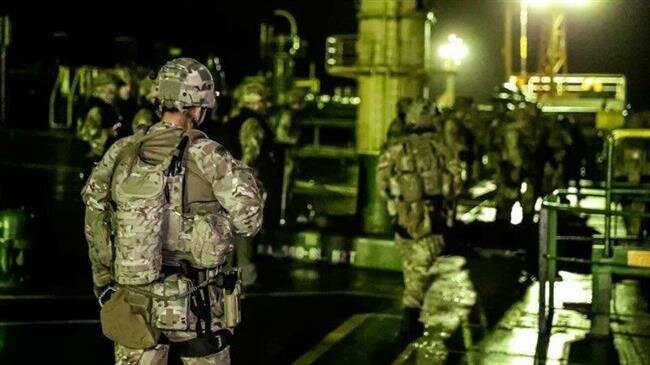
Tensions between Iran and the US heightened following an attack on two oil tankers in the Sea of Oman as well as of downing an American spy drones by Iran in the Iranian airspace.

No More Reason for Iran to Keep to JCOPA: Senior Diplomat

The Islamic Republic of Iran has demonstrated “strategic patience” over the past year in the face of the US illegal and unilateral withdrawal from the Joint Comprehensive Plan of Action (JCPOA), Araqchi said on Tuesday.

He made the remarks in a meeting with State Secretary of the Ministry of Foreign and European Affairs of the Slovak Republic, Lukas Parizek, held in Tehran.

The Iranian diplomat also lambasted the European states for procrastinating when it comes to fulfillment of the JCPOA undertakings, noting, “Sadly, the balance between the Islamic Republic of Iran’s obligations and rights under the JCPOA has been upset.”

“Considering the European side’s pledges that have gone unfilled, there remains no reason for one-way implementation of commitments by Iran,” he underlined.

“Iran, however, has kept the window of diplomacy open by gradually scaling down its commitments,” Araqchi added.

For his part, the Slovak diplomat expressed Bratislava’s support for the JCPOA, and hoped that coming into service of the INSTEX- a European payment channel for trade with Iran- would help the EU to preserve and strengthen trade ties with Iran.

On May 8, 2018, US President Donald Trump pulled his country out of the JCPOA, a 159-page nuclear agreement between Iran and the Group 5+1 (Russia, China, the US, Britain, France and Germany) came into force in January 2016.

Following the US withdrawal, Iran and the remaining parties launched talks to save the accord.

However, the EU’s failure to ensure Iran’s economic interests forced Tehran to stop honoring certain commitments under JCPOA on May 8, 2019.

Iran has also set a 60-day deadline for the remaining JCPOA parties to fulfill their undertakings.

Story of First Muslim Woman Who Cycled the World

Poupeh Mahdavi Nader began a journey fifteen years ago by cycling around the world which took her about one year and a half, 16 months and 4 days to be exact.

Mahdavi Nader has become the first ever Muslim woman who has cycled around the world. She also served as a peace envoy in the first conference of the International Peace Youth Group in South Korea in 2004. She was given the Champion of Peace by the UNESCO in 2007.

Also in 2007, Poupeh made a one-week attempt in the US Congress to prevent the closure of Yahoo accounts in Iran. Here you can read an excerpt of Shahrvand newspaper’s interview with the Iranian cyclist.

Q: Tell us about your travels. How did you decide to turn into a world tourist?

A: I used to tread Iran on foot at age 20 to 22. Since my childhood, I had two dreams in mind: Becoming a world tourist and then owning a two-storey house with one storey for myself and the other one serving as an orphanage. One of my dreams came true soon. But the other one was traveling around the world. So, I began mountaineering seriously in my 20s and went to mountains in my free time. Then I began to tread Iran on foot with a backpack.

Q: Let’s talk about the turning points of your travels. At age 28, you decided to travel around the world. Please tell us about your experiences while cycling around the world.

A: Before beginning my journey, I consulted with Dr. Sharyar Rouhani. He advised me to follow up my dream, saying if you don’t go after your dreams, you would deeply regret in your later life. That was enough for me because I got my reply. So, I immediately began my planning and embarked on my journey with the main theme of: In the Name of Love, Friendship and Global Peace.

Q: Money plays a key role in such project. How much money did you have?

A: Yes, I had to find a sponsor. I spent eight months to find a sponsor but all to no avail. I went to a bicycle store and said I can make advertisement for you in exchange for a free bicycle. My offer was rejected. So, I borrowed some money to buy a bicycle and began my long journey with only 350 dollars.
Q: The US launched its war on Iraq exactly on the same day that you decided to start your journey. Did the subsequent insecurity ever discourage you?

A: It seems to me that it was the Almighty God’s miracle that a girl who decided to embark on such a long journey was named Poupeh, was a Shiite Muslim from Iran, and the journey coincided with a deadly war. The war was enough to dissuade a person and put her or him into trouble. But if you do your best and ask God to help you, you will become successful. When the war broke out, most of my friends called me to dissuade me. When I decided to begin my journey, the TVs showed footages of American soldiers walking along the Turkey- Iraq border. I could face them within three weeks. I didn’t want to begin my journey and cut it short immediately. So, I waited for another 14 days and finally decided to begin the journey not through Turkey or Greece. I purchased a plane ticket to Italy and flew there and called for a meeting with Pope John Paul II. Finally, I managed to meet Cardinal Renato Martino who served as the chairman of Vatican’s Pontifical Council for Justice and Peace. I thought it would be the best step for achieving peace: to visit the center of Christianity in the world as a Muslim woman and begin my journey from there.

Q: Tell us about your itinerary.

A: I travelled to Italy, France, the Alps, the UK, America, Saudi Arabia, India, Nepal, China, Tibet and South Korea.

Q: It is said that during your trips, you usually hold some courses training people how to make cheap trips.

A: Yes. Since I have the experience of making journeys with the lowest cost, I like to share them with people who are interested in traveling. I teach them how to make money during their journey and survive harsh conditions.

Q: As a person who has visited most countries in the world, have you ever wanted to live in another country?

A: When I arrived in northern California, the Iranian diaspora there thanked me for what they called brining honor to all Iranians and gave me a full scholarship. They also promised to provide me with a house and a good car and job. But like all other people, I only live once, so I decided to remain in my own country.

Agh-Gol Wetland Hosting Colourful Flamingos

Agh-Gol had been drained for years because of its water share being cut by Markazi province authorities, and there was no life in it. Now the wetland is full of water and has turned into the habitat of many migratory birds.

What follows are ISNA’s photos of Agh-Gol wetland and its beautiful birds these days:

Egg Fried without Fire in Blistering Heat of Southern Iran

Summer is only a few days old, but the northern hemisphere is already facing down a big-time heat wave.

Many cities in southern and south-western Iran experience extremely hot temperatures in late spring and during summer.

Shahdad Desert, which is part of the Lut Desert in south-central Iran, is said to be the hottest place on Earth. They call this place ‘Gandom Beryan’, which means roasted grain.

The temperature in Lut Desert can exceed 70˚C in the shade, which makes it even hotter than ‘Death Valley’ in California.

Last year, the south-western Iranian city of Ahvaz soared to a brutal 54 degrees, which is Iran’s highest temperature ever recorded.
It’s also one of the world’s hottest reliably measured temperatures and the highest June temperature in Asia on record.
Scorching heat is one of the most expected outcomes of man-made climate change, according to a 2016 report from the National Academy of Sciences and a 2015 study in Nature Climate Change.

Zarif Downplays Trump’s Claim that He Stopped Iran War

Zarif made the remarks in an address to a Conference in Tehran on Tuesday marking the anniversary of the 1987 chemical bombing of the Iranian city of Sardasht by former Iraqi dictator Saddam Hossein, who was backed and armed by the US and its allies.

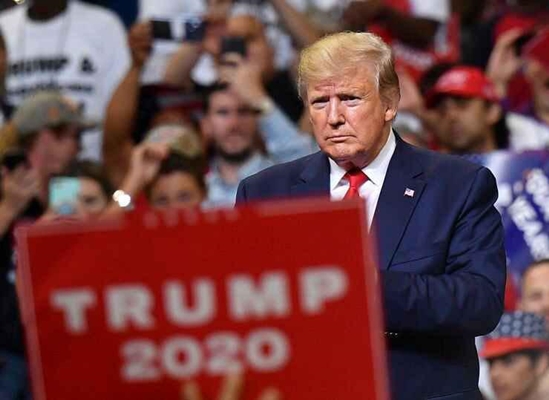
His comments came in reaction to Trump’s Friday tweet that he had stopped a military strike on Iran on Thursday 10 minutes before the beginning of the attack, after he learned that 150 Iranians would get killed.

Zarif directly addressed Trump on Tuesday, asking him, “Were you really worried about the lives of 150 Iranians? How many people have you killed with chemical weapons? How many generations have you destroyed with such weapons?”

Iran’s top diplomat further called the survivors of Saddam’s chemical weapons “the living document” of Iranian people’s resistance against the enemies and said in addition to the defensive capabilities against the world powers, the victims serve as Iran’s preemptive capital and means in the face of enemies.

“Where is Saddam today? Where is Chemical Ali (Saddam’s intelligence chief and defence minister Ali Hassan al-Majid) today? Where are those who committed crime against our people. Today, we stand proudly due to your presence,” he said.

According to the Iranian foreign minister, Saddam began to use chemical weapons against Iran in the early days of its invasion of the country and this was regularly reported to the UN but the UN Security Council never found it urgent to hold a meeting on the crime.

“The then UN chief sent six delegations on various occasions to Iran based on our repeated calls and the delegations visited Iranian hospitals and talked to the victims. Their reports left no room for doubt about Saddam’s use of chemical weapons but despite this, no action or word of protest was made by the international community,” he said.

Zarif said those who claim chemical weapons are their red line remained silent towards Saddam’s crimes against the Iranian people.

“If you had stopped Saddam then, today the ISIS wouldn’t dare to use chemical weapons against the people of Iraq and Syria. And even today, we see that the western powers are trying to cover up the crimes by their affiliated groups,” he said.

Zarif said Iran was among the first countries which joined the Chemical Weapons Convention at the order of the Leader of the Islamic Revolution. “We were among the first countries which destroyed our chemical storage but the US has not yet destroyed its chemical storage and the Zionist regime has not even joined the convention.”

He called Iran a pioneer in fight against chemical weapons and said based on its religious belief, the Islamic Republic has never been after producing such weapons.

A Look at Iranian Newspaper Front Pages on June 25

A Look at Iranian Newspaper Front Pages on November 19

Abrar:

1- US Intelligence Official Makes Anti-Iran Comments

2- Iran Says Ready to Hold Dialogue with Regional States

3- Trump: I Prefer to Compete with Biden Instead of Clinton

4- Quadrilateral Committee of Saudi, UAE, US, UK against Iran

5- INSTEX Will Probably Be Sanctioned: WSJ

A Look at Iranian Newspaper Front Pages on June 25


Asrar:

1- Zarif: Europeans Must Face Consequences of Failure to Implement Their Commitments

2- Justice Has No Expiration Date: Judiciary Chief

A Look at Iranian Newspaper Front Pages on June 25


Besharat-e Now:

1- Hook: US Ready to Establish Diplomatic Ties with Iran

2- Iran to Take Second Step of Scaling Back JCPOA Commitments More Seriously

A Look at Iranian Newspaper Front Pages on June 25


Etemad:

1- US Treasury to Sanctions FM Zarif, Iran Leader’s Office


A Look at Iranian Newspaper Front Pages on June 25


Ettela’at:

1- Zarif: Any Aggression on Our Territorial Integrity to Face Harshest Response

2- Trump: Bin Salman Pays for Costs of Our Military Presence

A Look at Iranian Newspaper Front Pages on June 25


Javan:

1- Zarif: I Felt Proud When IRGC Hit US Drone

2- Araqchi: Iran’s Decision to Scale Back Commitments Not Reversible

3- Bin Salman Allegedly Military Action Very Expensive’

A Look at Iranian Newspaper Front Pages on June 25


Jomhouri Eslami:

1- FM: Air Defence System that Downed US Drone Was Totally Iranian

2- German FM: Iran, US, Region Do Not Want a War

3- Russia Spokesman: US’ Anti-Iran Bans Illegal

4- 100 Lebanese, Palestinian Clerics Ban Support for Deal of Century

A Look at Iranian Newspaper Front Pages on June 25


Kayhan:

1- New US Bans against Iran Declared by Trump

2- Trump: I Called Bin Salman, Told Him You Must Give Us More Money, He Accepted

* Saudi Arabia Still Being Humiliated

3- US, Some Western States Hindering Fight against Narcotics: Zarif

4- Washington Post: Trump Roars Like Tiger, Acts Cowardly Like Cat

A Look at Iranian Newspaper Front Pages on June 25


Shargh:

1- Hook: We’re Ready for Diplomatic Relations

* White House’s Contradictory Remarks over Iran

2- Erdogan Loses Big Game: Istanbul Can Change Turkey Politics

A Look at Iranian Newspaper Front Pages on June 25


Sobh-e Now:

1- Trump’s Childish Sanctions against Iran

* While US Pretends to Be Seeking Dialogue, Friendship, It Imposes New Bans on Iran

2- Al Khalifa Betrays Cause of al-Quds: Palestinians Hold Rally against Manama Summit

A Look at Iranian Newspaper Front Pages on June 25