Friday, April 10, 2026
Home Blog Page 3208

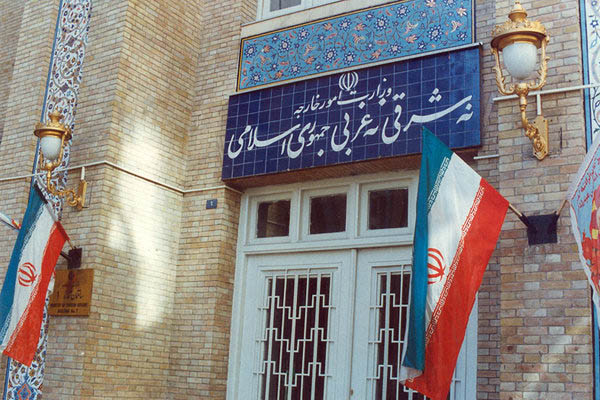
Iran Urges Int’l Probe into Fate of Abducted Diplomats

In a Friday statement released on the 37th anniversary of the abduction, the Foreign Ministry said based on ample evidence, the Islamic Republic of Iran holds the Zionist regime of Israel and its allies legally and politically responsible for the abduction and the terrorist move.

The statement also slammed the international community and the self-proclaimed advocates of human rights for refraining from adopting any serious measure against the crime and said the Zionist regime backed by the US keeps continuing its crimes and measures against the international law and evading responsibility.

It then reiterated calls for the establishment of an international fact-finding committee to follow up the fate of the abducted diplomats.

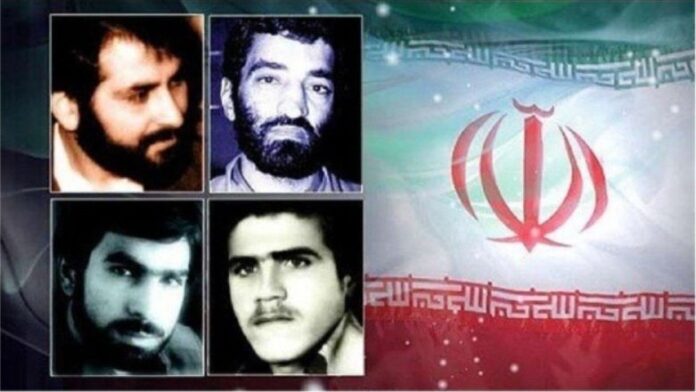
Four Iranian diplomats – the then charge d’affaires of the Iranian embassy in Beirut Seyyed Mohsen Mousavi, military attaché Ahmad Motevasselian, embassy technician Taqi Rastegar Moqaddam and a journalist working for the Islamic Republic News Agency Kazem Akhavan were kidnapped by a group of Israel-backed gunmen at an inspection post in northern Lebanon on July 4, 1982.

3,000-Year-Old Antiquities Seized from Smugglers in Iran

At least five people have been arrested with connection to the seizure, said a local commander, Brigadier General Seyyed Mahmoud Mirfeyzi.

“The Law Enforcement began a massive operation to seize the antiquities after receiving several reports on efforts by a gang which had access to the ancient items,” he said.

After an operation by the Iranian forces, the ringleader was spotted and the antique items were confiscated in his home in Galugah.

“At least fifty items have been confiscated including lace and bronze dishes,” the commander said and added based on estimations by archaeologists, the priceless items date back to three thousand years ago.

12 Air Taxis to Become Operational in Iran by March 2020

“Based on the agreements made with the State Civil Aviation Organization, as many as 12 air taxis will enter service in the country by [the Persian] year’s end,” said Manouchehr Manteqi, the secretary of the Modern Transport and Air Technologies Development Commission of the Science and Technology Department of the Presidential Office.

“Air taxi services have been established in several provinces, namely North Khorasan and Hormozgan in order to render services from the provincial capital to nearby town and cities, and this domain is going to be further developed,” he said.

An air taxi is a light or ultralight airplane whose capacity is as large as that of an ordinary taxi or bus and can carry passengers over short distances.

The air taxi is the phrase used to refer to small commercial planes at airports which can be hired by passengers to take them to their destinations on time without any delays.

Manteqi said the aircraft used as air taxis can seat between 4 to 10 passengers.

“With air taxi services becoming operational, the most important thing which will be done is that it will activate small airports where few flights operate at the moment, and will link provincial capitals to the capitals of nearby provinces or cities with large airports.

“Air taxis are also used for non-scheduled flights.

For scheduled flights, passengers need to spend a lot of time to finally get on board, but this time can be shortened via air taxis,” he said.

“At the moment, many airports in the country are hosting only a few passengers. With the arrangements made … we intend to put 12 air taxis into operation by the end of this year,” he noted.

He said air taxis are part of public aviation, which is one of the key components of the air industry in the country and more needs to be done in that domain.

Iran Summons UK Envoy over Oil Tanker Seizure

Iran Appoints Female Ambassador to Denmark

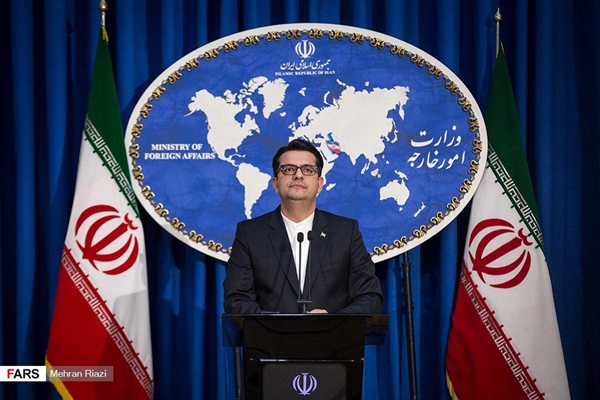
The ministry’s spokesman Seyyed Abbas Mousavi said on Thursday Iran expressed its strong protest to the top British diplomat over the incident.

Mousavi also slammed the seizure of the vessel as an illegal and destructive measure.

“This is a destructive move done at the request of the US government,” said the spokesman in an interview with the state TV.

“This amounts to the imposition of a kind of extraterritorial sanction and will fuel tensions in the region,” said the spokesman.

Robert Macaire was summoned to the Iranian Foreign Ministry on Thursday evening.

As the ambassador appeared at the Foreign Ministry, Director of the Third Department of Western Europe described the UK move as unacceptable, and called for the immediate release of the oil tanker, given that it has been seized at the request of the US based on the information currently available.

Pointing to the fact that the oil tanker was sailing in the international waters, the Iranian diplomat described the UK Navy’s measure as being tantamount to maritime piracy, and stressed that Britain has no right to impose its own unilateral sanctions or those of the European Union in an extraterritorial manner against the other countries.

This is the very bullying policy of the US, about which the European countries have been always protesting, he added.

In the meeting, the UK ambassador was provided with the documentation about the oil tanker and its cargo indicating the ship’s completely legal movement.

It was also emphasized that the Islamic Republic of Iran will be employing all its political and legal capacities to secure the release of the vessel and uphold its rights.

The UK ambassador said he will immediately convey the protest to London, stressing that the UK does not follow the unilateral US sanctions against Iran.

The Grace-one tanker was halted early on Thursday by Gibraltar police and customs agencies, aided by a detachment of British Royal Marines.

The Gibraltar government claims the vessel was carrying crude oil to a refinery in Syria. The UK, which regards Gibraltar as part of its territory, said the shipment was a breach of European Union sanctions against Syria. However, Spain, which challenges the British ownership of Gibraltar, said the action was prompted by a US request to Britain and appeared to have taken place in Spanish waters.

Saudi Arabia Demanding ‘Ransom’ to Let Iran Ship Go

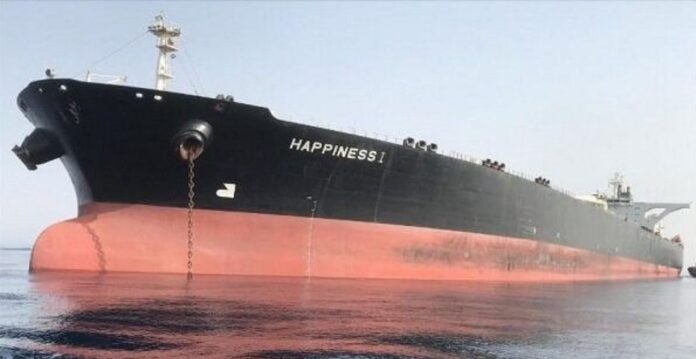
Iranian tanker Happiness 1

“We have learned that one of Iran’s oil tankers ran into technical problems while on its mission, and the circumstances in the environment forced it to dock at the Saudi coast. However, Saudi Arabia wouldn’t let the oil tanker leave after it underwent repairs,” said Mansour Haqiqatpour, an ex-MP and former member of Parliament’s National Security Commission.

“Incoming reports suggest that Saudi Arabia demanded the payment of an exorbitant repair cost, which makes it all the more necessary for the Foreign Ministry to follow up the issue in order to solve the problem,” he noted.

Meanwhile, Iranian Petroleum Minister Bijan Namdar Zanganeh also weighed in on the issue.

“Iranian officials are pursuing the matter through the National Iranian Oil Company in order to return the oil tanker to Iran. In addition to financial costs, the presence of our personnel there and the possibility of the outbreak of an environmental disaster are also important,” said Zanganeh.

Earlier, an Iranian lawmaker warned Saudi Arabia against holding the oil tanker “hostage,” describing it as an “illegal seizure” and a case of “ransom-seeking” aimed at gaining concessions from Iran.

Mohammad-Javad Jamali Nobandegani, a deputy chairman of the Iranian Parliament’s National Security and Foreign Policy Committee, said “Saudi Arabia’s refusal to discharge the Iranian vessel in the Arab country is a sort of ransom-seeking and hostage-taking. I think Saudis want to use the situation to take revenge for the damages they have suffered in such places as Yemen.”

However, he added, this is a “stupid and childish game, which will finally result in Riyadh’s harm.”

The Iranian oil tanker was plying across international waters when it ran into technical problems.

As the port of Jeddah was close by, the vessel, under international regulations, asked to dock at the port in order to undergo repair works. However, Riyadh refused to allow the oil tanker to leave the port after repair work was done.

A Look at Iranian Newspaper Front Pages on July 4

A Look at Iranian Newspaper Front Pages on November 19

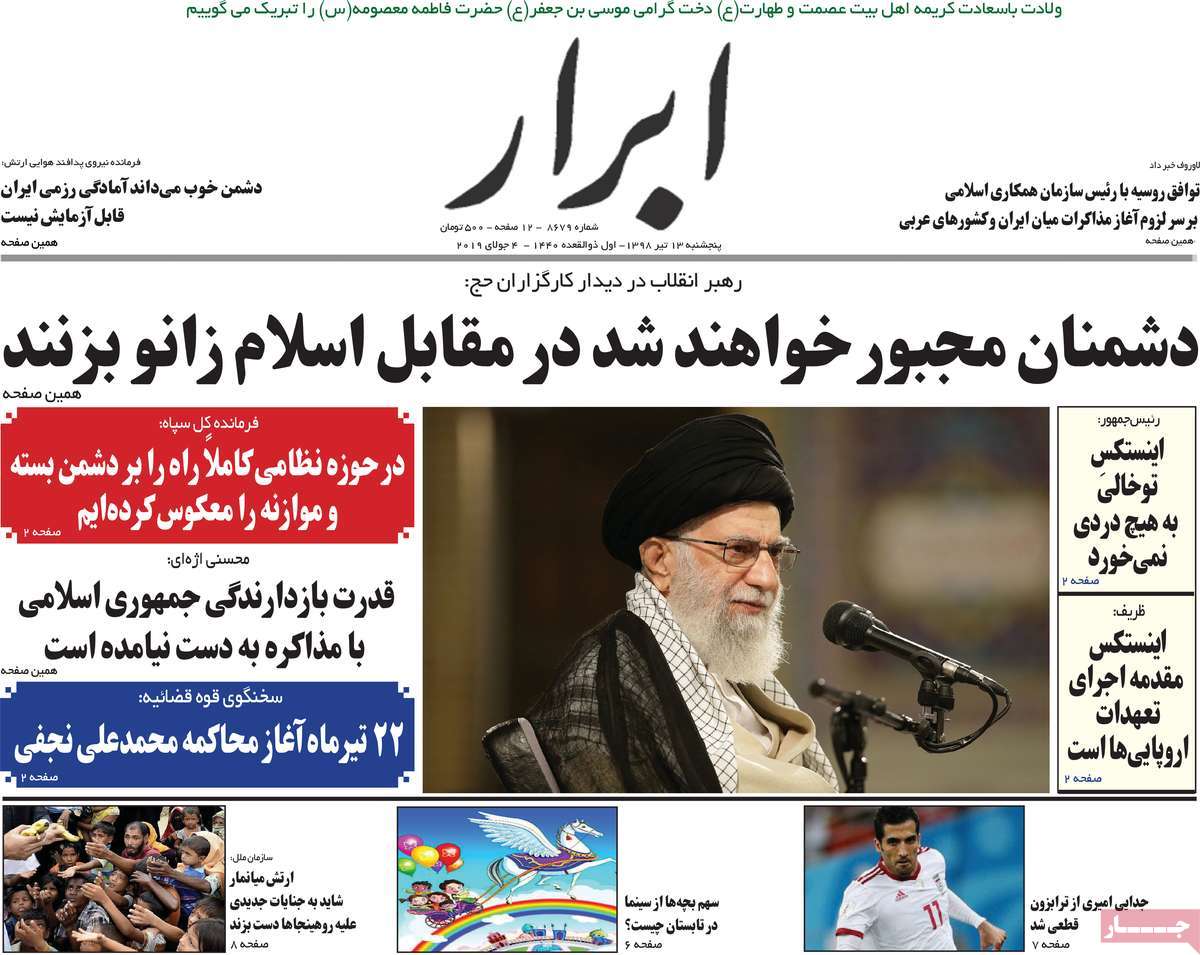
Abrar:
1- Russia’s Deal with OIC Chief over Beginning of Talks between Iran, Arab States
2- Enemies Will Have to Bend the Knee against Islam: Iran Leader
3- Zarif: INSTEX Prelude to Implementation of Europeans’ Commitments
4- IRGC Chief: We’ve Reversed Balance in Military Area

A Look at Iranian Newspaper Front Pages on July 4


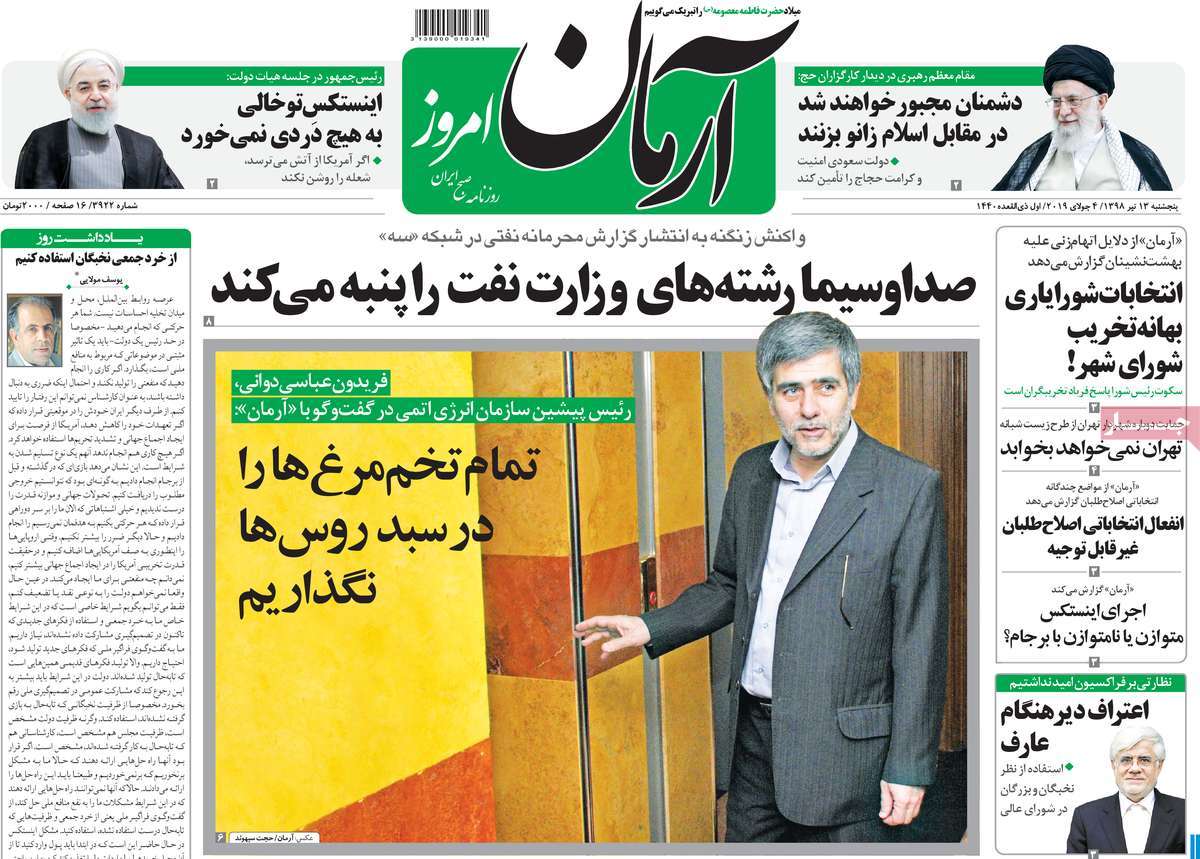
Arman-e Emrooz:
1- Hollow INSTEX of No Use: Rouhani

A Look at Iranian Newspaper Front Pages on July 4


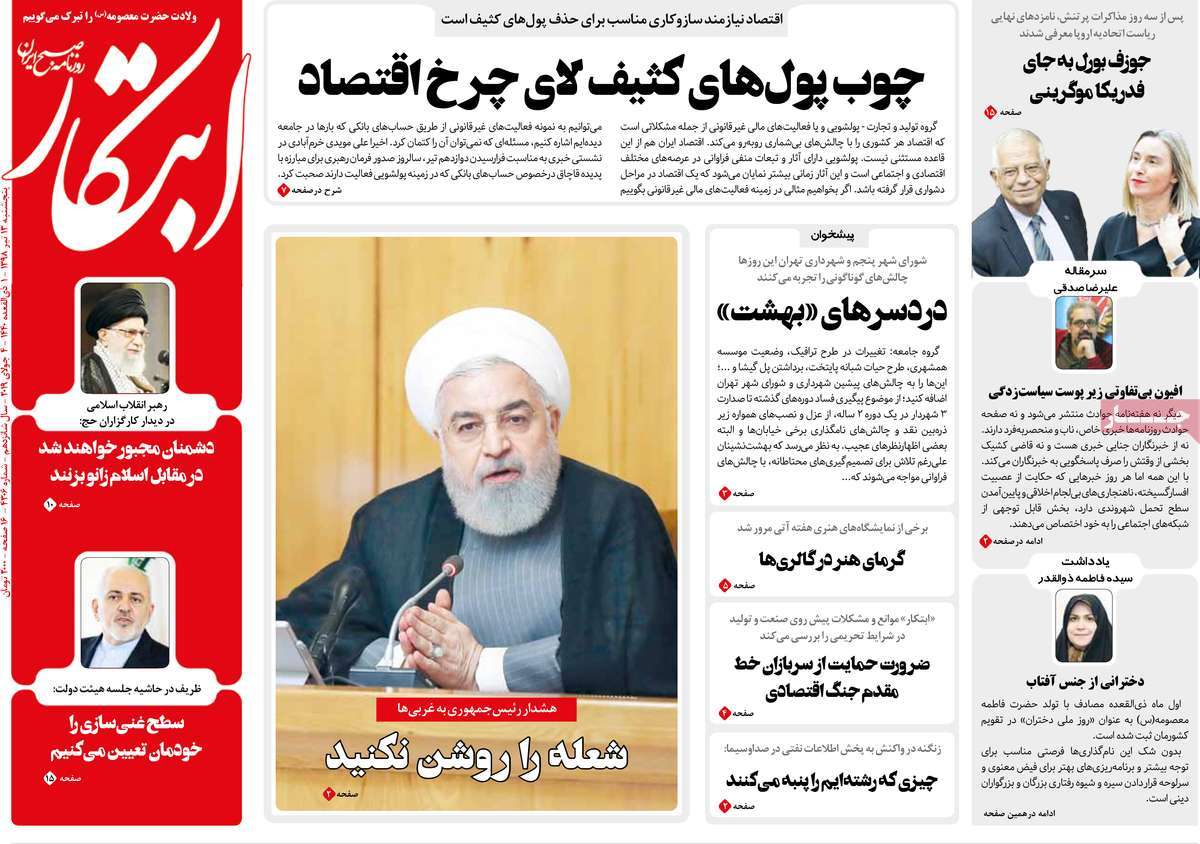
Ebtekar:
1- Josep Borrell to Replace Mogherini after 3 Days of Tense Talks
2- Don’t Start the Flame: Rouhani Warns Westerners
3- We’ll Decide Level of Our Uranium Enrichment: Zarif

A Look at Iranian Newspaper Front Pages on July 4


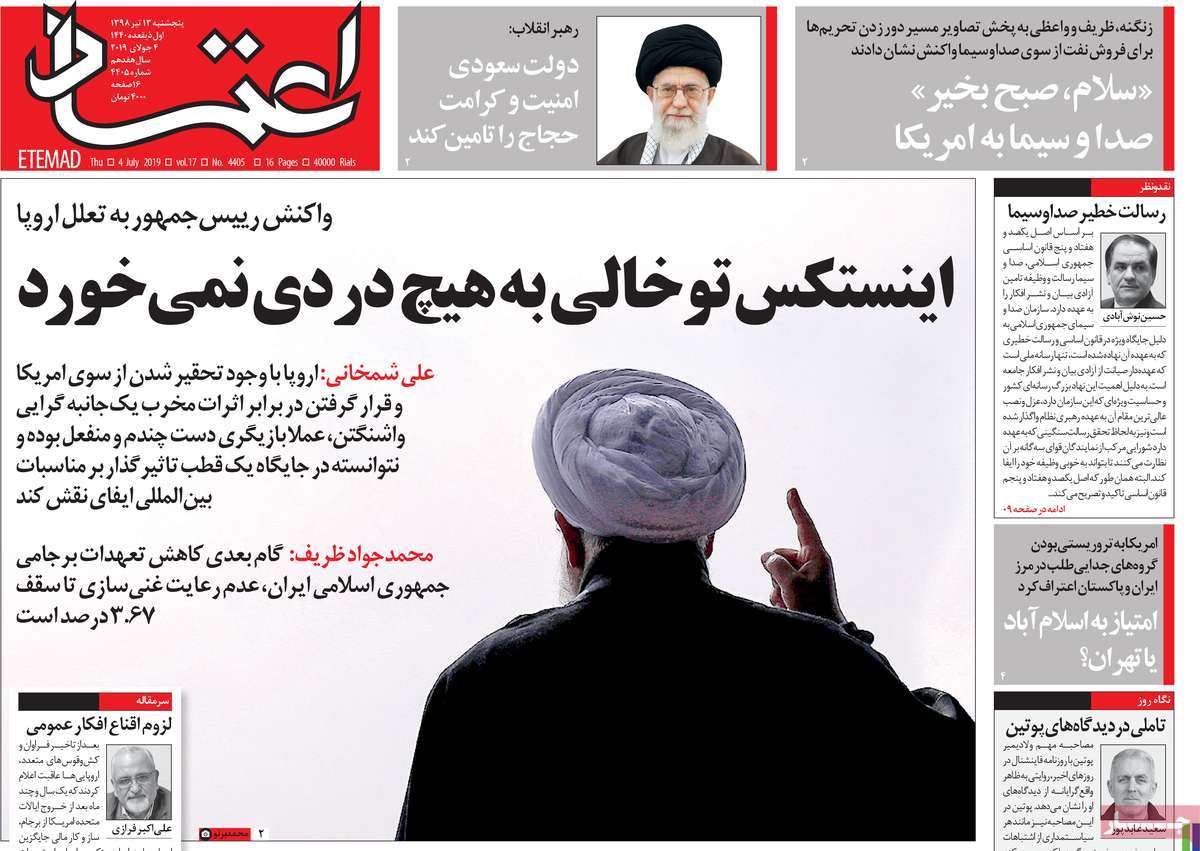
Etemad:
1- Iran Leader: Saudi Gov’t Must Ensure Safety of Hajj Pilgrims
2- Rouhani: Empty INSTEX of No Use to Anyone
3- Zarif: Iran to Exceed 3.67% Level of Enrichment in Next Stage

A Look at Iranian Newspaper Front Pages on July 4


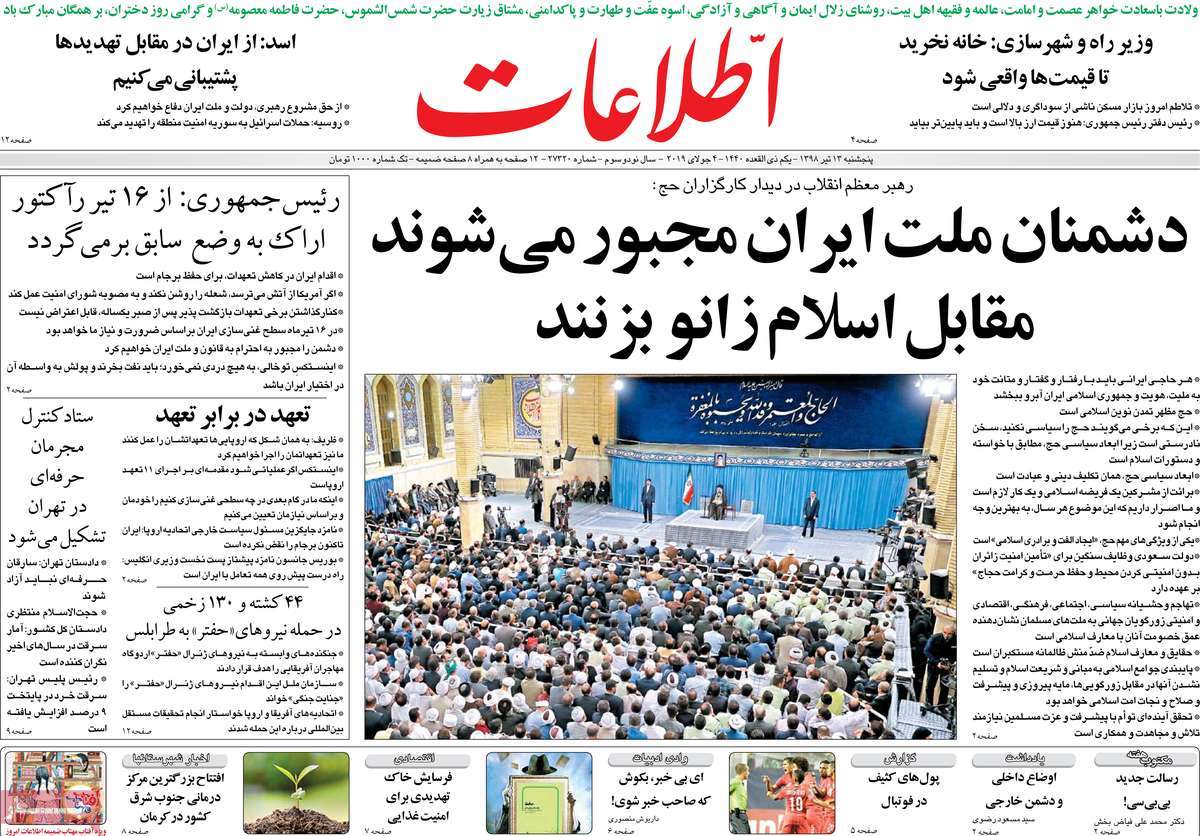
Ettela’at:
1- Assad: We Support Iran against Threats
2- Rouhani: Arak Reactor to Be Restored to Previous Status as of July 7

A Look at Iranian Newspaper Front Pages on July 4


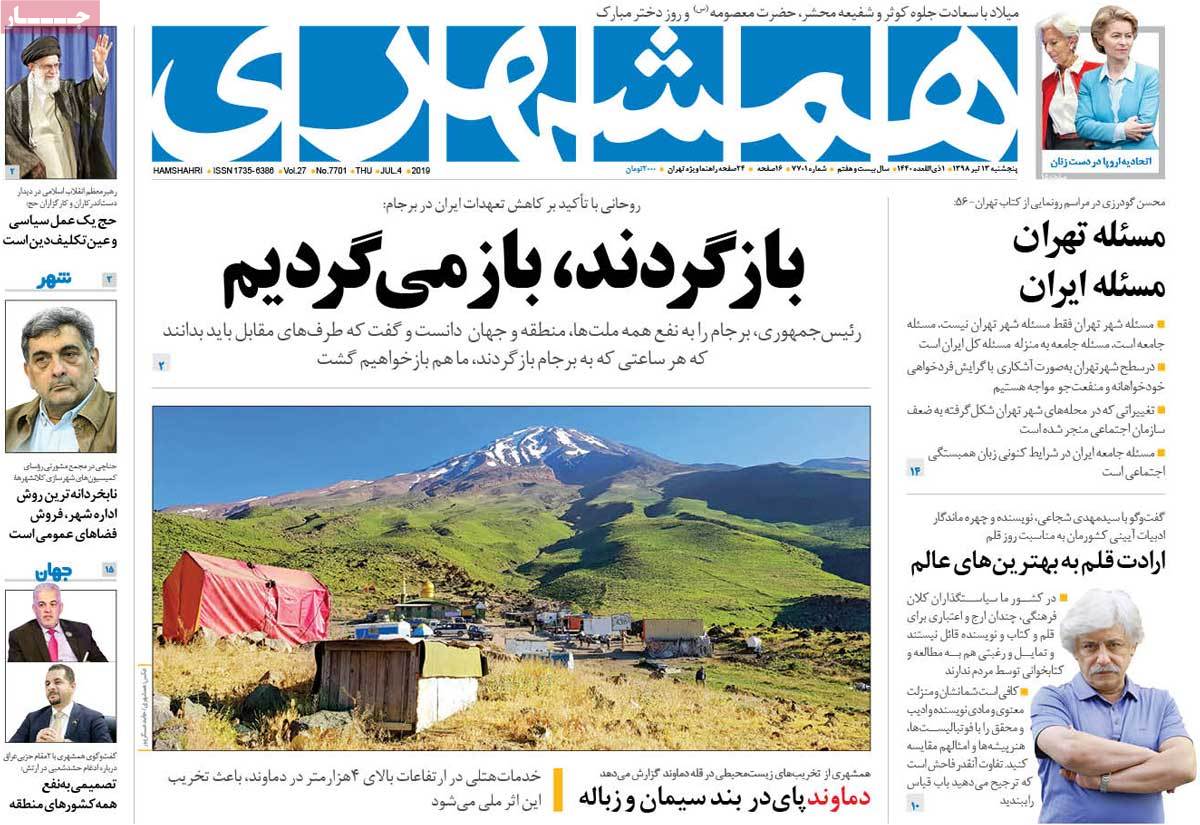
Hamshahri:
1- We’ll Return If They Return: Rouhani Says Iran’s Nuclear Measures Reversible

A Look at Iranian Newspaper Front Pages on July 4


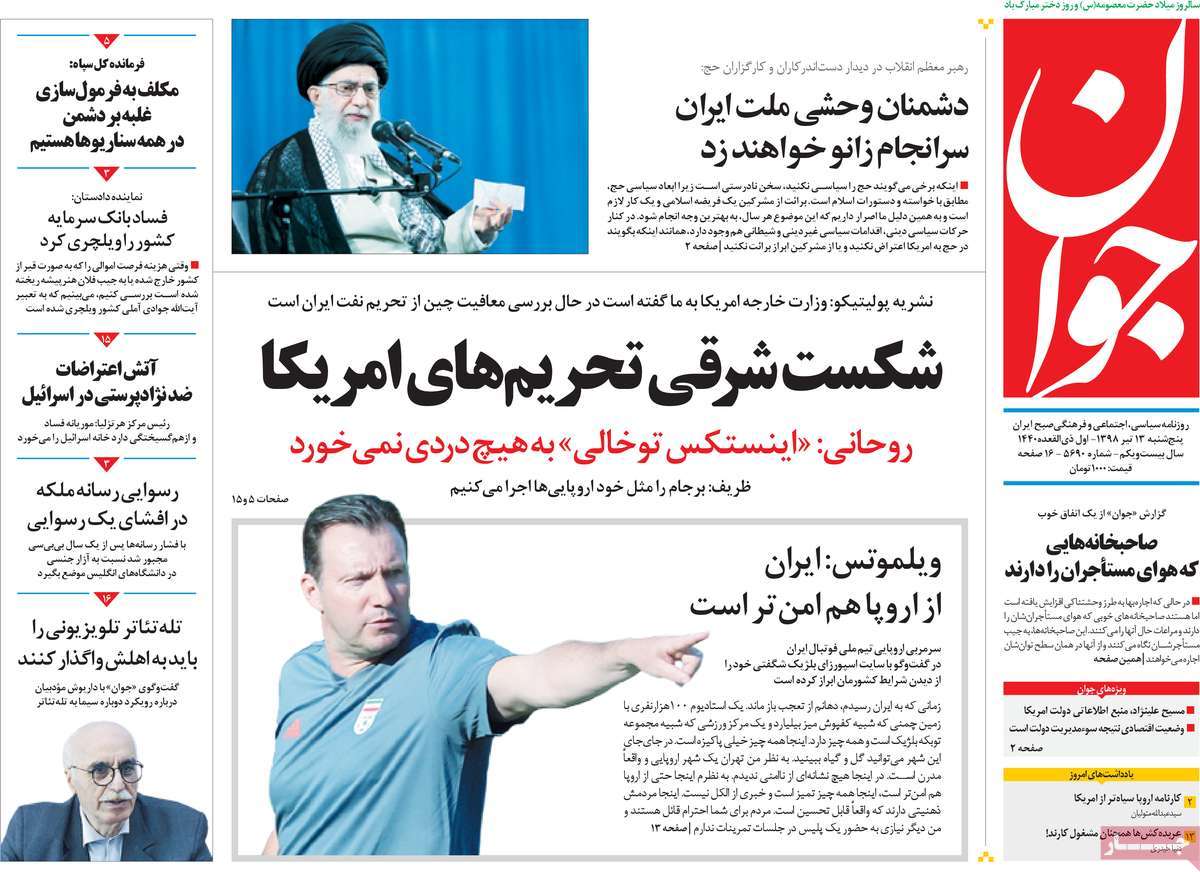
Javan:
1- Failure of US Sanctions in the East: Politico Says US Mulling Giving China Oil Waivers
2- Wilmots: Iran Safer than Europe

A Look at Iranian Newspaper Front Pages on July 4


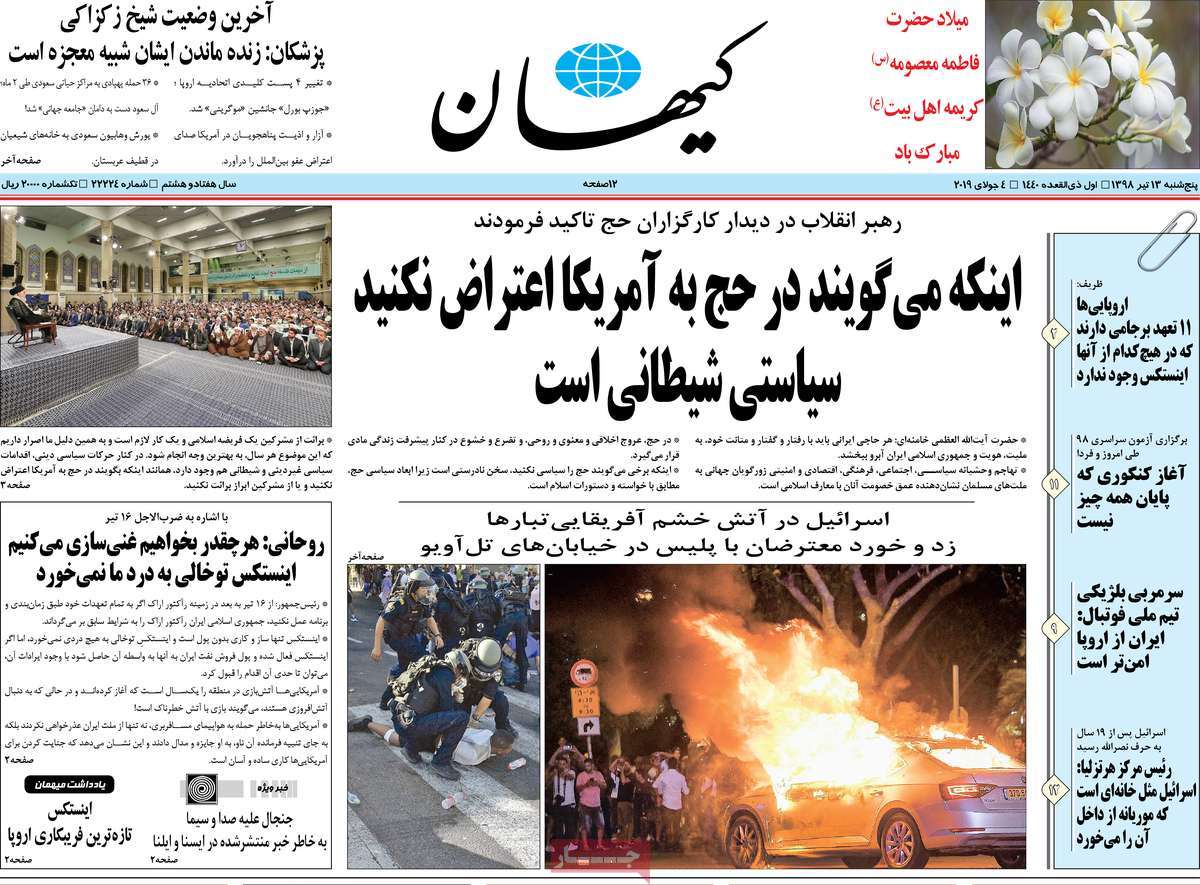
Kayhan:
1- Rouhani: We’ll Enrich Uranium at Any Level We Want; Hollow INSTEX of No Use
2- Zarif: INSTEX Not among Any of 11 JCPOA Commitments Europe Undertook
3- Latest Conditions of Sheikh Zakzaky: It’d Be a Miracle If He Survives, Doctors Say

A Look at Iranian Newspaper Front Pages on July 4


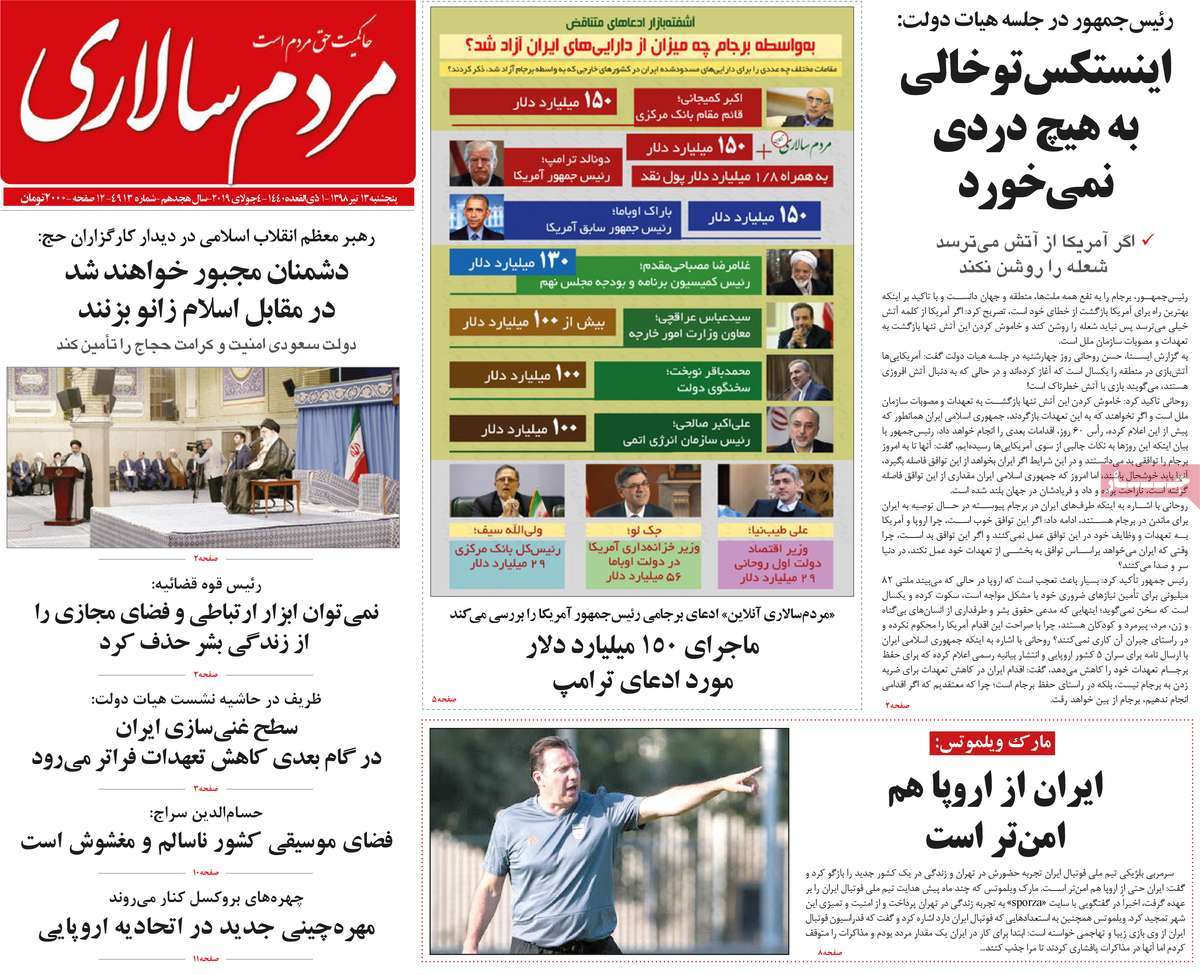
Mardom Salari:
1- Zarif: Iran to Increase Level of Uranium Enrichment in Next Step
2- New Arrangement in European Union
3- Wilmots: Iran Safer than Europe

A Look at Iranian Newspaper Front Pages on July 4


Sazandegi:
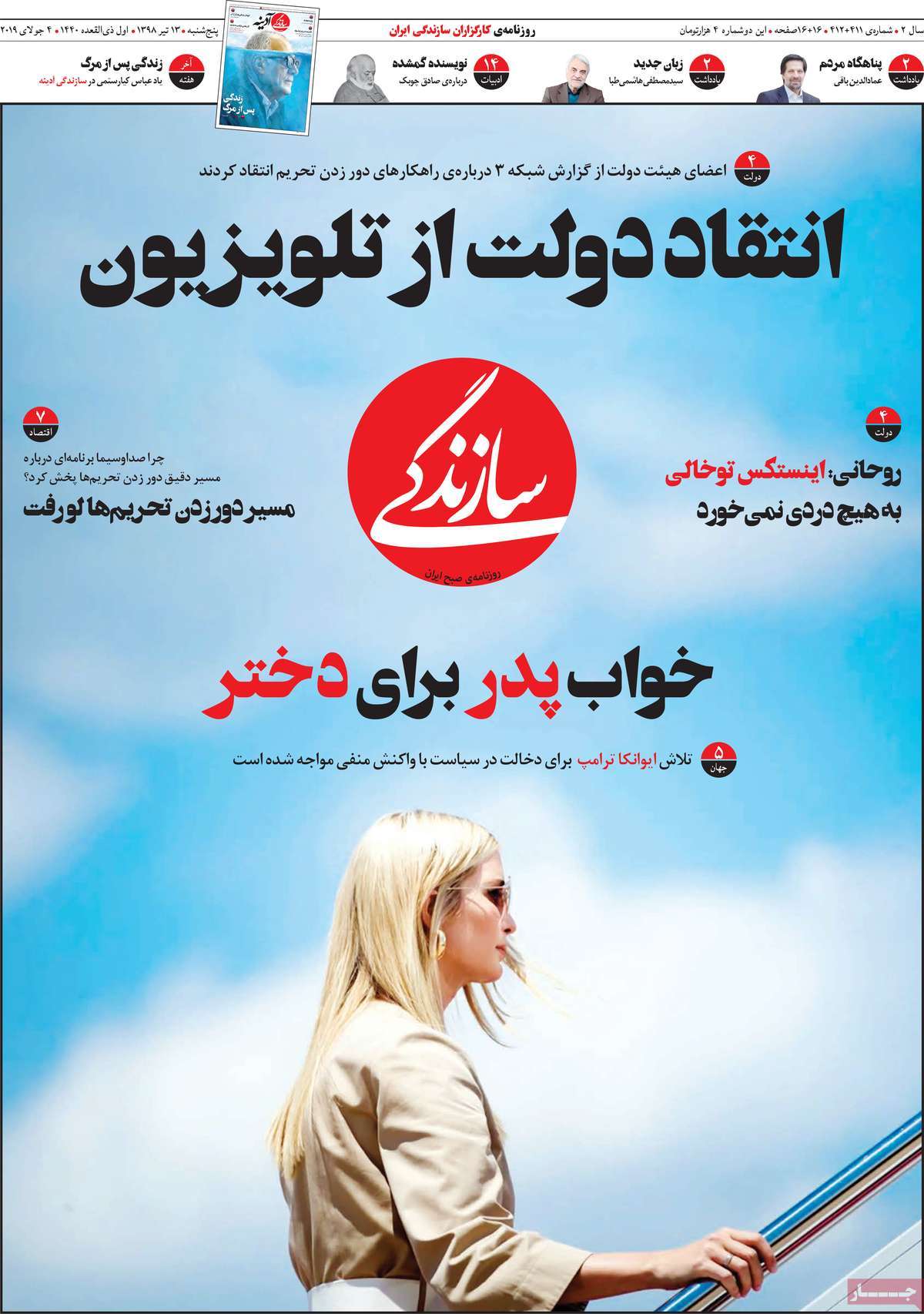
1- Trump’s Dreams for Ivanka: Negative Reactions to Trump’s Daughter’s Efforts to Meddle in Politics

A Look at Iranian Newspaper Front Pages on July 4

New EU Foreign Policy Chief: Fan of Iran Deal, Critic of Trump

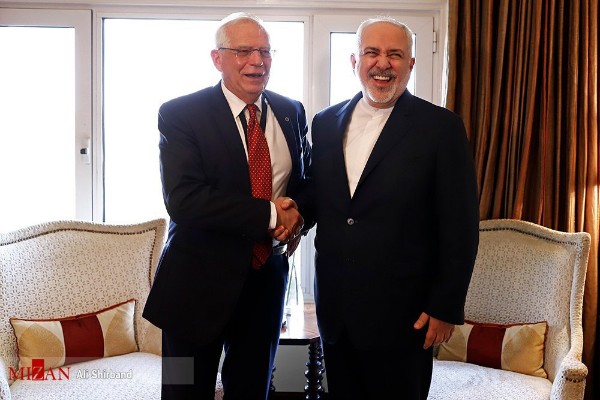
Photo of Spain's then foreign minister, and new EU Foreign Policy Chief, Josep Borrell (left) and Iranian Foreign Minister Mohammad Javad Zarif

The first thing you should know about him is that he is adamantly opposed to the United States’ unilateralism. It was on April 26, 2019 when he took a swipe at Washington’s unilateral moves and interventionist measures, namely revoking sanctions waivers for Iranian oil. Addressing a conference on EU-US relations held in Madrid, Borrell said one should wait and see whether Washington’s decision will actually come into force as the move might face opposition by different countries.

Meanwhile, Borrell is one of advocates of the Iran nuclear deal. In comments on May 8, 2019 in response to Iran’s scaling back its commitments under the nuclear deal, he said Iran fortunately did not tear up the nuclear agreement and kept it from being completely torn apart. He said the Europeans would be the first countries to be affected by Iran’s ramping up its nuclear activities. Borrell also noted that Washington’s denunciation of the nuclear deal is bad news.

He underlined the Iranians did not tear up the agreement; rather, they said they would not live up to their commitments and adopt measures to limit the agreement if the US fails to keep its side of the bargain under the deal.

We should not forget that Spain is the same country that recalled its frigate and temporarily stopped it from continuing to accompany the American USS Abraham Lincoln aircraft carrier moving towards the Persian Gulf at a time when there was much propaganda in order to militarize the strategic body of water. At that time, Borrell said the Spanish government had taken all aspects of the issue into consideration and finally decided to recall the frigate. The Persian Gulf is filled with tensions. Of course, this issue should not be aggrandized and regarded as a complex issue.

Iranian Foreign Minister Mohammad Javad Zarif sat down for talks with Borrell at an international forum called The Raisina Dialogue in early 2019.

Kamal Kharrazi, the head of the Iranian Strategic Foreign Relations Council, also met Borrell in Spain last year.

Borrell, in a tweet in February 2019, expressed congratulations on the 40th anniversary of the victory of the 1979 Islamic Revolution of Iran and described Iran as a regional heavyweight.

So, it seems the replacement of Mogherini with Borrell will not be to Iran’s detriment. Even one may say that Borrell, given his caution and great diplomatic experience, would adopt stances that would be closer to Iran and farther away from the US and its regional allies including Israel and Saudi Arabia.

Why and How to Get Iran’s Residency

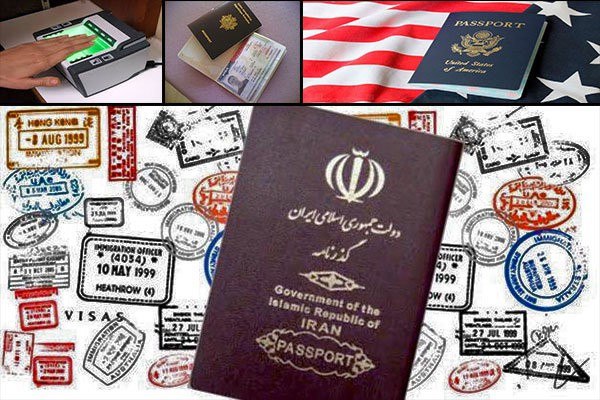
Iran is located in a region of the world dotted with violent conflicts. This has turned the country into one of the world’s most significant migration hubs.

Most of the migrants flooding to Iran are often from the lower classes of their society who for many reasons, including cultural ones, are incapable of pushing their way into Europe.

Amid the current situation, a new by-law recently passed by the cabinet provides such migrants particularly those from Afghanistan with a new chance to get Iran’s residency.

The by-law facilitates getting Iran’s residency. Each investor will get a five-year Iranian residency if they invest a minimum of €250,000, a report by IRNA said.

Investments can also be made in other currencies accepted by the Central Bank of Iran (CBI).

The by-law is aimed at encouraging foreign investors to make investments in Iran through various ways including opening accounts in the Iranian banks, buying investment bonds and securities as well as investment in the housing sector within official procedures.

Now the main question lingering in mind is that why should one get Iran’s residency?
There are some good reasons: First, it is interesting to know that Iran is home to about 3,200,000 foreign nationals. The figure is two times more than the number of foreign nationals living in a country like Qatar.

Therefore, if the new by-law manages to convince 0.1 percent of the migrants to get Iranian residency, this means about €128 million will enter the country, a figure which stands at about one-fifth of trade volume between Iran and France in 2017.

Second, Iran is located in a region of the world dotted with violent conflicts. This has turned the country into one of the most significant migrant hubs of the world. Most of the migrants flooding to Iran are from the lower classes of their society who for many reasons including cultural ones are incapable of pushing their way into Europe.

Third, the main issue is that the current regulations to get Iranian residency are not facilitating. But now the new by-law is set to make the process easier. Those people qualified to get Iranian residency fall into five groups:
1. Those who have lived in Iran for five consecutive or non-consecutive years in Iran. The applicants should also be above 18.

2. Those who have resided consecutively or non-consecutively in Iran for at least two years but enjoy specific scientific and professional achievements but whose expertise should be approved by the related authorities.

3. Those who have resided consecutively or non-consecutively in Iran for at least two years but provided valuable public services. Their services should be approved by the related authorities.

4. Those who have resided consecutively or non-consecutively in Iran for at least two years and provided valuable production or construction services. Their services should be approved by the related authorities.

5. Those who have resided consecutively or non-consecutively in Iran for at least two years and enjoy a personal revenue, salary or retirement pension. Their services should be approved by an Iranian bank.

6. Those who have Iranian spouse and children.
The newly approved by-law has also removed the prerequisites of two years of legal residency.

And finally, one of the facilities provided by the new by-law is that the investment should not necessarily be made in production or construction areas. Based on the by-law, investments can also be made in the banks, corporate bonds, and housing area.

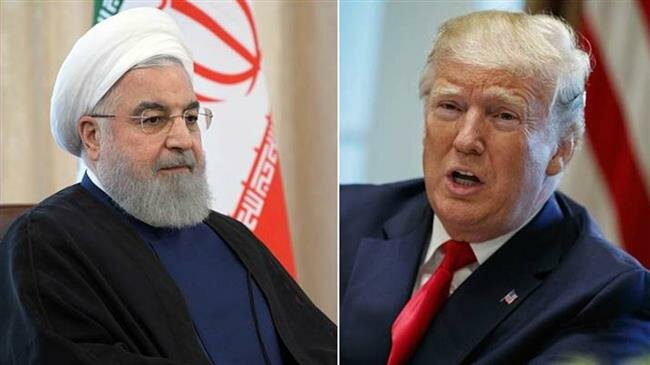
Trump Distorts Rouhani’s Remarks, Claims Iran after ‘New Deal’

On Wednesday, Rouhani said Iran would surpass the limit placed by the Joint Comprehensive Plan of Action (JCPOA) on the level of purity of the uranium it produces when the July 7 deadline set by Tehran for the remaining deal partners expires.

“The level of uranium enrichment will no longer stay at 3.67 percent,” the Iranian president said. “This commitment [taken under the nuclear deal] will be set aside, and we will enhance [the enrichment level] to whatever amount, which we deem necessary and need.”

Reacting to Rouhani’s comments, Trump tried to suggest that Iran was seeking a “new deal.”

In a tweet, he claimed Rouhani had threatened to increase uranium enrichment if there is no “new Nuclear Deal.”

The US president pulled the US out of the JCPOA last May, calling it the “worst deal ever negotiated,” leaving the fate of the landmark diplomatic achievement in doubt.

Washington then unleashed a campaign of “maximum pressure” on Iran in an attempt to force Tehran into negotiating a “new deal,” which would cover the Islamic Republic’s conventional missile activities and its counter-terrorism role in the region.

Iran has repeatedly stressed that it would not renegotiate the deal with the US, urging Washington to return to the nuclear agreement, which has been endorsed by the UN Security Council.

In his tweet, Trump also threatened the Islamic Republic to be “careful with threats” as they can “come back to bite you.”

Tensions have been running high between Tehran and Washington since last year, when Trump withdrew the US from the JCPOA and unleashed the “toughest ever” sanctions against Iran, notably targeting its energy sector.

In the wake of Washington’s pullout, the JCPOA cosignatories pledged to make efforts to save the deal by protecting Iran against Washington’s “toughest ever” sanctions, but they failed to adopt practical measures to that effect.

On May 8, a year into Washington’s exit, Tehran announced a decision to scale back its own commitments and gave a 60-day deadline for the other parties to fulfill their side of the deal.

Tehran has said it would reduce more of its commitments beyond the June 7 deadline if the other signatories continue to fail Iran.

Iran, however, says its countermeasures are reversible if the other parties meet Iran’s demands.

Trump’s new threat comes as the US has taken a quasi-warlike posture against Iran and stepped up its provocative military moves in the Middle East.

Last month, the US sent a  drone on a spying mission into Iran’s airspace over the coastal province of Hormozgan following reports of a plan by the US to launch a “tactical assault” on a nuclear facility. That aircraft was shot down by Iranian air defenses.

‘Iran to Fulfil JCPOA Obligations as Much as Europe Does’

Iran Says What IAEA Wants to Access “Not A Site”

In a statement on Wednesday, Seyyed Abbas Mousavi responded to the comments by French Foreign Ministry Spokeswoman Agnes von der Muhll who has warned Iran against departing from the terms of the JCPOA.

“As long as you (France) remain committed to implementing your JCPOA undertakings, we will remain committed as well, and will carry out our commitments exactly like you,” Mousavi told his opposite number in Paris.

His reaction came after Von der Muhll said Iran “will gain nothing” by leaving the JCPOA.

“Putting it (the JCPOA) into question will only increase the already heightened tensions in the region,” she told reporters in a daily briefing on Wednesday.

Last night, Foreign Minister of Iran Mohammad Javad Zarif underscored that Tehran’s compliance with the nuclear accord will be commensurate with the European parties’ economic commitments.

“Iran is committed to the full implementation of the JCPOA: as long as E3/EU implement THEIR economic commitments,” Zarif said in a tweet after his British, French, and German counterparts and the EU foreign policy chief voiced concern about Tehran’s decision to scale down its commitments under the Joint Comprehensive Plan of Action.

The top Iranian diplomat announced on July 1 that Tehran has increased the level of its low-enriched uranium production to over 300 kilograms.

The move came as part of a decision by the Islamic Republic of Iran to reduce some of its JCPOA commitments in reaction to the US violation of the deal and the Europeans’ failure to live up to their obligations.