
What follows are photos of a number of foreign tourists writing their opinion about the country at the request of Mehr News Agency’s reporter:
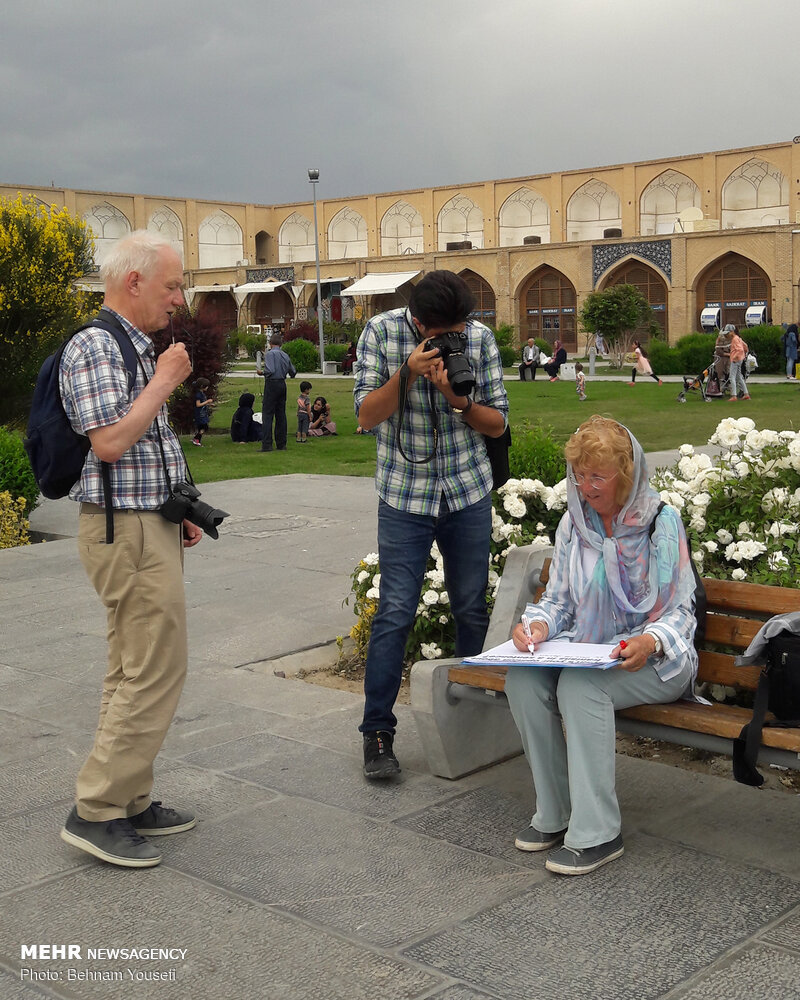
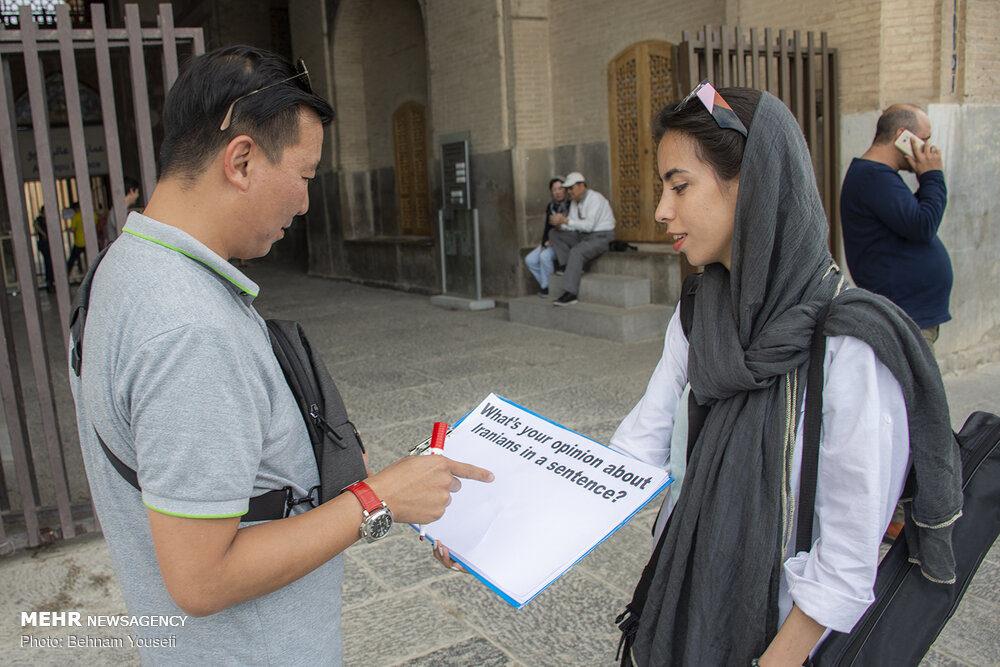
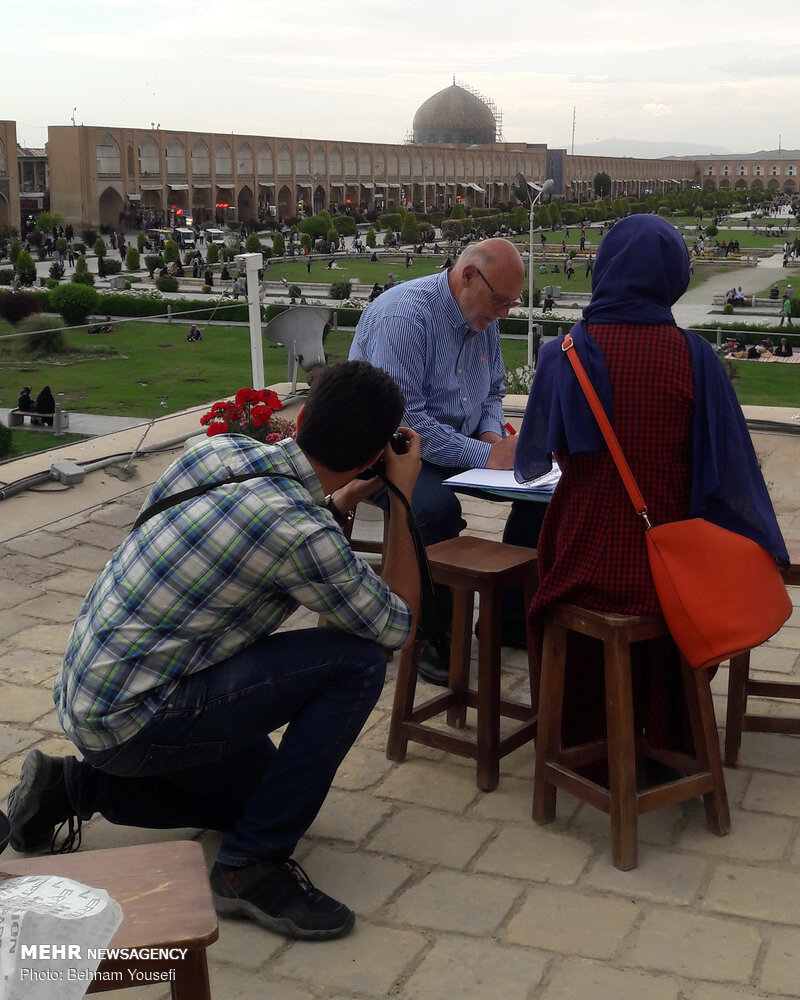
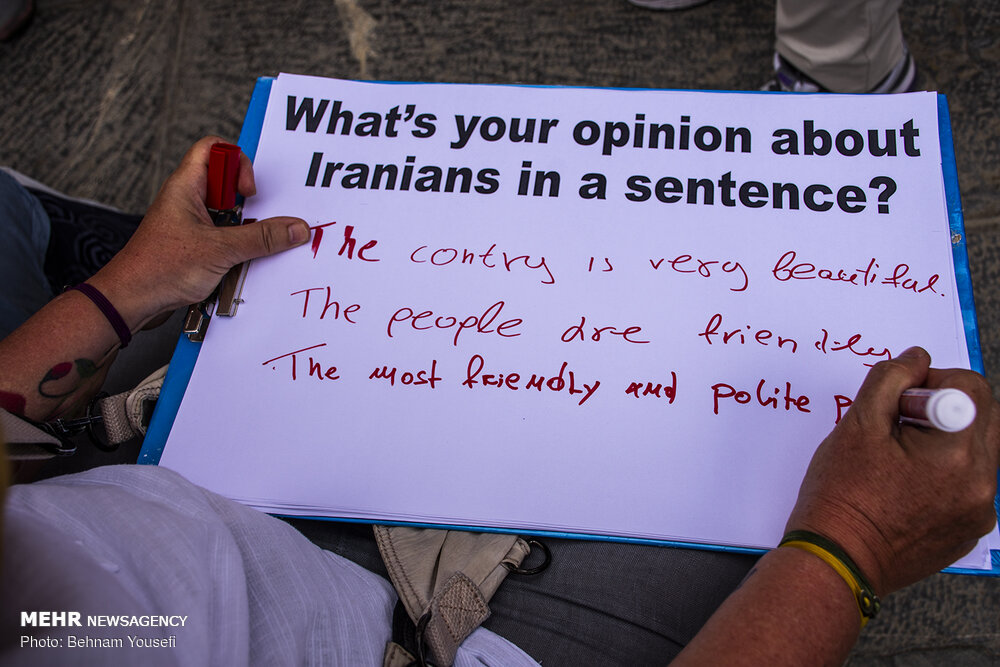
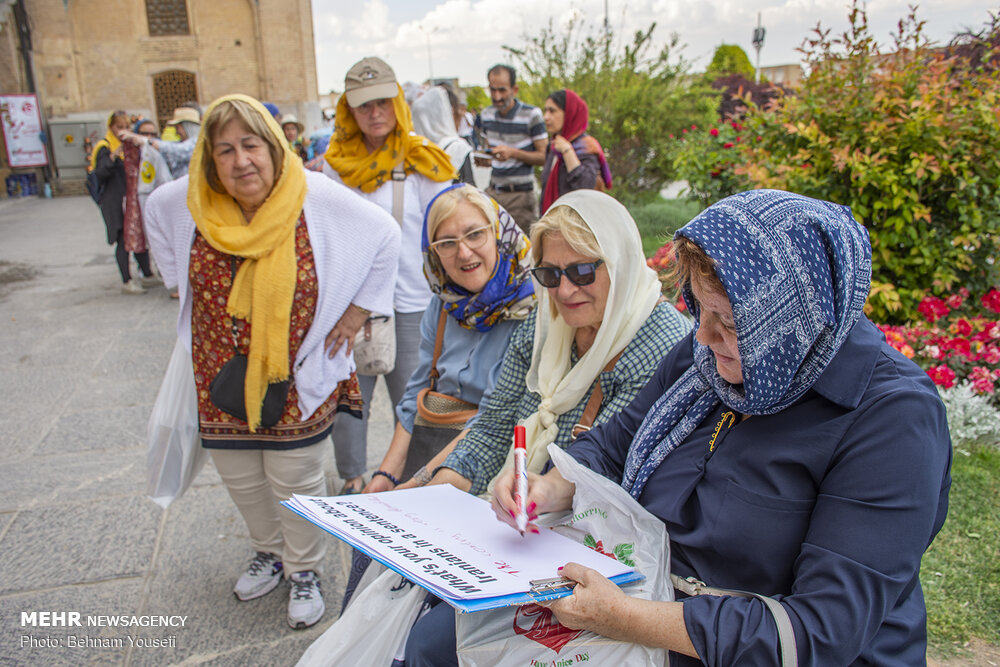
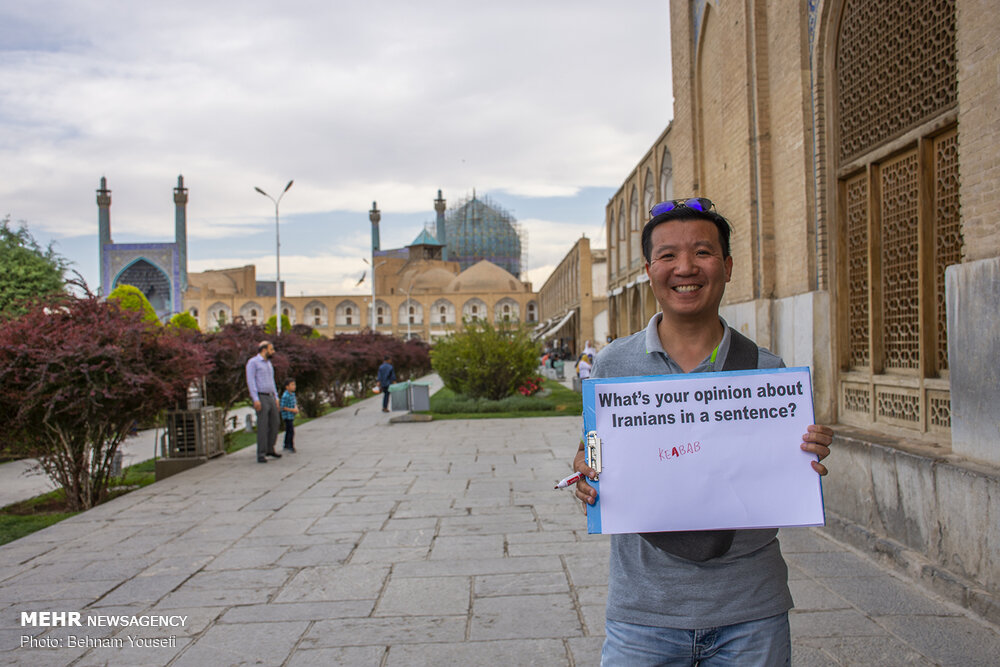
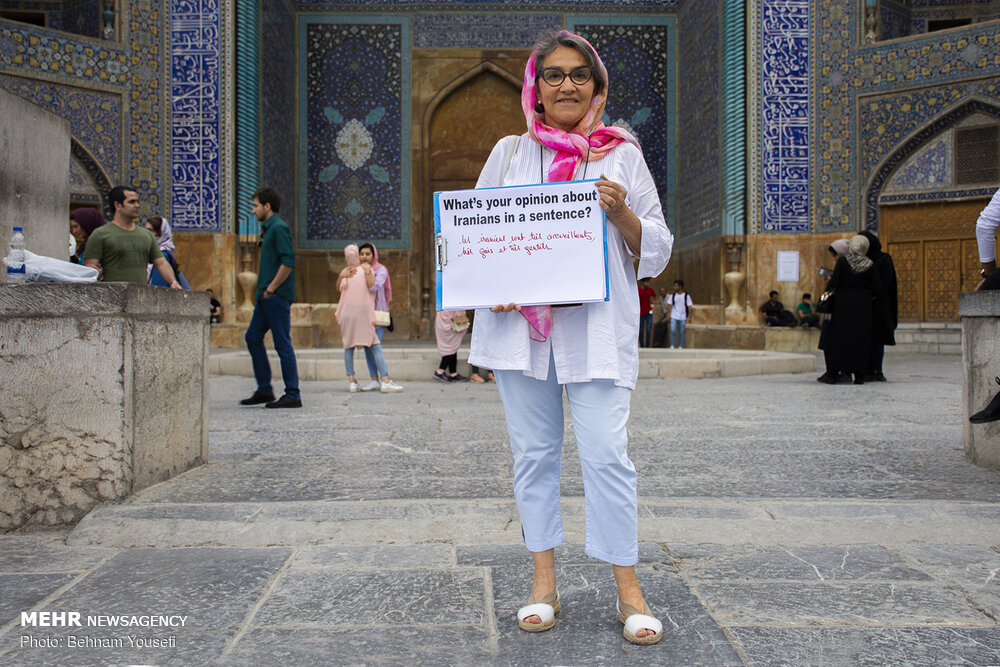
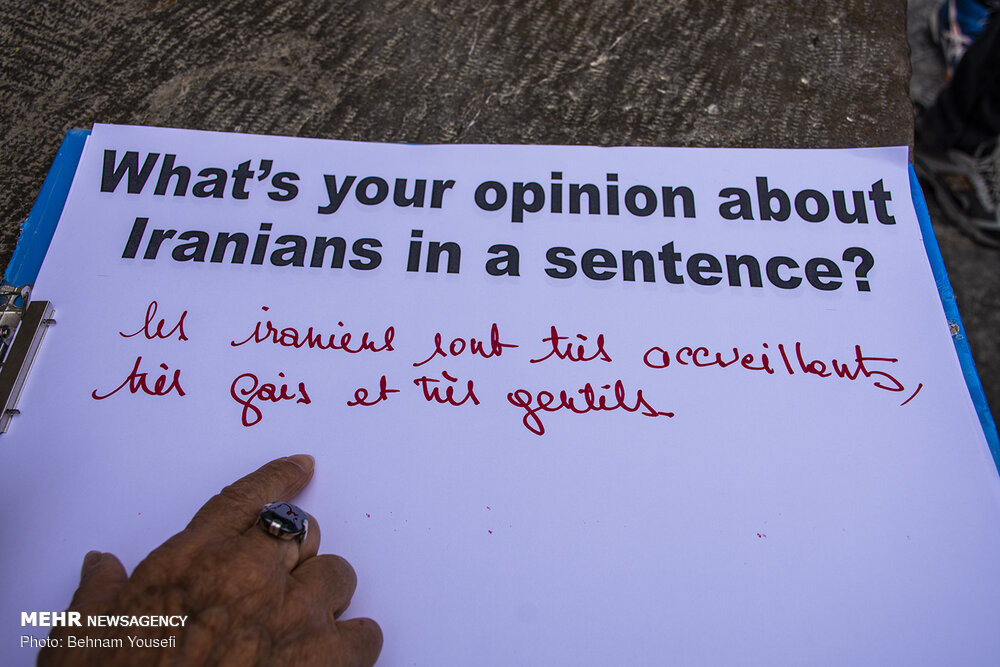
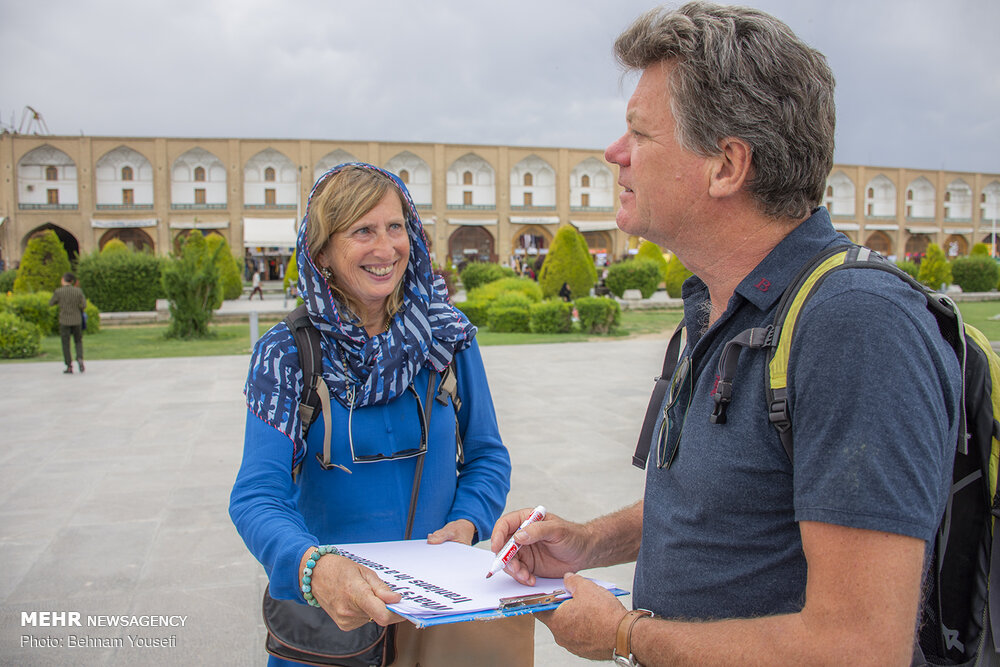
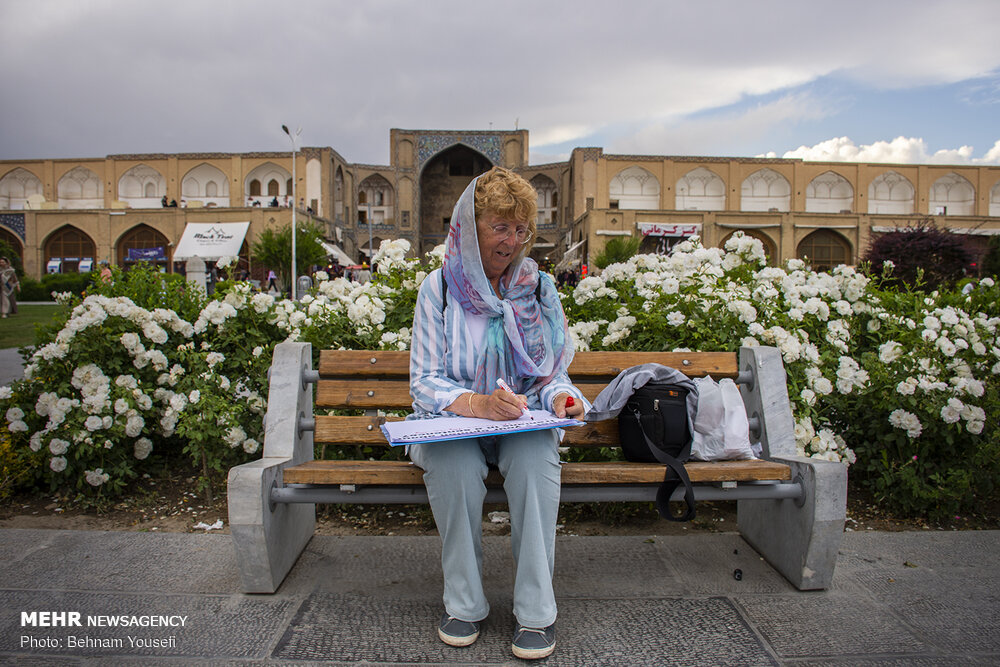
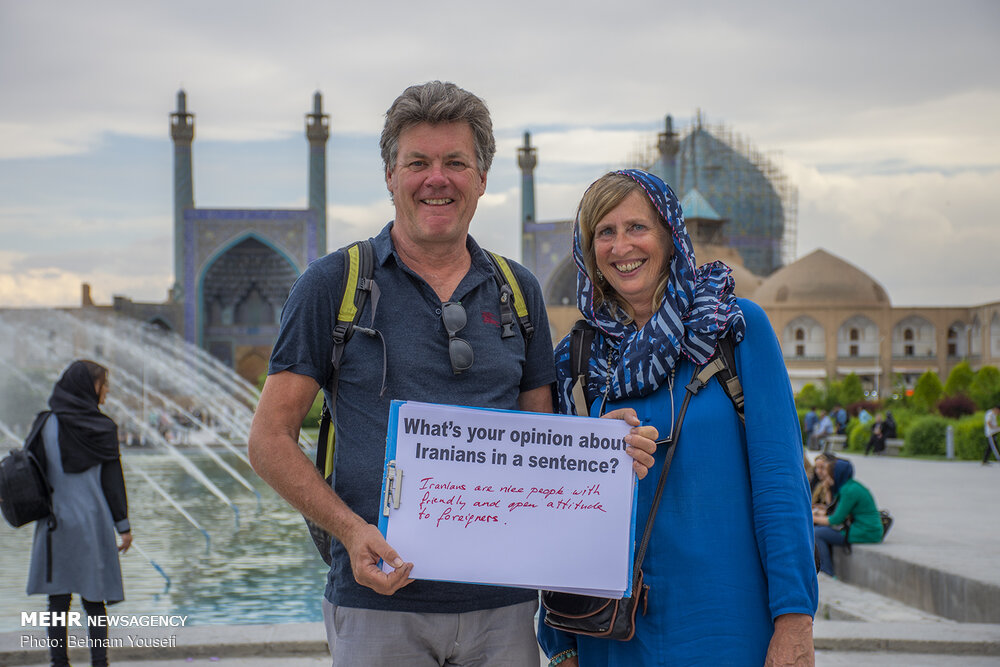

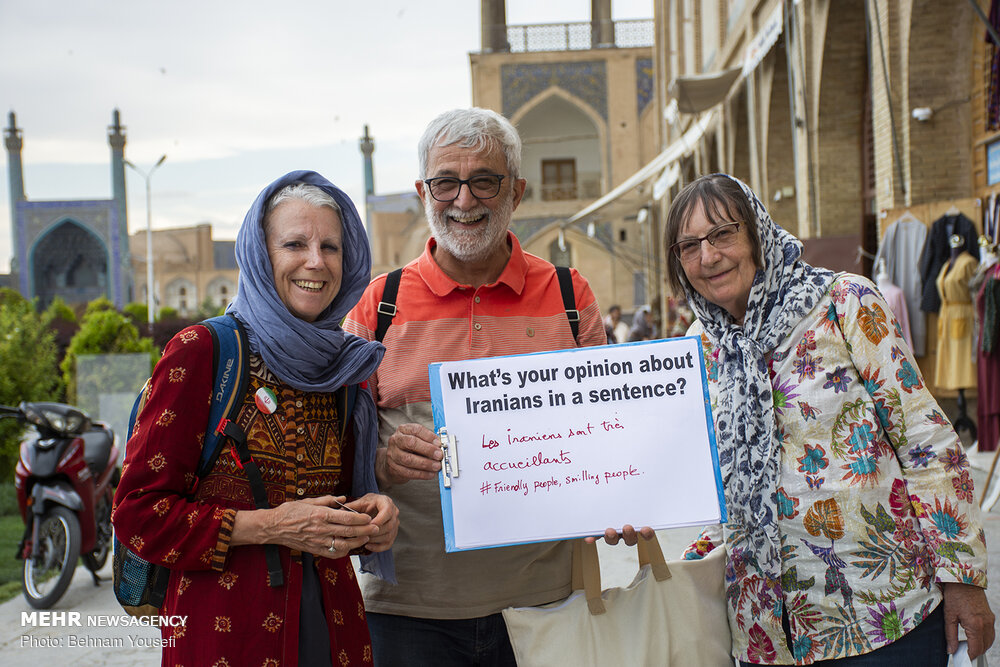
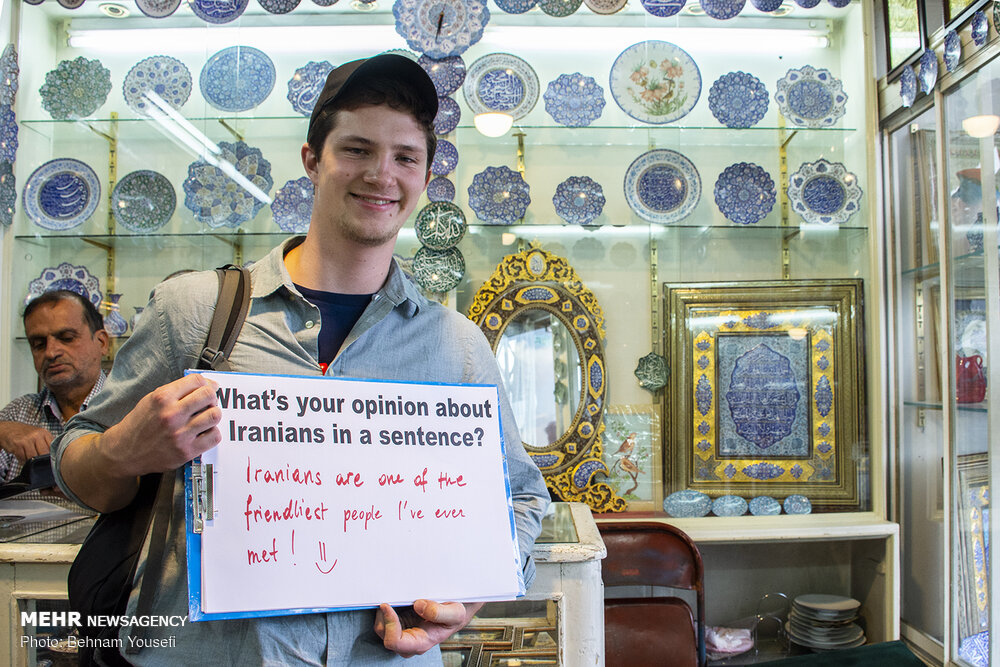
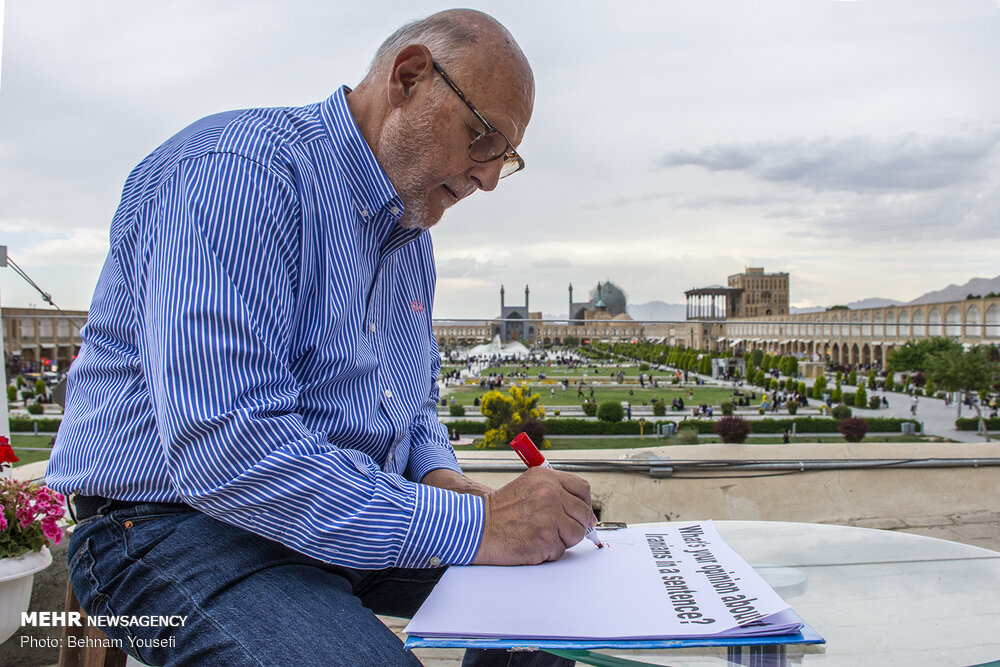
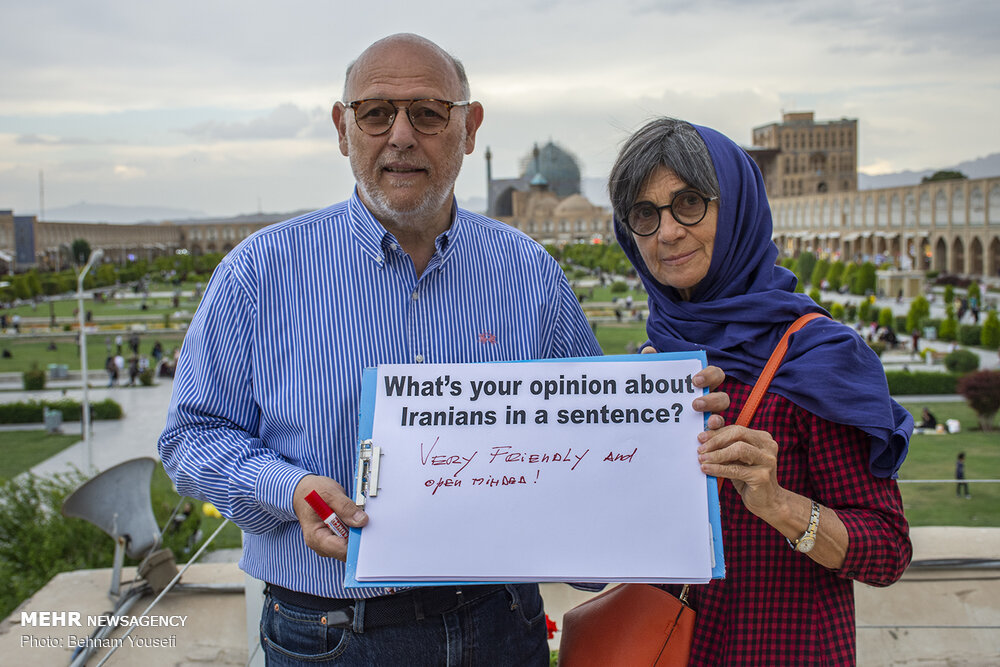
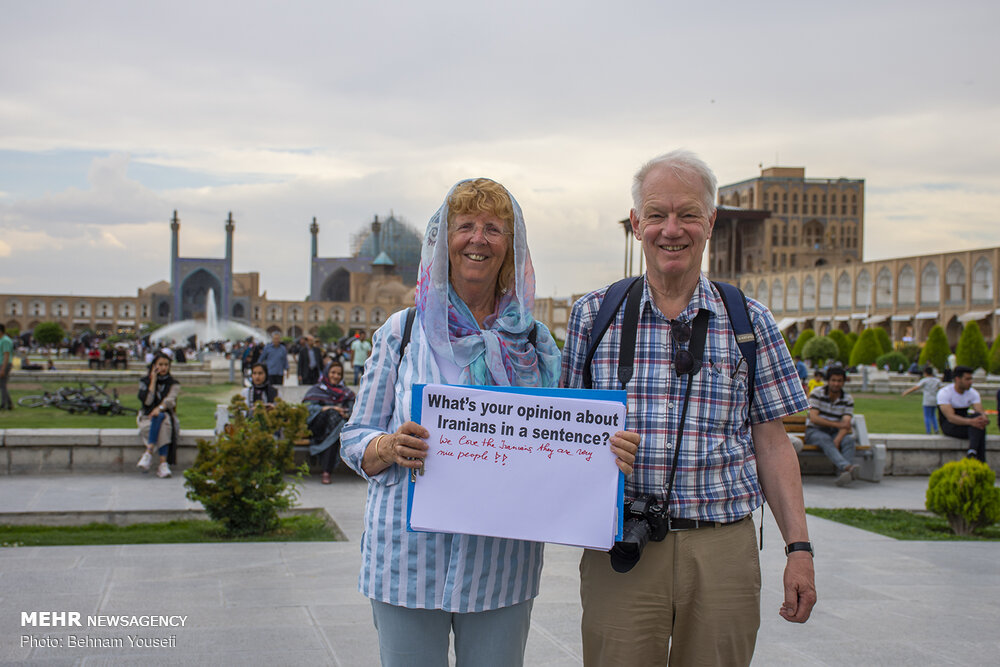
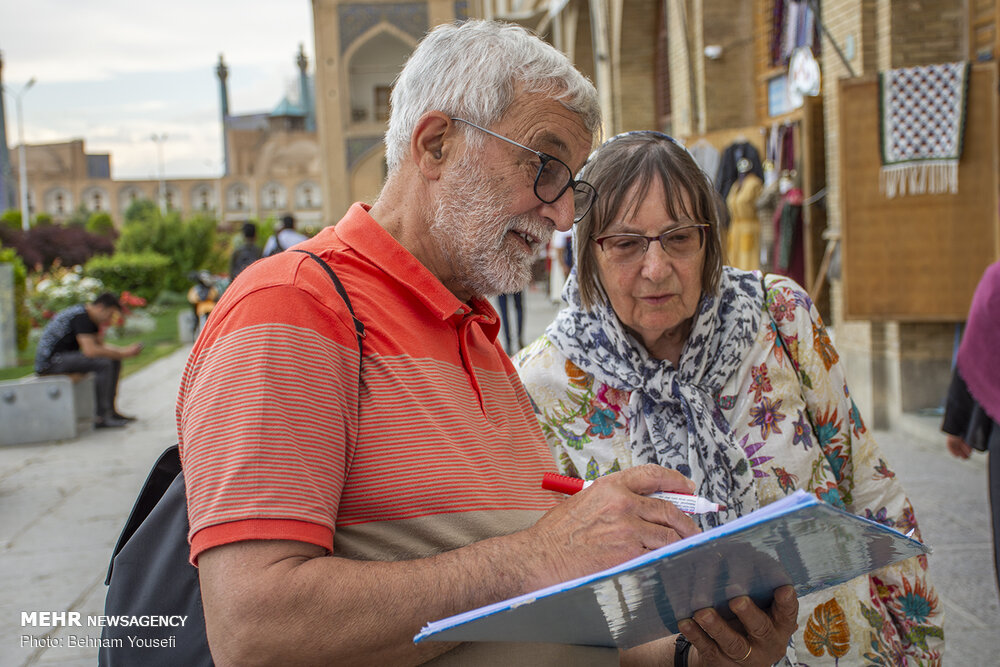
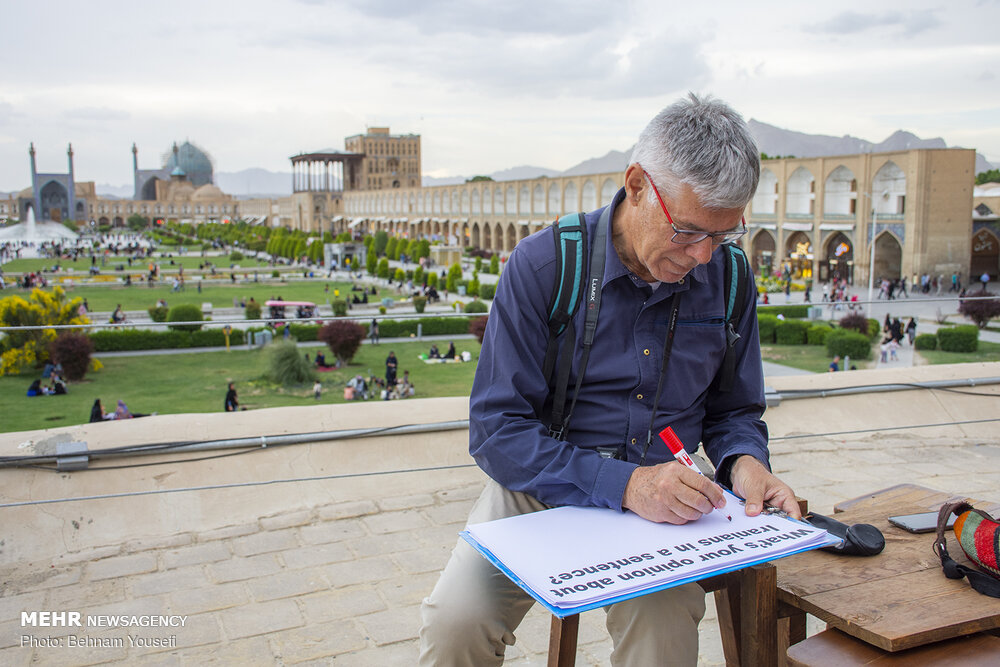


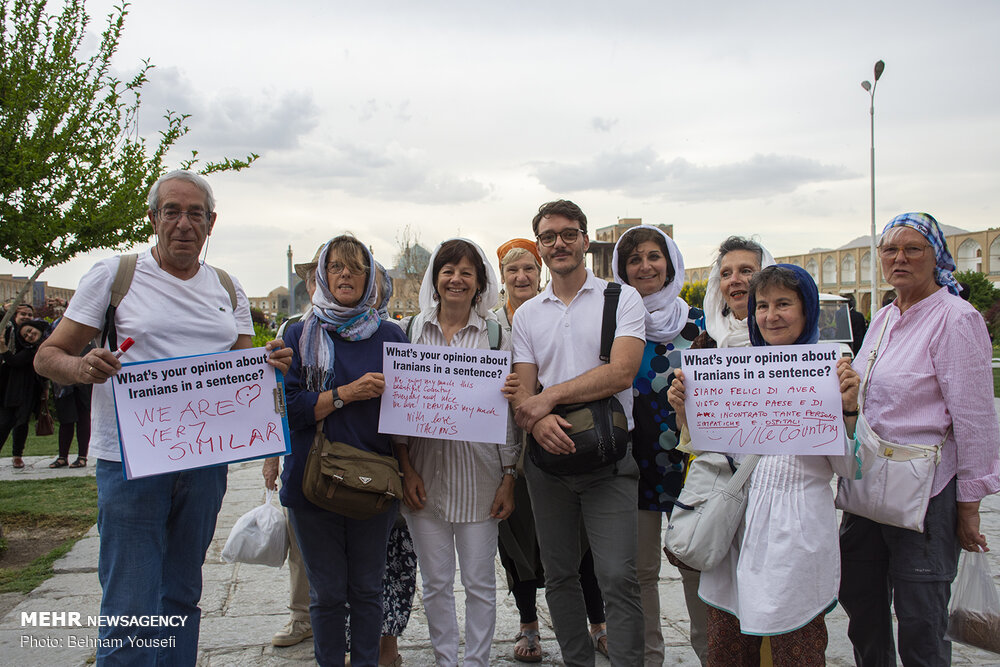
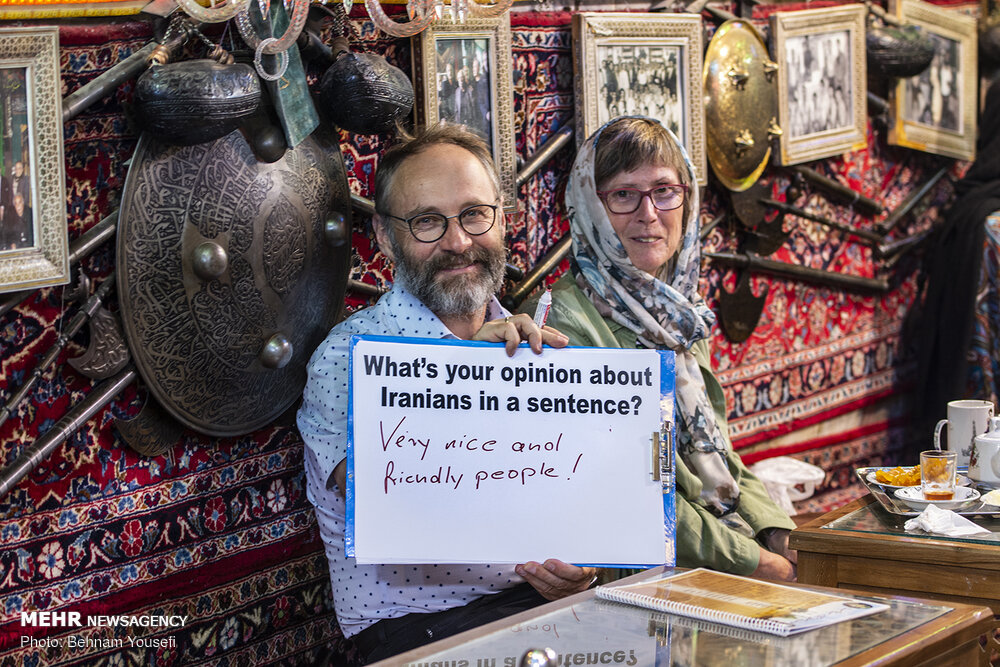
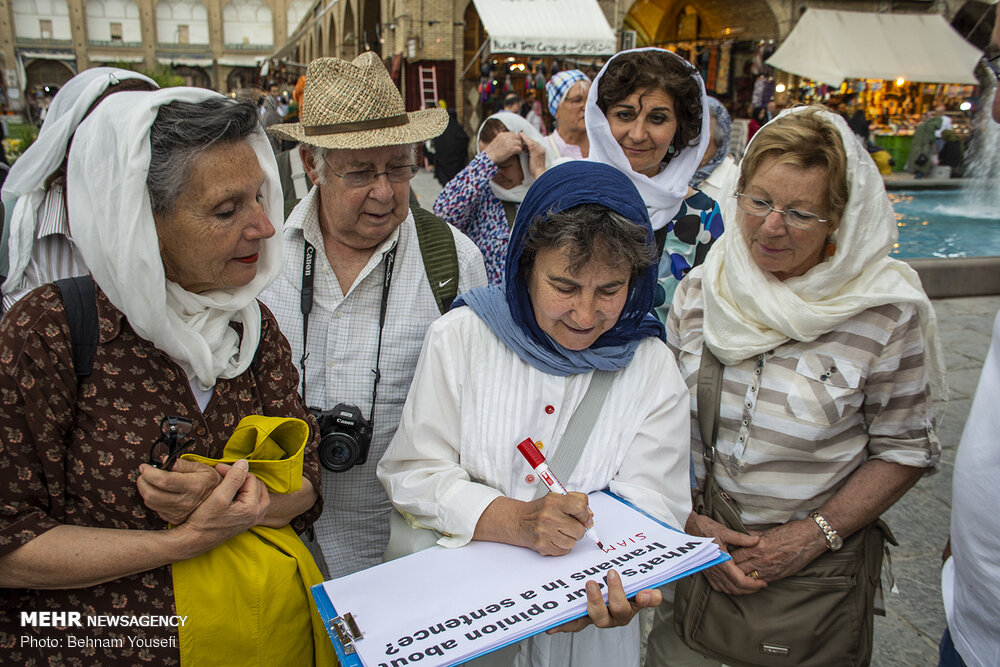
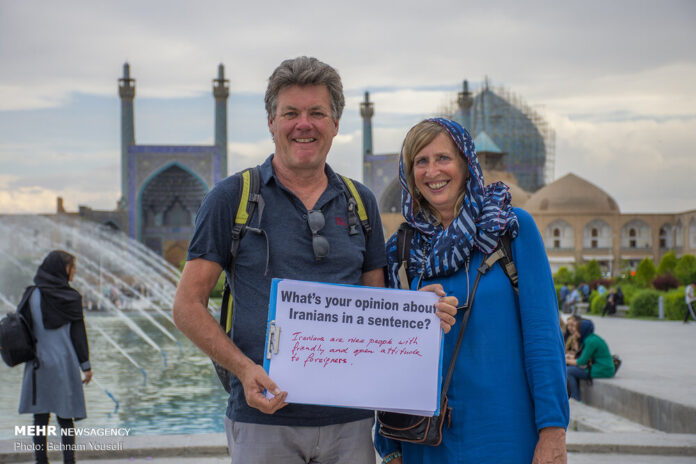
What follows are photos of a number of foreign tourists writing their opinion about the country at the request of Mehr News Agency’s reporter:
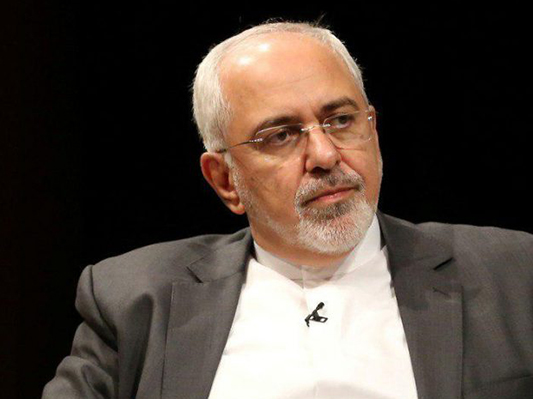
“Today, Iran is taking its second round of remedial steps under Paragraph 36 of the JCPOA,” Zarif said in a Sunday tweet, shortly after the country announced the beginning of the second phase of reducing its nuclear commitments.
“We reserve the right to continue to exercise legal remedies within JCPOA to protect our interests in the face of US Economic Terrorism,” he added.
“All such steps are reversible only through E3 compliance,” Zarif stressed.
The Iranian foreign minister at the same time called on the European parties to support Iran’s measures, which Tehran says are actually aimed at saving the Joint Comprehensive Plan of Action.
“Having failed to implement their obligations under JCPOA – including after US withdrawal –EU/E3 should at minimum politically support Iran’s remedial measures under Paragraph 36, including at IAEA,” he said.
“E3 have no pretexts to avoid a firm political stance to preserve JCPOA and counter US unilateralism,” Zarif noted.
Iran on Sunday officially announced it is boosting the level of its uranium enrichment to a level beyond the 3.67% limit set by the JCPOA.
The decision was announced by Iranian Government Spokesman Ali Rabiei in a press conference also attended by Deputy Foreign Minister for Political Affairs Seyyed Abbas Araqchi and the spokesman for the Atomic Energy Organization of Iran (AEOI) Behrouz Kamalvandi.
“Today we will surpass the 3.67% limit on uranium enrichment. The purity level will be based on our need, and that will be officially realized today,” Rabiei said.
Araqchi said the second phase begins as the 60-day deadline Iran had given the other JCPOA parties is over without Iran’s demands being fulfilled.
Brigadier General Gholam Reza Jalali, the Head of Iran’s Civil Defence Organization, said Iran vehemently rejected the US request, saying that it will respond to any act of aggression.
“The Islamic Republic of Iran responded that it views any operation as a war and will give a crushing response to it. You may initiate a war but this is Iran which will finish it,” he said Sunday.
The official underlined that the US image as a super power was tarnished by the downing of its spy drone in Iranian airspace.
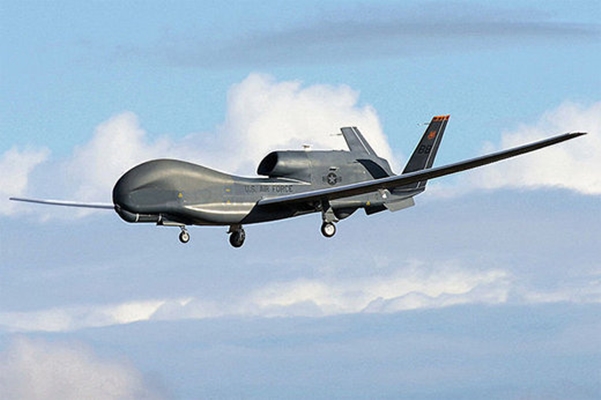
On June 20, Iran’s Islamic Revolution Guards Corps (IRGC) shot down an advanced US-made RQ-4 Global Hawk that had intruded into Iranian airspace. In a tweet early the next day, US President Donald Trump said he had initially approved military strikes against Iran but had called them off just 10 minutes before they were launched.
On June 21, Reuters claimed that two unnamed “Iranian officials” had told the news agency that Trump had notified Tehran via Oman of imminent attacks after the downing of the drone.
“In his message, Trump said he was against any war with Iran and wanted to talk to Tehran about various issues…,” it cited one of the officials as saying. “However, we told the Omani official that any attack against Iran will have regional and international consequences.”
Elsewhere in his remarks, General Jalali said last year, the US strategy was focused on using cyberspace to create chaos in Iran but the strategy was foiled by Iranian officials’ vigilance.
“That’s why in this current Persian year, they have resorted to military options. They have come to this conclusion that through military options they can make divisions within the Iranian society. But with the downing of the American drone, the plot was foiled and the Iranians came to understand the hollowness of the US military power,” he noted.
The US sent over 60 diplomatic delegations to Iran as mediators to hold talks with Iran but the leader of the Islamic Revolution rejected the US calls for talks and Iran began to scale back its commitments under the JCPOA.
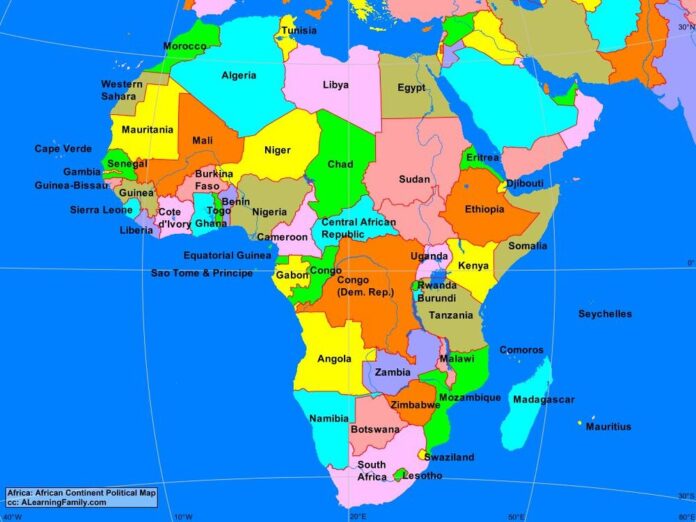
The Daily Telegraph has accused Iran of devastating activities in Africa, while Washington, Riyadh and Tel Aviv are continuing to plunder the rich African continent under the shadow of news cover-up by the Western media outlets. There should be a lot of focus on the role of Israel in this campaign.
About six decades ago, Golda Meir put a great emphasis on the African continent in line with the interests of Israel. As a result, Mossad officers were scattered across the continent as a cancerous tumor so that the U.S. can find another partner in its efforts to loot African riches. Now, Ethiopia, Sudan and Kenya are important for Tel Aviv in terms of their geographic and strategic location.
Located in the Horn of Africa, these countries overlook Saudi Arabia, Egypt and Yemen. In any case, Israel has new plans to interfere in the internal affairs of Africa.
Israel is now facing water crisis. The glow of the Nile waters is making the eyes of the Zionist regime look greedy to Egypt. Israel is struggling to expand its influence in the Horn of Africa to find a foothold in the entrance of the Red Sea.
Undoubtedly, in the near future documents will be released on U.S. and other Western countries’ support for Tel Aviv in its plundering of African. Beyond that, intervention by France, Britain and some other European countries in northern and some other parts of Africa is continuing unabatedly like the past centuries.
Injection of security crisis is the formula used by Western countries to maintain and continue their involvement in Africa. In the history of international relations, millions of people in African have been the victims of direct and indirect policies of Western countries. Under such circumstances, accusations by the media arm of Western intelligence and security agencies that Iran is interfering in Africa will have no result but a scandal for the U.S. and its allies.
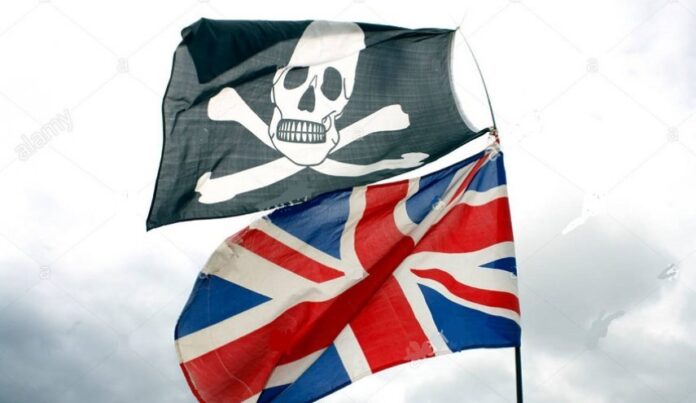
British Royal Marines seized the Iranian oil supertanker, Grace 1, in Gibraltar on Thursday, saying that the tanker was taking oil to Syria that is in violation of EU sanctions.
UK is supposed to leave the European Union within four months and in Britain, the top conservative party members seem inclined to get closer to U.S. and drift apart from other European countries.
In addition, Boris Johnson and Jeremy Hunt, who are likely to replace Teresa May as Britain’s next prime minister, both have taken a quite aggressive stand against Iran, a policy that seems closer to that of Donald Trump’s rather than to the leaders of other European countries.
It would have made much more sense if UK had seized the ship for carrying weapons, but it was merely carrying oil for the 17 million Syrians who are having a fuel crisis and have to stand in fuel stations for several hours before getting a little fuel. Blocking transportation of oil to Syria is an obvious violation of human rights and is against all moral values; specially because the sanctions against transferring oil to Syria are unilateral ones and are not approved by the United Nations.
On the other hand, it is quite surprising that U.S. and other western countries who send their fighter jets to Syria and Iraq as part of their so called “coalition against terrorism” can spot a fly in Syria’s sky but they never seem to notice the tons of oil that ISIS is moving around.
The Syrian nation have to suffer under a cruel siege conducted by Europeans. Posing these sanctions on Syria and preventing the fuel from getting into the country shows the depth of Europeans’ hypocrisy and unveils the true face behind all their seemingly humanitarian gestures.
Continuing this blockage means that either more Syrians travel to European countries to get rid of the siege, or they start to bear more grudge against the countries that have laid the siege. Therefore, saying that seizing the ship was in breach of European sanctions against Damascus is only a pretext.
On the other hand, the sanctions against Damascus is imposed by the European Union and U.S., not the UN, so other countries don’t have to observe these sanctions; therefore Iran has done nothing wrong because the EU and U.S. are not allowed to force other countries into following these sanctions; the sanctions are supposed to be followed by the countries who have imposed them, not others, so Iran has not done anything against the international law.
Following the blatant stealing of the Iranian oil tanker in international waters, the UK ambassador to Iran, Robert Macaire was summoned to Iranian Foreign Ministry on Thursday, July fourth.
The Iranian Foreign Ministry condemned the seizure of the oil tanker, saying that UK has obviously seized the tanker under U.S. orders and asked for the immediate release of the tanker.
Iran’s Foreign Ministry announced that seizing the oil tanker was the same as stealing because the sanctions imposed by UK or the European Union do not apply to other countries and UK was not allowed to force them on Iran. This is U.S. bullying other countries, something that European countries had long protested.
Over the meeting, all the documents that showed the movement of the tanker and the goods it carried where completely legal were handed to the UK ambassador.
Iran also announced that it will use all of its legal capacities to release the tanker and ensure that the country’s rights are safeguarded.
The UK ambassador to Tehran said that he will inform London immediately, underlining that UK does not abide by U.S. unilateral sanctions against Iran.
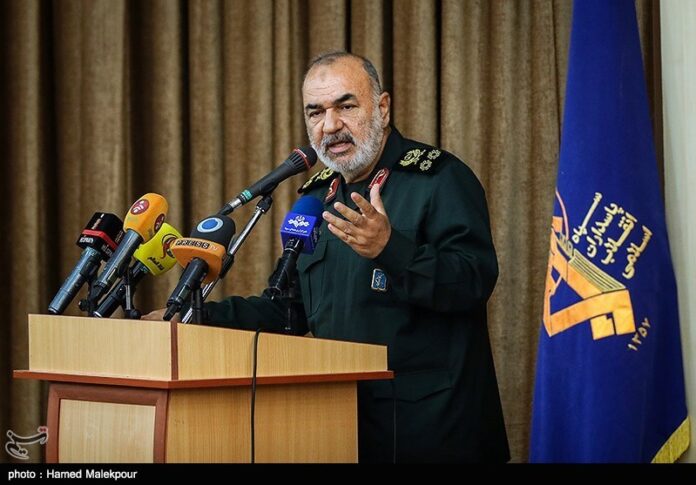
Addressing a Sunday ceremony, General Salami said the enemy’s perception of one’s power is more important than the power itself.
“In the past, the others’ perception of Iran’s power used to be much lower than the real power, and [Iran’s] perception of others’ power was much more than their real power,” he noted.
However, he added, the others’ perception of our power is gradually getting closer to the reality.
Once they know how powerful we are, no one will decide to get engaged in a war with a powerful country, he noted.
General Salami said the enemy has already acknowledged Iran’s military power, and thus, they have shifted their focus now on the economic war, psychological operations, and political pressures.
In an address to a huge gathering attended by Iranian and Iraqi economic players in Tehran, the secretary general of Iran-Iraq joint chamber of commerce said Iran has exported goods worth of $2.5 billion to Iraq over the past hundred days which shows a 20 percent growth compared with that of a similar period last year.
Hamid Hosseini referred to the growing volume of trade between Iran and Iraq and said this means Iran has exported $2.5m worth of goods to Iraq on a daily basis.
“Expansion of mutual ties between Iran and Iraq in industry and services areas is at the top of the Joint Chamber of Commerce priorities,” he said.
He went on to say that the Chamber is also preparing the ground for import of Iran’s needed goods from Iraq through establishing closer cooperation with Iran’s Central Bank.
Hosseini then referred to the $200 million credit channel for Iranian contractors in Iraq and said the Chamber expects the Iraqi government to fulfill its financial pledges to Iranian contractors so that the credit channel could remain open.
The official underlined that efforts are underway to prepare the ground for establishing two industrial towns in Arvand and Parvizkhan regions of Iran near the Iraqi border.
He then called on Iraq’s ambassador to Iran to facilitate issuing of long-term visas for Iranian tradesmen as soon as possible.
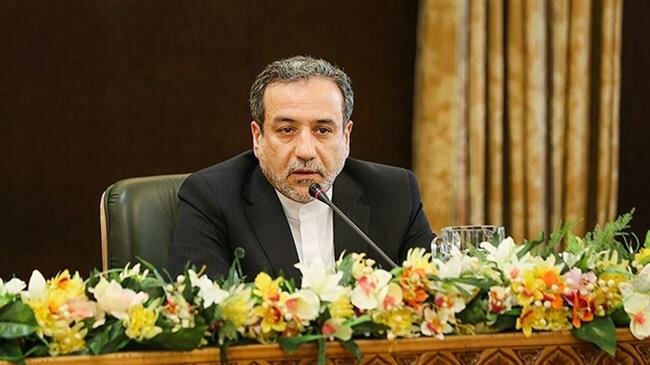
Iran’s Deputy Foreign Minister for Political Affairs Abbas Araqchi made the remark during a press conference about the deal in Tehran on Sunday.
Along with two other senior officials, Araqchi detailed Iran’s latest move in scaling back its commitments under the deal, officially known as the Joint Comprehensive Plan of Action (JCPOA), after the European signatories missed a 60-day deadline to offset the adverse impacts of the unilateral US pullout.
“The US has withdrawn from the JCPOA and cannot use any of its mechanisms, but it can attend the P4+1 meetings on the said conditions. Our first condition [for the US] is [the lifting of] oil and banking sanctions. Other sanctions would be considered as well,” Araqchi, who was a senior negotiator in the talks that led to the JCPOA, said in his Sunday remarks.
He stressed, however, that the deal would under no circumstances be renegotiated and that it should be implemented precisely as it is.
The Iran deal took some 22 months to negotiate. Iran, the US — under the then-administration of US president Barack Obama — France, China, Russia, Germany, and the United Kingdom were the original parties to the deal. Iran’s partners were collectively known as the P5+1 until US President Donald Trump unilaterally withdrew America in May 2018.
All of Iran’s other partners have stayed in the agreement and are now referred to as the P4+1. They have been regularly holding meetings with Tehran to discuss the implementation of the international pact.
Despite his withdrawal and subsequent bellicose posturing toward Iran, Trump has also said he is ready to negotiate with the Islamic Republic without preconditions.
Araqchi said there would be diplomatic visits in the coming days, including in the form of a JCPOA ministerial meeting.
“We do not want trips that serve as political shows; we want ones that get things done toward rectifying the present situation regarding the JCPOA,” he said.
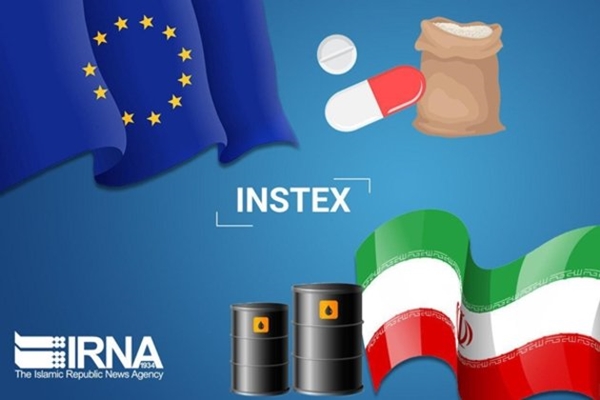
Seyyed Abbas Araqchi told a press conference on Sunday that Iranian firms and bodies must not wait for INSTEX to work and they’d better move based on resistance economy.
He further noted that the Islamic Republic has pinned no hope and reliance on any special country, but it will use every opportunity and capacity in the present situation.
“In this economic warfare launched by Donald Trump, we will try every path and our main channels are China, Russia, Turkey, India, and neighbours.”
Araqchi said Iran has new economic interactions and plenty of initiatives with all of them. “One of these routes is Europe and one of them is INSTEX.”
“We have worked very well in foreign policy and we have good partners. So many good things have been carried out in the neighbourhood, and we would not let the United States reach its goals. We will certainly make the US disappointed, and this time they will be disappointed through our economic and defence capabilities and Washington will have to back off at the end,” concluded Araqchi.
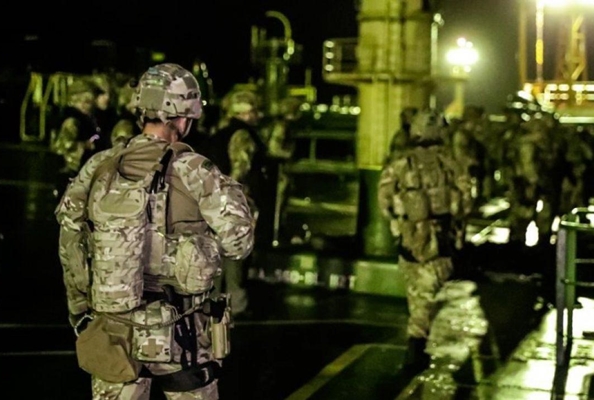
“The oil tanker (seized in Gibraltar) was not bound for Syria. The Syrian port they mention basically is not suitable for such type of tanker to dock,” Iranian Deputy Foreign Minister Seyyed Abbas Araqchi said Sunday.
“The oil tanker carrying Iran’s oil was a supertanker with 2 million barrels of oil, and with such a huge capacity it could not cross the Suez Canal,” Araqchi added, speaking to reporters in a press conference.
“No law allows the UK government to do such a thing,” Araqchi said, protesting the UK Navy for seizing the oil tanker.
He said the country will legally pursue the issue and test any path in order to secure its interests, but it is hopeful that the problem is resolved through diplomatic channels.
Iranian supertanker Grace 1 was boarded and impounded by Gibraltar police and customs agencies, aided by a detachment of British Royal Marines, on Thursday at the US request in the Strait of Gibraltar.
Later in the day, Iran’s Foreign Ministry summoned Britain’s ambassador to the country to express its strong protest at the move.
Naqavi Hosseini, a spokesman for the Iranian Parliament’s National Security and Foreign Policy Commission, said on Saturday that the UK’s move was a “crime against humanity” and an encroachment into the Iranian nation’s assets.
“It is the right of our diplomatic apparatus to take necessary measures at international bodies in reaction to the UK move,” he noted.
“While the UK government has failed to implement its commitments under the Iran nuclear deal, it looks for legal excuses to seize a vessel” belonging to Iran, he added.
© All Content by IFP News ( Iran Front Page ) is licensed under a Creative Commons Attribution 4.0 International License.
