Thursday, April 23, 2026
Home Blog Page 3199

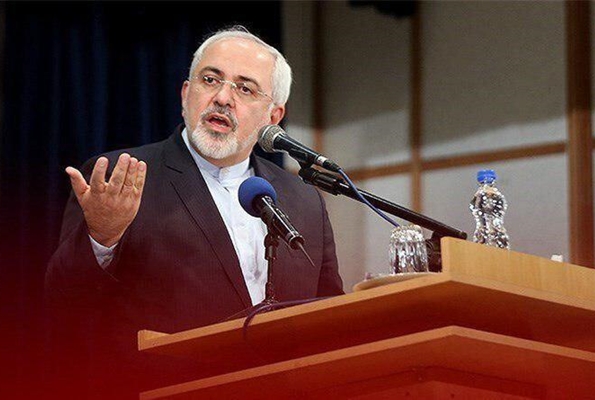
Zarif: US Isolated Under Yoke of B-Team

In an address to a gathering of Iranian governors held in Tehran on Thursday, Zarif said the US government has been plunged into a self-inflicted isolation in the world’s political arena.

Denouncing the US policy of maximum pressure on Iran as a plot to create division between the Iranian people and government, Zarif added, “The US feels that it has been politically defeated.”

He also noted that the US could “live wisely” by liberating itself from the yoke of B-Team.

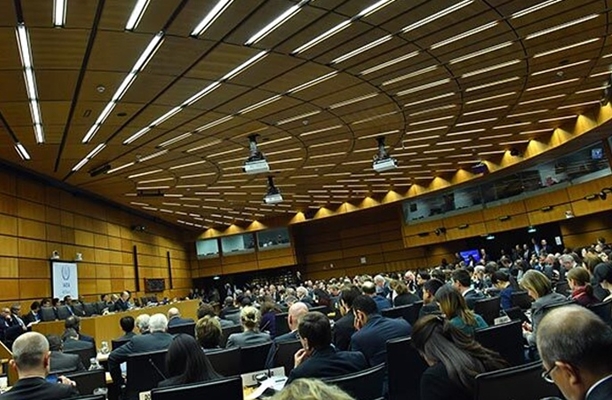
The foreign minister then pointed to the debacle of a US-initiated meeting of the International Atomic Energy Agency’s Board of Governors for discussion on the latest developments in Iran’s nuclear program, saying the conveners could not achieve anything against Iran in the Wednesday’s session.

The Joint Comprehensive Plan of Action (JCPOA) was solid, and the future will prove that it was solid, Zarif noted.

He also touched on a financial mechanism that the three EU parties to the JCPOA have devised to maintain trade with Iran, saying although the INSTEX may have been worthless for Iran, it indicated a decision by the US allies to create a mechanism for bypassing Washington.

Britain, France, and Germany announced the establishment of the Instrument in Support of Trade Exchanges (INSTEX) in January. The channel is meant to circumvent the US sanctions against Iran after Washington withdrew from the JCPOA.

On Thursday, Secretary General of the European External Action Service (EEAS) Helga Maria Schmid said beyond the 10-strong European states, “more, also non-EU member states, will join” the trade instrument.
Iran Calls for Joint Fund with Russia to Finance Technological Cooperation

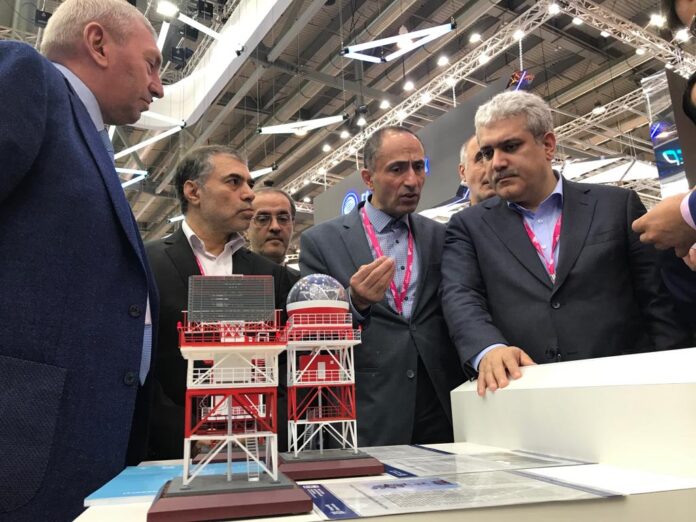
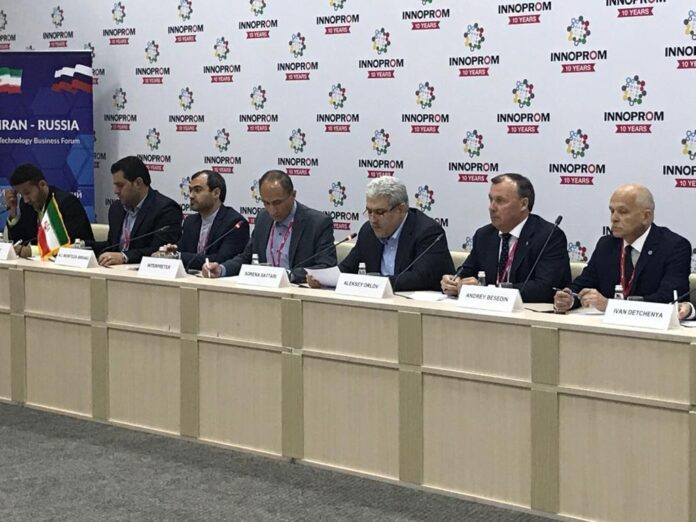
Iranian officials in innoporm 2019

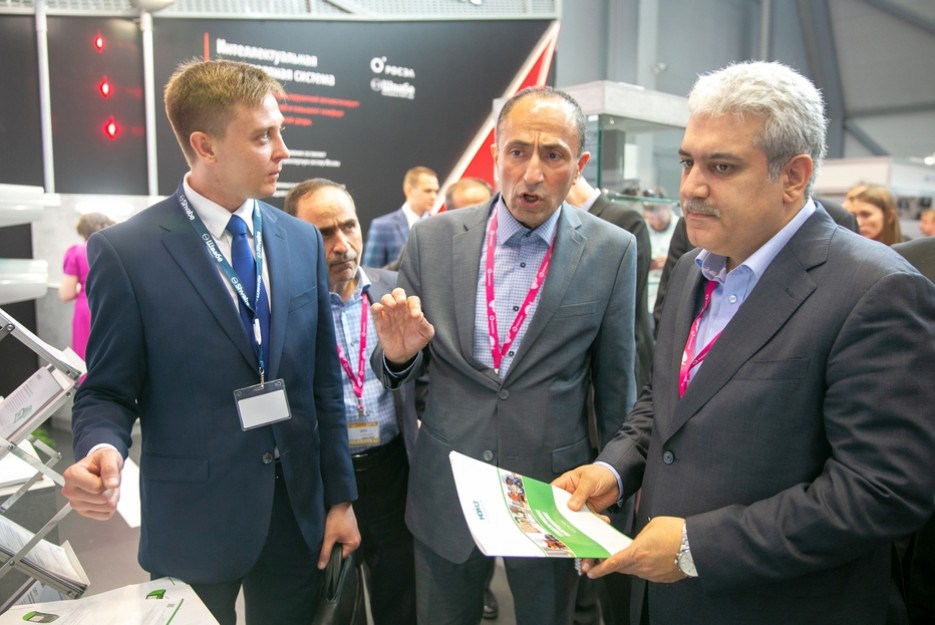
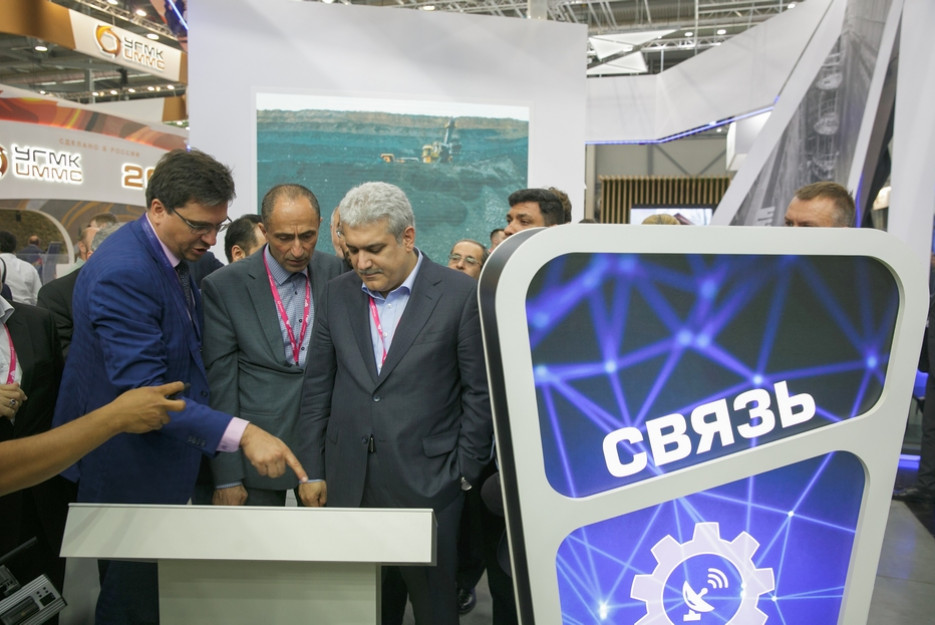
The Russia city of Yekaterinburg on Thursday, July 7, 2019, hosted Iranian Vice President for Science and Technology Sorena Sattari heading a scientific-technological delegation from Iran.

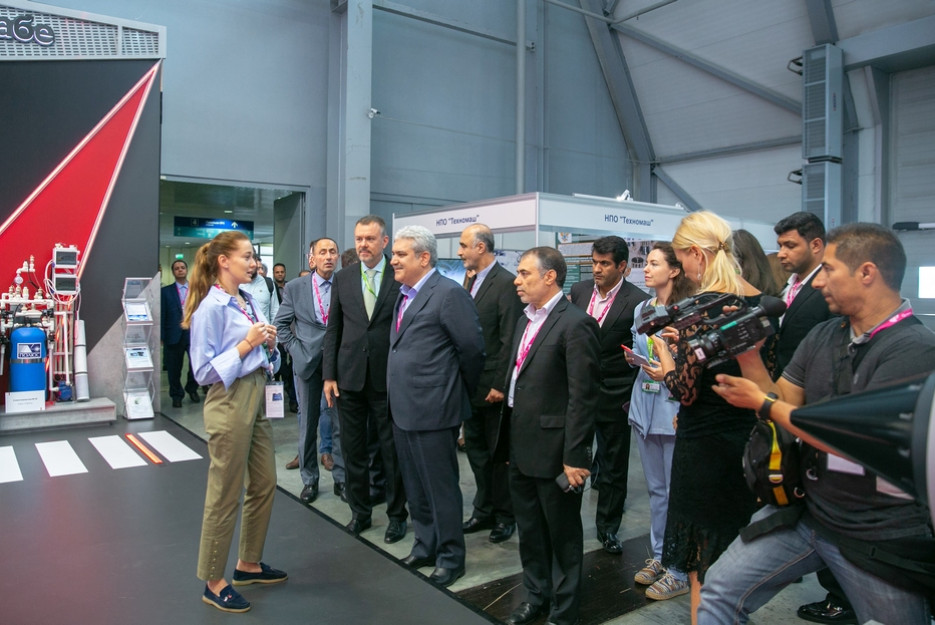
During his trip, the top Iranian official visited the International Industrial Trade Fair INNOPROM 2019 and saw for himself the latest accomplishments displayed by different companies at the event.
During the visit, he was accompanied by Ali Vahdat, the chairman of the board of Iran National Innovation Fund.

A joint Iran-Russia trade-technology meeting was held on the sidelines of the meeting, where Vahdat delivered a lecture on the achievements of Iranian knowledge-based companies.

In his speech, he said there are different tools to boost and finance technological cooperation between the two countries.

“Hence, we have made our presence felt with a whole range of financing instruments from funding to investment as well as trade services,” he said.

“So, we are prepared to help establish a joint fund or joint funds between the two countries in order to finance technological cooperation,” the Iranian vice president said.

For a brief review of Iran’s achievements in various fields of science and technology, check the book “Science and Technology in Iran: A Brief Review – 2019

“If our Russian counterparts are interested, we are also ready to establish a joint credit line to facilitate and support mutual technological cooperation,” he added.

A high-ranking Iranian scientific-cultural delegation led by Sattari accompanied by representatives from 70 Iranian knowledge-based companies is on a four-day visit to Russia.

The trip is supported by the International Transactions Center of the Science and Technology Department of the Iranian Presidential Office as well as the Innovation and Development Fund coinciding with Russia’s International Industrial Trade Fair INNOPROM 2019. The representatives of knowledge-based companies from both countries are meeting their counterparts in Moscow and Yekaterinburg. Representatives from the Foreign Ministry and the Innovation and Development Fund are accompanying Sattari during his trip.

A Look at Iranian Newspaper Front Pages on July 11

A Look at Iranian Newspaper Front Pages on November 19

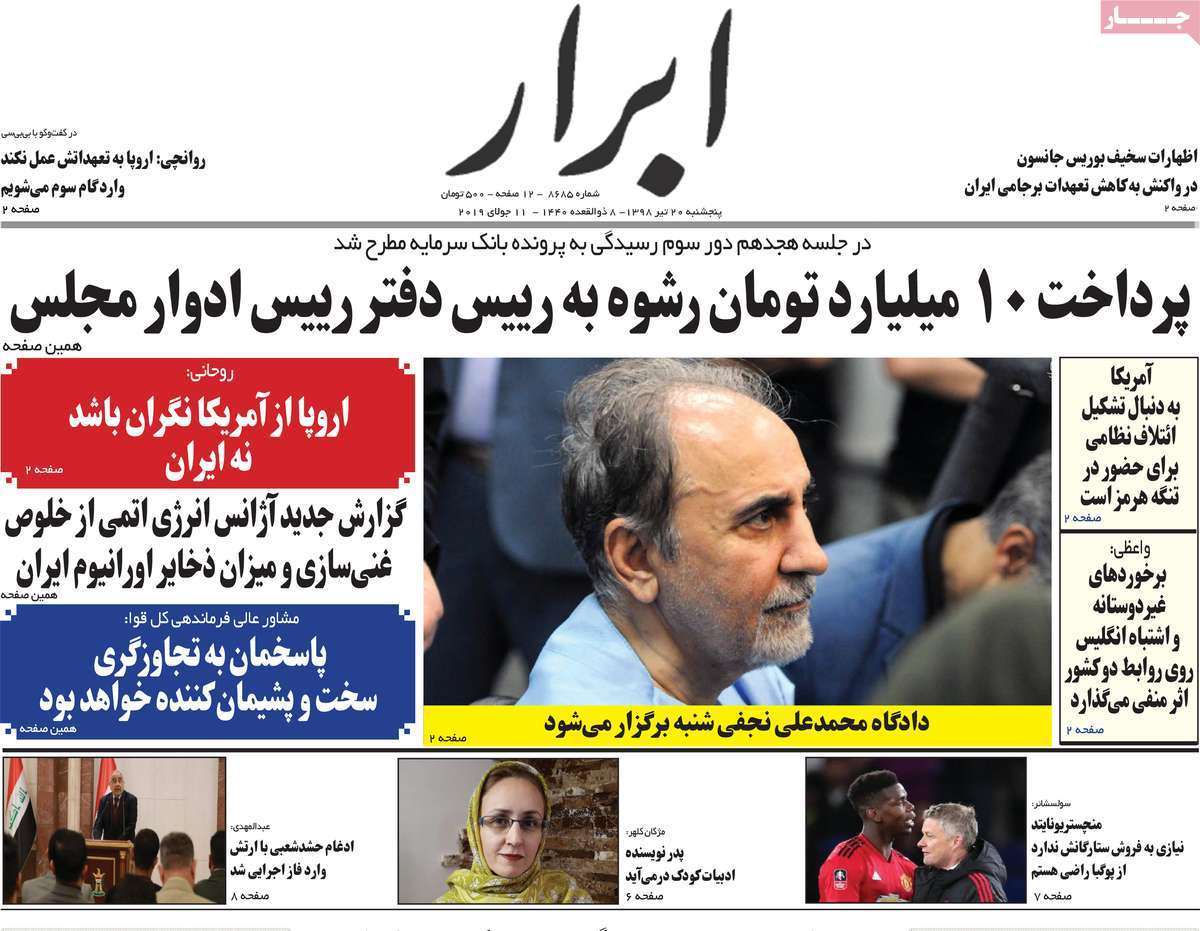
Abrar:
1- Iran to Start Third Phase If Europe Doesn’t Live Up to Commitments
2- Rouhani: Europe Must Be Worried about US, Not Iran
3- IAEA’s New Report Confirms Iran’s Nuclear Measures

A Look at Iranian Newspaper Front Pages on July 11


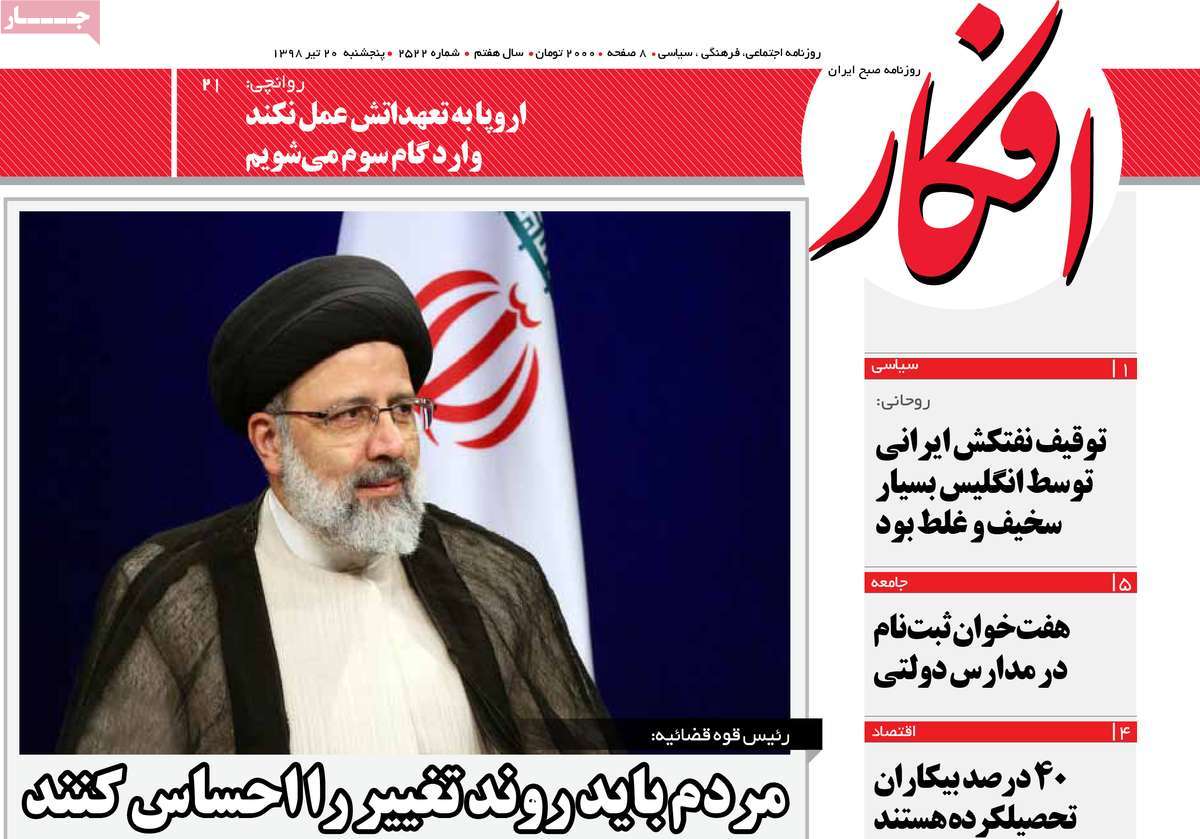
Afkar:
1- Rouhani: UK’s Seizure of Iranian Tanker Very Cheap, Wrong

A Look at Iranian Newspaper Front Pages on July 11


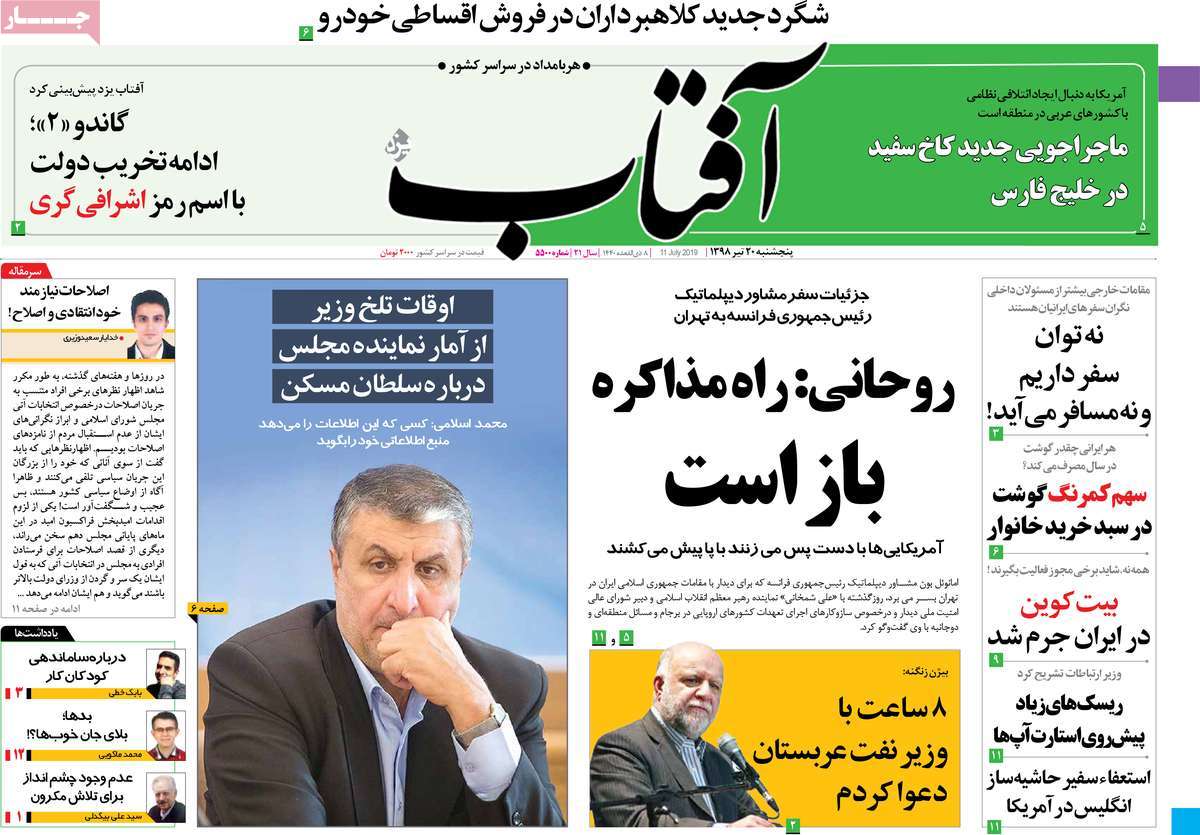
Aftab-e Yazd:
1- Rouhani: Doors of Negotiation Open
2- White House’s New Adventure in Persian Gulf
* US Seeking Military Coalition with Arab States
3- UK’s Controversial Ambassador to US Resigns

A Look at Iranian Newspaper Front Pages on July 11


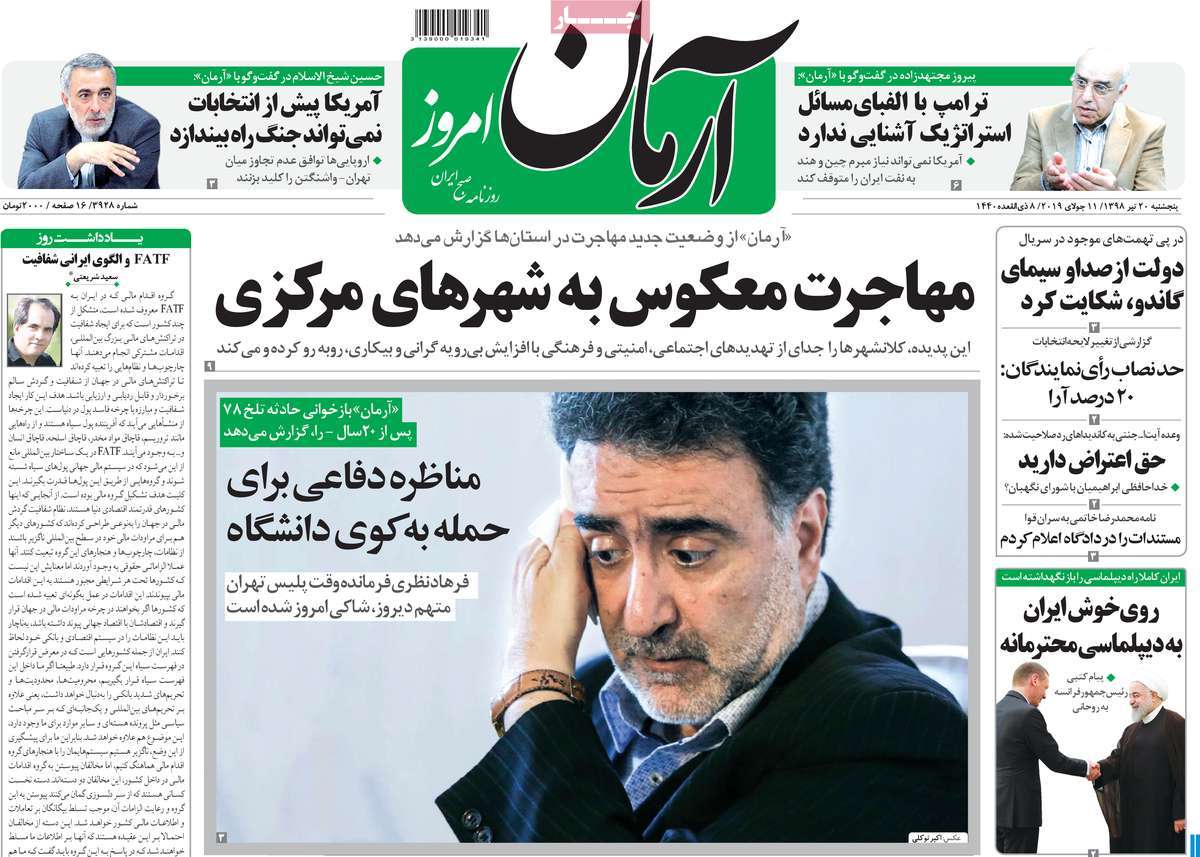
Arman-e Emrooz:
1- Iran Gives Positive Response to Respectful Diplomacy
* French President Sends Written Message to Rouhani
2- US Cannot Wage War before 2020 Elections

A Look at Iranian Newspaper Front Pages on July 11


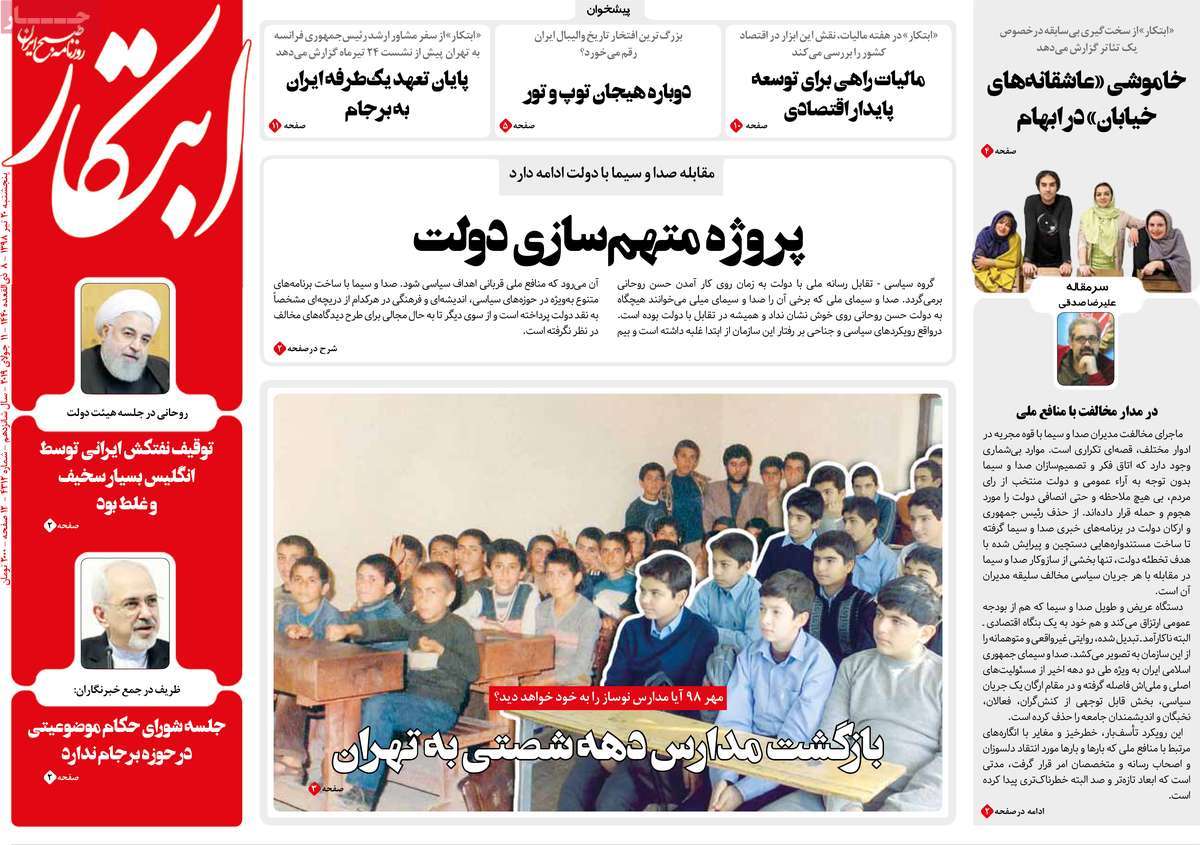
Ebtekar:
1- End of Iran’s Unilateral Commitment to JCPOA

A Look at Iranian Newspaper Front Pages on July 11


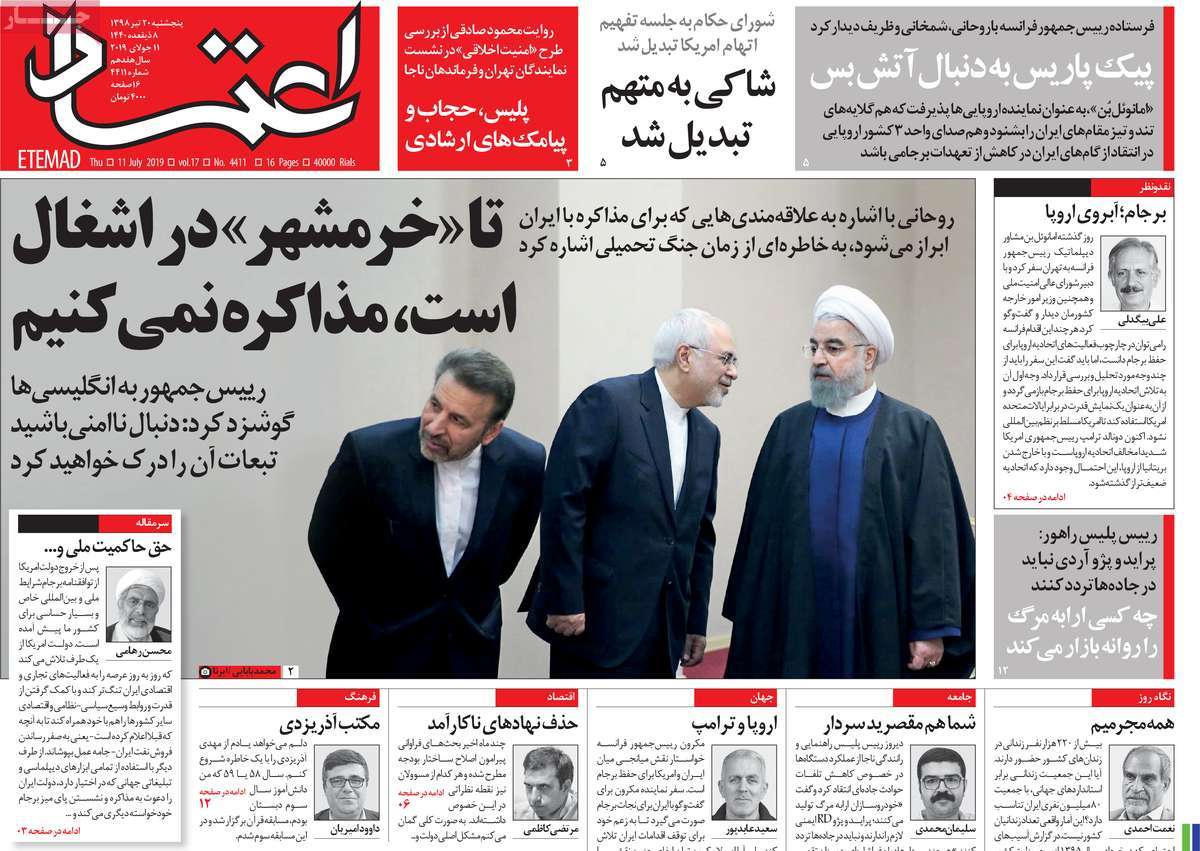
Etemad:
1- Parisian Messenger Seeking Ceasefire
* Macron’s Envoy Meets Iran’s Rouhani, Zarif, Shamkhani
2- IAEA Session Turned into Scene for Blaming US
3- We Won’t Hold Negotiations until US Lifts Sanctions: Rouhani

A Look at Iranian Newspaper Front Pages on July 11


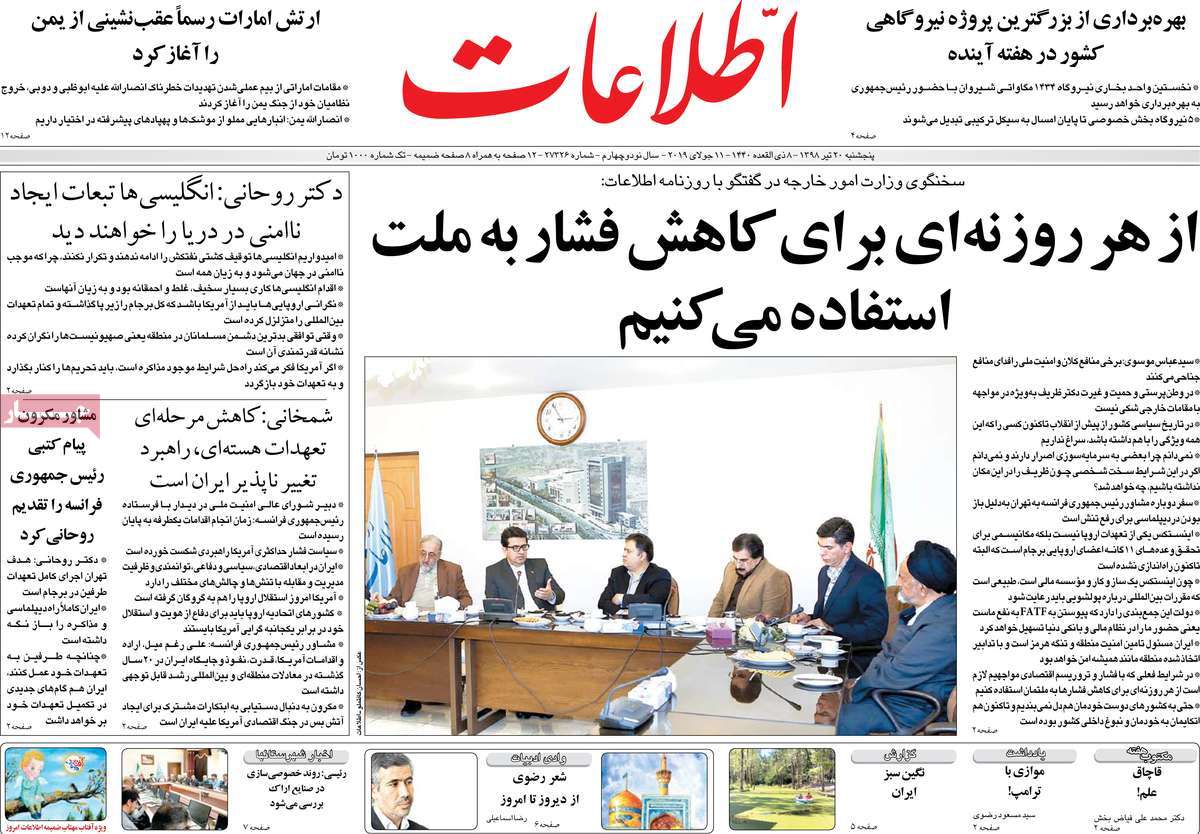
Ettela’at:
1- UAE Army Officially Starts Withdrawing from Yemen
2- We Use Any Chance to Decrease Pressure on Iranians: Foreign Ministry
3- Rouhani: Britons Will See Consequences of Creating Insecurity in Seas
4- Rouhani Receives Macron’s Written Message from His Envoy

A Look at Iranian Newspaper Front Pages on July 11


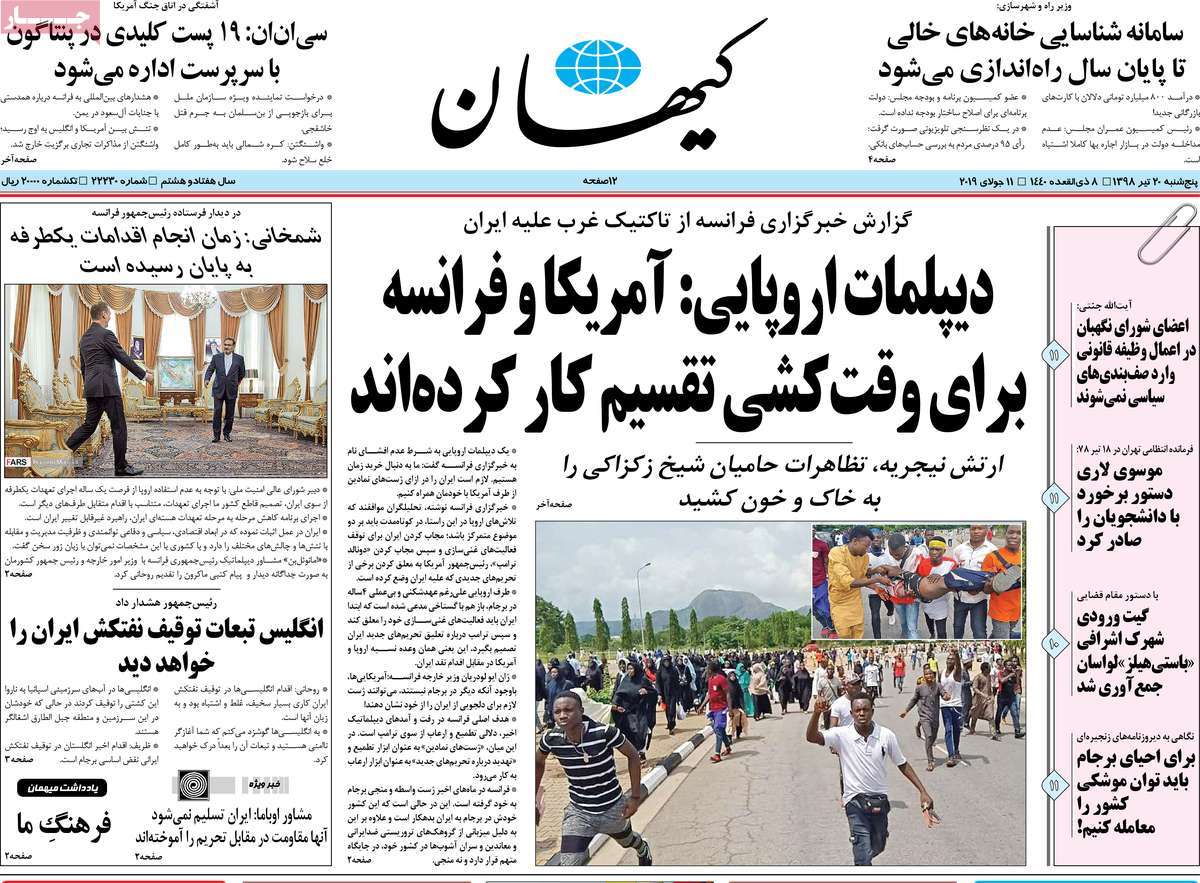
Kayhan:
1- European Diplomat: US, France Divide Labour of Killing Time
* AFP’s Report of Western Tactic against Iran
2- Time for Unilateral Measures Over: Shamkhani
3- Nigerian Army’s Bloody Crackdown on Zakzaky Supporters
4- CNN: 19 Key Positions in Pentagon Headed by Acting Chiefs
* Chaos in US’ Chamber of War

A Look at Iranian Newspaper Front Pages on July 11


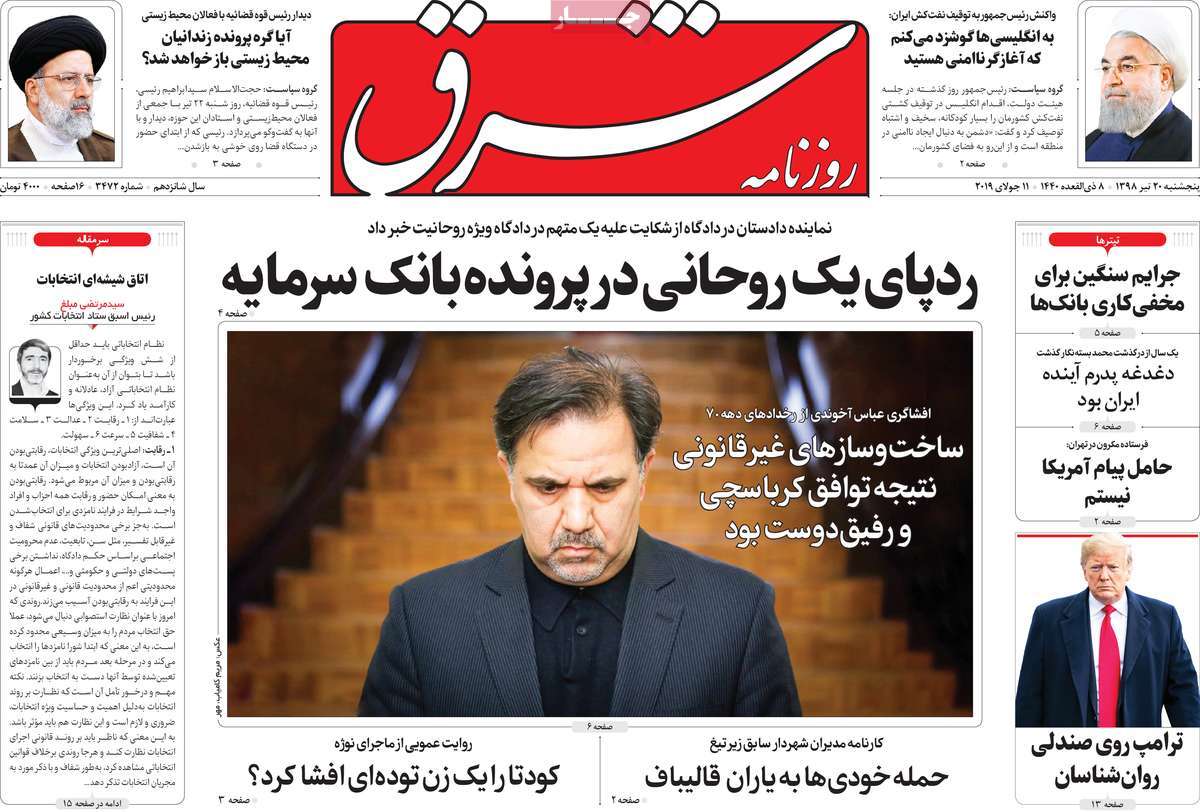
Shargh:
1- We War UK They’re Initiating Insecurity: Rouhani
2- Macron’s Envoy in Tehran: I’m Not Conveying US Message

A Look at Iranian Newspaper Front Pages on July 11

Iranian Researchers Develop Wound Dressing from Amniotic Membrane

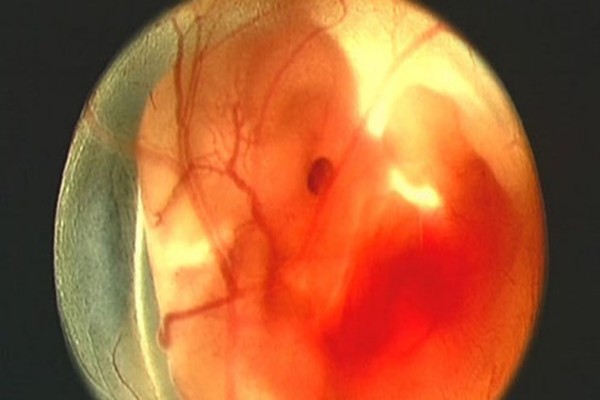
The substance produced from the caul are put on sterilized gauze bandage, which is then used as a biological dressing for acute and chronic skin injuries.

The amniotic membrane (also called caul) is the layer which encloses the fetus and is only a few milimetres thick.

Today, products taken from the amniotic membrane is globally used to cure a whole range of diseases and conditions. They are used for chronic and acute wounds, eye surgeries, cardiovascular surgeries, general surgeries, spinal cord treatment, orthopedic treatment, sports medicine, ear, nose and throat conditions, and dentistry.

Iranian Researchers Develop Wound Dressing from Amniotic Membrane
Iran to Export Stem Cell Products to Oman, Qatar, Syria

This biological substance was discarded in the country before as biological waste. However, it has been quite some time that the product has been used in regenerative medicine in Iran.

The product is produced at the Royan Research Institute in the country, and some individuals need to donate the organ.

Those who are going to donate the amniotic membrane are selected from pregnant women visiting hospitals to undergo caesarean operation.

First, they take screening tests. After results of quality control tests on the process of producing the amniotic membrane are confirmed, the product is transferred to a special bank used to store samples and is distributed among users.

In Iran, four products are taken from this biological material. The most common product is called Amicare.

Amicare is a dried amnion which is spread on sterilized gauze bandage and used as a biological dressing for skin injuries such as burns as well as acute and chronic wounds which are difficult to treat.
Iran, Russia Move to Broaden Scientific Cooperation

Sorena Sattari in Russia

Led by Iranian Vice President for Science and Technology Sorena Sattari, a delegation of 70 Iranian knowledge-based companies has taken part in the 10th edition of INNOPROM, an international industrial fair held in Russia’s Ekaterinburg since 2010.

Speaking to reporters upon his arrival in Moscow on Wednesday after attending INNOPROM, Sattari described the visit as a fresh effort to boost the export of knowledge-based products.

The vice president noted that he will be accompanied by representatives of the 70 Iranian companies at business meetings in Russia, expressing hope that the talks among the Iranian and Russian enterprises would result in a “considerable number of agreements” for boosting exports.

For a brief review of Iran’s achievements in various fields of science and technology, check the book “Science and Technology in Iran: A Brief Review – 2019

On Wednesday, Iran-Russia Industrial Forum was held at INNOPROM, during which delegations from Iran and representatives of the Government of Sverdlovsk Region and the Ural Chamber of Commerce and Industry discussed the prospect of bilateral industrial cooperation, according to the fair’s website.

In a paper released by INNOPROM, Sorena Sattari has said, “A powerful political and economic center located close to Iran, Russia as a nation that is friendly to us provided Iran with unprecedented opportunities for the development of political and economic relations over the past decades.”

“The Islamic Republic of Iran is using its capabilities to foster constructive and dynamic cooperation at this global forum. And our presence here which follows the initiative of the Russian authorities attests to our intentions,” he added.

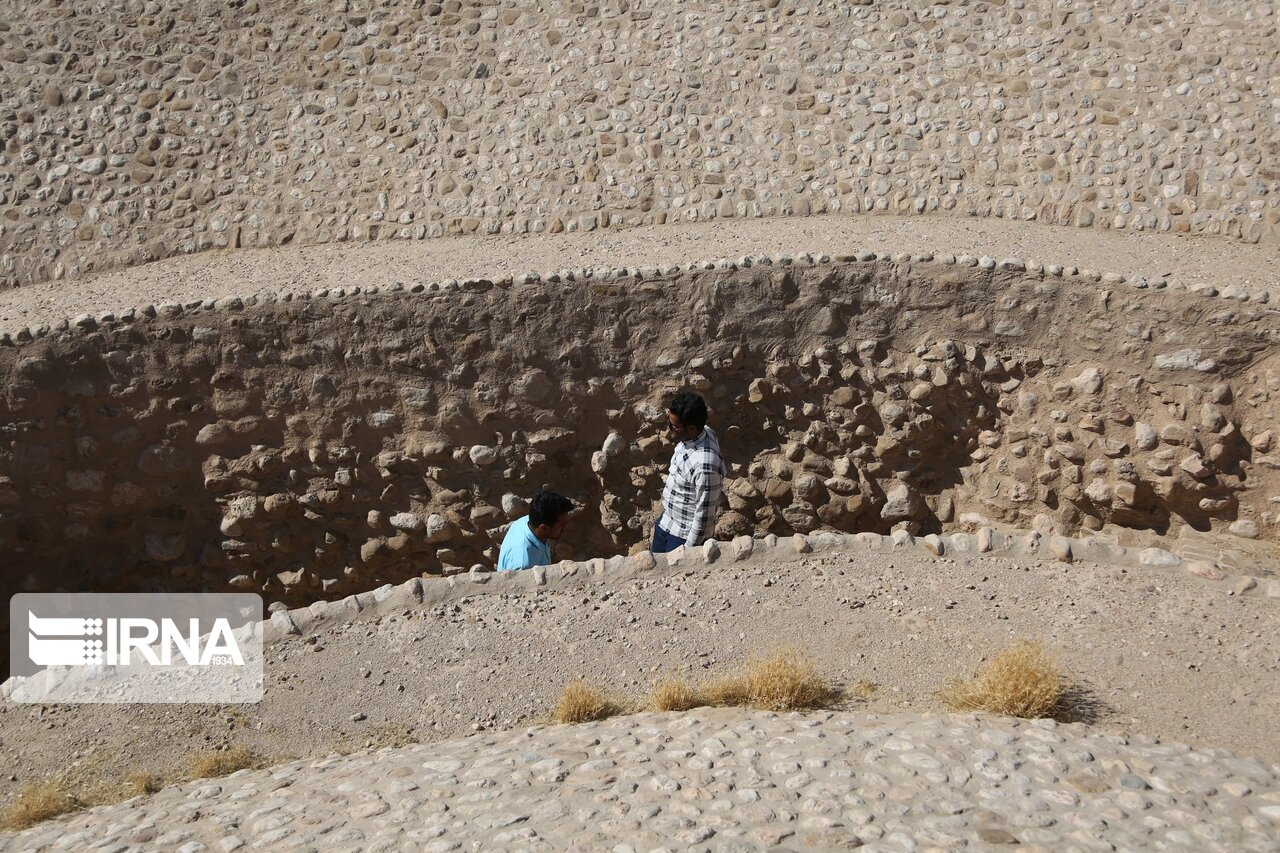
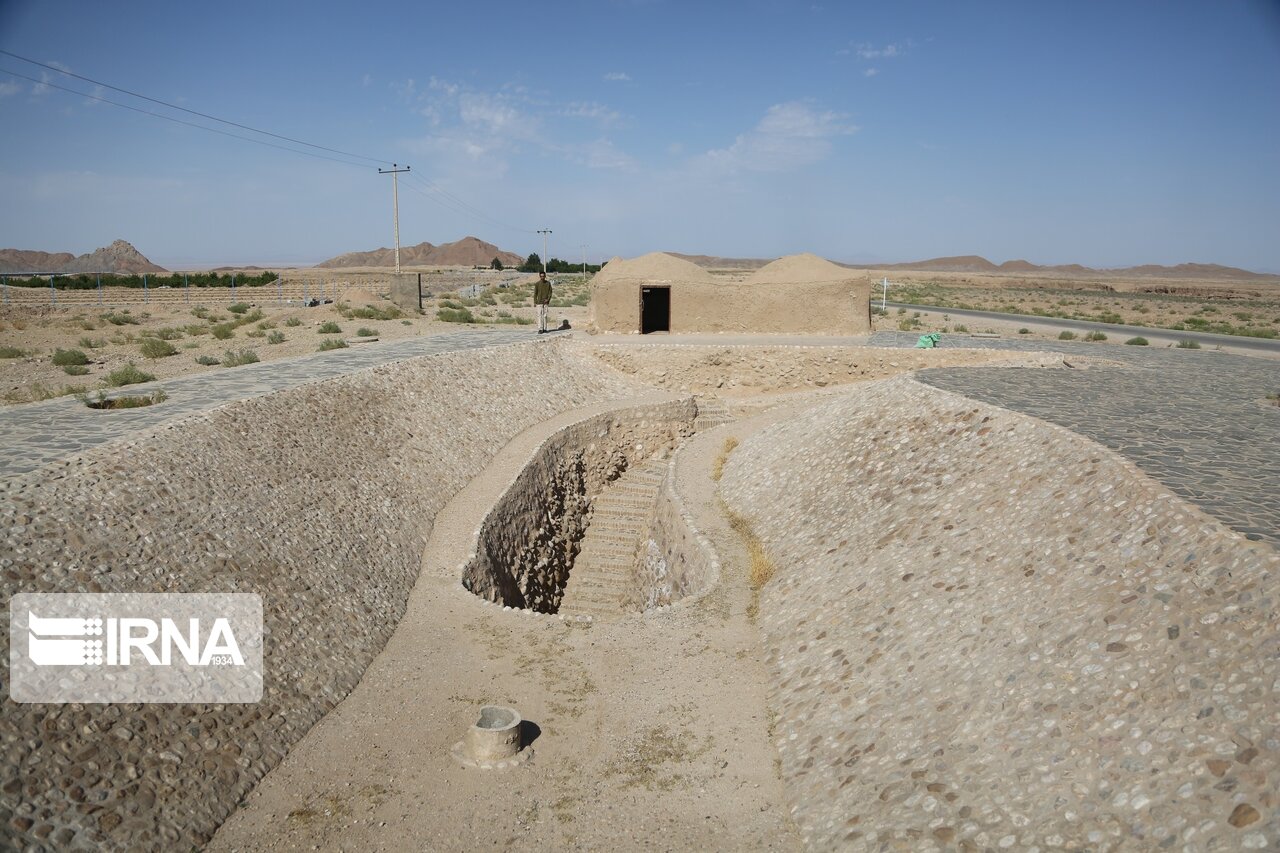
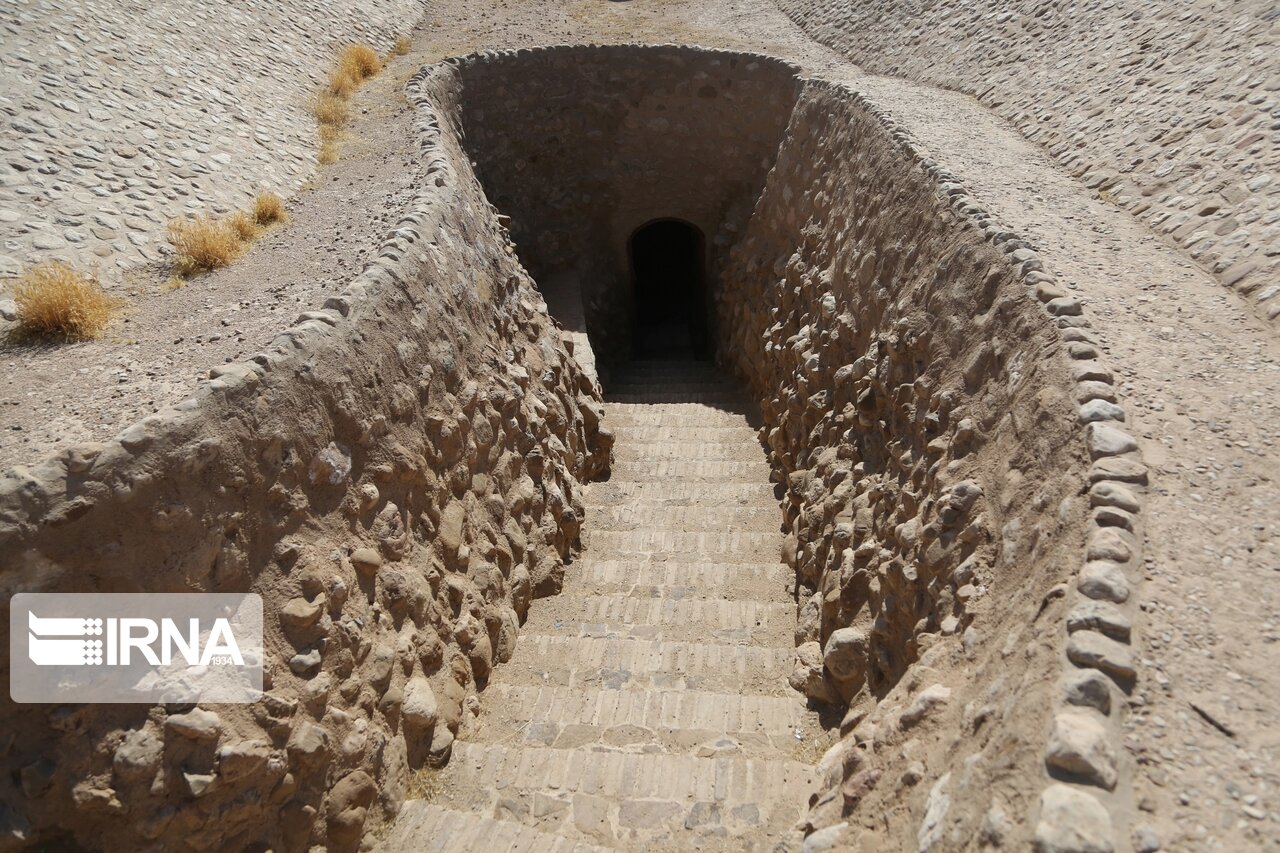
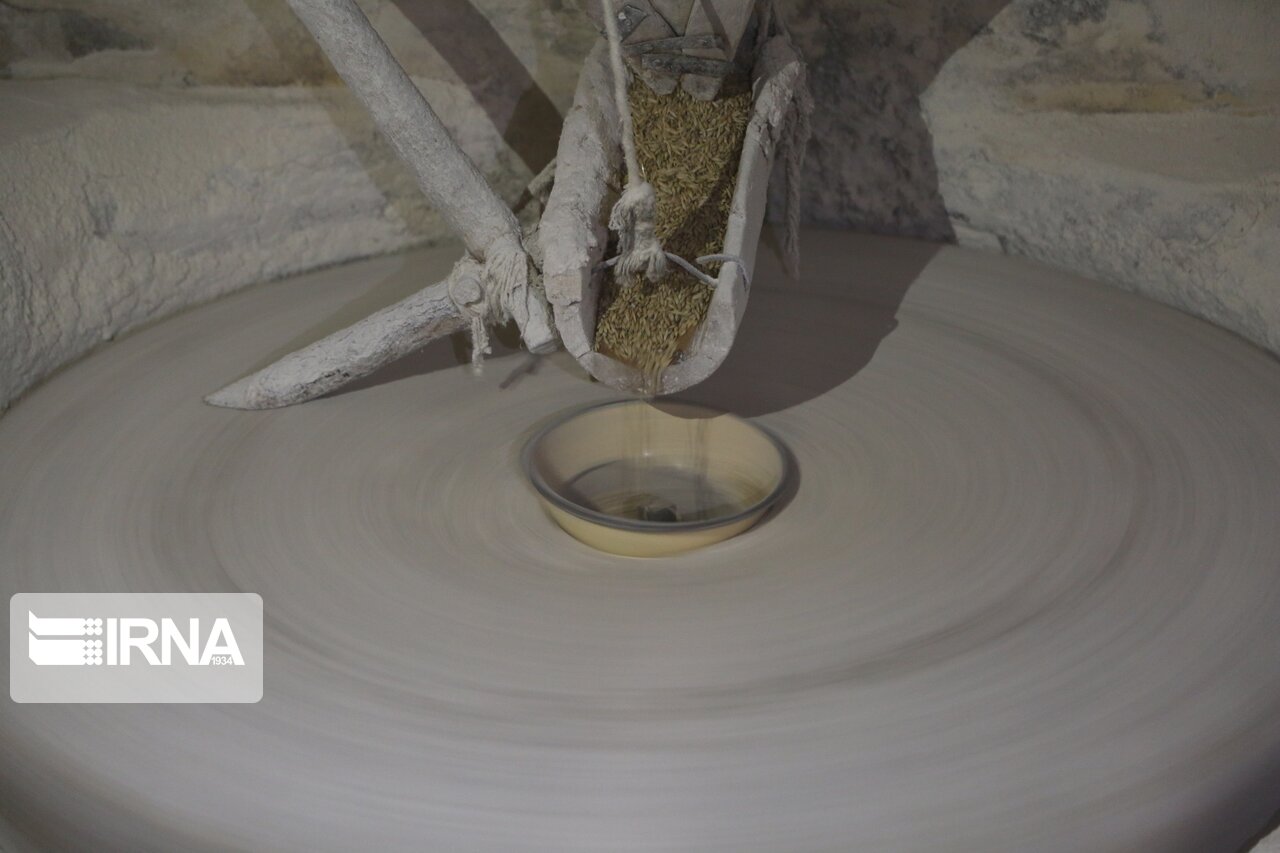
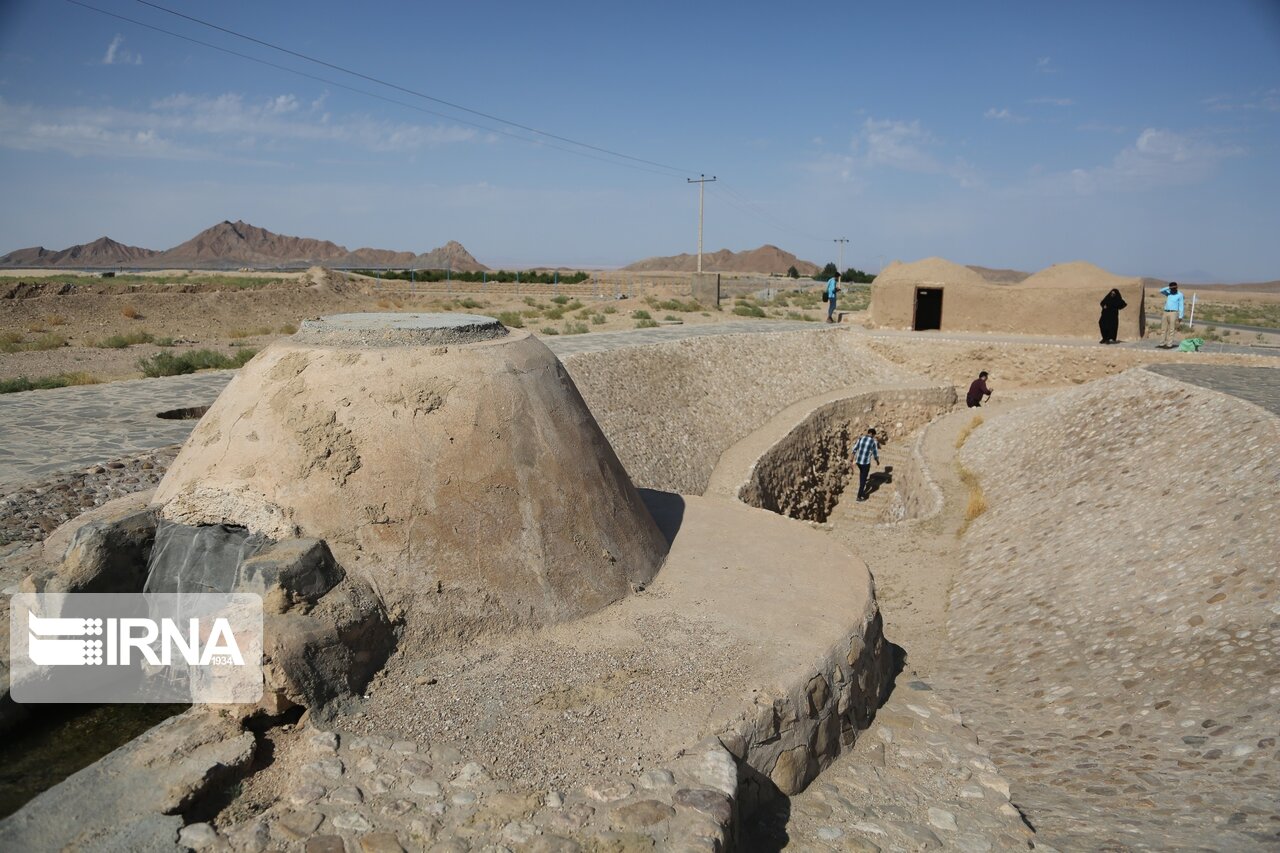
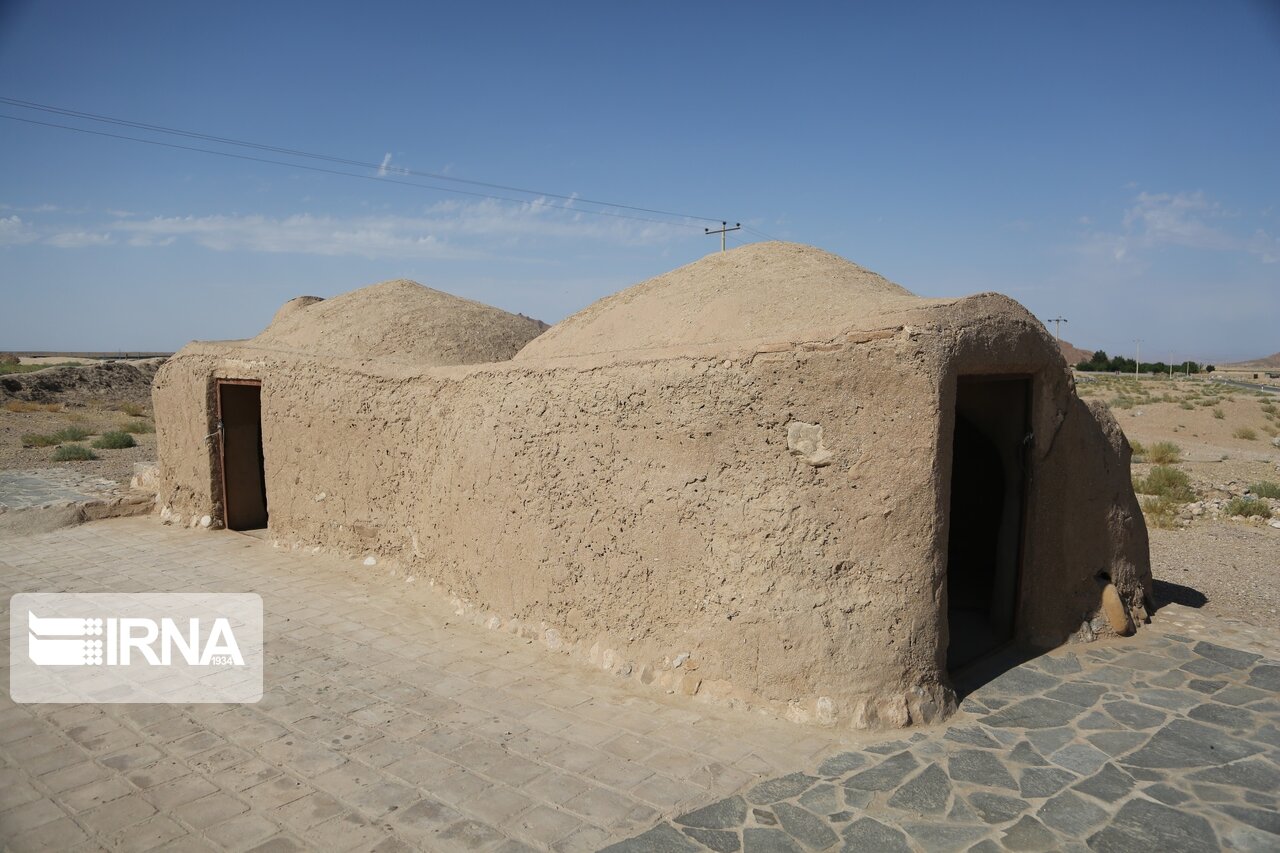
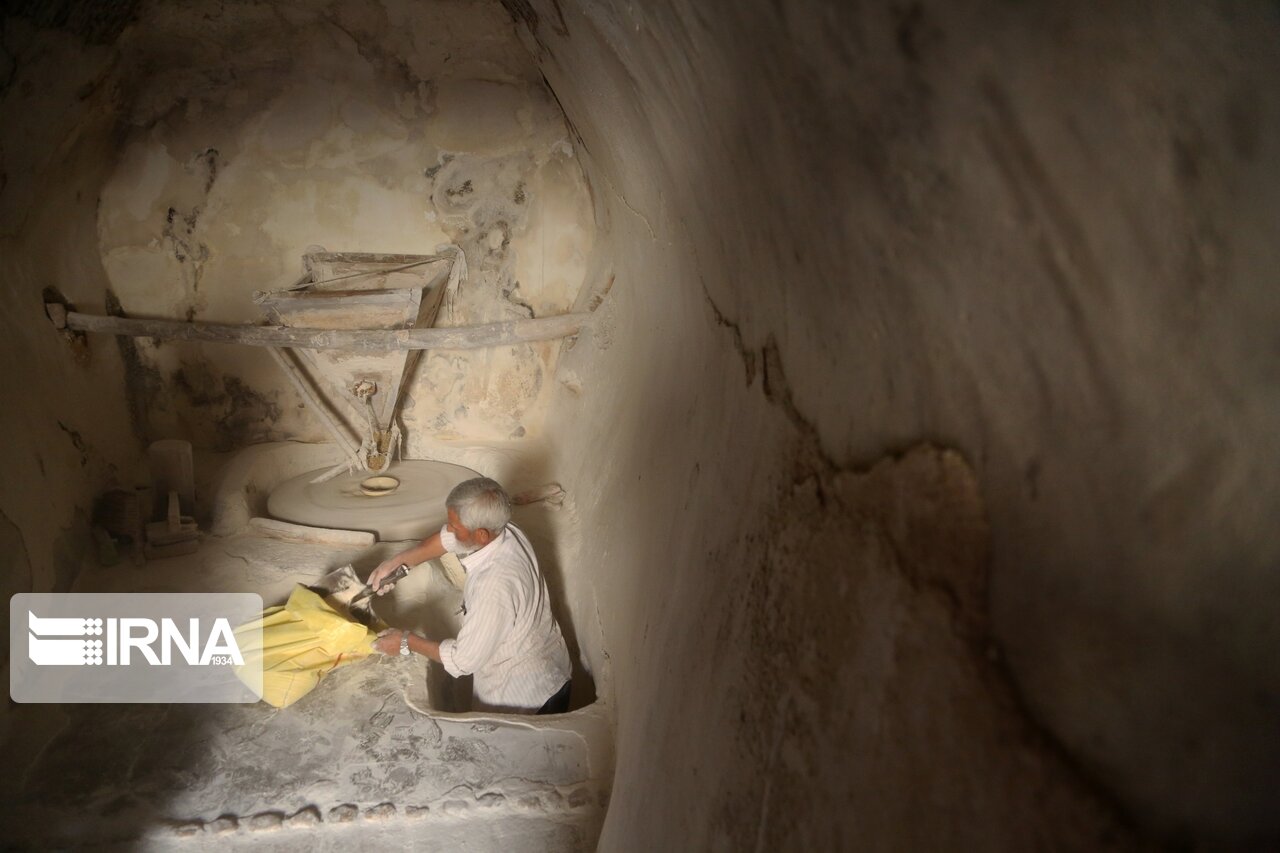
Ancient Water Mills Still in Use in Eastern Iran

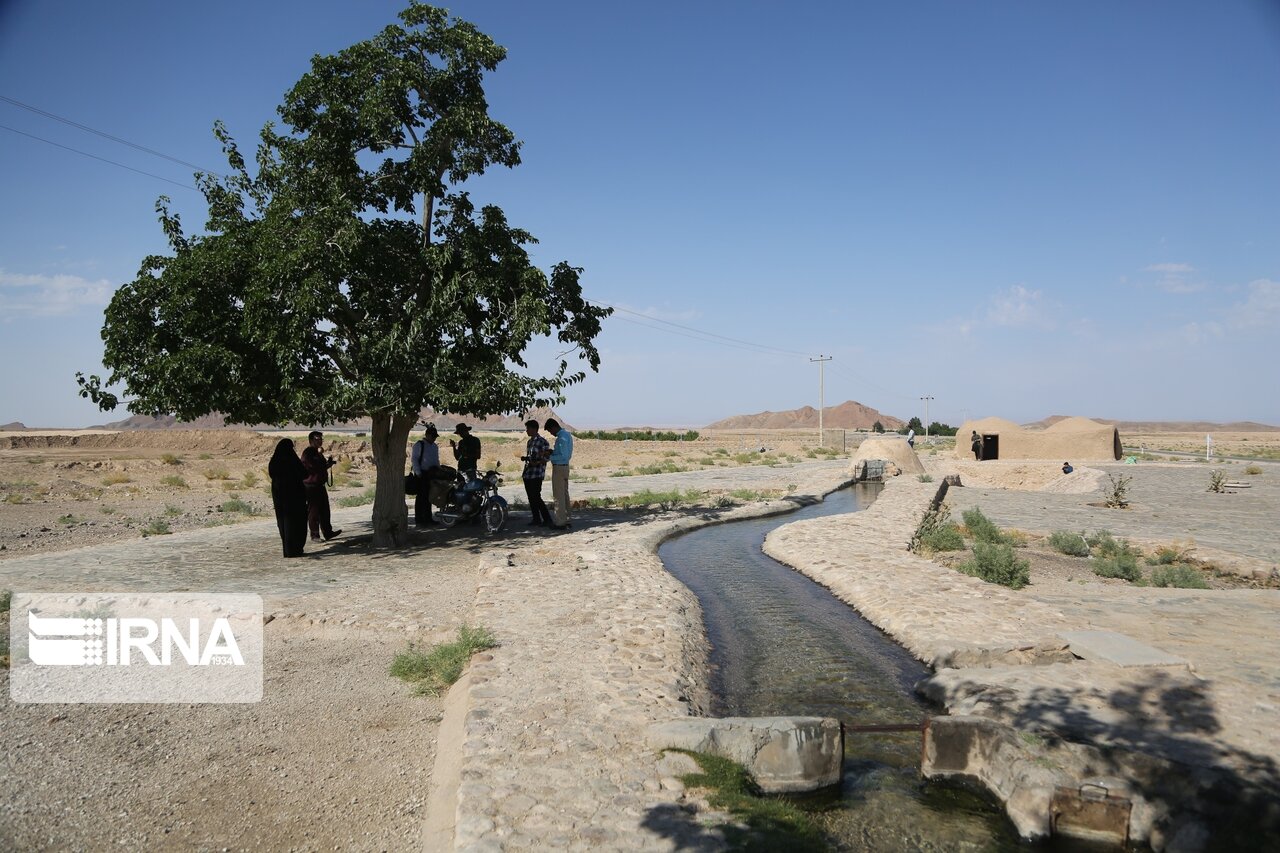
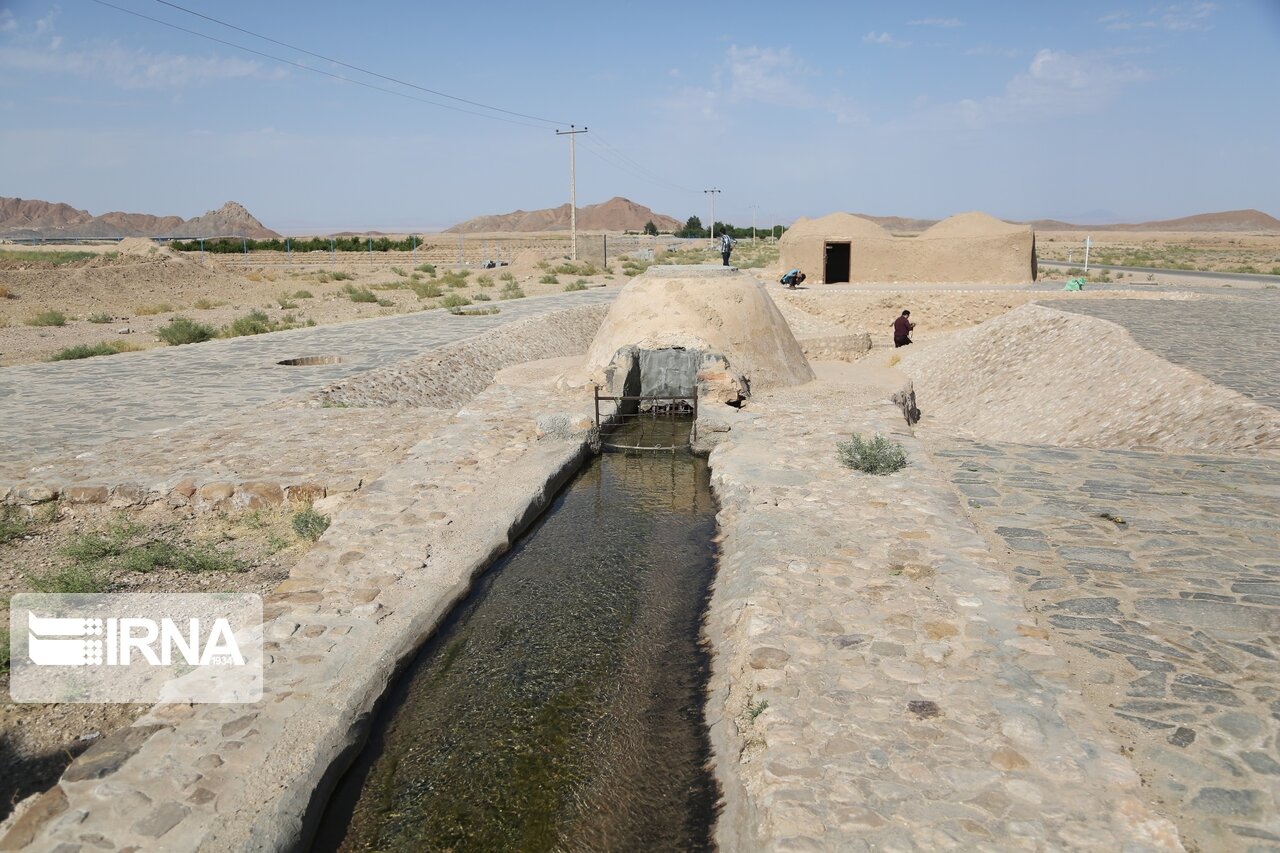
Due to their old history, many tourists are attracted by them. These seven water mills are located on the old route of Boshrouyeh to Raqqeh which is part of the ancient road of Tabas.

Each of these mills has a circular pit. A branch of the aqueduct is guided by a canal into the reservoir, and after being accumulated in the reservoir, it is directed to the bottom of the mill and pushes the wheels of the mill wheel.

The materials used in this structure are square-shaped bricks, stone carcasses, gravel mortars, gypsum, lime, cobblestone and cobblestone.

The people of this village are farmers, and the most important products are wheat, barley, cotton, saffron, and Russian olive.

There are two spectacular rivers in this region, which are visited by thousands of people annually.

The plains around these rivers are also home to hundreds of fauna species.

Based on the evidence and monuments, one can argue that Boshrouyeh dates back to the pre-Islamic era. In the fifth century AH, the Iranian scholar Nasir Khusraw, who was passing through the area, stopped at Raqqeh rural district and spoke of the flowing waters, agriculture, gardens, battlement, Adineh (Friday) mosque, etc.

The urban foundation of Boshrouyeh indicates that the city had a relatively fast growth during its development during Timurid era.

The most important proof of the old civilization in Boshrouyeh is the existence of an almost rectangular square at the centre of the city and the middle of the main Rasteh (row) of the old bazaar of Boshrouyeh, which has undergone many changes throughout the time.

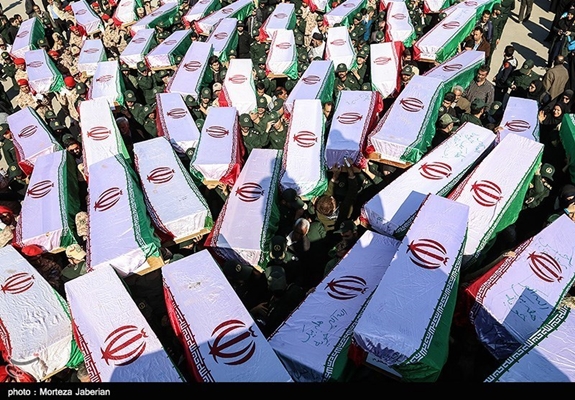
US Hiding Database of Iran POWs Killed in Iraq: Commander

In comments on Thursday, commander of the missing in action (MIA) search committee of Iran’s Armed Forces General Staff said the detailed information about the Iranian soldiers martyred in captivity in the Iraqi prisons under Ba’athist rule is not made available to Tehran, while the Pentagon holds that database.

When the US occupied Iraq in 2003, it stole the whole files of Iraq’s Defence Ministry related to the war that Saddam Hussein had imposed on Iran in the 1980s, General Seyyed Mohammad Baqerzadeh added.

The commander said the stolen database has been given to the American universities for research, while the US refuses to share it with the ICRC for the identification of martyrs.

The International Committee of the Red Cross has sent letters to the US requesting the information, but it has not been given a clear response from Washington so far, Baqerzadeh deplored.

Iraq, under executed dictator Saddam Hussein, invaded Iran on September 22, 1980, imposing an eight-year war on its eastern neighbour.

Many Iranian forces were held captive in Iraqi prisons years after the end of war in 1988.

US Yet to Issue Visa to Iran FM for New York Visit

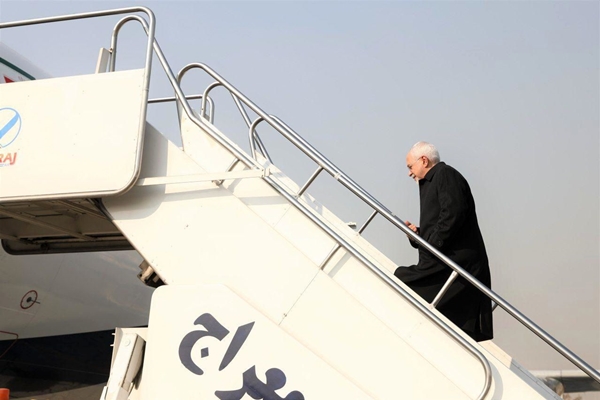
Speaking to reporters on Thursday, Mohammad Javad Zarif noted he plans to travel to the US to attend a meeting of the United Nations Economic and Social Council and also meet members of media think tanks, but the US has yet to give him a visa.

Zarif noted he would leave the US for the Venezuelan capital of Caracas where he would attend a meeting of the Non-Aligned Movement (NAM).

He said he would visit two other Latin American countries as well.

The United States announced recently that it had slapped sanctions on Zarif, but later it was reported that Trump has temporarily suspended the ban after a phone conversation with French President Emmanuel Macron.

No Talks with ‘Terrorists’

Zarif further said the Islamic Republic of Iran had never left the negotiating table, but it won’t hold bilateral talks with the US as long as it’s hitting Iran with its economic terrorism.

“Iran attended joint commissions on the Iran nuclear deal until March 2018 and was involved in the negotiations. They themselves decided to leave the negotiating table. Now, they are claiming, in a deceptive move, that they are ready for talks,” he said.

“If they are prepared for negotiations, [I should say that] negotiations and terrorism don’t go together. Even they themselves don’t hold talks with terrorists, and we won’t hold talks with those who have got engaged in economic terrorism against our people. They should stop it,” the top diplomat said.

Zarif also referred to the so called “freeze for freeze” plan that media say was put forward by French President Macron during his envoy’s recent trip to Tehran, based on which Iran would freeze its nuclear measures and the US also freeze its sanctions.

“Macron’s advisor put forward a proposal to keep tensions from growing any further,” said Zarif.

“He was told that as long the US is engaged in an economic war against Iran, they should not expect Iran to stop its measures,” the foreign minister added.

“Either Europe should take the necessary actions, or the US should stop its economic war against the Iranian people,” he said

Iran Denies Attempting to Stop British Oil Tanker in Persian Gulf

The IRGC’s Navy on Thursday rejected a media report by CNN which claimed a number of IRGC speedboats approached a UK oil tanker and tried to stop it in the Strait of Hormuz, but withdrew after a British warship warned them off.

In a statement, the IRGC said it has had no confrontation with foreign vessels over the past 24 hours. The IRGC noted its vessels keep patrolling the Persian Gulf waters based on the routine operating procedure and the missions entrusted to it.

The IRGC underlined its forces are able to stop foreign vessels immediately within its geographical area of operation once they are ordered to do so.

Iranian Foreign Minister Mohammad Javad Zarif also denied CNN’s claim later on Thursday.

“The British tanker has apparently crossed the Strait of Hormuz. Their claims are worthless and aimed at escalating tension. They make such claims a lot, and use these allegations to put a lid on their weaknesses.”

CNN quoted two US officials with direct knowledge of the incident as saying that the IRGC boats unsuccessfully tried to seize the British oil tanker Heritage in the Persian Gulf Wednesday.

The report claimed that the tanker was sailing out of the Persian Gulf and was crossing into the Strait of Hormuz area when it was approached by the Iranian boats.

“The Iranians ordered the tanker to change course and stop in nearby Iranian territorial waters,” CNN quoted the officials as saying.

“A US aircraft was overhead and recorded video of the incident, though CNN has not seen the footage,” the report added.

The report further alleged that the UK’s Royal Navy frigate HMS Montrose had been escorting the tanker from the rear. “It trained its deck guns on the Iranians and gave them a verbal warning to back away, which they did.”

Montrose is equipped on the deck with 30 mm guns specifically designed to drive off small boats. UK officials had previously confirmed that the Montrose was in the region performing a “maritime security role.”

A UK government spokesman later confirmed the report, saying that the “HMS Montrose positioned itself between the three boats and the tanker British Heritage before issuing verbal warnings to the Iranian vessels.”

He described the Iranians’ actions as “contrary to international law”.

Iran had earlier warned the UK over its illegal seizure of an Iranian supertanker in Gibraltar, saying there will be consequences for London if it refuses to release the tanker.

US Suffered Another Failure at Mockery of IAEA Meeting: Iran

Foreign Ministry Spokesman Seyyed Abbas Mousavi made the comment following Wednesday’s session held at Washington’s request in Vienna.

“Another failure for the US at the mockery of the IAEA’s Board of Governors [meeting],” he wrote on his Twitter page.

“The US was isolated once again at its own hands,” Mousavi added.

He said the legal strength of the Iran nuclear deal as well as Tehran’s active diplomacy and rich political and ethical record leaves no pretext for all those “wise guys” who breach their commitments.

The IAEA meeting was held a few days after Iran boosted the level of its uranium enrichment to 4.5%. The move was part of Iran’s May 8 decision to reduce its commitments under the nuclear deal.

“We have been informed that the Americans were seeking to have some formal outcome of this meeting, something like a resolution […] but because they haven’t been in a position to convince the others to have their support for their claim, regarding consideration of Iran’s ceasing of its implementation of the JCPOA, there has been no conclusion,” says Iran’s ambassador to the IAEA Kazem Gharib-Abadi.

“The majority of the members of the Board supported the JCPOA, multilateralism and deplored unilateral actions of the US,” he told Press TV.

The Iranian envoy earlier told the IAEA’s special meeting that “the sadistic tendency of the United States to use illegal, unilateral sanctions as an instrument to coerce sovereign states and private entities should come to an end.”