Friday, April 10, 2026
Home Blog Page 3195

Tehran Ready for Talks If Sanctions Lifted: Iran President

Hassan Rouhani - President of the Islamic Republic of Iran

Hassan Rouhani made the comment while reiterating that Iran lived up to its commitments under the Iran nuclear deal known as the Joint Comprehensive Plan of Action (JCPOA) unlike Washington which withdrew from the agreement unilaterally.

“We did not breach our commitments under the JCPOA. In the Shanghai meeting, two of world leaders said Iran had secured a great political and ethical victory in history. The Americans failed to do anything and have been defeated in all international, political and legal circles. We, the Iranian nation, have managed to display our power,” said Rouhani.

He said Israel prompted the US to pull out of the JCPOA.

“It was wicked Israel that caused the US to withdraw from the JCPOA,” he said.

“Some reactionaries in the region also acknowledged that the US was under pressure to pull out of the JCPOA. Washington’s breach of commitments coupled with the animosity of some of our enemies was the reason behind Washington’s pullout from the JCPOA,” said the president.

He then touched upon Iran’s stance following the US withdrawal from the JCPOA.

“We have given the P5+1 countries time. Some of them have taken some steps. The Europeans either didn’t want to, or couldn’t take any steps. And the US is left alone as far as the JCPOA is concerned,” President Rouhani said.

“The world stood up to the US, and this is because of Iran’s strategic patience,” he noted, highlighting the importance of people’s resistance to tackle sanctions.

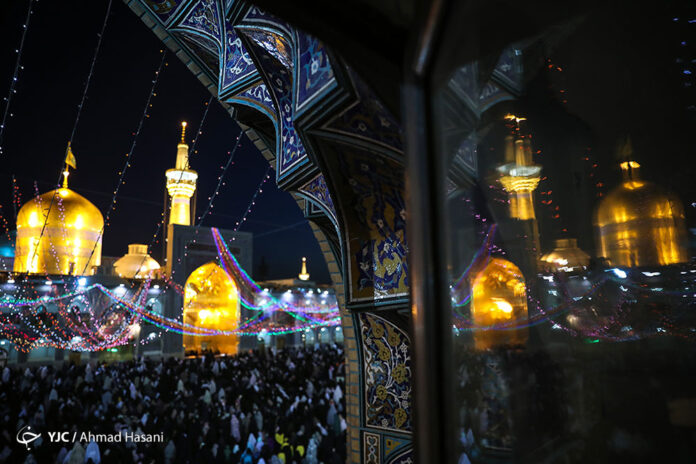
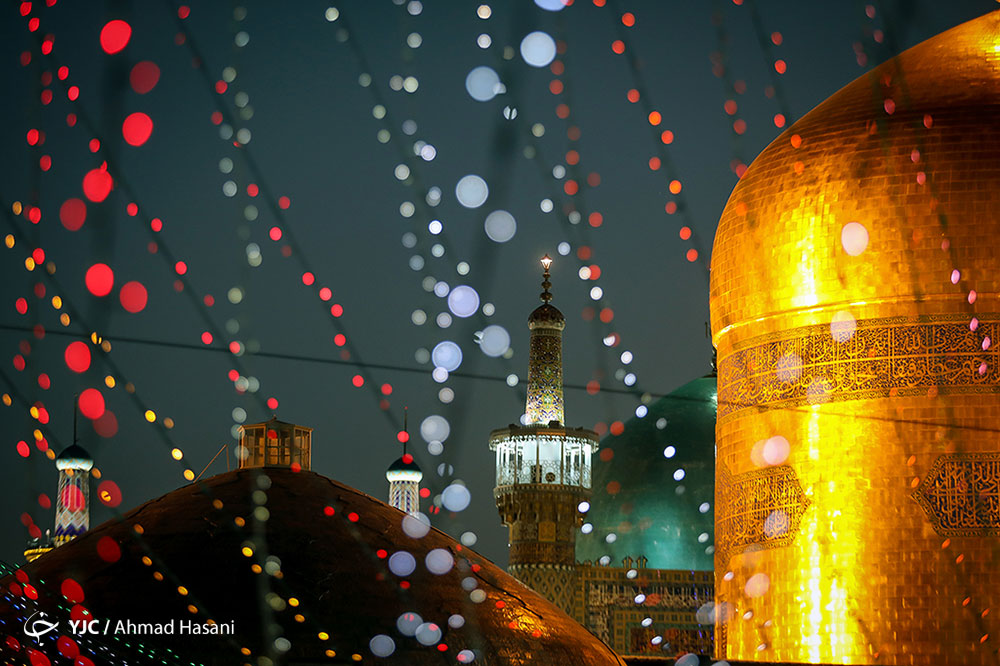
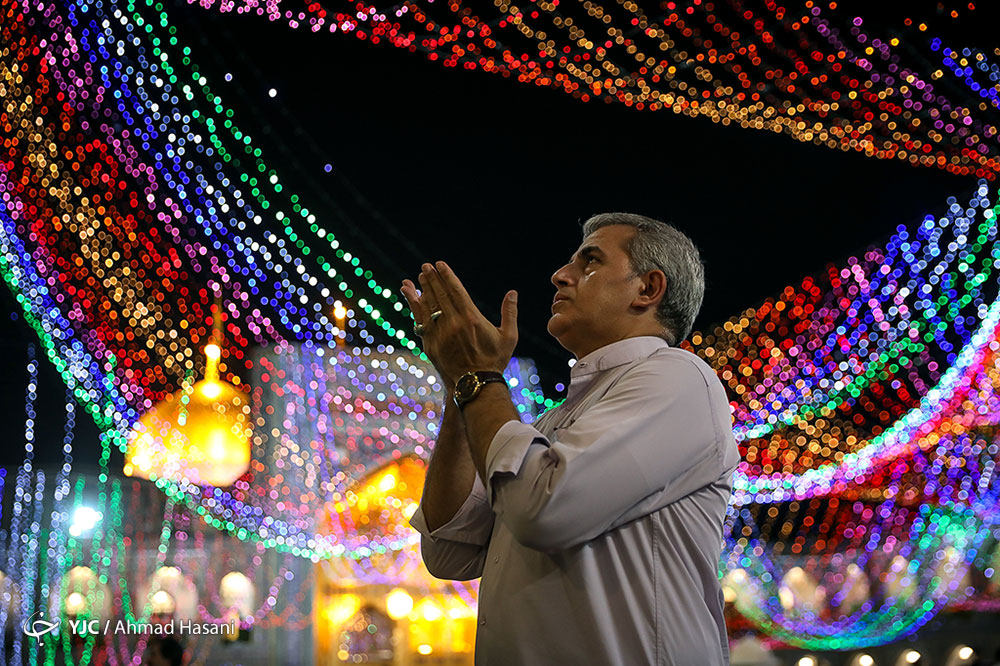
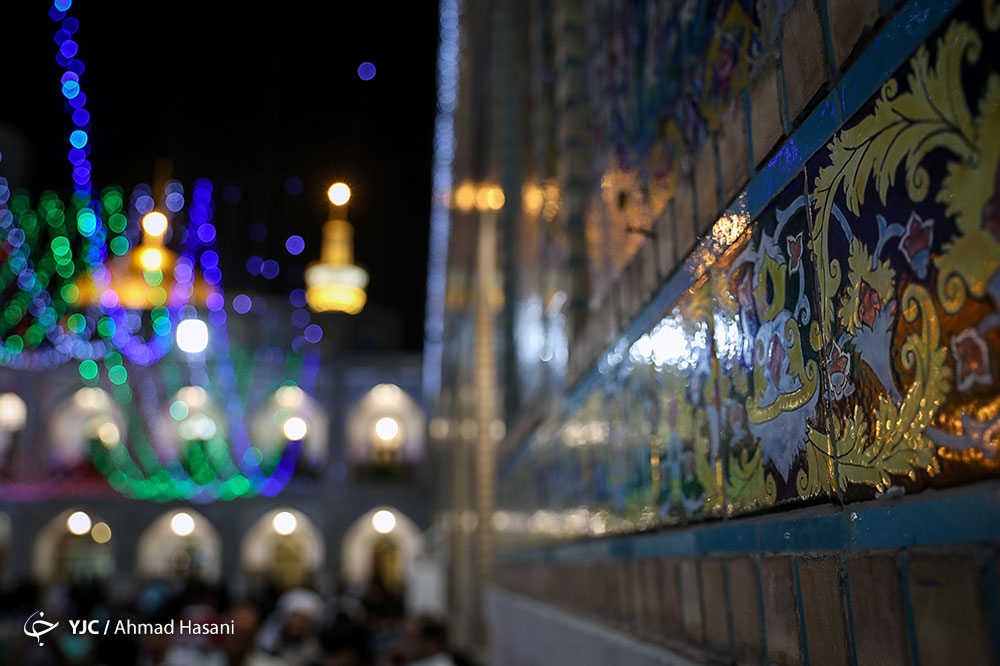
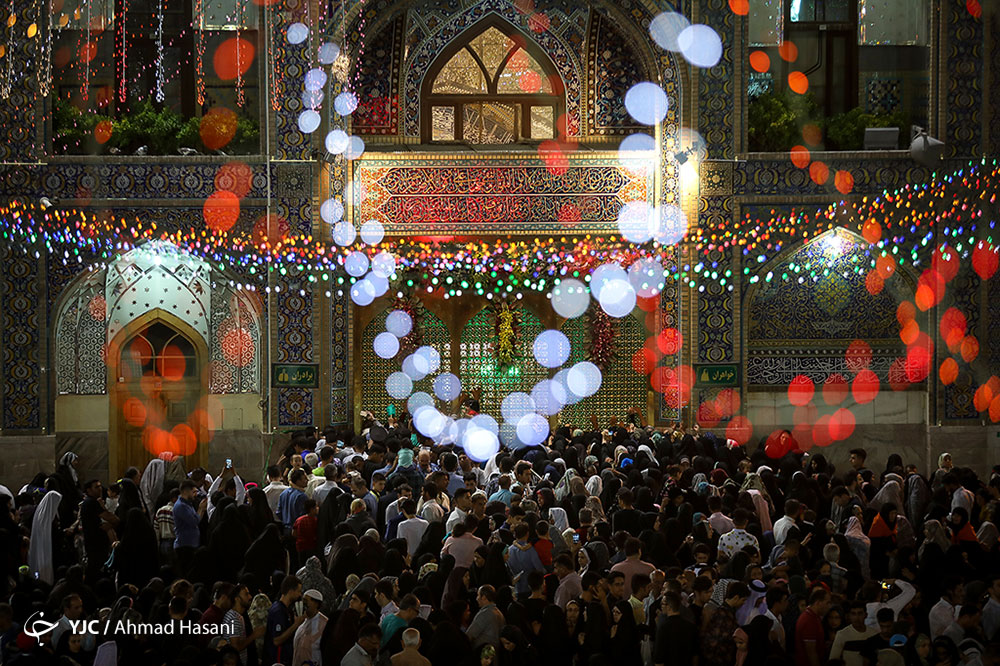
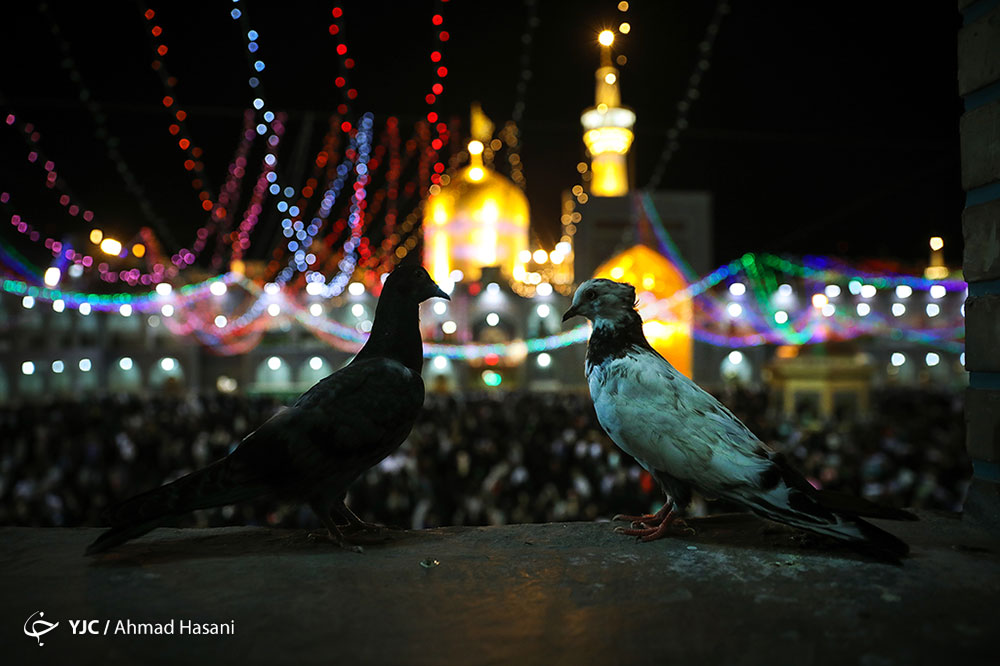
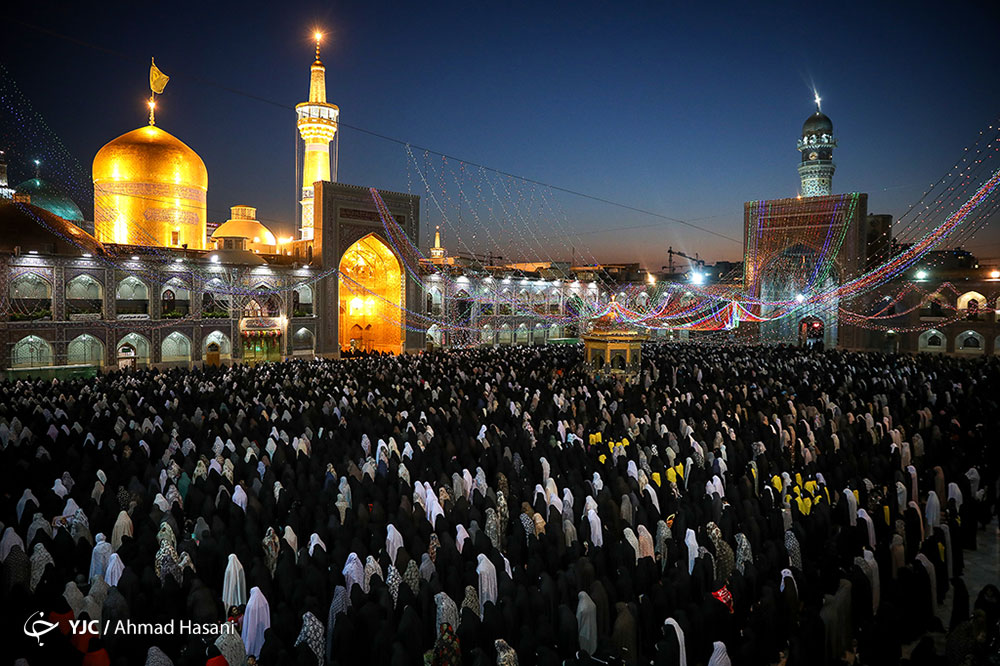
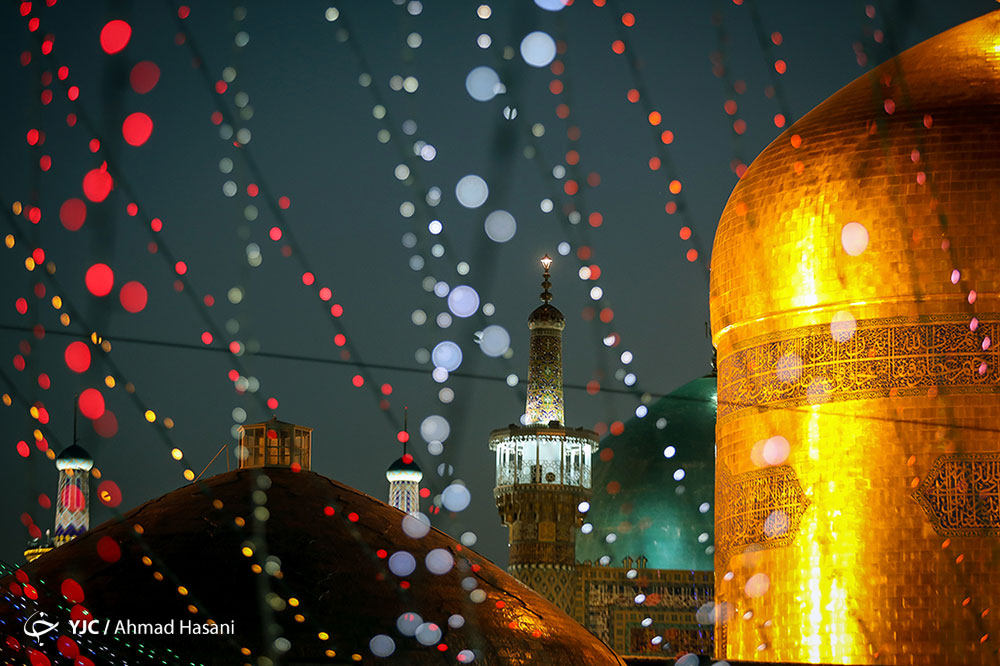
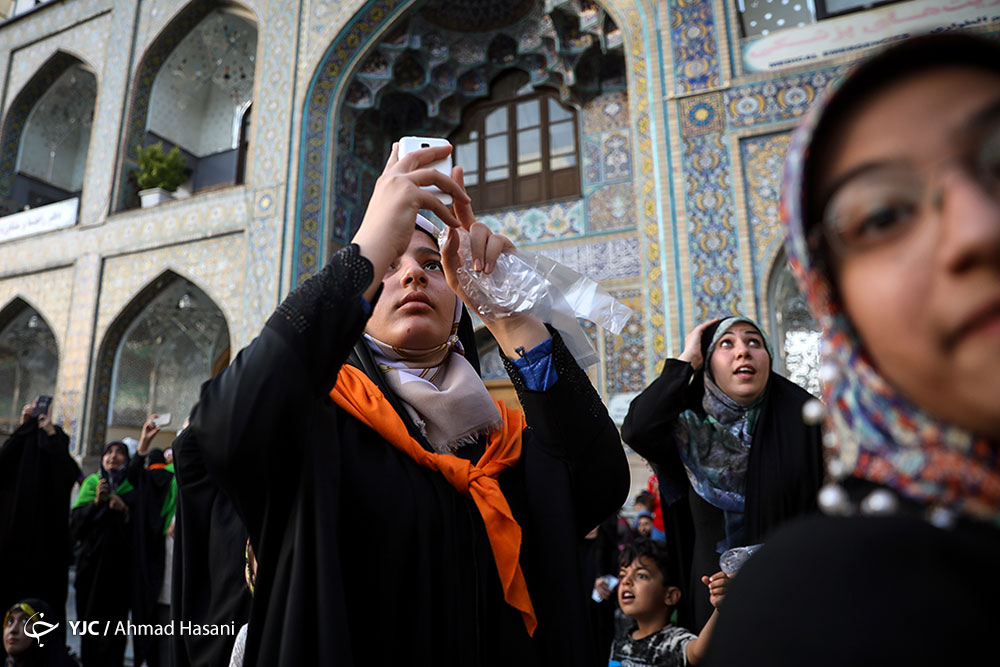
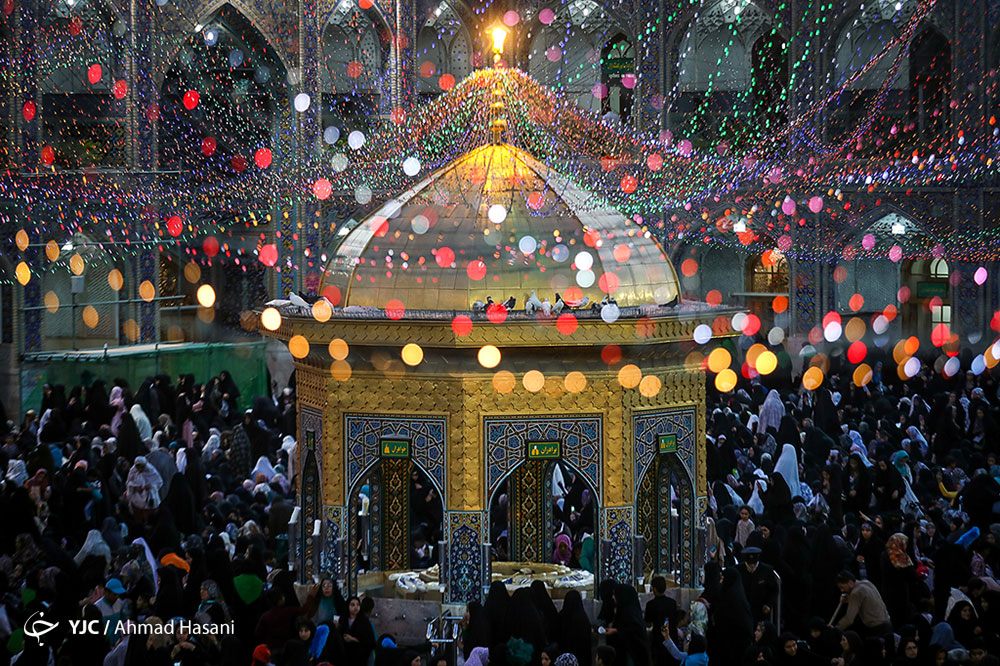
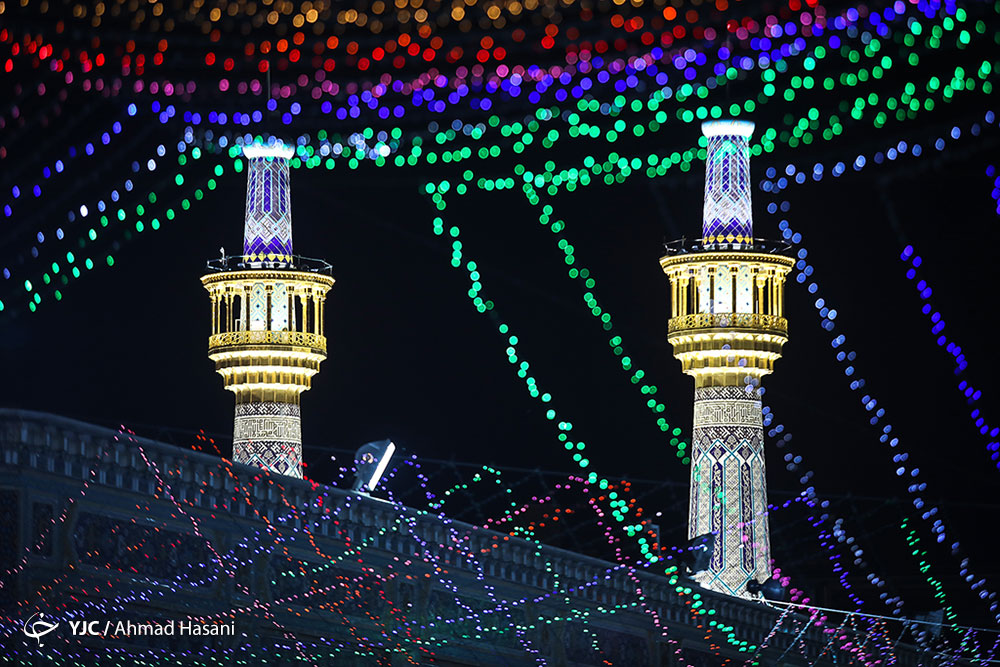
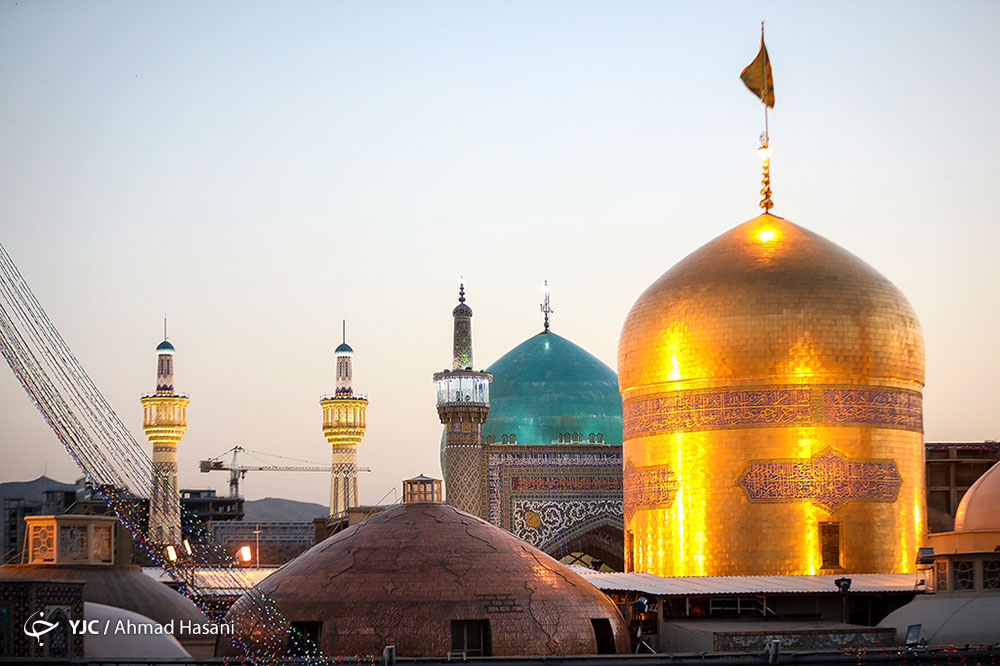
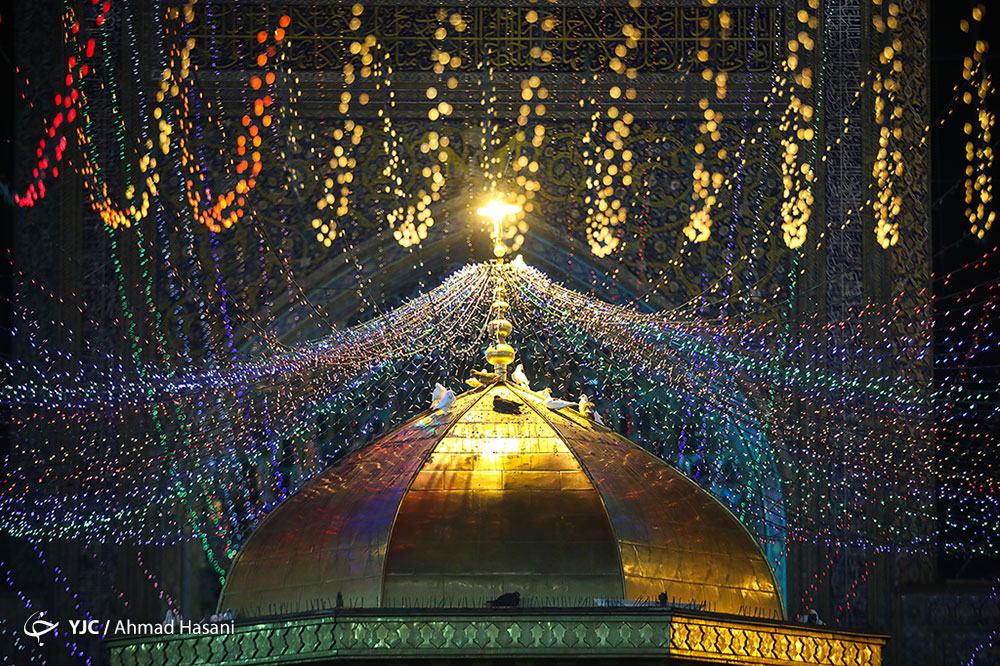
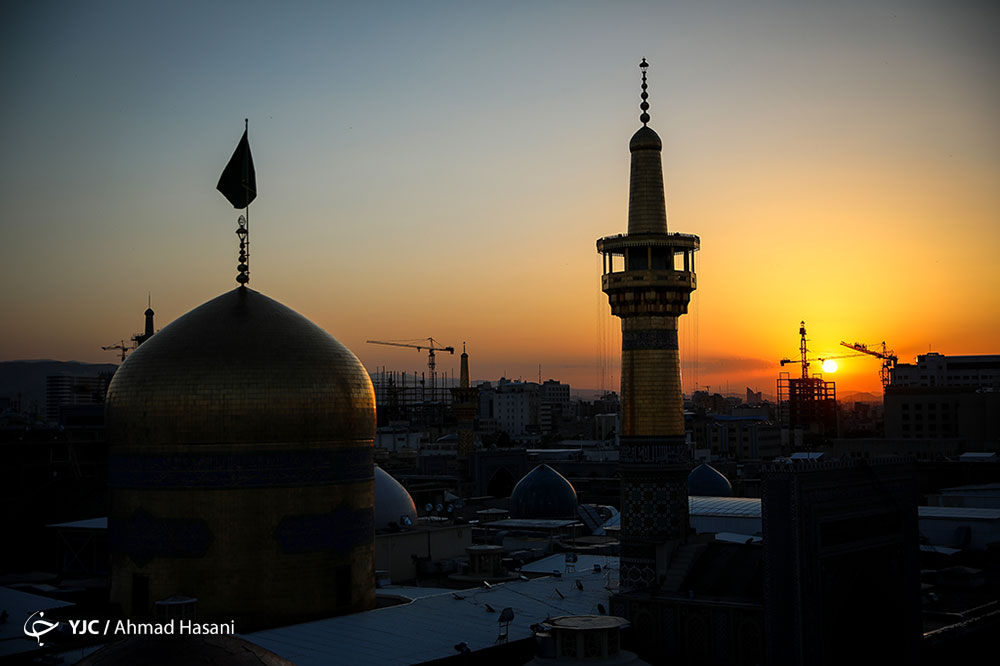
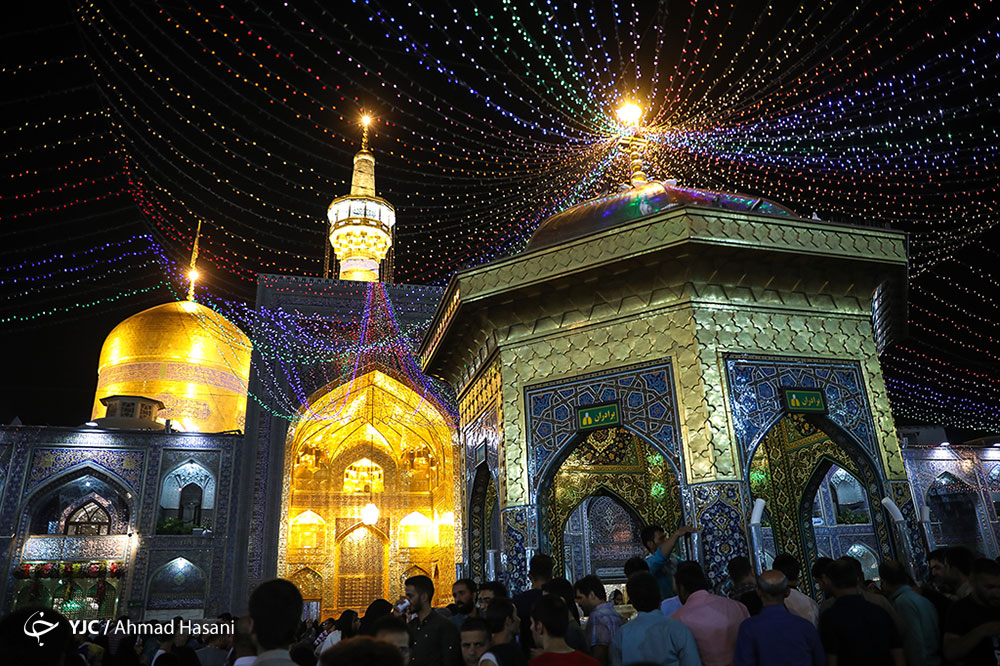
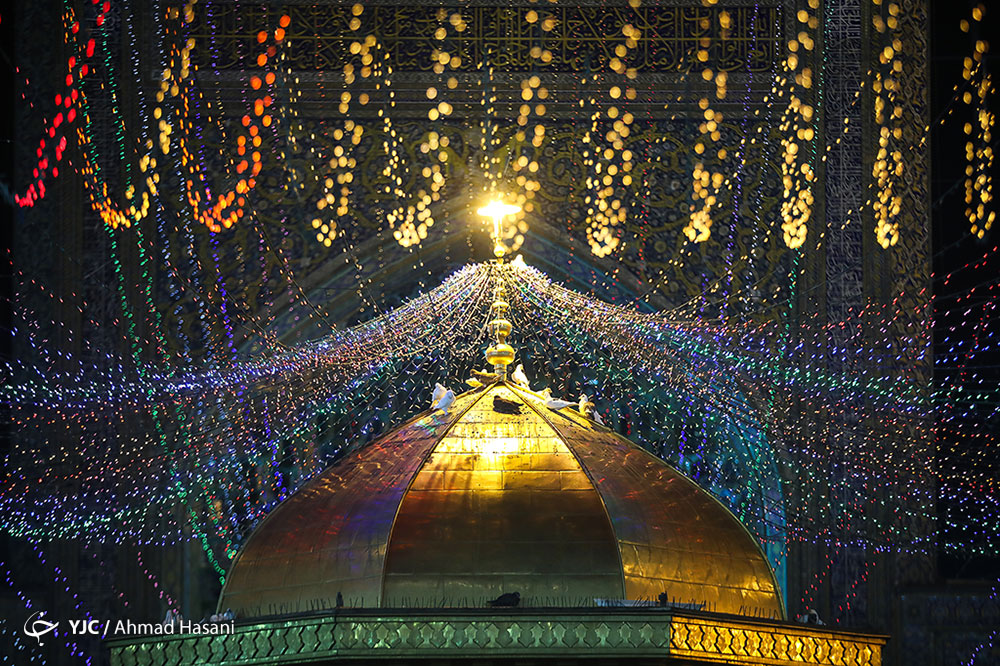
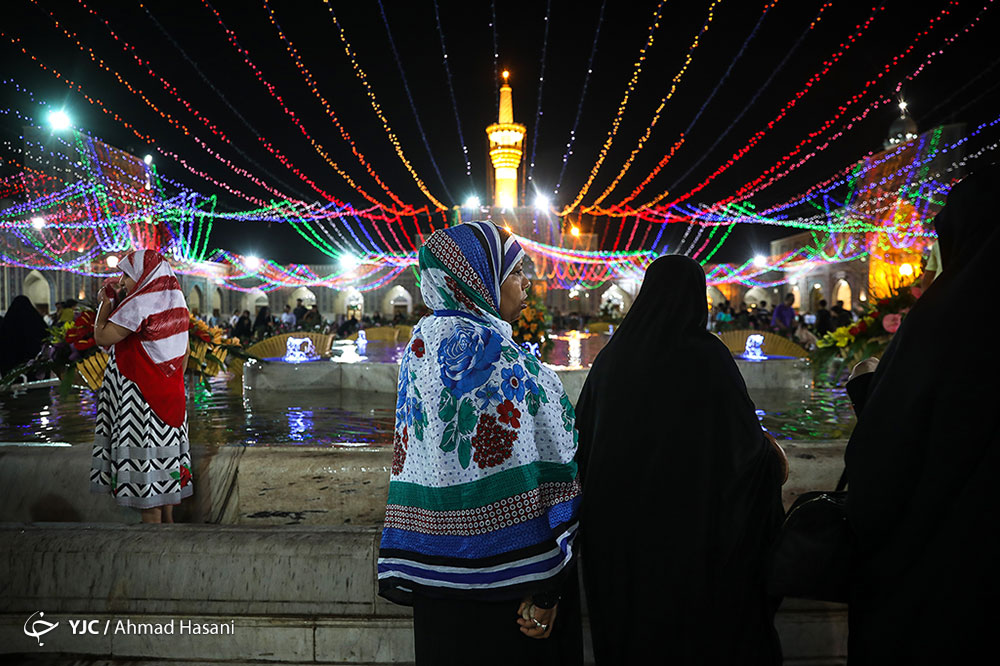
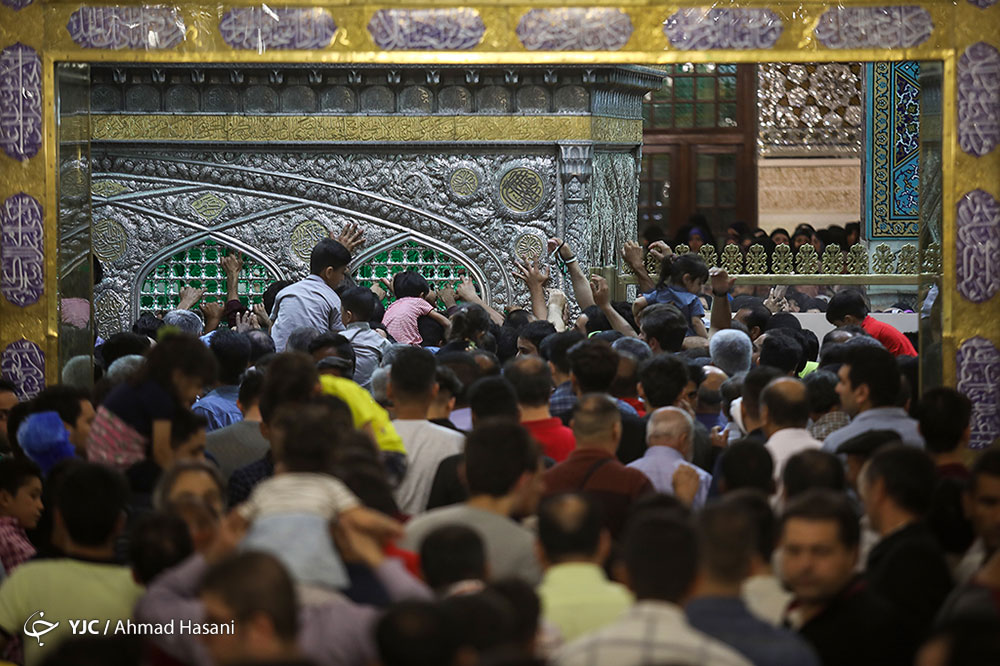
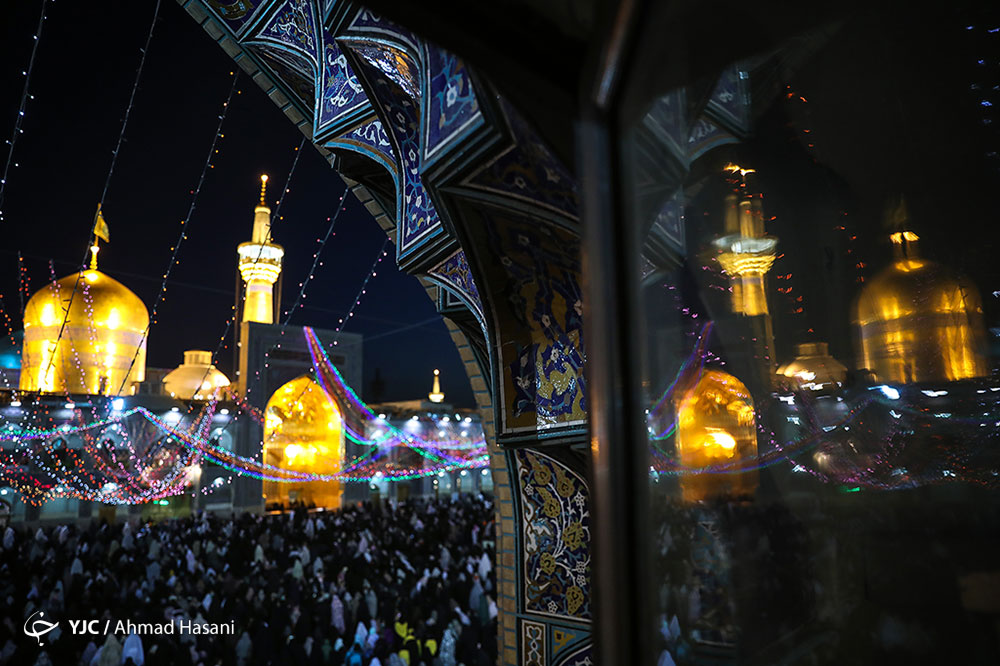
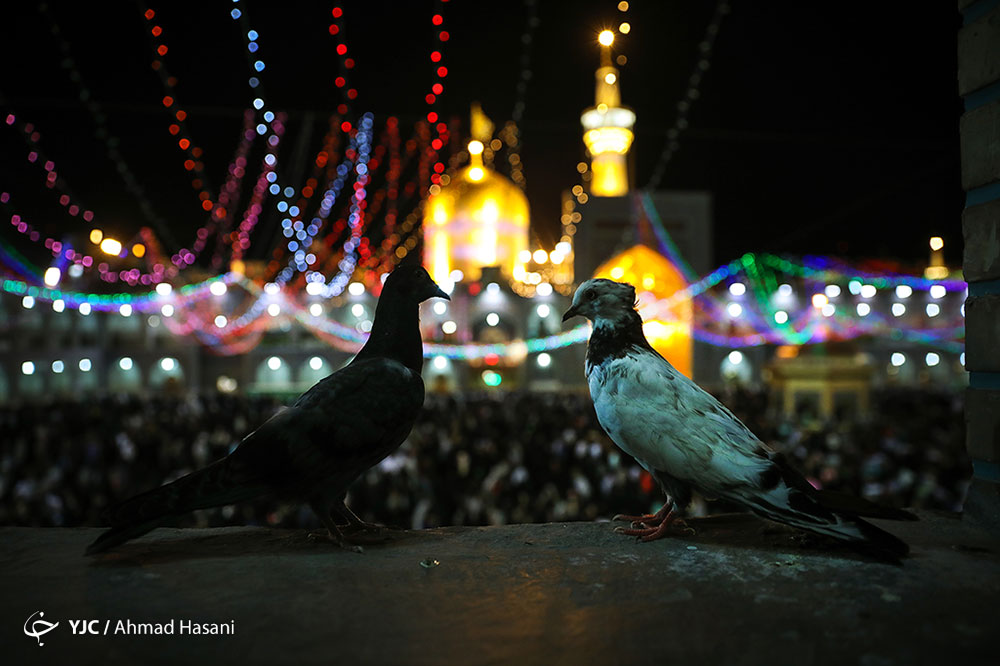
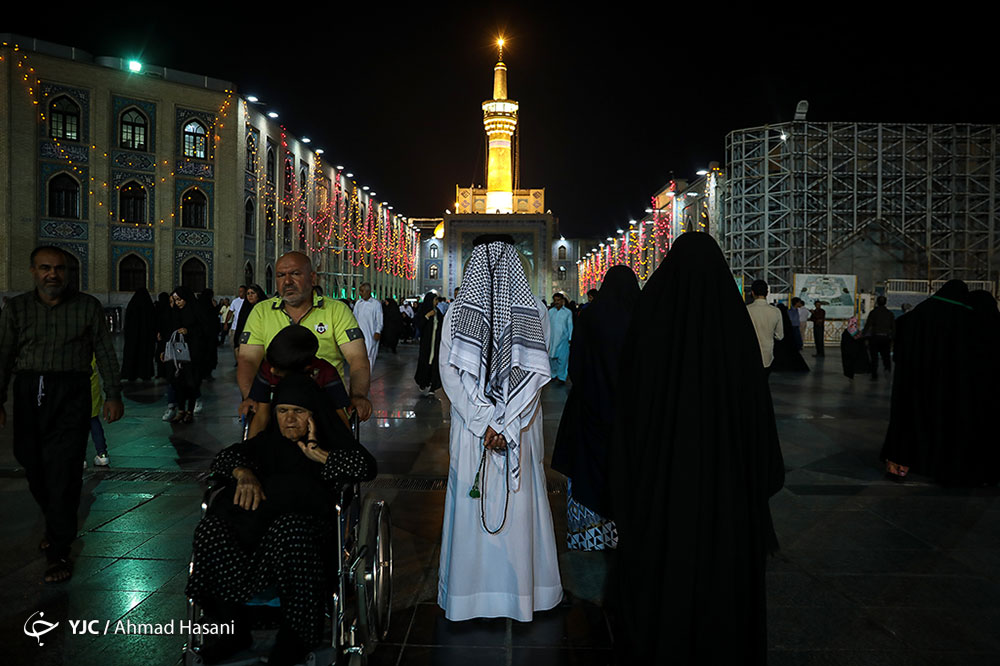
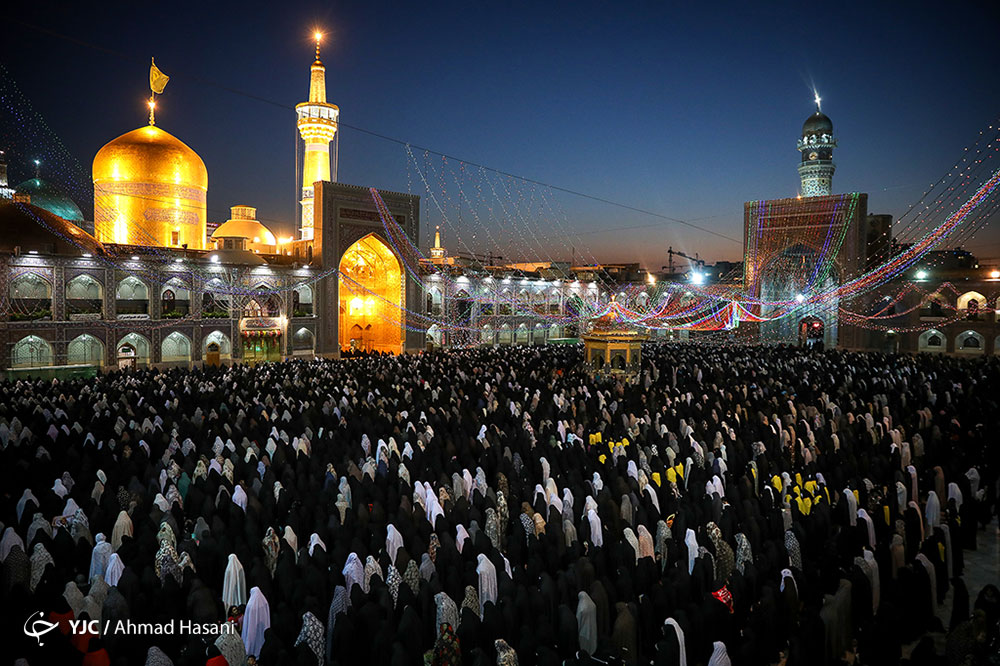
Shiite Muslims Celebrate Imam Reza’s Birthday Anniversary

The people gathered in Imam Reza’s Holy Shrine to engage in celebratory activities on the merry occasion.

Imam Reza (PBUH), the eighth Imam of Shiites, is of the progeny of Prophet Muhammad (PBUH) and his eighth successor.

Imam Reza’s (AS) birthday anniversary falls on the 11th day of the lunar Hijri month of Dhul Qaada, which falls on Sunday, July 14, this year.

The shrine of Imam Reza in north-east of Iran is visited by nearly 30 million people annually, turning Mashhad into one of the biggest pilgrimage destinations in the world and the holiest spot in Iran.

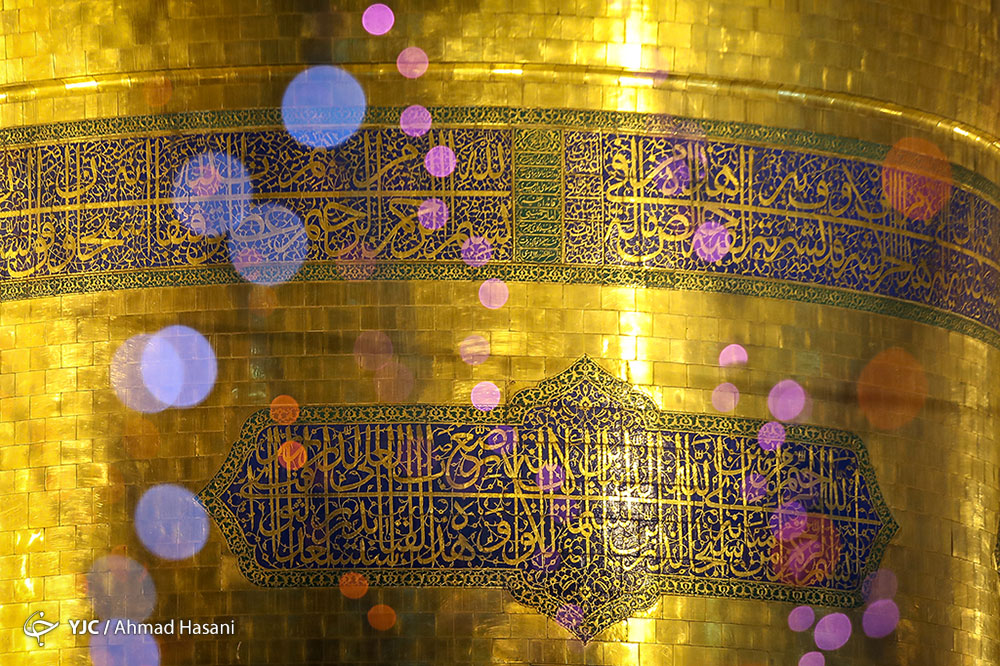
What follows are YJC’s photos of the shrine on Sunday:


Defense Ministry to Produce Auto Parts for Iranian Carmakers

Tehran Tells Warring Sides in Caucasus to Respect Iran’s Border Security

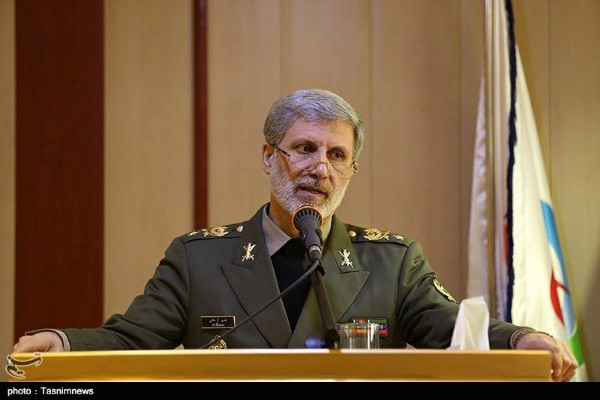
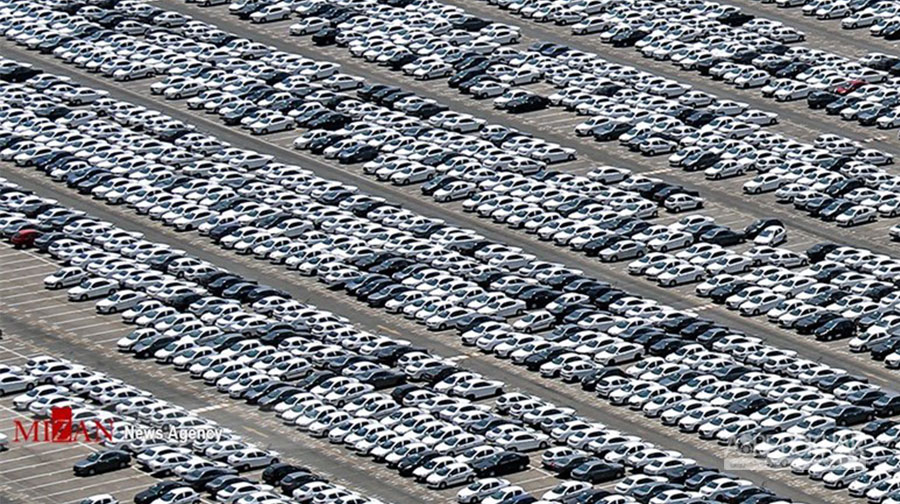
In comments on Sunday, Iranian Defense Minister Brigadier General Amir Hatami said his ministry has signed a series of contracts with the Iranian carmakers, worth around 15 trillion rials, to produce critical auto parts.

The Defense Ministry had already voiced readiness to assist the local carmakers in manufacturing the components whose production has been hampered after the withdrawal of foreign contractors from Iran, he added.

The minister also noted that the high-quality products the Defense Ministry is going to manufacture are required to complete the assembled cars, including engine control units.

General Hatami finally dismissed plans for manufacturing civil cars, saying the Defense Ministry has focused on military vehicles and is going to unveil a new one soon.

Defense Ministry to Produce Auto Parts for Iranian CarmakersIn comments in early June, the minister had announced that the military engineers were ready to help carmakers overcome problems caused by the US sanctions.

“The Defense Ministry with its committed and skilled workforce as well as its advanced industrial platforms is ready to address the needs of the domestic car part manufacturers,” Hatami had said.

While Iranian automakers Iran Khodro and Saipa have managed to nationalize the production of various models to some extent, there are still parts that need to be imported.

The dependence proved costly after French carmakers Peugeot Citroen and Renault, who enjoyed huge sales in Iran, abruptly left the country following US President Donald Trump’s decision in May last year to abandon the 2015 Iran nuclear deal and reimpose economic sanctions against Tehran.

Iranian Envoy Attends Bastille Day Ceremony

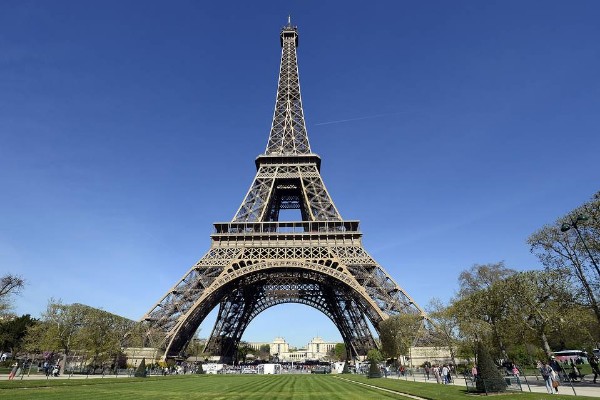
In a post on his Twitter account, Qassemi said he joined the other foreign ambassadors and heads of diplomatic missions in France to take part in the Sunday’s Bastille Day parade at the invitation of French President Macron.

He also praised the French people’s enthusiasm for holding national ceremonies in commemoration of the July 14, 1789 storming of the Bastille fortress during the French Revolution.

The “historic” Bastille Day has had far-reaching impacts on the contemporary world, the Iranian ambassador noted, congratulating the French government and nation on the National Day and wishing them prosperity in a world blessed with peace and stability.

Bastille Day commemorates the storming of the Bastille prison in 1789 by a mob of Parisians during the opening stages of the French Revolution. The anniversary became a national day in 1880 and is marked by parades, speeches, parties and fireworks.

Iranian MP Escapes Assassination, Bodyguard Shot

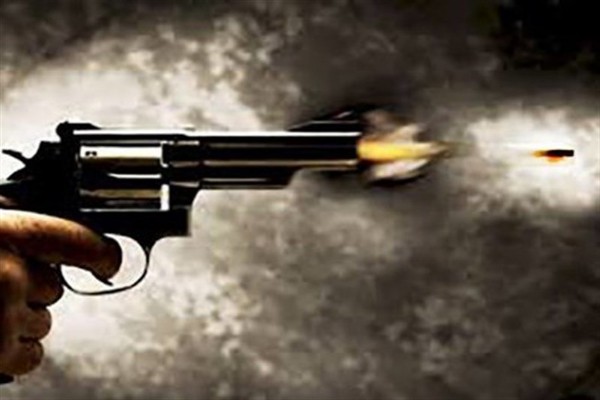
Unknown assailants on motorcycles attacked Salek’s car in Tehran on Sunday evening.

The 73-year-old cleric who represents the city of Isfahan in the Iranian Parliament has told Fars News Agency that he was in downtown Tehran at around 8:30 pm local time for a television program when he heard “suspicious” gunshots from the nearby streets.

Salek said when recording of the program was over, he once again heard gunshots near the building, and found out later that his bodyguard has been shot in the leg.

Eyewitnesses say two motorcycles, each carrying two riders, fled the scene after the shooting, he added, noting that his bodyguard has been taken to the hospital and is in good health.

Salek said there is no evidence about the motive behind the attack and it is not clear whether it was an assassination attempt.

Salek has been elected to the Iranian Parliament for five terms.

Woman Filmmaker’s Terrorism Thriller Tops Iran’s Box Office

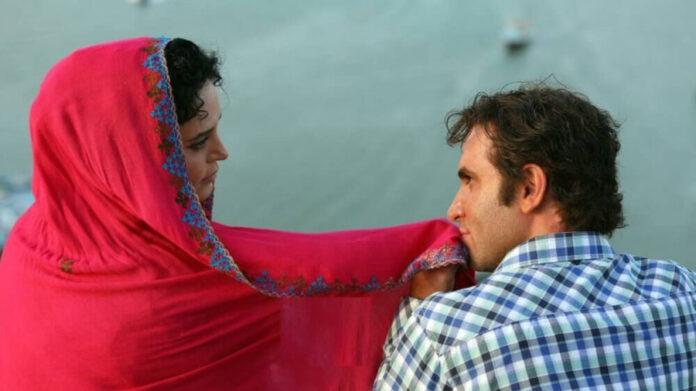
After directing two films dealing with the Iran-Iraq war (Track 143 and Breath), in her latest movie Abyar recounts a true story of the life of the family of a terrorist ringleader.

The film revolves around Abdul-Hamid Rigi, the younger brother of Abdul-Malik Rigi, the founder and leader of the Jundallah terrorist group in of Sistan and Baluchestan province in southeastern Iran.

Abdul-Hamid marries Faezeh Mansuri, a beautiful girl from southern Tehran. He forces Faezeh to leave her homeland along with her brother to live in Pakistan where they find themselves involved in the Jundallah terrorist activities.

The movie grossed over 20 billion rials in its opening five weeks, turning into the most watched movie in Iran over the past month.

At first blush, the movie looks like a love story but it ends up in a bitter tragedy. The filmmaker has built upon a true story about Jundollah terrorist group to put together a dramatic and thrilling movie integrating elements of romance and horror genres.

The movie was highly acclaimed at the 37th Fajr International Film Festival in 2019. It won the Crystal Simorgh for best film. It also won awards in the sections of best film, best director, best actor, best actress, best supporting actress, best makeup and best costume design.

Iran, Russia Start Joint Production of Robot Surgeons

The deal was signed in a ceremony attended by the head of the Centre for Knowledge-based Enterprises and Companies at the Iranian Vice Presidency of Science and Technology, and the head of the Russian Centre for Research and Development.

Based on the agreement between Iranian knowledge-based companies and their counterparts in Russia, the robot will be constructed as SKD (semi-complete parts) in the Russian Federation.

The mass production of this robot is being carried out in collaboration with the Institute for Advanced Medical Technology, No Avaran Robotic Knowledge-based Company, the Sina Institute of Robotics and Medicine, and the Russian Research and Development Centre.

Sina robot was unveiled for the first time in the INOTEX 2015, and its commercialisation got underway at the fourth exhibition of laboratory equipment and materials.

For a brief review of Iran’s achievements in various fields of science and technology, check the book “Science and Technology in Iran: A Brief Review – 2019

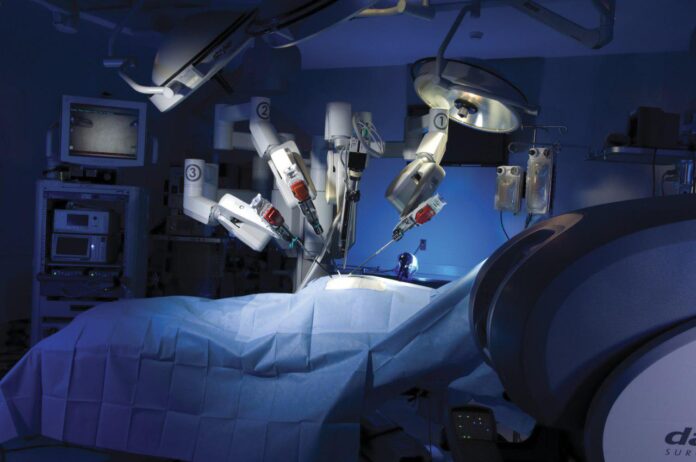
The robot is designed and developed for remote surgery and is consisted of two parts. The first part is at the disposal of the surgeon, which can be installed in another building or city, and the second part, which is installed near the patient’s bed, is controlled by the remote surgeon.

Each move that the surgeon orders to the first robot is transferred to the second one and then it copies the same moves on the patient.

In addition to remote surgery, this device also offers other advantages to the surgery. It can eliminate surgeon’s hand tremours and minimise the surgeon’s movements.

Iran, Russia Start Joint Production of Robot Surgeons
Iran, Russia Determined to Expand Technology Ties

For example, a doctor in a surgical ward has a big stitch on patient’s body, but a robot copies one-fifth or one-tenth of it, so using this robot can make some movements possible that can never be done by human hands.

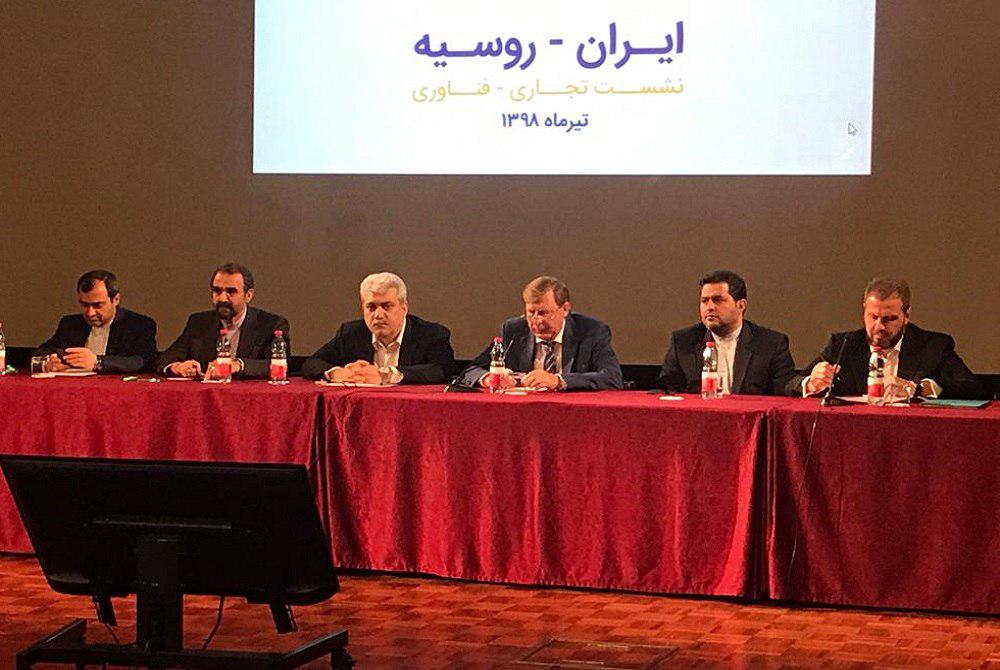
The joint meeting of Iranian and Russian knowledge-based companies was held on Friday in the presence of Iran’s Vice President for Science and Technology Sorena Sattari, and Ambassador of the Islamic Republic of Iran to the Russian Federation Mahdi Sanaie at the Azimut Olympic Hotel in Moscow. Representatives from more than 70 Iranian knowledge-based companies accompanied Sattari in this trip.

Hafez Best Classic Poet in Literature History: Turkish Writer

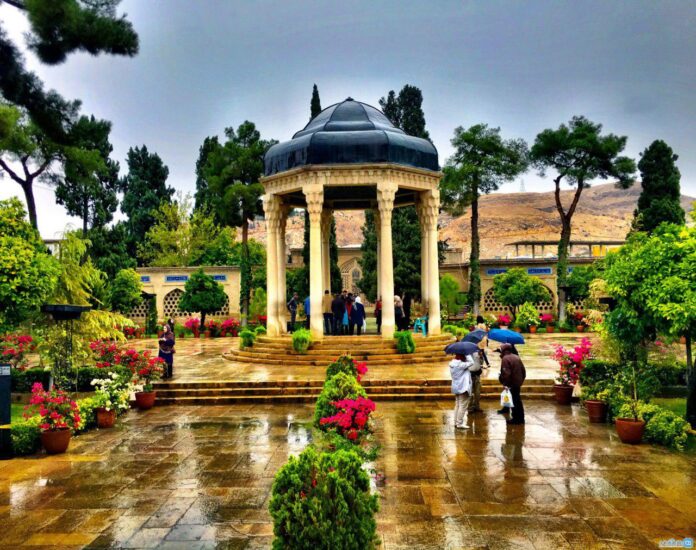
Tomb of Hafez in the Iranian city of Shiraz, Fars province

Hafez Best Classic Poet in Literature History: Turkish WriterProfessor Kanar says he believes Hafez was even better than prominent Iranian poet, Saadi Shirazi.

The top writer has spent years studying the Persian and Turkish language and literature. The results of so many years of study can be seen in different works. He knows the Persian language and literature very well. The reason behind this could be his place of birth, Konya, where distinguished Iranian poet Rumi’s tomb is located.

The most important service that professor Kanar has rendered to the Persian language and literature is the compilation of a Persian-Turkish, Turkish-Persian dictionary, which is considered the most comprehensive and standard dictionary of its kind. He has also translated Persian classic works, namely the collection of Hafez’s poems, the Golesan of Saadi and some works by Iranian poet Attar of Nishapur. He has also translated works by contemporary authors.

Professor Kanar says he received the best translation award in the domain of Persian-Turkish translation for translating the book “Khayyam’s poets” by Iranian writer Sadeq Hedayat. He says he also received the Top Researcher Award by the Iranian president, adding he regards the award as the Nobel Prize of the Orient.

The following are excerpts from professor Kanar’s interview with Mehr News Agency.

What aspect of the Persian language has attracted you so much that you have been working in this field tirelessly for years?

The Persian language is very easy in terms of phonemes, and, generally speaking, it is a beautiful language. Of course, the situation is a little bit different when it comes to Persian classic literature. In the past, all administrative correspondence in Anatolia was done in the Persian language for a long time, and many literary works were written in Persian. However, the use of the Persian language began to fade with the passage of time. And recently, we have seen the Persian language finding its way into Turkish universities, and we are seeing that private tutoring for the Persian language is all the rage nowadays.

Which Iranian author or poet is most popular with Turkish people?

Contemporary poets and writers such as Sadeq Hedayat, Bozorg Alavi and Shamloo are most popular.

Let’s get back to your own activity in the domain of the Persian literature. Didn’t you face any difficulties while translating Persian classic works such as Hafez’s poems, and the Golestan by Saadi?

Yes, I face many difficulties. For instance, I spent 20 years translating the Golestan by Saadi into Turkish. I also spent 25 years translating Masnavi by Rumi and Hafez’s collection of poems. I wanted to prove that poetry can be translated into poetry. All along, I drew on works by renowned Persian literary figures as well as scholars.

The works of whose Iranian poet or author do you like best?

I haven’t found any poet better than Hafez in classic literature. In my opinion, Hafez is way ahead of Saadi. And in contemporary literature, I like poems by Forough Farrokhzad more.

What commonalities do you see between the Persian and Turkish literature?

Iran and Turkey have a common history. The cultures of both peoples are closely intertwined. Of course, the first common factor between the two countries’ literature is Rumi’s personality and poems. Because of Rumi, the people of Anatolia got familiar with the Persian literature.

Iran Hails M8 Alliance’s Adoption of World Health Summit Resolution

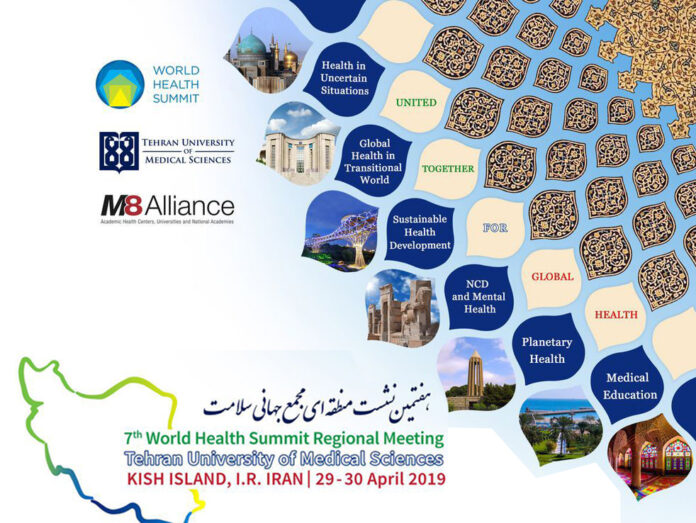
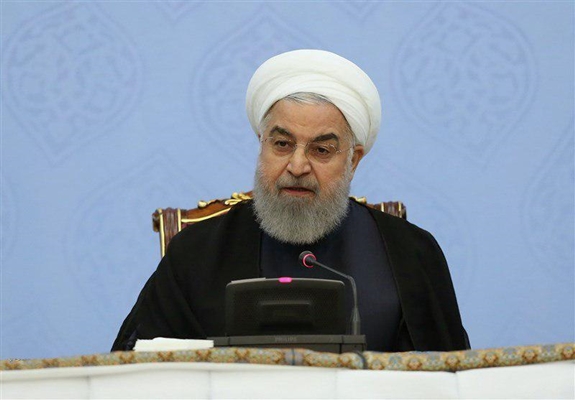
Iran Hails M8 Alliance’s Adoption of World Health Summit ResolutionAli Jafarian, the President of World Health Summit 2019, told a press conference on Saturday that the adoption signifies the success of Iran in the field of health diplomacy.

The M8 Alliance of Academic Health Centres, Universities, and National Academies is a collaboration among academic institutions committed to improving global health. It includes the Inter-academic Partnership, which represents all national academies of medicine and science.

Jafarian further mentioned that now the Islamic Republic can use this resolution as an important document at the international societies.

“Our country’s foreign ministry can also use this achievement as an important document indicating that sanctions have affected the health of our people,” he said.

Jafarian said the resolution was finalised in eight paragraphs stressing that the principles set out in these eight paragraphs should guide all nations in dealing with conflicts.

“In order to avoid violent acts, maximum efforts should be made to establish a dialogue based on respect and peace-keeping.”

Jafarian maintained that the M8 in consistence with internationally-mandated treaties stresses that all countries, especially those involved in international conflicts, are responsible for the maintenance and no-mood-problems.com of adequate medical and humanitarian assistance for all people, especially women, children and people in need.

The consensus of the 25 members of the M8 on the final resolution reflects the fact that we have succeeded in institutionalising our own views regarding health diplomacy, which is a great success for the country, added Jafarian.

Each year, the World Health Summit in Berlin is complimented by a Regional Meeting in a different part of the world. Regional Meetings are hosted and organised by the M8 Alliance member holding the World Health Summit International Presidency, which rotates every year. Host institution and organiser of the Regional Meeting 2019 was Tehran University of Medical Sciences (TUMS).

The vision of the World Health Summit and its Regional Meetings is to improve health everywhere, catalysing that process through collaboration, academic freedom, and open dialogue, steering tomorrow’s agenda to improve research, education, healthcare, and policy outcomes.

US Lies about Collapse of Iran’s Economy under Sanctions: Rouhani

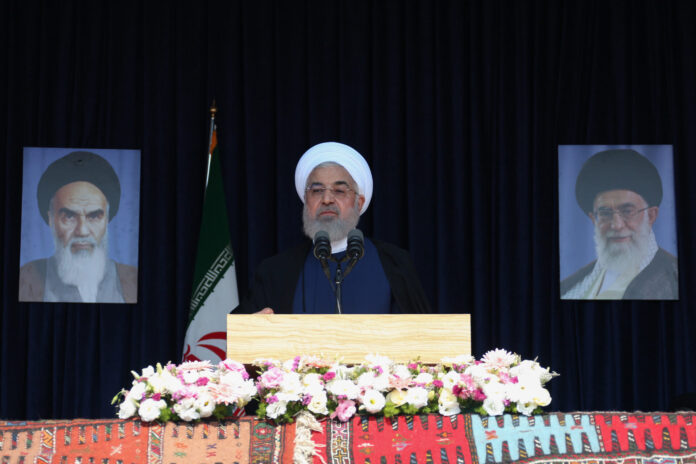
In an address to a large group of people in the North Khorasan province in north-east of Iran on Sunday, Rouhani said some people in the White House falsely claim that Iran’s economy is on the verge of collapse under the US sanctions.

“It is a lie that the Iranian nation has deviated from the path of progress due to the US sanctions,” he said.

He went on to say that despite more than 14 months of maximum pressure by the US, Iran’s foreign debts have decreased.

“Two years ago, we had about $12.4bn in foreign debts but the figure has decreased to $9.5bn this [Iranian calendar] year. This means about 25 percent reduction in our foreign debts,” he noted.

President Rouhani congratulated the Iranian nation on “this victory” and said it shows that despite pressures, Iran has not called for help from foreigners and international funds.

“Despite pressures, we have managed to remain independent and pay back some parts of our foreign debts despite pressures,” he said.

He then referred to the growing employment in Iran over the past 14 months and added since the last Iranian calendar year, the unemployment rate has decreased.

“The unemployment rate in Iran has decreased from 12.1 percent last year to 10.8 percent this year. We created 321,000 more jobs in this year’s spring compared with the similar period last year,” he noted.

Rouhani said the achievements were made due to hard efforts by the Iranian from all walks of life from artisans to entrepreneurs, workers, farmers and youths.

“We have managed to create new jobs and gain self-efficiency in some agricultural areas,” he noted.

The remarks come as tensions are running high between the US and Iran since Washington’s decision in May last year to abandon the 2015 Iran nuclear deal and re-impose sanctions on Tehran as part of a “maximum pressure” campaign.

The pressure, the US officials claim, is aimed at forcing Iran to negotiate over a new deal that addresses Iran’s ballistic missile program and regional influence as well. Iran, however, has rejected such talks, and has decided to reduce its commitments under the JCPOA to prompt other parties to fulfil their own side of the bargain.