

The zookeeper received two not-that-serious wounds and walked out of the cage in one piece.
Sekanjabin Syrup; A Traditional Persian Drink for Hot Seasons
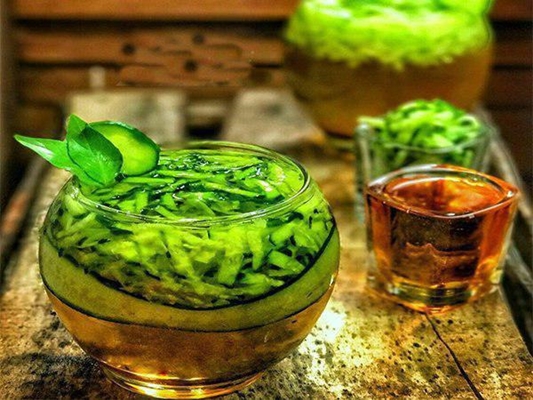
This drink has many benefits and has been highly recommended in the Persian medicine. With daily intake of this drink, especially in summer, you can get rid of urinary problems, abdominal bloating and stomach ache.
Rich in vitamin D, calcium, magnesium and phosphorus, it strengthens bones and teeth and prevents osteoporosis.
This syrup has a strong antioxidant quality that plays an important role in strengthening the immune system and protects the body against various diseases, especially cancers. It also purifies blood, so it is useful for people with gout and high uric acid. The presence of salts and minerals in honey also has a great impact on the skin and hair health.
To prepare this drink, you must first prepare Sekanjabin syrup. Sekanjabin is a mixture of vinegar and honey blended in a certain amount and has a pleasant smell.
This syrup reduces the heat-induced inflammation and ultimately ejects toxins through 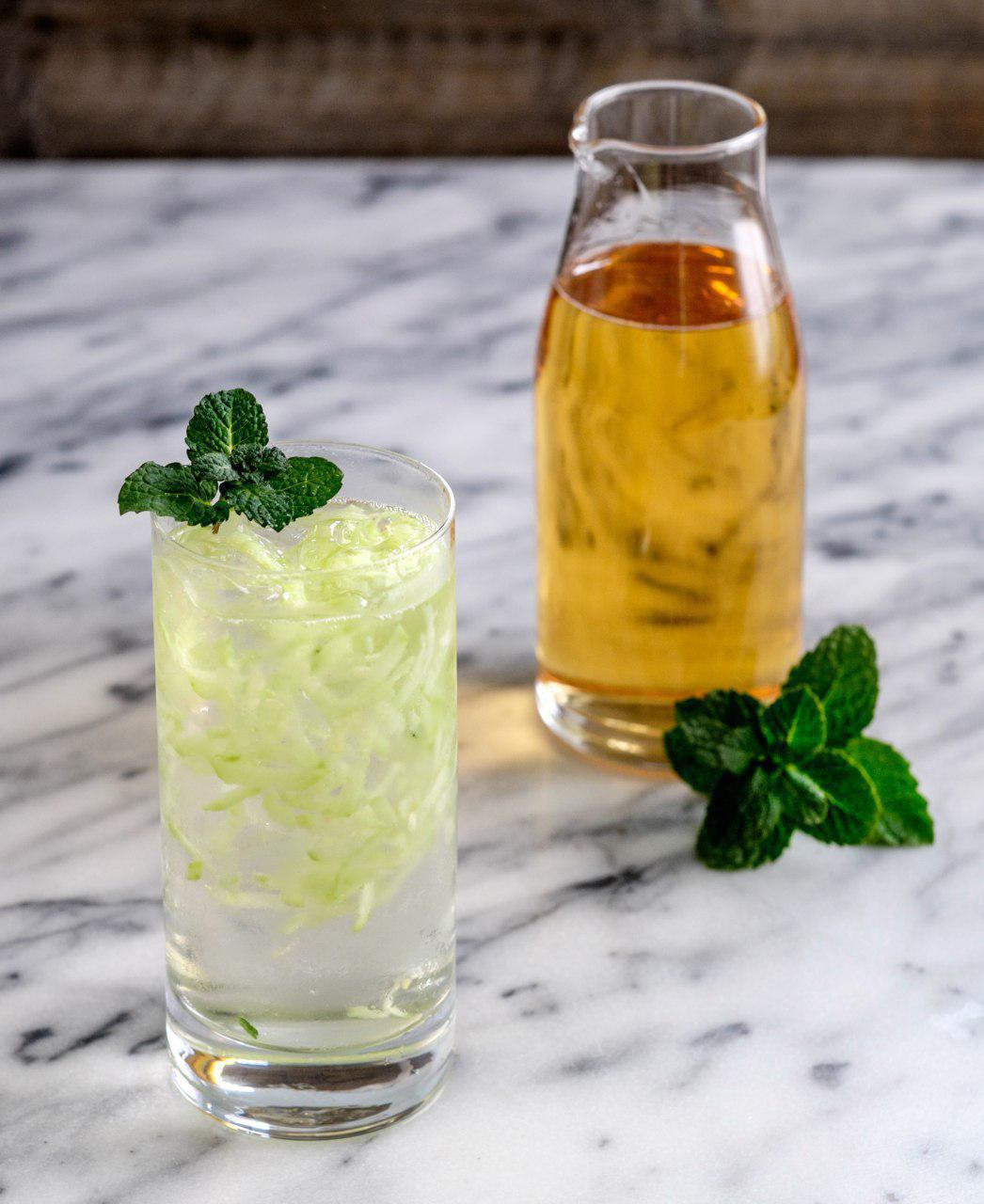 urine or sweat.
Ingredients:
Fresh mint: 150 grams
Sugar: 1 Kilogram
Vinegar: 100 grams
Water: 2 Cups
Directions:
Mix the sugar and water and place it on the heat. Wash the mints well and then pour them into the boiling syrup until the flavor of the mint is absorbed. Then add the vinegar and let the syrup get firm. Now sift it through a filter until the mint leaves are separated from the syrup. Keep the syrup in the fridge after getting cold. Mix a small amount of syrup with water and add some grated cucumber before serving.
Sekanjabin is also served along with lettuce on Sizdah Bedar also known as Nature’s Day which is celebrated on April 2. The occasion is an Iranian festival held annually on the thirteenth day of Farvardin (the first month of the Iranian calendar), during which people spend time picnicking outdoors. It marks the end of the Nowruz holidays in Iran.
A Look at Iranian Newspaper Front Pages on July 16
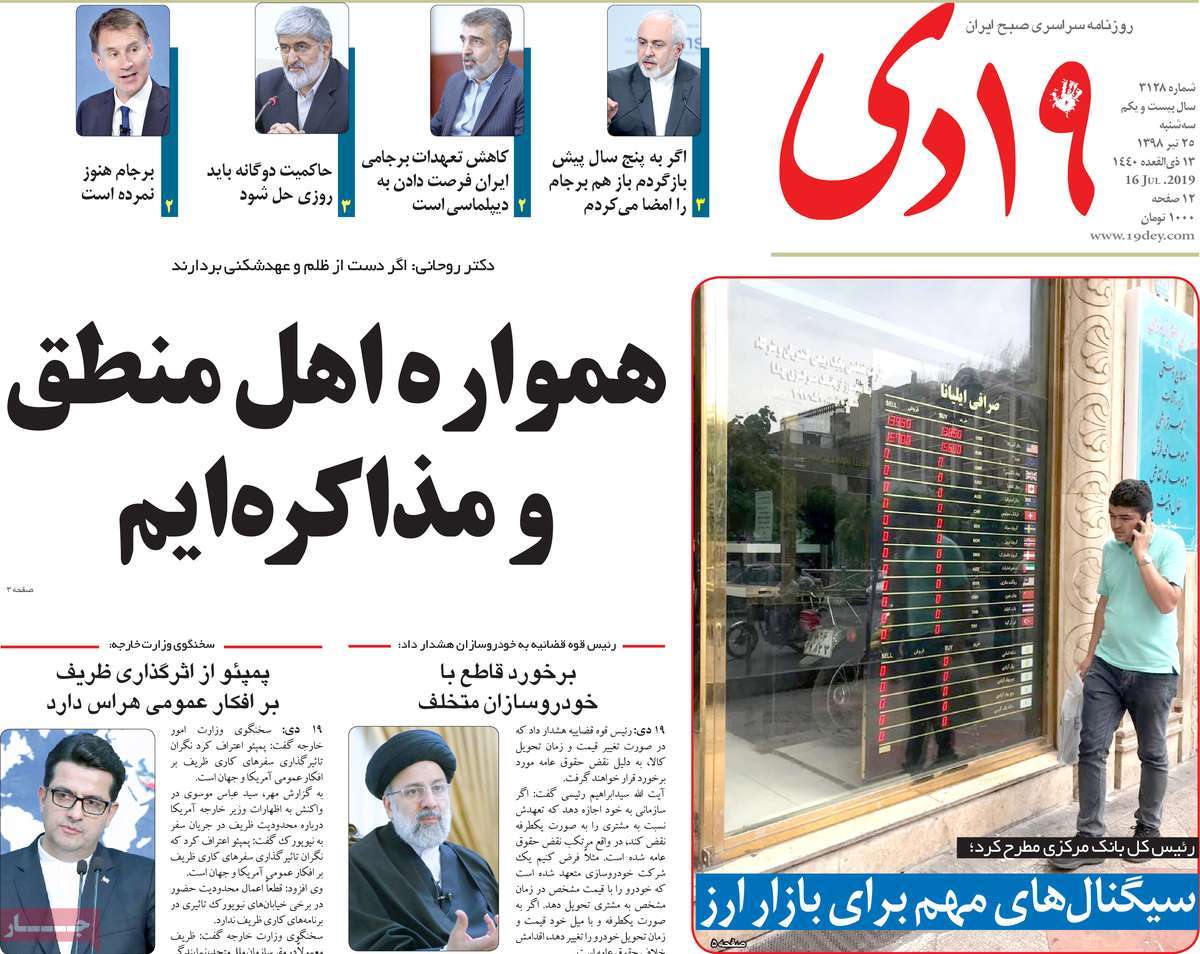
19 Dey:
1- If They Stop Oppression and Abjuration, We Are Always Ready for Talks: Rouhani
2- Pompeo Afraid of Zarif’s Impact on Public Opinion: Iran Foreign Ministry Spokesman
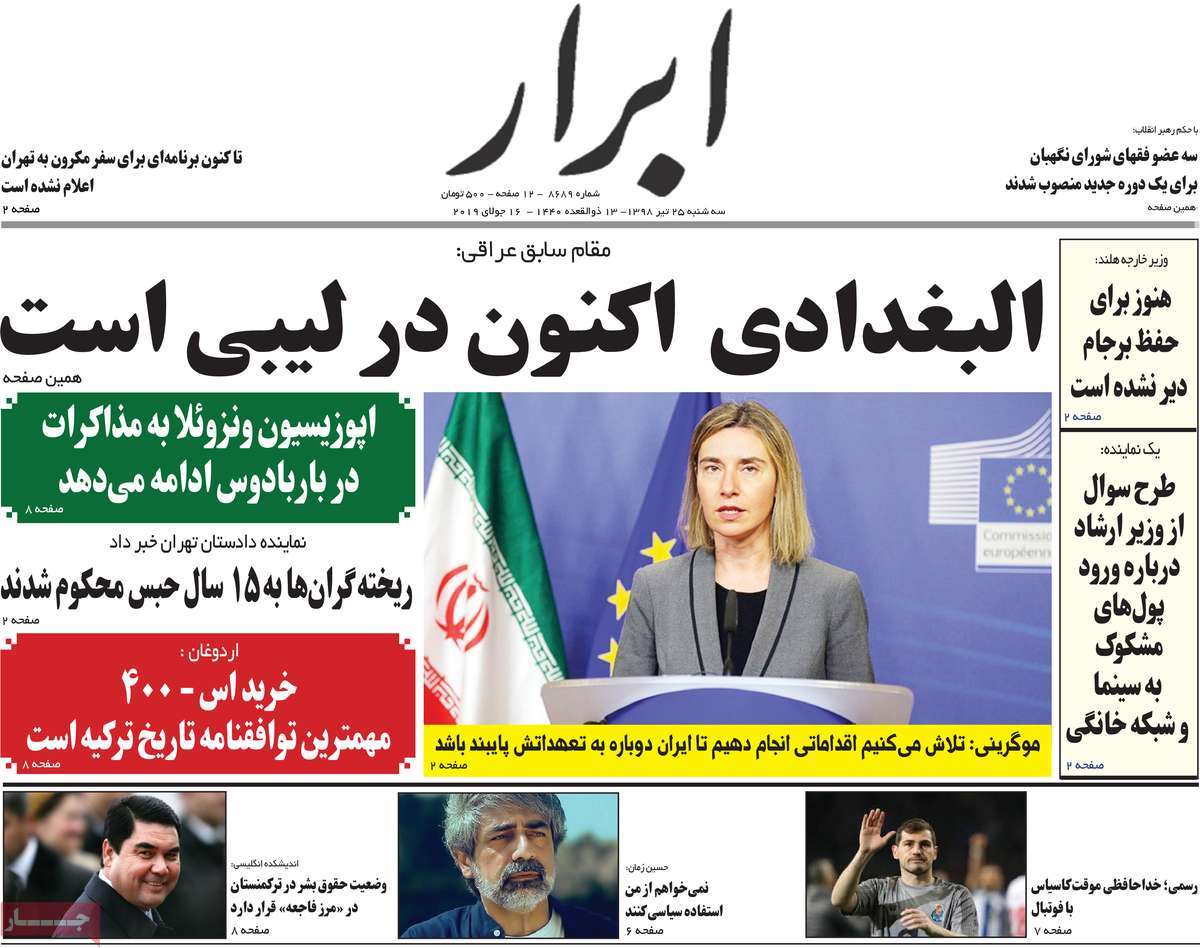
Abrar:
1- We Are Trying to Take Steps to Ensure Iran Fulfils Its Obligations: Mogherini
2- S-400 Purchase; Most Important Agreement in Turkish History: Erdoğan
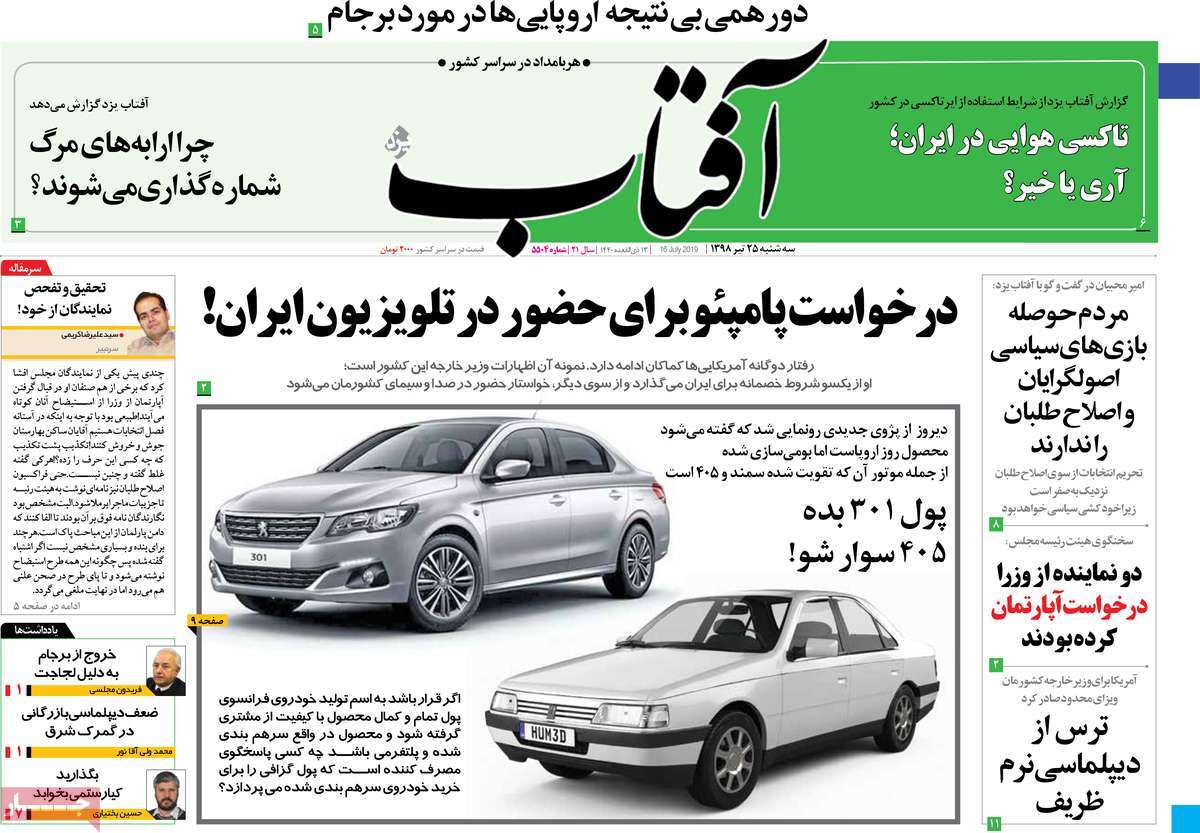
Aftab-e Yazd:
1- Pompeo Calls for Interview with Iranian TV!
2- Fear of Zarif’s Soft Diplomacy
* US Issues Restricted Visa for Iran Foreign Minister
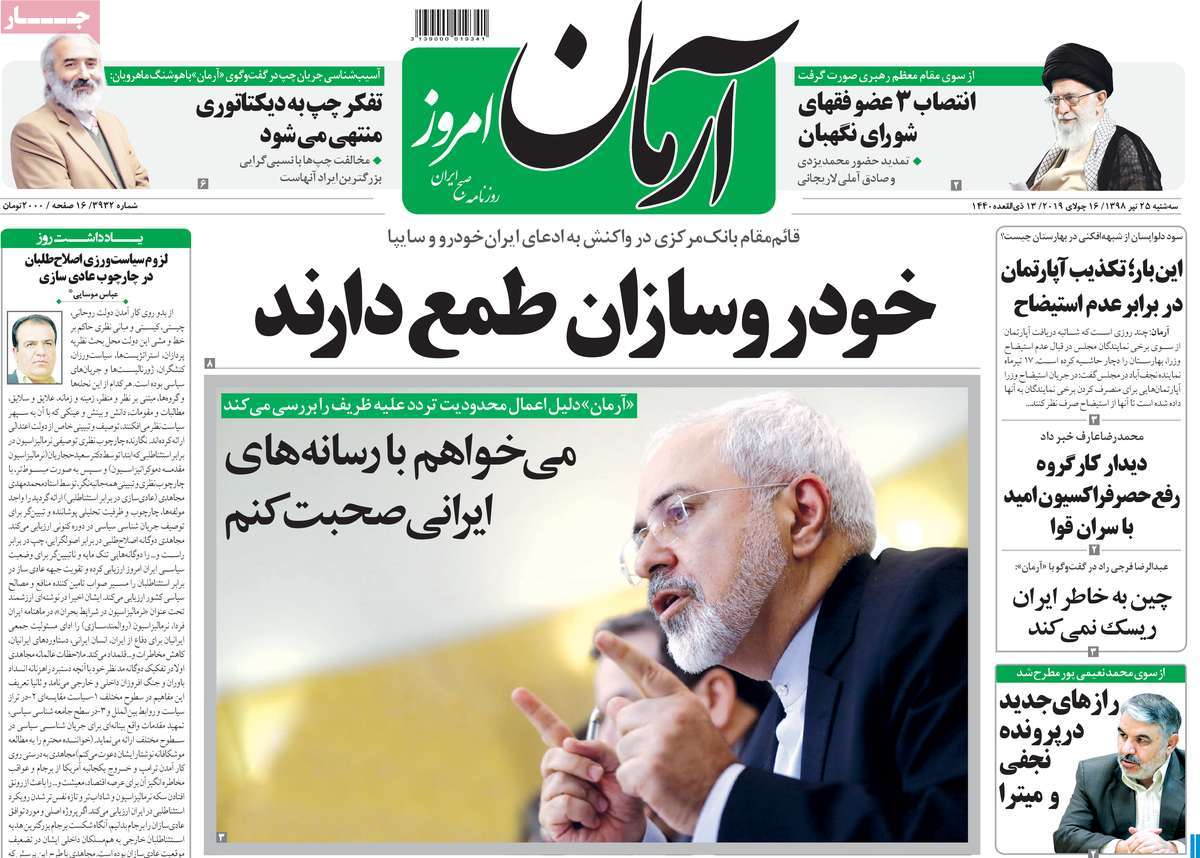
Arman-e Emrouz:
1- I Want to Talk to Iranian Media: Pompeo
• Looking into Us’s Curb on Iran’s Zarif Movements
2- China Does Not Take Risks over Iran: Expert
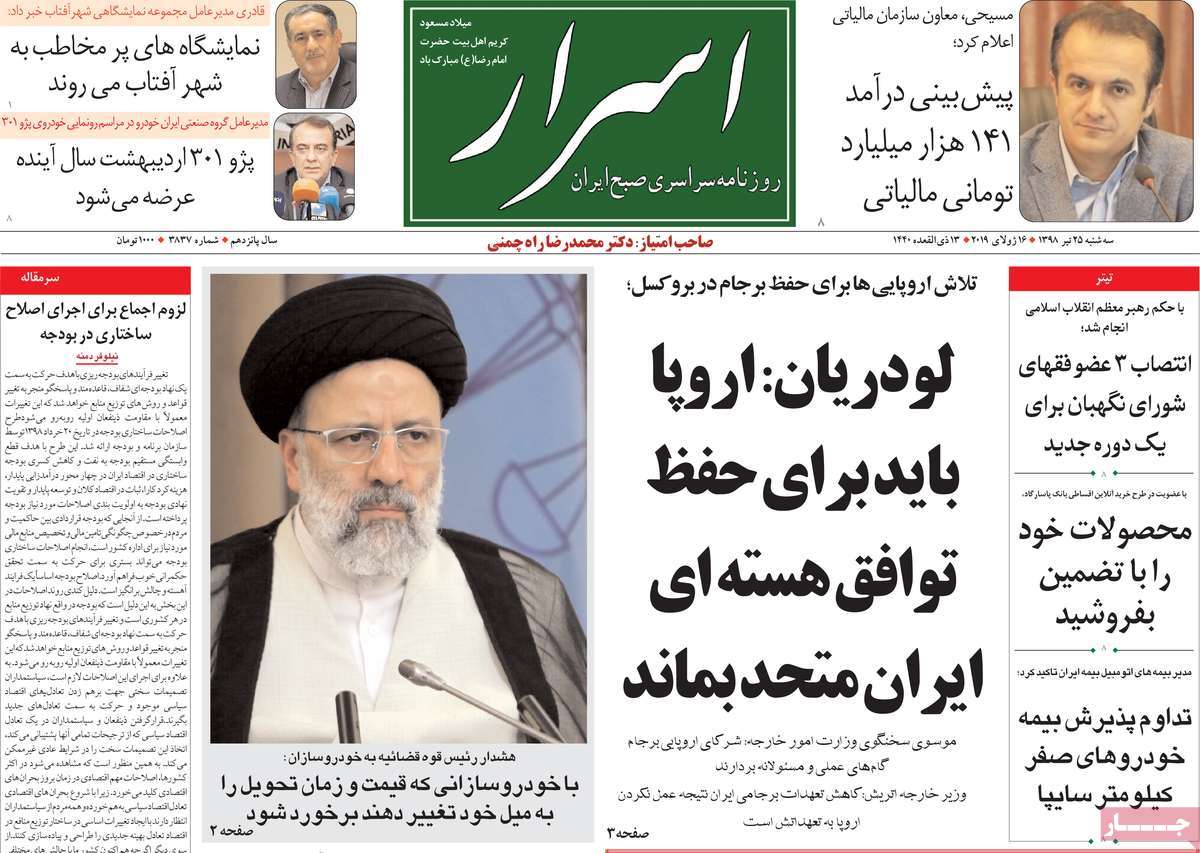
Asrar:
1- Europe Must Remain United to Maintain Iran Nuclear Deal: French FM
2- European Parties to JCPOA Must Take Practical Measures: Iran Spokesman
3- Iran’s Reduction of Commitments Result of Europe’s Non-compliance with its Obligations: Austrian FM
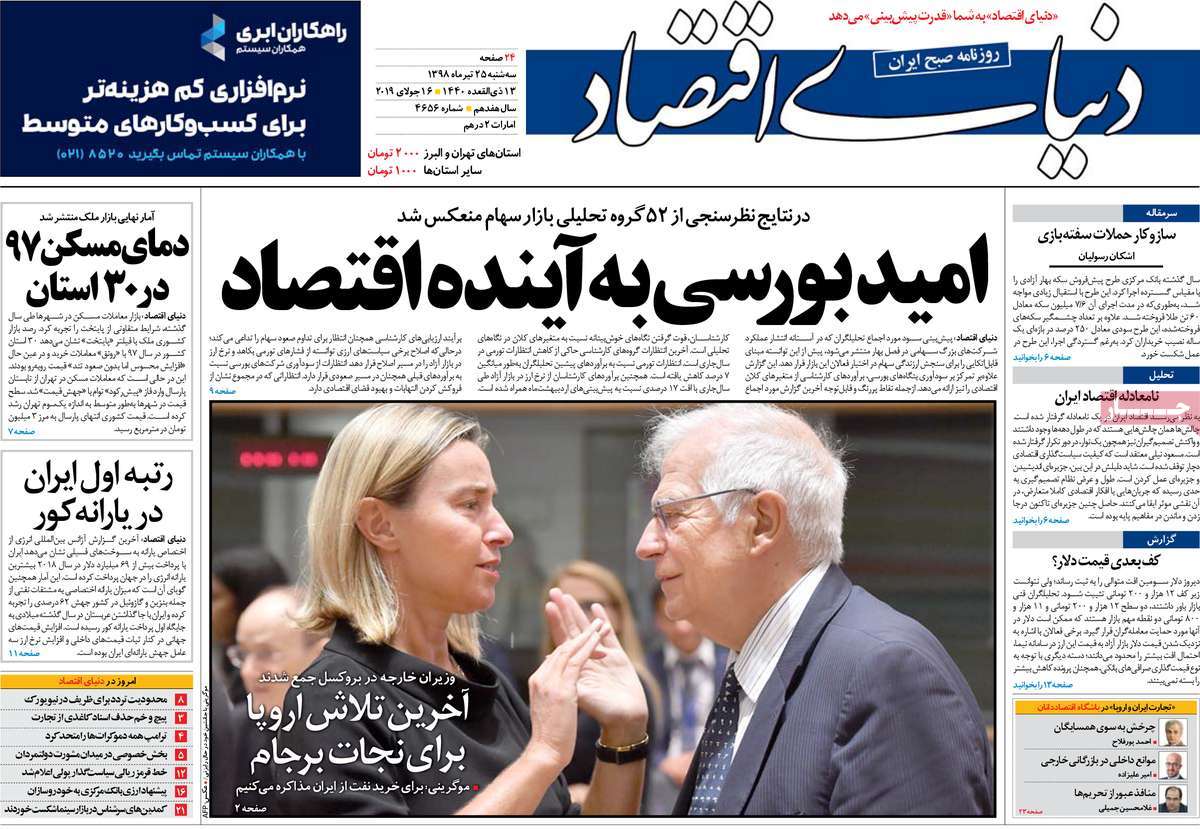
Donyay-e Eqtesad:
1- Europe Last Efforts to Salvage JCPOA
2- We Hold Negotiations to Buy Iran’s Oil: Mogherini
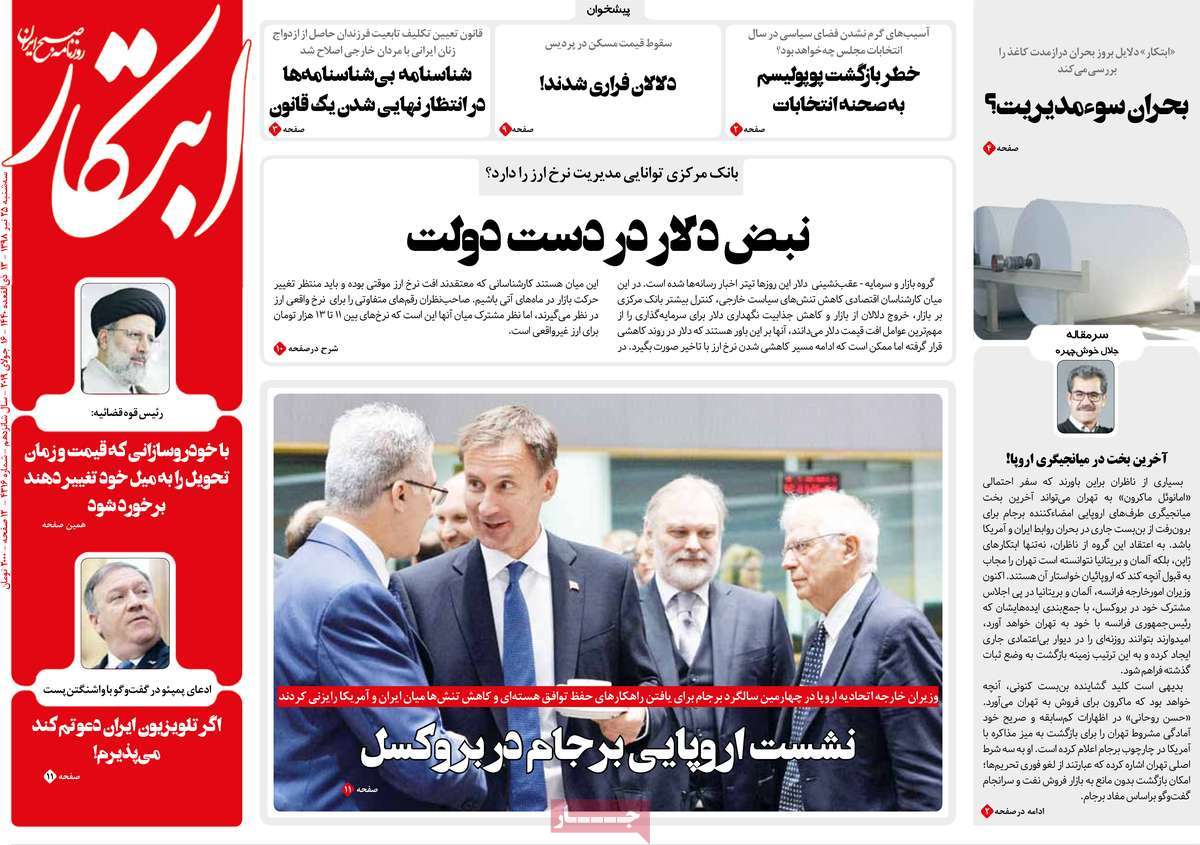
Ebtekar:
1- EU Holds Ministerial Meeting over Iran in Brussels
2- If Iranian TV Invites Me, I will Accept: Pompeo Tells Washington Post
3- Last Chance of Mediation for EU
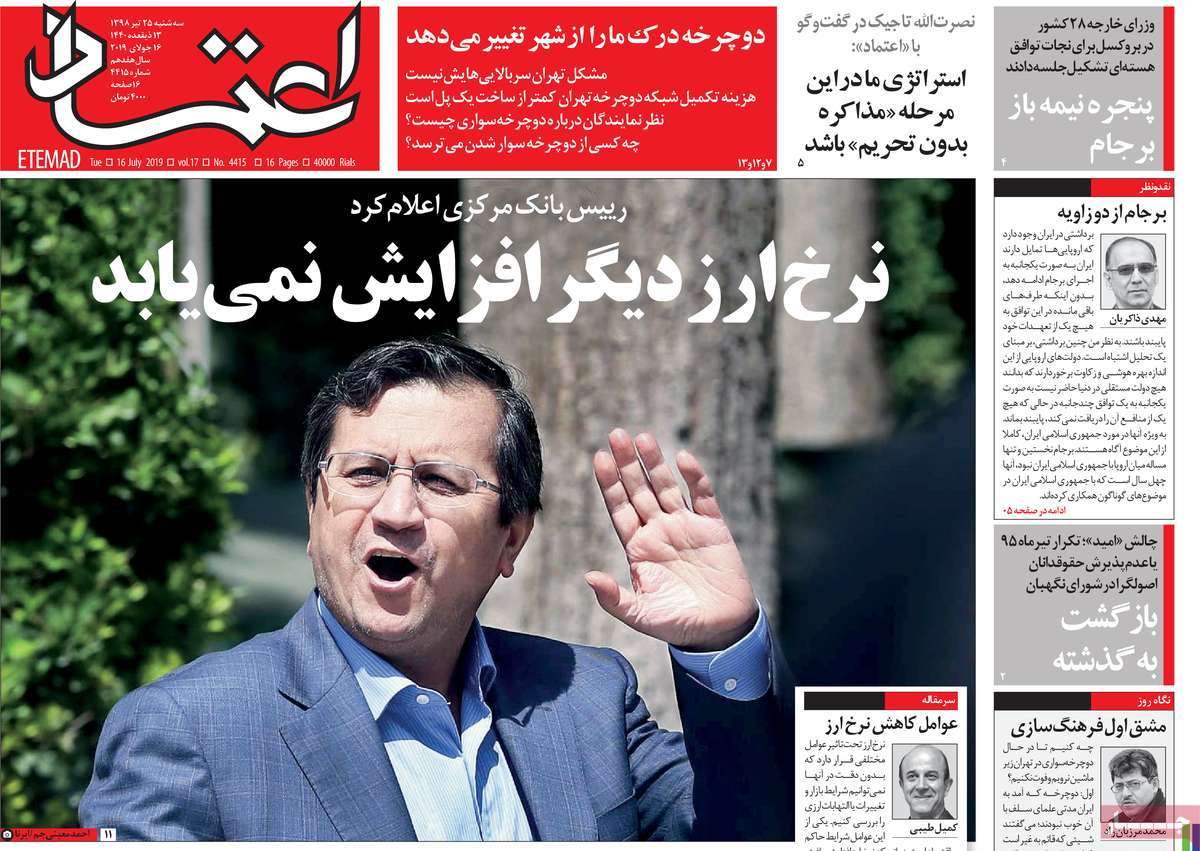
Etemad:
1- Foreign Currency Rate Will Not Soar Anymore: CBI Governor
2- Our Strategy at Current Stage Must be “Talks without Sanctions”: Expert
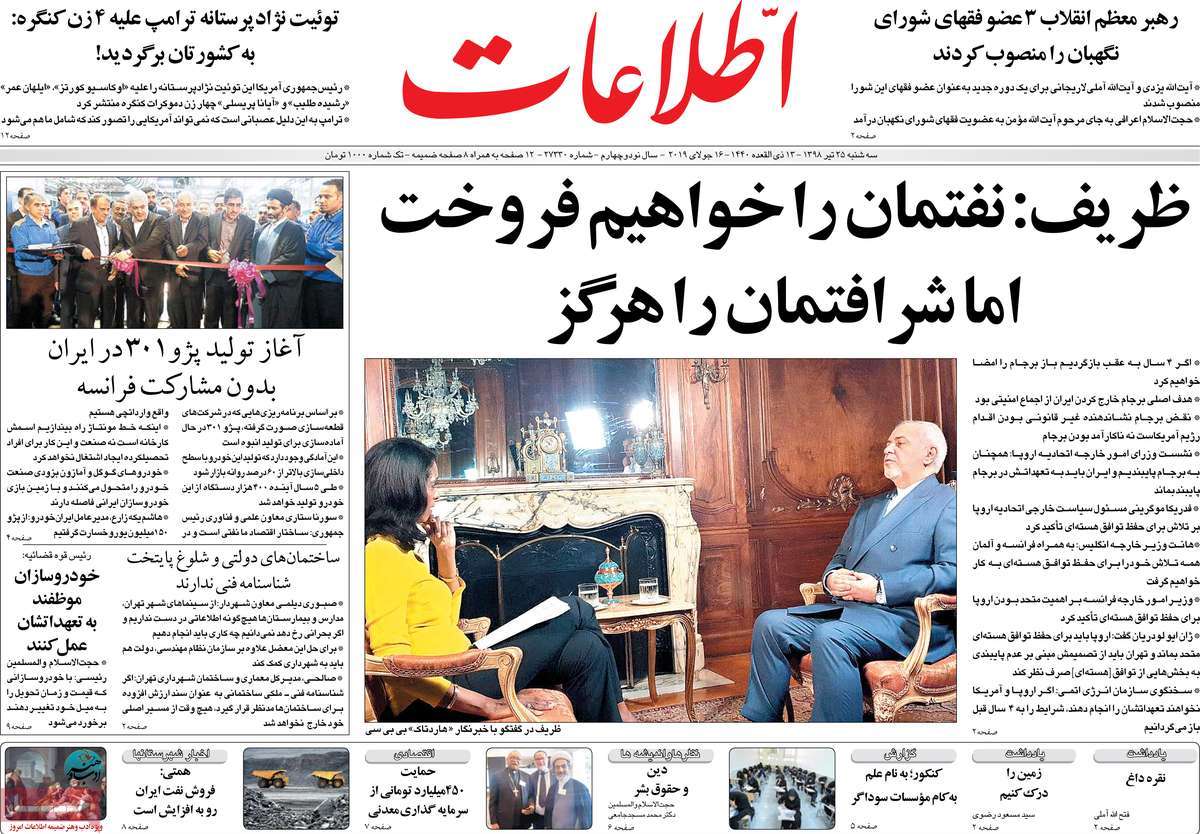
Ettela’at:
1- Iran Will Sell Its Oil, but Never Its Dignity: Zarif Tells BBC
2- Production of Peugeot 301 Kicks Off in Iran without France’s Participation
3- Trump Tweets Racist Statements against Four Congresswomen
• “Go Back to Your Country!”
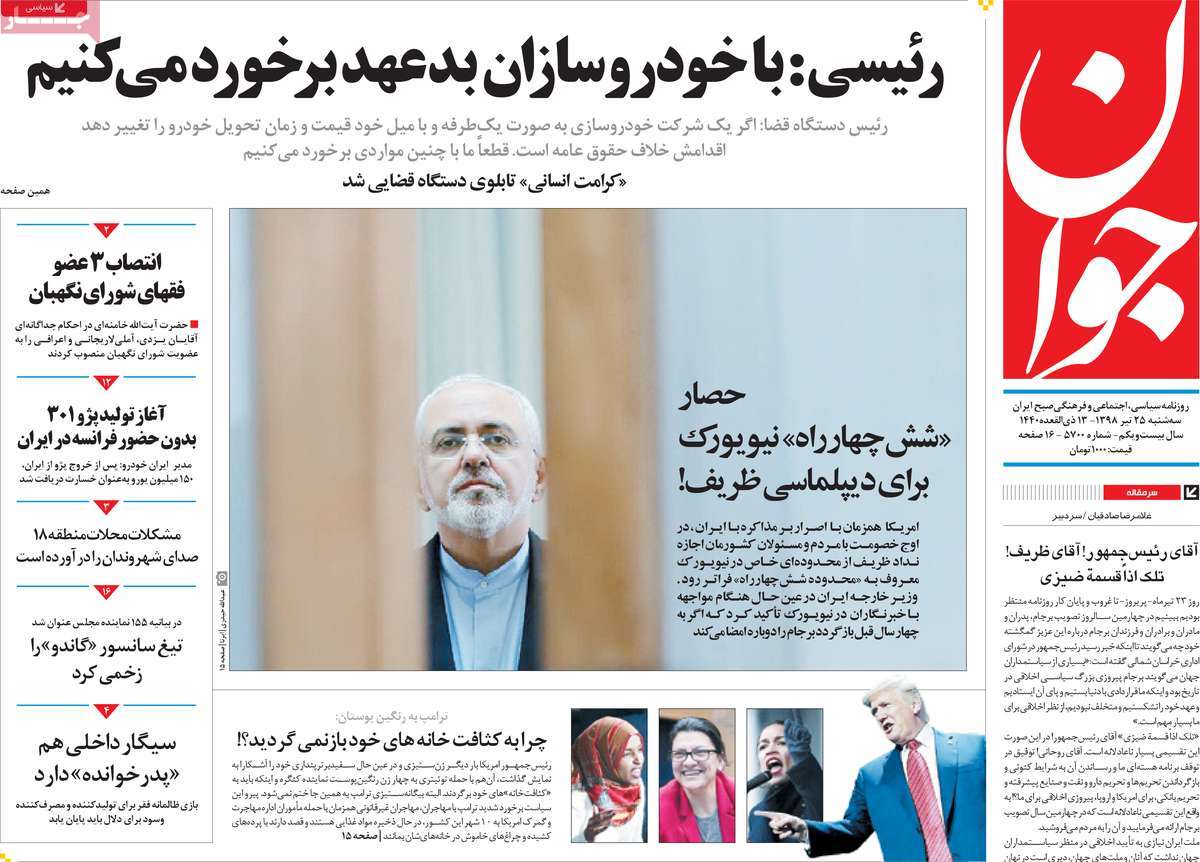
Javan:
1- New York’s “Four-Junction” Restriction for Zarif’s Diplomacy!
2- Why Don’t They Go Back, Help Fix [their] Crime-infested Places: Trump Tells People of Colour
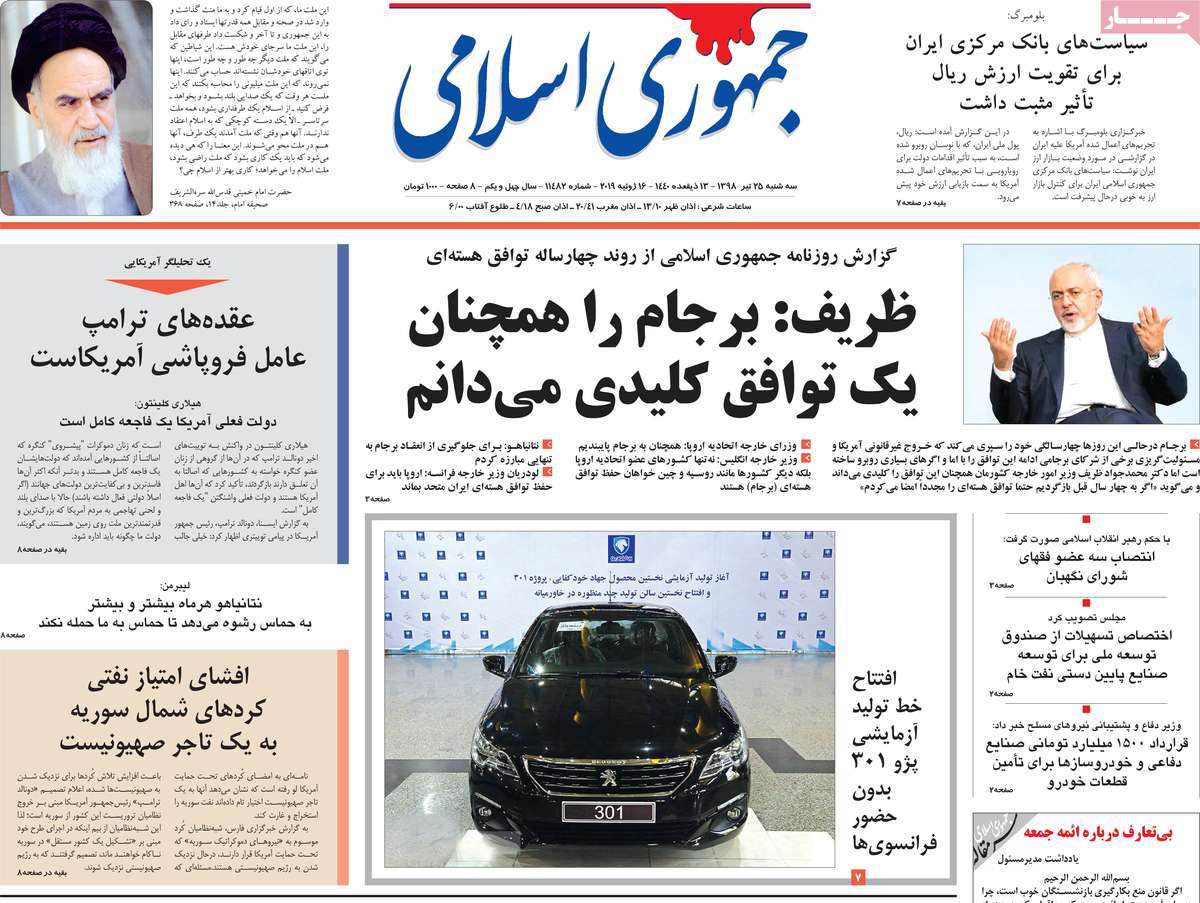
Jomhouri Eslami:
1- I Still Believe JCPOA Is a Key Deal: Zarif
2- Trump’s Complexes Reason of US Collapse: Analyst
3- Iran Efforts to Curb Rial’s Slide Starting to Work: Bloomberg
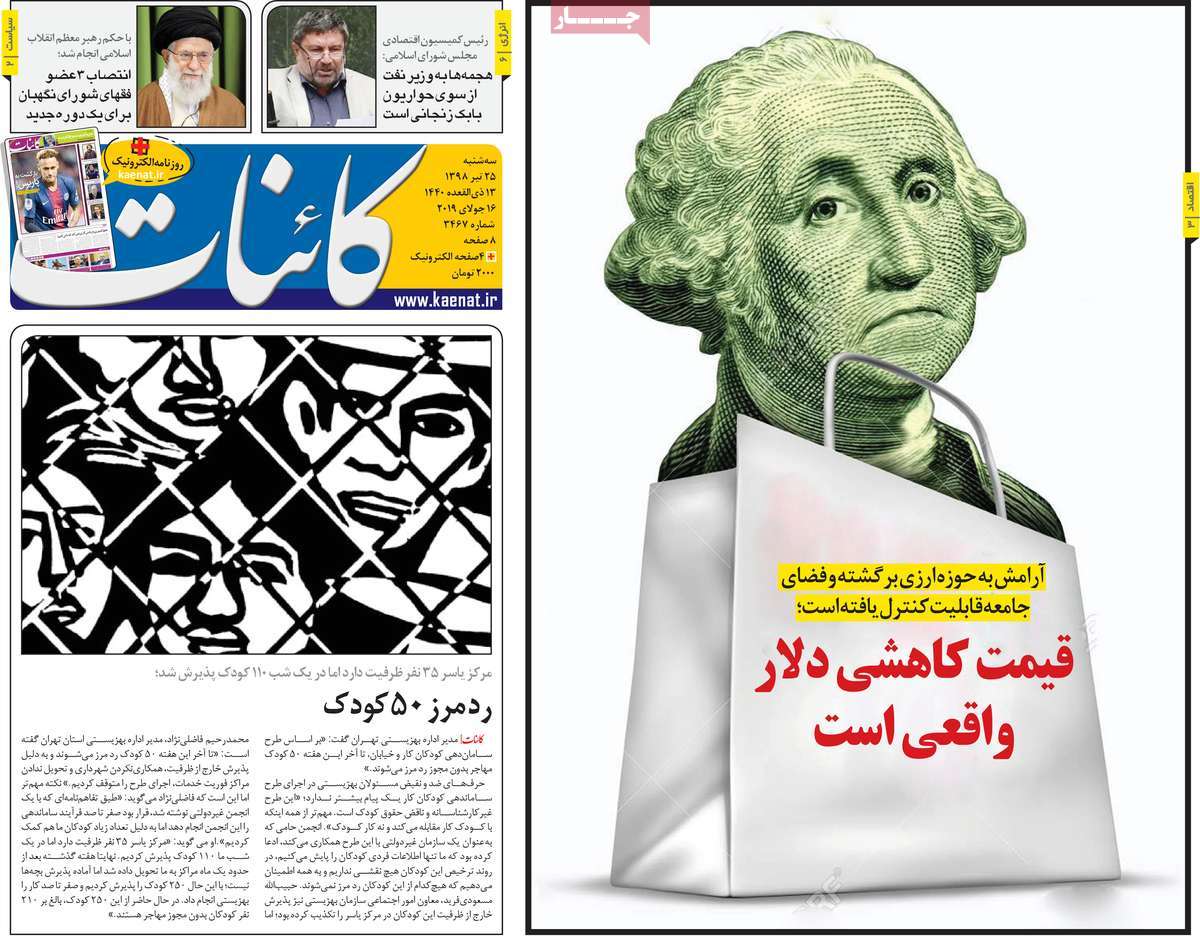
Kaenaat:
1- USD Rate Plunge’s Real
• Foreign Currency Mark’s Calm, Society’s Atmosphere Controllable
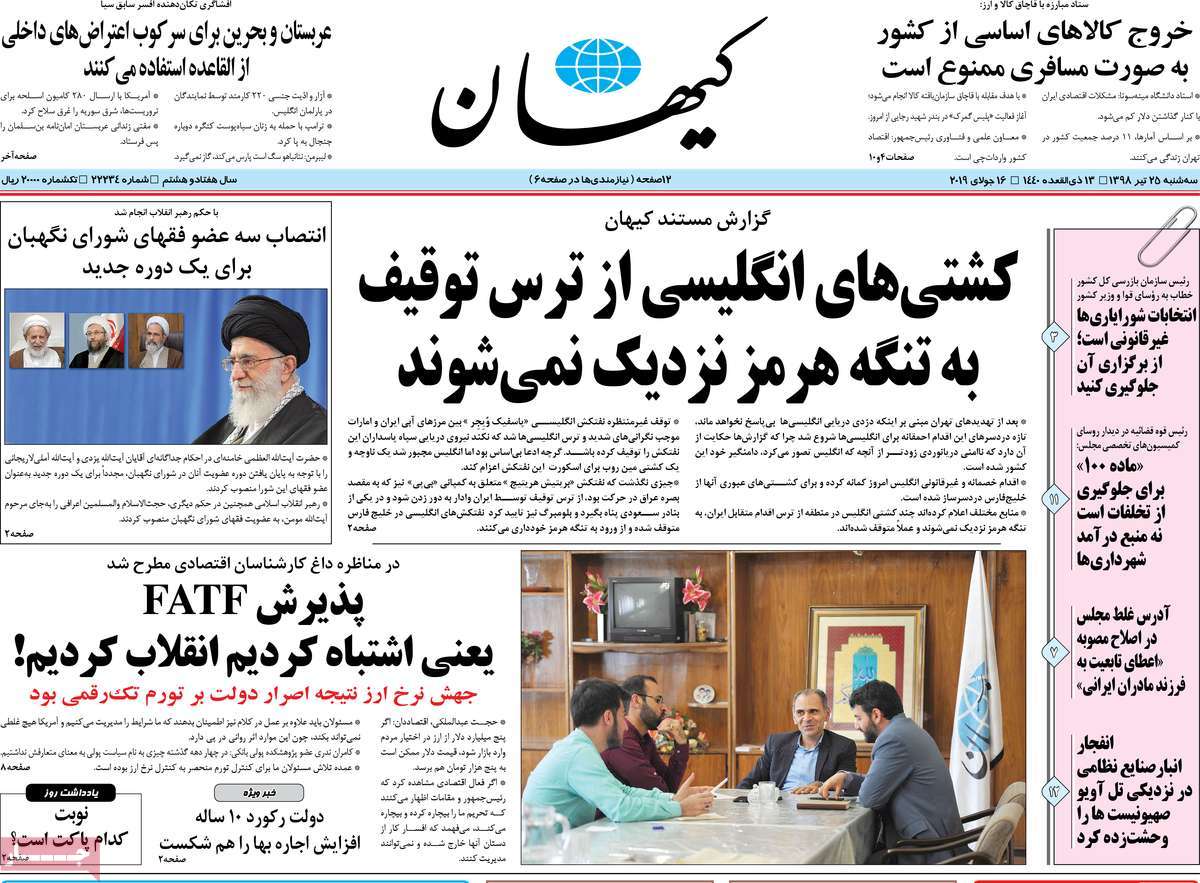
Kayhan:
1- British Vessels Do Not Get Close to Strait of Hormuz for Fear of Being Seized
2- Ratifying FATF Means Our Revolution was a Mistake!: Economic Experts
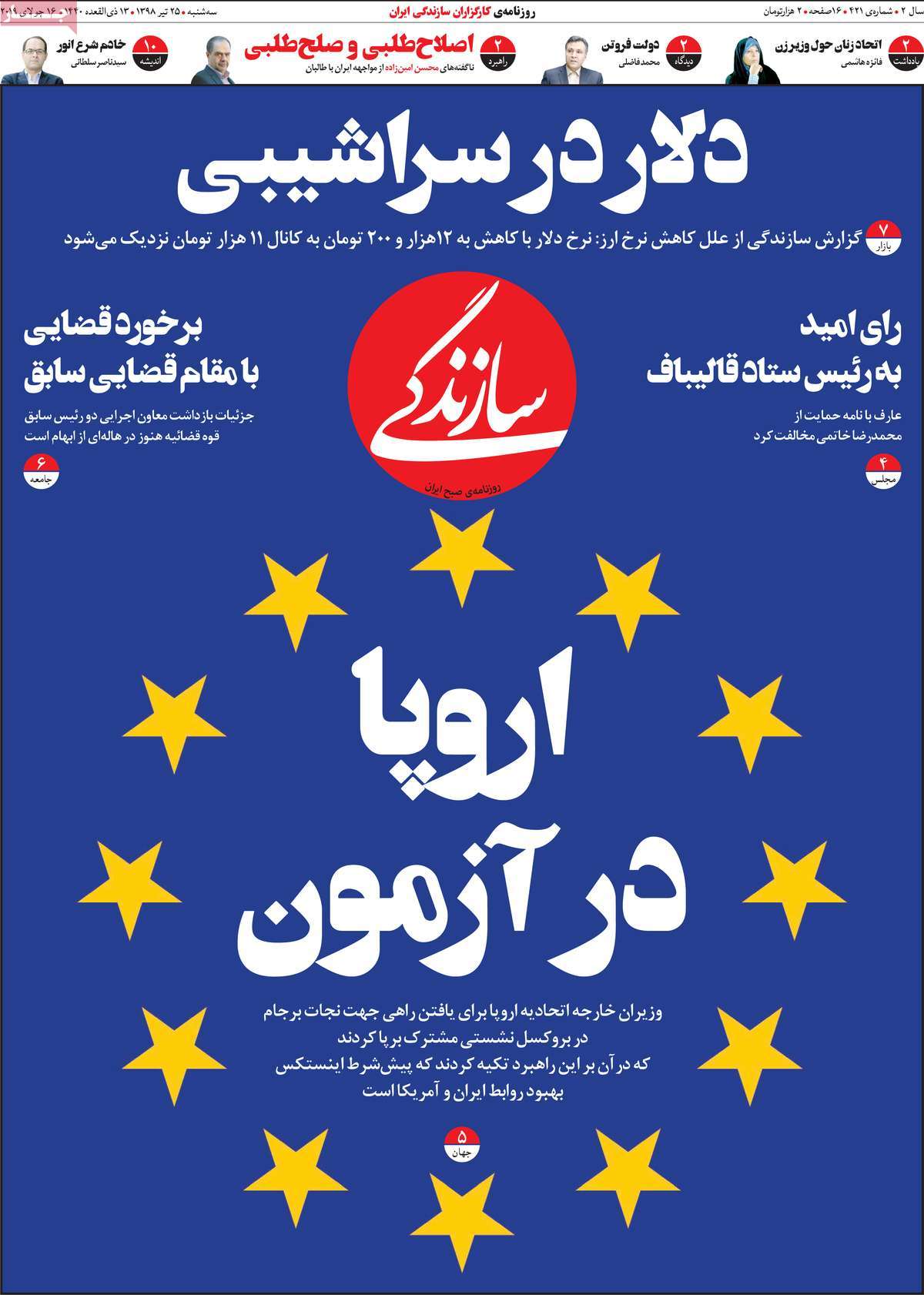
Sazandegi:
1- US Dollar Rate Tumbling Down
2- EU’s Acid Test
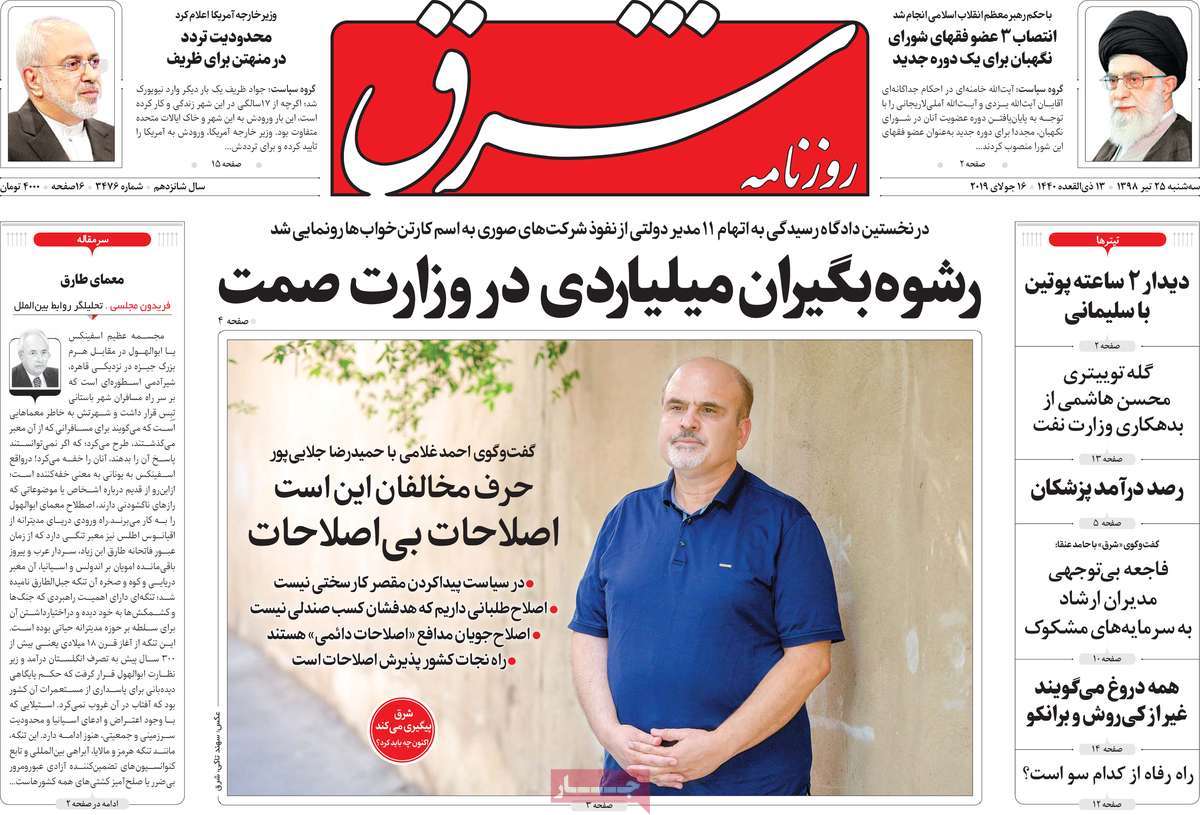
Shargh:
1- Putin Holds 2-Hour Meeting with General Soleimani
2- Movement Restrictions in Manhattan on FM Zarif
UK Seizure of Iran’s Tanker Not to Go Unanswered: Leader
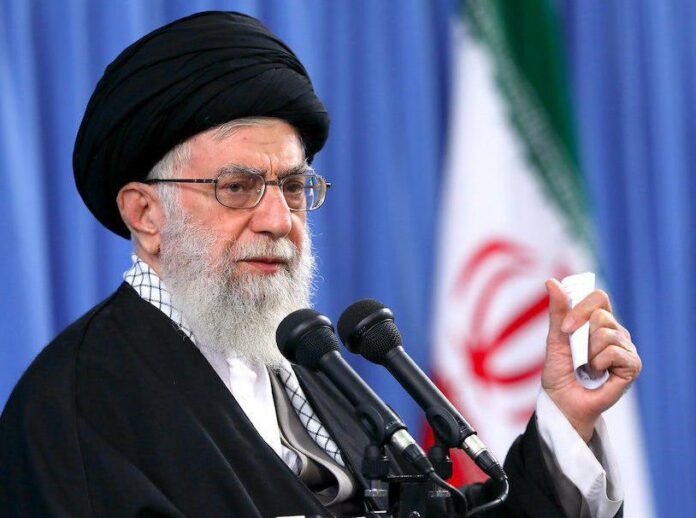
The Leader warned that the Islamic Republic will not let the “piracy of the mean England” remain unanswered.
The British Royal Marines seized the giant Iranian oil tanker in Gibraltar on July 4 for trying to take oil to Syria allegedly in violation of EU sanctions.
Tehran maintains that the supertanker was not bound for Syria and its seizure has taken place at the behest of the US.
The Leader also talked about the nuclear deal saying that since Iran has started to scale down its commitments under the deal, the Europeans are coming forth. “Now, we have just started to slow down the commitments and this process will definitely continue.”
Calling them “the rude”, Ayatollah Khamenei blasted the Europeans for not complying with their 11 commitments.
Elsewhere in his remarks on Tuesday, the Iranian Leader said the great slippage of the western countries is their arrogance.
“If their opposite government is weak, their arrogance works, but if it is a country that observes the realities and stands against them, they will fail. Now, in the cases between us and the Europeans, the reason for the problems is their arrogance. According to our foreign minister, who is struggling hard, Europe has had eleven commitments and has not fulfilled any. The foreign minister, who has diplomatic considerations, explicitly expresses this.”
“But what did we do?” stressed the Leader.
“We met those commitments and even something more than that. “Among these vain expectations, the mean Britain commits piracy, robs our vessel, commits a crime, and gives it a legal form.”
Earlier Iran’s Chief of Staff of the Iranian Armed Forces Major General Mohammad Hossein Baqeri also warned the UK to brace for a response.
22 Killed, Wounded after Minibus Falls into Gorge in Iran

Three children were among the victims of the accident, which took place at 9:55 am (local time) on Tuesday, July 16, 2019.
The Mercedes-Benz O309 minibus had reportedly taken a detour and was travelling along an impassable road due to a lack of sufficient documents when its brakes stopped working and it fell into a gorge.
According to the Iranian Red Crescent Society, three of the injured have been transferred with a chopper and six others with ambulances to medical centres in Isfahan.
Seven Tips on How to Write an A+ Descriptive Essay

Writing an outstanding descriptive essay is uncomplicated since you can always request a paper from write my essay or merely keep in mind some basic tips on how to compose a winning descriptive essay. Here are some points for you to consider while writing your paper.
Choose the right topic
Choosing the topic that genuinely interests you is a must if you want to deliver your message to the reader. Since descriptive essay mainly focuses on setting a specific mood and creating an experience for a reader, it is essential to put your soul into writing it. Consider what you enjoy the most or what you would like to learn about, and then write about it. The more passionate you are about the topic, the easier it will be for you to deliver the message.
Complete the outline
If you want to get an A+ for your descriptive essay, you ought to bear in mind that your paper should be well-structured. Divide your essay into sections and manage to come up with key ideas for each section. Doing this before proceeding with a paper significantly facilitates your task and allows you to get a clear vision of your paper.
Catch reader’s attention in the introduction
To make your reader interested in your essay, try to make an introduction as catchy as possible. To manage this, you can opt for utilizing a relevant quotation or rhetoric question. Then, you can smoothly lead to your thesis statement, in which you reveal the general idea of your essay.
Make sure you follow descriptive writing format
To make your essay turn out a success, you need to consider the basic characteristics of descriptive writing:
– Figurative language. Your essay should comprise metaphors and analogies so that your reader can convey the image;
– Active voice, adjectives, and action verbs;
– Sensory details. These are required to appeal to the reader’s five senses;
– Chronological order and order of importance.
Spend some time proofreading and editing
No matter how excellent your diction and how flawless your grammar are, there is always a risk of making an accidental mistake. All students know how harmful even a tiny mistake can be, so you should better play it safe. Use online proofreading tools or address some online essay writing service to have your essay edited by experts. Take into account, utilizing a college essay writing service will substantially increase your chances of getting an A+.
Take advantage of a professional essay writing service
We all know how complicated the essay writing process might be. Addressing a custom essay writing service will let you get an A+ descriptive essay since expert writers are always here for you to help. You can instantly connect with the writer and outline your specific requirements so that they can deliver you a winning essay. So, an online essay writing service allows you to dedicate time to other essential life aspects and get an outstanding essay at the same time.
Make sure you avoid common mistakes
Check whether your essay is free from the following mistakes:
– Poor diction. This is the top mistake that usually lowers students’ overall score;
– Following the wrong essay style;
– A lack of details. Since you are writing a descriptive essay, you ought to ascertain whether your paper contains enough details. However, do not be excessive.
Overall, there is a couple of things you ought to bear in mind to write a winning descriptive essay. In case you have difficulty in writing such an essay, you can always rely on the assistance of a fast essay writing service. Otherwise, manage to implement these easy tips outlined above, and there will be no need to doubt the quality of your essay.
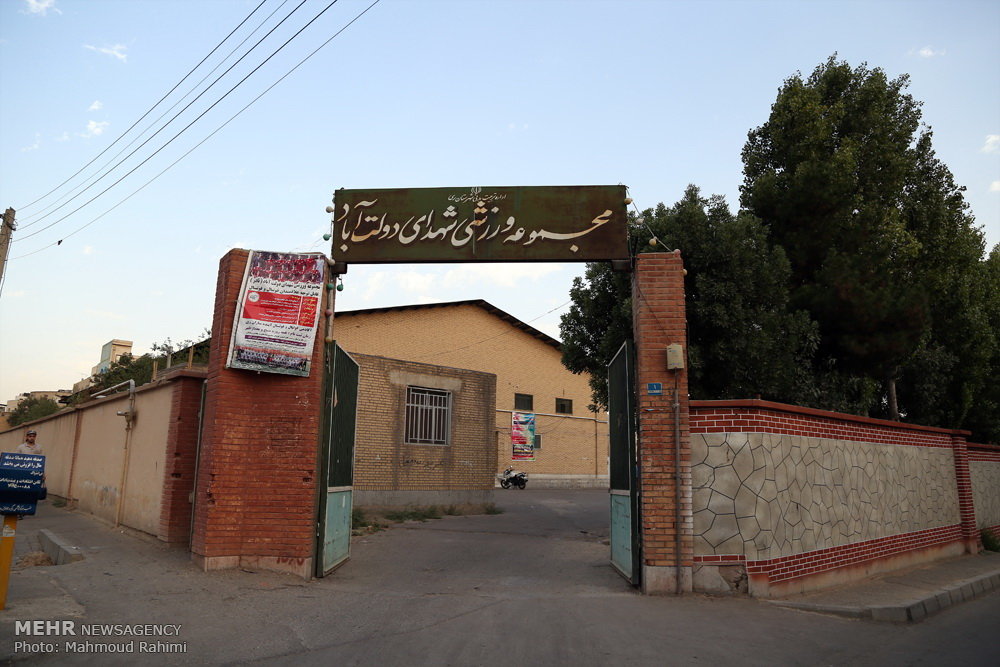
Dowlatabad; The Little Iraq in Heart of Iranian Capital
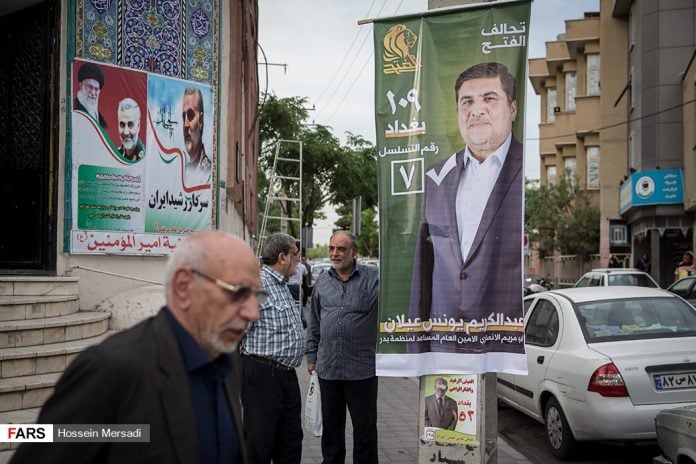
Dowlatabad is a neighbourhood with nice weather. It is full of trees and many consider it as the first town of Tehran.
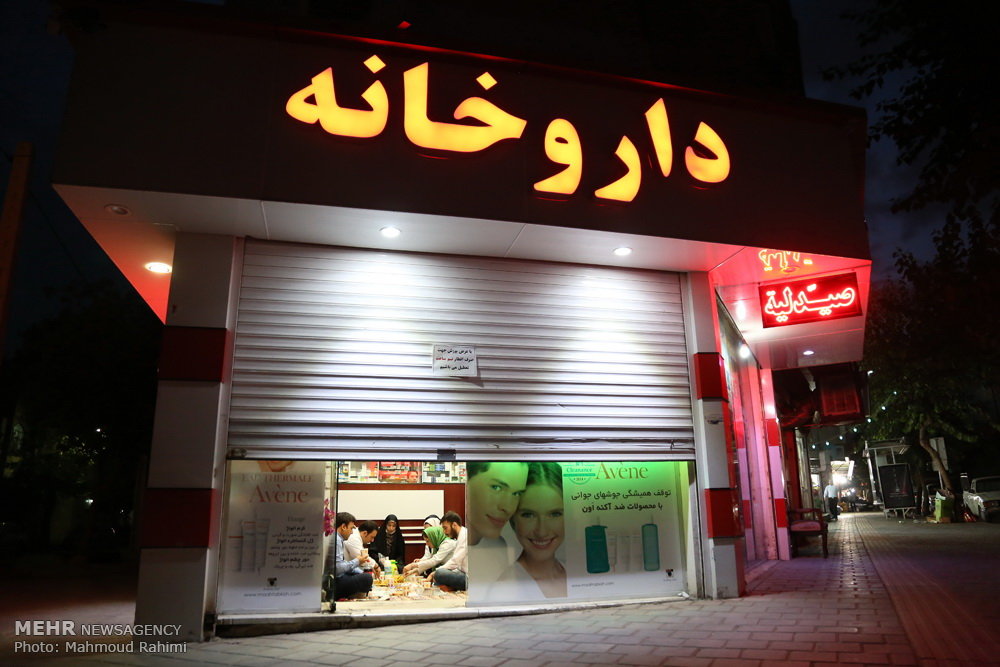
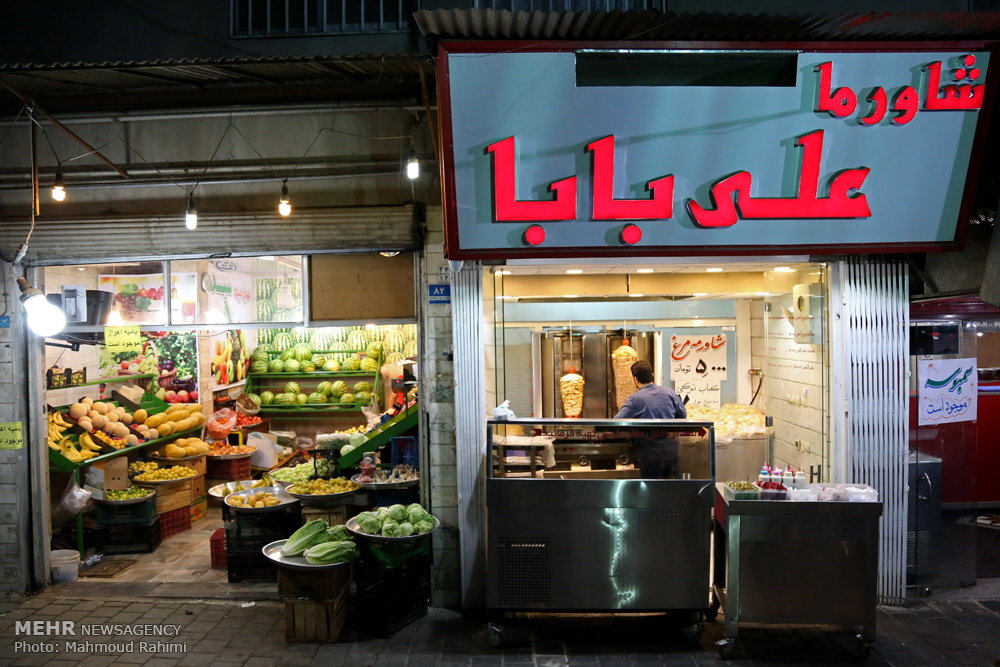
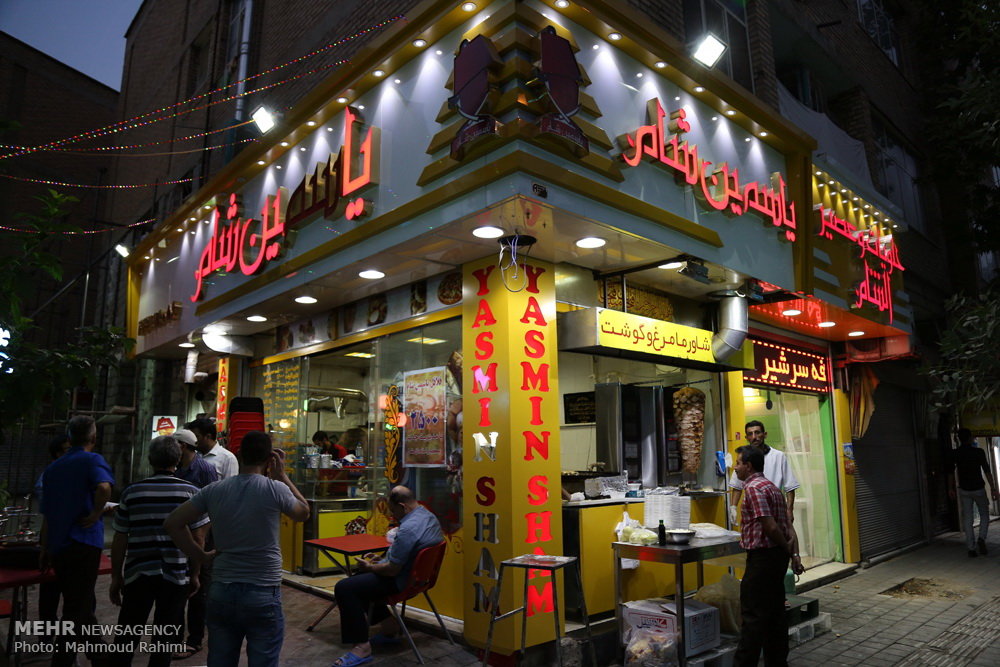
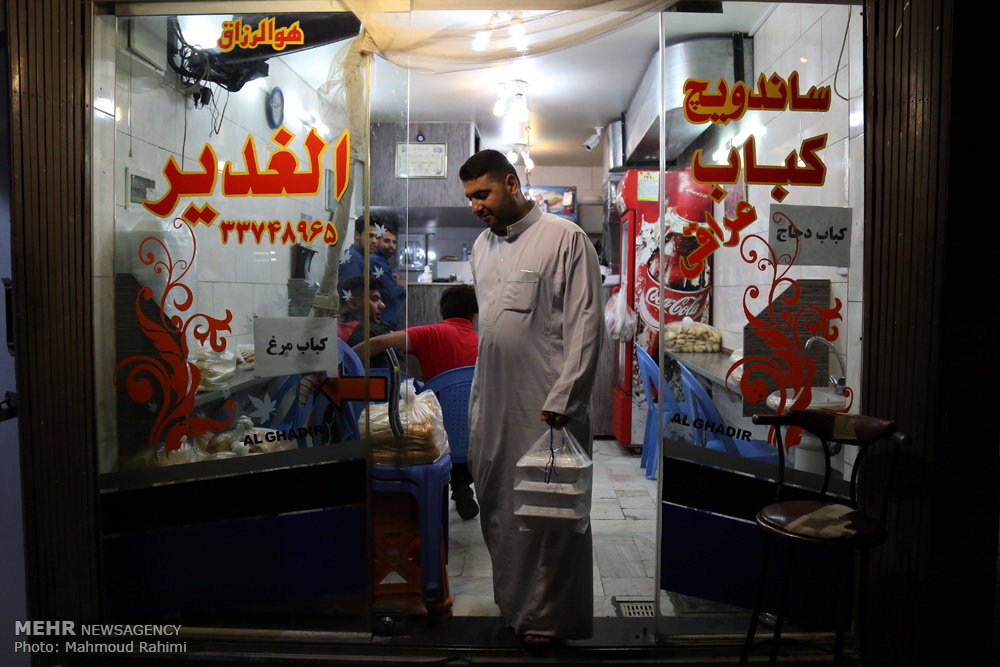
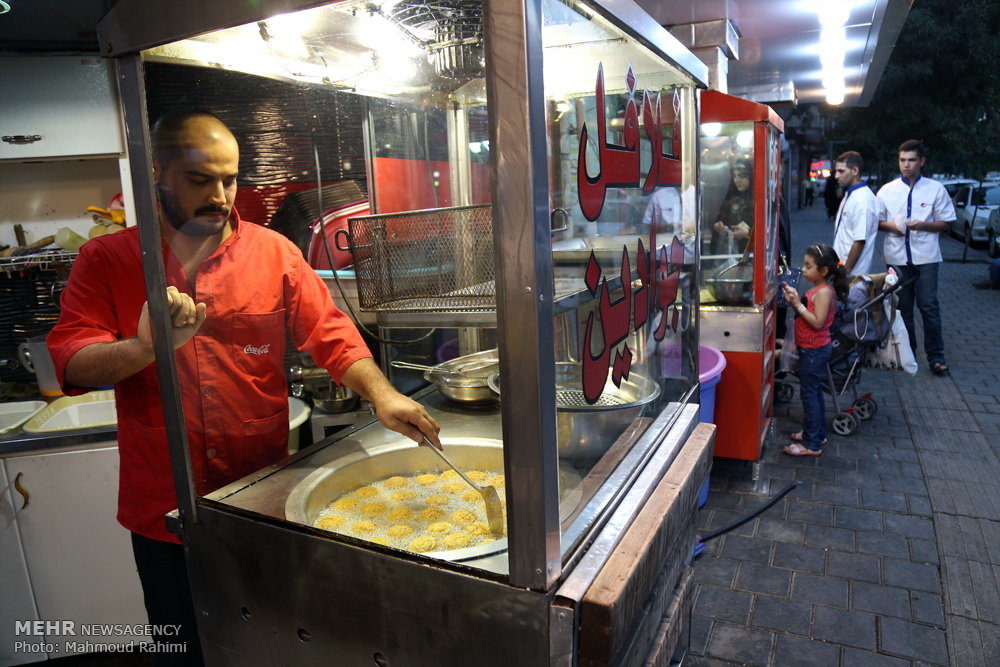
Quds Street in this neighbourhood is one of the most crowded streets in this region, where the largest restaurant and Arabic fast food outlets can be found there. At the dusk, the number of people who come to the streets is getting bigger.
This is the Arab’s tradition to protect themselves from the heat by coming out in the evening. When you pass the neighbourhood, they all speak Arabic. It’s as if you are on one of the streets of Baghdad.
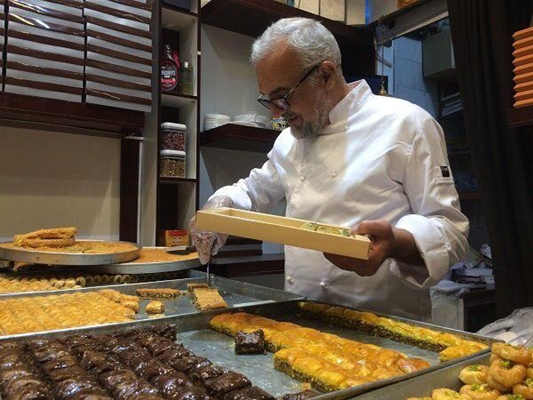
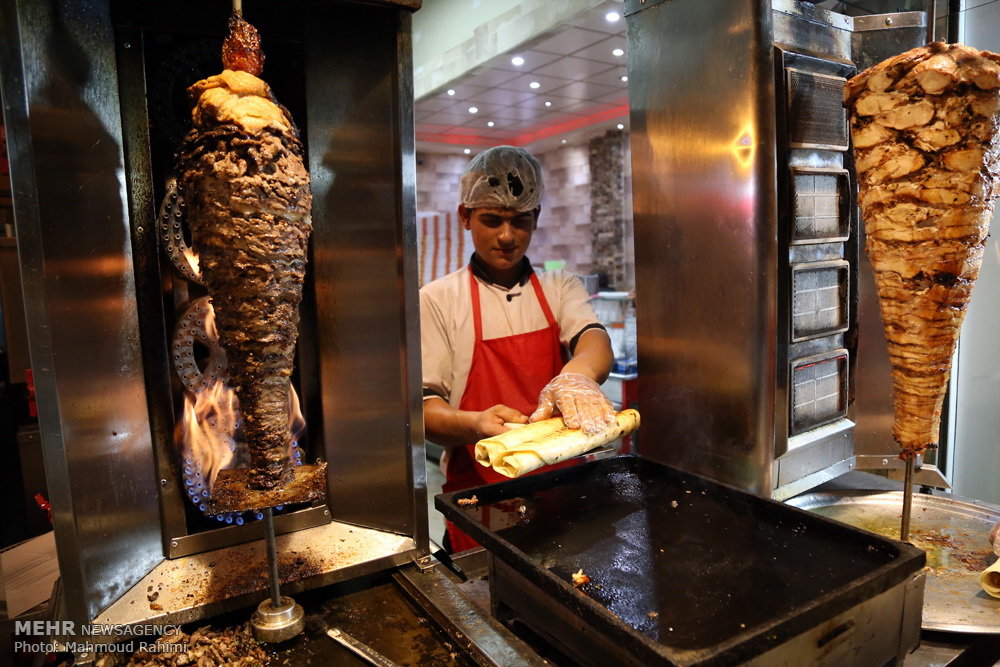
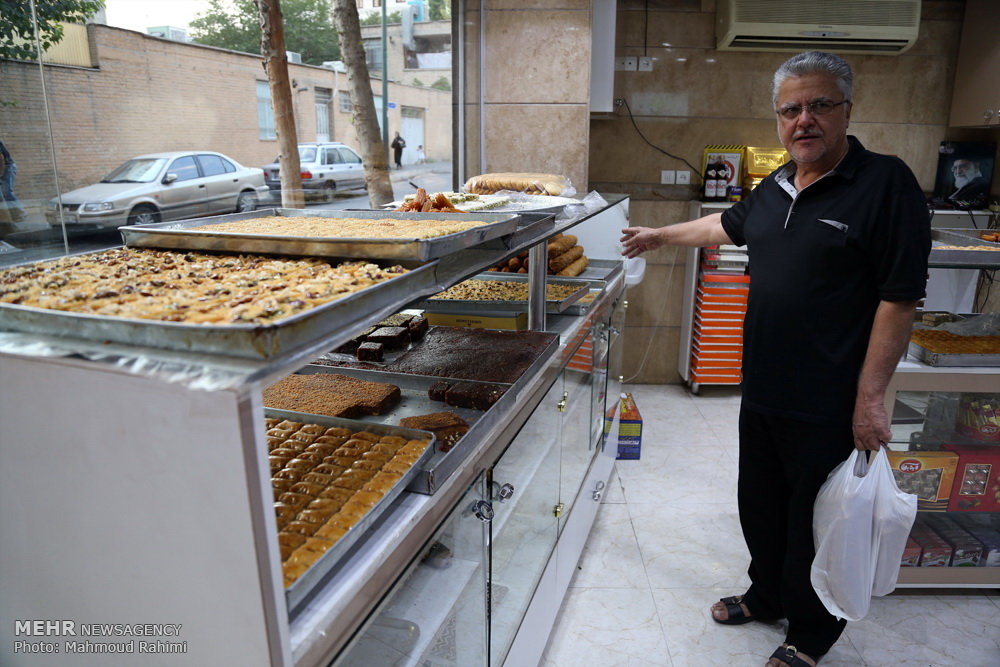
Dowlatabad’s crowded restaurants are well-known for their famous Arabic cuisine such as Shawarma, Kibbeh, Houmous, Samosa and Falafel. Their flavour is different from all falafels and fast foods in Tehran. In front of some of the restaurants there are tables and chairs, and elderly men in Dishdashas are drinking Arabic tea. Arabic tea is thicker than ordinary Iranian tea which the Tehranians are accustomed to. Arabic coffee is very thick too. These drinks will have different flavours alongside Lebanese and Arabic Baklavas. For this reason, next to these coffee shops and teahouses in this street, there are a lot of Baklava shops.
Arabian Baklava is one of the most famous sweets in the world. It is a popular sweet among Arab-speaking people of Syria, Lebanon and Iraq which is baked in different shapes and flavours.
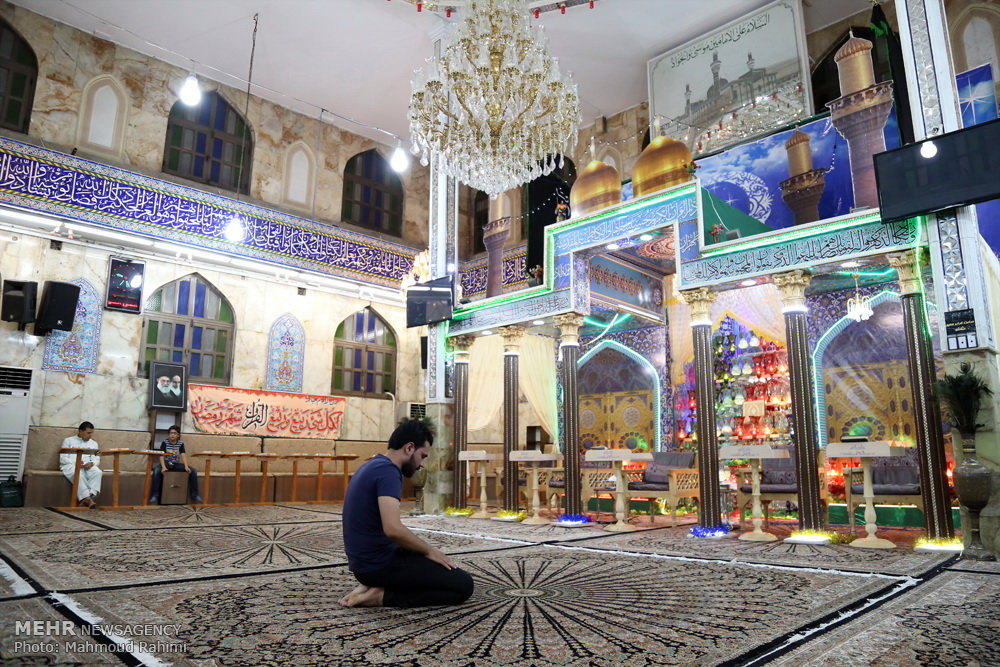
Moreover, there are so many mosques and hussainiyas in this neighbourhood that some call it the mosques neighbourhood. On Muharram nights, this neighbourhood is full of mourning groups. The mourning of the Arabs is considered by many tourists as an attraction; therefore, Dowlatabad is very busy during Muharram.
When the Arabic-speaking people of other countries get to know there is such a neighbourhood in Tehran, they come here to rent a house or suite. Therefore, on the walls of the neighbourhood, there are advertisements in Arabic for such suites.
Many tourist agencies have also emerged since the fall of Saddam Hussein so that passengers could travel from Rey to Baghdad, Sulaymaniyah or Erbil. Now, they can host their fellow countrymen in their own neighbourhood and easily travel to Iraq either by airplane or by bus.




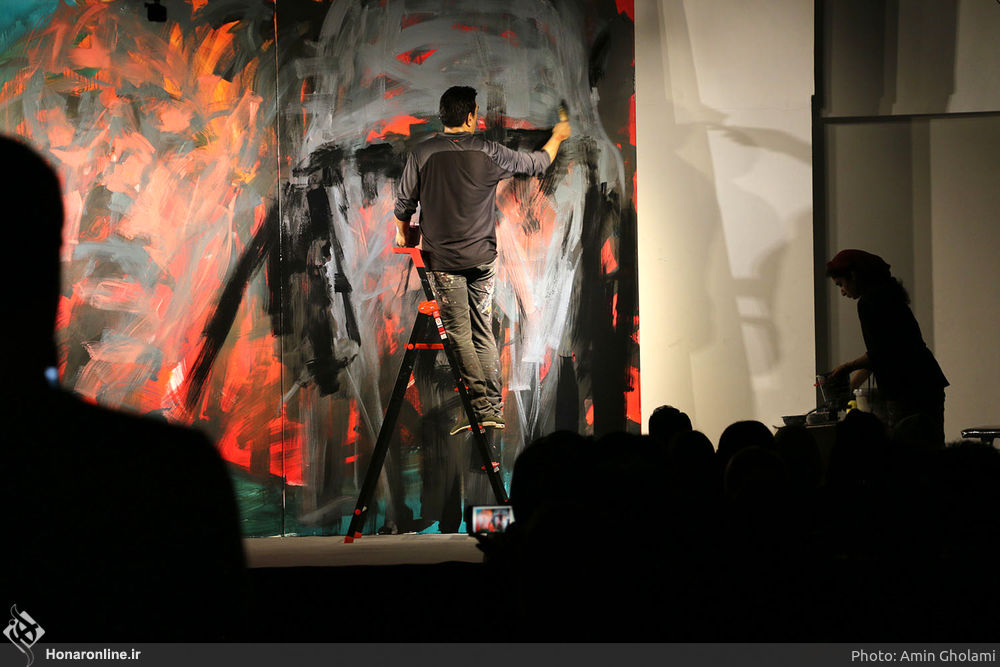
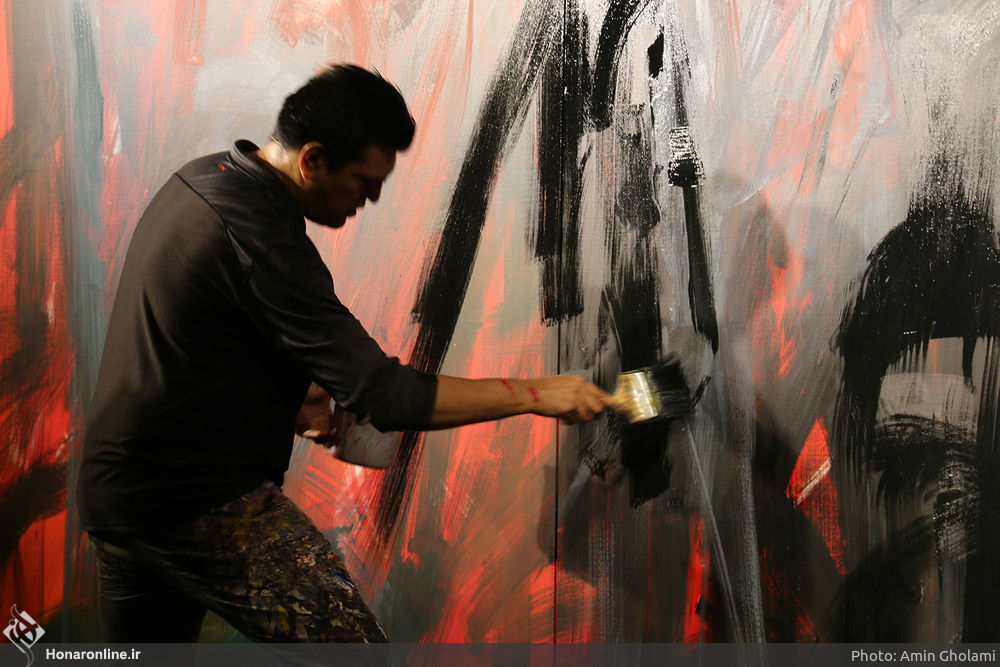
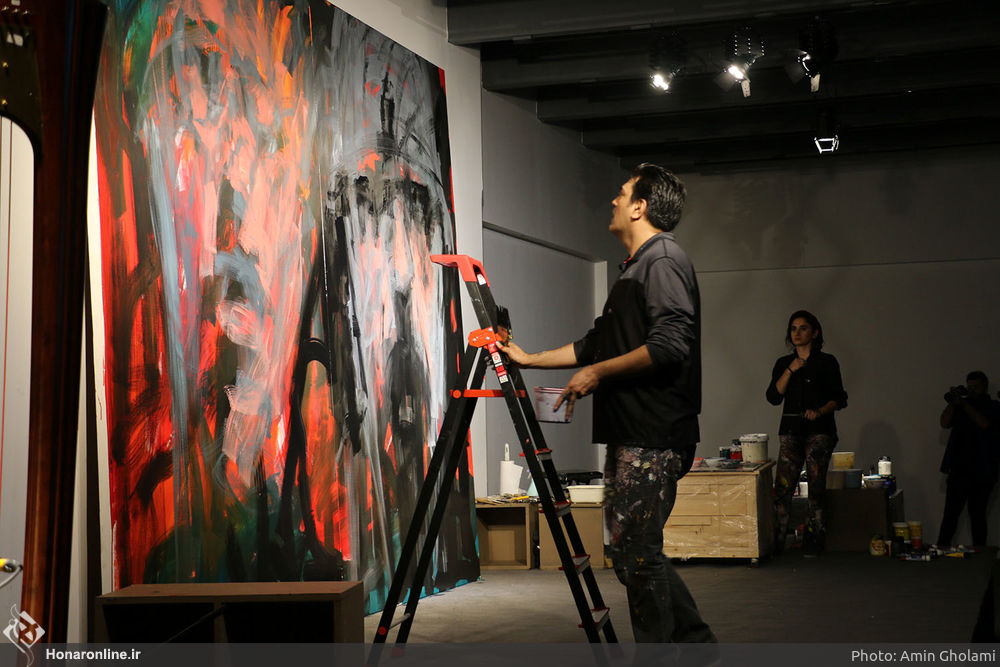
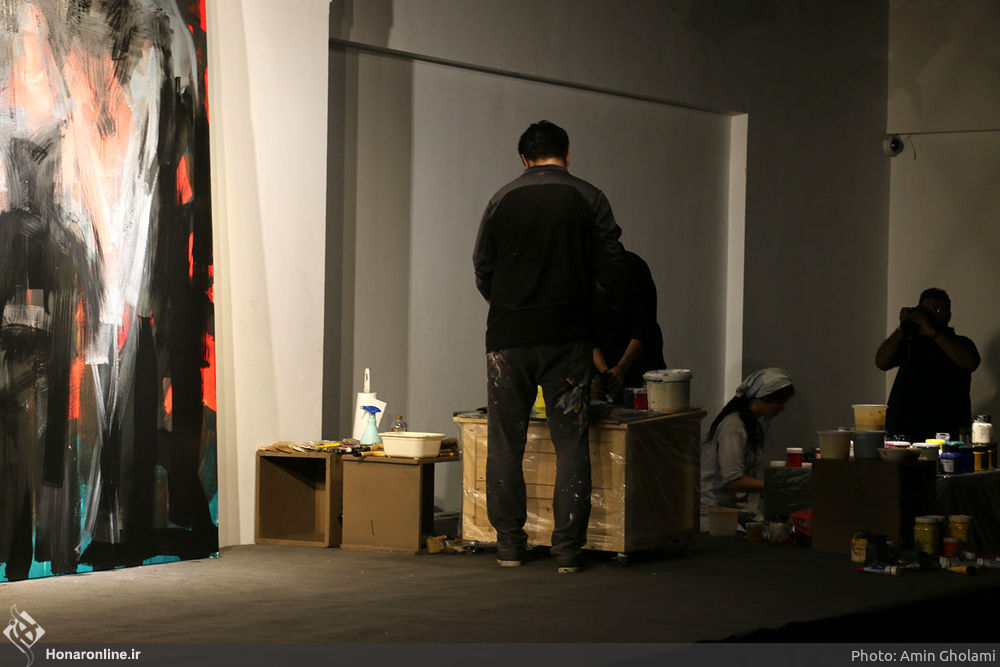
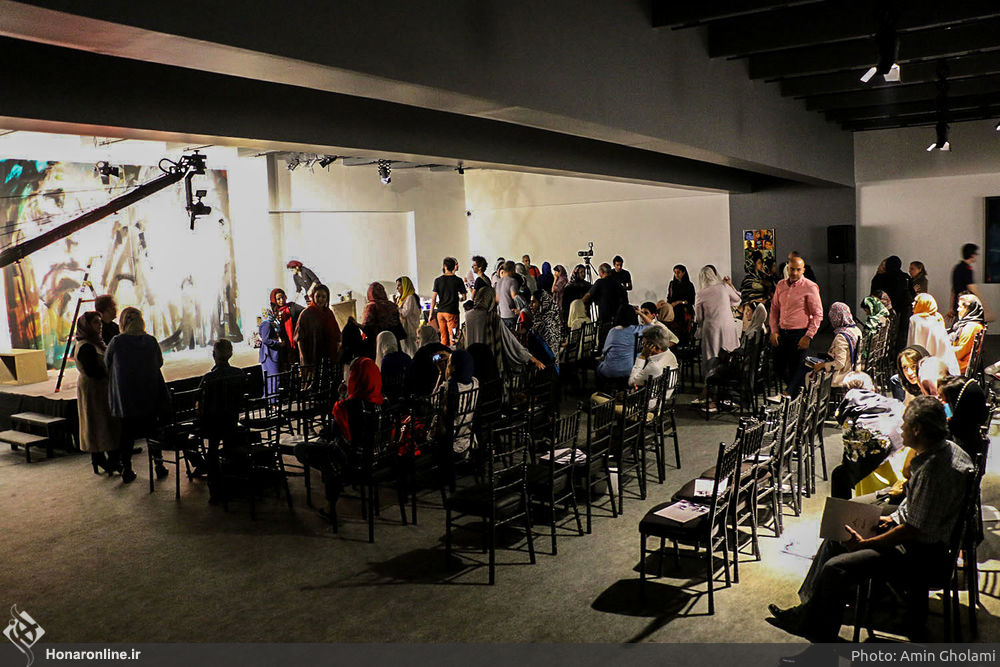
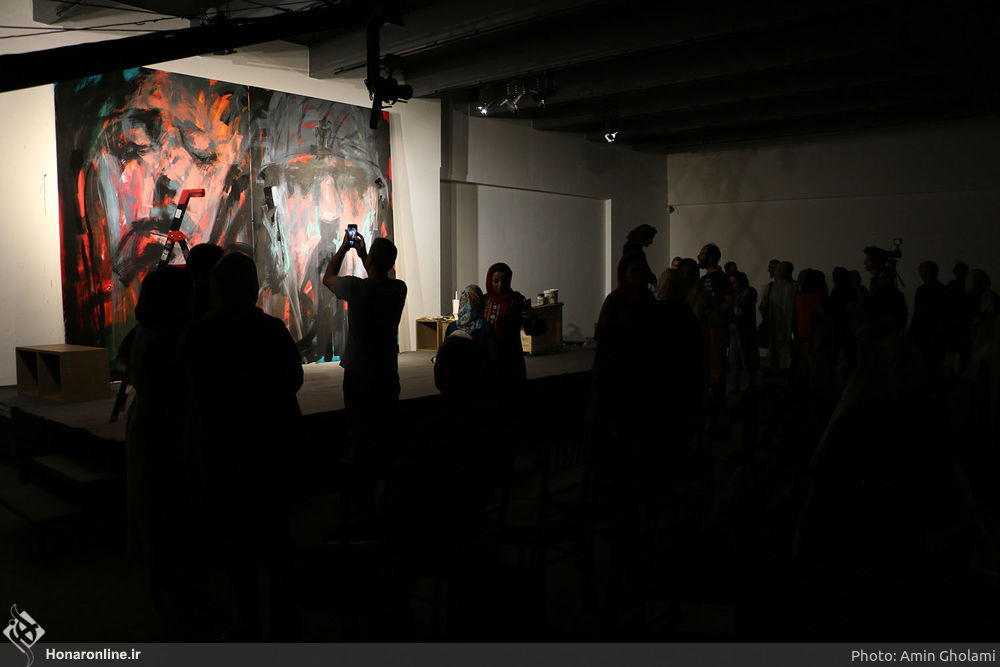
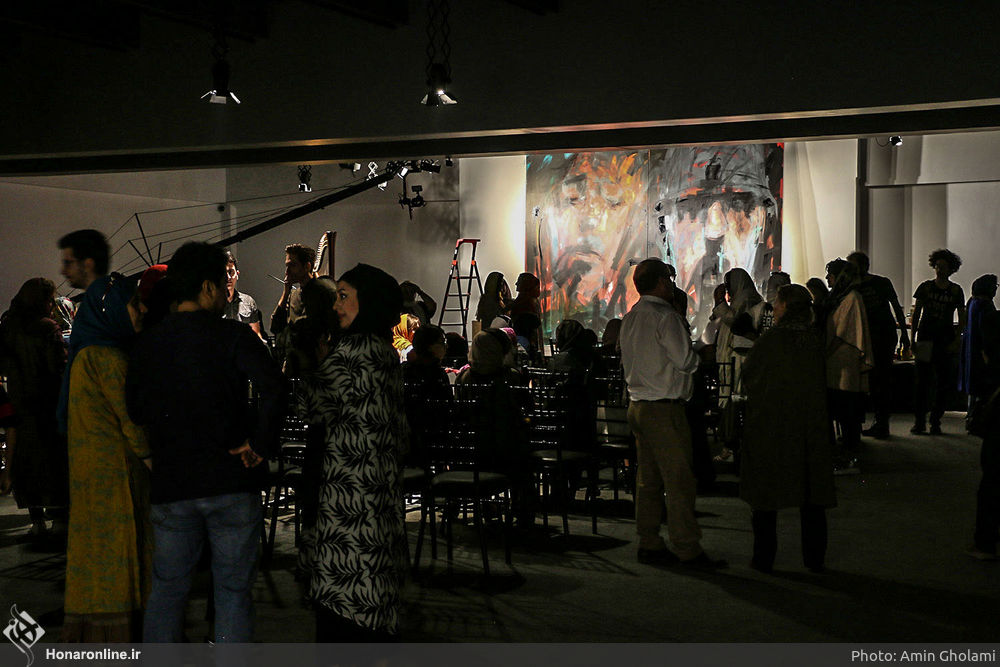
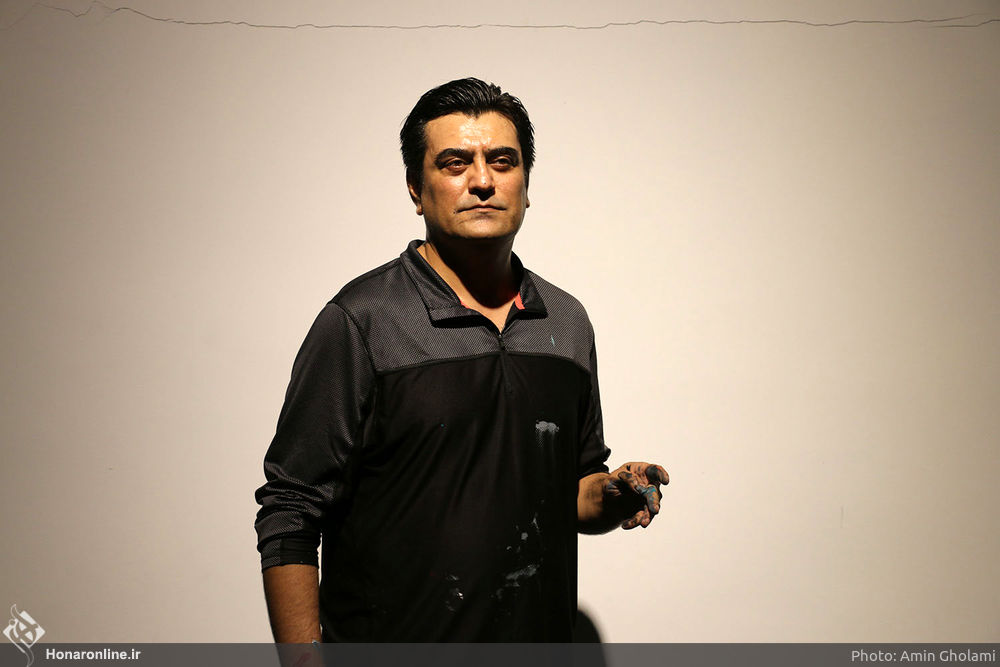
Iranian Artists Gives Live Performance on Significance of Peace
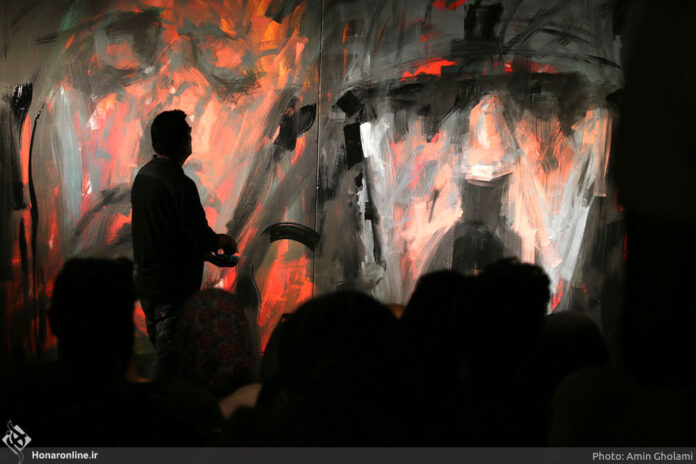
Asked about the idea of holding such an event Asanlou says peace existed from the beginning, but the human beings were not paying attention to it.
“Our talks are about war or anti-war, while peace is always there, and when we move away from it, war is created,” he noted.
He further added that all people are contributing to the vital issue of war and peace and must respond to it.
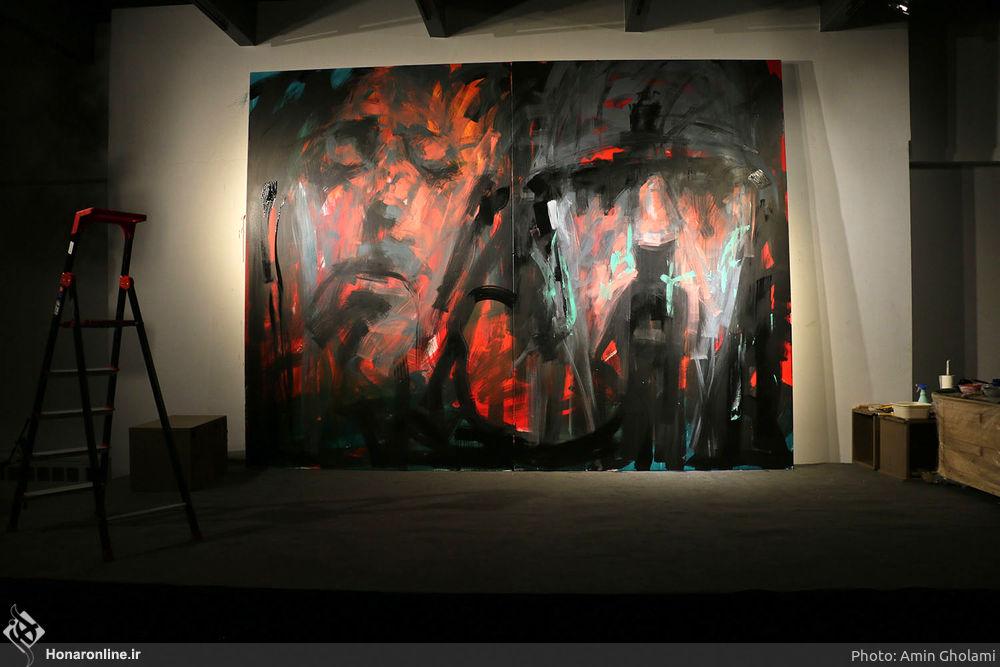
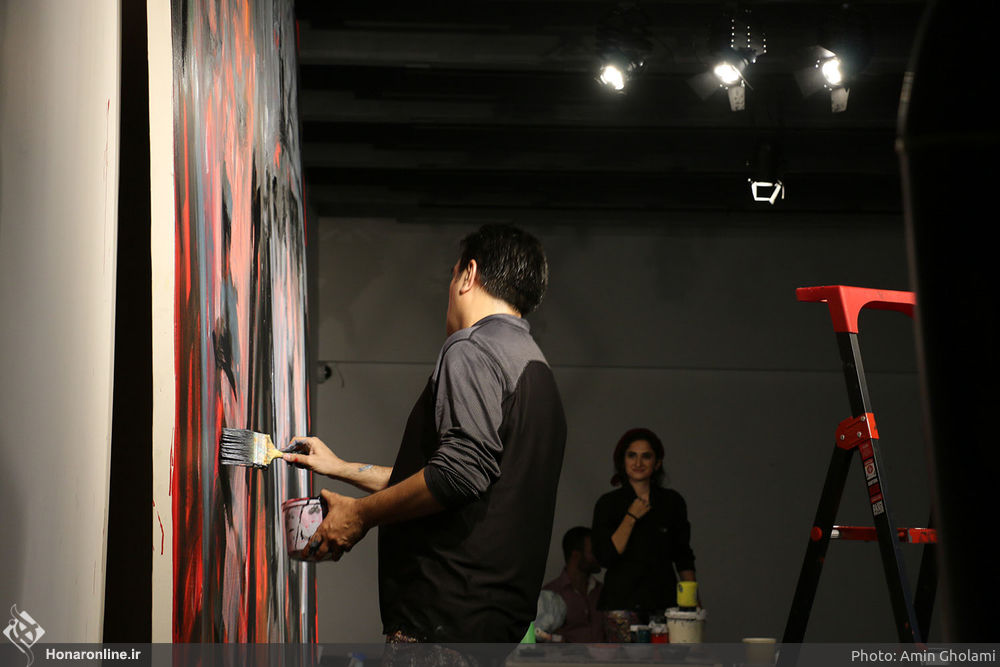
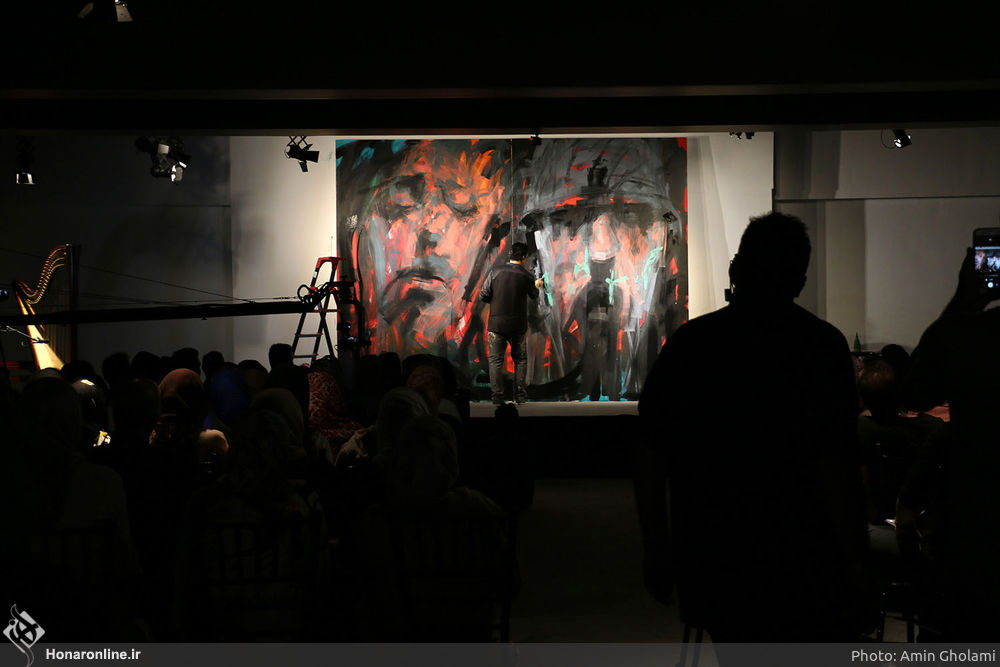
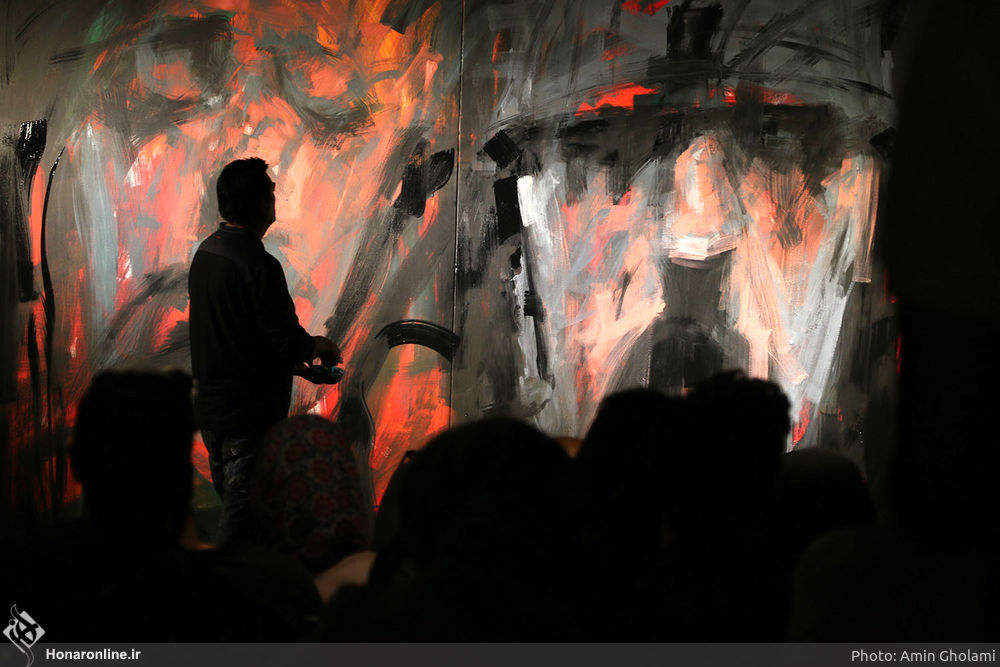
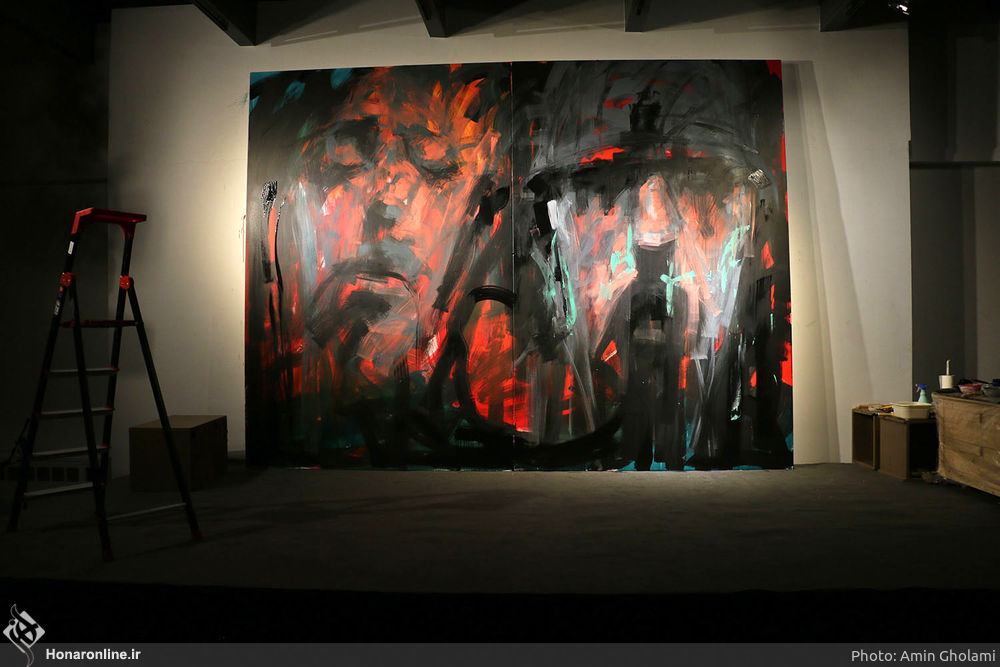
“The painting that I drew in this event consists of three figures: a soldier, a woman and an embryo. I tried to portray this soldier at the moment of death, and on the other side there is a woman who can be his mother or his wife who is very worried about him.”
This Iranian artist also underlined that the third person seen in this work is an embryo which is a symbol of the next generation.
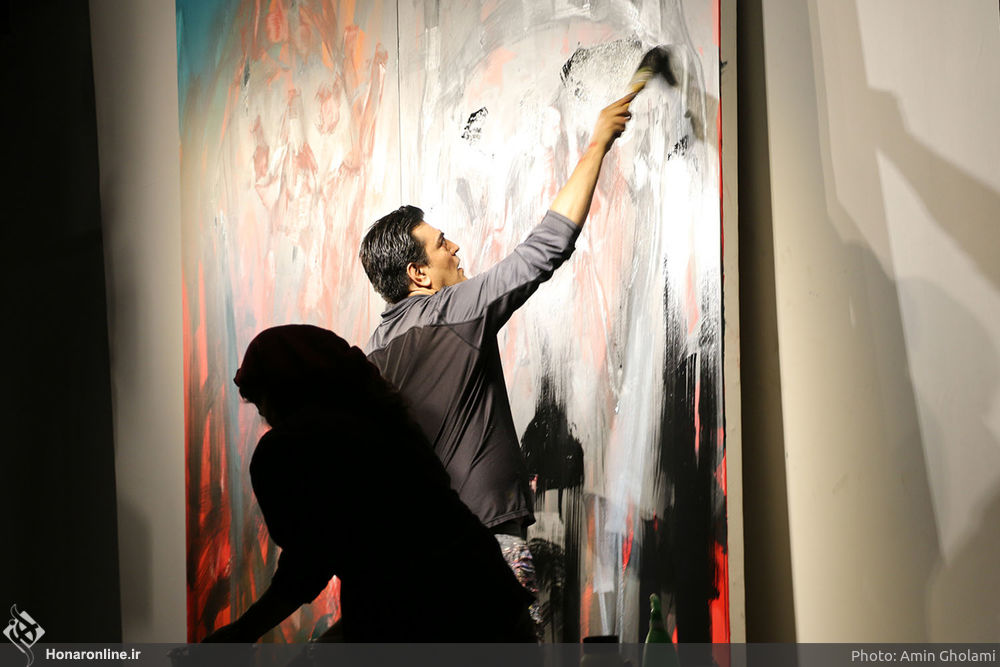
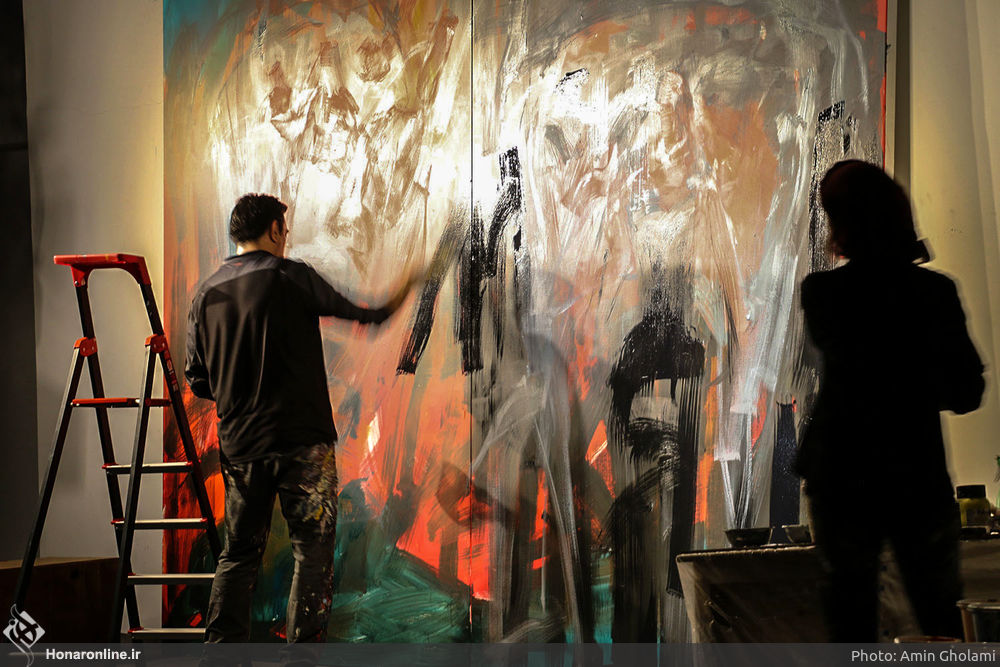
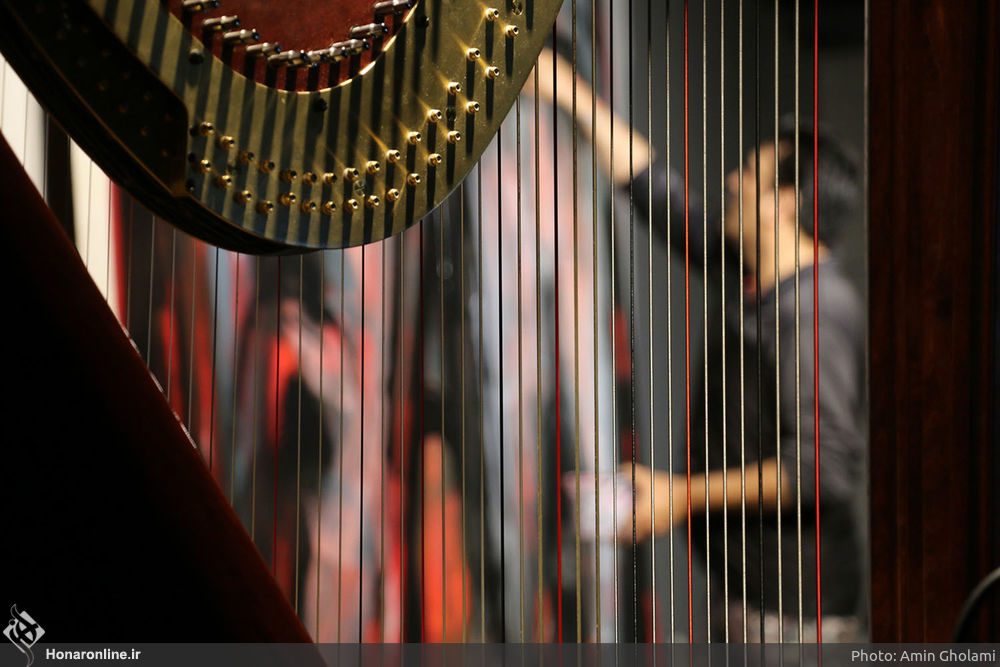
“I think every generation shapes the world in one form and delivers it to the next generation. I performed this part of the work live. I poured red colour on top of it, symbolizing war and bloodshed. This colour spills between the two characters and flows on the embryo. I have symbolically tried to protect the embryo with my hands so that blood and pain and death do not reach him. I try to preserve the next generation and deliver this message that as an artist we tried to take a step to make our voice heard and say that we are looking for the peace and tranquility of the next generation.”
Asanlou went on to say that he was not thinking about painting at this event and creating dialogue was much more important to him.
The interesting thing about the event was the impressive presence of the people. More than 150 people attended the performance listening to my words and expressing their own ideas, and at the end they wrote their peace message, noted Asanlou.





Limited Production of ‘Iranian Peugeot 301’ Kicks Off
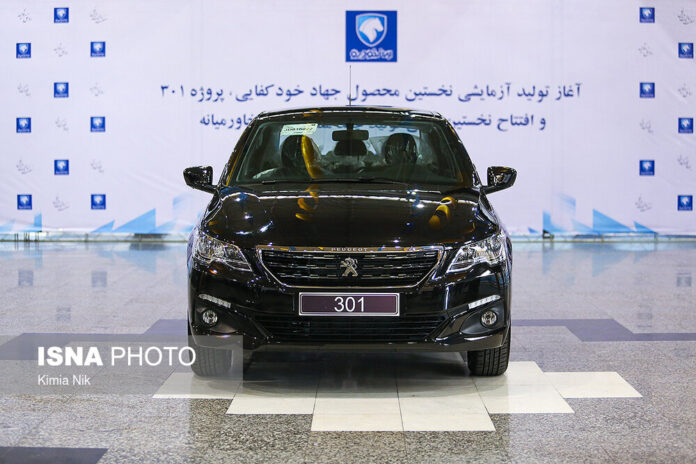
CEO Hashem Yekke Zareh kicked off the test production of the sedan early on Monday in a ceremony inside the IKCO compound west of Tehran.
Yekkeh Zareh said IKCO plans to begin the mass production of Peugeot 301 after the end of the current Iranian calendar year in March, adding that Iran’s largest carmaker had put some €60 million worth of investment in the project.
“Some 100,000 units of this car will be produced in phase one and (the annual production) will increase to 250,000 units in the next four years without any support from Peugeot,” he said.
Yekkeh Zareh insisted that the car will keep the logo and name of France’s Peugeot despite the fact that the company reneged on its promises and left the Iranian market in June 2016.
“Ultimately, these cars belong to Peugeot,” he said, adding that the IKCO will launch similar production lines for Peugeot 208 and 2008, models that was supposed to be produced in Iran as part of a contract signed in January 2016.
Other officials in the IKCO said the company would soon become almost self-sufficient in production of the Peugeot 301.
Based on its deal with IKCO, the PSA Peugeot Citroën was supposed to invest up to €400 million over a five-year period to produce, launch and market three of its models, including the 301.
Iranian officials have said that Peugeot would pay compensation to the IKCO for the sudden withdrawal from the joint venture.
Sources close to the car industry in Iran said last month that the defense sector in the country had become involved in attempts to make electronic parts needed for production of Peugeot 301.
Reports earlier in June suggested the IKCO had begun testing Peugeot 301 on the roads while others said some 3,000 units of the car will be available on the Iranian market as of December with a price tag of around 200 million rials ($15,000).
Iranian Researcher Declares War against Cancer

Mohammad Kazem Rashidi, 75, says the newly produced medicines are completely natural from A to Z and there is no preservative among their ingredients.
The first anti-cancer medicine is produced only for women suffering from cancer. The second drug is mainly used for preventing Alzheimer’s disease among the elderly. It also treats patients suffering from frequent urination.
Rashidi is neither a doctor nor a university graduate but he has managed to take full command on the materials in the Canon of Medicine by Avicenna and The Comprehensive Book on Medicine by Rhazes, two major Persian polymaths.
He has managed to merge prescriptions by Avicenna and Rhazes together to develop a new medicine – the last of the three new drugs – which can prevent bleeding. Medical tests in the central city of Isfahan have approved the efficiency of the medicine.
Before the new medicines, Rashidi had produced a special medicine for treating patients suffering from Diabetic wounds for the first time in Iran.
For a brief review of Iran’s achievements in various fields of science and technology, check the book “Science and Technology in Iran: A Brief Review – 2019”
He has already established a large farm and beekeeping field in his hometown in Hamedan province providing all the ingredients of his medicines himself.
“By establishing the farm and the beekeeping field as well as a knowledge-based firm, I‘ve managed to provide jobs directly or indirectly for tens of people,” he said.
Rashidi wishes to treat people suffering from Epidermolysis bullosa (EB) which remains an incurable disease even for modern medical science. The Iranian researcher says he also hopes to cure a number of teenage girls in a Shinabad village in West Azarbaijan province who were badly hurt after their school caught fire.
“The main problem of people suffering from the EB is that their skin doesn’t produce Collagen anymore. I’ve produced a new ointment which helps them to produce the material. The cost of chemical treatment for this type disease is too high and most of them usually end up in failure because it is an incurable disease. I’ve said I’m ready to treat these people. I provide them with the ointment free of charge and they have admitted its effect on themselves,” he said.
He went on to say that his main goal in life is offering services to people suffering from incurable diseases. “I’m 75 years old and have achieved whatever I wished in my life financially. So, I’ve decided to dedicate the rest of my life to efforts to offer services to such patients.”
