Friday, April 10, 2026
Home Blog Page 3192

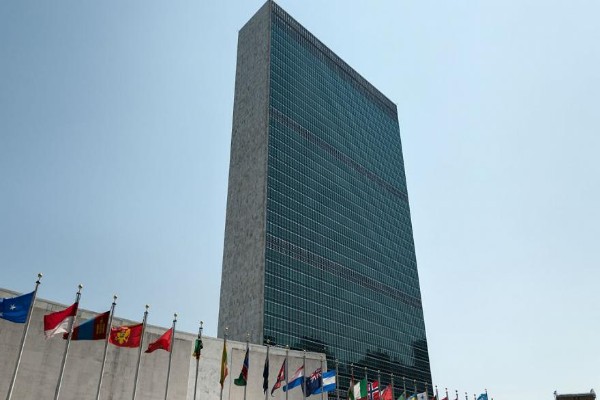
US Abusing Privilege of Hosting UN Headquarters

Based on an agreement signed in 1947 between the US and the United Nations, the former has been committed to issuing visa for all diplomats affiliated with the UN. The agreement explicitly states that there must be no restriction for the diplomats.

However, the US government recently imposed travel restrictions on Iran’s top diplomat in violation of the agreement. US State Secretary Mike Pompeo says the decision was a tit for tat measure, as no American diplomat is allowed to step in Tehran.

This comes as the US, as the host of the UN headquarters, is required by the International law to provide the envoys of all members of the UN with an appropriate ground to take part in the UN meetings. Meanwhile, since Iran and the US have no diplomatic ties, there is no justification for the presence of American diplomats in Iran, particularly now that the US has imposed the most severe sanctions in history on the Iranian nation.

Instead of adopting a harsh approach towards the restrictions, Zarif is trying his best to take the most advantage of the visit.

His recent interviews with mainstream media including NBC and BBC shed lights on the hidden aspects of the US move.

In an interview with NBC, Zarif underlined that resistance is Iran’s only choice against any pressure. “There is a way out if the US really seeks an honourable exit from the current crisis.”

He underlined that Iran is not after tensions but it will have no hesitation to defend itself against any invasion. “The US has deprived itself of Iran’s market which is open to all American companies.”

In a separate interview with BBC’s Hard Talk, the Iranian foreign minister said Trump’s decision to cancel his plan to invade Iran was made after he received reports of Iran’s strong retaliatory measures.

Elsewhere in his interview with Hard Talk, he underlined that Iran will sell its oil under any circumstance but will never give up its honour.

US Must End Arms Sales to Saddam Reincarnations: Iran

“For 8 YEARS, Saddam showered our cities with missiles & bombs provided by East & West,” Zarif tweeted Wednesday.

“Meanwhile, NO ONE sold Iran any means of defence,” he added.

“We had no choice but building our own. Now they complain.”

“Instead of skirting the issue, US must end arms sales to Saddam’s reincarnations,” he added.

Iran Denies Permitting BBC to Have Correspondent in Tehran

Director of Public Relations Department at the Ministry of Culture said the BBC correspondent, like other reporters who come to Iran and report, was in Iran for a few days, but it’s not true to say he plans to stay in Iran as a permanent reporter.

Mohsen Haddadi said the BBC correspondent has left Iran about ten days ago.

However, the corporation is said to have agreed not to share reporting materials it gathers in Iran on BBC Persian.

The remarks came after a rare access to Iran was given to BBC, which the Iranian Establishment believes to be controlled by the “hostile” UK government.

BBC correspondent Martin Patience, along with cameraman Nik Millard and producer Cara Swift, recently visited Tehran and the holy city of Qom, talking to Iranians about the escalating crisis between Iran and the US.

Ansarullah Rejects Trump’s Anti-Iran Claims as Excuses to Milk Saudis

Mohammed Abdul-Salam referred to US President Donald Trump’s remarks on Iran’s withdrawal from Yemen as a denial of reality and things that are not worth answering.

He wrote on his Twitter page on Tuesday that “Trump’s remarks are not compatible with reality, and they are not even worth the answer. These claims are solely for the sake of milking the kingdom.”

Throughout the US presidential election campaign in 2016, Trump used to describe the Kingdom of Saudi Arabia as a “milk cow” that will be led to slaughter when its milk runs out.

Yemeni spokesman also referred to the US involvement in the Saudi war on Yemen saying “Aggression on Yemen was announced by Washington, and it is led by its affiliates and mercenaries. Crimes are committed using American weapons and US Senators ask their country to end their support for aggressors.”

The US military’s political and military support for the offensive is all the more important, as many Western experts believe the Saudi regime will stop the war on Yemen in the event cease of US supports.

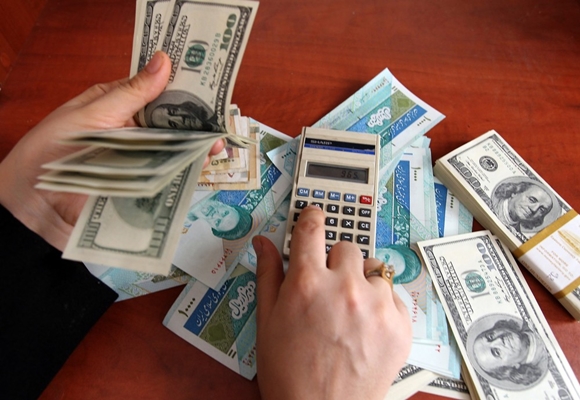
Iran’s National Currency Recovers Some of Its Lost Value

The fall in the price of foreign currency started a few days ago and the price observed on July 16 in the market is the same as what it was back in February.

In early February, the price of the US dollar was about 116,500 rials, after which the trend was upwards until May 9, 2019 when it reached about 153,500 rials. However, from that time on, the currency market has plunged.

According to Khabaronline, the monetary and fiscal policies adopted by the bank are said to have helped the rial grow more than 20 percent against the US dollar over the past two months.

The lowest exchange rate seen before February 2019 was in December 11, 2018, when the price of the dollar fell to 97,100 rials. This as both in the days before and after that, the foreign exchange market was bullish.

Some currency market analysts believe the downward trend in prices is likely to continue, and the real price of the dollar is about 80,000 rials.

Iran’s Central Bank Governor, Abdolnaser Hemmati believes that the current situation in the foreign exchange market will continue and exchange shocks are depleted.

“The economic indicators have been improving since two months ago, so inflation and unemployment are also decreasing. The central bank’s set of measures has stabilised the currency market and with the efforts of our exporters, our dependencies on the oil market have shrunk,” added Hemmati.

This as two days ago, he said in the city of Isfahan that the central bank no longer allows the exchange rate to increase, and the government is cutting the price of the foreign currency and increasing the value of the national currency.

According to him, “The United States was seeking to destroy the national currency of Iran and it spoke of 400 to 500 thousand rials for each dollar, but it could not achieve its goals.”

In this situation, Bloomberg analysed in a report the situation of the Iranian currency market saying that the Islamic Republic’s efforts to curb the rial’s slide are starting to work.

Referring to Abdolnaser Hemmati’s comments, it noted that the rial strengthened about 8% in the open market over the past month to 125,450 per dollar, according to prices compiled by Bloomberg from foreign-exchange websites and traders in Tehran.

“The advance is a relief for Iranians who watched the currency plummet more than 50% after U.S President Donald Trump scrapped the 2015 nuclear accord and reimposed sanctions on the nation.”

According to Bloomberg, the central bank sought ways to protect the currency with measures that include setting up a government-run foreign-exchange platform known as Nima to quell the black market and controlling interest rates offered by lenders.

Iran’s President Hassan Rouhani said in a statement on Sunday at a meeting in North Khorasan province that during the past two months, some sort of balance was seen in the exchange rates and inflation.

“It means that if we try, we will succeed, and if we move using all our power, we will fully control the inflation,” underlined Rouhani.

Would the USD’s Slide Continue?
In this situation, the question is that whether the fall of foreign currency will continue or not? And what is the real price of US dollar?
Majid Reza Hariri, deputy president of the Iran-China Chamber of Commerce says the central bank managed to control the foreign exchange market somewhat, although it still remains to reach to the real price of dollar which is 80,000 rials.

“It cannot be argued that macro-management has been ineffective in this sector, so, of course, if it was not for the central bank policies, now the price of the US dollar would have gone up to more than 170,000 rials. As a result, price management has been effective, but it is still far from reaching the real prices. As the minister of finance said, if the smuggling and capital flight were to be prevented, the real price of the dollar would be about 80,000 rials; therefore, the current 120,000 price is 50% more than the real rate,” underscored Hariri.

“Some analysts think the 80,000 for each dollar is unrealistic, because the market function determines the real price. Apart from the fact that there is no mechanism in Iran like the ones existing in some countries, it should be noted that if the illegal demand for the foreign currency, which is used in capital flight procedure, is eliminated, the only demand in the market will be the formal ones and it will lead to lower prices.”

Mohammad-Taqi Fayyazi, who is an economist, says the national currency of Iran was often reinforced by artificial injection of petro dollars, which is not possible anymore. “On the other hand, economic growth will be negative for the second year. There is a probability of a deficit that results in the printing of bank notes and, consequently, devaluation of the national currency. In such a situation, how can one talk about strengthening the national currency in the medium term?”
“I think in the short run and in less than a year, it would be possible to manage the economy and help the price of dollar decrease against rial, but afterwards the situation will change,” he maintained.

Iran Helps Foreign Oil Tanker in Distress after Receiving SOS Call

US Will Fail to Extend Iran’s Arms Embargo: Spokesman

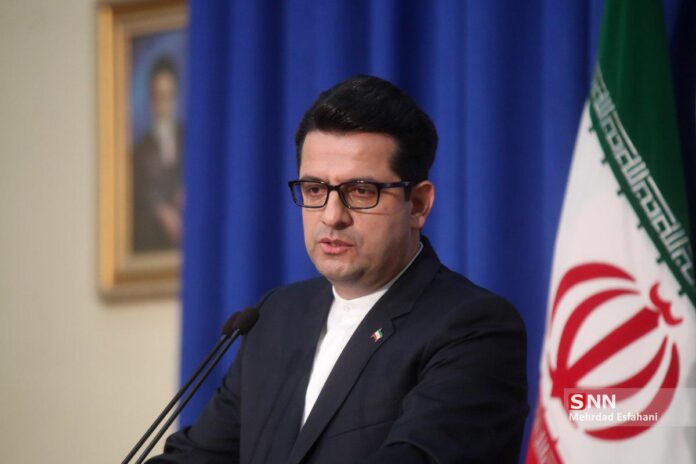
Foreign Ministry Spokesman Abbas Mousavi said Iranian forces went to the aid of a foreign oil tanker experiencing technical difficulties in the Persian Gulf waters.

He said Iranian forces responded to the SOS call from the vessel in accordance with international regulations and hauled it to the Iranian waters where the tanker could undergo the necessary repair.

More details on the story will be announced accordingly.

The comments came after the Associated Press claimed small oil tanker from the United Arab Emirates travelling through the Strait of Hormuz has entered Iranian waters and turned off its tracker three days ago, leading the US to suspect Iran seized the vessel amid heightened tensions in the region.

The Panamanian-flagged Riah turned off its transponder late Saturday night but an Emirati official said it sent no distress call.

Iran Rejects AP’s Report on Missile Talks

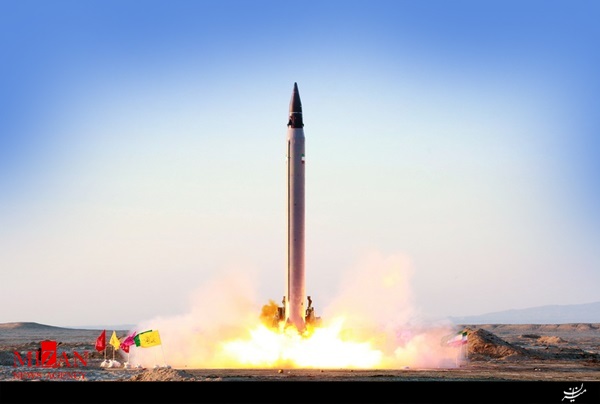
“We categorically reject the AP’s characterization of Foreign Minister Zarif’s comments to NBC News that “if the US wants to talk about missiles, it should stop selling weapons, including missiles, to regional states” as meaning that Iran is willing to negotiate on its defensive missile program at some point,” Iran’s UN mission said in a statement.

“Iran’s missiles are absolutely and under no condition negotiable with anyone or any country, period,” it added.

“Surely AP reporters are familiar enough with conversational English to know and understand and are able to contextualize comments on the hypothetical, as well as parrying with words to make a point,” it said.

“Drawing a false conclusion in pursuit of headlines, when what was said in the context was obvious, only leads to a diminution of the standing of the press with the public.”

Headed by Paul Belogour, Boston Unisoft Technologies (BUT) Among Best FinTech IT Vendors

Boston Unisoft Technologies is one of the best software development vendors helping businesses adopt new financial tools and carve out a market share for themselves.

What Is Boston Unisoft?

Led by Pavel Belogour, Boston Unisoft Technologies (https://bostonunisoft.com) is a new generation software development company. Since its inception, the vendor specialized in high-end development services for financial projects. Ten years later, BUT continues to provide full-cycle software development services and is running exciting and innovative FinTech projects. The core services include:

  • Web development for brokers
  • Trading platform development
  • Customer area development
  • White label MT4 platforms development

Headed by Paul Belogour, Boston Unisoft Technologies (BUT) Among Best FinTech IT VendorsUnisoft Technologies Vs. Offshore IT Vendors

Over 50% of business owners outsource their business processes. Outsourcing software development enables companies to avoid the lengthy and costly head-hunting and onboarding process. However, when choosing between a specialized company, such as BUT, and an offshore IT vendor, businesses should be aware of all benefits and pitfalls of either choice.

Boston Unisoft specializes in financial and trading software and web development. With an impressive portfolio of successful projects, the company relies on ten years of experience and know-how to offer the best solution for every client. This includes the stable and scalable architecture, best-suited technology stack, and seamless integration with third-party solutions. Most offshore IT vendors take on all projects, even if their teams have no experience with the financial market and tools.

Considering their experience with financial products, BUT analysts and project managers provide an accurate estimate of the project’s budget and timeline. As a result, the development is finished on time and on budget every time. Offshore software development companies can lure customers with unrealistically low estimates only to inflate the budget and miss the deadline. As a result, the projects fail and never make it to the market.

Headed by Paul Belogour, Boston Unisoft Technologies team is well-versed in the latest changes in financial regulations, both American and international. This translates into FinTech products that are 100% complaint and safe from fines and lawsuits. The same cannot be said about solutions developed by offshore IT vendors. The gaps in their legislation awareness may cause substantial legal, financial and reputational risks.

BUT has been around for over a decade and will continue to shape the FinTech market along with the most prominent players. Customers can always rely on the team to be there for any future maintenance, training and updating efforts. Offshore IT developers are rarely so accommodating of their onetime clients. They move on from one project to another and rarely try to keep in touch and provide post-release services. Their clients often turn to Boston Unisoft for scaling and debugging.

Boston Unisoft Technologies translates experience into accurate estimates, technical and legal know-how, as well as ongoing post-release support to ensure the client’s success.

Iran to Keep Uranium Enrichment at 4.5% Level ‘Until Further Notice’

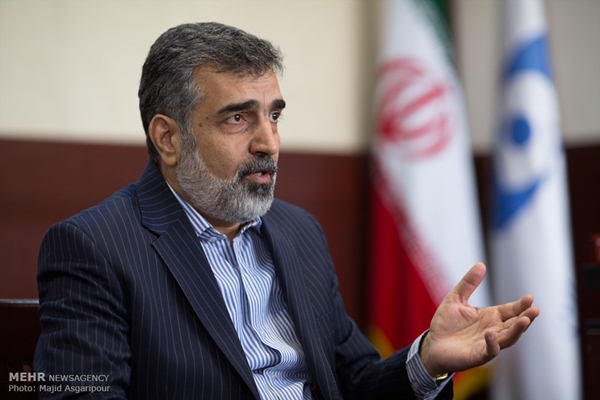
“For now, the level of our uranium enrichment stands at 4.5 percent and we have no plan yet to increase it,” he was quoted as saying in a report by IRNA.

Kamalvandi underlined that the 4.5 percent enrichment has already met Iran’s domestic needs and Iran can supply the fuel required for Tehran reactor for the next years. “We can produce further if the needs of Tehran reactor increase.”

The spokesman went on to say that at present uranium enrichment in Iran hinges on two parameters.

“First, the technical logic and second the political one. The level and percentage of enrichment may change based on political logic,” he said.

He finally added that Iran doesn’t need a 20 percent enrichment for the time being, but may consider it in the next phase of its nuclear activities.

Iran began the second phase of its scaling down on its commitments under the Iran nuclear deal following the remaining parties’ failure to live up to their pledges.

Iran has vowed to start the third phase within the next two months if the other sides continue to delay their commitments. The Islamic Republic of Iran has underlined that the reduction of commitments is made within the JCPOA.

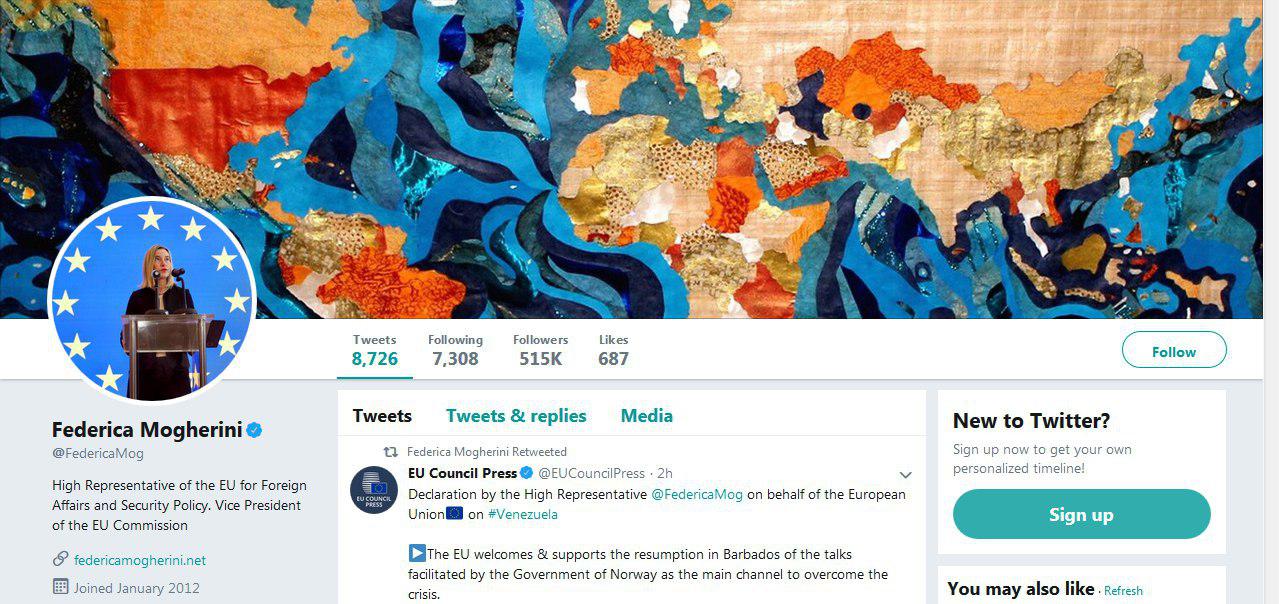
Mogherini’s Twitter Background Image Sparks Controversy in Iran

The map, which depicts a confused picture of the world, has divided Iran into several parts and annexed several corners of the country to neighbouring states.

The distorted map has sparked harsh criticisms on the social media from Persian-speaking users.

In response to the Iran Front Page’s story, Mogherini’s spokeswoman Maja Kocijančič said “the twitter header is a painting, not a map, and it doesn’t represent reality.”

“Many countries are not portrayed with their real borders. The painting has been chosen without any political meaning and displayed on the twitter account for many many years,” she added in response to the Iran Front Page.


Mogherini’s Twitter Background Image Sparks Controversy in Iran

A close review of the map reveals that the division of Iran in the map has been carried out along with ethnic and religious lines, a report by Fars news agency said.

A Google search shows that the map has been used repeatedly by Western think thanks to discuss the ethnic divisions in the world.