Tuesday, December 23, 2025
Home Blog Page 3179

Sources in Iran Deny Reports of Seizing UK Oil Tanker

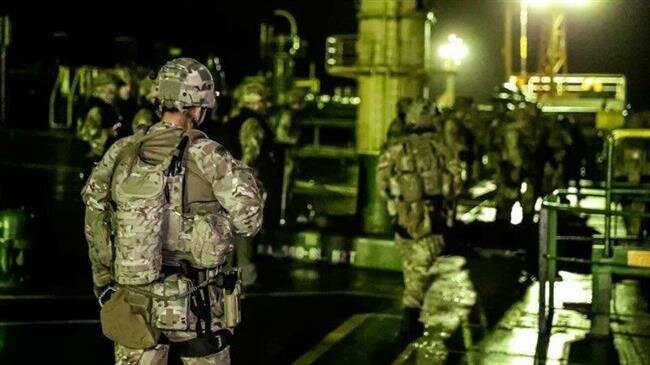
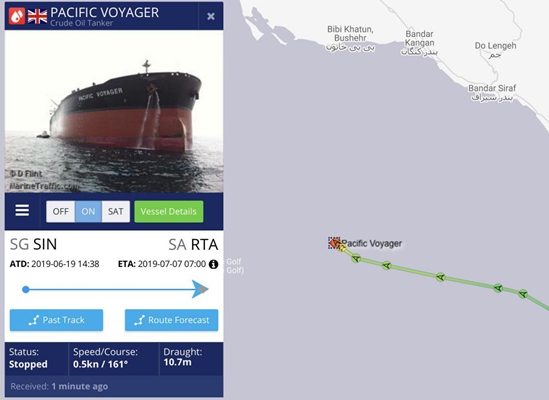
Earlier in the day, certain journalists and observers tracked the movement of the UK-flagged supertanker ‘Pacific Voyager’ in the Persian Gulf, and reported that it has “suspiciously” come to a halt in the middle of the Persian Gulf.

The reports were also dismissed by  a United Kingdom Maritime Trade Operations (UKMTO) official, who told Reuters the oil tanker was “safe and well”.

The Pacific Voyager oil tanker stopped as part of a routine procedure to adjust its arrival time at its next port of call and has since continued on its way, the official said.

The UKMTO, which coordinates shipping in the Persian Gulf, had been in direct contact with the vessel, the official said.

The reports came after a senior Iranian official called for the seizure of a British oil tanker in case London refuses to release the Iranian vessel it has illegally detained in Gibraltar.

Major General Mohsen Rezaei, a top IRGC general and the secretary of Iran’s Expediency Council, tweeted on Friday that “if Britain does not release the Iranian oil tanker, it is the authorities’ duty to make a reciprocal move and seize a British oil tanker.”

The senior official said the Islamic Republic has never initiated a tension in its 40-year history, but it will never hesitate to respond to bullies.

Iranian supertanker Grace 1 was boarded and impounded by Gibraltar police and customs agencies, aided by a detachment of British Royal Marines, on Thursday at the US request in the Strait of Gibraltar.

Later in the day, Iran’s Foreign Ministry summoned Britain’s ambassador to the country to express its strong protest at the move.

Naqavi Hosseini, a spokesman for the Iranian Parliament’s National Security and Foreign Policy Commission, said on Saturday that the UK’s move was a “crime against humanity” and an encroachment into the Iranian nation’s assets.

“It is the right of our diplomatic apparatus to take necessary measures at international bodies in reaction to the UK move,” he noted.

“While the UK government has failed to implement its commitments under the Iran nuclear deal, it looks for legal excuses to seize a vessel” belonging to Iran, he added.

Bitcoin Mining in Iran Must Be Regularized: Minister

bitcoin

Azari Jahromi said before Iran, most of crypto-currency mining operations in the world used to be carried out in China but today, Iran is turning into a new hub in this area.

“I’ve heard of Chinese miners’ presence in Iran through unconfirmed reports,” he said, speaking after his official visit to China.

He went on to say that the price of power in Iran is too cheap compared with its counterparts in other parts of the world, adding in some European states, the price of each kilowatt of industrial power stands at 20 cents while in Iran the figure is about 9 to 10 cents.

“This is mainly due to the gas reserves that Iran enjoys. These reserves are used freely by Iranian power plants,” he said. “This has turned Iran into an interesting country for crypto-currency miners in the world.”

“Iran’s power is highly interesting for the crypto-currency miners but we should have this point in mind that our power plants use our water resources,” he said.

The Iranian minister then said it is not acceptable to see that some people take advantage of the current situation and mine crypto-currency by using domestic power.

“At this situation, mining crypto-currency means exporting currency in the cyberspace. In another word, we can export our power through mining crypto-currency without making any considerable investment in power superstructure,” he said.

Azari Jahromi said plans are being developed to allocate special sites near power plants for mining crypto-currency.

“Such sites reduce the cost of power transportation,” he said, adding that the miners should pay a higher price for the power because of their high income.

The minister then called for regularizing the operators which are active in crypto-currency mining and added the government should issue legal certification for them.

He said mining machines have already been smuggled into the country and there are many active sites in this area.

“Estimates by Iran’s Energy Ministry show that 700 megawatts of the country’s power are used for mining. This violates ordinary people’s rights,” he said.

Iran’s Energy Ministry had earlier warned that it would cut off the power of crypto-currency miners if they keep overusing the country’s cheap power.

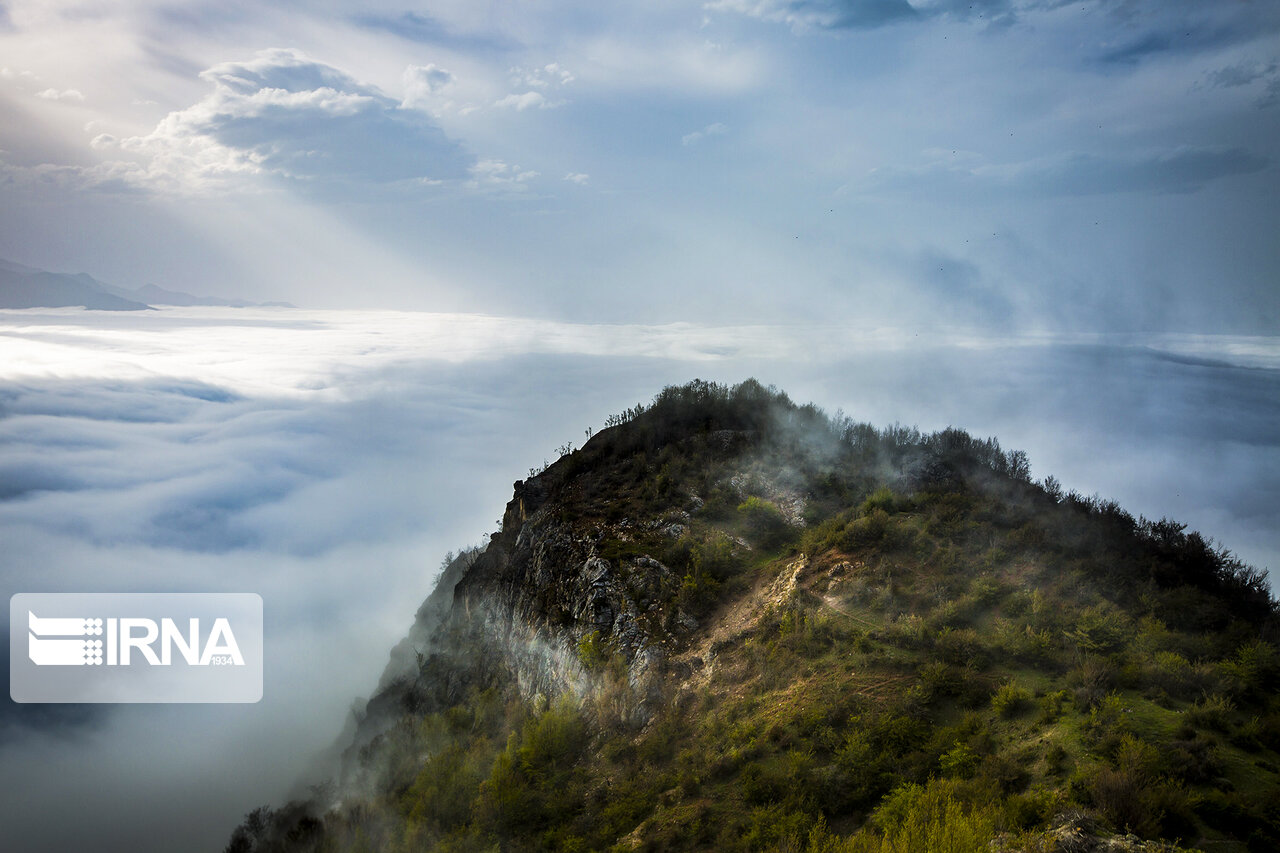
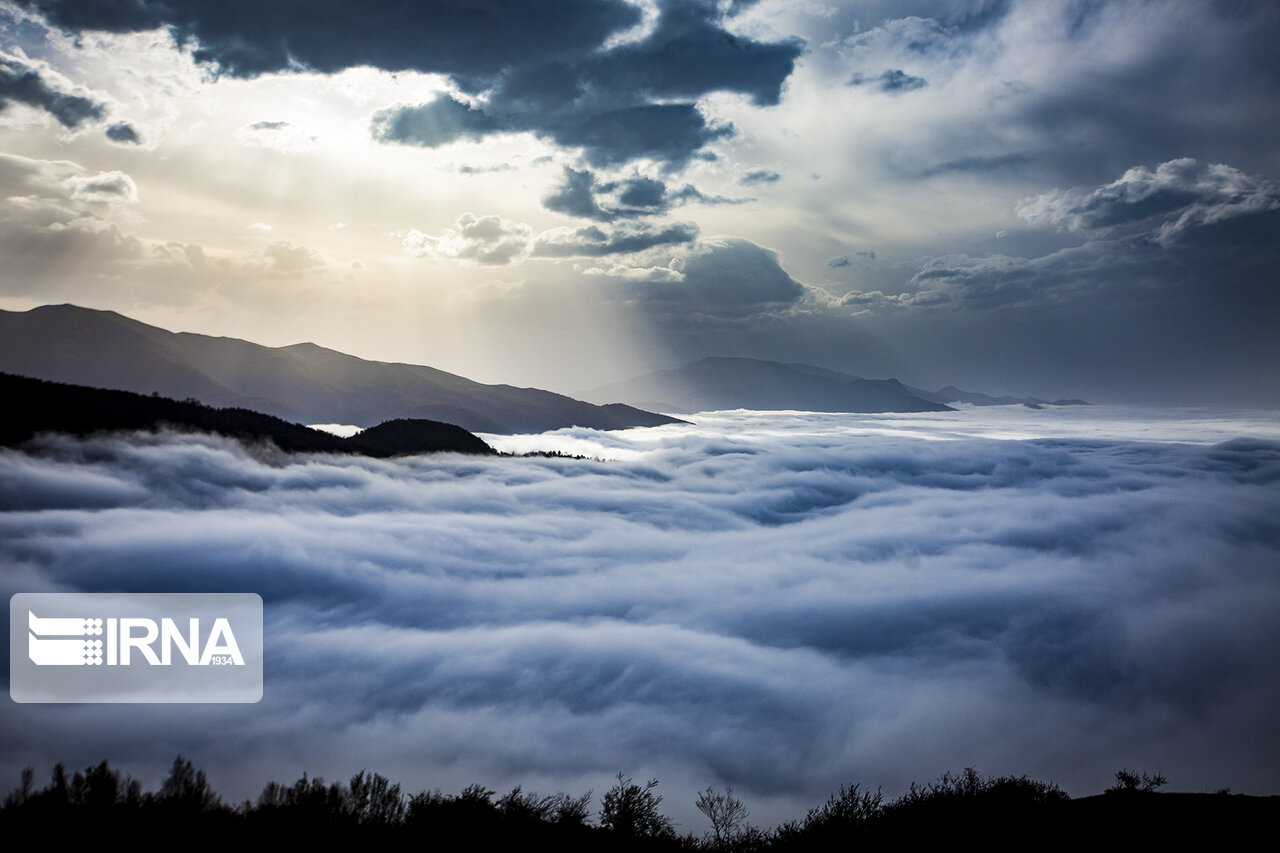
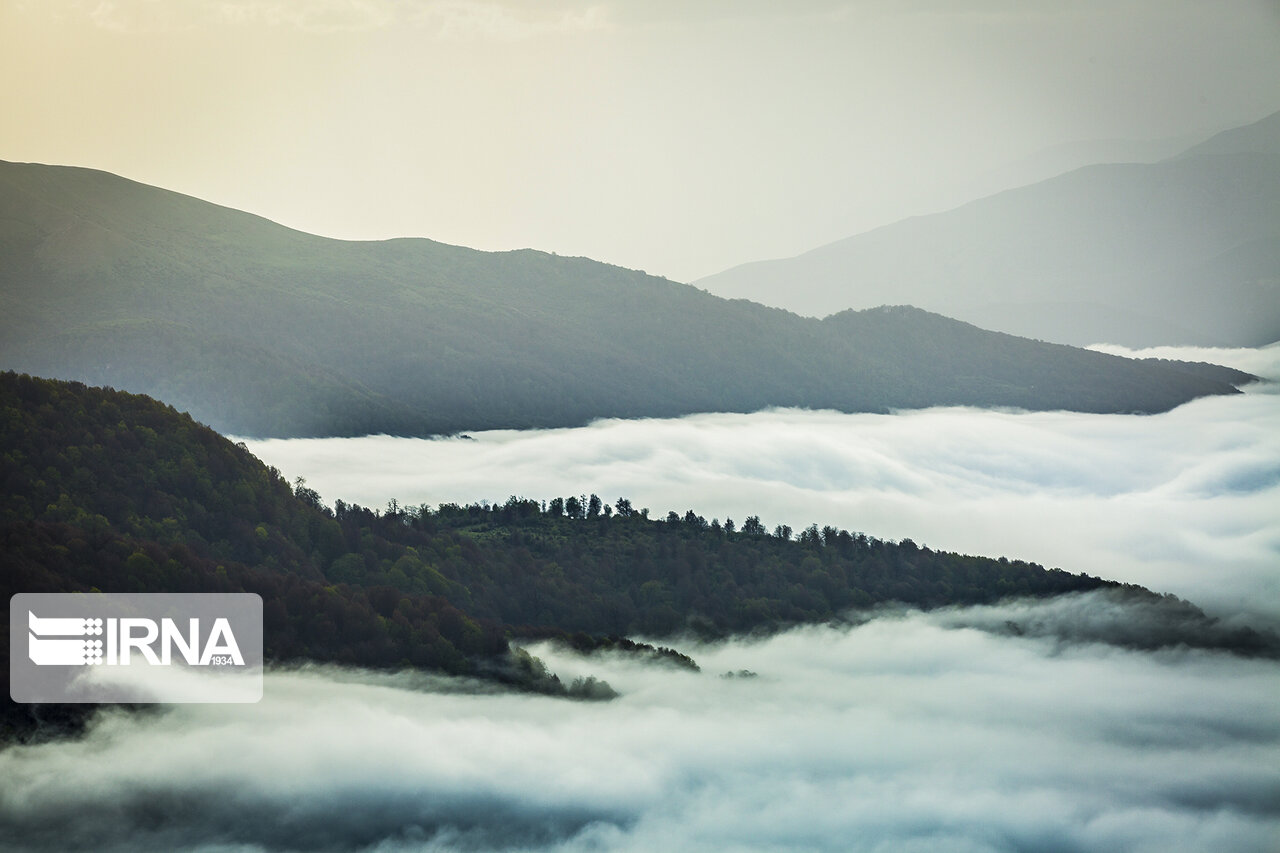
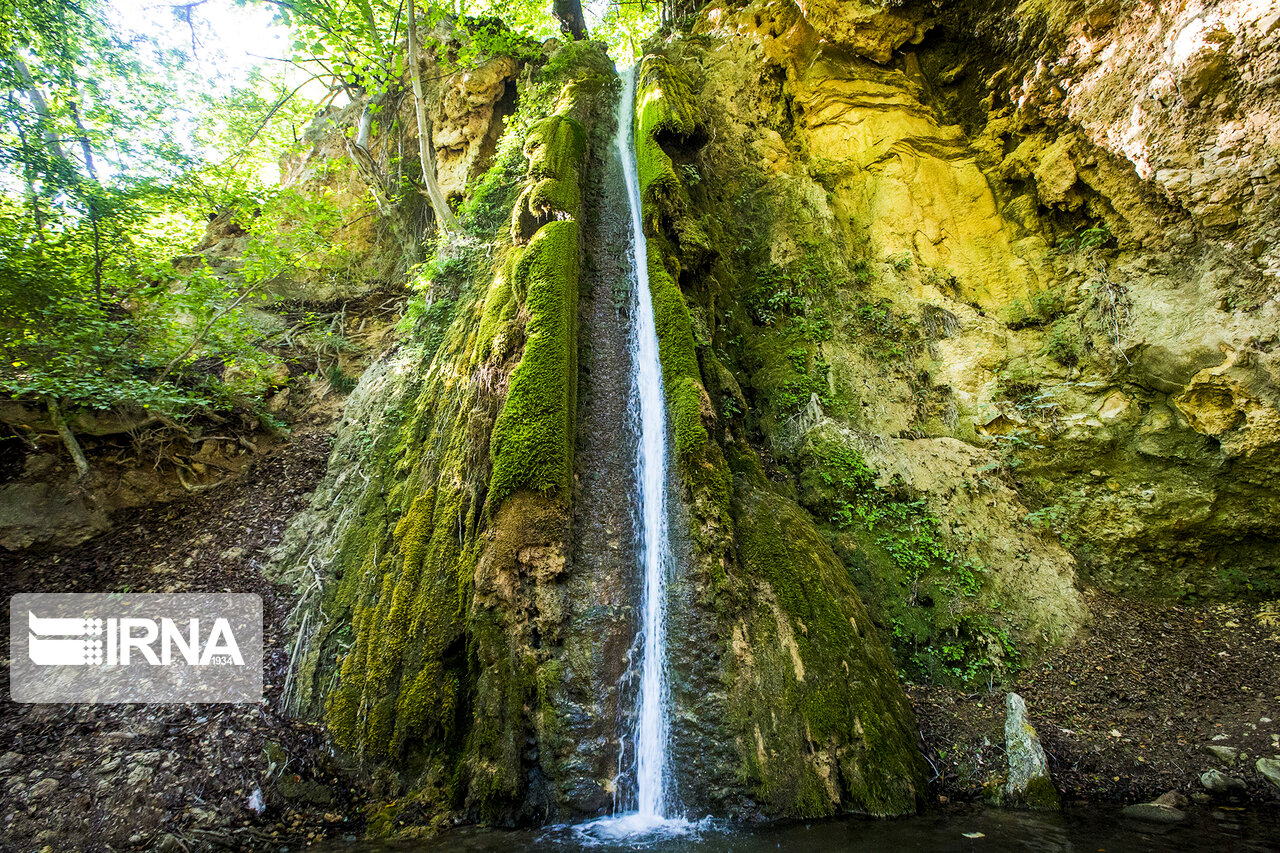
Iran’s Hyrcanian Forests Registered as World Heritage

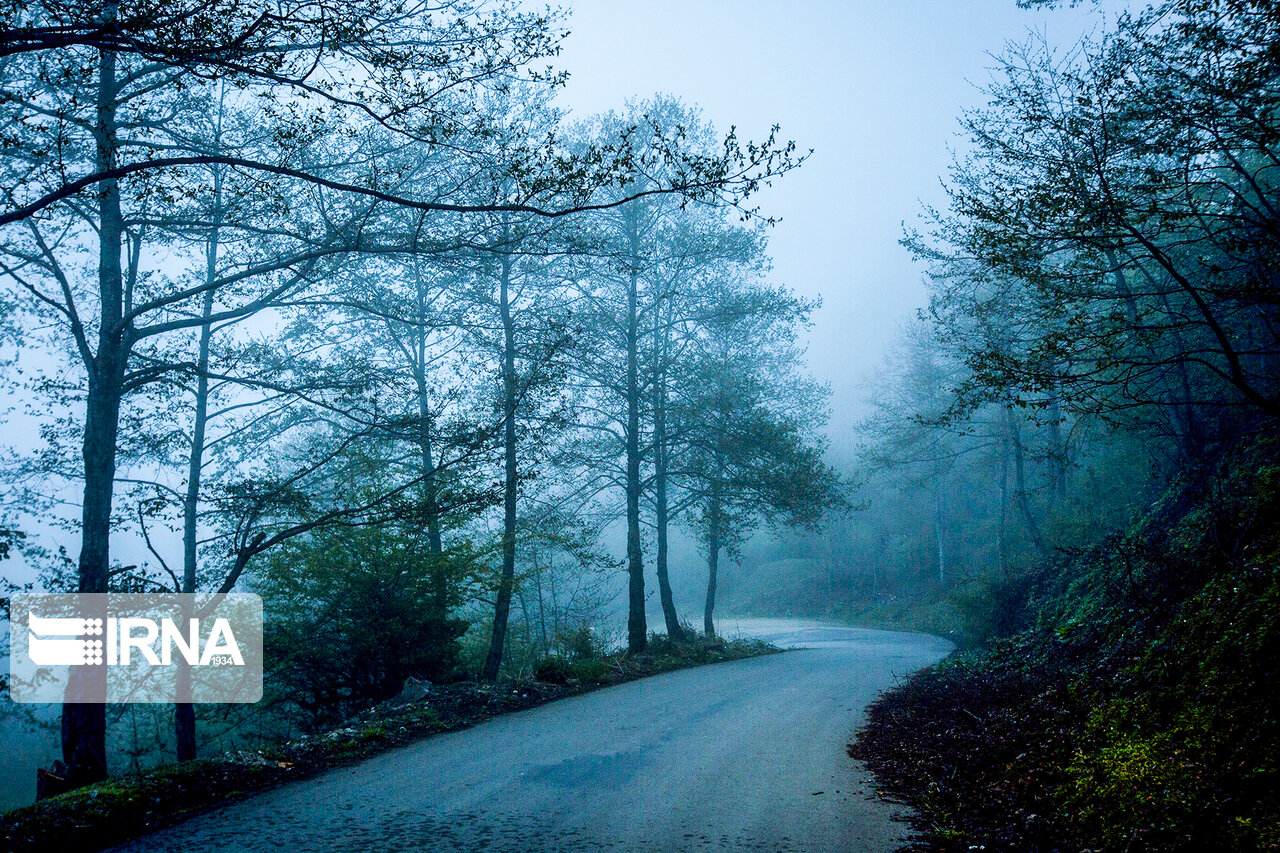
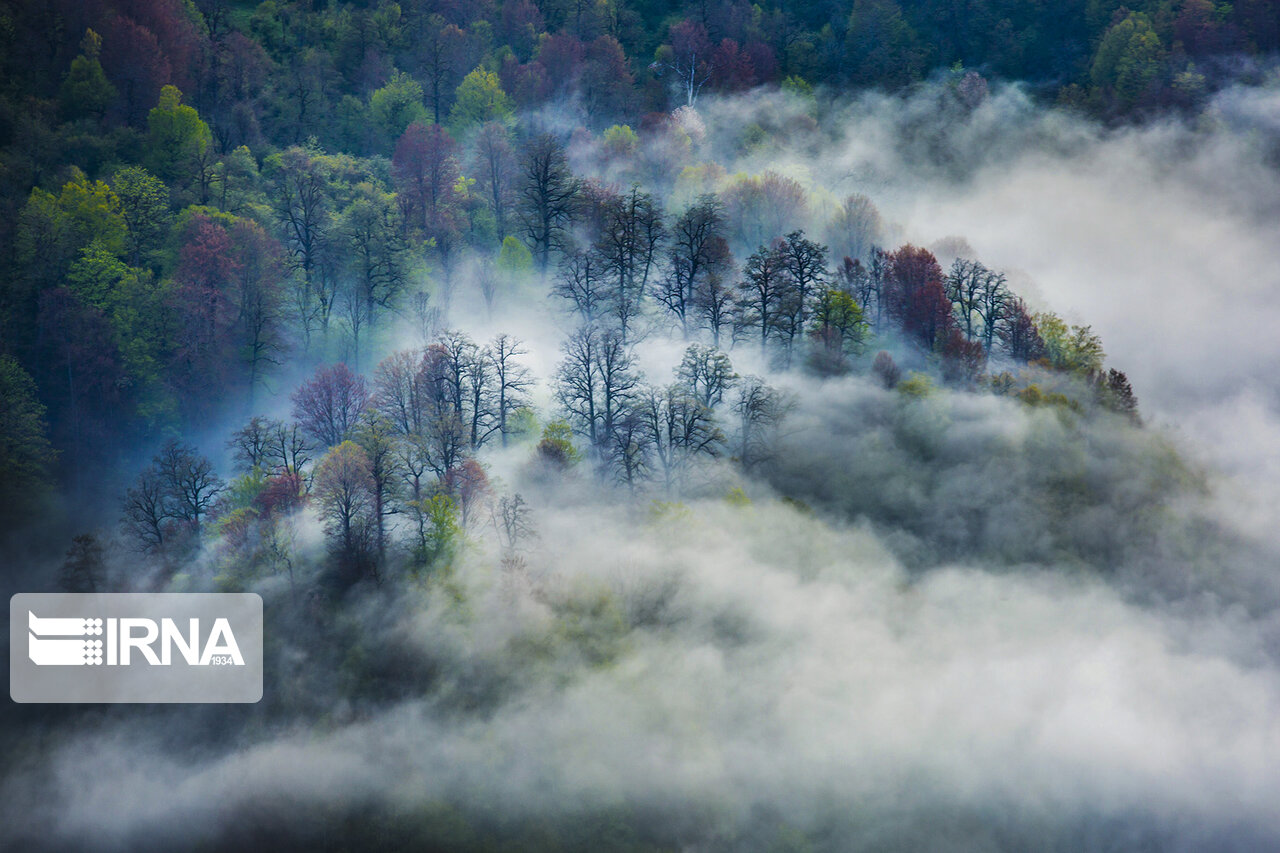
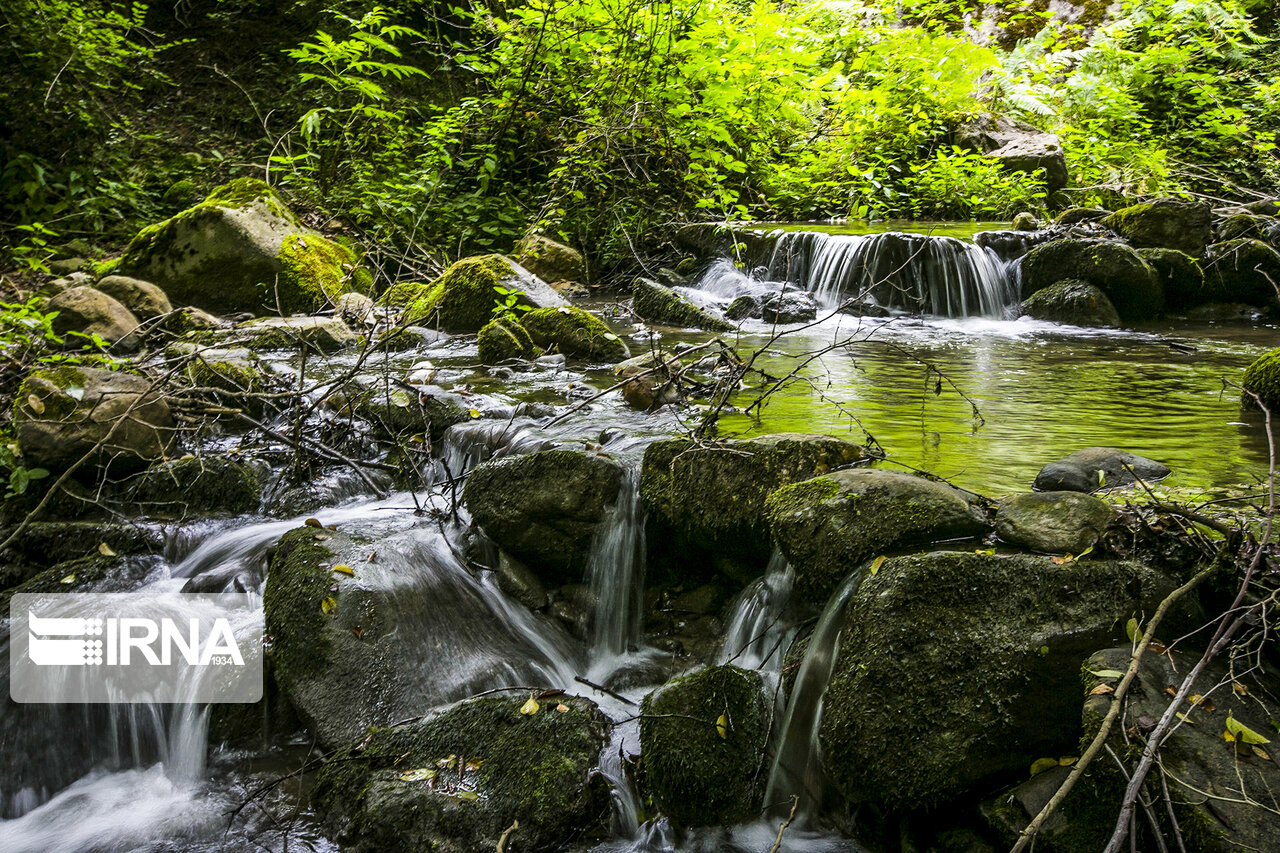
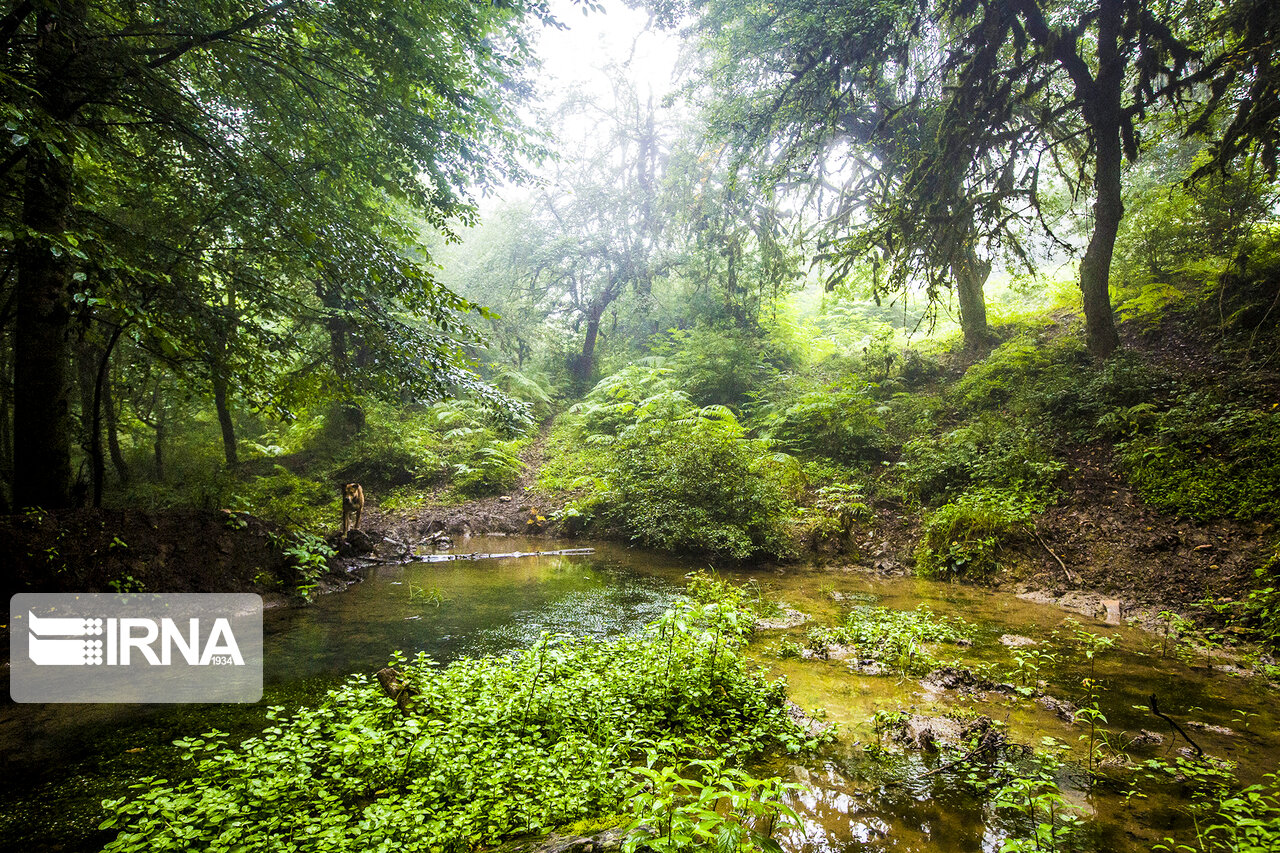
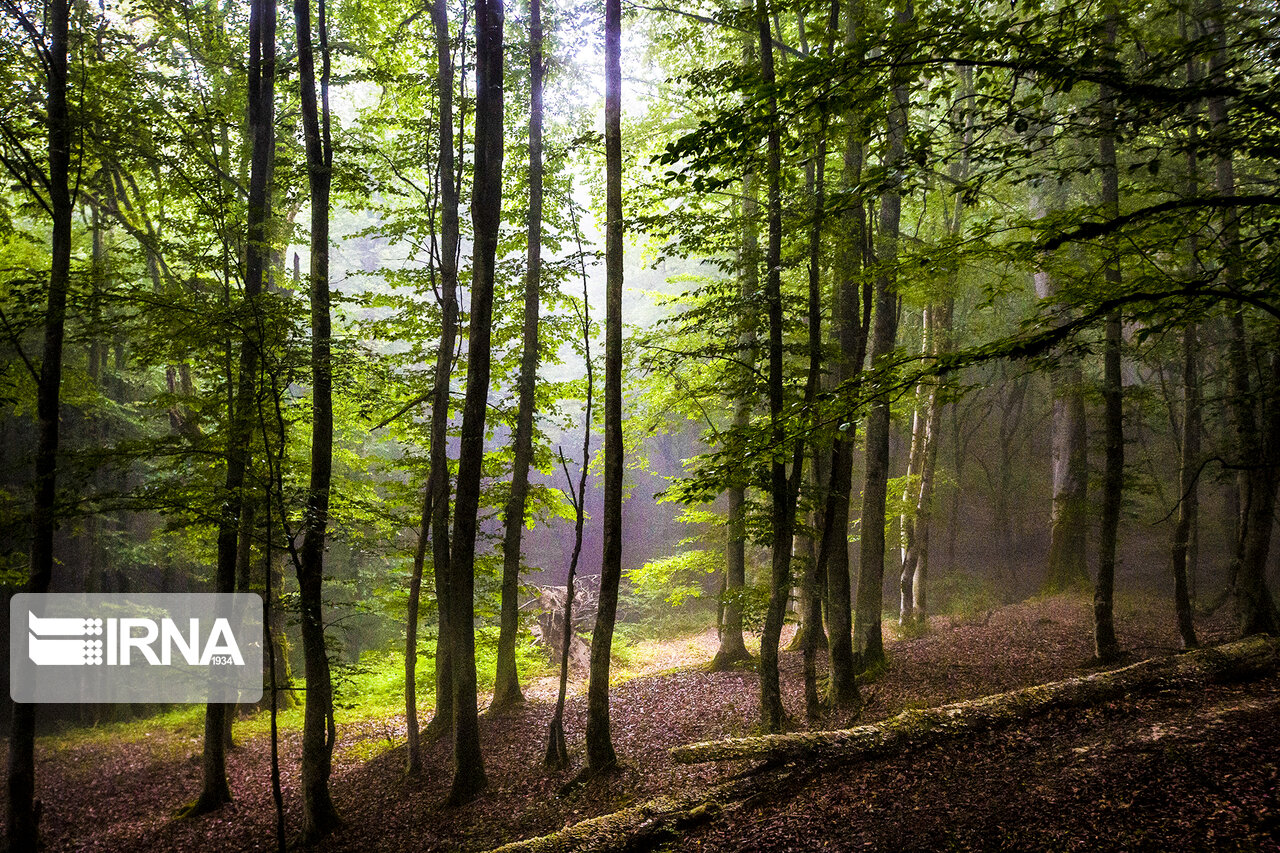
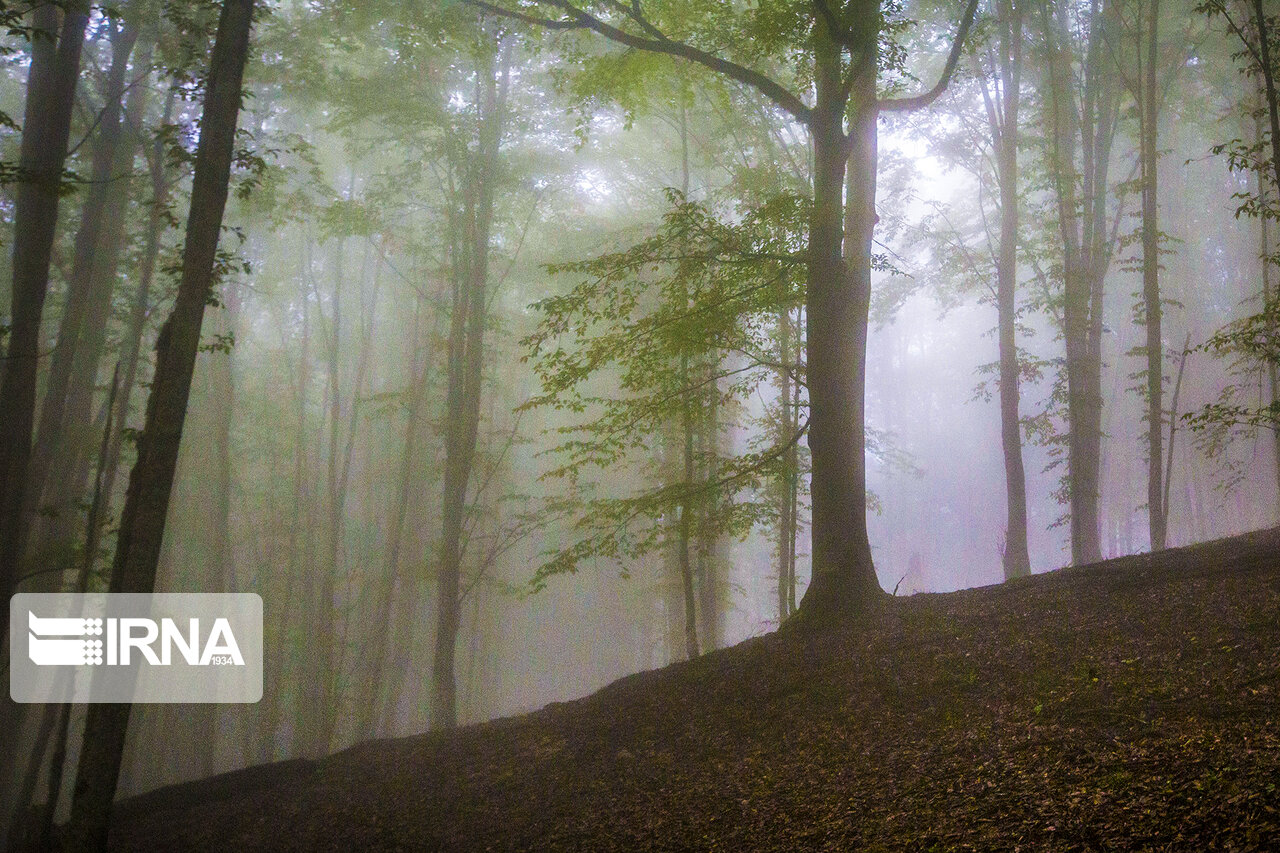
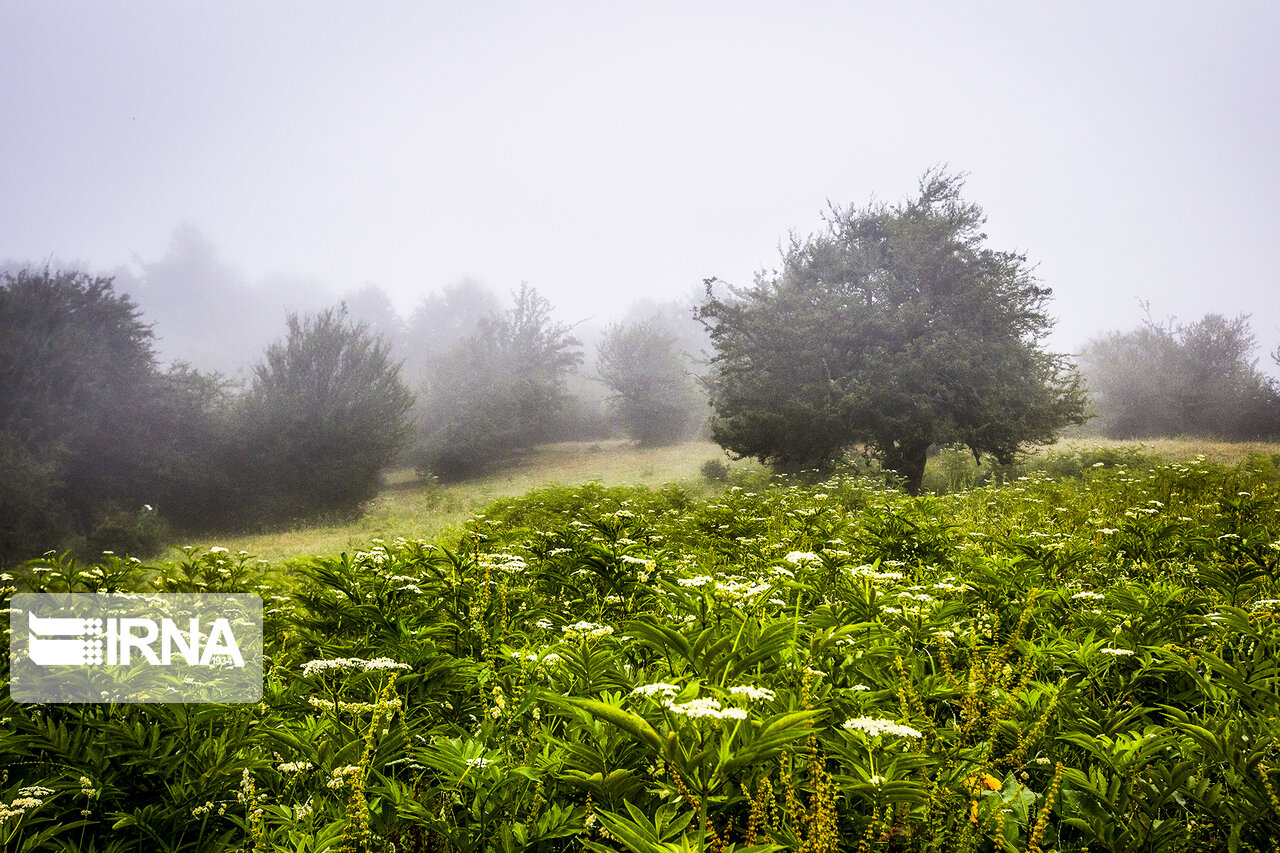
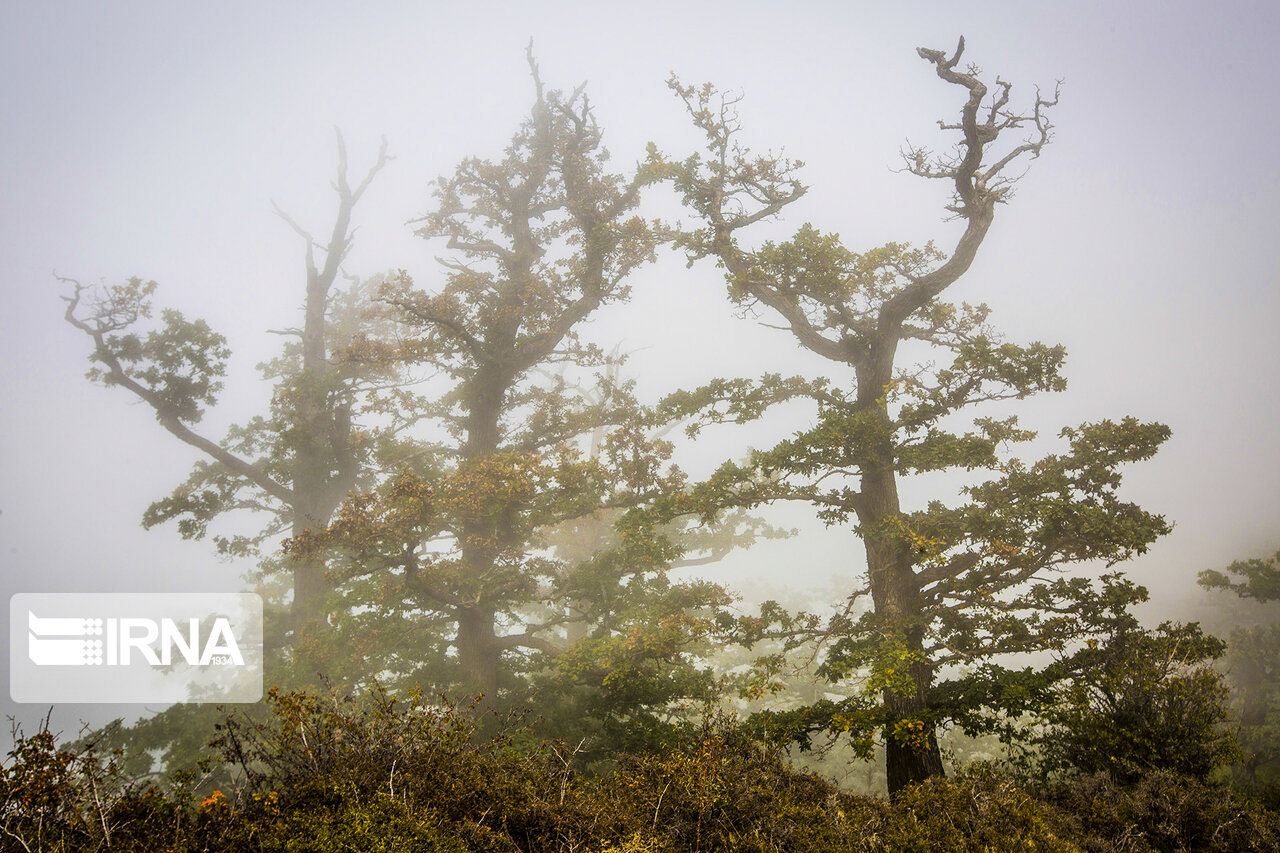
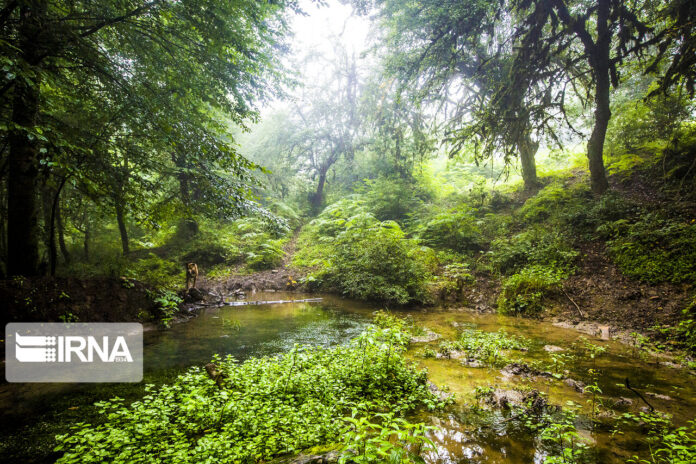
Known as “living fossils”, the Hyrcanian Forests are the second natural heritage of Iran being added to the global list.

The decision to add Hyracanian Forests to the UNESCO list was made during the body’s meeting on July 5 in Baku.

In a statement, the UNESCO described the “floristic biodiversity” of the ancient Hyrcanian forests in the north of Iran as “remarkable.”

Iran’s Hyrcanian Forests Registered as World HeritageAccording to the UNESCO, the forests date back to 25-50 million years.

The ecoregion includes the coast along the Caspian Sea and the northern slopes of the Alborz Mountains.

It covers parts of five provinces of Iran from east to west including: North Khorasan Province, Golestan Province (entirely southern and southwestern areas as well as parts of the eastern regions of the Gorgan plain, totaling an area of 421,373 hectares), Mazandaran Province, Gilan Province and Ardabil Province.

‘Iran Must Seize UK Oil Vessel If Tanker Not Released’

“If Britain does not release the Iranian oil tanker, it is the authorities’ duty to make a reciprocal move and seize a British oil tanker,” said Major General Mohsen Rezaei, a top IRGC general and the secretary of Iran’s Expediency Council.

He said the Islamic Republic has never been the initiator of tension in its 40-year history, but it also will never hesitate to respond to bullies. 

Iranian supertanker Grace 1 was boarded and impounded by Gibraltar police and customs agencies, aided by a detachment of British Royal Marines, on Thursday at the US request in the Strait of Gibraltar.

Later in the day, Iran’s Foreign Ministry summoned Britain’s ambassador to the country to express its strong protest at the move.

At the Foreign Ministry, Rob Macaire was told that the British Royal Marines’ move was tantamount to “maritime piracy”, and that the UK must immediately release the oil tanker.

It was also emphasized that the Islamic Republic of Iran will employ all its political and legal capacities to secure the release of the vessel and uphold its rights.

Spain, which challenges the British ownership of Gibraltar, said the action was prompted by a US request to Britain and appeared to have taken place in Spanish waters.

Experts believe the measure taken by the British government in seizing the Iranian tanker is illegal and can have serious consequences for the government in London.

The US has pledged to reduce Iran’s oil exports to “zero” as part of the sanctions that it reinstated after leaving a multilateral nuclear deal with Iran last year. Both Washington’s withdrawal from the deal and its reintroduction of the sanctions came while the accord has been ratified in the form of the United Nations Security Resolution 2231.

Why Shinzo Abe’s Iran Visit Turned into Failure

Abe made the first visit of the highest Japanese executive official to Iran after 41 years, and many expected the visit to result in a major change in Iran’s relations with the international community.

Before Abe’s visit to Iran, some American media had reported that the Japanese prime minister would visit Iran to convey offers from the American side. The New York Times had reported that Abe would set forth three proposals during the visit: reducing restrictions on Iran’s oil exports, decreasing limits on banking interactions, and removing auto industry sanctions. Later reports showed he was actually supposed to make those offers during the visit. Informed sources say Abe had received the offers from the American side and was supposed to share them with Iran with the aim of easing tensions and prepare the grounds for the beginning of Tehran-Washington talks. It becomes even more convincing when we recall that ahead of Abe’s visit to Tehran, Donald Trump had travelled to Tokyo and held long talks on Iran with the Japanese side.

The offers had reportedly been conveyed to Iran before Abe’s trip, and Tehran had implicitly expressed its satisfaction, saying that it would wait for Abe’s visit to hear the offers from himself and make its final decision, but it was OK with the offers in general. According to informed sources, the offer of reducing restrictions on oil exports was indeed based on giving temporary waivers to some of Iran’s oil clients. This was actually the main demand of Japan and Abe, who has in recent years always tried to maintain Tokyo’s economic relations with Tehran, and meet its oil demands through Iran. On average, Japan used to import about 300,000 barrels of oil per day from Iran before the re-imposition of Washington’s unilateral sanctions against the Islamic Republic. Also when it comes to sanctions on the auto industry, we see that Japanese carmakers are active in Iran and Tokyo is looking for a solution to be able to secure their continued operation.

The issue of waivers was so serious that, amid Abe’s visit to Tehran, some sources reported the US administration was set to extend Iran’s oil waivers for some countries including Japan, South Korea, and China. Informed sources also say Iran had told the Japanese side it did not want to hold direct talks with Washington, but considered Tokyo a good mediator for such negotiations.

However, everything suddenly changed. Two days before the Japanese premier’s visit to Iran, in a move that came against Tokyo’s expectations, the US imposed petrochemical sanctions against Iran. Abe thought Trump’s offers were still in place. However, when the Japanese leader was starting his trip, he was suddenly informed by the White House that the Trump administration had taken back its offers. High-ranking informed sources say when Abe went to meet with Iranian President Hassan Rouhani and Iran’s Leader Ayatollah Seyyed Ali Khamenei, he did not raise any of those offers. This comes as according to sources familiar with the issue, Abe had shared those offers with Iran ahead of his visit.

Nevertheless, Abe believes his visit had two important achievements: the first one was Rouhani’s remark that Iran is not after a war, and the second was the Leader’s emphasis on the fact that Iran considers development of nuclear weapons “haram” based on his fatwa.

Therefore, the visit – that could not only ease regional tensions and de-escalate Tehran-Washington relations, but also mark the beginning of a new diplomatic initiative – was neutralized by the US itself. Informed sources say the team of anti-Iran hawks surrounding Trump – who are against any serious talks with Tehran and have been known as the B-Team – were directly behind the sudden change in Trump’s approach.

Tehran Raps US for Requesting IAEA to Hold Meeting on Iran

Iran Calls for IAEA’s Impartial Verification of Saudi Nuclear Activities

Iran’s mission to the IAEA said in a statement on Friday that the recent developments related to the Iran nuclear deal known as the Joint Comprehensive Plan of Action (JCPOA) have nothing to do with the responsibilities of the IAEA’s Board of Governors.

The Iranian mission described as a “sad irony” Washington’s asking the IAEA to hold a meeting to discuss Iran’s reduction of its commitments under the nuclear deal in reaction to the US withdrawal.

“It is indeed a bitter irony that the concern about the JCPOA’s implementation is being raised by the very regime which has practically violated the deal through its illegal and unilateral withdrawal, and has pressured others to do the same,” read the statement.

“The fact that the US, as the first and main violator of the JCPOA, has made such a request indicates its isolation, which results from its opposition to multilateralism and the rule of law in international affairs,” it added.
The statement also read that Iran’s decision to scale back its commitments under the JCPOA is in response to the situation created by the US and is aimed at restoring the “lost balance” to the nuclear deal.

“Iran’s decision completely conforms to the provisions of this agreement,” read the statement.

“Moreover, the recent developments [ in the JCPOA] have nothing to do with issues related to the IAEA’s Safeguards Agreement and responsibilities of the IAEA’s Board of Governors. Issues related to the JCPOA will be discussed within the framework of designated mechanisms,” it added.

The International Atomic Energy Agency (IAEA) announced it would hold an emergency meeting on Iran next Wednesday at the request of US Ambassador to International Organizations Jackie Wolcott.

According to a statement by the US mission in Vienna, the meeting requested by Wolcott is scheduled to be focused on Iran’s move to exceed the 300-kg limit of low-enriched uranium stockpiles as stipulated under the JCPOA.

The planned increase in the level of Iran’s uranium enrichment is part of the country’s reduction of its commitments under the JCPOA to reciprocate Europe’s inaction to fully abide by the agreement.

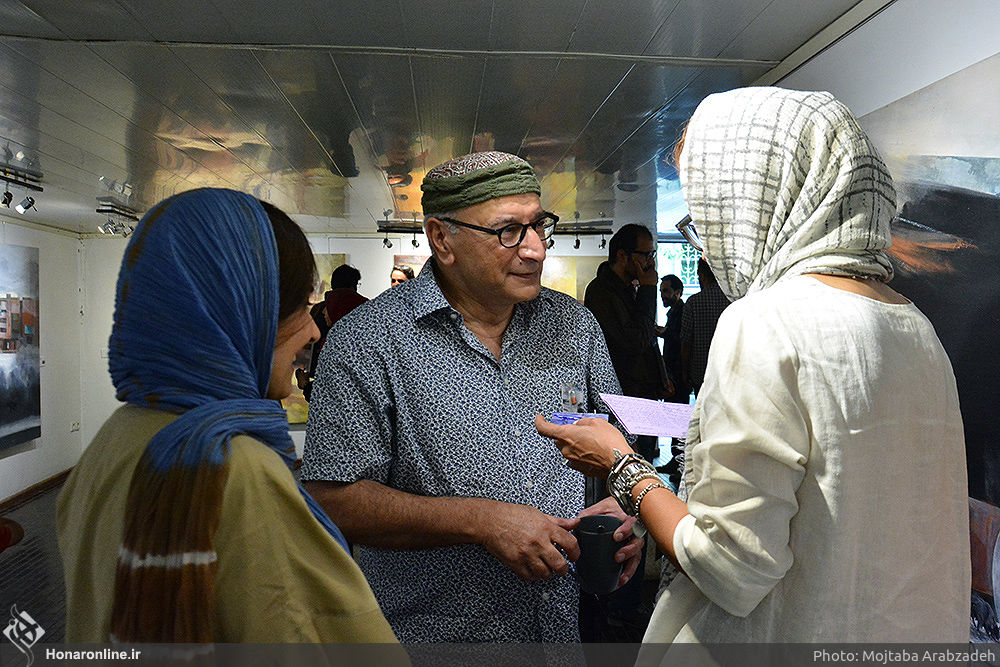
‘Inhabitants of Moan’ Exhibition Underway in Tehran

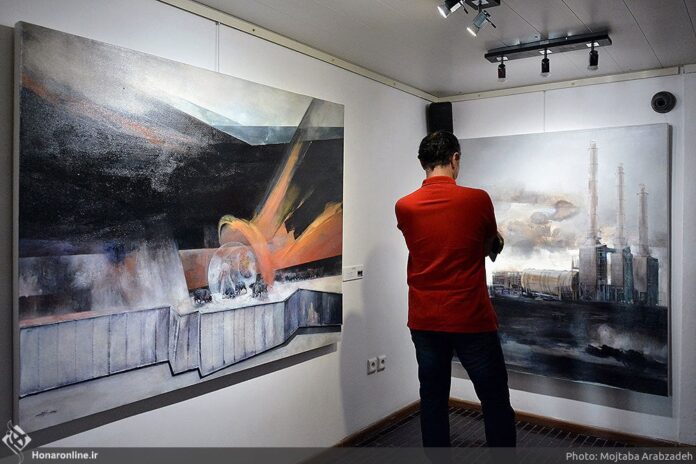
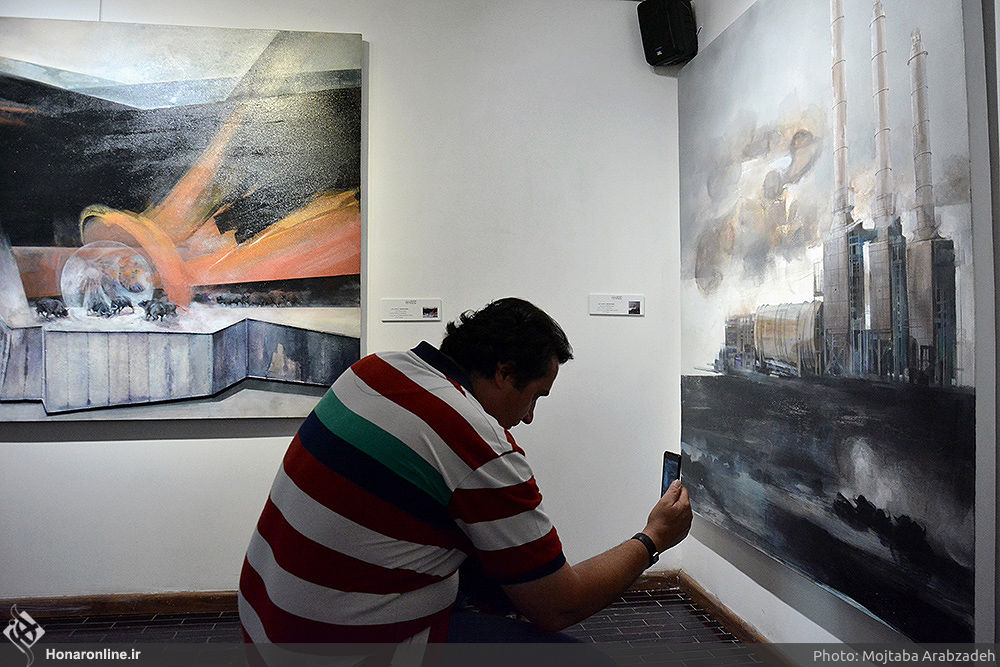
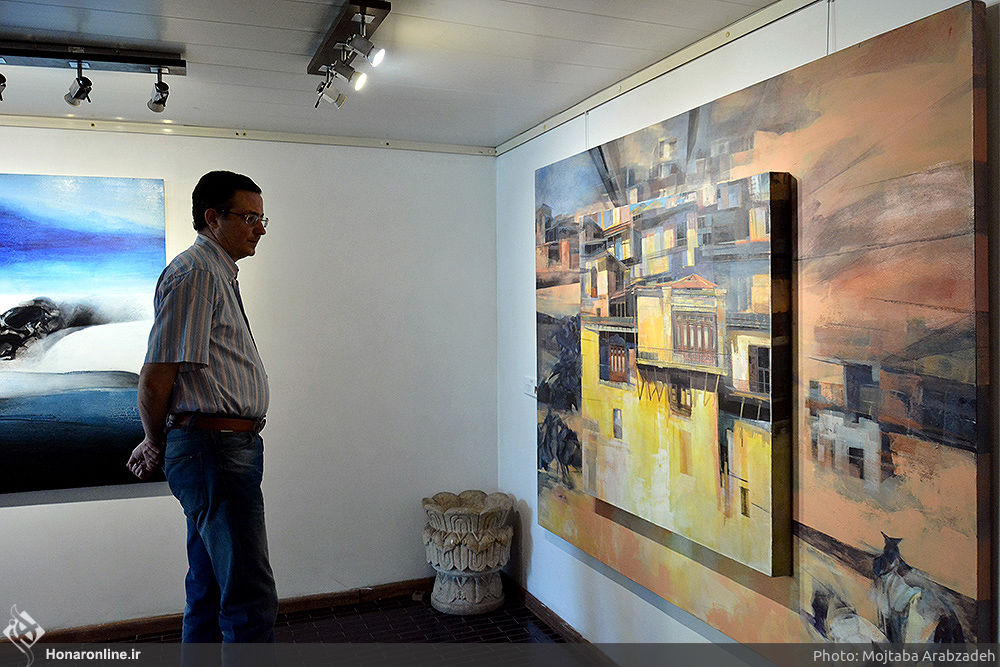
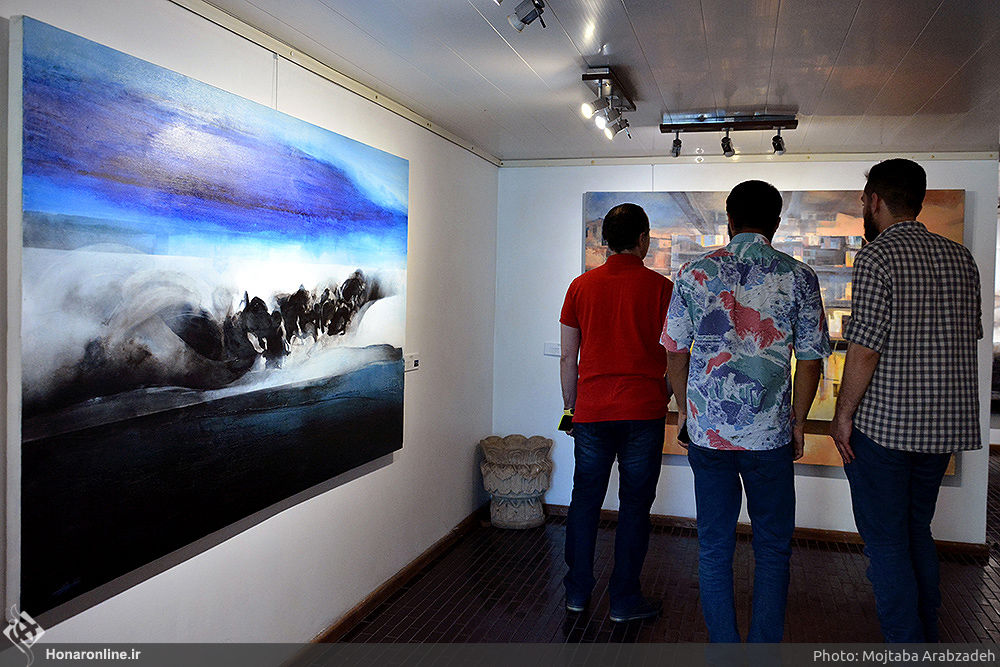
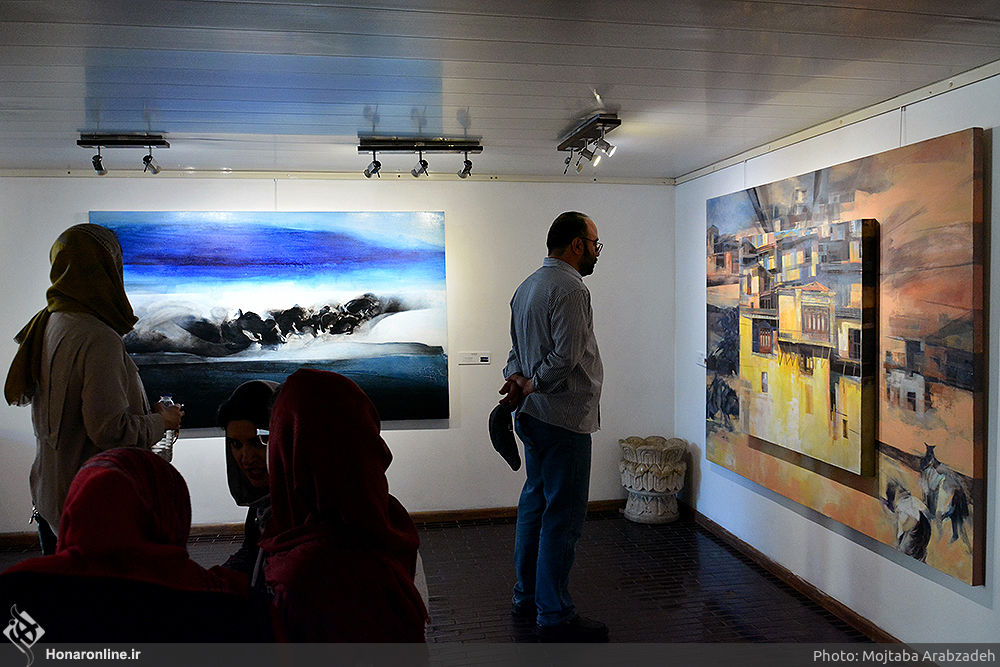
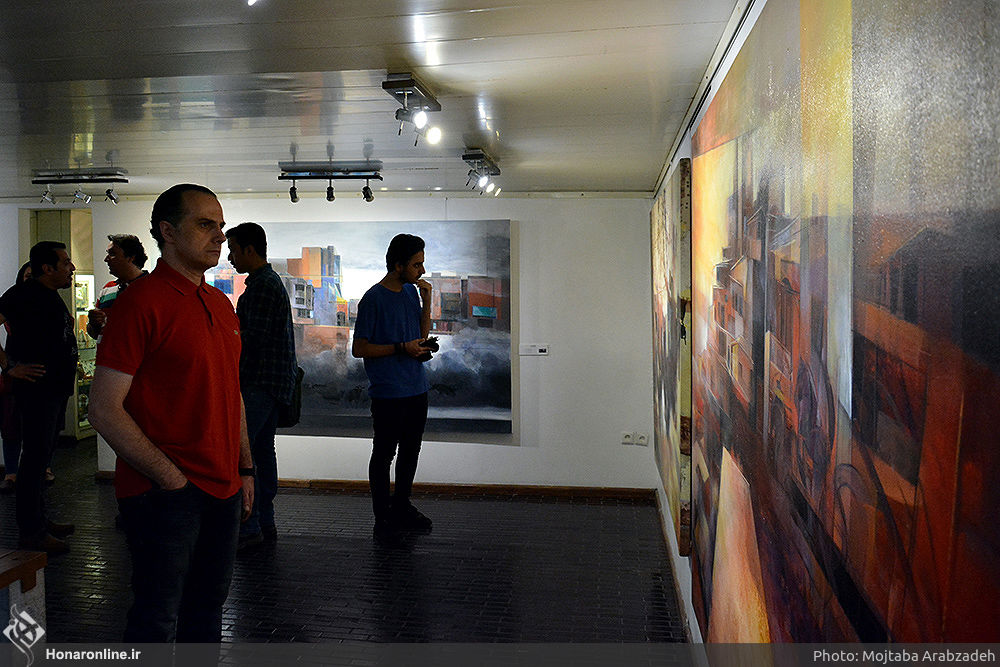
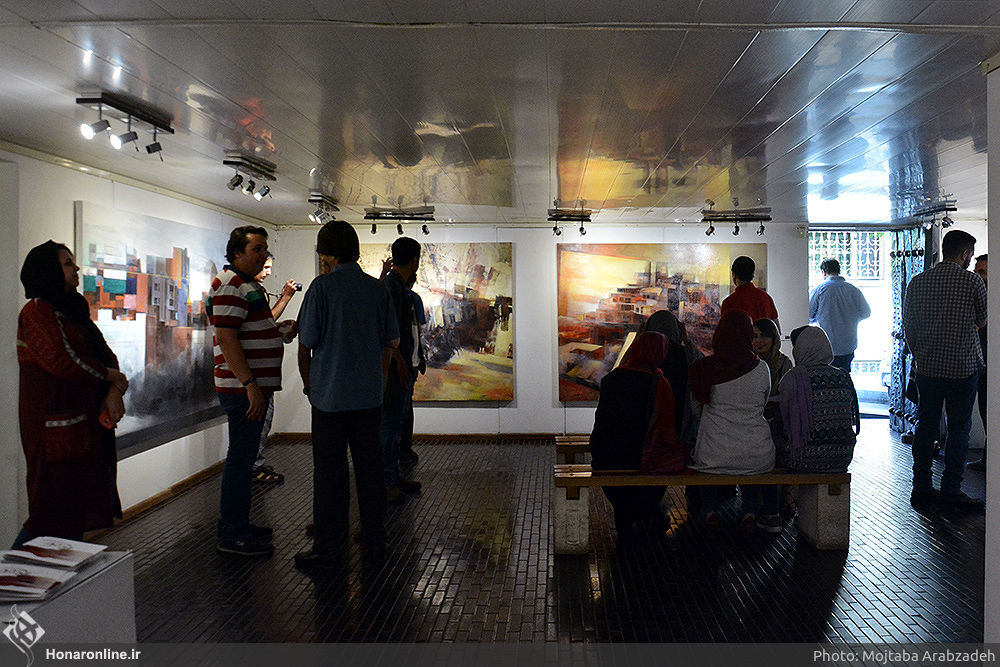
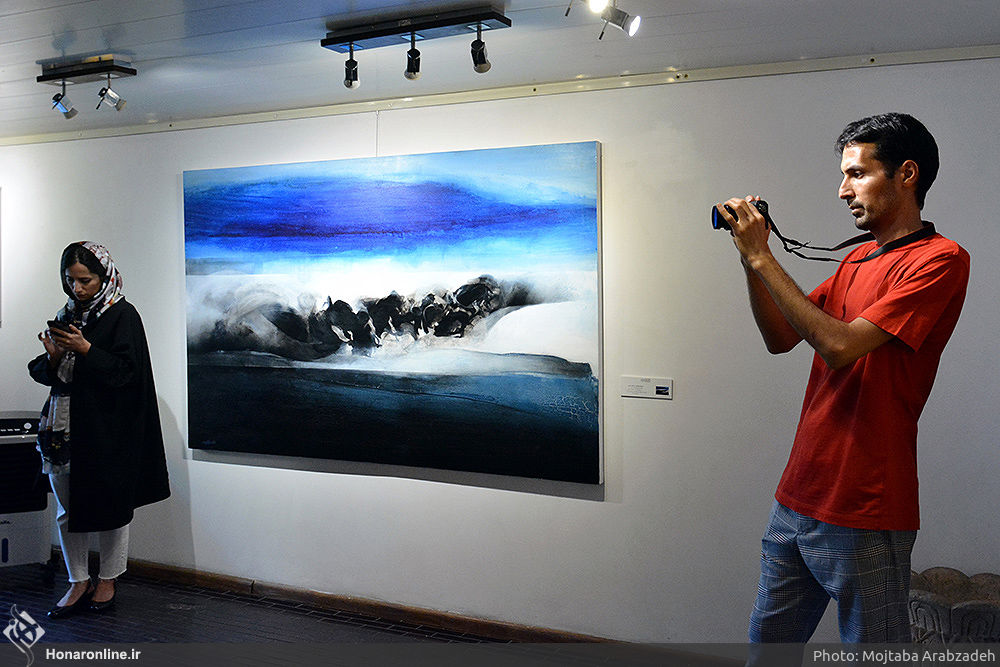
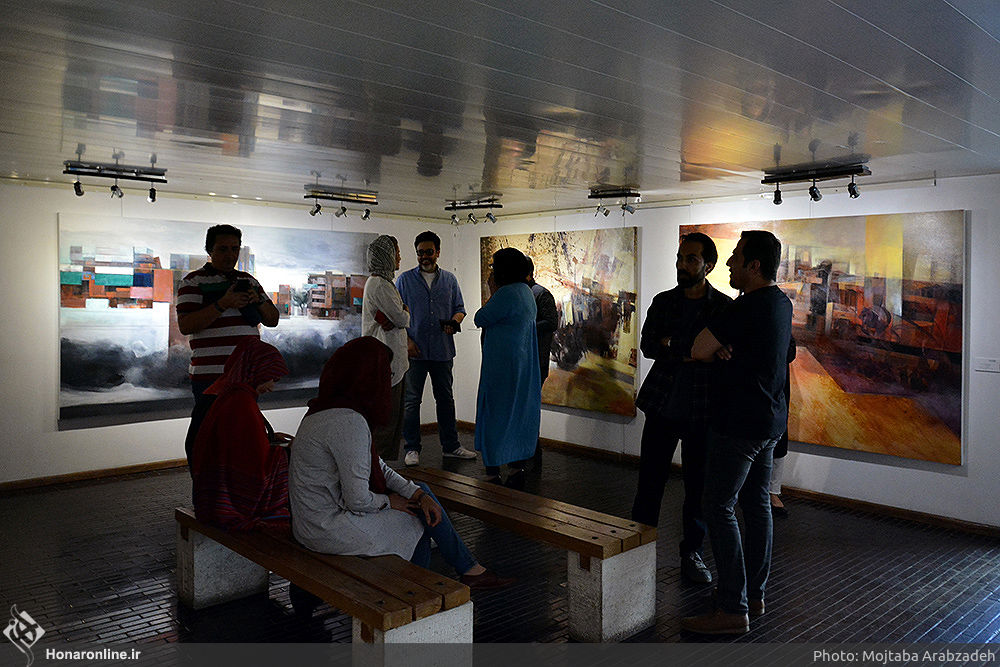
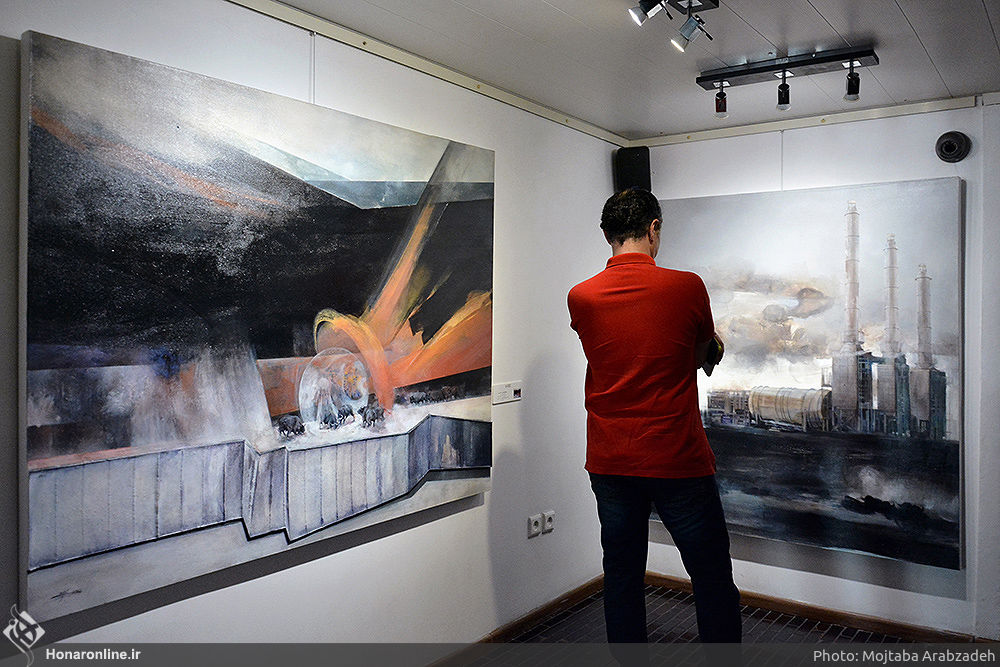
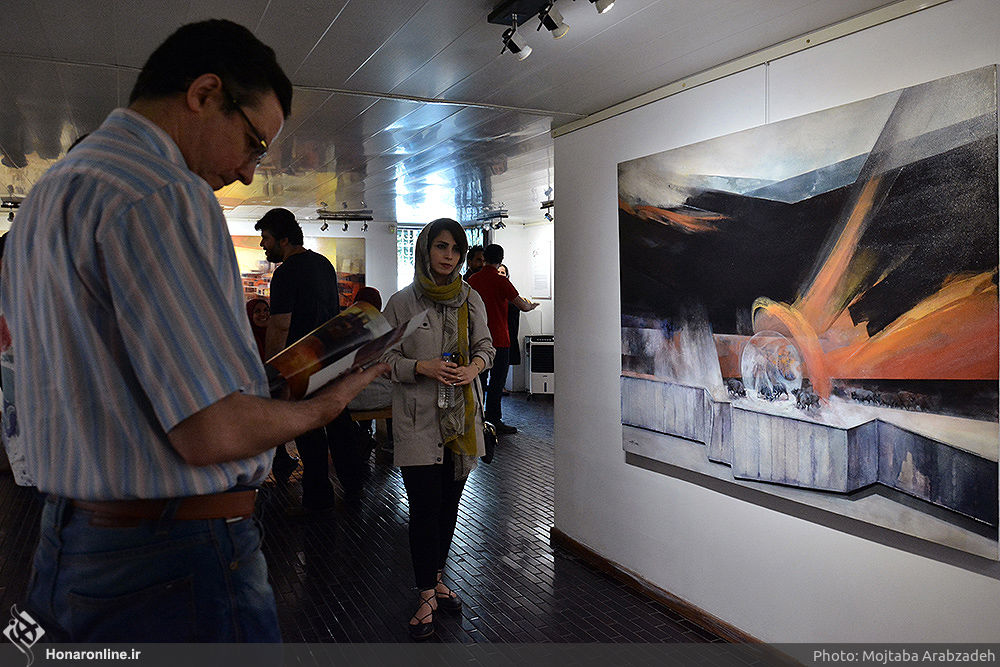
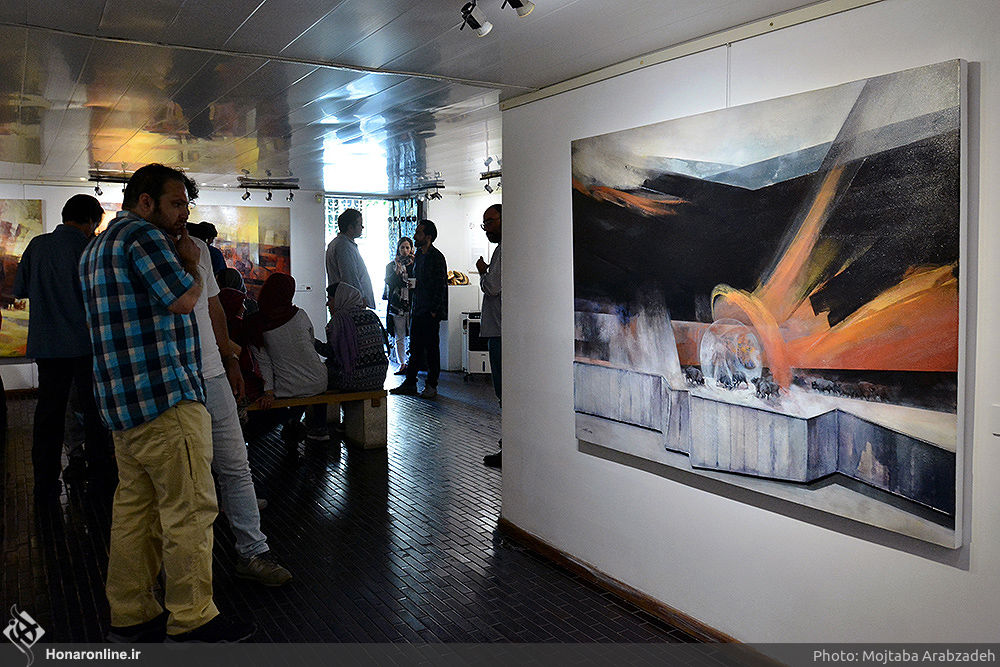
The exhibition, held at Seyhoun Art Gallery, narrates the story of a great ancient territory which has been looted by oppressors during various periods of time.

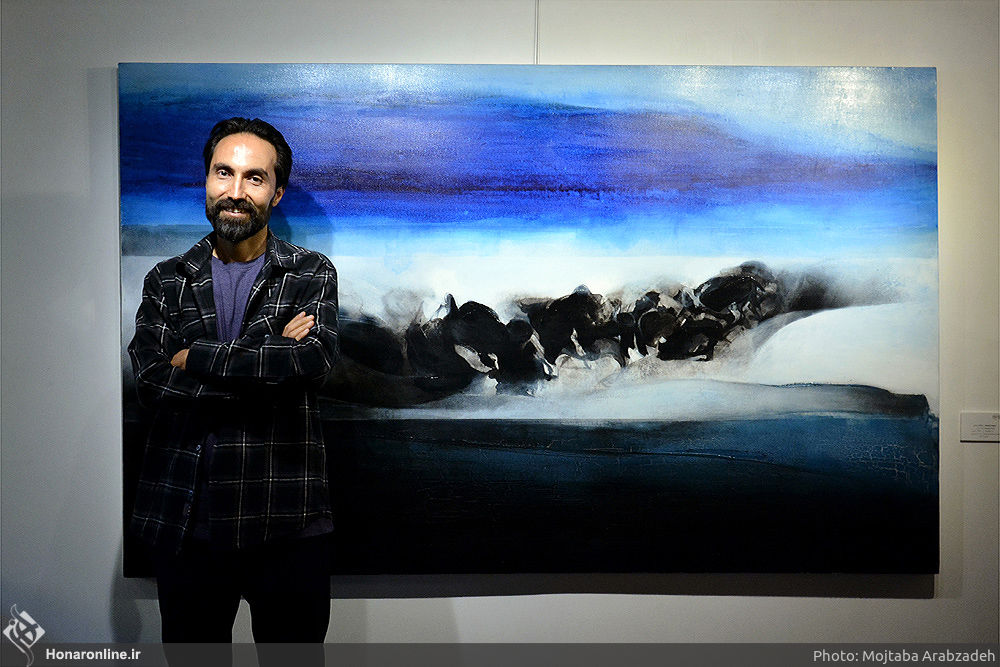
The painter says the theme of the exhibition is deeply rooted in his homeland Nishapur, an ancient city which was violently attacked by Tatars, a Turkish-speaking people living mainly in Russia and other post-Soviet countries.

He added this is a great city which has been the scene of anguish for thousands of years and looted by various groups during various periods of time.

Elaborating on the theme of the exhibition, he referred to the urban and civilisational spaces and the presence of desperate and strained animals sacredly seeking for a place to live and survive and added the Buffalos depicted in the paintings – as the long-time associates of human beings – are fighting to retrieve their lost lands.

“The blackness and whiteness of the heavy and painful forms narrate the story of people’s grief, confusion and divagation; people, who have a history of thousands of years of pride and pain, and a fog of doubt and smoke of fear ahead. From the apprehension of Tatar’s plunder to the remorse for the burned alleyways of poetry they whimper. They are the inhabitants of moan,” he noted.
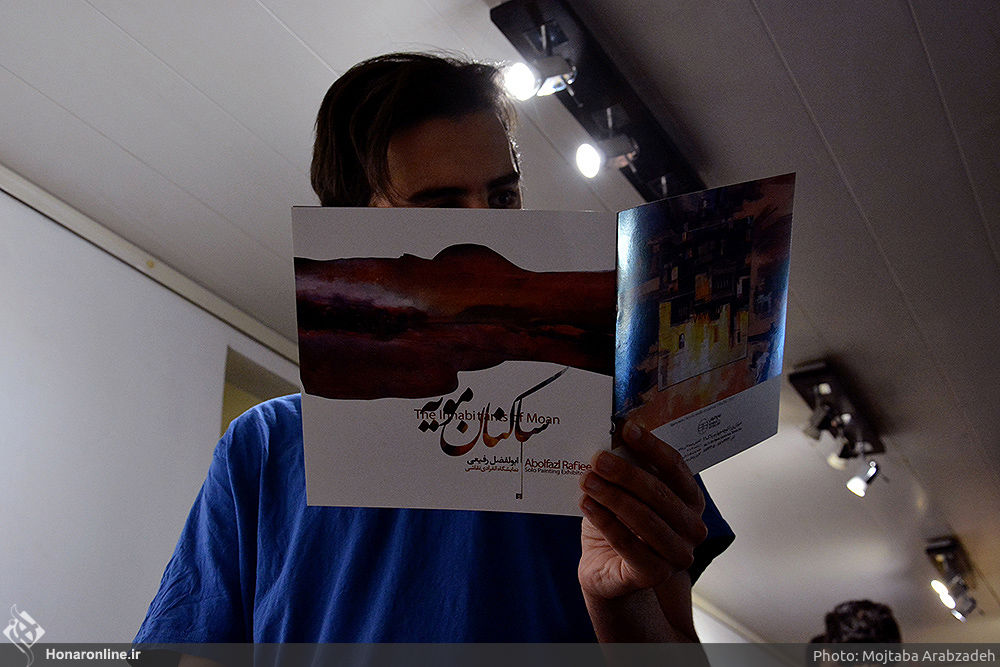
Rafiee underlined that he improvised the paintings to create vast spaces triggering the visitors to think deeply.

The exhibition will be underway at Seyhoun Art Gallery until July 10. The exhibition is open to visitors every day, except Mondays, from 11 am to 7 pm.

Below you can see a series of photos of the exhibition retrieved from Honar Online:

Airlines No Longer Avoid Iran’s Airspace despite US Warning

Siavosh Amir Mokri, who heads Iran Airports and Air Navigation Company, said on Thursday that the number of flights using Iranian-controlled skies above the Persian Gulf and the Sea of Oman had increased over the past several days to reach its normal level of 840 flights a day.

The official said the increased use of the airspace came despite a notam (Notice to Airmen) issued by US Federal Aviation Administration on June 21 which banned flights from using skies above the region.

The notam came after Iran shot down an intruding American drone which officials said had violated the country’s airspace above the Persian Gulf waters.

The move caused a serious escalation in military tensions between Iran and the United States and caused major airlines, including British Airways, KLM and Lufthansa, to follow the FAA instructions and stop to use the Iranian airspace.

However, Amir Mokri said carriers had reversed the decision as they have noticed that security in the Persian Gulf has been restored. He said that returning to the Iranian airspace would also be more economic for the airlines.
“That tension is gone and airline companies have understood that the country’s airspace is still safe,” he said, adding that the number of international flights using the Iranian airspace had decreased to 800 a day, down five percent, since the downing of the US drone by Iran.

The official said Iran had lodged an official complaint with the International Civil Aviation Organization over the FAA notam as it inflicted losses on the country. He said Iran’s total revenues from overflight fees in the last Iranian calendar year which ended in March topped $180 million.

Iran Urges Int’l Probe into Fate of Abducted Diplomats

In a Friday statement released on the 37th anniversary of the abduction, the Foreign Ministry said based on ample evidence, the Islamic Republic of Iran holds the Zionist regime of Israel and its allies legally and politically responsible for the abduction and the terrorist move.

The statement also slammed the international community and the self-proclaimed advocates of human rights for refraining from adopting any serious measure against the crime and said the Zionist regime backed by the US keeps continuing its crimes and measures against the international law and evading responsibility.

It then reiterated calls for the establishment of an international fact-finding committee to follow up the fate of the abducted diplomats.

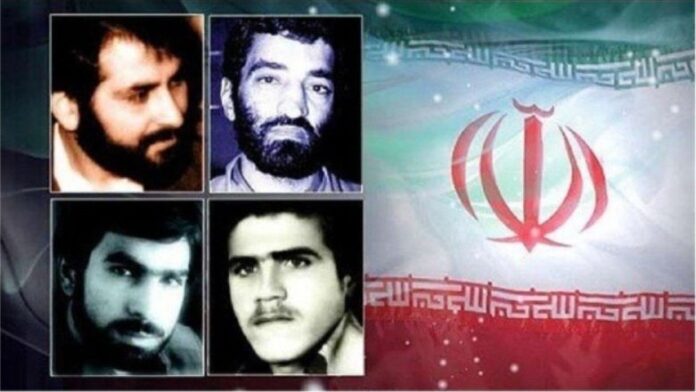
Four Iranian diplomats – the then charge d’affaires of the Iranian embassy in Beirut Seyyed Mohsen Mousavi, military attaché Ahmad Motevasselian, embassy technician Taqi Rastegar Moqaddam and a journalist working for the Islamic Republic News Agency Kazem Akhavan were kidnapped by a group of Israel-backed gunmen at an inspection post in northern Lebanon on July 4, 1982.

3,000-Year-Old Antiquities Seized from Smugglers in Iran

At least five people have been arrested with connection to the seizure, said a local commander, Brigadier General Seyyed Mahmoud Mirfeyzi.

“The Law Enforcement began a massive operation to seize the antiquities after receiving several reports on efforts by a gang which had access to the ancient items,” he said.

After an operation by the Iranian forces, the ringleader was spotted and the antique items were confiscated in his home in Galugah.

“At least fifty items have been confiscated including lace and bronze dishes,” the commander said and added based on estimations by archaeologists, the priceless items date back to three thousand years ago.