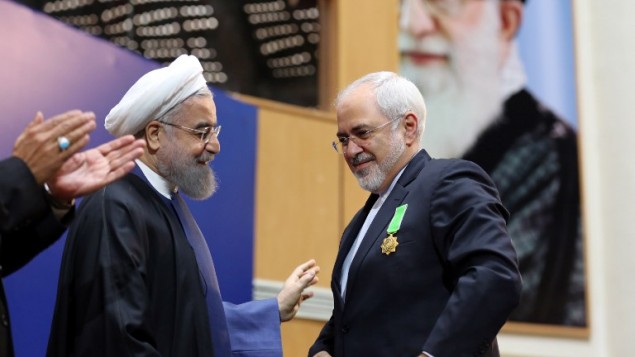
Addressing a ceremony on Thursday, Rouhani said the Americans say they would like to hold talks with Tehran on the one hand, but impose sanctionson the country’s top diplomat on the other.
“They say every day that they are ready for unconditional talks with Iran, but they impose sanctions on its foreign minister,” said Rouhani, dismissing this approach as “childish behaviour”.
“Such a move shows the enemies have become so desperate that they have no time to think,” the president added.
“If they want to hold talk, is there any other path than the Foreign Ministry? He (Zarif) is the head of the foreign policy apparatus,” said President Rouhani.
He said the US is scared of the Iranian foreign minister’s logic.
“All pillars of the White House begin to shake in the face of Zarif’s interviews,” he added.
Iranian First Vice President Es’haq Jahangiri also criticized Washington’s move in a post on his Twitter account.
“Even Zarif’s wise enemies are aware of his almost unrivalled knowledge, skills and ability in negotiations and creating opportunities to ward off conflict and war,” Jahangiri tweeted.
“The imposition of sanctions on Zarif is yet another reason which shows their hypocrisy and lies when calling for negotiations,” he added.
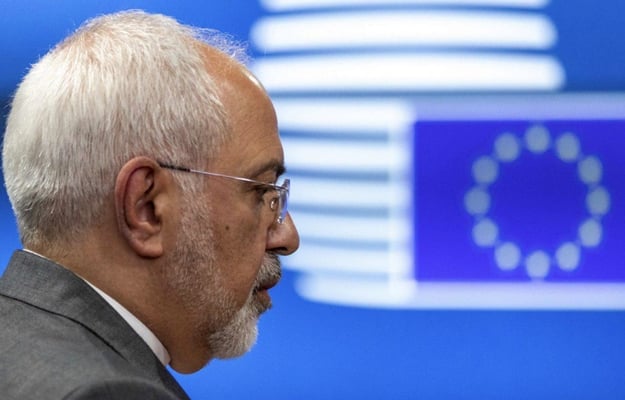
Iranian Foreign Minister Javad Zarif arrives for a meeting of the foreign ministers from Britain, France and Germany and EU foreign policy chief Federica Mogherini, at the Europa building in Brussels, May 15, 2018 / Photo by AP
The US Treasury Department on Wednesday imposed sanctions on Zarif, arguing that he is “Iran’s primary spokesperson around the world.”
In a tweet, Zarif mocked the reason for his designation, and said, “The US’ reason for designating me is that I am Iran’s ‘primary spokesperson around the world’. Is the truth really that painful?”
“It has no effect on me or my family, as I have no property or interests outside of Iran. Thank you for considering me such a huge threat to your agenda,” he added.
“Since reason for designating me is my words, would ‘US persons’ need OFAC license to ‘engage’ with me by reading my writings or listening to interviews?” he said in another tweet.
Iranian Foreign Ministry Spokesman Seyyed Abbas Mousavi also reacted to the sanctions against Zarif, and said, “The Americans have a strong fear of the logic of Dr. Zarif and his negotiating skills.”
“The peak of stupidity and inconsistency of America’s leaders is at a point where they don’t recognize Dr. Zarif as being influential in Iran’s policy but with the ultimate ignorance they sanction him!” Mousavi wrote.
He made the remarks in reaction to contradictory comments by a US official who had said, “The Trump administration is not closing the door to potential nuclear talks with Iran by sanctioning Foreign Minister Mohammad Javad Zarif, who it does not consider a significant decision maker.”
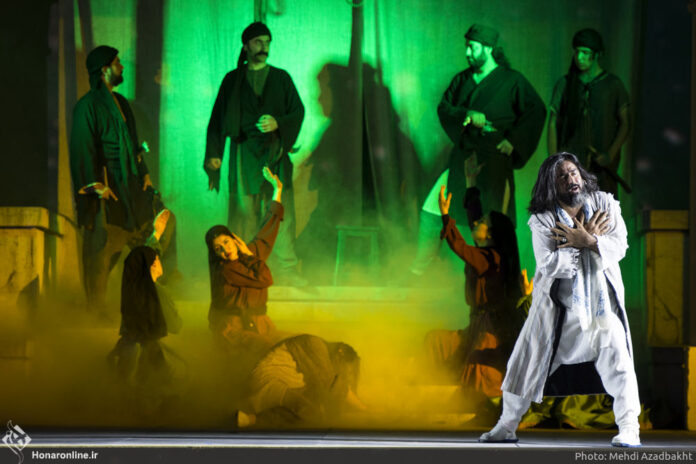
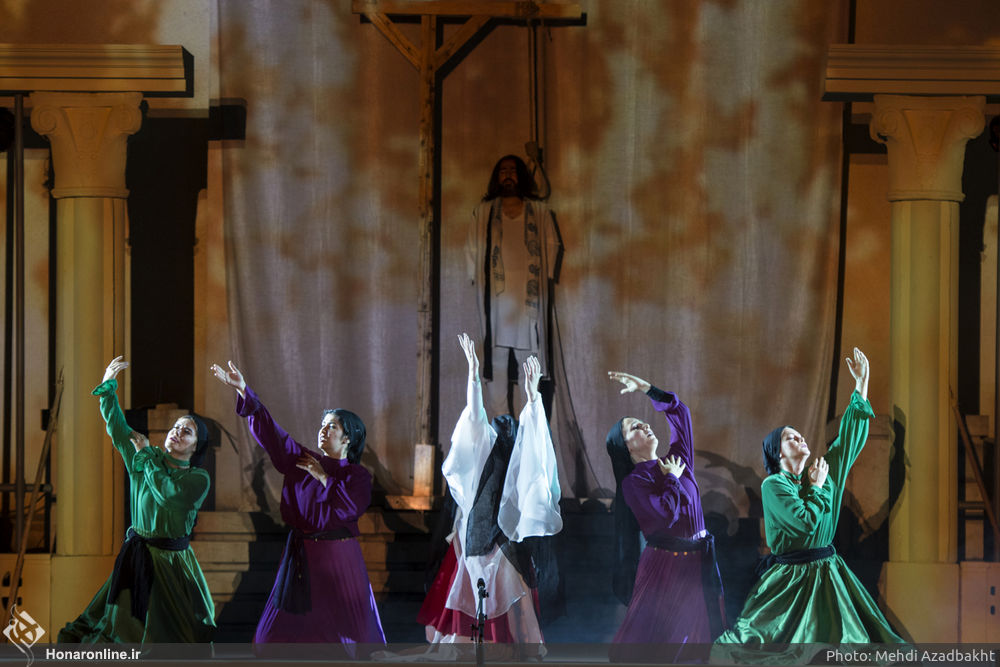
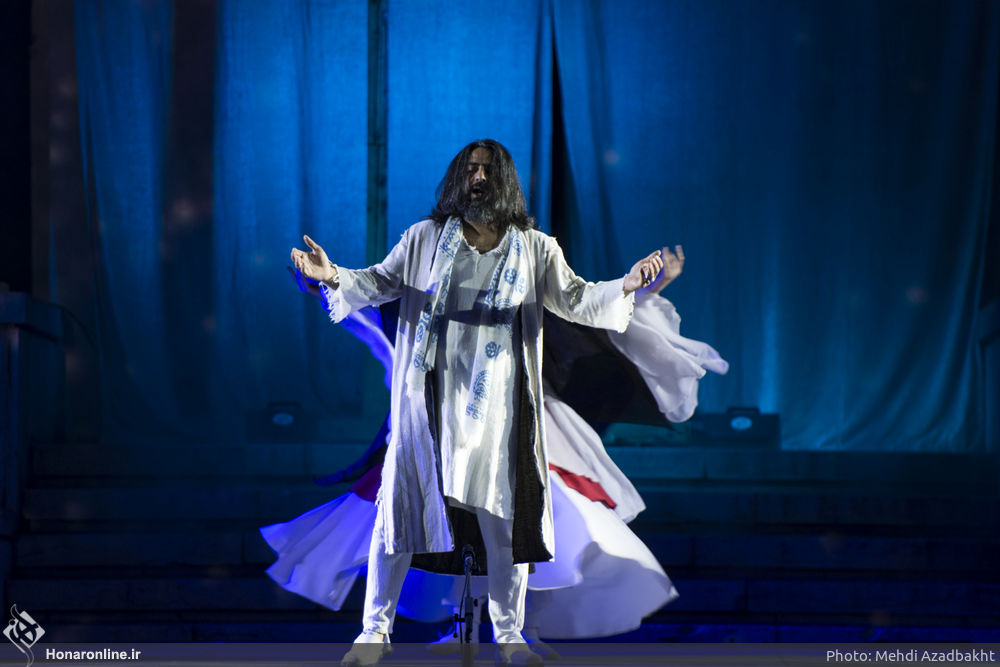
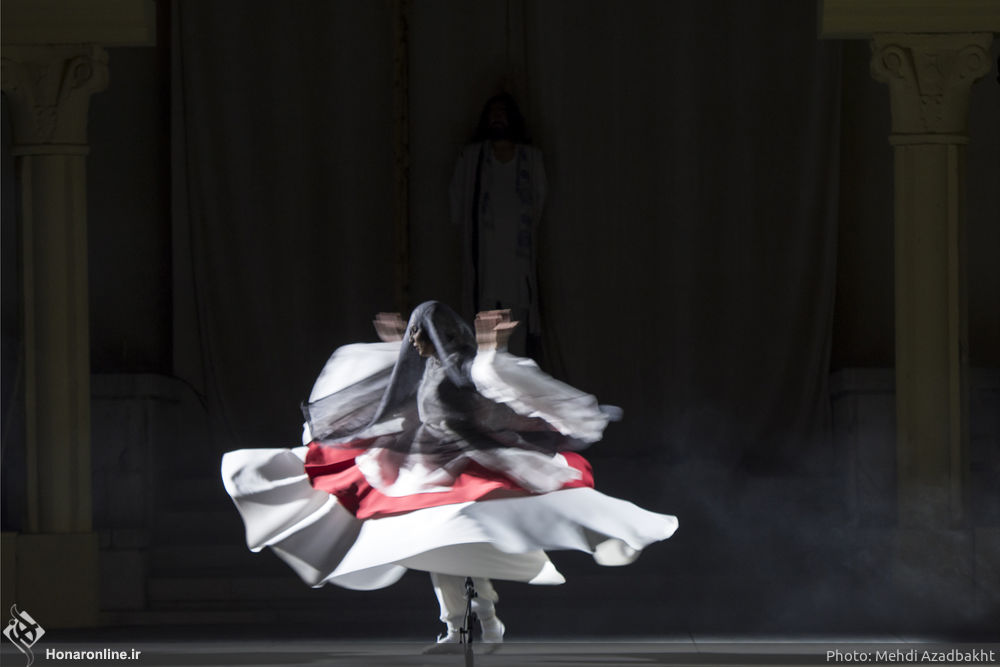
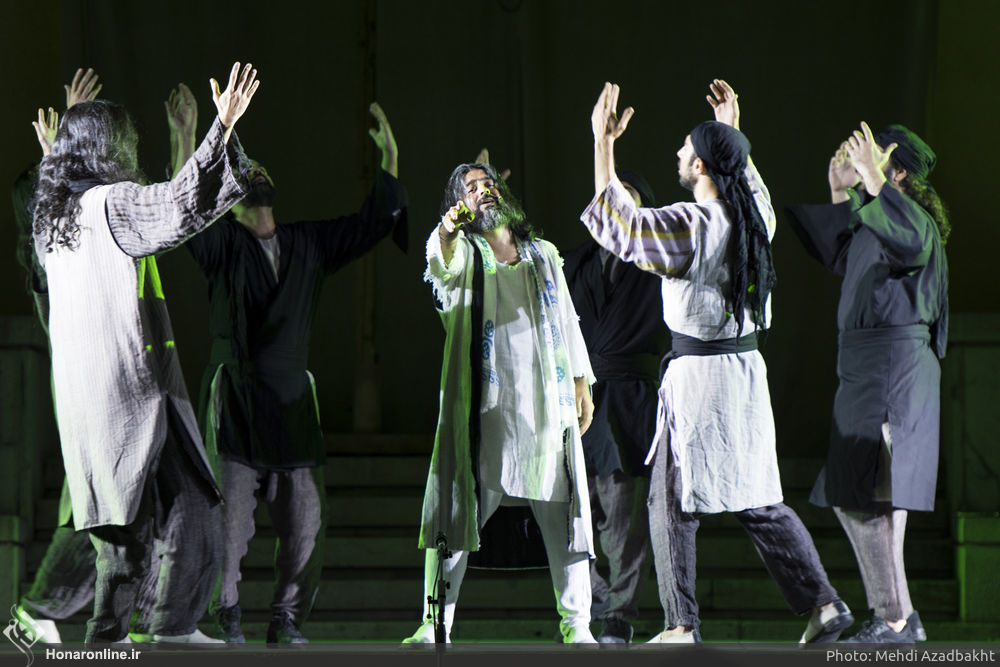
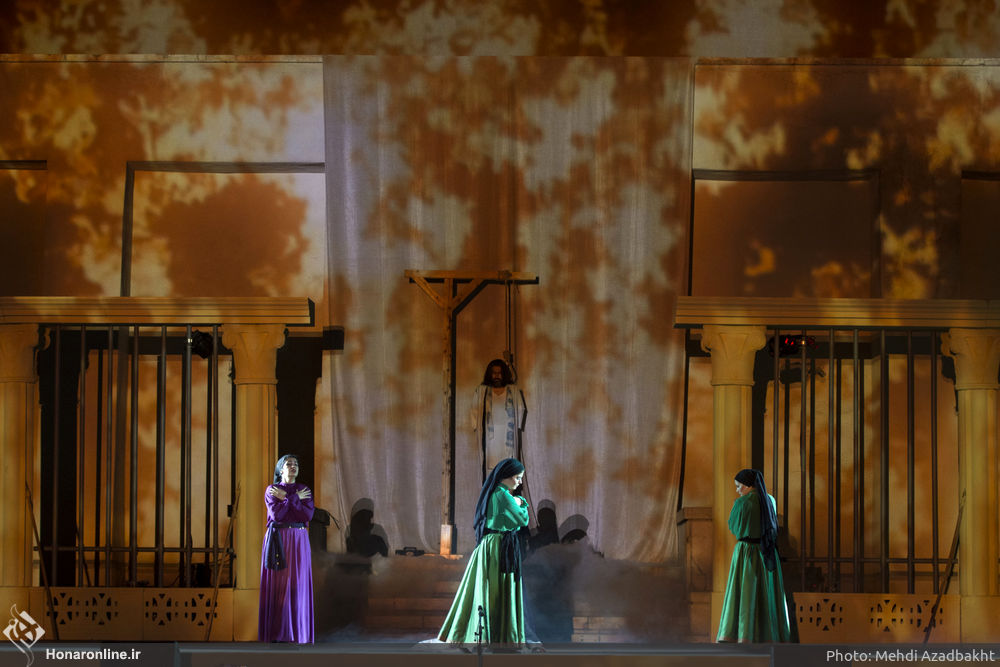
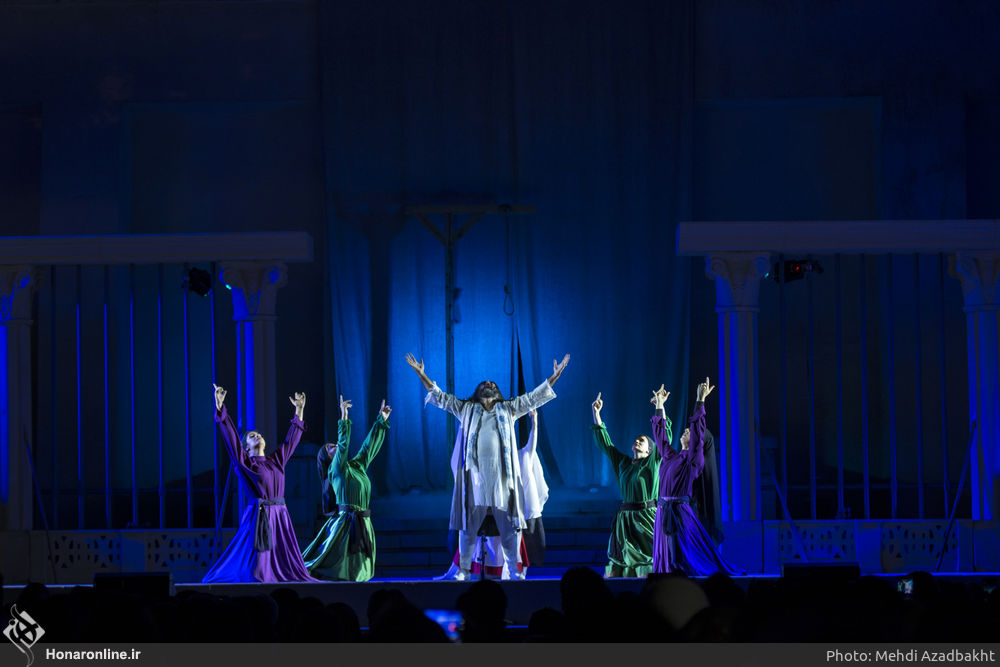
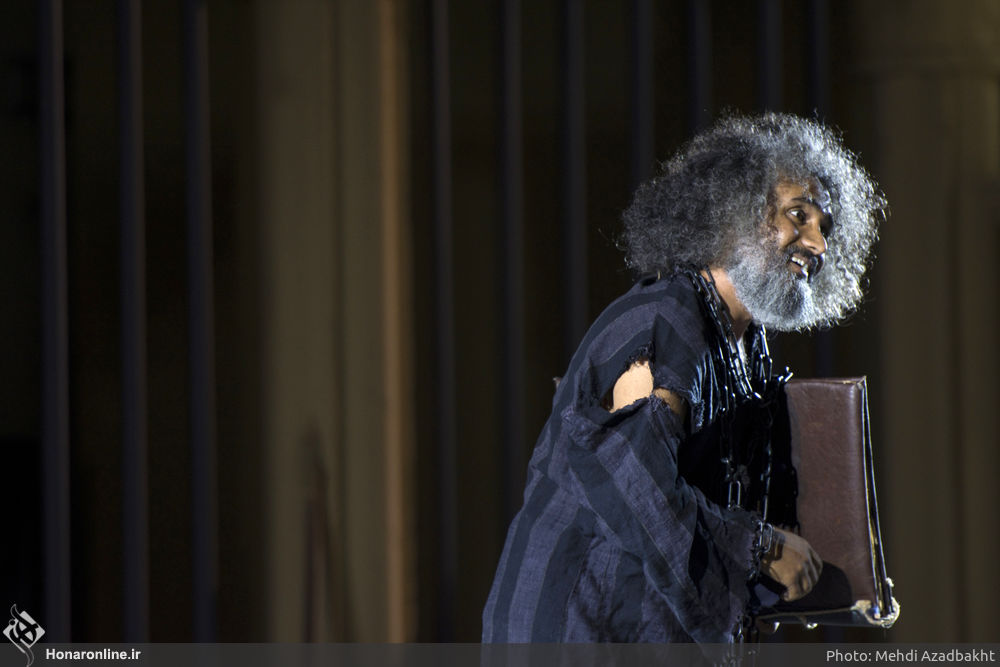
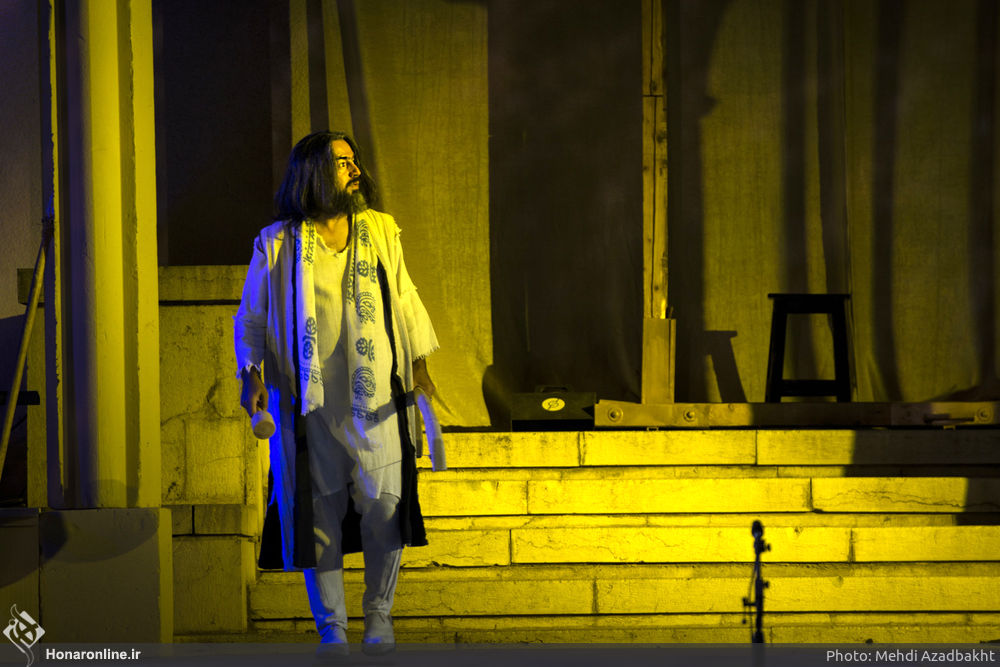
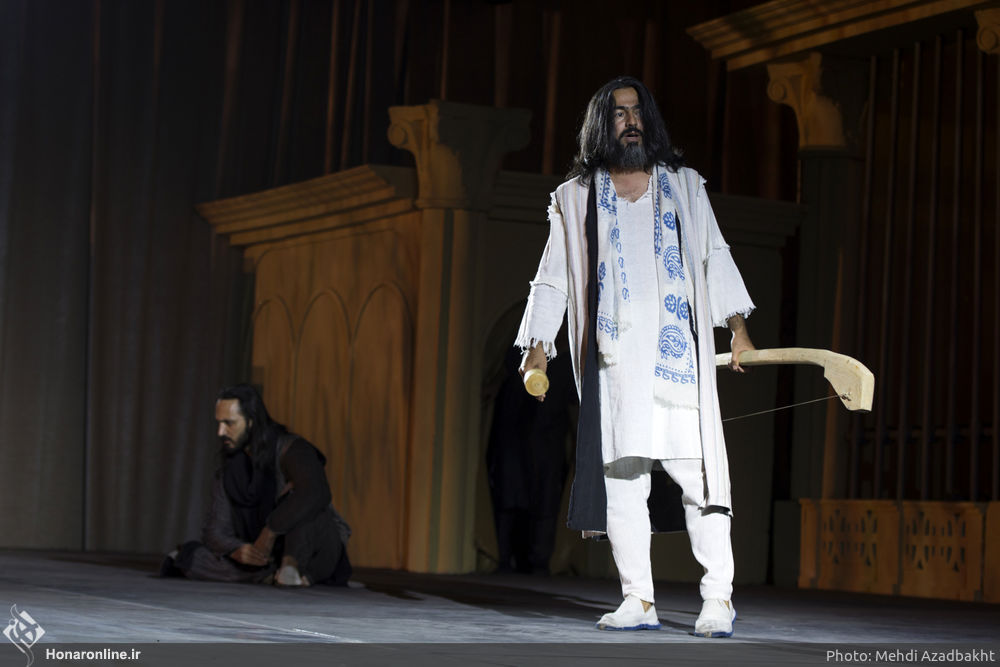
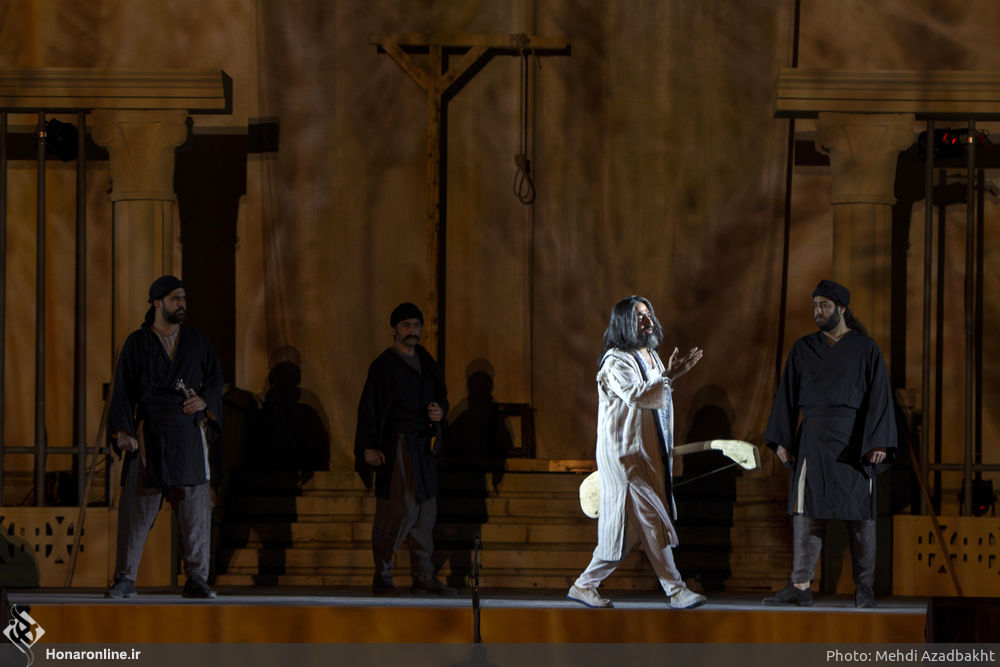
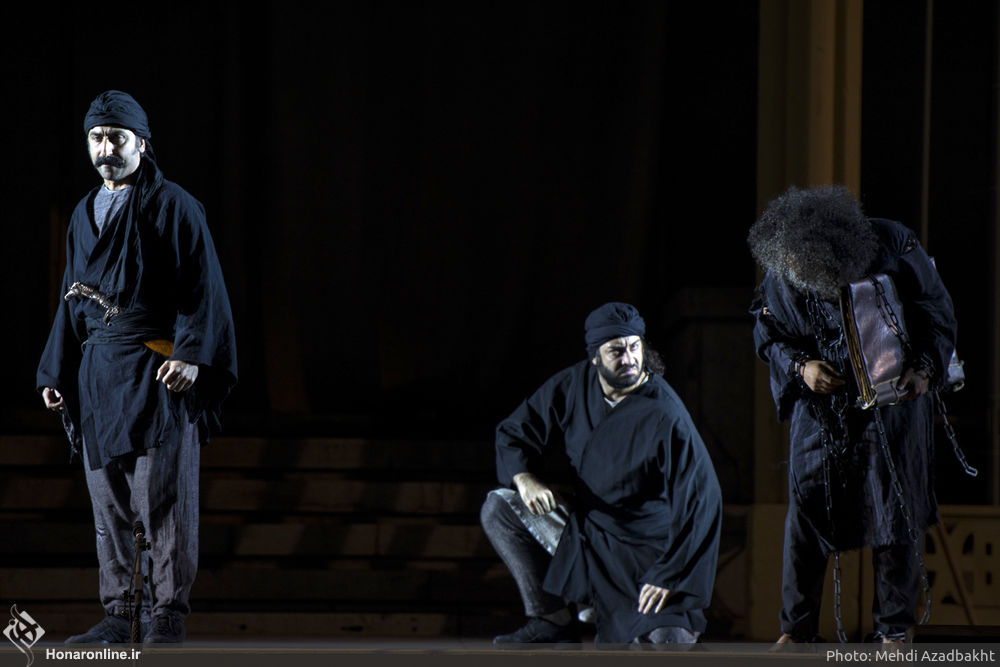
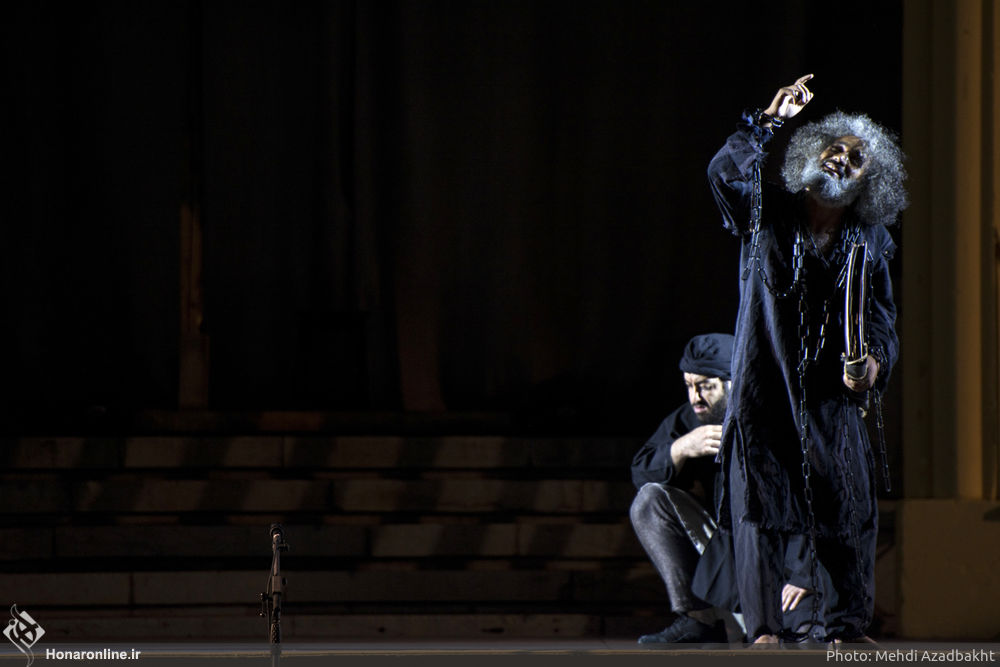
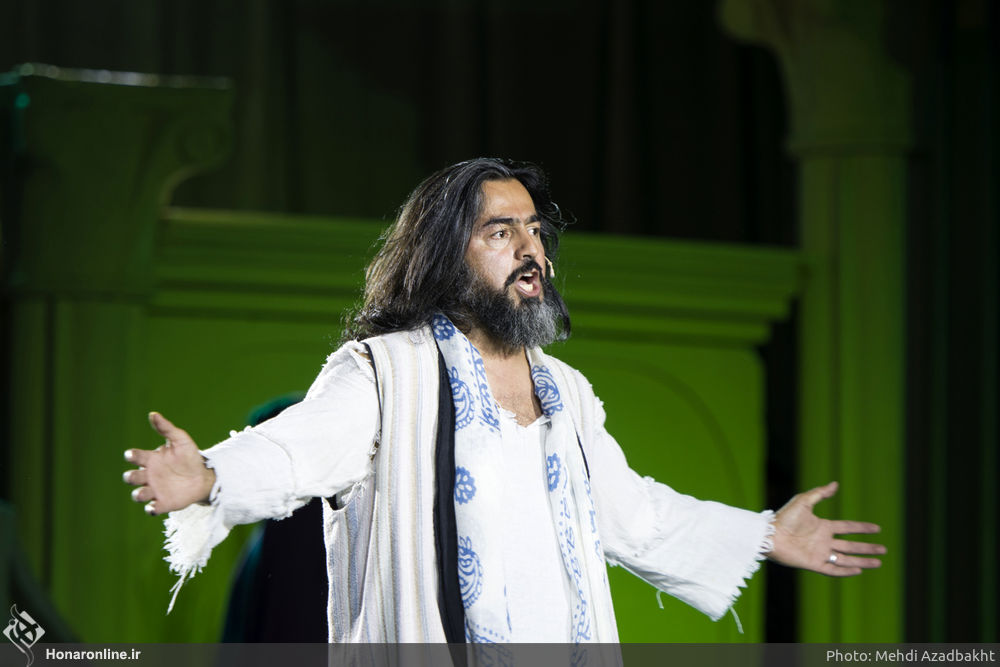
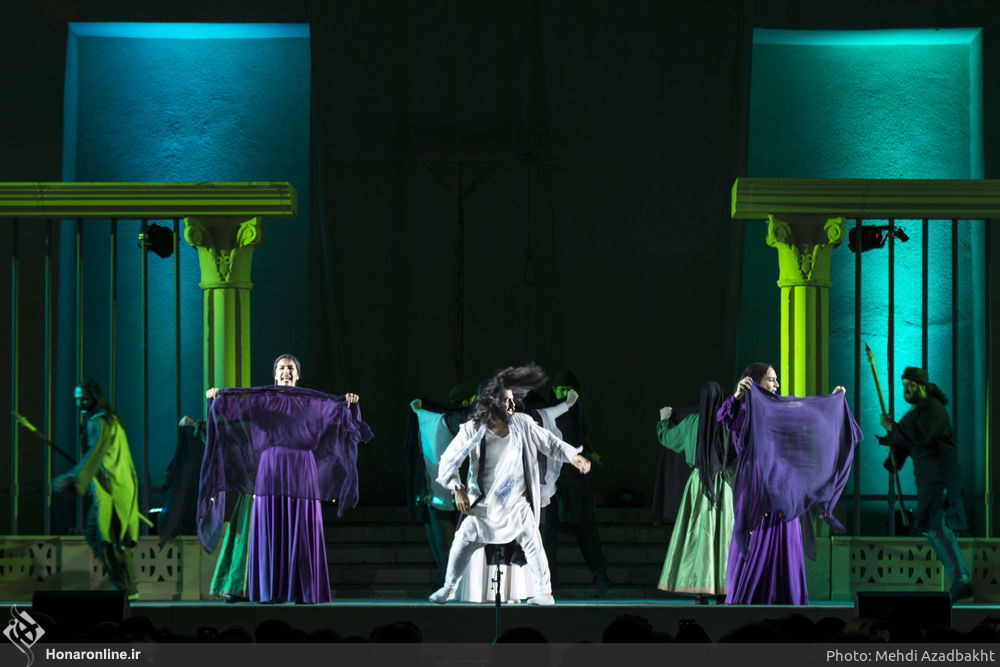
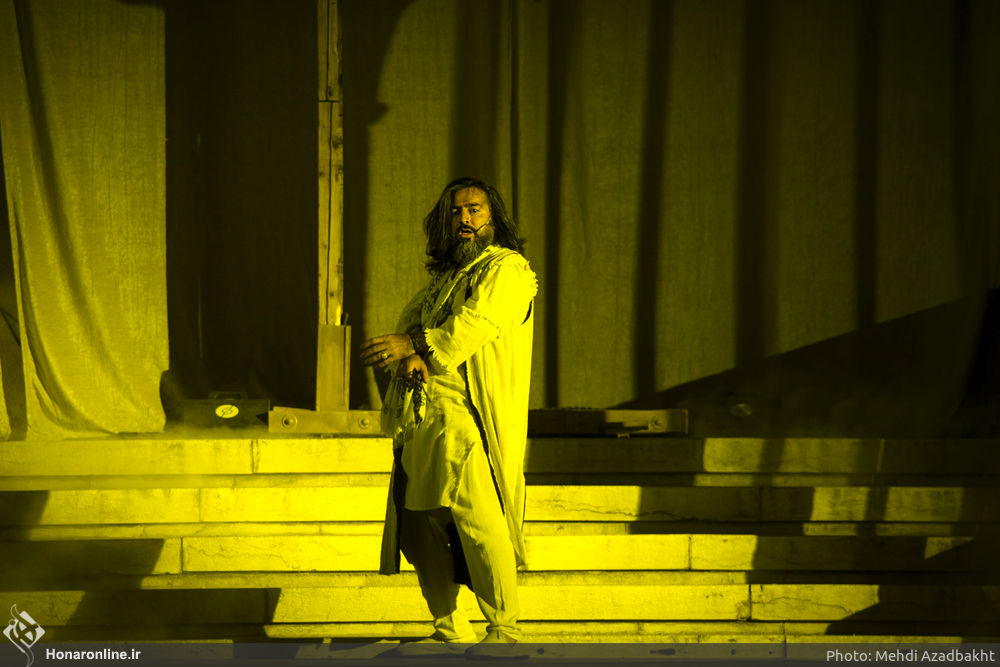
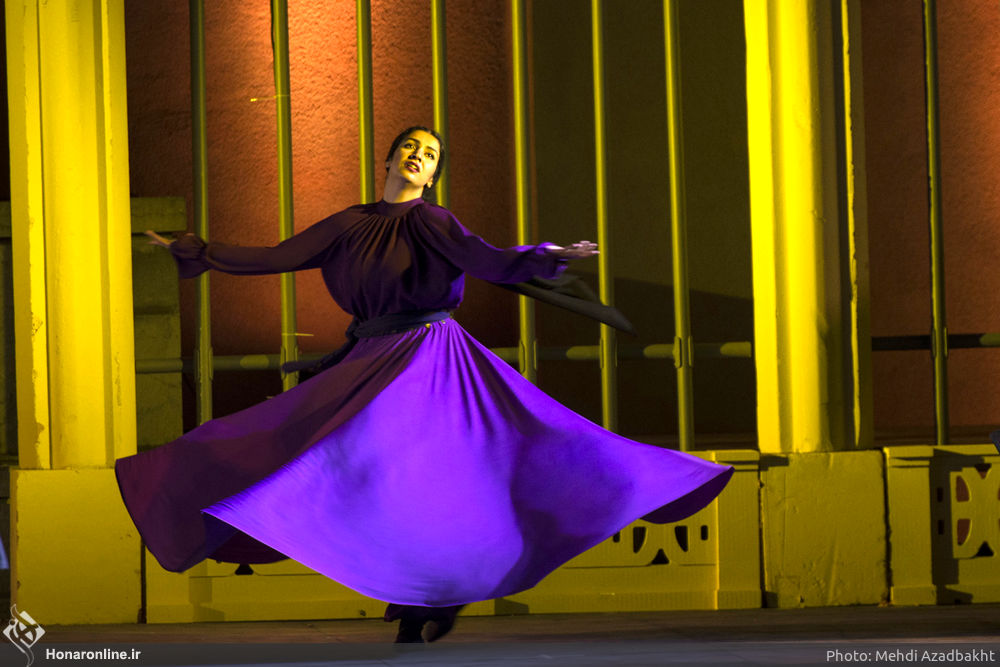
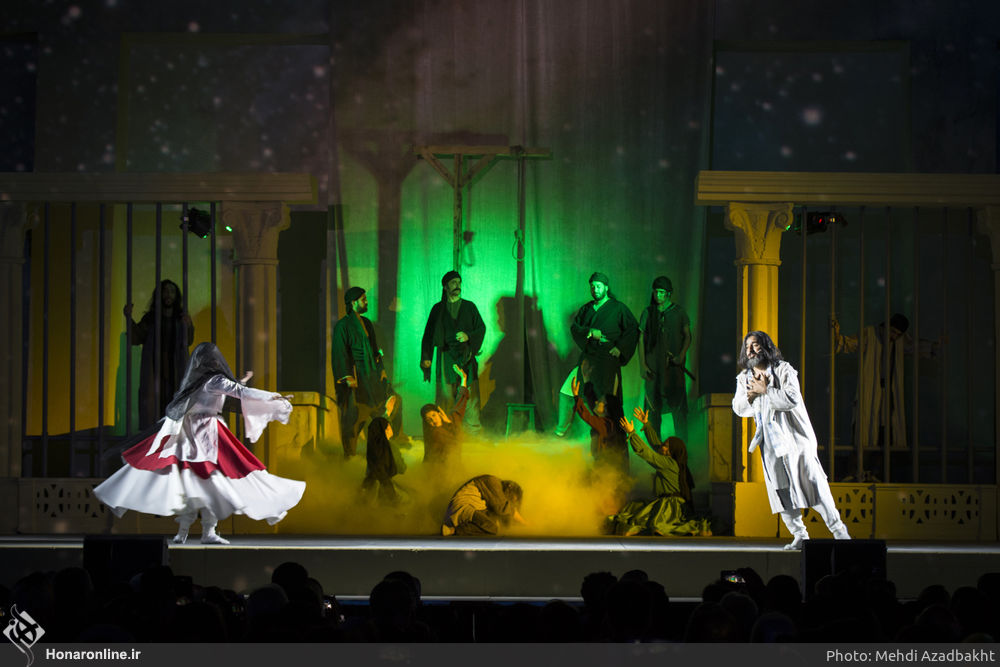
The opera narrates the story of Mansur al-Hallaj (858-922 CE), a Persian mystic, poet and teacher of Sufism. Hallaj is known for his saying “I am the Truth” which many saw as a claim to divinity, while others interpreted it as an instance of mystical annihilation of the ego which allows God to speak through the individual.
Fearing Hallaj’s thoughts and ideas and the growing number of his followers, then Caliph of Baghdad Al-Muqtadir executed him after an extended period of incarceration on religious and political charges.
Parvaz Homay, 39, is the founder of Mastan Ensemble (also known as Mastan & Homay). He specializes in Persian classical music.
Homay and his ensemble have performed the Opera of Hallaj in Tehran as well as Tabriz, Rasht and Shiraz over the past year. He says this year the concert is being conducted for 30 consecutive nights in a more professional way.
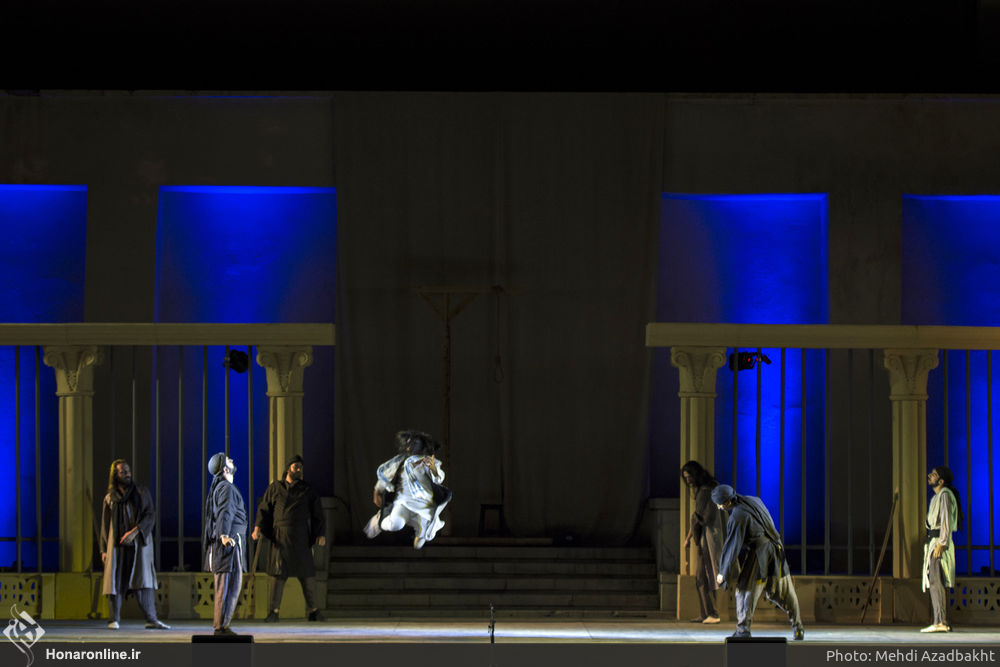
“This year, major changes have been made in our performance and the theatrical moves. We have used, for the first time, some cutting-edge 3D mapping systems as well as audience platforms,” he said.
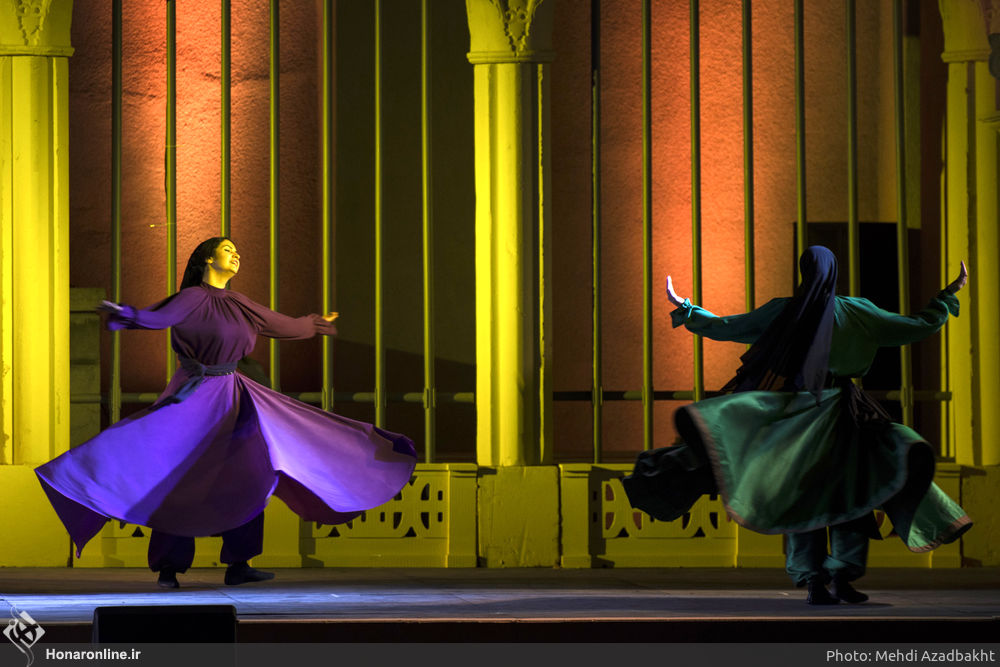
The singer underlined that the performance will remain on stage with two musicians, one background vocalist and 15 actors and actresses.
Homay also touched on the opera’s story and said the project was inspired by the sorrowful fate of Hallaj.
“His fate reveals a significant part of Iran’s social, historical and cultural period. I attach importance to this special historical period and believe it is more important compared with our contemporary era,” he said.
Homay says he was sure that the opera will be performed repeatedly due to the warm reception by the audience.
Below, you can see a collection of photos of the first night of the performance retrieved from Honar Online:
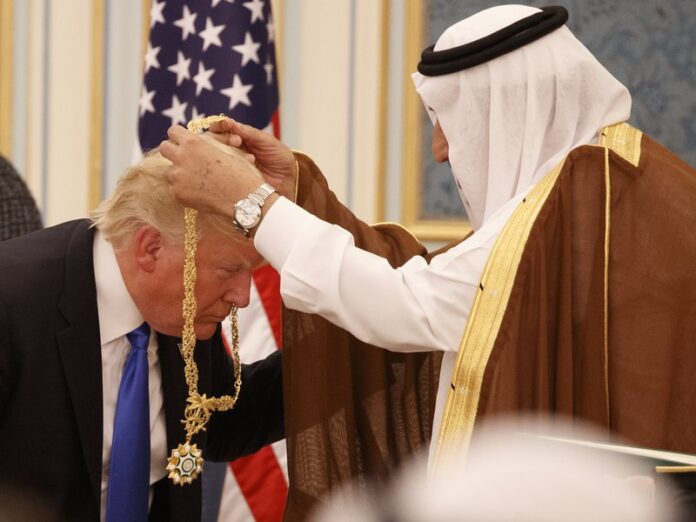
“Kill 3,000+ Americans but remain a US client and you can have nuclear weapons—even get help in acquiring them,” Zarif tweeted on Wednesday, apparently referring to the role played by Saudi Arabia – a top importer of US weapons – in attacks on US nationals including the 9/11 terrorist attacks.
“But refuse to bow to the B Team ‘s whims, you can’t even possess peaceful nuclear energy,” the Iranian foreign minister said.
“It apparently matters not that ‘Iran is killing ISIS’ while US’ clients arm it.”
The B-Team is the term coined by Zarif in reference to an anti-Iran coalition of US president’s national security advisor John Bolton, Israeli Prime Minister Benjamin Netanyahu, Saudi Crown Prince Mohammed bin Salman, and the UAE de facto ruler Mohammed bin Zayed Al Nahyan.
Zarif’s comments came in reaction to Bolton’s Tuesday address to the Young America’s Foundation, in which he once again repeated his anti-Iran claims.
“We withdrew last year from the Joint Comprehensive Plan of Action, the JCPOA, last year because it failed utterly from preventing the mullahs from developing nuclear weapons,” Bolton said.
“Any nation that chants death to America and death to Israel will not be allowed to have nuclear weapons,” he added.
His comments come amid reports that the US is helping Saudi Arabia pursue its nuclear ambitions, unlike its opposition to Iran’s possession of peaceful nuclear energy.
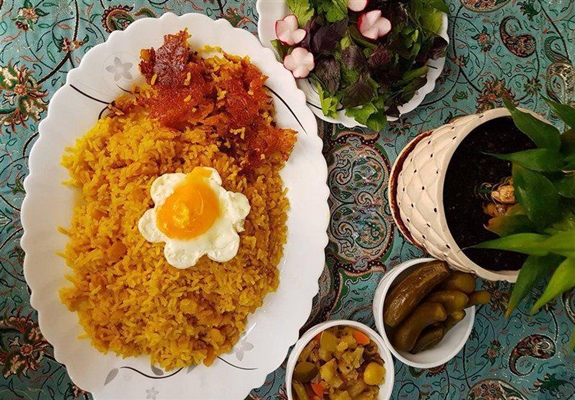
Split fava beans, rice, onions and turmeric are used to prepare Dampokhtak.
Ingredients:
Dried split fava beans: 2 cups
Rice: 400 grams
Chopped onions: 1 big size
Turmeric: 1 tbsp
Butter or oil: As much as needed
Salt, pepper: As much as needed
Directions:
To cook Dampokhtak, first wash the rice and soak it for about half an hour. In the meantime, put the pan on the heat and pour some oil into it and sauté the split fava beans beans with some turmeric.
Then, add 3 cups of water and wait for the beans to cook slightly. After some minutes add the soaked rice and some butter to it. Let it boil and then brew it.
Sauté the chopped onions in a little oil and add a little salt to the onions. Now, serve the dish along with hot fried onions.
This dish can be served with fried eggs, pickles, yogurt or Shirazi salad.
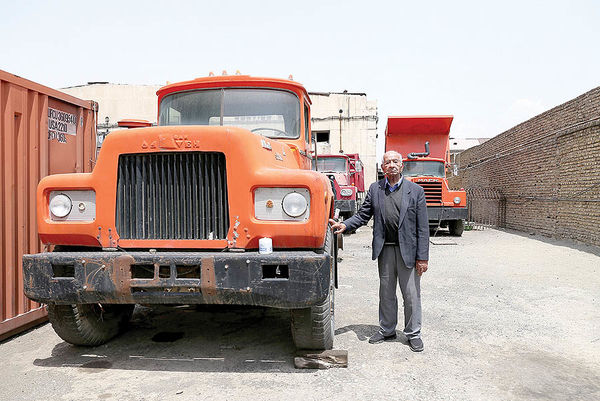
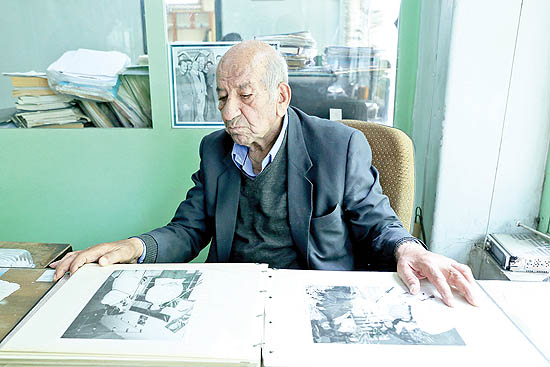
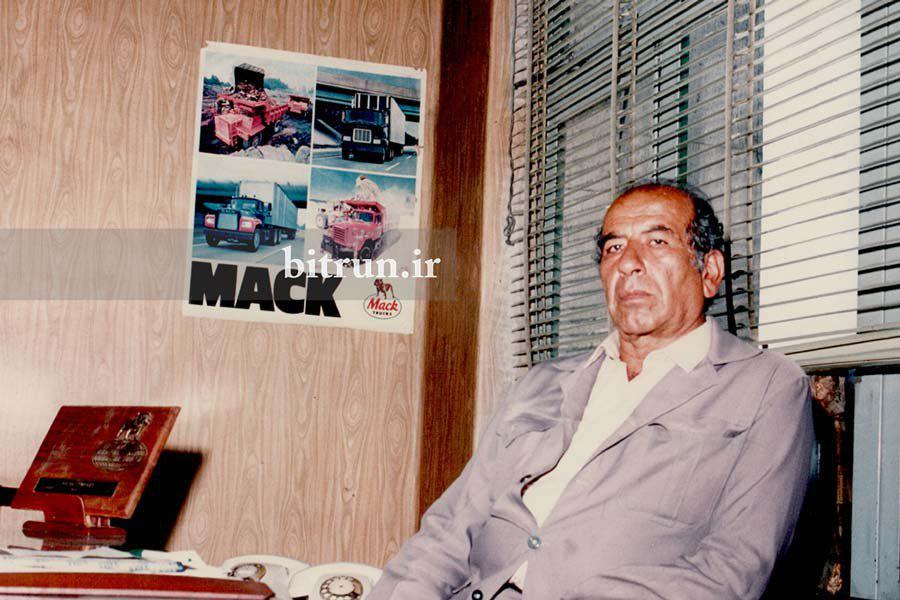
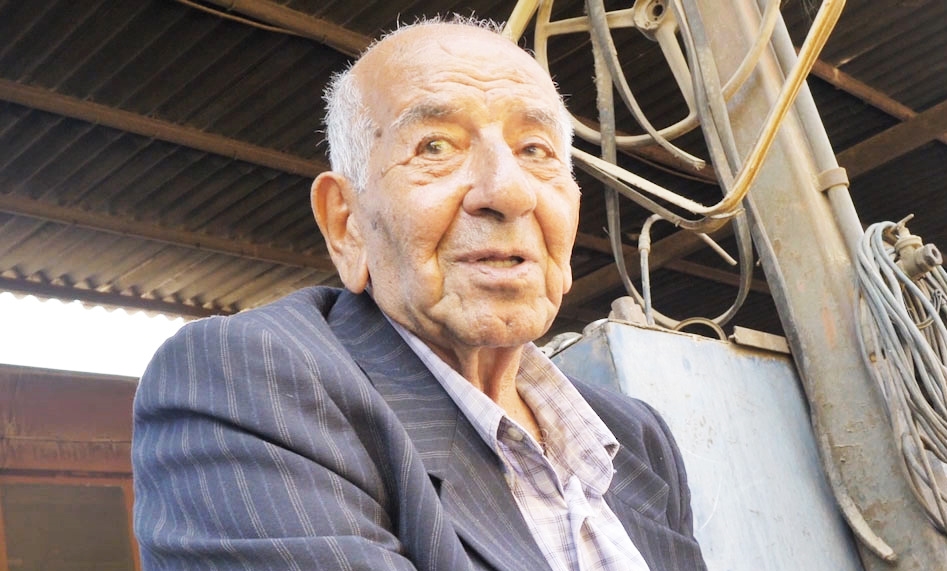
Qandchi, an Iranian industry leader, who is referred to as the father of Iranian trucking, was an Iranian entrepreneur and founder of the trucking industry and Iran’s first and largest foreign-made trailer and truck manufacturing plant called Saipa Diesel previously known as Iran Kaveh.
“I opened a three metres by three metres shop when I was 16. Then I expanded my business to 15 metres, thirty metres, 1,500 metres, and 5,000 square metres,” Qandchi says in a documentary film of his life “The Man Came with a Mack”.
“But finally it was shut down. I started out on some small cars rather than buses and trucks. I copied foreign samples, and then I learned to make samples like foreign parts and even better ones.”
He assembled parts of the Mack truck coming from the United States in his garage, changing some parts of the truck to suit Iran’s geography. For example, Mack trucks coming from the US had low chassis, but Qandchi moved their chassis up by one metre to make them adapted to Iran’s rough roads.
The then Minister of Economy Dr. Alinaqi Alikhani, and his deputy, Reza Niyazmand, were stunned when they saw such an entrepreneur in a corner of Tehran’s garages. Therefore, they issued a permit for Asghar Qandchi to produce trucks in Iran.
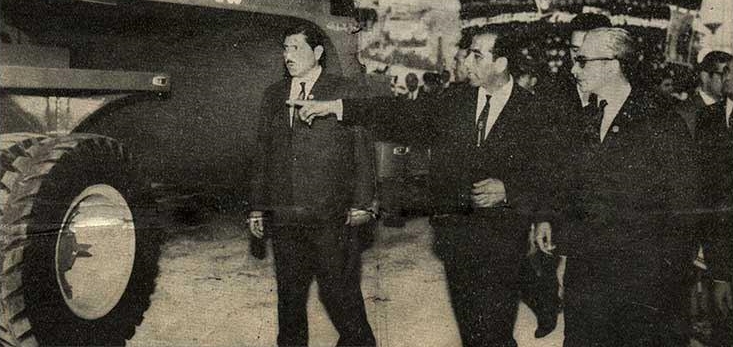
Qandchi unveiled his own-made giant trailer and trucks at an exhibition held to introduce Iranian national industries.
On the opening day of the exhibition, the then king of Iran Mohammad Reza Pahlavi and his queen Farah Pahlavi were encouraged by his brilliant industrial initiative and eventually granted him permission to set up a truck factory.
Asghar Qandchi (center) and the former Shah of Iran Mohammad Reza Pahlavi (right) during the latter’s visit to an exhibition
With this permit, and with the effective cooperation of an investor called Hossein Mirdamadi, Qandchi founded the first and largest truck manufacturing plant in the country and named it “Iran Kaveh”.
At the Berlin Auto Show in 1977, Qandchi won the Grand Prize of auto making.
He never stopped trying, and his efforts to rebuild the country’s road transport as well as transporting tanks and heavy equipment to war zones were crucial to the fate of the Iraqi war on Iran in the 1980s.
“Another problem at the war fronts was that they said the tank-carriers were Russian-made and produced heavy smoke, so the enemy could track their movements. I said the problem would be solved with an engine replacement and I did it. At my own expense I brought an engine from abroad and installed it on the truck. ”
Qandchi returned to his workshop after the war and worked there for the rest of his life. Thousands of Mack trailers and trucks built at Iran Kaveh factory are still moving on Iranian roads.
Iran Kaveh Company began its operation in 1963 under an exclusive agreement with Mack Trucks to assemble their trucks and various types of trailers. By 1978, the factory was producing a total of 7,512 cars.
During the years 1979-1984, the company began assembling a wider variety of vehicles in both cargo and passenger sectors, in order to prevent the shutdown of the factory and make use of the existing capacities.
In 1984, having carried out studies on restarting the truck production line, a contract was concluded for the production of Volvo trucks. In the same year, another agreement was sealed with a former Yugoslavian company to produce semi-trailers.
Beginning in 2000, Iranian truck fleets running on international roads were being stopped at European frontiers due to their non-conformity to European environmental standards.
Saipa Diesel, or the former Iran Kaveh, committed itself to helping international transportation companies out of their plight by introducing Volvo FH12 and NH12 trucks.
Since 2001, they have been equipped with Euro II & III engines, meeting the European requirements, and Saipa has captured 90% of the local market share.
What Saipa Diesel has today is the legacy of Asghar Qandchi, who made Iran self-sufficient in the truck and trailer industry without taking a single loan during his lifetime.
During the recent meeting in Tehran, Ebtekar referred to a November 2018 memorandum of understanding proposed by Iran to the Pakistani Ministry of Human Rights which is active in women’s affairs, saying that Tehran is awaiting an answer concerning the beginning of cooperation in the areas mentioned in the memorandum.
She further outlined measures that have been taken in recent years in the field of reform for women’s rights in Iran.
This included supporting female heads of household, women’s employment and entrepreneurship, especially women living in unsafe households, and the prohibition of marriage of girls under the age of 13, as well as organizing courses that promote the growth and development of women, she noted.
She also pointed to the vice presidency’s formation of a National Family and Intergenerational Dialogue Center and said, “We are working toward reducing the generation gap”.”
The vice president emphasized that in Iran’s Sixth Development Plan, gender equity is emphasized to provide equal opportunities in all areas, including health, education, as well as women’s political and economic participation.
She stated, “In Iran, we do not have gender parity in the parliament or elections, but according to the president’s declaration and order issued in 2016, 30% of managerial positions in all provinces and government agencies should be allocated to women.”
“During this time, we have witnessed an increase of 65% in the appointment of women to provincial government posts and 17% in appointments to government bodies.”
She added, “There are many educated girls who enter the job market through programs like start-ups, entrepreneurship courses and academia. Furthermore, there are many immigrants in Iran that receive training and support facilities, and a number of NGOS are active in the field of immigration and support.”
Pakistani Ambassador Riffat Masood, in turn, emphasized the cooperation between the two countries in different sectors and said, “During the Pakistani PM’s visit to Iran and in his meeting with the Iranian minister of health, there was a request to increase Tehran-Islamabad cooperation in this area because in the field of immunology and health, Iran is more advanced than us.”
“Iran and Pakistan can work together in the fields of science, technology and the environment, and it is not necessary to limit the scope of cooperation to hydrocarbons in the context of sanctions,” Masood added.
“We have a gender quota in the area of decision-making in the economic and social spheres, especially regarding seats in the parliament and city councils,” Ms. Masood said, referring to the existence of the National Commission on the Status of Women (NCSW) in Pakistan focusing on women and girls.
At the meeting, the Pakistani ambassador called for a joint meeting in the field of women and entrepreneurship and the exchange of experiences and said, “Using the national experiences of a country such as Iran in the field of girls’ education and their actions especially after the Islamic Revolution would be greatly beneficial and effective.”
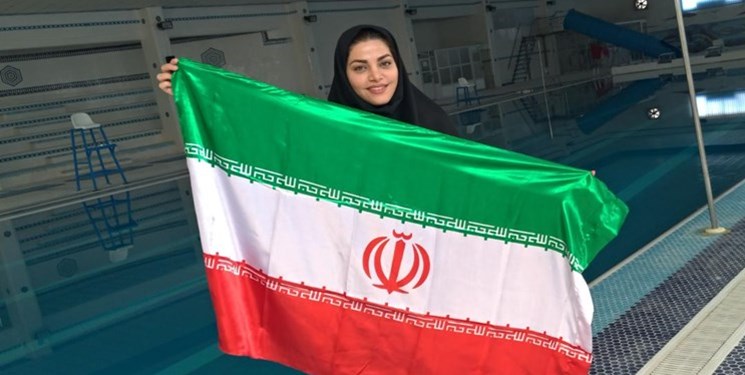
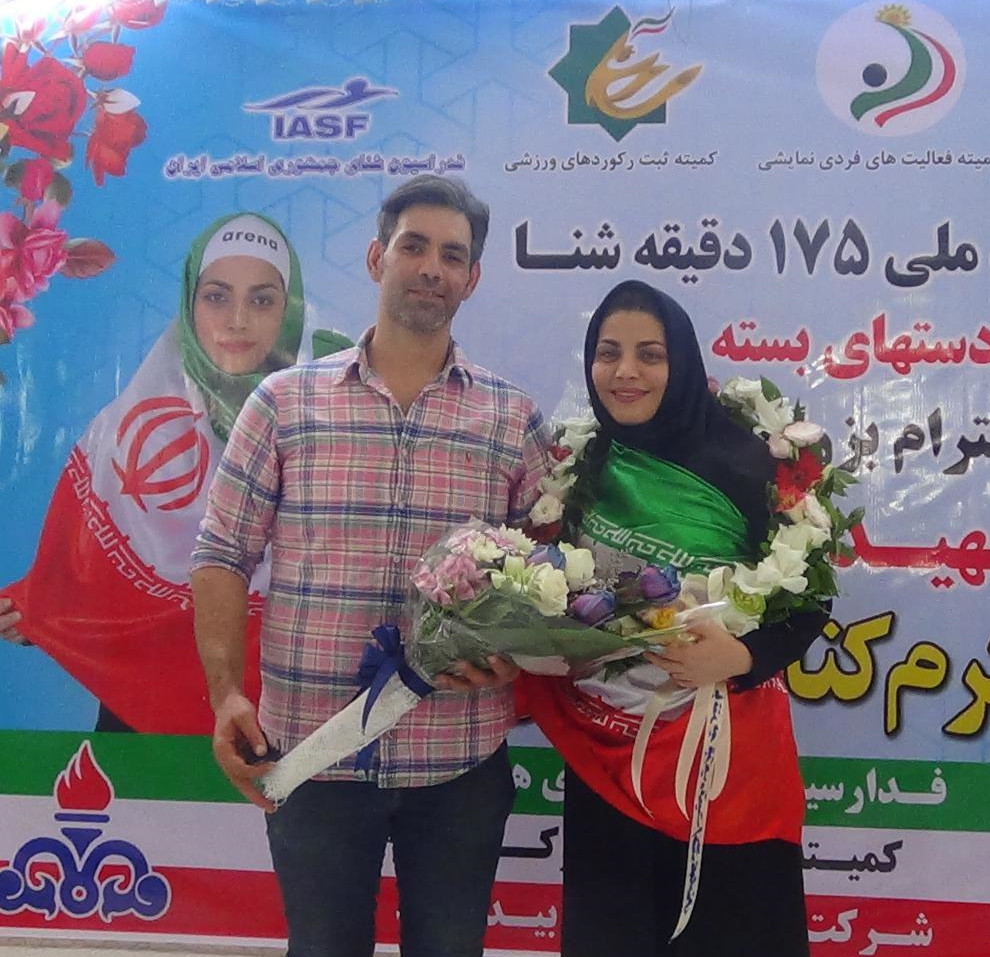
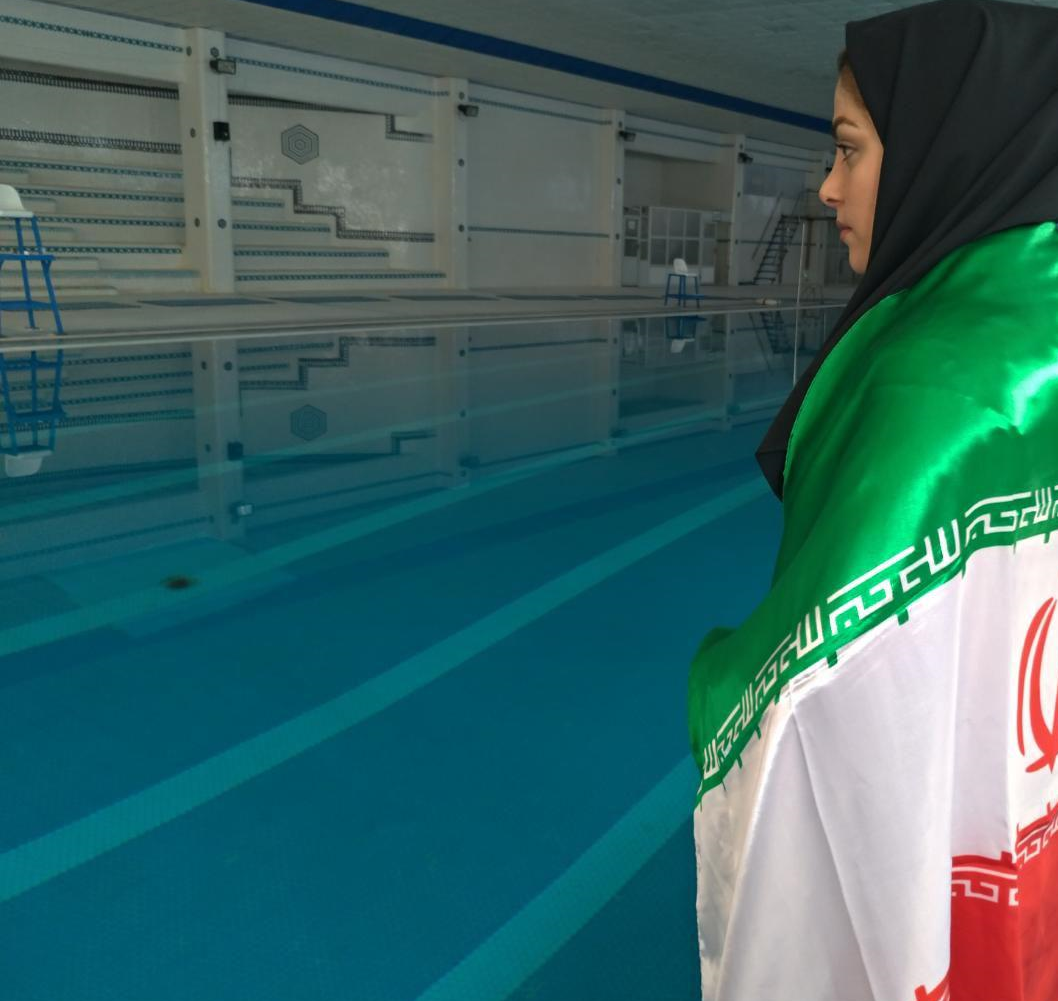
She is trying to have the record registered in the Guinness Book of World Records in six months’ time. She has dedicated her record to Iranian frogmen martyred during the eight-year Iraqi imposed war on Iran in the 1980s, with their hands tied.
She had her hands tied behind her back before she started swimming, though her friends could have tied her hands in front, which would have made it easier to swim.
However, she says she wanted her hands tied at her back because “that’s how our young divers were martyred.”
She says swimming runs in her family.
“I clearly remember the first time that I saw a pool,” she says.
“When got into the water and the instructor began to swing me, I felt I had the world by the tail. It was inconceivable to me how one can be scared of water,” she adds.
“I had already experienced gymnastics and several other sports, by swimming was what I was really looking for, and I had just found it,” she says.
“I felt as if all my dreams had come true,” she notes.
Our instructor Ms. Milani felt the I was gifted when it comes to swimming. So, she would take me to competitions and she would motivate me.
“Because of getting married and my day-to-day business, I somehow lost touch with swimming. After a pause, I started again in 2017, but I had no idea of swimming with one’s hands tied,” she says.
“To do that, I needed to be physically well prepared. So, I did tough body-building exercises for five months,” she says.
“I tried swimming with my hands tied at different distances and with different records, but the longest time recorded was 175 minutes,” she says.
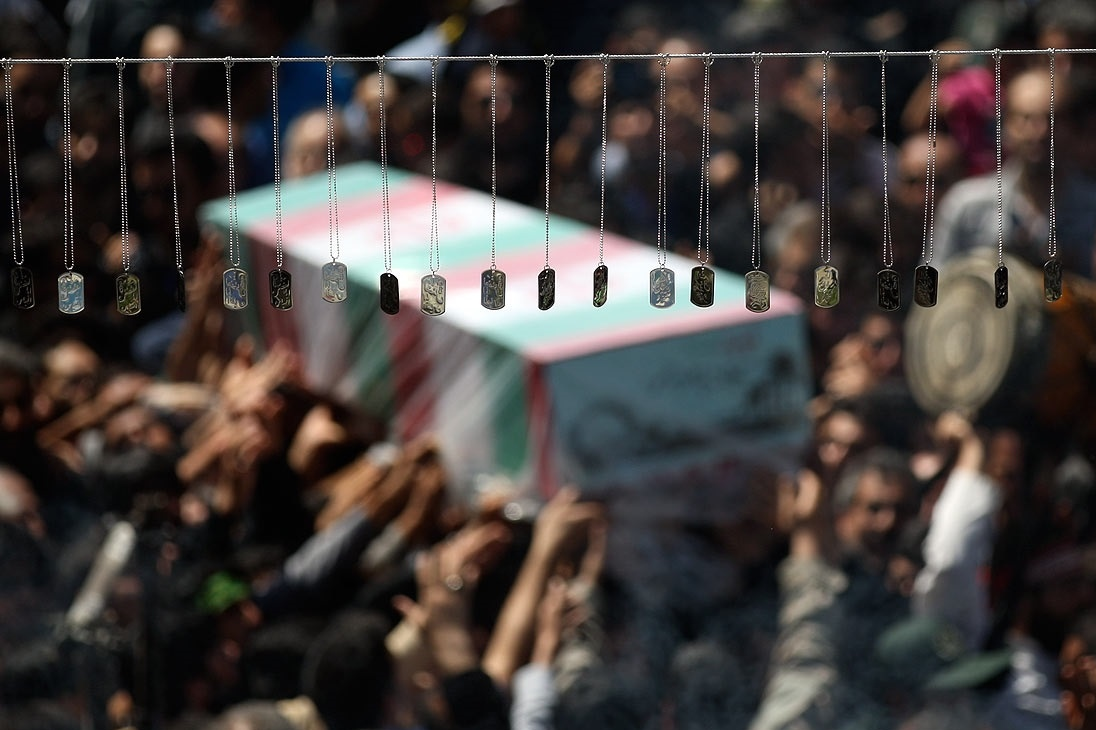
According to Konari, she was told later that 175 Iranian frogmen died during the Iraqi imposed war in the 1980s, and that the funeral procession held for them was one of the most memorable ones in the country.
“I became curious. I read about them on social media. Looked like everything had stopped on this number (175),” she adds.
“Well, I live in Khuzestan which still smells of war. I am a swimming and lifeguard coach. I still have students whose fathers or brothers were martyred or disabled during the war. In the street, I see men maimed by bullets or shell,” she says.
While I was swimming, someone was in charge of informing me of the time.
“Well done! Twenty minutes have passed, or …. But I never heard what they said about time and told myself that ‘you have fulfilled your debt of gratitude to 20 out of 175 martyred divers, don’t give up, keep swimming and fight!’; my true intention in every one of those 175 minutes that passed was to make people curious when they hear about the record that I have set and to prompt them to go find out more about those martyrs,” she says.
“I had another concern, too; I wanted this achievement to be a wake-up call for housewife mothers, too,” she says.
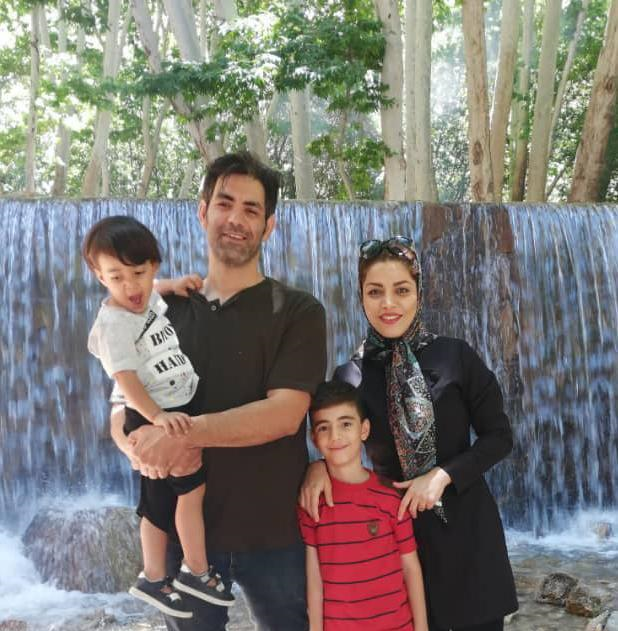
“Mothers and housewives should spend time for their health and success. Sometimes when I get back home from work and do household chores with interests, it is strange for my son who keeps wondering how much energy I have,” she says.
“I tell them that I get energy when I see them,” she says.
“When I set the record, it was very interesting for him. Now the way he looks at Iranian ladies and mothers has changed. He no longer regards women as weak creatures who should be taken care of, or who are only able to cook food or clean the house. Women can achieve many successes,” she says.
The motion, proposed by the Central Bank of Iran, was ratified during a cabinet session.
The plan will be proposed to the Parliament as a double-urgent motion, the government spokesman Ali Rabiei said.
To be signed into law, the bill needs to be ratified by the lawmakers and the Guardian Council.
The CBI says its governor, Abdolnasser Hemmati, has already made it clear for the lawmakers at a parliamentary commission meeting that the Central Bank has full control over the foreign currency market and administers the situation to maintain the balance of currency rate with prudence and with regard to the market factors.
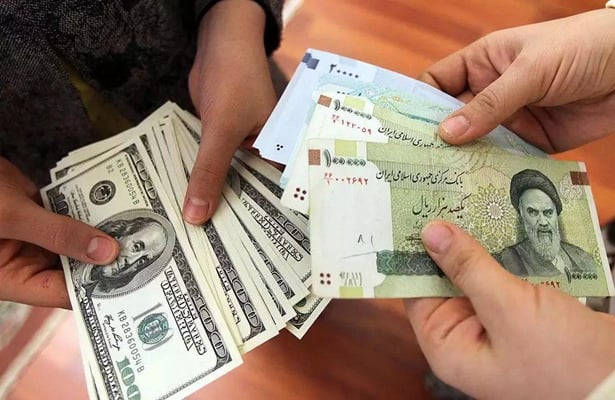
Proposals to remove four zeros from the currency have been floated since 2008, but the idea has gained strength as the rial lost more than 60 percent of its value in 2018 despite a recent recovery in defiance of US sanctions.
The currency was trading at about 119,000 rials per US dollar on the unofficial market on Wednesday, according to foreign exchange websites.
Rial weakness disrupted Iran’s foreign trade last year and helped boost annual inflation fourfold to nearly 40 percent in November.
In December 2016, Iranian President Hassan Rouhani’s cabinet had approved a motion put forward by the Central Bank to change the national currency from rial to toman, leading to a ten-fold decrease in banknote denomination.
Toman has been long used as the unofficial unit of money in Iran, while rial and dinar have been the country’s formal currency and non-decimal currency, respectively.
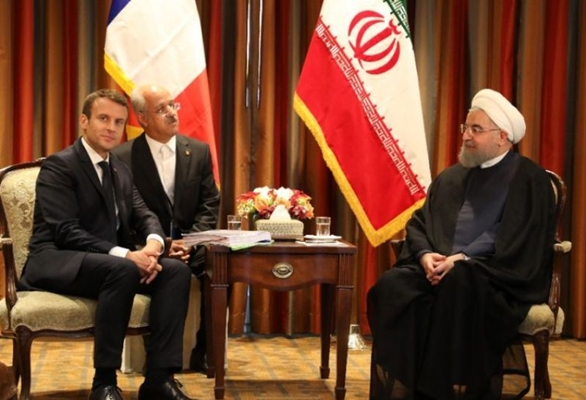
Rouhani said in a Tuesday night phone conversation with his French counterpart Emmanuel Macron that Europe has lost a great chance to live up to its commitments and work with Iran.
“Iran expects Europe to normalize its oil and banking relations in its first step in fulfilling its obligations,” said Rouhani.
He said the more steps Iran takes to scale back its commitments under the nuclear deal, the harder it will be for both sides to return the start point.
“As we have stressed time and again, the actions Iran has taken to reduce its commitments under the nuclear agreement up to this stage have been such that it is possible to rapidly roll them back if Europe secures Iran’s interests under the agreement,” President Rouhani added.
Rouhani said a trip to France by his special emissary was fruitful, stressing the need for both sides to continue negotiations to fully deliver on their commitments under the Iran nuclear deal also known as the Joint Comprehensive Plan of Action (JCPOA).
Rouhani said the JCPOA was aimed at normalizing Tehran’s economic ties with other countries.
“Unfortunately, despite Iran’s full compliance with its obligations, not only was just a small part of Iran’s economic interests secured, but also Europe failed to take serious action in that regard following the United States’ withdrawal from the JCPOA, and some European countries left Iran in compliance with the United States’ unilateral sanctions,” said President Rouhani.
The Iranian president said Washington’s economic terrorism is an inhumane act, namely when it comes to the provision of people’s basic goods.
“It would not be acceptable for the Iranian people to see Iran remain fully committed to its obligations under the JCPOA at a time with the other side does fulfil its minimum commitments,” he noted.
Elsewhere in his remarks, President Rouhani said the continuation of Washington’s tension-provoking policies in the region begets negative consequences for security and stability of relations between regional countries and nations beyond the region.
“The Islamic Republic of Iran has always been one of the key contributors to security and freedom of shipping in the Persian Gulf, the Strait of Hormuz and the Sea of Oman,” the president added.
President Rouhani touched further said the White House will not benefit from its hostile actions against Iran, and that the continuation of this trend will result in a lose-lose situation for everyone.
“Iran has not initiated any tensions in the region, and won’t do so, but will firmly defend its interests against any acts aimed at instigating tensions,” he said.
He embraced and appreciated efforts by the French president to settle problems, saying Iran always welcomes any initiative aimed at working out fair solutions and initiating constructive dialogue.
The French president, in turn, described as positive the visit to Paris by President Rouhani’s special envoy, saying his country will leave no stone unturned to secure Iran’s interests under the JCPOA and normalize Tehran’s economic ties with other countries.
Macron dismissed as unacceptable Washington’s unilateral sanctions against Iran. He said more cooperation as well as fresh impetus is required to work out a fair and suitable solution in order to ease tensions in the region and produce positive results.