Monday, December 29, 2025
Home Blog Page 3143

Iranian VP Holds High-Profile Meetings in Turkmenistan

Iran’s First Vice President Eshaq Jahangiri meets Russian Prime Minister Dmitry Medvedev in Turkmenistan's Avaza on August 12, 2019. / Photo by the Iranian VP's official website

Apart from an address to the 1st Caspian Economic Forum in Turkmenistan’s coastal city of Turkmenistan on Monday, the Iranian first vice president held separate meetings with Turkmenistan’s president and the prime ministers of Russia, Kazakhstan, and the Republic of Azerbaijan on the sidelines of the forum.


US after Insecurity in Persian Gulf

In a meeting with Russian Prime Minister Dmitry Medvedev, Jahangiri decried the US administration for pulling out of the 2015 nuclear deal and imposing “cruel and inhumane sanctions” against Tehran.

He also noted that the US has been seeking insecurity in the Persian Gulf and the Strait of Hormuz to find a pretext for creating a maritime coalition in the Persian Gulf.
“We deem all such (US) measures disruptive to regional stability and security, and expect the UN Security Council’s major member states, such as Russia, to warn the US against such measures,” the Iranian vice president added.
He also emphasized the need for the enhancement of relations between Tehran and Moscow in various fields, including the energy and railroad industries.

For his part, the Russian premier expressed Moscow’s respect for Tehran’s “logical and mighty” reaction to the US withdrawal from the multilateral nuclear agreement, saying the Russian authorities unanimously believe that the US sanctions on Iran are illegal.

Medvedev also called for diversification of the foreign currencies used in Iran-Russia trade and banking transactions, saying the US attempts to mount pressures on Moscow and Tehran.


Turkmenistan Eyes Joint Caspian Projects with Iran

In one of the other meetings, President of Turkmenistan Gurbanguly Berdimuhamedow thanked the Iranian first vice president and his delegation for taking part in the Caspian Economic Forum, saying Ashgabat and Tehran can work on joint energy projects in the Caspian Sea.

Jahangiri also urged efforts to remove the obstacles to banking relations between Iran and Turkmenistan in order to pave the way for closer cooperation between the private sectors.

Iranian VP Holds High-Profile Meetings in Turkmenistan
Iran’s First Vice President Eshaq Jahangiri meets with President of Turkmenistan Gurbanguly Berdimuhamedow in the city of Turkmenistan on August 12, 2019. / Photo by the Iranian VP’s official website


Kazakhstan’s Role in Syria Peace Talks Undeniable

In another meeting with Kazakh Prime Minister Askar Mamin in Turkmenistan, Jahangiri praised Kazakhstan for hosting a series of negotiations for peace in Syria, known as the Astana peace process.

Highlighting the 110 cooperation agreements that Iran and Kazakhstan have signed over the past three decades, Jahangiri voiced Tehran’s readiness for the promotion of banking and trade ties with Nur-Sultan.

For his part, Mamin expressed gratitude to Iran for supporting Kazakhstan’s stances on the Astana peace talks, hoping that an upcoming session of a joint commission with Iran would result in the enhancement of bilateral ties.

Iranian VP Holds High-Profile Meetings in Turkmenistan
Iran’s First Vice President Eshaq Jahangiri meets Kazakh Prime Minister Askar Mamin in Turkmenistan’s Turkmenistan on August 12, 2019. / Photo by the Iranian VP’s official website


Baku Eager for Industrial, Medical Cooperation with Tehran

The ways to boost economic and trade ties between Iran and the Republic of Azerbaijan was the main topic of a meeting between Azeri Prime Minister of Novruz Mammadov and Eshaq Jahangiri.

A multiplication of shipment of goods through Iran via the International North-South Transport Corridor indicates Iran’s strategic position in the region, the Azeri premier noted, voicing Baku’s willingness for industrial and medical cooperation with Tehran.

Jahangiri also announced in the meeting that promotion of trilateral and multilateral cooperation among Iran, Azerbaijan, Turkey, Russia, Turkmenistan and Georgia would raise the volume of trade exchanges between Tehran and Baku.

Iranian VP Holds High-Profile Meetings in Turkmenistan
Iran’s First Vice President Eshaq Jahangiri meets Azeri Prime Minister of Novruz Mammadov in Turkmenistan’s Turkmenistan on August 12, 2019. / Photo by the Iranian VP’s official website

Iranian FM, Qatari Emir Call for Enhancement of Ties

In his short trip to Doha on Monday, Foreign Minister Zarif held separate meetings with his Qatari counterpart and with the Arab country’s Emir.

In the meeting with the Qatari leader, Zarif highlighted Iran’s policy of expansion of relations with all neighbours, and described the bonds with Qatar as an example to Iran’s political relations with the other regional countries.

“Economic terrorism against the Iranian nation is ineffectual and has escalated insecurity in the region,” Foreign Minister Zarif deplored.

The Emir of Qatar, for his part, pointed to the close and brotherly relations between Iran and Qatar, stressing the need for bilateral consultation about the regional and international issues and for joint efforts to address the region’s problems.

The Qatari emir also highlighted Qatar’s constant readiness for the establishment of peace and stability in the region.

In the other meeting with Qatar’s foreign minister earlier on Monday, Zarif underlined that the security of Persian Gulf must be ensured by its littoral states, not foreign forces whose presence only brings about insecurity.

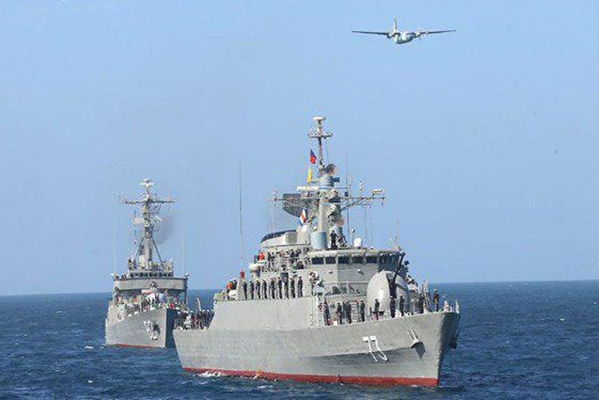
IRGC Warns about Israel Presence in Persian Gulf

Iran's IRGC Says Following Americans in Persian Gulf 'Like A Falcon'

“The United States and the United Kingdom must assume responsibility for the Zionist regime’s illegal presence in the Persian Gulf waters,” IRGC Navy Commander Rear Admiral Alireza Tangsiri told the Lebanese TV channel Al Mayadeen on Sunday.

“Any presence of the Zionist regime in the Persian Gulf waters is illegal, as it may result in war and confrontation in the region,” the top commander warned.

The comments came after Israel said it will join a US maritime coalition in the Persian Gulf, which the US says is aimed at boosting the security of navigation in the body of water.

Israeli foreign minister Israel Katz said on August 7 that the regime would be part of the US-led coalition to “protect the security of the Persian Gulf”.

On Friday, Iran’s Foreign Ministry spokesman Seyyed Abbas Mousavi warned that the country considers possible Israeli presence in a US-led coalition in the Persian Gulf as a clear threat to its national security, and reserves the right to counter it.

“Within the framework of the country’s deterrence and defensive policy, the Islamic Republic of Iran reserves the right to counter this threat and defend its territory,” he noted.

“The US regime and the illegitimate Zionist regime are responsible for all the consequences of this dangerous move,” the spokesman added.

In his Sunday comments, the IRGC Navy commander slammed the “illegal” formation of the maritime coalition, and said Washington and London fabricate various scenarios to legitimize their presence in the Persian Gulf.

“By establishing an illegal coalition in the region, the US and the UK are trying to implement their own scenarios,” he added.

Admiral Tangsiri said the IRGC Navy is responsible for ensuring the security of the Strait of Hormuz and the Persian Gulf, and “we don’t need the presence of foreigners.”

“The security of Persian Gulf is among Iran’s priorities, and we believe Iran’s shipping lanes must remain international,” the IRGC general said.

He underlined that the world and the regional countries must know Iran will ensure the security of the Strait of Hormuz as long as its oil is allowed to be exported through the waterway.

“Iran is the flag-bearer of security in the Persian Gulf, but that hinges on the export of our oil and the country’s ability to use the region. We’ll ensure the security of Persian Gulf as long as our own security is ensured,” the top commander said.

The United States has been trying to persuade its allies to form an international coalition with the declared aim of providing “security” for merchant shipping in the Strait of Hormuz — through which about a fifth of all oil consumed globally pass —and other strategic Middle Eastern shipping lanes.

The US had officially asked Germany to participate — alongside Britain and France — in the coalition, a request that was declined by German Foreign Minister Heiko Maas. The UK, however, accepted to join the US-led coalition.

Japan has likewise refused to join the force, and France has expressed reservations.

Washington claims Tehran has played a role in two separate attacks on oil tankers in the Sea of Oman in May and June, without providing any credible evidence to support the accusations.

Iran has categorically rejected the charges.

Regional States, Not Outsiders, Responsible for PG Security: Zarif

He made the remarks in a meeting with his Qatari counterpart Mohammed bin Abdulrahman in the Arab country’s capital of Doha.

During the Monday talks, Zarif underlined the need for constant consultations on regional developments between the two countries, describing it as a regional necessity.

“Military coalitions are a nonstarter, and foreign forces will cause insecurity in the region,” Zarif said.

The responsibility for ensuring the security of Persian Gulf lies with the countries of the region, not foreign forces, Zarif said, highlighting Iran’s responsibility in maintaining peace and stability in the region.

He also said bilateral relations between Iran and Qatar are growing in all fields, particularly in political and economic areas.

The Qatari foreign minister, for his part, expressed pleasure with Tehran-Doha relations, and underlined the two countries’ role in establishing peace and stability in the region.

He also stressed the need for joint cooperation to reinforce the element of dialogue in order to resolve regional crises.

Foreign Minister Zarif earlier attended a dinner ceremony hosted by his Qatari counterpart in Doha on Sunday night.

Iran, Yemen Discuss Implementation of Stockholm Deals

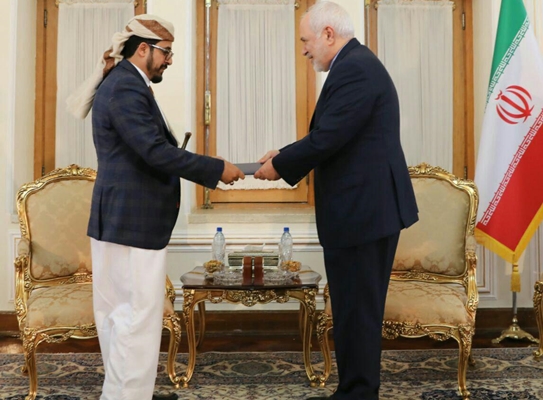
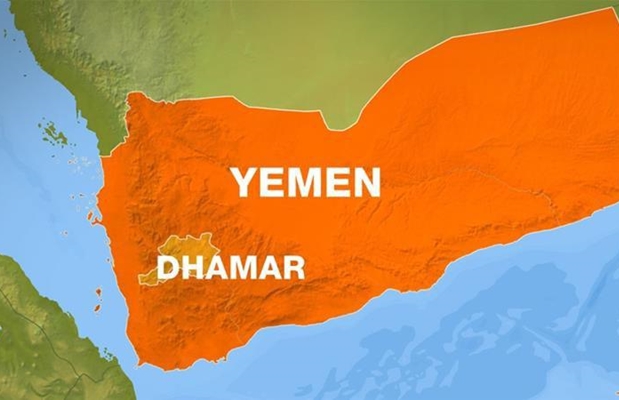
During the Sunday meeting in Tehran, the two sides conferred on the latest developments of Yemen.

Khaji underlined the Islamic Republic’s principled policy of finding political solutions to regional crises, saying that Tehran believes in the political settlement of the Yemen crisis through Yemeni-Yemeni talks.

The Iranian diplomat once again expressed Iran’s support for the Stockholm agreements, praised Ansarullah for unilateral implementation of the agreements, and urged the international community to increase their pressures on the Saudi coalition, forcing it to fully comply with its commitments.

Referring to the disastrous humanitarian situation in Yemen, Khaji said, “The Islamic Republic of Iran will continue its efforts to end the siege on Yemen, and dispatch humanitarian aid to the country.”

Adbul-Salam, in turn, thanked the Islamic Republic’s political and humanitarian support for the country and people of Yemen, and presented a report on the process of implementing Stockholm agreements and the future prospect of political and field developments in the Arab country.

Iranian, Turkish Presidents Discuss Promotion of Ties

During the Sunday talks, Rouhani said Iran is fully prepared for development of relations with Turkey as a friendly and brotherly country.

He also underlined the necessity for accelerated implementation of earlier agreements between the two states.

The Iranian president also offered congratulations to the Turkish nation and government and all Muslim people around the world on the Eid al-Adha.

Erdogan, in turn, said Ankara is ready for further promotion of its relations with Tehran in all spheres.

He also congratulated the Iranian president, government, and nation on the Eid al-Adha, and expressed hope that the day would awaken and unite the Muslim world and boost unity and brotherhood among Islamic states.

Iran and Turkey, as major trade partners, plan to increase their annual trade to 30 billion dollar in defiance of the US pressure, which is aimed at isolating Iran’s economy.

In the three-month period beginning in late March 2019, Turkey imported around $2.2 billion worth of goods and services from Iran, a five-fold jump compared to the similar quarterly period in 2018, according to data released by Tehran chamber of commerce on Monday.

Political Solution Only Way Out of Yemen Crisis: Iran

Zarif made the comments in a Sunday meeting with the spokesman for Yemen’s Houthi Ansarullah movement Mohammed Abdul-Salam in Tehran.

Zarif expressed regret over the killing of Yemeni oppressed people and five years of siege on the impoverished country and called for an immediate end to the war and the blockade of the Arab state.

Referring to political solution as the only way out of the Yemen crisis, Zarif stressed that the Islamic Republic of Iran has always supported Yemeni-Yemeni talks and the full implementation of the Stockholm Agreements.

Zarif also expressed regret over Yemen’s dire humanitarian situation, emphsising that Iran is ready to send humanitarian aid to the country.

For his part, Abdul-Salam conveyed the thanks of the leader of Houthi Ansarullah movement Abdul-Malik Badreddin al-Houthi for Zarif’s message of condolence on the martyrdom of Ibrahim Badreddin al-Houthi, a brother of Ansarullah leader, and the support of the Islamic Republic of Iran for the people of Yemen.

He also gave a report on the latest field and political developments in Yemen and the prospect of a political solution as well as the latest humanitarian situation in the Arab country.

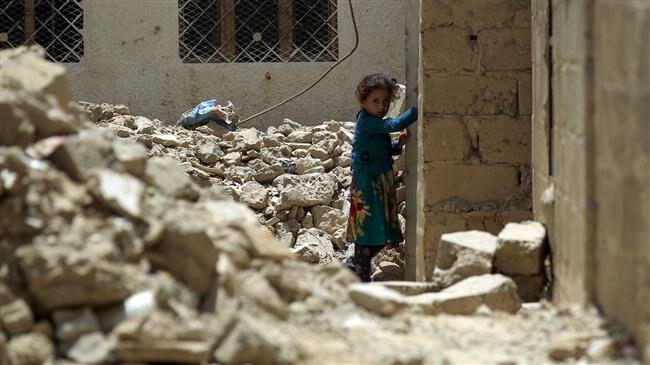
Estimates show that the Saudi-led war has claimed the lives of over 60,000 Yemenis since January 2016.

The years-long military aggression has also taken a heavy toll on Yemen’s infrastructure, destroying hospitals, schools, and factories. The United Nations has warned that more than 24 million Yemenis are in dire need of humanitarian aid, including 10 million suffering from extreme levels of hunger.

Iran Congratulates Muslim States on Eid al-Adha

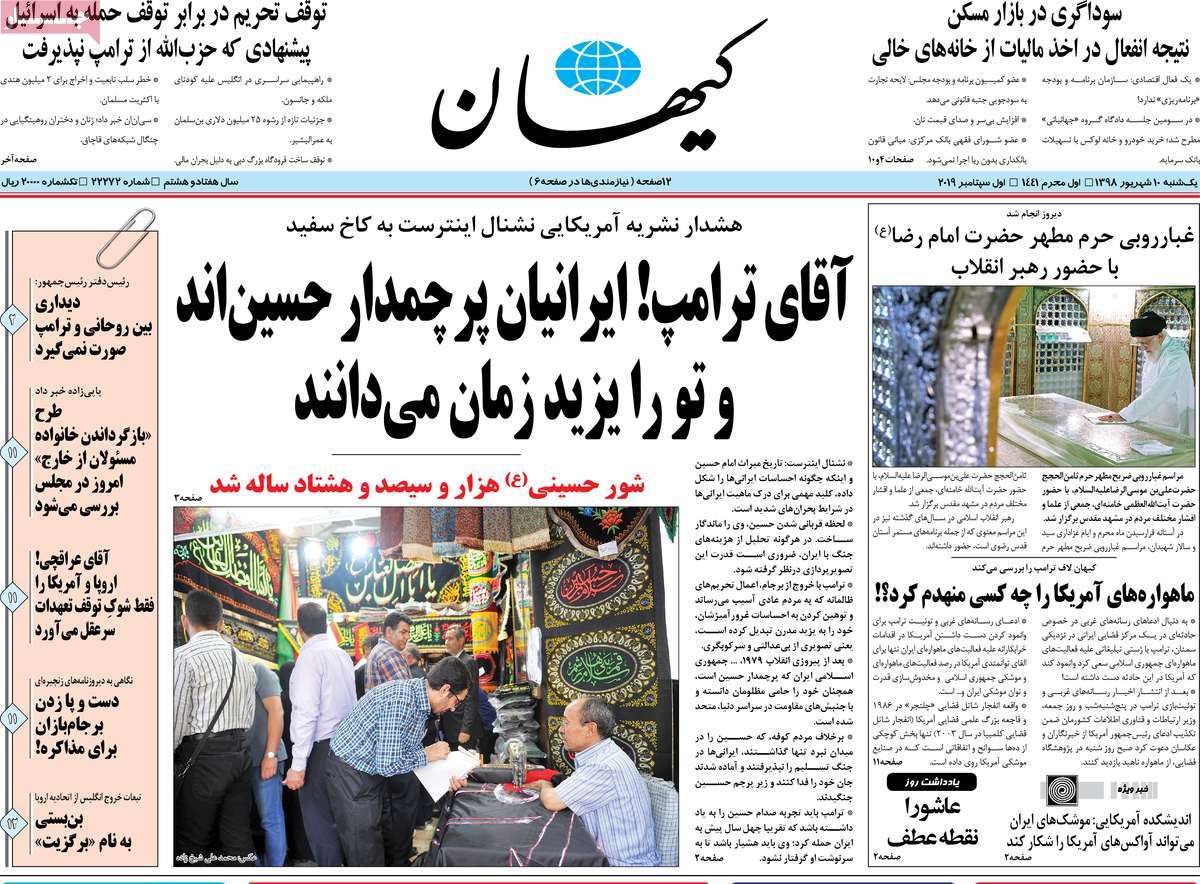
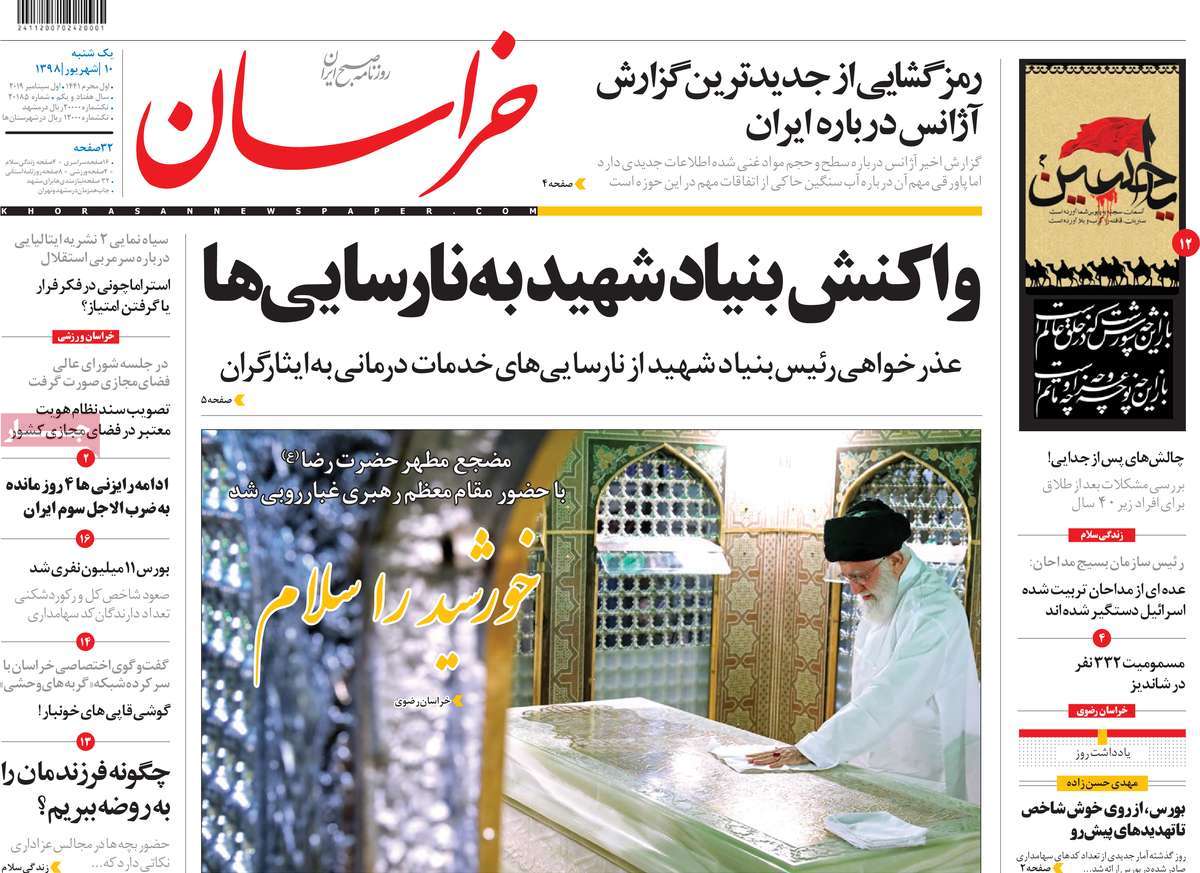
Hassan Rouhani - President of the Islamic Republic of Iran

Rouhani offered his congratulations to the leaders and people of Muslim states in separate messages on Sunday, August 11, 2019.

In the messages, Rouhani expressed the hope that the leaders of Muslim countries and Islamic thinkers will use the blessings of the day to boost their unity in order to counter the unilateralist moves of the hegemonic powers as well as terrorism in the world.

According to the Iranian president, such unity can further promote peace and stability in the region and the world and strengthen justice and brotherhood among Muslim nations.

Earlier in the day, Iranian Foreign Minister Mohammad Javad Zarif also offered congratulations to all Muslims on the happy occasion of Eid al-Adha.

“Eid is a time for unity. We again call on Muslims to prioritize self-respect in pursuit of our rights,” he said.

“If we don’t, outcome will be further attacks on our dignity—such as the proposed Humiliation of the Century,” Zarif noted, referring to the so-called US peace plan for the Middle East, called by the US administration “the Deal of the Century”.

Eid al-Adha or the Feast of the Sacrifice is the second of two Islamic holidays celebrated worldwide each year (the other being Eid al-Fitr), and considered the holier of the two.

It honours the willingness of Prophet Abraham to sacrifice his son as an act of obedience to God’s command. Before Abraham could sacrifice his son, God provided a ram to sacrifice instead.

In commemoration of this, an animal is sacrificed and divided into three parts: one third of the share is given to the poor and needy; another third is given to relatives, friends and neighbours; and the remaining third is retained by the family.

In the Islamic lunar calendar, Eid al-Adha falls on the 10th day of Dhu al-Hijjah. In the international (Gregorian) calendar, the dates vary from year to year drifting approximately 11 days earlier each year.

US Bid to Build Maritime Coalition ‘Dangerous’: Rouhani

Speaking in a telephone conversation with Qatari Emir Sheikh Tamim bin Hamad Al Thani, Rouhani said Washington’s plan to create the naval coalition to patrol the Persian Gulf will make the problems in the region more complicated and dangerous.

He said Iran attaches great importance to maintaining and enhancing the security of the Persian Gulf, the Strait of Hormuz and the Sea of Oman.

Rouhani further added that Tehran has done its best to maintain the security and development of the region.

The Iranian president called Tehran-Doha relations friendly and developing, and emphasised that the ties between the two friendly countries should be further developed and strengthened in all fields, including political, economic and cultural ones.

During the phone call, Rouhani also congratulated the Qatari government and nation on the occasion of Eid al-Adha.

For his part, Qatar’s emir congratulated yjr Iranian government and nation on Eid al-Adha and said de-escalating tensions is in favour of everyone. He said the security of the Persian Gulf should be ensured by regional countries.

He also stressed that Doha welcomes the expansion of relations with the Islamic Republic of Iran in all fields.

‘Zarif’s Voice to Be Heard Louder If Banned from Social Media’

Speaking to reporters on Sunday, Abbas Mousavi pointed to the possibility of blocking the Iranian foreign minister’s social media accounts, especially on Twitter, where he has been a vociferous proclaimer and defender of Iran’s policies and positions on various international developments, noting that such a move “would cause his voice to be heard more loudly at international organizations.”

The Iranian Foreign Ministry spokesman said, “Zarif has verily been targeted with fury and rancor of those who are afraid of Iran’s voice being heard … and this is the reason why they have decided to block his access to US-based social media platforms.”

The Iranian Foreign Ministry spokesman’s remarks came after Mark Dubowitz, the CEO of the hawkish think-tank Foundation for Defense of Democracies whose ideas are believed to underlie many of Trump’s policies, took to his Twitter page on August 8, claiming that “Zarif should be immediately expelled for legal reasons … for using a platform like Twitter.”

Alluding to fallacious allegations by American authorities to be advocates of the freedom of speech and information, Mousavi said, “It will not surprise us if they take such a measure. However, Zarif’s voice in his capacity as the head of the Iranian diplomatic apparatus will definitely be heard by the entire world.”

‘No US talks until economic terrorism stopped’

Elsewhere in his remarks, Mousavi referred to his American counterpart’s recent remarks that US President Donald Trump is still waiting for a call from Iranian officials, noting, “They have been expecting the Islamic Republic to do this for a long time, but this is a futile expectation.”

“As long as America has not stopped its economic terrorism and exerting pressure [on the Iranian nation], the Islamic Republic will enter into no talks [with the United States],” the Iranian diplomat said.

Pointing to the fact that no one with common sense would ever engage in talks under such circumstances, Mousavi said, “The Islamic Republic has a powerful government and nation and will try to give powerful voice to its positions, while Americans have proved time and again that they lack honesty.”

The spokesman said confusion in the US foreign policy is indicative of the fact that they are not honest when declaring their positions and this is why the Islamic Republic does not care much about what they say.

In a report back in May, the CNN said the White House had contacted Swiss authorities to share a telephone number with Iran in hopes that Tehran would contact Trump.

Citing an unknown source, the broadcaster said, however, that Iran was “highly unlikely” to demand the number from Swiss authorities.

The development came a year after Trump pulled the US out of the 2015 Iran nuclear deal, known as the Joint Comprehensive Plan of Action (JCPOA), claiming that it was a bad deal.

Trump unilaterally withdrew the US from the international deal and unleashed the “toughest ever” sanctions against Tehran in defiance of global criticism, notably targeting the Iranian energy sector.

In April, the White House terminated sanctions waivers for major buyers of crude from the Islamic Republic in an attempt to bring Iran’s oil exports to “zero.”

Washington has also been building up its military presence in the Middle East under the pretext of ‘Iranian threats.’

In May, Washington announced a highly provocative plan to dispatch military reinforcements to the Middle East, citing an unspecified Iranian threat.

Later, however, Trump toned down his highly belligerent rhetoric against Iran and repeated, on several occasions, an offer of talks to Tehran.