Friday, December 26, 2025
Home Blog Page 3121

Iran to Further Reduce JCPOA Commitments If EU Fails to Act: Rouhani

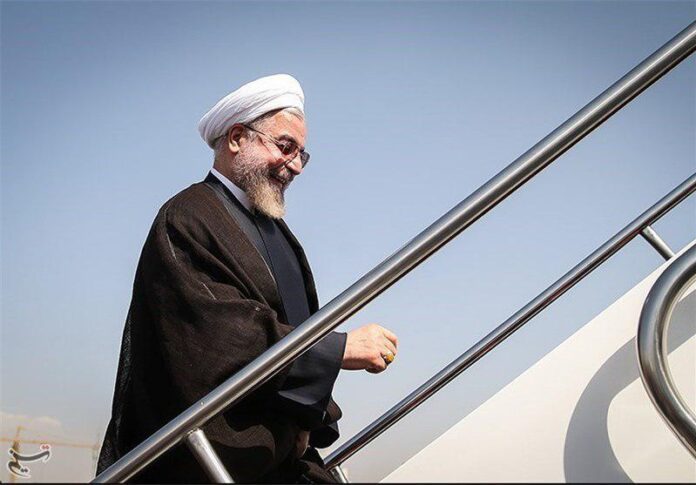
Rouhani made the remark in yet another phone conversation with his French counterpart Emmanuel Macron Saturday evening.

He also stressed that the nuclear deal between Iran and world powers cannot be re-negotiated and all sides must comply with it.

The Iranian President once again reiterated that any further talks depend on the complete removal of anti-Iran sanctions.

Elsewhere in his remarks, Rouhani expressed his gratitude for what he described as France’s concerted efforts in trying to save the accord.

In turn, Macron called for continued negotiations for the resolution of the issues, noting that Paris is following up the political and economic problems with regard to Tehran.

Tehran has already reduced its commitments under the 2015 nuclear agreement in two stages however saying that all the measures are reversible.

The 2015 deal between Iran and six world powers, reached when Trump’s predecessor Barack Obama was in office, was aimed to curb Iran’s disputed uranium enrichment programme in exchange for the lifting of many international sanctions on Tehran.

Since withdrawal from the deal last year, Trump has pursued a policy of “maximum pressure” to try to force the Islamic Republic into broader talks.

While Trump’s European allies also want fresh negotiations with Iran, they believe the nuclear deal must be upheld to help ward off the risk of a wider war in the Middle East. Macron had already met Zarif in Paris before the G7 summit.

Doors Open for Media Interaction with World: Iranian Official 

“We welcome every model of dialogue with the regional and world media and consider dialogue as the sole way to reach common points,” Khoddadi said at a Saturday session of a series of meetings on Iranian-Arabic dialogue, held in Tehran.

Iran’s doors are open to all reporters engaged in real journalism, the deputy minister added.

Khoddadi also stressed the need for closer coordination among the local press, saying the main mission of the news media is to contribute to peace, friendship and international cooperation.

The Iranian official then deplored the contemporary news media for showing graphic images of violence and acts of terrorism, noting, “At present, media terrorism in the world outdoes military terrorism.”

Khoddadi also said that while many foreign media outlets are promoting violence as part of a ploy to upset world peace, Iran is trying to reflect the realities on the ground, has left the door open to dialogue, and is deemed to be the symbol of dialogue after achievement of the 2015 nuclear deal, known as the JCPOA.

From Iran’s viewpoint, the best, fastest and most appropriate approach in the world of media is dialogue, he added, saying Tehran underlines the importance of dialogue among the press.

The deputy minister finally stated that Iran will stick to the last year’s plan for media interaction with Russia, saying an Iranian delegation will be visiting Russia this year.

Inspiring Iranian Journalist Succumbs to Cancer

The young Iranian journalist passed away in Tehran on Saturday morning. He used to work for many Iranian newspapers, magazines and TV programs, including Hamshahri Javan, Donya-e-Varzesh, Jahan-e-Football, and 90.

The deceased had been actively sharing the experience of dealing with cancer with his followers on Twitter and Instagram.

In the last posts on his Twitter account two weeks ago, Shadmani advised everybody to enjoy life, laugh more, and make the others laugh before it is too late.

Mahdi was diagnosed with a type of cancer called Sarcoma.

Sudan’s al-Bashir Admits Getting $25m from Bin Salman

Sudanese demonstrators hold portraits of President Omar al-Bashir during a protest in Khartoum on March 4, 2009. (Photo by AFP)

He made the confession on Saturday before a court, which charged him with illegal acquisition and use of foreign funds.

Judge Al-Sadiq Abdelrahman said at the third session of Bashir’s trial that foreign funds of multiple currencies were found at his home.

Authorities had “seized €6.9 million, $351,770 and 5.7 million Sudanese pounds at (Bashir’s) home which he acquired and used illegally,” the judge said.

Asked about the source, Bashir, 75, admitted to receiving funds from Saudi royals.

“My office manager… received a call from the office of Saudi Crown Prince Mohamed bin Salman saying he has a ‘message’ that will be sent on a private jet,” Bashir said during the trial.

“We were told that the crown prince did not want his name to appear (linked to the transaction), and if the funds were deposited with Sudan’s bank or the finance ministry, the source would have to be identified,” he said.

The judge said illegal acquisition of wealth was punishable by up to 10 years in jail, while illicit use of foreign funds carried up to three years.

An investigator had previously told the court that Bashir received $90 million in cash from Saudi royals.

The trial was adjourned until September 7, said an AFP correspondent who attended the session.

Bashir was ousted in April after mass protests against his three-decade rule rocked Sudan for months.

Sudan has embarked on a transition to civilian rule following a power-sharing deal signed on August 17 by protest leaders and the generals who ousted Bashir.

Geometric Art of Girih Revived in Iran after a Century

Girih; Geometric Art Revived in Iran after a Century

Girih art was prevalent in Iran in the 12th century, but considerably faded in the contemporary era. However, the art has been revived in the country again over the past decade.

Girih is one of the subdivisions of wood arts in the architecture domain. Works produce in Girih art are used both in decorations and architecture.

Girih is one of the ancient forms of wood art; where small pieces of wood are put next together to produce traditional and geometric shapes. The geometric art is among the delicate art forms which were all the rage from the early years of the Islamic era onwards. Some researchers believe the Girih art emerged during the Abbasid Caliphate and became popular during the 12th to 14th centuries in Egypt and Syria from where the art found its way to Iran.

Evidence shows that the Girih art in Iran dates back to the Seljuk and Safavid eras. Isfahan is the birthplace of this art. It is usually used in building holy shrines, tombs, minarets; also in lattice work used in the windows of houses, palaces and fences.

This geometric art was also used widely in designing wooden lattice frames of windows with coloured glass from the Safavid era onwards.

The following are images of a revived Girih workshop in Arak:

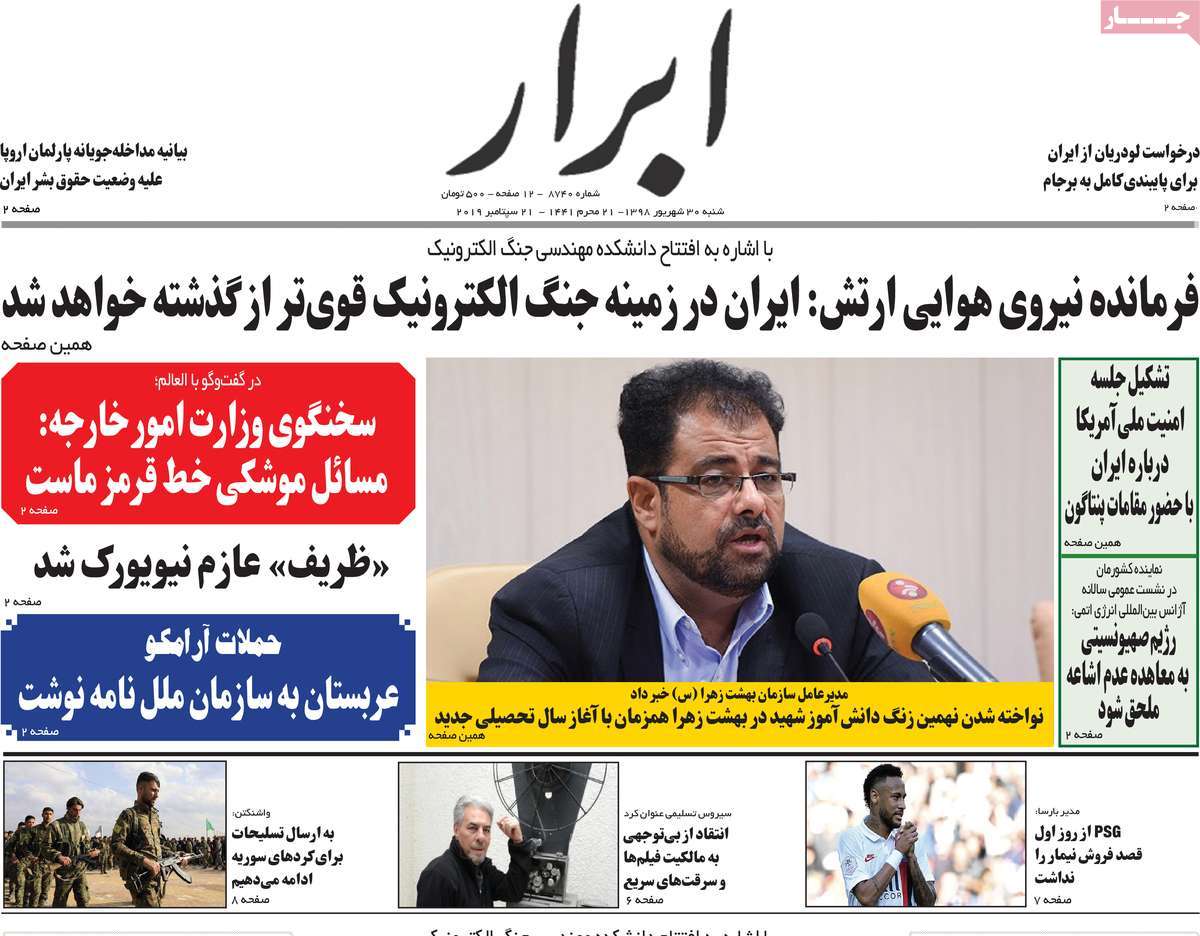
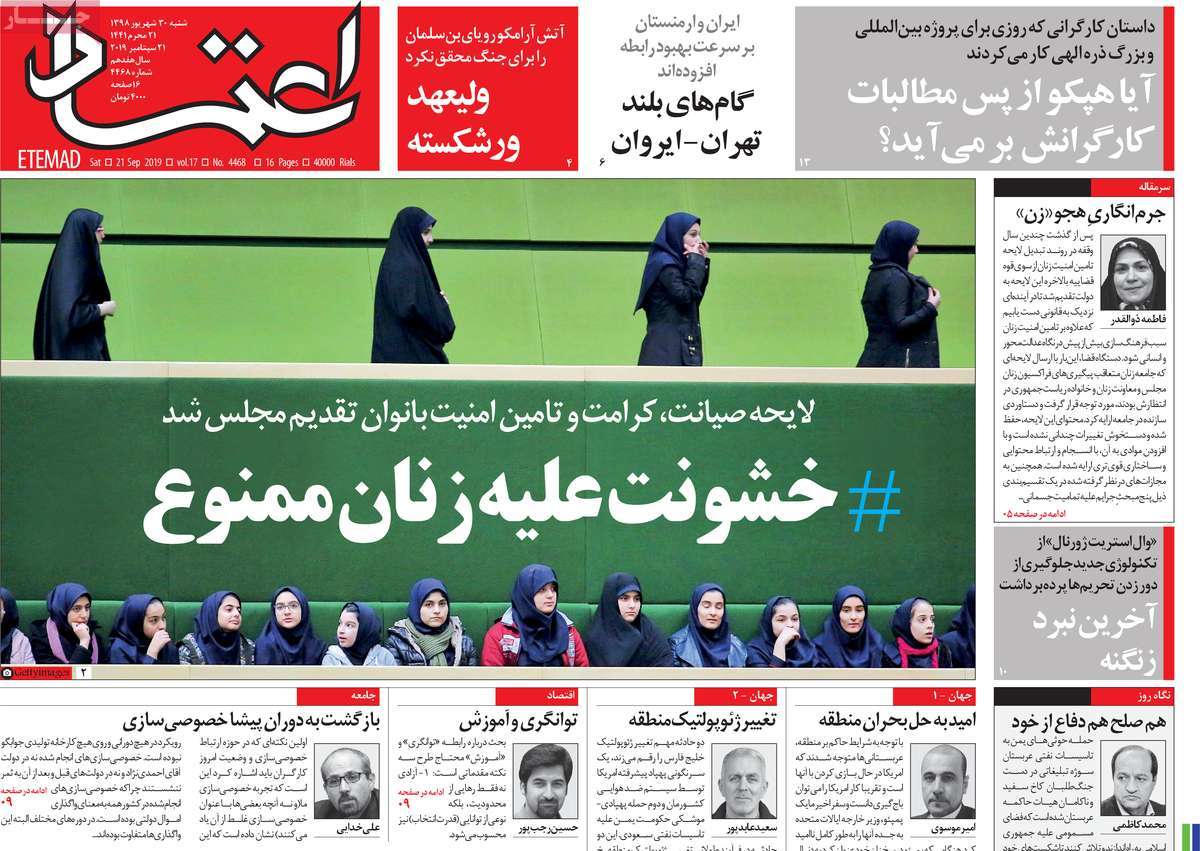
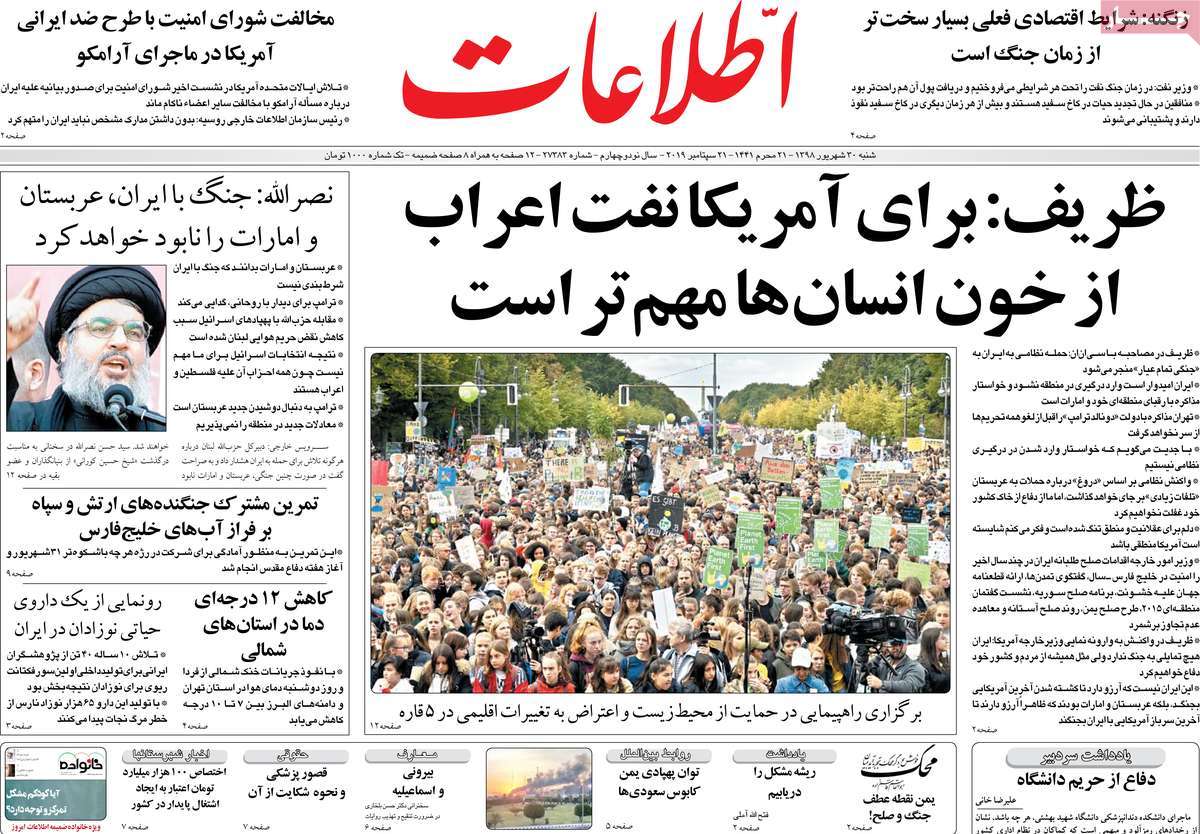
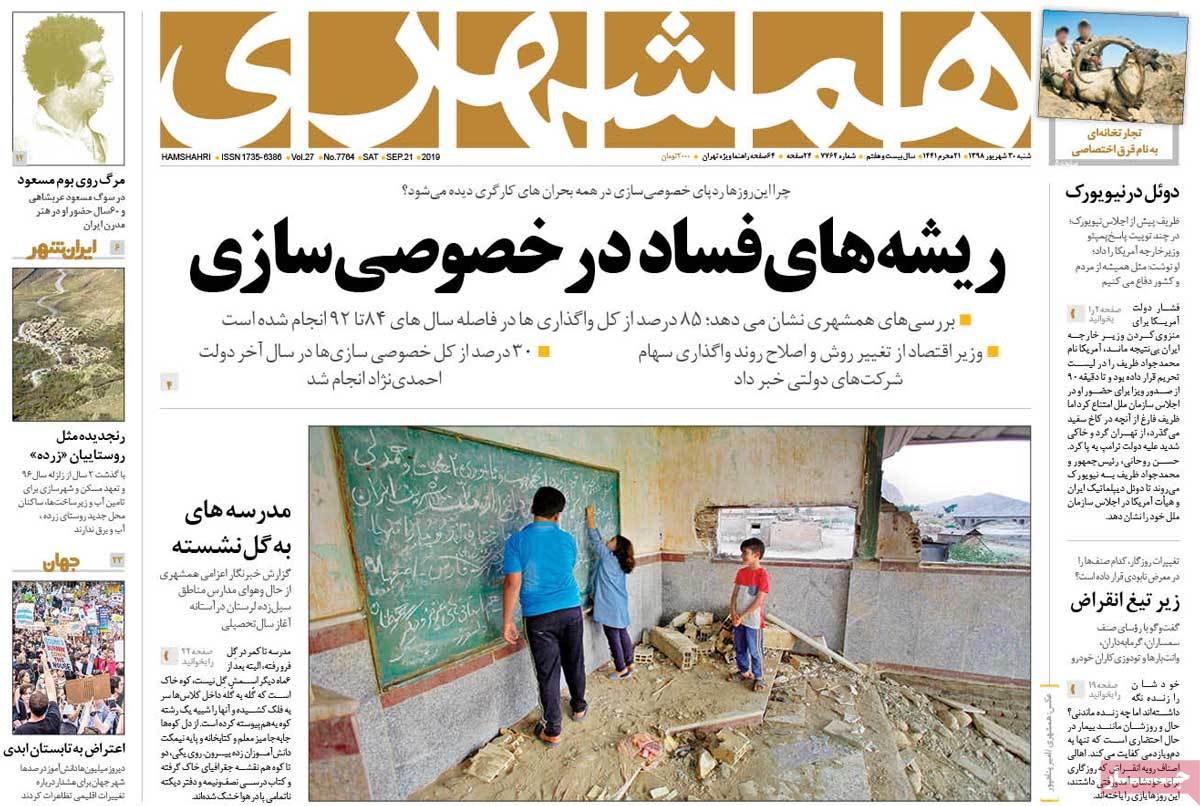
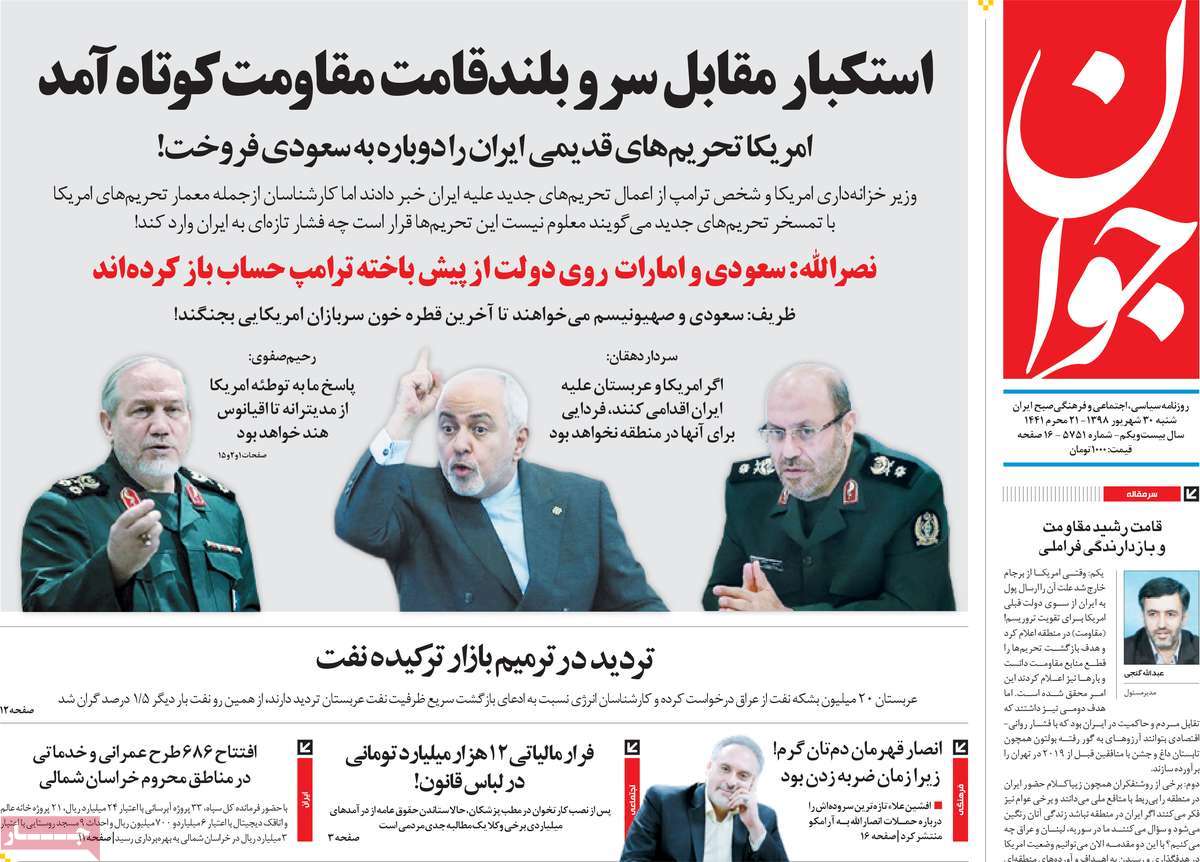
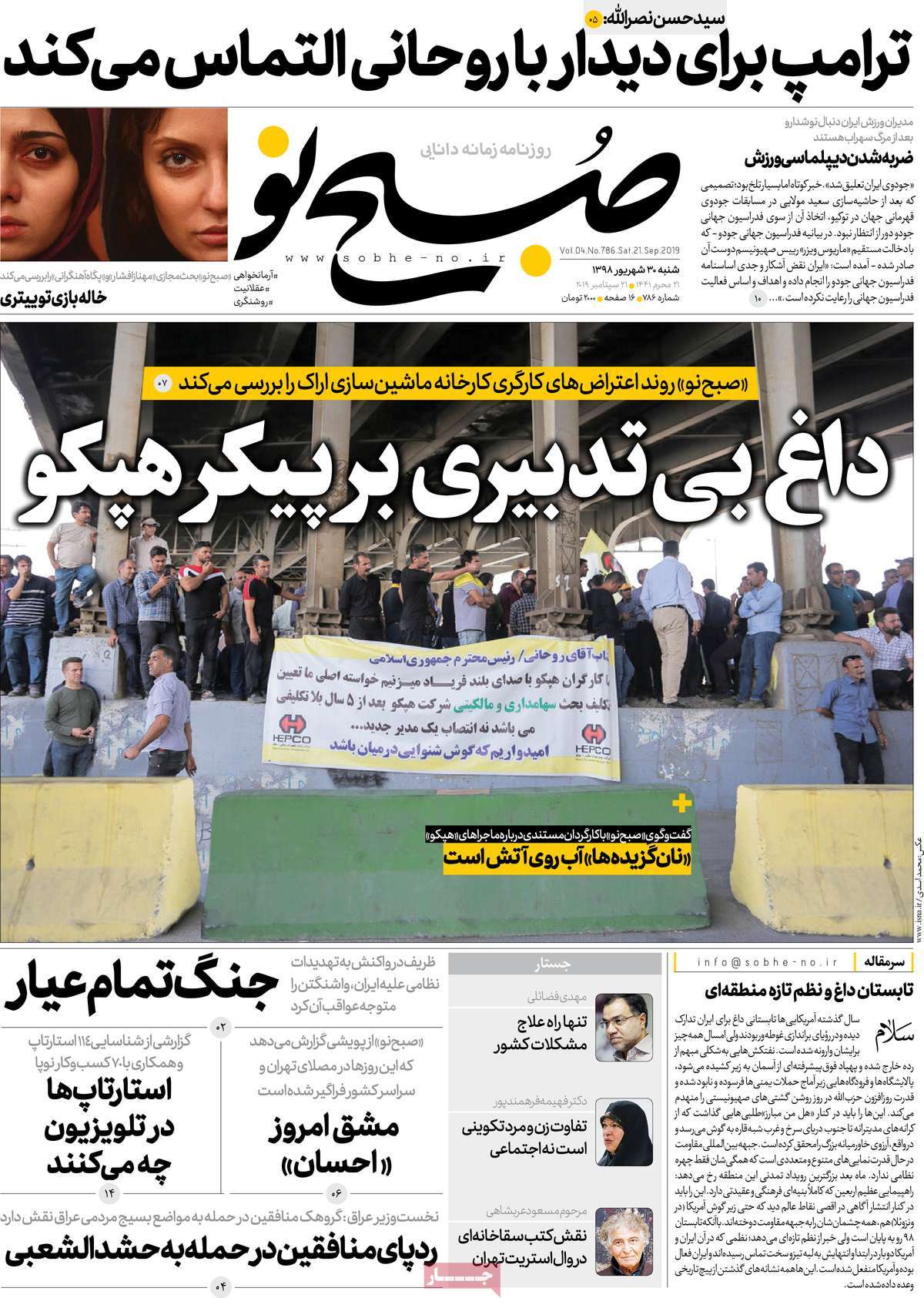
A Look at Iranian Newspaper Front Pages on August 31

A Look at Iranian Newspaper Front Pages on November 19

Abrar:

1- Zarif: If US Seeks Negotiation If Must First Buy Ticket

2- Japan PM: I’ll Meet Rouhani for De-Escalation

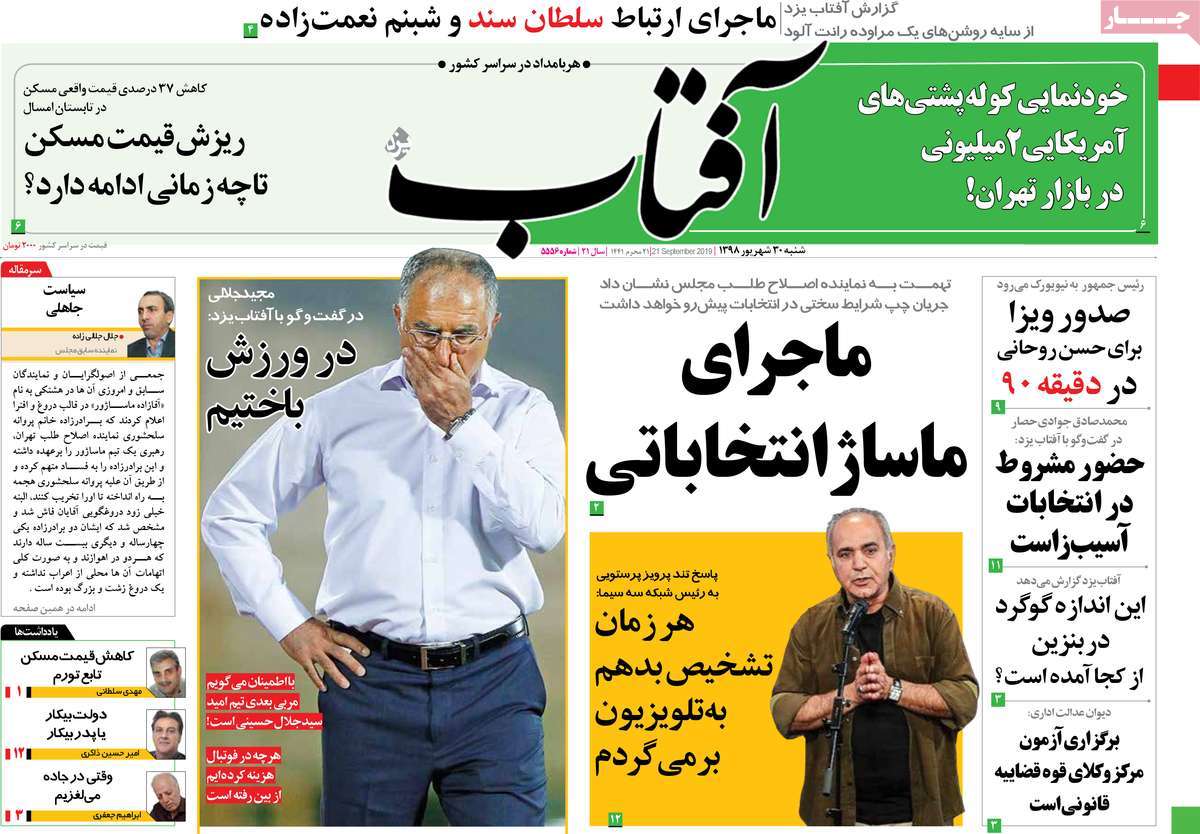
A Look at Iranian Newspaper Front Pages on August 31


Aftab-e Yazd:

1- Ahmadinejad’s Efforts to Be Noticed

* This Episode: Happy Birthday Michael Jackson

2- IRGC Construction Base to Construct Artificial Island in Kish

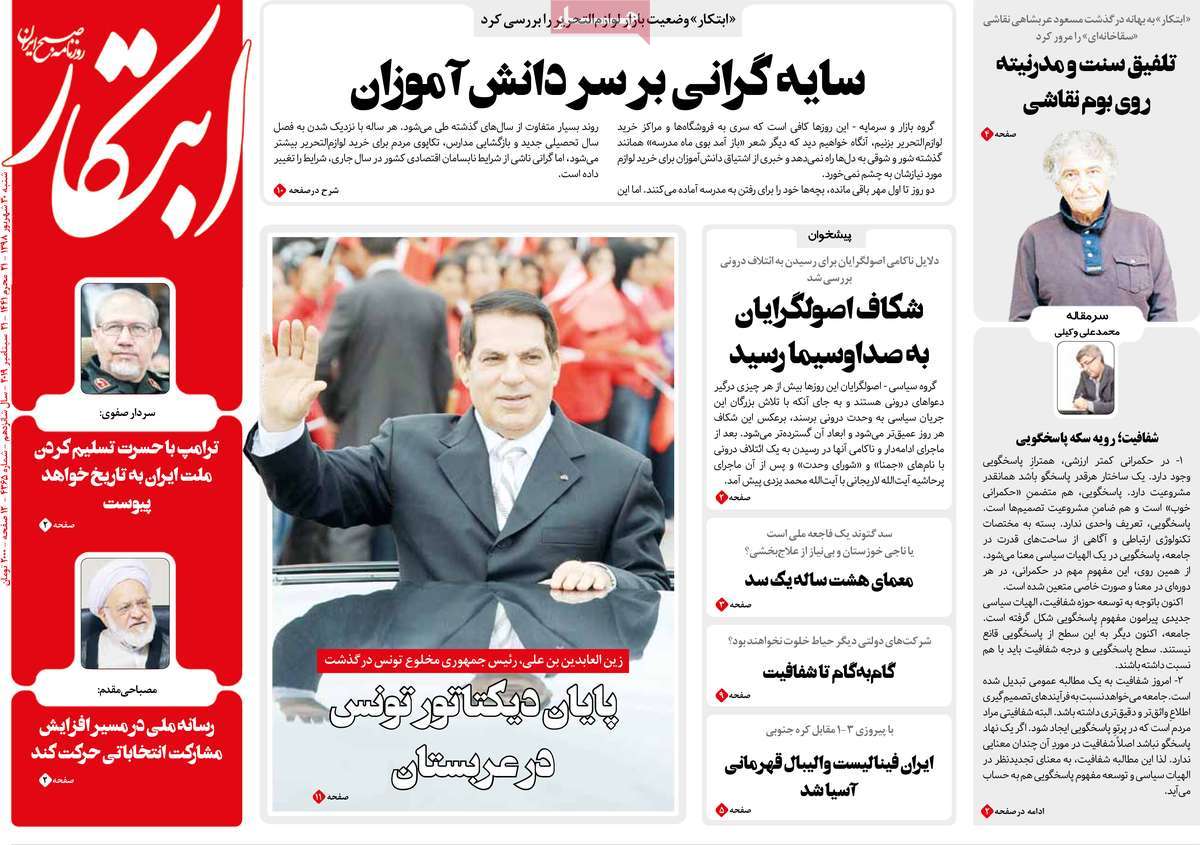
A Look at Iranian Newspaper Front Pages on August 31


Ebtekar:

1- Economic Problems Getting Over: Rouhani’s Deputy

2- Zarif Rules Out Possibility of Renegotiating JCPOA

A Look at Iranian Newspaper Front Pages on August 31


Etemad:

1- Axios Reveals Netanyahu Afraid of Zarif-Trump Meeting

A Look at Iranian Newspaper Front Pages on August 31


Ettela’at:

1- Iran, Malaysia Agree to Form High Council on Bilateral Ties

2- UAE’s Aerial Attack on Saudi-Backed Forces in Yemen Leaves 40 Killed, 70 Injured

A Look at Iranian Newspaper Front Pages on August 31


Javan:

1- Moving Over JCPOA

* Mogherini’s Support for Macron’s Offer Confirms Death of JCPOA

2- Zarif: Europe Lacks Political Resolve to Implement JCPOA

A Look at Iranian Newspaper Front Pages on August 31


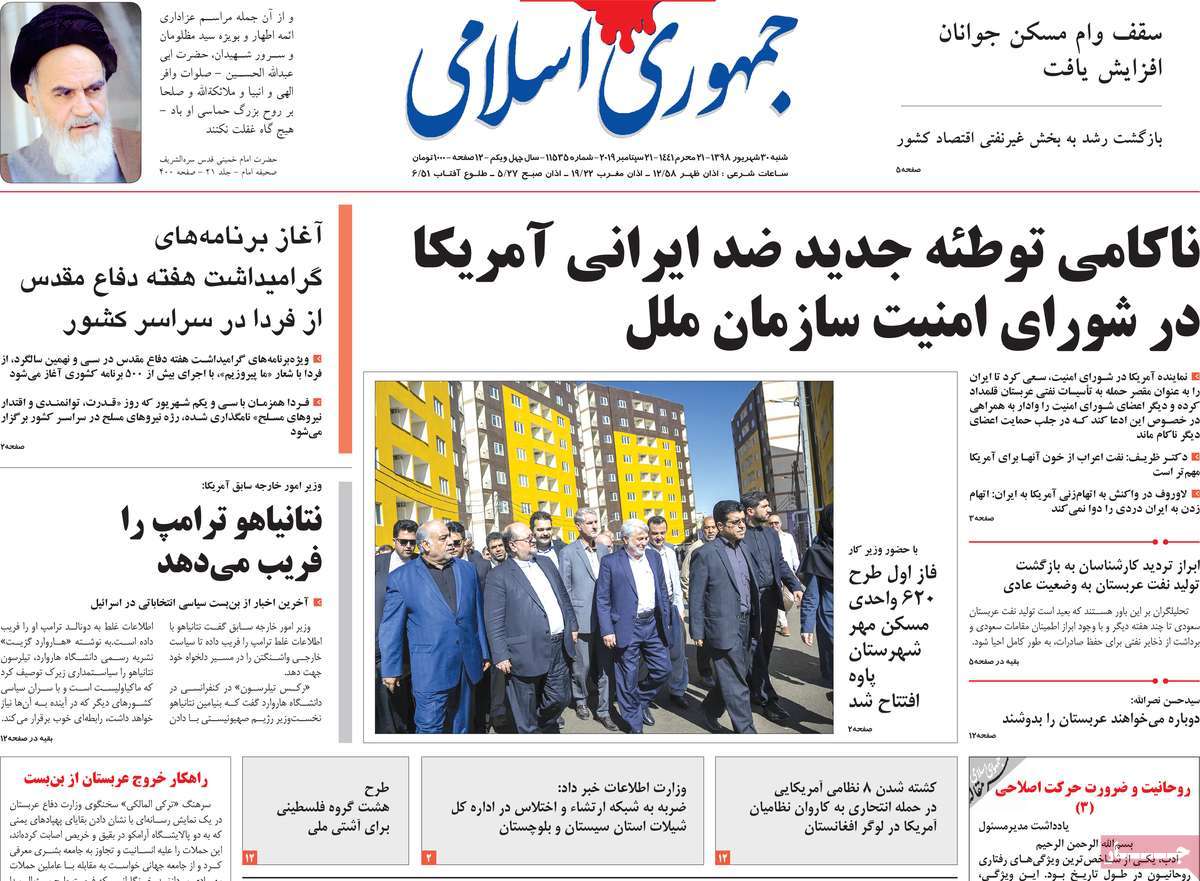
Jomhouri Eslami:

1- Coup against Democracy in UK: Queen Shuts Down Parliament

2- Pakistanis Hold Rallies in Support for Kashmiris

3- Japan PM Calls for Meeting with Rouhani to Ease Mideast Tensions

A Look at Iranian Newspaper Front Pages on August 31


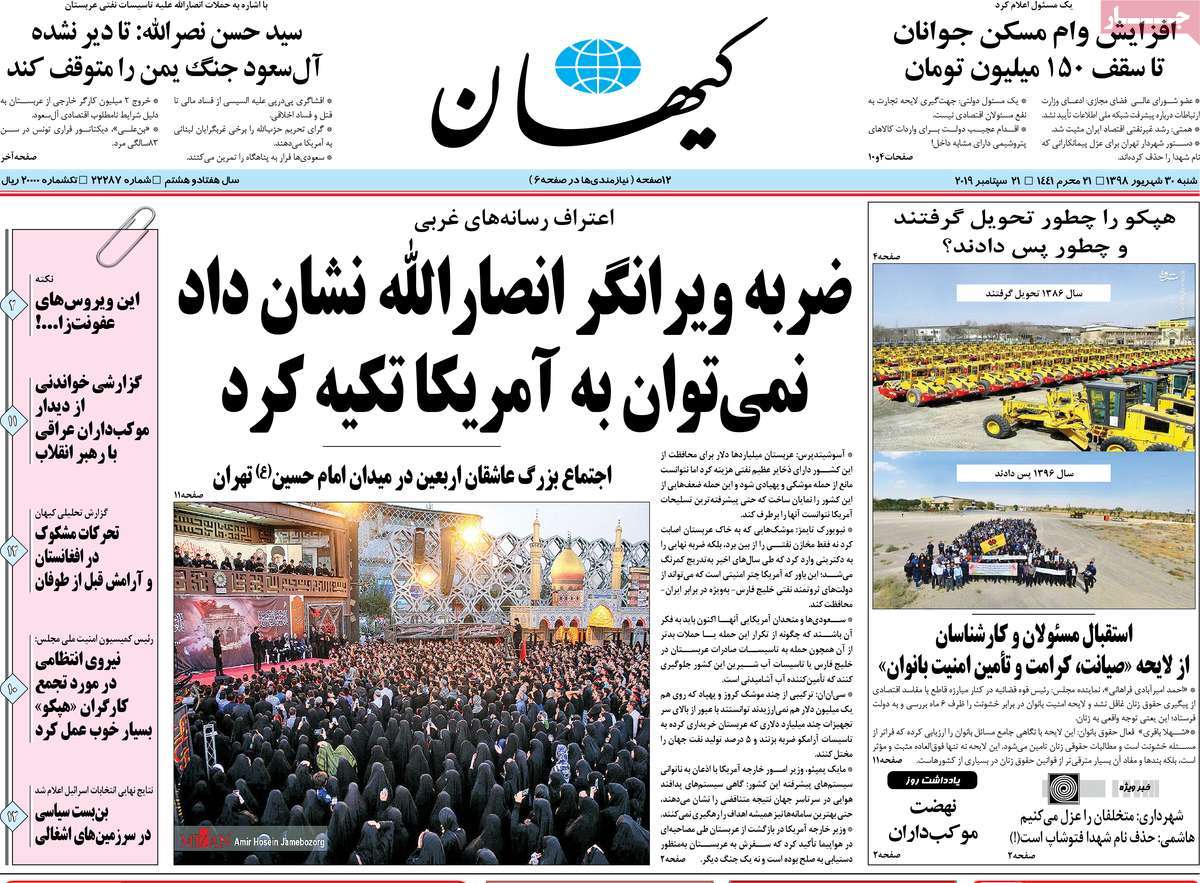
Kayhan:

1- Controversy of Johnson and Queen; Rumours of Ending Royal System in UK

2- Zarif: We’ll Remain Committed to JCPOA as Much as Other Parties Do

3- Good News Imminent on Arak Reactor in Two, Three Months: Official

A Look at Iranian Newspaper Front Pages on August 31


Khorasan:

1- Secrets Cults, Societies Making Historical Inroads into White House

* From Radical Evangelists to Skull and Bones Society

2- Opening of Trade with Eurasia, India

A Look at Iranian Newspaper Front Pages on August 31


Sazandegi:

1- Coup against Parliament

* 400 Years after Last Shutdown of Parliament, This Time Johnson Does It

* Rise of Populism in a Country that Founded Constitutional Monarchy in World

A Look at Iranian Newspaper Front Pages on August 31


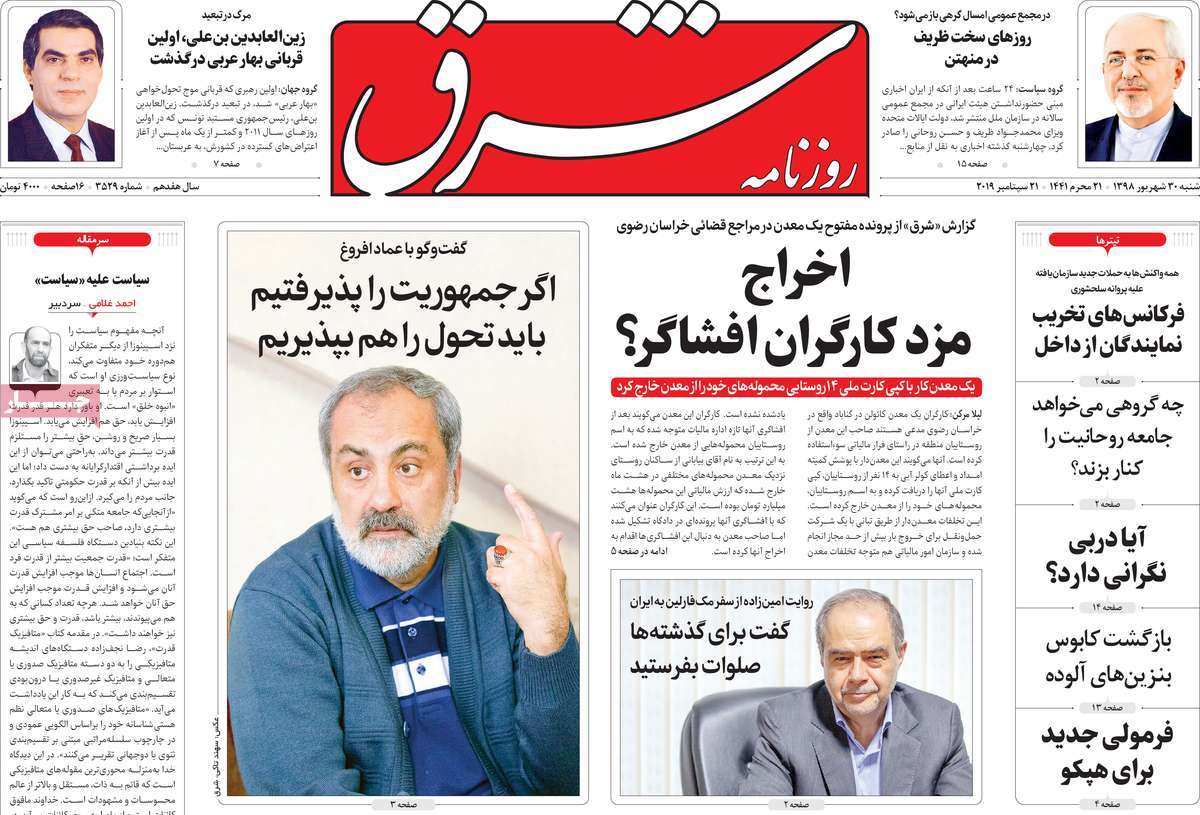
Shargh:

1- $15 Billion to Be Injected into INSTEX to Stop Iran from Implementing 3rd Phase

A Look at Iranian Newspaper Front Pages on August 31

Iran Says US Shows ‘Some Flexibility’ on Easing Oil Bans

Mark Dubowitz’s Delight over Coronavirus in Iran ‘Shameful’: Araqchi

According to Araqchi, the issue was raised in a recent meeting between French President Emmanuel Macron and US President Donald Trump in the French city of Biarritz.

“Macron met with Trump during the G7 meeting, where the US side showed some flexibility in the licensing of Iranian oil sales,” Araqchi said on Saturday.

“This is a breach in the US maximum pressure policy and a success for Iran’s policy of maximum resistance,” he noted.

Iran is currently reducing its commitments under the 2015 nuclear deal with world powers, which the US withdrew from last year.

The country has implemented the first and second phases of reducing its commitments, and is preparing to begin the third phase in coming days, unless the European Union fulfils its side of the bargain, and Iran could reap the benefits of the multilateral agreement.

Otherwise, Iran has warned that it may push forward with 20% uranium enrichment and resume previous activities at the Arak heavy water nuclear reactor in the third nuclear commitment containment.

As a first step, Iran increased its enriched uranium stockpile to beyond the 300 kilograms set by the JCPOA. In the second step, Tehran began enriching uranium to purity rates beyond the JCPOA-limit of 3.76 percent.

The Europeans have already missed two 60-day deadline set by Tehran, prompting Iran to go for the third phase of cutting its commitments on September 6, which will mark the start of a third such deadline for them.

Consequences of Israeli Attacks on Iran-Backed Forces in Iraq

Mourners hold a banner with Arabic that reads, "Masses of the Popular Mobilization Forces chant death to America, death to Israel" during the funeral procession of Abu Ali al-Dabi, a fighter of the Popular Mobilization Forces, who was killed in a drone attack, in Baghdad, Iraq, August 26, 2019. / Photo by AP

It was January 19 when a rather strong blast rocked one of the bases of the 52nd Brigade of the Popular Mobilization Forces (PMF). That was the beginning of serial attacks on PMF positions. Afterwards, the former Ashraf camp and the Sayyid of Martyrs Battalions, or Kata’ib Sayyid al-Shuhada (KSS), in Baghdad’s Dora were targeted. And recently, an explosion hit an arms depot belonging to one of the groups affiliated with the PMF. The depot lies near Balad base 64 kilometres from Baghdad.

Then, Israeli Prime Minister Benjamin Netanyahu implicitly claimed responsibility for the attacks on PMF bases. He also stressed the need for such attacks to continue. Netanyahu’s comments made Iraqi officials, especially PMF commanders, break the silence and release more information on the attacks.

Deputy PMF Commander Abu Mahdi al-Muhandis in a statement blamed the United States for the recent blasts at the PMF’s ammunition depots. He stressed that Washington seeks to violate Iraq’s sovereignty and attack PMF forces. He said he has precise and confirmed intelligence suggesting the Americans have brought four unmanned aerial vehicles into Iraq this year via the Azerbaijan Republic in order to work on the trend of conducting flights against Iraqi military bases. He also referred to other information, including maps and audio files, saying US drones have recently been gathering information on PMF bases rather than chasing ISIS terrorists, and have collected data on the PMF’s divisions as well as arms and ammunition depots.

Iraqi National Security Advisor and PMF chief Falih al-Fayyadh announced in a statement the following day that al-Muhandis’ comments did not reflect the PMF’s official stance, but he did not reject those comments, either. It seems the PMF’s official stance will be announced by Iraqi Prime Minister Adil Abdul Mahdi’s office after his probe is complete. It goes without saying that a delay in the announcement of the details of the attacks and making plans to adopt deterrent moves will only result in an increase in threats against the PMF. The Iraqi Army and people’s security is closely intertwined with that of their popular forces, and the continuation of attacks on PMF bases will be a serious threat against different areas across Iraq. Conducting assaults against the positions of popular mobilization forces, who are now legally part of Iraq’s Armed Forces, amounts to targeting Iraq’s territorial integrity, sovereignty and security.

One of the reasons that prompt Iraqi authorities to drag their feet on unveiling the hidden dimensions of raids on PMF bases is Baghdad’s weakness in dealing with parties involved in the attacks. This precaution and patience has its root in Iraq’s weakness in political and military domains.

On the one hand, this political weakness can be attributed to the enforcement, to the letter, of orders and the power of decisions by the prime minister. Despite the recent order by Abdul Mahdi to bring the country’s airspace under full control and cancel all permits of flight in the Iraqi skies, still we saw another attack against PMF positions, a similar attack from a single command centre inside Iraq.

On the other hand, a lack of state-of-the-art equipment and air defence systems have weakened the Iraqi military, so much so that it cannot monitor the violation of the country’s airspace by Israeli drones and US military movements on Iraqi soil. Under such circumstances, it is clear that the US, with its 15 bases, is well able to have control over Iraq’s day-to-day affairs and achieve its objectives one after the other.

If we regard a weak air defence system with a limited ability to spot and hit targets as one of the major military weaknesses of Iraq, we should not forget that the challenges Baghdad is facing with regards to purchasing these systems have added to the problem. Iraq is unable to buy Russian-made air defence systems because Moscow itself along with the United States as the Israeli regime’s allies is not willing to sell the systems to Baghdad.

Even if the Abdul Mahdi government wants to purchase systems such as S-300 and S-400 from another country, it will face pressure and threats by Washington. The US reaction may even be stronger than the sanctions Washington slapped on its NATO ally Turkey over the purchase of the air defence systems. Iraq is also unlikely to import air defence systems via Iran due to Tehran’s strategic considerations, the high risk of transfer, the threat of Washington’s confrontations and even opposition from inside Iraq.

In any case, PMF forces should reciprocate and show its deterrent power in order to stop threats against its bases. Now that the US and the Israeli regime’s joint strategy is to deal a blow to Iran’s proxy troops, more attacks should be expected in Lebanon, Syria and Yemen. Under such circumstances, only the “threat against threat” strategy will work.

So, the PMF’ future moves may be planned based on the decisions made within the organization independently from the Iraqi government’s official reactions. The reason is that the Iraqi government does not favour confrontation with American troops and fears the consequences of threatening the interests of the United States in Iraq. However, the PMF’s calculations are different and it is expected to go into action independently.

Due to distance and the fact that PMF forces lack the necessary resources to launch similar air raids against the Israeli regime, they will focus on ground operations. If they adopt such an approach, they will be able to use the territories of the resistance front, especially the Syrian soil, to deal a direct blow. Israeli embassies in Iraq’s neighbouring countries can also be struck as indirect Israeli targets.

As for Iran’s backing or lack of backing for the PMF’s reciprocal measures, it should be noted that operations against PMF forces has been to harm Tehran’s interests and trigger objections over Iraq’s cooperation with Iran. It goes without saying that Iran will move to counter such conspiracies and call for support for the PMF. Nevertheless, one should wait and see how and at what level this support will be. Head of the Iraqi State of Law Alliance Nuri Maleki warned Israel that if Tel Aviv’s attacks continue, Iraq will turn into a battlefield where more than one country, including Iran, will be involved.

This warning can be analyzed in two ways. On the one hand, the remarks can be evaluated as being aimed at preparing the Iraqi public opinion for possible cooperation between Tehran and Baghdad on Iraqi soil. On the other hand, since these attacks were the first Israeli threats against Iraq following Operation Opera in 1981where Iraq’s nuclear installations were targeted in a bid to threaten Iran’s interests, the remark by Maleki could be seen as a hint to bring responsibility upon Iran toward the situation in Iraq and suggesting that Iran is expected to get involved in the current crisis. Of course, a more logical decision would be to take the necessary reciprocal actions without Iran getting directly involved as Iran’s engagement may lead to a standoff between the government and part of Iraqi people.

Iran Marks National Day of Asiatic Cheetah

As part of its efforts to save the highly-endangered species, the Asiatic Cheetah Research Centre in Iran is currently hosting two female cheetahs named “Delbar” and “Iran”, and a male one named “Koushki”.

Since 2014, experts are endeavouring to create a professional research site there to improve empirical knowledge about cheetahs, their behaviours in particular.

Researchers also put emphasis on educational values, genetic conservation and disease diagnostic of the remaining Asiatic cheetahs kept in captivity all around the world. Iran is known as the last habitat of this species.

What follows are IRNA’s photos of the beautiful cheetahs at the Iranian research centre:

Iran Shows Satellite to Reporters in Rebuttal of US Claim

Iranian Minister of Information and Communications Technology Mohammad Javad Azari Jahromi took the reporters on Saturday morning to a space research center, where the domestically-made satellite was showcased undamaged.

Earlier in the day, Jahromi posted a picture of himself along with the telecommunication satellite, saying, “Me & Nahid 1 right now. Good Morning Donald Trump!”

It came one day after Trump posted on Twitter a black-and-white photo of what he claimed to be a “catastrophic accident” at the launchpad in a space center in Iran’s northern Semnan Province, saying it involved Safir (ambassador) satellite-carrier rocket.

“The United States of America was not involved in the catastrophic accident during final launch preparations for the Safir SLV Launch at Semnan Launch Site One in Iran. I wish Iran best wishes and good luck in determining what happened at Site One,” Trump said.

Some media reports said that the picture showed a third failed attempt by Tehran to lift a satellite into space.

Azari Jahromi, however, took to Twitter to reject the reports, saying, “Frankly, Nahid 1 is doing well, is in the laboratory, and reporters can come visit.”

Iran is expected to launch three satellites into orbit by the end of the year despite US warnings against the country’s aerospace program.

The satellites include Nahid 1, which has Iran’s first foldable solar panels, as well as Zafar and Pars 1 sensing satellites.

Iran launched its first locally-built satellite, Omid (Hope), in 2009. The country also sent its first bio-capsule containing living creatures into space in February 2010, using Kavoshgar (Explorer)-3 carrier.

In February 2015, Iran placed its domestically-made Fajr (Dawn) satellite into orbit, which is capable of taking and transmitting high-quality photos to stations on Earth.

In January 2019, the domestically-built Payam (Message) satellite was launched into space with an aim to collect environmental information; however, technical problems that occurred during the final stage of the launch prevented the spacecraft from reaching orbit.