Monday, December 29, 2025
Home Blog Page 3109

Iranian Official Decries Canadian State-Sponsored Economic Terrorism

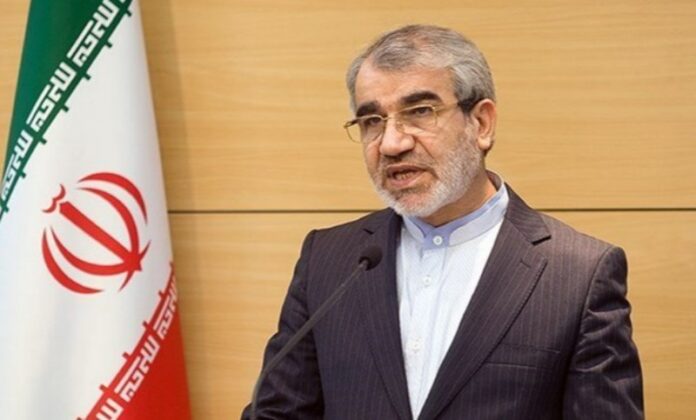
In a post on his Twitter account on Saturday, Abbas-Ali Kadkhodai said the Canadian government’s expropriation of the Iranian assets amounts to an act of state-sponsored economic terrorism.

“Economic terrorism is a ploy in which the Western governments misuse the legal instruments to impound or expropriate the economic interests and resources of the other nations, without fair judicial procedures. Canada’s expropriation of Iran’s state-owned assets is a blatant example of state-sponsored economic terrorism,” he said.

The Ottawa government’s action against Iran contradicts the principles of international law, including the sovereignty of states, Kadkhodai added, calling on the Iranian Judiciary to take action against Canada in accordance with a law passed in March 2012 which authorizes the Islamic Republic of Iran’s Justice system to hear lawsuits against the foreign governments.

Global News announced on Thursday that tens of millions worth of seized Iranian properties have been sold off in Canada and the proceeds handed to victims of terrorist attacks blamed on Iran and its proxy groups.

According to a document filed in the Ontario Superior Court of Justice last month, the victims got a share of the money earned through the sale of Iran’s buildings in Ottawa and Toronto.

The Ottawa property, which had been the Iranian Cultural Centre, was particularly valuable.

Marketed as a “transit-oriented development opportunity on the apron of the University of Ottawa,” it sold to a Montreal developer for $26.5-million.

In addition to the proceeds of the sale of the properties, the victims were awarded a share of some $2.6-million seized from Iran’s bank accounts. Documents also list a Toyota Camry and Mazda MPV.

‘Iranian Wolf’ Stuns Judges at 2019 Mr. Olympia

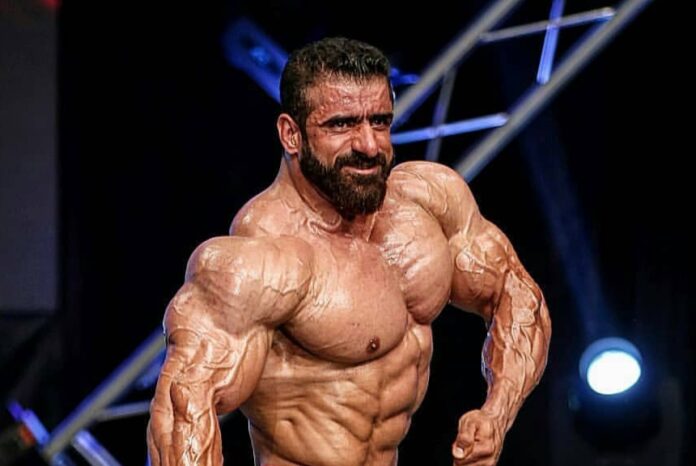
Hadi Choopan - 'Iranian Wolf' Stuns Judges at 2019 Mr. Olympia

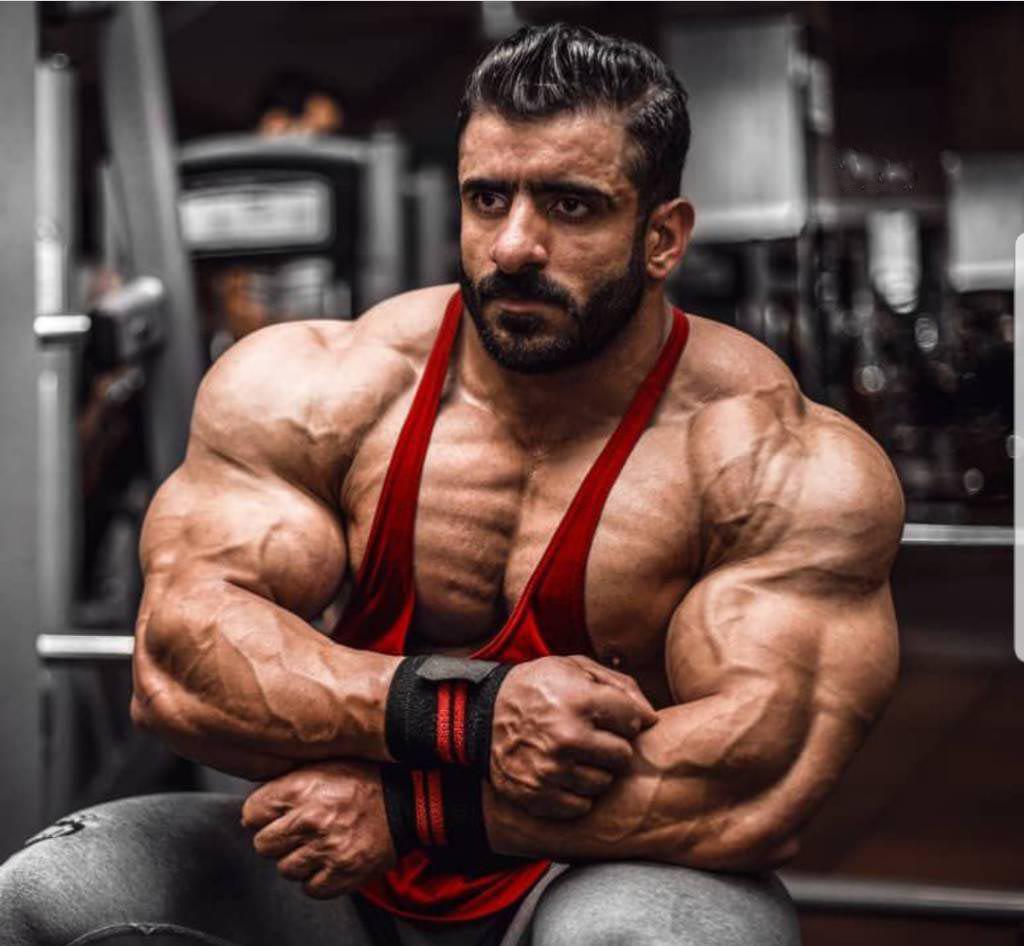
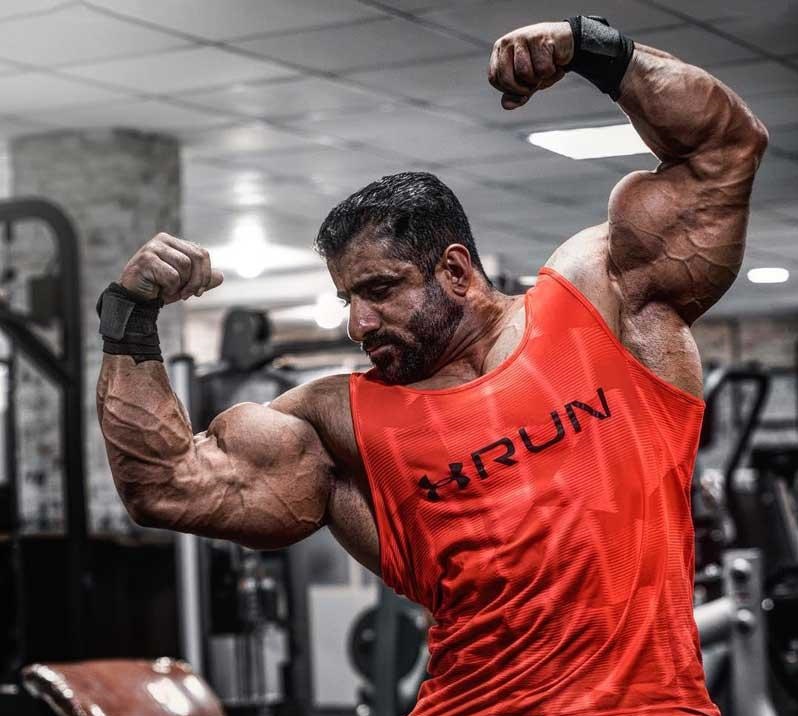
The highly-experienced bodybuilder, known as the Iranian Wolf, gave a stunning performance in the 55th Mr. Olympia competition, a weekend-long bodybuilding contest held in the US city of Las Vegas.

In his first ever Olympia 2019 posing routine, Hadi Choopan started out impressively in the Men’s Open.

Hadi Choopan - 'Iranian Wolf' Stuns Judges at 2019 Mr. Olympia
Hadi Choopan – Iranian Wolf

The Friday night prejudging surprised the judges and spectators when Choopan could stand among the top 4.

Many believe that the Iranian athlete will be able to even win the title in the finals.

Mr. Olympia 2019: Hadi Choopan of Iran Wins People Choice Award

Only one Iranian bodybuilder had succeeded to compete in Mr. Olympia games before Choopan.

Late athlete, Beitollah Abbaspoor, had ranked 17th in 2013.

Hadi Choopan - 'Iranian Wolf' Stuns Judges at 2019 Mr. Olympia
Hadi Choopan – Iranian Wolf

Iran to Host Exhibition of 300 Historical Spanish Artworks

Director of the National Museum of Iran Jebreil Nokandeh says after the end of the Iranian exhibition in Spain, all the 196 historical items borrowed from Iranian museums, along with 300 ancient Spanish works, were returned to Iran on Thursday, September 5.

These items were escorted to the National Museum of Iran by the Iranian Ministry of Cultural Heritage, Tourism, and Handicrafts after the customs procedure, he said.

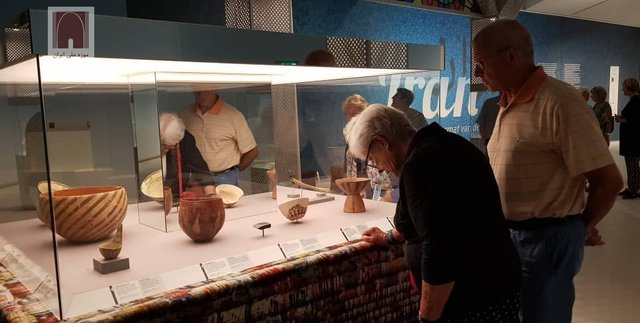
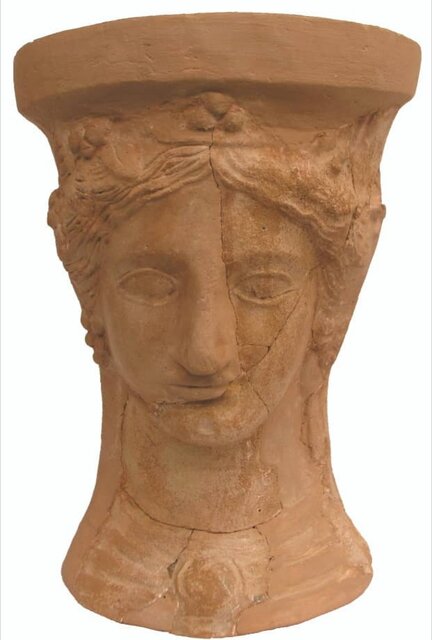
The Spanish works have been selected from the Alicante Museum of Archaeology, and will be displayed in an exhibition in Tehran entitled “The Archaeology of Spain”, along with the works of the “Iran: Cradle of Civilisation”, Nokandeh said.

The exhibition will be launched on September 22 in the presence of political and cultural figures, he added.

“The collection comprises 300 works such as figurines, earthenware, and paintings that tell the story of ancient Spanish land in the eastern Mediterranean from various pre-historic times to recent centuries.”

Iran to Host Exhibition of 300 Historical Spanish ArtworksNokandeh further referred to the “Iran: The Cradle of Cilivisation” exhibition, and said it has been selected as the best museum exhibition in the world.

According to Nokandeh, the Iranian collection was on display during the first phase of its journey from June 16 in the Dutch Drents Museum. After five months of impressive activity, it attracted more than 115,000 visitors and won first prize as the best museum exhibition of the year, ISNA quoted Nokandeh as saying.

Following the request of the Archaeological Museum of Alicante in eastern Spain, it began its next show on March 14, where it received over 100,000 visits by mid-September.

All the works of the Dutch Archeology and Art Exhibition, exhibited at the National Museum of Iran from October 2, 2018 to July 31, 2019, were returned to their original source, the Drents Museum in Assen, on Thursday, September 12. The exhibition was able to recount 50,000-year history of the Dutch land to visitors in a variety of ways.

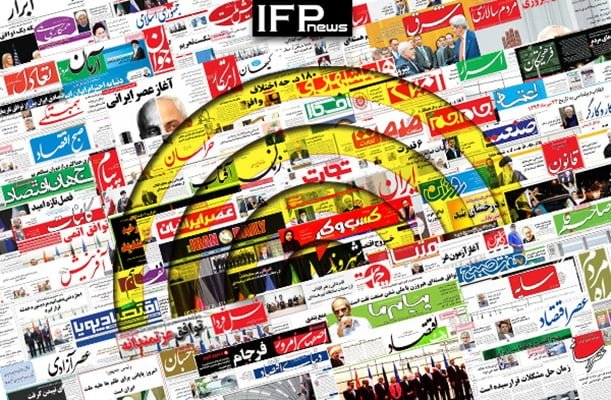
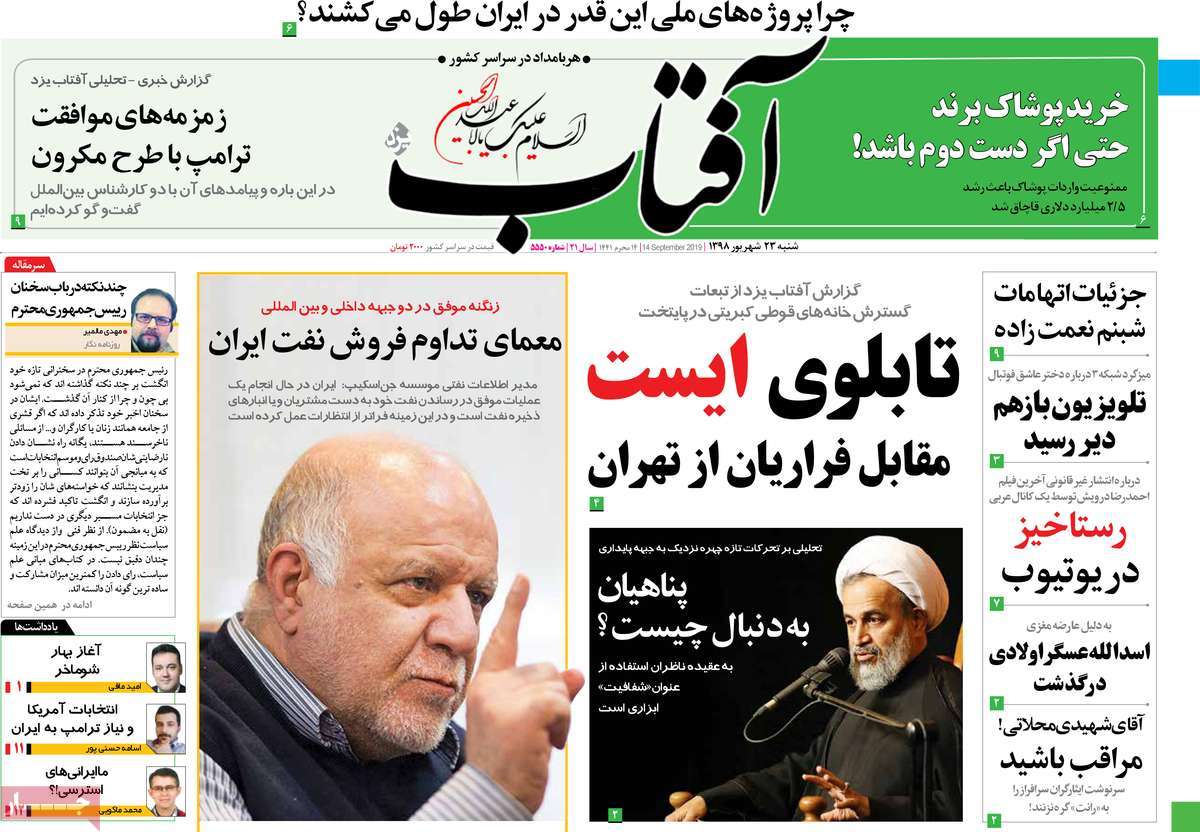
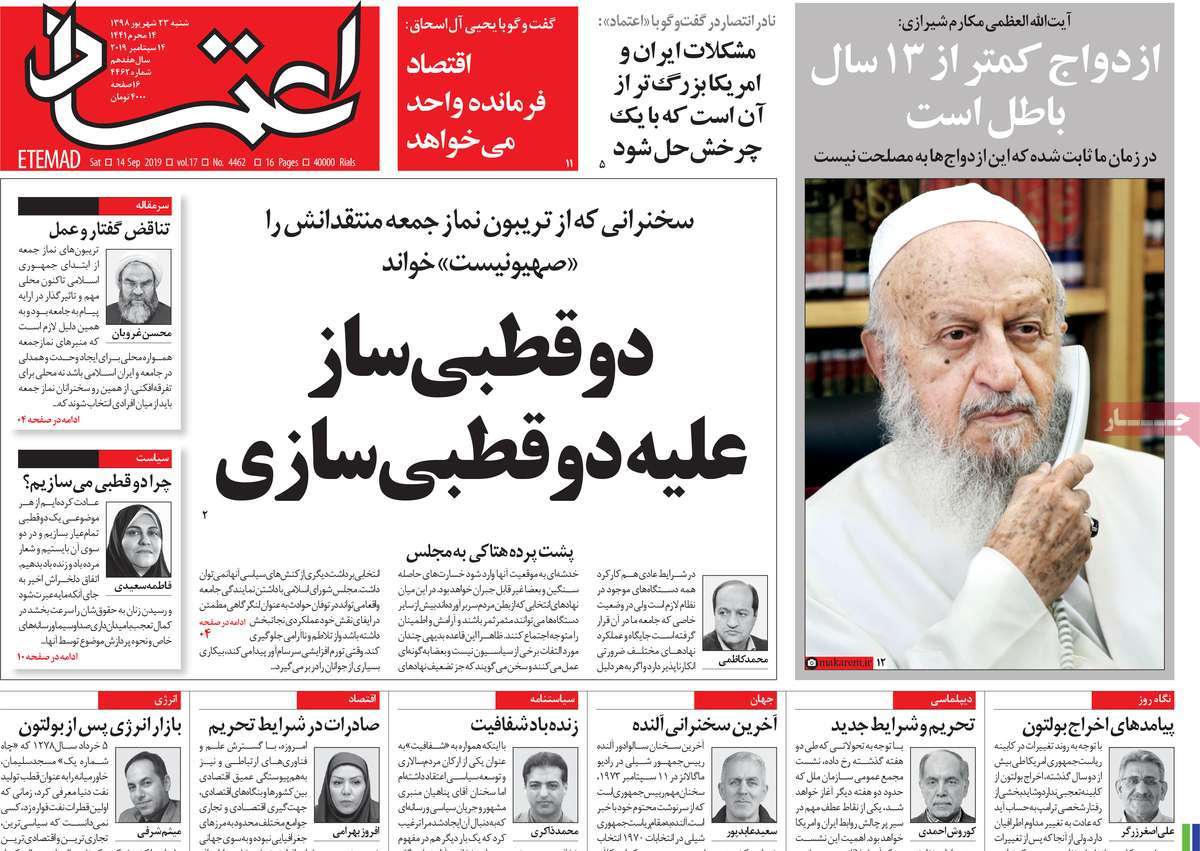
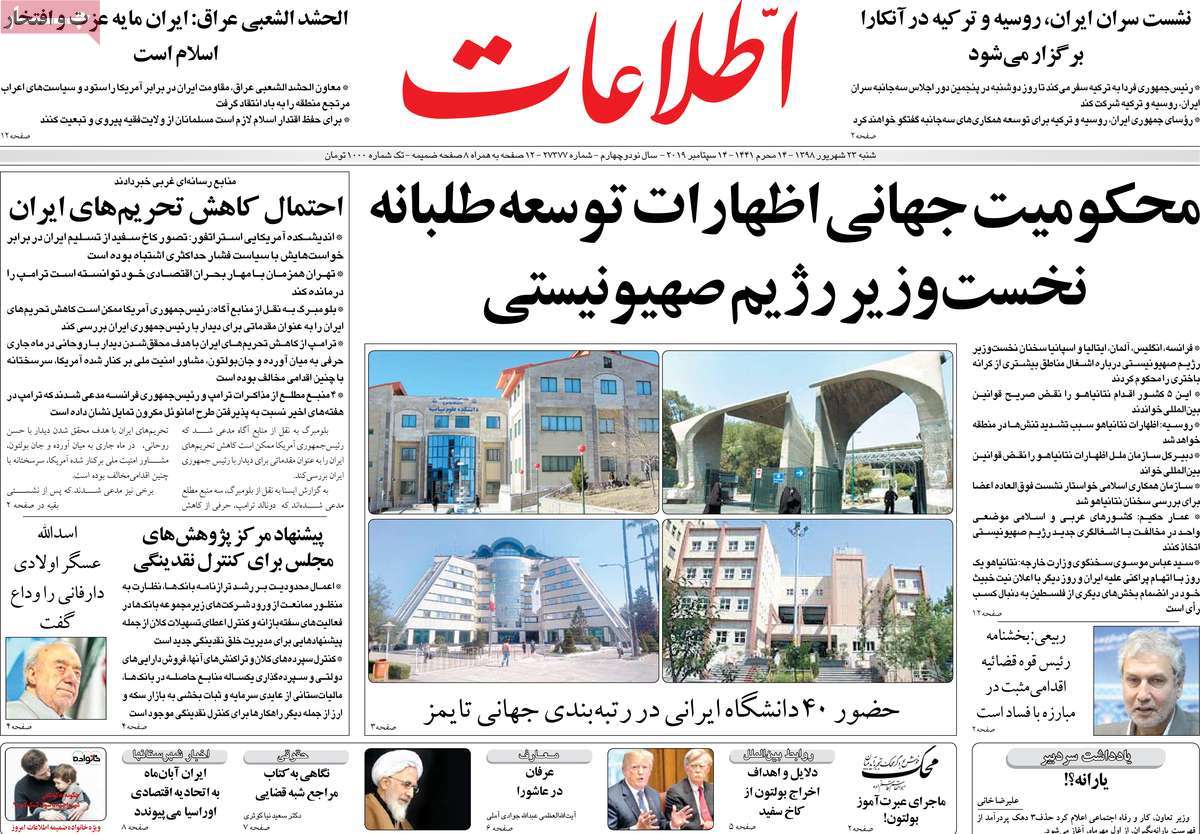
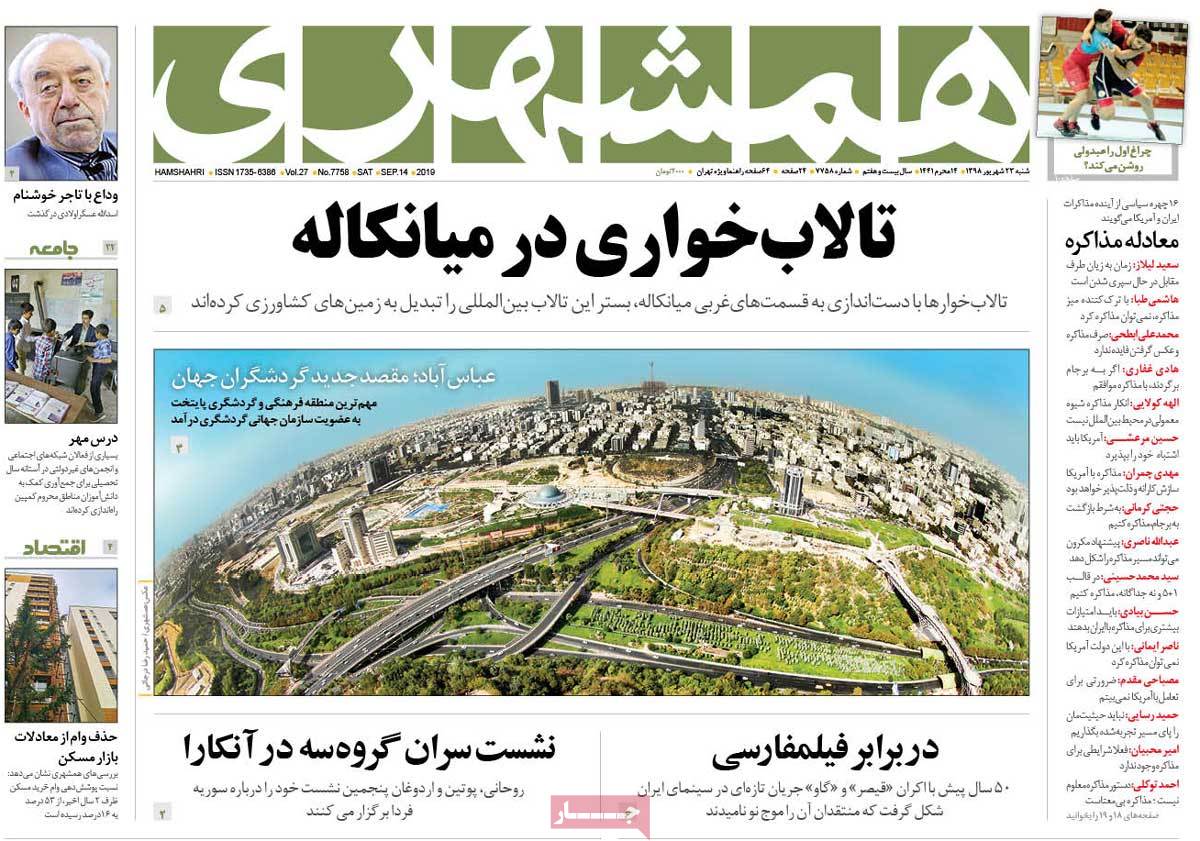
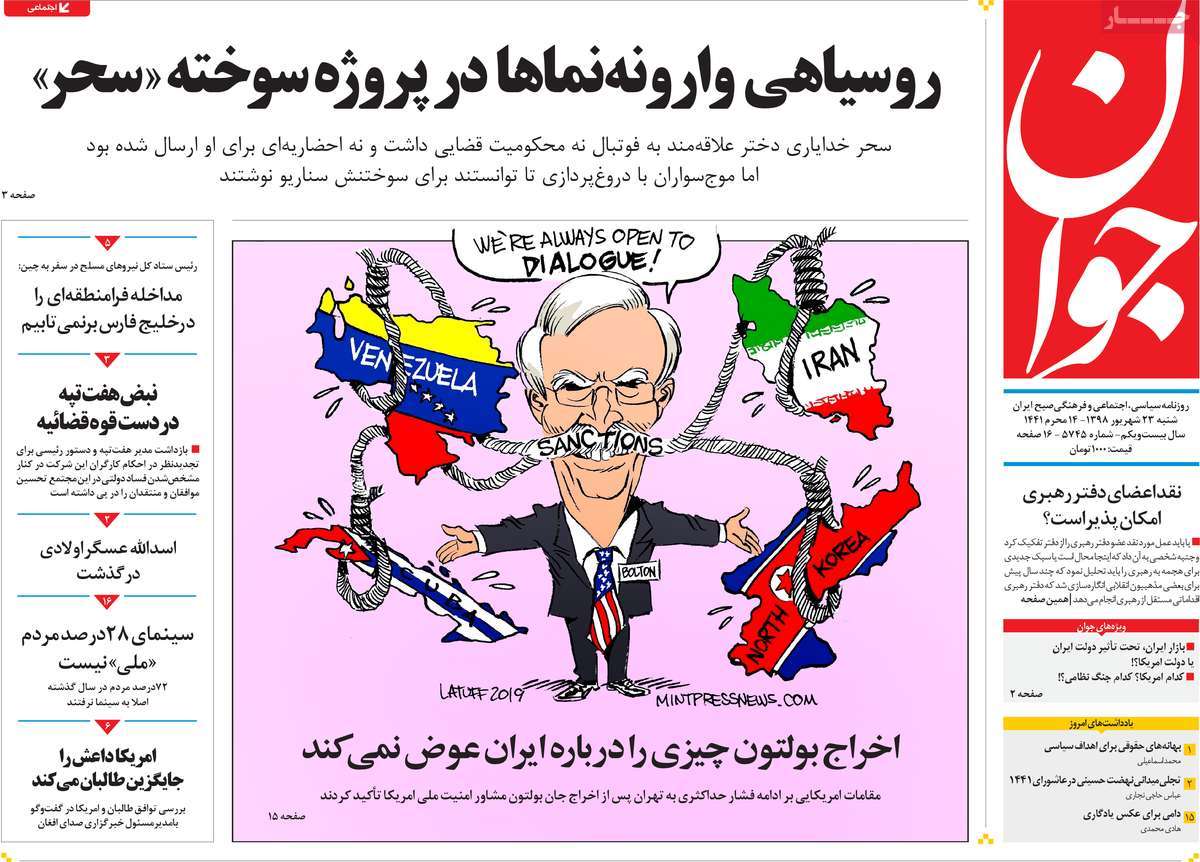
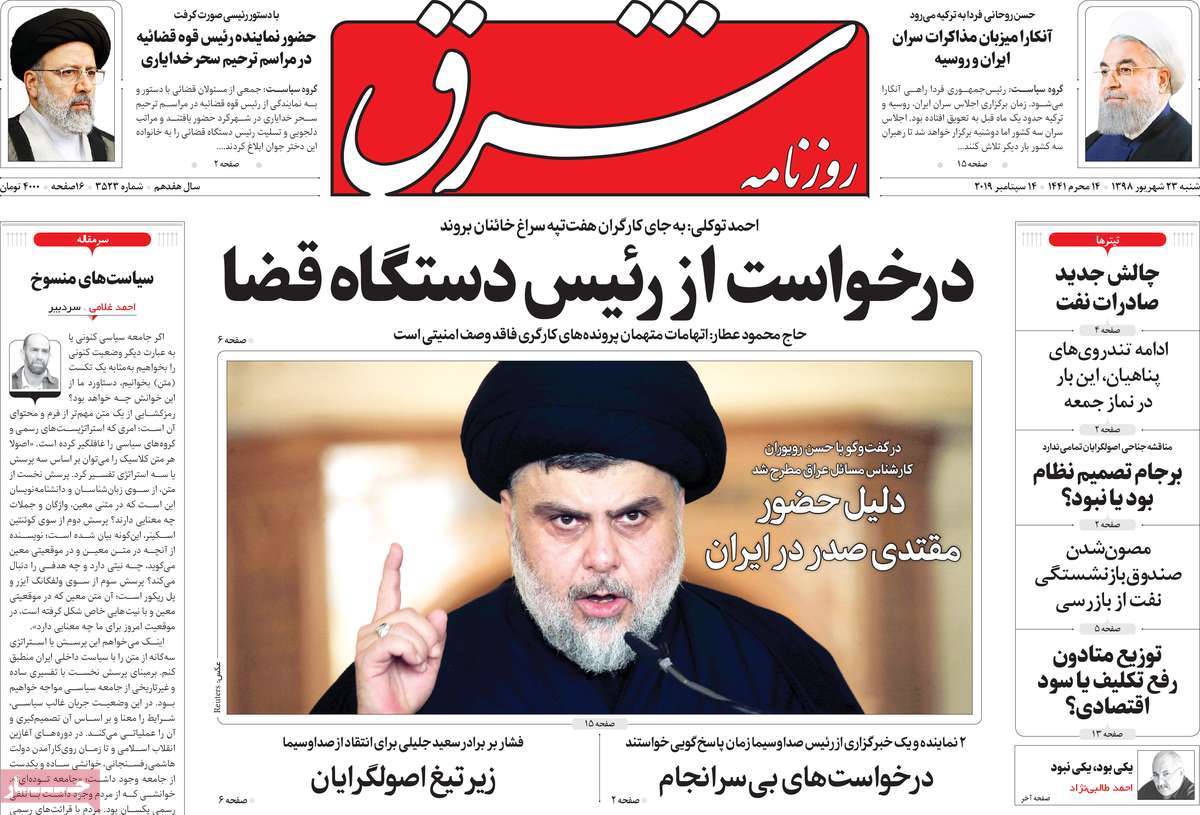
A Look at Iranian Newspaper Front Pages on September 14

A Look at Iranian Newspaper Front Pages on November 19

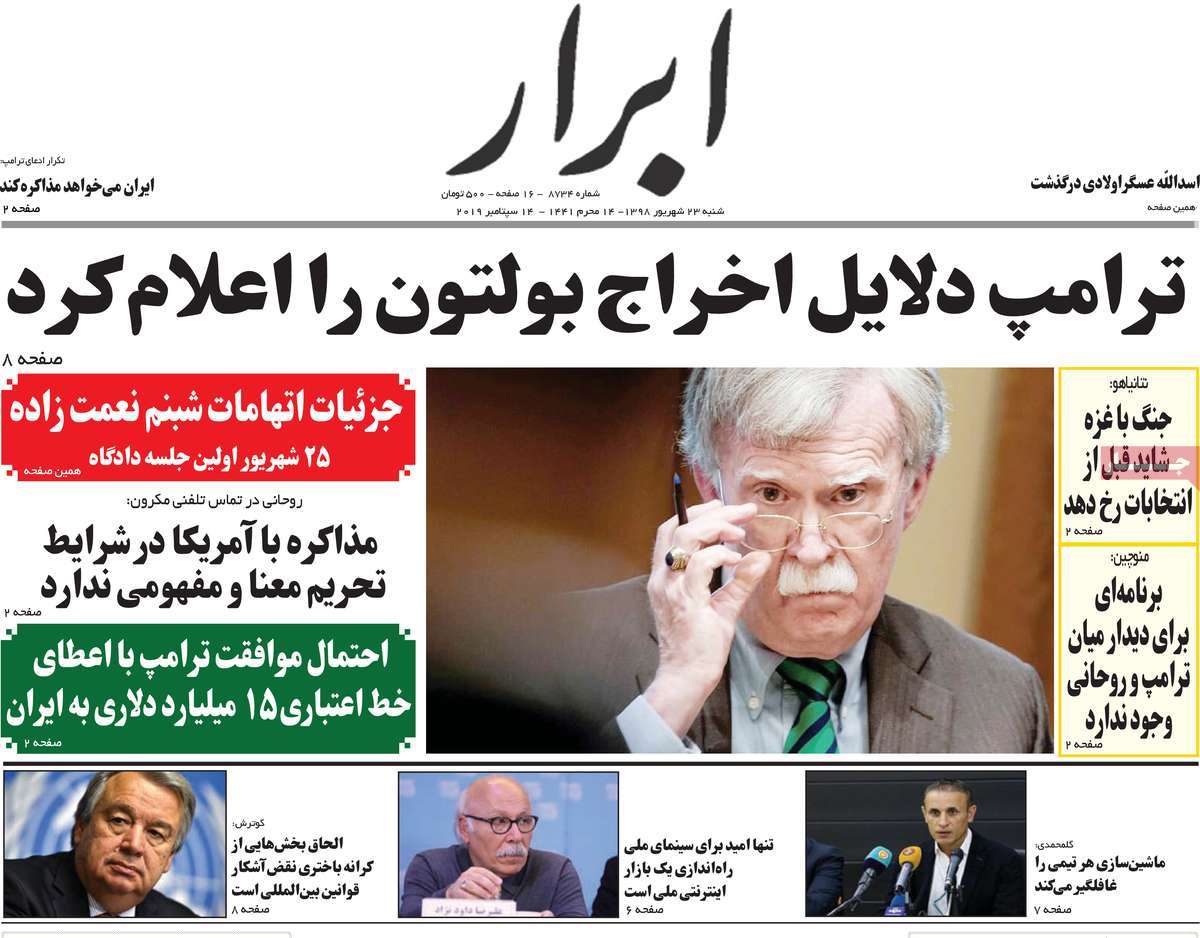
Abrar:
1- Trump May Agree with Opening $15bn LC for Iran
2- Netanyahu: War in Gaza May Break Out Before Elections

A Look at Iranian Newspaper Front Pages on September 14


Aftab-e Yazd:
1- Rumours Say Trump Agrees with Macron’s Plan
2- Secret behind Iran’s Oil Sale
* Iran Oil Minister Successful Both in Iran, Abroad

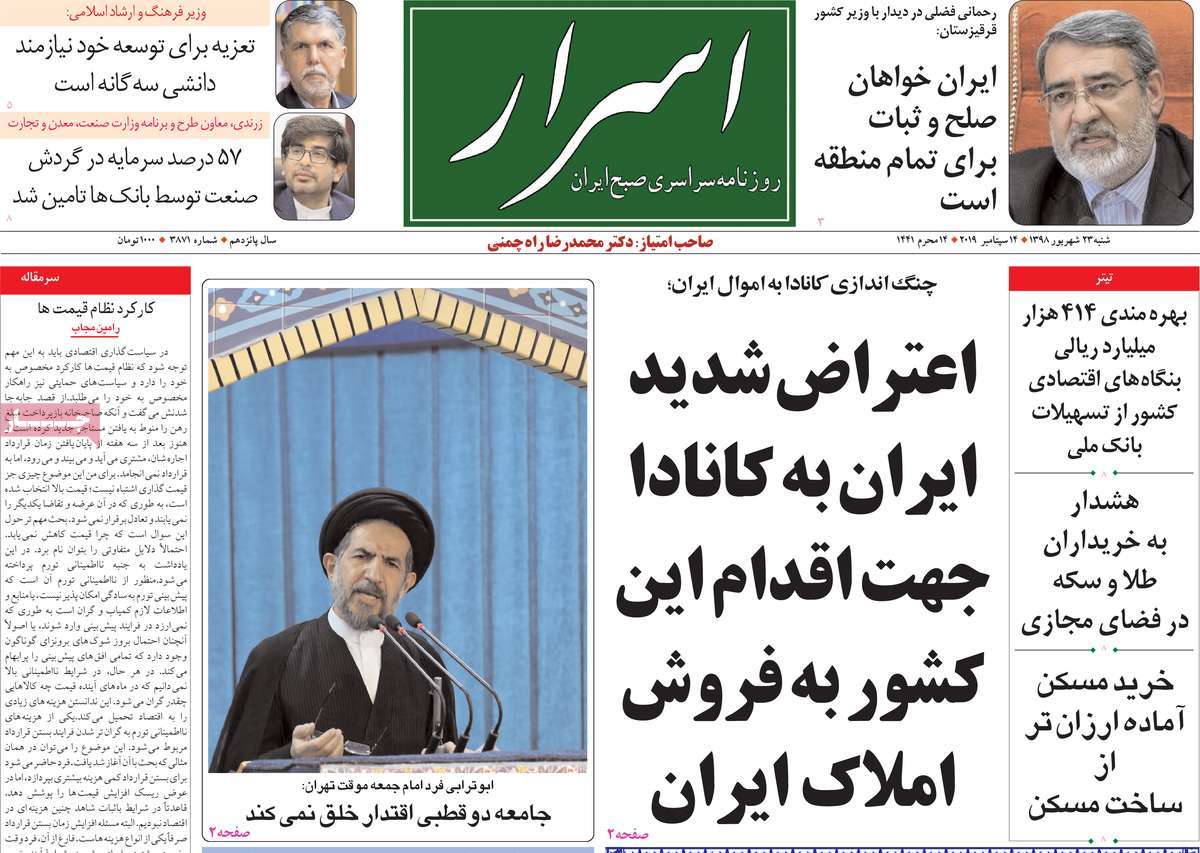
A Look at Iranian Newspaper Front Pages on September 14


Asrar:
1- Iran Strongly Protest Canada’s Sale of Iranian Assets

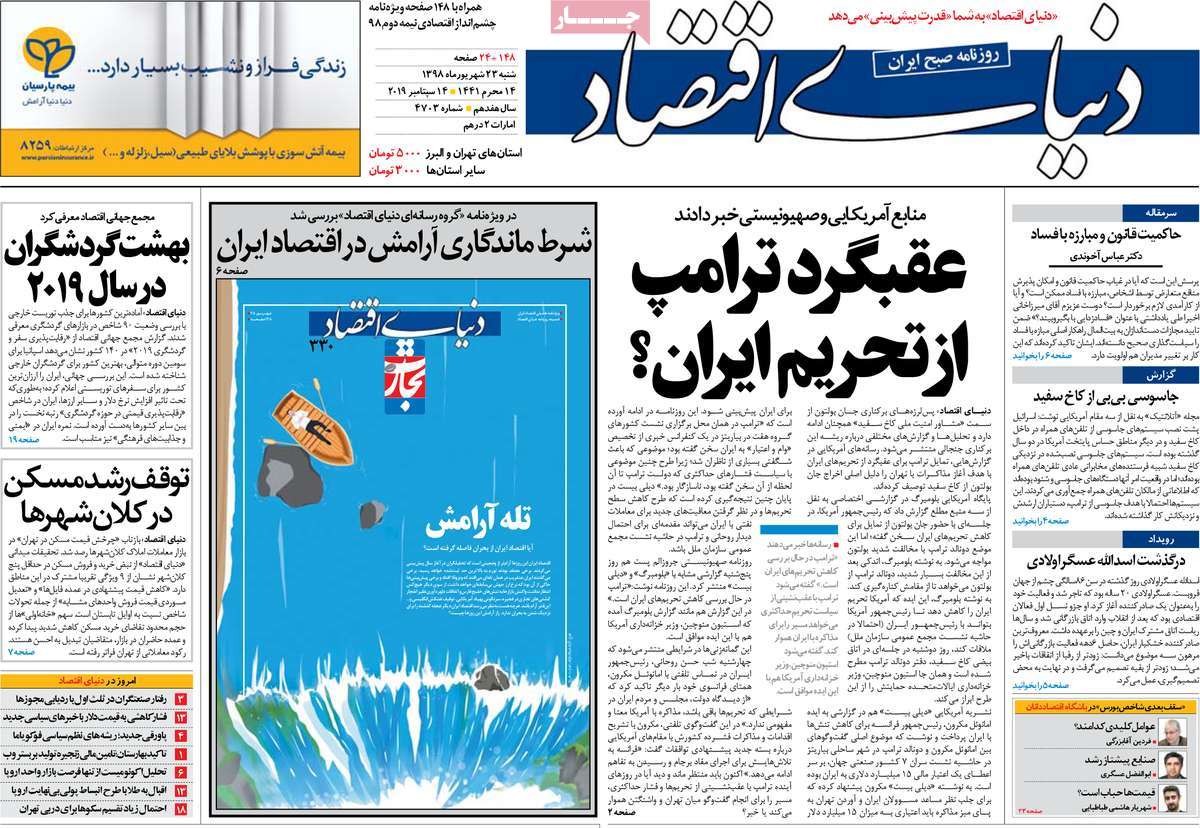
A Look at Iranian Newspaper Front Pages on September 14


Donya-ye Eqtesad:
1- American, Zionist Sources: Trump Backs Off from Sanctioning Iran?

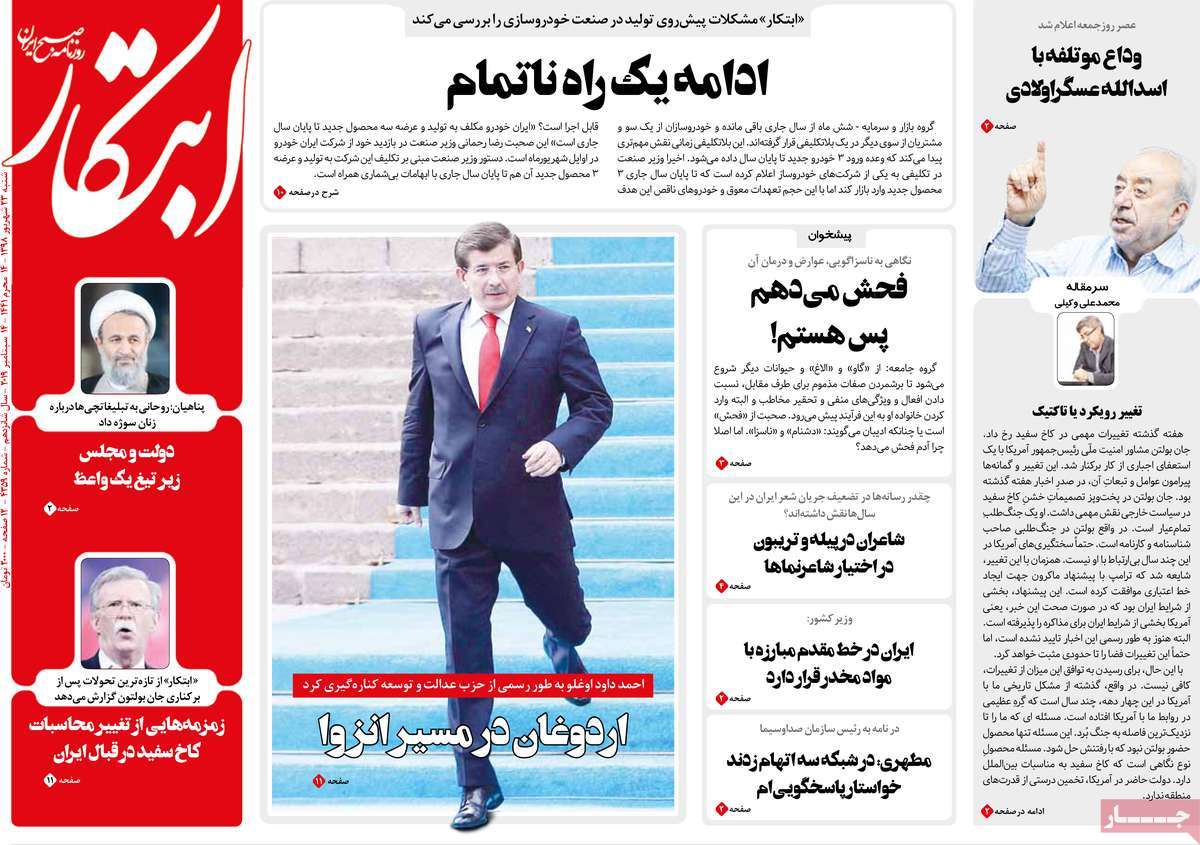
A Look at Iranian Newspaper Front Pages on September 14


Ebtekar:
1- Erdogan Getting Isolated
* Davudoglu Officially Leaves Erdogan’s Party
2- Rumours Show White House Changing Its Iran Calculations

A Look at Iranian Newspaper Front Pages on September 14


Etemad:
1- Problems of Iran, US Too Big to Be Resolved with One Turnaround
2- Ayatollah Makarem Shirazi: Marriage Under Age of 13 Not Legitimate

A Look at Iranian Newspaper Front Pages on September 14


Ettela’at:
1- World Condemns Netanyahu’s Expansionist Remarks
2- Western Sources: US May Ease Iran Sanctions
3- 40 Iranian Universities in Times’ List of World’s Top Ranks

A Look at Iranian Newspaper Front Pages on September 14


Hamshahri:
1- Abbasabad, New Destination for World Tourists
* Tehran’s Most Important Tourist Spot Joins WTO
2- G3 to Hold Summit in Ankara: Rouhani, Putin, Erdogan to Hold Talks on Syria

A Look at Iranian Newspaper Front Pages on September 14


Javan:
1- Firing Bolton Not to Change Anything about Iran
* US Officials Stress Continuation of Maximum Pressure on Tehran after Bolton
2- US to Replace Taliban with ISIS

A Look at Iranian Newspaper Front Pages on September 14


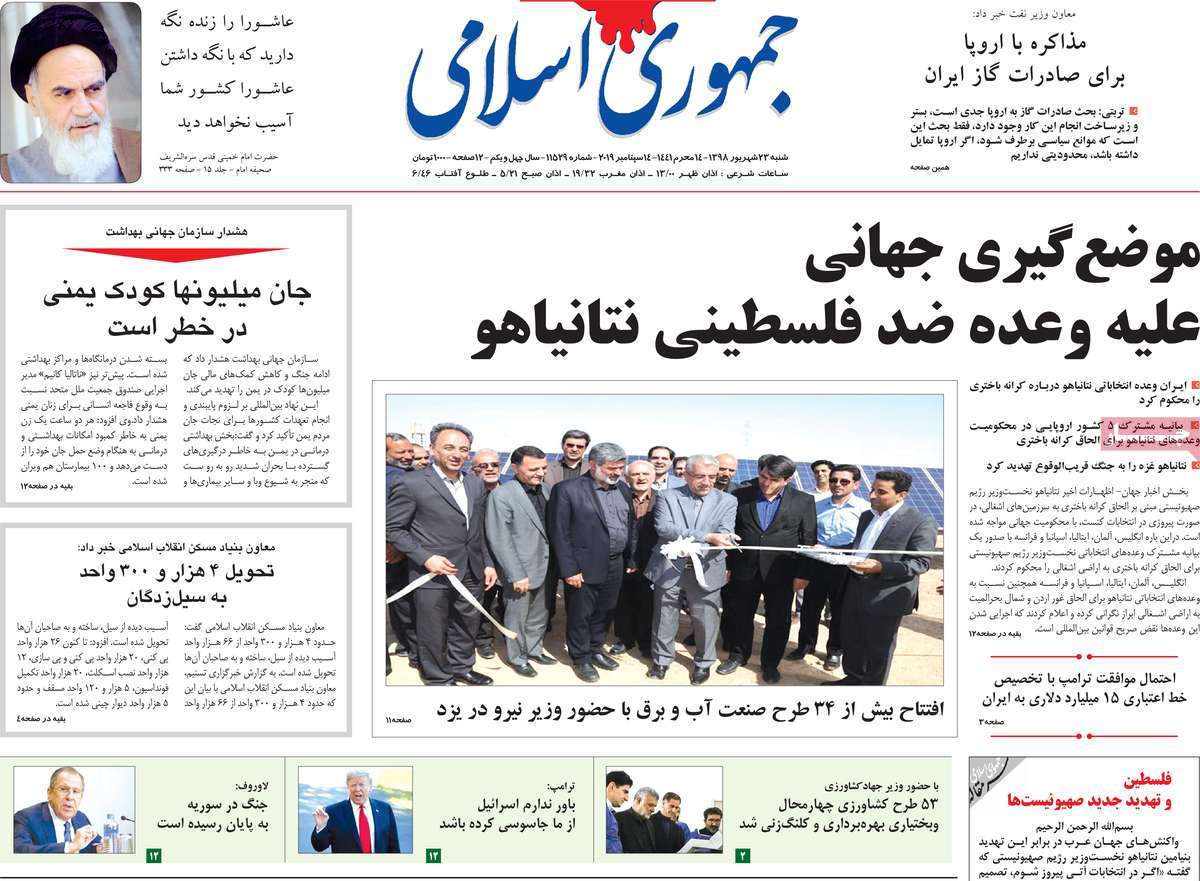
Jomhouri Eslami:
1- World Raps Netanyahu’s Anti-Palestine Promise
2- Deputy Oil Minister: Talks Underway with Europe for Exporting Iran’s Gas

A Look at Iranian Newspaper Front Pages on September 14


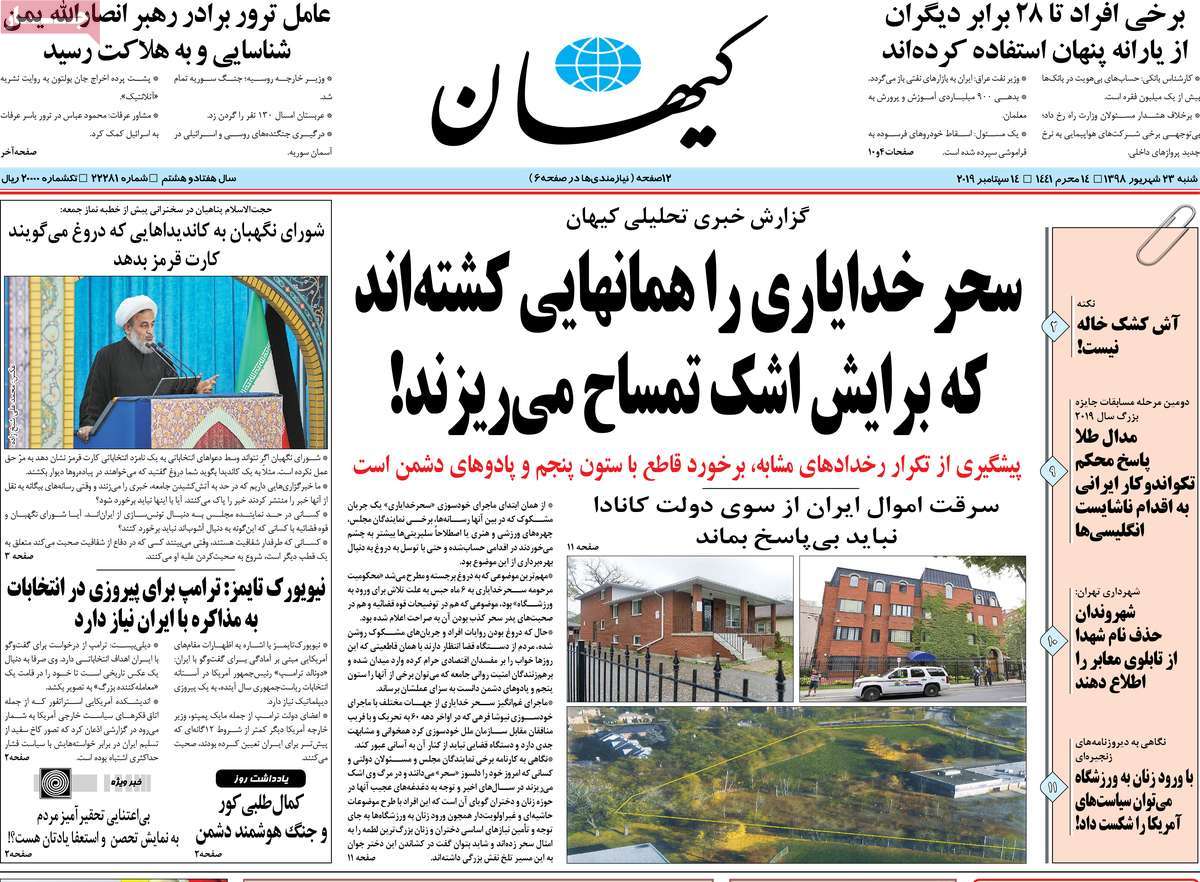
Kayhan:
1- Theft of Iranian Assets by Canadian Government Shouldn’t Remain Unanswered
2- NY Times: Trump Needs Talks with Iran for Winning Elections

A Look at Iranian Newspaper Front Pages on September 14


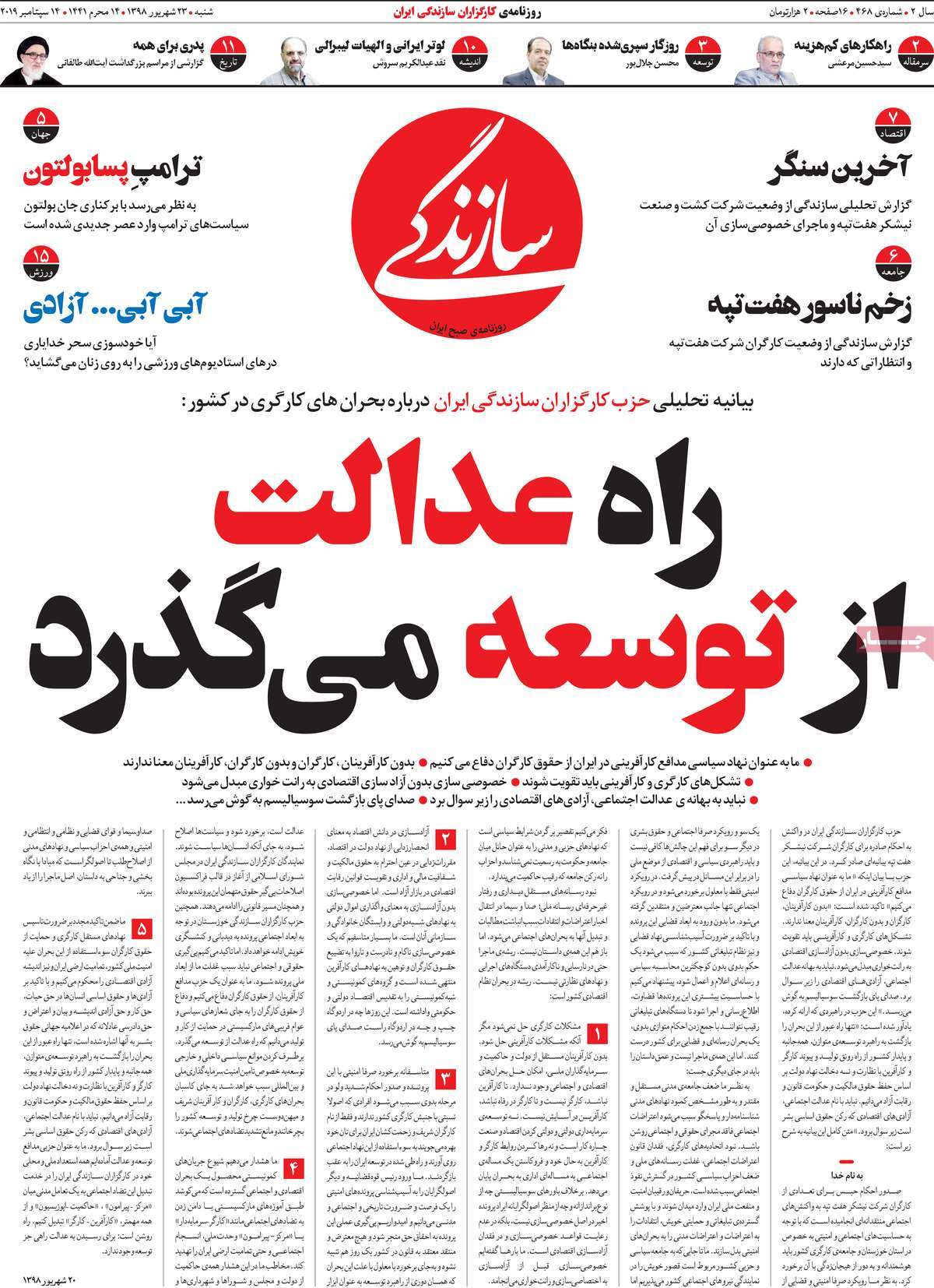
Sazandegi:
1- Post-Bolton Trump
* Trump’s Policies Seem to Be in New Era after Firing Bolton

A Look at Iranian Newspaper Front Pages on September 14


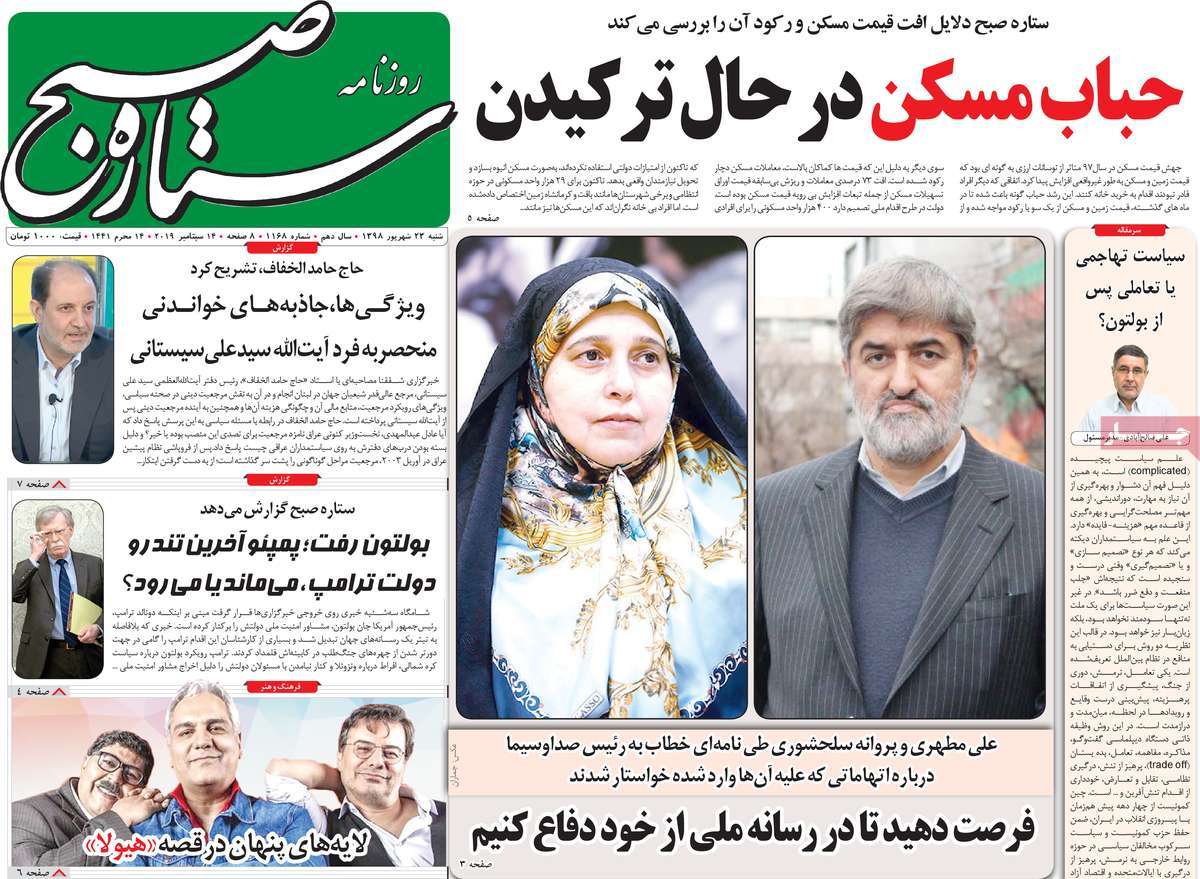
Setareh Sobh:
1- Bolton’s Gone; Will Pompeo Remain Trump’s Last Radical Ally?

A Look at Iranian Newspaper Front Pages on September 14


Shargh:
1- Ankara to Host Trilateral Talks between Iran, Russia, Turkey
2- Why Muqtada Sadr Came to Iran

A Look at Iranian Newspaper Front Pages on September 14


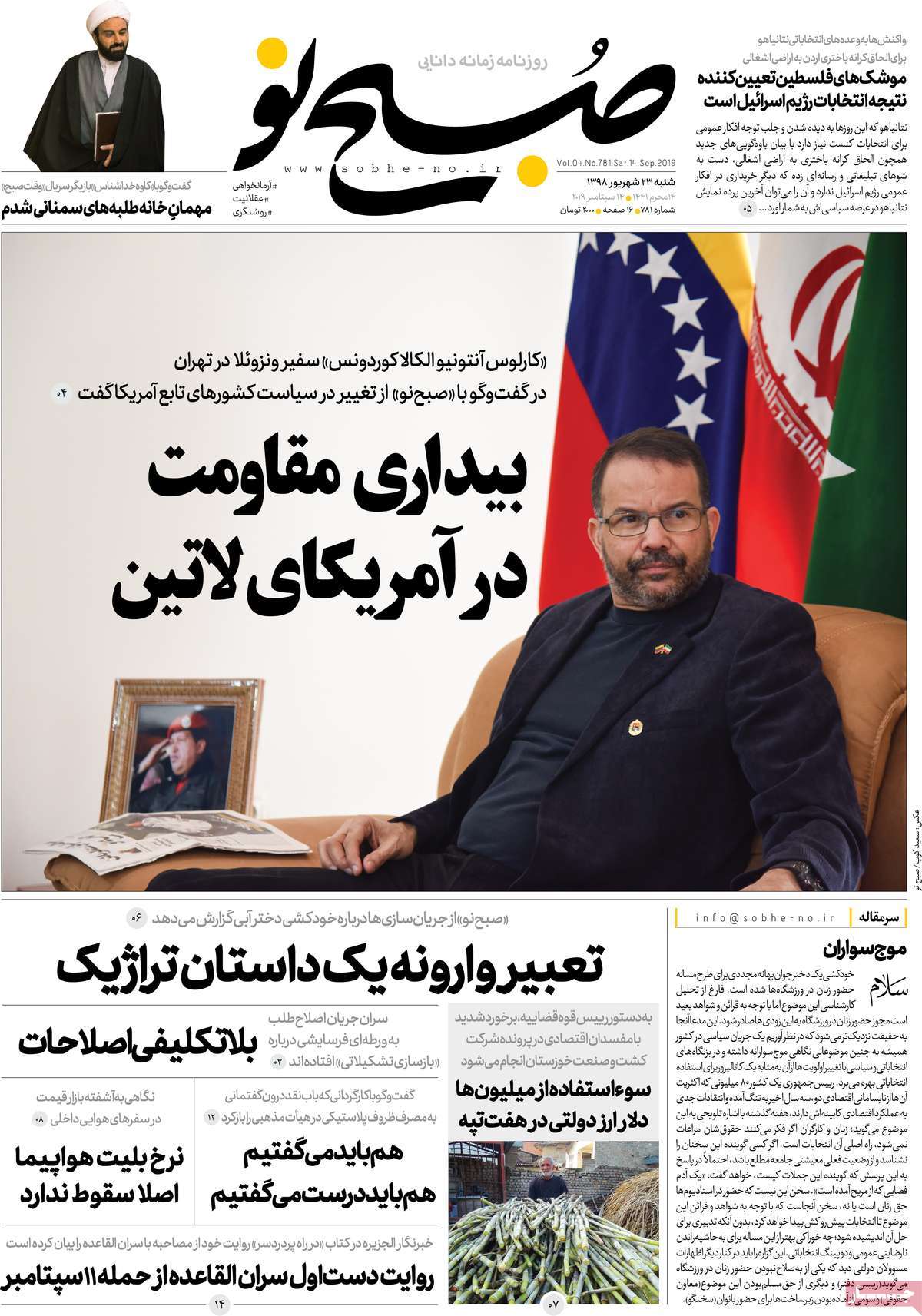
Sobh-e Now:
1- Resistance Awake in Latin America
* Venezuela Envoy Says Countries Obeying US Are Changing Policies

A Look at Iranian Newspaper Front Pages on September 14

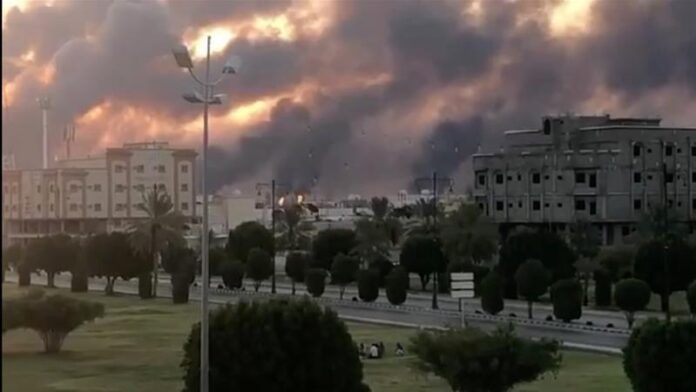
Saudi Oil Facilities Set Ablaze by 10 Yemeni Drones

Iran Refutes UN's Allegations about Aramco Missile Attack
Photo of fire at Aramco facilities in Saudi Arabia, caused by Yemeni drone attacks / Photo by Reuters

Footage released on Saturday showed a huge blaze at Buqayq, site of Aramco’s largest oil processing plant, while a second drone attack started fires in the Khurais oilfield.

The huge fires are now under control at both facilities, state media said.

A spokesman for the Ansarullah group in Yemen said it had deployed 10 drones in the attacks.

The military spokesman told al-Masirah TV that further attacks could be expected in the future.

“At 04:00 (01:00 GMT), the industrial security teams of Aramco started dealing with fires at two of its facilities in Buqayq and Khurais as a result of… drones,” the official Saudi Press Agency reported.

The Yemeni group has promised to widen the range of its attacks on Saudi Arabia, which has waged a war against Yemeni people since 2015.

“These attacks are our right, and we warn the Saudis that our targets will keep expanding,” spokesman Yahya Saree said in a statement read out on Al Masirah TV.

“We have the right to strike back in retaliation to the air strikes and the targeting of our civilians for the last five years.”

An official with Yemeni Ansarullah movement has warned that Houthi fighters will capture Riyadh, the Saudi capital, if KSA does not stop its invasion of Yemen

The Saudi-led war has killed tens of thousands of people and sparked what the United Nations calls the world’s worst humanitarian crisis.

France’s Mission in New Round of Talks over JCPOA

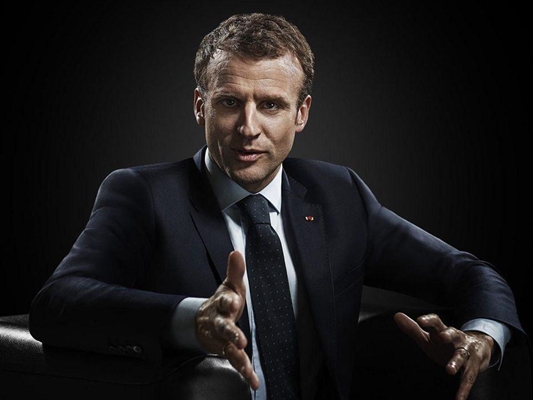
French President Emmanuel Macron / Photo by Levon Bliss for Forbes

Each of these developments is in fact a unique one involving major actors and their allies:

Yemen developments, political and security developments between the so-called resistance movements with aggressive and opposing actors, tensions created by regional and international powers in the Persian Gulf, trade war between China and the US, tensions between the US and North Korea, and finally tensions between Iran and the West over the 2015 nuclear deal, officially known as the JCPOA.

Among the issues mentioned, the most important one is the negotiations of the Islamic Republic of Iran with the Western countries and the United States over the fulfillment of mutual obligations under the JCPOA.

Part of this important and influential issue, which is Iran’s commitments under the deal, has been fulfilled. Iran has reduced enrichment from 20 percent to three and a half percent, loaded the Arak heavy water reactor with concrete and actually shut it down, removed centrifuges in Fordow and changed the facility from an enrichment centre to a research centre.

In sum, Iran has fulfilled all its commitments, and international inspectors and observers have confirmed it, but the US and European powers have not only failed to fulfil their obligations, but the Trump administration withdrew from this international agreement and actually violated it.

Notable among the reactions was the reaction of the European countries. Not only did they not condemn the US’ unlawful action, they also implicitly accompanied Trump in setting forth new issues and his bid to redefine the JCPOA. The Islamic Republic of Iran, after several years of strategic patience and observing its legal and ethical commitments under the deal, has taken two steps to return to the pre-deal situation.

Iran’s actions and its threat to take a third step prompted Western nations, which had violated all of the provisions of the JCPOA, to launch new efforts to persuade Iran.

We will elaborate on the reasons and the contents of the new negotiations in the future, but in this brief review we will discuss why France came forward to negotiate with Iran after Britain, Oman and Japan.

The key question in this regard is why France should assume the role of mediator between Iran and the United States in the new situation. Is France in the position of an independent actor in this period, or is it an actor which is following the US policies and recommendations and has entered the game on behalf of the US?

In response to the question of why France has accepted the role of mediator in the negotiations at this juncture and is trying to force Iran to renegotiate the deal, it should be noted that France is a member of the European Union which has always played the role of a US ally. France has always entered the game on behalf of the US when it comes to common interests and threats.

France used to play the role of bad cop during previous negotiations that led to the JCPOA, but in the new circumstances, it is trying to portray itself as a good cop. A number of important factors have made Paris prefer the role of a mediator rather than the bad cop and enter the game after numerous mediations.

  • Most of the regional developments designed within the context of the Western and Arab scenarios have either come to an end or are at their final stages; scenarios such as the crisis in Syria, Iraq, etc. Of course, none of these developments resulted in the objectives that Western and Arab countries were pursuing. All of these crises ended as Iran and its regional allies wanted. It means that the costly and damaging strategies of the anti-Iran front totally failed. This failure means the collapse of a US-led regional and global front against Iran. In fact, in the war of strategies, it was Iran’s strategy that showed its power to the world.
  • Tehran has adopted a revolutionary and aggressive counter-strategy on the issue of nuclear deal after years of strategic patience in face of the failure of the US and European countries in fulfilling their JCPOA commitments. In fact, the Islamic Republic showed a balance of pressure by adopting a revolutionary approach in its diplomacy backed by its regional victories. The world saw the apex of this political authority during the meeting of Iran’s leader with the Japanese Prime Minister. The steps taken by Iran to return to the pre-JCPOA situation also completed this balance. This was an important factor in destroying the assumptions of the countries that were against Iran.
  • Another important issue that prompted the US to choose France for the new negotiations was the demonstration of Iran’s power in the physical confrontations that took place in the strategic waterway of Persian Gulf. The West understood that Iran is not a country like Gaddafi’s Libya or Saddam’s Iraq. They realised that Iran will not easily give in to political and economic pressure and cannot be defeated by a Trojan horse. Iran’s authority at sea and air forces France to play the role of a good cop. France, in fact, is a soldier working for the United States and its mission is to make up for the strategic failures.
  • In scenarios designed by the US-led Western front and supported by some Arab countries, destabilisation of Iran was on the agenda. This front accepted to pay a heavy political price, especially after it was disclosed that certain media outlets had been tasked with carrying out anti-Iran media operations. That is why in the atmosphere of psychological and media operations, there was always talk of a “hot summer” in Iran, and they expected a nationwide uprising to happen, but the summer came to an end and nothing happened. Just like all the other political, security and military assumptions, this one also failed and their chain of failures completed. Therefore, they found the solution in approaching Iran, because they realised that the only way to choke Iran is to get closer to it. So, negotiation was the best way to get closer to Iran. For Westerners, it is important to bring Iran back to the negotiating table after playing with Iran for years. They think if they can get Iran back to the negotiating table, Tehran will no longer be able to manage the talks, because they (Westerners) have learned in the first round that Iran can be managed once it is dragged into the negotiating table, and in the light of some similar JCPOA commitments the West can control Iran’s movements.

The final point is that the Iranians could not benefit from the nuclear deal or even force the other party to fulfill its obligations. In the new circumstances, Iran has chosen a path that is not different from the negotiations held for the JCPOA. The West is trying to stop Iran’s return to pre-deal situation in the new round of talks. It means that by talking of returning Washington to the agreement they want to lead Iran into a new cycle of giving more concessions.

Why Iran’s Leader Has Blocked Negotiation with US

Ayatollah Seyyed Ali Khamenei

His position, in addition to showing Iran’s indomitability or resistance against President Trump’s and his favorite regional allies’ so-called “maximum pressure” policy, is aimed at unifying Iran’s foreign policy approach, as well as convincing the country’s political factions that it is futile to negotiate with the US in a time of political inequality.

Over the past year, the issue of possible negotiation with the US has been heavily debated by Iranian politicians. Proponents of negotiation depict the status of Iran-US relations as the “dilemma of either war or negotiation,” meaning that Iran should negotiate with the Trump administration on matters of regional significance—in return for a reduction in US economic pressure—lest the tensions between the two countries ultimately lead to a war, which would be detrimental to Iran’s national security and its interests.

The main argument made by opponents of this view has been that the imminence of a possible war between Iran and the US in essence relies upon a mistaken assumption. Donald Trump, they argue, is unlikely to act against his presidential campaign promises to reduce the US military footprint overseas. Trump, according to this view, understands the potential cost of a risky and unpredictable war with Iran, and realizes that it could be detrimental to his chances of being reelected.

In that framework, adopting the Leader’s position of “no war, no negotiation” achieves several aims. First, uniting Iran’s foreign policy approach can shift Iran’s domestic politics to resist Trump and those European countries that believed, at least initially, they could benefit from Trump’s hardline “maximum pressure” policy to gain further concessions from Iran on regional issues and on limiting its missile program.

Second, the “no war, no negotiation” policy shows that Iran is prepared to face a possible conflict with the US under any circumstances. Iran believes that it has the capability to defend itself against the US through both symmetric and asymmetric means, via its conventional military means and through its friendly forces in the Middle East that can, if necessary, endanger US interests.

Third and most significantly, this approach minimizes political polarization within Iran when confronting US sanctions. By connecting the issue of US economic sanctions to the more significant issue of national security and the broader threat of instability and even the possible collapse of the “state,” the Leader has been able to enhance the logic of “maximum resistance” in Iranian politics. This is made easier because, from the Iranian perspective, blame for the new wave of hostility between Iran and the US lies with the Trump administration and its withdrawal from the internationally-recognized 2015 nuclear deal (Joint Comprehensive Plan of Action or JCPOA) in order to act against Iran’s interests.

Cohesion in Iranian foreign policy sends two main messages to the remaining parties to the JCPOA—China, France, Germany, Russia, and the United Kingdom. First, it says that Iran will not reverse its strategic decision to resist Trump’s excessive demands and that it has the necessary capabilities to counter them. In this respect, Iran has incrementally reduced its nuclear commitments under the JCPOA—most recently restarting in full nuclear research & development activities that had been restricted until the agreement. These actions have been meant to send a message to European countries that have yet to fulfill their JCPOA commitments. In the end, it is Europe that has the most to lose from the possible collapse of the nuclear deal. Second and concurrently, Iran is making it clear that it will not compromise on its regional policies or missile activities, which have their own logic of deterrence and preemption in the context of national security threats.

In other words, “security” and “economy” are the two interconnected priorities in the realm of Iran’s foreign policy conduct, aimed at strengthening the “state” of Iran and its legitimacy. Contrary to some Western views, the three above-mentioned aims are fully consistent with the viewpoints of the moderate government of Iranian President Hassan Rouhani, which is frustrated and disappointed with the current Western approach, mainly for not ensuring that the Iranian people receive tangible economic benefits from the JCPOA. Now, Iranian Foreign Minister Mohammad Javad Zarif regards the implementation of the Leader’s strategy to be in the benefit of the country’s national interests.

For instance, and in the realm of preserving security, the entire Iranian political spectrum unanimously supported the June 20 shooting down of a US RQ-4A Global Hawk drone, based on the logic of preempting a broader ongoing security threat. In fact, Iran wanted to send the message that it would not tolerate any breach of its territorial borders and would react similarly if such actions are to be continued—and that it could trigger insecurity for any US regional allies who facilitate the Trump administration’s escalatory policies.

Also in the realm of economic security, the seizure of a British-flagged oil tanker by the naval forces of Iran’s Islamic Revolutionary Guard Corps (IRGC) in the Persian Gulf is indicative of Iran’s resolve to take reciprocal action, as well as preempting similar hostile moves by those countries involved in the current “zero-export-oil” economic war against it. In seizing the vessel, Iranian officials made it plain that economic insecurity for Iran is equivalent to economic insecurity for those countries that participate in the “maximum pressure” policy, which from Iran’s perspective and in Zarif’s words is a type of “economic terrorism.”

Adopting the strategy of “no war, no negotiation” is a testament to Tehran’s existing sense of strategic distrust towards the US Iran believes that the US aims to diminish the sources of power of the “state” of Iran. For decades, indeed, the focus of US Middle East policy has been to contain Iran’s emerging regional influence. But both geography and historical-religious commonalities with its neighbors will define Iran’s regional status, not US policy. These factors necessitate that Iran actively integrate with the region’s political-security and economic trends, mainly for the sake of preserving its national security and economic prosperity. From a realistic perspective, many emerging powers such as India and Turkey are pursuing a more active regional role, commensurate with their territorial and demographic size, vast economic potentials, and most importantly based on the emerging security conditions in their spheres of influence.

In this respect, it would be rather simplistic to think that the firing of John Bolton, the most anti-Iran figure in the Trump administration, will pave the way for a substantive meeting between President Rouhani and President Trump in the near future. Undoubtedly there is always the possibility of a meeting. But given the current mutual sense of strategic distrust that exists between the two sides, such an encounter would not achieve any meaningful results.

Iran’s aims are clear: strengthening its deterrent power, in order to preempt security threats from within the region and beyond, and diversifying and strategizing its economic structure, relying on the sources of its national power. One significant way to achieve these aims is to value the dynamic of regional integration and good neighborhood relations. The Trump administration is trying to block Iran’s path to achieving these aims by creating an anti-Iran political-security coalition in the region, as well as ratcheting up sanctions at the expense of Iran’s economic growth and development.

Indisputably, the Leader’s main goal is to diminish the possibility of a conflict with the US through strengthening the scale of Iran’s national power and depolarizing the nation in this time of crisis. Accordingly, Iran’s assertive reactions to perceived security and economic threats are aimed at preempting broader threats for the survival of the “state” of Iran. In abrogating US obligations under the JCPOA, President Trump has lost Iran’s public, who sincerely at one time wanted their government to interact with the US and resolve the existing strategic discrepancies in the US-Iran relationship. This development is the main reason behind the failure of Trump’s “maximum pressure” policy.

At present, the causes of Iranian distrust toward the US, which was previously institutionalized among Iranian officials, have extended to the Iranian public as well, diminishing the possible political benefits to any negotiations with the Trump administration. As a result, Iran is gradually learning to consider the West as only one part of the current multilateral world. This sense of understanding is new and is likely to completely change the Iran-West equation in the coming decade.

In the light of these considerations, meaningful negotiations between Iran and the US will only occur when the two sides manage to withdraw from the current mutual sense of strategic distrust and when concurrently the idea of such negotiations is supported amid the two countries’ domestic politics—especially on Iran’s side. In my experience, only by strengthening its position and security situation will Iran be able to return eventually to the idea of talking with the US The JCPOA was negotiated under similar conditions. Therefore, President Trump’s efforts to weaken Iran first and then initiate negotiation with the country are doomed and will only perpetuate previous, failed US policy toward Iran.

(Source: Leblog)

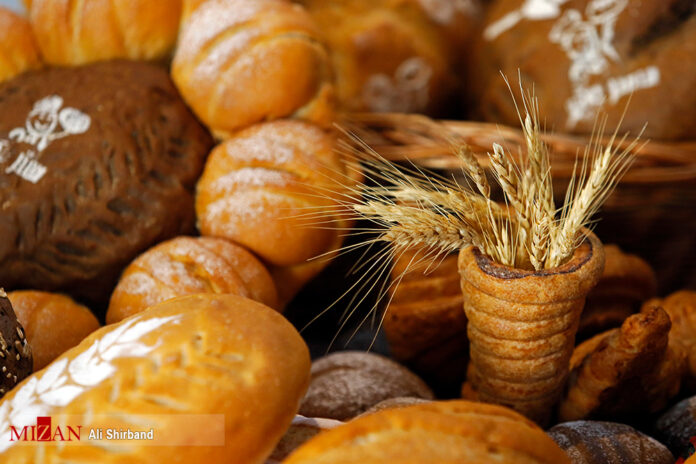
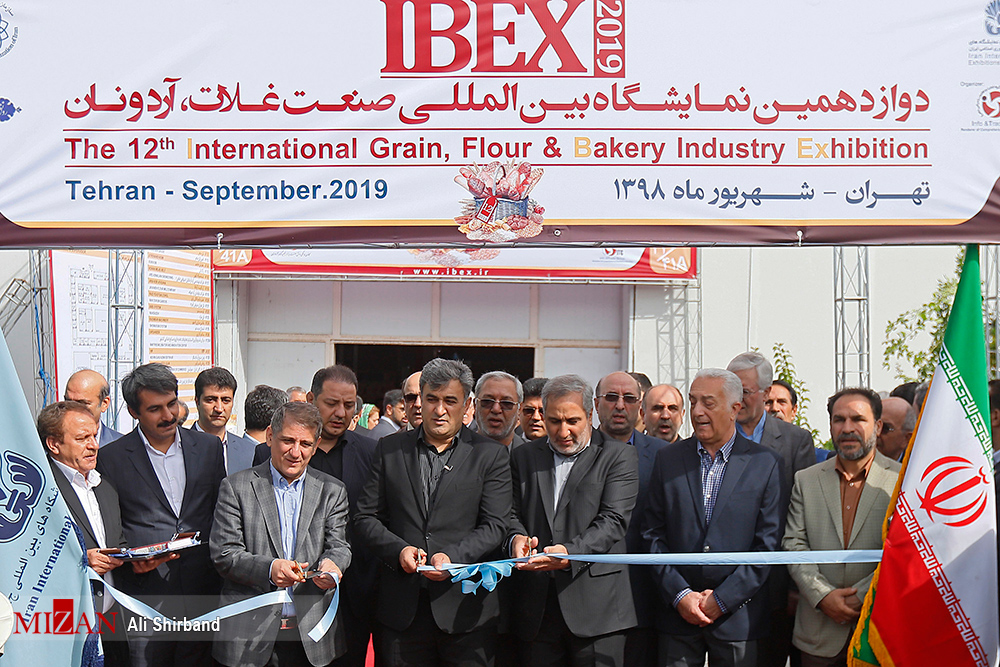
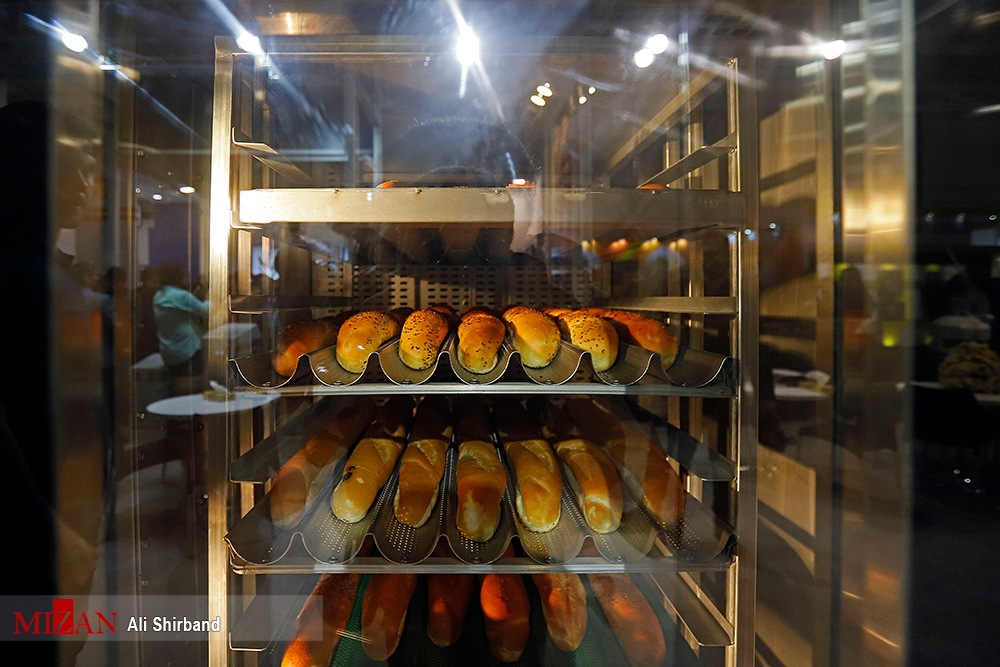
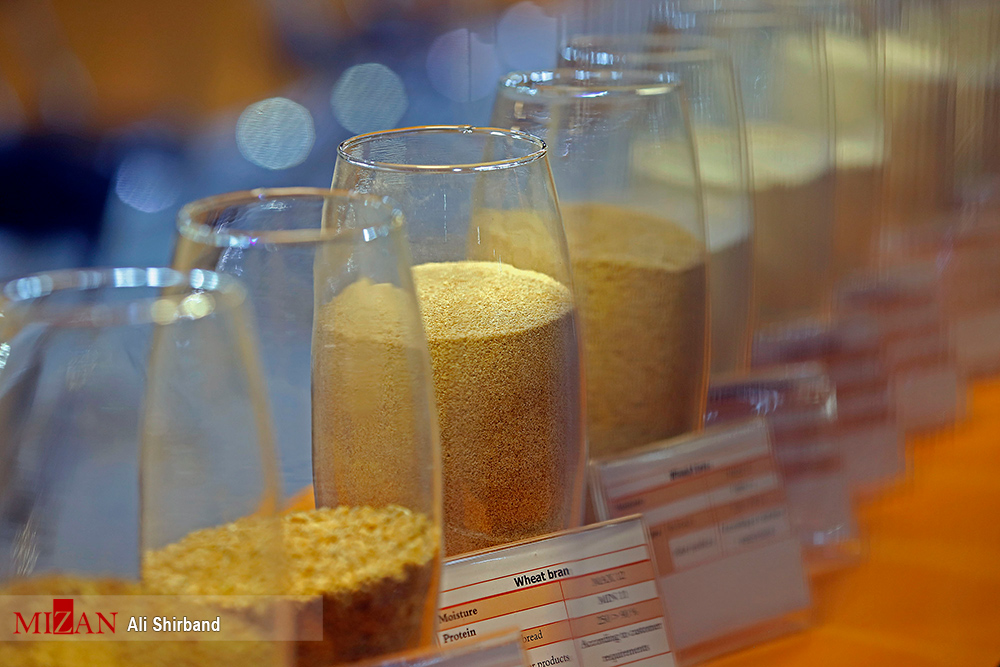
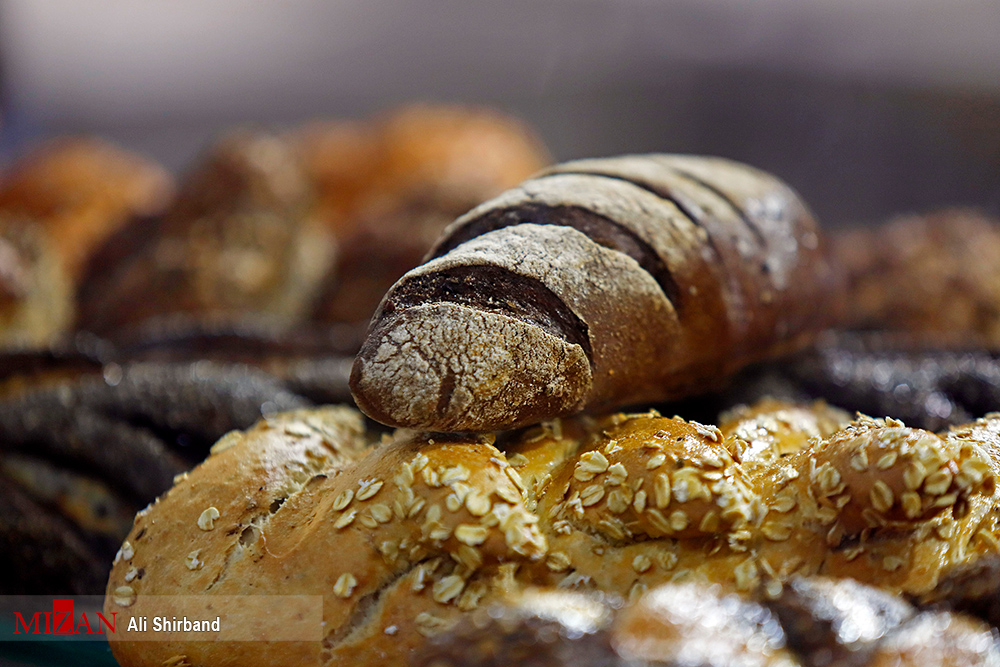
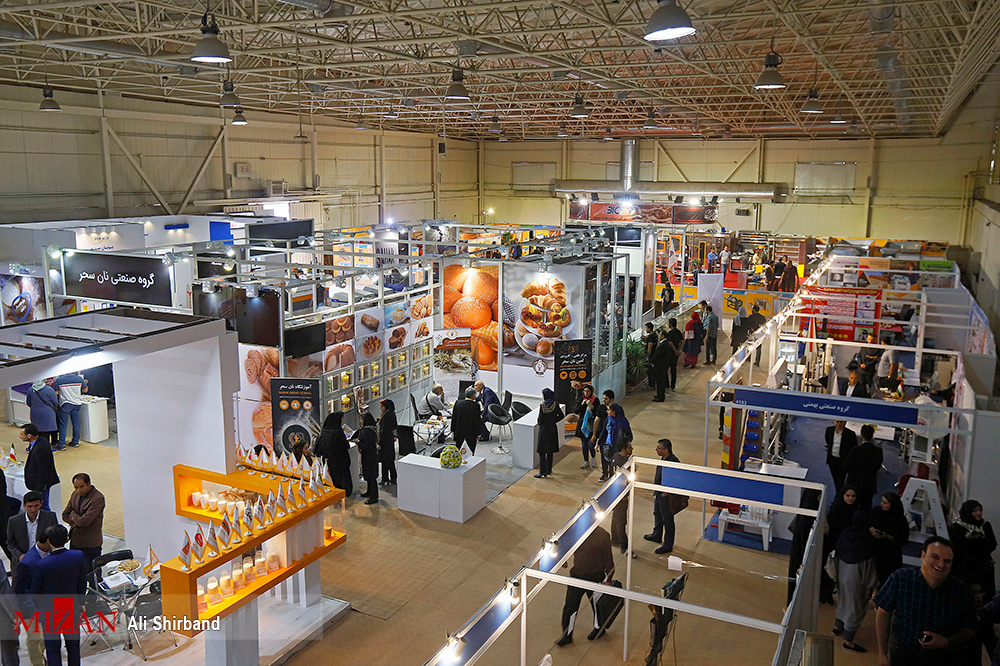
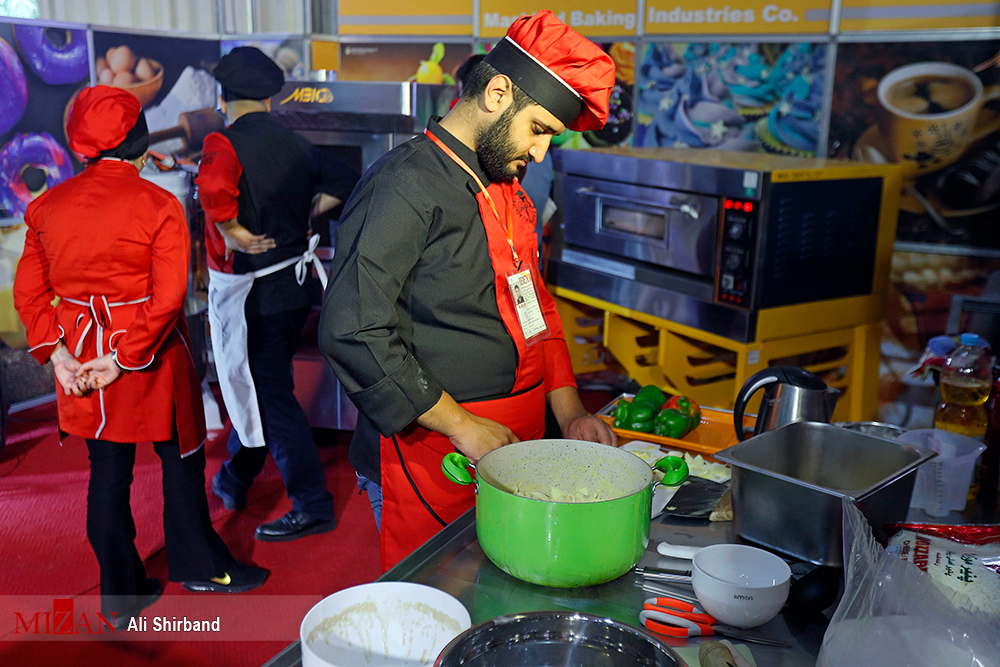
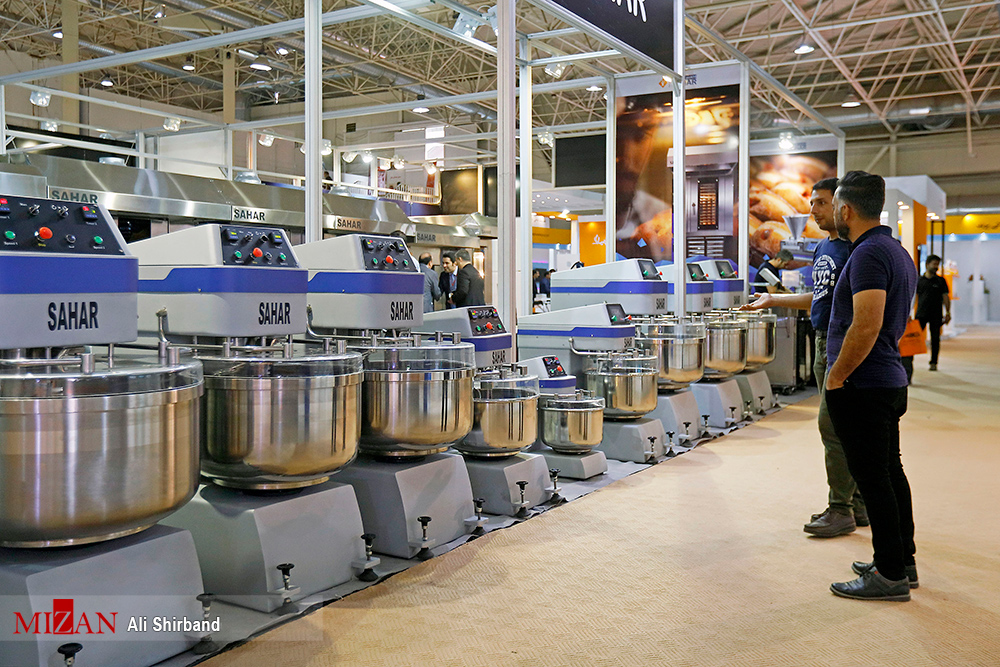
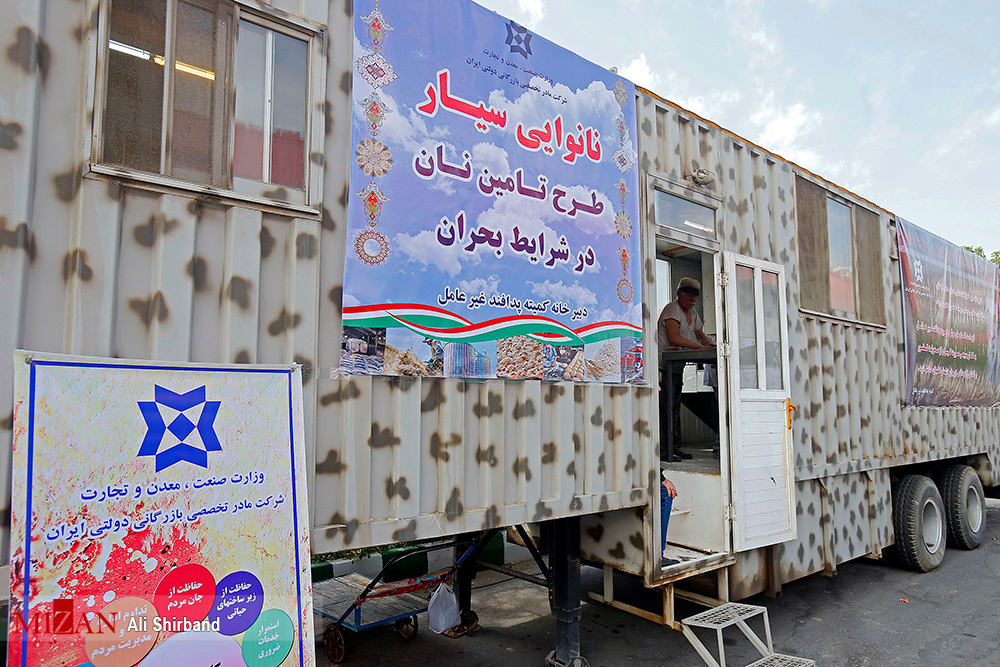
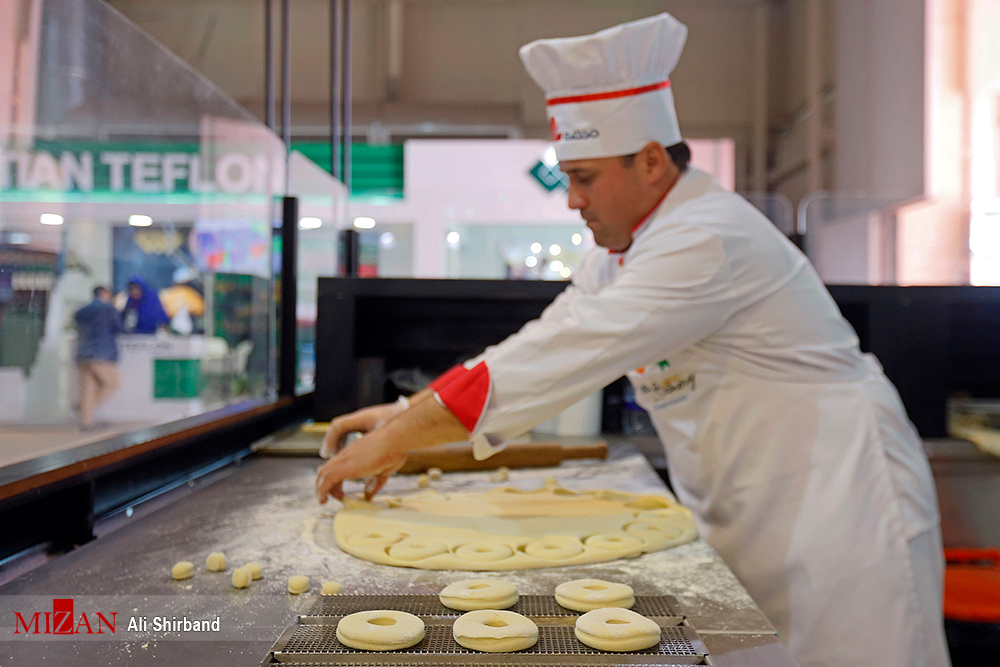
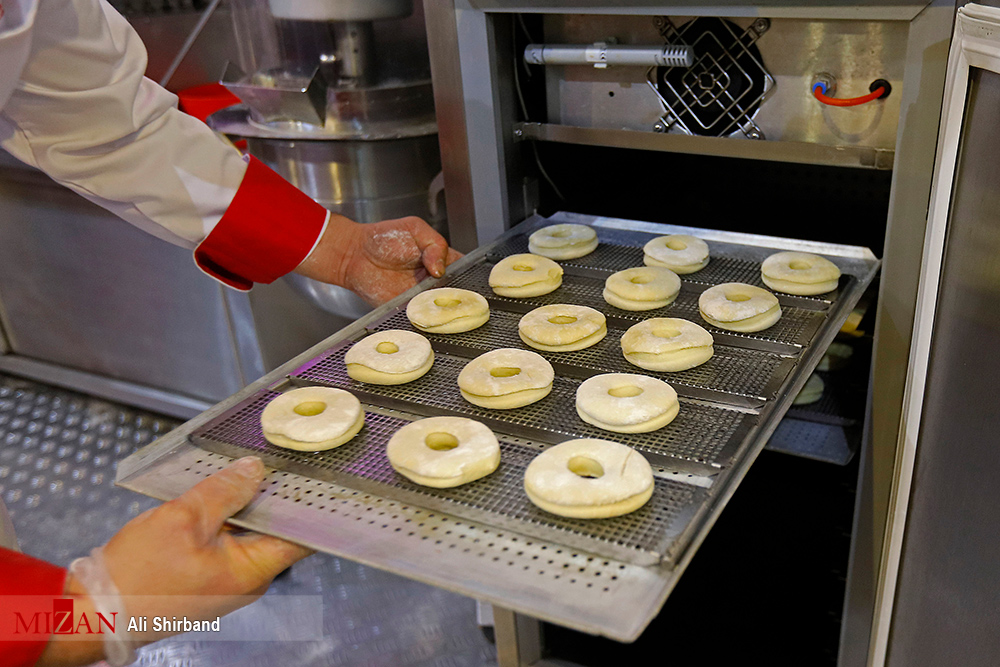
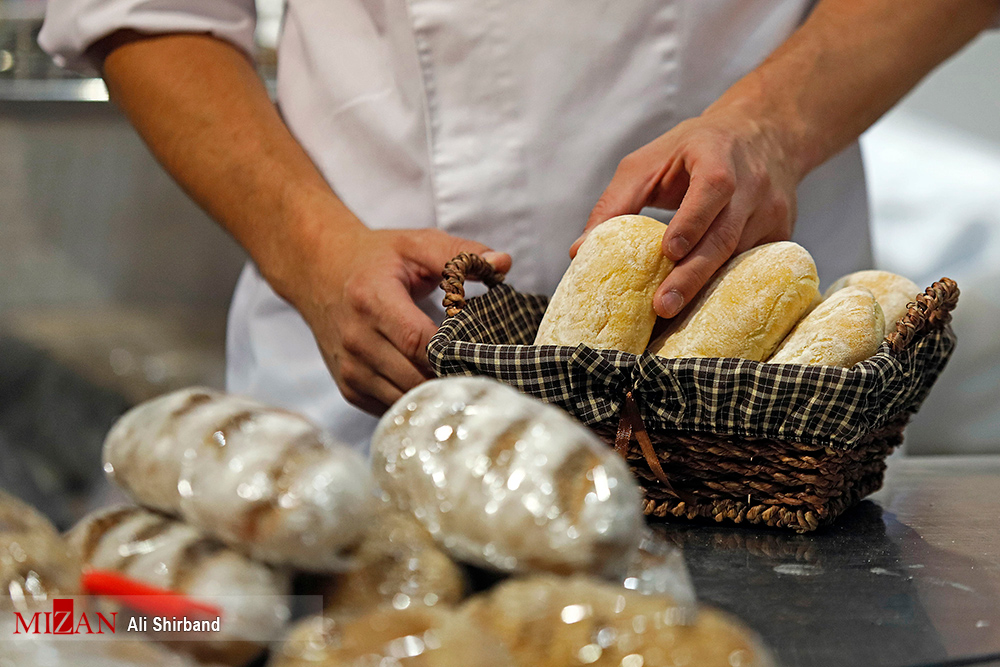
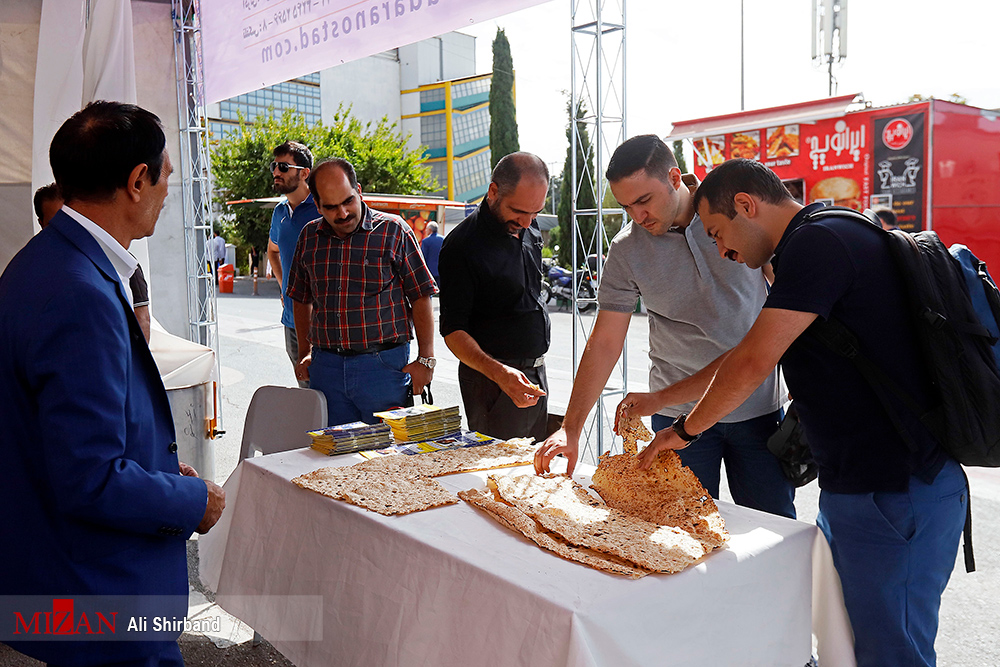
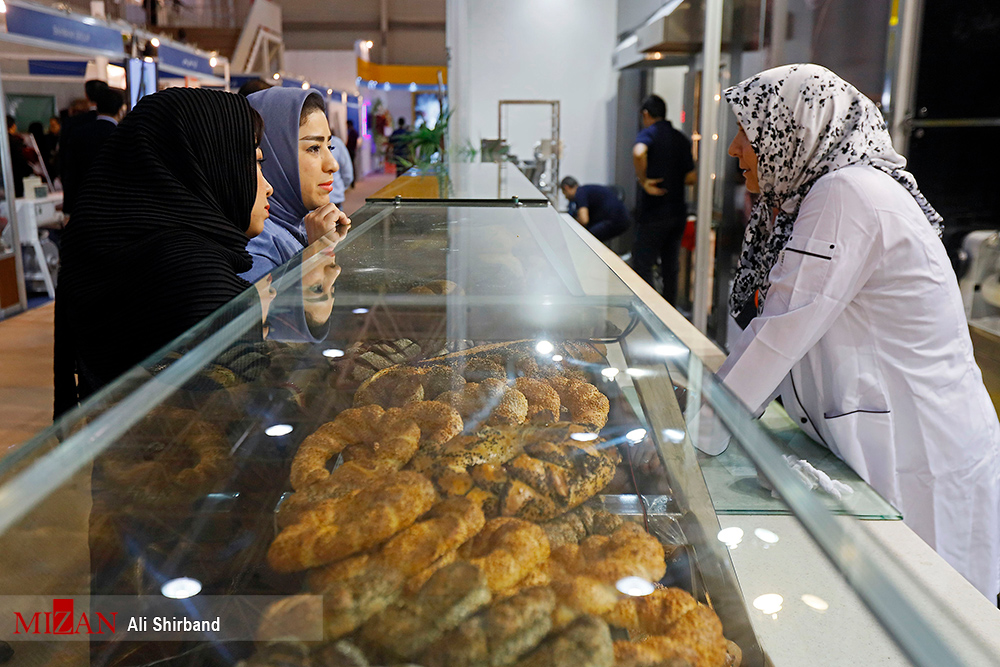
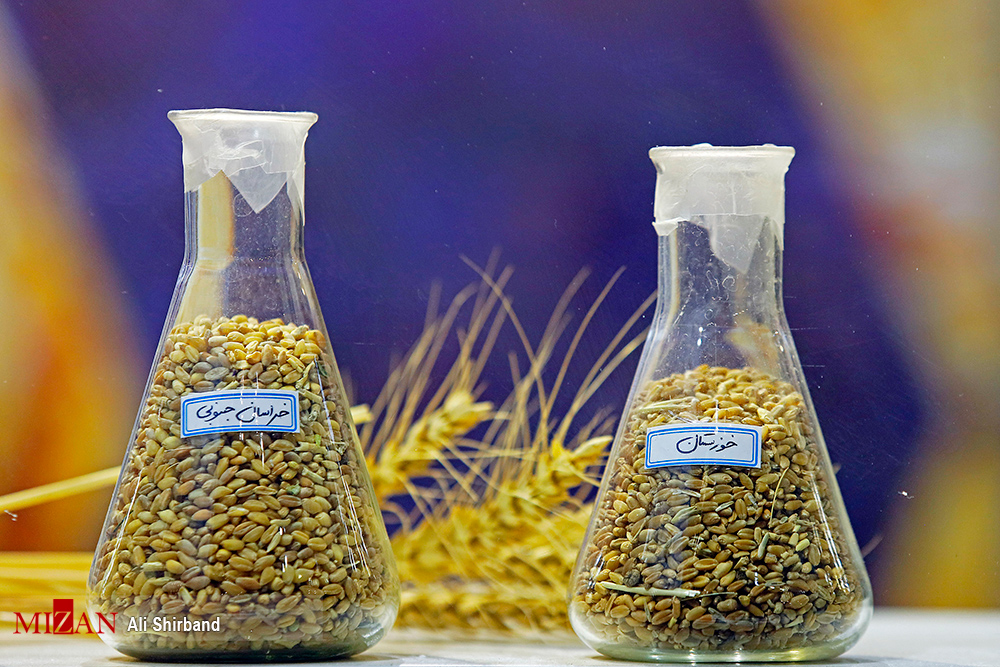
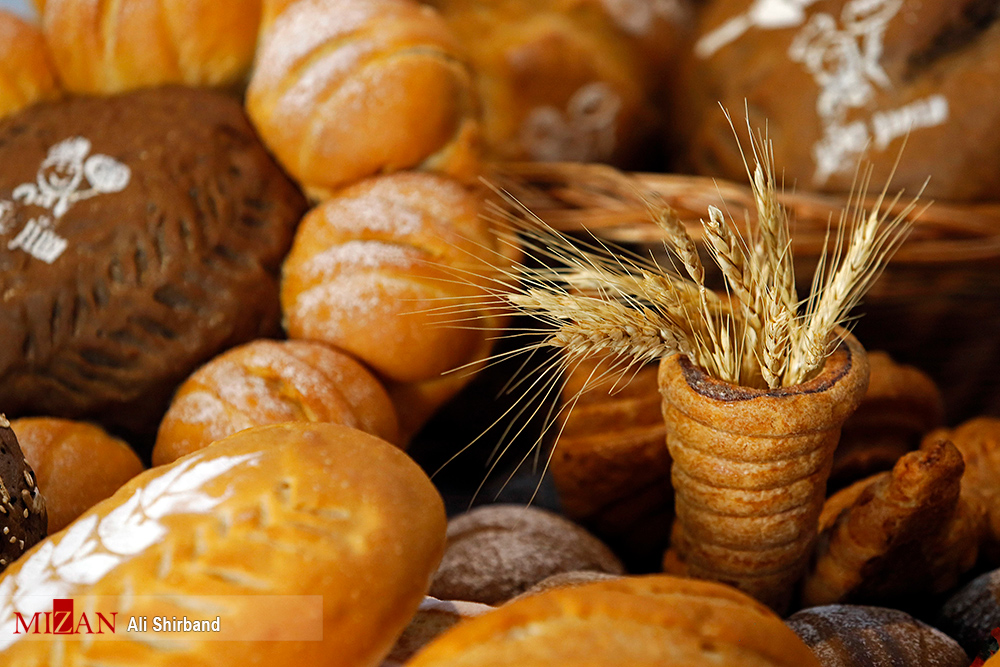
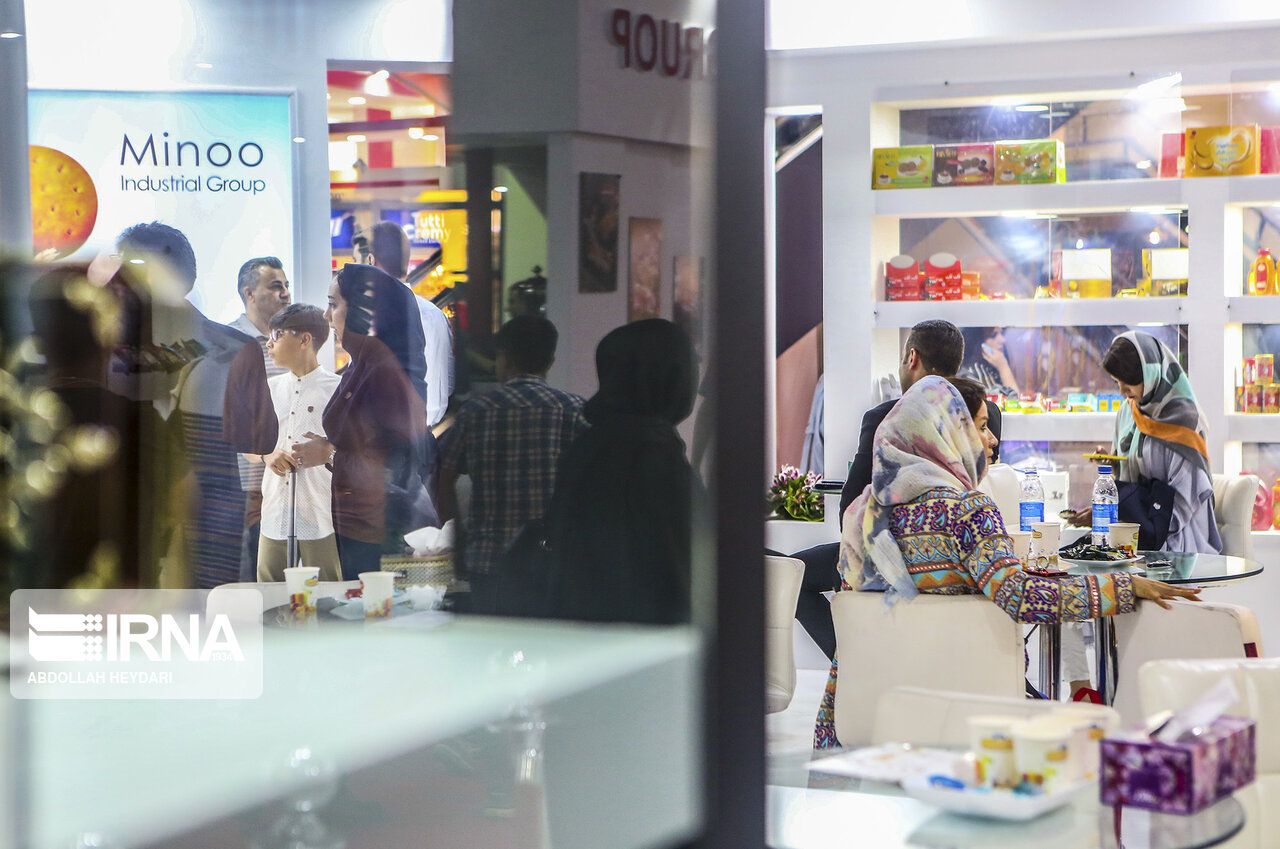
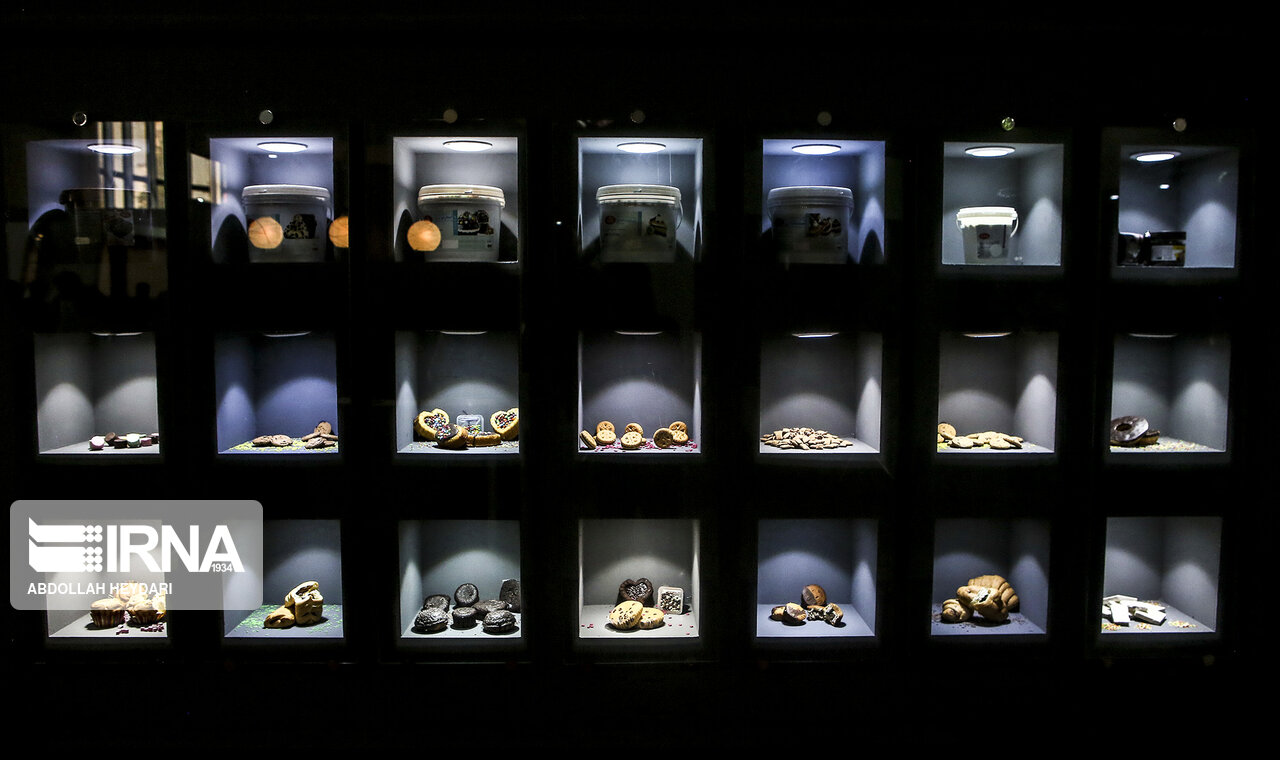
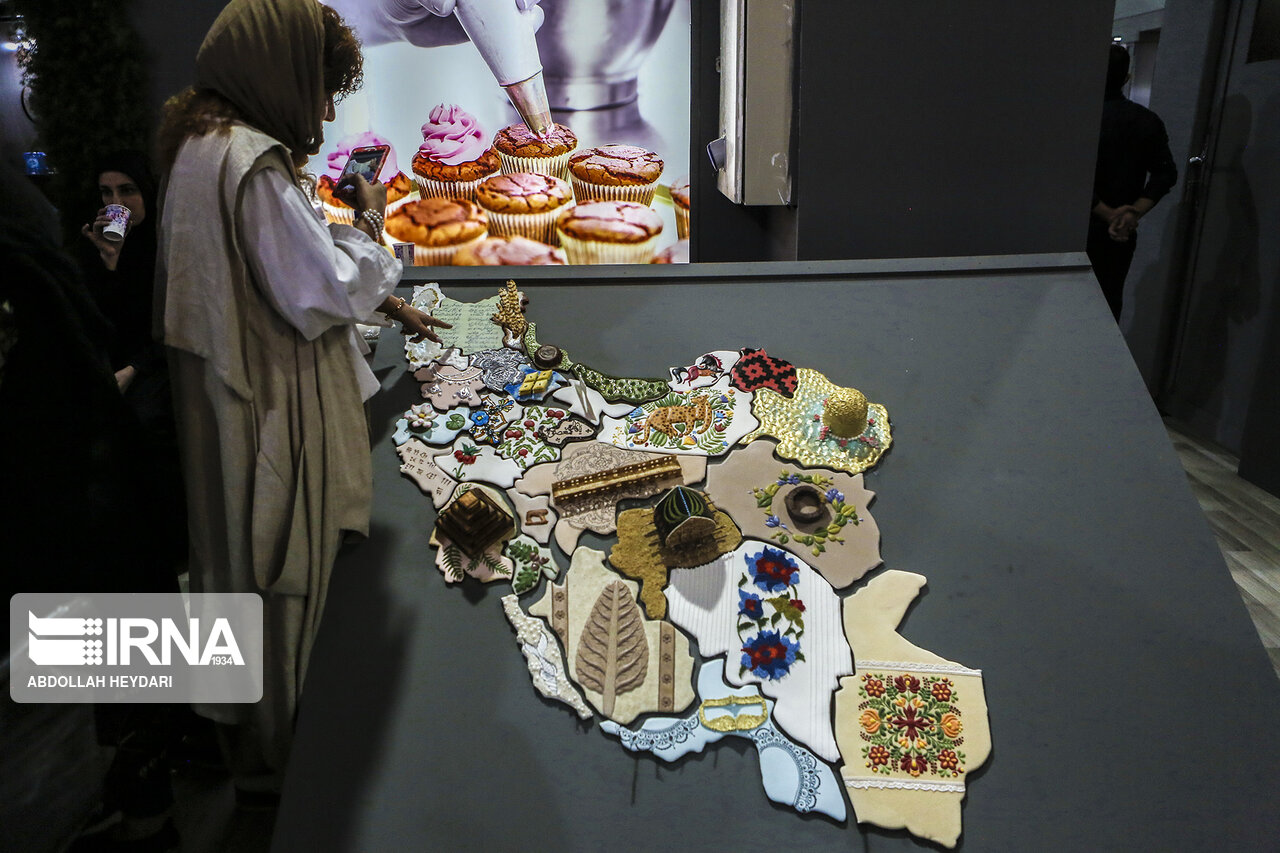
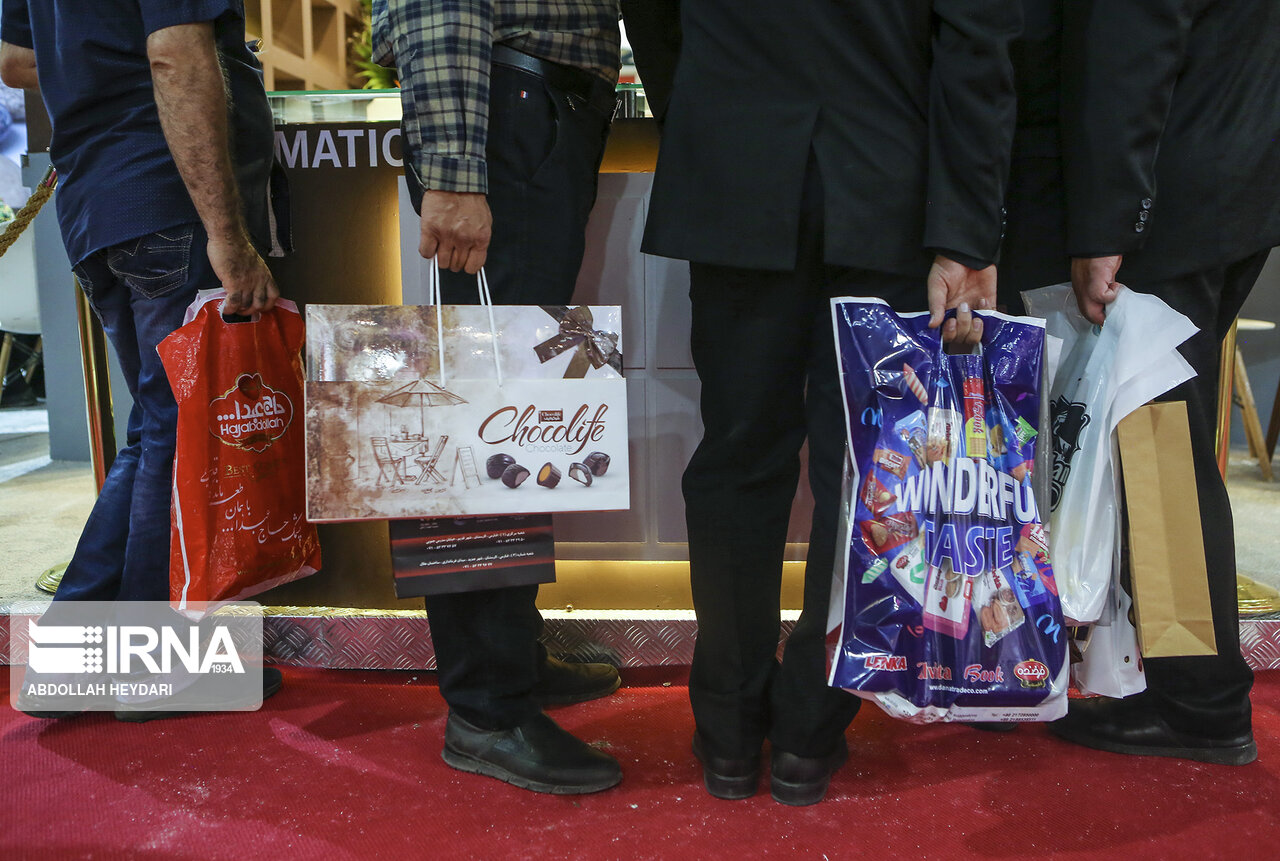
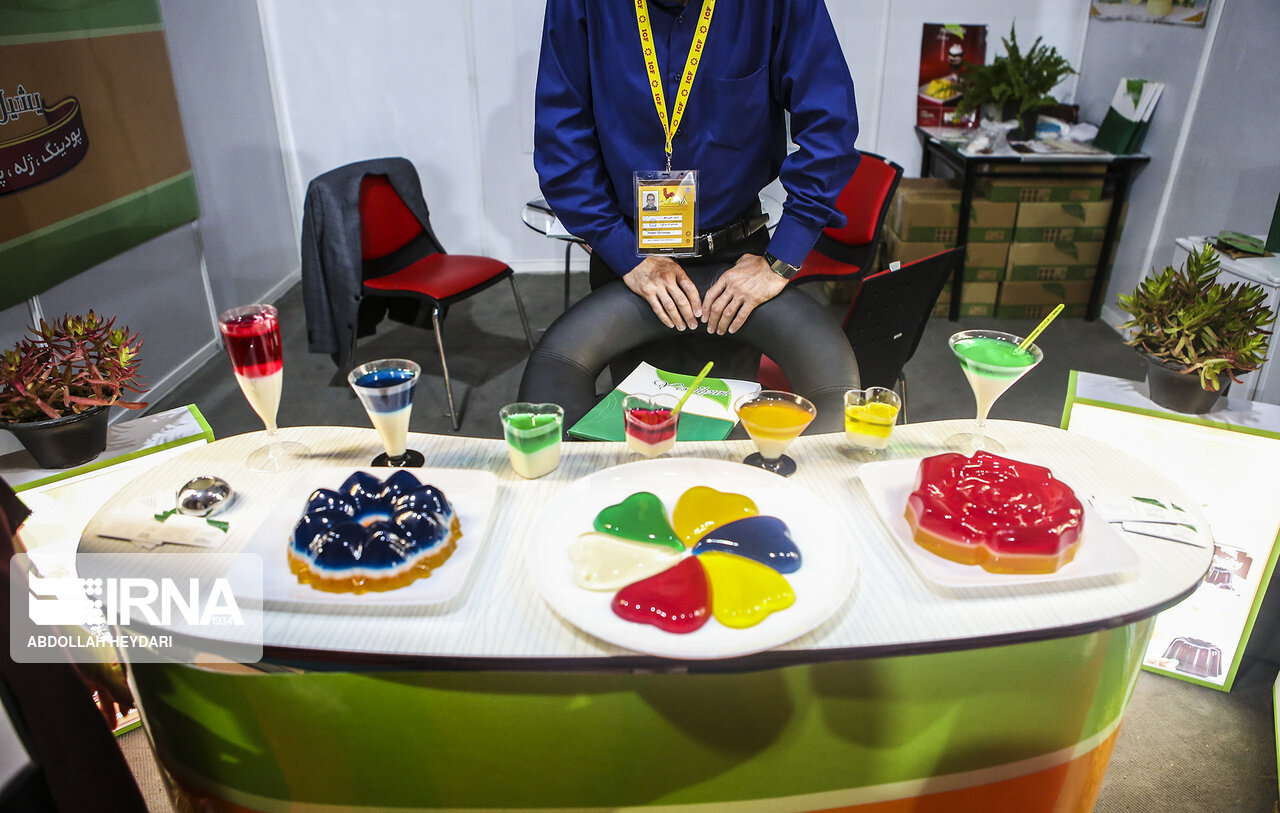
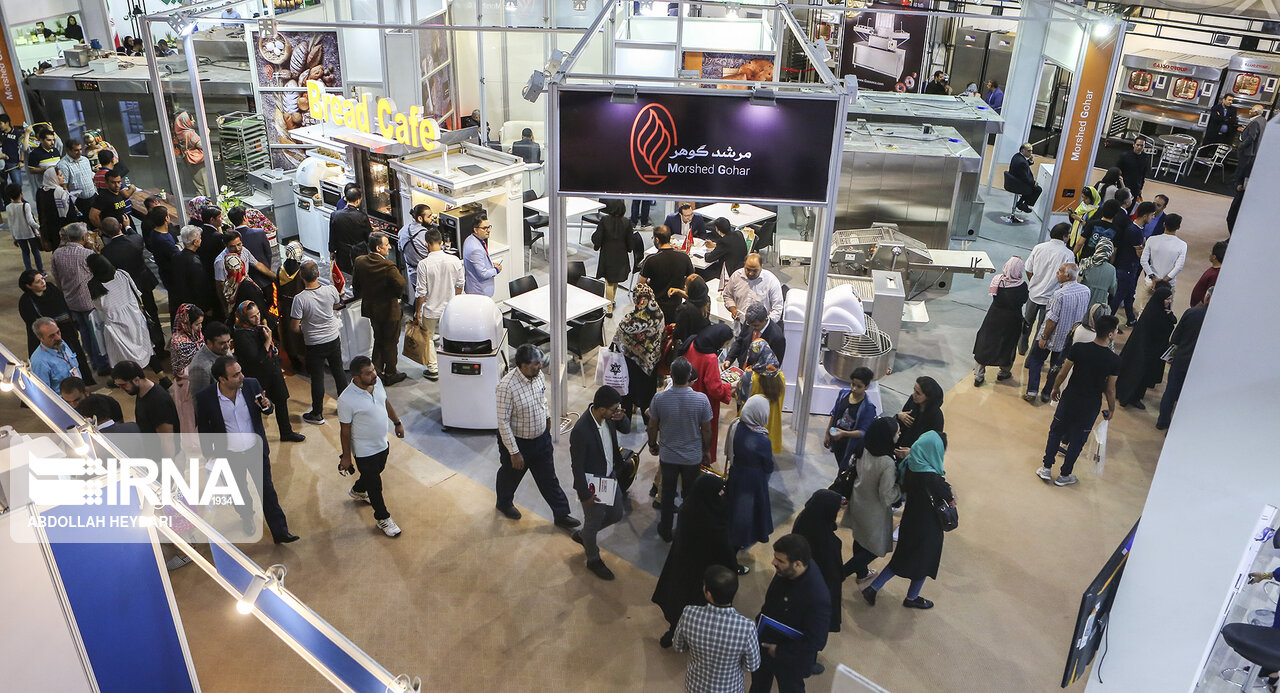
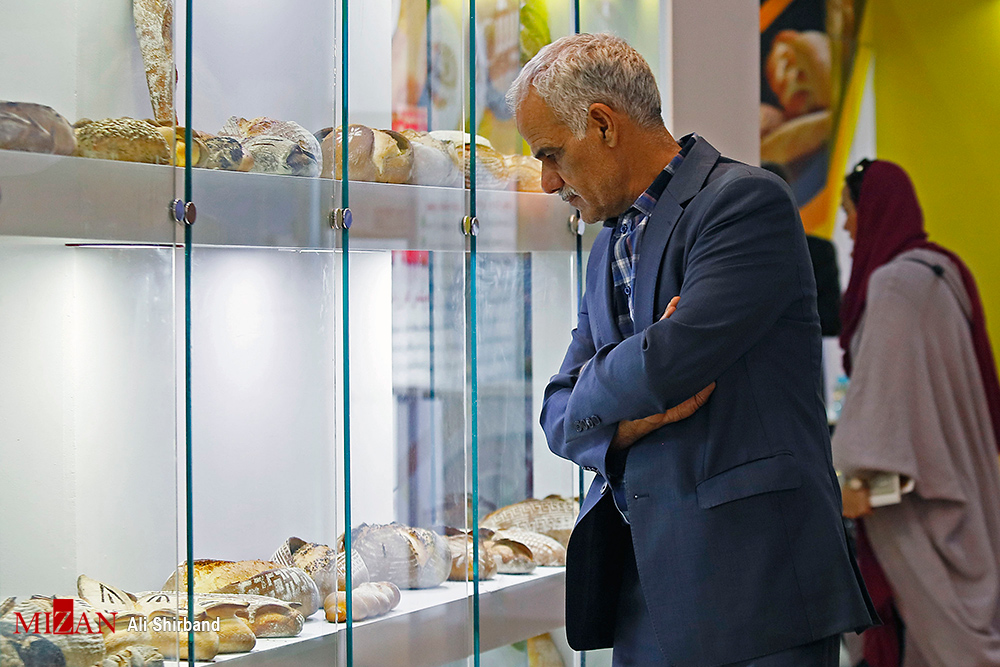
Bread, Grain Industry Exhibit Opens in Tehran

Industries producing bread-making and grain harvesting machines, producers of enzymes used in the food industry, silo producers and other subsidiary industries have put on display their latest achievements at the event.

The exhibit aims to build the culture and improve the pattern of grain, flour and bread consumption, boost trade activities and investment in this industry, lay the groundwork for exports to further support domestic producers, etc.

The event runs from September 13-16, 2019.

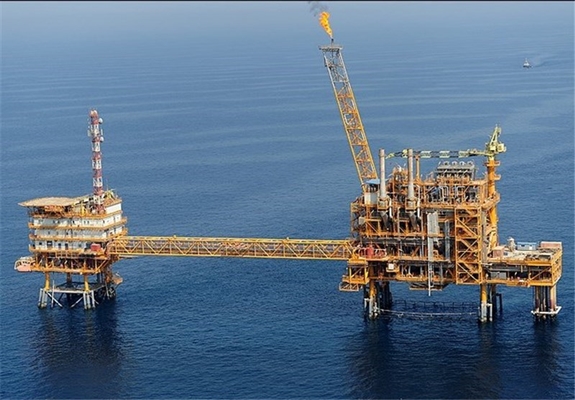
New Phase of South Pars Gas Field to Become Operational: Oil Minister

Bijan Namdar Zanganeh said part of Phase 11 is expected to enter service by September 2021.

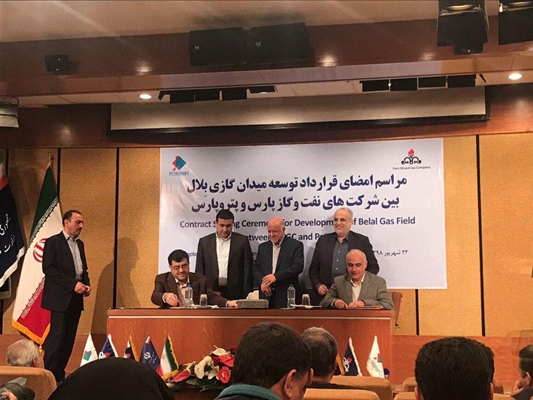
“From now on, we plan to sign one contract and set in motion one development plan every two weeks and we will show that the development of the country’s oil industry has not stopped under sanctions,” said he minister in a ceremony where a contract was signed between the Belal Gas Field with the Iranian Petropars company.

Pars Oil and Gas Company (POGC), a subsidiary of the National Iranian Oil Company (NIOC), finalized a $440m deal with Petropars Company on Saturday for developing Belal Gas Field in the Persian Gulf.

New Phase of South Pars Gas Field to Become Operational: Oil MinisterThe buyback contract, which is to be enclosed to the integrated and master development plan of South Pars phases 11 to 24, is aimed at daily production of 500 million cubic feet (an equivalent of 14 million cubic meters per day) of rich gas in 34 months. The produced gas will be processed at the onshore refinery of South Pars Phase 12.

Based on the deal, Pars Oil and Gas Company (POGC) will serve as the employer of the contract and will carry out reservoir studies and arrange sideline licensing rounds for the purposes of the project. Accordingly, the company is required to tap the capabilities of local manufacturers and contractors.

For its part, the contractor of the project, Petropars, is required to drill 8 wells in the offshore field, launch wellhead jackets and build and install a topside with 500 mcf/d of gas production capacity as well as a seabed pipeline with an estimated length of 20 kilometers.

Belal Gas Field is located east of South Pars in the Persian Gulf and 90 km southwest of Lavan Island.
 

Bolton’s Dismissal No Reason for Optimism: Senior MP

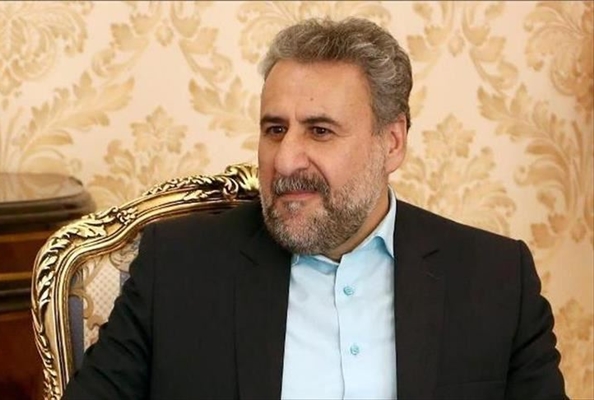
In an interview with the Islamic Republic News Agency (IRNA), Falahatpisheh said Bolton had adopted a hard-line approach toward Iran, but now his removal should not lead to the adoption of an approach of optimism in Iran.
“Trump should know that diplomacy is revived only when the 915 anti-Iran sanctions are reversed,” said the former chairman of the Iranian Parliament’s National Security and Foreign Policy Commission.

“The removal of Bolton is closely related to Iran and a region where Iran is the strongest, a region part of which constitutes the Persian Gulf and the Arab Middle East, and another part makes up Afghanistan,” said Falahatpisheh.

“Based on a policy enforced by the United States, Bolton had been banned from adopting any stance on the Islamic Republic of Iran since three or four months ago; after Bolton formulated a series of hard-line policies and goals with regards to Iran, his anti-Iran stances began to fade because of the White House ban,” he added.

The lawmaker said Bolton’s anti-Iran policies growing weaker in recent months as well as his dismissal means the policy of exerting pressure on Iran has failed.

“My analysis earlier was that if Trump seeks a solution with regards to the Iran case, he has to fire Bolton,” the top legislator noted.

Pompeo My Be Sacked Too

Falahatpisheh said US Secretary of State Mike Pompeo might be fired as well following the failure of Washington’s policies.

“In line with the failure of White House policies of exerting pressure on Iran, there is a possibility of US Secretary of State Mike Pompeo being removed from office,” he explained.

“Pompeo and Bolton each had the role of a blade in the US scissors policy toward Iran,” he said.

“Bolton was pursuing a hard policy vis-à-vis Iran and Pompeo was pushing on with the soft policy and psychological warfare against the Islamic Republic of Iran,” the legislator said.

“Now, the US scissors against Iran has lost a blade, and the US secretary of state is on shaky ground, too,” the MP noted.

He described Iran’s downing of a US spy drone as a watershed in Tehran-Washington relations.

“With the downing of this drone, the Americans, for the first time, faced a regional player that has established a kind of balance in the region with its power and made the US and its allies talk with Iran based on this very balance,” said the MP.

He said Bolton’s dismissal is related to Iran, but does not mean Washington’s change of heart and return to the Iran nuclear deal.

“[However,] Bolton’s removal from his position as the White House National Security Advisor indicates the failure of those who believed a policy of pressure against Iran would be effective,” he said.

“Trump knows if he gets to understand the realities associated with [US] relations with Iran and the region, it will be problematic for him; the dismissal of Bolton can be analyzed in this context; when Bolton assumed office, Zionist circles regarded his taking power as tantamount to the irreversibility of the US war with Iran,” the legislator said.

“Bolton tried openly in terrorist and anti-Iran meetings to mobilize different terrorist groups against Iran, but now he has been sidelined,” he added.

“The policy defined for Pompeo is similar to the instruction that the White House had defined for Bolton three or four months ago, and it was related to moderating his stances toward Iran,” he said.

“The dismissal of the White House national security advisor shows Trump hasn’t got the desired result from adopting a hard policy in the world, especially toward the Islamic Republic of Iran, and if he continues pursue the same policy when the election year in the US begins, he will definitely lose the election” the legislator said.