Wednesday, April 8, 2026
Home Blog Page 31

Israeli army plans to arm 10,000 reserve soldiers at home: Report

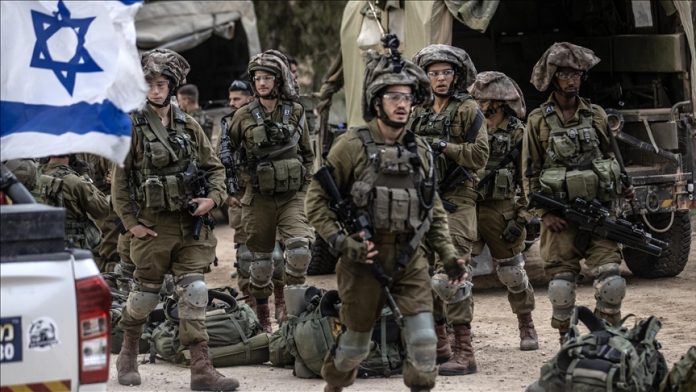
According to the newspaper, the move focuses on Division “David” (96), a formation established about a year ago that relies on older reservists – typically ages 40 to 60 – who volunteer to return to service after completing their reserve obligations.

The soldiers “will receive an M4 or upgraded M16 rifle, magazines, a combat vest and a helmet,” delivered to their homes to enable immediate call-up to their battalion sector in the event of an emergency, the paper said. The weapons would be stored in large safes provided by the army.

“Rifles to be kept at home year-round, aiming to dramatically cut response times in future emergencies,” it added.

Under the plan, the reservists would wear uniforms only for several weeks a year, meaning the rifles would remain in their personal possession most of the time while they are civilians, according to the report.

Israeli military officials cited the Oct. 7 events as a pivotal lesson, marking a significant shift from prewar policy, when many soldiers, including combat troops, were barred from taking weapons home over concerns about theft or safety incidents during leave, the paper said.

Israel has about 400,000 reserve soldiers, according to Yedioth Ahronoth. Israeli military data show 923 officers and soldiers have been killed since the Gaza war began in October 2023.

The Israeli army has killed nearly 71,000 Palestinians, mostly women and children, and injured over 171,000 others in attacks in Gaza since October 2023.

Despite a ceasefire that took effect on Oct. 10, Israel continues to violate the agreement by failing to allow in the agreed quantities of medical aid trucks, deepening what the health ministry described as a critical and ongoing health emergency.
Israel conducts new raids in Syria’s Quneitra

Israeli Army

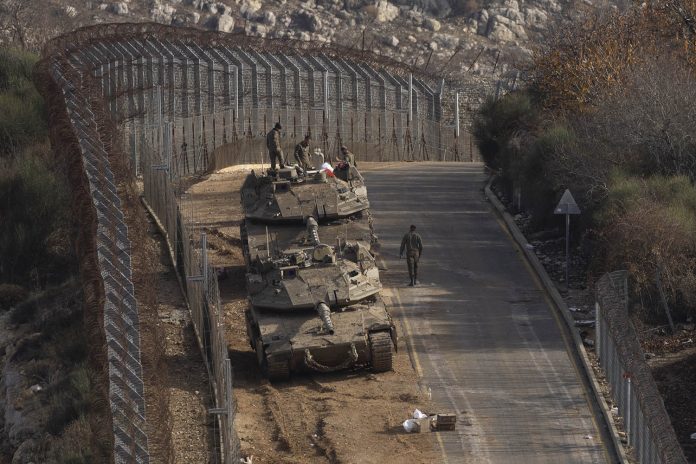
The Israeli military operation on Saturday took place in the villages of Ain Ziwan and al-Ajraf in the southern part of the country.

For months, Israeli forces have conducted near-daily incursions into southern Syria, particularly in the Quneitra governorate, carrying out arrests, erecting checkpoints, and bulldozing land, all of which have prompted growing public anger and unrest.

Syrian state television said the Israeli incursion was a violation of Syrian sovereignty, noting that the army used five military vehicles to set up the checkpoint in Ain Ziwan.

The latest raid comes one day after Israeli troops advanced towards the towns of al-Asha, Bir Ajam, Bariqa, Umm al-Azam and Ruwayhina in the southern Quneitra countryside, according to the Syrian News Agency (SANA).

Dozens of Syrians on Friday protested the Israeli incursion in the city of al-Salam in the Quneitra Governorate, condemning the ongoing Israeli attacks against citizens and their properties.

The demonstrators, part of a group called “Syrians with Palestine”, held banners denouncing what they stated were repeated Israeli violations of Syrian lands.

Despite a reduction in direct military threats, the Israeli army continues to carry out air raids that have caused civilian casualties and destroyed Syrian army sites and facilities.

Over the past year, Israel has launched more than 600 air, drone or artillery attacks across Syria, averaging nearly two attacks a day, according to a tally by the Armed Conflict Location and Event Data (ACLED).

Israeli military incursions have become more brazen, more frequent and more violent since Israel expanded its occupation of southern Syria following the ousting of President Bashar al-Assad in December 2024.

After al-Assad’s fall, Israel declared the 1974 Disengagement Agreement – brokered after the 1973 war, in which Syria failed to regain the occupied Golan Heights – void.

The agreement had established a UN-patrolled buffer zone, which Israel has since violated, advancing deeper into Syrian territory.

Citing al-Assad’s flight, Israel says the accord no longer applies, while carrying out air raids, ground incursions, reconnaissance flights; setting up checkpoints; and arresting or disappearing Syrians. Syria has not responded with attacks.

In September, Syrian President Ahmed al-Sharaa stated that Israel had conducted more than 1,000 air attacks and more than 400 ground incursions in Syria since al-Assad was overthrown, describing the actions as “very dangerous”.

Syrians believe that the continuation of these violations hinders efforts to restore stability in the region and undermines attempts to improve the economic situation in southern Syria.

Syria and Israel are currently in talks to reach an agreement that Damascus hopes will secure a halt to Israel’s air raids on its territory and the withdrawal of Israeli troops who have pushed into southern Syria.

In the background, the United States has been pushing diplomatic efforts to restore the 1974 deal.


Iranians mark Yalda Night with ancient traditions

Known as Yalda or Shab-e Chelleh, the ancient festival marks the end of autumn and the symbolic triumph of light over darkness.

Families and friends gather until midnight to share fruits, nuts and sweets, recite poetry by the famed Persian poet Hafez and reflect on the meaning of the night.

The word Yalda means “birth” in Persian, rooted in ancient mythology that marks the birth of the god of light and truth after the year’s longest night.

The millennia-old tradition is recognized by UNESCO as part of the Intangible Cultural Heritage of Humanity and is celebrated in Iran as well as among Persian-speaking communities in Afghanistan, Azerbaijan, Iraqi Kurdistan, Tajikistan, Uzbekistan, Turkmenistan and Turkey.

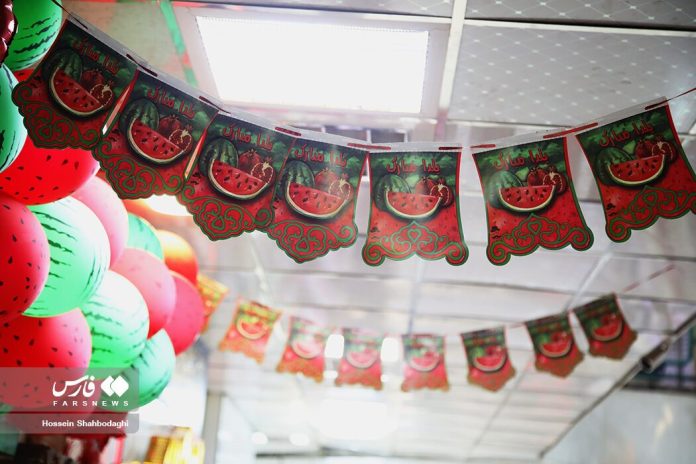
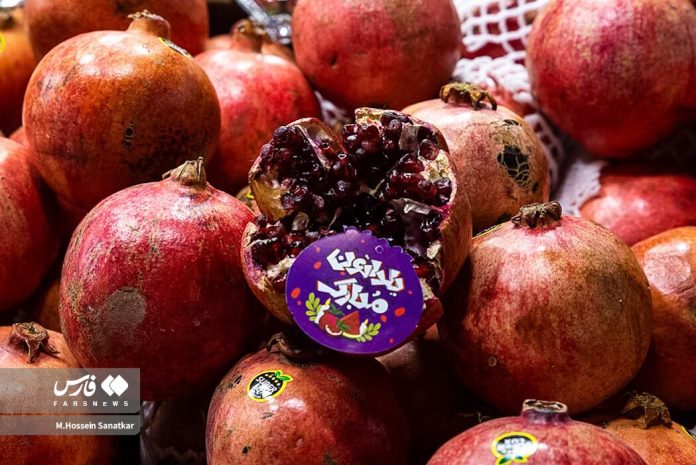
In Iran, the festive spirit is visible in bustling markets from Tehran to smaller towns, as shoppers prepare Yalda tables adorned with pomegranates and watermelons, symbols of fertility and the sun.

In various parts of Iran, people observe different customs and traditions to celebrate Yalda Night, creating lasting memories for everyone on the longest night of the year. The Iranian government has also decided to delay the start of working hours at government institutions by two hours, so that people who stay up late for Yalda celebrations will not worry about their workday on the first day of winter.

Rooftop football skills of two Iranian village teenagers go viral

Football

The clip shows the boys standing on the rooftops of two neighboring houses, passing a football to each other through the air.

They carefully control and kick the ball without letting it touch the ground, using only aerial passes between the rooftops.

Social media users have widely shared the video, praising the teenagers’ creativity, coordination, and technical ability.

Many viewers described the scene as a simple but striking display of talent, highlighting how limited space and facilities did not stop the boys from practicing the sport they love.

Chances of peace not improved by European and Ukrainian changes to US proposals: Russia

Kremlin

“This is not a forecast,” Kremlin foreign policy aide Yuri Ushakov told reporters.

“I am sure that the proposals that the Europeans and Ukrainians have made or are trying to make definitely do not improve the document and do not improve the possibility of achieving long-term peace.”

European and Ukrainian negotiators have been discussing changes to a U.S. set of proposals for an agreement to end the nearly four-year-old war, though it is unclear exactly what changes have been made to the original U.S. proposals.

U.S. negotiators met Russian officials in Florida on Saturday.

Putin’s special envoy Kirill Dmitriev told reporters after meeting U.S. special envoy Steve Witkoff and President Donald Trump’s son-in-law, Jared Kushner, that the talks were constructive and would continue on Sunday.


Two Iranian photographers among UNICEF photo award honorees

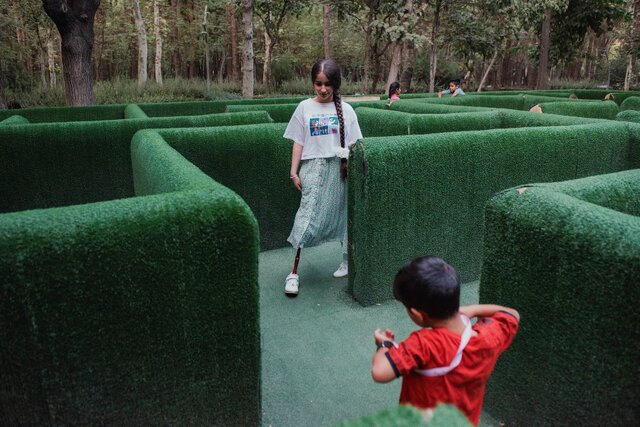
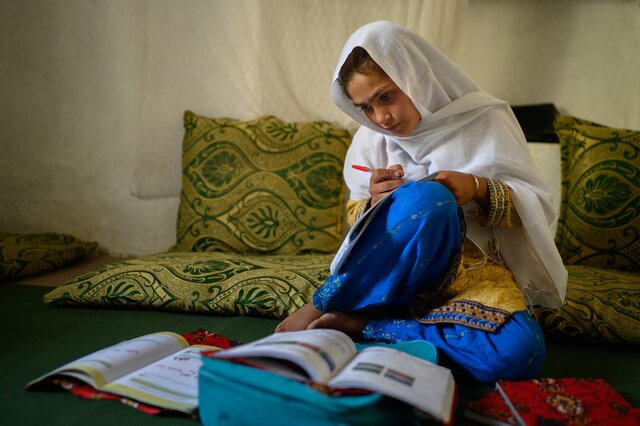
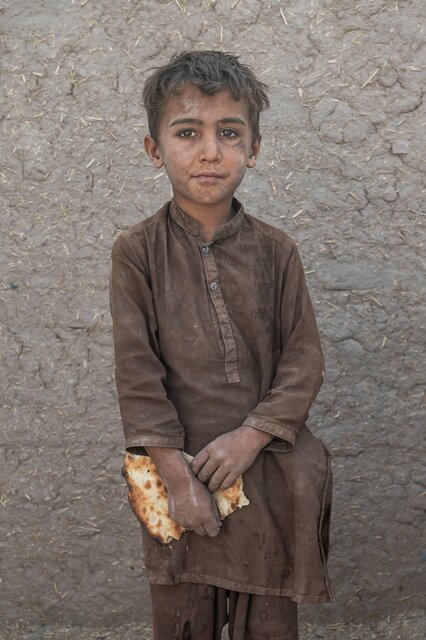
According to the award organizers, the first prize was awarded to Elise Blanchard for her photo series documenting the lives of girls and young women in Afghanistan.
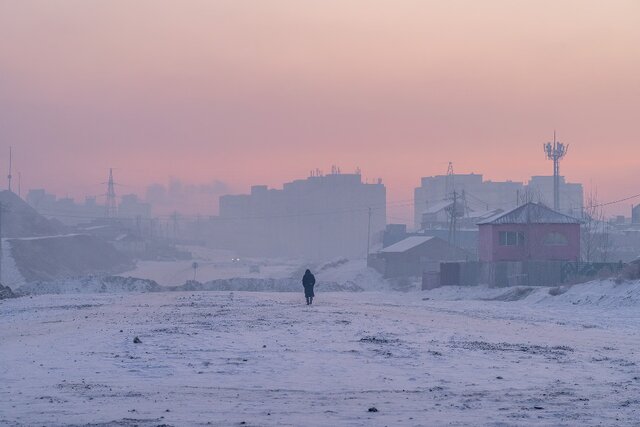
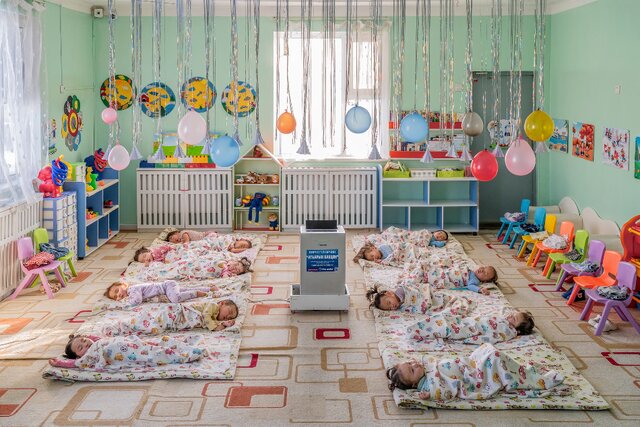
The second prize went to Natalia Saperonova, whose work highlighted the impact of air pollution on children in Mongolia.

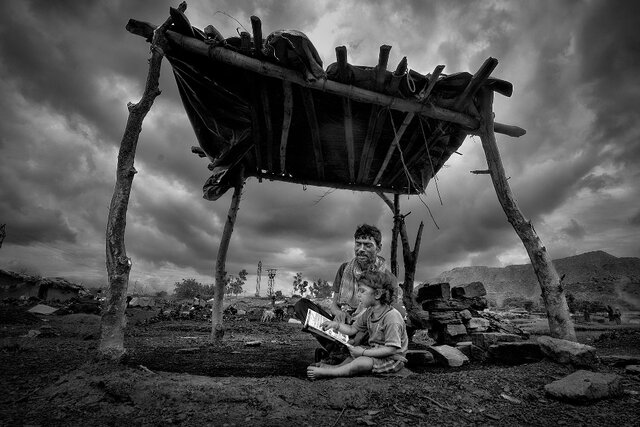
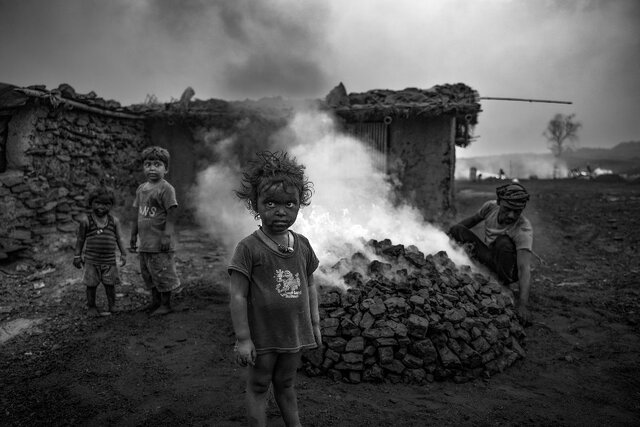
The third prize was awarded to Sourav Das for his photo project portraying childhood in Jharia, home to one of India’s largest coal mines.

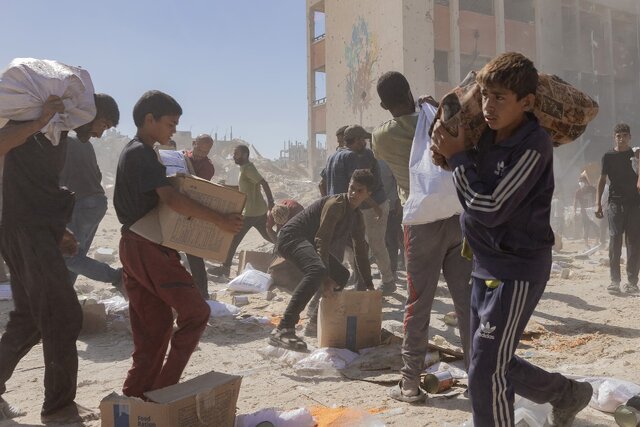
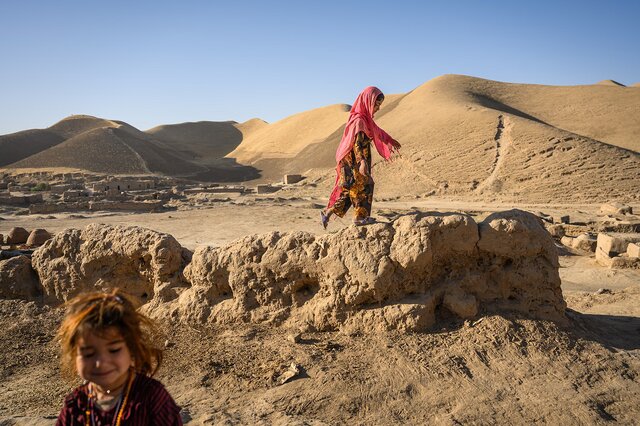
In addition to the main winners, seven photo series from Afghanistan, Iran, Gaza, South Africa, Ukraine, and the UK received special commendations for their strong humanitarian and visual narratives.

Among those specially commended were two Iranian photographers. Hossein Beris was honored for his photo series titled “Return to Life,” while Araz Ghaderi received recognition for his series “What Children’s Faces Reveal,” both focusing on the lives of Afghan children.

An exhibition showcasing the award-winning and commended works will be held at the Federal Press Conference building in Berlin until the end of January 2026.
The exhibition will then move to the Willy Brandt House in Berlin, where it will run from January 30 to April 26, 2026.

US actions against Venezuela violating intl. law: Iran

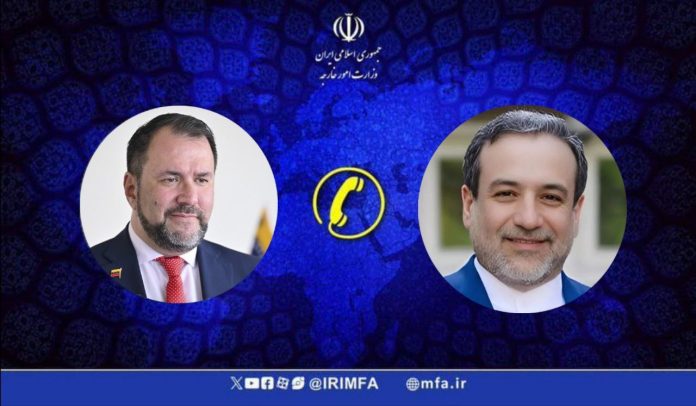
Foreign Minister of the Islamic Republic of Iran made the remarks during a phone call with Yván Gil Pinto, Foreign Minister of the Bolivarian Republic of Venezuela.

Araqchi expressed Iran’s solidarity with and support for the Venezuelan people and their elected government, stressing the responsibility of the international community to firmly oppose these illegal and unilateral actions by the United States.
He said such US measures pose a clear threat to regional and global peace and stability.

The Iranian foreign minister also emphasized the determination of the leaders of both nations to consolidate and expand bilateral relations in line with the interests of the two countries.

For his part, the Venezuelan foreign minister expressed appreciation for the principled stance of the Islamic Republic of Iran in showing solidarity with the Venezuelan people and their elected government in the face of US threats and illegal, unjust sanctions.

He underscored the resolve of the Venezuelan government and nation to defend the country’s national sovereignty and independence against these pressures.

The foreign ministers of Iran and Venezuela also stressed the importance of strengthening bilateral and multilateral coordination and cooperation in international forums to counter unilateralism and defend the national sovereignty of countries.


Armed factions to collaborate on weapons: Iraq top judge

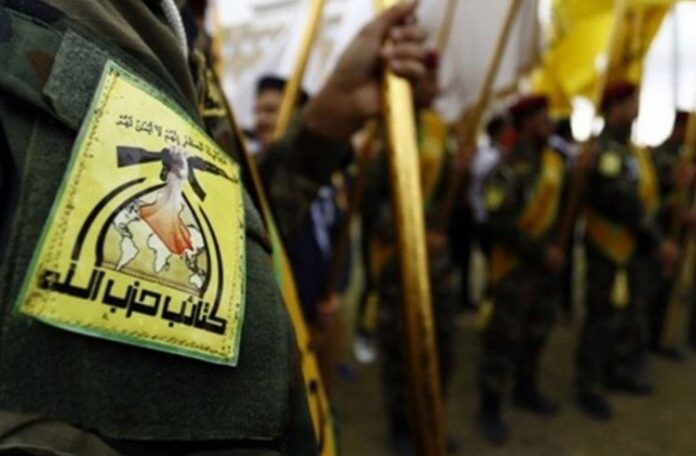
Iraq’s Kataeb Hezbollah

However, the powerful Kataeb Hezbollah group said that it would only discuss giving up its arms when foreign troops leave the country.

“The resistance is a right, and its weapons will remain in the hands of its fighters,” the group announced in a statement.

The leaders of three other pro-Iran factions designated by Washington as terrorist groups stated that it is time to restrict weapons to state control, although they too have stopped short of committing to disarm — a long-standing US demand.

Faiq Zidan, the head of Iraq’s Supreme Judicial Council, in a statement thanked “faction leaders for heeding his advice to coordinate together to enforcing the rule of law, restrict weapons to state control, and transition to political action after the national need for military action has ceased”.

After Iraq’s general elections in November, the United States demanded that the new government exclude six groups it designates as terrorists and instead move to dismantle them, Iraqi officials and diplomats told AFP.

But some of the groups have increased their presence in the new parliament and are members of the Coordination Framework, a ruling alliance of Shiite parties with varying ties to Iran that holds the majority.

The blacklisted groups are part of the Hashed al-Shaabi, a former paramilitary alliance that has integrated into the armed forces. But they have also developed a reputation for sometimes acting on their own.

They are also part of the Tehran-backed so-called “axis of resistance”, and have called for the withdrawal of US troops — deployed in Iraq as part of an anti-jihadist coalition — and launched attacks against them.

These groups include the powerful Asaib Ahl al-Haq faction, which won 27 seats in the elections.

Earlier this week, the group’s leader, Qais al-Khazali, a key figure in the Coordination Framework, stressed “we believe” in “the slogan to restrict weapons to the state”, and “we are now part of the state”.

Two other groups, Harakat Ansar Allah al-Awfiya and Kataeb Imam Ali, noted on Friday that it is time to “limit weapons to the state”.


Japan’s nuclear ambitions should be stopped ‘at any cost’: North Korea

North Korea Kim

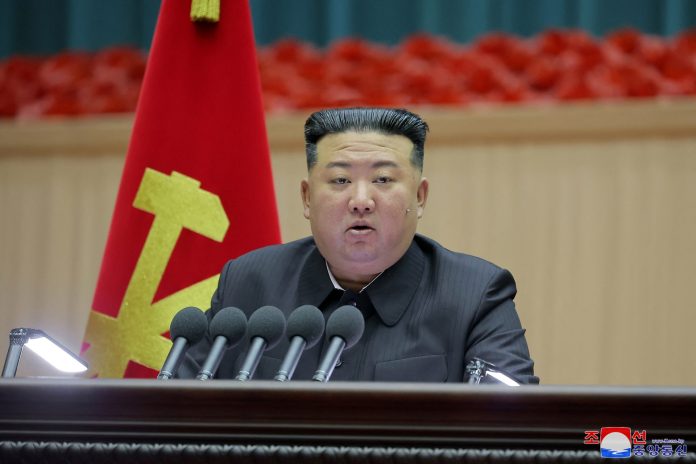
Pyongyang’s reaction came after the unnamed official in the prime minister’s office was quoted by Kyodo News on Thursday as saying: “I think we should possess nuclear weapons.”

The official was reported to have been involved in devising Japan’s security policy.

The Kyodo report also quoted the source as saying: “In the end, we can only rely on ourselves” when explaining the necessity.

Pyongyang announced that the remarks showed Tokyo was “openly revealing their ambition to possess nuclear weapons, going beyond the red line”.

“Japan’s attempt to go nuclear must be prevented at any cost as it will bring mankind a great disaster,” the director of the Institute for Japan Studies under the North’s foreign ministry said in a statement carried by official Korean Central News Agency on Sunday.

“This is not a misstatement or a reckless assertion, but clearly reflects Japan’s long-cherished ambition for nuclear weaponization,” stated the North Korean official, who was not named.

The official added that if Japan acquired nuclear weapons, “Asian countries will suffer a horrible nuclear disaster and mankind will face a great disaster”.

The statement did not address Pyongyang’s own nuclear programme, which includes an atomic test first carried out in 2006 in violation of UN resolutions.

North Korea is believed to possess dozens of nuclear warheads and has repeatedly vowed to keep them despite a raft of international sanctions, saying it needs them to deter perceived military threats from the United States and its allies.

In an address to the United Nations in September, Pyongyang’s vice foreign minister Kim Son Gyong said his country would never surrender its nuclear weapons.

“We will never give up nuclear which is our state law, national policy and sovereign power as well as the right to existence. Under any circumstances, we will never walk away from this position,” he added.

North Korean leader Kim Jong Un has also stated that he is open to talks with Washington, provided Pyongyang is allowed to keep its nuclear arsenal.


Iran welcomes Yalda Night with crowded streets, warm spirits, and rising costs

On the eve of Yalda, streets, fruit markets, and shopping centers in major cities such as Tehran, Isfahan, Shiraz, and Mashhad were noticeably crowded.

Many people were seen buying traditional Yalda items including pomegranates, watermelons, nuts, candles, and sweets, creating a festive atmosphere reminiscent of past years.

Social media platforms were also filled with images of decorated tables, poetry readings from Hafez, and family gatherings that reflected the enduring cultural importance of the ancient Persian celebration.

However, this year’s festivities unfolded against the backdrop of rising prices. The cost of fruits, nuts, and other Yalda staples has increased significantly compared to previous years, prompting many families to scale back their purchases or opt for simpler celebrations. Vendors acknowledged slower buying power, while shoppers expressed concern over inflation affecting seasonal traditions.

Despite these challenges, many Iranians said they were determined to preserve the spirit of Yalda. For them, the night symbolized warmth, togetherness, and hope, values that, they said, matter even more in difficult economic times.