Monday, December 22, 2025
Home Blog Page 3038

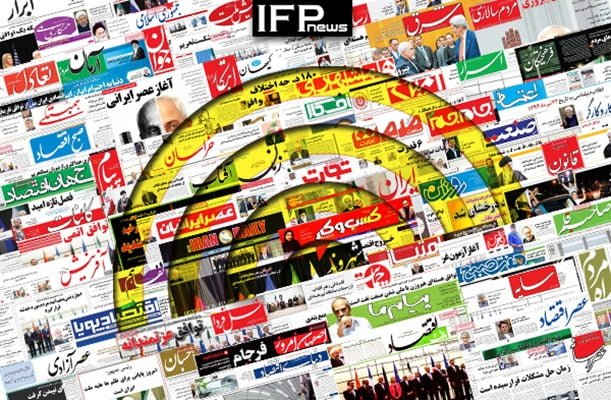
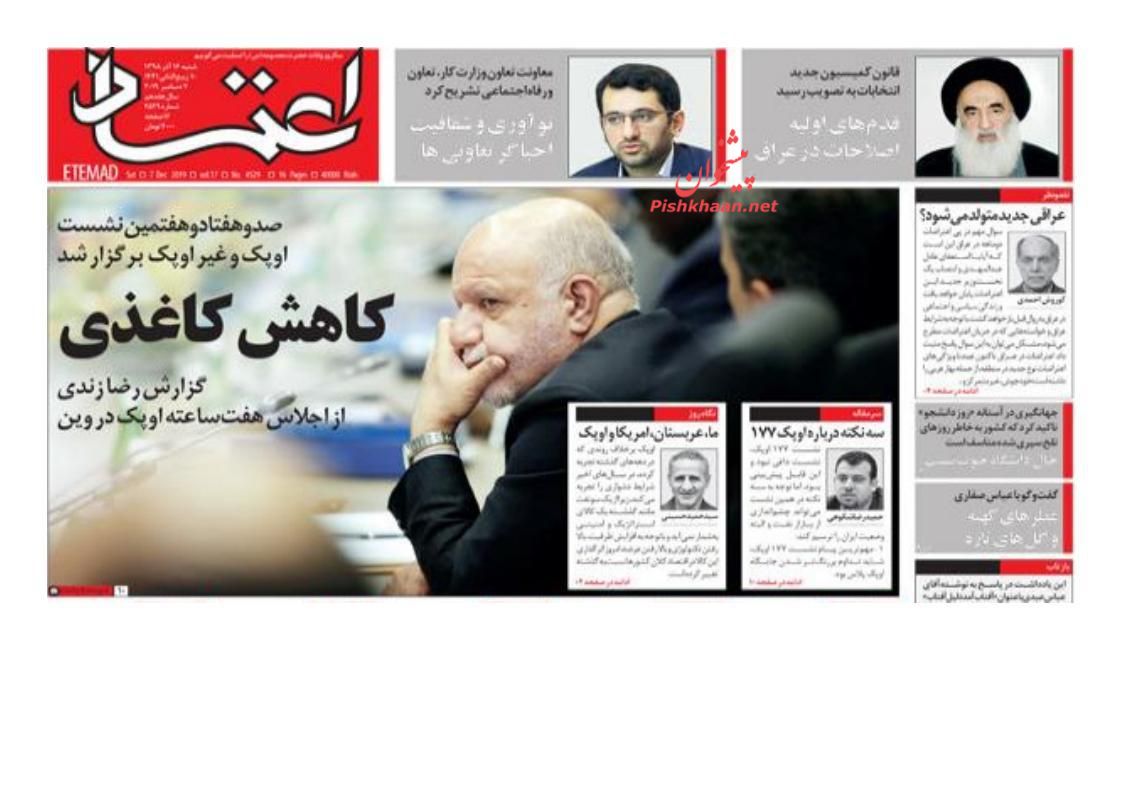
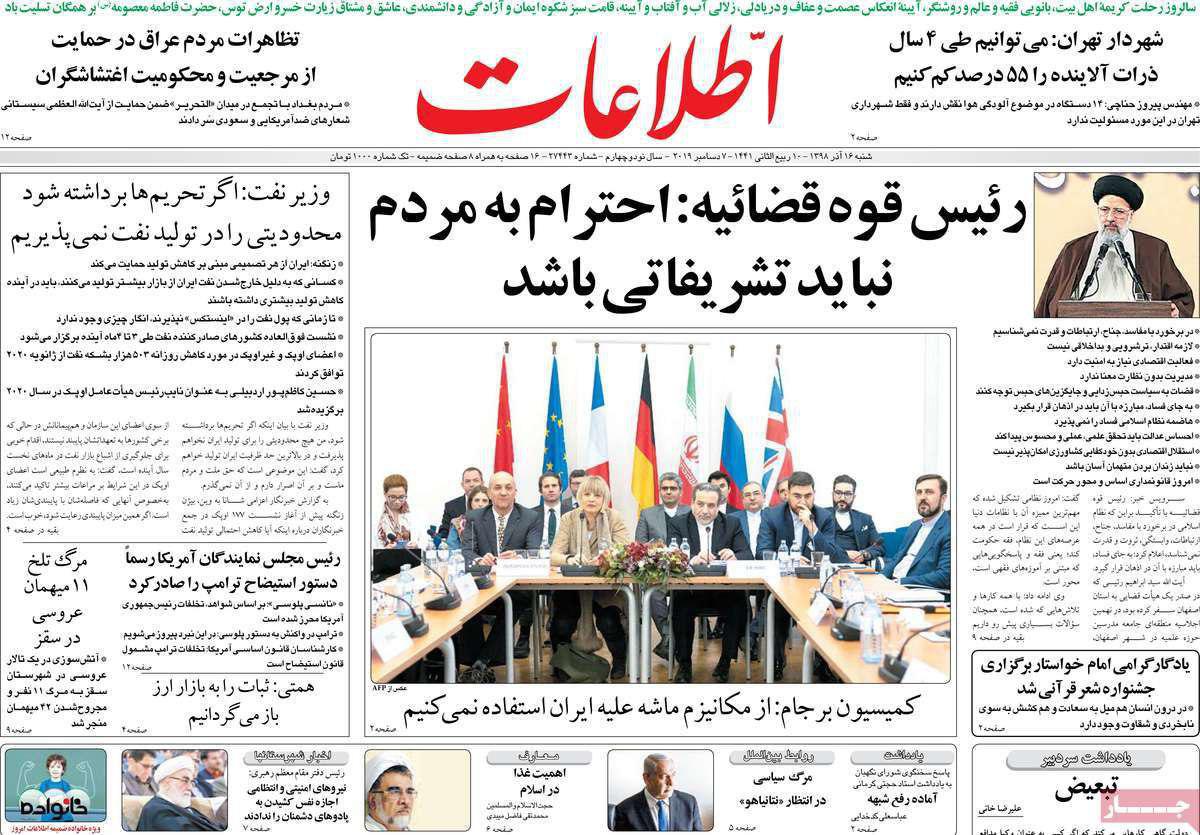
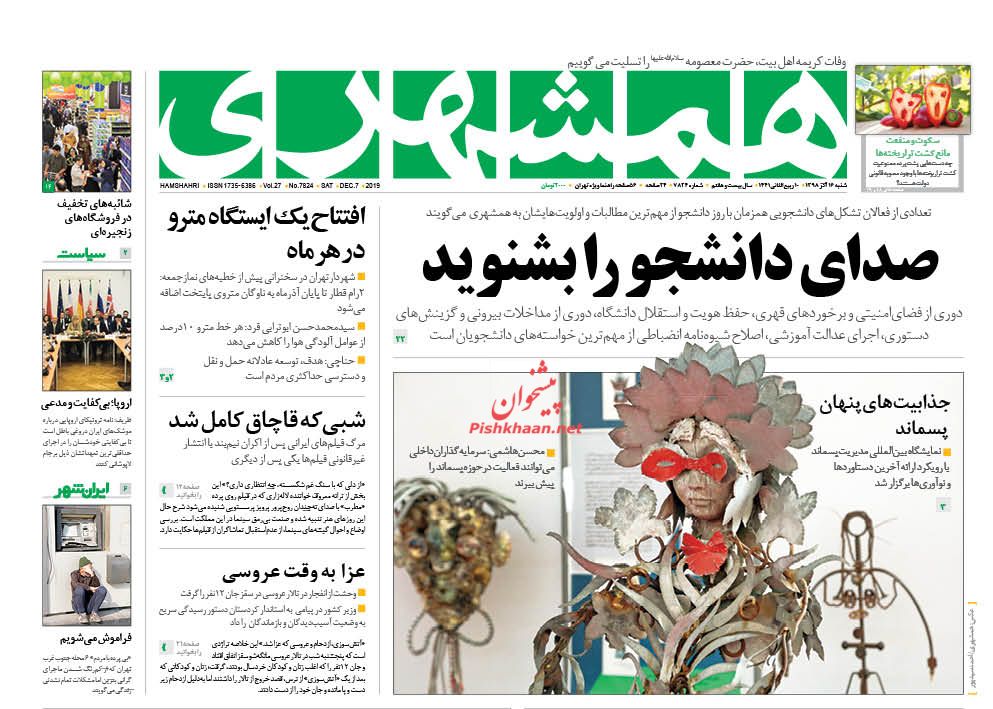
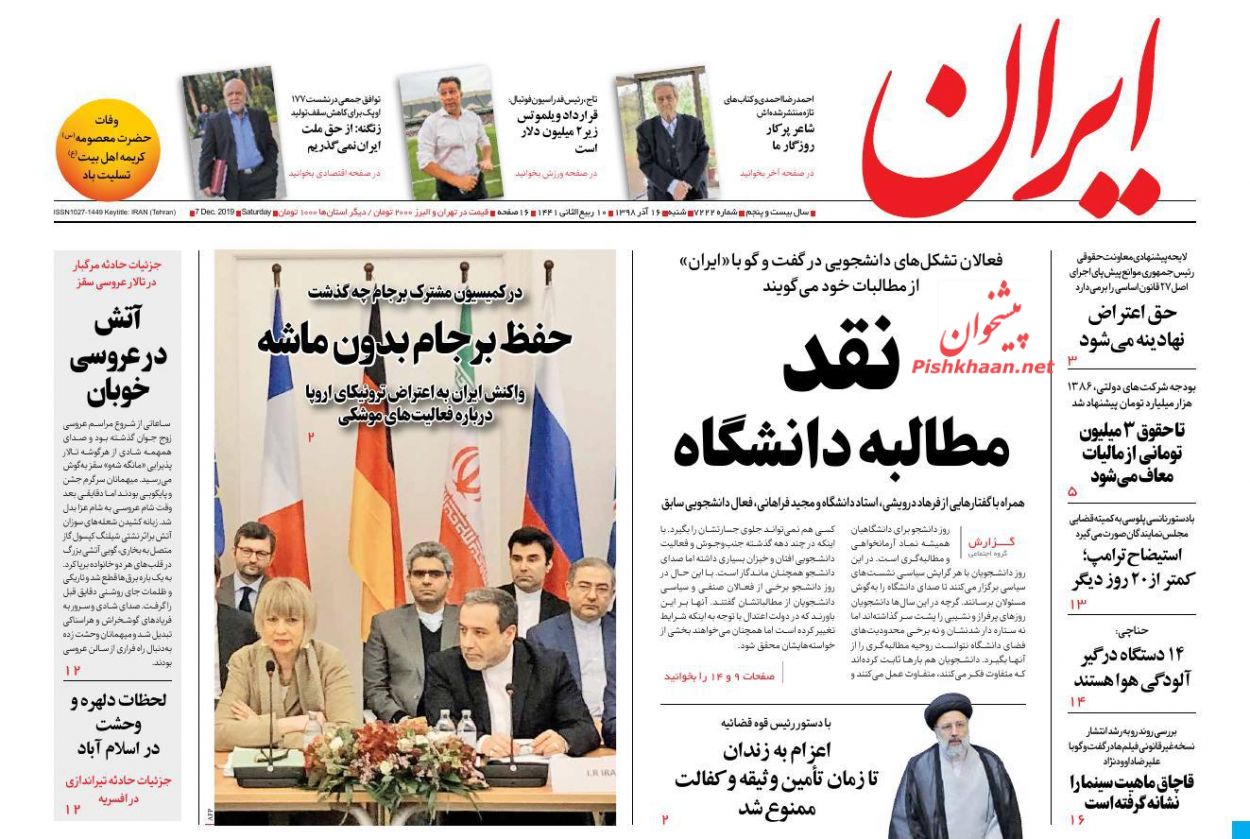
A Look at Iranian Newspaper Front Pages on November 4

A Look at Iranian Newspaper Front Pages on November 19

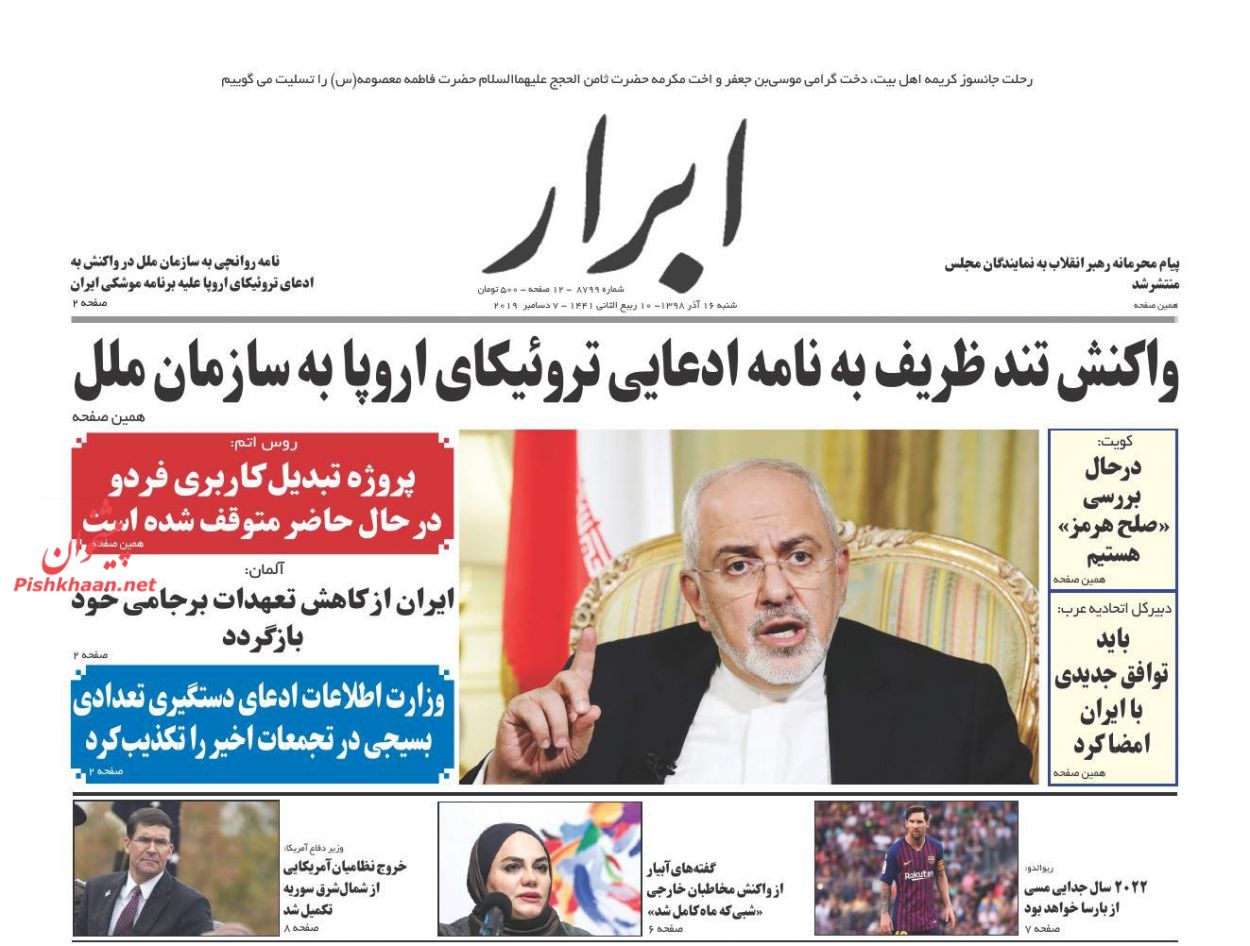
Abrar:
1- Iran Leader: Talks with US Has No Result, as They Won’t Give Us Any Concessions
2- Erdogan-Trump Meeting May Be Cancelled over Invitation for Kurdish Commander
3- UK Envoy Warns about Iran’s Next Steps to Reduce JCPOA Commitments

A Look at Iranian Newspaper Front Pages on November 4


Arman-e Melli:
1- Talks with US Futile: Iran Leader
2- Endless Controversies against Iranian Foreign Ministry
* Zarif Summoned to Parliament for 8th Time in 3 Months

A Look at Iranian Newspaper Front Pages on November 4


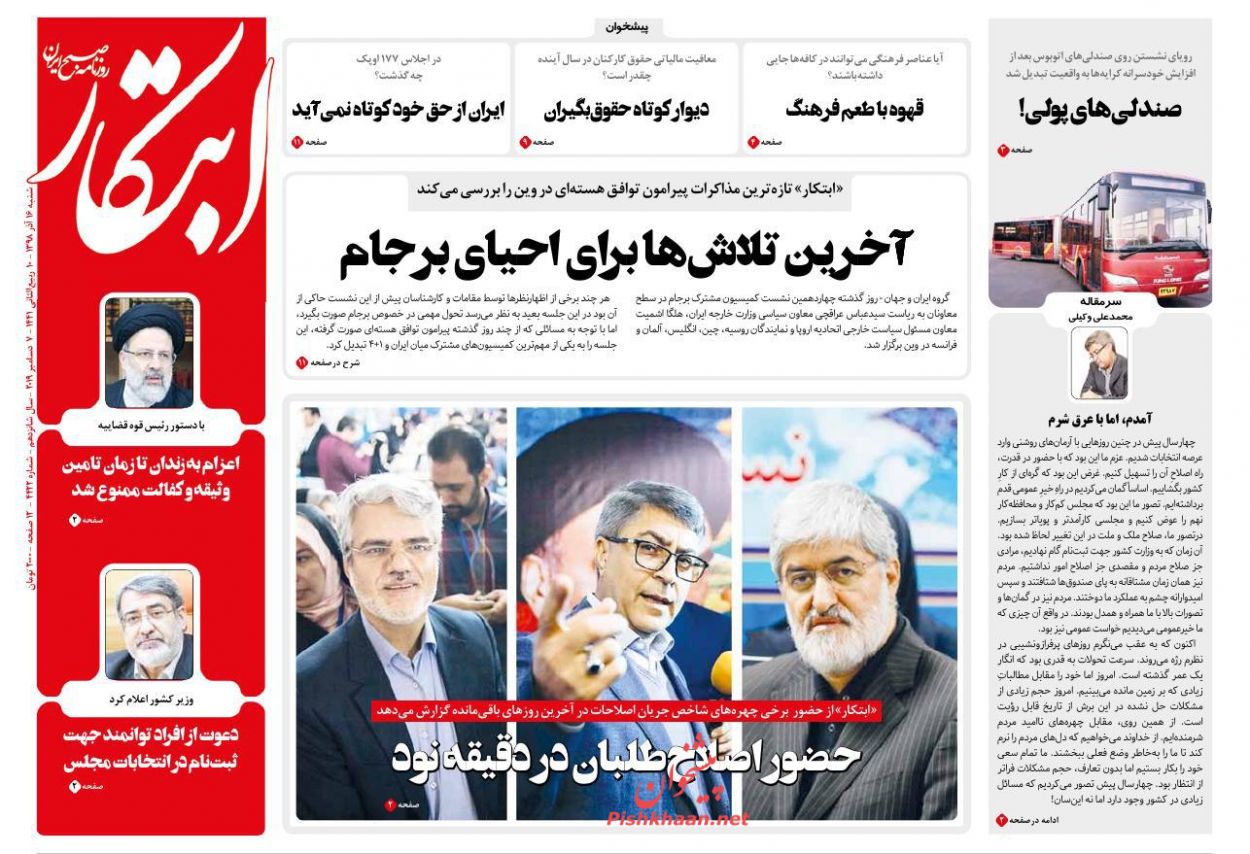
Ebtekar:
1- Zarif: Six UNSC Resolutions against Iran Works of Some of Our Friends [Ahmadinejad]
2- Parliament Speaker: US Officials Should Think of Something for Trump’s Mouth
3- Johnson in Crisis: UK PM Urges Fans to Prevent Victory of Corbyn

A Look at Iranian Newspaper Front Pages on November 4


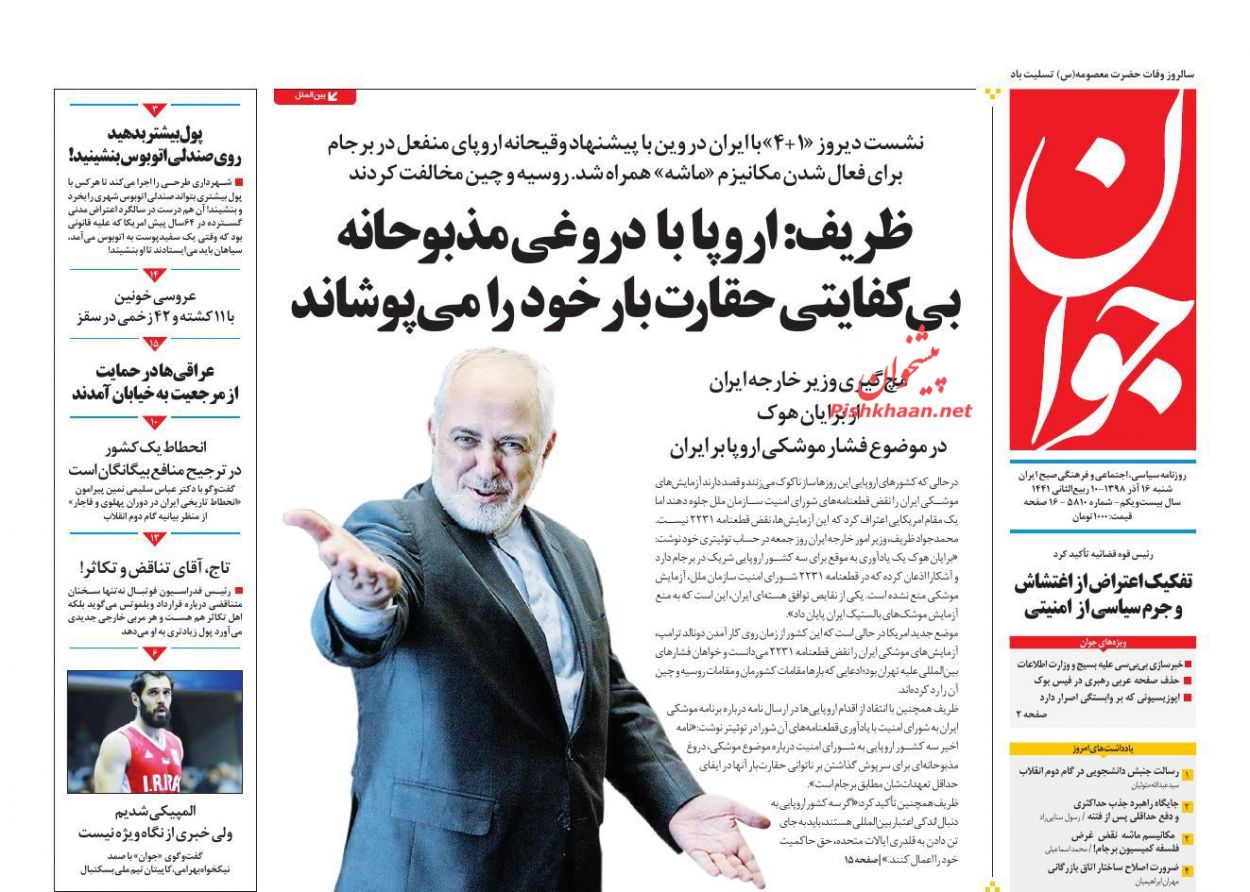
Javan:
1- Leader: Don’t Count on Macron’s Words, He’s Either Naive or US Accomplice

A Look at Iranian Newspaper Front Pages on November 4


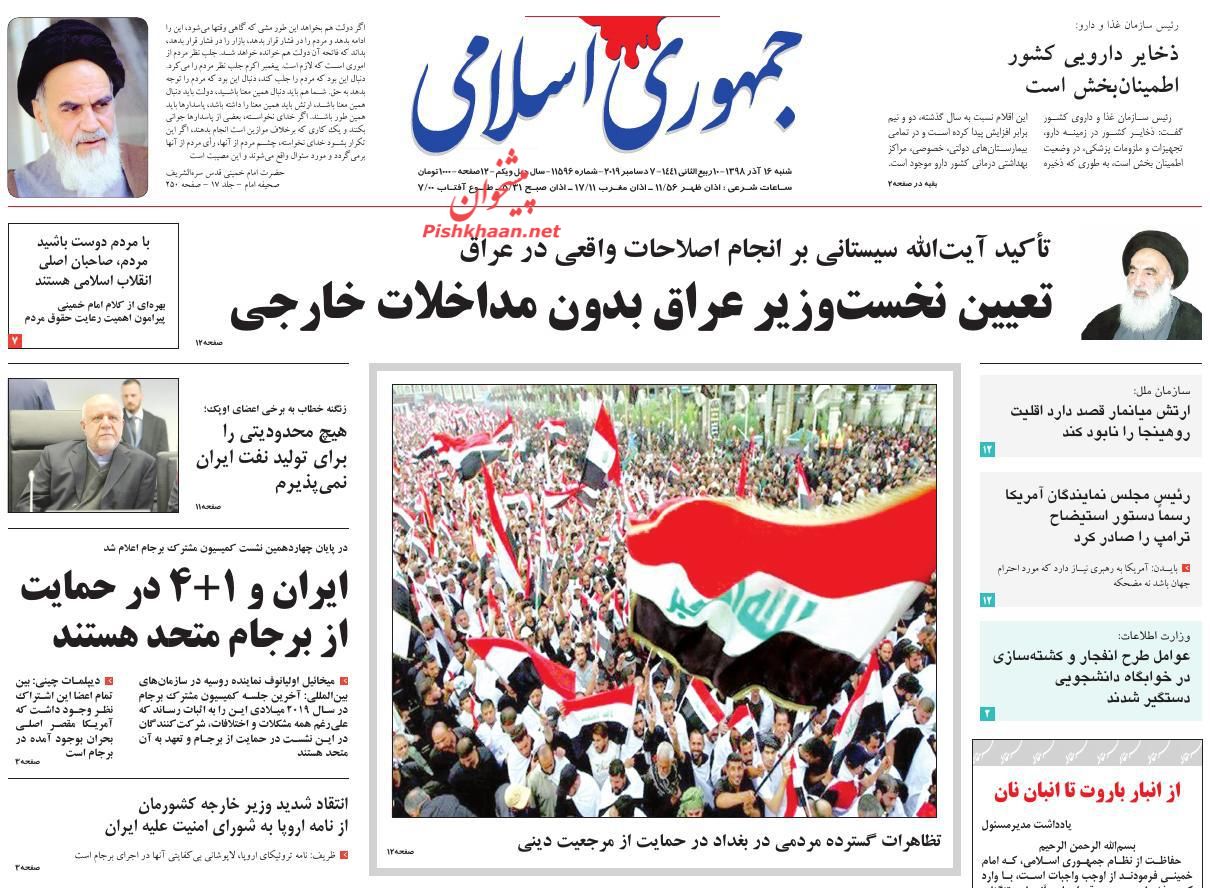
Jomhouri Eslami:
1- US Hostility towards Iranian Nation from 1953 Up to Now: Iran Leader
2- Iraq Protests in New Phase of Civil Disobedience and Strikes

A Look at Iranian Newspaper Front Pages on November 4


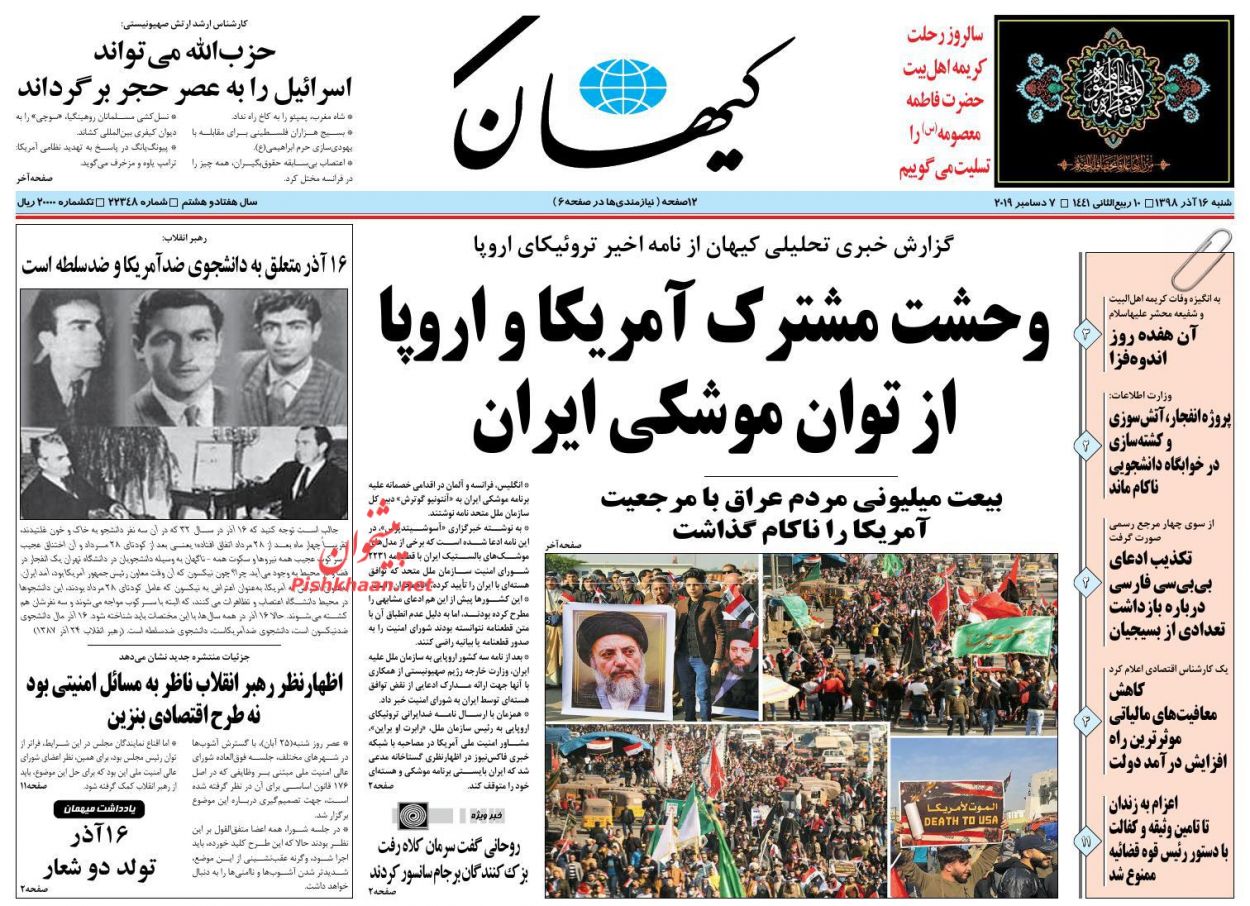
Kayhan:
1- UAE Intelligence Cell Disbanded in Iraq; They Used to Distribute Money among Protesters
2- Had Officials Acted Naively and Negotiated with US, Roads Would Be Opened for US to Exert More Pressure: Leader

A Look at Iranian Newspaper Front Pages on November 4


Mardom Salari:
1- Saudi, Bahrain Smile at Rouhani’s Letter: Kuwaiti Paper
2- Calls for Changing Iraq Ruling System from Parliamentary to Presidential
* Protesters Close Streets

A Look at Iranian Newspaper Front Pages on November 4


Resalat:
1- Johnson in Deadlock: UK Nationalists Boycott Elections
2- Government Must Listen to Leader’s Recommendations on Fourth Phase of Reducing Commitments

A Look at Iranian Newspaper Front Pages on November 4


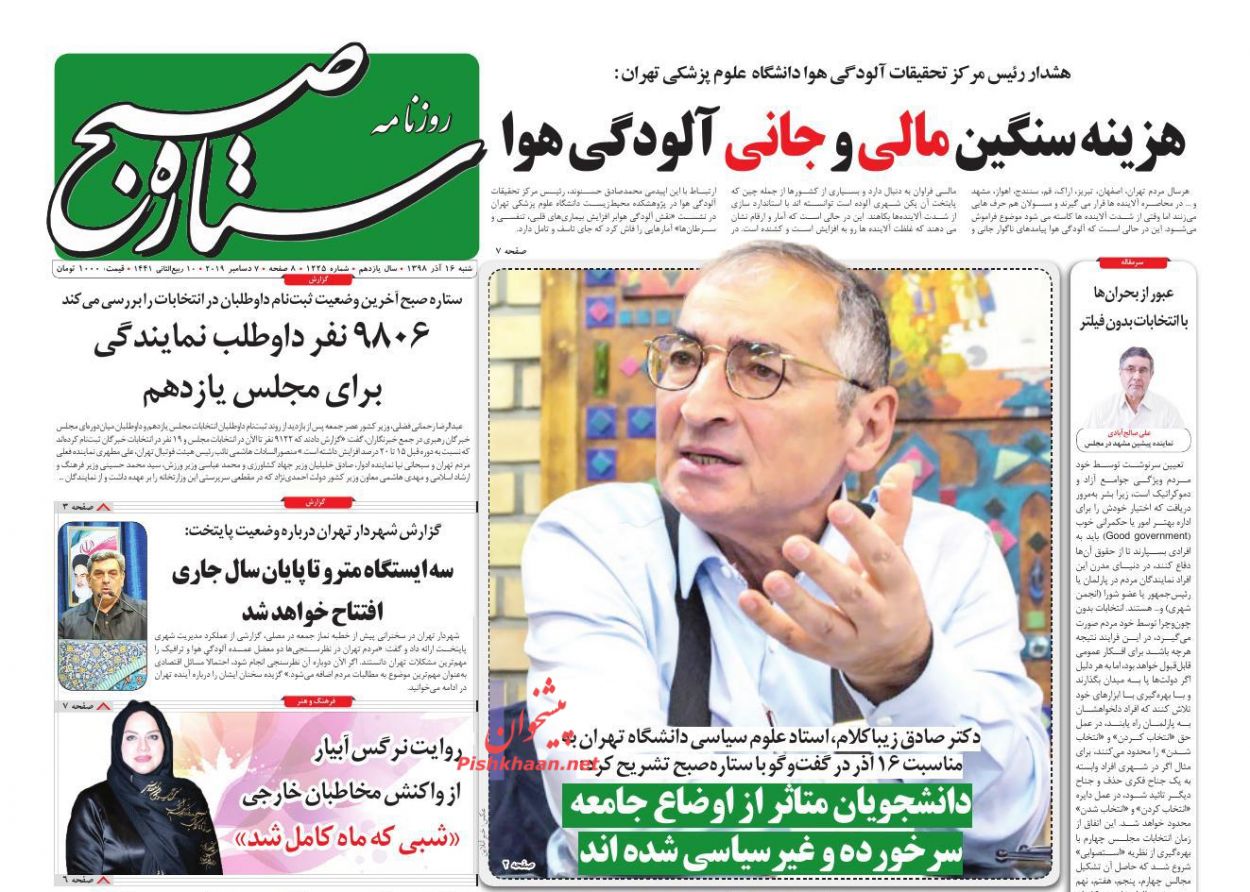
Setareh Sobh:
1- US Expectations Have No End: Leader
2- Zarif’s Clash with Critics in Parliament Floor
3- Baghdad’s Streets Closed in 10th Day of Iraq Protests

A Look at Iranian Newspaper Front Pages on November 4

Iran Denies WSJ’s Claim about Request for US Consular Section

Iran Appoints Female Ambassador to Denmark

Seyyed Abbas Mousavi’s remarks came in reaction to a Sunday report by the Wall Street Journal in which a US official was quoted as saying that “Iran had recently asked for the creation of a consular service through the Swiss, who represent US interests in Tehran.”

The US official claimed “Iran hopes the consular service can be used to facilitate negotiations over prisoner swaps.”

“The Trump administration hasn’t responded to that request, another sign of the deep freeze in ties,” the report claimed.

Mousavi had earlier said some twenty Iranian people are jailed in various countries in the world on the false charge of bypassing the US sanctions, and Iran has proposed a list to the US to have them released.

Addressing a press conference in Tehran on October 21, Mousavi said “some twenty people” are imprisoned over the “baseless” accusations of bypassing the US’ unilateral sanctions on Iran, and the country is pursuing their release.

He announced that the country has sent a list of names it is demanding in a prisoner swap with the United States and other Western nations.

The spokesman said the detainees have been jailed on delusional and illegal charges, and must be released.

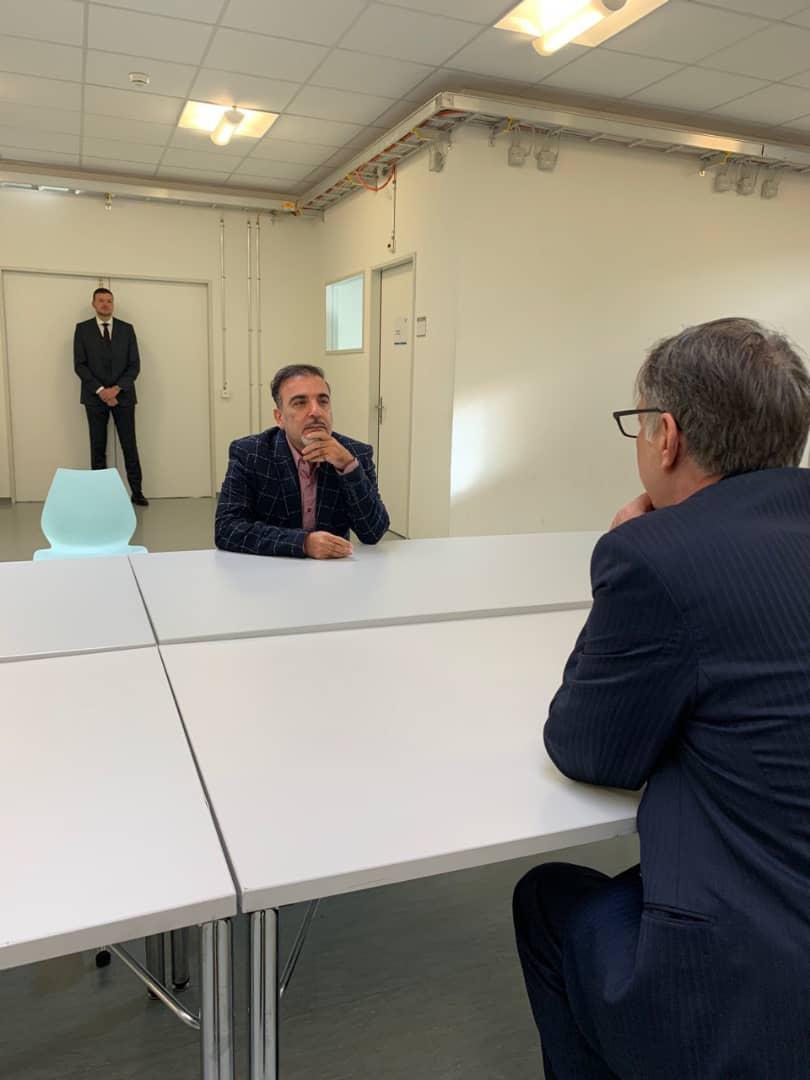
Earlier, Foreign Minister Mohammad Javad Zarif had noted that he hopes to hear “good news soon” about the release of Iranian scientist professor Masoud Soleimani, jailed in the US.

Iran Begins Injecting Uranium into New Chain of IR-6 Centrifuges

In a ceremony at the Natanz enrichment site in central Iran on Monday, Head of Atomic Energy Organization of Iran (AEOI) Ali Akbar Salehi unveiled a chain of 30 IR-6 centrifuges and inaugurated the process of injecting uranium gas into the machines.

Salehi said the nuclear site includes a sector, called S8, where the new centrifuge machines undergo various tests, such as mechanical stabilization tests, before being installed in the main section.

According to the AEOI chief, the local experts have installed 15 new generation centrifuges at the research and development site over the past two months alone, increasing the uranium enrichment capacity by more than 2,660 SWU (Separative Work Unit).

Salehi noted that Iran’s uranium enrichment capacity has now reached 8,660 SWU, and the output of enriched uranium, which stood at around 450 grams per day before Iran’s third step in reducing the JCPOA commitments, has jumped 10 times, surpassing 5,000 grams a day.

The AEOI director added that the number of Iran’s IR-6 centrifuge has reached 60 with a total capacity of 600 SWU.

Salehi noted that Iran’s uranium enrichment capacity over the past two months has come closer to the numbers before implementation of the JCPOA.

Iran’s operational enrichment capacity was around 11,000 SWU before the JCPOA, while it has reached 8,600 SWU following the third step in reducing the JCPOA commitments.

The nuclear chief explained that Iran now possesses a total of 490 new centrifuges with a total enrichment capacity of 2,660 SWU.

An obvious sign of Iran’s steady progress in the nuclear industry is that it has diversified the centrifuges, Salehi stated, citing 15 different types of centrifuge machines after the third step of reduction in the JCPOA commitment. “Before the JCPOA, we had only five types pf new generation (centrifuge) machines.”

In August, Salehi said Iran was dynamically advancing its civilian nuclear program after launching a plant that can manufacture dozens of advanced centrifuges on a daily basis.

Iranian Diplomat to Attend Moscow Nonproliferation Conference

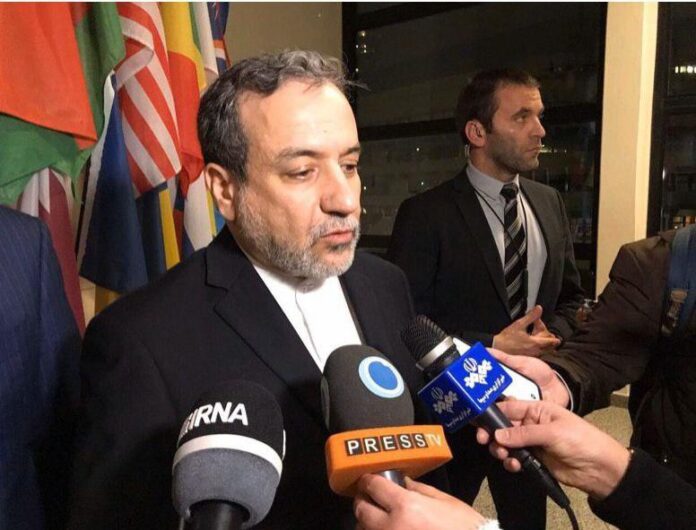
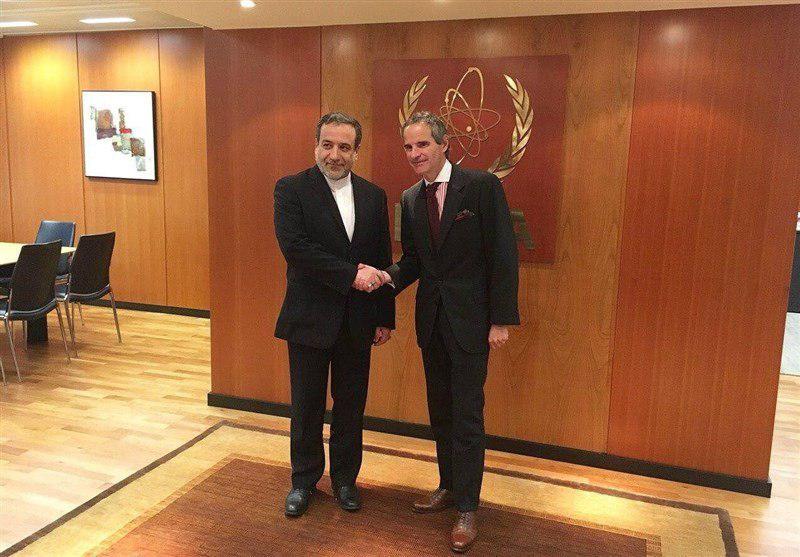
Araqchi

The senior Iranian diplomat will be among 250 international figures from over 40 countries planned to take part in the conference.

Known as one of the world’s largest forums on nuclear issues, the Moscow Nonproliferation Conference (Nuclear Energy, Disarmament, Nonproliferation) will be held on November 7-9.

The 2019 MNC will also host representatives from key international organizations, such as the United Nations Office for Disarmament Affairs (UNODA), Comprehensive Nuclear-Test-Ban Treaty Organization (CTBTO), and the International Atomic Energy Agency (IAEA).

The upcoming conference is going to discuss a range of issues, such as Russia-US arms control, different prospects of the Joint Comprehensive Plan of Action (JCPOA), growing tensions in the Middle East, and the lack of progress of the denuclearization of the Korean peninsula.

Iranian Deputy Foreign Minister Araqchi is going to attend a panel discussion on the 2015 Iran nuclear deal during the conference to talk about the latest status of the JCPOA.

The panel discussion will also include Russian Deputy Foreign Minister Sergei Ryabkov, Secretary General of the European External Action Service Helga Maria Schmid, and Director-General of the Chinese Foreign Ministry’s Department of Arms Control Fu Cong.

Founded in 2010, the MNC is organized by the Center for Energy and Security Studies (CENESS) in cooperation with a number of Russian and international partners.

Iranian Firm Produces Offshore Radio Locaters

Iranian Firm Produces Offshore Radio Locaters

The design and development of radio locator systems is very important, and up to now most of them have been supplied by other countries, but a knowledge-based company has recently managed to domesticise them.

The CEO of the company Esmail Vahdati says the products are currently being offered to project users in a format that utilise a TDOA-based method in remote sites to find locations.

To this end, various radio positioning systems have been designed and made available to users in the defence industry, he said.

“The company has introduced a Multilateration and Hybrid Positioning System, which with additional capabilities can be presented to other users in the commercial realm as well.”

Non-mobility or passivity of the manufactured systems and their high precision in locating are among the features of these domestically-made systems.

“Based on the users’ expectations, the system has new features that make it easier to provide tactical advantages. Meanwhile, the addition of new processing hardware and software systems based on angles, integrated modes, and GNSS signal calibration and synchronisation modules are among the most important features of these locaters,” added Vahdati.

For a brief review of Iran’s achievements in various fields of science and technology, check the book “Science and Technology in Iran: A Brief Review – 2019

He also talked about the capacity of this product to be presented on the international markets, noting that although the changes and improvements are made to the current systems and its users are defence industries, due to the market needs, other industries (including telecommunications) will be potential customers of passive location tracking and monitoring systems.

“One of the key considerations in developing radio locator systems is to enter other markets. The first step is to prevent the import of similar products by providing powerful, easy-to-use systems and, in the next step, to meet the needs of foreign consumers. This advancement in the telecommunications and positioning systems, are also needed for frequency space monitoring as well,” underlined Vahdati.

The price of this domestically-made product is 50 percent lower than the foreign samples. In addition, the costs of installation, commissioning and launch of the systems are lower in comparison with the foreign companies. Therefore, it seems that relying on these features as well as focusing on domestic production in the ICT ministry can work. At the same time, in the production of these systems the international standards of defence systems are used that go beyond the industrial and commercial standards.

Iran President Sends Peace Letters to Saudi King

In comments at a Monday press conference in Tehran, Ali Rabiei said President Rouhani has sent letters on regional peace to Saudi Arabia’s king Salman bin Abdulaziz Al Saud.

“The basis of the letters has been regional peace and stability,” he noted.

“We believe that multiple bilaterals could be shaped in the region, and the US pressures should not take the neighbours away from each other,” Rabiei added.

On Saturday, Iran’s Foreign Ministry confirmed that President Rouhani has sent separate letters to the Persian Gulf Cooperation Council (PGCC) Member States and Iraq.

“After the honourable President of the Islamic Republic of Iran put forward the ‘Hormuz Peace Endeavour’ in this year’s United Nations General Assembly, he sent its full text to the heads of the aforementioned countries, and in the letter, he called for collective cooperation among all of them in processing and implementing it (the initiative),” Foreign Ministry Spokesman Abbas Mousavi said.

Torsheh Vash; Great Choice for Those Who Like Sour Foods

Torsheh Vash; Great Choice for Those Who Like Sour Foods

The plant usually grows naturally in subtropical and tropical regions. In Iran, the plant is found in Gilan (cities of Rasht and Lahijan) and Lorestan provinces.

Torsheh Vash has many benefits. This herb is effective in treating anemia because of its high amount of iron. It also contains phosphorus. This plant improves the absorption of nutrients and is very effective for strengthening hair, nails and skin. It also acts as an appetizer.

Torsheh Vash stew is a combination of chicken, eggplant, wood sorrels, plum paste and pomegranate paste. If you are interested in sour foods, you will definitely enjoy this meal.

Ingredients:

Eggplant: 4 medium-sized ones

Tomato: 3 medium-sized ones

Boneless chicken (preferably chicken breast): 500 g

Onions: 1 large one

Pomegranate paste: 2 tbsps

Plum paste: 3 tbsps

Local veggies (Torsheh Vash, coriander, mint, garlic, sorrel and blue eryngo): As much as needed

Salt, pepper and turmeric: As much as needed

Torsheh Vash; Great Choice for Those Who Like Sour FoodsDirections:

  • Peel the eggplants and put them in salty water. Stir until the salt dissolves in the water, then put the eggplants in the water for about half an hour. This is necessary to remove the bitterness of the eggplants. Rinse and chop vegetables.
  • Fry eggplants. Then, fry the vegetables in a separate dish with a little oil. Then grate the onions and pour into the frying pan. When the vegetables are almost fried, add the eggplants to the pan.
  • Put the chicken in a separate pan and sauté with salt, pepper and turmeric. After this, add the chicken to the vegetable pan. Dilute the pomegranate paste and plum paste with a little warm water in a glass and add to the dish. While adding, mix the ingredients until well blended. At this point, pour two cups of water into the dish. When the water boils, lower the heat and let the stew slowly get ready. This step takes about 45 minutes.
  • When the stew is ready, chop the tomatoes in ring form and fry them in a separate pan to design the food.

Notes:

  • Note that the eggplants should be crushed and thoroughly mixed.
  • If you do not have access to Torsheh Vash for this stew, you can use any other vegetables.
  • Torsheh Vash stew is served with pillaw.

‘Dress Code, Alcohol Ban Not Keeping Tourists from Visiting Iran’

The remarks were made by Mohammad Beheshti, who served for many years as head of Iran’s Cultural Heritage and Tourism Organisation and head of the Farabi Cinema Organisation, but stepped down from public and executive posts last year following the enactment of the Pensioners Act.

In an interview with IRNA and in response to a question about the number of tourists that we expect in the country, he said despite many legal and religious restrictions, the Islamic Republic has more capacities to attract tourists.

“Hijab and ban on alcohol in Iran does not prevent tourists from entering Iran,” he noted.

‘Dress Code, Alcohol Ban Not Keeping Tourists from Visiting Iran’“We have two stances on tourism; that of the opponents and the supporters. Both agree that tourism is an entertaining industry, but Iran is not attractive in terms of entertaining industry at all, and travellers must know about it.”

However, he added, statistics show people do not go to a country to be entertained. For example, they do not go to Paris to visit the nightclubs; they go there to visit the Louvre. The growth of cultural tourism has been remarkable in recent years and Iran is very attractive to this group of tourists.

“As a result, foreign tourists come to Iran to visit the country’s unique features,” underlined Beheshti.

Iranians Know How to Win Hearts!

“Many tourists have visited many parts of the world and have not travelled to Iran for four decades, due to negative propaganda. Many governments prevent their people from travelling to Iran. Nevertheless, tourists are coming to Iran every day. This means that Iran has a large capacity to attract tourists and it is natural that many people will come to Iran if things get better.”

“Of course, one of the conditions is the distribution of facilities throughout the country, and secondly, we must understand what tourists are coming to Iran for. They come to see our unique features. Foreign tourists in Iran are not looking for shopping and entertainments like Dubai. Those who have hosted foreign tourists for decades believe that these tourists generally leave Iran in surprise. Why? Ironically, what we do causes them to complain, so what causes them to wonder? Foreign tourists are visiting Iran with the motivation that we didn’t plan for. They come for the things that are unique to Iran and Iranians; tourists come to Iran to experience the Iranians’ hospitality,” pointed out Beheshti.

‘Dress Code, Alcohol Ban Not Keeping Tourists from Visiting Iran’“It is important for the Iranian people to know how the guest assesses his/her stay at their home, and this is a unique characteristic of Iranians that you cannot find anywhere else. Outside Iran, for example, hotel staffs are only obliged to provide services while they are on duty, rather than being a host. However, Iranians do not miss a second to serve their guests. That’s why the foreigners are fascinated by all the Iranian tribes including Kurds, Lurs, Mazandaranis, Sistanis and Baluch people.”

Beheshti added that if Iranians recognise their unique attributes and values, then nothing can prevent tourists from visiting Iran.

“But as we look around, some Iranian hosts are familiar with these features and they offer a good description of Iran to travellers. There are people who started this procedure before the revolution and continue to do so. Even the revolution and the war did not stop them,” highlighted Beheshti.

He finally concluded that it is wrong to say tourism is just important for increasing income.

“The benefit of tourism for our country goes far beyond the economic benefit and can guarantee our security and authority in the world. Our current problem in the world is the propaganda against Iran during the past forty years. From the perspective of foreign tourists, our land is like the land of criminals. However, the visit of tourists can erode this image which is a wrong one,” reiterated Beheshti.

Massive Anti-US Rallies Held in Iran on Anniv. of Embassy Takeover

Massive Anti-US Rallies Held in Iran on Anniv. of Embassy Takeover
During the anti-US rallies held in Tehran on Nov. 4, 2019, there was a hypothetical prison with US President Donald Trump and Saudi Crown Prince Mohammed bin Salman in jail. There was also a hypothetical court trial beside the prison, where people were asked why they think these people are in jail. / Photo by ISNA

Iranian people, mostly school and university students, staged demonstrations on Monday morning all over the country to express their opposition to the arrogant policies and attitudes of the enemies, particularly the US.

The demonstrations are annually held on the anniversary of the seizure of the US embassy in Tehran, which was later known as the ‘den of espionage’.

On November 4, 1979, and in less than a year after the victory of the Islamic Revolution that toppled a US-backed monarchy, Iranian university students who called themselves “students following the line of (the late) Imam (Khomeini)” seized the US embassy, which they said had become a centre of espionage and was planning to overthrow the newly established Islamic system in Iran.

Massive Anti-US Rallies Held in Iran on Anniv. of Embassy Takeover
Photo of anti-US rallies in Tehran on Nov. 4, 2019 / Photo by ISNA

The students who seized the embassy later published documents proving that the compound was indeed engaged in plans and measures to overthrow the Islamic Republic.

Every year on the 13th day of the Iranian month of Aban (which this year falls on November 4), the Iranian nation, particularly the students, hold rallies across the country to mark the day.

In the capital city of Tehran, the rallies to mark the anniversary of the landmark move are held at the venue of the former US embassy in Taleqani Street.

Iran Says Will Target US Interests Anywhere in Case of War

Iran will target interests of US, allies anywhere in case of war Commander

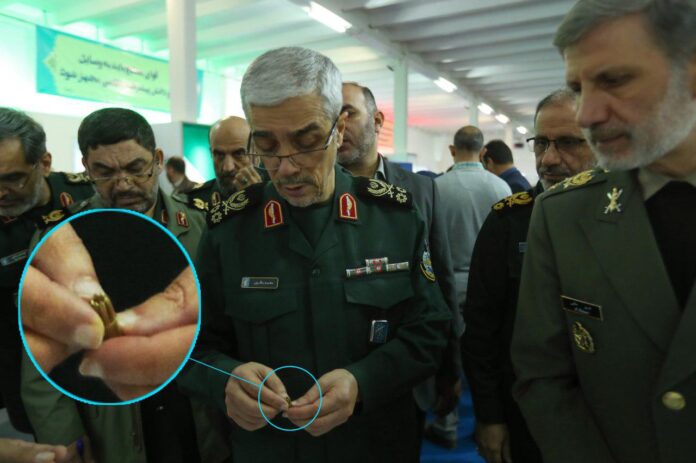
Brigadier General Abolfazl Shekarchi made the remarks in an exclusive interview with Fars News Agency on Sunday, emphasizing that the power of the Islamic Republic of Iran is not limited to Iran’s geographical borders and is transregional in nature.

Asked about Iran’s reaction in case of an aggression by the United States and its allies, Shekarchi said, “Any place and any territorial point sheltering the interests of the United States and its allies would be threatened [in case of aggression against Iran] and the Islamic Republic of Iran has proved that it is capable of doing this.”
“Even if a country is not directly involved in a possible war [against Iran], but its territory is used by the enemy, we would consider that country hostile territory and treat it like an aggressor,” the top Iranian military official noted.

Iran has repeatedly announced that it has never launched and will never wage a war, he said, adding, “If an aggressor commits a strategic mistake, the aggression will be answered with the highest and toughest force to make them regret [their act of aggression and Iran’s response would be given] over a geographic expanse beyond what the ill-wishers of the Islamic Republic could imagine.”

Shekarchi said the hollow nature of the power of the US and Britain has become clear to the world.

He noted, “Radar equipment, arms and air defense systems, for whose sale the resources of Muslim countries and nations of the region had been plundered, failed their test in a shameful manner in the case of Yemeni forces’ attack on Saudi Arabia’s Aramco and the world came to realize extreme weakness and humiliation [of the Western countries] in this field.”

Chairman of the Chiefs of Staff of the Iranian Armed Forces Major General Mohammad Baqeri on October 22 underscored the Islamic Republic’s deterrent power, warning that enemies will have to pay heavy costs if they carry out any act of aggression against the country.

“The enemy should know that if an act of aggression is launched against the borders of the Islamic homeland, it will face a united nation which follows Leader [of the Islamic Revolution Ayatollah Seyyed Ali Khamenei] and has strong and powerful Armed Forces,” Baqeri said.

Elsewhere in his interview, the Iranian commander emphasized that Yemen’s attack on Saudi Arabia’s Aramco oil processing plants in September brought disgrace on the US and Britain.

On September 14, Yemeni armed forces conducted a large-scale operation against two Aramco installations, knocking out half of Saudi Arabia’s oil production.

The Yemeni Houthi Ansarullah movement took credit for the attacks and stressed that they came in response to the Saudi-led war on their country. However, Riyadh and Washington — the main sponsor of the war on Yemen — pointed the finger at Iran, without providing any evidence.

A report by the Financial Times said in October that Saudi Arabia has lost $2 billion worth of its oil production after Yemen’s retaliatory attacks on the kingdom’s vital energy infrastructure.

The country’s output fell by nearly 1.3mn barrels a day in September, from the previous month, according to data submitted to the Organization of Petroleum Exporting Countries (OPEC) by analysts and consultants, which is used by the cartel to set official production targets.

Iranian Foreign Minister Mohammad Javad Zarif has lashed out at the United States for playing a blame game over the Yemeni drone attacks on Saudi oil facilities, saying this will never stop Yemeni victims from giving a response.

The US “is in denial if it thinks that Yemeni victims of 4.5 yrs of the worst war crimes wouldn’t do all to strike back. Perhaps it’s embarrassed that $100s of blns of its arms didn’t intercept Yemeni fire,” Zarif said in a post on his Twitter account.