Monday, December 22, 2025
Home Blog Page 3020

Iran, Russia Discuss Cooperation against Chemical Arms

Gholam-Hossein Dehqani

The meeting was held on the sidelines of the 24th session of the Conference of the States Parties to the Chemical Weapons Convention (CWC).

In the meeting, the two sides exchanged views about issues on the agenda of the conference. They also urged closer cooperation between Iran and Russia at the Organization for the Prohibition of Chemical Weapons (OPCW). The two sides further discussed ways to stop the organization from being undermined and to boost the implementation of the convention by member states and the secretariat of the conference.

They also underlined the importance of observing the “consensus” principle in the decision-making process at the organization and remaining committed to the text of the convention when taking action by institutions affiliated with the organization as well as its secretariat.

‘US Seeking to Breathe New Life into Riots, Tension in Iran’

“We consider their support [for rioters] as interference in the internal affairs of the Islamic Republic of Iran, and as part of their hostile policies and the “maximum pressure” the US officials pursue,” Mousavi said in a press conference on Monday.

“The anti-Iran claims they make regarding human rights, free access to the Internet, social media, and messaging apps are clearly far from the realities we see,” he added.
“We believe these remarks and interventions are not out of good will and friendship with the Iranian nation. They are seeking to breathe new life into the tensions and riots, and fuel the tensions inside the country.”
“That’s part of their past strategy – namely pressure from within and pressure against Iranian people, ordinary Iranian people,” Mousavi said.

They seek to pressurize ordinary people and force them to put the government under pressure, so that they [enemies] would achieve their goals at the regional and international level.” He went on to say.

Iran to Export 17 Medicines to Russia

Director General of the International Cooperation Department of the Iranian Health Ministry said Tehran will be exporting 17 types of homegrown high-tech medications to Russia.

In an interview with IRNA on Tuesday, Mohsen Assadi Lari highlighted the growing cooperation between Tehran and Moscow in the health sector, saying arrangements have been made with the Ministry of Health of the Russian Federation since last year for interaction in the pharmaceutical industry.

He also noted that a conference was held in Moscow last week to promote international cooperation between Iran and Russia, noting that the Iranian companies were acquainted with Russia’s regulations on medicine and medical device registration in the event.

The deputy minister said Iran is going to increase the production of those 17 pharmaceuticals in order to pave the way for exports to Russia.

He also noted that a medical substance must be first registered in the target country before receiving permission for import.

Iran to Export 17 Medicines to Russia“Iran and Russia have been involved in constant interaction for around five years on the cooperation in the field of medicines and medical equipment. Russia has a very large $20 billion market for medicines,” the Iranian official added.
He also highlighted the Iranian Health Ministry’s determination to work with the neighboring countries, saying a series of plans for cooperation with the Eurasian nations have resulted in the promotion of cooperation with Russia.

In comments on the sidelines of a 2018 conference in Kazakhstan marking the 40th anniversary of the Alma-Ata Declaration, Russia’s Health Minister Veronika Skvortsova praised Iran’s experience in producing drugs and called for efforts to use Iran’s successful experience in the pharmaceutical industry and vaccine production.

In 2016, Iran and Russia signed 15 cooperation documents, protocols and agreements.

Also around three years ago, Iran launched a production line for fingolimod medicine used in the treatment of the relapsing form of multiple sclerosis (MS) in Russia’s St. Petersburg.

Iran, Syria Discuss Cooperation on Roads Construction

Iran, Syria Discuss Cooperation on Roads Construction

Iranian Minister of Roads and Urban Development Mohammad Eslami and Syria’s Minister of Public Works and Housing Suhail Mohammad Abdul Latif held a meeting in Tehran on Monday.

In the gathering, held at Iran’s Roads and Urban Development Ministry, the two officials weighed plans for mutual cooperation between Tehran and Damascus in housing development and construction of roads and bridges.

They also agreed on plans to resolve the problems in the transportation sector, customs affairs and banking interaction between the two countries.

It was also decided that the Iranian and Syrian state-run and private companies would establish a joint company after a series of negotiations, and that the future cooperation and reconstruction programs would be carried out within the framework of the joint company dealing with the housing and construction affairs.

The meeting was attended by deputies of the Iranian and Syrian ministers, as well as directors of a number of leading state-owned enterprises from the two nations.

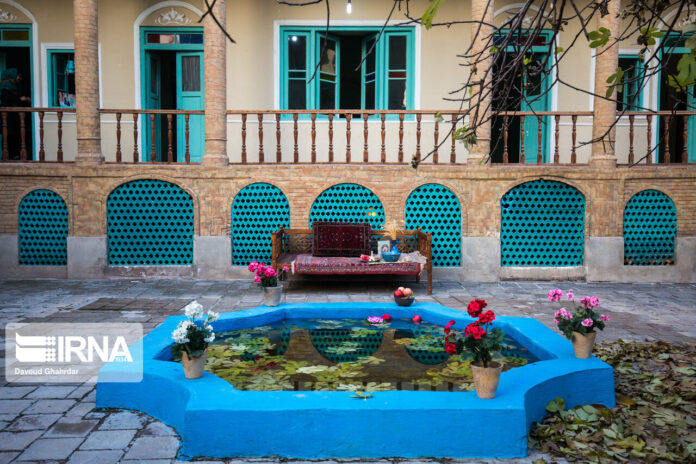
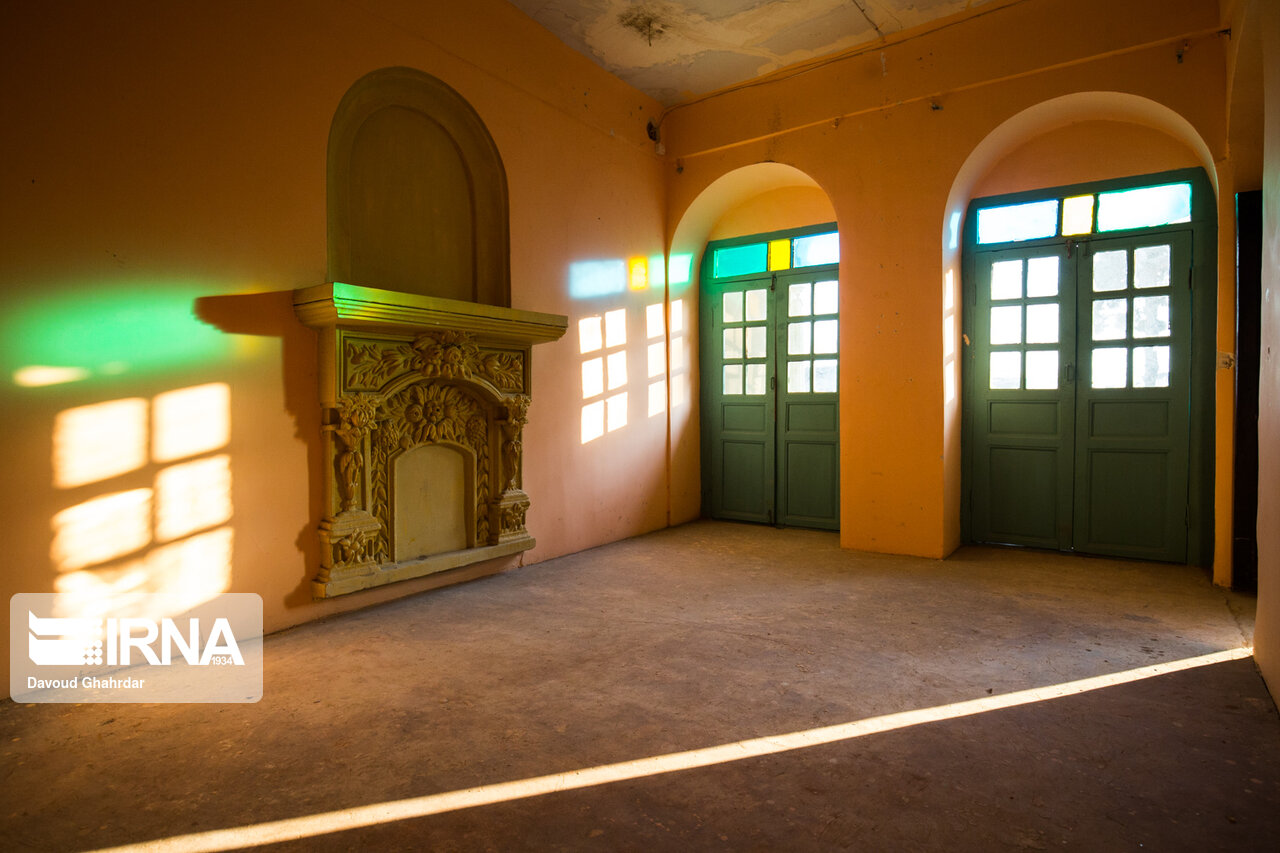
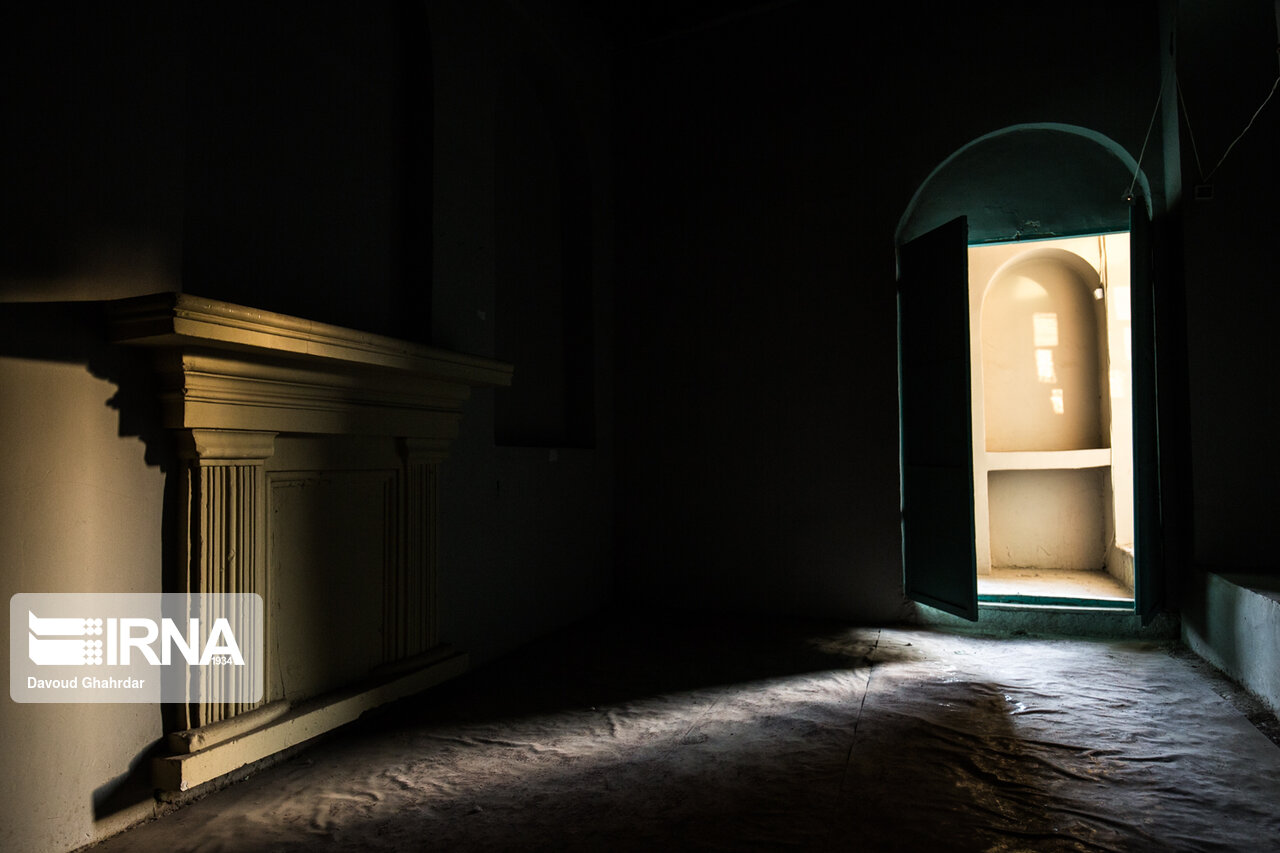
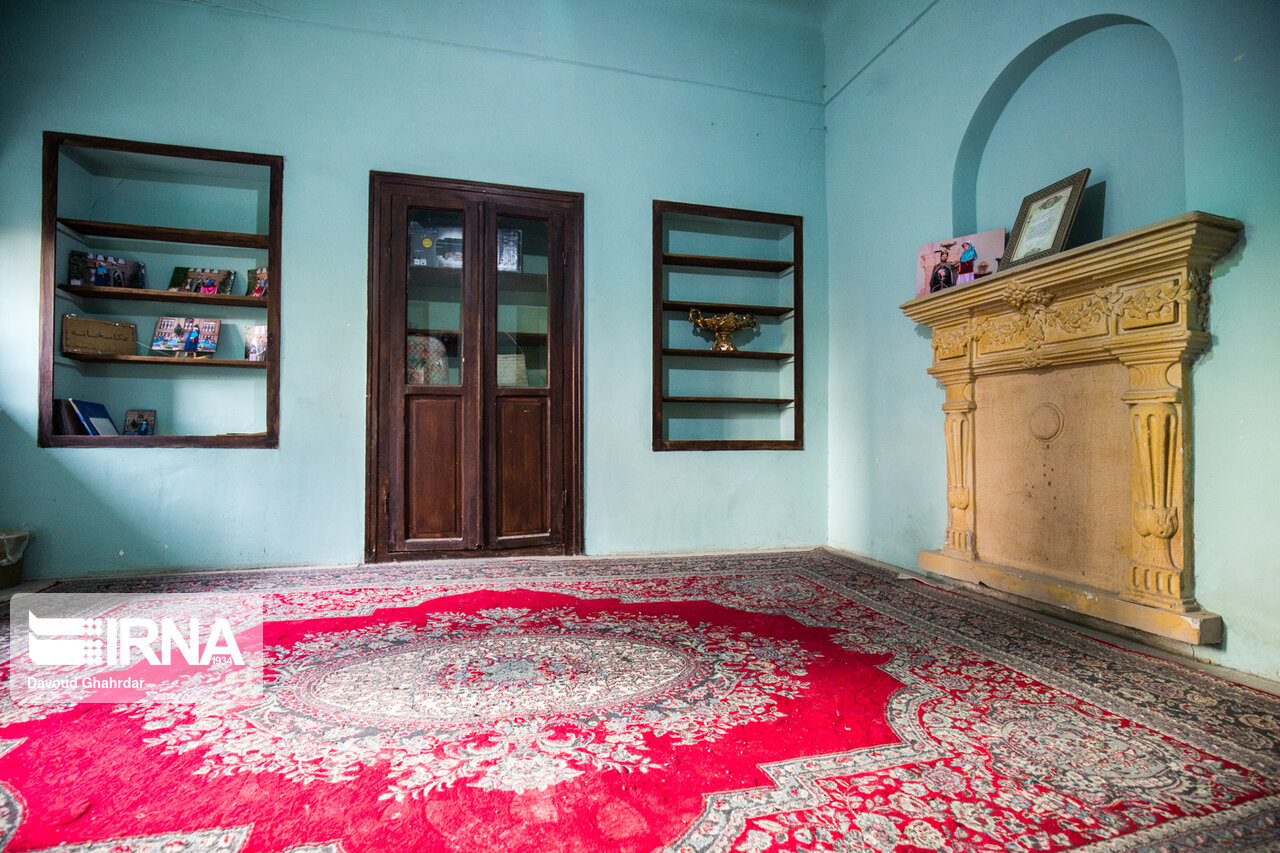
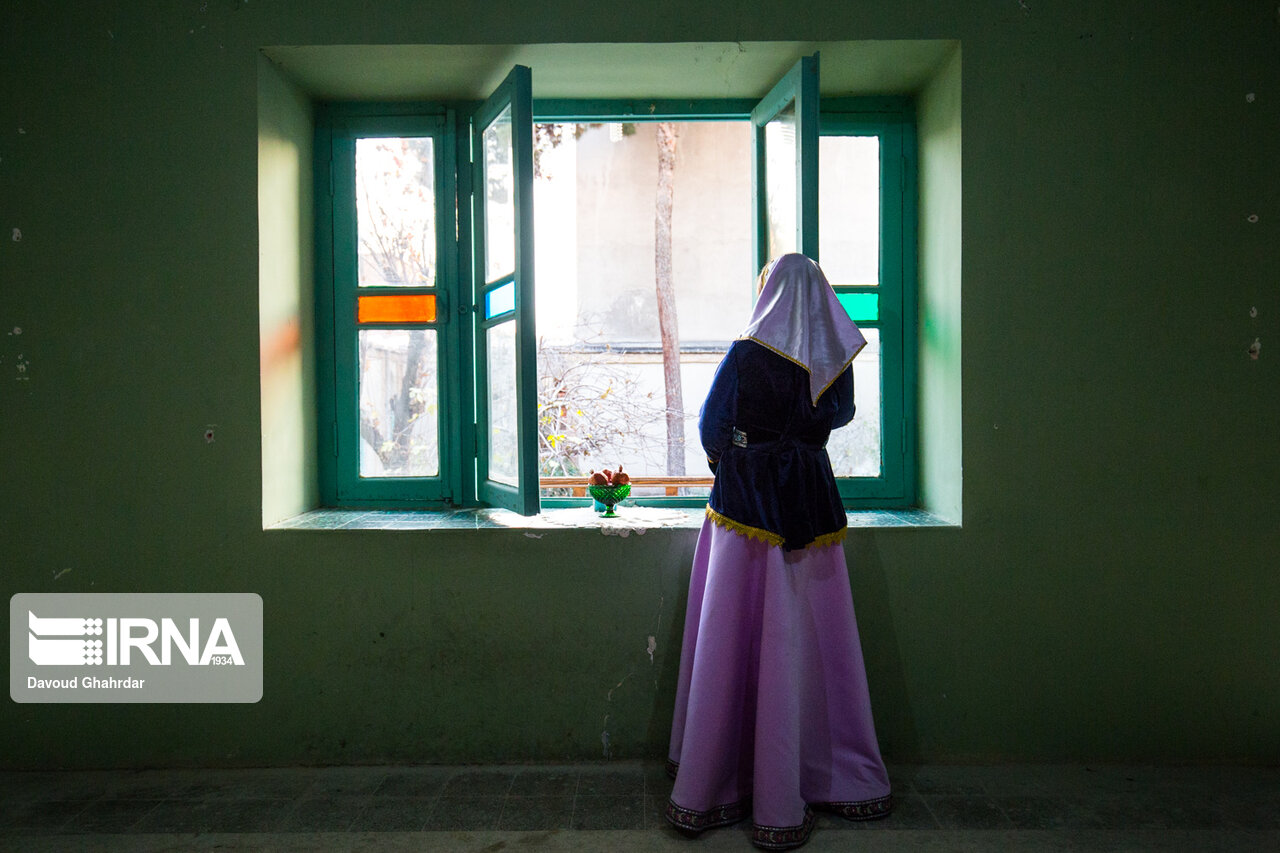
Old Iranian Village Nominated for ‘To Do Award’

Old Iranian Village Nominated for ‘To Do Award’ (2)

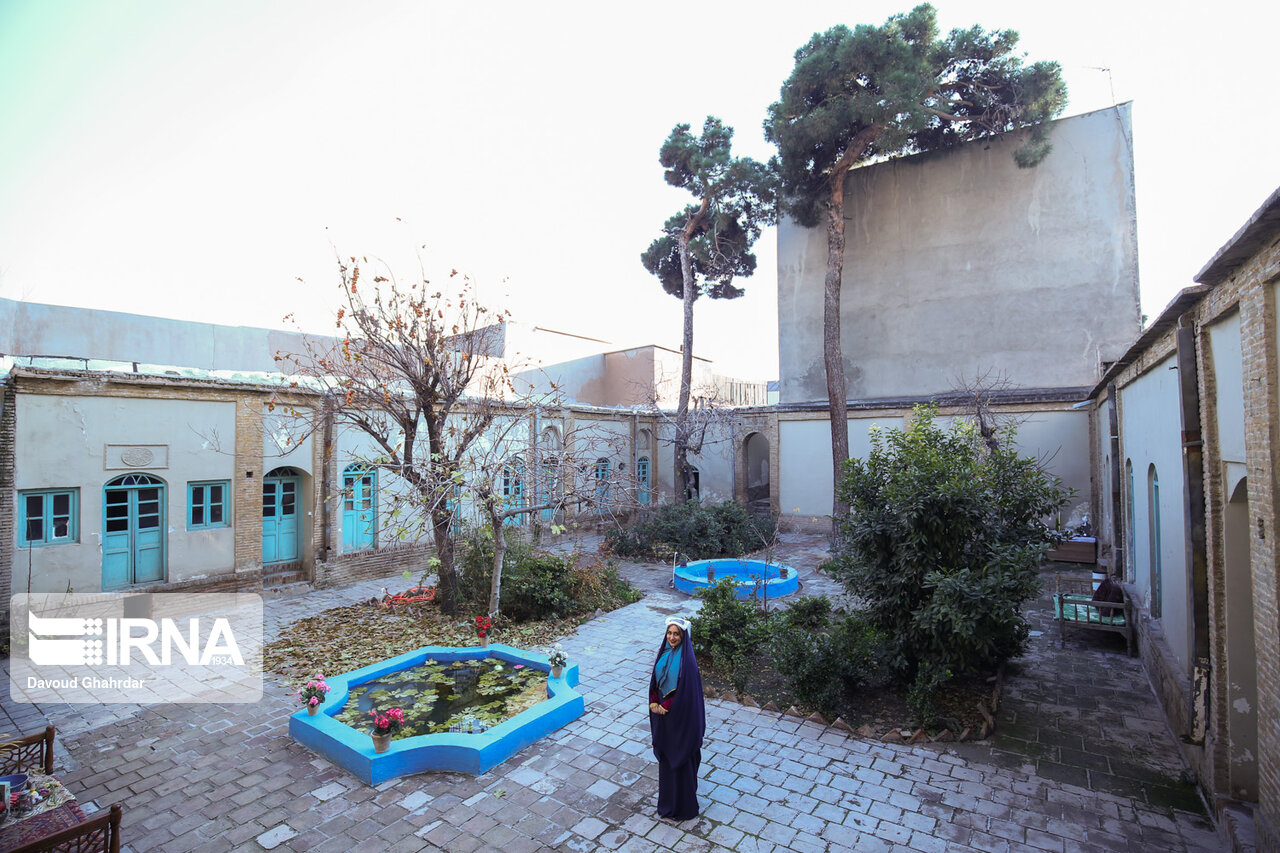
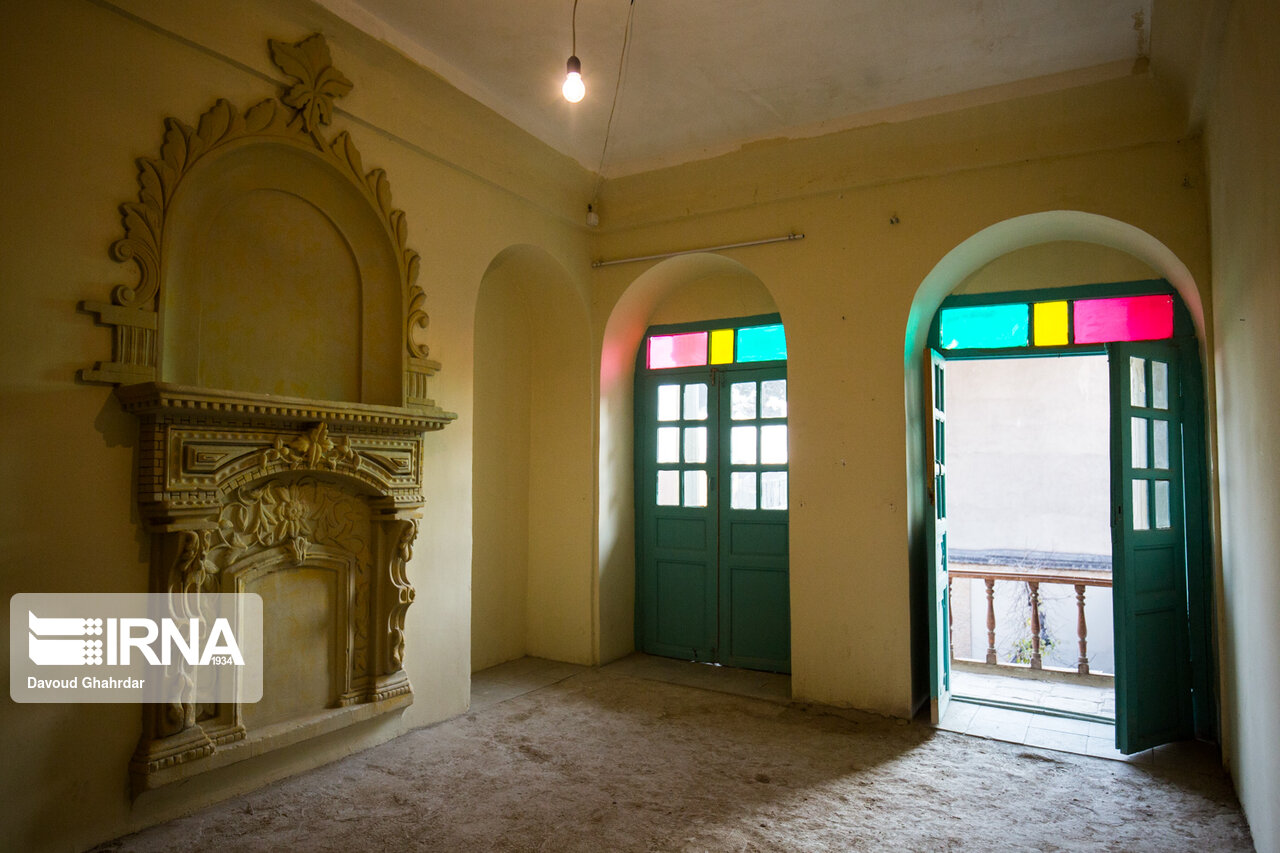
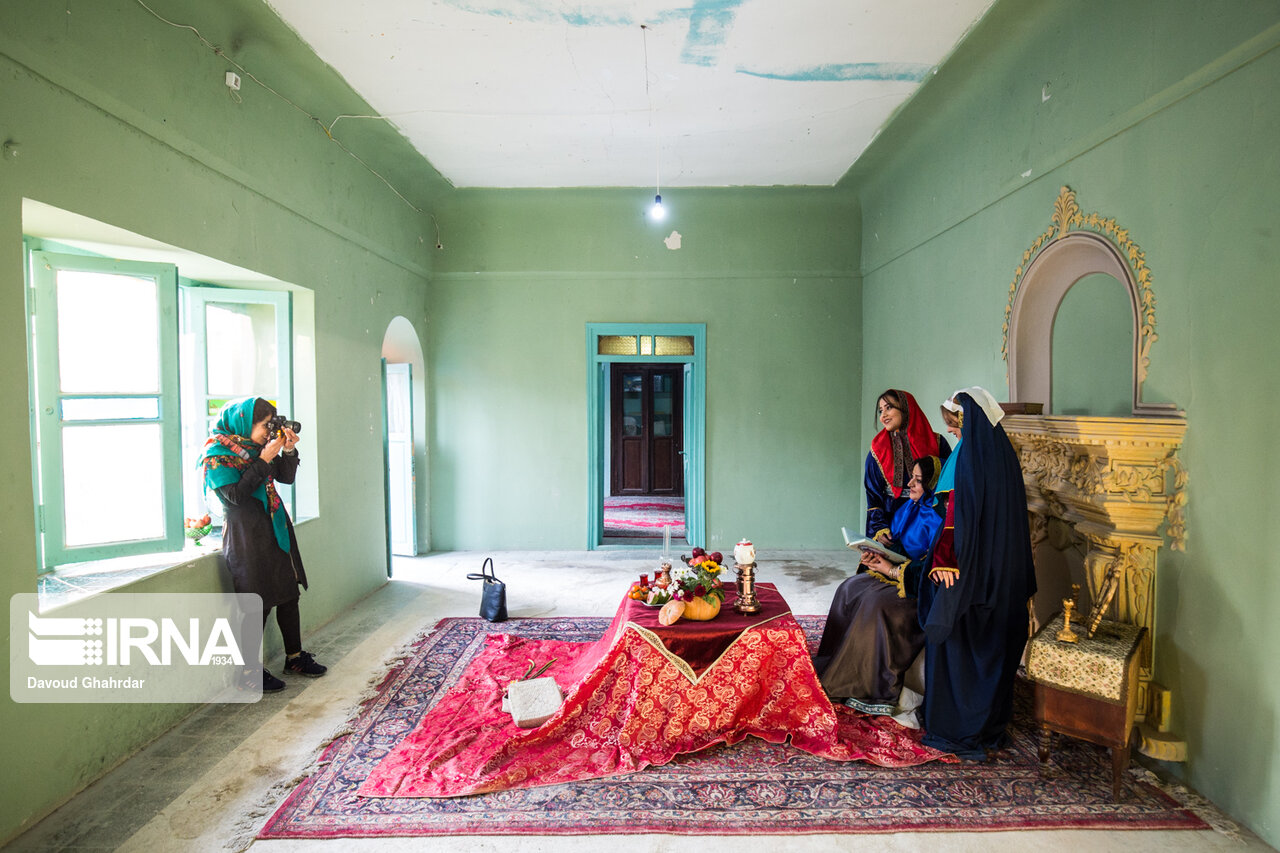
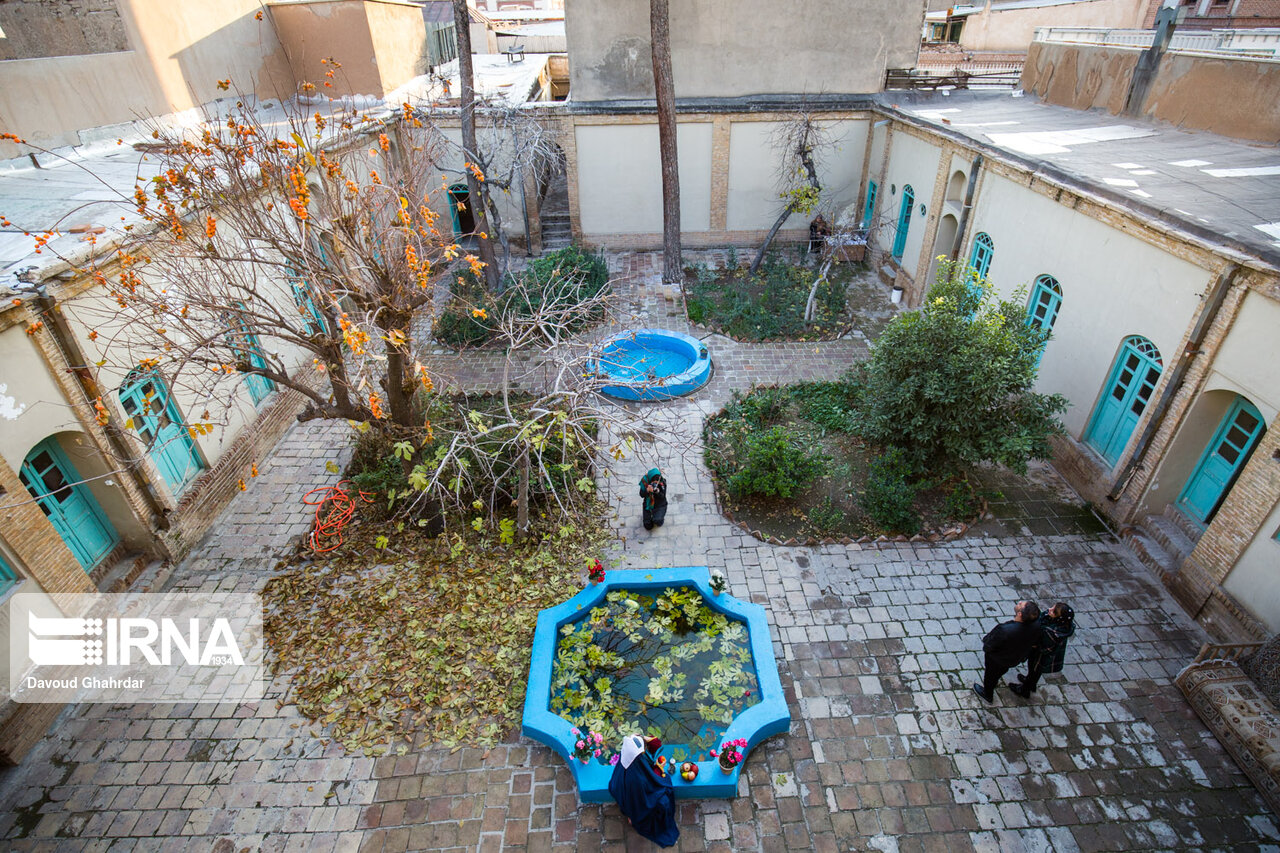
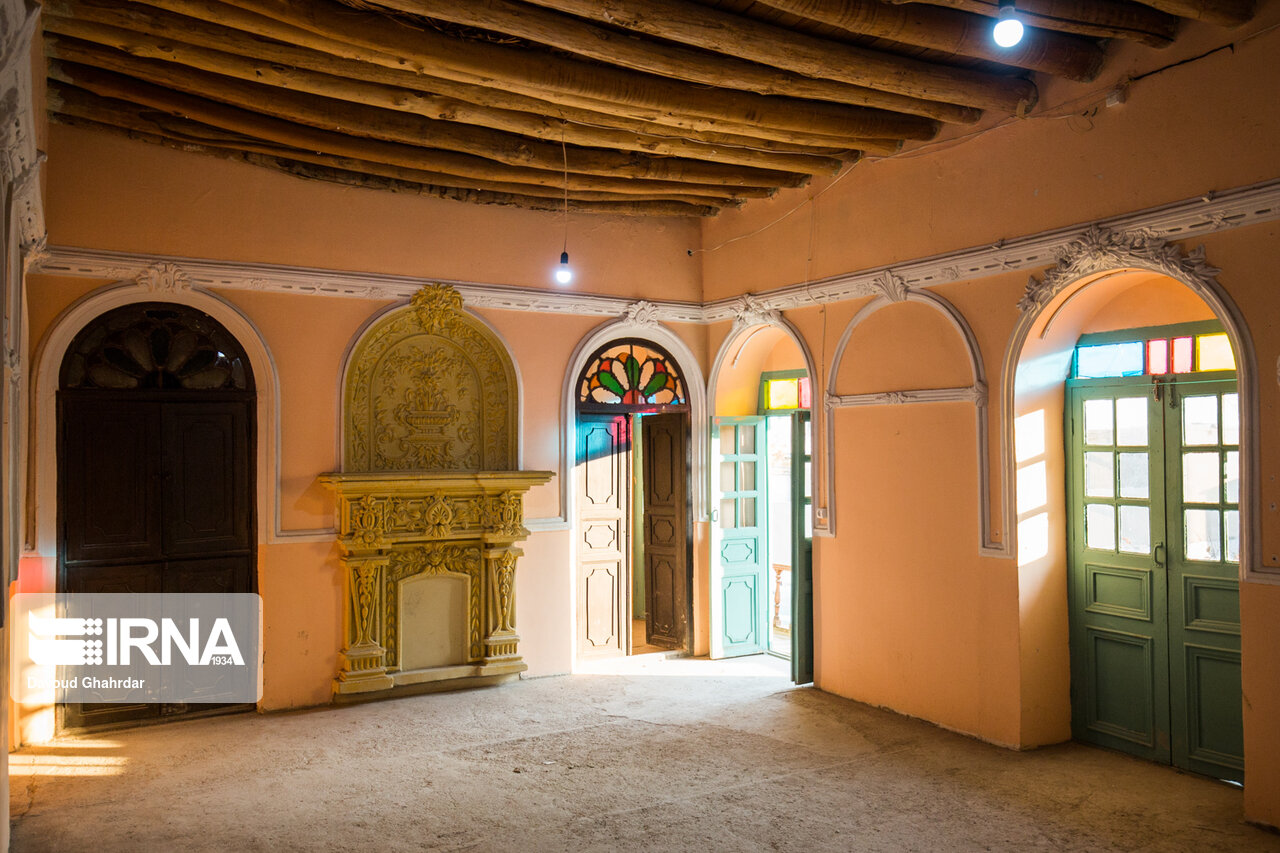
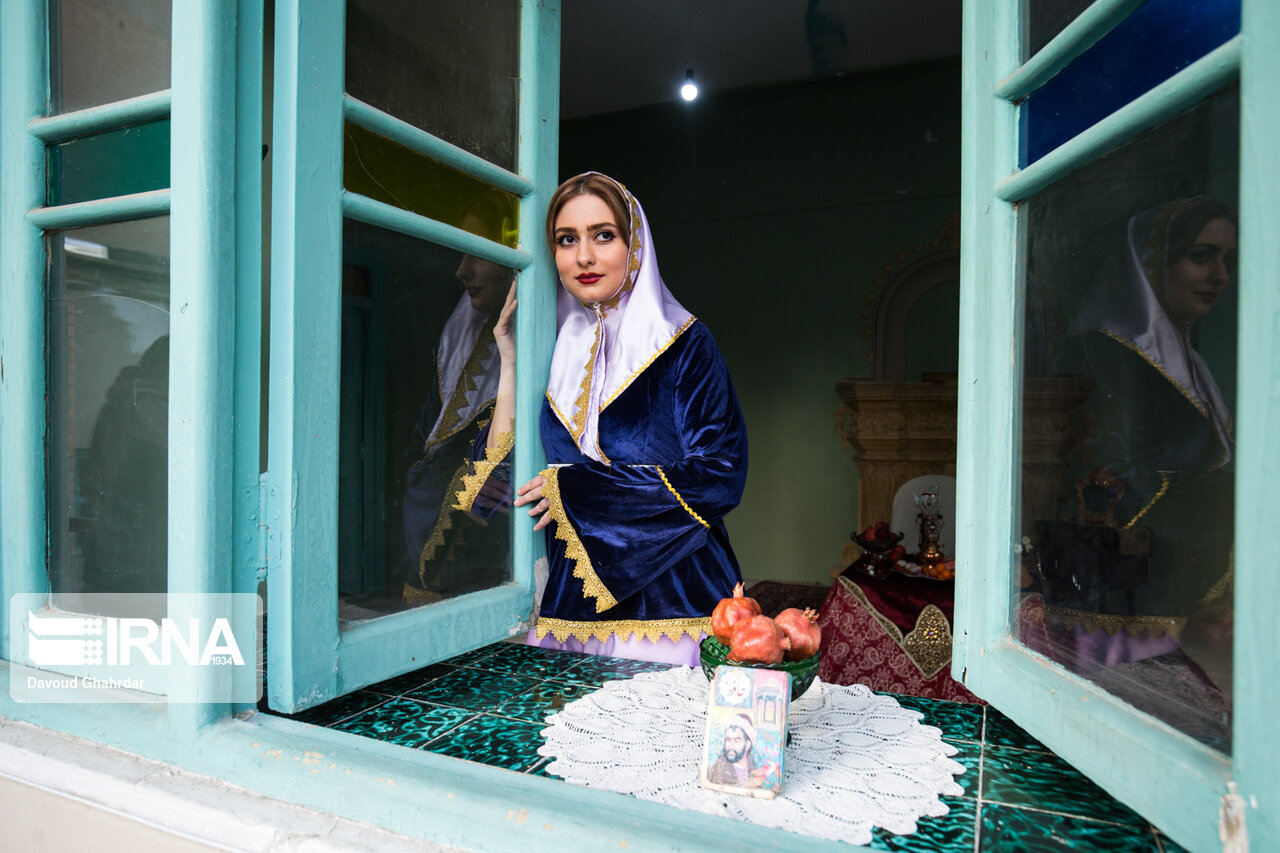
“The Esfahak village has advanced to the final stage of the To Do Award festival due to the popular contributions indicator, and is a nominee for the awards,” said Ali Shariati, the deputy head of the Cultural Heritage, Tourism and Handicrafts Department of South Khorasan province.

He said the village was shortlisted after a German evaluator of the To Do Award event visited the village last week.

Old Iranian Village Nominated for ‘To Do Award’“This village is one of the seven finalists of the To Do Award contest,” he added.
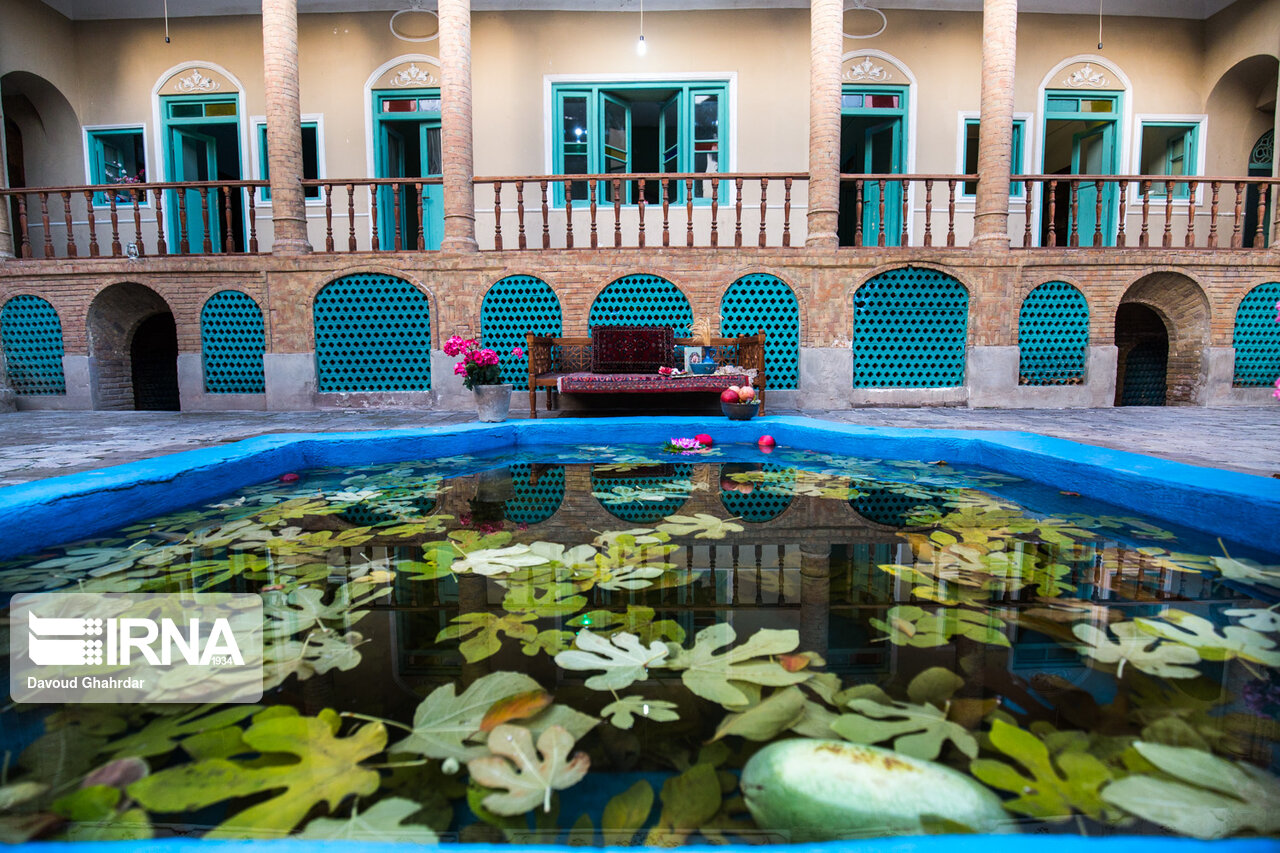
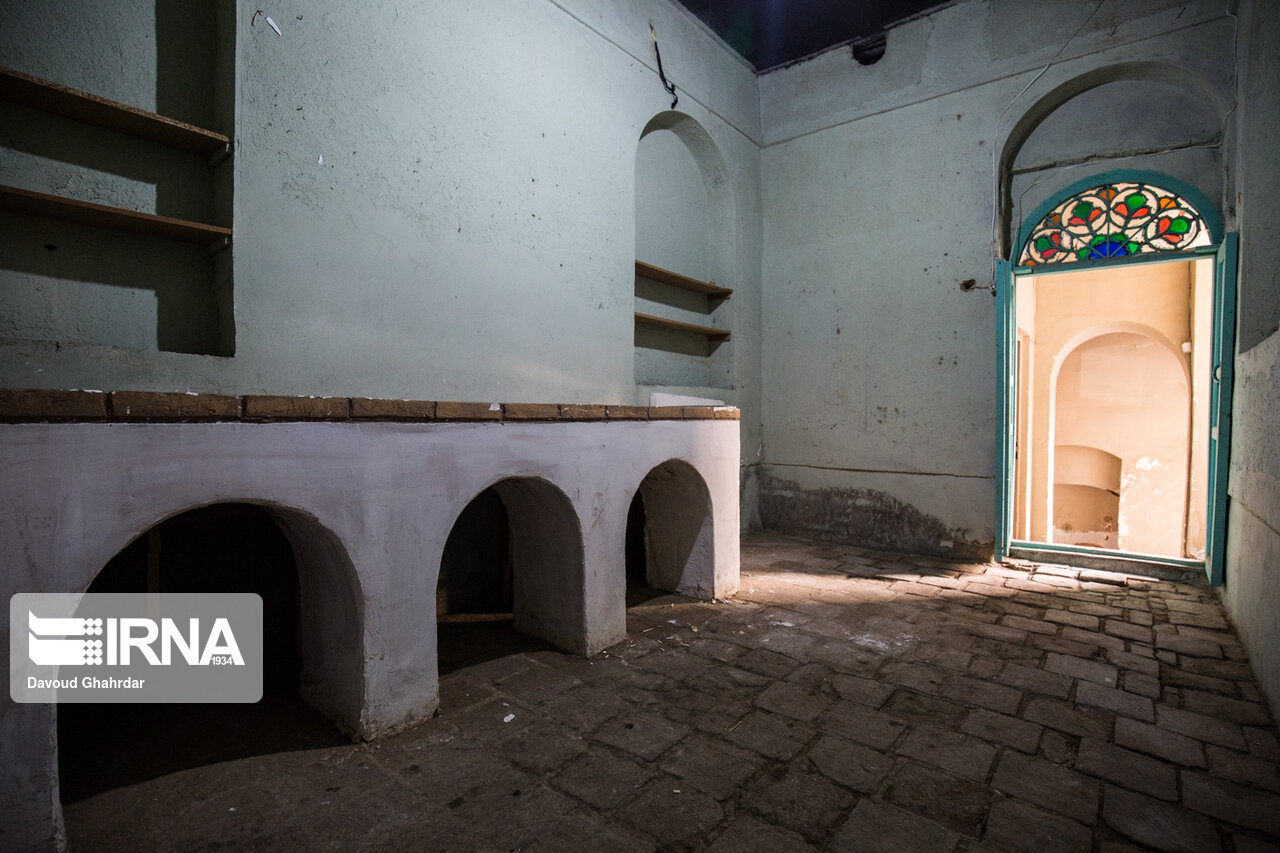
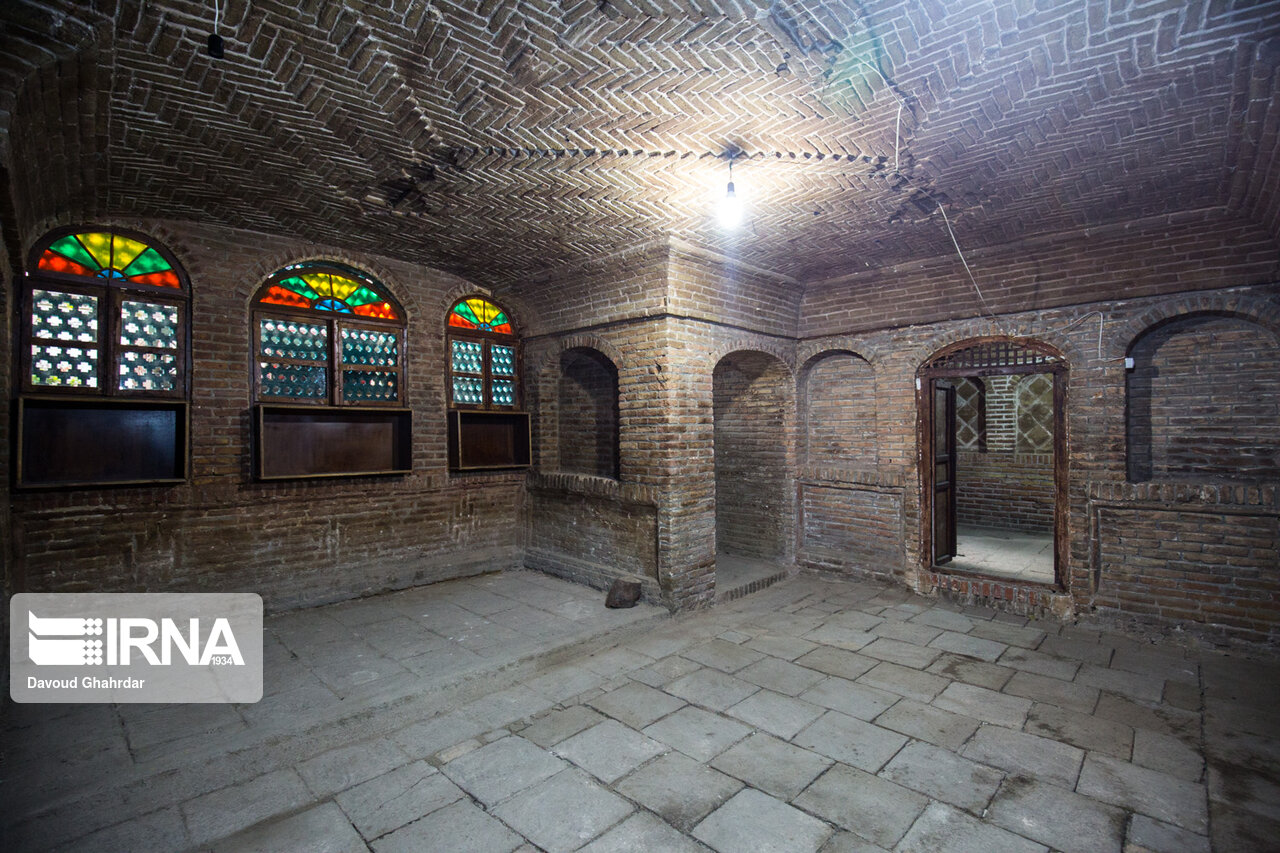
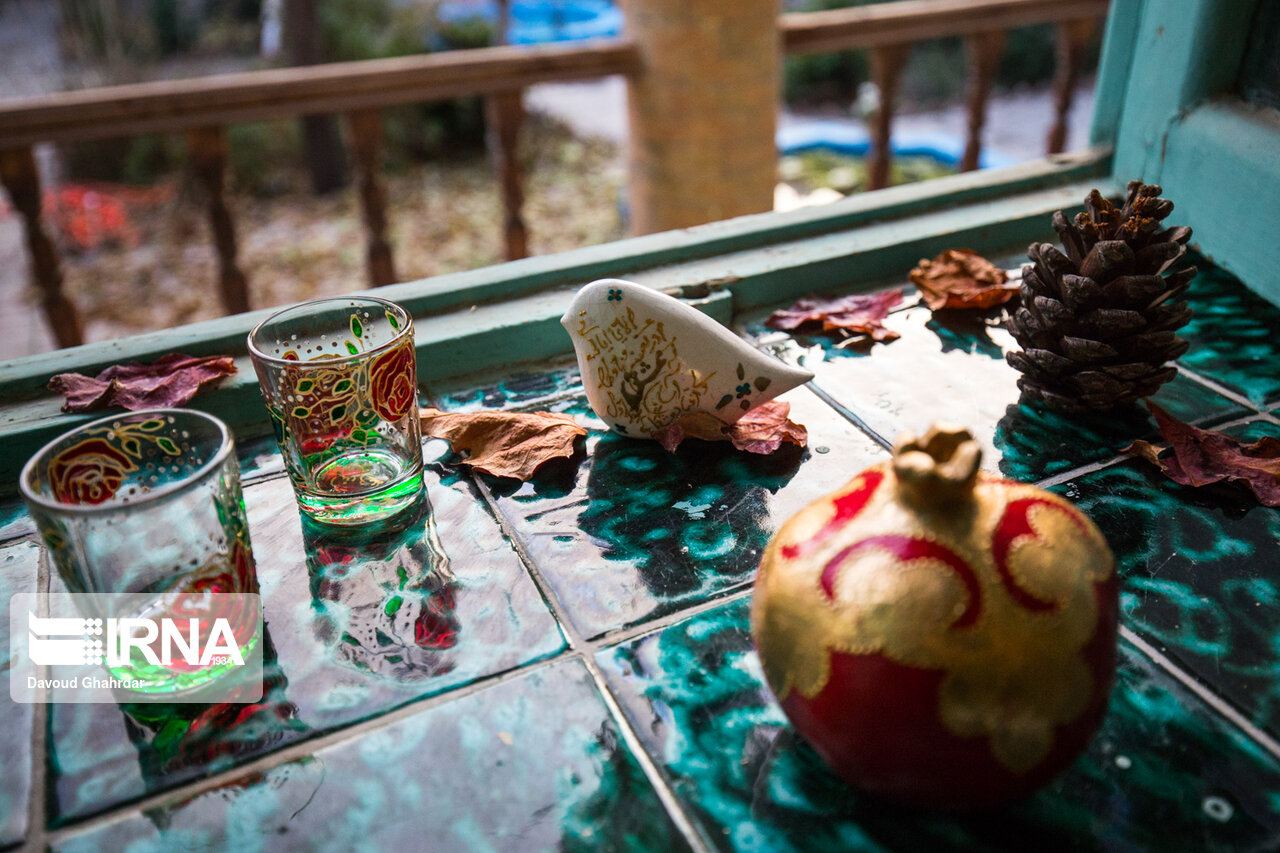
He referred to a 1978 earthquake which levelled the village to the ground, and said, “After the quake, a new village was built next to the site of the old village, which has now been repaired and contains eco-tourism homes for tourists.”

He said the village has old public baths and numerous handicrafts.

The official added the local cultural heritage department has also helped locals to have Esfahak registered on the list of national heritage sites with regards to architecture.

‘Interest in Visiting Iran Growing among Russian Tourists’

russian tourists

According to Maya Lomidze, the tourism industry is constantly growing in Iran, which she hailed as the same “ancient Persia” in the eyes of Russians.

She also emphasized that Iran’s proximity to Iraq or other Middle East countries that grapple with instability has not dampened the Russian tourists’ enthusiasm for visiting Iran.

Lomidze said the visa regime would prevent a big rise in the number of Russians visiting Iran, because the visas are not given at the border.

Moreover, she noted, an Iranian visa in the passport of Russian tourists may prevent them from travelling to a number of other countries.

In an interview with IRNA, Valeria Korovina, head of a Russian tourism company arranging travels to Iran, said there exists great potential for a rise in the number of Russian tourists in Iran.

Likening Iran to a large museum under the open sky, she said hundreds of unequaled tourist attractions have turned Iran into one of the best places with great facilities for tourists.

Many Russian tourists fall in love with Iran after their first trip, forget about the negative advertisement run by the media, express satisfaction with the trip, and plan to visit Iran again, Korovina added.

Christina, a Russian woman engaged in the tourism industry, says she has grown fond of Iranians and would make every effort to contribute to the growing tourism industry in Iran by portraying the true image of Iran to Russian-speaking tourists.

Such intense interest has made 25-year-old Christina marry an Iranian man and choose Iran for living.

Christina has around 300,000 followers in her Instagram page, where she publishes attractive pictures of Iran and encourages people to observe the country’s beauties by rectifying the wrong image that may have been created in the minds of foreigners.

Despite having the experience of life in Japan, the Russian woman says Iran has great attractions and positive features, such as the hospitality of people, which have turned the country into a perfect travel destination.

US Chemical Arms Threat to Int’l Peace, Security: Iran

Chemical

Dehqani made the remarks in an address to the 24th session of the Conference of the States Parties to the Chemical Weapons Convention (CWC) in The Hague on Monday.

Dehqani recalled that the United States is the sole possessor of nuclear arms in the world, calling for the immediate destruction of such weapons. He also called on the Organization for the Prohibition of Chemical Weapons (OPCW) to enforce a stricter monitoring of the trend of Washington’s destruction of chemical arms before the set deadline expires.

The official underscored that the Chemical Weapons Convention is an international agreement, and said the Israeli regime’s obstinate refusal to join the convention is the key obstacle to the enforcement of the treaty on the international stage.

He recalled that Tel Aviv is in possession of abundant stockpiles of weapons of mass destruction, calling on OPCW member states to do whatever it takes to force the Israeli regime to join the Chemical Weapons Convention.

In his speech, he touched upon the anniversary of the former Iraqi regime’s gas attack in 1987 against civilians in the city of Sardasht in the northwestern Iranian province of West Azarbaijan.

The top official said international aid for victims of chemical attacks are minimal, describing unilateral US sanctions in that regard as inhumane and shameful. He said Washington’s sanctions have impeded the procurement of medicine and other urgent medical needs for victims of gas attacks.

The official called on the international community to counter the sanctions, which, as he said, amount to economic terrorism and are a blatant violation of the Chemical Weapons Convention.

He further called on member states of the OPCW to help victims of gas attacks through a fund set up to collect voluntary contributions for the victims.

He said the Islamic Republic of Iran, as the last country in the 20th century to have fallen victim to nuclear weapons, attaches great importance to the Chemical Weapons Convention, and stressed the need to respect the principle of “consensus” in the UN decision-making process. Dehqani then hit out at the new approach adopted by Western governments where they politicize issues related to the OPCW and take advantage of the United Nations. He said such a policy is destructive for the future of the OPCW and hinders the effective enforcement of the Chemical Weapons Convention.

Dehqani also commemorated the 22nd anniversary of a decision to make the enforcement of the Chemical Weapons Convention legally binding.

The 24th Conference of the States Parties to the Chemical Weapons Convention started on November 25, 2019 in The Hague in the Netherlands and will run until November 29.

Iranian NGOs whose activities are related to victims of chemical arms have set up an exhibition on the fringes of the conference to make member states familiar with the latest developments pertaining to victims of chemical weapons.

The Conference of the States Parties to the Chemical Weapons Convention is the most important policy-making forum of the OPCW. The annual conferences bring together 193 member states which discuss the latest international developments and policies with regards to countering the use of chemical weapons.

Emotional and Mental Effects After a Car Accident

Being the victim of a car accident as a driver or passenger is a very traumatic experience. For many people, dealing with a lot of difficult emotions after an accident is quite traumatizing. Not all victims will feel the same symptoms at the same time. Some symptoms assert themselves at the accident scene, while others will be displayed days or weeks after the accident. It is important to recognize that these feelings are normal and there are ways to understand how to manage them. 

Accident Aftermath 

At the accident scene, you can enter into a state of shock which is the first sign of emotional distress. Even if you are not physically hurt, the sudden shock and surprise can be quite stressful. This stress can manifest into feelings of nausea, dizziness, physical trembling, quick breathing, sweating or clammy hands and skin. Other victims will go into the “autopilot” mode at the scene. They start to process all the things that need to be done on the spot . For instance, they exchange insurance information, talk to the police, and take photos of the accident without having any immediate feelings towards the accident. It is only when they leave the scene and calm down that delayed shock will start to manifest itself within them, which might happen sometimes many days after. 

Emotional Distress

The wide range of emotions victims go through after an accident may lead them to Emotional Distress. The symptoms don’t usually have a medical diagnosis, but they are very physically and real for the accident victims. Some of these symptoms include:

Anger and Irritation 

Many victims involved in car accidents will feel a lot of anger, whether at other drivers at fault or at themselves for allowing the accident to happen. Especially if the accident could have been avoided. In New Jersey, stressing on the importance of being aware of such feelings, Jersey City car accident lawyers state that the most frustrating part for victims is the feeling that they didn’t do anything wrong. This increases their anger at others and can be taken out on the people around them when they’re irritated. These feelings are normal by-products of the accident shock, and they need to be acknowledged.

Guilt and Self-Blame

Sometimes after the anger has evaporated, a lot of victims, especially drivers, will start beating themselves up for getting into an accident in the first place. They place undue blame on themselves for not foreseeing such a calamity. The result tends to be an overwhelming feeling of guilt that leaves the victim very anxious and depressed. 

Denial 

As with the different stages of grief, denial is a feeling accident victims will feel immediately after a car accident. They can be in disbelief for a long time, even for several days after an accident, and will not acknowledge that anything major has taken place. They usually will underestimate the accident and the effect it has taken on them. These people are usually experiencing shock and will process it through denying its severity. Along with the mental aspect of it, they can experience feelings of numbness, unpredictable mood swings, and bouts of unexplained fear.  

Fear and Worry

Experiencing anxiety in different forms after an accident is a natural reaction to the stressful incident. These symptoms range greatly, from fear of riding a car again, to the increased worry of getting into another crash if they have already started driving the car again. This also applies to passengers, who will worry about other cars coming out of nowhere.

Iran, Syria to Cooperate on Housing, Urban Development

Syria's Minister of Public Works and Housing Suhail Mohammad Abdul Latif (right) meets with Iranian Deputy Foreign Minister for Economic Affairs Gholam-Reza Ansari in Tehran on Nov. 25, 2019 / Photo by Iran's Foreign Ministry

In the Monday meeting, the two sides conferred on joint cooperation between the two countries in the field of construction, particularly implementation of housing projects, road construction, and development of the infrastructure in this area.

They also discussed efforts to provide the private sector with incentives and a reassuring environment for work.

The Syrian minister has travelled to Tehran at the invitation of Iran’s minister of roads and urban development in a bid to form the Iran-Syria Joint Executive Committee for Housing and Urban Development.

Some estimates say Syria needs $250 billion to $400 billion to rebuild after years of an all-out foreign-sponsored militancy. Iranian officials have repeatedly voiced the Islamic Republic’s readiness to help Syria with the reconstruction of the war-ravaged country.

In early October, Iran signed an agreement to build a 540-megawatt (MW) gas fired power plant in Syria’s coastal city of Latakia.

At the request of Damascus, Iran also provided military advisory assistance to the Syrian government forces in its fight against foreign-backed Takfiri terrorists.

Iran to Destroy Enemies If They Cross Its Red Lines: IRGC

General Salami IRGC Chief

“We have shown restraint … we have shown patience towards the hostile moves of America, the Zionist regime (Israel) and Saudi Arabia against the Islamic Republic of Iran … but we will destroy them if they cross our red lines,” General Salami said.

He made the remarks in an address to a huge crowd of people in Tehran rallying against the recent riots and expressing their support for the Islamic Establishment.

“You have already tested us in the field [of battle] and have been slapped hard in the face without being able to answer. Some of those slaps have been seen by the world and some have not been seen… If you cross our redlines, we will destroy you,” the IRGC chief commander warned.

The IRGC commander added that anyone who seeks to carry out an act of aggression against the property, lives and honor of the Iranian people will be punished severely in a way that will teach them a lesson.

He advised the enemies to respect the Iranian people and adopt a respectful approach in dealing with them, because “if this accumulated energy is released, no enemy will be safe and secure in any part of the world.”

“Today, the coup de grace was delivered to the enemy. The sedition, which occurred in the recent days, was the spin-off of all major fiascos that the Muslim Ummah and the Iranian nation have inflicted on the enemy in different fields over the last 40 years, particularly over the past eight months,” Salami said.

The IRGC commander added that the enemies have been defeated and are not able to carry out any measure, saying, “We go after them anywhere and tell them that we will not leave any move unanswered and will get even.”

His comments came after the Iranian government raised gasoline prices on November 15 in order to moderate the national consumption rate, which stands at 110 million liters per day, 40 million liters above the maximum daily domestic requirement.

The move prompted some peaceful protests, but riotous elements, taking advantage of the circumstances, quickly entered the scene, destroying public property, setting banks and gas stations ablaze among other facilities, and opening fire on people and security forces.