
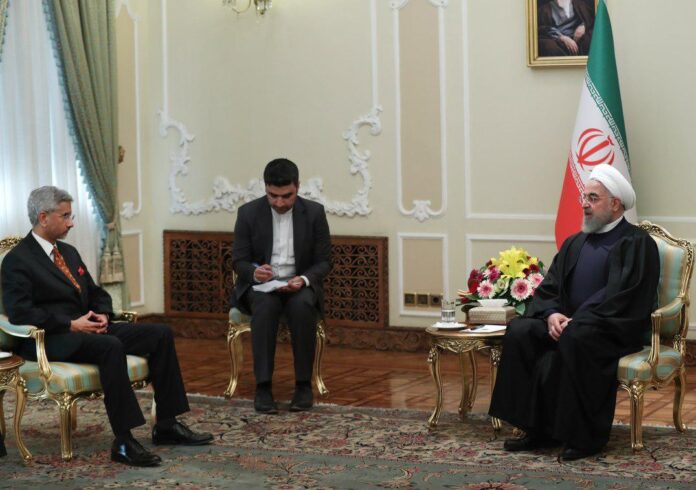
In a Monday meeting with India’s Minister of External Affairs Subrahmanyam Jaishankar in Tehran, President Rouhani expressed confidence that the US administration will have to quit the policy of maximum pressure on Iran.
“Such conditions are definitely transient, and the US will have to abandon (the policy of) maximum pressure on Iran sooner or later, either before or after its (2020) presidential election,” the Iranian president underlined.
He also stressed the need for efforts to maintain and enhance the relations and mutual cooperation between Iran and India in the current circumstances in which the US has imposed unilateral sanctions against the other nations.
“Iran seeks the reduction of tensions and the fulfillment and preservation of sustainable security in the region, particularly in the Persian Gulf and Sea of Oman,” the president stated, citing Tehran’s move to develop the Hormuz Peace Endeavour (HOPE) initiative.
Lauding the friendly, age-old and cordial ties between Tehran and New Delhi, the president expressed confidence that the bilateral relations will continue to grow in light of the two nations’ determination.
Highlighting the significant role of the Joint Commission of Iran-India Economic Cooperation in expanding the relations, President Rouhani called for efforts to boost the economic and trade interaction between the two countries.
He finally noted that completion of a railroad project linking the Iranian southeastern cities of Chabahar and Zahedan will bring about a “revolution in the regional trade cooperation” and facilitate the shipment of goods from a shorter and cost-effective route.
For his part, the top Indian diplomat hailed the Joint Commission session in Tehran as a “constructive and influential” meeting for the promotion of mutual cooperation.
Jaishankar also urged efforts to enhance cooperation between the state-run and private sectors of India and Iran, to promote the banking interaction, and to expedite the implementation of joint projects at the Chabahar region.
The current difficult situation will certainly end, he noted, adding that New Delhi and Tehran will maintain the amicable relations and Iran will remain “strong and stable” despite the problems.
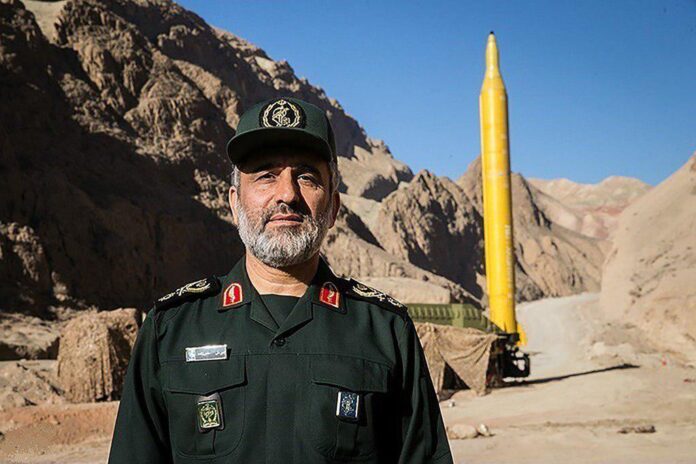
That came after unconfirmed reports claimed the Iranian commander has been martyred in the Israeli attacks on several Syrian positions on Sunday.
Syrian state media say Syrian air defence forces repelled the attack launched from “the occupied territories”.
Syria’s SANA news agency reported that the attack took place late on Sunday, with reports indicating that one of the four “hostile targets” was downed in the Aqrabah suburb near the capital Damascus.
SANA did not further elaborate on the possible targets and casualties of the attack.
Reuters, citing a source affiliated with pro-Damascus forces, said that four cruise missiles were believed to have been shot from the Lebanese airspace towards Syria.
Meanwhile, the Syrian military repelled two drones flying over an airbase in the western city of Hama. Syrian forces also downed a third one over the city of Latakia.
Unconfirmed images on social media allegedly show Israeli aerial activity over the southern Lebanese port city of Sidon prior to the attack.
Israel has carried out hundreds of airstrikes in Syria, including in the Golan Heights, most of them against what the Tel Aviv regime claims to be the positions of pro-Syrian forces.
The Syrian military has mostly absorbed the Israeli strikes, locking its defense systems on incoming fire.
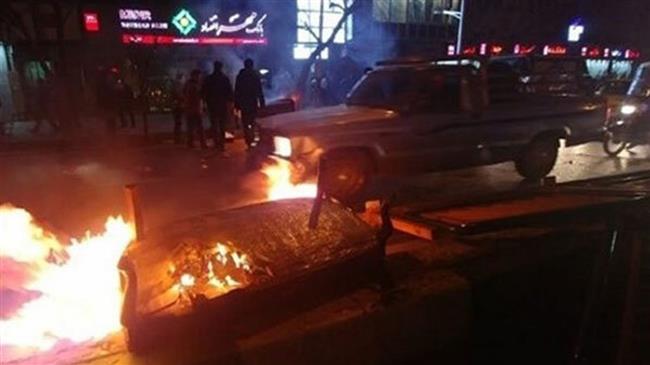
Mousavi told IRNA on Monday that the December 19 resolution was “an impetuous and unconstructive move based on the distortion of the realities on the ground.”
He reiterated that the Islamic Republic of Iran as a democratic system recognises freedom of expression, peaceful protests and gatherings as a natural and legal right of its citizens and has always adhered to it.
“The Islamic Republic of Iran, like any other independent state, will carry out its intrinsic and legal duties in providing the country’s national security and dealing with armed groups that take the lives of innocent civilians and plunder their property.”
He went on to say that the perpetrators of the martyrdom of a number of honourable people of Iran were the infiltrators who, with the support of some foreign intelligence services, abused the protesters’ rallies and opened fire on innocent people by attacking the demonstrators and attempting to take their lives and plunder their properties.
Tehran believes that protecting human rights, especially as a moral-human issue, deserves particular attention and should be taken into consideration in a non-discriminatory manner and far from political and double-standards, he added.
“The question is what has been the position of the European Parliament so far regarding the blatant violation of the rights of the French demonstrators, especially killing and blinding some of them and arresting a large number of protesters?” added Mousavi.
“How can they address the blatant discrimination in some European countries against ethnic, religious and racial minorities?”
“What is the reason behind the silence of the European Parliament and its failure to condemn the US violation of the rights of more than 80 million Iranians as a result of illegal and immoral sanctions?”
Mousavi further called for a return to fairness, realism, and increasing the capacity to tolerate dissenting ideas and norms and to lift restrictions on citizens in some member states and to engage with other nations, especially the civilized nation of Islamic Iran.
He also called on them to avoid politicisation and interact with Iran based on mutual respect and understanding of different principles and values.
On Thursday, European lawmakers adopted a resolution slamming what they called disproportionate use of force during November protests in Iran over fuel price hikes. The lawmakers urged Iran to officially release the death toll.
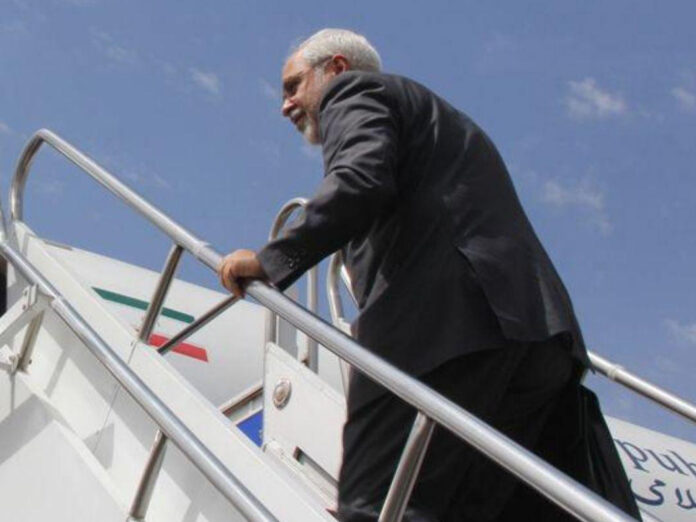
Zarif’s trip to Muscat, which is known as a mediator between Iran and the US, comes a few days after President Hassan Rouhani’s historic visit to Japan, another country trying to bring about a thaw in Tehran-Washington relations.
Oman, Japan, France, and Iraq are the three countries that have repeatedly expressed their preparedness to mediate between Tehran and Washington in order to ease tensions in the region.
Muscat’s ambassador to Washington said in May Oman is one of the few countries in the region that has close ties with both Iran and the United States.
“Earlier, we brokered the release of US climbers who were jailed in Iran. Now, we can do this about Iran’s oil sanctions,” said the Omani envoy.
Washington has imposed several rounds of sanctions on Tehran since President Donald Trump withdrew his country from the Joint Comprehensive Plan of Action (JCPOA) last year.
The restrictions have hit Iran’s oil sector, among other things, reducing its exports.
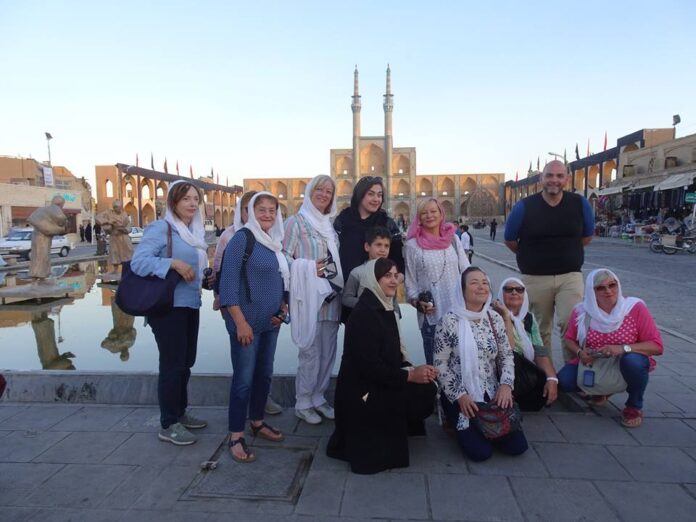
 Debora Violi is director of the cultural and tourism section of Confcooperative, the union of Italian cooperatives with other countries’ cooperatives.
Violi, a member of the Italian Board of Evaluators on Iran’s Cultural Heritage, Tourism, and Handicrafts Development Project, has told ISNA that people’s view of Iran has changed, but sanctions have prevented any direct flights from Europe to Iran, which naturally make travel to Iran difficult.
In response to the question on how to attract tourists or change their viewpoints on Iran in the event of the return of sanctions and the absence of direct flights between Iran and European countries, she stated that inexpensive flights from Istanbul to Iran are already underway.
“I think now is a good time to visit Iran, because the weather is not too cold, and more importantly we are in the New Year’s holidays when people from many countries prepare to travel. On the other hand, prices are good at this season. Iran is a vast country and a week may not be enough to see it,” she stressed.
Violi, along with a group of members of Italian Entrepreneurial Unions and Co-operatives, recently travelled to Iran for a week to visit Kurdistan, Kermanshah, Khuzestan and Fars with the aim of strengthening inter-state relations.
After experiencing her first trip to Iran on this joint project, she explained that they were in Iran for eight days. “I visited five provinces in phase one of this project and now we want to choose other regions to focus on.”
“All of the regions we visited were amazing. In Kurdistan, we saw small villages in which they were working on ecotourism, preparing local houses for tourists. The nature and mountains of this province are extremely beautiful.”
“Then we went to Kermanshah and visited Taq-e Bostan and the inscription at Bisotun. It was amazing. In Khuzestan, we saw Ziggurat, Shush and Shushtar. Shushtar is like a city called Matera in southern Italy. After that we went to Fars and saw Bishapur, Firoozabad and Sarvestan. All of these areas were great.”
There are some similarities between Iran and Italy. Iran has large and important historical and natural sites, so small sites can be placed alongside large sites for this project to avoid being ignored, she added.
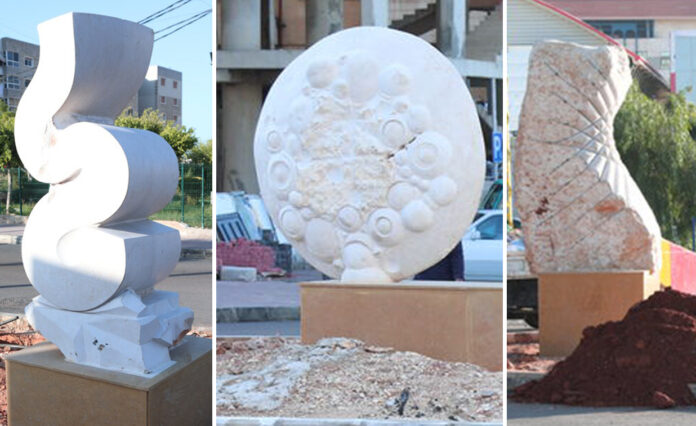
The works of art have been created by Iranian sculptors Mohammad Reza Zabihollahzade, Shahriar Rezaei, and Mahdi Salahshoor.
The three Iranian artists had undertaken to design and make the sculptures during 15 days when they took part in an international sculpture symposium at the Faculty of Fine Arts of the Lebanese University three months ago.
Mohammad Reza Zabihollahzade says the sculpture he has made is called “The Solar System”, a general depiction of the Sun being at the center of the solar system and shining on all surrounding planets without discrimination.
He also noted that another sculpture made by Shahriar Rezaei is a symbol of human being. “The message of that sculpture is that people in the world must withstand and deal with the social and external adversities as well as the internal pressures.”
Zabihollahzade also explained that the third sculpture is in the shape of a snake and carries the idea of “fluidity and the fluid movement of human” and other creatures in the infinite space.
The three sculptures have been made out of rose and pink marble, extracted from the unique rocky mountains near Baalbek east of Lebanon, he added, noting that the famous Temple of the Sun in that city have been also made with the same material.
He further said the authorities at the Faculty of Fine Arts of the Lebanese University had promised to supply carving stone blocks each with a volume of three cubic meters, but the Iranian sculptors were finally given raw and rough rocks and had to smooth down all surfaces in two days before creating the sculptures.
“As the representatives of Iran’s Ministry of Culture, we designed and made the trio sculptures of Beirut seriously, with the minimum facilities and the lowest cost, and with our personal tools in 15 days,” Zabihollahzade added.
The international sculpture symposium at the Faculty of Fine Arts of the Lebanese University was also attended by artists from Lebanon, Italy and Egypt.
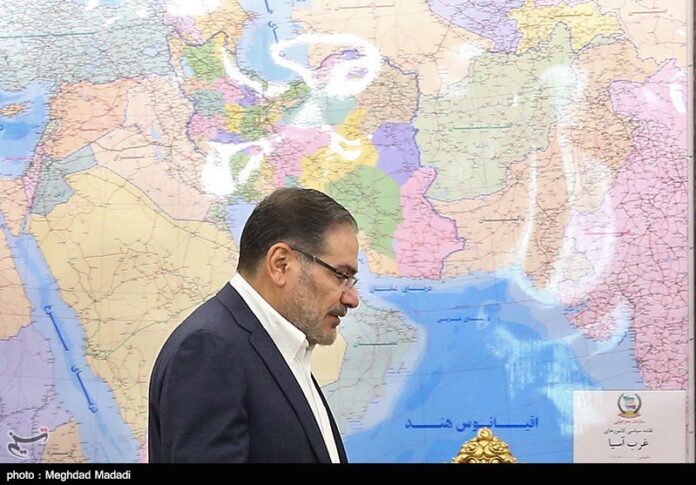
“Tehran has started different steps to reduce its peaceful nuclear commitments in order to maintain and balance its commitments under the JCPOA and if the Europeans fail to fulfill their obligations, we will take the fifth step,” Shamkhani said on Sunday.
After the US pullout from the JCPOA, the three European parties to the deal vowed to guarantee Iran’s economic interests in accordance with the JCPOA and to keep the deal alive, but they have so far failed to implement practical measures to save the agreement, he deplored.
“It was the US President Donald Trump who started to reduce the JCPOA commitments by exiting the JCPOA and after that, Europe completed the US measures by ignoring its JCPOA commitments,” the top Iranian security official added, Press TV reported.
Shamkhani’s remarks came after British Foreign Secretary Dominic Raab claimed in a tweet on December 17 that the three European parties remain committed to the JCPOA, but Iran’s steps will jeopardize its future.
In May 2018, Trump pulled his country out of the JCPOA.
Iran and the remaining parties launched talks to save the JCPOA after the US withdrawal, but the three EU parties to the deal (France, Britain, and Germany) have failed to ensure Iran’s economic interests.
The EU’s inaction forced Tehran to stop honoring certain commitments to the nuclear deal, including a rise in the stockpile of enriched uranium.
Iran maintains that the new measures are not designed to harm the JCPOA but to save the accord by creating a balance in the commitments.
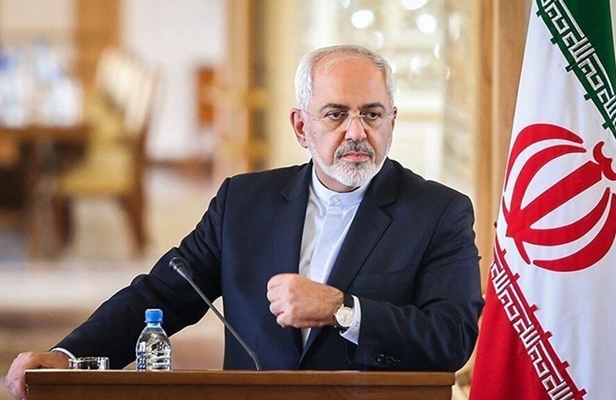
In a tweet on Sunday, Mohammad Javad Zarif said Washington is addicted to imposing sanctions.
“The US’ approach to sanctions betrays a pathological and reckless addiction – a condition that renders no bounds or boundary to what the US may or may not do,” he tweeted.
Zarif said collective determination is needed to tackle the sanctions.
“And this addictive behavior affects friends and foes alike, unless collectively pushed back,” he added.
Zarif’s remarks come as Washington has imposed several rounds of sanctions on Tehran since President Donald Trump withdrew from the Joint Comprehensive Plan of Action (JCPOA) last year.
The restrictions have hit Iran’s oil sector, among other things, reducing its exports.
Sanctions have also affected Iranian patients. Iranian children suffering from a rare skin condition known as EB are the new victims of the US bans. They are losing their lives as the US anti-Iran measures have hampered the flow of vital medical products.
Iran says Washington needs to lift all sanctions without any preconditions before any possible engagement between Tehran and Washington.
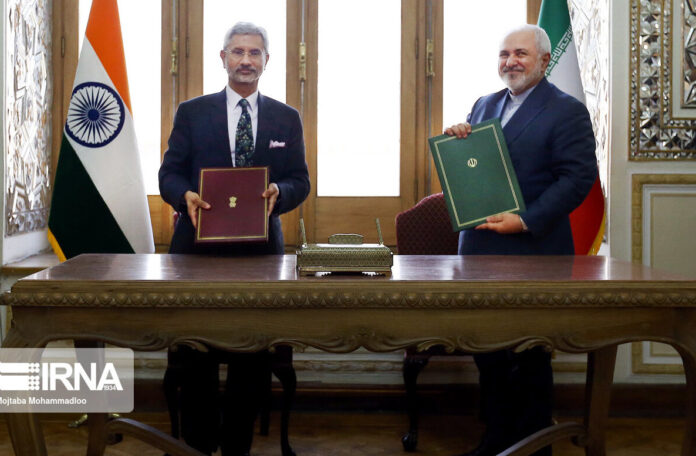
The Sunday’s session of the Joint Commission of Economic Cooperation between Iran and India was co-chaired by the foreign ministers of the two countries.
The meeting was also attended by the representatives of the Iranian and Indian ministries, the political, economic, trade and banking institutions, and the organizations engaged in transportation and shipping industry.
At the conclusion of the meeting, the chairpersons of the Joint Commission of Economic Cooperation from the two countries signed documents of the agreements made in the session.
© All Content by IFP News ( Iran Front Page ) is licensed under a Creative Commons Attribution 4.0 International License.
