Thursday, April 23, 2026
Home Blog Page 3010

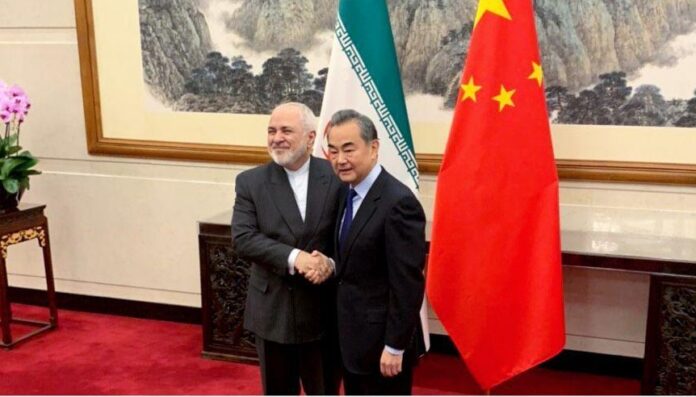
Iranian, Chinese Foreign Ministers Meet in Beijing

Zarif

In the Tuesday talks, the two sides conferred on bilateral relations, JCPOA developments, and the most pressing international and regional issues.

During the meeting,Zarif said that establishing strategic ties shows the two sides’ keenness to reinforce their cooperation. “We should also hold constant consultations on and this trip serves that aim.”

Zarif further hailed China for supporting Iran’s stance on the international stage.

He also criticized unilateral US sanctions against Iran, calling on the world community to counter unilateralism and back multilateralism.

The Chinese foreign minister, for his part, underscored the necessity of strengthening ties with Iran.

In the current situation, he added, the two countries should exchange views on different issues in addition to maintaining contacts.

Zarif arrived in China after a visit to the Russian capital of Moscow, where he held a fresh round of “regular consultations” with his Russian counterpart Sergei Lavrov.

The Iranian foreign minister’s trips to Moscow and Beijing come after a joint naval drill held by Iran, Russia, and China in the Sea of Oman and north of the Indian Ocean.

Iran says the joint drills indicated that the Islamic Republic cannot be isolated from the international community.

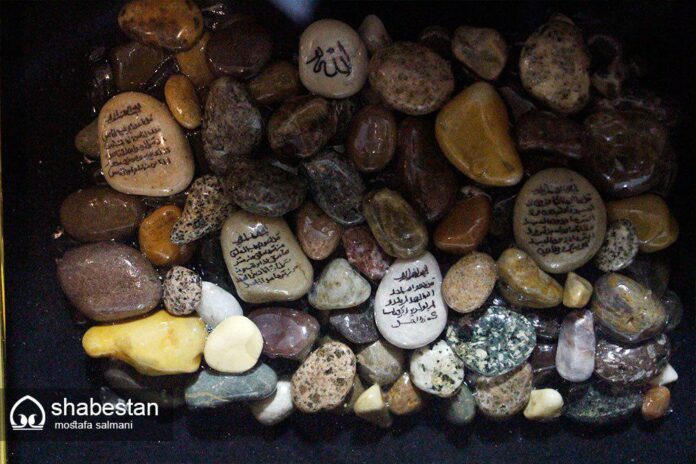
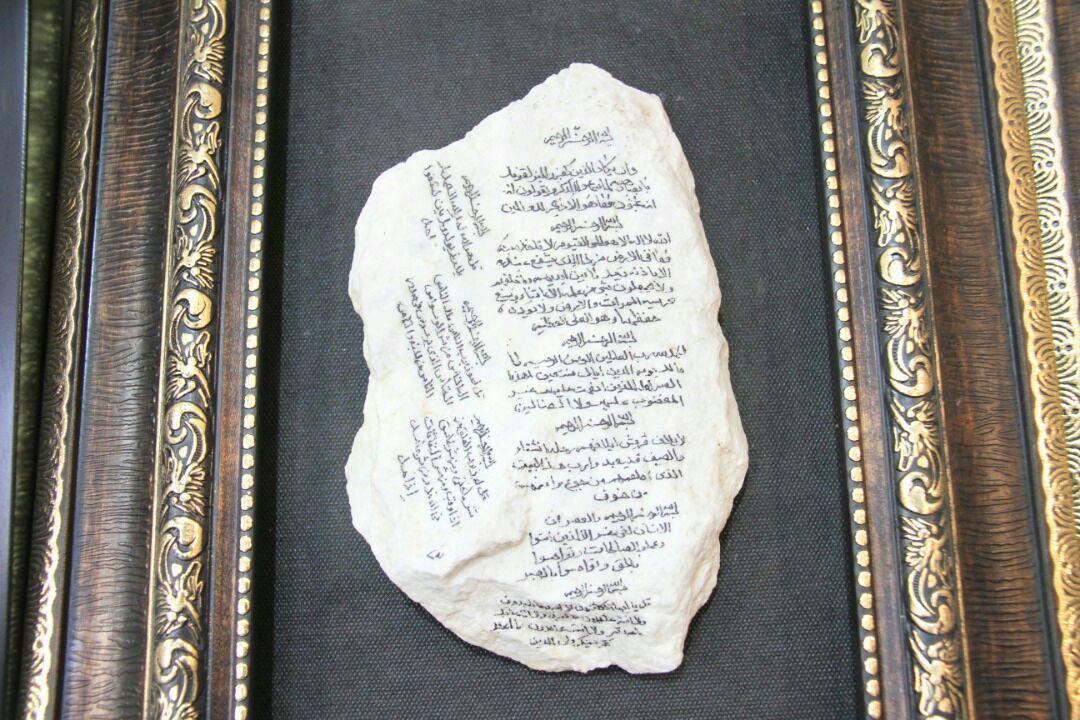
Iranian Craftsman Inscribes Quran on Stone

Iranian Craftsman Inscribes Quran on Stone (5)

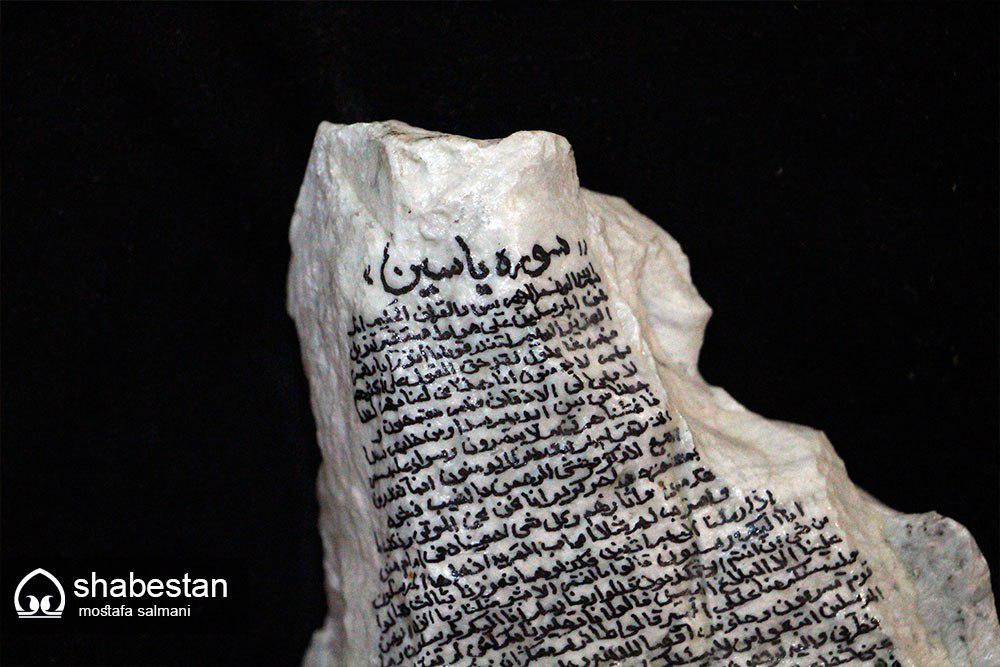
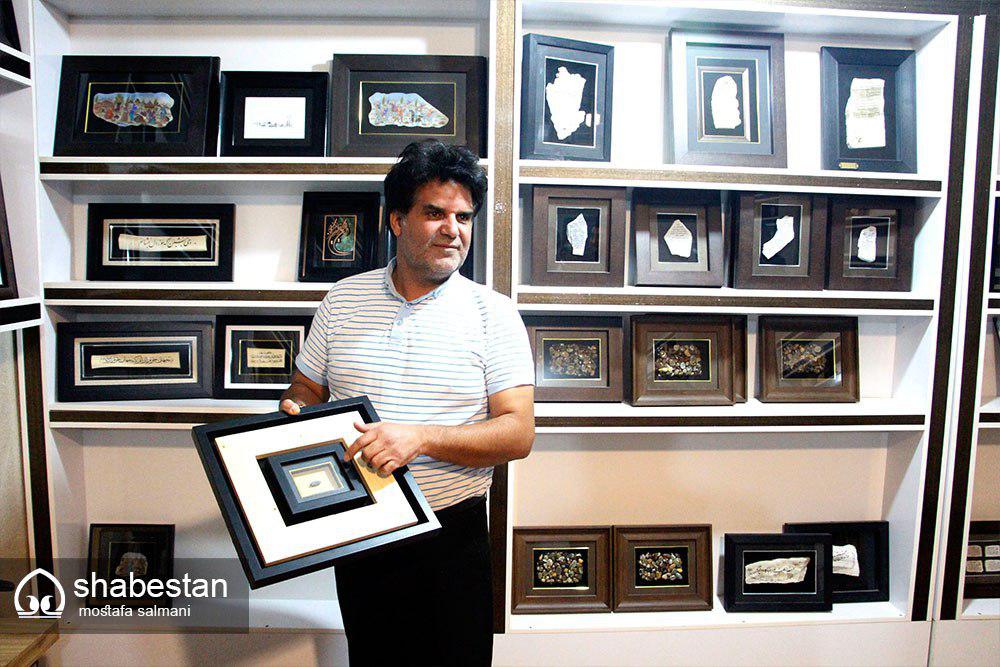
Seyyed Hossein Poor-Razavi, who lives in Iran’s central city of Yazd, has concentrated on a unique type of craftsmanship since a couple of years ago.

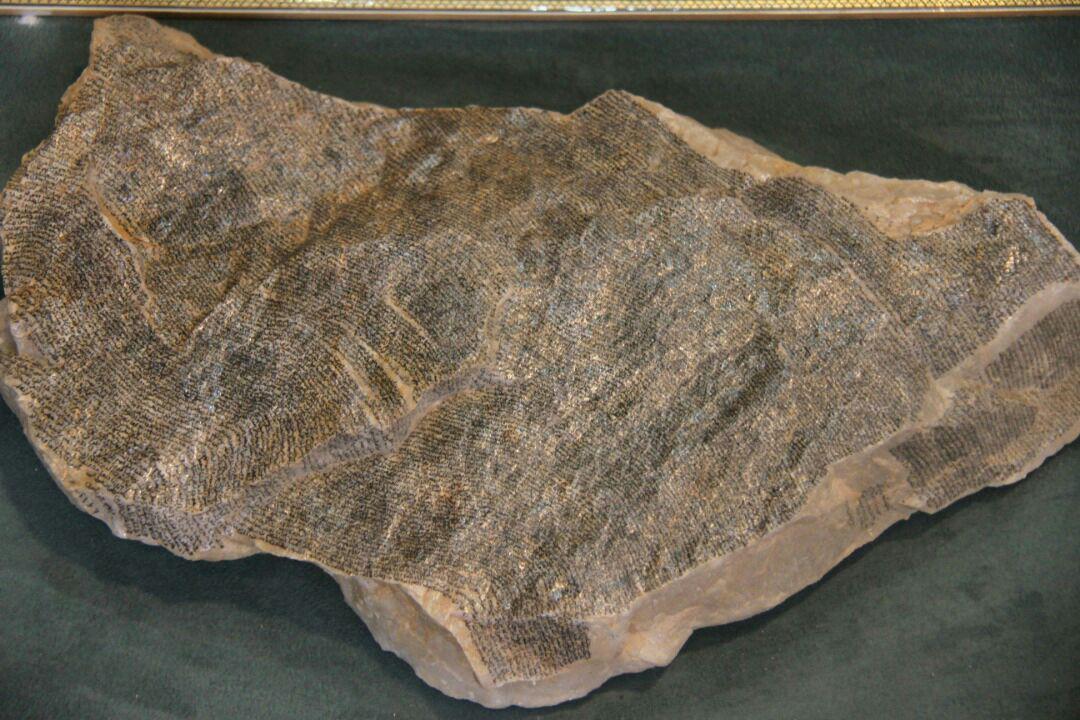
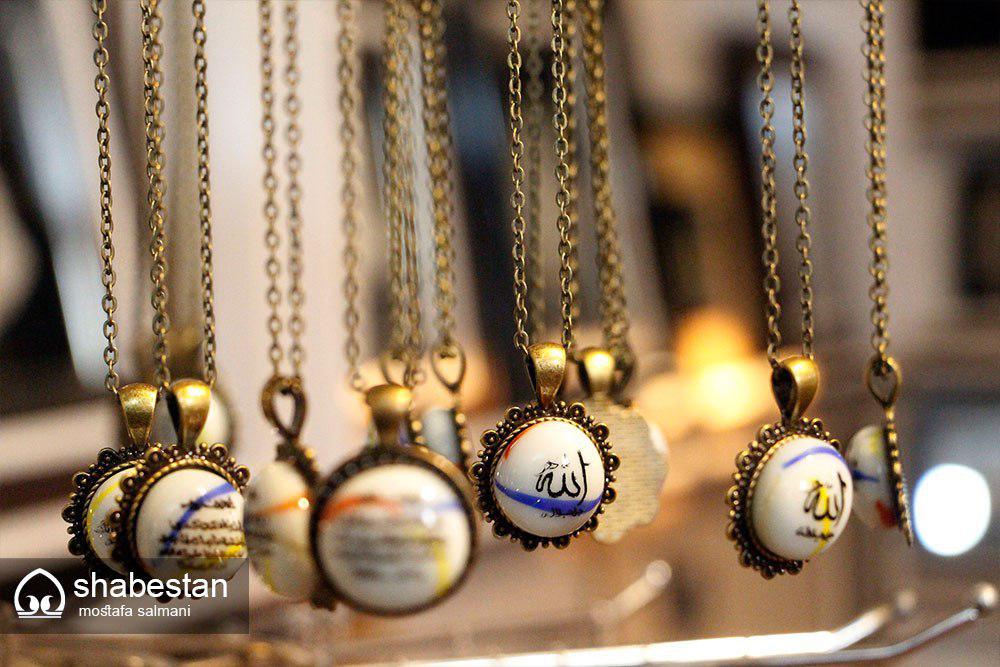
He has inscribed the verses of the Quran on small pieces of stone, some of which have been created using only the naked eye.

According to a report by IBNA, one of his works of art is a small piece of stone with an inscription of more than seven sections of the Quran (each section is called a Juz’), visible only with a magnifier.

Mr. Poor-Razavi, 49, recalls how his business went south a few years ago, when his firm producing cultural products went bankrupt. He then began a new career as a street vendor to earn a living.

The artisan says he even used to sleep on the streets when he turned to street vending and lived in a ramshackle house to make ends meet.

But Hossein did not give up hope and made a great deal of effort to restart his career as an artisan.

He says he has been attracted to cultural and artistic activities for as long as he can remember, particularly to calligraphy and penmanship.

With a high school diploma, Hossein used to inscribe the verses of the Quran on stone pieces and sell them even when he was a street vendor. One day, an idea crossed his mind: Put the works of art on display to improve his living conditions.

At first, he could not grab the attention of the authorities, but his hard work paid off as he could finally convince the officials to hold an exhibition of his works of art –the Quran inscription on pieces of stone.

Luckily for Hossein, the then provincial governor paid a visit to his first exhibition in 2007. The provincial governor then asked the then Minister of Culture to go to the exhibition. Subsequently, the minister found the exhibition so interesting that arranged for Poor-Razavi to have a private meeting with the then president.

“I was overjoyed. I didn’t have enough money to buy a suit, so I got a suit on credit from one of my acquaintance’ shop to get prepared for the meeting (with president). Before the trip (to capital Tehran), I wrote a letter to submit it to the president, but on the eve of the meeting, I looked through Rumi’s book, and as soon as I opened the poetry book, I saw a poem saying ‘We endowed you with such dignity! But you are making a request from my own man? And you are soliciting the God’s own man, while you are not submitting any request from us?’. I tore the letter right there, and did not ask the president for anything when I met him,” Hossein told IBNA.

“Afterwards, my works and the Quranic inscriptions were exhibited all over the country, until I had a private meeting with the Supreme Leader of the Revolution, who regarded me with favor,” he added.

Hossein says he was also invited to mount exhibitions in the Arab countries. “My stone inscriptions were unveiled in Iraq, and I was known as ‘the first scribe of the Quran on stone’, and I had several meetings with the officials of various Arab countries and the Marja’s (religious authorities).”

The Iranian artisan said he has not gotten any loan from anywhere, and the state organizations have not provided him with any financial support for holding the exhibitions and festivals either.

“I have acquired my assets in life thanks to Quran,” he explained.

Hossein has pledged himself to allocate 10 percent of his assets to cultural activities every year. The income from his exhibitions and festivals goes to the orphans and the children of labor.

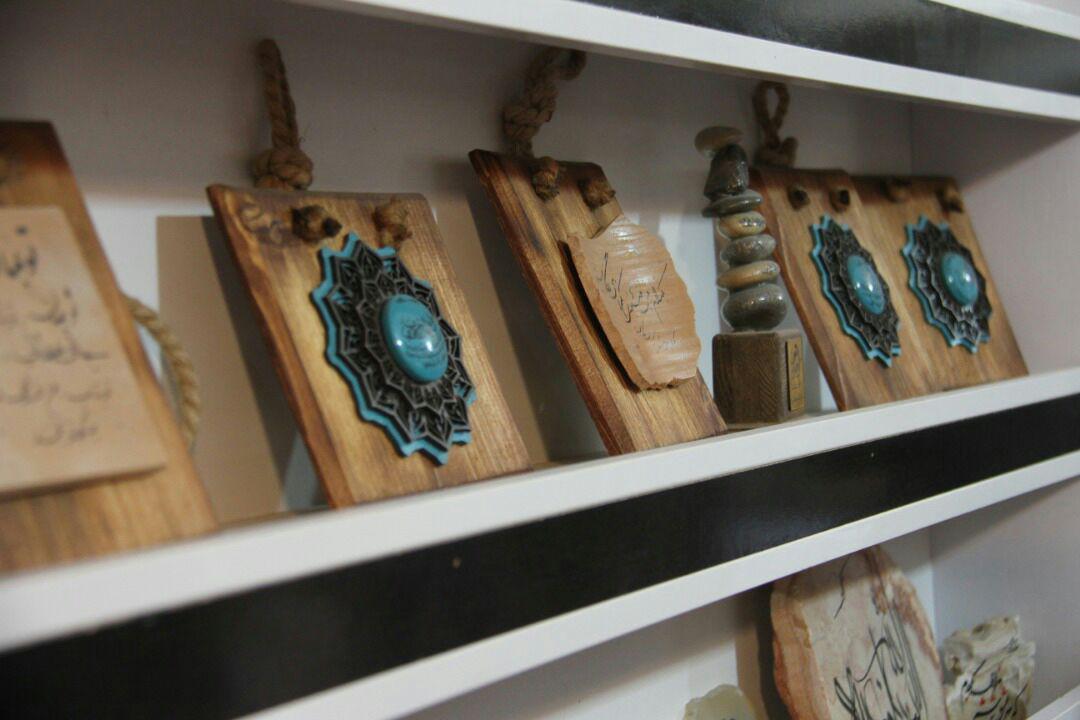
Seyyed Hossein Poor-Razavi has turned his house into a public exhibition of works of art, entitled “The House of Affection”.

IRGC Says Iraq Has Right to Exact Revenge for US Strike

IRGC

In a statement on Monday, the IRGC condemned the US military strike on the positions of Hashd al-Shaabi forces as a violation of Iraq’s sovereignty, saying the criminal measure has once again proved that the US is the root cause of insecurity, chaos and tensions in the region.
The expulsion of “American occupier terrorists” from Iraq would guarantee the Muslim nation’s stability and sustainable security, the statement added.

“Naturally, the grown people of Iraq and the hero Hashd al-Shaabi would reserve the right, according to the international law and charters, to take revenge for and respond to the recent big crime committed by the Americans,” the IRGC added.

The statement also advised the “fake and child-murdering Zionist regime” not to rejoice over such crime by the “Great Satan and American terrorists”, because the front of resistance is going to vent its wrath on the occupiers of al-Quds.

The IRGC’s reaction came after the US carried out airstrikes in Iraq against PMU forces on Sunday. The attacks targeted positions of Kataib Hezbollah Brigades affiliated with PMU near the western al-Qaim district on the border with Syria.

At least 27 people have been killed and 51 wounded in the attacks.

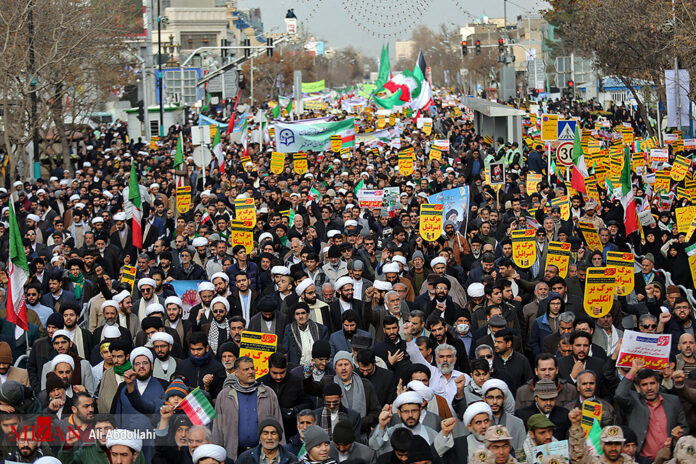
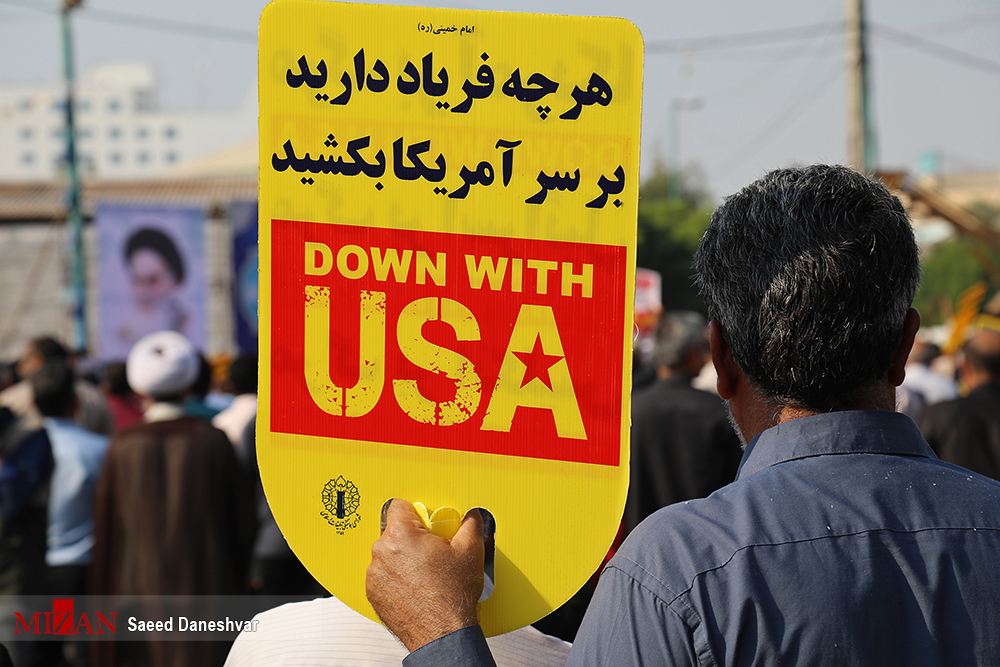
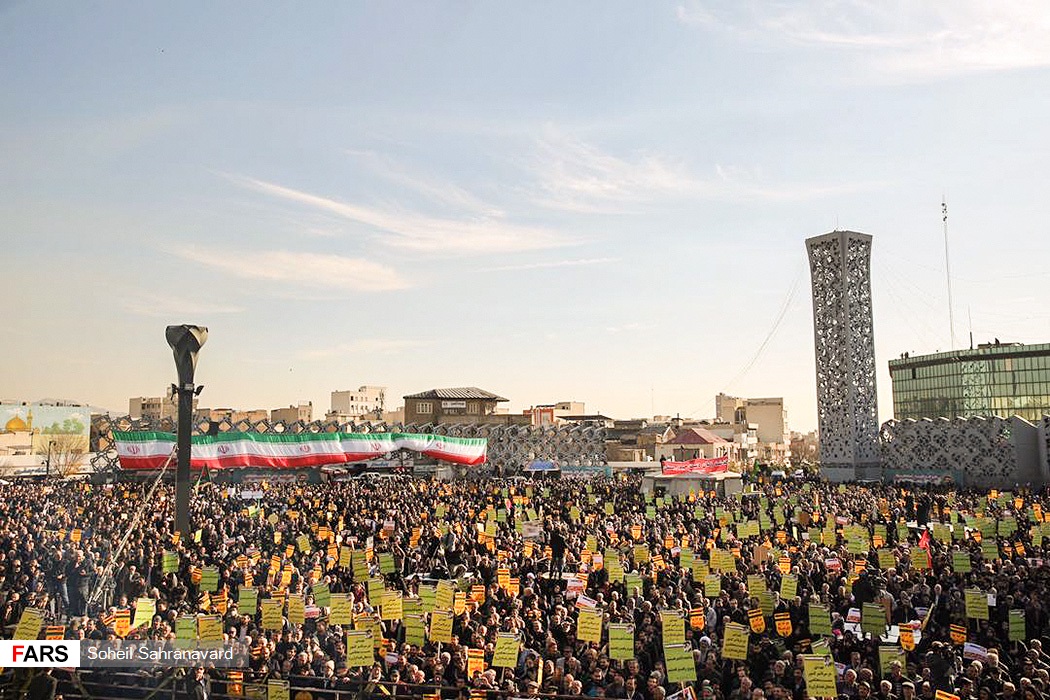
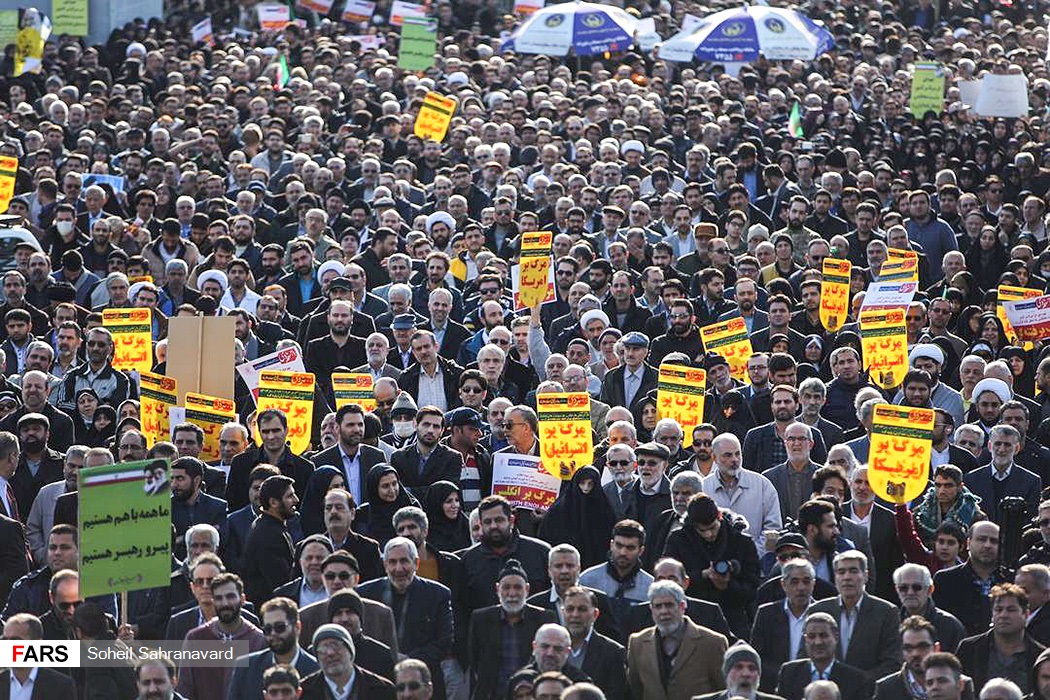
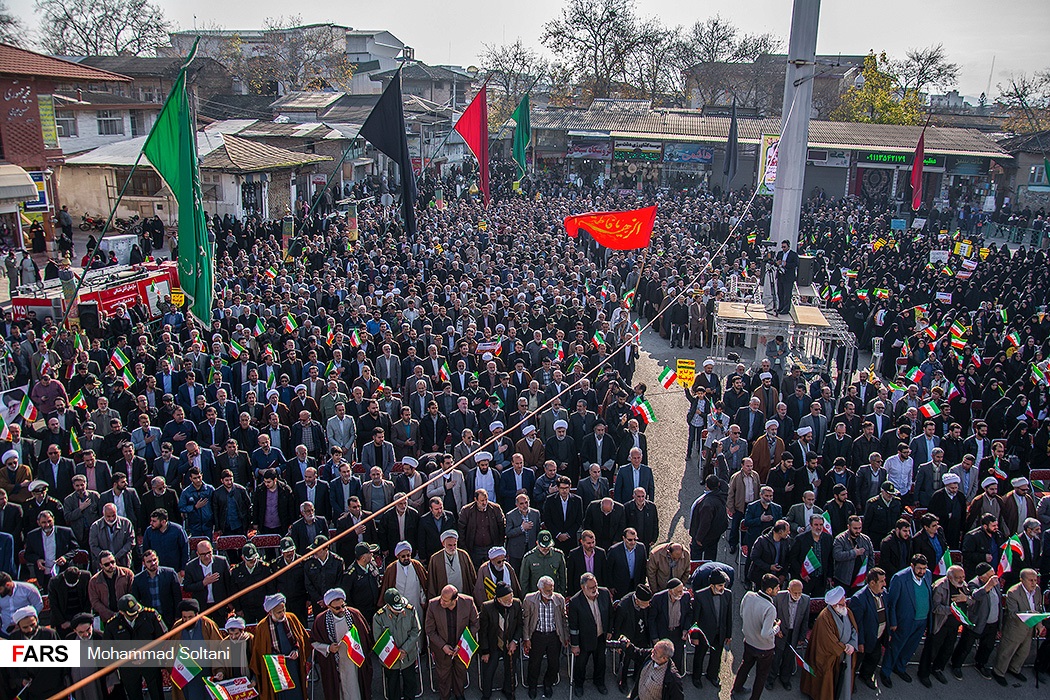
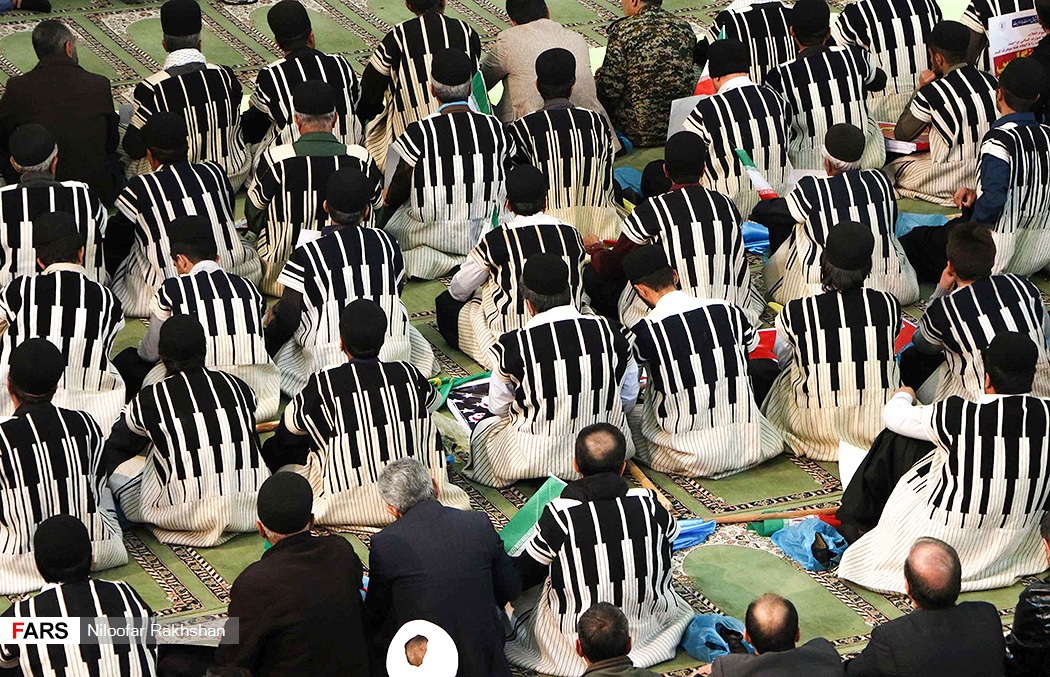
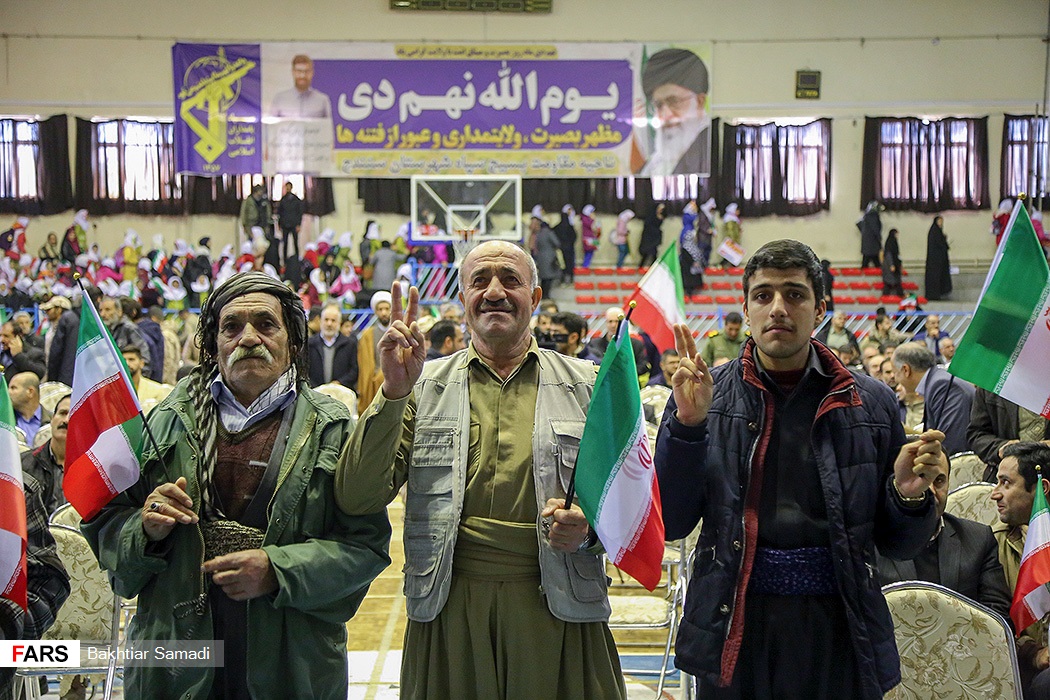
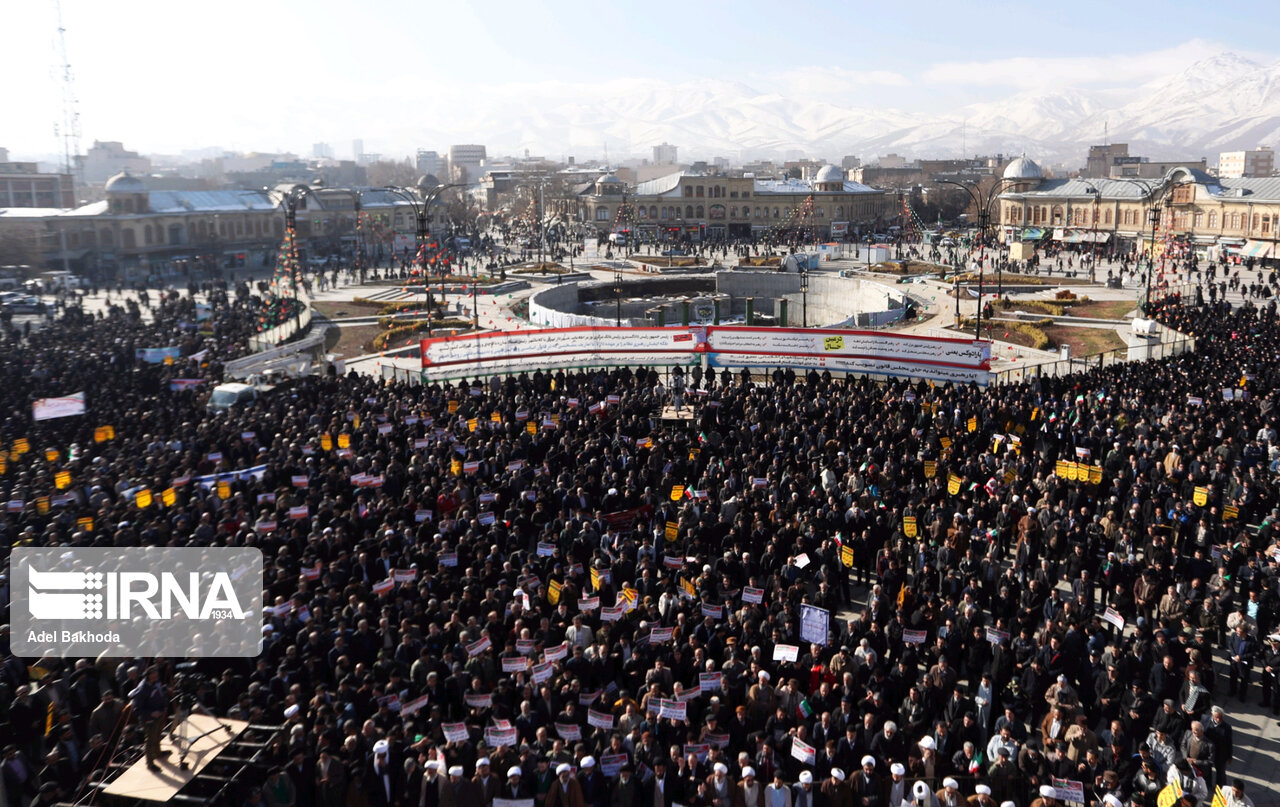
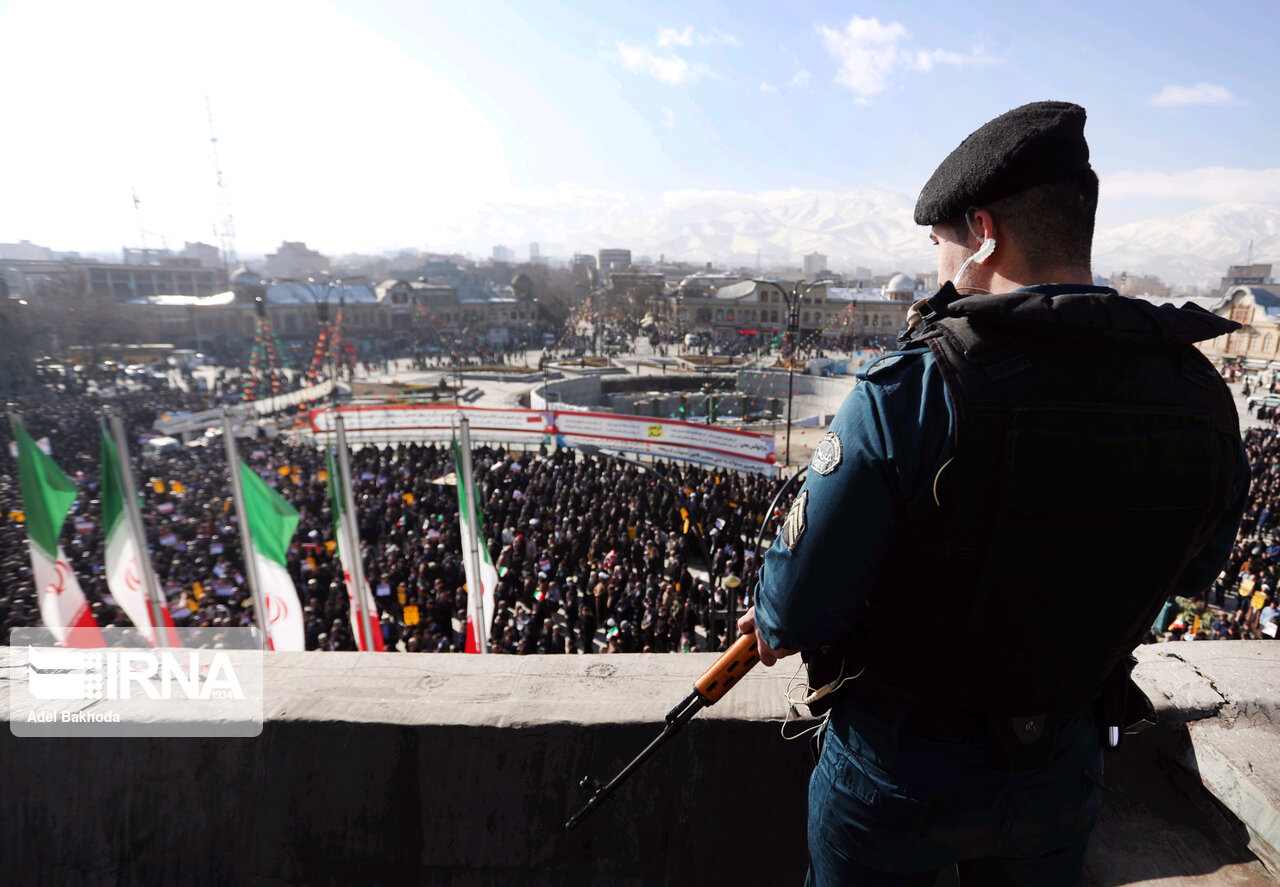
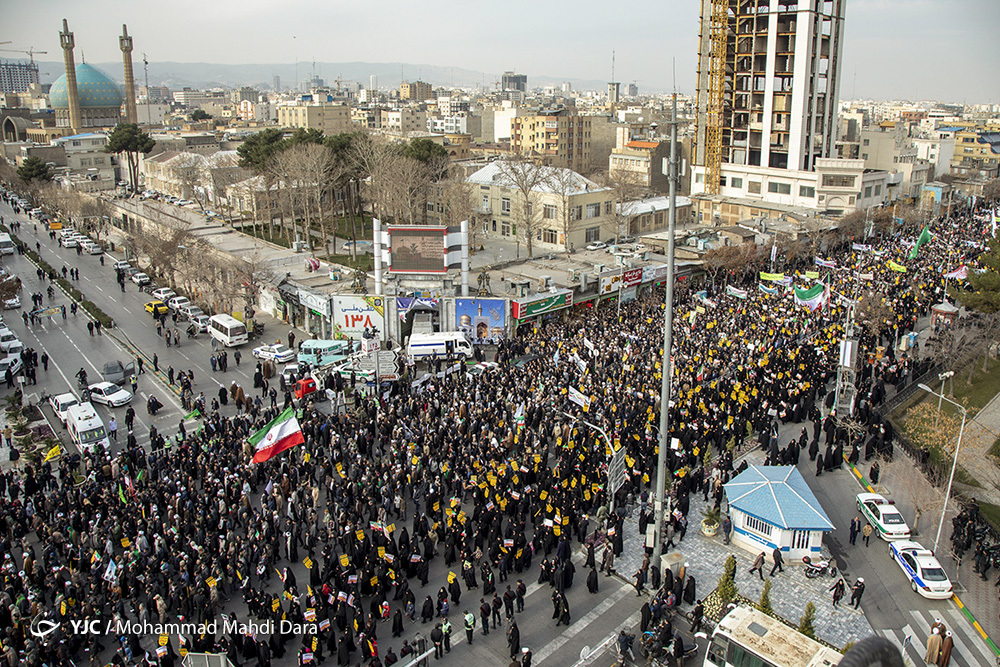
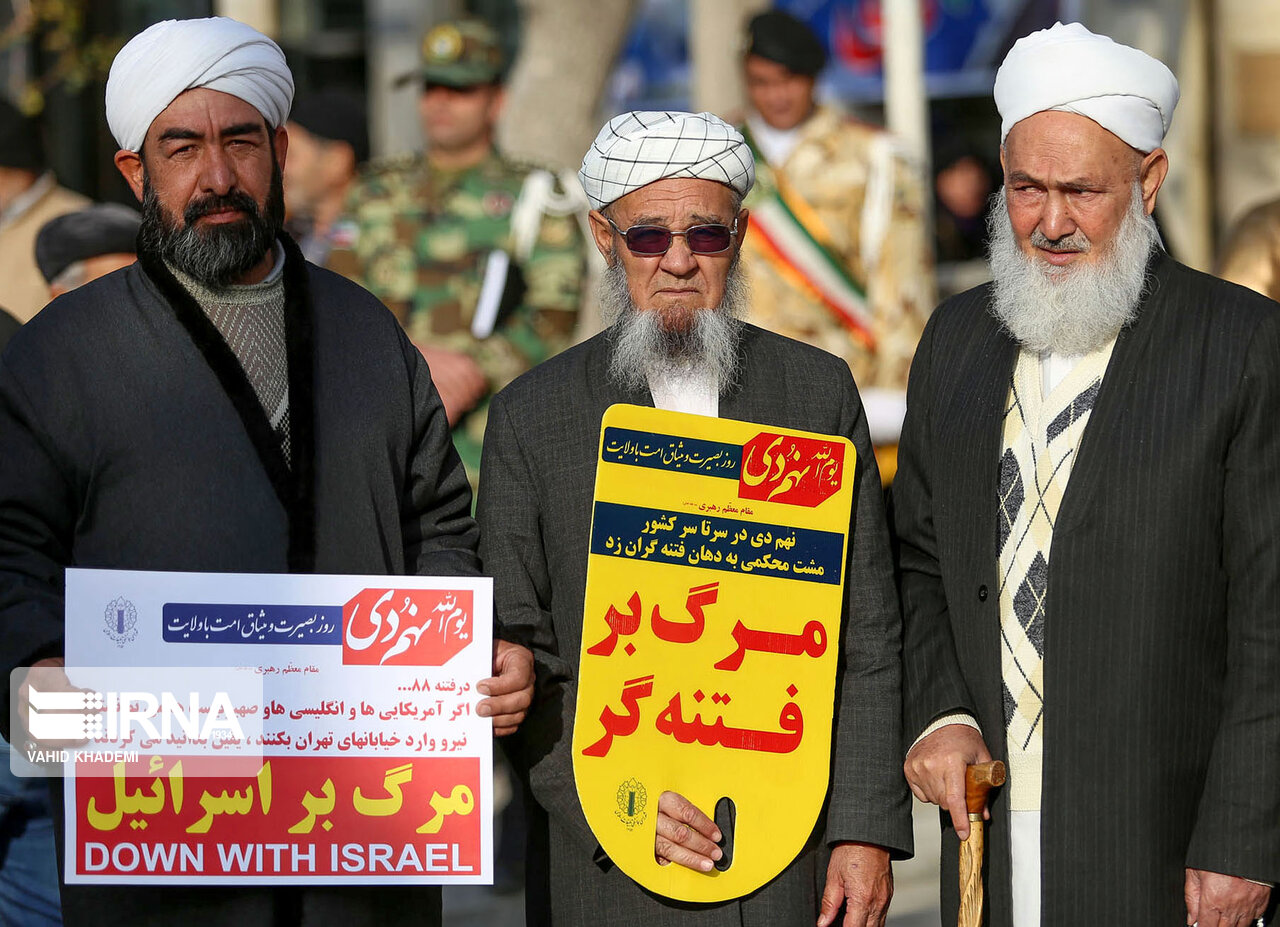
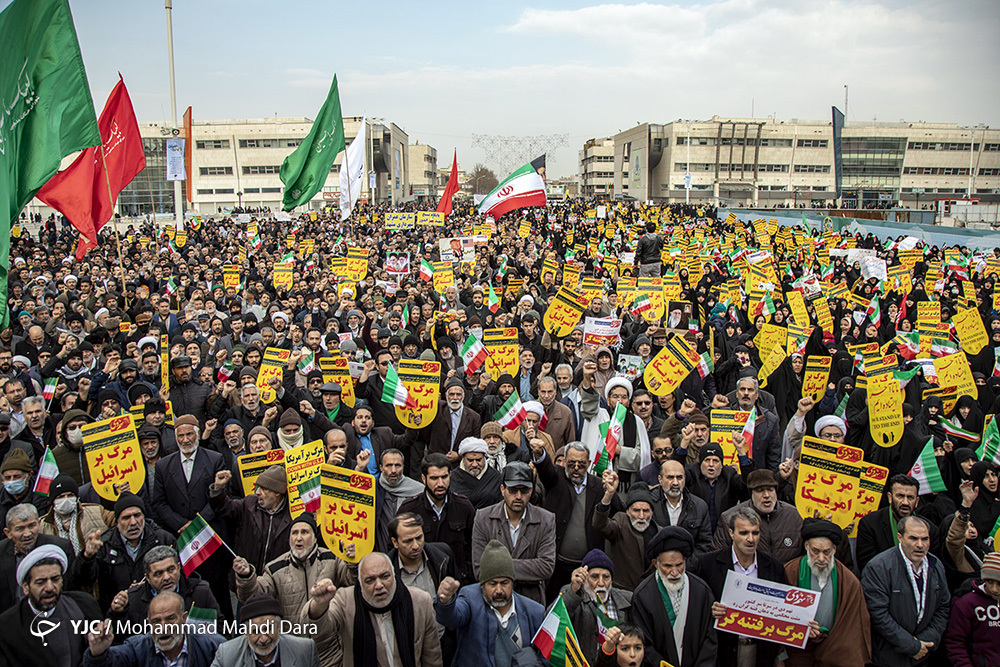
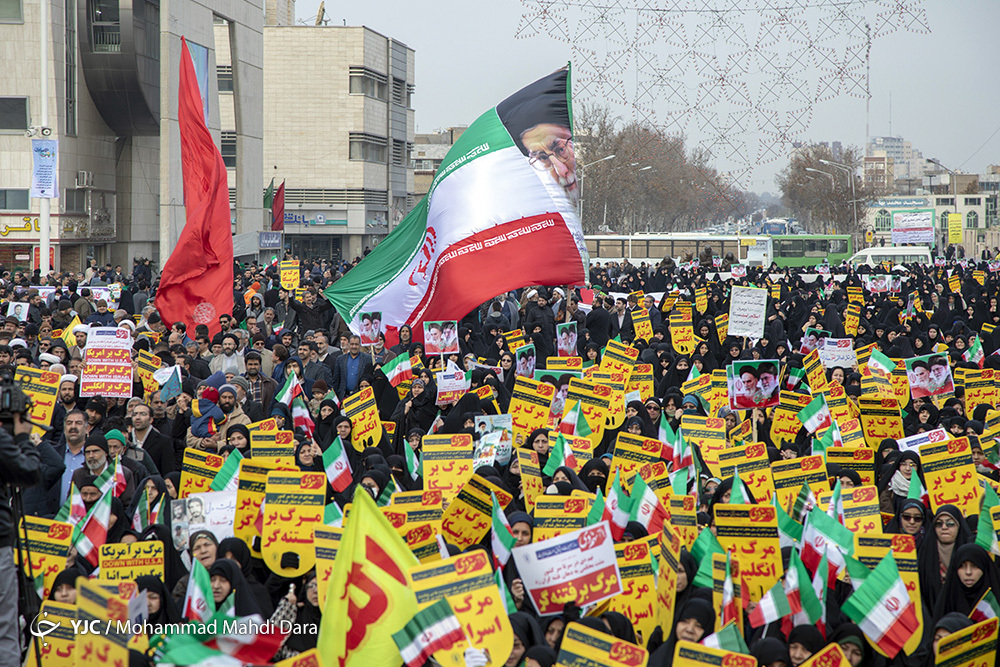
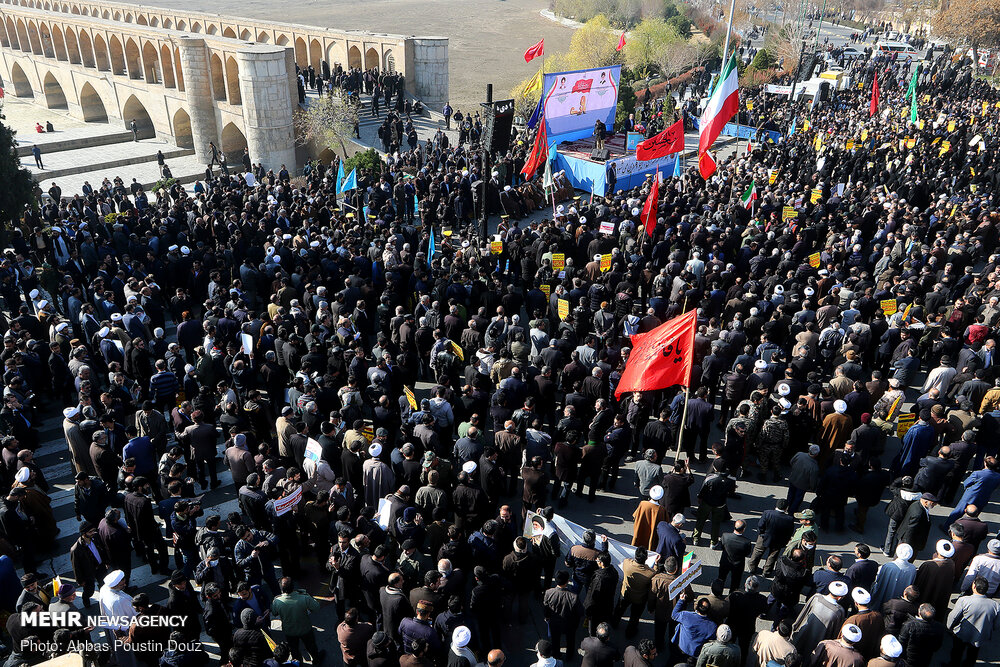
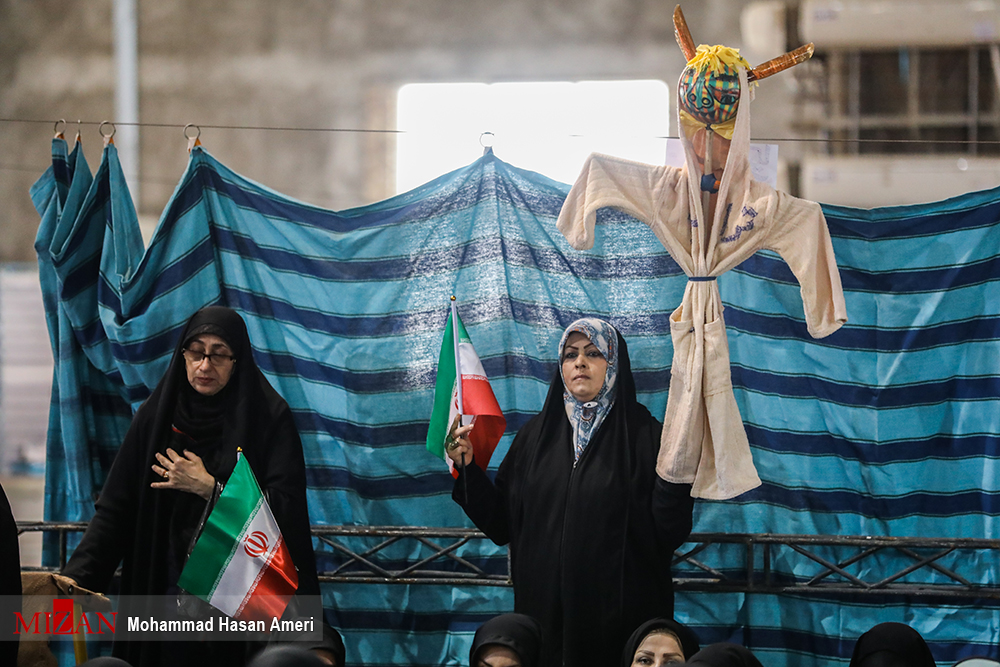
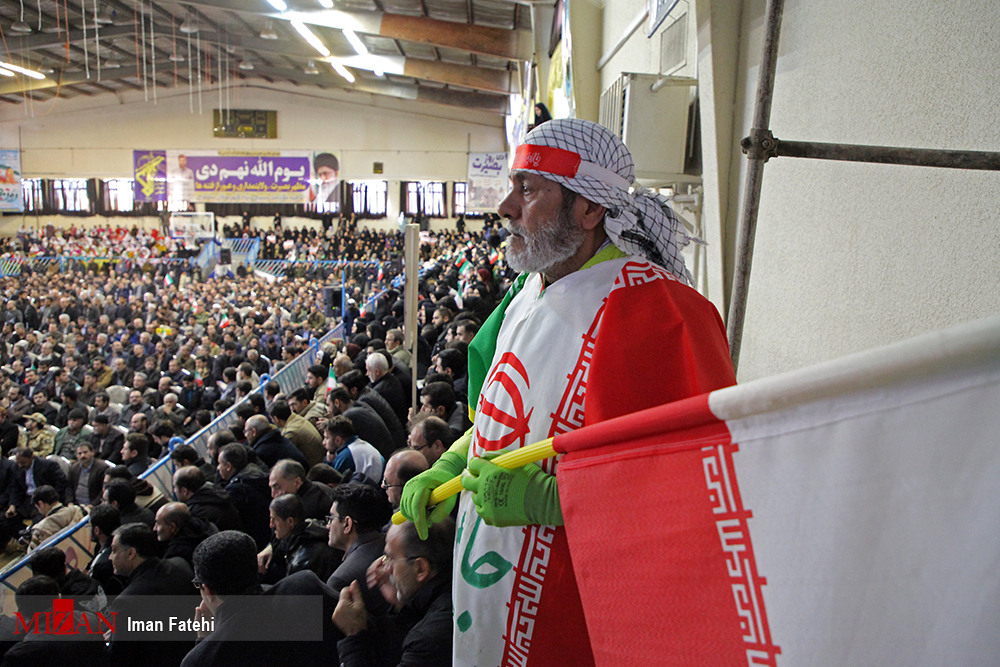
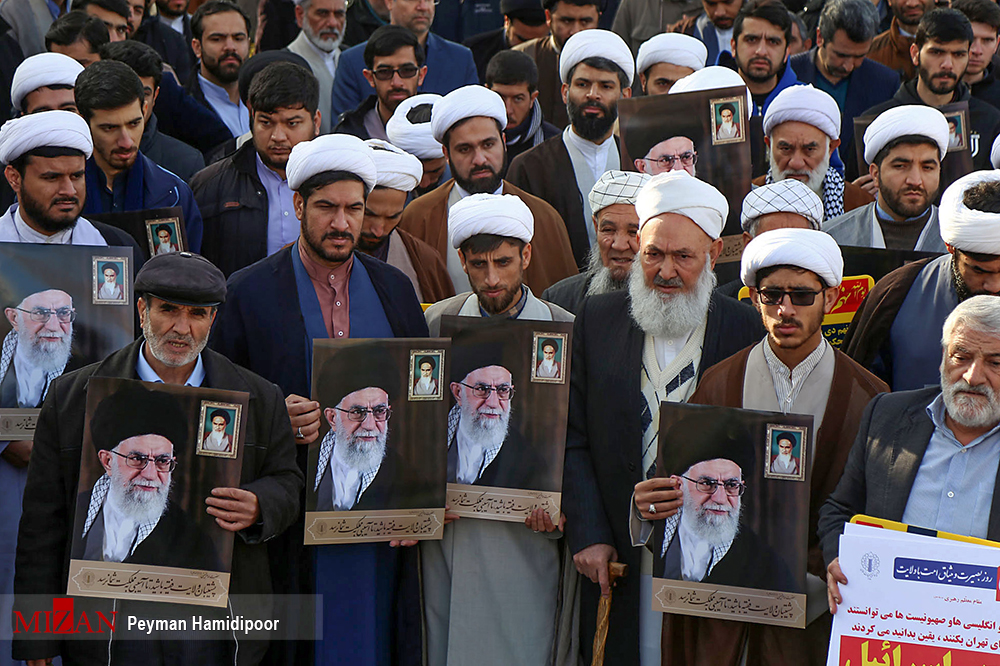
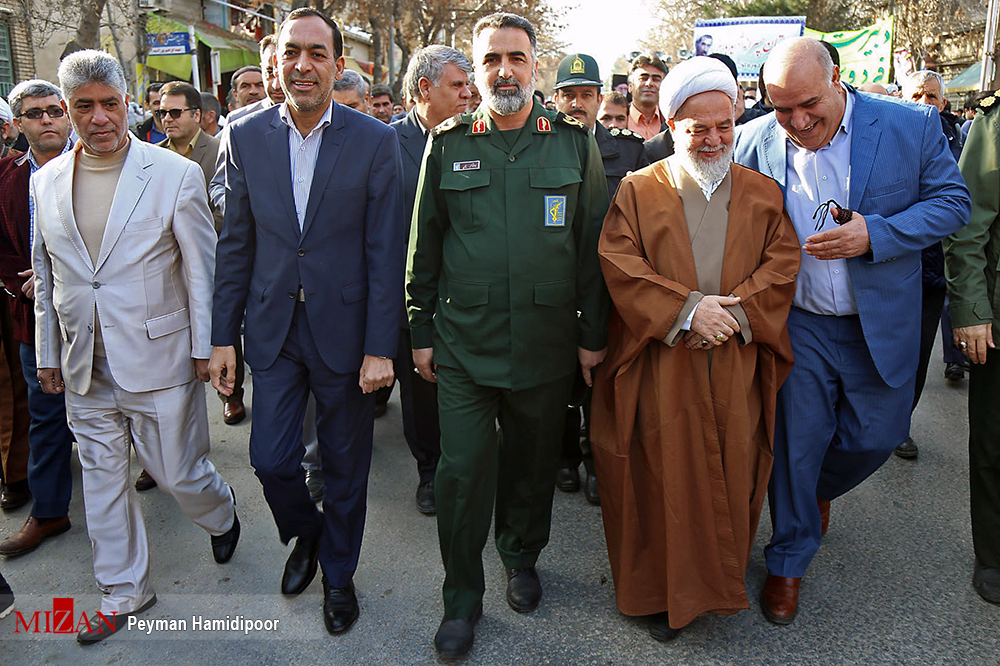
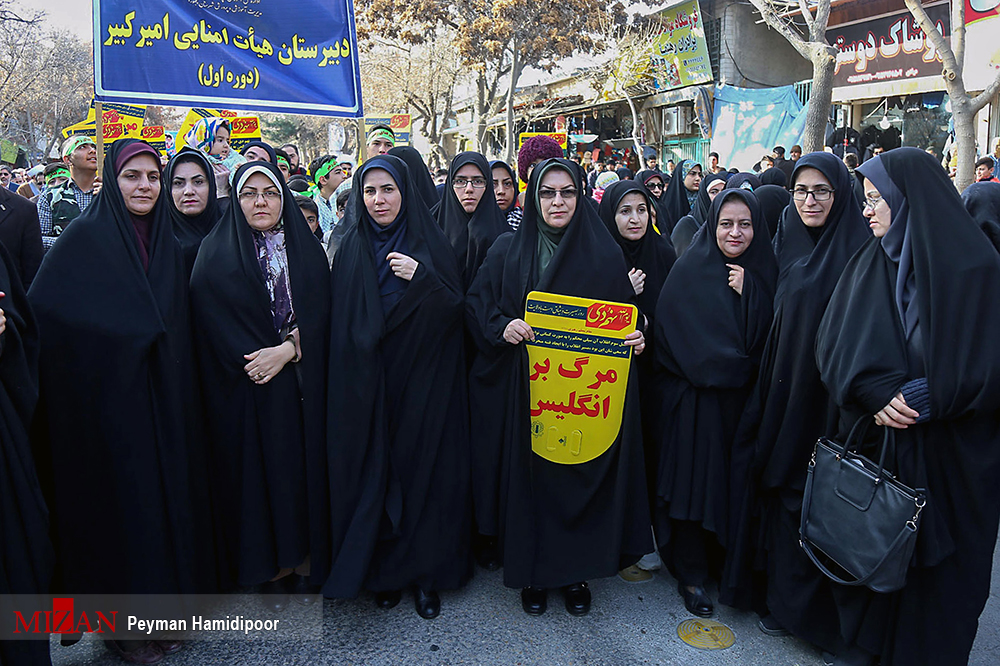
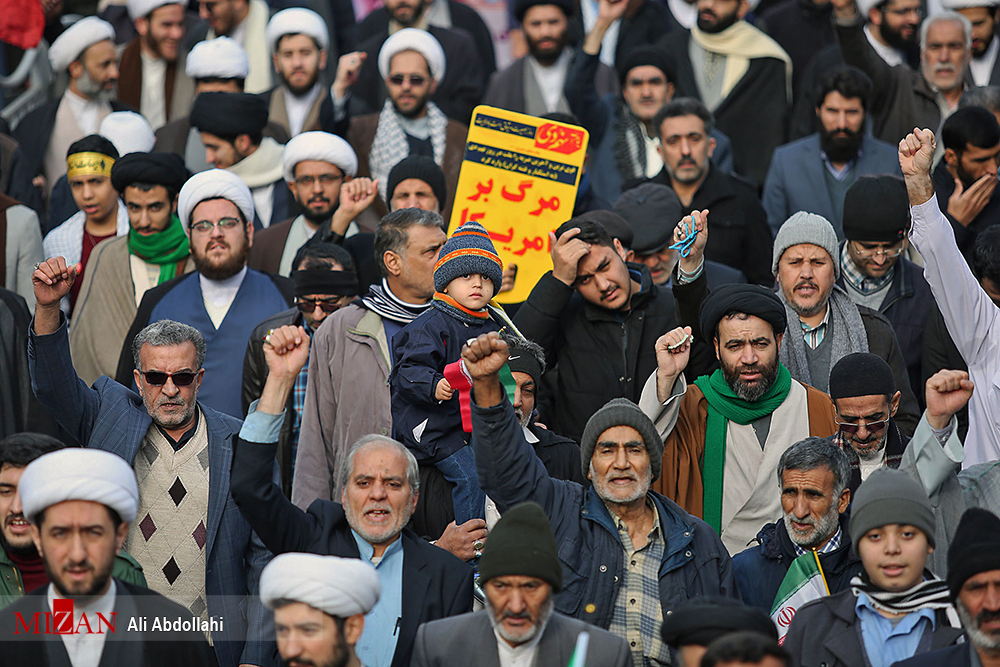
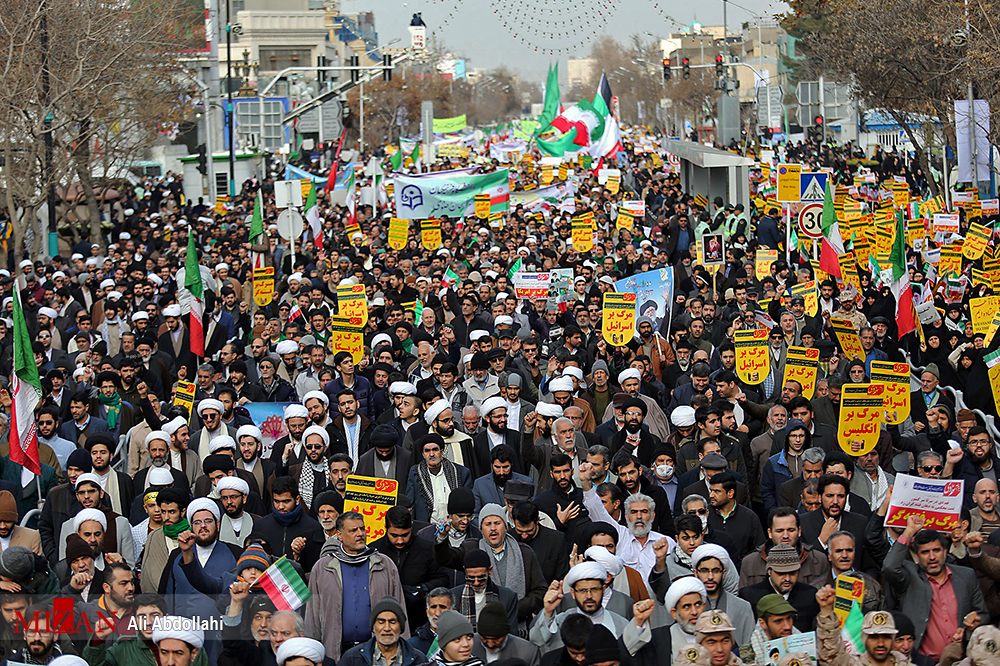
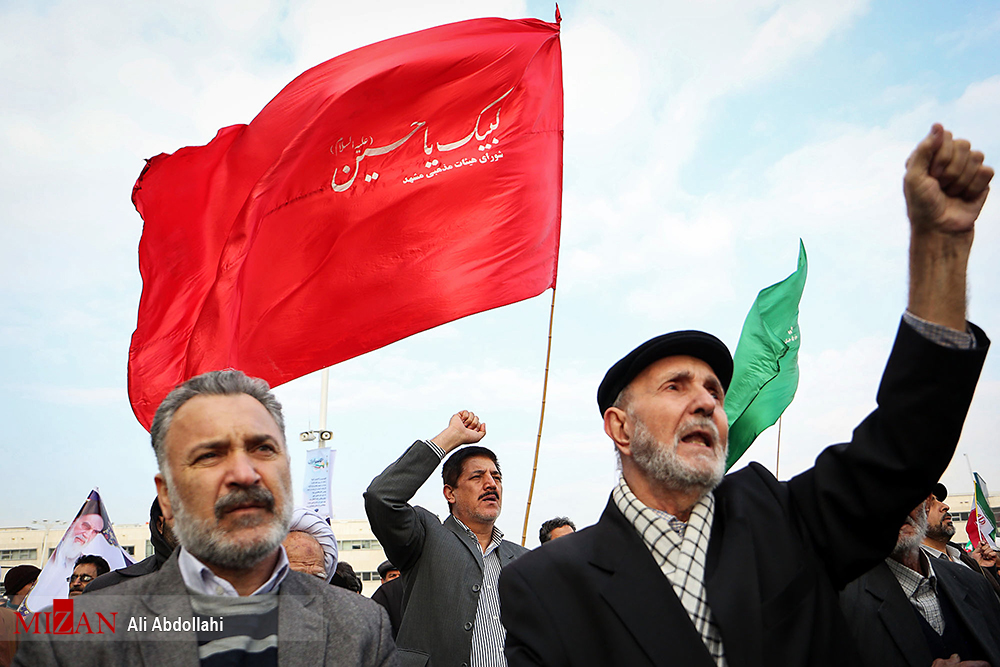
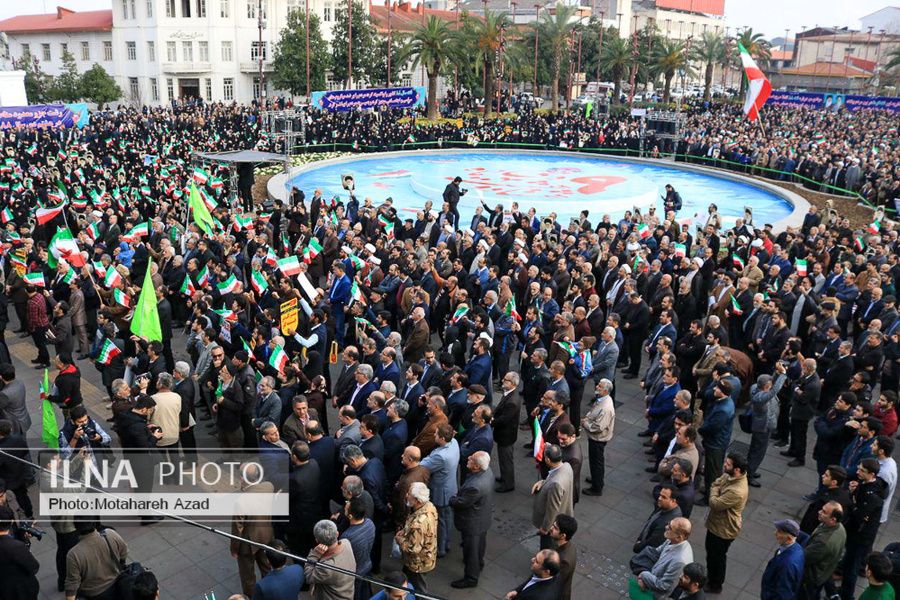
Pro-Establishment Rallies Held in Iran to Mark ‘Dey 9 Epic’

The December 30, 2009 mass demonstrations were held in reaction to the post-election unrest.

The 2009 pro-government rallies took place in various Iranian cities, including Tehran, Shiraz, Arak, Qom and Isfahan.

The rallies were particularly held in response to the Ashura protests, where protesters on that day did acts including “applauding, whistling, and engaging in other cheerful displays,” which was viewed as violation of a “red line” and targeting Imam Hussein (PBUH) and Ashura commemoration itself.

The demonstrations and counter-demonstrations were connected to the disputed 2009 Iranian presidential election.

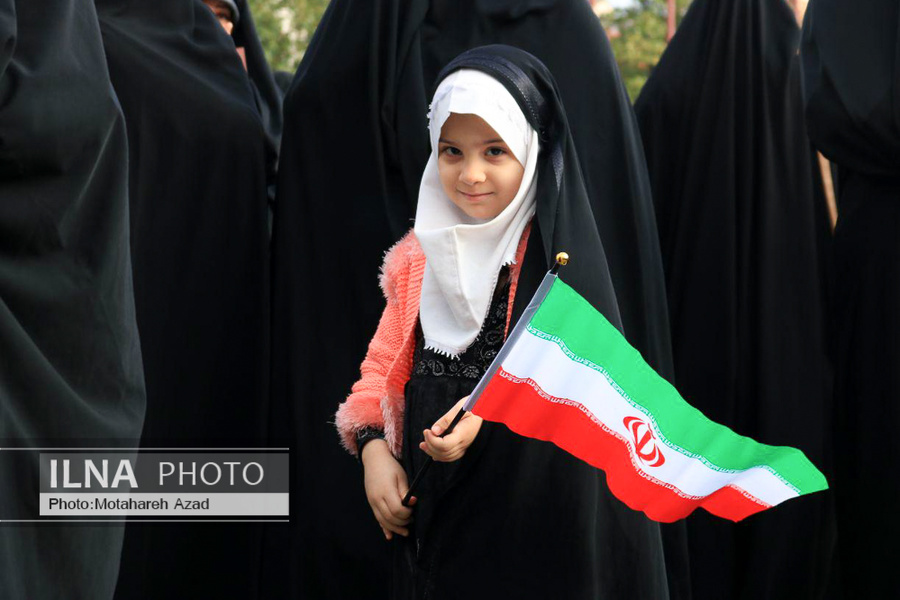
What follows are photos of the 2019 protests held across Iran:

A Look at Iranian Newspaper Front Pages on December 30

A Look at Iranian Newspaper Front Pages on November 19

Iran Newspapers

Abrar:

1- France’s Recent Moves ‘Meddlesome’, Lack Legal Basis: Iran

2- Iran-China-Russia Joint Drills Finish

3- Kuwait Appeases Iran after Controversial Meeting with Separatist Element

A Look at Iranian Newspaper Front Pages on December 30


Aftab-e Yazd:

1- What to Expect from Zarif’s New York Trip

2- Zarif’s Upper Hand [Editorial]

A Look at Iranian Newspaper Front Pages on December 30


Donya-ye Eqtesad:

1- Trump’s Soldiers in Villages

* Radicals Seeking to Establish Power in White House

A Look at Iranian Newspaper Front Pages on December 30


Ebtekar:

1- Message of Iran-China-Russia Drill: Iran Can’t Be Isolated

A Look at Iranian Newspaper Front Pages on December 30


Etemad:

1- November Protests, 2020 Parliamentary Elections

A Look at Iranian Newspaper Front Pages on December 30


Hamshahri:

1- 2019 Year of Protests

A Look at Iranian Newspaper Front Pages on December 30


Javan:

1- Christmas of Protests and Strikes in France

2- Girl Who Broke Iran’s Clean Sheet Record: Brilliant Future Awaiting Iran’s Women Football

A Look at Iranian Newspaper Front Pages on December 30


Kayhan:

1- Barham Salih Returns: Political Groups Agree on Early Elections

2- Mass Killings in US at Highest Level in 50 Years

A Look at Iranian Newspaper Front Pages on December 30


Mardom Salari:

1- Return of Iraq President to Baghdad

2- Zarif to Visit Moscow, and Then New York

3- Wilmots Sues Iran at FIFA

A Look at Iranian Newspaper Front Pages on December 30


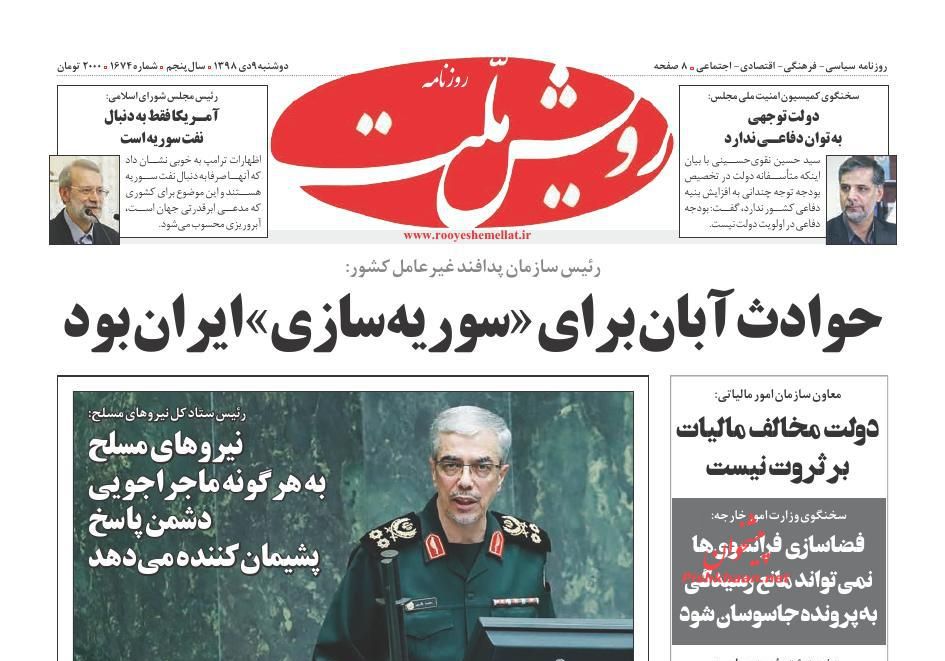
Rooyesh-e Mellat:

1- November Unrest Aimed at Turning Iran into Syria: IRGC General

2- Iran’s Response to Any Adventure by Enemies Will Make Them Regret: Top General

A Look at Iranian Newspaper Front Pages on December 30


Sazandegi:

1- Zarif’s Mission in New York

A Look at Iranian Newspaper Front Pages on December 30


Shargh:

1- It’s No Surprise to See a Populist’s Victory in Next Elections: Analyst

2- Tehran-Paris: Return to the Past

3- Mediators with Little Impact on Iran-US Ties [Editorial]

A Look at Iranian Newspaper Front Pages on December 30

Iranian, Russian Foreign Ministers Hold Talks in Moscow

Iranian, Russian Foreign Ministers Hold Talks in Moscow

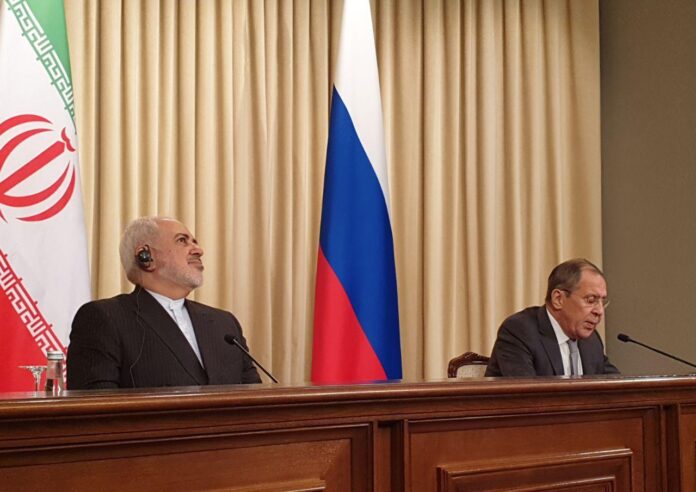
Foreign Minister Zarif, who has travelled to Russia at the head of a political delegation, held a meeting with Minister of Foreign Affairs of the Russian Federation Sergei Lavrov in Moscow on Monday.

In the meeting, the top Iranian diplomat highlighted the close and strategic relations between the two countries, saying, “In this delicate situation, the relations between Iran and Russia are at the highest level, and Iran is determined to enhance and deepen these relations.”

“Unlike the others who fuel insecurity and belligerence, Iran and Russia seek stability and security in the region and the world, and the both countries have similar and parallel regional initiatives,” Foreign Minister Zarif added.

He also described the joint naval exercise among Iran, Russia and China as an act of cooperation for peace, adding, “The two countries (Iran and Russia) will continue cooperation at all levels.”

For his part, Lavrov pointed to Foreign Minister Zarif’s “very timely” visit to Moscow, noting, “We have common views about many regional and international issues, and the peaceful initiatives of the two countries confirm this.”

Lavrov also said the US’ unilateral and illegal withdrawal from the JCPOA was in breach of the United Nations Security Council Resolution 2231, stressing that all parties should try to save the JCPOA and prevent its collapse.

The other topics discussed in the meeting between Zarif and Lavrov included various issues relating to the bilateral ties between Tehran and Moscow, and the regional issues such as the situation in the Persian Gulf, Syria, and Afghanistan.

Following the meeting, the two sides also held a joint press conference.

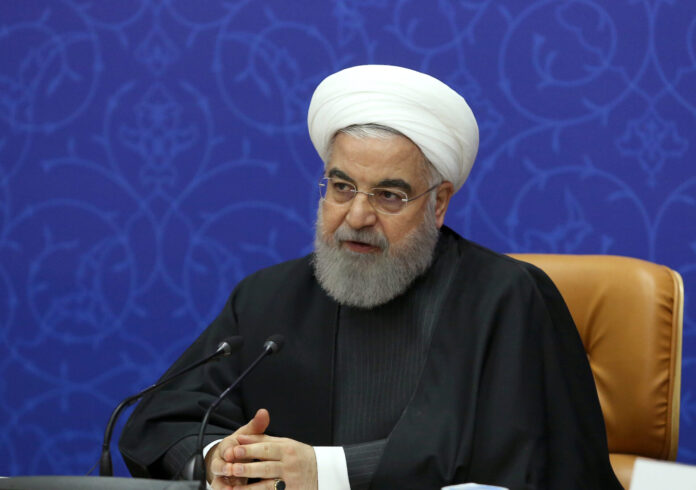
US Knows Iran Will Not Surrender: President Rouhani

Hassan Rouhani - President of the Islamic Republic of Iran

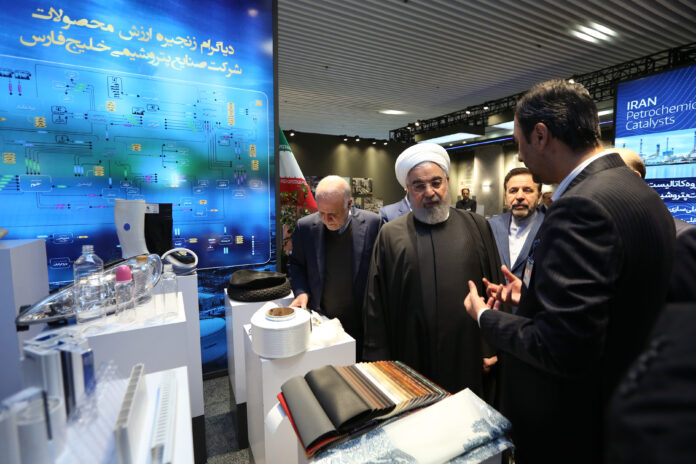
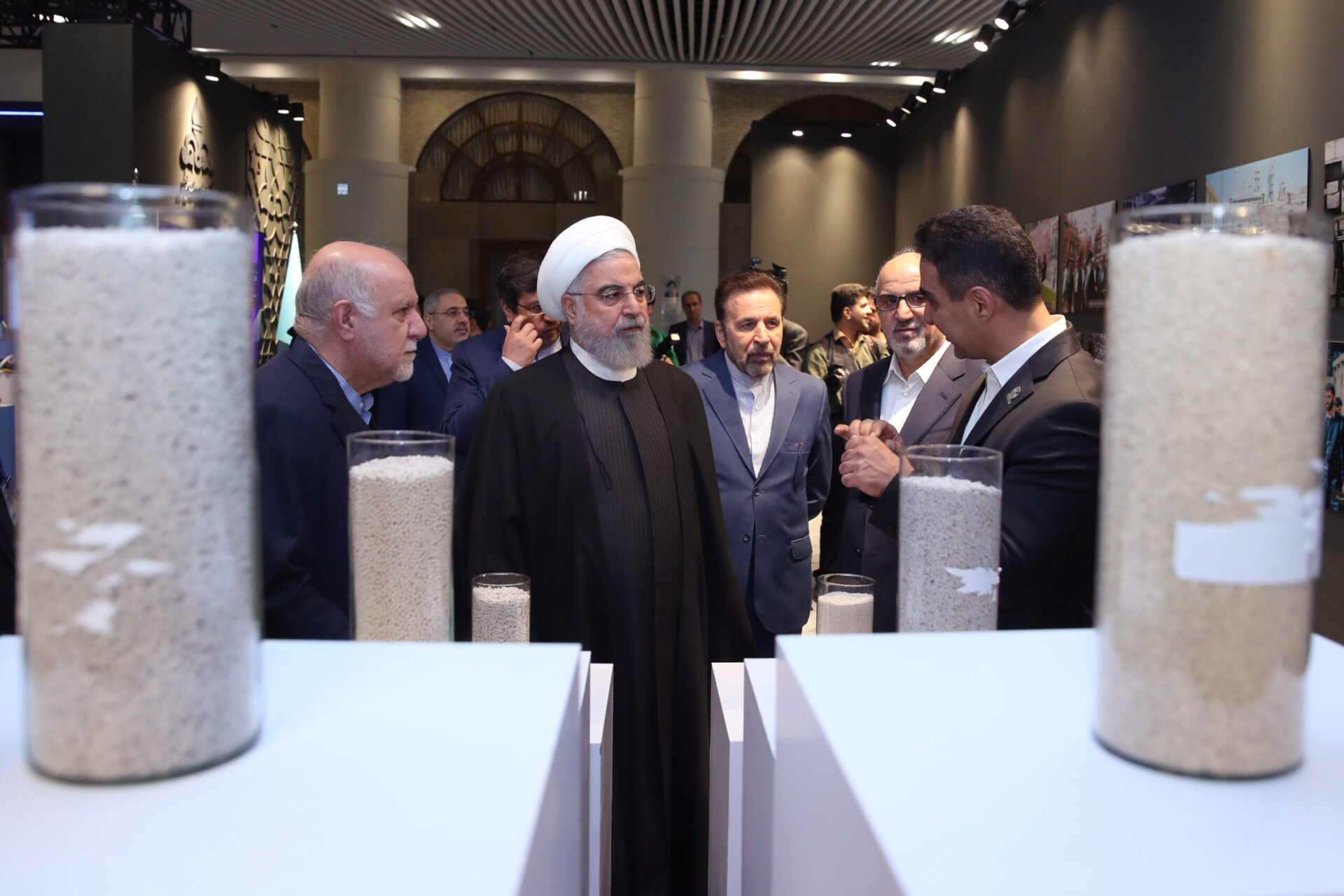
“Our enemies have realized that they cannot bring us to our knees through maximum pressure. Their entire goal was to get us to the negotiating table so that we resign ourselves to whatever demand they have, but this is impossible in our Islamic Iran,” the president noted during a visit to an exhibition of the country’s petrochemical achievements.

Referring to criticisms levelled at him over his administration’s failure to keep its campaign promises, Rouhani said “we made those promises at the time of peace whereas now we are under war conditions. Since 2018 they started a full-scale, atrocious economic warfare against us.”

Rouhani went on to say that “they further wanted it to be a political and legal warfare, but they were unsuccessful.”

“They wanted the United Nations and international institutions to condemn us, but they did not succeed. Nor shall they achieve their aims in their economic warfare.”

Referring to his administration’s international negotiations, the president said “all the world leaders we meet quote Americans as saying that their calculation was not correct.”

“They [the US officials] calculated that they would pressurize Iranian people into taking to the streets and rebelling against their political system, and that the people would invite them to Iran, rolling out red carpet for them. That shows their maximum ignorance and miscalculation,” he noted.

“Our people understand well who puts pressure on them. Had we waged the warfare, we could be questioned and criticized, but we well delivered our commitments [under JCPOA].”

“On the road to success the main factor has been the brave, informed and vigilant presence of Iranian people. They distinguished their pathway, and the foe from the friend. All those means of propaganda could not deviate our nation,” Rouhani noted.

Describing the Iranian entrepreneurs and industries, especially petrochemical industry, as “the commanders of the economic frontline”, Rouhani said “they came to the frontline after the enemies figured that the reduction of Iran’s crude oil revenue would disturb our foreign exchange earnings.”

Iran Strongly Condemns US Terrorist Attack on Iraq

Iran Condemns US Oil Deal with Syrian Kurdish Group

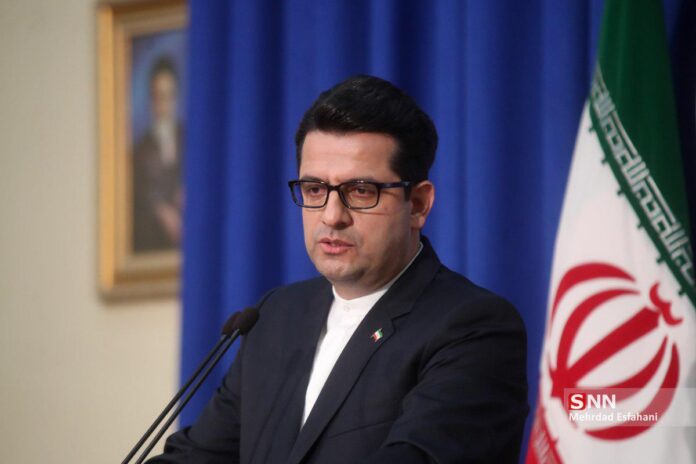
In a statement on Monday, the Foreign Ministry spokesman condemned the American military strike on the Iraqi soil and against the Popular Mobilization Forces (also known as Hashd al-Shaabi) positions as a brazen example of terrorism.

Mousavi also called on the US to respect Iraq’s independence, sovereignty and territorial integrity, and to stop interfering in the internal affairs of the Arab country.

Slamming Washington’s false claims about fighting against terrorism, the Iranian spokesperson said, “The attacks once again proved the US’ false claim about fighting against the Daesh (ISIS) Takfiri group, since the United States has struck the positions of the forces who have dealt heavy blows to the Daesh terrorists over the past years.”

“The US has demonstrated its decisive support for terrorism and disregard for the independence and sovereignty of nations by launching these attacks, and it must accept the responsibility for the consequences of such illegal measure,” the Iranian diplomat underlined.

The presence of foreign forces in the region would create insecurity, convulsion, and crisis, the Iranian spokesperson noted, adding, “The US must end its occupier-style presence (in the region).”

He finally reaffirmed the Islamic Republic of Iran’s support for the independence, territorial integrity, and sovereignty of Iraq, and expressed sympathy with the families of those martyred and wounded in the US’ terrorist attack on Iraq.

Mousavi’s comments came after the United States military carried out strikes in Iraq against PMU forces. The air strikes targeted positions of Kataib Hezbollah Brigades affiliated with PMU near the western al-Qaim district on the border with Syria.

At least 27 people have been killed and 51 wounded in the attacks, according to a PMU statement.


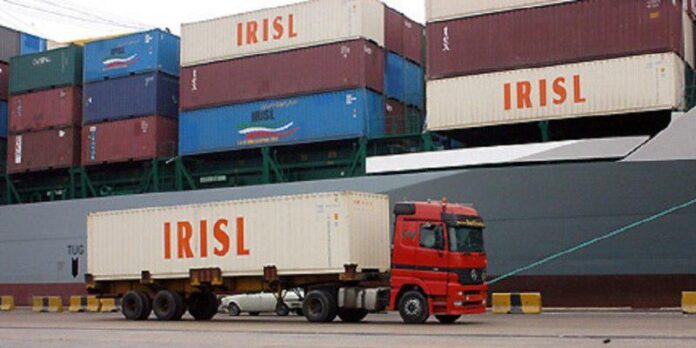
Iran Says Barriers to Transit Ties with Neighbours Removed

Iran Eyes Resumption of Border Exchanges with Neighbouring Countries

Mohammad Eslami further noted that a protocol has been signed with Kazakhstan and Russia and one of its goals is the export and transit of livestock and agricultural products.

Referring to Iran’s accession to the Eurasian Union, Eslami said some facilities are taken into consideration for investors, and given the preferential tariffs, there is a good opportunity for economic operators.

He also said the government’s strategic plan is being implemented in collaboration with the ministers of economy and tourism.

Eslami made the comments during his visit to Mazandaran province where he launched a road connecting Amir-Abad to Rostam-Kola.

Referring to the issue of investment in ports, Eslami said, “The private sector has welcomed the investment in the ports, especially in Amir-Abad which is to become a free zone.”

“The port of Amir-Abad has a special position in the north-south corridor, and we should consider that different modes of transport in the form of a chain harmonise the transit process.”

“Using the Amir-Abad wharf and having access to roads and railways, more than six million tonnes of farming products in Mazandaran province will find the chance to be exported through the north-south corridor,” maintained Eslami.

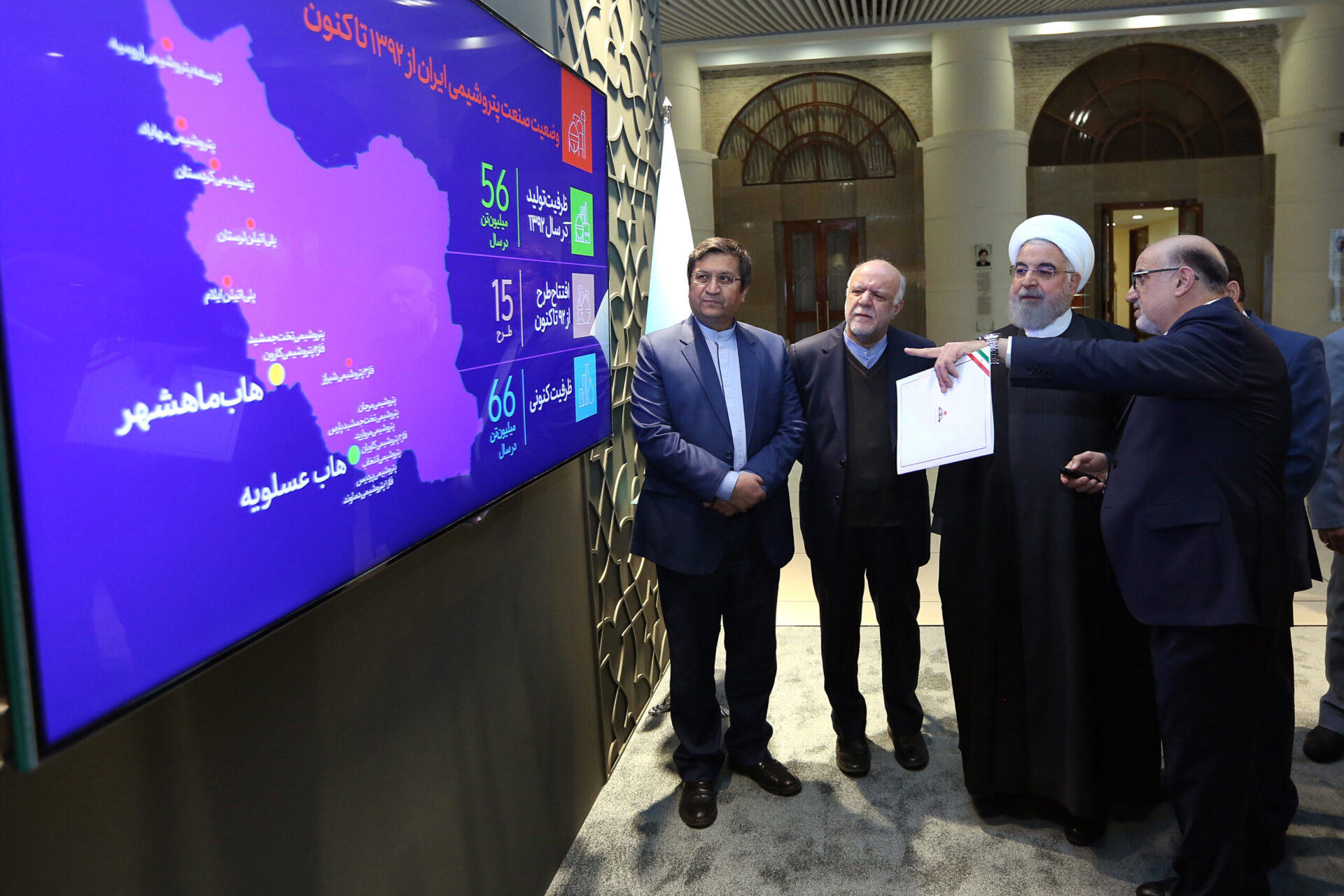
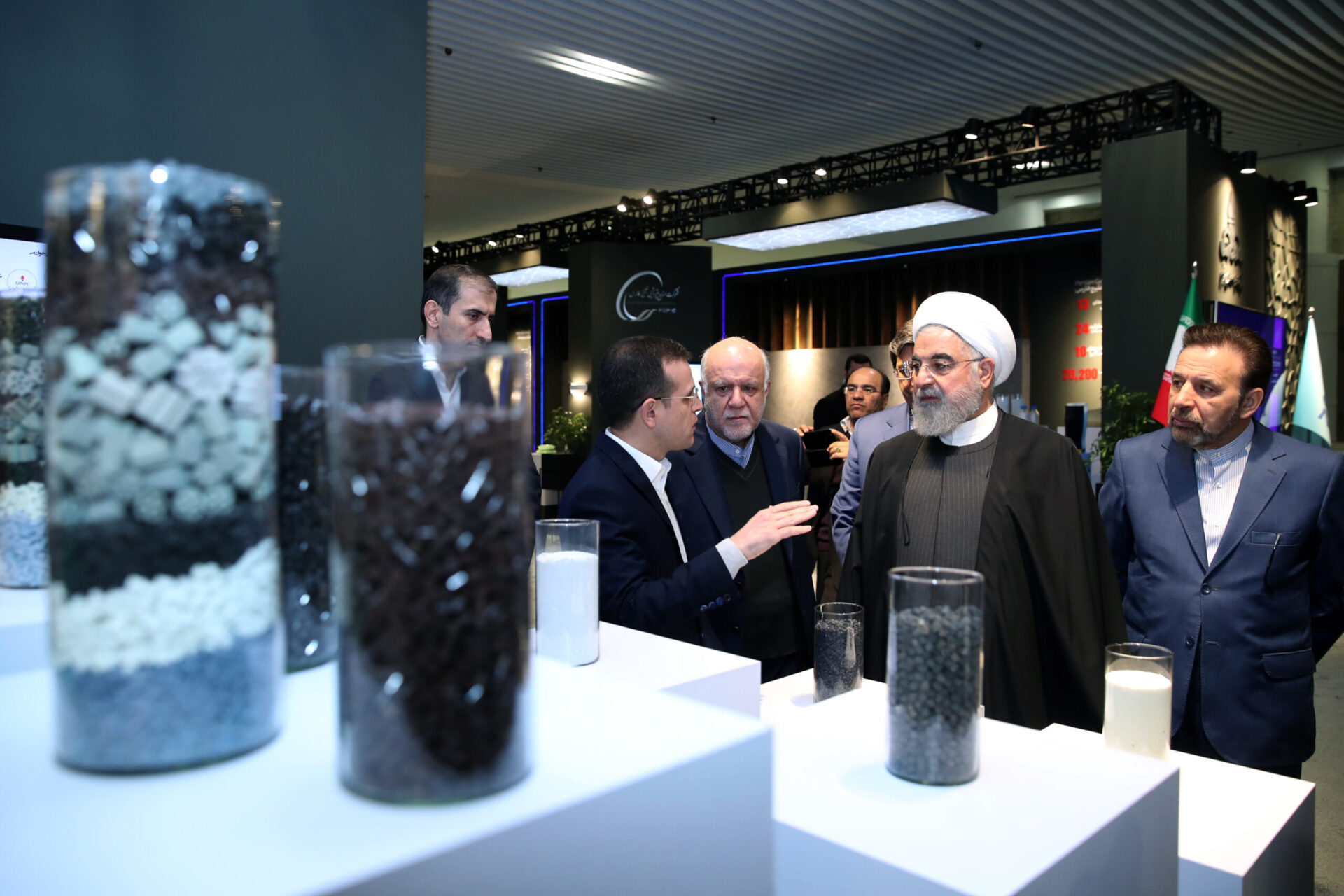
Rouhani Visits Exhibition of Iran’s Petrochemical Achievements

Rouhani Visits Exhibition of Iran’s Petrochemical Achievements

The exhibition kicked off in celebration of the Iranian Petrochemical Industry Day on Monday morning.

Following the exhibition, exemplary petrochemical companies were rewarded in a ceremony attended by the Iranian president.

Addressing the ceremony, Rouhani said the country plans to turn into the region’s top petchem producer through a great leap in coming years.

“Currently, our petchem industry’s revenue is some $17 billion, which will be increased to $25 billion by 2021 and $37 billion in the next phase,” Rouhani noted.

Iran has kept selling its petrochemical products despite the US sanctions on the country’s exports.

The United States imposed its inclusive sanctions on Iran’s oil sale in November last year, months after Washington withdrew from an international agreement on the country’s nuclear program.

Government officials believe the sanctions, which were toughened in May, have caused a major boom in the downstream sections of the oil industry where Iran had normally lagged behind in terms of investment and production over the past decades.