Thursday, April 9, 2026
Home Blog Page 2920

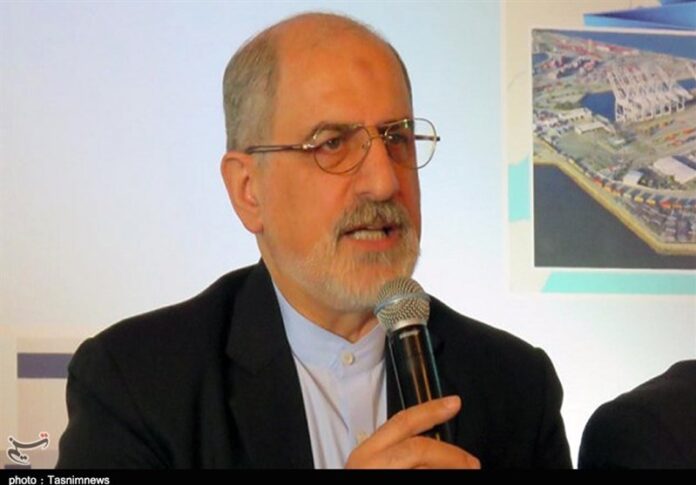
Coronavirus Considered as H1N1 in Iran for Long Time: Deputy Minister

According to the Iranian official, many of the cases were thought to be H1N1, so it was thought to be flu. That was the time when China had not announced the spread of the virus yet.

“Of course, we should have acted more watchfully. I think we were a little late in the announcement because we did not know it is coronavirus,” added Malekzadeh.

Here are excerpts from Dr Iraj Malekzadeh’s televised interview about the Coronavirus outbreak in Iran and the world:

We are nearing the peak of the corona epidemic. It is a global pandemic and a highly contagious infection. Fortunately, more than 85 percent of people who get the disease do not feel it because they have minor symptoms. People get well without knowing it. Many people may have been infected and gotten well. So they are not susceptible to reinfection.

Q: It’s been said if anyone gets infected they can be reinfected.

A: I can say for sure when people get it once they are safe. We get rid of the virus when 55 to 70 percent of people get infected. That’s because we always have gatherings in our country and people gather in different places on different occasions. Therefore, we will have a wide spread of this in Iran. We do hope that the peak will be gradually past. This is a disease that we can overcome. We have a lot of fatalities and it is unavoidable, but our health system in the whole country is under pressure right now. Fortunately, we have physicians and specialists in all parts of the country. We currently have more than 45,000 specialists across the country serving people with over 150,000 hospital beds. We can also take care of the people who need hospitalisation and treatment.

Q: You mentioned that the disease had been around for almost two months. There were reports that respiratory diseases had increased dramatically in Qom in the last two and three months. Has there been any negligence in this regard?

A: Well, the virus had spread in China long before Beijing announced it. Even if they knew they didn’t announce it, because the moment a country announces this, a lot of trouble comes in. So I think the virus had already entered Iran; we had the flu epidemic in the country at the same time. Many of the cases were thought to be H1N1, so it was thought to be flu. This is while China had not announced the spread of the virus yet. Of course, we should have acted more watchfully. I think we were a little late in the announcement because we did not know it is coronavirus. We had extensive communication with China and there was a lot of traveling. When it is announced late in China, the virus enters Iran and during this time is regarded as the flu. As you mentioned, we had this respiratory disease, especially in the holy city of Qom and some other cities, but we all considered it as flu. When we got closer to the peak and China announced its tests and kits arrived in Iran, we announced its outbreak.

Q: A Chinese official told one of our country’s officials that this was a US biological war against China, but the details cannot be explained more. Do you confirm this?

A: Our estimates do not show such a thing. In fact, we had other epidemics, whether in the past 20 to 30 years or in the far past. If this is a biological war, the US itself will be most affected by the virus. Perhaps one of the countries that most clearly reported the number of deaths and infections was Iran. I am sure this virus exists in our neighbouring countries including Turkey and so on, but they hide it for whatever reason. The same is happening in the US and Europe. You see the situation in Italy and South Korea. This is very unlikely to be a biological war.

Q: The WHO also announced that we have the most transparent numbers. The WHO representative came to Iran. Is that right?

A: Yes, there was also a team of Chinese experts who were experienced in the field and traveled to Iran, and we had a meeting with them. We are working with the World Health Organisation and all the researchers and specialists in the world who are expert in this field. We designed numerous research programs. There is a page throughout the country and around the world called “Corona Research” that you can first screen yourself to see if you have this virus. It tells you if you have to stay home or go to the hospital. Then, we record the information of all those who have the disease so that everything that was in Iran is registered. The information is available to family members. We started several treatment projects because this is a new virus and there is no definitive cure for it. We designed several studies to find the most effective drug for this virus, especially in Iran. Today, it turned out that this virus is not one type but there are two types of the virus.

Q: How is the research going on? Are there any studies on this?

A: Yes. One of the things we do at the national level is to measure the blood oxygen level of people with shortness of breath. We do it with a device and we don’t have to take their blood. It is just enough to put a finger on it. When the blood oxygen level drops below 90 percent, it means that the person’s infection is one of the most severe ones and s/he must be hospitalised. In addition, we immediately designed some great studies; one of which is screening of the whole population. Another is to record all the patients’ information. The next point is that the blood test is very important. Via a blood test you can say if someone is infected. If the person has been infected and improved, you will understand and you don’t have to worry. We’re working hard on this.

Q: Have we achieved this?

A: Yes. Two days ago in Singapore they did a good test and we use the same experience in Iran.

Q: Do you think the warm season would weaken the virus?

A: Yes. The highest temperature for this virus is 28 and 29 degrees Celsius. When it is on the sofa and desk, it survives for a while and can be transmitted. The temperature over 30 degrees is not good for this virus. Many parts of our country may not reach this level. So what I think is very important is to avoid traveling and gatherings. Most importantly, do not be afraid and keep your spirits up. One of the things that deteriorates a mild sickness is fear and worry.


* Iraj Malekzadeh was born in the village of Baladeh in Kazeroon in 1330. But years later, he became one of the best physicians in the country. He is now one of the top one percent of Iranian scientists in the world’s medical arena. He used to serve as the caretaker of the health ministry for a while and held various research and scientific positions. The establishment of the Liver and Gastroenterology Research Centre as well as many other scientific, research and executive work are among his achievements.
US Must Answer Questions about Its Role in COVID-19 Spread: Iran

US Must Answer Questions about Its Role in COVID-19 Spread: Iran

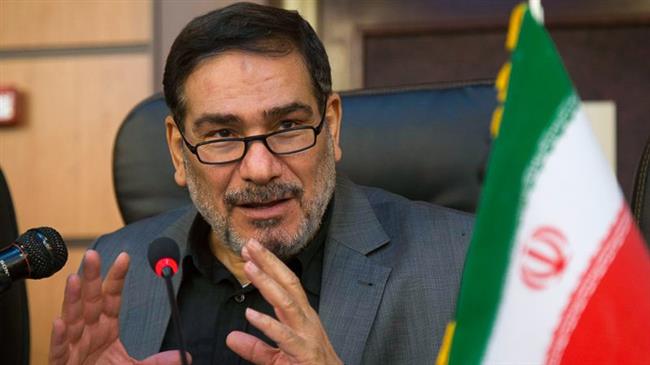
“Pinning the blame on others is the US’ usual way to evade questions. Instead of making false accusations against China and Iran, US officials should answer international concerns about the US part in producing and spreading coronavirus,” Shamkhani tweeted on Wednesday.

“The US should also answer questions regarding its crime against the Iranian people through economic sanctions,” he added.

His remarks came one day after US Secretary of State Mike Pompeo accused Iran and China of dissemination of misleading information about coronavirus, adding, however, that Washington is prepared to help Iran combat the disease.

On the same day, Donald Trump rejected China’s stand that US army might have introduced the novel coronavirus into the Chinese city of Wuhan.

‘UN Must Pass Resolution to Lift Iran Sanctions amid Corona Battle’

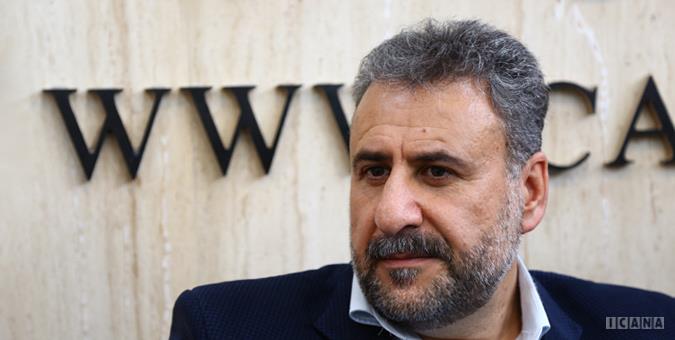
Heshmatollah Falahatpisheh, a member of the National Security and Foreign Policy Commission of Iran’s Parliament, has noted that all anti-human sanctions against Iran must be lifted so that the country can battle the deadly coronavirus.

“When it comes to a national epidemic, the case is something domestic, but when it becomes a pandemic it must be dealt with in accordance with all the conventions and the UN Charter,” he told ISNA.

“COVID-19 is now a pandemic. Accordingly, all means must be mobilised to combat the virus. Iran has the highest contagion rate for any reason. I and some other people believe it is a manipulated virus and a bioterrorist attack,” reiterated Falahatpisheh.

“However, the international community must help countries at risk to prevent the spread of the virus. This assistance is institutional and based on international law, it is not international charity. If Iran fails to confront it, the disease can easily spill over to other parts of the world.”

“Accordingly, Iran is doing its national and international duty because the international conventions have defined some obligation for countries exposed to the virus. We do our job, but the international community is not helping to take appropriate action internationally to tackle this pandemic.”

He referred to a letter written by Iran’s Foreign Minister to the IMF and the Security Council requesting for assistance, Falahatpisheh said Iran should seek through Russia and China and other Security Council member states to pass a resolution to lift all sanctions to contain corona outbreak.

“Iran should send letters through its embassies around the world to the relevant UN councils to pass an emergency resolution to lift the sanctions,” stressed Falahatpisheh.

‘US Threatening Countries Seeking to Help Iran in Fight against Corona’

“Today, the US’ name will be recorded in history as the most evil country that has imposed sanctions on our nation and does not allow us to defeat the coronavirus,” Ansari said in a televised interview on Tuesday night.

Any country that wants to help Iran to combat the disease is threatened by the US behind the scenes, he said, adding that helping Iran and working with it is legal according to UN resolutions.

“On the other hand, in a bid to pretend (to be humanitarian) and affect the public opinion, the Americans claim they would help and send doctors,” the diplomat said.

If Americans really want to do humanitarian work for the first time, the best thing to do is to stop the sanctions as Iran is combating the coronavirus, Ansari went on to say.

Medical staffs in all 31 provinces of Iran have been working tirelessly over the past weeks to contain the novel coronavirus.

First detected in Wuhan city in central China in December, the virus has spread to more than 140 countries.

More than 182,000 have been infected globally, according to the WHO. Of those, about 80,000 have recovered.

The spokesman for the Iranian Health Ministry said on Tuesday that since the outbreak of the new coronavirus (COVID-19) in the country, 988 people have lost their lives and 5,389 others have completely recovered from the infectious disease.

Kianoush Jahanpour said that since Monday noon, the total number of coronavirus cases in the country had increased by 1,178, reaching 16,169.

Iran Hails Uzbekistan’s Humanitarian Aid

Iran Hails Uzbekistan’s Humanitarian Aid

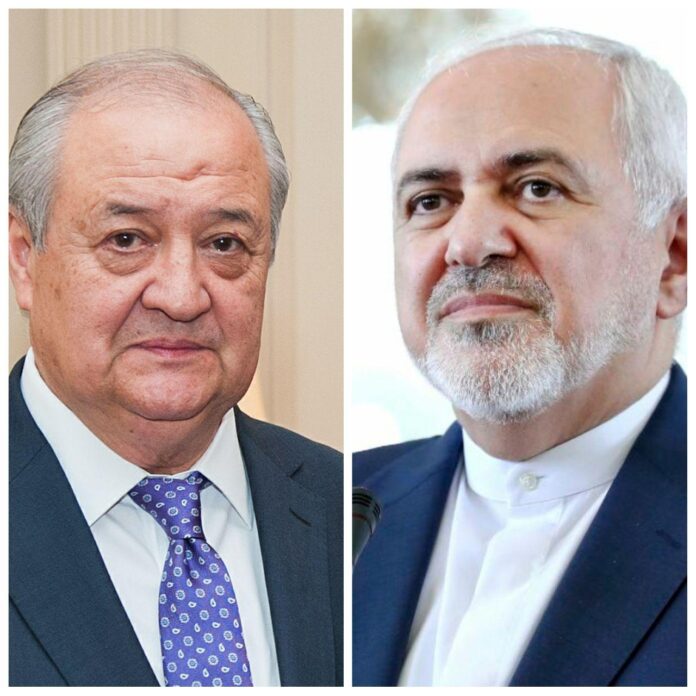
Foreign Minister Zarif and Uzbekistan’s Minister of Foreign Affairs Abdulaziz Kamilov held a telephone conversation on Tuesday evening.

In their talks, Foreign Minister Zarif expressed gratitude to the Uzbek government and nation for sending humanitarian aid to Iran.

He also stressed the necessity of countering and disregarding the illegal, unilateral and cruel sanctions that the US has imposed on the people of Iran.

South Africa Expresses Solidarity with Iran amid COVID-19 Pandemic

South Africa Expresses Solidarity with Iran amid COVID-19 Pandemic

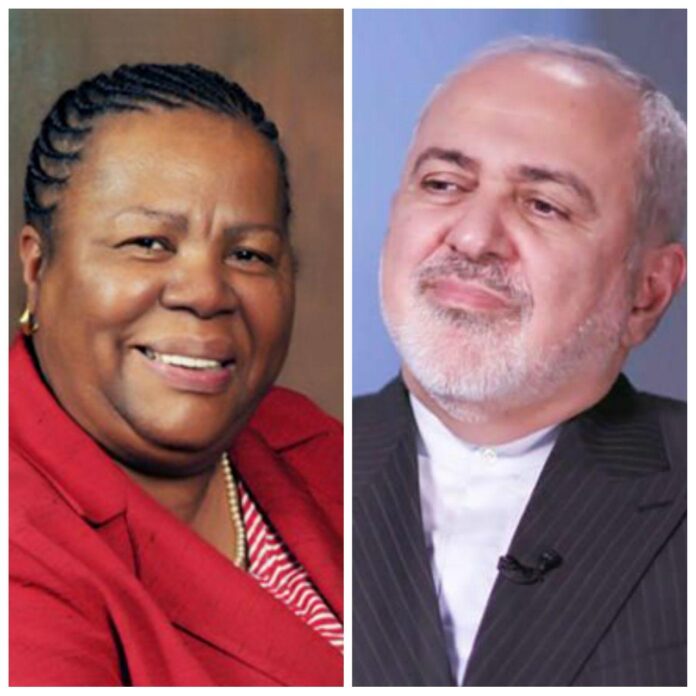
Minister of Foreign Affairs of the Islamic Republic of Iran Mohammad Javad Zarif and South Africa’s Minister of International Relations and Cooperation Naledi Pandor had a telephone conversation on Tuesday evening.

In the conversation, the South African minister expressed solidarity with Iran, and voiced her country’s readiness for cooperation with the Islamic Republic of Iran in the battle with COVID-19.

In turn, Foreign Minister Zarif appreciated South Africa’s concern, and emphasized the need to stand against and defy the illegal, unilateral and cruel sanctions that the US has imposed on the Iranian people.

Iran Leader Grants Clemency to Large Group of Iranian Inmates

Iran Leader Grants Clemency to Large Group of Iranian Inmates

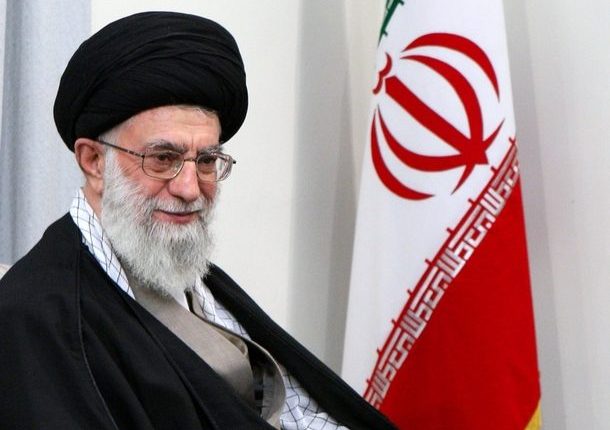
The pardon was granted at the request of the country’s Judiciary Chief Ebrahim Raisi on the occasion of Eid al-Mab’ath -the anniversary of the day Prophet Muhammad (PBUH) was chosen as God’s messenger- the Muslim festive days of Rajab, and the Nowruz festival.
In his request, the top judge had asked Ayatollah Khamenei to approve of the clemency considering the need to reduce the population of prisons, help the inmates to reintegrate into the society, and mitigate the adverse effects of imprisonment on the families of the inmates.

The status of conviction of the eligible prisoners to whom the Leader’s clemency applies must be finalized until March 18, 2020.

Article 110 of the Constitution grants the Leader the right to pardon or reduce the sentences of convicts upon a recommendation from the head of the Judiciary.

The new clemency would apply to a large population of inmates, including those who have been sentenced to more than 10 years in prison and have remained behind bars for at least half the sentence period.

Men above the age of 70 and women above the age of 60 will be also released from prison, provided that they have served at least one-fifths of their sentences.

The clemency, however, does not apply to certain types of convicts, including those who have been sentenced for their role in the armed smuggling of narcotics, arms trafficking, kidnapping, acid attacks, rape, armed robbery, bribery, embezzlement, counterfeit money forgery, money laundering, disruption of economy, and smuggling of alcoholic drinks.

Tehran Gets More Colourful for Nowruz Despite Corona Outbreak

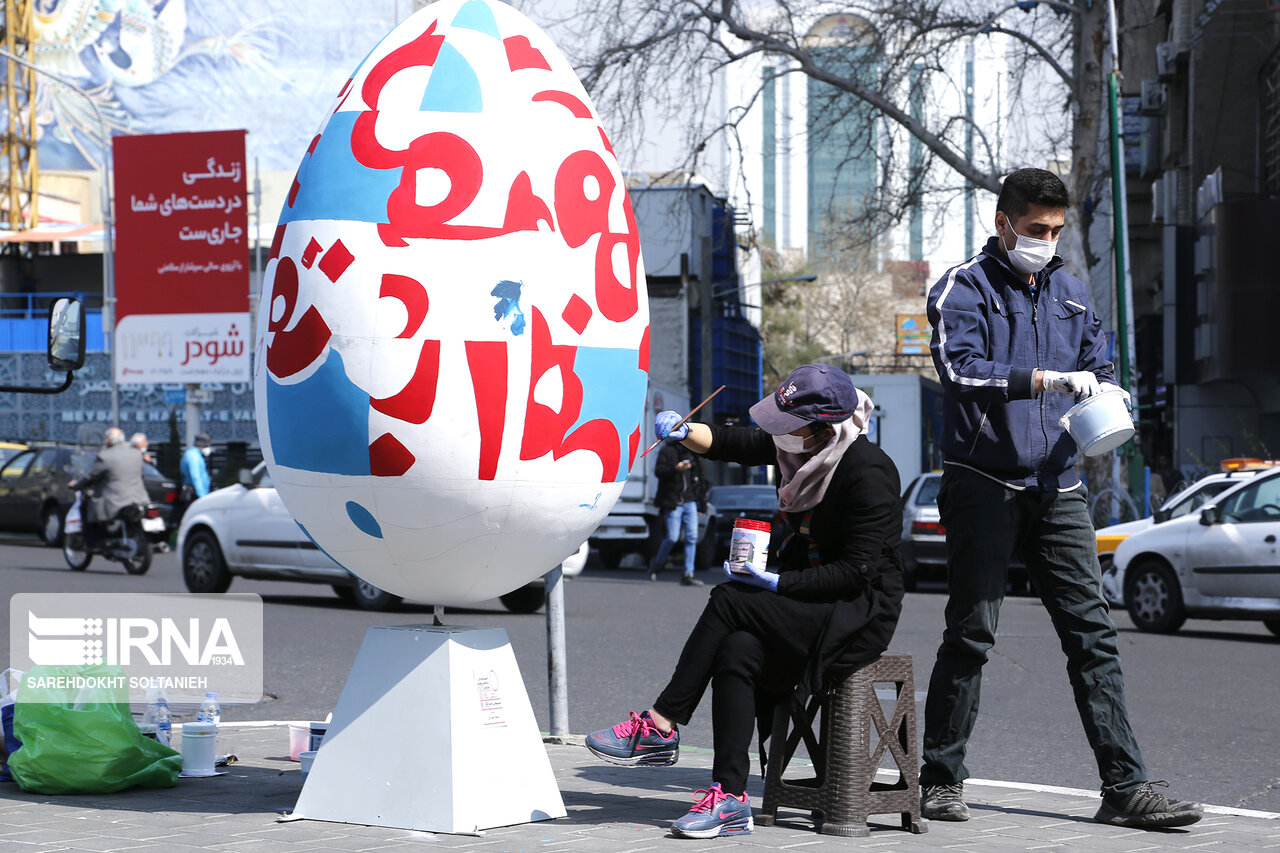
While Tehran municipality has taken extensive measures to combat the Coronavirus, Nowruz has changed the mood of Tehran and many other cities in the country.

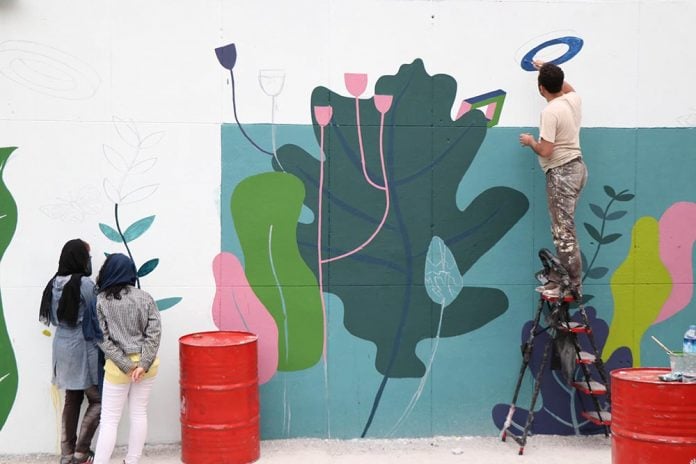
According to Hamshahri, even Corona can’t make us forget Nowruz. Although people will not travel this year and citizens will celebrate Nowruz in their homes in hopes of brighter days, the city is changing. Flowering has begun in the streets of the city. The gardens will be covered with flowers, and the city wall paintings will change its face.

These days, the coronavirus may have hurt many citizens. Some may mourn the loss of their loved ones. Many others are also worried about their loved ones who are infected with the deadly disease. Nonetheless, Nowruz is always a time for rejuvenation. It means to rise again and be born again.

Tehran Preparing for Nowruz with Colourful Street Arts

Therefore, the municipality is preparing gardens and public spaces for Nowruz along with planting a thousand sycamore on Vali-e-Asr Street.

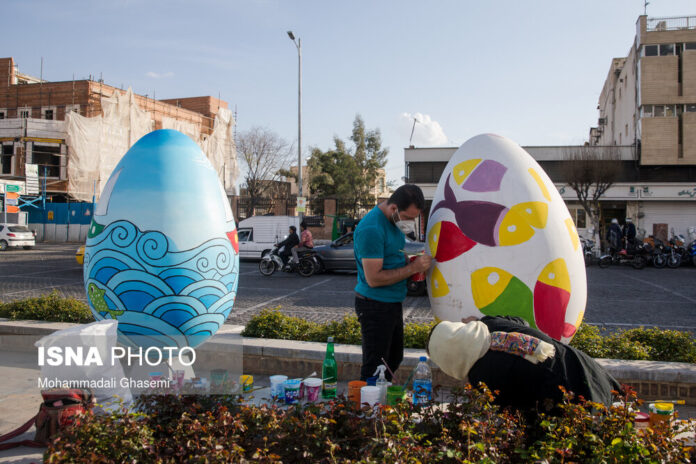
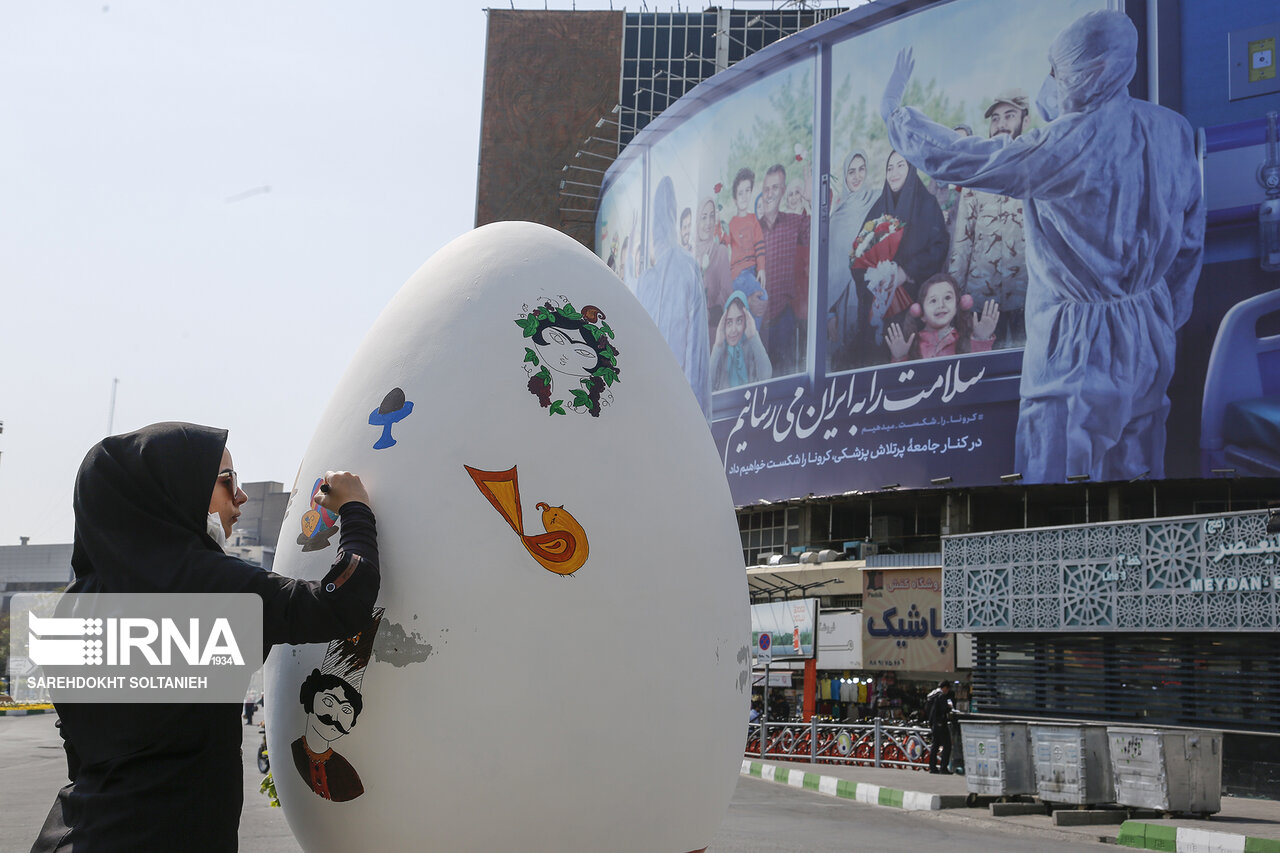
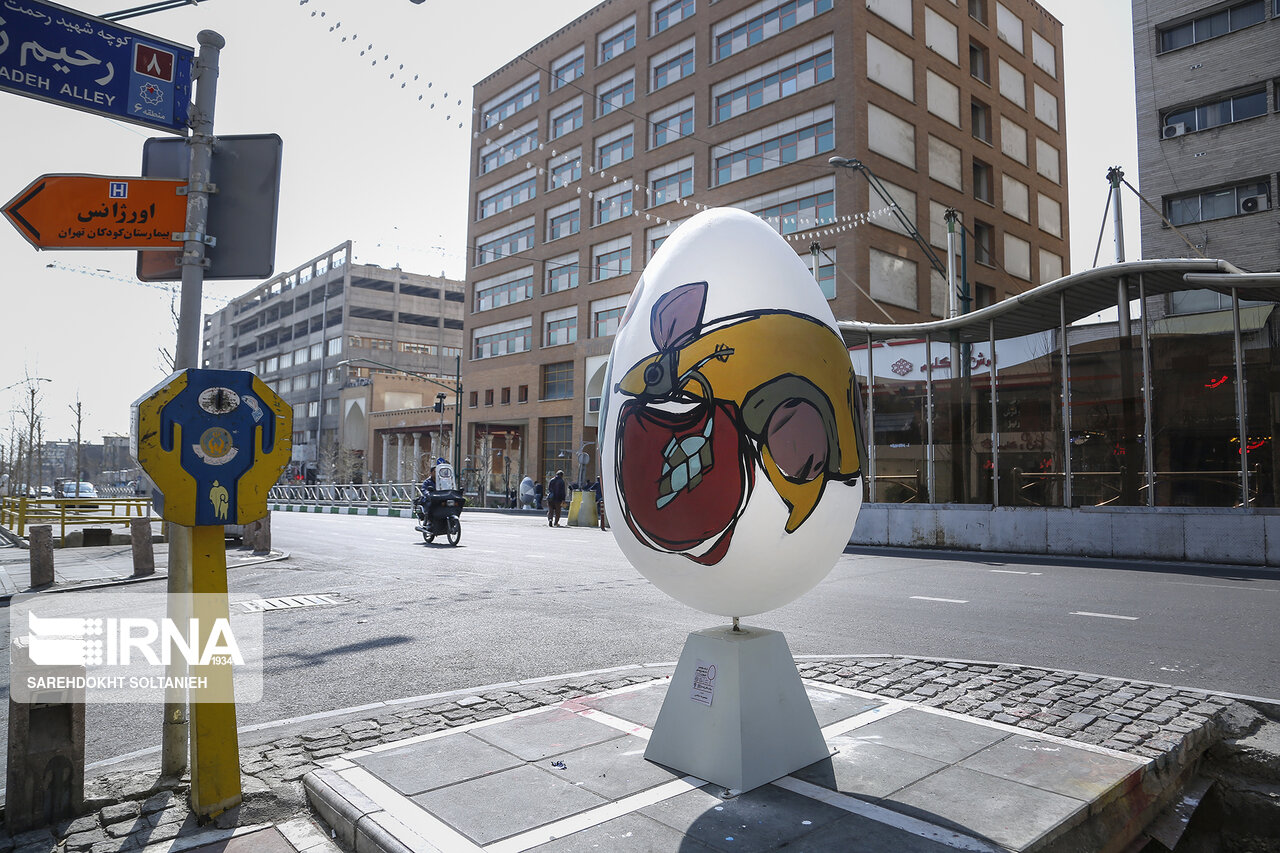
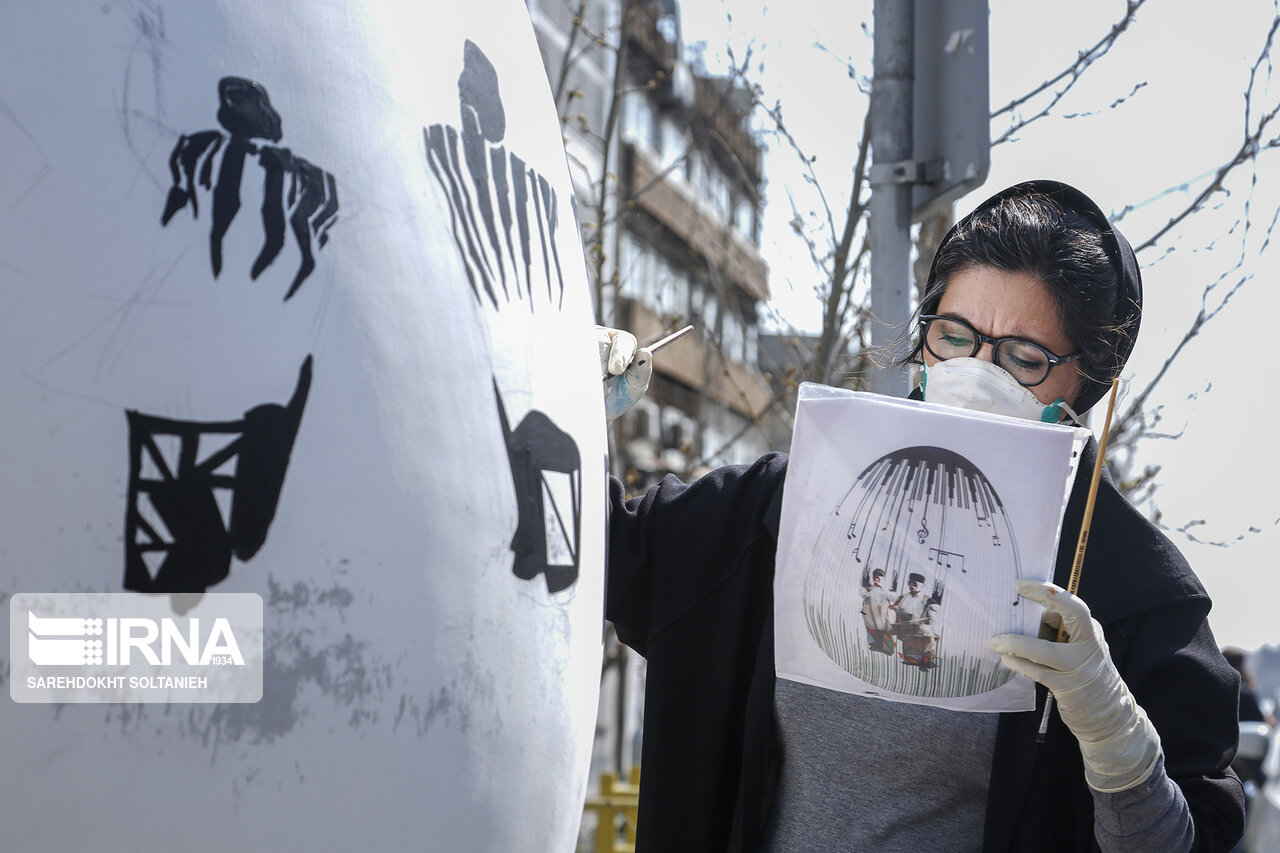
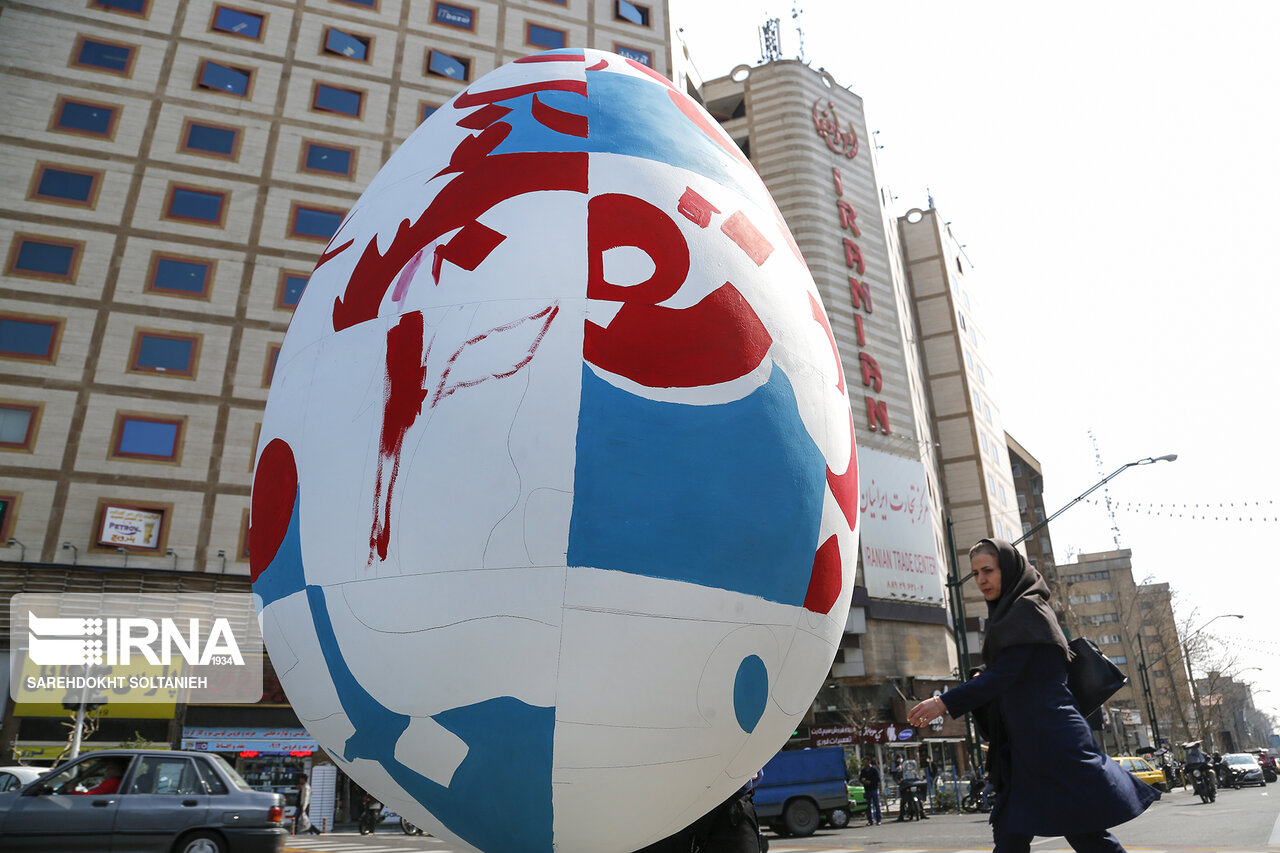
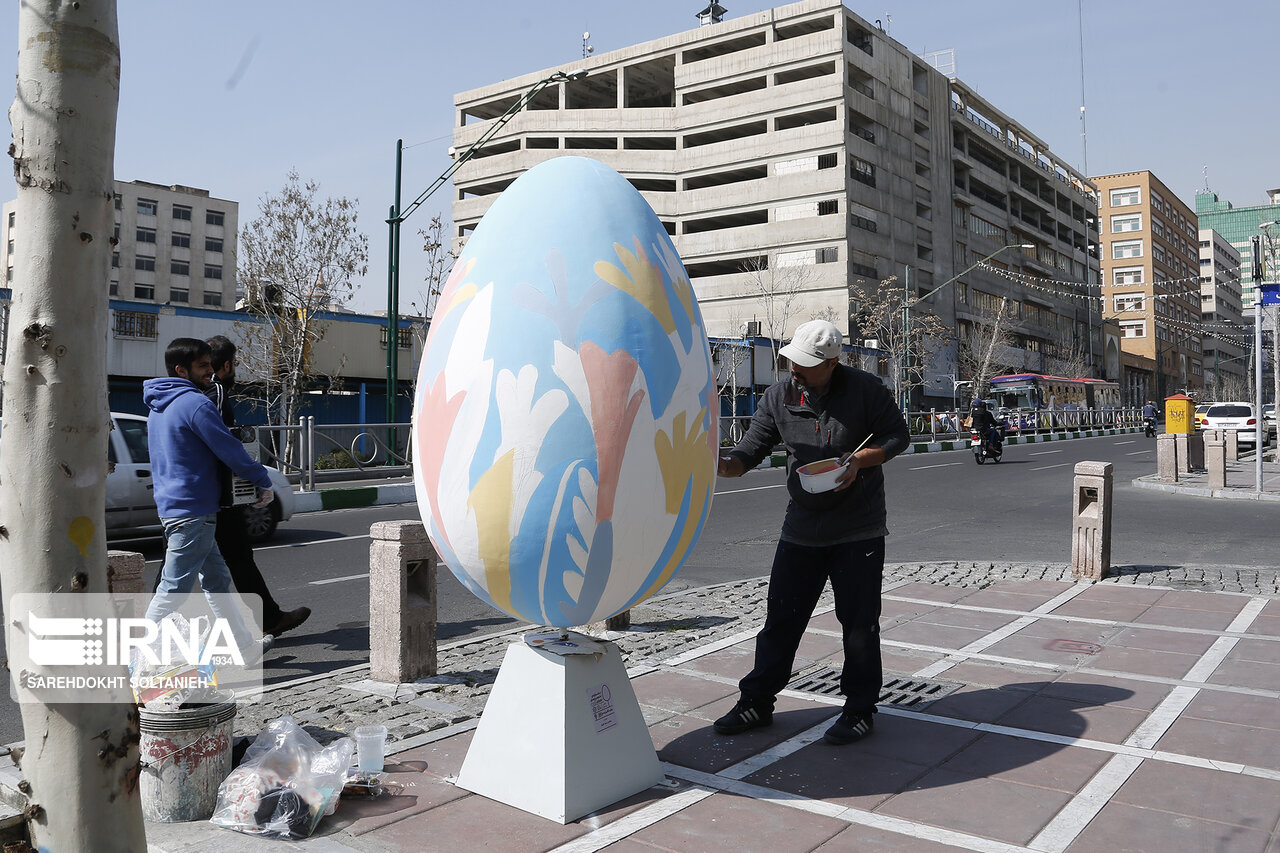
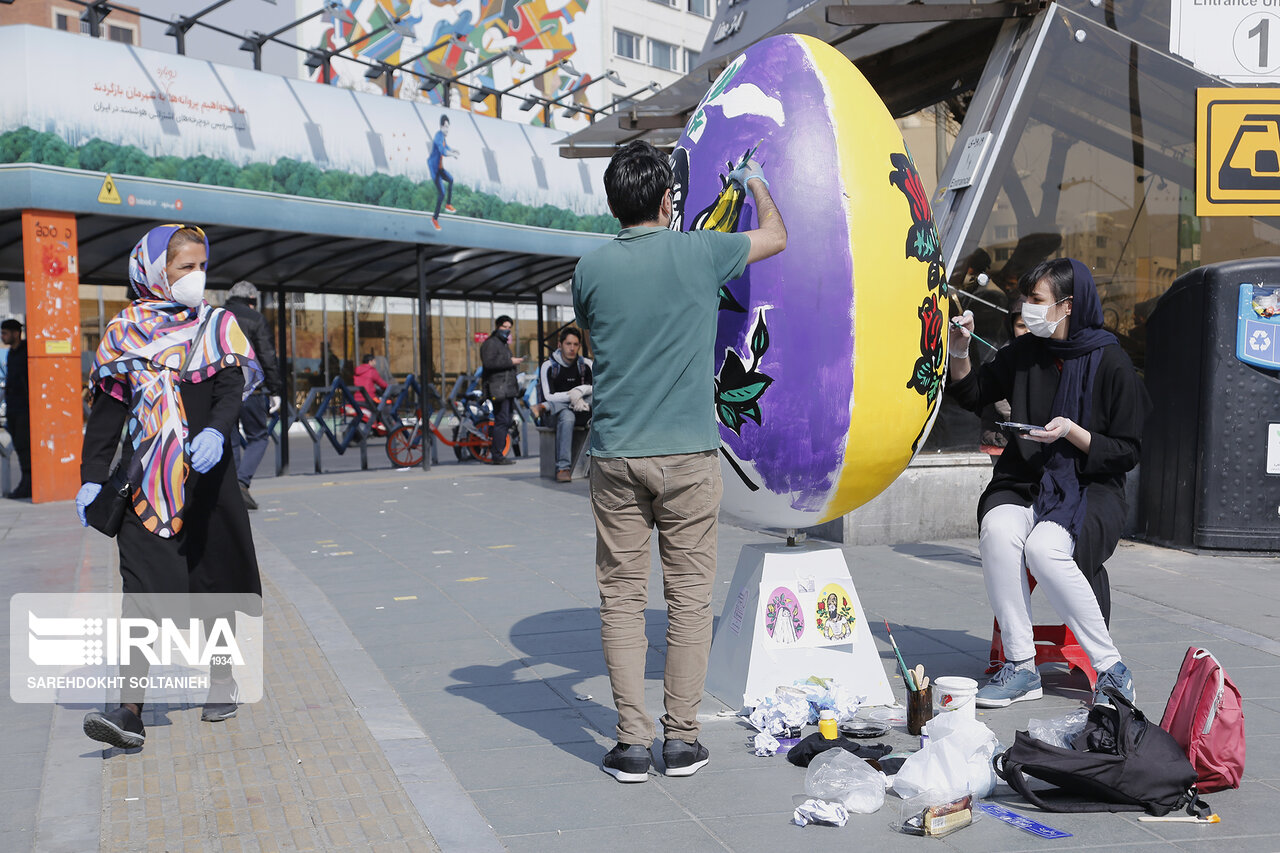
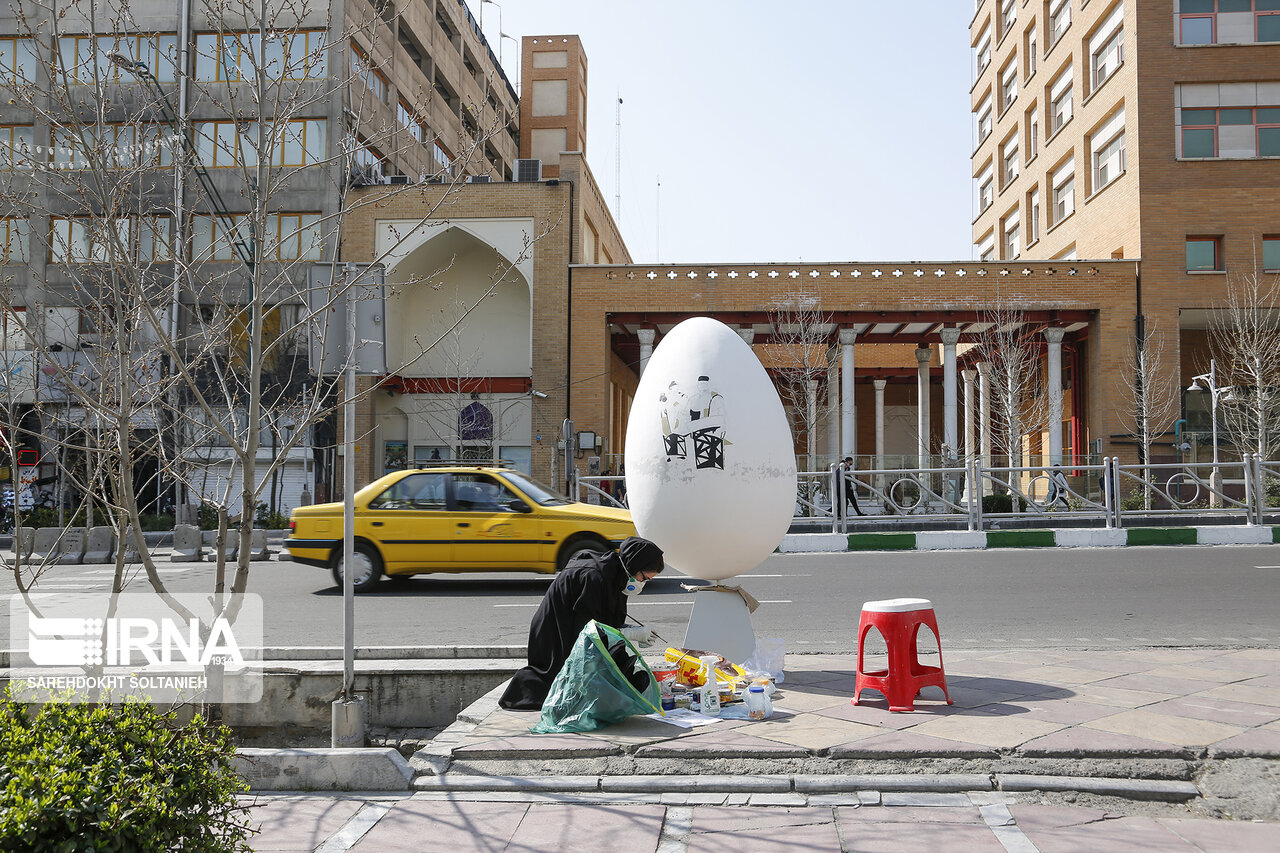
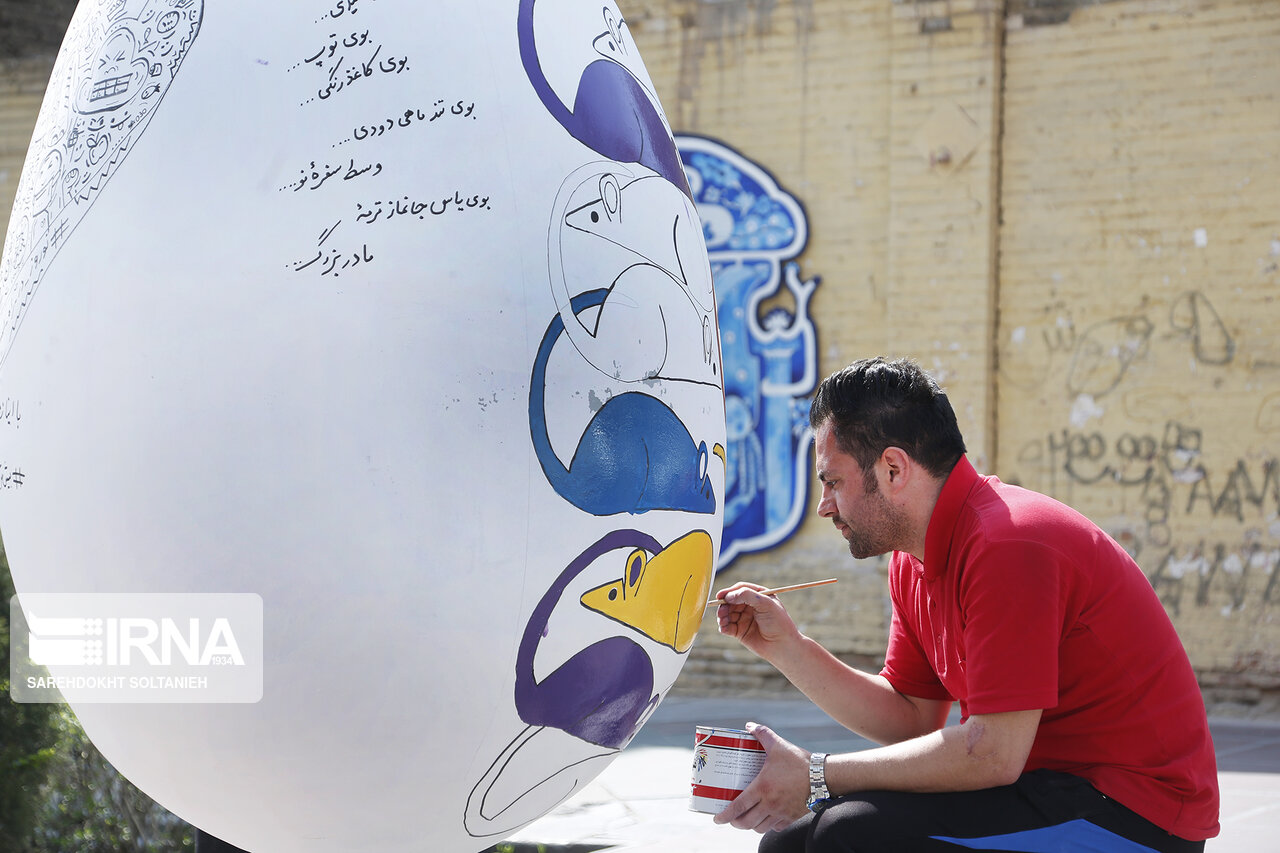
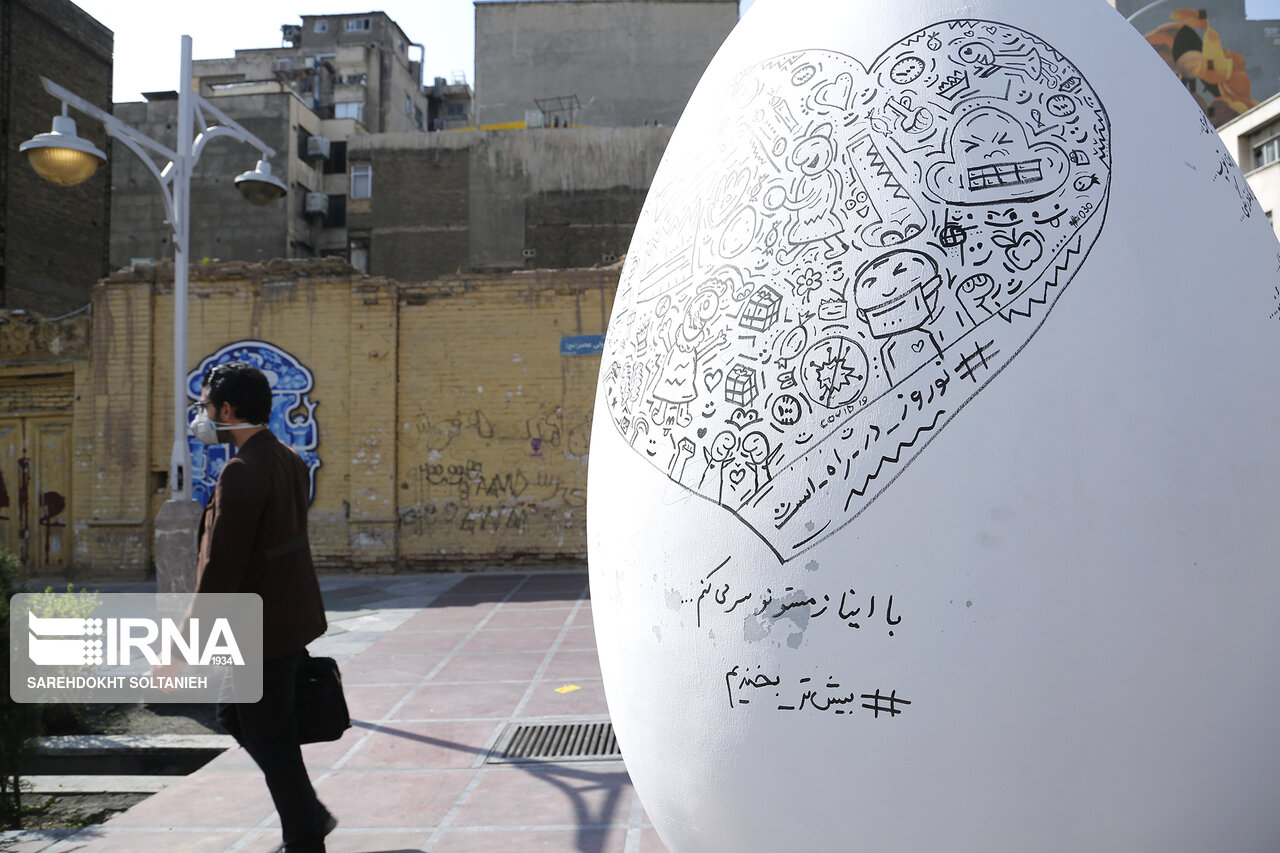
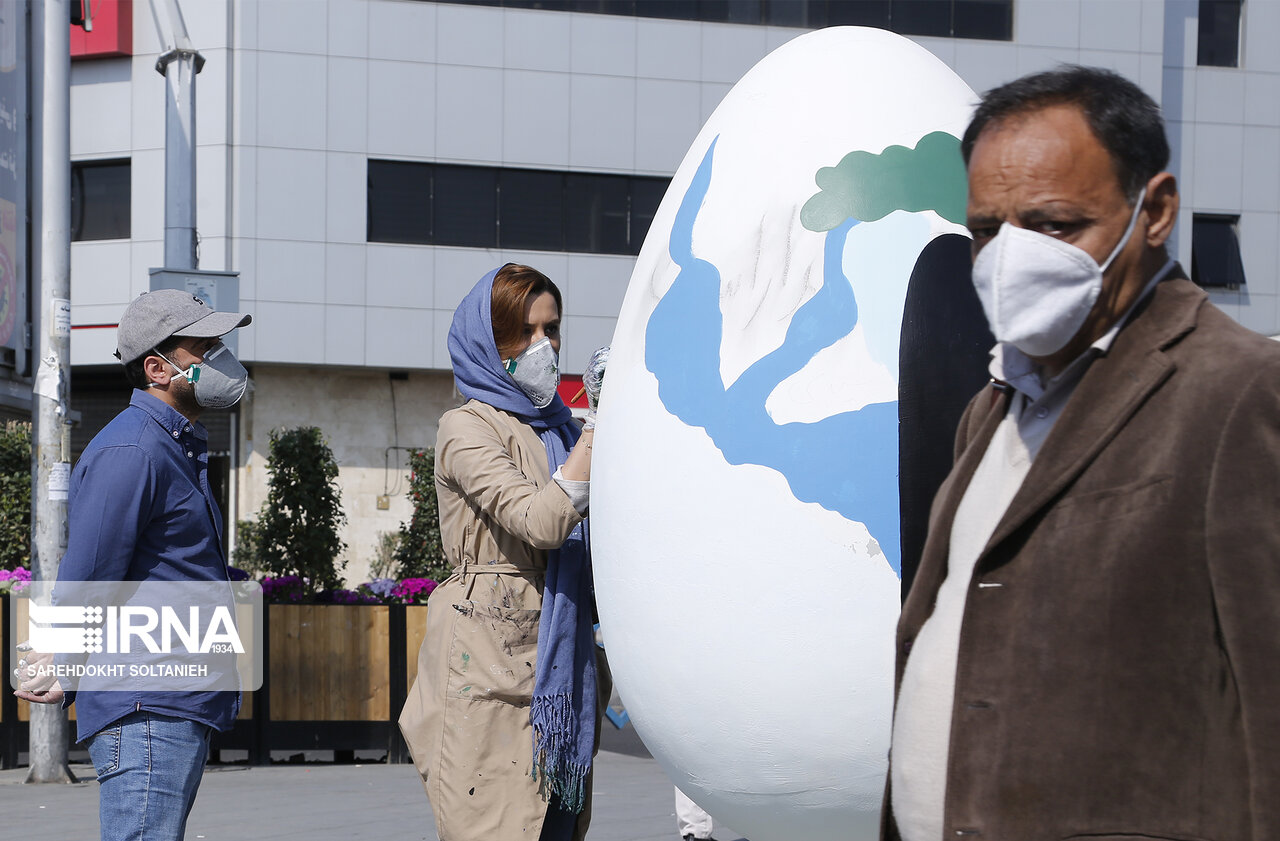
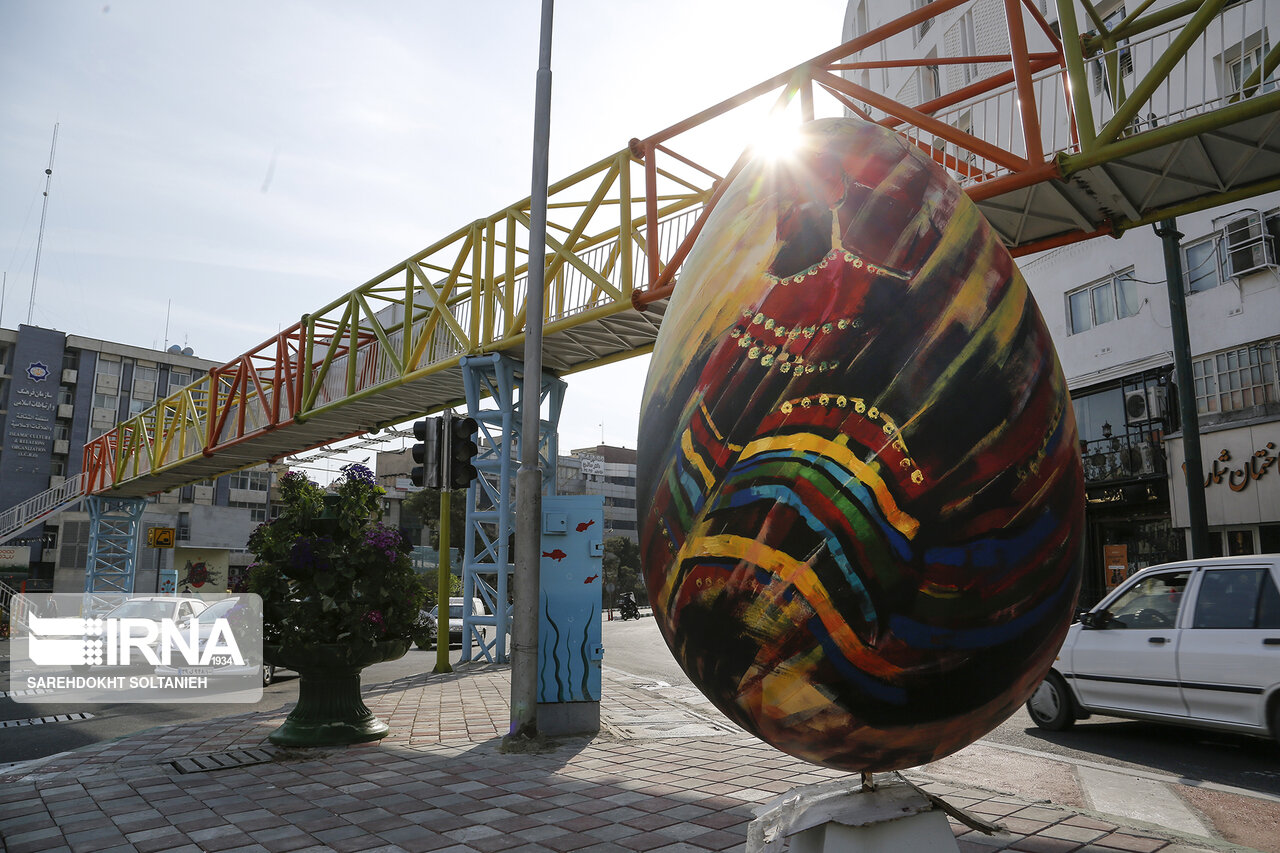
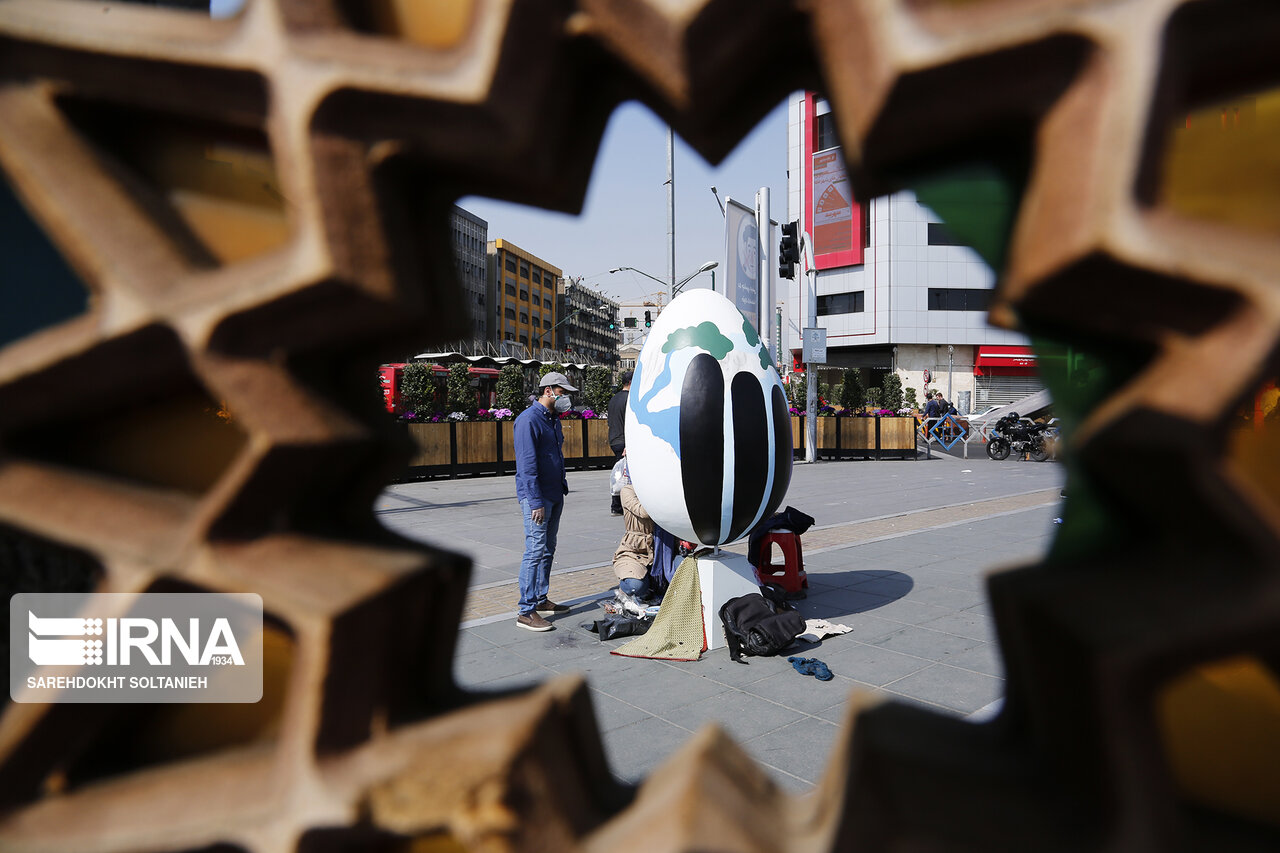
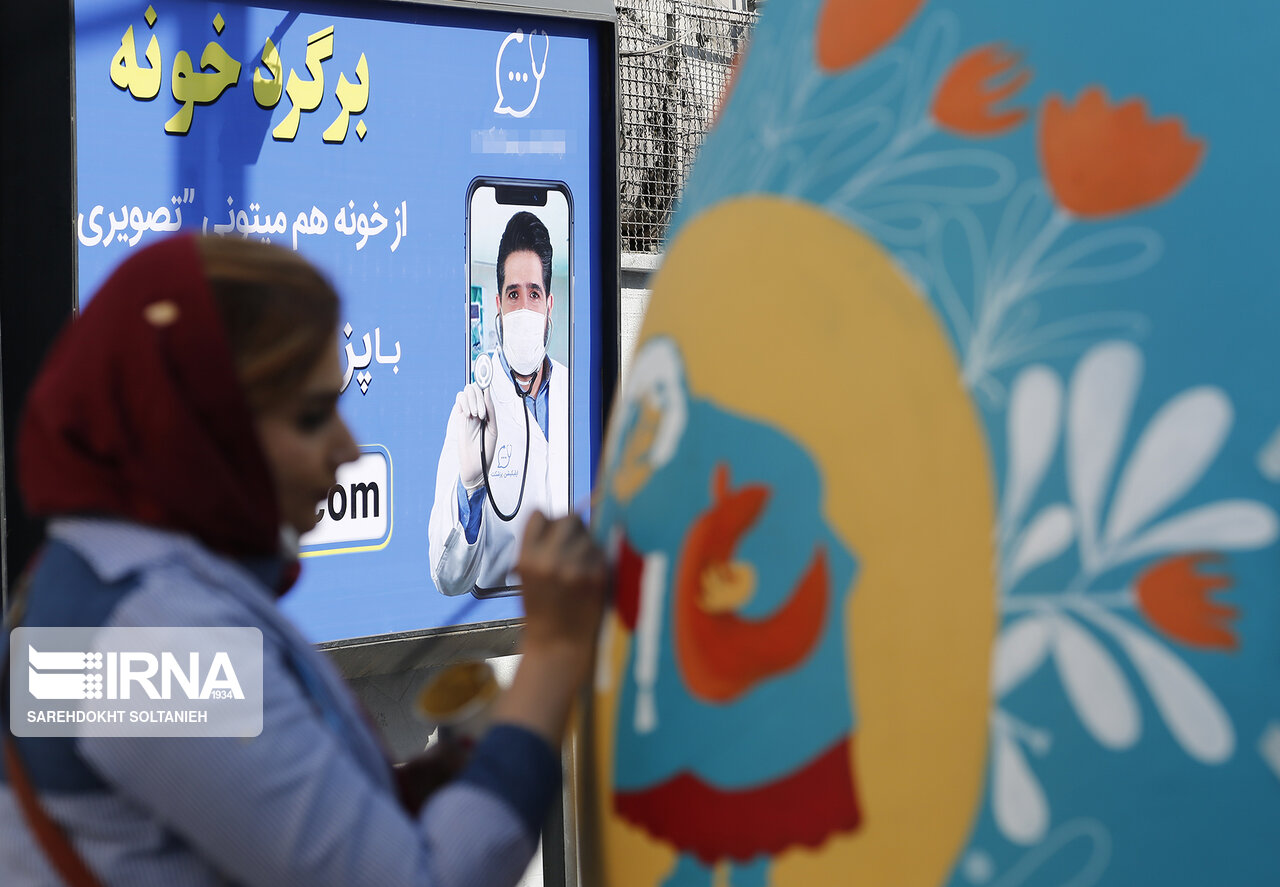
The municipality’s program to welcome spring used to start every year by the mid-March, but this year all of them have been affected by the spread of the virus. However, the routine work of different sections of the municipality is going on. A number of programs to welcome the New Year are being implemented in Tehran as before. For example, painters are currently working at 150 locations around the city, and are drawing designs on city walls. In general, individual activities that do not include group gathering, such as the installation of coloured eggs, are being held. They are being run in 22 locations and parts of Vali-e-Asr Street in northern Tehran. This year, lightings are also being installed at squares, bridges and other parts of the city. The following images from IRNA News Agency show the colourful egg festival before Nowruz. The festival is being held on Vali-e-Asr with the participation of artists and in cooperation with the Tehran Municipality.

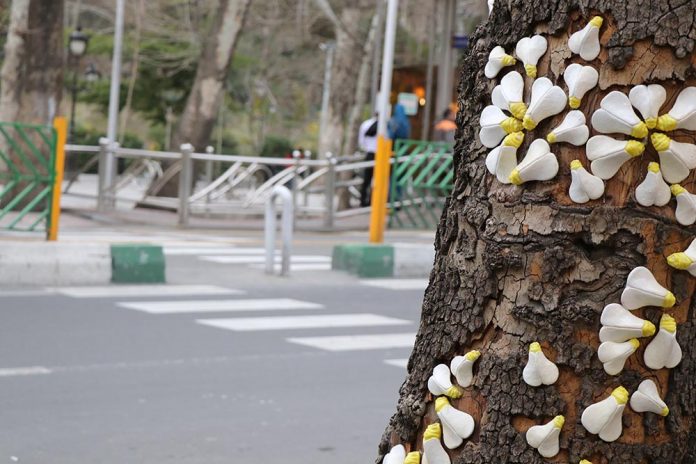
Tehran’s Dead Trees Turned into Magnificent Artworks

Painted eggs are actually dating back to a time when people celebrated the spring equinox with offerings and mementos symbolizing rebirth and the beginning of spring. Eggs have since remained a reminder of new life. Many cultures have embraced this tradition and celebrate the coming of spring in ways that are as varied as the colourful eggs that mark the occasion.

One of the oldest egg painting traditions began in Persia over 4,000 years ago. On Nowruz, the Iranian New Year, people prepare a Haft-Seen table which includes seven symbolic items marking the occasion. Although painted eggs are not one of the traditional seven items (which include wheat sprouts, sweet pudding, olive fruit, garlic, apples, sumac, an vinegar), families often include clay animals, fish, and painted eggs to emphasise the importance of new life.

Defence Minister Assures Iranians of Domestic Supply of Masks, Disinfectants

Defense Minister Assures Iranians of Domestic Supply of Masks, Disinfectants

People of Iran may rest assured that the Defence Ministry will spare no effort to cope with the domestic demand for disinfectants and masks, Brigadier General Hatami said during a Tuesday visit to a military factory producing detergents, health products, and ethyl alcohol.

Unveiling plans for a rise in the output of the medical products, the minister said the Defence Ministry’s factories will continue to run with maximum capacity to meet the Iranian medical society’s needs.

He also noted that the experts of the Defence Industries Organization have been distributing 150,000 liters of disinfectants among the hospitals and medical centers across the country on a daily basis.

The minister stated that the extraordinary activity of the factories will continue unabated during the new year’s holidays, assuring people that the Defence Ministry will prevent any shortage of disinfectants and standard masks.

Top Iranian, Swedish Diplomats Hold Talks

Top Iranian, Swedish Diplomats Hold Talks

In the telephone conversation, Minister of Foreign Affairs of the Islamic Republic of Iran Mohammad Javad Zarif and his Swedish counterpart Ann Linde talked about bilateral ties between Tehran and Stockholm, the coronavirus global pandemic, and the regional issues.

In the conversation, Foreign Minister Zarif reminded the Swedish diplomat about the necessity of countering and disregarding the illegal, unilateral and cruel sanctions that the US has imposed on the Iranian people.