Tuesday, January 13, 2026
Home Blog Page 291

No power can prevent Iran from attaining its legitimate rights: Leader advisor

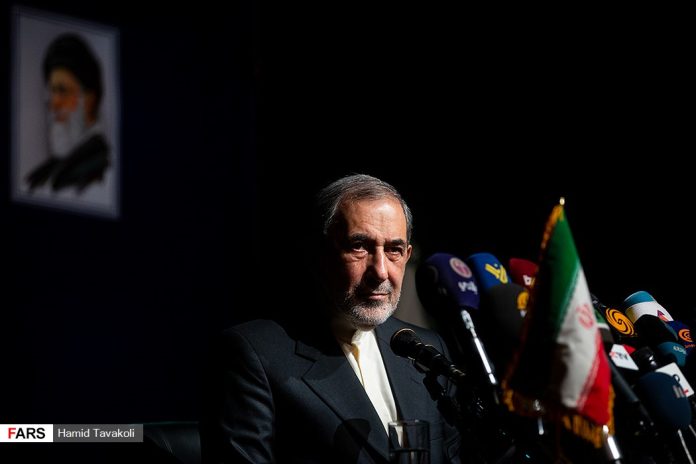
Ali Akbar Velayati

Ali Akbar Velayati made the remarks on Friday, commenting on the Israeli regime’s recent United States-backed imposed war against the Islamic Republic.

The 12-day war saw Washington provide the aggression with unprecedented military and intelligence support and even join in towards the end of its 12-day span. The duo waged the aggression, using the International Atomic Energy Agency (IAEA)’s most recent anti-Iranian resolution, which had been drawn up amid intense Western pressure, as a pretext.

Velayati ephasized the country’s insistence on not giving up its entitlement to scientific and technological progress, including in the field of peaceful nuclear energy, notwithstanding Western and Israeli efforts at tarnishing the nation’s rightful endeavors.

“The Iranian nation has always stood firm against pressure, threats, and aggression and will never surrender,” he stated.

The people, the official added, “will continue to advance with greater determination than ever before on its path towards scientific progress, technological independence, and [preservation of] national esteem.”

In the same context, the advisor stressed that “no power can prevent the Iranian nation from achieving its legitimate rights.”

Elsewhere in his remarks, Velayati said legal and diplomatic pursuit of these crimes through international authorities, especially the United Nations, was on the Islamic Republic’s agenda in line with the country’s legitimate right to proportional response.

He further denounced the combined aggression as a clear violation of the imperative norms of the international law, emphasizing the UN’s legal and moral responsibility to recognize the Israeli regime and the US as aggressors.

The world body, he added, also had to take appropriate punitive action against Tel Aviv and Washington, obligating them to compensate the Islamic Republic for the material and moral damages that had been caused during the atrocities.

Iran says Israel behind abduction of its diplomats in Lebanon 43 years ago

Iranian Foreign Ministry

The ministry issed a statement on Saturday, honoring the memory of the abducted diplomats and expresseing solidarity with their patient and hopeful families.

Seyed Mohsen Mousavi, Ahmad Motevaselian, Kazem Akhavan, and Taghi Rastegar Moghadam, were abducted in Beirut on July 5, 1982.

The statement points out that
they were abducted by agents affiliated with the Zionist regime.

It further says, there is ample evidence indicating that the Iranian diplomats were abducted by an armed group in Lebanon during the Zionist regime’s occupation of Lebanese territory, handed over to the occupying forces, and subsequently transferred to the occupied territories.

According to Iran’s Foreign Ministry, the abduction not only violates international law and represents a grave breach of the 1961 Vienna Convention on Diplomatic Relations, but also constitutes an act of terrorism under the 1979 International Convention Against the Taking of Hostages.

It appreciated the cooperation of the Lebanese government on pursing the case of the four abducted diplomats,  calling on the authorities of the Lebanese government, the UN Secretary General, the International Committee of the Red Cross (ICRC), and other competent international bodies to fulfill their legal and humanitarian responsibilities in following up on this case.

The Iranian Foreign Ministry emphasized the
establishment of a joint fact-finding committee between Iran and Lebanon, with the cooperation of the ICRC, to pursue the matter and determine the status of the abducted diplomats.

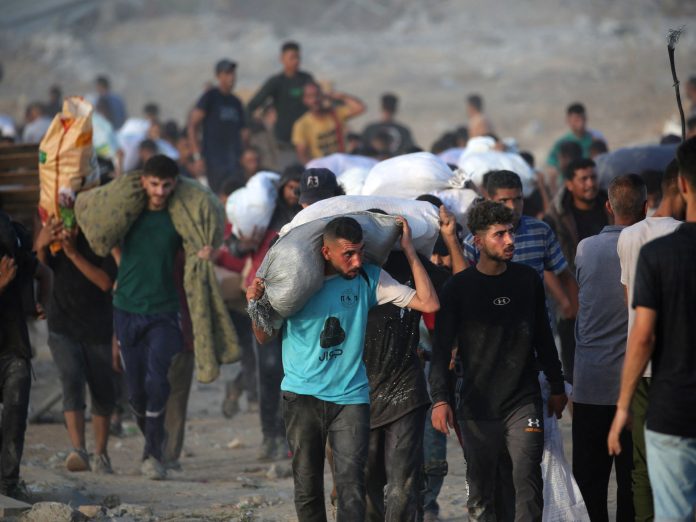
613 Gaza killings recorded at aid sites, near humanitarian convoys: UN

“This is a figure as of June 27. Since then … there have been further incidents,” Ravina Shamdasani, the spokesperson for the UN Office of the High Commissioner for Human Rights (OHCHR), told reporters in Geneva on Friday.

The OHCHR reported that 509 of the 613 people were killed near GHF distribution points. The Gaza Health Ministry has put the number of deaths at more than 650 and those wounded as exceeding 4,000.

The GHF began distributing limited food packages in Gaza at the end of May, overseeing a new model of deliveries which the UN says is neither impartial nor neutral, as killings continue around the organisation’s sites, which rights groups have slammed as “human slaughterhouses”.

Mahmoud Basal, a civil defence spokesperson in Gaza, stated that they “recorded evidence of civilians being deliberately killed by the Israeli military”.

“More than 600 Palestinian civilians were killed at these centres,” he continued, adding, “Some were shot by Israeli snipers, others were killed by drone attacks, air strikes or shootings targeting families seeking aid.”

The UN, humanitarian organisations and other NGOs have repeatedly slammed the GHF for its handling of aid distribution and the attacks around its distribution sites.

More than 170 humanitarian organisations, including Oxfam, Save the Children and Amnesty International, on Tuesday demanded the immediate closure of the GHF, accusing it of facilitating attacks on starving Palestinians.

The NGOs added Israeli forces and armed groups “routinely” open fire on civilians attempting to access food.

The UN agency for Palestinian refugees (UNRWA), which was carrying out aid distribution for decades before the GHF, has called for investigations into the killings and wounding of Palestinians trying to access food through the GHF.

UNRWA noted that while it operated about 400 sites across the territory, the GHF has set up only four “mega-sites”, three in the south and one in central Gaza – none in the north, where conditions are the most severe.

A recent report from Israeli outlet Haaretz detailed Israeli soldiers, in their words, confirming that Israeli troops have deliberately shot at unarmed Palestinians seeking aid in Gaza after being “ordered” to do so by their commanders.

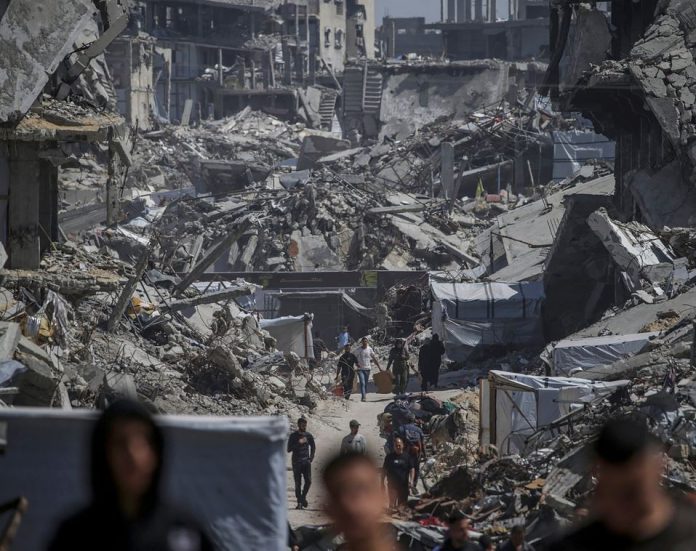
Israel’s war in Gaza has killed more than 57,000 Palestinians, according to the enclave’s Health Ministry, while displacing most of the population of more than two million multiple times, triggering widespread hunger through a punishing blockade and leaving much of the territory in ruins.

The war began after Hamas-led fighters crossed into southern Israel on October 7, 2023, killing 1,200 people and taking 251 captives back to Gaza, according to Israeli tallies.

IAEA inspectors leave Iran as Tehran suspends cooperation with UN atomic watchdog

IAEA Team

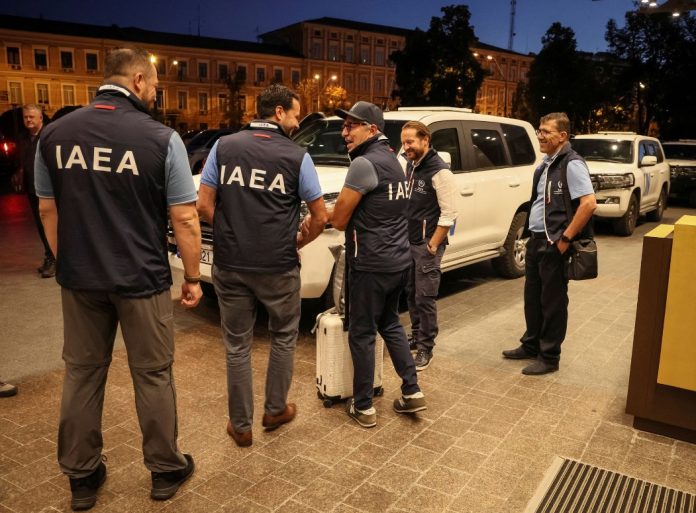
“An IAEA team of inspectors today safely departed from Iran to return to the agency headquarters in Vienna, after staying in Tehran throughout the recent military conflict,” the agency said in a post on its X account on Friday.

The IAEA called for the resumption of its “indispensable monitoring and verification activities” in Iran.

“IAEA Director General Rafael Grossi reiterated the crucial importance of the IAEA discussing with Iran modalities for resuming its indispensable monitoring and verification activities in Iran as soon as possible,” the agency stated.

On July 2, Iran’s President Masoud Pezeshkian gave the final approval to a resolution that suspends cooperation with the IAEA.

The rationale for the move was the UN atomic agency’s politically-motivated resolution which paved the way for the US-Israeli acts of aggression against the Islamic Republic.

The resolution was approved during the public session of Iran’s Parliament on June 25.

According to the resolution, IAEA inspectors will not be permitted to enter Iran unless the security of the country’s nuclear facilities and that of peaceful nuclear activities is guaranteed, which is subject to the approval of Iran’s Supreme National Security Council.

Iran is also considering an entry ban on the IAEA chief, Rafael Grossi, who has come under fire for his politically motivated reports against Iran.

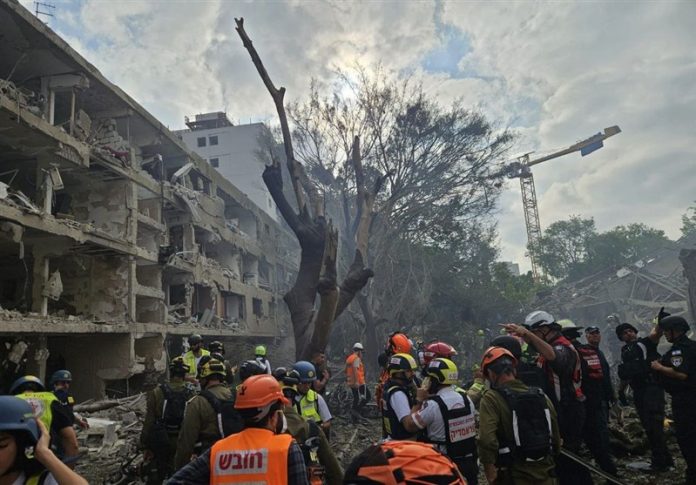
In an unprovoked, brazen act of aggression on June 13, Israel targeted Iranian military commanders and nuclear scientists who had previously been placed on sanctions lists based on IAEA reports. Israel also killed civilians.

On June 22, the US military bombed Natanz, Fordow, and Isfahan nuclear sites in violation of the United Nations Charter, international law and the Nuclear Non-Proliferation Treaty (NPT).

Grossi remained silent. He did not condemn the acts of aggression, drawing criticisms from Iranian officials.

Zelensky and Trump agree on joint defence efforts in ‘fruitful’ phone call

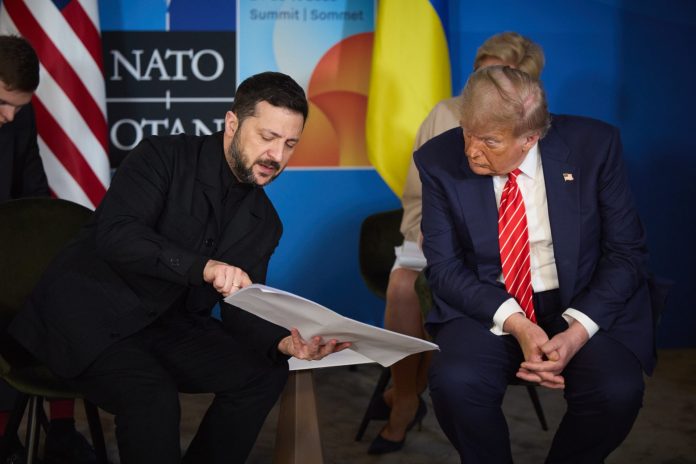
“Today we discussed the current situation, including Russian airstrikes and the broader frontline developments,” Zelensky wrote in a post on X.

“President Trump is very well informed, and I thank him for his attention to Ukraine. We spoke about opportunities in air defence and agreed that we will work together to strengthen protection of our skies. We have also agreed to a meeting between our teams.”

He added that they also discussed in detail the prospects for joint defence production.

“We – in Ukraine – are grateful for all the support provided. It helps us protect lives, safeguard our freedom and independence.”

“We have achieved a lot together with America and we support all efforts to stop the killings and restore just, lasting, and dignified peace. A noble agreement for peace is needed,” Zelensky pointed out.

The Ukrainian leader added they discussed the possibility of joint defence production, mutual purchases, and investments.

Neither the White House nor Trump himself have said anything about the call.

That conversation comes a day after Trump and Russian President Vladimir Putin discussed Ukraine, Iran and other issues in a call the Kremlin described as “frank and constructive.”

It was their sixth publicly disclosed talk since Trump returned to the White House.

On the war in Ukraine, Putin’s foreign affairs adviser Yuri Ushakov said Trump emphasised his push for a quick halt to the fighting, and Putin voiced Moscow’s readiness to pursue talks with Kyiv, noting the previous rounds in Turkey yielded humanitarian results.

At the same time, the Russian leader said Moscow will seek to achieve its goals in Ukraine and remove the “root causes” of the conflict, Ushakov added.

“Russia will not back down from these goals,” Ushakov told reporters after the call.

Also on Thursday, Trump complained that the United States provided too many weapons to Ukraine under the previous administration, his first public comments on the pause in some shipments as Russia escalates its full-scale invasion.

On Tuesday, the US said it was halting shipments of some air defence missiles and other weapons previously promised to Kyiv amid concerns that its own stockpiles had declined too much, according to officials.

Certain munitions were previously promised to Ukraine under the Biden administration to support its defences. However, the administration appears to have revised some of those decisions due to concerns for US interests.

“This decision was made to put America’s interests first following a review of our nation’s military support and assistance to other countries across the globe,” White House spokesperson Anna Kelly stated in a statement.

Iranians commemorate Tasua, honoring Imam Hussein’s sacrifice

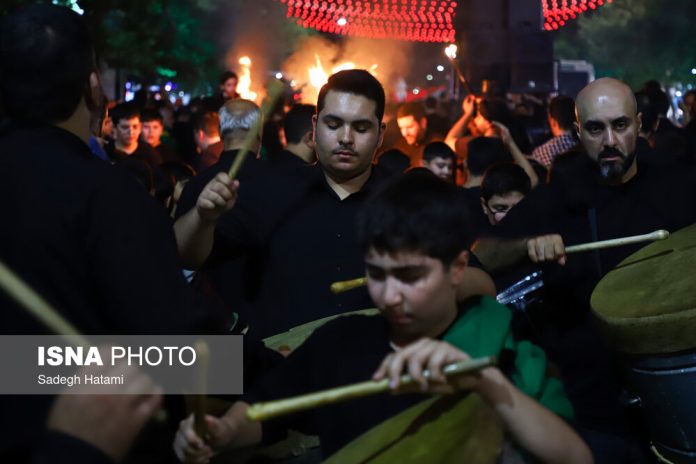
The events take place one day before Ashura, which marks the tragic Battle of Karbala more than 1,300 years ago in present-day Iraq.

Across cities, towns, and villages, mourners gathered to take part in traditional rituals, marching in processions, beating their chests, and wearing black to express their sorrow and solidarity.

Imam Hussein, the grandson of the Prophet Muhammad,  was martyred in 680 AD while leading a small group of followers in a valiant stand against the oppressive rule of the Umayyad caliph Yazid I. His sacrifice is remembered as a symbol of resistance against tyranny.

Religious eulogists recount the events of Karbala and reflect on Imam Hussein’s message of justice and moral courage.

Ta’zieh, a dramatic reenactment of the battle, is also performed in many regions.

The mourning rituals culminate on Ashura, the tenth day of Muharram, when Imam Hussein, his family members, and companions were martyred in one of the most pivotal events in Shia Islam.

Iranian MP warns Israel of ‘end of regime’ if further attacks occur

Iran Missile Attack Israel

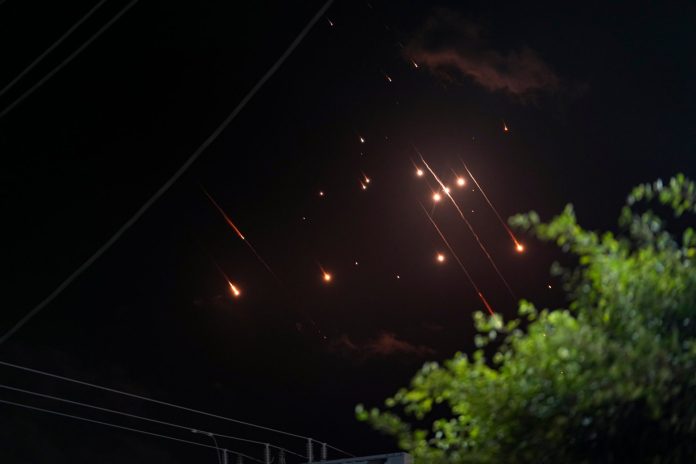
In an interview with IRNA, Boroujerdi stated, “If Israel makes the mistake of attacking Iran again, it will be writing the final chapter of its existence.”

His comments follow reports of continued Western military support to Israel and speculation about further Israeli strikes.

Referring to the 12-day conflict in June that saw hundreds of Iranian military commanders, scientists, and civilians killed, Boroujerdi said Iran would not initiate war but would deliver a “devastating response” to any aggression.

He recalled past targeted assassinations of Iranian scientists and commanders, describing them as part of a long pattern of hostility since the 1979 Islamic Revolution. Despite these attacks, he emphasized, Iran’s nuclear knowledge has advanced.

Boroujerdi concluded that Iran’s retaliation during the recent conflict proved its military readiness, adding that “Israel’s eventual acceptance of a ceasefire showed the failure of its campaign.”

Hamas says responded to US-backed Gaza ceasefire proposal in a ‘positive spirit’

US President Donald Trump earlier announced a “final proposal” for a 60-day truce in the nearly 21-month-old war, stating he anticipated a reply from the parties in the coming hours.

Hamas announced late on Friday that the group had submitted its reply to Qatar and Egypt, who are mediating the talks.

“The movement [Hamas] has delivered its response to the brotherly mediators, which was characterised by a positive spirit. Hamas is fully prepared, with all seriousness, to immediately enter a new round of negotiations on the mechanism for implementing this framework,” a statement by the group read.

Trump stated earlier this week that Israel had accepted the main conditions of a proposed 60-day truce, during which time negotiations would aim to permanently end the war. But Israeli Prime Minister Benjamin Netanyahu has yet to publicly endorse the plan.

Netanyahu, who is wanted by the International Criminal Court (ICC) over war crimes in Gaza, is expected to meet Trump in Washington on Monday.

According to Israeli media reports early on Saturday, Israeli government officials had received Hamas’s official response to the latest ceasefire proposal framework and were reviewing its contents.

According to a translated copy of the framework shared with Al-Jazeera, the deal would include a 60-day truce, guaranteed by Trump, with a phased release of Israeli captives and increased humanitarian aid.

The proposed exchange includes the release of 10 living and 18 deceased Israeli captives from the “List of 58”. Releases would occur on days one, seven, 30, 50, and 60 – beginning with eight live captives on the first day.

Under the plan, aid would flow into Gaza immediately following Hamas’s approval, in quantities comparable to the January 2025 deal. Distribution would be handled by agencies including the United Nations and the Palestine Red Crescent Society.
As part of the proposed Gaza ceasefire framework, all Israeli military operations would stop once the agreement takes effect.

The deal includes a pause in military and surveillance flights over Gaza for 10 hours each day – or 12 hours on days when captives and prisoners are exchanged.

Negotiations for a permanent ceasefire would begin on day one under the supervision of mediators. Talks would cover a full exchange of captives for Palestinian prisoners, Israeli troop withdrawal, future security arrangements, and “day-after” plans for the besieged Strip.

Despite Hamas’s endorsement, the group has reportedly sought guarantees that the proposed truce would lead to a permanent end to Israel’s war and prevent Tel Aviv from resuming attacks at will.

According to two Israeli officials quoted by the Reuters news agency, details of the proposal are still under negotiation. Israel is said to be pressing Trump for written assurances that it can resume operations if its key demands – Hamas disarmament and the exile of its leadership – are not met.

Israeli broadcaster Channel 14, citing a senior political source, reported earlier this week that the accord includes a side letter from Trump granting Israel the authority to “renew the fire” should Hamas fail to comply. The document would allow Israel to determine whether the terms had been fulfilled.

Netanyahu has repeatedly insisted that any Palestinian resistance groups in Gaza must be dismantled as a precondition for peace – an issue that remains a major sticking point.

A previous two-month truce ended when Israeli attacks killed more than 400 Palestinians on March 18 and led to what UN Secretary-General Antonio Guterres has called “the cruellest phase of a cruel war”. More than 6,000 Palestinians have been killed since Israel broke the truce.

Overall, Israeli forces have killed at least 57,268 Palestinians and wounded more than 130,000 since October 7, 2023.

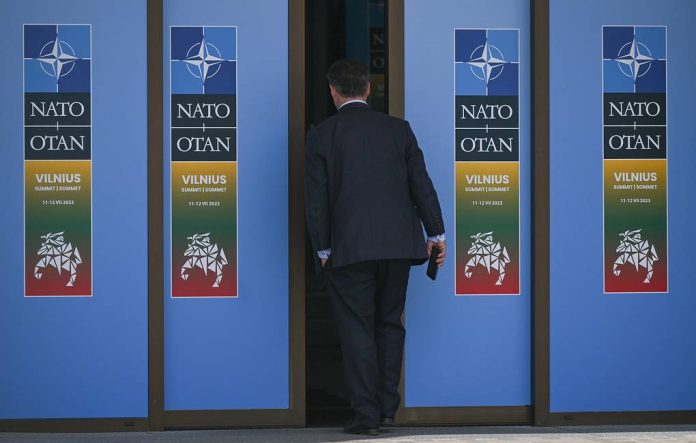
Threats facing NATO becoming more complex and intertwined: New chief of military operations

NATO

“These are consequential times,” US Air Force General Alexus Grynkewich said following a change of command ceremony in Mons, Belgium, that saw him assume the functions of NATO’s Supreme Allied Commander Europe (SACEUR).

“The challenges facing the alliance and our partners are growing more complex. The threats we face are only becoming more intertwined. But they are no match for the unity, the resolve, and the shared purpose” within NATO, he added.

Grynkewich, who was appointed by US President Donald Trump, confirmed by the US Senate and approved by NATO’s North Atlantic Council, said that he intends to “maintain the momentum” from his predecessor, General Christopher Cavoli, in transforming the alliance’s command operations.

Allies, he stated, “stand ready in defence of our nations, and we’re only going to get better”.

SACEUR, who has always been a US military general, is responsible for the planning and execution of all NATO operations, including the identification of forces required for missions. They also make recommendations to NATO’s political and military authorities and, in the case of aggression against a NATO member state, are responsible for executing all military measures within their capability and authority to preserve or restore the security of alliance territory.

The position has no fixed term with previous SACEURs in function from one to eight years.

General Cavoli described his successor as “the officer we need here, now”.

“He will lead our Alliance into its future, a future that we know is going to be in dangerous time. We know that future will be about collective defence, and it’s a future that is going challenge us to rise to the heights that we can achieve together,” he noted.

Allies last month agreed to significantly boost their defence spending target from 2% of GDP to 5% of GDP. The target is split in two with 3.5% to be spent on core defence spending (ie hardware), and 1.5% to go towards defence-related investments including dual-purpose infrastructure and cyber security.

NATO leaders said in their joint declaration that Russia poses a “long-term threat” to Euro-Atlantic security. The country, which launched a full-scale invasion of Ukraine in early 2022, is believed to be in a position to attack a European ally before the end of the decade.

The 5% target, based on new capability targets allies also agreed to, was a huge victory for Trump who has chided European allies for not spending enough.

Washington has also cast doubt over its continued long-term support to allies and is expected to announce a pullback of troops and equipment towards the end of summer.

Trump’s seeming ambivalence towards the alliance had led to rumours in the spring that Washington could relinquish SACEUR.

General Grynkewich is the 21st SACEUR, a position created in 1951 and first held by General Dwight D Eisenhower, who later became US president.

IRGC spokesman: Iran ready for crushing response if attacked again

Brigadier General Ali Mohammad Naeini underlined that Iran holds no red lines when it comes to defending its sovereignty.

Naeini made those comments during an interview with Lebanon-based Al Mayadeen news channel. He further spoke about the recent 12-day aggression by the Israeli regime against Iran, describing it as a strategic failure for Tel Aviv and a clear demonstration of Iran’s military preparedness and deterrence.

“If a new act of aggression is launched against Iran, our response will be crushing and we will observe no red lines”, Naeini said.

According to Naeini, the ultimate aim of the Israeli regime’s attack was to dismantle the power structure of the Islamic Republic, force Tehran into submission, and potentially divide or eliminate the state altogether.

“The enemy failed through dialogue, so they turned to military aggression, yet they still don’t truly understand the nature of the Islamic Republic”, he noted.

Highlighting Iran’s operational effectiveness, Naeini confirmed that the Islamic Republic launched over 2,000 missiles and drones toward occupied Palestine during the 12-day war. “Many of these successfully hit their intended targets”, he said, saying the attacks dealt a significant blow to the Zionist regime’s defense systems.

The IRGC spokesman underscored that the war not only showcased Iran’s military capabilities, but also exposed the strategic miscalculations of its adversaries.

“Our enemies are now fully aware that if they dare repeat their aggression, the response will be far more destructive”, Naeini warned.