Wednesday, April 8, 2026
Home Blog Page 2907

Herd Immunity Totally Unscientific, Not Applicable in Iran: Official

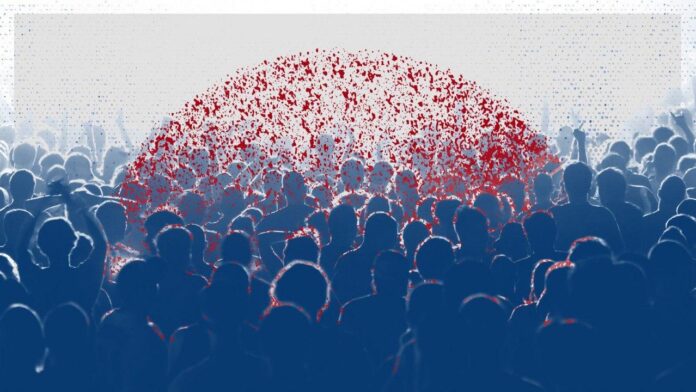
Dr Alireza Zali says no country has put this plan on its agenda because herd immunity is completely unscientific and non-standard.

“Herd Immunity is a form of indirect immunity to contagious diseases that has no place in global immunology as this type of immunisation is almost inapplicable to newly-emerged diseases,” he said in an interview with IRIB Radio Health.

If this immunisation pattern is to be implemented, many people in the society will be infected, which will lead to the hospitaliation of many and the deaths of a large number of patients. The death toll in this method is horrible, he maintained.

Referring to the fact that coronavirus is a newly emerging virus with a high genetic diversity, Zali said “the virus creates a very different picture in each person, depending on pathogenic conditions and the immune structure of individuals.”

There is no guarantee the patient will get well if s/he is accidentally exposed to the virus. It may lead to the patient’s death, noted Zali.

“In our society, where there is a large population of elderly and people with cardiovascular disease, diabetes, transplant recipients, and immunosuppressant, the use of this immunisation method is to welcome death and basically no immunology team inside the country or across the globe would recommend this method.”

According to Zali, such a plan may be confused with diseases such as measles and mumps, while the pattern of pathogenesis, development and spread of the coronavirus is quite different from other diseases.

He also noted that this method belongs to many centuries ago when there was no medicine, vaccine, isolation, screening and quarantines.

This method is not medically, socially, scientifically or practically recommended, and its use for the coronavirus can be highly contradictory to medical ethics, pointed out Zali.

“That means we have to intervene proactively in this regard because using methods to passively expose people to a disease is basically considered immoral and unprofessional. Therefore, we absolutely do not recommend it.”

He went on to emphasise that “with every effort we should not let 60 to 70 percent of the people get the corona disease because we will have a very scary and frightening picture on the way.”

Iran Develops Homegrown Mask Production Machines

Over 5,300 Iranian Knowledge-Based Firms Opened in 6 Years: VP

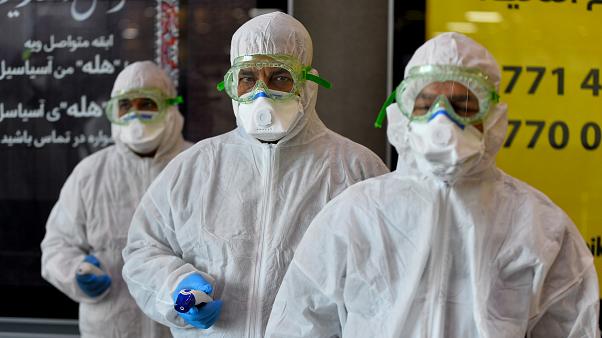
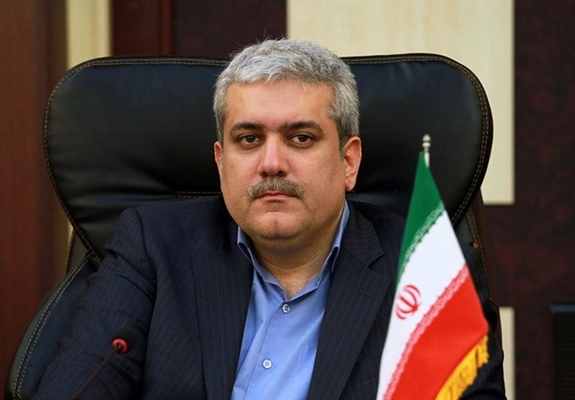
Sorena Sattari said the country is producing 400,000 nano-filters per day for N95 hospital masks amid the outbreak of the deadly coronavirus.

These nano-filters are being developed by an Iranian company called Nano Scale Technologists, and this capacity will soon multiply.

“Iran is one of the few manufacturers of the machines for producing such filters because of its high technology and dominance of nanotechnology in the Islamic Republic. This is very important as the country is in dire need of medical and nano-masks,” noted Sattari.

Coronavirus online testHe maintained in only about 10 days, the first mask production machines were manufactured by two domestic knowledge-based companies, and these companies are mass-producing the machines right now.

The important thing is that the two companies are ready to export these machines after meeting the domestic need, he noted.

“When the ecosystem of capable, knowledge-based private companies exists within the country, these companies can, in a short period of time, solve the problems in any field.

Therefore, we can produce mask-making machines and raw materials as much as we can.”

Although it will take some time for these machines to be manufactured and installed, soon the country’s problems in providing masks will end, underlined Sattari.

Iran Launches Online Coronavirus Test for Non-Iranian Nationals

Iran Starts Distributing 11 Million Masks in Medical Universities

Iran Starts Distributing 11 Million Masks in Medical Universities

Iranian Industry, Mining and Trade Minister Reza Rahmani said on Thursday that nine million three-layered and 2.3 million N95 masks have been procured and are being distributed among the provincial medical universities.

If you are worried that you may have contracted the Coronavirus, take this test right now.

Since the outbreak of coronavirus, the ministry of health has been responsible for the distribution of health products and supplies related to the disease. These stuff have been distributed among the country’s health centres based on prioritisation.

The cost of these 11 million masks has been paid by the country’s large mining corporations in line with their social responsibilities.

Iran Launches Online Coronavirus Test for Non-Iranian Nationals


Iran Confirms Record-High Number of New COVID-19 Cases

Iran Confirms Record-High Number of New COVID-19 Cases

In a briefing on Friday noon, Kianoush Jahanpour said 144 people have died of the novel coronavirus in the past 24 hours, increasing the death toll to 2,378.

The total number of cases has also risen to 32,332, out of whom 11,133 have recovered and been discharged from the hospital, he added.

Jahanpour said 2,893 patients are currently in severe conditions.

He also predicted that the epidemic will be contained in Iran by April 19, the end of the current Iranian month of Farvardin.

Iran Launches Online Coronavirus Test for Non-Iranian Nationals


IRGC’s Influence Enraging US: Iran’s Top General

Iran’s Top General Urges Muslim Condemnation of Trump’s Plan

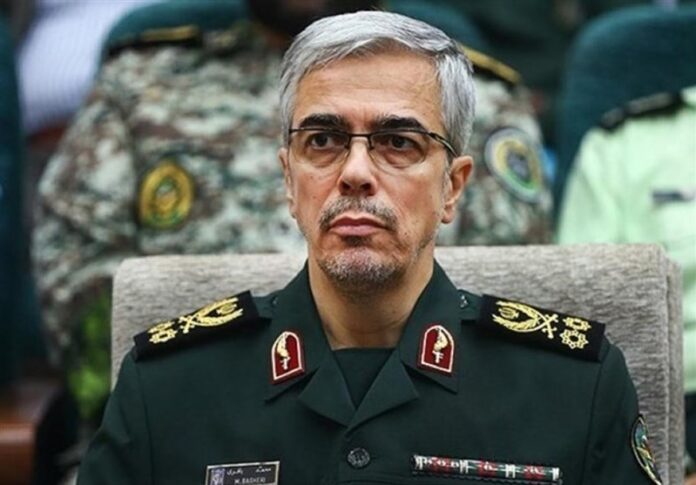
“Today, the IRGC has reached such a level of power and strategic influence that it has extremely enraged, and even in breathtaking face-to-face conflicts, humiliated and brought to their knees the camp of enemies of the revolution, especially the terrorist and arrogant US regime,” said Major General Mohammad Baqeri, the chairman of the General Staff of the Armed Forces.

He said the IRGC and other Armed Forces units are working hand in hand to ensure lasting security and tranquility in the country and counter the “long line of enemies and grudges” against Iran.

The top general also referred to the role of IRGC troops in fighting the coronavirus outbreak.

“During difficult, dark, unknown and unclear, and sometimes harrowing crises, the IRGC has created key opportunities to further promote the revolution and boost the country’s progress, and to advance the ideals and dreams of the Iranian nation,” he added.

The top general noted that resistance is growing and the flames of wrath are fueled against hegemonic powers and Zionism, and the “flag of fight against the US” is raised in any geographical location.

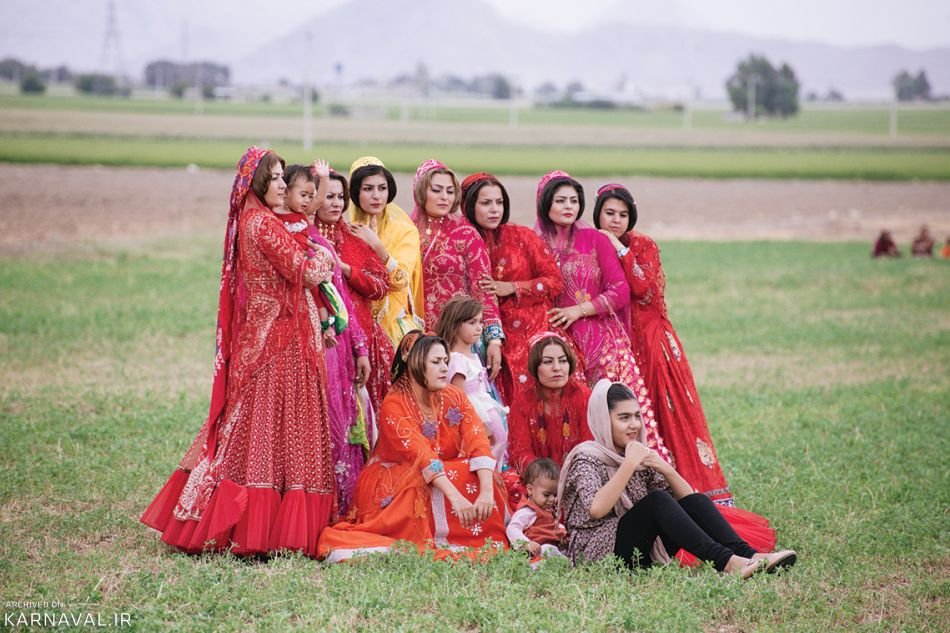
Qashqai Wedding; Unique Ceremony of Iranian Nomadic People

Qashqa’i is a conglomeration of clans in Iran consisting of mostly Turkic peoples but also Lurs, Kurds and Arabs. The Qashqa’i mainly live in the provinces of Fars, Khuzestan, Kohgiluyeh and Boyer-Ahmad, Chaharmahal and Bakhtiari, Bushehr, and southern Isfahan, especially around the cities of Shiraz and Firuzabad in Fars.

The majority of Qashqa’i people were originally nomadic pastoralists and some remain so today. The traditional nomadic Qashqa’i travelled with their flocks twice yearly to and from the summer highland pastures. The majority, however, have now become partially or wholly sedentary.

The presence of different ethnicities in Iran has led to different ceremonies in each community with special rituals.

The Qashqa’i people are happy and energetic people who try to spend most of their days in celebration. Wedding is one of their most important ceremonies, and being single is considered a sin. Love is something that is considered less among them and it usually develops over time between husband and wife over the course of a lifetime.

Qashqa’i Proposal

Usually the mother or sister of the boy chooses the girl. After the boy’s initial agreement, they negotiate with the girl’s family, and the girl is eventually informed. Next, the elders of the tribe, who accept all their words, go to the girl’s family and explain the financial, social status and temperament of the boy’s family. Upon receiving a positive response from the girl’s family, a precious piece of gold or clothing is presented to the bride’s mother and sisters.

Qashqai Wedding; Unique Ceremony of Iranian Nomadic People

Wedding, Nikah Preparations

The Nikah ceremony or signing marriage documents takes place at the bride’s home. Guests usually bring rice, meat and cash with them and contribute to the wedding expenses. The wedding takes several days and comes with a variety of events.

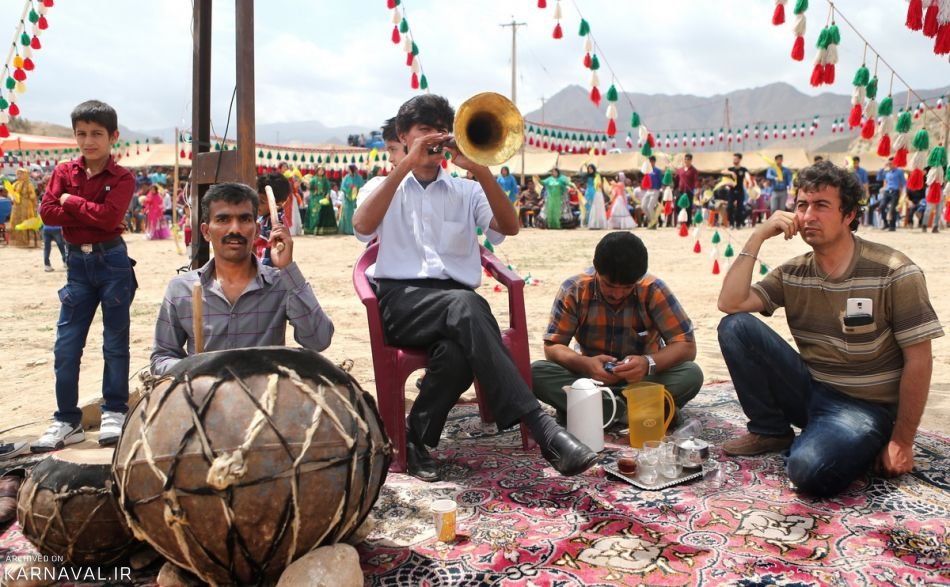
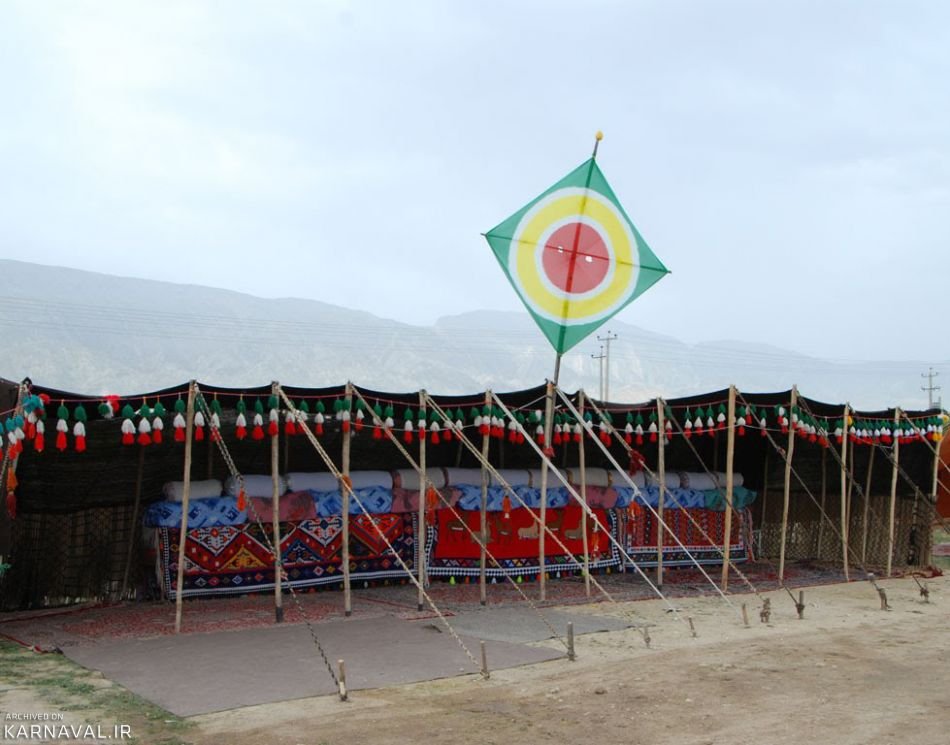
The two families choose a local venue for the celebration. It is usually held in the meadows and plains to make singing and group dance easier along with a variety of local games. They work together to wipe the wedding ground off the rocks and bushes, make tents for the guests, and decorate the tent floors with rugs, mats and wool. The bridal chamber is built at a high altitude. This tent is decorated with ornaments and covered with colourful Kilims. Flags or handkerchiefs are also hung over the tent. A tent is also set up for cooking and they put the necessary things in it.

Qashqai Wedding; Unique Ceremony of Iranian Nomadic PeopleWedding Day Ceremony
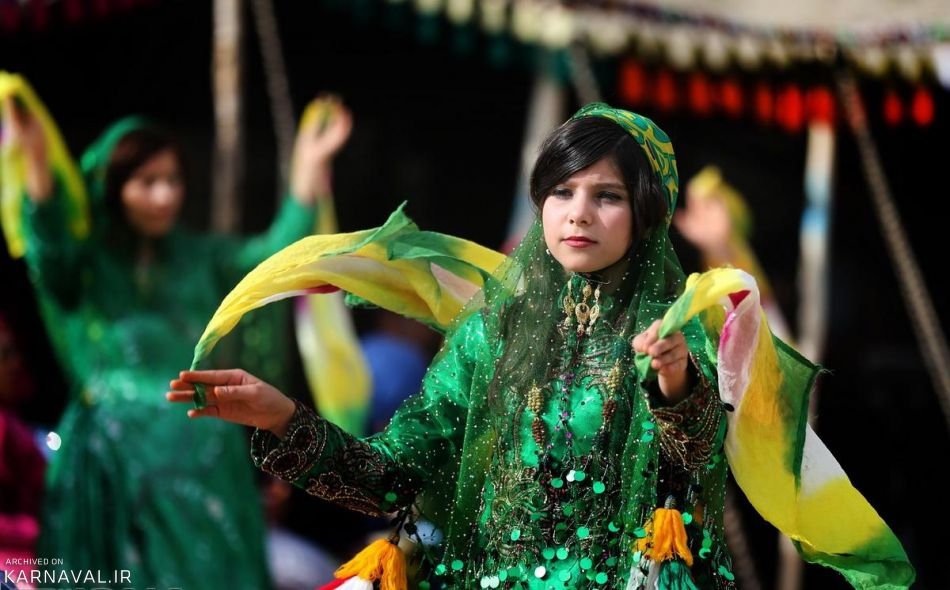
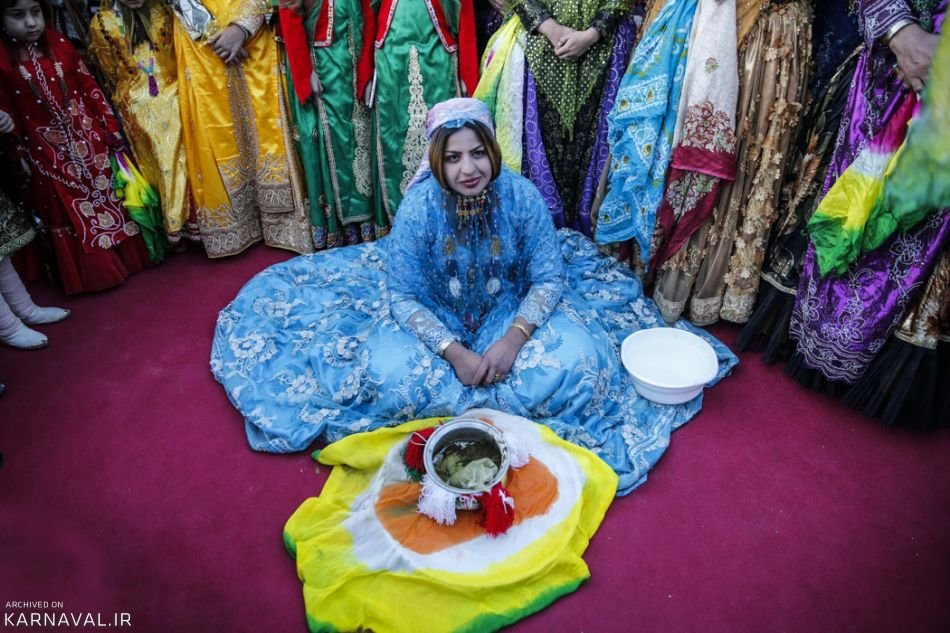
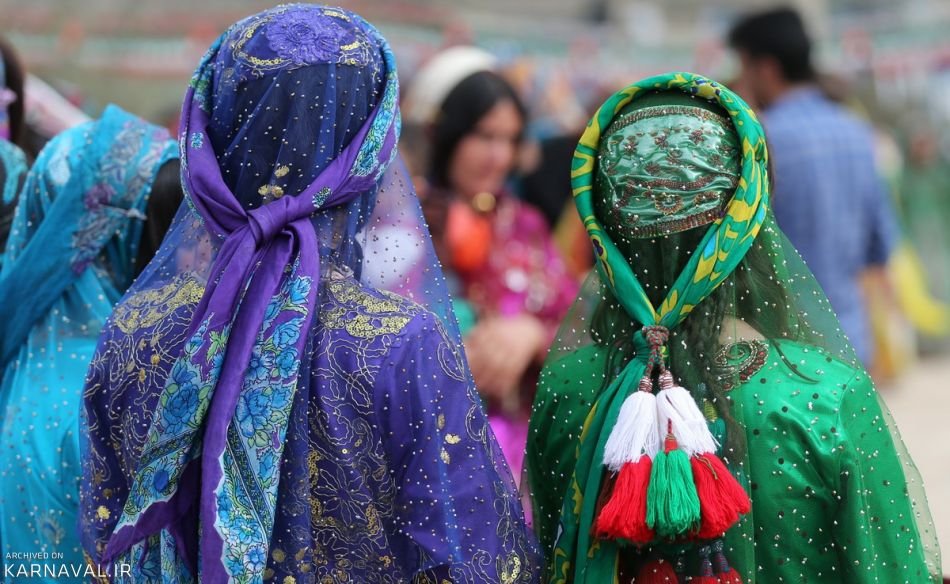
The henna ceremony will be held on the day before the wedding and up to a few days after the wedding. They put henna on the bride’s hands and feet, make up her eyes and comb her hair. When the bride is ready, they put a large silk scarf over her head and face. This scarf stays on the bride’s head until the marriage night and it is removed with special rituals. Usually the girl is housed in a tent the day before the wedding and the groom is not allowed to see her.

Qashqai Wedding; Unique Ceremony of Iranian Nomadic People

Bringing Bride to Groom

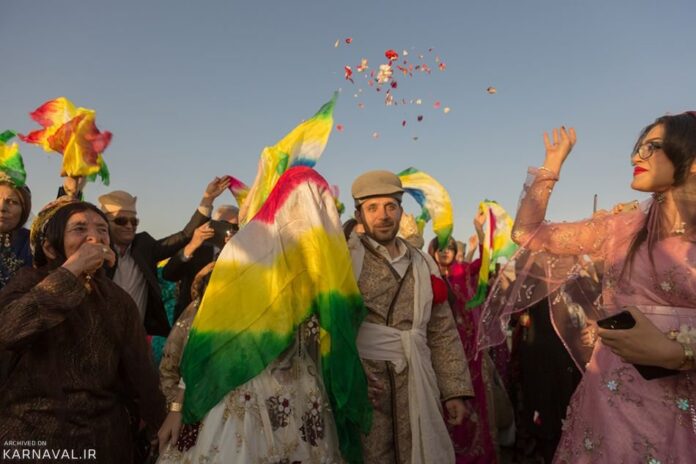
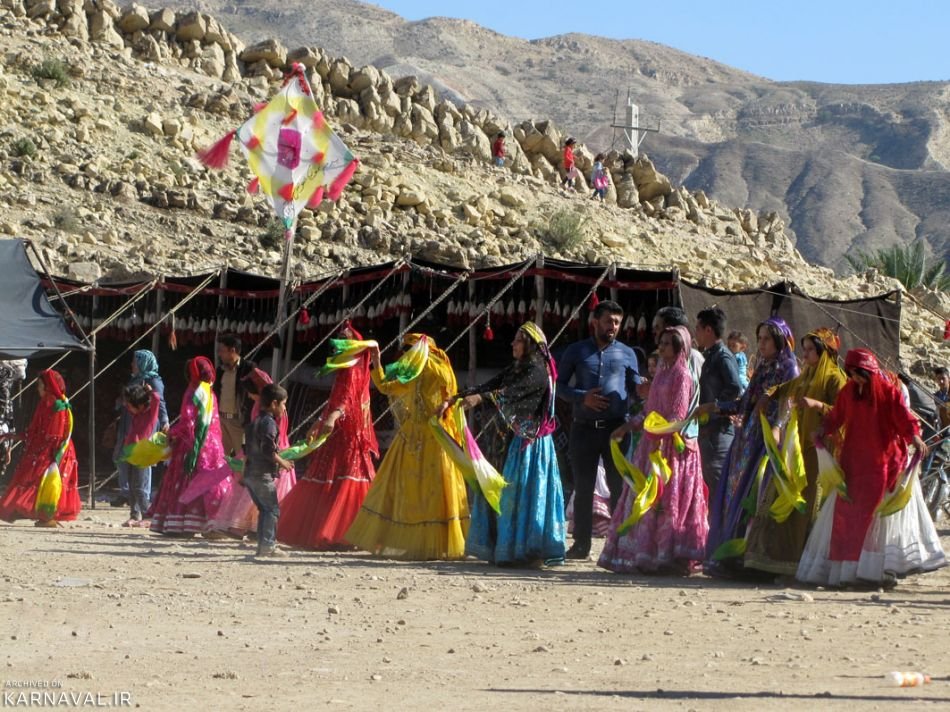
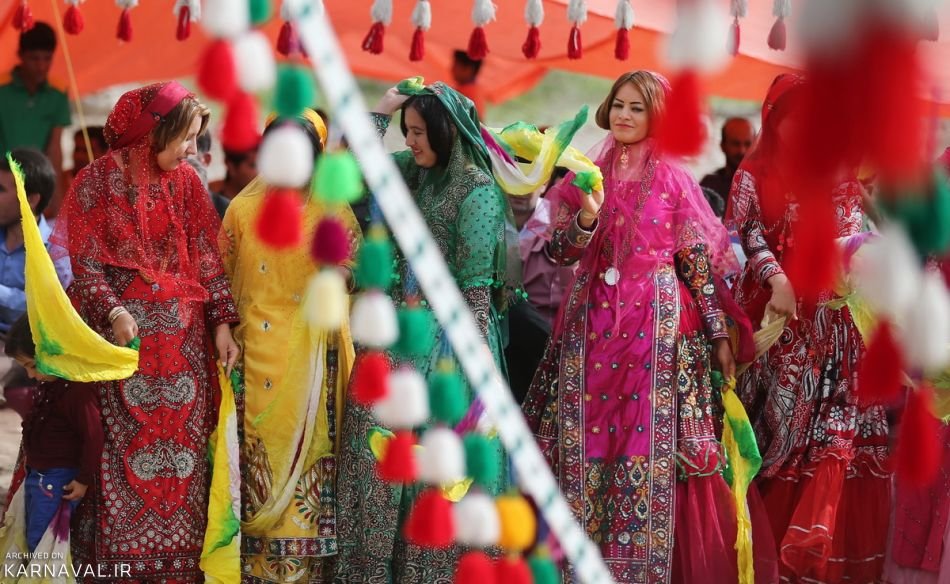
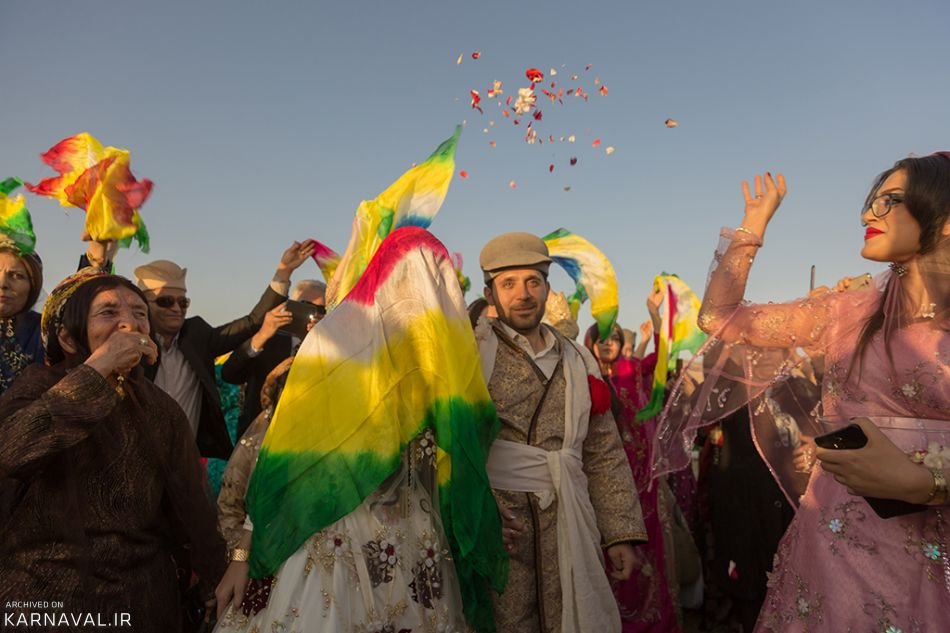
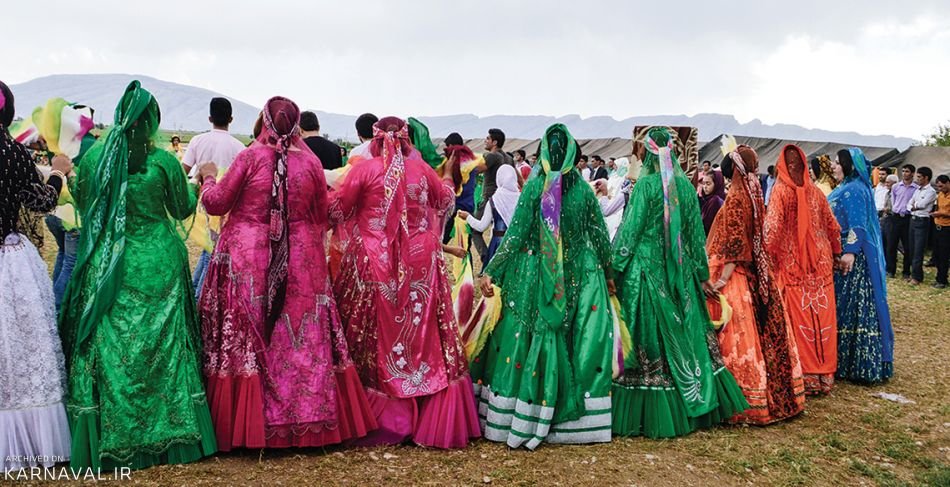
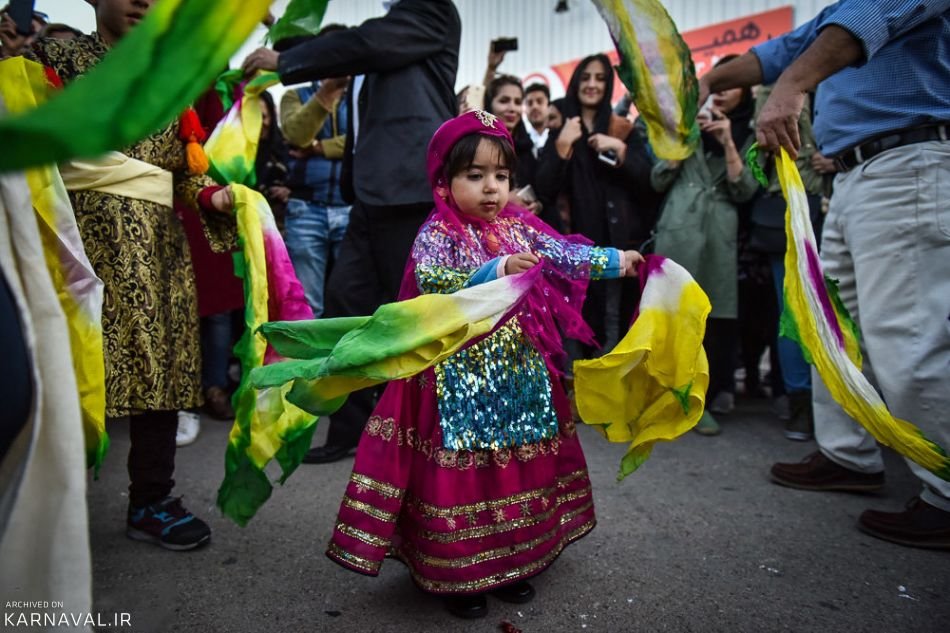
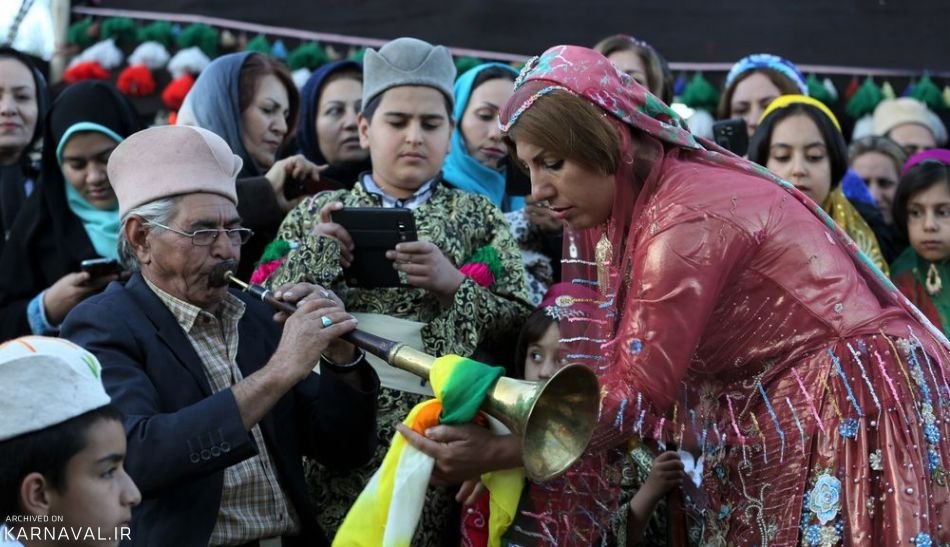
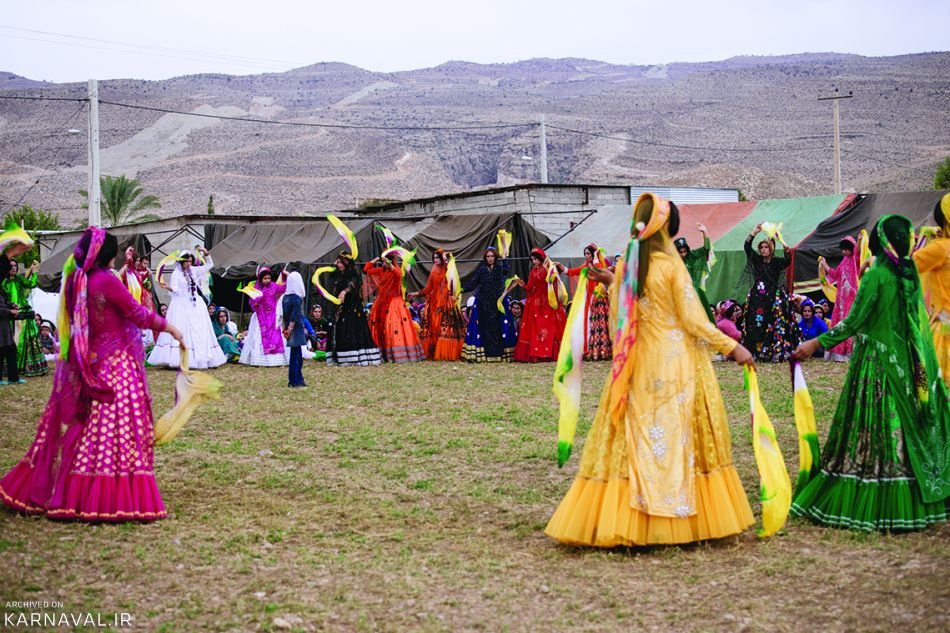
This is one of the most important parts of Qashqa’i wedding. Guests walk to the bride’s tent with musicians. The bride has a white cloak and rides on a horse. Her dowry is also on camels and mules and they are brought to the groom’s tent. The Qashqa’is leave a little boy behind bride to make sure that the first child of the bride and groom is a boy. After the convoy arrives at the groom’s tent, he helps the bride get off the horse and the groom’s mother shoves coins over them. At this time dance begins. One of the most spectacular customs of the Qashqa’i wedding is their dance of napkins. Each of the men and women holds two handkerchiefs while turning around a large circle. They dance with napkins in the air with musical instruments being played.

Qashqai Wedding; Unique Ceremony of Iranian Nomadic People

Setting Sufra

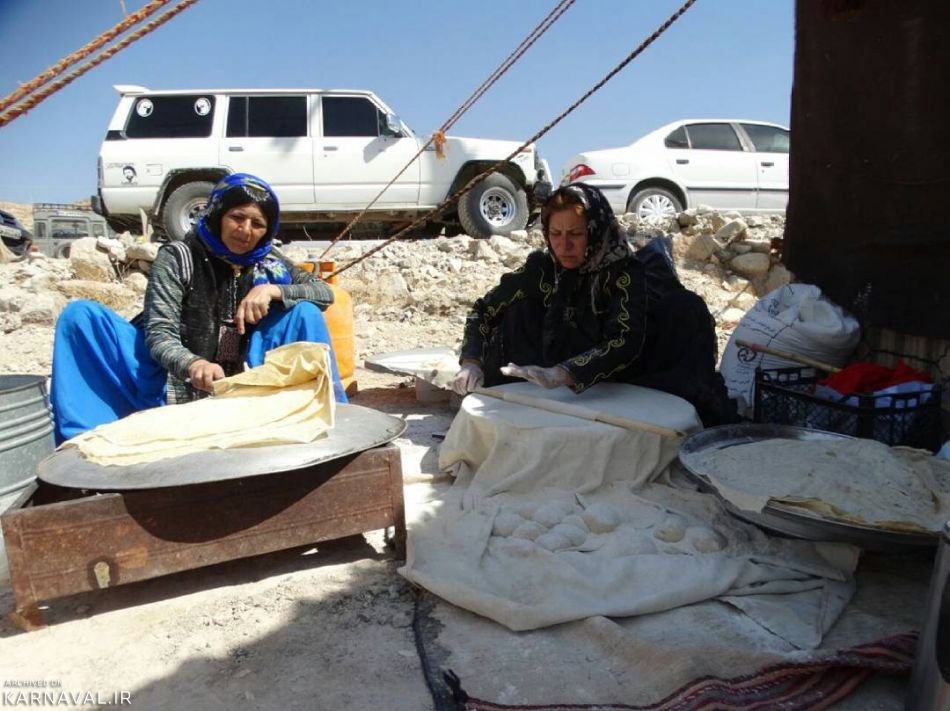
In general, the Sufra is very important to the Qashqa’is and they do their best for a wedding Sufra. Putting your feet on the Sufra is a great sin so when setting, no one puts feet on it. They all work together for wedding lunch and dinner. The wedding meal is meat and pilaf; it consists of a large tray of rice with cooked meat on it. They put traditional bread on the side of the trays, and yogurt drink, yogurt and water are put on Sufra. After lunch, tea and shisha are served.

Farewell to Family

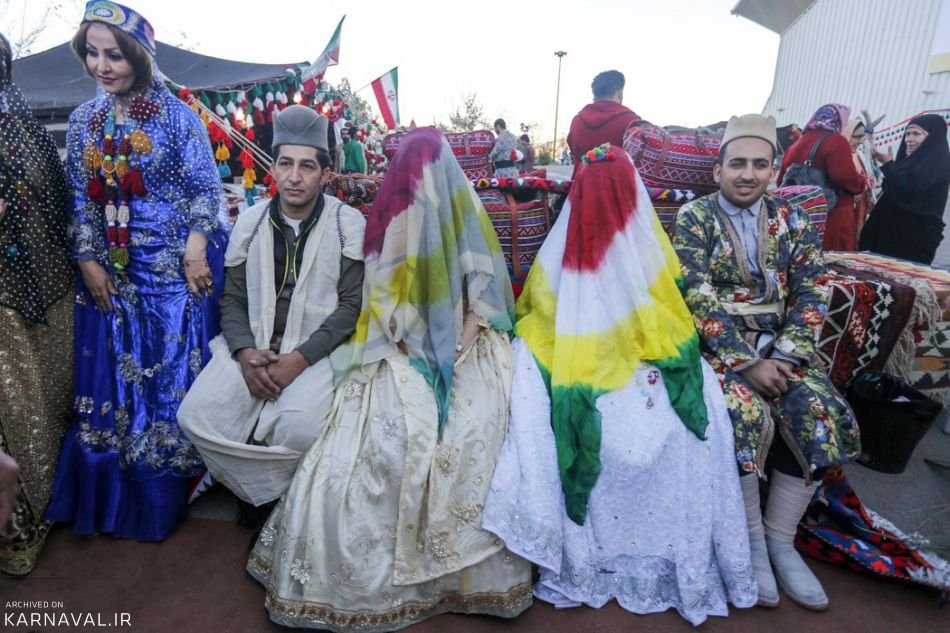
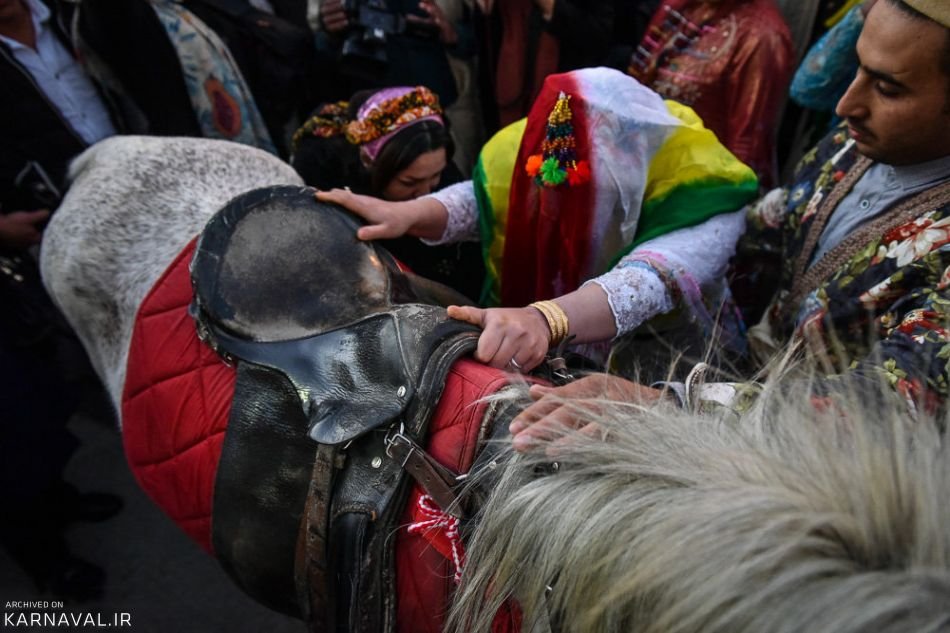
At the end of the first day, it is time for the bride to say goodbye to her family. The bride first presents a small gift to each guest. And then a close relative (usually an uncle) grabs the horse’s pedestal to mount the bride on her way to the tent. The bride and groom’s tent is covered with the myrtle which is a symbol of birth and regeneration. At the end of the ceremony the parents of the bride or a bearded man go into the chamber and hold the bride and groom’s hands together and wish them happiness. The bride and groom do not attend the second day of celebration, but guests continue to dance.

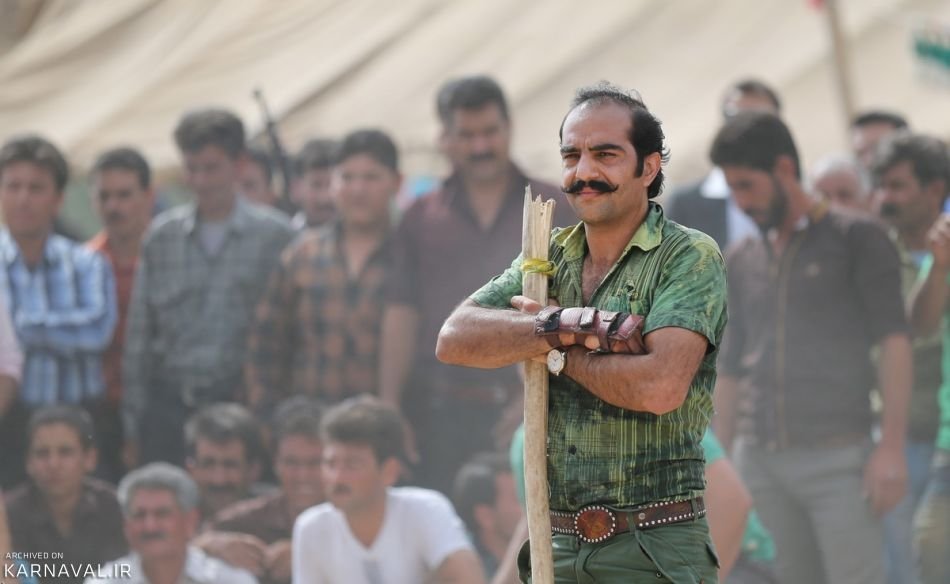
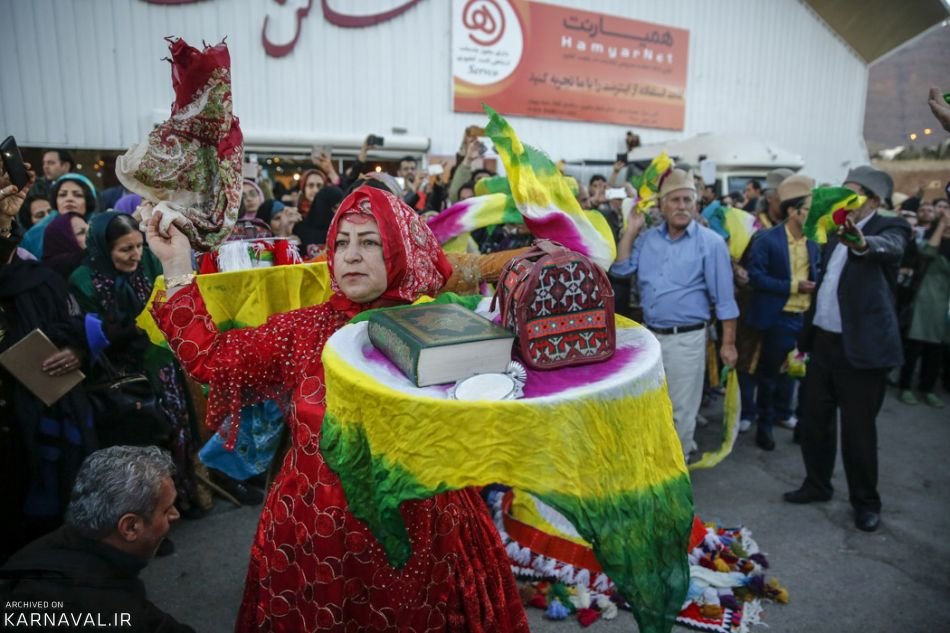
Here are the photos of this ceremony retrieved from Karnaval.ir website:

How Coronavirus Is Wreaking Havoc on Economy

How Coronavirus Is Wreaking Havoc on Economy

The officials in the town have asked the casino owners to close the casinos for about half a month as they are rushing to contain the coronavirus outbreak in Macau.

This move will shut down the world’s gambling capital for half a month and would hit the casino owners massively. The companies like Wynn Resorts and Las Vegas Sands sustain the economy of Macau; if they remain shut for 15 days, there will be a major wreck in the economy of Macau.

Authorities speak

According to the authorities, due to the coronavirus in Macau, about ten people have shown some pneumonia-like symptoms. Among those ten people is a hotel employee at Galaxy Casio, which is one of the busiest casinos of Macau. However, deaths haven’t been reported in that area yet, the virus has killed about 500+ people in China. Deaths have been reported in Philippines and Hong Kong too, and they both are neighbours of Macau.

Ho Iat Senf, the chief executive of the semiautonomous territory of China, said in a televised News conference, “It was a difficult decision, but it had to be taken keeping in mind the health of Macau’s residents.”

Mr Ho was wearing a blue face mask and a suit for precaution when he commented. In essence, the case of that hotel worker is a warning that the virus is spreading throughout the city. The worker, as a part of his job, had shared casino cafeteria and shuttle buses with colleagues.

Mr Ho further commented that although gambling accounts for four-fifths of government’s revenue, these economic losses can still be born.

However, the virus has shaken the largest economies in the world, and Macau just can’t bear the risk.

Other Economies

Many of the economies in the world have begun to rely on China due to their business relations, better and efficient factories, its increasingly affluent consumer & rising economic growth.

Ford, General Motors, Nissan, Apple, Starbucks and other major players have closed their establishments and Starbucks in the wake of coronavirus.

Hong Kong’s biggest but local airline, Cathay Pacific has announced steep cuts in their flights to China. In contrast, American Airlines have suspended all their trips to Hong Kong from Los Angeles and Dallas-Fort, due to decreasing demand.

China, on the other hand, remains in complete shutdown by the coronavirus, since the virus has sickened thousands and thousands of people in china since it originated in Wuhan.

The entire global economic outlook, the fortunes of major companies and the jobs of people around the world all depend on how quickly they rise from this setback.

Macau represents a glittery and gaudy symbol of how the entire world depends on Chinese money. Macau is the only city semi-controlled by China that allows legal casino gambling.

Macau is a former Portuguese colony that came back in control of China in 1999. When slowly deep-pocketed Chinese arrived in Macau, it transformed into an international hub for fine dining, entertainment and luxury shopping. Since then, many gambling companies have made Macau their centre and illuminated the skyline of a sleepy city of 622,000 people with neon spotlights.

Just a few weeks ago, this city was bustling with tourists from mainland China who came there to celebrate the holiday of Lunar New Year.

Now, Macau has even suspended essential public services. At the same time, Mr Ho has urged people to stay at their homes and not leave until it is an emergency.

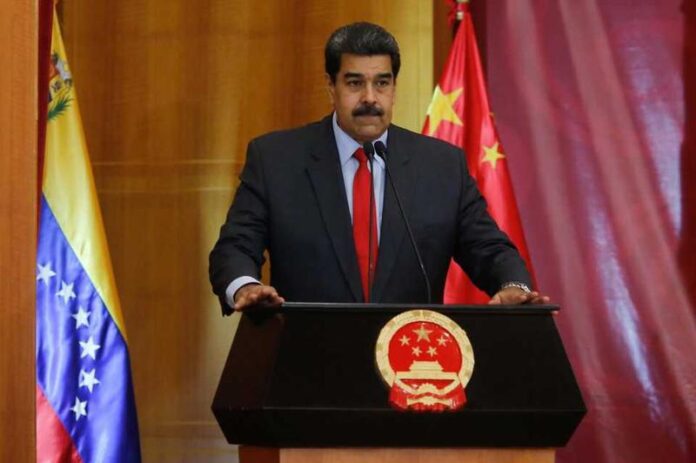
Iran Condemns US Accusations against Venezuelan President

Seyyed Abbas Mousavi said in a statement on Friday that no international law allows the US to interfere in the domestic affairs of other countries and prepare the ground for a coup, overthrow or aggression against an independent state by abusing its judicial mechanisms.

He said the worse thing is to offer a reward for the arrest of the head of a foreign government to demote him in such an outdated and old-fashioned way.

“The US government’s unilateralism and shameless enforcement of domestic law beyond borders has reached its climax. Such arbitrary acts and violations of international law have reached a level that could jeopardise the integrity of the United Nations and the international community,” Mousavi stressed.

The spokesman also asserted that the world’s indifference, silence and submission towards these moves by the US government is a form of support and assistance for Washington’s illegal conduct.

“We urge all members of the international community to unanimously defend multilateralism and to say no to the unilateral actions of the United States of America with a loud and clear voice,” he added.

Mousavi’s comments came one day after the US indicted the Venezuelan President, Nicolas Maduro, for what it calls drug trafficking. Washington also offered a $15 million reward for any information leading to Maduro’s arrest.

The US also indicted 14 key Maduro connections, including former Vice President Diosdado Cabello, offering $10 million for information leading to their detention. Charges were also filed against the country’s defence minister and chief justice.

Attorney General William Barr said at a news conference in Washington that “the Maduro regime is awash in corruption and criminality.”

He claimed while the Venezuelan people suffer, this cabal lines their pockets with drug money and the proceeds of corruption. The charges allege a conspiracy involving Colombia’s FARC, that Barr said was determined to “flood the US with cocaine.”


Iran Begins Blood Plasma Treatment for COVID-19

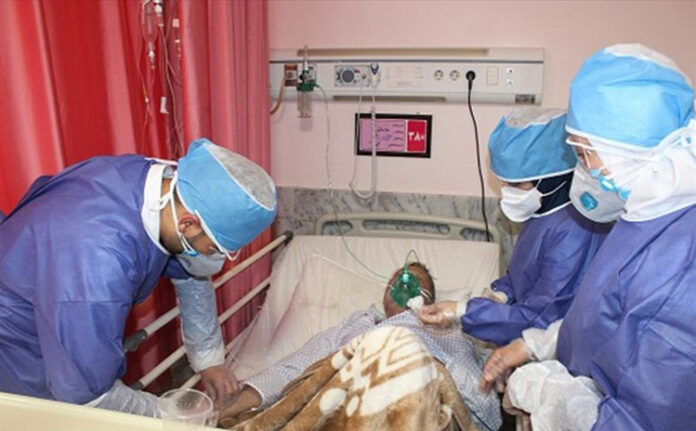
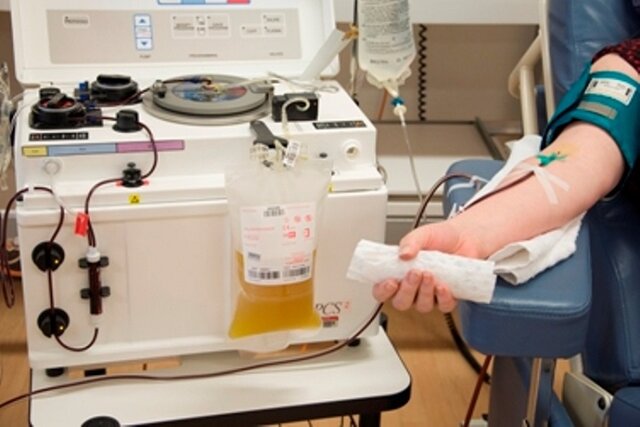
In a ceremony on Thursday, president of the hospital, Dr. Ali Akbar Velayati, inaugurated a project to use the blood of people who have recovered from COVID-19 as a possible antidote for the disease.

Expressing gratitude to all physicians, nurses and medical staff at the hospital for their devotion to duty in the fight against the novel coronavirus, Velayati said the hospital has begun to use a new method to treat the infectious disease by infusing the blood of recovered patients into those struggling with coronavirus.

Coronavirus online test
If you are worried that you may have contracted the Coronavirus, take this test right now.

He said the new approach to using plasma-based treatment can help the patients while effective therapies and vaccines are being developed.

Masih Daneshvari Hospital, the main medical center in Iran battling with COVID-19, has adopted the convalescent-plasma approach considering the growing number of patients recovering from the disease in Iran, Velayati added.

He emphasized that both the plasma donors and recipients take part in the project voluntarily in compliance with the charter of medical ethics.

In comments at the event, head of the Iranian Blood Transfusion Organization, Dr. Eshqi, said his organization is calling on all recovered cases to participate in the plan and help the coronavirus patients.

The convalescent-plasma approach is based on the concept of passive immunity.

People who have recovered from COVID-19 infection have likely done so because their immune systems developed strong immune responses to SARS-CoV-2, the virus that causes the illness. As a key part of their response, they make antibodies, including both general microbial killers and specialized cells that target just the proteins found on SARS-CoV-2.

In theory, these antibodies could be taken from a recovered COVID-19 patient, and infused into someone recently infected with the virus, according to the Time.

Iran Launches Online Coronavirus Test for Non-Iranian Nationals

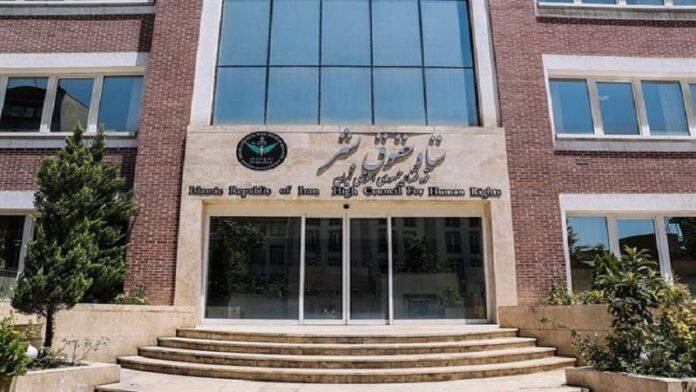
‘Iranian Nation Biggest Victim of Gross Violations of Human Rights’

The council made the remarks in a statement marking International Day for the Right to the Truth concerning Gross Human Rights Violations and for the Dignity of Victims. The full text of the statement follows.

March 24, 2020 marked International Day for the Right to the Truth [concerning Gross Human Rights Violations and for the Dignity of Victims]. This day, which was named International Day for the Right to the Truth concerning Gross Human Rights Violations and for the Dignity of Victims upon an initiative by the High Council for Human Rights and with the adoption of a resolution by the UN General Assembly, highlights the importance of keeping alive the memory of victims of grave and systematic violations of human rights and honouring the memory of those who lost their lives while striving to promote and support human rights.

Over the past months and years, the Iranian nation has witnessed numerous cases of gross violations of basic human rights, namely the right to live and the right to health. A textbook example of that, which has persisted over the past years, is the United States’ unilateral and illegal sanctions, which have had a negative impact on the right to enjoy all human rights, and at the time when the coronavirus has turned into a global pandemic, these unilateral and secondary sanctions, especially in the domain of medicines, remain in force in the most severe form.

The United States’ unilateral sanctions have already claimed the lives of dozens of children suffering from epidermolysis bullosa (EB) because of medicines not being allowed to reach them. Moreover, the US government has, before, created hurdles on the way of dispatching humanitarian aid at times of human crises, including the flooding on March 17, 2019, and the earthquake on November 12, 2017 in Iran. That means the US government had deprived Iranians from all walks of life of having access to, and buying humanitarian supplies, thus setting a precedent which runs counter to principles of international law.

On the other hand, other countries, including some European countries, too, have not only enforced the United States’ illegal sanctions, but they themselves have also taken steps toward imposing sanctions against the Iranian nation, for example early last year. Like the United States, these countries, too, have blatantly violated basic human rights.

On top of the above-mentioned cases, which claimed the lives of a considerable number of innocent people in Iran, the targeted assassination of one of the commanders of the Islamic Republic of Iran’s military Lieutenant General Qassem Soleimani, which was confirmed by the president of the criminal US regime, was another example of blatant and systematic violation of the Iranian nation’s rights over the past years. The targeted assassination of General Soleimani was not only a breach of inalienable principles of international law, namely the right to live, and a violation of the inalienable principles of public international law, including a breach of the principle of not resorting to force, but also a grave violation of the Iranian nation’s right to have a brave commander and a national hero. The turnout of tens of millions of Iranians in the streets of small and big cities of Iran to pay homage to Lieutenant General Soleimani and take part in his funeral procession showed Iranian people from all walks of life were deeply attached to this national hero. He was also the greatest and most high-profile advocate of the rights of peoples in the region. His assassination via the US state terrorism amounted to flagrant violation of regional nations’ rights during the fight against ISIS and terrorism.

While commemorating March 24, which highlights the right to the truth, the Islamic Republic of Iran’s High Council for Human Rights once again reminds the whole world of the reality that unilateralism and gross and systematic breach of nations’ rights has turned into a routine trend by the US government. The above-said cases are some of the instances of this country’s crimes against the Iranian nation only, over the past year.

Accordingly, the Islamic Republic of Iran’s High Council for Human Rights takes it upon itself to keep alive the memory of victims, including the Iranian citizens who fell victim to the United States’ unfair sanctions, and the memory of those who lost their lives while striving to promote and advocate human rights, including Lieutenant General Qassem Soleimani, and emphasizes that other countries as well as international and regional organizations’ inaction and failure to show any reaction to cases of blatant and systematic violation of human rights poses a grave threat to the existence of fundamental principles of international law and will drag into the vortex of annihilation the logic behind those principles, i.e., the promotion of, and support for human rights.