Tuesday, April 28, 2026
Home Blog Page 289

EU showcases ‘stockpiling strategy’ to prepare for potential war with Russia

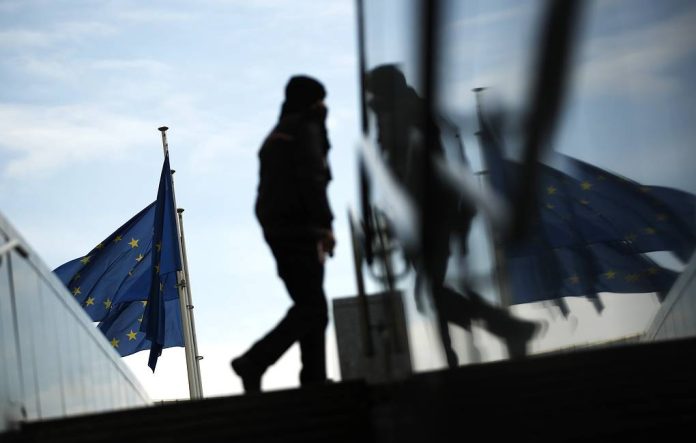
European Union Flag

The “stockpiling strategy” from Brussels comes as NATO warns that Russia — currently waging war on EU neighbour Ukraine — could be ready to attack the alliance within five years.

The 27-nation bloc has launched a broad readiness push to bolster its militaries and try to ensure it can defend itself by 2030.

“The goal is very simple to make sure that essential supplies that keep our societies running, especially the ones that save lives, are always available,” EU crisis management commissioner Hadja Lahbib said.

“The more we prepare, the less we panic.”

The EU announced the new stockpiling plan is aimed at securing the continuity of key goods during a raft of crises “such as major energy blackouts, natural disasters, conflicts or pandemics.”

It involves establishing a network between countries to better coordinate stocks, identifying gaps and bolstering “EU-level stockpiles”.

The levels of crisis preparedness among EU citizens vary markedly from country to country.

Member states, such as Finland, living under Moscow’s shadow on the EU’s eastern border, have long worked on having society ready for potential conflict.

“Of course, if you have a 1,000 kilometres border with Russia, you will feel threatened potentially by a war,” Lahbib added.

“But it is normal, that in Spain, they feel that wildfires are more likely to happen. There is no one size fits all.”

Lahbib insisted that whatever the cause of a crisis — be it conflict or natural disasters — the impact on citizens such as energy blackouts can be similar.

“People are without energy, and that’s why we need to stockpile items everywhere in the European Union,” she stated.

In March, as part of its efforts, the EU advised every household to have a three-day survival kit including water, food and flashlights ready in case of emergencies.
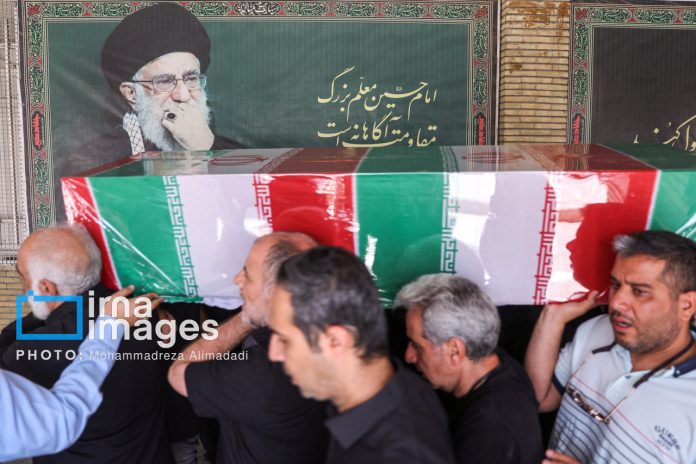
Reformist analyst slams Keyhan newspaper over “Martyrs of Negotiation” headline

In a post on his Telegram channel titled “Geniuses”, Zeidabadi wrote, “We had heard before that negotiations might not always prevent war — but claiming that war is the result of negotiations is something only the geniuses at Keyhan could come up with”.

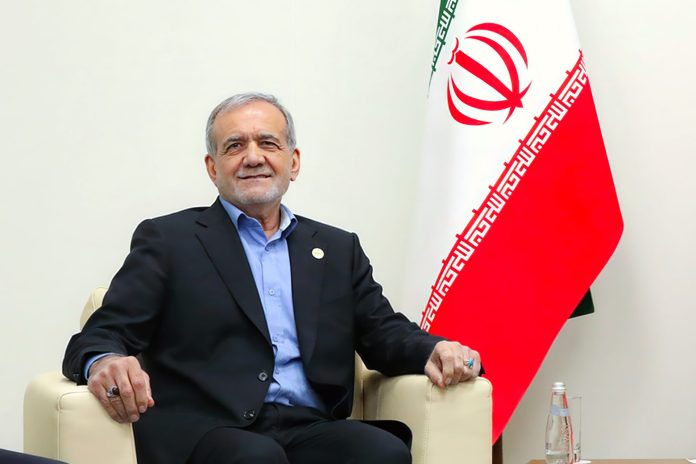
Zeidabadi underlined that Iran’s decision to resume dialogue with the U.S. was not made solely by President Masoud Pezeshkian, but was the result of consensus among the country’s top leadership and institutions.

“So who exactly is this headline targeting?”, he asked.

On Tuesday,  Keyhan’s editor-in-chief Hossein Shariatmadari strongly criticized any form of renewed talks with the US, saying, “Why should we return to talks with those who blew up the negotiating table?”

It was referring to the recent US-Israel aggression against Iran in the middle of talks between Washington and Tehran that has left at least 1,100 martyrs.

The statement came in the wake of Pezeshkian’s recent interview with American journalist and commentator Tucker Carlson, which made headlines both domestically and abroad.

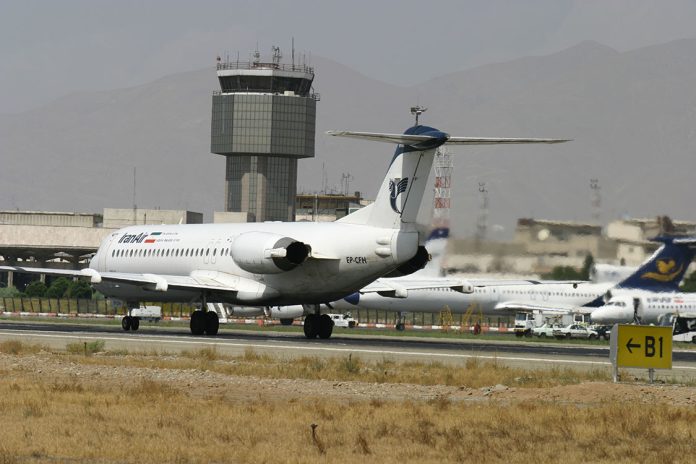
Iran restores domestic, int’l flights with limited night restrictions

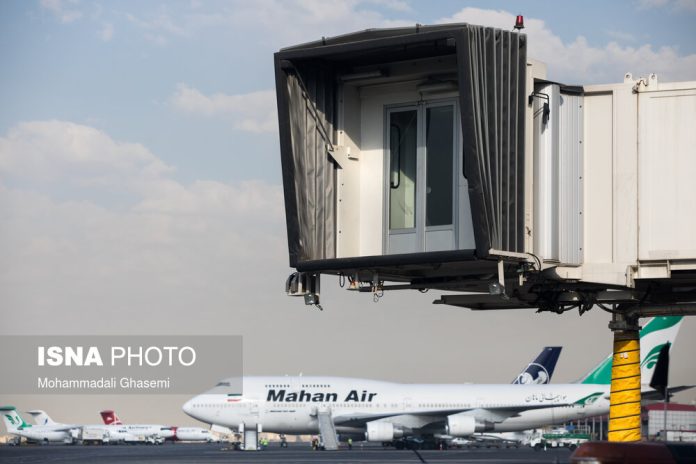
Mehrabad Airport

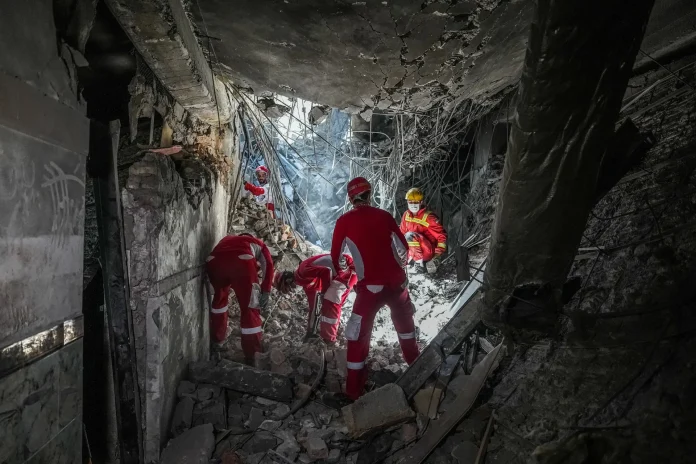
According to Iran’s Civil Aviation Organization, all airports are currently active except Isfahan Airport, which sustained significant damage during recent attacks. Restoration efforts are nearly complete, and the airport is expected to rejoin the national network soon.

Eastern airports are now operating 24/7, while airports in central and western regions are open from 5 a.m. to 6 p.m. Authorities cited national airspace security and night-time freedom for air defense systems as reasons for the partial curfew.

Domestic carriers are operating without disruptions. Turkish Airlines has resumed flights to Iran, and FlyDubai continues regular service. Other international airlines have either restarted operations or are in the process of rescheduling flights to fit within the designated daytime window.

However, the United Arab Emirates has delayed some flights due to their usual overnight scheduling.

Civil aviation officials explained that larger airlines with complex schedules face challenges adjusting to the new time constraints, while smaller or budget carriers have been more flexible in restoring connections to Iran.

Israel targeted civilian airports during 12-day conflict, Iranian official says

Iran Airport

Speaking to state media on Wednesday, Sane’i confirmed that the attacks violated international aviation protocols and have been officially reported to the International Civil Aviation Organization (ICAO).
“These must be recorded as unlawful interventions by a hostile regime,” he said.

Among the hardest hit was Tabriz Airport, where two runways were severely damaged following direct bombardment. Isfahan Airport also sustained infrastructure damage, including the loss of a radar system. The seaplane base in Qazvin, used by private operators and housing numerous light aircraft, was reportedly nearly destroyed, suffering an estimated loss of over $10 million.

Sane’i condemned the attacks, saying Israel ignored all international aviation norms and targeted infrastructure symbols vital to the public.

He added that while most strikes were aimed at civilian aviation facilities, a military aircraft stationed at Mashhad Airport was also damaged during the hostilities.

Iranian officials have called for international accountability over the attacks, describing them as part of broader unlawful aggression during the 12-day conflict that ended in a ceasefire.

Iranian FM calls for collective regional action against Israeli aggression

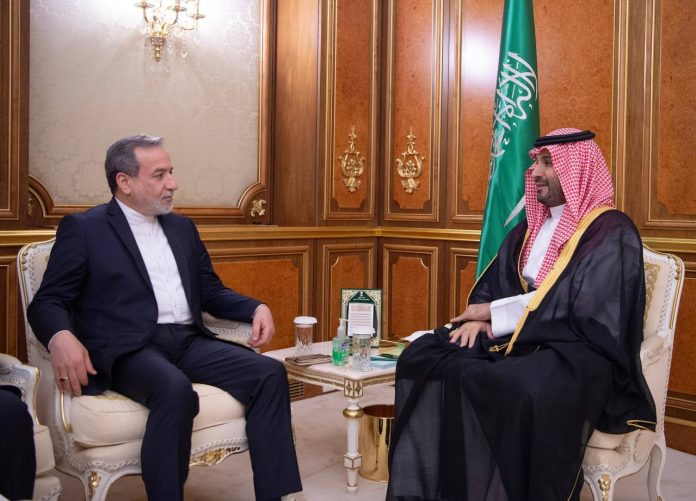
During the meeting which happened on Tuesday evening in Jeddah, Araghchi referred to the recent Israeli aggression against Iran, adding the unified and firm position adopted by regional countries in response to these actions reflects a regional consensus on the urgent need for collective action to confront the expansionism and warmongering of the Zionist apartheid regime.

The Iranian foreign minister also thanked Saudi Arabia for its responsible stance in condemning the recent acts of aggression against Iran. He outlined the Islamic Republic of Iran’s perspective on the regional security situation following the criminal military attacks by the Zionist regime and the United States.

Araghchi emphasized that these acts, which openly violated the UN Charter, international law, and the Non-Proliferation Treaty, have put the entire West Asia region at unprecedented risk.

Araghchi also reiterated the Islamic Republic of Iran’s commitment to strengthening ties with Saudi Arabia and other neighboring countries based on good neighborliness and mutual interests. He expressed Iran’s readiness to expand cooperation across various sectors, including economic, trade, and cultural fields.

Crown Prince Mohammed bin Salman in turn expressed satisfaction with the improving understanding and cooperation between the two major Islamic countries.

He affirmed Saudi Arabia’s determination to continue this path and to deepen bilateral relations across all fields.

The Crown Prince reiterated Saudi Arabia’s condemnation of military aggression against Iran’s territorial integrity and sovereignty.

He emphasized that safeguarding regional stability requires collaboration and mutual understanding among regional countries.

Russia launches massive overnight attack on Ukraine with over 740 drones

Russia Ukraine War

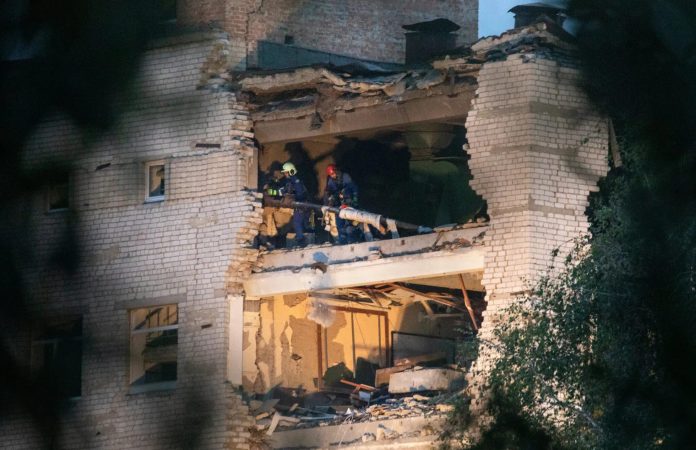
Moscow used 728 Shahed-type drones and decoys, seven Iskander cruise missiles and six aeroballistic Kinzhal missiles, mostly targeting the city of Lutsk in western Ukraine, less than 100 kilometres from the Polish border.

Ukraine Air Forces reported that 296 Shahed-type drones were shot down, while 415 were jammed by electronic warfare. Ukrainian air defence troops also intercepted all seven Iskander cruise missiles.

However, six Kinzhal missiles managed to bypass Ukraine’s air defences amid a shortage of US-supplied Patriot missile systems and relevant interceptor missiles.

Ukrainian President Volodymyr Zelenskyy said this Moscow’s attack speaks volumes as it “comes precisely at a time when so many efforts have been made to achieve peace, to establish a ceasefire, and yet only Russia continues to rebuff them all”.

“This is yet another proof of the need for sanctions – biting sanctions against oil, which has been fueling Moscow’s war machine with money for over three years of the war”.

Ukraine’s partners know how to apply pressure “in a way that will force Russia to think about ending the war, not launching new strikes”, Ukraine’s president added.

Kyiv has also repeatedly called on its partners to strengthen Ukraine’s air defence by supplying “life-saving” Patriot systems and relevant interceptor missiles.

US President Donald Trump reportedly resumed the US supply to Ukraine after a brief suspension earlier this month.

According to media reports, Trump promised to send 10 Patriot interceptors to Ukraine – a smaller number than had been paused previously while en route to the country.

Trump also reportedly suggested that Germany sell one of its Patriot batteries to Ukraine, according to the media reports. Allegedly, the costs could be split between the US and Europe.

Trump claims he threatened Putin to ‘bomb sh*t out of Moscow’ if Russia attacked Ukraine: CNN

Putin and Trump

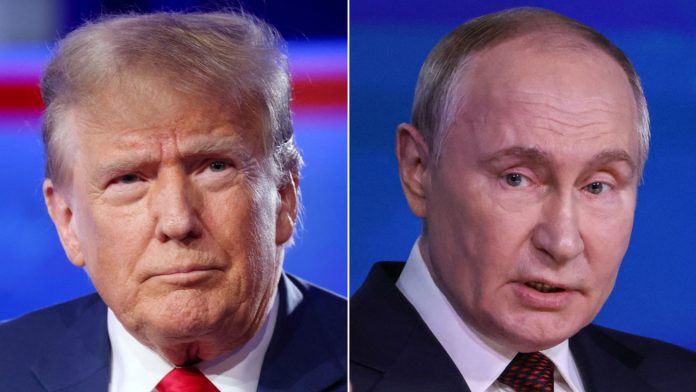
“With Putin I said, ‘If you go into Ukraine, I’m going to bomb the sh*t out of Moscow. I’m telling you I have no choice,'” Trump told a group of donors in 2024, according to CNN.

It was not immediately clear at what time the alleged conversation between the two leaders took place.

“And then (Putin) goes, like, ‘I don’t believe you.’ But he believed me 10%.”

Trump claimed he issued a similar warning to Chinese President Xi Jinping if he attempted to invade Taiwan.

Trump has repeatedly claimed during his campaign trail that Russia’s all-out invasion of Ukraine in 2022 would have never happened if he were president at the time, laying the blame on ex-President Joe Biden.

Trump previously served as president from 2017 to 2021, during which time Russia was already occupying Crimea and waging war against Ukraine in Donbas.

While initially pledging to broker a swift peace deal between Kyiv and Moscow and boasting of warm ties with Putin, Trump has more recently adopted a more critical tone toward the Russian leader as peace talks stall and Russian aerial strikes escalate.

“We get a lot of bullsh*t thrown at us by Putin,” Trump stated during a cabinet meeting.

The U.S. president also signaled support for a major Senate sanctions bill against Russia and, reportedly, air defense supplies for Ukraine.

These developments contrast with a recent pause by the Pentagon on military aid shipments, including Patriot interceptors, heading for Ukraine, and with Trump’s earlier reluctance to exert additional pressure on Moscow.

Russian forces continue to escalate aerial strikes on Ukrainian cities. Kyiv has urged its Western partners to step up support, namely in terms of sanctions and the provision of new air defenses.

Iran reports heavy medical infrastructure damage during 12-day war with Israel

Kolivand said on Wednesday Red Crescent staff worked tirelessly under dangerous conditions, describing Israeli attacks as “criminal.”

He praised the dedication of aid workers and emphasized the group’s simultaneous focus on public training and international advocacy during the conflict.

Kolivand detailed the launch of community support initiatives like the “Khadem” plan, which addressed public health, crisis resilience, and neighborhood-based assistance. A post-war volunteer campaign, “Your Home Rebuilt,” is also underway to aid recovery.

Secretary-General Meysam Afshar highlighted the deployment of 70,000 trained responders and activation of emergency call center 4030, which handled over 100,000 calls. He said over half of the civilian casualties occurred in Tehran.

Afshar noted that despite targeted attacks, less than 15% of Red Crescent capacity was used. Internationally, the organization received solidarity messages from 70 national societies.

Analyst: Iranian president challenges dominant narrative in interview with Tucker Carlson

Masoud Pezeshkian

According to Reza Nasri’s post on X social media, with US President Donald Trump’s rise to power, Israeli officials and affiliated lobbies took charge of shaping the narrative on Iran, especially targeting the so-called Make America Great Again (MAGA) movement.

This narrative, Nasri argues, emphasized claims such as Iran’s intent to assassinate Trump, its alleged aggression and nuclear threat, and its hostility toward the West, using slogans like “Death to America” to justify US military and financial support for Israel.

Nasri contends that Israel and its supporters have mainstreamed this view, even influencing Trump-era promises of peace. Statements by unofficial Iranian figures have unintentionally reinforced the narrative, he added.

In this context, President Pezeshkian’s interview sought to disrupt that narrative by directly addressing its components and emphasizing Israel’s destabilizing role.

The interview’s timing, coinciding with the Israeli regime’s premier Benjamin Netanyahu’s visit to Washington, added to its relevance.

Nasri also criticized internal opponents who misrepresented the interview for political gain, calling such actions regrettable amid escalating regional tensions.

UN expert slams countries that let Netanyahu fly over airspace to US

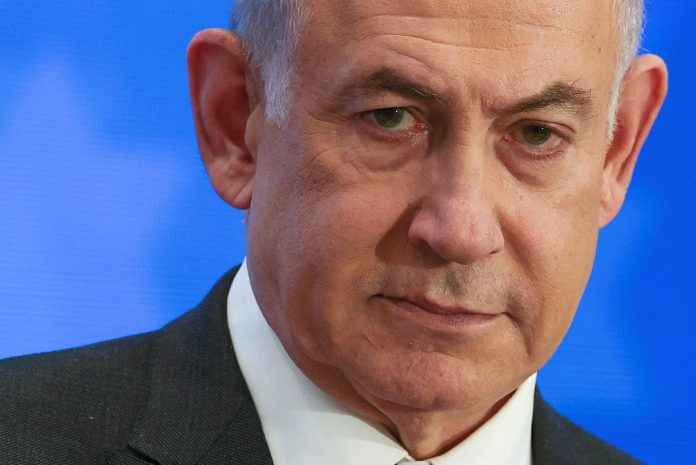
Benjamin Netanyahu

Albanese said on Wednesday that the governments of Italy, France and Greece needed to explain why they provided “safe passage” to Netanyahu, who they were theoretically “obligated to arrest” as an internationally wanted suspect when he flew over their territory on his way to meet United States President Donald Trump on Sunday for talks.

All three countries are signatories of the Rome Statute, the treaty that established The Hague-based International Criminal Court (ICC) in 2002, which last year issued arrest warrants for Netanyahu and former Israeli defence minister Yoav Gallant for war crimes and crimes against humanity perpetrated during Israel’s war on Gaza.

“Italian, French and Greek citizens deserve to know that every political action violating the int’l legal order, weakens and endangers all of them. And all of us,” Albanese wrote on X.

Albanese was responding to a post by human rights lawyer Craig Mokhiber, who had stated the previous day that the countries had “breached their legal obligations under the treaty [Rome Statute], have declared their disdain for the victims of genocide, and have demonstrated their contempt for the rule of law”.

Netanyahu’s visit to the US, during which he and Trump discussed the forced displacement of Palestinians amid the ongoing ceasefire negotiations with Hamas, was not his first sortie since the ICC issued the warrant for his arrest.

In February, Netanyahu travelled to the US, which is not party to the Rome Statute, becoming the first foreign leader to meet Trump after his January inauguration.

That flight took a longer path, flying over US bases and avoiding countries that might arrest the Israeli leader, according to Israeli Ambassador to the US Yechiel Leiter, cited by the Times of Israel in an article published the following month.

Then, in April, Netanyahu visited Hungary’s leader Viktor Orban in Budapest, the latter having extended his invitation just one day after the ICC issued the arrest warrant, withdrawing the country’s ICC membership ahead of the Israeli leader’s arrival.

From Hungary, Netanyahu then flew to the US for a meeting with Trump, his plane flying 400km (248 miles) further than the normal route to avoid the airspace of Ireland, Iceland and the Netherlands owing to fears that they might enforce the arrest warrant, according to Israel’s Haaretz daily newspaper.

Member states of the ICC are expected to take subjects of arrest warrants into custody if those individuals are on their territory.

In practice, the rules are not always followed. For instance, South Africa, a member of the court, did not arrest Sudan’s then-leader Omar al-Bashir during a 2017 visit, despite an ICC warrant against him.

European Union countries have been split on the ICC warrant issued for Netanyahu.

Some said last year they would meet their ICC commitments. Italy has said there are “many doubts” over the legality of the warrant, while France has said it believes Netanyahu has immunity from ICC actions.